
MR_SPONDY_13
8k 投稿

MR_SPONDY_13
 厳選トピック確認済+
報告
ユーザーをブロック
取引を発注

VETホルダー
超高頻度トレーダー
4.1年
1.0K+ フォロー
48.1K+ フォロワー
37.7K+ いいね
投稿
ポートフォリオ
すべて
引用
動画
ライブ
·
--
翻訳参照
[TRADE AND SPIN](https://www.binance.com/activity/chance/south-asia-us-stocks-megafest?ref=GRO_100022482_T3KXM&utm_medium=web_share_copy)
[OPEN THE LINK AND TRADE IT](https://www.binance.com/activity/chance/south-asia-us-stocks-megafest?ref=GRO_100022482_T3KXM&utm_medium=web_share_copy)
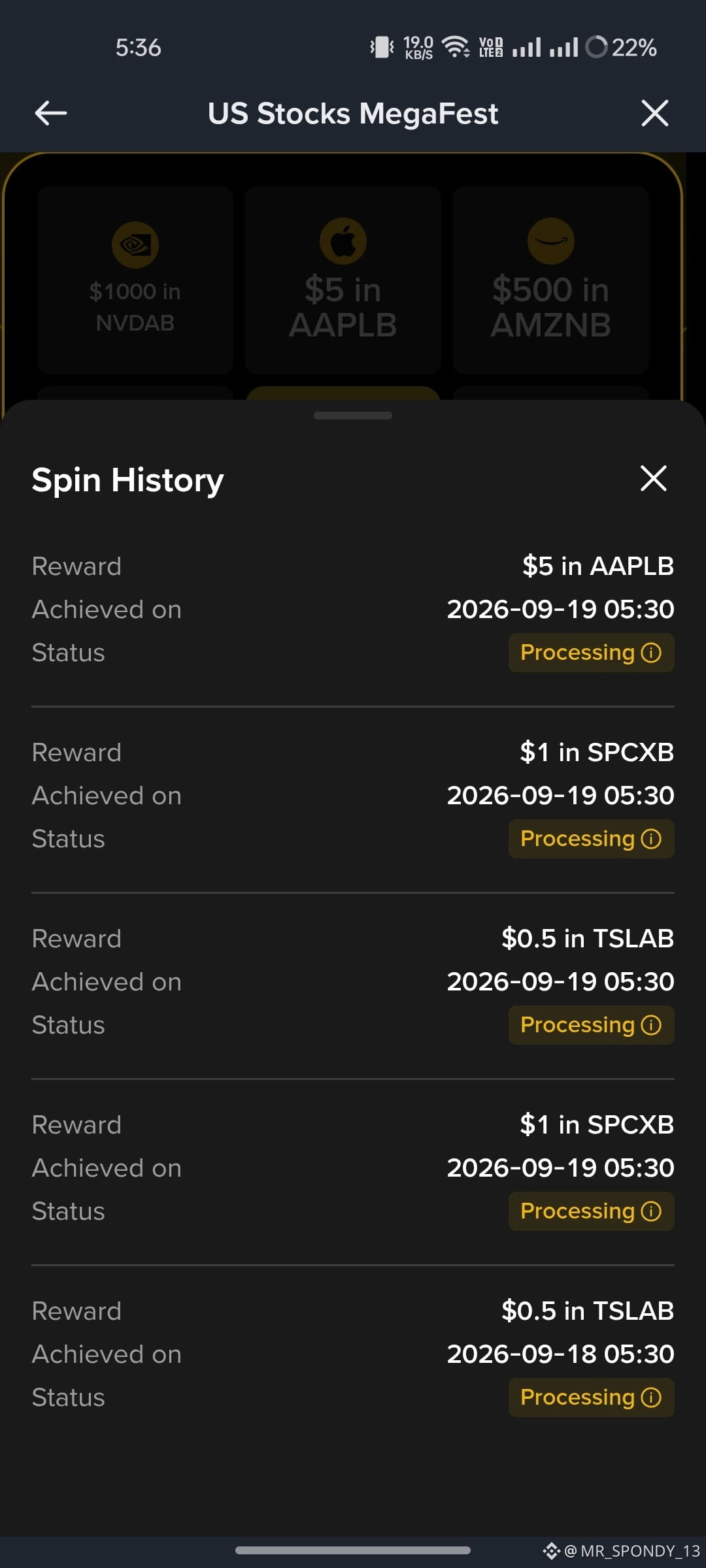
🔥 US Stocks MegaFest is live on Binance!
Trade & spin for a chance to win from a $500,000 bStock reward pool 🎰📈
The reward board includes bStocks like: 🟢 NVIDIA
🍎 Apple
📦 Amazon
💻 AMD
🔵 Google
🚗 Tesla
⚡ SPXC
🔷 Circle
I just checked my spin and now I’m waiting for the next attempt 👀
Have you tried your spin yet? 🎯
#Binance #USStocksMegaFest #bStocks #USStocks
[TRADE ABD SPIN IT ,WIN CHANCE TO EARN](https://www.binance.com/activity/chance/south-asia-us-stocks-megafest?ref=GRO_100022482_T3KXM&utm_medium=web_share_copy)
TRADE AND SPIN
OPEN THE LINK AND TRADE IT
🔥 US Stocks MegaFest is live on Binance!
Trade & spin for a chance to win from a $500,000 bStock reward pool 🎰📈
The reward board includes bStocks like: 🟢 NVIDIA
🍎 Apple
📦 Amazon
💻 AMD
🔵 Google
🚗 Tesla
⚡ SPXC
🔷 Circle
I just checked my spin and now I’m waiting for the next attempt 👀
Have you tried your spin yet? 🎯
#Binance #USStocksMegaFest #bStocks #USStocks
TRADE ABD SPIN IT ,WIN CHANCE TO EARN
OPEN THE LINK AND TRADE IT
🔥 US Stocks MegaFest is live on Binance!
Trade & spin for a chance to win from a $500,000 bStock reward pool 🎰📈
The reward board includes bStocks like: 🟢 NVIDIA
🍎 Apple
📦 Amazon
💻 AMD
🚗 Tesla
⚡ SPXC
🔷 Circle
I just checked my spin and now I’m waiting for the next attempt 👀
Have you tried your spin yet? 🎯
#Binance #USStocksMegaFest #bStocks #USStocks
TRADE ABD SPIN IT ,WIN CHANCE TO EARN
174
·
--
VET VeChain テクニカル・セットアップ
VETは長期の下落トレンドをブレイクした後、強さを見せています。
現在:およそ$0.0078
サポート:$0.0070〜$0.0072
強いサポート:$0.0063〜$0.0065
レジスタンス:$0.0085
主要レジスタンス:$0.0095〜$0.0100
強気の目標:
$0.0100 → $0.0120 → $0.0150 → $0.0200
損切りライン:$0.0068未満
VETが$0.0095を上回ってブレイクし、強い出来高で定着すれば、次の主要な動きが始まる可能性があります。
私の見解:ポンプに飛びつくのではなく、確定したブレイクアウトを確認するためにVETを注意深く見ています。
投資助言ではありません。暗号資産は非常に変動が大きいです。自己判断で調べてください(DYOR)。
$VET
VET VeChain テクニカル・セットアップ
VETは長期の下落トレンドをブレイクした後、強さを見せています。
現在:およそ$0.0078
サポート:$0.0070〜$0.0072
強いサポート:$0.0063〜$0.0065
レジスタンス:$0.0085
主要レジスタンス:$0.0095〜$0.0100
強気の目標:
$0.0100 → $0.0120 → $0.0150 → $0.0200
損切りライン:$0.0068未満
VETが$0.0095を上回ってブレイクし、強い出来高で定着すれば、次の主要な動きが始まる可能性があります。
私の見解:ポンプに飛びつくのではなく、確定したブレイクアウトを確認するためにVETを注意深く見ています。
投資助言ではありません。暗号資産は非常に変動が大きいです。自己判断で調べてください(DYOR)。
$VET
VETは長期の下落トレンドをブレイクした後、強さを見せています。
現在:およそ$0.0078
サポート:$0.0070〜$0.0072
強いサポート:$0.0063〜$0.0065
レジスタンス:$0.0085
主要レジスタンス:$0.0095〜$0.0100
強気の目標:
$0.0100 → $0.0120 → $0.0150 → $0.0200
損切りライン:$0.0068未満
VETが$0.0095を上回ってブレイクし、強い出来高で定着すれば、次の主要な動きが始まる可能性があります。
私の見解:ポンプに飛びつくのではなく、確定したブレイクアウトを確認するためにVETを注意深く見ています。
投資助言ではありません。暗号資産は非常に変動が大きいです。自己判断で調べてください(DYOR)。
$VET
1
4
327
·
--
$APT 完全な取引セットアップ
APTは約$0.61 — 注目すべき重要ゾーンです。
🟢 エントリーゾーン: $0.59–$0.62
🛡️ SL: $0.55
🎯 TP1: $0.67
🎯 TP2: $0.75
🎯 TP3: $0.80
🎯 TP4: $1.00
📌 サポート: $0.59–$0.60
📌 強いサポート: $0.52–$0.55
📌 レジスタンス: $0.64–$0.67 / $0.71–$0.75
APTがブレイクして$0.67以上を維持できれば、より高い目標が視野に入る可能性があります。このセットアップを無効にするのは、$0.55を下回る決定的なブレイクです。
テクニカル・セットアップのみ。リスクとポジションサイズを慎重に管理してください。
#APT #Aptos #Crypto $APT
{future}(APTUSDT)
$APT 完全な取引セットアップ
APTは約$0.61 — 注目すべき重要ゾーンです。
🟢 エントリーゾーン: $0.59–$0.62
🛡️ SL: $0.55
🎯 TP1: $0.67
🎯 TP2: $0.75
🎯 TP3: $0.80
🎯 TP4: $1.00
📌 サポート: $0.59–$0.60
📌 強いサポート: $0.52–$0.55
📌 レジスタンス: $0.64–$0.67 / $0.71–$0.75
APTがブレイクして$0.67以上を維持できれば、より高い目標が視野に入る可能性があります。このセットアップを無効にするのは、$0.55を下回る決定的なブレイクです。
テクニカル・セットアップのみ。リスクとポジションサイズを慎重に管理してください。
#APT #Aptos #Crypto $APT
APTは約$0.61 — 注目すべき重要ゾーンです。
🟢 エントリーゾーン: $0.59–$0.62
🛡️ SL: $0.55
🎯 TP1: $0.67
🎯 TP2: $0.75
🎯 TP3: $0.80
🎯 TP4: $1.00
📌 サポート: $0.59–$0.60
📌 強いサポート: $0.52–$0.55
📌 レジスタンス: $0.64–$0.67 / $0.71–$0.75
APTがブレイクして$0.67以上を維持できれば、より高い目標が視野に入る可能性があります。このセットアップを無効にするのは、$0.55を下回る決定的なブレイクです。
テクニカル・セットアップのみ。リスクとポジションサイズを慎重に管理してください。
#APT #Aptos #Crypto $APT

3
450

·
--
🔐 暗号にもプライバシーが必要です。
ブロックチェーンの透明性は強力ですが、ブロックエクスプローラーを使う誰にでも、あなたの金融履歴が永遠に見られてしまうとしたらどうでしょう。透明性は素晴らしいですが、すべての取引を公開すべきなのでしょうか?
そのため、プライバシー重視のプロジェクトが注目されています。$XMR はプライベート取引に焦点を当て、$ZEC はゼロ知識技術を用いています。一方で $FIRO
と $DUSK のようなプロジェクトは、プライバシーへの別のアプローチを取っています。
暗号の普及が進むにつれて、プライバシーは贅沢品ではなく機能になる可能性があると私は考えています。
大きな疑問はこうです。暗号は透明性、プライバシー、そして規制のバランスを取れるのでしょうか? 👀
#Privacy #XMR #ZEC #FIRO #DUSK
🔐 暗号にもプライバシーが必要です。
ブロックチェーンの透明性は強力ですが、ブロックエクスプローラーを使う誰にでも、あなたの金融履歴が永遠に見られてしまうとしたらどうでしょう。透明性は素晴らしいですが、すべての取引を公開すべきなのでしょうか?
そのため、プライバシー重視のプロジェクトが注目されています。$XMR はプライベート取引に焦点を当て、$ZEC はゼロ知識技術を用いています。一方で $FIRO
と $DUSK のようなプロジェクトは、プライバシーへの別のアプローチを取っています。
暗号の普及が進むにつれて、プライバシーは贅沢品ではなく機能になる可能性があると私は考えています。
大きな疑問はこうです。暗号は透明性、プライバシー、そして規制のバランスを取れるのでしょうか? 👀
#Privacy #XMR #ZEC #FIRO #DUSK
ブロックチェーンの透明性は強力ですが、ブロックエクスプローラーを使う誰にでも、あなたの金融履歴が永遠に見られてしまうとしたらどうでしょう。透明性は素晴らしいですが、すべての取引を公開すべきなのでしょうか?
そのため、プライバシー重視のプロジェクトが注目されています。$XMR はプライベート取引に焦点を当て、$ZEC はゼロ知識技術を用いています。一方で $FIRO
と $DUSK のようなプロジェクトは、プライバシーへの別のアプローチを取っています。
暗号の普及が進むにつれて、プライバシーは贅沢品ではなく機能になる可能性があると私は考えています。
大きな疑問はこうです。暗号は透明性、プライバシー、そして規制のバランスを取れるのでしょうか? 👀
#Privacy #XMR #ZEC #FIRO #DUSK

7
651
·
--
本人確認中
CPI IS OUT-HERE’S MY TAKE
米国のCPIは8月に前月比0.4%、前年比3.4%となり、コアCPIは前年比2.4%でした。
NFPも堅調な162Kの雇用増となり、FRBの判断がより注目される状況に。
FRB:利上げか据え置きか?
私の見解:据え置き。CPIは粘着的ですが、たった1回の熱いインフレ指標だけで利上げが確実になるとは思いません。
強気か弱気か?
私は強気です 🚀
上昇余地のあるチャンスを見て株式を監視し、ヘッジとして金も視野に入れています。
見てみましょう:FRBは据え置くのか、それとも利上げでサプライズするのか? 👀
#CPIWatch
$AAPLB
{spot}(AAPLBUSDT)
$BTC
{future}(BTCUSDT)
$NVDA.US
{stock_us}(NVDA.US)
CPI IS OUT-HERE’S MY TAKE
米国のCPIは8月に前月比0.4%、前年比3.4%となり、コアCPIは前年比2.4%でした。
NFPも堅調な162Kの雇用増となり、FRBの判断がより注目される状況に。
FRB:利上げか据え置きか?
私の見解:据え置き。CPIは粘着的ですが、たった1回の熱いインフレ指標だけで利上げが確実になるとは思いません。
強気か弱気か?
私は強気です 🚀
上昇余地のあるチャンスを見て株式を監視し、ヘッジとして金も視野に入れています。
見てみましょう:FRBは据え置くのか、それとも利上げでサプライズするのか? 👀
#CPIWatch
$AAPLB
$BTC
$NVDA.US
米国のCPIは8月に前月比0.4%、前年比3.4%となり、コアCPIは前年比2.4%でした。
NFPも堅調な162Kの雇用増となり、FRBの判断がより注目される状況に。
FRB:利上げか据え置きか?
私の見解:据え置き。CPIは粘着的ですが、たった1回の熱いインフレ指標だけで利上げが確実になるとは思いません。
強気か弱気か?
私は強気です 🚀
上昇余地のあるチャンスを見て株式を監視し、ヘッジとして金も視野に入れています。
見てみましょう:FRBは据え置くのか、それとも利上げでサプライズするのか? 👀
#CPIWatch
$AAPLB
$BTC
$NVDA.US

9
4
15
11.9k
·
--
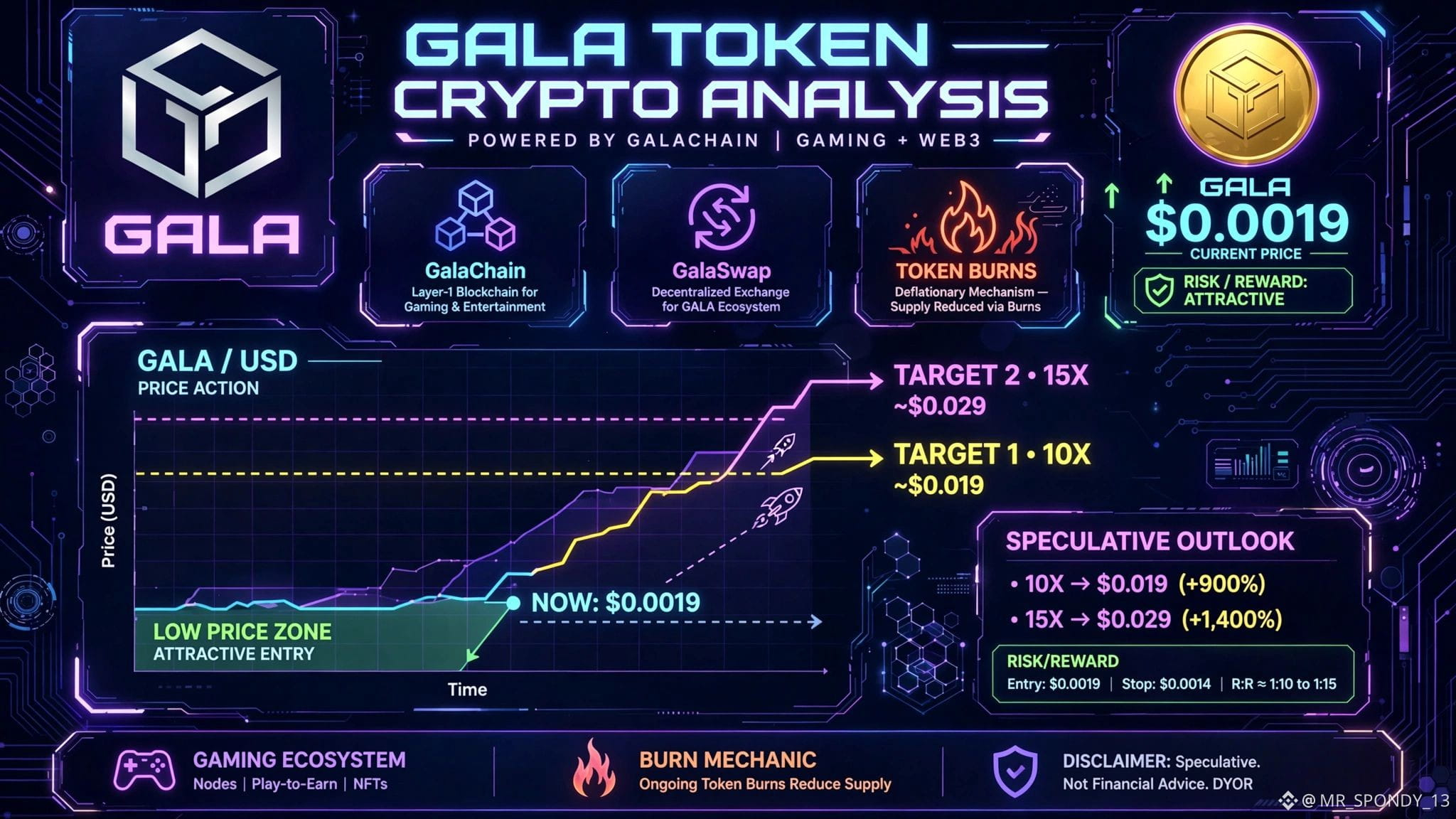
損失は時々起きますが、私はこれらの取引を利益に変えました。💪📈
$LAB $BANK $MIRA $NIGHT $GALA $ESPORTS
損失は時々起きますが、私はこれらの取引を利益に変えました。💪📈
$LAB $BANK $MIRA $NIGHT $GALA $ESPORTS
$LAB $BANK $MIRA $NIGHT $GALA $ESPORTS
10
2.7k
·
--
$NEWT
{spot}(NEWTUSDT)
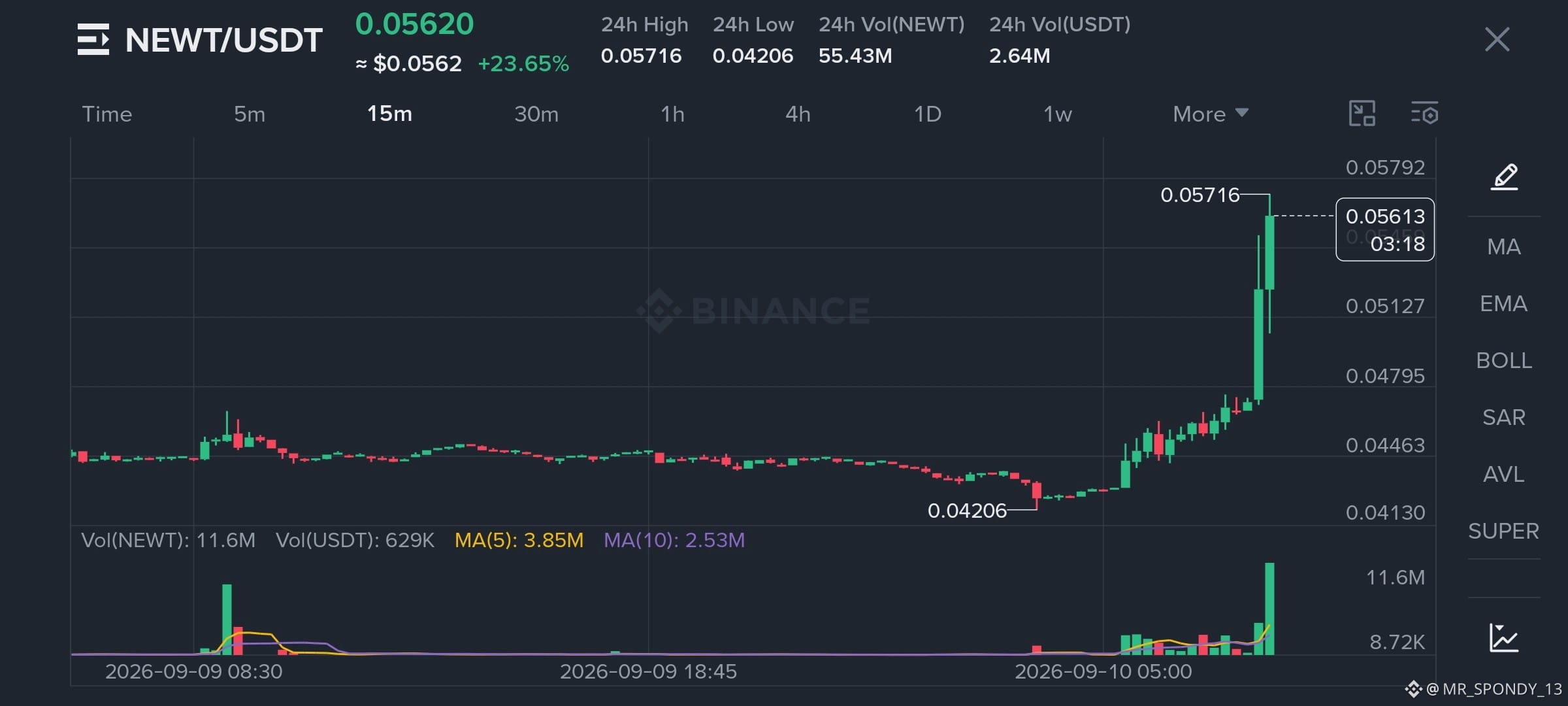
Newton ProtocolはDeFi、AIエージェントのためのオンチェーン認可レイヤーと&コンプライアンスを構築しています。
サポート:$0.050–0.052
レジスタンス:$0.060 → $0.075
ブレイクアウト目標:$0.09–0.10
強気シナリオ:$0.12+
強いファンダメンタルズですが、自己責任で調べてください(DYOR)。
#NEWT #NewtonProtocol
$NEWT
Newton ProtocolはDeFi、AIエージェントのためのオンチェーン認可レイヤーと&コンプライアンスを構築しています。
サポート:$0.050–0.052
レジスタンス:$0.060 → $0.075
ブレイクアウト目標:$0.09–0.10
強気シナリオ:$0.12+
強いファンダメンタルズですが、自己責任で調べてください(DYOR)。
#NEWT #NewtonProtocol
Newton ProtocolはDeFi、AIエージェントのためのオンチェーン認可レイヤーと&コンプライアンスを構築しています。
サポート:$0.050–0.052
レジスタンス:$0.060 → $0.075
ブレイクアウト目標:$0.09–0.10
強気シナリオ:$0.12+
強いファンダメンタルズですが、自己責任で調べてください(DYOR)。
#NEWT #NewtonProtocol
2
1
226
·
--
$VTHO: VeChainThorの燃料 ⚡
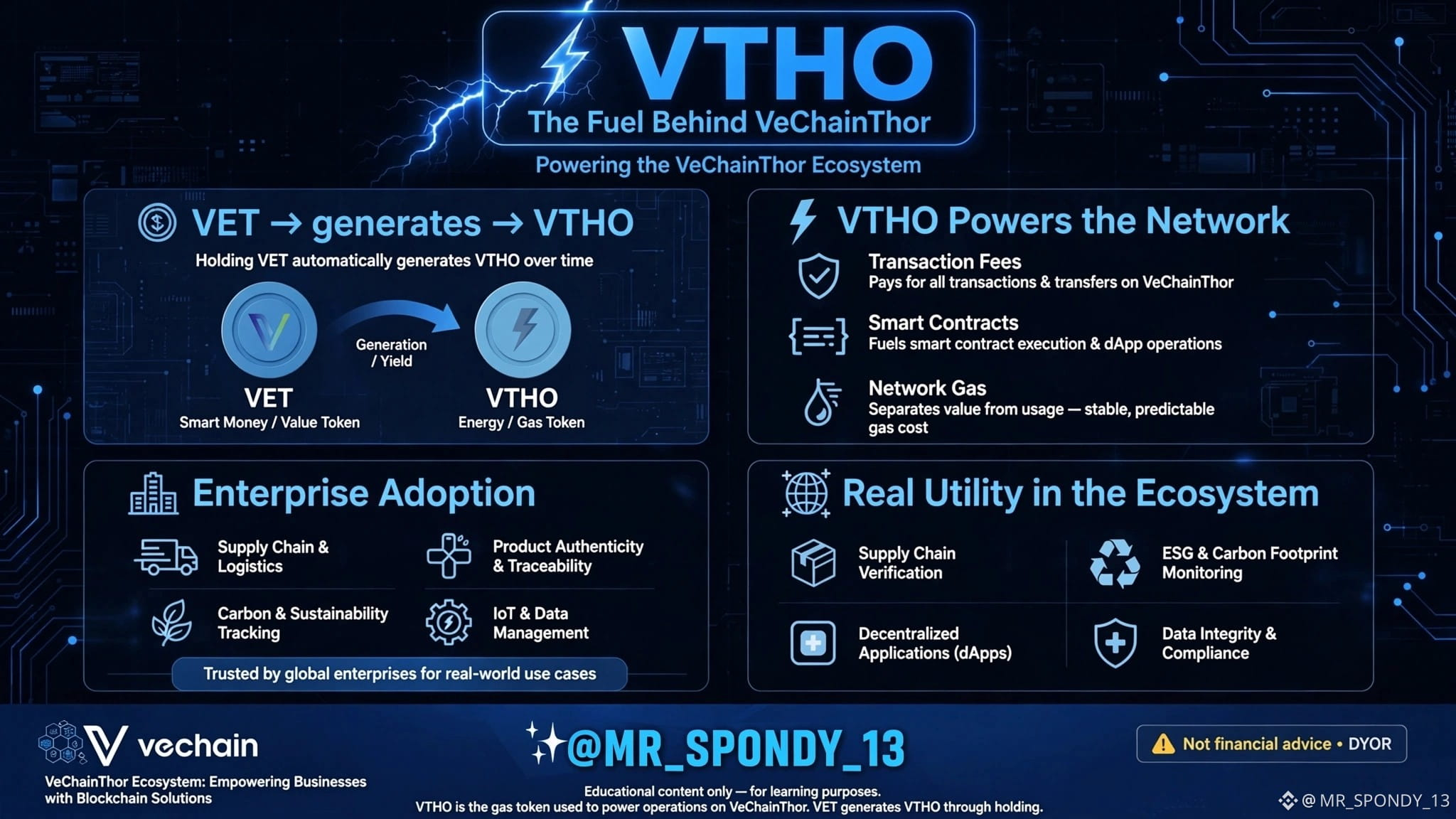
VTHOは、単なる低価格のトークンではありません。VeChainThor上での取引やスマートコントラクトの実行に電力を供給することで、VeChainエコシステムにおいて実用的な役割を果たしています。
面白いのは、$VETとの関連です。VET保有者がVTHOを生成し、ネットワーク利用の増加によってVTHOへの追加需要が生まれ得ます。
私の見解: VTHOの長期的な可能性は、誇大宣伝ではなく、実際のVeChain採用、エンタープライズ活動、そしてブロックチェーン利用の実態により左右されます。
もしVeChainの採用が大きく広がれば、VTHOは興味深いユーティリティ銘柄になり得ます。
※金融アドバイスではありません。DYOR。
$VTHO
{spot}(VTHOUSDT)
$VET
{spot}(VETUSDT)
#VTHO #vechain
$VTHO : VeChainThorの燃料 ⚡
VTHOは、単なる低価格のトークンではありません。VeChainThor上での取引やスマートコントラクトの実行に電力を供給することで、VeChainエコシステムにおいて実用的な役割を果たしています。
面白いのは、$VET との関連です。VET保有者がVTHOを生成し、ネットワーク利用の増加によってVTHOへの追加需要が生まれ得ます。
私の見解: VTHOの長期的な可能性は、誇大宣伝ではなく、実際のVeChain採用、エンタープライズ活動、そしてブロックチェーン利用の実態により左右されます。
もしVeChainの採用が大きく広がれば、VTHOは興味深いユーティリティ銘柄になり得ます。
※金融アドバイスではありません。DYOR。
$VTHO
$VET
#VTHO #vechain
VTHOは、単なる低価格のトークンではありません。VeChainThor上での取引やスマートコントラクトの実行に電力を供給することで、VeChainエコシステムにおいて実用的な役割を果たしています。
面白いのは、$VET との関連です。VET保有者がVTHOを生成し、ネットワーク利用の増加によってVTHOへの追加需要が生まれ得ます。
私の見解: VTHOの長期的な可能性は、誇大宣伝ではなく、実際のVeChain採用、エンタープライズ活動、そしてブロックチェーン利用の実態により左右されます。
もしVeChainの採用が大きく広がれば、VTHOは興味深いユーティリティ銘柄になり得ます。
※金融アドバイスではありません。DYOR。
$VTHO
$VET
#VTHO #vechain
2
267
·
--
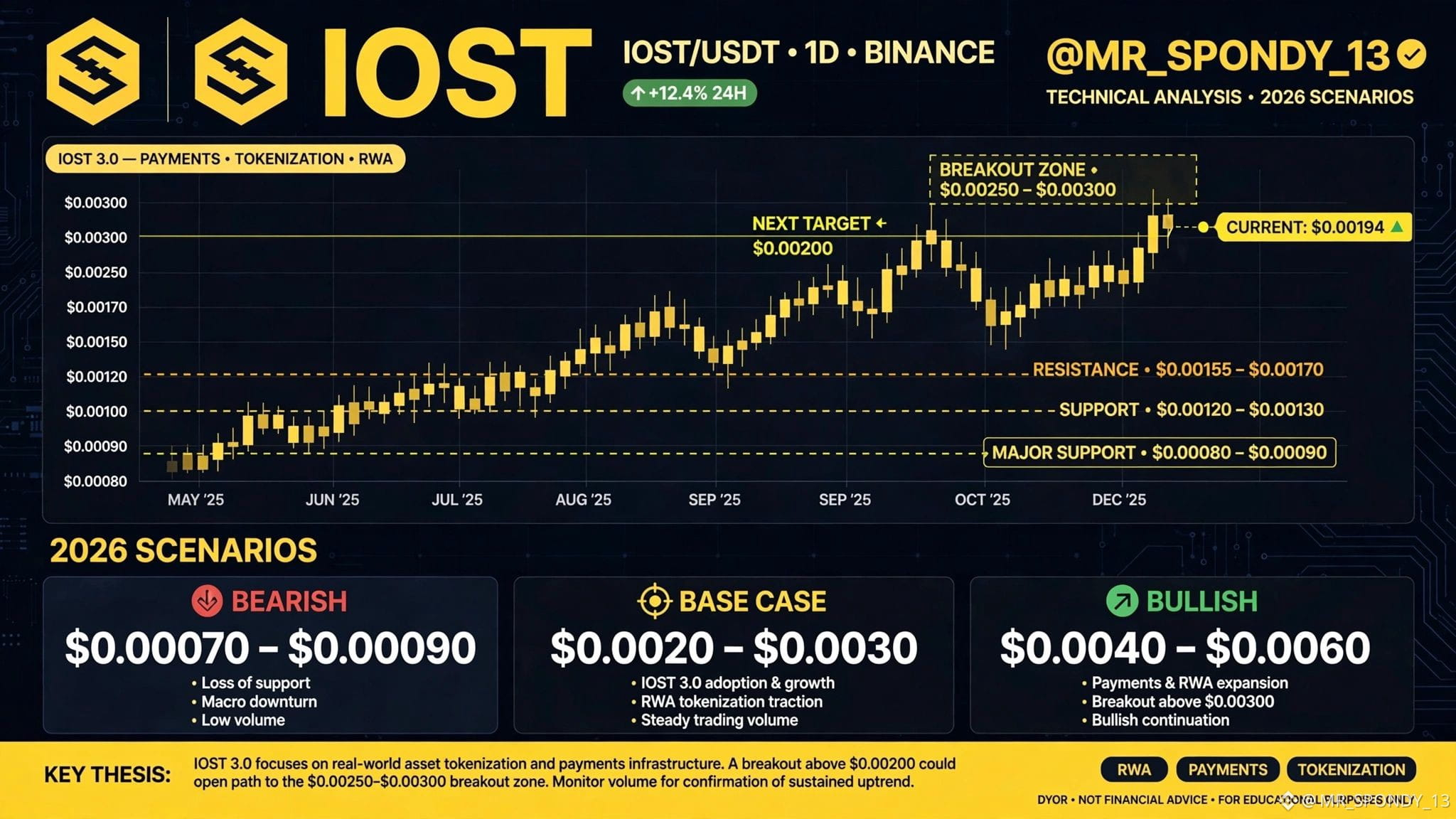
IOST($IOST)が再び私の注目リストに戻ってきました。
本質的に、IOSTはもはや単に高速ブロックチェーンとしての地位を築こうとしているだけではありません。最新のIOST 3.0の方向性は、決済、トークン化、そして現実世界資産(RWA)に焦点を当てています。さらに新しいトークノミクスでは、新たに発行されるトークンの97%をエコシステム開発に割り当てています。
技術的にも、動きが面白くなってきています。
サポート:$0.00120〜$0.00130
主要サポート:$0.00080〜$0.00090
レジスタンス:$0.00155〜$0.00170
次の目標:$0.00200
ブレイクアウトの目標:$0.00250〜$0.00300
私の2026年のシナリオ:
弱気:$0.00070〜$0.00090
ベース:$0.0020〜$0.0030
強気:$0.0040〜$0.0060
$0.002を上回る持続的なブレイクは、短期の構造を完全に変える可能性があります。しかし、このような急な上昇の後は、押し目や値固めが通常の流れになり得ます。
私にとってIOSTは、高リスク・高リターンのセットアップです。注目すべきポイントは、出来高、BTCの方向性、エコシステムの採用状況、そしてRWA/決済のストーリーが実際に利用へと結びつくかどうかです。
DYOR(自己調査)。金融助言ではありません。
$IOST
{future}(IOSTUSDT)
#IOST #Crypto
IOST($IOST )が再び私の注目リストに戻ってきました。
本質的に、IOSTはもはや単に高速ブロックチェーンとしての地位を築こうとしているだけではありません。最新のIOST 3.0の方向性は、決済、トークン化、そして現実世界資産(RWA)に焦点を当てています。さらに新しいトークノミクスでは、新たに発行されるトークンの97%をエコシステム開発に割り当てています。
技術的にも、動きが面白くなってきています。
サポート:$0.00120〜$0.00130
主要サポート:$0.00080〜$0.00090
レジスタンス:$0.00155〜$0.00170
次の目標:$0.00200
ブレイクアウトの目標:$0.00250〜$0.00300
私の2026年のシナリオ:
弱気:$0.00070〜$0.00090
ベース:$0.0020〜$0.0030
強気:$0.0040〜$0.0060
$0.002を上回る持続的なブレイクは、短期の構造を完全に変える可能性があります。しかし、このような急な上昇の後は、押し目や値固めが通常の流れになり得ます。
私にとってIOSTは、高リスク・高リターンのセットアップです。注目すべきポイントは、出来高、BTCの方向性、エコシステムの採用状況、そしてRWA/決済のストーリーが実際に利用へと結びつくかどうかです。
DYOR(自己調査)。金融助言ではありません。
$IOST
#IOST #Crypto
本質的に、IOSTはもはや単に高速ブロックチェーンとしての地位を築こうとしているだけではありません。最新のIOST 3.0の方向性は、決済、トークン化、そして現実世界資産(RWA)に焦点を当てています。さらに新しいトークノミクスでは、新たに発行されるトークンの97%をエコシステム開発に割り当てています。
技術的にも、動きが面白くなってきています。
サポート:$0.00120〜$0.00130
主要サポート:$0.00080〜$0.00090
レジスタンス:$0.00155〜$0.00170
次の目標:$0.00200
ブレイクアウトの目標:$0.00250〜$0.00300
私の2026年のシナリオ:
弱気:$0.00070〜$0.00090
ベース:$0.0020〜$0.0030
強気:$0.0040〜$0.0060
$0.002を上回る持続的なブレイクは、短期の構造を完全に変える可能性があります。しかし、このような急な上昇の後は、押し目や値固めが通常の流れになり得ます。
私にとってIOSTは、高リスク・高リターンのセットアップです。注目すべきポイントは、出来高、BTCの方向性、エコシステムの採用状況、そしてRWA/決済のストーリーが実際に利用へと結びつくかどうかです。
DYOR(自己調査)。金融助言ではありません。
$IOST
#IOST #Crypto
4
256
·
--
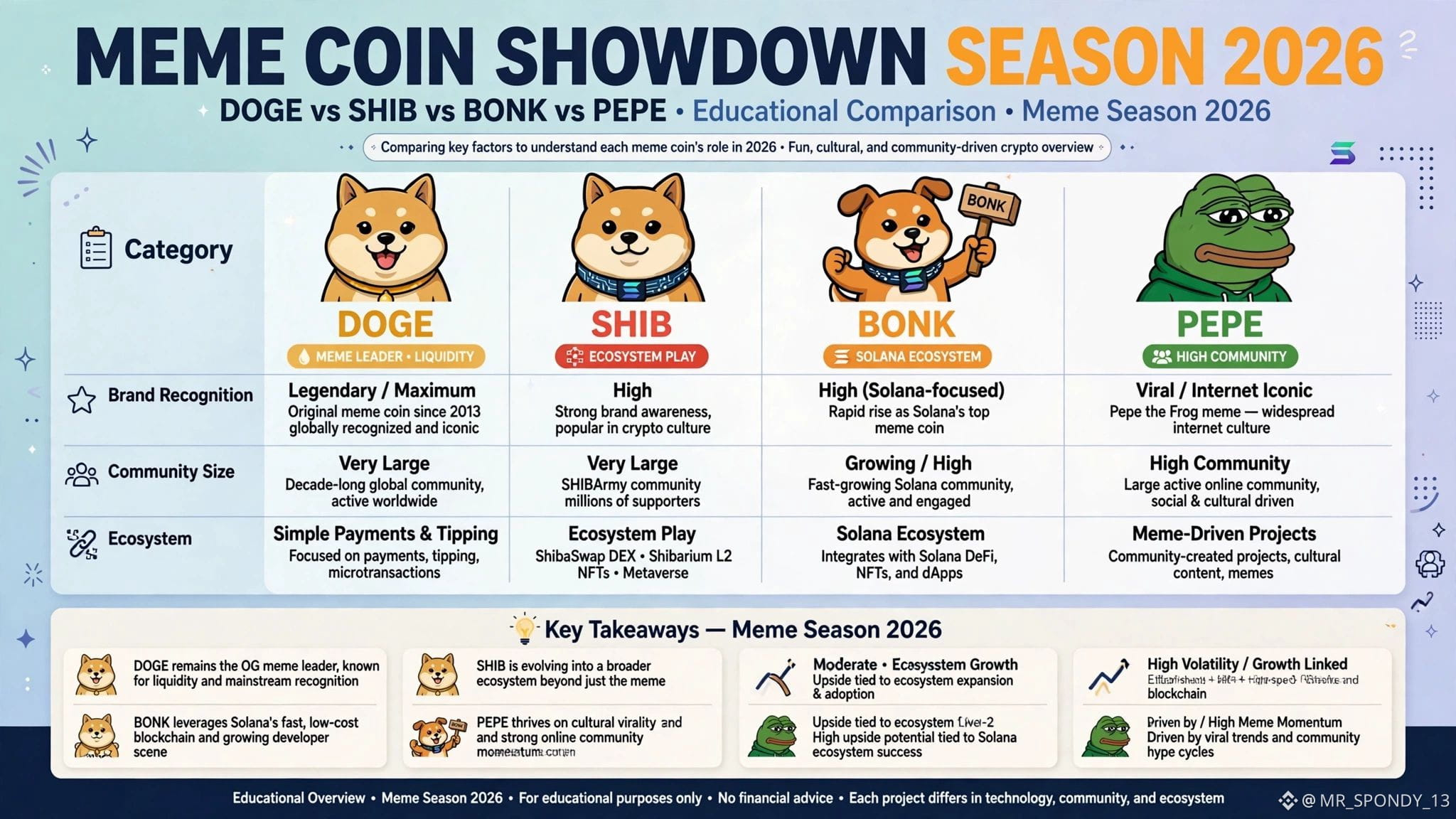
🚀 2026年メム・シーズン:DOGE vs SHIB vs BONK vs PEPE — 誰が上回れる?
次の大きなメム・シーズンが到来したら、この4つをじっくり見ていくよ。
🥇 $PEPE
{spot}(PEPEUSDT)
期待値(ハイリスク寄り)枠
目標:$0.000025〜$0.00005
メムとしての認知度が高く、大きなコミュニティがある。流動性がメムに対して強くローテーションするなら、PEPEが最大級の値動き(大きなパーセンテージ上昇)を見せる可能性がある。
🥉 $SHIB
{spot}(SHIBUSDT)
強力なエコシステム枠
目標:$0.000025〜$0.00005
大きなコミュニティと確立されたブランドにより、SHIBはメム・流動性が再び活発になった際の有力な恩恵株になり得る。
🏆 $DOGE
最強のメム・リーダー
目標:$0.25〜$0.50
DOGEは流動性とブランド認知が最も強い。ただし時価総額が大きい分、割合での上昇は小型メムより低くなる可能性がある。
🥈 BONK
ハイリスク・ハイリターン
目標:$0.00008〜$0.00020
強力なSolanaのメム・エコシステムが、BONKに本格的な勢いを与えるかもしれない。
2026年の順位(私の見立て)
PEPE > BONK > SHIB > DOGE
最大の上振れを狙う個人的な注目:PEPE + BONK
メム分野として相対的にリスクが低め:DOGE + SHIB
これらはシナリオベースの目標で、確実なリターンではない。DYOR(自己調査)して、リスク管理をしてね。
#DOGE #SHİB #BONK #PEPE
#Crypto
🚀 2026年メム・シーズン:DOGE vs SHIB vs BONK vs PEPE — 誰が上回れる?
次の大きなメム・シーズンが到来したら、この4つをじっくり見ていくよ。
🥇 $PEPE
期待値(ハイリスク寄り)枠
目標:$0.000025〜$0.00005
メムとしての認知度が高く、大きなコミュニティがある。流動性がメムに対して強くローテーションするなら、PEPEが最大級の値動き(大きなパーセンテージ上昇)を見せる可能性がある。
🥉 $SHIB
強力なエコシステム枠
目標:$0.000025〜$0.00005
大きなコミュニティと確立されたブランドにより、SHIBはメム・流動性が再び活発になった際の有力な恩恵株になり得る。
🏆 $DOGE
最強のメム・リーダー
目標:$0.25〜$0.50
DOGEは流動性とブランド認知が最も強い。ただし時価総額が大きい分、割合での上昇は小型メムより低くなる可能性がある。
🥈 BONK
ハイリスク・ハイリターン
目標:$0.00008〜$0.00020
強力なSolanaのメム・エコシステムが、BONKに本格的な勢いを与えるかもしれない。
2026年の順位(私の見立て)
PEPE > BONK > SHIB > DOGE
最大の上振れを狙う個人的な注目:PEPE + BONK
メム分野として相対的にリスクが低め:DOGE + SHIB
これらはシナリオベースの目標で、確実なリターンではない。DYOR(自己調査)して、リスク管理をしてね。
#DOGE #SHİB #BONK #PEPE
#Crypto
次の大きなメム・シーズンが到来したら、この4つをじっくり見ていくよ。
🥇 $PEPE
期待値(ハイリスク寄り)枠
目標:$0.000025〜$0.00005
メムとしての認知度が高く、大きなコミュニティがある。流動性がメムに対して強くローテーションするなら、PEPEが最大級の値動き(大きなパーセンテージ上昇)を見せる可能性がある。
🥉 $SHIB
強力なエコシステム枠
目標:$0.000025〜$0.00005
大きなコミュニティと確立されたブランドにより、SHIBはメム・流動性が再び活発になった際の有力な恩恵株になり得る。
🏆 $DOGE
最強のメム・リーダー
目標:$0.25〜$0.50
DOGEは流動性とブランド認知が最も強い。ただし時価総額が大きい分、割合での上昇は小型メムより低くなる可能性がある。
🥈 BONK
ハイリスク・ハイリターン
目標:$0.00008〜$0.00020
強力なSolanaのメム・エコシステムが、BONKに本格的な勢いを与えるかもしれない。
2026年の順位(私の見立て)
PEPE > BONK > SHIB > DOGE
最大の上振れを狙う個人的な注目:PEPE + BONK
メム分野として相対的にリスクが低め:DOGE + SHIB
これらはシナリオベースの目標で、確実なリターンではない。DYOR(自己調査)して、リスク管理をしてね。
#DOGE #SHİB #BONK #PEPE
#Crypto
2
299
·
--
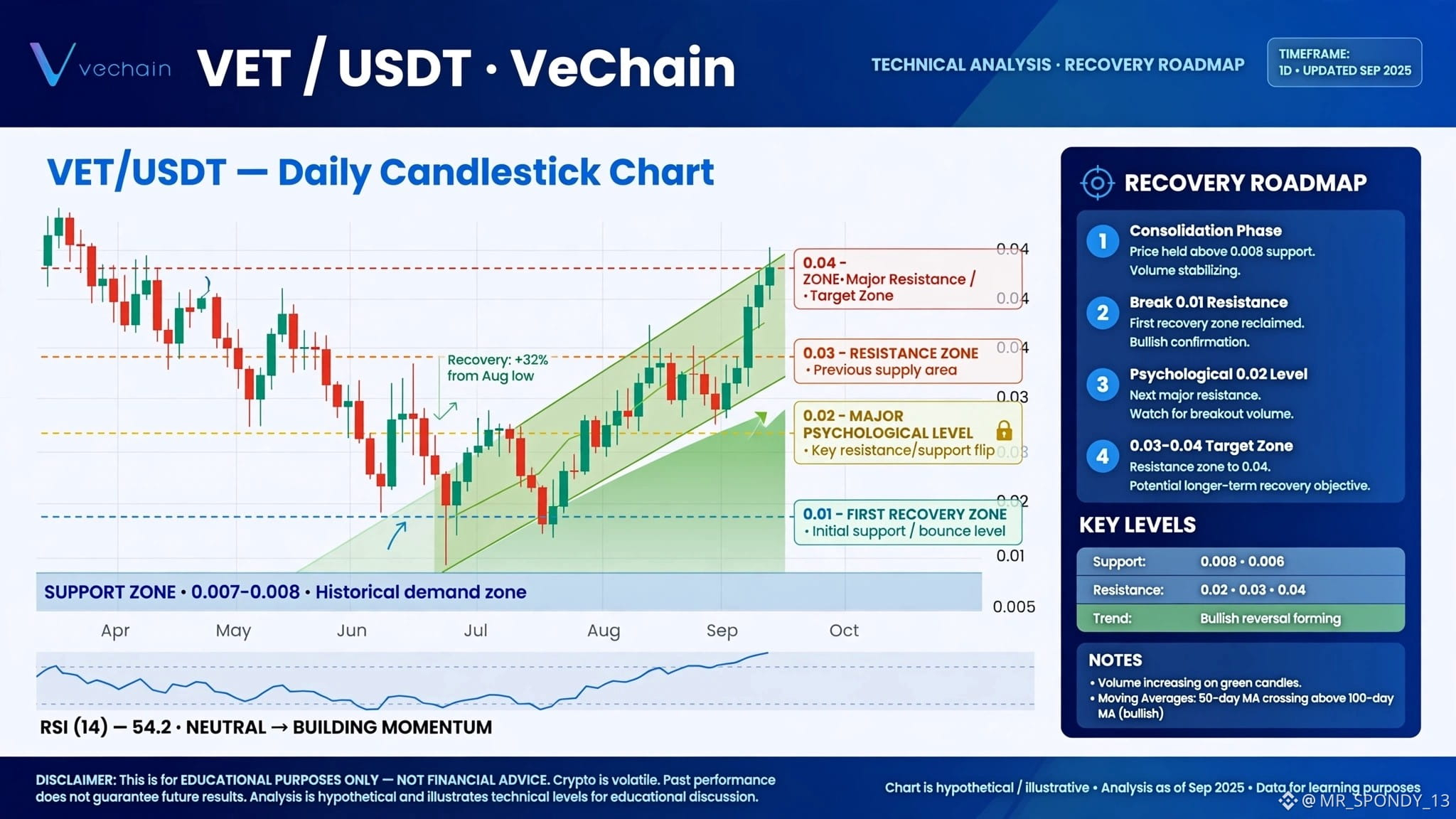
$VET - 私のエグジット目標は0.04ドル
私は中長期の観点から、引き続きVeChain($VET)に強気です。
VeChainは、企業導入(エンタープライズ採用)、サプライチェーン、サステナビリティ、デジタル・トラスト(信頼)を中心に、現実世界での強いユースケース(実需)ストーリーがあります。もしアルトコイン市場全体が強気相場に転じるなら、VETには大きく値を戻す余地があると考えています。
私の水準:
• 0.01ドル - 最初の回復ゾーン
• 0.02ドル - 主要な心理的節目
• 0.03ドル - 強いレジスタンス/利益確定ゾーン
• 0.04ドル - 私のエグジット目標 🎯
個人的には、VETが0.04ドルに到達したら、より高い目標を無期限に待つよりも利益確定を優先したいです。
私にとって重要なのは価格だけではありません。出来高、マーケット構造、そしてこの上昇局面でVETがより高い安値を維持できるかどうかも見ます。
0.04ドルは私の目標であって、保証ではありません。
DYOR(自分で調べる)。リスク管理をしてください。暗号資産は依然として非常にボラティリティが高いです。
#VET #VeChain #Crypto #Altcoins
$VET
{spot}(VETUSDT)
$VET - 私のエグジット目標は0.04ドル
私は中長期の観点から、引き続きVeChain($VET )に強気です。
VeChainは、企業導入(エンタープライズ採用)、サプライチェーン、サステナビリティ、デジタル・トラスト(信頼)を中心に、現実世界での強いユースケース(実需)ストーリーがあります。もしアルトコイン市場全体が強気相場に転じるなら、VETには大きく値を戻す余地があると考えています。
私の水準:
• 0.01ドル - 最初の回復ゾーン
• 0.02ドル - 主要な心理的節目
• 0.03ドル - 強いレジスタンス/利益確定ゾーン
• 0.04ドル - 私のエグジット目標 🎯
個人的には、VETが0.04ドルに到達したら、より高い目標を無期限に待つよりも利益確定を優先したいです。
私にとって重要なのは価格だけではありません。出来高、マーケット構造、そしてこの上昇局面でVETがより高い安値を維持できるかどうかも見ます。
0.04ドルは私の目標であって、保証ではありません。
DYOR(自分で調べる)。リスク管理をしてください。暗号資産は依然として非常にボラティリティが高いです。
#VET #VeChain #Crypto #Altcoins
$VET
私は中長期の観点から、引き続きVeChain($VET )に強気です。
VeChainは、企業導入(エンタープライズ採用)、サプライチェーン、サステナビリティ、デジタル・トラスト(信頼)を中心に、現実世界での強いユースケース(実需)ストーリーがあります。もしアルトコイン市場全体が強気相場に転じるなら、VETには大きく値を戻す余地があると考えています。
私の水準:
• 0.01ドル - 最初の回復ゾーン
• 0.02ドル - 主要な心理的節目
• 0.03ドル - 強いレジスタンス/利益確定ゾーン
• 0.04ドル - 私のエグジット目標 🎯
個人的には、VETが0.04ドルに到達したら、より高い目標を無期限に待つよりも利益確定を優先したいです。
私にとって重要なのは価格だけではありません。出来高、マーケット構造、そしてこの上昇局面でVETがより高い安値を維持できるかどうかも見ます。
0.04ドルは私の目標であって、保証ではありません。
DYOR(自分で調べる)。リスク管理をしてください。暗号資産は依然として非常にボラティリティが高いです。
#VET #VeChain #Crypto #Altcoins
$VET
4
335
·
--
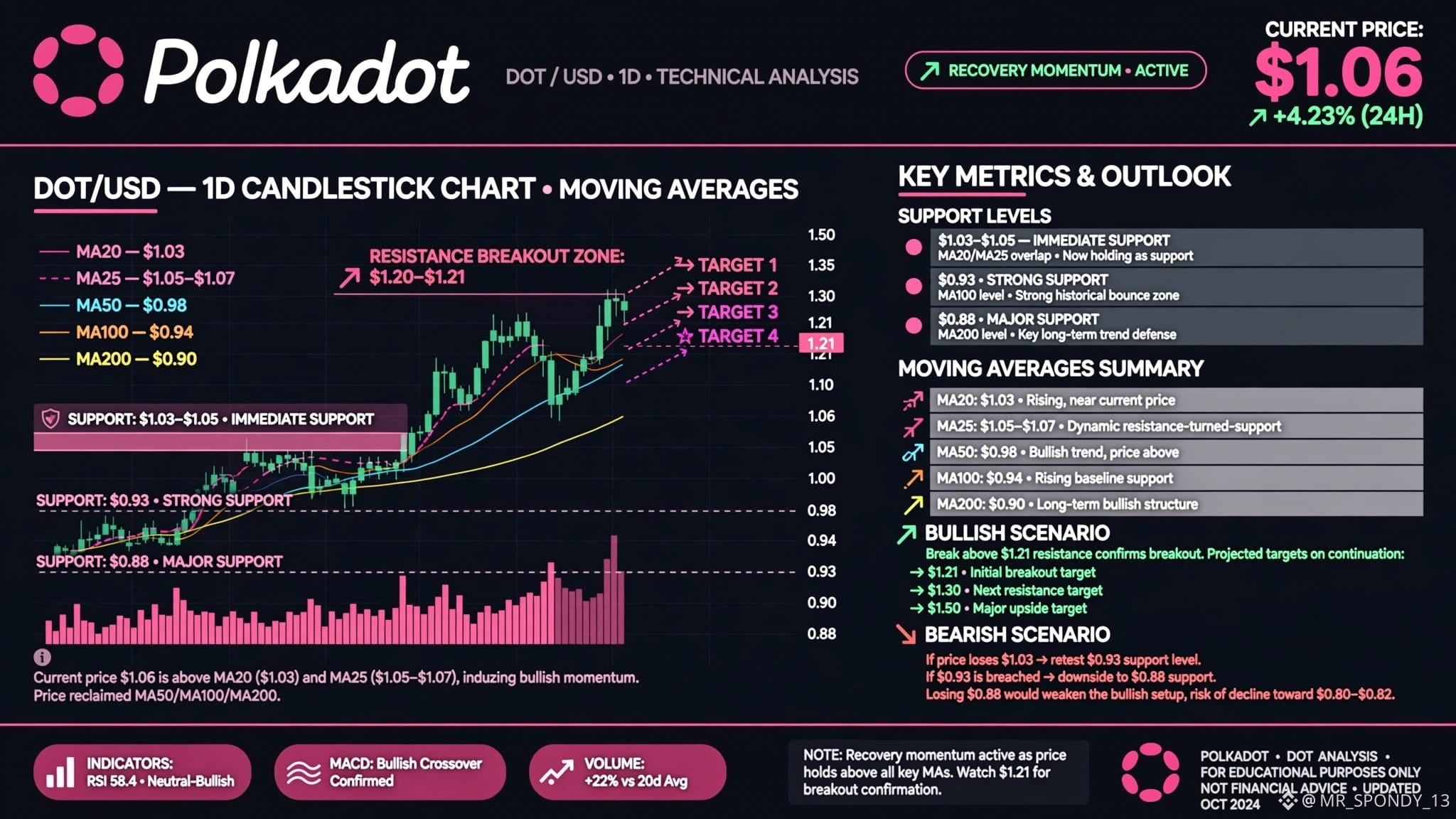
$DOT テクニカル・セットアップ - トレンドは強気に転じている?
DOTは強い回復モメンタムを見せていますが、次のレジスタンス・ゾーンでの反応が確認の鍵になります。
私が注目している重要水準:
サポート:• $1.03–$1.05 — 直近のサポート
• $0.93 — 強いサポート
• $0.88 — 主要サポート
移動平均:• MA20: 約 $1.03
• MA25: 約 $1.05–$1.07 のゾーン
• MA50: 約 $0.98
• MA100: 約 $0.94
• MA200: 約 $0.90
DOTがMA20/MA25のゾーン上で維持できていれば、短期の構造は前向きに保たれます。明確なブレイクと、$1.20–$1.21を上回る日足終値は、強気シナリオをより強固にする可能性があります。
目標:$1.21 → $1.30 → $1.35 → $1.50
弱気シナリオ:もしDOTが$1.03のエリアを割り込む場合、$0.93の再テストが起こり得ます。$0.88を失うと、全体のセットアップは大きく弱まります。
私の見解:この水準でのDOTは興味深いですが、突然のポンプを追いかけるよりも、レジスタンス上抜けによる確認を待ちたいです。
DYOR。投資助言ではありません。
#dot #Polkadot #Crypto #Altcoins
$DOT
$DOT テクニカル・セットアップ - トレンドは強気に転じている?
DOTは強い回復モメンタムを見せていますが、次のレジスタンス・ゾーンでの反応が確認の鍵になります。
私が注目している重要水準:
サポート:• $1.03–$1.05 — 直近のサポート
• $0.93 — 強いサポート
• $0.88 — 主要サポート
移動平均:• MA20: 約 $1.03
• MA25: 約 $1.05–$1.07 のゾーン
• MA50: 約 $0.98
• MA100: 約 $0.94
• MA200: 約 $0.90
DOTがMA20/MA25のゾーン上で維持できていれば、短期の構造は前向きに保たれます。明確なブレイクと、$1.20–$1.21を上回る日足終値は、強気シナリオをより強固にする可能性があります。
目標:$1.21 → $1.30 → $1.35 → $1.50
弱気シナリオ:もしDOTが$1.03のエリアを割り込む場合、$0.93の再テストが起こり得ます。$0.88を失うと、全体のセットアップは大きく弱まります。
私の見解:この水準でのDOTは興味深いですが、突然のポンプを追いかけるよりも、レジスタンス上抜けによる確認を待ちたいです。
DYOR。投資助言ではありません。
#dot #Polkadot #Crypto #Altcoins
$DOT
DOTは強い回復モメンタムを見せていますが、次のレジスタンス・ゾーンでの反応が確認の鍵になります。
私が注目している重要水準:
サポート:• $1.03–$1.05 — 直近のサポート
• $0.93 — 強いサポート
• $0.88 — 主要サポート
移動平均:• MA20: 約 $1.03
• MA25: 約 $1.05–$1.07 のゾーン
• MA50: 約 $0.98
• MA100: 約 $0.94
• MA200: 約 $0.90
DOTがMA20/MA25のゾーン上で維持できていれば、短期の構造は前向きに保たれます。明確なブレイクと、$1.20–$1.21を上回る日足終値は、強気シナリオをより強固にする可能性があります。
目標:$1.21 → $1.30 → $1.35 → $1.50
弱気シナリオ:もしDOTが$1.03のエリアを割り込む場合、$0.93の再テストが起こり得ます。$0.88を失うと、全体のセットアップは大きく弱まります。
私の見解:この水準でのDOTは興味深いですが、突然のポンプを追いかけるよりも、レジスタンス上抜けによる確認を待ちたいです。
DYOR。投資助言ではありません。
#dot #Polkadot #Crypto #Altcoins
$DOT
2
368
·
--
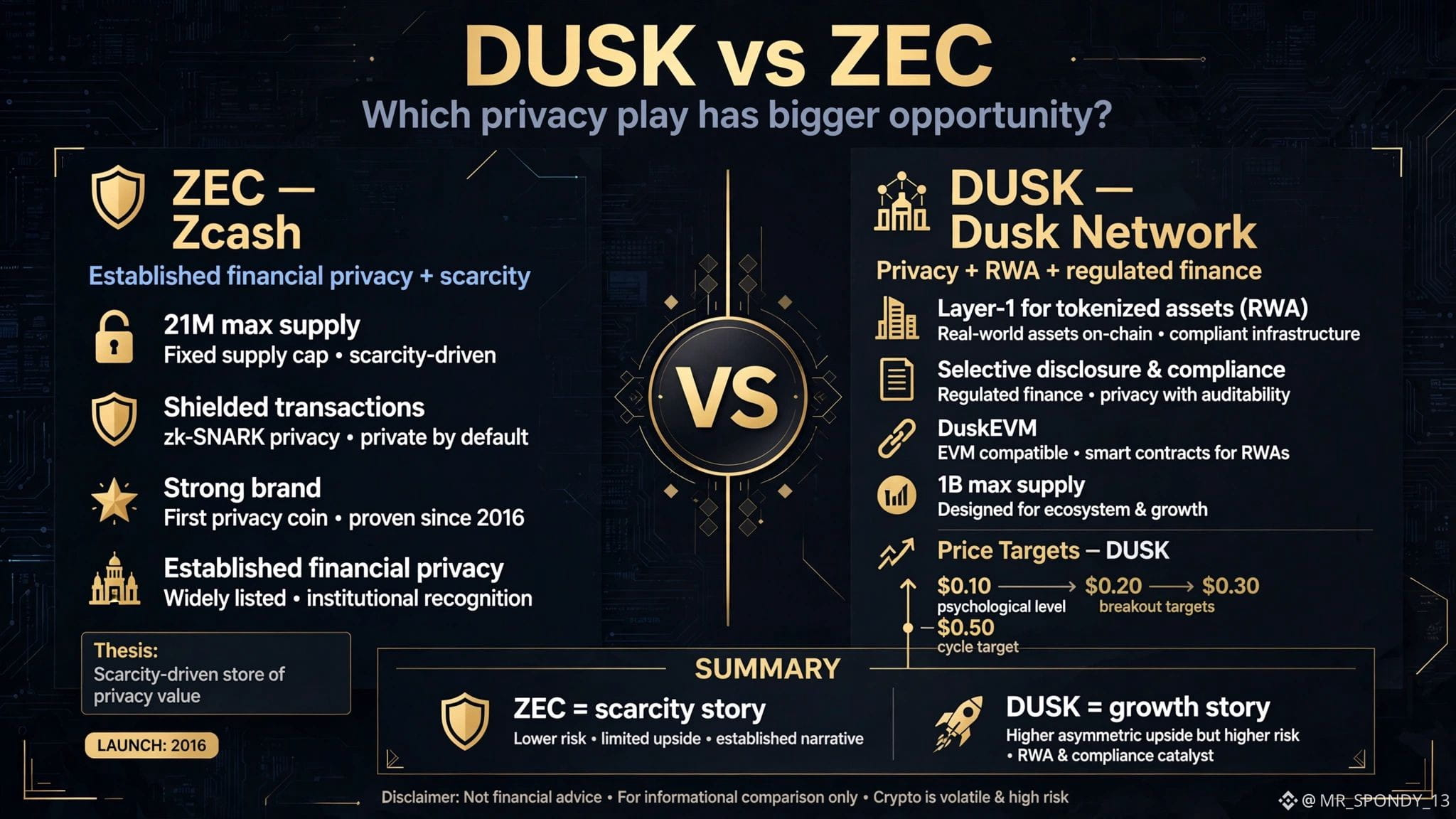
DUSK vs ZEC:どちらのプライバシー銘柄に大きなチャンスがある?
これは単純な「プライバシーコイン対プライバシーコイン」という比較だとは思いません。
$ZEC =確立された金融プライバシー+希少性
DUSK=プライバシー+RWA+規制されたオンチェーン金融
Zcashには大きな優位性があります。最大供給量がわずか21M ZECに限られていることです。コアの主張は金融プライバシーとシールド(秘匿)取引です。
一方で、DUSKは別の道を進んでいます。
Duskは、規制されたオンチェーン金融に焦点を当てたレイヤー1を構築しており、そこにプライバシー、コンプライアンス、選択的開示、そしてトークン化された金融資産を組み合わせています。
それが私にとってDUSKを面白く感じさせます。
もしRWAとトークン化の分野が大きく拡大すれば、DUSKはプライバシーだけにとどまらない、より広い物語の恩恵を受ける可能性があります。
しかしZECには、DUSKにないものがあります。より強固に確立されたプライバシーのブランド、深い市場認知、そして極端な供給の希少性です。
私の見解:
ZEC→より確立されたプライバシー銘柄
DUSK→より高リスクなRWA+プライバシー・インフラ銘柄
DUSKについては、$0.10を重要な心理的水準として見ています。
強いブレイクアウトと、$0.10を超える日足終値が出れば、次への道が開けます:
$0.15 → $0.20 → $0.30
現実のRWA導入を伴う強い暗号資産サイクルでは、$0.50は高リスクの長期目標になり得ます。──保証ではありません。
私にとっての重要な違いはシンプルです:
ZECには希少性の物語があります。
DUSKには成長の物語があります。
もしRWAの採用が加速すれば、DUSKはより非対称な上振れを提供し得ますが、その分実行リスクは大幅に高くなります。
投資助言ではありません。必ずリスク管理を行い、ファンダメンタルズは自分で検証してください。
$ZEC
{spot}(ZECUSDT)
$DUSK
{spot}(DUSKUSDT)
#dusk #zcash #RWAProjects #Crypto
DUSK vs ZEC:どちらのプライバシー銘柄に大きなチャンスがある?
これは単純な「プライバシーコイン対プライバシーコイン」という比較だとは思いません。
$ZEC =確立された金融プライバシー+希少性
DUSK=プライバシー+RWA+規制されたオンチェーン金融
Zcashには大きな優位性があります。最大供給量がわずか21M ZECに限られていることです。コアの主張は金融プライバシーとシールド(秘匿)取引です。
一方で、DUSKは別の道を進んでいます。
Duskは、規制されたオンチェーン金融に焦点を当てたレイヤー1を構築しており、そこにプライバシー、コンプライアンス、選択的開示、そしてトークン化された金融資産を組み合わせています。
それが私にとってDUSKを面白く感じさせます。
もしRWAとトークン化の分野が大きく拡大すれば、DUSKはプライバシーだけにとどまらない、より広い物語の恩恵を受ける可能性があります。
しかしZECには、DUSKにないものがあります。より強固に確立されたプライバシーのブランド、深い市場認知、そして極端な供給の希少性です。
私の見解:
ZEC→より確立されたプライバシー銘柄
DUSK→より高リスクなRWA+プライバシー・インフラ銘柄
DUSKについては、$0.10を重要な心理的水準として見ています。
強いブレイクアウトと、$0.10を超える日足終値が出れば、次への道が開けます:
$0.15 → $0.20 → $0.30
現実のRWA導入を伴う強い暗号資産サイクルでは、$0.50は高リスクの長期目標になり得ます。──保証ではありません。
私にとっての重要な違いはシンプルです:
ZECには希少性の物語があります。
DUSKには成長の物語があります。
もしRWAの採用が加速すれば、DUSKはより非対称な上振れを提供し得ますが、その分実行リスクは大幅に高くなります。
投資助言ではありません。必ずリスク管理を行い、ファンダメンタルズは自分で検証してください。
$ZEC
$DUSK
#dusk #zcash #RWAProjects #Crypto
これは単純な「プライバシーコイン対プライバシーコイン」という比較だとは思いません。
$ZEC =確立された金融プライバシー+希少性
DUSK=プライバシー+RWA+規制されたオンチェーン金融
Zcashには大きな優位性があります。最大供給量がわずか21M ZECに限られていることです。コアの主張は金融プライバシーとシールド(秘匿)取引です。
一方で、DUSKは別の道を進んでいます。
Duskは、規制されたオンチェーン金融に焦点を当てたレイヤー1を構築しており、そこにプライバシー、コンプライアンス、選択的開示、そしてトークン化された金融資産を組み合わせています。
それが私にとってDUSKを面白く感じさせます。
もしRWAとトークン化の分野が大きく拡大すれば、DUSKはプライバシーだけにとどまらない、より広い物語の恩恵を受ける可能性があります。
しかしZECには、DUSKにないものがあります。より強固に確立されたプライバシーのブランド、深い市場認知、そして極端な供給の希少性です。
私の見解:
ZEC→より確立されたプライバシー銘柄
DUSK→より高リスクなRWA+プライバシー・インフラ銘柄
DUSKについては、$0.10を重要な心理的水準として見ています。
強いブレイクアウトと、$0.10を超える日足終値が出れば、次への道が開けます:
$0.15 → $0.20 → $0.30
現実のRWA導入を伴う強い暗号資産サイクルでは、$0.50は高リスクの長期目標になり得ます。──保証ではありません。
私にとっての重要な違いはシンプルです:
ZECには希少性の物語があります。
DUSKには成長の物語があります。
もしRWAの採用が加速すれば、DUSKはより非対称な上振れを提供し得ますが、その分実行リスクは大幅に高くなります。
投資助言ではありません。必ずリスク管理を行い、ファンダメンタルズは自分で検証してください。
$ZEC
$DUSK
#dusk #zcash #RWAProjects #Crypto
1
226
·
--
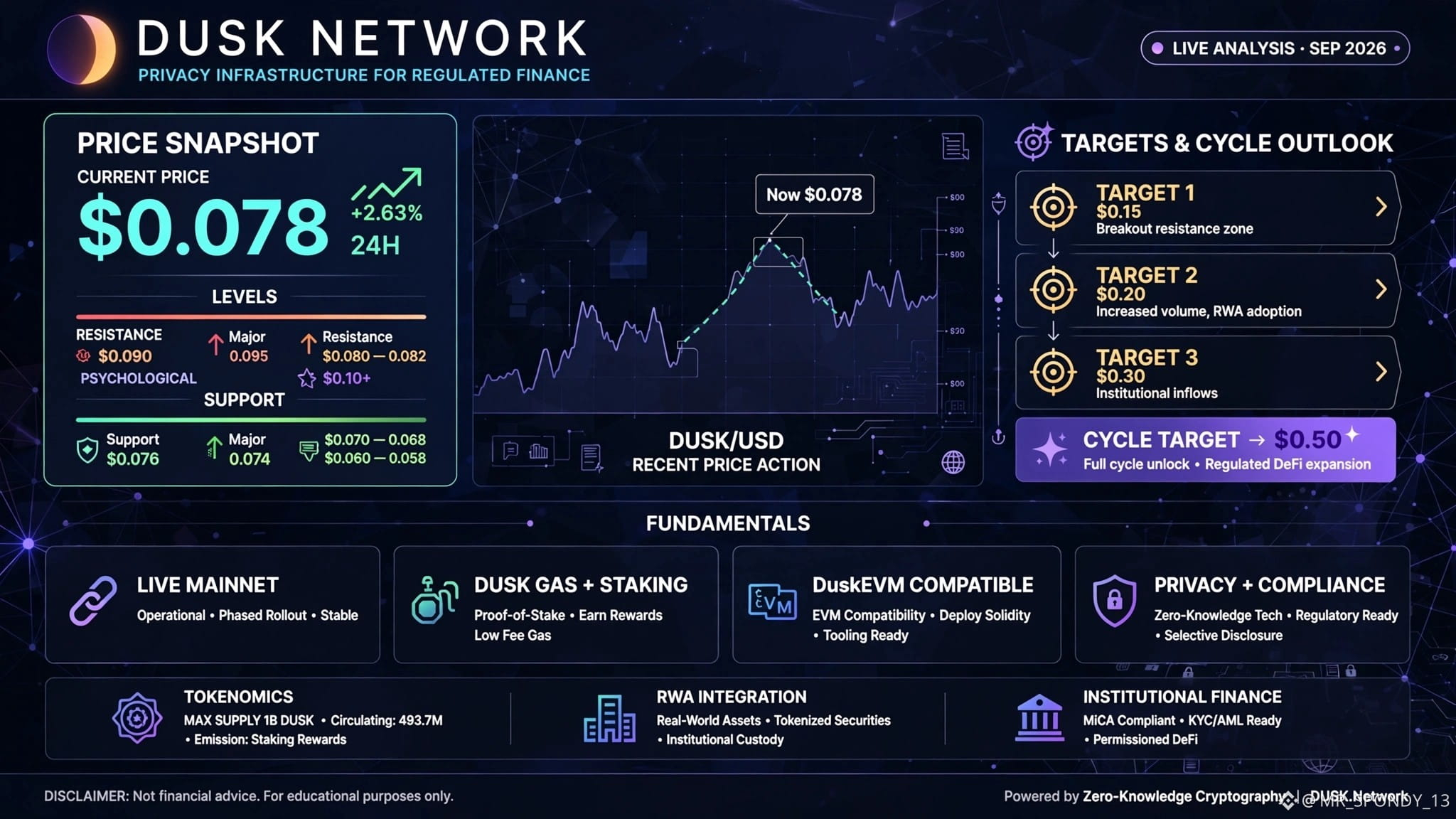
$DUSK は、価格だけではなく物語がもっと大きいから、私が注目しているプロジェクトの一つです。
Duskは、規制されたオンチェーン金融のためのプライバシー基盤を構築しており、RWA、デジタル証券、準拠した決済、そして機関(インスティテューショナル)ユースケースに重点を置いています。
基盤(ファンダメンタル)側が面白いです:
• ライブメインネット
• ガス+ステーキングにDUSKを使用
• DuskEVMがEVM互換性を拡大
• プライバシー+コンプライアンスがアーキテクチャに組み込まれている
• 最大供給は1B DUSKで上限設定
技術的には、現在DUSKは約0.078ドルです。
注目している主要ライン:
サポート:0.076〜0.074 主要サポート:0.070〜0.068 強いサポート:0.060〜0.058
レジスタンス:0.080〜0.082 主要レジスタンス:0.090〜0.095 心理的レジスタンス:0.10以上
私にとって最も重要な確認は、出来高を伴って0.095〜0.10を上抜ける強い日足クローズです。
それが起きた場合、私の目標は:0.15 → 0.20 → 0.30
強いRWA+プライバシーの物語の流れの中では、0.50も高リスクのサイクル目標としてはあり得ますが、その場合ははるかに強い普及と市場環境が必要です。
私はファンダメンタルの物語には強気ですが、ブレイクアウトを盲目的に追いかけることはしません。0.07のあたりは、リスク管理のために見ておくゾーンです。
$DUSK
{spot}(DUSKUSDT)
#DUSK #DuskNetwork #RWA #Crypto
$DUSK は、価格だけではなく物語がもっと大きいから、私が注目しているプロジェクトの一つです。
Duskは、規制されたオンチェーン金融のためのプライバシー基盤を構築しており、RWA、デジタル証券、準拠した決済、そして機関(インスティテューショナル)ユースケースに重点を置いています。
基盤(ファンダメンタル)側が面白いです:
• ライブメインネット
• ガス+ステーキングにDUSKを使用
• DuskEVMがEVM互換性を拡大
• プライバシー+コンプライアンスがアーキテクチャに組み込まれている
• 最大供給は1B DUSKで上限設定
技術的には、現在DUSKは約0.078ドルです。
注目している主要ライン:
サポート:0.076〜0.074 主要サポート:0.070〜0.068 強いサポート:0.060〜0.058
レジスタンス:0.080〜0.082 主要レジスタンス:0.090〜0.095 心理的レジスタンス:0.10以上
私にとって最も重要な確認は、出来高を伴って0.095〜0.10を上抜ける強い日足クローズです。
それが起きた場合、私の目標は:0.15 → 0.20 → 0.30
強いRWA+プライバシーの物語の流れの中では、0.50も高リスクのサイクル目標としてはあり得ますが、その場合ははるかに強い普及と市場環境が必要です。
私はファンダメンタルの物語には強気ですが、ブレイクアウトを盲目的に追いかけることはしません。0.07のあたりは、リスク管理のために見ておくゾーンです。
$DUSK
#DUSK #DuskNetwork #RWA #Crypto
Duskは、規制されたオンチェーン金融のためのプライバシー基盤を構築しており、RWA、デジタル証券、準拠した決済、そして機関(インスティテューショナル)ユースケースに重点を置いています。
基盤(ファンダメンタル)側が面白いです:
• ライブメインネット
• ガス+ステーキングにDUSKを使用
• DuskEVMがEVM互換性を拡大
• プライバシー+コンプライアンスがアーキテクチャに組み込まれている
• 最大供給は1B DUSKで上限設定
技術的には、現在DUSKは約0.078ドルです。
注目している主要ライン:
サポート:0.076〜0.074 主要サポート:0.070〜0.068 強いサポート:0.060〜0.058
レジスタンス:0.080〜0.082 主要レジスタンス:0.090〜0.095 心理的レジスタンス:0.10以上
私にとって最も重要な確認は、出来高を伴って0.095〜0.10を上抜ける強い日足クローズです。
それが起きた場合、私の目標は:0.15 → 0.20 → 0.30
強いRWA+プライバシーの物語の流れの中では、0.50も高リスクのサイクル目標としてはあり得ますが、その場合ははるかに強い普及と市場環境が必要です。
私はファンダメンタルの物語には強気ですが、ブレイクアウトを盲目的に追いかけることはしません。0.07のあたりは、リスク管理のために見ておくゾーンです。
$DUSK
#DUSK #DuskNetwork #RWA #Crypto
3
183
·
--
本人確認中
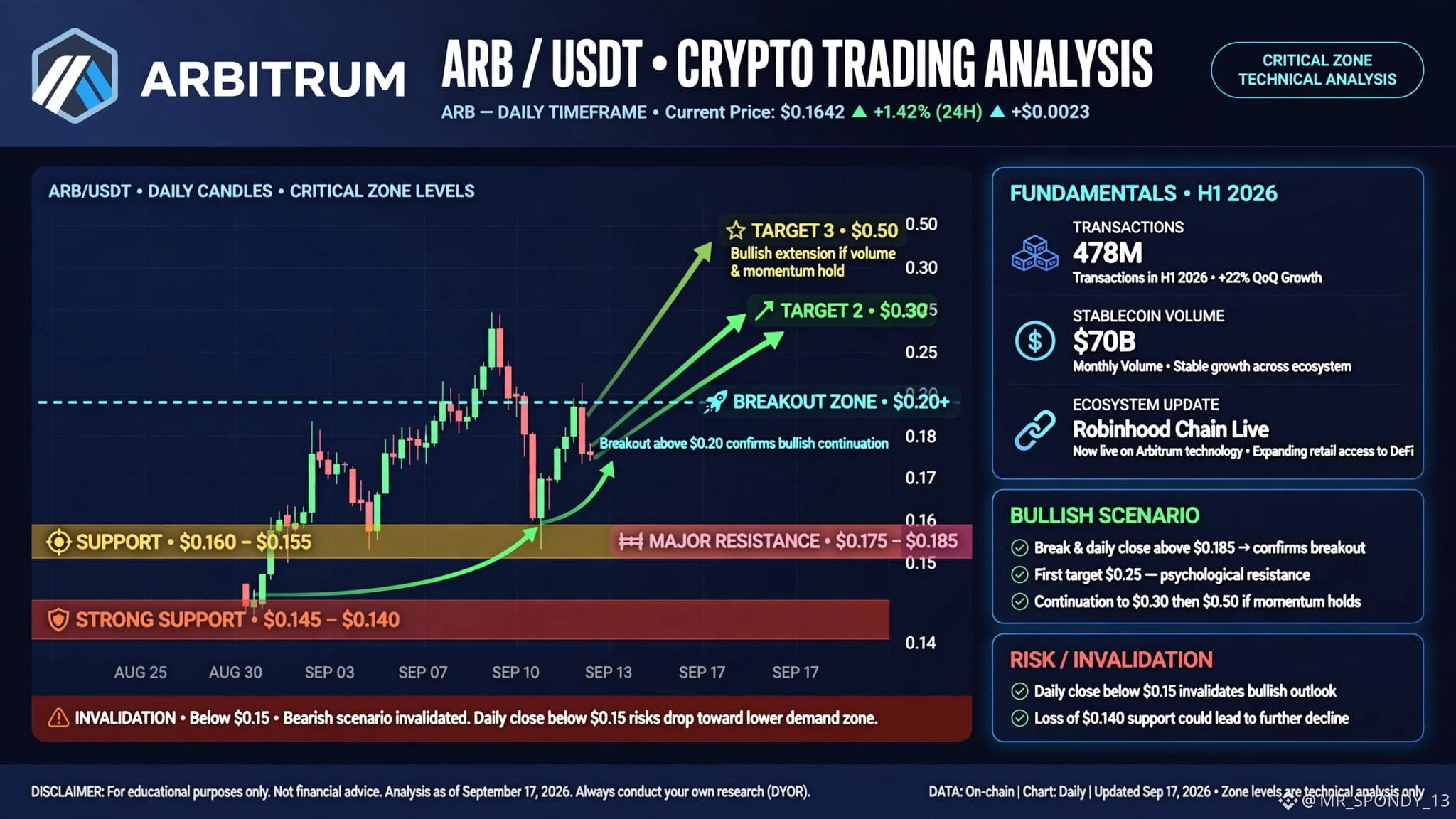
$ARB はまた面白くなってきています。
チャートは重要なゾーンにありますが、私は熱狂よりも水準をより重視しています。
サポート: $0.160–$0.155
強いサポート: $0.145–$0.140
主要なレジスタンス: $0.175–$0.185
ブレイクアウトゾーン: $0.20+
$0.20を上抜ける明確な日足ブレイクアウトが起これば、$0.225–$0.25が視野に入り、勢いが加速すれば$0.30も可能になります。
しかし、私がARBを見ているより大きな理由はチャートだけではありません。
Arbitrumは2026年上半期に4億7800万件の取引を処理し、ステーブルコインの送金取引高は月間$70Bを超えました。さらに、Robinhood ChainがいまArbitrumの技術上で稼働しています。
これにより、エコシステムには本格的なファンダメンタル成長のストーリーがあります。
私の強気シナリオ: $0.25 → $0.30 → $0.50
私の無効化ゾーン: $0.15を下回る弱さが継続すること。
投資助言ではありません。私は採用(導入)+ 収益 + 価格構造をセットで見ています。
#ARB #Arbitrum #crypto $ARB
{spot}(ARBUSDT)
$ARB はまた面白くなってきています。
チャートは重要なゾーンにありますが、私は熱狂よりも水準をより重視しています。
サポート: $0.160–$0.155
強いサポート: $0.145–$0.140
主要なレジスタンス: $0.175–$0.185
ブレイクアウトゾーン: $0.20+
$0.20を上抜ける明確な日足ブレイクアウトが起これば、$0.225–$0.25が視野に入り、勢いが加速すれば$0.30も可能になります。
しかし、私がARBを見ているより大きな理由はチャートだけではありません。
Arbitrumは2026年上半期に4億7800万件の取引を処理し、ステーブルコインの送金取引高は月間$70Bを超えました。さらに、Robinhood ChainがいまArbitrumの技術上で稼働しています。
これにより、エコシステムには本格的なファンダメンタル成長のストーリーがあります。
私の強気シナリオ: $0.25 → $0.30 → $0.50
私の無効化ゾーン: $0.15を下回る弱さが継続すること。
投資助言ではありません。私は採用(導入)+ 収益 + 価格構造をセットで見ています。
#ARB #Arbitrum #crypto $ARB
チャートは重要なゾーンにありますが、私は熱狂よりも水準をより重視しています。
サポート: $0.160–$0.155
強いサポート: $0.145–$0.140
主要なレジスタンス: $0.175–$0.185
ブレイクアウトゾーン: $0.20+
$0.20を上抜ける明確な日足ブレイクアウトが起これば、$0.225–$0.25が視野に入り、勢いが加速すれば$0.30も可能になります。
しかし、私がARBを見ているより大きな理由はチャートだけではありません。
Arbitrumは2026年上半期に4億7800万件の取引を処理し、ステーブルコインの送金取引高は月間$70Bを超えました。さらに、Robinhood ChainがいまArbitrumの技術上で稼働しています。
これにより、エコシステムには本格的なファンダメンタル成長のストーリーがあります。
私の強気シナリオ: $0.25 → $0.30 → $0.50
私の無効化ゾーン: $0.15を下回る弱さが継続すること。
投資助言ではありません。私は採用(導入)+ 収益 + 価格構造をセットで見ています。
#ARB #Arbitrum #crypto $ARB
1
205
·
--
🚀 $ELIZAOS - まだ数えるのは早い!
AIエージェントの物語性がより強くなっており、ElizaOSテクノロジーは引き続き注目を集めています。
開発、コミュニティ活動、そしてエコシステムの採用が積み上がり続けるなら、$ELIZAOS は強い投機的な反発が起こる可能性があります。
🎯 $0.0005 → $0.001 → $0.002 は注目すべき水準です。
最大のチャンスは、センチメントが最も低いときに現れることがあります。👀🔥
$ELIZAOS
{alpha}(560xea17df5cf6d172224892b5477a16acb111182478)
#ELIZAOS #AI #cryptouniverseofficial
🚀 $ELIZAOS - まだ数えるのは早い!
AIエージェントの物語性がより強くなっており、ElizaOSテクノロジーは引き続き注目を集めています。
開発、コミュニティ活動、そしてエコシステムの採用が積み上がり続けるなら、$ELIZAOS は強い投機的な反発が起こる可能性があります。
🎯 $0.0005 → $0.001 → $0.002 は注目すべき水準です。
最大のチャンスは、センチメントが最も低いときに現れることがあります。👀🔥
$ELIZAOS
#ELIZAOS #AI #cryptouniverseofficial
AIエージェントの物語性がより強くなっており、ElizaOSテクノロジーは引き続き注目を集めています。
開発、コミュニティ活動、そしてエコシステムの採用が積み上がり続けるなら、$ELIZAOS は強い投機的な反発が起こる可能性があります。
🎯 $0.0005 → $0.001 → $0.002 は注目すべき水準です。
最大のチャンスは、センチメントが最も低いときに現れることがあります。👀🔥
$ELIZAOS
#ELIZAOS #AI #cryptouniverseofficial

2
644
ログインして、さらにコンテンツを読む
厳選トピックで世界の暗号資産トレーダーの仲間入り
⚡️ 暗号資産に関する最新かつ有益な情報が見つかります。
💬 世界最大の暗号資産取引所から信頼されています。
👍 認証を受けたクリエイターから、有益なインサイトを得られます。
メール / 電話番号
トレンドトピック
BitcoinHits$85K
閲覧回数 1,660
93人が討論中
可視化された $BTC のショート清算が、$83K〜$85Kの間に約$5B分積み上がっています。上昇トレンドでは、これは燃料です。
ショートが清算されると、強制的にマーケット買いを行う必要が出てきます。その買い圧力が価格を押し上げ、さらに上の清算の次の層を誘発します――需要が自己増殖するようなカスケード(連鎖)です。
このまったく同じダイナミクスを、$67Kから$80Kへ向かった局面で私たちは見ました。状況は今もまったく同じに見えます。次の一段も、同じ台本どおりに進むはずです。清算主導の勢い、体系的な買い圧力、そして燃料が尽きるまでの継続。
これが強気相場が加速する仕組みです。チャートはきれいに形が整っていて、仕組みも揃っています。$83Kを上抜けるのを確認してください――そこからカスケードが始まります。
QuantFreedom
·いいね:4件
·閲覧回数 2.5k
ECBStartsBlockchainEuroSettlement
閲覧回数 1,835
189人が討論中
SouthAfricaProposesCryptoExchangeControls
閲覧回数 11,556
417人が討論中