
WhaleHunter456
49 投稿

WhaleHunter456
報告
ユーザーをブロック
https://s.binance.com/jliRVOdk
取引を発注
高頻度トレーダー
4.2年
20 フォロー
12 フォロワー
35 いいね
投稿
ポートフォリオ
ウォレットのシードフレーズは、その資金へのマスターキーです。入手した誰でも資産を操作できる可能性があり、失くしてしまうと復元が不可能になることがあります。
フレーズはオフラインで保管し、メッセージやWebサイトで共有しないでください。また、「確認」や「復元」を求めてくる相手には注意してください。正規のウォレットサポートはシードフレーズをあなたに求める必要はありません。
#CryptoSecurity #Bitcoin #Web3
ウォレットのシードフレーズは、その資金へのマスターキーです。入手した誰でも資産を操作できる可能性があり、失くしてしまうと復元が不可能になることがあります。
フレーズはオフラインで保管し、メッセージやWebサイトで共有しないでください。また、「確認」や「復元」を求めてくる相手には注意してください。正規のウォレットサポートはシードフレーズをあなたに求める必要はありません。
#CryptoSecurity #Bitcoin #Web3
フレーズはオフラインで保管し、メッセージやWebサイトで共有しないでください。また、「確認」や「復元」を求めてくる相手には注意してください。正規のウォレットサポートはシードフレーズをあなたに求める必要はありません。
#CryptoSecurity #Bitcoin #Web3
4
翻訳参照
A Bitcoin wallet does not actually store your BTC. It stores the keys that prove ownership and authorize transactions.
That makes your seed phrase the most sensitive piece of wallet information. Anyone who obtains it may be able to control the funds, while losing it can mean losing access permanently.
Keep the phrase offline, never share it, and be cautious of anyone asking you to enter it on a website or send it in a message.
#Bitcoin #CryptoSecurity #SelfCustody
A Bitcoin wallet does not actually store your BTC. It stores the keys that prove ownership and authorize transactions.
That makes your seed phrase the most sensitive piece of wallet information. Anyone who obtains it may be able to control the funds, while losing it can mean losing access permanently.
Keep the phrase offline, never share it, and be cautious of anyone asking you to enter it on a website or send it in a message.
#Bitcoin #CryptoSecurity #SelfCustody
That makes your seed phrase the most sensitive piece of wallet information. Anyone who obtains it may be able to control the funds, while losing it can mean losing access permanently.
Keep the phrase offline, never share it, and be cautious of anyone asking you to enter it on a website or send it in a message.
#Bitcoin #CryptoSecurity #SelfCustody
7
翻訳参照
Four armed men reportedly tied up a family during a crypto-related home invasion in France.
The incident points to a threat that exists outside wallets, exchanges, and blockchain security. While crypto networks rely on advanced mathematics, people connected to digital assets can also face physical risks when criminals believe valuable holdings are nearby.
For crypto users, security is not only about protecting seed phrases and private keys. Personal privacy and physical safety matter too.
#Bitcoin #CryptoSecurity #CryptoNews
Four armed men reportedly tied up a family during a crypto-related home invasion in France.
The incident points to a threat that exists outside wallets, exchanges, and blockchain security. While crypto networks rely on advanced mathematics, people connected to digital assets can also face physical risks when criminals believe valuable holdings are nearby.
For crypto users, security is not only about protecting seed phrases and private keys. Personal privacy and physical safety matter too.
#Bitcoin #CryptoSecurity #CryptoNews
The incident points to a threat that exists outside wallets, exchanges, and blockchain security. While crypto networks rely on advanced mathematics, people connected to digital assets can also face physical risks when criminals believe valuable holdings are nearby.
For crypto users, security is not only about protecting seed phrases and private keys. Personal privacy and physical safety matter too.
#Bitcoin #CryptoSecurity #CryptoNews
ビットコインのライトニング決済チャネルでは、2者がオフチェーンで複数の取引を送信できるため、すべての支払いをビットコインのメインチェーン上に直接記録する必要が減ります。
このチャネルはオンチェーン取引で開設され、その後クローズすることができ、最終的な残高はオンチェーンで決済されます。この仕組みにより、ライトニングはより速く、より小さな支払いをサポートしつつ、ビットコインの基盤レイヤーが最終的な決済を担います。
#Bitcoin #LightningNetwork #BTC
ビットコインのライトニング決済チャネルでは、2者がオフチェーンで複数の取引を送信できるため、すべての支払いをビットコインのメインチェーン上に直接記録する必要が減ります。
このチャネルはオンチェーン取引で開設され、その後クローズすることができ、最終的な残高はオンチェーンで決済されます。この仕組みにより、ライトニングはより速く、より小さな支払いをサポートしつつ、ビットコインの基盤レイヤーが最終的な決済を担います。
#Bitcoin #LightningNetwork #BTC
このチャネルはオンチェーン取引で開設され、その後クローズすることができ、最終的な残高はオンチェーンで決済されます。この仕組みにより、ライトニングはより速く、より小さな支払いをサポートしつつ、ビットコインの基盤レイヤーが最終的な決済を担います。
#Bitcoin #LightningNetwork #BTC
11
暗号ウォレットは実際にはコインを保管しません。ブロックチェーンに記録された資産をあなたがコントロールするための秘密鍵を保管します。
そのため、シードフレーズは非常に重要です。持っている人はウォレットにアクセスできる可能性がありますが、失ってしまうとアクセスを永久に失うことにもなりえます。オフラインで保管し、決して共有せず、それを求めてくる相手には注意してください。
#Bitcoin #CryptoSecurity #SelfCustody
暗号ウォレットは実際にはコインを保管しません。ブロックチェーンに記録された資産をあなたがコントロールするための秘密鍵を保管します。
そのため、シードフレーズは非常に重要です。持っている人はウォレットにアクセスできる可能性がありますが、失ってしまうとアクセスを永久に失うことにもなりえます。オフラインで保管し、決して共有せず、それを求めてくる相手には注意してください。
#Bitcoin #CryptoSecurity #SelfCustody
そのため、シードフレーズは非常に重要です。持っている人はウォレットにアクセスできる可能性がありますが、失ってしまうとアクセスを永久に失うことにもなりえます。オフラインで保管し、決して共有せず、それを求めてくる相手には注意してください。
#Bitcoin #CryptoSecurity #SelfCustody
2
ビットコインのウォレットは、あなたのコインを直接保管するものではありません。ブロックチェーンに記録された資金にアクセスするための「鍵」を保管します。
だからこそシードフレーズが非常に重要です。これを手に入れた誰かがウォレットを操作できる可能性があり、一方で失ってしまうとアクセスを永久に失うことにもつながり得ます。決して共有せず、スクリーンショットやクラウドのメモに保存しないでください。また、「検証して」と求めるウェブサイトやメッセージには注意してください。
#Bitcoin #CryptoSecurity #SelfCustody
ビットコインのウォレットは、あなたのコインを直接保管するものではありません。ブロックチェーンに記録された資金にアクセスするための「鍵」を保管します。
だからこそシードフレーズが非常に重要です。これを手に入れた誰かがウォレットを操作できる可能性があり、一方で失ってしまうとアクセスを永久に失うことにもつながり得ます。決して共有せず、スクリーンショットやクラウドのメモに保存しないでください。また、「検証して」と求めるウェブサイトやメッセージには注意してください。
#Bitcoin #CryptoSecurity #SelfCustody
だからこそシードフレーズが非常に重要です。これを手に入れた誰かがウォレットを操作できる可能性があり、一方で失ってしまうとアクセスを永久に失うことにもつながり得ます。決して共有せず、スクリーンショットやクラウドのメモに保存しないでください。また、「検証して」と求めるウェブサイトやメッセージには注意してください。
#Bitcoin #CryptoSecurity #SelfCustody
5
暗号ウォレットはコインを保存しません。コインにアクセスするための秘密鍵を保存します。
中央集権型の取引所では、通常プラットフォームが鍵を管理し、あなたはアカウントを通じて残高にアクセスします。セルフカストディでは、あなたが鍵を直接管理しますが、リカバリーフレーズを紛失すると、アクセスできなくなる可能性が永続的になります。
シードフレーズは、サポートだと言う相手であっても決して共有しないでください。#Bitcoin #CryptoSecurity #SelfCustody
暗号ウォレットはコインを保存しません。コインにアクセスするための秘密鍵を保存します。
中央集権型の取引所では、通常プラットフォームが鍵を管理し、あなたはアカウントを通じて残高にアクセスします。セルフカストディでは、あなたが鍵を直接管理しますが、リカバリーフレーズを紛失すると、アクセスできなくなる可能性が永続的になります。
シードフレーズは、サポートだと言う相手であっても決して共有しないでください。#Bitcoin #CryptoSecurity #SelfCustody
中央集権型の取引所では、通常プラットフォームが鍵を管理し、あなたはアカウントを通じて残高にアクセスします。セルフカストディでは、あなたが鍵を直接管理しますが、リカバリーフレーズを紛失すると、アクセスできなくなる可能性が永続的になります。
シードフレーズは、サポートだと言う相手であっても決して共有しないでください。#Bitcoin #CryptoSecurity #SelfCustody
暗号資産ウォレットは、あなたのコインを保存しません。ブロックチェーンに記録された資産を操作する権限を与える秘密鍵を保存します。
秘密鍵またはリカバリーフレーズを失うと、アクセスが永久に失われる可能性があります。別の人と共有すると、その人が資金を移動できる場合があります。
そのため、リカバリーフレーズはオフラインに保ち、秘密として管理し、フィッシングの試みから保護する必要があります。正規のウォレット提供者がアカウントを「確認」するために、あなたの完全なリカバリーフレーズを必要とすることはありません。
#CryptoSecurity #Bitcoin #Blockchain
暗号資産ウォレットは、あなたのコインを保存しません。ブロックチェーンに記録された資産を操作する権限を与える秘密鍵を保存します。
秘密鍵またはリカバリーフレーズを失うと、アクセスが永久に失われる可能性があります。別の人と共有すると、その人が資金を移動できる場合があります。
そのため、リカバリーフレーズはオフラインに保ち、秘密として管理し、フィッシングの試みから保護する必要があります。正規のウォレット提供者がアカウントを「確認」するために、あなたの完全なリカバリーフレーズを必要とすることはありません。
#CryptoSecurity #Bitcoin #Blockchain
秘密鍵またはリカバリーフレーズを失うと、アクセスが永久に失われる可能性があります。別の人と共有すると、その人が資金を移動できる場合があります。
そのため、リカバリーフレーズはオフラインに保ち、秘密として管理し、フィッシングの試みから保護する必要があります。正規のウォレット提供者がアカウントを「確認」するために、あなたの完全なリカバリーフレーズを必要とすることはありません。
#CryptoSecurity #Bitcoin #Blockchain
29
翻訳参照
Raoul Pal says Bitcoin is positioned to outperform the Nasdaq 100 from here.
The Real Vision founder argues that rising interest rates could push governments toward more money printing, creating the liquidity environment that crypto depends on. His view puts Bitcoin’s next phase firmly in the middle of the broader macro debate.
#Bitcoin #CryptoNews #BTC
Raoul Pal says Bitcoin is positioned to outperform the Nasdaq 100 from here.
The Real Vision founder argues that rising interest rates could push governments toward more money printing, creating the liquidity environment that crypto depends on. His view puts Bitcoin’s next phase firmly in the middle of the broader macro debate.
#Bitcoin #CryptoNews #BTC
The Real Vision founder argues that rising interest rates could push governments toward more money printing, creating the liquidity environment that crypto depends on. His view puts Bitcoin’s next phase firmly in the middle of the broader macro debate.
#Bitcoin #CryptoNews #BTC
29
暗号通貨ウォレットは、実物の財布が現金を保管するのと同じ方法でコインを保管しません。ブロックチェーンに記録された資産へのアクセスを制御する秘密鍵を保護します。
そのため、リカバリーフレーズ(復旧用フレーズ)が重要です。入手した人はウォレットにアクセスできる可能性がありますが、失ってしまうと復旧が不可能になることがあります。オフラインで保管し、決して共有せず、入力を求めてくるリンクやアプリには注意してください。
#Bitcoin #CryptoSecurity #SelfCustody
暗号通貨ウォレットは、実物の財布が現金を保管するのと同じ方法でコインを保管しません。ブロックチェーンに記録された資産へのアクセスを制御する秘密鍵を保護します。
そのため、リカバリーフレーズ(復旧用フレーズ)が重要です。入手した人はウォレットにアクセスできる可能性がありますが、失ってしまうと復旧が不可能になることがあります。オフラインで保管し、決して共有せず、入力を求めてくるリンクやアプリには注意してください。
#Bitcoin #CryptoSecurity #SelfCustody
そのため、リカバリーフレーズ(復旧用フレーズ)が重要です。入手した人はウォレットにアクセスできる可能性がありますが、失ってしまうと復旧が不可能になることがあります。オフラインで保管し、決して共有せず、入力を求めてくるリンクやアプリには注意してください。
#Bitcoin #CryptoSecurity #SelfCustody
30
あなたの暗号資産のセキュリティは価格だけでは決まりません。鍵(秘密鍵)を誰が管理しているかにかかっています。
資産が中央集権型の取引所にある間は、通常、そのプラットフォームが保管(カストディ)と取引を代わりに管理します。これは便利ですが、その分、取引所のセキュリティやシステム、出金プロセスに依存することになります。
セルフカストディでは、ウォレットと秘密鍵を直接あなたが管理します。これにより仲介者への依存はなくなりますが、バックアップ、端末のセキュリティ、リカバリーフレーズ(復旧フレーズ)といった責任はあなたにのしかかります。失われた、または漏えいしたシードフレーズは、ウォレットを恒久的に危険にさらす可能性があります。
実践的な教訓:暗号資産サービスを使う前に、カストディ(管理)モデルを理解してください。強固なアカウントセキュリティを有効にし、ウォレットアドレスは慎重に確認し、サポートすると名乗る相手であってもリカバリーフレーズを決して共有しないでください。
#CryptoEducation #Blockchain #Web3
あなたの暗号資産のセキュリティは価格だけでは決まりません。鍵(秘密鍵)を誰が管理しているかにかかっています。
資産が中央集権型の取引所にある間は、通常、そのプラットフォームが保管(カストディ)と取引を代わりに管理します。これは便利ですが、その分、取引所のセキュリティやシステム、出金プロセスに依存することになります。
セルフカストディでは、ウォレットと秘密鍵を直接あなたが管理します。これにより仲介者への依存はなくなりますが、バックアップ、端末のセキュリティ、リカバリーフレーズ(復旧フレーズ)といった責任はあなたにのしかかります。失われた、または漏えいしたシードフレーズは、ウォレットを恒久的に危険にさらす可能性があります。
実践的な教訓:暗号資産サービスを使う前に、カストディ(管理)モデルを理解してください。強固なアカウントセキュリティを有効にし、ウォレットアドレスは慎重に確認し、サポートすると名乗る相手であってもリカバリーフレーズを決して共有しないでください。
#CryptoEducation #Blockchain #Web3
資産が中央集権型の取引所にある間は、通常、そのプラットフォームが保管(カストディ)と取引を代わりに管理します。これは便利ですが、その分、取引所のセキュリティやシステム、出金プロセスに依存することになります。
セルフカストディでは、ウォレットと秘密鍵を直接あなたが管理します。これにより仲介者への依存はなくなりますが、バックアップ、端末のセキュリティ、リカバリーフレーズ(復旧フレーズ)といった責任はあなたにのしかかります。失われた、または漏えいしたシードフレーズは、ウォレットを恒久的に危険にさらす可能性があります。
実践的な教訓:暗号資産サービスを使う前に、カストディ(管理)モデルを理解してください。強固なアカウントセキュリティを有効にし、ウォレットアドレスは慎重に確認し、サポートすると名乗る相手であってもリカバリーフレーズを決して共有しないでください。
#CryptoEducation #Blockchain #Web3
55
翻訳参照
A low-fee transaction isn’t always the best transaction—understanding Ethereum gas can save you from costly mistakes.
“Gas” measures the computational work required to process an Ethereum transaction. The total fee generally includes:
• Base fee: Set by the network and burned
• Priority fee (tip): Paid to the validator
• Gas used: The amount of computation your transaction requires
During periods of congestion, the base fee can rise because users compete for limited block space. A simple transfer usually uses less gas than a token swap, NFT mint, or smart-contract interaction.
Before confirming a transaction, check the network, total fee, and whether you are using the correct contract. Remember that a failed transaction may still consume gas because validators performed the requested computation.
Ethereum layer-2 networks can reduce costs by processing activity off the main chain, but users should still verify bridge and contract risks.
What’s the most confusing part of gas fees for you?
#Ethereum #CryptoEducation $ETH
A low-fee transaction isn’t always the best transaction—understanding Ethereum gas can save you from costly mistakes.
“Gas” measures the computational work required to process an Ethereum transaction. The total fee generally includes:
• Base fee: Set by the network and burned
• Priority fee (tip): Paid to the validator
• Gas used: The amount of computation your transaction requires
During periods of congestion, the base fee can rise because users compete for limited block space. A simple transfer usually uses less gas than a token swap, NFT mint, or smart-contract interaction.
Before confirming a transaction, check the network, total fee, and whether you are using the correct contract. Remember that a failed transaction may still consume gas because validators performed the requested computation.
Ethereum layer-2 networks can reduce costs by processing activity off the main chain, but users should still verify bridge and contract risks.
What’s the most confusing part of gas fees for you?
#Ethereum #CryptoEducation $ETH
“Gas” measures the computational work required to process an Ethereum transaction. The total fee generally includes:
• Base fee: Set by the network and burned
• Priority fee (tip): Paid to the validator
• Gas used: The amount of computation your transaction requires
During periods of congestion, the base fee can rise because users compete for limited block space. A simple transfer usually uses less gas than a token swap, NFT mint, or smart-contract interaction.
Before confirming a transaction, check the network, total fee, and whether you are using the correct contract. Remember that a failed transaction may still consume gas because validators performed the requested computation.
Ethereum layer-2 networks can reduce costs by processing activity off the main chain, but users should still verify bridge and contract risks.
What’s the most confusing part of gas fees for you?
#Ethereum #CryptoEducation $ETH
77
赤い封筒 🧧:
[BP5N1UOK6L](https://app.binance.com/uni-qr/6rbq2NUi?utm_medium=web_share_copy)
$BTC $ETH $BNB
{spot}(BNBUSDT)
BTCSurpasses$80K
#TrumpUnveilsPlanToEscortHormuzShips
トランプ氏、停戦中にイランが不都合な行動をすれば再び攻撃を脅し直す
#BankofEnglandMayPauseDigitalPound
#TrumpSaysIranConflictHasEnded
赤い封筒 🧧:
BP5N1UOK6L
$BTC $ETH $BNB
BTCSurpasses$80K
#TrumpUnveilsPlanToEscortHormuzShips
トランプ氏、停戦中にイランが不都合な行動をすれば再び攻撃を脅し直す
#BankofEnglandMayPauseDigitalPound
#TrumpSaysIranConflictHasEnded
BP5N1UOK6L
$BTC $ETH $BNB
BTCSurpasses$80K
#TrumpUnveilsPlanToEscortHormuzShips
トランプ氏、停戦中にイランが不都合な行動をすれば再び攻撃を脅し直す
#BankofEnglandMayPauseDigitalPound
#TrumpSaysIranConflictHasEnded
🎉プレゼント告知!
フォロワーの皆さんに、CRYPTOを10ドル分プレゼントします。最初の20人がこの特典を受け取れます:急いでクリックして請求してください:[BP5N1UOK6L](https://app.binance.com/uni-qr/6rbq2NUi?utm_medium=web_share_copy)
BTCSurpasses$80K#TrumpUnveilsPlanToEscortHormuzShips トランプ氏、停戦中にイランが「問題を起こした場合」再び攻撃を再開すると脅す
🎉プレゼント告知!
フォロワーの皆さんに、CRYPTOを10ドル分プレゼントします。最初の20人がこの特典を受け取れます:急いでクリックして請求してください:BP5N1UOK6L
BTCSurpasses$80K#TrumpUnveilsPlanToEscortHormuzShips トランプ氏、停戦中にイランが「問題を起こした場合」再び攻撃を再開すると脅す
フォロワーの皆さんに、CRYPTOを10ドル分プレゼントします。最初の20人がこの特典を受け取れます:急いでクリックして請求してください:BP5N1UOK6L
BTCSurpasses$80K#TrumpUnveilsPlanToEscortHormuzShips トランプ氏、停戦中にイランが「問題を起こした場合」再び攻撃を再開すると脅す
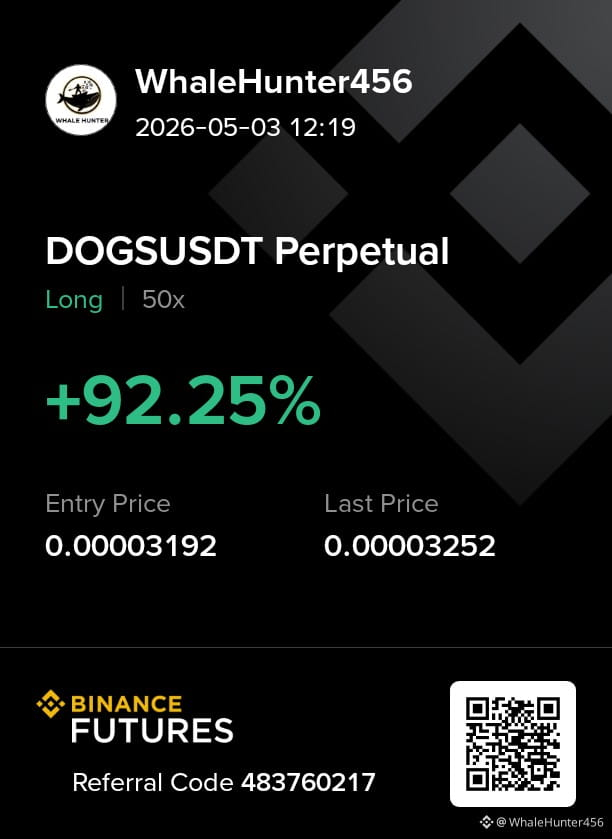
2
3
3
あなたのMYSTERY BONUSを手に入れよう
もう私は手に入れたよ。さあ、次はあなたの番:
[Claim Mystery Box](https://app.binance.com/uni-qr/jLSQ9Fou?utm_medium=web_share_copy)
あなたのMYSTERY BONUSを手に入れよう
もう私は手に入れたよ。さあ、次はあなたの番:
Claim Mystery Box
もう私は手に入れたよ。さあ、次はあなたの番:
Claim Mystery Box
2
6
#2025withBinance あなたの暗号資産ストーリーを「@Binance Year in Review」で始めて、ハイライトをシェアしよう!#2025withBinance。
👉 私のリンクから登録すると、100 USDの特典がもらえます!https://www.binance.com/year-in-review/2025-with-binance?ref=483760217
#2025withBinance あなたの暗号資産ストーリーを「@Binance Year in Review」で始めて、ハイライトをシェアしよう!#2025withBinance。
👉 私のリンクから登録すると、100 USDの特典がもらえます!https://www.binance.com/year-in-review/2025-with-binance?ref=483760217
👉 私のリンクから登録すると、100 USDの特典がもらえます!https://www.binance.com/year-in-review/2025-with-binance?ref=483760217
1
1
今日は私の誕生日です 🎂 誕生日ケーキと誕生日プレゼントのためにUSDTを寄付してください 🧧🎁 🍰🎂
今日は私の誕生日です 🎂 誕生日ケーキと誕生日プレゼントのためにUSDTを寄付してください 🧧🎁 🍰🎂
1
9
今日は誕生日です🎂 誕生日ケーキや誕生日プレゼントのためにUSDTを寄付してください🧧🎁 🍰🎂
今日は誕生日です🎂 誕生日ケーキや誕生日プレゼントのためにUSDTを寄付してください🧧🎁 🍰🎂
ログインして、さらにコンテンツを読む
厳選トピックで世界の暗号資産トレーダーの仲間入り
⚡️ 暗号資産に関する最新かつ有益な情報が見つかります。
💬 世界最大の暗号資産取引所から信頼されています。
👍 認証を受けたクリエイターから、有益なインサイトを得られます。
メール / 電話番号