

SA 战士 - SILENT SPARK
9.9k 投稿

SA 战士 - SILENT SPARK
報告
ユーザーをブロック
Skilled in content writing, influencer and trader...
高頻度トレーダー
1.1年
936 フォロー
7.2K+ フォロワー
7.6K+ いいね
投稿
すべて
引用
ライブ
PINNED
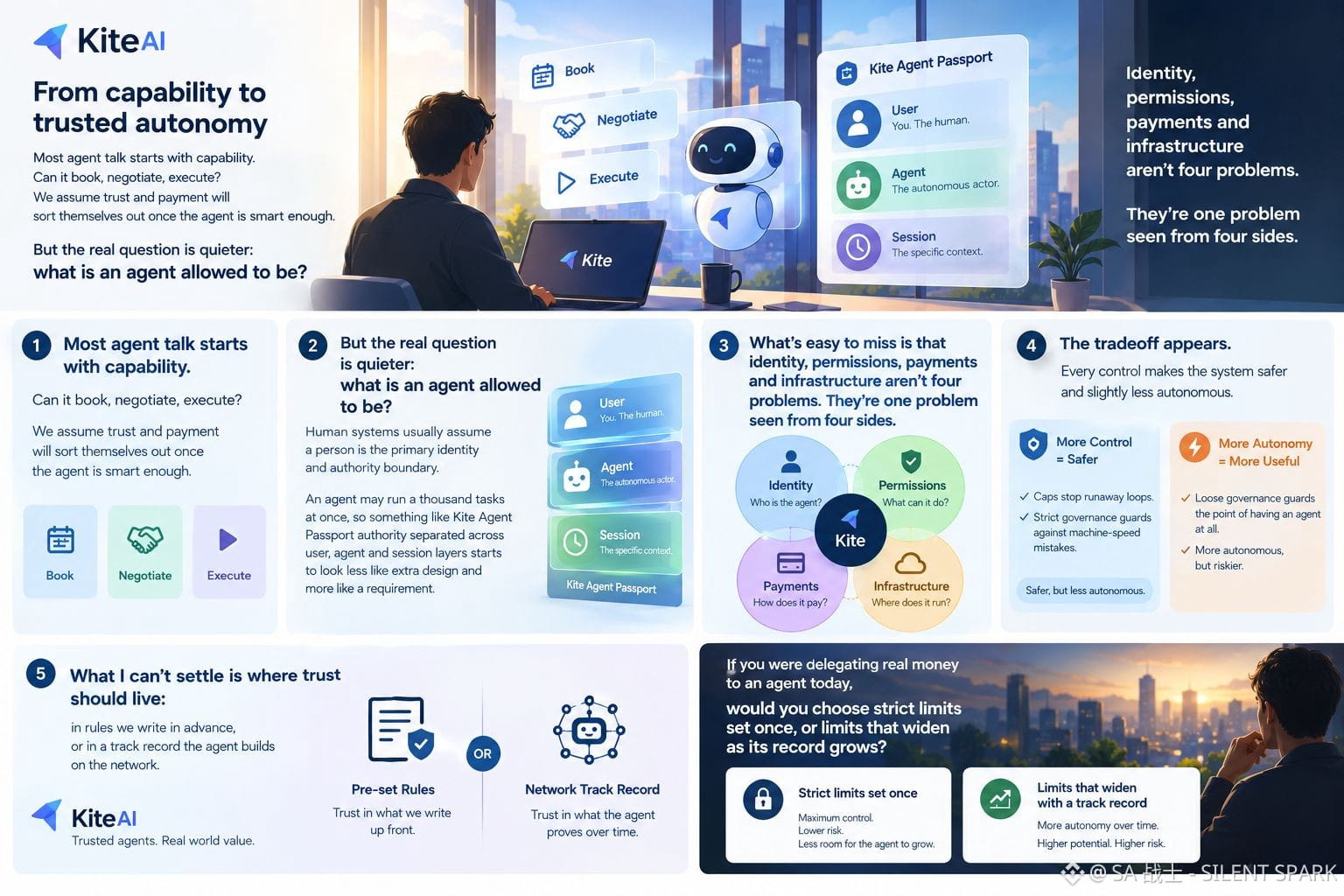
Kiteのドキュメントをまた読み返しているのですが、問題の順序がどうしても気になります。
エージェントについての議論は、たいてい能力から始まります。予約や交渉、実行ができるのか。エージェントが十分に賢くなれば、信頼や支払いの問題は自然に解決すると考えがちです。
本当の問いは、もっと静かなものだと思います。
エージェントには、何が許されているのか?
人間のシステムでは通常、個人が主要なアイデンティティであり、権限の境界でもあると想定されています。エージェントは一度に千ものタスクを実行することもあるため、Kite Agent Passportのように、権限をユーザー、エージェント、セッションの各レイヤーに分ける仕組みは、単なる追加設計というより必要条件に思えてきます。
見落としやすいのは、アイデンティティ、権限、支払い、インフラは別々の4つの問題ではないということです。ひとつの問題を、4つの側面から見ているのです。検証可能なアイデンティティがなければ、支出ルールに意味はほとんどありません。マイクロトランザクションが機能するのは、エージェントの速度でルールが適用される場合だけです。エージェントネットワークが機能するのは、誰が何を作り、誰がその責任を負うのかをネットワークが示せる場合だけです。
そこでトレードオフが現れます。制御を加えるたびにシステムは安全になりますが、自律性は少し損なわれます。上限を設ければ暴走するループを止められますが、エージェントがまさに役に立とうとしていた瞬間に、動きを止めてしまうこともあります。厳格なガバナンスは、機械の速度で起きるミスを防ぎます。緩やかなガバナンスは、そもそもエージェントを持つ意味を守ります。どちらにも一理あります。
私が答えを出せずにいるのは、信頼をどこに置くべきかということです。あらかじめ定めたルールの中なのか、それともエージェントがネットワーク上で積み重ねる実績の中なのか。
今日、エージェントに実際のお金を任せるとしたら、一度設定した厳格な上限と、実績に応じて広がっていく上限のどちらを選びますか?
#KiteBBW $KITE
Kiteのドキュメントをまた読み返しているのですが、問題の順序がどうしても気になります。
エージェントについての議論は、たいてい能力から始まります。予約や交渉、実行ができるのか。エージェントが十分に賢くなれば、信頼や支払いの問題は自然に解決すると考えがちです。
本当の問いは、もっと静かなものだと思います。
エージェントには、何が許されているのか?
人間のシステムでは通常、個人が主要なアイデンティティであり、権限の境界でもあると想定されています。エージェントは一度に千ものタスクを実行することもあるため、Kite Agent Passportのように、権限をユーザー、エージェント、セッションの各レイヤーに分ける仕組みは、単なる追加設計というより必要条件に思えてきます。
見落としやすいのは、アイデンティティ、権限、支払い、インフラは別々の4つの問題ではないということです。ひとつの問題を、4つの側面から見ているのです。検証可能なアイデンティティがなければ、支出ルールに意味はほとんどありません。マイクロトランザクションが機能するのは、エージェントの速度でルールが適用される場合だけです。エージェントネットワークが機能するのは、誰が何を作り、誰がその責任を負うのかをネットワークが示せる場合だけです。
そこでトレードオフが現れます。制御を加えるたびにシステムは安全になりますが、自律性は少し損なわれます。上限を設ければ暴走するループを止められますが、エージェントがまさに役に立とうとしていた瞬間に、動きを止めてしまうこともあります。厳格なガバナンスは、機械の速度で起きるミスを防ぎます。緩やかなガバナンスは、そもそもエージェントを持つ意味を守ります。どちらにも一理あります。
私が答えを出せずにいるのは、信頼をどこに置くべきかということです。あらかじめ定めたルールの中なのか、それともエージェントがネットワーク上で積み重ねる実績の中なのか。
今日、エージェントに実際のお金を任せるとしたら、一度設定した厳格な上限と、実績に応じて広がっていく上限のどちらを選びますか?
#KiteBBW $KITE
エージェントについての議論は、たいてい能力から始まります。予約や交渉、実行ができるのか。エージェントが十分に賢くなれば、信頼や支払いの問題は自然に解決すると考えがちです。
本当の問いは、もっと静かなものだと思います。
エージェントには、何が許されているのか?
人間のシステムでは通常、個人が主要なアイデンティティであり、権限の境界でもあると想定されています。エージェントは一度に千ものタスクを実行することもあるため、Kite Agent Passportのように、権限をユーザー、エージェント、セッションの各レイヤーに分ける仕組みは、単なる追加設計というより必要条件に思えてきます。
見落としやすいのは、アイデンティティ、権限、支払い、インフラは別々の4つの問題ではないということです。ひとつの問題を、4つの側面から見ているのです。検証可能なアイデンティティがなければ、支出ルールに意味はほとんどありません。マイクロトランザクションが機能するのは、エージェントの速度でルールが適用される場合だけです。エージェントネットワークが機能するのは、誰が何を作り、誰がその責任を負うのかをネットワークが示せる場合だけです。
そこでトレードオフが現れます。制御を加えるたびにシステムは安全になりますが、自律性は少し損なわれます。上限を設ければ暴走するループを止められますが、エージェントがまさに役に立とうとしていた瞬間に、動きを止めてしまうこともあります。厳格なガバナンスは、機械の速度で起きるミスを防ぎます。緩やかなガバナンスは、そもそもエージェントを持つ意味を守ります。どちらにも一理あります。
私が答えを出せずにいるのは、信頼をどこに置くべきかということです。あらかじめ定めたルールの中なのか、それともエージェントがネットワーク上で積み重ねる実績の中なのか。
今日、エージェントに実際のお金を任せるとしたら、一度設定した厳格な上限と、実績に応じて広がっていく上限のどちらを選びますか?
#KiteBBW $KITE
4
1
5
1.1k
翻訳参照
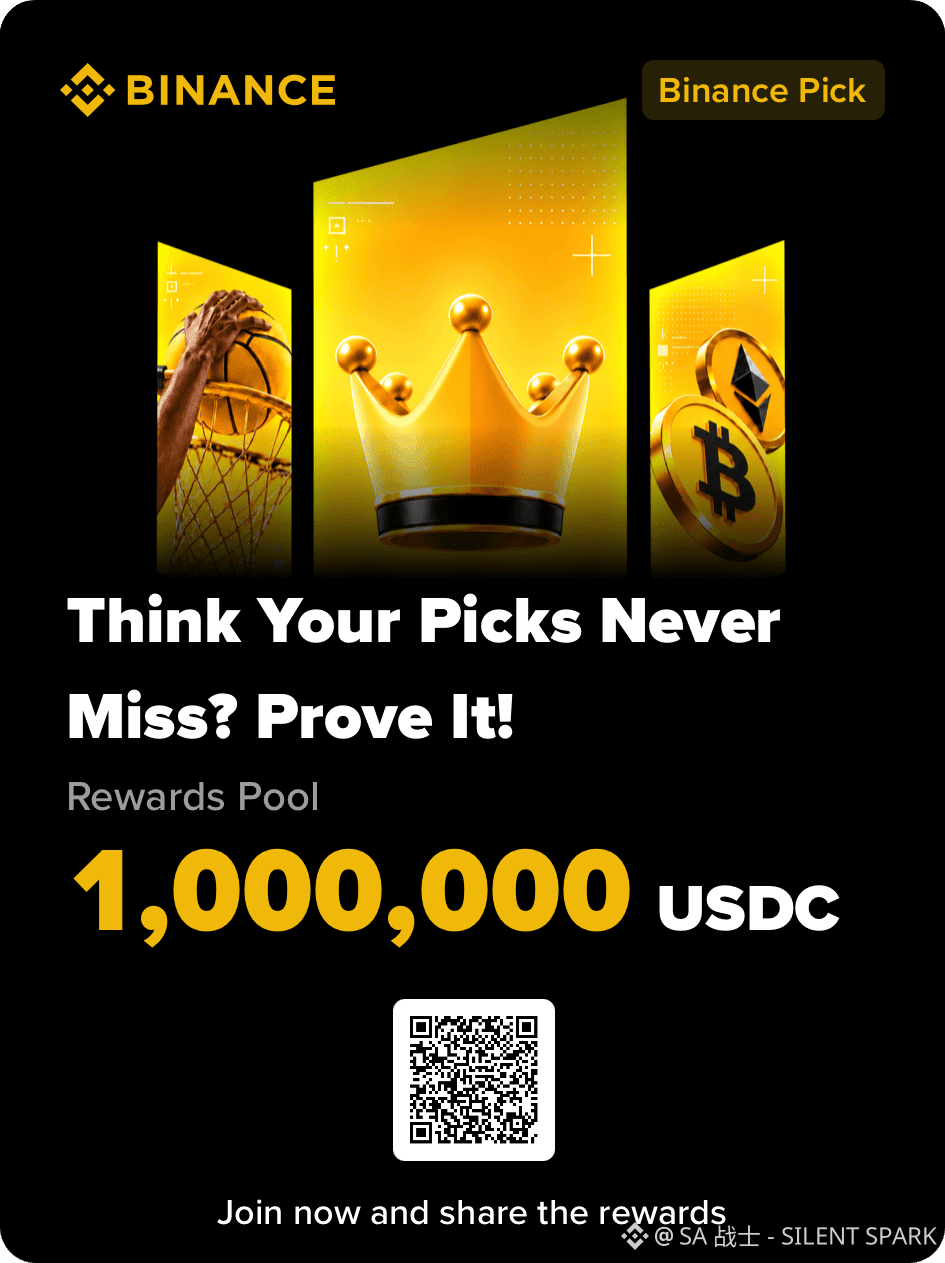
🏆 Climb the Binance Pick Leaderboard & Win Rewards 🚀
Your predictions and consistency can make a difference! Track your ranking and compete for a share of 1,000,000 USDC across the Season Leaderboard, Weekly Leaderboard, and Participation Rewards.
🎯 Make smart predictions, stay active, and don't forget your daily check-ins. Every effort counts..
Ready to climb the leaderboard??
Let's go 🧗🧗🧗
#BinancePick
🏆 Climb the Binance Pick Leaderboard & Win Rewards 🚀
Your predictions and consistency can make a difference! Track your ranking and compete for a share of 1,000,000 USDC across the Season Leaderboard, Weekly Leaderboard, and Participation Rewards.
🎯 Make smart predictions, stay active, and don't forget your daily check-ins. Every effort counts..
Ready to climb the leaderboard??
Let's go 🧗🧗🧗
#BinancePick
Your predictions and consistency can make a difference! Track your ranking and compete for a share of 1,000,000 USDC across the Season Leaderboard, Weekly Leaderboard, and Participation Rewards.
🎯 Make smart predictions, stay active, and don't forget your daily check-ins. Every effort counts..
Ready to climb the leaderboard??
Let's go 🧗🧗🧗
#BinancePick
67
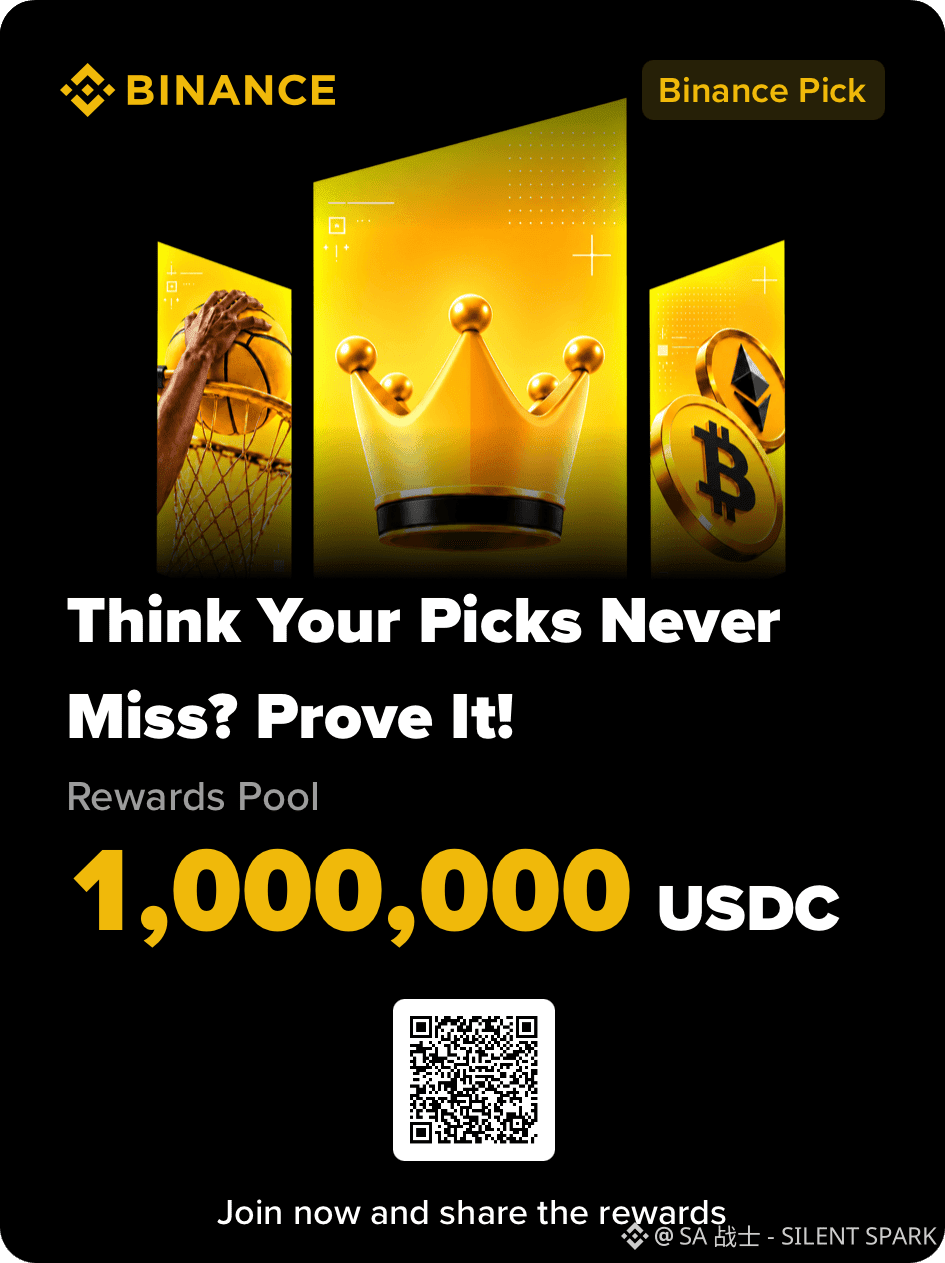
🎯 Binance Pickで市場を読む力を試してみませんか?
スコアを使って予測し、戦略を選んで、予想の結果を確認しましょう。📈 予測が当たるとスコアを獲得でき、キャンペーンランキングの向上にもつながります。
スコアはキャンペーンポイントであり、現金価値はありません。また、シーズン終了時にリセットされます。
よく考えて予想を選び、ゲームを楽しみましょう!🚀
#BinancePick
🎯 Binance Pickで市場を読む力を試してみませんか?
スコアを使って予測し、戦略を選んで、予想の結果を確認しましょう。📈 予測が当たるとスコアを獲得でき、キャンペーンランキングの向上にもつながります。
スコアはキャンペーンポイントであり、現金価値はありません。また、シーズン終了時にリセットされます。
よく考えて予想を選び、ゲームを楽しみましょう!🚀
#BinancePick
スコアを使って予測し、戦略を選んで、予想の結果を確認しましょう。📈 予測が当たるとスコアを獲得でき、キャンペーンランキングの向上にもつながります。
スコアはキャンペーンポイントであり、現金価値はありません。また、シーズン終了時にリセットされます。
よく考えて予想を選び、ゲームを楽しみましょう!🚀
#BinancePick
184
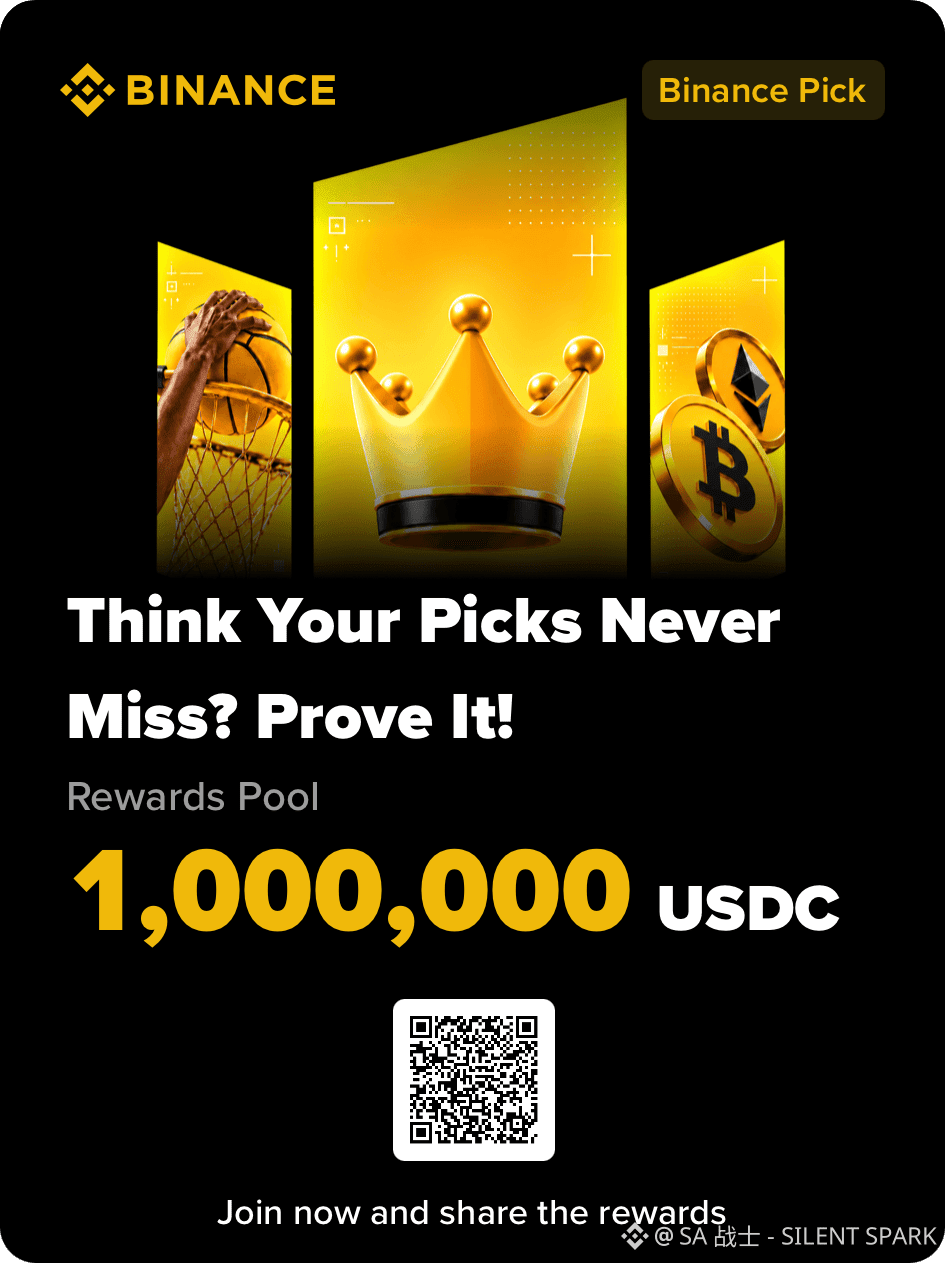
🚀 Binance Pickに参加しませんか?👍
キャンペーンページにアクセスして[今すぐ参加]をタップすれば、すぐに始められます!アーリーバード期間中に予約するとボーナススコアを獲得でき、条件を満たす新規ユーザーはさらにボーナススコアを獲得できます。🎯
早めに参加して予想を立て、報酬プールの山分けを目指して競いましょう!🏆
#BinancePick
🚀 Binance Pickに参加しませんか?👍
キャンペーンページにアクセスして[今すぐ参加]をタップすれば、すぐに始められます!アーリーバード期間中に予約するとボーナススコアを獲得でき、条件を満たす新規ユーザーはさらにボーナススコアを獲得できます。🎯
早めに参加して予想を立て、報酬プールの山分けを目指して競いましょう!🏆
#BinancePick
キャンペーンページにアクセスして[今すぐ参加]をタップすれば、すぐに始められます!アーリーバード期間中に予約するとボーナススコアを獲得でき、条件を満たす新規ユーザーはさらにボーナススコアを獲得できます。🎯
早めに参加して予想を立て、報酬プールの山分けを目指して競いましょう!🏆
#BinancePick
2
120
暗号通貨の略語:始める前に知っておくべきこと.. パート2
暗号通貨を始めたばかりの方なら、DAO、NFT、DeFIといった用語を見かけて、「そもそもそれってどういう意味?」と疑問に思ったかもしれません。
こちらに簡単な早見表を用意しました👇
🔹1. DAO — 自律分散型組織(Decentralized Autonomous Organization)
事前に定められたルールと、トークンによる投票でガバナンス(意思決定)を行えるブロックチェーン上の組織。
🔹2. NFT — 非代替トークン(Non-Fungible Token)
所有権やデジタル/物理アイテムへのアクセスを表すことができる、唯一無二のブロックチェーン上のトークン。
🔹3. DeFi — 分散型金融(Decentralized Finance)
貸し出し、借り入れ、分散型取引など、ブロックチェーン技術を使って作られた金融アプリケーション。
🔹4. TVL — ロック総額(Total Value Locked)
DeFiプロトコルまたはエコシステムに預け入れられた資産の総額。
🔹5. APY — 年率換算利回り(Annual Percentage Yield)
複利の効果を含めた、年間の見込み収益を反映する率。
🔹6. LFG — Let’s Fing Go*
暗号通貨プロジェクト、トークン、または市場の動きに対する興奮や前向きな気持ちを表すフレーズ。🚀
🔹7. MC — 時価総額(Market Cap)
暗号通貨の市場における総価値。
💡 式:価格 × 流通供給量
🔹8. FDV — 完全希薄化評価額(Fully Diluted Valuation)
存在し得るすべてのトークンがすでに流通していた場合の、暗号通貨プロジェクトの理論上の市場価値。
🔹9. APR — 年率(Annual Percentage Rate)
年換算した収益率または利息。一般的には複利の効果を含めない。
🔹10. WBTC — ラップド・ビットコイン(Wrapped Bitcoin)
別のブロックチェーン上でビットコインを表すトークン。最も一般的なのはイーサリアムで、BTCへのエクスポージャーをDeFiアプリで使えるようにします。
暗号通貨の「言葉」を理解することは、テクノロジーを理解するのと同じくらい大切です…
#Binance #cryptoeducation #crypto
暗号通貨の略語:始める前に知っておくべきこと.. パート2
暗号通貨を始めたばかりの方なら、DAO、NFT、DeFIといった用語を見かけて、「そもそもそれってどういう意味?」と疑問に思ったかもしれません。
こちらに簡単な早見表を用意しました👇
🔹1. DAO — 自律分散型組織(Decentralized Autonomous Organization)
事前に定められたルールと、トークンによる投票でガバナンス(意思決定)を行えるブロックチェーン上の組織。
🔹2. NFT — 非代替トークン(Non-Fungible Token)
所有権やデジタル/物理アイテムへのアクセスを表すことができる、唯一無二のブロックチェーン上のトークン。
🔹3. DeFi — 分散型金融(Decentralized Finance)
貸し出し、借り入れ、分散型取引など、ブロックチェーン技術を使って作られた金融アプリケーション。
🔹4. TVL — ロック総額(Total Value Locked)
DeFiプロトコルまたはエコシステムに預け入れられた資産の総額。
🔹5. APY — 年率換算利回り(Annual Percentage Yield)
複利の効果を含めた、年間の見込み収益を反映する率。
🔹6. LFG — Let’s Fing Go*
暗号通貨プロジェクト、トークン、または市場の動きに対する興奮や前向きな気持ちを表すフレーズ。🚀
🔹7. MC — 時価総額(Market Cap)
暗号通貨の市場における総価値。
💡 式:価格 × 流通供給量
🔹8. FDV — 完全希薄化評価額(Fully Diluted Valuation)
存在し得るすべてのトークンがすでに流通していた場合の、暗号通貨プロジェクトの理論上の市場価値。
🔹9. APR — 年率(Annual Percentage Rate)
年換算した収益率または利息。一般的には複利の効果を含めない。
🔹10. WBTC — ラップド・ビットコイン(Wrapped Bitcoin)
別のブロックチェーン上でビットコインを表すトークン。最も一般的なのはイーサリアムで、BTCへのエクスポージャーをDeFiアプリで使えるようにします。
暗号通貨の「言葉」を理解することは、テクノロジーを理解するのと同じくらい大切です…
#Binance #cryptoeducation #crypto
暗号通貨を始めたばかりの方なら、DAO、NFT、DeFIといった用語を見かけて、「そもそもそれってどういう意味?」と疑問に思ったかもしれません。
こちらに簡単な早見表を用意しました👇
🔹1. DAO — 自律分散型組織(Decentralized Autonomous Organization)
事前に定められたルールと、トークンによる投票でガバナンス(意思決定)を行えるブロックチェーン上の組織。
🔹2. NFT — 非代替トークン(Non-Fungible Token)
所有権やデジタル/物理アイテムへのアクセスを表すことができる、唯一無二のブロックチェーン上のトークン。
🔹3. DeFi — 分散型金融(Decentralized Finance)
貸し出し、借り入れ、分散型取引など、ブロックチェーン技術を使って作られた金融アプリケーション。
🔹4. TVL — ロック総額(Total Value Locked)
DeFiプロトコルまたはエコシステムに預け入れられた資産の総額。
🔹5. APY — 年率換算利回り(Annual Percentage Yield)
複利の効果を含めた、年間の見込み収益を反映する率。
🔹6. LFG — Let’s Fing Go*
暗号通貨プロジェクト、トークン、または市場の動きに対する興奮や前向きな気持ちを表すフレーズ。🚀
🔹7. MC — 時価総額(Market Cap)
暗号通貨の市場における総価値。
💡 式:価格 × 流通供給量
🔹8. FDV — 完全希薄化評価額(Fully Diluted Valuation)
存在し得るすべてのトークンがすでに流通していた場合の、暗号通貨プロジェクトの理論上の市場価値。
🔹9. APR — 年率(Annual Percentage Rate)
年換算した収益率または利息。一般的には複利の効果を含めない。
🔹10. WBTC — ラップド・ビットコイン(Wrapped Bitcoin)
別のブロックチェーン上でビットコインを表すトークン。最も一般的なのはイーサリアムで、BTCへのエクスポージャーをDeFiアプリで使えるようにします。
暗号通貨の「言葉」を理解することは、テクノロジーを理解するのと同じくらい大切です…
#Binance #cryptoeducation #crypto
2
1.3k
始める前に知っておくべき暗号資産(クリプト)の略語..
もしあなたがクリプト初心者なら、DYOR、P2P、DePIN、HODL などの用語を見かけて、「これって一体どういう意味?」と思ったことがあるかもしれませんね 😅
ここに簡単なチートシートがあります 👇
🔹 1. P2P — ピア・ツー・ピア
従来の仲介者を介さずに、ユーザー同士で直接取引すること。
👉 例:別のユーザーからUSDTを直接購入する。
🔹 2. DYOR — 自分で調べよう
投資や取引をする前に、そのプロジェクトを調査するよう促す合図。
📚 インフルエンサーやSNSだけを頼りにしないで。
🔹 3. DePIN — 分散型・物理インフラ・ネットワーク
現実世界のインフラを、分散した参加者によって調整するブロックチェーンベースのネットワーク。
🌐 接続性、ストレージ、コンピューティングなどの物理的リソースをイメージしてみてください。
🔹 4. HODL — 一生握りしめる(Hold On for Dear Life)
短期的なボラティリティの間に売却せず、資産を保有し続けるためのクリプトスラング。 💎
🔹 5. FOMO — 取り残される恐怖(Fear of Missing Out)
「自分がいない間に価格が上がり続けてしまうのでは」と不安になって買うこと。
⚠️ 感情に基づく判断はリスクになり得ます。
🔹 6. FUD — 恐れ、不確実性、疑念(Fear, Uncertainty & Doubt)
クリプトプロジェクトや市場の周りに恐れを生み出すような、ネガティブな情報、噂、またはセンチメント。
🔹 7. ATH — 終値最高値(All-Time High)
その資産がこれまでに到達した最高価格。 📈
🔹 8. ATL — 終値最安値(All-Time Low)
その資産のこれまでで最も低い記録価格。 📉
🔹 9. DEX — 分散型取引所(Decentralized Exchange)
従来の中央集権型取引所に頼らずに、ユーザーが資産を取引できるブロックチェーンベースの取引所。
🔹 10. CEX — 中央集権型取引所(Centralized Exchange)
中央集権的な企業または組織によって運営されるクリプト取引所。
これらの略語のうち、いくつ知っていましたか?
#Binance #cryptoeducation #crypto
始める前に知っておくべき暗号資産(クリプト)の略語..
もしあなたがクリプト初心者なら、DYOR、P2P、DePIN、HODL などの用語を見かけて、「これって一体どういう意味?」と思ったことがあるかもしれませんね 😅
ここに簡単なチートシートがあります 👇
🔹 1. P2P — ピア・ツー・ピア
従来の仲介者を介さずに、ユーザー同士で直接取引すること。
👉 例:別のユーザーからUSDTを直接購入する。
🔹 2. DYOR — 自分で調べよう
投資や取引をする前に、そのプロジェクトを調査するよう促す合図。
📚 インフルエンサーやSNSだけを頼りにしないで。
🔹 3. DePIN — 分散型・物理インフラ・ネットワーク
現実世界のインフラを、分散した参加者によって調整するブロックチェーンベースのネットワーク。
🌐 接続性、ストレージ、コンピューティングなどの物理的リソースをイメージしてみてください。
🔹 4. HODL — 一生握りしめる(Hold On for Dear Life)
短期的なボラティリティの間に売却せず、資産を保有し続けるためのクリプトスラング。 💎
🔹 5. FOMO — 取り残される恐怖(Fear of Missing Out)
「自分がいない間に価格が上がり続けてしまうのでは」と不安になって買うこと。
⚠️ 感情に基づく判断はリスクになり得ます。
🔹 6. FUD — 恐れ、不確実性、疑念(Fear, Uncertainty & Doubt)
クリプトプロジェクトや市場の周りに恐れを生み出すような、ネガティブな情報、噂、またはセンチメント。
🔹 7. ATH — 終値最高値(All-Time High)
その資産がこれまでに到達した最高価格。 📈
🔹 8. ATL — 終値最安値(All-Time Low)
その資産のこれまでで最も低い記録価格。 📉
🔹 9. DEX — 分散型取引所(Decentralized Exchange)
従来の中央集権型取引所に頼らずに、ユーザーが資産を取引できるブロックチェーンベースの取引所。
🔹 10. CEX — 中央集権型取引所(Centralized Exchange)
中央集権的な企業または組織によって運営されるクリプト取引所。
これらの略語のうち、いくつ知っていましたか?
#Binance #cryptoeducation #crypto
もしあなたがクリプト初心者なら、DYOR、P2P、DePIN、HODL などの用語を見かけて、「これって一体どういう意味?」と思ったことがあるかもしれませんね 😅
ここに簡単なチートシートがあります 👇
🔹 1. P2P — ピア・ツー・ピア
従来の仲介者を介さずに、ユーザー同士で直接取引すること。
👉 例:別のユーザーからUSDTを直接購入する。
🔹 2. DYOR — 自分で調べよう
投資や取引をする前に、そのプロジェクトを調査するよう促す合図。
📚 インフルエンサーやSNSだけを頼りにしないで。
🔹 3. DePIN — 分散型・物理インフラ・ネットワーク
現実世界のインフラを、分散した参加者によって調整するブロックチェーンベースのネットワーク。
🌐 接続性、ストレージ、コンピューティングなどの物理的リソースをイメージしてみてください。
🔹 4. HODL — 一生握りしめる(Hold On for Dear Life)
短期的なボラティリティの間に売却せず、資産を保有し続けるためのクリプトスラング。 💎
🔹 5. FOMO — 取り残される恐怖(Fear of Missing Out)
「自分がいない間に価格が上がり続けてしまうのでは」と不安になって買うこと。
⚠️ 感情に基づく判断はリスクになり得ます。
🔹 6. FUD — 恐れ、不確実性、疑念(Fear, Uncertainty & Doubt)
クリプトプロジェクトや市場の周りに恐れを生み出すような、ネガティブな情報、噂、またはセンチメント。
🔹 7. ATH — 終値最高値(All-Time High)
その資産がこれまでに到達した最高価格。 📈
🔹 8. ATL — 終値最安値(All-Time Low)
その資産のこれまでで最も低い記録価格。 📉
🔹 9. DEX — 分散型取引所(Decentralized Exchange)
従来の中央集権型取引所に頼らずに、ユーザーが資産を取引できるブロックチェーンベースの取引所。
🔹 10. CEX — 中央集権型取引所(Centralized Exchange)
中央集権的な企業または組織によって運営されるクリプト取引所。
これらの略語のうち、いくつ知っていましたか?
#Binance #cryptoeducation #crypto
3
4.1k
$ZEC LONG 🟢
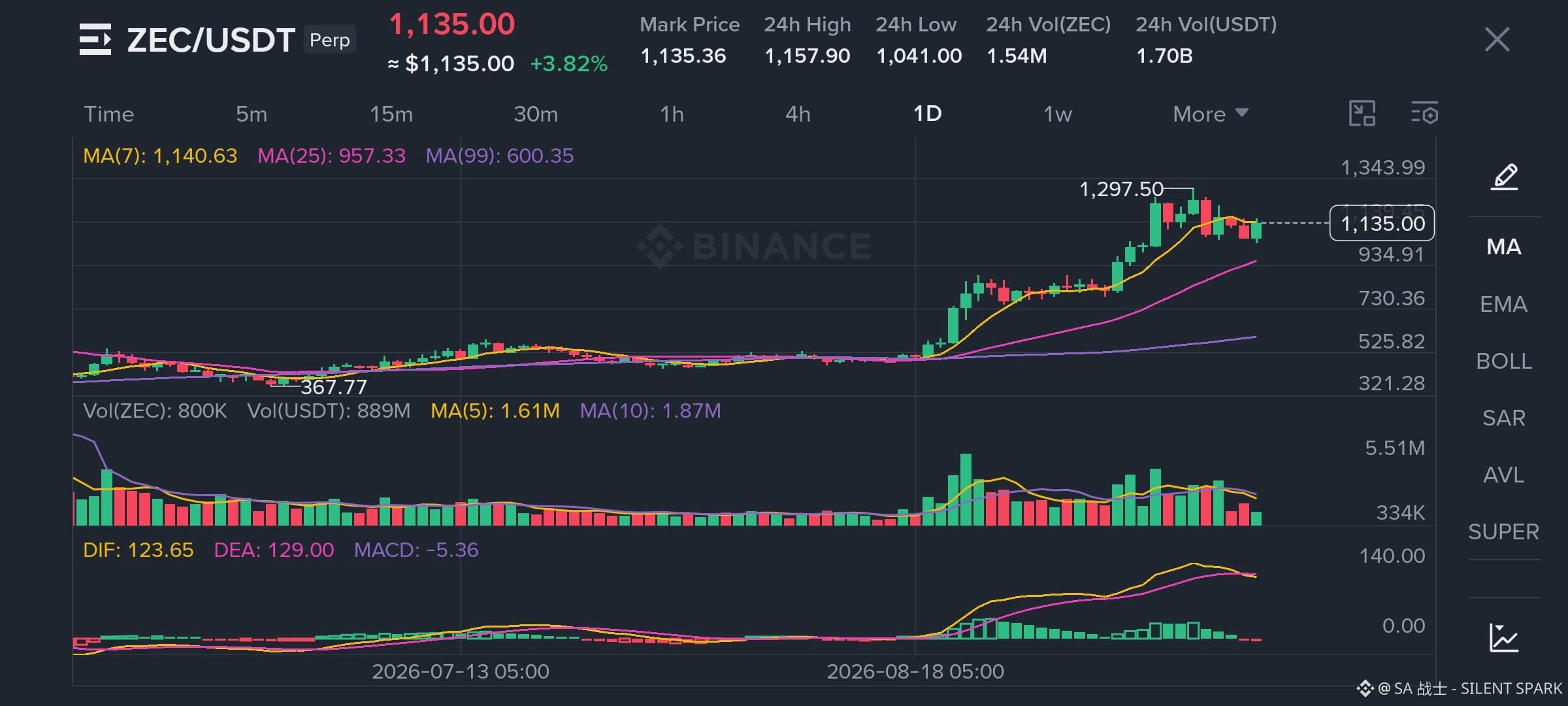
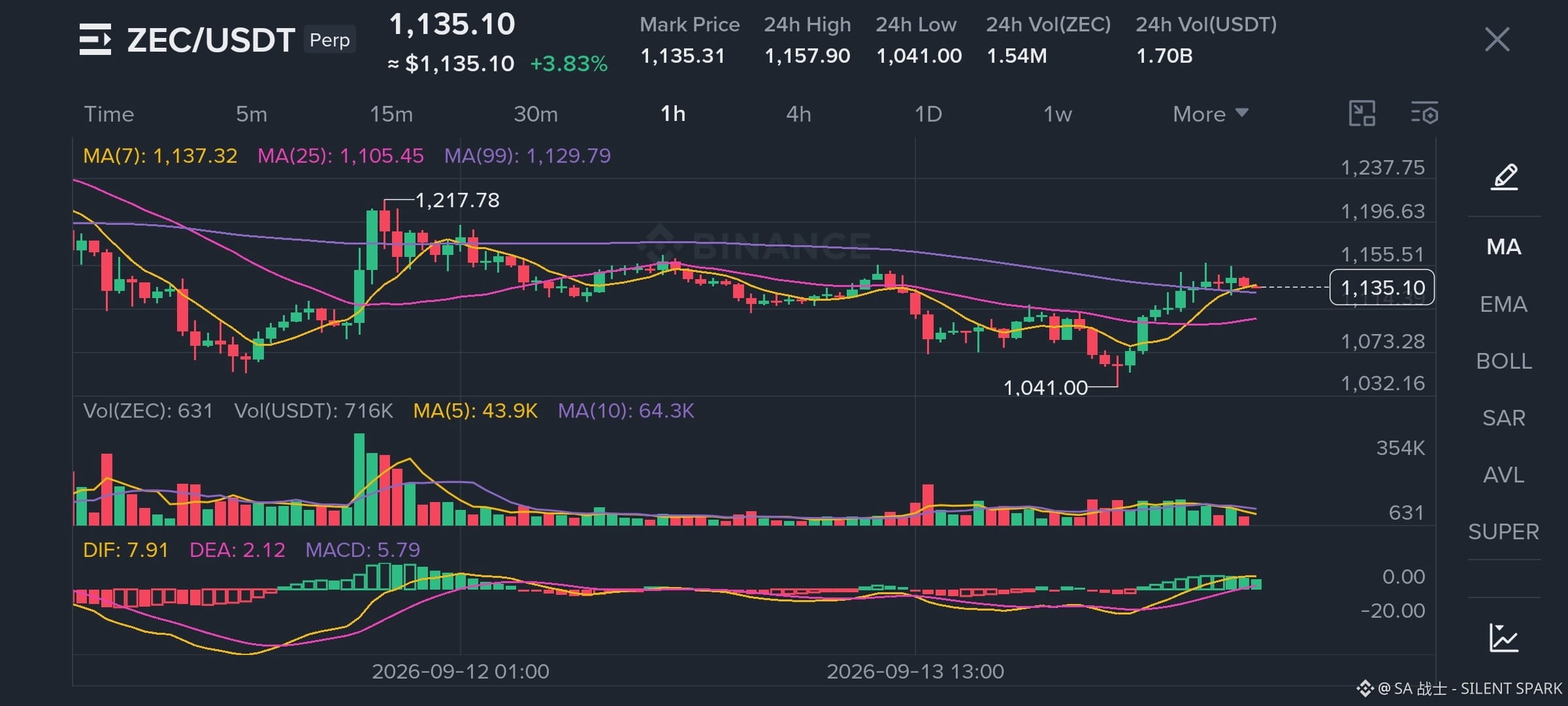
強いリバウンド($1,041からの急反発)後も、上位足の強気構造は依然として維持されています。価格は重要な4H/1Hの移動平均サポートである約$1,105–$1,130の上で推移しており、落ち着いた押し目を狙うロングのセットアップが有利です。$1,158が直近のブレイク障壁となり、さらに上には次のリクイディティ水準があります。
エントリー:$1,120–$1,135
SL:$1,095
TP1:$1,158
TP2:$1,190
TP3:$1,235
TP4:$1,295–$1,300
$1,158を上回るクリーンな4Hブレイク&ホールドが確認されれば、より高い目標に向けて強い強気モメンタムが発生するはずです。
無効条件:$1,095の継続的な下落。特に、価格が$1,073のサポート・ゾーンを下回って戻る場合。
このセットアップを実行し、リスク管理を行ってください。
⚠️ DYOR(自己調査)※金融アドバイスではありません。
#crypto #writetoearn
$ZEC LONG 🟢
強いリバウンド($1,041からの急反発)後も、上位足の強気構造は依然として維持されています。価格は重要な4H/1Hの移動平均サポートである約$1,105–$1,130の上で推移しており、落ち着いた押し目を狙うロングのセットアップが有利です。$1,158が直近のブレイク障壁となり、さらに上には次のリクイディティ水準があります。
エントリー:$1,120–$1,135
SL:$1,095
TP1:$1,158
TP2:$1,190
TP3:$1,235
TP4:$1,295–$1,300
$1,158を上回るクリーンな4Hブレイク&ホールドが確認されれば、より高い目標に向けて強い強気モメンタムが発生するはずです。
無効条件:$1,095の継続的な下落。特に、価格が$1,073のサポート・ゾーンを下回って戻る場合。
このセットアップを実行し、リスク管理を行ってください。
⚠️ DYOR(自己調査)※金融アドバイスではありません。
#crypto #writetoearn
強いリバウンド($1,041からの急反発)後も、上位足の強気構造は依然として維持されています。価格は重要な4H/1Hの移動平均サポートである約$1,105–$1,130の上で推移しており、落ち着いた押し目を狙うロングのセットアップが有利です。$1,158が直近のブレイク障壁となり、さらに上には次のリクイディティ水準があります。
エントリー:$1,120–$1,135
SL:$1,095
TP1:$1,158
TP2:$1,190
TP3:$1,235
TP4:$1,295–$1,300
$1,158を上回るクリーンな4Hブレイク&ホールドが確認されれば、より高い目標に向けて強い強気モメンタムが発生するはずです。
無効条件:$1,095の継続的な下落。特に、価格が$1,073のサポート・ゾーンを下回って戻る場合。
このセットアップを実行し、リスク管理を行ってください。
⚠️ DYOR(自己調査)※金融アドバイスではありません。
#crypto #writetoearn
1
211
🚨 ビットコインは圧力下──でも、まだ慌てるな
ビットコインは本日およそ77Kドル付近で推移しており、市場の空気が急に慎重になっているように感じます。
そこで、トレーダーが注目すべきポイントはこれ👇
📉 1. BTCはマクロの圧力に直面している
原油価格は100ドルを超えて急騰し、インフレ懸念が市場に金利の見通しを組み替えさせています。
利回りが上がり、トレーダーがより引き締め的な金融政策を見込むと、クリプトのようなリスク資産には圧力がかかりやすくなります。
そしてBTCも例外ではありません。
🎯 2. 75K〜76Kドルは重要なゾーン
ここは私が特に注目している領域です。
もしビットコインがこの範囲を維持できれば、買い手が再び動き出す可能性があります。
しかし決定的に割り込む場合、調整はさらに深くなるかもしれません。
上方向では、77.5K〜78Kドルのエリアを奪回できれば、前向きな最初のステップになり得ます。
🔥 3. 最大のカタリストは?
米国のインフレ指標です。
市場は新たなインフレデータを待っており、その結果はFRB(米連邦準備制度)の次の一手に対する期待に影響する可能性があります。
つまり、ビットコインはボラティリティが続くかもしれません。
私の見解:
緑の足を追いかけたり、赤を見てパニック売りしたりしないほうがいいと思います。
今は、予測よりも「忍耐」と「リスク管理」が重要です。
市場が最終的に、どの方向に行きたいのかを教えてくれるでしょう。
👀 あなたはどう思いますか?
BTCは75K〜76Kドルを守って反発する…?
それとも
より深い調整に向かっているのでしょうか?
$BTC $ETH $BNB
#bitcoin #crypto #BinanceSquar #writetoearn
🚨 ビットコインは圧力下──でも、まだ慌てるな
ビットコインは本日およそ77Kドル付近で推移しており、市場の空気が急に慎重になっているように感じます。
そこで、トレーダーが注目すべきポイントはこれ👇
📉 1. BTCはマクロの圧力に直面している
原油価格は100ドルを超えて急騰し、インフレ懸念が市場に金利の見通しを組み替えさせています。
利回りが上がり、トレーダーがより引き締め的な金融政策を見込むと、クリプトのようなリスク資産には圧力がかかりやすくなります。
そしてBTCも例外ではありません。
🎯 2. 75K〜76Kドルは重要なゾーン
ここは私が特に注目している領域です。
もしビットコインがこの範囲を維持できれば、買い手が再び動き出す可能性があります。
しかし決定的に割り込む場合、調整はさらに深くなるかもしれません。
上方向では、77.5K〜78Kドルのエリアを奪回できれば、前向きな最初のステップになり得ます。
🔥 3. 最大のカタリストは?
米国のインフレ指標です。
市場は新たなインフレデータを待っており、その結果はFRB(米連邦準備制度)の次の一手に対する期待に影響する可能性があります。
つまり、ビットコインはボラティリティが続くかもしれません。
私の見解:
緑の足を追いかけたり、赤を見てパニック売りしたりしないほうがいいと思います。
今は、予測よりも「忍耐」と「リスク管理」が重要です。
市場が最終的に、どの方向に行きたいのかを教えてくれるでしょう。
👀 あなたはどう思いますか?
BTCは75K〜76Kドルを守って反発する…?
それとも
より深い調整に向かっているのでしょうか?
$BTC $ETH $BNB
#bitcoin #crypto #BinanceSquar #writetoearn
ビットコインは本日およそ77Kドル付近で推移しており、市場の空気が急に慎重になっているように感じます。
そこで、トレーダーが注目すべきポイントはこれ👇
📉 1. BTCはマクロの圧力に直面している
原油価格は100ドルを超えて急騰し、インフレ懸念が市場に金利の見通しを組み替えさせています。
利回りが上がり、トレーダーがより引き締め的な金融政策を見込むと、クリプトのようなリスク資産には圧力がかかりやすくなります。
そしてBTCも例外ではありません。
🎯 2. 75K〜76Kドルは重要なゾーン
ここは私が特に注目している領域です。
もしビットコインがこの範囲を維持できれば、買い手が再び動き出す可能性があります。
しかし決定的に割り込む場合、調整はさらに深くなるかもしれません。
上方向では、77.5K〜78Kドルのエリアを奪回できれば、前向きな最初のステップになり得ます。
🔥 3. 最大のカタリストは?
米国のインフレ指標です。
市場は新たなインフレデータを待っており、その結果はFRB(米連邦準備制度)の次の一手に対する期待に影響する可能性があります。
つまり、ビットコインはボラティリティが続くかもしれません。
私の見解:
緑の足を追いかけたり、赤を見てパニック売りしたりしないほうがいいと思います。
今は、予測よりも「忍耐」と「リスク管理」が重要です。
市場が最終的に、どの方向に行きたいのかを教えてくれるでしょう。
👀 あなたはどう思いますか?
BTCは75K〜76Kドルを守って反発する…?
それとも
より深い調整に向かっているのでしょうか?
$BTC $ETH $BNB
#bitcoin #crypto #BinanceSquar #writetoearn

1
144
🚨 BTCが動いている—でも次に私が注目していること
みんながビットコインの価格を見ています。
でも賢いトレーダーは、ただこうは問いません:
「BTCは上がるの?下がるの?」
彼らが聞いているのは:
👉 現在のモメンタムは持続可能か?
ここでは、私が特に注目している3つを紹介します:
1️⃣ BTCの市場構造
ビットコインがより高い高値とより高い安値を作り続けるなら、強気の勢いは依然として注目に値します。
しかし、BTCが重要なサポートを失った場合、市場は「押し目を買う」から「資本を守る」へ、素早く切り替わる可能性があります。
2️⃣ アルトは確認が必要
ビットコインが強い動きの後に安定してくると、資金はイーサリアムや選ばれたアルトコインへ回転し始められます。
そのタイミングで、トレーダーは通常BTCの外側にあるチャンスを探し始めます。
ただし覚えておいてください:市場がグリーンだからといって、すべてのアルトコインに注目する価値があるわけではありません。
3️⃣ ボリュームが重要
価格は素早く動き得ます。
本当の確信には、たいていその裏付けとして出来高(ボリューム)が伴います。
参加がしっかりしたブレイクアウトは、出来高が弱いブレイクアウトよりもはるかに興味深いです。
🎯 私の見解:
私は、グリーンのローソク足を盲目的に追いかけたいわけではありません。
むしろ、確認を待ち、重要なサポート/レジスタンスの水準を見極め、リスク管理を行います。
暗号資産での報酬は、攻めることと同じくらい「忍耐」にも訪れます。
あなたは今、何を見ていますか?
🔥 BTC
⚡ ETH
🚀 BNB
💎 アルトコイン
下にあなたの選択を投稿してください👇
$BTC $ETH $BNB
#Bitcoin❗ #crypto #BinanceSquare #trading #CryptoAnalysis
{future}(BTCUSDT)
{future}(ETHUSDT)
{future}(BNBUSDT)
🚨 BTCが動いている—でも次に私が注目していること
みんながビットコインの価格を見ています。
でも賢いトレーダーは、ただこうは問いません:
「BTCは上がるの?下がるの?」
彼らが聞いているのは:
👉 現在のモメンタムは持続可能か?
ここでは、私が特に注目している3つを紹介します:
1️⃣ BTCの市場構造
ビットコインがより高い高値とより高い安値を作り続けるなら、強気の勢いは依然として注目に値します。
しかし、BTCが重要なサポートを失った場合、市場は「押し目を買う」から「資本を守る」へ、素早く切り替わる可能性があります。
2️⃣ アルトは確認が必要
ビットコインが強い動きの後に安定してくると、資金はイーサリアムや選ばれたアルトコインへ回転し始められます。
そのタイミングで、トレーダーは通常BTCの外側にあるチャンスを探し始めます。
ただし覚えておいてください:市場がグリーンだからといって、すべてのアルトコインに注目する価値があるわけではありません。
3️⃣ ボリュームが重要
価格は素早く動き得ます。
本当の確信には、たいていその裏付けとして出来高(ボリューム)が伴います。
参加がしっかりしたブレイクアウトは、出来高が弱いブレイクアウトよりもはるかに興味深いです。
🎯 私の見解:
私は、グリーンのローソク足を盲目的に追いかけたいわけではありません。
むしろ、確認を待ち、重要なサポート/レジスタンスの水準を見極め、リスク管理を行います。
暗号資産での報酬は、攻めることと同じくらい「忍耐」にも訪れます。
あなたは今、何を見ていますか?
🔥 BTC
⚡ ETH
🚀 BNB
💎 アルトコイン
下にあなたの選択を投稿してください👇
$BTC $ETH $BNB
#Bitcoin❗ #crypto #BinanceSquare #trading #CryptoAnalysis
みんながビットコインの価格を見ています。
でも賢いトレーダーは、ただこうは問いません:
「BTCは上がるの?下がるの?」
彼らが聞いているのは:
👉 現在のモメンタムは持続可能か?
ここでは、私が特に注目している3つを紹介します:
1️⃣ BTCの市場構造
ビットコインがより高い高値とより高い安値を作り続けるなら、強気の勢いは依然として注目に値します。
しかし、BTCが重要なサポートを失った場合、市場は「押し目を買う」から「資本を守る」へ、素早く切り替わる可能性があります。
2️⃣ アルトは確認が必要
ビットコインが強い動きの後に安定してくると、資金はイーサリアムや選ばれたアルトコインへ回転し始められます。
そのタイミングで、トレーダーは通常BTCの外側にあるチャンスを探し始めます。
ただし覚えておいてください:市場がグリーンだからといって、すべてのアルトコインに注目する価値があるわけではありません。
3️⃣ ボリュームが重要
価格は素早く動き得ます。
本当の確信には、たいていその裏付けとして出来高(ボリューム)が伴います。
参加がしっかりしたブレイクアウトは、出来高が弱いブレイクアウトよりもはるかに興味深いです。
🎯 私の見解:
私は、グリーンのローソク足を盲目的に追いかけたいわけではありません。
むしろ、確認を待ち、重要なサポート/レジスタンスの水準を見極め、リスク管理を行います。
暗号資産での報酬は、攻めることと同じくらい「忍耐」にも訪れます。
あなたは今、何を見ていますか?
🔥 BTC
⚡ ETH
🚀 BNB
💎 アルトコイン
下にあなたの選択を投稿してください👇
$BTC $ETH $BNB
#Bitcoin❗ #crypto #BinanceSquare #trading #CryptoAnalysis
1
265
金の買い需要が勢いを増しているようで、トレーダーが想定されるブレイクアウトに向けて先回りしてポジションを取っている可能性が高まりつつある。Jin10によると、買い活動の増加は、市場参加者が金の短期的な方向性について楽観的になってきていることを示している。特に投資家が重要なテクニカル・レベルやより広範な市場の動向を綿密に注視していることから、その傾向が強い。
金への関心の高まりは、しばしば複数の要因の組み合わせを反映する。具体的には、金融政策への見通し、米ドルの変化、債券利回り、そして安全資産としての需要などだ。買い圧力がさらに強まるようであれば、金は重要なレジスタンスを試すための勢いを得て、より強い方向性のある値動きを引き起こす可能性がある。
一方で銀は、異なるものの同様に注目すべきパターンを示している。銀は現在、横ばいで推移しており、明確なトレンドというよりは調整(コンソリデーション)の局面を示唆している。ただし、総合的なパフォーマンスは、市場全体の見通しに比べて比較的強い水準を維持している。この底堅さは、決定的なブレイクアウトが見られない状況でも買い手が価格を支えていることを示している。
同時に、銀における短期の投機的なセンチメントも高まっている。投機的な関心の上昇は、特にトレーダーが現在の取引レンジからのブレイクアウトに向けて積極的にポジションを取り始めた場合、追加のボラティリティを生む可能性がある。レジスタンスを上抜ける継続的な動きは、勢い主導の買いをさらに呼び込み得る一方で、下落に転じれば利益確定の動きが素早く出ることもあり得る。
現時点では貴金属市場は「様子見」のフェーズにあるが、背景にあるシグナルはますます重要になってきている。金の買い需要の上昇と銀の相対的な強さは、トレーダーが今後の値動きを注意深く監視すべきことを示唆している。投機的な動きが膨らみ、テクニカル・レベルが注目を集める中で、両銘柄はボラティリティの増大、そして場合によっては大きな値動きの局面に近づいている可能性がある。次のブレイクアウトが、金と銀の短期的な方向性を決めるきっかけになるかもしれない。
#BinanceNews #Goldbuying
$XAU $XAG
金の買い需要が勢いを増しているようで、トレーダーが想定されるブレイクアウトに向けて先回りしてポジションを取っている可能性が高まりつつある。Jin10によると、買い活動の増加は、市場参加者が金の短期的な方向性について楽観的になってきていることを示している。特に投資家が重要なテクニカル・レベルやより広範な市場の動向を綿密に注視していることから、その傾向が強い。
金への関心の高まりは、しばしば複数の要因の組み合わせを反映する。具体的には、金融政策への見通し、米ドルの変化、債券利回り、そして安全資産としての需要などだ。買い圧力がさらに強まるようであれば、金は重要なレジスタンスを試すための勢いを得て、より強い方向性のある値動きを引き起こす可能性がある。
一方で銀は、異なるものの同様に注目すべきパターンを示している。銀は現在、横ばいで推移しており、明確なトレンドというよりは調整(コンソリデーション)の局面を示唆している。ただし、総合的なパフォーマンスは、市場全体の見通しに比べて比較的強い水準を維持している。この底堅さは、決定的なブレイクアウトが見られない状況でも買い手が価格を支えていることを示している。
同時に、銀における短期の投機的なセンチメントも高まっている。投機的な関心の上昇は、特にトレーダーが現在の取引レンジからのブレイクアウトに向けて積極的にポジションを取り始めた場合、追加のボラティリティを生む可能性がある。レジスタンスを上抜ける継続的な動きは、勢い主導の買いをさらに呼び込み得る一方で、下落に転じれば利益確定の動きが素早く出ることもあり得る。
現時点では貴金属市場は「様子見」のフェーズにあるが、背景にあるシグナルはますます重要になってきている。金の買い需要の上昇と銀の相対的な強さは、トレーダーが今後の値動きを注意深く監視すべきことを示唆している。投機的な動きが膨らみ、テクニカル・レベルが注目を集める中で、両銘柄はボラティリティの増大、そして場合によっては大きな値動きの局面に近づいている可能性がある。次のブレイクアウトが、金と銀の短期的な方向性を決めるきっかけになるかもしれない。
#BinanceNews #Goldbuying
$XAU $XAG
金への関心の高まりは、しばしば複数の要因の組み合わせを反映する。具体的には、金融政策への見通し、米ドルの変化、債券利回り、そして安全資産としての需要などだ。買い圧力がさらに強まるようであれば、金は重要なレジスタンスを試すための勢いを得て、より強い方向性のある値動きを引き起こす可能性がある。
一方で銀は、異なるものの同様に注目すべきパターンを示している。銀は現在、横ばいで推移しており、明確なトレンドというよりは調整(コンソリデーション)の局面を示唆している。ただし、総合的なパフォーマンスは、市場全体の見通しに比べて比較的強い水準を維持している。この底堅さは、決定的なブレイクアウトが見られない状況でも買い手が価格を支えていることを示している。
同時に、銀における短期の投機的なセンチメントも高まっている。投機的な関心の上昇は、特にトレーダーが現在の取引レンジからのブレイクアウトに向けて積極的にポジションを取り始めた場合、追加のボラティリティを生む可能性がある。レジスタンスを上抜ける継続的な動きは、勢い主導の買いをさらに呼び込み得る一方で、下落に転じれば利益確定の動きが素早く出ることもあり得る。
現時点では貴金属市場は「様子見」のフェーズにあるが、背景にあるシグナルはますます重要になってきている。金の買い需要の上昇と銀の相対的な強さは、トレーダーが今後の値動きを注意深く監視すべきことを示唆している。投機的な動きが膨らみ、テクニカル・レベルが注目を集める中で、両銘柄はボラティリティの増大、そして場合によっては大きな値動きの局面に近づいている可能性がある。次のブレイクアウトが、金と銀の短期的な方向性を決めるきっかけになるかもしれない。
#BinanceNews #Goldbuying
$XAU $XAG
1
612
機関が実際にパブリック・ブロックチェーンをどのように使っているのかを深く調べるほど、あることがずっと気になって仕方ありませんでした。
すべての残高が見える。すべての送金額が永遠に見える。資金が大きなポジションを動かせば、ファンドが反応する前に市場にその動きが見えてしまう。送金のパターンから、誰が誰と、どれくらいの頻度で取引しているのかが明らかになり始める。これは単なる例外ではありません。パブリック・台帳がデフォルトでそういう仕様であるだけであり、実際のお金を扱う人にとっては現実のコストです。
Dusk上のHedgerが取り組むべき「実際の問題」はこれです。オンにする機能としてのプライバシーではありません。そもそも真剣な機関がパブリック・チェーンに触れるために必要不可欠な要件としてのプライバシーです。
驚いたのは、このワークフローの扱い方です。通常の送金にプライバシーを後付けしたものではありません。Configureは、参加できる人の資格要件となるルールを設定します。Verifyは、それらのルールに照らして身元とコンプライアンス状況を照合します。Protectは、送金そのものに暗号化とゼロ知識証明を適用します。Transferは資産を移動しますが、残高や金額は公に見える形のままにはなりません。Auditは、すべてを誰にでも公開することなく、監査担当者が「見せられてよいもの」を選択的に確認できるようにします。
これが私の中で腑に落ちました。プライバシーと監督は通常、相反するものとして扱われます。けれどここでは、同じフローに組み込まれている。監査担当者は、その送金がコンプライアンスを満たしていることを確認でき、しかもその送金が公の市場データになることはありません。
機関にとって、今まさにパブリック・チェーンが障壁になるのは、実際のところここです。スケーラビリティでもない。手数料でもない。露出です。
このトレードオフを、他の皆さんはどう評価していますか?
#dusk $DUSK @Dusk_Foundation
オンチェーンで機関にとって最も重要なのは何 ???
機関が実際にパブリック・ブロックチェーンをどのように使っているのかを深く調べるほど、あることがずっと気になって仕方ありませんでした。
すべての残高が見える。すべての送金額が永遠に見える。資金が大きなポジションを動かせば、ファンドが反応する前に市場にその動きが見えてしまう。送金のパターンから、誰が誰と、どれくらいの頻度で取引しているのかが明らかになり始める。これは単なる例外ではありません。パブリック・台帳がデフォルトでそういう仕様であるだけであり、実際のお金を扱う人にとっては現実のコストです。
Dusk上のHedgerが取り組むべき「実際の問題」はこれです。オンにする機能としてのプライバシーではありません。そもそも真剣な機関がパブリック・チェーンに触れるために必要不可欠な要件としてのプライバシーです。
驚いたのは、このワークフローの扱い方です。通常の送金にプライバシーを後付けしたものではありません。Configureは、参加できる人の資格要件となるルールを設定します。Verifyは、それらのルールに照らして身元とコンプライアンス状況を照合します。Protectは、送金そのものに暗号化とゼロ知識証明を適用します。Transferは資産を移動しますが、残高や金額は公に見える形のままにはなりません。Auditは、すべてを誰にでも公開することなく、監査担当者が「見せられてよいもの」を選択的に確認できるようにします。
これが私の中で腑に落ちました。プライバシーと監督は通常、相反するものとして扱われます。けれどここでは、同じフローに組み込まれている。監査担当者は、その送金がコンプライアンスを満たしていることを確認でき、しかもその送金が公の市場データになることはありません。
機関にとって、今まさにパブリック・チェーンが障壁になるのは、実際のところここです。スケーラビリティでもない。手数料でもない。露出です。
このトレードオフを、他の皆さんはどう評価していますか?
#dusk $DUSK @Dusk
オンチェーンで機関にとって最も重要なのは何 ???
すべての残高が見える。すべての送金額が永遠に見える。資金が大きなポジションを動かせば、ファンドが反応する前に市場にその動きが見えてしまう。送金のパターンから、誰が誰と、どれくらいの頻度で取引しているのかが明らかになり始める。これは単なる例外ではありません。パブリック・台帳がデフォルトでそういう仕様であるだけであり、実際のお金を扱う人にとっては現実のコストです。
Dusk上のHedgerが取り組むべき「実際の問題」はこれです。オンにする機能としてのプライバシーではありません。そもそも真剣な機関がパブリック・チェーンに触れるために必要不可欠な要件としてのプライバシーです。
驚いたのは、このワークフローの扱い方です。通常の送金にプライバシーを後付けしたものではありません。Configureは、参加できる人の資格要件となるルールを設定します。Verifyは、それらのルールに照らして身元とコンプライアンス状況を照合します。Protectは、送金そのものに暗号化とゼロ知識証明を適用します。Transferは資産を移動しますが、残高や金額は公に見える形のままにはなりません。Auditは、すべてを誰にでも公開することなく、監査担当者が「見せられてよいもの」を選択的に確認できるようにします。
これが私の中で腑に落ちました。プライバシーと監督は通常、相反するものとして扱われます。けれどここでは、同じフローに組み込まれている。監査担当者は、その送金がコンプライアンスを満たしていることを確認でき、しかもその送金が公の市場データになることはありません。
機関にとって、今まさにパブリック・チェーンが障壁になるのは、実際のところここです。スケーラビリティでもない。手数料でもない。露出です。
このトレードオフを、他の皆さんはどう評価していますか?
#dusk $DUSK @Dusk
オンチェーンで機関にとって最も重要なのは何 ???
Transaction privacy
0%
Regulatory auditability
0%
Both need to coexist
100%
1 投票 • 投票は終了しました
10
11
1.4k
なぜ暗号のプライバシー系プロジェクトが、真面目な金融の世界に決して入ってこないのか――その理由を掘り下げていく中で、結局は1つの頑固な前提に行き着きました。誰もが「どちらかを選ばなければならない」と思い込んでいたんです。台帳を完全に公開して、すべての残高や取引が誰でも見られる状態にするのか、それとも完全に秘匿して、どの規制当局も一切触れることがない状態にするのか。こうした二択が、静かに多くの良いアイデアを潰してきました。
そして私は、Dusk NetworkのDuskEVM向け機密トランザクション・システムであるHedgerを読みました。そこで提示されているアプローチは別物です。公開か秘匿かを選ぶ代わりに、標準で勘定残高と取引額を、楕円曲線上のElGamalに基づく準同型暗号で暗号化します。つまり、最初に復号することなく、暗号化されたデータのまま計算を実行できるということです。その横に、内部に何が入っているかを明かさずに、取引が有効であることを証明するゼロ知識証明が配置されています。
驚いたのはここです。Dusk自身の研究では、同じシステムに任意のコンプライアンス用フックが組み込まれていると説明されています。特定の監査人が取引額を取得したり、法的に必要な場合に介入したりできるようにするものです。デフォルトでは何も公開されませんが、永久に到達不可能なままでもない。伝えられているところでは、証明はクライアント側で2秒未満で生成されるとのことで、何らかの別の閉じた環境ではなく、通常のEVMのツールチェーン内で動かすことを想定しているなら、これは実際に重要なポイントです。
このことで、議論全体の見え方が変わりました。プライバシーとコンプライアンスは、そもそも対立するものではなかったんです。ただ「選択させる」形にせず、両方を同時に成立させる設計が必要だっただけです。
#dusk $DUSK @Dusk_Foundation
では、実際にお金がチェーン上で動き始めたとき、あなたにとってより重要なのはどちらですか???
なぜ暗号のプライバシー系プロジェクトが、真面目な金融の世界に決して入ってこないのか――その理由を掘り下げていく中で、結局は1つの頑固な前提に行き着きました。誰もが「どちらかを選ばなければならない」と思い込んでいたんです。台帳を完全に公開して、すべての残高や取引が誰でも見られる状態にするのか、それとも完全に秘匿して、どの規制当局も一切触れることがない状態にするのか。こうした二択が、静かに多くの良いアイデアを潰してきました。
そして私は、Dusk NetworkのDuskEVM向け機密トランザクション・システムであるHedgerを読みました。そこで提示されているアプローチは別物です。公開か秘匿かを選ぶ代わりに、標準で勘定残高と取引額を、楕円曲線上のElGamalに基づく準同型暗号で暗号化します。つまり、最初に復号することなく、暗号化されたデータのまま計算を実行できるということです。その横に、内部に何が入っているかを明かさずに、取引が有効であることを証明するゼロ知識証明が配置されています。
驚いたのはここです。Dusk自身の研究では、同じシステムに任意のコンプライアンス用フックが組み込まれていると説明されています。特定の監査人が取引額を取得したり、法的に必要な場合に介入したりできるようにするものです。デフォルトでは何も公開されませんが、永久に到達不可能なままでもない。伝えられているところでは、証明はクライアント側で2秒未満で生成されるとのことで、何らかの別の閉じた環境ではなく、通常のEVMのツールチェーン内で動かすことを想定しているなら、これは実際に重要なポイントです。
このことで、議論全体の見え方が変わりました。プライバシーとコンプライアンスは、そもそも対立するものではなかったんです。ただ「選択させる」形にせず、両方を同時に成立させる設計が必要だっただけです。
#dusk $DUSK @Dusk
では、実際にお金がチェーン上で動き始めたとき、あなたにとってより重要なのはどちらですか???
そして私は、Dusk NetworkのDuskEVM向け機密トランザクション・システムであるHedgerを読みました。そこで提示されているアプローチは別物です。公開か秘匿かを選ぶ代わりに、標準で勘定残高と取引額を、楕円曲線上のElGamalに基づく準同型暗号で暗号化します。つまり、最初に復号することなく、暗号化されたデータのまま計算を実行できるということです。その横に、内部に何が入っているかを明かさずに、取引が有効であることを証明するゼロ知識証明が配置されています。
驚いたのはここです。Dusk自身の研究では、同じシステムに任意のコンプライアンス用フックが組み込まれていると説明されています。特定の監査人が取引額を取得したり、法的に必要な場合に介入したりできるようにするものです。デフォルトでは何も公開されませんが、永久に到達不可能なままでもない。伝えられているところでは、証明はクライアント側で2秒未満で生成されるとのことで、何らかの別の閉じた環境ではなく、通常のEVMのツールチェーン内で動かすことを想定しているなら、これは実際に重要なポイントです。
このことで、議論全体の見え方が変わりました。プライバシーとコンプライアンスは、そもそも対立するものではなかったんです。ただ「選択させる」形にせず、両方を同時に成立させる設計が必要だっただけです。
#dusk $DUSK @Dusk
では、実際にお金がチェーン上で動き始めたとき、あなたにとってより重要なのはどちらですか???
Full transparency
50%
Full anonymity
50%
Reviewable privacy
0%
2 投票 • 投票は終了しました
13
14
859
トークン化されたマネー・マーケット・ファンドが「ひとつの単純なもの」のようにずっと言われ続けていて、実際に買ったときに何が起きるのか調べるまで、私はそれを深く考えませんでした。調べてみると、そのほとんどは同じ仕組みで動いています。カストディ(保管)型ファンドは実際の持分をオフチェーンで保有し、そのオフチェーンのポジションを指すトークンがミントされます。あなたはファンドそのものを所有しているわけではありません。あなたが持っているのは、そのファンドが存在し償還が実行されるという「誰かの約束」に対する請求権(クレーム)です。
この違いは小さく聞こえるかもしれませんが、ストレス時に何が起きるかを考えると重要です。カストディが償還を凍結したり、ブリッジが壊れたり、オフチェーンの台帳(レジストリ)がオンチェーン上のトークン供給に追いつかなくなったりした場合、あなたの所有権の価値は、その仲介者がそれをきちんと履行する意思と能力がどれだけあるかに左右されます。
Duskについて私が興味を持ったのは、その逆の設計です。つまり、トークン自体が「オンチェーン上の所有権の実際の記録」になることを目指しているのです。同期が保たれることを期待する別のオフチェーン台帳はありません。送金が起きたとき、決済はアトミック(不可分)に行われ、その決済そのものが、どこか別の場所に命令を送って秘密の帳簿を更新するのではなく、所有権の変更そのものになります。
IOU(負債証明書の約束)を持つのと、資産そのものを持つのとの本質的な違いはそこにあります。ここでの「即時決済」は単なる速度の機能ではありません。所有が「約束」ではなく「現実」になることこそが、それです。
#dusk $DUSK @Dusk_Foundation
投票:実際のお金を、どちらにより信頼を置きますか?
トークン化されたマネー・マーケット・ファンドが「ひとつの単純なもの」のようにずっと言われ続けていて、実際に買ったときに何が起きるのか調べるまで、私はそれを深く考えませんでした。調べてみると、そのほとんどは同じ仕組みで動いています。カストディ(保管)型ファンドは実際の持分をオフチェーンで保有し、そのオフチェーンのポジションを指すトークンがミントされます。あなたはファンドそのものを所有しているわけではありません。あなたが持っているのは、そのファンドが存在し償還が実行されるという「誰かの約束」に対する請求権(クレーム)です。
この違いは小さく聞こえるかもしれませんが、ストレス時に何が起きるかを考えると重要です。カストディが償還を凍結したり、ブリッジが壊れたり、オフチェーンの台帳(レジストリ)がオンチェーン上のトークン供給に追いつかなくなったりした場合、あなたの所有権の価値は、その仲介者がそれをきちんと履行する意思と能力がどれだけあるかに左右されます。
Duskについて私が興味を持ったのは、その逆の設計です。つまり、トークン自体が「オンチェーン上の所有権の実際の記録」になることを目指しているのです。同期が保たれることを期待する別のオフチェーン台帳はありません。送金が起きたとき、決済はアトミック(不可分)に行われ、その決済そのものが、どこか別の場所に命令を送って秘密の帳簿を更新するのではなく、所有権の変更そのものになります。
IOU(負債証明書の約束)を持つのと、資産そのものを持つのとの本質的な違いはそこにあります。ここでの「即時決済」は単なる速度の機能ではありません。所有が「約束」ではなく「現実」になることこそが、それです。
#dusk $DUSK @Dusk
投票:実際のお金を、どちらにより信頼を置きますか?
この違いは小さく聞こえるかもしれませんが、ストレス時に何が起きるかを考えると重要です。カストディが償還を凍結したり、ブリッジが壊れたり、オフチェーンの台帳(レジストリ)がオンチェーン上のトークン供給に追いつかなくなったりした場合、あなたの所有権の価値は、その仲介者がそれをきちんと履行する意思と能力がどれだけあるかに左右されます。
Duskについて私が興味を持ったのは、その逆の設計です。つまり、トークン自体が「オンチェーン上の所有権の実際の記録」になることを目指しているのです。同期が保たれることを期待する別のオフチェーン台帳はありません。送金が起きたとき、決済はアトミック(不可分)に行われ、その決済そのものが、どこか別の場所に命令を送って秘密の帳簿を更新するのではなく、所有権の変更そのものになります。
IOU(負債証明書の約束)を持つのと、資産そのものを持つのとの本質的な違いはそこにあります。ここでの「即時決済」は単なる速度の機能ではありません。所有が「約束」ではなく「現実」になることこそが、それです。
#dusk $DUSK @Dusk
投票:実際のお金を、どちらにより信頼を置きますか?
Wrapped custodial token
0%
Native on chain ownership
0%
Depends entirely on the issuer
0%
0 投票 • 投票は終了しました
20
14
943
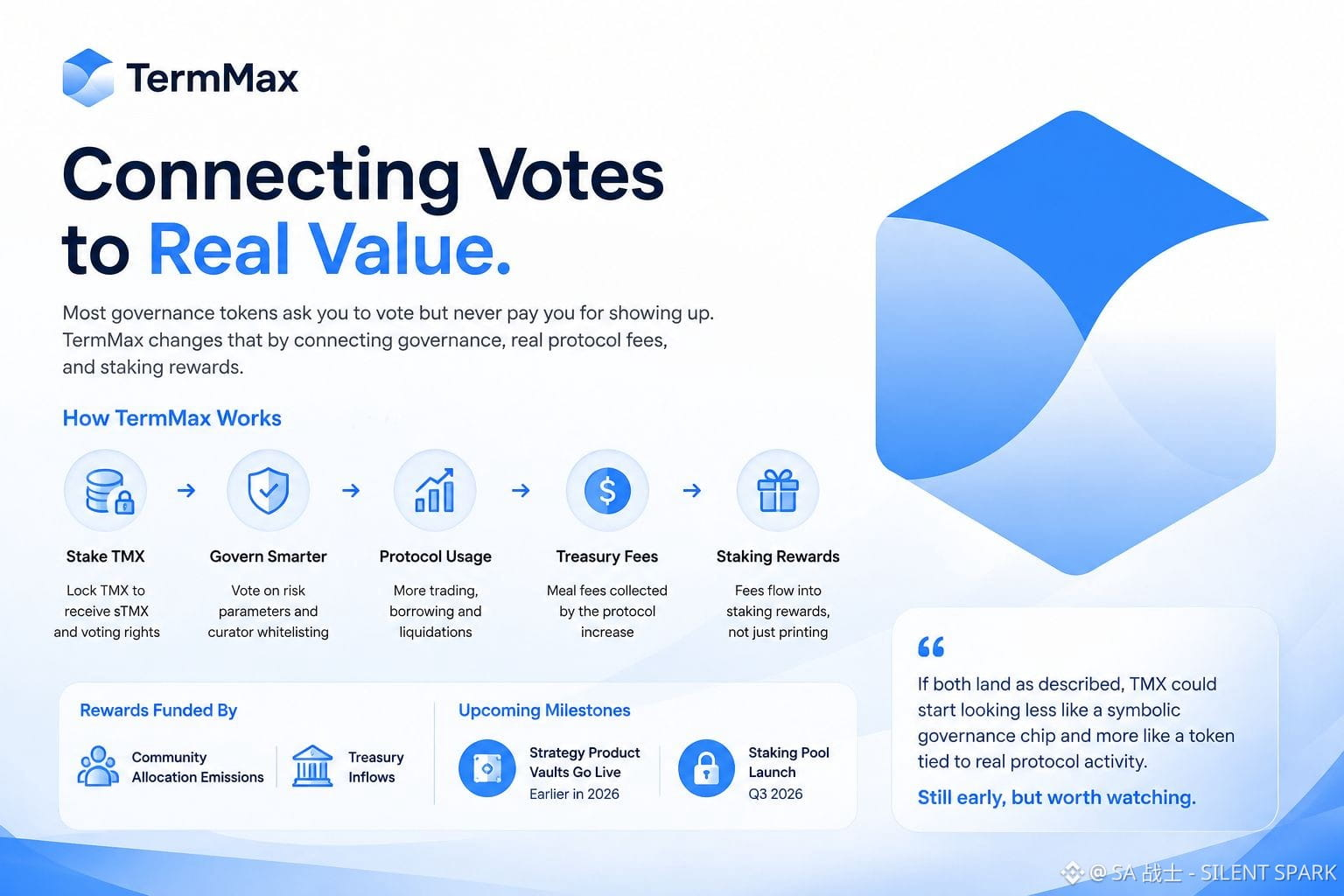
ほとんどのガバナンストークンは、投票させるだけで参加した見返りを支払ってくれません。あなたはトークンをロックします。投票権は得られます。けれど、その後は何も起きません。その投票が、プロトコルが実際に稼いでいるお金と結びついているわけではないのです。これはDeFiで最も古くから解決されていない問題の一つです。
重要なのは、保有者が「本物の事業の早期支援者なのか、それともプロトコルの外の誰も関心のないパラメータに対して報酬のない投票をしているだけなのか」を推測する状況に陥ってしまうことです。使われるかどうかも分からない投票に対して、持続的なインセンティブを設計するのは難しいのです。
TermMaxは別のアプローチを提示します。これはFTおよびXTトークンを軸にした、貸付と固定金利の取引プロトコルです。TMXはsTMXとしてステークでき、報酬は2つのソースから資金提供されます。コミュニティの割り当てによるエミッションと、トレジャリーへの流入です。トレジャリーは、FTおよびXTの取引における借入と清算から生じる実際の手数料を回収します。つまり、プロトコルの利用が増えれば手数料も増え、その分がトークンを発行してばらまくのではなく、そのままステーキング報酬に流れ込むのです。
ステーキングには、リスクパラメータやキュレーターのホワイトリスティング判断に対してより強いガバナンス権限をもたらし、システム全体の動き方を形作ります。
私が特に注目したのはタイミングです。ステーキングプールのローンチは2026年Q3に予定されており、その年の早い時期にStrategy Product Vaultsが稼働した直後です。もし両方が説明どおりに実現するなら、TMXは象徴的なガバナンス用のチップというより、実際のプロトコル活動に紐づいたトークンのように見え始める可能性があります。まだ早いですが、注目する価値はあります。
#termmax @termmax
ほとんどのガバナンストークンは、投票させるだけで参加した見返りを支払ってくれません。あなたはトークンをロックします。投票権は得られます。けれど、その後は何も起きません。その投票が、プロトコルが実際に稼いでいるお金と結びついているわけではないのです。これはDeFiで最も古くから解決されていない問題の一つです。
重要なのは、保有者が「本物の事業の早期支援者なのか、それともプロトコルの外の誰も関心のないパラメータに対して報酬のない投票をしているだけなのか」を推測する状況に陥ってしまうことです。使われるかどうかも分からない投票に対して、持続的なインセンティブを設計するのは難しいのです。
TermMaxは別のアプローチを提示します。これはFTおよびXTトークンを軸にした、貸付と固定金利の取引プロトコルです。TMXはsTMXとしてステークでき、報酬は2つのソースから資金提供されます。コミュニティの割り当てによるエミッションと、トレジャリーへの流入です。トレジャリーは、FTおよびXTの取引における借入と清算から生じる実際の手数料を回収します。つまり、プロトコルの利用が増えれば手数料も増え、その分がトークンを発行してばらまくのではなく、そのままステーキング報酬に流れ込むのです。
ステーキングには、リスクパラメータやキュレーターのホワイトリスティング判断に対してより強いガバナンス権限をもたらし、システム全体の動き方を形作ります。
私が特に注目したのはタイミングです。ステーキングプールのローンチは2026年Q3に予定されており、その年の早い時期にStrategy Product Vaultsが稼働した直後です。もし両方が説明どおりに実現するなら、TMXは象徴的なガバナンス用のチップというより、実際のプロトコル活動に紐づいたトークンのように見え始める可能性があります。まだ早いですが、注目する価値はあります。
#termmax @TermMax
重要なのは、保有者が「本物の事業の早期支援者なのか、それともプロトコルの外の誰も関心のないパラメータに対して報酬のない投票をしているだけなのか」を推測する状況に陥ってしまうことです。使われるかどうかも分からない投票に対して、持続的なインセンティブを設計するのは難しいのです。
TermMaxは別のアプローチを提示します。これはFTおよびXTトークンを軸にした、貸付と固定金利の取引プロトコルです。TMXはsTMXとしてステークでき、報酬は2つのソースから資金提供されます。コミュニティの割り当てによるエミッションと、トレジャリーへの流入です。トレジャリーは、FTおよびXTの取引における借入と清算から生じる実際の手数料を回収します。つまり、プロトコルの利用が増えれば手数料も増え、その分がトークンを発行してばらまくのではなく、そのままステーキング報酬に流れ込むのです。
ステーキングには、リスクパラメータやキュレーターのホワイトリスティング判断に対してより強いガバナンス権限をもたらし、システム全体の動き方を形作ります。
私が特に注目したのはタイミングです。ステーキングプールのローンチは2026年Q3に予定されており、その年の早い時期にStrategy Product Vaultsが稼働した直後です。もし両方が説明どおりに実現するなら、TMXは象徴的なガバナンス用のチップというより、実際のプロトコル活動に紐づいたトークンのように見え始める可能性があります。まだ早いですが、注目する価値はあります。
#termmax @TermMax
10
8
741
多くの人は、トークンの総供給量をちらっと見て「それで終わり」と判断してしまいます。しかしそれは誤りです。2つのトークンがどちらも10億ユニットを持っていても、すぐにアンロックされる量とロックされたままの量がどれくらいかで、挙動はまったく異なります。
これはトレーダーだけの話ではありません。長期保有者は、自分が買っているのが安定した希薄化なのか、あるいはすでに大部分が流通しているトークンなのかを把握する必要があります。想定外のアンロックによる投げ売りは、実はほとんどが“想定外”ではありません。誰かがスケジュールを見落としただけです。
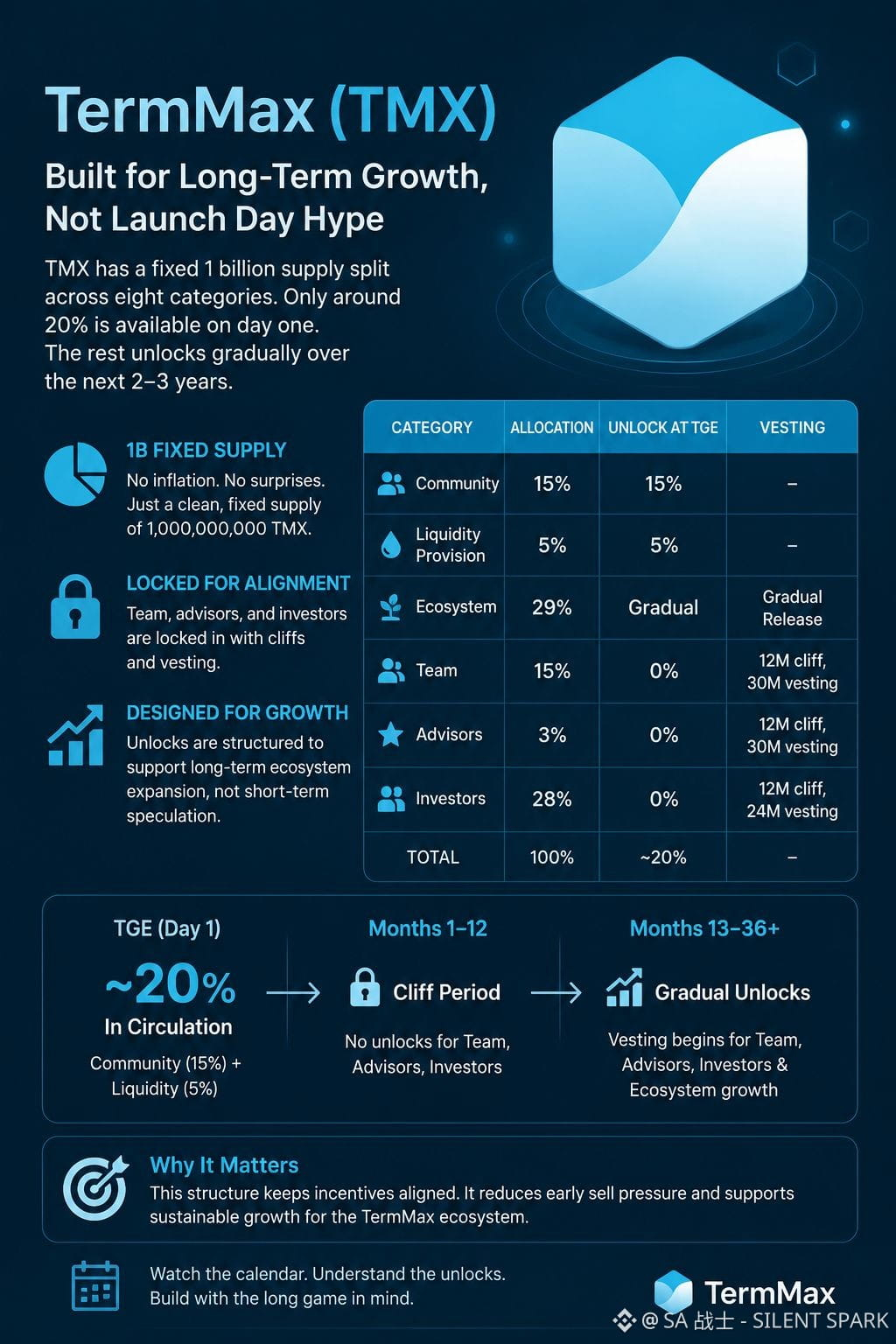
私はTermMaxの配分表を確認しましたが、これは分かりやすい一例です。TMXは総供給10億を8つのカテゴリに固定配分しています。コミュニティが15%で、流動性提供が5%はいずれもTGEでアンロックされます。エコシステムは最大の取り分で、成長のための資金として29%が段階的に放出されます。チームは15%で、アドバイザーは3%ですが、どちらも12か月のクリフの後、30か月にわたるベスティングです。投資家は28%で、12か月のクリフの後、さらに24か月のベスティングになります。
合計すると、TMXのうち初日(Day 1)にオープンマーケットにあるのはおよそ20%にすぎません。残りはその後2〜3年かけてゆっくり到着します。売り圧力を見積もる人は、チャートだけでなくカレンダーも同じくらい注意深く見るとよいでしょう。
私が特に注目したのは、これによりチームと投資家のインセンティブが、ローンチ当日の話題ではなくプロトコルの成長に結びついていることです。これは価格について何かを保証するものではありません。しかし、トークンがTermMaxの成熟に連動するよう設計され、先回り(フロントラン)するためのものではない可能性を示唆しています。
#termmax @termmax
多くの人は、トークンの総供給量をちらっと見て「それで終わり」と判断してしまいます。しかしそれは誤りです。2つのトークンがどちらも10億ユニットを持っていても、すぐにアンロックされる量とロックされたままの量がどれくらいかで、挙動はまったく異なります。
これはトレーダーだけの話ではありません。長期保有者は、自分が買っているのが安定した希薄化なのか、あるいはすでに大部分が流通しているトークンなのかを把握する必要があります。想定外のアンロックによる投げ売りは、実はほとんどが“想定外”ではありません。誰かがスケジュールを見落としただけです。
私はTermMaxの配分表を確認しましたが、これは分かりやすい一例です。TMXは総供給10億を8つのカテゴリに固定配分しています。コミュニティが15%で、流動性提供が5%はいずれもTGEでアンロックされます。エコシステムは最大の取り分で、成長のための資金として29%が段階的に放出されます。チームは15%で、アドバイザーは3%ですが、どちらも12か月のクリフの後、30か月にわたるベスティングです。投資家は28%で、12か月のクリフの後、さらに24か月のベスティングになります。
合計すると、TMXのうち初日(Day 1)にオープンマーケットにあるのはおよそ20%にすぎません。残りはその後2〜3年かけてゆっくり到着します。売り圧力を見積もる人は、チャートだけでなくカレンダーも同じくらい注意深く見るとよいでしょう。
私が特に注目したのは、これによりチームと投資家のインセンティブが、ローンチ当日の話題ではなくプロトコルの成長に結びついていることです。これは価格について何かを保証するものではありません。しかし、トークンがTermMaxの成熟に連動するよう設計され、先回り(フロントラン)するためのものではない可能性を示唆しています。
#termmax @TermMax
これはトレーダーだけの話ではありません。長期保有者は、自分が買っているのが安定した希薄化なのか、あるいはすでに大部分が流通しているトークンなのかを把握する必要があります。想定外のアンロックによる投げ売りは、実はほとんどが“想定外”ではありません。誰かがスケジュールを見落としただけです。
私はTermMaxの配分表を確認しましたが、これは分かりやすい一例です。TMXは総供給10億を8つのカテゴリに固定配分しています。コミュニティが15%で、流動性提供が5%はいずれもTGEでアンロックされます。エコシステムは最大の取り分で、成長のための資金として29%が段階的に放出されます。チームは15%で、アドバイザーは3%ですが、どちらも12か月のクリフの後、30か月にわたるベスティングです。投資家は28%で、12か月のクリフの後、さらに24か月のベスティングになります。
合計すると、TMXのうち初日(Day 1)にオープンマーケットにあるのはおよそ20%にすぎません。残りはその後2〜3年かけてゆっくり到着します。売り圧力を見積もる人は、チャートだけでなくカレンダーも同じくらい注意深く見るとよいでしょう。
私が特に注目したのは、これによりチームと投資家のインセンティブが、ローンチ当日の話題ではなくプロトコルの成長に結びついていることです。これは価格について何かを保証するものではありません。しかし、トークンがTermMaxの成熟に連動するよう設計され、先回り(フロントラン)するためのものではない可能性を示唆しています。
#termmax @TermMax
28
15
1k
·
--
ブリッシュ
「コンプライアンスのDeFi」というフレーズをあちこちで見かけ続けて、正直それを信用できませんでした。多くの場合、それは結局のところKYCフォームとジオフェンスを、実態として規制上のステータスがほぼゼロのチェーンに“貼り付けただけ”という意味でしかありません。そこで、DuskのNPEX提携が実際にどう機能するのかを調べてみたところ、私の想像とはまったく別の仕組みでした。
NPEXは単なる「暗号にやさしい」パートナーではありません。2008年に設立された実在のオランダの取引所で、AFMによって規制されています。MTFライセンス、ブローカーライセンス、ECSPライセンスを保有しています。そしてこの提携によって、それらのライセンスは“単一のアプリの中に閉じ込められている”のではなく、Duskのプロトコル層にそのまま存在するようになります。
私が驚いたのはここです。つまり、Dusk上に構築されたどんなアプリでも、デフォルトで同じ規制された境界(パーメーター)を継承するということです。新しいアプリごとに、各自が勝手にライセンスを探しに行って、精査に耐えられるかどうか賭ける必要はありません。コンプライアンスは土台となる層そのものに組み込まれています。
いま私がシンプルに考えるなら、アプリ層のコンプライアンスは「箱に貼るシール」のようなものです。プロトコル層のコンプライアンスは「箱の材料そのもの」です。片方は剥がせますが、もう片方は剥がせません。
これで、規制された金融を本当に受け止められるチェーンと、「compliant(準拠している)」という言葉をやたら繰り返しているだけのチェーンを見分けるための“実際のフィルター”が手に入りました。
#dusk $DUSK @Dusk_Foundation
規制対象の資産向けのインフラを選ぶとき、あなたにとってより重要なのはどんな点ですか?
「コンプライアンスのDeFi」というフレーズをあちこちで見かけ続けて、正直それを信用できませんでした。多くの場合、それは結局のところKYCフォームとジオフェンスを、実態として規制上のステータスがほぼゼロのチェーンに“貼り付けただけ”という意味でしかありません。そこで、DuskのNPEX提携が実際にどう機能するのかを調べてみたところ、私の想像とはまったく別の仕組みでした。
NPEXは単なる「暗号にやさしい」パートナーではありません。2008年に設立された実在のオランダの取引所で、AFMによって規制されています。MTFライセンス、ブローカーライセンス、ECSPライセンスを保有しています。そしてこの提携によって、それらのライセンスは“単一のアプリの中に閉じ込められている”のではなく、Duskのプロトコル層にそのまま存在するようになります。
私が驚いたのはここです。つまり、Dusk上に構築されたどんなアプリでも、デフォルトで同じ規制された境界(パーメーター)を継承するということです。新しいアプリごとに、各自が勝手にライセンスを探しに行って、精査に耐えられるかどうか賭ける必要はありません。コンプライアンスは土台となる層そのものに組み込まれています。
いま私がシンプルに考えるなら、アプリ層のコンプライアンスは「箱に貼るシール」のようなものです。プロトコル層のコンプライアンスは「箱の材料そのもの」です。片方は剥がせますが、もう片方は剥がせません。
これで、規制された金融を本当に受け止められるチェーンと、「compliant(準拠している)」という言葉をやたら繰り返しているだけのチェーンを見分けるための“実際のフィルター”が手に入りました。
#dusk $DUSK @Dusk
規制対象の資産向けのインフラを選ぶとき、あなたにとってより重要なのはどんな点ですか?
NPEXは単なる「暗号にやさしい」パートナーではありません。2008年に設立された実在のオランダの取引所で、AFMによって規制されています。MTFライセンス、ブローカーライセンス、ECSPライセンスを保有しています。そしてこの提携によって、それらのライセンスは“単一のアプリの中に閉じ込められている”のではなく、Duskのプロトコル層にそのまま存在するようになります。
私が驚いたのはここです。つまり、Dusk上に構築されたどんなアプリでも、デフォルトで同じ規制された境界(パーメーター)を継承するということです。新しいアプリごとに、各自が勝手にライセンスを探しに行って、精査に耐えられるかどうか賭ける必要はありません。コンプライアンスは土台となる層そのものに組み込まれています。
いま私がシンプルに考えるなら、アプリ層のコンプライアンスは「箱に貼るシール」のようなものです。プロトコル層のコンプライアンスは「箱の材料そのもの」です。片方は剥がせますが、もう片方は剥がせません。
これで、規制された金融を本当に受け止められるチェーンと、「compliant(準拠している)」という言葉をやたら繰り返しているだけのチェーンを見分けるための“実際のフィルター”が手に入りました。
#dusk $DUSK @Dusk
規制対象の資産向けのインフラを選ぶとき、あなたにとってより重要なのはどんな点ですか?
Protocol level licensing
100%
App layer KYC checks
0%
Doesn't matter if it works
0%
4 投票 • 投票は終了しました
43
20
1.2k
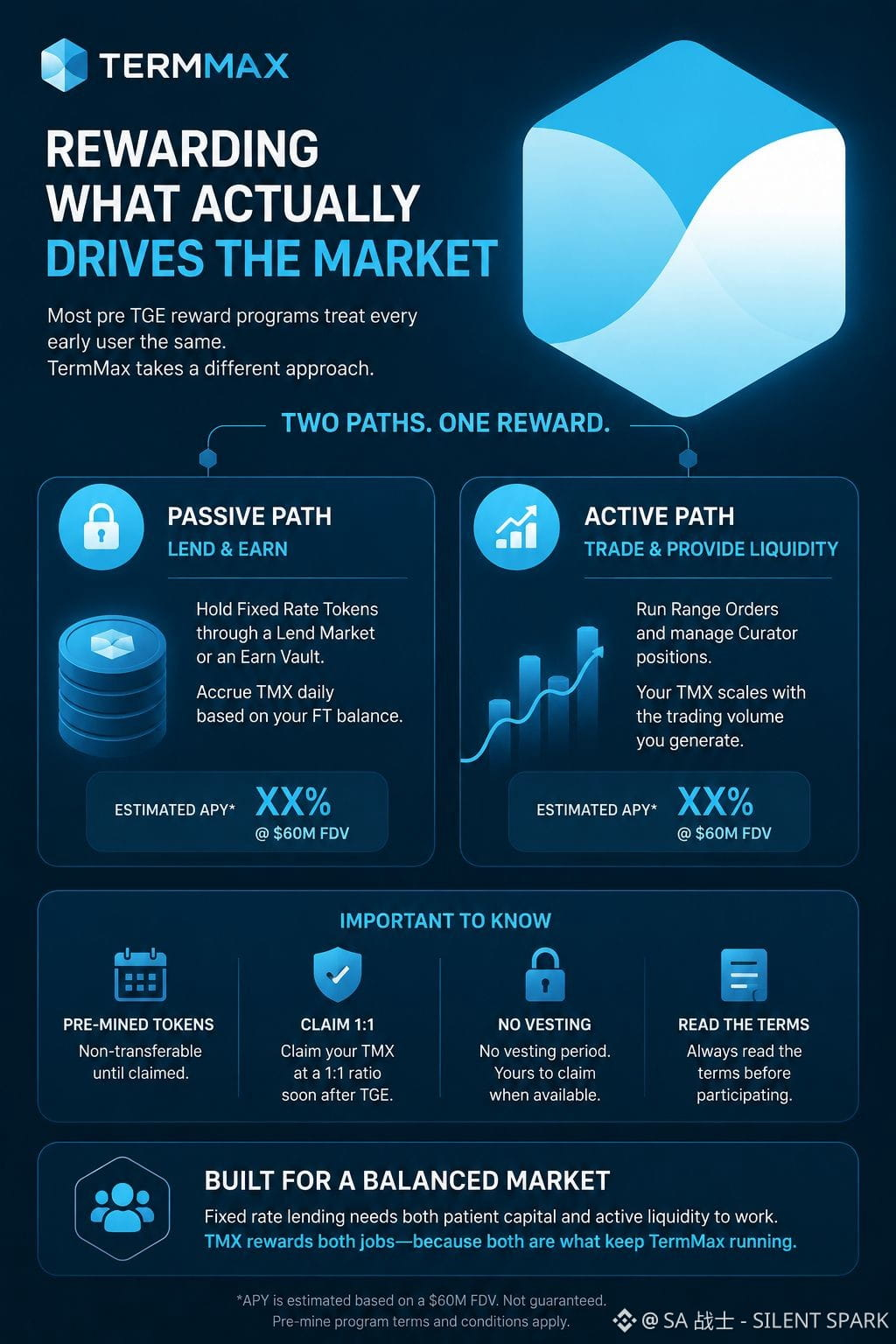
多くのTGE(トークン生成イベント)前の報酬プログラムは、すべての初期ユーザーを同じ扱いにします。資金を預けて待つ。ポイントを集める。受動的に保有する人も、積極的に流動性を提供する人も、同一の区別のない「ファーミング・バケット」にまとめられてしまいます。
これは明確なミスマッチです。何カ月も資金を預けている貸し手は、価格を提示し、出来高を受け止めながら行動している人と同じリスクを負っていません。両者を同じに扱うことは、それぞれが実際に貢献しているものを無視することになります。
TermMaxは、TGEが近づいている固定金利のレンディング・プロトコルです。そのTGE前マイ(pre mine)プログラムでは、この2つの行動を分けており、ひとまとめにしません。レンディング・マーケットでFixed Rate Tokensを保有するか、Earn Vaultに預けると、FT残高に基づいてTMXが毎日積み上がります。これが受動的なルートです。あるいは、レンジ・オーダーを実行し、Curatorポジションを管理すれば、あなたが生み出す取引出来高に応じてTMXがスケールします。これが能動的なルートです。
私が注目したのは、両ルートでのAPYが、FDV(想定時価総額)60Mドルに対して見積もられており、TMXが取引され始めたときに日々の積み上げがどの程度になり得るか、預金者におおよそのイメージを与えている点です。ただし、ここで約束されているわけではありません。pre mineトークンは、TGE直後に1:1の比率で請求するまで譲渡不可で、ベスティングもありません。必ず条件を先に確認してください。
私の見立てでは、この分け方は、TermMaxが自社の市場をどう捉えているかを示しています。固定金利レンディングが機能するには、忍耐強い資本と能動的な流動性の両方が必要です。TMXが両方の仕事に紐づいていることは、このトークンが、実際にプロトコルを動かし続けるものを追跡するために設計されていることを示唆しています。
#termmax @termmax
多くのTGE(トークン生成イベント)前の報酬プログラムは、すべての初期ユーザーを同じ扱いにします。資金を預けて待つ。ポイントを集める。受動的に保有する人も、積極的に流動性を提供する人も、同一の区別のない「ファーミング・バケット」にまとめられてしまいます。
これは明確なミスマッチです。何カ月も資金を預けている貸し手は、価格を提示し、出来高を受け止めながら行動している人と同じリスクを負っていません。両者を同じに扱うことは、それぞれが実際に貢献しているものを無視することになります。
TermMaxは、TGEが近づいている固定金利のレンディング・プロトコルです。そのTGE前マイ(pre mine)プログラムでは、この2つの行動を分けており、ひとまとめにしません。レンディング・マーケットでFixed Rate Tokensを保有するか、Earn Vaultに預けると、FT残高に基づいてTMXが毎日積み上がります。これが受動的なルートです。あるいは、レンジ・オーダーを実行し、Curatorポジションを管理すれば、あなたが生み出す取引出来高に応じてTMXがスケールします。これが能動的なルートです。
私が注目したのは、両ルートでのAPYが、FDV(想定時価総額)60Mドルに対して見積もられており、TMXが取引され始めたときに日々の積み上げがどの程度になり得るか、預金者におおよそのイメージを与えている点です。ただし、ここで約束されているわけではありません。pre mineトークンは、TGE直後に1:1の比率で請求するまで譲渡不可で、ベスティングもありません。必ず条件を先に確認してください。
私の見立てでは、この分け方は、TermMaxが自社の市場をどう捉えているかを示しています。固定金利レンディングが機能するには、忍耐強い資本と能動的な流動性の両方が必要です。TMXが両方の仕事に紐づいていることは、このトークンが、実際にプロトコルを動かし続けるものを追跡するために設計されていることを示唆しています。
#termmax @TermMax
これは明確なミスマッチです。何カ月も資金を預けている貸し手は、価格を提示し、出来高を受け止めながら行動している人と同じリスクを負っていません。両者を同じに扱うことは、それぞれが実際に貢献しているものを無視することになります。
TermMaxは、TGEが近づいている固定金利のレンディング・プロトコルです。そのTGE前マイ(pre mine)プログラムでは、この2つの行動を分けており、ひとまとめにしません。レンディング・マーケットでFixed Rate Tokensを保有するか、Earn Vaultに預けると、FT残高に基づいてTMXが毎日積み上がります。これが受動的なルートです。あるいは、レンジ・オーダーを実行し、Curatorポジションを管理すれば、あなたが生み出す取引出来高に応じてTMXがスケールします。これが能動的なルートです。
私が注目したのは、両ルートでのAPYが、FDV(想定時価総額)60Mドルに対して見積もられており、TMXが取引され始めたときに日々の積み上げがどの程度になり得るか、預金者におおよそのイメージを与えている点です。ただし、ここで約束されているわけではありません。pre mineトークンは、TGE直後に1:1の比率で請求するまで譲渡不可で、ベスティングもありません。必ず条件を先に確認してください。
私の見立てでは、この分け方は、TermMaxが自社の市場をどう捉えているかを示しています。固定金利レンディングが機能するには、忍耐強い資本と能動的な流動性の両方が必要です。TMXが両方の仕事に紐づいていることは、このトークンが、実際にプロトコルを動かし続けるものを追跡するために設計されていることを示唆しています。
#termmax @TermMax
54
17
1.3k
·
--
ブリッシュ
本人確認中
Dusk は本日 15:00 CEST に Binance Square で AMA(アスク・ミー・アニャム)を開催します。予定を空けておく価値があるので、カレンダーを確認してください。なんと同じセッションで Emanuele Francioni(CEO)と Hein Dauven(CTO)の両方が登場します。これは珍しく、通常はどちらか一方だけです。もし DuskDS、DuskEVM、DuskVM の流れを追いかけていて、まだ質問があるなら、ここが持っていく場所です。
まずは、私が学んだことを説明させてください。いろいろなチェーンで「プライバシー」という言葉を見かけて、正直なところ懐疑的になっていました。というのも、たいていは「一つのシールドプールを、基本的には公開チェーンの上にくっつけただけ」という意味で使われることが多いからです。そこで、Dusk がスタック全体で実際にどう構成しているのか掘り下げてみたところ、私の予想とは違っていました。
基本的に Dusk は、すべてを一つに詰め込むのではなく、仕事を 3 つのレイヤーに分けています。いちばん下にあるのが DuskDS で、決済のコンセンサスとデータ可用性を担当します。これは「Succinct Attestation」と呼ばれるプルーフ・オブ・ステークの仕組みで、決定論的なファイナリティ(確定性)を提供します。規制対象の資産を扱っていて、確率的な確認では済ませられない場合、この確定性はとても重要です。
驚いたのはここからです。さらにその上に DuskEVM があり、OP Stack のロールアップとして構築されているため、Solidity 開発者は通常の EVM ツールをそのまま使えます。そこでのプライバシーは、ZK だけに頼るのではなく「Hedger」と呼ばれる仕組みで実現されます。Hedger は同型暗号とゼロ知識証明を組み合わせて混ぜ合わせます。
そして次に DuskVM があります。これはネイティブの Rust と WASM 環境で、プライバシー機能が後付けされるのではなく、最初からプライバシーに配慮した形でコントラクトが作れるようになっています。
そのとき、腑に落ちました。土台の決済保証は最初から最後まで同じままですが、各レイヤーは、開発者が実際に組み立てるやり方に合う形でプライバシーを提供しています。どこでも同じ手法を無理に押し付けるのではありません。
#dusk $DUSK @Dusk_Foundation
あなたはどのレイヤーに実際に構築する予定ですか?
Dusk は本日 15:00 CEST に Binance Square で AMA(アスク・ミー・アニャム)を開催します。予定を空けておく価値があるので、カレンダーを確認してください。なんと同じセッションで Emanuele Francioni(CEO)と Hein Dauven(CTO)の両方が登場します。これは珍しく、通常はどちらか一方だけです。もし DuskDS、DuskEVM、DuskVM の流れを追いかけていて、まだ質問があるなら、ここが持っていく場所です。
まずは、私が学んだことを説明させてください。いろいろなチェーンで「プライバシー」という言葉を見かけて、正直なところ懐疑的になっていました。というのも、たいていは「一つのシールドプールを、基本的には公開チェーンの上にくっつけただけ」という意味で使われることが多いからです。そこで、Dusk がスタック全体で実際にどう構成しているのか掘り下げてみたところ、私の予想とは違っていました。
基本的に Dusk は、すべてを一つに詰め込むのではなく、仕事を 3 つのレイヤーに分けています。いちばん下にあるのが DuskDS で、決済のコンセンサスとデータ可用性を担当します。これは「Succinct Attestation」と呼ばれるプルーフ・オブ・ステークの仕組みで、決定論的なファイナリティ(確定性)を提供します。規制対象の資産を扱っていて、確率的な確認では済ませられない場合、この確定性はとても重要です。
驚いたのはここからです。さらにその上に DuskEVM があり、OP Stack のロールアップとして構築されているため、Solidity 開発者は通常の EVM ツールをそのまま使えます。そこでのプライバシーは、ZK だけに頼るのではなく「Hedger」と呼ばれる仕組みで実現されます。Hedger は同型暗号とゼロ知識証明を組み合わせて混ぜ合わせます。
そして次に DuskVM があります。これはネイティブの Rust と WASM 環境で、プライバシー機能が後付けされるのではなく、最初からプライバシーに配慮した形でコントラクトが作れるようになっています。
そのとき、腑に落ちました。土台の決済保証は最初から最後まで同じままですが、各レイヤーは、開発者が実際に組み立てるやり方に合う形でプライバシーを提供しています。どこでも同じ手法を無理に押し付けるのではありません。
#dusk $DUSK @Dusk
あなたはどのレイヤーに実際に構築する予定ですか?
まずは、私が学んだことを説明させてください。いろいろなチェーンで「プライバシー」という言葉を見かけて、正直なところ懐疑的になっていました。というのも、たいていは「一つのシールドプールを、基本的には公開チェーンの上にくっつけただけ」という意味で使われることが多いからです。そこで、Dusk がスタック全体で実際にどう構成しているのか掘り下げてみたところ、私の予想とは違っていました。
基本的に Dusk は、すべてを一つに詰め込むのではなく、仕事を 3 つのレイヤーに分けています。いちばん下にあるのが DuskDS で、決済のコンセンサスとデータ可用性を担当します。これは「Succinct Attestation」と呼ばれるプルーフ・オブ・ステークの仕組みで、決定論的なファイナリティ(確定性)を提供します。規制対象の資産を扱っていて、確率的な確認では済ませられない場合、この確定性はとても重要です。
驚いたのはここからです。さらにその上に DuskEVM があり、OP Stack のロールアップとして構築されているため、Solidity 開発者は通常の EVM ツールをそのまま使えます。そこでのプライバシーは、ZK だけに頼るのではなく「Hedger」と呼ばれる仕組みで実現されます。Hedger は同型暗号とゼロ知識証明を組み合わせて混ぜ合わせます。
そして次に DuskVM があります。これはネイティブの Rust と WASM 環境で、プライバシー機能が後付けされるのではなく、最初からプライバシーに配慮した形でコントラクトが作れるようになっています。
そのとき、腑に落ちました。土台の決済保証は最初から最後まで同じままですが、各レイヤーは、開発者が実際に組み立てるやり方に合う形でプライバシーを提供しています。どこでも同じ手法を無理に押し付けるのではありません。
#dusk $DUSK @Dusk
あなたはどのレイヤーに実際に構築する予定ですか?
DuskEVM for familiar tooling
67%
DuskVM for native privacy
0%
Still deciding
33%
3 投票 • 投票は終了しました
62
20
1.8k
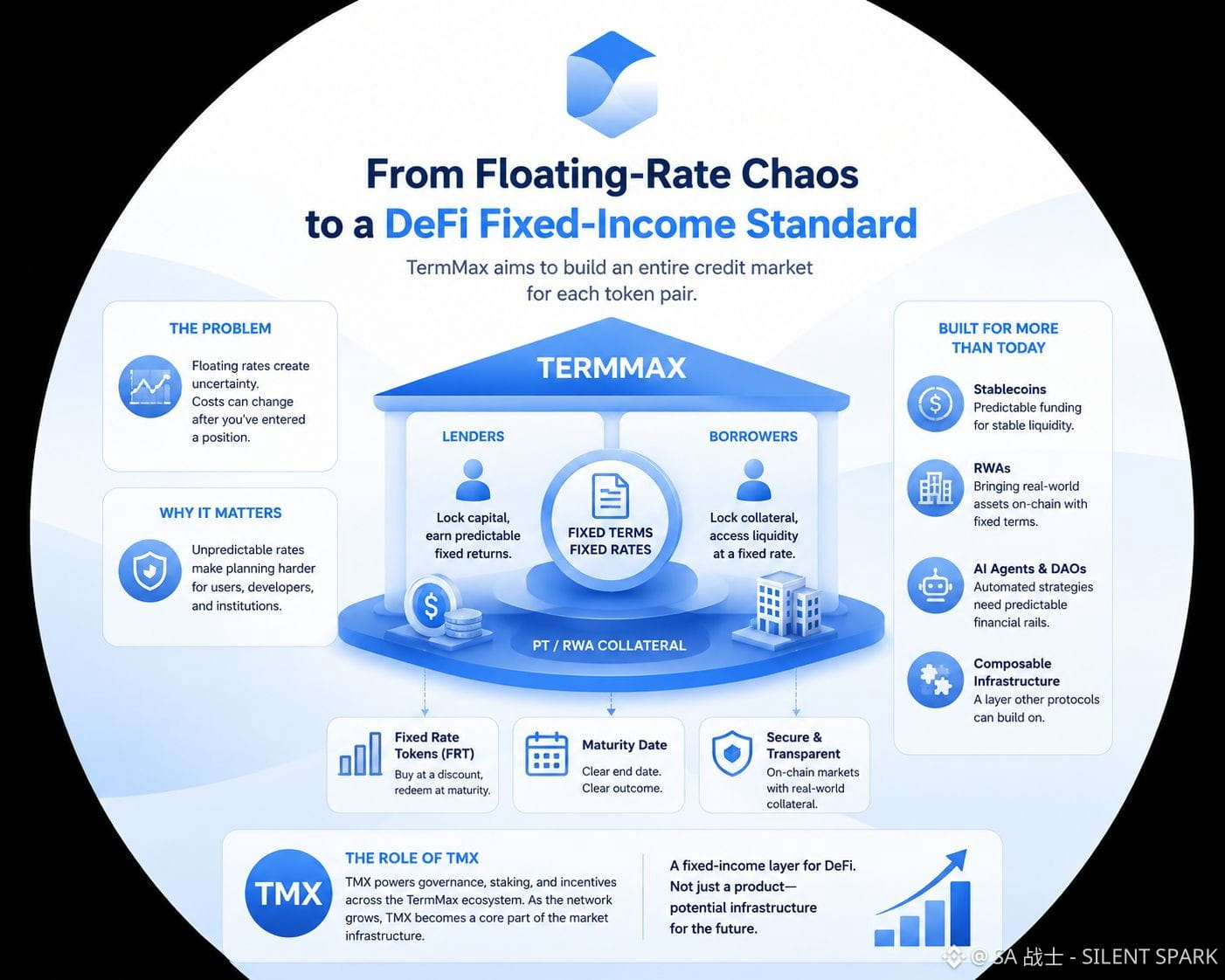
DeFiは借り入れを簡単にしました。しかし、予測可能な借り入れは別の話です。
変動金利では、入った後にポジションの経済性が変わり得ます。これによりトレーダーに摩擦が生まれ、特に大口ユーザーほど資本計画が難しくなります。
私がTermMaxで注目したのは、単に別の貸出市場を提供しようとしているだけではない点です。明言されている目標は、各トークンペアごとに“信用市場そのもの”を構築することです。
基本的な考え方は伝統的な固定利付に馴染みがあります。市場には負債(債務)となる資産、担保、固定金利、満期日があります。貸し手は割引価格で固定利付トークンを購入し、満期時に償還できます。借り手は担保をロックし、流動性を受け取りますが、そのコストは事前に定義されます。
この構造は、担保にPTなどの利回りを生む資産、さらにはRWAsを含められるようになると、より面白くなります。これにより、すべてが1つの変動金利プールに依存するのではなく、担保の形ごとに独自のターム市場を支えられる枠組みが生まれます。
私の見立てでは、より大きな問いはインフラです。もしDeFiがステーブルコインのRWAsや機関投資家向けの戦略に対して予測可能な金利を必要とし始めるなら、再利用可能な固定利付レイヤーがTermMax自体の枠を超えて有用になる可能性があります。
TMXは、ガバナンスのステーキングとインセンティブを通じて、そのエコシステムと戦略的に結びついています。ネットワークが市場インフラを拡張すれば、これらの機能によりトークンは単なる投機以上の役割を持てるようになります。
このテーゼは興味深いです。実行・採用・リスク管理が、どこまで到達するかを左右します。
#termmax @termmax
DeFiは借り入れを簡単にしました。しかし、予測可能な借り入れは別の話です。
変動金利では、入った後にポジションの経済性が変わり得ます。これによりトレーダーに摩擦が生まれ、特に大口ユーザーほど資本計画が難しくなります。
私がTermMaxで注目したのは、単に別の貸出市場を提供しようとしているだけではない点です。明言されている目標は、各トークンペアごとに“信用市場そのもの”を構築することです。
基本的な考え方は伝統的な固定利付に馴染みがあります。市場には負債(債務)となる資産、担保、固定金利、満期日があります。貸し手は割引価格で固定利付トークンを購入し、満期時に償還できます。借り手は担保をロックし、流動性を受け取りますが、そのコストは事前に定義されます。
この構造は、担保にPTなどの利回りを生む資産、さらにはRWAsを含められるようになると、より面白くなります。これにより、すべてが1つの変動金利プールに依存するのではなく、担保の形ごとに独自のターム市場を支えられる枠組みが生まれます。
私の見立てでは、より大きな問いはインフラです。もしDeFiがステーブルコインのRWAsや機関投資家向けの戦略に対して予測可能な金利を必要とし始めるなら、再利用可能な固定利付レイヤーがTermMax自体の枠を超えて有用になる可能性があります。
TMXは、ガバナンスのステーキングとインセンティブを通じて、そのエコシステムと戦略的に結びついています。ネットワークが市場インフラを拡張すれば、これらの機能によりトークンは単なる投機以上の役割を持てるようになります。
このテーゼは興味深いです。実行・採用・リスク管理が、どこまで到達するかを左右します。
#termmax @TermMax
変動金利では、入った後にポジションの経済性が変わり得ます。これによりトレーダーに摩擦が生まれ、特に大口ユーザーほど資本計画が難しくなります。
私がTermMaxで注目したのは、単に別の貸出市場を提供しようとしているだけではない点です。明言されている目標は、各トークンペアごとに“信用市場そのもの”を構築することです。
基本的な考え方は伝統的な固定利付に馴染みがあります。市場には負債(債務)となる資産、担保、固定金利、満期日があります。貸し手は割引価格で固定利付トークンを購入し、満期時に償還できます。借り手は担保をロックし、流動性を受け取りますが、そのコストは事前に定義されます。
この構造は、担保にPTなどの利回りを生む資産、さらにはRWAsを含められるようになると、より面白くなります。これにより、すべてが1つの変動金利プールに依存するのではなく、担保の形ごとに独自のターム市場を支えられる枠組みが生まれます。
私の見立てでは、より大きな問いはインフラです。もしDeFiがステーブルコインのRWAsや機関投資家向けの戦略に対して予測可能な金利を必要とし始めるなら、再利用可能な固定利付レイヤーがTermMax自体の枠を超えて有用になる可能性があります。
TMXは、ガバナンスのステーキングとインセンティブを通じて、そのエコシステムと戦略的に結びついています。ネットワークが市場インフラを拡張すれば、これらの機能によりトークンは単なる投機以上の役割を持てるようになります。
このテーゼは興味深いです。実行・採用・リスク管理が、どこまで到達するかを左右します。
#termmax @TermMax
32
12
1.3k
ログインして、さらにコンテンツを読む
厳選トピックで世界の暗号資産トレーダーの仲間入り
⚡️ 暗号資産に関する最新かつ有益な情報が見つかります。
💬 世界最大の暗号資産取引所から信頼されています。
👍 認証を受けたクリエイターから、有益なインサイトを得られます。
メール / 電話番号