
2026Rabbit
187 投稿

2026Rabbit
報告
ユーザーをブロック
Newbie tryin’ earn some from the market 👀
12 フォロー
42 フォロワー
74 いいね
投稿
すべて
動画
·
--
#termmax @termmax
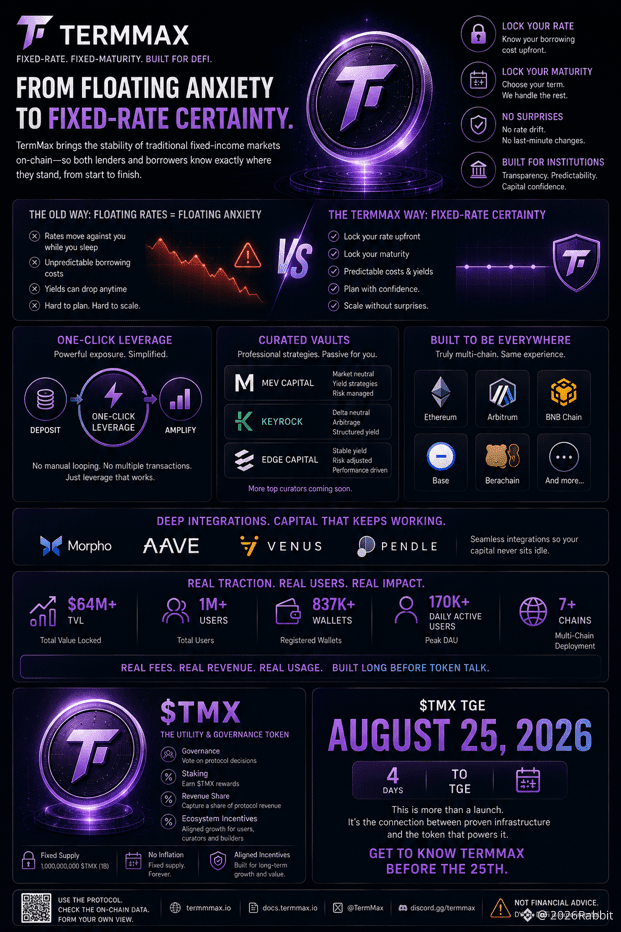
多くの人は今もDeFiの貸付を、2021年のままの「変動金利・変動不安」のように価格設定しています。TermMaxはそれを静かに書き換えています。
その発想は、実際に動きを見ればシンプルです。金利を固定し、満期も固定する。すると貸し手も借り手も、自分たちがどこに立っているのかを正確に把握できるのです。毎時間ダッシュボードを確認して、「金利が不利に動いていないか」と期待と不安を行ったり来たりする必要はありません。こうした確実性こそが、機関投資家がスケールするオンチェーンのクレジットに触れる前に求めるものです。
TermMaxを「いいコンセプト」に留めないのは、その周辺の作り込みです。ワンクリックのレバレッジにより、ループ処理が1つのトランザクションに圧縮されます。厳選されたバルートにより、ポジションを自分で管理する代わりに、プロの金利戦略をパッシブに活用できます。そして本当にマルチチェーンで、Ethereum、Arbitrum、BNB Chain、Base、Berachainなどにわたって稼働中。さらにMorpho、Aave、Venus、Pendleへの深い統合により、資本はマッチ中にアイドル状態で座らず、稼ぎ続けます。
これらは机上の空論でもありません。実際のTVL、実際の手数料発生、チェーンをまたぐ実ユーザー。トークンの話が始まるずっと前からです。まさに、ローンチが据えるべき土台の形でしょう。
そして正式発表です:$TMXのTGEは2026年8月25日に設定されています。ここから、この実績の全てがトークンにつながっていきます。
25日までにTermMaxを知っておきましょう。
投資助言ではありません。必ず自己調査(DYOR)を。
#termmax @TermMax
多くの人は今もDeFiの貸付を、2021年のままの「変動金利・変動不安」のように価格設定しています。TermMaxはそれを静かに書き換えています。
その発想は、実際に動きを見ればシンプルです。金利を固定し、満期も固定する。すると貸し手も借り手も、自分たちがどこに立っているのかを正確に把握できるのです。毎時間ダッシュボードを確認して、「金利が不利に動いていないか」と期待と不安を行ったり来たりする必要はありません。こうした確実性こそが、機関投資家がスケールするオンチェーンのクレジットに触れる前に求めるものです。
TermMaxを「いいコンセプト」に留めないのは、その周辺の作り込みです。ワンクリックのレバレッジにより、ループ処理が1つのトランザクションに圧縮されます。厳選されたバルートにより、ポジションを自分で管理する代わりに、プロの金利戦略をパッシブに活用できます。そして本当にマルチチェーンで、Ethereum、Arbitrum、BNB Chain、Base、Berachainなどにわたって稼働中。さらにMorpho、Aave、Venus、Pendleへの深い統合により、資本はマッチ中にアイドル状態で座らず、稼ぎ続けます。
これらは机上の空論でもありません。実際のTVL、実際の手数料発生、チェーンをまたぐ実ユーザー。トークンの話が始まるずっと前からです。まさに、ローンチが据えるべき土台の形でしょう。
そして正式発表です:$TMXのTGEは2026年8月25日に設定されています。ここから、この実績の全てがトークンにつながっていきます。
25日までにTermMaxを知っておきましょう。
投資助言ではありません。必ず自己調査(DYOR)を。
多くの人は今もDeFiの貸付を、2021年のままの「変動金利・変動不安」のように価格設定しています。TermMaxはそれを静かに書き換えています。
その発想は、実際に動きを見ればシンプルです。金利を固定し、満期も固定する。すると貸し手も借り手も、自分たちがどこに立っているのかを正確に把握できるのです。毎時間ダッシュボードを確認して、「金利が不利に動いていないか」と期待と不安を行ったり来たりする必要はありません。こうした確実性こそが、機関投資家がスケールするオンチェーンのクレジットに触れる前に求めるものです。
TermMaxを「いいコンセプト」に留めないのは、その周辺の作り込みです。ワンクリックのレバレッジにより、ループ処理が1つのトランザクションに圧縮されます。厳選されたバルートにより、ポジションを自分で管理する代わりに、プロの金利戦略をパッシブに活用できます。そして本当にマルチチェーンで、Ethereum、Arbitrum、BNB Chain、Base、Berachainなどにわたって稼働中。さらにMorpho、Aave、Venus、Pendleへの深い統合により、資本はマッチ中にアイドル状態で座らず、稼ぎ続けます。
これらは机上の空論でもありません。実際のTVL、実際の手数料発生、チェーンをまたぐ実ユーザー。トークンの話が始まるずっと前からです。まさに、ローンチが据えるべき土台の形でしょう。
そして正式発表です:$TMXのTGEは2026年8月25日に設定されています。ここから、この実績の全てがトークンにつながっていきます。
25日までにTermMaxを知っておきましょう。
投資助言ではありません。必ず自己調査(DYOR)を。
74
·
--
#binancep2pantoan @Binance_Vietnam
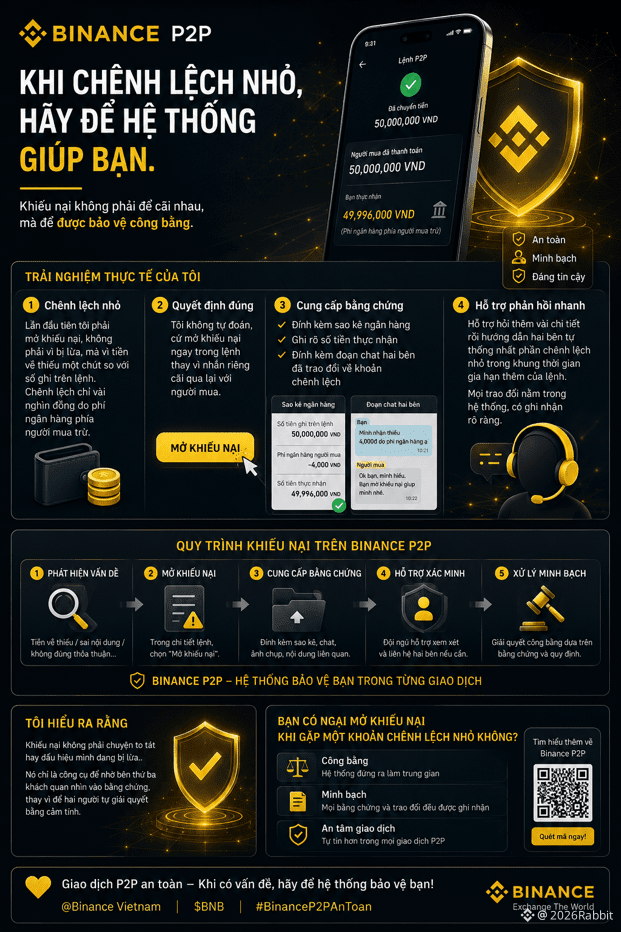
はじめて異議申し立て(クレーム)を開いたのは、騙されたからではなく、入金額が指示書に記載されている金額よりほんの少し足りなかったからです。差額は数千VND程度で、購入者側の銀行手数料が差し引かれたのが原因です。リリースしていいのか、それとも待つべきなのか分かりませんでした。
自分で推測するのはやめて、購入者とメッセージで言い合いしないよう、指示(注文)内でそのまま異議申し立てを開くことにしました。銀行の入出金明細の画像を添付し、実際に受け取った金額を明確に記載しました。さらに、その差額について両者でやり取りしたチャットの該当部分も添付しました。
サポートの返信はかなり早く、振込内容について追加でいくつか確認したうえで、両者が期限延長の時間枠内に小さな差額を自分たちで調整・合意するよう案内してくれました。私はひとりで対質する必要はなく、やり取りはすべてシステム内に記録され、明確に残っています。
その後、異議申し立ては大げさなことでも、自分が騙されているサインでもないと分かりました。これは、両者が感情だけで解決する代わりに、第三者が証拠を客観的に見てくれるための手段です。
小さな差額があるとき、異議申し立てを開くのに抵抗はありますか?
#binancep2pantoan @Binance Vietnam
はじめて異議申し立て(クレーム)を開いたのは、騙されたからではなく、入金額が指示書に記載されている金額よりほんの少し足りなかったからです。差額は数千VND程度で、購入者側の銀行手数料が差し引かれたのが原因です。リリースしていいのか、それとも待つべきなのか分かりませんでした。
自分で推測するのはやめて、購入者とメッセージで言い合いしないよう、指示(注文)内でそのまま異議申し立てを開くことにしました。銀行の入出金明細の画像を添付し、実際に受け取った金額を明確に記載しました。さらに、その差額について両者でやり取りしたチャットの該当部分も添付しました。
サポートの返信はかなり早く、振込内容について追加でいくつか確認したうえで、両者が期限延長の時間枠内に小さな差額を自分たちで調整・合意するよう案内してくれました。私はひとりで対質する必要はなく、やり取りはすべてシステム内に記録され、明確に残っています。
その後、異議申し立ては大げさなことでも、自分が騙されているサインでもないと分かりました。これは、両者が感情だけで解決する代わりに、第三者が証拠を客観的に見てくれるための手段です。
小さな差額があるとき、異議申し立てを開くのに抵抗はありますか?
はじめて異議申し立て(クレーム)を開いたのは、騙されたからではなく、入金額が指示書に記載されている金額よりほんの少し足りなかったからです。差額は数千VND程度で、購入者側の銀行手数料が差し引かれたのが原因です。リリースしていいのか、それとも待つべきなのか分かりませんでした。
自分で推測するのはやめて、購入者とメッセージで言い合いしないよう、指示(注文)内でそのまま異議申し立てを開くことにしました。銀行の入出金明細の画像を添付し、実際に受け取った金額を明確に記載しました。さらに、その差額について両者でやり取りしたチャットの該当部分も添付しました。
サポートの返信はかなり早く、振込内容について追加でいくつか確認したうえで、両者が期限延長の時間枠内に小さな差額を自分たちで調整・合意するよう案内してくれました。私はひとりで対質する必要はなく、やり取りはすべてシステム内に記録され、明確に残っています。
その後、異議申し立ては大げさなことでも、自分が騙されているサインでもないと分かりました。これは、両者が感情だけで解決する代わりに、第三者が証拠を客観的に見てくれるための手段です。
小さな差額があるとき、異議申し立てを開くのに抵抗はありますか?
81
·
--
翻訳参照
#termmax @termmax
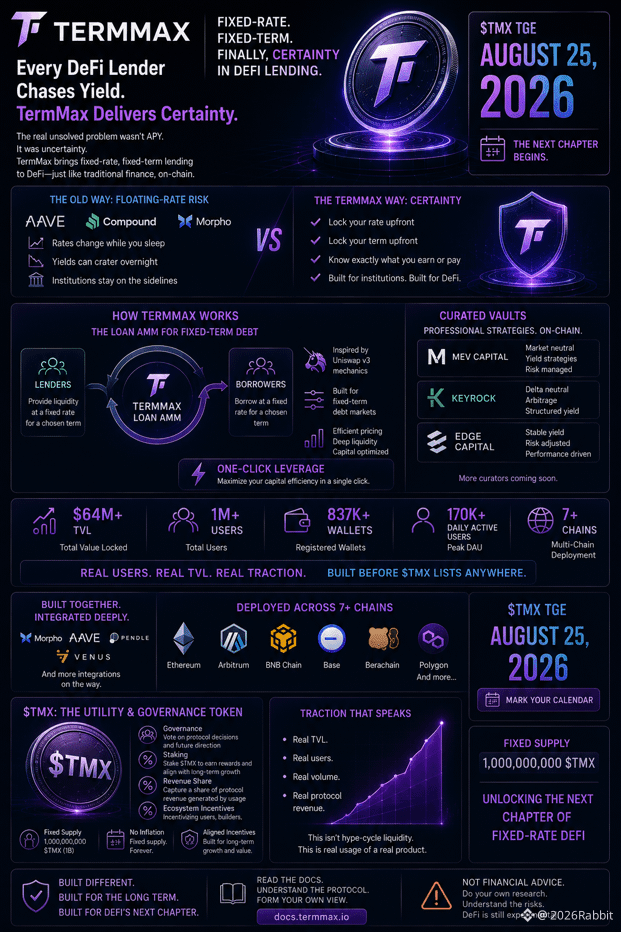
Everyone's obsessed with TVL and APY numbers in DeFi lending. But the real unsolved problem was never "how much yield" — it's "how much certainty." Aave, Compound, Morpho: all brilliant, all still floating-rate. Your borrowing cost can double while you sleep. Your lending yield can crater the moment demand shifts. That unpredictability is exactly why institutions have stayed on the sidelines of on-chain credit markets.
TermMax attacks that problem directly. Fixed rate, fixed term, agreed upfront — the same logic that runs trillions in traditional fixed-income markets, finally on-chain. The loan AMM (Uniswap v3 logic, repurposed for term debt) is what makes this actually work at scale instead of just sounding good on paper.
And the traction backs the thesis: $64M+ TVL, 1M+ users, 837K+ wallets, live across 7+ chains, plugged into Morpho, Aave, Pendle, Venus. That's not hype-cycle liquidity. That's usage.
Now $TMX ties directly into that fee-generating engine — staking, governance, revenue share, fixed 1B supply, TGE August 25, 2026.
This is the kind of setup you want to already understand before the market catches on. Go read the docs, form your own view. 👀
#termmax @TermMax
Everyone's obsessed with TVL and APY numbers in DeFi lending. But the real unsolved problem was never "how much yield" — it's "how much certainty." Aave, Compound, Morpho: all brilliant, all still floating-rate. Your borrowing cost can double while you sleep. Your lending yield can crater the moment demand shifts. That unpredictability is exactly why institutions have stayed on the sidelines of on-chain credit markets.
TermMax attacks that problem directly. Fixed rate, fixed term, agreed upfront — the same logic that runs trillions in traditional fixed-income markets, finally on-chain. The loan AMM (Uniswap v3 logic, repurposed for term debt) is what makes this actually work at scale instead of just sounding good on paper.
And the traction backs the thesis: $64M+ TVL, 1M+ users, 837K+ wallets, live across 7+ chains, plugged into Morpho, Aave, Pendle, Venus. That's not hype-cycle liquidity. That's usage.
Now $TMX ties directly into that fee-generating engine — staking, governance, revenue share, fixed 1B supply, TGE August 25, 2026.
This is the kind of setup you want to already understand before the market catches on. Go read the docs, form your own view. 👀
Everyone's obsessed with TVL and APY numbers in DeFi lending. But the real unsolved problem was never "how much yield" — it's "how much certainty." Aave, Compound, Morpho: all brilliant, all still floating-rate. Your borrowing cost can double while you sleep. Your lending yield can crater the moment demand shifts. That unpredictability is exactly why institutions have stayed on the sidelines of on-chain credit markets.
TermMax attacks that problem directly. Fixed rate, fixed term, agreed upfront — the same logic that runs trillions in traditional fixed-income markets, finally on-chain. The loan AMM (Uniswap v3 logic, repurposed for term debt) is what makes this actually work at scale instead of just sounding good on paper.
And the traction backs the thesis: $64M+ TVL, 1M+ users, 837K+ wallets, live across 7+ chains, plugged into Morpho, Aave, Pendle, Venus. That's not hype-cycle liquidity. That's usage.
Now $TMX ties directly into that fee-generating engine — staking, governance, revenue share, fixed 1B supply, TGE August 25, 2026.
This is the kind of setup you want to already understand before the market catches on. Go read the docs, form your own view. 👀
2
133
·
--
#binancep2pantoan @Binance_Vietnam
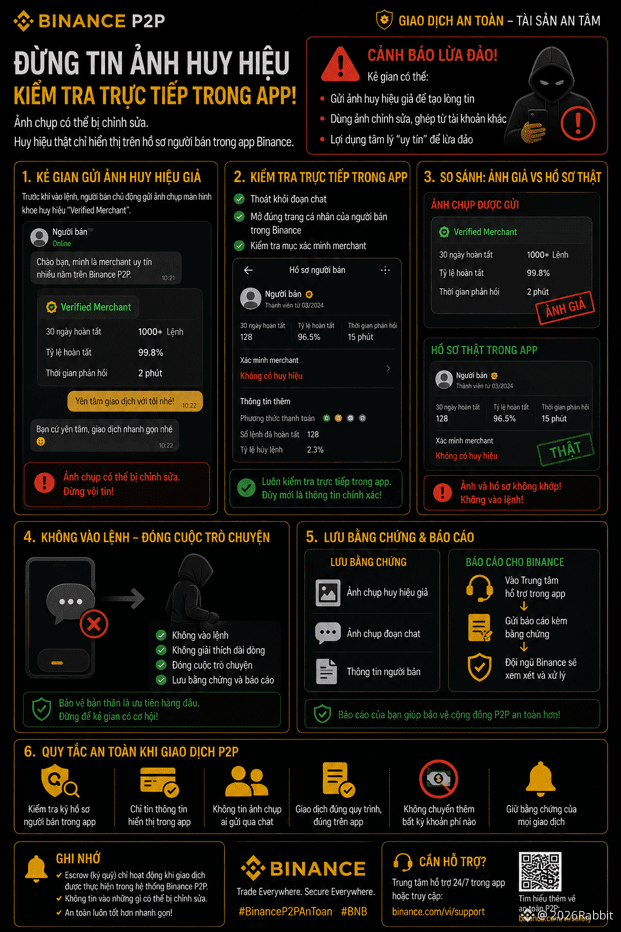
取引を始める前に、売り手は私に対して自分の「Verified Merchant(認証済みの商人)」のバッジを自慢するスクリーンショットを、自分から送ってきました。そして「安心して私と取引してください」という文言も添えられていました。私は画像を見て一理あると思ったものの、それでもすぐに確認(同意)ボタンは押しませんでした。
画像は誰でも編集できてしまいますが、本物のバッジはアプリ内のプロフィールに即座に表示されるはずで、誰かが別途送ってきた画像で証明する必要はありません。そこで私はそのチャットをいったん退出し、Binanceの売り手の正しい個人ページを開いて、送られてきた画像を信じるのではなく、そこで「merchantの認証」項目を探しました。
本物のプロフィールにはバッジは何もありませんでした。送られてきたスクリーンショットとはまったく違います。私は注文には入らず、長々と説明もせず、そのまま会話を終了しました。
偽のバッジのスクリーンショットとチャット内容を保存し、サポートに連絡して、このアカウントが他の人に対しても同様の手口を繰り返しているか確認してもらうための追加データを提供しました。それ以降は、アプリ内で直接表示されているものだけを信じ、チャットで誰かが送ってきた画像は信じないようにしています。
あなたは、アプリ内で認証バッジを直接確認してから信じるようにしていますか?
#binancep2pantoan @Binance Vietnam
取引を始める前に、売り手は私に対して自分の「Verified Merchant(認証済みの商人)」のバッジを自慢するスクリーンショットを、自分から送ってきました。そして「安心して私と取引してください」という文言も添えられていました。私は画像を見て一理あると思ったものの、それでもすぐに確認(同意)ボタンは押しませんでした。
画像は誰でも編集できてしまいますが、本物のバッジはアプリ内のプロフィールに即座に表示されるはずで、誰かが別途送ってきた画像で証明する必要はありません。そこで私はそのチャットをいったん退出し、Binanceの売り手の正しい個人ページを開いて、送られてきた画像を信じるのではなく、そこで「merchantの認証」項目を探しました。
本物のプロフィールにはバッジは何もありませんでした。送られてきたスクリーンショットとはまったく違います。私は注文には入らず、長々と説明もせず、そのまま会話を終了しました。
偽のバッジのスクリーンショットとチャット内容を保存し、サポートに連絡して、このアカウントが他の人に対しても同様の手口を繰り返しているか確認してもらうための追加データを提供しました。それ以降は、アプリ内で直接表示されているものだけを信じ、チャットで誰かが送ってきた画像は信じないようにしています。
あなたは、アプリ内で認証バッジを直接確認してから信じるようにしていますか?
取引を始める前に、売り手は私に対して自分の「Verified Merchant(認証済みの商人)」のバッジを自慢するスクリーンショットを、自分から送ってきました。そして「安心して私と取引してください」という文言も添えられていました。私は画像を見て一理あると思ったものの、それでもすぐに確認(同意)ボタンは押しませんでした。
画像は誰でも編集できてしまいますが、本物のバッジはアプリ内のプロフィールに即座に表示されるはずで、誰かが別途送ってきた画像で証明する必要はありません。そこで私はそのチャットをいったん退出し、Binanceの売り手の正しい個人ページを開いて、送られてきた画像を信じるのではなく、そこで「merchantの認証」項目を探しました。
本物のプロフィールにはバッジは何もありませんでした。送られてきたスクリーンショットとはまったく違います。私は注文には入らず、長々と説明もせず、そのまま会話を終了しました。
偽のバッジのスクリーンショットとチャット内容を保存し、サポートに連絡して、このアカウントが他の人に対しても同様の手口を繰り返しているか確認してもらうための追加データを提供しました。それ以降は、アプリ内で直接表示されているものだけを信じ、チャットで誰かが送ってきた画像は信じないようにしています。
あなたは、アプリ内で認証バッジを直接確認してから信じるようにしていますか?
92
·
--
翻訳参照
#binancep2pantoan @Binance_Vietnam
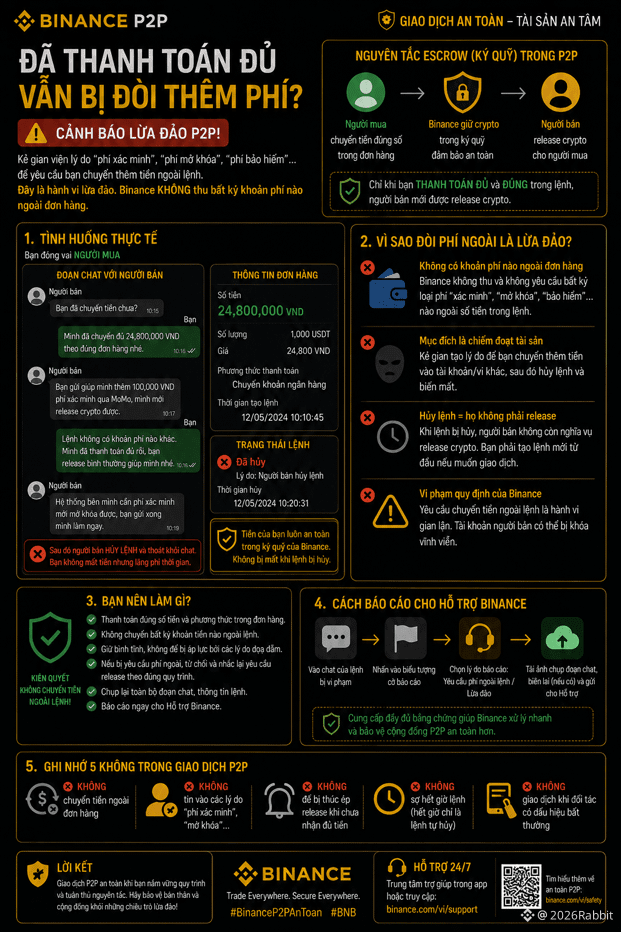
Lần đó tôi đóng vai người mua. Sau khi tôi chuyển đúng số tiền trong lệnh, người bán nhắn thêm bảo phải gửi một khoản "phí xác minh" nhỏ qua một ví điện tử khác thì mới release crypto được.
Tôi dừng lại đọc kỹ câu đó, vì trong suốt các lệnh trước giờ tôi chưa từng thấy hệ thống yêu cầu bất kỳ khoản phí phát sinh nào ngoài số tiền đã ghi rõ trên đơn hàng. Ký quỹ hoạt động dựa trên đúng số tiền đó, không có bước "xác minh thêm" nào tồn tại cả.
Tôi từ chối gửi thêm và nhắc lại tôi đã thanh toán đủ theo đúng đơn hàng, đề nghị người bán release bình thường. Người bán vòng vo thêm vài câu, rồi tự hủy lệnh và biến mất khỏi chat.
Tôi báo lại toàn bộ tình huống cho hỗ trợ kèm ảnh chụp đoạn chat, vì kiểu đòi phí ngoài này có thể đã lừa được người mua khác trước tôi. May mắn là tôi chưa gửi đồng nào ra ngoài lệnh gốc.
Bạn có từng bị đòi thêm phí ngoài trước khi được release crypto chưa?
#binancep2pantoan @Binance Vietnam
Lần đó tôi đóng vai người mua. Sau khi tôi chuyển đúng số tiền trong lệnh, người bán nhắn thêm bảo phải gửi một khoản "phí xác minh" nhỏ qua một ví điện tử khác thì mới release crypto được.
Tôi dừng lại đọc kỹ câu đó, vì trong suốt các lệnh trước giờ tôi chưa từng thấy hệ thống yêu cầu bất kỳ khoản phí phát sinh nào ngoài số tiền đã ghi rõ trên đơn hàng. Ký quỹ hoạt động dựa trên đúng số tiền đó, không có bước "xác minh thêm" nào tồn tại cả.
Tôi từ chối gửi thêm và nhắc lại tôi đã thanh toán đủ theo đúng đơn hàng, đề nghị người bán release bình thường. Người bán vòng vo thêm vài câu, rồi tự hủy lệnh và biến mất khỏi chat.
Tôi báo lại toàn bộ tình huống cho hỗ trợ kèm ảnh chụp đoạn chat, vì kiểu đòi phí ngoài này có thể đã lừa được người mua khác trước tôi. May mắn là tôi chưa gửi đồng nào ra ngoài lệnh gốc.
Bạn có từng bị đòi thêm phí ngoài trước khi được release crypto chưa?
Lần đó tôi đóng vai người mua. Sau khi tôi chuyển đúng số tiền trong lệnh, người bán nhắn thêm bảo phải gửi một khoản "phí xác minh" nhỏ qua một ví điện tử khác thì mới release crypto được.
Tôi dừng lại đọc kỹ câu đó, vì trong suốt các lệnh trước giờ tôi chưa từng thấy hệ thống yêu cầu bất kỳ khoản phí phát sinh nào ngoài số tiền đã ghi rõ trên đơn hàng. Ký quỹ hoạt động dựa trên đúng số tiền đó, không có bước "xác minh thêm" nào tồn tại cả.
Tôi từ chối gửi thêm và nhắc lại tôi đã thanh toán đủ theo đúng đơn hàng, đề nghị người bán release bình thường. Người bán vòng vo thêm vài câu, rồi tự hủy lệnh và biến mất khỏi chat.
Tôi báo lại toàn bộ tình huống cho hỗ trợ kèm ảnh chụp đoạn chat, vì kiểu đòi phí ngoài này có thể đã lừa được người mua khác trước tôi. May mắn là tôi chưa gửi đồng nào ra ngoài lệnh gốc.
Bạn có từng bị đòi thêm phí ngoài trước khi được release crypto chưa?
67
·
--
#binancep2pantoan @Binance_Vietnam
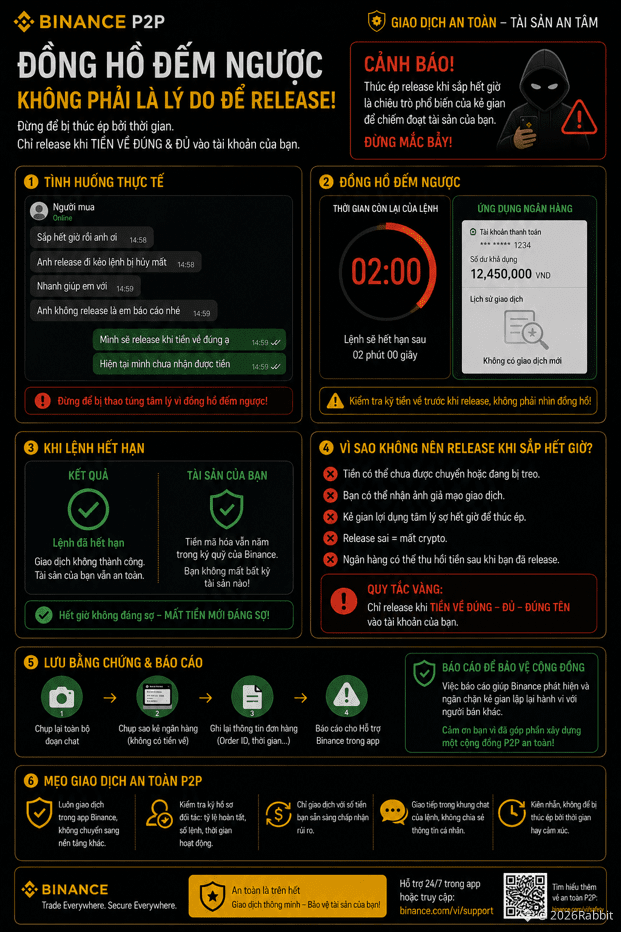
残り2分の指示(注文)を示すカウントダウンが動く中、買い手は「もうすぐ時間切れだ。急いでリリースして、指示がキャンセルされると困る」とメッセージを送り続けてきました。私は時計を見て、それから銀行アプリを見ましたが、まだ入金は確認できません。
P2Pの指示で一番怖いのは時間切れだと思っていましたが、実際は時間切れになると単に指示が自動で無効(自動キャンセル)になるだけで、私の資金は証拠金(エスクロー)としてそのまま残り、どこかへ消えてしまうわけではありません。もっと怖いのは、入金がまだないのにリリースしてしまうことです。
私は時計が動くまま続け、カウントダウンで急かされてもリリースしませんでした。指示は期限切れになり、システムが自動で無効化し、私の考えどおり、その間ずっと、実際に私の口座へ入ったお金は一度もありませんでした。
その後、チャット全体をスクリーンショットに残し、サポートに報告しました。こうしたカウントダウンでの強いプレッシャーは、記録・対応されない限り、他の売り手に対しても繰り返される可能性が高いからです。
あなたも、指示の残り時間が少ないからという理由で、リリースを急かされたことはありますか?
#binancep2pantoan @Binance Vietnam
残り2分の指示(注文)を示すカウントダウンが動く中、買い手は「もうすぐ時間切れだ。急いでリリースして、指示がキャンセルされると困る」とメッセージを送り続けてきました。私は時計を見て、それから銀行アプリを見ましたが、まだ入金は確認できません。
P2Pの指示で一番怖いのは時間切れだと思っていましたが、実際は時間切れになると単に指示が自動で無効(自動キャンセル)になるだけで、私の資金は証拠金(エスクロー)としてそのまま残り、どこかへ消えてしまうわけではありません。もっと怖いのは、入金がまだないのにリリースしてしまうことです。
私は時計が動くまま続け、カウントダウンで急かされてもリリースしませんでした。指示は期限切れになり、システムが自動で無効化し、私の考えどおり、その間ずっと、実際に私の口座へ入ったお金は一度もありませんでした。
その後、チャット全体をスクリーンショットに残し、サポートに報告しました。こうしたカウントダウンでの強いプレッシャーは、記録・対応されない限り、他の売り手に対しても繰り返される可能性が高いからです。
あなたも、指示の残り時間が少ないからという理由で、リリースを急かされたことはありますか?
残り2分の指示(注文)を示すカウントダウンが動く中、買い手は「もうすぐ時間切れだ。急いでリリースして、指示がキャンセルされると困る」とメッセージを送り続けてきました。私は時計を見て、それから銀行アプリを見ましたが、まだ入金は確認できません。
P2Pの指示で一番怖いのは時間切れだと思っていましたが、実際は時間切れになると単に指示が自動で無効(自動キャンセル)になるだけで、私の資金は証拠金(エスクロー)としてそのまま残り、どこかへ消えてしまうわけではありません。もっと怖いのは、入金がまだないのにリリースしてしまうことです。
私は時計が動くまま続け、カウントダウンで急かされてもリリースしませんでした。指示は期限切れになり、システムが自動で無効化し、私の考えどおり、その間ずっと、実際に私の口座へ入ったお金は一度もありませんでした。
その後、チャット全体をスクリーンショットに残し、サポートに報告しました。こうしたカウントダウンでの強いプレッシャーは、記録・対応されない限り、他の売り手に対しても繰り返される可能性が高いからです。
あなたも、指示の残り時間が少ないからという理由で、リリースを急かされたことはありますか?
90
·
--
#dusk $DUSK @Dusk_Foundation
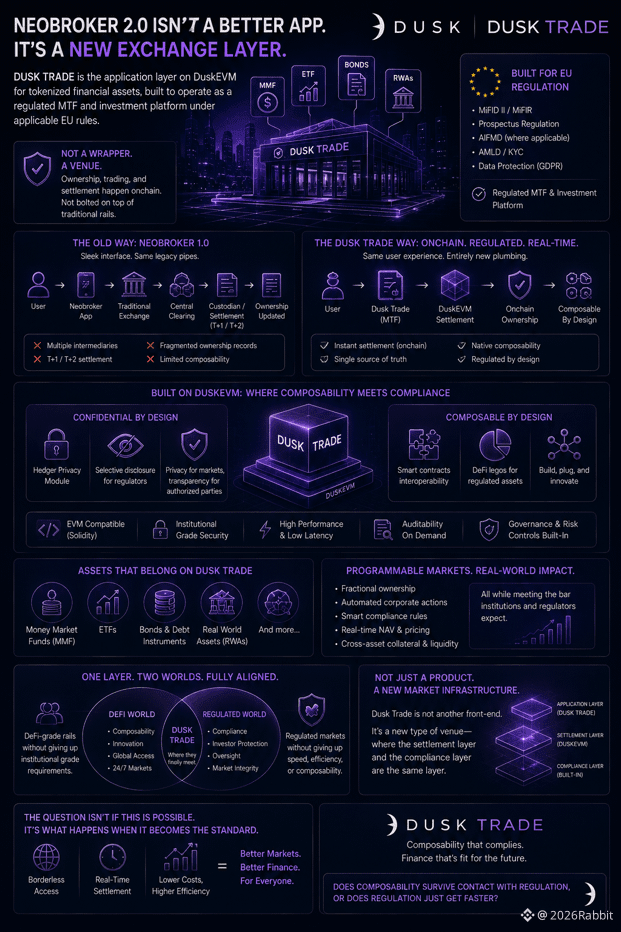
ネオブローカーとは、通常は同じ古い決済パイプの上に“さらに見栄えのする”アプリを重ねることを意味します。Dusk Tradeは、その層そのものを完全にスキップしようとしています。
これは、トークン化された金融資産——マネーマーケットファンド、ETF、債券、RWA——向けのDuskEVM上に構築されたアプリケーション層であり、EUの適用ルールのもとで規制されたMTF(マルチラテラル取引施設)および投資プラットフォームとして運用されるよう設計されています。従来のブローカリングのレールの上に乗っかる単なるラッパーではなく、決済と保有がそのチェーン上で行われる場です。
紙の上では奇妙な組み合わせです。即時決済とDeFiレベルの合成可能性は、通常は許可不要の世界にあります。規制されたMTFというステータスは、書類とカストディアン(保管機関)の世界にあります。Dusk Tradeは、その両方を同じテーブルに着かせようとしているのです。
新しい取引アプリというより、取引所の下に新しいフロアを作るようなものです。そこでは、決済層とコンプライアンス層が“2つの別システムを後から同期させる”のではなく、同じ層として機能します。
合成可能性は規制と接したときも生き残るのでしょうか。それとも規制が単にもっと速くなるだけなのでしょうか?
#dusk $DUSK @Dusk
ネオブローカーとは、通常は同じ古い決済パイプの上に“さらに見栄えのする”アプリを重ねることを意味します。Dusk Tradeは、その層そのものを完全にスキップしようとしています。
これは、トークン化された金融資産——マネーマーケットファンド、ETF、債券、RWA——向けのDuskEVM上に構築されたアプリケーション層であり、EUの適用ルールのもとで規制されたMTF(マルチラテラル取引施設)および投資プラットフォームとして運用されるよう設計されています。従来のブローカリングのレールの上に乗っかる単なるラッパーではなく、決済と保有がそのチェーン上で行われる場です。
紙の上では奇妙な組み合わせです。即時決済とDeFiレベルの合成可能性は、通常は許可不要の世界にあります。規制されたMTFというステータスは、書類とカストディアン(保管機関)の世界にあります。Dusk Tradeは、その両方を同じテーブルに着かせようとしているのです。
新しい取引アプリというより、取引所の下に新しいフロアを作るようなものです。そこでは、決済層とコンプライアンス層が“2つの別システムを後から同期させる”のではなく、同じ層として機能します。
合成可能性は規制と接したときも生き残るのでしょうか。それとも規制が単にもっと速くなるだけなのでしょうか?
ネオブローカーとは、通常は同じ古い決済パイプの上に“さらに見栄えのする”アプリを重ねることを意味します。Dusk Tradeは、その層そのものを完全にスキップしようとしています。
これは、トークン化された金融資産——マネーマーケットファンド、ETF、債券、RWA——向けのDuskEVM上に構築されたアプリケーション層であり、EUの適用ルールのもとで規制されたMTF(マルチラテラル取引施設)および投資プラットフォームとして運用されるよう設計されています。従来のブローカリングのレールの上に乗っかる単なるラッパーではなく、決済と保有がそのチェーン上で行われる場です。
紙の上では奇妙な組み合わせです。即時決済とDeFiレベルの合成可能性は、通常は許可不要の世界にあります。規制されたMTFというステータスは、書類とカストディアン(保管機関)の世界にあります。Dusk Tradeは、その両方を同じテーブルに着かせようとしているのです。
新しい取引アプリというより、取引所の下に新しいフロアを作るようなものです。そこでは、決済層とコンプライアンス層が“2つの別システムを後から同期させる”のではなく、同じ層として機能します。
合成可能性は規制と接したときも生き残るのでしょうか。それとも規制が単にもっと速くなるだけなのでしょうか?
70
·
--
#binancep2pantoan @Binance_Vietnam
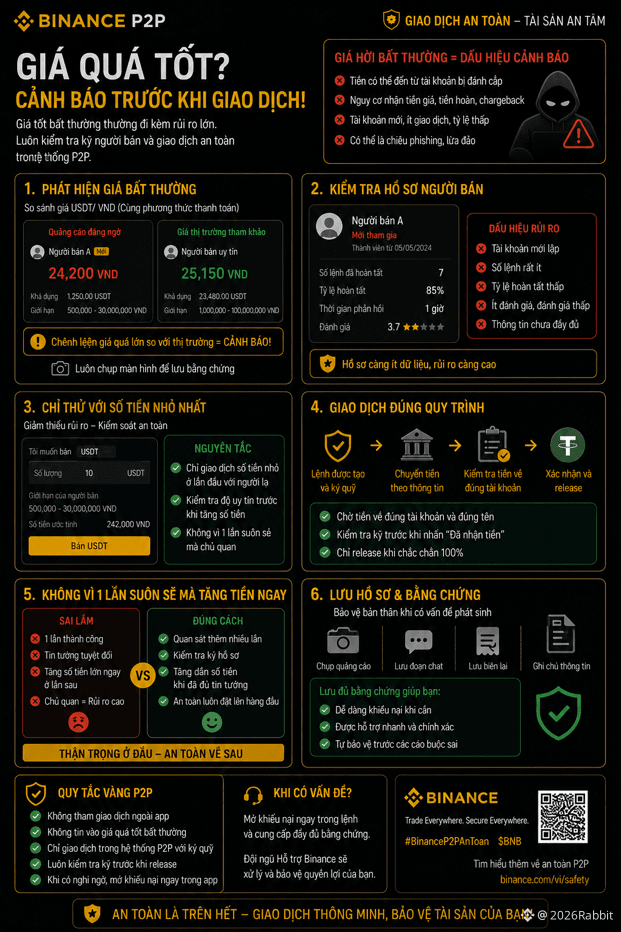
私は、相場よりかなり安いUSDTを売る広告を見たことがあります。あまりに安すぎて、比較するためにスクリーンショットまで撮らないといけないほどで、自分が数字を読み間違えたのではないかと思いました。普段ならすぐに無視しますが、そのときは売り手が誰なのか気になって調べてみました。
不自然にお得な価格それ自体が、すでに警告サインです。市場より安く売る人に、理由がないはずはありません。プロフィールを開くと、作られたばかりのアカウントで、完了率はデータ不足、実行した注文数も指先で数えられる程度でした。私は完全には避けませんでしたが、試すなら許容される最小額でだけ試すことにしました。
小さな注文を出して、証拠金の署名手順どおりに待ち、送金し、release前に入金を丁寧に確認しました。すべては問題なく進みましたが、たった一度うまくいったからといって、同じ相手との次の取引で即座に金額を増やすことはしませんでした。
お得な価格は、信頼できるプロフィールが伴って初めて信用できます。そうでないなら、受け入れられる最小のリスク水準で試すのが一番です。
P2Pで「良すぎる価格」を疑ったことはありますか?
#binancep2pantoan @Binance Vietnam
私は、相場よりかなり安いUSDTを売る広告を見たことがあります。あまりに安すぎて、比較するためにスクリーンショットまで撮らないといけないほどで、自分が数字を読み間違えたのではないかと思いました。普段ならすぐに無視しますが、そのときは売り手が誰なのか気になって調べてみました。
不自然にお得な価格それ自体が、すでに警告サインです。市場より安く売る人に、理由がないはずはありません。プロフィールを開くと、作られたばかりのアカウントで、完了率はデータ不足、実行した注文数も指先で数えられる程度でした。私は完全には避けませんでしたが、試すなら許容される最小額でだけ試すことにしました。
小さな注文を出して、証拠金の署名手順どおりに待ち、送金し、release前に入金を丁寧に確認しました。すべては問題なく進みましたが、たった一度うまくいったからといって、同じ相手との次の取引で即座に金額を増やすことはしませんでした。
お得な価格は、信頼できるプロフィールが伴って初めて信用できます。そうでないなら、受け入れられる最小のリスク水準で試すのが一番です。
P2Pで「良すぎる価格」を疑ったことはありますか?
私は、相場よりかなり安いUSDTを売る広告を見たことがあります。あまりに安すぎて、比較するためにスクリーンショットまで撮らないといけないほどで、自分が数字を読み間違えたのではないかと思いました。普段ならすぐに無視しますが、そのときは売り手が誰なのか気になって調べてみました。
不自然にお得な価格それ自体が、すでに警告サインです。市場より安く売る人に、理由がないはずはありません。プロフィールを開くと、作られたばかりのアカウントで、完了率はデータ不足、実行した注文数も指先で数えられる程度でした。私は完全には避けませんでしたが、試すなら許容される最小額でだけ試すことにしました。
小さな注文を出して、証拠金の署名手順どおりに待ち、送金し、release前に入金を丁寧に確認しました。すべては問題なく進みましたが、たった一度うまくいったからといって、同じ相手との次の取引で即座に金額を増やすことはしませんでした。
お得な価格は、信頼できるプロフィールが伴って初めて信用できます。そうでないなら、受け入れられる最小のリスク水準で試すのが一番です。
P2Pで「良すぎる価格」を疑ったことはありますか?
1
97
·
--
#dusk $DUSK @Dusk_Foundation
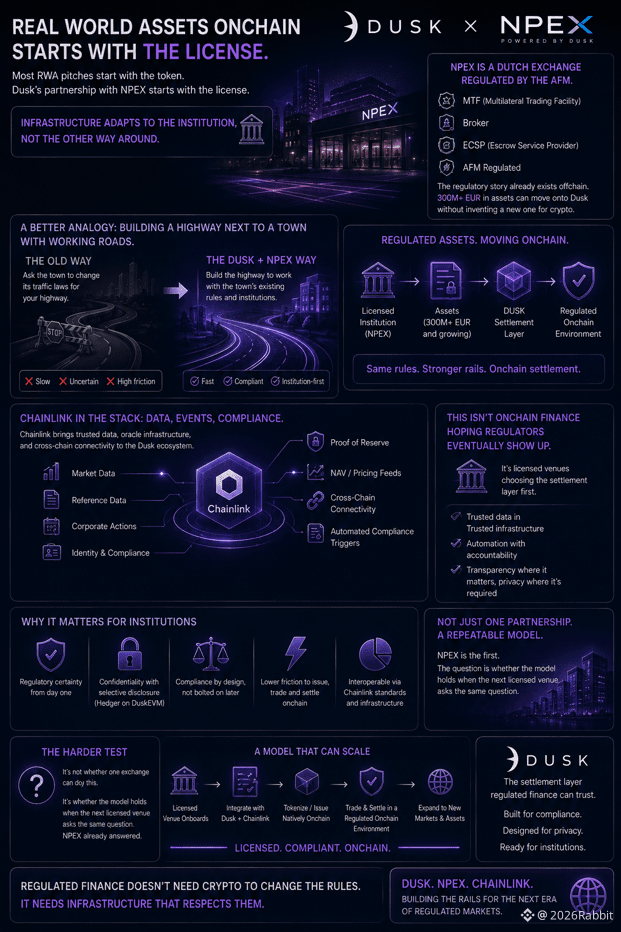
「オンチェーンの実世界資産(real world assets)」の多くの提案は、トークンから始まります。DuskのNPEXとの提携は、ライセンスから始まります。
NPEXは、AFMによって規制されるオランダの取引所であり、MTFとして認可され、ブローカーとしての資格を持ち、ECSPのルールのもとで運用されています。これは単なるマーケティングの要素ではありません。肝心なのはここです。Duskに移っていく資産が300M+ユーロあるなら、暗号のために新しい規制ストーリーを創作する必要はありません。規制ストーリーはすでにオフチェーンに存在しているからです。
これは、すでに機能している道路が町にあるのに、その町にあなたの高速道路のために交通法規を作り直してもらうのではなく、町のそばに高速道路を建設するようなものです。インフラが制度に合わせて適応するのであって、逆ではありません。
スタックにChainlinkを組み込むと、さらに具体的になります。これは、規制当局がいずれ現れてくれることを期待するオンチェーン・ファイナンスではありません。最初に選ばれるのは、決済レイヤーです。つまり、認可された取引の場が、まず決済レイヤーを選んでいるのです。
難しい試験は、1つの取引所がこれをできるかどうかではありません。同じ質問を、NPEXがすでに答えたのと同じ形で、次の認可された取引の場が持ち込んだときに、このモデルが成り立つかどうかです。
#dusk $DUSK @Dusk
「オンチェーンの実世界資産(real world assets)」の多くの提案は、トークンから始まります。DuskのNPEXとの提携は、ライセンスから始まります。
NPEXは、AFMによって規制されるオランダの取引所であり、MTFとして認可され、ブローカーとしての資格を持ち、ECSPのルールのもとで運用されています。これは単なるマーケティングの要素ではありません。肝心なのはここです。Duskに移っていく資産が300M+ユーロあるなら、暗号のために新しい規制ストーリーを創作する必要はありません。規制ストーリーはすでにオフチェーンに存在しているからです。
これは、すでに機能している道路が町にあるのに、その町にあなたの高速道路のために交通法規を作り直してもらうのではなく、町のそばに高速道路を建設するようなものです。インフラが制度に合わせて適応するのであって、逆ではありません。
スタックにChainlinkを組み込むと、さらに具体的になります。これは、規制当局がいずれ現れてくれることを期待するオンチェーン・ファイナンスではありません。最初に選ばれるのは、決済レイヤーです。つまり、認可された取引の場が、まず決済レイヤーを選んでいるのです。
難しい試験は、1つの取引所がこれをできるかどうかではありません。同じ質問を、NPEXがすでに答えたのと同じ形で、次の認可された取引の場が持ち込んだときに、このモデルが成り立つかどうかです。
「オンチェーンの実世界資産(real world assets)」の多くの提案は、トークンから始まります。DuskのNPEXとの提携は、ライセンスから始まります。
NPEXは、AFMによって規制されるオランダの取引所であり、MTFとして認可され、ブローカーとしての資格を持ち、ECSPのルールのもとで運用されています。これは単なるマーケティングの要素ではありません。肝心なのはここです。Duskに移っていく資産が300M+ユーロあるなら、暗号のために新しい規制ストーリーを創作する必要はありません。規制ストーリーはすでにオフチェーンに存在しているからです。
これは、すでに機能している道路が町にあるのに、その町にあなたの高速道路のために交通法規を作り直してもらうのではなく、町のそばに高速道路を建設するようなものです。インフラが制度に合わせて適応するのであって、逆ではありません。
スタックにChainlinkを組み込むと、さらに具体的になります。これは、規制当局がいずれ現れてくれることを期待するオンチェーン・ファイナンスではありません。最初に選ばれるのは、決済レイヤーです。つまり、認可された取引の場が、まず決済レイヤーを選んでいるのです。
難しい試験は、1つの取引所がこれをできるかどうかではありません。同じ質問を、NPEXがすでに答えたのと同じ形で、次の認可された取引の場が持ち込んだときに、このモデルが成り立つかどうかです。
2
1
58
·
--
#binancep2pantoan @Binance_Vietnam
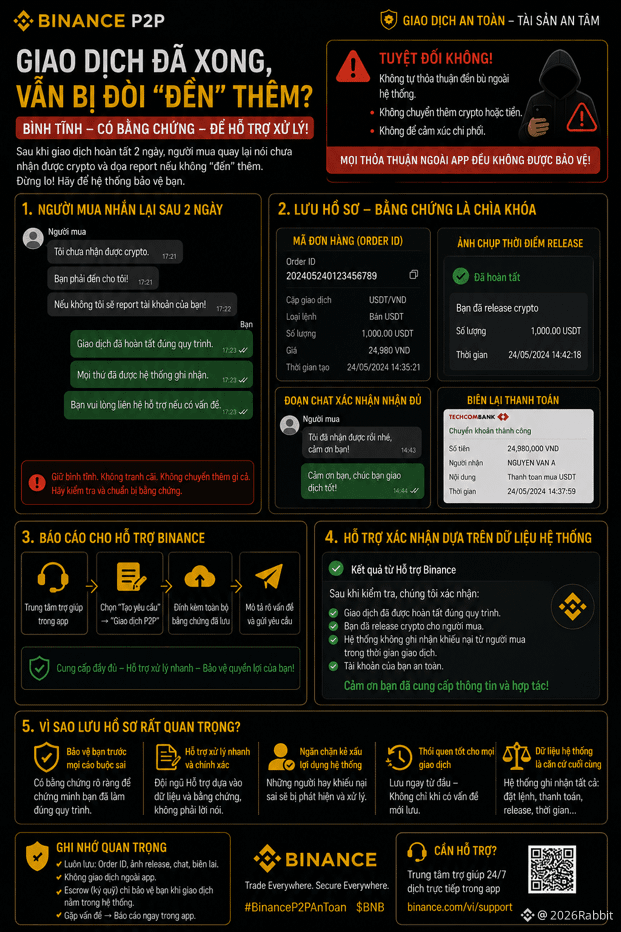
取引はすでに2日も前に完了していたのに、購入者から突然「暗号資産を受け取っていない」とメッセージが来て、さらに「追加でもう一度補償しないとアカウントを通報する」と脅してきました。読んでいておかしいと思ったのですが、それでも冷静に対応しなければなりませんでした。
そのときようやく、最初からきちんと記録を残すことの本当の価値を実感しました。私は注文番号を持っていましたし、リリース時点のスクリーンショットもあり、購入者が「受け取りは十分だ」と確認したチャットの文面もあります。記憶をたどって説明するのではなく、具体的な証拠があるのです。
一人でこっそり補償を取り決めて丸く収めたりはしませんでした。そうしてしまうと、実際はそうではないのに、自分が間違っていたことを認める結果になりかねないからです。私はこの状況をそのままBinanceのサポートに報告し、保存していた証拠をすべて添付して、彼らに取引履歴(入金履歴)を照合してもらいました。
サポートは、両者間のやり取りではなく、システムデータに基づいて手順どおりに指示が完了していることを確認してくれました。そこから、記録を残すのは自分がだまされたときのためだけではなく、誤った非難に対して自分を守るためでもあるのだと理解しました。
取引が完了した後に、「補償してほしい」と要求された経験はありますか?
#binancep2pantoan @Binance Vietnam
取引はすでに2日も前に完了していたのに、購入者から突然「暗号資産を受け取っていない」とメッセージが来て、さらに「追加でもう一度補償しないとアカウントを通報する」と脅してきました。読んでいておかしいと思ったのですが、それでも冷静に対応しなければなりませんでした。
そのときようやく、最初からきちんと記録を残すことの本当の価値を実感しました。私は注文番号を持っていましたし、リリース時点のスクリーンショットもあり、購入者が「受け取りは十分だ」と確認したチャットの文面もあります。記憶をたどって説明するのではなく、具体的な証拠があるのです。
一人でこっそり補償を取り決めて丸く収めたりはしませんでした。そうしてしまうと、実際はそうではないのに、自分が間違っていたことを認める結果になりかねないからです。私はこの状況をそのままBinanceのサポートに報告し、保存していた証拠をすべて添付して、彼らに取引履歴(入金履歴)を照合してもらいました。
サポートは、両者間のやり取りではなく、システムデータに基づいて手順どおりに指示が完了していることを確認してくれました。そこから、記録を残すのは自分がだまされたときのためだけではなく、誤った非難に対して自分を守るためでもあるのだと理解しました。
取引が完了した後に、「補償してほしい」と要求された経験はありますか?
取引はすでに2日も前に完了していたのに、購入者から突然「暗号資産を受け取っていない」とメッセージが来て、さらに「追加でもう一度補償しないとアカウントを通報する」と脅してきました。読んでいておかしいと思ったのですが、それでも冷静に対応しなければなりませんでした。
そのときようやく、最初からきちんと記録を残すことの本当の価値を実感しました。私は注文番号を持っていましたし、リリース時点のスクリーンショットもあり、購入者が「受け取りは十分だ」と確認したチャットの文面もあります。記憶をたどって説明するのではなく、具体的な証拠があるのです。
一人でこっそり補償を取り決めて丸く収めたりはしませんでした。そうしてしまうと、実際はそうではないのに、自分が間違っていたことを認める結果になりかねないからです。私はこの状況をそのままBinanceのサポートに報告し、保存していた証拠をすべて添付して、彼らに取引履歴(入金履歴)を照合してもらいました。
サポートは、両者間のやり取りではなく、システムデータに基づいて手順どおりに指示が完了していることを確認してくれました。そこから、記録を残すのは自分がだまされたときのためだけではなく、誤った非難に対して自分を守るためでもあるのだと理解しました。
取引が完了した後に、「補償してほしい」と要求された経験はありますか?
81
·
--
#dusk $DUSK @Dusk_Foundation
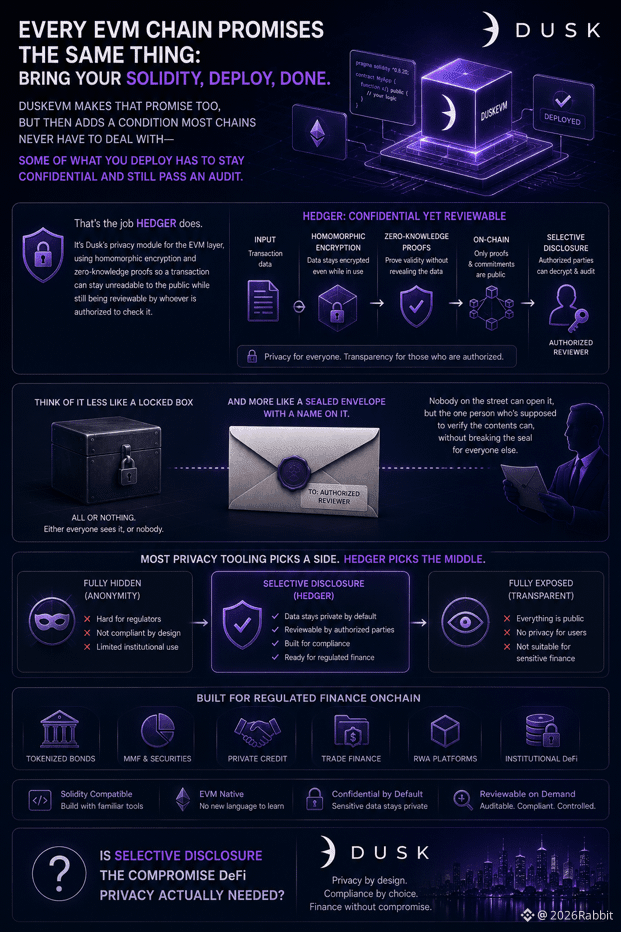
すべてのEVMチェーンは同じことを約束します。Solidityを用意して、デプロイすれば完了。DuskEVMもその約束をしますが、ほとんどのチェーンでは対処する必要のない条件を追加します——デプロイしたものの一部は機密のままにしておき、なおかつ監査にも通らなければならないのです。
その役割を担うのがHedgerです。これはEVMレイヤー向けのDuskのプライバシーモジュールで、ホモモルフィック暗号とゼロ知識証明を用いることで、公開される前に取引が読めない状態を保ちながら、承認された人が検証できるようにします。
それは鍵のかかった箱というより、宛名の書かれた封書のようなものだと考えてください。通りすがりの誰も開けませんが、内容を確認することになっている本人は、ほかの全員に対して封を破ることなく開封できます。
多くのプライバシーツールはどちらか一方を選びがちです。完全に隠すか、完全に公開するか。Hedgerは、機関投資家にはその中間が必要だと賭けています。そして、その「中間」に相当するものが、規制のある金融分野においてはEVMチェーンではまさに欠けていました。
選択的開示こそが、DeFiに本当に必要とされるプライバシーなのではないでしょうか?
#dusk $DUSK @Dusk
すべてのEVMチェーンは同じことを約束します。Solidityを用意して、デプロイすれば完了。DuskEVMもその約束をしますが、ほとんどのチェーンでは対処する必要のない条件を追加します——デプロイしたものの一部は機密のままにしておき、なおかつ監査にも通らなければならないのです。
その役割を担うのがHedgerです。これはEVMレイヤー向けのDuskのプライバシーモジュールで、ホモモルフィック暗号とゼロ知識証明を用いることで、公開される前に取引が読めない状態を保ちながら、承認された人が検証できるようにします。
それは鍵のかかった箱というより、宛名の書かれた封書のようなものだと考えてください。通りすがりの誰も開けませんが、内容を確認することになっている本人は、ほかの全員に対して封を破ることなく開封できます。
多くのプライバシーツールはどちらか一方を選びがちです。完全に隠すか、完全に公開するか。Hedgerは、機関投資家にはその中間が必要だと賭けています。そして、その「中間」に相当するものが、規制のある金融分野においてはEVMチェーンではまさに欠けていました。
選択的開示こそが、DeFiに本当に必要とされるプライバシーなのではないでしょうか?
すべてのEVMチェーンは同じことを約束します。Solidityを用意して、デプロイすれば完了。DuskEVMもその約束をしますが、ほとんどのチェーンでは対処する必要のない条件を追加します——デプロイしたものの一部は機密のままにしておき、なおかつ監査にも通らなければならないのです。
その役割を担うのがHedgerです。これはEVMレイヤー向けのDuskのプライバシーモジュールで、ホモモルフィック暗号とゼロ知識証明を用いることで、公開される前に取引が読めない状態を保ちながら、承認された人が検証できるようにします。
それは鍵のかかった箱というより、宛名の書かれた封書のようなものだと考えてください。通りすがりの誰も開けませんが、内容を確認することになっている本人は、ほかの全員に対して封を破ることなく開封できます。
多くのプライバシーツールはどちらか一方を選びがちです。完全に隠すか、完全に公開するか。Hedgerは、機関投資家にはその中間が必要だと賭けています。そして、その「中間」に相当するものが、規制のある金融分野においてはEVMチェーンではまさに欠けていました。
選択的開示こそが、DeFiに本当に必要とされるプライバシーなのではないでしょうか?
2
1
37
·
--
翻訳参照
#dusk $DUSK @Dusk_Foundation
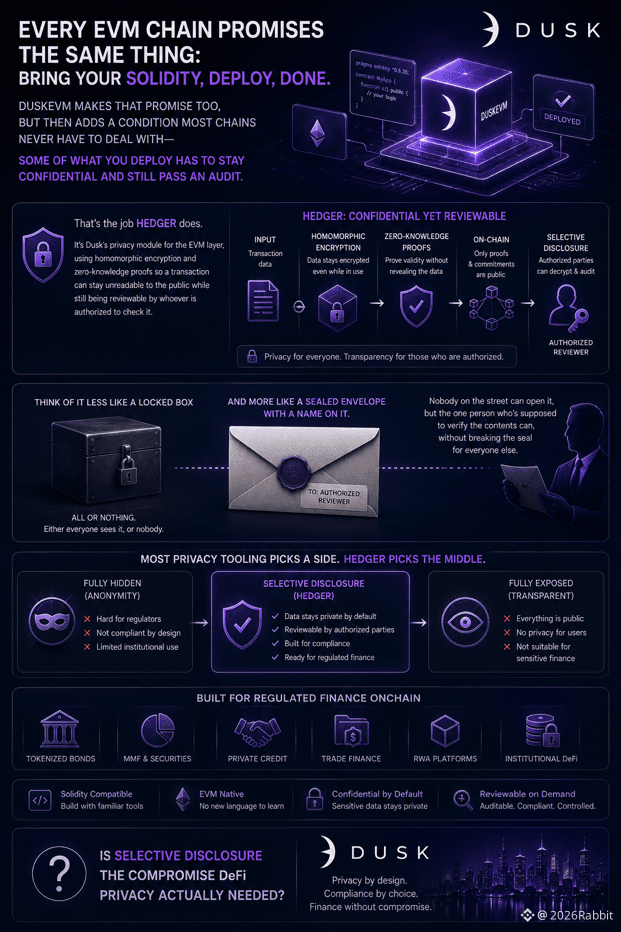
Every EVM chain promises the same thing: bring your Solidity, deploy, done. DuskEVM makes that promise too, but then adds a condition most chains never have to deal with — some of what you deploy has to stay confidential and still pass an audit.
That's the job Hedger does. It's Dusk's privacy module for the EVM layer, using homomorphic encryption and zero-knowledge proofs so a transaction can stay unreadable to the public while still being reviewable by whoever is authorized to check it.
Think of it less like a locked box and more like a sealed envelope with a name on it. Nobody on the street can open it, but the one person who's supposed to verify the contents can, without breaking the seal for everyone else.
Most privacy tooling picks a side: either fully hidden or fully exposed. Hedger is betting institutions need something in between, and that "in between" is exactly what regulated finance has been missing on EVM chains.
Is selective disclosure the compromise DeFi privacy actually needed?
#dusk $DUSK @Dusk
Every EVM chain promises the same thing: bring your Solidity, deploy, done. DuskEVM makes that promise too, but then adds a condition most chains never have to deal with — some of what you deploy has to stay confidential and still pass an audit.
That's the job Hedger does. It's Dusk's privacy module for the EVM layer, using homomorphic encryption and zero-knowledge proofs so a transaction can stay unreadable to the public while still being reviewable by whoever is authorized to check it.
Think of it less like a locked box and more like a sealed envelope with a name on it. Nobody on the street can open it, but the one person who's supposed to verify the contents can, without breaking the seal for everyone else.
Most privacy tooling picks a side: either fully hidden or fully exposed. Hedger is betting institutions need something in between, and that "in between" is exactly what regulated finance has been missing on EVM chains.
Is selective disclosure the compromise DeFi privacy actually needed?
Every EVM chain promises the same thing: bring your Solidity, deploy, done. DuskEVM makes that promise too, but then adds a condition most chains never have to deal with — some of what you deploy has to stay confidential and still pass an audit.
That's the job Hedger does. It's Dusk's privacy module for the EVM layer, using homomorphic encryption and zero-knowledge proofs so a transaction can stay unreadable to the public while still being reviewable by whoever is authorized to check it.
Think of it less like a locked box and more like a sealed envelope with a name on it. Nobody on the street can open it, but the one person who's supposed to verify the contents can, without breaking the seal for everyone else.
Most privacy tooling picks a side: either fully hidden or fully exposed. Hedger is betting institutions need something in between, and that "in between" is exactly what regulated finance has been missing on EVM chains.
Is selective disclosure the compromise DeFi privacy actually needed?
57
·
--
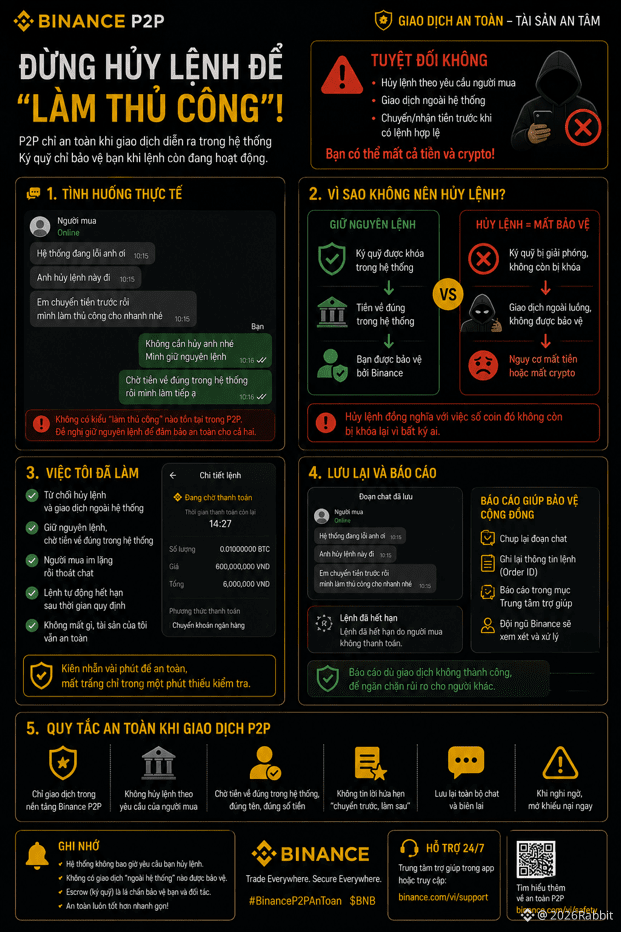
#binancep2pantoan @Binance_Vietnam
通常どおり取引が進んでいたとき、買い手が私に「システムがエラーだ。こっちの注文はキャンセルして、先に送金しておくから、手作業で早く進めよう」とメッセージしてきました。私はその文を3回読み返しました。
P2Pには「手作業でやる」なんてものは存在しません。担保(エスクロー)は注文がシステム内にある間だけ機能します。注文をキャンセルすれば、そのコインは誰にとってもロックされない状態になります。私がキャンセルして、システム外でお金を受け取ったとしたら、私が唯一持っている保護を自分の手で捨てることになります。
私はキャンセルを拒否し、古い注文はそのままにして、システムの中で正しく入金されるのを待つよう提案しました。買い手はしばらく黙り、その後チャットから抜けました。その後、注文は自動的に期限切れになります。何も失いませんでしたが、この手口は売り手の「早く・手早く済ませたい」という心理を狙っているのだと理解しました。
取引は成立しませんでしたが、その会話のスクリーンショットを撮ってサポートに報告しました。もしかすると、そのアカウントが別の誰かにも同じ手口を繰り返すかもしれないからです。
あなたも、こんなふうに「手作業にするために」注文をキャンセルさせられたことはありますか?
#binancep2pantoan @Binance Vietnam
通常どおり取引が進んでいたとき、買い手が私に「システムがエラーだ。こっちの注文はキャンセルして、先に送金しておくから、手作業で早く進めよう」とメッセージしてきました。私はその文を3回読み返しました。
P2Pには「手作業でやる」なんてものは存在しません。担保(エスクロー)は注文がシステム内にある間だけ機能します。注文をキャンセルすれば、そのコインは誰にとってもロックされない状態になります。私がキャンセルして、システム外でお金を受け取ったとしたら、私が唯一持っている保護を自分の手で捨てることになります。
私はキャンセルを拒否し、古い注文はそのままにして、システムの中で正しく入金されるのを待つよう提案しました。買い手はしばらく黙り、その後チャットから抜けました。その後、注文は自動的に期限切れになります。何も失いませんでしたが、この手口は売り手の「早く・手早く済ませたい」という心理を狙っているのだと理解しました。
取引は成立しませんでしたが、その会話のスクリーンショットを撮ってサポートに報告しました。もしかすると、そのアカウントが別の誰かにも同じ手口を繰り返すかもしれないからです。
あなたも、こんなふうに「手作業にするために」注文をキャンセルさせられたことはありますか?
通常どおり取引が進んでいたとき、買い手が私に「システムがエラーだ。こっちの注文はキャンセルして、先に送金しておくから、手作業で早く進めよう」とメッセージしてきました。私はその文を3回読み返しました。
P2Pには「手作業でやる」なんてものは存在しません。担保(エスクロー)は注文がシステム内にある間だけ機能します。注文をキャンセルすれば、そのコインは誰にとってもロックされない状態になります。私がキャンセルして、システム外でお金を受け取ったとしたら、私が唯一持っている保護を自分の手で捨てることになります。
私はキャンセルを拒否し、古い注文はそのままにして、システムの中で正しく入金されるのを待つよう提案しました。買い手はしばらく黙り、その後チャットから抜けました。その後、注文は自動的に期限切れになります。何も失いませんでしたが、この手口は売り手の「早く・手早く済ませたい」という心理を狙っているのだと理解しました。
取引は成立しませんでしたが、その会話のスクリーンショットを撮ってサポートに報告しました。もしかすると、そのアカウントが別の誰かにも同じ手口を繰り返すかもしれないからです。
あなたも、こんなふうに「手作業にするために」注文をキャンセルさせられたことはありますか?
102
·
--
翻訳参照
#dusk $DUSK @Dusk_Foundation
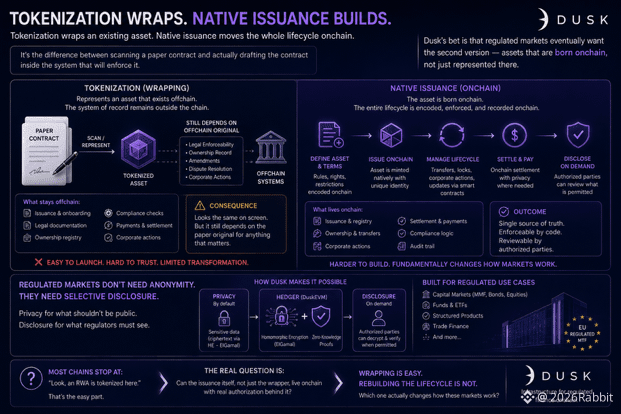
I kept staring at one line in Dusk's docs longer than I expected: tokenization wraps an existing asset, native issuance moves the whole lifecycle onchain. Small distinction, big consequence.
It's the difference between scanning a paper contract and actually drafting the contract inside the system that will enforce it. The scanned version looks the same on screen. But it still depends on the paper original for anything that matters.
Dusk's bet is that regulated markets eventually want the second version — assets that are born onchain, not just represented there. That requires more than a token standard. It requires privacy for the parts that shouldn't be public, and disclosure for the parts regulators need to see.
Most chains skip straight to "look, an RWA is tokenized here" and stop. The harder question is whether the issuance itself, not just the wrapper, can live onchain with real authorization behind it.
Wrapping is easy. Rebuilding the lifecycle is not. Which one actually changes how these markets work?
#dusk $DUSK @Dusk
I kept staring at one line in Dusk's docs longer than I expected: tokenization wraps an existing asset, native issuance moves the whole lifecycle onchain. Small distinction, big consequence.
It's the difference between scanning a paper contract and actually drafting the contract inside the system that will enforce it. The scanned version looks the same on screen. But it still depends on the paper original for anything that matters.
Dusk's bet is that regulated markets eventually want the second version — assets that are born onchain, not just represented there. That requires more than a token standard. It requires privacy for the parts that shouldn't be public, and disclosure for the parts regulators need to see.
Most chains skip straight to "look, an RWA is tokenized here" and stop. The harder question is whether the issuance itself, not just the wrapper, can live onchain with real authorization behind it.
Wrapping is easy. Rebuilding the lifecycle is not. Which one actually changes how these markets work?
I kept staring at one line in Dusk's docs longer than I expected: tokenization wraps an existing asset, native issuance moves the whole lifecycle onchain. Small distinction, big consequence.
It's the difference between scanning a paper contract and actually drafting the contract inside the system that will enforce it. The scanned version looks the same on screen. But it still depends on the paper original for anything that matters.
Dusk's bet is that regulated markets eventually want the second version — assets that are born onchain, not just represented there. That requires more than a token standard. It requires privacy for the parts that shouldn't be public, and disclosure for the parts regulators need to see.
Most chains skip straight to "look, an RWA is tokenized here" and stop. The harder question is whether the issuance itself, not just the wrapper, can live onchain with real authorization behind it.
Wrapping is easy. Rebuilding the lifecycle is not. Which one actually changes how these markets work?
2
62
·
--
#binancep2pantoan @Binance_Vietnam
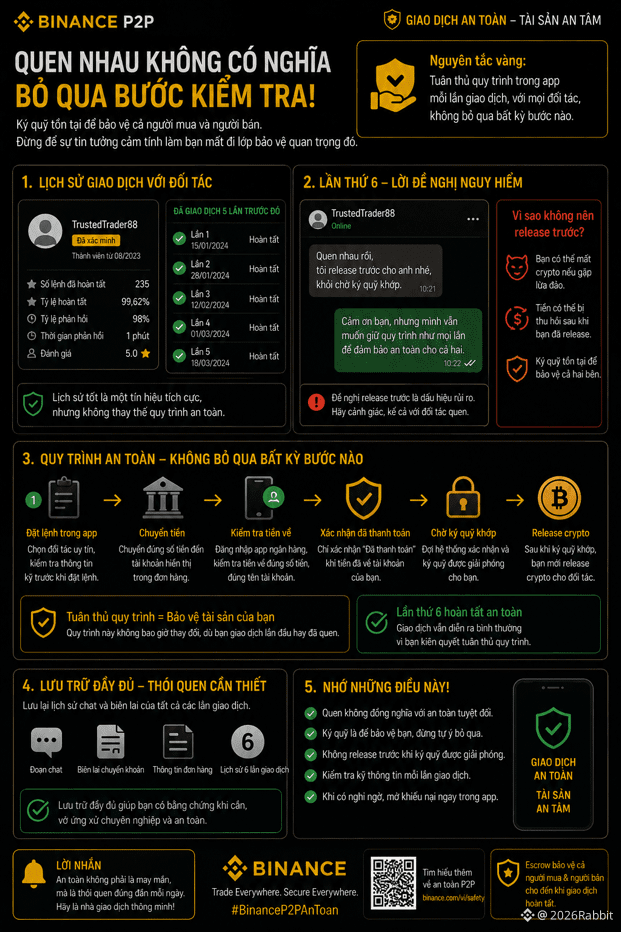
私は同じ相手と5回取引したことがありますが、毎回すべて順調で、入金はきちんと合っていて、返信も迅速でした。6回目になると、その人が「知り合い同士だからね、先にリリースするよ。マージンが一致するのを待たなくていいよ」とメッセージしてきました。
私は、前の5回に怪しい点が何もなかったので、ほぼ反射的に同意しそうになりました。ですが、途中で踏みとどまりました。なぜなら、マージンが存在するのは、誰もが感覚だけを頼りに互いを信じなくて済むためだからです。顔なじみであっても、相手側とこちら側の保護システムの仕組みは変わりません。
私は今までと同じ手順のまま、アプリで注文が約定するのを待ち、入金が正しい名前になっていることを確認してからリリースしました。その人はそれ以上は何も反対せず、取引は問題なく通常どおり完了しましたが、「知り合いだから」と「確認ステップを省く」ことこそがいちばん危険だ、と気づきました。
私はこの人を疑っているわけではありませんが、6回分すべてのチャット履歴と領収書(レシート)を保存しています。特定の誰かのためではなく、すべての取引に適用する習慣だからです。
あなたも、顔なじみの人と取引したことがあるからという理由で、確認ステップを省いたことはありますか?
#binancep2pantoan @Binance Vietnam
私は同じ相手と5回取引したことがありますが、毎回すべて順調で、入金はきちんと合っていて、返信も迅速でした。6回目になると、その人が「知り合い同士だからね、先にリリースするよ。マージンが一致するのを待たなくていいよ」とメッセージしてきました。
私は、前の5回に怪しい点が何もなかったので、ほぼ反射的に同意しそうになりました。ですが、途中で踏みとどまりました。なぜなら、マージンが存在するのは、誰もが感覚だけを頼りに互いを信じなくて済むためだからです。顔なじみであっても、相手側とこちら側の保護システムの仕組みは変わりません。
私は今までと同じ手順のまま、アプリで注文が約定するのを待ち、入金が正しい名前になっていることを確認してからリリースしました。その人はそれ以上は何も反対せず、取引は問題なく通常どおり完了しましたが、「知り合いだから」と「確認ステップを省く」ことこそがいちばん危険だ、と気づきました。
私はこの人を疑っているわけではありませんが、6回分すべてのチャット履歴と領収書(レシート)を保存しています。特定の誰かのためではなく、すべての取引に適用する習慣だからです。
あなたも、顔なじみの人と取引したことがあるからという理由で、確認ステップを省いたことはありますか?
私は同じ相手と5回取引したことがありますが、毎回すべて順調で、入金はきちんと合っていて、返信も迅速でした。6回目になると、その人が「知り合い同士だからね、先にリリースするよ。マージンが一致するのを待たなくていいよ」とメッセージしてきました。
私は、前の5回に怪しい点が何もなかったので、ほぼ反射的に同意しそうになりました。ですが、途中で踏みとどまりました。なぜなら、マージンが存在するのは、誰もが感覚だけを頼りに互いを信じなくて済むためだからです。顔なじみであっても、相手側とこちら側の保護システムの仕組みは変わりません。
私は今までと同じ手順のまま、アプリで注文が約定するのを待ち、入金が正しい名前になっていることを確認してからリリースしました。その人はそれ以上は何も反対せず、取引は問題なく通常どおり完了しましたが、「知り合いだから」と「確認ステップを省く」ことこそがいちばん危険だ、と気づきました。
私はこの人を疑っているわけではありませんが、6回分すべてのチャット履歴と領収書(レシート)を保存しています。特定の誰かのためではなく、すべての取引に適用する習慣だからです。
あなたも、顔なじみの人と取引したことがあるからという理由で、確認ステップを省いたことはありますか?
86
·
--
#binancep2pantoan @Binance_Vietnam
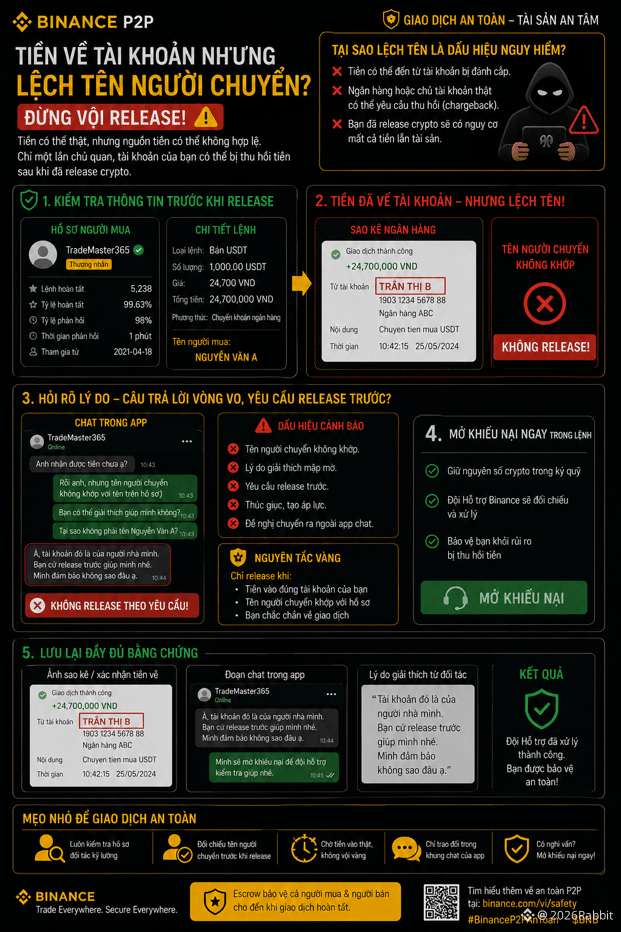
以前私が売るとき、銀行アプリに入金の通知が本当に出たので、偽の画像ではありませんでした。しかし、送金者名が購入者の書類に記載されている名前と一致していませんでした。私は「リリース」をすぐ押さず、一瞬止まって考えました。
それまでは、入金さえあればそれで十分だと思っていました。今回はじめて、明細書に載っている名前がまったく別の名前で、親族の名前や会社名など、きちんと説明できるものではないことに気づきました。これはまさに警告サインです。お金は盗まれた口座から来ていて、私が暗号資産をリリースした後に銀行が返金(取り戻し)できる可能性があるからです。
私は送金名のズレについて正面から理由を聞きましたが、購入者ははぐらかし、「先にリリースして」と言い、「その口座は“家族のもの”だ」と説明しました。それでも私はリリースせず、すぐに紛争(異議申立て)を開いて、サポートチームに照合を手伝ってもらいました。
私は明細書の画像、チャットのやりとり、そして購入者側が提示した理由を記録しておきました。後から振り返ると、さらに数分待ったことで、まるごと損をするような事態を避けられたのだと思います。
あなたは、リリース前に送金者名が取引先の書類と一致しているか確認していますか?
#binancep2pantoan @Binance Vietnam
以前私が売るとき、銀行アプリに入金の通知が本当に出たので、偽の画像ではありませんでした。しかし、送金者名が購入者の書類に記載されている名前と一致していませんでした。私は「リリース」をすぐ押さず、一瞬止まって考えました。
それまでは、入金さえあればそれで十分だと思っていました。今回はじめて、明細書に載っている名前がまったく別の名前で、親族の名前や会社名など、きちんと説明できるものではないことに気づきました。これはまさに警告サインです。お金は盗まれた口座から来ていて、私が暗号資産をリリースした後に銀行が返金(取り戻し)できる可能性があるからです。
私は送金名のズレについて正面から理由を聞きましたが、購入者ははぐらかし、「先にリリースして」と言い、「その口座は“家族のもの”だ」と説明しました。それでも私はリリースせず、すぐに紛争(異議申立て)を開いて、サポートチームに照合を手伝ってもらいました。
私は明細書の画像、チャットのやりとり、そして購入者側が提示した理由を記録しておきました。後から振り返ると、さらに数分待ったことで、まるごと損をするような事態を避けられたのだと思います。
あなたは、リリース前に送金者名が取引先の書類と一致しているか確認していますか?
以前私が売るとき、銀行アプリに入金の通知が本当に出たので、偽の画像ではありませんでした。しかし、送金者名が購入者の書類に記載されている名前と一致していませんでした。私は「リリース」をすぐ押さず、一瞬止まって考えました。
それまでは、入金さえあればそれで十分だと思っていました。今回はじめて、明細書に載っている名前がまったく別の名前で、親族の名前や会社名など、きちんと説明できるものではないことに気づきました。これはまさに警告サインです。お金は盗まれた口座から来ていて、私が暗号資産をリリースした後に銀行が返金(取り戻し)できる可能性があるからです。
私は送金名のズレについて正面から理由を聞きましたが、購入者ははぐらかし、「先にリリースして」と言い、「その口座は“家族のもの”だ」と説明しました。それでも私はリリースせず、すぐに紛争(異議申立て)を開いて、サポートチームに照合を手伝ってもらいました。
私は明細書の画像、チャットのやりとり、そして購入者側が提示した理由を記録しておきました。後から振り返ると、さらに数分待ったことで、まるごと損をするような事態を避けられたのだと思います。
あなたは、リリース前に送金者名が取引先の書類と一致しているか確認していますか?
85
·
--
#binancep2pantoan @Binance_Vietnam
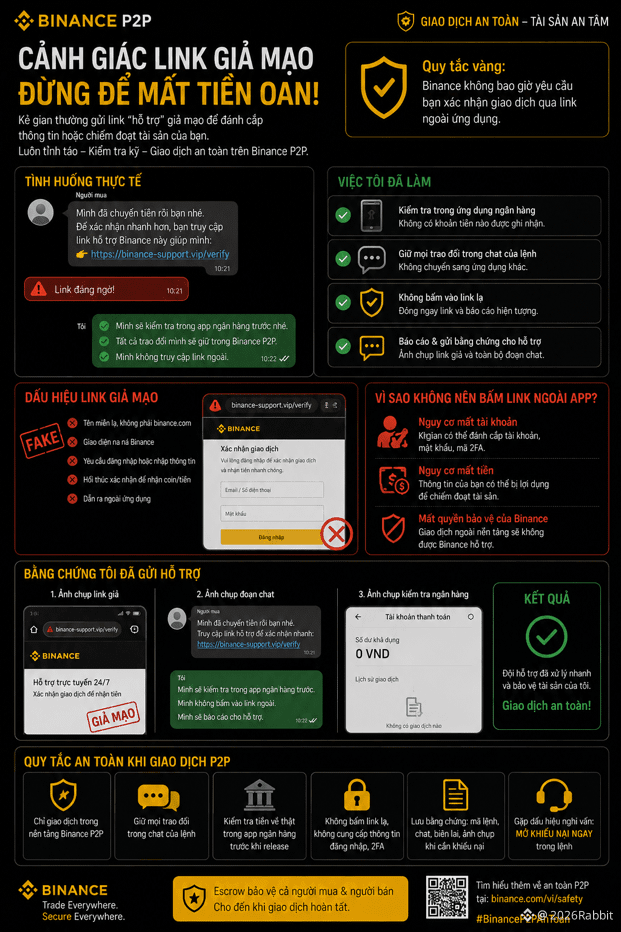
ある取引のとき、購入者がメッセージでリンクを送ってきました。「それは“Binanceのサポートページ”だ。取引確認を早めるためにここを見て」と言ってきたのです。私は、どこかをクリックする前に細かく確認しました。
Binanceは、アプリの外部でリンクを通じて取引確認を求めることは決してありません。私はそれをはっきり覚えています。リンクは閉じて、すぐに自分の銀行アプリで入金が確認できるか直接チェックしました。でも何もありませんでした。購入者は「もう送金済みだ」と強く主張し、かなり本物らしく見えるスクリーンショットまで添付してきたにもかかわらずです。
私は焦らされたからでも、ただの写真があったからでもリリースしませんでした。相手が提案したように、アプリ内チャットから離れて「早く話すために」などということもしません。そうすれば、自分が守られるはずの部分を自分で捨ててしまうことになるからです。
状況を報告した後、私は偽のリンクのスクリーンショットと、チャット全体の記録をサポートチームに送付しました。証拠は十分に揃っていて、思ったよりも早く対応してくれました。
あなたも、そんな怪しい「サポート」リンクを受け取ったことはありますか?
#binancep2pantoan @Binance Vietnam
ある取引のとき、購入者がメッセージでリンクを送ってきました。「それは“Binanceのサポートページ”だ。取引確認を早めるためにここを見て」と言ってきたのです。私は、どこかをクリックする前に細かく確認しました。
Binanceは、アプリの外部でリンクを通じて取引確認を求めることは決してありません。私はそれをはっきり覚えています。リンクは閉じて、すぐに自分の銀行アプリで入金が確認できるか直接チェックしました。でも何もありませんでした。購入者は「もう送金済みだ」と強く主張し、かなり本物らしく見えるスクリーンショットまで添付してきたにもかかわらずです。
私は焦らされたからでも、ただの写真があったからでもリリースしませんでした。相手が提案したように、アプリ内チャットから離れて「早く話すために」などということもしません。そうすれば、自分が守られるはずの部分を自分で捨ててしまうことになるからです。
状況を報告した後、私は偽のリンクのスクリーンショットと、チャット全体の記録をサポートチームに送付しました。証拠は十分に揃っていて、思ったよりも早く対応してくれました。
あなたも、そんな怪しい「サポート」リンクを受け取ったことはありますか?
ある取引のとき、購入者がメッセージでリンクを送ってきました。「それは“Binanceのサポートページ”だ。取引確認を早めるためにここを見て」と言ってきたのです。私は、どこかをクリックする前に細かく確認しました。
Binanceは、アプリの外部でリンクを通じて取引確認を求めることは決してありません。私はそれをはっきり覚えています。リンクは閉じて、すぐに自分の銀行アプリで入金が確認できるか直接チェックしました。でも何もありませんでした。購入者は「もう送金済みだ」と強く主張し、かなり本物らしく見えるスクリーンショットまで添付してきたにもかかわらずです。
私は焦らされたからでも、ただの写真があったからでもリリースしませんでした。相手が提案したように、アプリ内チャットから離れて「早く話すために」などということもしません。そうすれば、自分が守られるはずの部分を自分で捨ててしまうことになるからです。
状況を報告した後、私は偽のリンクのスクリーンショットと、チャット全体の記録をサポートチームに送付しました。証拠は十分に揃っていて、思ったよりも早く対応してくれました。
あなたも、そんな怪しい「サポート」リンクを受け取ったことはありますか?
81
·
--
翻訳参照
#binancep2pantoan @Binance_Vietnam
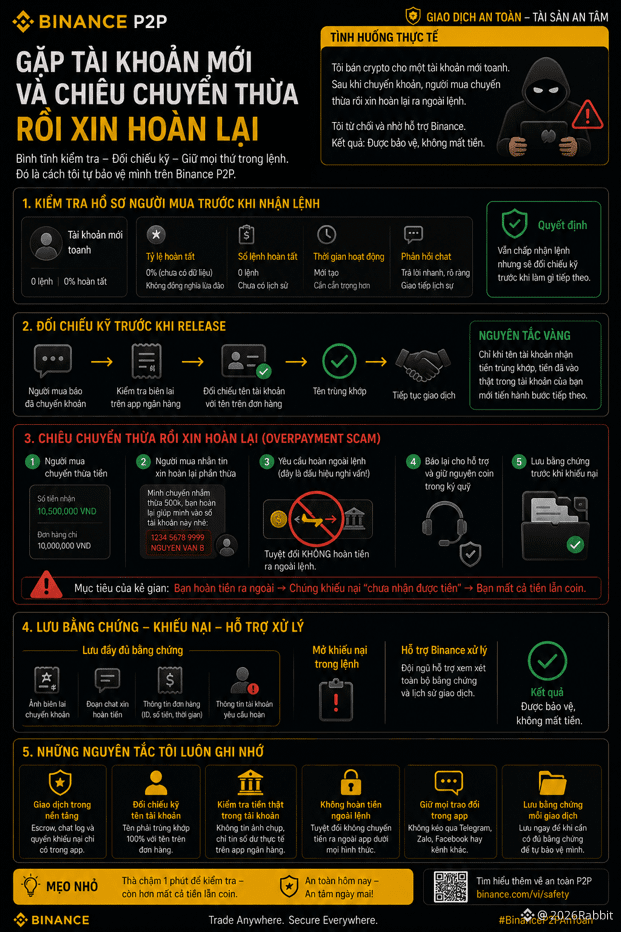
Có lần tôi bán crypto cho một tài khoản mới toanh, chưa có lịch sử giao dịch nào. Bình thường tôi sẽ né, nhưng lần đó tôi thử xem kỹ hồ sơ trước khi từ chối.
Tỷ lệ hoàn tất hiển thị 0%, không có nghĩa là lừa đảo, chỉ có nghĩa là chưa có dữ liệu. Tôi vẫn chấp nhận lệnh, nhưng đối chiếu kỹ tên trên biên lai chuyển khoản với tên hiển thị trên đơn hàng trước khi làm gì tiếp theo. Trùng khớp, tôi mới yên tâm đi tiếp.
Vài phút sau, người đó chuyển thừa một khoản nhỏ rồi nhắn xin hoàn lại vào một số tài khoản khác. Đây chính là kiểu chiêu overpayment tôi từng đọc nhưng chưa gặp thực tế. Tôi không hoàn tiền ra ngoài lệnh, chỉ báo lại cho hỗ trợ và giữ nguyên số coin trong ký quỹ.
Toàn bộ ảnh chụp biên lai, tin nhắn xin hoàn tiền, tôi lưu lại hết trước khi mở khiếu nại. Nhờ vậy đội hỗ trợ xử lý khá nhanh vì mọi bằng chứng đã sẵn sàng.
Bạn đã bao giờ gặp chiêu chuyển thừa rồi xin hoàn lại như vậy chưa?
#binancep2pantoan @Binance Vietnam
Có lần tôi bán crypto cho một tài khoản mới toanh, chưa có lịch sử giao dịch nào. Bình thường tôi sẽ né, nhưng lần đó tôi thử xem kỹ hồ sơ trước khi từ chối.
Tỷ lệ hoàn tất hiển thị 0%, không có nghĩa là lừa đảo, chỉ có nghĩa là chưa có dữ liệu. Tôi vẫn chấp nhận lệnh, nhưng đối chiếu kỹ tên trên biên lai chuyển khoản với tên hiển thị trên đơn hàng trước khi làm gì tiếp theo. Trùng khớp, tôi mới yên tâm đi tiếp.
Vài phút sau, người đó chuyển thừa một khoản nhỏ rồi nhắn xin hoàn lại vào một số tài khoản khác. Đây chính là kiểu chiêu overpayment tôi từng đọc nhưng chưa gặp thực tế. Tôi không hoàn tiền ra ngoài lệnh, chỉ báo lại cho hỗ trợ và giữ nguyên số coin trong ký quỹ.
Toàn bộ ảnh chụp biên lai, tin nhắn xin hoàn tiền, tôi lưu lại hết trước khi mở khiếu nại. Nhờ vậy đội hỗ trợ xử lý khá nhanh vì mọi bằng chứng đã sẵn sàng.
Bạn đã bao giờ gặp chiêu chuyển thừa rồi xin hoàn lại như vậy chưa?
Có lần tôi bán crypto cho một tài khoản mới toanh, chưa có lịch sử giao dịch nào. Bình thường tôi sẽ né, nhưng lần đó tôi thử xem kỹ hồ sơ trước khi từ chối.
Tỷ lệ hoàn tất hiển thị 0%, không có nghĩa là lừa đảo, chỉ có nghĩa là chưa có dữ liệu. Tôi vẫn chấp nhận lệnh, nhưng đối chiếu kỹ tên trên biên lai chuyển khoản với tên hiển thị trên đơn hàng trước khi làm gì tiếp theo. Trùng khớp, tôi mới yên tâm đi tiếp.
Vài phút sau, người đó chuyển thừa một khoản nhỏ rồi nhắn xin hoàn lại vào một số tài khoản khác. Đây chính là kiểu chiêu overpayment tôi từng đọc nhưng chưa gặp thực tế. Tôi không hoàn tiền ra ngoài lệnh, chỉ báo lại cho hỗ trợ và giữ nguyên số coin trong ký quỹ.
Toàn bộ ảnh chụp biên lai, tin nhắn xin hoàn tiền, tôi lưu lại hết trước khi mở khiếu nại. Nhờ vậy đội hỗ trợ xử lý khá nhanh vì mọi bằng chứng đã sẵn sàng.
Bạn đã bao giờ gặp chiêu chuyển thừa rồi xin hoàn lại như vậy chưa?
73
·
--
#binancep2pantoan @Binance_Vietnam
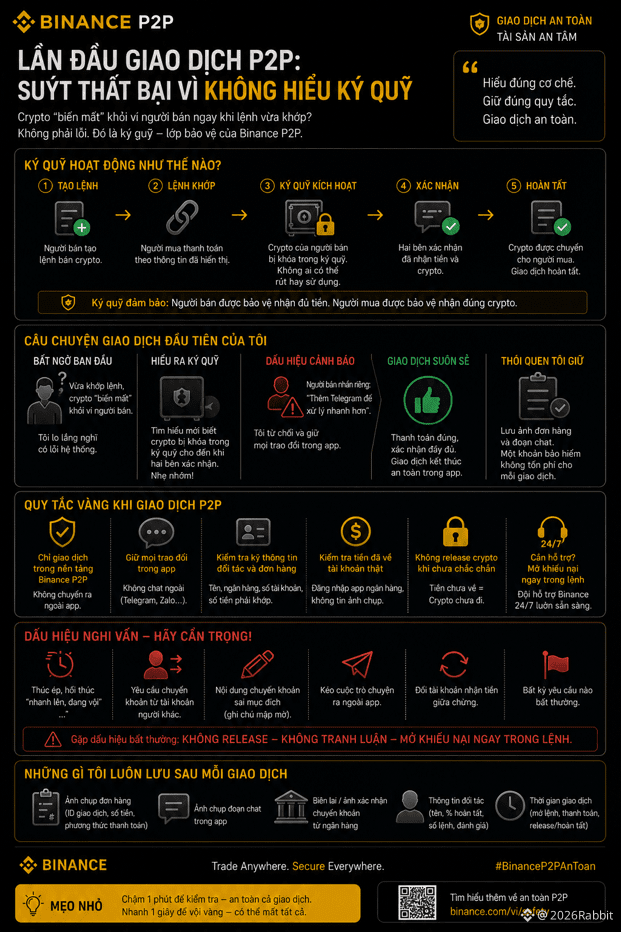
私の最初のP2P取引は、なぜ仮想通貨が売り手のウォレットから命令が約定した直後に「消えたのか」理解できず、危うく失敗しそうになりました。その後、それがシステムの不具合ではなく、マージン(担保)だと分かりました。
そのコインは、双方が確認し終わるまでロックされ、売り手を含め誰も触れられません。その時ようやく安心できました。これまで私はP2Pは“自力で泳ぐ”タイプで、手早い人が勝つんだと思っていました。
数分後、売り手がDMで「早く処理するためにTelegramを追加して」と言ってきました。でも私は断って、やり取りはすべてアプリ内で行いました。あの時私が同意していたら、何かが起きたとしても、サポートチームが後から確認できる材料が残っていなかったかもしれません。
私は注文のスクリーンショットとチャットの内容を保存しました。結果的に取引は無事に進みましたが、その習慣は今でも続けています。支払いボタンを押すたびに追加料金がかからない“保険”だと思っています。
あなたの最初のP2P取引で、似たような状況はありましたか?
#binancep2pantoan @Binance Vietnam
私の最初のP2P取引は、なぜ仮想通貨が売り手のウォレットから命令が約定した直後に「消えたのか」理解できず、危うく失敗しそうになりました。その後、それがシステムの不具合ではなく、マージン(担保)だと分かりました。
そのコインは、双方が確認し終わるまでロックされ、売り手を含め誰も触れられません。その時ようやく安心できました。これまで私はP2Pは“自力で泳ぐ”タイプで、手早い人が勝つんだと思っていました。
数分後、売り手がDMで「早く処理するためにTelegramを追加して」と言ってきました。でも私は断って、やり取りはすべてアプリ内で行いました。あの時私が同意していたら、何かが起きたとしても、サポートチームが後から確認できる材料が残っていなかったかもしれません。
私は注文のスクリーンショットとチャットの内容を保存しました。結果的に取引は無事に進みましたが、その習慣は今でも続けています。支払いボタンを押すたびに追加料金がかからない“保険”だと思っています。
あなたの最初のP2P取引で、似たような状況はありましたか?
私の最初のP2P取引は、なぜ仮想通貨が売り手のウォレットから命令が約定した直後に「消えたのか」理解できず、危うく失敗しそうになりました。その後、それがシステムの不具合ではなく、マージン(担保)だと分かりました。
そのコインは、双方が確認し終わるまでロックされ、売り手を含め誰も触れられません。その時ようやく安心できました。これまで私はP2Pは“自力で泳ぐ”タイプで、手早い人が勝つんだと思っていました。
数分後、売り手がDMで「早く処理するためにTelegramを追加して」と言ってきました。でも私は断って、やり取りはすべてアプリ内で行いました。あの時私が同意していたら、何かが起きたとしても、サポートチームが後から確認できる材料が残っていなかったかもしれません。
私は注文のスクリーンショットとチャットの内容を保存しました。結果的に取引は無事に進みましたが、その習慣は今でも続けています。支払いボタンを押すたびに追加料金がかからない“保険”だと思っています。
あなたの最初のP2P取引で、似たような状況はありましたか?
80
·
--
#binancep2pantoan @Binance_Vietnam
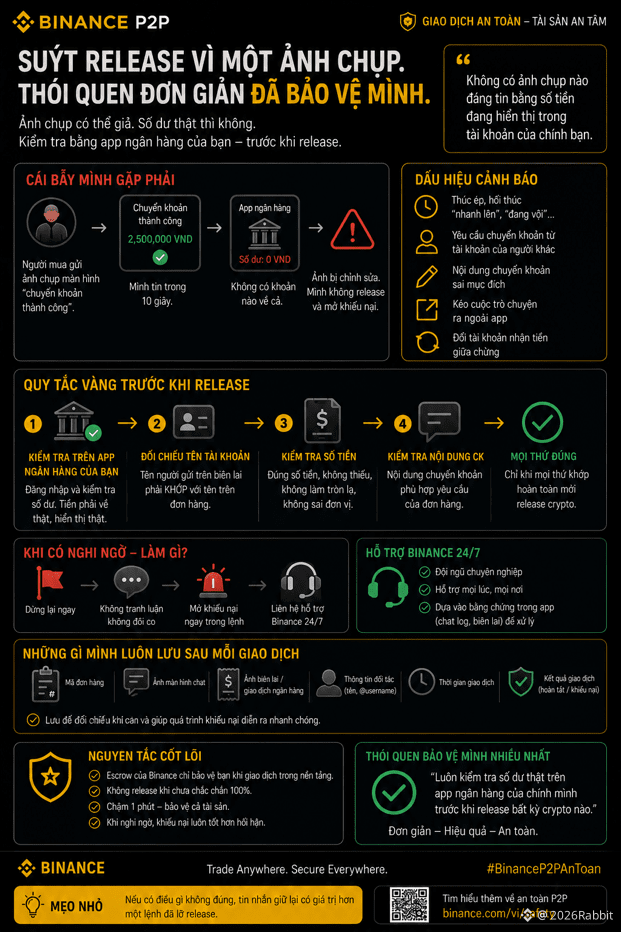
銀行アプリを本当に確認する前に、私は危うくリリースしてしまうところでした。購入者は「送金が成功しました」という文言のあるスクリーンショットを送ってきました。私は、その画像が本物だと、そのまま十秒間信じてしまったのです。
その後、自分自身の銀行アプリを開きました。そこには何もありませんでした。スクリーンショットは加工されていて、取引内容がほんの少しずれていました。金額も、私の銀行で見たことのない丸め方になっていました。私はリリースしませんでしたし、焦りが証拠だと錯覚させないようにしました。
その習慣――仮想通貨を解放する前に実際の残高を確認すること――が、何度も私を救ってくれました。さらに、取引の背後にある口座名義を見ることも欠かしません。レシート(領収書)に表示されている名前が注文書の名前と一致しなければ、私はすぐに取引を止め、推測ではなく問い合わせ・異議申し立てを開きます。
そして、焦りそのものがシグナルだと学びました。本物の購入者は待てるのです。検証の手順を飛ばすように急かしてきたり、アプリの外に会話を移そうとしたりする相手は、だいたい私が一番注意すべき相手です。
特別なツールは何もいりません。手を少し止めて、リリースするたびに確認の一手間を加えるだけです。
P2P取引の中で、あなたをいちばん守ってくれた習慣は何ですか?
#binancep2pantoan @Binance Vietnam
銀行アプリを本当に確認する前に、私は危うくリリースしてしまうところでした。購入者は「送金が成功しました」という文言のあるスクリーンショットを送ってきました。私は、その画像が本物だと、そのまま十秒間信じてしまったのです。
その後、自分自身の銀行アプリを開きました。そこには何もありませんでした。スクリーンショットは加工されていて、取引内容がほんの少しずれていました。金額も、私の銀行で見たことのない丸め方になっていました。私はリリースしませんでしたし、焦りが証拠だと錯覚させないようにしました。
その習慣――仮想通貨を解放する前に実際の残高を確認すること――が、何度も私を救ってくれました。さらに、取引の背後にある口座名義を見ることも欠かしません。レシート(領収書)に表示されている名前が注文書の名前と一致しなければ、私はすぐに取引を止め、推測ではなく問い合わせ・異議申し立てを開きます。
そして、焦りそのものがシグナルだと学びました。本物の購入者は待てるのです。検証の手順を飛ばすように急かしてきたり、アプリの外に会話を移そうとしたりする相手は、だいたい私が一番注意すべき相手です。
特別なツールは何もいりません。手を少し止めて、リリースするたびに確認の一手間を加えるだけです。
P2P取引の中で、あなたをいちばん守ってくれた習慣は何ですか?
銀行アプリを本当に確認する前に、私は危うくリリースしてしまうところでした。購入者は「送金が成功しました」という文言のあるスクリーンショットを送ってきました。私は、その画像が本物だと、そのまま十秒間信じてしまったのです。
その後、自分自身の銀行アプリを開きました。そこには何もありませんでした。スクリーンショットは加工されていて、取引内容がほんの少しずれていました。金額も、私の銀行で見たことのない丸め方になっていました。私はリリースしませんでしたし、焦りが証拠だと錯覚させないようにしました。
その習慣――仮想通貨を解放する前に実際の残高を確認すること――が、何度も私を救ってくれました。さらに、取引の背後にある口座名義を見ることも欠かしません。レシート(領収書)に表示されている名前が注文書の名前と一致しなければ、私はすぐに取引を止め、推測ではなく問い合わせ・異議申し立てを開きます。
そして、焦りそのものがシグナルだと学びました。本物の購入者は待てるのです。検証の手順を飛ばすように急かしてきたり、アプリの外に会話を移そうとしたりする相手は、だいたい私が一番注意すべき相手です。
特別なツールは何もいりません。手を少し止めて、リリースするたびに確認の一手間を加えるだけです。
P2P取引の中で、あなたをいちばん守ってくれた習慣は何ですか?
1
85
ログインして、さらにコンテンツを読む
厳選トピックで世界の暗号資産トレーダーの仲間入り
⚡️ 暗号資産に関する最新かつ有益な情報が見つかります。
💬 世界最大の暗号資産取引所から信頼されています。
👍 認証を受けたクリエイターから、有益なインサイトを得られます。
メール / 電話番号
トレンドトピック
BOJRaisesRatesTo31YearHigh
閲覧回数 61,958
1,055人が討論中
#bojraisesratesto31yearhigh ¿日銀は31年ぶり高値、そしてビットコインは上昇中?1つのグラフで見る$BTC の機関投資家としての成熟度 🇯🇵📈⚡
日本銀行は政策金利を1.25%に引き上げました(3十年以上で過去最高)。多くの人が予測していたキャリートレード崩壊は起きず、むしろ仮想通貨市場が最もクリーンに見せる強さが出てきたのです。
🧠 テクニカル面からの重要な3つの読み取り:
1️⃣ マクロのデカップリング:従来のアナリストが想定したように円が強くはならず、その一方でBTCは力強いリバウンド。スポット需要がまだ健在であることを示しています。
2️⃣ ハイテク巨人を上回る:時価総額が1.63兆ドル超のビットコインが、テスラ(1.438B)を再び上回り、世界的な準備資産かつ流動性の避難先としての役割を再確認します。
3️⃣ 4Hと1Dの構造:サポートでの吸収が、マクロの下げ局面が機関投資家による蓄積の“窓”であり、投げ売り(キャピトュレーション)ではないことを裏付けています。
小売は金利に関する見出しにパニックになっていても、プロの運用は“実際の流動性”の動きを追い続けます。 💎🛡️
💬 コミュニティ向けの議論:このデカップリングは、史上最高値更新に向かう上昇サイクルの最終局面が始まったことを示していると思いますか?それとも、世界的な流動性がまだサポートを試しに来るのでしょうか?分析を下に書き込んでください!👇🔥
#bojraisesratesto31yearhigh #MacroEconomy #Trading #BinanceSquare
Jacktraders
·いいね:1件
·閲覧回数 4.3k
BuffettStepsDownAsBerkshireChairman
閲覧回数 26,552
482人が討論中
XRPExchangeReservesHitSevenYearLow
閲覧回数 32,532
455人が討論中