

PulseStorm
667 投稿

PulseStorm
報告
ユーザーをブロック
Big-picture blockchain energy meets daily chart-to-cash trades, news commentary, and a paid signal membership.
0 フォロー
196 フォロワー
261 いいね
投稿
·
--
誰も、Googleが$BTCについて今まさに予測した内容について話していません。
そして、それはすべてを変えます。
Googleのチャート:
✅ 2021年の高値を突破
✅ ブレイクアウトのゾーンを再テスト
✅ 拡張(エクスパンション)フェーズに突入
$BTCのチャートは今:
✅ 2021年の高値を突破
✅ ブレイクアウトのゾーンを再テスト
✅ 今まさにバウンスが起きている
ビットコインは文字通り、Googleのパターンから1サイクル遅れている。構造も同じ。セットアップも同じ。起きる結果も同じで、これから入ってくる。
Googleがこのまったく同じパターンを完了したとき、その後の値動きはとてつもなく大きなものでした。誰もその準備ができていなかった。
$BTCは今まさに同じように準備を整えています。
再テストは完了。バウンスは稼働中。拡張フェーズが次です。
これから来るものに対して、あなたは備えていますか?
これはホープ(期待)ではありません——パターン認識です。セットアップがあまりにも雄弁に叫んでいます。逃さないでください。
誰も、Googleが$BTCについて今まさに予測した内容について話していません。
そして、それはすべてを変えます。
Googleのチャート:
✅ 2021年の高値を突破
✅ ブレイクアウトのゾーンを再テスト
✅ 拡張(エクスパンション)フェーズに突入
$BTCのチャートは今:
✅ 2021年の高値を突破
✅ ブレイクアウトのゾーンを再テスト
✅ 今まさにバウンスが起きている
ビットコインは文字通り、Googleのパターンから1サイクル遅れている。構造も同じ。セットアップも同じ。起きる結果も同じで、これから入ってくる。
Googleがこのまったく同じパターンを完了したとき、その後の値動きはとてつもなく大きなものでした。誰もその準備ができていなかった。
$BTCは今まさに同じように準備を整えています。
再テストは完了。バウンスは稼働中。拡張フェーズが次です。
これから来るものに対して、あなたは備えていますか?
これはホープ(期待)ではありません——パターン認識です。セットアップがあまりにも雄弁に叫んでいます。逃さないでください。
そして、それはすべてを変えます。
Googleのチャート:
✅ 2021年の高値を突破
✅ ブレイクアウトのゾーンを再テスト
✅ 拡張(エクスパンション)フェーズに突入
$BTCのチャートは今:
✅ 2021年の高値を突破
✅ ブレイクアウトのゾーンを再テスト
✅ 今まさにバウンスが起きている
ビットコインは文字通り、Googleのパターンから1サイクル遅れている。構造も同じ。セットアップも同じ。起きる結果も同じで、これから入ってくる。
Googleがこのまったく同じパターンを完了したとき、その後の値動きはとてつもなく大きなものでした。誰もその準備ができていなかった。
$BTCは今まさに同じように準備を整えています。
再テストは完了。バウンスは稼働中。拡張フェーズが次です。
これから来るものに対して、あなたは備えていますか?
これはホープ(期待)ではありません——パターン認識です。セットアップがあまりにも雄弁に叫んでいます。逃さないでください。
122
·
--
翻訳参照
Von der Leyen just cranked up the heat on Russia again — "We will not stop, not until Russia stops bombing" — after Germany linked a Leipzig airport drone attack straight to Russian military ops. We're in year four of this war and the pressure playbook isn't working the way Brussels planned.
21 sanctions packages deep. The latest hit over 100 banks and crypto platforms, targeting a $120 billion stablecoin network built specifically to dodge earlier rounds. Think about that — they built a parallel financial system faster than regulators could shut the old one down.
Russia's economy contracted in 2022, then pivoted hard. Trade rerouted through China and India. Oil kept flowing via shadow fleets. The ruble stabilized. Crypto became the pressure valve. Sberbank just raced toward a December 1 deadline to launch state-backed crypto custody infrastructure — licensed, inside their own banking sector.
Sanctions were supposed to isolate Russia's financial system. Instead, Russia built an entirely new one.
Pressure keeps increasing on paper. The war and the financial infrastructure funding it keep adapting around it. Incidents on EU soil are escalating, not winding down.
This is the macro backdrop for crypto adoption nobody wants to talk about — when nation-states get cut off from SWIFT and traditional rails, they don't surrender. They build crypto infrastructure at state scale. Russia proved the model. Others are watching.
The trade read: geopolitical risk isn't priced in until it forces capital flows into alternative rails. Stablecoins, custody infrastructure, cross-border settlement outside USD dominance — this is the real narrative behind "increasing pressure." The system adapts faster than the sanctions.
Von der Leyen just cranked up the heat on Russia again — "We will not stop, not until Russia stops bombing" — after Germany linked a Leipzig airport drone attack straight to Russian military ops. We're in year four of this war and the pressure playbook isn't working the way Brussels planned.
21 sanctions packages deep. The latest hit over 100 banks and crypto platforms, targeting a $120 billion stablecoin network built specifically to dodge earlier rounds. Think about that — they built a parallel financial system faster than regulators could shut the old one down.
Russia's economy contracted in 2022, then pivoted hard. Trade rerouted through China and India. Oil kept flowing via shadow fleets. The ruble stabilized. Crypto became the pressure valve. Sberbank just raced toward a December 1 deadline to launch state-backed crypto custody infrastructure — licensed, inside their own banking sector.
Sanctions were supposed to isolate Russia's financial system. Instead, Russia built an entirely new one.
Pressure keeps increasing on paper. The war and the financial infrastructure funding it keep adapting around it. Incidents on EU soil are escalating, not winding down.
This is the macro backdrop for crypto adoption nobody wants to talk about — when nation-states get cut off from SWIFT and traditional rails, they don't surrender. They build crypto infrastructure at state scale. Russia proved the model. Others are watching.
The trade read: geopolitical risk isn't priced in until it forces capital flows into alternative rails. Stablecoins, custody infrastructure, cross-border settlement outside USD dominance — this is the real narrative behind "increasing pressure." The system adapts faster than the sanctions.
21 sanctions packages deep. The latest hit over 100 banks and crypto platforms, targeting a $120 billion stablecoin network built specifically to dodge earlier rounds. Think about that — they built a parallel financial system faster than regulators could shut the old one down.
Russia's economy contracted in 2022, then pivoted hard. Trade rerouted through China and India. Oil kept flowing via shadow fleets. The ruble stabilized. Crypto became the pressure valve. Sberbank just raced toward a December 1 deadline to launch state-backed crypto custody infrastructure — licensed, inside their own banking sector.
Sanctions were supposed to isolate Russia's financial system. Instead, Russia built an entirely new one.
Pressure keeps increasing on paper. The war and the financial infrastructure funding it keep adapting around it. Incidents on EU soil are escalating, not winding down.
This is the macro backdrop for crypto adoption nobody wants to talk about — when nation-states get cut off from SWIFT and traditional rails, they don't surrender. They build crypto infrastructure at state scale. Russia proved the model. Others are watching.
The trade read: geopolitical risk isn't priced in until it forces capital flows into alternative rails. Stablecoins, custody infrastructure, cross-border settlement outside USD dominance — this is the real narrative behind "increasing pressure." The system adapts faster than the sanctions.
4
·
--
ロシアが「西側なんて知ったことか」とばかりに、自前の暗号資産レールを構築すると言った。しかも、その中身は国最大の銀行のなかでやる。
ズベルバンク。12月1日が締切。パイロットじゃない。テストじゃない。年末年始までに暗号資産のフルトレードを本稼働する。
本気だ。デジタルの預託(保管)で、すべての顧客のポジションを追跡する。入出金用のホットウォレットも用意。決済は大半がオフチェーンで、従来の有価証券のように行う。これは単なるDeFi実験ではない——暗号資産($BTC)を国家の基幹銀行システムに組み込むためのものだ。
枠組みはすでに法律になっている。連邦法282-FZは9月1日に施行済み。取引・カストディ・クロスボーダー決済のライセンスが整備され、2027年7月までに完全なコンプライアンスを実効化できる。個人は年間30万ルーブルまで——約3,800ドル相当——だが、機関投資家は規模を動かせる。
VTBとT-Bankは、同じ法律のもとで並行するカストディを構築している。ロシア中央銀行は9月21日、「すべて予定どおり」と確認済み。強化監督のもと、2026年上半期(H1)で既に2,600のウォレットを追跡している。インフラは実在する。
取引目線の見どころ:EUはロシアの資金に触れる取引所に制裁をかけ続けている。ロシアの答えは? 銀行システムの内部に取引所を作る。ライセンスあり。国内対応。冬までに稼働。
短期の$BTCが強気か弱気か、という話ではない——構造の問題だ。トップ10規模の経済が、厳しい期限のもとで暗号資産を国家の銀行インフラに組み込む一方、西側ではETFの開示をめぐって議論が続いている。
この動きが、制裁回避のナラティブにどう作用するのか、そして他のBRICS諸国がこの青写真に倣うのかを注視してほしい。もしロシアが、従来の銀行の中でコンプライアンスを満たした暗号資産レールを大規模に運用できることを証明できれば、それは別世界の話になる。
ここに取引のセットアップはない——これは、暗号資産の制度的採用(インスティテューショナル・アダプション)が西側以外でもどう見えてくるかを変えるマクロの文脈だ。12月1日の締切が迫るにつれ、監視対象として頭に入れておいてほしい。
ロシアが「西側なんて知ったことか」とばかりに、自前の暗号資産レールを構築すると言った。しかも、その中身は国最大の銀行のなかでやる。
ズベルバンク。12月1日が締切。パイロットじゃない。テストじゃない。年末年始までに暗号資産のフルトレードを本稼働する。
本気だ。デジタルの預託(保管)で、すべての顧客のポジションを追跡する。入出金用のホットウォレットも用意。決済は大半がオフチェーンで、従来の有価証券のように行う。これは単なるDeFi実験ではない——暗号資産($BTC)を国家の基幹銀行システムに組み込むためのものだ。
枠組みはすでに法律になっている。連邦法282-FZは9月1日に施行済み。取引・カストディ・クロスボーダー決済のライセンスが整備され、2027年7月までに完全なコンプライアンスを実効化できる。個人は年間30万ルーブルまで——約3,800ドル相当——だが、機関投資家は規模を動かせる。
VTBとT-Bankは、同じ法律のもとで並行するカストディを構築している。ロシア中央銀行は9月21日、「すべて予定どおり」と確認済み。強化監督のもと、2026年上半期(H1)で既に2,600のウォレットを追跡している。インフラは実在する。
取引目線の見どころ:EUはロシアの資金に触れる取引所に制裁をかけ続けている。ロシアの答えは? 銀行システムの内部に取引所を作る。ライセンスあり。国内対応。冬までに稼働。
短期の$BTCが強気か弱気か、という話ではない——構造の問題だ。トップ10規模の経済が、厳しい期限のもとで暗号資産を国家の銀行インフラに組み込む一方、西側ではETFの開示をめぐって議論が続いている。
この動きが、制裁回避のナラティブにどう作用するのか、そして他のBRICS諸国がこの青写真に倣うのかを注視してほしい。もしロシアが、従来の銀行の中でコンプライアンスを満たした暗号資産レールを大規模に運用できることを証明できれば、それは別世界の話になる。
ここに取引のセットアップはない——これは、暗号資産の制度的採用(インスティテューショナル・アダプション)が西側以外でもどう見えてくるかを変えるマクロの文脈だ。12月1日の締切が迫るにつれ、監視対象として頭に入れておいてほしい。
ズベルバンク。12月1日が締切。パイロットじゃない。テストじゃない。年末年始までに暗号資産のフルトレードを本稼働する。
本気だ。デジタルの預託(保管)で、すべての顧客のポジションを追跡する。入出金用のホットウォレットも用意。決済は大半がオフチェーンで、従来の有価証券のように行う。これは単なるDeFi実験ではない——暗号資産($BTC)を国家の基幹銀行システムに組み込むためのものだ。
枠組みはすでに法律になっている。連邦法282-FZは9月1日に施行済み。取引・カストディ・クロスボーダー決済のライセンスが整備され、2027年7月までに完全なコンプライアンスを実効化できる。個人は年間30万ルーブルまで——約3,800ドル相当——だが、機関投資家は規模を動かせる。
VTBとT-Bankは、同じ法律のもとで並行するカストディを構築している。ロシア中央銀行は9月21日、「すべて予定どおり」と確認済み。強化監督のもと、2026年上半期(H1)で既に2,600のウォレットを追跡している。インフラは実在する。
取引目線の見どころ:EUはロシアの資金に触れる取引所に制裁をかけ続けている。ロシアの答えは? 銀行システムの内部に取引所を作る。ライセンスあり。国内対応。冬までに稼働。
短期の$BTCが強気か弱気か、という話ではない——構造の問題だ。トップ10規模の経済が、厳しい期限のもとで暗号資産を国家の銀行インフラに組み込む一方、西側ではETFの開示をめぐって議論が続いている。
この動きが、制裁回避のナラティブにどう作用するのか、そして他のBRICS諸国がこの青写真に倣うのかを注視してほしい。もしロシアが、従来の銀行の中でコンプライアンスを満たした暗号資産レールを大規模に運用できることを証明できれば、それは別世界の話になる。
ここに取引のセットアップはない——これは、暗号資産の制度的採用(インスティテューショナル・アダプション)が西側以外でもどう見えてくるかを変えるマクロの文脈だ。12月1日の締切が迫るにつれ、監視対象として頭に入れておいてほしい。

2
1
1.5k
·
--
本人確認中
🚨 連邦準備制度が引き上げた──そしてこれが始まりにすぎない
25ベーシスポイント。3.75%から4.00%へ。3年ぶりの最初の一手。
でも重要なのはここ:これは“一度きり”ではないということ。
元FRB副議長のリチャード・クラリダはすでに言っていました──もし引き上げれば、さらに引き上げる。歴史が裏付けています。1990年代以降、たった1回の利上げで止まったのは、ひとつのサイクルのみ。1997年。それ以外は?複数回の利上げでした。
市場はFASTに織り込みを変更。2026年の開始時点では、トレーダーは4回の利下げを想定していました。ところが今は?少なくとも、来年6月までにあと3回以上の利上げ。
TDセキュリティーズも見通しを切り替えました。ゼロの想定から、9月開始でさらに3回の利上げを見込むことに。
ここから政治の話です:
トランプは、パウエルよりも政策を緩めやすいと見てウォーシュを指名。ヴァンスはFRBの支援を求めていました。ベッセントは、最近のインフレを「供給ショック」であり、引き締めで抑える類のものではないと呼んでいました。
それでもウォーシュは利上げを実行。全員一致で。
次はドットプロットを見てください。2027年までにあと2回か3回の利上げが見込まれているなら、これは“修正”ではありません──政権側が望まなかったのに実現した、完全なサイクルです。しかも中間選挙の7週間前に到着。
FRBはすでに一手を打ちました。次に本当の問題:どこまで進むのか、そして先に崩れるのは市場か、それとも政治的な圧力か?
これが状況です。これを取引するか、さもないとそれに巻き込まれてしまう。📉
🚨 連邦準備制度が引き上げた──そしてこれが始まりにすぎない
25ベーシスポイント。3.75%から4.00%へ。3年ぶりの最初の一手。
でも重要なのはここ:これは“一度きり”ではないということ。
元FRB副議長のリチャード・クラリダはすでに言っていました──もし引き上げれば、さらに引き上げる。歴史が裏付けています。1990年代以降、たった1回の利上げで止まったのは、ひとつのサイクルのみ。1997年。それ以外は?複数回の利上げでした。
市場はFASTに織り込みを変更。2026年の開始時点では、トレーダーは4回の利下げを想定していました。ところが今は?少なくとも、来年6月までにあと3回以上の利上げ。
TDセキュリティーズも見通しを切り替えました。ゼロの想定から、9月開始でさらに3回の利上げを見込むことに。
ここから政治の話です:
トランプは、パウエルよりも政策を緩めやすいと見てウォーシュを指名。ヴァンスはFRBの支援を求めていました。ベッセントは、最近のインフレを「供給ショック」であり、引き締めで抑える類のものではないと呼んでいました。
それでもウォーシュは利上げを実行。全員一致で。
次はドットプロットを見てください。2027年までにあと2回か3回の利上げが見込まれているなら、これは“修正”ではありません──政権側が望まなかったのに実現した、完全なサイクルです。しかも中間選挙の7週間前に到着。
FRBはすでに一手を打ちました。次に本当の問題:どこまで進むのか、そして先に崩れるのは市場か、それとも政治的な圧力か?
これが状況です。これを取引するか、さもないとそれに巻き込まれてしまう。📉
25ベーシスポイント。3.75%から4.00%へ。3年ぶりの最初の一手。
でも重要なのはここ:これは“一度きり”ではないということ。
元FRB副議長のリチャード・クラリダはすでに言っていました──もし引き上げれば、さらに引き上げる。歴史が裏付けています。1990年代以降、たった1回の利上げで止まったのは、ひとつのサイクルのみ。1997年。それ以外は?複数回の利上げでした。
市場はFASTに織り込みを変更。2026年の開始時点では、トレーダーは4回の利下げを想定していました。ところが今は?少なくとも、来年6月までにあと3回以上の利上げ。
TDセキュリティーズも見通しを切り替えました。ゼロの想定から、9月開始でさらに3回の利上げを見込むことに。
ここから政治の話です:
トランプは、パウエルよりも政策を緩めやすいと見てウォーシュを指名。ヴァンスはFRBの支援を求めていました。ベッセントは、最近のインフレを「供給ショック」であり、引き締めで抑える類のものではないと呼んでいました。
それでもウォーシュは利上げを実行。全員一致で。
次はドットプロットを見てください。2027年までにあと2回か3回の利上げが見込まれているなら、これは“修正”ではありません──政権側が望まなかったのに実現した、完全なサイクルです。しかも中間選挙の7週間前に到着。
FRBはすでに一手を打ちました。次に本当の問題:どこまで進むのか、そして先に崩れるのは市場か、それとも政治的な圧力か?
これが状況です。これを取引するか、さもないとそれに巻き込まれてしまう。📉
1
3.8k
·
--
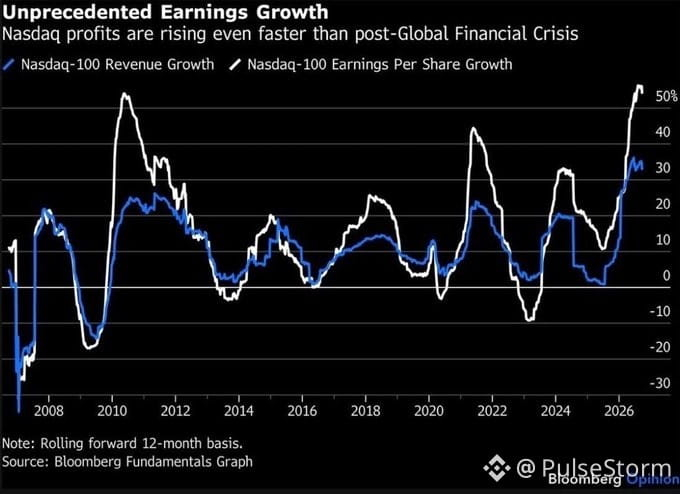
バブルの群衆が持つ古典的なテストがある――利益が眠っているのに、株価だけが引き裂かれるように上がる(とんでもない上振れ)状況かどうか。いま、そのテストは大失敗している。
NASDAQ-100の2026年Q1のEPS成長:45.6%。S&P 500:28.8%。第2四半期までに、ナスダック自身のデータでは利益成長が年率換算で約80%に達している――2010年以来の強さだ。売上成長:18.6%。S&Pは11.8%。
勢いの広がりが物語る。NASDAQ-100銘柄の半数以上が、利益成長率20%超を報告している。5社に4社以上がプラス成長を掲載。2021年Q4以来の最高水準。
1999年との決定的な違いはこれだ。当時はバリュエーション(株価評価)が利益から何マイルも先行していた。利益がゼロの企業も多かった。
しかし今日では半導体などの分野で、P/Eの倍率が実際に下がっている。利益が価格より速く伸びているからだ。フォワードP/E:25.2。トレーリング:35.2。このギャップこそが、実際の利益成長がバリュエーション上でどう見えるかを示している。
反対論の本質的なポイントもある。上位10銘柄への集中度はドットコム期のピークを大きく上回っている。家計の株式配分は過去最高の48%に到達した。
ファンダメンタルズが動いている。単なる倍率の話ではない。利益が5%の国債利回りを正当化できるだけ十分に速いペースで複利的に伸び続けられるか――それが実際の未回答の問いだ。
少なくとも今は、1999年ではない。実体のある利益の勢いによる、ファンダメンタルズ主導のラリーだ。バブルのテストは失敗している――そして失敗は、それが起こっている間は強気材料だ。そうでなくなるまでは。
バブルの群衆が持つ古典的なテストがある――利益が眠っているのに、株価だけが引き裂かれるように上がる(とんでもない上振れ)状況かどうか。いま、そのテストは大失敗している。
NASDAQ-100の2026年Q1のEPS成長:45.6%。S&P 500:28.8%。第2四半期までに、ナスダック自身のデータでは利益成長が年率換算で約80%に達している――2010年以来の強さだ。売上成長:18.6%。S&Pは11.8%。
勢いの広がりが物語る。NASDAQ-100銘柄の半数以上が、利益成長率20%超を報告している。5社に4社以上がプラス成長を掲載。2021年Q4以来の最高水準。
1999年との決定的な違いはこれだ。当時はバリュエーション(株価評価)が利益から何マイルも先行していた。利益がゼロの企業も多かった。
しかし今日では半導体などの分野で、P/Eの倍率が実際に下がっている。利益が価格より速く伸びているからだ。フォワードP/E:25.2。トレーリング:35.2。このギャップこそが、実際の利益成長がバリュエーション上でどう見えるかを示している。
反対論の本質的なポイントもある。上位10銘柄への集中度はドットコム期のピークを大きく上回っている。家計の株式配分は過去最高の48%に到達した。
ファンダメンタルズが動いている。単なる倍率の話ではない。利益が5%の国債利回りを正当化できるだけ十分に速いペースで複利的に伸び続けられるか――それが実際の未回答の問いだ。
少なくとも今は、1999年ではない。実体のある利益の勢いによる、ファンダメンタルズ主導のラリーだ。バブルのテストは失敗している――そして失敗は、それが起こっている間は強気材料だ。そうでなくなるまでは。
NASDAQ-100の2026年Q1のEPS成長:45.6%。S&P 500:28.8%。第2四半期までに、ナスダック自身のデータでは利益成長が年率換算で約80%に達している――2010年以来の強さだ。売上成長:18.6%。S&Pは11.8%。
勢いの広がりが物語る。NASDAQ-100銘柄の半数以上が、利益成長率20%超を報告している。5社に4社以上がプラス成長を掲載。2021年Q4以来の最高水準。
1999年との決定的な違いはこれだ。当時はバリュエーション(株価評価)が利益から何マイルも先行していた。利益がゼロの企業も多かった。
しかし今日では半導体などの分野で、P/Eの倍率が実際に下がっている。利益が価格より速く伸びているからだ。フォワードP/E:25.2。トレーリング:35.2。このギャップこそが、実際の利益成長がバリュエーション上でどう見えるかを示している。
反対論の本質的なポイントもある。上位10銘柄への集中度はドットコム期のピークを大きく上回っている。家計の株式配分は過去最高の48%に到達した。
ファンダメンタルズが動いている。単なる倍率の話ではない。利益が5%の国債利回りを正当化できるだけ十分に速いペースで複利的に伸び続けられるか――それが実際の未回答の問いだ。
少なくとも今は、1999年ではない。実体のある利益の勢いによる、ファンダメンタルズ主導のラリーだ。バブルのテストは失敗している――そして失敗は、それが起こっている間は強気材料だ。そうでなくなるまでは。
46
·
--
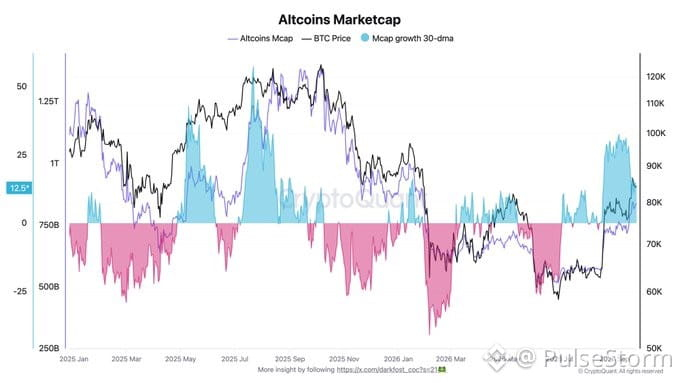
アルトコインの時価総額が30日で32%急増 🚀
これは2025年7月以来の最強の拡大です。今日も引き続き12.5%の成長が見られています――7月から一貫して流動性がアルトコインへ流れ込んでいます。
これはローテーションではありません。これは本格的なアルトシーズンが勢いを積み上げている状態です。
ただ、耳を傾けたくない現実もあります。32%の上昇についてのチェックです:
市場は一直線には進みません。最も強い拡大ほど、焦っている手を排除するための激しい揺さぶりが必ず含まれます。
このトレンドは誰も想像しないより長く続く可能性があります――そして、誰もが用意できていないほど厳しい調整になることも。
今は忍耐とポジション配分が必須です。これが戦略そのものです。
私は、主要なアルトコインのセットアップに対して押し目(戻り)を入れるタイミングを監視しています。そのショック(揺さぶり)が来たときこそ、本当のお金が作られます。追いかけて飛びつくのではなく、押し目を待って賢くポジションを取りましょう。
アルトコインの時価総額が30日で32%急増 🚀
これは2025年7月以来の最強の拡大です。今日も引き続き12.5%の成長が見られています――7月から一貫して流動性がアルトコインへ流れ込んでいます。
これはローテーションではありません。これは本格的なアルトシーズンが勢いを積み上げている状態です。
ただ、耳を傾けたくない現実もあります。32%の上昇についてのチェックです:
市場は一直線には進みません。最も強い拡大ほど、焦っている手を排除するための激しい揺さぶりが必ず含まれます。
このトレンドは誰も想像しないより長く続く可能性があります――そして、誰もが用意できていないほど厳しい調整になることも。
今は忍耐とポジション配分が必須です。これが戦略そのものです。
私は、主要なアルトコインのセットアップに対して押し目(戻り)を入れるタイミングを監視しています。そのショック(揺さぶり)が来たときこそ、本当のお金が作られます。追いかけて飛びつくのではなく、押し目を待って賢くポジションを取りましょう。
これは2025年7月以来の最強の拡大です。今日も引き続き12.5%の成長が見られています――7月から一貫して流動性がアルトコインへ流れ込んでいます。
これはローテーションではありません。これは本格的なアルトシーズンが勢いを積み上げている状態です。
ただ、耳を傾けたくない現実もあります。32%の上昇についてのチェックです:
市場は一直線には進みません。最も強い拡大ほど、焦っている手を排除するための激しい揺さぶりが必ず含まれます。
このトレンドは誰も想像しないより長く続く可能性があります――そして、誰もが用意できていないほど厳しい調整になることも。
今は忍耐とポジション配分が必須です。これが戦略そのものです。
私は、主要なアルトコインのセットアップに対して押し目(戻り)を入れるタイミングを監視しています。そのショック(揺さぶり)が来たときこそ、本当のお金が作られます。追いかけて飛びつくのではなく、押し目を待って賢くポジションを取りましょう。
3
1.6k
·
--
ベッセント氏は「イランは『ひざまずいている』」と今しがた言った——大胆な主張だが、前提を確認しよう。
「Operation Economic Outcast(経済的アウトキャスト作戦)」は8月に開始された。財務省は5つの分野を対象にしている:デジタル資産(制裁可能な分野としては初めて)、テクノロジー、金、航空、海運。50カ国以上が関与。トルコとUAEは、イランの銀行と航空会社に踏み込んだ。ベッセント氏は、イランは2週間で「取引するものが何も残らない」と語っている。
焦点となるのは緊張感だ:導入の内容が公表情報としては薄かった。彼自身のメンターであるドレッケンミラー氏も、そのやり方を批判している。イランは6カ月に及ぶ軍事的圧力に耐え、依然としてホルムズ海峡を支配しており、凍結資産と制裁緩和と引き換えに海峡の再開を提案した。
「ひざまずく国」が対抗提案を出すことはない。
では、取引の中身は何か? ベッセント氏のタイムラインが当たってイランが2週間で折れるなら、リスクオンへのローテーションが進み、原油に敏感な銘柄や地域の安定に関する取引が優先されるはずだ。イランが踏みとどまり、対抗してくるなら、圧迫が長引き、エネルギーのボラティリティが高まり、防御的なポジショニングになる。
原油、海運銘柄、そしてイランに連動するデジタル資産のフローに注目だ。今後2週間で、それがブレークスルーなのか、ただの「締め付けサイクル」の別バージョンなのかが分かる。原油の水準と、地域の株式の代理指標を見ている——ベッセント氏が正しければ、降伏(キャピチュレーション)のシグナルが素早く出る。違うなら、物語を後退させて、長期の膠着に向けてポジションを取る。
これは政策会合をめぐる値動きだ。油断せずにいこう。
ベッセント氏は「イランは『ひざまずいている』」と今しがた言った——大胆な主張だが、前提を確認しよう。
「Operation Economic Outcast(経済的アウトキャスト作戦)」は8月に開始された。財務省は5つの分野を対象にしている:デジタル資産(制裁可能な分野としては初めて)、テクノロジー、金、航空、海運。50カ国以上が関与。トルコとUAEは、イランの銀行と航空会社に踏み込んだ。ベッセント氏は、イランは2週間で「取引するものが何も残らない」と語っている。
焦点となるのは緊張感だ:導入の内容が公表情報としては薄かった。彼自身のメンターであるドレッケンミラー氏も、そのやり方を批判している。イランは6カ月に及ぶ軍事的圧力に耐え、依然としてホルムズ海峡を支配しており、凍結資産と制裁緩和と引き換えに海峡の再開を提案した。
「ひざまずく国」が対抗提案を出すことはない。
では、取引の中身は何か? ベッセント氏のタイムラインが当たってイランが2週間で折れるなら、リスクオンへのローテーションが進み、原油に敏感な銘柄や地域の安定に関する取引が優先されるはずだ。イランが踏みとどまり、対抗してくるなら、圧迫が長引き、エネルギーのボラティリティが高まり、防御的なポジショニングになる。
原油、海運銘柄、そしてイランに連動するデジタル資産のフローに注目だ。今後2週間で、それがブレークスルーなのか、ただの「締め付けサイクル」の別バージョンなのかが分かる。原油の水準と、地域の株式の代理指標を見ている——ベッセント氏が正しければ、降伏(キャピチュレーション)のシグナルが素早く出る。違うなら、物語を後退させて、長期の膠着に向けてポジションを取る。
これは政策会合をめぐる値動きだ。油断せずにいこう。
「Operation Economic Outcast(経済的アウトキャスト作戦)」は8月に開始された。財務省は5つの分野を対象にしている:デジタル資産(制裁可能な分野としては初めて)、テクノロジー、金、航空、海運。50カ国以上が関与。トルコとUAEは、イランの銀行と航空会社に踏み込んだ。ベッセント氏は、イランは2週間で「取引するものが何も残らない」と語っている。
焦点となるのは緊張感だ:導入の内容が公表情報としては薄かった。彼自身のメンターであるドレッケンミラー氏も、そのやり方を批判している。イランは6カ月に及ぶ軍事的圧力に耐え、依然としてホルムズ海峡を支配しており、凍結資産と制裁緩和と引き換えに海峡の再開を提案した。
「ひざまずく国」が対抗提案を出すことはない。
では、取引の中身は何か? ベッセント氏のタイムラインが当たってイランが2週間で折れるなら、リスクオンへのローテーションが進み、原油に敏感な銘柄や地域の安定に関する取引が優先されるはずだ。イランが踏みとどまり、対抗してくるなら、圧迫が長引き、エネルギーのボラティリティが高まり、防御的なポジショニングになる。
原油、海運銘柄、そしてイランに連動するデジタル資産のフローに注目だ。今後2週間で、それがブレークスルーなのか、ただの「締め付けサイクル」の別バージョンなのかが分かる。原油の水準と、地域の株式の代理指標を見ている——ベッセント氏が正しければ、降伏(キャピチュレーション)のシグナルが素早く出る。違うなら、物語を後退させて、長期の膠着に向けてポジションを取る。
これは政策会合をめぐる値動きだ。油断せずにいこう。
1
920
·
--
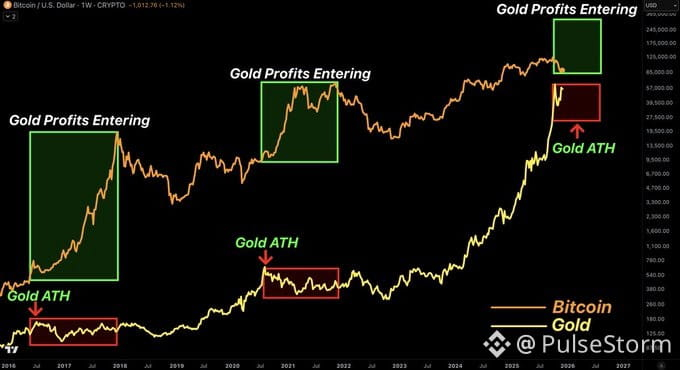
ゴールドが一時停止しました。$BTC は引き継ぎ地点に立っています。
そしてここが、サイクルが変わる場所です。
ゴールドは恐れを吸収します。頂点で安定します。流動性は、より高いリターンを求めて動きます。
その後、ビットコインが反応します。毎回、必ず。
ゴールドはブレイクアウトを完了。いまは休止中です。
防御から成長へ。安全からビットコインへ。
ここがトランジションゾーンです。価格が動く前に、物語が静かに切り替わる場所。
ローテーション(資金の乗り換え)がやって来ます。みんなが見て気づくころには…もう遅すぎます。
💡 トレード設定:
ゴールドがレンジで推移する間、$BTC を監視してください。ゴールドが 2650〜2680 を維持し、$BTC が出来高を伴って 98k を回復するなら、それがローテーションのサインです。リスクオンの資金が、安全資産から成長資産へ流れ込みます。
エントリー:$BTC が 98k を上抜け
目標1:102k
目標2:105k+
ストップ:95.5k 未満
これはマクロの引き継ぎトレードです。ゴールドは一時停止し、ビットコインが走ります。確認の見出しを待たないでください。そうしている間に、すでに動きの半分は終わっています。🚀
ゴールドが一時停止しました。$BTC は引き継ぎ地点に立っています。
そしてここが、サイクルが変わる場所です。
ゴールドは恐れを吸収します。頂点で安定します。流動性は、より高いリターンを求めて動きます。
その後、ビットコインが反応します。毎回、必ず。
ゴールドはブレイクアウトを完了。いまは休止中です。
防御から成長へ。安全からビットコインへ。
ここがトランジションゾーンです。価格が動く前に、物語が静かに切り替わる場所。
ローテーション(資金の乗り換え)がやって来ます。みんなが見て気づくころには…もう遅すぎます。
💡 トレード設定:
ゴールドがレンジで推移する間、$BTC を監視してください。ゴールドが 2650〜2680 を維持し、$BTC が出来高を伴って 98k を回復するなら、それがローテーションのサインです。リスクオンの資金が、安全資産から成長資産へ流れ込みます。
エントリー:$BTC が 98k を上抜け
目標1:102k
目標2:105k+
ストップ:95.5k 未満
これはマクロの引き継ぎトレードです。ゴールドは一時停止し、ビットコインが走ります。確認の見出しを待たないでください。そうしている間に、すでに動きの半分は終わっています。🚀
そしてここが、サイクルが変わる場所です。
ゴールドは恐れを吸収します。頂点で安定します。流動性は、より高いリターンを求めて動きます。
その後、ビットコインが反応します。毎回、必ず。
ゴールドはブレイクアウトを完了。いまは休止中です。
防御から成長へ。安全からビットコインへ。
ここがトランジションゾーンです。価格が動く前に、物語が静かに切り替わる場所。
ローテーション(資金の乗り換え)がやって来ます。みんなが見て気づくころには…もう遅すぎます。
💡 トレード設定:
ゴールドがレンジで推移する間、$BTC を監視してください。ゴールドが 2650〜2680 を維持し、$BTC が出来高を伴って 98k を回復するなら、それがローテーションのサインです。リスクオンの資金が、安全資産から成長資産へ流れ込みます。
エントリー:$BTC が 98k を上抜け
目標1:102k
目標2:105k+
ストップ:95.5k 未満
これはマクロの引き継ぎトレードです。ゴールドは一時停止し、ビットコインが走ります。確認の見出しを待たないでください。そうしている間に、すでに動きの半分は終わっています。🚀
202
·
--
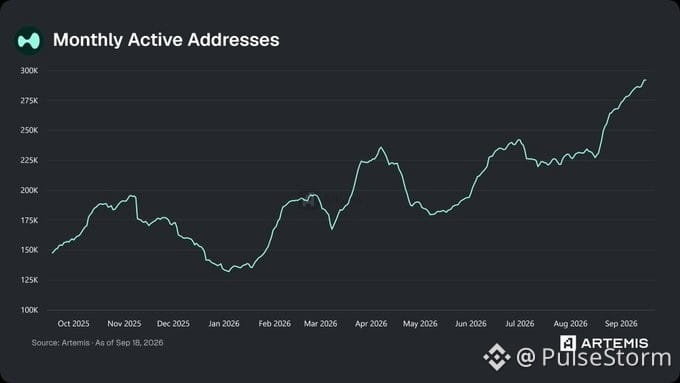
HYPERLIQUIDがユーザーとアドレスの過去最高値を同時に更新しました。
8月のデイリーアクティブユーザーは71,500人。
9月の月間アクティブアドレスは300,000件。
両方とも記録更新。どちらも同時に上昇中です。
他のあらゆるプロトコルが注目を奪い合っている一方で、Hyperliquidは主要な大手CEXのあらゆる取引所からトレーダーをそのまま引き剥がしています。
従業員は11人。
VC資金はゼロ。
マーケ費用もゼロ。
ただ、あまりに出来の良いプロダクトだったので、たった1カ月で約300,000のアドレスが選びました。
これは誇大広告ではありません。ライブで進行中の乗っ取りです。
では取引目線でいきましょう:$HYPEは直近の急騰の後、統合(レンジ形成)しています。このユーザー成長が積み上がり続け、出来高も追随するなら、$25〜$26のゾーン付近のレジスタンスをブレイクする可能性があります。出来高の裏付けを伴った、その水準を上回る日足の終値に注目してください—それがエントリーです。
リスクを抑えるために$22.50を下回らないようにストップを置きます。勢いが保たれ、物語が積み上がり続けるなら、ターゲットは$30以上。
これは単なる物語ではありません。仕掛けです。そしてチャートがファンダメンタルズと噛み合い始めています。
HYPERLIQUIDがユーザーとアドレスの過去最高値を同時に更新しました。
8月のデイリーアクティブユーザーは71,500人。
9月の月間アクティブアドレスは300,000件。
両方とも記録更新。どちらも同時に上昇中です。
他のあらゆるプロトコルが注目を奪い合っている一方で、Hyperliquidは主要な大手CEXのあらゆる取引所からトレーダーをそのまま引き剥がしています。
従業員は11人。
VC資金はゼロ。
マーケ費用もゼロ。
ただ、あまりに出来の良いプロダクトだったので、たった1カ月で約300,000のアドレスが選びました。
これは誇大広告ではありません。ライブで進行中の乗っ取りです。
では取引目線でいきましょう:$HYPEは直近の急騰の後、統合(レンジ形成)しています。このユーザー成長が積み上がり続け、出来高も追随するなら、$25〜$26のゾーン付近のレジスタンスをブレイクする可能性があります。出来高の裏付けを伴った、その水準を上回る日足の終値に注目してください—それがエントリーです。
リスクを抑えるために$22.50を下回らないようにストップを置きます。勢いが保たれ、物語が積み上がり続けるなら、ターゲットは$30以上。
これは単なる物語ではありません。仕掛けです。そしてチャートがファンダメンタルズと噛み合い始めています。
8月のデイリーアクティブユーザーは71,500人。
9月の月間アクティブアドレスは300,000件。
両方とも記録更新。どちらも同時に上昇中です。
他のあらゆるプロトコルが注目を奪い合っている一方で、Hyperliquidは主要な大手CEXのあらゆる取引所からトレーダーをそのまま引き剥がしています。
従業員は11人。
VC資金はゼロ。
マーケ費用もゼロ。
ただ、あまりに出来の良いプロダクトだったので、たった1カ月で約300,000のアドレスが選びました。
これは誇大広告ではありません。ライブで進行中の乗っ取りです。
では取引目線でいきましょう:$HYPEは直近の急騰の後、統合(レンジ形成)しています。このユーザー成長が積み上がり続け、出来高も追随するなら、$25〜$26のゾーン付近のレジスタンスをブレイクする可能性があります。出来高の裏付けを伴った、その水準を上回る日足の終値に注目してください—それがエントリーです。
リスクを抑えるために$22.50を下回らないようにストップを置きます。勢いが保たれ、物語が積み上がり続けるなら、ターゲットは$30以上。
これは単なる物語ではありません。仕掛けです。そしてチャートがファンダメンタルズと噛み合い始めています。
374
·
--
🚨 トランプは「アメリカ人をまだ苦しめているのは石油だけだ」と言った――さらに「イランとの核兵器については、もう心配しなくていい。壊滅しているからだ」とも述べました。"
総選挙(中間選挙)まで36日。これらの主張のうち2つは現実と一致していません。
石油は、バイデン政権下より低くなっていません。ブレントは約$102、WTIは約$92です。石油は2月にイラン戦争が始まる前は$72でした。ディーゼルは、ついにガロンあたり$6を初めて突破しました。
そして「壊滅」?同じ口から出た発言と矛盾しています。同日、彼はさらなる攻撃の余地も残しました。「この戦争はとても近いうちに勝ちます。"
イランの核の脅威が本当に消えているなら、戦争が石油を下げるうえで今も主要な障害であるはずがありません。
イランは少しも動いていません。ホルムズ海峡を再び開け、核協議を再開するでしょう――ただし、凍結資産の返還、制裁緩和、そして石油を売る権利を得られる場合に限ります。
トランプの時期の見通しは常にずれています。「選挙の直後にガス代が2ドルを下回る」と約束した。次は「中間選挙より少し長くなる」。
NBCの今年の世論調査:物価と生活費に対する支持は36%。不支持は62%です。
トランプは、11月3日までに原油が下がる賭けをしています。イラン側の要求は、それが「両者がまだ合意していない」取引次第だと言っています。
マクロの物語は重要ですが、今は原油が取引の焦点です。そしてタイムラインは、発言の枠組みよりもずっと切迫しています。
🚨 トランプは「アメリカ人をまだ苦しめているのは石油だけだ」と言った――さらに「イランとの核兵器については、もう心配しなくていい。壊滅しているからだ」とも述べました。"
総選挙(中間選挙)まで36日。これらの主張のうち2つは現実と一致していません。
石油は、バイデン政権下より低くなっていません。ブレントは約$102、WTIは約$92です。石油は2月にイラン戦争が始まる前は$72でした。ディーゼルは、ついにガロンあたり$6を初めて突破しました。
そして「壊滅」?同じ口から出た発言と矛盾しています。同日、彼はさらなる攻撃の余地も残しました。「この戦争はとても近いうちに勝ちます。"
イランの核の脅威が本当に消えているなら、戦争が石油を下げるうえで今も主要な障害であるはずがありません。
イランは少しも動いていません。ホルムズ海峡を再び開け、核協議を再開するでしょう――ただし、凍結資産の返還、制裁緩和、そして石油を売る権利を得られる場合に限ります。
トランプの時期の見通しは常にずれています。「選挙の直後にガス代が2ドルを下回る」と約束した。次は「中間選挙より少し長くなる」。
NBCの今年の世論調査:物価と生活費に対する支持は36%。不支持は62%です。
トランプは、11月3日までに原油が下がる賭けをしています。イラン側の要求は、それが「両者がまだ合意していない」取引次第だと言っています。
マクロの物語は重要ですが、今は原油が取引の焦点です。そしてタイムラインは、発言の枠組みよりもずっと切迫しています。
総選挙(中間選挙)まで36日。これらの主張のうち2つは現実と一致していません。
石油は、バイデン政権下より低くなっていません。ブレントは約$102、WTIは約$92です。石油は2月にイラン戦争が始まる前は$72でした。ディーゼルは、ついにガロンあたり$6を初めて突破しました。
そして「壊滅」?同じ口から出た発言と矛盾しています。同日、彼はさらなる攻撃の余地も残しました。「この戦争はとても近いうちに勝ちます。"
イランの核の脅威が本当に消えているなら、戦争が石油を下げるうえで今も主要な障害であるはずがありません。
イランは少しも動いていません。ホルムズ海峡を再び開け、核協議を再開するでしょう――ただし、凍結資産の返還、制裁緩和、そして石油を売る権利を得られる場合に限ります。
トランプの時期の見通しは常にずれています。「選挙の直後にガス代が2ドルを下回る」と約束した。次は「中間選挙より少し長くなる」。
NBCの今年の世論調査:物価と生活費に対する支持は36%。不支持は62%です。
トランプは、11月3日までに原油が下がる賭けをしています。イラン側の要求は、それが「両者がまだ合意していない」取引次第だと言っています。
マクロの物語は重要ですが、今は原油が取引の焦点です。そしてタイムラインは、発言の枠組みよりもずっと切迫しています。
3
3
4.3k
·
--
本人確認中
トルコは史上最も凶悪な$BTCの強気シナリオを突きつけてきました——しかも意図していなかった。
トルコ・リラ?下落99.99%。誤記じゃない。90%でもない。**99.99パーセント**。
それを守ろうとして、Tビル(T-bills)に$13.98 BILLION(139.8億ドル)を燃やしたのに。ネタバレ:効いていません。
「お金を刷って」——お金を刷ることで生まれた問題を——解決しようとすると、こうなります。おなじみのフィアット(不換紙幣)の死のスパイラル。
トルコは例外ではありません。トルコは警告です。
歴史上のあらゆるフィアット通貨は、ゼロへ向かう傾向があります。1つ残らず。全部。
一方で$BTCは?供給は固定。2100万。永遠に。
どの政府もそれをさらに発行できない。
どの中央銀行もそれを切り下げられない。
どんなTビルの投げ売り(セール)も、それからあなたを救えない。
リラのチャートは、$BTCのチャートそのものです。トルコが私たちのためにその根拠を作ってくれました。
だから私たちはここにいる。だからハードマネーが勝つんです。
トルコは史上最も凶悪な$BTCの強気シナリオを突きつけてきました——しかも意図していなかった。
トルコ・リラ?下落99.99%。誤記じゃない。90%でもない。**99.99パーセント**。
それを守ろうとして、Tビル(T-bills)に$13.98 BILLION(139.8億ドル)を燃やしたのに。ネタバレ:効いていません。
「お金を刷って」——お金を刷ることで生まれた問題を——解決しようとすると、こうなります。おなじみのフィアット(不換紙幣)の死のスパイラル。
トルコは例外ではありません。トルコは警告です。
歴史上のあらゆるフィアット通貨は、ゼロへ向かう傾向があります。1つ残らず。全部。
一方で$BTCは?供給は固定。2100万。永遠に。
どの政府もそれをさらに発行できない。
どの中央銀行もそれを切り下げられない。
どんなTビルの投げ売り(セール)も、それからあなたを救えない。
リラのチャートは、$BTCのチャートそのものです。トルコが私たちのためにその根拠を作ってくれました。
だから私たちはここにいる。だからハードマネーが勝つんです。
トルコ・リラ?下落99.99%。誤記じゃない。90%でもない。**99.99パーセント**。
それを守ろうとして、Tビル(T-bills)に$13.98 BILLION(139.8億ドル)を燃やしたのに。ネタバレ:効いていません。
「お金を刷って」——お金を刷ることで生まれた問題を——解決しようとすると、こうなります。おなじみのフィアット(不換紙幣)の死のスパイラル。
トルコは例外ではありません。トルコは警告です。
歴史上のあらゆるフィアット通貨は、ゼロへ向かう傾向があります。1つ残らず。全部。
一方で$BTCは?供給は固定。2100万。永遠に。
どの政府もそれをさらに発行できない。
どの中央銀行もそれを切り下げられない。
どんなTビルの投げ売り(セール)も、それからあなたを救えない。
リラのチャートは、$BTCのチャートそのものです。トルコが私たちのためにその根拠を作ってくれました。
だから私たちはここにいる。だからハードマネーが勝つんです。
1
1.4k
·
--
速報:ベッセントがまさにそう言った——米国経済は「加速局面」に入っている。🚀
彼は、今四半期のアトランタ連銀GDPNowが年率換算5.0%成長を見込んでいることを指摘しました。設備・工場・農業構造へのフル・エクスペンシング(即時償却)。「10年以上見ていないような好況だ。」
彼の大きな主張は?「インフレを招くGDP成長ではない。」コア・インフレは低下し、エネルギー・ショックは和らぎ、原油は「ずっと低く」なっていく見通しだと述べています。さらに、FRBに対し、金利について「オープンな考え」を持つよう促しています。
ここでの緊張関係:FRBは直近で3.75%-4.00%へ引き上げました。全会一致で。ウォッシュはインフレを「問題」だと呼びました。8月のコアCPIは前月比+0.3%。30年物国債利回りは2004年以来の高値を更新。
ベッセントは、インフレなしの加速を見ています。一方で債券市場とFRBは「インフレ込みの加速」を織り込んでいる。
どちらも正しいはずがありません。👀
金曜日の雇用統計と、今週のPCEデータで、誰が間違っているのかがわかります。
もしベッセントの見立てが当たり、インフレが落ち着いたまま成長が突き抜けるなら、リスクオンの上昇は強烈に——$BTC、$ETH、グロース株が買い戻しに動く。もしFRBの見立てが当たり、インフレが粘着的なら、債券はさらに売られ、利回りは急騰し、仮想通貨は他と同様に締め付けを受ける。
これが状況です。PCEと雇用を見ましょう。データが、インフレ鈍化+熱い成長を裏づけるなら、それが「青信号」。インフレの粘着性+熱い成長を裏づけるなら、FRBはタカ派のままで、リスク資産は罰せられます。
物語ではなく、データで取引を。📊
速報:ベッセントがまさにそう言った——米国経済は「加速局面」に入っている。🚀
彼は、今四半期のアトランタ連銀GDPNowが年率換算5.0%成長を見込んでいることを指摘しました。設備・工場・農業構造へのフル・エクスペンシング(即時償却)。「10年以上見ていないような好況だ。」
彼の大きな主張は?「インフレを招くGDP成長ではない。」コア・インフレは低下し、エネルギー・ショックは和らぎ、原油は「ずっと低く」なっていく見通しだと述べています。さらに、FRBに対し、金利について「オープンな考え」を持つよう促しています。
ここでの緊張関係:FRBは直近で3.75%-4.00%へ引き上げました。全会一致で。ウォッシュはインフレを「問題」だと呼びました。8月のコアCPIは前月比+0.3%。30年物国債利回りは2004年以来の高値を更新。
ベッセントは、インフレなしの加速を見ています。一方で債券市場とFRBは「インフレ込みの加速」を織り込んでいる。
どちらも正しいはずがありません。👀
金曜日の雇用統計と、今週のPCEデータで、誰が間違っているのかがわかります。
もしベッセントの見立てが当たり、インフレが落ち着いたまま成長が突き抜けるなら、リスクオンの上昇は強烈に——$BTC、$ETH、グロース株が買い戻しに動く。もしFRBの見立てが当たり、インフレが粘着的なら、債券はさらに売られ、利回りは急騰し、仮想通貨は他と同様に締め付けを受ける。
これが状況です。PCEと雇用を見ましょう。データが、インフレ鈍化+熱い成長を裏づけるなら、それが「青信号」。インフレの粘着性+熱い成長を裏づけるなら、FRBはタカ派のままで、リスク資産は罰せられます。
物語ではなく、データで取引を。📊
彼は、今四半期のアトランタ連銀GDPNowが年率換算5.0%成長を見込んでいることを指摘しました。設備・工場・農業構造へのフル・エクスペンシング(即時償却)。「10年以上見ていないような好況だ。」
彼の大きな主張は?「インフレを招くGDP成長ではない。」コア・インフレは低下し、エネルギー・ショックは和らぎ、原油は「ずっと低く」なっていく見通しだと述べています。さらに、FRBに対し、金利について「オープンな考え」を持つよう促しています。
ここでの緊張関係:FRBは直近で3.75%-4.00%へ引き上げました。全会一致で。ウォッシュはインフレを「問題」だと呼びました。8月のコアCPIは前月比+0.3%。30年物国債利回りは2004年以来の高値を更新。
ベッセントは、インフレなしの加速を見ています。一方で債券市場とFRBは「インフレ込みの加速」を織り込んでいる。
どちらも正しいはずがありません。👀
金曜日の雇用統計と、今週のPCEデータで、誰が間違っているのかがわかります。
もしベッセントの見立てが当たり、インフレが落ち着いたまま成長が突き抜けるなら、リスクオンの上昇は強烈に——$BTC、$ETH、グロース株が買い戻しに動く。もしFRBの見立てが当たり、インフレが粘着的なら、債券はさらに売られ、利回りは急騰し、仮想通貨は他と同様に締め付けを受ける。
これが状況です。PCEと雇用を見ましょう。データが、インフレ鈍化+熱い成長を裏づけるなら、それが「青信号」。インフレの粘着性+熱い成長を裏づけるなら、FRBはタカ派のままで、リスク資産は罰せられます。
物語ではなく、データで取引を。📊
1
332
·
--
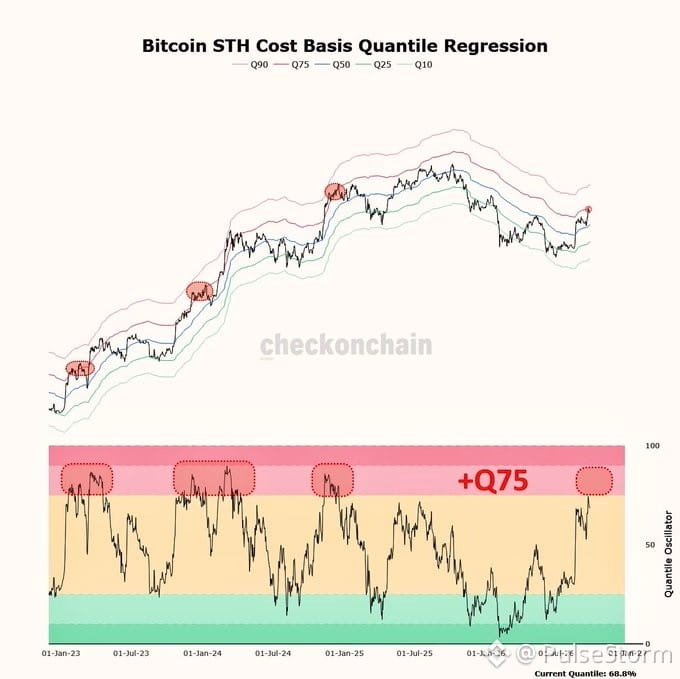
「$BTCを買ってはいけない」と叫ぶ“たった1つの指標”がある——しかも多くのトレーダーはそれを見落としている。
短期保有者のMVRV Q75。
仕組みはこう:ビットコインが、短期保有者の利益の75パーセンタイルを上回って取引されると、そこに長くとどまることはない。過去を見ると、そのゾーンの上で過ごす時間はほぼゼロに近い。
なぜか?短期保有者は深いグリーン(含み益)だから。利益を得ている保有者が売る。その売りが抵抗線を作る。抵抗が局所天井を生み、そしてその局所天井が、勢いに乗って追いかけた人たちを閉じ込める。
取引は実にシンプルだ:短期保有者が含み損のときに買う。彼らが高揚(エキサイティング)しているときに利確する。
多くの人は逆をやる——グリーンで買って、レッドで売る。それが多くの人が負ける理由だ。
この指標は、もう行動すべきタイミングを教えてくれている。あとは、それに従うだけの規律があるかどうか——ただそれだけの問題だ。
これが優位性(エッジ)。使うか、傍観するかだ。
「$BTCを買ってはいけない」と叫ぶ“たった1つの指標”がある——しかも多くのトレーダーはそれを見落としている。
短期保有者のMVRV Q75。
仕組みはこう:ビットコインが、短期保有者の利益の75パーセンタイルを上回って取引されると、そこに長くとどまることはない。過去を見ると、そのゾーンの上で過ごす時間はほぼゼロに近い。
なぜか?短期保有者は深いグリーン(含み益)だから。利益を得ている保有者が売る。その売りが抵抗線を作る。抵抗が局所天井を生み、そしてその局所天井が、勢いに乗って追いかけた人たちを閉じ込める。
取引は実にシンプルだ:短期保有者が含み損のときに買う。彼らが高揚(エキサイティング)しているときに利確する。
多くの人は逆をやる——グリーンで買って、レッドで売る。それが多くの人が負ける理由だ。
この指標は、もう行動すべきタイミングを教えてくれている。あとは、それに従うだけの規律があるかどうか——ただそれだけの問題だ。
これが優位性(エッジ)。使うか、傍観するかだ。
短期保有者のMVRV Q75。
仕組みはこう:ビットコインが、短期保有者の利益の75パーセンタイルを上回って取引されると、そこに長くとどまることはない。過去を見ると、そのゾーンの上で過ごす時間はほぼゼロに近い。
なぜか?短期保有者は深いグリーン(含み益)だから。利益を得ている保有者が売る。その売りが抵抗線を作る。抵抗が局所天井を生み、そしてその局所天井が、勢いに乗って追いかけた人たちを閉じ込める。
取引は実にシンプルだ:短期保有者が含み損のときに買う。彼らが高揚(エキサイティング)しているときに利確する。
多くの人は逆をやる——グリーンで買って、レッドで売る。それが多くの人が負ける理由だ。
この指標は、もう行動すべきタイミングを教えてくれている。あとは、それに従うだけの規律があるかどうか——ただそれだけの問題だ。
これが優位性(エッジ)。使うか、傍観するかだ。
1
830
·
--
本人確認中
トランプが「世界の海運課税」に対する宣戦布告を宣言 — そして事態はこれから本当に深刻になる
トランプは国連に対し率直にこう言った。「世界政府も、世界の税金もない」。彼の標的は、国際海事機関(IMO)のネットゼロ海運枠組みだ。トランプはそれを「最初の世界的な炭素税をこっそり成立させようとしている、どこか得体の知れない国連組織」だと呼んでいる。
同氏は、この政策が国際海運のコストを10〜20%、場合によってはそれ以上引き上げると主張する。インフレがそのままあなたの玄関先に届く形だ。
状況はこうだ。IMOの枠組みでは、総トン数5,000トン超の船舶に対し、炭素価格が付随した世界的な燃料基準を満たすことを強制している。基準を逃した場合は、IMOの「ネットゼロ基金」に資金を投入するための救済ユニットを購入する。目標は2050年までに海運のネットゼロを達成すること。
この枠組みは、2025年4月に事前の投票で63対16と可決された。だが、その後、米国が強硬に介入した。
投票に先立ち、米当局者が支持国に対し関税、査証(ビザ)制限、港湾手数料、制裁をちらつかせたと報じられている。投票は昨年10月に延期された。次の最終化の試みは12月だ。
現時点で、炭素価格の維持を明確に支持する国は38か国。反対は17か国で、その多くが石油生産国だ。米国、サウジアラビア、リベリアは、大幅な変更、または代替案を押し進めている。
支持者はこれを「温室効果ガスの価格設定メカニズム」と呼び、税ではないという。トランプはこれを「税」だと言う。同じメカニズムでも、受け取られ方が真逆だ。
12月が、どの言い回しが勝つのか、そしてこの話が現実になるのか粉砕されるのかを決める。
これは単なる政策のパフォーマンスではない。もしこの枠組みが通れば、海運コストが跳ね上がり、インフレが上がり、サプライチェーンが締め付けられる。トランプが潰せば、彼は「アメリカ・ファースト、世界的な統治は不要」という看板を固めることになる。
12月を見てほしい。ここで本当の投票が行われる。
トランプが「世界の海運課税」に対する宣戦布告を宣言 — そして事態はこれから本当に深刻になる
トランプは国連に対し率直にこう言った。「世界政府も、世界の税金もない」。彼の標的は、国際海事機関(IMO)のネットゼロ海運枠組みだ。トランプはそれを「最初の世界的な炭素税をこっそり成立させようとしている、どこか得体の知れない国連組織」だと呼んでいる。
同氏は、この政策が国際海運のコストを10〜20%、場合によってはそれ以上引き上げると主張する。インフレがそのままあなたの玄関先に届く形だ。
状況はこうだ。IMOの枠組みでは、総トン数5,000トン超の船舶に対し、炭素価格が付随した世界的な燃料基準を満たすことを強制している。基準を逃した場合は、IMOの「ネットゼロ基金」に資金を投入するための救済ユニットを購入する。目標は2050年までに海運のネットゼロを達成すること。
この枠組みは、2025年4月に事前の投票で63対16と可決された。だが、その後、米国が強硬に介入した。
投票に先立ち、米当局者が支持国に対し関税、査証(ビザ)制限、港湾手数料、制裁をちらつかせたと報じられている。投票は昨年10月に延期された。次の最終化の試みは12月だ。
現時点で、炭素価格の維持を明確に支持する国は38か国。反対は17か国で、その多くが石油生産国だ。米国、サウジアラビア、リベリアは、大幅な変更、または代替案を押し進めている。
支持者はこれを「温室効果ガスの価格設定メカニズム」と呼び、税ではないという。トランプはこれを「税」だと言う。同じメカニズムでも、受け取られ方が真逆だ。
12月が、どの言い回しが勝つのか、そしてこの話が現実になるのか粉砕されるのかを決める。
これは単なる政策のパフォーマンスではない。もしこの枠組みが通れば、海運コストが跳ね上がり、インフレが上がり、サプライチェーンが締め付けられる。トランプが潰せば、彼は「アメリカ・ファースト、世界的な統治は不要」という看板を固めることになる。
12月を見てほしい。ここで本当の投票が行われる。
トランプは国連に対し率直にこう言った。「世界政府も、世界の税金もない」。彼の標的は、国際海事機関(IMO)のネットゼロ海運枠組みだ。トランプはそれを「最初の世界的な炭素税をこっそり成立させようとしている、どこか得体の知れない国連組織」だと呼んでいる。
同氏は、この政策が国際海運のコストを10〜20%、場合によってはそれ以上引き上げると主張する。インフレがそのままあなたの玄関先に届く形だ。
状況はこうだ。IMOの枠組みでは、総トン数5,000トン超の船舶に対し、炭素価格が付随した世界的な燃料基準を満たすことを強制している。基準を逃した場合は、IMOの「ネットゼロ基金」に資金を投入するための救済ユニットを購入する。目標は2050年までに海運のネットゼロを達成すること。
この枠組みは、2025年4月に事前の投票で63対16と可決された。だが、その後、米国が強硬に介入した。
投票に先立ち、米当局者が支持国に対し関税、査証(ビザ)制限、港湾手数料、制裁をちらつかせたと報じられている。投票は昨年10月に延期された。次の最終化の試みは12月だ。
現時点で、炭素価格の維持を明確に支持する国は38か国。反対は17か国で、その多くが石油生産国だ。米国、サウジアラビア、リベリアは、大幅な変更、または代替案を押し進めている。
支持者はこれを「温室効果ガスの価格設定メカニズム」と呼び、税ではないという。トランプはこれを「税」だと言う。同じメカニズムでも、受け取られ方が真逆だ。
12月が、どの言い回しが勝つのか、そしてこの話が現実になるのか粉砕されるのかを決める。
これは単なる政策のパフォーマンスではない。もしこの枠組みが通れば、海運コストが跳ね上がり、インフレが上がり、サプライチェーンが締め付けられる。トランプが潰せば、彼は「アメリカ・ファースト、世界的な統治は不要」という看板を固めることになる。
12月を見てほしい。ここで本当の投票が行われる。
3
10
13.1k
·
--
🚨 サイラー、明確さに関する台本をひっくり返した
マイケル・セイラーは、CLARITY法案の死を「勝利」と呼んだ。
「それは権利章典じゃない。制限の法案だった。 」
彼は、上院が49対50でそれを葬った後のビットコイン・ポリシー・インスティテュート(BPI)でそう述べた。
彼の見解:ワシントンD.C.での仮想通貨ロビー活動の大半は、ユースケースを可能にすることではなく「阻止」を目的にしている。 「政策の多くは、禁止についてだ。 」
じゃあ彼の次の一手は?
制限系の法案は完全にスキップ。代わりに「デジタル権利法案」を推す。
「これはフリーダム・テック。自由は権利章典から始まる。 」
例:Apple、Google、Meta が安定コインを IPHONEやアンドロイドへ「直接」発行できるようにする。
「もしあなたがドル賛成で、アメリカ賛成なら、そうしたいと思いませんか?」
さらに彼は、デ・ミニマス免除も焼き払った——デジタル通貨取引はたった10ドルまでに縮小。 この閾値が、日常的な利用をKILLする。
$BTCは、彼がこの話をした同じ週に86,000ドル超まで回復した。
セイラーの組み立ては、とてつもなく大きい。
CLARITYが死んだのは負けじゃない。 制限を成文化してしまうような“悪い法律”で、実現する前に止まっただけだ。
これで、リアルなデジタル権利の枠組みに向けた扉が開いた。
これは物語の転換だ。 規制ショーではなく、自由のテック。
取引アングル:
$BTCが政策の混乱の後も86,000ドル超を維持 = 機関投資家の自信は無傷。 セイラーのデジタル権利推進が勢いを得れば、さらにもう一段、$90k+ へ向かう可能性もある。
上院の発言や、新しい法案が出るか注目してくれ。 政策の明確さ(本物のやつ)が、次の起爆剤になるかもしれない。
リスク:制限系の法案が再浮上すれば、私たちは82kのサポートを再テストすることになる。
でも今は? セイラーが雄牛に“物語”を与えた。
LFG 🚀
🚨 サイラー、明確さに関する台本をひっくり返した
マイケル・セイラーは、CLARITY法案の死を「勝利」と呼んだ。
「それは権利章典じゃない。制限の法案だった。 」
彼は、上院が49対50でそれを葬った後のビットコイン・ポリシー・インスティテュート(BPI)でそう述べた。
彼の見解:ワシントンD.C.での仮想通貨ロビー活動の大半は、ユースケースを可能にすることではなく「阻止」を目的にしている。 「政策の多くは、禁止についてだ。 」
じゃあ彼の次の一手は?
制限系の法案は完全にスキップ。代わりに「デジタル権利法案」を推す。
「これはフリーダム・テック。自由は権利章典から始まる。 」
例:Apple、Google、Meta が安定コインを IPHONEやアンドロイドへ「直接」発行できるようにする。
「もしあなたがドル賛成で、アメリカ賛成なら、そうしたいと思いませんか?」
さらに彼は、デ・ミニマス免除も焼き払った——デジタル通貨取引はたった10ドルまでに縮小。 この閾値が、日常的な利用をKILLする。
$BTCは、彼がこの話をした同じ週に86,000ドル超まで回復した。
セイラーの組み立ては、とてつもなく大きい。
CLARITYが死んだのは負けじゃない。 制限を成文化してしまうような“悪い法律”で、実現する前に止まっただけだ。
これで、リアルなデジタル権利の枠組みに向けた扉が開いた。
これは物語の転換だ。 規制ショーではなく、自由のテック。
取引アングル:
$BTCが政策の混乱の後も86,000ドル超を維持 = 機関投資家の自信は無傷。 セイラーのデジタル権利推進が勢いを得れば、さらにもう一段、$90k+ へ向かう可能性もある。
上院の発言や、新しい法案が出るか注目してくれ。 政策の明確さ(本物のやつ)が、次の起爆剤になるかもしれない。
リスク:制限系の法案が再浮上すれば、私たちは82kのサポートを再テストすることになる。
でも今は? セイラーが雄牛に“物語”を与えた。
LFG 🚀
マイケル・セイラーは、CLARITY法案の死を「勝利」と呼んだ。
「それは権利章典じゃない。制限の法案だった。 」
彼は、上院が49対50でそれを葬った後のビットコイン・ポリシー・インスティテュート(BPI)でそう述べた。
彼の見解:ワシントンD.C.での仮想通貨ロビー活動の大半は、ユースケースを可能にすることではなく「阻止」を目的にしている。 「政策の多くは、禁止についてだ。 」
じゃあ彼の次の一手は?
制限系の法案は完全にスキップ。代わりに「デジタル権利法案」を推す。
「これはフリーダム・テック。自由は権利章典から始まる。 」
例:Apple、Google、Meta が安定コインを IPHONEやアンドロイドへ「直接」発行できるようにする。
「もしあなたがドル賛成で、アメリカ賛成なら、そうしたいと思いませんか?」
さらに彼は、デ・ミニマス免除も焼き払った——デジタル通貨取引はたった10ドルまでに縮小。 この閾値が、日常的な利用をKILLする。
$BTCは、彼がこの話をした同じ週に86,000ドル超まで回復した。
セイラーの組み立ては、とてつもなく大きい。
CLARITYが死んだのは負けじゃない。 制限を成文化してしまうような“悪い法律”で、実現する前に止まっただけだ。
これで、リアルなデジタル権利の枠組みに向けた扉が開いた。
これは物語の転換だ。 規制ショーではなく、自由のテック。
取引アングル:
$BTCが政策の混乱の後も86,000ドル超を維持 = 機関投資家の自信は無傷。 セイラーのデジタル権利推進が勢いを得れば、さらにもう一段、$90k+ へ向かう可能性もある。
上院の発言や、新しい法案が出るか注目してくれ。 政策の明確さ(本物のやつ)が、次の起爆剤になるかもしれない。
リスク:制限系の法案が再浮上すれば、私たちは82kのサポートを再テストすることになる。
でも今は? セイラーが雄牛に“物語”を与えた。
LFG 🚀
577
·
--
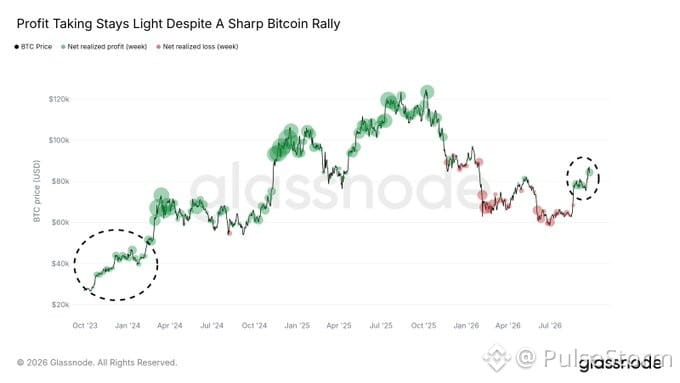
先週の確定利益は51億ドル。
すごいでしょ?
でも、まだ全然違う。
この水準は、2023年後半の頃に似ている——サイクルトップのエネルギーが出るずっと前だ。
本当の$BTCのトップ? 利益確定は10倍の激しさになる。取り乱すように。高揚していて。紛れもない。
今はまだ秩序立っている。冷静に。ほとんど退屈なくらい。
そうやって強気相場は死なない。
そうやって強気相場は“再装填”する。
トップは形成されていない。
まだ作られている最中だ。
ポジションを維持して。この先、走れる余地がある。🚀
先週の確定利益は51億ドル。
すごいでしょ?
でも、まだ全然違う。
この水準は、2023年後半の頃に似ている——サイクルトップのエネルギーが出るずっと前だ。
本当の$BTCのトップ? 利益確定は10倍の激しさになる。取り乱すように。高揚していて。紛れもない。
今はまだ秩序立っている。冷静に。ほとんど退屈なくらい。
そうやって強気相場は死なない。
そうやって強気相場は“再装填”する。
トップは形成されていない。
まだ作られている最中だ。
ポジションを維持して。この先、走れる余地がある。🚀
すごいでしょ?
でも、まだ全然違う。
この水準は、2023年後半の頃に似ている——サイクルトップのエネルギーが出るずっと前だ。
本当の$BTCのトップ? 利益確定は10倍の激しさになる。取り乱すように。高揚していて。紛れもない。
今はまだ秩序立っている。冷静に。ほとんど退屈なくらい。
そうやって強気相場は死なない。
そうやって強気相場は“再装填”する。
トップは形成されていない。
まだ作られている最中だ。
ポジションを維持して。この先、走れる余地がある。🚀
1
354
·
--
EUがデジタル権威主義の設計図を投下したのに、誰も十分にパニックになっていない。
彼らはインターネットにアクセスするための「パスポート」を求めている。提案ではない。要件だ。
そして決め手は—VPNをブロックして、回避できないようにする計画だ。もう一度その一文を読んでくれ:「新しい年齢確認システムはVPN経由では回避できない。」
これは机上の話じゃない。これは進路だ:
• 現金は€10k超が禁止
• $BTCは€1k超のIDが必要
• プライバシーコインはそのままストレートに禁止
• MiCAが仮想通貨企業の90%を一掃
• そして今、インターネット接続があなたのパスポートに紐づけられる
デジタル上のプライバシーが、リアルタイムで一層ずつ剥ぎ取られていく。
米国ではビットコインのゼロ・キャピタルゲイン課税を巡って議論している一方で、欧州は、あなたのあらゆるクリック、あらゆる取引、訪れるあらゆるサイトがあなたの身元でスタンプされる仕組みを作っている。
これは消費者保護ではない。これは支配だ。
そして取引の観点では? プライバシー技術、分散型VPN、そしてデジタルの自由に向けて課題を解くあらゆるプロジェクトにとって、これはMASSIVELY(非常に)強気材料になる。ツールを禁止するなら、代替需要は放物線級に急増する。
プライバシーに関する物語が加熱するのを見ろ。$ROSE $SCRT $NYM— 機密コンピューティングや分散型VPN領域の何かなら、この規制の波が続けば大きく跳ねる可能性がある。
彼らはもう隠していない。そして市場は、これを織り込み始める段階に来ている。
EUがデジタル権威主義の設計図を投下したのに、誰も十分にパニックになっていない。
彼らはインターネットにアクセスするための「パスポート」を求めている。提案ではない。要件だ。
そして決め手は—VPNをブロックして、回避できないようにする計画だ。もう一度その一文を読んでくれ:「新しい年齢確認システムはVPN経由では回避できない。」
これは机上の話じゃない。これは進路だ:
• 現金は€10k超が禁止
• $BTCは€1k超のIDが必要
• プライバシーコインはそのままストレートに禁止
• MiCAが仮想通貨企業の90%を一掃
• そして今、インターネット接続があなたのパスポートに紐づけられる
デジタル上のプライバシーが、リアルタイムで一層ずつ剥ぎ取られていく。
米国ではビットコインのゼロ・キャピタルゲイン課税を巡って議論している一方で、欧州は、あなたのあらゆるクリック、あらゆる取引、訪れるあらゆるサイトがあなたの身元でスタンプされる仕組みを作っている。
これは消費者保護ではない。これは支配だ。
そして取引の観点では? プライバシー技術、分散型VPN、そしてデジタルの自由に向けて課題を解くあらゆるプロジェクトにとって、これはMASSIVELY(非常に)強気材料になる。ツールを禁止するなら、代替需要は放物線級に急増する。
プライバシーに関する物語が加熱するのを見ろ。$ROSE $SCRT $NYM— 機密コンピューティングや分散型VPN領域の何かなら、この規制の波が続けば大きく跳ねる可能性がある。
彼らはもう隠していない。そして市場は、これを織り込み始める段階に来ている。
彼らはインターネットにアクセスするための「パスポート」を求めている。提案ではない。要件だ。
そして決め手は—VPNをブロックして、回避できないようにする計画だ。もう一度その一文を読んでくれ:「新しい年齢確認システムはVPN経由では回避できない。」
これは机上の話じゃない。これは進路だ:
• 現金は€10k超が禁止
• $BTCは€1k超のIDが必要
• プライバシーコインはそのままストレートに禁止
• MiCAが仮想通貨企業の90%を一掃
• そして今、インターネット接続があなたのパスポートに紐づけられる
デジタル上のプライバシーが、リアルタイムで一層ずつ剥ぎ取られていく。
米国ではビットコインのゼロ・キャピタルゲイン課税を巡って議論している一方で、欧州は、あなたのあらゆるクリック、あらゆる取引、訪れるあらゆるサイトがあなたの身元でスタンプされる仕組みを作っている。
これは消費者保護ではない。これは支配だ。
そして取引の観点では? プライバシー技術、分散型VPN、そしてデジタルの自由に向けて課題を解くあらゆるプロジェクトにとって、これはMASSIVELY(非常に)強気材料になる。ツールを禁止するなら、代替需要は放物線級に急増する。
プライバシーに関する物語が加熱するのを見ろ。$ROSE $SCRT $NYM— 機密コンピューティングや分散型VPN領域の何かなら、この規制の波が続けば大きく跳ねる可能性がある。
彼らはもう隠していない。そして市場は、これを織り込み始める段階に来ている。
1
3
3.4k
·
--
🔥一週間まるごと到来――マクロが暗号資産と交差し、しかも同時に全部動いている
月曜日は、8月のJOLTS求人(市場の期待はすでに低め)、第2四半期のGDP(確報)、さらに8月の個人所得/支出(PCEを含む)からスタート――FRBが最も重視するインフレ指標です。これは、30年国債利回りが2004年以来の最高水準に到達し、10年国債が2007年に見られた水準へ接近した直後に発表されます。金利が悲鳴を上げていて、FRBも注視しています。
金曜日:9月の雇用統計。月初の最初の金曜日で、いつも相場を動かします。
FRB当局者は割れています。ミケル・バールは追加利上げがなお必要になりそうだと述べています。NY連銀のジョン・ウィリアムズは、年末までにもう一段の利上げについて「妥当」と表現しました。CMEのFedWatchは現在、10月利上げの確率が75%超――1週間前の約49%から上昇。市場はその場で再評価を進めています。
暗号資産側でも並行して材料が積み上がっています。CFTCの「暗号資産マーケット規制(Regulation Crypto Asset Markets)」提案は、まだホワイトハウスで審査中です。Hyperliquidの新しい貸付商品は初日に借入$269Mを引き出し、TVLをArbitrumと同水準まで押し上げました。実際に資金が素早く動いています。
$BTCは約$86,000付近。金利見通し、PCEデータ、そして雇用統計――それらが同じ5日間に集中します。これが、FRBの「今回で(one and done)終わり」という物語が成り立つのか、それとも市場がさらに織り直し(再価格付け)を迫られるのかを決める週です。
取引アイデア:PCEが強い内容で、雇用も堅調なら、$BTCは$84,500近辺のサポートを試しに行く展開を想定。マクロが弱まれば、$88,000方向への押し上げもあり得ます。FRBの織り込みと米国債利回りを注視――この動きをリードしています。金利がさらに跳ねればリスクオフ。データが冷え、利上げ確率が下がればリスクオン。今週はQ4の流れを決めます。
🔥一週間まるごと到来――マクロが暗号資産と交差し、しかも同時に全部動いている
月曜日は、8月のJOLTS求人(市場の期待はすでに低め)、第2四半期のGDP(確報)、さらに8月の個人所得/支出(PCEを含む)からスタート――FRBが最も重視するインフレ指標です。これは、30年国債利回りが2004年以来の最高水準に到達し、10年国債が2007年に見られた水準へ接近した直後に発表されます。金利が悲鳴を上げていて、FRBも注視しています。
金曜日:9月の雇用統計。月初の最初の金曜日で、いつも相場を動かします。
FRB当局者は割れています。ミケル・バールは追加利上げがなお必要になりそうだと述べています。NY連銀のジョン・ウィリアムズは、年末までにもう一段の利上げについて「妥当」と表現しました。CMEのFedWatchは現在、10月利上げの確率が75%超――1週間前の約49%から上昇。市場はその場で再評価を進めています。
暗号資産側でも並行して材料が積み上がっています。CFTCの「暗号資産マーケット規制(Regulation Crypto Asset Markets)」提案は、まだホワイトハウスで審査中です。Hyperliquidの新しい貸付商品は初日に借入$269Mを引き出し、TVLをArbitrumと同水準まで押し上げました。実際に資金が素早く動いています。
$BTCは約$86,000付近。金利見通し、PCEデータ、そして雇用統計――それらが同じ5日間に集中します。これが、FRBの「今回で(one and done)終わり」という物語が成り立つのか、それとも市場がさらに織り直し(再価格付け)を迫られるのかを決める週です。
取引アイデア:PCEが強い内容で、雇用も堅調なら、$BTCは$84,500近辺のサポートを試しに行く展開を想定。マクロが弱まれば、$88,000方向への押し上げもあり得ます。FRBの織り込みと米国債利回りを注視――この動きをリードしています。金利がさらに跳ねればリスクオフ。データが冷え、利上げ確率が下がればリスクオン。今週はQ4の流れを決めます。
月曜日は、8月のJOLTS求人(市場の期待はすでに低め)、第2四半期のGDP(確報)、さらに8月の個人所得/支出(PCEを含む)からスタート――FRBが最も重視するインフレ指標です。これは、30年国債利回りが2004年以来の最高水準に到達し、10年国債が2007年に見られた水準へ接近した直後に発表されます。金利が悲鳴を上げていて、FRBも注視しています。
金曜日:9月の雇用統計。月初の最初の金曜日で、いつも相場を動かします。
FRB当局者は割れています。ミケル・バールは追加利上げがなお必要になりそうだと述べています。NY連銀のジョン・ウィリアムズは、年末までにもう一段の利上げについて「妥当」と表現しました。CMEのFedWatchは現在、10月利上げの確率が75%超――1週間前の約49%から上昇。市場はその場で再評価を進めています。
暗号資産側でも並行して材料が積み上がっています。CFTCの「暗号資産マーケット規制(Regulation Crypto Asset Markets)」提案は、まだホワイトハウスで審査中です。Hyperliquidの新しい貸付商品は初日に借入$269Mを引き出し、TVLをArbitrumと同水準まで押し上げました。実際に資金が素早く動いています。
$BTCは約$86,000付近。金利見通し、PCEデータ、そして雇用統計――それらが同じ5日間に集中します。これが、FRBの「今回で(one and done)終わり」という物語が成り立つのか、それとも市場がさらに織り直し(再価格付け)を迫られるのかを決める週です。
取引アイデア:PCEが強い内容で、雇用も堅調なら、$BTCは$84,500近辺のサポートを試しに行く展開を想定。マクロが弱まれば、$88,000方向への押し上げもあり得ます。FRBの織り込みと米国債利回りを注視――この動きをリードしています。金利がさらに跳ねればリスクオフ。データが冷え、利上げ確率が下がればリスクオン。今週はQ4の流れを決めます。
418
·
--
本人確認中
トム・リーが、追加の利上げなしでインフレが減速し得る理由の“実際のプレイブック”を投下した――しかもそれはただの願望(ホープ)ではなく、日付付きのメカニズムだ 📅
状況整理:"インフレが減り始めたとしても、先週に行われたFRBの利上げが理由ではない。理由は、すでに実施されている政策そのもの。" 翻訳すると、ラグ(遅れ)は本物で、データはFRBが想定するより早く反転し得る。
3つの具体的なきっかけ:
1️⃣ 9月30日のPCE手法変更――それだけで、前年比の公表値から20〜40ベーシスポイント削る可能性。これは大きなテクニカル要因。
2️⃣ 関税効果が時間とともに薄れる――基準効果(ベース効果)が剥落し、圧力が和らぐ。
3️⃣ フラッシュメモリ価格の正常化――もう一つの投入コストの冷却材料。
次に原油の計算:原油が$100近辺を維持するなら、今から6か月後にはインフレへの上乗せが止まる。なぜ? だって前年比の比較がフラットになるから。$150に向かって押し上げない限り、火にくべる新しい燃料はない。
インフレをここから実際に加速させるには、リーによれば“同時に3つ”が必要だという:住宅コストが跳ね上がる、原油が$150へ走る、そしてメモリ価格が再び上昇する。もしそれがどれも起きないなら? インフレは「いずれ」低下し得て、それによってFRBがその強硬さの一部を後退させる余地が出る。
ここが取引可能なポイント 🎯
歴史的に、最も強硬な局面の後にハト派への転換が来ると、高β(値動きの大きい)資産――$ETHや$SOLを含む――の上昇が予測されてきた。保証ではないが、パターンだ。しかも今は、強硬姿勢としてはピークに近いところにいる。
9月30日のPCE修正が最初の本格テスト。これがカレンダー上の日時であり、反証可能な出来事(ファルシファイ可能な事象)。もし数字が予想より弱ければ、センチメントが素早く変わる可能性がある。
取引アイデア:PCEの結果を監視する。もし弱ければ、$ETHが主要抵抗線(目安として$1,650〜$1,700のゾーン)を上抜けるかを見て、リスクオンが戻ってきたサインにする。直近の安値を下回ったら損切り。データが協力するなら、ロング側のリスク/リワードが有利だ。
これは希望によるトレードではない。日付付きの前提と仕組み、そして明確な無効化ポイントがある“論拠”だ。データが届くか見よう 🔥
トム・リーが、追加の利上げなしでインフレが減速し得る理由の“実際のプレイブック”を投下した――しかもそれはただの願望(ホープ)ではなく、日付付きのメカニズムだ 📅
状況整理:"インフレが減り始めたとしても、先週に行われたFRBの利上げが理由ではない。理由は、すでに実施されている政策そのもの。" 翻訳すると、ラグ(遅れ)は本物で、データはFRBが想定するより早く反転し得る。
3つの具体的なきっかけ:
1️⃣ 9月30日のPCE手法変更――それだけで、前年比の公表値から20〜40ベーシスポイント削る可能性。これは大きなテクニカル要因。
2️⃣ 関税効果が時間とともに薄れる――基準効果(ベース効果)が剥落し、圧力が和らぐ。
3️⃣ フラッシュメモリ価格の正常化――もう一つの投入コストの冷却材料。
次に原油の計算:原油が$100近辺を維持するなら、今から6か月後にはインフレへの上乗せが止まる。なぜ? だって前年比の比較がフラットになるから。$150に向かって押し上げない限り、火にくべる新しい燃料はない。
インフレをここから実際に加速させるには、リーによれば“同時に3つ”が必要だという:住宅コストが跳ね上がる、原油が$150へ走る、そしてメモリ価格が再び上昇する。もしそれがどれも起きないなら? インフレは「いずれ」低下し得て、それによってFRBがその強硬さの一部を後退させる余地が出る。
ここが取引可能なポイント 🎯
歴史的に、最も強硬な局面の後にハト派への転換が来ると、高β(値動きの大きい)資産――$ETHや$SOLを含む――の上昇が予測されてきた。保証ではないが、パターンだ。しかも今は、強硬姿勢としてはピークに近いところにいる。
9月30日のPCE修正が最初の本格テスト。これがカレンダー上の日時であり、反証可能な出来事(ファルシファイ可能な事象)。もし数字が予想より弱ければ、センチメントが素早く変わる可能性がある。
取引アイデア:PCEの結果を監視する。もし弱ければ、$ETHが主要抵抗線(目安として$1,650〜$1,700のゾーン)を上抜けるかを見て、リスクオンが戻ってきたサインにする。直近の安値を下回ったら損切り。データが協力するなら、ロング側のリスク/リワードが有利だ。
これは希望によるトレードではない。日付付きの前提と仕組み、そして明確な無効化ポイントがある“論拠”だ。データが届くか見よう 🔥
状況整理:"インフレが減り始めたとしても、先週に行われたFRBの利上げが理由ではない。理由は、すでに実施されている政策そのもの。" 翻訳すると、ラグ(遅れ)は本物で、データはFRBが想定するより早く反転し得る。
3つの具体的なきっかけ:
1️⃣ 9月30日のPCE手法変更――それだけで、前年比の公表値から20〜40ベーシスポイント削る可能性。これは大きなテクニカル要因。
2️⃣ 関税効果が時間とともに薄れる――基準効果(ベース効果)が剥落し、圧力が和らぐ。
3️⃣ フラッシュメモリ価格の正常化――もう一つの投入コストの冷却材料。
次に原油の計算:原油が$100近辺を維持するなら、今から6か月後にはインフレへの上乗せが止まる。なぜ? だって前年比の比較がフラットになるから。$150に向かって押し上げない限り、火にくべる新しい燃料はない。
インフレをここから実際に加速させるには、リーによれば“同時に3つ”が必要だという:住宅コストが跳ね上がる、原油が$150へ走る、そしてメモリ価格が再び上昇する。もしそれがどれも起きないなら? インフレは「いずれ」低下し得て、それによってFRBがその強硬さの一部を後退させる余地が出る。
ここが取引可能なポイント 🎯
歴史的に、最も強硬な局面の後にハト派への転換が来ると、高β(値動きの大きい)資産――$ETHや$SOLを含む――の上昇が予測されてきた。保証ではないが、パターンだ。しかも今は、強硬姿勢としてはピークに近いところにいる。
9月30日のPCE修正が最初の本格テスト。これがカレンダー上の日時であり、反証可能な出来事(ファルシファイ可能な事象)。もし数字が予想より弱ければ、センチメントが素早く変わる可能性がある。
取引アイデア:PCEの結果を監視する。もし弱ければ、$ETHが主要抵抗線(目安として$1,650〜$1,700のゾーン)を上抜けるかを見て、リスクオンが戻ってきたサインにする。直近の安値を下回ったら損切り。データが協力するなら、ロング側のリスク/リワードが有利だ。
これは希望によるトレードではない。日付付きの前提と仕組み、そして明確な無効化ポイントがある“論拠”だ。データが届くか見よう 🔥
654
·
--
群衆は「$BTCは世界のM2流動性に連動する」と確信していた――しかしそうではなかった。
そのとき、本当の痛みが始まる。
誰もが同じように構えていた。誰もが同じ方向に身を傾けていた。ところが市場が逆方向に急反転し、コンセンサスを踏み潰して清算していく。
M2は重要?もちろん。でも、市場は“みんながすでに乗っている”ときは爆上げしない。爆上げするのは、群衆が降参(キャピット)するときだ。
物語が混み合ったポジションを生む。混み合ったポジション=暴力的な反転。
歴史上の最大の勝利は、みんなが間違っているときに生まれた。自分で考えろ。あきらかなものに疑問を持て。みんなが言っていることではなく、自分が見たものを取引しろ。
市場は独自の読みを評価し、集団思考(グループシンク)を罰する。屠殺される群れの一員になるな。
鋭くいろ。懐疑的でいろ。そして群衆が一方向に行き過ぎたときは、常にリスク管理を徹底しろ。
群衆は「$BTCは世界のM2流動性に連動する」と確信していた――しかしそうではなかった。
そのとき、本当の痛みが始まる。
誰もが同じように構えていた。誰もが同じ方向に身を傾けていた。ところが市場が逆方向に急反転し、コンセンサスを踏み潰して清算していく。
M2は重要?もちろん。でも、市場は“みんながすでに乗っている”ときは爆上げしない。爆上げするのは、群衆が降参(キャピット)するときだ。
物語が混み合ったポジションを生む。混み合ったポジション=暴力的な反転。
歴史上の最大の勝利は、みんなが間違っているときに生まれた。自分で考えろ。あきらかなものに疑問を持て。みんなが言っていることではなく、自分が見たものを取引しろ。
市場は独自の読みを評価し、集団思考(グループシンク)を罰する。屠殺される群れの一員になるな。
鋭くいろ。懐疑的でいろ。そして群衆が一方向に行き過ぎたときは、常にリスク管理を徹底しろ。
そのとき、本当の痛みが始まる。
誰もが同じように構えていた。誰もが同じ方向に身を傾けていた。ところが市場が逆方向に急反転し、コンセンサスを踏み潰して清算していく。
M2は重要?もちろん。でも、市場は“みんながすでに乗っている”ときは爆上げしない。爆上げするのは、群衆が降参(キャピット)するときだ。
物語が混み合ったポジションを生む。混み合ったポジション=暴力的な反転。
歴史上の最大の勝利は、みんなが間違っているときに生まれた。自分で考えろ。あきらかなものに疑問を持て。みんなが言っていることではなく、自分が見たものを取引しろ。
市場は独自の読みを評価し、集団思考(グループシンク)を罰する。屠殺される群れの一員になるな。
鋭くいろ。懐疑的でいろ。そして群衆が一方向に行き過ぎたときは、常にリスク管理を徹底しろ。
225
ログインして、さらにコンテンツを読む
厳選トピックで世界の暗号資産トレーダーの仲間入り
⚡️ 暗号資産に関する最新かつ有益な情報が見つかります。
💬 世界最大の暗号資産取引所から信頼されています。
👍 認証を受けたクリエイターから、有益なインサイトを得られます。
メール / 電話番号