

OnchainSani
77 投稿

OnchainSani
報告
ユーザーをブロック
9 フォロー
15 フォロワー
92 いいね
投稿
すべて
引用
·
--
ブリッシュ
TONユーザーは、クロスチェーンのフローを手動で管理することなく、EVM製品にアクセスできる。
新しいSTON.fiのオープンソース例が、クロスチェーンに対するアプローチが別方向からなされている点で私の注目を集めました。
「どうやって資産をブリッジするのか?」から始めるのではなく、
「TONユーザーはどのようにしてEVMネイティブの製品にアクセスできるのか?」から始まります。
この例は、Telegramのミニアプリの中でそれがどのように機能するかを示しています。
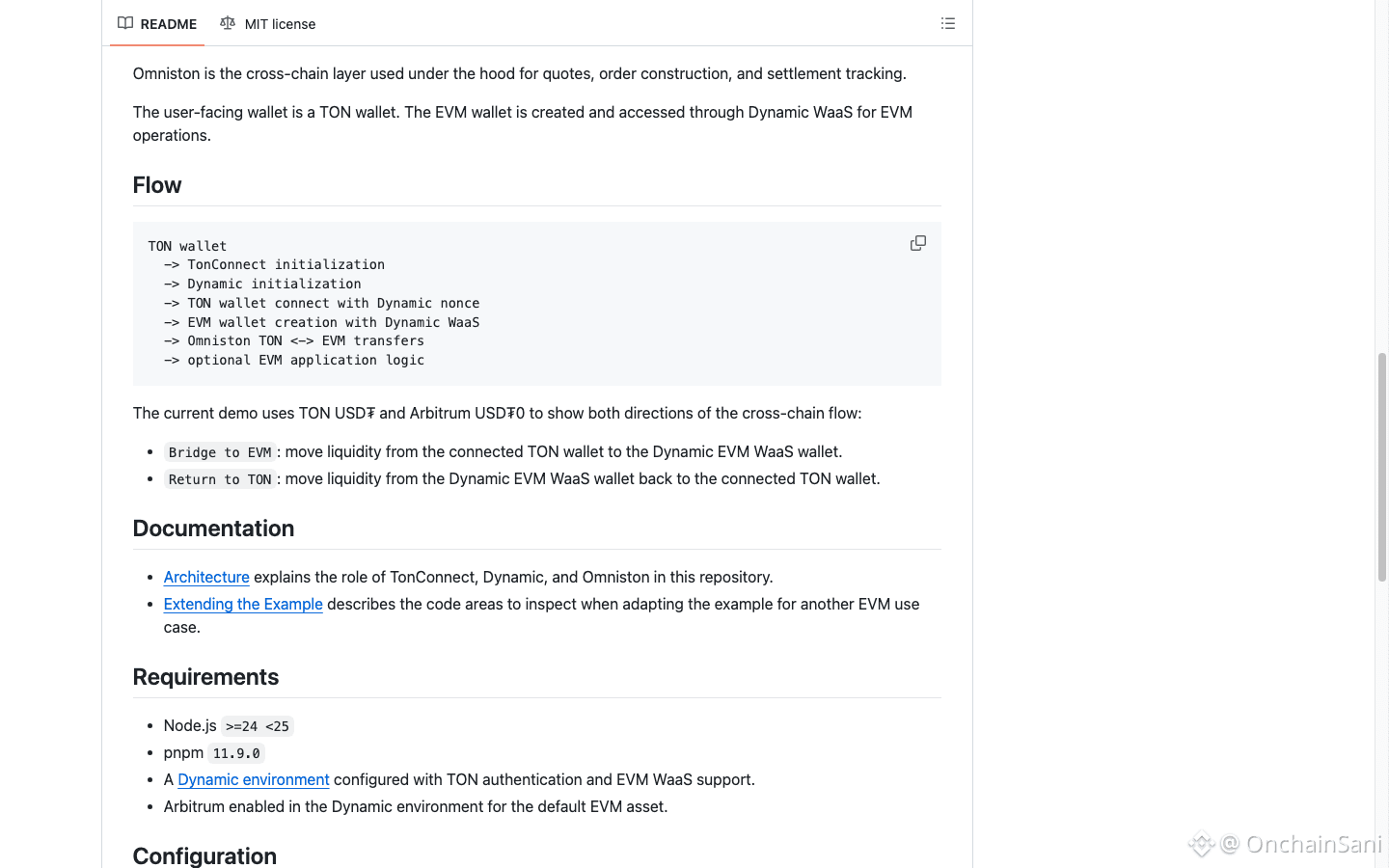
TONユーザーはTonConnect経由で接続し、その裏側ではDynamicの組み込みEVMウォレットが作成されます。
クロスチェーンの実行はOmnistonが担当します。
例のルートは次のとおりです:
TON USDT ↔ Arbitrum USDT0
私が面白いと感じたのはUXです。
ユーザーは、製品を使う前にTON側とEVM側を必ずしも手動で調整する必要はありません。
アプリケーションが、その複雑さの多くを抽象化できます。
そして、これは単なる理論ではありません。
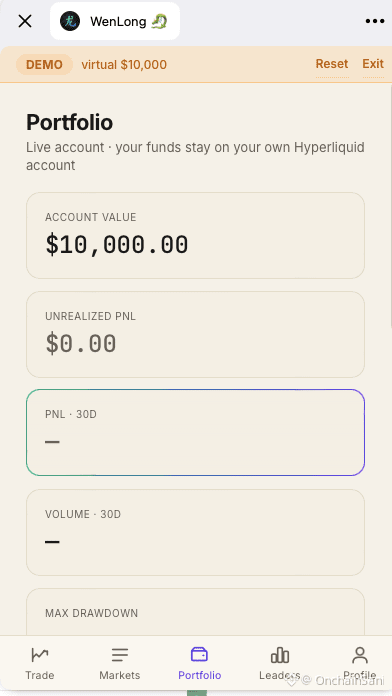
STON.fiは、Predict with PolymarketやWenLongのような例を挙げており、クロスチェーンのインフラがTONユーザーをEVMベースの製品につなぐために利用されています。
ビルダーにとっては、おそらくここがより大きな本題でしょう。
EVMネイティブの製品は、TONユーザーにその体験を届けるためだけに、TONネイティブのアプリとして作り直す必要があるとは限りません。
この統合パターンは、開発者が確認してそこから構築できるように、今や公開されています。
[Open the GitHub example](https://github.com/ston-fi/omniston-ton-evm-miniapp-example?utm_source=chatgpt.com)
TONユーザーは、クロスチェーンのフローを手動で管理することなく、EVM製品にアクセスできる。
新しいSTON.fiのオープンソース例が、クロスチェーンに対するアプローチが別方向からなされている点で私の注目を集めました。
「どうやって資産をブリッジするのか?」から始めるのではなく、
「TONユーザーはどのようにしてEVMネイティブの製品にアクセスできるのか?」から始まります。
この例は、Telegramのミニアプリの中でそれがどのように機能するかを示しています。
TONユーザーはTonConnect経由で接続し、その裏側ではDynamicの組み込みEVMウォレットが作成されます。
クロスチェーンの実行はOmnistonが担当します。
例のルートは次のとおりです:
TON USDT ↔ Arbitrum USDT0
私が面白いと感じたのはUXです。
ユーザーは、製品を使う前にTON側とEVM側を必ずしも手動で調整する必要はありません。
アプリケーションが、その複雑さの多くを抽象化できます。
そして、これは単なる理論ではありません。
STON.fiは、Predict with PolymarketやWenLongのような例を挙げており、クロスチェーンのインフラがTONユーザーをEVMベースの製品につなぐために利用されています。
ビルダーにとっては、おそらくここがより大きな本題でしょう。
EVMネイティブの製品は、TONユーザーにその体験を届けるためだけに、TONネイティブのアプリとして作り直す必要があるとは限りません。
この統合パターンは、開発者が確認してそこから構築できるように、今や公開されています。
Open the GitHub example
新しいSTON.fiのオープンソース例が、クロスチェーンに対するアプローチが別方向からなされている点で私の注目を集めました。
「どうやって資産をブリッジするのか?」から始めるのではなく、
「TONユーザーはどのようにしてEVMネイティブの製品にアクセスできるのか?」から始まります。
この例は、Telegramのミニアプリの中でそれがどのように機能するかを示しています。
TONユーザーはTonConnect経由で接続し、その裏側ではDynamicの組み込みEVMウォレットが作成されます。
クロスチェーンの実行はOmnistonが担当します。
例のルートは次のとおりです:
TON USDT ↔ Arbitrum USDT0
私が面白いと感じたのはUXです。
ユーザーは、製品を使う前にTON側とEVM側を必ずしも手動で調整する必要はありません。
アプリケーションが、その複雑さの多くを抽象化できます。
そして、これは単なる理論ではありません。
STON.fiは、Predict with PolymarketやWenLongのような例を挙げており、クロスチェーンのインフラがTONユーザーをEVMベースの製品につなぐために利用されています。
ビルダーにとっては、おそらくここがより大きな本題でしょう。
EVMネイティブの製品は、TONユーザーにその体験を届けるためだけに、TONネイティブのアプリとして作り直す必要があるとは限りません。
この統合パターンは、開発者が確認してそこから構築できるように、今や公開されています。
Open the GitHub example
63
·
--
ブリッシュ
ポリゴン → TON のクロスチェーンルートを STON.fi で試してみた
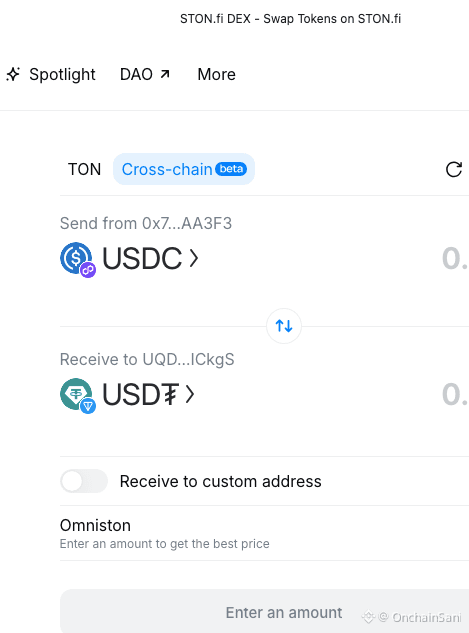
実際に STON.fi を通じて、Polygon から TON 上の USDT へ USDC を移すとどんな感じなのか確認したかったんです。
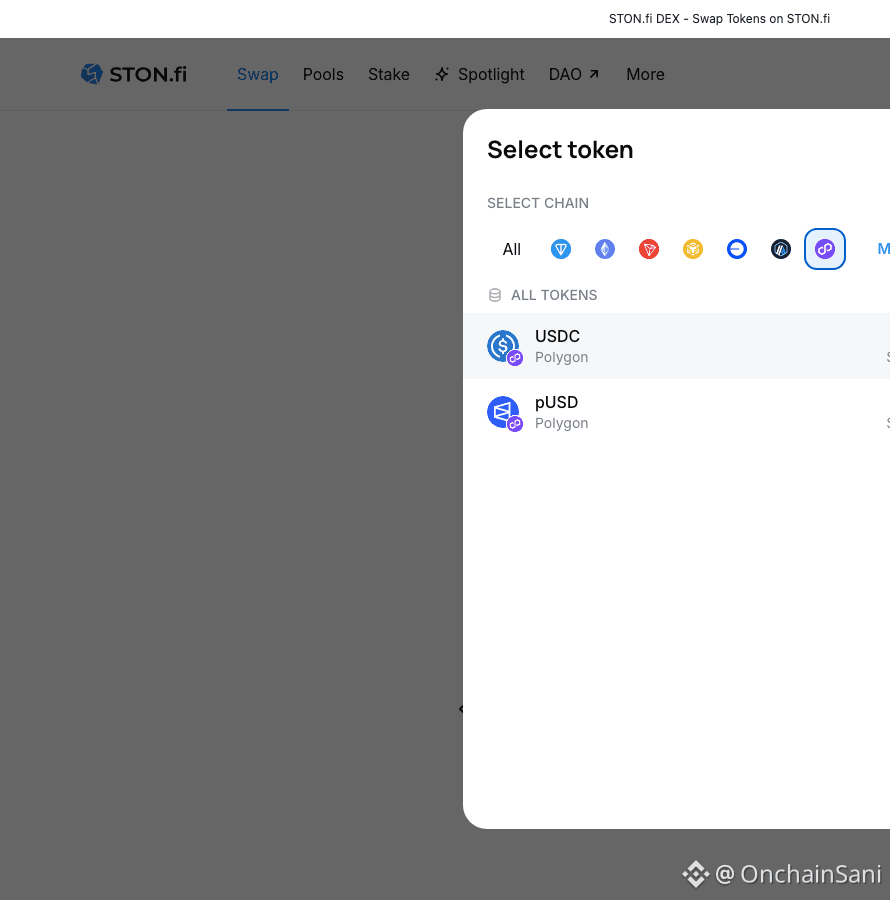
まずはソースとなる資産として USDC を選択しました。
最初に確認したのはネットワークです。USDC は複数のチェーンで利用できるからです。
次に、宛先として TON 上の USDT を選択しました。
この時点で、ルートはとても分かりやすくなっていました。
いきなり自分で USDC をどこかに移してから、次の手順を考え込む必要がありません。
確定する前に、クオートとトランザクションの詳細も確認しました。
それは私にとって重要なプロセスです。
知りたいのは次のことです:
資産がどこから来るのか
どこへ向かうのか
受け取ると期待されるもの
手数料やその他のトランザクション詳細がどのように表示されるのか
基本的な流れは次の通りです:
USDC(Polygon)→ STON.fi → USDT(TON)
面白いのは、単に資産が別々のネットワーク上にあるという点だけではありません。
クロスチェーンの移動を、ユーザーが毎ステップを自分で手作業で調整するのではなく、理解しやすいひとつのフローとして提示できる点です。
ポリゴン → TON のクロスチェーンルートを STON.fi で試してみた
実際に STON.fi を通じて、Polygon から TON 上の USDT へ USDC を移すとどんな感じなのか確認したかったんです。
まずはソースとなる資産として USDC を選択しました。
最初に確認したのはネットワークです。USDC は複数のチェーンで利用できるからです。
次に、宛先として TON 上の USDT を選択しました。
この時点で、ルートはとても分かりやすくなっていました。
いきなり自分で USDC をどこかに移してから、次の手順を考え込む必要がありません。
確定する前に、クオートとトランザクションの詳細も確認しました。
それは私にとって重要なプロセスです。
知りたいのは次のことです:
資産がどこから来るのか
どこへ向かうのか
受け取ると期待されるもの
手数料やその他のトランザクション詳細がどのように表示されるのか
基本的な流れは次の通りです:
USDC(Polygon)→ STON.fi → USDT(TON)
面白いのは、単に資産が別々のネットワーク上にあるという点だけではありません。
クロスチェーンの移動を、ユーザーが毎ステップを自分で手作業で調整するのではなく、理解しやすいひとつのフローとして提示できる点です。
実際に STON.fi を通じて、Polygon から TON 上の USDT へ USDC を移すとどんな感じなのか確認したかったんです。
まずはソースとなる資産として USDC を選択しました。
最初に確認したのはネットワークです。USDC は複数のチェーンで利用できるからです。
次に、宛先として TON 上の USDT を選択しました。
この時点で、ルートはとても分かりやすくなっていました。
いきなり自分で USDC をどこかに移してから、次の手順を考え込む必要がありません。
確定する前に、クオートとトランザクションの詳細も確認しました。
それは私にとって重要なプロセスです。
知りたいのは次のことです:
資産がどこから来るのか
どこへ向かうのか
受け取ると期待されるもの
手数料やその他のトランザクション詳細がどのように表示されるのか
基本的な流れは次の通りです:
USDC(Polygon)→ STON.fi → USDT(TON)
面白いのは、単に資産が別々のネットワーク上にあるという点だけではありません。
クロスチェーンの移動を、ユーザーが毎ステップを自分で手作業で調整するのではなく、理解しやすいひとつのフローとして提示できる点です。
63
·
--
ブリッシュ
TONでより大きなスワップを行う前に、価格インパクトを確認する方法
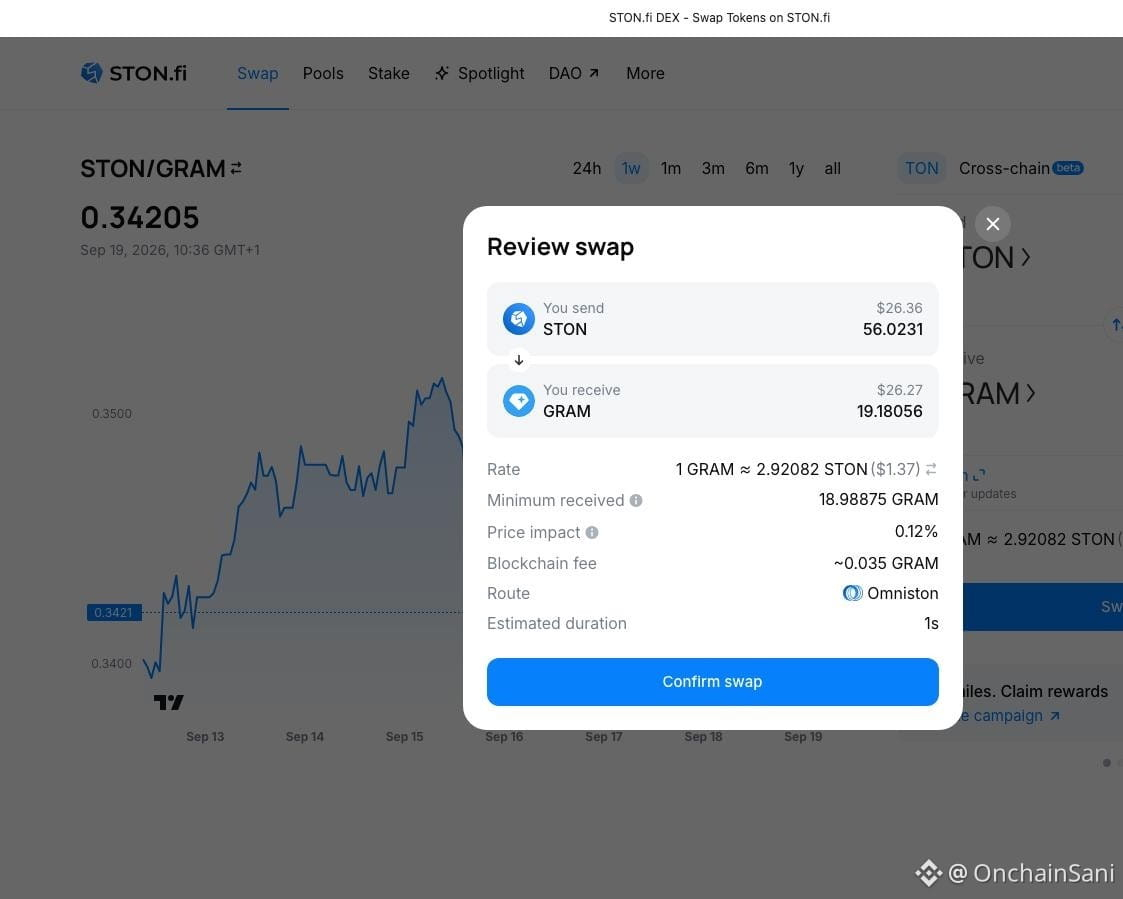
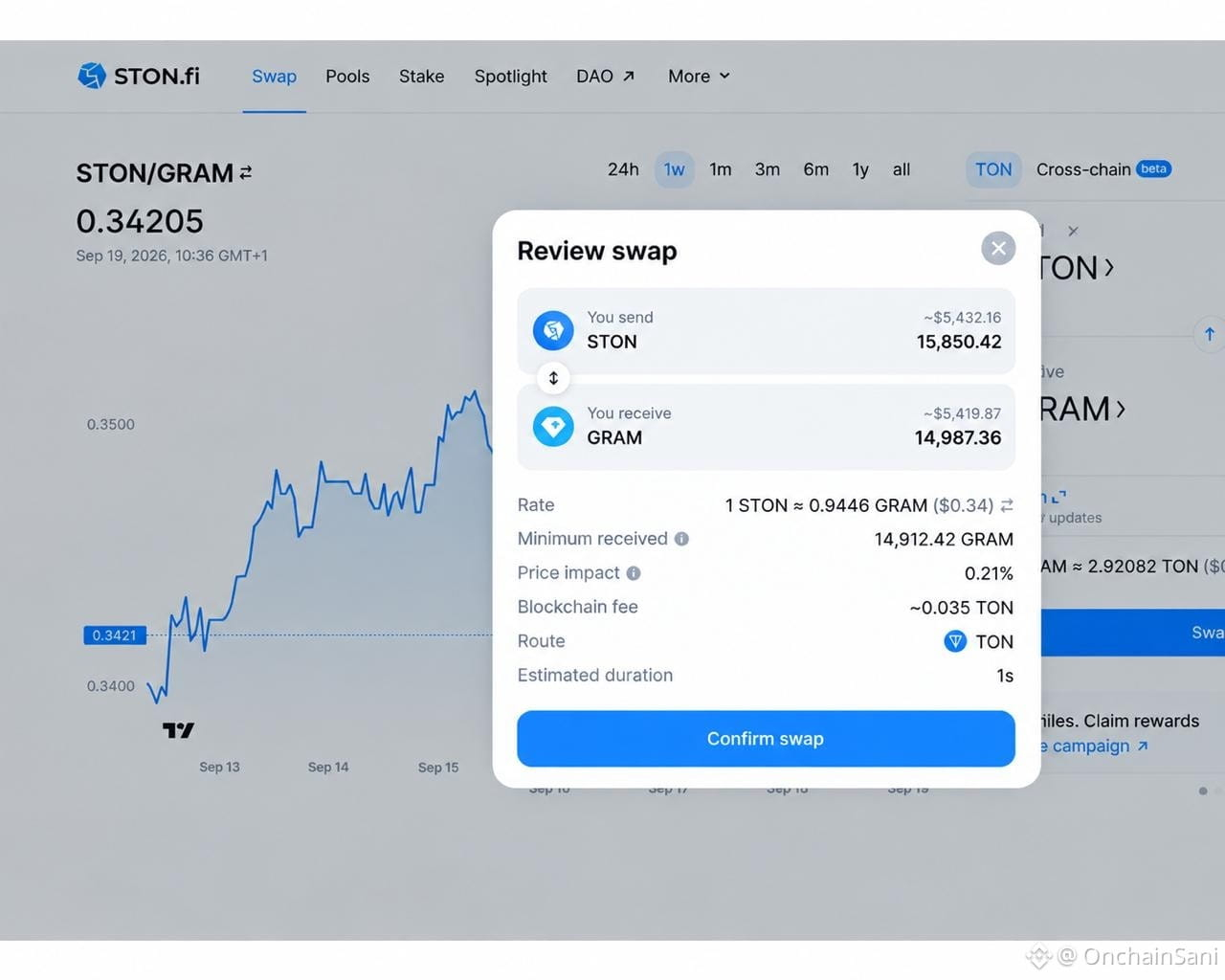
TONで大きめのスワップをする時、私はトークン価格だけを見て判断しません。
自分がスワップする「その金額に対して、実際にいくら受け取れるのか」を知りたいのです。
そのため、確定する前にSTON.fiで価格インパクト(Price Impact)を確認します。
私の手順はシンプルです:
1. 実際にスワップしたい金額を入力する。
2. 受け取れる見込み金額を確認する。
3. 価格インパクトを確認する。
4. 金額を減らして、インパクトが高いように見えるか比較する。
5. 別のルートが利用可能か確認する。
金額を大きく減らすと価格インパクトが大きく改善するなら、それは有益な情報です。つまり、取引サイズが実行に意味のある影響を与えているということです。
私がやらないことのひとつは、価格インパクトが高いからといって、スリッページを自動的に増やすことです。
価格インパクトとスリッページは別物です。
価格インパクトは、取引が利用可能な流動性に与える影響のこと。スリッページは、市場・実行状況の変化によって、期待した実行と実際の実行の差が生じることを指します。
私にとっての主な学びはシンプルです:
「トークン価格はいくら?」だけを聞かない。
こう聞いてください:
「自分の取引サイズに対して、実際にいくらの価格で買える(受け取れる)のか?」
確定する前に、STON.fiであなた自身が見積もり(クオート)を確認できます:
TONでより大きなスワップを行う前に、価格インパクトを確認する方法
TONで大きめのスワップをする時、私はトークン価格だけを見て判断しません。
自分がスワップする「その金額に対して、実際にいくら受け取れるのか」を知りたいのです。
そのため、確定する前にSTON.fiで価格インパクト(Price Impact)を確認します。
私の手順はシンプルです:
1. 実際にスワップしたい金額を入力する。
2. 受け取れる見込み金額を確認する。
3. 価格インパクトを確認する。
4. 金額を減らして、インパクトが高いように見えるか比較する。
5. 別のルートが利用可能か確認する。
金額を大きく減らすと価格インパクトが大きく改善するなら、それは有益な情報です。つまり、取引サイズが実行に意味のある影響を与えているということです。
私がやらないことのひとつは、価格インパクトが高いからといって、スリッページを自動的に増やすことです。
価格インパクトとスリッページは別物です。
価格インパクトは、取引が利用可能な流動性に与える影響のこと。スリッページは、市場・実行状況の変化によって、期待した実行と実際の実行の差が生じることを指します。
私にとっての主な学びはシンプルです:
「トークン価格はいくら?」だけを聞かない。
こう聞いてください:
「自分の取引サイズに対して、実際にいくらの価格で買える(受け取れる)のか?」
確定する前に、STON.fiであなた自身が見積もり(クオート)を確認できます:
TONで大きめのスワップをする時、私はトークン価格だけを見て判断しません。
自分がスワップする「その金額に対して、実際にいくら受け取れるのか」を知りたいのです。
そのため、確定する前にSTON.fiで価格インパクト(Price Impact)を確認します。
私の手順はシンプルです:
1. 実際にスワップしたい金額を入力する。
2. 受け取れる見込み金額を確認する。
3. 価格インパクトを確認する。
4. 金額を減らして、インパクトが高いように見えるか比較する。
5. 別のルートが利用可能か確認する。
金額を大きく減らすと価格インパクトが大きく改善するなら、それは有益な情報です。つまり、取引サイズが実行に意味のある影響を与えているということです。
私がやらないことのひとつは、価格インパクトが高いからといって、スリッページを自動的に増やすことです。
価格インパクトとスリッページは別物です。
価格インパクトは、取引が利用可能な流動性に与える影響のこと。スリッページは、市場・実行状況の変化によって、期待した実行と実際の実行の差が生じることを指します。
私にとっての主な学びはシンプルです:
「トークン価格はいくら?」だけを聞かない。
こう聞いてください:
「自分の取引サイズに対して、実際にいくらの価格で買える(受け取れる)のか?」
確定する前に、STON.fiであなた自身が見積もり(クオート)を確認できます:
324
·
--
ブリッシュ
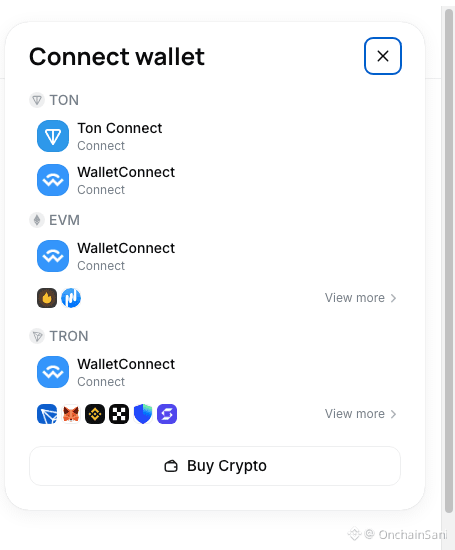
WalletConnect経由でSTON.fiに接続できるかテストしました
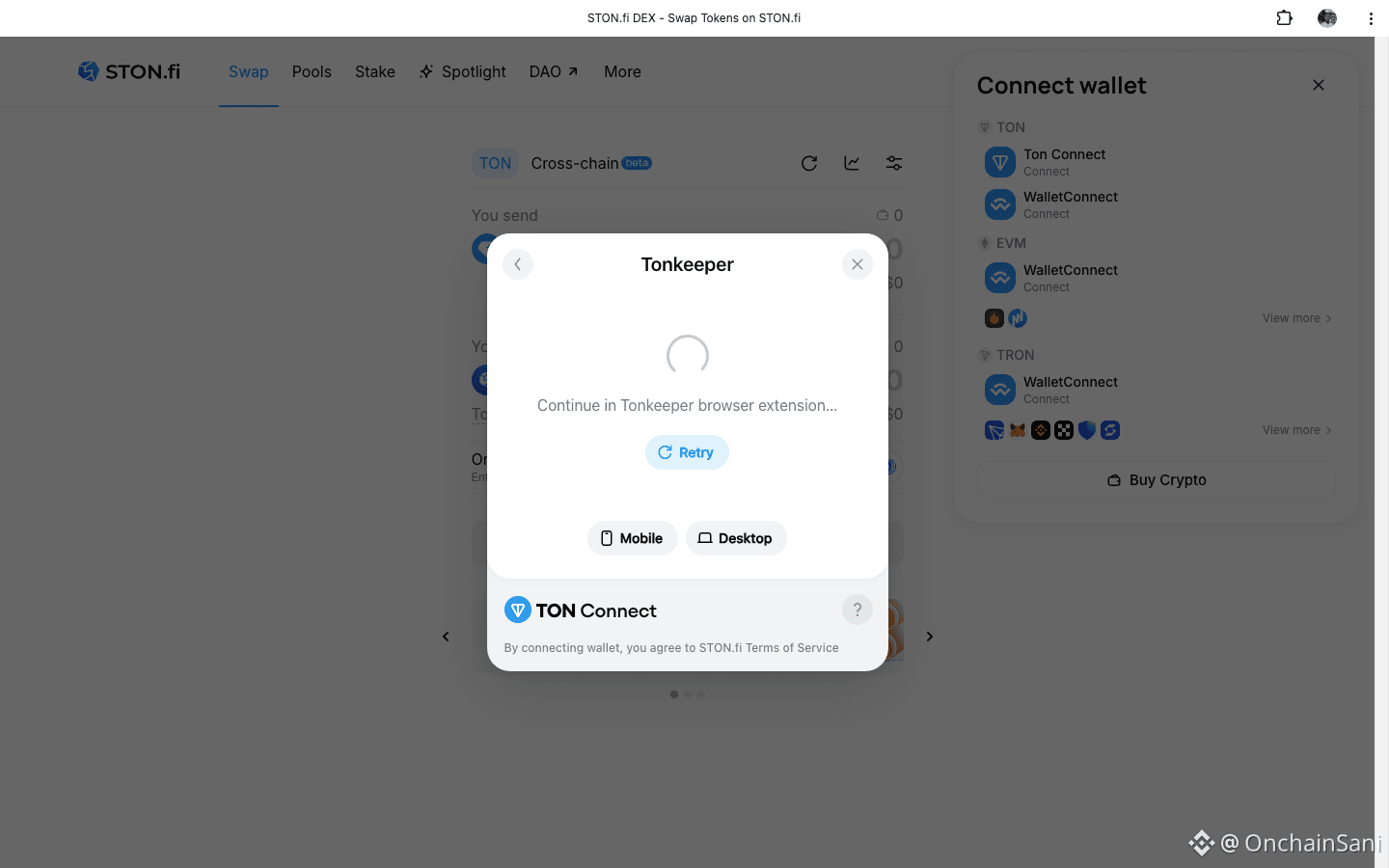
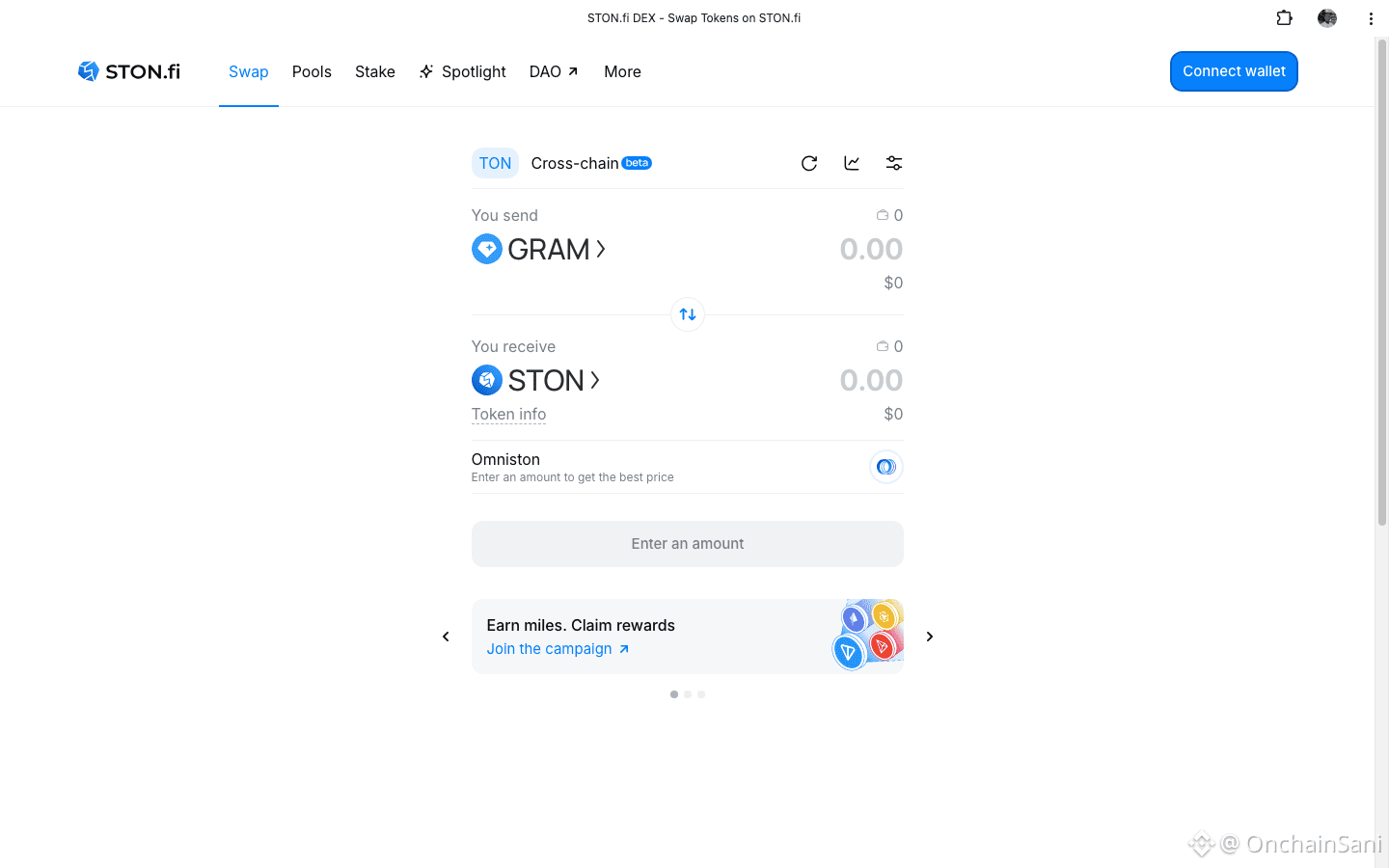
WalletConnectを使って対応するマルチチェーンウォレットを実際にSTON.fiへ接続するのがどれくらい複雑なのか確認したかったのです。
手順は次のとおりでした:
ウォレットに接続 → すべてのウォレットを表示 → WalletConnect → 接続
STON.fiでは、WalletConnectのTON連携により、TONネイティブのウォレットに切り替えなくても対応ウォレットがTON dAppsとやり取りできると説明されています。
良かった点は、プロセスがシンプルだったことです。
新しいDEXのインターフェースを学ぶ必要はありませんでした。
すでに使っているウォレットをそのまま接続して、STON.fiのインターフェースを続けるだけです。
ウォレット接続という基本的なことに対して、これは良いUXです。
WalletConnect経由でSTON.fiに接続できるかテストしました
WalletConnectを使って対応するマルチチェーンウォレットを実際にSTON.fiへ接続するのがどれくらい複雑なのか確認したかったのです。
手順は次のとおりでした:
ウォレットに接続 → すべてのウォレットを表示 → WalletConnect → 接続
STON.fiでは、WalletConnectのTON連携により、TONネイティブのウォレットに切り替えなくても対応ウォレットがTON dAppsとやり取りできると説明されています。
良かった点は、プロセスがシンプルだったことです。
新しいDEXのインターフェースを学ぶ必要はありませんでした。
すでに使っているウォレットをそのまま接続して、STON.fiのインターフェースを続けるだけです。
ウォレット接続という基本的なことに対して、これは良いUXです。
WalletConnectを使って対応するマルチチェーンウォレットを実際にSTON.fiへ接続するのがどれくらい複雑なのか確認したかったのです。
手順は次のとおりでした:
ウォレットに接続 → すべてのウォレットを表示 → WalletConnect → 接続
STON.fiでは、WalletConnectのTON連携により、TONネイティブのウォレットに切り替えなくても対応ウォレットがTON dAppsとやり取りできると説明されています。
良かった点は、プロセスがシンプルだったことです。
新しいDEXのインターフェースを学ぶ必要はありませんでした。
すでに使っているウォレットをそのまま接続して、STON.fiのインターフェースを続けるだけです。
ウォレット接続という基本的なことに対して、これは良いUXです。
58
·
--
ブリッシュ
たったひとつの小さな習慣が、見慣れないトークンの扱い方を変えてくれました。
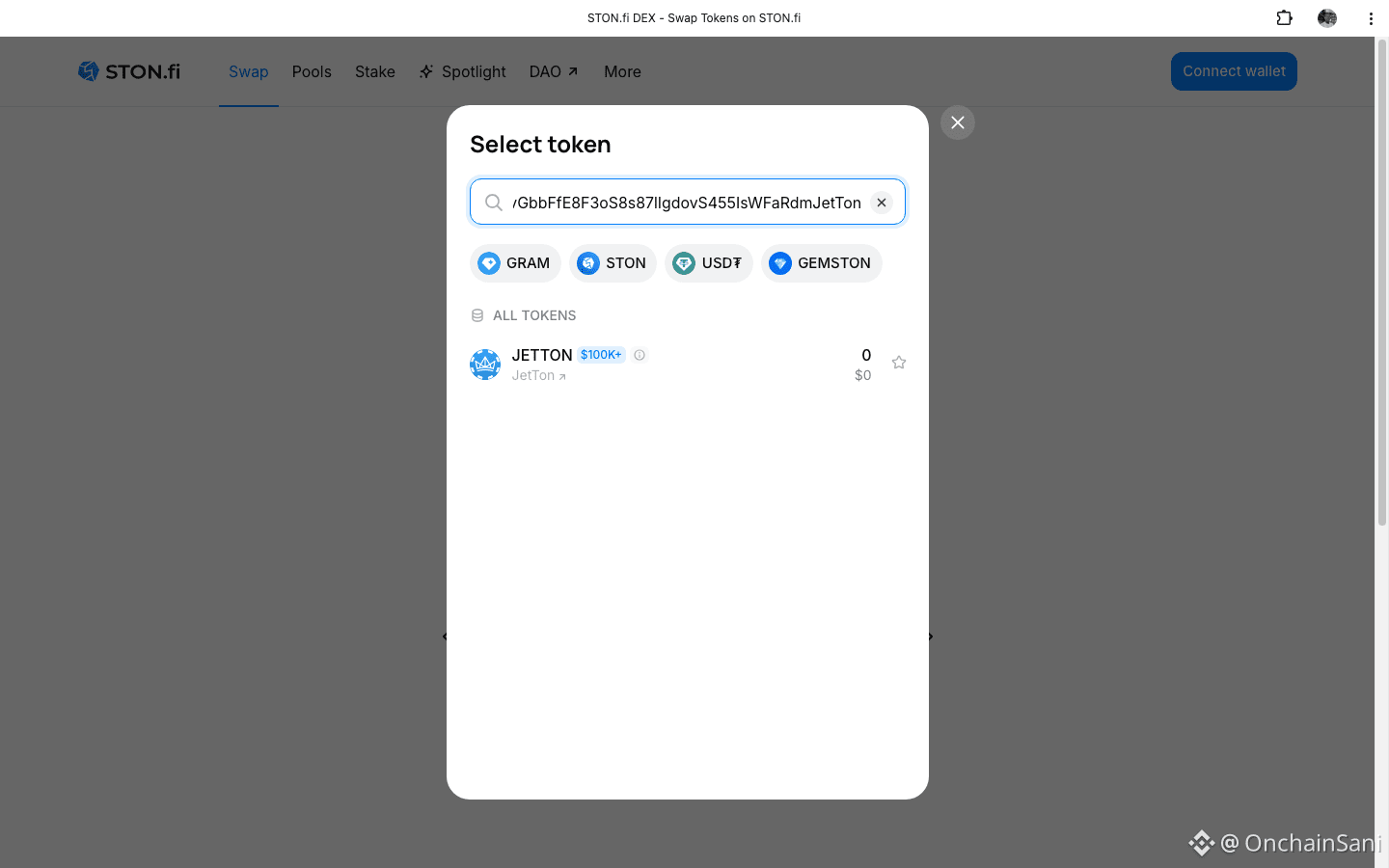
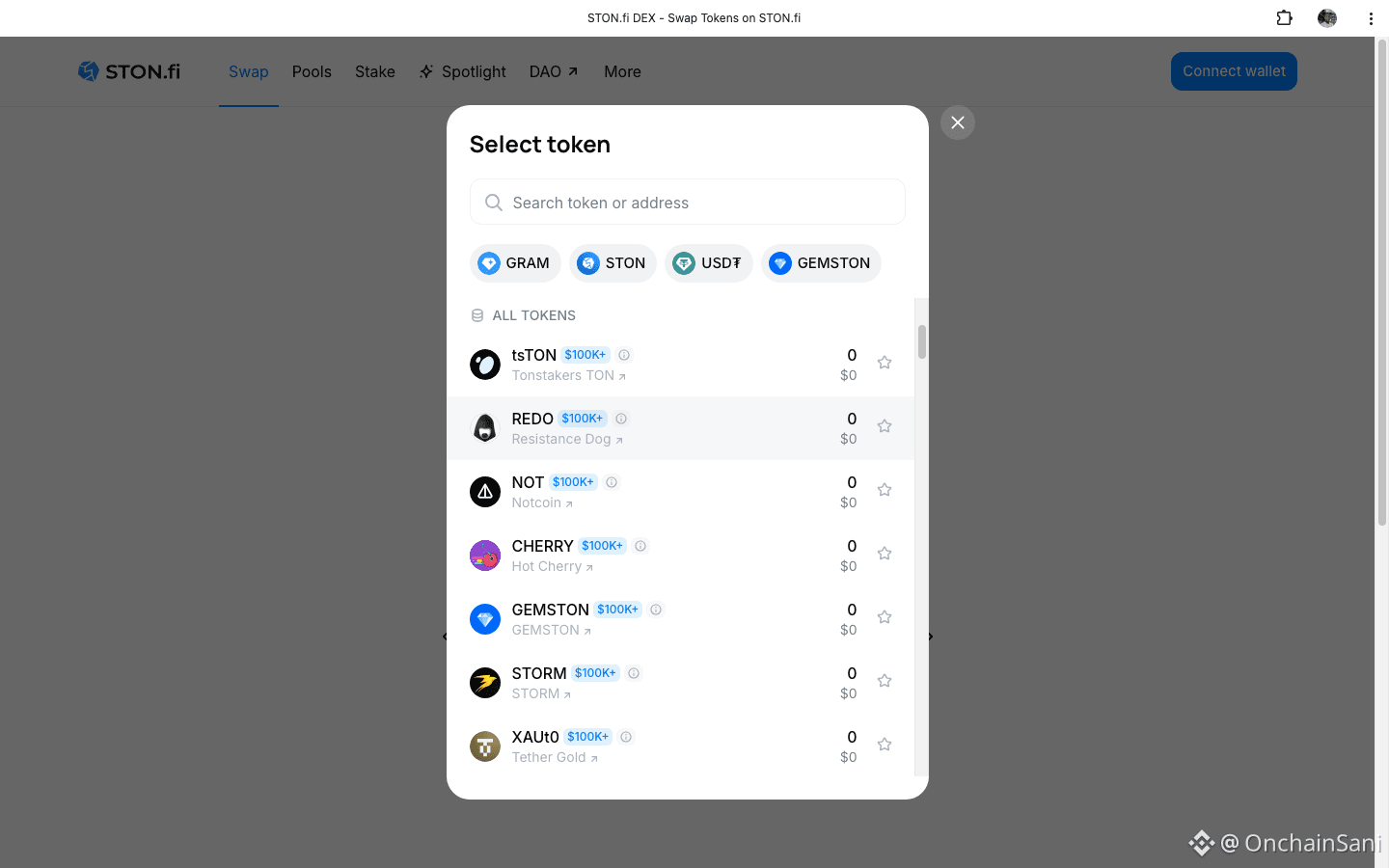
以前は、トークン名で検索して選び、そのまま引用(クオート)のところへ移動していました。
でも今は、最初にもうひとつ確認します:
契約アドレス(コントラクトアドレス)。
見慣れない資産を扱うときは、トークン名だけでは足りません。
STON.fiでの私の手順はこうです:
公式のコントラクト → トークンを探す → 確認する → クオートを確認する → スワップ。
STON.fi自身のガイドでは、一部のトークンは通常の名前検索では表示されない場合があるものの、コントラクトアドレスを使えばアクセスできると説明されています。また、詐欺的または制限されたトークンは、インターフェース上で隠されたりブロックされたりすることもあります。
ただし私は、それを「安全の保証」とは見なしません。
それは単に、私自身の検証プロセスにおける追加のひと手間です。
私にとっての大きな教訓はこれです:
おなじみのトークン名があるからといって、コントラクトアドレスの確認を省略しないこと。
ほんの数秒の検証には価値があります。
たったひとつの小さな習慣が、見慣れないトークンの扱い方を変えてくれました。
以前は、トークン名で検索して選び、そのまま引用(クオート)のところへ移動していました。
でも今は、最初にもうひとつ確認します:
契約アドレス(コントラクトアドレス)。
見慣れない資産を扱うときは、トークン名だけでは足りません。
STON.fiでの私の手順はこうです:
公式のコントラクト → トークンを探す → 確認する → クオートを確認する → スワップ。
STON.fi自身のガイドでは、一部のトークンは通常の名前検索では表示されない場合があるものの、コントラクトアドレスを使えばアクセスできると説明されています。また、詐欺的または制限されたトークンは、インターフェース上で隠されたりブロックされたりすることもあります。
ただし私は、それを「安全の保証」とは見なしません。
それは単に、私自身の検証プロセスにおける追加のひと手間です。
私にとっての大きな教訓はこれです:
おなじみのトークン名があるからといって、コントラクトアドレスの確認を省略しないこと。
ほんの数秒の検証には価値があります。
以前は、トークン名で検索して選び、そのまま引用(クオート)のところへ移動していました。
でも今は、最初にもうひとつ確認します:
契約アドレス(コントラクトアドレス)。
見慣れない資産を扱うときは、トークン名だけでは足りません。
STON.fiでの私の手順はこうです:
公式のコントラクト → トークンを探す → 確認する → クオートを確認する → スワップ。
STON.fi自身のガイドでは、一部のトークンは通常の名前検索では表示されない場合があるものの、コントラクトアドレスを使えばアクセスできると説明されています。また、詐欺的または制限されたトークンは、インターフェース上で隠されたりブロックされたりすることもあります。
ただし私は、それを「安全の保証」とは見なしません。
それは単に、私自身の検証プロセスにおける追加のひと手間です。
私にとっての大きな教訓はこれです:
おなじみのトークン名があるからといって、コントラクトアドレスの確認を省略しないこと。
ほんの数秒の検証には価値があります。
98
·
--
BNBチェーン → XレイヤーのルートをSTON.fiで試してみた
新しいXレイヤー統合が実際にどんな感触なのか確かめたくて、STON.fi上でBNBチェーン → Xレイヤーのクロスチェーン・スワップを調べてみました。
最初に良かったのは、ブリッジとスワップを完全に別物として扱わなくてよいことでした。
そのルートはクロスチェーン・スワップのインターフェースから提示されます。
そしてここでOmnistonが重要な役割を果たします。
STON.fiのOmniston実行レイヤーは、見積もりから決済までのクロスチェーン・フローを調整し、下で行われる複雑なルーティングを処理してくれます。
確定する前に、想定される金額と送付先を確認しました。
たぶん、今後のすべてのクロスチェーン取引でも続ける習慣になるはずです:
ただ確定しないで。自分が実際に受け取るものを確認する。
STON.fiが接続するネットワークが増えるほど、この種のインフラはより役立つようになります。
各チェーンを個別に考えるのではなく、最終的には「資産」と「送付先」を選ぶだけにして、あとは実行レイヤーに任せることが目標です。
私が最も面白いと感じたのは、そのXレイヤー統合の部分です。
@ston_fi
#STONfi #TON #CrossChain #Omniston #DeFi
BNBチェーン → XレイヤーのルートをSTON.fiで試してみた
新しいXレイヤー統合が実際にどんな感触なのか確かめたくて、STON.fi上でBNBチェーン → Xレイヤーのクロスチェーン・スワップを調べてみました。
最初に良かったのは、ブリッジとスワップを完全に別物として扱わなくてよいことでした。
そのルートはクロスチェーン・スワップのインターフェースから提示されます。
そしてここでOmnistonが重要な役割を果たします。
STON.fiのOmniston実行レイヤーは、見積もりから決済までのクロスチェーン・フローを調整し、下で行われる複雑なルーティングを処理してくれます。
確定する前に、想定される金額と送付先を確認しました。
たぶん、今後のすべてのクロスチェーン取引でも続ける習慣になるはずです:
ただ確定しないで。自分が実際に受け取るものを確認する。
STON.fiが接続するネットワークが増えるほど、この種のインフラはより役立つようになります。
各チェーンを個別に考えるのではなく、最終的には「資産」と「送付先」を選ぶだけにして、あとは実行レイヤーに任せることが目標です。
私が最も面白いと感じたのは、そのXレイヤー統合の部分です。
@ston_fi
#STONfi #TON #CrossChain #Omniston #DeFi
新しいXレイヤー統合が実際にどんな感触なのか確かめたくて、STON.fi上でBNBチェーン → Xレイヤーのクロスチェーン・スワップを調べてみました。
最初に良かったのは、ブリッジとスワップを完全に別物として扱わなくてよいことでした。
そのルートはクロスチェーン・スワップのインターフェースから提示されます。
そしてここでOmnistonが重要な役割を果たします。
STON.fiのOmniston実行レイヤーは、見積もりから決済までのクロスチェーン・フローを調整し、下で行われる複雑なルーティングを処理してくれます。
確定する前に、想定される金額と送付先を確認しました。
たぶん、今後のすべてのクロスチェーン取引でも続ける習慣になるはずです:
ただ確定しないで。自分が実際に受け取るものを確認する。
STON.fiが接続するネットワークが増えるほど、この種のインフラはより役立つようになります。
各チェーンを個別に考えるのではなく、最終的には「資産」と「送付先」を選ぶだけにして、あとは実行レイヤーに任せることが目標です。
私が最も面白いと感じたのは、そのXレイヤー統合の部分です。
@ston_fi
#STONfi #TON #CrossChain #Omniston #DeFi

1
89
·
--
シンプルなNVDAx → AAPLxスワップを振り返って
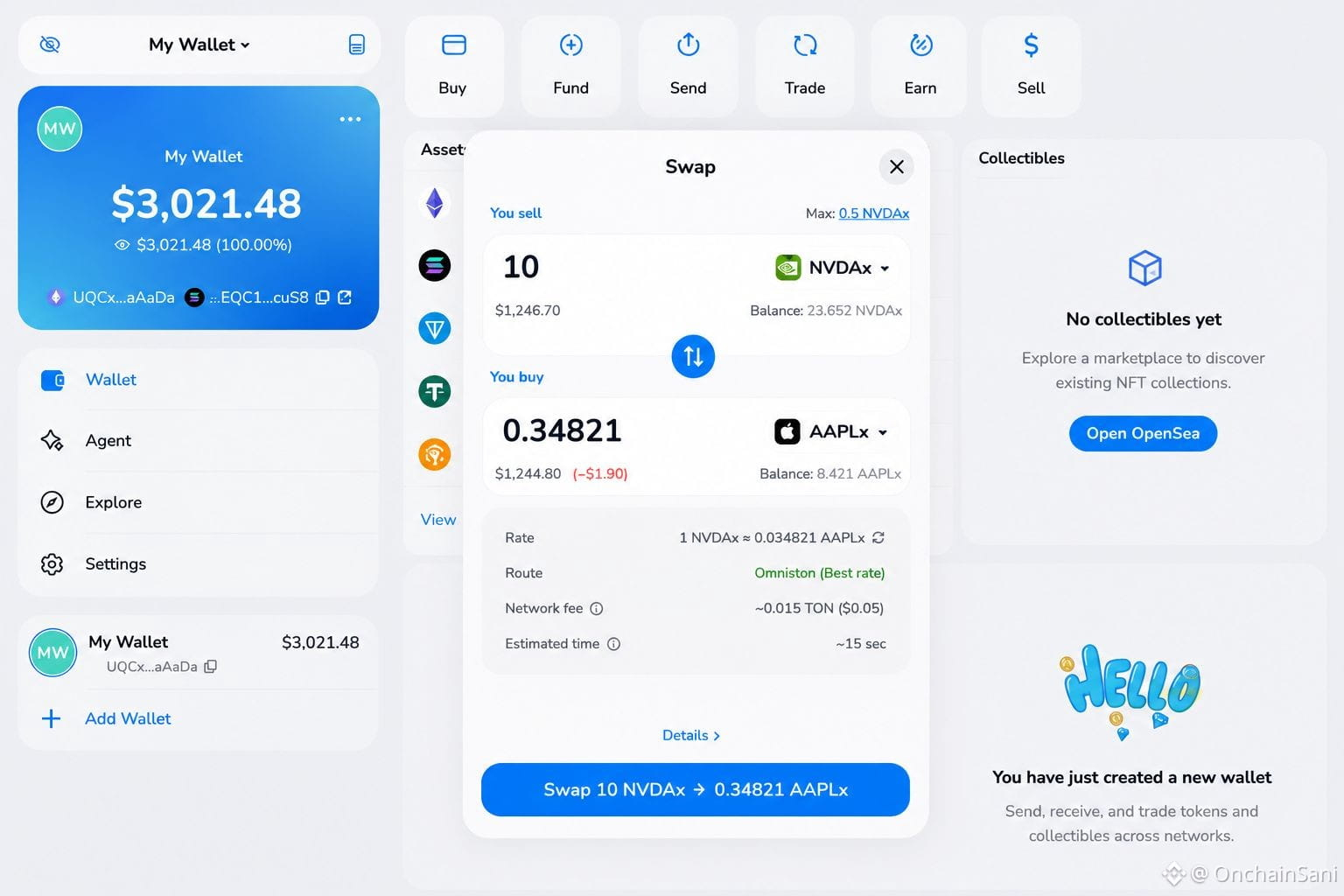
私はマイウォレットでのスワップ体験を調べていて、実際のトークンペアの先にも目を向けることにしました。
インターフェースは処理をシンプルに見せます:
NVDAx → AAPLx
金額を入力し、クオートを確認して、取引の詳細を確認します。
しかし、ある点が私の注意を引きました:
Route: Omniston
ここでSTON.fiが関わってきます。
Omnistonは、STON.fiが開発した実行および流動性ルーティングのためのインフラです。
ユーザーが異なるDEXルートを手動で探す代わりに、利用可能な流動性を確認し、効率的にスワップを実行する方法を見つける手助けをしてくれます。
興味深いのは、その複雑さをユーザー体験としては見せる必要がないことです。
ユーザーは、資産、クオート、見積もり手数料、期待される入力量だけを見る。
裏側で、インフラが複雑な部分を処理してくれます。
私はこれがDeFiにとって重要な方向性だと思います。
最高のインフラは、必ずしもユーザーが目にするインフラとは限りません。
ときには、ウォレットが複雑なプロセスをシンプルに感じさせるためのインフラが、それです。
私は主に実取引の実行よりもフローを調べていましたが、スワップ体験の下にOmnistonが存在しているのを見て、STON.fiの統合がずっと理解しやすくなりました。
さらに、NVDAxやAAPLxのようなトークン化された資産が、この一連の試みをより面白いものにしています。
ウォレット → 流動性 → ルーティング → 実行。
ユーザーが見る必要があるのは、最終的な体験だけ。
@ston_fi
#STONfi #TON #DeFi #xStocks
シンプルなNVDAx → AAPLxスワップを振り返って
私はマイウォレットでのスワップ体験を調べていて、実際のトークンペアの先にも目を向けることにしました。
インターフェースは処理をシンプルに見せます:
NVDAx → AAPLx
金額を入力し、クオートを確認して、取引の詳細を確認します。
しかし、ある点が私の注意を引きました:
Route: Omniston
ここでSTON.fiが関わってきます。
Omnistonは、STON.fiが開発した実行および流動性ルーティングのためのインフラです。
ユーザーが異なるDEXルートを手動で探す代わりに、利用可能な流動性を確認し、効率的にスワップを実行する方法を見つける手助けをしてくれます。
興味深いのは、その複雑さをユーザー体験としては見せる必要がないことです。
ユーザーは、資産、クオート、見積もり手数料、期待される入力量だけを見る。
裏側で、インフラが複雑な部分を処理してくれます。
私はこれがDeFiにとって重要な方向性だと思います。
最高のインフラは、必ずしもユーザーが目にするインフラとは限りません。
ときには、ウォレットが複雑なプロセスをシンプルに感じさせるためのインフラが、それです。
私は主に実取引の実行よりもフローを調べていましたが、スワップ体験の下にOmnistonが存在しているのを見て、STON.fiの統合がずっと理解しやすくなりました。
さらに、NVDAxやAAPLxのようなトークン化された資産が、この一連の試みをより面白いものにしています。
ウォレット → 流動性 → ルーティング → 実行。
ユーザーが見る必要があるのは、最終的な体験だけ。
@ston_fi
#STONfi #TON #DeFi #xStocks
私はマイウォレットでのスワップ体験を調べていて、実際のトークンペアの先にも目を向けることにしました。
インターフェースは処理をシンプルに見せます:
NVDAx → AAPLx
金額を入力し、クオートを確認して、取引の詳細を確認します。
しかし、ある点が私の注意を引きました:
Route: Omniston
ここでSTON.fiが関わってきます。
Omnistonは、STON.fiが開発した実行および流動性ルーティングのためのインフラです。
ユーザーが異なるDEXルートを手動で探す代わりに、利用可能な流動性を確認し、効率的にスワップを実行する方法を見つける手助けをしてくれます。
興味深いのは、その複雑さをユーザー体験としては見せる必要がないことです。
ユーザーは、資産、クオート、見積もり手数料、期待される入力量だけを見る。
裏側で、インフラが複雑な部分を処理してくれます。
私はこれがDeFiにとって重要な方向性だと思います。
最高のインフラは、必ずしもユーザーが目にするインフラとは限りません。
ときには、ウォレットが複雑なプロセスをシンプルに感じさせるためのインフラが、それです。
私は主に実取引の実行よりもフローを調べていましたが、スワップ体験の下にOmnistonが存在しているのを見て、STON.fiの統合がずっと理解しやすくなりました。
さらに、NVDAxやAAPLxのようなトークン化された資産が、この一連の試みをより面白いものにしています。
ウォレット → 流動性 → ルーティング → 実行。
ユーザーが見る必要があるのは、最終的な体験だけ。
@ston_fi
#STONfi #TON #DeFi #xStocks
1
92
·
--
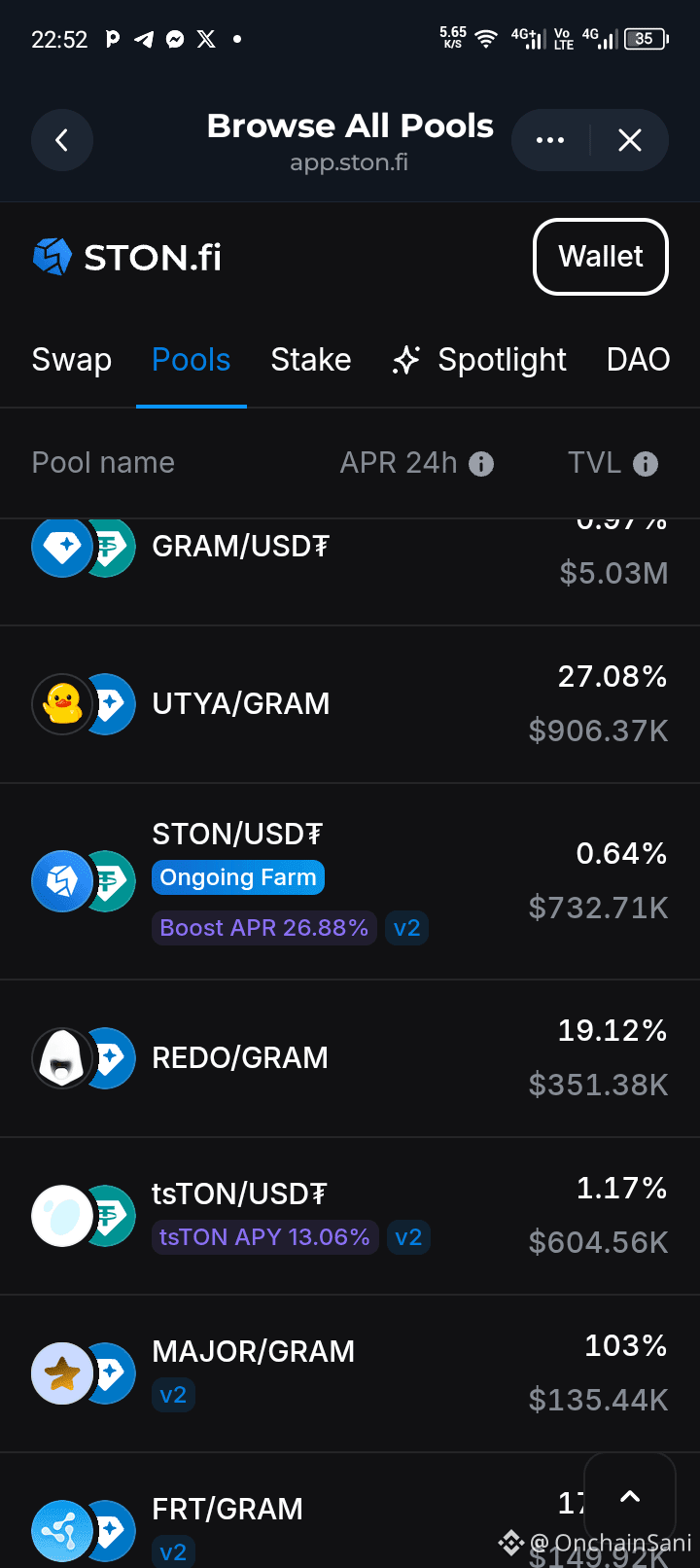
STON.fiの流動性プールを比較して学んだこと
私は、単にAPRが最も高いプールを探すのではなく、STON.fiの「Pools」セクションを少し時間をかけて調べました。
まず目に留まったのは、数字がこれほどまでに違うことでした。
たとえば、プールを確認したとき、REDO/GRAMは25.59%のAPRを表示していたのに対し、STON/USDTは0.13%を表示していました。
一見すると、高い数字のほうが自動的に魅力的だと考えやすいです。
しかし、実際にプールを開くと、より多くの背景がわかりました。
STON/USDTプールは以下のようになっていました:
• 24h APR: 0.13%
• 7d APR: 0.4%
• 30d APR: 1.01%
• TVL: 約$727K
• 24hボリューム: 約$1.32K
次にGEMSTON/USDTを確認すると、こうなっていました:
• 24h APR: 0.75%
• 7d APR: 0.92%
• 30d APR: 1.39%
• TVL: 約$209K
• 24hボリューム: 約$2.14K
この比較で、はっきり理解できたことがあります:
APRには文脈が必要です。
TVLはプールの規模を教えてくれ、ボリュームは直近の取引の活発さの目安になります。さらに、異なるAPR期間を見ることで、単一のパーセンテージよりも多くの情報が得られます。
そして、トークンペアそのものと、不可損失(インパーマネント・ロス)の可能性など、関わるリスクもあります。
そこで、今の私の方針はシンプルです:
APR → TVL → ボリューム → APRの履歴 → トークンペア → リスク
もちろん、これが「どのプールを選ぶべきか」を教えてくれると言っているわけではありません。
ただ、自分で調べるための出発点として、はるかに良い材料になるのです。
実際のプールを調べることは、単に一番大きい数字を追いかけるよりもずっと有益でした。
@ston_fi
#STONfi #TON #DeFi #liquidity
STON.fiの流動性プールを比較して学んだこと
私は、単にAPRが最も高いプールを探すのではなく、STON.fiの「Pools」セクションを少し時間をかけて調べました。
まず目に留まったのは、数字がこれほどまでに違うことでした。
たとえば、プールを確認したとき、REDO/GRAMは25.59%のAPRを表示していたのに対し、STON/USDTは0.13%を表示していました。
一見すると、高い数字のほうが自動的に魅力的だと考えやすいです。
しかし、実際にプールを開くと、より多くの背景がわかりました。
STON/USDTプールは以下のようになっていました:
• 24h APR: 0.13%
• 7d APR: 0.4%
• 30d APR: 1.01%
• TVL: 約$727K
• 24hボリューム: 約$1.32K
次にGEMSTON/USDTを確認すると、こうなっていました:
• 24h APR: 0.75%
• 7d APR: 0.92%
• 30d APR: 1.39%
• TVL: 約$209K
• 24hボリューム: 約$2.14K
この比較で、はっきり理解できたことがあります:
APRには文脈が必要です。
TVLはプールの規模を教えてくれ、ボリュームは直近の取引の活発さの目安になります。さらに、異なるAPR期間を見ることで、単一のパーセンテージよりも多くの情報が得られます。
そして、トークンペアそのものと、不可損失(インパーマネント・ロス)の可能性など、関わるリスクもあります。
そこで、今の私の方針はシンプルです:
APR → TVL → ボリューム → APRの履歴 → トークンペア → リスク
もちろん、これが「どのプールを選ぶべきか」を教えてくれると言っているわけではありません。
ただ、自分で調べるための出発点として、はるかに良い材料になるのです。
実際のプールを調べることは、単に一番大きい数字を追いかけるよりもずっと有益でした。
@ston_fi
#STONfi #TON #DeFi #liquidity
私は、単にAPRが最も高いプールを探すのではなく、STON.fiの「Pools」セクションを少し時間をかけて調べました。
まず目に留まったのは、数字がこれほどまでに違うことでした。
たとえば、プールを確認したとき、REDO/GRAMは25.59%のAPRを表示していたのに対し、STON/USDTは0.13%を表示していました。
一見すると、高い数字のほうが自動的に魅力的だと考えやすいです。
しかし、実際にプールを開くと、より多くの背景がわかりました。
STON/USDTプールは以下のようになっていました:
• 24h APR: 0.13%
• 7d APR: 0.4%
• 30d APR: 1.01%
• TVL: 約$727K
• 24hボリューム: 約$1.32K
次にGEMSTON/USDTを確認すると、こうなっていました:
• 24h APR: 0.75%
• 7d APR: 0.92%
• 30d APR: 1.39%
• TVL: 約$209K
• 24hボリューム: 約$2.14K
この比較で、はっきり理解できたことがあります:
APRには文脈が必要です。
TVLはプールの規模を教えてくれ、ボリュームは直近の取引の活発さの目安になります。さらに、異なるAPR期間を見ることで、単一のパーセンテージよりも多くの情報が得られます。
そして、トークンペアそのものと、不可損失(インパーマネント・ロス)の可能性など、関わるリスクもあります。
そこで、今の私の方針はシンプルです:
APR → TVL → ボリューム → APRの履歴 → トークンペア → リスク
もちろん、これが「どのプールを選ぶべきか」を教えてくれると言っているわけではありません。
ただ、自分で調べるための出発点として、はるかに良い材料になるのです。
実際のプールを調べることは、単に一番大きい数字を追いかけるよりもずっと有益でした。
@ston_fi
#STONfi #TON #DeFi #liquidity
1
218
·
--
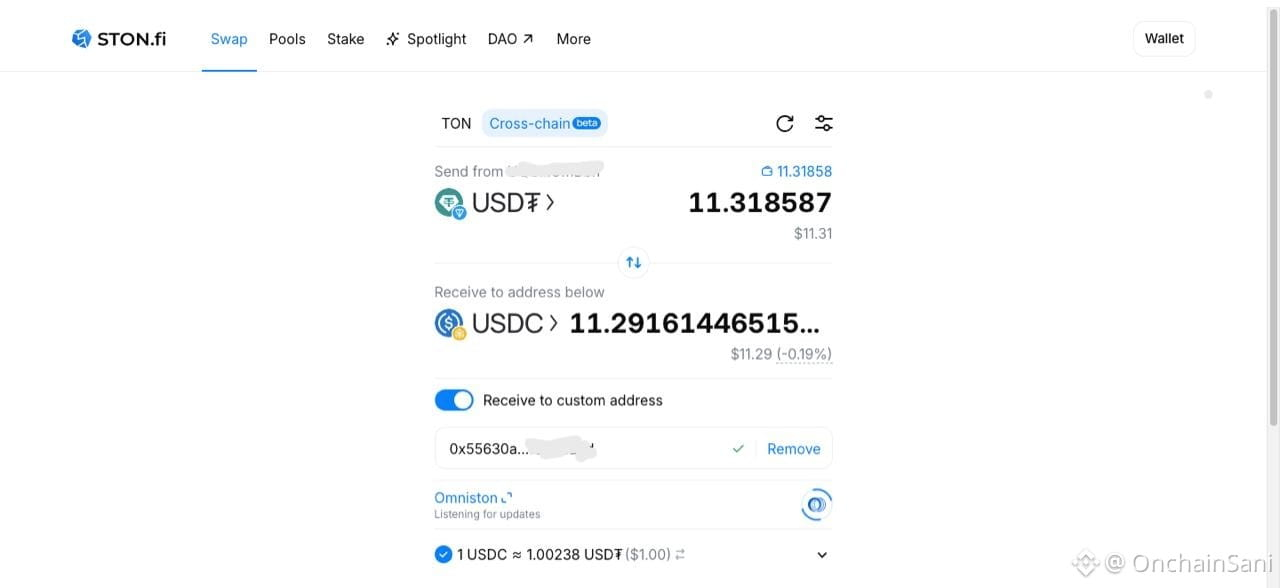
STON.fiのカスタムアドレスオプションを試してみた
STON.fiのクロスチェーンスワップで、新しい「カスタムアドレス宛に受け取る」オプションを試してみました。
便利な点はかなりシンプルです。スワップ元のウォレットを接続するのですが、その結果得られるトークンを、別のウォレットへ送ることができます。しかも、その送付先のウォレットをdAppに接続する必要はありません。
実際の流れをテストしてみて、複数のウォレット間で資産を分けて管理しているような場面で役立つと感じました。
確認の前に、送付先のアドレスとネットワークには気を付ける必要があります。私は毎回そこを二重にチェックしています。
小さな追加ですが、クロスチェーンスワップにもう少し柔軟性をもたらしてくれます。
@ston_fi
#STONfi #TON #DeFi #CrossChain
STON.fiのカスタムアドレスオプションを試してみた
STON.fiのクロスチェーンスワップで、新しい「カスタムアドレス宛に受け取る」オプションを試してみました。
便利な点はかなりシンプルです。スワップ元のウォレットを接続するのですが、その結果得られるトークンを、別のウォレットへ送ることができます。しかも、その送付先のウォレットをdAppに接続する必要はありません。
実際の流れをテストしてみて、複数のウォレット間で資産を分けて管理しているような場面で役立つと感じました。
確認の前に、送付先のアドレスとネットワークには気を付ける必要があります。私は毎回そこを二重にチェックしています。
小さな追加ですが、クロスチェーンスワップにもう少し柔軟性をもたらしてくれます。
@ston_fi
#STONfi #TON #DeFi #CrossChain
STON.fiのクロスチェーンスワップで、新しい「カスタムアドレス宛に受け取る」オプションを試してみました。
便利な点はかなりシンプルです。スワップ元のウォレットを接続するのですが、その結果得られるトークンを、別のウォレットへ送ることができます。しかも、その送付先のウォレットをdAppに接続する必要はありません。
実際の流れをテストしてみて、複数のウォレット間で資産を分けて管理しているような場面で役立つと感じました。
確認の前に、送付先のアドレスとネットワークには気を付ける必要があります。私は毎回そこを二重にチェックしています。
小さな追加ですが、クロスチェーンスワップにもう少し柔軟性をもたらしてくれます。
@ston_fi
#STONfi #TON #DeFi #CrossChain
1
97
·
--
記事
より良いDeFiの判断につながる3つの無料STON_fiツール経験を通じて学んだのは、多くのDeFiのミスは、そもそも取引を実行する前に起きてしまうということです。
時には、見込みのリターンを見積もらずに流動性を提供します。別の時には、リスクを理解しないまま高いAPRを追いかけてしまいます。情報を得た上での判断は、通常、正しい情報を持つことから始まります。
だからこそ、STON.fiが、資産を投入する前に機会を評価するための3つの無料ツールを導入したと知って嬉しく思いました。
1. APR計算機
APR計算機は、あなた自身の入力に基づいて、期待できる潜在的なリターンを見積もるのに役立ちます。
より良いDeFiの判断につながる3つの無料STON_fiツール
経験を通じて学んだのは、多くのDeFiのミスは、そもそも取引を実行する前に起きてしまうということです。
時には、見込みのリターンを見積もらずに流動性を提供します。別の時には、リスクを理解しないまま高いAPRを追いかけてしまいます。情報を得た上での判断は、通常、正しい情報を持つことから始まります。
だからこそ、STON.fiが、資産を投入する前に機会を評価するための3つの無料ツールを導入したと知って嬉しく思いました。
1. APR計算機
APR計算機は、あなた自身の入力に基づいて、期待できる潜在的なリターンを見積もるのに役立ちます。
時には、見込みのリターンを見積もらずに流動性を提供します。別の時には、リスクを理解しないまま高いAPRを追いかけてしまいます。情報を得た上での判断は、通常、正しい情報を持つことから始まります。
だからこそ、STON.fiが、資産を投入する前に機会を評価するための3つの無料ツールを導入したと知って嬉しく思いました。
1. APR計算機
APR計算機は、あなた自身の入力に基づいて、期待できる潜在的なリターンを見積もるのに役立ちます。
1
20
·
--
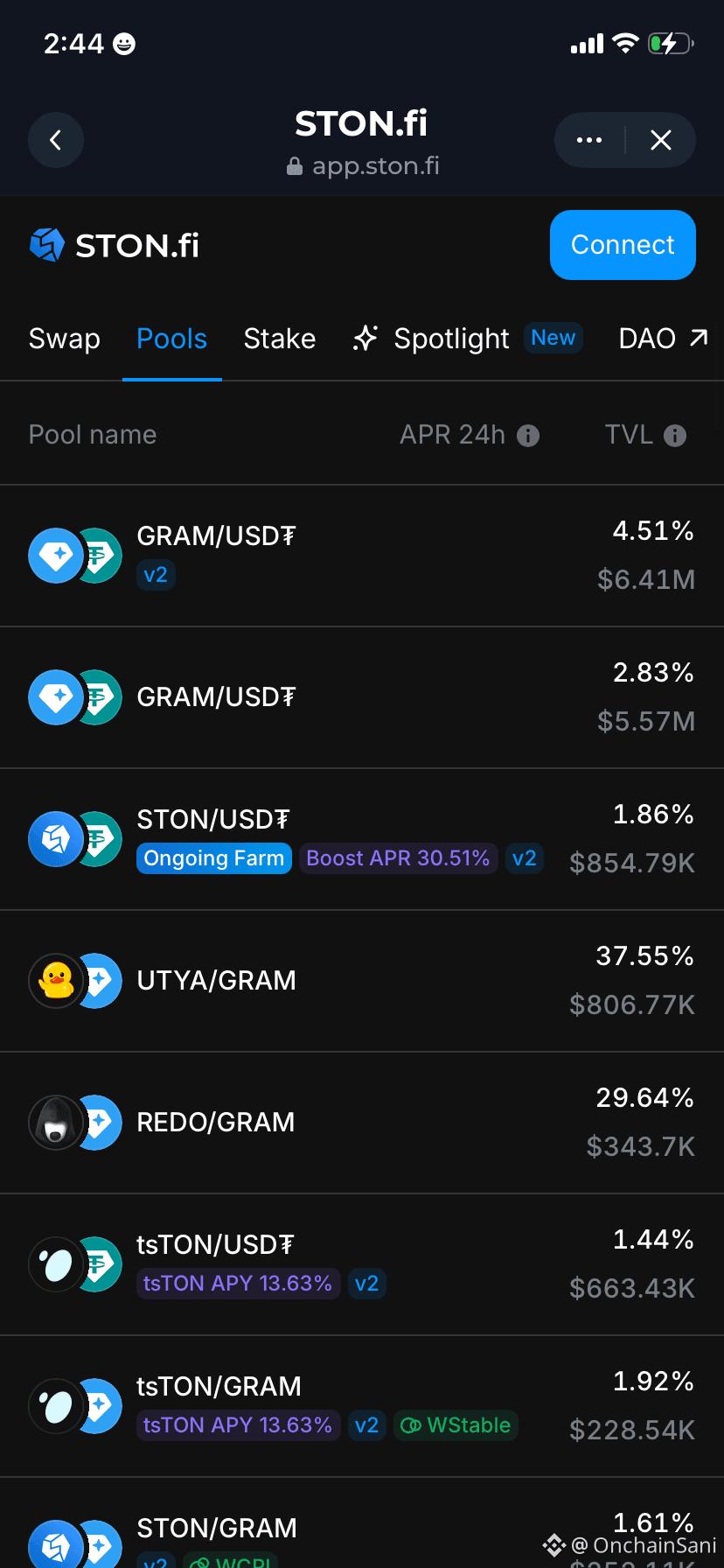
今日、STON.fiで複数の流動性プールをいろいろ見て回る時間を取り、ひとつだけに集中するのはやめました。
いくつかの異なるプールページを開くことで、プラットフォーム上でトークンの組み合わせがどのように変わるのかを理解しやすくなりました。
「一番の」プールを探していたわけではなく、「Pools」セクションがどのように整理されているのかを知りたかったのです。
その小さな習慣のおかげで、エコシステムを探るのがずっと面白くなりました。比較するたびに新しいことを学べるからです。
今日、STON.fiで複数の流動性プールをいろいろ見て回る時間を取り、ひとつだけに集中するのはやめました。
いくつかの異なるプールページを開くことで、プラットフォーム上でトークンの組み合わせがどのように変わるのかを理解しやすくなりました。
「一番の」プールを探していたわけではなく、「Pools」セクションがどのように整理されているのかを知りたかったのです。
その小さな習慣のおかげで、エコシステムを探るのがずっと面白くなりました。比較するたびに新しいことを学べるからです。
いくつかの異なるプールページを開くことで、プラットフォーム上でトークンの組み合わせがどのように変わるのかを理解しやすくなりました。
「一番の」プールを探していたわけではなく、「Pools」セクションがどのように整理されているのかを知りたかったのです。
その小さな習慣のおかげで、エコシステムを探るのがずっと面白くなりました。比較するたびに新しいことを学べるからです。
1
184

·
--
#newt ニュートン・プロトコルのメインネットベータでは、実行前に取引を検証するオンチェーンの認可レイヤーが導入されます。
リスクが発生した後に反応するのではなく、異なるチェーンにまたがってリアルタイムでプログラム可能なコンプライアンス規則を適用し、オンチェーン上の活動をより管理しやすく、検証可能にします。
@NewtonProtocol $NEWT #Newt $NEWT
#newt ニュートン・プロトコルのメインネットベータでは、実行前に取引を検証するオンチェーンの認可レイヤーが導入されます。
リスクが発生した後に反応するのではなく、異なるチェーンにまたがってリアルタイムでプログラム可能なコンプライアンス規則を適用し、オンチェーン上の活動をより管理しやすく、検証可能にします。
@NewtonProtocol $NEWT #Newt $NEWT
リスクが発生した後に反応するのではなく、異なるチェーンにまたがってリアルタイムでプログラム可能なコンプライアンス規則を適用し、オンチェーン上の活動をより管理しやすく、検証可能にします。
@NewtonProtocol $NEWT #Newt $NEWT

1
84
·
--
記事
NEWTON MAINNET BETANewtonプロトコルのメインネットベータでは、オンチェーン取引が決済される前に評価される事前実行の認可レイヤーが導入されています。事後の取引監視だけに頼るのではなく、各取引は実行前にプログラム可能なコンプライアンスルールに照らしてチェックされます。
これらのルールには、身元確認、管轄(ジュリスディクション)の制限、送金限度額、リスクベースの制御などが含まれます。取引が送信されると、Newtonはポリシー条件が満たされたかどうかを確認する、検証可能なアテステーション(証明書)を生成します。スマートコントラクトは、そのアテステーションを取引実行の直前に直接強制することができます。
NEWTON MAINNET BETA
Newtonプロトコルのメインネットベータでは、オンチェーン取引が決済される前に評価される事前実行の認可レイヤーが導入されています。事後の取引監視だけに頼るのではなく、各取引は実行前にプログラム可能なコンプライアンスルールに照らしてチェックされます。
これらのルールには、身元確認、管轄(ジュリスディクション)の制限、送金限度額、リスクベースの制御などが含まれます。取引が送信されると、Newtonはポリシー条件が満たされたかどうかを確認する、検証可能なアテステーション(証明書)を生成します。スマートコントラクトは、そのアテステーションを取引実行の直前に直接強制することができます。
これらのルールには、身元確認、管轄(ジュリスディクション)の制限、送金限度額、リスクベースの制御などが含まれます。取引が送信されると、Newtonはポリシー条件が満たされたかどうかを確認する、検証可能なアテステーション(証明書)を生成します。スマートコントラクトは、そのアテステーションを取引実行の直前に直接強制することができます。
1
82
·
--
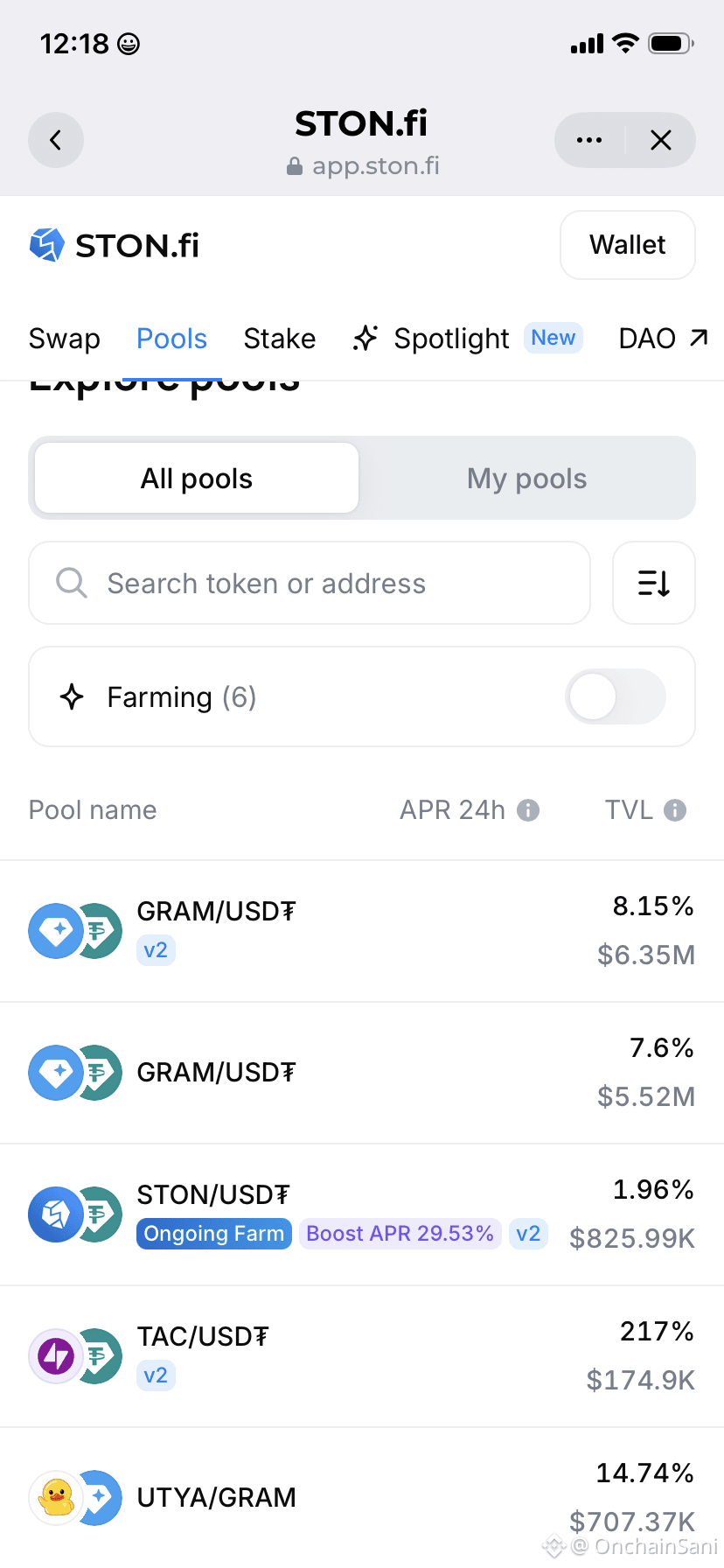
今日、STON.fi の「Pools」セクションを開いて、サッと中を見てみるつもりでした。
しかし結局、個別のプールを開いているうちに時間が過ぎてしまいました。というのも、複数のペアリングにわたって同じアセットが繰り返し登場しているのに気づいたからです。
それで、エコシステムの中で異なるプロジェクト同士がどのようにつながっているのかが気になりました。
面白いのは、もはやチャンスを探していたわけではないことです。
パターンを探していたのです。
プールをブラウジングすると、トークン価格を見るだけよりも、エコシステムの動きについて多くのことが分かる場合があります。
今日、STON.fi の「Pools」セクションを開いて、サッと中を見てみるつもりでした。
しかし結局、個別のプールを開いているうちに時間が過ぎてしまいました。というのも、複数のペアリングにわたって同じアセットが繰り返し登場しているのに気づいたからです。
それで、エコシステムの中で異なるプロジェクト同士がどのようにつながっているのかが気になりました。
面白いのは、もはやチャンスを探していたわけではないことです。
パターンを探していたのです。
プールをブラウジングすると、トークン価格を見るだけよりも、エコシステムの動きについて多くのことが分かる場合があります。
しかし結局、個別のプールを開いているうちに時間が過ぎてしまいました。というのも、複数のペアリングにわたって同じアセットが繰り返し登場しているのに気づいたからです。
それで、エコシステムの中で異なるプロジェクト同士がどのようにつながっているのかが気になりました。
面白いのは、もはやチャンスを探していたわけではないことです。
パターンを探していたのです。
プールをブラウジングすると、トークン価格を見るだけよりも、エコシステムの動きについて多くのことが分かる場合があります。
1
242
·
--
ブリッシュ
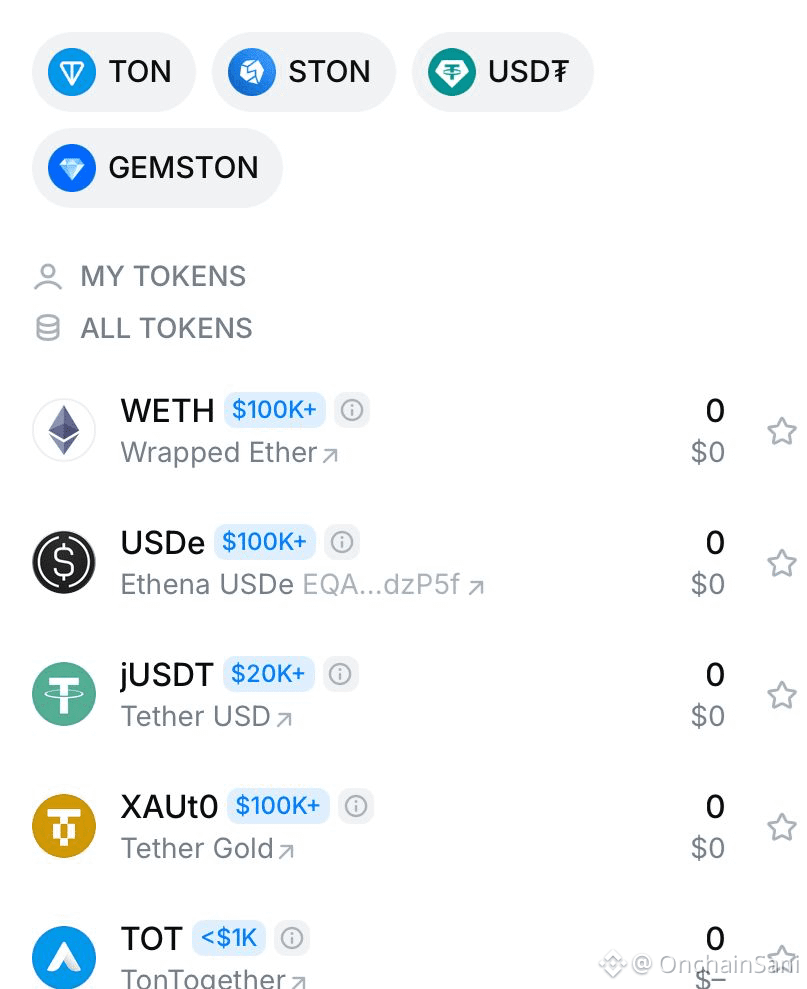
今日、STON.fiを使っている間に、一つの慣れ親しんだスワップルートに固執するのではなく、さまざまなトークンペアとやりとりする時間を過ごしました。
気づいたのは、実際にスワップを定期的に実行し始めると、DeFiに対する認識がどれだけ変わるかということです。
「どのトークンを買うべきか」という問題が消え、実行がどれだけスムーズに行われるか、プロセスがどれだけ予測可能に感じられるかに焦点が移ります。
その体験が、私にとって最も際立っていました。
トークン自体ではなく、その背後にあるインタラクションの流れです。
時間が経つにつれて、実行の一貫性が、常に新しい機会を追い求めるよりも重要であることに気づき始めます。
今日、STON.fiを使っている間に、一つの慣れ親しんだスワップルートに固執するのではなく、さまざまなトークンペアとやりとりする時間を過ごしました。
気づいたのは、実際にスワップを定期的に実行し始めると、DeFiに対する認識がどれだけ変わるかということです。
「どのトークンを買うべきか」という問題が消え、実行がどれだけスムーズに行われるか、プロセスがどれだけ予測可能に感じられるかに焦点が移ります。
その体験が、私にとって最も際立っていました。
トークン自体ではなく、その背後にあるインタラクションの流れです。
時間が経つにつれて、実行の一貫性が、常に新しい機会を追い求めるよりも重要であることに気づき始めます。
気づいたのは、実際にスワップを定期的に実行し始めると、DeFiに対する認識がどれだけ変わるかということです。
「どのトークンを買うべきか」という問題が消え、実行がどれだけスムーズに行われるか、プロセスがどれだけ予測可能に感じられるかに焦点が移ります。
その体験が、私にとって最も際立っていました。
トークン自体ではなく、その背後にあるインタラクションの流れです。
時間が経つにつれて、実行の一貫性が、常に新しい機会を追い求めるよりも重要であることに気づき始めます。
1
140
·
--
ブリッシュ
エコシステムのレジリエンスを生み出すものは何?
最近、DeFiエコシステムが活発な時期も静かな時期もレジリエントであり続けるために、何が重要なのかを考えています。
市場が盛り上がっているときは、指標に注目しがちです。
しかし、レジリエンスはしばしばもっと深いところに由来します:
継続的なユーザー、
アクティブなコミュニティ、
そして市場環境に関係なく使い続けるインフラの人々。
STON.fiや、より広いTONエコシステムの周りで過ごす中で、私はその点を以前にも増して大切に感じるようになりました。
エコシステムのレジリエンスを生み出すものは何?
最近、DeFiエコシステムが活発な時期も静かな時期もレジリエントであり続けるために、何が重要なのかを考えています。
市場が盛り上がっているときは、指標に注目しがちです。
しかし、レジリエンスはしばしばもっと深いところに由来します:
継続的なユーザー、
アクティブなコミュニティ、
そして市場環境に関係なく使い続けるインフラの人々。
STON.fiや、より広いTONエコシステムの周りで過ごす中で、私はその点を以前にも増して大切に感じるようになりました。
最近、DeFiエコシステムが活発な時期も静かな時期もレジリエントであり続けるために、何が重要なのかを考えています。
市場が盛り上がっているときは、指標に注目しがちです。
しかし、レジリエンスはしばしばもっと深いところに由来します:
継続的なユーザー、
アクティブなコミュニティ、
そして市場環境に関係なく使い続けるインフラの人々。
STON.fiや、より広いTONエコシステムの周りで過ごす中で、私はその点を以前にも増して大切に感じるようになりました。
1
106
·
--
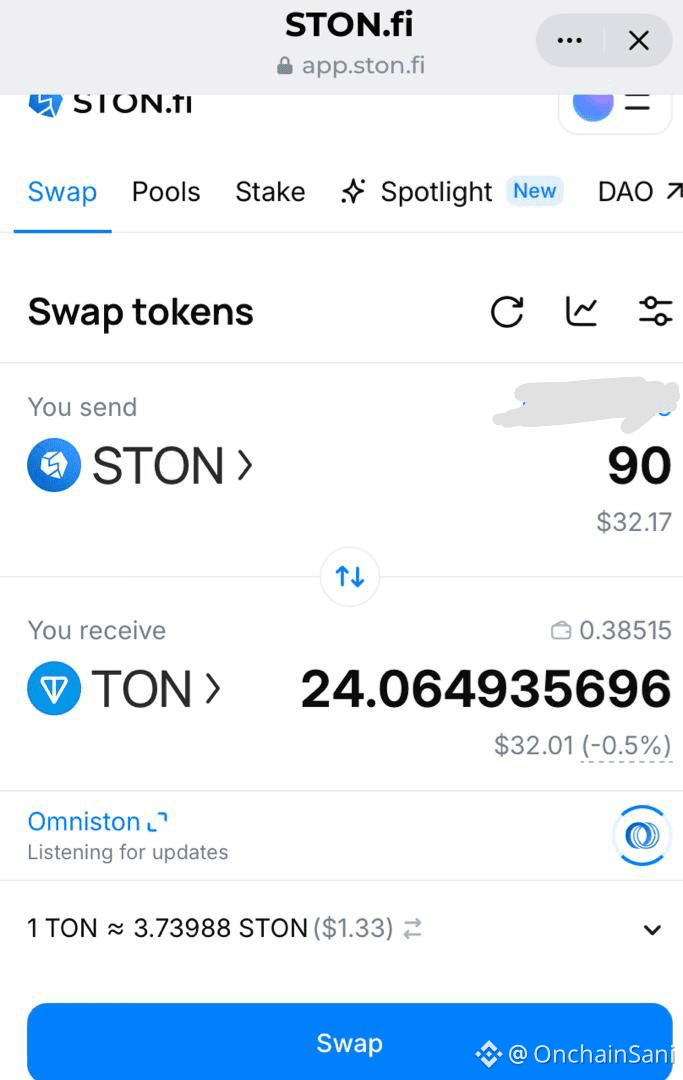
TON DeFiを深く探るほど、インフラと関わることと、インフラを理解することの違いがより一層わかってきます。
DEXの利用は簡単です。
流動性がどこから生まれるのか、プールが参加をどう惹きつけるのか、そして執行がどのように効率的に保たれているのかを理解するのは、まったく別の次元の学びです。
STON.fiを使っているうちに、そうした点を徐々に実感するようになりました。
見えている体験も重要です。
しかし、見えないその下にある仕組みこそが、より面白い物語を語ってくれることが多いのです。
TON DeFiを深く探るほど、インフラと関わることと、インフラを理解することの違いがより一層わかってきます。
DEXの利用は簡単です。
流動性がどこから生まれるのか、プールが参加をどう惹きつけるのか、そして執行がどのように効率的に保たれているのかを理解するのは、まったく別の次元の学びです。
STON.fiを使っているうちに、そうした点を徐々に実感するようになりました。
見えている体験も重要です。
しかし、見えないその下にある仕組みこそが、より面白い物語を語ってくれることが多いのです。
DEXの利用は簡単です。
流動性がどこから生まれるのか、プールが参加をどう惹きつけるのか、そして執行がどのように効率的に保たれているのかを理解するのは、まったく別の次元の学びです。
STON.fiを使っているうちに、そうした点を徐々に実感するようになりました。
見えている体験も重要です。
しかし、見えないその下にある仕組みこそが、より面白い物語を語ってくれることが多いのです。
1
2
619
·
--
TON DeFiのインフラを観察するほど、エコシステムが成熟するにつれて「アクセスしやすさ」がますます重要になると実感します。
初期の成長フェーズでは、実験や機能の拡充が優先されがちです。
しかし、長期的に参加し続けられるかどうかは、時間が経ってもやり取りが気軽にできる状態であり続けるかに大きく左右されます。
私はSTON.fiを使う中で、まさにそこを以前より強く理解し始めました。
不必要な摩擦を減らすことは、使いやすさを良くするだけではありません。ユーザーがエコシステムに関わる頻度や継続性そのもののあり方を変えるのです。
TON DeFiのインフラを観察するほど、エコシステムが成熟するにつれて「アクセスしやすさ」がますます重要になると実感します。
初期の成長フェーズでは、実験や機能の拡充が優先されがちです。
しかし、長期的に参加し続けられるかどうかは、時間が経ってもやり取りが気軽にできる状態であり続けるかに大きく左右されます。
私はSTON.fiを使う中で、まさにそこを以前より強く理解し始めました。
不必要な摩擦を減らすことは、使いやすさを良くするだけではありません。ユーザーがエコシステムに関わる頻度や継続性そのもののあり方を変えるのです。
初期の成長フェーズでは、実験や機能の拡充が優先されがちです。
しかし、長期的に参加し続けられるかどうかは、時間が経ってもやり取りが気軽にできる状態であり続けるかに大きく左右されます。
私はSTON.fiを使う中で、まさにそこを以前より強く理解し始めました。
不必要な摩擦を減らすことは、使いやすさを良くするだけではありません。ユーザーがエコシステムに関わる頻度や継続性そのもののあり方を変えるのです。
1
116
·
--
ブリッシュ
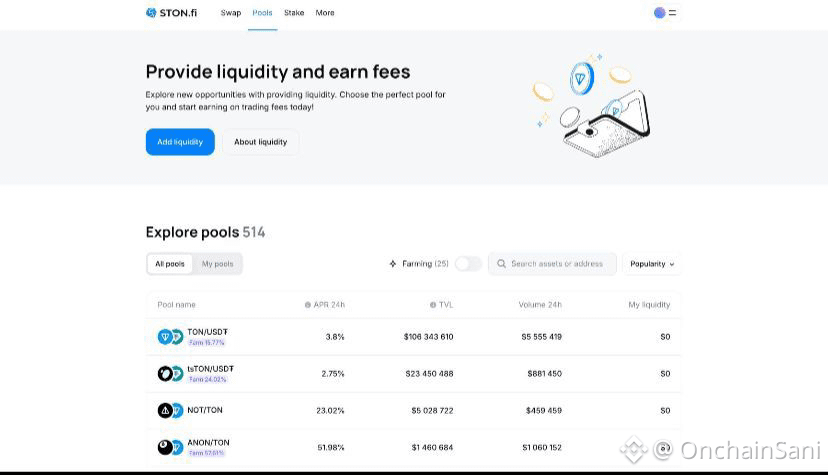
TON DeFiのインフラを観察すればするほど、ユーザー体験の裏側でどれほど目に見えない協調が形を作っているのかを実感するようになりました。
多くのユーザーは自然と、目に見える成果に注目します:
- スワップ
- プール
- 収益(イールド)
- 流動性
しかし、生態系が成熟していくにつれて、実行の一貫性そのものがますます重要になってきます。
STON.fiを使うようになってから、私もその点をより強く理解し始めました。
ルーティング、流動性へのアクセス、そしてインタラクションの流れが、時間の経過とともに一貫してスムーズであるなら、生態系全体ははるかに信頼できるものに感じられてきます。
TON DeFiのインフラを観察すればするほど、ユーザー体験の裏側でどれほど目に見えない協調が形を作っているのかを実感するようになりました。
多くのユーザーは自然と、目に見える成果に注目します:
- スワップ
- プール
- 収益(イールド)
- 流動性
しかし、生態系が成熟していくにつれて、実行の一貫性そのものがますます重要になってきます。
STON.fiを使うようになってから、私もその点をより強く理解し始めました。
ルーティング、流動性へのアクセス、そしてインタラクションの流れが、時間の経過とともに一貫してスムーズであるなら、生態系全体ははるかに信頼できるものに感じられてきます。
多くのユーザーは自然と、目に見える成果に注目します:
- スワップ
- プール
- 収益(イールド)
- 流動性
しかし、生態系が成熟していくにつれて、実行の一貫性そのものがますます重要になってきます。
STON.fiを使うようになってから、私もその点をより強く理解し始めました。
ルーティング、流動性へのアクセス、そしてインタラクションの流れが、時間の経過とともに一貫してスムーズであるなら、生態系全体ははるかに信頼できるものに感じられてきます。
4
2
290
ログインして、さらにコンテンツを読む
厳選トピックで世界の暗号資産トレーダーの仲間入り
⚡️ 暗号資産に関する最新かつ有益な情報が見つかります。
💬 世界最大の暗号資産取引所から信頼されています。
👍 認証を受けたクリエイターから、有益なインサイトを得られます。
メール / 電話番号
トレンドトピック
QNTRises39%
閲覧回数 47,763
1,163人が討論中
🚨 QNTが急騰中!📈
$QNT が今日は大きく動いており、買い圧力が加速するにつれて約40%も上昇しています。
この上昇によりQuantは再び注目の的に戻り、トレーダーはこの勢いが続くのか、それとも次に押し目が来るのかを見ています。
🔥 注目ポイント:
• 強い出来高
• 直近の高値を上回るモメンタム
• $100という心理的節目
• 買い手が主導権を維持できるか
大きな動きは大きなボラティリティを伴います。注意してリスク管理をしましょう。
あなたは$QNTを見ていますか?👀
#QNT #altcoins #CryptoNews
#qntrises39% $QNT
The07
·いいね:4件
·閲覧回数 4k
EthereumBreaksAbove$2700
閲覧回数 4,247
116人が討論中
BitgetBreachForgedRequestsNotStolenKeys
閲覧回数 46,838
925人が討論中