

MO_BSC
757 投稿

MO_BSC
報告
ユーザーをブロック
content creator BUIDL binance FAM

Binance Square Angels
取引を発注

BNBホルダー
低高頻度トレーダー
3.6年
71 フォロー
1.8K+ フォロワー
2.3K+ いいね
1 バッジ
投稿
ポートフォリオ
すべて
引用
動画
PINNED
·
--
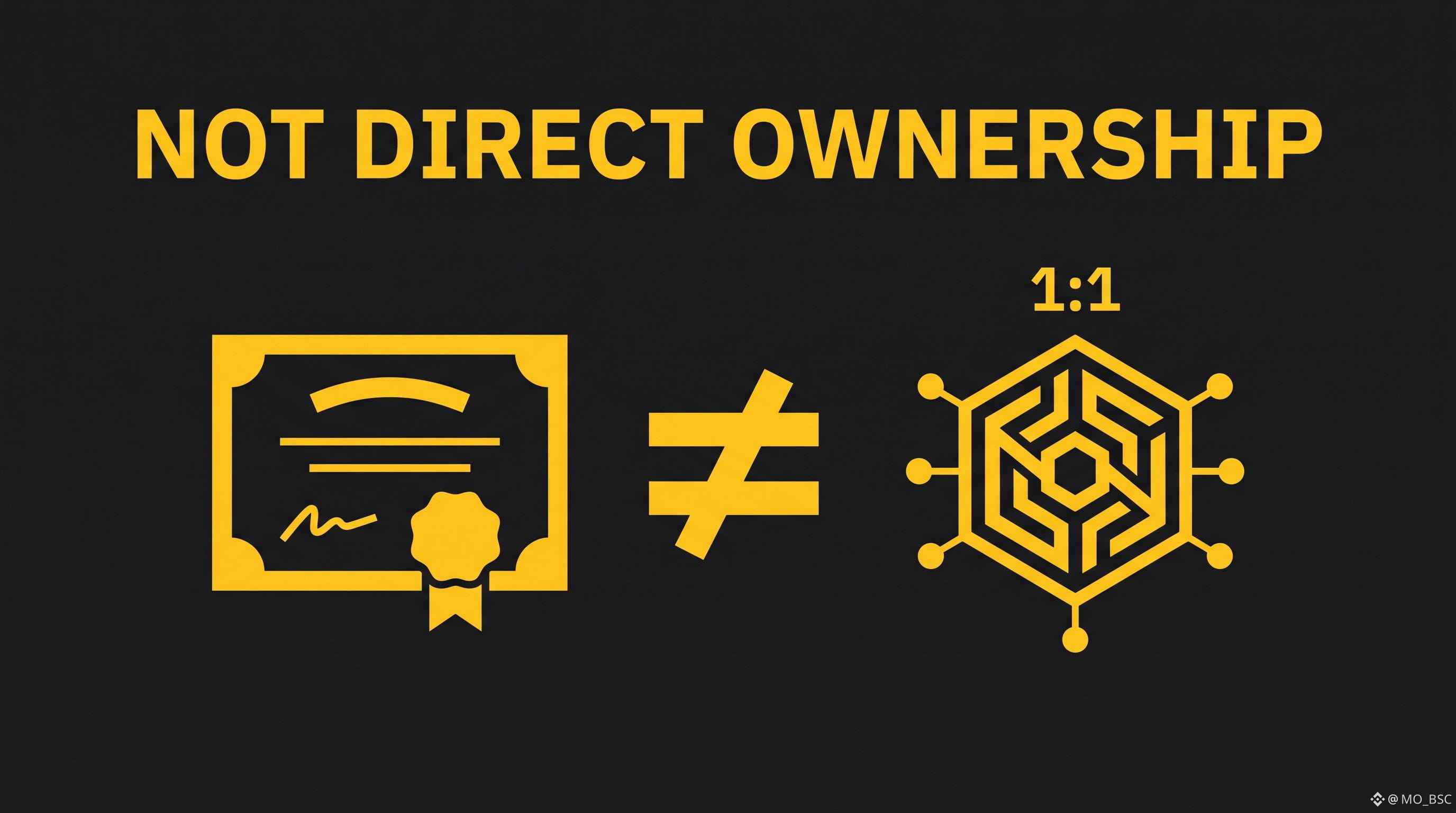
13 - 1:1は所有を意味しない
誤解されやすいポイントを解説します:
1:1の裏付け≠直接的な所有。
bStockは、基礎となる株式によって1:1で裏付けられることがあります。
しかし、bStockを保有しているからといって、その会社の株式を直接所有していることにはなりません。
仕組みは次のとおりです:
基礎となる株式
→ 保管される(カストディ)
bStock
→ その基礎となる有価証券に連動する持分を表す
あなたの立場
→ トークン化された証券を通じたエクスポージャー
つまり、「1:1で裏付けられている」という話を聞いても、
「株を所有している」と自動的に置き換えないでください。
これらは別の概念です。
裏付けは担保(コラテラル)の構造を表します。
所有は、その金融商品の法的/経済的権利を表します。
この違いを理解することが重要です。
さらに学ぶための教育コンテンツは、Binance Academyへ:
https://academy.binance.com/en
#Tokenization
リスクの免責事項:暗号資産にはリスクが伴います。これは金融アドバイスではありません。bStocksは株式ではなく、基礎となる会社の直接的な所有を表すものでもありません。
13 - 1:1は所有を意味しない
誤解されやすいポイントを解説します:
1:1の裏付け≠直接的な所有。
bStockは、基礎となる株式によって1:1で裏付けられることがあります。
しかし、bStockを保有しているからといって、その会社の株式を直接所有していることにはなりません。
仕組みは次のとおりです:
基礎となる株式
→ 保管される(カストディ)
bStock
→ その基礎となる有価証券に連動する持分を表す
あなたの立場
→ トークン化された証券を通じたエクスポージャー
つまり、「1:1で裏付けられている」という話を聞いても、
「株を所有している」と自動的に置き換えないでください。
これらは別の概念です。
裏付けは担保(コラテラル)の構造を表します。
所有は、その金融商品の法的/経済的権利を表します。
この違いを理解することが重要です。
さらに学ぶための教育コンテンツは、Binance Academyへ:
https://academy.binance.com/en
#Tokenization
リスクの免責事項:暗号資産にはリスクが伴います。これは金融アドバイスではありません。bStocksは株式ではなく、基礎となる会社の直接的な所有を表すものでもありません。
誤解されやすいポイントを解説します:
1:1の裏付け≠直接的な所有。
bStockは、基礎となる株式によって1:1で裏付けられることがあります。
しかし、bStockを保有しているからといって、その会社の株式を直接所有していることにはなりません。
仕組みは次のとおりです:
基礎となる株式
→ 保管される(カストディ)
bStock
→ その基礎となる有価証券に連動する持分を表す
あなたの立場
→ トークン化された証券を通じたエクスポージャー
つまり、「1:1で裏付けられている」という話を聞いても、
「株を所有している」と自動的に置き換えないでください。
これらは別の概念です。
裏付けは担保(コラテラル)の構造を表します。
所有は、その金融商品の法的/経済的権利を表します。
この違いを理解することが重要です。
さらに学ぶための教育コンテンツは、Binance Academyへ:
https://academy.binance.com/en
#Tokenization
リスクの免責事項:暗号資産にはリスクが伴います。これは金融アドバイスではありません。bStocksは株式ではなく、基礎となる会社の直接的な所有を表すものでもありません。
1
43
·
--
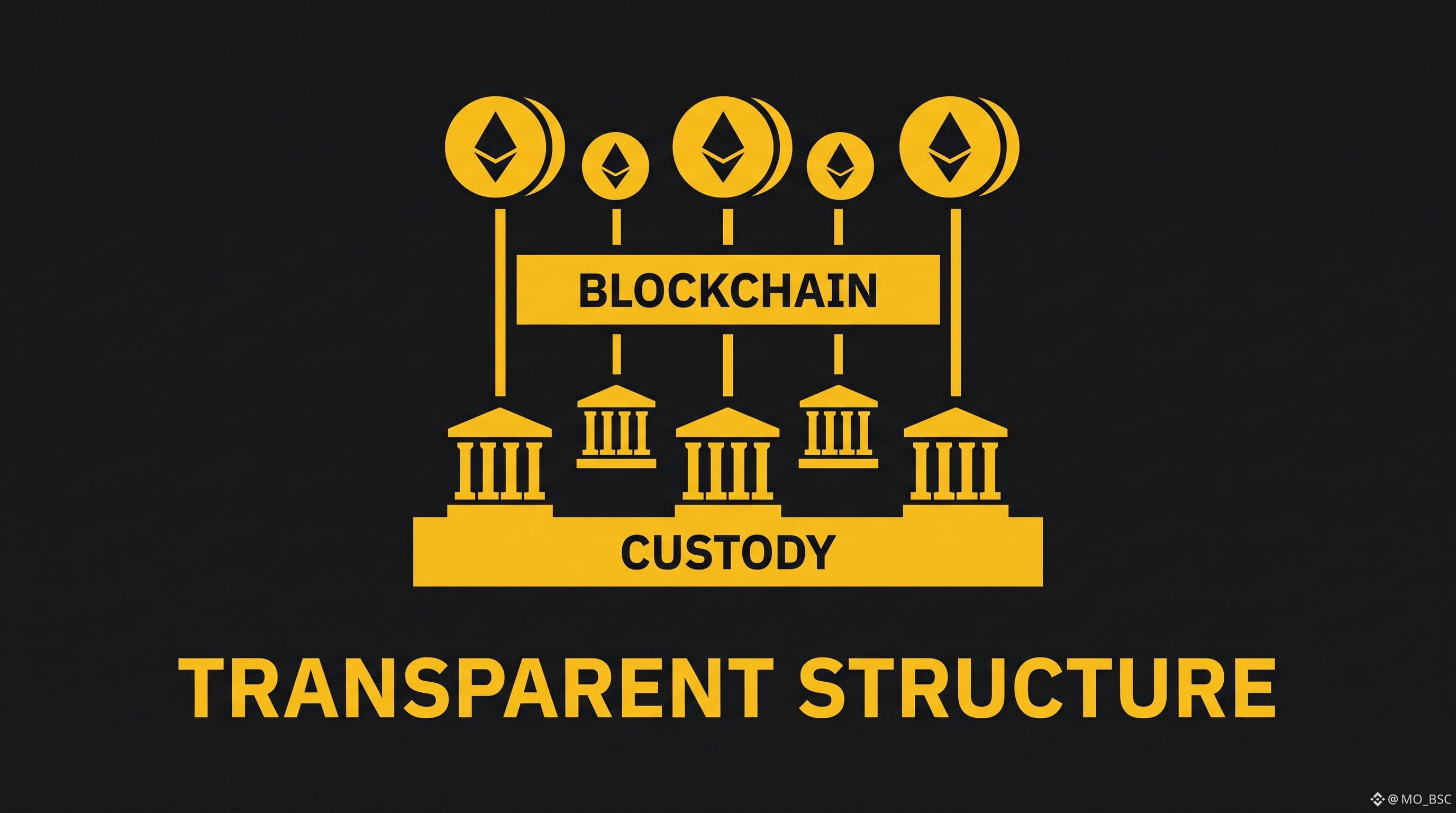
12 - 実際にbSTOCKを裏付けているものは何?
「トークン化されている」からといって、必ずしも「裏付けがない」わけではありません。
bStockでは構造が異なります。
それぞれのbStockは、保管中の対応する基礎となる株式(Underlying share)によって1:1で裏付けられています。
つまり、システムには2つの層があります:
基礎となる証券(UNDERLYING SECURITY)
↓
保管される
bSTOCK
↓
トークン化された表現
そしてもう一つ、興味深い点があります:
Binanceは、裏付けを確認できる「Proof of Collateral」ページを提供しています。
そのため、単に次のように尋ねるのではなく:
「このトークンは裏付けがあるのか?」
より良い問いは次です:
「裏付けはどのように構成されていて、検証できるのか?」
これはトークン化された証券を見るうえで、はるかに役立つ見方です。
さらなる教育コンテンツはBinance Academyをご覧ください:
https://academy.binance.com/en
#RWA
リスクに関する免責事項:暗号資産にはリスクが伴います。これは金融アドバイスではありません。bStocksは株式ではなく、基礎となる企業の直接的な所有権を表すものでもありません。
12 - 実際にbSTOCKを裏付けているものは何?
「トークン化されている」からといって、必ずしも「裏付けがない」わけではありません。
bStockでは構造が異なります。
それぞれのbStockは、保管中の対応する基礎となる株式(Underlying share)によって1:1で裏付けられています。
つまり、システムには2つの層があります:
基礎となる証券(UNDERLYING SECURITY)
↓
保管される
bSTOCK
↓
トークン化された表現
そしてもう一つ、興味深い点があります:
Binanceは、裏付けを確認できる「Proof of Collateral」ページを提供しています。
そのため、単に次のように尋ねるのではなく:
「このトークンは裏付けがあるのか?」
より良い問いは次です:
「裏付けはどのように構成されていて、検証できるのか?」
これはトークン化された証券を見るうえで、はるかに役立つ見方です。
さらなる教育コンテンツはBinance Academyをご覧ください:
https://academy.binance.com/en
#RWA
リスクに関する免責事項:暗号資産にはリスクが伴います。これは金融アドバイスではありません。bStocksは株式ではなく、基礎となる企業の直接的な所有権を表すものでもありません。
「トークン化されている」からといって、必ずしも「裏付けがない」わけではありません。
bStockでは構造が異なります。
それぞれのbStockは、保管中の対応する基礎となる株式(Underlying share)によって1:1で裏付けられています。
つまり、システムには2つの層があります:
基礎となる証券(UNDERLYING SECURITY)
↓
保管される
bSTOCK
↓
トークン化された表現
そしてもう一つ、興味深い点があります:
Binanceは、裏付けを確認できる「Proof of Collateral」ページを提供しています。
そのため、単に次のように尋ねるのではなく:
「このトークンは裏付けがあるのか?」
より良い問いは次です:
「裏付けはどのように構成されていて、検証できるのか?」
これはトークン化された証券を見るうえで、はるかに役立つ見方です。
さらなる教育コンテンツはBinance Academyをご覧ください:
https://academy.binance.com/en
#RWA
リスクに関する免責事項:暗号資産にはリスクが伴います。これは金融アドバイスではありません。bStocksは株式ではなく、基礎となる企業の直接的な所有権を表すものでもありません。
2
45
·
--
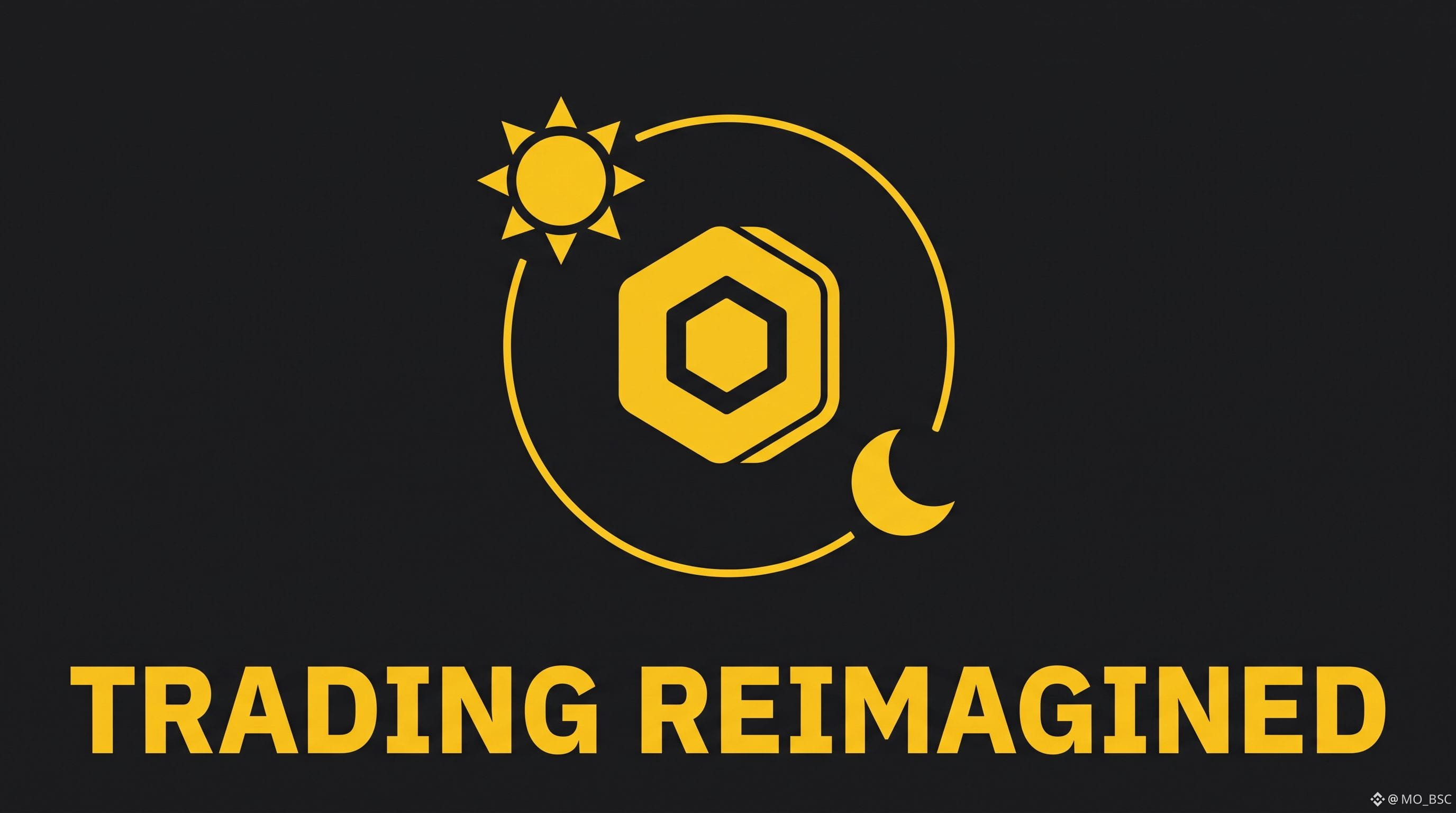
11 - 市場は閉じる。露出は閉じない。
従来の株式市場には取引時間があります。
一方、ブロックチェーン市場には同じ時計がありません。
それが、bStocksにおける面白い違いのひとつです。
対象ユーザーは、Binance Spotで24時間365日(週末を含む)bStocksを取引できます。
つまり構造はこうなります:
従来の市場
→ 固定された取引時間
bStocks
→ ブロックチェーンに基づく取引
→ 24/7の利用可能性
→ 週末を含む
ただし重要な点があります:
24/7の取引は、基礎となる株式市場が24/7で営業しているという意味ではありません。
それは、トークン化された証券を、伝統的な市場の営業時間外にBinance上で取引できるということです。
異なる市場インフラ。
異なる取引スケジュール。
同じ基礎となる経済的なエクスポージャー。
ここが理解する価値のある部分です。
学習用のコンテンツはBinance Academyをご覧ください:
https://academy.binance.com/en
#TradFi
リスクに関する免責事項:暗号資産にはリスクが伴います。これは金融助言ではありません。bStocksは株式ではなく、基礎となる会社に対する直接的な所有権を表すものではありません。
11 - 市場は閉じる。露出は閉じない。
従来の株式市場には取引時間があります。
一方、ブロックチェーン市場には同じ時計がありません。
それが、bStocksにおける面白い違いのひとつです。
対象ユーザーは、Binance Spotで24時間365日(週末を含む)bStocksを取引できます。
つまり構造はこうなります:
従来の市場
→ 固定された取引時間
bStocks
→ ブロックチェーンに基づく取引
→ 24/7の利用可能性
→ 週末を含む
ただし重要な点があります:
24/7の取引は、基礎となる株式市場が24/7で営業しているという意味ではありません。
それは、トークン化された証券を、伝統的な市場の営業時間外にBinance上で取引できるということです。
異なる市場インフラ。
異なる取引スケジュール。
同じ基礎となる経済的なエクスポージャー。
ここが理解する価値のある部分です。
学習用のコンテンツはBinance Academyをご覧ください:
https://academy.binance.com/en
#TradFi
リスクに関する免責事項:暗号資産にはリスクが伴います。これは金融助言ではありません。bStocksは株式ではなく、基礎となる会社に対する直接的な所有権を表すものではありません。
従来の株式市場には取引時間があります。
一方、ブロックチェーン市場には同じ時計がありません。
それが、bStocksにおける面白い違いのひとつです。
対象ユーザーは、Binance Spotで24時間365日(週末を含む)bStocksを取引できます。
つまり構造はこうなります:
従来の市場
→ 固定された取引時間
bStocks
→ ブロックチェーンに基づく取引
→ 24/7の利用可能性
→ 週末を含む
ただし重要な点があります:
24/7の取引は、基礎となる株式市場が24/7で営業しているという意味ではありません。
それは、トークン化された証券を、伝統的な市場の営業時間外にBinance上で取引できるということです。
異なる市場インフラ。
異なる取引スケジュール。
同じ基礎となる経済的なエクスポージャー。
ここが理解する価値のある部分です。
学習用のコンテンツはBinance Academyをご覧ください:
https://academy.binance.com/en
#TradFi
リスクに関する免責事項:暗号資産にはリスクが伴います。これは金融助言ではありません。bStocksは株式ではなく、基礎となる会社に対する直接的な所有権を表すものではありません。
2
89
·
--
09 - 配当はどうなる?
多くの人が気づいていないことがあります。それはbStocksについてです。
原資産が配当を支払う場合、プロセスは従来の現金配当を受け取るのと同じように単純には進みません。
bStocksでは、配当のネット価値が「Multiplier」と呼ばれるオンチェーンの仕組みによって自動的に再投資されます。
簡略化すると流れは次の通りです:
原資産の配当
↓
適用される控除
↓
ネット配当価値
↓
自動的な再投資
手動での再投資手順は不要です。
メカニズムにより、bStockの残高は比例して調整されます。
これは、トークン化された構造で企業アクションを扱う方法における重要な違いです。
そしていつも通り、適用される税金や源泉徴収によってネットの金額が変わる可能性があります。
Binance AcademyでbStocksについて詳しく学ぶ:
[Binance Academy](https://academy.binance.com/en/articles/what-are-bstocks-a-guide-to-tokenized-stocks-on-binance)
リスクに関する注意:暗号資産にはリスクがあります。これは金融助言ではありません。bStocksの資産は株式ではなく、基礎となる会社の直接的な所有権を表すものでもありません。
#BStocks
09 - 配当はどうなる?
多くの人が気づいていないことがあります。それはbStocksについてです。
原資産が配当を支払う場合、プロセスは従来の現金配当を受け取るのと同じように単純には進みません。
bStocksでは、配当のネット価値が「Multiplier」と呼ばれるオンチェーンの仕組みによって自動的に再投資されます。
簡略化すると流れは次の通りです:
原資産の配当
↓
適用される控除
↓
ネット配当価値
↓
自動的な再投資
手動での再投資手順は不要です。
メカニズムにより、bStockの残高は比例して調整されます。
これは、トークン化された構造で企業アクションを扱う方法における重要な違いです。
そしていつも通り、適用される税金や源泉徴収によってネットの金額が変わる可能性があります。
Binance AcademyでbStocksについて詳しく学ぶ:
Binance Academy
リスクに関する注意:暗号資産にはリスクがあります。これは金融助言ではありません。bStocksの資産は株式ではなく、基礎となる会社の直接的な所有権を表すものでもありません。
#BStocks
多くの人が気づいていないことがあります。それはbStocksについてです。
原資産が配当を支払う場合、プロセスは従来の現金配当を受け取るのと同じように単純には進みません。
bStocksでは、配当のネット価値が「Multiplier」と呼ばれるオンチェーンの仕組みによって自動的に再投資されます。
簡略化すると流れは次の通りです:
原資産の配当
↓
適用される控除
↓
ネット配当価値
↓
自動的な再投資
手動での再投資手順は不要です。
メカニズムにより、bStockの残高は比例して調整されます。
これは、トークン化された構造で企業アクションを扱う方法における重要な違いです。
そしていつも通り、適用される税金や源泉徴収によってネットの金額が変わる可能性があります。
Binance AcademyでbStocksについて詳しく学ぶ:
Binance Academy
リスクに関する注意:暗号資産にはリスクがあります。これは金融助言ではありません。bStocksの資産は株式ではなく、基礎となる会社の直接的な所有権を表すものでもありません。
#BStocks

2
78
·
--
本人確認中
翻訳参照
06 - From Stock to bStock: The 1:1 Conversion
There is another way to access bStocks.
Instead of buying a bStock directly, eligible users can convert a corresponding direct stock into its bStock form at a 1:1 ratio.
The concept is simple:
Direct stock
↓
1:1 conversion
↓
bStock
And the process works in the opposite direction as well.
bStock
↓
1:1 conversion
↓
Direct stock
Binance states that eligible conversions are available with zero conversion fees.
However, availability can depend on eligibility, jurisdiction, corporate actions, and platform conditions.
The key idea:
1:1 conversion connects the traditional security and its on-chain representation.
Learn more about bStocks on Binance Academy:
[Binance Academy](https://academy.binance.com/en/articles/what-are-bstocks-a-guide-to-tokenized-stocks-on-binance)
Risk Disclaimer: Crypto assets carry risks. This is not financial advice. bStocks assets are not stocks and do not represent direct ownership of the underlying company.
#BStocks
06 - From Stock to bStock: The 1:1 Conversion
There is another way to access bStocks.
Instead of buying a bStock directly, eligible users can convert a corresponding direct stock into its bStock form at a 1:1 ratio.
The concept is simple:
Direct stock
↓
1:1 conversion
↓
bStock
And the process works in the opposite direction as well.
bStock
↓
1:1 conversion
↓
Direct stock
Binance states that eligible conversions are available with zero conversion fees.
However, availability can depend on eligibility, jurisdiction, corporate actions, and platform conditions.
The key idea:
1:1 conversion connects the traditional security and its on-chain representation.
Learn more about bStocks on Binance Academy:
Binance Academy
Risk Disclaimer: Crypto assets carry risks. This is not financial advice. bStocks assets are not stocks and do not represent direct ownership of the underlying company.
#BStocks
There is another way to access bStocks.
Instead of buying a bStock directly, eligible users can convert a corresponding direct stock into its bStock form at a 1:1 ratio.
The concept is simple:
Direct stock
↓
1:1 conversion
↓
bStock
And the process works in the opposite direction as well.
bStock
↓
1:1 conversion
↓
Direct stock
Binance states that eligible conversions are available with zero conversion fees.
However, availability can depend on eligibility, jurisdiction, corporate actions, and platform conditions.
The key idea:
1:1 conversion connects the traditional security and its on-chain representation.
Learn more about bStocks on Binance Academy:
Binance Academy
Risk Disclaimer: Crypto assets carry risks. This is not financial advice. bStocks assets are not stocks and do not represent direct ownership of the underlying company.
#BStocks

2
25
·
--
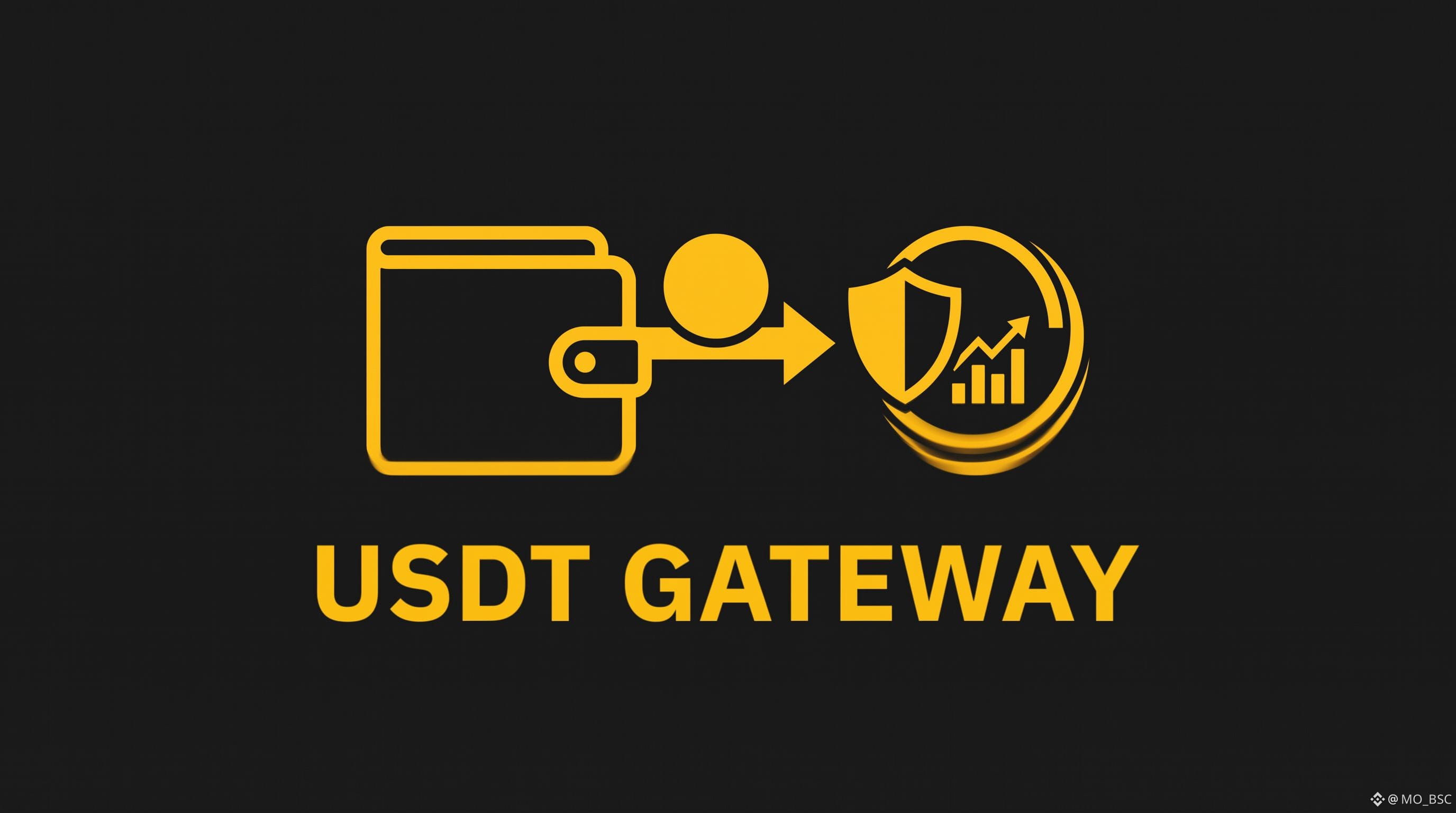
05 - USDTでbStocksを買えますか?
はい。
bStocksは、適格性および利用可能性の条件を満たす場合、USDTを使ってBinanceの現物取引で取引できます。
手順はシンプルです:
USDT
↓
Binance 現物
↓
bStock
トークン化された証券にアクセスするために、従来の証券口座を開設するわけではありません。
暗号資産ネイティブの取引環境を利用しています。
ただし覚えておいてください:
bStockを購入しても、基礎となる会社の株式を直接所有することを意味するわけではありません。
bStockは、その仕組みにより経済的エクスポージャーを提供するトークン化された証券です。
そのため、取引の前に、正確に何を買うのかを理解してください。
伝統的な資産のデジタル表現すべてが、同じように機能するわけではありません。
BinanceアカデミーでbStocksの仕組みをさらに学びましょう:
[Binance Academy](https://academy.binance.com/en/articles/what-are-bstocks-a-guide-to-tokenized-stocks-on-binance)
リスクに関する免責事項:暗号資産にはリスクがあります。これは金融アドバイスではありません。bStocksの資産は株式ではなく、基礎となる会社の直接的な所有を表すものでもありません。
#BStocks
05 - USDTでbStocksを買えますか?
はい。
bStocksは、適格性および利用可能性の条件を満たす場合、USDTを使ってBinanceの現物取引で取引できます。
手順はシンプルです:
USDT
↓
Binance 現物
↓
bStock
トークン化された証券にアクセスするために、従来の証券口座を開設するわけではありません。
暗号資産ネイティブの取引環境を利用しています。
ただし覚えておいてください:
bStockを購入しても、基礎となる会社の株式を直接所有することを意味するわけではありません。
bStockは、その仕組みにより経済的エクスポージャーを提供するトークン化された証券です。
そのため、取引の前に、正確に何を買うのかを理解してください。
伝統的な資産のデジタル表現すべてが、同じように機能するわけではありません。
BinanceアカデミーでbStocksの仕組みをさらに学びましょう:
Binance Academy
リスクに関する免責事項:暗号資産にはリスクがあります。これは金融アドバイスではありません。bStocksの資産は株式ではなく、基礎となる会社の直接的な所有を表すものでもありません。
#BStocks
はい。
bStocksは、適格性および利用可能性の条件を満たす場合、USDTを使ってBinanceの現物取引で取引できます。
手順はシンプルです:
USDT
↓
Binance 現物
↓
bStock
トークン化された証券にアクセスするために、従来の証券口座を開設するわけではありません。
暗号資産ネイティブの取引環境を利用しています。
ただし覚えておいてください:
bStockを購入しても、基礎となる会社の株式を直接所有することを意味するわけではありません。
bStockは、その仕組みにより経済的エクスポージャーを提供するトークン化された証券です。
そのため、取引の前に、正確に何を買うのかを理解してください。
伝統的な資産のデジタル表現すべてが、同じように機能するわけではありません。
BinanceアカデミーでbStocksの仕組みをさらに学びましょう:
Binance Academy
リスクに関する免責事項:暗号資産にはリスクがあります。これは金融アドバイスではありません。bStocksの資産は株式ではなく、基礎となる会社の直接的な所有を表すものでもありません。
#BStocks
2
20
·
--
04 - 24/7トレーディング:それは実際にどういう意味?
従来の株式市場は、決められた取引時間の中で運営されています。
株はそれとは異なります。
ブロックチェーン上のトークン化された有価証券であるため、Binanceの現物市場では週末を含めて24/7取引できます。
つまり、ポジションを取引するためだけに、伝統的な市場が再開するのを待つ必要はありません。
重要な違いは次のとおりです。
24/7取引は、基となる株式市場が24/7で開いているという意味ではありません。
それは、bStock自体がBinance上で継続的に取引できることを意味します(適用されるプロダクトおよび市場条件の範囲内で)。
その結果、体験は次のように変わります。
従来の市場の取引時間
↓
市場クローズ
↓
次のセッションを待つ
から:
オンチェーン市場へのアクセス
↓
24/7トレーディング
別のインフラ。
別の取引体験。
Binance AcademyでbStockについて詳しく学ぶ:
[Binance Academy](https://academy.binance.com/en/articles/what-are-bstocks-a-guide-to-tokenized-stocks-on-binance)
リスクに関する免責事項:暗号資産にはリスクがあります。これは金融助言ではありません。bStocksの資産は株式ではなく、基となる企業に対する直接の所有権を表すものでもありません。
#BStocks
04 - 24/7トレーディング:それは実際にどういう意味?
従来の株式市場は、決められた取引時間の中で運営されています。
株はそれとは異なります。
ブロックチェーン上のトークン化された有価証券であるため、Binanceの現物市場では週末を含めて24/7取引できます。
つまり、ポジションを取引するためだけに、伝統的な市場が再開するのを待つ必要はありません。
重要な違いは次のとおりです。
24/7取引は、基となる株式市場が24/7で開いているという意味ではありません。
それは、bStock自体がBinance上で継続的に取引できることを意味します(適用されるプロダクトおよび市場条件の範囲内で)。
その結果、体験は次のように変わります。
従来の市場の取引時間
↓
市場クローズ
↓
次のセッションを待つ
から:
オンチェーン市場へのアクセス
↓
24/7トレーディング
別のインフラ。
別の取引体験。
Binance AcademyでbStockについて詳しく学ぶ:
Binance Academy
リスクに関する免責事項:暗号資産にはリスクがあります。これは金融助言ではありません。bStocksの資産は株式ではなく、基となる企業に対する直接の所有権を表すものでもありません。
#BStocks
従来の株式市場は、決められた取引時間の中で運営されています。
株はそれとは異なります。
ブロックチェーン上のトークン化された有価証券であるため、Binanceの現物市場では週末を含めて24/7取引できます。
つまり、ポジションを取引するためだけに、伝統的な市場が再開するのを待つ必要はありません。
重要な違いは次のとおりです。
24/7取引は、基となる株式市場が24/7で開いているという意味ではありません。
それは、bStock自体がBinance上で継続的に取引できることを意味します(適用されるプロダクトおよび市場条件の範囲内で)。
その結果、体験は次のように変わります。
従来の市場の取引時間
↓
市場クローズ
↓
次のセッションを待つ
から:
オンチェーン市場へのアクセス
↓
24/7トレーディング
別のインフラ。
別の取引体験。
Binance AcademyでbStockについて詳しく学ぶ:
Binance Academy
リスクに関する免責事項:暗号資産にはリスクがあります。これは金融助言ではありません。bStocksの資産は株式ではなく、基となる企業に対する直接の所有権を表すものでもありません。
#BStocks
2
93
·
--
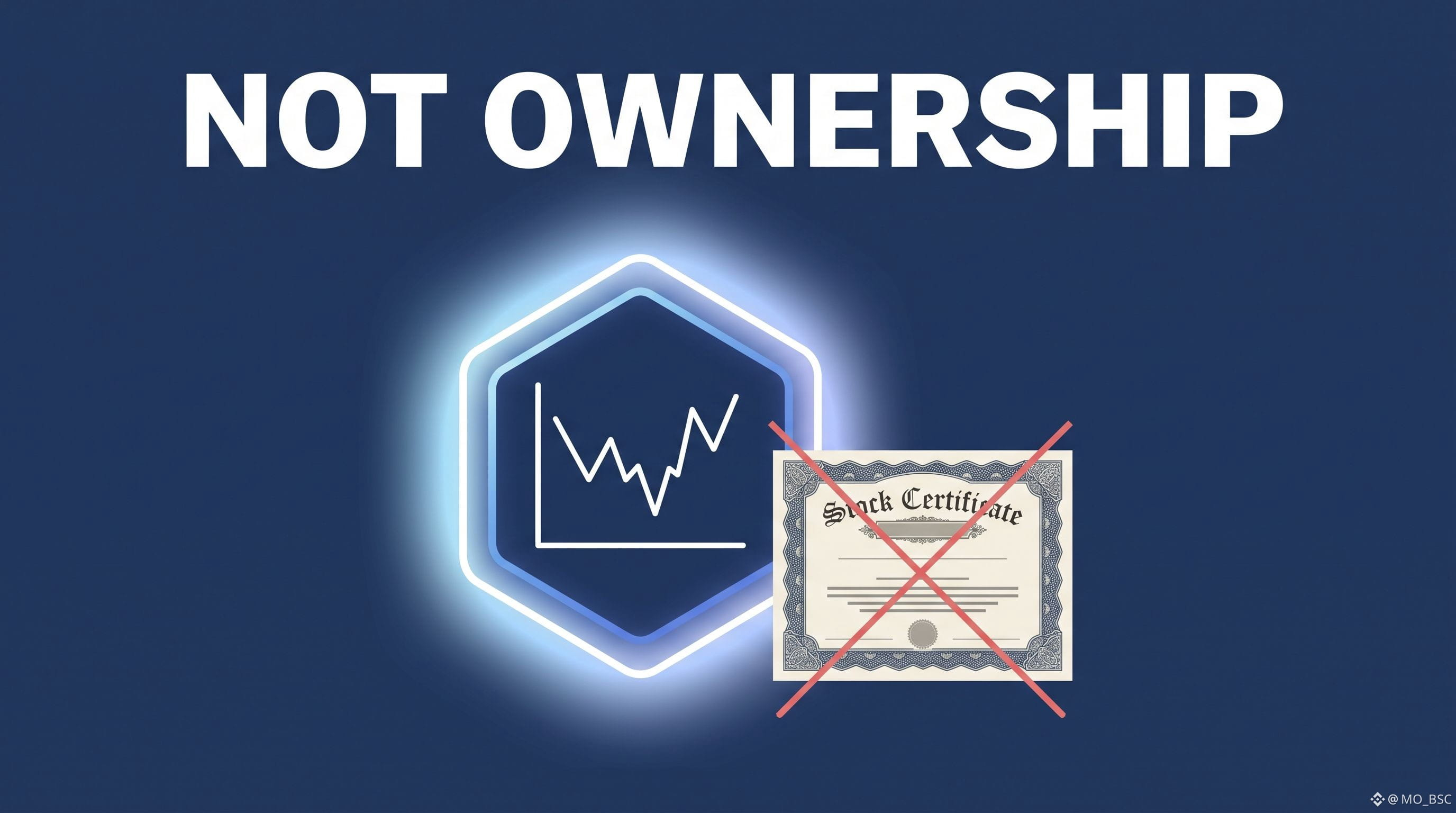
03 - bStocks ≠ 株式の保有
覚えておくべき違いはこれです:
bStocksは、直接の株式保有ではありません。
従来の株式は、該当する市場や保管の仕組みを通じて、企業に対する直接の持分を表すことがあります。
bStocksは異なります。
トークン化された有価証券として分類され、ブロックチェーンベースの仕組みにより、基礎となる証券への経済的エクスポージャーを提供します。
つまり、bStockを保有していても、次の意味ではありません:
❌ あなたが会社の株を直接保有している
❌ 株主としての議決権を得る
❌ bStockそのものが会社の株になる
その代わり、bStocksは、従来の証券をオンチェーン形式に取り込むことを目的に設計されています。
同じ基礎となる経済的参照。
異なる法的および技術的な構造。
だからこそ「トークン化された有価証券」という言葉が重要です。
Binance Academyで詳細な説明をご覧ください:
[Binance Academy](https://academy.binance.com/en/articles/what-are-bstocks-a-guide-to-tokenized-stocks-on-binance)
リスクに関する免責事項:暗号資産にはリスクがあります。これは金融アドバイスではありません。bStocksの資産は株式ではなく、基礎となる企業の直接的な保有を表すものでもありません。
#BStocks
03 - bStocks ≠ 株式の保有
覚えておくべき違いはこれです:
bStocksは、直接の株式保有ではありません。
従来の株式は、該当する市場や保管の仕組みを通じて、企業に対する直接の持分を表すことがあります。
bStocksは異なります。
トークン化された有価証券として分類され、ブロックチェーンベースの仕組みにより、基礎となる証券への経済的エクスポージャーを提供します。
つまり、bStockを保有していても、次の意味ではありません:
❌ あなたが会社の株を直接保有している
❌ 株主としての議決権を得る
❌ bStockそのものが会社の株になる
その代わり、bStocksは、従来の証券をオンチェーン形式に取り込むことを目的に設計されています。
同じ基礎となる経済的参照。
異なる法的および技術的な構造。
だからこそ「トークン化された有価証券」という言葉が重要です。
Binance Academyで詳細な説明をご覧ください:
Binance Academy
リスクに関する免責事項:暗号資産にはリスクがあります。これは金融アドバイスではありません。bStocksの資産は株式ではなく、基礎となる企業の直接的な保有を表すものでもありません。
#BStocks
覚えておくべき違いはこれです:
bStocksは、直接の株式保有ではありません。
従来の株式は、該当する市場や保管の仕組みを通じて、企業に対する直接の持分を表すことがあります。
bStocksは異なります。
トークン化された有価証券として分類され、ブロックチェーンベースの仕組みにより、基礎となる証券への経済的エクスポージャーを提供します。
つまり、bStockを保有していても、次の意味ではありません:
❌ あなたが会社の株を直接保有している
❌ 株主としての議決権を得る
❌ bStockそのものが会社の株になる
その代わり、bStocksは、従来の証券をオンチェーン形式に取り込むことを目的に設計されています。
同じ基礎となる経済的参照。
異なる法的および技術的な構造。
だからこそ「トークン化された有価証券」という言葉が重要です。
Binance Academyで詳細な説明をご覧ください:
Binance Academy
リスクに関する免責事項:暗号資産にはリスクがあります。これは金融アドバイスではありません。bStocksの資産は株式ではなく、基礎となる企業の直接的な保有を表すものでもありません。
#BStocks
2
106
·
--
02 - 1:1 バッキング、やさしく解説
bStocksの話をしているときに、このフレーズを目にすることがよくあります:
「1:1で裏付けられている(Backed 1:1)」
では、これは実際にはどういう意味でしょうか?
発行される各bStockトークンには、対応する実際の米国株が保管(カストディ)されています。
つまり、この仕組みは次のように設計されています:
1 bStock → 1 対応する基礎となる株
重要なのは「裏付け(バッキング)」です。
基礎となる株は規制を受けたカストディアンが保有し、あわせてBinanceは、裏付けを確認できるProof of Collateral(担保/裏付けの証明)ページも提供しています。
これは、単に株価に連動するトークンを作るのとは違います。
ブロックチェーンのトークンには、それを支える基礎となる株があります。
これがbStocksの中核となる考え方の1つです。
技術的な詳細が知りたいですか?
Binance Academyで学べます:
[Binance Academy](https://academy.binance.com/en/articles/what-are-bstocks-a-guide-to-tokenized-stocks-on-binance)
リスクに関する免責事項:暗号資産にはリスクがあります。これは金融アドバイスではありません。bStocksの資産は株式ではなく、基礎となる会社の直接的な所有権を表すものではありません。
#bStocks
02 - 1:1 バッキング、やさしく解説
bStocksの話をしているときに、このフレーズを目にすることがよくあります:
「1:1で裏付けられている(Backed 1:1)」
では、これは実際にはどういう意味でしょうか?
発行される各bStockトークンには、対応する実際の米国株が保管(カストディ)されています。
つまり、この仕組みは次のように設計されています:
1 bStock → 1 対応する基礎となる株
重要なのは「裏付け(バッキング)」です。
基礎となる株は規制を受けたカストディアンが保有し、あわせてBinanceは、裏付けを確認できるProof of Collateral(担保/裏付けの証明)ページも提供しています。
これは、単に株価に連動するトークンを作るのとは違います。
ブロックチェーンのトークンには、それを支える基礎となる株があります。
これがbStocksの中核となる考え方の1つです。
技術的な詳細が知りたいですか?
Binance Academyで学べます:
Binance Academy
リスクに関する免責事項:暗号資産にはリスクがあります。これは金融アドバイスではありません。bStocksの資産は株式ではなく、基礎となる会社の直接的な所有権を表すものではありません。
#bStocks
bStocksの話をしているときに、このフレーズを目にすることがよくあります:
「1:1で裏付けられている(Backed 1:1)」
では、これは実際にはどういう意味でしょうか?
発行される各bStockトークンには、対応する実際の米国株が保管(カストディ)されています。
つまり、この仕組みは次のように設計されています:
1 bStock → 1 対応する基礎となる株
重要なのは「裏付け(バッキング)」です。
基礎となる株は規制を受けたカストディアンが保有し、あわせてBinanceは、裏付けを確認できるProof of Collateral(担保/裏付けの証明)ページも提供しています。
これは、単に株価に連動するトークンを作るのとは違います。
ブロックチェーンのトークンには、それを支える基礎となる株があります。
これがbStocksの中核となる考え方の1つです。
技術的な詳細が知りたいですか?
Binance Academyで学べます:
Binance Academy
リスクに関する免責事項:暗号資産にはリスクがあります。これは金融アドバイスではありません。bStocksの資産は株式ではなく、基礎となる会社の直接的な所有権を表すものではありません。
#bStocks

2
82
·
--
本人確認中
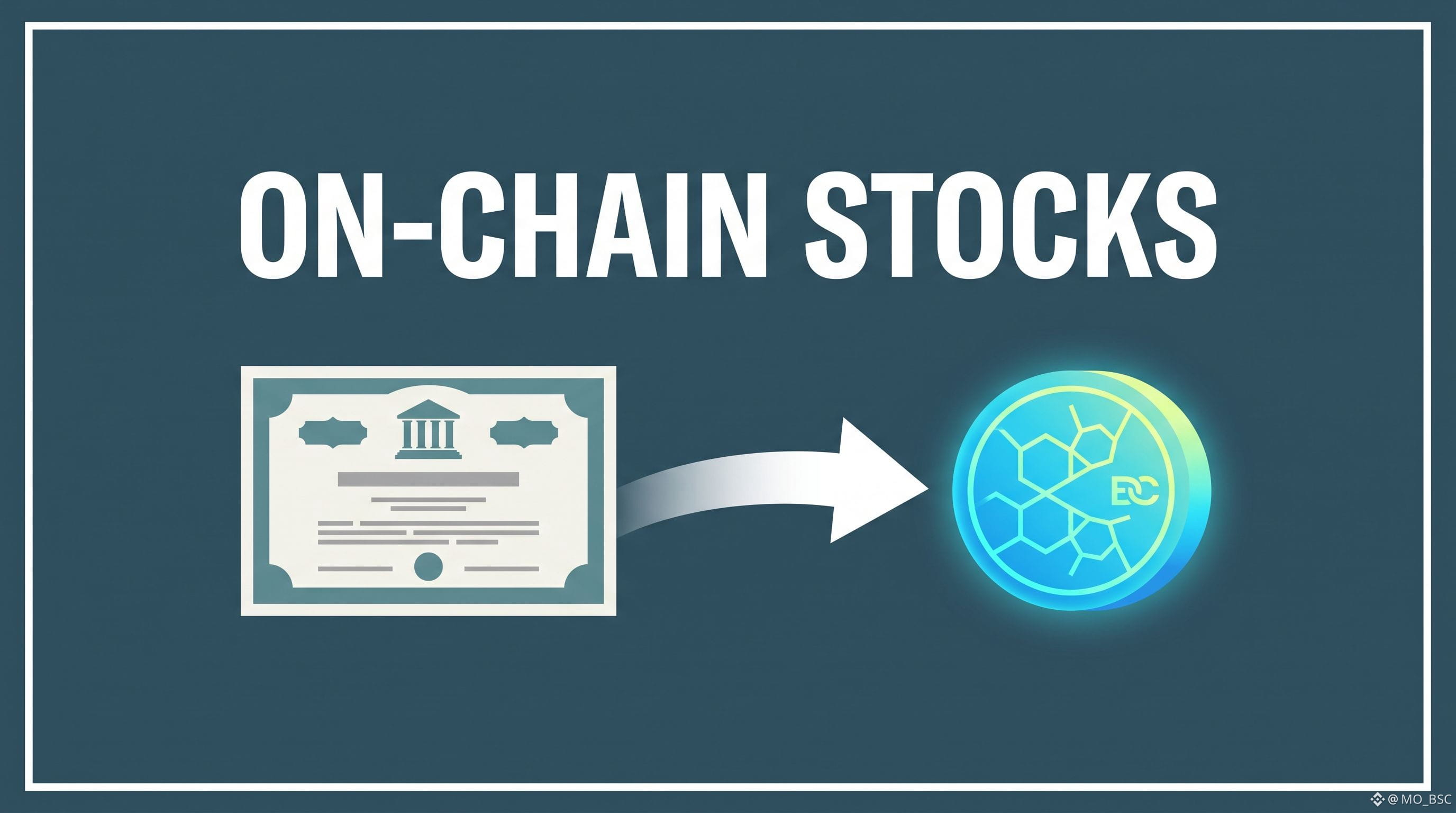
01 - bStocksとは一体何ですか?
従来の株式エクスポージャーがオンチェーン上に存在できるとしたらどうでしょうか?
それが、Binance bStocksの基本的な考え方です。
bStocksは、Binanceで取引できるトークン化された有価証券です。
それぞれのbStockは、規制を受けたカストディアンにより保管されている、対応する実在の米国株(1:1)によって裏付けられています。
しかし、重要な違いがあります。
bStocksは株ではありません。
保有者に対して、基礎となる会社の株式を直接保有する権利は付与されません。
代わりに、ブロックチェーンに基づく仕組みによって経済的なエクスポージャーを提供します。
つまり、こう考えてください:
従来の有価証券
↓
トークン化
↓
ブロックチェーンベースのbStock
同じ基礎となる経済的参照。
構造は異なります。
そして、この違いが重要です。
Binance AcademyでbStocksの仕組みについて詳しく学ぶ:
[Binance Academy](https://academy.binance.com/en/articles/what-are-bstocks-a-guide-to-tokenized-stocks-on-binance)
リスクに関する免責事項:暗号資産にはリスクがあります。これは金融アドバイスではありません。bStocksの資産は株ではなく、基礎となる会社に対する直接の所有を表すものでもありません。
#bStocks #RWA
01 - bStocksとは一体何ですか?
従来の株式エクスポージャーがオンチェーン上に存在できるとしたらどうでしょうか?
それが、Binance bStocksの基本的な考え方です。
bStocksは、Binanceで取引できるトークン化された有価証券です。
それぞれのbStockは、規制を受けたカストディアンにより保管されている、対応する実在の米国株(1:1)によって裏付けられています。
しかし、重要な違いがあります。
bStocksは株ではありません。
保有者に対して、基礎となる会社の株式を直接保有する権利は付与されません。
代わりに、ブロックチェーンに基づく仕組みによって経済的なエクスポージャーを提供します。
つまり、こう考えてください:
従来の有価証券
↓
トークン化
↓
ブロックチェーンベースのbStock
同じ基礎となる経済的参照。
構造は異なります。
そして、この違いが重要です。
Binance AcademyでbStocksの仕組みについて詳しく学ぶ:
Binance Academy
リスクに関する免責事項:暗号資産にはリスクがあります。これは金融アドバイスではありません。bStocksの資産は株ではなく、基礎となる会社に対する直接の所有を表すものでもありません。
#bStocks #RWA
従来の株式エクスポージャーがオンチェーン上に存在できるとしたらどうでしょうか?
それが、Binance bStocksの基本的な考え方です。
bStocksは、Binanceで取引できるトークン化された有価証券です。
それぞれのbStockは、規制を受けたカストディアンにより保管されている、対応する実在の米国株(1:1)によって裏付けられています。
しかし、重要な違いがあります。
bStocksは株ではありません。
保有者に対して、基礎となる会社の株式を直接保有する権利は付与されません。
代わりに、ブロックチェーンに基づく仕組みによって経済的なエクスポージャーを提供します。
つまり、こう考えてください:
従来の有価証券
↓
トークン化
↓
ブロックチェーンベースのbStock
同じ基礎となる経済的参照。
構造は異なります。
そして、この違いが重要です。
Binance AcademyでbStocksの仕組みについて詳しく学ぶ:
Binance Academy
リスクに関する免責事項:暗号資産にはリスクがあります。これは金融アドバイスではありません。bStocksの資産は株ではなく、基礎となる会社に対する直接の所有を表すものでもありません。
#bStocks #RWA
3
144
·
--
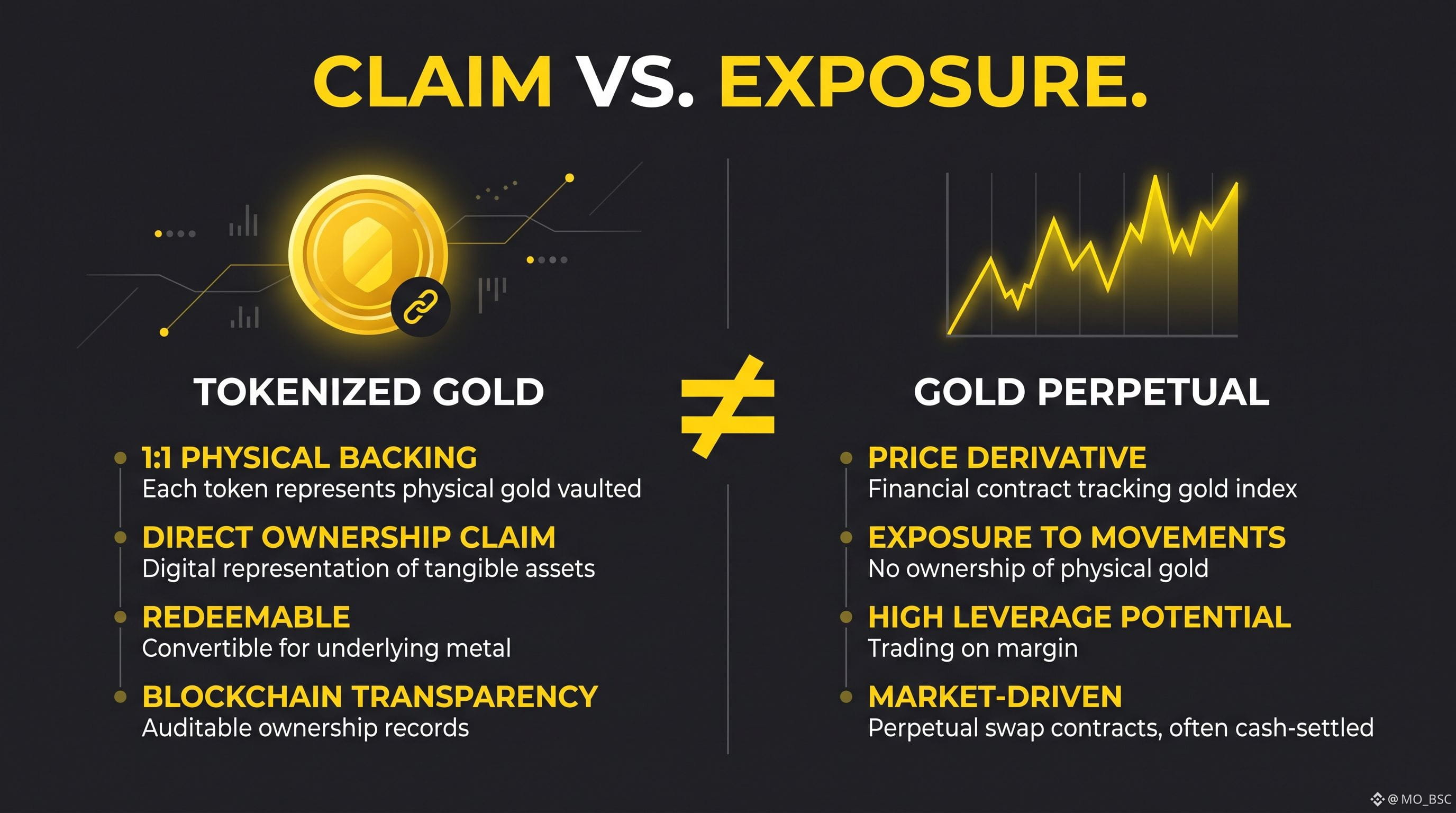
2つのプロダクトはいずれも金へのエクスポージャーを提供できます……
しかし、それらが表すものはまったく異なる場合があります。
トークン化された金:
デジタルトークンは、保管業者が保有する現物の金に関連する所有権、またはその金に結びついた請求権を表します。
プロダクトによっては、現物の金と引き換え(償還)が利用できる場合があります。
ゴールド・パーペチュアル:
デリバティブ契約が金の価格を追跡します。
あなたは現物の金属を保有しません。
あなたは金を保管しません。
あなたは金の延べ棒を受け取りません。
あなたはパーペチュアル契約を通じて価格へのエクスポージャーを取引しているのです。
つまり:
トークン化された金 ≠ ゴールド・パーペチュアル。
前者は、現物の金に連動するデジタル上の請求権を表します。
後者は、金の価格を追跡するために設計されたデリバティブです。
同じ基礎となるコモディティ。
しかし異なる金融商品。
そして、その違いは重要です。
必ず、使用する前にそのプロダクトが実際に何を表しているのかを理解してください。
出典:
[Binance Academy](https://www.binance.com/en/academy/articles/what-is-tokenized-gold)
2つのプロダクトはいずれも金へのエクスポージャーを提供できます……
しかし、それらが表すものはまったく異なる場合があります。
トークン化された金:
デジタルトークンは、保管業者が保有する現物の金に関連する所有権、またはその金に結びついた請求権を表します。
プロダクトによっては、現物の金と引き換え(償還)が利用できる場合があります。
ゴールド・パーペチュアル:
デリバティブ契約が金の価格を追跡します。
あなたは現物の金属を保有しません。
あなたは金を保管しません。
あなたは金の延べ棒を受け取りません。
あなたはパーペチュアル契約を通じて価格へのエクスポージャーを取引しているのです。
つまり:
トークン化された金 ≠ ゴールド・パーペチュアル。
前者は、現物の金に連動するデジタル上の請求権を表します。
後者は、金の価格を追跡するために設計されたデリバティブです。
同じ基礎となるコモディティ。
しかし異なる金融商品。
そして、その違いは重要です。
必ず、使用する前にそのプロダクトが実際に何を表しているのかを理解してください。
出典:
Binance Academy
しかし、それらが表すものはまったく異なる場合があります。
トークン化された金:
デジタルトークンは、保管業者が保有する現物の金に関連する所有権、またはその金に結びついた請求権を表します。
プロダクトによっては、現物の金と引き換え(償還)が利用できる場合があります。
ゴールド・パーペチュアル:
デリバティブ契約が金の価格を追跡します。
あなたは現物の金属を保有しません。
あなたは金を保管しません。
あなたは金の延べ棒を受け取りません。
あなたはパーペチュアル契約を通じて価格へのエクスポージャーを取引しているのです。
つまり:
トークン化された金 ≠ ゴールド・パーペチュアル。
前者は、現物の金に連動するデジタル上の請求権を表します。
後者は、金の価格を追跡するために設計されたデリバティブです。
同じ基礎となるコモディティ。
しかし異なる金融商品。
そして、その違いは重要です。
必ず、使用する前にそのプロダクトが実際に何を表しているのかを理解してください。
出典:
Binance Academy
3
322
·
--
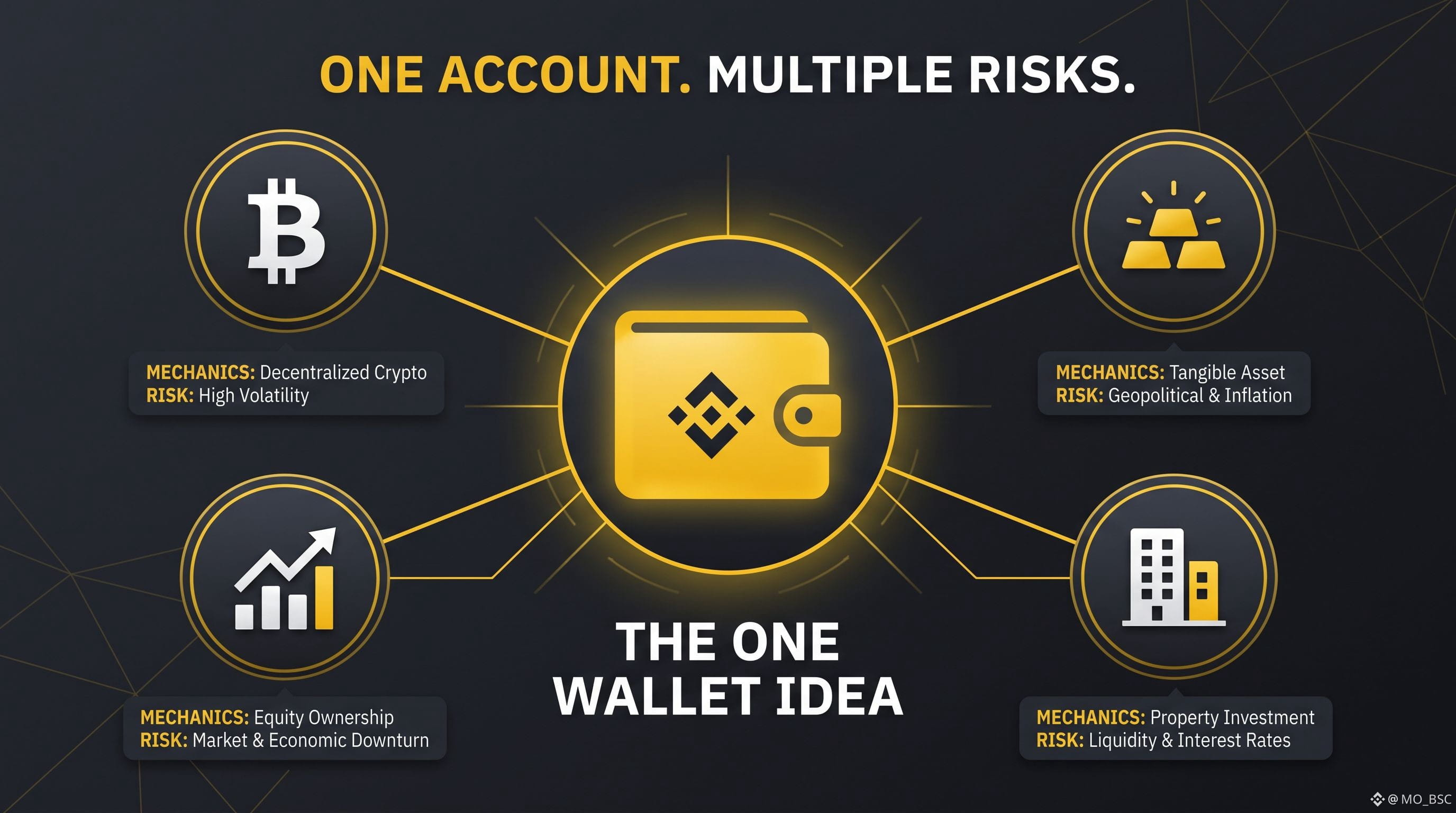
1つのアカウントは便利です。
しかし、利便性が理解を置き換えるべきではありません。
Binanceのエコシステムの1つの中で、暗号資産を他の金融商品と並行して管理するという考え方が、ますます現実味を帯びてきています。
同じ環境で、さまざまな市場や商品(インストゥルメント)を扱うことができます。
ただし、それぞれに固有のものがあります。
リスクプロファイル。
取引の仕組み。
適格性。
規制の枠組み。
1つのログインが、1つのリスクを意味するわけではありません。
1つのエコシステムが、1つの商品を意味するわけでもありません。
違いを学びましょう。
@Binance_Academy
#Binance #Crypto
1つのアカウントは便利です。
しかし、利便性が理解を置き換えるべきではありません。
Binanceのエコシステムの1つの中で、暗号資産を他の金融商品と並行して管理するという考え方が、ますます現実味を帯びてきています。
同じ環境で、さまざまな市場や商品(インストゥルメント)を扱うことができます。
ただし、それぞれに固有のものがあります。
リスクプロファイル。
取引の仕組み。
適格性。
規制の枠組み。
1つのログインが、1つのリスクを意味するわけではありません。
1つのエコシステムが、1つの商品を意味するわけでもありません。
違いを学びましょう。
@Binance Academy
#Binance #Crypto
しかし、利便性が理解を置き換えるべきではありません。
Binanceのエコシステムの1つの中で、暗号資産を他の金融商品と並行して管理するという考え方が、ますます現実味を帯びてきています。
同じ環境で、さまざまな市場や商品(インストゥルメント)を扱うことができます。
ただし、それぞれに固有のものがあります。
リスクプロファイル。
取引の仕組み。
適格性。
規制の枠組み。
1つのログインが、1つのリスクを意味するわけではありません。
1つのエコシステムが、1つの商品を意味するわけでもありません。
違いを学びましょう。
@Binance Academy
#Binance #Crypto
2
32
·
--
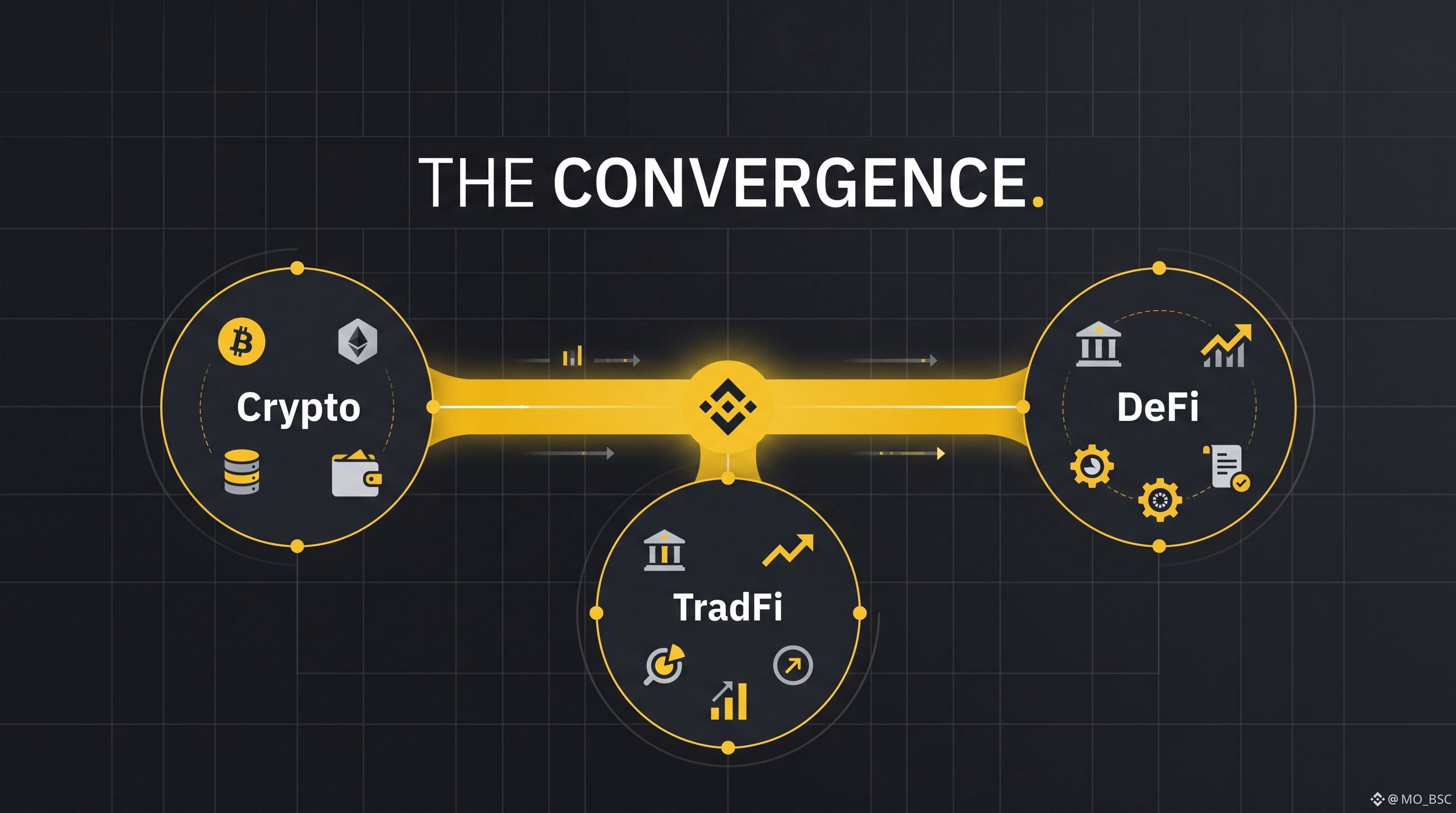
より大きな物語は、単に「Binanceがより多くの商品を追加した」ということだけではありません。 !!
それは金融市場の収束です。
Cryptoはブロックチェーンネイティブな資産をもたらします。
TradFiは伝統的な金融商品をもたらします。
DeFiは、プログラム可能なオンチェーンの金融アプリケーションをもたらします。
より広い金融エコシステムという考え方は、これらの世界を完全に切り離された別々のシステムとしてユーザーに捉えさせるのではなく、つなげることにあります。
しかし、あらゆる接続によって、理解すべき新しい商品が生まれます。
アクセスが増えれば、必要な知識も増えます。
だからこそ、教育が重要なのです。
@Binance_Academy
#Binance #TriFi
より大きな物語は、単に「Binanceがより多くの商品を追加した」ということだけではありません。 !!
それは金融市場の収束です。
Cryptoはブロックチェーンネイティブな資産をもたらします。
TradFiは伝統的な金融商品をもたらします。
DeFiは、プログラム可能なオンチェーンの金融アプリケーションをもたらします。
より広い金融エコシステムという考え方は、これらの世界を完全に切り離された別々のシステムとしてユーザーに捉えさせるのではなく、つなげることにあります。
しかし、あらゆる接続によって、理解すべき新しい商品が生まれます。
アクセスが増えれば、必要な知識も増えます。
だからこそ、教育が重要なのです。
@Binance Academy
#Binance #TriFi
それは金融市場の収束です。
Cryptoはブロックチェーンネイティブな資産をもたらします。
TradFiは伝統的な金融商品をもたらします。
DeFiは、プログラム可能なオンチェーンの金融アプリケーションをもたらします。
より広い金融エコシステムという考え方は、これらの世界を完全に切り離された別々のシステムとしてユーザーに捉えさせるのではなく、つなげることにあります。
しかし、あらゆる接続によって、理解すべき新しい商品が生まれます。
アクセスが増えれば、必要な知識も増えます。
だからこそ、教育が重要なのです。
@Binance Academy
#Binance #TriFi
3
31
·
--
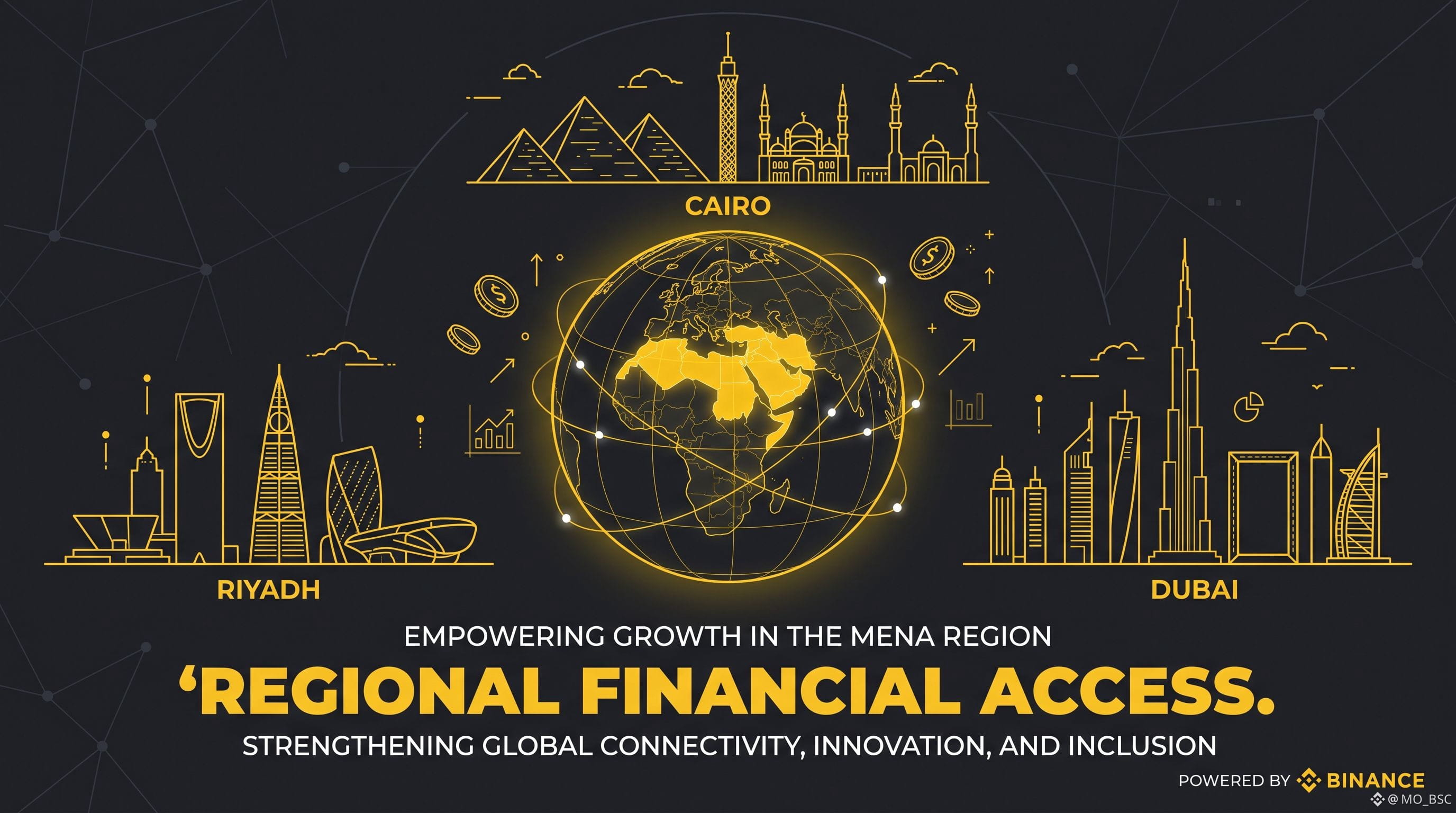
あなたがカイロ、リヤド、またはドバイにいると想像してください。
米国市場で提供されている金融商品が見つかります。
最初に思い浮かぶ疑問は:
「アクセスできますか?」
答えは単純に「はい」か「いいえ」だけではありません。
国、資格の有無、規制の枠組み、そして特定のバイナンスのプロダクトによって異なります。
そのため、地域ごとの提供状況が物語の重要な一部になります。
金融アクセスの未来は、より多くの商品を追加することだけではありません。
それは、さまざまな市場に対して、アクセスを適切に規制対応し、かつ理解しやすいものにすることでもあります。
お住まいの地域で提供状況を必ず確認してください。
@Binance_Academy
#Binance #MENA
あなたがカイロ、リヤド、またはドバイにいると想像してください。
米国市場で提供されている金融商品が見つかります。
最初に思い浮かぶ疑問は:
「アクセスできますか?」
答えは単純に「はい」か「いいえ」だけではありません。
国、資格の有無、規制の枠組み、そして特定のバイナンスのプロダクトによって異なります。
そのため、地域ごとの提供状況が物語の重要な一部になります。
金融アクセスの未来は、より多くの商品を追加することだけではありません。
それは、さまざまな市場に対して、アクセスを適切に規制対応し、かつ理解しやすいものにすることでもあります。
お住まいの地域で提供状況を必ず確認してください。
@Binance Academy
#Binance #MENA
米国市場で提供されている金融商品が見つかります。
最初に思い浮かぶ疑問は:
「アクセスできますか?」
答えは単純に「はい」か「いいえ」だけではありません。
国、資格の有無、規制の枠組み、そして特定のバイナンスのプロダクトによって異なります。
そのため、地域ごとの提供状況が物語の重要な一部になります。
金融アクセスの未来は、より多くの商品を追加することだけではありません。
それは、さまざまな市場に対して、アクセスを適切に規制対応し、かつ理解しやすいものにすることでもあります。
お住まいの地域で提供状況を必ず確認してください。
@Binance Academy
#Binance #MENA
2
22
·
--
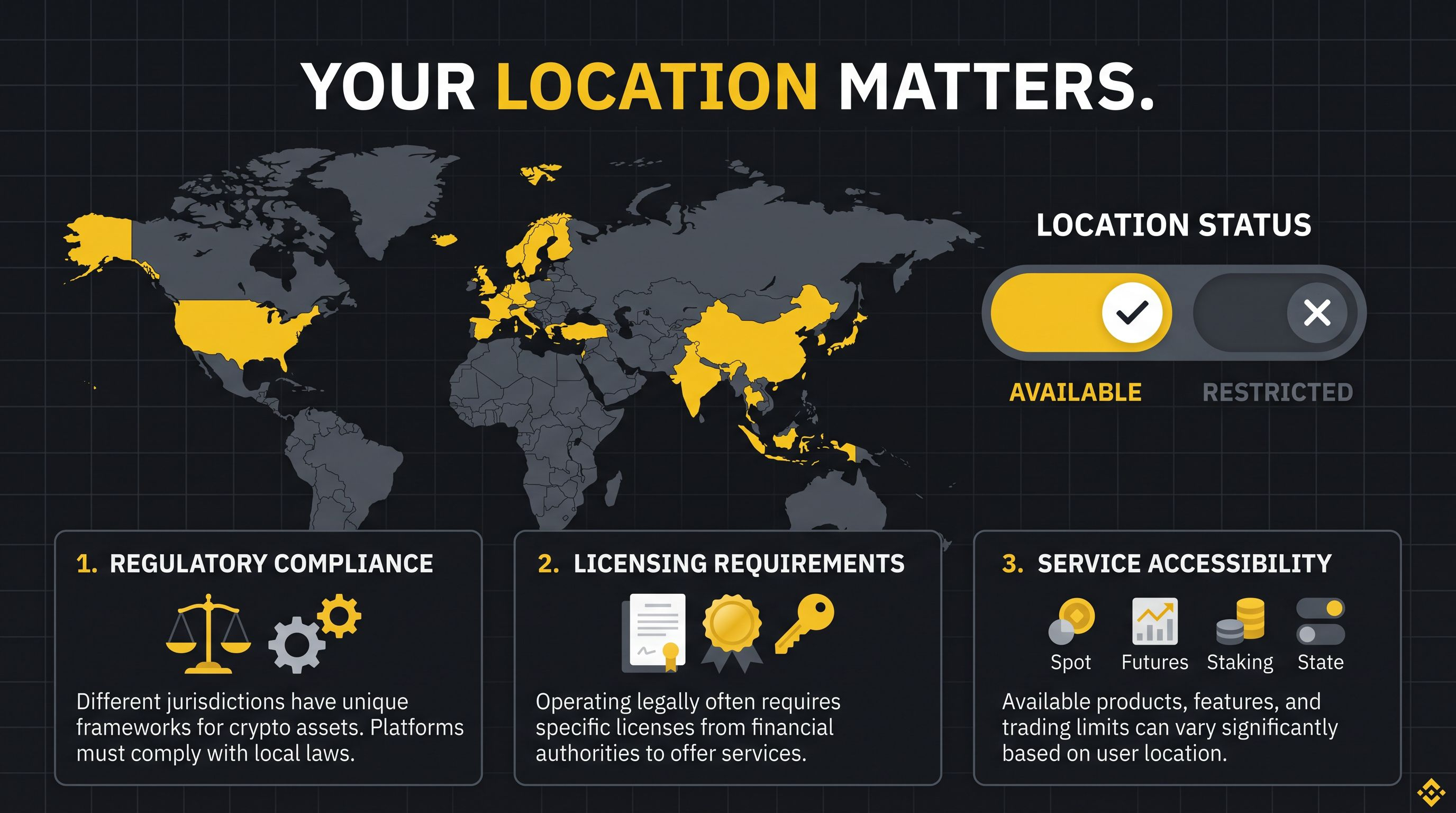
金融商品は、世界的に存在していても、世界的に利用可能であるとは限りません。
特にTradFi(伝統的な金融)商品について話す際には、これは重要です。
利用可能性は次のような要因に左右されることがあります。
• 居住国
• 規制上の要件
• 資格審査
• お住まいの地域に対応する特定のBinance法人
• 個別の商品
オンラインで誰かが使っているのを見かけても、あなたには利用できない場合があります。
アクセスできると決めつける前に、必ず自分の管轄区域に関する公式のBinance商品ページを確認してください。
あなたの所在地が重要です💛
@Binance_Academy
#Crypto
金融商品は、世界的に存在していても、世界的に利用可能であるとは限りません。
特にTradFi(伝統的な金融)商品について話す際には、これは重要です。
利用可能性は次のような要因に左右されることがあります。
• 居住国
• 規制上の要件
• 資格審査
• お住まいの地域に対応する特定のBinance法人
• 個別の商品
オンラインで誰かが使っているのを見かけても、あなたには利用できない場合があります。
アクセスできると決めつける前に、必ず自分の管轄区域に関する公式のBinance商品ページを確認してください。
あなたの所在地が重要です💛
@Binance Academy
#Crypto
特にTradFi(伝統的な金融)商品について話す際には、これは重要です。
利用可能性は次のような要因に左右されることがあります。
• 居住国
• 規制上の要件
• 資格審査
• お住まいの地域に対応する特定のBinance法人
• 個別の商品
オンラインで誰かが使っているのを見かけても、あなたには利用できない場合があります。
アクセスできると決めつける前に、必ず自分の管轄区域に関する公式のBinance商品ページを確認してください。
あなたの所在地が重要です💛
@Binance Academy
#Crypto
3
42
·
--
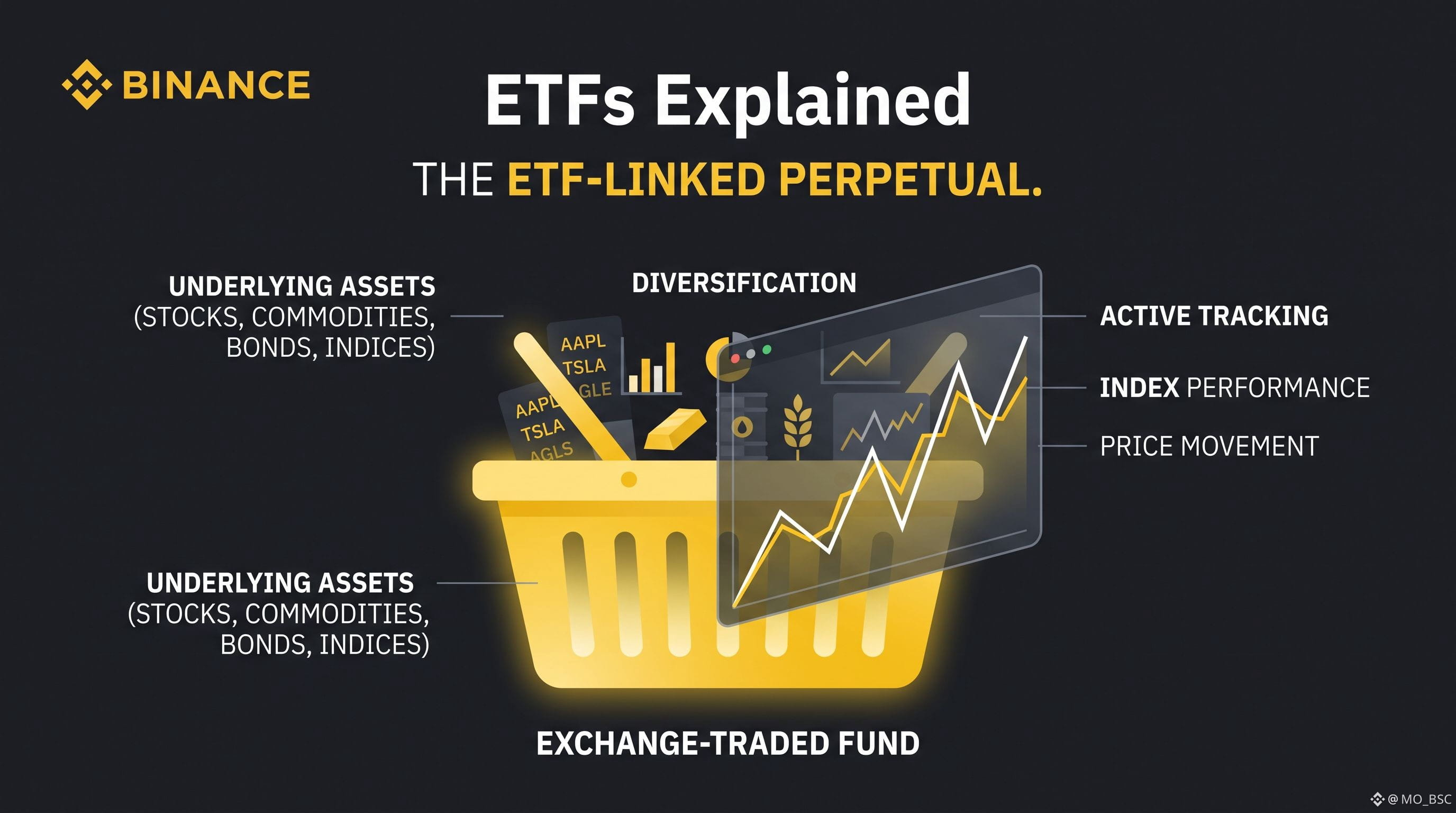
ETFは複雑に聞こえるかもしれませんが、分解すれば理解できます。
ETFとは、複数の資産を保有できる投資信託で、証券のように市場で取引されます。
たとえば、指数ETFは1社を表すのではなく、企業のバスケットを追跡できます。
BinanceのTradFi提供には、ETF連動の無期限先物契約が含まれます。
重要な違い:
ETF連動の無期限先物は、ETFの価格を追跡するデリバティブです。
それは、あなたがETFそのものを直接保有するという意味ではありません。
別の金融商品です。
別の権利です。
別のリスクです。
取引する前に、その仕組みを理解しましょう。
@Binance_Academy
#ETF
ETFは複雑に聞こえるかもしれませんが、分解すれば理解できます。
ETFとは、複数の資産を保有できる投資信託で、証券のように市場で取引されます。
たとえば、指数ETFは1社を表すのではなく、企業のバスケットを追跡できます。
BinanceのTradFi提供には、ETF連動の無期限先物契約が含まれます。
重要な違い:
ETF連動の無期限先物は、ETFの価格を追跡するデリバティブです。
それは、あなたがETFそのものを直接保有するという意味ではありません。
別の金融商品です。
別の権利です。
別のリスクです。
取引する前に、その仕組みを理解しましょう。
@Binance Academy
#ETF
ETFとは、複数の資産を保有できる投資信託で、証券のように市場で取引されます。
たとえば、指数ETFは1社を表すのではなく、企業のバスケットを追跡できます。
BinanceのTradFi提供には、ETF連動の無期限先物契約が含まれます。
重要な違い:
ETF連動の無期限先物は、ETFの価格を追跡するデリバティブです。
それは、あなたがETFそのものを直接保有するという意味ではありません。
別の金融商品です。
別の権利です。
別のリスクです。
取引する前に、その仕組みを理解しましょう。
@Binance Academy
#ETF
3
431
·
--
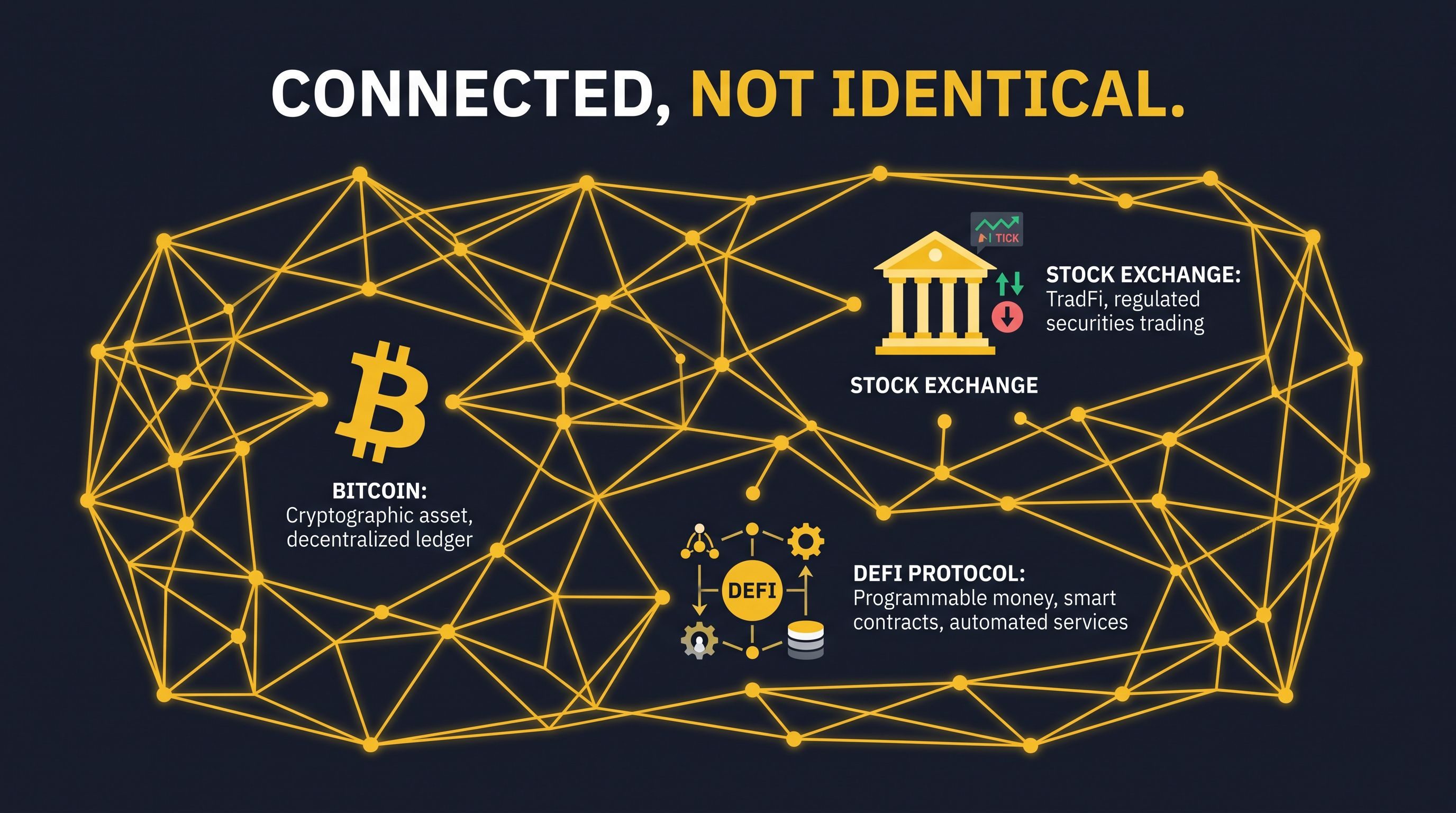
"『ワン・エコシステム』は、すべてが同じになることを意味するわけではありません。
ビットコインは、依然としてビットコインです。
株式も、やはり株式です。
無期限先物契約も、やはりデリバティブです。
DeFiプロトコルは、依然として中央集権型のプラットフォームとは異なる形で機能します。
エコシステムの価値とは、金融ツール同士をつなぐことにあり、その違いを明確に保ったままにすることです。
それが、次の方向性を後押しする本当の考え方です:
Crypto
↕
TradFi
↕
DeFi
つながっているからといって、同一であるとは限りません。
使っているレイヤーを理解してください。
@Binance_Academy
#TriFi #DeFi
"『ワン・エコシステム』は、すべてが同じになることを意味するわけではありません。
ビットコインは、依然としてビットコインです。
株式も、やはり株式です。
無期限先物契約も、やはりデリバティブです。
DeFiプロトコルは、依然として中央集権型のプラットフォームとは異なる形で機能します。
エコシステムの価値とは、金融ツール同士をつなぐことにあり、その違いを明確に保ったままにすることです。
それが、次の方向性を後押しする本当の考え方です:
Crypto
↕
TradFi
↕
DeFi
つながっているからといって、同一であるとは限りません。
使っているレイヤーを理解してください。
@Binance Academy
#TriFi #DeFi
ビットコインは、依然としてビットコインです。
株式も、やはり株式です。
無期限先物契約も、やはりデリバティブです。
DeFiプロトコルは、依然として中央集権型のプラットフォームとは異なる形で機能します。
エコシステムの価値とは、金融ツール同士をつなぐことにあり、その違いを明確に保ったままにすることです。
それが、次の方向性を後押しする本当の考え方です:
Crypto
↕
TradFi
↕
DeFi
つながっているからといって、同一であるとは限りません。
使っているレイヤーを理解してください。
@Binance Academy
#TriFi #DeFi
3
34
ログインして、さらにコンテンツを読む
厳選トピックで世界の暗号資産トレーダーの仲間入り
⚡️ 暗号資産に関する最新かつ有益な情報が見つかります。
💬 世界最大の暗号資産取引所から信頼されています。
👍 認証を受けたクリエイターから、有益なインサイトを得られます。
メール / 電話番号
トレンドトピック
ZcashETFPostsFirstWeeklyOutflow$93.6M
閲覧回数 34,352
99人が討論中
#ZcashETFPostsFirstWeeklyOutflow$93.6M
🚨🚨🚨🚨🚨🚨🚨🚨🚨🚨🚨🚨🚨🚨✅ 🚨 ZCASH ETFの資金フローが初めてマイナスに転じる!📉
$ZEC は、機関投資家の資金フローに大きな変化が起きているようで、Zcashの投資商品は8月のローンチ以来初めてとなる週次のネット・アウトフローを記録しました。
ファンドフローのデータによると、直近の週は約$93.6MがZcash商品から引き出され、同時にZECの値動きも大きく冷え込みました。
📊 何が起きた?
• 週次のZcash ETFのアウトフロー:$93.6M
• 9月30日のデイリー・アウトフロー:$30.25M
• ZCSHはこれまで1週間で約$98.2Mを集めていた
• ZECは約$1,300で取引中
• 最近の高値:約$1,690
• 週次の下落:およそ17%超
🔍 注目すべき水準
🟢 サポート:$1,280〜$1,300
🔴 レジスタンス:$1,450〜$1,500
重要なポイントは、$1,300のあたりが維持されて、新たな買い手を引きつけられるかどうかです。
機関投資家のフローも同様に重要です。安定したプラスの流入が戻れば、信頼の再燃を示唆する一方、アウトフローが続けば$ZEC への圧力が続く可能性があります。
👀 これはZECの大幅な上昇(急騰)の後の単なる利益確定なのか、それとも買い手が戻ってくる前に、さらに深い押しが見られるのでしょうか?
下にあなたの見解をシェアしてください。👇
#Zcash #ZEC #ZcashETF #Crypto
#analysis
owhggwiohsjowve
·いいね:0件
·閲覧回数 154
GreekPoliceBustCryptoScamRingArrest17
閲覧回数 71,991
681人が討論中
BitcoinRejectedAt$87K
閲覧回数 120,134
157人が討論中