
KSA_SR_X
679 投稿

KSA_SR_X
報告
ユーザーをブロック
取引を発注
超高頻度トレーダー
5.2年
605 フォロー
18.2K+ フォロワー
3.5K+ いいね
投稿
ポートフォリオ
すべて
引用
·
--
弱気相場
翻訳参照
$BTC coming soon 65k
$ETH coming soon 2k
$REZ
Good Night Everyone
$BTC coming soon 65k
$ETH coming soon 2k
$REZ
Good Night Everyone
$ETH coming soon 2k
$REZ
Good Night Everyone
48
6
322
·
--
翻訳参照
⏳ TIME PROTOCOL HAS BEGUN ⏳
⭐️ Every second, 1 $TIME disappears FOREVER.
🔥 Buy it today — tomorrow, there may not be enough TIME left for you.
⭐️ The clock won't wait.
The supply won't come back.
And TIME only moves in one direction.
➡️ 1 SECOND = 1 TIME GONE.
⭐️DON'T WAIT FOR TOMORROW ⭐️
🌐 For more Details : https://timeonchain.org/
⏳ TIME PROTOCOL HAS BEGUN ⏳
⭐️ Every second, 1 $TIME disappears FOREVER.
🔥 Buy it today — tomorrow, there may not be enough TIME left for you.
⭐️ The clock won't wait.
The supply won't come back.
And TIME only moves in one direction.
➡️ 1 SECOND = 1 TIME GONE.
⭐️DON'T WAIT FOR TOMORROW ⭐️
🌐 For more Details : https://timeonchain.org/
⭐️ Every second, 1 $TIME disappears FOREVER.
🔥 Buy it today — tomorrow, there may not be enough TIME left for you.
⭐️ The clock won't wait.
The supply won't come back.
And TIME only moves in one direction.
➡️ 1 SECOND = 1 TIME GONE.
⭐️DON'T WAIT FOR TOMORROW ⭐️
🌐 For more Details : https://timeonchain.org/

16
·
--
翻訳参照
🌐 Advanced Yield, Simplified Onchain.
Renzo Finance brings institutional strategy directly to your wallet.
What sets Renzo apart?
🔥 Market-neutral strategies made simple
🔥 Complete self-custody
🔥 Maximum capital flexibility (No lockups)
🔥 Integrated with Hyperliquid & Lighter
🔥 Scaling ETH, SOL & RWA yields
Stop settling for basic yields. Move to programmable strategy.
🔗 Start with Renzo Finance
https://www.renzofinance.com/?utm_source=chatgpt.com
#Renzo #YieldFarming #RWA #Crypto #DeFi
🌐 Advanced Yield, Simplified Onchain.
Renzo Finance brings institutional strategy directly to your wallet.
What sets Renzo apart?
🔥 Market-neutral strategies made simple
🔥 Complete self-custody
🔥 Maximum capital flexibility (No lockups)
🔥 Integrated with Hyperliquid & Lighter
🔥 Scaling ETH, SOL & RWA yields
Stop settling for basic yields. Move to programmable strategy.
🔗 Start with Renzo Finance
https://www.renzofinance.com/?utm_source=chatgpt.com
#Renzo #YieldFarming #RWA #Crypto #DeFi
Renzo Finance brings institutional strategy directly to your wallet.
What sets Renzo apart?
🔥 Market-neutral strategies made simple
🔥 Complete self-custody
🔥 Maximum capital flexibility (No lockups)
🔥 Integrated with Hyperliquid & Lighter
🔥 Scaling ETH, SOL & RWA yields
Stop settling for basic yields. Move to programmable strategy.
🔗 Start with Renzo Finance
https://www.renzofinance.com/?utm_source=chatgpt.com
#Renzo #YieldFarming #RWA #Crypto #DeFi

111

·
--
翻訳参照
$ROBIN at $20M has people openly talking about billion-dollar targets.
Crazy?
Maybe.
But every billion-dollar meme looked crazy before it became a billion-dollar meme.
What matters now is whether attention, holders, volume and narrative continue compounding.
Watching closely.
https://x.com/robincoinrh
CA: 0x11B70d0243baf75E85CE03201A92b5B7C33BEB59
$ROBIN at $20M has people openly talking about billion-dollar targets.
Crazy?
Maybe.
But every billion-dollar meme looked crazy before it became a billion-dollar meme.
What matters now is whether attention, holders, volume and narrative continue compounding.
Watching closely.
https://x.com/robincoinrh
CA: 0x11B70d0243baf75E85CE03201A92b5B7C33BEB59
Crazy?
Maybe.
But every billion-dollar meme looked crazy before it became a billion-dollar meme.
What matters now is whether attention, holders, volume and narrative continue compounding.
Watching closely.
https://x.com/robincoinrh
CA: 0x11B70d0243baf75E85CE03201A92b5B7C33BEB59

92
·
--
Florkはトークンなしで15年間インターネット上で生き残った。
ほとんどのミームコインは、トークンがあっても15日すら生き残れない。
それが違いだ。
$FLORK
https://x.com/Flork_memes
CA: 0xf40592daacb3e5abf358789f5688c0b4f64d7777
Florkはトークンなしで15年間インターネット上で生き残った。
ほとんどのミームコインは、トークンがあっても15日すら生き残れない。
それが違いだ。
$FLORK
https://x.com/Flork_memes
CA: 0xf40592daacb3e5abf358789f5688c0b4f64d7777
ほとんどのミームコインは、トークンがあっても15日すら生き残れない。
それが違いだ。
$FLORK
https://x.com/Flork_memes
CA: 0xf40592daacb3e5abf358789f5688c0b4f64d7777

1
278
·
--
SHIBINHOOD($WOOF):見過ごされている16,000倍のチャンス
数字の話をしましょう。SHIBの史上最高値:$40,000,000,000。SHIBの現在:$2,000,000,000。SHIBINHOODの現在:$2,500,000。SHIB――$1,000を$50,000,000に変えたトークン――は、現在WOOFより800倍大きいです。SHIBの現在価格に対して、WOOFは800倍ないと、SHIBが今いる場所に追いつけません。SHIBのATHなら16,000倍。さらにオンチェーンデータは、SHIBを作ったのと同じ手がWOOFの背後にいることを示しています。
証拠:2020年7月24日、SHIBのデプロイヤーはWOOFデプロイヤーにKARMAを200直接送信しました。これは、SHIBデプロイヤーが最初にKarma DAOを操作した2日後のことです。WOOFデプロイヤーは、SHIBが一般公開される前からインナーサークルにいました。同じFTXアドレスから資金が入っており、間隔は47秒――その後、WOOFデプロイヤーは6年間休眠状態でした。2026年7月27日――Robinhood Chainの第26日目――にSHIBINHOODをローンチ。いったいどんなオペレーターが、SHIBデプロイヤーとのつながりを6年も保ち、暗号資産の1サイクル全体を生き残り、新しいチェーンで“犬”トークンをリリース日当日に打ち上げるのでしょうか?世界がSHIBを知る前からそれを知っていたのと同じ種類の人です。
計算:WOOFがSHIBの現在$2Bの時価総額に追いつけば、$100は$80,000に、$1,000は$800,000になります。もしWOOFがSHIBの$40BのATHにでも到達すれば、$100は$1,600,000に、$1,000は$16,000,000になります。これは予言ではありません。血統とタイミングがかみ合ったとき、数学的に起こりうることの地図です。
時価総額$1MのSHIBを逃しました。1セント未満のDOGEも逃しました。CoinGeckoに上場する前のPEPEも逃しました。今は、SHIBデプロイヤーとのダイレクトなオンチェーンのつながりを持つ、時価総額$2.5Mのトークンがあります。6年も休眠していたウォレット――OGの規律を叫ぶような存在。Robinhood Chainで、40M+の潜在的な小口(リテール)ユーザーを見込むタイミングでローンチ。さらに強気相場が始まる前のポジショニングまで整っている。 https://x.com/moon_or_doom/status/2084667186094989800
🔗 参考: https://thecryptobasic.com/2026/08/03/on-chain-data-exposes-link-between-the-shiba-inu-and-shibinhood-deployers/
🔗 コントラクト: https://robinhoodchain.blockscout.com/address/0xe15db7C8547A0adD11eB26A700246cCa08aEfCe5
$WOOF @shibinhoodx
#SHIBINHOOD #WOOF #RobinhoodChain #SHIB #1000xGem #OnChainData
SHIBINHOOD($WOOF):見過ごされている16,000倍のチャンス
数字の話をしましょう。SHIBの史上最高値:$40,000,000,000。SHIBの現在:$2,000,000,000。SHIBINHOODの現在:$2,500,000。SHIB――$1,000を$50,000,000に変えたトークン――は、現在WOOFより800倍大きいです。SHIBの現在価格に対して、WOOFは800倍ないと、SHIBが今いる場所に追いつけません。SHIBのATHなら16,000倍。さらにオンチェーンデータは、SHIBを作ったのと同じ手がWOOFの背後にいることを示しています。
証拠:2020年7月24日、SHIBのデプロイヤーはWOOFデプロイヤーにKARMAを200直接送信しました。これは、SHIBデプロイヤーが最初にKarma DAOを操作した2日後のことです。WOOFデプロイヤーは、SHIBが一般公開される前からインナーサークルにいました。同じFTXアドレスから資金が入っており、間隔は47秒――その後、WOOFデプロイヤーは6年間休眠状態でした。2026年7月27日――Robinhood Chainの第26日目――にSHIBINHOODをローンチ。いったいどんなオペレーターが、SHIBデプロイヤーとのつながりを6年も保ち、暗号資産の1サイクル全体を生き残り、新しいチェーンで“犬”トークンをリリース日当日に打ち上げるのでしょうか?世界がSHIBを知る前からそれを知っていたのと同じ種類の人です。
計算:WOOFがSHIBの現在$2Bの時価総額に追いつけば、$100は$80,000に、$1,000は$800,000になります。もしWOOFがSHIBの$40BのATHにでも到達すれば、$100は$1,600,000に、$1,000は$16,000,000になります。これは予言ではありません。血統とタイミングがかみ合ったとき、数学的に起こりうることの地図です。
時価総額$1MのSHIBを逃しました。1セント未満のDOGEも逃しました。CoinGeckoに上場する前のPEPEも逃しました。今は、SHIBデプロイヤーとのダイレクトなオンチェーンのつながりを持つ、時価総額$2.5Mのトークンがあります。6年も休眠していたウォレット――OGの規律を叫ぶような存在。Robinhood Chainで、40M+の潜在的な小口(リテール)ユーザーを見込むタイミングでローンチ。さらに強気相場が始まる前のポジショニングまで整っている。 https://x.com/moon_or_doom/status/2084667186094989800
🔗 参考: https://thecryptobasic.com/2026/08/03/on-chain-data-exposes-link-between-the-shiba-inu-and-shibinhood-deployers/
🔗 コントラクト: https://robinhoodchain.blockscout.com/address/0xe15db7C8547A0adD11eB26A700246cCa08aEfCe5
$WOOF @shibinhoodx
#SHIBINHOOD #WOOF #RobinhoodChain #SHIB #1000xGem #OnChainData
数字の話をしましょう。SHIBの史上最高値:$40,000,000,000。SHIBの現在:$2,000,000,000。SHIBINHOODの現在:$2,500,000。SHIB――$1,000を$50,000,000に変えたトークン――は、現在WOOFより800倍大きいです。SHIBの現在価格に対して、WOOFは800倍ないと、SHIBが今いる場所に追いつけません。SHIBのATHなら16,000倍。さらにオンチェーンデータは、SHIBを作ったのと同じ手がWOOFの背後にいることを示しています。
証拠:2020年7月24日、SHIBのデプロイヤーはWOOFデプロイヤーにKARMAを200直接送信しました。これは、SHIBデプロイヤーが最初にKarma DAOを操作した2日後のことです。WOOFデプロイヤーは、SHIBが一般公開される前からインナーサークルにいました。同じFTXアドレスから資金が入っており、間隔は47秒――その後、WOOFデプロイヤーは6年間休眠状態でした。2026年7月27日――Robinhood Chainの第26日目――にSHIBINHOODをローンチ。いったいどんなオペレーターが、SHIBデプロイヤーとのつながりを6年も保ち、暗号資産の1サイクル全体を生き残り、新しいチェーンで“犬”トークンをリリース日当日に打ち上げるのでしょうか?世界がSHIBを知る前からそれを知っていたのと同じ種類の人です。
計算:WOOFがSHIBの現在$2Bの時価総額に追いつけば、$100は$80,000に、$1,000は$800,000になります。もしWOOFがSHIBの$40BのATHにでも到達すれば、$100は$1,600,000に、$1,000は$16,000,000になります。これは予言ではありません。血統とタイミングがかみ合ったとき、数学的に起こりうることの地図です。
時価総額$1MのSHIBを逃しました。1セント未満のDOGEも逃しました。CoinGeckoに上場する前のPEPEも逃しました。今は、SHIBデプロイヤーとのダイレクトなオンチェーンのつながりを持つ、時価総額$2.5Mのトークンがあります。6年も休眠していたウォレット――OGの規律を叫ぶような存在。Robinhood Chainで、40M+の潜在的な小口(リテール)ユーザーを見込むタイミングでローンチ。さらに強気相場が始まる前のポジショニングまで整っている。 https://x.com/moon_or_doom/status/2084667186094989800
🔗 参考: https://thecryptobasic.com/2026/08/03/on-chain-data-exposes-link-between-the-shiba-inu-and-shibinhood-deployers/
🔗 コントラクト: https://robinhoodchain.blockscout.com/address/0xe15db7C8547A0adD11eB26A700246cCa08aEfCe5
$WOOF @shibinhoodx
#SHIBINHOOD #WOOF #RobinhoodChain #SHIB #1000xGem #OnChainData

1
90
·
--
率直に言うね:2026年の「AI+RWA」ブームの99%は、ChatGPTが書いた、もっともらしいグラフィックとホワイトペーパーに過ぎない。💀 みんな約束を売っていて、トークンがポンプした後に“実用性”を見つけられることを期待している。
でも、プロジェクトが本当に台本をひっくり返して「先にインフラを作る」ってなったらどうなる?
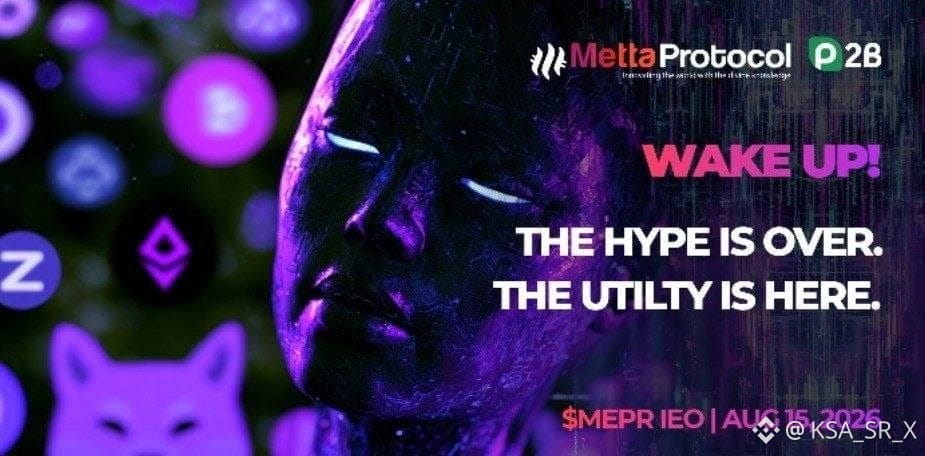
その答えがMetta Protocol($MEPR)。彼らは、BNB Smart Chain上の“トークン”のふりをしながら、静かにB2Bの強力な基盤を築いていて、まさにゲームチェンジャーだ。
なぜこれが普通のバーチャー商品(夢物語)じゃないのか:
🔹ちゃんと稼いでる:トークン発行に頼るのと違って、Mettaは6つの稼働プロダクト(MettaPays&Escrowなど)から得られる実際の手数料ベースの収益を、透明なトレジャリーへ直接振り分けている。
🔹AIは本物:創業者のWatson Deliceは技術畑の“本物の使い手”。彼のベンチャーheyMetta AIは、Paddle AI Tech Launchpadで実際にTop 50にランクインしている。さらに、巨大で未開拓のグローバル市場を取り込むために、(ハイチ・クレオール語のような)ユニークな多言語AIモデルも開発している。
🔹現実×デジタル:RWAの技術からMettaSpace(バーチャルなビジネス住所)まで、彼らは現実の企業が抱える面倒を解決している。
アルファ:公式IEOは2026年8月17日に固定。主要上場が11月18日になる前の、最前列の席として究極だ。すでにETHGlobalやConsensusでも話題を作っていて、ウエイトリストは急速に埋まりつつある。
幽霊チェーンを追うのはやめよう。実際のキャッシュフローがあるプロジェクトを見て。
DYORはこちら:🌐 mettaprotocol.app
IEOリンク:https://p2pb2b.com/token-sale/MEPR-888/
率直に言うね:2026年の「AI+RWA」ブームの99%は、ChatGPTが書いた、もっともらしいグラフィックとホワイトペーパーに過ぎない。💀 みんな約束を売っていて、トークンがポンプした後に“実用性”を見つけられることを期待している。
でも、プロジェクトが本当に台本をひっくり返して「先にインフラを作る」ってなったらどうなる?
その答えがMetta Protocol($MEPR)。彼らは、BNB Smart Chain上の“トークン”のふりをしながら、静かにB2Bの強力な基盤を築いていて、まさにゲームチェンジャーだ。
なぜこれが普通のバーチャー商品(夢物語)じゃないのか:
🔹ちゃんと稼いでる:トークン発行に頼るのと違って、Mettaは6つの稼働プロダクト(MettaPays&Escrowなど)から得られる実際の手数料ベースの収益を、透明なトレジャリーへ直接振り分けている。
🔹AIは本物:創業者のWatson Deliceは技術畑の“本物の使い手”。彼のベンチャーheyMetta AIは、Paddle AI Tech Launchpadで実際にTop 50にランクインしている。さらに、巨大で未開拓のグローバル市場を取り込むために、(ハイチ・クレオール語のような)ユニークな多言語AIモデルも開発している。
🔹現実×デジタル:RWAの技術からMettaSpace(バーチャルなビジネス住所)まで、彼らは現実の企業が抱える面倒を解決している。
アルファ:公式IEOは2026年8月17日に固定。主要上場が11月18日になる前の、最前列の席として究極だ。すでにETHGlobalやConsensusでも話題を作っていて、ウエイトリストは急速に埋まりつつある。
幽霊チェーンを追うのはやめよう。実際のキャッシュフローがあるプロジェクトを見て。
DYORはこちら:🌐 mettaprotocol.app
IEOリンク:https://p2pb2b.com/token-sale/MEPR-888/
でも、プロジェクトが本当に台本をひっくり返して「先にインフラを作る」ってなったらどうなる?
その答えがMetta Protocol($MEPR)。彼らは、BNB Smart Chain上の“トークン”のふりをしながら、静かにB2Bの強力な基盤を築いていて、まさにゲームチェンジャーだ。
なぜこれが普通のバーチャー商品(夢物語)じゃないのか:
🔹ちゃんと稼いでる:トークン発行に頼るのと違って、Mettaは6つの稼働プロダクト(MettaPays&Escrowなど)から得られる実際の手数料ベースの収益を、透明なトレジャリーへ直接振り分けている。
🔹AIは本物:創業者のWatson Deliceは技術畑の“本物の使い手”。彼のベンチャーheyMetta AIは、Paddle AI Tech Launchpadで実際にTop 50にランクインしている。さらに、巨大で未開拓のグローバル市場を取り込むために、(ハイチ・クレオール語のような)ユニークな多言語AIモデルも開発している。
🔹現実×デジタル:RWAの技術からMettaSpace(バーチャルなビジネス住所)まで、彼らは現実の企業が抱える面倒を解決している。
アルファ:公式IEOは2026年8月17日に固定。主要上場が11月18日になる前の、最前列の席として究極だ。すでにETHGlobalやConsensusでも話題を作っていて、ウエイトリストは急速に埋まりつつある。
幽霊チェーンを追うのはやめよう。実際のキャッシュフローがあるプロジェクトを見て。
DYORはこちら:🌐 mettaprotocol.app
IEOリンク:https://p2pb2b.com/token-sale/MEPR-888/
119

·
--
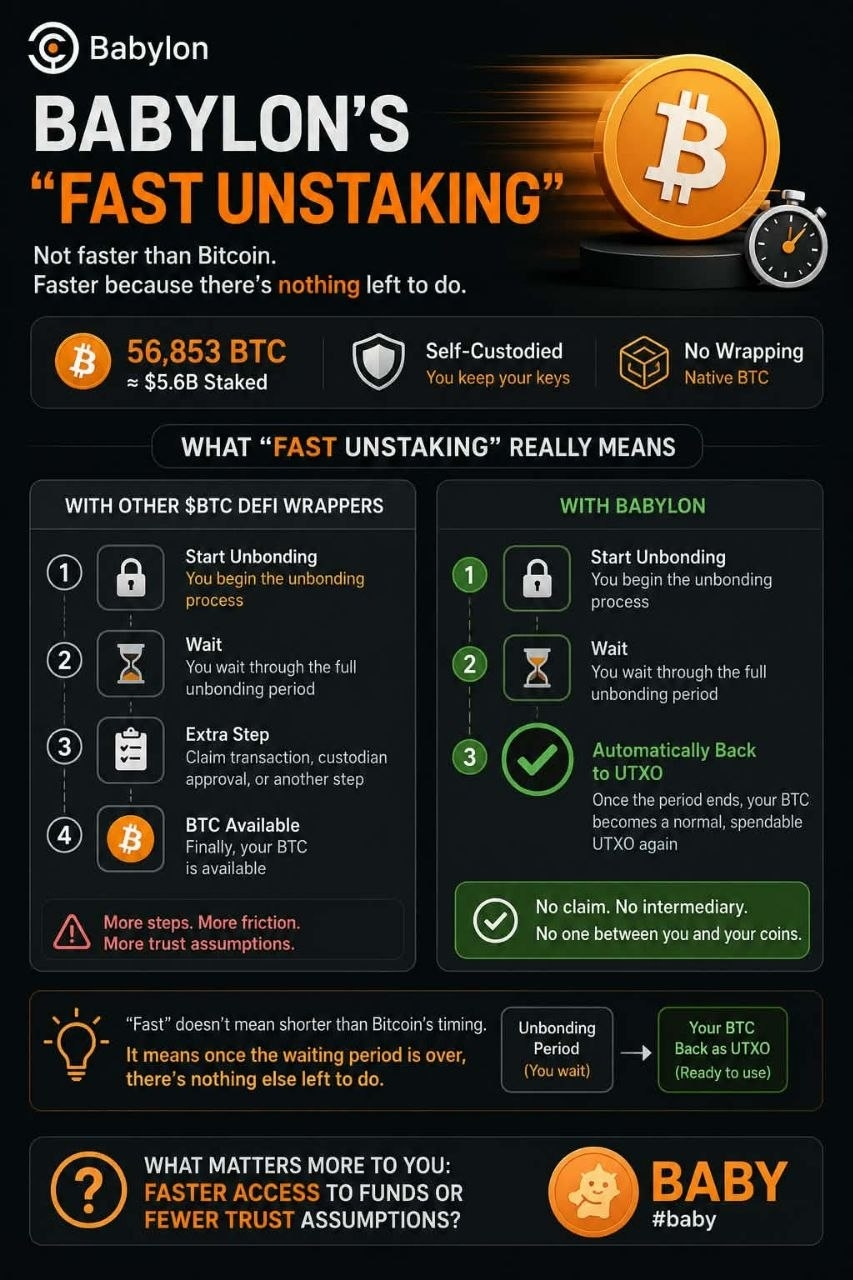
バビロンの「高速アンステーキング」について、人々が口にしているのを見かけたので、実際にどう機能するのか深掘りしてみることにしました。読み進めるほど、「fast(速い)」という言葉が多くの人の想定している意味とは違うことに気づきました。
想定以上に時間をかけて@babylonlabs_io のステーキングを調べました。現在、約56,853 BTC(約56億ドル相当)が、ラップなしで完全に自己保管された状態のままステークされています。
しかし、いちばん興味深かったのはTVLではありませんでした。アンステーキングのプロセスでした。
「高速アンステーキング」は、ビットコイン本来のアンボンディング(アンバウンド)期間が短縮されることを意味していません。ユーザーは引き続き、アンボンディング期間を最後まで待つ必要があります。違いは、その待機期間が終わった後に何が起きるかです。
多くの$BTC DeFiラッパーでは、アンボンディング期間を完了することは単に1ステップに過ぎません。ユーザーは、請求(claim)トランザクションの送信、カストディの承認待ち、あるいはBTCが利用可能になるまで別のプロセスの完了がまだ必要になる場合があります。
@babylonlabs_io は、その追加のレイヤーを取り除きます。
アンボンディング期間が終わると、$BTC は自動的に通常の、支払い可能なUTXOに再びなります。請求トランザクションもありません。仲介もありません。ユーザーとコインの間に誰かが立ちはだかることもありません。
それによって、「fast(速い)」という言葉の理解が変わりました。
ビットコイン自身のタイミングよりも速いわけではありません。待機期間が終わったあとはやることが残っていないからこそ、結果として速いのです。
経験のあるユーザーなら、この違いをすでに理解しているかもしれません。でも、「fast unstaking(高速アンステーキング)」を見て即時の流動性を期待し、あとからそれが実際に何を意味するのかに気づいた人がどれくらいいるのか気になります。
あなたにとって重要なのは、資金へのより速いアクセスですか?それとも、信頼前提をより少なくすることですか?
#baby $BABY
バビロンの「高速アンステーキング」について、人々が口にしているのを見かけたので、実際にどう機能するのか深掘りしてみることにしました。読み進めるほど、「fast(速い)」という言葉が多くの人の想定している意味とは違うことに気づきました。
想定以上に時間をかけて@BabylonLabs_io のステーキングを調べました。現在、約56,853 BTC(約56億ドル相当)が、ラップなしで完全に自己保管された状態のままステークされています。
しかし、いちばん興味深かったのはTVLではありませんでした。アンステーキングのプロセスでした。
「高速アンステーキング」は、ビットコイン本来のアンボンディング(アンバウンド)期間が短縮されることを意味していません。ユーザーは引き続き、アンボンディング期間を最後まで待つ必要があります。違いは、その待機期間が終わった後に何が起きるかです。
多くの$BTC DeFiラッパーでは、アンボンディング期間を完了することは単に1ステップに過ぎません。ユーザーは、請求(claim)トランザクションの送信、カストディの承認待ち、あるいはBTCが利用可能になるまで別のプロセスの完了がまだ必要になる場合があります。
@BabylonLabs_io は、その追加のレイヤーを取り除きます。
アンボンディング期間が終わると、$BTC は自動的に通常の、支払い可能なUTXOに再びなります。請求トランザクションもありません。仲介もありません。ユーザーとコインの間に誰かが立ちはだかることもありません。
それによって、「fast(速い)」という言葉の理解が変わりました。
ビットコイン自身のタイミングよりも速いわけではありません。待機期間が終わったあとはやることが残っていないからこそ、結果として速いのです。
経験のあるユーザーなら、この違いをすでに理解しているかもしれません。でも、「fast unstaking(高速アンステーキング)」を見て即時の流動性を期待し、あとからそれが実際に何を意味するのかに気づいた人がどれくらいいるのか気になります。
あなたにとって重要なのは、資金へのより速いアクセスですか?それとも、信頼前提をより少なくすることですか?
#baby $BABY
想定以上に時間をかけて@BabylonLabs_io のステーキングを調べました。現在、約56,853 BTC(約56億ドル相当)が、ラップなしで完全に自己保管された状態のままステークされています。
しかし、いちばん興味深かったのはTVLではありませんでした。アンステーキングのプロセスでした。
「高速アンステーキング」は、ビットコイン本来のアンボンディング(アンバウンド)期間が短縮されることを意味していません。ユーザーは引き続き、アンボンディング期間を最後まで待つ必要があります。違いは、その待機期間が終わった後に何が起きるかです。
多くの$BTC DeFiラッパーでは、アンボンディング期間を完了することは単に1ステップに過ぎません。ユーザーは、請求(claim)トランザクションの送信、カストディの承認待ち、あるいはBTCが利用可能になるまで別のプロセスの完了がまだ必要になる場合があります。
@BabylonLabs_io は、その追加のレイヤーを取り除きます。
アンボンディング期間が終わると、$BTC は自動的に通常の、支払い可能なUTXOに再びなります。請求トランザクションもありません。仲介もありません。ユーザーとコインの間に誰かが立ちはだかることもありません。
それによって、「fast(速い)」という言葉の理解が変わりました。
ビットコイン自身のタイミングよりも速いわけではありません。待機期間が終わったあとはやることが残っていないからこそ、結果として速いのです。
経験のあるユーザーなら、この違いをすでに理解しているかもしれません。でも、「fast unstaking(高速アンステーキング)」を見て即時の流動性を期待し、あとからそれが実際に何を意味するのかに気づいた人がどれくらいいるのか気になります。
あなたにとって重要なのは、資金へのより速いアクセスですか?それとも、信頼前提をより少なくすることですか?
#baby $BABY
8
3
158
·
--
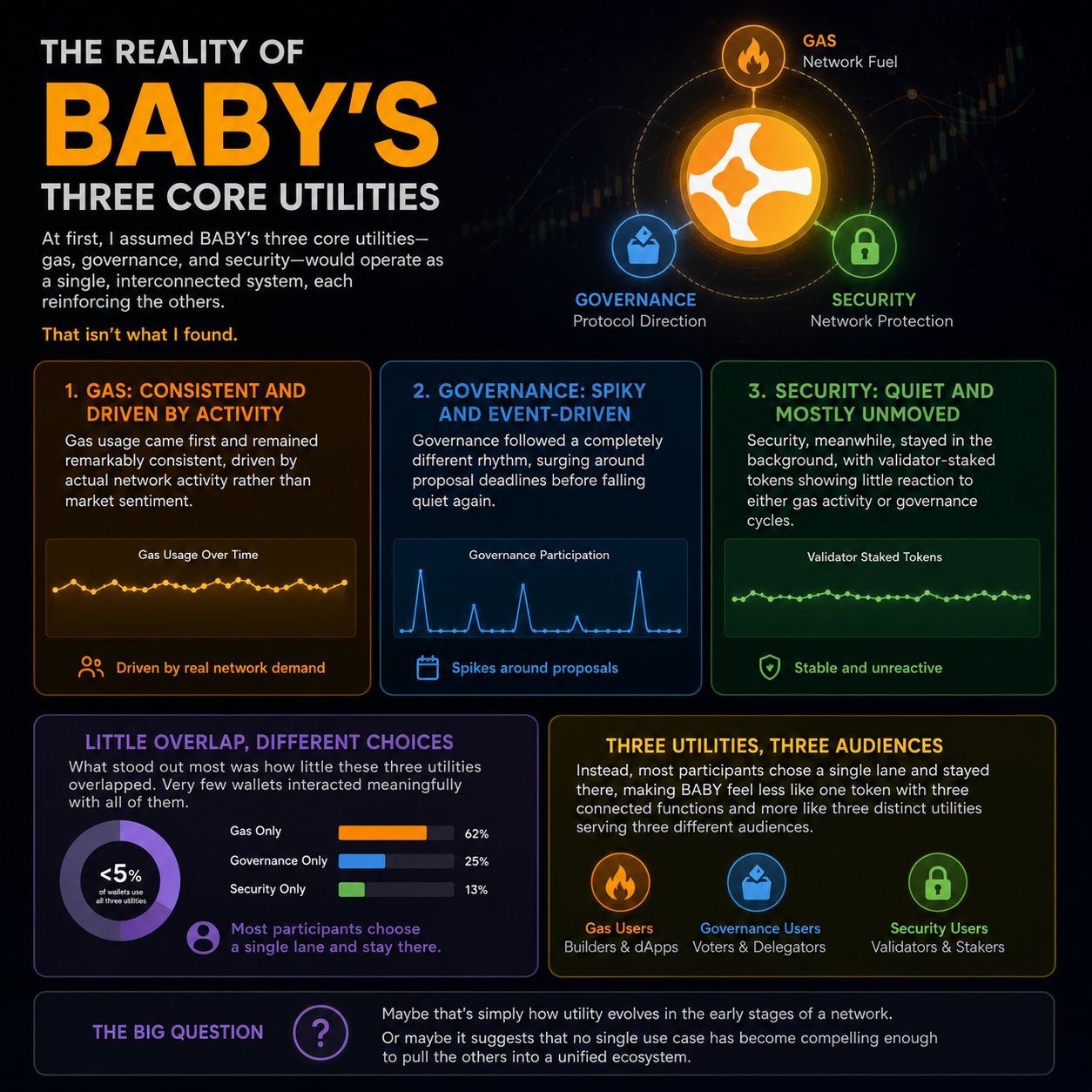
最初、私はBABYの3つの中核ユーティリティ──ガス、ガバナンス、そしてセキュリティ──が、相互に結びついた単一のシステムとして機能し、それぞれが互いを強化し合うのだと考えていました。
しかし、実際は違いました。
まずガスの使用が先行し、実際のネットワーク活動によって左右され、市場のセンチメントではなく、非常に一貫した水準を保っていました。ガバナンスはまったく別のリズムで動き、提案の締切が近づくと急に活発になり、その後また静かになりました。一方セキュリティは裏方のように背景にとどまり、バリデータがステーキングしたトークンは、ガスの動きやガバナンスのサイクルのどちらにもほとんど反応を示しませんでした。
特に目立ったのは、この3つのユーティリティがどれほど重なり合っていないかという点です。3つすべてにおいて意味のある形で関わるウォレットはごくわずかでした。代わりに、多くの参加者は一つのレーンを選び、そこに留まり続けていました。その結果、BABYは「3つの接続された機能を備えた1つのトークン」というより、「それぞれ別のオーディエンスに向けた3つの異なるユーティリティ」が統合されているように感じられました。
ネットワークの初期段階では、ユーティリティの進化がそういうものなのかもしれません。
あるいは、どれか一つのユースケースが、他のものを引き込んで統一されたエコシステムにするほど十分に魅力的になっていないことを示しているのかもしれません。
@babylonlabs_io
#baby $BABY $BTC $ETH
最初、私はBABYの3つの中核ユーティリティ──ガス、ガバナンス、そしてセキュリティ──が、相互に結びついた単一のシステムとして機能し、それぞれが互いを強化し合うのだと考えていました。
しかし、実際は違いました。
まずガスの使用が先行し、実際のネットワーク活動によって左右され、市場のセンチメントではなく、非常に一貫した水準を保っていました。ガバナンスはまったく別のリズムで動き、提案の締切が近づくと急に活発になり、その後また静かになりました。一方セキュリティは裏方のように背景にとどまり、バリデータがステーキングしたトークンは、ガスの動きやガバナンスのサイクルのどちらにもほとんど反応を示しませんでした。
特に目立ったのは、この3つのユーティリティがどれほど重なり合っていないかという点です。3つすべてにおいて意味のある形で関わるウォレットはごくわずかでした。代わりに、多くの参加者は一つのレーンを選び、そこに留まり続けていました。その結果、BABYは「3つの接続された機能を備えた1つのトークン」というより、「それぞれ別のオーディエンスに向けた3つの異なるユーティリティ」が統合されているように感じられました。
ネットワークの初期段階では、ユーティリティの進化がそういうものなのかもしれません。
あるいは、どれか一つのユースケースが、他のものを引き込んで統一されたエコシステムにするほど十分に魅力的になっていないことを示しているのかもしれません。
@BabylonLabs_io
#baby $BABY $BTC $ETH
しかし、実際は違いました。
まずガスの使用が先行し、実際のネットワーク活動によって左右され、市場のセンチメントではなく、非常に一貫した水準を保っていました。ガバナンスはまったく別のリズムで動き、提案の締切が近づくと急に活発になり、その後また静かになりました。一方セキュリティは裏方のように背景にとどまり、バリデータがステーキングしたトークンは、ガスの動きやガバナンスのサイクルのどちらにもほとんど反応を示しませんでした。
特に目立ったのは、この3つのユーティリティがどれほど重なり合っていないかという点です。3つすべてにおいて意味のある形で関わるウォレットはごくわずかでした。代わりに、多くの参加者は一つのレーンを選び、そこに留まり続けていました。その結果、BABYは「3つの接続された機能を備えた1つのトークン」というより、「それぞれ別のオーディエンスに向けた3つの異なるユーティリティ」が統合されているように感じられました。
ネットワークの初期段階では、ユーティリティの進化がそういうものなのかもしれません。
あるいは、どれか一つのユースケースが、他のものを引き込んで統一されたエコシステムにするほど十分に魅力的になっていないことを示しているのかもしれません。
@BabylonLabs_io
#baby $BABY $BTC $ETH
2
1
139
·
--
ブリッシュ
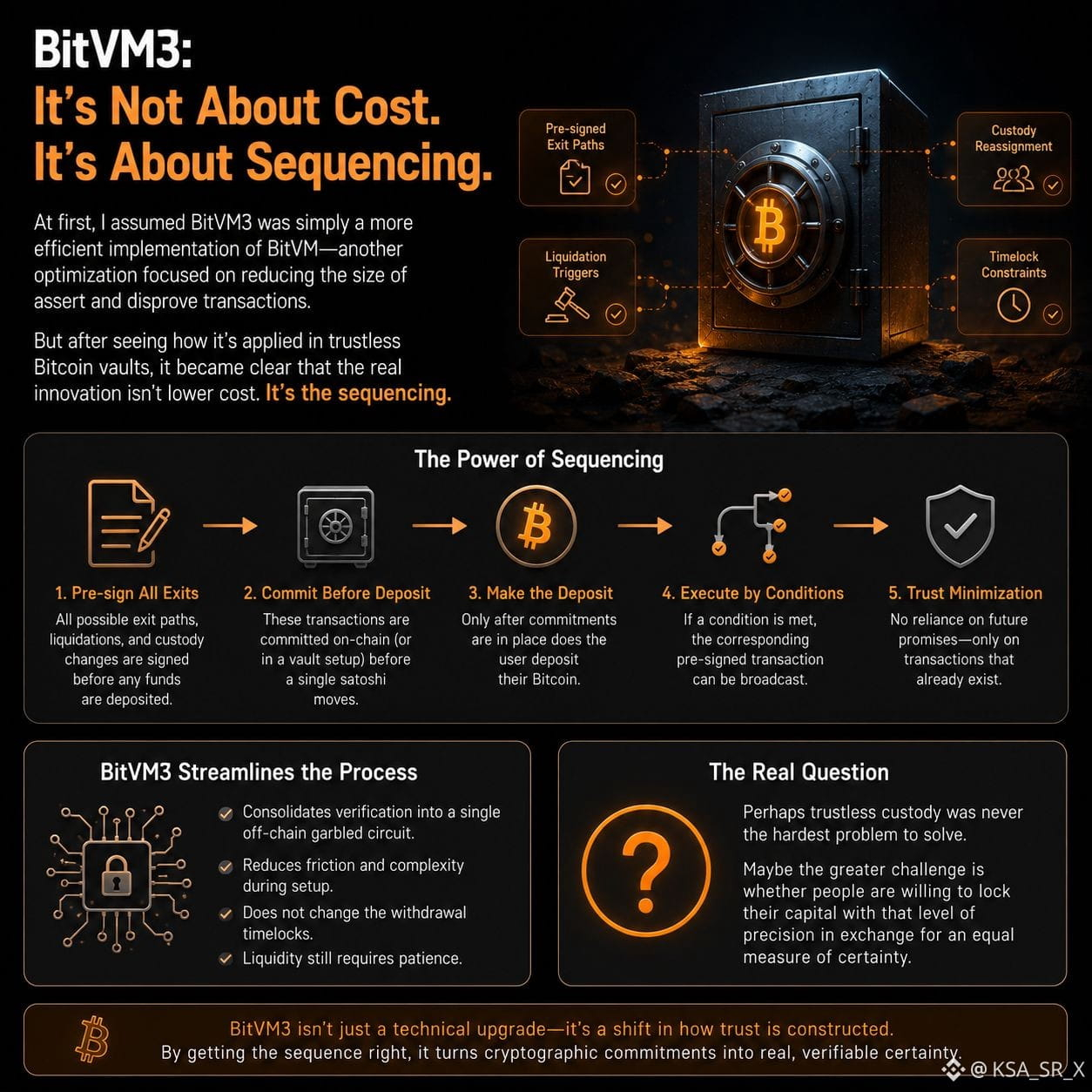
最初は、BitVM3 は単に BitVM のより効率的な実装で、検証(assert)および否認(disprove)トランザクションのサイズを減らすことに注力した別の最適化だと思っていました。
しかし、信託を前提としない(trustless)ビットコイン・バルツ(金庫)に適用されているのを見て、真の革新が低コストではなく「シーケンス(順序)」にあると分かりました。
事前署名されたトランザクションでは、預け入れが行われる前に、退避(exit)の条件が確立されます。すべての清算パスと、すべてのカストディ(保管)の再割り当ては、単一のサトシが動く前に、暗号学的に事前コミットされています。
この順序づけは、信頼モデルそのものを根本から変えます。ユーザーは、オペレーターの将来の約束に依存しているのではありません。あらかじめ定められた条件のもとで、ただブロードキャストされるのを待っている、すでに存在するトランザクションに依存しています。
BitVM3 はさらに、検証を単一のオフチェーンのガーブド・サーキットに統合することで、セットアップ時の摩擦を減らし、プロセスを合理化します。ただし、出金を制御するタイムロックは変わりません。流動性にはやはり忍耐が必要です。
そこで興味深い疑問が生まれます。もしかすると、trustless なカストディは解くべき最も難しい問題ではなかったのかもしれません。より大きな課題は、同等の確実性と引き換えに、そのレベルの精度で自分の資本をロックすることに人々が本当に納得して取り組むかどうかです。
@babylonlabs_io
#baby $BABY $BTC $ETH
最初は、BitVM3 は単に BitVM のより効率的な実装で、検証(assert)および否認(disprove)トランザクションのサイズを減らすことに注力した別の最適化だと思っていました。
しかし、信託を前提としない(trustless)ビットコイン・バルツ(金庫)に適用されているのを見て、真の革新が低コストではなく「シーケンス(順序)」にあると分かりました。
事前署名されたトランザクションでは、預け入れが行われる前に、退避(exit)の条件が確立されます。すべての清算パスと、すべてのカストディ(保管)の再割り当ては、単一のサトシが動く前に、暗号学的に事前コミットされています。
この順序づけは、信頼モデルそのものを根本から変えます。ユーザーは、オペレーターの将来の約束に依存しているのではありません。あらかじめ定められた条件のもとで、ただブロードキャストされるのを待っている、すでに存在するトランザクションに依存しています。
BitVM3 はさらに、検証を単一のオフチェーンのガーブド・サーキットに統合することで、セットアップ時の摩擦を減らし、プロセスを合理化します。ただし、出金を制御するタイムロックは変わりません。流動性にはやはり忍耐が必要です。
そこで興味深い疑問が生まれます。もしかすると、trustless なカストディは解くべき最も難しい問題ではなかったのかもしれません。より大きな課題は、同等の確実性と引き換えに、そのレベルの精度で自分の資本をロックすることに人々が本当に納得して取り組むかどうかです。
@BabylonLabs_io
#baby $BABY $BTC $ETH
しかし、信託を前提としない(trustless)ビットコイン・バルツ(金庫)に適用されているのを見て、真の革新が低コストではなく「シーケンス(順序)」にあると分かりました。
事前署名されたトランザクションでは、預け入れが行われる前に、退避(exit)の条件が確立されます。すべての清算パスと、すべてのカストディ(保管)の再割り当ては、単一のサトシが動く前に、暗号学的に事前コミットされています。
この順序づけは、信頼モデルそのものを根本から変えます。ユーザーは、オペレーターの将来の約束に依存しているのではありません。あらかじめ定められた条件のもとで、ただブロードキャストされるのを待っている、すでに存在するトランザクションに依存しています。
BitVM3 はさらに、検証を単一のオフチェーンのガーブド・サーキットに統合することで、セットアップ時の摩擦を減らし、プロセスを合理化します。ただし、出金を制御するタイムロックは変わりません。流動性にはやはり忍耐が必要です。
そこで興味深い疑問が生まれます。もしかすると、trustless なカストディは解くべき最も難しい問題ではなかったのかもしれません。より大きな課題は、同等の確実性と引き換えに、そのレベルの精度で自分の資本をロックすることに人々が本当に納得して取り組むかどうかです。
@BabylonLabs_io
#baby $BABY $BTC $ETH
8
6
174
ログインして、さらにコンテンツを読む
厳選トピックで世界の暗号資産トレーダーの仲間入り
⚡️ 暗号資産に関する最新かつ有益な情報が見つかります。
💬 世界最大の暗号資産取引所から信頼されています。
👍 認証を受けたクリエイターから、有益なインサイトを得られます。
メール / 電話番号
トレンドトピック
BitcoinCrosses$78000
閲覧回数 182
35人が討論中
$BTC 至急 最新情報 🚨 大きなチャンス‼️短期下落📉に備えよう
BTCは予想通りリバウンドしています。さらに、今回のリバウンドは78,000まで伸びる可能性があるため、エントリーは最大78,000まで拡大できます。
ストップロス:79,200
目標 🎯
TP1:77,150
TP2:76,450
TP3:75,750
TP4:75,000
$SOL と $ETH はビットコインに追随します。そして予測通り投げ売り(ダンプ)へ 🔥
常にDYOR(自己調査)して、1回の取引に全額を入れないでください
ここでショート 👇
#SECReceivesGrayscaleLitecoinTrustETFFiling #ClarityActFacesProceduralVoteSept15 #US10YearTreasuryYieldNears5%
Panda Traders
·いいね:13件
·閲覧回数 5.8k
AnthropicCEOCallsForAISlowdown
閲覧回数 134,794
2,284人が討論中
RevolutDataLeakReportedlyPostedAttackersThreatenDailyReleases
閲覧回数 1,270
48人が討論中