

Just_Mike
39 投稿

Just_Mike
報告
ユーザーをブロック
7 フォロー
22 フォロワー
41 いいね
投稿
すべて
引用
·
--
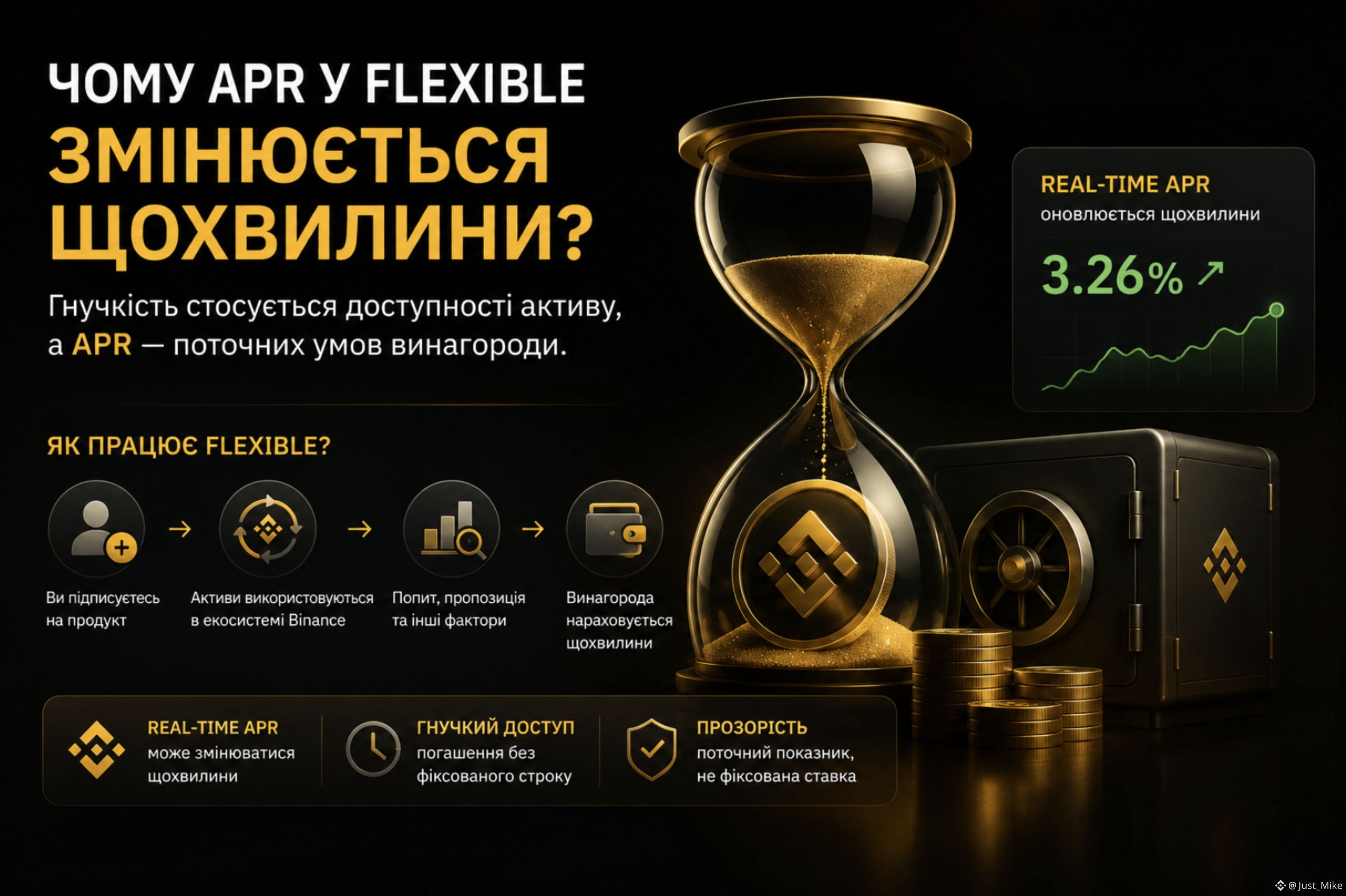
Flexible で資産を固定期間なしで引き出せるのに、
なぜ APR は毎分変わるのだろう?
以前の私は Earn をかなりシンプルに捉えていた。
資産を預ける ➞ 利回りを得る ➞ 必要なら資産を引き出す。
でも Flexible Products には興味深い点がある。
Binance はこのレートを Real-Time APR と呼んでおり、毎分変動する可能性があり、報酬も毎分計算される。
ここで疑問が湧いた。
期間が固定されていないなら、現在の利回りは何によって決まるのか?
実は、その仕組みは単に「Binance が資産を保有していることに対して利息を支払う」というものより、ずっと興味深い。
Binance の情報によると、Flexible Products の資産は、Margin や Loan を通じた貸付などの運用に使用される場合がある。トークンの Real-Time APR は、その需要、供給、その他の要因を考慮している。
つまり、ここでの APR は固定金利の約束ではない。
これは、資産の利用条件に影響する状況とともに変化しうる、現在の報酬指標なのだ。
そして、まさにそこが Flexible の最も面白いところだと私は思う。
柔軟性は資産の可用性に関するものであり、APR は現在の報酬条件に関するものだ。
だから、APR の数値だけを見ても十分ではない。
それがどこから生まれ、なぜ見た直後でもすぐに変わりうるのかを理解することのほうが重要だ。
#BinanceEarn #SimpleEarn
Flexible で資産を固定期間なしで引き出せるのに、
なぜ APR は毎分変わるのだろう?
以前の私は Earn をかなりシンプルに捉えていた。
資産を預ける ➞ 利回りを得る ➞ 必要なら資産を引き出す。
でも Flexible Products には興味深い点がある。
Binance はこのレートを Real-Time APR と呼んでおり、毎分変動する可能性があり、報酬も毎分計算される。
ここで疑問が湧いた。
期間が固定されていないなら、現在の利回りは何によって決まるのか?
実は、その仕組みは単に「Binance が資産を保有していることに対して利息を支払う」というものより、ずっと興味深い。
Binance の情報によると、Flexible Products の資産は、Margin や Loan を通じた貸付などの運用に使用される場合がある。トークンの Real-Time APR は、その需要、供給、その他の要因を考慮している。
つまり、ここでの APR は固定金利の約束ではない。
これは、資産の利用条件に影響する状況とともに変化しうる、現在の報酬指標なのだ。
そして、まさにそこが Flexible の最も面白いところだと私は思う。
柔軟性は資産の可用性に関するものであり、APR は現在の報酬条件に関するものだ。
だから、APR の数値だけを見ても十分ではない。
それがどこから生まれ、なぜ見た直後でもすぐに変わりうるのかを理解することのほうが重要だ。
#BinanceEarn #SimpleEarn
なぜ APR は毎分変わるのだろう?
以前の私は Earn をかなりシンプルに捉えていた。
資産を預ける ➞ 利回りを得る ➞ 必要なら資産を引き出す。
でも Flexible Products には興味深い点がある。
Binance はこのレートを Real-Time APR と呼んでおり、毎分変動する可能性があり、報酬も毎分計算される。
ここで疑問が湧いた。
期間が固定されていないなら、現在の利回りは何によって決まるのか?
実は、その仕組みは単に「Binance が資産を保有していることに対して利息を支払う」というものより、ずっと興味深い。
Binance の情報によると、Flexible Products の資産は、Margin や Loan を通じた貸付などの運用に使用される場合がある。トークンの Real-Time APR は、その需要、供給、その他の要因を考慮している。
つまり、ここでの APR は固定金利の約束ではない。
これは、資産の利用条件に影響する状況とともに変化しうる、現在の報酬指標なのだ。
そして、まさにそこが Flexible の最も面白いところだと私は思う。
柔軟性は資産の可用性に関するものであり、APR は現在の報酬条件に関するものだ。
だから、APR の数値だけを見ても十分ではない。
それがどこから生まれ、なぜ見た直後でもすぐに変わりうるのかを理解することのほうが重要だ。
#BinanceEarn #SimpleEarn
152
·
--
キュレーターは、Vaultの資本がどこへ向かうかを決める人物のように見えるかもしれません。
しかし、その意思決定のうちどれだけが、キュレーターが市場を選ぶ前に実際に行われているのでしょうか?
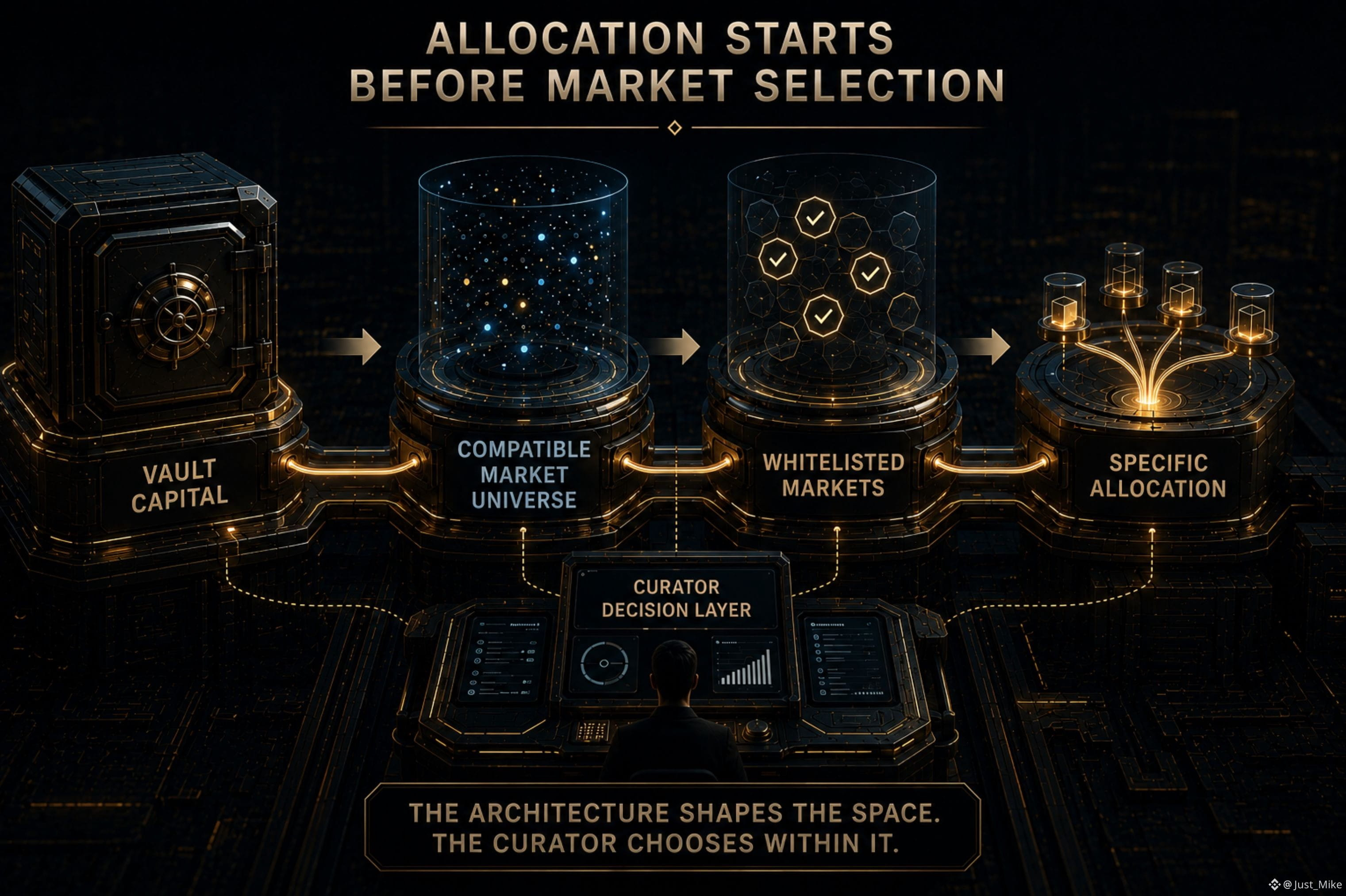
マルチマーケットのVaultは、無限の市場リストから始まりません。
そのアーキテクチャは、どの市場を接続できるかという条件を最初からすでに課しています。Vault内の市場は同じDebt Tokenを使用しなければならない、という条件です。
そのうえで、市場ホワイトリストがさらに、注文に実際に使えるのはその市場のどれかを定義します。
これらの境界が存在して初めて、キュレーターが具体的な配分の意思決定を行います。
つまり、このプロセスは次のように近いです:
Vaultの資本
→ 対応する市場の世界
→ ホワイトリストに載った市場
→ 具体的な配分
それによって、私はVaultの配分の捉え方を変えました。
キュレーターは依然として、資本がどこへ向かうかを選びます。
ただし、その選択はプロトコルのアーキテクチャがすでに部分的に定義している市場の世界の中で行われます。
言い換えると:
配分 ≠ 単に市場を選ぶこと。
配分 = アーキテクチャで定義された市場の世界の中で選ぶこと。
もっと面白い問いは、「キュレーターが資本をどこに置くか」だけではないのかもしれません。
選択が行われる前の段階で、その選択のどれくらいがすでに存在しているのか、ということです。
#termmax @termmax
キュレーターは、Vaultの資本がどこへ向かうかを決める人物のように見えるかもしれません。
しかし、その意思決定のうちどれだけが、キュレーターが市場を選ぶ前に実際に行われているのでしょうか?
マルチマーケットのVaultは、無限の市場リストから始まりません。
そのアーキテクチャは、どの市場を接続できるかという条件を最初からすでに課しています。Vault内の市場は同じDebt Tokenを使用しなければならない、という条件です。
そのうえで、市場ホワイトリストがさらに、注文に実際に使えるのはその市場のどれかを定義します。
これらの境界が存在して初めて、キュレーターが具体的な配分の意思決定を行います。
つまり、このプロセスは次のように近いです:
Vaultの資本
→ 対応する市場の世界
→ ホワイトリストに載った市場
→ 具体的な配分
それによって、私はVaultの配分の捉え方を変えました。
キュレーターは依然として、資本がどこへ向かうかを選びます。
ただし、その選択はプロトコルのアーキテクチャがすでに部分的に定義している市場の世界の中で行われます。
言い換えると:
配分 ≠ 単に市場を選ぶこと。
配分 = アーキテクチャで定義された市場の世界の中で選ぶこと。
もっと面白い問いは、「キュレーターが資本をどこに置くか」だけではないのかもしれません。
選択が行われる前の段階で、その選択のどれくらいがすでに存在しているのか、ということです。
#termmax @TermMax
しかし、その意思決定のうちどれだけが、キュレーターが市場を選ぶ前に実際に行われているのでしょうか?
マルチマーケットのVaultは、無限の市場リストから始まりません。
そのアーキテクチャは、どの市場を接続できるかという条件を最初からすでに課しています。Vault内の市場は同じDebt Tokenを使用しなければならない、という条件です。
そのうえで、市場ホワイトリストがさらに、注文に実際に使えるのはその市場のどれかを定義します。
これらの境界が存在して初めて、キュレーターが具体的な配分の意思決定を行います。
つまり、このプロセスは次のように近いです:
Vaultの資本
→ 対応する市場の世界
→ ホワイトリストに載った市場
→ 具体的な配分
それによって、私はVaultの配分の捉え方を変えました。
キュレーターは依然として、資本がどこへ向かうかを選びます。
ただし、その選択はプロトコルのアーキテクチャがすでに部分的に定義している市場の世界の中で行われます。
言い換えると:
配分 ≠ 単に市場を選ぶこと。
配分 = アーキテクチャで定義された市場の世界の中で選ぶこと。
もっと面白い問いは、「キュレーターが資本をどこに置くか」だけではないのかもしれません。
選択が行われる前の段階で、その選択のどれくらいがすでに存在しているのか、ということです。
#termmax @TermMax
93
·
--
誰がどの意思決定を行うのですか?
固定金利の市場は、単純な関係に見えるかもしれません:
貸し手 ↔ 借り手
しかしTermMaxは、それ以上に多くの意思決定を分けています。
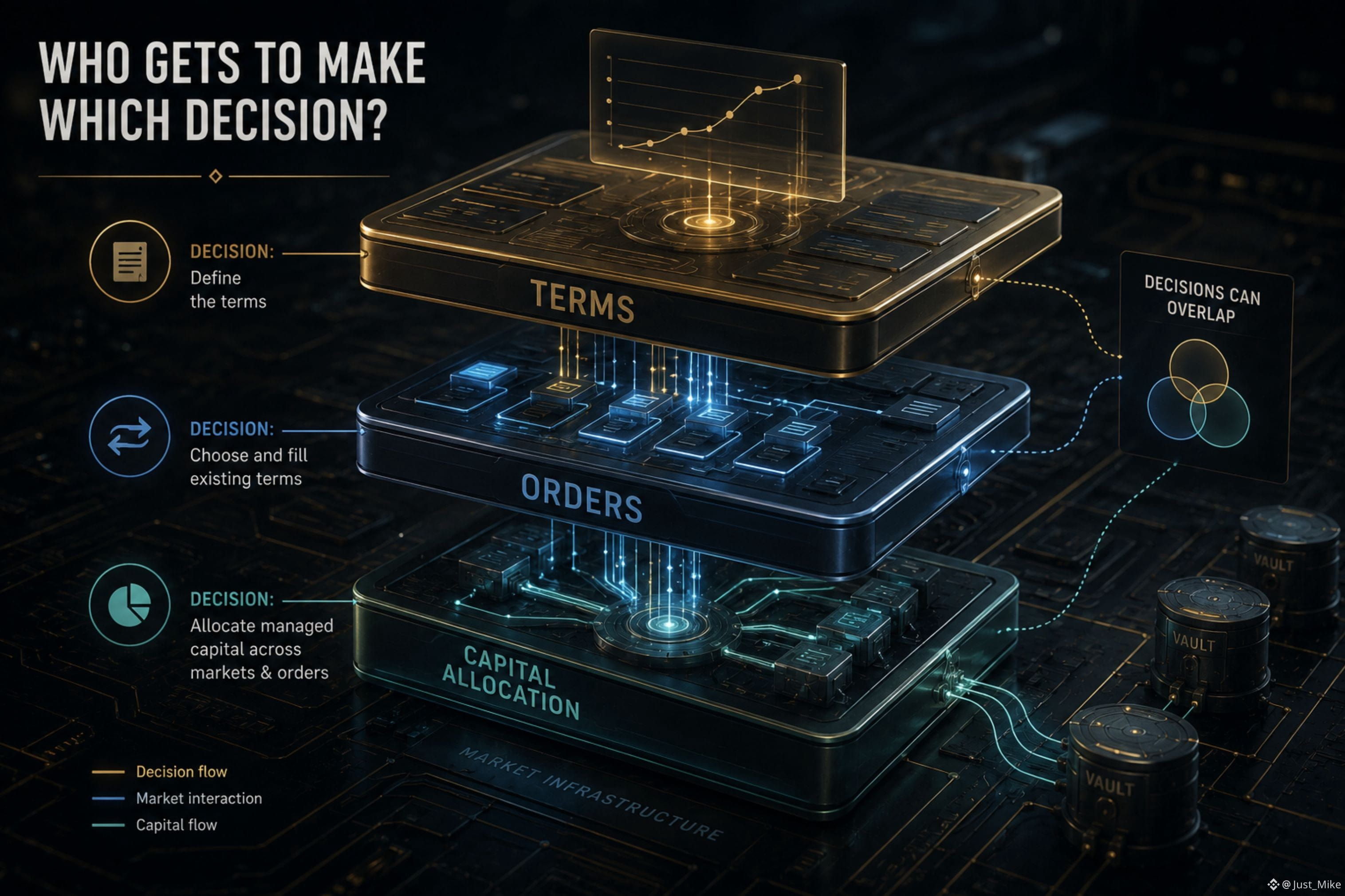
ある参加者はレンジ・オーダーの条件(用語)を定義できます。別の参加者は、それらの既存の条件を満たして約定させることを選べます。そして、ヴォルトのキュレーターは、管理された資本が市場やオーダーのどこに投入されるかを決められます。
この区別が重要なのは、これらがそれぞれ別の意思決定だからです。
条件を設定することは、条件を受け入れることと同じではありません。
また、プールされた資本をどこに投入すべきかを決めることとも同じではありません。
興味深いのは、これらの機能は概念的には分離されていますが、必ずしも3人の完全に独立したアクターの間でのみ分かれているとは限らない点です。
たとえば、キュレーターはヴォルトの資本を管理しつつ、サポートされたオーダーを作成し、それを管理することもできます。
そのため、私はTermMaxを単に次のように考えません:
貸し手が借り手に会う。
私は、複数の意思決定レイヤーが相互作用するものとして考えます:
条件が定義される
↓
オーダーが約定される
↓
管理された資本が配分される
それにより、市場の読み方が変わります。
重要な問いは、流動性を提供するのが誰かだけではありません。
問題は:
誰が条件を決めるのか、誰がそれを受け取る(取る)か、そして誰が管理された資本の投入先を決めるのか、です。
意思決定を分けることは、TermMaxの市場構造の中でも特に興味深い要素の一つかもしれません。
#termmax @termmax
誰がどの意思決定を行うのですか?
固定金利の市場は、単純な関係に見えるかもしれません:
貸し手 ↔ 借り手
しかしTermMaxは、それ以上に多くの意思決定を分けています。
ある参加者はレンジ・オーダーの条件(用語)を定義できます。別の参加者は、それらの既存の条件を満たして約定させることを選べます。そして、ヴォルトのキュレーターは、管理された資本が市場やオーダーのどこに投入されるかを決められます。
この区別が重要なのは、これらがそれぞれ別の意思決定だからです。
条件を設定することは、条件を受け入れることと同じではありません。
また、プールされた資本をどこに投入すべきかを決めることとも同じではありません。
興味深いのは、これらの機能は概念的には分離されていますが、必ずしも3人の完全に独立したアクターの間でのみ分かれているとは限らない点です。
たとえば、キュレーターはヴォルトの資本を管理しつつ、サポートされたオーダーを作成し、それを管理することもできます。
そのため、私はTermMaxを単に次のように考えません:
貸し手が借り手に会う。
私は、複数の意思決定レイヤーが相互作用するものとして考えます:
条件が定義される
↓
オーダーが約定される
↓
管理された資本が配分される
それにより、市場の読み方が変わります。
重要な問いは、流動性を提供するのが誰かだけではありません。
問題は:
誰が条件を決めるのか、誰がそれを受け取る(取る)か、そして誰が管理された資本の投入先を決めるのか、です。
意思決定を分けることは、TermMaxの市場構造の中でも特に興味深い要素の一つかもしれません。
#termmax @TermMax
固定金利の市場は、単純な関係に見えるかもしれません:
貸し手 ↔ 借り手
しかしTermMaxは、それ以上に多くの意思決定を分けています。
ある参加者はレンジ・オーダーの条件(用語)を定義できます。別の参加者は、それらの既存の条件を満たして約定させることを選べます。そして、ヴォルトのキュレーターは、管理された資本が市場やオーダーのどこに投入されるかを決められます。
この区別が重要なのは、これらがそれぞれ別の意思決定だからです。
条件を設定することは、条件を受け入れることと同じではありません。
また、プールされた資本をどこに投入すべきかを決めることとも同じではありません。
興味深いのは、これらの機能は概念的には分離されていますが、必ずしも3人の完全に独立したアクターの間でのみ分かれているとは限らない点です。
たとえば、キュレーターはヴォルトの資本を管理しつつ、サポートされたオーダーを作成し、それを管理することもできます。
そのため、私はTermMaxを単に次のように考えません:
貸し手が借り手に会う。
私は、複数の意思決定レイヤーが相互作用するものとして考えます:
条件が定義される
↓
オーダーが約定される
↓
管理された資本が配分される
それにより、市場の読み方が変わります。
重要な問いは、流動性を提供するのが誰かだけではありません。
問題は:
誰が条件を決めるのか、誰がそれを受け取る(取る)か、そして誰が管理された資本の投入先を決めるのか、です。
意思決定を分けることは、TermMaxの市場構造の中でも特に興味深い要素の一つかもしれません。
#termmax @TermMax
86
·
--
TermMax Vaultの「面白い部分」は、キュレーターができることではないかもしれません。
面白いのは、キュレーターができないことかもしれないのです。
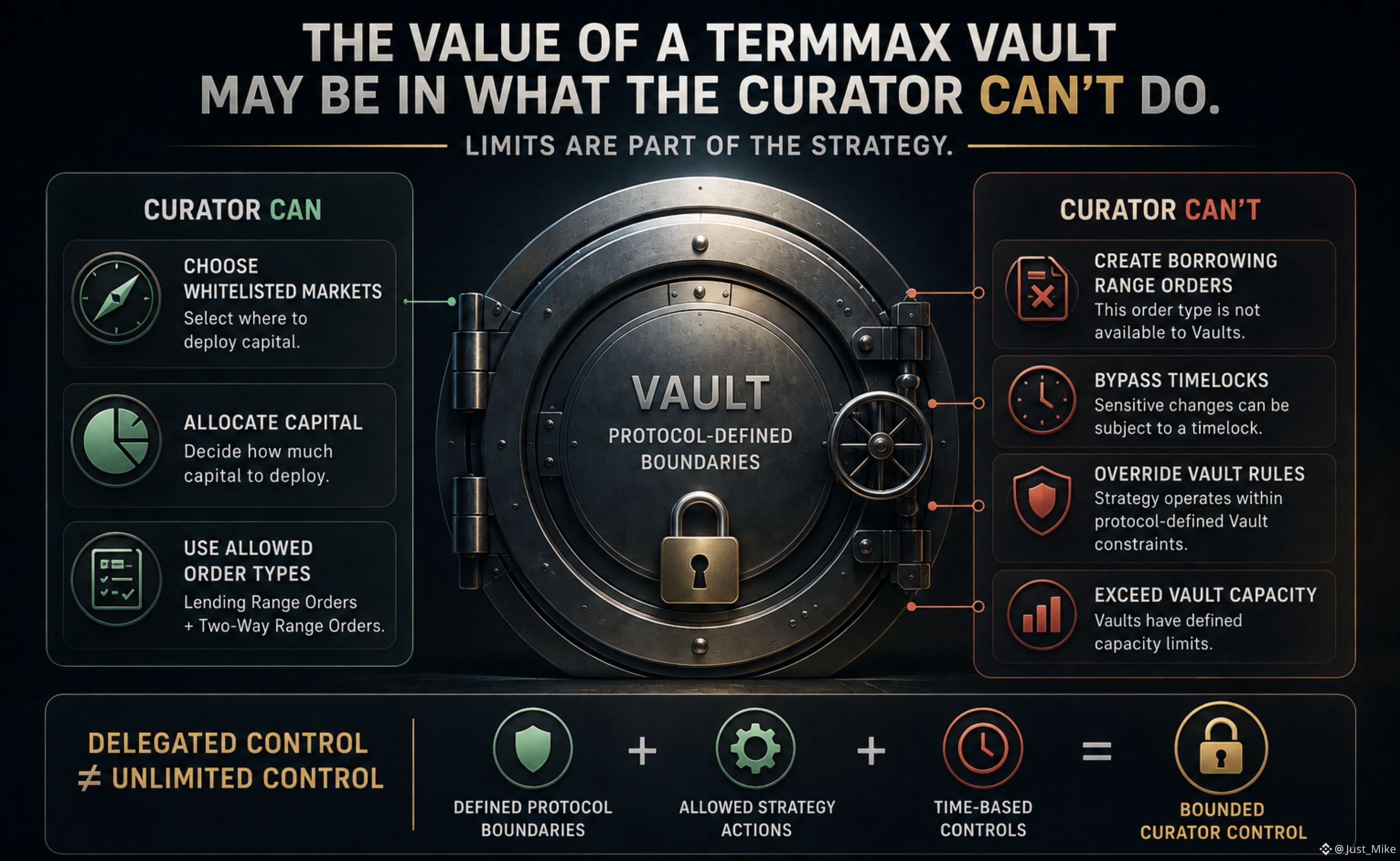
キュレーターは戦略を管理しますが、その制御は無制限ではありません。
まず、資本はホワイトリスト化された市場にしか投入できません。
次に、容量上限があります。Vaultが受け入れられる資本の量を制限し、過度な集中を防ぐのに役立ちます。
より面白い制約は、これらの市場の中でVaultが実際に何をできるかです。
VaultはLending Range OrdersやTwo-Way Range Ordersを利用できますが、Borrowing Range Ordersは作成できません。
そしてTwo-Way Orderであっても、Vaultは資産を担保にして単に借りるだけではできません。まず貸し付け、その貸付で得たFTを売却することで借り入れができるのです。
最後に、機微な変更は必ずしも即時に行われるわけではありません。タイムロックを経ることがあり、Guardianが保留中の変更を確認してキャンセルする時間を確保できます。
まとめると、これらは単なる別々のVault機能ではありません。
キュレーターにとっての、制限された意思決定の領域を定義しているのです:
→ 資本をどこに投入できるか
→ どれくらい投入できるか
→ どのような注文を作成できるか
→ 戦略パラメータがどれくらいの速さで変更できるか
私の結論としては、キュレーターが管理するVaultは、単に委任された制御ではありません。
プロトコルが定めた境界の中での、委任された制御なのです。
そして、それがVault設計を考えるうえでより面白い捉え方かもしれません。
#termmax @termmax
TermMax Vaultの「面白い部分」は、キュレーターができることではないかもしれません。
面白いのは、キュレーターができないことかもしれないのです。
キュレーターは戦略を管理しますが、その制御は無制限ではありません。
まず、資本はホワイトリスト化された市場にしか投入できません。
次に、容量上限があります。Vaultが受け入れられる資本の量を制限し、過度な集中を防ぐのに役立ちます。
より面白い制約は、これらの市場の中でVaultが実際に何をできるかです。
VaultはLending Range OrdersやTwo-Way Range Ordersを利用できますが、Borrowing Range Ordersは作成できません。
そしてTwo-Way Orderであっても、Vaultは資産を担保にして単に借りるだけではできません。まず貸し付け、その貸付で得たFTを売却することで借り入れができるのです。
最後に、機微な変更は必ずしも即時に行われるわけではありません。タイムロックを経ることがあり、Guardianが保留中の変更を確認してキャンセルする時間を確保できます。
まとめると、これらは単なる別々のVault機能ではありません。
キュレーターにとっての、制限された意思決定の領域を定義しているのです:
→ 資本をどこに投入できるか
→ どれくらい投入できるか
→ どのような注文を作成できるか
→ 戦略パラメータがどれくらいの速さで変更できるか
私の結論としては、キュレーターが管理するVaultは、単に委任された制御ではありません。
プロトコルが定めた境界の中での、委任された制御なのです。
そして、それがVault設計を考えるうえでより面白い捉え方かもしれません。
#termmax @TermMax
面白いのは、キュレーターができないことかもしれないのです。
キュレーターは戦略を管理しますが、その制御は無制限ではありません。
まず、資本はホワイトリスト化された市場にしか投入できません。
次に、容量上限があります。Vaultが受け入れられる資本の量を制限し、過度な集中を防ぐのに役立ちます。
より面白い制約は、これらの市場の中でVaultが実際に何をできるかです。
VaultはLending Range OrdersやTwo-Way Range Ordersを利用できますが、Borrowing Range Ordersは作成できません。
そしてTwo-Way Orderであっても、Vaultは資産を担保にして単に借りるだけではできません。まず貸し付け、その貸付で得たFTを売却することで借り入れができるのです。
最後に、機微な変更は必ずしも即時に行われるわけではありません。タイムロックを経ることがあり、Guardianが保留中の変更を確認してキャンセルする時間を確保できます。
まとめると、これらは単なる別々のVault機能ではありません。
キュレーターにとっての、制限された意思決定の領域を定義しているのです:
→ 資本をどこに投入できるか
→ どれくらい投入できるか
→ どのような注文を作成できるか
→ 戦略パラメータがどれくらいの速さで変更できるか
私の結論としては、キュレーターが管理するVaultは、単に委任された制御ではありません。
プロトコルが定めた境界の中での、委任された制御なのです。
そして、それがVault設計を考えるうえでより面白い捉え方かもしれません。
#termmax @TermMax
89
·
--
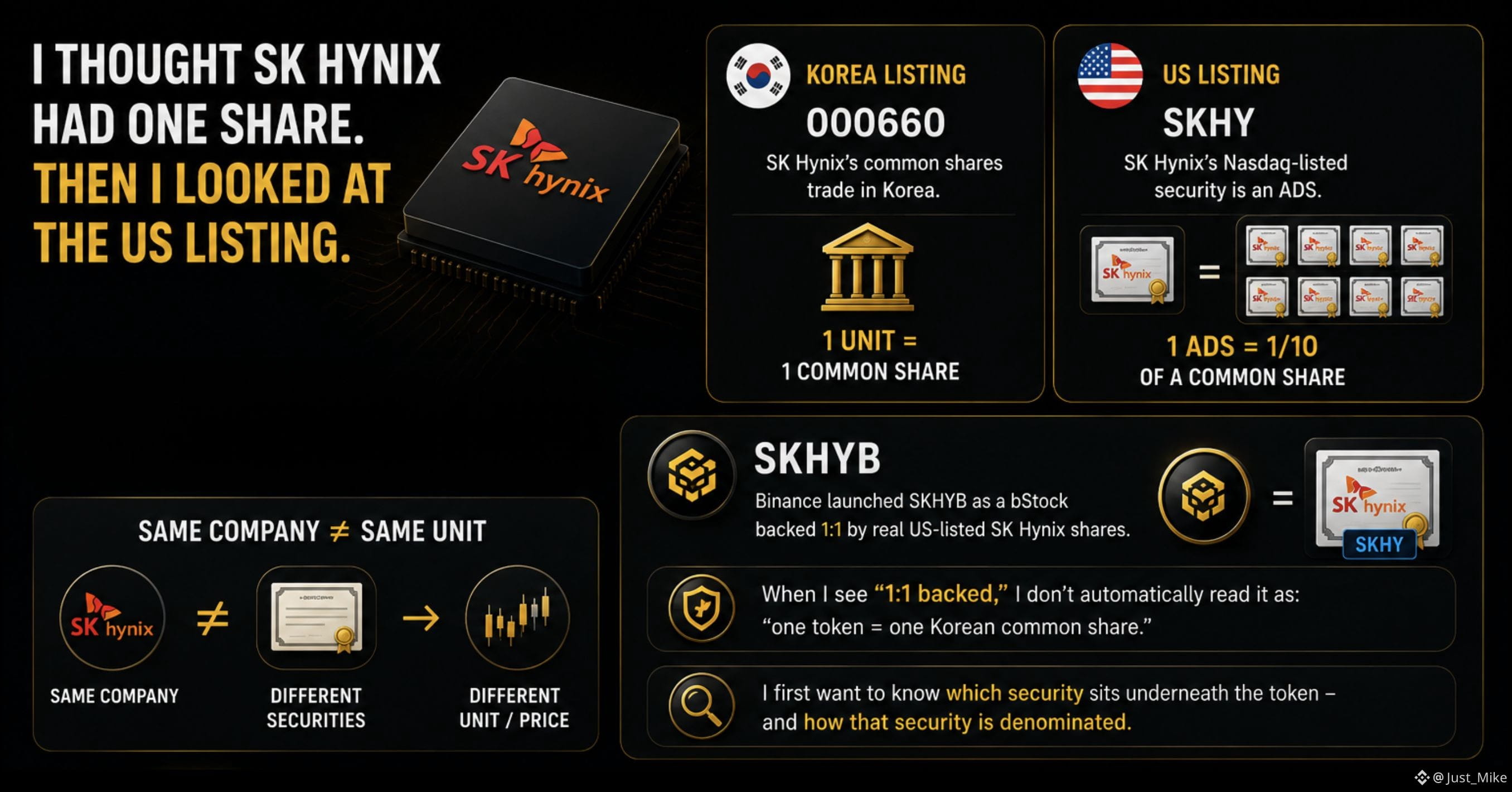
SKハイニックスは1株を1つ持っていると思っていました。 その後、米国での上場を確認しました。
SKハイニックスの普通株は、韓国で000660として取引されています。
ナスダック上場の銘柄(SKHY)はADSで、1ADSは普通株の1/10を表します。
これは技術的な詳細のように聞こえます。
しかし、価格の読み方が変わります。
価格は、「その1単位が何を表しているか」が分かって初めて意味を持ちます。
そしてSKHYBもあります。
バイナンスは、実際に米国で上場しているSKハイニックスの株式を1:1で裏付けるbStockとしてSKHYBを立ち上げました。
だから「1:1裏付け」という表示を見ても、私は自動的にこうは読みません。
「1トークン=1韓国の普通株」
そのため「1:1裏付け」は、私にとってはあくまで出発点にすぎません。 その「1」が実際に指しているのは、どの証券なのかも知りたいのです。
まず、トークンの下にある証券が何か、そしてその証券がどの単位建てになっているかを知りたいです。
同じ会社≠同じ単位。
私にとって役に立つ確認はこれです。
価格を比較する前に、「その1単位が実際に何を表しているか」を確認する。
#bstockscis @BinanceCIS
SKハイニックスは1株を1つ持っていると思っていました。 その後、米国での上場を確認しました。
SKハイニックスの普通株は、韓国で000660として取引されています。
ナスダック上場の銘柄(SKHY)はADSで、1ADSは普通株の1/10を表します。
これは技術的な詳細のように聞こえます。
しかし、価格の読み方が変わります。
価格は、「その1単位が何を表しているか」が分かって初めて意味を持ちます。
そしてSKHYBもあります。
バイナンスは、実際に米国で上場しているSKハイニックスの株式を1:1で裏付けるbStockとしてSKHYBを立ち上げました。
だから「1:1裏付け」という表示を見ても、私は自動的にこうは読みません。
「1トークン=1韓国の普通株」
そのため「1:1裏付け」は、私にとってはあくまで出発点にすぎません。 その「1」が実際に指しているのは、どの証券なのかも知りたいのです。
まず、トークンの下にある証券が何か、そしてその証券がどの単位建てになっているかを知りたいです。
同じ会社≠同じ単位。
私にとって役に立つ確認はこれです。
価格を比較する前に、「その1単位が実際に何を表しているか」を確認する。
#bstockscis @BinanceCIS
SKハイニックスの普通株は、韓国で000660として取引されています。
ナスダック上場の銘柄(SKHY)はADSで、1ADSは普通株の1/10を表します。
これは技術的な詳細のように聞こえます。
しかし、価格の読み方が変わります。
価格は、「その1単位が何を表しているか」が分かって初めて意味を持ちます。
そしてSKHYBもあります。
バイナンスは、実際に米国で上場しているSKハイニックスの株式を1:1で裏付けるbStockとしてSKHYBを立ち上げました。
だから「1:1裏付け」という表示を見ても、私は自動的にこうは読みません。
「1トークン=1韓国の普通株」
そのため「1:1裏付け」は、私にとってはあくまで出発点にすぎません。 その「1」が実際に指しているのは、どの証券なのかも知りたいのです。
まず、トークンの下にある証券が何か、そしてその証券がどの単位建てになっているかを知りたいです。
同じ会社≠同じ単位。
私にとって役に立つ確認はこれです。
価格を比較する前に、「その1単位が実際に何を表しているか」を確認する。
#bstockscis @BinanceCIS
72
·
--
実在資産のトークン化は、あくまで始まりにすぎません。
より興味深いのは、それがオンチェーンに乗った後に、実際に何ができるのかという点です。
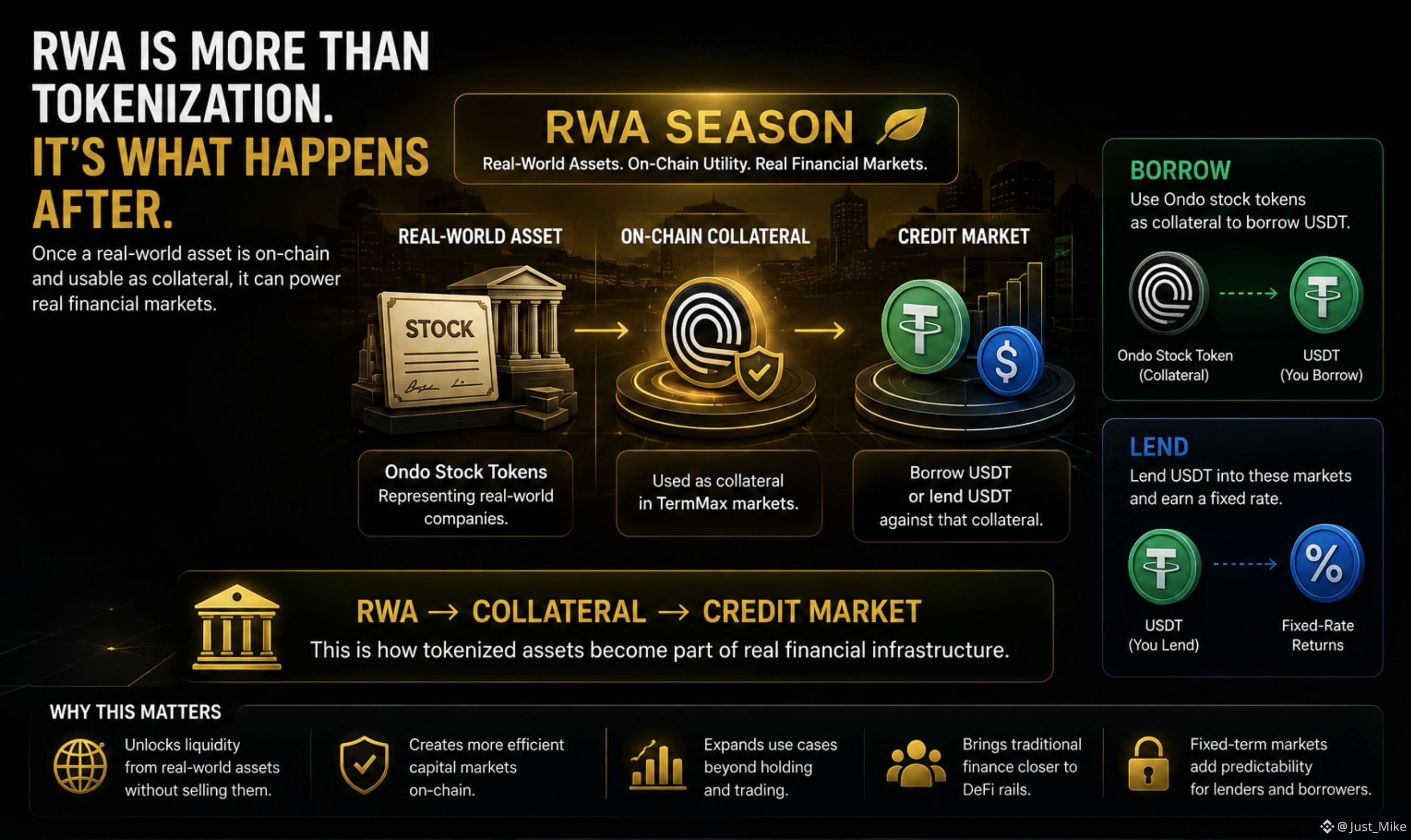
TermMaxの現在のRWAシーズンは、かなり実用的な例を示しています。
Ondoの株式トークンは、BNBチェーン上でUSDTを借りるための担保として利用できます。
そしてもう一方では、ユーザーがそれらの市場にUSDTを貸し付けることもできます。
つまり構造はこうなります。
RWA → 担保 → クレジット市場
これは、単にトークン化した株をウォレットに入れるだけの話よりも、はるかに大きな発想です。
資産が担保として使えるようになれば、それは実際の金融市場の一部になり得ます。
そして、そこでこそRWAが面白くなるのだと思います。
では:
「この資産をトークン化できるか?」
ではなく:
「トークン化された後、この資産は何をすることができるのか?」
TermMaxは、その一つの答えとして、トークン化された資産を中心にした固定期間の借り入れと貸し付けを試験しています。
#termmax @termmax
実在資産のトークン化は、あくまで始まりにすぎません。
より興味深いのは、それがオンチェーンに乗った後に、実際に何ができるのかという点です。
TermMaxの現在のRWAシーズンは、かなり実用的な例を示しています。
Ondoの株式トークンは、BNBチェーン上でUSDTを借りるための担保として利用できます。
そしてもう一方では、ユーザーがそれらの市場にUSDTを貸し付けることもできます。
つまり構造はこうなります。
RWA → 担保 → クレジット市場
これは、単にトークン化した株をウォレットに入れるだけの話よりも、はるかに大きな発想です。
資産が担保として使えるようになれば、それは実際の金融市場の一部になり得ます。
そして、そこでこそRWAが面白くなるのだと思います。
では:
「この資産をトークン化できるか?」
ではなく:
「トークン化された後、この資産は何をすることができるのか?」
TermMaxは、その一つの答えとして、トークン化された資産を中心にした固定期間の借り入れと貸し付けを試験しています。
#termmax @TermMax
より興味深いのは、それがオンチェーンに乗った後に、実際に何ができるのかという点です。
TermMaxの現在のRWAシーズンは、かなり実用的な例を示しています。
Ondoの株式トークンは、BNBチェーン上でUSDTを借りるための担保として利用できます。
そしてもう一方では、ユーザーがそれらの市場にUSDTを貸し付けることもできます。
つまり構造はこうなります。
RWA → 担保 → クレジット市場
これは、単にトークン化した株をウォレットに入れるだけの話よりも、はるかに大きな発想です。
資産が担保として使えるようになれば、それは実際の金融市場の一部になり得ます。
そして、そこでこそRWAが面白くなるのだと思います。
では:
「この資産をトークン化できるか?」
ではなく:
「トークン化された後、この資産は何をすることができるのか?」
TermMaxは、その一つの答えとして、トークン化された資産を中心にした固定期間の借り入れと貸し付けを試験しています。
#termmax @TermMax
107
·
--
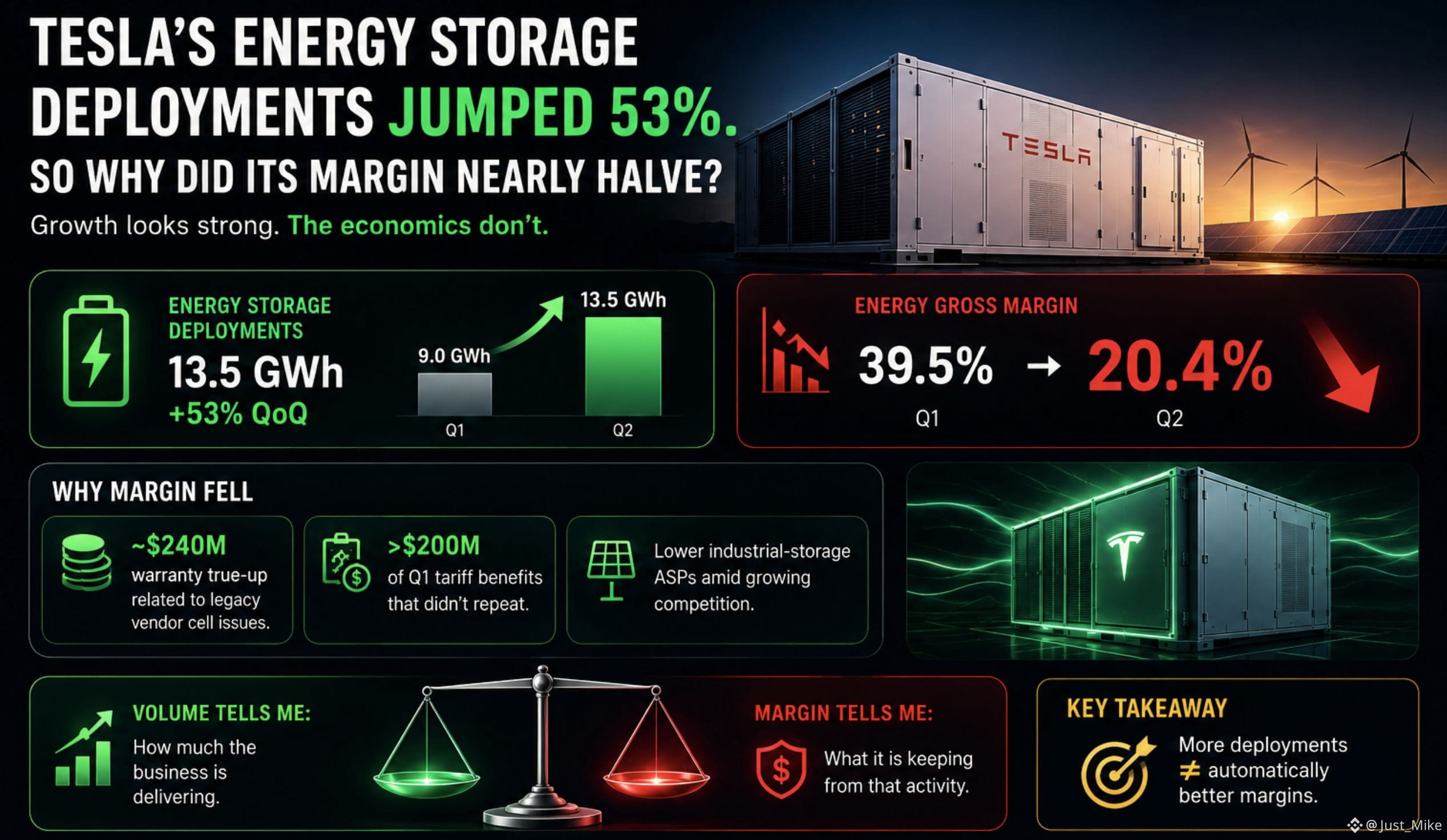
テスラのエネルギー貯蔵の導入が53%急増しました。ではなぜマージンはほぼ半減したのでしょうか?
テスラのエネルギー事業は、見出しの成長からは明らかでない理由で私の関心を引きました。
第2四半期にテスラはエネルギー貯蔵を13.5GWh導入し、四半期比で53%増でした。
それは、成長している事業から本当に見たい数字のように聞こえます。
しかし次にマージンを見ました。
エネルギーの粗利益率は39.5%から20.4%へ低下しました。
この数字によって、導入件数の読み方が変わりました。
説明は単純に「成長はコストがかかるから」ではありませんでした。
テスラはいくつかの要因を挙げています:
過去のベンダーのセル問題に関連する、約2.4億ドルの保証引当の調整(true-up)
第1四半期にあった200Mドル超の関税メリットが、今回は繰り返されなかったこと
競争が激化する中での、産業用蓄電のASP(平均販売価格)の低下
その結果、事業は大幅に多くのストレージを導入した一方で、その事業を構成する1ドルごとの経済性は当四半期ではより好ましくなくなりました。
私がbStockとしてTSLABに面白さを感じるのは、そこです。
当然の疑問は:
「テスラのエネルギー事業はどれくらいの速さで成長しているのか?」
また私はこうも聞きたいです:
「その成長の経済性はいま何が起きているのか?」
私にとっては:
導入(デプロイ)が増えても=自動的にマージンが良くなるとは限りません。
ボリュームは、その事業がどれだけ提供しているかを示します。
マージンは、その活動から何をどれだけ残しているかを示します。
#bstockscis @BinanceCIS
テスラのエネルギー貯蔵の導入が53%急増しました。ではなぜマージンはほぼ半減したのでしょうか?
テスラのエネルギー事業は、見出しの成長からは明らかでない理由で私の関心を引きました。
第2四半期にテスラはエネルギー貯蔵を13.5GWh導入し、四半期比で53%増でした。
それは、成長している事業から本当に見たい数字のように聞こえます。
しかし次にマージンを見ました。
エネルギーの粗利益率は39.5%から20.4%へ低下しました。
この数字によって、導入件数の読み方が変わりました。
説明は単純に「成長はコストがかかるから」ではありませんでした。
テスラはいくつかの要因を挙げています:
過去のベンダーのセル問題に関連する、約2.4億ドルの保証引当の調整(true-up)
第1四半期にあった200Mドル超の関税メリットが、今回は繰り返されなかったこと
競争が激化する中での、産業用蓄電のASP(平均販売価格)の低下
その結果、事業は大幅に多くのストレージを導入した一方で、その事業を構成する1ドルごとの経済性は当四半期ではより好ましくなくなりました。
私がbStockとしてTSLABに面白さを感じるのは、そこです。
当然の疑問は:
「テスラのエネルギー事業はどれくらいの速さで成長しているのか?」
また私はこうも聞きたいです:
「その成長の経済性はいま何が起きているのか?」
私にとっては:
導入(デプロイ)が増えても=自動的にマージンが良くなるとは限りません。
ボリュームは、その事業がどれだけ提供しているかを示します。
マージンは、その活動から何をどれだけ残しているかを示します。
#bstockscis @BinanceCIS
テスラのエネルギー事業は、見出しの成長からは明らかでない理由で私の関心を引きました。
第2四半期にテスラはエネルギー貯蔵を13.5GWh導入し、四半期比で53%増でした。
それは、成長している事業から本当に見たい数字のように聞こえます。
しかし次にマージンを見ました。
エネルギーの粗利益率は39.5%から20.4%へ低下しました。
この数字によって、導入件数の読み方が変わりました。
説明は単純に「成長はコストがかかるから」ではありませんでした。
テスラはいくつかの要因を挙げています:
過去のベンダーのセル問題に関連する、約2.4億ドルの保証引当の調整(true-up)
第1四半期にあった200Mドル超の関税メリットが、今回は繰り返されなかったこと
競争が激化する中での、産業用蓄電のASP(平均販売価格)の低下
その結果、事業は大幅に多くのストレージを導入した一方で、その事業を構成する1ドルごとの経済性は当四半期ではより好ましくなくなりました。
私がbStockとしてTSLABに面白さを感じるのは、そこです。
当然の疑問は:
「テスラのエネルギー事業はどれくらいの速さで成長しているのか?」
また私はこうも聞きたいです:
「その成長の経済性はいま何が起きているのか?」
私にとっては:
導入(デプロイ)が増えても=自動的にマージンが良くなるとは限りません。
ボリュームは、その事業がどれだけ提供しているかを示します。
マージンは、その活動から何をどれだけ残しているかを示します。
#bstockscis @BinanceCIS
3
3
110
·
--
売上高78億ドルの四半期で、会社が次に向けて184億ドルを使っていることが何を教えてくれるのでしょうか?
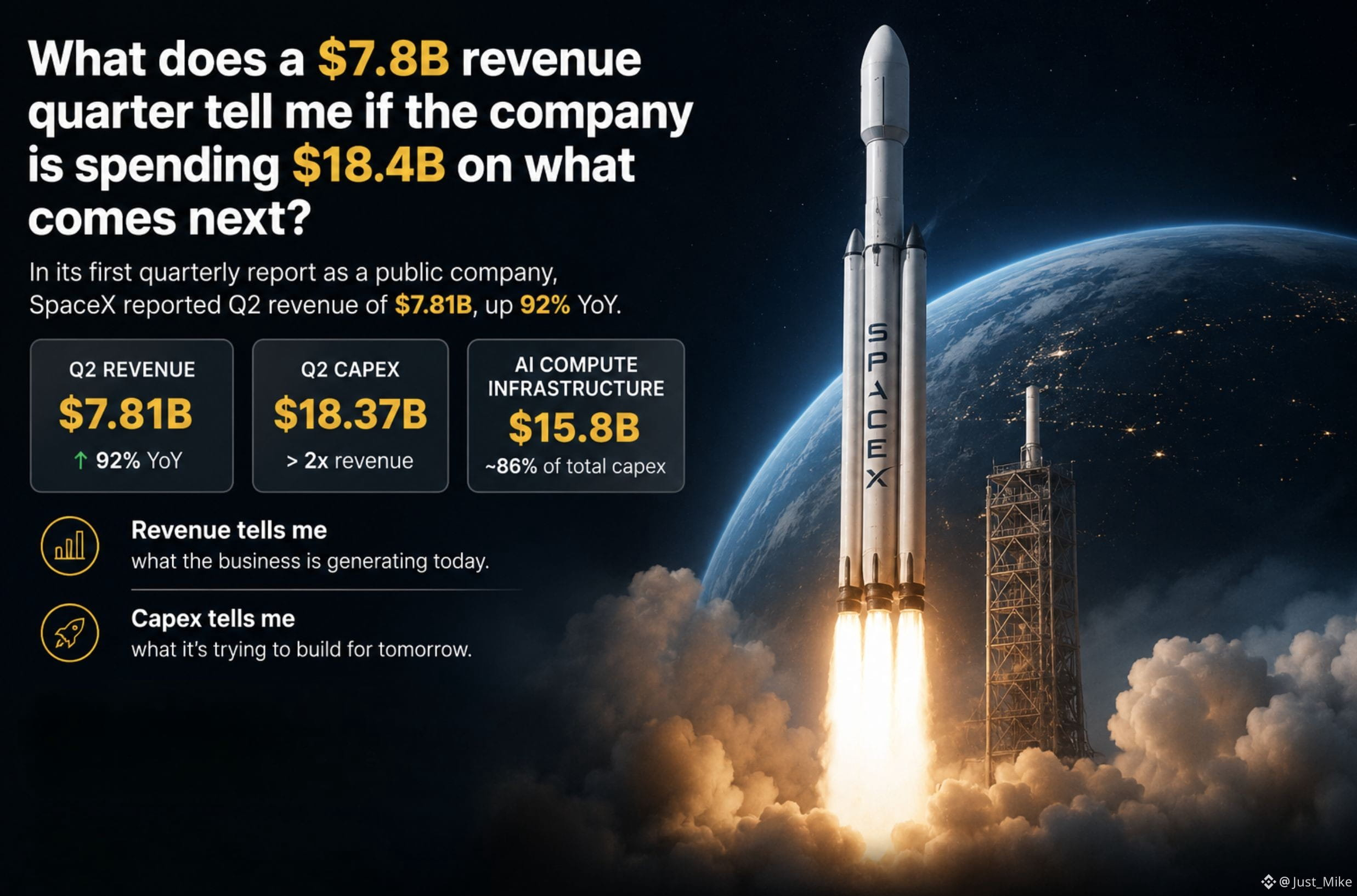
上場企業として初めての四半期報告で、SpaceXは第2四半期の売上高が78.1億ドルで、前年同期比92%増だと報告しました。
その後、私は設備投資(capex)を見ました。
その四半期の設備投資は183.7億ドルでした。
これは会社の四半期売上高の2倍以上です。
そして、この数字の読み方が変わりました。
売上高は、今日の事業規模を教えてくれます。
capexは、次の成長段階に向けて構築するために、会社がどれだけの資本を投じているかを教えてくれます。
そのうち第2四半期のcapexの約158億ドルは、AIインフラ向けでした。
これで必ずしも、支出が非効率だと意味するわけではありません。capexは費用ではなく投資だからです。
ただし、売上成長だけでは分からないことも示しています。
つまり、会社が次の成長段階に向けてどれだけ積極的に投資しているかです。
私は、bStockとしてのSPCXBにおいて、ここが面白いと感じています。
ティッカーはSpaceXへのエクスポージャーを与えてくれます。
でも、次のことだけを問うのではなく:
「売上はどれくらい速く伸びているのか?」
私はこうも尋ねたいです:
「次の成長段階を可能にするために、会社はいくら使っているのか?」
私にとって:
売上高は、今日この事業が生み出しているものを教えてくれます。
capexは、明日に向けて構築しようとしているものを教えてくれます。
#bstockscis @BinanceCIS
売上高78億ドルの四半期で、会社が次に向けて184億ドルを使っていることが何を教えてくれるのでしょうか?
上場企業として初めての四半期報告で、SpaceXは第2四半期の売上高が78.1億ドルで、前年同期比92%増だと報告しました。
その後、私は設備投資(capex)を見ました。
その四半期の設備投資は183.7億ドルでした。
これは会社の四半期売上高の2倍以上です。
そして、この数字の読み方が変わりました。
売上高は、今日の事業規模を教えてくれます。
capexは、次の成長段階に向けて構築するために、会社がどれだけの資本を投じているかを教えてくれます。
そのうち第2四半期のcapexの約158億ドルは、AIインフラ向けでした。
これで必ずしも、支出が非効率だと意味するわけではありません。capexは費用ではなく投資だからです。
ただし、売上成長だけでは分からないことも示しています。
つまり、会社が次の成長段階に向けてどれだけ積極的に投資しているかです。
私は、bStockとしてのSPCXBにおいて、ここが面白いと感じています。
ティッカーはSpaceXへのエクスポージャーを与えてくれます。
でも、次のことだけを問うのではなく:
「売上はどれくらい速く伸びているのか?」
私はこうも尋ねたいです:
「次の成長段階を可能にするために、会社はいくら使っているのか?」
私にとって:
売上高は、今日この事業が生み出しているものを教えてくれます。
capexは、明日に向けて構築しようとしているものを教えてくれます。
#bstockscis @BinanceCIS
上場企業として初めての四半期報告で、SpaceXは第2四半期の売上高が78.1億ドルで、前年同期比92%増だと報告しました。
その後、私は設備投資(capex)を見ました。
その四半期の設備投資は183.7億ドルでした。
これは会社の四半期売上高の2倍以上です。
そして、この数字の読み方が変わりました。
売上高は、今日の事業規模を教えてくれます。
capexは、次の成長段階に向けて構築するために、会社がどれだけの資本を投じているかを教えてくれます。
そのうち第2四半期のcapexの約158億ドルは、AIインフラ向けでした。
これで必ずしも、支出が非効率だと意味するわけではありません。capexは費用ではなく投資だからです。
ただし、売上成長だけでは分からないことも示しています。
つまり、会社が次の成長段階に向けてどれだけ積極的に投資しているかです。
私は、bStockとしてのSPCXBにおいて、ここが面白いと感じています。
ティッカーはSpaceXへのエクスポージャーを与えてくれます。
でも、次のことだけを問うのではなく:
「売上はどれくらい速く伸びているのか?」
私はこうも尋ねたいです:
「次の成長段階を可能にするために、会社はいくら使っているのか?」
私にとって:
売上高は、今日この事業が生み出しているものを教えてくれます。
capexは、明日に向けて構築しようとしているものを教えてくれます。
#bstockscis @BinanceCIS
2
1
124
·
--
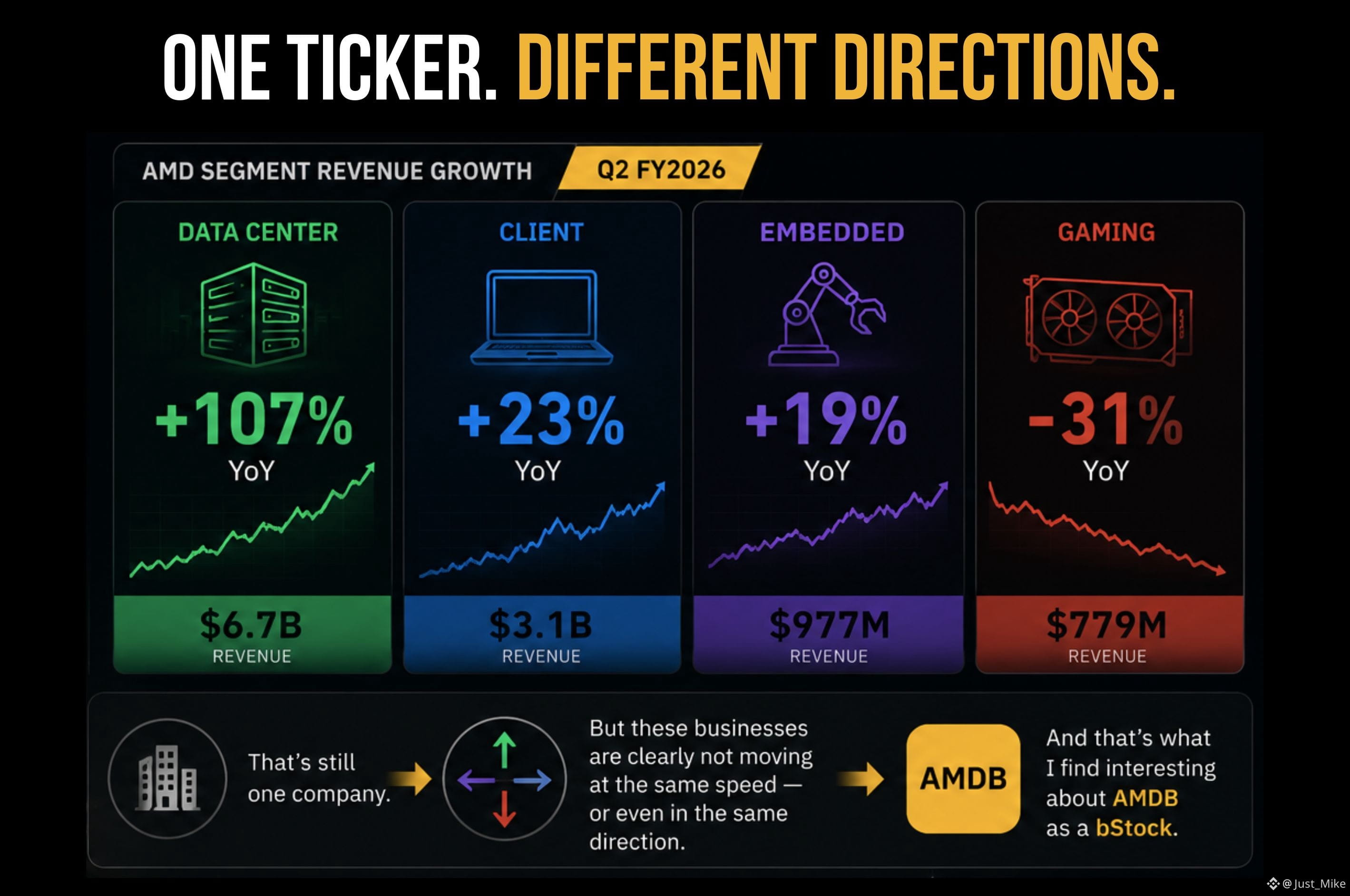
1つのティッカーには、逆方向に動く事業が含まれることがあります。
AMDBを見ると、「大きなAMDの成長ストーリー」だと考えたくなります。
しかし、AMDの最新の数字を見て、私はそのティッカーの捉え方を変えるようになりました。
2026会計年度第2四半期(Q2):
データセンター:+107%(前年比)
クライアント:+23%
組み込み:+19%
ゲーミング:−31%
それでも、それは1社です。
ですが、これらの事業は明らかに同じスピードで動いていない――あるいは同じ方向にさえ動いていません。
そして、それこそがAMDBをbStockとして見る上で面白い点です。
このティッカーは、私がどの会社へのエクスポージャーを得ているのかを教えてくれます。
事業構成は、そのエクスポージャーを実際に動かしている要因が何なのかを教えてくれます。
だから「AMDの成長」を見たとき、見出しで止まりたくありません。
私は次のことを問いかけたいのです。
AMDのどの部分が実際に成長しているのか?
私にとって、それが単一のティッカーを読むうえで、はるかに役に立つ方法です。
#bstockscis @BinanceCIS
1つのティッカーには、逆方向に動く事業が含まれることがあります。
AMDBを見ると、「大きなAMDの成長ストーリー」だと考えたくなります。
しかし、AMDの最新の数字を見て、私はそのティッカーの捉え方を変えるようになりました。
2026会計年度第2四半期(Q2):
データセンター:+107%(前年比)
クライアント:+23%
組み込み:+19%
ゲーミング:−31%
それでも、それは1社です。
ですが、これらの事業は明らかに同じスピードで動いていない――あるいは同じ方向にさえ動いていません。
そして、それこそがAMDBをbStockとして見る上で面白い点です。
このティッカーは、私がどの会社へのエクスポージャーを得ているのかを教えてくれます。
事業構成は、そのエクスポージャーを実際に動かしている要因が何なのかを教えてくれます。
だから「AMDの成長」を見たとき、見出しで止まりたくありません。
私は次のことを問いかけたいのです。
AMDのどの部分が実際に成長しているのか?
私にとって、それが単一のティッカーを読むうえで、はるかに役に立つ方法です。
#bstockscis @BinanceCIS
AMDBを見ると、「大きなAMDの成長ストーリー」だと考えたくなります。
しかし、AMDの最新の数字を見て、私はそのティッカーの捉え方を変えるようになりました。
2026会計年度第2四半期(Q2):
データセンター:+107%(前年比)
クライアント:+23%
組み込み:+19%
ゲーミング:−31%
それでも、それは1社です。
ですが、これらの事業は明らかに同じスピードで動いていない――あるいは同じ方向にさえ動いていません。
そして、それこそがAMDBをbStockとして見る上で面白い点です。
このティッカーは、私がどの会社へのエクスポージャーを得ているのかを教えてくれます。
事業構成は、そのエクスポージャーを実際に動かしている要因が何なのかを教えてくれます。
だから「AMDの成長」を見たとき、見出しで止まりたくありません。
私は次のことを問いかけたいのです。
AMDのどの部分が実際に成長しているのか?
私にとって、それが単一のティッカーを読むうえで、はるかに役に立つ方法です。
#bstockscis @BinanceCIS
4
3
105
·
--
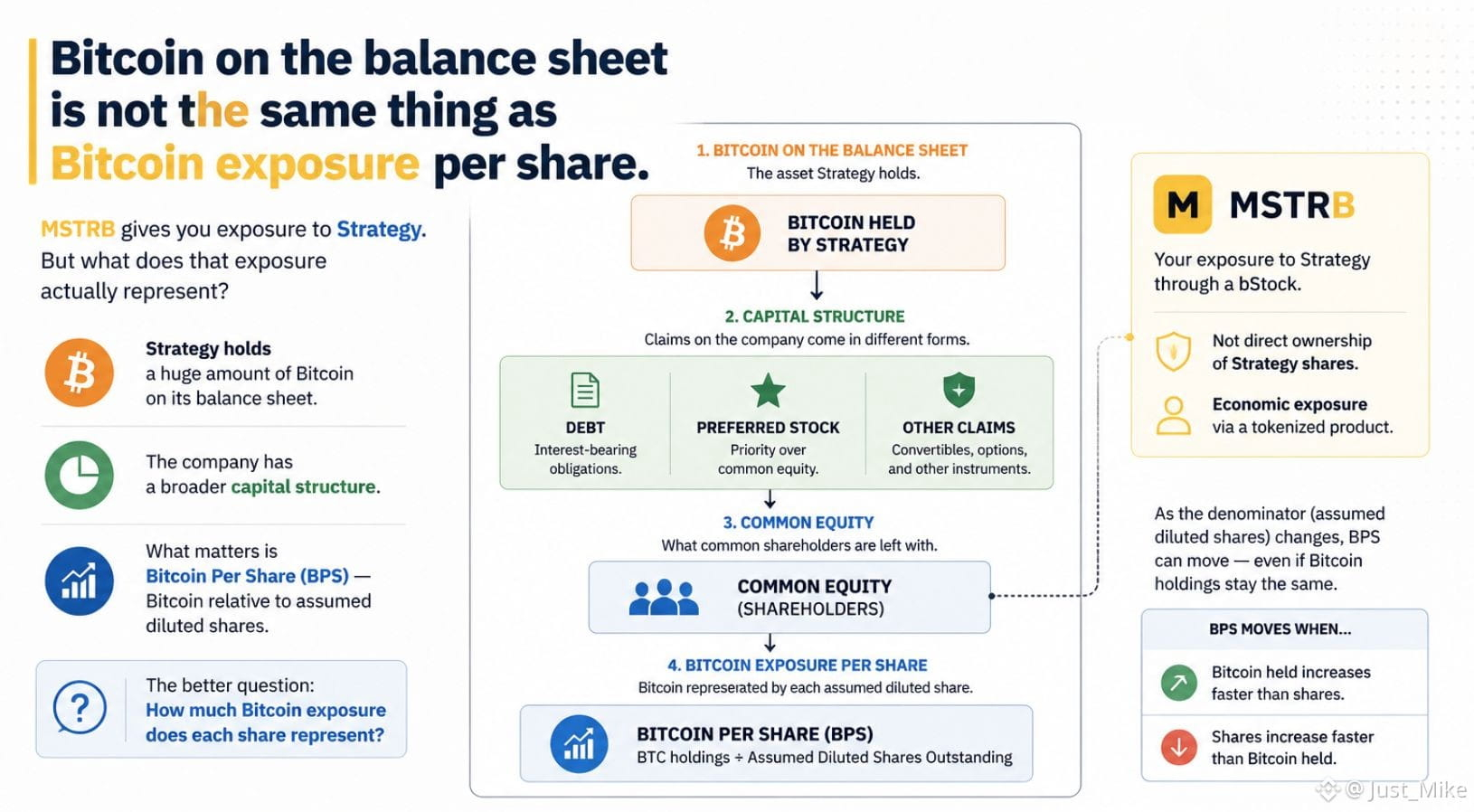
貸借対照表上のビットコインは、1株当たりのビットコイン・エクスポージャー(エクスポージャー)と同じものではありません。
戦略(Strategy)は、自社の貸借対照表に多額のビットコインを保有しています。
そのため一見すると、MSTRBを保有することは、企業経由でビットコインへのエクスポージャーを得るシンプルな方法に見えるかもしれません。
しかし、さらにもう一段考えるべきポイントがあります。
戦略自体は、ビットコイン・パー・シェア(BPS)— 想定される希薄化後1株当たりに相当するビットコインの量 — を測定しています。
そしてこの比率は重要です。なぜなら、分子と分母は独立して動き得るからです。
もし戦略がビットコインを追加すれば、BPSは増加し得ます。
一方で、同じペースでビットコインを追加しないまま、会社が想定する希薄化後株式数を増やせば、BPSは逆方向に動く可能性があります。
だからこそ私は、MSTRBを単に次のように言うよりも、より興味深いと感じています:
「戦略が大量のビットコインを保有している。」
より良い問いは、次の点です:
それぞれの株が、実際にはどれほどのビットコイン・エクスポージャーを表しているのか?
そしてこれこそが、私がトークン化されたエクスポージャーに惹かれる理由でもあります。
bStockのようなMSTRBでは、戦略の貸借対照表に積まれたビットコインを直接保有するのではなく、トークン化されたプロダクトを通じて underlying(基礎となる)企業へのエクスポージャーを得られます。
つまり、考えるべき層は実際に2つあります:
企業が保有するビットコイン。
その証券が表すビットコイン・エクスポージャー。
見出しのアセットは、最初の層にすぎません。
企業があるアセットのビークル(器)になる場合は、あなたとその企業の間にある構造を見てください。
#bstockscis @BinanceCIS
貸借対照表上のビットコインは、1株当たりのビットコイン・エクスポージャー(エクスポージャー)と同じものではありません。
戦略(Strategy)は、自社の貸借対照表に多額のビットコインを保有しています。
そのため一見すると、MSTRBを保有することは、企業経由でビットコインへのエクスポージャーを得るシンプルな方法に見えるかもしれません。
しかし、さらにもう一段考えるべきポイントがあります。
戦略自体は、ビットコイン・パー・シェア(BPS)— 想定される希薄化後1株当たりに相当するビットコインの量 — を測定しています。
そしてこの比率は重要です。なぜなら、分子と分母は独立して動き得るからです。
もし戦略がビットコインを追加すれば、BPSは増加し得ます。
一方で、同じペースでビットコインを追加しないまま、会社が想定する希薄化後株式数を増やせば、BPSは逆方向に動く可能性があります。
だからこそ私は、MSTRBを単に次のように言うよりも、より興味深いと感じています:
「戦略が大量のビットコインを保有している。」
より良い問いは、次の点です:
それぞれの株が、実際にはどれほどのビットコイン・エクスポージャーを表しているのか?
そしてこれこそが、私がトークン化されたエクスポージャーに惹かれる理由でもあります。
bStockのようなMSTRBでは、戦略の貸借対照表に積まれたビットコインを直接保有するのではなく、トークン化されたプロダクトを通じて underlying(基礎となる)企業へのエクスポージャーを得られます。
つまり、考えるべき層は実際に2つあります:
企業が保有するビットコイン。
その証券が表すビットコイン・エクスポージャー。
見出しのアセットは、最初の層にすぎません。
企業があるアセットのビークル(器)になる場合は、あなたとその企業の間にある構造を見てください。
#bstockscis @BinanceCIS
戦略(Strategy)は、自社の貸借対照表に多額のビットコインを保有しています。
そのため一見すると、MSTRBを保有することは、企業経由でビットコインへのエクスポージャーを得るシンプルな方法に見えるかもしれません。
しかし、さらにもう一段考えるべきポイントがあります。
戦略自体は、ビットコイン・パー・シェア(BPS)— 想定される希薄化後1株当たりに相当するビットコインの量 — を測定しています。
そしてこの比率は重要です。なぜなら、分子と分母は独立して動き得るからです。
もし戦略がビットコインを追加すれば、BPSは増加し得ます。
一方で、同じペースでビットコインを追加しないまま、会社が想定する希薄化後株式数を増やせば、BPSは逆方向に動く可能性があります。
だからこそ私は、MSTRBを単に次のように言うよりも、より興味深いと感じています:
「戦略が大量のビットコインを保有している。」
より良い問いは、次の点です:
それぞれの株が、実際にはどれほどのビットコイン・エクスポージャーを表しているのか?
そしてこれこそが、私がトークン化されたエクスポージャーに惹かれる理由でもあります。
bStockのようなMSTRBでは、戦略の貸借対照表に積まれたビットコインを直接保有するのではなく、トークン化されたプロダクトを通じて underlying(基礎となる)企業へのエクスポージャーを得られます。
つまり、考えるべき層は実際に2つあります:
企業が保有するビットコイン。
その証券が表すビットコイン・エクスポージャー。
見出しのアセットは、最初の層にすぎません。
企業があるアセットのビークル(器)になる場合は、あなたとその企業の間にある構造を見てください。
#bstockscis @BinanceCIS
102
·
--
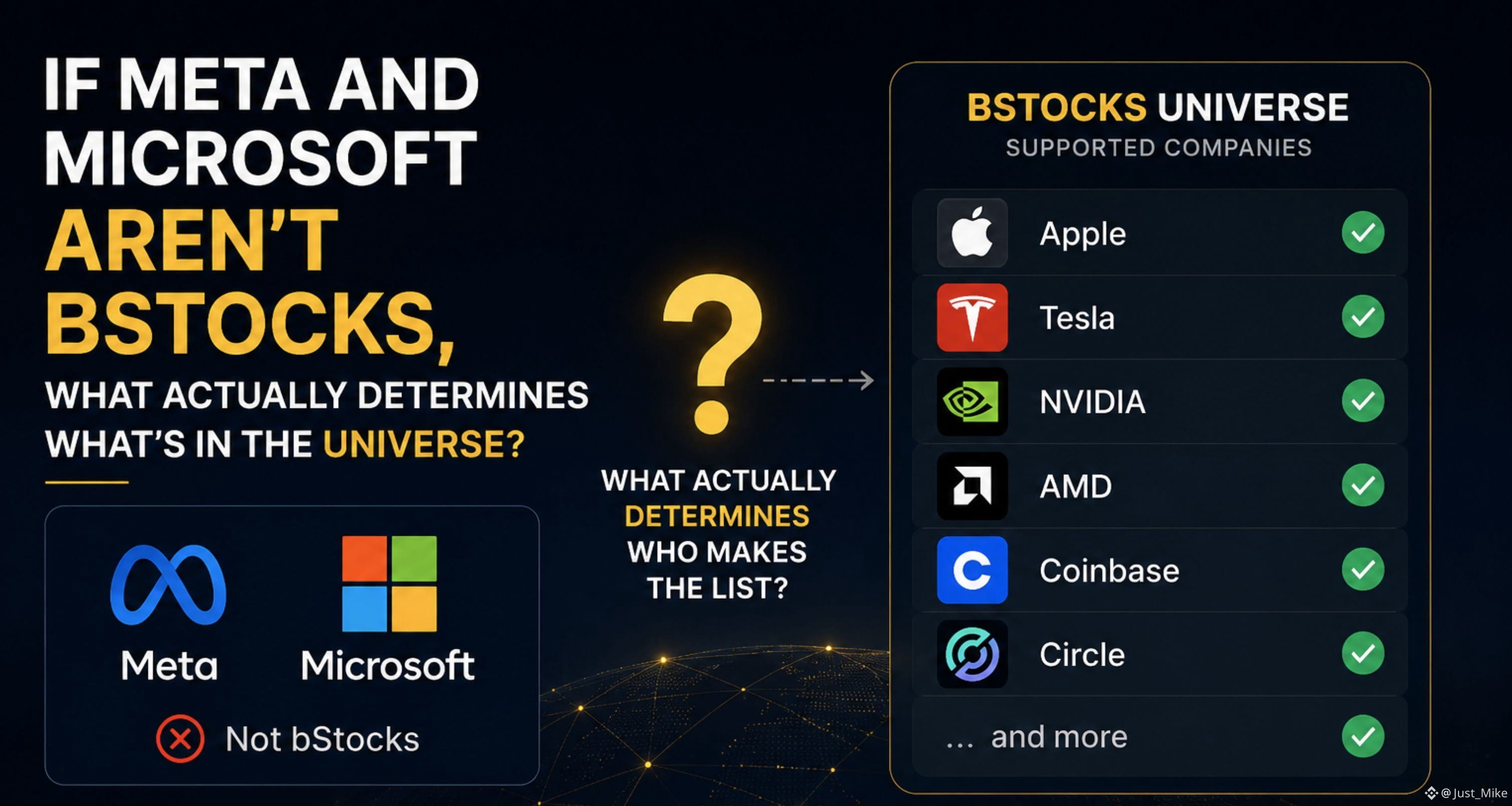
Meta社やMicrosoft社がbStocksではないなら、実際に誰がリスト入りするかを決めているのは何でしょうか?
私が初めてbStocksの世界を見たとき、私は単純な前提を置きました。
企業が大きくて有名な上場企業であれば、bStockとして提供されているはずだと考えたのです。
しかし、そこにはその前提を揺るがす出来事がありました:
Meta社とMicrosoft社はbStocksではないのです。
どちらも主要な上場企業です。
ですが、主要な上場企業であることと、利用可能なbStockであることは明らかに同じではありません。
そこで私は、Supported Companies(サポートされている企業)のリストを別の視点で見直しました。
「なぜMetaがここにいないのか?」と聞くのではなく、
「実際に、どのような資産がbStocksの世界の一部になるかを決めているのは何なのか?」と考え始めたのです。
このリストは、私がすでに米国の株式市場で知っている企業の単なる写しではありません。
それは、特定のサポート対象となるトークン化された株式エクスポージャーの集合です。
そして、その違いは重要だと思います。
今bStockを見るとき、裏にある企業への馴染みが、そのエクスポージャーが利用可能かどうかを教えてくれると決めつけたくありません。
むしろ、もっと単純な問いから始めたいです:
この資産は、本当にbStockとしてサポートされていますか?
#bstockscis @BinanceCIS
Meta社やMicrosoft社がbStocksではないなら、実際に誰がリスト入りするかを決めているのは何でしょうか?
私が初めてbStocksの世界を見たとき、私は単純な前提を置きました。
企業が大きくて有名な上場企業であれば、bStockとして提供されているはずだと考えたのです。
しかし、そこにはその前提を揺るがす出来事がありました:
Meta社とMicrosoft社はbStocksではないのです。
どちらも主要な上場企業です。
ですが、主要な上場企業であることと、利用可能なbStockであることは明らかに同じではありません。
そこで私は、Supported Companies(サポートされている企業)のリストを別の視点で見直しました。
「なぜMetaがここにいないのか?」と聞くのではなく、
「実際に、どのような資産がbStocksの世界の一部になるかを決めているのは何なのか?」と考え始めたのです。
このリストは、私がすでに米国の株式市場で知っている企業の単なる写しではありません。
それは、特定のサポート対象となるトークン化された株式エクスポージャーの集合です。
そして、その違いは重要だと思います。
今bStockを見るとき、裏にある企業への馴染みが、そのエクスポージャーが利用可能かどうかを教えてくれると決めつけたくありません。
むしろ、もっと単純な問いから始めたいです:
この資産は、本当にbStockとしてサポートされていますか?
#bstockscis @BinanceCIS
私が初めてbStocksの世界を見たとき、私は単純な前提を置きました。
企業が大きくて有名な上場企業であれば、bStockとして提供されているはずだと考えたのです。
しかし、そこにはその前提を揺るがす出来事がありました:
Meta社とMicrosoft社はbStocksではないのです。
どちらも主要な上場企業です。
ですが、主要な上場企業であることと、利用可能なbStockであることは明らかに同じではありません。
そこで私は、Supported Companies(サポートされている企業)のリストを別の視点で見直しました。
「なぜMetaがここにいないのか?」と聞くのではなく、
「実際に、どのような資産がbStocksの世界の一部になるかを決めているのは何なのか?」と考え始めたのです。
このリストは、私がすでに米国の株式市場で知っている企業の単なる写しではありません。
それは、特定のサポート対象となるトークン化された株式エクスポージャーの集合です。
そして、その違いは重要だと思います。
今bStockを見るとき、裏にある企業への馴染みが、そのエクスポージャーが利用可能かどうかを教えてくれると決めつけたくありません。
むしろ、もっと単純な問いから始めたいです:
この資産は、本当にbStockとしてサポートされていますか?
#bstockscis @BinanceCIS
1
110
·
--
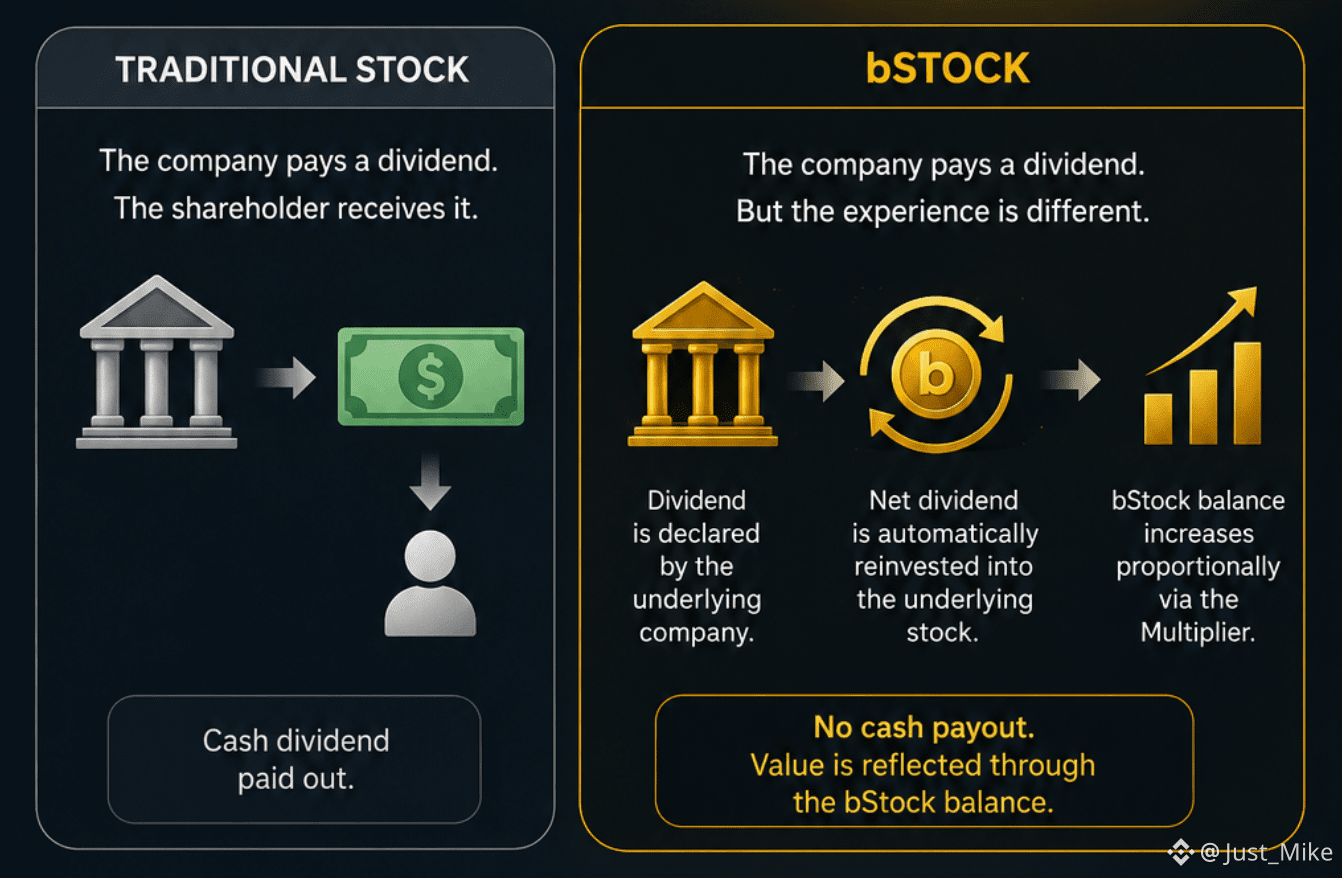
bStockの裏にある株式が配当を出すと、何が起きるのでしょうか?
以前は、配当は株を保有するうえで最もシンプルな部分の一つだと考えていました。
会社が配当を支払う。
株主が受け取る。
シンプルです。
でも、その後 bStock における配当の仕組みを調べ始めました。
裏にある株式は依然として配当を出せますが、株を直接保有する場合と体験は同じではありません。
bStock では、純額の配当は現金として払い出されません。
代わりに、自動的に裏にある株式へ再投資され、Multplier(倍率)によって bStock の残高が比例的に増加する形で、その価値が反映されます。
そうすると、以前は考えていなかったことに思い至りました。
同じ企業へのエクスポージャーがあるからといって、すべての企業イベントを同じように体験できるとは限らないのです。
裏にある会社は同じでも。
経済的な利益はなお反映される。
しかし、その利益が自分に届く方法はまったく別になることがあります。
そして、これはトークン化された資産についての、より面白い点の一つだと思います。
同じ裏にある会社でも、同じ投資家体験とは限りません。
#bstockscis @BinanceCIS
bStockの裏にある株式が配当を出すと、何が起きるのでしょうか?
以前は、配当は株を保有するうえで最もシンプルな部分の一つだと考えていました。
会社が配当を支払う。
株主が受け取る。
シンプルです。
でも、その後 bStock における配当の仕組みを調べ始めました。
裏にある株式は依然として配当を出せますが、株を直接保有する場合と体験は同じではありません。
bStock では、純額の配当は現金として払い出されません。
代わりに、自動的に裏にある株式へ再投資され、Multplier(倍率)によって bStock の残高が比例的に増加する形で、その価値が反映されます。
そうすると、以前は考えていなかったことに思い至りました。
同じ企業へのエクスポージャーがあるからといって、すべての企業イベントを同じように体験できるとは限らないのです。
裏にある会社は同じでも。
経済的な利益はなお反映される。
しかし、その利益が自分に届く方法はまったく別になることがあります。
そして、これはトークン化された資産についての、より面白い点の一つだと思います。
同じ裏にある会社でも、同じ投資家体験とは限りません。
#bstockscis @BinanceCIS
以前は、配当は株を保有するうえで最もシンプルな部分の一つだと考えていました。
会社が配当を支払う。
株主が受け取る。
シンプルです。
でも、その後 bStock における配当の仕組みを調べ始めました。
裏にある株式は依然として配当を出せますが、株を直接保有する場合と体験は同じではありません。
bStock では、純額の配当は現金として払い出されません。
代わりに、自動的に裏にある株式へ再投資され、Multplier(倍率)によって bStock の残高が比例的に増加する形で、その価値が反映されます。
そうすると、以前は考えていなかったことに思い至りました。
同じ企業へのエクスポージャーがあるからといって、すべての企業イベントを同じように体験できるとは限らないのです。
裏にある会社は同じでも。
経済的な利益はなお反映される。
しかし、その利益が自分に届く方法はまったく別になることがあります。
そして、これはトークン化された資産についての、より面白い点の一つだと思います。
同じ裏にある会社でも、同じ投資家体験とは限りません。
#bstockscis @BinanceCIS
72
·
--
BinanceでbStockを取引するとしたら、実際に発行しているのは誰でしょうか?
最初にbStockを見たとき、私は自然にその商品をBinanceに結びつけて考えてしまいました。
Binance上でティッカーを見ます。
Binanceで取引します。
Binanceを通じてポジションを管理します。
そこで疑問に思いました。
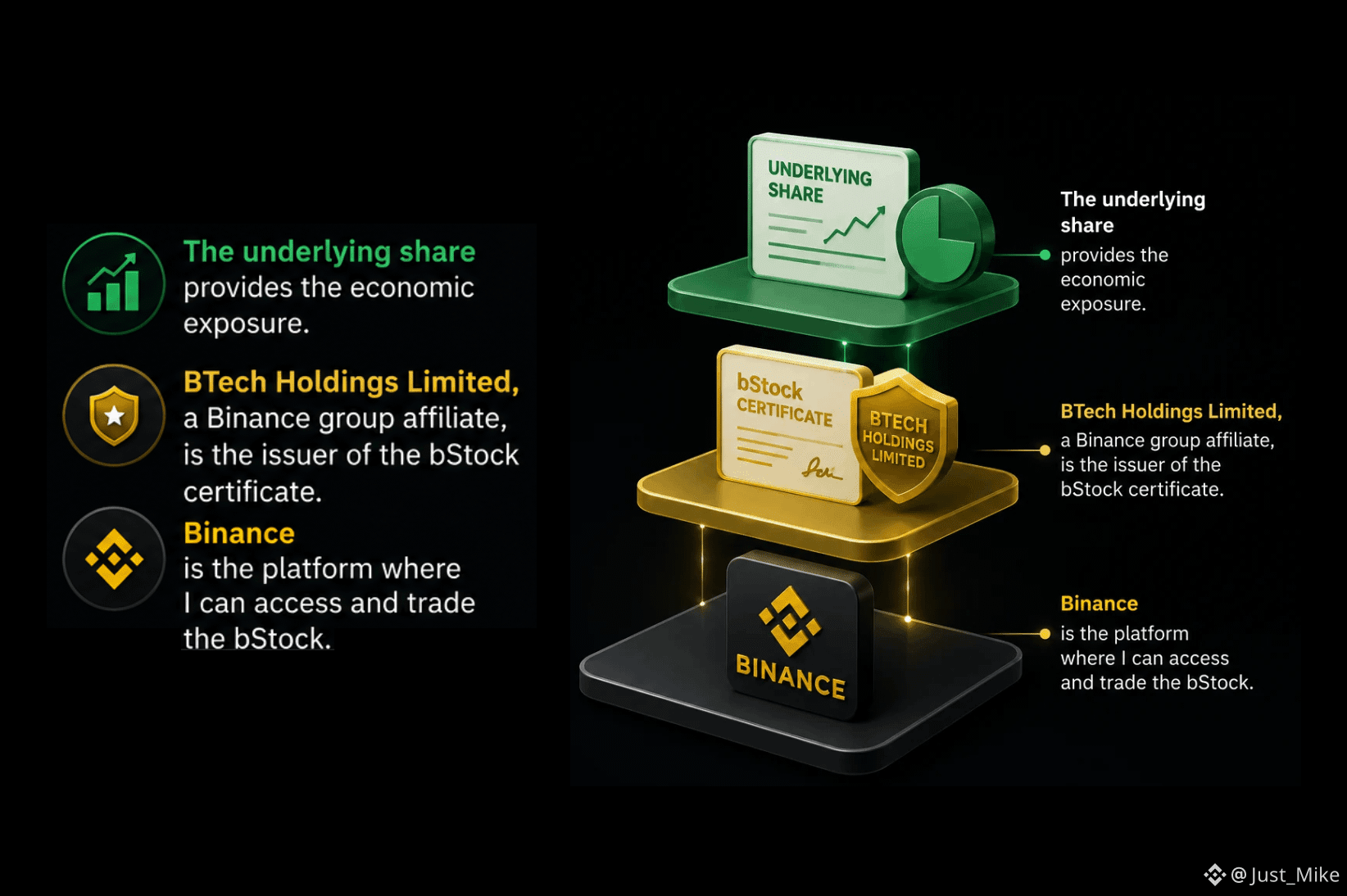
では、私が持っている証明書を実際に発行しているのは誰なのか?
答えは、少し驚かせてくれました。Binanceグループの関連会社であるBTech Holdings Limitedが発行元です。
そして、その違いが私の注意を引きました。
Binanceは、私がその資産にアクセスして取引する場所です。
BTech Holdingsは、bStock証明書の発行元です。
この2つは、すべてが同じインターフェース内に見えているときは、頭の中で簡単に一体として結びつけられます。
しかし、それらは構造の異なる部分を指しています。
そして、トークン化された資産を見る上で、この点は重要な問いだと思います。
取引所の中にある資産を見たとき、取引所そのものが発行元だと、無意識に決めつけてはいけません。
そこで今では、
「このトークンは何を裏付けにしているのか?」
に加えて、
「私が持っている証明書を実際に発行したのは誰なのか?」
も考えるようになりました。
私にとっては、それによって、トークン化された資産そのものを理解するうえでの別の層が加わります。
ティッカーは、私がどのエクスポージャーを見ているのかを教えてくれます。
発行元は、そのエクスポージャーを表す証明書を誰が発行したのかを教えてくれます。
#bstockscis @BinanceCIS
BinanceでbStockを取引するとしたら、実際に発行しているのは誰でしょうか?
最初にbStockを見たとき、私は自然にその商品をBinanceに結びつけて考えてしまいました。
Binance上でティッカーを見ます。
Binanceで取引します。
Binanceを通じてポジションを管理します。
そこで疑問に思いました。
では、私が持っている証明書を実際に発行しているのは誰なのか?
答えは、少し驚かせてくれました。Binanceグループの関連会社であるBTech Holdings Limitedが発行元です。
そして、その違いが私の注意を引きました。
Binanceは、私がその資産にアクセスして取引する場所です。
BTech Holdingsは、bStock証明書の発行元です。
この2つは、すべてが同じインターフェース内に見えているときは、頭の中で簡単に一体として結びつけられます。
しかし、それらは構造の異なる部分を指しています。
そして、トークン化された資産を見る上で、この点は重要な問いだと思います。
取引所の中にある資産を見たとき、取引所そのものが発行元だと、無意識に決めつけてはいけません。
そこで今では、
「このトークンは何を裏付けにしているのか?」
に加えて、
「私が持っている証明書を実際に発行したのは誰なのか?」
も考えるようになりました。
私にとっては、それによって、トークン化された資産そのものを理解するうえでの別の層が加わります。
ティッカーは、私がどのエクスポージャーを見ているのかを教えてくれます。
発行元は、そのエクスポージャーを表す証明書を誰が発行したのかを教えてくれます。
#bstockscis @BinanceCIS
最初にbStockを見たとき、私は自然にその商品をBinanceに結びつけて考えてしまいました。
Binance上でティッカーを見ます。
Binanceで取引します。
Binanceを通じてポジションを管理します。
そこで疑問に思いました。
では、私が持っている証明書を実際に発行しているのは誰なのか?
答えは、少し驚かせてくれました。Binanceグループの関連会社であるBTech Holdings Limitedが発行元です。
そして、その違いが私の注意を引きました。
Binanceは、私がその資産にアクセスして取引する場所です。
BTech Holdingsは、bStock証明書の発行元です。
この2つは、すべてが同じインターフェース内に見えているときは、頭の中で簡単に一体として結びつけられます。
しかし、それらは構造の異なる部分を指しています。
そして、トークン化された資産を見る上で、この点は重要な問いだと思います。
取引所の中にある資産を見たとき、取引所そのものが発行元だと、無意識に決めつけてはいけません。
そこで今では、
「このトークンは何を裏付けにしているのか?」
に加えて、
「私が持っている証明書を実際に発行したのは誰なのか?」
も考えるようになりました。
私にとっては、それによって、トークン化された資産そのものを理解するうえでの別の層が加わります。
ティッカーは、私がどのエクスポージャーを見ているのかを教えてくれます。
発行元は、そのエクスポージャーを表す証明書を誰が発行したのかを教えてくれます。
#bstockscis @BinanceCIS
1
1
101
·
--
Binanceの幅広い株式取引への取り組みで、株主の約73%が新興国出身である(その基準にはCISが含まれる)としたら、株式へのアクセスは世界中で同じやり方で機能すべきなのでしょうか?
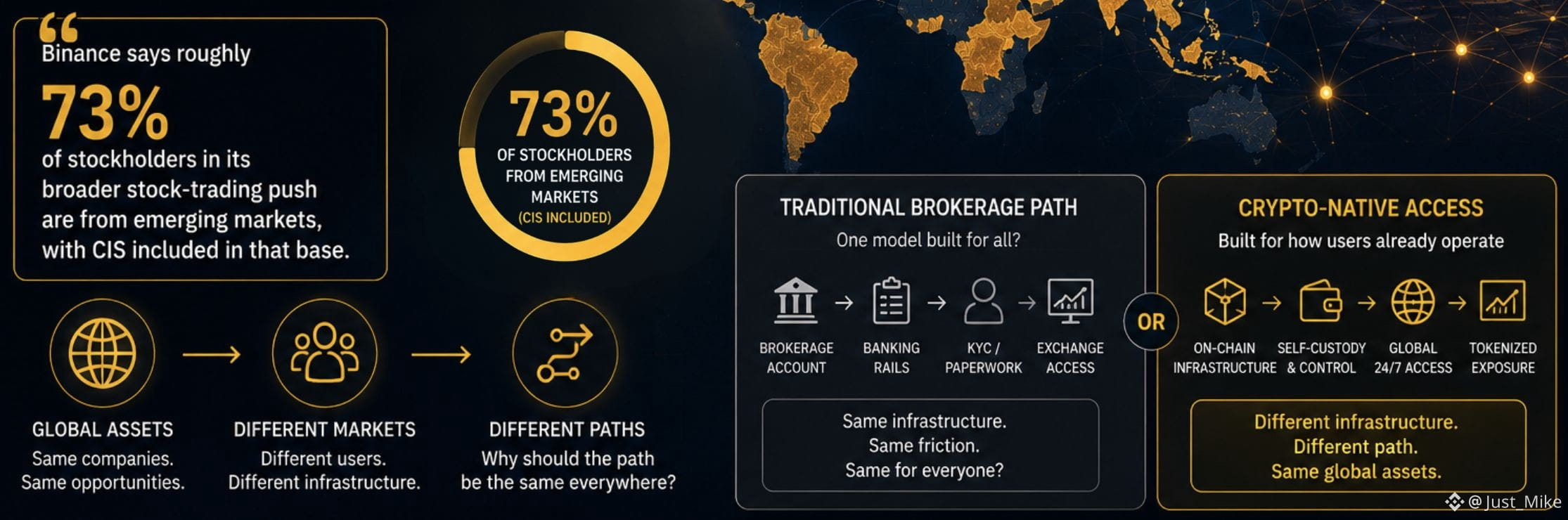
bStocksの資料の中で、ある数字が私の注意を引きました:
Binanceは、より広い株式取引の取り組みにおける株主の約73%が新興国出身であり、その前提にはCISが含まれると述べています。
それを見て、トークン化について別の観点で考えるようになりました。
私たちはしばしば、グローバル株式へのアクセスは、そのアクセスの裏側にあるインフラも世界中で同じに見えるはずだ、というふうに扱いがちです。
でも、それでいいとは思いません。
ユーザーがすでに暗号資産のインフラを通じて活動しているのなら、なぜ株式へのアクセスが、従来のブローカレッジ市場と同じ道筋を必ず辿る必要があるのでしょうか?
面白い問いは、次の点だけではありません:
「株式をオンチェーンにできるのか?」
それに加えて:
「なぜグローバル株への道筋はどこでも同じであるべきなのか?」
そして、私はこの73%という数字が、その問いをより興味深いものにしていると思います。
将来の株式へのアクセスは、1つのユニバーサルなモデルにはならないのかもしれません。
おそらく、異なる市場が、それぞれ異なる経路で同じグローバル資産に到達することになるでしょう。
#bstockscis @BinanceCIS
Binanceの幅広い株式取引への取り組みで、株主の約73%が新興国出身である(その基準にはCISが含まれる)としたら、株式へのアクセスは世界中で同じやり方で機能すべきなのでしょうか?
bStocksの資料の中で、ある数字が私の注意を引きました:
Binanceは、より広い株式取引の取り組みにおける株主の約73%が新興国出身であり、その前提にはCISが含まれると述べています。
それを見て、トークン化について別の観点で考えるようになりました。
私たちはしばしば、グローバル株式へのアクセスは、そのアクセスの裏側にあるインフラも世界中で同じに見えるはずだ、というふうに扱いがちです。
でも、それでいいとは思いません。
ユーザーがすでに暗号資産のインフラを通じて活動しているのなら、なぜ株式へのアクセスが、従来のブローカレッジ市場と同じ道筋を必ず辿る必要があるのでしょうか?
面白い問いは、次の点だけではありません:
「株式をオンチェーンにできるのか?」
それに加えて:
「なぜグローバル株への道筋はどこでも同じであるべきなのか?」
そして、私はこの73%という数字が、その問いをより興味深いものにしていると思います。
将来の株式へのアクセスは、1つのユニバーサルなモデルにはならないのかもしれません。
おそらく、異なる市場が、それぞれ異なる経路で同じグローバル資産に到達することになるでしょう。
#bstockscis @BinanceCIS
bStocksの資料の中で、ある数字が私の注意を引きました:
Binanceは、より広い株式取引の取り組みにおける株主の約73%が新興国出身であり、その前提にはCISが含まれると述べています。
それを見て、トークン化について別の観点で考えるようになりました。
私たちはしばしば、グローバル株式へのアクセスは、そのアクセスの裏側にあるインフラも世界中で同じに見えるはずだ、というふうに扱いがちです。
でも、それでいいとは思いません。
ユーザーがすでに暗号資産のインフラを通じて活動しているのなら、なぜ株式へのアクセスが、従来のブローカレッジ市場と同じ道筋を必ず辿る必要があるのでしょうか?
面白い問いは、次の点だけではありません:
「株式をオンチェーンにできるのか?」
それに加えて:
「なぜグローバル株への道筋はどこでも同じであるべきなのか?」
そして、私はこの73%という数字が、その問いをより興味深いものにしていると思います。
将来の株式へのアクセスは、1つのユニバーサルなモデルにはならないのかもしれません。
おそらく、異なる市場が、それぞれ異なる経路で同じグローバル資産に到達することになるでしょう。
#bstockscis @BinanceCIS
2
1
104
·
--
株式はティッカー数以上に変化をもたらし得ます。
私は、別の視点からbStocksについて考え始めました。
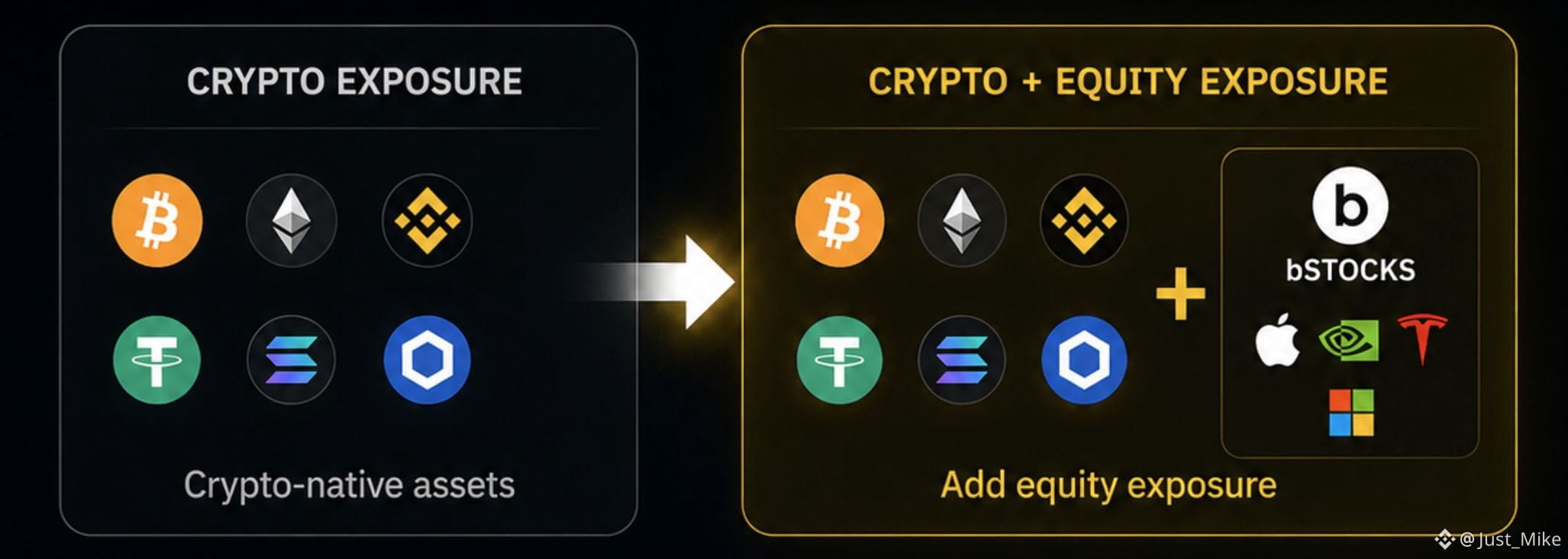
すでに暗号資産にかなり大きく投資しているなら、株式へのエクスポージャーを追加することで、より興味深い問いが生まれます。
単にリストに別の資産を加えるだけではありません。
それは、異なるタイプのエクスポージャーを加えることです。
だからこそ、bStocksが私にとって面白いのです。
私はそれらを、主に従来の証券ブローカーの代替だとは見ていません。
むしろ、すでに暗号資産の環境の中で運用している人が、ポートフォリオの置き場所を完全に変えずに、株式へのエクスポージャーを追加する手段だと捉えています。
そして、それはより興味深い問いを引き起こします。
株を追加することで本当にポートフォリオは分散されるのか?それとも、私は単に別のティッカーを増やしているだけなのか?
私の場合、その答えはポートフォリオの残りがどう見えているか次第です。
もし誰かがすでに暗号資産に大きくさらされているなら、株式ポジションは、別の暗号資産とは違う形で、そのポートフォリオの構造を変え得ます。
だから、bStocksを見るより有用な見方は、こうではないと思うのです。
「Binanceで株を買えるのか?」
むしろこうです。
「暗号を軸に作られたポートフォリオに株式のエクスポージャーを追加すると、何が起きるのか?」
それこそが、私にとってはずっと興味深い問いのように思えます。
#bstockscis @BinanceCIS
株式はティッカー数以上に変化をもたらし得ます。
私は、別の視点からbStocksについて考え始めました。
すでに暗号資産にかなり大きく投資しているなら、株式へのエクスポージャーを追加することで、より興味深い問いが生まれます。
単にリストに別の資産を加えるだけではありません。
それは、異なるタイプのエクスポージャーを加えることです。
だからこそ、bStocksが私にとって面白いのです。
私はそれらを、主に従来の証券ブローカーの代替だとは見ていません。
むしろ、すでに暗号資産の環境の中で運用している人が、ポートフォリオの置き場所を完全に変えずに、株式へのエクスポージャーを追加する手段だと捉えています。
そして、それはより興味深い問いを引き起こします。
株を追加することで本当にポートフォリオは分散されるのか?それとも、私は単に別のティッカーを増やしているだけなのか?
私の場合、その答えはポートフォリオの残りがどう見えているか次第です。
もし誰かがすでに暗号資産に大きくさらされているなら、株式ポジションは、別の暗号資産とは違う形で、そのポートフォリオの構造を変え得ます。
だから、bStocksを見るより有用な見方は、こうではないと思うのです。
「Binanceで株を買えるのか?」
むしろこうです。
「暗号を軸に作られたポートフォリオに株式のエクスポージャーを追加すると、何が起きるのか?」
それこそが、私にとってはずっと興味深い問いのように思えます。
#bstockscis @BinanceCIS
私は、別の視点からbStocksについて考え始めました。
すでに暗号資産にかなり大きく投資しているなら、株式へのエクスポージャーを追加することで、より興味深い問いが生まれます。
単にリストに別の資産を加えるだけではありません。
それは、異なるタイプのエクスポージャーを加えることです。
だからこそ、bStocksが私にとって面白いのです。
私はそれらを、主に従来の証券ブローカーの代替だとは見ていません。
むしろ、すでに暗号資産の環境の中で運用している人が、ポートフォリオの置き場所を完全に変えずに、株式へのエクスポージャーを追加する手段だと捉えています。
そして、それはより興味深い問いを引き起こします。
株を追加することで本当にポートフォリオは分散されるのか?それとも、私は単に別のティッカーを増やしているだけなのか?
私の場合、その答えはポートフォリオの残りがどう見えているか次第です。
もし誰かがすでに暗号資産に大きくさらされているなら、株式ポジションは、別の暗号資産とは違う形で、そのポートフォリオの構造を変え得ます。
だから、bStocksを見るより有用な見方は、こうではないと思うのです。
「Binanceで株を買えるのか?」
むしろこうです。
「暗号を軸に作られたポートフォリオに株式のエクスポージャーを追加すると、何が起きるのか?」
それこそが、私にとってはずっと興味深い問いのように思えます。
#bstockscis @BinanceCIS
105
·
--
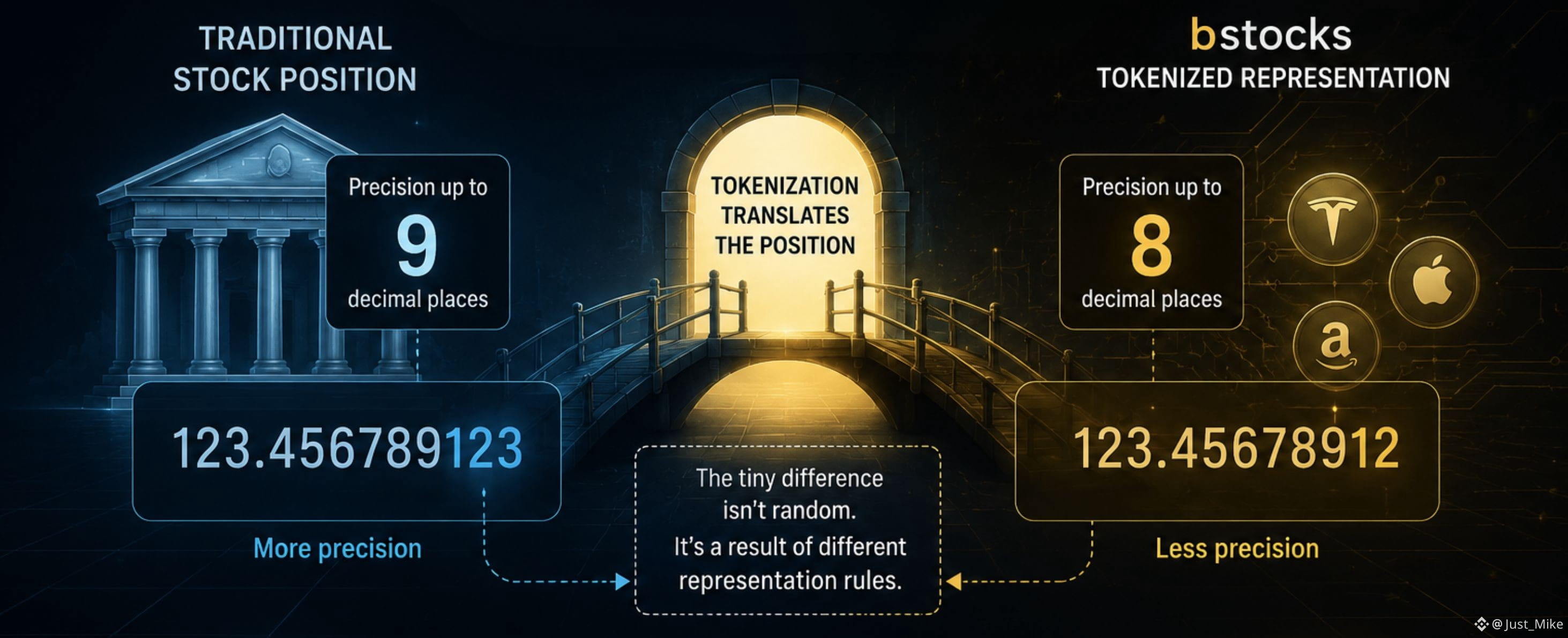
bStocks と、それに対応する株式ポジションが、常にまったく同じ精度で金額を表しているわけではないことに気づきました。最初は、それが多くのユーザーが安全に無視できる種類の技術的な細部のように思えました。
しかし、次第にこう考えるようになりました:
その程度の違いは、本当にその資産を保有している人にとって意味があるのでしょうか?
私の関心を引いたのは、小数点が欠けていること自体ではなく、トークン化によってポジションが、ある金融システムの表現から別の表現へと変換される必要がある、という事実でした。
それで、私はトークン化を少し別の見方で捉えるようになりました。私たちは通常、伝統的な資産とトークン化された資産の大きな違い――カストディ、取引時間、裏付け、決済――について語ります。ですが、もっと小さく、そしてより技術的な違いも存在します。
そして、そうした小さな違いでも、元の金融ポジションがトークンへどのように翻訳(変換)されるのかを示すため、やはり重要になり得ます。
私にとって面白いのは、「なぜ小数点が1桁少ないのか?」ということでは実はありません。
むしろ、次のような問いです:
「2つの金融システムが同じ資産を、異なる形で表現する必要があるとき、何が起きるのか?」
私は今、目にした差が本当に意味のあるものかどうかを判断する前に、こうした細部を理解したいと思っています。
資産残高のごく小さな差に気づいたとき、あなたは通常、それが生じた原因を調べますか?それとも、重要ではないほど小さいと決めつけますか?
#bstockscis @BinanceCIS
bStocks と、それに対応する株式ポジションが、常にまったく同じ精度で金額を表しているわけではないことに気づきました。最初は、それが多くのユーザーが安全に無視できる種類の技術的な細部のように思えました。
しかし、次第にこう考えるようになりました:
その程度の違いは、本当にその資産を保有している人にとって意味があるのでしょうか?
私の関心を引いたのは、小数点が欠けていること自体ではなく、トークン化によってポジションが、ある金融システムの表現から別の表現へと変換される必要がある、という事実でした。
それで、私はトークン化を少し別の見方で捉えるようになりました。私たちは通常、伝統的な資産とトークン化された資産の大きな違い――カストディ、取引時間、裏付け、決済――について語ります。ですが、もっと小さく、そしてより技術的な違いも存在します。
そして、そうした小さな違いでも、元の金融ポジションがトークンへどのように翻訳(変換)されるのかを示すため、やはり重要になり得ます。
私にとって面白いのは、「なぜ小数点が1桁少ないのか?」ということでは実はありません。
むしろ、次のような問いです:
「2つの金融システムが同じ資産を、異なる形で表現する必要があるとき、何が起きるのか?」
私は今、目にした差が本当に意味のあるものかどうかを判断する前に、こうした細部を理解したいと思っています。
資産残高のごく小さな差に気づいたとき、あなたは通常、それが生じた原因を調べますか?それとも、重要ではないほど小さいと決めつけますか?
#bstockscis @BinanceCIS
しかし、次第にこう考えるようになりました:
その程度の違いは、本当にその資産を保有している人にとって意味があるのでしょうか?
私の関心を引いたのは、小数点が欠けていること自体ではなく、トークン化によってポジションが、ある金融システムの表現から別の表現へと変換される必要がある、という事実でした。
それで、私はトークン化を少し別の見方で捉えるようになりました。私たちは通常、伝統的な資産とトークン化された資産の大きな違い――カストディ、取引時間、裏付け、決済――について語ります。ですが、もっと小さく、そしてより技術的な違いも存在します。
そして、そうした小さな違いでも、元の金融ポジションがトークンへどのように翻訳(変換)されるのかを示すため、やはり重要になり得ます。
私にとって面白いのは、「なぜ小数点が1桁少ないのか?」ということでは実はありません。
むしろ、次のような問いです:
「2つの金融システムが同じ資産を、異なる形で表現する必要があるとき、何が起きるのか?」
私は今、目にした差が本当に意味のあるものかどうかを判断する前に、こうした細部を理解したいと思っています。
資産残高のごく小さな差に気づいたとき、あなたは通常、それが生じた原因を調べますか?それとも、重要ではないほど小さいと決めつけますか?
#bstockscis @BinanceCIS
1
95
·
--
トークン化された株式について学べば学ぶほど、暗号資産のように“完全に同じ動き”をするとは期待しなくなりました。
最初は、ある資産がオンチェーン上に存在した時点で、すべてのものがいつでも即座に利用できるはずだと思っていました。
しかし、その後ドキュメントを見ていて面白い点に気づきました。
特定のコーポレートアクションやメンテナンスの間、一部の操作が一時的に利用できないことがあるのです。
最初に思ったのはこうでした。
「ブロックチェーンは、こうした種類の制約を取り除くためのものではないの?」
でも考えた結果、逆なんだと分かりました。
トークン化された株式は、それを支える“実在する企業”との切り離しを目指しているわけではありません。
むしろ、それと同期し続けようとしているのです。
基礎となる資産が合併、株式分割、または別のコーポレートイベントの最中にあるなら、あらゆる操作を無分別に続行してしまうことは、トークンと、それが表す元の資産との間に不整合を生む可能性があります。
言い換えれば、一時的な制限は必ずしも弱点ではありません。
まったく異なる2つの金融システム同士の“つながり”を保つための一部であることもあるのです。
それによって、私のトークン化に対する考え方が変わりました。
以前は、可用性こそが最も重要だと見ていました。
でも今は、一貫性のほうがさらに大切かもしれないと思っています。
常に利用可能なシステムと、常に基礎となる資産につながり続け、そのつながりを正確に保てるシステム――あなたならどちらを選びますか?
#bstockscis @BinanceCIS
トークン化された株式について学べば学ぶほど、暗号資産のように“完全に同じ動き”をするとは期待しなくなりました。
最初は、ある資産がオンチェーン上に存在した時点で、すべてのものがいつでも即座に利用できるはずだと思っていました。
しかし、その後ドキュメントを見ていて面白い点に気づきました。
特定のコーポレートアクションやメンテナンスの間、一部の操作が一時的に利用できないことがあるのです。
最初に思ったのはこうでした。
「ブロックチェーンは、こうした種類の制約を取り除くためのものではないの?」
でも考えた結果、逆なんだと分かりました。
トークン化された株式は、それを支える“実在する企業”との切り離しを目指しているわけではありません。
むしろ、それと同期し続けようとしているのです。
基礎となる資産が合併、株式分割、または別のコーポレートイベントの最中にあるなら、あらゆる操作を無分別に続行してしまうことは、トークンと、それが表す元の資産との間に不整合を生む可能性があります。
言い換えれば、一時的な制限は必ずしも弱点ではありません。
まったく異なる2つの金融システム同士の“つながり”を保つための一部であることもあるのです。
それによって、私のトークン化に対する考え方が変わりました。
以前は、可用性こそが最も重要だと見ていました。
でも今は、一貫性のほうがさらに大切かもしれないと思っています。
常に利用可能なシステムと、常に基礎となる資産につながり続け、そのつながりを正確に保てるシステム――あなたならどちらを選びますか?
#bstockscis @BinanceCIS
最初は、ある資産がオンチェーン上に存在した時点で、すべてのものがいつでも即座に利用できるはずだと思っていました。
しかし、その後ドキュメントを見ていて面白い点に気づきました。
特定のコーポレートアクションやメンテナンスの間、一部の操作が一時的に利用できないことがあるのです。
最初に思ったのはこうでした。
「ブロックチェーンは、こうした種類の制約を取り除くためのものではないの?」
でも考えた結果、逆なんだと分かりました。
トークン化された株式は、それを支える“実在する企業”との切り離しを目指しているわけではありません。
むしろ、それと同期し続けようとしているのです。
基礎となる資産が合併、株式分割、または別のコーポレートイベントの最中にあるなら、あらゆる操作を無分別に続行してしまうことは、トークンと、それが表す元の資産との間に不整合を生む可能性があります。
言い換えれば、一時的な制限は必ずしも弱点ではありません。
まったく異なる2つの金融システム同士の“つながり”を保つための一部であることもあるのです。
それによって、私のトークン化に対する考え方が変わりました。
以前は、可用性こそが最も重要だと見ていました。
でも今は、一貫性のほうがさらに大切かもしれないと思っています。
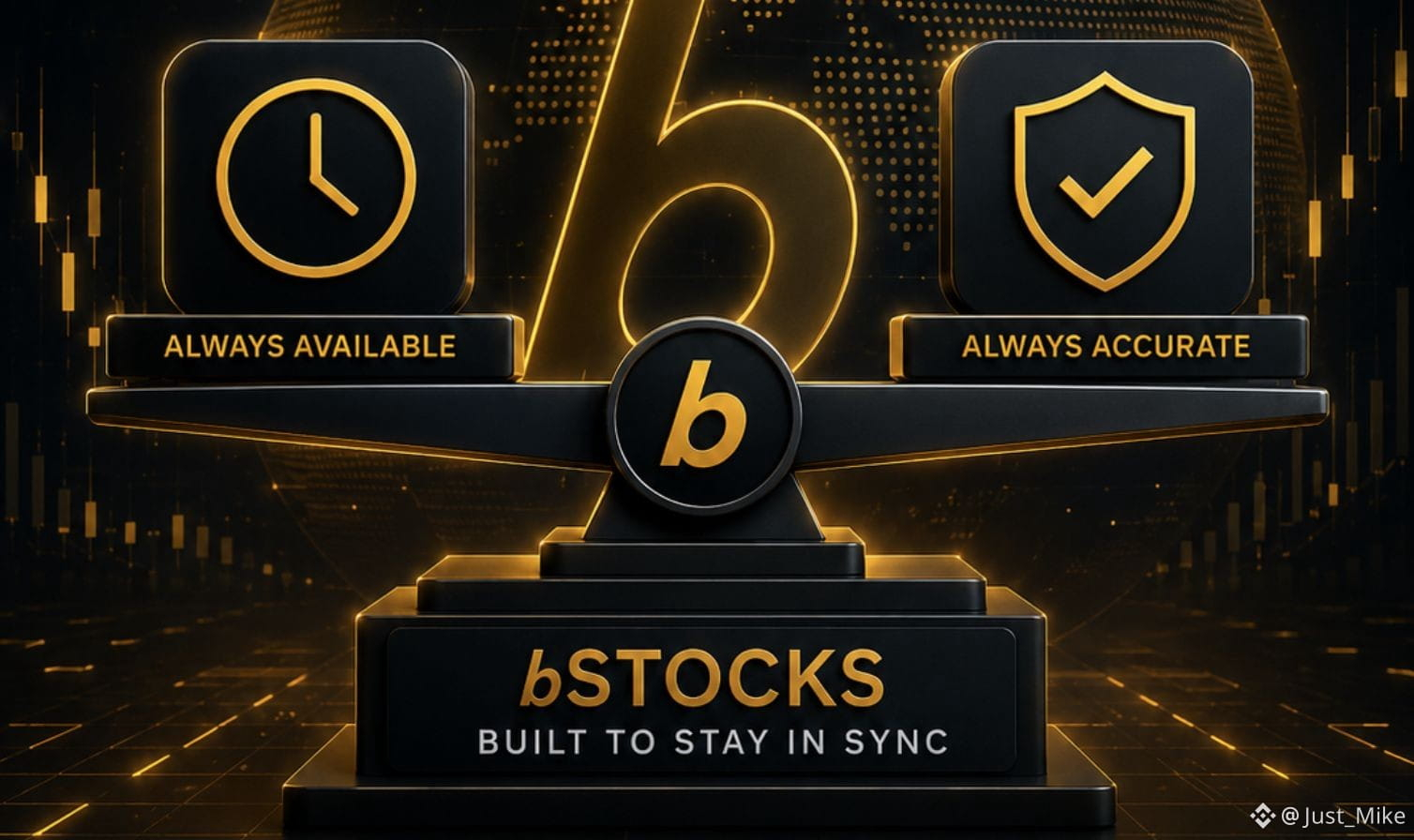
常に利用可能なシステムと、常に基礎となる資産につながり続け、そのつながりを正確に保てるシステム――あなたならどちらを選びますか?
#bstockscis @BinanceCIS
117
·
--
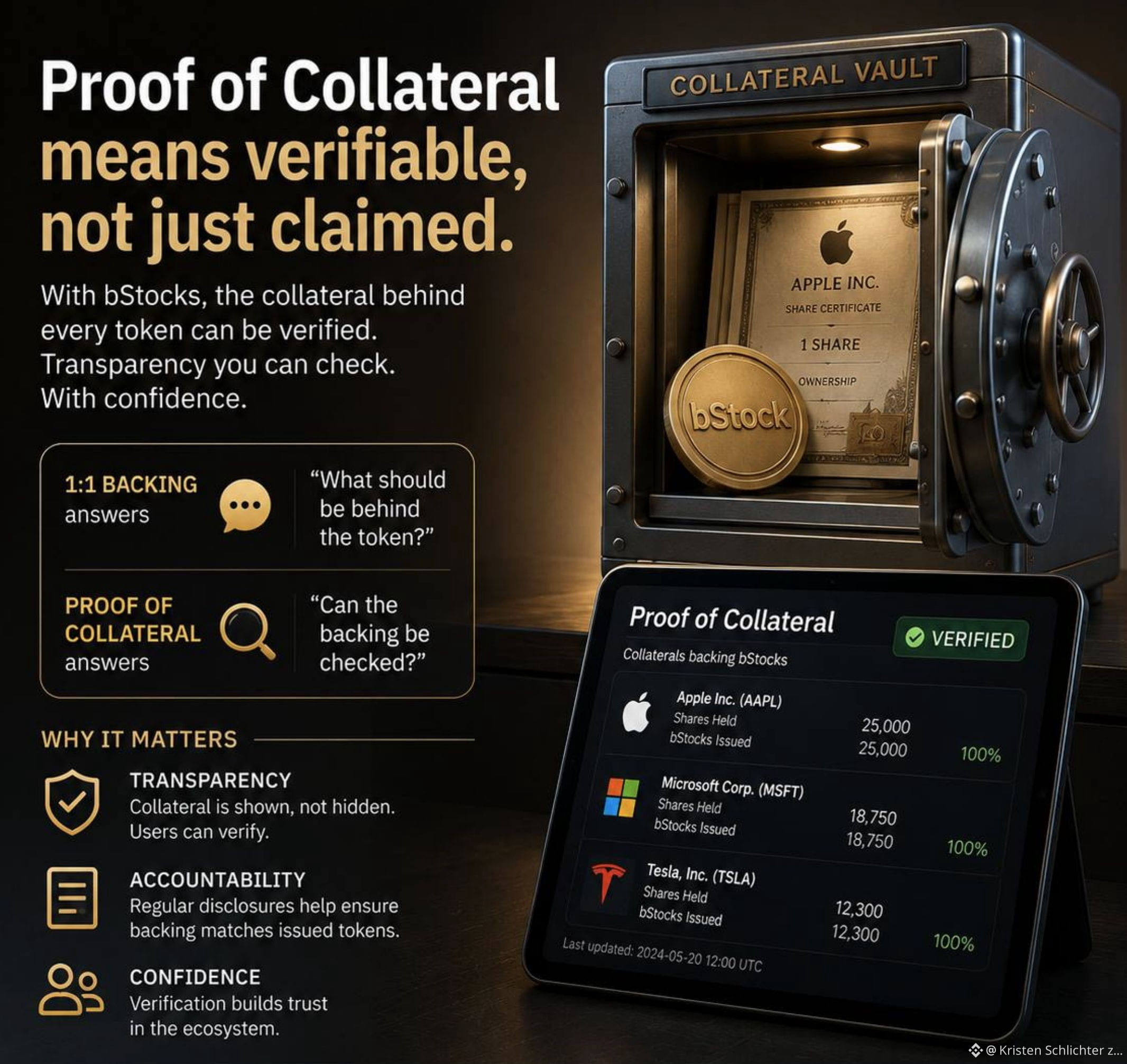
「1:1で裏付けられている」という言葉は安心感を与えます。ですが、より重要な疑問に気づきました。つまり、「それをどうやって確認できるのか?」です。
トークン化された有価証券では、発行されたすべてのトークンが裏付け資産によって裏付けられていると言うだけでは、物語の第一部分にすぎません。私がより関心を持ったのは、bStocksの背後にある担保(コラテラル)の証明(Proof of Collateral)メカニズムです。
その目的は、裏付けの存在をユーザーに「言明を信じて頼る」のではなく、発行されたbStocksを支える担保が「検証可能」であることを可能にすることです。
この違いによって、私はトークン化された資産の見方が変わりました。
1:1の裏付けは「そのトークンの裏側には何があるべきか?」に答えます。
担保の証明は「その裏付けは確認できるのか?」に答えます。
私にとっては、2つ目の問いも1つ目と同じくらい重要です。
トークンには見慣れたティッカーが付いていて、企業の価格にかなり連動しているかもしれません。しかし、それらだけでは、そのトークンを実際に支えているものが何かは教えてくれません。
そして今、私がトークン化された実世界の資産を見るとき、価格はもはや最初に理解したいものではありません。
私は次の2つの問いから始めます。
それは何の裏付けなのか——そして、それをどうやって検証できるのか?
@BinanceCIS #bStocksCIS
「1:1で裏付けられている」という言葉は安心感を与えます。ですが、より重要な疑問に気づきました。つまり、「それをどうやって確認できるのか?」です。
トークン化された有価証券では、発行されたすべてのトークンが裏付け資産によって裏付けられていると言うだけでは、物語の第一部分にすぎません。私がより関心を持ったのは、bStocksの背後にある担保(コラテラル)の証明(Proof of Collateral)メカニズムです。
その目的は、裏付けの存在をユーザーに「言明を信じて頼る」のではなく、発行されたbStocksを支える担保が「検証可能」であることを可能にすることです。
この違いによって、私はトークン化された資産の見方が変わりました。
1:1の裏付けは「そのトークンの裏側には何があるべきか?」に答えます。
担保の証明は「その裏付けは確認できるのか?」に答えます。
私にとっては、2つ目の問いも1つ目と同じくらい重要です。
トークンには見慣れたティッカーが付いていて、企業の価格にかなり連動しているかもしれません。しかし、それらだけでは、そのトークンを実際に支えているものが何かは教えてくれません。
そして今、私がトークン化された実世界の資産を見るとき、価格はもはや最初に理解したいものではありません。
私は次の2つの問いから始めます。
それは何の裏付けなのか——そして、それをどうやって検証できるのか?
@BinanceCIS #bStocksCIS
トークン化された有価証券では、発行されたすべてのトークンが裏付け資産によって裏付けられていると言うだけでは、物語の第一部分にすぎません。私がより関心を持ったのは、bStocksの背後にある担保(コラテラル)の証明(Proof of Collateral)メカニズムです。
その目的は、裏付けの存在をユーザーに「言明を信じて頼る」のではなく、発行されたbStocksを支える担保が「検証可能」であることを可能にすることです。
この違いによって、私はトークン化された資産の見方が変わりました。
1:1の裏付けは「そのトークンの裏側には何があるべきか?」に答えます。
担保の証明は「その裏付けは確認できるのか?」に答えます。
私にとっては、2つ目の問いも1つ目と同じくらい重要です。
トークンには見慣れたティッカーが付いていて、企業の価格にかなり連動しているかもしれません。しかし、それらだけでは、そのトークンを実際に支えているものが何かは教えてくれません。
そして今、私がトークン化された実世界の資産を見るとき、価格はもはや最初に理解したいものではありません。
私は次の2つの問いから始めます。
それは何の裏付けなのか——そして、それをどうやって検証できるのか?
@BinanceCIS #bStocksCIS
213
·
--
bStocksのドキュメントの中で私を驚かせたのは「買うこと」ではなく、その後に何が起こるかでした。
それまでは、私は企業アクションにあまり注意を払っていませんでした。株式分割、逆株式分割、配当の調整……それらはいつも背景の細部のように聞こえていたのです。
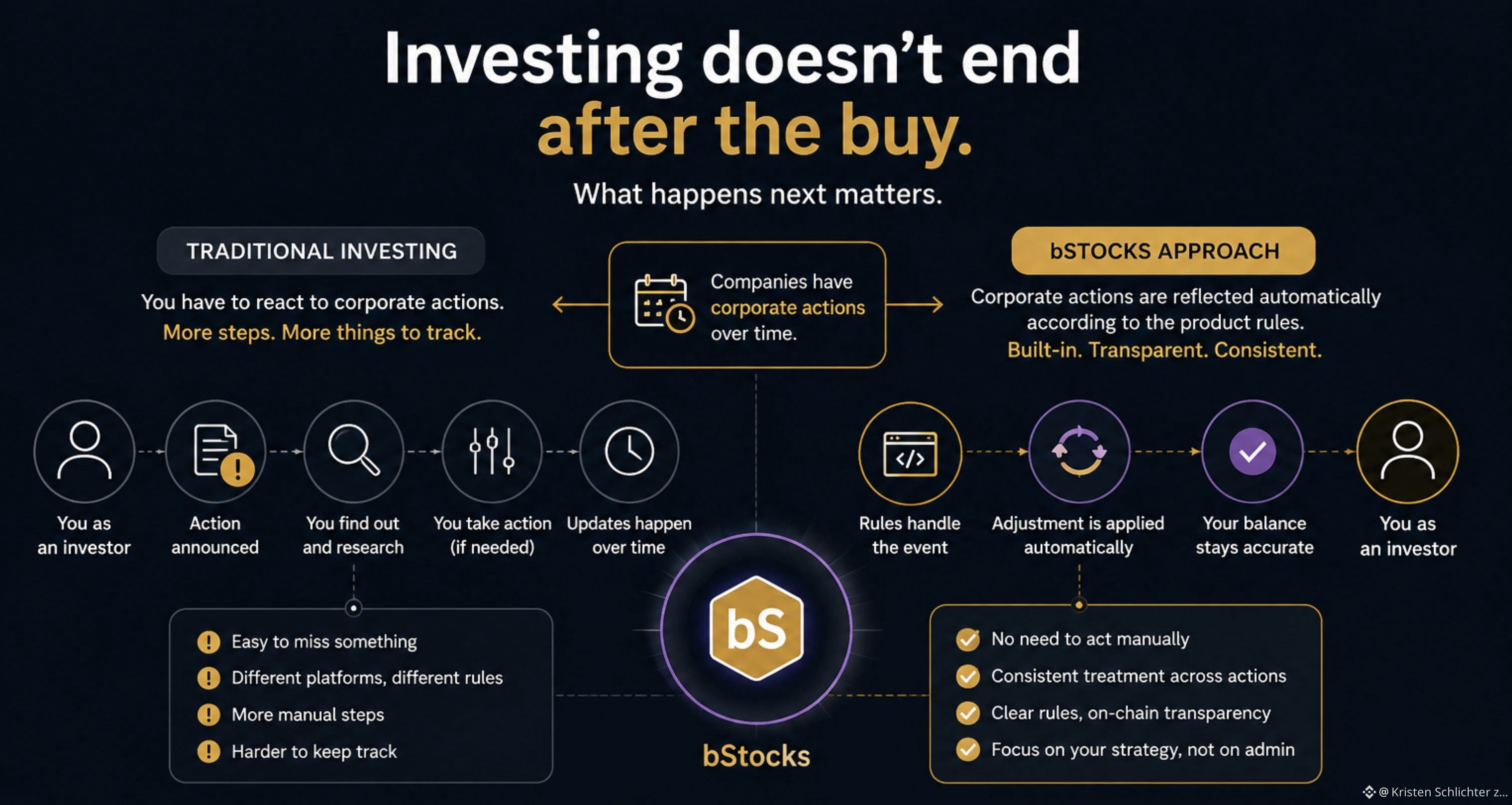
bStocksを読むことで、それらの出来事が実際には単なる市場で起きることではなく、商品の設計の一部だと気づきました。ユーザーがあらゆる企業アクションに対して手動で反応することを期待するのではなく、その仕組みは製品のルールに従って、それらの変更を自動的に反映するよう設計されています。
それは、私の金融商品の考え方を変えました。購入プロセスはあくまで始まりにすぎません。本当に重要なのは、その後に起こることすべてについて明確なルールがあるかどうかです。
たぶん1年前の私は、この点に気づいていなかったでしょう。今では、何か新しいことを学ぶときに最初に確認することの一つになっています。
金融商品の中で、あなたは通常どの部分を、ドキュメントを読むまで見落としがちですか?
@BinanceCIS #bStocksCIS $SPCXB
{spot}(SPCXBUSDT)
bStocksのドキュメントの中で私を驚かせたのは「買うこと」ではなく、その後に何が起こるかでした。
それまでは、私は企業アクションにあまり注意を払っていませんでした。株式分割、逆株式分割、配当の調整……それらはいつも背景の細部のように聞こえていたのです。
bStocksを読むことで、それらの出来事が実際には単なる市場で起きることではなく、商品の設計の一部だと気づきました。ユーザーがあらゆる企業アクションに対して手動で反応することを期待するのではなく、その仕組みは製品のルールに従って、それらの変更を自動的に反映するよう設計されています。
それは、私の金融商品の考え方を変えました。購入プロセスはあくまで始まりにすぎません。本当に重要なのは、その後に起こることすべてについて明確なルールがあるかどうかです。
たぶん1年前の私は、この点に気づいていなかったでしょう。今では、何か新しいことを学ぶときに最初に確認することの一つになっています。
金融商品の中で、あなたは通常どの部分を、ドキュメントを読むまで見落としがちですか?
@BinanceCIS #bStocksCIS $SPCXB
それまでは、私は企業アクションにあまり注意を払っていませんでした。株式分割、逆株式分割、配当の調整……それらはいつも背景の細部のように聞こえていたのです。
bStocksを読むことで、それらの出来事が実際には単なる市場で起きることではなく、商品の設計の一部だと気づきました。ユーザーがあらゆる企業アクションに対して手動で反応することを期待するのではなく、その仕組みは製品のルールに従って、それらの変更を自動的に反映するよう設計されています。
それは、私の金融商品の考え方を変えました。購入プロセスはあくまで始まりにすぎません。本当に重要なのは、その後に起こることすべてについて明確なルールがあるかどうかです。
たぶん1年前の私は、この点に気づいていなかったでしょう。今では、何か新しいことを学ぶときに最初に確認することの一つになっています。
金融商品の中で、あなたは通常どの部分を、ドキュメントを読むまで見落としがちですか?
@BinanceCIS #bStocksCIS $SPCXB
138
·
--
GRVTについて読んでいて気づいたことのひとつは、インフラに対して人々があまり注目していないことです。
会話は自然と、ユーザーが毎日触れている「機能」の話に行き着きがちです。
しかし、機能が意味を持つのは、その下にあるものすべてがきちんと作られている場合だけです。
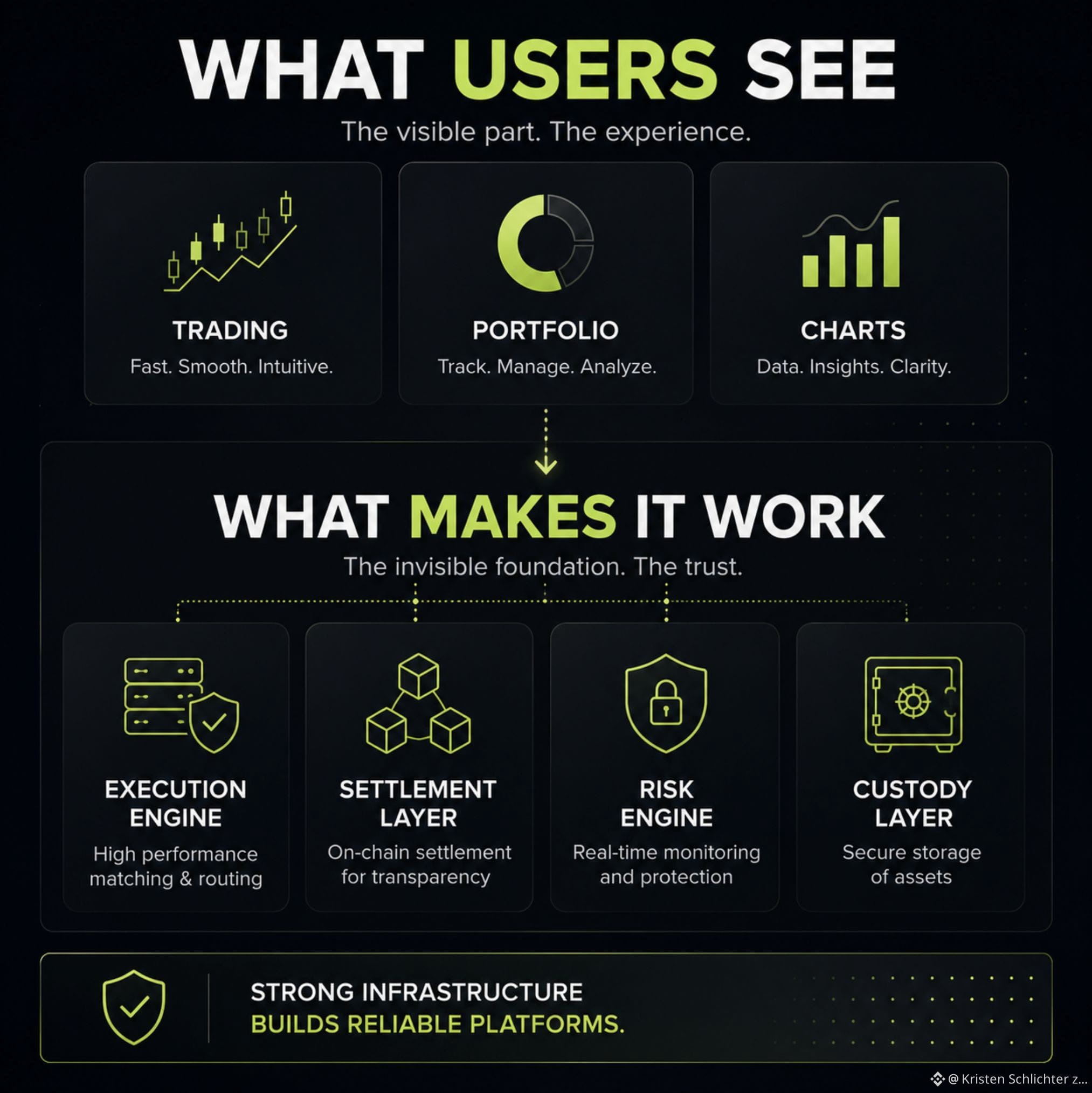
実行、決済、リスク管理、カストディ… これらはそれ自体としてはあまり魅力的に聞こえませんが、それでも取引所が信頼できると感じられるかどうかを左右する理由です。
だからこそ、インフラは開発者だけが気にするものだと扱うべきではないと思っています。
良いインフラは、すべてがうまく動いているときは見えません。
問題が起きたときに初めて、その存在に気づきます。
だからなのかもしれませんが、最強の取引プラットフォームほど、ユーザーが実際には目にすることのない部分を作り込むのに多くの時間を費やしています。
@grvt_io #grvt
GRVTについて読んでいて気づいたことのひとつは、インフラに対して人々があまり注目していないことです。
会話は自然と、ユーザーが毎日触れている「機能」の話に行き着きがちです。
しかし、機能が意味を持つのは、その下にあるものすべてがきちんと作られている場合だけです。
実行、決済、リスク管理、カストディ… これらはそれ自体としてはあまり魅力的に聞こえませんが、それでも取引所が信頼できると感じられるかどうかを左右する理由です。
だからこそ、インフラは開発者だけが気にするものだと扱うべきではないと思っています。
良いインフラは、すべてがうまく動いているときは見えません。
問題が起きたときに初めて、その存在に気づきます。
だからなのかもしれませんが、最強の取引プラットフォームほど、ユーザーが実際には目にすることのない部分を作り込むのに多くの時間を費やしています。
@grvt_io #grvt
会話は自然と、ユーザーが毎日触れている「機能」の話に行き着きがちです。
しかし、機能が意味を持つのは、その下にあるものすべてがきちんと作られている場合だけです。
実行、決済、リスク管理、カストディ… これらはそれ自体としてはあまり魅力的に聞こえませんが、それでも取引所が信頼できると感じられるかどうかを左右する理由です。
だからこそ、インフラは開発者だけが気にするものだと扱うべきではないと思っています。
良いインフラは、すべてがうまく動いているときは見えません。
問題が起きたときに初めて、その存在に気づきます。
だからなのかもしれませんが、最強の取引プラットフォームほど、ユーザーが実際には目にすることのない部分を作り込むのに多くの時間を費やしています。
@grvt_io #grvt
1
96
ログインして、さらにコンテンツを読む
厳選トピックで世界の暗号資産トレーダーの仲間入り
⚡️ 暗号資産に関する最新かつ有益な情報が見つかります。
💬 世界最大の暗号資産取引所から信頼されています。
👍 認証を受けたクリエイターから、有益なインサイトを得られます。
メール / 電話番号
トレンドトピック
AnthropicIPOProspectusCouldValueItOver$2T
閲覧回数 349
28人が討論中
#AnthropicIPOProspectusCouldValueItOver$2T 🚨 アンソロピックのIPOは2兆ドル超の価値になり得る
Claude AIの背後にいる企業は、近日予定されているIPOで2兆ドル超の評価額を狙っていると報じられています。
AI競争から巨額の設備投資まで、アンソロピックはAIレースがどれほど大規模になったかを示しています。 🤖💰
一方で、今日の市場では売り圧力が強まっています:
🔻 $QNT
🔻 $NEAR
🔻 $ONDO
評価額2兆ドル超—現実的?それとも強気すぎ?
owhggwiohsjowve
·いいね:0件
·閲覧回数 186
HackersDrainOver12.4MXRPFromDCENTWallets
閲覧回数 3,969
175人が討論中
SECSaysDecentralizedTokenBuybacksNotInvestmentContracts
閲覧回数 115
7人が討論中