

JBXponential
37 投稿

JBXponential
報告
ユーザーをブロック
Binance Square Content Creator| Web3 Strategist| Progressing Daily in Web3 ........
取引を発注
2.7年
39 フォロー
42 フォロワー
37 いいね
投稿
ポートフォリオ
すべて
引用
·
--
翻訳参照
The Hidden Market Behind a Cross-Chain Swap
Most users think about a cross-chain transaction like this:
Asset A → Bridge → Asset B
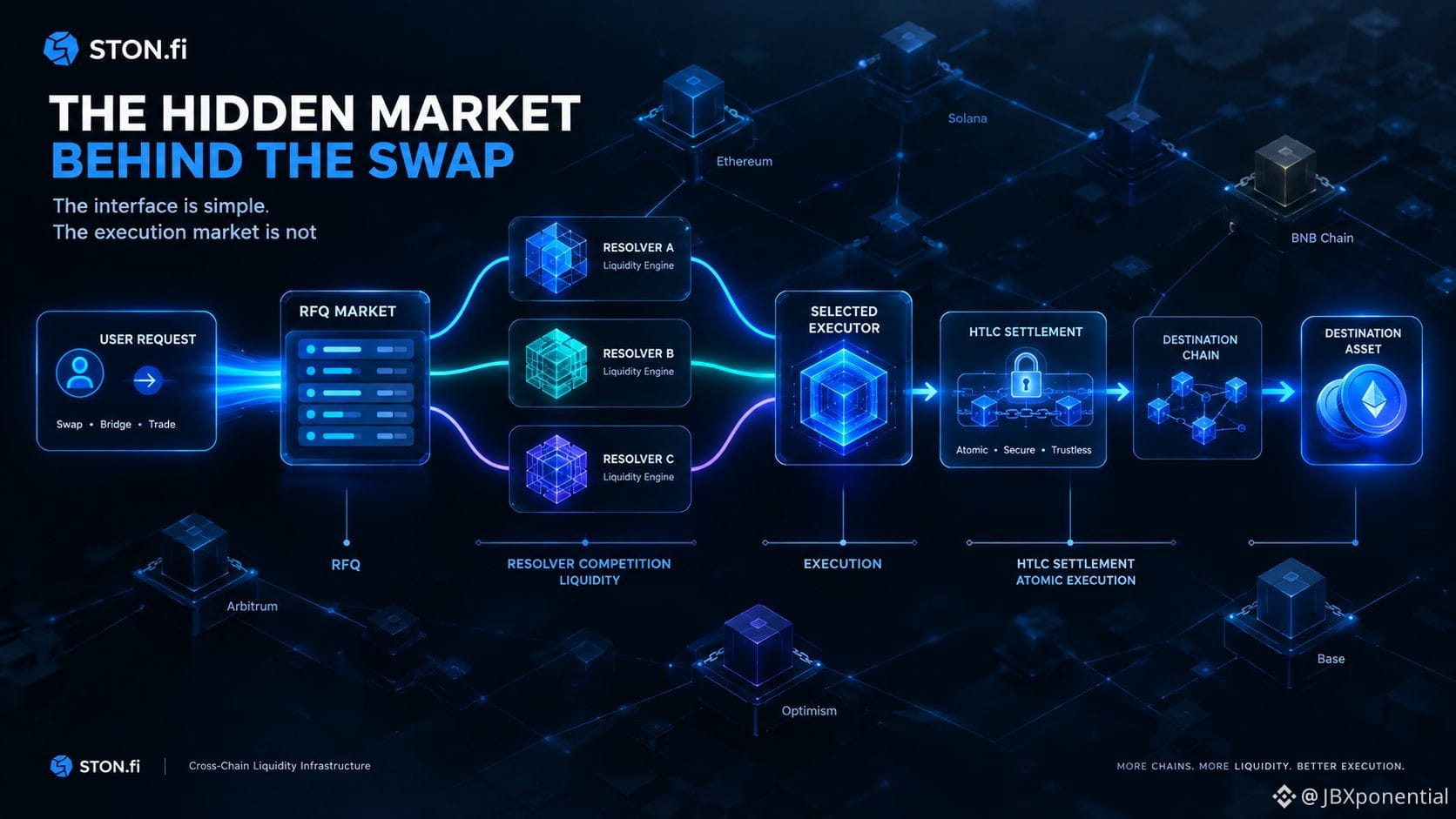
But resolver-based systems introduce a different architecture.
A user can submit a cross-chain request, resolvers compete to fill it, and the selected resolver participates in settlement using cryptographic conditions enforced through HTLCs.
That creates several layers worth studying:
1. RFQ layer
The user requests an executable quote.
2. Resolver layer
Liquidity providers compete to fulfil the request.
3. Execution layer
The resolver supplies the destination-side asset.
4. Settlement layer
The transaction follows predefined cryptographic conditions.
5. Recovery layer
Timelock mechanisms provide a path for refunds when the intended settlement does not complete.
This is why cross-chain infrastructure deserves more attention than simply asking:
“Which chain does this support?”
A better research question is:
“How does the system coordinate liquidity and settlement across chains?”
That is where much of the actual architecture lives.
STON.fi's current cross-chain implementation uses Omniston for this execution model.
@ston_fi #STON.fi $STON #Stonbassador #DeFi #TON #CrossChain #Omniston
The Hidden Market Behind a Cross-Chain Swap
Most users think about a cross-chain transaction like this:
Asset A → Bridge → Asset B
But resolver-based systems introduce a different architecture.
A user can submit a cross-chain request, resolvers compete to fill it, and the selected resolver participates in settlement using cryptographic conditions enforced through HTLCs.
That creates several layers worth studying:
1. RFQ layer
The user requests an executable quote.
2. Resolver layer
Liquidity providers compete to fulfil the request.
3. Execution layer
The resolver supplies the destination-side asset.
4. Settlement layer
The transaction follows predefined cryptographic conditions.
5. Recovery layer
Timelock mechanisms provide a path for refunds when the intended settlement does not complete.
This is why cross-chain infrastructure deserves more attention than simply asking:
“Which chain does this support?”
A better research question is:
“How does the system coordinate liquidity and settlement across chains?”
That is where much of the actual architecture lives.
STON.fi's current cross-chain implementation uses Omniston for this execution model.
@ston_fi #STON.fi $STON #Stonbassador #DeFi #TON #CrossChain #Omniston
Most users think about a cross-chain transaction like this:
Asset A → Bridge → Asset B
But resolver-based systems introduce a different architecture.
A user can submit a cross-chain request, resolvers compete to fill it, and the selected resolver participates in settlement using cryptographic conditions enforced through HTLCs.
That creates several layers worth studying:
1. RFQ layer
The user requests an executable quote.
2. Resolver layer
Liquidity providers compete to fulfil the request.
3. Execution layer
The resolver supplies the destination-side asset.
4. Settlement layer
The transaction follows predefined cryptographic conditions.
5. Recovery layer
Timelock mechanisms provide a path for refunds when the intended settlement does not complete.
This is why cross-chain infrastructure deserves more attention than simply asking:
“Which chain does this support?”
A better research question is:
“How does the system coordinate liquidity and settlement across chains?”
That is where much of the actual architecture lives.
STON.fi's current cross-chain implementation uses Omniston for this execution model.
@ston_fi #STON.fi $STON #Stonbassador #DeFi #TON #CrossChain #Omniston
84
·
--
翻訳参照
Cross-Chain Security: Study the Failure State
A common mistake when evaluating DeFi infrastructure is focusing entirely on the successful transaction.
Connect wallet.
Select token.
Confirm.
Receive asset.
But cross-chain systems have more moving parts.
A failure can happen at the routing layer, liquidity layer, execution layer, network layer or smart-contract layer.
So a better research question is:
What happens when the transaction cannot complete?
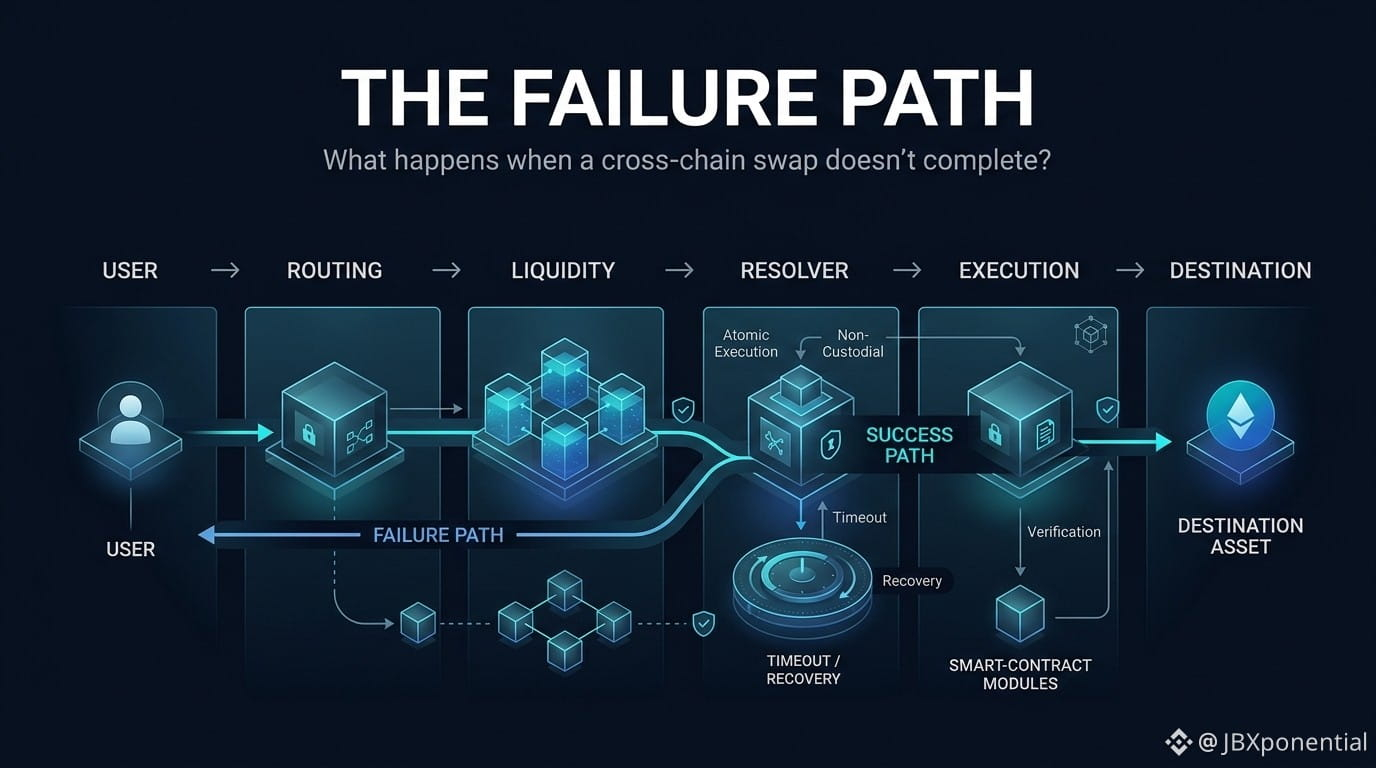
STON.fi's current cross-chain documentation describes an atomic execution model.
The basic principle is:
Either the swap completes, or it doesn't produce a partial outcome.
The service also describes the process as non-custodial, with assets remaining in the user's wallet throughout the cross-chain flow.
This doesn't mean "cross-chain is risk-free."
It means the architecture has a defined failure model.
And that's what researchers should investigate.
For any cross-chain protocol, I would ask:
What happens when the destination execution fails?
Who temporarily controls the assets?
Can one side succeed without the other?
What mechanism handles refunds?
What happens if a resolver disappears?
Which contracts enforce the guarantees?
The happy path explains the UX.
The failure path explains the architecture.
@ston_fi #STON.fi $STON $BTC $GRAM
Cross-Chain Security: Study the Failure State
A common mistake when evaluating DeFi infrastructure is focusing entirely on the successful transaction.
Connect wallet.
Select token.
Confirm.
Receive asset.
But cross-chain systems have more moving parts.
A failure can happen at the routing layer, liquidity layer, execution layer, network layer or smart-contract layer.
So a better research question is:
What happens when the transaction cannot complete?
STON.fi's current cross-chain documentation describes an atomic execution model.
The basic principle is:
Either the swap completes, or it doesn't produce a partial outcome.
The service also describes the process as non-custodial, with assets remaining in the user's wallet throughout the cross-chain flow.
This doesn't mean "cross-chain is risk-free."
It means the architecture has a defined failure model.
And that's what researchers should investigate.
For any cross-chain protocol, I would ask:
What happens when the destination execution fails?
Who temporarily controls the assets?
Can one side succeed without the other?
What mechanism handles refunds?
What happens if a resolver disappears?
Which contracts enforce the guarantees?
The happy path explains the UX.
The failure path explains the architecture.
@ston_fi #STON.fi $STON $BTC $GRAM
A common mistake when evaluating DeFi infrastructure is focusing entirely on the successful transaction.
Connect wallet.
Select token.
Confirm.
Receive asset.
But cross-chain systems have more moving parts.
A failure can happen at the routing layer, liquidity layer, execution layer, network layer or smart-contract layer.
So a better research question is:
What happens when the transaction cannot complete?
STON.fi's current cross-chain documentation describes an atomic execution model.
The basic principle is:
Either the swap completes, or it doesn't produce a partial outcome.
The service also describes the process as non-custodial, with assets remaining in the user's wallet throughout the cross-chain flow.
This doesn't mean "cross-chain is risk-free."
It means the architecture has a defined failure model.
And that's what researchers should investigate.
For any cross-chain protocol, I would ask:
What happens when the destination execution fails?
Who temporarily controls the assets?
Can one side succeed without the other?
What mechanism handles refunds?
What happens if a resolver disappears?
Which contracts enforce the guarantees?
The happy path explains the UX.
The failure path explains the architecture.
@ston_fi #STON.fi $STON $BTC $GRAM
293
·
--
翻訳参照
Latest announcement
Latest announcement


Binance Announcement
·
--
バイナンス・ファイナンス:USDTの活期商品を申し込んで、最高7%の年率収益率を楽しもう
これは一般的な告知です。ここで言及されている商品およびサービスは、あなたの居住地域によっては適用されない場合があります。利用規約が適用されます。
親愛なるユーザーの皆さま:
バイナンスのファイナンス延長:USDTで稼ぐ“継続”の定期(活期)商品キャンペーン。USDT保有者の皆さまに報酬アップ!
キャンペーン期間中、USDTの活期商品を申込むユーザーは、最高7%の年率収益率を享受できます。独自の段階式年率収益率とリアルタイムの年率収益を含みます。
参加方法
キャンペーン期間:2026年09月25日08:00:00から2026年10月09日07:59:59まで(東八区時間)
参加方法:以下の規約に従い、先着順のルールで申込を完了してください
親愛なるユーザーの皆さま:
バイナンスのファイナンス延長:USDTで稼ぐ“継続”の定期(活期)商品キャンペーン。USDT保有者の皆さまに報酬アップ!
キャンペーン期間中、USDTの活期商品を申込むユーザーは、最高7%の年率収益率を享受できます。独自の段階式年率収益率とリアルタイムの年率収益を含みます。
参加方法
キャンペーン期間:2026年09月25日08:00:00から2026年10月09日07:59:59まで(東八区時間)
参加方法:以下の規約に従い、先着順のルールで申込を完了してください
53
·
--
ブリッシュ
翻訳参照
The DAO Budget Is a DeFi Signal
When analyzing a DeFi protocol, most people look at:
TVL.
Volume.
Token price.
New features.
Partnerships.
But there is another dataset that deserves attention:
Governance decisions.
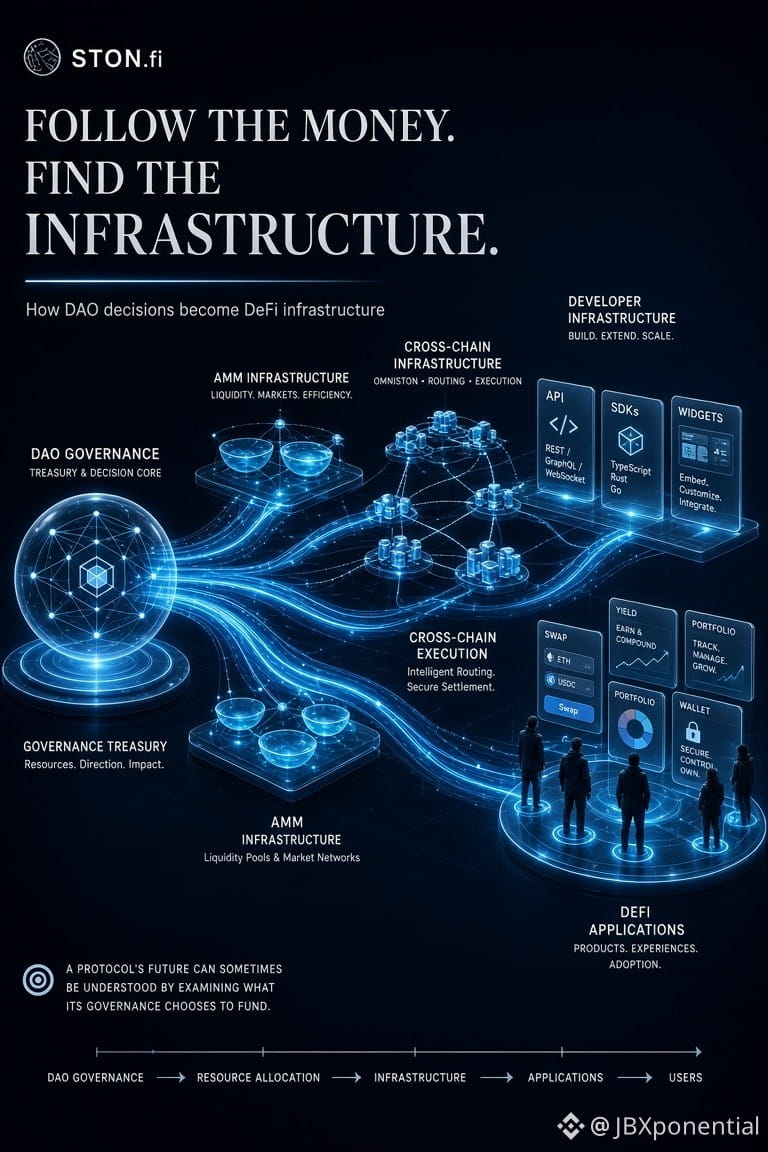
STON.fi's DAO approved a 2026 operational budget capped at $2.5M in USD-denominated assets plus 4M STON.
More interestingly, the approved development directions include:
AMM development
Omniston and cross-chain liquidity infrastructure
APIs, SDKs and embedded widgets
The proposal describes Omniston as a unified liquidity aggregation and execution layer for single-chain and cross-chain liquidity sources.
So here's the research angle:
A protocol's governance isn't just about voting on proposals.
It can also reveal where the ecosystem is attempting to allocate future resources.
That gives researchers another lens:
Narrative → Roadmap → Governance → Resource allocation → Execution
The final step is the one that matters most.
A budget is authorization, not proof of successful execution.
So the next question isn't:
"How big is the budget?"
It's:
"What gets built with it?"
@ston_fi #STON.fi $STON @stonfi
The DAO Budget Is a DeFi Signal
When analyzing a DeFi protocol, most people look at:
TVL.
Volume.
Token price.
New features.
Partnerships.
But there is another dataset that deserves attention:
Governance decisions.
STON.fi's DAO approved a 2026 operational budget capped at $2.5M in USD-denominated assets plus 4M STON.
More interestingly, the approved development directions include:
AMM development
Omniston and cross-chain liquidity infrastructure
APIs, SDKs and embedded widgets
The proposal describes Omniston as a unified liquidity aggregation and execution layer for single-chain and cross-chain liquidity sources.
So here's the research angle:
A protocol's governance isn't just about voting on proposals.
It can also reveal where the ecosystem is attempting to allocate future resources.
That gives researchers another lens:
Narrative → Roadmap → Governance → Resource allocation → Execution
The final step is the one that matters most.
A budget is authorization, not proof of successful execution.
So the next question isn't:
"How big is the budget?"
It's:
"What gets built with it?"
@ston_fi #STON.fi $STON @stonfi
When analyzing a DeFi protocol, most people look at:
TVL.
Volume.
Token price.
New features.
Partnerships.
But there is another dataset that deserves attention:
Governance decisions.
STON.fi's DAO approved a 2026 operational budget capped at $2.5M in USD-denominated assets plus 4M STON.
More interestingly, the approved development directions include:
AMM development
Omniston and cross-chain liquidity infrastructure
APIs, SDKs and embedded widgets
The proposal describes Omniston as a unified liquidity aggregation and execution layer for single-chain and cross-chain liquidity sources.
So here's the research angle:
A protocol's governance isn't just about voting on proposals.
It can also reveal where the ecosystem is attempting to allocate future resources.
That gives researchers another lens:
Narrative → Roadmap → Governance → Resource allocation → Execution
The final step is the one that matters most.
A budget is authorization, not proof of successful execution.
So the next question isn't:
"How big is the budget?"
It's:
"What gets built with it?"
@ston_fi #STON.fi $STON @stonfi
64
·
--
翻訳参照
Cross-Chain UX Is Hiding a Much Bigger Infrastructure Problem
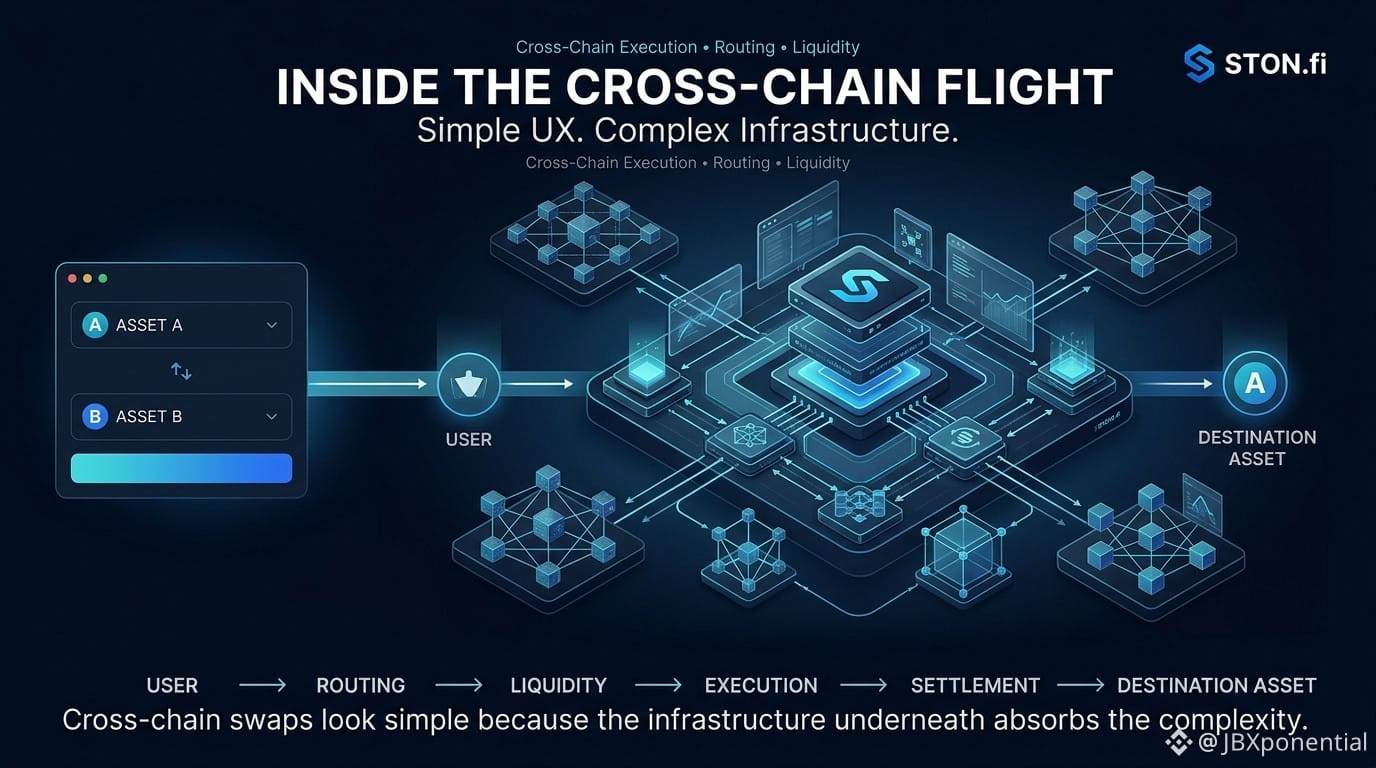
A cross-chain swap can look almost trivial.
Select an asset.
Select a destination.
Confirm.
But the simplicity of the interface can hide the complexity underneath.
When assets move between different blockchain environments, the system has to deal with questions around execution, routing, custody, settlement and the coordination of multiple networks.
That is why I think the more interesting evolution in cross-chain DeFi isn't simply adding more supported chains.
It is making the underlying complexity increasingly invisible to the user.
STON.fi is currently building around this direction through its cross-chain infrastructure and the “One Swap. Across Chains” campaign. Its current cross-chain product supports swaps involving TON, TRON, Ethereum, Base, BNB Chain, Polygon, Avalanche and other networks.
Today, September 23, STON.fi is also hosting an “Inside the Cross-Chain Flight” AMA at 3 PM UTC, where the team will discuss cross-chain swaps, routing and the campaign.
The question I want to explore is simple:
If users eventually stop thinking about which chain they are on, what happens to the importance of the infrastructure underneath?
My view is that it becomes more important, not less.
The best infrastructure often becomes invisible precisely because it removes friction from the user experience.
That makes cross-chain execution an interesting area to watch as DeFi becomes increasingly interconnected.
@ston_fi #STON.fi $STON
Cross-Chain UX Is Hiding a Much Bigger Infrastructure Problem
A cross-chain swap can look almost trivial.
Select an asset.
Select a destination.
Confirm.
But the simplicity of the interface can hide the complexity underneath.
When assets move between different blockchain environments, the system has to deal with questions around execution, routing, custody, settlement and the coordination of multiple networks.
That is why I think the more interesting evolution in cross-chain DeFi isn't simply adding more supported chains.
It is making the underlying complexity increasingly invisible to the user.
STON.fi is currently building around this direction through its cross-chain infrastructure and the “One Swap. Across Chains” campaign. Its current cross-chain product supports swaps involving TON, TRON, Ethereum, Base, BNB Chain, Polygon, Avalanche and other networks.
Today, September 23, STON.fi is also hosting an “Inside the Cross-Chain Flight” AMA at 3 PM UTC, where the team will discuss cross-chain swaps, routing and the campaign.
The question I want to explore is simple:
If users eventually stop thinking about which chain they are on, what happens to the importance of the infrastructure underneath?
My view is that it becomes more important, not less.
The best infrastructure often becomes invisible precisely because it removes friction from the user experience.
That makes cross-chain execution an interesting area to watch as DeFi becomes increasingly interconnected.
@ston_fi #STON.fi $STON
A cross-chain swap can look almost trivial.
Select an asset.
Select a destination.
Confirm.
But the simplicity of the interface can hide the complexity underneath.
When assets move between different blockchain environments, the system has to deal with questions around execution, routing, custody, settlement and the coordination of multiple networks.
That is why I think the more interesting evolution in cross-chain DeFi isn't simply adding more supported chains.
It is making the underlying complexity increasingly invisible to the user.
STON.fi is currently building around this direction through its cross-chain infrastructure and the “One Swap. Across Chains” campaign. Its current cross-chain product supports swaps involving TON, TRON, Ethereum, Base, BNB Chain, Polygon, Avalanche and other networks.
Today, September 23, STON.fi is also hosting an “Inside the Cross-Chain Flight” AMA at 3 PM UTC, where the team will discuss cross-chain swaps, routing and the campaign.
The question I want to explore is simple:
If users eventually stop thinking about which chain they are on, what happens to the importance of the infrastructure underneath?
My view is that it becomes more important, not less.
The best infrastructure often becomes invisible precisely because it removes friction from the user experience.
That makes cross-chain execution an interesting area to watch as DeFi becomes increasingly interconnected.
@ston_fi #STON.fi $STON
70
·
--
大きなお知らせ
大きなお知らせ
Binance Announcement
·
--
バイナンス・デリバティブは 牛来USDT U本位無期限契約を上場(2026-08-30)
これは一般的なバイナンス取引所の告知です。ここで言及されている商品およびサービスは、お客様の居住地域によっては適用されない可能性があります。
親愛なるユーザーの皆さま:
より多くのバイナンス・デリバティブ取引の選択肢を提供し、ユーザーの取引体験を向上させるため、バイナンス・デリバティブ・プラットフォームは以下の時間に無期限先物契約を上場します:
2026年08月30日19:30(東8区時間):牛来USDT無期限先物契約。最高レバレッジは10倍まで
上記の無期限先物契約に関する詳細は、以下の表のとおりです:
U本位の無期限契約
牛来USDT
上場日時
2026年08月30日19:30(東8区時間)
対象資産
牛来(Niu Lai)
親愛なるユーザーの皆さま:
より多くのバイナンス・デリバティブ取引の選択肢を提供し、ユーザーの取引体験を向上させるため、バイナンス・デリバティブ・プラットフォームは以下の時間に無期限先物契約を上場します:
2026年08月30日19:30(東8区時間):牛来USDT無期限先物契約。最高レバレッジは10倍まで
上記の無期限先物契約に関する詳細は、以下の表のとおりです:
U本位の無期限契約
牛来USDT
上場日時
2026年08月30日19:30(東8区時間)
対象資産
牛来(Niu Lai)
52
·
--
ブリッシュ
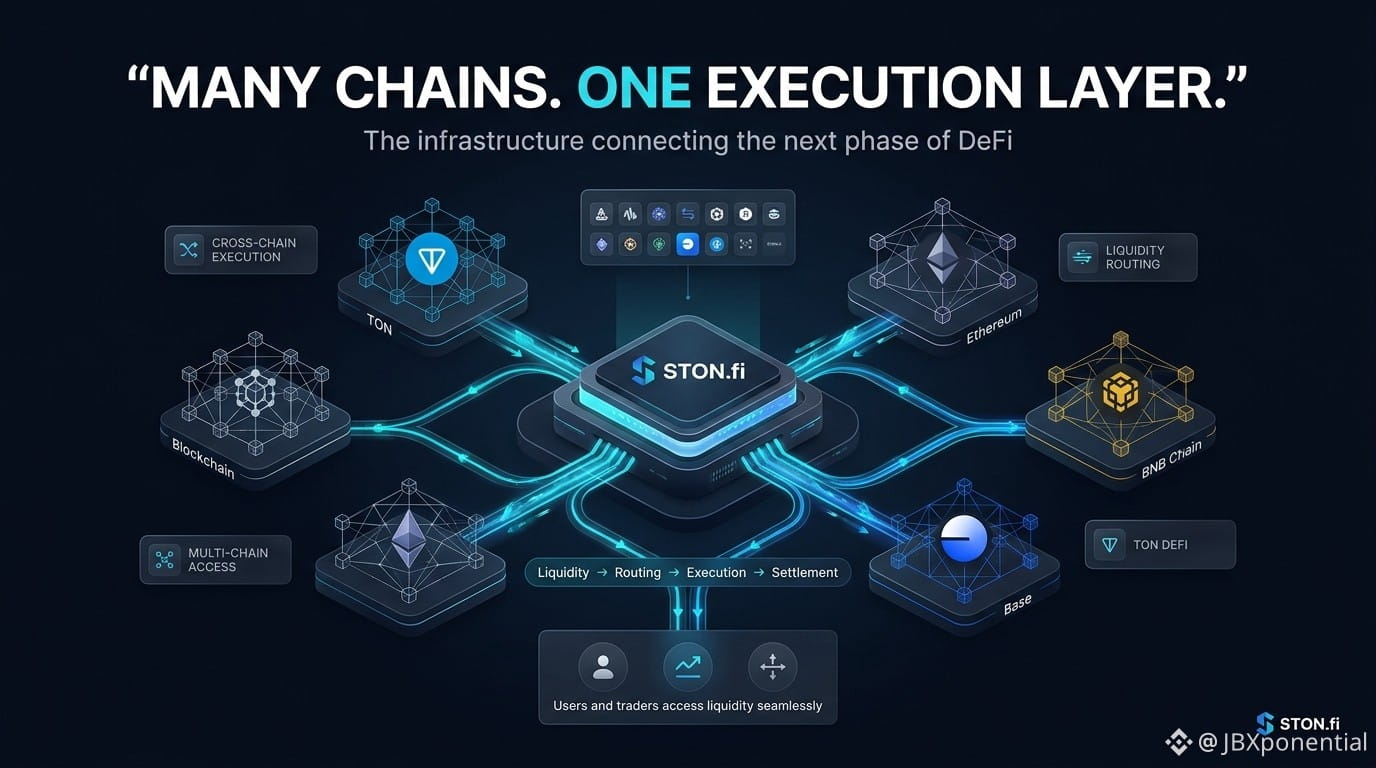
チェーン固有のDeFiから接続されたDeFiへ: インフラが重要な理由
すべての銀行がまったく異なる道路網を使っている金融市場に入るところを想像してみてください。
目的地はわずか数キロ先にあるだけなのに、ネットワーク間を移動するには、異なる橋、異なる手順、異なるツールが必要です。
それは今でも、DeFi体験の大きな一部です。
ユーザーは単に資産とやり取りしているのではありません。チェーン、ブリッジ、流動性プール、ルーター、実行メカニズムとやり取りしています。
DeFiがますますマルチチェーン化するにつれ、これは新たなインフラ課題を生み出します。
問題は流動性だけではありません
流動性は多くのエコシステムに存在しています。
問題は、その流動性へ効率的にアクセスすることです。
ユーザーはあるネットワーク上に資産を保有していても、求める機会が別の場所に存在することがあります。
これまで、この問題を解決するには、ブリッジや複数のプロトコルを手作業で行き来する必要があることが多くありました。
クロスチェーン実行は、この複雑さの多くを抽象化することを目指しています。
ユーザーにインフラを理解させるのではなく、インフラが次第に裏側で機能するようになります。
ここでSTON.fiが面白くなってきます
STON.fiは、分散型取引所としてTONエコシステム内で強い地位からスタートしました。
しかし、より広い進化はクロスチェーン実行と流動性インフラへ向かっています。
この変化が重要なのは、TONが孤立して存在しているわけではないからです。
TON DeFiの未来は、資本やユーザーがより広いブロックチェーン経済とどれだけ簡単に相互作用できるかにも左右されます。
DeFiがより接続されるほど、実行インフラの重要性は高まります。
全体像
面白い問いは、私はこうだと思います:
「どのブロックチェーンが勝つのか?」
ではなく、
「どのインフラが、ユーザーに“どのブロックチェーンを使っているか”をあまり気にさせなくするのか?」
それが、DeFiの次の段階を特徴づけるテーマの一つになるかもしれません。
@STONfi
@stonfi ston_fi #STON.fi $STON
blog.ston.fi でさらに調査を探る
チェーン固有のDeFiから接続されたDeFiへ: インフラが重要な理由
すべての銀行がまったく異なる道路網を使っている金融市場に入るところを想像してみてください。
目的地はわずか数キロ先にあるだけなのに、ネットワーク間を移動するには、異なる橋、異なる手順、異なるツールが必要です。
それは今でも、DeFi体験の大きな一部です。
ユーザーは単に資産とやり取りしているのではありません。チェーン、ブリッジ、流動性プール、ルーター、実行メカニズムとやり取りしています。
DeFiがますますマルチチェーン化するにつれ、これは新たなインフラ課題を生み出します。
問題は流動性だけではありません
流動性は多くのエコシステムに存在しています。
問題は、その流動性へ効率的にアクセスすることです。
ユーザーはあるネットワーク上に資産を保有していても、求める機会が別の場所に存在することがあります。
これまで、この問題を解決するには、ブリッジや複数のプロトコルを手作業で行き来する必要があることが多くありました。
クロスチェーン実行は、この複雑さの多くを抽象化することを目指しています。
ユーザーにインフラを理解させるのではなく、インフラが次第に裏側で機能するようになります。
ここでSTON.fiが面白くなってきます
STON.fiは、分散型取引所としてTONエコシステム内で強い地位からスタートしました。
しかし、より広い進化はクロスチェーン実行と流動性インフラへ向かっています。
この変化が重要なのは、TONが孤立して存在しているわけではないからです。
TON DeFiの未来は、資本やユーザーがより広いブロックチェーン経済とどれだけ簡単に相互作用できるかにも左右されます。
DeFiがより接続されるほど、実行インフラの重要性は高まります。
全体像
面白い問いは、私はこうだと思います:
「どのブロックチェーンが勝つのか?」
ではなく、
「どのインフラが、ユーザーに“どのブロックチェーンを使っているか”をあまり気にさせなくするのか?」
それが、DeFiの次の段階を特徴づけるテーマの一つになるかもしれません。
@STONfi
@STONfi DEX ston_fi #STON.fi $STON
blog.ston.fi でさらに調査を探る
すべての銀行がまったく異なる道路網を使っている金融市場に入るところを想像してみてください。
目的地はわずか数キロ先にあるだけなのに、ネットワーク間を移動するには、異なる橋、異なる手順、異なるツールが必要です。
それは今でも、DeFi体験の大きな一部です。
ユーザーは単に資産とやり取りしているのではありません。チェーン、ブリッジ、流動性プール、ルーター、実行メカニズムとやり取りしています。
DeFiがますますマルチチェーン化するにつれ、これは新たなインフラ課題を生み出します。
問題は流動性だけではありません
流動性は多くのエコシステムに存在しています。
問題は、その流動性へ効率的にアクセスすることです。
ユーザーはあるネットワーク上に資産を保有していても、求める機会が別の場所に存在することがあります。
これまで、この問題を解決するには、ブリッジや複数のプロトコルを手作業で行き来する必要があることが多くありました。
クロスチェーン実行は、この複雑さの多くを抽象化することを目指しています。
ユーザーにインフラを理解させるのではなく、インフラが次第に裏側で機能するようになります。
ここでSTON.fiが面白くなってきます
STON.fiは、分散型取引所としてTONエコシステム内で強い地位からスタートしました。
しかし、より広い進化はクロスチェーン実行と流動性インフラへ向かっています。
この変化が重要なのは、TONが孤立して存在しているわけではないからです。
TON DeFiの未来は、資本やユーザーがより広いブロックチェーン経済とどれだけ簡単に相互作用できるかにも左右されます。
DeFiがより接続されるほど、実行インフラの重要性は高まります。
全体像
面白い問いは、私はこうだと思います:
「どのブロックチェーンが勝つのか?」
ではなく、
「どのインフラが、ユーザーに“どのブロックチェーンを使っているか”をあまり気にさせなくするのか?」
それが、DeFiの次の段階を特徴づけるテーマの一つになるかもしれません。
@STONfi
@STONfi DEX ston_fi #STON.fi $STON
blog.ston.fi でさらに調査を探る
71
·
--
ブリッシュ
TON DeFi はインフラ時代へと移行しています
DeFi における最も興味深い進展は、必ずしも見出しが最も大きいものとは限りません。
ユーザー体験の“下で”起きている変化こそが、重要な場合があります。
TON は最近、大規模なネットワークの混雑と一時的な障害を経験しました。混乱の間、保護措置として STON.fi は一時的にスワップを停止し、TON が回復した後に通常のスワップ機能を復元しました。
DeFi インフラを学ぶ人にとって、これは重要なリマインダーです。
分散型アプリケーションは、システムの 1 つの層にすぎません。
その下には、ブロックチェーン、流動性、ルーティングの仕組み、実行インフラ、そしてクロスチェーン接続があり、価値がどれだけスムーズに移動できるかを左右します。
これは、特に TON において重要になっています。
STON.fi は、TON 上の単なる DEX という考え方を超えて、ますますインフラ面を強化しつつあります。その広範なインフラ方針には、Omniston を通じた流動性の集約やクロスチェーン実行が含まれます。STON.fi の最近の発表は、クロスチェーンのスワップ、アトミックスワップ、ブリッジ、そしてシームレスなクロスチェーン UX の将来に大きく焦点を当てています。
数字が、物語を具体的なものにし始めています。
8 月 25 日に、Omniston は 1 日でクロスチェーン・スワップの取引量として約 $150K を処理しました。
これはまだ初期段階の活動です。
しかし、初期のインフラは、ネットワーク効果が見えるようになる前は小さく見えがちです。
より大きな問いは、単に
「今日どれくらいの取引量が起きているのか?」
ではありません。
「明日の取引量に対応できるインフラは何か?」
です。
だから私は、次の TON DeFi のフェーズはインフラの観点から見られるべきだと考えています。
流動性。
実行。
クロスチェーン接続性。
ユーザー体験。
これらは、生態系がどこまで進めるかを左右しうる“レール”です。
STON.fi は、この移行が進む中で私が注目しているプロジェクトの 1 つです。
@ston_fi #STON.fi $STON
blog.ston.fi $TON
TON DeFi はインフラ時代へと移行しています
DeFi における最も興味深い進展は、必ずしも見出しが最も大きいものとは限りません。
ユーザー体験の“下で”起きている変化こそが、重要な場合があります。
TON は最近、大規模なネットワークの混雑と一時的な障害を経験しました。混乱の間、保護措置として STON.fi は一時的にスワップを停止し、TON が回復した後に通常のスワップ機能を復元しました。
DeFi インフラを学ぶ人にとって、これは重要なリマインダーです。
分散型アプリケーションは、システムの 1 つの層にすぎません。
その下には、ブロックチェーン、流動性、ルーティングの仕組み、実行インフラ、そしてクロスチェーン接続があり、価値がどれだけスムーズに移動できるかを左右します。
これは、特に TON において重要になっています。
STON.fi は、TON 上の単なる DEX という考え方を超えて、ますますインフラ面を強化しつつあります。その広範なインフラ方針には、Omniston を通じた流動性の集約やクロスチェーン実行が含まれます。STON.fi の最近の発表は、クロスチェーンのスワップ、アトミックスワップ、ブリッジ、そしてシームレスなクロスチェーン UX の将来に大きく焦点を当てています。
数字が、物語を具体的なものにし始めています。
8 月 25 日に、Omniston は 1 日でクロスチェーン・スワップの取引量として約 $150K を処理しました。
これはまだ初期段階の活動です。
しかし、初期のインフラは、ネットワーク効果が見えるようになる前は小さく見えがちです。
より大きな問いは、単に
「今日どれくらいの取引量が起きているのか?」
ではありません。
「明日の取引量に対応できるインフラは何か?」
です。
だから私は、次の TON DeFi のフェーズはインフラの観点から見られるべきだと考えています。
流動性。
実行。
クロスチェーン接続性。
ユーザー体験。
これらは、生態系がどこまで進めるかを左右しうる“レール”です。
STON.fi は、この移行が進む中で私が注目しているプロジェクトの 1 つです。
@ston_fi #STON.fi $STON
blog.ston.fi $TON
DeFi における最も興味深い進展は、必ずしも見出しが最も大きいものとは限りません。
ユーザー体験の“下で”起きている変化こそが、重要な場合があります。
TON は最近、大規模なネットワークの混雑と一時的な障害を経験しました。混乱の間、保護措置として STON.fi は一時的にスワップを停止し、TON が回復した後に通常のスワップ機能を復元しました。
DeFi インフラを学ぶ人にとって、これは重要なリマインダーです。
分散型アプリケーションは、システムの 1 つの層にすぎません。
その下には、ブロックチェーン、流動性、ルーティングの仕組み、実行インフラ、そしてクロスチェーン接続があり、価値がどれだけスムーズに移動できるかを左右します。
これは、特に TON において重要になっています。
STON.fi は、TON 上の単なる DEX という考え方を超えて、ますますインフラ面を強化しつつあります。その広範なインフラ方針には、Omniston を通じた流動性の集約やクロスチェーン実行が含まれます。STON.fi の最近の発表は、クロスチェーンのスワップ、アトミックスワップ、ブリッジ、そしてシームレスなクロスチェーン UX の将来に大きく焦点を当てています。
数字が、物語を具体的なものにし始めています。
8 月 25 日に、Omniston は 1 日でクロスチェーン・スワップの取引量として約 $150K を処理しました。
これはまだ初期段階の活動です。
しかし、初期のインフラは、ネットワーク効果が見えるようになる前は小さく見えがちです。
より大きな問いは、単に
「今日どれくらいの取引量が起きているのか?」
ではありません。
「明日の取引量に対応できるインフラは何か?」
です。
だから私は、次の TON DeFi のフェーズはインフラの観点から見られるべきだと考えています。
流動性。
実行。
クロスチェーン接続性。
ユーザー体験。
これらは、生態系がどこまで進めるかを左右しうる“レール”です。
STON.fi は、この移行が進む中で私が注目しているプロジェクトの 1 つです。
@ston_fi #STON.fi $STON
blog.ston.fi $TON
1
82
·
--
$BTC ニュース
$BTC ニュース

Binance News
·
--
ビットコインニュース:価格が約80,000ドルの近辺でビットコイン・オプションが64億ドル分満了、マックスペインは68,000ドル
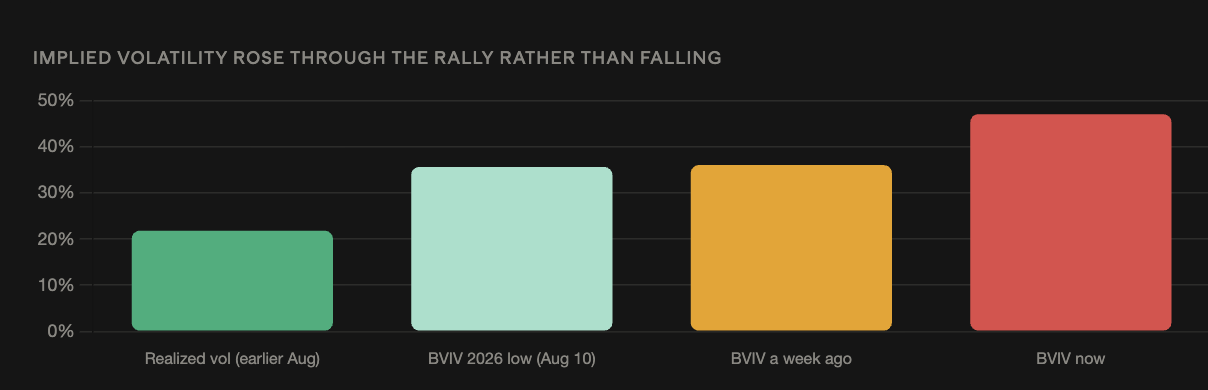
約6万2,000ドルから約8万ドルへと伸びたビットコインの上昇は、金曜に今年最大級のオプションの満期(エクスパイリー)の1つを通過し、08:00 UTCの時点でデリビット(Deribit)上で約81,700枚、価値64億ドル相当の契約が処理されました。その配置(ポジショニング)の多くは、ビットコインが1週間で20%以上急騰する前に構築されていました。マックスペインは68,000ドルの土曜、決済価格から約12,000ドル下木曜までに、この上昇はビットコインを直接、7万5,000ドルと8万ドルでの大口ベット(賭け)集中へ押し込みました。一方、満期の「マックスペイン」水準――最大の数のオプションが無価値で満了する場所――は、はるかに低く、約6万8,000ドル〜7万ドルにありました。
296
·
--
ブリッシュ
DeFiユーザーがめったに目にしないもの:インフラ
誰かがトークンをスワップすると、体験は一見とてもシンプルに見えることがあります。
アセットを選択します。
金額を入力します。
トランザクションを確認します。
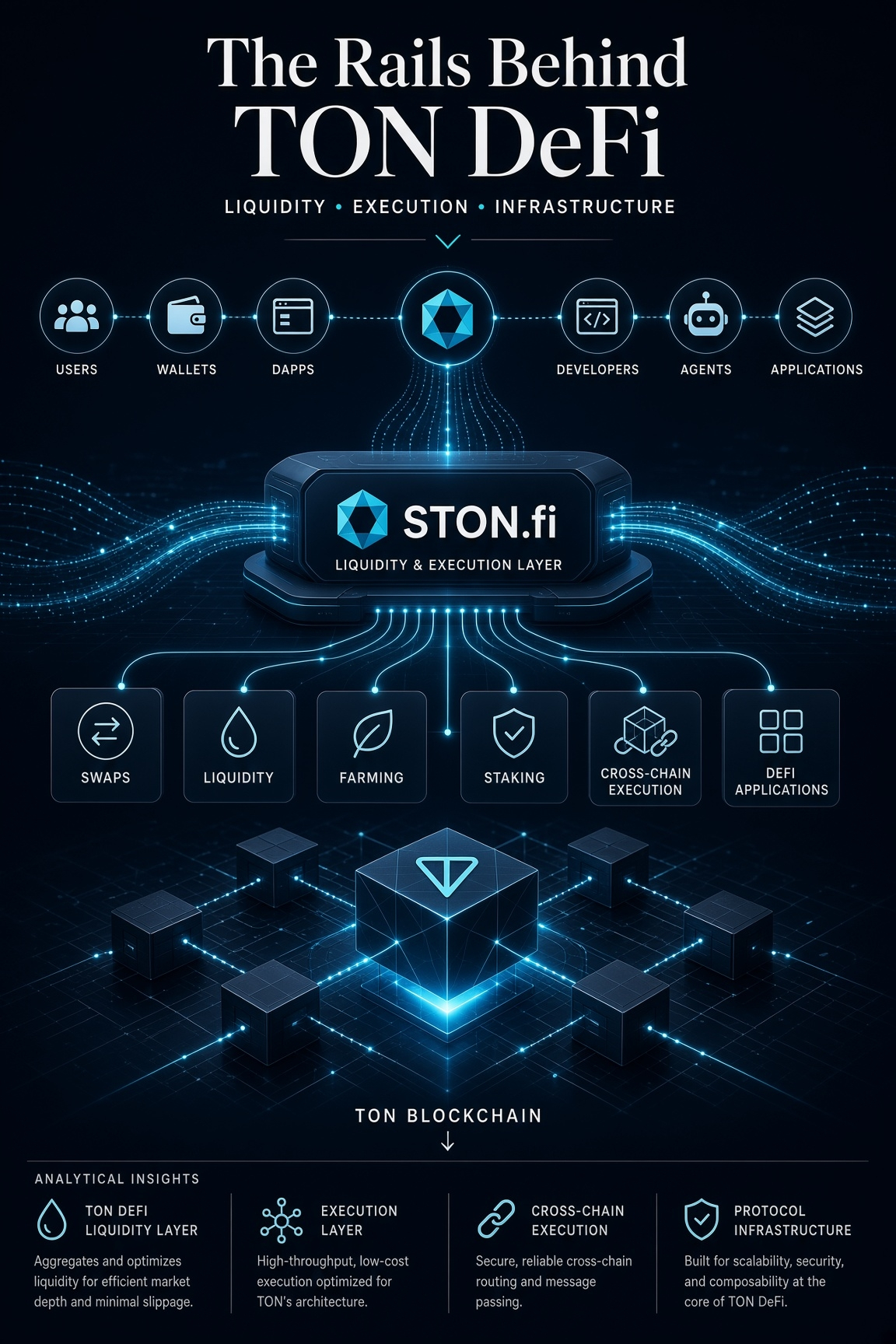
しかし、そのインターフェースの裏には、流動性、ルーティング、実行、そしてブロックチェーン基盤を含む、はるかに大きなシステムがあります。
ここが、インフラ層が重要になる場所です。
TONエコシステムが成長するにつれて、DeFiアプリケーションには、その下で確実な流動性と効率的な実行を支える必要があります。
それは、DeFiの評価の仕方に興味深い変化をもたらします。
「何が人気か?」
だけを問うのではなく、
「これらのアプリケーションが動くために、どのようなインフラが支えているのか?」
も問うべきです。
STON.fiは、TONエコシステム内での流動性とスワップにおける役割を通じて、このインフラに関する議論の一部です。さらに、クロスチェーン機能によって、ユーザーとアセットが利用できるルートの可能性が広がります。
つまり、DeFiの進化はアプリケーション層だけで起きているわけではありません。
その“下”でも起きています。
インフラは、エコシステムがどれだけ効率的にスケールできるかを定義します。
@ston_fi
#STON.fi $STON
blog.ston.fi
DeFiユーザーがめったに目にしないもの:インフラ
誰かがトークンをスワップすると、体験は一見とてもシンプルに見えることがあります。
アセットを選択します。
金額を入力します。
トランザクションを確認します。
しかし、そのインターフェースの裏には、流動性、ルーティング、実行、そしてブロックチェーン基盤を含む、はるかに大きなシステムがあります。
ここが、インフラ層が重要になる場所です。
TONエコシステムが成長するにつれて、DeFiアプリケーションには、その下で確実な流動性と効率的な実行を支える必要があります。
それは、DeFiの評価の仕方に興味深い変化をもたらします。
「何が人気か?」
だけを問うのではなく、
「これらのアプリケーションが動くために、どのようなインフラが支えているのか?」
も問うべきです。
STON.fiは、TONエコシステム内での流動性とスワップにおける役割を通じて、このインフラに関する議論の一部です。さらに、クロスチェーン機能によって、ユーザーとアセットが利用できるルートの可能性が広がります。
つまり、DeFiの進化はアプリケーション層だけで起きているわけではありません。
その“下”でも起きています。
インフラは、エコシステムがどれだけ効率的にスケールできるかを定義します。
@ston_fi
#STON.fi $STON
blog.ston.fi
誰かがトークンをスワップすると、体験は一見とてもシンプルに見えることがあります。
アセットを選択します。
金額を入力します。
トランザクションを確認します。
しかし、そのインターフェースの裏には、流動性、ルーティング、実行、そしてブロックチェーン基盤を含む、はるかに大きなシステムがあります。
ここが、インフラ層が重要になる場所です。
TONエコシステムが成長するにつれて、DeFiアプリケーションには、その下で確実な流動性と効率的な実行を支える必要があります。
それは、DeFiの評価の仕方に興味深い変化をもたらします。
「何が人気か?」
だけを問うのではなく、
「これらのアプリケーションが動くために、どのようなインフラが支えているのか?」
も問うべきです。
STON.fiは、TONエコシステム内での流動性とスワップにおける役割を通じて、このインフラに関する議論の一部です。さらに、クロスチェーン機能によって、ユーザーとアセットが利用できるルートの可能性が広がります。
つまり、DeFiの進化はアプリケーション層だけで起きているわけではありません。
その“下”でも起きています。
インフラは、エコシステムがどれだけ効率的にスケールできるかを定義します。
@ston_fi
#STON.fi $STON
blog.ston.fi
104
·
--
TON DeFiは成長しているが、より大きな物語はクロスチェーンの流動性かもしれない
TON DeFiは、より強い活発さを見せています。
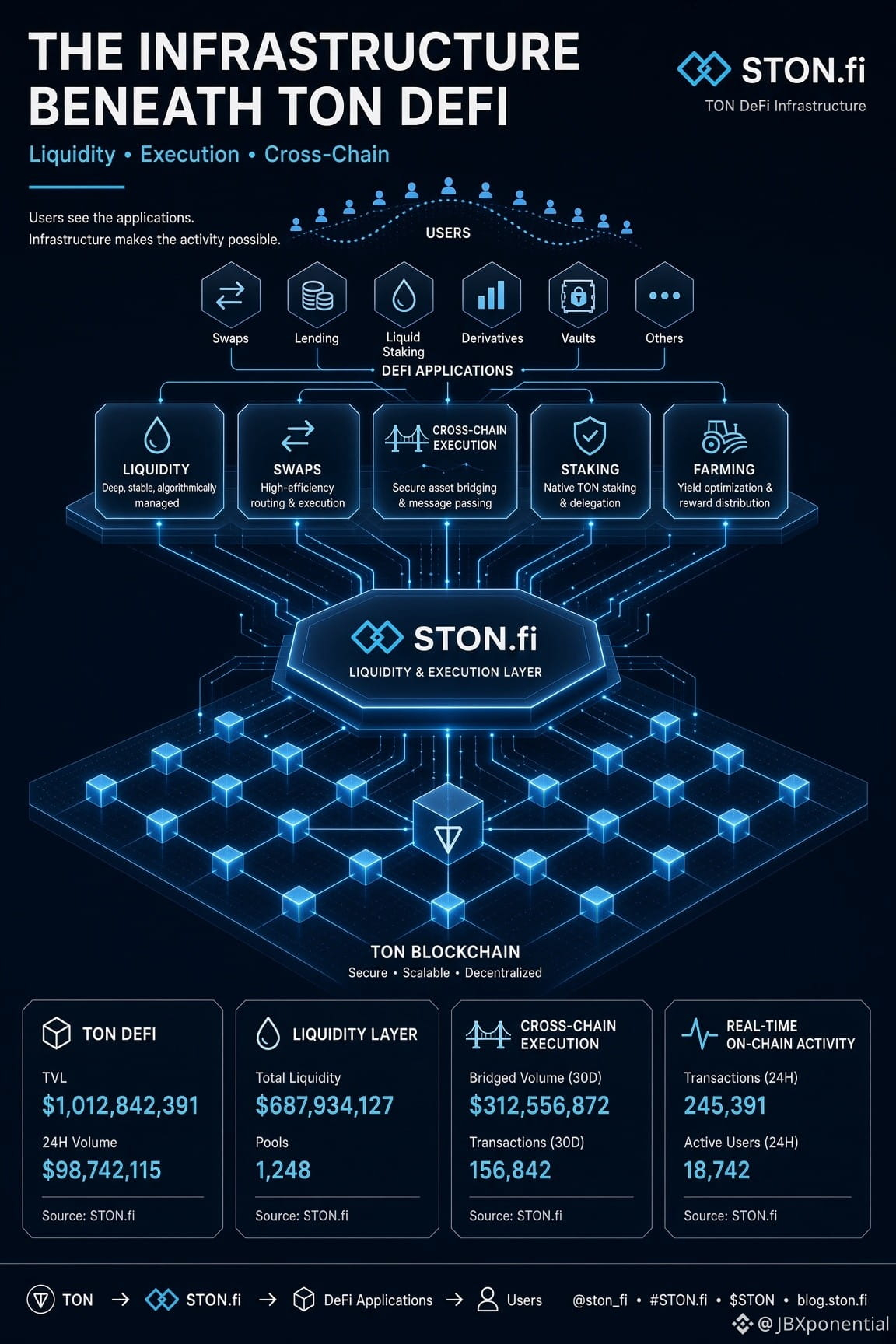
STON.fiの最新の週次アップデートによると、8月のスワップ取引量は約71万件のスワップを通じて1億3,070万ドルに達しており、7月と比べて23%増加しています。
これらの数値には注目する価値があります。
しかし、取引量だけではDeFi基盤がどこへ向かっているのかは分かりません。
より興味深いのは、接続性の進展です。
STON.fiは、Robinhood Chainへのアクセスや、TON DeFiをEthereum、BNB Chain、Baseへ接続するルートなど、最近の開発を通じてクロスチェーン基盤を拡充しています。
これは重要です。なぜなら、ブロックチェーンのエコシステムは歴史的に、別々の島のように機能してきたからです。
あるネットワークの流動性が、別のネットワークで自動的に利用できるわけではありません。
クロスチェーン基盤が、その方程式を変えます。
TON DeFiを閉じたエコシステムだと考えるのではなく、より大きな流動性ネットワークの一部として捉え始めることができます。
インフラの問い
より多くのユーザーがチェーンをまたいでやり取りするようになるにつれ、いくつかの要素がますます重要になります:
• 流動性の利用可能性
• 実行品質
• 決済設計
• ユーザー体験
• セキュリティ上の前提
• クロスチェーン・ルーティング
興味深いのは、TON DeFiがより多くの取引量を生み出せるかどうかだけではありません。
それは、そのインフラが、よりつながったDeFi環境を効率的に支えられるかどうかです。
それが、私が見守っている物語です。
@ston_fi #STON.fi $STON
"blog.ston.fi"
注:
教育目的のみ。投資助言ではありません。
TON DeFiは成長しているが、より大きな物語はクロスチェーンの流動性かもしれない
TON DeFiは、より強い活発さを見せています。
STON.fiの最新の週次アップデートによると、8月のスワップ取引量は約71万件のスワップを通じて1億3,070万ドルに達しており、7月と比べて23%増加しています。
これらの数値には注目する価値があります。
しかし、取引量だけではDeFi基盤がどこへ向かっているのかは分かりません。
より興味深いのは、接続性の進展です。
STON.fiは、Robinhood Chainへのアクセスや、TON DeFiをEthereum、BNB Chain、Baseへ接続するルートなど、最近の開発を通じてクロスチェーン基盤を拡充しています。
これは重要です。なぜなら、ブロックチェーンのエコシステムは歴史的に、別々の島のように機能してきたからです。
あるネットワークの流動性が、別のネットワークで自動的に利用できるわけではありません。
クロスチェーン基盤が、その方程式を変えます。
TON DeFiを閉じたエコシステムだと考えるのではなく、より大きな流動性ネットワークの一部として捉え始めることができます。
インフラの問い
より多くのユーザーがチェーンをまたいでやり取りするようになるにつれ、いくつかの要素がますます重要になります:
• 流動性の利用可能性
• 実行品質
• 決済設計
• ユーザー体験
• セキュリティ上の前提
• クロスチェーン・ルーティング
興味深いのは、TON DeFiがより多くの取引量を生み出せるかどうかだけではありません。
それは、そのインフラが、よりつながったDeFi環境を効率的に支えられるかどうかです。
それが、私が見守っている物語です。
@ston_fi #STON.fi $STON
"blog.ston.fi"
注:
教育目的のみ。投資助言ではありません。
TON DeFiは、より強い活発さを見せています。
STON.fiの最新の週次アップデートによると、8月のスワップ取引量は約71万件のスワップを通じて1億3,070万ドルに達しており、7月と比べて23%増加しています。
これらの数値には注目する価値があります。
しかし、取引量だけではDeFi基盤がどこへ向かっているのかは分かりません。
より興味深いのは、接続性の進展です。
STON.fiは、Robinhood Chainへのアクセスや、TON DeFiをEthereum、BNB Chain、Baseへ接続するルートなど、最近の開発を通じてクロスチェーン基盤を拡充しています。
これは重要です。なぜなら、ブロックチェーンのエコシステムは歴史的に、別々の島のように機能してきたからです。
あるネットワークの流動性が、別のネットワークで自動的に利用できるわけではありません。
クロスチェーン基盤が、その方程式を変えます。
TON DeFiを閉じたエコシステムだと考えるのではなく、より大きな流動性ネットワークの一部として捉え始めることができます。
インフラの問い
より多くのユーザーがチェーンをまたいでやり取りするようになるにつれ、いくつかの要素がますます重要になります:
• 流動性の利用可能性
• 実行品質
• 決済設計
• ユーザー体験
• セキュリティ上の前提
• クロスチェーン・ルーティング
興味深いのは、TON DeFiがより多くの取引量を生み出せるかどうかだけではありません。
それは、そのインフラが、よりつながったDeFi環境を効率的に支えられるかどうかです。
それが、私が見守っている物語です。
@ston_fi #STON.fi $STON
"blog.ston.fi"
注:
教育目的のみ。投資助言ではありません。
86
·
--
DeFiはトレーディングを超えて成熟しつつある
DeFiの次のフェーズは、より速いスワップやより高い利回りだけの話ではありません。
それは、ユーザーが理解し、検証できるシステムを構築することです。
教育リソース、透明性、インフラに投資するプロジェクトは、業界をより大きな成熟へと導くのに役立っています。
STON.fiは最近、以下のような領域に重点を置いています:
• クロスチェーン実行
• プロトコルの透明性
• 教育用ドキュメンテーション
• ユーザー中心のインフラ
これらの進展が重要なのは、情報をより得たユーザーがより良い判断をできるからです。
@ston_fi
続きを読む:blog.ston.fi
DeFiはトレーディングを超えて成熟しつつある
DeFiの次のフェーズは、より速いスワップやより高い利回りだけの話ではありません。
それは、ユーザーが理解し、検証できるシステムを構築することです。
教育リソース、透明性、インフラに投資するプロジェクトは、業界をより大きな成熟へと導くのに役立っています。
STON.fiは最近、以下のような領域に重点を置いています:
• クロスチェーン実行
• プロトコルの透明性
• 教育用ドキュメンテーション
• ユーザー中心のインフラ
これらの進展が重要なのは、情報をより得たユーザーがより良い判断をできるからです。
@ston_fi
続きを読む:blog.ston.fi
DeFiの次のフェーズは、より速いスワップやより高い利回りだけの話ではありません。
それは、ユーザーが理解し、検証できるシステムを構築することです。
教育リソース、透明性、インフラに投資するプロジェクトは、業界をより大きな成熟へと導くのに役立っています。
STON.fiは最近、以下のような領域に重点を置いています:
• クロスチェーン実行
• プロトコルの透明性
• 教育用ドキュメンテーション
• ユーザー中心のインフラ
これらの進展が重要なのは、情報をより得たユーザーがより良い判断をできるからです。
@ston_fi
続きを読む:blog.ston.fi

1
91
·
--
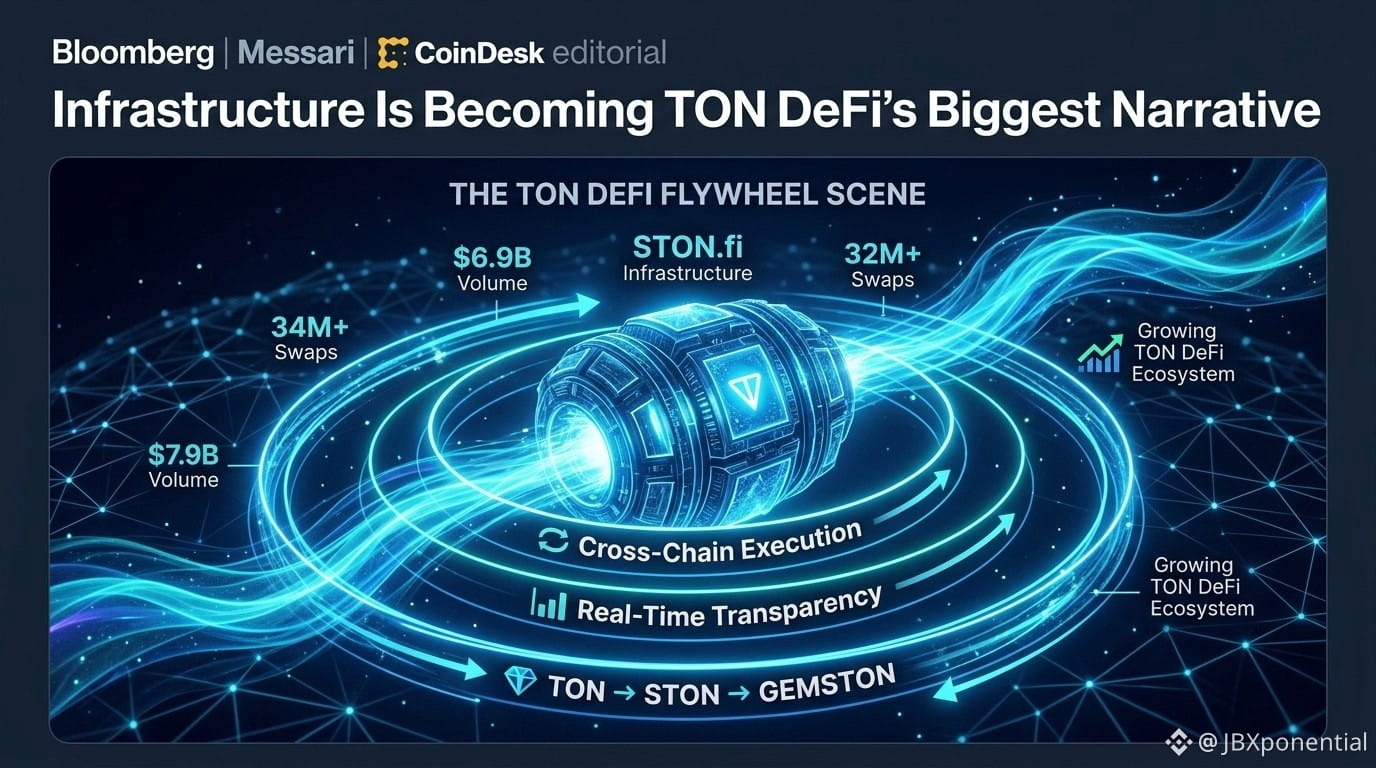
TON DeFi は静かに経済的なフライホイールを構築している
多くのユーザーは取引だけを目にします。
しかし、基盤となるインフラははるかに面白い段階に入ってきています。
際立つ3つのトレンドがあります:
✅ クロスチェーンの流動性拡大
✅ 公的な透明性メカニズム
✅ TON → STON → GEMSTON による価値の循環
これらの構成要素は、DeFi を孤立した活動から相互に結びついた経済エンジンへと変えていきます。
このサイクルにおいて、インフラを理解することが最も価値あるスキルのひとつになるかもしれません。
$STON
@ston_fi
#STONfi
blog.ston.fi
TON DeFi は静かに経済的なフライホイールを構築している
多くのユーザーは取引だけを目にします。
しかし、基盤となるインフラははるかに面白い段階に入ってきています。
際立つ3つのトレンドがあります:
✅ クロスチェーンの流動性拡大
✅ 公的な透明性メカニズム
✅ TON → STON → GEMSTON による価値の循環
これらの構成要素は、DeFi を孤立した活動から相互に結びついた経済エンジンへと変えていきます。
このサイクルにおいて、インフラを理解することが最も価値あるスキルのひとつになるかもしれません。
$STON
@ston_fi
#STONfi
blog.ston.fi
多くのユーザーは取引だけを目にします。
しかし、基盤となるインフラははるかに面白い段階に入ってきています。
際立つ3つのトレンドがあります:
✅ クロスチェーンの流動性拡大
✅ 公的な透明性メカニズム
✅ TON → STON → GEMSTON による価値の循環
これらの構成要素は、DeFi を孤立した活動から相互に結びついた経済エンジンへと変えていきます。
このサイクルにおいて、インフラを理解することが最も価値あるスキルのひとつになるかもしれません。
$STON
@ston_fi
#STONfi
blog.ston.fi
1
115
·
--
$BTC 今日のニュース:
$BTC 今日のニュース:
Binance News
·
--
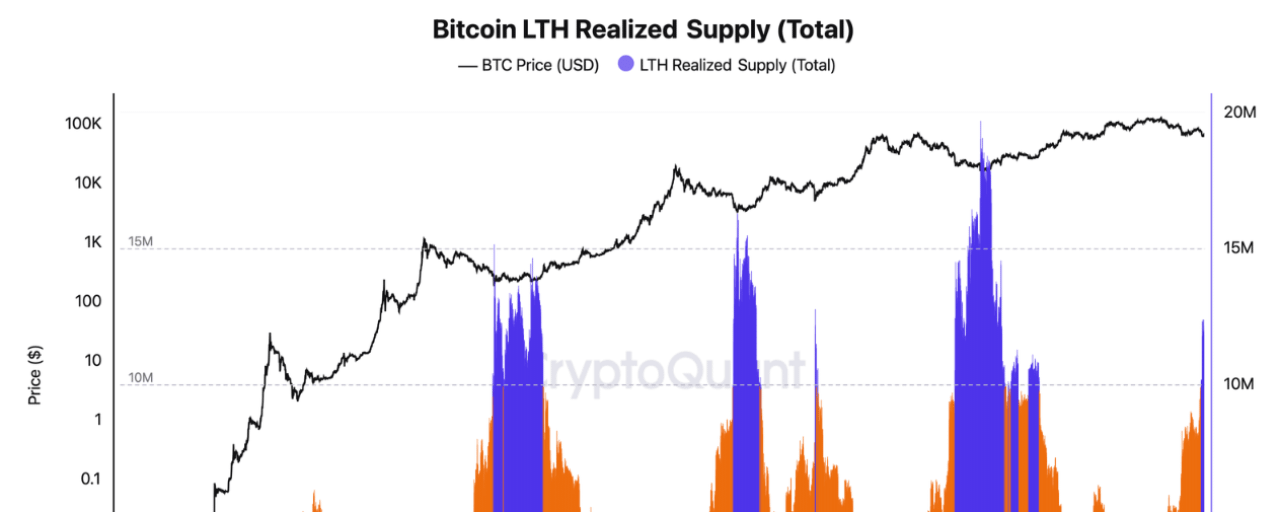
今日のビットコインニュース:キャピチュレーションシグナルなしで1,256日 — ビットコインは供給側でボトムのように見えるが、最終的なストレスは欠如している、CryptoQuantのアナリストによると。
ビットコインは、2025年10月の史上最高値126,000ドルからの反落後、64,000ドル付近でコンソリデーションしています。そして、2つのオンチェーン指標が市場の最も重要な質問、つまりボトムが形成されているのかに対して矛盾する答えを出しています。長期保有者の実現供給は、歴史的にサイクルボトムと関連するレベルに向かって成熟している方向に動いています。しかし、すべての過去のボトムを確認した最終的なキャピチュレーションイベントを捉える売上圧力指標は、1,256日間でシグナルを一つも出していません。この沈黙は、ビットコインの歴史全体で最も長いものです。
8
·
--
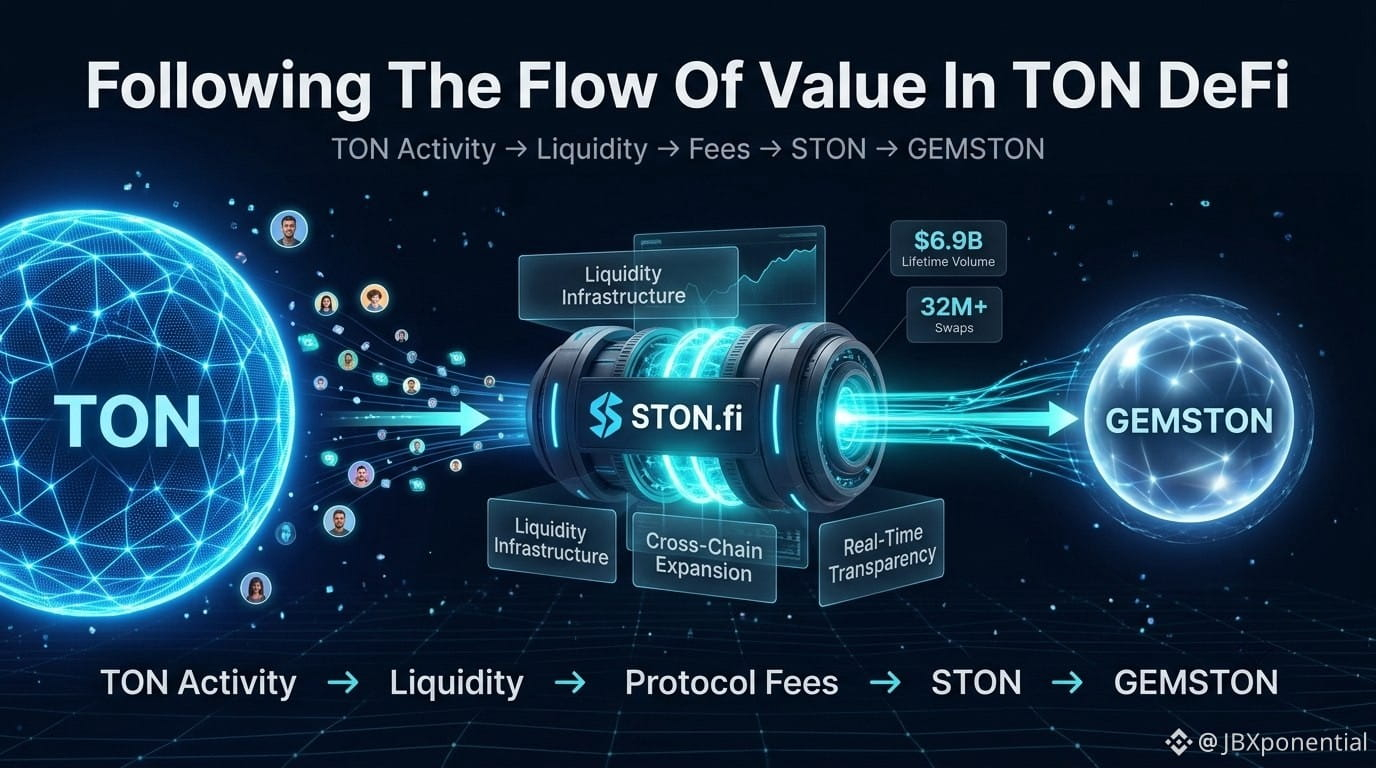
TON → STON → GEMSTON: TON DeFiのバリュー・エンジンを理解する
TON DeFiの中で興味深い変化の1つは、可視化された価値フローの出現です。
プロセスは次のように簡潔に捉えられます。
TONネットワークのアクティビティ
↓
STON.fiの流動性インフラ
↓
プロトコル手数料の生成
↓
STONへのコンバージョン
↓
GEMSTONのガバナンス参加
これにより、孤立した取引ではなく経済的なフライホイール(加速装置)が生まれます。
透明性を高めるツールが利用可能になるにつれ、ユーザーはエコシステムの活動が長期的な成長にどう寄与しているかをより深く理解できるようになります。
インフラは、このサイクルの中でも最も強力な物語の一つになり得るでしょう。
@ston_fi
#STONfi
blog.ston.fi
TON → STON → GEMSTON: TON DeFiのバリュー・エンジンを理解する
TON DeFiの中で興味深い変化の1つは、可視化された価値フローの出現です。
プロセスは次のように簡潔に捉えられます。
TONネットワークのアクティビティ
↓
STON.fiの流動性インフラ
↓
プロトコル手数料の生成
↓
STONへのコンバージョン
↓
GEMSTONのガバナンス参加
これにより、孤立した取引ではなく経済的なフライホイール(加速装置)が生まれます。
透明性を高めるツールが利用可能になるにつれ、ユーザーはエコシステムの活動が長期的な成長にどう寄与しているかをより深く理解できるようになります。
インフラは、このサイクルの中でも最も強力な物語の一つになり得るでしょう。
@ston_fi
#STONfi
blog.ston.fi
TON DeFiの中で興味深い変化の1つは、可視化された価値フローの出現です。
プロセスは次のように簡潔に捉えられます。
TONネットワークのアクティビティ
↓
STON.fiの流動性インフラ
↓
プロトコル手数料の生成
↓
STONへのコンバージョン
↓
GEMSTONのガバナンス参加
これにより、孤立した取引ではなく経済的なフライホイール(加速装置)が生まれます。
透明性を高めるツールが利用可能になるにつれ、ユーザーはエコシステムの活動が長期的な成長にどう寄与しているかをより深く理解できるようになります。
インフラは、このサイクルの中でも最も強力な物語の一つになり得るでしょう。
@ston_fi
#STONfi
blog.ston.fi
132
·
--
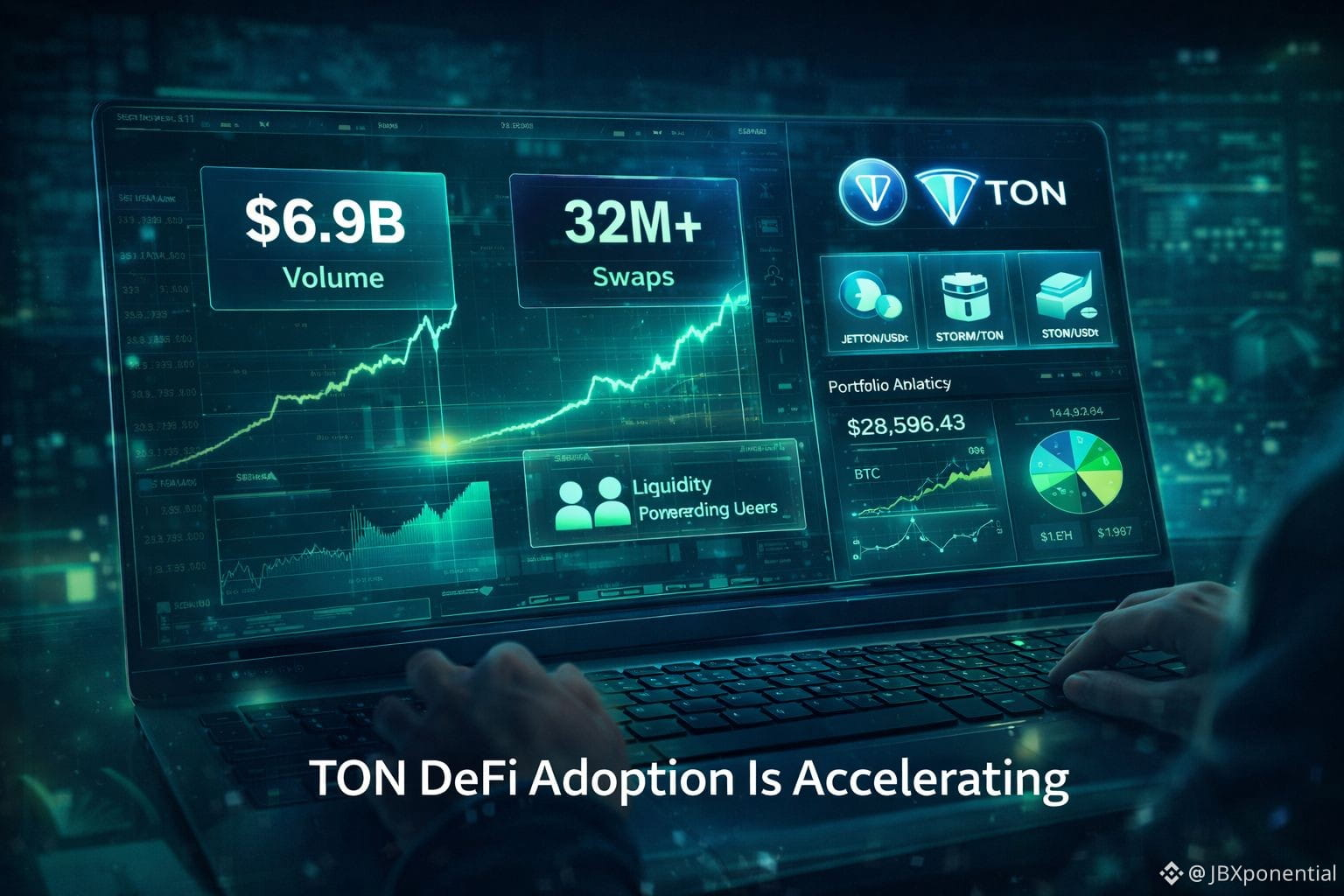
STON.fi ヒット $6.9B ボリューム: これは TON DeFi にとって何を意味するのか
DeFi の成長は、約束ではなく実際の使用を通じて測定するのが最も簡単です。
STON.fi は現在、以下を上回りました:
• $6.9B の生涯取引ボリューム
• 32M+ の完了したスワップ
これは、TON ブロックチェーンエコシステム内での流動性活動の増加を示しています。
採用を促進する重要な開発:
✅ アクティブな流動性ファーミング報酬
✅ 非保管型 BTC と ETH の統合
✅ トークン化された資産へのエクスポージャーを可能にする xStocks
✅ テレグラムネイティブの DeFi アクセス
STON.fi はまた、流動性提供者のリスクを軽減するために、39,000+ STON トークンをその不確実な損失保護プログラムを通じて配布しました。
TON DeFi は、実験からインフラレベルの採用へと徐々に移行しています。
初期のエコシステム参加は、このフェーズでは最も重要なことがよくあります。
#StonFi #TON @stonfi
STON.fi ヒット $6.9B ボリューム: これは TON DeFi にとって何を意味するのか
DeFi の成長は、約束ではなく実際の使用を通じて測定するのが最も簡単です。
STON.fi は現在、以下を上回りました:
• $6.9B の生涯取引ボリューム
• 32M+ の完了したスワップ
これは、TON ブロックチェーンエコシステム内での流動性活動の増加を示しています。
採用を促進する重要な開発:
✅ アクティブな流動性ファーミング報酬
✅ 非保管型 BTC と ETH の統合
✅ トークン化された資産へのエクスポージャーを可能にする xStocks
✅ テレグラムネイティブの DeFi アクセス
STON.fi はまた、流動性提供者のリスクを軽減するために、39,000+ STON トークンをその不確実な損失保護プログラムを通じて配布しました。
TON DeFi は、実験からインフラレベルの採用へと徐々に移行しています。
初期のエコシステム参加は、このフェーズでは最も重要なことがよくあります。
#StonFi #TON @STONfi DEX
DeFi の成長は、約束ではなく実際の使用を通じて測定するのが最も簡単です。
STON.fi は現在、以下を上回りました:
• $6.9B の生涯取引ボリューム
• 32M+ の完了したスワップ
これは、TON ブロックチェーンエコシステム内での流動性活動の増加を示しています。
採用を促進する重要な開発:
✅ アクティブな流動性ファーミング報酬
✅ 非保管型 BTC と ETH の統合
✅ トークン化された資産へのエクスポージャーを可能にする xStocks
✅ テレグラムネイティブの DeFi アクセス
STON.fi はまた、流動性提供者のリスクを軽減するために、39,000+ STON トークンをその不確実な損失保護プログラムを通じて配布しました。
TON DeFi は、実験からインフラレベルの採用へと徐々に移行しています。
初期のエコシステム参加は、このフェーズでは最も重要なことがよくあります。
#StonFi #TON @STONfi DEX
2
75
·
--
ウォーレン・バフェットが言ったように、史上最も成功した投資家の一人である:"眠っている間にお金を稼ぐ方法を見つけられないなら、あなたは死ぬまで働くことになるでしょう。" #Investment
ウォーレン・バフェットが言ったように、史上最も成功した投資家の一人である:"眠っている間にお金を稼ぐ方法を見つけられないなら、あなたは死ぬまで働くことになるでしょう。" #Investment
32
·
--
卓越を追求すれば、成功があなたを追いかけてくる。
卓越を追求すれば、成功があなたを追いかけてくる。

DCTv Africa
·
--
仮想通貨の世界では、金持ちになったと思ったら、次の瞬間には破滅してしまうなんて、おかしな話です。
多くの人が、苦労して稼いだお金で一攫千金を夢見て仮想通貨の世界に入り、あっという間に何百万ドルにも転がせると考えていました。
仮想通貨のような不安定な世界では、確かにそれは可能ですが、非常に大きな代償を払うことになります。
満足感を得るまで我慢し、時間をかけて文化やトレンドを学び、コミュニティに参加し、人脈を築き、精神的に安定し、リスク管理を学んで転売を容易にするか、それとも学ぶことを無視し、運を追い求め、欲望に突き進むか、どちらかです。
残念ながら、ほとんどの場合、大多数の人が後者を選び、結局はすべてを失ってしまいます。
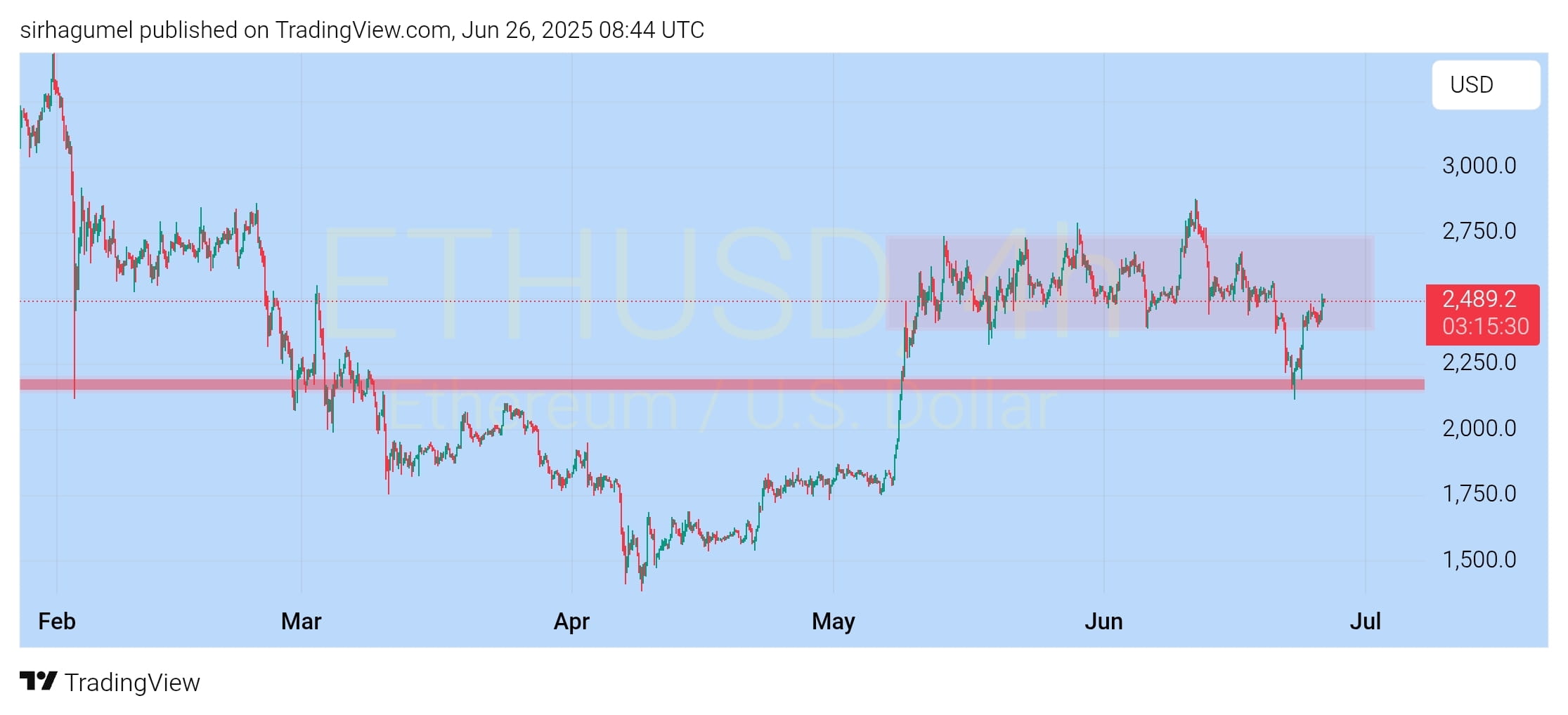
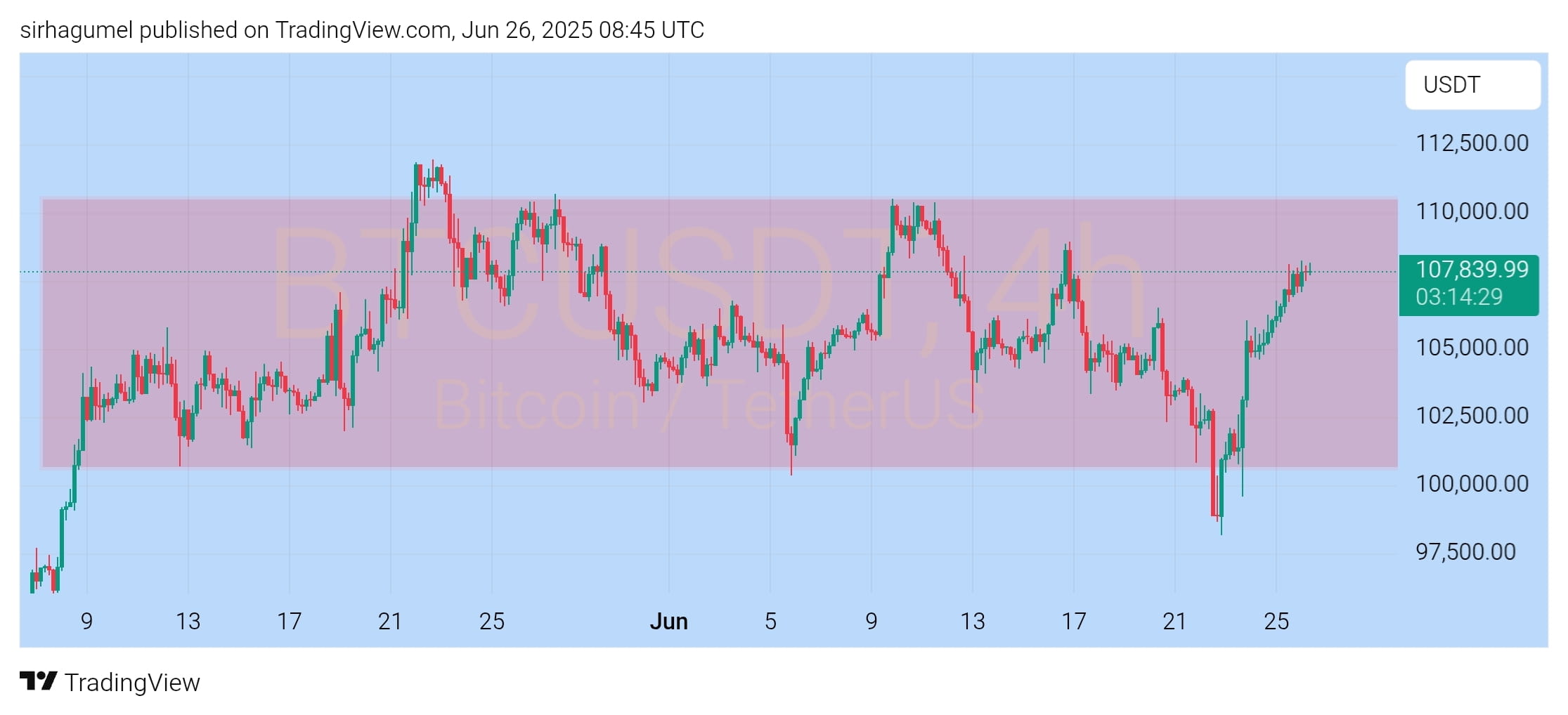
72時間も経たないうちに、$BTC $ETH $BNB という、すべてが深刻なレッドゾーンに陥っています。その中、トレードの技を極めた者は良いポジションを築き、今まさに莫大な利益を上げています。一方、運を追い求めた者はパニックに陥り、危機のさなかに損失を抑えようと思い込んで撤退しました。
今この世界に足を踏み入れようとしている皆さんへ。雑音、ソーシャルメディアの偽りの人生、そして同調圧力は無視してください。正しい目標を設定し、トレードの技を習得してください。そうすれば、あなたの成功は保証されます。
多くの人が、苦労して稼いだお金で一攫千金を夢見て仮想通貨の世界に入り、あっという間に何百万ドルにも転がせると考えていました。
仮想通貨のような不安定な世界では、確かにそれは可能ですが、非常に大きな代償を払うことになります。
満足感を得るまで我慢し、時間をかけて文化やトレンドを学び、コミュニティに参加し、人脈を築き、精神的に安定し、リスク管理を学んで転売を容易にするか、それとも学ぶことを無視し、運を追い求め、欲望に突き進むか、どちらかです。
残念ながら、ほとんどの場合、大多数の人が後者を選び、結局はすべてを失ってしまいます。
72時間も経たないうちに、$BTC $ETH $BNB という、すべてが深刻なレッドゾーンに陥っています。その中、トレードの技を極めた者は良いポジションを築き、今まさに莫大な利益を上げています。一方、運を追い求めた者はパニックに陥り、危機のさなかに損失を抑えようと思い込んで撤退しました。
今この世界に足を踏み入れようとしている皆さんへ。雑音、ソーシャルメディアの偽りの人生、そして同調圧力は無視してください。正しい目標を設定し、トレードの技を習得してください。そうすれば、あなたの成功は保証されます。

1
3
·
--
ハッピー #BitcoinPizzaDay! 15年前、ラスズロは10,000 BTCで2枚のピザを買いました—現在は数百万ドルの価値があります!
#Cryptoの歴史的瞬間を祝おう #Bitcoin
ハッピー #BitcoinPizzaDay! 15年前、ラスズロは10,000 BTCで2枚のピザを買いました—現在は数百万ドルの価値があります!
#Cryptoの歴史的瞬間を祝おう #Bitcoin
#Cryptoの歴史的瞬間を祝おう #Bitcoin

48
ログインして、さらにコンテンツを読む
厳選トピックで世界の暗号資産トレーダーの仲間入り
⚡️ 暗号資産に関する最新かつ有益な情報が見つかります。
💬 世界最大の暗号資産取引所から信頼されています。
👍 認証を受けたクリエイターから、有益なインサイトを得られます。
メール / 電話番号
トレンドトピック
QNTRises287%
閲覧回数 8,556
245人が討論中
🚨 QNTが爆発!+287%! 🔥
+287%は“正常な動き”ではありません。👀
QNTが突然放物線状(パラボリック)に上昇し、モメンタムと出来高の急増によってトレーダーが警戒を強めています。
⚠️ このような激しい値動きの後は、FOMO(取り残される不安)が危険になることもあります。ボラティリティは
どちらにも転び得ます。
📈 注目:継続する出来高 + ブレイク確認
📉 リスク:急な利確 / 押し戻し
🔥 QNTはまだ始まったばかり…それともこの値動きは大きな調整の準備ができている?
あなたのQNT目標は?👇
#qntrises287% #QNT #Quant #crypto #BinanceSquare
$QNT
ASHFAQ NAEEM
·いいね:6件
·閲覧回数 5.4k
HSBCNamesStablecoinRedCoinForPhasedLaunch
閲覧回数 816
53人が討論中
TrumpRejectsAIRulesForVoluntaryAudits
閲覧回数 11,739
347人が討論中