

Elez Bedh
17.1k 投稿

Elez Bedh
 厳選トピック確認済+
報告
ユーザーをブロック
Crypto Enthusiast, Investor, KOL & Gem Holder Long term Holder of Memecoin
30 フォロー
39.1K+ フォロワー
24.2K+ いいね
投稿
すべて
引用
ライブ
·
--
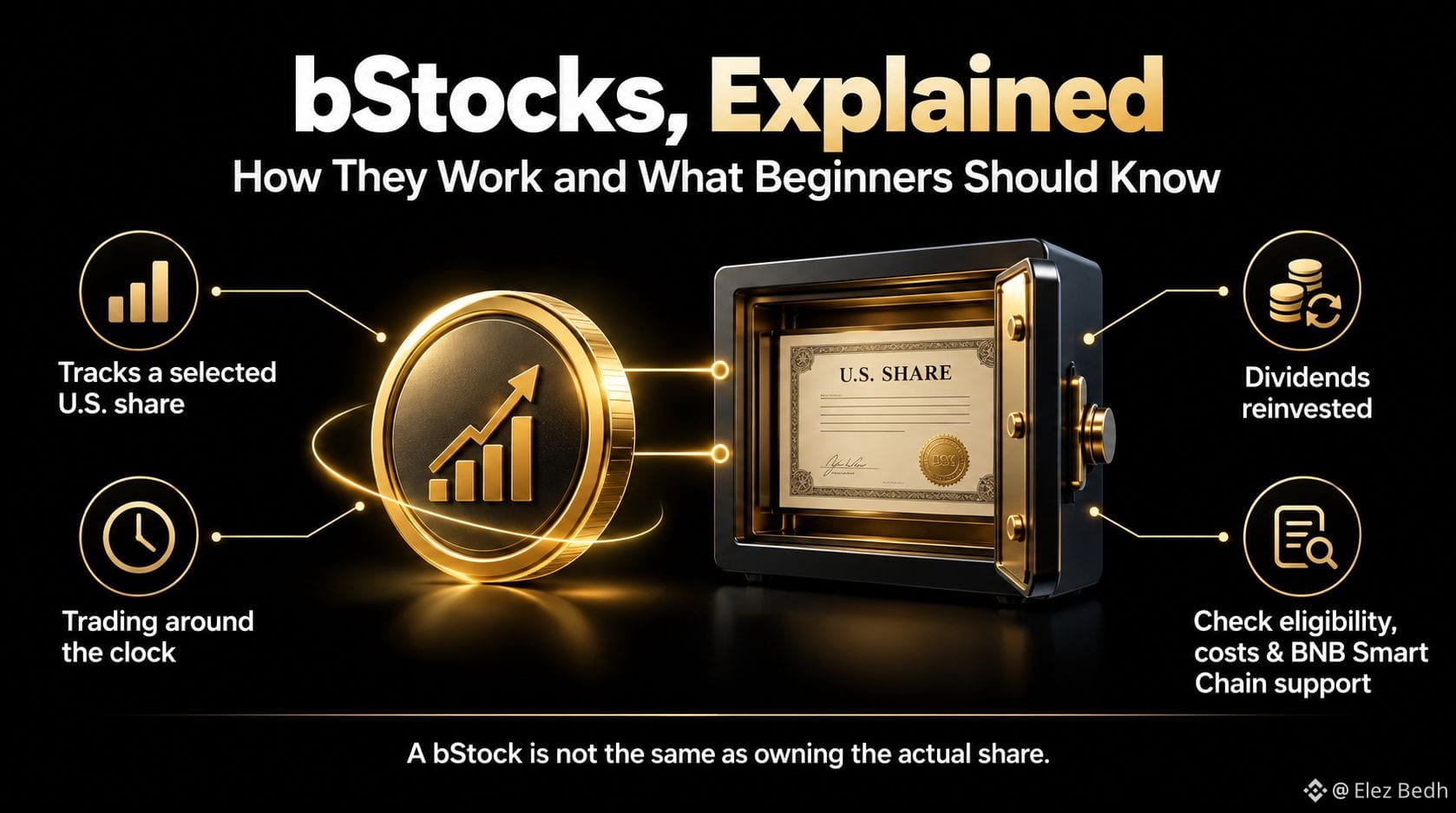
bStocks入門:仕組みと初心者が知っておくべきこと
仮想通貨のように株式のエクスポージャーを売買できたら…と思ったことはありませんか?その発想がbStocksです。各トークンは選択した米国株の銘柄に連動しており、それに対応する株式がカストディアンによって保管されています。Binanceでは24時間いつでも売買でき、配当は現金として支払われるのではなく、あなたの残高に再投資されます。
注意点が1つあります。bStockを保有していても、実際の株を所有しているのと同じではなく、利用できるかどうかは居住地によって異なります。取引前に適格性とコストを確認してください。また、トークンをウォレットへ移す場合は、BNB Smart Chainに対応していることを確認してください。
@BinanceLaotian #SEAstock #SEABstock
bStocks入門:仕組みと初心者が知っておくべきこと
仮想通貨のように株式のエクスポージャーを売買できたら…と思ったことはありませんか?その発想がbStocksです。各トークンは選択した米国株の銘柄に連動しており、それに対応する株式がカストディアンによって保管されています。Binanceでは24時間いつでも売買でき、配当は現金として支払われるのではなく、あなたの残高に再投資されます。
注意点が1つあります。bStockを保有していても、実際の株を所有しているのと同じではなく、利用できるかどうかは居住地によって異なります。取引前に適格性とコストを確認してください。また、トークンをウォレットへ移す場合は、BNB Smart Chainに対応していることを確認してください。
@Binance Laotian #SEAstock #SEABstock
仮想通貨のように株式のエクスポージャーを売買できたら…と思ったことはありませんか?その発想がbStocksです。各トークンは選択した米国株の銘柄に連動しており、それに対応する株式がカストディアンによって保管されています。Binanceでは24時間いつでも売買でき、配当は現金として支払われるのではなく、あなたの残高に再投資されます。
注意点が1つあります。bStockを保有していても、実際の株を所有しているのと同じではなく、利用できるかどうかは居住地によって異なります。取引前に適格性とコストを確認してください。また、トークンをウォレットへ移す場合は、BNB Smart Chainに対応していることを確認してください。
@Binance Laotian #SEAstock #SEABstock
4
143
·
--
記事
転換点のビットコイン:BTCは$87,400を奪還できるか?$BTC 9月にかけて大きく反発し、一時は約$87,359まで上昇したものの、その後は$84,000付近へと押し戻された。米国の現物ビットコインETFは9月21日〜25日に約23.9億ドルの純流入を記録し、ラリーを下支えした。とはいえ価格は急変し得るため、ETF需要も変化する可能性がある。
ビットコインの見通しは依然として混在している。規制に対する見方の改善や再びの買いが追い風となった一方で、金利の不確実性や9月中旬の下落局面は、下向きリスクが残っていることを示している。トレーダーは$82,600〜$84,000付近のサポートに注目しており、レジスタンスは$87,400、その次が$90,000付近だ。レジスタンスをしっかり上抜ける動きがあれば強気材料が強まるが、サポートを失えばさらなる圧力につながり得る。
転換点のビットコイン:BTCは$87,400を奪還できるか?
$BTC 9月にかけて大きく反発し、一時は約$87,359まで上昇したものの、その後は$84,000付近へと押し戻された。米国の現物ビットコインETFは9月21日〜25日に約23.9億ドルの純流入を記録し、ラリーを下支えした。とはいえ価格は急変し得るため、ETF需要も変化する可能性がある。
ビットコインの見通しは依然として混在している。規制に対する見方の改善や再びの買いが追い風となった一方で、金利の不確実性や9月中旬の下落局面は、下向きリスクが残っていることを示している。トレーダーは$82,600〜$84,000付近のサポートに注目しており、レジスタンスは$87,400、その次が$90,000付近だ。レジスタンスをしっかり上抜ける動きがあれば強気材料が強まるが、サポートを失えばさらなる圧力につながり得る。
ビットコインの見通しは依然として混在している。規制に対する見方の改善や再びの買いが追い風となった一方で、金利の不確実性や9月中旬の下落局面は、下向きリスクが残っていることを示している。トレーダーは$82,600〜$84,000付近のサポートに注目しており、レジスタンスは$87,400、その次が$90,000付近だ。レジスタンスをしっかり上抜ける動きがあれば強気材料が強まるが、サポートを失えばさらなる圧力につながり得る。
6
271
·
--
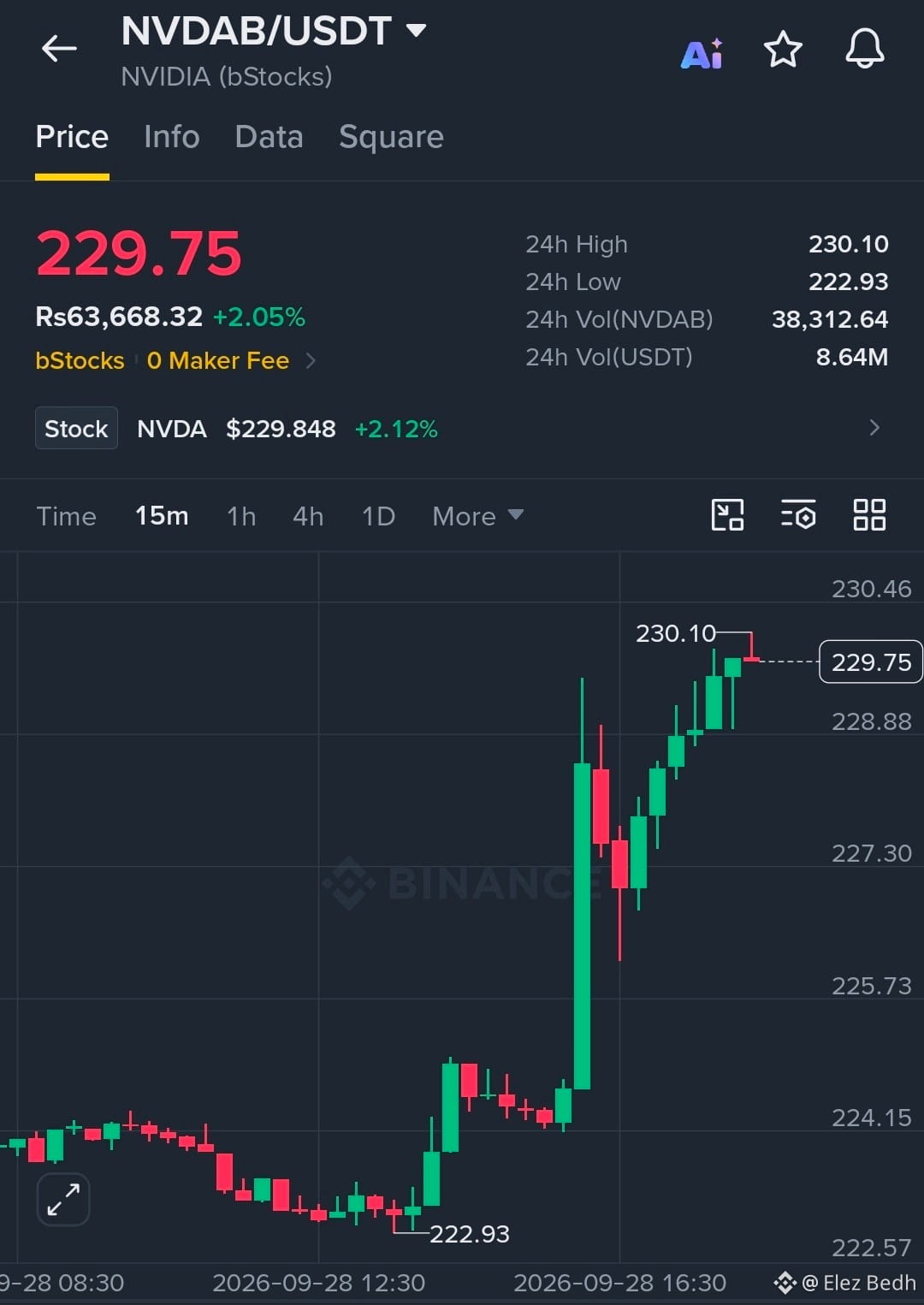
$NVDAB は、222.93から急反発した後、24時間で2.05%上昇し、229.75で取引されています。15分足チャートでは強気の勢いが構築されつつありますが、注目すべき重要なブレイクアウト水準は230.10です。
エントリーゾーン:228.80–229.50
ターゲット1:230.10
ターゲット2:231.00
ターゲット3:232.00
損切り:227.30
出来高の増加を伴って230.10を上抜ける強い終値が出れば、さらなる上方向の道が開ける可能性があります。価格は添付チャートに基づいています。リスク管理を慎重に行ってください。
{spot}(NVDABUSDT)
$NVDAB は、222.93から急反発した後、24時間で2.05%上昇し、229.75で取引されています。15分足チャートでは強気の勢いが構築されつつありますが、注目すべき重要なブレイクアウト水準は230.10です。
エントリーゾーン:228.80–229.50
ターゲット1:230.10
ターゲット2:231.00
ターゲット3:232.00
損切り:227.30
出来高の増加を伴って230.10を上抜ける強い終値が出れば、さらなる上方向の道が開ける可能性があります。価格は添付チャートに基づいています。リスク管理を慎重に行ってください。
エントリーゾーン:228.80–229.50
ターゲット1:230.10
ターゲット2:231.00
ターゲット3:232.00
損切り:227.30
出来高の増加を伴って230.10を上抜ける強い終値が出れば、さらなる上方向の道が開ける可能性があります。価格は添付チャートに基づいています。リスク管理を慎重に行ってください。
2
158
·
--
本人確認中
#AIStocksWhatNext
AI関連株は、投資家にとって胸が躍る材料をたっぷり提供している一方で、考えるべきことも多い。最新の決算は目を見張る成長を示しているが、次の一手は、各社が増強のための投資に支払った後、どれだけ現金を手元に残せるかに左右される可能性がある。
$NVDAB は、2027年会計年度第2四半期の売上高を約962億ドルと報告。前年同期比で106%の増加で、粗利益率は75%だった。数字は非常に印象的だ。今の関心は、大口顧客が支出を維持しているか、そしてNVIDIAが高まる期待に対して引き続き成果を出しているかにある。
$AVGO は、四半期のAI半導体売上高が167億ドルで、前年同期比221%増と報告。全社のフリー・キャッシュ・フローは約137億ドルに達した。この現金創出力が、成長ストーリーに実質的な裏付けを与えている点に注目している。
$MSFT は、Azureやその他のクラウドサービスの売上が43%成長する一方で、Microsoft 365 Copilotは有料のシート数が3000万を超えたと報告している。顧客は支払っているが、インフラコストは依然重要だ。Microsoftのクラウド粗利益率は前年同期比で65%に低下した。
$AMZNは、AWSの売上が37%成長して422億ドルになったと報告している。しかし、全社ベースの直近12カ月のフリー・キャッシュ・フローはマイナス76億ドルだった。これは主に、AIインフラ投資の増加を反映している。私は、この支出がどれだけ早く、より強いキャッシュ還元につながるのかを見守っている。
$GOOGLは、Google Cloudの売上高が82%成長して248億ドルになったと報告した。全社の営業利益も30%増加している。これらの営業実績は、報告された利益を押し上げた大きな未実現投資利益とは分けて、別途注目に値する。
私の結論:ビジネスの勢いは強そうだが、成長企業だからといって、必ずしも割安に魅力のある株とは限らない。次の決算では、持続的な需要、健全なマージン、そしてキャッシュ創出に関する進捗を示す必要がある。
ここには見ていくべき多くの機会がある。期待は十分に高いので、小さな失望でもこれらの株を大きく動かす可能性がある。
#AIStocksWhatNext
AI関連株は、投資家にとって胸が躍る材料をたっぷり提供している一方で、考えるべきことも多い。最新の決算は目を見張る成長を示しているが、次の一手は、各社が増強のための投資に支払った後、どれだけ現金を手元に残せるかに左右される可能性がある。
$NVDAB は、2027年会計年度第2四半期の売上高を約962億ドルと報告。前年同期比で106%の増加で、粗利益率は75%だった。数字は非常に印象的だ。今の関心は、大口顧客が支出を維持しているか、そしてNVIDIAが高まる期待に対して引き続き成果を出しているかにある。
$AVGO は、四半期のAI半導体売上高が167億ドルで、前年同期比221%増と報告。全社のフリー・キャッシュ・フローは約137億ドルに達した。この現金創出力が、成長ストーリーに実質的な裏付けを与えている点に注目している。
$MSFT は、Azureやその他のクラウドサービスの売上が43%成長する一方で、Microsoft 365 Copilotは有料のシート数が3000万を超えたと報告している。顧客は支払っているが、インフラコストは依然重要だ。Microsoftのクラウド粗利益率は前年同期比で65%に低下した。
$AMZNは、AWSの売上が37%成長して422億ドルになったと報告している。しかし、全社ベースの直近12カ月のフリー・キャッシュ・フローはマイナス76億ドルだった。これは主に、AIインフラ投資の増加を反映している。私は、この支出がどれだけ早く、より強いキャッシュ還元につながるのかを見守っている。
$GOOGLは、Google Cloudの売上高が82%成長して248億ドルになったと報告した。全社の営業利益も30%増加している。これらの営業実績は、報告された利益を押し上げた大きな未実現投資利益とは分けて、別途注目に値する。
私の結論:ビジネスの勢いは強そうだが、成長企業だからといって、必ずしも割安に魅力のある株とは限らない。次の決算では、持続的な需要、健全なマージン、そしてキャッシュ創出に関する進捗を示す必要がある。
ここには見ていくべき多くの機会がある。期待は十分に高いので、小さな失望でもこれらの株を大きく動かす可能性がある。
AI関連株は、投資家にとって胸が躍る材料をたっぷり提供している一方で、考えるべきことも多い。最新の決算は目を見張る成長を示しているが、次の一手は、各社が増強のための投資に支払った後、どれだけ現金を手元に残せるかに左右される可能性がある。
$NVDAB は、2027年会計年度第2四半期の売上高を約962億ドルと報告。前年同期比で106%の増加で、粗利益率は75%だった。数字は非常に印象的だ。今の関心は、大口顧客が支出を維持しているか、そしてNVIDIAが高まる期待に対して引き続き成果を出しているかにある。
$AVGO は、四半期のAI半導体売上高が167億ドルで、前年同期比221%増と報告。全社のフリー・キャッシュ・フローは約137億ドルに達した。この現金創出力が、成長ストーリーに実質的な裏付けを与えている点に注目している。
$MSFT は、Azureやその他のクラウドサービスの売上が43%成長する一方で、Microsoft 365 Copilotは有料のシート数が3000万を超えたと報告している。顧客は支払っているが、インフラコストは依然重要だ。Microsoftのクラウド粗利益率は前年同期比で65%に低下した。
$AMZNは、AWSの売上が37%成長して422億ドルになったと報告している。しかし、全社ベースの直近12カ月のフリー・キャッシュ・フローはマイナス76億ドルだった。これは主に、AIインフラ投資の増加を反映している。私は、この支出がどれだけ早く、より強いキャッシュ還元につながるのかを見守っている。
$GOOGLは、Google Cloudの売上高が82%成長して248億ドルになったと報告した。全社の営業利益も30%増加している。これらの営業実績は、報告された利益を押し上げた大きな未実現投資利益とは分けて、別途注目に値する。
私の結論:ビジネスの勢いは強そうだが、成長企業だからといって、必ずしも割安に魅力のある株とは限らない。次の決算では、持続的な需要、健全なマージン、そしてキャッシュ創出に関する進捗を示す必要がある。
ここには見ていくべき多くの機会がある。期待は十分に高いので、小さな失望でもこれらの株を大きく動かす可能性がある。

5
1k
·
--
本人確認中
私はこの9月のFRB会合を注意深く見守っています。0.25%の利上げは広く予想されています。インフレと原油価格が依然として政策担当者に圧力をかけている一方で、現時点では何も確定していません。"AP"
この状況を緊張させているのは、その後に来ることです。モルガン・スタンレーは12月にも追加利上げがあると予想しています。FRBのメッセージは同じ方向を示すのでしょうか?
ビットコインやアルトコインにとって、その見通しは決定と同じくらい重要かもしれません。追加利上げの話が出れば、買い手に圧力がかかる可能性があります。より弱めのトーンなら、いくらか安心材料になるかもしれません。
最初の価格の上昇について、読み込みすぎないように、利率見通しとウォーシュの発言を確認します。いくつかの言葉が、ムードをすぐに変え得る会合があるのです。
#FedRateWatch #FOMC #Bitcoin #Market #Bitcoin
私はこの9月のFRB会合を注意深く見守っています。0.25%の利上げは広く予想されています。インフレと原油価格が依然として政策担当者に圧力をかけている一方で、現時点では何も確定していません。"AP"
この状況を緊張させているのは、その後に来ることです。モルガン・スタンレーは12月にも追加利上げがあると予想しています。FRBのメッセージは同じ方向を示すのでしょうか?
ビットコインやアルトコインにとって、その見通しは決定と同じくらい重要かもしれません。追加利上げの話が出れば、買い手に圧力がかかる可能性があります。より弱めのトーンなら、いくらか安心材料になるかもしれません。
最初の価格の上昇について、読み込みすぎないように、利率見通しとウォーシュの発言を確認します。いくつかの言葉が、ムードをすぐに変え得る会合があるのです。
#FedRateWatch #FOMC #Bitcoin #Market #Bitcoin
この状況を緊張させているのは、その後に来ることです。モルガン・スタンレーは12月にも追加利上げがあると予想しています。FRBのメッセージは同じ方向を示すのでしょうか?
ビットコインやアルトコインにとって、その見通しは決定と同じくらい重要かもしれません。追加利上げの話が出れば、買い手に圧力がかかる可能性があります。より弱めのトーンなら、いくらか安心材料になるかもしれません。
最初の価格の上昇について、読み込みすぎないように、利率見通しとウォーシュの発言を確認します。いくつかの言葉が、ムードをすぐに変え得る会合があるのです。
#FedRateWatch #FOMC #Bitcoin #Market #Bitcoin
17
19
2.8k
·
--
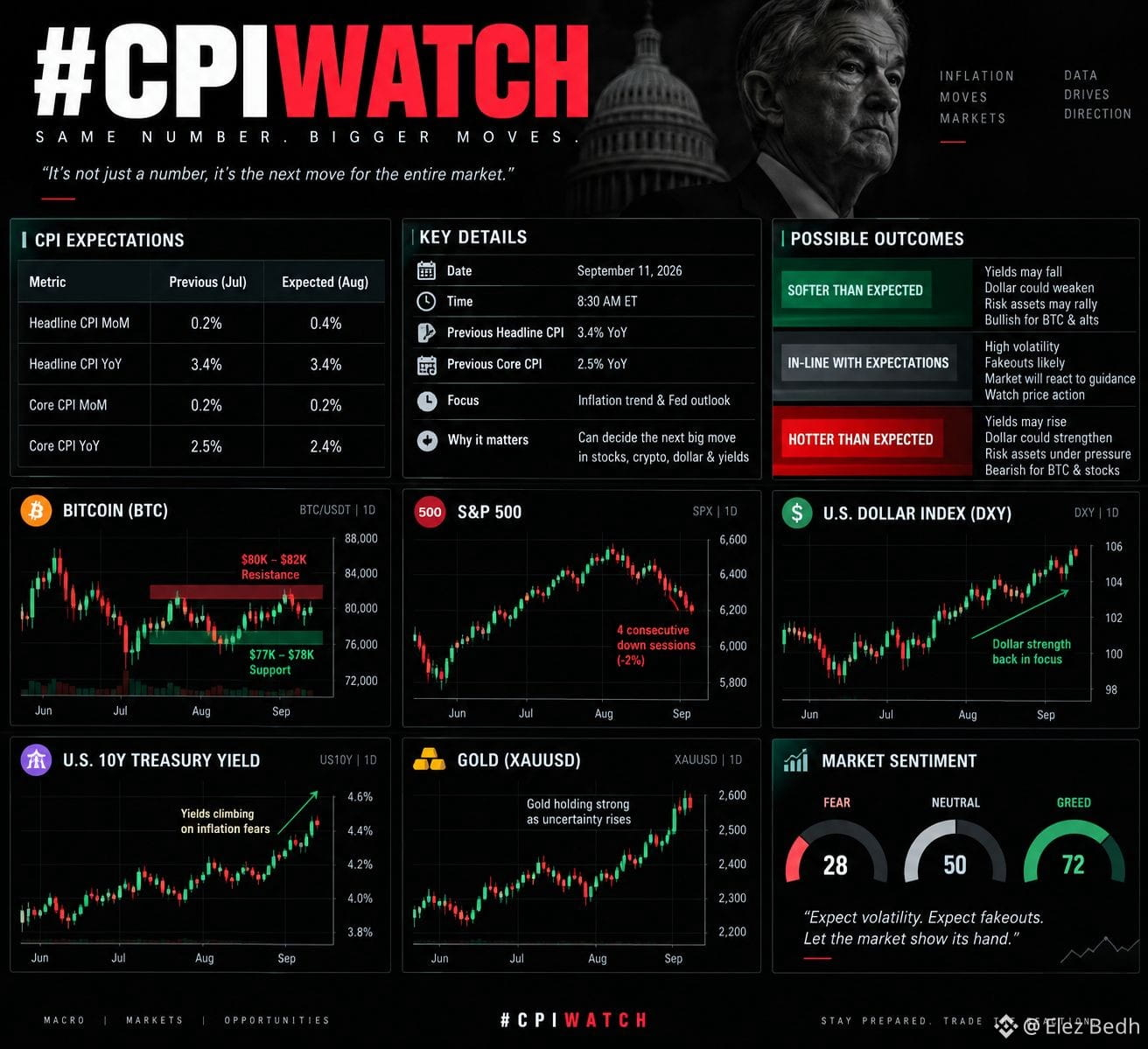
#CPIWatch
まるで市場全体がCPIを待ってじっと座っているだけのように感じる。
BTCは静か。株も慎重。数字が出る前に、誰も本当に最初の大きな一手を打ちたいとは思っていない。
そして正直、それは理にかなっている。
CPIは、市場のムードをものすごく早く変え得る。
インフレが予想よりも落ち着いて出てくれば、ドルや利回りにかかっていた圧力が和らぐ可能性がある。そうなれば、リスク資産にとってかなり良いセットアップになり得る。ビットコインは、買い手が待ち望んでいた“きっかけ”をようやく得られるかもしれない。そしてBTCが本物の出来高を伴って動き始めれば、アルトは長く静かでいられないだろう。
だが、もしCPIが強すぎる(熱い)内容なら、状況はすぐにややこしくなる。
インフレの上振れは、再びFRBへの懸念を会話の中心に引き戻すはずだ。利回りとドルが跳ねる一方で、BTCや株は強烈な売りに見舞われる可能性がある。
私が一番注目しているのは、実は“数字そのもの”ではない。
反応だ。
CPIの日は、方向性が明らかだと皆が確信してしまう最初の、とんでもないローソク足で有名だ……そして5分後には市場が完全にひっくり返る。
そこでトレーダーが捕まる。
だから私は、最初の動きに追いかけたくない。
出来高がどこから入ってくるのか、DXYと利回りがどう反応するのか、そして最重要なのは、最初の動きに“フォロー”があるのかどうかを見たい。
クールなCPIなら、強気派に扉が開く。
ホットなCPIなら、弱気派にチャンスが来る。
予想のすぐそばに数字が収まれば、最も厄介なシナリオになり得る――真の方向性が見える前に、両サイドが掃き去られる。
いずれにせよ、ボラティリティはやってくる。
今のところ市場は落ち着いて見える。
でもCPIの後は、おそらくそうはいかない。
気を引き締めて。
#BTC #Macro #Inflation #Markets
#CPIWatch
まるで市場全体がCPIを待ってじっと座っているだけのように感じる。
BTCは静か。株も慎重。数字が出る前に、誰も本当に最初の大きな一手を打ちたいとは思っていない。
そして正直、それは理にかなっている。
CPIは、市場のムードをものすごく早く変え得る。
インフレが予想よりも落ち着いて出てくれば、ドルや利回りにかかっていた圧力が和らぐ可能性がある。そうなれば、リスク資産にとってかなり良いセットアップになり得る。ビットコインは、買い手が待ち望んでいた“きっかけ”をようやく得られるかもしれない。そしてBTCが本物の出来高を伴って動き始めれば、アルトは長く静かでいられないだろう。
だが、もしCPIが強すぎる(熱い)内容なら、状況はすぐにややこしくなる。
インフレの上振れは、再びFRBへの懸念を会話の中心に引き戻すはずだ。利回りとドルが跳ねる一方で、BTCや株は強烈な売りに見舞われる可能性がある。
私が一番注目しているのは、実は“数字そのもの”ではない。
反応だ。
CPIの日は、方向性が明らかだと皆が確信してしまう最初の、とんでもないローソク足で有名だ……そして5分後には市場が完全にひっくり返る。
そこでトレーダーが捕まる。
だから私は、最初の動きに追いかけたくない。
出来高がどこから入ってくるのか、DXYと利回りがどう反応するのか、そして最重要なのは、最初の動きに“フォロー”があるのかどうかを見たい。
クールなCPIなら、強気派に扉が開く。
ホットなCPIなら、弱気派にチャンスが来る。
予想のすぐそばに数字が収まれば、最も厄介なシナリオになり得る――真の方向性が見える前に、両サイドが掃き去られる。
いずれにせよ、ボラティリティはやってくる。
今のところ市場は落ち着いて見える。
でもCPIの後は、おそらくそうはいかない。
気を引き締めて。
#BTC #Macro #Inflation #Markets
まるで市場全体がCPIを待ってじっと座っているだけのように感じる。
BTCは静か。株も慎重。数字が出る前に、誰も本当に最初の大きな一手を打ちたいとは思っていない。
そして正直、それは理にかなっている。
CPIは、市場のムードをものすごく早く変え得る。
インフレが予想よりも落ち着いて出てくれば、ドルや利回りにかかっていた圧力が和らぐ可能性がある。そうなれば、リスク資産にとってかなり良いセットアップになり得る。ビットコインは、買い手が待ち望んでいた“きっかけ”をようやく得られるかもしれない。そしてBTCが本物の出来高を伴って動き始めれば、アルトは長く静かでいられないだろう。
だが、もしCPIが強すぎる(熱い)内容なら、状況はすぐにややこしくなる。
インフレの上振れは、再びFRBへの懸念を会話の中心に引き戻すはずだ。利回りとドルが跳ねる一方で、BTCや株は強烈な売りに見舞われる可能性がある。
私が一番注目しているのは、実は“数字そのもの”ではない。
反応だ。
CPIの日は、方向性が明らかだと皆が確信してしまう最初の、とんでもないローソク足で有名だ……そして5分後には市場が完全にひっくり返る。
そこでトレーダーが捕まる。
だから私は、最初の動きに追いかけたくない。
出来高がどこから入ってくるのか、DXYと利回りがどう反応するのか、そして最重要なのは、最初の動きに“フォロー”があるのかどうかを見たい。
クールなCPIなら、強気派に扉が開く。
ホットなCPIなら、弱気派にチャンスが来る。
予想のすぐそばに数字が収まれば、最も厄介なシナリオになり得る――真の方向性が見える前に、両サイドが掃き去られる。
いずれにせよ、ボラティリティはやってくる。
今のところ市場は落ち着いて見える。
でもCPIの後は、おそらくそうはいかない。
気を引き締めて。
#BTC #Macro #Inflation #Markets
12
12
567
·
--
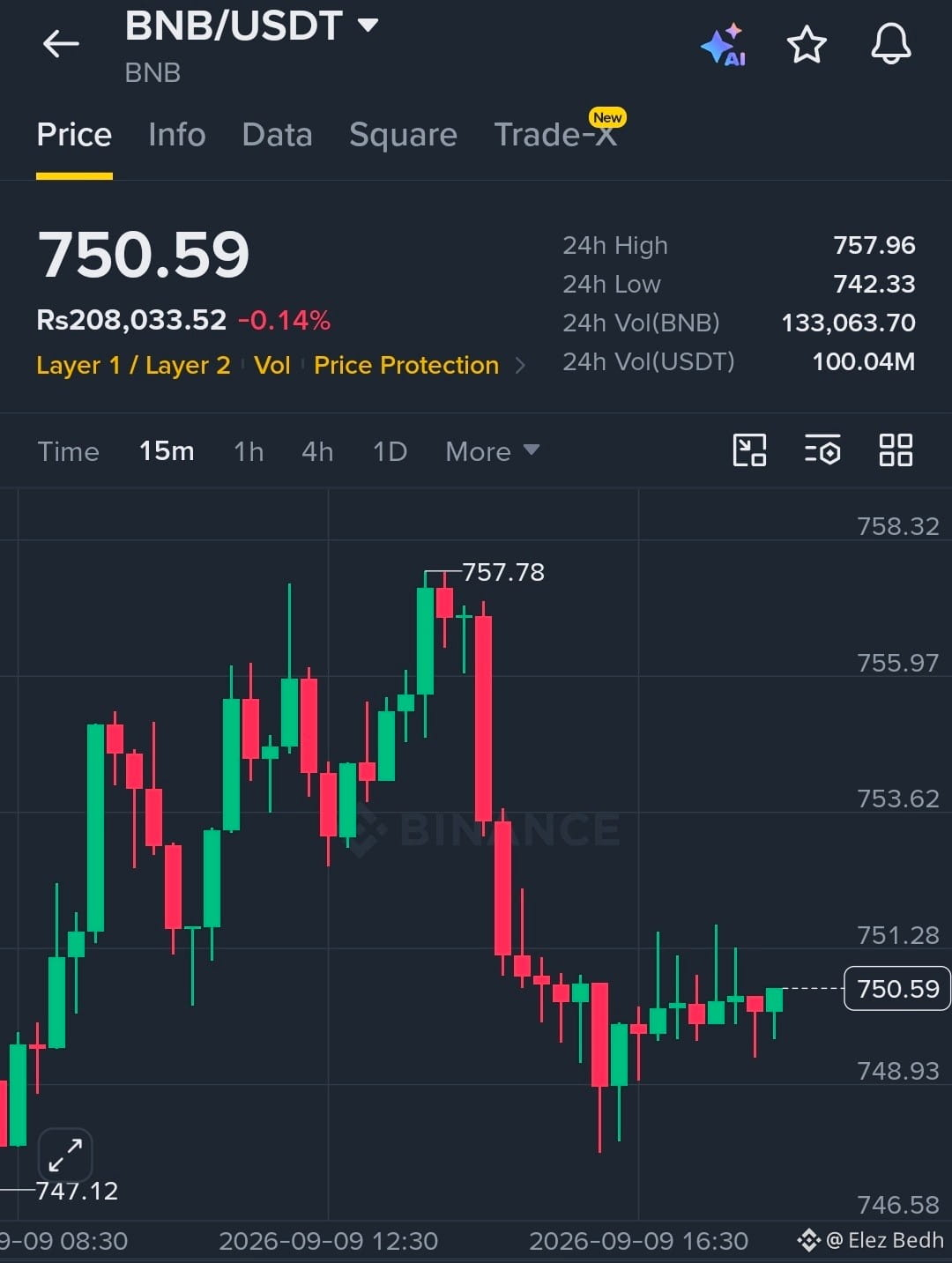
$BNB は、$757.78を拒否した後にいったん後退し、統合(コンソリデーション)に戻りつつある中で、$750.59付近で取引されています。15Mチャートでは、買い手が$749〜$750のエリアを防衛しており、次のブレイクアウトの試みが構築されている可能性を示唆しています。
• エントリーゾーン:$749.50 – $750.80
• ターゲット1:$753.60
• ターゲット2:$755.90
• ターゲット3:$757.80
• 損切り:$747.00
強い出来高を伴って$751.30を明確に上抜けると、勢いが素早く戻る可能性があります。ブル(買い)が$753.60を取り戻せば、直近の$757.78高値へ向かう道が再び開かれます。
{spot}(BNBUSDT)
$BNB は、$757.78を拒否した後にいったん後退し、統合(コンソリデーション)に戻りつつある中で、$750.59付近で取引されています。15Mチャートでは、買い手が$749〜$750のエリアを防衛しており、次のブレイクアウトの試みが構築されている可能性を示唆しています。
• エントリーゾーン:$749.50 – $750.80
• ターゲット1:$753.60
• ターゲット2:$755.90
• ターゲット3:$757.80
• 損切り:$747.00
強い出来高を伴って$751.30を明確に上抜けると、勢いが素早く戻る可能性があります。ブル(買い)が$753.60を取り戻せば、直近の$757.78高値へ向かう道が再び開かれます。
• エントリーゾーン:$749.50 – $750.80
• ターゲット1:$753.60
• ターゲット2:$755.90
• ターゲット3:$757.80
• 損切り:$747.00
強い出来高を伴って$751.30を明確に上抜けると、勢いが素早く戻る可能性があります。ブル(買い)が$753.60を取り戻せば、直近の$757.78高値へ向かう道が再び開かれます。
3
1
1.6k
·
--
ブリッシュ
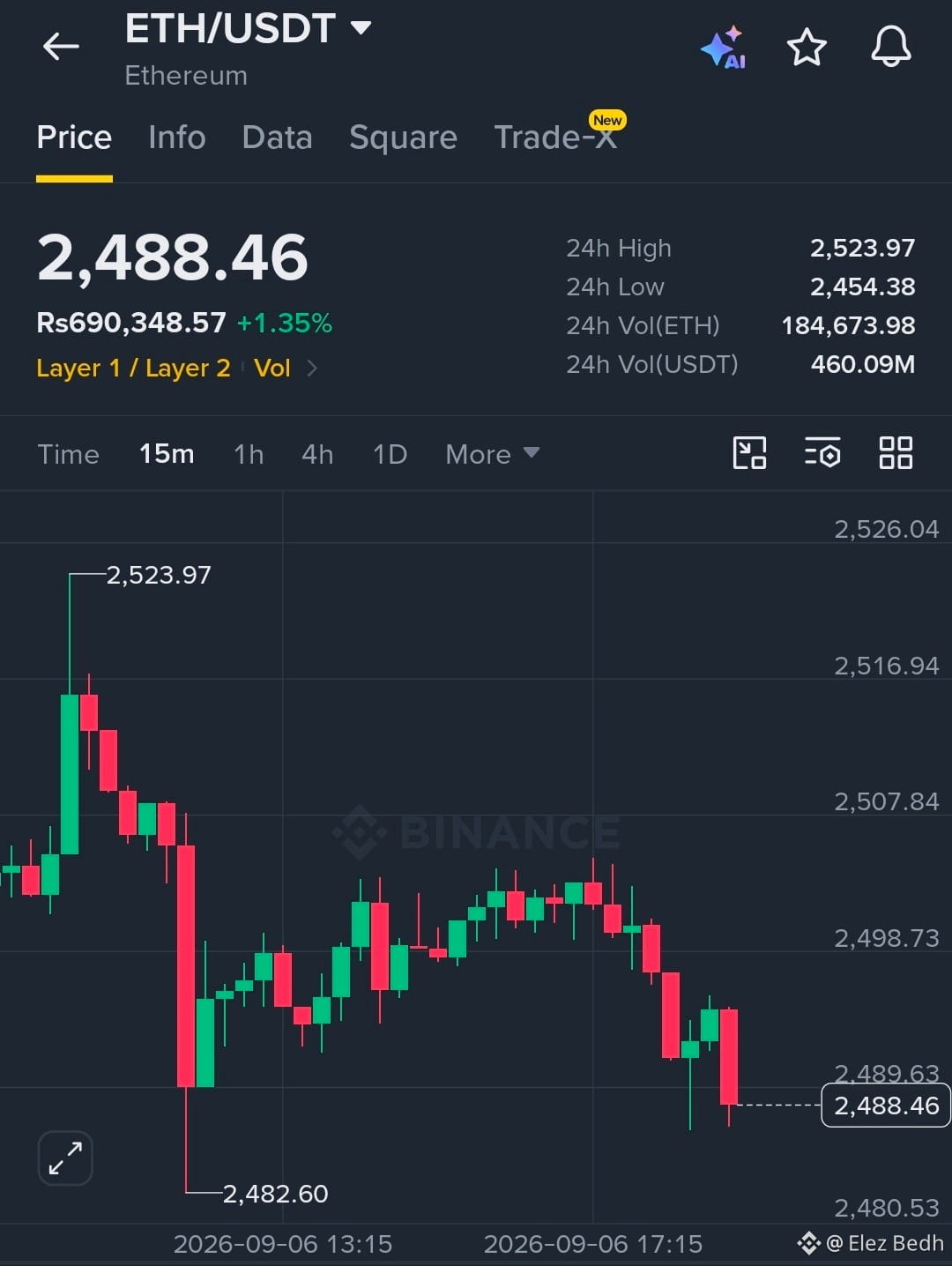
$ETH は約2,488.46ドルで取引されており、過去24時間で引き続き+1.35%上昇しています。先ほどの2,523.97ドル付近への急騰は強く拒否されましたが、現在は2,482〜2,489ドルのサポート・ゾーンに接近しており、そこで次の反応が生まれる可能性があります。
短期の構造は圧力下にあるため、私は跳ねを追いかけません。このサポートをETHが維持し、説得力のある勢いで2,498〜2,500ドルを回復するなら、強気のセットアップがより魅力的になります。
• エントリー・ゾーン: 2,483 – 2,490
• ターゲット1 🎯: 2,499
• ターゲット2 🎯: 2,508
• ターゲット3 🎯: 2,524
• ストップロス: 2,476
2,500ドルを力強く回復できれば、買い手が主導権を取り戻し、2,508ドルおよび2,524ドルのさらなるテストにつながる可能性があります。とはいえ、2,482ドルを明確に下抜けるようなら、この強気の見立ては無効となり、さらなる下落が優勢になります。
{spot}(ETHUSDT)
$ETH は約2,488.46ドルで取引されており、過去24時間で引き続き+1.35%上昇しています。先ほどの2,523.97ドル付近への急騰は強く拒否されましたが、現在は2,482〜2,489ドルのサポート・ゾーンに接近しており、そこで次の反応が生まれる可能性があります。
短期の構造は圧力下にあるため、私は跳ねを追いかけません。このサポートをETHが維持し、説得力のある勢いで2,498〜2,500ドルを回復するなら、強気のセットアップがより魅力的になります。
• エントリー・ゾーン: 2,483 – 2,490
• ターゲット1 🎯: 2,499
• ターゲット2 🎯: 2,508
• ターゲット3 🎯: 2,524
• ストップロス: 2,476
2,500ドルを力強く回復できれば、買い手が主導権を取り戻し、2,508ドルおよび2,524ドルのさらなるテストにつながる可能性があります。とはいえ、2,482ドルを明確に下抜けるようなら、この強気の見立ては無効となり、さらなる下落が優勢になります。
短期の構造は圧力下にあるため、私は跳ねを追いかけません。このサポートをETHが維持し、説得力のある勢いで2,498〜2,500ドルを回復するなら、強気のセットアップがより魅力的になります。
• エントリー・ゾーン: 2,483 – 2,490
• ターゲット1 🎯: 2,499
• ターゲット2 🎯: 2,508
• ターゲット3 🎯: 2,524
• ストップロス: 2,476
2,500ドルを力強く回復できれば、買い手が主導権を取り戻し、2,508ドルおよび2,524ドルのさらなるテストにつながる可能性があります。とはいえ、2,482ドルを明確に下抜けるようなら、この強気の見立ては無効となり、さらなる下落が優勢になります。
1
243
·
--
ブリッシュ
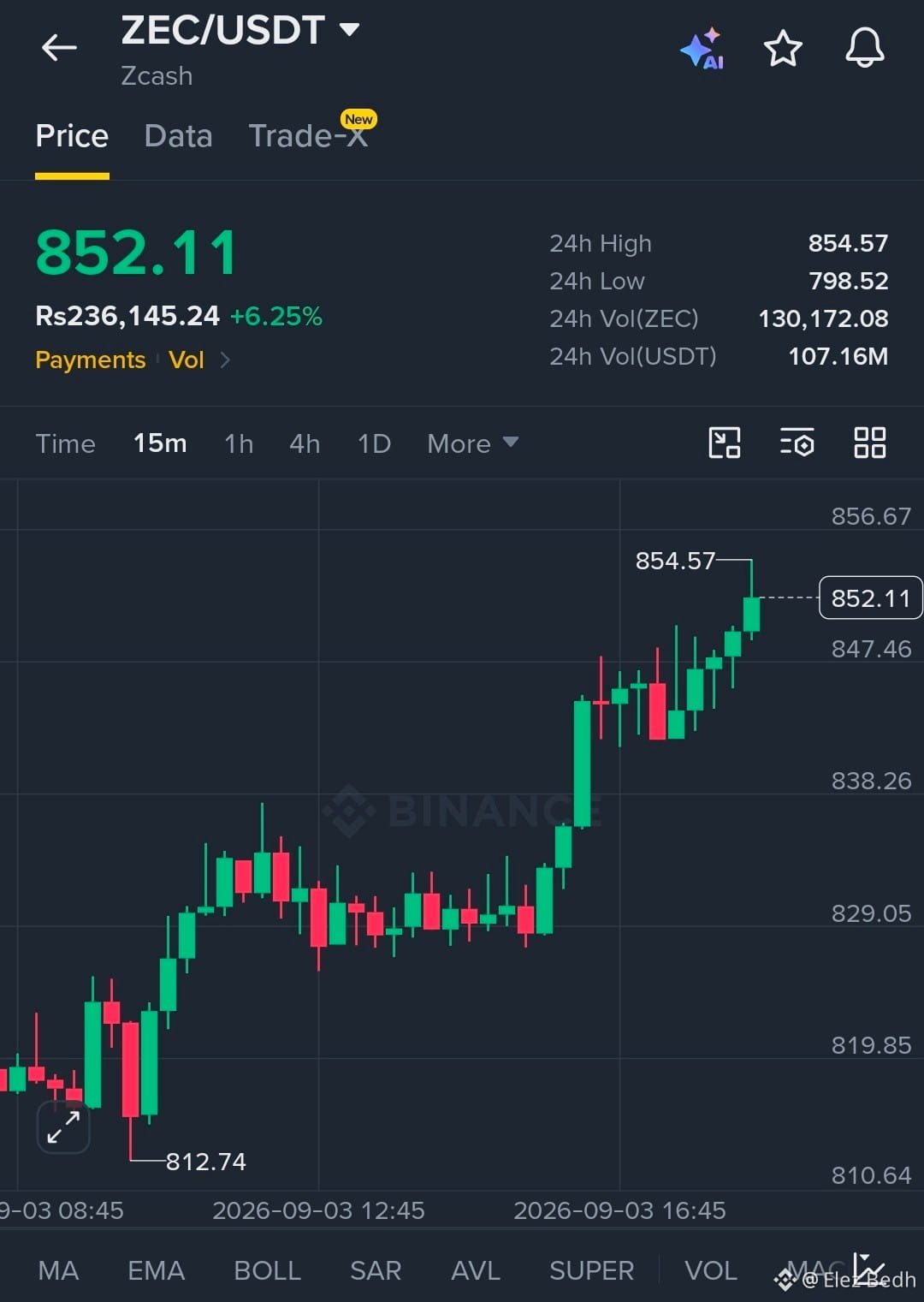
$ZEC は強い強気モメンタムを示しており、$852.11前後で取引されていて+6.25%上昇しています。15Mチャートでは、切り上げられた高値と強い買い圧力を伴う明確なブレイクアウトが見られます。$854.57を上抜けると、上昇がさらに伸びる可能性があります。
• エントリーゾーン: $846 – $852
• ターゲット1 🎯: $855
• ターゲット2 🎯: $865
• ターゲット3 🎯: $875
• ストップロス: $838
$846の上を維持すれば強気の構造は生き続け、一方で$855をきれいに上抜けると次のさらなる上昇の押しが発動する可能性があります。
{spot}(ZECUSDT)
$ZEC は強い強気モメンタムを示しており、$852.11前後で取引されていて+6.25%上昇しています。15Mチャートでは、切り上げられた高値と強い買い圧力を伴う明確なブレイクアウトが見られます。$854.57を上抜けると、上昇がさらに伸びる可能性があります。
• エントリーゾーン: $846 – $852
• ターゲット1 🎯: $855
• ターゲット2 🎯: $865
• ターゲット3 🎯: $875
• ストップロス: $838
$846の上を維持すれば強気の構造は生き続け、一方で$855をきれいに上抜けると次のさらなる上昇の押しが発動する可能性があります。
• エントリーゾーン: $846 – $852
• ターゲット1 🎯: $855
• ターゲット2 🎯: $865
• ターゲット3 🎯: $875
• ストップロス: $838
$846の上を維持すれば強気の構造は生き続け、一方で$855をきれいに上抜けると次のさらなる上昇の押しが発動する可能性があります。
2
411
·
--
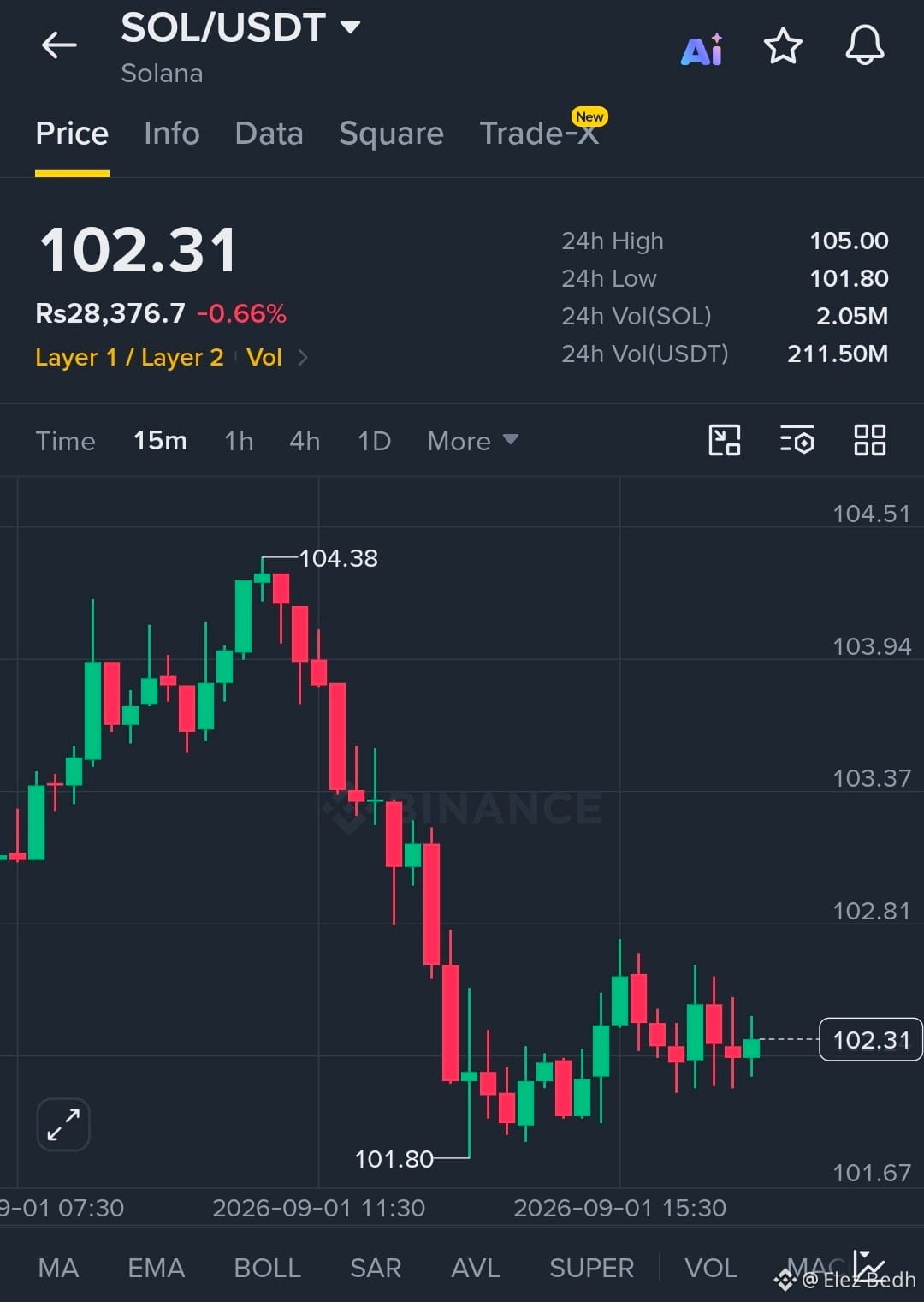
$SOL は約$102.31で取引されており、0.66%下落している。$104.38から$101.80まで下落した後、価格は直近の安値の上で推移している。$102.60〜$102.80を上抜けると、より強いリカバリーが引き起こされる可能性がある。
• エントリーゾーン:$102.10〜$102.35
• ターゲット1:$102.80
• ターゲット2:$103.35
• ターゲット3:$103.95
• ストップロス:$101.70
買い手が出来高を伴って$102.80を取り戻せば、SOLは$103.35〜$103.95のレジスタンスゾーンに向けて加速するかもしれない。{spot}(SOLUSDT)
$SOL は約$102.31で取引されており、0.66%下落している。$104.38から$101.80まで下落した後、価格は直近の安値の上で推移している。$102.60〜$102.80を上抜けると、より強いリカバリーが引き起こされる可能性がある。
• エントリーゾーン:$102.10〜$102.35
• ターゲット1:$102.80
• ターゲット2:$103.35
• ターゲット3:$103.95
• ストップロス:$101.70
買い手が出来高を伴って$102.80を取り戻せば、SOLは$103.35〜$103.95のレジスタンスゾーンに向けて加速するかもしれない。
• エントリーゾーン:$102.10〜$102.35
• ターゲット1:$102.80
• ターゲット2:$103.35
• ターゲット3:$103.95
• ストップロス:$101.70
買い手が出来高を伴って$102.80を取り戻せば、SOLは$103.35〜$103.95のレジスタンスゾーンに向けて加速するかもしれない。
1
141
·
--
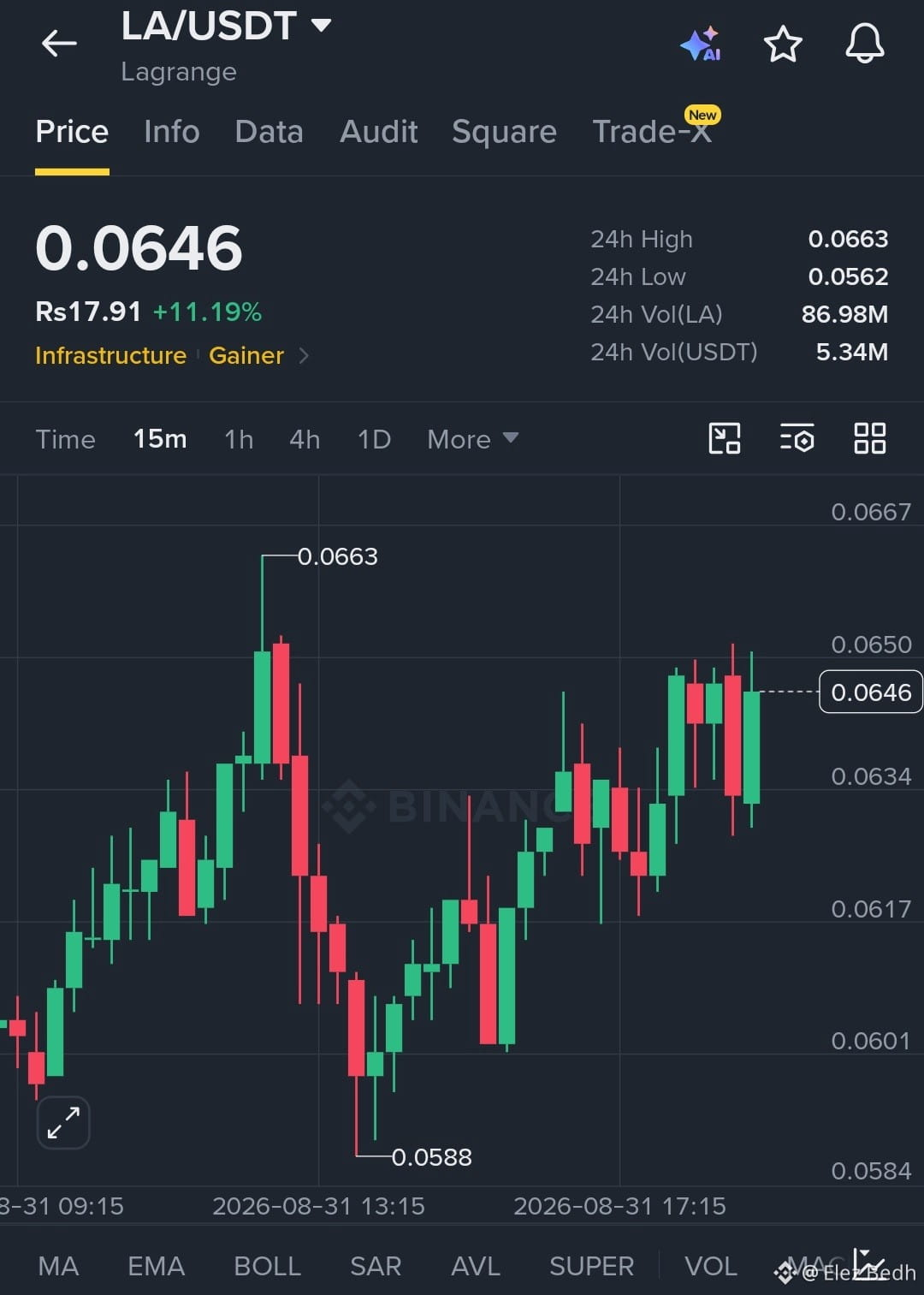
$LA は約$0.0646で推移しており、過去24時間で+11.19%上昇しています。$0.0588からの強い反発により、価格は再びレジスタンス近辺まで押し戻されています。
取引セットアップ • エントリー: $0.0635 – $0.0646
• TP1: $0.0663
• TP2: $0.0680
• TP3: $0.0700
• SL: $0.0615
出来高を伴って$0.0663を明確に上抜けると、次の爆発的な上昇局面が始まる可能性があります。
{spot}(LAUSDT)
$LA は約$0.0646で推移しており、過去24時間で+11.19%上昇しています。$0.0588からの強い反発により、価格は再びレジスタンス近辺まで押し戻されています。
取引セットアップ • エントリー: $0.0635 – $0.0646
• TP1: $0.0663
• TP2: $0.0680
• TP3: $0.0700
• SL: $0.0615
出来高を伴って$0.0663を明確に上抜けると、次の爆発的な上昇局面が始まる可能性があります。
取引セットアップ • エントリー: $0.0635 – $0.0646
• TP1: $0.0663
• TP2: $0.0680
• TP3: $0.0700
• SL: $0.0615
出来高を伴って$0.0663を明確に上抜けると、次の爆発的な上昇局面が始まる可能性があります。
1
519
·
--
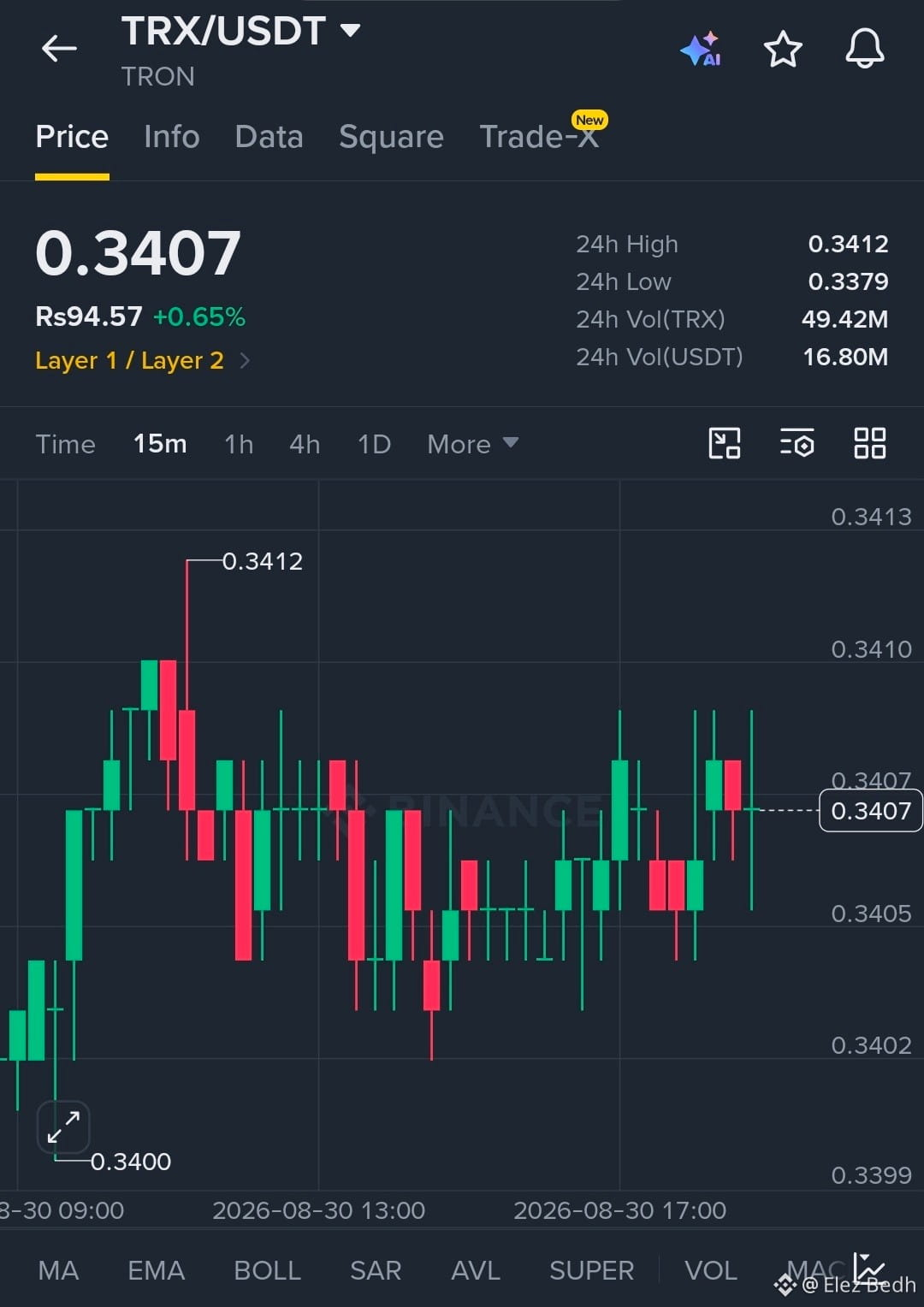
$TRX は$0.3407近辺で取引されており、24Hで+0.65%上昇しています。価格は$0.3400のサポート上で推移(調整)しており、$0.3410〜$0.3412への再三のトライが行われていることから、強気の圧力が高まっていることが示唆されます。
エントリーゾーン:$0.3404〜$0.3407
ターゲット1:$0.3412
ターゲット2:$0.3420
ターゲット3:$0.3430
損切り(ストップロス):$0.3398
出来高の伴う$0.3412を上回る明確なブレイクアウトが、次の強気の波を解き放つ可能性があります。
{spot}(TRXUSDT)
$TRX は$0.3407近辺で取引されており、24Hで+0.65%上昇しています。価格は$0.3400のサポート上で推移(調整)しており、$0.3410〜$0.3412への再三のトライが行われていることから、強気の圧力が高まっていることが示唆されます。
エントリーゾーン:$0.3404〜$0.3407
ターゲット1:$0.3412
ターゲット2:$0.3420
ターゲット3:$0.3430
損切り(ストップロス):$0.3398
出来高の伴う$0.3412を上回る明確なブレイクアウトが、次の強気の波を解き放つ可能性があります。
エントリーゾーン:$0.3404〜$0.3407
ターゲット1:$0.3412
ターゲット2:$0.3420
ターゲット3:$0.3430
損切り(ストップロス):$0.3398
出来高の伴う$0.3412を上回る明確なブレイクアウトが、次の強気の波を解き放つ可能性があります。
170
·
--
市場はまた出血しています。BTC、ETH、BNBはいずれも約2.4〜2.8%下落しており、BTCはおよそ77Kドルのゾーンで踏ん張っています。
$BTC EP: $77,400–$77,800
TP: $79,200
SL: $76,500
$ETH EP: $2,420–$2,445
TP: $2,520
SL: $2,385
$BNB EP: $685–$692
TP: $710
SL: $675
{spot}(BTCUSDT)
{spot}(ETHUSDT)
{spot}(BNBUSDT)
市場はまた出血しています。BTC、ETH、BNBはいずれも約2.4〜2.8%下落しており、BTCはおよそ77Kドルのゾーンで踏ん張っています。
$BTC EP: $77,400–$77,800
TP: $79,200
SL: $76,500
$ETH EP: $2,420–$2,445
TP: $2,520
SL: $2,385
$BNB EP: $685–$692
TP: $710
SL: $675
$BTC EP: $77,400–$77,800
TP: $79,200
SL: $76,500
$ETH EP: $2,420–$2,445
TP: $2,520
SL: $2,385
$BNB EP: $685–$692
TP: $710
SL: $675
190
·
--
3つのトークンが深刻な勢いを点滅させています:HEMI +36.95%、EDEN +20.54%、そしてTRUMP +17.24%。ブル勢が明確に動いており、継続すればもう1つの爆発的な値動きがもたらされる可能性があります。
$HEMI — EP: $0.0118–0.0122 | TP: $0.0135 / $0.0150 | SL: $0.0108
$EDEN — EP: $0.069–0.072 | TP: $0.078 / $0.085 | SL: $0.064
$TRUMP — EP: $2.68–2.75 | TP: $2.95 / $3.20 | SL: $2.48
{spot}(TRUMPUSDT)
{spot}(EDENUSDT)
{spot}(HEMIUSDT)
3つのトークンが深刻な勢いを点滅させています:HEMI +36.95%、EDEN +20.54%、そしてTRUMP +17.24%。ブル勢が明確に動いており、継続すればもう1つの爆発的な値動きがもたらされる可能性があります。
$HEMI — EP: $0.0118–0.0122 | TP: $0.0135 / $0.0150 | SL: $0.0108
$EDEN — EP: $0.069–0.072 | TP: $0.078 / $0.085 | SL: $0.064
$TRUMP — EP: $2.68–2.75 | TP: $2.95 / $3.20 | SL: $2.48
$HEMI — EP: $0.0118–0.0122 | TP: $0.0135 / $0.0150 | SL: $0.0108
$EDEN — EP: $0.069–0.072 | TP: $0.078 / $0.085 | SL: $0.064
$TRUMP — EP: $2.68–2.75 | TP: $2.95 / $3.20 | SL: $2.48
long
81%
short
19%
21 投票 • 投票は終了しました
2
1.5k
·
--
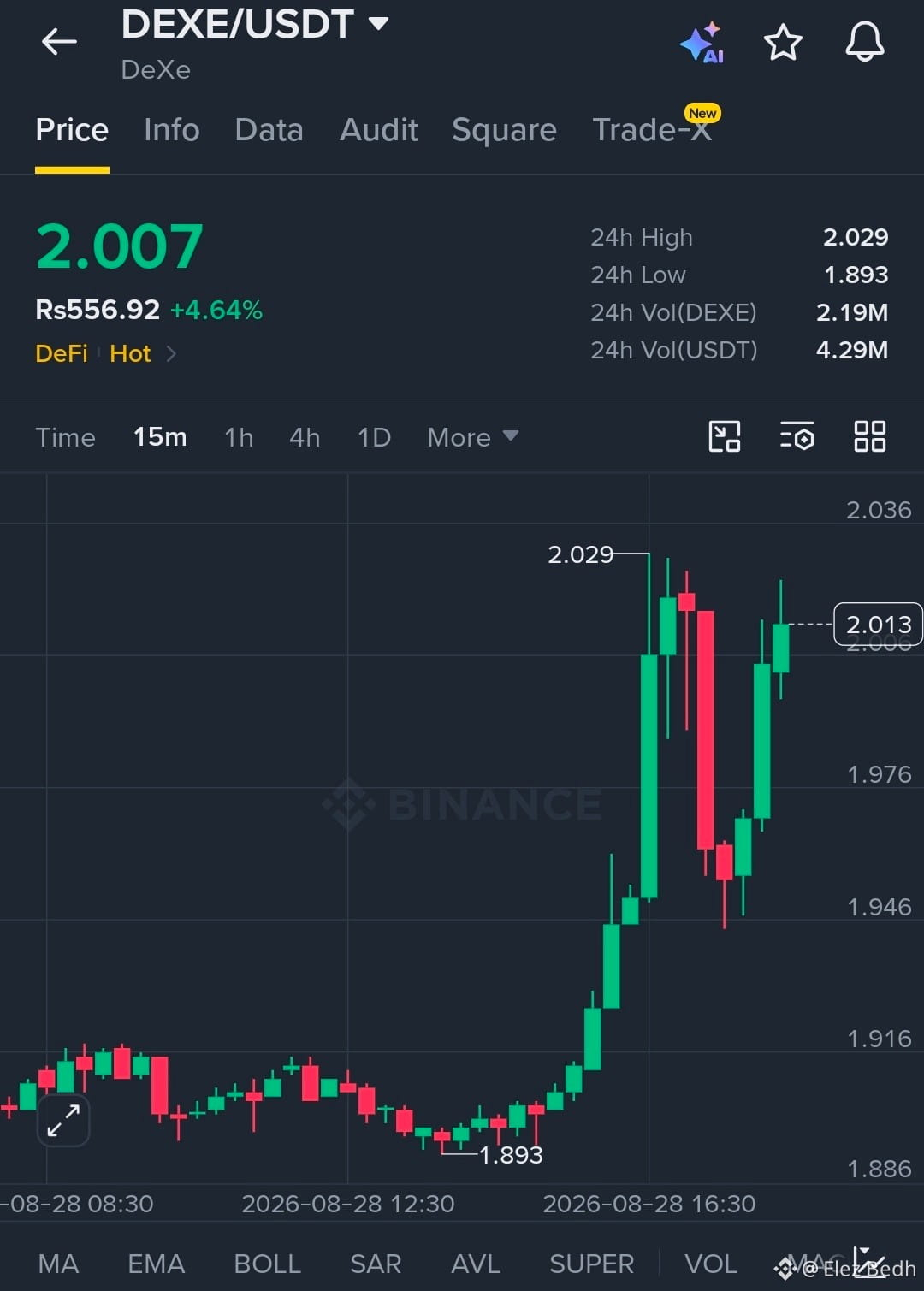
$DEXE は$2.007付近で取引されており、$1.893からの力強いリバウンドの後、4.64%上昇しています。15mチャートでは、買い手が$2.029のレジスタンス方向へ押し戻しています。
取引セットアップ • エントリー: $1.98〜$2.00
• TP1 🎯: $2.029
• TP2 🎯: $2.050
• TP3 🎯: $2.080
• SL: $1.945
$2.029をきれいに上抜ければ、次の強気な拡大が引き起こされる可能性があります。
{spot}(DEXEUSDT)
$DEXE は$2.007付近で取引されており、$1.893からの力強いリバウンドの後、4.64%上昇しています。15mチャートでは、買い手が$2.029のレジスタンス方向へ押し戻しています。
取引セットアップ • エントリー: $1.98〜$2.00
• TP1 🎯: $2.029
• TP2 🎯: $2.050
• TP3 🎯: $2.080
• SL: $1.945
$2.029をきれいに上抜ければ、次の強気な拡大が引き起こされる可能性があります。
取引セットアップ • エントリー: $1.98〜$2.00
• TP1 🎯: $2.029
• TP2 🎯: $2.050
• TP3 🎯: $2.080
• SL: $1.945
$2.029をきれいに上抜ければ、次の強気な拡大が引き起こされる可能性があります。
1
2
1.5k
·
--
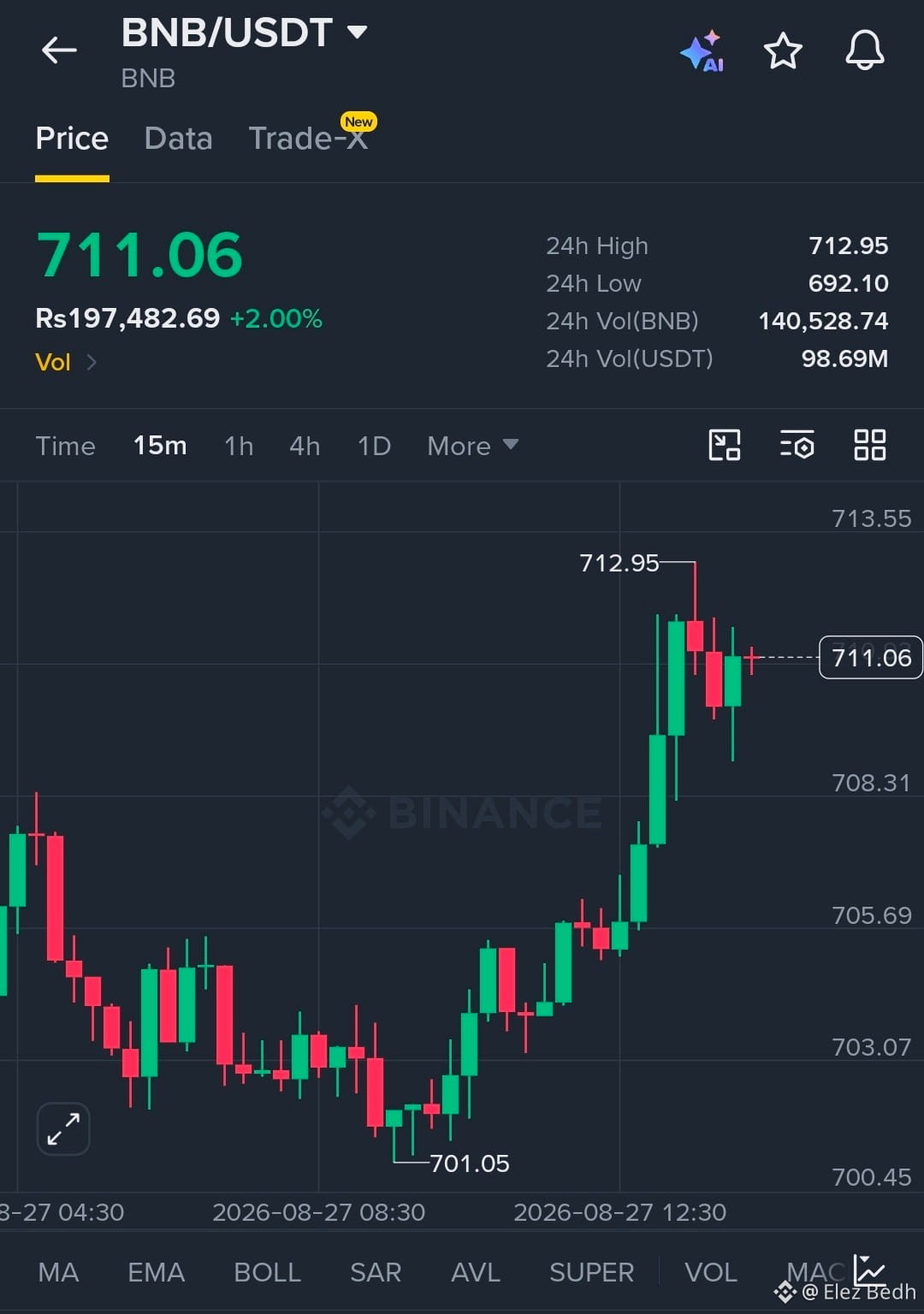
$BNB は約$711.06で取引されており、過去24時間で+2.00%上昇しています。$701.05から強く跳ね返った後、買い手は価格を$712.95のレジスタンス方向へ押し上げました。15Mチャートでは強い強気の勢いが見られますが、このレジスタンスが重要なハードルです。
• エントリーゾーン:$709.50 ~ $711.00
• ターゲット1 🎯:$712.95
• ターゲット2 🎯:$715.50
• ターゲット3 🎯:$719.00
• ストップロス:$706.80
出来高のある形で$712.95を明確にブレイクできれば、次のBNBラリーに火がつく可能性があります。ここで買い手が主導権を握れば、$715~$719まで一気に進むかもしれません。
{spot}(BNBUSDT)
$BNB は約$711.06で取引されており、過去24時間で+2.00%上昇しています。$701.05から強く跳ね返った後、買い手は価格を$712.95のレジスタンス方向へ押し上げました。15Mチャートでは強い強気の勢いが見られますが、このレジスタンスが重要なハードルです。
• エントリーゾーン:$709.50 ~ $711.00
• ターゲット1 🎯:$712.95
• ターゲット2 🎯:$715.50
• ターゲット3 🎯:$719.00
• ストップロス:$706.80
出来高のある形で$712.95を明確にブレイクできれば、次のBNBラリーに火がつく可能性があります。ここで買い手が主導権を握れば、$715~$719まで一気に進むかもしれません。
• エントリーゾーン:$709.50 ~ $711.00
• ターゲット1 🎯:$712.95
• ターゲット2 🎯:$715.50
• ターゲット3 🎯:$719.00
• ストップロス:$706.80
出来高のある形で$712.95を明確にブレイクできれば、次のBNBラリーに火がつく可能性があります。ここで買い手が主導権を握れば、$715~$719まで一気に進むかもしれません。
1
143
·
--
以前痛い目を見ました。インフラ用トークンが何カ月も取引を積み上げているのを見て、「市場は気づくのが遅いだけだ」と思い込んでいました。ところが、数えていたのは間違ったアクティビティだったんです。
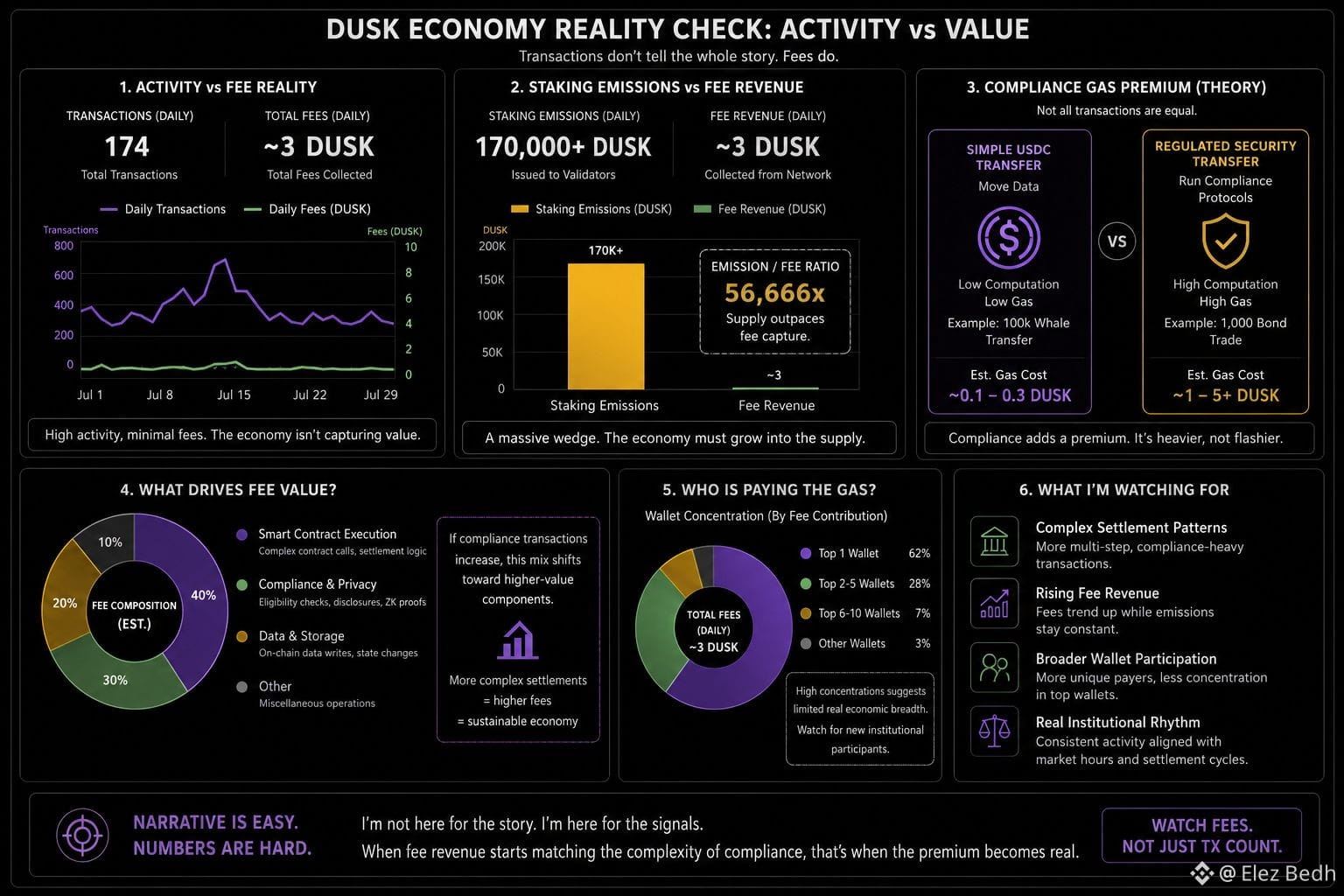
この偏見は、$DUSK を見たときもついてきました。単純なUSDCの送金と、規制された証券の送金は、ブロックエクスプローラ上では同じように見えるかもしれません。でもDuskでは、同じゲームをしていない。片方はデータを動かしています。もう片方は、単一の取引の周りで、適格性チェック、コンプライアンス・フィルタ、選択的開示プロトコルを実行している。計算負荷が重いんです。私は頭の中でそれを「コンプライアンス・ガス・プレミアム」と呼ぶようになりました。地味な1,000ボンド取引でも、派手な100kのクジラ送金より多くガスを食うことがある。
でも、スキャナーのデータを引きました。うわ。最近のある1日では、取引総数がだいたい174件。総手数料?多分3 DUSK。対照的に、ステーキングの発行はバリデータ向けに毎日17万トークン以上を吐き出す。できるはずの姿と、現状の間には、不快なギャップがある。
NPEXはちゃんとしたアンカーです。数億規模の証券をトークン化していて、DuskEVMでも稼働中。でも、主要パートナーが1社いることが、活気ある経済を意味するわけではない。アプリ層は薄い。流動性も浅い。
私が今実際に見ているのは、「世界をトークン化する」という物語じゃありません。醜くて退屈な部分です。手数料の内訳は何で構成されているのか?それとも同じウォレットが小さなテスト取引を繰り返しているだけなのか。あるいは、実在の機関っぽいリズムに見える、複雑な決済パターンが出始めているのか。
取引件数は、あたたかくて安心する感覚をくれます。誰がガスを払っているのか、何を実行しているのか、それだけが、経済がトークン供給に追いついているかどうかを教えてくれる。手数料収入が横ばいのままエミッションだけ走り続けるなら、そのプレミアムはただの“巧妙な理論”にすぎない。実際の複雑な決済とともに上がっていくなら、その時こそ潜み続けるのをやめて、ちゃんと注意を払い始める。
@Dusk_Foundation #dusk #DUSK $DUSK
{spot}(DUSKUSDT)
以前痛い目を見ました。インフラ用トークンが何カ月も取引を積み上げているのを見て、「市場は気づくのが遅いだけだ」と思い込んでいました。ところが、数えていたのは間違ったアクティビティだったんです。
この偏見は、$DUSK を見たときもついてきました。単純なUSDCの送金と、規制された証券の送金は、ブロックエクスプローラ上では同じように見えるかもしれません。でもDuskでは、同じゲームをしていない。片方はデータを動かしています。もう片方は、単一の取引の周りで、適格性チェック、コンプライアンス・フィルタ、選択的開示プロトコルを実行している。計算負荷が重いんです。私は頭の中でそれを「コンプライアンス・ガス・プレミアム」と呼ぶようになりました。地味な1,000ボンド取引でも、派手な100kのクジラ送金より多くガスを食うことがある。
でも、スキャナーのデータを引きました。うわ。最近のある1日では、取引総数がだいたい174件。総手数料?多分3 DUSK。対照的に、ステーキングの発行はバリデータ向けに毎日17万トークン以上を吐き出す。できるはずの姿と、現状の間には、不快なギャップがある。
NPEXはちゃんとしたアンカーです。数億規模の証券をトークン化していて、DuskEVMでも稼働中。でも、主要パートナーが1社いることが、活気ある経済を意味するわけではない。アプリ層は薄い。流動性も浅い。
私が今実際に見ているのは、「世界をトークン化する」という物語じゃありません。醜くて退屈な部分です。手数料の内訳は何で構成されているのか?それとも同じウォレットが小さなテスト取引を繰り返しているだけなのか。あるいは、実在の機関っぽいリズムに見える、複雑な決済パターンが出始めているのか。
取引件数は、あたたかくて安心する感覚をくれます。誰がガスを払っているのか、何を実行しているのか、それだけが、経済がトークン供給に追いついているかどうかを教えてくれる。手数料収入が横ばいのままエミッションだけ走り続けるなら、そのプレミアムはただの“巧妙な理論”にすぎない。実際の複雑な決済とともに上がっていくなら、その時こそ潜み続けるのをやめて、ちゃんと注意を払い始める。
@Dusk #dusk #DUSK $DUSK
この偏見は、$DUSK を見たときもついてきました。単純なUSDCの送金と、規制された証券の送金は、ブロックエクスプローラ上では同じように見えるかもしれません。でもDuskでは、同じゲームをしていない。片方はデータを動かしています。もう片方は、単一の取引の周りで、適格性チェック、コンプライアンス・フィルタ、選択的開示プロトコルを実行している。計算負荷が重いんです。私は頭の中でそれを「コンプライアンス・ガス・プレミアム」と呼ぶようになりました。地味な1,000ボンド取引でも、派手な100kのクジラ送金より多くガスを食うことがある。
でも、スキャナーのデータを引きました。うわ。最近のある1日では、取引総数がだいたい174件。総手数料?多分3 DUSK。対照的に、ステーキングの発行はバリデータ向けに毎日17万トークン以上を吐き出す。できるはずの姿と、現状の間には、不快なギャップがある。
NPEXはちゃんとしたアンカーです。数億規模の証券をトークン化していて、DuskEVMでも稼働中。でも、主要パートナーが1社いることが、活気ある経済を意味するわけではない。アプリ層は薄い。流動性も浅い。
私が今実際に見ているのは、「世界をトークン化する」という物語じゃありません。醜くて退屈な部分です。手数料の内訳は何で構成されているのか?それとも同じウォレットが小さなテスト取引を繰り返しているだけなのか。あるいは、実在の機関っぽいリズムに見える、複雑な決済パターンが出始めているのか。
取引件数は、あたたかくて安心する感覚をくれます。誰がガスを払っているのか、何を実行しているのか、それだけが、経済がトークン供給に追いついているかどうかを教えてくれる。手数料収入が横ばいのままエミッションだけ走り続けるなら、そのプレミアムはただの“巧妙な理論”にすぎない。実際の複雑な決済とともに上がっていくなら、その時こそ潜み続けるのをやめて、ちゃんと注意を払い始める。
@Dusk #dusk #DUSK $DUSK
3
6
1.1k
·
--
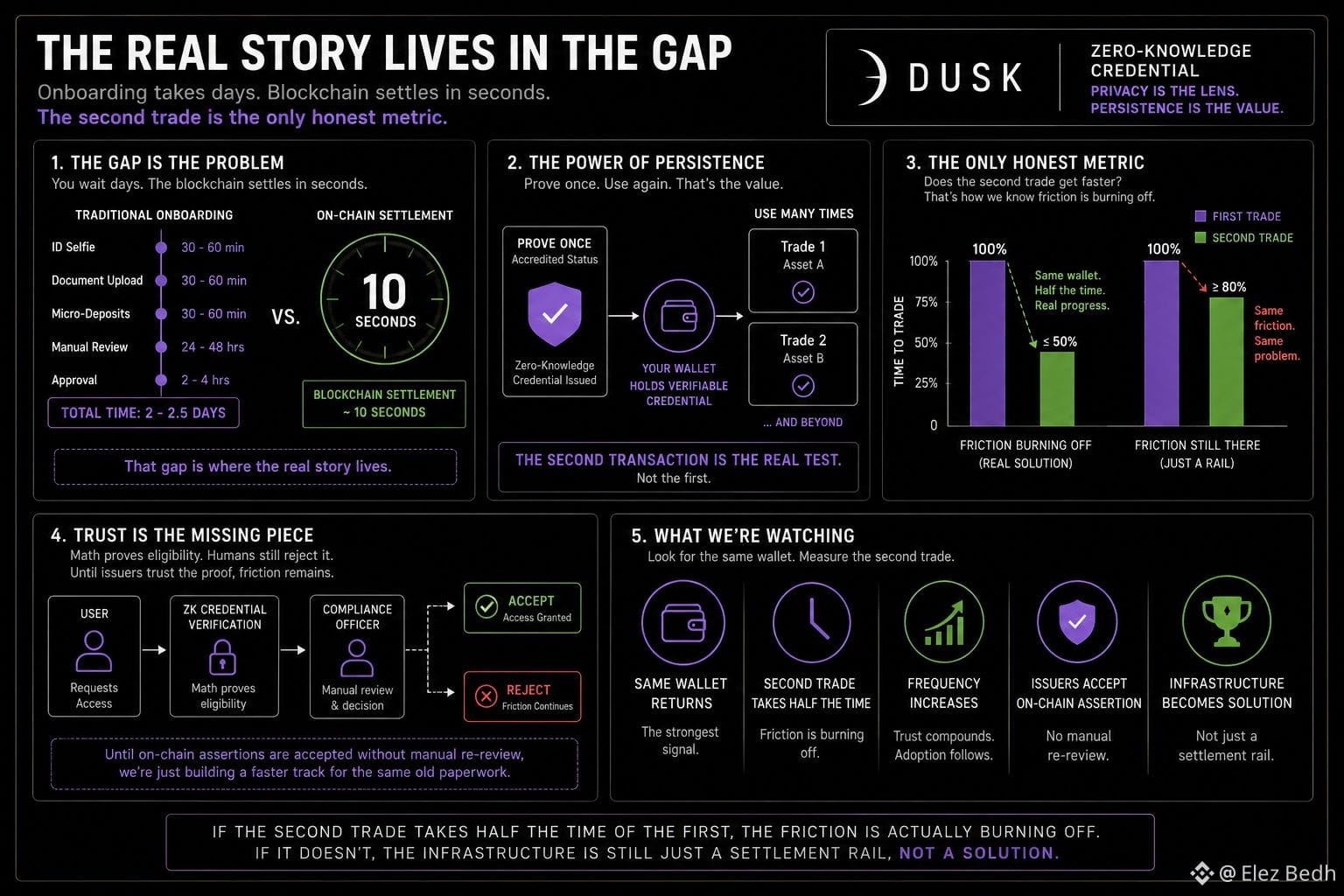
先週の4時間をかけて「自分は自分だ」と証明しました――IDのセルフィー、微小入金(マイクロ・デポジット)、一通りの手続き全部。なのに市場が動いているのを見ているだけになり、私は待つことしかできませんでした。ブロックチェーンなら取引は10秒で決済できたはずです。オンボーディングは2日かかりました。このギャップこそが、真の物語がある場所です。
Duskにおいて、ゼロ知識クレデンシャルはしばしば「プライバシー」として語られます。でも私は、その見方は違うと思っています。本当の価値は「継続性(パーシステンス)」です。権限のある立場(アクレデット)を一度証明して、検証可能なクレデンシャルを受け取れたなら、問題は最初の取引が素早く行われるかどうかではありません。同じクレデンシャルが、2回目にまったく別の資産を取りに戻ったときにも機能するか――それが問題です。2回目の取引が、唯一の正直な指標です。最初の取引は、私の忍耐力と書類スキャンの品質を測っているだけです。
しかし、<t-2/>$DUSK は一人では勝てません。数学は適格性を完璧に証明できても、人間のコンプライアンス担当者が「不信」のために却下することはあり得ます。発行者がオンチェーンの主張を、人手での再審査なしに受け入れるまで、私たちは同じ古い事務手続きを、より速いレーンに作り替えているだけです。私は同じウォレットが再び現れるのを見ています。もし2回目の取引が1回目の半分の時間で済むなら、摩擦は実際に解消されているということです。もしそうでなければ、インフラはただの決済用のレールであって、解決策ではありません。
@Dusk_Foundation #dusk #DUSK $DUSK
{spot}(DUSKUSDT)
先週の4時間をかけて「自分は自分だ」と証明しました――IDのセルフィー、微小入金(マイクロ・デポジット)、一通りの手続き全部。なのに市場が動いているのを見ているだけになり、私は待つことしかできませんでした。ブロックチェーンなら取引は10秒で決済できたはずです。オンボーディングは2日かかりました。このギャップこそが、真の物語がある場所です。
Duskにおいて、ゼロ知識クレデンシャルはしばしば「プライバシー」として語られます。でも私は、その見方は違うと思っています。本当の価値は「継続性(パーシステンス)」です。権限のある立場(アクレデット)を一度証明して、検証可能なクレデンシャルを受け取れたなら、問題は最初の取引が素早く行われるかどうかではありません。同じクレデンシャルが、2回目にまったく別の資産を取りに戻ったときにも機能するか――それが問題です。2回目の取引が、唯一の正直な指標です。最初の取引は、私の忍耐力と書類スキャンの品質を測っているだけです。
しかし、<t-2/>$DUSK は一人では勝てません。数学は適格性を完璧に証明できても、人間のコンプライアンス担当者が「不信」のために却下することはあり得ます。発行者がオンチェーンの主張を、人手での再審査なしに受け入れるまで、私たちは同じ古い事務手続きを、より速いレーンに作り替えているだけです。私は同じウォレットが再び現れるのを見ています。もし2回目の取引が1回目の半分の時間で済むなら、摩擦は実際に解消されているということです。もしそうでなければ、インフラはただの決済用のレールであって、解決策ではありません。
@Dusk #dusk #DUSK $DUSK
Duskにおいて、ゼロ知識クレデンシャルはしばしば「プライバシー」として語られます。でも私は、その見方は違うと思っています。本当の価値は「継続性(パーシステンス)」です。権限のある立場(アクレデット)を一度証明して、検証可能なクレデンシャルを受け取れたなら、問題は最初の取引が素早く行われるかどうかではありません。同じクレデンシャルが、2回目にまったく別の資産を取りに戻ったときにも機能するか――それが問題です。2回目の取引が、唯一の正直な指標です。最初の取引は、私の忍耐力と書類スキャンの品質を測っているだけです。
しかし、<t-2/>$DUSK は一人では勝てません。数学は適格性を完璧に証明できても、人間のコンプライアンス担当者が「不信」のために却下することはあり得ます。発行者がオンチェーンの主張を、人手での再審査なしに受け入れるまで、私たちは同じ古い事務手続きを、より速いレーンに作り替えているだけです。私は同じウォレットが再び現れるのを見ています。もし2回目の取引が1回目の半分の時間で済むなら、摩擦は実際に解消されているということです。もしそうでなければ、インフラはただの決済用のレールであって、解決策ではありません。
@Dusk #dusk #DUSK $DUSK
4
1.1k
·
--
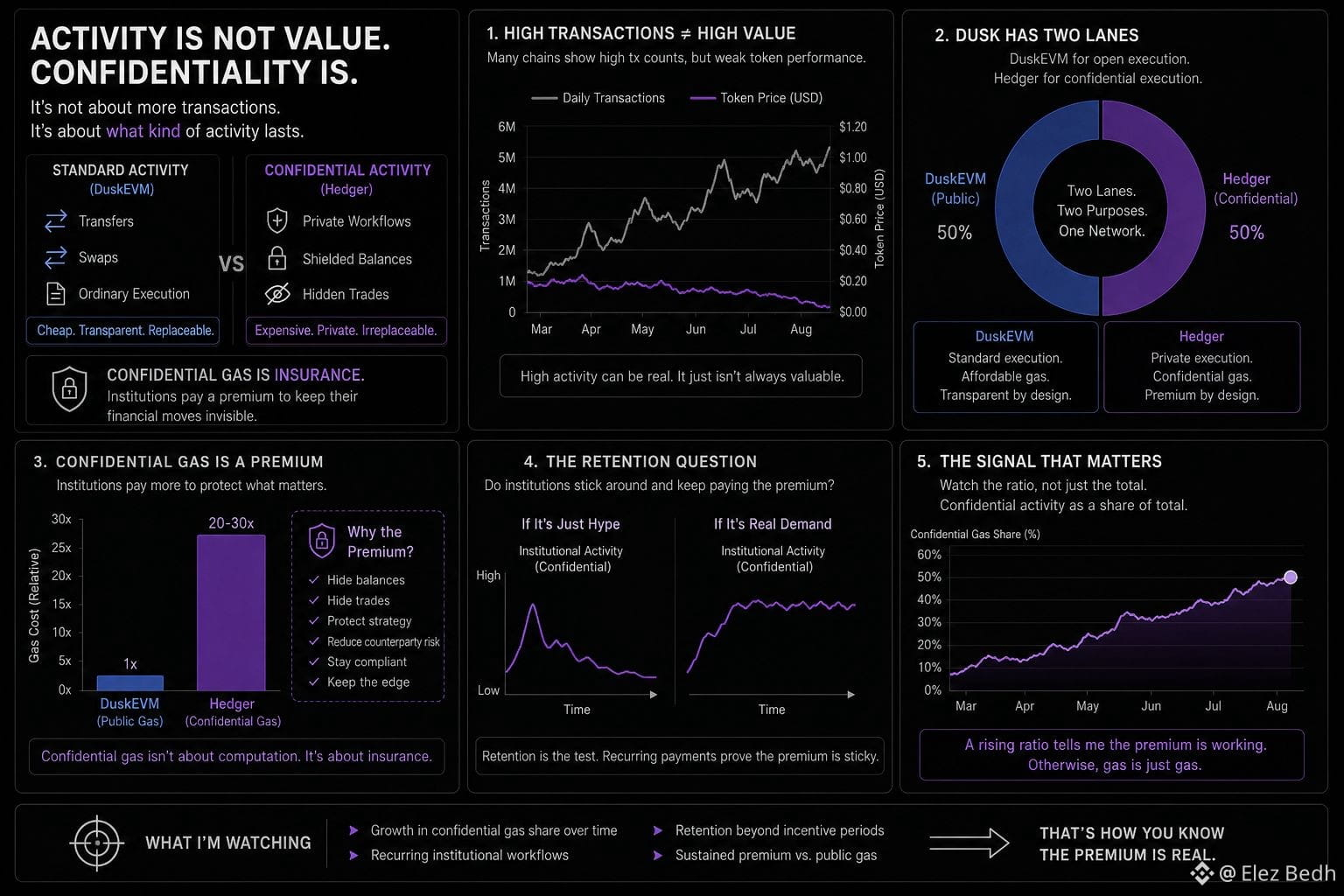
上りの取引件数が増えれば、それだけで十分だと思っていた。活動が増えれば、価値も増える。シンプルだ。
でも、いくつかのインフラ系プロジェクトを見て、考えが間違っていると分かった。ブロックエクスプローラーは取引で悲鳴を上げるように表示されていたのに、トークンはほとんど動かなかった。活動は本物に見えた。ただ、価値がなかった。
だから$DUSK が気になって仕方ない。総取引数のことではない——それは操作されたり、補助金で賄われたりできる。私が気にしているのは、どんな種類の活動が起きているかだ。
DuskEVMなら、標準的なものは揃っています。転送。スワップ。通常の実行。安くて透明性も高い。でもHedgerはそれとは別の可能性を開きます。つまり、機密性のある金融データを公開台帳にさらさずに済む、プライベートなワークフローを実行できることです。
あまり語られない観点を挙げます。機密ガスは、実は計算のためだけのものではありません。保険のためです。機関が取引を隠したり、残高を守ったりするとき、彼らは手の内を見せないためにお金を払っている。その対価(プレミアム)がある。しかも、無視できないほどに。
ただ、継続性の問題が気になります。インセンティブは薄れていく。熱狂は冷める。機関は本当に、より高い手数料を払い続けて定着するのか? それとも、需要として見せかけた初期の試験だっただけなのか?
機密ガスが、繰り返し発生する活動の中で成長し始めたら、私はかなり建設的になれる。絶対的な数ではなく、プライベート実行がパブリック実行に対してどのくらいの割合か——その比率です。そうすれば、プレミアムが一時的ではなく、粘り強いものだと分かるはず。
今は見ています。まだ確信はないけれど、比率が動けばそのシグナルは見えてくる。
@Dusk_Foundation #dusk #DUSK $DUSK
{spot}(DUSKUSDT)
上りの取引件数が増えれば、それだけで十分だと思っていた。活動が増えれば、価値も増える。シンプルだ。
でも、いくつかのインフラ系プロジェクトを見て、考えが間違っていると分かった。ブロックエクスプローラーは取引で悲鳴を上げるように表示されていたのに、トークンはほとんど動かなかった。活動は本物に見えた。ただ、価値がなかった。
だから$DUSK が気になって仕方ない。総取引数のことではない——それは操作されたり、補助金で賄われたりできる。私が気にしているのは、どんな種類の活動が起きているかだ。
DuskEVMなら、標準的なものは揃っています。転送。スワップ。通常の実行。安くて透明性も高い。でもHedgerはそれとは別の可能性を開きます。つまり、機密性のある金融データを公開台帳にさらさずに済む、プライベートなワークフローを実行できることです。
あまり語られない観点を挙げます。機密ガスは、実は計算のためだけのものではありません。保険のためです。機関が取引を隠したり、残高を守ったりするとき、彼らは手の内を見せないためにお金を払っている。その対価(プレミアム)がある。しかも、無視できないほどに。
ただ、継続性の問題が気になります。インセンティブは薄れていく。熱狂は冷める。機関は本当に、より高い手数料を払い続けて定着するのか? それとも、需要として見せかけた初期の試験だっただけなのか?
機密ガスが、繰り返し発生する活動の中で成長し始めたら、私はかなり建設的になれる。絶対的な数ではなく、プライベート実行がパブリック実行に対してどのくらいの割合か——その比率です。そうすれば、プレミアムが一時的ではなく、粘り強いものだと分かるはず。
今は見ています。まだ確信はないけれど、比率が動けばそのシグナルは見えてくる。
@Dusk #dusk #DUSK $DUSK
でも、いくつかのインフラ系プロジェクトを見て、考えが間違っていると分かった。ブロックエクスプローラーは取引で悲鳴を上げるように表示されていたのに、トークンはほとんど動かなかった。活動は本物に見えた。ただ、価値がなかった。
だから$DUSK が気になって仕方ない。総取引数のことではない——それは操作されたり、補助金で賄われたりできる。私が気にしているのは、どんな種類の活動が起きているかだ。
DuskEVMなら、標準的なものは揃っています。転送。スワップ。通常の実行。安くて透明性も高い。でもHedgerはそれとは別の可能性を開きます。つまり、機密性のある金融データを公開台帳にさらさずに済む、プライベートなワークフローを実行できることです。
あまり語られない観点を挙げます。機密ガスは、実は計算のためだけのものではありません。保険のためです。機関が取引を隠したり、残高を守ったりするとき、彼らは手の内を見せないためにお金を払っている。その対価(プレミアム)がある。しかも、無視できないほどに。
ただ、継続性の問題が気になります。インセンティブは薄れていく。熱狂は冷める。機関は本当に、より高い手数料を払い続けて定着するのか? それとも、需要として見せかけた初期の試験だっただけなのか?
機密ガスが、繰り返し発生する活動の中で成長し始めたら、私はかなり建設的になれる。絶対的な数ではなく、プライベート実行がパブリック実行に対してどのくらいの割合か——その比率です。そうすれば、プレミアムが一時的ではなく、粘り強いものだと分かるはず。
今は見ています。まだ確信はないけれど、比率が動けばそのシグナルは見えてくる。
@Dusk #dusk #DUSK $DUSK
2
5
274
·
--
一部該当
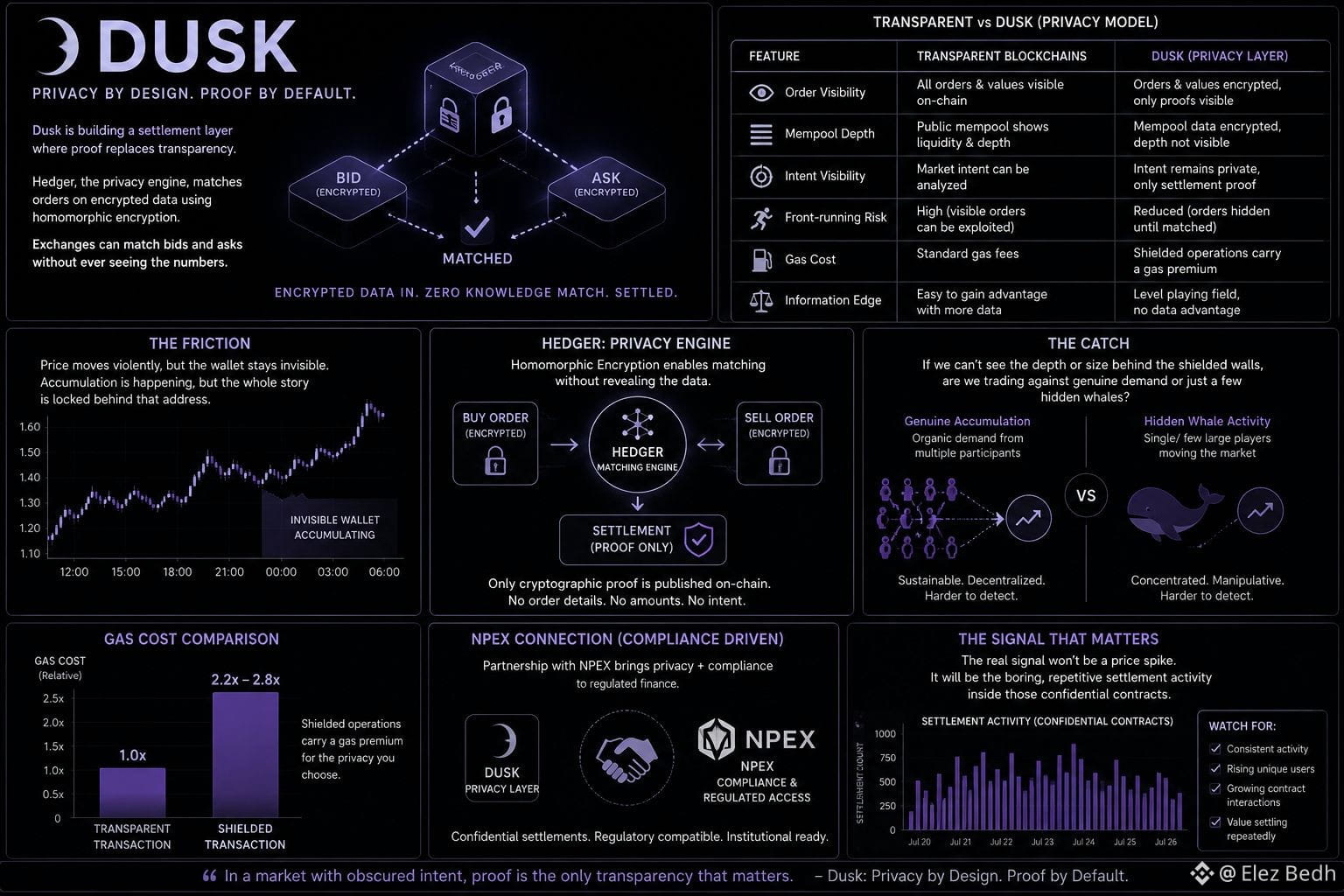
あの薄い市場の記憶がずっと気になって仕方ない。価格は乱暴に動いたのに、ウォレットは見えないままだ。誰かが積み上げているのは分かるのに、物語の全体はそのアドレスの背後にロックされている。
$DUSK は、その摩擦を取り込み、インフラに焼き付けます。単にプライバシーコインを作るだけではなく、透明性の代わりに“証明”が使われる決済レイヤーを構築しているのです。彼らのプライバシーエンジン「Hedger」は、同型暗号を使って暗号化データ上で実際に注文を照合します。取引所は、実際の数値を一度も見ないまま、指値の買いと売りをマッチングできる。これは本物の技術的な転換に感じます。
ただ、私が何度も行きつく“引っかかり”があります。メンプールの深さや、シールドされた壁の向こう側の規模が見えないなら、私は本当に有機的な需要と取引しているのか、それともゲームをしている数頭の隠れたクジラに相手をされているだけなのか。こうしたモデルのもとで価格が上がっても、積み上げを意味する場合もあれば、単一の集中購入者が無言で実行しているだけの場合もあります。このプライバシーのコストもまた現実的で、シールドされた処理には、透明な取引が回避できるガスのプレミアムがかかります。
NPEXとの接続は、特定のコンプライアンス重視のユーザー層を示唆しています。私にとって本当のシグナルは、価格スパイクではありません。機密のコントラクト内で起きている、退屈で反復的な決済活動こそが重要なはずです。意図が隠された市場が、信頼できる価格シグナルを生み出し得るかどうか、私はまだ確信できていません。その不確実性こそが、この実験を見守る価値を生んでいるのだと思います。
@Dusk_Foundation #dusk #DUSK $DUSK
{spot}(DUSKUSDT)
あの薄い市場の記憶がずっと気になって仕方ない。価格は乱暴に動いたのに、ウォレットは見えないままだ。誰かが積み上げているのは分かるのに、物語の全体はそのアドレスの背後にロックされている。
$DUSK は、その摩擦を取り込み、インフラに焼き付けます。単にプライバシーコインを作るだけではなく、透明性の代わりに“証明”が使われる決済レイヤーを構築しているのです。彼らのプライバシーエンジン「Hedger」は、同型暗号を使って暗号化データ上で実際に注文を照合します。取引所は、実際の数値を一度も見ないまま、指値の買いと売りをマッチングできる。これは本物の技術的な転換に感じます。
ただ、私が何度も行きつく“引っかかり”があります。メンプールの深さや、シールドされた壁の向こう側の規模が見えないなら、私は本当に有機的な需要と取引しているのか、それともゲームをしている数頭の隠れたクジラに相手をされているだけなのか。こうしたモデルのもとで価格が上がっても、積み上げを意味する場合もあれば、単一の集中購入者が無言で実行しているだけの場合もあります。このプライバシーのコストもまた現実的で、シールドされた処理には、透明な取引が回避できるガスのプレミアムがかかります。
NPEXとの接続は、特定のコンプライアンス重視のユーザー層を示唆しています。私にとって本当のシグナルは、価格スパイクではありません。機密のコントラクト内で起きている、退屈で反復的な決済活動こそが重要なはずです。意図が隠された市場が、信頼できる価格シグナルを生み出し得るかどうか、私はまだ確信できていません。その不確実性こそが、この実験を見守る価値を生んでいるのだと思います。
@Dusk #dusk #DUSK $DUSK
$DUSK は、その摩擦を取り込み、インフラに焼き付けます。単にプライバシーコインを作るだけではなく、透明性の代わりに“証明”が使われる決済レイヤーを構築しているのです。彼らのプライバシーエンジン「Hedger」は、同型暗号を使って暗号化データ上で実際に注文を照合します。取引所は、実際の数値を一度も見ないまま、指値の買いと売りをマッチングできる。これは本物の技術的な転換に感じます。
ただ、私が何度も行きつく“引っかかり”があります。メンプールの深さや、シールドされた壁の向こう側の規模が見えないなら、私は本当に有機的な需要と取引しているのか、それともゲームをしている数頭の隠れたクジラに相手をされているだけなのか。こうしたモデルのもとで価格が上がっても、積み上げを意味する場合もあれば、単一の集中購入者が無言で実行しているだけの場合もあります。このプライバシーのコストもまた現実的で、シールドされた処理には、透明な取引が回避できるガスのプレミアムがかかります。
NPEXとの接続は、特定のコンプライアンス重視のユーザー層を示唆しています。私にとって本当のシグナルは、価格スパイクではありません。機密のコントラクト内で起きている、退屈で反復的な決済活動こそが重要なはずです。意図が隠された市場が、信頼できる価格シグナルを生み出し得るかどうか、私はまだ確信できていません。その不確実性こそが、この実験を見守る価値を生んでいるのだと思います。
@Dusk #dusk #DUSK $DUSK
3
5
1.1k
ログインして、さらにコンテンツを読む
厳選トピックで世界の暗号資産トレーダーの仲間入り
⚡️ 暗号資産に関する最新かつ有益な情報が見つかります。
💬 世界最大の暗号資産取引所から信頼されています。
👍 認証を受けたクリエイターから、有益なインサイトを得られます。
メール / 電話番号