

DmitriRich
920 投稿

DmitriRich
報告
ユーザーをブロック
Crypto setups, catalysts & market data.
BNB Chain, altcoins, derivatives.
No hype. Just what matters.
6 フォロー
189 フォロワー
880 いいね
投稿
すべて
引用
動画
PINNED
·
--
1
260
PINNED
·
--
ブリッシュ
翻訳参照
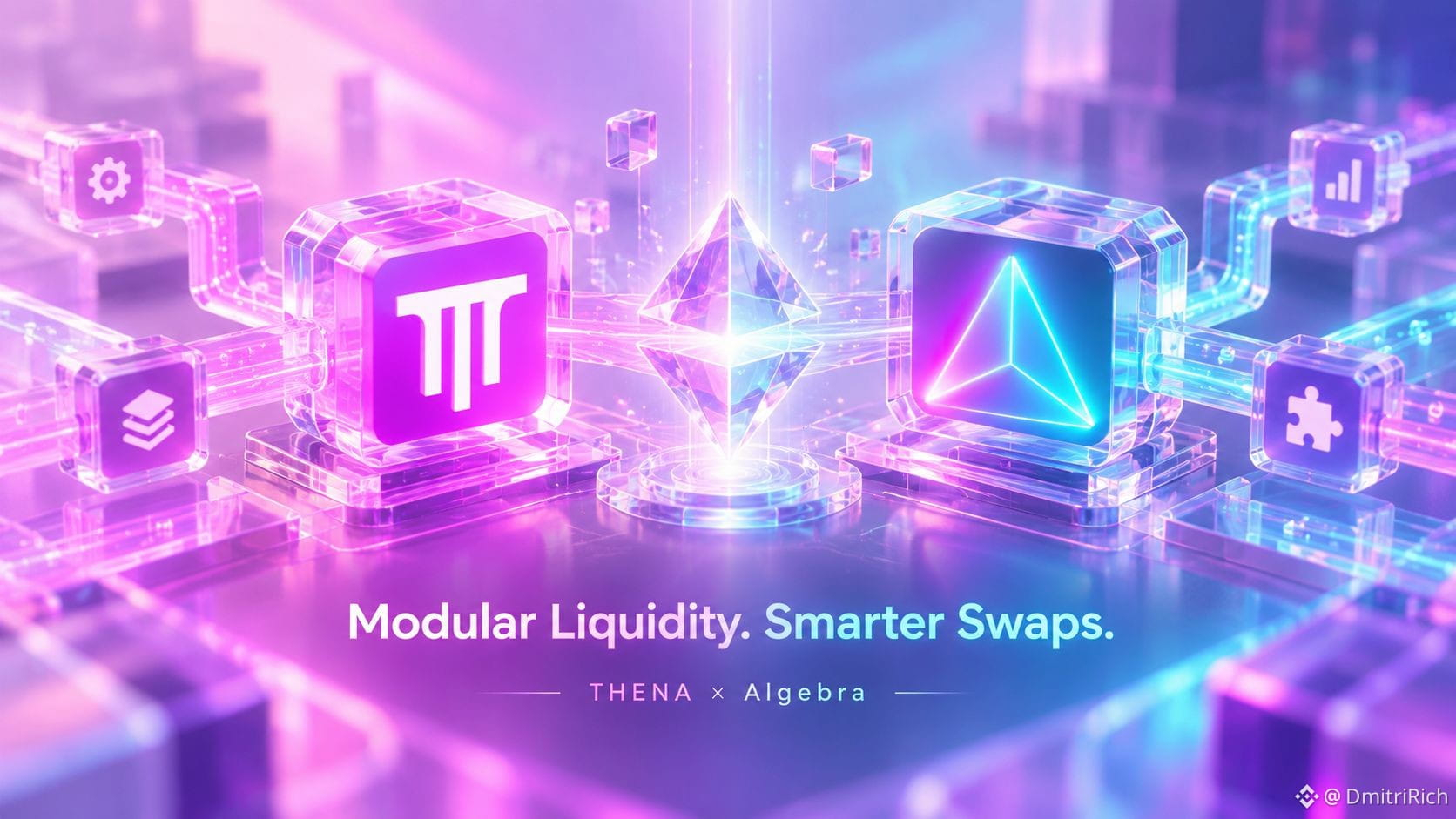
You can use #THENA without ever knowing what #CryptoAlgebra is. That’s actually the point.
Algebra Integral is AMM infrastructure behind THENA’s concentrated liquidity. Think of it as $THE engine under the hood.
And plugins let that engine add extra logic without rebuilding the whole pool.
Here’s why it matters.
1/ First: concentrated liquidity.
Instead of spreading #LP capital across every possible price, liquidity can be placed inside specific price ranges.
That can make the same amount of liquidity more useful around $THE price where people are actually trading.
For traders ➵ potentially better execution.
For LPs ➵ more capital efficiency but also more management and risk.
2/ So what is an Algebra plugin?
In simple terms, it’s an extra smart contract connected to a liquidity pool.
Through “hooks,” it can run additional logic around actions like swaps or liquidity changes.
The important part: new functionality can be added without replacing the core AMM or migrating the pool’s liquidity.
3/ A real example on THENA: dynamic fees.
Instead of every concentrated pool being stuck with one fixed fee, the fee mechanism can adapt to market conditions.
When volatility increases, fees can rise to better compensate LPs. In calmer conditions, they can fall to keep trading competitive.
The user doesn’t have to manually adjust this.
4/ Who benefits?
▹ Traders: concentrated liquidity can provide deeper liquidity around the active price
▹ LPs: capital can be deployed more efficiently, while dynamic fees respond to changing market conditions
▹ Projects: Algebra’s modular design gives THENA more flexibility in how liquidity pools can evolve.
And all of this runs on #BNBChain , which now reaches finality in about 0.65 seconds under normal conditions.
You can use #THENA without ever knowing what #CryptoAlgebra is. That’s actually the point.
Algebra Integral is AMM infrastructure behind THENA’s concentrated liquidity. Think of it as $THE engine under the hood.
And plugins let that engine add extra logic without rebuilding the whole pool.
Here’s why it matters.
1/ First: concentrated liquidity.
Instead of spreading #LP capital across every possible price, liquidity can be placed inside specific price ranges.
That can make the same amount of liquidity more useful around $THE price where people are actually trading.
For traders ➵ potentially better execution.
For LPs ➵ more capital efficiency but also more management and risk.
2/ So what is an Algebra plugin?
In simple terms, it’s an extra smart contract connected to a liquidity pool.
Through “hooks,” it can run additional logic around actions like swaps or liquidity changes.
The important part: new functionality can be added without replacing the core AMM or migrating the pool’s liquidity.
3/ A real example on THENA: dynamic fees.
Instead of every concentrated pool being stuck with one fixed fee, the fee mechanism can adapt to market conditions.
When volatility increases, fees can rise to better compensate LPs. In calmer conditions, they can fall to keep trading competitive.
The user doesn’t have to manually adjust this.
4/ Who benefits?
▹ Traders: concentrated liquidity can provide deeper liquidity around the active price
▹ LPs: capital can be deployed more efficiently, while dynamic fees respond to changing market conditions
▹ Projects: Algebra’s modular design gives THENA more flexibility in how liquidity pools can evolve.
And all of this runs on #BNBChain , which now reaches finality in about 0.65 seconds under normal conditions.
Algebra Integral is AMM infrastructure behind THENA’s concentrated liquidity. Think of it as $THE engine under the hood.
And plugins let that engine add extra logic without rebuilding the whole pool.
Here’s why it matters.
1/ First: concentrated liquidity.
Instead of spreading #LP capital across every possible price, liquidity can be placed inside specific price ranges.
That can make the same amount of liquidity more useful around $THE price where people are actually trading.
For traders ➵ potentially better execution.
For LPs ➵ more capital efficiency but also more management and risk.
2/ So what is an Algebra plugin?
In simple terms, it’s an extra smart contract connected to a liquidity pool.
Through “hooks,” it can run additional logic around actions like swaps or liquidity changes.
The important part: new functionality can be added without replacing the core AMM or migrating the pool’s liquidity.
3/ A real example on THENA: dynamic fees.
Instead of every concentrated pool being stuck with one fixed fee, the fee mechanism can adapt to market conditions.
When volatility increases, fees can rise to better compensate LPs. In calmer conditions, they can fall to keep trading competitive.
The user doesn’t have to manually adjust this.
4/ Who benefits?
▹ Traders: concentrated liquidity can provide deeper liquidity around the active price
▹ LPs: capital can be deployed more efficiently, while dynamic fees respond to changing market conditions
▹ Projects: Algebra’s modular design gives THENA more flexibility in how liquidity pools can evolve.
And all of this runs on #BNBChain , which now reaches finality in about 0.65 seconds under normal conditions.
22
·
--
翻訳参照
Zero action, zero yield!
#THENA HOT POOLS are waiting for your next move:
▹ $VELVET : DeFi asset management
▹ $SINGULARRY: DeFAI of future
▹ $FIL : De-data storage
▹ $BNB : ecosystem backbone
▹$THE : Ultimate DEX
Zero action, zero yield!
#THENA HOT POOLS are waiting for your next move:
▹ $VELVET : DeFi asset management
▹ $SINGULARRY: DeFAI of future
▹ $FIL : De-data storage
▹ $BNB : ecosystem backbone
▹$THE : Ultimate DEX
#THENA HOT POOLS are waiting for your next move:
▹ $VELVET : DeFi asset management
▹ $SINGULARRY: DeFAI of future
▹ $FIL : De-data storage
▹ $BNB : ecosystem backbone
▹$THE : Ultimate DEX
·
--
ブリッシュ
プラトー指名で支えてくれて、そして私に投票してくれた全てのクエスターに心から感謝します!
$THE コミュニティが味方で、努力することを大切にしてくれていると知っているのが、何よりも大きな支えです。
特に、@thena に深く入り込んで3年経った今、終わりのない記事、投稿、グラフィック、動画を作り続けてきた後は、これがどれだけ私の力になるか想像もできないでしょう。
本当にありがたい 😍
プラトー指名で支えてくれて、そして私に投票してくれた全てのクエスターに心から感謝します!
$THE コミュニティが味方で、努力することを大切にしてくれていると知っているのが、何よりも大きな支えです。
特に、@THENA に深く入り込んで3年経った今、終わりのない記事、投稿、グラフィック、動画を作り続けてきた後は、これがどれだけ私の力になるか想像もできないでしょう。
本当にありがたい 😍
$THE コミュニティが味方で、努力することを大切にしてくれていると知っているのが、何よりも大きな支えです。
特に、@THENA に深く入り込んで3年経った今、終わりのない記事、投稿、グラフィック、動画を作り続けてきた後は、これがどれだけ私の力になるか想像もできないでしょう。
本当にありがたい 😍

212
·
--
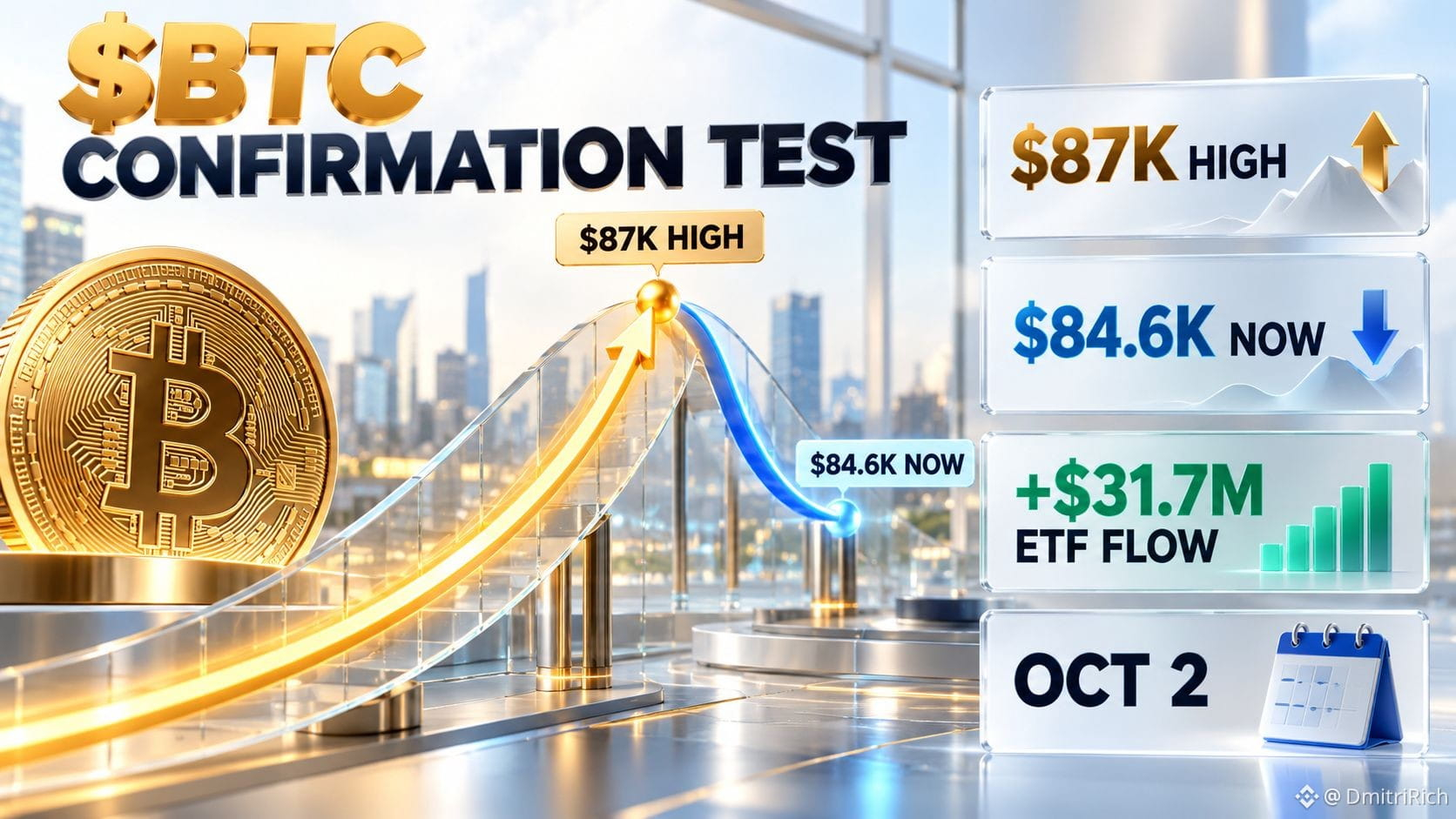
$BTCの87Kドル超えは、マクロ環境を背景にした明確なブレイクアウトに見えました。しかし、#etf テープが示すのは別の見方です。
米国の現物#bitcoin ETFへの資金流入は10月2日にわずか3,170万ドルでした。一方、弱い雇用統計を受けてトレーダーの間ではFRBの利上げ見送り観測が強まり、リスク資産の上昇を後押ししました。$BTC はその後、84.6Kドル近辺まで押し戻されています。
つまり、これはブレイクアウトの完了ではなく、確認の局面です。ETF需要が拡大するなかで価格が87Kドルを回復すれば、現物市場の裏付けが強まります。ETFの資金フローが低調なままで、87Kドルが引き続き上値を抑えるなら、この上昇は持続的な新規需要よりも、ポジショニングや金利見通しに主導されたものだったといえます。
{future}(BTCUSDT)
$BTC の87Kドル超えは、マクロ環境を背景にした明確なブレイクアウトに見えました。しかし、#etf テープが示すのは別の見方です。
米国の現物#bitcoin ETFへの資金流入は10月2日にわずか3,170万ドルでした。一方、弱い雇用統計を受けてトレーダーの間ではFRBの利上げ見送り観測が強まり、リスク資産の上昇を後押ししました。$BTC はその後、84.6Kドル近辺まで押し戻されています。
つまり、これはブレイクアウトの完了ではなく、確認の局面です。ETF需要が拡大するなかで価格が87Kドルを回復すれば、現物市場の裏付けが強まります。ETFの資金フローが低調なままで、87Kドルが引き続き上値を抑えるなら、この上昇は持続的な新規需要よりも、ポジショニングや金利見通しに主導されたものだったといえます。
米国の現物#bitcoin ETFへの資金流入は10月2日にわずか3,170万ドルでした。一方、弱い雇用統計を受けてトレーダーの間ではFRBの利上げ見送り観測が強まり、リスク資産の上昇を後押ししました。$BTC はその後、84.6Kドル近辺まで押し戻されています。
つまり、これはブレイクアウトの完了ではなく、確認の局面です。ETF需要が拡大するなかで価格が87Kドルを回復すれば、現物市場の裏付けが強まります。ETFの資金フローが低調なままで、87Kドルが引き続き上値を抑えるなら、この上昇は持続的な新規需要よりも、ポジショニングや金利見通しに主導されたものだったといえます。
71
·
--
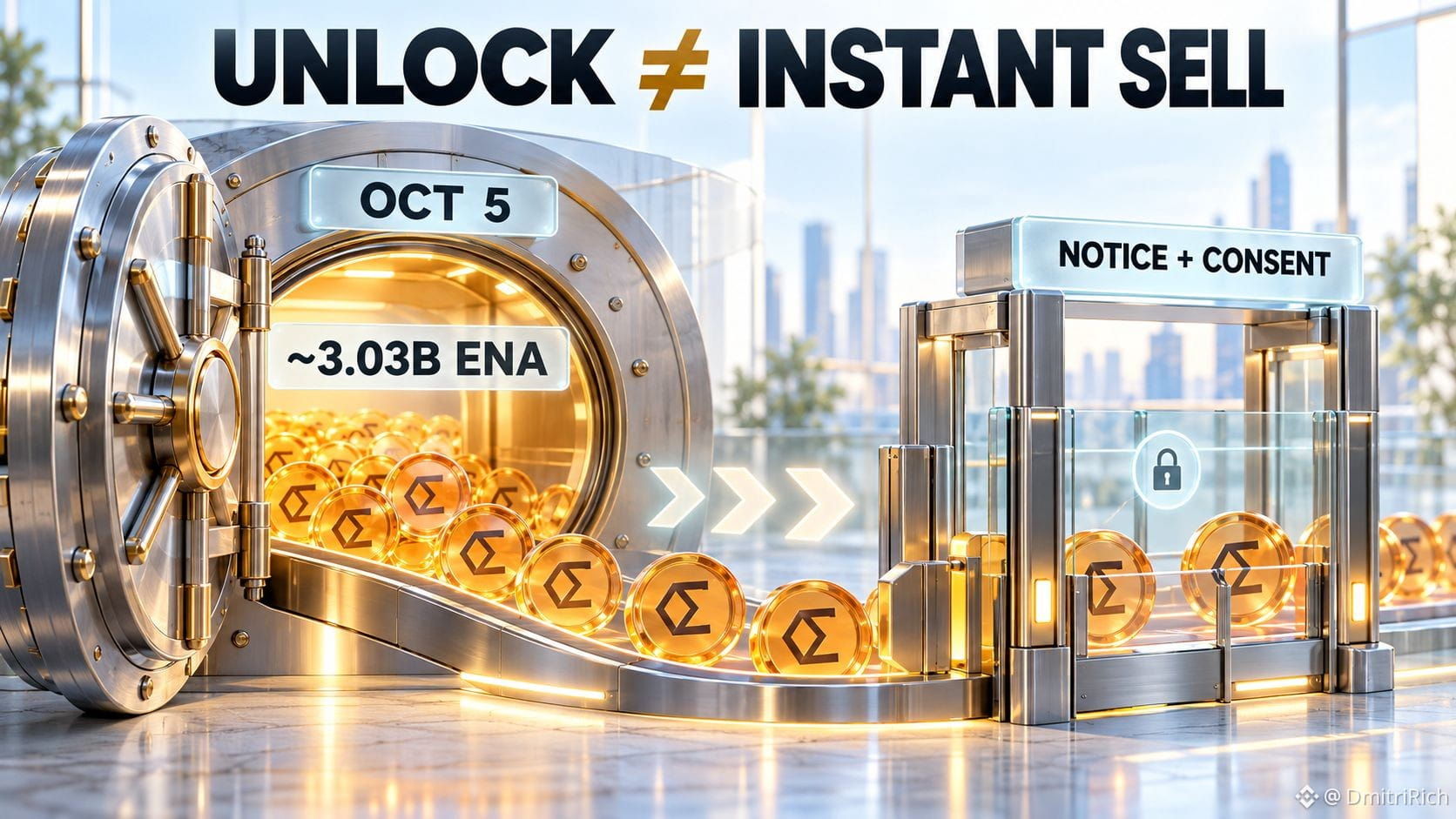
$ENA は約5%下落しているが、主要なリスクは単に「10月5日に3.03Bトークンがアンロックされること」ではない。その供給のうち、実際に市場へ到達できる量がどれだけあるかだ。
#SEC の提出書類では、PIPE取引による約27.5億ENAに加え、Ethenaが拠出した2億8495万ENAが挙げられており、合計で約3.03Bとなる。ロックアップは10月5日に永久に免除される。しかし、アンロックされたからといって直ちに売られるわけではない。資金調達のセールには少なくとも5営業日の事前通知が必要で、#ethena Foundationには提案価格で買い付ける選択権がある。それでも、事前の書面による同意が別途必要になる。
つまりこれは二段階の出来事だ。まずヘッドラインとしての供給リスクへのポジショニング、次に実際の売却意図を裏付ける証拠。
トレーダーにとってより明確なシグナルは、アンロック後の価格と出来高だ。$ENA が、新たに移転可能になった供給にもかかわらず維持されるなら、ベア側のポジショニングは混み合っている可能性がある。出来高が拡大しつつ持続的な弱さが見られるなら、それは恐怖というよりディストリビューションに近いだろう。
{future}(ENAUSDT)
$ENA は約5%下落しているが、主要なリスクは単に「10月5日に3.03Bトークンがアンロックされること」ではない。その供給のうち、実際に市場へ到達できる量がどれだけあるかだ。
#SEC の提出書類では、PIPE取引による約27.5億ENAに加え、Ethenaが拠出した2億8495万ENAが挙げられており、合計で約3.03Bとなる。ロックアップは10月5日に永久に免除される。しかし、アンロックされたからといって直ちに売られるわけではない。資金調達のセールには少なくとも5営業日の事前通知が必要で、#ethena Foundationには提案価格で買い付ける選択権がある。それでも、事前の書面による同意が別途必要になる。
つまりこれは二段階の出来事だ。まずヘッドラインとしての供給リスクへのポジショニング、次に実際の売却意図を裏付ける証拠。
トレーダーにとってより明確なシグナルは、アンロック後の価格と出来高だ。$ENA が、新たに移転可能になった供給にもかかわらず維持されるなら、ベア側のポジショニングは混み合っている可能性がある。出来高が拡大しつつ持続的な弱さが見られるなら、それは恐怖というよりディストリビューションに近いだろう。
#SEC の提出書類では、PIPE取引による約27.5億ENAに加え、Ethenaが拠出した2億8495万ENAが挙げられており、合計で約3.03Bとなる。ロックアップは10月5日に永久に免除される。しかし、アンロックされたからといって直ちに売られるわけではない。資金調達のセールには少なくとも5営業日の事前通知が必要で、#ethena Foundationには提案価格で買い付ける選択権がある。それでも、事前の書面による同意が別途必要になる。
つまりこれは二段階の出来事だ。まずヘッドラインとしての供給リスクへのポジショニング、次に実際の売却意図を裏付ける証拠。
トレーダーにとってより明確なシグナルは、アンロック後の価格と出来高だ。$ENA が、新たに移転可能になった供給にもかかわらず維持されるなら、ベア側のポジショニングは混み合っている可能性がある。出来高が拡大しつつ持続的な弱さが見られるなら、それは恐怖というよりディストリビューションに近いだろう。
473
·
--
ブリッシュ
#PancakeSwap & #THENA で「sister exchanges」と呼ばれるものを聞くと、同じ都市内にある2つのマーケットを思い浮かべます。
PancakeSwapには規模があります。THENAには、追加報酬が終わった後でも、プロジェクトのトークンをより買いやすく売りやすくするための支援をしてほしいです。
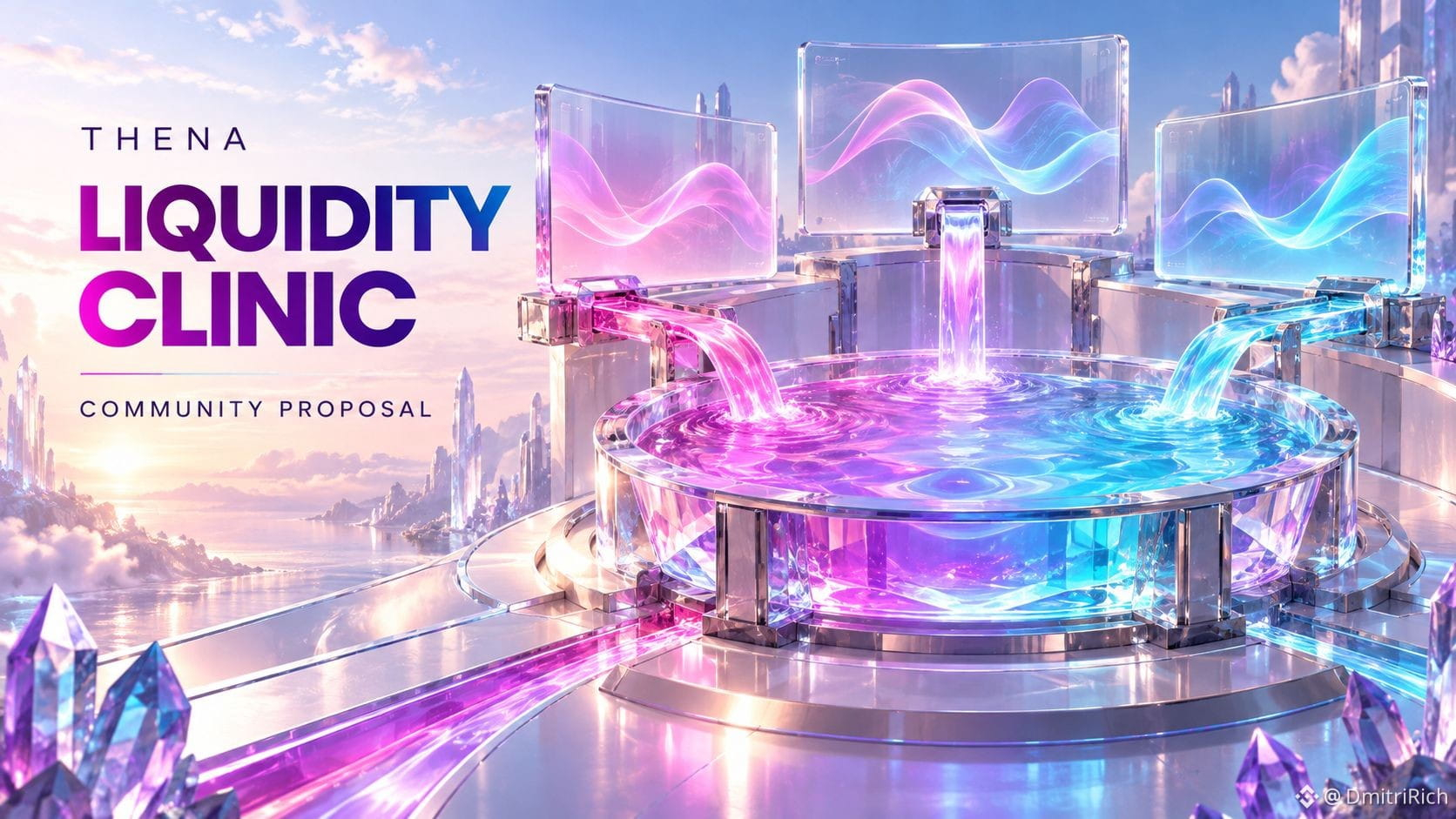
1/ 私のアイデア:THENA Liquidity Clinic。すでに取引されているトークンを持つプロジェクトの健康診断です。
なぜ大きな購入がこれほど価格を動かすのか?取引に十分な資金があるのか?取引アプリはアクセスできるのか?
追加で使う前に問題を見つけます。
2/ まず3プロジェクトから始め、12週間のトライアルを実施。問題を見つけるのに2週間。改善をテストするのに6週間。その後、追加支援が終わった後に何が残るのかを確認するための期間が4週間です。
各プロジェクトに明確な計画、担当者、公表される成果を用意します。学ぶために小さく始めます。
3/ プロジェクトは自分たちのお金を一部投入します。THENAの支援にも支出上限があります。作業に携わる人のコストも含めた総コストを数えます。
2週間ごとに、より多くの資金投入を決める前に、変更が効果を出しているか確認します。
4/ フィーやネットワークコストを差し引いた上で、同じ金額を買う/売ると実際にトレーダーが得るものを示します。PancakeSwapや他の会場と、同様の条件で比較します。
プールにもっと資金があることは、取引がより良くなる場合に役立ちます。
5/ 私が最も気にしているのはここです:追加報酬が止まったらどうなるのか?取引は依然として妥当な価格で成立するのか?アクティビティは維持されるのか?他の報酬はプールを支え続けているのか?
より広い市場の動きと照らし合わせて確認し、その後3か月後にフォローアップします。
6/ 成功しなかったトライアルも公開してほしいです。ビルダーは、どの変更が効いたのか、費用はいくらだったのか、そして繰り返す価値がなかったのはどれかを学べます。
それが、THENAが#BNBChain の中で目立つ方法だと思います。
もしプロジェクトを運営しているなら、この健康診断に申し込みますか?
{future}(THEUSDT)
#PancakeSwap & #THENA で「sister exchanges」と呼ばれるものを聞くと、同じ都市内にある2つのマーケットを思い浮かべます。
PancakeSwapには規模があります。THENAには、追加報酬が終わった後でも、プロジェクトのトークンをより買いやすく売りやすくするための支援をしてほしいです。
1/ 私のアイデア:THENA Liquidity Clinic。すでに取引されているトークンを持つプロジェクトの健康診断です。
なぜ大きな購入がこれほど価格を動かすのか?取引に十分な資金があるのか?取引アプリはアクセスできるのか?
追加で使う前に問題を見つけます。
2/ まず3プロジェクトから始め、12週間のトライアルを実施。問題を見つけるのに2週間。改善をテストするのに6週間。その後、追加支援が終わった後に何が残るのかを確認するための期間が4週間です。
各プロジェクトに明確な計画、担当者、公表される成果を用意します。学ぶために小さく始めます。
3/ プロジェクトは自分たちのお金を一部投入します。THENAの支援にも支出上限があります。作業に携わる人のコストも含めた総コストを数えます。
2週間ごとに、より多くの資金投入を決める前に、変更が効果を出しているか確認します。
4/ フィーやネットワークコストを差し引いた上で、同じ金額を買う/売ると実際にトレーダーが得るものを示します。PancakeSwapや他の会場と、同様の条件で比較します。
プールにもっと資金があることは、取引がより良くなる場合に役立ちます。
5/ 私が最も気にしているのはここです:追加報酬が止まったらどうなるのか?取引は依然として妥当な価格で成立するのか?アクティビティは維持されるのか?他の報酬はプールを支え続けているのか?
より広い市場の動きと照らし合わせて確認し、その後3か月後にフォローアップします。
6/ 成功しなかったトライアルも公開してほしいです。ビルダーは、どの変更が効いたのか、費用はいくらだったのか、そして繰り返す価値がなかったのはどれかを学べます。
それが、THENAが#BNBChain の中で目立つ方法だと思います。
もしプロジェクトを運営しているなら、この健康診断に申し込みますか?
PancakeSwapには規模があります。THENAには、追加報酬が終わった後でも、プロジェクトのトークンをより買いやすく売りやすくするための支援をしてほしいです。
1/ 私のアイデア:THENA Liquidity Clinic。すでに取引されているトークンを持つプロジェクトの健康診断です。
なぜ大きな購入がこれほど価格を動かすのか?取引に十分な資金があるのか?取引アプリはアクセスできるのか?
追加で使う前に問題を見つけます。
2/ まず3プロジェクトから始め、12週間のトライアルを実施。問題を見つけるのに2週間。改善をテストするのに6週間。その後、追加支援が終わった後に何が残るのかを確認するための期間が4週間です。
各プロジェクトに明確な計画、担当者、公表される成果を用意します。学ぶために小さく始めます。
3/ プロジェクトは自分たちのお金を一部投入します。THENAの支援にも支出上限があります。作業に携わる人のコストも含めた総コストを数えます。
2週間ごとに、より多くの資金投入を決める前に、変更が効果を出しているか確認します。
4/ フィーやネットワークコストを差し引いた上で、同じ金額を買う/売ると実際にトレーダーが得るものを示します。PancakeSwapや他の会場と、同様の条件で比較します。
プールにもっと資金があることは、取引がより良くなる場合に役立ちます。
5/ 私が最も気にしているのはここです:追加報酬が止まったらどうなるのか?取引は依然として妥当な価格で成立するのか?アクティビティは維持されるのか?他の報酬はプールを支え続けているのか?
より広い市場の動きと照らし合わせて確認し、その後3か月後にフォローアップします。
6/ 成功しなかったトライアルも公開してほしいです。ビルダーは、どの変更が効いたのか、費用はいくらだったのか、そして繰り返す価値がなかったのはどれかを学べます。
それが、THENAが#BNBChain の中で目立つ方法だと思います。
もしプロジェクトを運営しているなら、この健康診断に申し込みますか?
42
·
--
シティの新たな暗号資産ターゲットは強気に見えるが、重要なのは見出しよりもそのギャップだ。
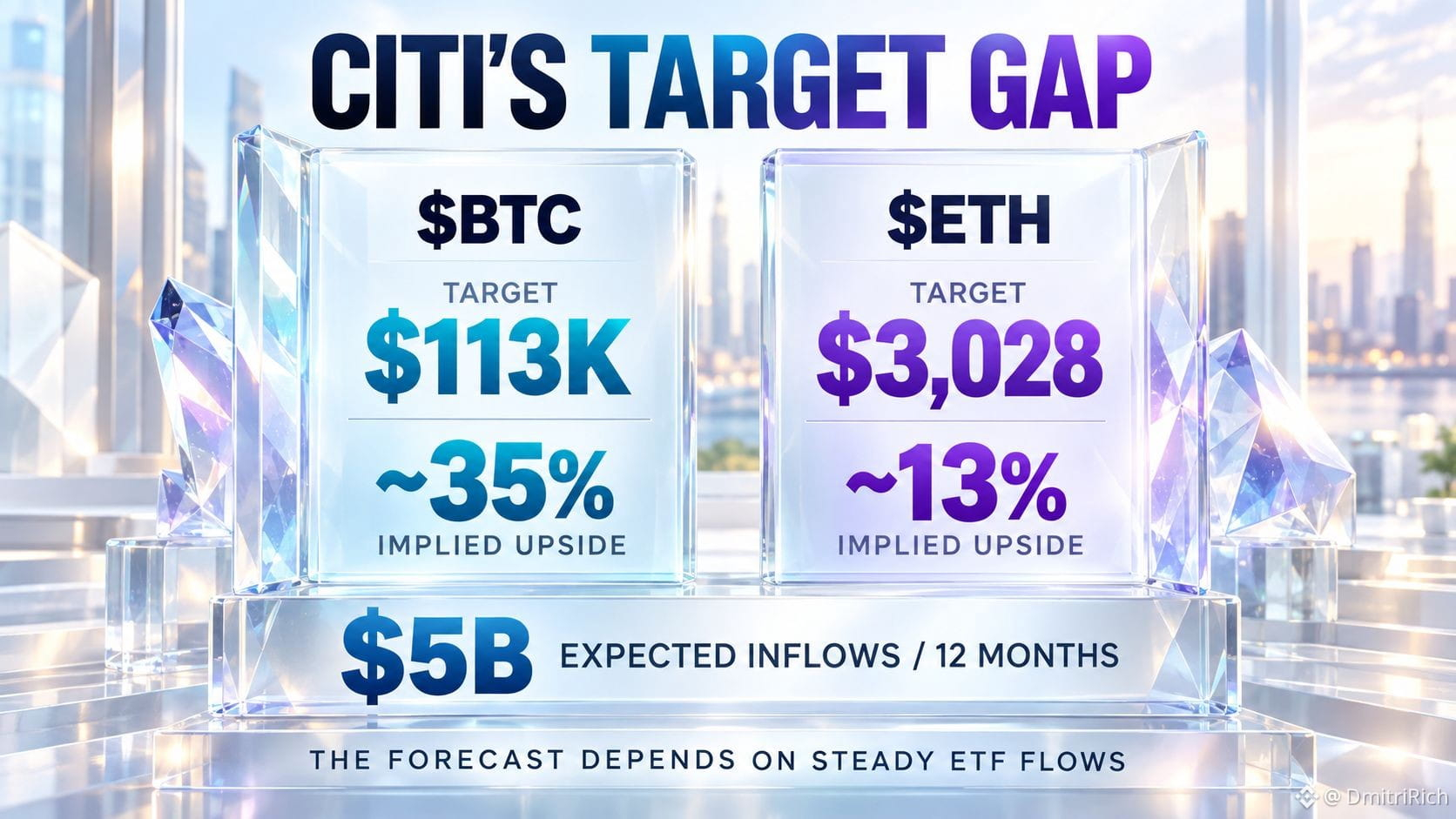
同行は12カ月の#bitcoin ターゲットを82,000ドルから113,000ドルに、イーサーのターゲットを2,240ドルから3,028ドルに引き上げた。シティは、より強い暗号資産の取引活動、追い風となるマクロ環境、そして#etf の流入が再開したことを挙げ、今後1年間でさらに50億ドルの流入があると見込んだ。
$BTC が約83,500ドル、$ETH が約2,686ドルであることを踏まえると、これらのターゲットはビットコインに対しておよそ35%の上昇余地、イーサーに対して約13%を示唆する。BTCとETHが過去3カ月でそれぞれ約40%と68%上昇した後でも、これは明確な相対的な選好だ。
ターゲット変更は独立した触媒ではない。活動とフローが改善した後に提示されたものだ。有効な試金石は、ETF需要が安定しているかどうかである。BTCの相対的な強さが持続すれば、シティのギャップの見方を後押しする。流入が失速し、価格が停滞するなら、ターゲットがどうであっても予測の主要な前提が、ターゲットが問題になる前に弱まる。
{future}(ETHUSDT)
{future}(BTCUSDT)
シティの新たな暗号資産ターゲットは強気に見えるが、重要なのは見出しよりもそのギャップだ。
同行は12カ月の#bitcoin ターゲットを82,000ドルから113,000ドルに、イーサーのターゲットを2,240ドルから3,028ドルに引き上げた。シティは、より強い暗号資産の取引活動、追い風となるマクロ環境、そして#etf の流入が再開したことを挙げ、今後1年間でさらに50億ドルの流入があると見込んだ。
$BTC が約83,500ドル、$ETH が約2,686ドルであることを踏まえると、これらのターゲットはビットコインに対しておよそ35%の上昇余地、イーサーに対して約13%を示唆する。BTCとETHが過去3カ月でそれぞれ約40%と68%上昇した後でも、これは明確な相対的な選好だ。
ターゲット変更は独立した触媒ではない。活動とフローが改善した後に提示されたものだ。有効な試金石は、ETF需要が安定しているかどうかである。BTCの相対的な強さが持続すれば、シティのギャップの見方を後押しする。流入が失速し、価格が停滞するなら、ターゲットがどうであっても予測の主要な前提が、ターゲットが問題になる前に弱まる。
同行は12カ月の#bitcoin ターゲットを82,000ドルから113,000ドルに、イーサーのターゲットを2,240ドルから3,028ドルに引き上げた。シティは、より強い暗号資産の取引活動、追い風となるマクロ環境、そして#etf の流入が再開したことを挙げ、今後1年間でさらに50億ドルの流入があると見込んだ。
$BTC が約83,500ドル、$ETH が約2,686ドルであることを踏まえると、これらのターゲットはビットコインに対しておよそ35%の上昇余地、イーサーに対して約13%を示唆する。BTCとETHが過去3カ月でそれぞれ約40%と68%上昇した後でも、これは明確な相対的な選好だ。
ターゲット変更は独立した触媒ではない。活動とフローが改善した後に提示されたものだ。有効な試金石は、ETF需要が安定しているかどうかである。BTCの相対的な強さが持続すれば、シティのギャップの見方を後押しする。流入が失速し、価格が停滞するなら、ターゲットがどうであっても予測の主要な前提が、ターゲットが問題になる前に弱まる。
42
·
--
翻訳参照
The latest #Binance headline is serious, but BNB is not trading like the market sees an immediate exchange-wide crisis.
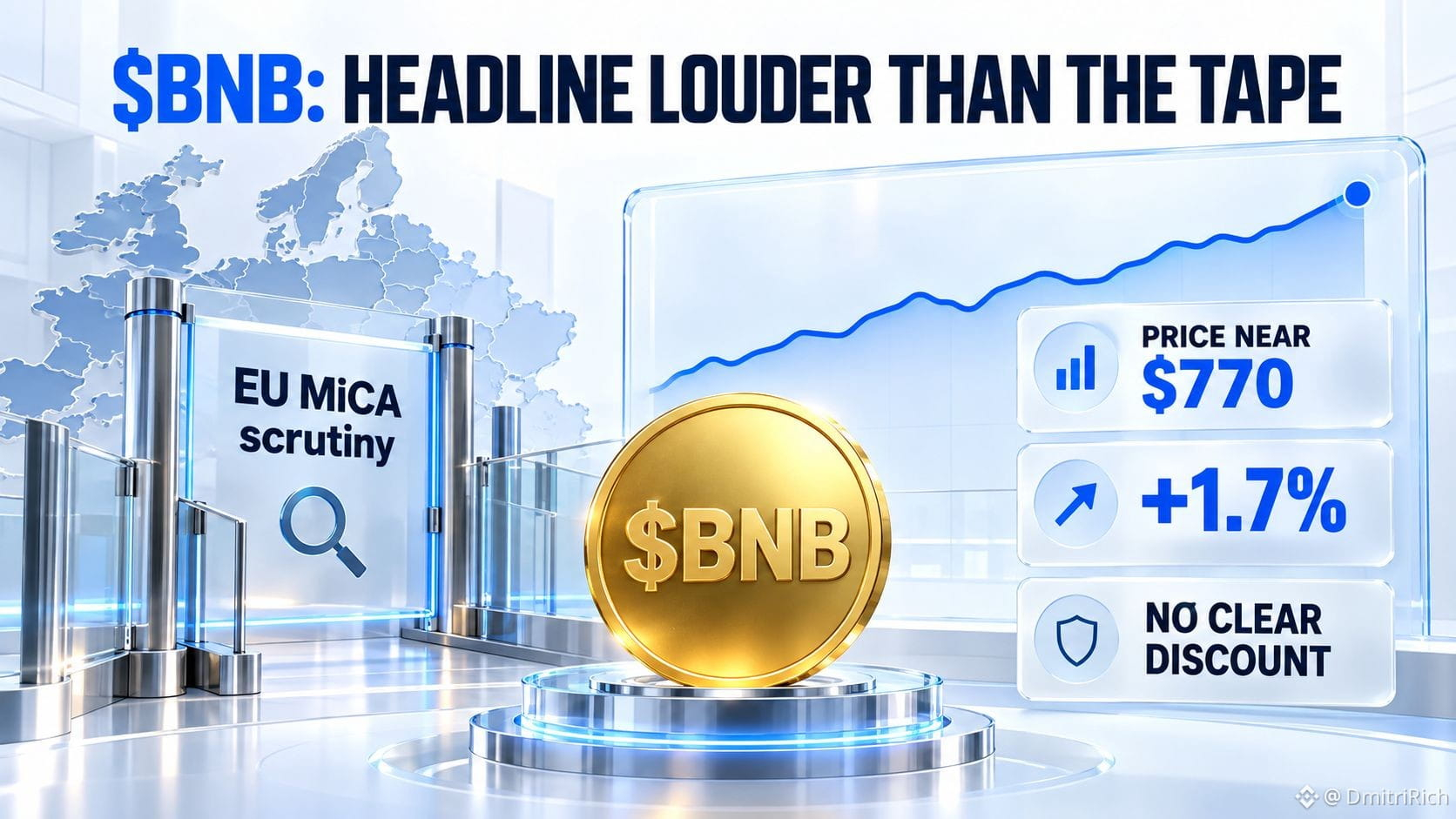
EU regulators are questioning Binance’s use of “reverse solicitation” after the exchange failed to secure #MiCA authorization, according to a Financial Times report carried by Reuters. The exemption allows a non-EU firm to serve customers who approach it entirely on their own initiative, but regulators view it as narrowly defined.
The price reaction matters. BNB is near $770 and up about 1.7% from the previous close, broadly in line with the wider crypto rebound. No clear regulatory discount has appeared yet.
That suggests traders currently see this as a regional operating-risk story, not a balance-sheet event. The test is relative strength: if $BNBstarts lagging while $BTC and $ETH hold firm or if concrete EU service restrictions follow, the market is finally pricing the risk. Until then, the headline is louder than the tape.
{future}(BNBUSDT)
The latest #Binance headline is serious, but BNB is not trading like the market sees an immediate exchange-wide crisis.
EU regulators are questioning Binance’s use of “reverse solicitation” after the exchange failed to secure #MiCA authorization, according to a Financial Times report carried by Reuters. The exemption allows a non-EU firm to serve customers who approach it entirely on their own initiative, but regulators view it as narrowly defined.
The price reaction matters. BNB is near $770 and up about 1.7% from the previous close, broadly in line with the wider crypto rebound. No clear regulatory discount has appeared yet.
That suggests traders currently see this as a regional operating-risk story, not a balance-sheet event. The test is relative strength: if $BNBstarts lagging while $BTC and $ETH hold firm or if concrete EU service restrictions follow, the market is finally pricing the risk. Until then, the headline is louder than the tape.
EU regulators are questioning Binance’s use of “reverse solicitation” after the exchange failed to secure #MiCA authorization, according to a Financial Times report carried by Reuters. The exemption allows a non-EU firm to serve customers who approach it entirely on their own initiative, but regulators view it as narrowly defined.
The price reaction matters. BNB is near $770 and up about 1.7% from the previous close, broadly in line with the wider crypto rebound. No clear regulatory discount has appeared yet.
That suggests traders currently see this as a regional operating-risk story, not a balance-sheet event. The test is relative strength: if $BNBstarts lagging while $BTC and $ETH hold firm or if concrete EU service restrictions follow, the market is finally pricing the risk. Until then, the headline is louder than the tape.
64
·
--
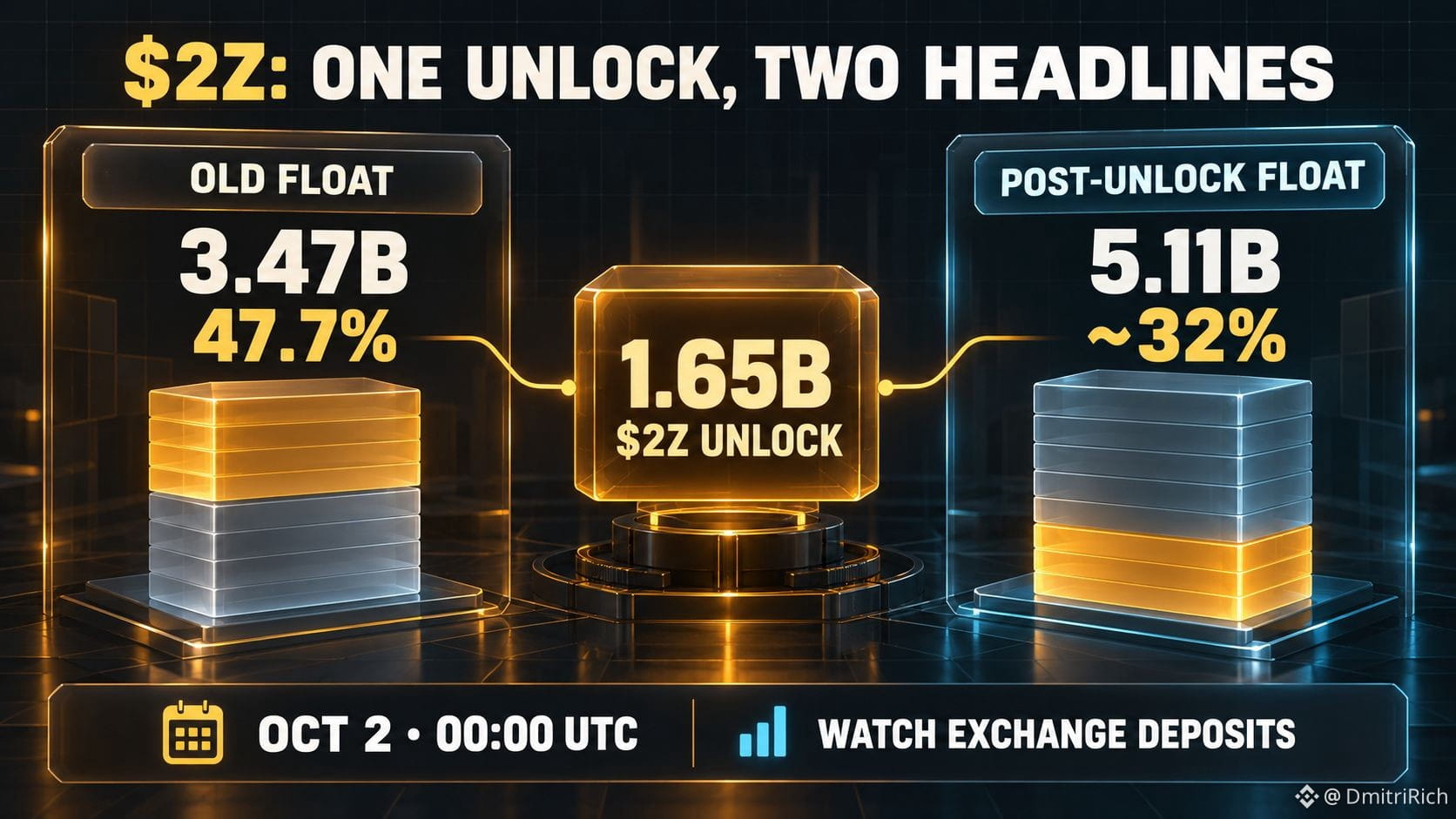
$2Zの10月2日のアンロックは、単純な47.7%の供給ショックとして売られている。だがこの数字は、旧フロートに対してのみ実在する。
00:00 UTCに約16.5億($2Z )がアンロック予定で、最大のトランシェはJump Crypto、Malbec Labs、機関、そしてチームに割り当てられる。#CoinMarketCap. の時点では、すでに約34.7億トークンが流通しており、これによりイベントはフロートのほぼ48%に相当する。#DeFiLlama とTokenomistはすでに約51.1億を示しており、実質的にアンロック後の供給を数え込んでいる。その前提では、同じイベントは約32%だ。
この計上の差は、見出しよりも重要だ。$2Z はすでに過去24時間で約9%下落しているが、資金の動きは取引所間で分散しており、ひとつの“きれいな混雑したショート”を示しているわけではない。
有用な確証はアンロック後に得られる。受取ウォレットがトークンを取引所へ送るか、そしてスポット出来高がそれを吸収できるかを見てほしい。入金がなければ、自動の投げ売りもない。入金が大きいのに買い板(ビッド)が弱ければ、悲観的な見立てを裏づけることになる。
$2Z の10月2日のアンロックは、単純な47.7%の供給ショックとして売られている。だがこの数字は、旧フロートに対してのみ実在する。
00:00 UTCに約16.5億($2Z )がアンロック予定で、最大のトランシェはJump Crypto、Malbec Labs、機関、そしてチームに割り当てられる。#CoinMarketCap. の時点では、すでに約34.7億トークンが流通しており、これによりイベントはフロートのほぼ48%に相当する。#DeFiLlama とTokenomistはすでに約51.1億を示しており、実質的にアンロック後の供給を数え込んでいる。その前提では、同じイベントは約32%だ。
この計上の差は、見出しよりも重要だ。$2Z はすでに過去24時間で約9%下落しているが、資金の動きは取引所間で分散しており、ひとつの“きれいな混雑したショート”を示しているわけではない。
有用な確証はアンロック後に得られる。受取ウォレットがトークンを取引所へ送るか、そしてスポット出来高がそれを吸収できるかを見てほしい。入金がなければ、自動の投げ売りもない。入金が大きいのに買い板(ビッド)が弱ければ、悲観的な見立てを裏づけることになる。
00:00 UTCに約16.5億($2Z )がアンロック予定で、最大のトランシェはJump Crypto、Malbec Labs、機関、そしてチームに割り当てられる。#CoinMarketCap. の時点では、すでに約34.7億トークンが流通しており、これによりイベントはフロートのほぼ48%に相当する。#DeFiLlama とTokenomistはすでに約51.1億を示しており、実質的にアンロック後の供給を数え込んでいる。その前提では、同じイベントは約32%だ。
この計上の差は、見出しよりも重要だ。$2Z はすでに過去24時間で約9%下落しているが、資金の動きは取引所間で分散しており、ひとつの“きれいな混雑したショート”を示しているわけではない。
有用な確証はアンロック後に得られる。受取ウォレットがトークンを取引所へ送るか、そしてスポット出来高がそれを吸収できるかを見てほしい。入金がなければ、自動の投げ売りもない。入金が大きいのに買い板(ビッド)が弱ければ、悲観的な見立てを裏づけることになる。
258
·
--
#Binance の10月2日分のマージンおよびローン削除により、$REQ 、$WIN 、$GNS 、$TFUEL、$GNO、$QKC、$LAZIO、$OSMOが対象になります。
未決済の負債は、他の担保の売却を引き起こす可能性があり、単独の注文はキャンセルされます。
借り入れは9月30日で停止します。
カットオフ前にエクスポージャーを確認してください 👀
#Binance の10月2日分のマージンおよびローン削除により、$REQ 、$WIN 、$GNS 、$TFUEL、$GNO、$QKC、$LAZIO、$OSMOが対象になります。
未決済の負債は、他の担保の売却を引き起こす可能性があり、単独の注文はキャンセルされます。
借り入れは9月30日で停止します。
カットオフ前にエクスポージャーを確認してください 👀
未決済の負債は、他の担保の売却を引き起こす可能性があり、単独の注文はキャンセルされます。
借り入れは9月30日で停止します。
カットオフ前にエクスポージャーを確認してください 👀

335
ログインして、さらにコンテンツを読む
厳選トピックで世界の暗号資産トレーダーの仲間入り
⚡️ 暗号資産に関する最新かつ有益な情報が見つかります。
💬 世界最大の暗号資産取引所から信頼されています。
👍 認証を受けたクリエイターから、有益なインサイトを得られます。
メール / 電話番号
トレンドトピック
Nikkei225Jumps2.5%ToThreeMonthHigh
閲覧回数 1,639
107人が討論中
🚨 世界的なリスクシグナルを見逃さないでください
日経平均:+2.5%。
70,000を突破。
3か月ぶりの高値。📈
投資家が、短期的にFRBが再び利上げする可能性は低いと見ているなかで、この上昇が起きています。
まさにこうした局面で、規律あるトレーダーはローソク足を追いかけるのではなく、出来高や値動きを注視すべきです。🎯
$BTC
$MOVR
$GTC
#nikkei225jumps2.5%tothreemonthhigh
Jacob trade
·いいね:0件
·閲覧回数 127
DriftHackVictimsBeginClaims
閲覧回数 73,985
804人が討論中
SolanaTokenizedStockVolumeTops$4.4BInSeptember
閲覧回数 7,754
83人が討論中