

DrJeeva
163 投稿

DrJeeva
報告
ユーザーをブロック
40 フォロー
20 フォロワー
46 いいね
投稿
·
--
今日の市場は妙に静かだったので、いつもの話題を追う代わりにDuskを掘り下げる時間を少し取りました。別のプライバシーチェーンの物語を期待していたのですが、深く調べるほど、規制された金融(regulated-finance)の観点がより際立ってきました。私の目を引いたのは、Duskが2つの道筋を同時に築いている点です。Solidity開発者向けの馴染みのあるEVMツールチェーンに加えて、プロトコルレベルで本当にプライバシーを必要とするアプリケーション向けのネイティブZK/WASM基盤を用意しているのです。
最近のAegisとBoreasのアップグレードも、私を立ち止まらせました。AegisはPLONK V3と、コンセンサス関連のより強力な変更を導入し、Boreasはバージョン対応のトランザクション処理とVMの価格設定ルールを追加しました。これは、このチームが単なる物語に頼るのではなく、引き続き本気のプロトコル開発を行っていることを示していると思います。
それでも私は同じ疑問を繰り返しています。こうした技術スタックは、意味のある利用につながるのでしょうか。規制された証券や市場データを扱うDuskのNPEXとChainlinkの取り組みは興味深いのですが、紙の上の提携よりも、実際の導入のほうがはるかに難しい試金石になります。
私にとってDuskは、プライバシー、準拠したトークン化資産、そして金融インフラに関心がある人にとって最も「見ておく価値がある」存在です。私は、実際のネットワーク活動や開発者の導入状況、そしてこうした規制市場を目指す野心が、日常的なオンチェーンのワークフローになっていくかどうかを見守ります。そこが、私がまだ見届けたい部分です。
@Dusk_Foundation #dusk $DUSK @Dusk_Foundation
今日の市場は妙に静かだったので、いつもの話題を追う代わりにDuskを掘り下げる時間を少し取りました。別のプライバシーチェーンの物語を期待していたのですが、深く調べるほど、規制された金融(regulated-finance)の観点がより際立ってきました。私の目を引いたのは、Duskが2つの道筋を同時に築いている点です。Solidity開発者向けの馴染みのあるEVMツールチェーンに加えて、プロトコルレベルで本当にプライバシーを必要とするアプリケーション向けのネイティブZK/WASM基盤を用意しているのです。
最近のAegisとBoreasのアップグレードも、私を立ち止まらせました。AegisはPLONK V3と、コンセンサス関連のより強力な変更を導入し、Boreasはバージョン対応のトランザクション処理とVMの価格設定ルールを追加しました。これは、このチームが単なる物語に頼るのではなく、引き続き本気のプロトコル開発を行っていることを示していると思います。
それでも私は同じ疑問を繰り返しています。こうした技術スタックは、意味のある利用につながるのでしょうか。規制された証券や市場データを扱うDuskのNPEXとChainlinkの取り組みは興味深いのですが、紙の上の提携よりも、実際の導入のほうがはるかに難しい試金石になります。
私にとってDuskは、プライバシー、準拠したトークン化資産、そして金融インフラに関心がある人にとって最も「見ておく価値がある」存在です。私は、実際のネットワーク活動や開発者の導入状況、そしてこうした規制市場を目指す野心が、日常的なオンチェーンのワークフローになっていくかどうかを見守ります。そこが、私がまだ見届けたい部分です。
@Dusk #dusk $DUSK @Dusk
最近のAegisとBoreasのアップグレードも、私を立ち止まらせました。AegisはPLONK V3と、コンセンサス関連のより強力な変更を導入し、Boreasはバージョン対応のトランザクション処理とVMの価格設定ルールを追加しました。これは、このチームが単なる物語に頼るのではなく、引き続き本気のプロトコル開発を行っていることを示していると思います。
それでも私は同じ疑問を繰り返しています。こうした技術スタックは、意味のある利用につながるのでしょうか。規制された証券や市場データを扱うDuskのNPEXとChainlinkの取り組みは興味深いのですが、紙の上の提携よりも、実際の導入のほうがはるかに難しい試金石になります。
私にとってDuskは、プライバシー、準拠したトークン化資産、そして金融インフラに関心がある人にとって最も「見ておく価値がある」存在です。私は、実際のネットワーク活動や開発者の導入状況、そしてこうした規制市場を目指す野心が、日常的なオンチェーンのワークフローになっていくかどうかを見守ります。そこが、私がまだ見届けたい部分です。
@Dusk #dusk $DUSK @Dusk
72
·
--
最近市場はかなり静かなので、普段は見落としてしまいがちなプロジェクトを読み込む時間を増やしていました。そこで行き着いたのがDuskです。別のプライバシーチェーンの提案だろうと思っていたのに、読み進めるほど設計がより具体的になっていきました。
私の目を引いたのは、Duskが規制されたオンチェーン・ファイナンスに強く寄せている点です。現在のスタックは、選択的開示、決定論的な決済、馴染みのあるSolidity向けのDuskEVM、さらにZKや機密性のあるアプリケーションのためのネイティブなプライバシーパスを組み合わせています。
最近のBoreasアップグレードにも、思わず立ち止まりました。バージョンを意識したトランザクション処理と新しい実行ルールを導入しており、さらに以前のAegisの取り組みではPLONK V3やその他のコンセンサス変更が反映されています。つまり、チームは物語だけでなく、難しいプロトコル層の開発を継続しているということが分かります。
とはいえ、実際の採用がどれくらい早く広がるのかはまだ疑問です。機関投資家向けのインフラには、信頼、流動性、コンプライアンス、そして実ユーザーが必要で、技術的なマイルストーンよりも証明がはるかに難しいからです。DuskにはNPEX、Chainlink、Quantoz、そしてカストディ・インフラに関するエコシステム上のつながりがありますが、興味深い一方で、単なる接続ではなく継続的な利用を見てみたいです。
私にとってDuskが最も面白いのは、プライバシーが監査可能性を失うことにつながってはいけない、規制された金融商品を作る人たちです。実際のトランザクション活動、開発者の成長、そしてこうした機関向けの業務フローが本当に有用になっていくかを注視するつもりです。技術が大規模で自らを証明しなければならなくなったとき、ネットワークがどんな姿になるのか、まだまだ気になっています。@Dusk_Foundation #dusk $DUSK @Dusk_Foundation
最近市場はかなり静かなので、普段は見落としてしまいがちなプロジェクトを読み込む時間を増やしていました。そこで行き着いたのがDuskです。別のプライバシーチェーンの提案だろうと思っていたのに、読み進めるほど設計がより具体的になっていきました。
私の目を引いたのは、Duskが規制されたオンチェーン・ファイナンスに強く寄せている点です。現在のスタックは、選択的開示、決定論的な決済、馴染みのあるSolidity向けのDuskEVM、さらにZKや機密性のあるアプリケーションのためのネイティブなプライバシーパスを組み合わせています。
最近のBoreasアップグレードにも、思わず立ち止まりました。バージョンを意識したトランザクション処理と新しい実行ルールを導入しており、さらに以前のAegisの取り組みではPLONK V3やその他のコンセンサス変更が反映されています。つまり、チームは物語だけでなく、難しいプロトコル層の開発を継続しているということが分かります。
とはいえ、実際の採用がどれくらい早く広がるのかはまだ疑問です。機関投資家向けのインフラには、信頼、流動性、コンプライアンス、そして実ユーザーが必要で、技術的なマイルストーンよりも証明がはるかに難しいからです。DuskにはNPEX、Chainlink、Quantoz、そしてカストディ・インフラに関するエコシステム上のつながりがありますが、興味深い一方で、単なる接続ではなく継続的な利用を見てみたいです。
私にとってDuskが最も面白いのは、プライバシーが監査可能性を失うことにつながってはいけない、規制された金融商品を作る人たちです。実際のトランザクション活動、開発者の成長、そしてこうした機関向けの業務フローが本当に有用になっていくかを注視するつもりです。技術が大規模で自らを証明しなければならなくなったとき、ネットワークがどんな姿になるのか、まだまだ気になっています。@Dusk #dusk $DUSK @Dusk
私の目を引いたのは、Duskが規制されたオンチェーン・ファイナンスに強く寄せている点です。現在のスタックは、選択的開示、決定論的な決済、馴染みのあるSolidity向けのDuskEVM、さらにZKや機密性のあるアプリケーションのためのネイティブなプライバシーパスを組み合わせています。
最近のBoreasアップグレードにも、思わず立ち止まりました。バージョンを意識したトランザクション処理と新しい実行ルールを導入しており、さらに以前のAegisの取り組みではPLONK V3やその他のコンセンサス変更が反映されています。つまり、チームは物語だけでなく、難しいプロトコル層の開発を継続しているということが分かります。
とはいえ、実際の採用がどれくらい早く広がるのかはまだ疑問です。機関投資家向けのインフラには、信頼、流動性、コンプライアンス、そして実ユーザーが必要で、技術的なマイルストーンよりも証明がはるかに難しいからです。DuskにはNPEX、Chainlink、Quantoz、そしてカストディ・インフラに関するエコシステム上のつながりがありますが、興味深い一方で、単なる接続ではなく継続的な利用を見てみたいです。
私にとってDuskが最も面白いのは、プライバシーが監査可能性を失うことにつながってはいけない、規制された金融商品を作る人たちです。実際のトランザクション活動、開発者の成長、そしてこうした機関向けの業務フローが本当に有用になっていくかを注視するつもりです。技術が大規模で自らを証明しなければならなくなったとき、ネットワークがどんな姿になるのか、まだまだ気になっています。@Dusk #dusk $DUSK @Dusk
64
·
--
市場はかなり静かだったので、実運用ではうまくいかないのに紙の上ではよく見える別のプライバシー・チェーンの話が出てくると思って、Duskに戻ってきました。意外だったのは、注目が実際の市場インフラへとどれほどシフトしているかです。
私が何度も立ち返ってしまうのは、Dusk Connectと新しいウォレットです。これらは、ウォレットの検出、署名、ステーキング、プライベート送金、dAppの権限といった機能で、DuskDSのフロントエンド層を開放しようとしています。これは一見すると基本的な話に聞こえますが、ブロックチェーン・プロジェクトがこの部分をぐちゃぐちゃに放置してしまうことがどれほど多いかを思い出すと、話は別です。
ただ、セキュリティの話で私は足を止めました。DuskのAEGISアップグレードは、VM、手数料ロジック、BLS署名にまたがる重大な問題を含む39件の監査指摘を修正しました。安心材料ではありますが、同時に「プライバシーやコンプライアンスを“掲げる”こと」が難しいわけではなく、根本の仕組みを厳しい審査に耐えられる状態にすることが難所だと改めて思い知らされます。
また、NPEX、Chainlink、Quantoz、そしてカストディ(保管)インフラが、規制された金融という論点の周りに姿を見せてきていることにも気づきました。
発行体、金融アプリ、そして監査可能性を失わずにプライバシーを必要とするビルダーにとって、その魅力は理解できます。とはいえ、これらの連携が見栄えのするインフラにとどまらず、実際の利用として定着するのかを見届けたいです。そこが、私がこれからも注視するポイントです。Duskは興味深い存在ですが、まだ物語が終わったと決めつける段階ではありません。
@Dusk_Foundation #dusk $DUSK @Dusk_Foundation
市場はかなり静かだったので、実運用ではうまくいかないのに紙の上ではよく見える別のプライバシー・チェーンの話が出てくると思って、Duskに戻ってきました。意外だったのは、注目が実際の市場インフラへとどれほどシフトしているかです。
私が何度も立ち返ってしまうのは、Dusk Connectと新しいウォレットです。これらは、ウォレットの検出、署名、ステーキング、プライベート送金、dAppの権限といった機能で、DuskDSのフロントエンド層を開放しようとしています。これは一見すると基本的な話に聞こえますが、ブロックチェーン・プロジェクトがこの部分をぐちゃぐちゃに放置してしまうことがどれほど多いかを思い出すと、話は別です。
ただ、セキュリティの話で私は足を止めました。DuskのAEGISアップグレードは、VM、手数料ロジック、BLS署名にまたがる重大な問題を含む39件の監査指摘を修正しました。安心材料ではありますが、同時に「プライバシーやコンプライアンスを“掲げる”こと」が難しいわけではなく、根本の仕組みを厳しい審査に耐えられる状態にすることが難所だと改めて思い知らされます。
また、NPEX、Chainlink、Quantoz、そしてカストディ(保管)インフラが、規制された金融という論点の周りに姿を見せてきていることにも気づきました。
発行体、金融アプリ、そして監査可能性を失わずにプライバシーを必要とするビルダーにとって、その魅力は理解できます。とはいえ、これらの連携が見栄えのするインフラにとどまらず、実際の利用として定着するのかを見届けたいです。そこが、私がこれからも注視するポイントです。Duskは興味深い存在ですが、まだ物語が終わったと決めつける段階ではありません。
@Dusk #dusk $DUSK @Dusk
私が何度も立ち返ってしまうのは、Dusk Connectと新しいウォレットです。これらは、ウォレットの検出、署名、ステーキング、プライベート送金、dAppの権限といった機能で、DuskDSのフロントエンド層を開放しようとしています。これは一見すると基本的な話に聞こえますが、ブロックチェーン・プロジェクトがこの部分をぐちゃぐちゃに放置してしまうことがどれほど多いかを思い出すと、話は別です。
ただ、セキュリティの話で私は足を止めました。DuskのAEGISアップグレードは、VM、手数料ロジック、BLS署名にまたがる重大な問題を含む39件の監査指摘を修正しました。安心材料ではありますが、同時に「プライバシーやコンプライアンスを“掲げる”こと」が難しいわけではなく、根本の仕組みを厳しい審査に耐えられる状態にすることが難所だと改めて思い知らされます。
また、NPEX、Chainlink、Quantoz、そしてカストディ(保管)インフラが、規制された金融という論点の周りに姿を見せてきていることにも気づきました。
発行体、金融アプリ、そして監査可能性を失わずにプライバシーを必要とするビルダーにとって、その魅力は理解できます。とはいえ、これらの連携が見栄えのするインフラにとどまらず、実際の利用として定着するのかを見届けたいです。そこが、私がこれからも注視するポイントです。Duskは興味深い存在ですが、まだ物語が終わったと決めつける段階ではありません。
@Dusk #dusk $DUSK @Dusk
93
·
--
最近、市場は静かだったので、Duskを掘り下げることにしました。プライバシー面のアプローチが本当に進化しているのか、それとも単に言い換えや再パッケージに過ぎないのかを確かめたかったのです。私は、秘密分散取引(confidential transactions)を基盤にした別のL1が出てくると想定していました。しかし、私が見つけたのは、記憶していたよりずっと多層的な仕組みでした。
私が立ち止まったのはDuskEVMです。DuskはDuskDSを通じて実行と決済を分離しており、Hedgerはホモモルフィック暗号とゼロ知識証明を使って、機密EVMトランザクションを追加します。これは不思議ですが面白い組み合わせです。つまり、Solidityの互換性は維持しつつ、金融アプリにプライバシーへの道筋を提供するということです。
次に気づいたのは、エコシステムが規制された市場へと大きく寄っていることです。NPEXとDuskはChainlinkとともにCCIP、証券および市場データ向けのDataLink、Data Streamsに取り組んでいます。さらにQuantozは、MiCA準拠のEURQをDuskに持ち込みました。
ただ、私はずっと、自社のアーキテクチャが実際の需要に先行しているのではないかと自問しています。Duskには本物の開発者向けツールがあり、Dusk TradeやCitadelといったアプリケーションもあります。加えて、ウォレットとプロトコルのアップグレードに関する直近の2026年の取り組みもあります。とはいえ、それらが採用に直結していることを自動的に証明してくれるわけではありません。
プライバシーや選択的開示が実際に重要になる資産を扱う機関やビルダーにとって、この魅力は理解できます。私が引き続き見守るのはシンプルな点です。──このスタックは実際の金融活動へとつながっていくのか、それともDuskは非常に巧妙なインフラ実験のままなのか。私は、この問いが、単なる物語そのものよりもずっと興味深いと思っています。
@Dusk_Foundation
#dusk $DUSK @Dusk_Foundation
最近、市場は静かだったので、Duskを掘り下げることにしました。プライバシー面のアプローチが本当に進化しているのか、それとも単に言い換えや再パッケージに過ぎないのかを確かめたかったのです。私は、秘密分散取引(confidential transactions)を基盤にした別のL1が出てくると想定していました。しかし、私が見つけたのは、記憶していたよりずっと多層的な仕組みでした。
私が立ち止まったのはDuskEVMです。DuskはDuskDSを通じて実行と決済を分離しており、Hedgerはホモモルフィック暗号とゼロ知識証明を使って、機密EVMトランザクションを追加します。これは不思議ですが面白い組み合わせです。つまり、Solidityの互換性は維持しつつ、金融アプリにプライバシーへの道筋を提供するということです。
次に気づいたのは、エコシステムが規制された市場へと大きく寄っていることです。NPEXとDuskはChainlinkとともにCCIP、証券および市場データ向けのDataLink、Data Streamsに取り組んでいます。さらにQuantozは、MiCA準拠のEURQをDuskに持ち込みました。
ただ、私はずっと、自社のアーキテクチャが実際の需要に先行しているのではないかと自問しています。Duskには本物の開発者向けツールがあり、Dusk TradeやCitadelといったアプリケーションもあります。加えて、ウォレットとプロトコルのアップグレードに関する直近の2026年の取り組みもあります。とはいえ、それらが採用に直結していることを自動的に証明してくれるわけではありません。
プライバシーや選択的開示が実際に重要になる資産を扱う機関やビルダーにとって、この魅力は理解できます。私が引き続き見守るのはシンプルな点です。──このスタックは実際の金融活動へとつながっていくのか、それともDuskは非常に巧妙なインフラ実験のままなのか。私は、この問いが、単なる物語そのものよりもずっと興味深いと思っています。
@Dusk
#dusk $DUSK @Dusk
私が立ち止まったのはDuskEVMです。DuskはDuskDSを通じて実行と決済を分離しており、Hedgerはホモモルフィック暗号とゼロ知識証明を使って、機密EVMトランザクションを追加します。これは不思議ですが面白い組み合わせです。つまり、Solidityの互換性は維持しつつ、金融アプリにプライバシーへの道筋を提供するということです。
次に気づいたのは、エコシステムが規制された市場へと大きく寄っていることです。NPEXとDuskはChainlinkとともにCCIP、証券および市場データ向けのDataLink、Data Streamsに取り組んでいます。さらにQuantozは、MiCA準拠のEURQをDuskに持ち込みました。
ただ、私はずっと、自社のアーキテクチャが実際の需要に先行しているのではないかと自問しています。Duskには本物の開発者向けツールがあり、Dusk TradeやCitadelといったアプリケーションもあります。加えて、ウォレットとプロトコルのアップグレードに関する直近の2026年の取り組みもあります。とはいえ、それらが採用に直結していることを自動的に証明してくれるわけではありません。
プライバシーや選択的開示が実際に重要になる資産を扱う機関やビルダーにとって、この魅力は理解できます。私が引き続き見守るのはシンプルな点です。──このスタックは実際の金融活動へとつながっていくのか、それともDuskは非常に巧妙なインフラ実験のままなのか。私は、この問いが、単なる物語そのものよりもずっと興味深いと思っています。
@Dusk
#dusk $DUSK @Dusk
85
·
--
@babylonlabs_io
最近は市場が落ち着いていて、取引よりも読書が増えたのですが、Babylonが私を引き戻してくれました。以前は「ただの別のビットコイン・ステーキングの物語」だと思っていましたが、新しい方向性はより切れ味があると感じます。最も驚いたのは、Trustless Bitcoin Vaults(トラストレスなビットコイン・ボールト)です。ネイティブのBTCはビットコイン上にそのまま保持され、ラップされたコインも、途中に介在するカストディアンもありません。そしてルールは、事前署名されたトランザクション、BitVM3の証明、そしてプログラマブルなロジックによって執行されます。これは、よくある「BTCFi」のスローガンよりもずっと本気度が高いです。
私が立ち止まって考えさせられたのは、シンプルな発想です。Babylonは、ビットコインの保有者に「ビットコインそのものへの信頼をやめろ」と求めずに、ビットコインを生産的にしようとしている。レジャー(Ledger)との統合は、一般ユーザーにとってもイメージしやすくしてくれます。GoMiningは、これらのボールトを通じて最大1,000 BTCを稼働させる計画だと言っています。さらにAegisのパートナーシップは、Aave v4の流動性もスタックに組み込みつつ、固定金利の借り入れも可能にする構図を提示しています。これは単なる小さな物語の転換ではなく、「一時的な利回りループ」ではなく、実際のビットコイン担保インフラを作ろうとしている試みのように感じます。
とはいえ、解決済みだとは言いません。ビットコイン保有者は習慣を変えるのが遅く、UXが重く感じられたり、借り入れ需要がまったく出てこなかったりすれば、いくら賢い設計でも意味は薄れます。私にとってBabylonが最も関係しているのは、ネイティブのビットコインにもっと働いてほしいと願う長期保有者やビルダーです。それを別の何かに“変えてしまう”のではなく。
ボールトが実際に使われるのかどうか、私は引き続き見守ります。というのも、賢いアイデアがインフラになるか、ただの賢いアイデアのままで終わるかが分かるのは、その時だからです。$BTC #baby $BABY
@BabylonLabs_io
最近は市場が落ち着いていて、取引よりも読書が増えたのですが、Babylonが私を引き戻してくれました。以前は「ただの別のビットコイン・ステーキングの物語」だと思っていましたが、新しい方向性はより切れ味があると感じます。最も驚いたのは、Trustless Bitcoin Vaults(トラストレスなビットコイン・ボールト)です。ネイティブのBTCはビットコイン上にそのまま保持され、ラップされたコインも、途中に介在するカストディアンもありません。そしてルールは、事前署名されたトランザクション、BitVM3の証明、そしてプログラマブルなロジックによって執行されます。これは、よくある「BTCFi」のスローガンよりもずっと本気度が高いです。
私が立ち止まって考えさせられたのは、シンプルな発想です。Babylonは、ビットコインの保有者に「ビットコインそのものへの信頼をやめろ」と求めずに、ビットコインを生産的にしようとしている。レジャー(Ledger)との統合は、一般ユーザーにとってもイメージしやすくしてくれます。GoMiningは、これらのボールトを通じて最大1,000 BTCを稼働させる計画だと言っています。さらにAegisのパートナーシップは、Aave v4の流動性もスタックに組み込みつつ、固定金利の借り入れも可能にする構図を提示しています。これは単なる小さな物語の転換ではなく、「一時的な利回りループ」ではなく、実際のビットコイン担保インフラを作ろうとしている試みのように感じます。
とはいえ、解決済みだとは言いません。ビットコイン保有者は習慣を変えるのが遅く、UXが重く感じられたり、借り入れ需要がまったく出てこなかったりすれば、いくら賢い設計でも意味は薄れます。私にとってBabylonが最も関係しているのは、ネイティブのビットコインにもっと働いてほしいと願う長期保有者やビルダーです。それを別の何かに“変えてしまう”のではなく。
ボールトが実際に使われるのかどうか、私は引き続き見守ります。というのも、賢いアイデアがインフラになるか、ただの賢いアイデアのままで終わるかが分かるのは、その時だからです。$BTC #baby $BABY
最近は市場が落ち着いていて、取引よりも読書が増えたのですが、Babylonが私を引き戻してくれました。以前は「ただの別のビットコイン・ステーキングの物語」だと思っていましたが、新しい方向性はより切れ味があると感じます。最も驚いたのは、Trustless Bitcoin Vaults(トラストレスなビットコイン・ボールト)です。ネイティブのBTCはビットコイン上にそのまま保持され、ラップされたコインも、途中に介在するカストディアンもありません。そしてルールは、事前署名されたトランザクション、BitVM3の証明、そしてプログラマブルなロジックによって執行されます。これは、よくある「BTCFi」のスローガンよりもずっと本気度が高いです。
私が立ち止まって考えさせられたのは、シンプルな発想です。Babylonは、ビットコインの保有者に「ビットコインそのものへの信頼をやめろ」と求めずに、ビットコインを生産的にしようとしている。レジャー(Ledger)との統合は、一般ユーザーにとってもイメージしやすくしてくれます。GoMiningは、これらのボールトを通じて最大1,000 BTCを稼働させる計画だと言っています。さらにAegisのパートナーシップは、Aave v4の流動性もスタックに組み込みつつ、固定金利の借り入れも可能にする構図を提示しています。これは単なる小さな物語の転換ではなく、「一時的な利回りループ」ではなく、実際のビットコイン担保インフラを作ろうとしている試みのように感じます。
とはいえ、解決済みだとは言いません。ビットコイン保有者は習慣を変えるのが遅く、UXが重く感じられたり、借り入れ需要がまったく出てこなかったりすれば、いくら賢い設計でも意味は薄れます。私にとってBabylonが最も関係しているのは、ネイティブのビットコインにもっと働いてほしいと願う長期保有者やビルダーです。それを別の何かに“変えてしまう”のではなく。
ボールトが実際に使われるのかどうか、私は引き続き見守ります。というのも、賢いアイデアがインフラになるか、ただの賢いアイデアのままで終わるかが分かるのは、その時だからです。$BTC #baby $BABY
4
1
119
·
--
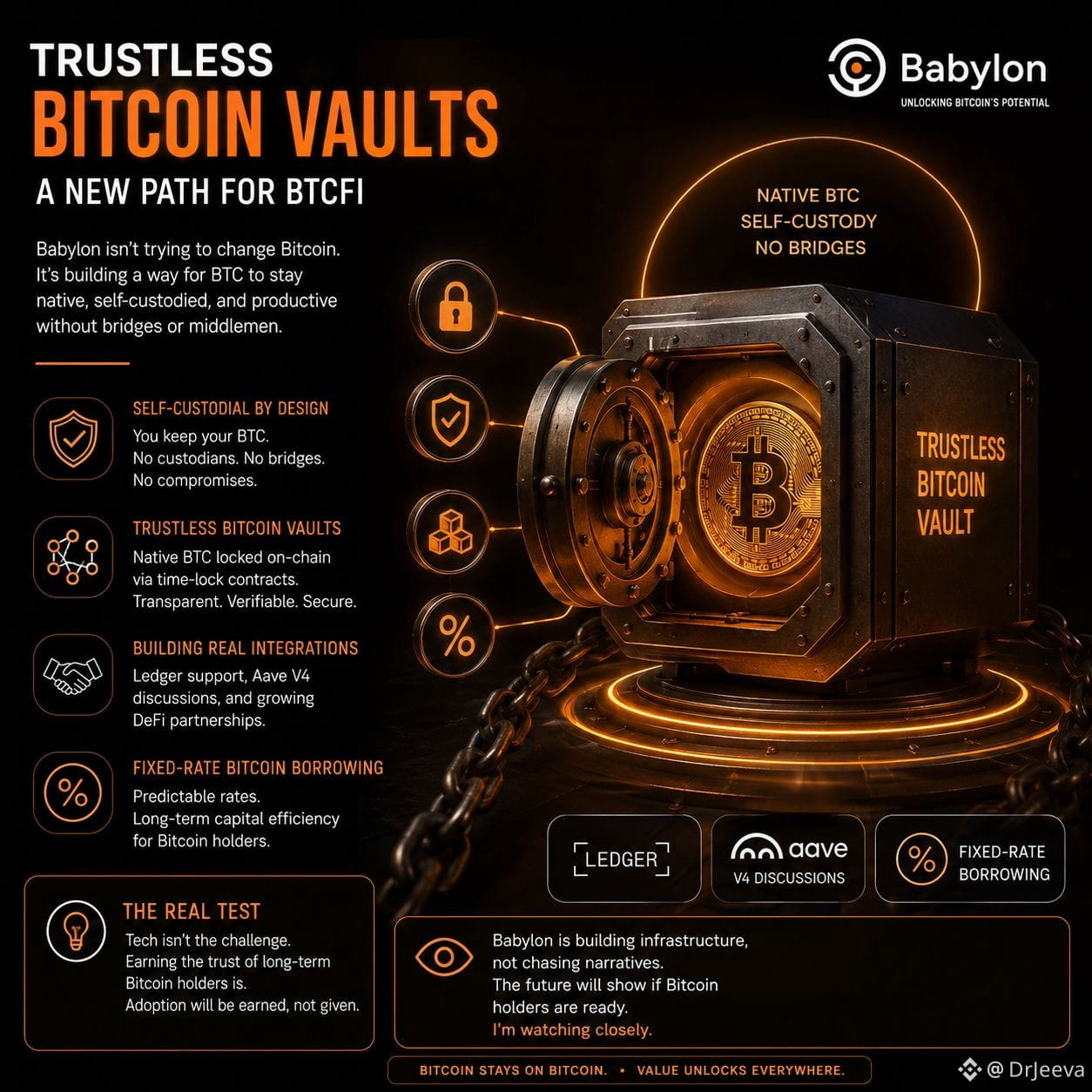
ここ数日は意外なほど静かで、私は普段そういう相場のときに、ローソク足を追いかけるのではなくプロジェクトを見直します。Babylon が再び画面に現れましたが、今回は Bitcoin のステーキングを眺めていたわけではありません。Trustless Bitcoin Vault という構想が、実際に本当の課題を解決しているのか、それとも単に複雑さをもう一段上乗せしているだけなのかを理解したいと思いました。
私が想定していたのは、ラップド・アセットを軸にした馴染みの BTCFi の物語でしたが、そこで見つかったのはそれではありません。私の関心を本当に引きつけたのは、Babylon がブリッジやカストディ(預かり)を避けながら、担保としてネイティブの Bitcoin を押し続けている点です。Ledger 対応をめぐる最近の取り組み、Aave V4 についての継続的な議論、そして固定金利での Bitcoin 借り入れへの関心の高まりは、短命な物語ではなく、長期的なインフラを作ろうとしていることを示唆しています。
とはいえ、最大の試金石が技術面にないことは今も変わりません。何年も BTC を保有してきた人たちが、それがセルフカストディのままであったとしても、新しい仕組みに BTC をロックすることに納得できるかどうかです。Bitcoin ユーザーは習慣を素早く変えることがめったにありませんが、そこに慎重さがあるのにはちゃんと理由があります。
私にとって Babylon は、Bitcoin が Bitcoin ネットワーク上にとどまったまま、なお生産的な資本として機能してほしいと考える人にとってより実感のある存在に思えます。実際の借り入れ需要と開発者の採用が今後も伸びていくかを注視しています。インフラは、人々がそれについて語るだけでなく、静かにそれを頼り始めて初めて意味を持つからです。@babylonlabs_io
#baby $BABY $BTC
ここ数日は意外なほど静かで、私は普段そういう相場のときに、ローソク足を追いかけるのではなくプロジェクトを見直します。Babylon が再び画面に現れましたが、今回は Bitcoin のステーキングを眺めていたわけではありません。Trustless Bitcoin Vault という構想が、実際に本当の課題を解決しているのか、それとも単に複雑さをもう一段上乗せしているだけなのかを理解したいと思いました。
私が想定していたのは、ラップド・アセットを軸にした馴染みの BTCFi の物語でしたが、そこで見つかったのはそれではありません。私の関心を本当に引きつけたのは、Babylon がブリッジやカストディ(預かり)を避けながら、担保としてネイティブの Bitcoin を押し続けている点です。Ledger 対応をめぐる最近の取り組み、Aave V4 についての継続的な議論、そして固定金利での Bitcoin 借り入れへの関心の高まりは、短命な物語ではなく、長期的なインフラを作ろうとしていることを示唆しています。
とはいえ、最大の試金石が技術面にないことは今も変わりません。何年も BTC を保有してきた人たちが、それがセルフカストディのままであったとしても、新しい仕組みに BTC をロックすることに納得できるかどうかです。Bitcoin ユーザーは習慣を素早く変えることがめったにありませんが、そこに慎重さがあるのにはちゃんと理由があります。
私にとって Babylon は、Bitcoin が Bitcoin ネットワーク上にとどまったまま、なお生産的な資本として機能してほしいと考える人にとってより実感のある存在に思えます。実際の借り入れ需要と開発者の採用が今後も伸びていくかを注視しています。インフラは、人々がそれについて語るだけでなく、静かにそれを頼り始めて初めて意味を持つからです。@BabylonLabs_io
#baby $BABY $BTC
私が想定していたのは、ラップド・アセットを軸にした馴染みの BTCFi の物語でしたが、そこで見つかったのはそれではありません。私の関心を本当に引きつけたのは、Babylon がブリッジやカストディ(預かり)を避けながら、担保としてネイティブの Bitcoin を押し続けている点です。Ledger 対応をめぐる最近の取り組み、Aave V4 についての継続的な議論、そして固定金利での Bitcoin 借り入れへの関心の高まりは、短命な物語ではなく、長期的なインフラを作ろうとしていることを示唆しています。
とはいえ、最大の試金石が技術面にないことは今も変わりません。何年も BTC を保有してきた人たちが、それがセルフカストディのままであったとしても、新しい仕組みに BTC をロックすることに納得できるかどうかです。Bitcoin ユーザーは習慣を素早く変えることがめったにありませんが、そこに慎重さがあるのにはちゃんと理由があります。
私にとって Babylon は、Bitcoin が Bitcoin ネットワーク上にとどまったまま、なお生産的な資本として機能してほしいと考える人にとってより実感のある存在に思えます。実際の借り入れ需要と開発者の採用が今後も伸びていくかを注視しています。インフラは、人々がそれについて語るだけでなく、静かにそれを頼り始めて初めて意味を持つからです。@BabylonLabs_io
#baby $BABY $BTC
80
·
--
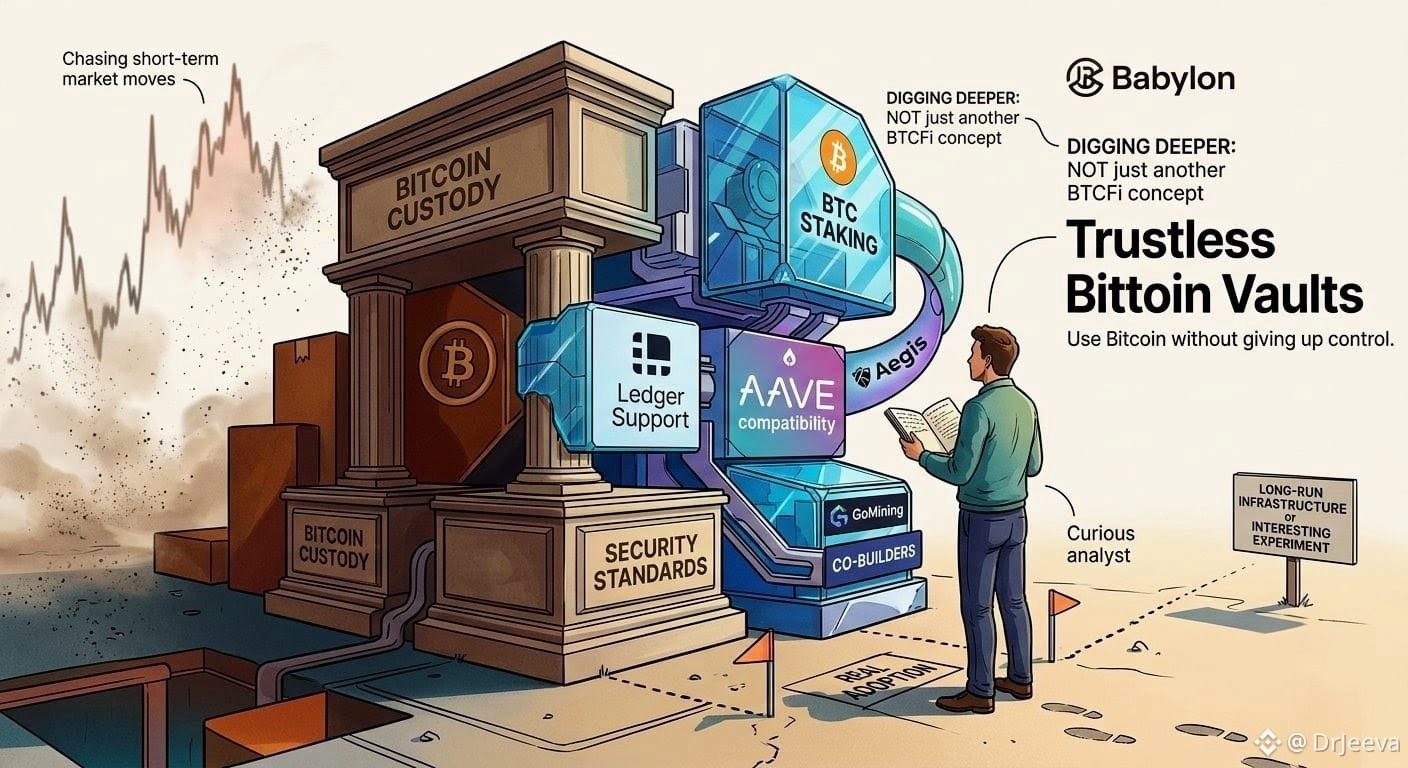
最近、自分が短期的な市場の値動きを追いかける時間を減らして、実際にビルダーが何を提供しているのかを探る時間を増やしていることに気づきました。そこで、バビロンをもう一度見直すことにしました。ビットコインのステーキング向けプロジェクトとしてはすでに知っていましたが、Trustless Bitcoin Vaults をめぐる最近の方向性が気になり、より深く掘り下げてみることにしたのです。
新しいラベルを貼っただけの、見慣れた別のBTCFiのコンセプトだと想像していました。ところが、ラップド資産に頼ることなく、ビットコインを自己管理(セルフカストディ)のまま維持しつつ、より幅広いブロックチェーン活動を支えられるようにすることを目指した設計に出会いました。これは、最初に思っていたよりもずっと野心的に感じます。Ledger のサポートに向けた進展、計画中の Aave v4 との互換性、そして Aegis や GoMining のようなプロジェクトとの連携を見て、このチームは単一のプロダクトというより、より大きなエコシステムを狙っているのではないかと思いました。
ただし、難しい部分が終わったわけではありません。ビットコインのユーザーは自然に慎重であり、信頼は発表によって得られるものではなく、長年にわたる確かなパフォーマンスによって築かれます。統合のたびに、人々がビットコインに期待するセキュリティ基準を満たせることを証明する必要があります。
私にとってバビロンは、BTCを長期で保有することを信じている人々にとって最も興味深い存在に見えます。そして同時に、コントロールを手放さずに、それを実用的に使う方法も求めている人にとってもです。今後数か月の間、実際の導入(アダプション)の動きを注意深く見ていきます。そここそが、強いアイデアが意味のあるインフラになるのか、あるいは面白い実験のままで終わるのかが決まる場所だと思うからです。@babylonlabs_io
#baby $BABY $BTC
最近、自分が短期的な市場の値動きを追いかける時間を減らして、実際にビルダーが何を提供しているのかを探る時間を増やしていることに気づきました。そこで、バビロンをもう一度見直すことにしました。ビットコインのステーキング向けプロジェクトとしてはすでに知っていましたが、Trustless Bitcoin Vaults をめぐる最近の方向性が気になり、より深く掘り下げてみることにしたのです。
新しいラベルを貼っただけの、見慣れた別のBTCFiのコンセプトだと想像していました。ところが、ラップド資産に頼ることなく、ビットコインを自己管理(セルフカストディ)のまま維持しつつ、より幅広いブロックチェーン活動を支えられるようにすることを目指した設計に出会いました。これは、最初に思っていたよりもずっと野心的に感じます。Ledger のサポートに向けた進展、計画中の Aave v4 との互換性、そして Aegis や GoMining のようなプロジェクトとの連携を見て、このチームは単一のプロダクトというより、より大きなエコシステムを狙っているのではないかと思いました。
ただし、難しい部分が終わったわけではありません。ビットコインのユーザーは自然に慎重であり、信頼は発表によって得られるものではなく、長年にわたる確かなパフォーマンスによって築かれます。統合のたびに、人々がビットコインに期待するセキュリティ基準を満たせることを証明する必要があります。
私にとってバビロンは、BTCを長期で保有することを信じている人々にとって最も興味深い存在に見えます。そして同時に、コントロールを手放さずに、それを実用的に使う方法も求めている人にとってもです。今後数か月の間、実際の導入(アダプション)の動きを注意深く見ていきます。そここそが、強いアイデアが意味のあるインフラになるのか、あるいは面白い実験のままで終わるのかが決まる場所だと思うからです。@BabylonLabs_io
#baby $BABY $BTC
新しいラベルを貼っただけの、見慣れた別のBTCFiのコンセプトだと想像していました。ところが、ラップド資産に頼ることなく、ビットコインを自己管理(セルフカストディ)のまま維持しつつ、より幅広いブロックチェーン活動を支えられるようにすることを目指した設計に出会いました。これは、最初に思っていたよりもずっと野心的に感じます。Ledger のサポートに向けた進展、計画中の Aave v4 との互換性、そして Aegis や GoMining のようなプロジェクトとの連携を見て、このチームは単一のプロダクトというより、より大きなエコシステムを狙っているのではないかと思いました。
ただし、難しい部分が終わったわけではありません。ビットコインのユーザーは自然に慎重であり、信頼は発表によって得られるものではなく、長年にわたる確かなパフォーマンスによって築かれます。統合のたびに、人々がビットコインに期待するセキュリティ基準を満たせることを証明する必要があります。
私にとってバビロンは、BTCを長期で保有することを信じている人々にとって最も興味深い存在に見えます。そして同時に、コントロールを手放さずに、それを実用的に使う方法も求めている人にとってもです。今後数か月の間、実際の導入(アダプション)の動きを注意深く見ていきます。そここそが、強いアイデアが意味のあるインフラになるのか、あるいは面白い実験のままで終わるのかが決まる場所だと思うからです。@BabylonLabs_io
#baby $BABY $BTC
1
102
·
--
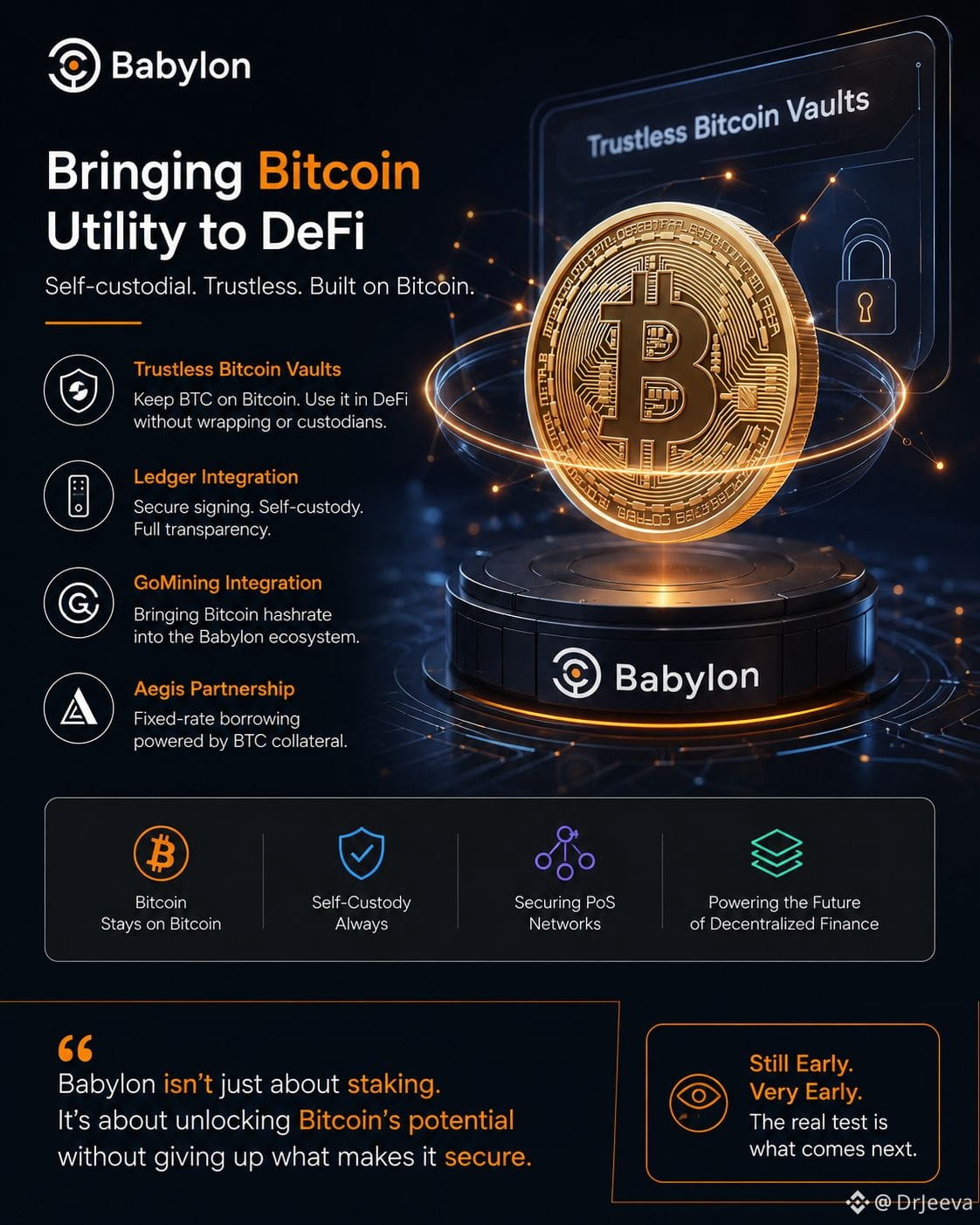
市場が十分に長い間横ばいで推移していたので、価格チャートを見るのをやめて、代わりにプロトコルのアップデートを読むようにしました。バビロンが再び気になったのは、いま交わされている会話が以前とは違って感じられたからです。私は、ビットコインのステーキングだけに焦点を当てた別のプロジェクトだろうと思っていましたが、最近のTrustless Bitcoin Vaultsへのシフトによって、チームが実際に何を作ろうとしているのかを改めて考え直すことになりました。人々にBTCをラップさせたり、カストディアン(預託管理者)を信頼させたりするのではなく、ビットコインをビットコイン自身のネットワーク上に留めたまま、それでもDeFiにおける担保として役立つようにすることが目的です。Ledgerのサポートに関する最近の取り組み、計画されているGoMiningの統合、そしてAegisとの固定金利の借入に関する協業が、チームが当初のステーキングという物語の外へ広がっていることを示しています。
私が最も驚いたのは、より大きな狙いが「利回りを追いかけること」ではなく、ビットコイン保有者が通常受け入れざるを得ない妥協を減らすことだという点でした。これは、私が最初に想像していた以上に野心的に思えます。同時に、バビロンが期待する規模で、開発者や機関がこのモデルを採用するのかどうかも気になっています。設計は説得力があるように見えますが、実際の利用は常に優れたアーキテクチャよりも難しいものです。
長期でBTCを保有したいと考えつつ、自己カストディを手放さずにもっと有用性を得たい人にとって、バビロンは追う価値のある興味深いプロジェクトになりつつあります。私は短期的な盛り上がりにはあまり関心がなく、これらの統合が本当に活動へつながるのかが知りたいです。それこそが、まだ「達成すべきもの」だと思っている部分であり、そのために、結論を急いで決めるのではなく、私はこれからも立ち返って確認し続けるつもりです。@babylonlabs_io #baby $BABY $B2
市場が十分に長い間横ばいで推移していたので、価格チャートを見るのをやめて、代わりにプロトコルのアップデートを読むようにしました。バビロンが再び気になったのは、いま交わされている会話が以前とは違って感じられたからです。私は、ビットコインのステーキングだけに焦点を当てた別のプロジェクトだろうと思っていましたが、最近のTrustless Bitcoin Vaultsへのシフトによって、チームが実際に何を作ろうとしているのかを改めて考え直すことになりました。人々にBTCをラップさせたり、カストディアン(預託管理者)を信頼させたりするのではなく、ビットコインをビットコイン自身のネットワーク上に留めたまま、それでもDeFiにおける担保として役立つようにすることが目的です。Ledgerのサポートに関する最近の取り組み、計画されているGoMiningの統合、そしてAegisとの固定金利の借入に関する協業が、チームが当初のステーキングという物語の外へ広がっていることを示しています。
私が最も驚いたのは、より大きな狙いが「利回りを追いかけること」ではなく、ビットコイン保有者が通常受け入れざるを得ない妥協を減らすことだという点でした。これは、私が最初に想像していた以上に野心的に思えます。同時に、バビロンが期待する規模で、開発者や機関がこのモデルを採用するのかどうかも気になっています。設計は説得力があるように見えますが、実際の利用は常に優れたアーキテクチャよりも難しいものです。
長期でBTCを保有したいと考えつつ、自己カストディを手放さずにもっと有用性を得たい人にとって、バビロンは追う価値のある興味深いプロジェクトになりつつあります。私は短期的な盛り上がりにはあまり関心がなく、これらの統合が本当に活動へつながるのかが知りたいです。それこそが、まだ「達成すべきもの」だと思っている部分であり、そのために、結論を急いで決めるのではなく、私はこれからも立ち返って確認し続けるつもりです。@BabylonLabs_io #baby $BABY $B2
私が最も驚いたのは、より大きな狙いが「利回りを追いかけること」ではなく、ビットコイン保有者が通常受け入れざるを得ない妥協を減らすことだという点でした。これは、私が最初に想像していた以上に野心的に思えます。同時に、バビロンが期待する規模で、開発者や機関がこのモデルを採用するのかどうかも気になっています。設計は説得力があるように見えますが、実際の利用は常に優れたアーキテクチャよりも難しいものです。
長期でBTCを保有したいと考えつつ、自己カストディを手放さずにもっと有用性を得たい人にとって、バビロンは追う価値のある興味深いプロジェクトになりつつあります。私は短期的な盛り上がりにはあまり関心がなく、これらの統合が本当に活動へつながるのかが知りたいです。それこそが、まだ「達成すべきもの」だと思っている部分であり、そのために、結論を急いで決めるのではなく、私はこれからも立ち返って確認し続けるつもりです。@BabylonLabs_io #baby $BABY $B2
162
·
--
今週は、市場が静かすぎて値動きを追う気になれなかったので、いくつかの開発者ディスカッションを眺めていました。なぜかまたBabylonについて読むことになりましたが、今回はステーキングの見出しは無視して、ネットワークがビットコインのセキュリティをまったく別のブロックチェーンのためにどう活用しようとしているのかに注目しました。
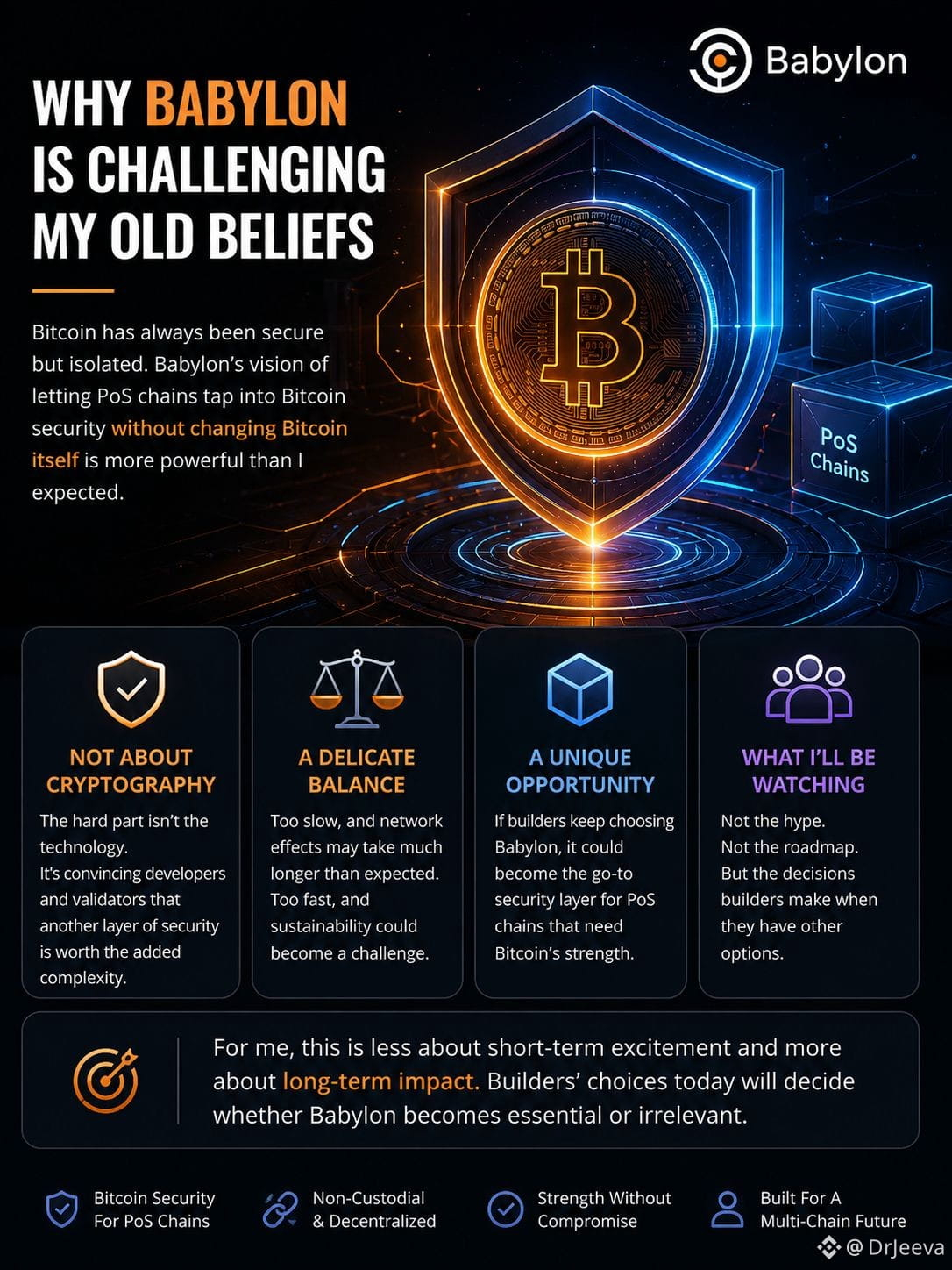
私はこれまで、ビットコインは他の暗号資産とは別に存在し続けるものだとずっと思っていました。ビットコインは確かに安全ですが、同時に隔離されている。Babylonは、私が想像していた以上に、その前提を揺さぶってきました。ビットコイン自体を変えることなく、PoSネットワークがビットコインに裏打ちされたセキュリティの恩恵を受けられるようにするという発想は、最初に自分が思っていた以上に面白いです。
私が特にそう考えるようになったのは、本当に難しいのは暗号技術そのものではないからです。追加のセキュリティ層を入れることが、その複雑さの増加に見合う価値があると、開発者やバリデータを納得させることが難所なのです。優れた技術が、自動的に広く使われるようになるわけではありません。既存の仕組みがすでに十分に機能している場合はなおさらです。
また、このプロジェクトは難しいバランス調整に直面しているとも思います。BABYを取り巻くエコシステムがあまりにもゆっくり成長すると、ネットワーク効果が人々の想像よりずっと長くかかる可能性があります。逆に、開発者がビットコインのセキュリティを本当に必要としているアプリケーションを作り続けるなら、Babylonは、非常に少数のプロジェクトしか埋められないニッチを占めることになるかもしれません。
私にとっては、これは短期的な期待感というより、別の選択肢がある中でもビルダーたちが引き続きBabylonを選び続けるかどうかを見ることです。その判断は、おそらくどんなロードマップよりも多くのことを明らかにするでしょう。
@babylonlabs_io
#baby $BABY $BTC
今週は、市場が静かすぎて値動きを追う気になれなかったので、いくつかの開発者ディスカッションを眺めていました。なぜかまたBabylonについて読むことになりましたが、今回はステーキングの見出しは無視して、ネットワークがビットコインのセキュリティをまったく別のブロックチェーンのためにどう活用しようとしているのかに注目しました。
私はこれまで、ビットコインは他の暗号資産とは別に存在し続けるものだとずっと思っていました。ビットコインは確かに安全ですが、同時に隔離されている。Babylonは、私が想像していた以上に、その前提を揺さぶってきました。ビットコイン自体を変えることなく、PoSネットワークがビットコインに裏打ちされたセキュリティの恩恵を受けられるようにするという発想は、最初に自分が思っていた以上に面白いです。
私が特にそう考えるようになったのは、本当に難しいのは暗号技術そのものではないからです。追加のセキュリティ層を入れることが、その複雑さの増加に見合う価値があると、開発者やバリデータを納得させることが難所なのです。優れた技術が、自動的に広く使われるようになるわけではありません。既存の仕組みがすでに十分に機能している場合はなおさらです。
また、このプロジェクトは難しいバランス調整に直面しているとも思います。BABYを取り巻くエコシステムがあまりにもゆっくり成長すると、ネットワーク効果が人々の想像よりずっと長くかかる可能性があります。逆に、開発者がビットコインのセキュリティを本当に必要としているアプリケーションを作り続けるなら、Babylonは、非常に少数のプロジェクトしか埋められないニッチを占めることになるかもしれません。
私にとっては、これは短期的な期待感というより、別の選択肢がある中でもビルダーたちが引き続きBabylonを選び続けるかどうかを見ることです。その判断は、おそらくどんなロードマップよりも多くのことを明らかにするでしょう。
@BabylonLabs_io
#baby $BABY $BTC
私はこれまで、ビットコインは他の暗号資産とは別に存在し続けるものだとずっと思っていました。ビットコインは確かに安全ですが、同時に隔離されている。Babylonは、私が想像していた以上に、その前提を揺さぶってきました。ビットコイン自体を変えることなく、PoSネットワークがビットコインに裏打ちされたセキュリティの恩恵を受けられるようにするという発想は、最初に自分が思っていた以上に面白いです。
私が特にそう考えるようになったのは、本当に難しいのは暗号技術そのものではないからです。追加のセキュリティ層を入れることが、その複雑さの増加に見合う価値があると、開発者やバリデータを納得させることが難所なのです。優れた技術が、自動的に広く使われるようになるわけではありません。既存の仕組みがすでに十分に機能している場合はなおさらです。
また、このプロジェクトは難しいバランス調整に直面しているとも思います。BABYを取り巻くエコシステムがあまりにもゆっくり成長すると、ネットワーク効果が人々の想像よりずっと長くかかる可能性があります。逆に、開発者がビットコインのセキュリティを本当に必要としているアプリケーションを作り続けるなら、Babylonは、非常に少数のプロジェクトしか埋められないニッチを占めることになるかもしれません。
私にとっては、これは短期的な期待感というより、別の選択肢がある中でもビルダーたちが引き続きBabylonを選び続けるかどうかを見ることです。その判断は、おそらくどんなロードマップよりも多くのことを明らかにするでしょう。
@BabylonLabs_io
#baby $BABY $BTC
2
72
·
--
最近、市場がかなり静かだったので、前から迷っていたプロジェクトにまた手を伸ばしてみる気になりました。その中でもBabylonはその一つです。
最初は、巧みな売り文句だけで中身はあまりないような、また別のBitcoin物語になるのではと思っていました。私は通常、「native(ネイティブ)」という言葉に強く寄せるプロジェクトには懐疑的です。しかし、最近のアップデートを見て考えが止まりました。Babylonはステーキングについて語っているだけではありません。2026年の重点は、Trustless Bitcoin Vaults(信託不要のビットコイン・ボールト)へと移っており、チームはそこにこそ本当のプロダクト・マーケット・フィットがあると言っています。また、Ledgerのサイナー(署名者)サポートも押し出してきました。派手な見出しよりも、私にとってはそちらの方が重要です。自主管理(セルフカストディ)の側がより現実味を帯びてくるからです。GoMiningの計画では、最大1,000 BTCのアクティベートに言及しており、彼らが机上の理論から実際の利用へ進もうとしていることも示していました。
私がいちばん驚いたのは、設計のかなりの部分がBTCのネイティブ性を保つことに作り込まれている点です。ラップなし、ブリッジへの依存なし、カストディの放棄なし。これは筋の良い発想ですが、同時に頭に浮かぶいつもの疑問があります。通常のユーザーが関わったとき、どれほどスムーズに感じられるのでしょうか?
無視できない懸念は、Babylon自身が、ステーキング報酬による売り圧力がまだあること、そしてステーキング以外でのBABYの需要が不明確だと認めている点です。BABYは手数料、ガバナンス、セキュリティを担う想定ですが、それでも実際の利用の中で実証してみせる必要があります。トークンのページだけでは不十分です。
現時点では、これは自主管理を重視するBTC保有者にとって最も興味深いと思います。また、BTCFiを外側から見守っているビルダーにとってもです。ボールトのモデルが、本当に人々が使うものに変わるのか、それとも実践ではなく紙の上では強く見えた、もう一つの洗練されたアイデアにとどまるのか——その点を引き続き見ていきます。@babylonlabs_io #baby $BABY $BTC #btc
最近、市場がかなり静かだったので、前から迷っていたプロジェクトにまた手を伸ばしてみる気になりました。その中でもBabylonはその一つです。
最初は、巧みな売り文句だけで中身はあまりないような、また別のBitcoin物語になるのではと思っていました。私は通常、「native(ネイティブ)」という言葉に強く寄せるプロジェクトには懐疑的です。しかし、最近のアップデートを見て考えが止まりました。Babylonはステーキングについて語っているだけではありません。2026年の重点は、Trustless Bitcoin Vaults(信託不要のビットコイン・ボールト)へと移っており、チームはそこにこそ本当のプロダクト・マーケット・フィットがあると言っています。また、Ledgerのサイナー(署名者)サポートも押し出してきました。派手な見出しよりも、私にとってはそちらの方が重要です。自主管理(セルフカストディ)の側がより現実味を帯びてくるからです。GoMiningの計画では、最大1,000 BTCのアクティベートに言及しており、彼らが机上の理論から実際の利用へ進もうとしていることも示していました。
私がいちばん驚いたのは、設計のかなりの部分がBTCのネイティブ性を保つことに作り込まれている点です。ラップなし、ブリッジへの依存なし、カストディの放棄なし。これは筋の良い発想ですが、同時に頭に浮かぶいつもの疑問があります。通常のユーザーが関わったとき、どれほどスムーズに感じられるのでしょうか?
無視できない懸念は、Babylon自身が、ステーキング報酬による売り圧力がまだあること、そしてステーキング以外でのBABYの需要が不明確だと認めている点です。BABYは手数料、ガバナンス、セキュリティを担う想定ですが、それでも実際の利用の中で実証してみせる必要があります。トークンのページだけでは不十分です。
現時点では、これは自主管理を重視するBTC保有者にとって最も興味深いと思います。また、BTCFiを外側から見守っているビルダーにとってもです。ボールトのモデルが、本当に人々が使うものに変わるのか、それとも実践ではなく紙の上では強く見えた、もう一つの洗練されたアイデアにとどまるのか——その点を引き続き見ていきます。@BabylonLabs_io #baby $BABY $BTC #btc
最初は、巧みな売り文句だけで中身はあまりないような、また別のBitcoin物語になるのではと思っていました。私は通常、「native(ネイティブ)」という言葉に強く寄せるプロジェクトには懐疑的です。しかし、最近のアップデートを見て考えが止まりました。Babylonはステーキングについて語っているだけではありません。2026年の重点は、Trustless Bitcoin Vaults(信託不要のビットコイン・ボールト)へと移っており、チームはそこにこそ本当のプロダクト・マーケット・フィットがあると言っています。また、Ledgerのサイナー(署名者)サポートも押し出してきました。派手な見出しよりも、私にとってはそちらの方が重要です。自主管理(セルフカストディ)の側がより現実味を帯びてくるからです。GoMiningの計画では、最大1,000 BTCのアクティベートに言及しており、彼らが机上の理論から実際の利用へ進もうとしていることも示していました。
私がいちばん驚いたのは、設計のかなりの部分がBTCのネイティブ性を保つことに作り込まれている点です。ラップなし、ブリッジへの依存なし、カストディの放棄なし。これは筋の良い発想ですが、同時に頭に浮かぶいつもの疑問があります。通常のユーザーが関わったとき、どれほどスムーズに感じられるのでしょうか?
無視できない懸念は、Babylon自身が、ステーキング報酬による売り圧力がまだあること、そしてステーキング以外でのBABYの需要が不明確だと認めている点です。BABYは手数料、ガバナンス、セキュリティを担う想定ですが、それでも実際の利用の中で実証してみせる必要があります。トークンのページだけでは不十分です。
現時点では、これは自主管理を重視するBTC保有者にとって最も興味深いと思います。また、BTCFiを外側から見守っているビルダーにとってもです。ボールトのモデルが、本当に人々が使うものに変わるのか、それとも実践ではなく紙の上では強く見えた、もう一つの洗練されたアイデアにとどまるのか——その点を引き続き見ていきます。@BabylonLabs_io #baby $BABY $BTC #btc

3
112
·
--
私が最も尊重するに至ったプロジェクトの中には、長年抱いてきた前提を立ち止まって見直させてくれるものがあります。私にとって、@babylonlabs_io はそのひとつでした。
ビットコインは非常に安全だと感じてきましたが、一方で、より広いDeFiの世界からはやや孤立している印象もありました。ラップド資産や従来型のブリッジに頼らずに、BTCを他のネットワークのセキュリティに貢献させるというバビロンの発想が、最初に私を彼らの技術資料を読み込ませました。それは、セキュリティモデルを最前線に保ちながら、ビットコインの役割を拡張しようとする野心的な試みです。
ここ数か月は、派手な見出しというよりは着実な進展が見えていました。チームはTrustless Bitcoin Vaultsの開発を継続し、セキュアな署名のためにLedgerのようなパートナーとの統合を発表しているほか、AegisによるBTC担保ローンのような協業を通じて、ビットコインのより広いユーティリティも探っています。こうしたアップデートによって、ロードマップが純粋に理論的ではなく、より具体的に感じられるようになりました。
とはいえ、私はまだ実行こそが本当の試金石だと思っています。より多くの資本やアプリケーションがネイティブなBTCインフラと相互作用するようになると、セキュリティ、ガバナンス、そしてユーザー体験は、物語性よりもはるかに重要になります。
バビロンは、トラストを最小化する設計を維持しながら、より幅広い採用のためにシステムをシンプルにできるのでしょうか?
現時点では確固たる答えは持っていませんが、それこそが私がまだプロジェクトを追い続けている理由です。暗号資産の世界で最も面白いアイデアは、多くの場合、大きな宣伝ではなく、一貫したデリバリーによって信頼を得ていくものです。
$BTC $DOGE #Babylon #Bitcoin #BTCFi #DeFi
#baby $BABY
私が最も尊重するに至ったプロジェクトの中には、長年抱いてきた前提を立ち止まって見直させてくれるものがあります。私にとって、@BabylonLabs_io はそのひとつでした。
ビットコインは非常に安全だと感じてきましたが、一方で、より広いDeFiの世界からはやや孤立している印象もありました。ラップド資産や従来型のブリッジに頼らずに、BTCを他のネットワークのセキュリティに貢献させるというバビロンの発想が、最初に私を彼らの技術資料を読み込ませました。それは、セキュリティモデルを最前線に保ちながら、ビットコインの役割を拡張しようとする野心的な試みです。
ここ数か月は、派手な見出しというよりは着実な進展が見えていました。チームはTrustless Bitcoin Vaultsの開発を継続し、セキュアな署名のためにLedgerのようなパートナーとの統合を発表しているほか、AegisによるBTC担保ローンのような協業を通じて、ビットコインのより広いユーティリティも探っています。こうしたアップデートによって、ロードマップが純粋に理論的ではなく、より具体的に感じられるようになりました。
とはいえ、私はまだ実行こそが本当の試金石だと思っています。より多くの資本やアプリケーションがネイティブなBTCインフラと相互作用するようになると、セキュリティ、ガバナンス、そしてユーザー体験は、物語性よりもはるかに重要になります。
バビロンは、トラストを最小化する設計を維持しながら、より幅広い採用のためにシステムをシンプルにできるのでしょうか?
現時点では確固たる答えは持っていませんが、それこそが私がまだプロジェクトを追い続けている理由です。暗号資産の世界で最も面白いアイデアは、多くの場合、大きな宣伝ではなく、一貫したデリバリーによって信頼を得ていくものです。
$BTC $DOGE #Babylon #Bitcoin #BTCFi #DeFi
#baby $BABY
ビットコインは非常に安全だと感じてきましたが、一方で、より広いDeFiの世界からはやや孤立している印象もありました。ラップド資産や従来型のブリッジに頼らずに、BTCを他のネットワークのセキュリティに貢献させるというバビロンの発想が、最初に私を彼らの技術資料を読み込ませました。それは、セキュリティモデルを最前線に保ちながら、ビットコインの役割を拡張しようとする野心的な試みです。
ここ数か月は、派手な見出しというよりは着実な進展が見えていました。チームはTrustless Bitcoin Vaultsの開発を継続し、セキュアな署名のためにLedgerのようなパートナーとの統合を発表しているほか、AegisによるBTC担保ローンのような協業を通じて、ビットコインのより広いユーティリティも探っています。こうしたアップデートによって、ロードマップが純粋に理論的ではなく、より具体的に感じられるようになりました。
とはいえ、私はまだ実行こそが本当の試金石だと思っています。より多くの資本やアプリケーションがネイティブなBTCインフラと相互作用するようになると、セキュリティ、ガバナンス、そしてユーザー体験は、物語性よりもはるかに重要になります。
バビロンは、トラストを最小化する設計を維持しながら、より幅広い採用のためにシステムをシンプルにできるのでしょうか?
現時点では確固たる答えは持っていませんが、それこそが私がまだプロジェクトを追い続けている理由です。暗号資産の世界で最も面白いアイデアは、多くの場合、大きな宣伝ではなく、一貫したデリバリーによって信頼を得ていくものです。
$BTC $DOGE #Babylon #Bitcoin #BTCFi #DeFi
#baby $BABY
3
3
142
·
--
暗号の中で最も面白いアイデアのいくつかは、値動きのせいで私の注意を引きつけられない。けれども、何年も前から自分が受け入れてきた前提に挑戦することで、関心を呼び起こしてくれる。
まさにその理由で、私は@babylonlabs_io について掘り下げる時間を費やした。ビットコインは私が最も信頼している資産だが、それをDeFiで使うとなると、通常はラップすること、ブリッジすること、あるいは他人のカストディに頼ることになる、ということもまた受け入れてきた。Babylonは、その取引(トレードオフ)を再考しようとしている。
最近私の目を引いたのは、Trustless Bitcoin Vaults(TBV)をめぐる進展だ。アーキテクチャは、BTCをビットコイン上にとどめたまま、暗号学的な証明によって、その利用をイーサリアム上の担保として調整するよう設計されている。つまり、従来のラップド資産に依存するのではなく、そうする。さらに、Aaveに関する統合が拡大していることや、TBVエコシステムが改善されている点にも注目する価値があると感じた。これらは、単なる孤立した実験ではなく、実際の有用性へ向かっていることを示しているからだ。
とはいえ、私はまだ重要な問いを自分に投げかけている。このモデルは、日常の利用者にとって十分にスムーズにスケールできるのだろうか。それとも、洗練された設計であっても技術的な複雑さが障壁のまま残るのだろうか。
私はBabylonを確実なものとして扱っていないし、誰もそうすべきではないと思う。しかし、あるプロジェクトが、BTCホルダーの多くが大切にしている原則を捨てることなく、ビットコインのユーティリティを前に押し進め続けているなら、それだけで私のリサーチリストに入るだけの価値がある。今のところは好奇心を保ち、より強い確信を形成する前に、エコシステムがどのように発展していくのかを見守っている。
@babylonlabs_io • $BABY
#Bitcoin #DeFi
#baby $BABY
暗号の中で最も面白いアイデアのいくつかは、値動きのせいで私の注意を引きつけられない。けれども、何年も前から自分が受け入れてきた前提に挑戦することで、関心を呼び起こしてくれる。
まさにその理由で、私は@BabylonLabs_io について掘り下げる時間を費やした。ビットコインは私が最も信頼している資産だが、それをDeFiで使うとなると、通常はラップすること、ブリッジすること、あるいは他人のカストディに頼ることになる、ということもまた受け入れてきた。Babylonは、その取引(トレードオフ)を再考しようとしている。
最近私の目を引いたのは、Trustless Bitcoin Vaults(TBV)をめぐる進展だ。アーキテクチャは、BTCをビットコイン上にとどめたまま、暗号学的な証明によって、その利用をイーサリアム上の担保として調整するよう設計されている。つまり、従来のラップド資産に依存するのではなく、そうする。さらに、Aaveに関する統合が拡大していることや、TBVエコシステムが改善されている点にも注目する価値があると感じた。これらは、単なる孤立した実験ではなく、実際の有用性へ向かっていることを示しているからだ。
とはいえ、私はまだ重要な問いを自分に投げかけている。このモデルは、日常の利用者にとって十分にスムーズにスケールできるのだろうか。それとも、洗練された設計であっても技術的な複雑さが障壁のまま残るのだろうか。
私はBabylonを確実なものとして扱っていないし、誰もそうすべきではないと思う。しかし、あるプロジェクトが、BTCホルダーの多くが大切にしている原則を捨てることなく、ビットコインのユーティリティを前に押し進め続けているなら、それだけで私のリサーチリストに入るだけの価値がある。今のところは好奇心を保ち、より強い確信を形成する前に、エコシステムがどのように発展していくのかを見守っている。
@BabylonLabs_io • $BABY
#Bitcoin #DeFi
#baby $BABY
まさにその理由で、私は@BabylonLabs_io について掘り下げる時間を費やした。ビットコインは私が最も信頼している資産だが、それをDeFiで使うとなると、通常はラップすること、ブリッジすること、あるいは他人のカストディに頼ることになる、ということもまた受け入れてきた。Babylonは、その取引(トレードオフ)を再考しようとしている。
最近私の目を引いたのは、Trustless Bitcoin Vaults(TBV)をめぐる進展だ。アーキテクチャは、BTCをビットコイン上にとどめたまま、暗号学的な証明によって、その利用をイーサリアム上の担保として調整するよう設計されている。つまり、従来のラップド資産に依存するのではなく、そうする。さらに、Aaveに関する統合が拡大していることや、TBVエコシステムが改善されている点にも注目する価値があると感じた。これらは、単なる孤立した実験ではなく、実際の有用性へ向かっていることを示しているからだ。
とはいえ、私はまだ重要な問いを自分に投げかけている。このモデルは、日常の利用者にとって十分にスムーズにスケールできるのだろうか。それとも、洗練された設計であっても技術的な複雑さが障壁のまま残るのだろうか。
私はBabylonを確実なものとして扱っていないし、誰もそうすべきではないと思う。しかし、あるプロジェクトが、BTCホルダーの多くが大切にしている原則を捨てることなく、ビットコインのユーティリティを前に押し進め続けているなら、それだけで私のリサーチリストに入るだけの価値がある。今のところは好奇心を保ち、より強い確信を形成する前に、エコシステムがどのように発展していくのかを見守っている。
@BabylonLabs_io • $BABY
#Bitcoin #DeFi
#baby $BABY
3
1
106
·
--
最近は市場が異常に落ち着いていて、値動きが私に面白い材料をくれなくなると、私はいつもチャートを見つめる代わりにプロトコルのドキュメントを読むことになってしまいます。バビロンは、そういうきっかけで再び私の視界に入ってきました。私は、それがビットコインを別の物語で包み直して、さらに利用価値を引き出そうとする単なる別の試みだと思っていました。
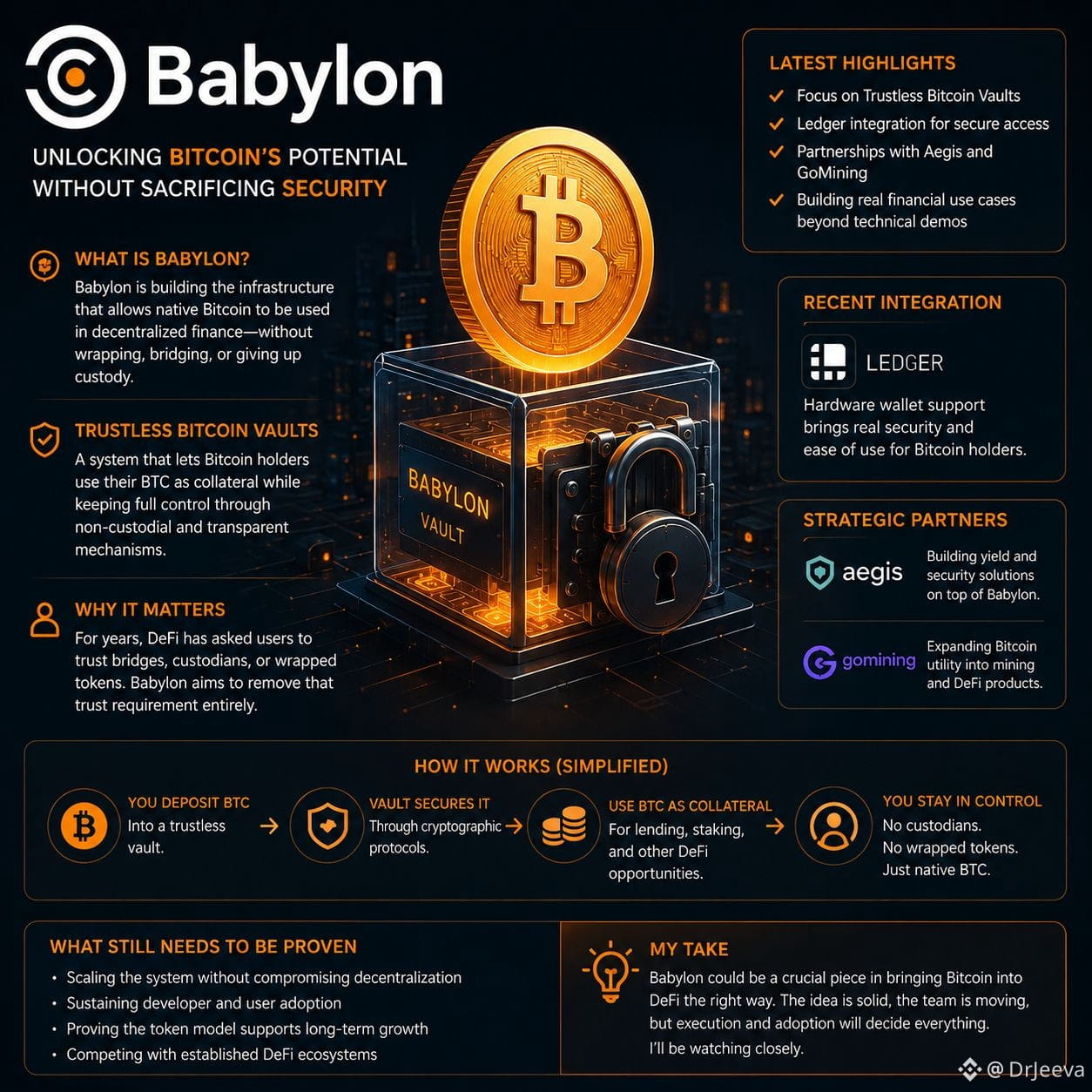
読み進めるほど、最初の印象が単純すぎたことに気づきました。バビロンは、BTCを包んだり、カストディに渡したりするのではなく、ネイティブのビットコインを担保として使えるようにしつつ、所有者の管理下から外さないことを目的とした「トラストレス・ビットコイン・ヴォールト(Trustless Bitcoin Vaults)」に、関心の多くをシフトさせています。Ledger連携をめぐる最近の取り組みも注目しました。ハードウェアウォレット対応があることで、長期保有者にとって最大の実務的な障壁のひとつが取り除かれるからです。さらに、AegisやGoMiningとのパートナーシップは、チームが技術デモで止まるのではなく、実際の金融ユースケースを構築しようとしていることを示唆しています。
私が立ち止まったのは、技術そのものではなく、その背後にある思想です。暗号資産は長年、ブリッジやラップ資産を「信じて」もらうことを求めてきました。バビロンは、そのトレードオフ自体を回避しようとしています。これは後から考えれば当然にも聞こえますが、うまく実行するのは驚くほど難しいのです。
とはいえ、私は完全に納得しているわけではありません。セキュリティを損なわずにビットコイン連動型の貸付を行うことは、野心的な目標です。さらに、この仕組みがより大きなスケールで円滑に運用でき、継続的な開発者・ユーザーの活動を引き付けられることを、まだ証明する必要があります。トークン経済学やエコシステムの採用も、基盤となる暗号技術と同じくらい重要になりそうです。
私は、これが最も役立つのは、コインを従来のDeFiに移すことに慣れていないビットコイン保有者だと思います。そのような層が十分に大きいかどうかは、まだ未解決の問いです。
今のところ、私はヘッドラインよりも、次の波のインテグレーションによって、この設計が人々の「日常的に使われるもの」になるのかを知りたいと思っています。私が追いかけたいのは、まさにそこです。@babylonlabs_io
#baby $BABY
最近は市場が異常に落ち着いていて、値動きが私に面白い材料をくれなくなると、私はいつもチャートを見つめる代わりにプロトコルのドキュメントを読むことになってしまいます。バビロンは、そういうきっかけで再び私の視界に入ってきました。私は、それがビットコインを別の物語で包み直して、さらに利用価値を引き出そうとする単なる別の試みだと思っていました。
読み進めるほど、最初の印象が単純すぎたことに気づきました。バビロンは、BTCを包んだり、カストディに渡したりするのではなく、ネイティブのビットコインを担保として使えるようにしつつ、所有者の管理下から外さないことを目的とした「トラストレス・ビットコイン・ヴォールト(Trustless Bitcoin Vaults)」に、関心の多くをシフトさせています。Ledger連携をめぐる最近の取り組みも注目しました。ハードウェアウォレット対応があることで、長期保有者にとって最大の実務的な障壁のひとつが取り除かれるからです。さらに、AegisやGoMiningとのパートナーシップは、チームが技術デモで止まるのではなく、実際の金融ユースケースを構築しようとしていることを示唆しています。
私が立ち止まったのは、技術そのものではなく、その背後にある思想です。暗号資産は長年、ブリッジやラップ資産を「信じて」もらうことを求めてきました。バビロンは、そのトレードオフ自体を回避しようとしています。これは後から考えれば当然にも聞こえますが、うまく実行するのは驚くほど難しいのです。
とはいえ、私は完全に納得しているわけではありません。セキュリティを損なわずにビットコイン連動型の貸付を行うことは、野心的な目標です。さらに、この仕組みがより大きなスケールで円滑に運用でき、継続的な開発者・ユーザーの活動を引き付けられることを、まだ証明する必要があります。トークン経済学やエコシステムの採用も、基盤となる暗号技術と同じくらい重要になりそうです。
私は、これが最も役立つのは、コインを従来のDeFiに移すことに慣れていないビットコイン保有者だと思います。そのような層が十分に大きいかどうかは、まだ未解決の問いです。
今のところ、私はヘッドラインよりも、次の波のインテグレーションによって、この設計が人々の「日常的に使われるもの」になるのかを知りたいと思っています。私が追いかけたいのは、まさにそこです。@BabylonLabs_io
#baby $BABY
読み進めるほど、最初の印象が単純すぎたことに気づきました。バビロンは、BTCを包んだり、カストディに渡したりするのではなく、ネイティブのビットコインを担保として使えるようにしつつ、所有者の管理下から外さないことを目的とした「トラストレス・ビットコイン・ヴォールト(Trustless Bitcoin Vaults)」に、関心の多くをシフトさせています。Ledger連携をめぐる最近の取り組みも注目しました。ハードウェアウォレット対応があることで、長期保有者にとって最大の実務的な障壁のひとつが取り除かれるからです。さらに、AegisやGoMiningとのパートナーシップは、チームが技術デモで止まるのではなく、実際の金融ユースケースを構築しようとしていることを示唆しています。
私が立ち止まったのは、技術そのものではなく、その背後にある思想です。暗号資産は長年、ブリッジやラップ資産を「信じて」もらうことを求めてきました。バビロンは、そのトレードオフ自体を回避しようとしています。これは後から考えれば当然にも聞こえますが、うまく実行するのは驚くほど難しいのです。
とはいえ、私は完全に納得しているわけではありません。セキュリティを損なわずにビットコイン連動型の貸付を行うことは、野心的な目標です。さらに、この仕組みがより大きなスケールで円滑に運用でき、継続的な開発者・ユーザーの活動を引き付けられることを、まだ証明する必要があります。トークン経済学やエコシステムの採用も、基盤となる暗号技術と同じくらい重要になりそうです。
私は、これが最も役立つのは、コインを従来のDeFiに移すことに慣れていないビットコイン保有者だと思います。そのような層が十分に大きいかどうかは、まだ未解決の問いです。
今のところ、私はヘッドラインよりも、次の波のインテグレーションによって、この設計が人々の「日常的に使われるもの」になるのかを知りたいと思っています。私が追いかけたいのは、まさにそこです。@BabylonLabs_io
#baby $BABY
3
76
·
--
$BTC | BTC/USDT トレードセットアップ
今回の押し戻しで、私の全体的な見方は変わっていません。ビットコインは依然として重要なサポートゾーンの上で推移しており、買い手が現在の構造を守り続けています。
バイアス:強気
エントリー:$65,850 – $66,150
テイクプロフィット1:$66,900
テイクプロフィット2:$67,700
テイクプロフィット3:$68,900
ストップロス:$65,250
テクニカル見解
ビットコインは強い動きの後に保ち合っています。こうした局面は、多くの場合、次の一段の前に市場が勢いを構築することを可能にします。
注目すべきは、$65.8K〜$66.1Kのエリアです。価格がこの範囲の上で維持され続けるなら、強気の構造は有効のままです。
出来高が増加する形で$66.9Kを明確に上抜ければ、より高い目標に向けた上昇の扉が開く可能性があります。
もしサポートが崩れた場合は、ポジションを無理に取りに行わず、新たな確証を待ちます。追いかけよりも資本の保護が常に重要です。
失っても許容できる範囲だけのリスクに留め、常に明確な計画で取引してください。
NFA | DYOR
$BTC @bitcoin
#BTC #Bitcoin #Crypto #Trading #BinanceSquare
$BTC | BTC/USDT トレードセットアップ
今回の押し戻しで、私の全体的な見方は変わっていません。ビットコインは依然として重要なサポートゾーンの上で推移しており、買い手が現在の構造を守り続けています。
バイアス:強気
エントリー:$65,850 – $66,150
テイクプロフィット1:$66,900
テイクプロフィット2:$67,700
テイクプロフィット3:$68,900
ストップロス:$65,250
テクニカル見解
ビットコインは強い動きの後に保ち合っています。こうした局面は、多くの場合、次の一段の前に市場が勢いを構築することを可能にします。
注目すべきは、$65.8K〜$66.1Kのエリアです。価格がこの範囲の上で維持され続けるなら、強気の構造は有効のままです。
出来高が増加する形で$66.9Kを明確に上抜ければ、より高い目標に向けた上昇の扉が開く可能性があります。
もしサポートが崩れた場合は、ポジションを無理に取りに行わず、新たな確証を待ちます。追いかけよりも資本の保護が常に重要です。
失っても許容できる範囲だけのリスクに留め、常に明確な計画で取引してください。
NFA | DYOR
$BTC @Bitcoin
#BTC #Bitcoin #Crypto #Trading #BinanceSquare
今回の押し戻しで、私の全体的な見方は変わっていません。ビットコインは依然として重要なサポートゾーンの上で推移しており、買い手が現在の構造を守り続けています。
バイアス:強気
エントリー:$65,850 – $66,150
テイクプロフィット1:$66,900
テイクプロフィット2:$67,700
テイクプロフィット3:$68,900
ストップロス:$65,250
テクニカル見解
ビットコインは強い動きの後に保ち合っています。こうした局面は、多くの場合、次の一段の前に市場が勢いを構築することを可能にします。
注目すべきは、$65.8K〜$66.1Kのエリアです。価格がこの範囲の上で維持され続けるなら、強気の構造は有効のままです。
出来高が増加する形で$66.9Kを明確に上抜ければ、より高い目標に向けた上昇の扉が開く可能性があります。
もしサポートが崩れた場合は、ポジションを無理に取りに行わず、新たな確証を待ちます。追いかけよりも資本の保護が常に重要です。
失っても許容できる範囲だけのリスクに留め、常に明確な計画で取引してください。
NFA | DYOR
$BTC @Bitcoin
#BTC #Bitcoin #Crypto #Trading #BinanceSquare
38
·
--
最近の下落後、イーサリアムには注目していました。完全に崩れきることなく、$ETH は依然として重要なサポートエリアを尊重しています。これは、まだ買い手が消えていないことを示しています。
私は1,878〜1,885のゾーンを注視しています。この範囲を価格が守り続ける限り、近いレジスタンスに向けて回復する可能性があります。
エントリー:1,878〜1,885
目標:TP1:1,900 TP2:1,930 TP3:1,955
損切り:1,860
急な売りの投げが流動性を刈り取る形を生み、今このエリアからの反応は監視する価値があるように見えます。強気派が勢いを取り戻せば、現在の構造は維持されたままになるかもしれません。もしサポートが失われれば、無理に取引はせず、次の明確なセットアップを待ちます。
$ETH @Ethereum_official
#ETH #Ethereum #Crypto #BinanceSquare #Trading
最近の下落後、イーサリアムには注目していました。完全に崩れきることなく、$ETH は依然として重要なサポートエリアを尊重しています。これは、まだ買い手が消えていないことを示しています。
私は1,878〜1,885のゾーンを注視しています。この範囲を価格が守り続ける限り、近いレジスタンスに向けて回復する可能性があります。
エントリー:1,878〜1,885
目標:TP1:1,900 TP2:1,930 TP3:1,955
損切り:1,860
急な売りの投げが流動性を刈り取る形を生み、今このエリアからの反応は監視する価値があるように見えます。強気派が勢いを取り戻せば、現在の構造は維持されたままになるかもしれません。もしサポートが失われれば、無理に取引はせず、次の明確なセットアップを待ちます。
$ETH @Ethereum
#ETH #Ethereum #Crypto #BinanceSquare #Trading
私は1,878〜1,885のゾーンを注視しています。この範囲を価格が守り続ける限り、近いレジスタンスに向けて回復する可能性があります。
エントリー:1,878〜1,885
目標:TP1:1,900 TP2:1,930 TP3:1,955
損切り:1,860
急な売りの投げが流動性を刈り取る形を生み、今このエリアからの反応は監視する価値があるように見えます。強気派が勢いを取り戻せば、現在の構造は維持されたままになるかもしれません。もしサポートが失われれば、無理に取引はせず、次の明確なセットアップを待ちます。
$ETH @Ethereum
#ETH #Ethereum #Crypto #BinanceSquare #Trading
36
·
--
$DOGE がまた私の注意を引くなんて思ってもみなかった。でも、市場が活気づくたびに、なぜかいつも会話の中に戻ってきます。だからといって私は盲目的に強気なわけではありません。単に、このコインが何年もなお関連性を保ち続けてきた理由を思い出させてくれるだけです。
私は、誇大宣伝に頼るのではなく、$DOGE が持続的なモメンタムを作れるかどうかのほうに関心があります。市場が強い出来高と健全な価格構造で支えてくれるなら、注目する価値がありそうです。そうなるまでは、忍耐が私の戦略です。
私は@dogecoin_official にも目を向けつつ、コミュニティがどのように進化していくかも見ていきます。なぜなら、それは常にDOGEの最大の強みの一つだったからです。
このサイクルで$DOGE に対して、あなたはどんな見通しを持っていますか?
#DOGE #Dogecoin #Crypto #BinanceSquare #Memecoin
$DOGE がまた私の注意を引くなんて思ってもみなかった。でも、市場が活気づくたびに、なぜかいつも会話の中に戻ってきます。だからといって私は盲目的に強気なわけではありません。単に、このコインが何年もなお関連性を保ち続けてきた理由を思い出させてくれるだけです。
私は、誇大宣伝に頼るのではなく、$DOGE が持続的なモメンタムを作れるかどうかのほうに関心があります。市場が強い出来高と健全な価格構造で支えてくれるなら、注目する価値がありそうです。そうなるまでは、忍耐が私の戦略です。
私は@Doge Coin にも目を向けつつ、コミュニティがどのように進化していくかも見ていきます。なぜなら、それは常にDOGEの最大の強みの一つだったからです。
このサイクルで$DOGE に対して、あなたはどんな見通しを持っていますか?
#DOGE #Dogecoin #Crypto #BinanceSquare #Memecoin
私は、誇大宣伝に頼るのではなく、$DOGE が持続的なモメンタムを作れるかどうかのほうに関心があります。市場が強い出来高と健全な価格構造で支えてくれるなら、注目する価値がありそうです。そうなるまでは、忍耐が私の戦略です。
私は@Doge Coin にも目を向けつつ、コミュニティがどのように進化していくかも見ていきます。なぜなら、それは常にDOGEの最大の強みの一つだったからです。
このサイクルで$DOGE に対して、あなたはどんな見通しを持っていますか?
#DOGE #Dogecoin #Crypto #BinanceSquare #Memecoin
78
·
--
今日は市場が妙に静かだったので、また別のフラットなチャートを眺める代わりに、バビロンについて読み直してしまった。ビットコインを、別のラップド・アセットやブリッジによってより使いやすくするだけの、いつもの話が出てくるのだろうと思っていた。そうした話は十分に見てきたので、ドキュメントを開く前から懐疑的になってしまう。
気を取られたのは、会話の中心がTrustless Bitcoin Vaultsへ大きく移っていることだった。ブリッジやラップサービスに管理権限(カストディ)を渡さず、ネイティブのBTCを担保として使うという発想は、私が想像していた以上に野心的だ。Aave v4の統合をめぐる最近のテストネット作業に加え、ゼロ知識証明の検証と、個別のボールト(金庫)の所有形態が組み合わされていることで、バビロンが単にユーザー体験を改善しようとしているのではなく、信頼モデル自体を作り直そうとしているのだと気づかされた。
考え続けてしまったのは、技術そのものではなく、入金をプールする代わりに各ボールトを完全に分離しておくという設計上の選択だった。より遅く、より保守的に感じる一方で、そのトレードオフはおそらく、ビットコイン利用者がリスクをどう捉えているかを反映している。
とはいえ、まだ証明すべきことは多い。これらのアイデアの多くは、依然としてテスト環境内で動いており、計画されている統合段階にある。洗練された研究コンセプトを、人々が毎日使うものに変えるのは、決して保証されない。セキュリティ前提、普及、そして開発者の勢いは、技術図解よりもはるかに重要になってくるはずだ。
現時点で私は、バビロンは長期のビットコイン保有者にとって最も興味深いと思っている。自己管理(セルフ・カストディ)を妥協することなく、それでも分散型金融(DeFi)を探りたい人たちだ。これらのボールトが、貸付以外の実際のアプリケーションを惹きつけられるか、そして開発者たちがそのモデルを軸に作り続けるかを見守りたい。最も長く静かにしているプロジェクトほど、最終的には会話を最も大きく変えてしまうことがある。ただし、それが最終的に現実の設計と一致する場合に限られる。
@babylonlabs_io #baby $BABY
今日は市場が妙に静かだったので、また別のフラットなチャートを眺める代わりに、バビロンについて読み直してしまった。ビットコインを、別のラップド・アセットやブリッジによってより使いやすくするだけの、いつもの話が出てくるのだろうと思っていた。そうした話は十分に見てきたので、ドキュメントを開く前から懐疑的になってしまう。
気を取られたのは、会話の中心がTrustless Bitcoin Vaultsへ大きく移っていることだった。ブリッジやラップサービスに管理権限(カストディ)を渡さず、ネイティブのBTCを担保として使うという発想は、私が想像していた以上に野心的だ。Aave v4の統合をめぐる最近のテストネット作業に加え、ゼロ知識証明の検証と、個別のボールト(金庫)の所有形態が組み合わされていることで、バビロンが単にユーザー体験を改善しようとしているのではなく、信頼モデル自体を作り直そうとしているのだと気づかされた。
考え続けてしまったのは、技術そのものではなく、入金をプールする代わりに各ボールトを完全に分離しておくという設計上の選択だった。より遅く、より保守的に感じる一方で、そのトレードオフはおそらく、ビットコイン利用者がリスクをどう捉えているかを反映している。
とはいえ、まだ証明すべきことは多い。これらのアイデアの多くは、依然としてテスト環境内で動いており、計画されている統合段階にある。洗練された研究コンセプトを、人々が毎日使うものに変えるのは、決して保証されない。セキュリティ前提、普及、そして開発者の勢いは、技術図解よりもはるかに重要になってくるはずだ。
現時点で私は、バビロンは長期のビットコイン保有者にとって最も興味深いと思っている。自己管理(セルフ・カストディ)を妥協することなく、それでも分散型金融(DeFi)を探りたい人たちだ。これらのボールトが、貸付以外の実際のアプリケーションを惹きつけられるか、そして開発者たちがそのモデルを軸に作り続けるかを見守りたい。最も長く静かにしているプロジェクトほど、最終的には会話を最も大きく変えてしまうことがある。ただし、それが最終的に現実の設計と一致する場合に限られる。
@BabylonLabs_io #baby $BABY
気を取られたのは、会話の中心がTrustless Bitcoin Vaultsへ大きく移っていることだった。ブリッジやラップサービスに管理権限(カストディ)を渡さず、ネイティブのBTCを担保として使うという発想は、私が想像していた以上に野心的だ。Aave v4の統合をめぐる最近のテストネット作業に加え、ゼロ知識証明の検証と、個別のボールト(金庫)の所有形態が組み合わされていることで、バビロンが単にユーザー体験を改善しようとしているのではなく、信頼モデル自体を作り直そうとしているのだと気づかされた。
考え続けてしまったのは、技術そのものではなく、入金をプールする代わりに各ボールトを完全に分離しておくという設計上の選択だった。より遅く、より保守的に感じる一方で、そのトレードオフはおそらく、ビットコイン利用者がリスクをどう捉えているかを反映している。
とはいえ、まだ証明すべきことは多い。これらのアイデアの多くは、依然としてテスト環境内で動いており、計画されている統合段階にある。洗練された研究コンセプトを、人々が毎日使うものに変えるのは、決して保証されない。セキュリティ前提、普及、そして開発者の勢いは、技術図解よりもはるかに重要になってくるはずだ。
現時点で私は、バビロンは長期のビットコイン保有者にとって最も興味深いと思っている。自己管理(セルフ・カストディ)を妥協することなく、それでも分散型金融(DeFi)を探りたい人たちだ。これらのボールトが、貸付以外の実際のアプリケーションを惹きつけられるか、そして開発者たちがそのモデルを軸に作り続けるかを見守りたい。最も長く静かにしているプロジェクトほど、最終的には会話を最も大きく変えてしまうことがある。ただし、それが最終的に現実の設計と一致する場合に限られる。
@BabylonLabs_io #baby $BABY
1
74
·
--
ビットコインのインフラについて今夜読むつもりはなかったのですが、市場が静かすぎてチャートを追う気になれませんでした。そこで、バビロンをもう一度調べ始めました。というのも、ビットコインの次のフェーズに関する議論の中で、開発者たちが繰り返しそれに触れているのを見かけたからです。私は「ラップされたBTCこそが未来だ」と人々に思わせようとする、また別のプロジェクトだろうと思っていました。
しかし、その思い込みは長くは続きませんでした。今回際立っていたのは、バビロンが最近「トラストレス・ビットコイン・ボールト」に注力しており、それを合成バージョンで置き換えるのではなく、ネイティブのビットコインを中心に据えて構築している点です。Aegisとの最新コラボで、自己管理(セルフカストディ)のビットコインを裏付けに固定金利の借り入れを探る動きがあるのを見て、このチームは短命な物語を積み重ねるのではなく、実用的な金融ツールを目指しているのだと実感しました。
Babylon Labs +1
私が立ち止まったのは、セキュリティを重視しているところです。Ledgerの統合により、ビットコイン・ボールトに「クリア・サイニング」対応が追加されるとのことで、これは妥当な判断に思えます。プロトコルが慎重なビットコイン保有者に参加してもらいたいのなら、取引を検証しやすくすることは、根底にある技術と同じくらい重要です。
Babylon Labs
ただ、まだ疑問もあります。良いインフラがあれば自動的に普及するわけではありません。ビットコインのユーザーは動きが遅いことで知られており、バビロンは、技術コミュニティの外でも長期的な信頼を得られることをまだ証明しなければなりません。
私にとって、これは主に「自己管理を重視しつつも、より幅広い実用性も欲しい」というビルダーや長期保有者にとって最も関係があるように見えます。これらの提携が、人々が本当に使うプロダクトへと発展していくかどうかを見守っていきます。静かなプロジェクトは痕跡なく消えてしまうこともありますが、時に数年後に会話の流れを作り替えるのは、そのようなものだったりします。
@babylonlabs_io #baby $BABY
ビットコインのインフラについて今夜読むつもりはなかったのですが、市場が静かすぎてチャートを追う気になれませんでした。そこで、バビロンをもう一度調べ始めました。というのも、ビットコインの次のフェーズに関する議論の中で、開発者たちが繰り返しそれに触れているのを見かけたからです。私は「ラップされたBTCこそが未来だ」と人々に思わせようとする、また別のプロジェクトだろうと思っていました。
しかし、その思い込みは長くは続きませんでした。今回際立っていたのは、バビロンが最近「トラストレス・ビットコイン・ボールト」に注力しており、それを合成バージョンで置き換えるのではなく、ネイティブのビットコインを中心に据えて構築している点です。Aegisとの最新コラボで、自己管理(セルフカストディ)のビットコインを裏付けに固定金利の借り入れを探る動きがあるのを見て、このチームは短命な物語を積み重ねるのではなく、実用的な金融ツールを目指しているのだと実感しました。
Babylon Labs +1
私が立ち止まったのは、セキュリティを重視しているところです。Ledgerの統合により、ビットコイン・ボールトに「クリア・サイニング」対応が追加されるとのことで、これは妥当な判断に思えます。プロトコルが慎重なビットコイン保有者に参加してもらいたいのなら、取引を検証しやすくすることは、根底にある技術と同じくらい重要です。
Babylon Labs
ただ、まだ疑問もあります。良いインフラがあれば自動的に普及するわけではありません。ビットコインのユーザーは動きが遅いことで知られており、バビロンは、技術コミュニティの外でも長期的な信頼を得られることをまだ証明しなければなりません。
私にとって、これは主に「自己管理を重視しつつも、より幅広い実用性も欲しい」というビルダーや長期保有者にとって最も関係があるように見えます。これらの提携が、人々が本当に使うプロダクトへと発展していくかどうかを見守っていきます。静かなプロジェクトは痕跡なく消えてしまうこともありますが、時に数年後に会話の流れを作り替えるのは、そのようなものだったりします。
@BabylonLabs_io #baby $BABY
しかし、その思い込みは長くは続きませんでした。今回際立っていたのは、バビロンが最近「トラストレス・ビットコイン・ボールト」に注力しており、それを合成バージョンで置き換えるのではなく、ネイティブのビットコインを中心に据えて構築している点です。Aegisとの最新コラボで、自己管理(セルフカストディ)のビットコインを裏付けに固定金利の借り入れを探る動きがあるのを見て、このチームは短命な物語を積み重ねるのではなく、実用的な金融ツールを目指しているのだと実感しました。
Babylon Labs +1
私が立ち止まったのは、セキュリティを重視しているところです。Ledgerの統合により、ビットコイン・ボールトに「クリア・サイニング」対応が追加されるとのことで、これは妥当な判断に思えます。プロトコルが慎重なビットコイン保有者に参加してもらいたいのなら、取引を検証しやすくすることは、根底にある技術と同じくらい重要です。
Babylon Labs
ただ、まだ疑問もあります。良いインフラがあれば自動的に普及するわけではありません。ビットコインのユーザーは動きが遅いことで知られており、バビロンは、技術コミュニティの外でも長期的な信頼を得られることをまだ証明しなければなりません。
私にとって、これは主に「自己管理を重視しつつも、より幅広い実用性も欲しい」というビルダーや長期保有者にとって最も関係があるように見えます。これらの提携が、人々が本当に使うプロダクトへと発展していくかどうかを見守っていきます。静かなプロジェクトは痕跡なく消えてしまうこともありますが、時に数年後に会話の流れを作り替えるのは、そのようなものだったりします。
@BabylonLabs_io #baby $BABY
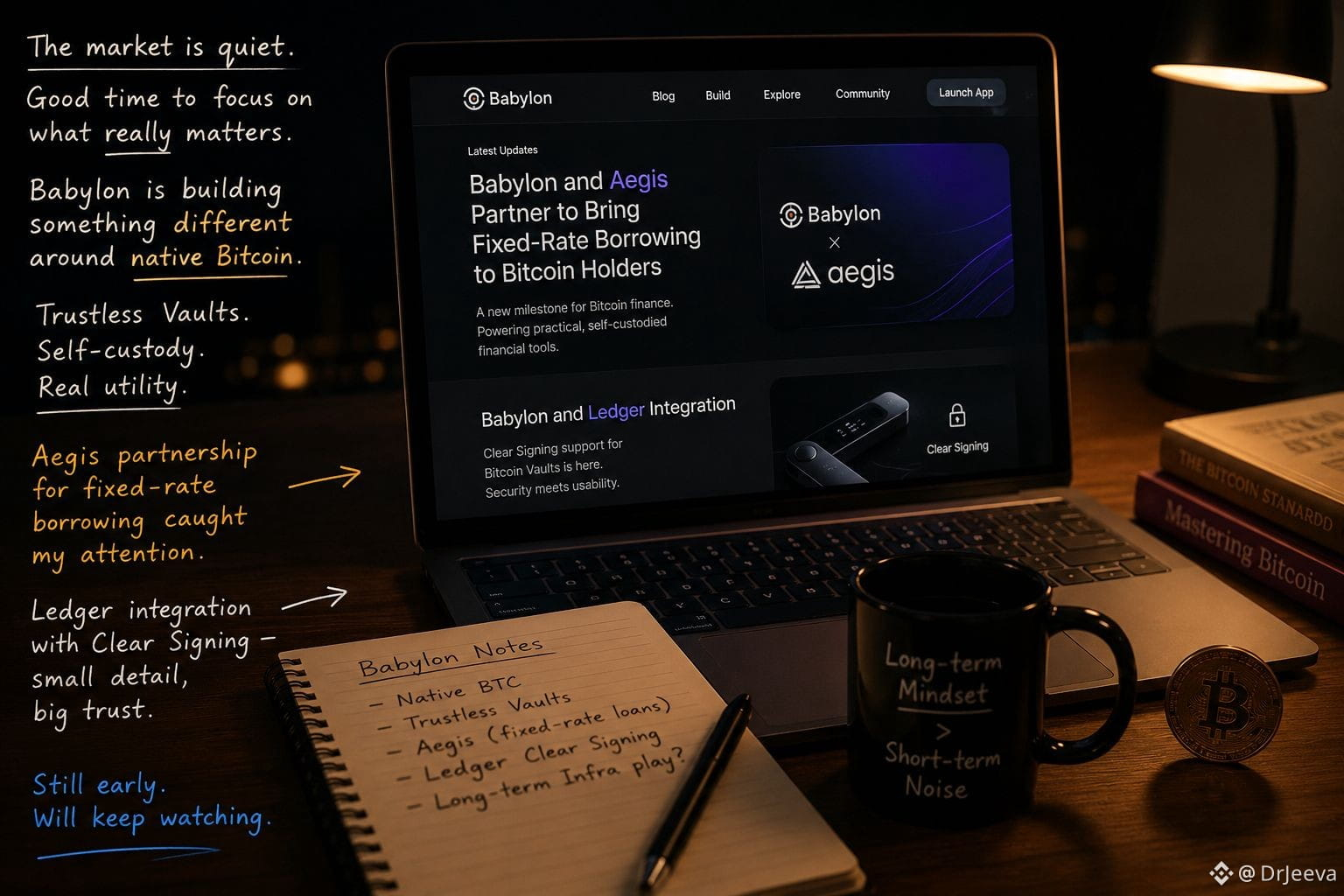
68
·
--
記事
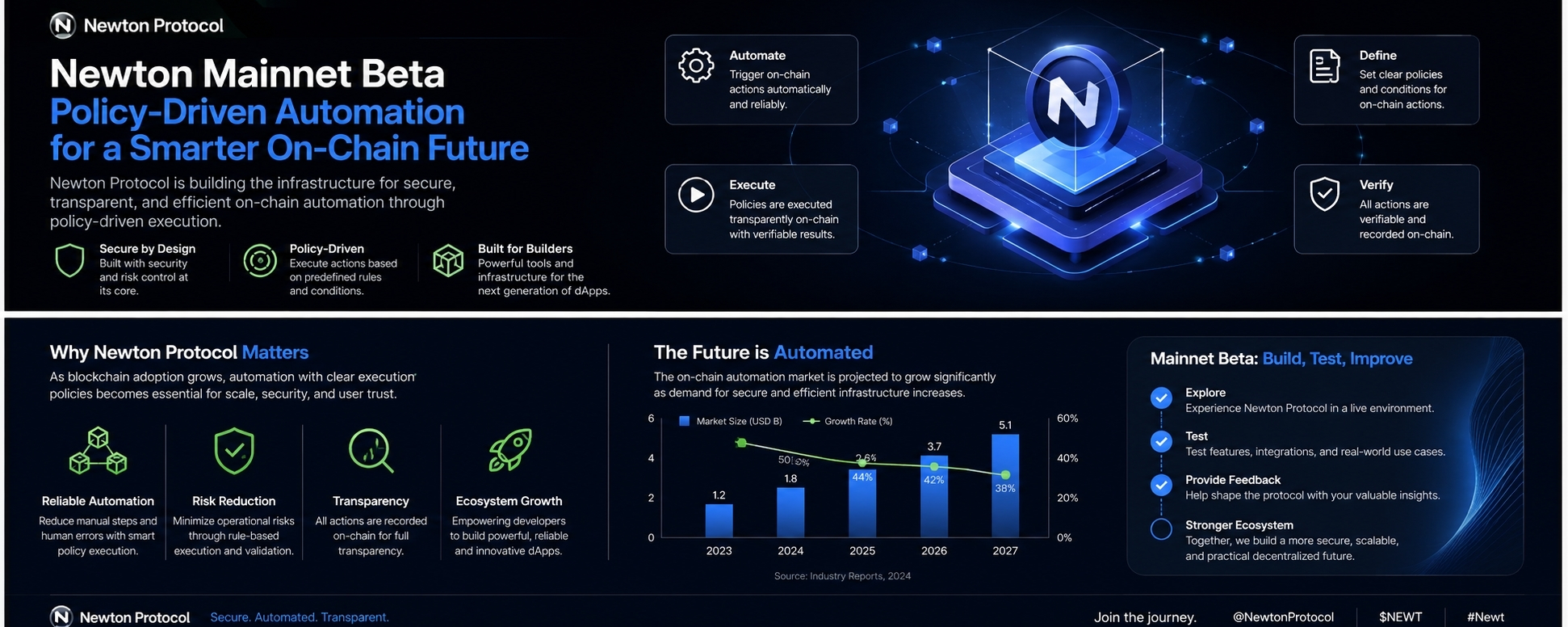
ブロックチェーンの導入が拡大し続ける中で。安全で信頼性の高い自動化のニーズは、ますます重要になっています。これは、ニュートン・メインネット・ベータが際立っている理由のひとつです。より速いトランザクションにのみ焦点を当てるのではなく、ニュートン・プロトコルは、ポリシーに基づく実行を可能にするインフラストラクチャを構築しています。これにより、ユーザーや開発者は、より予測可能で透明性の高いオンチェーン体験を作りやすくなります。
メインネット・ベータは、コミュニティがライブ環境でプロトコルを探索し、その機能をテストし、より広範な導入に先立って貴重なフィードバックを提供する機会を提供します。現実の利用では、単なるテストだけでは見つけられない示唆が明らかになることが多いため、この協働フェーズは不可欠です。
ブロックチェーンの導入が拡大し続ける中で。
安全で信頼性の高い自動化のニーズは、ますます重要になっています。これは、ニュートン・メインネット・ベータが際立っている理由のひとつです。より速いトランザクションにのみ焦点を当てるのではなく、ニュートン・プロトコルは、ポリシーに基づく実行を可能にするインフラストラクチャを構築しています。これにより、ユーザーや開発者は、より予測可能で透明性の高いオンチェーン体験を作りやすくなります。
メインネット・ベータは、コミュニティがライブ環境でプロトコルを探索し、その機能をテストし、より広範な導入に先立って貴重なフィードバックを提供する機会を提供します。現実の利用では、単なるテストだけでは見つけられない示唆が明らかになることが多いため、この協働フェーズは不可欠です。
メインネット・ベータは、コミュニティがライブ環境でプロトコルを探索し、その機能をテストし、より広範な導入に先立って貴重なフィードバックを提供する機会を提供します。現実の利用では、単なるテストだけでは見つけられない示唆が明らかになることが多いため、この協働フェーズは不可欠です。
70
·
--
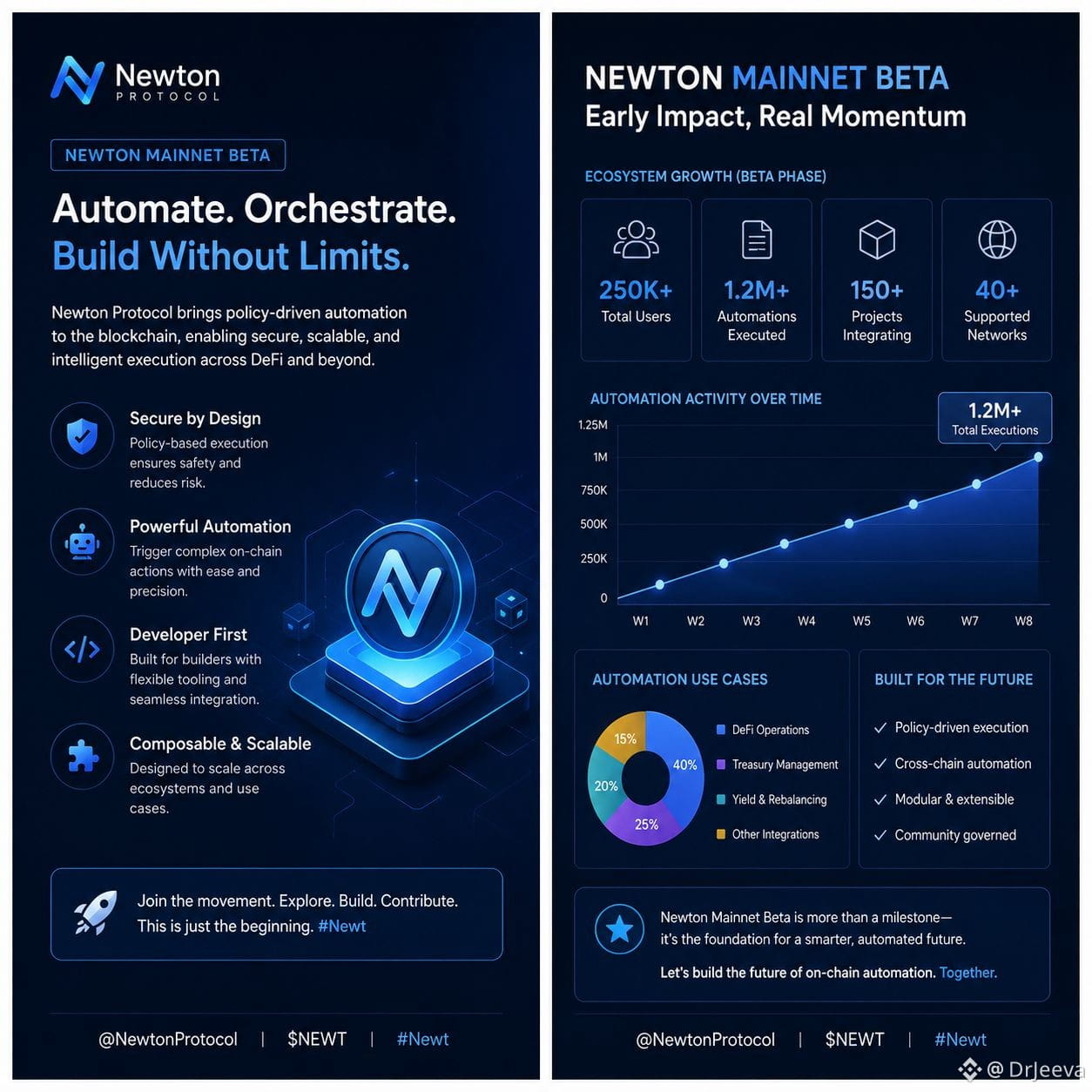
ニュートン・メインネットのベータを探索することは、ポリシーに基づく自動化がオンチェーン体験をどのように改善できるかを見ていくうえで素晴らしい方法でした。実用性に強い焦点を当て、開発者の革新を後押ししながらエコシステムが進化していくのを見守るのは、とてもワクワクします。@NewtonProtocol $JUP $CC $NEWT #Newt #Labs #GOLD
ニュートン・メインネットのベータを探索することは、ポリシーに基づく自動化がオンチェーン体験をどのように改善できるかを見ていくうえで素晴らしい方法でした。実用性に強い焦点を当て、開発者の革新を後押ししながらエコシステムが進化していくのを見守るのは、とてもワクワクします。@NewtonProtocol $JUP $CC $NEWT #Newt #Labs #GOLD
1
1
87
ログインして、さらにコンテンツを読む
厳選トピックで世界の暗号資産トレーダーの仲間入り
⚡️ 暗号資産に関する最新かつ有益な情報が見つかります。
💬 世界最大の暗号資産取引所から信頼されています。
👍 認証を受けたクリエイターから、有益なインサイトを得られます。
メール / 電話番号