

BittCoin Maker
2.8k 投稿

BittCoin Maker
報告
ユーザーをブロック
🔥Sharing Crypto Insights | 📈 Market Updates & Tips | 🎥 Live Educator On Binance And Live Streamer. X (twitter) : @bhowmik017
217 フォロー
23.6K+ フォロワー
4.4K+ いいね
投稿
すべて
引用
ライブ
強気の見解:RWAトークン化を応援している大半の人は、当の“象”を見落としている。
何十億ドル規模のヘッジファンドに、競合他社、ボット、観客までもがリアルタイムでウォレットの動きを追跡できるオープン台帳上で取引を実行しろと言うことを想像してみてほしい。そんなことは起こり得ない。
本当に機関投資家の資金には、譲れない2つの条件がある。完全なデータプライバシーと、規制上の摩擦ゼロだ。
そして@Dusk_Foundation が埋めているのがまさにそのギャップだ。ゼロ知識暗号をL1アーキテクチャに直に組み込むことで、機関投資家に対してプライベートで機密性の高い執行を提供しつつ、監査法に対して100%準拠したままでいられる。
従来の金融から暗号資産へ橋をかける“実際のインフラ”のことを、もっと見てほしい。機関投資家の資金の大洪水が開いたとき、このようなテックが先頭に立つことになる。
あなたはもうRWAを追っている?それとも、ただの一般的なミーム・ポンプを追いかけているだけ?👇 では話そう。
$DUSK #dusk
強気の見解:RWAトークン化を応援している大半の人は、当の“象”を見落としている。
何十億ドル規模のヘッジファンドに、競合他社、ボット、観客までもがリアルタイムでウォレットの動きを追跡できるオープン台帳上で取引を実行しろと言うことを想像してみてほしい。そんなことは起こり得ない。
本当に機関投資家の資金には、譲れない2つの条件がある。完全なデータプライバシーと、規制上の摩擦ゼロだ。
そして@Dusk が埋めているのがまさにそのギャップだ。ゼロ知識暗号をL1アーキテクチャに直に組み込むことで、機関投資家に対してプライベートで機密性の高い執行を提供しつつ、監査法に対して100%準拠したままでいられる。
従来の金融から暗号資産へ橋をかける“実際のインフラ”のことを、もっと見てほしい。機関投資家の資金の大洪水が開いたとき、このようなテックが先頭に立つことになる。
あなたはもうRWAを追っている?それとも、ただの一般的なミーム・ポンプを追いかけているだけ?👇 では話そう。
$DUSK #dusk
何十億ドル規模のヘッジファンドに、競合他社、ボット、観客までもがリアルタイムでウォレットの動きを追跡できるオープン台帳上で取引を実行しろと言うことを想像してみてほしい。そんなことは起こり得ない。
本当に機関投資家の資金には、譲れない2つの条件がある。完全なデータプライバシーと、規制上の摩擦ゼロだ。
そして@Dusk が埋めているのがまさにそのギャップだ。ゼロ知識暗号をL1アーキテクチャに直に組み込むことで、機関投資家に対してプライベートで機密性の高い執行を提供しつつ、監査法に対して100%準拠したままでいられる。
従来の金融から暗号資産へ橋をかける“実際のインフラ”のことを、もっと見てほしい。機関投資家の資金の大洪水が開いたとき、このようなテックが先頭に立つことになる。
あなたはもうRWAを追っている?それとも、ただの一般的なミーム・ポンプを追いかけているだけ?👇 では話そう。
$DUSK #dusk
2
184
実世界資産(RWAs)のトークン化は、Web3で最もよく話題にされるトレンドの1つですが、実際の実行となると多くのネットワークが苦戦します。大規模な機関は、機密性やコンプライアンスを妥協できません。
だからこそ、@Dusk_Foundation
{future}(DUSKUSDT)
が取っている専用アプローチが非常に実用的なのです。レイヤー1のレベルでネイティブのゼロ知識証明を活用することで、企業は機密性のある取引を処理しつつ、基盤となるデータが規制要件に対して完全に検証可能であることを保証できます。
これらの実際の企業課題を解決することこそが、ブロックチェーン分野での長期的な価値を生み出します。ここからエコシステムがどのように広がっていくのか、とても楽しみにしています!
$DUSK #dusk
実世界資産(RWAs)のトークン化は、Web3で最もよく話題にされるトレンドの1つですが、実際の実行となると多くのネットワークが苦戦します。大規模な機関は、機密性やコンプライアンスを妥協できません。
だからこそ、@Dusk
が取っている専用アプローチが非常に実用的なのです。レイヤー1のレベルでネイティブのゼロ知識証明を活用することで、企業は機密性のある取引を処理しつつ、基盤となるデータが規制要件に対して完全に検証可能であることを保証できます。
これらの実際の企業課題を解決することこそが、ブロックチェーン分野での長期的な価値を生み出します。ここからエコシステムがどのように広がっていくのか、とても楽しみにしています!
$DUSK #dusk
だからこそ、@Dusk
が取っている専用アプローチが非常に実用的なのです。レイヤー1のレベルでネイティブのゼロ知識証明を活用することで、企業は機密性のある取引を処理しつつ、基盤となるデータが規制要件に対して完全に検証可能であることを保証できます。
これらの実際の企業課題を解決することこそが、ブロックチェーン分野での長期的な価値を生み出します。ここからエコシステムがどのように広がっていくのか、とても楽しみにしています!
$DUSK #dusk
94
$TMX は正式に稼働開始!そしてなんて爆発的なローンチでしょう。🚀🔥
ボスターキャンペーンが終了した直後、@TermMax がオンチェーンにてローンチされ、+180%超まで急騰し、数分のうちに $0.17+ の水準を突破しました!
初期の指標はこちら:
Initial Pump:立ち上がりから強い緑のローソク足が出て、$0.06 からほぼ $0.20 へ
Market Cap:およそ $26M+ を堅持
24h Volume:取引開始直後の時点で $2.2M+ 超
ボスターキャンペーンに参加して、TGE までに割り当てを確保した皆さんに大きな祝福を!
エアドロップ報酬はもう受け取りましたか?それとも押し目でさらに $TMX を積み増していますか?あなたの戦略を下に書いてください!
#TermMax #BinanceSquare #CryptoListing #DeFi #TMX
$TMX は正式に稼働開始!そしてなんて爆発的なローンチでしょう。🚀🔥
ボスターキャンペーンが終了した直後、@TermMax がオンチェーンにてローンチされ、+180%超まで急騰し、数分のうちに $0.17+ の水準を突破しました!
初期の指標はこちら:
Initial Pump:立ち上がりから強い緑のローソク足が出て、$0.06 からほぼ $0.20 へ
Market Cap:およそ $26M+ を堅持
24h Volume:取引開始直後の時点で $2.2M+ 超
ボスターキャンペーンに参加して、TGE までに割り当てを確保した皆さんに大きな祝福を!
エアドロップ報酬はもう受け取りましたか?それとも押し目でさらに $TMX を積み増していますか?あなたの戦略を下に書いてください!
#TermMax #BinanceSquare #CryptoListing #DeFi #TMX
ボスターキャンペーンが終了した直後、@TermMax がオンチェーンにてローンチされ、+180%超まで急騰し、数分のうちに $0.17+ の水準を突破しました!
初期の指標はこちら:
Initial Pump:立ち上がりから強い緑のローソク足が出て、$0.06 からほぼ $0.20 へ
Market Cap:およそ $26M+ を堅持
24h Volume:取引開始直後の時点で $2.2M+ 超
ボスターキャンペーンに参加して、TGE までに割り当てを確保した皆さんに大きな祝福を!
エアドロップ報酬はもう受け取りましたか?それとも押し目でさらに $TMX を積み増していますか?あなたの戦略を下に書いてください!
#TermMax #BinanceSquare #CryptoListing #DeFi #TMX
433
多くのレイヤー1プロジェクトは、取引の高速性と汎用的なスマートコントラクトに純粋に注力しています。しかし、本当の「兆ドル級の問い」はこうです——大手金融機関は実際にここで資本を展開できるのか?
機密データ保護がなければ、エンタープライズの導入はほぼ不可能です。だからこそ、@Dusk_Foundation はより賢いルートを選んでいます。ベースレイヤーにゼロ知識のプライバシーをネイティブに直接組み込みつつ、完全な規制上の監査可能性を維持することで、従来の金融が参入できないまさにその障壁を解消しているのです。
創業初日から、現実世界の資産(RWA)向けの専用インフラを構築することこそが、短期的なノイズと長期的な実用性を分ける要因になります。
$DUSK #dusk
多くのレイヤー1プロジェクトは、取引の高速性と汎用的なスマートコントラクトに純粋に注力しています。しかし、本当の「兆ドル級の問い」はこうです——大手金融機関は実際にここで資本を展開できるのか?
機密データ保護がなければ、エンタープライズの導入はほぼ不可能です。だからこそ、@Dusk はより賢いルートを選んでいます。ベースレイヤーにゼロ知識のプライバシーをネイティブに直接組み込みつつ、完全な規制上の監査可能性を維持することで、従来の金融が参入できないまさにその障壁を解消しているのです。
創業初日から、現実世界の資産(RWA)向けの専用インフラを構築することこそが、短期的なノイズと長期的な実用性を分ける要因になります。
$DUSK #dusk
機密データ保護がなければ、エンタープライズの導入はほぼ不可能です。だからこそ、@Dusk はより賢いルートを選んでいます。ベースレイヤーにゼロ知識のプライバシーをネイティブに直接組み込みつつ、完全な規制上の監査可能性を維持することで、従来の金融が参入できないまさにその障壁を解消しているのです。
創業初日から、現実世界の資産(RWA)向けの専用インフラを構築することこそが、短期的なノイズと長期的な実用性を分ける要因になります。
$DUSK #dusk
112
ほとんどのレイヤー1ブロックチェーンは、プロジェクトに厳しい選択を迫ります。つまり、誰もがあなたのデータを見られる完全な透明性か、それとも規制当局によって禁止される完全な匿名性かです。
だからこそ、インフラ@Dusk_Foundation が構築しているものは違って感じられます。彼らは規制された金融市場と現実世界資産(RWAs)向けに特別に調整されたネイティブ・ゼロ知識暗号を備えたL1を設計しました。これにより、機関は取引の詳細を機密に保ちながら、監査人に対して完全なコンプライアンスを証明できます。
本物のエンタープライズ採用が本格的に広がるには、この絶妙なバランスが不可欠です。継続的な開発の動きをしっかり追いましょう!
$DUSK #dusk
{future}(DUSKUSDT)
ほとんどのレイヤー1ブロックチェーンは、プロジェクトに厳しい選択を迫ります。つまり、誰もがあなたのデータを見られる完全な透明性か、それとも規制当局によって禁止される完全な匿名性かです。
だからこそ、インフラ@Dusk が構築しているものは違って感じられます。彼らは規制された金融市場と現実世界資産(RWAs)向けに特別に調整されたネイティブ・ゼロ知識暗号を備えたL1を設計しました。これにより、機関は取引の詳細を機密に保ちながら、監査人に対して完全なコンプライアンスを証明できます。
本物のエンタープライズ採用が本格的に広がるには、この絶妙なバランスが不可欠です。継続的な開発の動きをしっかり追いましょう!
$DUSK #dusk
だからこそ、インフラ@Dusk が構築しているものは違って感じられます。彼らは規制された金融市場と現実世界資産(RWAs)向けに特別に調整されたネイティブ・ゼロ知識暗号を備えたL1を設計しました。これにより、機関は取引の詳細を機密に保ちながら、監査人に対して完全なコンプライアンスを証明できます。
本物のエンタープライズ採用が本格的に広がるには、この絶妙なバランスが不可欠です。継続的な開発の動きをしっかり追いましょう!
$DUSK #dusk
188
伝統的な金融が本当にブロックチェーンを活用するには、まずプライバシー問題を解決しなければなりません。ヘッジファンドや大企業にとって、オープンな台帳上で、社内の取引データや残高があらゆる競合に見える状態は望ましくありません。
まさに@Dusk_Foundation がその課題に取り組んでいます。規制不可能な無匿名性を選ぶのではなく、彼らはネイティブのゼロ知識証明を備えたレイヤー1を設計し、金融規制に完全に準拠しながら、機関向けに機密の取引を提供します。
この特定のボトルネックを解決することが、大規模なRWAトークン化への扉を開くのです。ここでの長期的な技術基盤は、しっかりしているように見えます。
$DUSK #dusk
伝統的な金融が本当にブロックチェーンを活用するには、まずプライバシー問題を解決しなければなりません。ヘッジファンドや大企業にとって、オープンな台帳上で、社内の取引データや残高があらゆる競合に見える状態は望ましくありません。
まさに@Dusk がその課題に取り組んでいます。規制不可能な無匿名性を選ぶのではなく、彼らはネイティブのゼロ知識証明を備えたレイヤー1を設計し、金融規制に完全に準拠しながら、機関向けに機密の取引を提供します。
この特定のボトルネックを解決することが、大規模なRWAトークン化への扉を開くのです。ここでの長期的な技術基盤は、しっかりしているように見えます。
$DUSK #dusk
まさに@Dusk がその課題に取り組んでいます。規制不可能な無匿名性を選ぶのではなく、彼らはネイティブのゼロ知識証明を備えたレイヤー1を設計し、金融規制に完全に準拠しながら、機関向けに機密の取引を提供します。
この特定のボトルネックを解決することが、大規模なRWAトークン化への扉を開くのです。ここでの長期的な技術基盤は、しっかりしているように見えます。
$DUSK #dusk
133
暗号資産ユーザーの皆さまに朗報です!🇧🇹
これでブータンでBinance Payが使えるようになりました!
ブータン国内の3,700店以上で利用可能
DK BankのQRコードを、Binanceアプリでスキャンするだけ
2026年末まで手数料0%!
旅行中の両替は不要。スキャンして支払うだけ!🚀
ブータン旅行がこれまで以上に簡単に!✈️🏔️
Binanceアプリで、食事も買い物も手軽にお支払いできます。
使い方:
Binanceアプリを開く
店舗のDK Bank QRをスキャン
手数料0%で即時に支払い完了!
暗号資産が、キャッシュレスでの旅行をシンプルにします。
次にBinance Payをどの国で見たいですか?下に国名を入力してください!🌍👇
#Binance #CryptoTravel #BinancePay #Web3 $BNB $BTC $ETH
{spot}(ETHUSDT)
暗号資産ユーザーの皆さまに朗報です!🇧🇹
これでブータンでBinance Payが使えるようになりました!
ブータン国内の3,700店以上で利用可能
DK BankのQRコードを、Binanceアプリでスキャンするだけ
2026年末まで手数料0%!
旅行中の両替は不要。スキャンして支払うだけ!🚀
ブータン旅行がこれまで以上に簡単に!✈️🏔️
Binanceアプリで、食事も買い物も手軽にお支払いできます。
使い方:
Binanceアプリを開く
店舗のDK Bank QRをスキャン
手数料0%で即時に支払い完了!
暗号資産が、キャッシュレスでの旅行をシンプルにします。
次にBinance Payをどの国で見たいですか?下に国名を入力してください!🌍👇
#Binance #CryptoTravel #BinancePay #Web3 $BNB $BTC $ETH
これでブータンでBinance Payが使えるようになりました!
ブータン国内の3,700店以上で利用可能
DK BankのQRコードを、Binanceアプリでスキャンするだけ
2026年末まで手数料0%!
旅行中の両替は不要。スキャンして支払うだけ!🚀
ブータン旅行がこれまで以上に簡単に!✈️🏔️
Binanceアプリで、食事も買い物も手軽にお支払いできます。
使い方:
Binanceアプリを開く
店舗のDK Bank QRをスキャン
手数料0%で即時に支払い完了!
暗号資産が、キャッシュレスでの旅行をシンプルにします。
次にBinance Payをどの国で見たいですか?下に国名を入力してください!🌍👇
#Binance #CryptoTravel #BinancePay #Web3 $BNB $BTC $ETH
162
今日これについて考えていました。暗号資産の話では、数兆ドル規模の機関投資家マネーをオンチェーンに呼び込むことをよく取り上げますが、すべてのウォレットアドレスや取引サイズが誰でも追跡できる状態で、巨大な銀行は実際にどうやってそれを実行できるのでしょうか?
だからこそ、私には@Dusk_Foundation がやっていることがとても実用的に思えます。完全な透明性でも、完全なダークプールの秘匿性でもなく、規制コンプライアンスを内蔵した機密スマートコントラクトでレイヤー1の残高を扱うのです。
実世界資産(RWA)は、ビジネス上のプライバシーなしではスケールしようがありません。本番の裏側でこの技術が静かに形になってきているのを見るのは本当に興味深いです。
みなさんは、次のRWA採用の本当の波を引き起こすのは何だと思いますか?
$DUSK #dusk
今日これについて考えていました。暗号資産の話では、数兆ドル規模の機関投資家マネーをオンチェーンに呼び込むことをよく取り上げますが、すべてのウォレットアドレスや取引サイズが誰でも追跡できる状態で、巨大な銀行は実際にどうやってそれを実行できるのでしょうか?
だからこそ、私には@Dusk がやっていることがとても実用的に思えます。完全な透明性でも、完全なダークプールの秘匿性でもなく、規制コンプライアンスを内蔵した機密スマートコントラクトでレイヤー1の残高を扱うのです。
実世界資産(RWA)は、ビジネス上のプライバシーなしではスケールしようがありません。本番の裏側でこの技術が静かに形になってきているのを見るのは本当に興味深いです。
みなさんは、次のRWA採用の本当の波を引き起こすのは何だと思いますか?
$DUSK #dusk
だからこそ、私には@Dusk がやっていることがとても実用的に思えます。完全な透明性でも、完全なダークプールの秘匿性でもなく、規制コンプライアンスを内蔵した機密スマートコントラクトでレイヤー1の残高を扱うのです。
実世界資産(RWA)は、ビジネス上のプライバシーなしではスケールしようがありません。本番の裏側でこの技術が静かに形になってきているのを見るのは本当に興味深いです。
みなさんは、次のRWA採用の本当の波を引き起こすのは何だと思いますか?
$DUSK #dusk
99
$DUSK 140.1 USDT(30日間の取引)
RWAパズルに欠けているピース、つまりプライバシーについて話しましょう。Real-World Assets(現実世界の資産)をトークン化することに皆がワクワクしていますが、大手機関は、競合他社が取引履歴をすべて見られる完全に透明な公開台帳では運用できません。
だからこそ、インフラ@Dusk_Foundation が構築しているものが非常に重要なのです。彼らは単にプライバシー層を追加しているのではなく、コアプロトコルにゼロ知識技術と内蔵された規制コンプライアンスを組み合わせた専用のLayer-1ブロックチェーンを作っています。
要するに、規制当局によって完全に監査可能でありながら、機密性のある取引を可能にする—プライバシーと法律の両立を実現しているのです。これは、大規模な機関投資家の採用に必要な“配管(インフラ)”そのものです。
$DUSK #dusk $DUSK
RWAパズルに欠けているピース、つまりプライバシーについて話しましょう。Real-World Assets(現実世界の資産)をトークン化することに皆がワクワクしていますが、大手機関は、競合他社が取引履歴をすべて見られる完全に透明な公開台帳では運用できません。
だからこそ、インフラ@Dusk が構築しているものが非常に重要なのです。彼らは単にプライバシー層を追加しているのではなく、コアプロトコルにゼロ知識技術と内蔵された規制コンプライアンスを組み合わせた専用のLayer-1ブロックチェーンを作っています。
要するに、規制当局によって完全に監査可能でありながら、機密性のある取引を可能にする—プライバシーと法律の両立を実現しているのです。これは、大規模な機関投資家の採用に必要な“配管(インフラ)”そのものです。
$DUSK #dusk $DUSK
だからこそ、インフラ@Dusk が構築しているものが非常に重要なのです。彼らは単にプライバシー層を追加しているのではなく、コアプロトコルにゼロ知識技術と内蔵された規制コンプライアンスを組み合わせた専用のLayer-1ブロックチェーンを作っています。
要するに、規制当局によって完全に監査可能でありながら、機密性のある取引を可能にする—プライバシーと法律の両立を実現しているのです。これは、大規模な機関投資家の採用に必要な“配管(インフラ)”そのものです。
$DUSK #dusk $DUSK
159
@termmax について最大の疑問はシンプルです。DeFi ユーザーはついに固定金利の貸付に対応できるようになったのでしょうか?
従来の DeFi は変動金利を好みます――簡単に参加でき、いつでも借り入れして、必要ならいつでも離れることができます。ですが、変動金利は予測不能なリスクも意味します。
TermMax がもたらすのは確実性です:
前もって固定された借入コスト(突然の金利スパイクなし)
固定期間にわたる貸し手への確定利回り
長期的な戦略を見据えた、より賢いレバレッジ機能
インセンティブは現在の流動性導入にとって素晴らしいものですが、本当の試練は長期的な有用性です。DeFi が機関投資家の資本や、より仕組み化された金融へと成熟していく中で、固定金利は不可欠になっていきます。
TermMax にはすでにそのインフラが用意されています。採用がどのように伸びていくかは、ぜひ注目していきます!
#TermMax $TMX
@TermMax について最大の疑問はシンプルです。DeFi ユーザーはついに固定金利の貸付に対応できるようになったのでしょうか?
従来の DeFi は変動金利を好みます――簡単に参加でき、いつでも借り入れして、必要ならいつでも離れることができます。ですが、変動金利は予測不能なリスクも意味します。
TermMax がもたらすのは確実性です:
前もって固定された借入コスト(突然の金利スパイクなし)
固定期間にわたる貸し手への確定利回り
長期的な戦略を見据えた、より賢いレバレッジ機能
インセンティブは現在の流動性導入にとって素晴らしいものですが、本当の試練は長期的な有用性です。DeFi が機関投資家の資本や、より仕組み化された金融へと成熟していく中で、固定金利は不可欠になっていきます。
TermMax にはすでにそのインフラが用意されています。採用がどのように伸びていくかは、ぜひ注目していきます!
#TermMax $TMX
従来の DeFi は変動金利を好みます――簡単に参加でき、いつでも借り入れして、必要ならいつでも離れることができます。ですが、変動金利は予測不能なリスクも意味します。
TermMax がもたらすのは確実性です:
前もって固定された借入コスト(突然の金利スパイクなし)
固定期間にわたる貸し手への確定利回り
長期的な戦略を見据えた、より賢いレバレッジ機能
インセンティブは現在の流動性導入にとって素晴らしいものですが、本当の試練は長期的な有用性です。DeFi が機関投資家の資本や、より仕組み化された金融へと成熟していく中で、固定金利は不可欠になっていきます。
TermMax にはすでにそのインフラが用意されています。採用がどのように伸びていくかは、ぜひ注目していきます!
#TermMax $TMX
6
4
100
·
--
ブリッシュ
$DUSK 78.8 USDT(30日間の取引)
$DUSK アラート:ディップは買い時?🔥
$DUSK のチャートをチェックしてみて!
急な下落の後、価格は約$0.0664のあたりで強いサポートを見つけたようです。反発して上昇に戻る準備ができているように見えます!
強気に見える理由:
強いサポート:価格は$0.0664で下げ止まり、買い手が入ってきていることを示しています。
反転の兆し:緑のローソク足が形成されており、ディップが終わりかもしれません。
目標:
TP 1:$0.0685
TP 2:$0.0710
TP 3:$0.0740+
損切り:$0.0658未満
次の上昇に向けて、低リスクのエントリーとして良さそうに見えます。
あなたはどう思う? すぐに$0.074を超えそうですか?下にコメントしてね!👇
#DUSK #Crypto #BinanceSquare #Trading #Altcoins
{future}(DUSKUSDT)
$DUSK アラート:ディップは買い時?🔥
$DUSK のチャートをチェックしてみて!
急な下落の後、価格は約$0.0664のあたりで強いサポートを見つけたようです。反発して上昇に戻る準備ができているように見えます!
強気に見える理由:
強いサポート:価格は$0.0664で下げ止まり、買い手が入ってきていることを示しています。
反転の兆し:緑のローソク足が形成されており、ディップが終わりかもしれません。
目標:
TP 1:$0.0685
TP 2:$0.0710
TP 3:$0.0740+
損切り:$0.0658未満
次の上昇に向けて、低リスクのエントリーとして良さそうに見えます。
あなたはどう思う? すぐに$0.074を超えそうですか?下にコメントしてね!👇
#DUSK #Crypto #BinanceSquare #Trading #Altcoins
$DUSK のチャートをチェックしてみて!
急な下落の後、価格は約$0.0664のあたりで強いサポートを見つけたようです。反発して上昇に戻る準備ができているように見えます!
強気に見える理由:
強いサポート:価格は$0.0664で下げ止まり、買い手が入ってきていることを示しています。
反転の兆し:緑のローソク足が形成されており、ディップが終わりかもしれません。
目標:
TP 1:$0.0685
TP 2:$0.0710
TP 3:$0.0740+
損切り:$0.0658未満
次の上昇に向けて、低リスクのエントリーとして良さそうに見えます。
あなたはどう思う? すぐに$0.074を超えそうですか?下にコメントしてね!👇
#DUSK #Crypto #BinanceSquare #Trading #Altcoins
1
3
71
·
--
ブリッシュ
最初は、$DUSK は、財務資産をオンチェーンに持ち込もうとするただの別のブロックチェーンだと思っていました。ですが調べれば調べるほど、もっと大きな全体像が見えてきて、ますます面白くなっています。
注目したのは、発行、保有、移転、決済といったものを、完全に別々の手順として扱うのではなく、つながった状態で維持するという発想です。
金融市場では、プライバシーとコンプライアンスも非常に重要です。すべてをパブリックなブロックチェーンに載せれば、それで機関が使ってくれるとは限りません。
私は、実際のユーザーや実際の金融資産でどのように機能するのか、まだ様子を見ています。とはいえ、@Dusk_Foundation の背後にあるアプローチは、正直なところ、ますます魅力的に感じています。
$DUSK #DUSK
{future}(DUSKUSDT)
最初は、$DUSK は、財務資産をオンチェーンに持ち込もうとするただの別のブロックチェーンだと思っていました。ですが調べれば調べるほど、もっと大きな全体像が見えてきて、ますます面白くなっています。
注目したのは、発行、保有、移転、決済といったものを、完全に別々の手順として扱うのではなく、つながった状態で維持するという発想です。
金融市場では、プライバシーとコンプライアンスも非常に重要です。すべてをパブリックなブロックチェーンに載せれば、それで機関が使ってくれるとは限りません。
私は、実際のユーザーや実際の金融資産でどのように機能するのか、まだ様子を見ています。とはいえ、@Dusk の背後にあるアプローチは、正直なところ、ますます魅力的に感じています。
$DUSK #DUSK
注目したのは、発行、保有、移転、決済といったものを、完全に別々の手順として扱うのではなく、つながった状態で維持するという発想です。
金融市場では、プライバシーとコンプライアンスも非常に重要です。すべてをパブリックなブロックチェーンに載せれば、それで機関が使ってくれるとは限りません。
私は、実際のユーザーや実際の金融資産でどのように機能するのか、まだ様子を見ています。とはいえ、@Dusk の背後にあるアプローチは、正直なところ、ますます魅力的に感じています。
$DUSK #DUSK
6
4
100
Duskを深く見るほど、プライバシーはより大きな全体像の一部にすぎないのだと思えてきます。
最初はブロックチェーンや金融資産は単純に見えます。現実世界の資産をオンチェーンに載せ、送金をより簡単にするのです。 しかし、規制された金融はそれよりはるかに複雑です。投資家の適格性、コンプライアンス、プライバシー、検証、決済をすべて一緒に機能させる必要があります。
そこで私が@Duskに興味を持つのです。
Duskは、機密性の高いセキュリティ・コントラクト(XSC)と、プライバシー重視のインフラを備えた、金融アプリケーションにフォーカスしたレイヤー1を構築しています。目的は単に取引を隠すことではありません。機密性のある金融情報は非公開のまま維持しつつ、権限のある参加者は必要な範囲で検証できる、そうしたバランスを見つけることです。
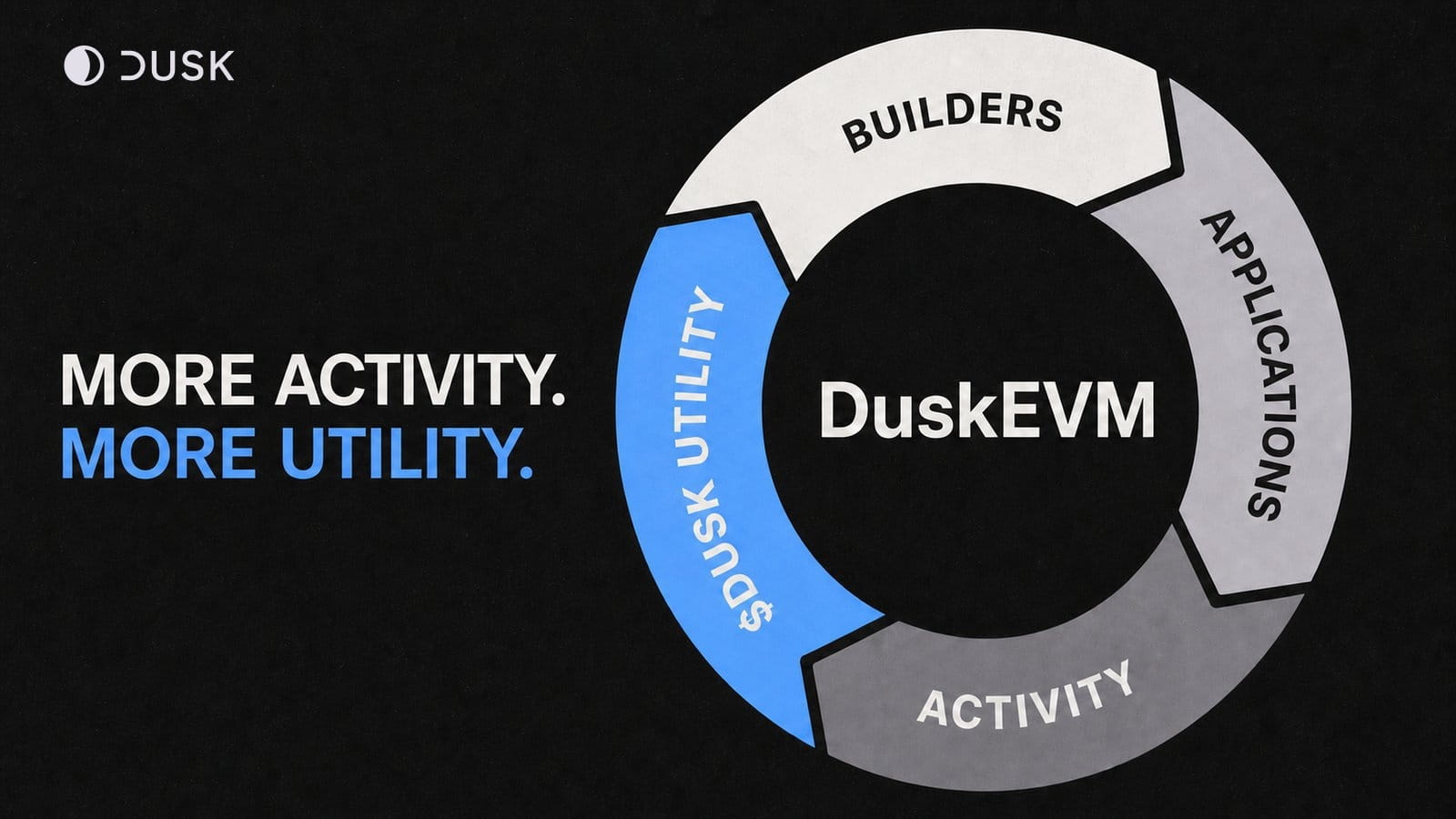
また、SolidityやEVMベースの開発にすでに慣れた開発者にとってエコシステムをより利用しやすくできる可能性があるため、DuskEVMの方向性も興味深いです。
トークン化されたRWAにとって、これは非常に重要です。トークン化そのものは、実は最も難しい部分ではありません。より大きな課題は、現実世界の規制要件を尊重しながら、資産を発行・移転・決済できるインフラを作ることです。
私はDuskがこれらの問題をすでにすべて解決したと言っているわけではありません。実際の普及、開発者、アプリケーション、そして本当の金融ユースケースが、最終的にその答えを示すでしょう。
ただし、ブロックチェーンが規制された金融で本格的な役割を果たすことになるなら、単に別の高速ブロックチェーンを持つだけよりも、プライバシー+コンプライアンス+使いやすさのほうがはるかに重要になる可能性があります。
だからこそ、私はDuskのことを注意深く見ています。
@Dusk_Foundation #dusk $DUSK
Duskを深く見るほど、プライバシーはより大きな全体像の一部にすぎないのだと思えてきます。
最初はブロックチェーンや金融資産は単純に見えます。現実世界の資産をオンチェーンに載せ、送金をより簡単にするのです。 しかし、規制された金融はそれよりはるかに複雑です。投資家の適格性、コンプライアンス、プライバシー、検証、決済をすべて一緒に機能させる必要があります。
そこで私が@Duskに興味を持つのです。
Duskは、機密性の高いセキュリティ・コントラクト(XSC)と、プライバシー重視のインフラを備えた、金融アプリケーションにフォーカスしたレイヤー1を構築しています。目的は単に取引を隠すことではありません。機密性のある金融情報は非公開のまま維持しつつ、権限のある参加者は必要な範囲で検証できる、そうしたバランスを見つけることです。
また、SolidityやEVMベースの開発にすでに慣れた開発者にとってエコシステムをより利用しやすくできる可能性があるため、DuskEVMの方向性も興味深いです。
トークン化されたRWAにとって、これは非常に重要です。トークン化そのものは、実は最も難しい部分ではありません。より大きな課題は、現実世界の規制要件を尊重しながら、資産を発行・移転・決済できるインフラを作ることです。
私はDuskがこれらの問題をすでにすべて解決したと言っているわけではありません。実際の普及、開発者、アプリケーション、そして本当の金融ユースケースが、最終的にその答えを示すでしょう。
ただし、ブロックチェーンが規制された金融で本格的な役割を果たすことになるなら、単に別の高速ブロックチェーンを持つだけよりも、プライバシー+コンプライアンス+使いやすさのほうがはるかに重要になる可能性があります。
だからこそ、私はDuskのことを注意深く見ています。
@Dusk #dusk $DUSK
最初はブロックチェーンや金融資産は単純に見えます。現実世界の資産をオンチェーンに載せ、送金をより簡単にするのです。 しかし、規制された金融はそれよりはるかに複雑です。投資家の適格性、コンプライアンス、プライバシー、検証、決済をすべて一緒に機能させる必要があります。
そこで私が@Duskに興味を持つのです。
Duskは、機密性の高いセキュリティ・コントラクト(XSC)と、プライバシー重視のインフラを備えた、金融アプリケーションにフォーカスしたレイヤー1を構築しています。目的は単に取引を隠すことではありません。機密性のある金融情報は非公開のまま維持しつつ、権限のある参加者は必要な範囲で検証できる、そうしたバランスを見つけることです。
また、SolidityやEVMベースの開発にすでに慣れた開発者にとってエコシステムをより利用しやすくできる可能性があるため、DuskEVMの方向性も興味深いです。
トークン化されたRWAにとって、これは非常に重要です。トークン化そのものは、実は最も難しい部分ではありません。より大きな課題は、現実世界の規制要件を尊重しながら、資産を発行・移転・決済できるインフラを作ることです。
私はDuskがこれらの問題をすでにすべて解決したと言っているわけではありません。実際の普及、開発者、アプリケーション、そして本当の金融ユースケースが、最終的にその答えを示すでしょう。
ただし、ブロックチェーンが規制された金融で本格的な役割を果たすことになるなら、単に別の高速ブロックチェーンを持つだけよりも、プライバシー+コンプライアンス+使いやすさのほうがはるかに重要になる可能性があります。
だからこそ、私はDuskのことを注意深く見ています。
@Dusk #dusk $DUSK
8
10
104
$HEMI — 私の予想は当たった?
みんな、前にHEMIについて話したよ。
チャート分析を共有して、「HEMIがレジスタンス・エリアから拒否されたら、強い下落が見られる」と言った。
そして今のチャートを見て!👇
HEMIは$0.00900付近まで上がったあと、$0.00666へ向けて急落した。
今回の前回の分析は当たってた。
盲目的に信じなくてもいい。
前回の投稿を確認して、今のチャートと比べてみて。予想が自分で分かるはず。👀
これからも、チャートに基づく予想を共有し続けるよ。
次の動きをいち早くつかめるか見ていこう。🚀
⚠️ 暗号資産では何も保証されない。常にDYORしてリスク管理をしてね。
この動き、予想できてた?🔥
{future}(HEMIUSDT)
#HEMI #HEMIUSDT #Crypto #CryptoTrading #DYOR
$HEMI — 私の予想は当たった?
みんな、前にHEMIについて話したよ。
チャート分析を共有して、「HEMIがレジスタンス・エリアから拒否されたら、強い下落が見られる」と言った。
そして今のチャートを見て!👇
HEMIは$0.00900付近まで上がったあと、$0.00666へ向けて急落した。
今回の前回の分析は当たってた。
盲目的に信じなくてもいい。
前回の投稿を確認して、今のチャートと比べてみて。予想が自分で分かるはず。👀
これからも、チャートに基づく予想を共有し続けるよ。
次の動きをいち早くつかめるか見ていこう。🚀
⚠️ 暗号資産では何も保証されない。常にDYORしてリスク管理をしてね。
この動き、予想できてた?🔥
#HEMI #HEMIUSDT #Crypto #CryptoTrading #DYOR
みんな、前にHEMIについて話したよ。
チャート分析を共有して、「HEMIがレジスタンス・エリアから拒否されたら、強い下落が見られる」と言った。
そして今のチャートを見て!👇
HEMIは$0.00900付近まで上がったあと、$0.00666へ向けて急落した。
今回の前回の分析は当たってた。
盲目的に信じなくてもいい。
前回の投稿を確認して、今のチャートと比べてみて。予想が自分で分かるはず。👀
これからも、チャートに基づく予想を共有し続けるよ。
次の動きをいち早くつかめるか見ていこう。🚀
⚠️ 暗号資産では何も保証されない。常にDYORしてリスク管理をしてね。
この動き、予想できてた?🔥
#HEMI #HEMIUSDT #Crypto #CryptoTrading #DYOR
1
206
本人確認中
今日もまたDuskを見ていて、目を引き続けているのはプライバシーのストーリーだけではありません。
プライバシーと透明性の両方が同時に必要となる、規制された金融市場を取り巻くインフラをDuskが構築しようとしている点です。
それは簡単な話に聞こえますが、実際に従来の金融がどう動いているかを考えると話は別です。
トークン化された資産には、投資家の適格性、コンプライアンスの確認、所有権の記録、開示、そして決済がそれでも必要です。すべてを完全に公開することが、機関にとって常に現実的とは限りません。
ここが、Duskのアプローチが面白いところです。
ネットワークは決済と実行を分離し、DuskEVMはEVM互換の環境を開発者に提供、DuskVMはプライバシー重視のアプリケーションをL1上で直接扱います。
DOCS +1
そしてRWAという観点もあります。
DuskはすでにNPEXと、規制対象の証券とトークン化に関して取り組んでおり、このプロジェクトが単に別のブロックチェーンを作ること以上のものを狙っているのは明らかです。
Dusk
私が繰り返し自問しているのはこれです:
Duskは、プライバシー+コンプライアンス+オンチェーン決済を、金融機関が実際に大規模で使いたくなるインフラへと変えられるのでしょうか?
その部分が、私が注目しているところです。
{future}(DUSKUSDT)
@Dusk_Foundation $DUSK #dusk
今日もまたDuskを見ていて、目を引き続けているのはプライバシーのストーリーだけではありません。
プライバシーと透明性の両方が同時に必要となる、規制された金融市場を取り巻くインフラをDuskが構築しようとしている点です。
それは簡単な話に聞こえますが、実際に従来の金融がどう動いているかを考えると話は別です。
トークン化された資産には、投資家の適格性、コンプライアンスの確認、所有権の記録、開示、そして決済がそれでも必要です。すべてを完全に公開することが、機関にとって常に現実的とは限りません。
ここが、Duskのアプローチが面白いところです。
ネットワークは決済と実行を分離し、DuskEVMはEVM互換の環境を開発者に提供、DuskVMはプライバシー重視のアプリケーションをL1上で直接扱います。
DOCS +1
そしてRWAという観点もあります。
DuskはすでにNPEXと、規制対象の証券とトークン化に関して取り組んでおり、このプロジェクトが単に別のブロックチェーンを作ること以上のものを狙っているのは明らかです。
Dusk
私が繰り返し自問しているのはこれです:
Duskは、プライバシー+コンプライアンス+オンチェーン決済を、金融機関が実際に大規模で使いたくなるインフラへと変えられるのでしょうか?
その部分が、私が注目しているところです。
@Dusk $DUSK #dusk
プライバシーと透明性の両方が同時に必要となる、規制された金融市場を取り巻くインフラをDuskが構築しようとしている点です。
それは簡単な話に聞こえますが、実際に従来の金融がどう動いているかを考えると話は別です。
トークン化された資産には、投資家の適格性、コンプライアンスの確認、所有権の記録、開示、そして決済がそれでも必要です。すべてを完全に公開することが、機関にとって常に現実的とは限りません。
ここが、Duskのアプローチが面白いところです。
ネットワークは決済と実行を分離し、DuskEVMはEVM互換の環境を開発者に提供、DuskVMはプライバシー重視のアプリケーションをL1上で直接扱います。
DOCS +1
そしてRWAという観点もあります。
DuskはすでにNPEXと、規制対象の証券とトークン化に関して取り組んでおり、このプロジェクトが単に別のブロックチェーンを作ること以上のものを狙っているのは明らかです。
Dusk
私が繰り返し自問しているのはこれです:
Duskは、プライバシー+コンプライアンス+オンチェーン決済を、金融機関が実際に大規模で使いたくなるインフラへと変えられるのでしょうか?
その部分が、私が注目しているところです。
@Dusk $DUSK #dusk
37
1
9
725
$DUSK
私はDuskのRWA側をより詳しく見ていて、ひとつ気になる点があります。トークン化だけでは不十分だということです。
現実世界の資産をブロックチェーンに載せること自体は比較的簡単です。難しいのは、その資産を、プライバシー、コンプライアンス、投資家の適格性、そして決済を同時に扱いながら、実際の金融市場で使えるようにすることです。
そこで、私にとって@Dusk_Foundation が興味深くなってきます。
Duskは金融アプリケーション向けに、機密セキュリティ契約(XSC)を備えたプライバシー重視のLayer-1を構築しており、機密情報を保護しながらスマートコントラクトを支えるよう設計されています。
規制のある市場においては、これは重要になり得ます。金融機関は、投資家や取引が一定の要件を満たしていることを確認する必要があるかもしれませんが、すべての細部を公開せずに行う必要があります。
それを踏まえると、金融におけるブロックチェーンの価値は、単に「すべてをオンチェーンにする」ことではないのかもしれません。
それは、機密情報は非公開のままにしておきつつ、オンチェーンに載せるべき正しい情報を載せることにあるのかもしれません。
そして、トークン化された実世界資産への関心が高まっている今、この問題は注意深く見守る価値があると思います。
RWA導入における最大の課題は何だと思いますか?プライバシー、コンプライアンス、流動性、または決済ですか?
@Dusk_Foundation $DUSK #dusk
$DUSK
私はDuskのRWA側をより詳しく見ていて、ひとつ気になる点があります。トークン化だけでは不十分だということです。
現実世界の資産をブロックチェーンに載せること自体は比較的簡単です。難しいのは、その資産を、プライバシー、コンプライアンス、投資家の適格性、そして決済を同時に扱いながら、実際の金融市場で使えるようにすることです。
そこで、私にとって@Dusk が興味深くなってきます。
Duskは金融アプリケーション向けに、機密セキュリティ契約(XSC)を備えたプライバシー重視のLayer-1を構築しており、機密情報を保護しながらスマートコントラクトを支えるよう設計されています。
規制のある市場においては、これは重要になり得ます。金融機関は、投資家や取引が一定の要件を満たしていることを確認する必要があるかもしれませんが、すべての細部を公開せずに行う必要があります。
それを踏まえると、金融におけるブロックチェーンの価値は、単に「すべてをオンチェーンにする」ことではないのかもしれません。
それは、機密情報は非公開のままにしておきつつ、オンチェーンに載せるべき正しい情報を載せることにあるのかもしれません。
そして、トークン化された実世界資産への関心が高まっている今、この問題は注意深く見守る価値があると思います。
RWA導入における最大の課題は何だと思いますか?プライバシー、コンプライアンス、流動性、または決済ですか?
@Dusk $DUSK #dusk
私はDuskのRWA側をより詳しく見ていて、ひとつ気になる点があります。トークン化だけでは不十分だということです。
現実世界の資産をブロックチェーンに載せること自体は比較的簡単です。難しいのは、その資産を、プライバシー、コンプライアンス、投資家の適格性、そして決済を同時に扱いながら、実際の金融市場で使えるようにすることです。
そこで、私にとって@Dusk が興味深くなってきます。
Duskは金融アプリケーション向けに、機密セキュリティ契約(XSC)を備えたプライバシー重視のLayer-1を構築しており、機密情報を保護しながらスマートコントラクトを支えるよう設計されています。
規制のある市場においては、これは重要になり得ます。金融機関は、投資家や取引が一定の要件を満たしていることを確認する必要があるかもしれませんが、すべての細部を公開せずに行う必要があります。
それを踏まえると、金融におけるブロックチェーンの価値は、単に「すべてをオンチェーンにする」ことではないのかもしれません。
それは、機密情報は非公開のままにしておきつつ、オンチェーンに載せるべき正しい情報を載せることにあるのかもしれません。
そして、トークン化された実世界資産への関心が高まっている今、この問題は注意深く見守る価値があると思います。
RWA導入における最大の課題は何だと思いますか?プライバシー、コンプライアンス、流動性、または決済ですか?
@Dusk $DUSK #dusk
14
1
11
95
重大速報: 🇺🇸 米国のインフレが減速してきた!
📉 CPIは3.4%で着地 — 予想通りです!
🔥 インフレは4か月ぶりの低水準に到達しました。
大きな疑問はもう「インフレが下がっているのか?」ではありません 👀
本当の問いは:
🏦 次にFRB(連邦準備制度)が何をするか?
📈 インフレ低下は、将来の利下げへの期待を強める可能性があり — それによって、クリプトを含むリスク資産に改めて注目が集まるかもしれません。
ただし覚えておいてください:
⚠️ マクロ経済指標の後、市場は急速に動くことがあります。
常にリスクを管理し、無闇に取引に飛び込まないでください。
👀 もう一段大きなクリプトの値動きが来るのでしょうか?
#Crypto #Bitcoin #CPI #USInflation #FED $BTC $ETH $BNB
重大速報: 🇺🇸 米国のインフレが減速してきた!
📉 CPIは3.4%で着地 — 予想通りです!
🔥 インフレは4か月ぶりの低水準に到達しました。
大きな疑問はもう「インフレが下がっているのか?」ではありません 👀
本当の問いは:
🏦 次にFRB(連邦準備制度)が何をするか?
📈 インフレ低下は、将来の利下げへの期待を強める可能性があり — それによって、クリプトを含むリスク資産に改めて注目が集まるかもしれません。
ただし覚えておいてください:
⚠️ マクロ経済指標の後、市場は急速に動くことがあります。
常にリスクを管理し、無闇に取引に飛び込まないでください。
👀 もう一段大きなクリプトの値動きが来るのでしょうか?
#Crypto #Bitcoin #CPI #USInflation #FED $BTC $ETH $BNB
📉 CPIは3.4%で着地 — 予想通りです!
🔥 インフレは4か月ぶりの低水準に到達しました。
大きな疑問はもう「インフレが下がっているのか?」ではありません 👀
本当の問いは:
🏦 次にFRB(連邦準備制度)が何をするか?
📈 インフレ低下は、将来の利下げへの期待を強める可能性があり — それによって、クリプトを含むリスク資産に改めて注目が集まるかもしれません。
ただし覚えておいてください:
⚠️ マクロ経済指標の後、市場は急速に動くことがあります。
常にリスクを管理し、無闇に取引に飛び込まないでください。
👀 もう一段大きなクリプトの値動きが来るのでしょうか?
#Crypto #Bitcoin #CPI #USInflation #FED $BTC $ETH $BNB
98
ログインして、さらにコンテンツを読む
厳選トピックで世界の暗号資産トレーダーの仲間入り
⚡️ 暗号資産に関する最新かつ有益な情報が見つかります。
💬 世界最大の暗号資産取引所から信頼されています。
👍 認証を受けたクリエイターから、有益なインサイトを得られます。
メール / 電話番号
トレンドトピック
XRPLedgerPatchesXRPCreationBug
閲覧回数 65,228
787人が討論中
#XRPLedgerPatchesXRPCreationBug
$XRP Ledgerは最近、10年にわたって存在していた重大な脆弱性に対処しました。この脆弱性を悪用すると、$XRP が数十億ドル相当も生成され、XRPの固定供給上限である1,000億XRPが損なわれる可能性がありました。
決済エンジンのオファー集約機能で確認されたこの問題は2015年にさかのぼり、研究者のCayden Liao氏とVeria AIによって発見されました。
9月22日にバグ報奨金プログラムを通じて報告され、9月25日にはxrpldのバージョン3.4.1でひそかに修正されました。これは、通常必要となる改正案への投票を経ずに行われた、10年ぶりの対応でした。
この脆弱性は、攻撃者が数百のアカウントを開設し、それぞれのアカウントから大量のXRPに対する少額のオファーを出せるというものでした。
1回の決済ですべてのオファーを同時に処理でき、その結果、支払われるべきXRPの合計がオーバーフローして、はるかに小さい数値に折り返される可能性がありました。
そのため、売り手には全額が支払われる一方で、買い手の負担はごくわずかとなり、それまで存在しなかったXRPが新たに生成されてしまいます。
台帳の供給量検証にも同じ欠陥のある計算が使われていたため、この脆弱性は検知されずにいました。また、複数のアカウントに分散させることで、個々のアカウントに適用される上限も回避できました。
この手口の準備に必要な初期費用は、準備金と手数料として数百XRP程度にすぎず、その大部分は回収可能でした。RippleXはこの問題の再現に成功し、偽造されたXRPが実際に使用可能であることを確認しました。
幸い、この脆弱性がメインネットで実際に悪用された証拠はなく、バリデーターの80%以上が速やかにアップグレードしました。セキュリティは重要な懸念事項であり、今回の修正は$XRP Ledgerの長期的な見通しにとって前向きなものと受け止められています。
#xrp #Ripple💰
Crypto-Aly0800
·いいね:4件
·閲覧回数 909
STRKRisesAbout20%In24Hours
閲覧回数 99,642
1,021人が討論中
TetherFreezesUSDTLinkedToLedgerTheft
閲覧回数 31,722
625人が討論中