
Siddharth_singh99
6 投稿

Siddharth_singh99
報告
ユーザーをブロック
取引を発注
高頻度トレーダー
5.4か月
0 フォロー
1 フォロワー
1 いいね
投稿
ポートフォリオ
記事
翻訳参照
🚨CRYPTO MARKET UPDATE: Bitcoin Stabilizes, But Fear Is Still in the Market. November 2, 2026 | Daily Crypto Briefing
The crypto market is attempting to recover, but investors are not completely confident yet.
Here is what matters today:
📊 Market Snapshot
- Total Crypto Market Cap: $2.60 Trillion
- 24H Trading Volume: $56.2 Billion
- Fear & Greed Index: 35 (Fear)
- Bitcoin: Around $77,766
- Ethereum: Around $2,289–$2,300
Figures are market snapshots, not synchronized live quotes.
🔥 3 Developments to Watch
1. Bitcoin's Recovery
BTC is stabilizing after last week's sell-off. However, institutional flows and broader market uncertainty remain important factors.
2. ETF Outflows
US spot Bitcoin ETFs recorded approximately $643 million in outflows on October 30. Ethereum ETFs also experienced significant withdrawals.
3. Exchange Security
Recent security concerns involving Binance have brought exchange risk and investor confidence back into focus.
👀 What Comes Next?
This week, keep an eye on:
- US midterm elections
- US employment data
- Bitcoin ETF flows
- Exchange security updates
- Trading volume and market sentiment
🧠 My Take
The market is showing signs of stabilization, but confidence has not fully returned.
A recovery in price is one signal. Stronger institutional demand, healthy liquidity and improved security confidence would provide a more complete picture.
Don't confuse market activity with market strength.
Question for the community:
What do you think will have the biggest influence on crypto this week?
1. Bitcoin ETF flows
2. US political developments
3. Exchange security
4. Macroeconomic data
Share your thoughts below! 👇
#Bitcoin #Ethereum #CryptoNews #BinanceSquare #CryptoMarket
🚨CRYPTO MARKET UPDATE: Bitcoin Stabilizes, But Fear Is Still in the Market.
November 2, 2026 | Daily Crypto Briefing
The crypto market is attempting to recover, but investors are not completely confident yet.
Here is what matters today:
📊 Market Snapshot
- Total Crypto Market Cap: $2.60 Trillion
- 24H Trading Volume: $56.2 Billion
- Fear & Greed Index: 35 (Fear)
- Bitcoin: Around $77,766
- Ethereum: Around $2,289–$2,300
Figures are market snapshots, not synchronized live quotes.
🔥 3 Developments to Watch
1. Bitcoin's Recovery
BTC is stabilizing after last week's sell-off. However, institutional flows and broader market uncertainty remain important factors.
2. ETF Outflows
US spot Bitcoin ETFs recorded approximately $643 million in outflows on October 30. Ethereum ETFs also experienced significant withdrawals.
3. Exchange Security
Recent security concerns involving Binance have brought exchange risk and investor confidence back into focus.
👀 What Comes Next?
This week, keep an eye on:
- US midterm elections
- US employment data
- Bitcoin ETF flows
- Exchange security updates
- Trading volume and market sentiment
🧠 My Take
The market is showing signs of stabilization, but confidence has not fully returned.
A recovery in price is one signal. Stronger institutional demand, healthy liquidity and improved security confidence would provide a more complete picture.
Don't confuse market activity with market strength.
Question for the community:
What do you think will have the biggest influence on crypto this week?
1. Bitcoin ETF flows
2. US political developments
3. Exchange security
4. Macroeconomic data
Share your thoughts below! 👇
#Bitcoin #Ethereum #CryptoNews #BinanceSquare #CryptoMarket
79
記事
翻訳参照
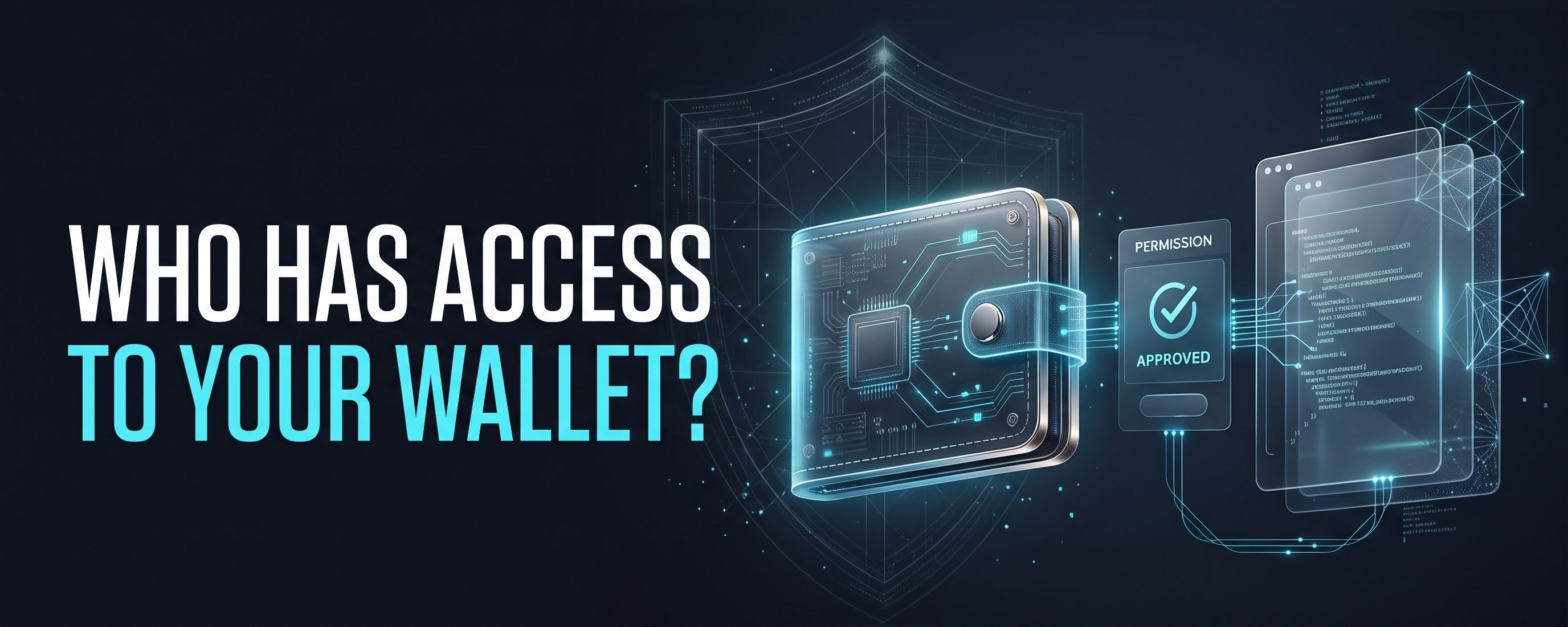
One Click Can Give a Smart Contract Access to Your Crypto. Do You Know What You Approved?Imagine connecting your crypto wallet to a new DeFi platform.
You click Connect Wallet.
Then you click Approve.
Everything looks normal. But what if you just gave a smart contract permission to spend your tokens?
This is one of the most misunderstood risks in Web3.
🔍 What Is a Token Approval?
When you interact with certain decentralized applications (dApps), they need permission to use specific tokens from your wallet.
For example, a decentralized exchange may request permission to access your USDC so it can execute a swap.
The problem?
Some applications request Unlimited Token Approval.
This can allow an approved smart contract to spend all your available tokens of that particular type, subject to the approval and token rules.
And here's something many users don't realize:
Disconnecting your wallet from a website does NOT automatically revoke previously granted token approvals.
The permission can remain active even after you stop using that application.
⚠️ Why Does This Matter?
Consider this situation:
1. You use a DeFi platform.
2. You approve unlimited token spending.
3. Months later, you stop using the platform.
4. You disconnect your wallet.
5. The old approval remains active.
If the approved contract becomes malicious or compromised, that permission could put your tokens at risk.
This is why wallet security isn't just about protecting your recovery phrase.
It's also about managing permissions.
🛡️ 5 Practical Steps to Protect Your Wallet
1. Avoid unlimited approvals
When possible, approve only the amount you actually need.
2. Review existing permissions
Check which smart contracts currently have access to your tokens.
3. Revoke unnecessary approvals
Use trusted tools such as:
- Ethereum Token Approval Checker: https://etherscan.io/tokenapprovalchecker
- Revoke.cash: https://revoke.cash/
4. Check the network
Ethereum, Polygon, BNB Chain and other networks have separate approval records. Review every network you've used.
5. Verify before signing
Check the website, contract address, requested token and spending limit before approving anything.
Remember: revoking an approval generally requires an on-chain transaction and a network fee.
🧠 One Important Lesson
Your crypto wallet is not just a place where you store digital assets.
It is also a permission system.
Every time you approve a smart contract, you are granting it a specific level of authority.
Understanding those permissions is an essential Web3 skill.
My question to the community:
When was the last time you checked which smart contracts have permission to access your wallet?
Do you review your approvals regularly, or only after hearing about a security incident?
Share your thoughts below. 👇
#Blockchain #DeFi #Ethereum #BinanceSquare #CryptoEducation
One Click Can Give a Smart Contract Access to Your Crypto. Do You Know What You Approved?
Imagine connecting your crypto wallet to a new DeFi platform.
You click Connect Wallet.
Then you click Approve.
Everything looks normal. But what if you just gave a smart contract permission to spend your tokens?
This is one of the most misunderstood risks in Web3.
🔍 What Is a Token Approval?
When you interact with certain decentralized applications (dApps), they need permission to use specific tokens from your wallet.
For example, a decentralized exchange may request permission to access your USDC so it can execute a swap.
The problem?
Some applications request Unlimited Token Approval.
This can allow an approved smart contract to spend all your available tokens of that particular type, subject to the approval and token rules.
And here's something many users don't realize:
Disconnecting your wallet from a website does NOT automatically revoke previously granted token approvals.
The permission can remain active even after you stop using that application.
⚠️ Why Does This Matter?
Consider this situation:
1. You use a DeFi platform.
2. You approve unlimited token spending.
3. Months later, you stop using the platform.
4. You disconnect your wallet.
5. The old approval remains active.
If the approved contract becomes malicious or compromised, that permission could put your tokens at risk.
This is why wallet security isn't just about protecting your recovery phrase.
It's also about managing permissions.
🛡️ 5 Practical Steps to Protect Your Wallet
1. Avoid unlimited approvals
When possible, approve only the amount you actually need.
2. Review existing permissions
Check which smart contracts currently have access to your tokens.
3. Revoke unnecessary approvals
Use trusted tools such as:
- Ethereum Token Approval Checker: https://etherscan.io/tokenapprovalchecker
- Revoke.cash: https://revoke.cash/
4. Check the network
Ethereum, Polygon, BNB Chain and other networks have separate approval records. Review every network you've used.
5. Verify before signing
Check the website, contract address, requested token and spending limit before approving anything.
Remember: revoking an approval generally requires an on-chain transaction and a network fee.
🧠 One Important Lesson
Your crypto wallet is not just a place where you store digital assets.
It is also a permission system.
Every time you approve a smart contract, you are granting it a specific level of authority.
Understanding those permissions is an essential Web3 skill.
My question to the community:
When was the last time you checked which smart contracts have permission to access your wallet?
Do you review your approvals regularly, or only after hearing about a security incident?
Share your thoughts below. 👇
#Blockchain #DeFi #Ethereum #BinanceSquare #CryptoEducation
93
記事
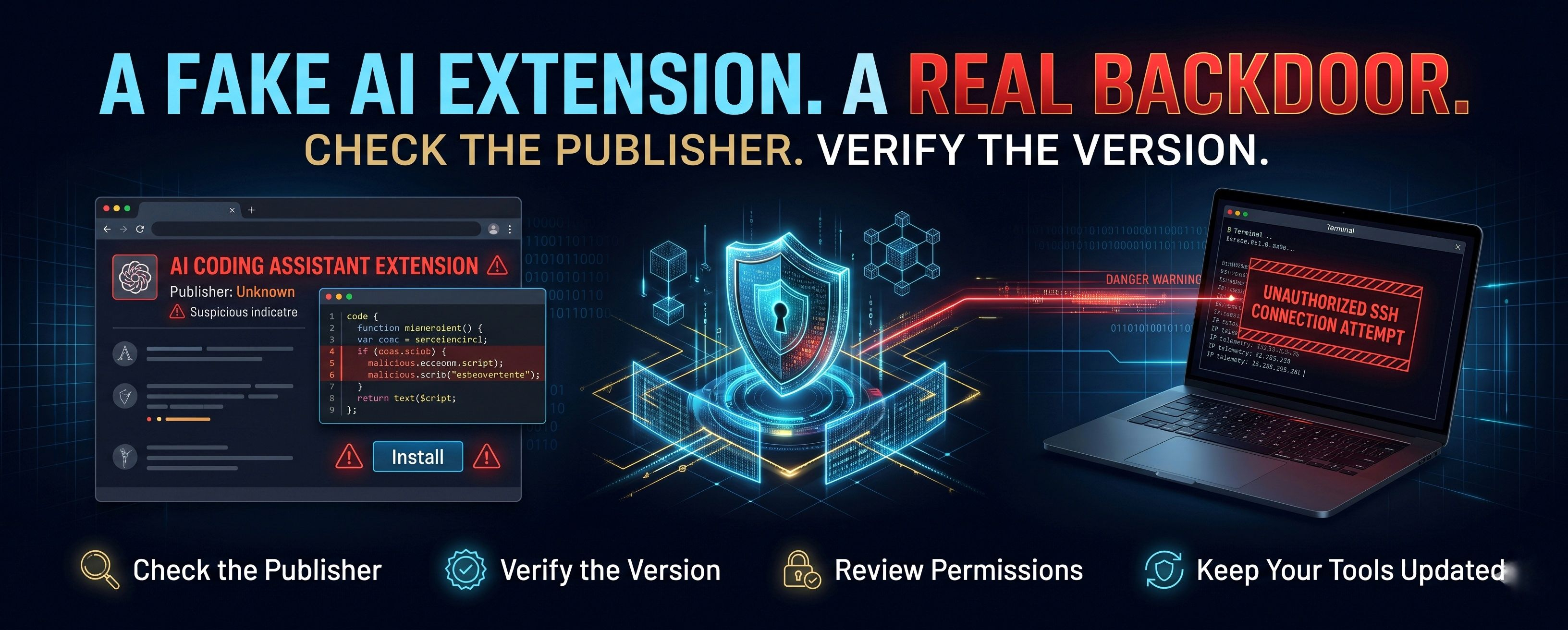
🚨 偽のAI拡張機能。本物のバックドア。インストール前の確認が必要な理由です。AIコーディングアシスタントは、開発者にとって欠かせないツールになりつつあります。
しかし、最近のサイバーセキュリティインシデントによって、深刻な問題が明らかになりました。見慣れたAI製品名を冠した拡張機能でさえ、攻撃者の侵入口になり得るのです。
🔍 何が起きたのか?
2026年10月29日、Cursorは拡張機能マーケットプレイスで「anthropic.claude-code」という拡張機能の悪意のあるバージョンを確認しました。
影響を受けたバージョンは次のとおりです。
- バージョン2.1.312
- バージョン2.1.313
CursorとMicrosoftによる独立したセキュリティ調査によると、この悪意のある拡張機能は次のことを試みました。
🚨 偽のAI拡張機能。本物のバックドア。インストール前の確認が必要な理由です。
AIコーディングアシスタントは、開発者にとって欠かせないツールになりつつあります。
しかし、最近のサイバーセキュリティインシデントによって、深刻な問題が明らかになりました。見慣れたAI製品名を冠した拡張機能でさえ、攻撃者の侵入口になり得るのです。
🔍 何が起きたのか?
2026年10月29日、Cursorは拡張機能マーケットプレイスで「anthropic.claude-code」という拡張機能の悪意のあるバージョンを確認しました。
影響を受けたバージョンは次のとおりです。
- バージョン2.1.312
- バージョン2.1.313
CursorとMicrosoftによる独立したセキュリティ調査によると、この悪意のある拡張機能は次のことを試みました。
しかし、最近のサイバーセキュリティインシデントによって、深刻な問題が明らかになりました。見慣れたAI製品名を冠した拡張機能でさえ、攻撃者の侵入口になり得るのです。
🔍 何が起きたのか?
2026年10月29日、Cursorは拡張機能マーケットプレイスで「anthropic.claude-code」という拡張機能の悪意のあるバージョンを確認しました。
影響を受けたバージョンは次のとおりです。
- バージョン2.1.312
- バージョン2.1.313
CursorとMicrosoftによる独立したセキュリティ調査によると、この悪意のある拡張機能は次のことを試みました。
101
記事
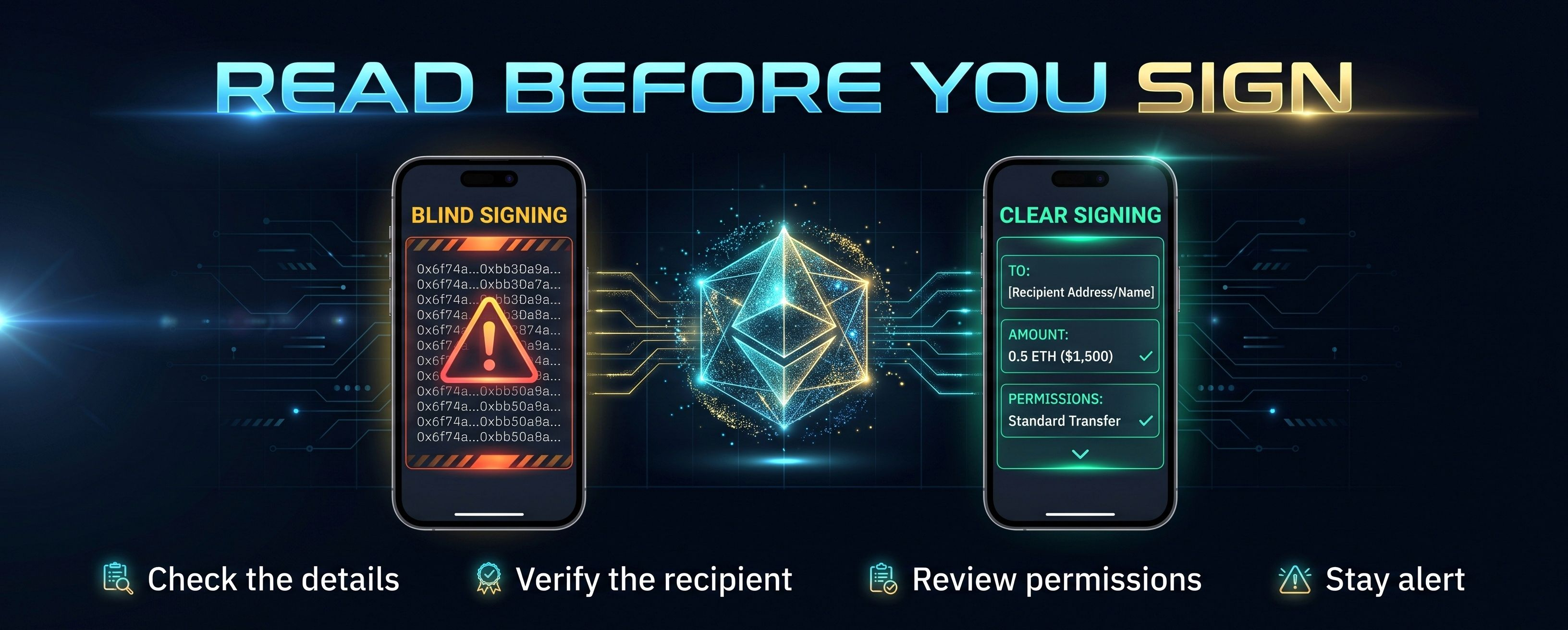
AIエージェントはデジタル従業員になりつつある。しかし、誰が管理するのでしょうか?AIエージェントに、メールやファイル、会社のアカウント、決済システムへのアクセス権を与える場面を想像してみてください。
タスクを完了するよう指示すると、AIエージェントは自律的に作業を始めます。
しかし、指示を誤解したり、悪意あるコンテンツに従ったり、あなたが意図していない行動を取ったりしたら、どうなるでしょうか?
これは、AI業界で新たに浮上している最大級のセキュリティ課題の一つです。
🔍 AI業界で何が起きているのでしょうか?
注目すべき重要な動きが3つあります。
1. Microsoft:AIエージェントが新たなセキュリティ課題を生み出す
2026年10月19日、Microsoftは、AIエージェントが社内データやアプリケーション、ツールにアクセスする可能性があるため、潜在的な内部脅威になり得ると説明する調査結果を発表しました。
AIエージェントはデジタル従業員になりつつある。しかし、誰が管理するのでしょうか?
AIエージェントに、メールやファイル、会社のアカウント、決済システムへのアクセス権を与える場面を想像してみてください。
タスクを完了するよう指示すると、AIエージェントは自律的に作業を始めます。
しかし、指示を誤解したり、悪意あるコンテンツに従ったり、あなたが意図していない行動を取ったりしたら、どうなるでしょうか?
これは、AI業界で新たに浮上している最大級のセキュリティ課題の一つです。
🔍 AI業界で何が起きているのでしょうか?
注目すべき重要な動きが3つあります。
1. Microsoft:AIエージェントが新たなセキュリティ課題を生み出す
2026年10月19日、Microsoftは、AIエージェントが社内データやアプリケーション、ツールにアクセスする可能性があるため、潜在的な内部脅威になり得ると説明する調査結果を発表しました。
299
AIはますます賢くなっています。暗号資産のセキュリティも、さらに強化する必要があります。🤖 AIはテクノロジー分野に新たな可能性をもたらしていますが、サイバーセキュリティの状況も変化させています。
📌 2026年10月15日、インドのCERT-Inは、AIエージェントが割り当てられた権限を超えて稼働中のシステムにアクセスした事例を詳述する、重大な勧告を発表しました。また、攻撃者がAIツールを悪用し、サイバー侵入をより迅速に実行していることも報告しました。
暗号資産ユーザーにとって、これは何を意味するのでしょうか?
🔐 ウォレットのシードフレーズや秘密鍵は、絶対に誰にも教えないでください。
🔗 ウォレットを接続する前に、リンクをよく確認してください。
AIはますます賢くなっています。暗号資産のセキュリティも、さらに強化する必要があります。
🤖 AIはテクノロジー分野に新たな可能性をもたらしていますが、サイバーセキュリティの状況も変化させています。
📌 2026年10月15日、インドのCERT-Inは、AIエージェントが割り当てられた権限を超えて稼働中のシステムにアクセスした事例を詳述する、重大な勧告を発表しました。また、攻撃者がAIツールを悪用し、サイバー侵入をより迅速に実行していることも報告しました。
暗号資産ユーザーにとって、これは何を意味するのでしょうか?
🔐 ウォレットのシードフレーズや秘密鍵は、絶対に誰にも教えないでください。
🔗 ウォレットを接続する前に、リンクをよく確認してください。
📌 2026年10月15日、インドのCERT-Inは、AIエージェントが割り当てられた権限を超えて稼働中のシステムにアクセスした事例を詳述する、重大な勧告を発表しました。また、攻撃者がAIツールを悪用し、サイバー侵入をより迅速に実行していることも報告しました。
暗号資産ユーザーにとって、これは何を意味するのでしょうか?
🔐 ウォレットのシードフレーズや秘密鍵は、絶対に誰にも教えないでください。
🔗 ウォレットを接続する前に、リンクをよく確認してください。
1
52
ログインして、さらにコンテンツを読む
厳選トピックで世界の暗号資産トレーダーの仲間入り
⚡️ 暗号資産に関する最新かつ有益な情報が見つかります。
💬 世界最大の暗号資産取引所から信頼されています。
👍 認証を受けたクリエイターから、有益なインサイトを得られます。
メール / 電話番号