

A Y E S H Y Y
60 投稿

A Y E S H Y Y
報告
ユーザーをブロック
110 フォロー
1.3K+ フォロワー
229 いいね
投稿
翻訳参照
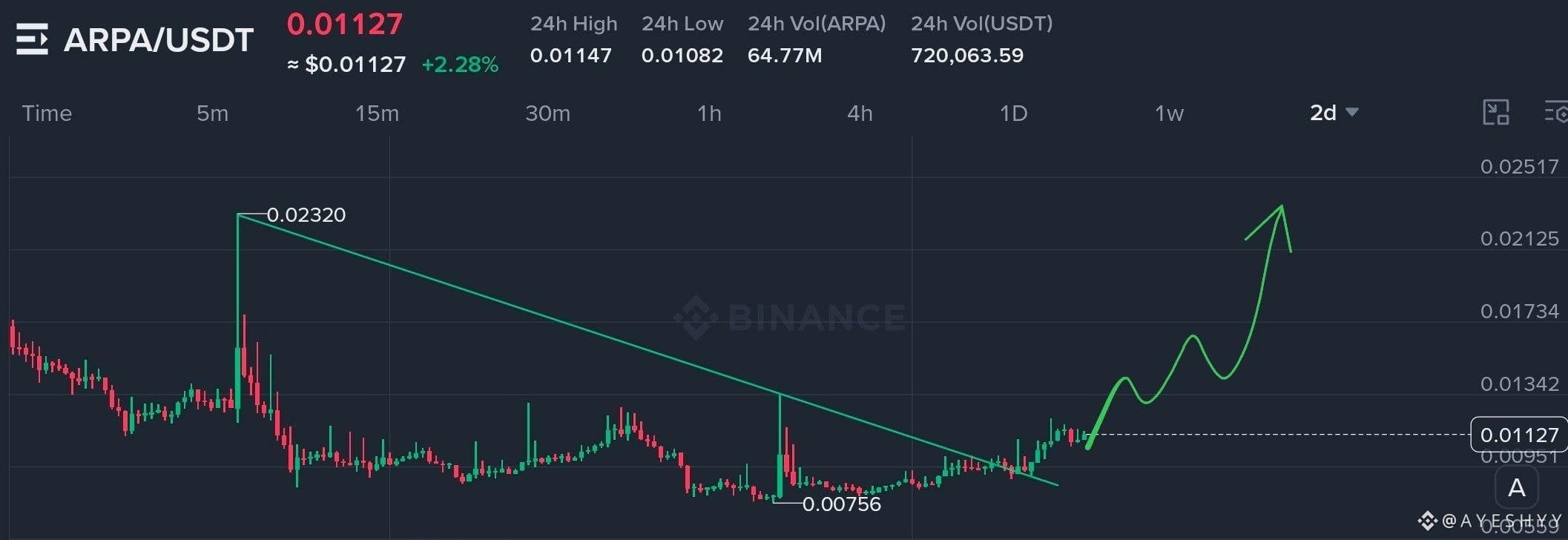
$ARPA downtrendline breakout and retest are done on the 2D chart.
Now it’s in the continuation phase.
Just buying the dips and holding for the next big move.
#ARPA/USDT #Write2Earrn
$ARPA downtrendline breakout and retest are done on the 2D chart.
Now it’s in the continuation phase.
Just buying the dips and holding for the next big move.
#ARPA/USDT #Write2Earrn
Now it’s in the continuation phase.
Just buying the dips and holding for the next big move.
#ARPA/USDT #Write2Earrn
3
193
翻訳参照
$BNB Chain has become the first blockchain to surpass $1 billion in tokenized stocks and ETFs.
$BNB Chain has become the first blockchain to surpass $1 billion in tokenized stocks and ETFs.
2
55
#dusk $DUSK @Dusk_Foundation dev docs ではなくマーケティングページを見ていたら、1行でスクロールを止められた。「DuskEVM には現在、公開メンプールがなく、シーケンサーのみが存在する」。助成金ページには、ビルダー優先、EVM互換、使い慣れたツール群と書かれている。まあそれはいい。でもそのシーケンサーの注記に行き当たると、まったく別の景色になる。
a 本当に引っかかった対比。ネイティブ L1 は 2億1000万超の DUSK がステークされ、約10秒の決定論的ファイナリティを持ち、今日すでに真に分散化されたコンセンサスが動いている。DuskEVM は、助成金がビルダーに推そうとしているレイヤーだが、まだテストネットで、まだシーケンサー管理で、オープンなメンプールもまだない。つまり、Dusk の中で実際に稼働していて許可不要なのは、開発者が資金を得て構築するよう求められている部分ではない。開発者が助成を受けて作る対象は、今のところ設計上まだ中央集権的なままの部分だ。
危険信号というほどではない。ただ…順番の問題だ。助成はインフラを先回りして動かしている。まあそれ自体は普通なのかもしれないが、つまり今日 Dusk の上で開発するというのは、静かに「まだ分散化されていない部分の上で開発する」という意味になる。自分が読み違えたのではないかと確認し直したが、いや、彼ら自身のドキュメントに明記されている... 実際にどれだけのビルダーが応募前にその一文を読むのか、それとも売り文句が「EVM互換」までで止まってしまうのか。
$ONG $EDEN
#dusk $DUSK @Dusk dev docs ではなくマーケティングページを見ていたら、1行でスクロールを止められた。「DuskEVM には現在、公開メンプールがなく、シーケンサーのみが存在する」。助成金ページには、ビルダー優先、EVM互換、使い慣れたツール群と書かれている。まあそれはいい。でもそのシーケンサーの注記に行き当たると、まったく別の景色になる。
a 本当に引っかかった対比。ネイティブ L1 は 2億1000万超の DUSK がステークされ、約10秒の決定論的ファイナリティを持ち、今日すでに真に分散化されたコンセンサスが動いている。DuskEVM は、助成金がビルダーに推そうとしているレイヤーだが、まだテストネットで、まだシーケンサー管理で、オープンなメンプールもまだない。つまり、Dusk の中で実際に稼働していて許可不要なのは、開発者が資金を得て構築するよう求められている部分ではない。開発者が助成を受けて作る対象は、今のところ設計上まだ中央集権的なままの部分だ。
危険信号というほどではない。ただ…順番の問題だ。助成はインフラを先回りして動かしている。まあそれ自体は普通なのかもしれないが、つまり今日 Dusk の上で開発するというのは、静かに「まだ分散化されていない部分の上で開発する」という意味になる。自分が読み違えたのではないかと確認し直したが、いや、彼ら自身のドキュメントに明記されている... 実際にどれだけのビルダーが応募前にその一文を読むのか、それとも売り文句が「EVM互換」までで止まってしまうのか。
$ONG $EDEN
a 本当に引っかかった対比。ネイティブ L1 は 2億1000万超の DUSK がステークされ、約10秒の決定論的ファイナリティを持ち、今日すでに真に分散化されたコンセンサスが動いている。DuskEVM は、助成金がビルダーに推そうとしているレイヤーだが、まだテストネットで、まだシーケンサー管理で、オープンなメンプールもまだない。つまり、Dusk の中で実際に稼働していて許可不要なのは、開発者が資金を得て構築するよう求められている部分ではない。開発者が助成を受けて作る対象は、今のところ設計上まだ中央集権的なままの部分だ。
危険信号というほどではない。ただ…順番の問題だ。助成はインフラを先回りして動かしている。まあそれ自体は普通なのかもしれないが、つまり今日 Dusk の上で開発するというのは、静かに「まだ分散化されていない部分の上で開発する」という意味になる。自分が読み違えたのではないかと確認し直したが、いや、彼ら自身のドキュメントに明記されている... 実際にどれだけのビルダーが応募前にその一文を読むのか、それとも売り文句が「EVM互換」までで止まってしまうのか。
$ONG $EDEN

3
124
#dusk $DUSK @Dusk_Foundation これについて、話の筋を見失う前に手短に。タスクのために最近の動きを洗っていたら、8月16日のインシデントに行き着いた。チームはブリッジ運用に紐づくウォレットで不審な活動を検知し、数時間以内にブリッジは一時停止され、アドレスは再割り当てされ、Web Wallet のブロックリストも公開されて、フラグの付いたアドレスへの資金移動を止めるための対応が始まった。
Binance とも資金の流れについて連携していた。発表は、クリーンで、速く、騒ぎもなかった。実際に印象に残ったのは…マーケティングではずっと「自分で保管、鍵は自分で持つ」と言っていることだ。ウォレットのレベルでは確かにその通り。でも、今回の流れを見ていると、ブリッジ層は明らかにそうではない。誰かが一時停止でき、誰かが受取アドレスをブロックリストに載せられ、誰かがこれらを再割り当てする。批判というわけではなく、起きたことを考えれば、おそらくそれが責任ある対応なんだろう。ただ、緊急停止のレバーは確かに存在していて、それはユーザーの手にはない。
「team managed wallet」を、実際よりもっと重大な意味だと読み違えていないか、わざわざ再確認した。チェーン自体のハックというより、セキュリティ封じ込めの類だ。それでも…この業界全体で使われる分散型インフラという言葉は、どの層でも本当にそうなのか、それとも都合のいいときだけそう言っているのか、考えさせられる。
$BMT $ONG
#dusk $DUSK @Dusk これについて、話の筋を見失う前に手短に。タスクのために最近の動きを洗っていたら、8月16日のインシデントに行き着いた。チームはブリッジ運用に紐づくウォレットで不審な活動を検知し、数時間以内にブリッジは一時停止され、アドレスは再割り当てされ、Web Wallet のブロックリストも公開されて、フラグの付いたアドレスへの資金移動を止めるための対応が始まった。
Binance とも資金の流れについて連携していた。発表は、クリーンで、速く、騒ぎもなかった。実際に印象に残ったのは…マーケティングではずっと「自分で保管、鍵は自分で持つ」と言っていることだ。ウォレットのレベルでは確かにその通り。でも、今回の流れを見ていると、ブリッジ層は明らかにそうではない。誰かが一時停止でき、誰かが受取アドレスをブロックリストに載せられ、誰かがこれらを再割り当てする。批判というわけではなく、起きたことを考えれば、おそらくそれが責任ある対応なんだろう。ただ、緊急停止のレバーは確かに存在していて、それはユーザーの手にはない。
「team managed wallet」を、実際よりもっと重大な意味だと読み違えていないか、わざわざ再確認した。チェーン自体のハックというより、セキュリティ封じ込めの類だ。それでも…この業界全体で使われる分散型インフラという言葉は、どの層でも本当にそうなのか、それとも都合のいいときだけそう言っているのか、考えさせられる。
$BMT $ONG
Binance とも資金の流れについて連携していた。発表は、クリーンで、速く、騒ぎもなかった。実際に印象に残ったのは…マーケティングではずっと「自分で保管、鍵は自分で持つ」と言っていることだ。ウォレットのレベルでは確かにその通り。でも、今回の流れを見ていると、ブリッジ層は明らかにそうではない。誰かが一時停止でき、誰かが受取アドレスをブロックリストに載せられ、誰かがこれらを再割り当てする。批判というわけではなく、起きたことを考えれば、おそらくそれが責任ある対応なんだろう。ただ、緊急停止のレバーは確かに存在していて、それはユーザーの手にはない。
「team managed wallet」を、実際よりもっと重大な意味だと読み違えていないか、わざわざ再確認した。チェーン自体のハックというより、セキュリティ封じ込めの類だ。それでも…この業界全体で使われる分散型インフラという言葉は、どの層でも本当にそうなのか、それとも都合のいいときだけそう言っているのか、考えさせられる。
$BMT $ONG

3
283
#dusk $DUSK @Dusk_Foundation は、CreatorPadのタスクでDuskのアイデンティティレイヤー周りをあれこれ調べていたところ、8月16日のブリッジ事故という、もっと具体的な出来事により強く引っ張られてしまった。チームはブリッジ-<c-1/> managed walletに関して不審なアクティビティを検知し、ブリッジのオペレーションを一時停止、さらにWeb Wallet上に受信者のブロックリストを実装した。これにより、あなたが送信を行う前に、フラグが立てられたアドレスへの送金をブロックする。
私の心に残ったのは、アイデンティティレイヤーが最初に使われているのが、派手なゼロ知識による選択的開示のような機能ではない、という点だ。これは洗練されたものというより、鈍くて反応的なブロックリストである。すでに何かがこじれてから、プレッシャーの中で作られたものだ。Duskがいつも掲げる“磨かれたコンプライアンスの物語”とは違う…実際に最初に現場へ投入された本格的なアイデンティティ/本人確認チェックは、防御的なものだった。事前(プロアクティブ)ではなく。
私は事故通知を一度じゃなく二度読み直した。「ユーザーファンドは失われなかった」「小さな取引のタイムウィンドウだった」「Binanceと素早く連携した」。それでも、思い出させてくれる良い事例だ。高度なプライバシー保護型の検証ツールが売り文句で、いま実際に稼働して人々を守っているのは受信者のブロックリストだ、ということを。
それに、結局のところ多くのチェーンでは「洗練された設計」と「何かが壊れてから午前2時に作られるパッチ」、どちらが先に来るのか不思議になりますね。
#dusk $DUSK @Dusk は、CreatorPadのタスクでDuskのアイデンティティレイヤー周りをあれこれ調べていたところ、8月16日のブリッジ事故という、もっと具体的な出来事により強く引っ張られてしまった。チームはブリッジ-<c-1/> managed walletに関して不審なアクティビティを検知し、ブリッジのオペレーションを一時停止、さらにWeb Wallet上に受信者のブロックリストを実装した。これにより、あなたが送信を行う前に、フラグが立てられたアドレスへの送金をブロックする。
私の心に残ったのは、アイデンティティレイヤーが最初に使われているのが、派手なゼロ知識による選択的開示のような機能ではない、という点だ。これは洗練されたものというより、鈍くて反応的なブロックリストである。すでに何かがこじれてから、プレッシャーの中で作られたものだ。Duskがいつも掲げる“磨かれたコンプライアンスの物語”とは違う…実際に最初に現場へ投入された本格的なアイデンティティ/本人確認チェックは、防御的なものだった。事前(プロアクティブ)ではなく。
私は事故通知を一度じゃなく二度読み直した。「ユーザーファンドは失われなかった」「小さな取引のタイムウィンドウだった」「Binanceと素早く連携した」。それでも、思い出させてくれる良い事例だ。高度なプライバシー保護型の検証ツールが売り文句で、いま実際に稼働して人々を守っているのは受信者のブロックリストだ、ということを。
それに、結局のところ多くのチェーンでは「洗練された設計」と「何かが壊れてから午前2時に作られるパッチ」、どちらが先に来るのか不思議になりますね。
私の心に残ったのは、アイデンティティレイヤーが最初に使われているのが、派手なゼロ知識による選択的開示のような機能ではない、という点だ。これは洗練されたものというより、鈍くて反応的なブロックリストである。すでに何かがこじれてから、プレッシャーの中で作られたものだ。Duskがいつも掲げる“磨かれたコンプライアンスの物語”とは違う…実際に最初に現場へ投入された本格的なアイデンティティ/本人確認チェックは、防御的なものだった。事前(プロアクティブ)ではなく。
私は事故通知を一度じゃなく二度読み直した。「ユーザーファンドは失われなかった」「小さな取引のタイムウィンドウだった」「Binanceと素早く連携した」。それでも、思い出させてくれる良い事例だ。高度なプライバシー保護型の検証ツールが売り文句で、いま実際に稼働して人々を守っているのは受信者のブロックリストだ、ということを。
それに、結局のところ多くのチェーンでは「洗練された設計」と「何かが壊れてから午前2時に作られるパッチ」、どちらが先に来るのか不思議になりますね。

1
4
140
#dusk $DUSK @Dusk_Foundation CreatorPadのタスクのあとにあったブリッジの動き、正直いちばん印象に残ったのは技術デモではなく、タイムラインだった
8月16日のDUSK、チームはチーム管理のブリッジウォレットから不審な動きを検知し、ブリッジサービスを停止し、影響を受けたアドレスを再生成して、Web Wallet上に受取先のブロックリストを展開した。迅速な対応だったことは間違いない。
でも、私が立ち止まったのはそこじゃない……そのすべてが手動で起きていたことだ。チームの誰かが気づき、誰かが停止を決め、誰かがフローの一部を追跡したあとにBinanceと調整した。"デフォルトではプライベート、必要なときは説明責任を果たす"ことと即時の決定的な決済を売りにするチェーンにしては、実際に危機を救った瞬間は、プロトコルレベルの自動化ではなく、人間の判断で回っていた。
自分が最初に抱いていた思い込みも考えさせられた……規制対応の金融L1なら、フェイルセーフはコンセンサスに組み込まれているはずだと思っていた。でも違った。運用上のものであり、チーム側に置かれていて、Web2のインシデント対応プレイブックと同じようなものだった。必ずしも悪いことではないけれど、ただ……売り文句が示唆するものとは違う。
それで結局、最初に実際に守られているのは誰なんだろう。何か起きたときに静かに手動介入してもらえる機関投資家なのか、それともただブリッジ停止の表示を見て待つだけの個人ウォレット保有者なのか。まだその点は考え続けている。
#dusk $DUSK @Dusk CreatorPadのタスクのあとにあったブリッジの動き、正直いちばん印象に残ったのは技術デモではなく、タイムラインだった
8月16日のDUSK、チームはチーム管理のブリッジウォレットから不審な動きを検知し、ブリッジサービスを停止し、影響を受けたアドレスを再生成して、Web Wallet上に受取先のブロックリストを展開した。迅速な対応だったことは間違いない。
でも、私が立ち止まったのはそこじゃない……そのすべてが手動で起きていたことだ。チームの誰かが気づき、誰かが停止を決め、誰かがフローの一部を追跡したあとにBinanceと調整した。"デフォルトではプライベート、必要なときは説明責任を果たす"ことと即時の決定的な決済を売りにするチェーンにしては、実際に危機を救った瞬間は、プロトコルレベルの自動化ではなく、人間の判断で回っていた。
自分が最初に抱いていた思い込みも考えさせられた……規制対応の金融L1なら、フェイルセーフはコンセンサスに組み込まれているはずだと思っていた。でも違った。運用上のものであり、チーム側に置かれていて、Web2のインシデント対応プレイブックと同じようなものだった。必ずしも悪いことではないけれど、ただ……売り文句が示唆するものとは違う。
それで結局、最初に実際に守られているのは誰なんだろう。何か起きたときに静かに手動介入してもらえる機関投資家なのか、それともただブリッジ停止の表示を見て待つだけの個人ウォレット保有者なのか。まだその点は考え続けている。
8月16日のDUSK、チームはチーム管理のブリッジウォレットから不審な動きを検知し、ブリッジサービスを停止し、影響を受けたアドレスを再生成して、Web Wallet上に受取先のブロックリストを展開した。迅速な対応だったことは間違いない。
でも、私が立ち止まったのはそこじゃない……そのすべてが手動で起きていたことだ。チームの誰かが気づき、誰かが停止を決め、誰かがフローの一部を追跡したあとにBinanceと調整した。"デフォルトではプライベート、必要なときは説明責任を果たす"ことと即時の決定的な決済を売りにするチェーンにしては、実際に危機を救った瞬間は、プロトコルレベルの自動化ではなく、人間の判断で回っていた。
自分が最初に抱いていた思い込みも考えさせられた……規制対応の金融L1なら、フェイルセーフはコンセンサスに組み込まれているはずだと思っていた。でも違った。運用上のものであり、チーム側に置かれていて、Web2のインシデント対応プレイブックと同じようなものだった。必ずしも悪いことではないけれど、ただ……売り文句が示唆するものとは違う。
それで結局、最初に実際に守られているのは誰なんだろう。何か起きたときに静かに手動介入してもらえる機関投資家なのか、それともただブリッジ停止の表示を見て待つだけの個人ウォレット保有者なのか。まだその点は考え続けている。

6
4
115
#dusk $DUSK @Dusk_Foundation Networkは8月16日に再びブリッジを一時停止しました…1月の事案と同じウォレットフラグ付けの対応で、ほとんど一語一句同じでした。CreatorPadを掘っていて私が気になったのはそこで、一時停止そのものではなく、2つのインシデント通知の文面がどれほど酷似しているかでした。
どちらの時も、チーム管理のウォレットで不審な活動があり、アドレスは無効化され再利用され、フローの一部が彼らのプラットフォームに触れたあとBinanceと連携していました。"
ユーザー資金への影響はありませんでした。ブリッジはセキュリティレビューが終わるまで再び閉鎖され、今回はDuskEVMローンチ準備に組み込まれています。
繰り返しの対応手順が自動的に悪いわけではありません。対応が訓練済みだということなので、それは良いことです。ただし、1月以降に何らかの強化が行われたとしても、実際の抜け穴は塞がっていなかったことも意味します。同じベクトルであって、新しいものではありません。最初のインシデントのときのメモを引っ張り出して、私の記憶違いではないか確認したほどです。違っていませんでした。
気になるのはブリッジのセキュリティ態勢というより、7か月で2回起きた場合に「一時停止」が運用上どういう意味を持つのかです。本当に修正が進んでいるのか、それとも毎回、対応の時計だけが速くなっているのか?
#dusk $DUSK @Dusk Networkは8月16日に再びブリッジを一時停止しました…1月の事案と同じウォレットフラグ付けの対応で、ほとんど一語一句同じでした。CreatorPadを掘っていて私が気になったのはそこで、一時停止そのものではなく、2つのインシデント通知の文面がどれほど酷似しているかでした。
どちらの時も、チーム管理のウォレットで不審な活動があり、アドレスは無効化され再利用され、フローの一部が彼らのプラットフォームに触れたあとBinanceと連携していました。"
ユーザー資金への影響はありませんでした。ブリッジはセキュリティレビューが終わるまで再び閉鎖され、今回はDuskEVMローンチ準備に組み込まれています。
繰り返しの対応手順が自動的に悪いわけではありません。対応が訓練済みだということなので、それは良いことです。ただし、1月以降に何らかの強化が行われたとしても、実際の抜け穴は塞がっていなかったことも意味します。同じベクトルであって、新しいものではありません。最初のインシデントのときのメモを引っ張り出して、私の記憶違いではないか確認したほどです。違っていませんでした。
気になるのはブリッジのセキュリティ態勢というより、7か月で2回起きた場合に「一時停止」が運用上どういう意味を持つのかです。本当に修正が進んでいるのか、それとも毎回、対応の時計だけが速くなっているのか?
どちらの時も、チーム管理のウォレットで不審な活動があり、アドレスは無効化され再利用され、フローの一部が彼らのプラットフォームに触れたあとBinanceと連携していました。"
ユーザー資金への影響はありませんでした。ブリッジはセキュリティレビューが終わるまで再び閉鎖され、今回はDuskEVMローンチ準備に組み込まれています。
繰り返しの対応手順が自動的に悪いわけではありません。対応が訓練済みだということなので、それは良いことです。ただし、1月以降に何らかの強化が行われたとしても、実際の抜け穴は塞がっていなかったことも意味します。同じベクトルであって、新しいものではありません。最初のインシデントのときのメモを引っ張り出して、私の記憶違いではないか確認したほどです。違っていませんでした。
気になるのはブリッジのセキュリティ態勢というより、7か月で2回起きた場合に「一時停止」が運用上どういう意味を持つのかです。本当に修正が進んでいるのか、それとも毎回、対応の時計だけが速くなっているのか?

3
105
#dusk $DUSK @Dusk_Foundation DuskのOP Stack移行の件を少し見ながら、スナックを片手に考えていて、ずっと引っかかっていることが一つある。
DuskEVMは今OP Stack上で動いていて、みんなが慣れ親しんだあの7日間の楽観的チャレンジ期間ではなく、DuskDSへと戻る形になっている。Duskはこれを決定論的なファイナリティとして説明していて、1週間待つ必要も、フラウドプルーフの煉獄もない。紙の上ではきれいに見える。
ところが2026年8月16日が起きる。
Dusk自身のチームが、ブリッジ運用に紐づくチーム管理ウォレットで不審な動きを検知する。対応は? 何かオンチェーンのフラウドプルーフが自動で発動したわけではない。チームは影響を受けたブリッジアドレスを無効化して再発行し、ブリッジサービスを手動で停止し、フラグ付き受取人向けのWeb Walletブロックリストを展開した。
それって... セトルメント層が何かを信頼不要で処理したというより、人間の運用チームがレバーを引いている感じだ。
うーん。修正自体を責めているわけじゃない。迅速で、妥当で、まさに欲しい対応だった。でも、ノーフォールトウィンドウというのは実行層のファイナリティの数学についての主張であって、上流で何か問題が起きたときに誰が実際に介入するのか、という話ではないんだよな、ということを思い出させる。
その日に本当に役立ったセーフティネットは、OP Stackのアーキテクチャではなく、管理権限を持つチームだった。
実際、作業の途中で手が止まった。ノートには「7日間ウィンドウがないのは信頼不要」と書いたけど、あとで線を引いて消した。
決定論的なセトルメントは、応答の早いチームへの依存をどこまで本当に減らすのか。それとも、ただ信頼をもっと見えにくい場所へ移しているだけなのか?
#dusk $DUSK @Dusk DuskのOP Stack移行の件を少し見ながら、スナックを片手に考えていて、ずっと引っかかっていることが一つある。
DuskEVMは今OP Stack上で動いていて、みんなが慣れ親しんだあの7日間の楽観的チャレンジ期間ではなく、DuskDSへと戻る形になっている。Duskはこれを決定論的なファイナリティとして説明していて、1週間待つ必要も、フラウドプルーフの煉獄もない。紙の上ではきれいに見える。
ところが2026年8月16日が起きる。
Dusk自身のチームが、ブリッジ運用に紐づくチーム管理ウォレットで不審な動きを検知する。対応は? 何かオンチェーンのフラウドプルーフが自動で発動したわけではない。チームは影響を受けたブリッジアドレスを無効化して再発行し、ブリッジサービスを手動で停止し、フラグ付き受取人向けのWeb Walletブロックリストを展開した。
それって... セトルメント層が何かを信頼不要で処理したというより、人間の運用チームがレバーを引いている感じだ。
うーん。修正自体を責めているわけじゃない。迅速で、妥当で、まさに欲しい対応だった。でも、ノーフォールトウィンドウというのは実行層のファイナリティの数学についての主張であって、上流で何か問題が起きたときに誰が実際に介入するのか、という話ではないんだよな、ということを思い出させる。
その日に本当に役立ったセーフティネットは、OP Stackのアーキテクチャではなく、管理権限を持つチームだった。
実際、作業の途中で手が止まった。ノートには「7日間ウィンドウがないのは信頼不要」と書いたけど、あとで線を引いて消した。
決定論的なセトルメントは、応答の早いチームへの依存をどこまで本当に減らすのか。それとも、ただ信頼をもっと見えにくい場所へ移しているだけなのか?
DuskEVMは今OP Stack上で動いていて、みんなが慣れ親しんだあの7日間の楽観的チャレンジ期間ではなく、DuskDSへと戻る形になっている。Duskはこれを決定論的なファイナリティとして説明していて、1週間待つ必要も、フラウドプルーフの煉獄もない。紙の上ではきれいに見える。
ところが2026年8月16日が起きる。
Dusk自身のチームが、ブリッジ運用に紐づくチーム管理ウォレットで不審な動きを検知する。対応は? 何かオンチェーンのフラウドプルーフが自動で発動したわけではない。チームは影響を受けたブリッジアドレスを無効化して再発行し、ブリッジサービスを手動で停止し、フラグ付き受取人向けのWeb Walletブロックリストを展開した。
それって... セトルメント層が何かを信頼不要で処理したというより、人間の運用チームがレバーを引いている感じだ。
うーん。修正自体を責めているわけじゃない。迅速で、妥当で、まさに欲しい対応だった。でも、ノーフォールトウィンドウというのは実行層のファイナリティの数学についての主張であって、上流で何か問題が起きたときに誰が実際に介入するのか、という話ではないんだよな、ということを思い出させる。
その日に本当に役立ったセーフティネットは、OP Stackのアーキテクチャではなく、管理権限を持つチームだった。
実際、作業の途中で手が止まった。ノートには「7日間ウィンドウがないのは信頼不要」と書いたけど、あとで線を引いて消した。
決定論的なセトルメントは、応答の早いチームへの依存をどこまで本当に減らすのか。それとも、ただ信頼をもっと見えにくい場所へ移しているだけなのか?

3
85
#dusk $DUSK @Dusk_Foundation そしてEURQについて、実際のユーロ決済量が見つかることを期待していました。ところが見つけたのは……ほとんど何もありませんでした。約1か月前に作成されたUniswap v3上のEURQ/DUSKペアのプールには、108 EURQに対して30.04万 DUSKが入っており、価格は約1.04ドル付近に固定され、直近24時間の買い/売り取引はゼロでした。ゼロです。
そこがずっと引っかかっていました。EURQは、QuantozとNPEXを通じた企業向け決済のために構築された、MiCA準拠の“本物のデジタルユーロ”として売り込まれています。そして構造的にはその通りで、これは合成ステーブルコインではなくEMTです。
でも、DEXで見える層、つまり個人ユーザーやデジェンが実際に触る部分は、事実上ほぼ停止しています。流動性は薄すぎて、中規模のスワップ1回でペッグを簡単に崩してしまうでしょう。
正直、おやつを食べている途中で立ち止まってしまいました。私は、オンチェーンのユーロ決済なら、どこか見える場所で流れる取引量があるはずだと思っていたんです。実際に今起きていることは、機関向けのレールが静かに横で構築されていて、一般公開のプールは市場というより場所埋めのようなものだ、ということでした。
必ずしも悪い兆候ではありません。B2B決済はUniswap上で動く必要はないからです。でも、もし今日その決済ユースケースが本当にあるのなら、実際にはどこで決済されているのか、そしてなぜここからは見えないのでしょうか?
#dusk $DUSK @Dusk そしてEURQについて、実際のユーロ決済量が見つかることを期待していました。ところが見つけたのは……ほとんど何もありませんでした。約1か月前に作成されたUniswap v3上のEURQ/DUSKペアのプールには、108 EURQに対して30.04万 DUSKが入っており、価格は約1.04ドル付近に固定され、直近24時間の買い/売り取引はゼロでした。ゼロです。
そこがずっと引っかかっていました。EURQは、QuantozとNPEXを通じた企業向け決済のために構築された、MiCA準拠の“本物のデジタルユーロ”として売り込まれています。そして構造的にはその通りで、これは合成ステーブルコインではなくEMTです。
でも、DEXで見える層、つまり個人ユーザーやデジェンが実際に触る部分は、事実上ほぼ停止しています。流動性は薄すぎて、中規模のスワップ1回でペッグを簡単に崩してしまうでしょう。
正直、おやつを食べている途中で立ち止まってしまいました。私は、オンチェーンのユーロ決済なら、どこか見える場所で流れる取引量があるはずだと思っていたんです。実際に今起きていることは、機関向けのレールが静かに横で構築されていて、一般公開のプールは市場というより場所埋めのようなものだ、ということでした。
必ずしも悪い兆候ではありません。B2B決済はUniswap上で動く必要はないからです。でも、もし今日その決済ユースケースが本当にあるのなら、実際にはどこで決済されているのか、そしてなぜここからは見えないのでしょうか?
そこがずっと引っかかっていました。EURQは、QuantozとNPEXを通じた企業向け決済のために構築された、MiCA準拠の“本物のデジタルユーロ”として売り込まれています。そして構造的にはその通りで、これは合成ステーブルコインではなくEMTです。
でも、DEXで見える層、つまり個人ユーザーやデジェンが実際に触る部分は、事実上ほぼ停止しています。流動性は薄すぎて、中規模のスワップ1回でペッグを簡単に崩してしまうでしょう。
正直、おやつを食べている途中で立ち止まってしまいました。私は、オンチェーンのユーロ決済なら、どこか見える場所で流れる取引量があるはずだと思っていたんです。実際に今起きていることは、機関向けのレールが静かに横で構築されていて、一般公開のプールは市場というより場所埋めのようなものだ、ということでした。
必ずしも悪い兆候ではありません。B2B決済はUniswap上で動く必要はないからです。でも、もし今日その決済ユースケースが本当にあるのなら、実際にはどこで決済されているのか、そしてなぜここからは見えないのでしょうか?

1
4
100
#termmax @termmax TermMaxでCreatorPadの一連の流れをひと区切りつけたところで、ひとつの数字がずっと気になっていた。
作業の途中でDefiLlamaを見てみると、TermMaxのTVLは3,122万ドルで、直近30日では7.2%下落。一方で同じ期間の手数料収入は約1.99万ドルだった。暴落というほどではないし、何もないわけでもない。ただ、BNB Chain経由のオンボーディングで報酬プログラムが新規の注目を引き込んでいる一方で、静かに資金流出している感じだった。
目立ったのは、マーケティングの熱量がほぼデフォルトモードのままだということだ。バッジシステム、ポイント、タスク完了、利回り獲得。でも手数料の生成は別の話を示している。薄く、そして集中している。すでに資本を投入している人たち、キュレーター、Vault、機関投資家側が、固定金利マッチングでスプレッドを取っている一方で、CreatorPadの参加者たちは実質的に認知獲得のためのトップ・オブ・ファネル業務を担っていて、利回りを得ているわけではない。
同じUI上で、2つの異なるゲームが動いている。
新規ユーザー向け報酬とプロトコルの健全性が、実際には速度の違う別々のレーンなのに、ひとつの物語としてまとめられがちだと改めて考えさせられた。自分のタスクはあの1.99万ドルに何か足したのだろうか。それとも、すでに下向きのトレンドにあるTVLチャートのただのノイズだったのだろうか?
$BOME $NEIRO
#termmax @TermMax TermMaxでCreatorPadの一連の流れをひと区切りつけたところで、ひとつの数字がずっと気になっていた。
作業の途中でDefiLlamaを見てみると、TermMaxのTVLは3,122万ドルで、直近30日では7.2%下落。一方で同じ期間の手数料収入は約1.99万ドルだった。暴落というほどではないし、何もないわけでもない。ただ、BNB Chain経由のオンボーディングで報酬プログラムが新規の注目を引き込んでいる一方で、静かに資金流出している感じだった。
目立ったのは、マーケティングの熱量がほぼデフォルトモードのままだということだ。バッジシステム、ポイント、タスク完了、利回り獲得。でも手数料の生成は別の話を示している。薄く、そして集中している。すでに資本を投入している人たち、キュレーター、Vault、機関投資家側が、固定金利マッチングでスプレッドを取っている一方で、CreatorPadの参加者たちは実質的に認知獲得のためのトップ・オブ・ファネル業務を担っていて、利回りを得ているわけではない。
同じUI上で、2つの異なるゲームが動いている。
新規ユーザー向け報酬とプロトコルの健全性が、実際には速度の違う別々のレーンなのに、ひとつの物語としてまとめられがちだと改めて考えさせられた。自分のタスクはあの1.99万ドルに何か足したのだろうか。それとも、すでに下向きのトレンドにあるTVLチャートのただのノイズだったのだろうか?
$BOME $NEIRO
作業の途中でDefiLlamaを見てみると、TermMaxのTVLは3,122万ドルで、直近30日では7.2%下落。一方で同じ期間の手数料収入は約1.99万ドルだった。暴落というほどではないし、何もないわけでもない。ただ、BNB Chain経由のオンボーディングで報酬プログラムが新規の注目を引き込んでいる一方で、静かに資金流出している感じだった。
目立ったのは、マーケティングの熱量がほぼデフォルトモードのままだということだ。バッジシステム、ポイント、タスク完了、利回り獲得。でも手数料の生成は別の話を示している。薄く、そして集中している。すでに資本を投入している人たち、キュレーター、Vault、機関投資家側が、固定金利マッチングでスプレッドを取っている一方で、CreatorPadの参加者たちは実質的に認知獲得のためのトップ・オブ・ファネル業務を担っていて、利回りを得ているわけではない。
同じUI上で、2つの異なるゲームが動いている。
新規ユーザー向け報酬とプロトコルの健全性が、実際には速度の違う別々のレーンなのに、ひとつの物語としてまとめられがちだと改めて考えさせられた。自分のタスクはあの1.99万ドルに何か足したのだろうか。それとも、すでに下向きのトレンドにあるTVLチャートのただのノイズだったのだろうか?
$BOME $NEIRO

4
187
#dusk $DUSK @Dusk_Foundation 午後はDusk Connectと、Dusk上のCreatorPadタスク向けの新しいウォレットフローをあれこれ触っていました。あとになって、ひとつだけずっと引っかかっていたことがありました。
ウォレットの provider API ドキュメントのリポジトリを開き直したところ、最後の更新は8月7日で、ガスのデフォルトが送金タイプごとに分かれているのに気づきました。public/Moonlight の送金は低いデフォルト価格、shielded/Phoenix のものは高いほう。Markdown ファイルのたった1行。でも、それは大きな示唆でした。
というのも、新しいウォレットフローで実際にたどるデフォルトの経路は connect、sign、send で、抵抗の少ない道は透過型のほうだからです。プライバシーはちゃんとあります。実在するし、機能もします。でもそれは、最初から選ばれている状態ではなく、意図してもう1回クリックする必要があるものなんです。
プライバシー最優先を強く打ち出しているブランディングを考えると、ちょっと面白いですよね。
実際のところ、UXとその下にある手数料計算は、静かに public に進むほうを報いています。経済的には理にかなっています。難読化された tx は証明コストが高いから……でもそれは、Connect を初めてクリックする多くの人が、何もシールドしていない可能性が高いということでもあります。したくないからではなく、ただデフォルトが別の方向に押し流しているだけ。
テストの途中でおやつを取ってきて、しばらくそのことをぼんやり考えていました。正直、否定したいわけじゃなくて、ただ気づいただけです。ウォレット自体のデフォルトが、こっそりとプライバシーから外してしまうなら、「デフォルトでプライバシー」はどれほど意味があるんだろう?
$RE $HEMI
#dusk $DUSK @Dusk 午後はDusk Connectと、Dusk上のCreatorPadタスク向けの新しいウォレットフローをあれこれ触っていました。あとになって、ひとつだけずっと引っかかっていたことがありました。
ウォレットの provider API ドキュメントのリポジトリを開き直したところ、最後の更新は8月7日で、ガスのデフォルトが送金タイプごとに分かれているのに気づきました。public/Moonlight の送金は低いデフォルト価格、shielded/Phoenix のものは高いほう。Markdown ファイルのたった1行。でも、それは大きな示唆でした。
というのも、新しいウォレットフローで実際にたどるデフォルトの経路は connect、sign、send で、抵抗の少ない道は透過型のほうだからです。プライバシーはちゃんとあります。実在するし、機能もします。でもそれは、最初から選ばれている状態ではなく、意図してもう1回クリックする必要があるものなんです。
プライバシー最優先を強く打ち出しているブランディングを考えると、ちょっと面白いですよね。
実際のところ、UXとその下にある手数料計算は、静かに public に進むほうを報いています。経済的には理にかなっています。難読化された tx は証明コストが高いから……でもそれは、Connect を初めてクリックする多くの人が、何もシールドしていない可能性が高いということでもあります。したくないからではなく、ただデフォルトが別の方向に押し流しているだけ。
テストの途中でおやつを取ってきて、しばらくそのことをぼんやり考えていました。正直、否定したいわけじゃなくて、ただ気づいただけです。ウォレット自体のデフォルトが、こっそりとプライバシーから外してしまうなら、「デフォルトでプライバシー」はどれほど意味があるんだろう?
$RE $HEMI
ウォレットの provider API ドキュメントのリポジトリを開き直したところ、最後の更新は8月7日で、ガスのデフォルトが送金タイプごとに分かれているのに気づきました。public/Moonlight の送金は低いデフォルト価格、shielded/Phoenix のものは高いほう。Markdown ファイルのたった1行。でも、それは大きな示唆でした。
というのも、新しいウォレットフローで実際にたどるデフォルトの経路は connect、sign、send で、抵抗の少ない道は透過型のほうだからです。プライバシーはちゃんとあります。実在するし、機能もします。でもそれは、最初から選ばれている状態ではなく、意図してもう1回クリックする必要があるものなんです。
プライバシー最優先を強く打ち出しているブランディングを考えると、ちょっと面白いですよね。
実際のところ、UXとその下にある手数料計算は、静かに public に進むほうを報いています。経済的には理にかなっています。難読化された tx は証明コストが高いから……でもそれは、Connect を初めてクリックする多くの人が、何もシールドしていない可能性が高いということでもあります。したくないからではなく、ただデフォルトが別の方向に押し流しているだけ。
テストの途中でおやつを取ってきて、しばらくそのことをぼんやり考えていました。正直、否定したいわけじゃなくて、ただ気づいただけです。ウォレット自体のデフォルトが、こっそりとプライバシーから外してしまうなら、「デフォルトでプライバシー」はどれほど意味があるんだろう?
$RE $HEMI

1
5
97
#termmax @termmax TGE(8月25日)の前にDefiLlamaの数字を追っていて、スクロールを止められた一文があった。TermMaxは9チェーンにまたがっている。Berachain、Hyperliquid L1、BSquared、Robinhood Chain、Arbitrum、そして他にもあるが、$31.22MのTVLのうち98.4%をEthereumだけで占めている。デッキには10チェーンと書かれているのに、実際に貸付をしているのはほぼ1チェーンだけだ。
マルチチェーンという見せ方は、分散した利用、リスクの分散、幅広い採用を思わせる。だがチェーンデータはそうは言っていない。展開先の広さと流動性の厚さは同じ指標ではなく、TermMaxはそのギャップの典型例だ。TVLも過去30日で7.2%減少していて、ちょうどTGE週に入るところだ。トークン解禁直前のプロジェクトとして期待されるような勢いの形には、あまり見えない。
手数料も似たような話だった。30日で$19.9k。つまり、発表で語られているTVLの数字に対して収益はかなり薄い。9チェーンという売り文句のどれだけが実際のインフラ利用で、どれだけが選択肢確保のための展開なのか考えさせられる。流動性が来るかもしれない場所に備えて、チェーン上にコントラクトを置いておく感じだ。
モデルを否定したいわけではない。固定金利の貸付は、DeFiでは本当にまだ十分に作り込まれていない。ただ、10チェーンで稼働しているのと10チェーンで使われているのでは、プレスリリース上では同じに見えても、エクスプローラー上ではまったく違って見える、というだけだ。
TMXが請求可能になったら、流動性は実際どこへ向かうのだろう。残りの9チェーンを追いかけるのか、それともEthereumがこのショーを食い続けるのか?
$HEMI $ACE
#termmax @TermMax TGE(8月25日)の前にDefiLlamaの数字を追っていて、スクロールを止められた一文があった。TermMaxは9チェーンにまたがっている。Berachain、Hyperliquid L1、BSquared、Robinhood Chain、Arbitrum、そして他にもあるが、$31.22MのTVLのうち98.4%をEthereumだけで占めている。デッキには10チェーンと書かれているのに、実際に貸付をしているのはほぼ1チェーンだけだ。
マルチチェーンという見せ方は、分散した利用、リスクの分散、幅広い採用を思わせる。だがチェーンデータはそうは言っていない。展開先の広さと流動性の厚さは同じ指標ではなく、TermMaxはそのギャップの典型例だ。TVLも過去30日で7.2%減少していて、ちょうどTGE週に入るところだ。トークン解禁直前のプロジェクトとして期待されるような勢いの形には、あまり見えない。
手数料も似たような話だった。30日で$19.9k。つまり、発表で語られているTVLの数字に対して収益はかなり薄い。9チェーンという売り文句のどれだけが実際のインフラ利用で、どれだけが選択肢確保のための展開なのか考えさせられる。流動性が来るかもしれない場所に備えて、チェーン上にコントラクトを置いておく感じだ。
モデルを否定したいわけではない。固定金利の貸付は、DeFiでは本当にまだ十分に作り込まれていない。ただ、10チェーンで稼働しているのと10チェーンで使われているのでは、プレスリリース上では同じに見えても、エクスプローラー上ではまったく違って見える、というだけだ。
TMXが請求可能になったら、流動性は実際どこへ向かうのだろう。残りの9チェーンを追いかけるのか、それともEthereumがこのショーを食い続けるのか?
$HEMI $ACE
マルチチェーンという見せ方は、分散した利用、リスクの分散、幅広い採用を思わせる。だがチェーンデータはそうは言っていない。展開先の広さと流動性の厚さは同じ指標ではなく、TermMaxはそのギャップの典型例だ。TVLも過去30日で7.2%減少していて、ちょうどTGE週に入るところだ。トークン解禁直前のプロジェクトとして期待されるような勢いの形には、あまり見えない。
手数料も似たような話だった。30日で$19.9k。つまり、発表で語られているTVLの数字に対して収益はかなり薄い。9チェーンという売り文句のどれだけが実際のインフラ利用で、どれだけが選択肢確保のための展開なのか考えさせられる。流動性が来るかもしれない場所に備えて、チェーン上にコントラクトを置いておく感じだ。
モデルを否定したいわけではない。固定金利の貸付は、DeFiでは本当にまだ十分に作り込まれていない。ただ、10チェーンで稼働しているのと10チェーンで使われているのでは、プレスリリース上では同じに見えても、エクスプローラー上ではまったく違って見える、というだけだ。
TMXが請求可能になったら、流動性は実際どこへ向かうのだろう。残りの9チェーンを追いかけるのか、それともEthereumがこのショーを食い続けるのか?
$HEMI $ACE

3
223
#dusk $DUSK @Dusk_Foundation Duskの公式ニュースアーカイブをこのCreatorPadタスクのために掘り下げていて、実際に重要だった1件、つまりChainlink CCIPの発表そのものではなく、そのすぐ隣にあったブリッジ事故の事後検証記事を、危うく見逃すところだった。
何が私を止めたかというと、2026年1月16日に、誰かがDuskからEVMへのブリッジ署名ウォレットを侵害し、段階的に資金を抜き取ったことだ。21:28:45 UTCに9,000 DUSKが消え、その15分後にさらに89,700、その後2.74M、さらに8.06Mが流出した。最初のヒットのtxハッシュは d1e23f3a1c14…82318 で始まっていた。
チームは23:12 UTCにブリッジを停止した。それが、最後の8.91M DUSKの試みが失敗した唯一の理由だ。封じ込めまでに、それでも11M超のDUSKが動いていた。
これはホワイトペーパーの主張じゃない、領収書だ。そしてCCIP採用の判断を、壮大な相互運用ビジョンというより、自前の軽量な単一路線ブリッジを運用して痛い目に遭ったチームが、速さと単純さをもう価値あるものとは見なさなくなった、という話に組み替えてしまう。デフォルトの振る舞いは速度だった。
その後に実際に実装したのは、イベント処理から署名を分離し、ホットウォレットの残高に上限を設け、コールドウォレットへの補充は手動のみにする、というものだった。
それを知ったあとで「セキュリティのためにCCIPを選んだ」という一文を読むと、見え方がかなり変わる。うーん…他にも、1人の侵害された署名者がいるだけで同じ事後検証を書くことになるチェーンが、いったいどれだけあるんだろうと思ってしまう。
#dusk $DUSK @Dusk Duskの公式ニュースアーカイブをこのCreatorPadタスクのために掘り下げていて、実際に重要だった1件、つまりChainlink CCIPの発表そのものではなく、そのすぐ隣にあったブリッジ事故の事後検証記事を、危うく見逃すところだった。
何が私を止めたかというと、2026年1月16日に、誰かがDuskからEVMへのブリッジ署名ウォレットを侵害し、段階的に資金を抜き取ったことだ。21:28:45 UTCに9,000 DUSKが消え、その15分後にさらに89,700、その後2.74M、さらに8.06Mが流出した。最初のヒットのtxハッシュは d1e23f3a1c14…82318 で始まっていた。
チームは23:12 UTCにブリッジを停止した。それが、最後の8.91M DUSKの試みが失敗した唯一の理由だ。封じ込めまでに、それでも11M超のDUSKが動いていた。
これはホワイトペーパーの主張じゃない、領収書だ。そしてCCIP採用の判断を、壮大な相互運用ビジョンというより、自前の軽量な単一路線ブリッジを運用して痛い目に遭ったチームが、速さと単純さをもう価値あるものとは見なさなくなった、という話に組み替えてしまう。デフォルトの振る舞いは速度だった。
その後に実際に実装したのは、イベント処理から署名を分離し、ホットウォレットの残高に上限を設け、コールドウォレットへの補充は手動のみにする、というものだった。
それを知ったあとで「セキュリティのためにCCIPを選んだ」という一文を読むと、見え方がかなり変わる。うーん…他にも、1人の侵害された署名者がいるだけで同じ事後検証を書くことになるチェーンが、いったいどれだけあるんだろうと思ってしまう。
何が私を止めたかというと、2026年1月16日に、誰かがDuskからEVMへのブリッジ署名ウォレットを侵害し、段階的に資金を抜き取ったことだ。21:28:45 UTCに9,000 DUSKが消え、その15分後にさらに89,700、その後2.74M、さらに8.06Mが流出した。最初のヒットのtxハッシュは d1e23f3a1c14…82318 で始まっていた。
チームは23:12 UTCにブリッジを停止した。それが、最後の8.91M DUSKの試みが失敗した唯一の理由だ。封じ込めまでに、それでも11M超のDUSKが動いていた。
これはホワイトペーパーの主張じゃない、領収書だ。そしてCCIP採用の判断を、壮大な相互運用ビジョンというより、自前の軽量な単一路線ブリッジを運用して痛い目に遭ったチームが、速さと単純さをもう価値あるものとは見なさなくなった、という話に組み替えてしまう。デフォルトの振る舞いは速度だった。
その後に実際に実装したのは、イベント処理から署名を分離し、ホットウォレットの残高に上限を設け、コールドウォレットへの補充は手動のみにする、というものだった。
それを知ったあとで「セキュリティのためにCCIPを選んだ」という一文を読むと、見え方がかなり変わる。うーん…他にも、1人の侵害された署名者がいるだけで同じ事後検証を書くことになるチェーンが、いったいどれだけあるんだろうと思ってしまう。

1
4
94
#dusk $DUSK @Dusk_Foundation DuskEVM テストネットは8月10日に稼働を開始し、今日ようやく触ってみる時間が取れた。EVM互換が実際には何を意味するのか確かめるために、ダミーコントラクトをデプロイしてみた。Chain IDは744、標準的なHardhat設定、RPCはrpc.evm.dusk.networkを向け先にして…まるで他のOP Stackチェーンにデプロイするのと全く同じ感覚だった。あまりに簡単すぎるくらいだった。
それから、確認される前の自分のtxをmempoolで探してみた。でも見つからない。どうやらDuskEVMには今のところ公開mempoolがなく、sequencerのみらしい。何かが動くのを見る前に、すべてが順序付けされてしまう。
そこが、ずっと印象に残った点だ。売り文句はおなじみのEthereumツール群、完全互換、そしてツールの部分は本当だ……Solidity、Blockscout、そういうものは全部そのまま動く。
でも、実際のトランザクションの流れは今のところ、開かれたpermissionlessなパイプではなく、単一のsequencerを通っている。コンプライアンス優先のチェーンなので、もしかするとそれが狙いであって欠点ではないのかもしれない…とはいえ、通常EVM互換という言葉から想像するものとは違うメンタルモデルだ。
Ethereum mainnetへのsettlementが9月に始まったら、あるいはsequencerの管理が誰も改めて問い直さない恒久的な静かなデフォルトになったら、この状況はどれだけ変わるのだろうか。
#dusk $DUSK @Dusk DuskEVM テストネットは8月10日に稼働を開始し、今日ようやく触ってみる時間が取れた。EVM互換が実際には何を意味するのか確かめるために、ダミーコントラクトをデプロイしてみた。Chain IDは744、標準的なHardhat設定、RPCはrpc.evm.dusk.networkを向け先にして…まるで他のOP Stackチェーンにデプロイするのと全く同じ感覚だった。あまりに簡単すぎるくらいだった。
それから、確認される前の自分のtxをmempoolで探してみた。でも見つからない。どうやらDuskEVMには今のところ公開mempoolがなく、sequencerのみらしい。何かが動くのを見る前に、すべてが順序付けされてしまう。
そこが、ずっと印象に残った点だ。売り文句はおなじみのEthereumツール群、完全互換、そしてツールの部分は本当だ……Solidity、Blockscout、そういうものは全部そのまま動く。
でも、実際のトランザクションの流れは今のところ、開かれたpermissionlessなパイプではなく、単一のsequencerを通っている。コンプライアンス優先のチェーンなので、もしかするとそれが狙いであって欠点ではないのかもしれない…とはいえ、通常EVM互換という言葉から想像するものとは違うメンタルモデルだ。
Ethereum mainnetへのsettlementが9月に始まったら、あるいはsequencerの管理が誰も改めて問い直さない恒久的な静かなデフォルトになったら、この状況はどれだけ変わるのだろうか。
それから、確認される前の自分のtxをmempoolで探してみた。でも見つからない。どうやらDuskEVMには今のところ公開mempoolがなく、sequencerのみらしい。何かが動くのを見る前に、すべてが順序付けされてしまう。
そこが、ずっと印象に残った点だ。売り文句はおなじみのEthereumツール群、完全互換、そしてツールの部分は本当だ……Solidity、Blockscout、そういうものは全部そのまま動く。
でも、実際のトランザクションの流れは今のところ、開かれたpermissionlessなパイプではなく、単一のsequencerを通っている。コンプライアンス優先のチェーンなので、もしかするとそれが狙いであって欠点ではないのかもしれない…とはいえ、通常EVM互換という言葉から想像するものとは違うメンタルモデルだ。
Ethereum mainnetへのsettlementが9月に始まったら、あるいはsequencerの管理が誰も改めて問い直さない恒久的な静かなデフォルトになったら、この状況はどれだけ変わるのだろうか。

4
1
5
179
#dusk $DUSK DaybreakからMainnetへ、彼らはそう呼んでいる。実際に8月10日に出荷されたものは、その名前が示唆するものよりも小さく、地味だった。そしてその点こそが興味深い。@Dusk_Foundation DuskEVMテストネットを稼働開始させた。Solidity、Hardhat、標準的なEthereumツール群、そのままDuskのスタック上に展開できる。
タスク中は発表を読むだけでなく、ドキュメントも掘り込んだ。Chain IDは745で、公開RPCに対して単一のeth chainId呼び出しで確認できる。EVMを装ったラップドなサイドチェーンではなく、OP Stack上の本物のop gethシーケンサーで、ガスはDUSKで支払われ、DuskDSへバッチ送信される。
これは、別の意味で大きな見出しの下にある、具体的で、地味で、検証可能な詳細だ。
そこにこそ、誰も売り込まないギャップがある。発表はDeFi、RWA、機関投資家向け金融を解放する、と未来形ばかりに寄りかかる。常に未来形だ。いま実際に稼働しているのは、Chain ID 745がSolidityのバイトコードを受け付けていること。実際に資本を投じる人々による利用ではなく、ビルダー向けのアクセスだ。
多くのチェーンがまさにこの段階に到達して、そして... ただそこに留まることをずっと考えていた。ツールの互換性は開発者を呼び込む。でも、残る理由までは与えてくれない。Duskではどちらが先に来るのだろうか。$WAL $ONG
#dusk $DUSK DaybreakからMainnetへ、彼らはそう呼んでいる。実際に8月10日に出荷されたものは、その名前が示唆するものよりも小さく、地味だった。そしてその点こそが興味深い。@Dusk DuskEVMテストネットを稼働開始させた。Solidity、Hardhat、標準的なEthereumツール群、そのままDuskのスタック上に展開できる。
タスク中は発表を読むだけでなく、ドキュメントも掘り込んだ。Chain IDは745で、公開RPCに対して単一のeth chainId呼び出しで確認できる。EVMを装ったラップドなサイドチェーンではなく、OP Stack上の本物のop gethシーケンサーで、ガスはDUSKで支払われ、DuskDSへバッチ送信される。
これは、別の意味で大きな見出しの下にある、具体的で、地味で、検証可能な詳細だ。
そこにこそ、誰も売り込まないギャップがある。発表はDeFi、RWA、機関投資家向け金融を解放する、と未来形ばかりに寄りかかる。常に未来形だ。いま実際に稼働しているのは、Chain ID 745がSolidityのバイトコードを受け付けていること。実際に資本を投じる人々による利用ではなく、ビルダー向けのアクセスだ。
多くのチェーンがまさにこの段階に到達して、そして... ただそこに留まることをずっと考えていた。ツールの互換性は開発者を呼び込む。でも、残る理由までは与えてくれない。Duskではどちらが先に来るのだろうか。$WAL $ONG
タスク中は発表を読むだけでなく、ドキュメントも掘り込んだ。Chain IDは745で、公開RPCに対して単一のeth chainId呼び出しで確認できる。EVMを装ったラップドなサイドチェーンではなく、OP Stack上の本物のop gethシーケンサーで、ガスはDUSKで支払われ、DuskDSへバッチ送信される。
これは、別の意味で大きな見出しの下にある、具体的で、地味で、検証可能な詳細だ。
そこにこそ、誰も売り込まないギャップがある。発表はDeFi、RWA、機関投資家向け金融を解放する、と未来形ばかりに寄りかかる。常に未来形だ。いま実際に稼働しているのは、Chain ID 745がSolidityのバイトコードを受け付けていること。実際に資本を投じる人々による利用ではなく、ビルダー向けのアクセスだ。
多くのチェーンがまさにこの段階に到達して、そして... ただそこに留まることをずっと考えていた。ツールの互換性は開発者を呼び込む。でも、残る理由までは与えてくれない。Duskではどちらが先に来るのだろうか。$WAL $ONG

8
6
102
#dusk $DUSK @Dusk_Foundation 約$0.06付近にいたことが、タスク中に私のスクロールを本当に止めた数字だった。上に表示されていたNPEXの見出しではなくて。夕方の時間帯にエクスプローラーを確認していて、8月13日時点で時価総額は3,070万ドル、24時間出来高はたった220万ドルで、週ベースでは約2%下落しているのを見つけた。
一方で、このプロジェクトはMTFとブローカーディーラーのライセンス、MiCA準拠、クロスチェーン決済のためのChainlink CCIPまで積み上げていて……ヨーロッパ初の規制対象ブロックチェーン証券取引所に必要な規制面の土台はひと通り揃っている。
そのギャップこそが気になった点だった。NPEXには17,500人の既存投資家と、オフチェーンで調達した2億ユーロ超があるのに、まだそのどれもオンチェーンのフローとしては見えていない。昔のDeFiの癖でTVLも確認したが、上に載っている機関投資家の重みの割には、まだかなり薄いままだった。
たいていL1の立ち上げでは、投機が実需よりずっと先行する。でも今回は逆で、コンプライアンスのレールとライセンスはほぼ完成しているのに、まだ人の流れが来ていない。
こういう構成で最初に得をするのは誰なのか、ずっと考えていた。正直、個人投資家ではない。個人投資家は、dAppがまだ展開中なのに価格がじわじわ下がっていくのを見ているだけだ。恩恵を受けるのはNPEXにいる機関投資家と、今日の時点で準拠した発行と決済インフラを手にするライセンス取得済みの発行体だ。
出来高がそのレールに追いついたとき、個人投資家にもアクセスが開ける。でも今の順番は、まるで自分が慣れている流れとは逆に感じる。先に規制があって、先に盛り上がりが来るわけではない。そのほうが賢い長期戦なのか、それともただ注目をよりゆっくり失っていく方法なのか、まだ判断がつかない。
もしインフラはもうできていて、ライセンスも取れているなら、出来高が本当に増える前に今なお何が足りないんだろう?
$ETHFI $ENSO
#dusk $DUSK @Dusk 約$0.06付近にいたことが、タスク中に私のスクロールを本当に止めた数字だった。上に表示されていたNPEXの見出しではなくて。夕方の時間帯にエクスプローラーを確認していて、8月13日時点で時価総額は3,070万ドル、24時間出来高はたった220万ドルで、週ベースでは約2%下落しているのを見つけた。
一方で、このプロジェクトはMTFとブローカーディーラーのライセンス、MiCA準拠、クロスチェーン決済のためのChainlink CCIPまで積み上げていて……ヨーロッパ初の規制対象ブロックチェーン証券取引所に必要な規制面の土台はひと通り揃っている。
そのギャップこそが気になった点だった。NPEXには17,500人の既存投資家と、オフチェーンで調達した2億ユーロ超があるのに、まだそのどれもオンチェーンのフローとしては見えていない。昔のDeFiの癖でTVLも確認したが、上に載っている機関投資家の重みの割には、まだかなり薄いままだった。
たいていL1の立ち上げでは、投機が実需よりずっと先行する。でも今回は逆で、コンプライアンスのレールとライセンスはほぼ完成しているのに、まだ人の流れが来ていない。
こういう構成で最初に得をするのは誰なのか、ずっと考えていた。正直、個人投資家ではない。個人投資家は、dAppがまだ展開中なのに価格がじわじわ下がっていくのを見ているだけだ。恩恵を受けるのはNPEXにいる機関投資家と、今日の時点で準拠した発行と決済インフラを手にするライセンス取得済みの発行体だ。
出来高がそのレールに追いついたとき、個人投資家にもアクセスが開ける。でも今の順番は、まるで自分が慣れている流れとは逆に感じる。先に規制があって、先に盛り上がりが来るわけではない。そのほうが賢い長期戦なのか、それともただ注目をよりゆっくり失っていく方法なのか、まだ判断がつかない。
もしインフラはもうできていて、ライセンスも取れているなら、出来高が本当に増える前に今なお何が足りないんだろう?
$ETHFI $ENSO
一方で、このプロジェクトはMTFとブローカーディーラーのライセンス、MiCA準拠、クロスチェーン決済のためのChainlink CCIPまで積み上げていて……ヨーロッパ初の規制対象ブロックチェーン証券取引所に必要な規制面の土台はひと通り揃っている。
そのギャップこそが気になった点だった。NPEXには17,500人の既存投資家と、オフチェーンで調達した2億ユーロ超があるのに、まだそのどれもオンチェーンのフローとしては見えていない。昔のDeFiの癖でTVLも確認したが、上に載っている機関投資家の重みの割には、まだかなり薄いままだった。
たいていL1の立ち上げでは、投機が実需よりずっと先行する。でも今回は逆で、コンプライアンスのレールとライセンスはほぼ完成しているのに、まだ人の流れが来ていない。
こういう構成で最初に得をするのは誰なのか、ずっと考えていた。正直、個人投資家ではない。個人投資家は、dAppがまだ展開中なのに価格がじわじわ下がっていくのを見ているだけだ。恩恵を受けるのはNPEXにいる機関投資家と、今日の時点で準拠した発行と決済インフラを手にするライセンス取得済みの発行体だ。
出来高がそのレールに追いついたとき、個人投資家にもアクセスが開ける。でも今の順番は、まるで自分が慣れている流れとは逆に感じる。先に規制があって、先に盛り上がりが来るわけではない。そのほうが賢い長期戦なのか、それともただ注目をよりゆっくり失っていく方法なのか、まだ判断がつかない。
もしインフラはもうできていて、ライセンスも取れているなら、出来高が本当に増える前に今なお何が足りないんだろう?
$ETHFI $ENSO

2
5
210
#dusk $DUSK @Dusk_Foundation ちょうど作業の真っ最中に、画面で少しだけ妙なことが起きた。Binance Square が CreatorPad プールを公開して、48万 DUSK にさらに4万 USDC を上乗せ。すると1日で出来高は44.9%増えて約279万ドルに跳ね上がった。でも価格は上がらなかった。むしろ同じ日に約2%下落した。
そのギャップが、ずっと引っかかっていた。コンテンツファーミングのインセンティブで出来高だけが急増しているのに、スポット価格はただ……肩をすくめるように下がっていく。普段ならタブを閉じるところを、思わず注文板を開いてしまった。スプレッドは薄く、HTX と LBank の上位ペアは基本的に$0.06で横ばい。誰も本気で買い集めているわけではなく、ただ並べているだけ。
ちょっとした思い出しではあるけれど、活動量と利用実態は同じチャートではない。CreatorPad の報酬がライターを呼び、ライターがインプレッションを呼び、インプレッションがさらに……もっと多くのライターを呼ぶ。
Dusk が実際に構築しているプライバシーとコンプライアンスの売り文句、MiCA 周りや NPEX の決済などは、この出来高の増加とはまったく別物だった。もっと静かで、下でひっそり動いているものだった。
別に否定しているわけじゃない。クリエータープールはちゃんと役割を果たしている。
ただ、うーん。今週のどのトークンの勢いも、プロトコルそのものの動きなのか、それとも報酬プールが報酬プールとしてまさにやっていることなのか、気になってしまう。CreatorPad の出来高は、プールが枯れたあとも維持されるのか追っている人はいる?
$EDEN $ACE
#dusk $DUSK @Dusk ちょうど作業の真っ最中に、画面で少しだけ妙なことが起きた。Binance Square が CreatorPad プールを公開して、48万 DUSK にさらに4万 USDC を上乗せ。すると1日で出来高は44.9%増えて約279万ドルに跳ね上がった。でも価格は上がらなかった。むしろ同じ日に約2%下落した。
そのギャップが、ずっと引っかかっていた。コンテンツファーミングのインセンティブで出来高だけが急増しているのに、スポット価格はただ……肩をすくめるように下がっていく。普段ならタブを閉じるところを、思わず注文板を開いてしまった。スプレッドは薄く、HTX と LBank の上位ペアは基本的に$0.06で横ばい。誰も本気で買い集めているわけではなく、ただ並べているだけ。
ちょっとした思い出しではあるけれど、活動量と利用実態は同じチャートではない。CreatorPad の報酬がライターを呼び、ライターがインプレッションを呼び、インプレッションがさらに……もっと多くのライターを呼ぶ。
Dusk が実際に構築しているプライバシーとコンプライアンスの売り文句、MiCA 周りや NPEX の決済などは、この出来高の増加とはまったく別物だった。もっと静かで、下でひっそり動いているものだった。
別に否定しているわけじゃない。クリエータープールはちゃんと役割を果たしている。
ただ、うーん。今週のどのトークンの勢いも、プロトコルそのものの動きなのか、それとも報酬プールが報酬プールとしてまさにやっていることなのか、気になってしまう。CreatorPad の出来高は、プールが枯れたあとも維持されるのか追っている人はいる?
$EDEN $ACE
そのギャップが、ずっと引っかかっていた。コンテンツファーミングのインセンティブで出来高だけが急増しているのに、スポット価格はただ……肩をすくめるように下がっていく。普段ならタブを閉じるところを、思わず注文板を開いてしまった。スプレッドは薄く、HTX と LBank の上位ペアは基本的に$0.06で横ばい。誰も本気で買い集めているわけではなく、ただ並べているだけ。
ちょっとした思い出しではあるけれど、活動量と利用実態は同じチャートではない。CreatorPad の報酬がライターを呼び、ライターがインプレッションを呼び、インプレッションがさらに……もっと多くのライターを呼ぶ。
Dusk が実際に構築しているプライバシーとコンプライアンスの売り文句、MiCA 周りや NPEX の決済などは、この出来高の増加とはまったく別物だった。もっと静かで、下でひっそり動いているものだった。
別に否定しているわけじゃない。クリエータープールはちゃんと役割を果たしている。
ただ、うーん。今週のどのトークンの勢いも、プロトコルそのものの動きなのか、それとも報酬プールが報酬プールとしてまさにやっていることなのか、気になってしまう。CreatorPad の出来高は、プールが枯れたあとも維持されるのか追っている人はいる?
$EDEN $ACE

2
5
176
$USDT DOMINANCE分析
USDTドミナンスは、下降トライアングルのレジスタンストレンドラインで拒否された後、弱さの兆候を示しています。この拒否は、強気の勢いが弱まりつつある可能性を示唆しています。
一目均衡表の雲も強いレジスタンス帯として機能しており、価格への圧力をさらに高め、さらなる下落の可能性を高めています。
現在注目すべき重要な水準は需要ゾーンです。USDTドミナンスがこのゾーンを下抜けてブレイクダウンを確定した場合、下落がさらに低い水準へ続く可能性があります。
USDTドミナンスは、より広い暗号資産市場と逆相関で動くことが多い点に注意してください。したがって、USDT.Dが確定を伴って下落し始めれば、ビットコインやアルトコインにとってより有利な環境を生み出す可能性があります。
現時点では、忍耐が重要です。判断を下す前に、明確なブレイクアウトまたはブレイクダウンの確認を待ちましょう。
#USDT #Write2Earn
$USDT DOMINANCE分析
USDTドミナンスは、下降トライアングルのレジスタンストレンドラインで拒否された後、弱さの兆候を示しています。この拒否は、強気の勢いが弱まりつつある可能性を示唆しています。
一目均衡表の雲も強いレジスタンス帯として機能しており、価格への圧力をさらに高め、さらなる下落の可能性を高めています。
現在注目すべき重要な水準は需要ゾーンです。USDTドミナンスがこのゾーンを下抜けてブレイクダウンを確定した場合、下落がさらに低い水準へ続く可能性があります。
USDTドミナンスは、より広い暗号資産市場と逆相関で動くことが多い点に注意してください。したがって、USDT.Dが確定を伴って下落し始めれば、ビットコインやアルトコインにとってより有利な環境を生み出す可能性があります。
現時点では、忍耐が重要です。判断を下す前に、明確なブレイクアウトまたはブレイクダウンの確認を待ちましょう。
#USDT #Write2Earn
USDTドミナンスは、下降トライアングルのレジスタンストレンドラインで拒否された後、弱さの兆候を示しています。この拒否は、強気の勢いが弱まりつつある可能性を示唆しています。
一目均衡表の雲も強いレジスタンス帯として機能しており、価格への圧力をさらに高め、さらなる下落の可能性を高めています。
現在注目すべき重要な水準は需要ゾーンです。USDTドミナンスがこのゾーンを下抜けてブレイクダウンを確定した場合、下落がさらに低い水準へ続く可能性があります。
USDTドミナンスは、より広い暗号資産市場と逆相関で動くことが多い点に注意してください。したがって、USDT.Dが確定を伴って下落し始めれば、ビットコインやアルトコインにとってより有利な環境を生み出す可能性があります。
現時点では、忍耐が重要です。判断を下す前に、明確なブレイクアウトまたはブレイクダウンの確認を待ちましょう。
#USDT #Write2Earn

5
105
ログインして、さらにコンテンツを読む
厳選トピックで世界の暗号資産トレーダーの仲間入り
⚡️ 暗号資産に関する最新かつ有益な情報が見つかります。
💬 世界最大の暗号資産取引所から信頼されています。
👍 認証を受けたクリエイターから、有益なインサイトを得られます。
メール / 電話番号
トレンドトピック
SECHaltsCryptoETFReviewsAmidFundingLapse
閲覧回数 62,405
707人が討論中
🚨🔥速報:米SECの資金凍結が新しい暗号資産ETFの審査を停止! 🇺🇸
⚠️ 10月1日の米会計年度開始後、連邦資金の一時的な滞りによりSECの業務が中断されています。
📄 資金の混乱の間、新たな暗号資産ETFの登録届出書に関する審査および有効化・承認が一時停止されていると報じられています。
👀 ETF承認は保留中 — 暗号市場を注視!
🚀 次の波の暗号資産ETFに大幅な遅れを招くのでしょうか?
💬 暗号資産に強気?弱気?あなたの見解をコメント! 👇
🔔 SEC、ETF、暗号資産の最新速報をフォロー!
$AIN $BEAMX $GLMR
#SECHaltsCryptoETFReviewsAmidFundingLapse
Salotra Crypto
·いいね:0件
·閲覧回数 97
ZcashETFPostsFirstWeeklyOutflow$93.6M
閲覧回数 66,242
204人が討論中
GreekPoliceBustCryptoScamRingArrest17
閲覧回数 219,228
1,556人が討論中