
Elez Bedh
17k 投稿

Elez Bedh
 厳選トピック確認済+
Crypto Enthusiast, Investor, KOL & Gem Holder Long term Holder of Memecoin
24 フォロー
39.0K+ フォロワー
24.1K+ いいね
投稿
すべて
引用
ライブ
上りの取引件数が増えれば、それだけで十分だと思っていた。活動が増えれば、価値も増える。シンプルだ。
でも、いくつかのインフラ系プロジェクトを見て、考えが間違っていると分かった。ブロックエクスプローラーは取引で悲鳴を上げるように表示されていたのに、トークンはほとんど動かなかった。活動は本物に見えた。ただ、価値がなかった。
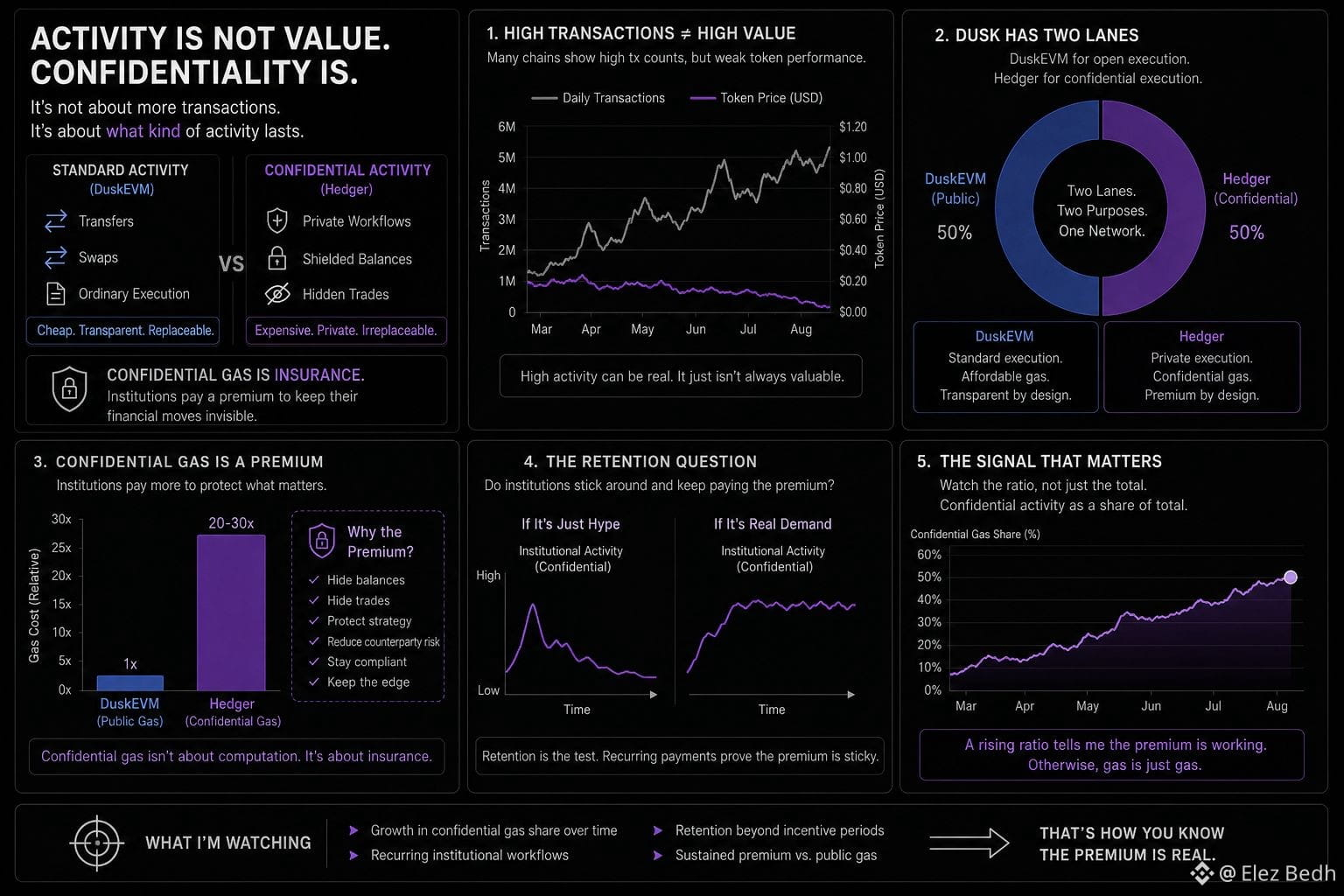
だから$DUSK が気になって仕方ない。総取引数のことではない——それは操作されたり、補助金で賄われたりできる。私が気にしているのは、どんな種類の活動が起きているかだ。
DuskEVMなら、標準的なものは揃っています。転送。スワップ。通常の実行。安くて透明性も高い。でもHedgerはそれとは別の可能性を開きます。つまり、機密性のある金融データを公開台帳にさらさずに済む、プライベートなワークフローを実行できることです。
あまり語られない観点を挙げます。機密ガスは、実は計算のためだけのものではありません。保険のためです。機関が取引を隠したり、残高を守ったりするとき、彼らは手の内を見せないためにお金を払っている。その対価(プレミアム)がある。しかも、無視できないほどに。
ただ、継続性の問題が気になります。インセンティブは薄れていく。熱狂は冷める。機関は本当に、より高い手数料を払い続けて定着するのか? それとも、需要として見せかけた初期の試験だっただけなのか?
機密ガスが、繰り返し発生する活動の中で成長し始めたら、私はかなり建設的になれる。絶対的な数ではなく、プライベート実行がパブリック実行に対してどのくらいの割合か——その比率です。そうすれば、プレミアムが一時的ではなく、粘り強いものだと分かるはず。
今は見ています。まだ確信はないけれど、比率が動けばそのシグナルは見えてくる。
@Dusk #dusk #DUSK $DUSK
でも、いくつかのインフラ系プロジェクトを見て、考えが間違っていると分かった。ブロックエクスプローラーは取引で悲鳴を上げるように表示されていたのに、トークンはほとんど動かなかった。活動は本物に見えた。ただ、価値がなかった。
だから$DUSK が気になって仕方ない。総取引数のことではない——それは操作されたり、補助金で賄われたりできる。私が気にしているのは、どんな種類の活動が起きているかだ。
DuskEVMなら、標準的なものは揃っています。転送。スワップ。通常の実行。安くて透明性も高い。でもHedgerはそれとは別の可能性を開きます。つまり、機密性のある金融データを公開台帳にさらさずに済む、プライベートなワークフローを実行できることです。
あまり語られない観点を挙げます。機密ガスは、実は計算のためだけのものではありません。保険のためです。機関が取引を隠したり、残高を守ったりするとき、彼らは手の内を見せないためにお金を払っている。その対価(プレミアム)がある。しかも、無視できないほどに。
ただ、継続性の問題が気になります。インセンティブは薄れていく。熱狂は冷める。機関は本当に、より高い手数料を払い続けて定着するのか? それとも、需要として見せかけた初期の試験だっただけなのか?
機密ガスが、繰り返し発生する活動の中で成長し始めたら、私はかなり建設的になれる。絶対的な数ではなく、プライベート実行がパブリック実行に対してどのくらいの割合か——その比率です。そうすれば、プレミアムが一時的ではなく、粘り強いものだと分かるはず。
今は見ています。まだ確信はないけれど、比率が動けばそのシグナルは見えてくる。
@Dusk #dusk #DUSK $DUSK
一部該当
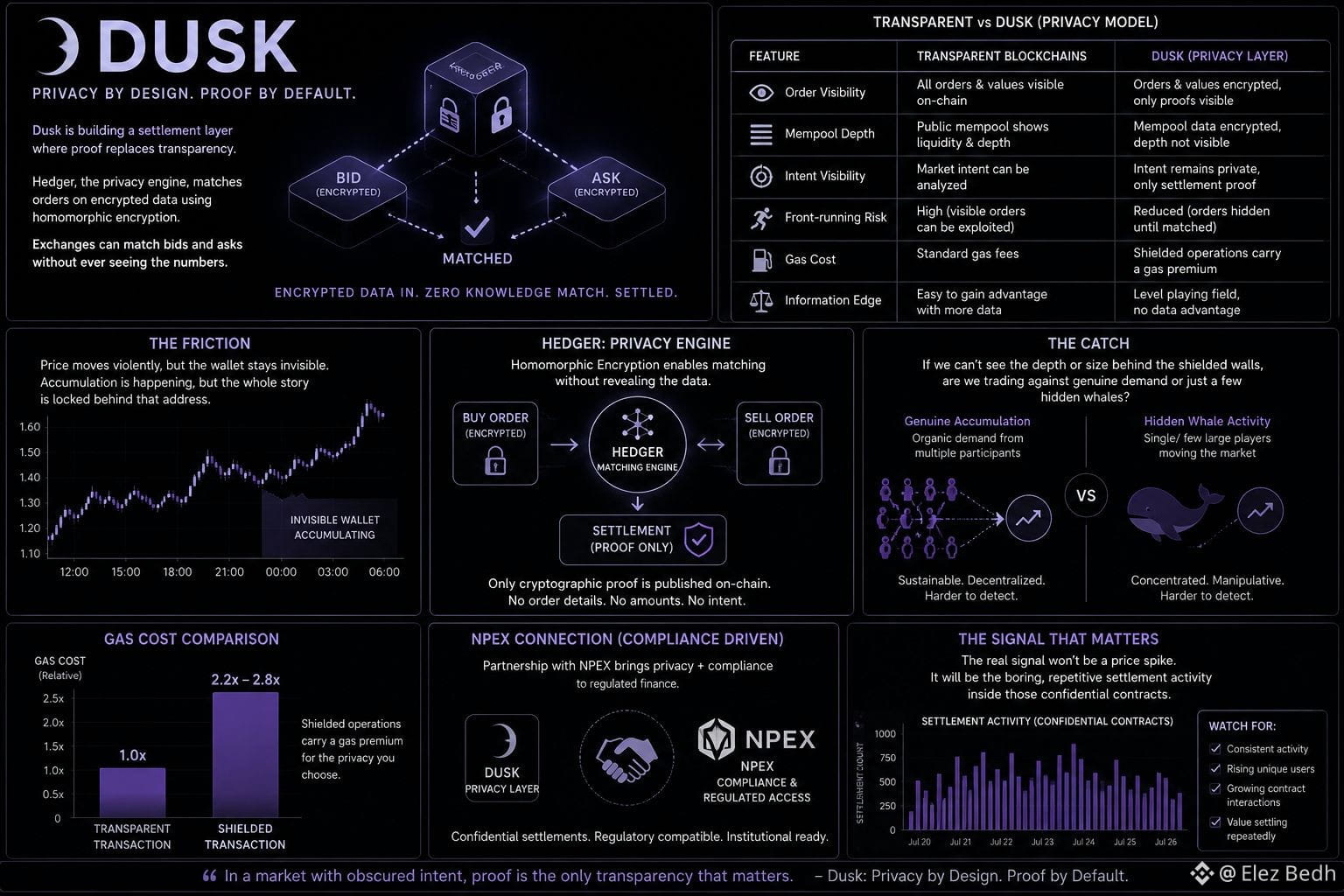
あの薄い市場の記憶がずっと気になって仕方ない。価格は乱暴に動いたのに、ウォレットは見えないままだ。誰かが積み上げているのは分かるのに、物語の全体はそのアドレスの背後にロックされている。
$DUSK は、その摩擦を取り込み、インフラに焼き付けます。単にプライバシーコインを作るだけではなく、透明性の代わりに“証明”が使われる決済レイヤーを構築しているのです。彼らのプライバシーエンジン「Hedger」は、同型暗号を使って暗号化データ上で実際に注文を照合します。取引所は、実際の数値を一度も見ないまま、指値の買いと売りをマッチングできる。これは本物の技術的な転換に感じます。
ただ、私が何度も行きつく“引っかかり”があります。メンプールの深さや、シールドされた壁の向こう側の規模が見えないなら、私は本当に有機的な需要と取引しているのか、それともゲームをしている数頭の隠れたクジラに相手をされているだけなのか。こうしたモデルのもとで価格が上がっても、積み上げを意味する場合もあれば、単一の集中購入者が無言で実行しているだけの場合もあります。このプライバシーのコストもまた現実的で、シールドされた処理には、透明な取引が回避できるガスのプレミアムがかかります。
NPEXとの接続は、特定のコンプライアンス重視のユーザー層を示唆しています。私にとって本当のシグナルは、価格スパイクではありません。機密のコントラクト内で起きている、退屈で反復的な決済活動こそが重要なはずです。意図が隠された市場が、信頼できる価格シグナルを生み出し得るかどうか、私はまだ確信できていません。その不確実性こそが、この実験を見守る価値を生んでいるのだと思います。
@Dusk #dusk #DUSK $DUSK
$DUSK は、その摩擦を取り込み、インフラに焼き付けます。単にプライバシーコインを作るだけではなく、透明性の代わりに“証明”が使われる決済レイヤーを構築しているのです。彼らのプライバシーエンジン「Hedger」は、同型暗号を使って暗号化データ上で実際に注文を照合します。取引所は、実際の数値を一度も見ないまま、指値の買いと売りをマッチングできる。これは本物の技術的な転換に感じます。
ただ、私が何度も行きつく“引っかかり”があります。メンプールの深さや、シールドされた壁の向こう側の規模が見えないなら、私は本当に有機的な需要と取引しているのか、それともゲームをしている数頭の隠れたクジラに相手をされているだけなのか。こうしたモデルのもとで価格が上がっても、積み上げを意味する場合もあれば、単一の集中購入者が無言で実行しているだけの場合もあります。このプライバシーのコストもまた現実的で、シールドされた処理には、透明な取引が回避できるガスのプレミアムがかかります。
NPEXとの接続は、特定のコンプライアンス重視のユーザー層を示唆しています。私にとって本当のシグナルは、価格スパイクではありません。機密のコントラクト内で起きている、退屈で反復的な決済活動こそが重要なはずです。意図が隠された市場が、信頼できる価格シグナルを生み出し得るかどうか、私はまだ確信できていません。その不確実性こそが、この実験を見守る価値を生んでいるのだと思います。
@Dusk #dusk #DUSK $DUSK
翻訳参照
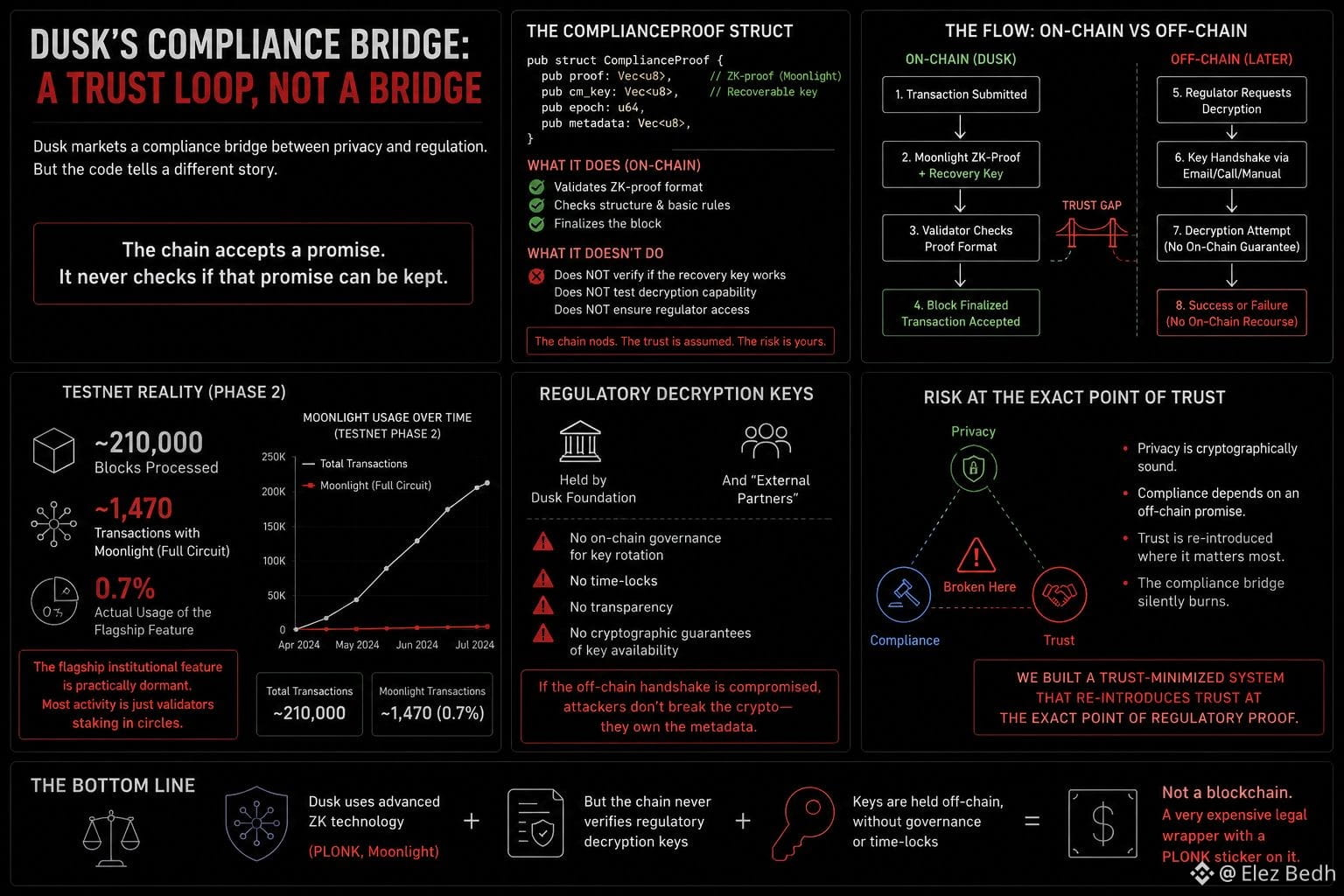
Late night digging through Dusk's Rust code, I stumbled on a struct called ComplianceProof. Thought it was the "bridge" they market. Then I read what it actually does—or rather, what it doesn't.
Moonlight generates a ZK-proof for privacy, plus a recoverable key for regulators. The validator checks the proof format, nods, and finalizes the block. That's it. It never verifies if that recovery key actually works. The decryption handshake happens off-chain—email, phone call, carrier pigeon—after the transaction is already cemented. A malicious actor could feed a junk key, the chain accepts it, and the regulator later gets gibberish with zero on-chain recourse. The privacy stays intact, the compliance bridge silently burns.
I checked the testnet data myself—Phase 2, current. ~210,000 blocks processed, but only ~1,470 transactions triggered the full Moonlight circuit. That's 0.7%. The flagship institutional feature is practically dormant. Most activity is just validators staking in circles.
And the Regulatory Decryption Keys? Held by the foundation and vaguely named "external partners." No on-chain governance for rotation, no time-lock. If that off-chain key handshake gets compromised, the attacker doesn't break the cryptography—they just own the metadata.
So $DUSK built a trust-minimized privacy layer that re-introduces a trust assumption at the exact point of regulatory proof. If the compliance feature barely runs and the keys rely on human goodwill, are we really buying a blockchain—or a very expensive legal wrapper with a PLONK sticker on it?
@Dusk #dusk #DUSK $DUSK
Moonlight generates a ZK-proof for privacy, plus a recoverable key for regulators. The validator checks the proof format, nods, and finalizes the block. That's it. It never verifies if that recovery key actually works. The decryption handshake happens off-chain—email, phone call, carrier pigeon—after the transaction is already cemented. A malicious actor could feed a junk key, the chain accepts it, and the regulator later gets gibberish with zero on-chain recourse. The privacy stays intact, the compliance bridge silently burns.
I checked the testnet data myself—Phase 2, current. ~210,000 blocks processed, but only ~1,470 transactions triggered the full Moonlight circuit. That's 0.7%. The flagship institutional feature is practically dormant. Most activity is just validators staking in circles.
And the Regulatory Decryption Keys? Held by the foundation and vaguely named "external partners." No on-chain governance for rotation, no time-lock. If that off-chain key handshake gets compromised, the attacker doesn't break the cryptography—they just own the metadata.
So $DUSK built a trust-minimized privacy layer that re-introduces a trust assumption at the exact point of regulatory proof. If the compliance feature barely runs and the keys rely on human goodwill, are we really buying a blockchain—or a very expensive legal wrapper with a PLONK sticker on it?
@Dusk #dusk #DUSK $DUSK
翻訳参照
I was wrong about Dusk.
The empty block explorer wasn't failure—it was privacy working.
What changed my mind? Validators don't just process blocks; they hold decryption keys and must vote collectively to reveal data if regulators ask. It's a jury of network infrastructure—un-crypto, but brutally logical for regulated finance.
The real risk isn't tech; it's geopolitical. What happens when EU and US regulators demand the same data under conflicting rules? Validators can't lawyer their way out.
Now I watch who runs nodes—custodians, settlement firms, independent operators from diverse jurisdictions. That mix determines if the privacy backdoor stays decentralized.
$DUSK may be the most honest attempt to bridge privacy and compliance. But honesty doesn't guarantee adoption. Regulators could stall, or tokenization might fizzle.
I don't know the ending. But I no longer see an empty chain. I see a vault waiting for the right key holder—and that's the question I can't yet answer.
@Dusk #dusk #DUSK $DUSK
The empty block explorer wasn't failure—it was privacy working.
What changed my mind? Validators don't just process blocks; they hold decryption keys and must vote collectively to reveal data if regulators ask. It's a jury of network infrastructure—un-crypto, but brutally logical for regulated finance.
The real risk isn't tech; it's geopolitical. What happens when EU and US regulators demand the same data under conflicting rules? Validators can't lawyer their way out.
Now I watch who runs nodes—custodians, settlement firms, independent operators from diverse jurisdictions. That mix determines if the privacy backdoor stays decentralized.
$DUSK may be the most honest attempt to bridge privacy and compliance. But honesty doesn't guarantee adoption. Regulators could stall, or tokenization might fizzle.
I don't know the ending. But I no longer see an empty chain. I see a vault waiting for the right key holder—and that's the question I can't yet answer.
@Dusk #dusk #DUSK $DUSK
Yes ✅
50%
No 🚫
25%
Maybe 🤷
25%
4 投票 • 投票は終了しました
一部該当
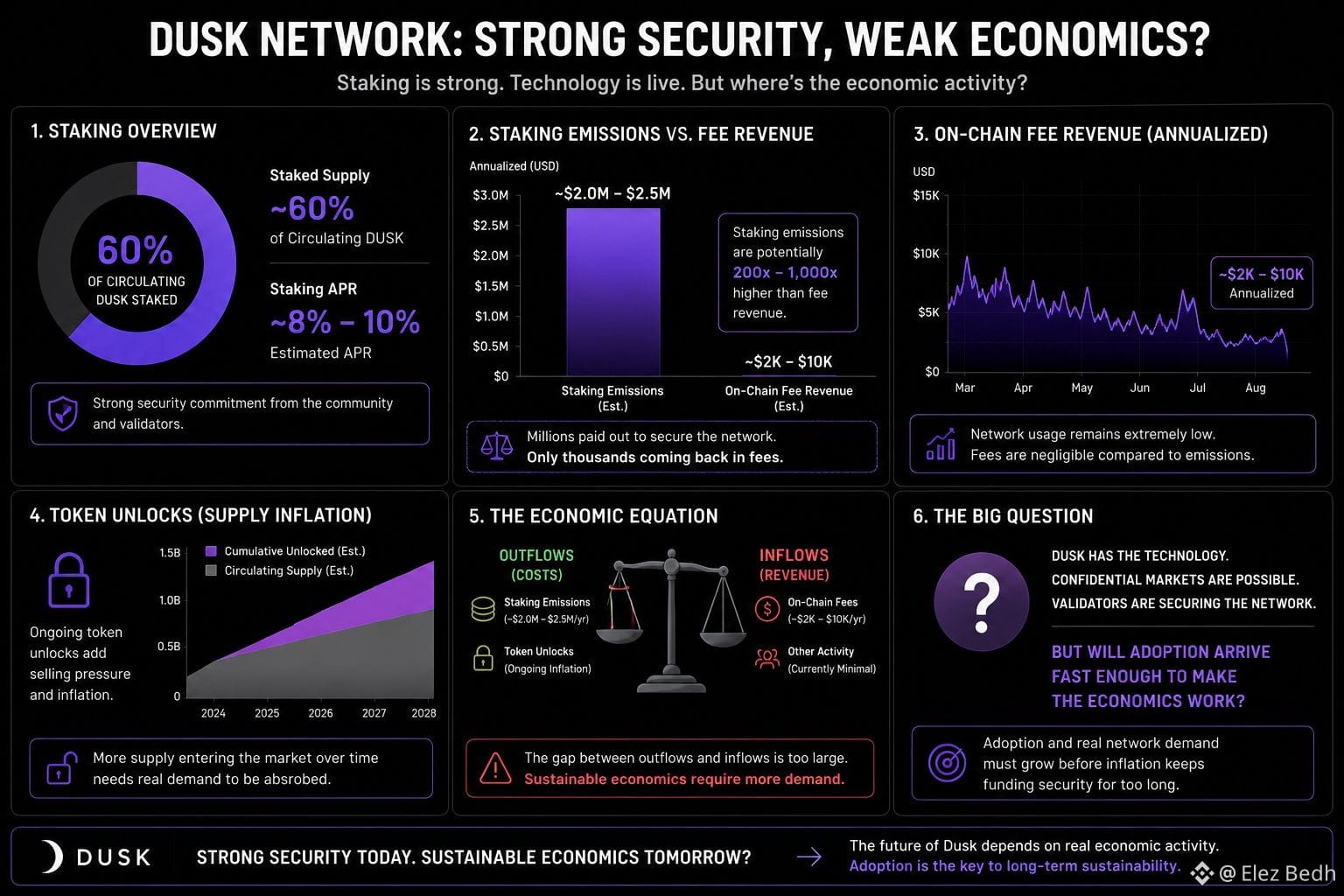
ダスクのステーキング数値は堅調に見えます。循環供給$DUSK のうちおよそ60%がステークされており、APRは約8〜10%です。
しかし、もう一方の側面は無視しがたいです。オンチェーンの手数料収入は、ステーキングのエミッションとして毎年支払われうる数百万に比べると、あまりにも小さく見えます。
技術は稼働しています。機密資産も可能です。バリデーターがネットワークを保護しています。
ですが、経済活動はどこにあるのでしょうか?
継続的なトークンのアンロックとステーキング報酬を加えると、ダスクには単純な課題があります。インフレが長く続いてセキュリティに資金を出し続ける前に、実際のネットワーク需要が成長する必要があります。
ダスクにとって最大の疑問は、機密マーケットが機能し得るかどうかではないかもしれません。
@Dusk #dusk #DUSK $DUSK
しかし、もう一方の側面は無視しがたいです。オンチェーンの手数料収入は、ステーキングのエミッションとして毎年支払われうる数百万に比べると、あまりにも小さく見えます。
技術は稼働しています。機密資産も可能です。バリデーターがネットワークを保護しています。
ですが、経済活動はどこにあるのでしょうか?
継続的なトークンのアンロックとステーキング報酬を加えると、ダスクには単純な課題があります。インフレが長く続いてセキュリティに資金を出し続ける前に、実際のネットワーク需要が成長する必要があります。
ダスクにとって最大の疑問は、機密マーケットが機能し得るかどうかではないかもしれません。
@Dusk #dusk #DUSK $DUSK
私は $DUSK に何度も立ち返ります。私が慣れ親しんだプライバシーの語り口に合わないからです。
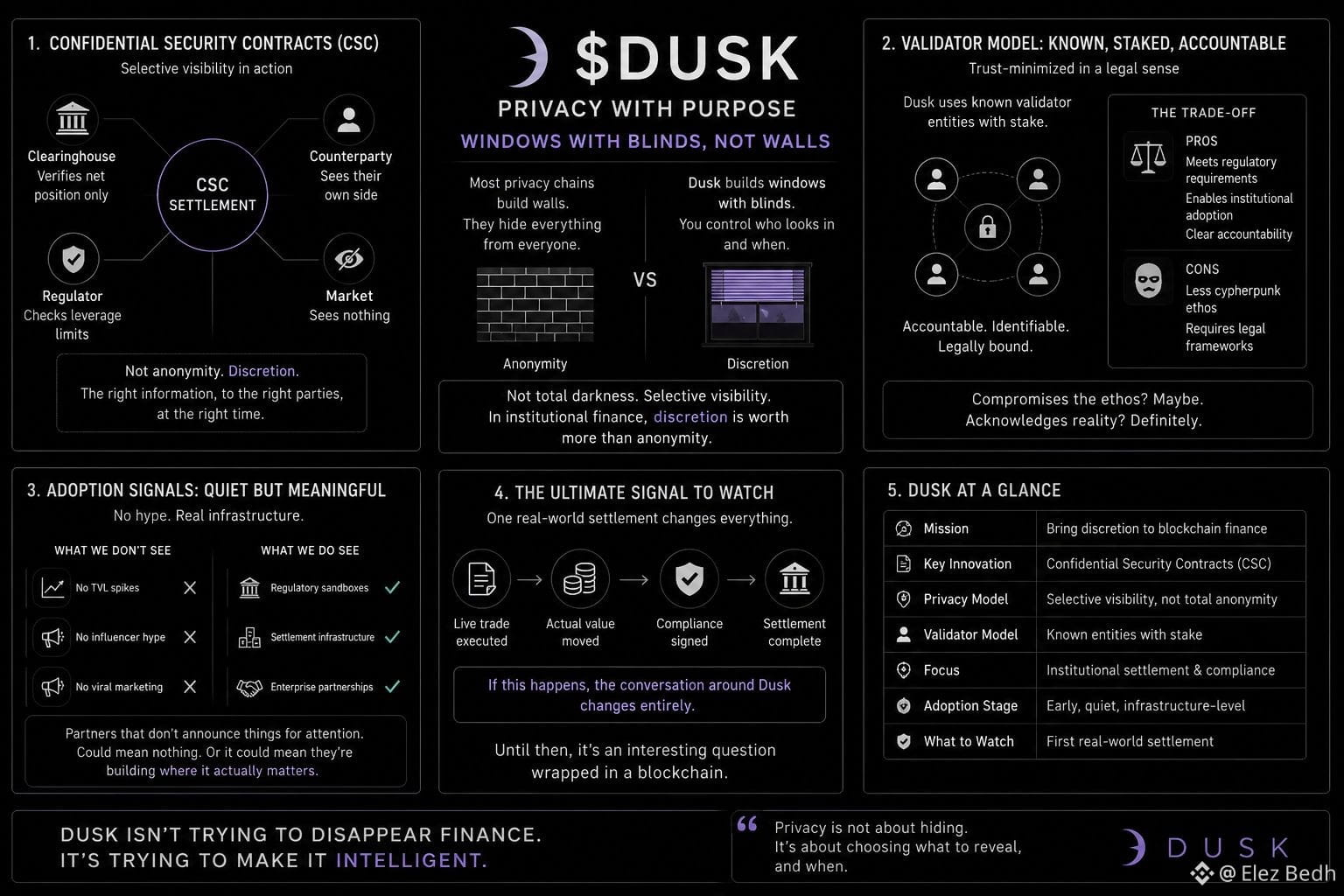
多くのプライバシー系の仕組みは、壁を築いているように感じます。Dusk は、ブラインド付きの窓を作っているようです。誰が、いつ見るのかをあなたがコントロールできる。微妙だけれど、非常に大きな違いです。
彼らの「機密セキュリティ契約(Confidential Security Contracts)」では、クリアリングハウスがネットポジションを検証でき、取引相手は自分側が見え、規制当局はレバレッジの上限を確認する一方で、より広い市場には何も見えません。完全な暗闇ではなく、ただ選択的な可視性です。これを「匿名性」とは言いません。必要なのは「裁量」です。制度金融の世界では、匿名性より裁量のほうが価値があります。
私が躊躇するのはバリデータモデルです。匿名のマイナーではなく、出どころが知られ、ステークがある存在です。法律上の意味ではトラストを最小化していますが、サイファーパンク的なものではありません。そのことで理念が損なわれるのか、それとも現実を認めているだけなのか——どちらもありそうです。
採用のシグナルは静かです。TVL の急騰もなく、インフルエンサーの過熱もない。とはいえ、存在する提携先は規制サンドボックスや決済インフラ——注目を集めるために何かを発表しない場所——です。これが何も意味しない可能性もあります。あるいは、本当に重要なところで築いているのかもしれません。
私は、現実世界での単一の決済を見ています。ライブの取引で、コンプライアンスに署名され、実際に価値が動くこと。もしそれが起これば、Dusk についての議論はまったく変わります。それまでは——ブロックチェーンに包まれた興味深い問いです。
@Dusk #dusk #DUSK $DUSK
多くのプライバシー系の仕組みは、壁を築いているように感じます。Dusk は、ブラインド付きの窓を作っているようです。誰が、いつ見るのかをあなたがコントロールできる。微妙だけれど、非常に大きな違いです。
彼らの「機密セキュリティ契約(Confidential Security Contracts)」では、クリアリングハウスがネットポジションを検証でき、取引相手は自分側が見え、規制当局はレバレッジの上限を確認する一方で、より広い市場には何も見えません。完全な暗闇ではなく、ただ選択的な可視性です。これを「匿名性」とは言いません。必要なのは「裁量」です。制度金融の世界では、匿名性より裁量のほうが価値があります。
私が躊躇するのはバリデータモデルです。匿名のマイナーではなく、出どころが知られ、ステークがある存在です。法律上の意味ではトラストを最小化していますが、サイファーパンク的なものではありません。そのことで理念が損なわれるのか、それとも現実を認めているだけなのか——どちらもありそうです。
採用のシグナルは静かです。TVL の急騰もなく、インフルエンサーの過熱もない。とはいえ、存在する提携先は規制サンドボックスや決済インフラ——注目を集めるために何かを発表しない場所——です。これが何も意味しない可能性もあります。あるいは、本当に重要なところで築いているのかもしれません。
私は、現実世界での単一の決済を見ています。ライブの取引で、コンプライアンスに署名され、実際に価値が動くこと。もしそれが起これば、Dusk についての議論はまったく変わります。それまでは——ブロックチェーンに包まれた興味深い問いです。
@Dusk #dusk #DUSK $DUSK
確認済み
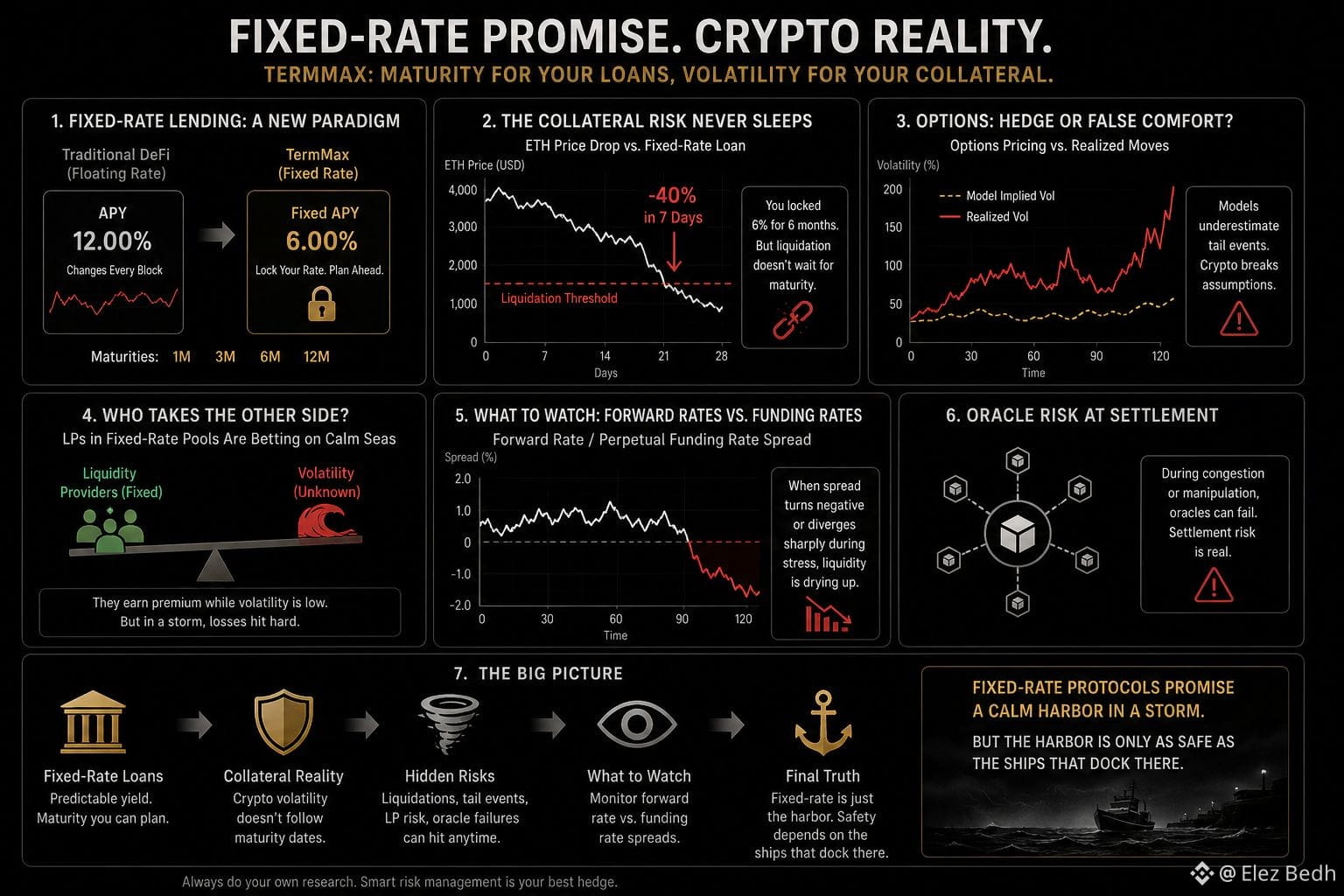
これまで変動金利に何度も痛い目を見てきました。ダッシュボードに表示される12%のAPYを見て「これで大丈夫」と思ったのに、資金調達率が一晩でひっくり返って、損失を抱えたままポジションをロールしようと慌てることになる。だからこそ、固定金利の貸付という発想に惹かれました。ようやくDeFiが“成熟”して、毎ブロックの利回りに賭けたいわけじゃない人もいるんだと認めている感じがするんです。
TermMaxは、満期の異なる複数の設計でオンチェーンに“実際の債券市場”を作ろうとしています。良さそうですよね?でも、僕の頭から離れないのはここです。こうした貸付を裏付ける担保は、まだ暗号資産であって、暗号資産はあなたの満期スケジュールなんて気にしません。たとえばETHが1週間で40%下がったら、ロックしていた固定6%の金利は意味を失います。融資の満期が終わる前に、スポット価格で強制清算されてしまう。さらにプロトコルにはオプションも用意されています。これは賢いのですが、オプションの価格モデルは、この領域でテールイベントがどれほど醜くなるかを過小評価しがちです。そして固定サイドの流動性提供者は?実質的に、ボラティリティが落ち着いたままでいると賭けているわけで、それは目の前に電車が来ているのに減速してくれることを願うようなものに感じます。
僕が実際に見ているのは、TermMaxのフォワード金利と、パーペチュアル・スワップの資金調達金利のスプレッドです。市場のショック時にこの関係が変に見え始めたら、それは金利が合理的に変化しているというより、流動性が干上がっているサインです。加えて、決済にはオラクルが関与します。混雑時にそれがどうズレたりするかは、みんな知っている通りです。
固定金利プロトコルは、嵐の中の穏やかな避難港を約束します。でも、その港が安全なのは、そこに着岸する船が安全な場合に限られます。
@TermMax #TermMax
TermMaxは、満期の異なる複数の設計でオンチェーンに“実際の債券市場”を作ろうとしています。良さそうですよね?でも、僕の頭から離れないのはここです。こうした貸付を裏付ける担保は、まだ暗号資産であって、暗号資産はあなたの満期スケジュールなんて気にしません。たとえばETHが1週間で40%下がったら、ロックしていた固定6%の金利は意味を失います。融資の満期が終わる前に、スポット価格で強制清算されてしまう。さらにプロトコルにはオプションも用意されています。これは賢いのですが、オプションの価格モデルは、この領域でテールイベントがどれほど醜くなるかを過小評価しがちです。そして固定サイドの流動性提供者は?実質的に、ボラティリティが落ち着いたままでいると賭けているわけで、それは目の前に電車が来ているのに減速してくれることを願うようなものに感じます。
僕が実際に見ているのは、TermMaxのフォワード金利と、パーペチュアル・スワップの資金調達金利のスプレッドです。市場のショック時にこの関係が変に見え始めたら、それは金利が合理的に変化しているというより、流動性が干上がっているサインです。加えて、決済にはオラクルが関与します。混雑時にそれがどうズレたりするかは、みんな知っている通りです。
固定金利プロトコルは、嵐の中の穏やかな避難港を約束します。でも、その港が安全なのは、そこに着岸する船が安全な場合に限られます。
@TermMax #TermMax
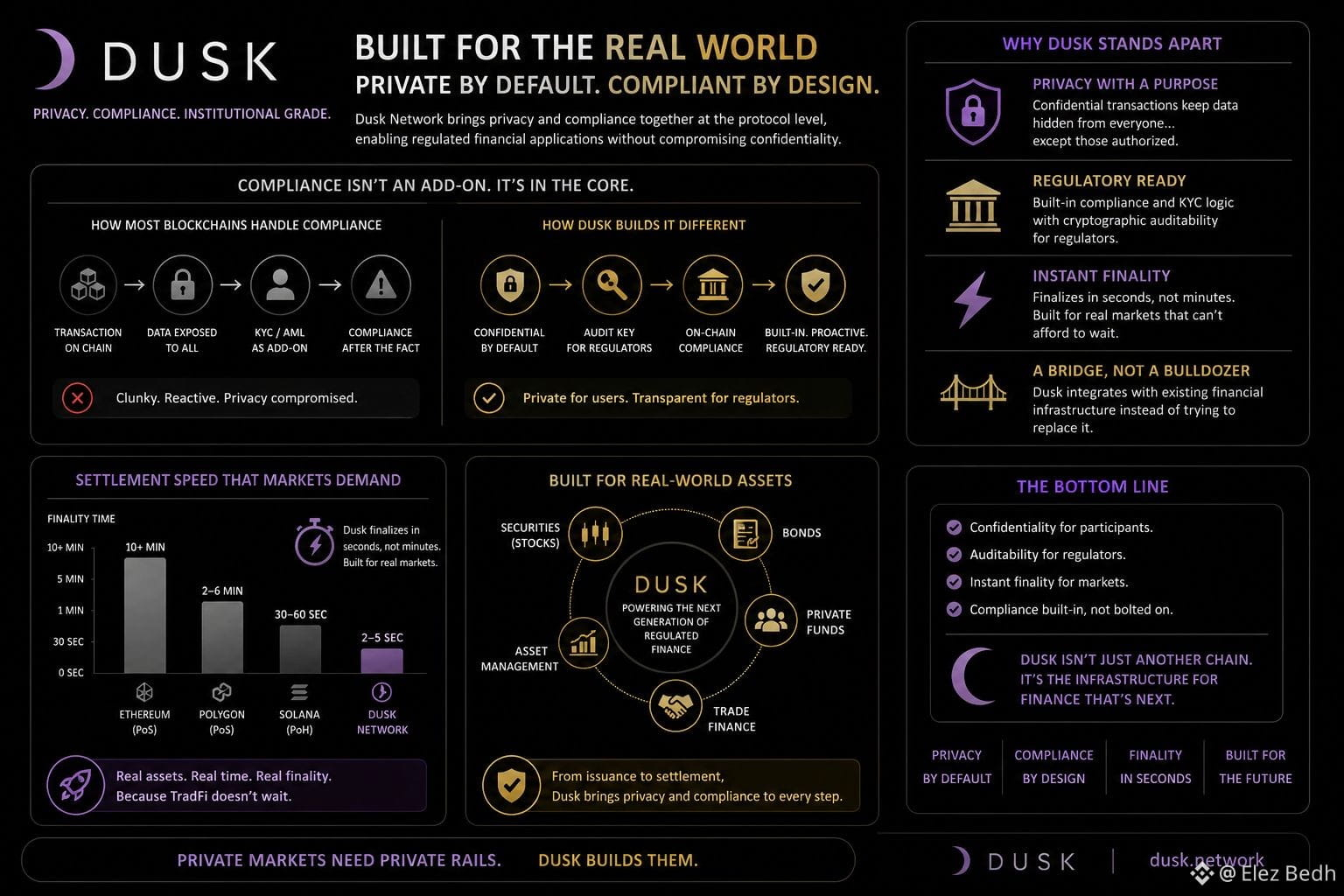
私にとってダスクを本当に際立たせているのは、部屋にいる“規制の象”への対処の仕方です。多くのチェーンはKYCやコンプライアンスを、扱いにくい後付けのように扱いますが、$DUSK はそれを中核のロジックにきちんと組み込みます。あなたはプライベートで機密性の高い送金を得られますが、一方でネットワークは監査人向けに暗号学的なバックドアも残しているため、有価証券の取引は競合からは隠れつつ、必要になればSECには可視化されます。
もう一つ際立つ実務上のポイントは決済速度です。実際の株式や債券を取引するとなると、10分以上かけて確率的なファイナリティを待つのでは、正直に言って足りません。ダスクは数秒で最終化します。これは、従来の市場がどう動いているかをきちんと尊重しています。率直に言えば、既存の金融システムをただ強引に破壊するのではなく、橋を架けようとしているように感じる数少ないプロジェクトの一つです。
@Dusk #dusk #DUSK $DUSK
もう一つ際立つ実務上のポイントは決済速度です。実際の株式や債券を取引するとなると、10分以上かけて確率的なファイナリティを待つのでは、正直に言って足りません。ダスクは数秒で最終化します。これは、従来の市場がどう動いているかをきちんと尊重しています。率直に言えば、既存の金融システムをただ強引に破壊するのではなく、橋を架けようとしているように感じる数少ないプロジェクトの一つです。
@Dusk #dusk #DUSK $DUSK
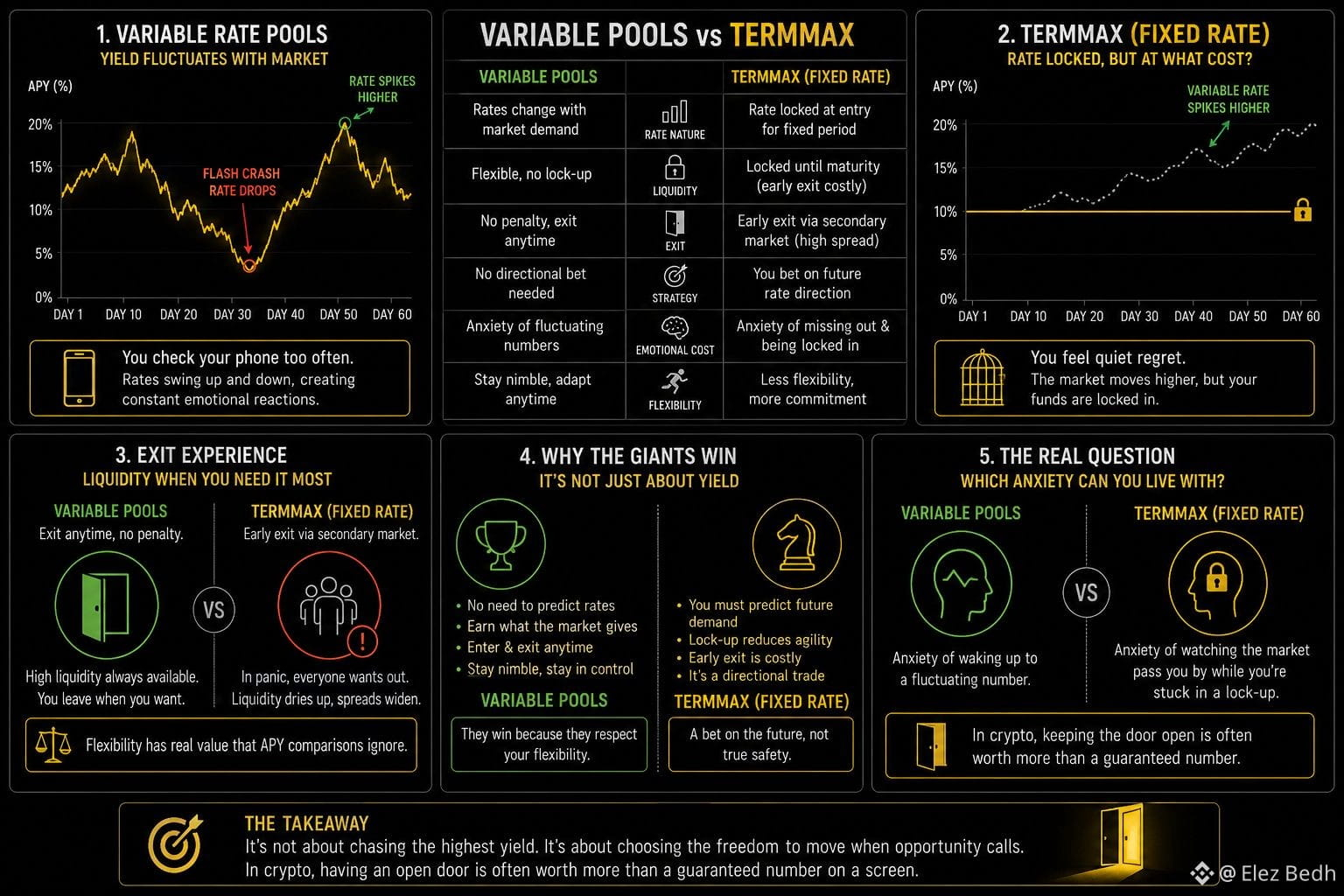
私は両方で小さな実験をしていて、違いを感じるために資本を少しずつ分けました。机上の理論だけで終わらせたくなかったんです。変動のプールだと、スマホを見てしまう頻度が高くなる。フラッシュクラッシュが起きるとレートが下がって、イラッとするあの感覚が押し寄せます。けれどTermMaxは、もっと悪いものを感じさせてくれます。つまり、変動レートが自分がロックした数字を超えたときの、静かに忍び寄る後悔です。心の平穏を買ったつもりが、結局は檻を買ったことになりました。
一番驚いたのは出口です。水を確かめるためにTermMaxから早めに引き出そうとしたら、スプレッドが痛かった。固定金利は、同じタイミングで他の誰も出口を求めていない場合に限って維持されることが分かりました。パニックになると、セカンダリーマーケットはすぐに乾きます。変動のプールにはその問題がありません。自分のタイミングで出られるし、詮索もペナルティもない。柔軟性そのものには、APYの比較では見えない実体のある価値があります。
巨人たちの見え方も変わってきました。彼らが勝つのは、より良い利回りを提示するからではありません。そもそも、金利がどこへ向かうかをあなたに予測させないからです。市場がくれるものを受け取って、身軽さを保てばいい。一方でTermMaxは、借入需要が将来どちらへ向かうかに賭けるよう求めてきます。これは安全ではなく、確実性の言葉をまとった“方向性のある取引”なんです。
本当の問題は、どちらの利回りが高いかではありません。あなたが実際に受け入れて生きられる不安はどちらかです。変動する数字で目を覚ます不安か、それともロックアップに縛られている間に市場が通り過ぎていくのを見ている不安か。私は、後者を選ぶ人が少ないのは、前者のほうがドアを開けておけるからではないかと思い始めました。そしてクリプトでは、画面の保証された数字よりも、開かれたドアのほうが価値になることが多い。
@TermMax #TermMax
一番驚いたのは出口です。水を確かめるためにTermMaxから早めに引き出そうとしたら、スプレッドが痛かった。固定金利は、同じタイミングで他の誰も出口を求めていない場合に限って維持されることが分かりました。パニックになると、セカンダリーマーケットはすぐに乾きます。変動のプールにはその問題がありません。自分のタイミングで出られるし、詮索もペナルティもない。柔軟性そのものには、APYの比較では見えない実体のある価値があります。
巨人たちの見え方も変わってきました。彼らが勝つのは、より良い利回りを提示するからではありません。そもそも、金利がどこへ向かうかをあなたに予測させないからです。市場がくれるものを受け取って、身軽さを保てばいい。一方でTermMaxは、借入需要が将来どちらへ向かうかに賭けるよう求めてきます。これは安全ではなく、確実性の言葉をまとった“方向性のある取引”なんです。
本当の問題は、どちらの利回りが高いかではありません。あなたが実際に受け入れて生きられる不安はどちらかです。変動する数字で目を覚ます不安か、それともロックアップに縛られている間に市場が通り過ぎていくのを見ている不安か。私は、後者を選ぶ人が少ないのは、前者のほうがドアを開けておけるからではないかと思い始めました。そしてクリプトでは、画面の保証された数字よりも、開かれたドアのほうが価値になることが多い。
@TermMax #TermMax
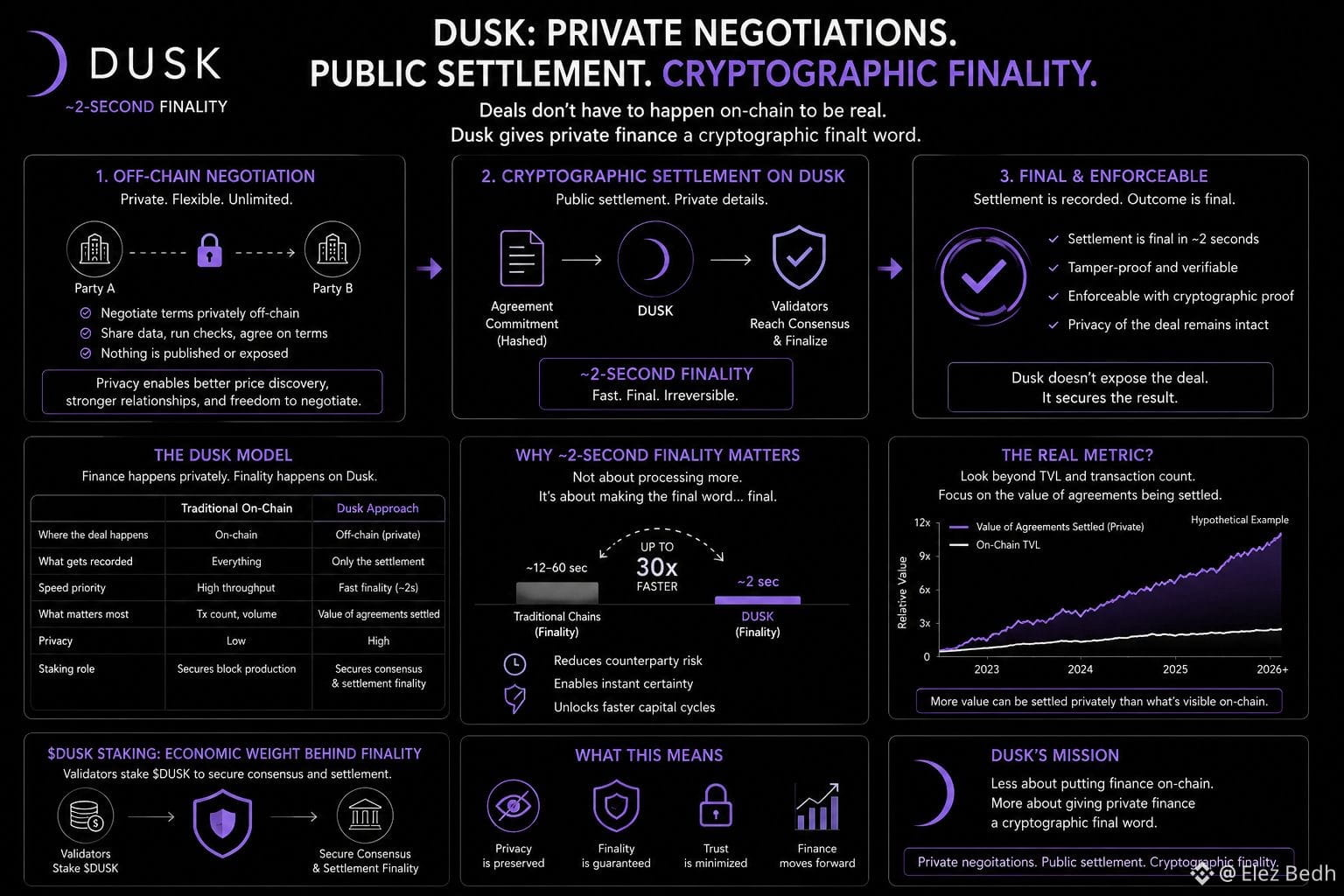
夕暮れの「約2秒の最終確定」は、実際の取引が行われる場所がチェーンではない可能性に気づくと、より納得できるものになります。
当事者はオフチェーンでプライベートに交渉し、その後Duskを使って合意を暗号学的に決済できます。このモデルでは、速度は主に巨大な取引量を処理することが目的ではなく、合意した決済を素早く最終のものにすることにあります。
また、これにより $DUSK staking はより深い役割を持つことになります。バリデータは、コンセンサスと決済を確実にするために価値をステークし、ネットワークの最終確定に経済的な重みを与えるのです。
つまり、TVLや取引回数だけでは、Duskの物語のすべてを語れないのかもしれません。意味のある金融活動がチェーンに到達する前にプライベートに行われるなら、より興味深い指標は、最終的に「決済され、確保される合意の価値」になる可能性があります。
Duskは、金融をオンチェーンに載せることよりも、プライベートな金融に暗号による最後の言葉を与えることに重心があるのかもしれません。
@Dusk #dusk $DUSK #DUSK
当事者はオフチェーンでプライベートに交渉し、その後Duskを使って合意を暗号学的に決済できます。このモデルでは、速度は主に巨大な取引量を処理することが目的ではなく、合意した決済を素早く最終のものにすることにあります。
また、これにより $DUSK staking はより深い役割を持つことになります。バリデータは、コンセンサスと決済を確実にするために価値をステークし、ネットワークの最終確定に経済的な重みを与えるのです。
つまり、TVLや取引回数だけでは、Duskの物語のすべてを語れないのかもしれません。意味のある金融活動がチェーンに到達する前にプライベートに行われるなら、より興味深い指標は、最終的に「決済され、確保される合意の価値」になる可能性があります。
Duskは、金融をオンチェーンに載せることよりも、プライベートな金融に暗号による最後の言葉を与えることに重心があるのかもしれません。
@Dusk #dusk $DUSK #DUSK
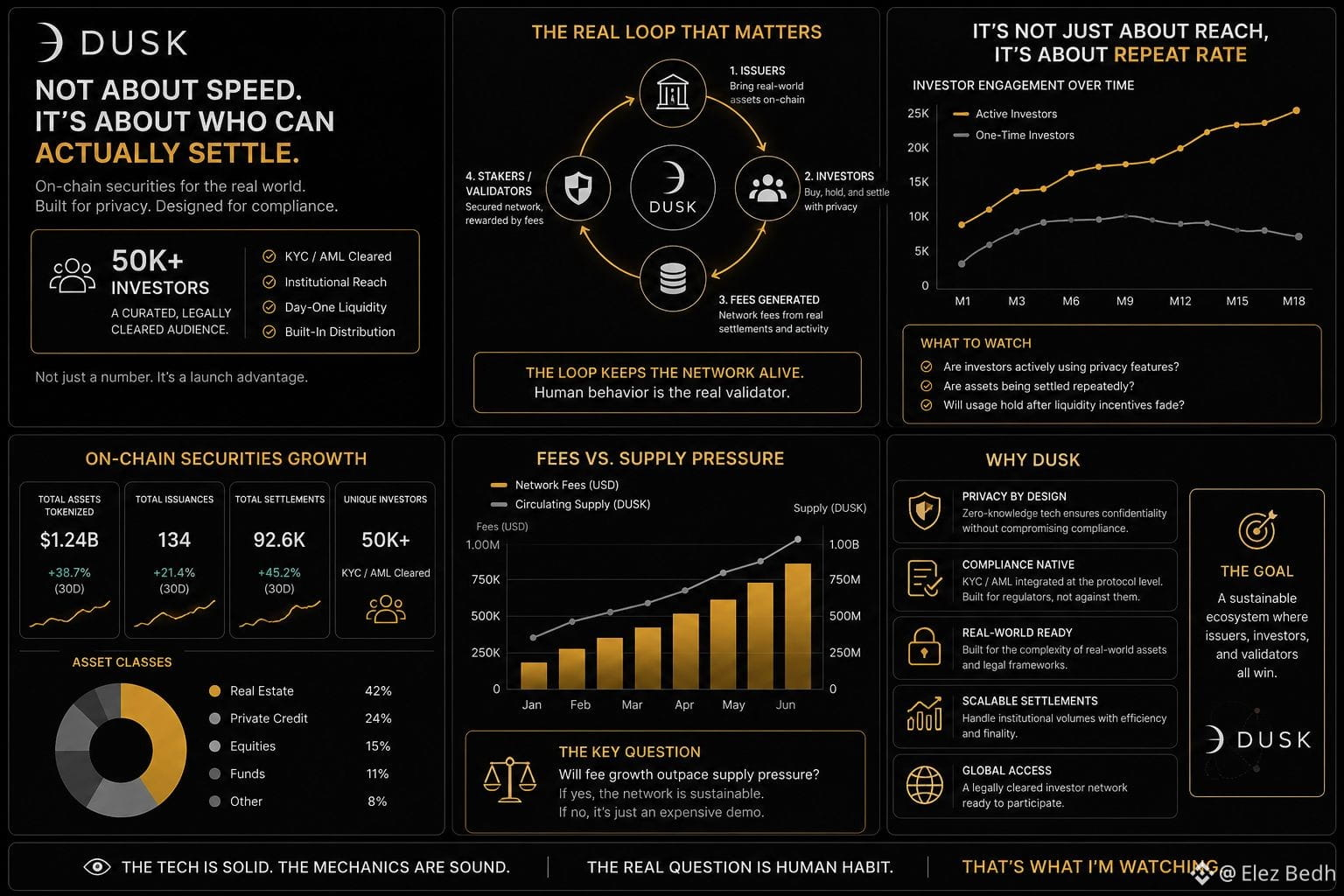
認めますが、プロジェクトが「institutional-grade(機関投資家グレード)」だの何だのと言ってくると、私はだいたい話を聞き流してしまいがちです。でもDuskを掘り下げてみて、見ている指標が間違っていたことに気づきました。速さの問題ではなく、そもそも誰が実際に“決済できるか”の話なんです。
その50k+の投資家プールは、ただの誇大表示用のバニティ指標ではありません。スライドに貼り付けるための数字というより、キュレーションされた招待客リストに近い感覚です。もし不動産の実資産をトークン化したいファンドなら、法的にクリアされた大きな購入見込みのあるオーディエンスがすでにいて、初日から買い手として機能することが分かっているなら、ローンチ戦略そのものが変わります。市場メイカーが駆けつけてくれることに祈る必要がなくなるわけです。
とはいえ、トレーダーとしての私の頭はすぐ反応します。私は「reach(リーチ)」が「ghost traffic(ゴーストトラフィック)」に化けるのを何度も見てきましたから、見出しをそのまま真に受けるのは危険です。最初のカウントよりも、リピート率のほうが気になります。これらの投資家は、プライバシー機能を使って実際にこれらの資産を取引しているのか、それともただ保有しているだけなのか。さらに重要なのは、流動性インセンティブが必ず薄れていくとき、こうした現実世界の決済から生まれるネットワーク手数料は、バリデータを本当に満足させ続けるのか?
手数料の増加が、流通量(供給)の圧力に追いつかないなら、それはただの手の込んだコンプライアンス・デモです。$DUSK オンチェーン証券の技術そのものは、ここでは実にしっかりしています。でも、その行動ループ――発行体が資産を持ち込み、投資家がそれを繰り返し決済し、手数料がステーカーに報酬として返ってくる――それだけが、私が本当に注目しているポイントです。仕組みは筋が通っています。問題は、人間の習慣がどうなるかという“本当のところ”です。
@Dusk #dusk #DUSK $DUSK
その50k+の投資家プールは、ただの誇大表示用のバニティ指標ではありません。スライドに貼り付けるための数字というより、キュレーションされた招待客リストに近い感覚です。もし不動産の実資産をトークン化したいファンドなら、法的にクリアされた大きな購入見込みのあるオーディエンスがすでにいて、初日から買い手として機能することが分かっているなら、ローンチ戦略そのものが変わります。市場メイカーが駆けつけてくれることに祈る必要がなくなるわけです。
とはいえ、トレーダーとしての私の頭はすぐ反応します。私は「reach(リーチ)」が「ghost traffic(ゴーストトラフィック)」に化けるのを何度も見てきましたから、見出しをそのまま真に受けるのは危険です。最初のカウントよりも、リピート率のほうが気になります。これらの投資家は、プライバシー機能を使って実際にこれらの資産を取引しているのか、それともただ保有しているだけなのか。さらに重要なのは、流動性インセンティブが必ず薄れていくとき、こうした現実世界の決済から生まれるネットワーク手数料は、バリデータを本当に満足させ続けるのか?
手数料の増加が、流通量(供給)の圧力に追いつかないなら、それはただの手の込んだコンプライアンス・デモです。$DUSK オンチェーン証券の技術そのものは、ここでは実にしっかりしています。でも、その行動ループ――発行体が資産を持ち込み、投資家がそれを繰り返し決済し、手数料がステーカーに報酬として返ってくる――それだけが、私が本当に注目しているポイントです。仕組みは筋が通っています。問題は、人間の習慣がどうなるかという“本当のところ”です。
@Dusk #dusk #DUSK $DUSK
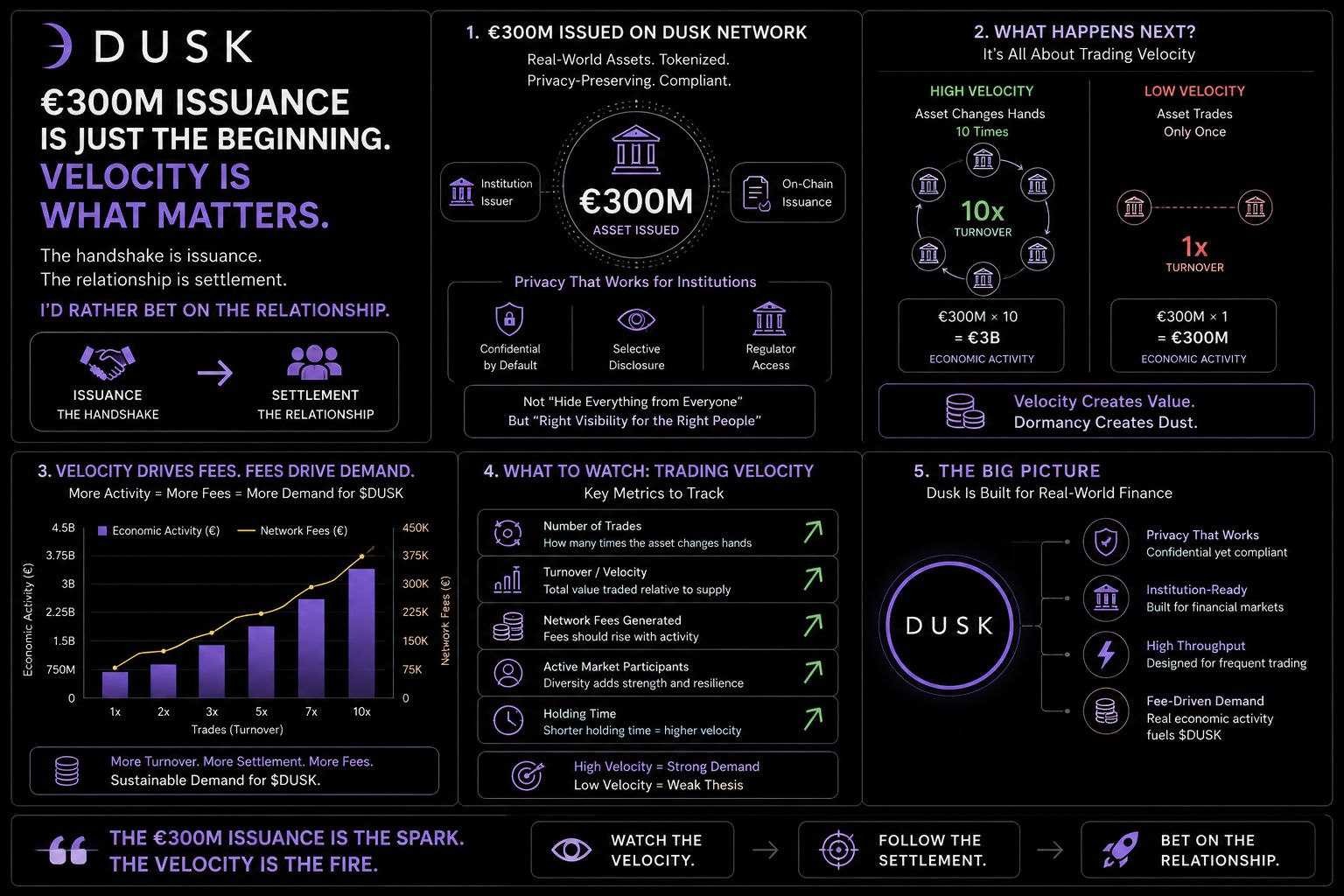
夕暮れを見ると、もう€300Mという発行額の数字にワクワクはしなくなりました。以前、大きな見出しにやられてきたからです。肝心のところは動かないんですよね。私が本当に惹き込まれるのは、その資産が発行された後に何が起きるかです。オンチェーン上でただ綺麗に置かれるだけなのか、それとも動き始めるのか。
ここでDuskが正しくできているのは、機関向けに実際に機能するプライバシーを作ったことです。「みんなから何でも隠す」タイプではなく、取引は機密のまま保てる一方で、必要なら規制当局がのぞけるようにするタイプ。退屈だけど重要な部分で、これがあるからこそ金融機関は安心して頻繁に取引できるんです。
そして頻度がすべてです。もしその€300Mが10回取引されるなら、ネットワークを通じて€3Bもの経済活動が流れます。そこから手数料が積み上がり、そしてステーキング報酬以外で$DUSK 本当の需要が生まれてくる。逆に、1回しか取引されずに眠ったままなら、それはただの見栄えの指標にすぎません。
だから正直、取引の流動性(トレーディング・ベロシティ)をハヤブサのように見張りたいですね。発行は握手。決済は関係性です。私は関係性に賭けたい。
@Dusk #dusk #DUSK $DUSK
ここでDuskが正しくできているのは、機関向けに実際に機能するプライバシーを作ったことです。「みんなから何でも隠す」タイプではなく、取引は機密のまま保てる一方で、必要なら規制当局がのぞけるようにするタイプ。退屈だけど重要な部分で、これがあるからこそ金融機関は安心して頻繁に取引できるんです。
そして頻度がすべてです。もしその€300Mが10回取引されるなら、ネットワークを通じて€3Bもの経済活動が流れます。そこから手数料が積み上がり、そしてステーキング報酬以外で$DUSK 本当の需要が生まれてくる。逆に、1回しか取引されずに眠ったままなら、それはただの見栄えの指標にすぎません。
だから正直、取引の流動性(トレーディング・ベロシティ)をハヤブサのように見張りたいですね。発行は握手。決済は関係性です。私は関係性に賭けたい。
@Dusk #dusk #DUSK $DUSK
昨夜、ブロックエクスプローラーを眺めていたら、$DUSK について何か変なことに気づきました。
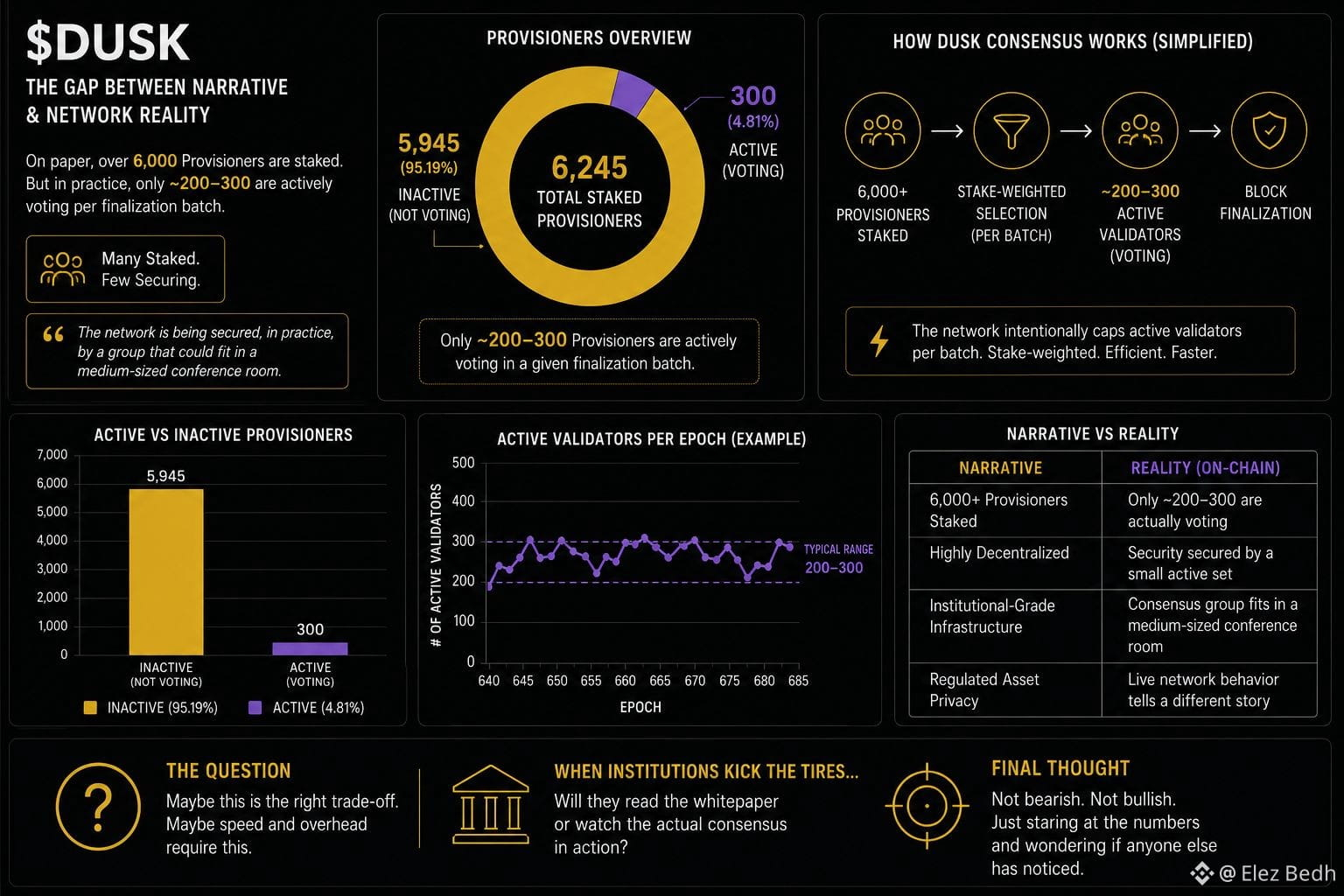
紙の上では、6,000人以上のProvisioner(プロビジョナー)がステークされています。これは立派な数字です。分散されています。健全です。あなたが見たいと思うまさにその形です。
でも、ある特定のエポックにおける実際のブロック最終化を追い始めたんです。
そのうち実際にアクティブに投票しているのは、だいたい200〜300のノードだけでした。
ブラウザが不具合を起こしているのかと思って、ページを何度か更新してみました。違いました。ネットワークが、バッチごとにアクティブ・バリデーター数を意図的に上限で絞っているんです。ステークに応じた重み付け。効率的。たぶん全体をより速くするためでしょう。
でも、ちょっとここで考えてみましょう。
このネットワークは、実際には中規模の会議室に収まるくらいの人数で守られているわけです。 その一方で、物語は「機関レベルのインフラ」や「規制された資産プライバシー」を押し続けています。どちらも大きな約束です。空っぽだと言いたいわけじゃありません。ただ、ストーリーと稼働中のネットワークの間にはギャップがある、と言いたいんです。
もしかすると、これは妥当なトレードオフなのかもしれません。速度やオーバーヘッドのために必要なのかもしれない。でも、機関が実際に検討し始めたとき、彼らはホワイトペーパーを読むのでしょうか? それとも、実際のコンセンサスが動いているところを見るのでしょうか?
なぜなら、現時点では、この2つのものが完全に一致していないからです。
私は弱気でも強気でもありません。数値を見ていて、他にも誰か同じことに気づいているのかなと思っているだけです。
@Dusk #dusk #DUSK $DUSK
紙の上では、6,000人以上のProvisioner(プロビジョナー)がステークされています。これは立派な数字です。分散されています。健全です。あなたが見たいと思うまさにその形です。
でも、ある特定のエポックにおける実際のブロック最終化を追い始めたんです。
そのうち実際にアクティブに投票しているのは、だいたい200〜300のノードだけでした。
ブラウザが不具合を起こしているのかと思って、ページを何度か更新してみました。違いました。ネットワークが、バッチごとにアクティブ・バリデーター数を意図的に上限で絞っているんです。ステークに応じた重み付け。効率的。たぶん全体をより速くするためでしょう。
でも、ちょっとここで考えてみましょう。
このネットワークは、実際には中規模の会議室に収まるくらいの人数で守られているわけです。 その一方で、物語は「機関レベルのインフラ」や「規制された資産プライバシー」を押し続けています。どちらも大きな約束です。空っぽだと言いたいわけじゃありません。ただ、ストーリーと稼働中のネットワークの間にはギャップがある、と言いたいんです。
もしかすると、これは妥当なトレードオフなのかもしれません。速度やオーバーヘッドのために必要なのかもしれない。でも、機関が実際に検討し始めたとき、彼らはホワイトペーパーを読むのでしょうか? それとも、実際のコンセンサスが動いているところを見るのでしょうか?
なぜなら、現時点では、この2つのものが完全に一致していないからです。
私は弱気でも強気でもありません。数値を見ていて、他にも誰か同じことに気づいているのかなと思っているだけです。
@Dusk #dusk #DUSK $DUSK
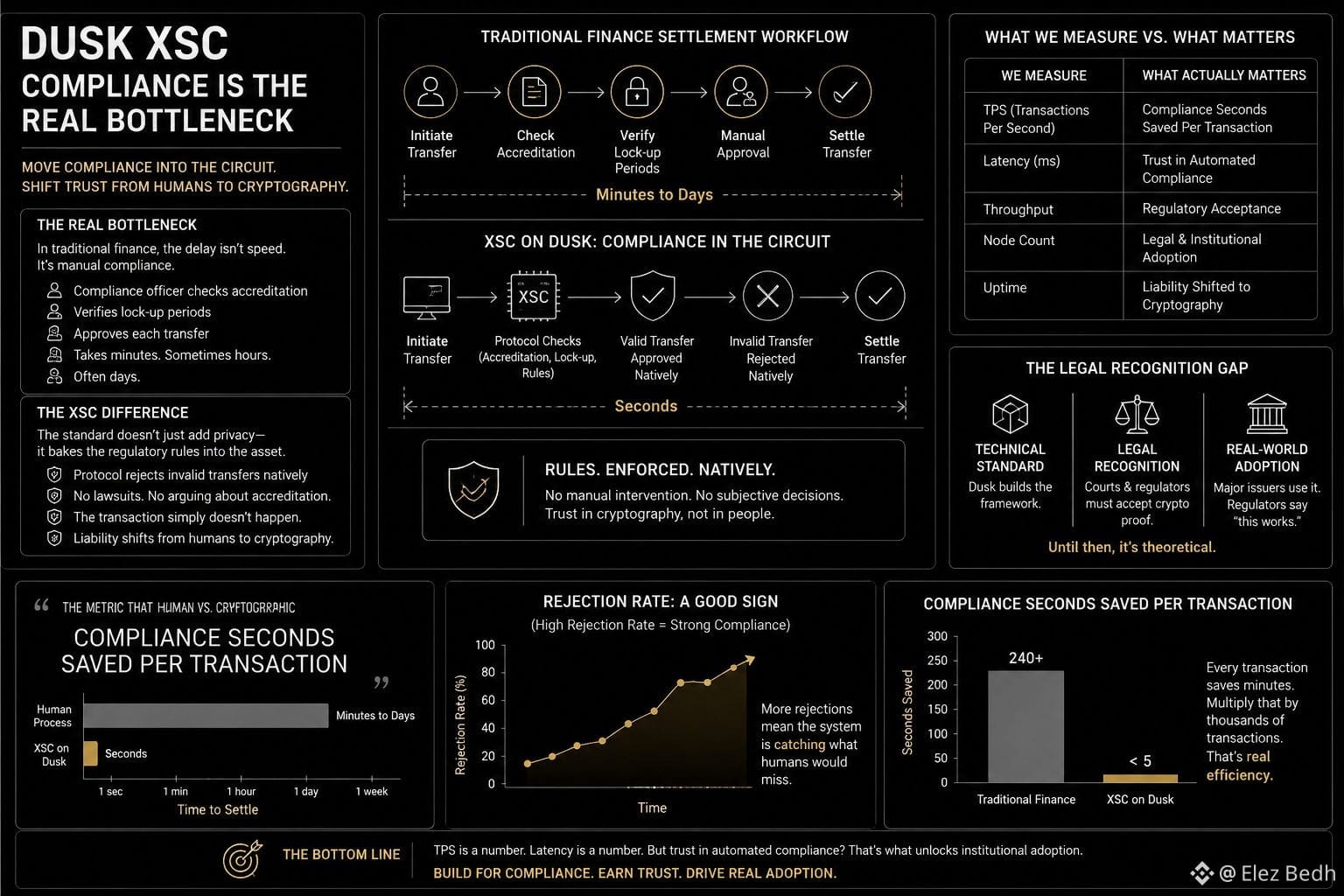
私はDuskのことをぐるぐる考えに戻ってしまい、本当にTPSの数字には関心を持てないでいます。
本当のボトルネックは速度ではありません。従来型の金融でセキュリティ取引が決済されるのを見たことがあるなら分かるはずです。足を引っ張るのはデータベースのレイテンシではありません。コンプライアンス担当者が、PDFに記載された認定を手作業で照合し、ロックアップ期間を確認し、送金ごとに承認する——それにかかるのは数分です。ときには数時間。しばしば数日です。
XSCはコンプライアンスを回路の中へ持ち込みます。標準が追加するのはプライバシーだけではなく、規制のルールを資産そのものに組み込みます。プロトコルは、不正な送金をネイティブに拒否します。訴訟もありません。認定について口論する必要もありません。取引自体が成立しないのです。すると責任の所在を人から外し、暗号へ移せます。
私たちは測りやすいものを測ります。TPSは数字です。レイテンシも数字です。しかし、自動化されたコンプライアンスへの信頼は、形がつかみにくく、ベンチマークしにくい。とはいえ、それこそが、規制対象の機関が本当にこのチェーンを使うかどうかを左右します。
ここが私の不安なところです。法制度が、その暗号による証明を十分だと認めない限り、技術標準は無意味になり得ます。Duskは最も優雅な枠組みを作れるとしても、大手発行者がそれを使い、規制当局が「これは機能する」と言うまで、それは机上の話です。
私が実際に見ているのは2つのシグナルです。1つ目は、XSCについて法律事務所が意見書を出すことに前向きかどうか——これはノード数ではない、本当の採用です。2つ目は、拒否率です。直感と逆ですが、失敗した送金が多いのは良い兆候です。人間なら本来手作業で扱ってしまうはずのものを、この仕組みが確実に捕まえているということだからです。
もしかすると本当の指標は、秒あたりの取引数ではありません。取引ごとに節約できたコンプライアンスの秒数です。
@Dusk #dusk #DUSK $DUSK
本当のボトルネックは速度ではありません。従来型の金融でセキュリティ取引が決済されるのを見たことがあるなら分かるはずです。足を引っ張るのはデータベースのレイテンシではありません。コンプライアンス担当者が、PDFに記載された認定を手作業で照合し、ロックアップ期間を確認し、送金ごとに承認する——それにかかるのは数分です。ときには数時間。しばしば数日です。
XSCはコンプライアンスを回路の中へ持ち込みます。標準が追加するのはプライバシーだけではなく、規制のルールを資産そのものに組み込みます。プロトコルは、不正な送金をネイティブに拒否します。訴訟もありません。認定について口論する必要もありません。取引自体が成立しないのです。すると責任の所在を人から外し、暗号へ移せます。
私たちは測りやすいものを測ります。TPSは数字です。レイテンシも数字です。しかし、自動化されたコンプライアンスへの信頼は、形がつかみにくく、ベンチマークしにくい。とはいえ、それこそが、規制対象の機関が本当にこのチェーンを使うかどうかを左右します。
ここが私の不安なところです。法制度が、その暗号による証明を十分だと認めない限り、技術標準は無意味になり得ます。Duskは最も優雅な枠組みを作れるとしても、大手発行者がそれを使い、規制当局が「これは機能する」と言うまで、それは机上の話です。
私が実際に見ているのは2つのシグナルです。1つ目は、XSCについて法律事務所が意見書を出すことに前向きかどうか——これはノード数ではない、本当の採用です。2つ目は、拒否率です。直感と逆ですが、失敗した送金が多いのは良い兆候です。人間なら本来手作業で扱ってしまうはずのものを、この仕組みが確実に捕まえているということだからです。
もしかすると本当の指標は、秒あたりの取引数ではありません。取引ごとに節約できたコンプライアンスの秒数です。
@Dusk #dusk #DUSK $DUSK
$INX は+35%の勢いで爆発していて、買い手はまだ強く押し続けています!クリーンな継続が起これば、さらにもう一段高くなる可能性があります。🚀
EP: 0.0108 – 0.0112
TP: 0.0125 / 0.0138 / 0.0150 🎯
SL: 0.0102 🛑
$COOKIE はあなたのスナップショットで+28%上昇中です。買い手がブレイクアウトのゾーンを防衛できれば、上昇はさらに伸びるかもしれません。
EP: 0.0147 – 0.0152
TP: 0.0165 / 0.0178 / 0.0190 🎯
SL: 0.0139 🛑
$CYS は新高値付近で急騰しており、現在の市場データでも強い24Hモメンタムが示されています。
EP: 1.40 – 1.46
TP: 1.55 / 1.68 / 1.82 🎯
SL: 1.32 🛑
EP: 0.0108 – 0.0112
TP: 0.0125 / 0.0138 / 0.0150 🎯
SL: 0.0102 🛑
$COOKIE はあなたのスナップショットで+28%上昇中です。買い手がブレイクアウトのゾーンを防衛できれば、上昇はさらに伸びるかもしれません。
EP: 0.0147 – 0.0152
TP: 0.0165 / 0.0178 / 0.0190 🎯
SL: 0.0139 🛑
$CYS は新高値付近で急騰しており、現在の市場データでも強い24Hモメンタムが示されています。
EP: 1.40 – 1.46
TP: 1.55 / 1.68 / 1.82 🎯
SL: 1.32 🛑
Long
51%
Short
49%
83 投票 • 投票は終了しました
市場が急速に過熱!TUTUが+125%でリードし、BMTは+88%に続き、MUBARAKは+38%を押し上げています。モメンタムは爆発的で、強気派は次の上昇局面を狙っています。
$TUT
EP: 0.1500–0.1550
TP: 0.1650 / 0.1780 / 0.1900
SL: 0.1430
$BMT
EP: 0.0238–0.0245
TP: 0.0265 / 0.0285 / 0.0310
SL: 0.0225
$MUBARAK
EP: 0.0205–0.0211
TP: 0.0228 / 0.0245 / 0.0265
SL: 0.0194
$TUT
EP: 0.1500–0.1550
TP: 0.1650 / 0.1780 / 0.1900
SL: 0.1430
$BMT
EP: 0.0238–0.0245
TP: 0.0265 / 0.0285 / 0.0310
SL: 0.0225
$MUBARAK
EP: 0.0205–0.0211
TP: 0.0228 / 0.0245 / 0.0265
SL: 0.0194
Bullish 🟢🟢
49%
Bearish 🔴🔴
39%
confused 🤔
12%
51 投票 • 投票は終了しました
バビロンのドキュメントのある一点がずっと気になっていました。アンボンディングとスラッシングは同じマルチシグ委員会で処理されますが、閾値が異なるのです。スラッシングはより高いハードルと長いディレイを要求します。関係する人は同じなのに権限が違う──これは、特定の判断がより大きなリスクを伴うことを彼らが理解していて、そのためブレーキを追加したということを示しています。偶然ではありません。
次に9つのシートを見ました。Babylon Labsが3つ、残りは外部です:CoinSummer、RockX、AltLayer、Zellic、Informal、Cubist。何かを通すには9席中6席が必要──Babylonは単独では動けません。現時点ではバランスは良いです。
しかし「エミュレーション・フェーズ」という言葉が、居心地の悪さを増します。計画では、BitcoinがOP_CTVのようなコベナンツを備えたら委員会を引退させるつもりです。その議論は何年も続いているのに、明確な道筋がありません。しかもフェーズ1からフェーズ2にかけて、委員会の役割は実際に拡大しています。アンボンディングだけの署名担当から、いまではスラッシングの処理も行うようになりました。暫定的なコンポーネントが、より多くの責任を負うのは逆方向に感じます。
さらに、これは本当に重い。Lombard、SolvBTCなどを通じたBTCの流動性は3Bドル超で、すべて最終的にはこの9つの署名に依存しています。あるエンティティが制裁を受けるか、重要な鍵を失えば、退出の扉が詰まります。はい、Bitcoinのタイムロックにはフォールバックがありますが、それは数か月で測られます──暗号資産の世界では「永遠」の相当物です。
この仕組みが、実現するかもしれない(あるいは来ないかもしれない)アップグレードをより長く待てば待つほど、信頼と資金は蓄積されていきます。そしてアップグレードがようやく到着したとき──もし到着するなら──これら9つのエンティティは自発的に署名権を返すのでしょうか。それとも、鍵を保持し続けるための「まったく妥当な」言い訳を見つけるだけでしょうか。私は「一時的な」解決策が、そもそも解決すべき問題を超えて生き残るのを何度も見てきました。
@BabylonLabs_io #baby #BABY $BABY
次に9つのシートを見ました。Babylon Labsが3つ、残りは外部です:CoinSummer、RockX、AltLayer、Zellic、Informal、Cubist。何かを通すには9席中6席が必要──Babylonは単独では動けません。現時点ではバランスは良いです。
しかし「エミュレーション・フェーズ」という言葉が、居心地の悪さを増します。計画では、BitcoinがOP_CTVのようなコベナンツを備えたら委員会を引退させるつもりです。その議論は何年も続いているのに、明確な道筋がありません。しかもフェーズ1からフェーズ2にかけて、委員会の役割は実際に拡大しています。アンボンディングだけの署名担当から、いまではスラッシングの処理も行うようになりました。暫定的なコンポーネントが、より多くの責任を負うのは逆方向に感じます。
さらに、これは本当に重い。Lombard、SolvBTCなどを通じたBTCの流動性は3Bドル超で、すべて最終的にはこの9つの署名に依存しています。あるエンティティが制裁を受けるか、重要な鍵を失えば、退出の扉が詰まります。はい、Bitcoinのタイムロックにはフォールバックがありますが、それは数か月で測られます──暗号資産の世界では「永遠」の相当物です。
この仕組みが、実現するかもしれない(あるいは来ないかもしれない)アップグレードをより長く待てば待つほど、信頼と資金は蓄積されていきます。そしてアップグレードがようやく到着したとき──もし到着するなら──これら9つのエンティティは自発的に署名権を返すのでしょうか。それとも、鍵を保持し続けるための「まったく妥当な」言い訳を見つけるだけでしょうか。私は「一時的な」解決策が、そもそも解決すべき問題を超えて生き残るのを何度も見てきました。
@BabylonLabs_io #baby #BABY $BABY
🏛️ Centralization
100%
🔑 Key loss
0%
⚖️ Regulation
0%
😌 No major risk
0%
2 投票 • 投票は終了しました
ほとんどの貸出プロトコルは、見るべきものを1つに絞るよう学習させます。つまり「借り手が返済したかどうか」です。二値的で、すっきりしています。Babylonのバルト(vault)モデルはそれをひっくり返します。本当のシグナルは、誰かが清算したかどうかではなく、期限が到来する前にどう振る舞ったかです。
ネイティブのビットコインのポジションを開き、ボラティリティの間もバルトの条件を維持し、早期に退出する借り手は、信用力を示しているわけではありません。彼らが示しているのは、より偽りにくい「タイミングの信頼性」です。同じ金額の担保を提示しても、見た目が紙の上では同じに見える借り手が2人いることがあります。期限切れ履歴が別の物語を語ります。1人は最終ブロックまで毎回のポジションに乗り、オークションの仕組みを何度も試します。もう1人は、余裕を残して一貫してクローズします。こうしたパターンは互いに置き換えがききません。
トークンのメカニクスのところが少し曖昧になります。$BABY は、その行動データを、単なる別のナラティブのフックではなく、反復的な需要へと変換する必要があります。検証者は、バルトの状態を誠実に追跡するための「実際のインセンティブ」を必要とします。検証が弱い、あるいは協調ゲームが生まれてしまうなら、評判(レピュテーション)レイヤーはノイズになります。ポイント目的で純粋に「養殖」された低品質な活動は、本物のシグナルを圧倒してしまいます。トークンの希薄化もこれに追い打ちをかけます。もしエミッションが手数料の吸収より速く増えるなら、市場は物語の価格をつけながら、実際のループは薄れていきます。
注目すべきは次の点です。繰り返される借入パターン、退出タイミング、検証者のボンディング、手数料の回収トレンド、そして貸し手が実際に、過去のバルト行動にもとづいて差別化しているかどうかです。避けるべき分岐は、「本当の貸出需要」よりも先に評判が成長してしまうこと。これは滅多にうまく終わりません。
早期退出から得られるシグナルはあります。そのシグナルがインセンティブ構造の中で生き残るのか、それとも希薄化に飲み込まれるのか——それが追う価値のある問いです。市場が実際にこの行動を価格に織り込んでいると信じるために、あなたは何を見る必要があるでしょうか?
@BabylonLabs_io #baby #BABY $BABY
ネイティブのビットコインのポジションを開き、ボラティリティの間もバルトの条件を維持し、早期に退出する借り手は、信用力を示しているわけではありません。彼らが示しているのは、より偽りにくい「タイミングの信頼性」です。同じ金額の担保を提示しても、見た目が紙の上では同じに見える借り手が2人いることがあります。期限切れ履歴が別の物語を語ります。1人は最終ブロックまで毎回のポジションに乗り、オークションの仕組みを何度も試します。もう1人は、余裕を残して一貫してクローズします。こうしたパターンは互いに置き換えがききません。
トークンのメカニクスのところが少し曖昧になります。$BABY は、その行動データを、単なる別のナラティブのフックではなく、反復的な需要へと変換する必要があります。検証者は、バルトの状態を誠実に追跡するための「実際のインセンティブ」を必要とします。検証が弱い、あるいは協調ゲームが生まれてしまうなら、評判(レピュテーション)レイヤーはノイズになります。ポイント目的で純粋に「養殖」された低品質な活動は、本物のシグナルを圧倒してしまいます。トークンの希薄化もこれに追い打ちをかけます。もしエミッションが手数料の吸収より速く増えるなら、市場は物語の価格をつけながら、実際のループは薄れていきます。
注目すべきは次の点です。繰り返される借入パターン、退出タイミング、検証者のボンディング、手数料の回収トレンド、そして貸し手が実際に、過去のバルト行動にもとづいて差別化しているかどうかです。避けるべき分岐は、「本当の貸出需要」よりも先に評判が成長してしまうこと。これは滅多にうまく終わりません。
早期退出から得られるシグナルはあります。そのシグナルがインセンティブ構造の中で生き残るのか、それとも希薄化に飲み込まれるのか——それが追う価値のある問いです。市場が実際にこの行動を価格に織り込んでいると信じるために、あなたは何を見る必要があるでしょうか?
@BabylonLabs_io #baby #BABY $BABY
📉 Token dilution
100%
🛡️ Weak verifiers
0%
🎯 Reputation farming
0%
2 投票 • 投票は終了しました
市場が再び加熱し、明確に勢いが戻ってきています。SKYAI、BTW、HOMEはいずれも、出来高の増加とともに強い買い圧力を示しています。ブル(買い手)が支配を維持できれば、これは別の爆発的な値動きの始まりになる可能性があります。集中してリスクを管理し、トレンドに仕事をさせましょう。
$SKYAI USDT
EP: 0.0460 – 0.0472
TP: 0.0505 | 0.0540 | 0.0580
SL: 0.0435
$BTW USDT
EP: 0.1150 – 0.1180
TP: 0.1250 | 0.1320 | 0.1400
SL: 0.1100
$HOME USDT
EP: 0.0080 – 0.0083
TP: 0.0090 | 0.0098 | 0.0107
SL: 0.0076
$SKYAI USDT
EP: 0.0460 – 0.0472
TP: 0.0505 | 0.0540 | 0.0580
SL: 0.0435
$BTW USDT
EP: 0.1150 – 0.1180
TP: 0.1250 | 0.1320 | 0.1400
SL: 0.1100
$HOME USDT
EP: 0.0080 – 0.0083
TP: 0.0090 | 0.0098 | 0.0107
SL: 0.0076
🔥 $SKYAIUSDT
40%
🚀 $BTWUSDT
30%
💎 $HOMEUSDT
30%
67 投票 • 投票は終了しました
バビロンのドキュメントをスクロールしながら、私は何度も「切り裂く(slashing)」のフローに戻ってしまいました。契約(covenant)ロジックはすっきりしているのですが、私が想定していた形で閉じないループがあります。
BTCはタイムロック付きでUTXOを固定します。切り裂くには、PoSチェーンが証明(proof)を提出し、その証明は、BTCが確保しているまさにそのバリデータたちによって生成・検証されます。$BABY もし過半数が不正行為(misbehavior)イベントを無視することを決めれば、切り裂きのトランザクションはBitcoinに送られません。タイムロックが期限切れになると、ステーカーはアンボンド(unbond)し、BTCは無傷のまま立ち去ります。Bitcoinは何が起きたのかを知りません。待っていただけです。
つまり「自己管理(self-custodial)」の部分は本当で、鍵は自分で保持しますが、強制は、合意そのものを攻撃するより低いコストで処罰を検閲できる委員会によってゲートされています。$BABY セキュリティ保証は、状態(state)に対するBitcoinの最終確定ではなく、「罰(punishment)」に対するBitcoinの最終確定であり、罰はそのチェーンが「自分で報告する」ことを選んだ場合にのみ発動します。
攻撃対象面は、チェーンそのものよりも「報告(reporting)」の層のほうが実際に安いのでしょうか? そしてそうなら、私たちはただ、目立たない盤面へゲームを移しているだけではないでしょうか?
@BabylonLabs_io #baby #BABY $BABY
BTCはタイムロック付きでUTXOを固定します。切り裂くには、PoSチェーンが証明(proof)を提出し、その証明は、BTCが確保しているまさにそのバリデータたちによって生成・検証されます。$BABY もし過半数が不正行為(misbehavior)イベントを無視することを決めれば、切り裂きのトランザクションはBitcoinに送られません。タイムロックが期限切れになると、ステーカーはアンボンド(unbond)し、BTCは無傷のまま立ち去ります。Bitcoinは何が起きたのかを知りません。待っていただけです。
つまり「自己管理(self-custodial)」の部分は本当で、鍵は自分で保持しますが、強制は、合意そのものを攻撃するより低いコストで処罰を検閲できる委員会によってゲートされています。$BABY セキュリティ保証は、状態(state)に対するBitcoinの最終確定ではなく、「罰(punishment)」に対するBitcoinの最終確定であり、罰はそのチェーンが「自分で報告する」ことを選んだ場合にのみ発動します。
攻撃対象面は、チェーンそのものよりも「報告(reporting)」の層のほうが実際に安いのでしょうか? そしてそうなら、私たちはただ、目立たない盤面へゲームを移しているだけではないでしょうか?
@BabylonLabs_io #baby #BABY $BABY
✅ Yes
50%
❌ No
50%
🤔 Not Sure
0%
4 投票 • 投票は終了しました
ログインして、さらにコンテンツを読む