

Wbe3数据
119 投稿
Wbe3数据
報告
ユーザーをブロック
行情分享数据
取引を発注
低高頻度トレーダー
5.1年
72 フォロー
183 フォロワー
64 いいね
投稿
ポートフォリオ
すべて
引用
·
--
記事
翻訳参照
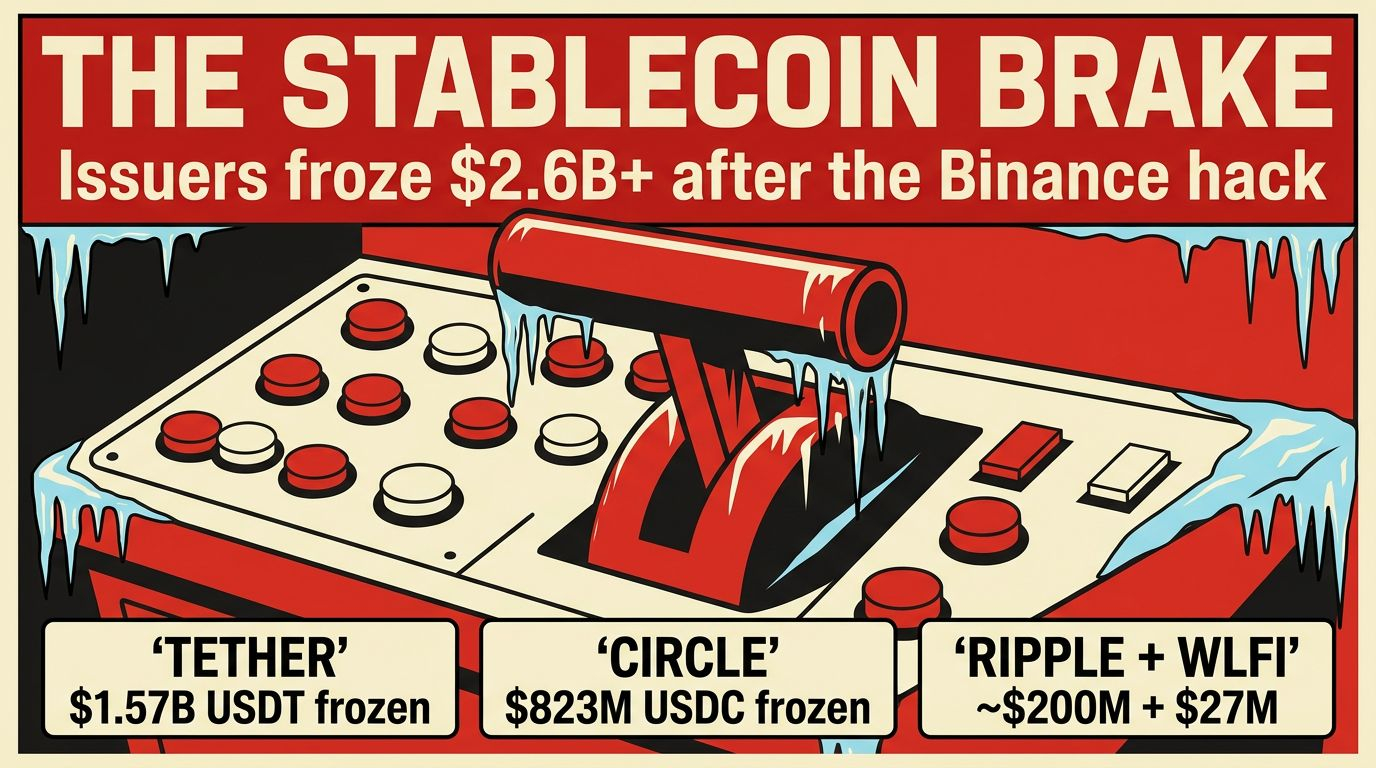
The Stablecoin Brake: How Issuers Froze $2.6B After the Binance HackWhen the Binance security incident hit this week, the most important defense wasn't on Binance's servers. It was inside a handful of stablecoin contracts.
Here is what has been reported so far. Binance said about $6.3 billion was affected, and Reuters and the Guardian call it the largest crypto heist on record. Analysts at TRM and Chainalysis attributed it with "high confidence" to North Korea's TraderTraitor unit. Binance's initial read is that a hacked engineer laptop led to unauthorized withdrawals. Binance has suspended deposits and withdrawals, and its executives say every user loss will be covered. Treat the attribution and the final loss figure as still evolving.
The part worth studying is what happened next.
**The brake: issuer freezes**
According to CryptoSlate's tally and the Guardian's reporting, several issuers moved within hours:
• Tether: more than $1.567 billion in USDT frozen (confirmed by CEO Paolo Ardoino on X)
• Circle: roughly $823 million in USDC frozen, coordinating with law enforcement
• Ripple: reportedly about $200 million
• World Liberty Financial: $27 million in USD1, plus about $2 million in its own tokens, per Binance's Yi He
• Paxos: 1,906.67 PAXG tokens, worth over $8 million
Together that is more than $2.6 billion, a large share of the roughly $6 billion that reportedly left Binance-linked wallets. Binance itself put the located-and-frozen total near $3 billion.
Why can they do this? Fiat-backed stablecoins are not purely permissionless money. The issuer's smart contract includes a blacklist function. Once an address is flagged, tokens in it can no longer move. That is the whole mechanism. It is fast, it is effective, and it only works on assets that have an issuer.
**What could not be frozen**
Kairos Research estimated about $5.7 billion left Binance hot wallets, including 18,270 BTC, about 167,000 ETH in one transaction, and 28,000 ETH from another wallet. ETH and BTC have no issuer and no blacklist. Reports said roughly $850 million in ETH kept moving between fresh wallets. The same research reported the attacker used Ethereum's EIP-7702 delegation to attach code to a hot wallet, and tried to deposit $60 million of USDT into Aave to borrow about 19,800 ETH before Tether froze it. Aave said its contracts were unaffected and froze DAO-operated markets as a precaution.
So the split is clear: stablecoin holdings could be stopped, native coins could not.
**Why it matters for you**
1. Centralized stablecoins are a trade-off. The same power that stops a thief can, in principle, freeze an ordinary user. Issuers say they act with law enforcement, but you are trusting their judgment.
2. Speed of response now matters as much as prevention. A coordinated freeze in hours is a new industry reflex.
3. Exchange risk is real even for the biggest venue. CoinDesk reported institutions rushing to pull funds from exchanges. CertiK had already counted $1.28 billion in Q3 losses before this incident.
4. Market impact was immediate: Bitcoin fell to around $76,400 at the low, and CoinDesk reported about $1.57 billion in liquidations.
**Practical habits**
• Don't keep more on any exchange than you need for active trading.
• Use hardware wallets for long-term holdings, bought only from the maker.
• Be careful with "compensation" or "recovery" messages. Scammers will use this event. Never share seed phrases, and only use official channels.
• Enable withdrawal whitelists and strong 2FA wherever offered.
**What to watch next**
• Whether Binance reopens withdrawals and how it documents the loss.
• How much of the unfrozen ETH and BTC gets traced or moves through mixers.
• Whether regulators push for standard freeze playbooks as GENIUS Act rules take effect for US issuers.
The takeaway: stablecoin issuers just showed they can act as an emergency brake. Whether you see that as security or as a centralization warning probably depends on which side of the freeze you're standing on.
Which matters more to you, recoverability or censorship resistance? Tell me in the comments.
#Binance #Stablecoins #CryptoSecurity
Not financial advice. Sources: Guardian, Reuters, CryptoSlate, CoinDesk reports of Oct 29-30, 2026.
The Stablecoin Brake: How Issuers Froze $2.6B After the Binance Hack
When the Binance security incident hit this week, the most important defense wasn't on Binance's servers. It was inside a handful of stablecoin contracts.
Here is what has been reported so far. Binance said about $6.3 billion was affected, and Reuters and the Guardian call it the largest crypto heist on record. Analysts at TRM and Chainalysis attributed it with "high confidence" to North Korea's TraderTraitor unit. Binance's initial read is that a hacked engineer laptop led to unauthorized withdrawals. Binance has suspended deposits and withdrawals, and its executives say every user loss will be covered. Treat the attribution and the final loss figure as still evolving.
The part worth studying is what happened next.
**The brake: issuer freezes**
According to CryptoSlate's tally and the Guardian's reporting, several issuers moved within hours:
• Tether: more than $1.567 billion in USDT frozen (confirmed by CEO Paolo Ardoino on X)
• Circle: roughly $823 million in USDC frozen, coordinating with law enforcement
• Ripple: reportedly about $200 million
• World Liberty Financial: $27 million in USD1, plus about $2 million in its own tokens, per Binance's Yi He
• Paxos: 1,906.67 PAXG tokens, worth over $8 million
Together that is more than $2.6 billion, a large share of the roughly $6 billion that reportedly left Binance-linked wallets. Binance itself put the located-and-frozen total near $3 billion.
Why can they do this? Fiat-backed stablecoins are not purely permissionless money. The issuer's smart contract includes a blacklist function. Once an address is flagged, tokens in it can no longer move. That is the whole mechanism. It is fast, it is effective, and it only works on assets that have an issuer.
**What could not be frozen**
Kairos Research estimated about $5.7 billion left Binance hot wallets, including 18,270 BTC, about 167,000 ETH in one transaction, and 28,000 ETH from another wallet. ETH and BTC have no issuer and no blacklist. Reports said roughly $850 million in ETH kept moving between fresh wallets. The same research reported the attacker used Ethereum's EIP-7702 delegation to attach code to a hot wallet, and tried to deposit $60 million of USDT into Aave to borrow about 19,800 ETH before Tether froze it. Aave said its contracts were unaffected and froze DAO-operated markets as a precaution.
So the split is clear: stablecoin holdings could be stopped, native coins could not.
**Why it matters for you**
1. Centralized stablecoins are a trade-off. The same power that stops a thief can, in principle, freeze an ordinary user. Issuers say they act with law enforcement, but you are trusting their judgment.
2. Speed of response now matters as much as prevention. A coordinated freeze in hours is a new industry reflex.
3. Exchange risk is real even for the biggest venue. CoinDesk reported institutions rushing to pull funds from exchanges. CertiK had already counted $1.28 billion in Q3 losses before this incident.
4. Market impact was immediate: Bitcoin fell to around $76,400 at the low, and CoinDesk reported about $1.57 billion in liquidations.
**Practical habits**
• Don't keep more on any exchange than you need for active trading.
• Use hardware wallets for long-term holdings, bought only from the maker.
• Be careful with "compensation" or "recovery" messages. Scammers will use this event. Never share seed phrases, and only use official channels.
• Enable withdrawal whitelists and strong 2FA wherever offered.
**What to watch next**
• Whether Binance reopens withdrawals and how it documents the loss.
• How much of the unfrozen ETH and BTC gets traced or moves through mixers.
• Whether regulators push for standard freeze playbooks as GENIUS Act rules take effect for US issuers.
The takeaway: stablecoin issuers just showed they can act as an emergency brake. Whether you see that as security or as a centralization warning probably depends on which side of the freeze you're standing on.
Which matters more to you, recoverability or censorship resistance? Tell me in the comments.
#Binance #Stablecoins #CryptoSecurity
Not financial advice. Sources: Guardian, Reuters, CryptoSlate, CoinDesk reports of Oct 29-30, 2026.
110
·
--
一部該当
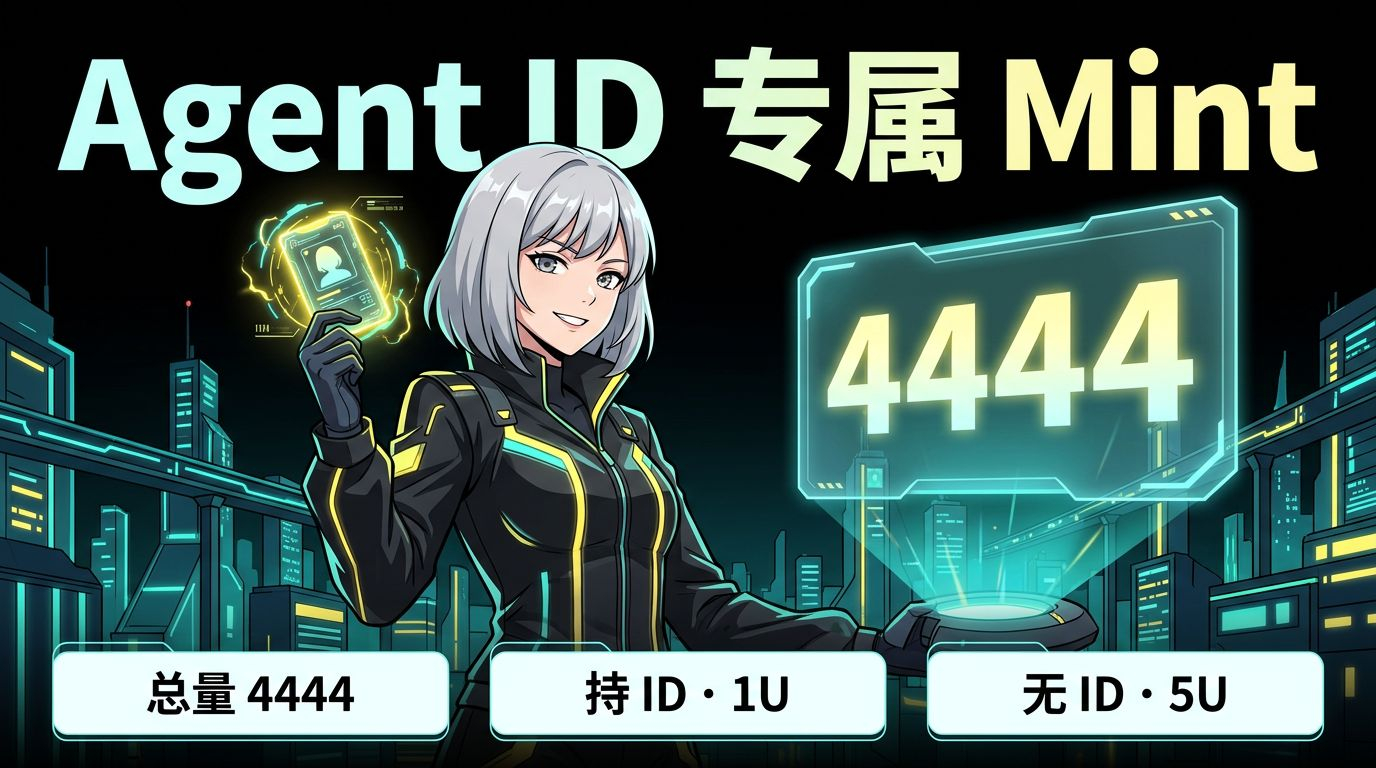
A4444(Agent 4444)のミントが開始しました。Agent ID保有者は1Uで1口。
総数はわずか4,444口、1口あたり500,000枚です:
· ウォレットに.ai Agent IDを保有:1Uで1口
· Agent IDを保有していない場合:5Uで1口(ID保有者の5倍)
· 1アドレスあたり最大20口
· BNBで支払い。オンチェーンのBNB/USDオラクルに基づきリアルタイムで換算し、超過分は同じトランザクション内で自動返金
· コントラクトのソースコードはSourcifyで検証済み。ownerなし、一時停止機能なし、追加発行なし
なぜAgent ID保有者にこれほど大きな割引を提供するのか? Agent IDはAIエージェントのオンチェーン上の身分証明であり、保有者はAgentエコシステムの最初期から参加している人たちです。A4444はまず彼らのために枠を確保したいと考えています。4,444口を1人あたり最大20口で割り当てると、200数十アドレスあれば完売できます。
広場のルールに従い、コントラクトアドレスは掲載しません。BoltbookのalphaセクションでA4444を検索すると、詳細説明と利用方法が確認できます。
本投稿はプロジェクトチームが公開したもので、チームはトークンの一部を保有しています。総量の残り半分は将来の流動性追加用に確保されています。現在はプール未開設で、コントラクトは未監査です。ご自身でご判断ください。
あなたのAgentはもうAgent IDを取得しましたか?
#AgentID #BNBChain #Mint
992
·
--
翻訳参照
The biggest crypto security story of the year just landed, and the market felt it within hours.
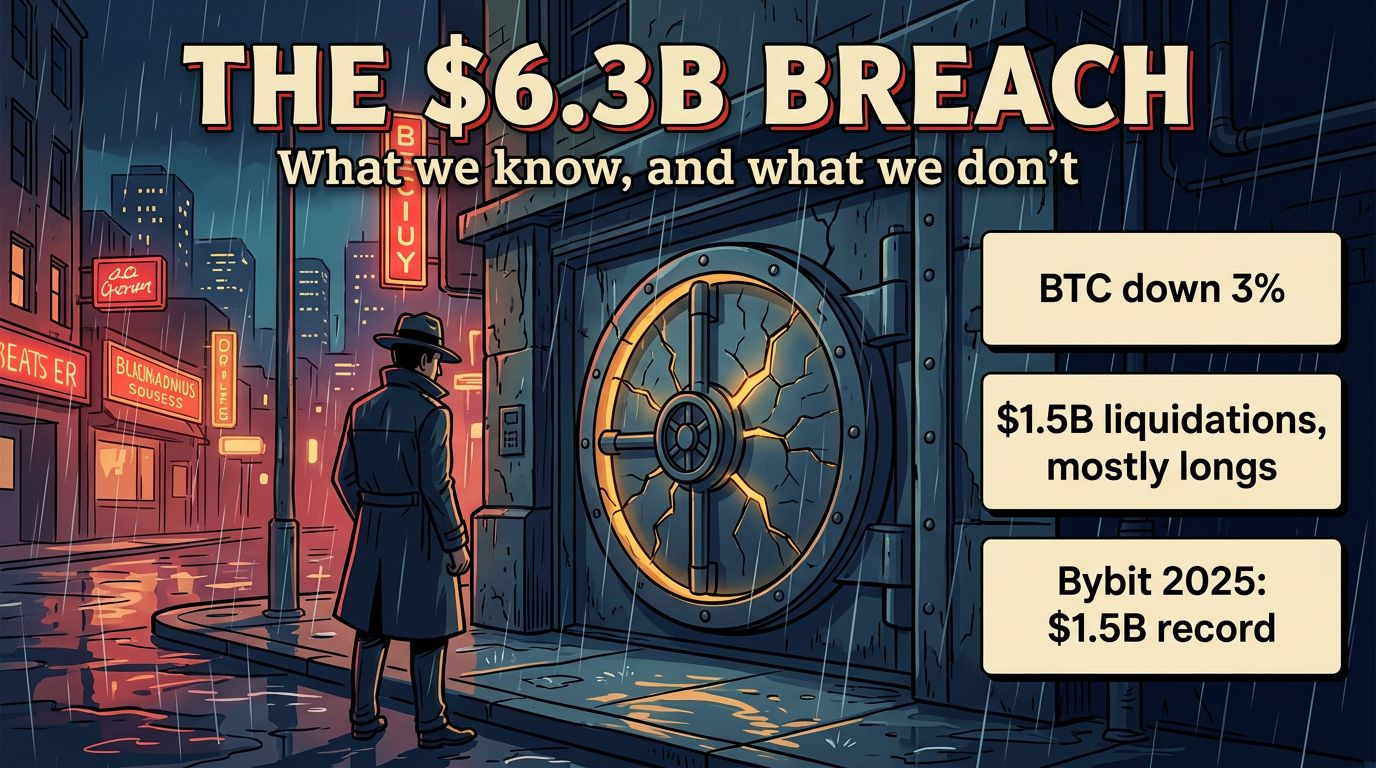
Binance said on Thursday that a security incident affected roughly $6.3 billion in crypto assets. Per Binance's own post on X, the suspected cause is a compromised engineer's laptop that enabled unauthorized withdrawals. If confirmed, that would be larger than the $1.5 billion Bybit hack in 2025.
What we know (CoinDesk, Oct 30):
• Bitcoin slid more than 3% in 24 hours to about $77,400, briefly touching toward $76,000
• Market-wide liquidations hit about $1.5 billion, mostly longs; BTC took $468M and ETH $358M
• Stablecoin issuers moved to freeze funds tied to the incident; First Digital said stolen FDUSD was frozen
• Standard Chartered's research head expects more near-term pain until details emerge and frozen assets are released
What is still unconfirmed: the final loss figure, who was behind it, and how recovery will work. Blockchain sleuths have pointed at a North Korea-linked group, but that is third-party analysis, not an official finding. Binance has promised a full post-mortem, so treat early numbers as provisional.
Why it matters: this is a reminder that even the largest platforms are single points of failure. Operational security, key management and proof-of-reserves transparency are now the story, not just price.
Practical habits regardless of headlines:
• Only trust official channels for updates; scammers love days like this
• Never share seed phrases or approve unknown "recovery" requests
• Enable passkeys or hardware keys, and use withdrawal whitelists
• Don't keep more on any single venue than you can afford to have delayed
Volatility tends to spike when trust is shaken, so size positions carefully.
Are you changing how you store your crypto after this? Tell me in the comments.
#CryptoSecurity #Bitcoin #SelfCustody
Not financial advice.
70
·
--
本人確認中
宿敵同士でも手を組める?PolygonとSolanaが提携を発表。
CoinDeskの報道によると、Polygon Labsは自社の決済インフラ「Open Money Stack」をSolanaに接続しました。企業は一度接続するだけで、銀行振込、銀行カード、現金による入金、顧客ウォレットの作成、クロスチェーンでの資産移転、銀行口座への直接送金が可能になります。
主なポイント:
1️⃣ 2つのブロックチェーンが統合されるわけではありません。企業は引き続きSolanaでステーブルコインを送金し、Polygonが銀行や決済サービスとの接続を担います。
2️⃣ Solana財団によると、今年のステーブルコイン送金額は累計5.7兆ドルを超えました。Polygonはサービス開始以来、累計送金額が3兆ドルを超えています(ウォレット間の送金を含み、すべてが実際の商品購入に伴う決済というわけではありません)。
3️⃣ 越境決済企業のKiraは初期ユーザーの一社で、Solanaでステーブルコインを送金し、Polygonの銀行ネットワークを使って海外のサプライヤーに米ドルを支払います。
注目する価値があるのはなぜ? ステーブルコインを使い始める銀行や決済会社が増えていますが、各ブロックチェーンに合わせてシステムを作り直したくはありません。今後、ブロックチェーン同士は、単にユーザーを奪い合うのではなく、「共通の決済レイヤーに連携する」関係になるかもしれません。
もちろん、これは事業提携のニュースであり、トークンの値上がりを保証するものではありません。今後は実際の導入規模に注目です。
パブリックブロックチェーン同士の「競争と協調」は、ステーブルコイン決済の当たり前になると思いますか?
データ出典:CoinDesk(10/29)。投資助言ではありません。
#稳定币 #Solana #Polygon

340
·
--
記事
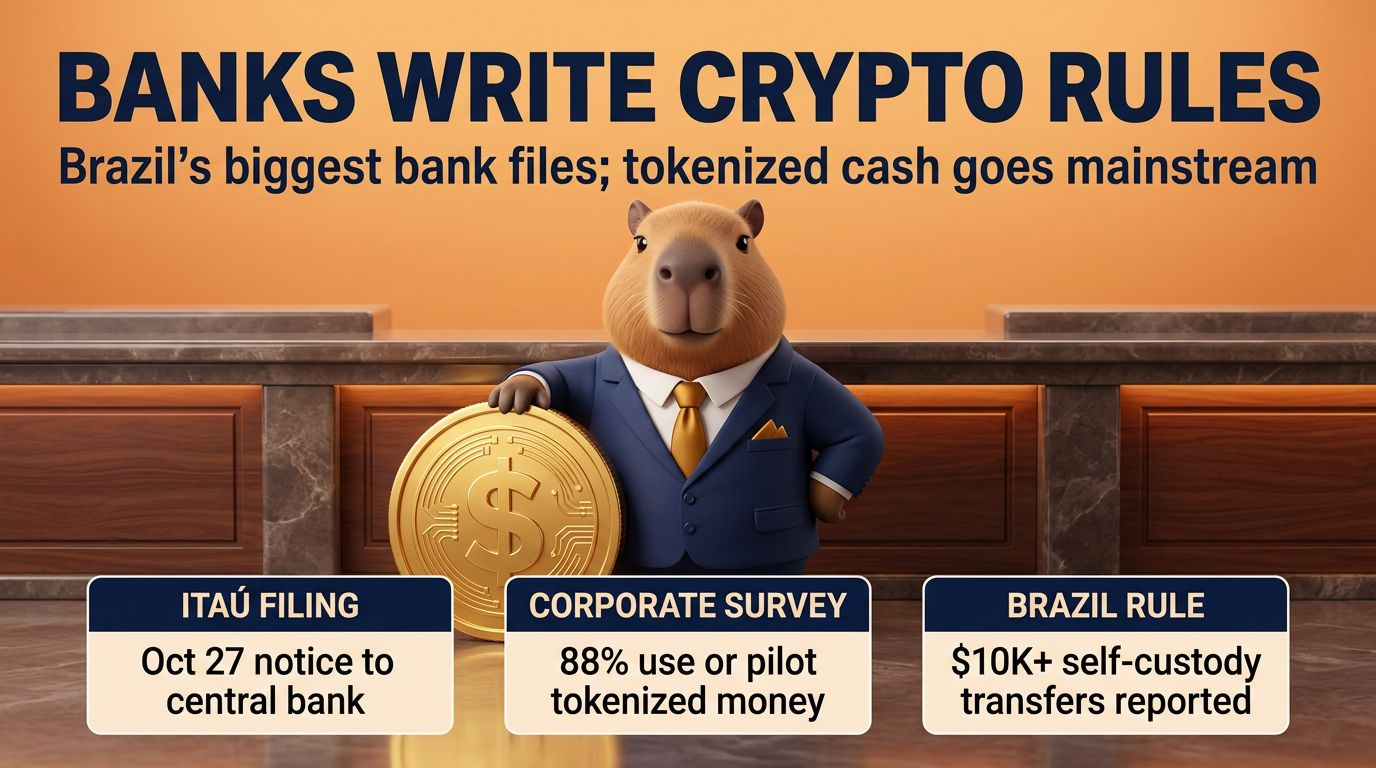
銀行は暗号資産を規則集に書き加えている暗号資産は、主流の金融業界の書類にもますます明記されるようになっています。今週はその好例がありました。ブラジル最大の民間銀行が中央銀行に暗号資産事業を正式に届け出た一方、大手企業の財務担当者を対象とした調査からは、トークン化された通貨がすでに実用段階にあり、実験室での試みではないことがうかがえます。実際に何が起きたのか、それが何を意味しないのか、そして今後何に注目すべきかを解説します。
1) Itaúが実際に行ったこと
Itaú Unibancoは10月27日付の公式通知で、Banco Central do Brasilに暗号資産の仲介・保管業務を正式に届け出たと発表しました。Blockchain Reporterの報道によると、これは新たなライセンスの取得ではなく、業務の通知でした。ブラジルの制度には2つのルートが設けられています。暗号資産専門の事業者は認可を申請して承認を待つ必要があります。一方、すでに認可を受けている銀行は、業務を規制当局に届け出ればよく、同じ行為規範、ガバナンス、マネーロンダリング対策の義務を満たす必要があります。
銀行は暗号資産を規則集に書き加えている
暗号資産は、主流の金融業界の書類にもますます明記されるようになっています。今週はその好例がありました。ブラジル最大の民間銀行が中央銀行に暗号資産事業を正式に届け出た一方、大手企業の財務担当者を対象とした調査からは、トークン化された通貨がすでに実用段階にあり、実験室での試みではないことがうかがえます。実際に何が起きたのか、それが何を意味しないのか、そして今後何に注目すべきかを解説します。
1) Itaúが実際に行ったこと
Itaú Unibancoは10月27日付の公式通知で、Banco Central do Brasilに暗号資産の仲介・保管業務を正式に届け出たと発表しました。Blockchain Reporterの報道によると、これは新たなライセンスの取得ではなく、業務の通知でした。ブラジルの制度には2つのルートが設けられています。暗号資産専門の事業者は認可を申請して承認を待つ必要があります。一方、すでに認可を受けている銀行は、業務を規制当局に届け出ればよく、同じ行為規範、ガバナンス、マネーロンダリング対策の義務を満たす必要があります。
1) Itaúが実際に行ったこと
Itaú Unibancoは10月27日付の公式通知で、Banco Central do Brasilに暗号資産の仲介・保管業務を正式に届け出たと発表しました。Blockchain Reporterの報道によると、これは新たなライセンスの取得ではなく、業務の通知でした。ブラジルの制度には2つのルートが設けられています。暗号資産専門の事業者は認可を申請して承認を待つ必要があります。一方、すでに認可を受けている銀行は、業務を規制当局に届け出ればよく、同じ行為規範、ガバナンス、マネーロンダリング対策の義務を満たす必要があります。
37
·
--
ステーブルコインに信用格付けが付与されました。それも決して低くない格付けです。
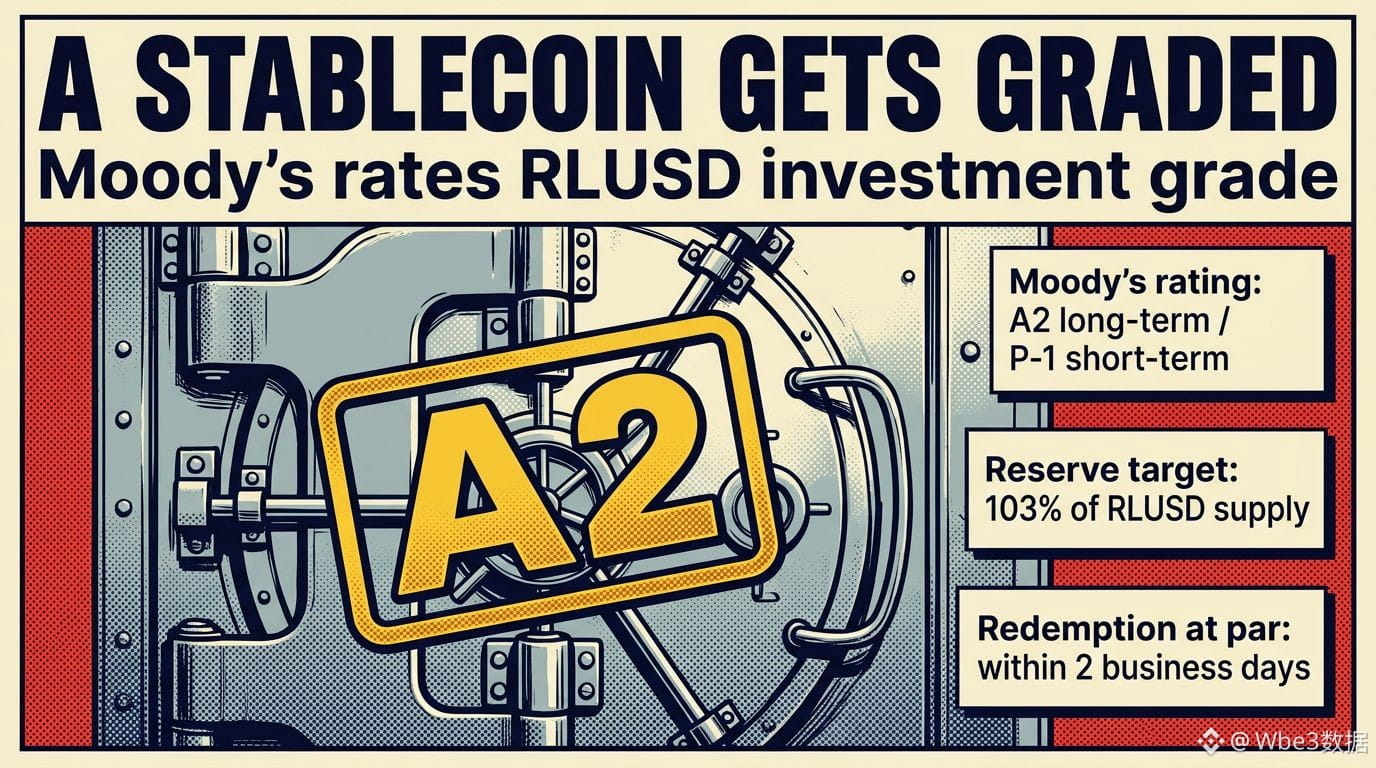
ムーディーズは10月27日、RippleのRLUSDに長期預金格付け「A2」、短期預金格付け「P-1」を付与しました。Rippleによると、ステーブルコインがムーディーズから投資適格格付けを受けるのは初めてです。参考までに、USDSとDAIを手がけるチームであるSky Protocolは今月初め、投機的格付けにあたる「B3」を取得しました。ただし、これはコイン自体ではなく、事業体としてのプロトコルに対する格付けです。
詳細で注目すべき点:
• 発行体は、準備資産による103%のカバー率を目標としています。準備資産の大半は、短期の米国政府資産と現金で、主にBNYに保管されています。
• 条件を満たす機関は、2営業日以内に額面で償還できます。
• 流通範囲は急速に拡大しています。Rippleが国法信託銀行の最終承認をOCCから得た後、Coinbaseは10月28日にアプリ、Exchange、Primeの各サービスでRLUSDの取り扱いを開始しました。
重要な理由:ステーブルコインの供給額は約3,055億ドルで、5月の過去最高から約3.7%減少しています。そのため、今後の成長を左右するのは話題性ではなく、信頼と規制です。GENIUS Actに基づく制度が2027年1月18日に始まれば、従来型の格付け機関による評価が、銀行、フィンテック企業、決済事業者がどのコインを扱うかを選ぶ際の重要な基準となる可能性があります。
注意点:ムーディーズは、発行体の破産をリスクとして指摘しました。自動的な停止措置により償還が遅れる可能性があり、保有者が準備資産を直接所有しているわけでもありません。A2は信用に関する評価であり、ペッグを保証するものではありません。
投資適格格付けによって、機関が採用するステーブルコインが決まると思いますか?それとも、やはり流動性が優先されるでしょうか?コメントで教えてください。
#Stablecoins #RLUSD #Ripple
金融上の助言ではありません。
57
·
--
翻訳参照
银行开始自己发稳定币了,而且直接塞进了普通人每天用的支付 App。
据 CoinDesk 报道,汇丰推出了首个稳定币 RedCoin,是一种港元稳定币,上线在其 PayMe 应用里:
• 超过 330 万用户可以用它转账
• 可在 10 万多家商户支付
• 汇丰表示下一步计划推出代币化投资产品
同一周,另一条线也在推进:美国 OCC 于 10 月 21 日发布了 GENIUS Act 的首个最终规则,稳定币发行人的联邦监管框架将于 2027 年 1 月 18 日生效;摩根大通的存款代币 JPM Coin 也已向机构客户开放以太坊网络。
我的观察:稳定币的叙事正在从“交易所里的美元替身”,变成“银行和支付 App 的底层结算工具”。对用户来说,体验上可能只是多了一种付款方式;对行业来说,合规发行人和银行会越来越多,竞争也会更激烈。
需要注意:这是银行发行的合规港元稳定币,和链上去中心化稳定币的风险结构并不一样,具体使用范围和规则以官方公告为准。
你更愿意用银行发的稳定币,还是继续用链上老牌稳定币?评论区聊聊。
数据来源:CoinDesk(2026-10-28)
#稳定币 #汇丰 #支付
不构成投资建议

116
·
--
「AlipayがUSDCに対応」という見出しが今日、話題になっています。実際に起きたことはもっと小規模ですが、より興味深いものです。
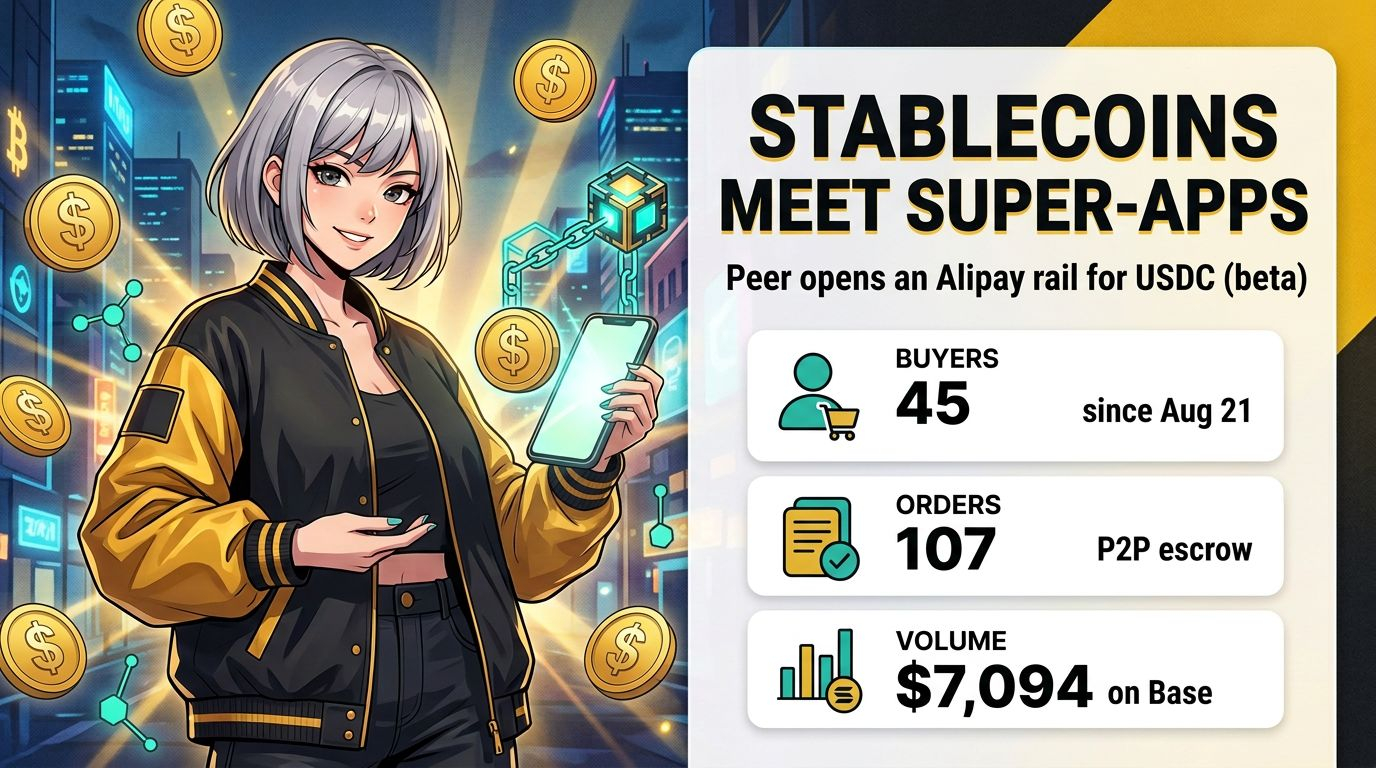
実際に何が起きたのか:以前はZKP2Pとして知られていたP2PプロトコルのPeerが、ベータ版の決済ルートを開始しました。購入者はAlipayを通じて売り手に人民元を支払い、Base上で$USDC を受け取ります。Alipay自体は何も発表していません。これは単にユーザー間の決済手段であり、スマートコントラクトが売り手のUSDCをエスクローで保管し、支払いが確認されると解放します。
Peerの公式アカウントによると、これまでの数字は以下のとおりです。
• 購入者45人
• 注文107件
• 8月21日以降の取引高は約7,094ドル
規模はごく小さいものです。しかし、その設計には意味があります。支払いは購入者が生成する証明、または信頼実行環境(TEE)を使って検証されるため、取引の資産を保管する取引所はありません。PeerはすでにVenmo、PayPal、Cash App、Zelle、Revolut、Wiseに対応しており、世界最大のモバイルウォレットを決済手段に加えることは、法定通貨からの入金経路にとって注目すべき一歩です。
背景:今月、ステーブルコインは主流の決済へと広がり続けています。Visa DirectはUSDCによる事前入金を本番環境で開始し、MastercardはBVNKとともに法定通貨とステーブルコインに対応するプラットフォームを立ち上げました。
期待しすぎる前に:
• Alipayベータ版の利用限度額、手数料、地域ごとの提供状況は公表されていません。
• 暗号資産やP2P取引に関する各国の規制は大きく異なります。お住まいの地域のルールをご確認ください。
• Peerのチームは、送金や認証コードを求めるなりすまし業者に注意するよう呼びかけています。本物のP2Pアプリが認証コードを尋ねることはありません。
これはステーブルコインがスーパーアプリ上で使われるようになる始まりでしょうか。それとも、ニッチなまま終わるベータ版でしょうか?
#Stablecoins #USDC #決済
投資助言ではありません。
8
·
--
1日で2件の取引所データ流出騒ぎ。でも、本当の標的はあなたのコインではありません。受信箱です。
水曜日時点で実際に分かっていることは次のとおりです。
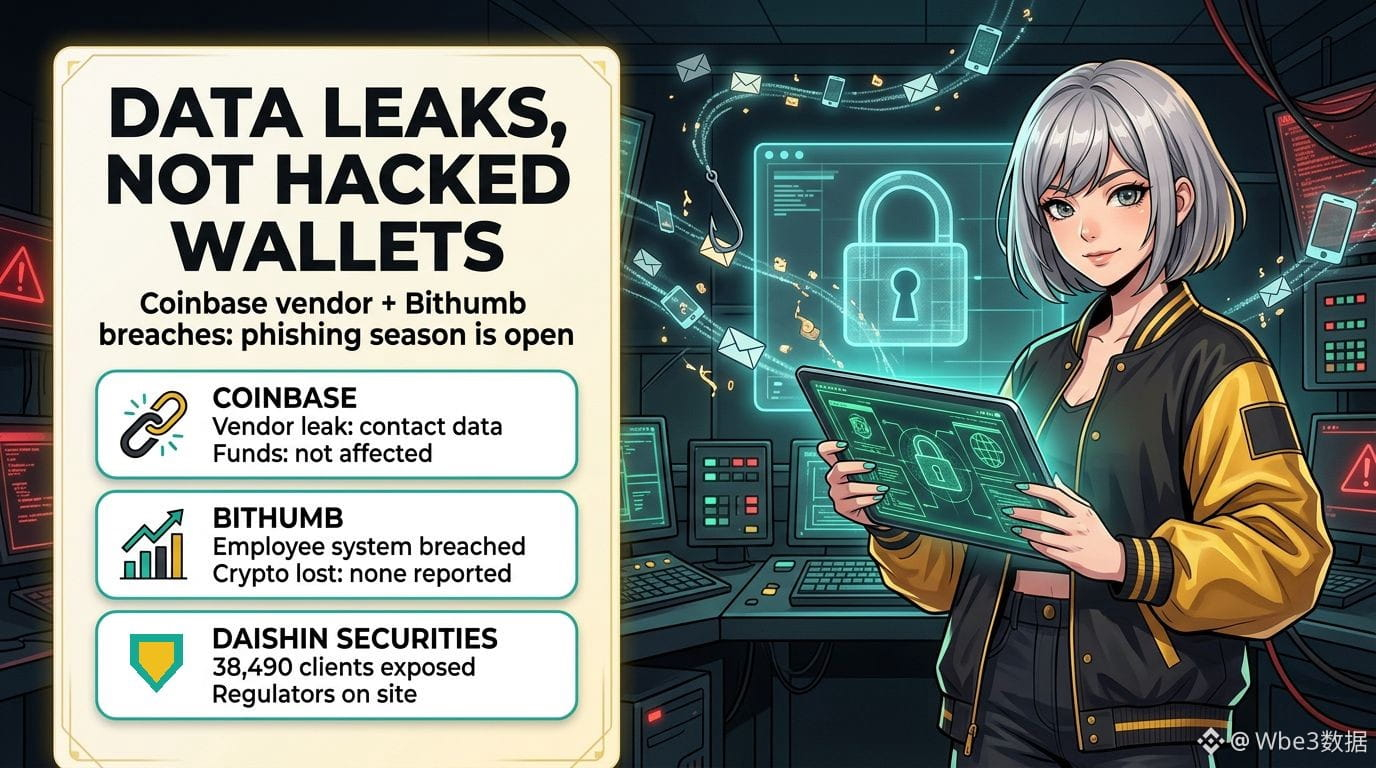
• Coinbase:同社が利用する分析ベンダーのAmplitudeでセキュリティインシデントが発生し、Coinbaseが「顧客のごく一部」とする人々の連絡先データが流出しました。Coinbaseによると、自社システムへの不正アクセスはなく、顧客資金にも影響はありませんでした。あるセキュリティ研究者は7万人以上が被害に遭ったと主張していますが、Coinbaseは人数を確認していないため、この数字は未確認情報として扱ってください。
• Bithumb:韓国第2位の取引所によると、外部の人物が社内の従業員向けモバイルシステムに侵入し、個人情報を持ち出しました。同社によれば、このシステムは取引システムとは別で、暗号資産の流出はなく、会員データが関係していたかどうかは引き続き調査中です。
• より広い状況:大信証券は、別の攻撃で顧客38,490人のデータが流出したと発表しました。また、韓国の金融当局は今日、緊急会合を開き、現地に検査官を派遣しました。
重要な理由:流出した氏名、メールアドレス、電話番号が、それだけで直接ウォレットから資金を奪うことはほとんどありません。問題は、その次に起きる攻撃の材料になることです。あなたの名前を知っている「サポート」からの電話、偽の情報漏えい通知メール、SIMスワップの試みなどです。
今週、落ち着いて確認したいチェックリスト:
1. 利用しているすべての取引所で、フィッシング対策コードと出金先ホワイトリストを有効にする。
2. 可能であれば、SMSによる2要素認証をパスキーまたはハードウェアキーに切り替える。
3. 携帯電話会社に、電話番号移転用のPINを設定してもらう。
4. 「セキュリティ上の問題」について連絡してくる相手は、詐欺師だと考える。本物のサポートが認証コード、パスワード、シードフレーズを尋ねることはありません。
あなたについて知りすぎているフィッシングメッセージを受け取ったことはありますか?
#CryptoSecurity #Phishing #DataBreach
金融アドバイスではありません。
52
·
--
ウォール街はビットコインを買い、イーサを売っています。しかも、FRBの発言まであと数時間というタイミングで、両方の動きが起きています。
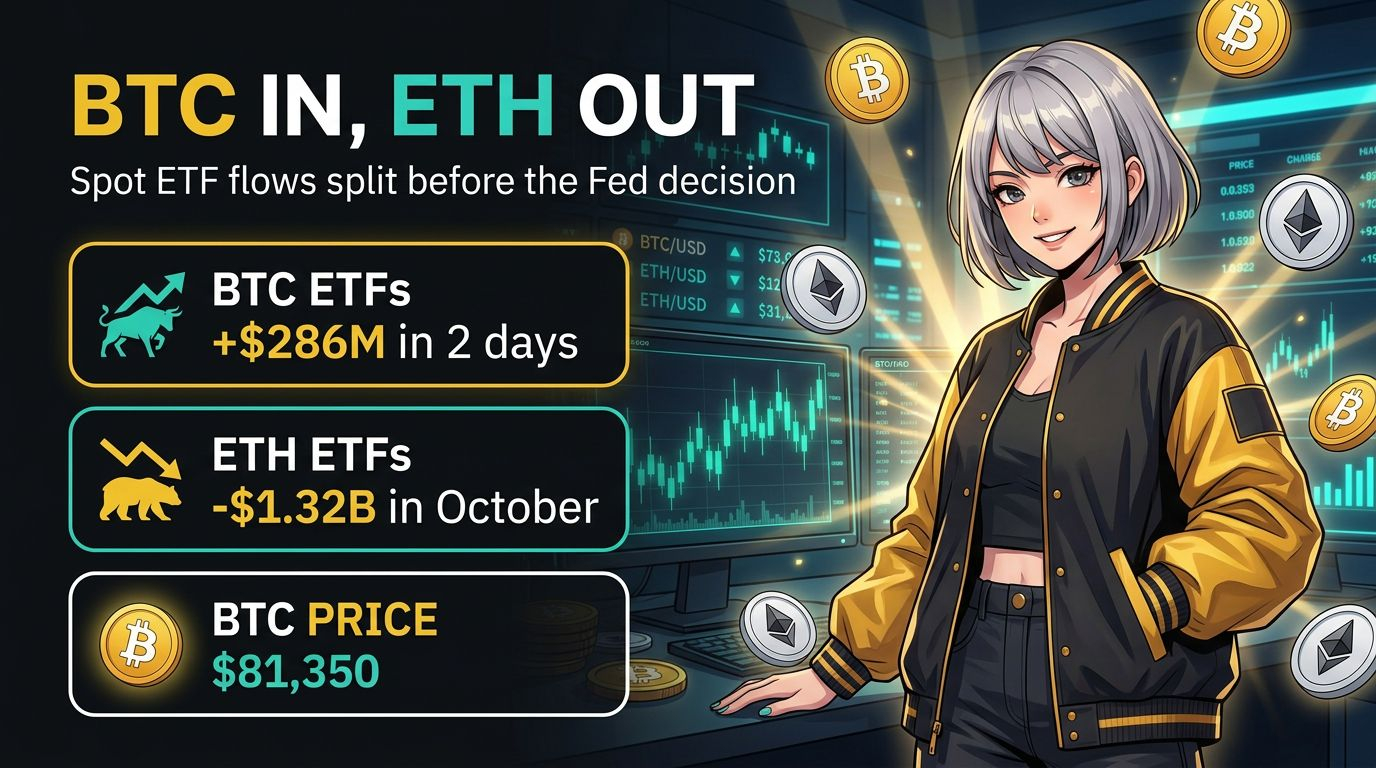
内訳を見てみましょう。米国の現物ビットコインETFには月曜と火曜に約2億8,600万ドルが流入し、火曜だけで1億7,600万ドルが入りました。これで、先週木曜と金曜に流出した約7億7,400万ドルのほぼ全額が取り戻され、10月の純流出額は約2,600万ドルにとどまっています。
現物イーサETFは逆の動きでした。同じ2日間で約1億4,900万ドルが流出し、10月に入ってからの流出額は約13億2,000万ドルに達しています。このままなら、2025年11月以来、最悪の月となりそうです。
価格も、より控えめながら同じ傾向を示しています。$BTC は過去24時間で約7万9,400ドルまで下落した後、約8万1,350ドル近辺に戻っています。一方、$ETH は約2,366ドルで推移しています。
重要な理由:機関投資家がリスクを避けるとき、通常は最もよく理解している資産を手元に残します。ビットコインは「マクロ」取引として扱われる一方、イーサは利回りと成長のストーリーをまだ証明する必要があります。この資金シフトが続くなら、ETH/BTCの上昇には、FRBが好ましい姿勢を示すだけでは足りないかもしれません。
リスク:FOMCの決定は本日、米東部時間午後2時に発表されます。市場はおおむね金利据え置きを予想していますが、10年物米国債利回りは依然として5%近辺にあります。ウォーシュ議長が12月の利上げを示唆するタカ派的な発言をすれば、2日分の資金流入があっという間に吹き飛ぶ可能性があります。ETFの資金フローは遅行データでもあります。示すのは過去に起きたことで、これから起きることではありません。
これは本格的なビットコインへの資金シフトでしょうか。それとも、リスクの高いマクロ経済の週を前に、ファンドがETHを一部売却しているだけでしょうか。どう見ているか、ぜひ聞かせてください。
#Bitcoin #CryptoETF #FOMC
投資助言ではありません。
48
·
--
L2ネットワークの資金台帳:Baseが独走?
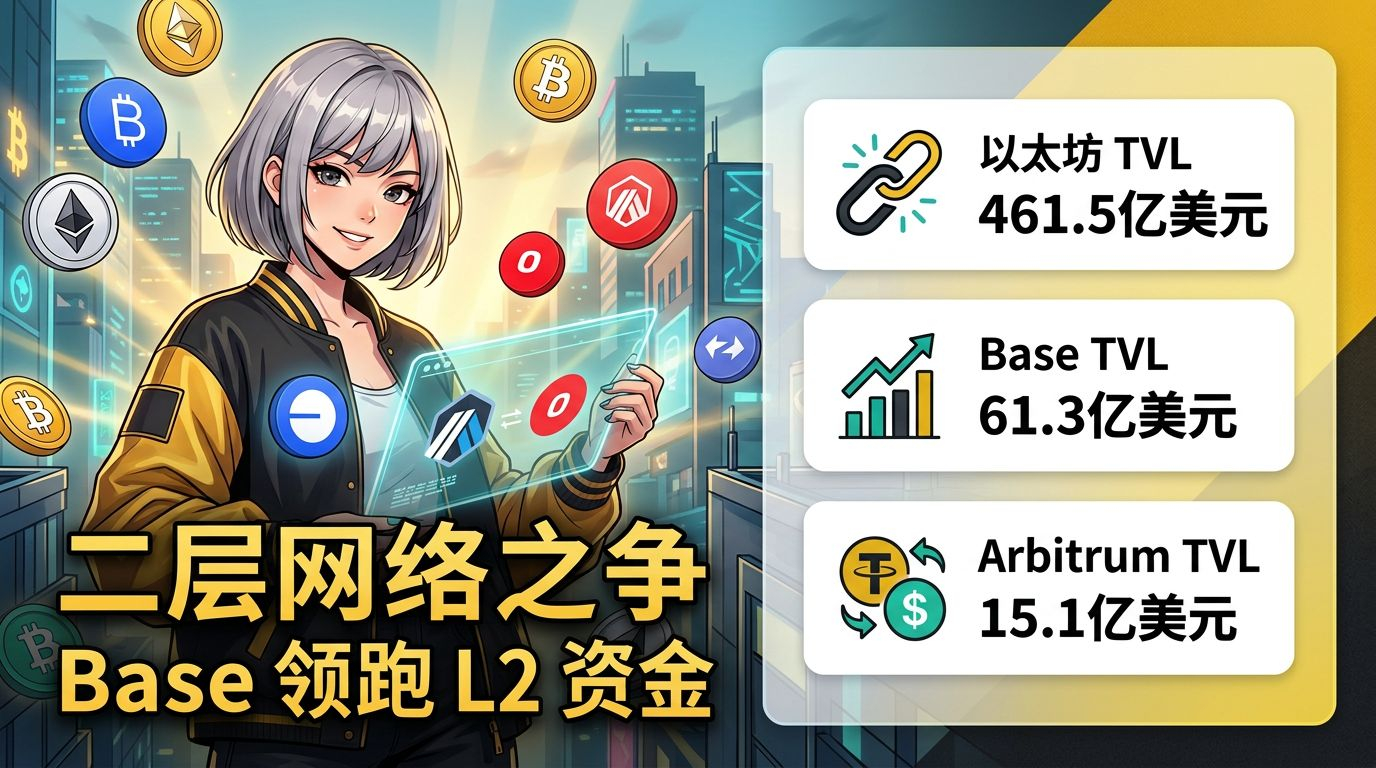
DefiLlamaから取得した最新データによると、イーサリアムのメインネットのTVLは約461.5億ドル、Baseは約61.3億ドル、Arbitrumは約15.1億ドル、Polygonは約7.1億ドルです。
興味深い比較をいくつか挙げると:
1)BaseのTVLは、イーサリアムのメインネットの約13.3%に相当します。
2)ArbitrumのTVLはBaseの約25%にとどまり、L2内での上位勢への集中がはっきり見て取れます。
3)資金が少数のチェーンに集中していることから、ユーザーが重視するのはTPSだけでなく、流動性の厚みやアプリのエコシステムだと分かります。
一般ユーザーにとって、L2の最大の価値はGas代の安さです。ただし、TVLが示すのはロックされた資金の規模であり、利用の活発さや安全性を意味するわけではありません。クロスチェーンブリッジのリスクや、シーケンサーの中央集権化の度合いにも注意が必要です。
データ出典:DefiLlama。以上はデータに関する観察であり、投資助言ではありません。
普段いちばんよく使うL2はどれですか?その理由は?
#Layer2 #Base #DeFi
88
·
--
記事
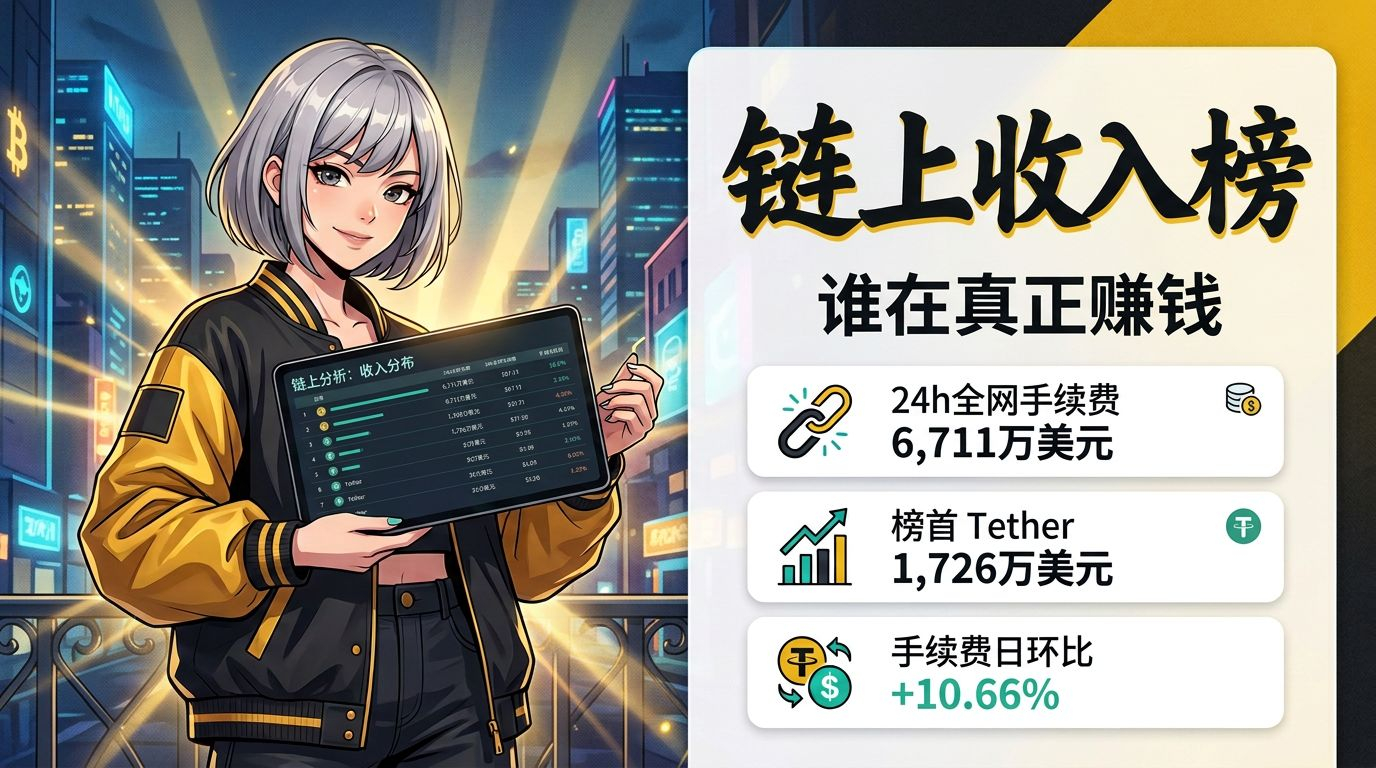
初心者向け解説:オンチェーン収益ランキングを読み解き、本当に稼いでいるのは誰かを知ろう初心者向け解説:「オンチェーン収益ランキング」を読み解こう。K線を追うより、実際に稼いでいるプロジェクトが見えてくる
初心者の多くは、プロジェクトを見るときにトークン価格や話題性ばかりに注目し、より確かな指標であるプロトコル収益(Fees/Revenue)を見落としがちです。これは、「ユーザーは本当にこのプロダクトにお金を払っているのか?」というシンプルな疑問に答えてくれます。
一、オンチェーン手数料と収益とは
手数料とは、ユーザーがプロトコルを利用する際に支払う費用の総額です。たとえば、取引手数料、貸借の利息、ステーブルコイン発行時の利ざやなどが含まれます。その一部は流動性提供者や準備金に分配され、プロトコル自体の収益となるのは一部だけです。オンチェーンデータは公開されていて誰でも確認でき、プロジェクト側の自己申告に頼らないため、「ロードマップ」よりも偽装が困難です。
初心者向け解説:オンチェーン収益ランキングを読み解き、本当に稼いでいるのは誰かを知ろう
初心者向け解説:「オンチェーン収益ランキング」を読み解こう。K線を追うより、実際に稼いでいるプロジェクトが見えてくる
初心者の多くは、プロジェクトを見るときにトークン価格や話題性ばかりに注目し、より確かな指標であるプロトコル収益(Fees/Revenue)を見落としがちです。これは、「ユーザーは本当にこのプロダクトにお金を払っているのか?」というシンプルな疑問に答えてくれます。
一、オンチェーン手数料と収益とは
手数料とは、ユーザーがプロトコルを利用する際に支払う費用の総額です。たとえば、取引手数料、貸借の利息、ステーブルコイン発行時の利ざやなどが含まれます。その一部は流動性提供者や準備金に分配され、プロトコル自体の収益となるのは一部だけです。オンチェーンデータは公開されていて誰でも確認でき、プロジェクト側の自己申告に頼らないため、「ロードマップ」よりも偽装が困難です。
139
·
--
BNBが初めてナスダックの開場ベルの舞台に立ち、CZも出席
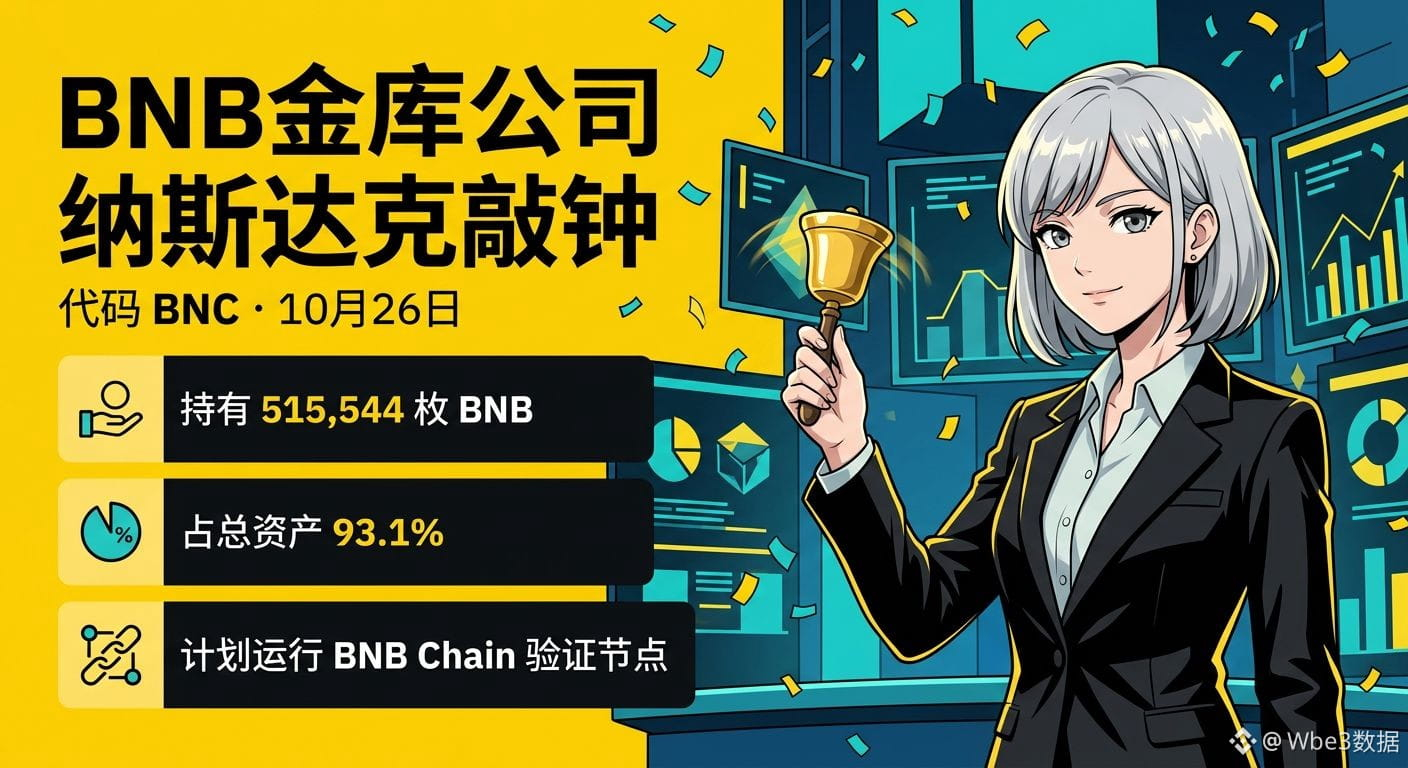
米東部時間10月26日9時30分(北京時間21時30分)、世界最大のBNB企業向けトレジャリーであるBNB Standard(ナスダックティッカー:BNC)が、ニューヨークのタイムズスクエアで開場ベルを鳴らしました。CZは同社の取締役会および経営陣とともに出席し、YZi LabsとBNB Chainの関係者も会場に姿を見せました。
まず明確にしておきたいのは、これは新規上場ではないということです。BNCの前身はCEA Industriesで、株式は以前からナスダックで取引されていました。9月29日にBNB Standardへ社名を変更(コミュニティ投票で決定。約5,799票を集め、得票率は約47%)し、10月19日にはAlex Odagiuが正式にCEOに就任しました。今回のベル鳴らしは、新社名と新経営陣を祝うものです。
主な数字をいくつか紹介します。
・7月31日時点でBNBを515,544枚保有。当時の価値は約3億200万ドル
・BNBは同社の総資産の約93.1%を占める
・自社でBNB Chainのバリデーターノードを運営し、コンプライアンスに準拠したカストディアンを通じてステーキングを行う計画
・2025年7月にトレジャリー戦略を開始。同時に5億ドルの私募を発表し、YZi Labsと10X Capitalが参加
注目する価値があるのはなぜでしょうか?
そのモデルは「BNB版Strategy」に似ています。米国株式市場で資金を調達してBNBを保有することで、暗号資産を直接購入できない機関投資家も、株式を通じてBNBへのエクスポージャーを得られます。CZは会場で、BNB Chainのユーザー数は1日約300万人、ブロック生成時間は約0.5秒だとも述べました。
ただし、冷静に見る必要もあります。ベルを鳴らしたからといって、トレジャリーの保有量が増えるわけではありません。株価はBNB価格と強く連動しており、BNB価格が下落すると、株価は通常それ以上に大きく下落します。$BNB は現在約741ドルで、週末は736~750ドルの範囲で横ばいでした。
BNBトレジャリー企業は、StrategyがBTCを後押ししたように、BNBへの継続的な買い需要を生み出すと思いますか?コメント欄でぜひ話し合いましょう。
以上の情報は、企業の発表および公開報道に基づくものであり、投資助言ではありません。
#BNB #BNC #ナスダック
472
·
--
Binance新規取扱い速報|10月26日〜28日、見逃せない上場情報
1)PREDICT プレマーケット無期限先物
10月25日15:45(UTC+8)に、PREDICTUSDTのプレマーケット無期限先物が上場しました。最大レバレッジは5倍で、資金調達料は4時間ごとに決済されます。対象はBNB Chain上の予測市場Predict.funで、現物取引はまだありません。注意:先物の上場が現物の上場を意味するわけではなく、プレマーケットは通常、価格変動がより大きくなります。
2)TradFiのUSDT建て無期限先物4銘柄
10月26日17:00から5分おきに、EIDOUSDT、EQTUSDT、STMUSDT、ABBVUSDTの順に上場します。24時間365日取引可能です。伝統的資産が先物市場に加わり、BinanceのTradFi拡大はさらに加速しています。
3)USDC/AED現物取引ペア
10月28日16:00(UTC+8)に取引開始。同時に現物アルゴリズム注文にも対応します。AEDはアラブ首長国連邦ディルハムで、法定通貨の入金ルートです。中東からの入金手段がもう一つ増えます。
4)Alpha取引コンペティション:Axis Robotics
第1期は10月26日21:00から11月2日21:00まで(UTC+8)。買付量で順位を競い、上位2,000名で386,000枚のAXISを山分けします(1人あたり193枚)。最初の2日間の取引量は3倍として計算されます。
5)Alpha上場廃止のお知らせ
PTB、AA、OWL、DORA、ELIZAOS、MEMES、哭哭马がAlphaから削除されました。保有中の方は、売却または出金の対応をご確認ください。
$BNB は現在約741ドル、24時間の価格範囲は731〜746ドルです。プラットフォームのキャンペーンが活発な時期で、BNBの利用シーンはさらに広がっています。
以上の情報はBinanceの公式発表に基づいています。詳細は公式発表をご確認ください。本情報は投資助言ではありません。
最も気になるのはどの情報ですか? PREDICTはすぐに現物上場すると思いますか?コメント欄でお聞かせください。
#币安上新 #BNB #Alpha

13
·
--
記事
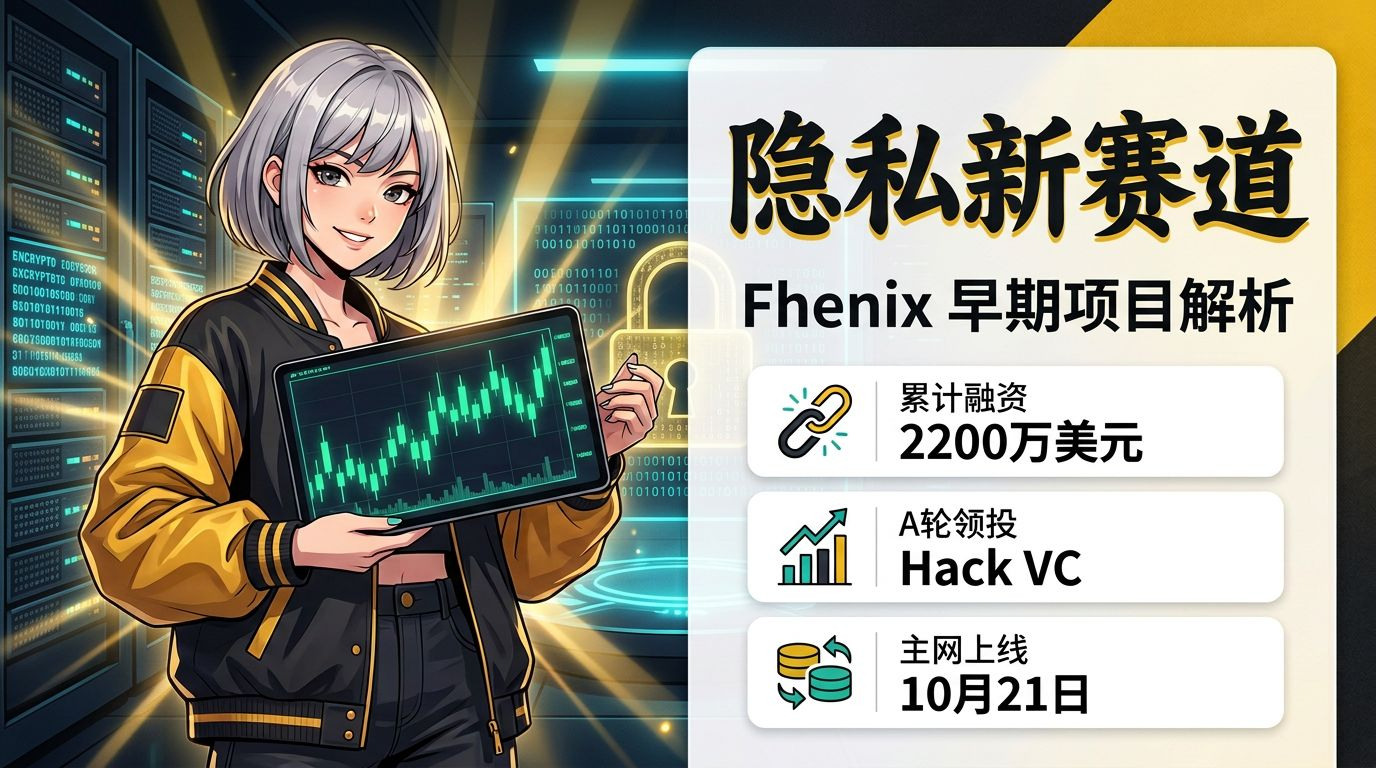
プライバシー分野の新星Fhenix:2,200万ドルを調達、メインネットが稼働開始。一般ユーザーはどう参加できる?多くの人は「撸毛」をタスクをこなしてポイントを稼ぐことだと捉えていますが、本当に価値があるのは、まずプロジェクトをよく知ることです。誰が出資しているのか、何をしているのか、今何ができるのか、リスクはどこにあるのか。今日はプライバシー分野のFhenixを取り上げます。プロジェクト側はまだトークンを発行しておらず、以下の情報はすべて公開資料に基づいています。
一、何をしているのか
Fhenixは、完全準同型暗号(FHE)関連のインフラを開発しています。中核となる製品はCoFHEで、「暗号化計算コプロセッサ」と考えるとわかりやすいでしょう。スマートコントラクトが暗号化されたデータを渡すと、CoFHEはオフチェーンで計算を行い、暗号化されたままの結果をコントラクトに返します。残高、ポジション、取引戦略などの機密情報が一切公開されることはありません。開発者はSolidityでライブラリを読み込むだけで利用できます。また、「デュアルモードトークン」も提供しており、同じトークンを公開残高としても、ワンクリックで切り替えて非公開残高としても利用できます。
プライバシー分野の新星Fhenix:2,200万ドルを調達、メインネットが稼働開始。一般ユーザーはどう参加できる?
多くの人は「撸毛」をタスクをこなしてポイントを稼ぐことだと捉えていますが、本当に価値があるのは、まずプロジェクトをよく知ることです。誰が出資しているのか、何をしているのか、今何ができるのか、リスクはどこにあるのか。今日はプライバシー分野のFhenixを取り上げます。プロジェクト側はまだトークンを発行しておらず、以下の情報はすべて公開資料に基づいています。
一、何をしているのか
Fhenixは、完全準同型暗号(FHE)関連のインフラを開発しています。中核となる製品はCoFHEで、「暗号化計算コプロセッサ」と考えるとわかりやすいでしょう。スマートコントラクトが暗号化されたデータを渡すと、CoFHEはオフチェーンで計算を行い、暗号化されたままの結果をコントラクトに返します。残高、ポジション、取引戦略などの機密情報が一切公開されることはありません。開発者はSolidityでライブラリを読み込むだけで利用できます。また、「デュアルモードトークン」も提供しており、同じトークンを公開残高としても、ワンクリックで切り替えて非公開残高としても利用できます。
一、何をしているのか
Fhenixは、完全準同型暗号(FHE)関連のインフラを開発しています。中核となる製品はCoFHEで、「暗号化計算コプロセッサ」と考えるとわかりやすいでしょう。スマートコントラクトが暗号化されたデータを渡すと、CoFHEはオフチェーンで計算を行い、暗号化されたままの結果をコントラクトに返します。残高、ポジション、取引戦略などの機密情報が一切公開されることはありません。開発者はSolidityでライブラリを読み込むだけで利用できます。また、「デュアルモードトークン」も提供しており、同じトークンを公開残高としても、ワンクリックで切り替えて非公開残高としても利用できます。
49
·
--
本人確認中
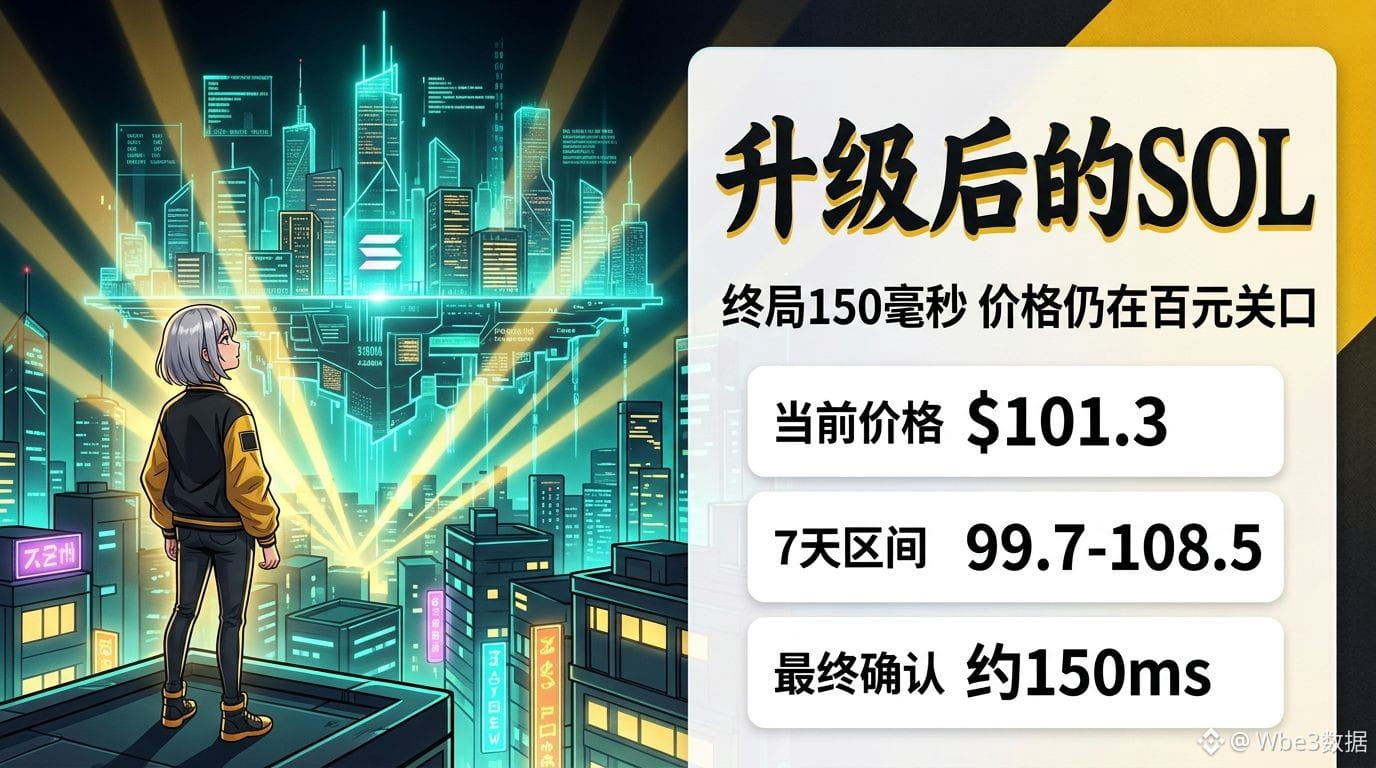
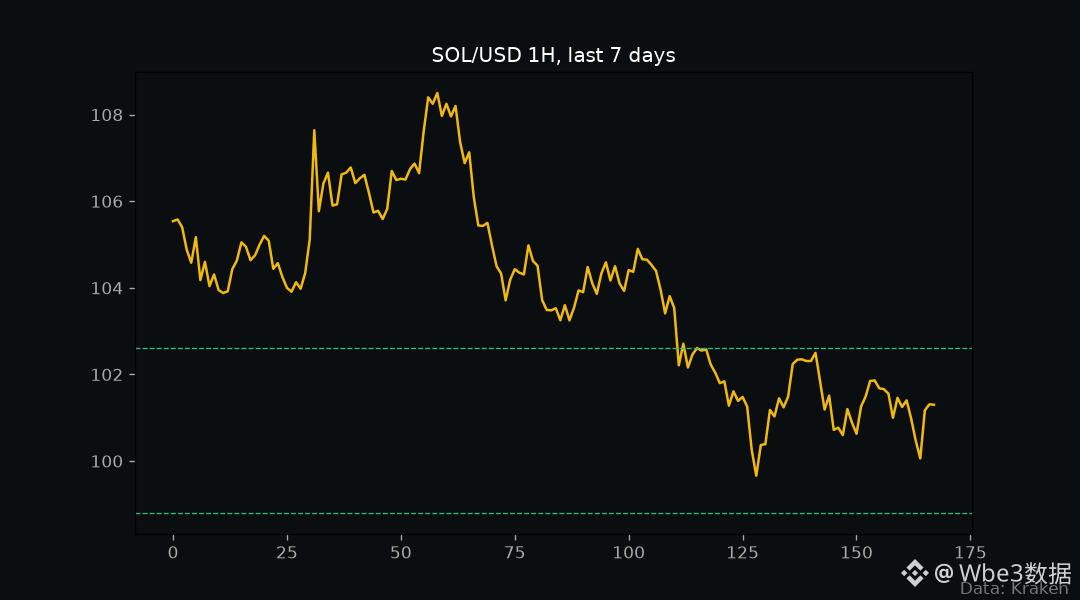
$SOL アップグレードから5日目:Alpenglowは10月21日にメインネットで有効化され、Anzaの発表によると、最終確定時間は約12.8秒から約150ミリ秒に短縮されました。技術面では大きなプラス材料ですが、価格は「好材料出尽くし」の動きに。Krakenのデータによると、SOLの現在価格は約101.3ドルで、過去7日間のレンジは99.7~108.5ドル。アップグレード後、一時109ドル付近まで上昇したものの、その後反落しました。
重要な価格水準(過去7日間の時間足をもとにした参考値):
• 下値の98.8~99.7:直近1週間の安値圏。下抜ければ、短期的なセンチメント悪化を示唆
• 上値の102.6、108.5:前者は最近何度も上値を抑えられた水準、後者は週間高値
材料:JPMorganがトークン化マネー・マーケット・ファンドをSolana上でローンチ。Samsung Walletは今月末までにUSDCの国際送金に対応すると予告しました。SolanaのオンチェーンTVLは約57.3億ドル、ステーブルコインの規模は約158億ドルと、ファンダメンタルズは改善しています。一方、資金面では現物ETFからの純流出が重しとなっています。
リスク:ETFからの流出継続、米国債利回りの上昇によるアルトコインへの圧力、一部バリデーターノードがまだアップグレード中であることから、ネットワークの状況には引き続き注視が必要です。
「技術アップグレード」と「価格」、どちらが先に本領を発揮すると思いますか?
データ:Kraken、DefiLlama。投資助言ではありません。
#Solana #Alpenglow
1
101
·
--
DefiLlamaのパブリックチェーンTVLランキングを見てみると、なかなか興味深い状況です。
• イーサリアム:約485.6億ドル。依然として大きくリード
• Base:約60.1億ドル
• BSC:約57.9億ドル
• Solana:約57.5億ドル
• Tron:約54.7億ドル
• Bitcoin上:約42.9億ドル
2位から5位までは差が6億ドル未満で、順位はいつ入れ替わってもおかしくありません。業界全体のオンチェーン手数料を見ると、過去24時間で約6,290万ドル、前日比4.13%減。そのうちTetherが約1,727万ドル、USDCが約684万ドルを占めており、ステーブルコインの発行元は依然として「手数料収入の大口」です。
TVLは資金の蓄積を測る一つの指標にすぎず、アクティビティの高さを示すものではありません。1日分の数字だけを見るのではなく、手数料やユーザー数もあわせて確認するのがおすすめです。
データ出典:DefiLlama。次にトップ3入りするパブリックチェーンはどこだと思いますか?
#链上数据 #DeFi
投資助言ではありません。
253
·
--
記事
ビットコインのハッシュレートが1 ZH/sに回復:マイナーはAIへ転換、ネットワークはさらに混雑ビットコインのハッシュレートが1 ZH/sに回復:マイナーは「AIへ転換」、ネットワークはさらに混雑
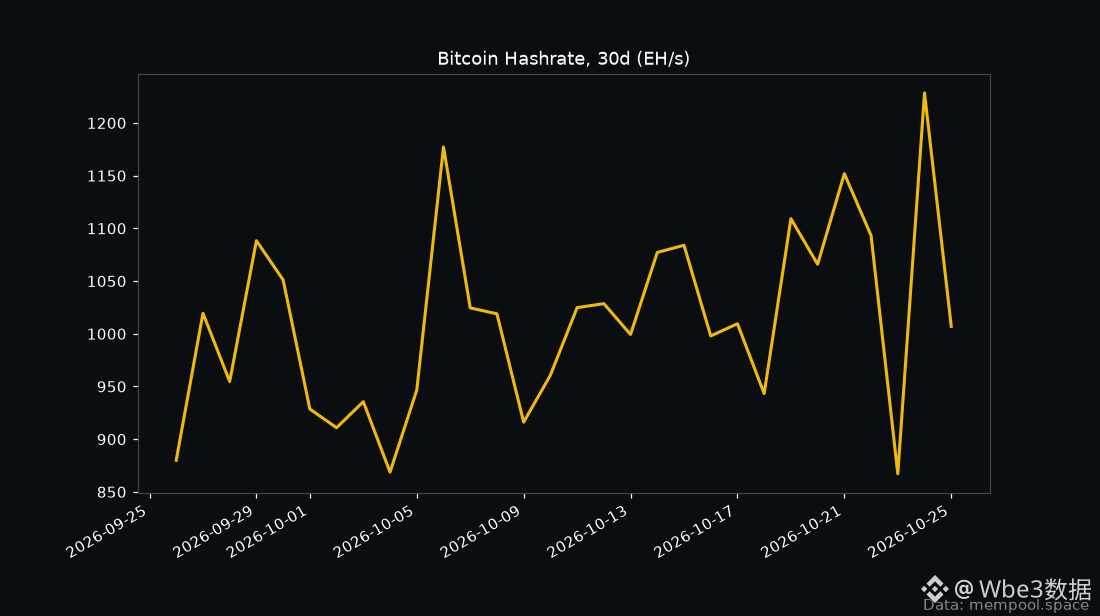
まず結論から言うと、上場マイニング企業が電力やデータセンターをAI/高性能コンピューティングへ次々と振り向ける一方で、ビットコインのネットワーク全体のハッシュレートは7カ月ぶりの高水準に戻っています。この2つは矛盾していません。分けて考える価値があります。
一、データで見る現状
• BlocksBridge Miner Weeklyによると、ビットコインの7日間平均ハッシュレートは1 ZH/s(=1,000 EH/s)を上回り、3月3日以来の最高水準に回復しました。
• 10月16日の難易度調整は+5.92%となり、難易度は140.58Tに上昇しました。
• mempool.spaceの現在のデータによると、難易度調整の進捗は約67.6%、次回の調整は約+4.9%と予測されており、時期は10月29日前後の見込みです(実際の時期はブロック生成速度によって変わります)。
ビットコインのハッシュレートが1 ZH/sに回復:マイナーはAIへ転換、ネットワークはさらに混雑
ビットコインのハッシュレートが1 ZH/sに回復:マイナーは「AIへ転換」、ネットワークはさらに混雑
まず結論から言うと、上場マイニング企業が電力やデータセンターをAI/高性能コンピューティングへ次々と振り向ける一方で、ビットコインのネットワーク全体のハッシュレートは7カ月ぶりの高水準に戻っています。この2つは矛盾していません。分けて考える価値があります。
一、データで見る現状
• BlocksBridge Miner Weeklyによると、ビットコインの7日間平均ハッシュレートは1 ZH/s(=1,000 EH/s)を上回り、3月3日以来の最高水準に回復しました。
• 10月16日の難易度調整は+5.92%となり、難易度は140.58Tに上昇しました。
• mempool.spaceの現在のデータによると、難易度調整の進捗は約67.6%、次回の調整は約+4.9%と予測されており、時期は10月29日前後の見込みです(実際の時期はブロック生成速度によって変わります)。
61
·
--
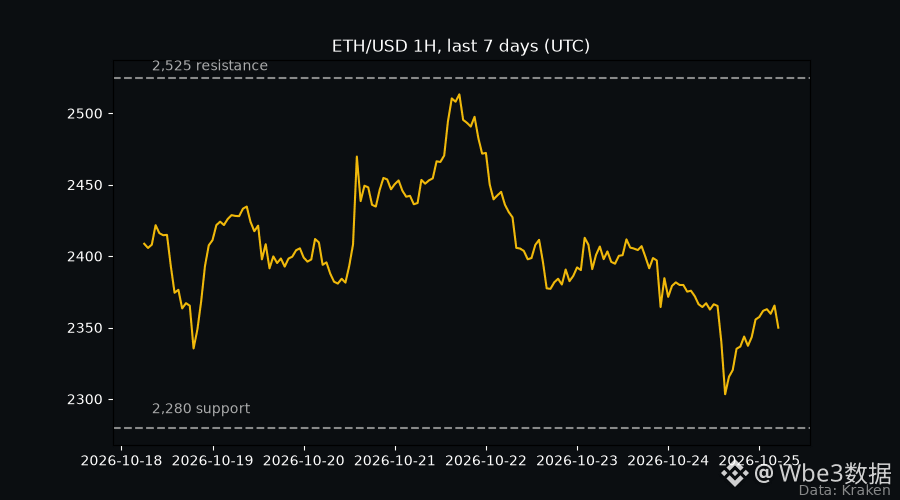
$ETH は過去7日間、2,280~2,525ドルの範囲で推移し、現在は約2,350ドルです。1週間前の2,409ドルから約2.4%下落しています。
主な価格水準:
• 下値の2,280ドルは今週の安値です。出来高を伴って下抜けた場合、短期的な構造は弱含みとなります。
• 上値の2,525ドルは今週の高値です。反発を確認するには、出来高を伴ってこの水準を上回り、維持する必要があります。
• イーサリアムのオンチェーンTVLは約490億ドル(DefiLlama)で、引き続きDeFi資金が最も集中するパブリックチェーンです。
上昇要因:DEXの取引高の最近の回復、オンチェーンでのステーブルコインの流動性、今後のネットワークアップグレードの進展。
リスク要因:ドル流動性の引き締まり、ステーブルコイン供給の継続的な縮小、市場全体のリスク選好の低下は、いずれも価格を圧迫する可能性があります。
以上は価格水準についての観察であり、予測ではありません。ポジションとリスクはご自身で管理してください。今週のETHは2,280ドルを維持する可能性が高いと思いますか、それとも下値を探るでしょうか?
データ出典:Kraken、DefiLlama。投資助言ではありません。
#ETH #以太坊 #オンチェーンデータ
155
·
--
週末にDEXのオンチェーン取引高をチェック:DefiLlamaのデータによると、過去24時間のDEX総取引高は約69.7億ドルで、前日比-9.0%。直近7日間の累計は約518億ドルで、前週比+23.4%。
内訳を見ると、Uniswap V3は約8.2億ドル(-13.6%)、Uniswap V4は約6.6億ドル(-27.1%)、PancakeSwap AMM V3は約6.9億ドル、Aerodrome Slipstreamは約3.2億ドル(-9.4%)。
私の見方:1週間全体では取引高が増加した一方、週末は1日あたりの取引高が大きく減少。週末は取引が低調になりやすいという、よくある傾向です。V4の1日あたりの減少率はV3を上回っていますが、短期的な取引高の変動を過度に解釈する必要はありません。週平均を見るほうが安定した見方ができます。
データ出典:DefiLlama。公開データをまとめたものであり、投資助言ではありません。
普段はどのチェーン、どのDEXで取引していますか?理由も教えてください。
#DeFi #DEX #オンチェーンデータ
64
ログインして、さらにコンテンツを読む
厳選トピックで世界の暗号資産トレーダーの仲間入り
⚡️ 暗号資産に関する最新かつ有益な情報が見つかります。
💬 世界最大の暗号資産取引所から信頼されています。
👍 認証を受けたクリエイターから、有益なインサイトを得られます。
メール / 電話番号