

#crosschain
crosschain
閲覧回数 310,261
2,529人が討論中
注目
最新

·
--
クロスチェーンブリッジは、異なるブロックチェーン間で資産を移動させます。しかし、その仕組みが何に依存しているかをご存じですか?
重要なのは、送金の速さだけではありません。送金先のチェーンが、送金元のチェーン上での操作が本当に有効であると、どのように確認するかです。
クロスチェーンブリッジには、次のようなリスクがあります。
🔹 検証メカニズムの脆弱性
🔹 管理者権限の過度な集中
🔹 クロスチェーンメッセージの偽造や重複実行
🔹 スマートコントラクトや外部コンポーネントのセキュリティ上の問題
クロスチェーンブリッジを利用する前に、公式アドレス、技術的な仕組み、監査の範囲、資産の保管方法を確認しましょう。初めて利用する際は少額でテストすることも検討できますが、送金に成功したからといって、絶対に安全だと判断しないでください。
クロスチェーンの本質は、資産を移動させることだけではありません。異なるネットワーク同士が、安全に互いを検証できるようにすることです。
クロスチェーンブリッジが最優先で解決すべき課題は何だと思いますか?
#ONEANetwork #Web3 #CrossChain
クロスチェーンブリッジは、異なるブロックチェーン間で資産を移動させます。しかし、その仕組みが何に依存しているかをご存じですか?
重要なのは、送金の速さだけではありません。送金先のチェーンが、送金元のチェーン上での操作が本当に有効であると、どのように確認するかです。
クロスチェーンブリッジには、次のようなリスクがあります。
🔹 検証メカニズムの脆弱性
🔹 管理者権限の過度な集中
🔹 クロスチェーンメッセージの偽造や重複実行
🔹 スマートコントラクトや外部コンポーネントのセキュリティ上の問題
クロスチェーンブリッジを利用する前に、公式アドレス、技術的な仕組み、監査の範囲、資産の保管方法を確認しましょう。初めて利用する際は少額でテストすることも検討できますが、送金に成功したからといって、絶対に安全だと判断しないでください。
クロスチェーンの本質は、資産を移動させることだけではありません。異なるネットワーク同士が、安全に互いを検証できるようにすることです。
クロスチェーンブリッジが最優先で解決すべき課題は何だと思いますか?
#ONEANetwork #Web3 #CrossChain
重要なのは、送金の速さだけではありません。送金先のチェーンが、送金元のチェーン上での操作が本当に有効であると、どのように確認するかです。
クロスチェーンブリッジには、次のようなリスクがあります。
🔹 検証メカニズムの脆弱性
🔹 管理者権限の過度な集中
🔹 クロスチェーンメッセージの偽造や重複実行
🔹 スマートコントラクトや外部コンポーネントのセキュリティ上の問題
クロスチェーンブリッジを利用する前に、公式アドレス、技術的な仕組み、監査の範囲、資産の保管方法を確認しましょう。初めて利用する際は少額でテストすることも検討できますが、送金に成功したからといって、絶対に安全だと判断しないでください。
クロスチェーンの本質は、資産を移動させることだけではありません。異なるネットワーク同士が、安全に互いを検証できるようにすることです。
クロスチェーンブリッジが最優先で解決すべき課題は何だと思いますか?
#ONEANetwork #Web3 #CrossChain
2
7
·
--
🔗 クロスチェーンは異なるブロックチェーンをつなぎますが、クロスチェーンなら必ず安全なのでしょうか?
クロスチェーン技術は、異なるネットワーク間で資産や情報を移動できるようにしますが、新たなセキュリティ上の課題も生み出します。
利用する前に、次の4つの点を重点的に確認しましょう。
🛡️ 検証メカニズム:送信元チェーン上の取引を、システムはどのように確認するのでしょうか?
💰 資産の保全:送信先チェーン上のトークンは、元の資産とどのように対応しているのでしょうか?
💧 流動性:着金後、問題なく交換したり引き出したりできるでしょうか?
🔍 権限管理:クロスチェーンコントラクトや重要な操作を管理できるのは誰でしょうか?
クロスチェーンの価値は相互運用性にあります。一方、安全性は基盤となる検証やリスク管理の仕組みに左右されます。
クロスチェーンで最優先に解決すべき課題は何だと思いますか?
#ONEA #Web3 #CrossChain
🔗 クロスチェーンは異なるブロックチェーンをつなぎますが、クロスチェーンなら必ず安全なのでしょうか?
クロスチェーン技術は、異なるネットワーク間で資産や情報を移動できるようにしますが、新たなセキュリティ上の課題も生み出します。
利用する前に、次の4つの点を重点的に確認しましょう。
🛡️ 検証メカニズム:送信元チェーン上の取引を、システムはどのように確認するのでしょうか?
💰 資産の保全:送信先チェーン上のトークンは、元の資産とどのように対応しているのでしょうか?
💧 流動性:着金後、問題なく交換したり引き出したりできるでしょうか?
🔍 権限管理:クロスチェーンコントラクトや重要な操作を管理できるのは誰でしょうか?
クロスチェーンの価値は相互運用性にあります。一方、安全性は基盤となる検証やリスク管理の仕組みに左右されます。
クロスチェーンで最優先に解決すべき課題は何だと思いますか?
#ONEA #Web3 #CrossChain
クロスチェーン技術は、異なるネットワーク間で資産や情報を移動できるようにしますが、新たなセキュリティ上の課題も生み出します。
利用する前に、次の4つの点を重点的に確認しましょう。
🛡️ 検証メカニズム:送信元チェーン上の取引を、システムはどのように確認するのでしょうか?
💰 資産の保全:送信先チェーン上のトークンは、元の資産とどのように対応しているのでしょうか?
💧 流動性:着金後、問題なく交換したり引き出したりできるでしょうか?
🔍 権限管理:クロスチェーンコントラクトや重要な操作を管理できるのは誰でしょうか?
クロスチェーンの価値は相互運用性にあります。一方、安全性は基盤となる検証やリスク管理の仕組みに左右されます。
クロスチェーンで最優先に解決すべき課題は何だと思いますか?
#ONEA #Web3 #CrossChain
3
5
·
--
翻訳参照
🔗 什么是跨链?为什么 Web3 需要它?
跨链技术帮助不同区块链之间实现资产转移、消息传递和应用协作。
但跨链并不意味着绝对安全。
⚠️ 跨链桥可能存在合约漏洞。
🔐 验证者和管理员权限可能带来风险。
💸 手续费、滑点和流动性也会影响实际结果。
在使用跨链服务之前,先核实官方网站、目标网络、资产机制和交易状态。
跨链真正重要的,不只是互通,更是如何验证与保障安全。
你认为跨链最需要解决什么问题?
#ONEA #Web3 #CrossChain
🔗 什么是跨链?为什么 Web3 需要它?
跨链技术帮助不同区块链之间实现资产转移、消息传递和应用协作。
但跨链并不意味着绝对安全。
⚠️ 跨链桥可能存在合约漏洞。
🔐 验证者和管理员权限可能带来风险。
💸 手续费、滑点和流动性也会影响实际结果。
在使用跨链服务之前,先核实官方网站、目标网络、资产机制和交易状态。
跨链真正重要的,不只是互通,更是如何验证与保障安全。
你认为跨链最需要解决什么问题?
#ONEA #Web3 #CrossChain
跨链技术帮助不同区块链之间实现资产转移、消息传递和应用协作。
但跨链并不意味着绝对安全。
⚠️ 跨链桥可能存在合约漏洞。
🔐 验证者和管理员权限可能带来风险。
💸 手续费、滑点和流动性也会影响实际结果。
在使用跨链服务之前,先核实官方网站、目标网络、资产机制和交易状态。
跨链真正重要的,不只是互通,更是如何验证与保障安全。
你认为跨链最需要解决什么问题?
#ONEA #Web3 #CrossChain
2
2

·
--
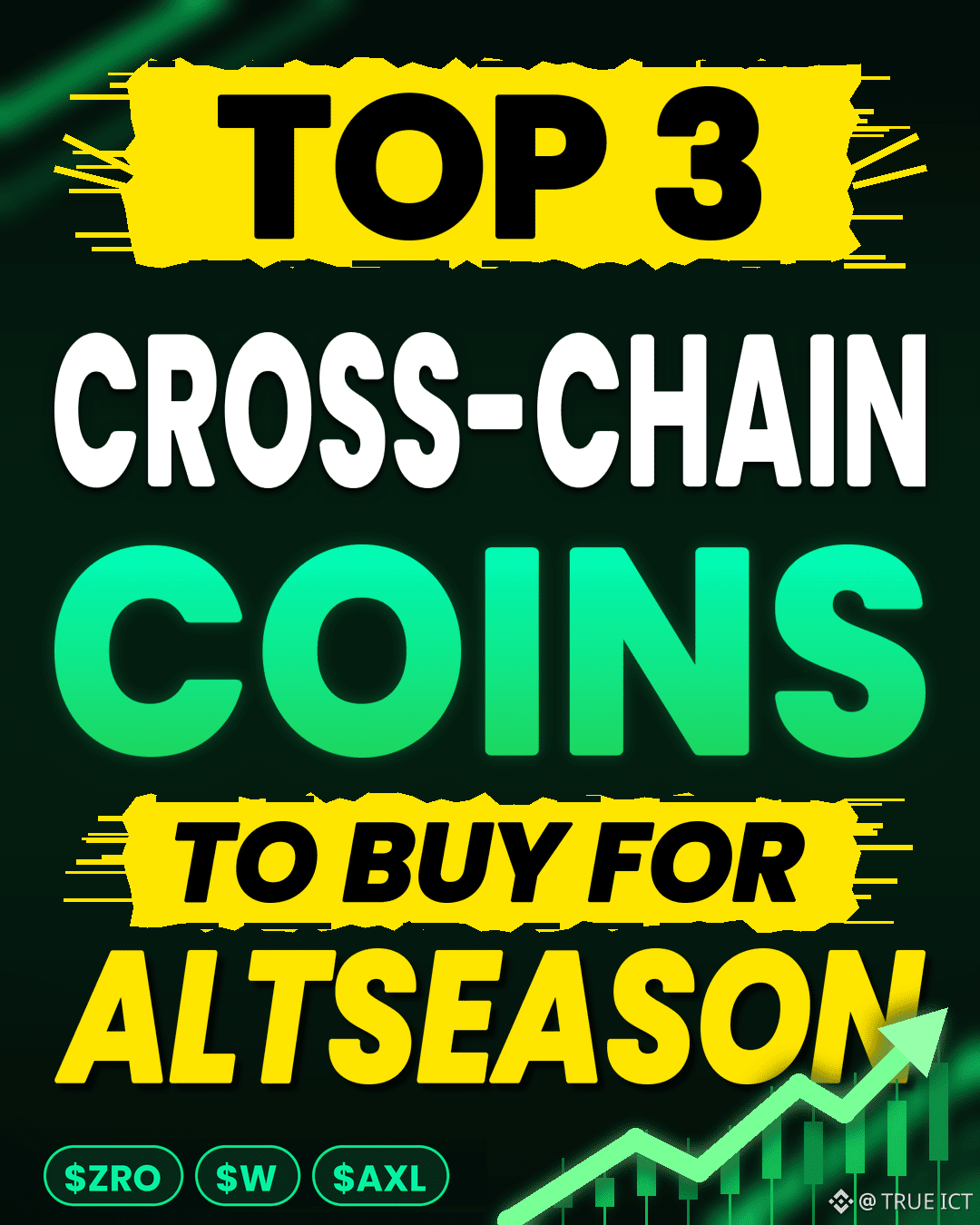
🌉 注目のクロスチェーンコイン3選
暗号資産はマルチチェーン化しており、チェーン間で価値を移動させることは今も重要です。
1️⃣ $ZRO (LayerZero):多くのアプリやトークンで使われているオムニチェーンメッセージング。
2️⃣ $W (Wormhole):多くのネットワーク間でメッセージや資産をやり取りできるクロスチェーン技術。
3️⃣ $AXL (Axelar):チェーンをつなぎ、開発者がチェーン間でメッセージを送信できるようにします。
⚠️ ブリッジはハッキングの標的になりやすく、トークンのアンロックが価格の重しになることもあります。私はセキュリティ実績と供給スケジュールを確認しています。
相互運用性プロジェクトの勝者はどれ? 👇
投資助言ではありません。DYOR(ご自身で調査してください)。
#CrossChain #ZRO #Binance
🌉 注目のクロスチェーンコイン3選
暗号資産はマルチチェーン化しており、チェーン間で価値を移動させることは今も重要です。
1️⃣ $ZRO (LayerZero):多くのアプリやトークンで使われているオムニチェーンメッセージング。
2️⃣ $W (Wormhole):多くのネットワーク間でメッセージや資産をやり取りできるクロスチェーン技術。
3️⃣ $AXL (Axelar):チェーンをつなぎ、開発者がチェーン間でメッセージを送信できるようにします。
⚠️ ブリッジはハッキングの標的になりやすく、トークンのアンロックが価格の重しになることもあります。私はセキュリティ実績と供給スケジュールを確認しています。
相互運用性プロジェクトの勝者はどれ? 👇
投資助言ではありません。DYOR(ご自身で調査してください)。
#CrossChain #ZRO #Binance
暗号資産はマルチチェーン化しており、チェーン間で価値を移動させることは今も重要です。
1️⃣ $ZRO (LayerZero):多くのアプリやトークンで使われているオムニチェーンメッセージング。
2️⃣ $W (Wormhole):多くのネットワーク間でメッセージや資産をやり取りできるクロスチェーン技術。
3️⃣ $AXL (Axelar):チェーンをつなぎ、開発者がチェーン間でメッセージを送信できるようにします。
⚠️ ブリッジはハッキングの標的になりやすく、トークンのアンロックが価格の重しになることもあります。私はセキュリティ実績と供給スケジュールを確認しています。
相互運用性プロジェクトの勝者はどれ? 👇
投資助言ではありません。DYOR(ご自身で調査してください)。
#CrossChain #ZRO #Binance
1
1.4k

FOMOは、1秒未満の実行を実現するクロスチェーンブリッジとルーターを立ち上げ、Pump.funの優位性に真っ向から挑んでいます。この動きは、より速く、より安価なミームコイン取引への膨大な需要を狙ったものです。FOMOが優れた価格設定とスピードを約束どおり実現すれば、現在の流動性の構図を大きく分断し、既存のプラットフォームにも競争力を維持するためのインフラ刷新を迫る可能性があります。
#PumpFun #CrossChain ⠀
FOMOは、1秒未満の実行を実現するクロスチェーンブリッジとルーターを立ち上げ、Pump.funの優位性に真っ向から挑んでいます。この動きは、より速く、より安価なミームコイン取引への膨大な需要を狙ったものです。FOMOが優れた価格設定とスピードを約束どおり実現すれば、現在の流動性の構図を大きく分断し、既存のプラットフォームにも競争力を維持するためのインフラ刷新を迫る可能性があります。
#PumpFun #CrossChain ⠀
#PumpFun #CrossChain ⠀
12

·
--
ブリッシュ
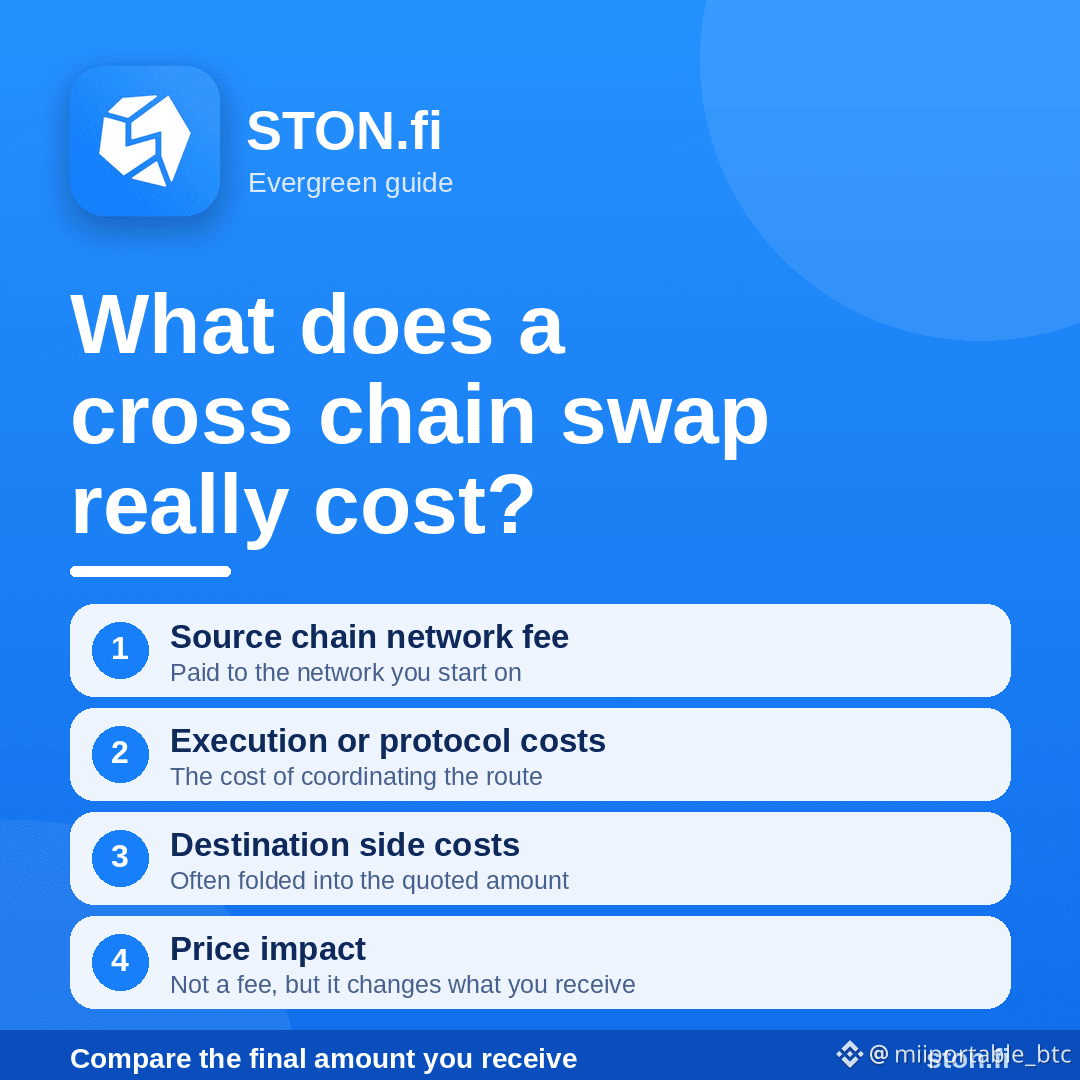
クロスチェーンスワップの本当のコストとは?次の取引の前にご確認ください
ブロックチェーン間で資産を移動するには、2つのネットワークが処理を行うため、通常のスワップよりもコストがかかります。費用はひとつの手数料だけではありません。次の4つで構成されます。
1. 送信元チェーンのネットワーク手数料。TONやEthereumなど、取引を開始するネットワークに支払います。
2. 実行コストまたはプロトコルコスト。ルートの調整にかかる費用です。
3. 送信先側のコスト。提示額に含まれている場合もあります。
4. 価格への影響。手数料ではありませんが、取引額が流動性に対して大きい場合、受取額に影響します。
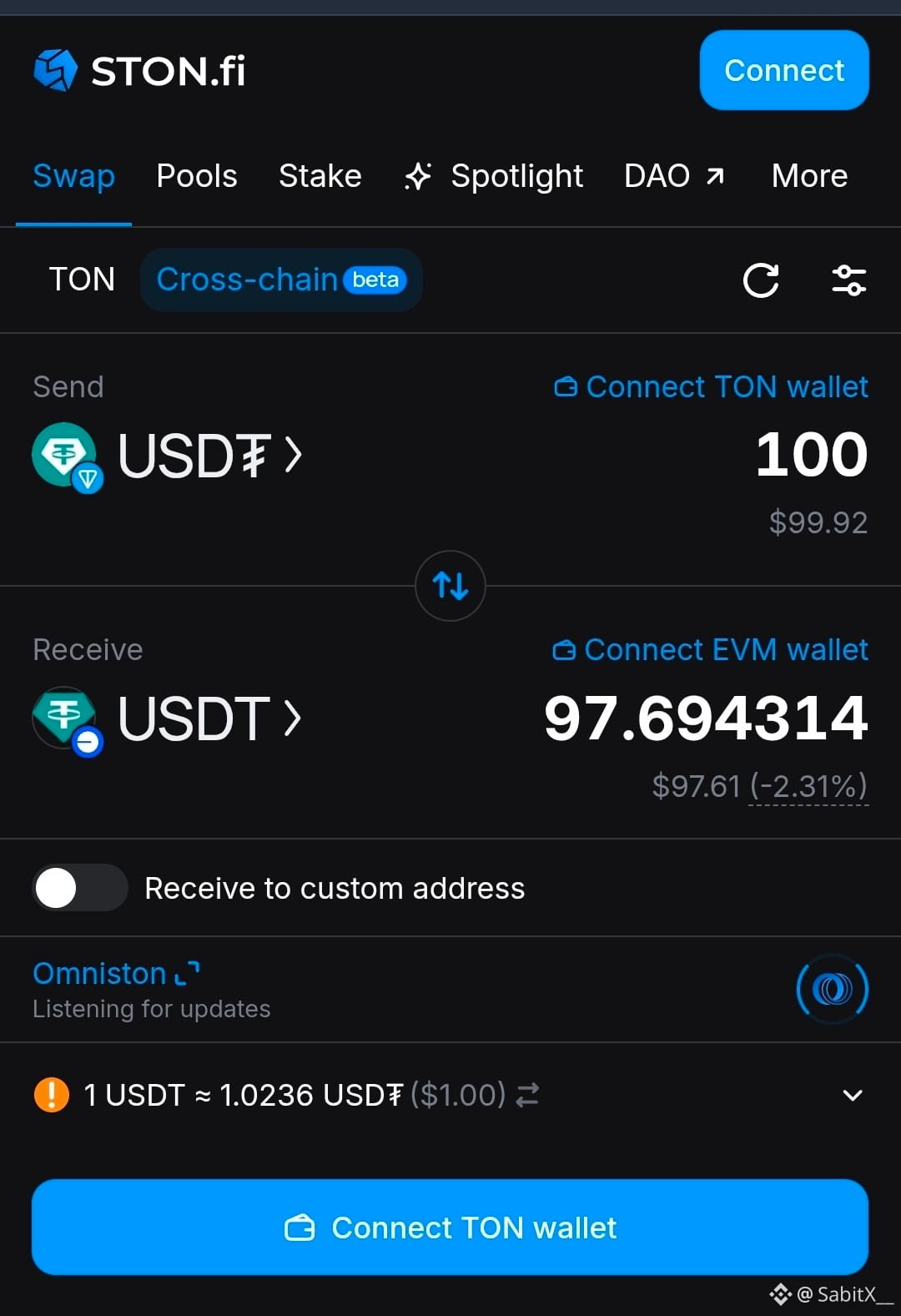
大切なポイントはひとつ。個別の手数料ではなく、最終的に受け取る額を比較しましょう。手数料が低くても、価格への影響が大きければ、全体のコストは高くなることがあります。
確認前の簡単なチェックリスト:
1. 送信元と送信先のネットワークを確認する。
2. 受け取るトークンを確認する。
3. 受取用ウォレットが送信先ネットワークに対応していることを確認する。
4. 最終見積もり(受取額、手数料、レート、価格への影響)を確認する。
5. 送信元チェーンのネイティブ通貨で、十分なガス代を確保する。
6. 大きな額をスワップする場合は、まず少額で試す。
7. クロスチェーンスワップは取り消せないため、アドレスを確認する。
例:TONからBaseへのSTON.fiのクロスチェーンスワップでは、プロダクトページによると、確認画面に受取額、手数料、最終レートが正確に表示されます。手数料や処理速度は変動するため、スワップする当日に最新の見積もりを必ず確認してください。$GRAM
{future}(GRAMUSDT)
こちらからお試しください:https://ston.fi/cross-chain-swap-from-ton-to-base
アドレスは必ずご自身で入力するか、信頼できるブックマークを使用してください。
@stonfi @ton_blockchain #STONfi #CrossChain #TON #Base #defi
本コンテンツは教育目的のみであり、金融アドバイスではありません。ご自身で調査してください。
クロスチェーンスワップの本当のコストとは?次の取引の前にご確認ください
ブロックチェーン間で資産を移動するには、2つのネットワークが処理を行うため、通常のスワップよりもコストがかかります。費用はひとつの手数料だけではありません。次の4つで構成されます。
1. 送信元チェーンのネットワーク手数料。TONやEthereumなど、取引を開始するネットワークに支払います。
2. 実行コストまたはプロトコルコスト。ルートの調整にかかる費用です。
3. 送信先側のコスト。提示額に含まれている場合もあります。
4. 価格への影響。手数料ではありませんが、取引額が流動性に対して大きい場合、受取額に影響します。
大切なポイントはひとつ。個別の手数料ではなく、最終的に受け取る額を比較しましょう。手数料が低くても、価格への影響が大きければ、全体のコストは高くなることがあります。
確認前の簡単なチェックリスト:
1. 送信元と送信先のネットワークを確認する。
2. 受け取るトークンを確認する。
3. 受取用ウォレットが送信先ネットワークに対応していることを確認する。
4. 最終見積もり(受取額、手数料、レート、価格への影響)を確認する。
5. 送信元チェーンのネイティブ通貨で、十分なガス代を確保する。
6. 大きな額をスワップする場合は、まず少額で試す。
7. クロスチェーンスワップは取り消せないため、アドレスを確認する。
例:TONからBaseへのSTON.fiのクロスチェーンスワップでは、プロダクトページによると、確認画面に受取額、手数料、最終レートが正確に表示されます。手数料や処理速度は変動するため、スワップする当日に最新の見積もりを必ず確認してください。$GRAM
こちらからお試しください:https://ston.fi/cross-chain-swap-from-ton-to-base
アドレスは必ずご自身で入力するか、信頼できるブックマークを使用してください。
@STONfi DEX @Ton Network #STONfi #CrossChain #TON #Base #defi
本コンテンツは教育目的のみであり、金融アドバイスではありません。ご自身で調査してください。
ブロックチェーン間で資産を移動するには、2つのネットワークが処理を行うため、通常のスワップよりもコストがかかります。費用はひとつの手数料だけではありません。次の4つで構成されます。
1. 送信元チェーンのネットワーク手数料。TONやEthereumなど、取引を開始するネットワークに支払います。
2. 実行コストまたはプロトコルコスト。ルートの調整にかかる費用です。
3. 送信先側のコスト。提示額に含まれている場合もあります。
4. 価格への影響。手数料ではありませんが、取引額が流動性に対して大きい場合、受取額に影響します。
大切なポイントはひとつ。個別の手数料ではなく、最終的に受け取る額を比較しましょう。手数料が低くても、価格への影響が大きければ、全体のコストは高くなることがあります。
確認前の簡単なチェックリスト:
1. 送信元と送信先のネットワークを確認する。
2. 受け取るトークンを確認する。
3. 受取用ウォレットが送信先ネットワークに対応していることを確認する。
4. 最終見積もり(受取額、手数料、レート、価格への影響)を確認する。
5. 送信元チェーンのネイティブ通貨で、十分なガス代を確保する。
6. 大きな額をスワップする場合は、まず少額で試す。
7. クロスチェーンスワップは取り消せないため、アドレスを確認する。
例:TONからBaseへのSTON.fiのクロスチェーンスワップでは、プロダクトページによると、確認画面に受取額、手数料、最終レートが正確に表示されます。手数料や処理速度は変動するため、スワップする当日に最新の見積もりを必ず確認してください。$GRAM
こちらからお試しください:https://ston.fi/cross-chain-swap-from-ton-to-base
アドレスは必ずご自身で入力するか、信頼できるブックマークを使用してください。
@STONfi DEX @Ton Network #STONfi #CrossChain #TON #Base #defi
本コンテンツは教育目的のみであり、金融アドバイスではありません。ご自身で調査してください。
1
324

·
--
記事
同じステーブルコインが複数のネットワーク上に存在できるのはなぜ?USDT、USDC、クロスチェーンスワップを解説USDTやUSDCが多くのブロックチェーン上に存在するのはなぜでしょうか?トークンコントラクト、ネットワーク、クロスチェーンスワップの仕組みと、ステーブルコインを安全に送る方法を解説します。
同じステーブルコインが複数のネットワーク上に存在できるのはなぜ?USDT、USDC、クロスチェーンスワップを解説
あなたはTONウォレットでUSDTを保有しています。友人から自分のウォレットにUSDTを送ってほしいと頼まれましたが、友人のアプリにはEthereum、Tron、SolanaなどのUSDTが表示されています。名前も同じで、ドル建ての価値も同じですが、アプリではネットワークを選ぶよう求められます。
USDTが1米ドルを表すものだとしたら、なぜ複数のブロックチェーン上に存在するのでしょうか。また、なぜあるネットワーク上のものを、別のネットワークへいつでも直接送れるわけではないのでしょうか。
同じステーブルコインが複数のネットワーク上に存在できるのはなぜ?USDT、USDC、クロスチェーンスワップを解説
USDTやUSDCが多くのブロックチェーン上に存在するのはなぜでしょうか?トークンコントラクト、ネットワーク、クロスチェーンスワップの仕組みと、ステーブルコインを安全に送る方法を解説します。
同じステーブルコインが複数のネットワーク上に存在できるのはなぜ?USDT、USDC、クロスチェーンスワップを解説
あなたはTONウォレットでUSDTを保有しています。友人から自分のウォレットにUSDTを送ってほしいと頼まれましたが、友人のアプリにはEthereum、Tron、SolanaなどのUSDTが表示されています。名前も同じで、ドル建ての価値も同じですが、アプリではネットワークを選ぶよう求められます。
USDTが1米ドルを表すものだとしたら、なぜ複数のブロックチェーン上に存在するのでしょうか。また、なぜあるネットワーク上のものを、別のネットワークへいつでも直接送れるわけではないのでしょうか。
同じステーブルコインが複数のネットワーク上に存在できるのはなぜ?USDT、USDC、クロスチェーンスワップを解説
あなたはTONウォレットでUSDTを保有しています。友人から自分のウォレットにUSDTを送ってほしいと頼まれましたが、友人のアプリにはEthereum、Tron、SolanaなどのUSDTが表示されています。名前も同じで、ドル建ての価値も同じですが、アプリではネットワークを選ぶよう求められます。
USDTが1米ドルを表すものだとしたら、なぜ複数のブロックチェーン上に存在するのでしょうか。また、なぜあるネットワーク上のものを、別のネットワークへいつでも直接送れるわけではないのでしょうか。
1
84

·
--
ブリッシュ
🔍 クロスチェーンスワップ前に確認すべき5項目
クロスチェーンスワップは便利です。でも、たった1つの入力ミスが大きな問題につながりかねない取引でもあります。
「確認」を押す前に毎回チェックしたいリストはこちら👇
1️⃣ 送るトークンとネットワーク
「USDT」は1つの資産ではありません。TRON、Ethereum、TON上のUSDTはそれぞれ別のものです。手元にあるトークンと送信元のネットワークが合っているか確認しましょう。
2️⃣ 受け取るトークンとネットワーク
受取側も同じです。Base上のUSDCが必要なら、単に「USDC」ではなく「Base上のUSDC」と表示されている必要があります。
3️⃣ 受取人のアドレス
文字を1つずつ確認するか、少なくとも先頭と末尾を照合しましょう。正しいスワップでも、他人のアドレスに送れば資金を失ってしまいます。
4️⃣ 最終受取額
目立つ手数料の数字ではなく、見積もりに表示された、実際にウォレットへ届く金額を確認しましょう。
5️⃣ ガス代と所要時間
送信元ネットワークの手数料を支払うのに十分な資金がウォレットにあるか確認しましょう。クロスチェーンスワップでは2つのネットワークを利用するため、通常より時間がかかる場合があります ⏳
🔄 最後に、見積もりは変動します。
👉 TONからBaseへUSDTを送る予定ですか?手順ガイドはこちら:
https://ston.fi/how-to-send-usdt-from-ton-to-base
⚠️ これはチェックリストであり、成功を保証するものではありません。必ず最新のインターフェースで内容を確認してください。
#CrossChain #DeFi #TON #STONfi #Crypto
🔍 クロスチェーンスワップ前に確認すべき5項目
クロスチェーンスワップは便利です。でも、たった1つの入力ミスが大きな問題につながりかねない取引でもあります。
「確認」を押す前に毎回チェックしたいリストはこちら👇
1️⃣ 送るトークンとネットワーク
「USDT」は1つの資産ではありません。TRON、Ethereum、TON上のUSDTはそれぞれ別のものです。手元にあるトークンと送信元のネットワークが合っているか確認しましょう。
2️⃣ 受け取るトークンとネットワーク
受取側も同じです。Base上のUSDCが必要なら、単に「USDC」ではなく「Base上のUSDC」と表示されている必要があります。
3️⃣ 受取人のアドレス
文字を1つずつ確認するか、少なくとも先頭と末尾を照合しましょう。正しいスワップでも、他人のアドレスに送れば資金を失ってしまいます。
4️⃣ 最終受取額
目立つ手数料の数字ではなく、見積もりに表示された、実際にウォレットへ届く金額を確認しましょう。
5️⃣ ガス代と所要時間
送信元ネットワークの手数料を支払うのに十分な資金がウォレットにあるか確認しましょう。クロスチェーンスワップでは2つのネットワークを利用するため、通常より時間がかかる場合があります ⏳
🔄 最後に、見積もりは変動します。
👉 TONからBaseへUSDTを送る予定ですか?手順ガイドはこちら:
https://ston.fi/how-to-send-usdt-from-ton-to-base
⚠️ これはチェックリストであり、成功を保証するものではありません。必ず最新のインターフェースで内容を確認してください。
#CrossChain #DeFi #TON #STONfi #Crypto
クロスチェーンスワップは便利です。でも、たった1つの入力ミスが大きな問題につながりかねない取引でもあります。
「確認」を押す前に毎回チェックしたいリストはこちら👇
1️⃣ 送るトークンとネットワーク
「USDT」は1つの資産ではありません。TRON、Ethereum、TON上のUSDTはそれぞれ別のものです。手元にあるトークンと送信元のネットワークが合っているか確認しましょう。
2️⃣ 受け取るトークンとネットワーク
受取側も同じです。Base上のUSDCが必要なら、単に「USDC」ではなく「Base上のUSDC」と表示されている必要があります。
3️⃣ 受取人のアドレス
文字を1つずつ確認するか、少なくとも先頭と末尾を照合しましょう。正しいスワップでも、他人のアドレスに送れば資金を失ってしまいます。
4️⃣ 最終受取額
目立つ手数料の数字ではなく、見積もりに表示された、実際にウォレットへ届く金額を確認しましょう。
5️⃣ ガス代と所要時間
送信元ネットワークの手数料を支払うのに十分な資金がウォレットにあるか確認しましょう。クロスチェーンスワップでは2つのネットワークを利用するため、通常より時間がかかる場合があります ⏳
🔄 最後に、見積もりは変動します。
👉 TONからBaseへUSDTを送る予定ですか?手順ガイドはこちら:
https://ston.fi/how-to-send-usdt-from-ton-to-base
⚠️ これはチェックリストであり、成功を保証するものではありません。必ず最新のインターフェースで内容を確認してください。
#CrossChain #DeFi #TON #STONfi #Crypto

51

·
--
クロスチェーンブリッジ:暗号資産に不可欠でありながら、過小評価されているインフラ
強気相場では、ブリッジはあまり注目されません。誰もがリターンを追い求め、基盤となる仕組みには目を向けないからです。しかし、真のリスクが潜むのはブリッジであり、真のチャンスがあるのもブリッジです。
2020年以降、ブリッジのエクスプロイトによって25億ドル以上が失われました。Ronin、Wormhole、Nomad。パターンは一貫しています。ブリッジは、完璧に機能しなければならないスマートコントラクトに膨大なTVLを抱えながら、異なる2つのセキュリティモデルの接点に位置しています。攻撃者は、たった1つの隙を見つければよいのです。
しかし、あらゆるマルチチェーンエコシステムは、ブリッジの品質に依存しています。$ETH ロールアップには、標準ブリッジが必要です。$SOL DeFiユーザーは、異なるチェーン間で定期的にステーブルコインをブリッジしています。この需要は構造的なものであり、拡大し続けています。
注目すべき重要な進展は、信頼を最小限に抑えたブリッジへの移行です。ライトクライアント型ブリッジは、マルチシグの連合体に頼るのではなく、コンセンサスを直接検証します。ZKベースのブリッジは、信頼できる仲介者を介さずに、チェーンをまたぐ状態遷移を暗号学的に証明できます。業界が進むべき道はこれです。そして、いち早く実現したプロトコルが、金融インフラの中核を担うことになるでしょう。
$BTC は傍観していますが、BitVM型ブリッジを介したビットコインDeFiが、状況を一変させる可能性があります。
ブリッジ戦争はまだまだ終わりません。勝者となるのは、数兆ドル規模の経済を支える、目に見えないインフラです。
#CrossChain #DeFi #BridgeSecurity #CryptoInfrastructure #Web3
クロスチェーンブリッジ:暗号資産に不可欠でありながら、過小評価されているインフラ
強気相場では、ブリッジはあまり注目されません。誰もがリターンを追い求め、基盤となる仕組みには目を向けないからです。しかし、真のリスクが潜むのはブリッジであり、真のチャンスがあるのもブリッジです。
2020年以降、ブリッジのエクスプロイトによって25億ドル以上が失われました。Ronin、Wormhole、Nomad。パターンは一貫しています。ブリッジは、完璧に機能しなければならないスマートコントラクトに膨大なTVLを抱えながら、異なる2つのセキュリティモデルの接点に位置しています。攻撃者は、たった1つの隙を見つければよいのです。
しかし、あらゆるマルチチェーンエコシステムは、ブリッジの品質に依存しています。$ETH ロールアップには、標準ブリッジが必要です。$SOL DeFiユーザーは、異なるチェーン間で定期的にステーブルコインをブリッジしています。この需要は構造的なものであり、拡大し続けています。
注目すべき重要な進展は、信頼を最小限に抑えたブリッジへの移行です。ライトクライアント型ブリッジは、マルチシグの連合体に頼るのではなく、コンセンサスを直接検証します。ZKベースのブリッジは、信頼できる仲介者を介さずに、チェーンをまたぐ状態遷移を暗号学的に証明できます。業界が進むべき道はこれです。そして、いち早く実現したプロトコルが、金融インフラの中核を担うことになるでしょう。
$BTC は傍観していますが、BitVM型ブリッジを介したビットコインDeFiが、状況を一変させる可能性があります。
ブリッジ戦争はまだまだ終わりません。勝者となるのは、数兆ドル規模の経済を支える、目に見えないインフラです。
#CrossChain #DeFi #BridgeSecurity #CryptoInfrastructure #Web3
強気相場では、ブリッジはあまり注目されません。誰もがリターンを追い求め、基盤となる仕組みには目を向けないからです。しかし、真のリスクが潜むのはブリッジであり、真のチャンスがあるのもブリッジです。
2020年以降、ブリッジのエクスプロイトによって25億ドル以上が失われました。Ronin、Wormhole、Nomad。パターンは一貫しています。ブリッジは、完璧に機能しなければならないスマートコントラクトに膨大なTVLを抱えながら、異なる2つのセキュリティモデルの接点に位置しています。攻撃者は、たった1つの隙を見つければよいのです。
しかし、あらゆるマルチチェーンエコシステムは、ブリッジの品質に依存しています。$ETH ロールアップには、標準ブリッジが必要です。$SOL DeFiユーザーは、異なるチェーン間で定期的にステーブルコインをブリッジしています。この需要は構造的なものであり、拡大し続けています。
注目すべき重要な進展は、信頼を最小限に抑えたブリッジへの移行です。ライトクライアント型ブリッジは、マルチシグの連合体に頼るのではなく、コンセンサスを直接検証します。ZKベースのブリッジは、信頼できる仲介者を介さずに、チェーンをまたぐ状態遷移を暗号学的に証明できます。業界が進むべき道はこれです。そして、いち早く実現したプロトコルが、金融インフラの中核を担うことになるでしょう。
$BTC は傍観していますが、BitVM型ブリッジを介したビットコインDeFiが、状況を一変させる可能性があります。
ブリッジ戦争はまだまだ終わりません。勝者となるのは、数兆ドル規模の経済を支える、目に見えないインフラです。
#CrossChain #DeFi #BridgeSecurity #CryptoInfrastructure #Web3
22
·
--
クロスチェーン相互運用性は単なる機能ではありません——この先に続くすべての前提条件です。
現在、流動性、ユーザー、アプリケーションは数十ものチェーンに分散しています。$ETH は決済とDeFiの複雑さを担います。$SOL は高頻度・低遅延のアクティビティを支えます。$BNB は取引所ネイティブの資金フローを支えます。どのチェーンも単独では勝てません——そして、単独で勝つ必要もありません。
真のチャンスは、それらをつなぐプロトコルレイヤーにあります。
ただし、相互運用性はどれも同じではありません。2021〜2023年のブリッジハッキングは、市場に厳しい教訓を突きつけました。異議申し立て期間が長いオプティミスティックブリッジは、悪用されるのを待つ資本効率の悪い仕組みです。現在は、経済的なステークやゼロ知識証明によって保護されたメッセージパッシングレイヤーへと移行しています。そこでは、アテステーションを改ざんするコストが、攻撃者が引き出せる額を上回ります。
注目すべき点は3つです。
1. 取引量だけでなく、手数料収入を獲得している相互運用性プロトコルはどれか?
2. クロスチェーンの資金フローにおいて、送信元ではなく送金先となっているチェーンはどれか?
3. ユーザーへのサービス提供コストが最も低い場所へ展開する、設計上チェーンに依存しないdAppはどれか?
マルチチェーンは、この業界における恒久的な状態です。チェーン間で資本を安全にルーティングするインフラは、長期的な戦略的重要性に比べて、まだ過小評価されています。
つながれるチェーンだけでなく、それらをつなぐ結合組織を軸に投資仮説を組み立てましょう。
#CrossChain #Interoperability #DeFi #MultiChain #暗号資産インフラ
クロスチェーン相互運用性は単なる機能ではありません——この先に続くすべての前提条件です。
現在、流動性、ユーザー、アプリケーションは数十ものチェーンに分散しています。$ETH は決済とDeFiの複雑さを担います。$SOL は高頻度・低遅延のアクティビティを支えます。$BNB は取引所ネイティブの資金フローを支えます。どのチェーンも単独では勝てません——そして、単独で勝つ必要もありません。
真のチャンスは、それらをつなぐプロトコルレイヤーにあります。
ただし、相互運用性はどれも同じではありません。2021〜2023年のブリッジハッキングは、市場に厳しい教訓を突きつけました。異議申し立て期間が長いオプティミスティックブリッジは、悪用されるのを待つ資本効率の悪い仕組みです。現在は、経済的なステークやゼロ知識証明によって保護されたメッセージパッシングレイヤーへと移行しています。そこでは、アテステーションを改ざんするコストが、攻撃者が引き出せる額を上回ります。
注目すべき点は3つです。
1. 取引量だけでなく、手数料収入を獲得している相互運用性プロトコルはどれか?
2. クロスチェーンの資金フローにおいて、送信元ではなく送金先となっているチェーンはどれか?
3. ユーザーへのサービス提供コストが最も低い場所へ展開する、設計上チェーンに依存しないdAppはどれか?
マルチチェーンは、この業界における恒久的な状態です。チェーン間で資本を安全にルーティングするインフラは、長期的な戦略的重要性に比べて、まだ過小評価されています。
つながれるチェーンだけでなく、それらをつなぐ結合組織を軸に投資仮説を組み立てましょう。
#CrossChain #Interoperability #DeFi #MultiChain #暗号資産インフラ
現在、流動性、ユーザー、アプリケーションは数十ものチェーンに分散しています。$ETH は決済とDeFiの複雑さを担います。$SOL は高頻度・低遅延のアクティビティを支えます。$BNB は取引所ネイティブの資金フローを支えます。どのチェーンも単独では勝てません——そして、単独で勝つ必要もありません。
真のチャンスは、それらをつなぐプロトコルレイヤーにあります。
ただし、相互運用性はどれも同じではありません。2021〜2023年のブリッジハッキングは、市場に厳しい教訓を突きつけました。異議申し立て期間が長いオプティミスティックブリッジは、悪用されるのを待つ資本効率の悪い仕組みです。現在は、経済的なステークやゼロ知識証明によって保護されたメッセージパッシングレイヤーへと移行しています。そこでは、アテステーションを改ざんするコストが、攻撃者が引き出せる額を上回ります。
注目すべき点は3つです。
1. 取引量だけでなく、手数料収入を獲得している相互運用性プロトコルはどれか?
2. クロスチェーンの資金フローにおいて、送信元ではなく送金先となっているチェーンはどれか?
3. ユーザーへのサービス提供コストが最も低い場所へ展開する、設計上チェーンに依存しないdAppはどれか?
マルチチェーンは、この業界における恒久的な状態です。チェーン間で資本を安全にルーティングするインフラは、長期的な戦略的重要性に比べて、まだ過小評価されています。
つながれるチェーンだけでなく、それらをつなぐ結合組織を軸に投資仮説を組み立てましょう。
#CrossChain #Interoperability #DeFi #MultiChain #暗号資産インフラ
95
·
--
クロスチェーンのネットワーク効果:過小評価されている成長エンジン
多くのアナリストは、ブロックチェーンを個別のプラットフォームとして評価しています。この枠組みでは、相互運用性がもたらす複利的な価値を見落としてしまいます。
ネットワーク理論によれば、参加者がN人いるネットワークには、およそNの2乗に相当する潜在的な接続が存在します(メトカーフの法則)。2つのブロックチェーンが信頼できる形で相互運用可能になった瞬間、両者を合わせたアドレス可能な流動性は、単純に足し合わさるのではなく、掛け合わされます。一方のチェーンにある小規模なDeFiエコシステムと、もう一方の$ETH にある大規模なエコシステムがアトミックに組み合わせ可能になれば、単に全体の機会が大きくなるだけではありません。両チェーン間で資本効率が同時に向上するため、実質的にそれ以上の価値が生まれます。
だからこそ、クロスチェーン・インフラを握るための競争は、戦略的重要性が過小評価されています。
• $DOTのパラチェーンモデル――共有セキュリティとXCMメッセージング――は、プロトコル層で主権を持つチェーン同士がつながり続けることに賭けています
• $BNB ChainのopBNB+ZKブリッジのロードマップは、支配的な実行レイヤーを中心とするハブ・アンド・スポーク型に賭けています
• ネイティブ資産ブリッジ(カノニカルかサードパーティか)は、どのチェーンが定着性の高い流動性を獲得し、どのチェーンがそれを一時的に借りるだけなのかを、ますます左右しています
注目すべき主要指標は、単独で見たTVLではありません。チェーン間の資本回転速度です。クロスチェーン決済サイクルを加速させるプロトコルには、まず取引頻度の高いトレーダーやマーケットメーカーが集まります。その後に一般ユーザーが続きます。
相互運用性は機能ではありません。それこそが参入障壁です。
#CrossChain #DeFi #Interoperability #Web3 #Crypto
クロスチェーンのネットワーク効果:過小評価されている成長エンジン
多くのアナリストは、ブロックチェーンを個別のプラットフォームとして評価しています。この枠組みでは、相互運用性がもたらす複利的な価値を見落としてしまいます。
ネットワーク理論によれば、参加者がN人いるネットワークには、およそNの2乗に相当する潜在的な接続が存在します(メトカーフの法則)。2つのブロックチェーンが信頼できる形で相互運用可能になった瞬間、両者を合わせたアドレス可能な流動性は、単純に足し合わさるのではなく、掛け合わされます。一方のチェーンにある小規模なDeFiエコシステムと、もう一方の$ETH にある大規模なエコシステムがアトミックに組み合わせ可能になれば、単に全体の機会が大きくなるだけではありません。両チェーン間で資本効率が同時に向上するため、実質的にそれ以上の価値が生まれます。
だからこそ、クロスチェーン・インフラを握るための競争は、戦略的重要性が過小評価されています。
• $DOT のパラチェーンモデル――共有セキュリティとXCMメッセージング――は、プロトコル層で主権を持つチェーン同士がつながり続けることに賭けています
• $BNB ChainのopBNB+ZKブリッジのロードマップは、支配的な実行レイヤーを中心とするハブ・アンド・スポーク型に賭けています
• ネイティブ資産ブリッジ(カノニカルかサードパーティか)は、どのチェーンが定着性の高い流動性を獲得し、どのチェーンがそれを一時的に借りるだけなのかを、ますます左右しています
注目すべき主要指標は、単独で見たTVLではありません。チェーン間の資本回転速度です。クロスチェーン決済サイクルを加速させるプロトコルには、まず取引頻度の高いトレーダーやマーケットメーカーが集まります。その後に一般ユーザーが続きます。
相互運用性は機能ではありません。それこそが参入障壁です。
#CrossChain #DeFi #Interoperability #Web3 #Crypto
多くのアナリストは、ブロックチェーンを個別のプラットフォームとして評価しています。この枠組みでは、相互運用性がもたらす複利的な価値を見落としてしまいます。
ネットワーク理論によれば、参加者がN人いるネットワークには、およそNの2乗に相当する潜在的な接続が存在します(メトカーフの法則)。2つのブロックチェーンが信頼できる形で相互運用可能になった瞬間、両者を合わせたアドレス可能な流動性は、単純に足し合わさるのではなく、掛け合わされます。一方のチェーンにある小規模なDeFiエコシステムと、もう一方の$ETH にある大規模なエコシステムがアトミックに組み合わせ可能になれば、単に全体の機会が大きくなるだけではありません。両チェーン間で資本効率が同時に向上するため、実質的にそれ以上の価値が生まれます。
だからこそ、クロスチェーン・インフラを握るための競争は、戦略的重要性が過小評価されています。
• $DOT のパラチェーンモデル――共有セキュリティとXCMメッセージング――は、プロトコル層で主権を持つチェーン同士がつながり続けることに賭けています
• $BNB ChainのopBNB+ZKブリッジのロードマップは、支配的な実行レイヤーを中心とするハブ・アンド・スポーク型に賭けています
• ネイティブ資産ブリッジ(カノニカルかサードパーティか)は、どのチェーンが定着性の高い流動性を獲得し、どのチェーンがそれを一時的に借りるだけなのかを、ますます左右しています
注目すべき主要指標は、単独で見たTVLではありません。チェーン間の資本回転速度です。クロスチェーン決済サイクルを加速させるプロトコルには、まず取引頻度の高いトレーダーやマーケットメーカーが集まります。その後に一般ユーザーが続きます。
相互運用性は機能ではありません。それこそが参入障壁です。
#CrossChain #DeFi #Interoperability #Web3 #Crypto
71
·
--
相互運用性は、暗号資産にとってのTCP/IPの瞬間
インターネットが勝利したのは、特定のネットワークが最も優れていたからではありません。TCP/IPによって、すべてのネットワークが同じ言語を話せるようになったからです。暗号資産も今、同じような転換点に近づいています。
現状、価値はサイロ化しています。ETHの流動性はイーサリアムにとどまり、SOLエコシステムの活動はソラナにとどまっています。BNB ChainのユーザーがPolkadotとやり取りすることはほとんどありません。それぞれのチェーンは壁に囲まれた庭のようなもので、内部では活発でも、境界では孤立しています。
相互運用プロトコルが成熟し、信頼を最小限に抑えた信頼性の高いインフラになることで、この状況は変わります。リスクを伴う資産保管を担うブリッジではなく、あるチェーン上のコントラクトが別のチェーンの状態を読み取り、そこで実行を開始できる、汎用的なメッセージ伝達レイヤーです。そのレイヤーが確立すれば、競争の焦点は「どのチェーンが勝つか」から、「つながったエコシステム全体で、どのアプリが最も優れたものを築くか」へと移ります。
その影響は相乗的に広がります。
— 流動性が分断による不利益なしにチェーンをまたいで利用可能になり、資本効率が向上する
— コンポーザビリティがチェーン内に限定されなくなり、開発者が活用できる領域が広がる
— ユーザーがチェーンのことを意識しなくなる、インテントベースのUXへと体験が収束する
$DOT パラチェーンの共有セキュリティとサブネット間のメッセージングは、この相互接続されたチェーン構想の初期の試験場です。$ETH ロールアップのブリッジングと標準メッセージングレイヤーも、もう一つの主要な潮流です。
長期的に勝つチェーンは、単に高速でも低コストでもないでしょう。優れた接続性を備えたチェーンです。
ナラティブよりインフラ。いつだってそうです。
#CrossChain #Interoperability #Web3Infrastructure #CryptoThesis #BinanceSquare
相互運用性は、暗号資産にとってのTCP/IPの瞬間
インターネットが勝利したのは、特定のネットワークが最も優れていたからではありません。TCP/IPによって、すべてのネットワークが同じ言語を話せるようになったからです。暗号資産も今、同じような転換点に近づいています。
現状、価値はサイロ化しています。ETHの流動性はイーサリアムにとどまり、SOLエコシステムの活動はソラナにとどまっています。BNB ChainのユーザーがPolkadotとやり取りすることはほとんどありません。それぞれのチェーンは壁に囲まれた庭のようなもので、内部では活発でも、境界では孤立しています。
相互運用プロトコルが成熟し、信頼を最小限に抑えた信頼性の高いインフラになることで、この状況は変わります。リスクを伴う資産保管を担うブリッジではなく、あるチェーン上のコントラクトが別のチェーンの状態を読み取り、そこで実行を開始できる、汎用的なメッセージ伝達レイヤーです。そのレイヤーが確立すれば、競争の焦点は「どのチェーンが勝つか」から、「つながったエコシステム全体で、どのアプリが最も優れたものを築くか」へと移ります。
その影響は相乗的に広がります。
— 流動性が分断による不利益なしにチェーンをまたいで利用可能になり、資本効率が向上する
— コンポーザビリティがチェーン内に限定されなくなり、開発者が活用できる領域が広がる
— ユーザーがチェーンのことを意識しなくなる、インテントベースのUXへと体験が収束する
$DOT パラチェーンの共有セキュリティとサブネット間のメッセージングは、この相互接続されたチェーン構想の初期の試験場です。$ETH ロールアップのブリッジングと標準メッセージングレイヤーも、もう一つの主要な潮流です。
長期的に勝つチェーンは、単に高速でも低コストでもないでしょう。優れた接続性を備えたチェーンです。
ナラティブよりインフラ。いつだってそうです。
#CrossChain #Interoperability #Web3Infrastructure #CryptoThesis #BinanceSquare
インターネットが勝利したのは、特定のネットワークが最も優れていたからではありません。TCP/IPによって、すべてのネットワークが同じ言語を話せるようになったからです。暗号資産も今、同じような転換点に近づいています。
現状、価値はサイロ化しています。ETHの流動性はイーサリアムにとどまり、SOLエコシステムの活動はソラナにとどまっています。BNB ChainのユーザーがPolkadotとやり取りすることはほとんどありません。それぞれのチェーンは壁に囲まれた庭のようなもので、内部では活発でも、境界では孤立しています。
相互運用プロトコルが成熟し、信頼を最小限に抑えた信頼性の高いインフラになることで、この状況は変わります。リスクを伴う資産保管を担うブリッジではなく、あるチェーン上のコントラクトが別のチェーンの状態を読み取り、そこで実行を開始できる、汎用的なメッセージ伝達レイヤーです。そのレイヤーが確立すれば、競争の焦点は「どのチェーンが勝つか」から、「つながったエコシステム全体で、どのアプリが最も優れたものを築くか」へと移ります。
その影響は相乗的に広がります。
— 流動性が分断による不利益なしにチェーンをまたいで利用可能になり、資本効率が向上する
— コンポーザビリティがチェーン内に限定されなくなり、開発者が活用できる領域が広がる
— ユーザーがチェーンのことを意識しなくなる、インテントベースのUXへと体験が収束する
$DOT パラチェーンの共有セキュリティとサブネット間のメッセージングは、この相互接続されたチェーン構想の初期の試験場です。$ETH ロールアップのブリッジングと標準メッセージングレイヤーも、もう一つの主要な潮流です。
長期的に勝つチェーンは、単に高速でも低コストでもないでしょう。優れた接続性を備えたチェーンです。
ナラティブよりインフラ。いつだってそうです。
#CrossChain #Interoperability #Web3Infrastructure #CryptoThesis #BinanceSquare
56
·
--
クロスチェーンの成長:静かに進むインフラ革命
価格の動きが見出しを飾る一方で、今の暗号資産業界で最も重要な進展は水面下で起きています。クロスチェーンの相互運用性が急速に成熟しているのです。
1年前、異なるエコシステム間で資産を移動するのは手間がかかり、リスクも伴いました。今日では、ブリッジプロトコルはセキュリティモデルを大幅に改善し、月間で数十億ドル相当の取引を処理しています。これは、業界全体で流動性が行き交う仕組みにおける構造的な変化です。
具体的には、次のようなことを意味します。
• DeFiのTVLはもはやチェーンごとに分断されていません。資金はチェーンをまたいで、最も有利な利回りをシームレスに追求できます
• dApp開発者は、後から対応させるのではなく、最初から特定のチェーンに依存しない形で開発しています
• ユーザー体験の軸は、どのチェーンを使うかではなく、暗号資産そのものへと移りつつあります
$AVAX と$DOT は、相互運用性を中核的な理念として長年提唱してきました。そしてついに、市場がそのビジョンに追いつきつつあります。一方、$ETH のレイヤー2エコシステムは、それ自体が新たな分断の問題を生み出しており、最終的にはクロスチェーンインフラが解決する必要があります。
長期的に勝ち残るチェーンは、単に技術に優れたチェーンではありません。他のあらゆるものと最も組み合わせやすいチェーンです。
相互運用性は、もはや単なる機能ではありません。それは基盤です。
#CrossChain #DeFi #Web3 #CryptoInfrastructure #Interoperability
クロスチェーンの成長:静かに進むインフラ革命
価格の動きが見出しを飾る一方で、今の暗号資産業界で最も重要な進展は水面下で起きています。クロスチェーンの相互運用性が急速に成熟しているのです。
1年前、異なるエコシステム間で資産を移動するのは手間がかかり、リスクも伴いました。今日では、ブリッジプロトコルはセキュリティモデルを大幅に改善し、月間で数十億ドル相当の取引を処理しています。これは、業界全体で流動性が行き交う仕組みにおける構造的な変化です。
具体的には、次のようなことを意味します。
• DeFiのTVLはもはやチェーンごとに分断されていません。資金はチェーンをまたいで、最も有利な利回りをシームレスに追求できます
• dApp開発者は、後から対応させるのではなく、最初から特定のチェーンに依存しない形で開発しています
• ユーザー体験の軸は、どのチェーンを使うかではなく、暗号資産そのものへと移りつつあります
$AVAX と$DOT は、相互運用性を中核的な理念として長年提唱してきました。そしてついに、市場がそのビジョンに追いつきつつあります。一方、$ETH のレイヤー2エコシステムは、それ自体が新たな分断の問題を生み出しており、最終的にはクロスチェーンインフラが解決する必要があります。
長期的に勝ち残るチェーンは、単に技術に優れたチェーンではありません。他のあらゆるものと最も組み合わせやすいチェーンです。
相互運用性は、もはや単なる機能ではありません。それは基盤です。
#CrossChain #DeFi #Web3 #CryptoInfrastructure #Interoperability
価格の動きが見出しを飾る一方で、今の暗号資産業界で最も重要な進展は水面下で起きています。クロスチェーンの相互運用性が急速に成熟しているのです。
1年前、異なるエコシステム間で資産を移動するのは手間がかかり、リスクも伴いました。今日では、ブリッジプロトコルはセキュリティモデルを大幅に改善し、月間で数十億ドル相当の取引を処理しています。これは、業界全体で流動性が行き交う仕組みにおける構造的な変化です。
具体的には、次のようなことを意味します。
• DeFiのTVLはもはやチェーンごとに分断されていません。資金はチェーンをまたいで、最も有利な利回りをシームレスに追求できます
• dApp開発者は、後から対応させるのではなく、最初から特定のチェーンに依存しない形で開発しています
• ユーザー体験の軸は、どのチェーンを使うかではなく、暗号資産そのものへと移りつつあります
$AVAX と$DOT は、相互運用性を中核的な理念として長年提唱してきました。そしてついに、市場がそのビジョンに追いつきつつあります。一方、$ETH のレイヤー2エコシステムは、それ自体が新たな分断の問題を生み出しており、最終的にはクロスチェーンインフラが解決する必要があります。
長期的に勝ち残るチェーンは、単に技術に優れたチェーンではありません。他のあらゆるものと最も組み合わせやすいチェーンです。
相互運用性は、もはや単なる機能ではありません。それは基盤です。
#CrossChain #DeFi #Web3 #CryptoInfrastructure #Interoperability
116

🚀 $ZRO 大口資金の流入&クロスチェーンでの勝利を受けて急騰!💥
📊 取引高は7,300万ドルから2億ドルへ急増。サメが匂いを追うように、週足のレジスタンスを一気に突破しました。🦈 オーダーフローには絶え間ない買い圧力が表れ、供給の壁が新たな需要へと変わっています。⚡ LayerZeroはAnchorageとの注目すべき提携を実現。クロスチェーンのステーブルコイン基盤を強化し、機関投資家からの信頼も呼び込んでいます。🌊 このお墨付きが、スマートマネーの再配分とともに、さらなる流動性の急増を促す可能性があります。
💬 需要の波が押し寄せるなか、$ZRO を買い増していますか?👇
⚠️ これは金融アドバイスではありません。常にリスク管理を徹底してください。🛡️
🏷️ #ZRO #LongSetup #CrossChain #Crypto
🚀 🔥
🚀 $ZRO 大口資金の流入&クロスチェーンでの勝利を受けて急騰!💥
📊 取引高は7,300万ドルから2億ドルへ急増。サメが匂いを追うように、週足のレジスタンスを一気に突破しました。🦈 オーダーフローには絶え間ない買い圧力が表れ、供給の壁が新たな需要へと変わっています。⚡ LayerZeroはAnchorageとの注目すべき提携を実現。クロスチェーンのステーブルコイン基盤を強化し、機関投資家からの信頼も呼び込んでいます。🌊 このお墨付きが、スマートマネーの再配分とともに、さらなる流動性の急増を促す可能性があります。
💬 需要の波が押し寄せるなか、$ZRO を買い増していますか?👇
⚠️ これは金融アドバイスではありません。常にリスク管理を徹底してください。🛡️
🏷️ #ZRO #LongSetup #CrossChain #Crypto
🚀 🔥
📊 取引高は7,300万ドルから2億ドルへ急増。サメが匂いを追うように、週足のレジスタンスを一気に突破しました。🦈 オーダーフローには絶え間ない買い圧力が表れ、供給の壁が新たな需要へと変わっています。⚡ LayerZeroはAnchorageとの注目すべき提携を実現。クロスチェーンのステーブルコイン基盤を強化し、機関投資家からの信頼も呼び込んでいます。🌊 このお墨付きが、スマートマネーの再配分とともに、さらなる流動性の急増を促す可能性があります。
💬 需要の波が押し寄せるなか、$ZRO を買い増していますか?👇
⚠️ これは金融アドバイスではありません。常にリスク管理を徹底してください。🛡️
🏷️ #ZRO #LongSetup #CrossChain #Crypto
🚀 🔥
9

·
--
ブリッシュ
クロスチェーンスワップが失敗するとどうなる?
ブロックチェーン間で暗号資産を移動する際、重要な疑問が生じます。スワップが完了しなかった場合、資金はどうなるのでしょうか?
STON.fiは、HTLC(ハッシュタイムロックコントラクト)とも呼ばれる、相互に連携したハッシュタイムロックコントラクトを使用するクロスチェーン実行プロトコル「Omniston」を通じて、この問題に対応しています。
その仕組みを見てみましょう。
クロスチェーンスワップが始まると、ユーザーの送信元資産はスマートコントラクトにロックされます。リゾルバーは、対応する送信先資産を別のコントラクトにロックします。両方のコントラクトは、共通の暗号学的条件によって連携しています。
制限時間内に必要な条件が満たされると、両方のチェーンでスワップが成立します。
スワップを完了できず、タイムロックの期限が切れる前に必要なシークレットが開示されなかった場合、ロックされた資産は元の所有者が払い戻しを受けられるようになります。
これがアトミック決済の考え方です。一方だけが完了し、もう一方が未決済のまま取り残されることを防ぐように設計されています。
ただし、処理中だからといって必ず失敗したとは限らず、払い戻しがすぐに行われるとも限りません。次の操作を行う前に、必ず取引のステータスを確認してください。
クロスチェーンスワップを行う前に:
1. 送信元と送信先のネットワークを確認する。
2. トークン、受取アドレス、予定額を確認する。
3. 提示されたレートと手数料を確認する。
4. 取引ハッシュを控えておく。
5. 処理に予想以上の時間がかかる場合は、取引のステータスを確認する。
クロスチェーンのルートが実際にどのように機能するのか知りたいですか?
TONからBaseへUSDTを送る方法について、STON.fiのガイドをご覧ください:
https://ston.fi/how-to-send-usdt-from-ton-to-base
スワップの決済方法を理解することは、その価格を理解するのと同じくらい重要です。
#STONfi #DeFi #CrossChain $BNB $BTC $ETH
クロスチェーンスワップが失敗するとどうなる?
ブロックチェーン間で暗号資産を移動する際、重要な疑問が生じます。スワップが完了しなかった場合、資金はどうなるのでしょうか?
STON.fiは、HTLC(ハッシュタイムロックコントラクト)とも呼ばれる、相互に連携したハッシュタイムロックコントラクトを使用するクロスチェーン実行プロトコル「Omniston」を通じて、この問題に対応しています。
その仕組みを見てみましょう。
クロスチェーンスワップが始まると、ユーザーの送信元資産はスマートコントラクトにロックされます。リゾルバーは、対応する送信先資産を別のコントラクトにロックします。両方のコントラクトは、共通の暗号学的条件によって連携しています。
制限時間内に必要な条件が満たされると、両方のチェーンでスワップが成立します。
スワップを完了できず、タイムロックの期限が切れる前に必要なシークレットが開示されなかった場合、ロックされた資産は元の所有者が払い戻しを受けられるようになります。
これがアトミック決済の考え方です。一方だけが完了し、もう一方が未決済のまま取り残されることを防ぐように設計されています。
ただし、処理中だからといって必ず失敗したとは限らず、払い戻しがすぐに行われるとも限りません。次の操作を行う前に、必ず取引のステータスを確認してください。
クロスチェーンスワップを行う前に:
1. 送信元と送信先のネットワークを確認する。
2. トークン、受取アドレス、予定額を確認する。
3. 提示されたレートと手数料を確認する。
4. 取引ハッシュを控えておく。
5. 処理に予想以上の時間がかかる場合は、取引のステータスを確認する。
クロスチェーンのルートが実際にどのように機能するのか知りたいですか?
TONからBaseへUSDTを送る方法について、STON.fiのガイドをご覧ください:
https://ston.fi/how-to-send-usdt-from-ton-to-base
スワップの決済方法を理解することは、その価格を理解するのと同じくらい重要です。
#STONfi #DeFi #CrossChain $BNB $BTC $ETH
ブロックチェーン間で暗号資産を移動する際、重要な疑問が生じます。スワップが完了しなかった場合、資金はどうなるのでしょうか?
STON.fiは、HTLC(ハッシュタイムロックコントラクト)とも呼ばれる、相互に連携したハッシュタイムロックコントラクトを使用するクロスチェーン実行プロトコル「Omniston」を通じて、この問題に対応しています。
その仕組みを見てみましょう。
クロスチェーンスワップが始まると、ユーザーの送信元資産はスマートコントラクトにロックされます。リゾルバーは、対応する送信先資産を別のコントラクトにロックします。両方のコントラクトは、共通の暗号学的条件によって連携しています。
制限時間内に必要な条件が満たされると、両方のチェーンでスワップが成立します。
スワップを完了できず、タイムロックの期限が切れる前に必要なシークレットが開示されなかった場合、ロックされた資産は元の所有者が払い戻しを受けられるようになります。
これがアトミック決済の考え方です。一方だけが完了し、もう一方が未決済のまま取り残されることを防ぐように設計されています。
ただし、処理中だからといって必ず失敗したとは限らず、払い戻しがすぐに行われるとも限りません。次の操作を行う前に、必ず取引のステータスを確認してください。
クロスチェーンスワップを行う前に:
1. 送信元と送信先のネットワークを確認する。
2. トークン、受取アドレス、予定額を確認する。
3. 提示されたレートと手数料を確認する。
4. 取引ハッシュを控えておく。
5. 処理に予想以上の時間がかかる場合は、取引のステータスを確認する。
クロスチェーンのルートが実際にどのように機能するのか知りたいですか?
TONからBaseへUSDTを送る方法について、STON.fiのガイドをご覧ください:
https://ston.fi/how-to-send-usdt-from-ton-to-base
スワップの決済方法を理解することは、その価格を理解するのと同じくらい重要です。
#STONfi #DeFi #CrossChain $BNB $BTC $ETH
109
·
--
クロスチェーンの相互運用性は、単なる流行語から重要なインフラへと進化しつつあります。そして、それを可能にするプロトコルは、ほとんどの市場参加者から過小評価されています。
長年、ブロックチェーンは互いに孤立した経済圏として存在していました。あるチェーンにロックされた価値は、他所の流動性とネイティブに連携できず、ブリッジにはカストディ型の回避策を信頼する必要がありましたが、そうした方法は最悪のタイミングで何度も失敗してきました。エクスプロイトの原因はブリッジではなく、アーキテクチャにありました。
いま起きている変化は、アーキテクチャ上のものです。ラップされた資産ではなく暗号学的証明を伝達するメッセージングレイヤーが、信頼を前提とする仕組みを数学に基づく仕組みへと置き換えています。プロトコルが、オフチェーンのオラクルによる保証なしに、別のチェーン上の状態をネイティブに検証できるようになると、セキュリティモデルは根本から変わります。
これは資本配分にとってなぜ重要なのでしょうか?流動性の分断は、あらゆるチェーンで市場の厚みを人為的に抑えています。相互運用性が成熟すれば、チェーンをまたいだ流動性のプールが可能になり、約定品質の向上、スリッページの低減、そしてこれまで構造上実現不可能だった新たな利回り戦略につながります。$DOT は、アーキテクチャの面でこの見方をいち早く示していました。いまやエコシステムのほかの参加者も、そこへと収束しつつあります。
クロスチェーン・インフラの真の価値は、単一のL1の勝者に集まるのではありません。メッセージングレイヤー、決済の保証、そしてそのすべてを支えるコンポーザビリティの基盤を握る者に集まります。このサイクルで注目すべきなのは、そのレイヤーです。
$ETH $DOT $AVAX
#CrossChain #Interoperability #DeFi #CryptoInfrastructure #Blockchain
クロスチェーンの相互運用性は、単なる流行語から重要なインフラへと進化しつつあります。そして、それを可能にするプロトコルは、ほとんどの市場参加者から過小評価されています。
長年、ブロックチェーンは互いに孤立した経済圏として存在していました。あるチェーンにロックされた価値は、他所の流動性とネイティブに連携できず、ブリッジにはカストディ型の回避策を信頼する必要がありましたが、そうした方法は最悪のタイミングで何度も失敗してきました。エクスプロイトの原因はブリッジではなく、アーキテクチャにありました。
いま起きている変化は、アーキテクチャ上のものです。ラップされた資産ではなく暗号学的証明を伝達するメッセージングレイヤーが、信頼を前提とする仕組みを数学に基づく仕組みへと置き換えています。プロトコルが、オフチェーンのオラクルによる保証なしに、別のチェーン上の状態をネイティブに検証できるようになると、セキュリティモデルは根本から変わります。
これは資本配分にとってなぜ重要なのでしょうか?流動性の分断は、あらゆるチェーンで市場の厚みを人為的に抑えています。相互運用性が成熟すれば、チェーンをまたいだ流動性のプールが可能になり、約定品質の向上、スリッページの低減、そしてこれまで構造上実現不可能だった新たな利回り戦略につながります。$DOT は、アーキテクチャの面でこの見方をいち早く示していました。いまやエコシステムのほかの参加者も、そこへと収束しつつあります。
クロスチェーン・インフラの真の価値は、単一のL1の勝者に集まるのではありません。メッセージングレイヤー、決済の保証、そしてそのすべてを支えるコンポーザビリティの基盤を握る者に集まります。このサイクルで注目すべきなのは、そのレイヤーです。
$ETH $DOT $AVAX
#CrossChain #Interoperability #DeFi #CryptoInfrastructure #Blockchain
長年、ブロックチェーンは互いに孤立した経済圏として存在していました。あるチェーンにロックされた価値は、他所の流動性とネイティブに連携できず、ブリッジにはカストディ型の回避策を信頼する必要がありましたが、そうした方法は最悪のタイミングで何度も失敗してきました。エクスプロイトの原因はブリッジではなく、アーキテクチャにありました。
いま起きている変化は、アーキテクチャ上のものです。ラップされた資産ではなく暗号学的証明を伝達するメッセージングレイヤーが、信頼を前提とする仕組みを数学に基づく仕組みへと置き換えています。プロトコルが、オフチェーンのオラクルによる保証なしに、別のチェーン上の状態をネイティブに検証できるようになると、セキュリティモデルは根本から変わります。
これは資本配分にとってなぜ重要なのでしょうか?流動性の分断は、あらゆるチェーンで市場の厚みを人為的に抑えています。相互運用性が成熟すれば、チェーンをまたいだ流動性のプールが可能になり、約定品質の向上、スリッページの低減、そしてこれまで構造上実現不可能だった新たな利回り戦略につながります。$DOT は、アーキテクチャの面でこの見方をいち早く示していました。いまやエコシステムのほかの参加者も、そこへと収束しつつあります。
クロスチェーン・インフラの真の価値は、単一のL1の勝者に集まるのではありません。メッセージングレイヤー、決済の保証、そしてそのすべてを支えるコンポーザビリティの基盤を握る者に集まります。このサイクルで注目すべきなのは、そのレイヤーです。
$ETH $DOT $AVAX
#CrossChain #Interoperability #DeFi #CryptoInfrastructure #Blockchain
92

🚨🔥 Internet Computerがブリッジ不要でSolanaとネイティブ連携!ゲームチェンジャー?
$ICP
📰 最新ニュース:2026年10月14日、Internet ComputerはckSOLとともにSolanaとの直接連携を正式に開始しました。これにより、ICPのスマートコントラクトからSolana上のデータを直接読み書きできるようになります。
💡 重要な理由:トークンブリッジはハッカーの標的になりがちです。このブリッジ不要の連携により、ICPのDeFiプロトコルは仲介業者が提供するラップトークンを信頼することなく、ネイティブのSOLを安全に利用できます。
📊 基本情報:ICPは、AWSのような従来のクラウドプロバイダーを使わずに、ウェブアプリケーション全体、ソーシャルプラットフォーム、企業向けソフトウェアをオンチェーンで直接ホストすることを目指しています。
⚠️ 注目ポイント:実際のユーザー利用状況を確認するため、今後数週間にわたり、ckSOLを利用するICP DeFiアプリのTVL(預かり資産総額)を追跡しましょう。
👀🔥 要注目のコイン
🔹 $BLUR — NFT市場の取引が活発化し、上昇率トップの銘柄が+25.80%上昇。
🔹 $CRWV — 市場全体の反落のなか、下落率トップの銘柄が-18.29%下落。
💬 従来のブリッジより、ブリッジ不要のトークン連携を信頼しますか?ぜひご意見をお聞かせください!
#InternetComputer #ICP #Solana #DeFi #CrossChain
{future}(CRWVUSDT)
{future}(BLURUSDT)
{future}(ICPUSDT)
🚨🔥 Internet Computerがブリッジ不要でSolanaとネイティブ連携!ゲームチェンジャー?
$ICP
📰 最新ニュース:2026年10月14日、Internet ComputerはckSOLとともにSolanaとの直接連携を正式に開始しました。これにより、ICPのスマートコントラクトからSolana上のデータを直接読み書きできるようになります。
💡 重要な理由:トークンブリッジはハッカーの標的になりがちです。このブリッジ不要の連携により、ICPのDeFiプロトコルは仲介業者が提供するラップトークンを信頼することなく、ネイティブのSOLを安全に利用できます。
📊 基本情報:ICPは、AWSのような従来のクラウドプロバイダーを使わずに、ウェブアプリケーション全体、ソーシャルプラットフォーム、企業向けソフトウェアをオンチェーンで直接ホストすることを目指しています。
⚠️ 注目ポイント:実際のユーザー利用状況を確認するため、今後数週間にわたり、ckSOLを利用するICP DeFiアプリのTVL(預かり資産総額)を追跡しましょう。
👀🔥 要注目のコイン
🔹 $BLUR — NFT市場の取引が活発化し、上昇率トップの銘柄が+25.80%上昇。
🔹 $CRWV — 市場全体の反落のなか、下落率トップの銘柄が-18.29%下落。
💬 従来のブリッジより、ブリッジ不要のトークン連携を信頼しますか?ぜひご意見をお聞かせください!
#InternetComputer #ICP #Solana #DeFi #CrossChain
$ICP
📰 最新ニュース:2026年10月14日、Internet ComputerはckSOLとともにSolanaとの直接連携を正式に開始しました。これにより、ICPのスマートコントラクトからSolana上のデータを直接読み書きできるようになります。
💡 重要な理由:トークンブリッジはハッカーの標的になりがちです。このブリッジ不要の連携により、ICPのDeFiプロトコルは仲介業者が提供するラップトークンを信頼することなく、ネイティブのSOLを安全に利用できます。
📊 基本情報:ICPは、AWSのような従来のクラウドプロバイダーを使わずに、ウェブアプリケーション全体、ソーシャルプラットフォーム、企業向けソフトウェアをオンチェーンで直接ホストすることを目指しています。
⚠️ 注目ポイント:実際のユーザー利用状況を確認するため、今後数週間にわたり、ckSOLを利用するICP DeFiアプリのTVL(預かり資産総額)を追跡しましょう。
👀🔥 要注目のコイン
🔹 $BLUR — NFT市場の取引が活発化し、上昇率トップの銘柄が+25.80%上昇。
🔹 $CRWV — 市場全体の反落のなか、下落率トップの銘柄が-18.29%下落。
💬 従来のブリッジより、ブリッジ不要のトークン連携を信頼しますか?ぜひご意見をお聞かせください!
#InternetComputer #ICP #Solana #DeFi #CrossChain

43
·
--
クロスチェーンの相互運用性は、もはや夢物語ではありません。暗号資産の標準的なインフラ層として、急速に定着しつつあります。
見過ごされがちな動きがあります。主要なL1はどれも、今や目的地ではなくハブになっています。$AVAX サブネットはメインネットと通信し、$DOT パラチェーンはリレーチェーンのセキュリティを共有し、$ETH ロールアップは基盤レイヤーの決済を継承します。孤立したチェーンからコンポーザブルなネットワークへの移行は、すでに大きく進んでいます。
しかし、単純なメッセージの受け渡しはバージョン1にすぎません。2025〜2026年に起きる本当の進化は、クロスチェーン・インテントプロトコルです。ユーザーが望む結果(「チェーンBでUSDTを500受け取りたい。最適なルートで」)を提示し、それをアトミックに実現するためにソルバー同士が競い合います。ブリッジの使い勝手にまつわる煩わしさも、5つのタブを行き来して手動で承認する手間もありません。
このインテント中心のモデルには、構造上、次の3つの帰結があります。
1. 流動性の分断が縮小する——ソルバーが複数の取引場所の流動性を集約する
2. MEVはバリデーターによる抽出から離れ、ソルバー間の競争へと移行する
3. ソルバーが入札に決済リスクを織り込むため、資産を引きつける力はファイナリティの信頼性が高いチェーンへと移る
クロスチェーン・インテントのフローで優位に立つチェーンは、TVLと手数料収入の両方を積み上げるでしょう。ソルバーネットワークの規模とクロスチェーン・インテントの取引量は、先行指標となります。ブリッジされたTVLだけを見るよりも、多くの有益なシグナルを得られます。
最終的に目指すのは、ひとつのチェーンが勝つことではありません。多数のチェーンの上に、統一された実行基盤を築くことです。
#CrossChain #DeFi #CryptoInfrastructure #Web3 #相互運用性
クロスチェーンの相互運用性は、もはや夢物語ではありません。暗号資産の標準的なインフラ層として、急速に定着しつつあります。
見過ごされがちな動きがあります。主要なL1はどれも、今や目的地ではなくハブになっています。$AVAX サブネットはメインネットと通信し、$DOT パラチェーンはリレーチェーンのセキュリティを共有し、$ETH ロールアップは基盤レイヤーの決済を継承します。孤立したチェーンからコンポーザブルなネットワークへの移行は、すでに大きく進んでいます。
しかし、単純なメッセージの受け渡しはバージョン1にすぎません。2025〜2026年に起きる本当の進化は、クロスチェーン・インテントプロトコルです。ユーザーが望む結果(「チェーンBでUSDTを500受け取りたい。最適なルートで」)を提示し、それをアトミックに実現するためにソルバー同士が競い合います。ブリッジの使い勝手にまつわる煩わしさも、5つのタブを行き来して手動で承認する手間もありません。
このインテント中心のモデルには、構造上、次の3つの帰結があります。
1. 流動性の分断が縮小する——ソルバーが複数の取引場所の流動性を集約する
2. MEVはバリデーターによる抽出から離れ、ソルバー間の競争へと移行する
3. ソルバーが入札に決済リスクを織り込むため、資産を引きつける力はファイナリティの信頼性が高いチェーンへと移る
クロスチェーン・インテントのフローで優位に立つチェーンは、TVLと手数料収入の両方を積み上げるでしょう。ソルバーネットワークの規模とクロスチェーン・インテントの取引量は、先行指標となります。ブリッジされたTVLだけを見るよりも、多くの有益なシグナルを得られます。
最終的に目指すのは、ひとつのチェーンが勝つことではありません。多数のチェーンの上に、統一された実行基盤を築くことです。
#CrossChain #DeFi #CryptoInfrastructure #Web3 #相互運用性
見過ごされがちな動きがあります。主要なL1はどれも、今や目的地ではなくハブになっています。$AVAX サブネットはメインネットと通信し、$DOT パラチェーンはリレーチェーンのセキュリティを共有し、$ETH ロールアップは基盤レイヤーの決済を継承します。孤立したチェーンからコンポーザブルなネットワークへの移行は、すでに大きく進んでいます。
しかし、単純なメッセージの受け渡しはバージョン1にすぎません。2025〜2026年に起きる本当の進化は、クロスチェーン・インテントプロトコルです。ユーザーが望む結果(「チェーンBでUSDTを500受け取りたい。最適なルートで」)を提示し、それをアトミックに実現するためにソルバー同士が競い合います。ブリッジの使い勝手にまつわる煩わしさも、5つのタブを行き来して手動で承認する手間もありません。
このインテント中心のモデルには、構造上、次の3つの帰結があります。
1. 流動性の分断が縮小する——ソルバーが複数の取引場所の流動性を集約する
2. MEVはバリデーターによる抽出から離れ、ソルバー間の競争へと移行する
3. ソルバーが入札に決済リスクを織り込むため、資産を引きつける力はファイナリティの信頼性が高いチェーンへと移る
クロスチェーン・インテントのフローで優位に立つチェーンは、TVLと手数料収入の両方を積み上げるでしょう。ソルバーネットワークの規模とクロスチェーン・インテントの取引量は、先行指標となります。ブリッジされたTVLだけを見るよりも、多くの有益なシグナルを得られます。
最終的に目指すのは、ひとつのチェーンが勝つことではありません。多数のチェーンの上に、統一された実行基盤を築くことです。
#CrossChain #DeFi #CryptoInfrastructure #Web3 #相互運用性
1
165
·
--
クロスチェーン取引量が静かに示す、次のインフラサイクル
多くの投資家が注目するのはTVLや価格動向です。クロスチェーンのメッセージ量を追っている人は少数ですが、今はそれこそがより大きなシグナルかもしれません。
ユーザーがあるチェーンから別のチェーンへ資産を移すたびに、手数料を支払い、オンチェーン証明を生成し、基盤となる決済レイヤーへの需要を生み出します。マルチチェーンの利用が一般化するにつれて、クロスチェーンメッセージの総数は、単なる投機ではなく、実際の経済活動を測る指標になります。
注目すべき点:
1. プロトコルごとのブリッジ手数料収入 — 持続可能な手数料収入こそが、インフラと一時的な話題性を分けます。
2. 決済のファイナリティにかかる時間 — チェーンがクロスチェーン証明をより速く、より安く確定できるほど、ハブとしての相互運用性が高まります。
3. バリデーターセットの多様性 — 幅広いバリデーターの参加を集めるチェーンは、信頼の基盤としてより高い信頼性を備えます。
$AVAX サブネット、$DOT コアタイムオークション、そして$BNB チェーンは、長期的に誰がクロスチェーンの調整手数料を獲得するかについて、それぞれ異なるアーキテクチャ上の賭けを表しています。ネイティブなブリッジインフラを備えた、最も高スループットのEVM互換環境は、構造的な優位性を持つ可能性があります。
勝者となるのは、最も多くのアプリを持つチェーンではないかもしれません。クロスチェーンの経済活動におけるデフォルトのルーティングレイヤーとなるチェーンかもしれません。
これは根本的に異なる価値提案です。インフラは静かに複利効果を生みます。
#CrossChain #Interoperability #Crypto #BNBChain #暗号資産投資
クロスチェーン取引量が静かに示す、次のインフラサイクル
多くの投資家が注目するのはTVLや価格動向です。クロスチェーンのメッセージ量を追っている人は少数ですが、今はそれこそがより大きなシグナルかもしれません。
ユーザーがあるチェーンから別のチェーンへ資産を移すたびに、手数料を支払い、オンチェーン証明を生成し、基盤となる決済レイヤーへの需要を生み出します。マルチチェーンの利用が一般化するにつれて、クロスチェーンメッセージの総数は、単なる投機ではなく、実際の経済活動を測る指標になります。
注目すべき点:
1. プロトコルごとのブリッジ手数料収入 — 持続可能な手数料収入こそが、インフラと一時的な話題性を分けます。
2. 決済のファイナリティにかかる時間 — チェーンがクロスチェーン証明をより速く、より安く確定できるほど、ハブとしての相互運用性が高まります。
3. バリデーターセットの多様性 — 幅広いバリデーターの参加を集めるチェーンは、信頼の基盤としてより高い信頼性を備えます。
$AVAX サブネット、$DOT コアタイムオークション、そして$BNB チェーンは、長期的に誰がクロスチェーンの調整手数料を獲得するかについて、それぞれ異なるアーキテクチャ上の賭けを表しています。ネイティブなブリッジインフラを備えた、最も高スループットのEVM互換環境は、構造的な優位性を持つ可能性があります。
勝者となるのは、最も多くのアプリを持つチェーンではないかもしれません。クロスチェーンの経済活動におけるデフォルトのルーティングレイヤーとなるチェーンかもしれません。
これは根本的に異なる価値提案です。インフラは静かに複利効果を生みます。
#CrossChain #Interoperability #Crypto #BNBChain #暗号資産投資
多くの投資家が注目するのはTVLや価格動向です。クロスチェーンのメッセージ量を追っている人は少数ですが、今はそれこそがより大きなシグナルかもしれません。
ユーザーがあるチェーンから別のチェーンへ資産を移すたびに、手数料を支払い、オンチェーン証明を生成し、基盤となる決済レイヤーへの需要を生み出します。マルチチェーンの利用が一般化するにつれて、クロスチェーンメッセージの総数は、単なる投機ではなく、実際の経済活動を測る指標になります。
注目すべき点:
1. プロトコルごとのブリッジ手数料収入 — 持続可能な手数料収入こそが、インフラと一時的な話題性を分けます。
2. 決済のファイナリティにかかる時間 — チェーンがクロスチェーン証明をより速く、より安く確定できるほど、ハブとしての相互運用性が高まります。
3. バリデーターセットの多様性 — 幅広いバリデーターの参加を集めるチェーンは、信頼の基盤としてより高い信頼性を備えます。
$AVAX サブネット、$DOT コアタイムオークション、そして$BNB チェーンは、長期的に誰がクロスチェーンの調整手数料を獲得するかについて、それぞれ異なるアーキテクチャ上の賭けを表しています。ネイティブなブリッジインフラを備えた、最も高スループットのEVM互換環境は、構造的な優位性を持つ可能性があります。
勝者となるのは、最も多くのアプリを持つチェーンではないかもしれません。クロスチェーンの経済活動におけるデフォルトのルーティングレイヤーとなるチェーンかもしれません。
これは根本的に異なる価値提案です。インフラは静かに複利効果を生みます。
#CrossChain #Interoperability #Crypto #BNBChain #暗号資産投資
158
·
--
クロスチェーンの分断は、暗号資産分野で最も見過ごされている未解決問題の一つです。そして、ネイティブな相互運用性を実現するプロジェクトが、次のインフラサイクルを形作るでしょう。
現在、主流のアプローチはブリッジです。チェーンAで資産をロックし、チェーンBでラップトークンを発行します。機能はしますが、脆弱です。ブリッジはエクスプロイトにより、これまでに25億ドル以上の損失を出しています。ユーザーは、中央集権型リレイヤー、複雑なマルチシグ、そして監査済みでも安全が保証されないコードを信頼しています。ブリッジを経由するたびに、ほとんどのユーザーが気づいてさえいないカウンターパーティリスクが加わります。
その代替となるのが、後付けではなくコンセンサスレイヤーでの相互運用性を前提に設計されたプロトコルです。$DOT のパラチェーンはリレーチェーンを通じてファイナリティを共有し、パラチェーン上の資産間における信頼の前提を不要にします。$ADA のパートナーチェーンとIBCの統合も、同じくコンポーザビリティを優先するモデルを目指しています。LayerZeroを介した$BNB Chainのクロスチェーンメッセージングと、ネイティブなBNBブリッジは、機関投資家水準の決済レーンを中心に再構築されています。
その見立てはこうです。次のインフラサイクルでは、資本はスループットや手数料効率だけでなく、相互運用性レイヤーの安全性も織り込むでしょう。コンセンサスレベルの相互運用性を備えたチェーンは、より定着率の高いTVLを集め、ブリッジリスクによるディスカウントも小さくなるでしょう。
利益の源泉は、どのチェーンが勝つかではありません。クロスチェーンの信頼を時代遅れにするアーキテクチャがどれかです。
#CrossChain #Interoperability #Web3Infrastructure #CryptoInsights #DeFi
クロスチェーンの分断は、暗号資産分野で最も見過ごされている未解決問題の一つです。そして、ネイティブな相互運用性を実現するプロジェクトが、次のインフラサイクルを形作るでしょう。
現在、主流のアプローチはブリッジです。チェーンAで資産をロックし、チェーンBでラップトークンを発行します。機能はしますが、脆弱です。ブリッジはエクスプロイトにより、これまでに25億ドル以上の損失を出しています。ユーザーは、中央集権型リレイヤー、複雑なマルチシグ、そして監査済みでも安全が保証されないコードを信頼しています。ブリッジを経由するたびに、ほとんどのユーザーが気づいてさえいないカウンターパーティリスクが加わります。
その代替となるのが、後付けではなくコンセンサスレイヤーでの相互運用性を前提に設計されたプロトコルです。$DOT のパラチェーンはリレーチェーンを通じてファイナリティを共有し、パラチェーン上の資産間における信頼の前提を不要にします。$ADA のパートナーチェーンとIBCの統合も、同じくコンポーザビリティを優先するモデルを目指しています。LayerZeroを介した$BNB Chainのクロスチェーンメッセージングと、ネイティブなBNBブリッジは、機関投資家水準の決済レーンを中心に再構築されています。
その見立てはこうです。次のインフラサイクルでは、資本はスループットや手数料効率だけでなく、相互運用性レイヤーの安全性も織り込むでしょう。コンセンサスレベルの相互運用性を備えたチェーンは、より定着率の高いTVLを集め、ブリッジリスクによるディスカウントも小さくなるでしょう。
利益の源泉は、どのチェーンが勝つかではありません。クロスチェーンの信頼を時代遅れにするアーキテクチャがどれかです。
#CrossChain #Interoperability #Web3Infrastructure #CryptoInsights #DeFi
現在、主流のアプローチはブリッジです。チェーンAで資産をロックし、チェーンBでラップトークンを発行します。機能はしますが、脆弱です。ブリッジはエクスプロイトにより、これまでに25億ドル以上の損失を出しています。ユーザーは、中央集権型リレイヤー、複雑なマルチシグ、そして監査済みでも安全が保証されないコードを信頼しています。ブリッジを経由するたびに、ほとんどのユーザーが気づいてさえいないカウンターパーティリスクが加わります。
その代替となるのが、後付けではなくコンセンサスレイヤーでの相互運用性を前提に設計されたプロトコルです。$DOT のパラチェーンはリレーチェーンを通じてファイナリティを共有し、パラチェーン上の資産間における信頼の前提を不要にします。$ADA のパートナーチェーンとIBCの統合も、同じくコンポーザビリティを優先するモデルを目指しています。LayerZeroを介した$BNB Chainのクロスチェーンメッセージングと、ネイティブなBNBブリッジは、機関投資家水準の決済レーンを中心に再構築されています。
その見立てはこうです。次のインフラサイクルでは、資本はスループットや手数料効率だけでなく、相互運用性レイヤーの安全性も織り込むでしょう。コンセンサスレベルの相互運用性を備えたチェーンは、より定着率の高いTVLを集め、ブリッジリスクによるディスカウントも小さくなるでしょう。
利益の源泉は、どのチェーンが勝つかではありません。クロスチェーンの信頼を時代遅れにするアーキテクチャがどれかです。
#CrossChain #Interoperability #Web3Infrastructure #CryptoInsights #DeFi
171
ログインして、さらにコンテンツを読む
厳選トピックで世界の暗号資産トレーダーの仲間入り
⚡️ 暗号資産に関する最新かつ有益な情報が見つかります。
💬 世界最大の暗号資産取引所から信頼されています。
👍 認証を受けたクリエイターから、有益なインサイトを得られます。
メール / 電話番号
トレンドトピック
1
#CanMicrosoftDeliverOnAI
閲覧回数 98,238
811人が討論中
2
#CanGoogleDefindItsCore
閲覧回数 47,026
590人が討論中
3
#FOMCWatch
閲覧回数 9.1M
28,030人が討論中
4
#EthereumDropsBelow$2300
閲覧回数 11,467
161人が討論中
5
#BitcoinSlipsBelow$80KAgain
閲覧回数 32,015
126人が討論中
6
#ThailandLaunchesWORPTStablecoinToQRPaymentApp
閲覧回数 66,288
820人が討論中
7
#StrategySkipsBitcoinPurchasesSpends$205MOnSTRCBuybacks
閲覧回数 12,470
99人が討論中
8
#BitmineAdds10452ETH
閲覧回数 113,722
1,232人が討論中
9
#SouthKoreaConsidersEducationTaxOnCryptoExchanges
閲覧回数 70,191
860人が討論中
10
#OCCUrgesCommunityBanksToEnterStablecoinPayments
閲覧回数 45,982
612人が討論中