

#institutionaladoption
institutionaladoption
閲覧回数 1.3M
7,615人が討論中
注目
最新

·
--
翻訳参照
⚡ Solana's ETF story is getting harder to describe as “just another altcoin trade.”...
#SOLSpotETFWeeklyInflow$188M
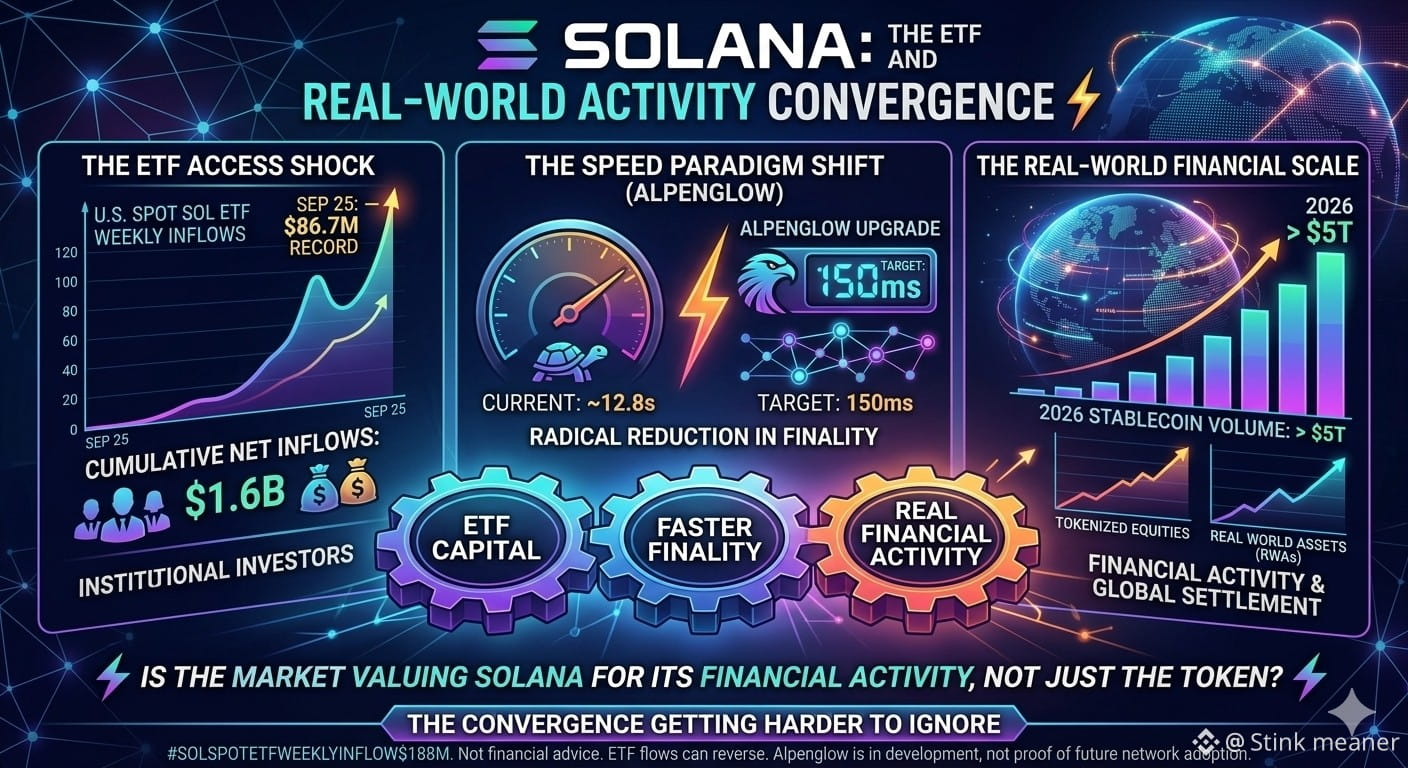
U.S. spot SOL ETFs pulled in roughly $188M last week, including a record $86.7M on Sept. 25. Cumulative net inflows are now around $1.6B.
But look at what is happening underneath the ETF flows.
Solana's next consensus upgrade, Alpenglow, targets roughly 150ms finality, down from about 12.8 seconds under the current system.
At the same time, Solana says 2026 stablecoin volume has already exceeded $5T, while tokenized equities and RWAs have moved into meaningful scale.
Put those together:
ETF access → institutional capital
Alpenglow → faster finality
stablecoins/RWAs → financial activity
The interesting question isn't simply whether investors want SOL.
Is the market beginning to value Solana for the financial activity its network can settle — not just for the token itself?
ETF inflows alone can't answer that.
But the convergence is getting harder to ignore.
Not financial advice. ETF flows can reverse, and Alpenglow is an upgrade in development rather than proof of future network adoption.
$SOL $SUPER $W
{future}(WUSDT)
{future}(SUPERUSDT)
{future}(SOLUSDT)
#InstitutionalAdoption #solana #Alpenglow #CryptoNews
⚡ Solana's ETF story is getting harder to describe as “just another altcoin trade.”...
#SOLSpotETFWeeklyInflow$188M
U.S. spot SOL ETFs pulled in roughly $188M last week, including a record $86.7M on Sept. 25. Cumulative net inflows are now around $1.6B.
But look at what is happening underneath the ETF flows.
Solana's next consensus upgrade, Alpenglow, targets roughly 150ms finality, down from about 12.8 seconds under the current system.
At the same time, Solana says 2026 stablecoin volume has already exceeded $5T, while tokenized equities and RWAs have moved into meaningful scale.
Put those together:
ETF access → institutional capital
Alpenglow → faster finality
stablecoins/RWAs → financial activity
The interesting question isn't simply whether investors want SOL.
Is the market beginning to value Solana for the financial activity its network can settle — not just for the token itself?
ETF inflows alone can't answer that.
But the convergence is getting harder to ignore.
Not financial advice. ETF flows can reverse, and Alpenglow is an upgrade in development rather than proof of future network adoption.
$SOL $SUPER $W
#InstitutionalAdoption #solana #Alpenglow #CryptoNews
#SOLSpotETFWeeklyInflow$188M
U.S. spot SOL ETFs pulled in roughly $188M last week, including a record $86.7M on Sept. 25. Cumulative net inflows are now around $1.6B.
But look at what is happening underneath the ETF flows.
Solana's next consensus upgrade, Alpenglow, targets roughly 150ms finality, down from about 12.8 seconds under the current system.
At the same time, Solana says 2026 stablecoin volume has already exceeded $5T, while tokenized equities and RWAs have moved into meaningful scale.
Put those together:
ETF access → institutional capital
Alpenglow → faster finality
stablecoins/RWAs → financial activity
The interesting question isn't simply whether investors want SOL.
Is the market beginning to value Solana for the financial activity its network can settle — not just for the token itself?
ETF inflows alone can't answer that.
But the convergence is getting harder to ignore.
Not financial advice. ETF flows can reverse, and Alpenglow is an upgrade in development rather than proof of future network adoption.
$SOL $SUPER $W
#InstitutionalAdoption #solana #Alpenglow #CryptoNews
2
495

·
--
🟢 強気
🚨 大手銀行が機関向けDeFiファンドを開始
ウォール街の巨頭であるグローバル・キャピタル銀行が、新たな数十億ドル規模のDeFi投資ファンドを発表し、分散型金融プロトコルへの大規模な機関投資資金の流入への道を開きました。
📊 市場への影響:実績のあるDeFiトークン、そして暗号資産全体にとって非常に強気です。この流れに資本が続くことが期待されます。ブルーチップのDeFi資産に注目してください!
#DeFi #InstitutionalAdoption
🟢 強気
🚨 大手銀行が機関向けDeFiファンドを開始
ウォール街の巨頭であるグローバル・キャピタル銀行が、新たな数十億ドル規模のDeFi投資ファンドを発表し、分散型金融プロトコルへの大規模な機関投資資金の流入への道を開きました。
📊 市場への影響:実績のあるDeFiトークン、そして暗号資産全体にとって非常に強気です。この流れに資本が続くことが期待されます。ブルーチップのDeFi資産に注目してください!
#DeFi #InstitutionalAdoption
🚨 大手銀行が機関向けDeFiファンドを開始
ウォール街の巨頭であるグローバル・キャピタル銀行が、新たな数十億ドル規模のDeFi投資ファンドを発表し、分散型金融プロトコルへの大規模な機関投資資金の流入への道を開きました。
📊 市場への影響:実績のあるDeFiトークン、そして暗号資産全体にとって非常に強気です。この流れに資本が続くことが期待されます。ブルーチップのDeFi資産に注目してください!
#DeFi #InstitutionalAdoption
59

記事
次のハルビング。機関の期待、ハルビングのカウントダウン、恐怖と欲望、そして2027年への道
Bitcoin 61%のハルビング完了:機関が「欲を増す」のが始まるとき、あなたは恐れているのか、それとも群衆に従っているのか?
一、次のハルビング:時間はもうはっきりしている
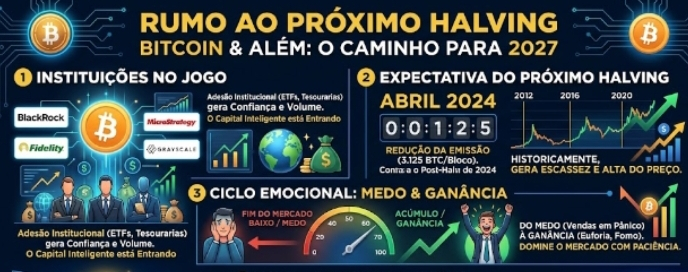
オンチェーン分析プラットフォームOKLinkのデータによると、ビットコインの次回のハルビングは2028年4月13日に実施される予定です。現在、進捗はすでに61%に達しており、ハルビングまであと109,012ブロックです。
次のハルビング。
機関の期待、ハルビングのカウントダウン、恐怖と欲望、そして2027年への道
Bitcoin 61%のハルビング完了:機関が「欲を増す」のが始まるとき、あなたは恐れているのか、それとも群衆に従っているのか?
一、次のハルビング:時間はもうはっきりしている
オンチェーン分析プラットフォームOKLinkのデータによると、ビットコインの次回のハルビングは2028年4月13日に実施される予定です。現在、進捗はすでに61%に達しており、ハルビングまであと109,012ブロックです。
Bitcoin 61%のハルビング完了:機関が「欲を増す」のが始まるとき、あなたは恐れているのか、それとも群衆に従っているのか?
一、次のハルビング:時間はもうはっきりしている
オンチェーン分析プラットフォームOKLinkのデータによると、ビットコインの次回のハルビングは2028年4月13日に実施される予定です。現在、進捗はすでに61%に達しており、ハルビングまであと109,012ブロックです。
1
1.1k

·
--
ETFは$BTC と$ETHに新しい買い手をもたらしただけではありません。供給を保有する主体を変えたのです――そして、それはフローそのものよりも重要です。
取引所のコインは反応的な手にあります。つまり、強さの中で売るトレーダー、弱さの中で投げて降参する人、そして物語(ナラティブ)に追随する人たちです。一方、ETFの倉庫にあるコインは構造的に受動的な手に置かれています。カストディアンには見解がありません。利回りを追ったり、流行に合わせてローテーションしたり、慌ててパニック売りしたりもしません。フローが需要として求めるときにのみ、受益権は発行・償還されます。
それによって、静かな非対称性が生まれます。受動的な倉庫が増えるほど、実際に取引されるフリーフロートは縮小するのです。アクティブなフロートが小さくなると、追加の需要が入るたびに価格の動きは大きくなります。同じ10億ドル規模の流入でも、供給のより大きな割合が、決して上昇相場で売却しない構造に置かれていると、効き方が変わります。
見落とされがちな第二次の効果もあります。ETFは、忍耐強い保有者をキャリー・トレーダーに変えました。いまや一部の機関投資家は、スポットのエクスポージャーを倉庫に置き、その上で先物を売って、トレンドではなくベーシス(裁定)を取りにいきます。潜在する供給が、能動的なヘッジ圧力になります。
だからETFフローを、先行指標として読み取るのはやめましょう。フローは価格に従います。すでに進行中のトレンドの裏付けとして、純増(ネット・クリエーション)を見てください。そして、真の構造ストーリーとして、縮小するアクティブ・フロートを見てください。
$BTC $ETH $SOL
#InstitutionalAdoption #ETF #MarketStructure #CryptoInsight #BTC
ETFは$BTC と$ETH に新しい買い手をもたらしただけではありません。供給を保有する主体を変えたのです――そして、それはフローそのものよりも重要です。
取引所のコインは反応的な手にあります。つまり、強さの中で売るトレーダー、弱さの中で投げて降参する人、そして物語(ナラティブ)に追随する人たちです。一方、ETFの倉庫にあるコインは構造的に受動的な手に置かれています。カストディアンには見解がありません。利回りを追ったり、流行に合わせてローテーションしたり、慌ててパニック売りしたりもしません。フローが需要として求めるときにのみ、受益権は発行・償還されます。
それによって、静かな非対称性が生まれます。受動的な倉庫が増えるほど、実際に取引されるフリーフロートは縮小するのです。アクティブなフロートが小さくなると、追加の需要が入るたびに価格の動きは大きくなります。同じ10億ドル規模の流入でも、供給のより大きな割合が、決して上昇相場で売却しない構造に置かれていると、効き方が変わります。
見落とされがちな第二次の効果もあります。ETFは、忍耐強い保有者をキャリー・トレーダーに変えました。いまや一部の機関投資家は、スポットのエクスポージャーを倉庫に置き、その上で先物を売って、トレンドではなくベーシス(裁定)を取りにいきます。潜在する供給が、能動的なヘッジ圧力になります。
だからETFフローを、先行指標として読み取るのはやめましょう。フローは価格に従います。すでに進行中のトレンドの裏付けとして、純増(ネット・クリエーション)を見てください。そして、真の構造ストーリーとして、縮小するアクティブ・フロートを見てください。
$BTC $ETH $SOL
#InstitutionalAdoption #ETF #MarketStructure #CryptoInsight #BTC
取引所のコインは反応的な手にあります。つまり、強さの中で売るトレーダー、弱さの中で投げて降参する人、そして物語(ナラティブ)に追随する人たちです。一方、ETFの倉庫にあるコインは構造的に受動的な手に置かれています。カストディアンには見解がありません。利回りを追ったり、流行に合わせてローテーションしたり、慌ててパニック売りしたりもしません。フローが需要として求めるときにのみ、受益権は発行・償還されます。
それによって、静かな非対称性が生まれます。受動的な倉庫が増えるほど、実際に取引されるフリーフロートは縮小するのです。アクティブなフロートが小さくなると、追加の需要が入るたびに価格の動きは大きくなります。同じ10億ドル規模の流入でも、供給のより大きな割合が、決して上昇相場で売却しない構造に置かれていると、効き方が変わります。
見落とされがちな第二次の効果もあります。ETFは、忍耐強い保有者をキャリー・トレーダーに変えました。いまや一部の機関投資家は、スポットのエクスポージャーを倉庫に置き、その上で先物を売って、トレンドではなくベーシス(裁定)を取りにいきます。潜在する供給が、能動的なヘッジ圧力になります。
だからETFフローを、先行指標として読み取るのはやめましょう。フローは価格に従います。すでに進行中のトレンドの裏付けとして、純増(ネット・クリエーション)を見てください。そして、真の構造ストーリーとして、縮小するアクティブ・フロートを見てください。
$BTC $ETH $SOL
#InstitutionalAdoption #ETF #MarketStructure #CryptoInsight #BTC
104

🏦 ライファイゼン、欧州全域で18Mユーザー向けに$BTC インフラを介したデジタル・アセット・レールを拡大 ⚡
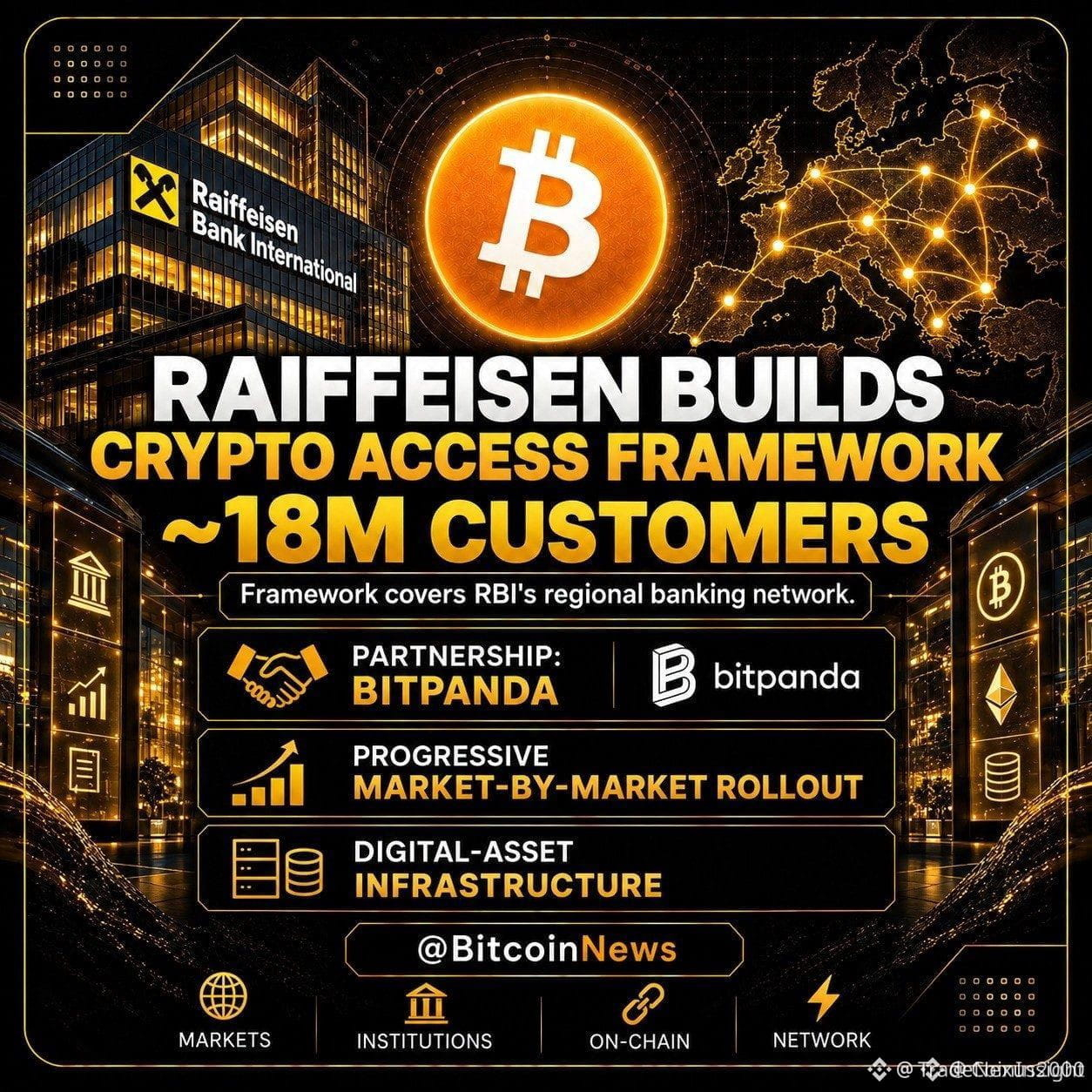
機関投資家向けの配分インフラが、中東欧でまた大きな構造的アップグレードを記録しました。ライファイゼン銀行国際(Raiffeisen Bank International)は、Bitpanda Enterpriseを通じて最大1,800万人の地域顧客に対し、暗号資産アクセスを従来の銀行フレームワークへ直接組み込みます。 🏦
外部の取引所ランプで資本を動かすのではなく、この段階的な展開は、$BTC exposureをコア・バンキング・レールへそのまま埋め込みます。配分レイヤーでの摩擦を下げることは、伝統的な流動性チャネルが開くにつれて、構造的な需要シフトに先行して起きることが多いとされています。 📊
導入は地域ごとの規制枠組みに左右されますが、大衆向けの資本統合に向けたアーキテクチャ基盤は正式に稼働中です。 💬 銀行ネイティブの統合が、次の機関導入サイクルにおける主要なゲートウェイになるのでしょうか? 👇
⚠️ 投資助言ではありません。常にリスクを管理してください。 🛡️
🏷️ #BTC #Bitcoin #InstitutionalAdoption #Crypto
🦈 🎯
🏦 ライファイゼン、欧州全域で18Mユーザー向けに$BTC インフラを介したデジタル・アセット・レールを拡大 ⚡
機関投資家向けの配分インフラが、中東欧でまた大きな構造的アップグレードを記録しました。ライファイゼン銀行国際(Raiffeisen Bank International)は、Bitpanda Enterpriseを通じて最大1,800万人の地域顧客に対し、暗号資産アクセスを従来の銀行フレームワークへ直接組み込みます。 🏦
外部の取引所ランプで資本を動かすのではなく、この段階的な展開は、$BTC exposureをコア・バンキング・レールへそのまま埋め込みます。配分レイヤーでの摩擦を下げることは、伝統的な流動性チャネルが開くにつれて、構造的な需要シフトに先行して起きることが多いとされています。 📊
導入は地域ごとの規制枠組みに左右されますが、大衆向けの資本統合に向けたアーキテクチャ基盤は正式に稼働中です。 💬 銀行ネイティブの統合が、次の機関導入サイクルにおける主要なゲートウェイになるのでしょうか? 👇
⚠️ 投資助言ではありません。常にリスクを管理してください。 🛡️
🏷️ #BTC #Bitcoin #InstitutionalAdoption #Crypto
🦈 🎯
機関投資家向けの配分インフラが、中東欧でまた大きな構造的アップグレードを記録しました。ライファイゼン銀行国際(Raiffeisen Bank International)は、Bitpanda Enterpriseを通じて最大1,800万人の地域顧客に対し、暗号資産アクセスを従来の銀行フレームワークへ直接組み込みます。 🏦
外部の取引所ランプで資本を動かすのではなく、この段階的な展開は、$BTC exposureをコア・バンキング・レールへそのまま埋め込みます。配分レイヤーでの摩擦を下げることは、伝統的な流動性チャネルが開くにつれて、構造的な需要シフトに先行して起きることが多いとされています。 📊
導入は地域ごとの規制枠組みに左右されますが、大衆向けの資本統合に向けたアーキテクチャ基盤は正式に稼働中です。 💬 銀行ネイティブの統合が、次の機関導入サイクルにおける主要なゲートウェイになるのでしょうか? 👇
⚠️ 投資助言ではありません。常にリスクを管理してください。 🛡️
🏷️ #BTC #Bitcoin #InstitutionalAdoption #Crypto
🦈 🎯
18

記事
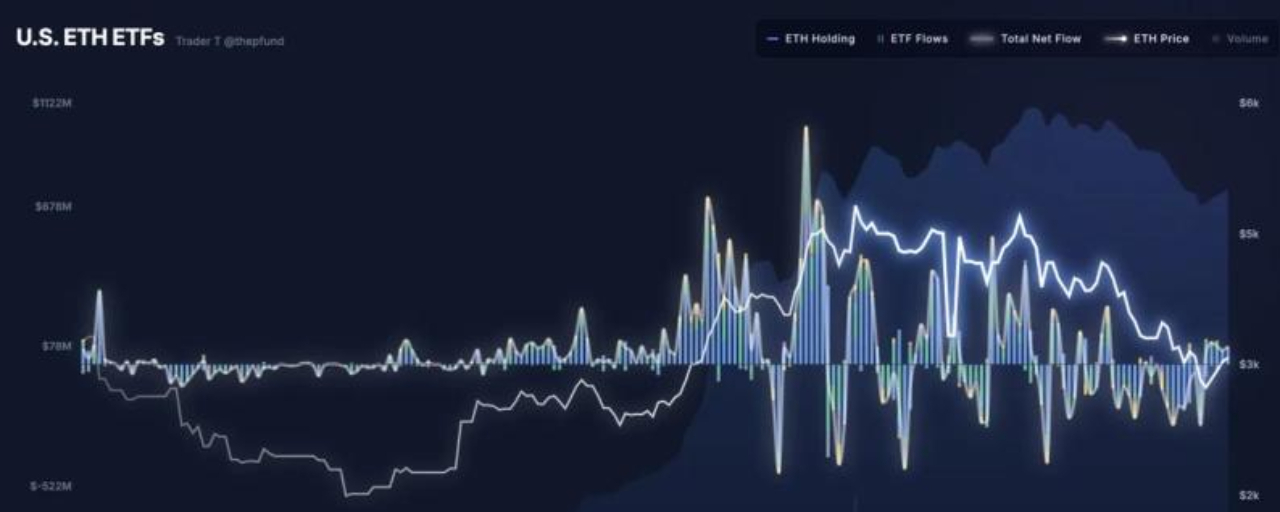
$イーサリアムETF需要が加速 — ETHに新たな機関投資家の注目$$ETH イーサリアム・スポットETFは4日連続で純流入を記録し、純流入額は1億5000万ドル($105M)に達した。これにより、ETFの総資産は約175億ドル($17.5B)となった。最新の流入の大半は、ブラックロックのETHAとフィデリティのFETHが占めている。一方、$ETH は最近、調整理固めを経て、2,661ドルのレジスタンス・エリアを上抜けた。ロイターは、このブレイクアウトが強気のフラッグ・パターンからのものだと指摘している。主なポイント:機関投資家によるETF需要が、イーサリアムの市場構造においてますます重要な要因になりつつある。$ETH #Ethereum #InstitutionalAdoption #CryptoNews #AishCryptoTraders $
$イーサリアムETF需要が加速 — ETHに新たな機関投資家の注目$
$ETH イーサリアム・スポットETFは4日連続で純流入を記録し、純流入額は1億5000万ドル($105M)に達した。これにより、ETFの総資産は約175億ドル($17.5B)となった。最新の流入の大半は、ブラックロックのETHAとフィデリティのFETHが占めている。一方、$ETH は最近、調整理固めを経て、2,661ドルのレジスタンス・エリアを上抜けた。ロイターは、このブレイクアウトが強気のフラッグ・パターンからのものだと指摘している。主なポイント:機関投資家によるETF需要が、イーサリアムの市場構造においてますます重要な要因になりつつある。$ETH #Ethereum #InstitutionalAdoption #CryptoNews #AishCryptoTraders $
1
74

翻訳参照
Bitwise reports institutions are maintaining 1% to 2% crypto allocations, showing zero reduction in exposure even during a massive 50% market drawdown.
#InstitutionalAdoption #BitwiseInsights
Bitwise reports institutions are maintaining 1% to 2% crypto allocations, showing zero reduction in exposure even during a massive 50% market drawdown.
#InstitutionalAdoption #BitwiseInsights
#InstitutionalAdoption #BitwiseInsights
26

·
--
🚨 $BTC RAIFFEISENのEUでの銀行推進から恩恵を受ける設定 🦈
総資産234 bnドルを有するRaiffeisen Internationalは、Bitpandaを通じて暗号資産の取引サービスを、11の欧州市場にある銀行へ展開しています。これは大陸の銀行回廊に“スマートマネー”の流動性を注入し、機関投資家の資金フローのための新たな導線を生み出します。 🦈
$BTC にとって、より広い個人向けアクセスは、注文板の厚みの向上と、上位ティアの取引所での出来高の目に見える増加につながります。スプレッドが引き締まり、価格発見がより鮮明になります。 📊
拡大したネットワークは、需給バランスを微妙に再調整し、新たな資本が流入することで、BTCが控えめな強気バイアスに傾く可能性があります。 🌊
💬 この機関投資家向けブリッジは今後数週間のBTCの価格ダイナミクスをどう変えるのでしょうか?
⚠️ 投資助言ではありません。常にリスクを管理してください。 🛡️
🏷️ #BTC #InstitutionalAdoption #CryptoBanking #EU
🚀 🔥
🚨 $BTC RAIFFEISENのEUでの銀行推進から恩恵を受ける設定 🦈
総資産234 bnドルを有するRaiffeisen Internationalは、Bitpandaを通じて暗号資産の取引サービスを、11の欧州市場にある銀行へ展開しています。これは大陸の銀行回廊に“スマートマネー”の流動性を注入し、機関投資家の資金フローのための新たな導線を生み出します。 🦈
$BTC にとって、より広い個人向けアクセスは、注文板の厚みの向上と、上位ティアの取引所での出来高の目に見える増加につながります。スプレッドが引き締まり、価格発見がより鮮明になります。 📊
拡大したネットワークは、需給バランスを微妙に再調整し、新たな資本が流入することで、BTCが控えめな強気バイアスに傾く可能性があります。 🌊
💬 この機関投資家向けブリッジは今後数週間のBTCの価格ダイナミクスをどう変えるのでしょうか?
⚠️ 投資助言ではありません。常にリスクを管理してください。 🛡️
🏷️ #BTC #InstitutionalAdoption #CryptoBanking #EU
🚀 🔥
総資産234 bnドルを有するRaiffeisen Internationalは、Bitpandaを通じて暗号資産の取引サービスを、11の欧州市場にある銀行へ展開しています。これは大陸の銀行回廊に“スマートマネー”の流動性を注入し、機関投資家の資金フローのための新たな導線を生み出します。 🦈
$BTC にとって、より広い個人向けアクセスは、注文板の厚みの向上と、上位ティアの取引所での出来高の目に見える増加につながります。スプレッドが引き締まり、価格発見がより鮮明になります。 📊
拡大したネットワークは、需給バランスを微妙に再調整し、新たな資本が流入することで、BTCが控えめな強気バイアスに傾く可能性があります。 🌊
💬 この機関投資家向けブリッジは今後数週間のBTCの価格ダイナミクスをどう変えるのでしょうか?
⚠️ 投資助言ではありません。常にリスクを管理してください。 🛡️
🏷️ #BTC #InstitutionalAdoption #CryptoBanking #EU
🚀 🔥

10

·
--
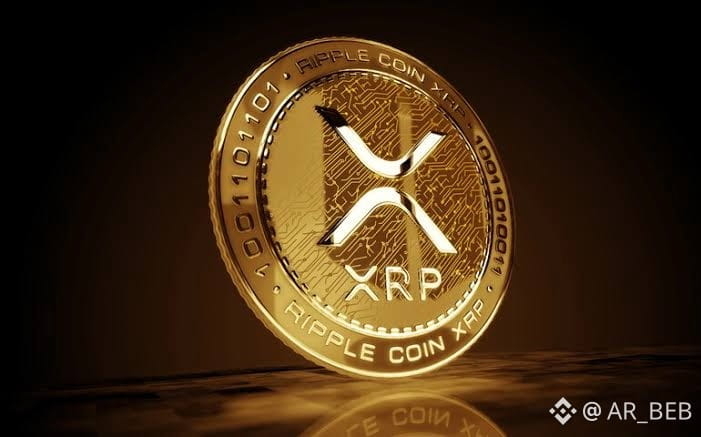
🔥 XRP — 機関投資家の注目が高まっている
$XRP は大手金融プレイヤーからの注目が増しています。👀🐋
報告されている機関投資家のポジションには、Goldman Sachs、Jane Street Group、Millennium Management、Marex Group が含まれます。
また上場企業も XRP のトレジャリー(保有)エクスポージャーを構築しており、Evernorth Holdings は現在、大きな XRP ポジションを報告しています。
機関投資家の関心 + XRP の採用拡大により、$XRP は間違いなくウォッチリストに入れておく価値のあるコインです。📈⚡
水準を確認。リスク管理。DYOR。
#InstitutionalCrypto #XRPArmy #bitcoin #InstitutionalAdoption
{future}(XRPUSDT)
🔥 XRP — 機関投資家の注目が高まっている
$XRP は大手金融プレイヤーからの注目が増しています。👀🐋
報告されている機関投資家のポジションには、Goldman Sachs、Jane Street Group、Millennium Management、Marex Group が含まれます。
また上場企業も XRP のトレジャリー(保有)エクスポージャーを構築しており、Evernorth Holdings は現在、大きな XRP ポジションを報告しています。
機関投資家の関心 + XRP の採用拡大により、$XRP は間違いなくウォッチリストに入れておく価値のあるコインです。📈⚡
水準を確認。リスク管理。DYOR。
#InstitutionalCrypto #XRPArmy #bitcoin #InstitutionalAdoption
$XRP は大手金融プレイヤーからの注目が増しています。👀🐋
報告されている機関投資家のポジションには、Goldman Sachs、Jane Street Group、Millennium Management、Marex Group が含まれます。
また上場企業も XRP のトレジャリー(保有)エクスポージャーを構築しており、Evernorth Holdings は現在、大きな XRP ポジションを報告しています。
機関投資家の関心 + XRP の採用拡大により、$XRP は間違いなくウォッチリストに入れておく価値のあるコインです。📈⚡
水準を確認。リスク管理。DYOR。
#InstitutionalCrypto #XRPArmy #bitcoin #InstitutionalAdoption
1
298

·
--
🚀 $BTC がRAIFFEISENの欧州クリプトローンチからブーストを獲得!🟢
ユーロ2350億(€235 bn)の実力を持つRaiffeisen Internationalが、11の欧州拠点に暗号資産のデスクを展開しています。🦈 この動きにより、EUのど真ん中に深海レベルの流動性供給源が根付くことになり、賢い資金に「トップクラスの取引所で$BTC と$ETH へ」切り替えるための新たな滑走路を与えます。
銀行が顧客の資本をデジタル資産へ振り向けることで、発注フローの急増が見込まれ、買い手側を後押しし、4時間足チャートをより高い高値のブレイクアウトへ押し上げる可能性があります。📊 出来高の急増やスプレッドの縮小が⚡短期のリバイバル(上昇局面)を点火するかもしれません。とくに、市場が新しい機関投資家の需要を尊重する場合に。💬 あなたは機関投資家の波に乗る準備ができていますか?それとも傍観していますか?👇
⚠️ 金融アドバイスではありません。常にリスク管理をしてください。🛡️
🏷️ #BTC #InstitutionalAdoption #CryptoNews #Europe
🦈 🔥
🚀 $BTC がRAIFFEISENの欧州クリプトローンチからブーストを獲得!🟢
ユーロ2350億(€235 bn)の実力を持つRaiffeisen Internationalが、11の欧州拠点に暗号資産のデスクを展開しています。🦈 この動きにより、EUのど真ん中に深海レベルの流動性供給源が根付くことになり、賢い資金に「トップクラスの取引所で$BTC と$ETH へ」切り替えるための新たな滑走路を与えます。
銀行が顧客の資本をデジタル資産へ振り向けることで、発注フローの急増が見込まれ、買い手側を後押しし、4時間足チャートをより高い高値のブレイクアウトへ押し上げる可能性があります。📊 出来高の急増やスプレッドの縮小が⚡短期のリバイバル(上昇局面)を点火するかもしれません。とくに、市場が新しい機関投資家の需要を尊重する場合に。💬 あなたは機関投資家の波に乗る準備ができていますか?それとも傍観していますか?👇
⚠️ 金融アドバイスではありません。常にリスク管理をしてください。🛡️
🏷️ #BTC #InstitutionalAdoption #CryptoNews #Europe
🦈 🔥
ユーロ2350億(€235 bn)の実力を持つRaiffeisen Internationalが、11の欧州拠点に暗号資産のデスクを展開しています。🦈 この動きにより、EUのど真ん中に深海レベルの流動性供給源が根付くことになり、賢い資金に「トップクラスの取引所で$BTC と$ETH へ」切り替えるための新たな滑走路を与えます。
銀行が顧客の資本をデジタル資産へ振り向けることで、発注フローの急増が見込まれ、買い手側を後押しし、4時間足チャートをより高い高値のブレイクアウトへ押し上げる可能性があります。📊 出来高の急増やスプレッドの縮小が⚡短期のリバイバル(上昇局面)を点火するかもしれません。とくに、市場が新しい機関投資家の需要を尊重する場合に。💬 あなたは機関投資家の波に乗る準備ができていますか?それとも傍観していますか?👇
⚠️ 金融アドバイスではありません。常にリスク管理をしてください。🛡️
🏷️ #BTC #InstitutionalAdoption #CryptoNews #Europe
🦈 🔥
28

·
--
ブリッシュ
🚨 ビットコイン($BTC)— 最新ニュース(投稿準備完了)
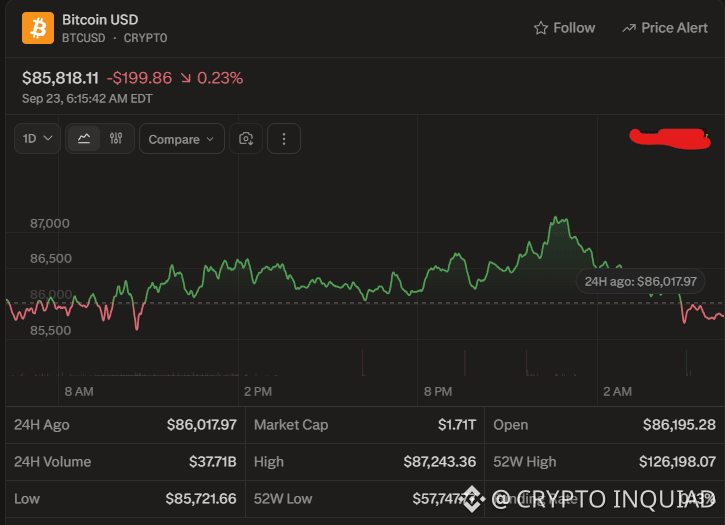
$BTC は今日すべての見出しを独占しているわけではないが、年初来安値から42%上昇した後も、85,000ドル超を静かに維持している。
価格は8カ月ぶりの高値に近い87,250ドルを付け、24時間の出来高は377億ドルを超えた。
主なカタリスト:
50週移動平均のブレイク:BTCは45週間ぶりに、50週移動平均を初めて上回って終値を付けた—歴史的に強気なシグナル
機関投資家の流入:スポット・ビットコインETFを保有する機関は現在2,000を超え、RIAは前年比20%増
規制面の追い風:SECの新しいトークン化証券の枠組みが、FRBの利上げにもかかわらず自信を押し上げた
ケビン・オ’リリーの見立て:ビットコインが機関投資家のオルタナティブ資産配分の1〜3%を取り込むと予測し、長期で1M/BTCを狙う
アナリストは次に、BTCが87.3K〜88Kのレジスタンス帯を抜ければ90Kを見据えている。
相場がノイズを追いかけているときにこそ、最大の動きが起こることがある。
$BTC
{future}(BTCUSDT)
👀
#Bitcoin #Crypto #InstitutionalAdoption #ETF #write2earn
🚨 ビットコイン($BTC )— 最新ニュース(投稿準備完了)
$BTC は今日すべての見出しを独占しているわけではないが、年初来安値から42%上昇した後も、85,000ドル超を静かに維持している。
価格は8カ月ぶりの高値に近い87,250ドルを付け、24時間の出来高は377億ドルを超えた。
主なカタリスト:
50週移動平均のブレイク:BTCは45週間ぶりに、50週移動平均を初めて上回って終値を付けた—歴史的に強気なシグナル
機関投資家の流入:スポット・ビットコインETFを保有する機関は現在2,000を超え、RIAは前年比20%増
規制面の追い風:SECの新しいトークン化証券の枠組みが、FRBの利上げにもかかわらず自信を押し上げた
ケビン・オ’リリーの見立て:ビットコインが機関投資家のオルタナティブ資産配分の1〜3%を取り込むと予測し、長期で1M/BTCを狙う
アナリストは次に、BTCが87.3K〜88Kのレジスタンス帯を抜ければ90Kを見据えている。
相場がノイズを追いかけているときにこそ、最大の動きが起こることがある。
$BTC
👀
#Bitcoin #Crypto #InstitutionalAdoption #ETF #write2earn
$BTC は今日すべての見出しを独占しているわけではないが、年初来安値から42%上昇した後も、85,000ドル超を静かに維持している。
価格は8カ月ぶりの高値に近い87,250ドルを付け、24時間の出来高は377億ドルを超えた。
主なカタリスト:
50週移動平均のブレイク:BTCは45週間ぶりに、50週移動平均を初めて上回って終値を付けた—歴史的に強気なシグナル
機関投資家の流入:スポット・ビットコインETFを保有する機関は現在2,000を超え、RIAは前年比20%増
規制面の追い風:SECの新しいトークン化証券の枠組みが、FRBの利上げにもかかわらず自信を押し上げた
ケビン・オ’リリーの見立て:ビットコインが機関投資家のオルタナティブ資産配分の1〜3%を取り込むと予測し、長期で1M/BTCを狙う
アナリストは次に、BTCが87.3K〜88Kのレジスタンス帯を抜ければ90Kを見据えている。
相場がノイズを追いかけているときにこそ、最大の動きが起こることがある。
$BTC
👀
#Bitcoin #Crypto #InstitutionalAdoption #ETF #write2earn
66
·
--
報道が示唆するような買い込みの形では、機関投資家は暗号資産を買っているわけではありません。静かな参入の入口は担保です。
ETFのフローチャートを横に置くと、より構造的なものが見えてきます。BTCとETHが、貸借対照表上の担保としてますます使われるようになっているのです――借り入れの際の裏付けに使われたり、貸し出されたり、レポのような取り決めで差し入れられたりします。これは「買う」という採用曲線とは別物です。
ある資産が担保になると、次の3つが変わります。
1. それは取引ではなくインフラになります。 その上に構築されたポジションはパニックでクローズされるのではなく、ロールされます。
2. 保有者が借り手になります。BTCを担保として差し出すトレジャリーは、アップサイド(値上がり益)を維持しつつ運転資金を解放できます。構造的な売り圧力は下がります。
3. 貸し手が限界価格の決定者になります。ヘアカット、担保の品質基準、そして調達(ファイナンス)金利が、静かに本当の市場のミクロ構造になります。
ですから、スポット出来高だけでなく、ファイナンス金利と担保の利用率を見てください。貸出スプレッドが縮小し、ベーシス取引が正常化すると、バランスシート上の採用は地中で複利的に進行しています。
これは、資産が投機的なインストゥルメントから金融プリミティブへと「卒業」する仕方です――センチメントではなく、バランスシートによって。
フローによる採用は大きな音を立てます。担保による採用は永続的です。
$BTC $ETH $SOL
#InstitutionalAdoption #Bitcoin #CryptoFinance #Collateral #OnChain
報道が示唆するような買い込みの形では、機関投資家は暗号資産を買っているわけではありません。静かな参入の入口は担保です。
ETFのフローチャートを横に置くと、より構造的なものが見えてきます。BTCとETHが、貸借対照表上の担保としてますます使われるようになっているのです――借り入れの際の裏付けに使われたり、貸し出されたり、レポのような取り決めで差し入れられたりします。これは「買う」という採用曲線とは別物です。
ある資産が担保になると、次の3つが変わります。
1. それは取引ではなくインフラになります。 その上に構築されたポジションはパニックでクローズされるのではなく、ロールされます。
2. 保有者が借り手になります。BTCを担保として差し出すトレジャリーは、アップサイド(値上がり益)を維持しつつ運転資金を解放できます。構造的な売り圧力は下がります。
3. 貸し手が限界価格の決定者になります。ヘアカット、担保の品質基準、そして調達(ファイナンス)金利が、静かに本当の市場のミクロ構造になります。
ですから、スポット出来高だけでなく、ファイナンス金利と担保の利用率を見てください。貸出スプレッドが縮小し、ベーシス取引が正常化すると、バランスシート上の採用は地中で複利的に進行しています。
これは、資産が投機的なインストゥルメントから金融プリミティブへと「卒業」する仕方です――センチメントではなく、バランスシートによって。
フローによる採用は大きな音を立てます。担保による採用は永続的です。
$BTC $ETH $SOL
#InstitutionalAdoption #Bitcoin #CryptoFinance #Collateral #OnChain
ETFのフローチャートを横に置くと、より構造的なものが見えてきます。BTCとETHが、貸借対照表上の担保としてますます使われるようになっているのです――借り入れの際の裏付けに使われたり、貸し出されたり、レポのような取り決めで差し入れられたりします。これは「買う」という採用曲線とは別物です。
ある資産が担保になると、次の3つが変わります。
1. それは取引ではなくインフラになります。 その上に構築されたポジションはパニックでクローズされるのではなく、ロールされます。
2. 保有者が借り手になります。BTCを担保として差し出すトレジャリーは、アップサイド(値上がり益)を維持しつつ運転資金を解放できます。構造的な売り圧力は下がります。
3. 貸し手が限界価格の決定者になります。ヘアカット、担保の品質基準、そして調達(ファイナンス)金利が、静かに本当の市場のミクロ構造になります。
ですから、スポット出来高だけでなく、ファイナンス金利と担保の利用率を見てください。貸出スプレッドが縮小し、ベーシス取引が正常化すると、バランスシート上の採用は地中で複利的に進行しています。
これは、資産が投機的なインストゥルメントから金融プリミティブへと「卒業」する仕方です――センチメントではなく、バランスシートによって。
フローによる採用は大きな音を立てます。担保による採用は永続的です。
$BTC $ETH $SOL
#InstitutionalAdoption #Bitcoin #CryptoFinance #Collateral #OnChain
48
·
--
レイヤー1の会話は、スループット、手数料、そして開発者数を延々と巡ります。しかし、実際に機関投資家が気にしている指標は、誰もベンチマークしないものです。検閲耐性です。
なぜTPSより重要なのか。
毎秒100,000件のトランザクション処理ができても、単一のバリデータ協調の呼び出しで停止させられるチェーンは「インフラ」ではありません。手順が増えただけのデータベースです。機関の資本は、まずスピードを必要としているわけではありません。単一の主体が、自分たちの決済を凍結したり、順序を入れ替えたり、検閲したりできないという確実性を求めています。
次の機関マネーの波を取り込むチェーンは、「unstoppable(止められない)」という言葉が技術的特性であって、マーケティングのスローガンではないところです。
$BTC はこれを証明しました。訴求ポイントはスマートコントラクトでもイールドでもありません。いかなる政府、企業、または連合であっても、そのルールを変えたり、決済を止めたりできないことが実証されている点です。だからこそ、その検閲耐性がトレジャリーの貸借対照表に載るのです。
$ETH は、単一の主体が状態遷移を指図できないほど十分に大きいバリデータセットで、この主張をさらに拡張しました。$SOL は、バリデータクライアントの多様性が取引速度と同じくらい重要だということを、厳しい現実で学んでいます。
次のL1の勝者は、最速のところではありません。「止められるのか?」への答えが、証明可能にノーであるところです。
検閲耐性だけが、複利のように積み上がります。その他はコピーできます。
#Layer1 #Crypto #Blockchain #InstitutionalAdoption
レイヤー1の会話は、スループット、手数料、そして開発者数を延々と巡ります。しかし、実際に機関投資家が気にしている指標は、誰もベンチマークしないものです。検閲耐性です。
なぜTPSより重要なのか。
毎秒100,000件のトランザクション処理ができても、単一のバリデータ協調の呼び出しで停止させられるチェーンは「インフラ」ではありません。手順が増えただけのデータベースです。機関の資本は、まずスピードを必要としているわけではありません。単一の主体が、自分たちの決済を凍結したり、順序を入れ替えたり、検閲したりできないという確実性を求めています。
次の機関マネーの波を取り込むチェーンは、「unstoppable(止められない)」という言葉が技術的特性であって、マーケティングのスローガンではないところです。
$BTC はこれを証明しました。訴求ポイントはスマートコントラクトでもイールドでもありません。いかなる政府、企業、または連合であっても、そのルールを変えたり、決済を止めたりできないことが実証されている点です。だからこそ、その検閲耐性がトレジャリーの貸借対照表に載るのです。
$ETH は、単一の主体が状態遷移を指図できないほど十分に大きいバリデータセットで、この主張をさらに拡張しました。$SOL は、バリデータクライアントの多様性が取引速度と同じくらい重要だということを、厳しい現実で学んでいます。
次のL1の勝者は、最速のところではありません。「止められるのか?」への答えが、証明可能にノーであるところです。
検閲耐性だけが、複利のように積み上がります。その他はコピーできます。
#Layer1 #Crypto #Blockchain #InstitutionalAdoption
なぜTPSより重要なのか。
毎秒100,000件のトランザクション処理ができても、単一のバリデータ協調の呼び出しで停止させられるチェーンは「インフラ」ではありません。手順が増えただけのデータベースです。機関の資本は、まずスピードを必要としているわけではありません。単一の主体が、自分たちの決済を凍結したり、順序を入れ替えたり、検閲したりできないという確実性を求めています。
次の機関マネーの波を取り込むチェーンは、「unstoppable(止められない)」という言葉が技術的特性であって、マーケティングのスローガンではないところです。
$BTC はこれを証明しました。訴求ポイントはスマートコントラクトでもイールドでもありません。いかなる政府、企業、または連合であっても、そのルールを変えたり、決済を止めたりできないことが実証されている点です。だからこそ、その検閲耐性がトレジャリーの貸借対照表に載るのです。
$ETH は、単一の主体が状態遷移を指図できないほど十分に大きいバリデータセットで、この主張をさらに拡張しました。$SOL は、バリデータクライアントの多様性が取引速度と同じくらい重要だということを、厳しい現実で学んでいます。
次のL1の勝者は、最速のところではありません。「止められるのか?」への答えが、証明可能にノーであるところです。
検閲耐性だけが、複利のように積み上がります。その他はコピーできます。
#Layer1 #Crypto #Blockchain #InstitutionalAdoption
56

·
--
暗号市場のジェットコースター的な相場は歴史になるかもしれません!SolsticeのCEOは、流動性がさらに深まり機関投資家の資金が参入することで、今後の強気相場のボラティリティ(値動きの激しさ)が低下すると述べています。もはや乱高下ではなく、より健康的で安定した成長かもしれません。機関投資家のお金が入れば、個人投資家も恩恵にあずかれる?#加密货币 #牛市 $BTC $ETH
Cryptoのジェットコースター・ライドは、今後は歴史になるかもしれません。SolsticeのCEOは、より深い流動性と機関投資の参加が、将来のブルランをより低ボラにする可能性があると語っています。もはや荒れ狂う急変ではなく、より健全で安定した成長。機関マネーが流入すれば、個人投資家も恩恵を受けられるのでしょうか?#CryptoBullRun #InstitutionalAdoption $BTC $ETH
暗号市場のジェットコースター的な相場は歴史になるかもしれません!SolsticeのCEOは、流動性がさらに深まり機関投資家の資金が参入することで、今後の強気相場のボラティリティ(値動きの激しさ)が低下すると述べています。もはや乱高下ではなく、より健康的で安定した成長かもしれません。機関投資家のお金が入れば、個人投資家も恩恵にあずかれる?#加密货币 #牛市 $BTC $ETH
Cryptoのジェットコースター・ライドは、今後は歴史になるかもしれません。SolsticeのCEOは、より深い流動性と機関投資の参加が、将来のブルランをより低ボラにする可能性があると語っています。もはや荒れ狂う急変ではなく、より健全で安定した成長。機関マネーが流入すれば、個人投資家も恩恵を受けられるのでしょうか?#CryptoBullRun #InstitutionalAdoption $BTC $ETH
Cryptoのジェットコースター・ライドは、今後は歴史になるかもしれません。SolsticeのCEOは、より深い流動性と機関投資の参加が、将来のブルランをより低ボラにする可能性があると語っています。もはや荒れ狂う急変ではなく、より健全で安定した成長。機関マネーが流入すれば、個人投資家も恩恵を受けられるのでしょうか?#CryptoBullRun #InstitutionalAdoption $BTC $ETH
150

記事
大量のETF流入が強気の機関投資家マネーの勢いを示唆ビットコインのスポットETF市場がまた別の大きな節目を迎えました。たった1日でほぼ10億ドルがこれらのプロダクトに流入したのを見るのは、単なる画面上の数字ではありません。これは、この分野に参入する機関投資家の資金がどれほど本格的に動き出しているかを示す、根本的な変化を意味します。今週月曜はこれまでに見た中で9番目に大きい流入であり、直にエクスポージャーを得たいという需要が、まだ尽きていないことを物語っています。
多くのトレーダーにとって、この水準の流動性は究極の「グリーンフラグ」です。規制されたチャネルを通じてこれだけの資金が動いているのを目にすると、値動きの大きな下支え(フロア)が形成されます。これは小口のFOMO(恐怖にもとづく追随)取引ではありません。プロの資金運用会社や企業の財務部門によって、機関投資家の資金が組み入れられているのです。これらのETFによる供給の着実な吸収こそが、持続的な価格発見を後押しするために必要なメカニズムそのものです。
大量のETF流入が強気の機関投資家マネーの勢いを示唆
ビットコインのスポットETF市場がまた別の大きな節目を迎えました。たった1日でほぼ10億ドルがこれらのプロダクトに流入したのを見るのは、単なる画面上の数字ではありません。これは、この分野に参入する機関投資家の資金がどれほど本格的に動き出しているかを示す、根本的な変化を意味します。今週月曜はこれまでに見た中で9番目に大きい流入であり、直にエクスポージャーを得たいという需要が、まだ尽きていないことを物語っています。
多くのトレーダーにとって、この水準の流動性は究極の「グリーンフラグ」です。規制されたチャネルを通じてこれだけの資金が動いているのを目にすると、値動きの大きな下支え(フロア)が形成されます。これは小口のFOMO(恐怖にもとづく追随)取引ではありません。プロの資金運用会社や企業の財務部門によって、機関投資家の資金が組み入れられているのです。これらのETFによる供給の着実な吸収こそが、持続的な価格発見を後押しするために必要なメカニズムそのものです。
多くのトレーダーにとって、この水準の流動性は究極の「グリーンフラグ」です。規制されたチャネルを通じてこれだけの資金が動いているのを目にすると、値動きの大きな下支え(フロア)が形成されます。これは小口のFOMO(恐怖にもとづく追随)取引ではありません。プロの資金運用会社や企業の財務部門によって、機関投資家の資金が組み入れられているのです。これらのETFによる供給の着実な吸収こそが、持続的な価格発見を後押しするために必要なメカニズムそのものです。
8
戦略はトレジャリーに950 BTCを7,600万ドルで追加しました。保有総額は現在846,000 BTCに達しており、ビットコインの総供給量の約4%に相当します。
#BitcoinTreasury #InstitutionalAdoption
戦略はトレジャリーに950 BTCを7,600万ドルで追加しました。保有総額は現在846,000 BTCに達しており、ビットコインの総供給量の約4%に相当します。
#BitcoinTreasury #InstitutionalAdoption
#BitcoinTreasury #InstitutionalAdoption
25
·
--
何年もの間、暗号資産市場は規制を「存亡の脅威」として扱ってきました。取り締まりに関する見出しや新しい枠組みが出るたびに、売りが誘発されてきたのです。しかし、何かが変わりました――そしてそれは、誰も織り込んでいないかもしれない、最大級に強気な構造変化です。
恐れの中心はいつも「規制によって何が奪われるのか」でした。匿名性、アクセス、過大なリターン。ところが実際に提供されているのは、誰も想定していなかったもの――信頼の“底(フロア)”です。
明確なルールは、市場が切実に必要としている3つのことをもたらします。1つ目は、機関投資家のリスク委員会を、ブロッカーから承認者へ変えることです。CFOは、法的地位が定義されていない資産クラスには配分できません。2つ目は、規制上の裁定(アービトラージ)によるプレミアムをなくすことです。$BTC and $ETH traded atと、リスク調整後のファンダメンタルズとの間にあったディスカウントは、主に技術リスクではなく法的な不確実性によるものだったのです。3つ目は、ビルダーに対する出口流動性を生み、それが資本の入口流動性にもつながることです。
皮肉なのは、「規制ゼロ」を10年も求めてきた群衆が、いまその到来による恩恵を受けている点です。ステーブルコインの法整備によって、$XRP settlement narrativesには法的な裏付けが生まれます。ETFの枠組みが整うことで、TradFiの資金は、個別の特注法的見解なしに暗号資産へ流入できるようになります。
規制は決して天井ではありません。不明確さが天井だったのです。そして、その不明確さがいま、ゆっくりと取り除かれつつあります。
次の普及の局面は、より良い技術だけからは来ません。年金基金の受託者が、個人的な法的リスクに晒されることなく暗号資産への配分を承認できる――その瞬間から来ます。その瞬間は、今まさに、条文ごとに、枠組みごとに構築されています。
#CryptoRegulation #InstitutionalAdoption #MarketStructure #RegulatoryClarity
何年もの間、暗号資産市場は規制を「存亡の脅威」として扱ってきました。取り締まりに関する見出しや新しい枠組みが出るたびに、売りが誘発されてきたのです。しかし、何かが変わりました――そしてそれは、誰も織り込んでいないかもしれない、最大級に強気な構造変化です。
恐れの中心はいつも「規制によって何が奪われるのか」でした。匿名性、アクセス、過大なリターン。ところが実際に提供されているのは、誰も想定していなかったもの――信頼の“底(フロア)”です。
明確なルールは、市場が切実に必要としている3つのことをもたらします。1つ目は、機関投資家のリスク委員会を、ブロッカーから承認者へ変えることです。CFOは、法的地位が定義されていない資産クラスには配分できません。2つ目は、規制上の裁定(アービトラージ)によるプレミアムをなくすことです。$BTC and $ETH traded atと、リスク調整後のファンダメンタルズとの間にあったディスカウントは、主に技術リスクではなく法的な不確実性によるものだったのです。3つ目は、ビルダーに対する出口流動性を生み、それが資本の入口流動性にもつながることです。
皮肉なのは、「規制ゼロ」を10年も求めてきた群衆が、いまその到来による恩恵を受けている点です。ステーブルコインの法整備によって、$XRP settlement narrativesには法的な裏付けが生まれます。ETFの枠組みが整うことで、TradFiの資金は、個別の特注法的見解なしに暗号資産へ流入できるようになります。
規制は決して天井ではありません。不明確さが天井だったのです。そして、その不明確さがいま、ゆっくりと取り除かれつつあります。
次の普及の局面は、より良い技術だけからは来ません。年金基金の受託者が、個人的な法的リスクに晒されることなく暗号資産への配分を承認できる――その瞬間から来ます。その瞬間は、今まさに、条文ごとに、枠組みごとに構築されています。
#CryptoRegulation #InstitutionalAdoption #MarketStructure #RegulatoryClarity
恐れの中心はいつも「規制によって何が奪われるのか」でした。匿名性、アクセス、過大なリターン。ところが実際に提供されているのは、誰も想定していなかったもの――信頼の“底(フロア)”です。
明確なルールは、市場が切実に必要としている3つのことをもたらします。1つ目は、機関投資家のリスク委員会を、ブロッカーから承認者へ変えることです。CFOは、法的地位が定義されていない資産クラスには配分できません。2つ目は、規制上の裁定(アービトラージ)によるプレミアムをなくすことです。$BTC and $ETH traded atと、リスク調整後のファンダメンタルズとの間にあったディスカウントは、主に技術リスクではなく法的な不確実性によるものだったのです。3つ目は、ビルダーに対する出口流動性を生み、それが資本の入口流動性にもつながることです。
皮肉なのは、「規制ゼロ」を10年も求めてきた群衆が、いまその到来による恩恵を受けている点です。ステーブルコインの法整備によって、$XRP settlement narrativesには法的な裏付けが生まれます。ETFの枠組みが整うことで、TradFiの資金は、個別の特注法的見解なしに暗号資産へ流入できるようになります。
規制は決して天井ではありません。不明確さが天井だったのです。そして、その不明確さがいま、ゆっくりと取り除かれつつあります。
次の普及の局面は、より良い技術だけからは来ません。年金基金の受託者が、個人的な法的リスクに晒されることなく暗号資産への配分を承認できる――その瞬間から来ます。その瞬間は、今まさに、条文ごとに、枠組みごとに構築されています。
#CryptoRegulation #InstitutionalAdoption #MarketStructure #RegulatoryClarity
514
·
--
重大な転換!MicroStrategyの大物セイラー:クリア法案の頓挫は、実は暗号資産業界の勝利!業界は追加の立法を必要とせず、規制当局と直接協力できる。信号は明確だ:暗号資産が主流に受け入れられつつある!$BTCは短期的に追い風になる可能性があり、長期では機関投資家の資金が加速して流入する!#比特币监管 #機関が採用
Major turning point! MicroStrategy's Saylor: Clarity Act's failure is actually crypto's win! Industry doesn't need extra legislation, can work directly with regulators. Clear signal: crypto is being mainstreamed! $BTC could see short-term boost, with institutional money accelerating long-term! #BitcoinRegulation #InstitutionalAdoption
重大な転換!MicroStrategyの大物セイラー:クリア法案の頓挫は、実は暗号資産業界の勝利!業界は追加の立法を必要とせず、規制当局と直接協力できる。信号は明確だ:暗号資産が主流に受け入れられつつある!$BTC は短期的に追い風になる可能性があり、長期では機関投資家の資金が加速して流入する!#比特币监管 #機関が採用
Major turning point! MicroStrategy's Saylor: Clarity Act's failure is actually crypto's win! Industry doesn't need extra legislation, can work directly with regulators. Clear signal: crypto is being mainstreamed! $BTC could see short-term boost, with institutional money accelerating long-term! #BitcoinRegulation #InstitutionalAdoption
Major turning point! MicroStrategy's Saylor: Clarity Act's failure is actually crypto's win! Industry doesn't need extra legislation, can work directly with regulators. Clear signal: crypto is being mainstreamed! $BTC could see short-term boost, with institutional money accelerating long-term! #BitcoinRegulation #InstitutionalAdoption
90
·
--
誰も語らない構造的なビッド(買い指値)
毎日、ETFや法人トレジャリープログラムからのパッシブな資金フローが、BTCの利用可能な流通量のうち、無視できない一部を静かに吸収していきます。見出しでもなければ発表でもありません。恐怖や欲望に反応せず、ただ淡々と実行されるプログラム的な買いです。
これが構造的なビッドであり、価格発見の仕組みそのものを変えます。
日次のDCA(ドル・コスト平均)による流入が、マイナーの売り圧力を上回ると、限界的な売り手は在庫を使い切る前に、限界的な買い手は確信(コンヴィクション)を使い切ってしまうことはありません。これは強気のシナリオではなく、配管(プラミング)の話です。2000年代に住宅が「常に上がる」ように機能したのと同じダイナミクス——ただし、暗号資産のフロートはより小さく、流入はグローバルです。
含意はこうです。ボラティリティが圧縮されるのは、市場が落ち着いているからではありません。パッシブフローが板を滑らかにするからです。鋭い売りの下押しは、より速く吸収されます。リバウンド局面でも供給が少なくなります。市場は「急騰」ではなく「段階的に」再評価されます。
$ETH は、ステーキングの利回り+機関トレジャリーの採用によって、まったく同じ構造を捉えています。$SOL は、ベンチャーと開発エコシステムの重力によって恩恵を受けています。$BNB は、取引所を介したトレジャリーフローに乗っています。
リスクは? パッシブフローは、価格に無関心である一方、無限ではありません。DCAの前提を打ち破るマクロショック——償還(リデンプション)、規制、マンダートの改訂——が起きれば、フロア(下支え)が外れます。構造的なビッドは天井ではなく、フロアです。
本当の優位性は、価格を当てることではありません。誰が毎日買っていて、今後もそれを続けるのか——その理解にあります。
#Crypto #Bitcoin #Ethereum #InstitutionalAdoption #MarketStructure
誰も語らない構造的なビッド(買い指値)
毎日、ETFや法人トレジャリープログラムからのパッシブな資金フローが、BTCの利用可能な流通量のうち、無視できない一部を静かに吸収していきます。見出しでもなければ発表でもありません。恐怖や欲望に反応せず、ただ淡々と実行されるプログラム的な買いです。
これが構造的なビッドであり、価格発見の仕組みそのものを変えます。
日次のDCA(ドル・コスト平均)による流入が、マイナーの売り圧力を上回ると、限界的な売り手は在庫を使い切る前に、限界的な買い手は確信(コンヴィクション)を使い切ってしまうことはありません。これは強気のシナリオではなく、配管(プラミング)の話です。2000年代に住宅が「常に上がる」ように機能したのと同じダイナミクス——ただし、暗号資産のフロートはより小さく、流入はグローバルです。
含意はこうです。ボラティリティが圧縮されるのは、市場が落ち着いているからではありません。パッシブフローが板を滑らかにするからです。鋭い売りの下押しは、より速く吸収されます。リバウンド局面でも供給が少なくなります。市場は「急騰」ではなく「段階的に」再評価されます。
$ETH は、ステーキングの利回り+機関トレジャリーの採用によって、まったく同じ構造を捉えています。$SOL は、ベンチャーと開発エコシステムの重力によって恩恵を受けています。$BNB は、取引所を介したトレジャリーフローに乗っています。
リスクは? パッシブフローは、価格に無関心である一方、無限ではありません。DCAの前提を打ち破るマクロショック——償還(リデンプション)、規制、マンダートの改訂——が起きれば、フロア(下支え)が外れます。構造的なビッドは天井ではなく、フロアです。
本当の優位性は、価格を当てることではありません。誰が毎日買っていて、今後もそれを続けるのか——その理解にあります。
#Crypto #Bitcoin #Ethereum #InstitutionalAdoption #MarketStructure
毎日、ETFや法人トレジャリープログラムからのパッシブな資金フローが、BTCの利用可能な流通量のうち、無視できない一部を静かに吸収していきます。見出しでもなければ発表でもありません。恐怖や欲望に反応せず、ただ淡々と実行されるプログラム的な買いです。
これが構造的なビッドであり、価格発見の仕組みそのものを変えます。
日次のDCA(ドル・コスト平均)による流入が、マイナーの売り圧力を上回ると、限界的な売り手は在庫を使い切る前に、限界的な買い手は確信(コンヴィクション)を使い切ってしまうことはありません。これは強気のシナリオではなく、配管(プラミング)の話です。2000年代に住宅が「常に上がる」ように機能したのと同じダイナミクス——ただし、暗号資産のフロートはより小さく、流入はグローバルです。
含意はこうです。ボラティリティが圧縮されるのは、市場が落ち着いているからではありません。パッシブフローが板を滑らかにするからです。鋭い売りの下押しは、より速く吸収されます。リバウンド局面でも供給が少なくなります。市場は「急騰」ではなく「段階的に」再評価されます。
$ETH は、ステーキングの利回り+機関トレジャリーの採用によって、まったく同じ構造を捉えています。$SOL は、ベンチャーと開発エコシステムの重力によって恩恵を受けています。$BNB は、取引所を介したトレジャリーフローに乗っています。
リスクは? パッシブフローは、価格に無関心である一方、無限ではありません。DCAの前提を打ち破るマクロショック——償還(リデンプション)、規制、マンダートの改訂——が起きれば、フロア(下支え)が外れます。構造的なビッドは天井ではなく、フロアです。
本当の優位性は、価格を当てることではありません。誰が毎日買っていて、今後もそれを続けるのか——その理解にあります。
#Crypto #Bitcoin #Ethereum #InstitutionalAdoption #MarketStructure
147

·
--
みんな「銀行のカストディ(保管)発表=機関がすぐ参入してくる」って思いがちだけど、実際はカストディはただの配管みたいなもので、金庫は自分で満たされません。
養子縁組(アダプション)系の見出しで太い緑のローソク足を追いかけて、結局数週間も出血させられながらバッグを抱え続けたこと、何回あります?そこにいた、やられてメチャ凹んだ(ngl)。こういうニュースのタイプが、焦ったトレーダーを調理するんです。
ケーススタディ:ドイツ銀行は、ヨーロッパで機関投資家・法人向けの規制対象デジタル資産カストディを「今年中」を目標に発表しました。規制プロセス待ちで、初期の対象範囲は$BTC、$ETH と、選定されたステーブルコイン(要は$USDC や仲間たち)。強気に聞こえるけど、注意書きを読むと話は別。「subject to regulation(規制に従う)」は、確実なローンチが約束されていないこと、そして実際に取引のタイミングにできる明確な日付がないことを意味します。見出しのローソク足は、あなたの注文が約定する前にもう織り込まれてるんですよ。
ただ、多くの人が見落としがちなポイントはここ。カストディは需要ではなくインフラです。銀行が金庫を建てたからといって、機関があなたの持ち株を買うために行列を作ってるわけではありません。クライアントがすでに保有している資産を「保管する」ことで、手数料を取りたいだけです。過去数年に同様のカストディを立ち上げたメガバンクはどれも、こっそりやっていて、そこから一晩で強気相場が印刷されたわけではありません。本当のシグナルは、稼働後にそれらのウォレットにどんなフローが流れ込むか。プレスリリースではない。
つまらないけど結論はこれ:忍耐こそ勝ち。レールが敷かれるまで待って、見出しで売買するのをやめて、オンチェーンで実際のフローが出てくるのを見てください。wagmi、ただしあなたの強制清算タイマーよりはずっと遅いだけ。
みんなも、養子縁組の見出し買って燃えたことある?「ser」ってやつの前に…それとも僕だけがデジェンだった?
#Bitcoin #Ethereum #InstitutionalAdoption
みんな「銀行のカストディ(保管)発表=機関がすぐ参入してくる」って思いがちだけど、実際はカストディはただの配管みたいなもので、金庫は自分で満たされません。
養子縁組(アダプション)系の見出しで太い緑のローソク足を追いかけて、結局数週間も出血させられながらバッグを抱え続けたこと、何回あります?そこにいた、やられてメチャ凹んだ(ngl)。こういうニュースのタイプが、焦ったトレーダーを調理するんです。
ケーススタディ:ドイツ銀行は、ヨーロッパで機関投資家・法人向けの規制対象デジタル資産カストディを「今年中」を目標に発表しました。規制プロセス待ちで、初期の対象範囲は$BTC 、$ETH と、選定されたステーブルコイン(要は$USDC や仲間たち)。強気に聞こえるけど、注意書きを読むと話は別。「subject to regulation(規制に従う)」は、確実なローンチが約束されていないこと、そして実際に取引のタイミングにできる明確な日付がないことを意味します。見出しのローソク足は、あなたの注文が約定する前にもう織り込まれてるんですよ。
ただ、多くの人が見落としがちなポイントはここ。カストディは需要ではなくインフラです。銀行が金庫を建てたからといって、機関があなたの持ち株を買うために行列を作ってるわけではありません。クライアントがすでに保有している資産を「保管する」ことで、手数料を取りたいだけです。過去数年に同様のカストディを立ち上げたメガバンクはどれも、こっそりやっていて、そこから一晩で強気相場が印刷されたわけではありません。本当のシグナルは、稼働後にそれらのウォレットにどんなフローが流れ込むか。プレスリリースではない。
つまらないけど結論はこれ:忍耐こそ勝ち。レールが敷かれるまで待って、見出しで売買するのをやめて、オンチェーンで実際のフローが出てくるのを見てください。wagmi、ただしあなたの強制清算タイマーよりはずっと遅いだけ。
みんなも、養子縁組の見出し買って燃えたことある?「ser」ってやつの前に…それとも僕だけがデジェンだった?
#Bitcoin #Ethereum #InstitutionalAdoption
養子縁組(アダプション)系の見出しで太い緑のローソク足を追いかけて、結局数週間も出血させられながらバッグを抱え続けたこと、何回あります?そこにいた、やられてメチャ凹んだ(ngl)。こういうニュースのタイプが、焦ったトレーダーを調理するんです。
ケーススタディ:ドイツ銀行は、ヨーロッパで機関投資家・法人向けの規制対象デジタル資産カストディを「今年中」を目標に発表しました。規制プロセス待ちで、初期の対象範囲は$BTC 、$ETH と、選定されたステーブルコイン(要は$USDC や仲間たち)。強気に聞こえるけど、注意書きを読むと話は別。「subject to regulation(規制に従う)」は、確実なローンチが約束されていないこと、そして実際に取引のタイミングにできる明確な日付がないことを意味します。見出しのローソク足は、あなたの注文が約定する前にもう織り込まれてるんですよ。
ただ、多くの人が見落としがちなポイントはここ。カストディは需要ではなくインフラです。銀行が金庫を建てたからといって、機関があなたの持ち株を買うために行列を作ってるわけではありません。クライアントがすでに保有している資産を「保管する」ことで、手数料を取りたいだけです。過去数年に同様のカストディを立ち上げたメガバンクはどれも、こっそりやっていて、そこから一晩で強気相場が印刷されたわけではありません。本当のシグナルは、稼働後にそれらのウォレットにどんなフローが流れ込むか。プレスリリースではない。
つまらないけど結論はこれ:忍耐こそ勝ち。レールが敷かれるまで待って、見出しで売買するのをやめて、オンチェーンで実際のフローが出てくるのを見てください。wagmi、ただしあなたの強制清算タイマーよりはずっと遅いだけ。
みんなも、養子縁組の見出し買って燃えたことある?「ser」ってやつの前に…それとも僕だけがデジェンだった?
#Bitcoin #Ethereum #InstitutionalAdoption
54
ログインして、さらにコンテンツを読む
厳選トピックで世界の暗号資産トレーダーの仲間入り
⚡️ 暗号資産に関する最新かつ有益な情報が見つかります。
💬 世界最大の暗号資産取引所から信頼されています。
👍 認証を受けたクリエイターから、有益なインサイトを得られます。
メール / 電話番号
トレンドトピック
1
#GoldFallsTo$4144
閲覧回数 1,168
35人が討論中
2
#QNTFallsOver40%FromMorningHigh
閲覧回数 7,693
274人が討論中
3
#KospiFalls2.7%SamsungSKHynixDropOver5%
閲覧回数 370
65人が討論中
4
#BitgetCEOConfirms$388MStolenInHack
閲覧回数 383
17人が討論中
5
#BTCFallsBelow$83000
閲覧回数 9,854
97人が討論中
6
#BitgetDetailsSecurityIncidentTimeline
閲覧回数 7,280
241人が討論中
7
#BitcoinSpotETFs$2.39BWeeklyNetInflow
閲覧回数 3,194
21人が討論中
8
#FedProposesPaymentStablecoinRules
閲覧回数 32,567
603人が討論中
9
#ChinaMayLetAlibabaByteDanceBuyNvidiaChips
閲覧回数 34,363
642人が討論中
10
#USChinaRelease$30BTariffCutProductLists
閲覧回数 3,365
49人が討論中