

SoS Team
3.6k 投稿

SoS Team
報告
ユーザーをブロック
5 フォロー
377 フォロワー
165 いいね
投稿
すべて
引用
·
--
翻訳参照
update $MEME
$meme went 449k to 1.08m. 2.4x ngl
update $MEME
$meme went 449k to 1.08m. 2.4x ngl
$meme went 449k to 1.08m. 2.4x ngl
3
·
--
翻訳参照
everyone thinks waiting for the ultimate bottom is safe, but actually sitting in fiat during a reclaim is how most people get completely left behind.
most degens keep shorting every bounce or waiting for one last dip, only to end up round-tripping their stack or fomo buying the local top after the move already happened.
ngl if you look at past cycle case studies, 11 of the last 13 bear market reclaims held firmly without ever printing another lower low. that is nearly an 85% historical hit rate where the macro structure stuck, yet the timeline is still full of traders convinced $BTC has to visit lower levels first.
we saw the exact same script play out when $ETH reclaimed its range lows in previous cycles, completely liquidating late bears before expanding. while the crowd waits for a perfect discount, spot bids quietly absorb the float and leave retail scrambling to chase $SOL and other majors much higher up.
are you accumulating this reclaim or still betting on that final flush?
#CryptoMarket #Bitcoin #TradingSignals
everyone thinks waiting for the ultimate bottom is safe, but actually sitting in fiat during a reclaim is how most people get completely left behind.
most degens keep shorting every bounce or waiting for one last dip, only to end up round-tripping their stack or fomo buying the local top after the move already happened.
ngl if you look at past cycle case studies, 11 of the last 13 bear market reclaims held firmly without ever printing another lower low. that is nearly an 85% historical hit rate where the macro structure stuck, yet the timeline is still full of traders convinced $BTC has to visit lower levels first.
we saw the exact same script play out when $ETH reclaimed its range lows in previous cycles, completely liquidating late bears before expanding. while the crowd waits for a perfect discount, spot bids quietly absorb the float and leave retail scrambling to chase $SOL and other majors much higher up.
are you accumulating this reclaim or still betting on that final flush?
#CryptoMarket #Bitcoin #TradingSignals
most degens keep shorting every bounce or waiting for one last dip, only to end up round-tripping their stack or fomo buying the local top after the move already happened.
ngl if you look at past cycle case studies, 11 of the last 13 bear market reclaims held firmly without ever printing another lower low. that is nearly an 85% historical hit rate where the macro structure stuck, yet the timeline is still full of traders convinced $BTC has to visit lower levels first.
we saw the exact same script play out when $ETH reclaimed its range lows in previous cycles, completely liquidating late bears before expanding. while the crowd waits for a perfect discount, spot bids quietly absorb the float and leave retail scrambling to chase $SOL and other majors much higher up.
are you accumulating this reclaim or still betting on that final flush?
#CryptoMarket #Bitcoin #TradingSignals
45
·
--
翻訳参照
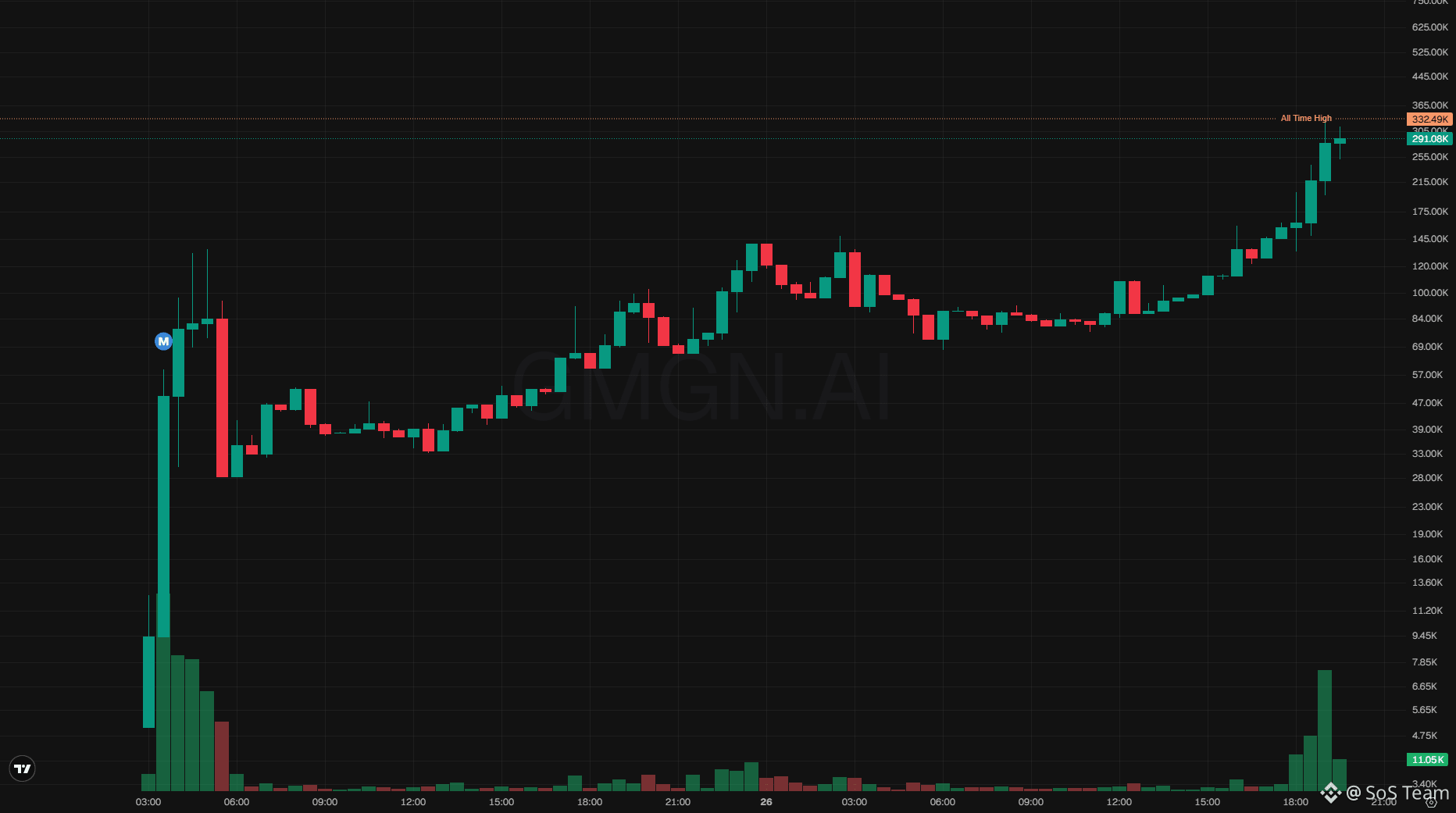
🟩 $SW - #ROBINHOOD gamble
0x7325305929cb804d2fc394120622ae73afc804eb
mcap: $291K
picture a towering weathered stone stele inscribed with ancient battle formations marking stonewatch as robinhood crypto's first multiplayer strategy game focused on assembling armies and finishing missions for rewards, all from 0xozik. dyor.
https://gmgn.ai/robinhood/token/0x7325305929cb804d2fc394120622ae73afc804eb
https://t.me/based_eth_bot?start=0x7325305929cb804d2fc394120622ae73afc804eb
🟩 $SW - #ROBINHOOD gamble
0x7325305929cb804d2fc394120622ae73afc804eb
mcap: $291K
picture a towering weathered stone stele inscribed with ancient battle formations marking stonewatch as robinhood crypto's first multiplayer strategy game focused on assembling armies and finishing missions for rewards, all from 0xozik. dyor.
https://gmgn.ai/robinhood/token/0x7325305929cb804d2fc394120622ae73afc804eb
https://t.me/based_eth_bot?start=0x7325305929cb804d2fc394120622ae73afc804eb
0x7325305929cb804d2fc394120622ae73afc804eb
mcap: $291K
picture a towering weathered stone stele inscribed with ancient battle formations marking stonewatch as robinhood crypto's first multiplayer strategy game focused on assembling armies and finishing missions for rewards, all from 0xozik. dyor.
https://gmgn.ai/robinhood/token/0x7325305929cb804d2fc394120622ae73afc804eb
https://t.me/based_eth_bot?start=0x7325305929cb804d2fc394120622ae73afc804eb
35
·
--
翻訳参照
The SEC just approved a five-year window for trading tokenized US stocks on public blockchains through permissioned AMMs.
A lot of crypto investors are going to FOMO into this thinking they can finally get real stock exposure onchain without the usual brokerage hassle. The pain comes when they realize these setups can still get rugged by contract exploits or the whole exemption disappearing overnight.
These tokens have to carry actual dividends and voting rights, not fake synthetics. Qualifying venues can use liquidity pools on chains like $ETH, modeled after $UNI but with permissioned access that lets operators control who trades. That extra control sounds safer until you remember how many permissioned DeFi experiments have frozen user funds or had $LINK oracles feed bad data during market stress.
The five-year limit means this could vanish just as people get comfortable, leaving tokenized positions illiquid or worthless if the underlying stocks cannot be redeemed cleanly. We have seen similar RWA plays go quiet when regs tighten.
Where do you think this experiment heads once the first bug or regulatory hiccup hits?
#TokenizedStocks #RWA #DeFi
The SEC just approved a five-year window for trading tokenized US stocks on public blockchains through permissioned AMMs.
A lot of crypto investors are going to FOMO into this thinking they can finally get real stock exposure onchain without the usual brokerage hassle. The pain comes when they realize these setups can still get rugged by contract exploits or the whole exemption disappearing overnight.
These tokens have to carry actual dividends and voting rights, not fake synthetics. Qualifying venues can use liquidity pools on chains like $ETH , modeled after $UNI but with permissioned access that lets operators control who trades. That extra control sounds safer until you remember how many permissioned DeFi experiments have frozen user funds or had $LINK oracles feed bad data during market stress.
The five-year limit means this could vanish just as people get comfortable, leaving tokenized positions illiquid or worthless if the underlying stocks cannot be redeemed cleanly. We have seen similar RWA plays go quiet when regs tighten.
Where do you think this experiment heads once the first bug or regulatory hiccup hits?
#TokenizedStocks #RWA #DeFi
A lot of crypto investors are going to FOMO into this thinking they can finally get real stock exposure onchain without the usual brokerage hassle. The pain comes when they realize these setups can still get rugged by contract exploits or the whole exemption disappearing overnight.
These tokens have to carry actual dividends and voting rights, not fake synthetics. Qualifying venues can use liquidity pools on chains like $ETH , modeled after $UNI but with permissioned access that lets operators control who trades. That extra control sounds safer until you remember how many permissioned DeFi experiments have frozen user funds or had $LINK oracles feed bad data during market stress.
The five-year limit means this could vanish just as people get comfortable, leaving tokenized positions illiquid or worthless if the underlying stocks cannot be redeemed cleanly. We have seen similar RWA plays go quiet when regs tighten.
Where do you think this experiment heads once the first bug or regulatory hiccup hits?
#TokenizedStocks #RWA #DeFi
48
·
--
翻訳参照
If you're still ignoring the 50-week moving average on $BTC, stop now.
Traders who dismissed this level last cycle ended up chasing prices much higher after the reclaim. Missing these long-term signals is how people lose out on the biggest moves.
Bitcoin has finally climbed back above its 50-week MA after 44 weeks below it. That is over ten months of trading under this key average.
Bears will say it is a fakeout and that macro headwinds remain too strong. I disagree. When $BTC holds this reclaim it has historically kicked off the next bull phase, with $ETH and $SOL following close behind.
The data does not lie here. This looks like the kind of shift that changes the entire market structure.
Is this the confirmation we needed or do you think we head lower first?
#Bitcoin #TechnicalAnalysis #Crypto
If you're still ignoring the 50-week moving average on $BTC , stop now.
Traders who dismissed this level last cycle ended up chasing prices much higher after the reclaim. Missing these long-term signals is how people lose out on the biggest moves.
Bitcoin has finally climbed back above its 50-week MA after 44 weeks below it. That is over ten months of trading under this key average.
Bears will say it is a fakeout and that macro headwinds remain too strong. I disagree. When $BTC holds this reclaim it has historically kicked off the next bull phase, with $ETH and $SOL following close behind.
The data does not lie here. This looks like the kind of shift that changes the entire market structure.
Is this the confirmation we needed or do you think we head lower first?
#Bitcoin #TechnicalAnalysis #Crypto
Traders who dismissed this level last cycle ended up chasing prices much higher after the reclaim. Missing these long-term signals is how people lose out on the biggest moves.
Bitcoin has finally climbed back above its 50-week MA after 44 weeks below it. That is over ten months of trading under this key average.
Bears will say it is a fakeout and that macro headwinds remain too strong. I disagree. When $BTC holds this reclaim it has historically kicked off the next bull phase, with $ETH and $SOL following close behind.
The data does not lie here. This looks like the kind of shift that changes the entire market structure.
Is this the confirmation we needed or do you think we head lower first?
#Bitcoin #TechnicalAnalysis #Crypto
109
·
--
翻訳参照
Picture this: you check a few token charts and the next day ads for those exact projects follow you around the web.
Traders hate how this kind of targeting kicks off FOMO buying at the worst times. It often means getting into positions too late and not knowing when to cut losses as the hype fades.
Advertising partners drop cookies on sites to profile your interests through unique browser and device identification. No direct personal data gets stored, yet the system still pushes relevant ads on other pages. Disable them and the advertising becomes far less targeted, leaving you without those tailored suggestions for tokens like $BNB.
It feels similar to on-chain tracking where $ETH transactions sit in the open for anyone to analyze, unlike the shielded approach of $XMR. Past web events showed how profiling can backfire with data overuse, and competing privacy projects have long argued for better control over what gets shared. We learn that opting in gives convenience but at the cost of some anonymity in a space already full of public ledgers.
Anyone else seeing this play out in their own trading?
#CryptoTracking #PrivacyInCrypto #Web3Ads
Picture this: you check a few token charts and the next day ads for those exact projects follow you around the web.
Traders hate how this kind of targeting kicks off FOMO buying at the worst times. It often means getting into positions too late and not knowing when to cut losses as the hype fades.
Advertising partners drop cookies on sites to profile your interests through unique browser and device identification. No direct personal data gets stored, yet the system still pushes relevant ads on other pages. Disable them and the advertising becomes far less targeted, leaving you without those tailored suggestions for tokens like $BNB .
It feels similar to on-chain tracking where $ETH transactions sit in the open for anyone to analyze, unlike the shielded approach of $XMR . Past web events showed how profiling can backfire with data overuse, and competing privacy projects have long argued for better control over what gets shared. We learn that opting in gives convenience but at the cost of some anonymity in a space already full of public ledgers.
Anyone else seeing this play out in their own trading?
#CryptoTracking #PrivacyInCrypto #Web3Ads
Traders hate how this kind of targeting kicks off FOMO buying at the worst times. It often means getting into positions too late and not knowing when to cut losses as the hype fades.
Advertising partners drop cookies on sites to profile your interests through unique browser and device identification. No direct personal data gets stored, yet the system still pushes relevant ads on other pages. Disable them and the advertising becomes far less targeted, leaving you without those tailored suggestions for tokens like $BNB .
It feels similar to on-chain tracking where $ETH transactions sit in the open for anyone to analyze, unlike the shielded approach of $XMR . Past web events showed how profiling can backfire with data overuse, and competing privacy projects have long argued for better control over what gets shared. We learn that opting in gives convenience but at the cost of some anonymity in a space already full of public ledgers.
Anyone else seeing this play out in their own trading?
#CryptoTracking #PrivacyInCrypto #Web3Ads
1
203
·
--
$XRP が静かに機関投資家のお金を積み上げ、$BTC や$ETH が注目を独り占めしていく様子に気づきましたか?
ほとんどのトレーダーは、あらゆるポンプを買い、あらゆるディップを売りつけることでお金を失います。次の一手を生み出すのは実はその“蓄積”なのに、彼らは完全に見逃しています。
XRPは最近$1.65に触れた後、$1.47へ向けて冷却しました。この戻りこそが、賢い資金が動いたタイミングです。スポットXRP ETFは10週連続の資金流入を記録し、合計で17.5億ドル($1.75 billion)に達しました。クジラはわずか96時間で$XRP を15.4億(1.54 billion)追加しています。これは小口投資家のFOMOではありません。
訴訟(訴訟期)という物語は時代遅れです。リップルは機関投資家への到達を広げ続けており、この資金は流れ込み続けています。人々は、すでに裏で起きているはずの、何か巨大なカタリストを待ち続けています。
退出ではなく、押し目をエントリーとして使いましょう。毎つきのローソク足に反応するのではなく、週次のETF流入とクジラウォレットを追跡してください。そうすることで、振り落とされずに済みます。
では、この資金流入がよりはっきりと価格に反映され始めたら、どこへ向かうと思いますか?
#XRP #Bitcoin #Crypto
$XRP が静かに機関投資家のお金を積み上げ、$BTC や$ETH が注目を独り占めしていく様子に気づきましたか?
ほとんどのトレーダーは、あらゆるポンプを買い、あらゆるディップを売りつけることでお金を失います。次の一手を生み出すのは実はその“蓄積”なのに、彼らは完全に見逃しています。
XRPは最近$1.65に触れた後、$1.47へ向けて冷却しました。この戻りこそが、賢い資金が動いたタイミングです。スポットXRP ETFは10週連続の資金流入を記録し、合計で17.5億ドル($1.75 billion)に達しました。クジラはわずか96時間で$XRP を15.4億(1.54 billion)追加しています。これは小口投資家のFOMOではありません。
訴訟(訴訟期)という物語は時代遅れです。リップルは機関投資家への到達を広げ続けており、この資金は流れ込み続けています。人々は、すでに裏で起きているはずの、何か巨大なカタリストを待ち続けています。
退出ではなく、押し目をエントリーとして使いましょう。毎つきのローソク足に反応するのではなく、週次のETF流入とクジラウォレットを追跡してください。そうすることで、振り落とされずに済みます。
では、この資金流入がよりはっきりと価格に反映され始めたら、どこへ向かうと思いますか?
#XRP #Bitcoin #Crypto
ほとんどのトレーダーは、あらゆるポンプを買い、あらゆるディップを売りつけることでお金を失います。次の一手を生み出すのは実はその“蓄積”なのに、彼らは完全に見逃しています。
XRPは最近$1.65に触れた後、$1.47へ向けて冷却しました。この戻りこそが、賢い資金が動いたタイミングです。スポットXRP ETFは10週連続の資金流入を記録し、合計で17.5億ドル($1.75 billion)に達しました。クジラはわずか96時間で$XRP を15.4億(1.54 billion)追加しています。これは小口投資家のFOMOではありません。
訴訟(訴訟期)という物語は時代遅れです。リップルは機関投資家への到達を広げ続けており、この資金は流れ込み続けています。人々は、すでに裏で起きているはずの、何か巨大なカタリストを待ち続けています。
退出ではなく、押し目をエントリーとして使いましょう。毎つきのローソク足に反応するのではなく、週次のETF流入とクジラウォレットを追跡してください。そうすることで、振り落とされずに済みます。
では、この資金流入がよりはっきりと価格に反映され始めたら、どこへ向かうと思いますか?
#XRP #Bitcoin #Crypto

81
·
--
誰もが主権債務は保証されていてリスクフリーの利回りだと思ってるけど、実際には今年、伝統的な債券が暗号と同じくらい容赦なくポートフォリオを破壊した。
大半の人は、フリーの利益を確定させているつもりで、パニックになって安全資産へ乗り換える。だけど両方の側面で実質的な購買力を失い、しかもサイレントな含み損を抱えたままになる。
正直言うと、見てくれよ。新年の前夜に4.18%で買われた10年米国債は、利払いをカウントしても今年は約3.7%下落してる。
一方で、<0-9]{11}$BTC >は年末の87,502から84,300へ後退していて、ちょうど同じ3.7%の下落になってる。伝統金融のバブル世代は、ボラティリティの高い<0-9]{11}$ETH >や<0-9]{11}$SOL >を持つトレーダーを何カ月も嘲笑してたのに、彼らのいわゆる“最も安全なはずの賭け”は同じ痛みをゼロの上振れ非対称で食らってる。
政府の債務ですら守ってくれないなら、資金は次にどこへ流れると思う?
#Bitcoin #Macro #CryptoTrading
誰もが主権債務は保証されていてリスクフリーの利回りだと思ってるけど、実際には今年、伝統的な債券が暗号と同じくらい容赦なくポートフォリオを破壊した。
大半の人は、フリーの利益を確定させているつもりで、パニックになって安全資産へ乗り換える。だけど両方の側面で実質的な購買力を失い、しかもサイレントな含み損を抱えたままになる。
正直言うと、見てくれよ。新年の前夜に4.18%で買われた10年米国債は、利払いをカウントしても今年は約3.7%下落してる。
一方で、<0-9]{11}$BTC >は年末の87,502から84,300へ後退していて、ちょうど同じ3.7%の下落になってる。伝統金融のバブル世代は、ボラティリティの高い<0-9]{11}$ETH >や<0-9]{11}$SOL >を持つトレーダーを何カ月も嘲笑してたのに、彼らのいわゆる“最も安全なはずの賭け”は同じ痛みをゼロの上振れ非対称で食らってる。
政府の債務ですら守ってくれないなら、資金は次にどこへ流れると思う?
#Bitcoin #Macro #CryptoTrading
大半の人は、フリーの利益を確定させているつもりで、パニックになって安全資産へ乗り換える。だけど両方の側面で実質的な購買力を失い、しかもサイレントな含み損を抱えたままになる。
正直言うと、見てくれよ。新年の前夜に4.18%で買われた10年米国債は、利払いをカウントしても今年は約3.7%下落してる。
一方で、<0-9]{11}$BTC >は年末の87,502から84,300へ後退していて、ちょうど同じ3.7%の下落になってる。伝統金融のバブル世代は、ボラティリティの高い<0-9]{11}$ETH >や<0-9]{11}$SOL >を持つトレーダーを何カ月も嘲笑してたのに、彼らのいわゆる“最も安全なはずの賭け”は同じ痛みをゼロの上振れ非対称で食らってる。
政府の債務ですら守ってくれないなら、資金は次にどこへ流れると思う?
#Bitcoin #Macro #CryptoTrading
101
·
--
これを想像してみてください。かつて暗号資産のグレーゾーンだったロシアが、9月1日にスイッチを切り替え、ホエールから一般の人まで誰でも規制された形でアクセスできるようにしました。
トレーダーが感じる痛みは本物です。私たちは皆、市場を急落させる規制ヘッドラインや、儲け話のポンプを追いかけさせられて、結局は消えてしまう——そんなことに燃やされた経験があります。ここでいう「実際のチャンス」を逃してしまうのです。
ロシアの変化は暗号資産の「解禁」にとどまりません。適格な投資家と個人投資家はいま、公式の仲介業者を通じて入れるようになりました。ただし個人はテストに合格する必要があり、仲介業者ごとに年間の上限が₽300,000に設定されています。国内での支払いは引き続き禁止ですが、国境をまたぐ利用は完全に認められています。
これは、2021年の中国による全面的な締め付け——$BTC 価格を潰したあの措置——とも、持続的な資金流入よりも見出しの方が多くなった、エルサルバドルの2021年のビットコイン法とも大きく違います。むしろ、UAEが慎重に段階展開した取り組みに近く、無制限な国内での支出による混乱なしに、静かな需要が$ETH 引き寄せられる可能性があります。
ここから学べるのは、このような「部分的な開放」が、長期的にはオール・オア・ナッシング(全か無か)の動きよりも大きなインパクトを持ちうるということです。さらに、ロシア人がルールを踏まえて動くことで、国際送金において$USDTの取引量が増える可能性すらあります。
この先、グローバルな暗号資産の普及はどこへ向かうと思いますか?
#CryptoRegulation #RussiaCrypto #Bitcoin
これを想像してみてください。かつて暗号資産のグレーゾーンだったロシアが、9月1日にスイッチを切り替え、ホエールから一般の人まで誰でも規制された形でアクセスできるようにしました。
トレーダーが感じる痛みは本物です。私たちは皆、市場を急落させる規制ヘッドラインや、儲け話のポンプを追いかけさせられて、結局は消えてしまう——そんなことに燃やされた経験があります。ここでいう「実際のチャンス」を逃してしまうのです。
ロシアの変化は暗号資産の「解禁」にとどまりません。適格な投資家と個人投資家はいま、公式の仲介業者を通じて入れるようになりました。ただし個人はテストに合格する必要があり、仲介業者ごとに年間の上限が₽300,000に設定されています。国内での支払いは引き続き禁止ですが、国境をまたぐ利用は完全に認められています。
これは、2021年の中国による全面的な締め付け——$BTC 価格を潰したあの措置——とも、持続的な資金流入よりも見出しの方が多くなった、エルサルバドルの2021年のビットコイン法とも大きく違います。むしろ、UAEが慎重に段階展開した取り組みに近く、無制限な国内での支出による混乱なしに、静かな需要が$ETH 引き寄せられる可能性があります。
ここから学べるのは、このような「部分的な開放」が、長期的にはオール・オア・ナッシング(全か無か)の動きよりも大きなインパクトを持ちうるということです。さらに、ロシア人がルールを踏まえて動くことで、国際送金において$USDTの取引量が増える可能性すらあります。
この先、グローバルな暗号資産の普及はどこへ向かうと思いますか?
#CryptoRegulation #RussiaCrypto #Bitcoin
トレーダーが感じる痛みは本物です。私たちは皆、市場を急落させる規制ヘッドラインや、儲け話のポンプを追いかけさせられて、結局は消えてしまう——そんなことに燃やされた経験があります。ここでいう「実際のチャンス」を逃してしまうのです。
ロシアの変化は暗号資産の「解禁」にとどまりません。適格な投資家と個人投資家はいま、公式の仲介業者を通じて入れるようになりました。ただし個人はテストに合格する必要があり、仲介業者ごとに年間の上限が₽300,000に設定されています。国内での支払いは引き続き禁止ですが、国境をまたぐ利用は完全に認められています。
これは、2021年の中国による全面的な締め付け——$BTC 価格を潰したあの措置——とも、持続的な資金流入よりも見出しの方が多くなった、エルサルバドルの2021年のビットコイン法とも大きく違います。むしろ、UAEが慎重に段階展開した取り組みに近く、無制限な国内での支出による混乱なしに、静かな需要が$ETH 引き寄せられる可能性があります。
ここから学べるのは、このような「部分的な開放」が、長期的にはオール・オア・ナッシング(全か無か)の動きよりも大きなインパクトを持ちうるということです。さらに、ロシア人がルールを踏まえて動くことで、国際送金において$USDTの取引量が増える可能性すらあります。
この先、グローバルな暗号資産の普及はどこへ向かうと思いますか?
#CryptoRegulation #RussiaCrypto #Bitcoin
2
23
·
--
もしあなたが主権国家がデジタル資産を静かに取り込んでいる実態をまだ無視しているなら、今すぐやめてください。
ほとんどの個人投資家は、急な規制の変化に不意を突かれ続けています。機関投資家向けのレールが目の前で整備されている間、傍観しているのです。
西側の規制当局はスポットETFへのキャッチアップに何年も費やしてきましたが、ロシアはより直接的なルートを取っています。$BTC およびその他のデジタル資産を、従来の銀行パイプラインにそのまま統合しているのです。9月1日以降、規制対象の仲介事業者が、適格投資家と個人投資家の双方に対して扉を開きました。さらに、仲介事業者ごとの個人のエクスポージャーは年額₽300,000を上限に抑えられています。国内決済は引き続き禁止されていますが、$USDTおよび主要資産による越境決済は明確に視野に入っています。
そして今、中央銀行は、商業銀行が保有する$ETH およびデジタル資産について、リスクエクスポージャーを1%までに制限する上限を提示しています。スイスのプライベートバンクが保管(カストディ)領域に初めて足を踏み入れたときと似た、慎重な枠組みが見られました。その結果、後の市場サイクルで欧州の資本フローが完全に変化したのです。
この官主導の銀行統合は、次にどこへ向かうと思いますか?
#CryptoRegulation #Bitcoin #Banking
もしあなたが主権国家がデジタル資産を静かに取り込んでいる実態をまだ無視しているなら、今すぐやめてください。
ほとんどの個人投資家は、急な規制の変化に不意を突かれ続けています。機関投資家向けのレールが目の前で整備されている間、傍観しているのです。
西側の規制当局はスポットETFへのキャッチアップに何年も費やしてきましたが、ロシアはより直接的なルートを取っています。$BTC およびその他のデジタル資産を、従来の銀行パイプラインにそのまま統合しているのです。9月1日以降、規制対象の仲介事業者が、適格投資家と個人投資家の双方に対して扉を開きました。さらに、仲介事業者ごとの個人のエクスポージャーは年額₽300,000を上限に抑えられています。国内決済は引き続き禁止されていますが、$USDTおよび主要資産による越境決済は明確に視野に入っています。
そして今、中央銀行は、商業銀行が保有する$ETH およびデジタル資産について、リスクエクスポージャーを1%までに制限する上限を提示しています。スイスのプライベートバンクが保管(カストディ)領域に初めて足を踏み入れたときと似た、慎重な枠組みが見られました。その結果、後の市場サイクルで欧州の資本フローが完全に変化したのです。
この官主導の銀行統合は、次にどこへ向かうと思いますか?
#CryptoRegulation #Bitcoin #Banking
ほとんどの個人投資家は、急な規制の変化に不意を突かれ続けています。機関投資家向けのレールが目の前で整備されている間、傍観しているのです。
西側の規制当局はスポットETFへのキャッチアップに何年も費やしてきましたが、ロシアはより直接的なルートを取っています。$BTC およびその他のデジタル資産を、従来の銀行パイプラインにそのまま統合しているのです。9月1日以降、規制対象の仲介事業者が、適格投資家と個人投資家の双方に対して扉を開きました。さらに、仲介事業者ごとの個人のエクスポージャーは年額₽300,000を上限に抑えられています。国内決済は引き続き禁止されていますが、$USDTおよび主要資産による越境決済は明確に視野に入っています。
そして今、中央銀行は、商業銀行が保有する$ETH およびデジタル資産について、リスクエクスポージャーを1%までに制限する上限を提示しています。スイスのプライベートバンクが保管(カストディ)領域に初めて足を踏み入れたときと似た、慎重な枠組みが見られました。その結果、後の市場サイクルで欧州の資本フローが完全に変化したのです。
この官主導の銀行統合は、次にどこへ向かうと思いますか?
#CryptoRegulation #Bitcoin #Banking
18
·
--
誰もがこのようなただのランダムなポンプが「金を印刷できる方法」だと思ってるけど、実際は遅れて飛び込む人たちへの罠なんだ。
急騰してる足(大陽線)に乗り込んだ瞬間にガクッと下げてきて、結局持たされる。こうやって操作的な“利ざや取り”銘柄が毎サイクルで小口の投資家から搾り取るんだ。
$TAKE がまさにその手口を示した。1時間でほぼ4倍に急騰したのに、その直後に60%下落。スパイクの後に出来高が消えたので、これからもゴチャゴチャ(レンジの不安定さ)が来そう。
$SAGA は15日で500%以上だが、出来高は低いままでモメンタムもすでに弱い。正直、ここから減衰していく(下げに転じる)ように見える。
$FIGHT も同じ話。近づかない方がいいやつ。
他にもこれを見てる人いる?それともまだ追いかけて捕まってる?
#crypto #altcoins #trading
誰もがこのようなただのランダムなポンプが「金を印刷できる方法」だと思ってるけど、実際は遅れて飛び込む人たちへの罠なんだ。
急騰してる足(大陽線)に乗り込んだ瞬間にガクッと下げてきて、結局持たされる。こうやって操作的な“利ざや取り”銘柄が毎サイクルで小口の投資家から搾り取るんだ。
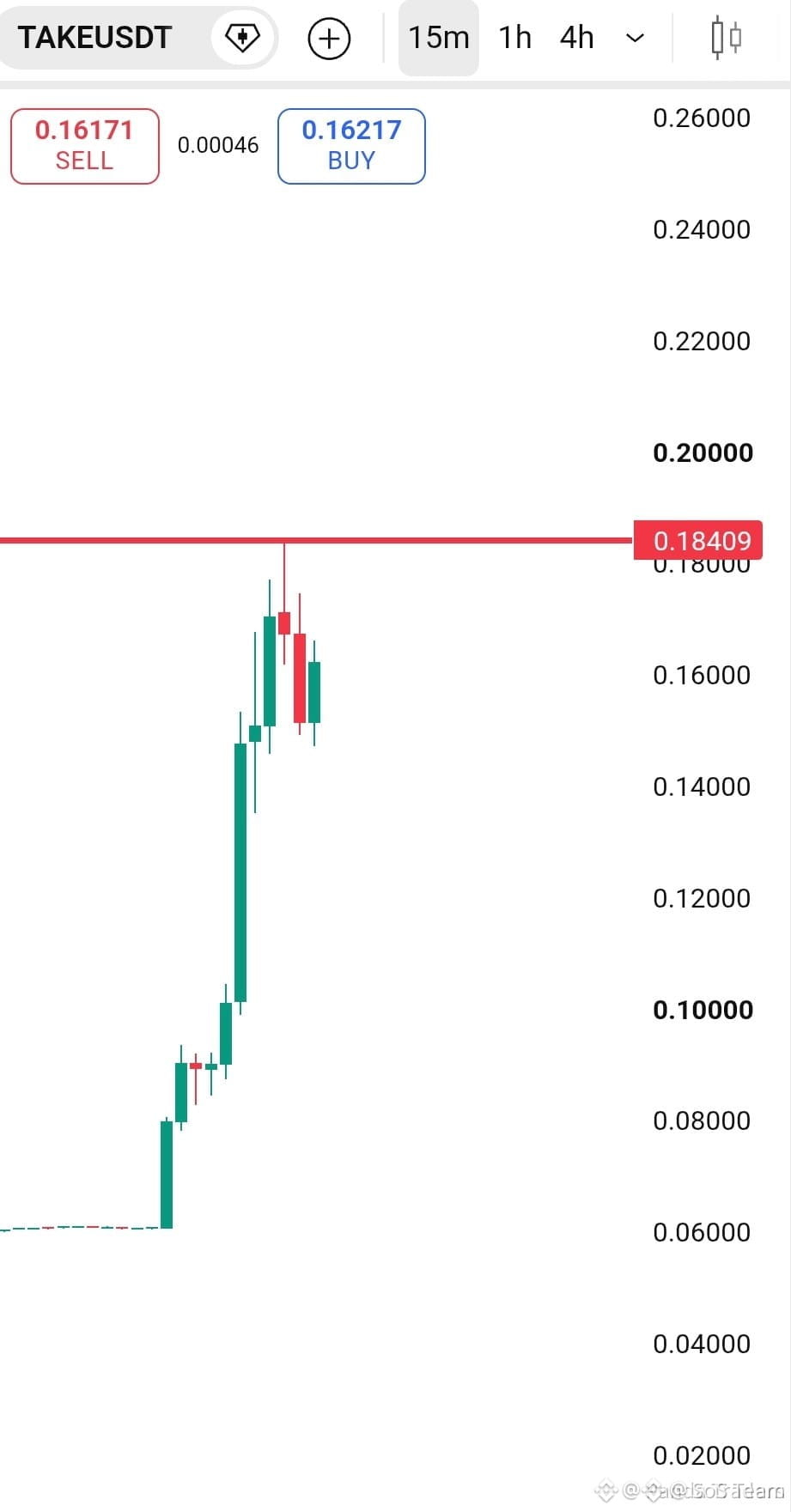
$TAKE がまさにその手口を示した。1時間でほぼ4倍に急騰したのに、その直後に60%下落。スパイクの後に出来高が消えたので、これからもゴチャゴチャ(レンジの不安定さ)が来そう。
$SAGA は15日で500%以上だが、出来高は低いままでモメンタムもすでに弱い。正直、ここから減衰していく(下げに転じる)ように見える。
$FIGHT も同じ話。近づかない方がいいやつ。
他にもこれを見てる人いる?それともまだ追いかけて捕まってる?
#crypto #altcoins #trading
急騰してる足(大陽線)に乗り込んだ瞬間にガクッと下げてきて、結局持たされる。こうやって操作的な“利ざや取り”銘柄が毎サイクルで小口の投資家から搾り取るんだ。
$TAKE がまさにその手口を示した。1時間でほぼ4倍に急騰したのに、その直後に60%下落。スパイクの後に出来高が消えたので、これからもゴチャゴチャ(レンジの不安定さ)が来そう。
$SAGA は15日で500%以上だが、出来高は低いままでモメンタムもすでに弱い。正直、ここから減衰していく(下げに転じる)ように見える。
$FIGHT も同じ話。近づかない方がいいやつ。
他にもこれを見てる人いる?それともまだ追いかけて捕まってる?
#crypto #altcoins #trading
116
·
--
取引プラットフォームで必要なCookieをまだブロックしているなら、今すぐやめてください。
このミスにより、トレーダーは壊れたチャートやログイン失敗に直面したままになり、$BTC は彼らなしで動き続けます。エントリーを逃して、その後より悪い価格でFOMOに陥り、下落の途中でポジションが踏み抜かれる(rug)様子を見送ることになります。
これらのCookieは、ログインしたり、設定を行ったり、取引フォームを入力したあとにだけ表示されます。インターフェースを動作させ続けるためのもので、サイトの一部が死なない限りオフにすることはできません。プライバシー重視のトレーダーは、個人データが保存されていなくても、すべてのCookieは漏えいだと主張します。私は反対です。機能が先です。速い$ETH の最中に凍結した注文チケットでは、架空のトラッキングではなく、実際の資金が失われます。
それらをブロックすることは、必要なときに実行できないということです。保持しているデータには識別子は空ですが、作り出す遅延は高くつきます。
Cookieなしで取引するのと、プラットフォームを実際に使える状態に保つの、あなたはどちらだと思いますか? $BNB
#Crypto #Trading #Privacy
取引プラットフォームで必要なCookieをまだブロックしているなら、今すぐやめてください。
このミスにより、トレーダーは壊れたチャートやログイン失敗に直面したままになり、$BTC は彼らなしで動き続けます。エントリーを逃して、その後より悪い価格でFOMOに陥り、下落の途中でポジションが踏み抜かれる(rug)様子を見送ることになります。
これらのCookieは、ログインしたり、設定を行ったり、取引フォームを入力したあとにだけ表示されます。インターフェースを動作させ続けるためのもので、サイトの一部が死なない限りオフにすることはできません。プライバシー重視のトレーダーは、個人データが保存されていなくても、すべてのCookieは漏えいだと主張します。私は反対です。機能が先です。速い$ETH の最中に凍結した注文チケットでは、架空のトラッキングではなく、実際の資金が失われます。
それらをブロックすることは、必要なときに実行できないということです。保持しているデータには識別子は空ですが、作り出す遅延は高くつきます。
Cookieなしで取引するのと、プラットフォームを実際に使える状態に保つの、あなたはどちらだと思いますか? $BNB
#Crypto #Trading #Privacy
このミスにより、トレーダーは壊れたチャートやログイン失敗に直面したままになり、$BTC は彼らなしで動き続けます。エントリーを逃して、その後より悪い価格でFOMOに陥り、下落の途中でポジションが踏み抜かれる(rug)様子を見送ることになります。
これらのCookieは、ログインしたり、設定を行ったり、取引フォームを入力したあとにだけ表示されます。インターフェースを動作させ続けるためのもので、サイトの一部が死なない限りオフにすることはできません。プライバシー重視のトレーダーは、個人データが保存されていなくても、すべてのCookieは漏えいだと主張します。私は反対です。機能が先です。速い$ETH の最中に凍結した注文チケットでは、架空のトラッキングではなく、実際の資金が失われます。
それらをブロックすることは、必要なときに実行できないということです。保持しているデータには識別子は空ですが、作り出す遅延は高くつきます。
Cookieなしで取引するのと、プラットフォームを実際に使える状態に保つの、あなたはどちらだと思いますか? $BNB
#Crypto #Trading #Privacy
12
·
--
みんな「ブラウザのキャッシュを消せば、web3のログインが完全無敵になる」って思ってるけど、実際は必要不可欠なセッショントークンが静かに裏で24/7アクティブ接続を生かし続けてる。
ほとんどのデジェンが負けるのはスマートコントラクトの搾取が原因じゃなくて、古いセッション状態や認証クッキーが、公開ネットワークで取引中($BNB )や怪しい拡張機能によりハイジャックされることが原因だ。あなたはウォレットを切断したつもりでも、裏ではセッションが完全に認証されたまま残ってる。
先週、取引所のポータルで基本的なプライバシー設定を調整した直後にトレーダーが吸い取られたケースに遭遇した。これらの必須のシステムクッキーはオフにできない。アクティブなログイン、フォーム送信、設定の同期といった中核の動作を担当しているからだ。ブラウザ設定でそれらを丸ごとブロックすると、注文の実行や取引($BTC )をリアルタイムで行う能力が完全に壊れる。ngl、技術的には個人の身元情報を保存していないとしても、アクティブな取引タブを無期限に動かし続けると、端末が侵害された場合にセッションのサイドジャックの入口を開けることになる。
$SOL で高ボリュームに取引してる、あるいは(パーペッツ)の取引(perps)をしているなら、タブを閉じるだけじゃなくて、実際にアクティブセッションをクリアするのはどれくらいの頻度だろう?
#CryptoSecurity #TradingTips #Web3
みんな「ブラウザのキャッシュを消せば、web3のログインが完全無敵になる」って思ってるけど、実際は必要不可欠なセッショントークンが静かに裏で24/7アクティブ接続を生かし続けてる。
ほとんどのデジェンが負けるのはスマートコントラクトの搾取が原因じゃなくて、古いセッション状態や認証クッキーが、公開ネットワークで取引中($BNB )や怪しい拡張機能によりハイジャックされることが原因だ。あなたはウォレットを切断したつもりでも、裏ではセッションが完全に認証されたまま残ってる。
先週、取引所のポータルで基本的なプライバシー設定を調整した直後にトレーダーが吸い取られたケースに遭遇した。これらの必須のシステムクッキーはオフにできない。アクティブなログイン、フォーム送信、設定の同期といった中核の動作を担当しているからだ。ブラウザ設定でそれらを丸ごとブロックすると、注文の実行や取引($BTC )をリアルタイムで行う能力が完全に壊れる。ngl、技術的には個人の身元情報を保存していないとしても、アクティブな取引タブを無期限に動かし続けると、端末が侵害された場合にセッションのサイドジャックの入口を開けることになる。
$SOL で高ボリュームに取引してる、あるいは(パーペッツ)の取引(perps)をしているなら、タブを閉じるだけじゃなくて、実際にアクティブセッションをクリアするのはどれくらいの頻度だろう?
#CryptoSecurity #TradingTips #Web3
ほとんどのデジェンが負けるのはスマートコントラクトの搾取が原因じゃなくて、古いセッション状態や認証クッキーが、公開ネットワークで取引中($BNB )や怪しい拡張機能によりハイジャックされることが原因だ。あなたはウォレットを切断したつもりでも、裏ではセッションが完全に認証されたまま残ってる。
先週、取引所のポータルで基本的なプライバシー設定を調整した直後にトレーダーが吸い取られたケースに遭遇した。これらの必須のシステムクッキーはオフにできない。アクティブなログイン、フォーム送信、設定の同期といった中核の動作を担当しているからだ。ブラウザ設定でそれらを丸ごとブロックすると、注文の実行や取引($BTC )をリアルタイムで行う能力が完全に壊れる。ngl、技術的には個人の身元情報を保存していないとしても、アクティブな取引タブを無期限に動かし続けると、端末が侵害された場合にセッションのサイドジャックの入口を開けることになる。
$SOL で高ボリュームに取引してる、あるいは(パーペッツ)の取引(perps)をしているなら、タブを閉じるだけじゃなくて、実際にアクティブセッションをクリアするのはどれくらいの頻度だろう?
#CryptoSecurity #TradingTips #Web3
18
·
--
誰もが、実世界資産プロトコルは、利回りが国債で裏付けられているからというだけで、従来型のスタートアップの揉め事から免れていると思い込んでる。でも実際は、ほとんどの人が認めたがらないほど構造的リスクのほうがずっと高い。
この強欲フェーズで乗り遅れるまいと追いかけてくる個人投資家は、重要人物リスクが夜のうちにバッグを壊滅させるまで、企業のコンティンジェンシー(危機対応)条項なんてほとんど確認しない。あなたは「触れることのない」分散型の利回りを保有しているつもりかもしれないが、現実には舞台裏の法的カオスと、強制的なリストラ(再編)にさらされている。
オンデオの件で表面化したことを、好例のケーススタディとして見てみてほしい。トップの喪失をきっかけに、リーダー喪失後の売却協議に関する見出しが飛び込んできた瞬間、堕落ポートフォリオ(デゲン)が無視している“盲点”がそのまま露呈した。プロトコルが$ONDO で数十億ドルをトークン化された資産にブリッジしている一方で、制度側のパイプライン全体は、非公開の役員室で“取り替え”が起こり得るオフチェーンの企業体に依存し続けている。
主要オペレーターが不意に離脱すると、$USDTと$ENA のような合成利回りプレイを行き来する流動性提供者やファーマーが、板挟みになって巻き込まれる。機関投資家は閉ざされた場でディスカウント交渉を行うのに、個人はガバナンストークンを持っていて、スナップショット投票が自分たちを救ってくれると考えている。正直言うと、もしあなたの論旨が企業の後継(サクセッション)計画を価格に織り込んでいないなら、株主保護ゼロのままエクイティ(株式)リスクを取っていることになる。
みんな、いまRWAバッグに対する機関投資家とリーダーシップのリスクをどうヘッジしてる?
#OndoFinanceSoughtSaleAfterFoundersDeath #FedProposesRulesForBankIssuedStablecoins
誰もが、実世界資産プロトコルは、利回りが国債で裏付けられているからというだけで、従来型のスタートアップの揉め事から免れていると思い込んでる。でも実際は、ほとんどの人が認めたがらないほど構造的リスクのほうがずっと高い。
この強欲フェーズで乗り遅れるまいと追いかけてくる個人投資家は、重要人物リスクが夜のうちにバッグを壊滅させるまで、企業のコンティンジェンシー(危機対応)条項なんてほとんど確認しない。あなたは「触れることのない」分散型の利回りを保有しているつもりかもしれないが、現実には舞台裏の法的カオスと、強制的なリストラ(再編)にさらされている。
オンデオの件で表面化したことを、好例のケーススタディとして見てみてほしい。トップの喪失をきっかけに、リーダー喪失後の売却協議に関する見出しが飛び込んできた瞬間、堕落ポートフォリオ(デゲン)が無視している“盲点”がそのまま露呈した。プロトコルが$ONDO で数十億ドルをトークン化された資産にブリッジしている一方で、制度側のパイプライン全体は、非公開の役員室で“取り替え”が起こり得るオフチェーンの企業体に依存し続けている。
主要オペレーターが不意に離脱すると、$USDTと$ENA のような合成利回りプレイを行き来する流動性提供者やファーマーが、板挟みになって巻き込まれる。機関投資家は閉ざされた場でディスカウント交渉を行うのに、個人はガバナンストークンを持っていて、スナップショット投票が自分たちを救ってくれると考えている。正直言うと、もしあなたの論旨が企業の後継(サクセッション)計画を価格に織り込んでいないなら、株主保護ゼロのままエクイティ(株式)リスクを取っていることになる。
みんな、いまRWAバッグに対する機関投資家とリーダーシップのリスクをどうヘッジしてる?
#OndoFinanceSoughtSaleAfterFoundersDeath #FedProposesRulesForBankIssuedStablecoins
この強欲フェーズで乗り遅れるまいと追いかけてくる個人投資家は、重要人物リスクが夜のうちにバッグを壊滅させるまで、企業のコンティンジェンシー(危機対応)条項なんてほとんど確認しない。あなたは「触れることのない」分散型の利回りを保有しているつもりかもしれないが、現実には舞台裏の法的カオスと、強制的なリストラ(再編)にさらされている。
オンデオの件で表面化したことを、好例のケーススタディとして見てみてほしい。トップの喪失をきっかけに、リーダー喪失後の売却協議に関する見出しが飛び込んできた瞬間、堕落ポートフォリオ(デゲン)が無視している“盲点”がそのまま露呈した。プロトコルが$ONDO で数十億ドルをトークン化された資産にブリッジしている一方で、制度側のパイプライン全体は、非公開の役員室で“取り替え”が起こり得るオフチェーンの企業体に依存し続けている。
主要オペレーターが不意に離脱すると、$USDTと$ENA のような合成利回りプレイを行き来する流動性提供者やファーマーが、板挟みになって巻き込まれる。機関投資家は閉ざされた場でディスカウント交渉を行うのに、個人はガバナンストークンを持っていて、スナップショット投票が自分たちを救ってくれると考えている。正直言うと、もしあなたの論旨が企業の後継(サクセッション)計画を価格に織り込んでいないなら、株主保護ゼロのままエクイティ(株式)リスクを取っていることになる。
みんな、いまRWAバッグに対する機関投資家とリーダーシップのリスクをどうヘッジしてる?
#OndoFinanceSoughtSaleAfterFoundersDeath #FedProposesRulesForBankIssuedStablecoins

441
·
--
銀行規制のあるステーブルコインが暗号資産の究極の正当性だと誰もが扱う一方で、そのシナリオで実際に誰が損をするのかをまったく無視していないでしょうか?
多くの個人投資家は、自分のお金を流動性プールやイールド・プロトコルに預けるのですが、コンプライアンスの壁が立ち上がった瞬間、機関投資家のレールがどれほど速くその資金量を吸い上げられるかを理解していません。急な規制の組み替えで、未承認の資産を保有してしまったら、イールドが一気に潰されるのはあっという間です。
銀行が発行するステーブルコインに関する最新のFRBの枠組みで起きていることを見てください。一般的な見立ては、ウォール街が決済レイヤーに参入すれば、エコシステム全体が同じように押し上げられるというものです。しかし実際には、自国の連動トークンを発行する伝統的な銀行は、パーミッションレスDeFiとは統合されません。むしろ、ウォールのある庭(クローズドな環境)を作り、$USDTのような暗号ネイティブの定番や、$ENAのような合成イールド設計から、市場シェアを直接奪っていくのです。
規制された預託機関が、短期の米国債を直接裏付けとして得られるステーブルコインの準備金のイールドを取り込むと、リスクとリターンの方程式は一夜にして変わります。資本は常に、法的な摩擦が最も少ない道へ移動します。特に、機関投資家のデスクが分散型の代替案よりも、区切られた(リングフェンスされた)担保を求めるときはなおさらです。
大手(ティア1)銀行が自社の連動資産を立ち上げたら、流動性はどこへ流れていくと思いますか?
#FedProposesRulesForBankIssuedStablecoins #FedOctoberRateHikeOddsRiseTo69
銀行規制のあるステーブルコインが暗号資産の究極の正当性だと誰もが扱う一方で、そのシナリオで実際に誰が損をするのかをまったく無視していないでしょうか?
多くの個人投資家は、自分のお金を流動性プールやイールド・プロトコルに預けるのですが、コンプライアンスの壁が立ち上がった瞬間、機関投資家のレールがどれほど速くその資金量を吸い上げられるかを理解していません。急な規制の組み替えで、未承認の資産を保有してしまったら、イールドが一気に潰されるのはあっという間です。
銀行が発行するステーブルコインに関する最新のFRBの枠組みで起きていることを見てください。一般的な見立ては、ウォール街が決済レイヤーに参入すれば、エコシステム全体が同じように押し上げられるというものです。しかし実際には、自国の連動トークンを発行する伝統的な銀行は、パーミッションレスDeFiとは統合されません。むしろ、ウォールのある庭(クローズドな環境)を作り、$USDTのような暗号ネイティブの定番や、$ENA のような合成イールド設計から、市場シェアを直接奪っていくのです。
規制された預託機関が、短期の米国債を直接裏付けとして得られるステーブルコインの準備金のイールドを取り込むと、リスクとリターンの方程式は一夜にして変わります。資本は常に、法的な摩擦が最も少ない道へ移動します。特に、機関投資家のデスクが分散型の代替案よりも、区切られた(リングフェンスされた)担保を求めるときはなおさらです。
大手(ティア1)銀行が自社の連動資産を立ち上げたら、流動性はどこへ流れていくと思いますか?
#FedProposesRulesForBankIssuedStablecoins #FedOctoberRateHikeOddsRiseTo69
多くの個人投資家は、自分のお金を流動性プールやイールド・プロトコルに預けるのですが、コンプライアンスの壁が立ち上がった瞬間、機関投資家のレールがどれほど速くその資金量を吸い上げられるかを理解していません。急な規制の組み替えで、未承認の資産を保有してしまったら、イールドが一気に潰されるのはあっという間です。
銀行が発行するステーブルコインに関する最新のFRBの枠組みで起きていることを見てください。一般的な見立ては、ウォール街が決済レイヤーに参入すれば、エコシステム全体が同じように押し上げられるというものです。しかし実際には、自国の連動トークンを発行する伝統的な銀行は、パーミッションレスDeFiとは統合されません。むしろ、ウォールのある庭(クローズドな環境)を作り、$USDTのような暗号ネイティブの定番や、$ENA のような合成イールド設計から、市場シェアを直接奪っていくのです。
規制された預託機関が、短期の米国債を直接裏付けとして得られるステーブルコインの準備金のイールドを取り込むと、リスクとリターンの方程式は一夜にして変わります。資本は常に、法的な摩擦が最も少ない道へ移動します。特に、機関投資家のデスクが分散型の代替案よりも、区切られた(リングフェンスされた)担保を求めるときはなおさらです。
大手(ティア1)銀行が自社の連動資産を立ち上げたら、流動性はどこへ流れていくと思いますか?
#FedProposesRulesForBankIssuedStablecoins #FedOctoberRateHikeOddsRiseTo69

97
·
--
暗号資産の歴史における主要な強気相場(ブルラン)のほとんどは、規制緩和によってではなく、資本がどこへ動いているかを政府が慌てて追跡し始めたことに先立って起きてきました。
義務的な取引報告に関する見出しが出ると、多くの個人トレーダーの本能的な反応は、純粋な不安とパニック売りです。コンプライアンスへの恐れだけでポートフォリオが出血するのを見るのは、この市場で資本を失う最も腹立たしい方法のひとつです。
私はこのまったく同じパターンを、2017年に韓国で、そして2021年に世界的な報告フレームワークが締まり始めたときに見てきました。ブラジルが暗号資産の送金に対して義務的な報告を命じたのも、まさに歴史が韻を踏むように繰り返されているだけです。規制当局が死んだ市場を監査しに入ってくることは稀で、流動性、特に $USDT のような決済用資産の数値が、もはや無視できない水準に達すると、彼らは報告のパイプラインを構築してくるのです。
短期的には、流動性は $DOT や $ZK のようなインフラ資産と、ゼロ知識によるプライバシーレイヤーの間を、トレーダーが体勢を組み替えようとして神経質に行き来する傾向があります。しかし、成熟した資本は、規制の可視性が真の主権的・機関投資家向けの基盤が整うまでの最後のハードルになることを理解しています。今日のコンプライアンス摩擦は重く感じられるかもしれませんが、それが明日は資産クラス全体の存続性を裏付けるのです。
厳格な報告は暗号資産の柔軟性の終わりだと思いますか?それとも、大衆導入に向けた必要な架け橋だと思いますか?
#BrazilOrdersReportingOf #FedProposesRulesForBankIssuedStablecoins
暗号資産の歴史における主要な強気相場(ブルラン)のほとんどは、規制緩和によってではなく、資本がどこへ動いているかを政府が慌てて追跡し始めたことに先立って起きてきました。
義務的な取引報告に関する見出しが出ると、多くの個人トレーダーの本能的な反応は、純粋な不安とパニック売りです。コンプライアンスへの恐れだけでポートフォリオが出血するのを見るのは、この市場で資本を失う最も腹立たしい方法のひとつです。
私はこのまったく同じパターンを、2017年に韓国で、そして2021年に世界的な報告フレームワークが締まり始めたときに見てきました。ブラジルが暗号資産の送金に対して義務的な報告を命じたのも、まさに歴史が韻を踏むように繰り返されているだけです。規制当局が死んだ市場を監査しに入ってくることは稀で、流動性、特に $USDT のような決済用資産の数値が、もはや無視できない水準に達すると、彼らは報告のパイプラインを構築してくるのです。
短期的には、流動性は $DOT や $ZK のようなインフラ資産と、ゼロ知識によるプライバシーレイヤーの間を、トレーダーが体勢を組み替えようとして神経質に行き来する傾向があります。しかし、成熟した資本は、規制の可視性が真の主権的・機関投資家向けの基盤が整うまでの最後のハードルになることを理解しています。今日のコンプライアンス摩擦は重く感じられるかもしれませんが、それが明日は資産クラス全体の存続性を裏付けるのです。
厳格な報告は暗号資産の柔軟性の終わりだと思いますか?それとも、大衆導入に向けた必要な架け橋だと思いますか?
#BrazilOrdersReportingOf #FedProposesRulesForBankIssuedStablecoins
義務的な取引報告に関する見出しが出ると、多くの個人トレーダーの本能的な反応は、純粋な不安とパニック売りです。コンプライアンスへの恐れだけでポートフォリオが出血するのを見るのは、この市場で資本を失う最も腹立たしい方法のひとつです。
私はこのまったく同じパターンを、2017年に韓国で、そして2021年に世界的な報告フレームワークが締まり始めたときに見てきました。ブラジルが暗号資産の送金に対して義務的な報告を命じたのも、まさに歴史が韻を踏むように繰り返されているだけです。規制当局が死んだ市場を監査しに入ってくることは稀で、流動性、特に $USDT のような決済用資産の数値が、もはや無視できない水準に達すると、彼らは報告のパイプラインを構築してくるのです。
短期的には、流動性は $DOT や $ZK のようなインフラ資産と、ゼロ知識によるプライバシーレイヤーの間を、トレーダーが体勢を組み替えようとして神経質に行き来する傾向があります。しかし、成熟した資本は、規制の可視性が真の主権的・機関投資家向けの基盤が整うまでの最後のハードルになることを理解しています。今日のコンプライアンス摩擦は重く感じられるかもしれませんが、それが明日は資産クラス全体の存続性を裏付けるのです。
厳格な報告は暗号資産の柔軟性の終わりだと思いますか?それとも、大衆導入に向けた必要な架け橋だと思いますか?
#BrazilOrdersReportingOf #FedProposesRulesForBankIssuedStablecoins

168
·
--
想像してみてください。分散型のパーペチュアル取引所が、ベンチャー資金なしで静かに独自のレイヤー1インフラを構築し、莫大な市場シェアを獲得したかと思うと、突然メジャー上場を巡って市場がフロントランニングを始めるのです。
ほとんどの個人トレーダーはこうした出来事の“反対側”に巻き込まれ、最初の緑のローソク足の天井を必死に買いに行ってしまい、結果として初期のファーマーたちの出口流動性になってしまいます。
過去のデリバティブ・プラットフォームや、$SEI のような新しめの高スループット・ネットワーク、さらに$ENAのようなイールド・プロトコルを振り返ると、上場プレイブックはだいたい同じ韻を踏みます。最初は流動性が流入しますが、現物市場のデビューが入ると、緊密なコミュニティのオーガニックな保有から、大規模な機関によるリバランスへと力学が変わることが多いのです。
Hyperliquidは、プライベートなトークンセールなしでオーダーブックをブートストラップすることで差別化しました。もし$HYPE が初期の分散型“巨人”たちの歴史的な軌道をなぞるなら、最初の熱狂は、持続可能な取引レンジを確立する前に、遅れて参入した人々をふるい落とすかもしれません。
デビュー後にすぐ供給不足が起きることを期待していますか?それとも、これは定番の「ニュースを売れ」のローテーションに変わるのでしょうか。
#BinanceWillListHyperliquid #BitcoinFallsToAround
想像してみてください。分散型のパーペチュアル取引所が、ベンチャー資金なしで静かに独自のレイヤー1インフラを構築し、莫大な市場シェアを獲得したかと思うと、突然メジャー上場を巡って市場がフロントランニングを始めるのです。
ほとんどの個人トレーダーはこうした出来事の“反対側”に巻き込まれ、最初の緑のローソク足の天井を必死に買いに行ってしまい、結果として初期のファーマーたちの出口流動性になってしまいます。
過去のデリバティブ・プラットフォームや、$SEI のような新しめの高スループット・ネットワーク、さらに$ENA のようなイールド・プロトコルを振り返ると、上場プレイブックはだいたい同じ韻を踏みます。最初は流動性が流入しますが、現物市場のデビューが入ると、緊密なコミュニティのオーガニックな保有から、大規模な機関によるリバランスへと力学が変わることが多いのです。
Hyperliquidは、プライベートなトークンセールなしでオーダーブックをブートストラップすることで差別化しました。もし$HYPE が初期の分散型“巨人”たちの歴史的な軌道をなぞるなら、最初の熱狂は、持続可能な取引レンジを確立する前に、遅れて参入した人々をふるい落とすかもしれません。
デビュー後にすぐ供給不足が起きることを期待していますか?それとも、これは定番の「ニュースを売れ」のローテーションに変わるのでしょうか。
#BinanceWillListHyperliquid #BitcoinFallsToAround
ほとんどの個人トレーダーはこうした出来事の“反対側”に巻き込まれ、最初の緑のローソク足の天井を必死に買いに行ってしまい、結果として初期のファーマーたちの出口流動性になってしまいます。
過去のデリバティブ・プラットフォームや、$SEI のような新しめの高スループット・ネットワーク、さらに$ENA のようなイールド・プロトコルを振り返ると、上場プレイブックはだいたい同じ韻を踏みます。最初は流動性が流入しますが、現物市場のデビューが入ると、緊密なコミュニティのオーガニックな保有から、大規模な機関によるリバランスへと力学が変わることが多いのです。
Hyperliquidは、プライベートなトークンセールなしでオーダーブックをブートストラップすることで差別化しました。もし$HYPE が初期の分散型“巨人”たちの歴史的な軌道をなぞるなら、最初の熱狂は、持続可能な取引レンジを確立する前に、遅れて参入した人々をふるい落とすかもしれません。
デビュー後にすぐ供給不足が起きることを期待していますか?それとも、これは定番の「ニュースを売れ」のローテーションに変わるのでしょうか。
#BinanceWillListHyperliquid #BitcoinFallsToAround

59
ログインして、さらにコンテンツを読む
厳選トピックで世界の暗号資産トレーダーの仲間入り
⚡️ 暗号資産に関する最新かつ有益な情報が見つかります。
💬 世界最大の暗号資産取引所から信頼されています。
👍 認証を受けたクリエイターから、有益なインサイトを得られます。
メール / 電話番号
トレンドトピック
CircleMints500MUSDCOnSolana
閲覧回数 50,230
1,268人が討論中
$SOL — <a>Circle</a>はソラナでUSDCを5億ドル分、最新のバッチを発行したばかりです。🚨
CircleはUSDCをソラナ上に2回に分けてそれぞれ2.5億ドルずつ、合計5億ドル発行し、ネットワークにもう一段大きな流動性の注入を加えました。報告によれば、トークンは当初すべて、取引に直接投入されるのではなく、Circleが管理するトレジャリー内に留まっていたものの、発行(ミント)手順はチェーン上で確認されています。
これは孤立した動きではありません。
ソラナのステーブルコイン供給総量は過去最高の新たな水準に到達し、173億ドルとなりました。一方、報道によればCircleは8月の1か月だけで、ソラナ上に約110億ドル相当のUSDCを発行したとのことです。
では、これは$SOL にとってなぜ重要なのでしょうか?
ステーブルコインの流動性が増えることは、DEXやDeFi、決済、そしてオンチェーン活動のための燃料が増えることを意味し得ます。
資金はソラナから出ていきません。
その上で、より多くのドルが継続的に鋳造されています。👀
続報をお願いします
$CRCL
#circlemints500musdconsolana #PolymarketBankFailureBetsDrawFDICConcern #BlackRockBuildsTokenizedPortfoliosForOndo #BitwiseFilesToListNEARETFOnNYSEArca #SECCommissionerPeirceToLeaveOct2
Shamika Metting
·いいね:6件
·閲覧回数 5.3k
PolymarketBankFailureBetsDrawFDICConcern
閲覧回数 63,811
1,330人が討論中
BlackRockBuildsTokenizedPortfoliosForOndo
閲覧回数 50,430
928人が討論中