
#bitbank
bitbank
閲覧回数 4,471
41人が討論中
注目
最新

·
--
本人確認中
Crashmarket:
Hasta eso esta mal, vale vrga no
1
2
732

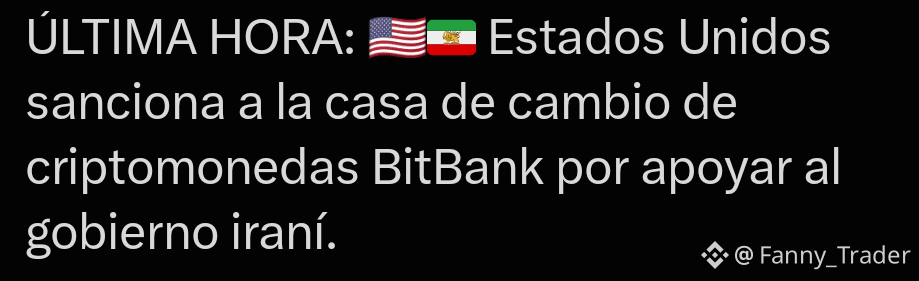
BitBankへの米国制裁:本当のリスクはBitcoinが封鎖されることではなく、暗号資産の出入口が締められることだBitBankへの米国制裁:本当のリスクはBitcoinが封鎖されることではなく、暗号資産の出入口が締められることだ
米国財務部がイランの暗号資産取引所BitBankを制裁したことは、一見すると“もう一度イランの金融ネットワークに対する執行措置が行われた”だけに見える。しかしこの出来事が暗号資産市場に与える意味は、取引所が制裁リストに載ったことよりもはるかに大きい。
まず明確にすべきは、米国の制裁対象は、イランの金融家Babak Zanjaniが支配する特定のBitBank取引所およびその開発者・運営者・関連する資金ネットワークであって、Bitcoinそのものではなく、また一般投資家によるBTCの保有や取引を禁止するものでもないという点だ。
BitBankへの米国制裁:本当のリスクはBitcoinが封鎖されることではなく、暗号資産の出入口が締められることだ
BitBankへの米国制裁:本当のリスクはBitcoinが封鎖されることではなく、暗号資産の出入口が締められることだ
米国財務部がイランの暗号資産取引所BitBankを制裁したことは、一見すると“もう一度イランの金融ネットワークに対する執行措置が行われた”だけに見える。しかしこの出来事が暗号資産市場に与える意味は、取引所が制裁リストに載ったことよりもはるかに大きい。
まず明確にすべきは、米国の制裁対象は、イランの金融家Babak Zanjaniが支配する特定のBitBank取引所およびその開発者・運営者・関連する資金ネットワークであって、Bitcoinそのものではなく、また一般投資家によるBTCの保有や取引を禁止するものでもないという点だ。
米国財務部がイランの暗号資産取引所BitBankを制裁したことは、一見すると“もう一度イランの金融ネットワークに対する執行措置が行われた”だけに見える。しかしこの出来事が暗号資産市場に与える意味は、取引所が制裁リストに載ったことよりもはるかに大きい。
まず明確にすべきは、米国の制裁対象は、イランの金融家Babak Zanjaniが支配する特定のBitBank取引所およびその開発者・運営者・関連する資金ネットワークであって、Bitcoinそのものではなく、また一般投資家によるBTCの保有や取引を禁止するものでもないという点だ。
167

·
--

記事
翻訳参照
US Sanctions Iran’s BitBank: How “Hormuz Safe” Bitcoin Payments Are Reshaping Global Crypto FlowMost traders focus on price charts, but the real story is in the flow of capital through geopolitical corridors. The U.S. Treasury’s latest move against Iran’s BitBank reveals a hidden channel—“Hormuz Safe”—that has quietly moved hundreds of millions of dollars in Bitcoin to the IRGC, and it’s now under fire.
#BitBank #HormuzSafe #USSanctions
The signal is clear: BitBank, a Tehran‑based exchange, has been processing Bitcoin transactions routed through a maritime scheme that leverages the Strait of Hormuz. According to the Treasury, the exchange facilitated the transfer of hundreds of millions of dollars in crypto to Iran’s Islamic Revolutionary Guard Corps (IRGC). This is not a one‑off incident; it’s part of a broader pattern where state actors use crypto to bypass sanctions and move funds through opaque channels.
Interpretation: For the market, this development signals a tightening of U.S. enforcement on crypto‑sanctioned flows. Bitcoin’s price could see short‑term volatility as traders reassess risk exposure to exchanges linked to sanctioned entities. Moreover, the revelation that a major Iranian exchange was a conduit for state‑funded transfers raises red flags for other exchanges operating in high‑risk jurisdictions. If more exchanges are found to be facilitating similar flows, we could see a cascade of new sanctions and a shift in how crypto liquidity is routed globally.
Watch list: Monitor the on‑chain activity of BitBank’s wallet addresses and any sudden changes in their transaction volume. A spike in outbound transfers to addresses linked to the IRGC could indicate a shift in strategy or a response to the sanctions. #BitBankWatch
What does this mean for your portfolio? If you’re holding $BTC or other major tokens, consider the ripple effects of increased regulatory scrutiny on exchanges that serve high‑risk regions. Are you ready to adjust your exposure before the next wave of sanctions hits the market?
US Sanctions Iran’s BitBank: How “Hormuz Safe” Bitcoin Payments Are Reshaping Global Crypto Flow
Most traders focus on price charts, but the real story is in the flow of capital through geopolitical corridors. The U.S. Treasury’s latest move against Iran’s BitBank reveals a hidden channel—“Hormuz Safe”—that has quietly moved hundreds of millions of dollars in Bitcoin to the IRGC, and it’s now under fire.
#BitBank #HormuzSafe #USSanctions
The signal is clear: BitBank, a Tehran‑based exchange, has been processing Bitcoin transactions routed through a maritime scheme that leverages the Strait of Hormuz. According to the Treasury, the exchange facilitated the transfer of hundreds of millions of dollars in crypto to Iran’s Islamic Revolutionary Guard Corps (IRGC). This is not a one‑off incident; it’s part of a broader pattern where state actors use crypto to bypass sanctions and move funds through opaque channels.
Interpretation: For the market, this development signals a tightening of U.S. enforcement on crypto‑sanctioned flows. Bitcoin’s price could see short‑term volatility as traders reassess risk exposure to exchanges linked to sanctioned entities. Moreover, the revelation that a major Iranian exchange was a conduit for state‑funded transfers raises red flags for other exchanges operating in high‑risk jurisdictions. If more exchanges are found to be facilitating similar flows, we could see a cascade of new sanctions and a shift in how crypto liquidity is routed globally.
Watch list: Monitor the on‑chain activity of BitBank’s wallet addresses and any sudden changes in their transaction volume. A spike in outbound transfers to addresses linked to the IRGC could indicate a shift in strategy or a response to the sanctions. #BitBankWatch
What does this mean for your portfolio? If you’re holding $BTC or other major tokens, consider the ripple effects of increased regulatory scrutiny on exchanges that serve high‑risk regions. Are you ready to adjust your exposure before the next wave of sanctions hits the market?
#BitBank #HormuzSafe #USSanctions
The signal is clear: BitBank, a Tehran‑based exchange, has been processing Bitcoin transactions routed through a maritime scheme that leverages the Strait of Hormuz. According to the Treasury, the exchange facilitated the transfer of hundreds of millions of dollars in crypto to Iran’s Islamic Revolutionary Guard Corps (IRGC). This is not a one‑off incident; it’s part of a broader pattern where state actors use crypto to bypass sanctions and move funds through opaque channels.
Interpretation: For the market, this development signals a tightening of U.S. enforcement on crypto‑sanctioned flows. Bitcoin’s price could see short‑term volatility as traders reassess risk exposure to exchanges linked to sanctioned entities. Moreover, the revelation that a major Iranian exchange was a conduit for state‑funded transfers raises red flags for other exchanges operating in high‑risk jurisdictions. If more exchanges are found to be facilitating similar flows, we could see a cascade of new sanctions and a shift in how crypto liquidity is routed globally.
Watch list: Monitor the on‑chain activity of BitBank’s wallet addresses and any sudden changes in their transaction volume. A spike in outbound transfers to addresses linked to the IRGC could indicate a shift in strategy or a response to the sanctions. #BitBankWatch
What does this mean for your portfolio? If you’re holding $BTC or other major tokens, consider the ripple effects of increased regulatory scrutiny on exchanges that serve high‑risk regions. Are you ready to adjust your exposure before the next wave of sanctions hits the market?
6

米国の制裁でBitBankが打撃を受ける
米国財務省は、Hormuz Safeプラットフォームを通じてIRGC(イスラム革命防衛隊)へのビットコイン送金を助長したとしてBitBankに制裁を科しました。この動きは、制裁回避に使用される暗号資産に対する攻撃的な規制の重点が高まっていることを示しています。
#BitBank #TreasurySanctions
米国の制裁でBitBankが打撃を受ける
米国財務省は、Hormuz Safeプラットフォームを通じてIRGC(イスラム革命防衛隊)へのビットコイン送金を助長したとしてBitBankに制裁を科しました。この動きは、制裁回避に使用される暗号資産に対する攻撃的な規制の重点が高まっていることを示しています。
#BitBank #TreasurySanctions
米国財務省は、Hormuz Safeプラットフォームを通じてIRGC(イスラム革命防衛隊)へのビットコイン送金を助長したとしてBitBankに制裁を科しました。この動きは、制裁回避に使用される暗号資産に対する攻撃的な規制の重点が高まっていることを示しています。
#BitBank #TreasurySanctions

·
--
ブリッシュ
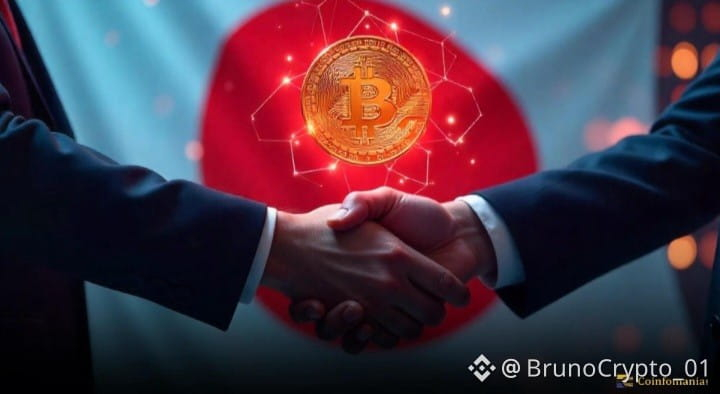
🚨 SBIホールディングスは、規制当局の承認を前提に、約2億8,900万ドル相当の案件で暗号資産取引所ビットバンクを買収することに合意しました。
この買収により、急成長する日本のデジタル資産市場におけるSBIの拠点が強化され、同国最大の暗号資産取引所運営事業者になり得ると見込まれます。
$BTC
ビットバンクは日本有数の暗号資産取引所の一つとして確立しており、この案件は、暗号資産分野への進出を目指す伝統的な金融企業からの関心が高まっていることを示しています。
仮に承認されれば、日本での暗号資産普及に向けたさらなる大きな節目となります。規制の明確化が続くことで、機関投資家の参入を引き付けています。
#Crypto #Bitcoin #Japan #SBI #Bitbank
🚨 SBIホールディングスは、規制当局の承認を前提に、約2億8,900万ドル相当の案件で暗号資産取引所ビットバンクを買収することに合意しました。
この買収により、急成長する日本のデジタル資産市場におけるSBIの拠点が強化され、同国最大の暗号資産取引所運営事業者になり得ると見込まれます。
$BTC
ビットバンクは日本有数の暗号資産取引所の一つとして確立しており、この案件は、暗号資産分野への進出を目指す伝統的な金融企業からの関心が高まっていることを示しています。
仮に承認されれば、日本での暗号資産普及に向けたさらなる大きな節目となります。規制の明確化が続くことで、機関投資家の参入を引き付けています。
#Crypto #Bitcoin #Japan #SBI #Bitbank
この買収により、急成長する日本のデジタル資産市場におけるSBIの拠点が強化され、同国最大の暗号資産取引所運営事業者になり得ると見込まれます。
$BTC
ビットバンクは日本有数の暗号資産取引所の一つとして確立しており、この案件は、暗号資産分野への進出を目指す伝統的な金融企業からの関心が高まっていることを示しています。
仮に承認されれば、日本での暗号資産普及に向けたさらなる大きな節目となります。規制の明確化が続くことで、機関投資家の参入を引き付けています。
#Crypto #Bitcoin #Japan #SBI #Bitbank
2
15

·
--
【日本の暗号資産業界が重大統合】SBIグループが発表:467億円(約2.89億米ドル)で国内の暗号資産取引所Bitbankを買収!
取引完了後、SBIの暗号資産カストディ残高は1兆円(約62億米ドル)を超え、日本の暗号資産業界におけるトップの座をさらに盤石にします。
買収は段階的に進めます。8月にSBI傘下の子会社がまずBitbankの創業者など個人株主から株式を買い取り、10月末までにBitbankが既存株主のMixi、Ceresが保有する株式の買い戻しを完了し、最終的にSBIの連結子会社となります。
事前の協議による資本提携から100%買収の実現まで、日本の暗号資産市場における大手の集中化トレンドはさらに加速しています。
#SBI #Bitbank #暗号資産業界
【日本の暗号資産業界が重大統合】SBIグループが発表:467億円(約2.89億米ドル)で国内の暗号資産取引所Bitbankを買収!
取引完了後、SBIの暗号資産カストディ残高は1兆円(約62億米ドル)を超え、日本の暗号資産業界におけるトップの座をさらに盤石にします。
買収は段階的に進めます。8月にSBI傘下の子会社がまずBitbankの創業者など個人株主から株式を買い取り、10月末までにBitbankが既存株主のMixi、Ceresが保有する株式の買い戻しを完了し、最終的にSBIの連結子会社となります。
事前の協議による資本提携から100%買収の実現まで、日本の暗号資産市場における大手の集中化トレンドはさらに加速しています。
#SBI #Bitbank #暗号資産業界
取引完了後、SBIの暗号資産カストディ残高は1兆円(約62億米ドル)を超え、日本の暗号資産業界におけるトップの座をさらに盤石にします。
買収は段階的に進めます。8月にSBI傘下の子会社がまずBitbankの創業者など個人株主から株式を買い取り、10月末までにBitbankが既存株主のMixi、Ceresが保有する株式の買い戻しを完了し、最終的にSBIの連結子会社となります。
事前の協議による資本提携から100%買収の実現まで、日本の暗号資産市場における大手の集中化トレンドはさらに加速しています。
#SBI #Bitbank #暗号資産業界
6

·
--
🇯🇵 日本の金融大手SBIホールディングスが、2億8900万ドルで暗号資産取引所を買収
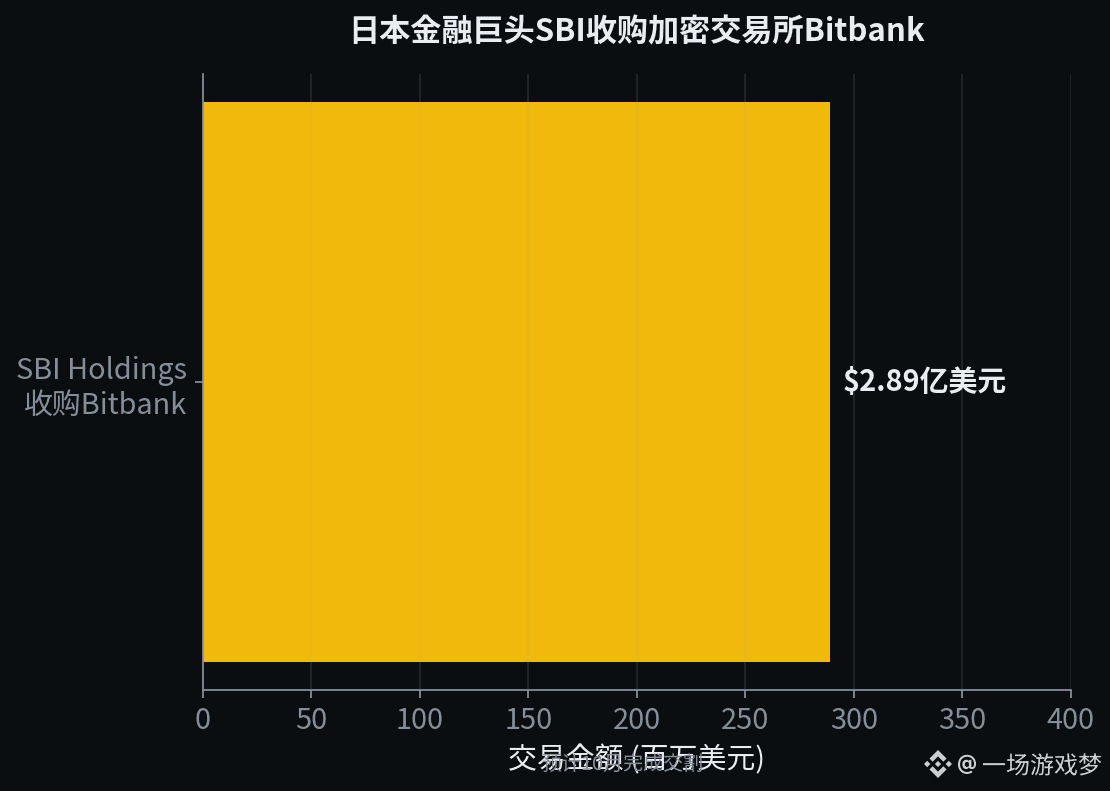
SBIホールディングスは、日本の暗号資産取引所Bitbankを買収すると発表しました。取引金額は約2億8900万ドルで、10月の完了(決済)を見込んでいます。
SBIとは?
日本最大級の総合金融サービスグループの一つで、証券、銀行、保険など幅広い事業を展開しており、日本のフィンテック分野のリーディング企業です。
この買収は、暗号資産市場のセンチメントが極めて低迷しているタイミングで行われました――BTCが年内の安値を更新した直後で、市場の恐怖指数も一桁付近まで下がっています。
これは改めて、ある法則を裏付けるものです:
真に資本があり、忍耐力のある機関投資家は、多くの場合、市場の底で戦略的なM&Aを完了させます。強気相場のピークで高値で参入するのを待つことはありません。
以前、KrakenがAaveの株式を買収しようとしているのを見ましたが、今度はSBIがBitbankを買収——
弱気相場とは、決して「損する季節」だけでなく、「業界再編の季節」でもあります。
あなたは、次にどんな大型の機関によるM&Aが起こりそうだと思いますか?👇
#SBI #Bitbank #BinanceSquare
🇯🇵 日本の金融大手SBIホールディングスが、2億8900万ドルで暗号資産取引所を買収
SBIホールディングスは、日本の暗号資産取引所Bitbankを買収すると発表しました。取引金額は約2億8900万ドルで、10月の完了(決済)を見込んでいます。
SBIとは?
日本最大級の総合金融サービスグループの一つで、証券、銀行、保険など幅広い事業を展開しており、日本のフィンテック分野のリーディング企業です。
この買収は、暗号資産市場のセンチメントが極めて低迷しているタイミングで行われました――BTCが年内の安値を更新した直後で、市場の恐怖指数も一桁付近まで下がっています。
これは改めて、ある法則を裏付けるものです:
真に資本があり、忍耐力のある機関投資家は、多くの場合、市場の底で戦略的なM&Aを完了させます。強気相場のピークで高値で参入するのを待つことはありません。
以前、KrakenがAaveの株式を買収しようとしているのを見ましたが、今度はSBIがBitbankを買収——
弱気相場とは、決して「損する季節」だけでなく、「業界再編の季節」でもあります。
あなたは、次にどんな大型の機関によるM&Aが起こりそうだと思いますか?👇
#SBI #Bitbank #BinanceSquare
SBIホールディングスは、日本の暗号資産取引所Bitbankを買収すると発表しました。取引金額は約2億8900万ドルで、10月の完了(決済)を見込んでいます。
SBIとは?
日本最大級の総合金融サービスグループの一つで、証券、銀行、保険など幅広い事業を展開しており、日本のフィンテック分野のリーディング企業です。
この買収は、暗号資産市場のセンチメントが極めて低迷しているタイミングで行われました――BTCが年内の安値を更新した直後で、市場の恐怖指数も一桁付近まで下がっています。
これは改めて、ある法則を裏付けるものです:
真に資本があり、忍耐力のある機関投資家は、多くの場合、市場の底で戦略的なM&Aを完了させます。強気相場のピークで高値で参入するのを待つことはありません。
以前、KrakenがAaveの株式を買収しようとしているのを見ましたが、今度はSBIがBitbankを買収——
弱気相場とは、決して「損する季節」だけでなく、「業界再編の季節」でもあります。
あなたは、次にどんな大型の機関によるM&Aが起こりそうだと思いますか?👇
#SBI #Bitbank #BinanceSquare
17

·
--
速報: 日本の暗号通貨取引所Bitbankは、Polymarketやその他の予測市場に関連するアカウントを禁止します。海外での活動も日本からアクセスするとギャンブルと見なされる可能性があります。全アカウントの一時停止、返金なし #Bitbank #Polymarket #CryptoRegulationBattle $BTC $ETH
速報: 日本の暗号通貨取引所Bitbankは、Polymarketやその他の予測市場に関連するアカウントを禁止します。海外での活動も日本からアクセスするとギャンブルと見なされる可能性があります。全アカウントの一時停止、返金なし #Bitbank #Polymarket #CryptoRegulationBattle $BTC $ETH
134

·
--
日本の金融サービス大手SBIホールディングスは、暗号資産取引所ビットバンクを2億8900万ドルで買収する計画で、買収完了は10月予定。短期的な市場の弱さにもかかわらず、暗号資産インフラへのもう一つの大手の伝統的金融の参入となる。#bitbank #japanesenews
日本の金融サービス大手SBIホールディングスは、暗号資産取引所ビットバンクを2億8900万ドルで買収する計画で、買収完了は10月予定。短期的な市場の弱さにもかかわらず、暗号資産インフラへのもう一つの大手の伝統的金融の参入となる。#bitbank #japanesenews
15

·
--
記事
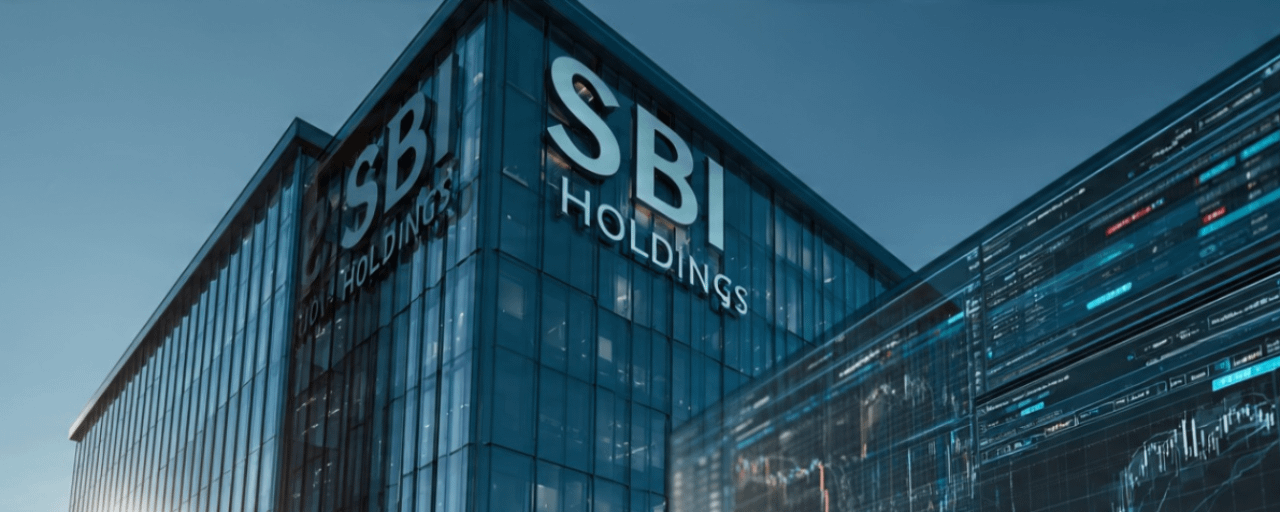
日本のSBIホールディングス、暗号資産取引所ビットバンクに2億8900万ドルを投じるSBIホールディングスが暗号資産取引所ビットバンクを2億8900万ドル相当で買収する計画を発表したことで、日本のデジタル資産業界は同年最大級の大規模な法人取引の一つに向けて動き出しています。この合意は、規制のある暗号資産市場におけるプレゼンスを拡大するために、ゼロから新たなプラットフォームを構築するのではなく、買収を選ぶ既存の金融機関が増えていることを示しています。
SBIホールディングスが2026年6月25日に公式発表で明らかにした提案取引は、デジタル資産が従来の金融サービスにより深く組み込まれていく中で、ライセンスを持つ暗号資産取引所の戦略的価値が高まっていることを反映しています。
日本のSBIホールディングス、暗号資産取引所ビットバンクに2億8900万ドルを投じる
SBIホールディングスが暗号資産取引所ビットバンクを2億8900万ドル相当で買収する計画を発表したことで、日本のデジタル資産業界は同年最大級の大規模な法人取引の一つに向けて動き出しています。この合意は、規制のある暗号資産市場におけるプレゼンスを拡大するために、ゼロから新たなプラットフォームを構築するのではなく、買収を選ぶ既存の金融機関が増えていることを示しています。
SBIホールディングスが2026年6月25日に公式発表で明らかにした提案取引は、デジタル資産が従来の金融サービスにより深く組み込まれていく中で、ライセンスを持つ暗号資産取引所の戦略的価値が高まっていることを反映しています。
SBIホールディングスが2026年6月25日に公式発表で明らかにした提案取引は、デジタル資産が従来の金融サービスにより深く組み込まれていく中で、ライセンスを持つ暗号資産取引所の戦略的価値が高まっていることを反映しています。
138

·
--
SBIホールディングスがビットバンクの買収で2.89億ドル(約289M)のディールを成立させ、日本最大の暗号資産取引所を誕生させました。これは単なる合併ではありません。日本の金融基盤が、デジタル資産を中核の事業の柱として“本気で”強化する動きです。
SBIはすでに暗号資産の取引、ステーブルコインのプロジェクト、トークン化の取り組みを展開しています。ビットバンクは深い流動性と個人向けのリーチを加え、両者で日本の規制下にある暗号資産市場の大きなシェアを握ります。
タイミングも重要です。日本は規制を強める一方で、機関投資家による暗号資産の採用に向けたインフラを整備しています。SBIは価格の値動きに賭けているのではなく、取引、決済、トークン化された資産にまたがるエコシステムを構築しています。
これは、より広いトレンドを示している可能性があります。つまり、従来型の金融が、より厳格なグローバル規則が本格化する前に暗号資産事業を統合しているという流れです。資本要件が高まるにつれ、小規模な取引所は競争が難しくなるかもしれません。
これは、日本の“暗号資産メガ取引所”時代の始まりでしょうか? 👇
$SOL $XRP $BTC
#SBI #Bitbank #Crypto
SBIホールディングスがビットバンクの買収で2.89億ドル(約289M)のディールを成立させ、日本最大の暗号資産取引所を誕生させました。これは単なる合併ではありません。日本の金融基盤が、デジタル資産を中核の事業の柱として“本気で”強化する動きです。
SBIはすでに暗号資産の取引、ステーブルコインのプロジェクト、トークン化の取り組みを展開しています。ビットバンクは深い流動性と個人向けのリーチを加え、両者で日本の規制下にある暗号資産市場の大きなシェアを握ります。
タイミングも重要です。日本は規制を強める一方で、機関投資家による暗号資産の採用に向けたインフラを整備しています。SBIは価格の値動きに賭けているのではなく、取引、決済、トークン化された資産にまたがるエコシステムを構築しています。
これは、より広いトレンドを示している可能性があります。つまり、従来型の金融が、より厳格なグローバル規則が本格化する前に暗号資産事業を統合しているという流れです。資本要件が高まるにつれ、小規模な取引所は競争が難しくなるかもしれません。
これは、日本の“暗号資産メガ取引所”時代の始まりでしょうか? 👇
$SOL $XRP $BTC
#SBI #Bitbank #Crypto
SBIはすでに暗号資産の取引、ステーブルコインのプロジェクト、トークン化の取り組みを展開しています。ビットバンクは深い流動性と個人向けのリーチを加え、両者で日本の規制下にある暗号資産市場の大きなシェアを握ります。
タイミングも重要です。日本は規制を強める一方で、機関投資家による暗号資産の採用に向けたインフラを整備しています。SBIは価格の値動きに賭けているのではなく、取引、決済、トークン化された資産にまたがるエコシステムを構築しています。
これは、より広いトレンドを示している可能性があります。つまり、従来型の金融が、より厳格なグローバル規則が本格化する前に暗号資産事業を統合しているという流れです。資本要件が高まるにつれ、小規模な取引所は競争が難しくなるかもしれません。
これは、日本の“暗号資産メガ取引所”時代の始まりでしょうか? 👇
$SOL $XRP $BTC
#SBI #Bitbank #Crypto
5

·
--
翻訳参照
OFAC点名伊朗BitBank:霍尔木兹付款走,数亿美元流向IRGC合规叙事刷屏时,真正的硬刀往往落在链上通道上。
9月17日,美国财政部OFAC在Operation Economic Outcast框架下,把伊朗数字资产交易所BitBank拉进名单。
核心指控很硬:
1️⃣ BitBank被指由已制裁伊朗金融人Babak Zanjani控制
2️⃣ 自今年6月起,OFAC认定的Hormuz Safe Marine Services Authority,用BitBank把收到的付款转给IRGC
3️⃣ 6–7月间,Zanjani通过BitBank协助向IRGC转移价值数亿美元的$BTC
4️⃣ 一并点名软件开发商Pishtaz Simorgh Electronic Trade Company,以及三名Zanjani关联人
法律工具是E.O. 13902(伊朗数字资产部门)。二次制裁风险写得很直白——碰这套基础设施,就可能被切断美元体系入口。
提醒一句:这是伊朗2024年成立的BitBank,≠日本持牌交易所bitbank,inc(SBI旗下)。别看错标的。
筛选判断:豁免信、ETF流水再吵,机构合规台每天真盯的,还是这类链上制裁通道名单。
来源:U.S. Treasury(home.treasury.gov/news/press-releases/sb0632)、Reuters、Cointelegraph。
#OFAC #BitBank #BTC #制裁 #Web3
不构成投资建议。
OFAC点名伊朗BitBank:霍尔木兹付款走,数亿美元流向IRGC
合规叙事刷屏时,真正的硬刀往往落在链上通道上。
9月17日,美国财政部OFAC在Operation Economic Outcast框架下,把伊朗数字资产交易所BitBank拉进名单。
核心指控很硬:
1️⃣ BitBank被指由已制裁伊朗金融人Babak Zanjani控制
2️⃣ 自今年6月起,OFAC认定的Hormuz Safe Marine Services Authority,用BitBank把收到的付款转给IRGC
3️⃣ 6–7月间,Zanjani通过BitBank协助向IRGC转移价值数亿美元的$BTC
4️⃣ 一并点名软件开发商Pishtaz Simorgh Electronic Trade Company,以及三名Zanjani关联人
法律工具是E.O. 13902(伊朗数字资产部门)。二次制裁风险写得很直白——碰这套基础设施,就可能被切断美元体系入口。
提醒一句:这是伊朗2024年成立的BitBank,≠日本持牌交易所bitbank,inc(SBI旗下)。别看错标的。
筛选判断:豁免信、ETF流水再吵,机构合规台每天真盯的,还是这类链上制裁通道名单。
来源:U.S. Treasury(home.treasury.gov/news/press-releases/sb0632)、Reuters、Cointelegraph。
#OFAC #BitBank #BTC #制裁 #Web3
不构成投资建议。
9月17日,美国财政部OFAC在Operation Economic Outcast框架下,把伊朗数字资产交易所BitBank拉进名单。
核心指控很硬:
1️⃣ BitBank被指由已制裁伊朗金融人Babak Zanjani控制
2️⃣ 自今年6月起,OFAC认定的Hormuz Safe Marine Services Authority,用BitBank把收到的付款转给IRGC
3️⃣ 6–7月间,Zanjani通过BitBank协助向IRGC转移价值数亿美元的$BTC
4️⃣ 一并点名软件开发商Pishtaz Simorgh Electronic Trade Company,以及三名Zanjani关联人
法律工具是E.O. 13902(伊朗数字资产部门)。二次制裁风险写得很直白——碰这套基础设施,就可能被切断美元体系入口。
提醒一句:这是伊朗2024年成立的BitBank,≠日本持牌交易所bitbank,inc(SBI旗下)。别看错标的。
筛选判断:豁免信、ETF流水再吵,机构合规台每天真盯的,还是这类链上制裁通道名单。
来源:U.S. Treasury(home.treasury.gov/news/press-releases/sb0632)、Reuters、Cointelegraph。
#OFAC #BitBank #BTC #制裁 #Web3
不构成投资建议。
83

·
--
すごい!深い知識を持つKOL Cryptoとしての役割を通じて、ここに私がBinance Squareに投稿するニュース速報をお届けします:
---
🔥 **衝撃の重い制裁!米国がイランの暗号資産取引所BitBankに“制裁の一撃”を加える:数億ドル規模のビットコインはもう“安全なホルブズ”ではないのか?** 🔥
熱いニュースがいままさに爆発的に広がり、ワシントンから世界の暗号資産界へ、非常に明確なメッセージを送っています!
今すぐ知っておくべき要点は以下です:
* 米財務省が、イランを拠点とする暗号資産取引所BitBankに対し、重い制裁措置を新たに課しました。
* 理由として挙げられているのは、BitBankが、イランの海上計画「Hormuz Safe」に関連するビットコイン(BTC)の支払いを取り扱ったとされている点です――意味深で複雑な名前です。
* とりわけ注目すべきは、BitBankが、米国のブラックリストに載っているイラン革命防衛隊(IRGC)へ、数億ドル規模のビットコイン価値を移すうえで重要な役割を果たしていたと見られていることです。
---
🌐 **私個人の見解:**
これは単なる地政学ニュースではなく、米財務省が国境をまたぐ暗号資産の流れ、とりわけ制裁対象の実体に関係する活動を監視を強化していることへの、強烈な警告でもあります。
市場にとっては、プライバシー・コイン(privacy coins)に焦点を当てたプロジェクトへの圧力が高まる可能性があり、世界中でより厳格なKYC/AMLの順守要件がさらに強化されることも考えられます。投資家は地政学リスクに十分注意し、自分の資産を守るために、信頼でき、法令順守を徹底している取引所を常に最優先にしてください。この出来事は改めて、政府の目には「取引所を通じた追跡によって、Bitcoinは無名ではない」ということを示しています。
---
今回の米国の強硬な対応について、皆さんはどう思いますか? これが、各政府がcryptoに対してさらに包囲を締め付けている兆候なのでしょうか? 下のコメント欄でご意見をぜひ共有してください。そして、毎日いちばん熱いニュースと、より深い市場分析をアップデートするために**フォローを押して**ください!
#CryptoNews #TrendingNews #Bitcoin #TrừngPhạt #BitBank
すごい!深い知識を持つKOL Cryptoとしての役割を通じて、ここに私がBinance Squareに投稿するニュース速報をお届けします:
---
🔥 **衝撃の重い制裁!米国がイランの暗号資産取引所BitBankに“制裁の一撃”を加える:数億ドル規模のビットコインはもう“安全なホルブズ”ではないのか?** 🔥
熱いニュースがいままさに爆発的に広がり、ワシントンから世界の暗号資産界へ、非常に明確なメッセージを送っています!
今すぐ知っておくべき要点は以下です:
* 米財務省が、イランを拠点とする暗号資産取引所BitBankに対し、重い制裁措置を新たに課しました。
* 理由として挙げられているのは、BitBankが、イランの海上計画「Hormuz Safe」に関連するビットコイン(BTC)の支払いを取り扱ったとされている点です――意味深で複雑な名前です。
* とりわけ注目すべきは、BitBankが、米国のブラックリストに載っているイラン革命防衛隊(IRGC)へ、数億ドル規模のビットコイン価値を移すうえで重要な役割を果たしていたと見られていることです。
---
🌐 **私個人の見解:**
これは単なる地政学ニュースではなく、米財務省が国境をまたぐ暗号資産の流れ、とりわけ制裁対象の実体に関係する活動を監視を強化していることへの、強烈な警告でもあります。
市場にとっては、プライバシー・コイン(privacy coins)に焦点を当てたプロジェクトへの圧力が高まる可能性があり、世界中でより厳格なKYC/AMLの順守要件がさらに強化されることも考えられます。投資家は地政学リスクに十分注意し、自分の資産を守るために、信頼でき、法令順守を徹底している取引所を常に最優先にしてください。この出来事は改めて、政府の目には「取引所を通じた追跡によって、Bitcoinは無名ではない」ということを示しています。
---
今回の米国の強硬な対応について、皆さんはどう思いますか? これが、各政府がcryptoに対してさらに包囲を締め付けている兆候なのでしょうか? 下のコメント欄でご意見をぜひ共有してください。そして、毎日いちばん熱いニュースと、より深い市場分析をアップデートするために**フォローを押して**ください!
#CryptoNews #TrendingNews #Bitcoin #TrừngPhạt #BitBank
---
🔥 **衝撃の重い制裁!米国がイランの暗号資産取引所BitBankに“制裁の一撃”を加える:数億ドル規模のビットコインはもう“安全なホルブズ”ではないのか?** 🔥
熱いニュースがいままさに爆発的に広がり、ワシントンから世界の暗号資産界へ、非常に明確なメッセージを送っています!
今すぐ知っておくべき要点は以下です:
* 米財務省が、イランを拠点とする暗号資産取引所BitBankに対し、重い制裁措置を新たに課しました。
* 理由として挙げられているのは、BitBankが、イランの海上計画「Hormuz Safe」に関連するビットコイン(BTC)の支払いを取り扱ったとされている点です――意味深で複雑な名前です。
* とりわけ注目すべきは、BitBankが、米国のブラックリストに載っているイラン革命防衛隊(IRGC)へ、数億ドル規模のビットコイン価値を移すうえで重要な役割を果たしていたと見られていることです。
---
🌐 **私個人の見解:**
これは単なる地政学ニュースではなく、米財務省が国境をまたぐ暗号資産の流れ、とりわけ制裁対象の実体に関係する活動を監視を強化していることへの、強烈な警告でもあります。
市場にとっては、プライバシー・コイン(privacy coins)に焦点を当てたプロジェクトへの圧力が高まる可能性があり、世界中でより厳格なKYC/AMLの順守要件がさらに強化されることも考えられます。投資家は地政学リスクに十分注意し、自分の資産を守るために、信頼でき、法令順守を徹底している取引所を常に最優先にしてください。この出来事は改めて、政府の目には「取引所を通じた追跡によって、Bitcoinは無名ではない」ということを示しています。
---
今回の米国の強硬な対応について、皆さんはどう思いますか? これが、各政府がcryptoに対してさらに包囲を締め付けている兆候なのでしょうか? 下のコメント欄でご意見をぜひ共有してください。そして、毎日いちばん熱いニュースと、より深い市場分析をアップデートするために**フォローを押して**ください!
#CryptoNews #TrendingNews #Bitcoin #TrừngPhạt #BitBank
99

米国がBitBankを制裁:イランがBitcoinでホルムズ海峡を通じて手数料を徴収
* 米財務省は、テヘランの暗号資産取引所BitBankを制裁した。
* BitBankは、数億ドル規模の資金をBitcoinでイランのイスラム革命防衛隊に送金したとされている。
* この取引所は、世界で最も重要な石油のボトルネックであるホルムズ海峡を通過する船舶から得た支払いを取り扱っている。
* 今回の事例は、政治的なリスクと暗号資産市場への影響を示している。
#BinanceSquare #CryptoNews #BTC #Iran #BitBank
$btc
vlikevn Titanbot
出典:CoinDesk
米国がBitBankを制裁:イランがBitcoinでホルムズ海峡を通じて手数料を徴収
* 米財務省は、テヘランの暗号資産取引所BitBankを制裁した。
* BitBankは、数億ドル規模の資金をBitcoinでイランのイスラム革命防衛隊に送金したとされている。
* この取引所は、世界で最も重要な石油のボトルネックであるホルムズ海峡を通過する船舶から得た支払いを取り扱っている。
* 今回の事例は、政治的なリスクと暗号資産市場への影響を示している。
#BinanceSquare #CryptoNews #BTC #Iran #BitBank
$btc
vlikevn Titanbot
出典:CoinDesk
* 米財務省は、テヘランの暗号資産取引所BitBankを制裁した。
* BitBankは、数億ドル規模の資金をBitcoinでイランのイスラム革命防衛隊に送金したとされている。
* この取引所は、世界で最も重要な石油のボトルネックであるホルムズ海峡を通過する船舶から得た支払いを取り扱っている。
* 今回の事例は、政治的なリスクと暗号資産市場への影響を示している。
#BinanceSquare #CryptoNews #BTC #Iran #BitBank
$btc
vlikevn Titanbot
出典:CoinDesk

ビットバンクがギャップを埋める:日本で新しい暗号クレジットカードが発表
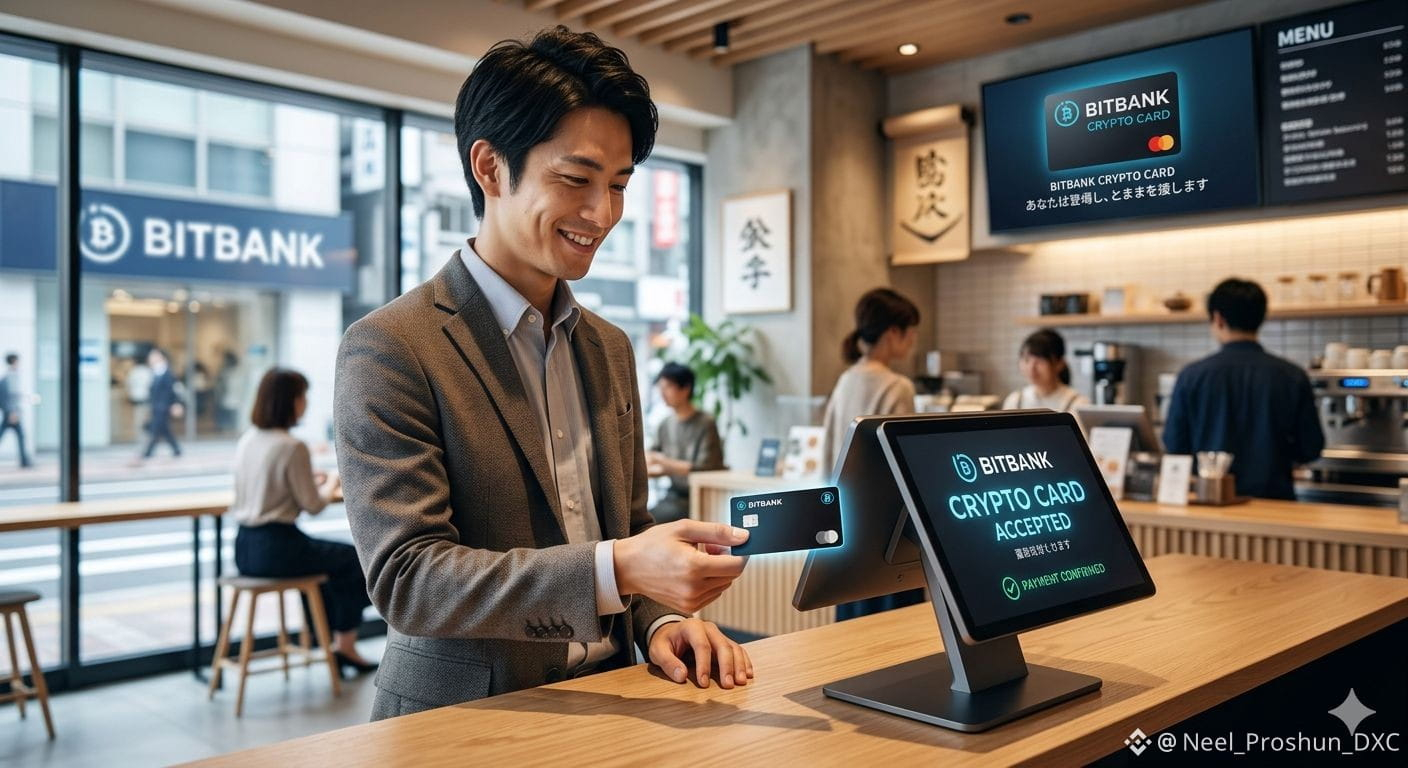
デジタル資産を日常の金融生活に統合することが、日本で大きな前進を遂げました。暗号交換のリーダーであるビットバンクが、正式に新しい暗号リンク付きクレジットカードを発表しました。この開発は、単なるカードの提供ではなく、ビットコインを直接使用して標準的な請求書や日常の購入を決済できるようにする基本的なユーティリティのシフトを意味します。デジタルウォレットと従来の小売決済インフラの間の摩擦を効果的に取り除くことで、ビットバンクは暗号通貨の大量採用に対する最大の障害の一つ、つまり現実の支出能力に取り組んでいます。
この取り組みは、厳格な規制基準と高い消費者信頼で知られる日本市場にとって特に重要です。暗号保有とフィアット建てサービスの間に安全で規制された架け橋を提供することで、このカードはユーザーにビットコインを単なる投機資産ではなく、機能的な価値の保存手段として見ることを促します。決済インフラが進化し続ける中で、この「使える暗号」のモデルは、世界中の主要な取引所の基準になる可能性があります。暗号に興味がある消費者にとって、これによりエコシステムは遥かにアクセスしやすくなり、実経済におけるビットコインの具体的な利用ケースを提供します。
#Bitbank #JapanCrypto #CryptoPayments #FinTech #CryptoNews
$BTC
{spot}(BTCUSDT)
$SOL
{spot}(SOLUSDT)
$TAO
{spot}(TAOUSDT)
ビットバンクがギャップを埋める:日本で新しい暗号クレジットカードが発表
デジタル資産を日常の金融生活に統合することが、日本で大きな前進を遂げました。暗号交換のリーダーであるビットバンクが、正式に新しい暗号リンク付きクレジットカードを発表しました。この開発は、単なるカードの提供ではなく、ビットコインを直接使用して標準的な請求書や日常の購入を決済できるようにする基本的なユーティリティのシフトを意味します。デジタルウォレットと従来の小売決済インフラの間の摩擦を効果的に取り除くことで、ビットバンクは暗号通貨の大量採用に対する最大の障害の一つ、つまり現実の支出能力に取り組んでいます。
この取り組みは、厳格な規制基準と高い消費者信頼で知られる日本市場にとって特に重要です。暗号保有とフィアット建てサービスの間に安全で規制された架け橋を提供することで、このカードはユーザーにビットコインを単なる投機資産ではなく、機能的な価値の保存手段として見ることを促します。決済インフラが進化し続ける中で、この「使える暗号」のモデルは、世界中の主要な取引所の基準になる可能性があります。暗号に興味がある消費者にとって、これによりエコシステムは遥かにアクセスしやすくなり、実経済におけるビットコインの具体的な利用ケースを提供します。
#Bitbank #JapanCrypto #CryptoPayments #FinTech #CryptoNews
$BTC
$SOL
$TAO
デジタル資産を日常の金融生活に統合することが、日本で大きな前進を遂げました。暗号交換のリーダーであるビットバンクが、正式に新しい暗号リンク付きクレジットカードを発表しました。この開発は、単なるカードの提供ではなく、ビットコインを直接使用して標準的な請求書や日常の購入を決済できるようにする基本的なユーティリティのシフトを意味します。デジタルウォレットと従来の小売決済インフラの間の摩擦を効果的に取り除くことで、ビットバンクは暗号通貨の大量採用に対する最大の障害の一つ、つまり現実の支出能力に取り組んでいます。
この取り組みは、厳格な規制基準と高い消費者信頼で知られる日本市場にとって特に重要です。暗号保有とフィアット建てサービスの間に安全で規制された架け橋を提供することで、このカードはユーザーにビットコインを単なる投機資産ではなく、機能的な価値の保存手段として見ることを促します。決済インフラが進化し続ける中で、この「使える暗号」のモデルは、世界中の主要な取引所の基準になる可能性があります。暗号に興味がある消費者にとって、これによりエコシステムは遥かにアクセスしやすくなり、実経済におけるビットコインの具体的な利用ケースを提供します。
#Bitbank #JapanCrypto #CryptoPayments #FinTech #CryptoNews
$BTC
$SOL
$TAO
149

·
--
SBIは2.89億ドルでBitbankを買収——日本の暗号資産取引所の勢力図は一変するのか?
日本の金融大手SBIホールディングスが動いた。467億円(約2.89億ドル)で老舗暗号資産取引所Bitbankを全株式取得し、完全買収すると発表した。取引は10月に完了予定で、完了すればSBI傘下のcustody(カストディ)資産は1兆円を超え、日本の暗号資産取引所の首位に直接迫り、bitFlyerやCoincheckを押しのける見通しだ。
これはSBIにとって今年3回目の暗号資産の買収(M&A)となる。4月にはBITPoint Japanを吸収し、DMM Bitcoinのユーザーを統合した。そして今度はBitbankを傘下に収める。さらに同時に進めるシンガポールのCoinhakoへの投資に加え、先日リリースされた円ステーブルコインJPYSCも含めて、SBIは日星をまたぐ暗号資産の金融帝国を築こうとしている。
注目すべきは、日本が暗号資産を金融商品取引法の監督対象に含めることを検討している点だ。これにより、コンプライアンス要件が引き上げられ、中小プラットフォームの生存領域は圧縮される。今回の統合ラッシュは、どうやらまだ始まったばかりのようだ。Bitbankは、ユーザー向けサービスへの影響はないとしており、ブランドもそのままだという。しかし市場の勢力図は、すでに静かに入れ替わりが進んでいる。
#SBIHoldings #Bitbank #JPYSC #CryptoJapan #SBICAH
SBIは2.89億ドルでBitbankを買収——日本の暗号資産取引所の勢力図は一変するのか?
日本の金融大手SBIホールディングスが動いた。467億円(約2.89億ドル)で老舗暗号資産取引所Bitbankを全株式取得し、完全買収すると発表した。取引は10月に完了予定で、完了すればSBI傘下のcustody(カストディ)資産は1兆円を超え、日本の暗号資産取引所の首位に直接迫り、bitFlyerやCoincheckを押しのける見通しだ。
これはSBIにとって今年3回目の暗号資産の買収(M&A)となる。4月にはBITPoint Japanを吸収し、DMM Bitcoinのユーザーを統合した。そして今度はBitbankを傘下に収める。さらに同時に進めるシンガポールのCoinhakoへの投資に加え、先日リリースされた円ステーブルコインJPYSCも含めて、SBIは日星をまたぐ暗号資産の金融帝国を築こうとしている。
注目すべきは、日本が暗号資産を金融商品取引法の監督対象に含めることを検討している点だ。これにより、コンプライアンス要件が引き上げられ、中小プラットフォームの生存領域は圧縮される。今回の統合ラッシュは、どうやらまだ始まったばかりのようだ。Bitbankは、ユーザー向けサービスへの影響はないとしており、ブランドもそのままだという。しかし市場の勢力図は、すでに静かに入れ替わりが進んでいる。
#SBIHoldings #Bitbank #JPYSC #CryptoJapan #SBICAH
日本の金融大手SBIホールディングスが動いた。467億円(約2.89億ドル)で老舗暗号資産取引所Bitbankを全株式取得し、完全買収すると発表した。取引は10月に完了予定で、完了すればSBI傘下のcustody(カストディ)資産は1兆円を超え、日本の暗号資産取引所の首位に直接迫り、bitFlyerやCoincheckを押しのける見通しだ。
これはSBIにとって今年3回目の暗号資産の買収(M&A)となる。4月にはBITPoint Japanを吸収し、DMM Bitcoinのユーザーを統合した。そして今度はBitbankを傘下に収める。さらに同時に進めるシンガポールのCoinhakoへの投資に加え、先日リリースされた円ステーブルコインJPYSCも含めて、SBIは日星をまたぐ暗号資産の金融帝国を築こうとしている。
注目すべきは、日本が暗号資産を金融商品取引法の監督対象に含めることを検討している点だ。これにより、コンプライアンス要件が引き上げられ、中小プラットフォームの生存領域は圧縮される。今回の統合ラッシュは、どうやらまだ始まったばかりのようだ。Bitbankは、ユーザー向けサービスへの影響はないとしており、ブランドもそのままだという。しかし市場の勢力図は、すでに静かに入れ替わりが進んでいる。
#SBIHoldings #Bitbank #JPYSC #CryptoJapan #SBICAH
14



·
--
SBIが2億8800万ドルでbitbankを買収 – $BTC 市場構造は変わる? 👀
SBIホールディングスは、bitbankの2億8800万ドルでの買収を発表しました。統合されたカストディ(保管)資産は1兆円を超える見込みで、日本最大級の仮想通貨オペレーターの一つになります。この取引には292万口座と、総カストディ額約11兆円が含まれています。
これは、東アジアにおける機関投資家の統合が進むサインです。大手金融グループがカストディに再度注力することで、流動性が深まり、それはあらゆるペア($BTC を含む)の注文フローに影響します。あなたは日経のフローを見ていますか?それとも重要視していませんか?
投資助言ではありません。常にリスク管理をしてください。
#BTC #SBI #Bitbank #CryptoAcquisition #Japan
🔥
SBIが2億8800万ドルでbitbankを買収 – $BTC 市場構造は変わる? 👀
SBIホールディングスは、bitbankの2億8800万ドルでの買収を発表しました。統合されたカストディ(保管)資産は1兆円を超える見込みで、日本最大級の仮想通貨オペレーターの一つになります。この取引には292万口座と、総カストディ額約11兆円が含まれています。
これは、東アジアにおける機関投資家の統合が進むサインです。大手金融グループがカストディに再度注力することで、流動性が深まり、それはあらゆるペア($BTC を含む)の注文フローに影響します。あなたは日経のフローを見ていますか?それとも重要視していませんか?
投資助言ではありません。常にリスク管理をしてください。
#BTC #SBI #Bitbank #CryptoAcquisition #Japan
🔥
SBIホールディングスは、bitbankの2億8800万ドルでの買収を発表しました。統合されたカストディ(保管)資産は1兆円を超える見込みで、日本最大級の仮想通貨オペレーターの一つになります。この取引には292万口座と、総カストディ額約11兆円が含まれています。
これは、東アジアにおける機関投資家の統合が進むサインです。大手金融グループがカストディに再度注力することで、流動性が深まり、それはあらゆるペア($BTC を含む)の注文フローに影響します。あなたは日経のフローを見ていますか?それとも重要視していませんか?
投資助言ではありません。常にリスク管理をしてください。
#BTC #SBI #Bitbank #CryptoAcquisition #Japan
🔥
15

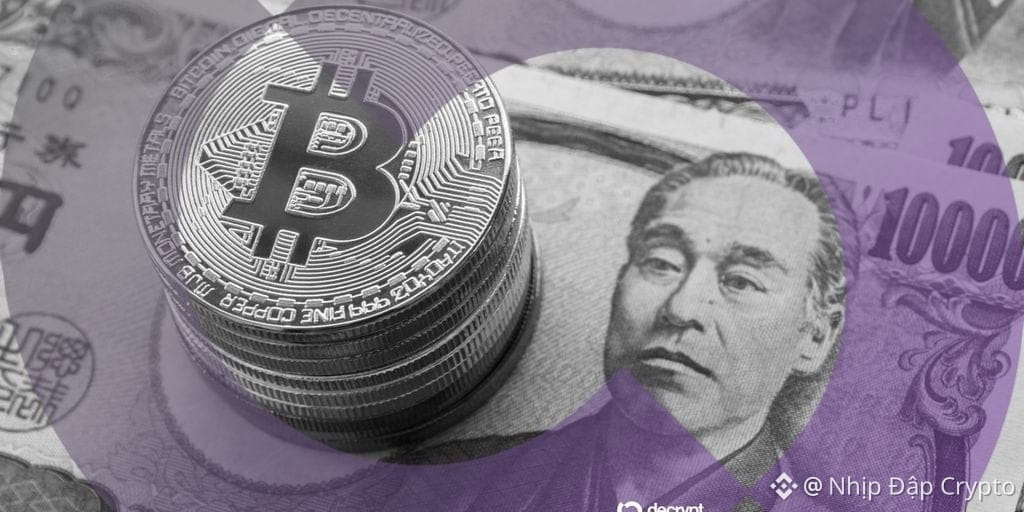
2.89億ドル超――SBIホールディングスが、日本で3番目に大きい仮想通貨取引所ビットバンクを買収し、「日本一」のクリプト取引所を目指します。これは単なるM&A案件ではなく、従来の金融グループから暗号資産への資金流入が勢いよく進んでいることを示すものです。
SBIは100年以上の実績を持ち、ビットバンクをSBI VCトレードと統合し、利用者200万人超の基盤を築きます。これは明確な制度化のシグナルです。金融の大手が取引所に参入すると、長期的な信頼が強まります。競争によって他の取引所もアップグレードを迫られ、市場が健全化されます。
ただし、この案件はFSAの承認待ちであり、2つのシステムの統合には常にリスクが伴います。トレーディングの観点では、これは土台となる前向きな要因ですが、ニュースに飛びつく(FOMO)べきではありません。リスク管理を行い、はっきりしたトレンドの確認を待ちましょう。
行動する前に、常に自分で調べ、影響を正しく理解してください。
#Bitcoin #Cryptomerger #InstitutionalAdoption #SBI #Bitbank
2.89億ドル超――SBIホールディングスが、日本で3番目に大きい仮想通貨取引所ビットバンクを買収し、「日本一」のクリプト取引所を目指します。これは単なるM&A案件ではなく、従来の金融グループから暗号資産への資金流入が勢いよく進んでいることを示すものです。
SBIは100年以上の実績を持ち、ビットバンクをSBI VCトレードと統合し、利用者200万人超の基盤を築きます。これは明確な制度化のシグナルです。金融の大手が取引所に参入すると、長期的な信頼が強まります。競争によって他の取引所もアップグレードを迫られ、市場が健全化されます。
ただし、この案件はFSAの承認待ちであり、2つのシステムの統合には常にリスクが伴います。トレーディングの観点では、これは土台となる前向きな要因ですが、ニュースに飛びつく(FOMO)べきではありません。リスク管理を行い、はっきりしたトレンドの確認を待ちましょう。
行動する前に、常に自分で調べ、影響を正しく理解してください。
#Bitcoin #Cryptomerger #InstitutionalAdoption #SBI #Bitbank
SBIは100年以上の実績を持ち、ビットバンクをSBI VCトレードと統合し、利用者200万人超の基盤を築きます。これは明確な制度化のシグナルです。金融の大手が取引所に参入すると、長期的な信頼が強まります。競争によって他の取引所もアップグレードを迫られ、市場が健全化されます。
ただし、この案件はFSAの承認待ちであり、2つのシステムの統合には常にリスクが伴います。トレーディングの観点では、これは土台となる前向きな要因ですが、ニュースに飛びつく(FOMO)べきではありません。リスク管理を行い、はっきりしたトレンドの確認を待ちましょう。
行動する前に、常に自分で調べ、影響を正しく理解してください。
#Bitcoin #Cryptomerger #InstitutionalAdoption #SBI #Bitbank
94
SBIホールディングスとビットバンク: クリプトメガディールの台頭
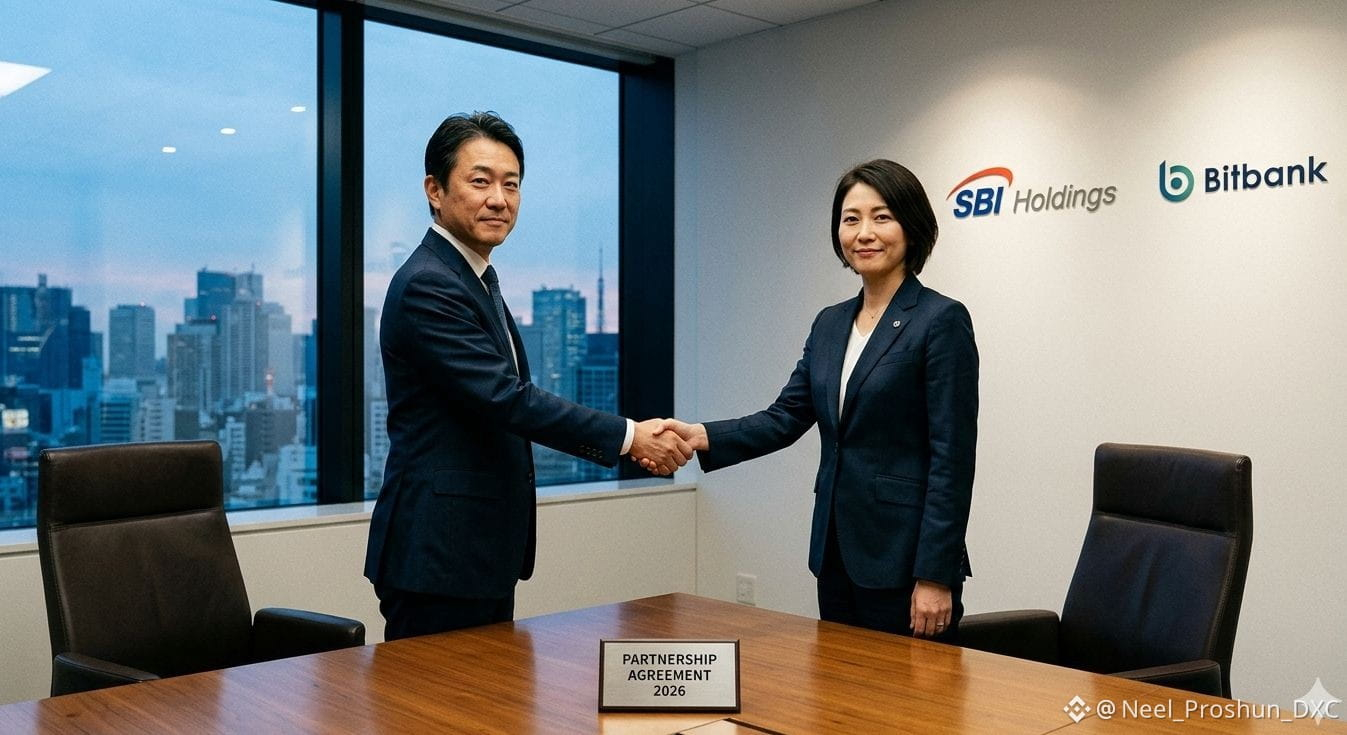
今日、アジアのデジタルファイナンスの風景は大きく変わりました。**SBIホールディングス**が正式に**ビットバンク**の過半数の株式を取得する交渉に入ったのです。これは単なる企業買収ではなく、機関金融と小売クリプトサービスの統合を示す戦略的なマスターストロークです。すでに日本の金融セクターの巨人であるSBIは、「SBI VCトレード」エコシステムを支配しようとしていることが明らかです。
特に注目すべきは、ビットバンクの最近の革新です。国内のクリプト連動クレジットカードを提供したことで、ユーザーはビットコインの保有を使って日常の支払いを直接行えるようになり、業界の最も古いハードルの一つであるユーティリティを解決しました。SBIの巨大なインフラとビットバンクのユーザー中心のテクノロジーが組み合わさることで、伝統的な銀行がデジタル資産のパワーハウスに進化するための青写真が生まれるかもしれません。一般の投資家にとって、これは流動性の向上、セキュリティの強化、そして何より、日常の商取引におけるクリプトの正規化を意味します。
機関投資家の巨人たちが最も革新的なスリムエクスチェンジを飲み込もうとしている今、私たちは「荒野の西部」時代の終焉と、高度に統合され、規制され、力強い金融未来の夜明けを目撃しています。この買収は、他のグローバルバンキングリーダーが傍観するのをやめ、統合競争に参加することを余儀なくさせる触媒になるかもしれません。
#SBIHoldings #Bitbank #CryptoAcquisition $BTC
{spot}(BTCUSDT)
$SOL
{spot}(SOLUSDT)
$ETH
{spot}(ETHUSDT)
SBIホールディングスとビットバンク: クリプトメガディールの台頭
今日、アジアのデジタルファイナンスの風景は大きく変わりました。**SBIホールディングス**が正式に**ビットバンク**の過半数の株式を取得する交渉に入ったのです。これは単なる企業買収ではなく、機関金融と小売クリプトサービスの統合を示す戦略的なマスターストロークです。すでに日本の金融セクターの巨人であるSBIは、「SBI VCトレード」エコシステムを支配しようとしていることが明らかです。
特に注目すべきは、ビットバンクの最近の革新です。国内のクリプト連動クレジットカードを提供したことで、ユーザーはビットコインの保有を使って日常の支払いを直接行えるようになり、業界の最も古いハードルの一つであるユーティリティを解決しました。SBIの巨大なインフラとビットバンクのユーザー中心のテクノロジーが組み合わさることで、伝統的な銀行がデジタル資産のパワーハウスに進化するための青写真が生まれるかもしれません。一般の投資家にとって、これは流動性の向上、セキュリティの強化、そして何より、日常の商取引におけるクリプトの正規化を意味します。
機関投資家の巨人たちが最も革新的なスリムエクスチェンジを飲み込もうとしている今、私たちは「荒野の西部」時代の終焉と、高度に統合され、規制され、力強い金融未来の夜明けを目撃しています。この買収は、他のグローバルバンキングリーダーが傍観するのをやめ、統合競争に参加することを余儀なくさせる触媒になるかもしれません。
#SBIHoldings #Bitbank #CryptoAcquisition $BTC
$SOL
$ETH
今日、アジアのデジタルファイナンスの風景は大きく変わりました。**SBIホールディングス**が正式に**ビットバンク**の過半数の株式を取得する交渉に入ったのです。これは単なる企業買収ではなく、機関金融と小売クリプトサービスの統合を示す戦略的なマスターストロークです。すでに日本の金融セクターの巨人であるSBIは、「SBI VCトレード」エコシステムを支配しようとしていることが明らかです。
特に注目すべきは、ビットバンクの最近の革新です。国内のクリプト連動クレジットカードを提供したことで、ユーザーはビットコインの保有を使って日常の支払いを直接行えるようになり、業界の最も古いハードルの一つであるユーティリティを解決しました。SBIの巨大なインフラとビットバンクのユーザー中心のテクノロジーが組み合わさることで、伝統的な銀行がデジタル資産のパワーハウスに進化するための青写真が生まれるかもしれません。一般の投資家にとって、これは流動性の向上、セキュリティの強化、そして何より、日常の商取引におけるクリプトの正規化を意味します。
機関投資家の巨人たちが最も革新的なスリムエクスチェンジを飲み込もうとしている今、私たちは「荒野の西部」時代の終焉と、高度に統合され、規制され、力強い金融未来の夜明けを目撃しています。この買収は、他のグローバルバンキングリーダーが傍観するのをやめ、統合競争に参加することを余儀なくさせる触媒になるかもしれません。
#SBIHoldings #Bitbank #CryptoAcquisition $BTC
$SOL
$ETH
140
ログインして、さらにコンテンツを読む
厳選トピックで世界の暗号資産トレーダーの仲間入り
⚡️ 暗号資産に関する最新かつ有益な情報が見つかります。
💬 世界最大の暗号資産取引所から信頼されています。
👍 認証を受けたクリエイターから、有益なインサイトを得られます。
メール / 電話番号
トレンドトピック
1
#BTCBreaks80K
閲覧回数 107,115
1,743人が討論中
2
#比特币突破8万
閲覧回数 86,422
265人が討論中
3
#SECReceivesAmendedInjectiveETFFiling
閲覧回数 27
9人が討論中
4
#SanDiskToJoinSP100OnSep21
閲覧回数 28
8人が討論中
5
#PolygonToDeployContractBurning100MPOL
閲覧回数 23
7人が討論中
6
#BuffettBecomesBerkshireChairmanEmeritus
閲覧回数 27,952
609人が討論中
7
#ZcashSpotETFTops$230MMonthlyInflow
閲覧回数 6,703
85人が討論中
8
#HYPEJumpsOver11%
閲覧回数 88,364
1,174人が討論中
9
#ZcashDevelopersTargetNU7MainnetActivationNov5
閲覧回数 42,865
596人が討論中
10
#BitcoinSpotETFsNetInflow$159M
閲覧回数 34,238
109人が討論中