

Neel_Proshun_DXC
8.1k 投稿

Neel_Proshun_DXC
報告
ユーザーをブロック
Binance Square Content Creator | Crypto Lover | Learning Trading | Friendly | Altcoins | X- @Neel_Proshun
447 フォロー
19.2K+ フォロワー
6.5K+ いいね
投稿
すべて
引用
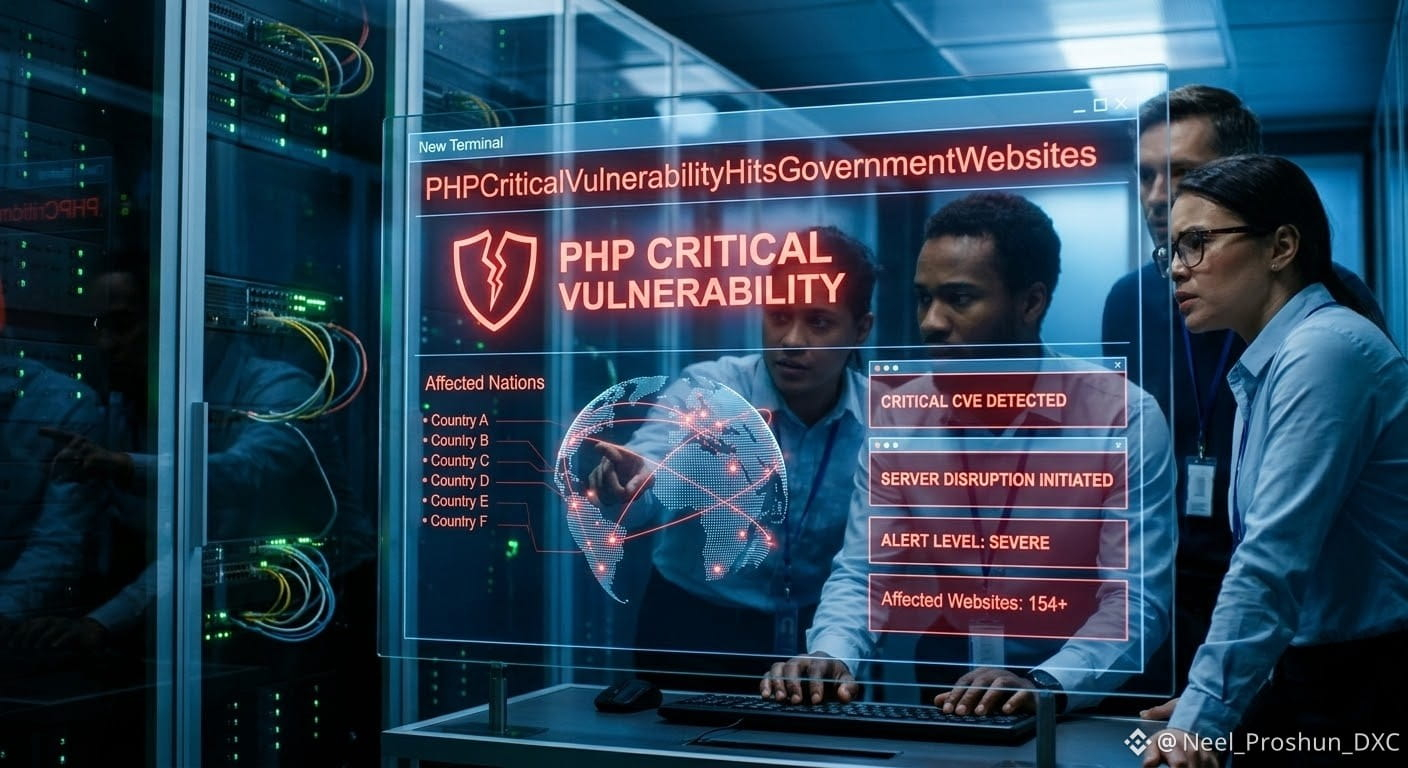
🚨 世界規模のサイバー警報:PHPの重大な脆弱性が政府インフラに影響
複数の国にわたる政府機関のウェブサイトや公共ポータルに影響する、PHPの深刻な脆弱性が発見され、サイバーセキュリティの専門家は早急な対応を呼びかけています。🌐🔒
#PHPCriticalVulnerabilityHitsGovernmentWebsites
このセキュリティ上の欠陥により、重要な公共サービスに支障が生じています。また、重要なインターネットインフラのセキュリティと、レガシーコードベースへの依存をめぐる深刻な議論が再燃しています。さらなる攻撃を防ぐため、世界中のシステム管理者や開発者に対し、サーバーへ直ちに修正プログラムを適用するよう呼びかけています。
⚠️ 開発者・管理者の皆さんへ:インフラを安全に保つため、今日中にサーバーの修正プログラムを再確認してください!
#CyberSecurity #PHP #technews
🚨 世界規模のサイバー警報:PHPの重大な脆弱性が政府インフラに影響
複数の国にわたる政府機関のウェブサイトや公共ポータルに影響する、PHPの深刻な脆弱性が発見され、サイバーセキュリティの専門家は早急な対応を呼びかけています。🌐🔒
#PHPCriticalVulnerabilityHitsGovernmentWebsites
このセキュリティ上の欠陥により、重要な公共サービスに支障が生じています。また、重要なインターネットインフラのセキュリティと、レガシーコードベースへの依存をめぐる深刻な議論が再燃しています。さらなる攻撃を防ぐため、世界中のシステム管理者や開発者に対し、サーバーへ直ちに修正プログラムを適用するよう呼びかけています。
⚠️ 開発者・管理者の皆さんへ:インフラを安全に保つため、今日中にサーバーの修正プログラムを再確認してください!
#CyberSecurity #PHP #technews
複数の国にわたる政府機関のウェブサイトや公共ポータルに影響する、PHPの深刻な脆弱性が発見され、サイバーセキュリティの専門家は早急な対応を呼びかけています。🌐🔒
#PHPCriticalVulnerabilityHitsGovernmentWebsites
このセキュリティ上の欠陥により、重要な公共サービスに支障が生じています。また、重要なインターネットインフラのセキュリティと、レガシーコードベースへの依存をめぐる深刻な議論が再燃しています。さらなる攻撃を防ぐため、世界中のシステム管理者や開発者に対し、サーバーへ直ちに修正プログラムを適用するよう呼びかけています。
⚠️ 開発者・管理者の皆さんへ:インフラを安全に保つため、今日中にサーバーの修正プログラムを再確認してください!
#CyberSecurity #PHP #technews
146
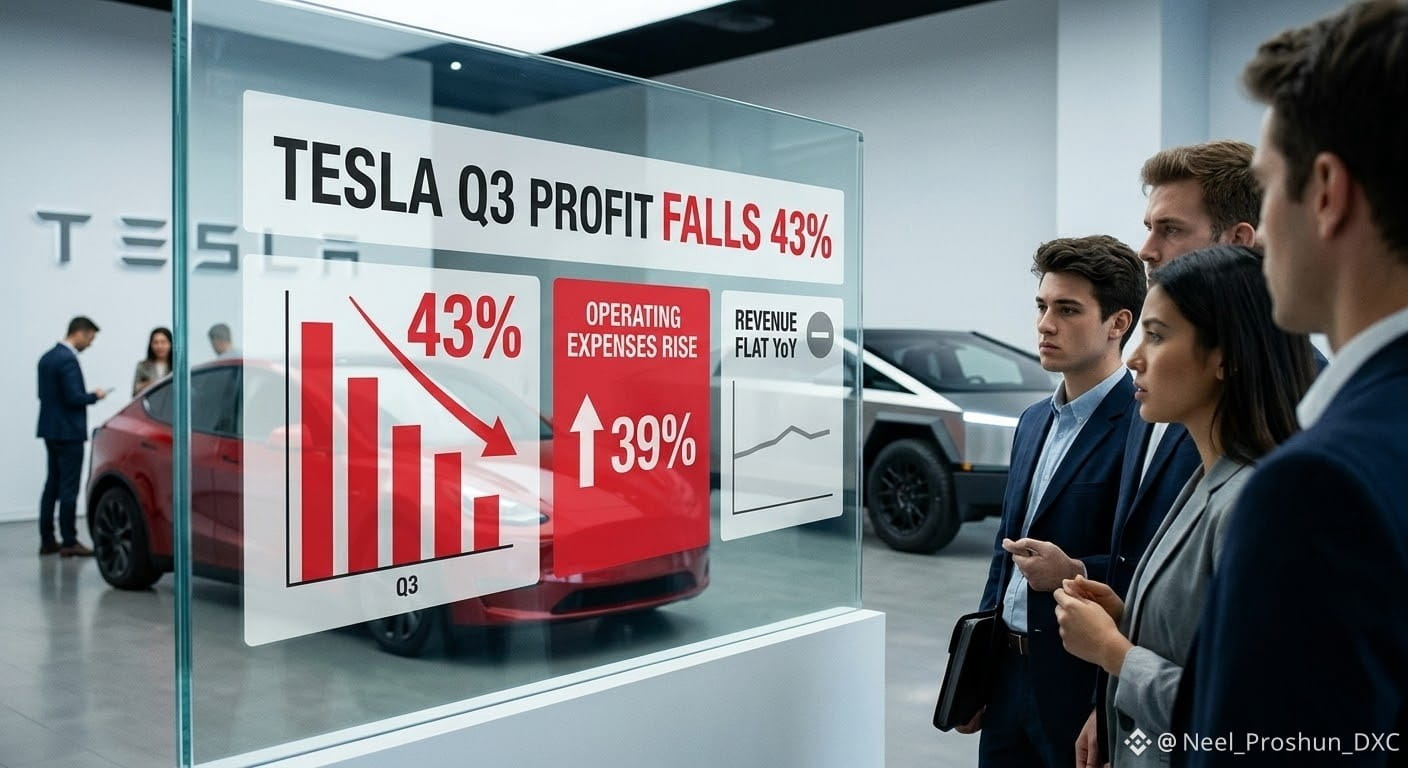
📉 テスラ第3四半期決算:売上横ばい、利益を圧迫
テスラの第3四半期決算が正式に発表され、EVファンや投資家にとっては明暗が分かれる内容となりました。前年同期比で売上高はほぼ横ばいだった一方、純利益は大きく落ち込み、43%減となりました!🚗⚡
利益率を圧迫した主な要因は、営業費用が39%急増したことに加え、世界のEV市場で価格競争が激化したことです。一時的な苦境に直面しながらも、テスラは次世代技術や自動運転機能への大規模な投資を続けています。
🤔 テスラは第4四半期に持ち直すでしょうか?それともEV市場には厳しい時期が待ち受けているのでしょうか?予想を聞かせてください!👇
#Tesla #Q3Earnings #EVNews $TSLAB
{spot}(TSLABUSDT)
📉 テスラ第3四半期決算:売上横ばい、利益を圧迫
テスラの第3四半期決算が正式に発表され、EVファンや投資家にとっては明暗が分かれる内容となりました。前年同期比で売上高はほぼ横ばいだった一方、純利益は大きく落ち込み、43%減となりました!🚗⚡
利益率を圧迫した主な要因は、営業費用が39%急増したことに加え、世界のEV市場で価格競争が激化したことです。一時的な苦境に直面しながらも、テスラは次世代技術や自動運転機能への大規模な投資を続けています。
🤔 テスラは第4四半期に持ち直すでしょうか?それともEV市場には厳しい時期が待ち受けているのでしょうか?予想を聞かせてください!👇
#Tesla #Q3Earnings #EVNews $TSLAB
テスラの第3四半期決算が正式に発表され、EVファンや投資家にとっては明暗が分かれる内容となりました。前年同期比で売上高はほぼ横ばいだった一方、純利益は大きく落ち込み、43%減となりました!🚗⚡
利益率を圧迫した主な要因は、営業費用が39%急増したことに加え、世界のEV市場で価格競争が激化したことです。一時的な苦境に直面しながらも、テスラは次世代技術や自動運転機能への大規模な投資を続けています。
🤔 テスラは第4四半期に持ち直すでしょうか?それともEV市場には厳しい時期が待ち受けているのでしょうか?予想を聞かせてください!👇
#Tesla #Q3Earnings #EVNews $TSLAB
69
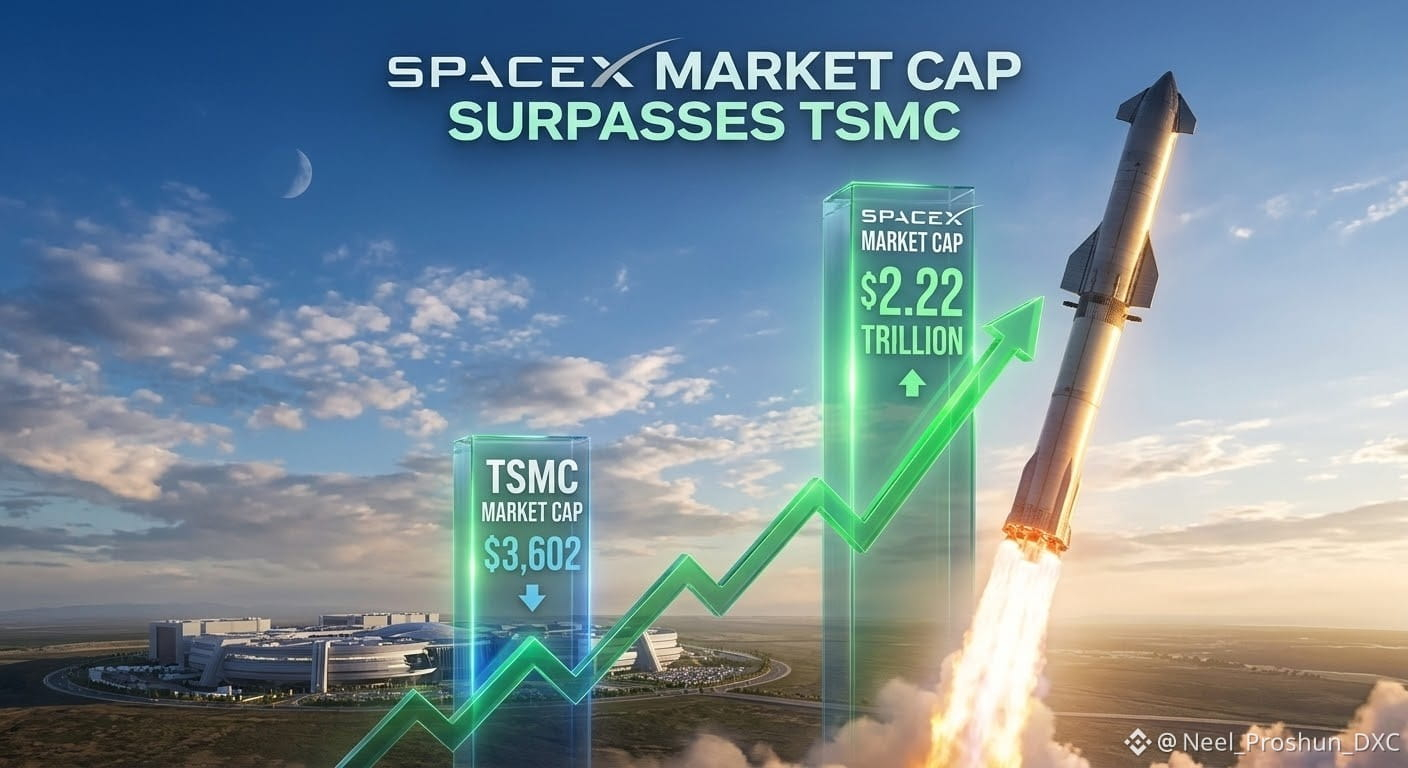
🌌 歴史的快挙:SpaceXの企業価値が2.22兆ドルに到達!
#SpaceXMarketCapSurpassesTSMC
前例のない市場の動きにより、SpaceXの時価総額が正式に驚異の2.22兆ドルに達し、半導体業界の巨人TSMCを上回りました!🚀
決算発表後の大幅な株価上昇を受け、イーロン・マスク率いる航空宇宙企業は、業界の基準を塗り替え続けています。商業宇宙飛行からStarlinkによる世界規模の衛星通信まで、SpaceXは「空はもはや限界ではなく、出発点にすぎない」ことを証明しています。
💡 SpaceXは最終的に世界で最も価値のある企業になると思いますか?ぜひ話し合いましょう!⚡
#SpaceX #marketcap #stockmarket $SPCXB
{spot}(SPCXBUSDT)
🌌 歴史的快挙:SpaceXの企業価値が2.22兆ドルに到達!
#SpaceXMarketCapSurpassesTSMC
前例のない市場の動きにより、SpaceXの時価総額が正式に驚異の2.22兆ドルに達し、半導体業界の巨人TSMCを上回りました!🚀
決算発表後の大幅な株価上昇を受け、イーロン・マスク率いる航空宇宙企業は、業界の基準を塗り替え続けています。商業宇宙飛行からStarlinkによる世界規模の衛星通信まで、SpaceXは「空はもはや限界ではなく、出発点にすぎない」ことを証明しています。
💡 SpaceXは最終的に世界で最も価値のある企業になると思いますか?ぜひ話し合いましょう!⚡
#SpaceX #marketcap #stockmarket $SPCXB
#SpaceXMarketCapSurpassesTSMC
前例のない市場の動きにより、SpaceXの時価総額が正式に驚異の2.22兆ドルに達し、半導体業界の巨人TSMCを上回りました!🚀
決算発表後の大幅な株価上昇を受け、イーロン・マスク率いる航空宇宙企業は、業界の基準を塗り替え続けています。商業宇宙飛行からStarlinkによる世界規模の衛星通信まで、SpaceXは「空はもはや限界ではなく、出発点にすぎない」ことを証明しています。
💡 SpaceXは最終的に世界で最も価値のある企業になると思いますか?ぜひ話し合いましょう!⚡
#SpaceX #marketcap #stockmarket $SPCXB
128
マーク・ザッカーバーグのビジョンが実を結んでいます!Metaは第3四半期に前年同期比で26%という大幅な売上成長を報告し、主要指標でウォール街の予想を余裕で上回りました。📈
法務費用や人工知能への多額の設備投資(CapEx)が短期的な収益性を圧迫し続ける一方で、Metaの中核である広告モデルは依然として非常に堅調です。Metaの巨額のAI投資が長期的な収益源を生み出すという見方に、投資家の確信は高まっています。
🤖 Metaの積極的なAI戦略について、どう思いますか?ゲームチェンジャーでしょうか、それともリスクの高い賭けでしょうか?👇
#Meta #Aitrends #TechTrends $METAB
{spot}(METABUSDT)
マーク・ザッカーバーグのビジョンが実を結んでいます!Metaは第3四半期に前年同期比で26%という大幅な売上成長を報告し、主要指標でウォール街の予想を余裕で上回りました。📈
法務費用や人工知能への多額の設備投資(CapEx)が短期的な収益性を圧迫し続ける一方で、Metaの中核である広告モデルは依然として非常に堅調です。Metaの巨額のAI投資が長期的な収益源を生み出すという見方に、投資家の確信は高まっています。
🤖 Metaの積極的なAI戦略について、どう思いますか?ゲームチェンジャーでしょうか、それともリスクの高い賭けでしょうか?👇
#Meta #Aitrends #TechTrends $METAB
法務費用や人工知能への多額の設備投資(CapEx)が短期的な収益性を圧迫し続ける一方で、Metaの中核である広告モデルは依然として非常に堅調です。Metaの巨額のAI投資が長期的な収益源を生み出すという見方に、投資家の確信は高まっています。
🤖 Metaの積極的なAI戦略について、どう思いますか?ゲームチェンジャーでしょうか、それともリスクの高い賭けでしょうか?👇
#Meta #Aitrends #TechTrends $METAB
65
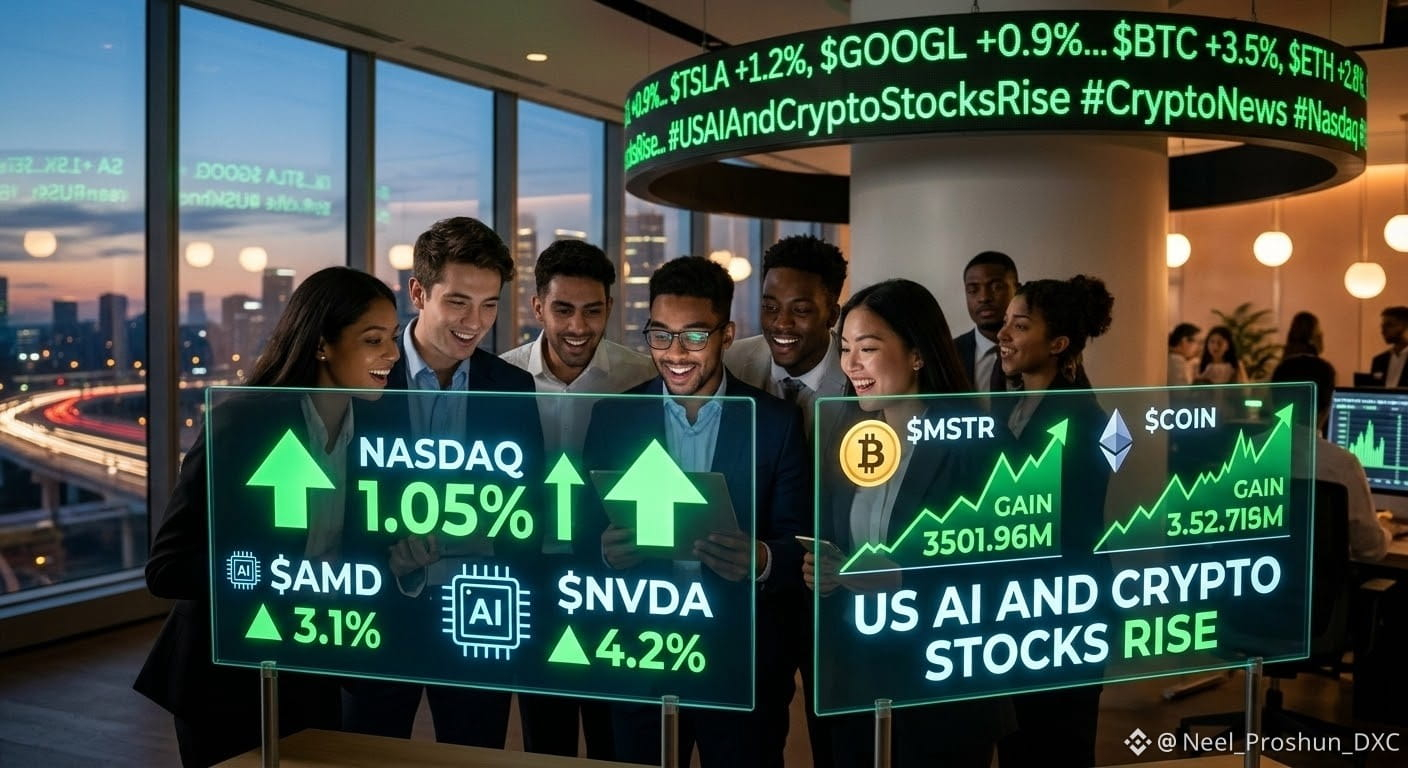
テック&暗号資産の強気相場は続く!
ナスダックが1.05%上昇し、ウォール街は今日、活気づいています。AI関連や暗号資産関連の主要銘柄に大規模な買いが入ったことが追い風となりました!📈
$AMD 、$NVDA 、MSTR、COINといった大型株が上昇をけん引し、人工知能、半導体技術、デジタル資産の交差点こそが、真の市場の勢いを生み出す場所であることを改めて証明しました。テクノロジーの革新がかつてないペースで加速するなか、投資家はさらに投資を増やしています。
💬 あなたのポートフォリオはAI&暗号資産革命に対応していますか?それとも、 sidelines から眺めていますか?お気に入りの銘柄コードをコメントしてください!👇
#TechStocks #CryptoNews #Nasdaq
テック&暗号資産の強気相場は続く!
ナスダックが1.05%上昇し、ウォール街は今日、活気づいています。AI関連や暗号資産関連の主要銘柄に大規模な買いが入ったことが追い風となりました!📈
$AMD 、$NVDA 、MSTR、COINといった大型株が上昇をけん引し、人工知能、半導体技術、デジタル資産の交差点こそが、真の市場の勢いを生み出す場所であることを改めて証明しました。テクノロジーの革新がかつてないペースで加速するなか、投資家はさらに投資を増やしています。
💬 あなたのポートフォリオはAI&暗号資産革命に対応していますか?それとも、 sidelines から眺めていますか?お気に入りの銘柄コードをコメントしてください!👇
#TechStocks #CryptoNews #Nasdaq
ナスダックが1.05%上昇し、ウォール街は今日、活気づいています。AI関連や暗号資産関連の主要銘柄に大規模な買いが入ったことが追い風となりました!📈
$AMD 、$NVDA 、MSTR、COINといった大型株が上昇をけん引し、人工知能、半導体技術、デジタル資産の交差点こそが、真の市場の勢いを生み出す場所であることを改めて証明しました。テクノロジーの革新がかつてないペースで加速するなか、投資家はさらに投資を増やしています。
💬 あなたのポートフォリオはAI&暗号資産革命に対応していますか?それとも、 sidelines から眺めていますか?お気に入りの銘柄コードをコメントしてください!👇
#TechStocks #CryptoNews #Nasdaq
196
金曜日の米国雇用統計の発表を前に、暗号資産(クリプト)は先へ進むグリーンの海となっている。
ビットコインは協定世界時(UTC)午前9時10分に8万6,000ドルを上回って取引されており、24時間で3.4%上昇した。イーサ(ETH)2,747.71ドル、XRP(XRP)、ソラナ(SOL)、BNBも同様に上昇したが、ビットコインの上げ幅には及ばなかった。
より大きな値動きは、順位表のさらに下の銘柄で起きた。SKY、AAVE、APTは7%〜10%跳ね上がり、市場価値上位100銘柄の中で最も好調だった。
ビットコインの優位性、つまり暗号資産全体に占める取り分は、60%に迫っている。一方で最大のドル連動型ステーブルコインであるUSDTの比率は約6.3%まで低下しており、取引参加者が現金からトークンへ移っていることを示唆する。この2つの指標は、リスクに対して市場がより慣れてきていることを示している。
8時30分(米東部時間)の予定である非農業部門雇用者数(ノンファーム・ペイロールズ)報告は、米国経済が9月に9万件の雇用を追加したことを示す見通しだ。8月の16.2万件からは減少するという。失業率は4.1%で据え置かれる見通しで、ファクトセットのコンセンサス推計による。
ビットコインにとってより大きな焦点は、特にインフレ調整後、つまり実質の利回りを含め、米財務省(トレジャリー)利回りがどう反応するかだ。アナリストはこの理由から雇用データと、10月14日の消費者物価指数(CPI)報告を注視している。
$BTC $SOL $XRP
金曜日の米国雇用統計の発表を前に、暗号資産(クリプト)は先へ進むグリーンの海となっている。
ビットコインは協定世界時(UTC)午前9時10分に8万6,000ドルを上回って取引されており、24時間で3.4%上昇した。イーサ(ETH)2,747.71ドル、XRP(XRP)、ソラナ(SOL)、BNBも同様に上昇したが、ビットコインの上げ幅には及ばなかった。
より大きな値動きは、順位表のさらに下の銘柄で起きた。SKY、AAVE、APTは7%〜10%跳ね上がり、市場価値上位100銘柄の中で最も好調だった。
ビットコインの優位性、つまり暗号資産全体に占める取り分は、60%に迫っている。一方で最大のドル連動型ステーブルコインであるUSDTの比率は約6.3%まで低下しており、取引参加者が現金からトークンへ移っていることを示唆する。この2つの指標は、リスクに対して市場がより慣れてきていることを示している。
8時30分(米東部時間)の予定である非農業部門雇用者数(ノンファーム・ペイロールズ)報告は、米国経済が9月に9万件の雇用を追加したことを示す見通しだ。8月の16.2万件からは減少するという。失業率は4.1%で据え置かれる見通しで、ファクトセットのコンセンサス推計による。
ビットコインにとってより大きな焦点は、特にインフレ調整後、つまり実質の利回りを含め、米財務省(トレジャリー)利回りがどう反応するかだ。アナリストはこの理由から雇用データと、10月14日の消費者物価指数(CPI)報告を注視している。
$BTC $SOL $XRP
ビットコインは協定世界時(UTC)午前9時10分に8万6,000ドルを上回って取引されており、24時間で3.4%上昇した。イーサ(ETH)2,747.71ドル、XRP(XRP)、ソラナ(SOL)、BNBも同様に上昇したが、ビットコインの上げ幅には及ばなかった。
より大きな値動きは、順位表のさらに下の銘柄で起きた。SKY、AAVE、APTは7%〜10%跳ね上がり、市場価値上位100銘柄の中で最も好調だった。
ビットコインの優位性、つまり暗号資産全体に占める取り分は、60%に迫っている。一方で最大のドル連動型ステーブルコインであるUSDTの比率は約6.3%まで低下しており、取引参加者が現金からトークンへ移っていることを示唆する。この2つの指標は、リスクに対して市場がより慣れてきていることを示している。
8時30分(米東部時間)の予定である非農業部門雇用者数(ノンファーム・ペイロールズ)報告は、米国経済が9月に9万件の雇用を追加したことを示す見通しだ。8月の16.2万件からは減少するという。失業率は4.1%で据え置かれる見通しで、ファクトセットのコンセンサス推計による。
ビットコインにとってより大きな焦点は、特にインフレ調整後、つまり実質の利回りを含め、米財務省(トレジャリー)利回りがどう反応するかだ。アナリストはこの理由から雇用データと、10月14日の消費者物価指数(CPI)報告を注視している。
$BTC $SOL $XRP
180
BTCは動けずにいるが、それも長くは続かない
ビットコインは一時的にレンジを下抜けたものの、ほぼすぐにレンジ中間のサポート/レジスタンスを取り戻した
今日は土曜日なので、市場が大きく意味のある動きを見せるとはあまり期待していない
BTCが次の動きに備えるあいだ、狭い短期レンジ内で横ばいの動きが続く可能性が高い
私にとって、85.7K付近の不均衡ゾーンが依然として主な再テストエリアだ
価格がそこに到達して反落すれば、さらに下落すると予想する
一方で、来週にはBTCが新たなローカル高値をつけ、今後数週間以内により大きなローカルトップを形成すると見ている
今のところ、BTCはかなり静かな土曜日を過ごしている。
無理に動く必要はない。
$BTC $SOL
{future}(SOLUSDT)
{future}(BTCUSDT)
BTCは動けずにいるが、それも長くは続かない
ビットコインは一時的にレンジを下抜けたものの、ほぼすぐにレンジ中間のサポート/レジスタンスを取り戻した
今日は土曜日なので、市場が大きく意味のある動きを見せるとはあまり期待していない
BTCが次の動きに備えるあいだ、狭い短期レンジ内で横ばいの動きが続く可能性が高い
私にとって、85.7K付近の不均衡ゾーンが依然として主な再テストエリアだ
価格がそこに到達して反落すれば、さらに下落すると予想する
一方で、来週にはBTCが新たなローカル高値をつけ、今後数週間以内により大きなローカルトップを形成すると見ている
今のところ、BTCはかなり静かな土曜日を過ごしている。
無理に動く必要はない。
$BTC $SOL
ビットコインは一時的にレンジを下抜けたものの、ほぼすぐにレンジ中間のサポート/レジスタンスを取り戻した
今日は土曜日なので、市場が大きく意味のある動きを見せるとはあまり期待していない
BTCが次の動きに備えるあいだ、狭い短期レンジ内で横ばいの動きが続く可能性が高い
私にとって、85.7K付近の不均衡ゾーンが依然として主な再テストエリアだ
価格がそこに到達して反落すれば、さらに下落すると予想する
一方で、来週にはBTCが新たなローカル高値をつけ、今後数週間以内により大きなローカルトップを形成すると見ている
今のところ、BTCはかなり静かな土曜日を過ごしている。
無理に動く必要はない。
$BTC $SOL
94
🚨 BLACKROCK IS BUYING THE DIP? 👀
伝えられるところによると、BlackRockのiShares Bitcoin Trust(IBIT)は656.661 BTCを追加購入したようです。価値は約 $BTC。
これはビットコインへの主要な機関投資家の資金フローであり、IBITの保有高は直近の開示データに基づくとすでに約795K BTCです。
では、面白いポイントは?10月がもうすぐそこに来ています。📈
ビットコインは歴史的に10月のパフォーマンスが強く、さらに最近のETFフローも、機関投資家の需要が再び高まっていることを示しています。
🔥 BTCのセットアップ
バイアス:重要なサポート以上で強気
確認:ETF流入の継続+主要なレジスタンスの再奪還
上昇余地:ブレイクアウトが起これば、次の主要レジスタンス帯に向けた道が開ける可能性
無効化:強い売り出来高を伴って重要サポートを失うと、別の調整が引き起こされる恐れ
BlackRockの買いは強気の需要シグナルですが、10月に上昇することを保証するものではありません。トレーダーは追いかける前に、現物ETFのフロー、BTCの出来高、流動性、市場構造を注視すべきです。
UPTOBER ローディング? 👀🚀
#Bitcoin #BTC #blackRock #IBIT #Crypto $BTC
🚨 BLACKROCK IS BUYING THE DIP? 👀
伝えられるところによると、BlackRockのiShares Bitcoin Trust(IBIT)は656.661 BTCを追加購入したようです。価値は約 $BTC 。
これはビットコインへの主要な機関投資家の資金フローであり、IBITの保有高は直近の開示データに基づくとすでに約795K BTCです。
では、面白いポイントは?10月がもうすぐそこに来ています。📈
ビットコインは歴史的に10月のパフォーマンスが強く、さらに最近のETFフローも、機関投資家の需要が再び高まっていることを示しています。
🔥 BTCのセットアップ
バイアス:重要なサポート以上で強気
確認:ETF流入の継続+主要なレジスタンスの再奪還
上昇余地:ブレイクアウトが起これば、次の主要レジスタンス帯に向けた道が開ける可能性
無効化:強い売り出来高を伴って重要サポートを失うと、別の調整が引き起こされる恐れ
BlackRockの買いは強気の需要シグナルですが、10月に上昇することを保証するものではありません。トレーダーは追いかける前に、現物ETFのフロー、BTCの出来高、流動性、市場構造を注視すべきです。
UPTOBER ローディング? 👀🚀
#Bitcoin #BTC #blackRock #IBIT #Crypto $BTC
伝えられるところによると、BlackRockのiShares Bitcoin Trust(IBIT)は656.661 BTCを追加購入したようです。価値は約 $BTC 。
これはビットコインへの主要な機関投資家の資金フローであり、IBITの保有高は直近の開示データに基づくとすでに約795K BTCです。
では、面白いポイントは?10月がもうすぐそこに来ています。📈
ビットコインは歴史的に10月のパフォーマンスが強く、さらに最近のETFフローも、機関投資家の需要が再び高まっていることを示しています。
🔥 BTCのセットアップ
バイアス:重要なサポート以上で強気
確認:ETF流入の継続+主要なレジスタンスの再奪還
上昇余地:ブレイクアウトが起これば、次の主要レジスタンス帯に向けた道が開ける可能性
無効化:強い売り出来高を伴って重要サポートを失うと、別の調整が引き起こされる恐れ
BlackRockの買いは強気の需要シグナルですが、10月に上昇することを保証するものではありません。トレーダーは追いかける前に、現物ETFのフロー、BTCの出来高、流動性、市場構造を注視すべきです。
UPTOBER ローディング? 👀🚀
#Bitcoin #BTC #blackRock #IBIT #Crypto $BTC
142
伝えられるところによると、Bitgetのホットウォレットは約3億5000万ドル相当の資産をめぐる攻撃で侵害されたもようです。
今回の事件で特に注目すべき点は、攻撃者が私有鍵を入手しなかったと報じられていることです。代わりに、重要なウォレットのバックエンドが侵害され、不正な送金データを作成し、署名プロセスを起動できるようになったとされています。
Bitgetは、自社のコールドウォレットは影響を受けていないとし、また464百万ドル超のユーザープロテクション基金が、影響を受けた金額の補填を目的としていると述べています。
より大きな教訓は明確です。暗号資産のセキュリティは私有鍵だけで終わりません。ウォレットを接続するインフラ、バックエンドシステム、取引データ、そして署名メカニズムも、重要な攻撃対象になり得ます。
利用者にとっては、取引所のカストディ(保管)について慎重に考え、暗号資産を単一のCEX(集中型取引所)にすべて保管しないようにするべきだという再確認でもあります。
鍵を持たないなら、暗号資産も持たない。安全に。
伝えられるところによると、Bitgetのホットウォレットは約3億5000万ドル相当の資産をめぐる攻撃で侵害されたもようです。
今回の事件で特に注目すべき点は、攻撃者が私有鍵を入手しなかったと報じられていることです。代わりに、重要なウォレットのバックエンドが侵害され、不正な送金データを作成し、署名プロセスを起動できるようになったとされています。
Bitgetは、自社のコールドウォレットは影響を受けていないとし、また464百万ドル超のユーザープロテクション基金が、影響を受けた金額の補填を目的としていると述べています。
より大きな教訓は明確です。暗号資産のセキュリティは私有鍵だけで終わりません。ウォレットを接続するインフラ、バックエンドシステム、取引データ、そして署名メカニズムも、重要な攻撃対象になり得ます。
利用者にとっては、取引所のカストディ(保管)について慎重に考え、暗号資産を単一のCEX(集中型取引所)にすべて保管しないようにするべきだという再確認でもあります。
鍵を持たないなら、暗号資産も持たない。安全に。
今回の事件で特に注目すべき点は、攻撃者が私有鍵を入手しなかったと報じられていることです。代わりに、重要なウォレットのバックエンドが侵害され、不正な送金データを作成し、署名プロセスを起動できるようになったとされています。
Bitgetは、自社のコールドウォレットは影響を受けていないとし、また464百万ドル超のユーザープロテクション基金が、影響を受けた金額の補填を目的としていると述べています。
より大きな教訓は明確です。暗号資産のセキュリティは私有鍵だけで終わりません。ウォレットを接続するインフラ、バックエンドシステム、取引データ、そして署名メカニズムも、重要な攻撃対象になり得ます。
利用者にとっては、取引所のカストディ(保管)について慎重に考え、暗号資産を単一のCEX(集中型取引所)にすべて保管しないようにするべきだという再確認でもあります。
鍵を持たないなら、暗号資産も持たない。安全に。
93
NvidiaのCEOジェンセン・ファン氏は、「低IQ時代」に突入していると述べ、子どもたちは基本的な数学を学ぶ必要がないと主張しています。
では、$NVDA.US を$300に送れるでしょうか?
$NVDAB
{spot}(NVDABUSDT)
NvidiaのCEOジェンセン・ファン氏は、「低IQ時代」に突入していると述べ、子どもたちは基本的な数学を学ぶ必要がないと主張しています。
では、$NVDA.US を$300に送れるでしょうか?
$NVDAB
では、$NVDA.US を$300に送れるでしょうか?
$NVDAB
1
142
ビットコイン・クジラの活動:オンチェーンの最新情報
$BTC 100〜1,000 BTCのウォレット・コホートは、ここ数か月で顕著な動きを見せています。
Santimentに帰属するデータによると、このグループは7月中旬以降、保有ビットコインの合計を増やしており、総保有量は約524万BTCに達しています。
この種のオンチェーンデータは、ビットコインの供給が異なるウォレット規模にどのように分布しているかを理解するのに役立ちます。ただし、ウォレットの蓄積それ自体は、将来の価格方向性を裏づけるものではなく、市場が上昇に向かうことを保証するものでもありません。
ビットコインのより広い市場構造は、流動性、ETFフロー、取引活動、デリバティブのポジショニング、そして市場全体の需要など、複数の要因の影響を受けます。
トレーダーや投資家にとっては、クジラ・ウォレットの活動は、単独の市場シグナルというより、多数あるデータポイントの1つとして捉えるべきです。
オンチェーンデータはウォレット残高で何が起きているかを示し、市場がその情報を最終的に価格にどう反映するかは別問題です。
教育目的のみ。金融アドバイスではありません。
#BTCShortTermPullback $BTC $SOL
#ShareWeekly
ビットコイン・クジラの活動:オンチェーンの最新情報
$BTC 100〜1,000 BTCのウォレット・コホートは、ここ数か月で顕著な動きを見せています。
Santimentに帰属するデータによると、このグループは7月中旬以降、保有ビットコインの合計を増やしており、総保有量は約524万BTCに達しています。
この種のオンチェーンデータは、ビットコインの供給が異なるウォレット規模にどのように分布しているかを理解するのに役立ちます。ただし、ウォレットの蓄積それ自体は、将来の価格方向性を裏づけるものではなく、市場が上昇に向かうことを保証するものでもありません。
ビットコインのより広い市場構造は、流動性、ETFフロー、取引活動、デリバティブのポジショニング、そして市場全体の需要など、複数の要因の影響を受けます。
トレーダーや投資家にとっては、クジラ・ウォレットの活動は、単独の市場シグナルというより、多数あるデータポイントの1つとして捉えるべきです。
オンチェーンデータはウォレット残高で何が起きているかを示し、市場がその情報を最終的に価格にどう反映するかは別問題です。
教育目的のみ。金融アドバイスではありません。
#BTCShortTermPullback $BTC $SOL
#ShareWeekly
$BTC 100〜1,000 BTCのウォレット・コホートは、ここ数か月で顕著な動きを見せています。
Santimentに帰属するデータによると、このグループは7月中旬以降、保有ビットコインの合計を増やしており、総保有量は約524万BTCに達しています。
この種のオンチェーンデータは、ビットコインの供給が異なるウォレット規模にどのように分布しているかを理解するのに役立ちます。ただし、ウォレットの蓄積それ自体は、将来の価格方向性を裏づけるものではなく、市場が上昇に向かうことを保証するものでもありません。
ビットコインのより広い市場構造は、流動性、ETFフロー、取引活動、デリバティブのポジショニング、そして市場全体の需要など、複数の要因の影響を受けます。
トレーダーや投資家にとっては、クジラ・ウォレットの活動は、単独の市場シグナルというより、多数あるデータポイントの1つとして捉えるべきです。
オンチェーンデータはウォレット残高で何が起きているかを示し、市場がその情報を最終的に価格にどう反映するかは別問題です。
教育目的のみ。金融アドバイスではありません。
#BTCShortTermPullback $BTC $SOL
#ShareWeekly
92
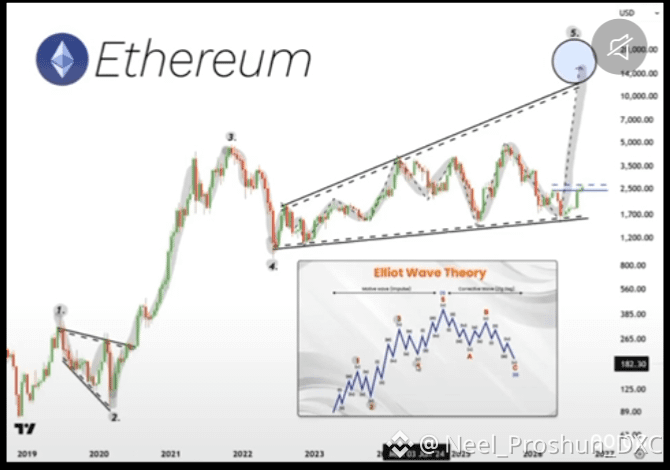
$ETH は 5 桁を狙っている
報道によれば、ウェーブ1〜4は完了しているとのこと。いま、ウェーブ5がすべてを変える動きになる可能性があります。
$BTCUSDT も強さを見せている一方で、$ETH USDT は暗号資産全体の市場がもう一度大きな拡大フェーズに入っている中、引き続き注目を集めています。
$5,000 は単なる次の水準になるかもしれません。
$10,000 は置き去りにされるかもしれません。
強気のチャート構造は、最終的な拡大が実現した場合に $14,000〜$20,000 ゾーンを指し示しています。
$BTC が市場をリードし、さらに $ETH が最終的な拡大局面に入る可能性があるなら、次の主要な動きは間違いなく爆発的になり得ます。
あなたは十分に強気ですか?
$ETH は 5 桁を狙っている
報道によれば、ウェーブ1〜4は完了しているとのこと。いま、ウェーブ5がすべてを変える動きになる可能性があります。
$BTCUSDT も強さを見せている一方で、$ETH USDT は暗号資産全体の市場がもう一度大きな拡大フェーズに入っている中、引き続き注目を集めています。
$5,000 は単なる次の水準になるかもしれません。
$10,000 は置き去りにされるかもしれません。
強気のチャート構造は、最終的な拡大が実現した場合に $14,000〜$20,000 ゾーンを指し示しています。
$BTC が市場をリードし、さらに $ETH が最終的な拡大局面に入る可能性があるなら、次の主要な動きは間違いなく爆発的になり得ます。
あなたは十分に強気ですか?
報道によれば、ウェーブ1〜4は完了しているとのこと。いま、ウェーブ5がすべてを変える動きになる可能性があります。
$BTCUSDT も強さを見せている一方で、$ETH USDT は暗号資産全体の市場がもう一度大きな拡大フェーズに入っている中、引き続き注目を集めています。
$5,000 は単なる次の水準になるかもしれません。
$10,000 は置き去りにされるかもしれません。
強気のチャート構造は、最終的な拡大が実現した場合に $14,000〜$20,000 ゾーンを指し示しています。
$BTC が市場をリードし、さらに $ETH が最終的な拡大局面に入る可能性があるなら、次の主要な動きは間違いなく爆発的になり得ます。
あなたは十分に強気ですか?
118
ビットコインの50週平均を上回る最新の動きが、注目に値する強気のシグナルを示している。2011年以来、完了した弱気相場の最中に50週平均を上回って週足でクローズしたのは13回ある。そのうち11回では、ビットコインは過去のサイクル安値を更新するために戻ることがなかった。日曜のクローズは$BTCmarksで、平均を下回った45週間の後、14回目の奪回となる。現在の50週平均は約$78.8Kだ。主要な新サイクルにつながった4回の奪回は、2012年1月、2015年10月、2019年5月、2023年3月に始まっている。それらはいずれも当時は「遅い」と見られたにもかかわらず、より大きな上昇の前兆になった。
タイミングも重要だ。Galaxyのデータによると、確定した奪回は歴史的にサイクルの底から130〜284日後に現れ、時点ではすでに$BTC が約63%〜80%上昇していた。このシグナルは、6月30日の底(約$58,525)からわずか82日後に到来し、その時点でビットコインは約39%上昇していた。
つまり、今回の状況は過去の「きれいな奪回」と比べて、過熱の度合いがまだ低い。
ビットコインは現在約$85,150で、$89.6Kは$74.9K〜$82.3Kの値動きにおける2.0フィボナッチ・エクステンションを示す。2年平均は約$88.8Kで、$90Kが重要なテクニカルの磁石になる可能性がある。
今の大きな試金石は、$78.8K〜$82Kのゾーンがサポートとして機能できるかどうかだ。
#BTC #bitcoin #bitcoinwarm $BTC #Write2Earn
{future}(BTCUSDT)
$SOL
{spot}(SOLUSDT)
ビットコインの50週平均を上回る最新の動きが、注目に値する強気のシグナルを示している。2011年以来、完了した弱気相場の最中に50週平均を上回って週足でクローズしたのは13回ある。そのうち11回では、ビットコインは過去のサイクル安値を更新するために戻ることがなかった。日曜のクローズは$BTCmarksで、平均を下回った45週間の後、14回目の奪回となる。現在の50週平均は約$78.8Kだ。主要な新サイクルにつながった4回の奪回は、2012年1月、2015年10月、2019年5月、2023年3月に始まっている。それらはいずれも当時は「遅い」と見られたにもかかわらず、より大きな上昇の前兆になった。
タイミングも重要だ。Galaxyのデータによると、確定した奪回は歴史的にサイクルの底から130〜284日後に現れ、時点ではすでに$BTC が約63%〜80%上昇していた。このシグナルは、6月30日の底(約$58,525)からわずか82日後に到来し、その時点でビットコインは約39%上昇していた。
つまり、今回の状況は過去の「きれいな奪回」と比べて、過熱の度合いがまだ低い。
ビットコインは現在約$85,150で、$89.6Kは$74.9K〜$82.3Kの値動きにおける2.0フィボナッチ・エクステンションを示す。2年平均は約$88.8Kで、$90Kが重要なテクニカルの磁石になる可能性がある。
今の大きな試金石は、$78.8K〜$82Kのゾーンがサポートとして機能できるかどうかだ。
#BTC #bitcoin #bitcoinwarm $BTC #Write2Earn
$SOL
タイミングも重要だ。Galaxyのデータによると、確定した奪回は歴史的にサイクルの底から130〜284日後に現れ、時点ではすでに$BTC が約63%〜80%上昇していた。このシグナルは、6月30日の底(約$58,525)からわずか82日後に到来し、その時点でビットコインは約39%上昇していた。
つまり、今回の状況は過去の「きれいな奪回」と比べて、過熱の度合いがまだ低い。
ビットコインは現在約$85,150で、$89.6Kは$74.9K〜$82.3Kの値動きにおける2.0フィボナッチ・エクステンションを示す。2年平均は約$88.8Kで、$90Kが重要なテクニカルの磁石になる可能性がある。
今の大きな試金石は、$78.8K〜$82Kのゾーンがサポートとして機能できるかどうかだ。
#BTC #bitcoin #bitcoinwarm $BTC #Write2Earn
$SOL
1
113
🚨 ビットコインETFがわずか1日で約$BTC BILLIONを資金流入させました。
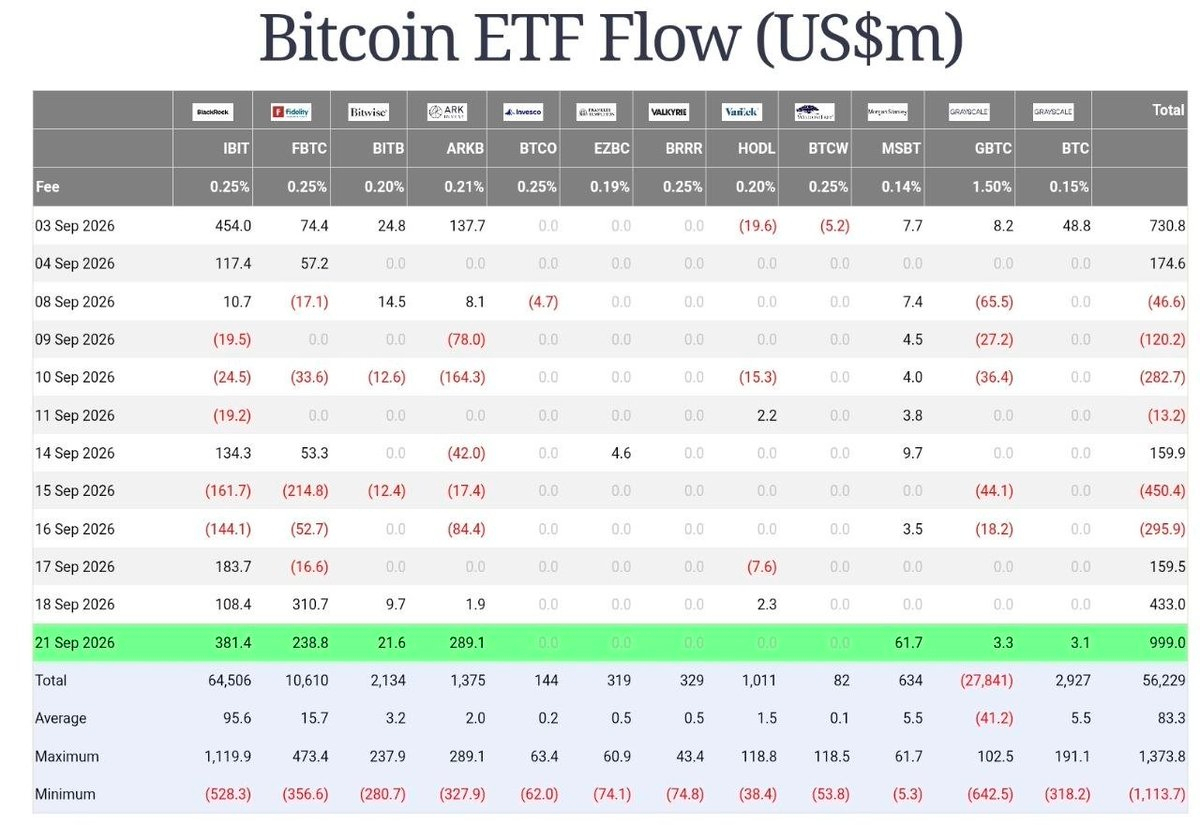
米国の現物ビットコインETFは9月21日に9.98億95百万ドルの純流入を記録しました。
これは2025年10月以来の最大の1日あたり流入です。
ブラックロックのIBITが381.4Mドルでトップに立ち、続いてARKBが289.1Mドル、さらにフィデリティのFBTCが238.8Mドルでした。同時に、ビットコインは一時的に87,000ドルを超えました。注目すべき点は?
今回の値動きを動かしたのは、単一のファンドだけではありません。
複数の主要ETFが同時に大きな資金流入を記録しました。
機関投資家の需要は、再び注目に値します。
では、問題は次の通りです:
これは単なる1日限りの流動性の急増だったのか、それともより強いETF資金流入のトレンドの始まりなのか?
#BTC #Write2Earn $BTC $FORM
{future}(FORMUSDT)
🚨 ビットコインETFがわずか1日で約$BTC BILLIONを資金流入させました。
米国の現物ビットコインETFは9月21日に9.98億95百万ドルの純流入を記録しました。
これは2025年10月以来の最大の1日あたり流入です。
ブラックロックのIBITが381.4Mドルでトップに立ち、続いてARKBが289.1Mドル、さらにフィデリティのFBTCが238.8Mドルでした。同時に、ビットコインは一時的に87,000ドルを超えました。注目すべき点は?
今回の値動きを動かしたのは、単一のファンドだけではありません。
複数の主要ETFが同時に大きな資金流入を記録しました。
機関投資家の需要は、再び注目に値します。
では、問題は次の通りです:
これは単なる1日限りの流動性の急増だったのか、それともより強いETF資金流入のトレンドの始まりなのか?
#BTC #Write2Earn $BTC $FORM
米国の現物ビットコインETFは9月21日に9.98億95百万ドルの純流入を記録しました。
これは2025年10月以来の最大の1日あたり流入です。
ブラックロックのIBITが381.4Mドルでトップに立ち、続いてARKBが289.1Mドル、さらにフィデリティのFBTCが238.8Mドルでした。同時に、ビットコインは一時的に87,000ドルを超えました。注目すべき点は?
今回の値動きを動かしたのは、単一のファンドだけではありません。
複数の主要ETFが同時に大きな資金流入を記録しました。
機関投資家の需要は、再び注目に値します。
では、問題は次の通りです:
これは単なる1日限りの流動性の急増だったのか、それともより強いETF資金流入のトレンドの始まりなのか?
#BTC #Write2Earn $BTC $FORM
73
記事
BTC ロング・セットアップ — 買い手が$BTCのレジスタンスの壁を試している<t-18/><t-19/>#BTCBreaks82K ビットコインは$81K〜$82K付近で取引されており、現在の構造はロング・セットアップに向けてますます興味深いものになってきています。
BTCは$75K〜$76Kのゾーンから力強く回復し、$80Kを取り戻しました。現在は、主要な$81,800〜$82,500のレジスタンス・ゾーンに押し寄せており、ここでは過去に売り手が出現していました。
ロングポジションの場合は、いまの足を追いかけることよりも、確認を重視したいです。
ロング・プラン
エントリー・ゾーン:$80,800〜$81,500 強気のエントリー:確認後に$81,000〜$81,300
BTC ロング・セットアップ — 買い手が$BTCのレジスタンスの壁を試している
<t-18/><t-19/>#BTCBreaks82K ビットコインは$81K〜$82K付近で取引されており、現在の構造はロング・セットアップに向けてますます興味深いものになってきています。
BTCは$75K〜$76Kのゾーンから力強く回復し、$80Kを取り戻しました。現在は、主要な$81,800〜$82,500のレジスタンス・ゾーンに押し寄せており、ここでは過去に売り手が出現していました。
ロングポジションの場合は、いまの足を追いかけることよりも、確認を重視したいです。
ロング・プラン
エントリー・ゾーン:$80,800〜$81,500 強気のエントリー:確認後に$81,000〜$81,300
BTCは$75K〜$76Kのゾーンから力強く回復し、$80Kを取り戻しました。現在は、主要な$81,800〜$82,500のレジスタンス・ゾーンに押し寄せており、ここでは過去に売り手が出現していました。
ロングポジションの場合は、いまの足を追いかけることよりも、確認を重視したいです。
ロング・プラン
エントリー・ゾーン:$80,800〜$81,500 強気のエントリー:確認後に$81,000〜$81,300
1
113
$SNDK は単なる別の暗号トークンではありません。従来の株式がブロックチェーンのレールへ移行している一例です。
SanDiskのトークン化株式である$SNDKは、SanDiskの株式へのエクスポージャーをオンチェーン環境へ持ち込みます。トークンの一バージョンはSunriseを通じてSolana上でローンチされました。一方でBinance Walletは現在、Backpack版について「BinanceのCEXに上場されたスポット資産」ではなく「トークン化株式」と説明しています。
興味深いのは、24時間365日稼働するブロックチェーン層です。
従来の株式は、確立された市場インフラと取引時間を通じて運用されています。トークン化された版は、ブロックチェーンウォレットや互換性のあるDeFiインフラを介して、そのエクスポージャーを移転可能にする可能性があります。
しかし重要な点があります。$SNDK は、SanDiskの株を直接保有することと自動的に同一視してはなりません。正確な法的権利、償還の仕組み、カストディ(保管)構造、そして適格性は、特定のトークン発行者とプロダクトに依存します。
Token Terminal
それゆえ、$SNDK はRWA(現実世界資産)の観点から分析する価値があります。単なる価格チャートとしてではなく、現実世界の金融資産がプログラム可能で、移転可能なデジタル資産になり得るかどうかの試金石としてです。
より大きな物語は、トークンそのものではなく、その背後にあるインフラなのかもしれません。
{future}(SNDKUSDT)
#SNDK #RWA #TokenizedStocks #crypto
$SNDK は単なる別の暗号トークンではありません。従来の株式がブロックチェーンのレールへ移行している一例です。
SanDiskのトークン化株式である$SNDK は、SanDiskの株式へのエクスポージャーをオンチェーン環境へ持ち込みます。トークンの一バージョンはSunriseを通じてSolana上でローンチされました。一方でBinance Walletは現在、Backpack版について「BinanceのCEXに上場されたスポット資産」ではなく「トークン化株式」と説明しています。
興味深いのは、24時間365日稼働するブロックチェーン層です。
従来の株式は、確立された市場インフラと取引時間を通じて運用されています。トークン化された版は、ブロックチェーンウォレットや互換性のあるDeFiインフラを介して、そのエクスポージャーを移転可能にする可能性があります。
しかし重要な点があります。$SNDK は、SanDiskの株を直接保有することと自動的に同一視してはなりません。正確な法的権利、償還の仕組み、カストディ(保管)構造、そして適格性は、特定のトークン発行者とプロダクトに依存します。
Token Terminal
それゆえ、$SNDK はRWA(現実世界資産)の観点から分析する価値があります。単なる価格チャートとしてではなく、現実世界の金融資産がプログラム可能で、移転可能なデジタル資産になり得るかどうかの試金石としてです。
より大きな物語は、トークンそのものではなく、その背後にあるインフラなのかもしれません。
#SNDK #RWA #TokenizedStocks #crypto
SanDiskのトークン化株式である$SNDK は、SanDiskの株式へのエクスポージャーをオンチェーン環境へ持ち込みます。トークンの一バージョンはSunriseを通じてSolana上でローンチされました。一方でBinance Walletは現在、Backpack版について「BinanceのCEXに上場されたスポット資産」ではなく「トークン化株式」と説明しています。
興味深いのは、24時間365日稼働するブロックチェーン層です。
従来の株式は、確立された市場インフラと取引時間を通じて運用されています。トークン化された版は、ブロックチェーンウォレットや互換性のあるDeFiインフラを介して、そのエクスポージャーを移転可能にする可能性があります。
しかし重要な点があります。$SNDK は、SanDiskの株を直接保有することと自動的に同一視してはなりません。正確な法的権利、償還の仕組み、カストディ(保管)構造、そして適格性は、特定のトークン発行者とプロダクトに依存します。
Token Terminal
それゆえ、$SNDK はRWA(現実世界資産)の観点から分析する価値があります。単なる価格チャートとしてではなく、現実世界の金融資産がプログラム可能で、移転可能なデジタル資産になり得るかどうかの試金石としてです。
より大きな物語は、トークンそのものではなく、その背後にあるインフラなのかもしれません。
#SNDK #RWA #TokenizedStocks #crypto
237
$SKHY は、典型的な暗号トークンよりも面白い。なぜなら、その価値が現実世界の半導体資産と結び付いているからだ。
SKハイニックスはAIハードウェアのサプライチェーンにおいて重要な位置を占めており、とりわけハイ・バンド幅メモリ(HBM)を通じて存在感を示している。面白いのは$SKHY のトークン化レイヤーだ。ここでは、SKハイニックスへの経済的エクスポージャーをブロックチェーン上の市場へと持ち込む。
それにより、暗号の別のユースケースが生まれる。暗号ネイティブの需要に主に価値が左右されるトークンではなく、$SKHYB は、従来型の株式エクスポージャーをオンチェーンのインフラと結び付ける。
ただし重要な区別がある。トークン化された株式は、必ずしも基礎となる株式を直接保有することと同じではない。発行体やプラットフォームによっては、保有者は従来の株主権を伴わずに経済的エクスポージャーを得る場合がある。
だからこそ、SKHYにとって大きな問いは単に「SKハイニックスの株価が上がるかどうか」だけではない。トークン化された現実世界の資産(RWA)が、ブロックチェーン・インフラを通じて、従来の市場をよりアクセスしやすく、譲渡可能で、プログラム可能にできるのか—そこにある。
このRWAとのつながりこそが、SKHYを注目する価値がある理由だ。
#SKHY #RWA #TokenizedAssets #Crypto #AI
{future}(SKHYUSDT)
$SKHY は、典型的な暗号トークンよりも面白い。なぜなら、その価値が現実世界の半導体資産と結び付いているからだ。
SKハイニックスはAIハードウェアのサプライチェーンにおいて重要な位置を占めており、とりわけハイ・バンド幅メモリ(HBM)を通じて存在感を示している。面白いのは$SKHY のトークン化レイヤーだ。ここでは、SKハイニックスへの経済的エクスポージャーをブロックチェーン上の市場へと持ち込む。
それにより、暗号の別のユースケースが生まれる。暗号ネイティブの需要に主に価値が左右されるトークンではなく、$SKHYB は、従来型の株式エクスポージャーをオンチェーンのインフラと結び付ける。
ただし重要な区別がある。トークン化された株式は、必ずしも基礎となる株式を直接保有することと同じではない。発行体やプラットフォームによっては、保有者は従来の株主権を伴わずに経済的エクスポージャーを得る場合がある。
だからこそ、SKHYにとって大きな問いは単に「SKハイニックスの株価が上がるかどうか」だけではない。トークン化された現実世界の資産(RWA)が、ブロックチェーン・インフラを通じて、従来の市場をよりアクセスしやすく、譲渡可能で、プログラム可能にできるのか—そこにある。
このRWAとのつながりこそが、SKHYを注目する価値がある理由だ。
#SKHY #RWA #TokenizedAssets #Crypto #AI
SKハイニックスはAIハードウェアのサプライチェーンにおいて重要な位置を占めており、とりわけハイ・バンド幅メモリ(HBM)を通じて存在感を示している。面白いのは$SKHY のトークン化レイヤーだ。ここでは、SKハイニックスへの経済的エクスポージャーをブロックチェーン上の市場へと持ち込む。
それにより、暗号の別のユースケースが生まれる。暗号ネイティブの需要に主に価値が左右されるトークンではなく、$SKHYB は、従来型の株式エクスポージャーをオンチェーンのインフラと結び付ける。
ただし重要な区別がある。トークン化された株式は、必ずしも基礎となる株式を直接保有することと同じではない。発行体やプラットフォームによっては、保有者は従来の株主権を伴わずに経済的エクスポージャーを得る場合がある。
だからこそ、SKHYにとって大きな問いは単に「SKハイニックスの株価が上がるかどうか」だけではない。トークン化された現実世界の資産(RWA)が、ブロックチェーン・インフラを通じて、従来の市場をよりアクセスしやすく、譲渡可能で、プログラム可能にできるのか—そこにある。
このRWAとのつながりこそが、SKHYを注目する価値がある理由だ。
#SKHY #RWA #TokenizedAssets #Crypto #AI
103
$BTC 今回ついに、EMAリボンが決定的にブレイクされました!
価格は現在、確実にEMAリボンの上にあります。この水準は過去にも何度か、大きなトレンドの強化と一致してきました!強気の構造がイニシアチブを取り戻しています。週足チャートがこの状態を維持し続けるなら、これはただの一時的なリバウンドではなくなる可能性があります!BTCはすでに、EMAリボンとしても知られるEMAバンドの上をはっきりとブレイクしました。この指標は、中〜長期のトレンド転換を分析するのにより適しています。過去のいくつかの主要な市場サイクルでは、価格がEMAバンドを回復してその上を維持し続けることが、弱いトレンドから強いトレンドへの転換としばしば重なっていました。とはいえ、ブレイクが1回起きただけでは不十分です。本当に重要なのは、出来高や現物の買いが支えを提供し続ける中で、価格がEMAバンドの上でクローズし続けられるかどうかです。もしすぐにバンドの下へ戻ってしまうと、簡単にダマシ(false breakout)になり得ます。逆にEMAバンドがサポートとして機能できれば、市場構造は大きく健全になります。ブレイク自体はすでに起きており、あとはその上に価格が留まれるかどうかです。EMAバンドがレジスタンスからサポートへ変わりさえすれば、強気派はトレンドをさらに高い水準へ押し上げるチャンスを得られます!下のカードをクリックして始めましょう!
👇$ZEC
$BTC 今回ついに、EMAリボンが決定的にブレイクされました!
価格は現在、確実にEMAリボンの上にあります。この水準は過去にも何度か、大きなトレンドの強化と一致してきました!強気の構造がイニシアチブを取り戻しています。週足チャートがこの状態を維持し続けるなら、これはただの一時的なリバウンドではなくなる可能性があります!BTCはすでに、EMAリボンとしても知られるEMAバンドの上をはっきりとブレイクしました。この指標は、中〜長期のトレンド転換を分析するのにより適しています。過去のいくつかの主要な市場サイクルでは、価格がEMAバンドを回復してその上を維持し続けることが、弱いトレンドから強いトレンドへの転換としばしば重なっていました。とはいえ、ブレイクが1回起きただけでは不十分です。本当に重要なのは、出来高や現物の買いが支えを提供し続ける中で、価格がEMAバンドの上でクローズし続けられるかどうかです。もしすぐにバンドの下へ戻ってしまうと、簡単にダマシ(false breakout)になり得ます。逆にEMAバンドがサポートとして機能できれば、市場構造は大きく健全になります。ブレイク自体はすでに起きており、あとはその上に価格が留まれるかどうかです。EMAバンドがレジスタンスからサポートへ変わりさえすれば、強気派はトレンドをさらに高い水準へ押し上げるチャンスを得られます!下のカードをクリックして始めましょう!
👇$ZEC
価格は現在、確実にEMAリボンの上にあります。この水準は過去にも何度か、大きなトレンドの強化と一致してきました!強気の構造がイニシアチブを取り戻しています。週足チャートがこの状態を維持し続けるなら、これはただの一時的なリバウンドではなくなる可能性があります!BTCはすでに、EMAリボンとしても知られるEMAバンドの上をはっきりとブレイクしました。この指標は、中〜長期のトレンド転換を分析するのにより適しています。過去のいくつかの主要な市場サイクルでは、価格がEMAバンドを回復してその上を維持し続けることが、弱いトレンドから強いトレンドへの転換としばしば重なっていました。とはいえ、ブレイクが1回起きただけでは不十分です。本当に重要なのは、出来高や現物の買いが支えを提供し続ける中で、価格がEMAバンドの上でクローズし続けられるかどうかです。もしすぐにバンドの下へ戻ってしまうと、簡単にダマシ(false breakout)になり得ます。逆にEMAバンドがサポートとして機能できれば、市場構造は大きく健全になります。ブレイク自体はすでに起きており、あとはその上に価格が留まれるかどうかです。EMAバンドがレジスタンスからサポートへ変わりさえすれば、強気派はトレンドをさらに高い水準へ押し上げるチャンスを得られます!下のカードをクリックして始めましょう!
👇$ZEC
144
本人確認中
これについて調べましたが、提出原稿にある特定の発言引用を検証することができませんでした。確認できた点とできなかった点は以下のとおりです:
確認できた点:FRBのFOMCは2026年9月15〜16日に開催され、市場の織り込みでは(出所により)25bpの利上げが行われ、議長ケビン・ウォーシュのもとで目標レンジが3.50〜3.75%から3.75〜4.00%に引き上げられる確率が強いとされていました(およそ55〜80%)。
トランプには、金利を引き下げるようFRBに圧力をかけるという、長年にわたり記録された明確なパターンがあり、これまでウォーシュの政策委員会を「hostile(敵対的)」と呼んだことがあります。
確認できなかった点:利上げが実際に行われたことを裏づける情報源を見つけられず、また原稿中でトランプに帰されているとされる発言の正確な引用も確認できませんでした(「1%にすべき、またはそれ以下。なぜなら我々は世界最高の信用格付けなのだ—BY FAR」および委員会を「very hostile(非常に敵対的)」「very political(非常に政治的)」と呼んだ件)。
これらは実在の発言で、ただ検索にまだインデックスされていないだけの可能性もあれば、不正確である可能性もあります。特に、これは特定のティッカーに紐づく金融コンテンツとして公開されるため、投稿前に一次情報(ロイター、AP、またはトランプ自身のTruth Socialの投稿)で確認することをおすすめします。
$ONE $LSK $ZEC
これについて調べましたが、提出原稿にある特定の発言引用を検証することができませんでした。確認できた点とできなかった点は以下のとおりです:
確認できた点:FRBのFOMCは2026年9月15〜16日に開催され、市場の織り込みでは(出所により)25bpの利上げが行われ、議長ケビン・ウォーシュのもとで目標レンジが3.50〜3.75%から3.75〜4.00%に引き上げられる確率が強いとされていました(およそ55〜80%)。
トランプには、金利を引き下げるようFRBに圧力をかけるという、長年にわたり記録された明確なパターンがあり、これまでウォーシュの政策委員会を「hostile(敵対的)」と呼んだことがあります。
確認できなかった点:利上げが実際に行われたことを裏づける情報源を見つけられず、また原稿中でトランプに帰されているとされる発言の正確な引用も確認できませんでした(「1%にすべき、またはそれ以下。なぜなら我々は世界最高の信用格付けなのだ—BY FAR」および委員会を「very hostile(非常に敵対的)」「very political(非常に政治的)」と呼んだ件)。
これらは実在の発言で、ただ検索にまだインデックスされていないだけの可能性もあれば、不正確である可能性もあります。特に、これは特定のティッカーに紐づく金融コンテンツとして公開されるため、投稿前に一次情報(ロイター、AP、またはトランプ自身のTruth Socialの投稿)で確認することをおすすめします。
$ONE $LSK $ZEC
確認できた点:FRBのFOMCは2026年9月15〜16日に開催され、市場の織り込みでは(出所により)25bpの利上げが行われ、議長ケビン・ウォーシュのもとで目標レンジが3.50〜3.75%から3.75〜4.00%に引き上げられる確率が強いとされていました(およそ55〜80%)。
トランプには、金利を引き下げるようFRBに圧力をかけるという、長年にわたり記録された明確なパターンがあり、これまでウォーシュの政策委員会を「hostile(敵対的)」と呼んだことがあります。
確認できなかった点:利上げが実際に行われたことを裏づける情報源を見つけられず、また原稿中でトランプに帰されているとされる発言の正確な引用も確認できませんでした(「1%にすべき、またはそれ以下。なぜなら我々は世界最高の信用格付けなのだ—BY FAR」および委員会を「very hostile(非常に敵対的)」「very political(非常に政治的)」と呼んだ件)。
これらは実在の発言で、ただ検索にまだインデックスされていないだけの可能性もあれば、不正確である可能性もあります。特に、これは特定のティッカーに紐づく金融コンテンツとして公開されるため、投稿前に一次情報(ロイター、AP、またはトランプ自身のTruth Socialの投稿)で確認することをおすすめします。
$ONE $LSK $ZEC
1
687
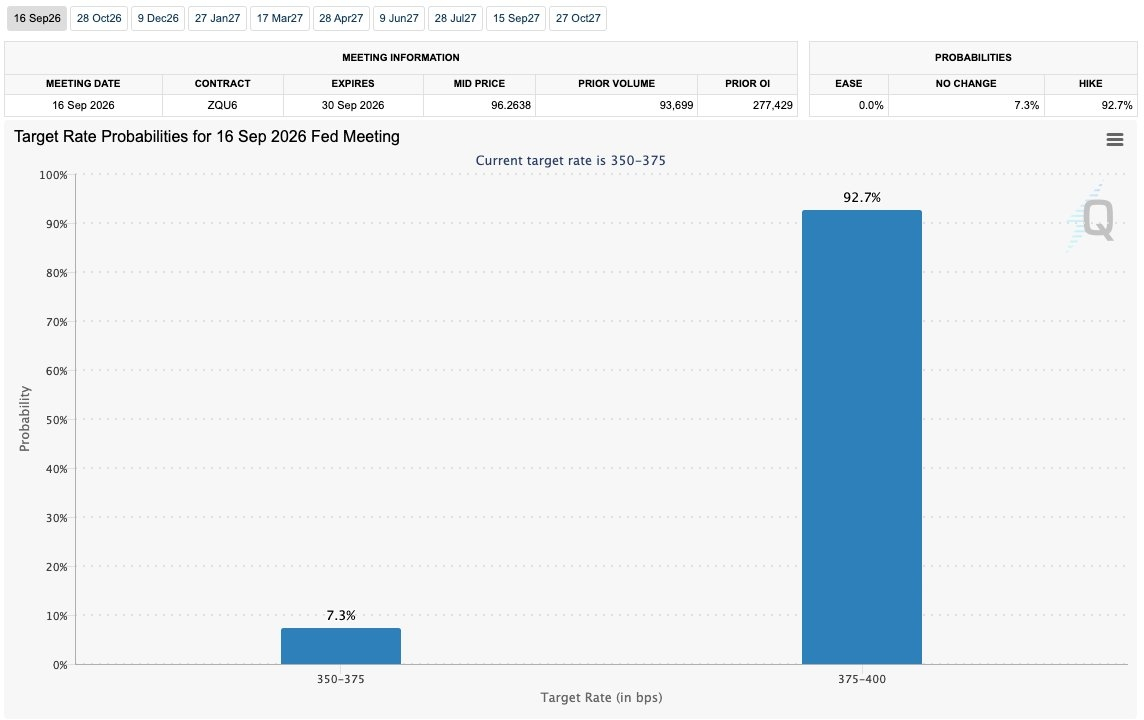
$BTC は$76Kを下回った状態でFRBへ向かっている。
市場は25bpの利上げに対して約93%の確率を織り込んでいるため、利上げそのものは真のきっかけにならない可能性がある。
より大きな動きはサプライズ、すなわち「据え置き」「より弱いガイダンス」または「よりタカ派的な道筋」から生じるかもしれない。
$BTC はいま何を織り込んでいるのか?
#FedRateWatch #CircleOpensArcMainnet #CircleOpensArcMainnet $SOL
{future}(SOLUSDT)
$BTC は$76Kを下回った状態でFRBへ向かっている。
市場は25bpの利上げに対して約93%の確率を織り込んでいるため、利上げそのものは真のきっかけにならない可能性がある。
より大きな動きはサプライズ、すなわち「据え置き」「より弱いガイダンス」または「よりタカ派的な道筋」から生じるかもしれない。
$BTC はいま何を織り込んでいるのか?
#FedRateWatch #CircleOpensArcMainnet #CircleOpensArcMainnet $SOL
市場は25bpの利上げに対して約93%の確率を織り込んでいるため、利上げそのものは真のきっかけにならない可能性がある。
より大きな動きはサプライズ、すなわち「据え置き」「より弱いガイダンス」または「よりタカ派的な道筋」から生じるかもしれない。
$BTC はいま何を織り込んでいるのか?
#FedRateWatch #CircleOpensArcMainnet #CircleOpensArcMainnet $SOL
97
ログインして、さらにコンテンツを読む
厳選トピックで世界の暗号資産トレーダーの仲間入り
⚡️ 暗号資産に関する最新かつ有益な情報が見つかります。
💬 世界最大の暗号資産取引所から信頼されています。
👍 認証を受けたクリエイターから、有益なインサイトを得られます。
メール / 電話番号