

Crypto Reporter
207 Posting

Crypto Reporter
 Square Terverifikasi+
Laporkan
Blokir Pengguna
Crypto Reporter - Online magazine about cryptocurrencies, NFTs, DeFi, GameFi and other blockchain technologies.
1 Mengikuti
3.2K+ Pengikut
454 Disukai
Posting
Artikel
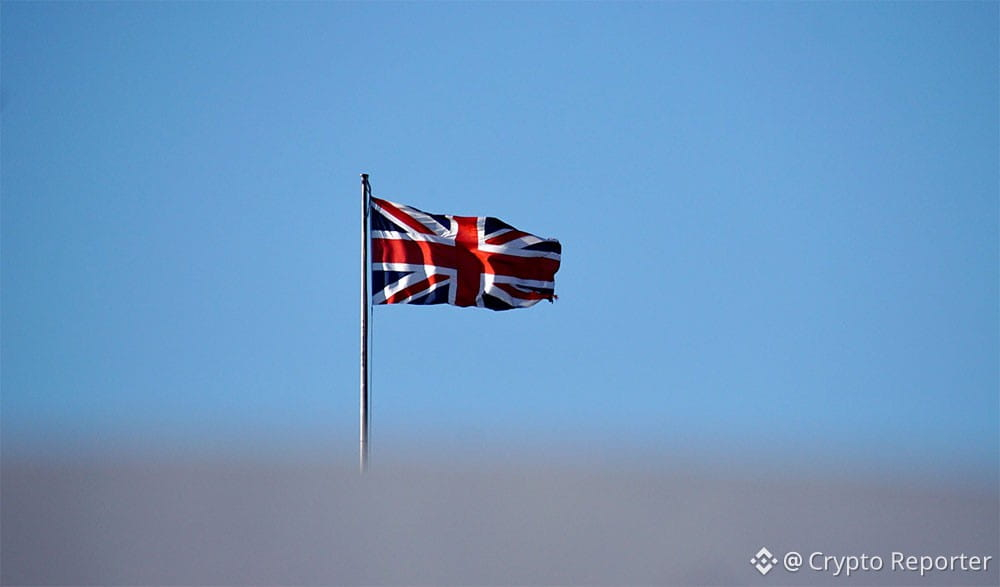
Bank-bank Inggris Menggerakkan Simpanan yang Ditokenisasi Menuju ProduksiBank-bank terbesar di Inggris telah menyelesaikan transaksi pelanggan langsung pertama menggunakan simpanan sterling yang ditokenisasi, menandai langkah signifikan menuju penerapan uang komersial berbasis blockchain dari bank ke pembayaran dunia nyata.
Transaksi dilakukan melalui inisiatif Great British Tokenised Deposit (GBTD), dikoordinasikan oleh UK Finance dan melibatkan Barclays, HSBC UK, Lloyds Banking Group, Monzo, Nationwide, NatWest, serta Santander. UK Finance mengumumkan transaksi tersebut pada 24 September.
Simpanan yang ditokenisasi adalah representasi digital dari simpanan bank komersial konvensional. Berbeda dengan stablecoin yang diterbitkan secara privat, simpanan ini tetap merupakan klaim atas bank-bank teregulasi sambil menambahkan kemampuan blockchain seperti pemrograman, pembayaran bersyarat, dan penyelesaian otomatis.
Bank-bank Inggris Menggerakkan Simpanan yang Ditokenisasi Menuju Produksi
Bank-bank terbesar di Inggris telah menyelesaikan transaksi pelanggan langsung pertama menggunakan simpanan sterling yang ditokenisasi, menandai langkah signifikan menuju penerapan uang komersial berbasis blockchain dari bank ke pembayaran dunia nyata.
Transaksi dilakukan melalui inisiatif Great British Tokenised Deposit (GBTD), dikoordinasikan oleh UK Finance dan melibatkan Barclays, HSBC UK, Lloyds Banking Group, Monzo, Nationwide, NatWest, serta Santander. UK Finance mengumumkan transaksi tersebut pada 24 September.
Simpanan yang ditokenisasi adalah representasi digital dari simpanan bank komersial konvensional. Berbeda dengan stablecoin yang diterbitkan secara privat, simpanan ini tetap merupakan klaim atas bank-bank teregulasi sambil menambahkan kemampuan blockchain seperti pemrograman, pembayaran bersyarat, dan penyelesaian otomatis.
Transaksi dilakukan melalui inisiatif Great British Tokenised Deposit (GBTD), dikoordinasikan oleh UK Finance dan melibatkan Barclays, HSBC UK, Lloyds Banking Group, Monzo, Nationwide, NatWest, serta Santander. UK Finance mengumumkan transaksi tersebut pada 24 September.
Simpanan yang ditokenisasi adalah representasi digital dari simpanan bank komersial konvensional. Berbeda dengan stablecoin yang diterbitkan secara privat, simpanan ini tetap merupakan klaim atas bank-bank teregulasi sambil menambahkan kemampuan blockchain seperti pemrograman, pembayaran bersyarat, dan penyelesaian otomatis.
1
205
Artikel
Binance Investasikan $100 Juta ke Circle saat Kemitraan USDC MeluasBinance telah menginvestasikan $100 juta di Circle, memperdalam hubungan antara salah satu bursa kripto terbesar di dunia dan penerbit stablecoin USDC.
Investasi tersebut diumumkan pada 22 September bersamaan dengan perjanjian komersial baru berdurasi lima tahun yang berfokus pada perluasan penggunaan USDC, khususnya di pasar berkembang. Circle mengatakan Binance akan mempromosikan, mengintegrasikan, dan meningkatkan kesadaran akan USDC di seluruh platformnya, sementara Circle akan menyediakan infrastruktur yang mendukung penggunaan stablecoin tersebut.
Binance memperoleh 1.237.011 saham Kelas A Circle dengan harga $80,84 per saham melalui penempatan privat yang ditutup pada 17 September, menurut dokumen pengajuan regulasi. Harga tersebut mencerminkan diskon 5% dari harga pasar Circle sebelum transaksi. The Block melaporkan bahwa Binance telah setuju untuk tidak menjual, mentransfer, atau melakukan lindung nilai atas saham tersebut hingga dua tahun, dengan ketentuan pengecualian tertentu.
Binance Investasikan $100 Juta ke Circle saat Kemitraan USDC Meluas
Binance telah menginvestasikan $100 juta di Circle, memperdalam hubungan antara salah satu bursa kripto terbesar di dunia dan penerbit stablecoin USDC.
Investasi tersebut diumumkan pada 22 September bersamaan dengan perjanjian komersial baru berdurasi lima tahun yang berfokus pada perluasan penggunaan USDC, khususnya di pasar berkembang. Circle mengatakan Binance akan mempromosikan, mengintegrasikan, dan meningkatkan kesadaran akan USDC di seluruh platformnya, sementara Circle akan menyediakan infrastruktur yang mendukung penggunaan stablecoin tersebut.
Binance memperoleh 1.237.011 saham Kelas A Circle dengan harga $80,84 per saham melalui penempatan privat yang ditutup pada 17 September, menurut dokumen pengajuan regulasi. Harga tersebut mencerminkan diskon 5% dari harga pasar Circle sebelum transaksi. The Block melaporkan bahwa Binance telah setuju untuk tidak menjual, mentransfer, atau melakukan lindung nilai atas saham tersebut hingga dua tahun, dengan ketentuan pengecualian tertentu.
Investasi tersebut diumumkan pada 22 September bersamaan dengan perjanjian komersial baru berdurasi lima tahun yang berfokus pada perluasan penggunaan USDC, khususnya di pasar berkembang. Circle mengatakan Binance akan mempromosikan, mengintegrasikan, dan meningkatkan kesadaran akan USDC di seluruh platformnya, sementara Circle akan menyediakan infrastruktur yang mendukung penggunaan stablecoin tersebut.
Binance memperoleh 1.237.011 saham Kelas A Circle dengan harga $80,84 per saham melalui penempatan privat yang ditutup pada 17 September, menurut dokumen pengajuan regulasi. Harga tersebut mencerminkan diskon 5% dari harga pasar Circle sebelum transaksi. The Block melaporkan bahwa Binance telah setuju untuk tidak menjual, mentransfer, atau melakukan lindung nilai atas saham tersebut hingga dua tahun, dengan ketentuan pengecualian tertentu.
92
Artikel
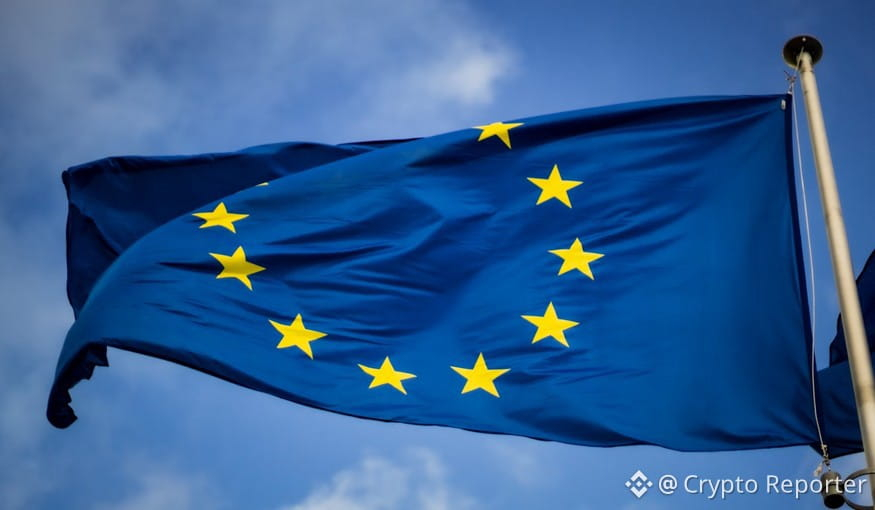
ECB Membawa Uang Bank Sentral ke Blockchain dengan Sistem Pontes BaruBank Sentral Eropa telah meluncurkan sistem penyelesaian blockchain baru yang memungkinkan bank dan lembaga keuangan lain yang memenuhi syarat menyelesaikan transaksi yang melibatkan aset tokenized secara langsung dalam uang bank sentral, menandai langkah besar dalam upaya Eropa untuk mengintegrasikan blockchain dengan infrastruktur keuangan tradisional.
Disebut Pontes, sistem ini menghubungkan platform teknologi distributed-ledger yang digunakan oleh pelaku pasar keuangan dengan layanan TARGET milik Eurosystem yang sudah ada. ECB meluncurkan layanan tersebut pada 21 September dan mengatakan itu merupakan langkah operasional pertama dalam strateginya agar uang bank sentral sesuai untuk sistem keuangan yang dinominalkan (tokenized). ECB mengatakan sistem ini pada awalnya akan menyediakan kumpulan layanan inti sebelum memperluas fungsionalitas dan jam operasionalnya.
ECB Membawa Uang Bank Sentral ke Blockchain dengan Sistem Pontes Baru
Bank Sentral Eropa telah meluncurkan sistem penyelesaian blockchain baru yang memungkinkan bank dan lembaga keuangan lain yang memenuhi syarat menyelesaikan transaksi yang melibatkan aset tokenized secara langsung dalam uang bank sentral, menandai langkah besar dalam upaya Eropa untuk mengintegrasikan blockchain dengan infrastruktur keuangan tradisional.
Disebut Pontes, sistem ini menghubungkan platform teknologi distributed-ledger yang digunakan oleh pelaku pasar keuangan dengan layanan TARGET milik Eurosystem yang sudah ada. ECB meluncurkan layanan tersebut pada 21 September dan mengatakan itu merupakan langkah operasional pertama dalam strateginya agar uang bank sentral sesuai untuk sistem keuangan yang dinominalkan (tokenized). ECB mengatakan sistem ini pada awalnya akan menyediakan kumpulan layanan inti sebelum memperluas fungsionalitas dan jam operasionalnya.
Disebut Pontes, sistem ini menghubungkan platform teknologi distributed-ledger yang digunakan oleh pelaku pasar keuangan dengan layanan TARGET milik Eurosystem yang sudah ada. ECB meluncurkan layanan tersebut pada 21 September dan mengatakan itu merupakan langkah operasional pertama dalam strateginya agar uang bank sentral sesuai untuk sistem keuangan yang dinominalkan (tokenized). ECB mengatakan sistem ini pada awalnya akan menyediakan kumpulan layanan inti sebelum memperluas fungsionalitas dan jam operasionalnya.
144
Artikel
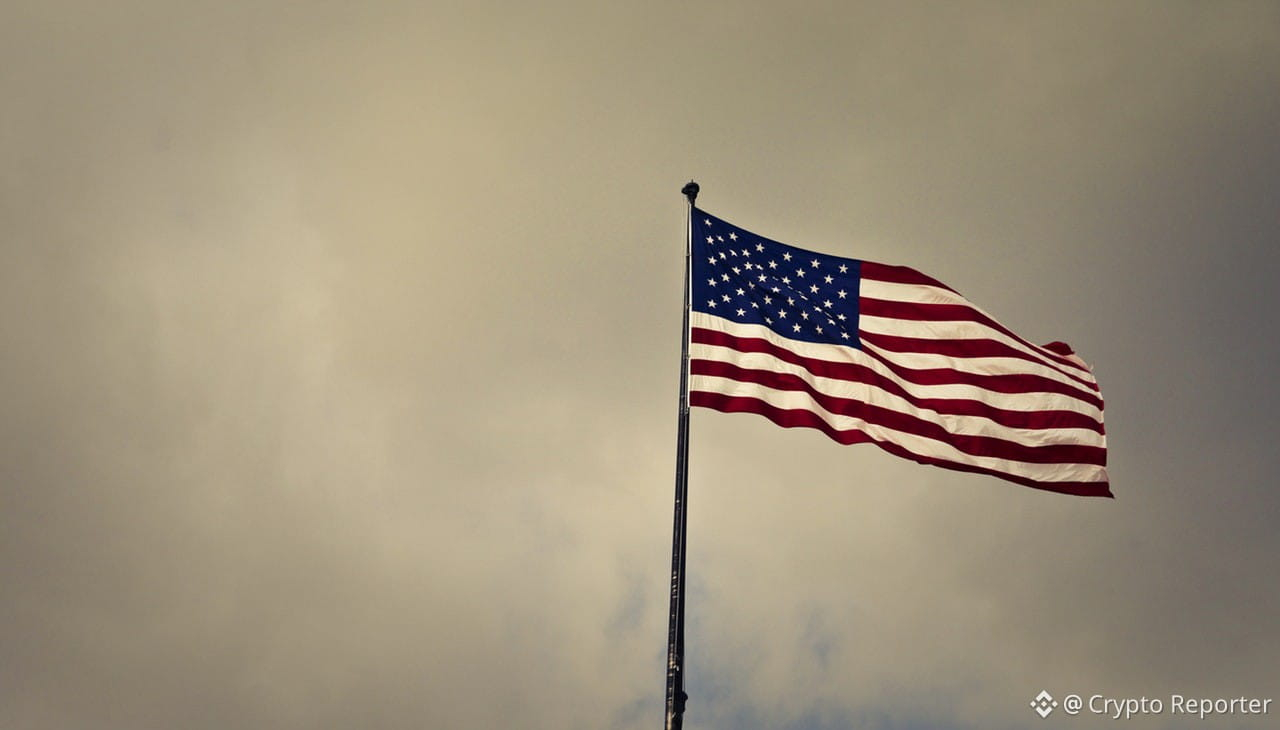
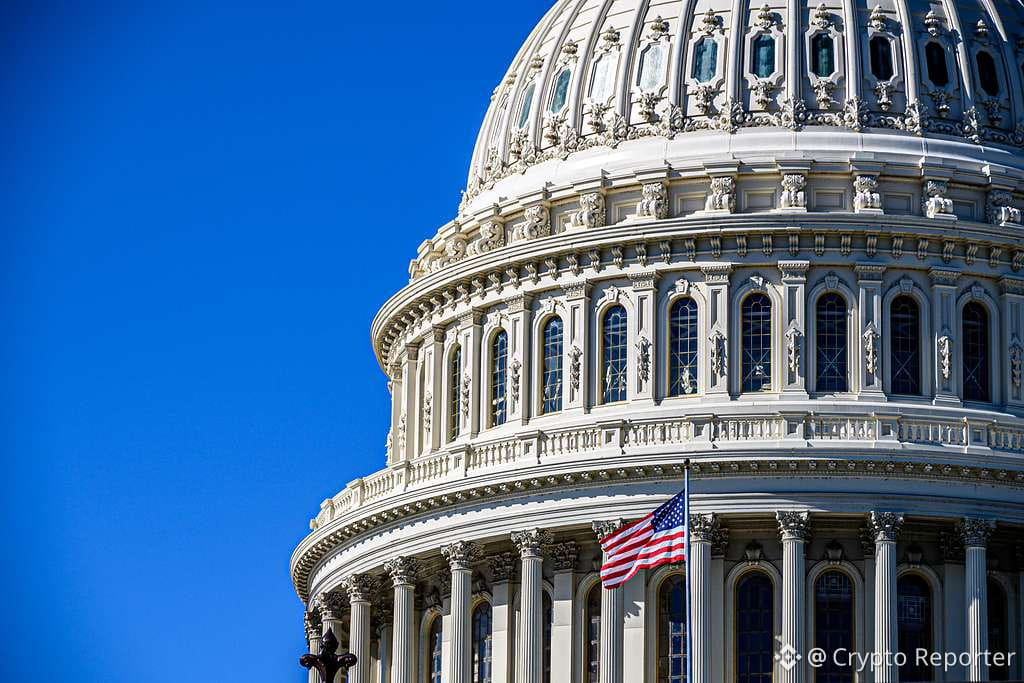
SEC dan CFTC Melangkah Maju Dengan Aturan Kripto Saat Kongres TerbendungKomisi Sekuritas dan Bursa AS (SEC) dan Komisi Perdagangan Berjangka Komoditas (CFTC) melangkah dengan inisiatif terpisah untuk membentuk ulang pasar aset digital, beberapa hari setelah Senat gagal meloloskan rancangan undang-undang besar tentang struktur pasar kripto.
SEC pada 17 Sept. memberikan pengecualian bersyarat selama lima tahun yang memungkinkan fasilitas berbasis blockchain yang memenuhi syarat untuk memperdagangkan sejumlah saham AS yang tokenisasi tanpa diperlakukan sebagai bursa efek tradisional berdasarkan aturan yang berlaku. Badan tersebut juga memberikan keringanan terbatas bagi penyedia likuiditas tertentu dari persyaratan pendaftaran dealer. Reuters melaporkan tentang pengecualian lima tahun dari SEC tersebut.
SEC dan CFTC Melangkah Maju Dengan Aturan Kripto Saat Kongres Terbendung
Komisi Sekuritas dan Bursa AS (SEC) dan Komisi Perdagangan Berjangka Komoditas (CFTC) melangkah dengan inisiatif terpisah untuk membentuk ulang pasar aset digital, beberapa hari setelah Senat gagal meloloskan rancangan undang-undang besar tentang struktur pasar kripto.
SEC pada 17 Sept. memberikan pengecualian bersyarat selama lima tahun yang memungkinkan fasilitas berbasis blockchain yang memenuhi syarat untuk memperdagangkan sejumlah saham AS yang tokenisasi tanpa diperlakukan sebagai bursa efek tradisional berdasarkan aturan yang berlaku. Badan tersebut juga memberikan keringanan terbatas bagi penyedia likuiditas tertentu dari persyaratan pendaftaran dealer. Reuters melaporkan tentang pengecualian lima tahun dari SEC tersebut.
SEC pada 17 Sept. memberikan pengecualian bersyarat selama lima tahun yang memungkinkan fasilitas berbasis blockchain yang memenuhi syarat untuk memperdagangkan sejumlah saham AS yang tokenisasi tanpa diperlakukan sebagai bursa efek tradisional berdasarkan aturan yang berlaku. Badan tersebut juga memberikan keringanan terbatas bagi penyedia likuiditas tertentu dari persyaratan pendaftaran dealer. Reuters melaporkan tentang pengecualian lima tahun dari SEC tersebut.
1
3
2.9k
Artikel
Senat AS Menolak Clarity Act sebagai Kabar Buruk bagi Regulasi KriptoSenat AS pada hari Selasa gagal meloloskan Clarity Act, sehingga upaya besar untuk menetapkan kerangka regulasi federal bagi aset digital tertunda di Kongres.
Usulan prosedural tersebut memperoleh 50 suara mendukung dan 49 menentang, dengan satu senator tidak memberikan suara. Karena peraturan Senat mensyaratkan 60 suara untuk meloloskan rancangan undang-undang, usulan itu kekurangan 10 suara dari ambang batas. Pemungutan suara tersebut merupakan langkah prosedural menuju pengajuan rancangan undang-undang, bukan suara final untuk rancangan undang-undang itu sendiri
Rancangan undang-undang ini akan membentuk kerangka federal yang lebih luas untuk aset digital, termasuk aturan yang mengatur penerbitan dan perdagangan mata uang kripto serta pembagian tanggung jawab regulasi antara Komisi Sekuritas dan Bursa (SEC) serta Komisi Perdagangan Berjangka Komoditas (CFTC).
Senat AS Menolak Clarity Act sebagai Kabar Buruk bagi Regulasi Kripto
Senat AS pada hari Selasa gagal meloloskan Clarity Act, sehingga upaya besar untuk menetapkan kerangka regulasi federal bagi aset digital tertunda di Kongres.
Usulan prosedural tersebut memperoleh 50 suara mendukung dan 49 menentang, dengan satu senator tidak memberikan suara. Karena peraturan Senat mensyaratkan 60 suara untuk meloloskan rancangan undang-undang, usulan itu kekurangan 10 suara dari ambang batas. Pemungutan suara tersebut merupakan langkah prosedural menuju pengajuan rancangan undang-undang, bukan suara final untuk rancangan undang-undang itu sendiri
Rancangan undang-undang ini akan membentuk kerangka federal yang lebih luas untuk aset digital, termasuk aturan yang mengatur penerbitan dan perdagangan mata uang kripto serta pembagian tanggung jawab regulasi antara Komisi Sekuritas dan Bursa (SEC) serta Komisi Perdagangan Berjangka Komoditas (CFTC).
Usulan prosedural tersebut memperoleh 50 suara mendukung dan 49 menentang, dengan satu senator tidak memberikan suara. Karena peraturan Senat mensyaratkan 60 suara untuk meloloskan rancangan undang-undang, usulan itu kekurangan 10 suara dari ambang batas. Pemungutan suara tersebut merupakan langkah prosedural menuju pengajuan rancangan undang-undang, bukan suara final untuk rancangan undang-undang itu sendiri
Rancangan undang-undang ini akan membentuk kerangka federal yang lebih luas untuk aset digital, termasuk aturan yang mengatur penerbitan dan perdagangan mata uang kripto serta pembagian tanggung jawab regulasi antara Komisi Sekuritas dan Bursa (SEC) serta Komisi Perdagangan Berjangka Komoditas (CFTC).
1k
Artikel
Regulator Inggris Menjelajahi Emas Ter-tokenisasi untuk Pasar KeuanganOtoritas Perilaku Keuangan Inggris (Financial Conduct Authority) sedang menilai apakah emas sebaiknya dipindahkan ke infrastruktur berbasis blockchain, dengan membuka konsultasi mengenai potensi penggunaan emas ter-tokenisasi di pasar keuangan Inggris.
FCA mengatakan tokenisasi dapat membuat emas fisik lebih mudah untuk diperdagangkan, dipindahkan, disimpan, dan dijadikan jaminan dengan menciptakan token digital yang mewakili kepemilikan atas logam yang mendasarinya.
Inisiatif ini secara khusus berfokus pada pasar grosir. London tetap menjadi pusat terbesar di dunia untuk perdagangan emas spot, dan otoritas pengawas ingin menentukan apakah teknologi distributed ledger dapat meningkatkan efisiensi tanpa melemahkan integritas pasar atau perlindungan investor.
Regulator Inggris Menjelajahi Emas Ter-tokenisasi untuk Pasar Keuangan
Otoritas Perilaku Keuangan Inggris (Financial Conduct Authority) sedang menilai apakah emas sebaiknya dipindahkan ke infrastruktur berbasis blockchain, dengan membuka konsultasi mengenai potensi penggunaan emas ter-tokenisasi di pasar keuangan Inggris.
FCA mengatakan tokenisasi dapat membuat emas fisik lebih mudah untuk diperdagangkan, dipindahkan, disimpan, dan dijadikan jaminan dengan menciptakan token digital yang mewakili kepemilikan atas logam yang mendasarinya.
Inisiatif ini secara khusus berfokus pada pasar grosir. London tetap menjadi pusat terbesar di dunia untuk perdagangan emas spot, dan otoritas pengawas ingin menentukan apakah teknologi distributed ledger dapat meningkatkan efisiensi tanpa melemahkan integritas pasar atau perlindungan investor.
FCA mengatakan tokenisasi dapat membuat emas fisik lebih mudah untuk diperdagangkan, dipindahkan, disimpan, dan dijadikan jaminan dengan menciptakan token digital yang mewakili kepemilikan atas logam yang mendasarinya.
Inisiatif ini secara khusus berfokus pada pasar grosir. London tetap menjadi pusat terbesar di dunia untuk perdagangan emas spot, dan otoritas pengawas ingin menentukan apakah teknologi distributed ledger dapat meningkatkan efisiensi tanpa melemahkan integritas pasar atau perlindungan investor.
91
Artikel
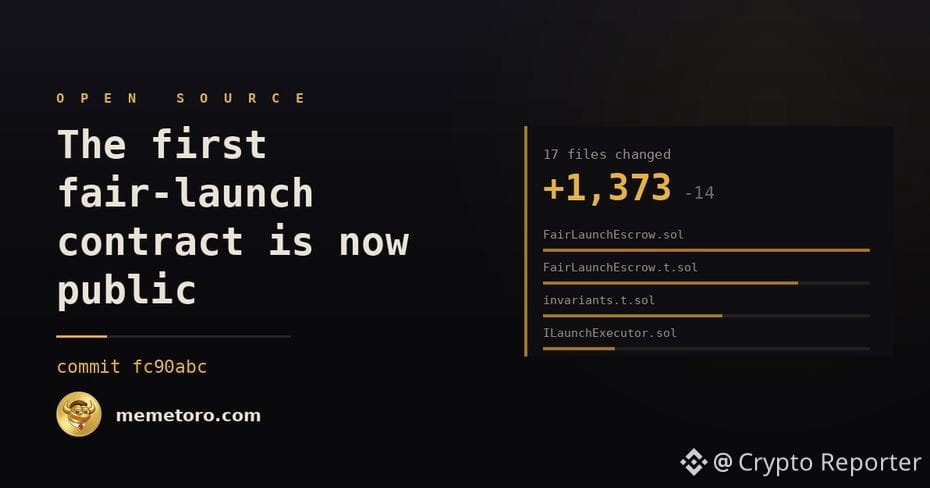
Berita Kripto Terbaru: MemeToro Beralih Dari Proposal AI Memecoin ke Eksekusi Smart Contract Saat Cryp...MemeToro telah mulai membangun lapisan eksekusi smart contract untuk sistem peluncuran AI memecoin-nya, dengan mempublikasikan draf Solidity fair-launch pertamanya sementara Bitcoin dan altcoin utama masih terjebak dalam pasar kripto yang ragu-ragu.
Rilis ini merupakan langkah teknis penting bagi proyek karena pipeline agen yang sudah ada dapat mengubah berita dan sinyal sosial menjadi proposal peluncuran yang terstruktur.
Kontrak baru FairLaunchEscrow.sol mulai menjawab pertanyaan berikutnya: bagaimana proposal-proposal yang telah dipublikasikan itu dapat menjadi putaran pendanaan yang aturannya ditegakkan dalam kode.
Berita Kripto Terbaru: MemeToro Beralih Dari Proposal AI Memecoin ke Eksekusi Smart Contract Saat Cryp...
MemeToro telah mulai membangun lapisan eksekusi smart contract untuk sistem peluncuran AI memecoin-nya, dengan mempublikasikan draf Solidity fair-launch pertamanya sementara Bitcoin dan altcoin utama masih terjebak dalam pasar kripto yang ragu-ragu.
Rilis ini merupakan langkah teknis penting bagi proyek karena pipeline agen yang sudah ada dapat mengubah berita dan sinyal sosial menjadi proposal peluncuran yang terstruktur.
Kontrak baru FairLaunchEscrow.sol mulai menjawab pertanyaan berikutnya: bagaimana proposal-proposal yang telah dipublikasikan itu dapat menjadi putaran pendanaan yang aturannya ditegakkan dalam kode.
Rilis ini merupakan langkah teknis penting bagi proyek karena pipeline agen yang sudah ada dapat mengubah berita dan sinyal sosial menjadi proposal peluncuran yang terstruktur.
Kontrak baru FairLaunchEscrow.sol mulai menjawab pertanyaan berikutnya: bagaimana proposal-proposal yang telah dipublikasikan itu dapat menjadi putaran pendanaan yang aturannya ditegakkan dalam kode.
258
Artikel
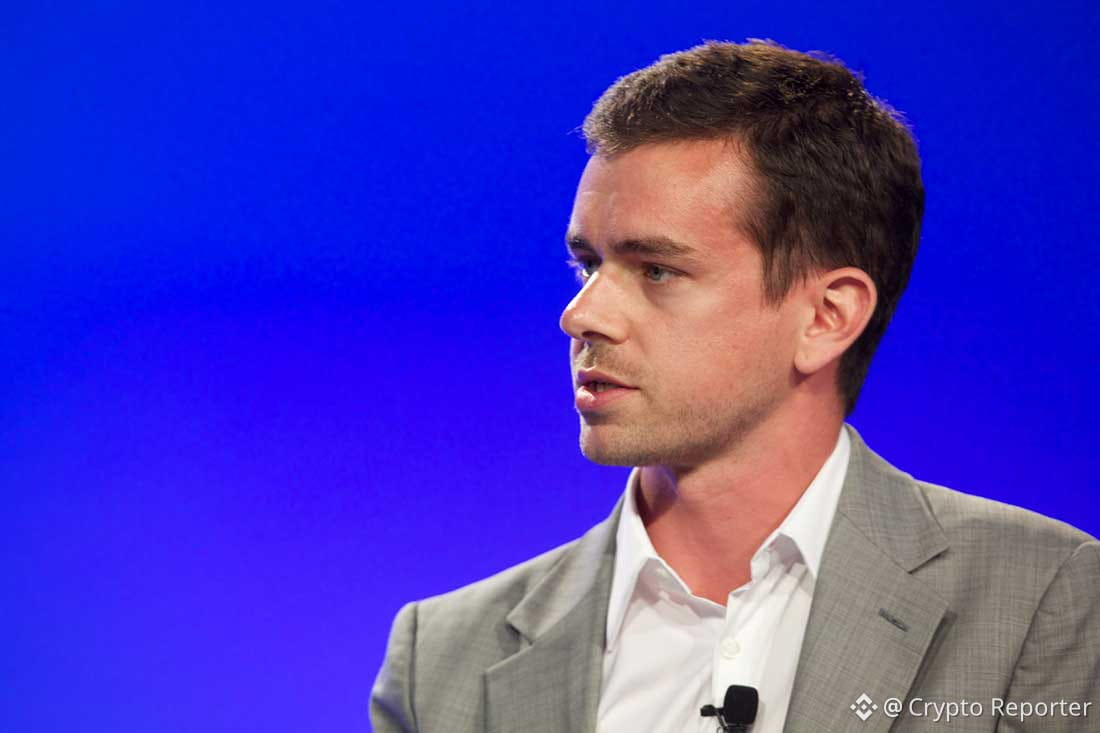
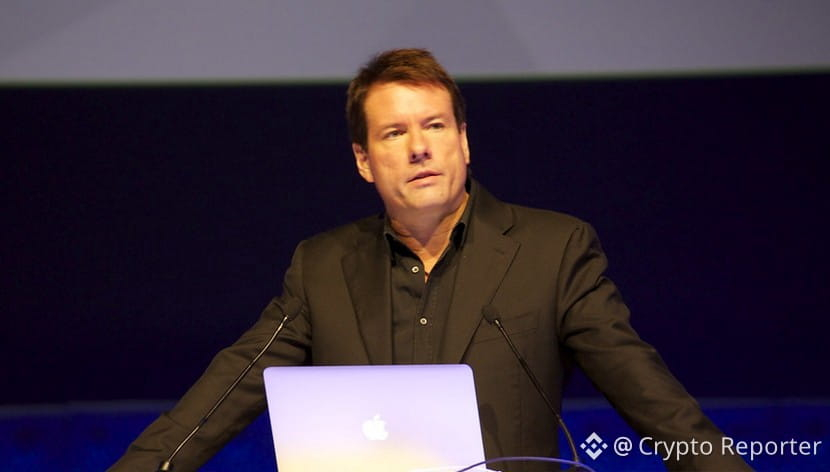
Block Mengincar Izin Bank Federal untuk Penitipan Bitcoin dan StablecoinBlock milik Jack Dorsey sedang mencari izin perbankan federal untuk membawa bisnis penitipan Bitcoin dan stablecoin-nya berada di bawah pengawasan peraturan AS secara langsung, tanda lain bahwa perusahaan aset digital bergerak lebih jauh ke dalam sistem keuangan tradisional.
Fintech tersebut telah mengajukan permohonan kepada Kantor Pengawas Mata Uang (Office of the Comptroller of the Currency) untuk mendirikan Builders Bank & Trust, sebuah bank perwalian nasional yang tidak diasuransikan. Lembaga yang diusulkan akan menyediakan layanan penitipan dan fidusia, termasuk untuk Bitcoin dan stablecoin, tetapi tidak akan menerima simpanan atau memberikan pinjaman.
Block Mengincar Izin Bank Federal untuk Penitipan Bitcoin dan Stablecoin
Block milik Jack Dorsey sedang mencari izin perbankan federal untuk membawa bisnis penitipan Bitcoin dan stablecoin-nya berada di bawah pengawasan peraturan AS secara langsung, tanda lain bahwa perusahaan aset digital bergerak lebih jauh ke dalam sistem keuangan tradisional.
Fintech tersebut telah mengajukan permohonan kepada Kantor Pengawas Mata Uang (Office of the Comptroller of the Currency) untuk mendirikan Builders Bank & Trust, sebuah bank perwalian nasional yang tidak diasuransikan. Lembaga yang diusulkan akan menyediakan layanan penitipan dan fidusia, termasuk untuk Bitcoin dan stablecoin, tetapi tidak akan menerima simpanan atau memberikan pinjaman.
Fintech tersebut telah mengajukan permohonan kepada Kantor Pengawas Mata Uang (Office of the Comptroller of the Currency) untuk mendirikan Builders Bank & Trust, sebuah bank perwalian nasional yang tidak diasuransikan. Lembaga yang diusulkan akan menyediakan layanan penitipan dan fidusia, termasuk untuk Bitcoin dan stablecoin, tetapi tidak akan menerima simpanan atau memberikan pinjaman.
81
Artikel
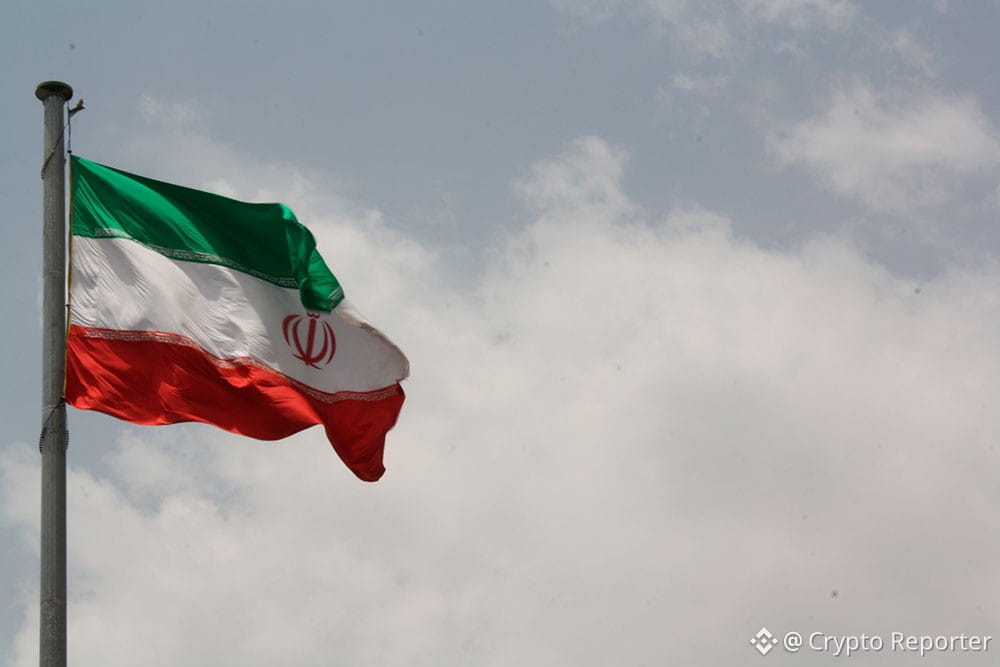
Iran Beralih ke Bitcoin, Tether Saat Sanksi Menekan Sistem KeuanganIran beralih ke Bitcoin dan Tether karena sanksi dan pengerasan blokade ekonomi membuat semakin sulit bagi negara itu untuk mengakses jaringan keuangan internasional konvensional.
Bank sentral Iran melonggarkan kontrol valuta asing yang sudah lama berlaku, memungkinkan para eksportir menggunakan Tether dan Bitcoin untuk transaksi lintas negara melalui bursa kripto domestik. Perubahan ini memberi dunia usaha cara untuk memindahkan hasil ekspor langsung ke impor sekaligus menghindari sebagian pembatasan dan kurs yang dikenakan oleh negara.
Iran Beralih ke Bitcoin, Tether Saat Sanksi Menekan Sistem Keuangan
Iran beralih ke Bitcoin dan Tether karena sanksi dan pengerasan blokade ekonomi membuat semakin sulit bagi negara itu untuk mengakses jaringan keuangan internasional konvensional.
Bank sentral Iran melonggarkan kontrol valuta asing yang sudah lama berlaku, memungkinkan para eksportir menggunakan Tether dan Bitcoin untuk transaksi lintas negara melalui bursa kripto domestik. Perubahan ini memberi dunia usaha cara untuk memindahkan hasil ekspor langsung ke impor sekaligus menghindari sebagian pembatasan dan kurs yang dikenakan oleh negara.
Bank sentral Iran melonggarkan kontrol valuta asing yang sudah lama berlaku, memungkinkan para eksportir menggunakan Tether dan Bitcoin untuk transaksi lintas negara melalui bursa kripto domestik. Perubahan ini memberi dunia usaha cara untuk memindahkan hasil ekspor langsung ke impor sekaligus menghindari sebagian pembatasan dan kurs yang dikenakan oleh negara.
96
Artikel
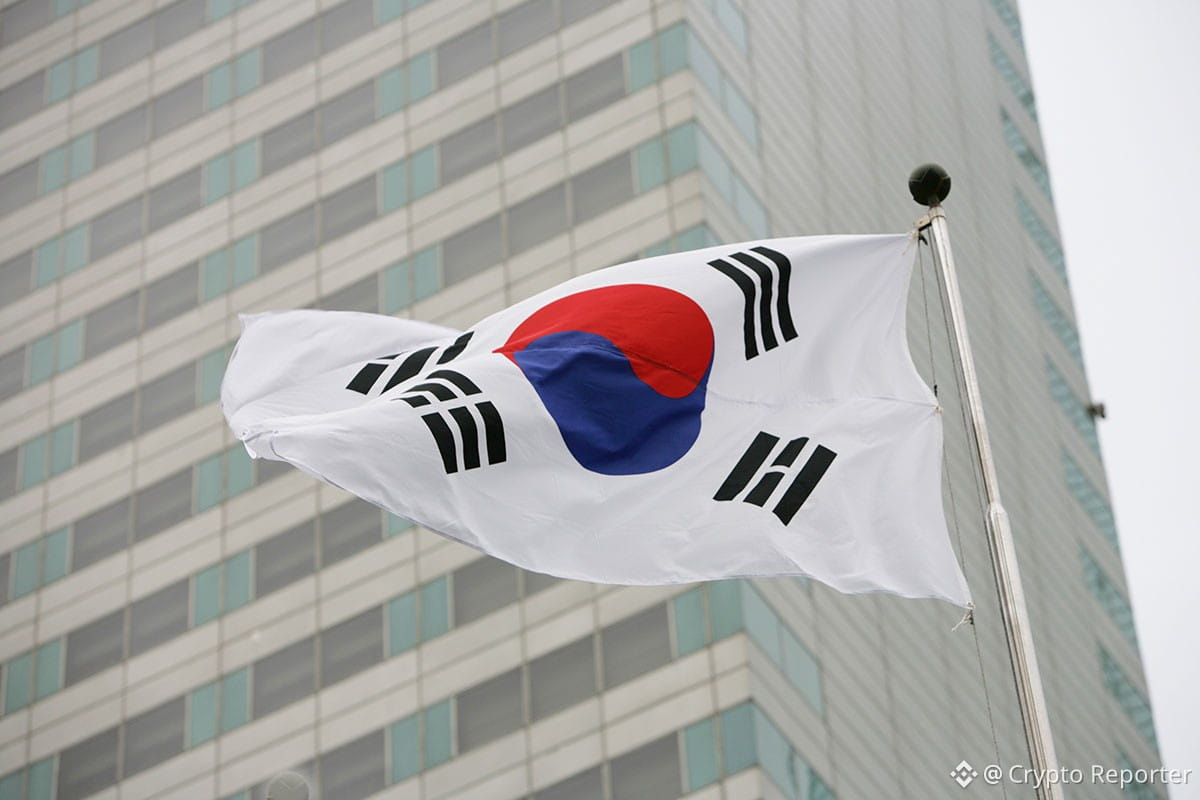
Korea Selatan Berencana Membawa Semua Sekuritas ke On-chain Mulai 2027Korea Selatan tengah mempersiapkan salah satu program tokenisasi paling ambisius yang pernah dicoba oleh pasar keuangan utama.
Komisi Jasa Keuangan negara tersebut telah mengungkapkan peta jalan tiga tahap yang akan secara bertahap memperluas sekuritas berbasis blockchain dari produk investasi khusus menjadi aset konvensional termasuk saham, obligasi, dan dana.
Tahap pertama dijadwalkan dimulai pada Februari 2027, ketika amandemen terhadap Undang-Undang Registrasi Elektronik Korea Selatan mulai berlaku dan secara resmi mengakui sekuritas token sebagai bentuk digital dari sekuritas tradisional.
Korea Selatan Berencana Membawa Semua Sekuritas ke On-chain Mulai 2027
Korea Selatan tengah mempersiapkan salah satu program tokenisasi paling ambisius yang pernah dicoba oleh pasar keuangan utama.
Komisi Jasa Keuangan negara tersebut telah mengungkapkan peta jalan tiga tahap yang akan secara bertahap memperluas sekuritas berbasis blockchain dari produk investasi khusus menjadi aset konvensional termasuk saham, obligasi, dan dana.
Tahap pertama dijadwalkan dimulai pada Februari 2027, ketika amandemen terhadap Undang-Undang Registrasi Elektronik Korea Selatan mulai berlaku dan secara resmi mengakui sekuritas token sebagai bentuk digital dari sekuritas tradisional.
Komisi Jasa Keuangan negara tersebut telah mengungkapkan peta jalan tiga tahap yang akan secara bertahap memperluas sekuritas berbasis blockchain dari produk investasi khusus menjadi aset konvensional termasuk saham, obligasi, dan dana.
Tahap pertama dijadwalkan dimulai pada Februari 2027, ketika amandemen terhadap Undang-Undang Registrasi Elektronik Korea Selatan mulai berlaku dan secara resmi mengakui sekuritas token sebagai bentuk digital dari sekuritas tradisional.
80
Artikel
Bursa Efek London Membawa Saham ke BlockchainBursa Efek London mengambil langkah besar menuju pasar berbasis blockchain, berencana menawarkan versi token dari saham-saham Inggris (U.K.) saat mereka bersiap meluncurkan tempat perdagangan baru berdurasi 24 jam pada 2027.
London Stock Exchange Group akan bermitra dengan Payward, perusahaan induk dari bursa kripto Kraken, untuk memperkenalkan representasi berbasis blockchain dari ekuitas yang tercatat, yang dikenal sebagai xStocks. Token tersebut akan didukung satu banding satu oleh saham yang mendasarinya, menurut The Wall Street Journal.
Inisiatif ini dirancang untuk menghadirkan beberapa fitur pasar kripto — termasuk akses tanpa henti dan penyelesaian yang lebih cepat — ke dalam perdagangan ekuitas yang teregulasi. LSEG berencana memulai pengujian platform baru LSE 24 pada akhir 2026, dengan peluncuran penuh yang ditargetkan pada 2027, bergantung pada persetujuan regulator, menurut Reuters.
Bursa Efek London Membawa Saham ke Blockchain
Bursa Efek London mengambil langkah besar menuju pasar berbasis blockchain, berencana menawarkan versi token dari saham-saham Inggris (U.K.) saat mereka bersiap meluncurkan tempat perdagangan baru berdurasi 24 jam pada 2027.
London Stock Exchange Group akan bermitra dengan Payward, perusahaan induk dari bursa kripto Kraken, untuk memperkenalkan representasi berbasis blockchain dari ekuitas yang tercatat, yang dikenal sebagai xStocks. Token tersebut akan didukung satu banding satu oleh saham yang mendasarinya, menurut The Wall Street Journal.
Inisiatif ini dirancang untuk menghadirkan beberapa fitur pasar kripto — termasuk akses tanpa henti dan penyelesaian yang lebih cepat — ke dalam perdagangan ekuitas yang teregulasi. LSEG berencana memulai pengujian platform baru LSE 24 pada akhir 2026, dengan peluncuran penuh yang ditargetkan pada 2027, bergantung pada persetujuan regulator, menurut Reuters.
London Stock Exchange Group akan bermitra dengan Payward, perusahaan induk dari bursa kripto Kraken, untuk memperkenalkan representasi berbasis blockchain dari ekuitas yang tercatat, yang dikenal sebagai xStocks. Token tersebut akan didukung satu banding satu oleh saham yang mendasarinya, menurut The Wall Street Journal.
Inisiatif ini dirancang untuk menghadirkan beberapa fitur pasar kripto — termasuk akses tanpa henti dan penyelesaian yang lebih cepat — ke dalam perdagangan ekuitas yang teregulasi. LSEG berencana memulai pengujian platform baru LSE 24 pada akhir 2026, dengan peluncuran penuh yang ditargetkan pada 2027, bergantung pada persetujuan regulator, menurut Reuters.
84
Artikel
Goldman Sachs, BofA, dan 19 Bank Berkolaborasi untuk Meluncurkan Stablecoin pada 2027Beberapa bank terbesar di dunia bergabung untuk meluncurkan stablecoin yang didukung dolar AS pada paruh pertama tahun 2027, mengambil lompatan kolektif ke pasar yang sebagian besar didominasi oleh perusahaan kripto.
Konsorsium 21 bank, termasuk Goldman Sachs, Bank of America, dan Citigroup, berencana untuk mendirikan perusahaan baru guna mengembangkan dan mengoperasikan mata uang digital. Inisiatif ini berkembang dari kelompok awal yang terdiri dari 10 bank, menurut Reuters dan The Wall Street Journal.
Stablecoin tersebut pada awalnya menargetkan nasabah komersial dan pembayaran lintas negara, di mana bank melihat potensi untuk membuat transaksi lebih cepat dan lebih efisien. Kelompok ini juga mempertimbangkan untuk menerbitkan stablecoin yang dikaitkan dengan mata uang G7 lainnya, termasuk euro.
Goldman Sachs, BofA, dan 19 Bank Berkolaborasi untuk Meluncurkan Stablecoin pada 2027
Beberapa bank terbesar di dunia bergabung untuk meluncurkan stablecoin yang didukung dolar AS pada paruh pertama tahun 2027, mengambil lompatan kolektif ke pasar yang sebagian besar didominasi oleh perusahaan kripto.
Konsorsium 21 bank, termasuk Goldman Sachs, Bank of America, dan Citigroup, berencana untuk mendirikan perusahaan baru guna mengembangkan dan mengoperasikan mata uang digital. Inisiatif ini berkembang dari kelompok awal yang terdiri dari 10 bank, menurut Reuters dan The Wall Street Journal.
Stablecoin tersebut pada awalnya menargetkan nasabah komersial dan pembayaran lintas negara, di mana bank melihat potensi untuk membuat transaksi lebih cepat dan lebih efisien. Kelompok ini juga mempertimbangkan untuk menerbitkan stablecoin yang dikaitkan dengan mata uang G7 lainnya, termasuk euro.
Konsorsium 21 bank, termasuk Goldman Sachs, Bank of America, dan Citigroup, berencana untuk mendirikan perusahaan baru guna mengembangkan dan mengoperasikan mata uang digital. Inisiatif ini berkembang dari kelompok awal yang terdiri dari 10 bank, menurut Reuters dan The Wall Street Journal.
Stablecoin tersebut pada awalnya menargetkan nasabah komersial dan pembayaran lintas negara, di mana bank melihat potensi untuk membuat transaksi lebih cepat dan lebih efisien. Kelompok ini juga mempertimbangkan untuk menerbitkan stablecoin yang dikaitkan dengan mata uang G7 lainnya, termasuk euro.
120
Artikel
Bitcoin Tembus Di Atas $80.000 saat Permintaan ETF Memicu Reli KriptoBitcoin menembus di atas $80.000 untuk pertama kalinya sejak Mei, memperpanjang reli yang telah mengangkat mata uang kripto tersebut sekitar 25% dalam seminggu serta menghidupkan kembali minat investor terhadap aset digital.
Kryptocurrency ini mencapai sekitar $81.000 pada 25 Agustus, level tertingginya sejak pertengahan Mei, sebelum mengembalikan sebagian kenaikan. Bitcoin telah naik sekitar 28% pada bulan Agustus, sehingga berpotensi mengalami kenaikan bulanan terkuatnya sejak November 2024, menurut Reuters.
Pergerakan ini menandai pembalikan tajam dari awal bulan ini, ketika Bitcoin diperdagangkan di dekat $64.000. Reli sempat mendapatkan momentum setelah gelombang likuidasi short, tetapi kenaikan terbaru ini didukung oleh bukti adanya permintaan spot baru dari investor institusional.
Bitcoin Tembus Di Atas $80.000 saat Permintaan ETF Memicu Reli Kripto
Bitcoin menembus di atas $80.000 untuk pertama kalinya sejak Mei, memperpanjang reli yang telah mengangkat mata uang kripto tersebut sekitar 25% dalam seminggu serta menghidupkan kembali minat investor terhadap aset digital.
Kryptocurrency ini mencapai sekitar $81.000 pada 25 Agustus, level tertingginya sejak pertengahan Mei, sebelum mengembalikan sebagian kenaikan. Bitcoin telah naik sekitar 28% pada bulan Agustus, sehingga berpotensi mengalami kenaikan bulanan terkuatnya sejak November 2024, menurut Reuters.
Pergerakan ini menandai pembalikan tajam dari awal bulan ini, ketika Bitcoin diperdagangkan di dekat $64.000. Reli sempat mendapatkan momentum setelah gelombang likuidasi short, tetapi kenaikan terbaru ini didukung oleh bukti adanya permintaan spot baru dari investor institusional.
Kryptocurrency ini mencapai sekitar $81.000 pada 25 Agustus, level tertingginya sejak pertengahan Mei, sebelum mengembalikan sebagian kenaikan. Bitcoin telah naik sekitar 28% pada bulan Agustus, sehingga berpotensi mengalami kenaikan bulanan terkuatnya sejak November 2024, menurut Reuters.
Pergerakan ini menandai pembalikan tajam dari awal bulan ini, ketika Bitcoin diperdagangkan di dekat $64.000. Reli sempat mendapatkan momentum setelah gelombang likuidasi short, tetapi kenaikan terbaru ini didukung oleh bukti adanya permintaan spot baru dari investor institusional.
71
Artikel
Jepang Berencana Membangun Sistem Blockchain untuk Mempercepat Penyelesaian Saham dan ObligasiOtoritas keuangan teratas Jepang tengah menyiapkan rencana untuk membangun infrastruktur berbasis blockchain guna menyelesaikan transaksi saham dan surat utang pemerintah Jepang. Langkah ini berpotensi mengubah cara transaksi efek diselesaikan di pasar keuangan negara tersebut.
Otoritas Jasa Keuangan, Kementerian Keuangan, dan Bank of Japan diperkirakan akan bekerja sama dengan institusi keuangan domestik mulai musim panas ini untuk menyusun rencana pengembangan sistem penyelesaian generasi berikutnya, menurut Nikkei Asia sebagaimana dilaporkan oleh The Block. Rencana tersebut bisa rampung sedini awal 2027 dan akan menetapkan arsitektur blockchain, pembagian tanggung jawab lembaga pemerintah dan institusi keuangan, serta peta jalan jangka panjang proyek tersebut.
Jepang Berencana Membangun Sistem Blockchain untuk Mempercepat Penyelesaian Saham dan Obligasi
Otoritas keuangan teratas Jepang tengah menyiapkan rencana untuk membangun infrastruktur berbasis blockchain guna menyelesaikan transaksi saham dan surat utang pemerintah Jepang. Langkah ini berpotensi mengubah cara transaksi efek diselesaikan di pasar keuangan negara tersebut.
Otoritas Jasa Keuangan, Kementerian Keuangan, dan Bank of Japan diperkirakan akan bekerja sama dengan institusi keuangan domestik mulai musim panas ini untuk menyusun rencana pengembangan sistem penyelesaian generasi berikutnya, menurut Nikkei Asia sebagaimana dilaporkan oleh The Block. Rencana tersebut bisa rampung sedini awal 2027 dan akan menetapkan arsitektur blockchain, pembagian tanggung jawab lembaga pemerintah dan institusi keuangan, serta peta jalan jangka panjang proyek tersebut.
Otoritas Jasa Keuangan, Kementerian Keuangan, dan Bank of Japan diperkirakan akan bekerja sama dengan institusi keuangan domestik mulai musim panas ini untuk menyusun rencana pengembangan sistem penyelesaian generasi berikutnya, menurut Nikkei Asia sebagaimana dilaporkan oleh The Block. Rencana tersebut bisa rampung sedini awal 2027 dan akan menetapkan arsitektur blockchain, pembagian tanggung jawab lembaga pemerintah dan institusi keuangan, serta peta jalan jangka panjang proyek tersebut.
85
Artikel
Bitcoin Tembus di Atas $71.000 Saat Short Squeeze Dorong Pasar Kripto MelonjakBitcoin melonjak melewati $71.000 untuk pertama kalinya sejak Juni, menembus pola pergerakan perdagangan enam minggu, seiring gelombang pembelian paksa yang mendorong mata uang kripto tersebut naik tajam.
Bitcoin naik hingga sekitar $72.400 pada Kamis, memperpanjang reli yang dimulai hari sebelumnya. Pergerakan ini mewakili kenaikan sekitar 11% dalam 24 jam, menurut laporan pasar CoinDesk.
Kenaikan tersebut diperkuat oleh tekanan jual-balik (squeeze) besar di pasar derivatif. Sekitar $3 miliar posisi short dilikuidasi dalam waktu 24 jam, dibandingkan kira-kira $264 juta pada likuidasi posisi long, menurut CoinDesk. Lebih dari $1 miliar posisi bearish musnah dalam satu jam karena para trader dipaksa membeli Bitcoin untuk menutup taruhan yang merugi
Bitcoin Tembus di Atas $71.000 Saat Short Squeeze Dorong Pasar Kripto Melonjak
Bitcoin melonjak melewati $71.000 untuk pertama kalinya sejak Juni, menembus pola pergerakan perdagangan enam minggu, seiring gelombang pembelian paksa yang mendorong mata uang kripto tersebut naik tajam.
Bitcoin naik hingga sekitar $72.400 pada Kamis, memperpanjang reli yang dimulai hari sebelumnya. Pergerakan ini mewakili kenaikan sekitar 11% dalam 24 jam, menurut laporan pasar CoinDesk.
Kenaikan tersebut diperkuat oleh tekanan jual-balik (squeeze) besar di pasar derivatif. Sekitar $3 miliar posisi short dilikuidasi dalam waktu 24 jam, dibandingkan kira-kira $264 juta pada likuidasi posisi long, menurut CoinDesk. Lebih dari $1 miliar posisi bearish musnah dalam satu jam karena para trader dipaksa membeli Bitcoin untuk menutup taruhan yang merugi
Bitcoin naik hingga sekitar $72.400 pada Kamis, memperpanjang reli yang dimulai hari sebelumnya. Pergerakan ini mewakili kenaikan sekitar 11% dalam 24 jam, menurut laporan pasar CoinDesk.
Kenaikan tersebut diperkuat oleh tekanan jual-balik (squeeze) besar di pasar derivatif. Sekitar $3 miliar posisi short dilikuidasi dalam waktu 24 jam, dibandingkan kira-kira $264 juta pada likuidasi posisi long, menurut CoinDesk. Lebih dari $1 miliar posisi bearish musnah dalam satu jam karena para trader dipaksa membeli Bitcoin untuk menutup taruhan yang merugi
95
Artikel
Tether Menyelesaikan Audit Penuh Pertama Setelah Bertahun-tahun Mendapat SorotanTether, penerbit stablecoin terbesar di dunia, telah menyelesaikan audit independen pertamanya yang penuh terhadap laporan keuangannya, mengakhiri bertahun-tahun janji dan pengawasan mengenai aset yang mendukung token USDT-nya.
KPMG AS menerbitkan “pendapat audit tanpa kualifikasi” atas laporan keuangan Tether International S.A. de C.V. untuk tahun yang berakhir pada 31 Desember 2025, yang berarti laporan tersebut secara wajar menyajikan posisi keuangan perusahaan, hasil operasi, dan arus kas sesuai dengan prinsip akuntansi yang berlaku umum di AS, menurut pengumuman Tether.
Tether Menyelesaikan Audit Penuh Pertama Setelah Bertahun-tahun Mendapat Sorotan
Tether, penerbit stablecoin terbesar di dunia, telah menyelesaikan audit independen pertamanya yang penuh terhadap laporan keuangannya, mengakhiri bertahun-tahun janji dan pengawasan mengenai aset yang mendukung token USDT-nya.
KPMG AS menerbitkan “pendapat audit tanpa kualifikasi” atas laporan keuangan Tether International S.A. de C.V. untuk tahun yang berakhir pada 31 Desember 2025, yang berarti laporan tersebut secara wajar menyajikan posisi keuangan perusahaan, hasil operasi, dan arus kas sesuai dengan prinsip akuntansi yang berlaku umum di AS, menurut pengumuman Tether.
KPMG AS menerbitkan “pendapat audit tanpa kualifikasi” atas laporan keuangan Tether International S.A. de C.V. untuk tahun yang berakhir pada 31 Desember 2025, yang berarti laporan tersebut secara wajar menyajikan posisi keuangan perusahaan, hasil operasi, dan arus kas sesuai dengan prinsip akuntansi yang berlaku umum di AS, menurut pengumuman Tether.
361
Artikel
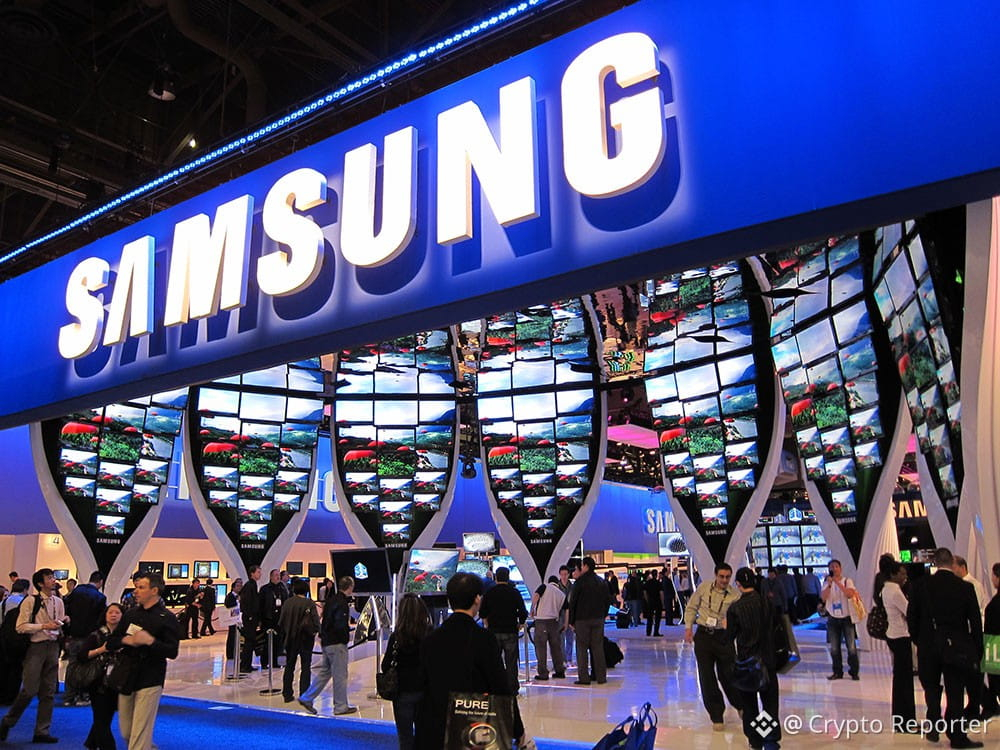
Samsung Menargetkan Distribusi Stablecoin di Ratusan Juta Ponsel GalaxySamsung Electronics Co. bergerak untuk menghadirkan stablecoin secara langsung ke Samsung Wallet, berpotensi memberi dolar berbasis blockchain saluran distribusi yang mencakup ratusan juta perangkat Galaxy.
Pada acara Galaxy Unpacked 22 Juli di London, Samsung mengatakan bahwa Samsung Wallet akan mendukung "bentuk nilai digital baru, termasuk stablecoin." Perusahaan tersebut menampilkan contoh (mockup) yang menampilkan USDC, token yang dipatok terhadap dolar (dollar-pegged) yang diterbitkan oleh Circle Internet Financial Inc., meskipun Samsung belum mengonfirmasi Circle sebagai mitra, menentukan tanggal peluncuran, atau menjelaskan jaringan blockchain mana yang akan didukung.
Samsung Menargetkan Distribusi Stablecoin di Ratusan Juta Ponsel Galaxy
Samsung Electronics Co. bergerak untuk menghadirkan stablecoin secara langsung ke Samsung Wallet, berpotensi memberi dolar berbasis blockchain saluran distribusi yang mencakup ratusan juta perangkat Galaxy.
Pada acara Galaxy Unpacked 22 Juli di London, Samsung mengatakan bahwa Samsung Wallet akan mendukung "bentuk nilai digital baru, termasuk stablecoin." Perusahaan tersebut menampilkan contoh (mockup) yang menampilkan USDC, token yang dipatok terhadap dolar (dollar-pegged) yang diterbitkan oleh Circle Internet Financial Inc., meskipun Samsung belum mengonfirmasi Circle sebagai mitra, menentukan tanggal peluncuran, atau menjelaskan jaringan blockchain mana yang akan didukung.
Pada acara Galaxy Unpacked 22 Juli di London, Samsung mengatakan bahwa Samsung Wallet akan mendukung "bentuk nilai digital baru, termasuk stablecoin." Perusahaan tersebut menampilkan contoh (mockup) yang menampilkan USDC, token yang dipatok terhadap dolar (dollar-pegged) yang diterbitkan oleh Circle Internet Financial Inc., meskipun Samsung belum mengonfirmasi Circle sebagai mitra, menentukan tanggal peluncuran, atau menjelaskan jaringan blockchain mana yang akan didukung.
91
BlackRock Memposisikan Uang Tunai Ter tokenisasi untuk Era StablecoinBlackRock sedang memperluas kiprahnya lebih jauh ke dalam keuangan tertokenisasi, kali ini menargetkan salah satu peluang dengan pertumbuhan tercepat yang diciptakan oleh regulasi stablecoin A.S.: mengelola aset yang menjadi dasar di balik dolar digital.
Manajer aset terbesar di dunia telah meluncurkan dua produk pasar uang berbasis blockchain yang dirancang agar memenuhi syarat sebagai aset cadangan bagi penerbit stablecoin pembayaran U.S. yang diizinkan di bawah GENIUS Act.
Yang pertama, BlackRock Select Treasury Based Liquidity Fund, atau BSTBL, adalah kelas saham tertokenisasi dari reksa dana pasar uang BlackRock yang sudah ada. Saham tersedia di Ethereum, memberi investor institusional akses berbasis blockchain ke produk likuiditas tradisional yang berfokus pada Treasury.
BlackRock Memposisikan Uang Tunai Ter tokenisasi untuk Era Stablecoin
BlackRock sedang memperluas kiprahnya lebih jauh ke dalam keuangan tertokenisasi, kali ini menargetkan salah satu peluang dengan pertumbuhan tercepat yang diciptakan oleh regulasi stablecoin A.S.: mengelola aset yang menjadi dasar di balik dolar digital.
Manajer aset terbesar di dunia telah meluncurkan dua produk pasar uang berbasis blockchain yang dirancang agar memenuhi syarat sebagai aset cadangan bagi penerbit stablecoin pembayaran U.S. yang diizinkan di bawah GENIUS Act.
Yang pertama, BlackRock Select Treasury Based Liquidity Fund, atau BSTBL, adalah kelas saham tertokenisasi dari reksa dana pasar uang BlackRock yang sudah ada. Saham tersedia di Ethereum, memberi investor institusional akses berbasis blockchain ke produk likuiditas tradisional yang berfokus pada Treasury.
Manajer aset terbesar di dunia telah meluncurkan dua produk pasar uang berbasis blockchain yang dirancang agar memenuhi syarat sebagai aset cadangan bagi penerbit stablecoin pembayaran U.S. yang diizinkan di bawah GENIUS Act.
Yang pertama, BlackRock Select Treasury Based Liquidity Fund, atau BSTBL, adalah kelas saham tertokenisasi dari reksa dana pasar uang BlackRock yang sudah ada. Saham tersedia di Ethereum, memberi investor institusional akses berbasis blockchain ke produk likuiditas tradisional yang berfokus pada Treasury.
97
Undang-Undang Clarity Tertunda Saat Senat Kehabisan Waktu Sebelum Reses AgustusDorongan industri kripto AS untuk peraturan komprehensif mengenai struktur pasar menghadapi penundaan lain karena Senat mendekati masa reses Agustus tanpa kesepakatan akhir mengenai Undang-Undang CLARITY.
Undang-Undang Kejelasan Pasar Aset Digital dimaksudkan untuk menetapkan kerangka federal pertama yang luas yang mengatur pasar kripto di Amerika Serikat, termasuk pembagian tanggung jawab yang lebih jelas antara Komisi Sekuritas dan Bursa (SEC) serta Komisi Perdagangan Berjangka Komoditas (CFTC).
Setelah bertahun-tahun perdebatan mengenai regulasi melalui penegakan hukum, rancangan undang-undang tersebut memperoleh momentum signifikan awal tahun ini.
Undang-Undang Clarity Tertunda Saat Senat Kehabisan Waktu Sebelum Reses Agustus
Dorongan industri kripto AS untuk peraturan komprehensif mengenai struktur pasar menghadapi penundaan lain karena Senat mendekati masa reses Agustus tanpa kesepakatan akhir mengenai Undang-Undang CLARITY.
Undang-Undang Kejelasan Pasar Aset Digital dimaksudkan untuk menetapkan kerangka federal pertama yang luas yang mengatur pasar kripto di Amerika Serikat, termasuk pembagian tanggung jawab yang lebih jelas antara Komisi Sekuritas dan Bursa (SEC) serta Komisi Perdagangan Berjangka Komoditas (CFTC).
Setelah bertahun-tahun perdebatan mengenai regulasi melalui penegakan hukum, rancangan undang-undang tersebut memperoleh momentum signifikan awal tahun ini.
Undang-Undang Kejelasan Pasar Aset Digital dimaksudkan untuk menetapkan kerangka federal pertama yang luas yang mengatur pasar kripto di Amerika Serikat, termasuk pembagian tanggung jawab yang lebih jelas antara Komisi Sekuritas dan Bursa (SEC) serta Komisi Perdagangan Berjangka Komoditas (CFTC).
Setelah bertahun-tahun perdebatan mengenai regulasi melalui penegakan hukum, rancangan undang-undang tersebut memperoleh momentum signifikan awal tahun ini.
89
Artikel
Strategy Melaporkan Kerugian Kuartal Kedua Senilai $8,2 Miliar akibat Penilaian BitcoinStrategy Inc. melaporkan rugi bersih sebesar $8,2 miliar untuk kuartal kedua, karena perubahan nilai pasar kepemilikan Bitcoin-nya membebani pendapatan berdasarkan aturan akuntansi nilai wajar. Perusahaan, yang telah bertransformasi dari penyedia perangkat lunak perusahaan menjadi pemegang Bitcoin korporat terbesar, mengatakan pihaknya terus memandang mata uang kripto tersebut sebagai aset cadangan perbendaharaan utama. Berdasarkan hasil kuartalannya, Strategy memiliki sekitar 843.775 Bitcoin pada akhir periode pelaporan.
Strategy Melaporkan Kerugian Kuartal Kedua Senilai $8,2 Miliar akibat Penilaian Bitcoin
Strategy Inc. melaporkan rugi bersih sebesar $8,2 miliar untuk kuartal kedua, karena perubahan nilai pasar kepemilikan Bitcoin-nya membebani pendapatan berdasarkan aturan akuntansi nilai wajar. Perusahaan, yang telah bertransformasi dari penyedia perangkat lunak perusahaan menjadi pemegang Bitcoin korporat terbesar, mengatakan pihaknya terus memandang mata uang kripto tersebut sebagai aset cadangan perbendaharaan utama. Berdasarkan hasil kuartalannya, Strategy memiliki sekitar 843.775 Bitcoin pada akhir periode pelaporan.
189
Masuk untuk menjelajahi konten lainnya
Bergabunglah dengan pengguna kripto global di Binance Square
⚡️ Dapatkan informasi terbaru dan berguna tentang kripto.
💬 Dipercayai oleh bursa kripto terbesar di dunia.
👍 Temukan wawasan nyata dari kreator terverifikasi.
Email/Nomor Ponsel
Topik Sedang Tren
Nikkei225Jumps2.5%ToThreeMonthHigh
4,317 penayangan
154 Berdiskusi
🚨 Jangan abaikan sinyal risiko global ini
Nikkei: +2,5 %.
Di atas 70.000.
Tertinggi dalam tiga bulan. 📈
Kenaikan ini terjadi saat para investor menilai bahwa kemungkinan The Fed menaikkan suku bunga lagi dalam waktu dekat semakin kecil.
Justru pada saat-saat seperti inilah trader yang disiplin harus mengawasi volume dan pergerakan harga, alih-alih mengejar candle. 🎯
$BTC
$RLC
$GTC
#nikkei225jumps2.5%tothreemonthhigh
Jacob trade
·Disukai 0 Kali
·267 penayangan
DriftHackVictimsBeginClaims
78,415 penayangan
849 Berdiskusi
SolanaTokenizedStockVolumeTops$4.4BInSeptember
8,029 penayangan
84 Berdiskusi