

#web3
web3
52.5M penayangan
314,548 Berdiskusi
Populer
Terbaru

·
--
Indeks Nasdaq-100 kini punya versi onchain resmi — tapi bukan untuk semua orang, dan di situlah letak ceritanya.
Fakta: Janus Henderson dan Centrifuge meluncurkan JQQQ pada 27 Okt 2026 (siaran resmi BusinessWire; dikonfirmasi CoinDesk, Cointelegraph, Unchained): dana pertama yang diterbitkan langsung di blockchain untuk memberi eksposur ke Nasdaq-100 lewat lisensi resmi dari Nasdaq, dan diluncurkan eksklusif di jaringan Stellar. Modelnya issuer-sponsored — Janus Henderson yang mengelola dananya, Centrifuge menyediakan infrastrukturnya, Nasdaq melisensikan indeksnya. Platform onchain Janus Henderson kini di atas $1 miliar, dan aset dunia nyata di Stellar sudah melampaui $4 miliar pada 2026.
Status: TERKONFIRMASI — pengumuman resmi proyek. Tapi ada batas yang wajib dibaca: dana ini hanya untuk investor profesional yang memenuhi syarat di luar AS, tidak tersedia untuk warga AS, dan laporan WSJ menyebut minimum investasi $100.000. Jadi ini bukan produk ritel yang bisa dibeli dari dompet mana pun.
Opiniku: yang penting di sini bukan aksesnya, tapi presedennya. Ini berbeda dari token saham pihak ketiga — produknya sendiri yang diterbitkan onchain, dengan lisensi indeks resmi. Kalau manajer besar lain mengikuti (Nasdaq sudah memperluas lisensi indeksnya sejak April), tokenisasi bisa bergeser dari sekadar membungkus aset lama menjadi jalur distribusi baru bagi produk institusional.
Yang aku pantau selanjutnya: apakah manajer aset lain mengumumkan dana serupa, berapa langganan awal JQQQ, dan apakah aksesnya kelak meluas melampaui investor profesional.
Menurut kalian, tokenisasi seperti ini akan lebih dulu mengubah pasar institusional, atau justru ritel yang akhirnya merasakan manfaatnya?
Ini analisisku, bukan nasihat finansial — DYOR selalu.
#Tokenisasi #Nasdaq #Web3 $XLM
55
·
--
Klaim airdrop StandX dibuka malam ini — tapi ini bukan token baru yang bisa diperdagangkan bebas, melainkan distribusi penutupan.
Fakta: StandX sudah membuka checker eligibilitas untuk distribusi DUSD sejak 26 Okt (TokenPost, 26 Okt; dikonfirmasi CoinStats, pekan 44). Jendela klaim dibuka 1 Nov 2026 pukul 00:00 UTC (07:00 WIB) dan ditutup 31 Des 2026 pukul 08:00 UTC — token yang tak diklaim hangus. Ini bagian dari penutupan operasional StandX: mereka menghentikan perpetual futures dan stablecoin, dan tidak akan meluncurkan token platform. Distribusi dilakukan satu kali, tanpa lockup. Alokasi dihitung dari pre-deposit, Alpha, trading mainnet, market making, dan referral — dengan penyaringan Sybil dan wash trading.
Status: TERKONFIRMASI — checker resmi sudah dibuka dan jadwal klaim diumumkan. Tapi ingat, ini distribusi penutupan, bukan program points yang berlanjut.
Yang aku pantau selanjutnya: apakah klaim benar-benar dibuka tepat waktu malam ini, dan bagaimana penyaringan Sybil memengaruhi alokasi akhir.
⚠️ Hati-hati penipuan: situs palsu dan DM yang meminta connect wallet adalah scam; klaim resmi tidak pernah meminta seed phrase/private key. Verifikasi lewat akun resmi proyek, bukan dari tautan di komentar/DM.
Menurut kalian, distribusi penutupan seperti ini lebih adil dibanding airdrop farming biasa, atau justru merugikan pengguna setia?
Ini analisisku, bukan nasihat finansial — DYOR selalu.
#Airdrop #StandX #Web3
11


·
--
Artikel
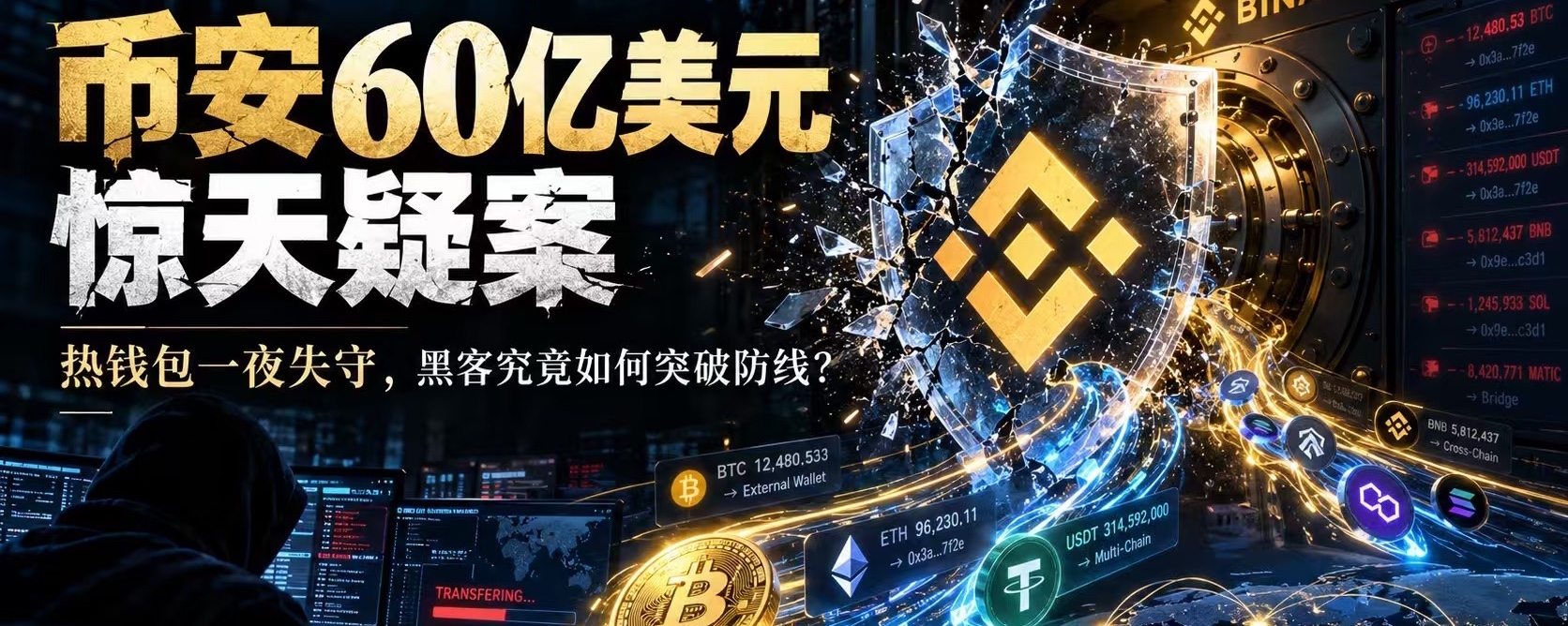
Misteri mengejutkan senilai US$6 miliar! Dompet panas Binance dibobol dalam semalam: Bagaimana peretas menembus pertahanan, dan masih adakah peluang untuk mendapatkan kembali aset senilai puluhan miliar dolar?Sebuah insiden mengejutkan yang berpotensi mengubah sejarah keamanan mata uang kripto tiba-tiba terjadi pada dini hari 30 Oktober.
Tidak ada kejatuhan pasar yang berkepanjangan, tidak ada likuidasi berantai yang rumit, dan tidak ada jaringan yang lumpuh selama berjam-jam.
Hanya dalam beberapa menit, sejumlah alamat yang ditandai sebagai dompet panas Binance berturut-turut menunjukkan transaksi abnormal. Ratusan ribu ETH, stablecoin senilai puluhan miliar dolar, serta sejumlah besar aset kripto lainnya dengan cepat dipindahkan ke alamat yang tidak dikenal.
Saat sebagian besar trader Asia masih tertidur, industri kripto sudah membunyikan alarm keamanan.
US$5,5 miliar, US$5,8 miliar, US$6 miliar……
Misteri mengejutkan senilai US$6 miliar! Dompet panas Binance dibobol dalam semalam: Bagaimana peretas menembus pertahanan, dan masih adakah peluang untuk mendapatkan kembali aset senilai puluhan miliar dolar?
Sebuah insiden mengejutkan yang berpotensi mengubah sejarah keamanan mata uang kripto tiba-tiba terjadi pada dini hari 30 Oktober.
Tidak ada kejatuhan pasar yang berkepanjangan, tidak ada likuidasi berantai yang rumit, dan tidak ada jaringan yang lumpuh selama berjam-jam.
Hanya dalam beberapa menit, sejumlah alamat yang ditandai sebagai dompet panas Binance berturut-turut menunjukkan transaksi abnormal. Ratusan ribu ETH, stablecoin senilai puluhan miliar dolar, serta sejumlah besar aset kripto lainnya dengan cepat dipindahkan ke alamat yang tidak dikenal.
Saat sebagian besar trader Asia masih tertidur, industri kripto sudah membunyikan alarm keamanan.
US$5,5 miliar, US$5,8 miliar, US$6 miliar……
好香港:
No
10
1
24
22.3k
·
--
Bullish
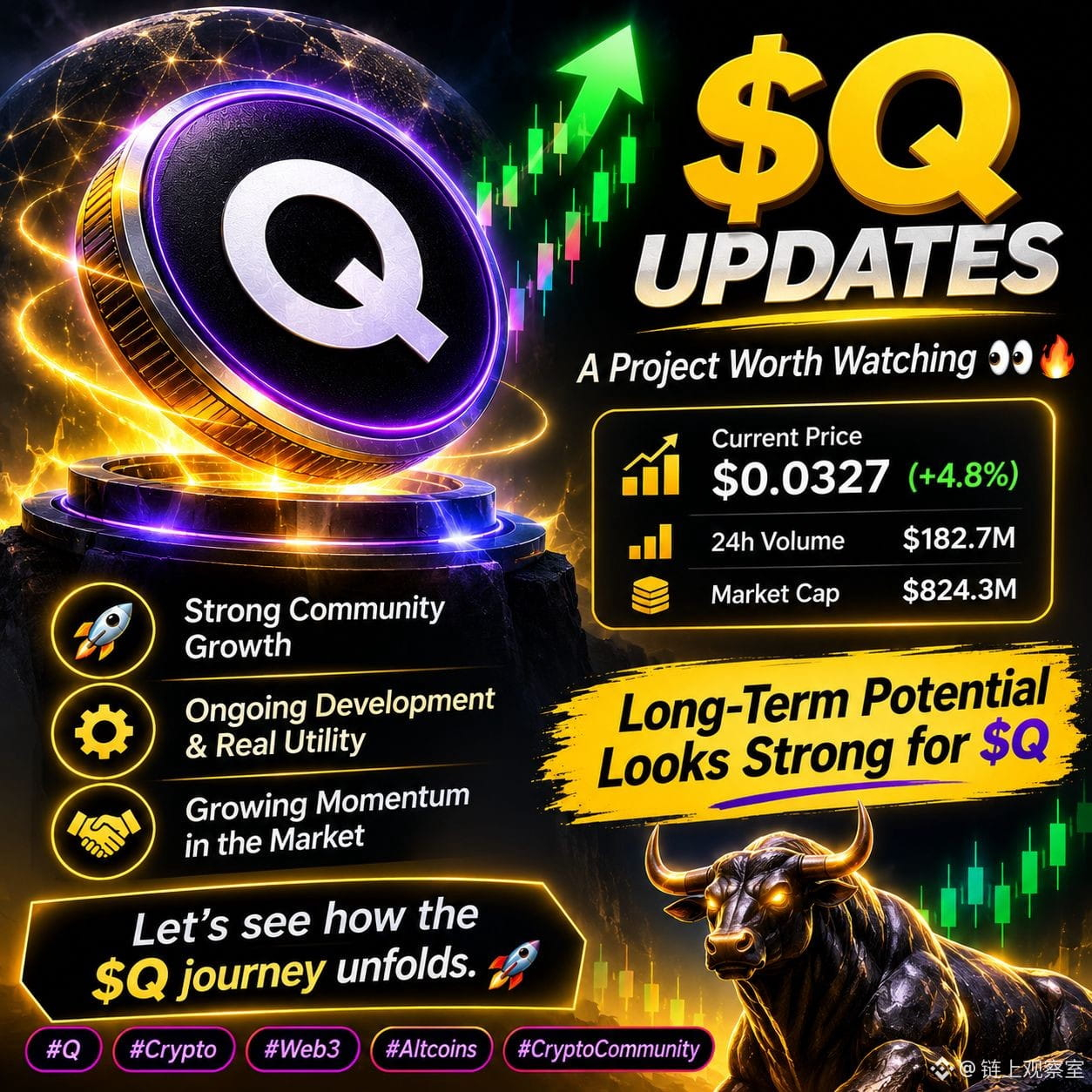
Terus mengamati $Q , dan ini jelas proyek yang layak diikuti. 👀🔥
Di dunia kripto, potensi jangka panjang bukan cuma soal hype pasar — fundamental yang kuat, pertumbuhan komunitas, dan pengembangan yang konsisten juga penting.
Aku di sini bukan untuk mengejar lonjakan harga sesaat. Aku hanya mengikuti perkembangannya, mengamati sentimen pasar, dan tetap fokus pada langkah selanjutnya.
Mari kita lihat bagaimana perjalanan $Q berlangsung. 🚀
#Web3 #Altcoins #CryptoCommunity
{future}(QUSDT)
Terus mengamati $Q , dan ini jelas proyek yang layak diikuti. 👀🔥
Di dunia kripto, potensi jangka panjang bukan cuma soal hype pasar — fundamental yang kuat, pertumbuhan komunitas, dan pengembangan yang konsisten juga penting.
Aku di sini bukan untuk mengejar lonjakan harga sesaat. Aku hanya mengikuti perkembangannya, mengamati sentimen pasar, dan tetap fokus pada langkah selanjutnya.
Mari kita lihat bagaimana perjalanan $Q berlangsung. 🚀
#Web3 #Altcoins #CryptoCommunity
428
·
--
Bullish
Terverifikasi
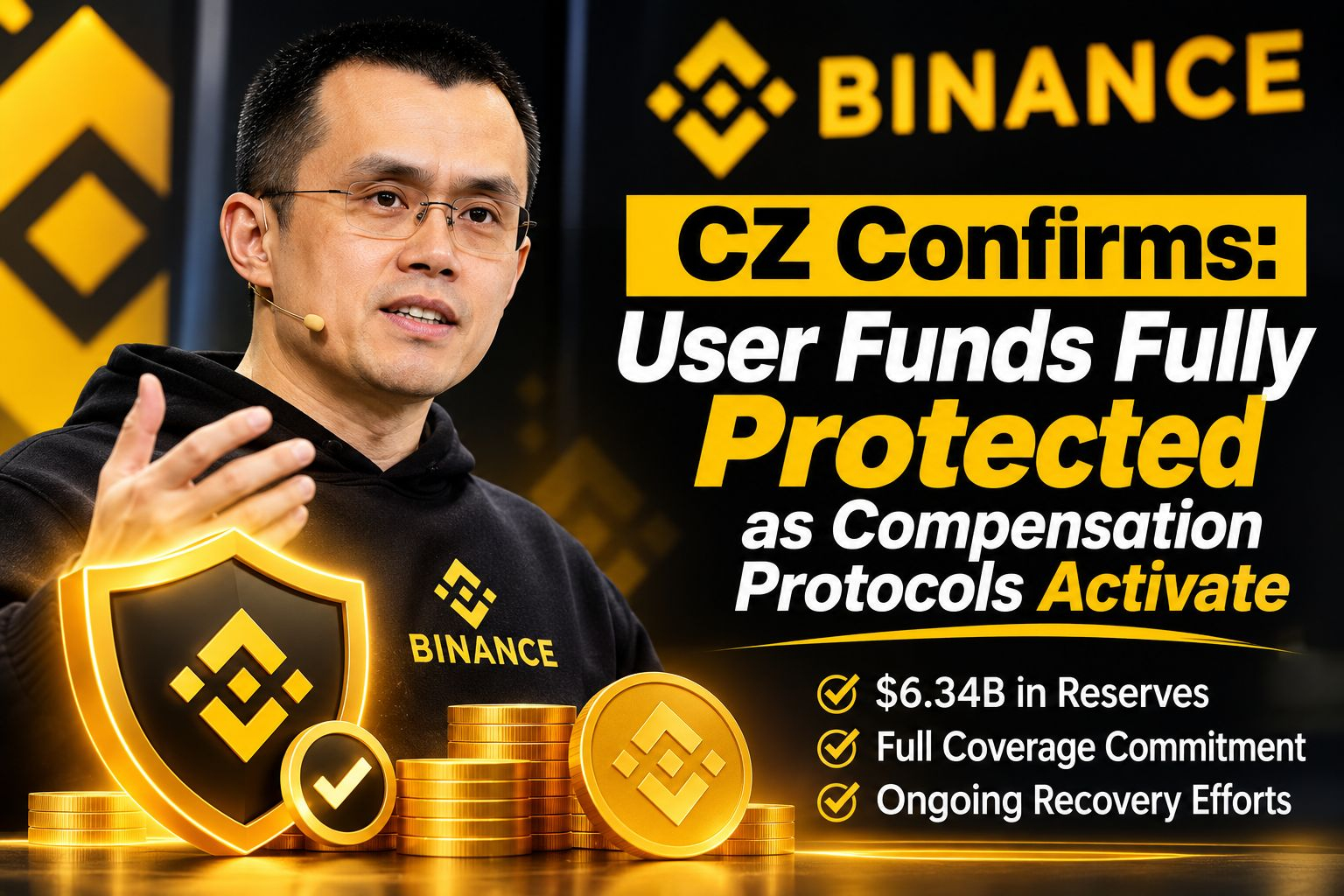
#czsayscompensationisinplaceusersareprotected 🛡️ CZ Menegaskan Dana Pengguna Terlindungi Sepenuhnya saat Protokol Kompensasi Diaktifkan
Menyusul diskusi keamanan baru-baru ini, pendiri Binance Changpeng Zhao (CZ) memberikan jaminan yang tegas kepada komunitas: aset pengguna tetap aman, dan mekanisme kompensasi penuh telah diterapkan secara aktif.
📰 Berita Utama:
• Komitmen Perlindungan Penuh: CZ menekankan bahwa ukuran sesungguhnya dari ketahanan sebuah bursa adalah kemampuannya menanggung seluruh kerugian, sehingga dampak finansial ditanggung platform—bukan pengguna.
• Cadangan yang Besar: Lebih dari $6,34 miliar dalam dana perusahaan dan cadangan SAFU (Secure Asset Fund for Users) telah dialokasikan untuk menutup kekurangan apa pun.
• Pemulihan Berkelanjutan: Bursa terus bekerja sama dengan mitra industri untuk membekukan dan memulihkan aset, sementara audit menyeluruh terhadap sistem dan mekanisme validasi tetap berjalan sepenuhnya.
📊 Dampak Pasar:
• Kepercayaan Ekosistem: Protokol kompensasi yang transparan dan cepat sangat penting untuk menjaga kepercayaan terhadap infrastruktur terpusat selama periode pasar yang menantang.
• Standar Manajemen Risiko: Situasi ini menyoroti pentingnya dana cadangan darurat yang kuat (seperti SAFU) sebagai persyaratan dasar untuk keamanan di seluruh industri.
• Stabilitas Pasar: Dengan memastikan saldo pengguna tidak terdampak, penyangga keuangan semacam ini membantu mencegah kepanikan dan berkontribusi pada stabilitas pasar kripto yang lebih luas.
Menurut Anda, bagaimana seharusnya industri kripto menetapkan standar dana perlindungan pengguna untuk membangun kepercayaan yang lebih kuat di masa depan? Sampaikan pendapat Anda di bawah! 👇
#Binance #CryptoSecurity #SAFU #CryptoMarket #Web3
$STX $RSR $OSMO
{spot}(OSMOUSDT)
{future}(RSRUSDT)
{future}(STXUSDT)
#czsayscompensationisinplaceusersareprotected 🛡️ CZ Menegaskan Dana Pengguna Terlindungi Sepenuhnya saat Protokol Kompensasi Diaktifkan
Menyusul diskusi keamanan baru-baru ini, pendiri Binance Changpeng Zhao (CZ) memberikan jaminan yang tegas kepada komunitas: aset pengguna tetap aman, dan mekanisme kompensasi penuh telah diterapkan secara aktif.
📰 Berita Utama:
• Komitmen Perlindungan Penuh: CZ menekankan bahwa ukuran sesungguhnya dari ketahanan sebuah bursa adalah kemampuannya menanggung seluruh kerugian, sehingga dampak finansial ditanggung platform—bukan pengguna.
• Cadangan yang Besar: Lebih dari $6,34 miliar dalam dana perusahaan dan cadangan SAFU (Secure Asset Fund for Users) telah dialokasikan untuk menutup kekurangan apa pun.
• Pemulihan Berkelanjutan: Bursa terus bekerja sama dengan mitra industri untuk membekukan dan memulihkan aset, sementara audit menyeluruh terhadap sistem dan mekanisme validasi tetap berjalan sepenuhnya.
📊 Dampak Pasar:
• Kepercayaan Ekosistem: Protokol kompensasi yang transparan dan cepat sangat penting untuk menjaga kepercayaan terhadap infrastruktur terpusat selama periode pasar yang menantang.
• Standar Manajemen Risiko: Situasi ini menyoroti pentingnya dana cadangan darurat yang kuat (seperti SAFU) sebagai persyaratan dasar untuk keamanan di seluruh industri.
• Stabilitas Pasar: Dengan memastikan saldo pengguna tidak terdampak, penyangga keuangan semacam ini membantu mencegah kepanikan dan berkontribusi pada stabilitas pasar kripto yang lebih luas.
Menurut Anda, bagaimana seharusnya industri kripto menetapkan standar dana perlindungan pengguna untuk membangun kepercayaan yang lebih kuat di masa depan? Sampaikan pendapat Anda di bawah! 👇
#Binance #CryptoSecurity #SAFU #CryptoMarket #Web3
$STX $RSR $OSMO
1
1.4k

·
--
Lihat terjemahan
中科院脑智卓越中心赵郑拓、李雪团队联合华山医院与阶梯医疗,用仅头发丝百分之一粗细(1微米)的256通道超柔性脑机接口完成超42例临床植入,在临床规模与长期稳定性上正式反超Neuralink!受试者不仅能意念打字飙车,更能以低于100毫秒的延迟直接用意念开智能轮椅逛小区、指挥四足机器狗下楼取外卖。靠弯曲刚度三次方定律骗过大脑免疫排异,靠神经流形对齐消除信号漂移,人类首次把硅基机器人变成碳基大脑的新器官。这也揭示了AI与Web3的下一站:当脑机接口、具身智能与链上自主Agent汇合,未来的DeSci神经数据确权与机器微支付,将彻底重塑人机共生的价值网络。 #BTC #Crypto #AI #Web3
中科院脑智卓越中心赵郑拓、李雪团队联合华山医院与阶梯医疗,用仅头发丝百分之一粗细(1微米)的256通道超柔性脑机接口完成超42例临床植入,在临床规模与长期稳定性上正式反超Neuralink!受试者不仅能意念打字飙车,更能以低于100毫秒的延迟直接用意念开智能轮椅逛小区、指挥四足机器狗下楼取外卖。靠弯曲刚度三次方定律骗过大脑免疫排异,靠神经流形对齐消除信号漂移,人类首次把硅基机器人变成碳基大脑的新器官。这也揭示了AI与Web3的下一站:当脑机接口、具身智能与链上自主Agent汇合,未来的DeSci神经数据确权与机器微支付,将彻底重塑人机共生的价值网络。 #BTC #Crypto #AI #Web3

21

Kebangkitan AI di Dunia Kripto: Lebih dari Sekadar Hype 🤖📈Kecerdasan Buatan pada dasarnya mengubah cara kita berinteraksi dengan pasar. Kini, semuanya bukan lagi sekadar analisis teknikal manual, melainkan efisiensi otomatis dan eksekusi berbasis data.
Kita sedang menyaksikan pergeseran besar, dengan AI berperan sebagai alat infrastruktur inti. Mulai dari strategi trading algoritmik yang memanfaatkan Smart Money Concepts hingga analisis sentimen pasar secara real-time, AI memberikan keunggulan struktural yang nyata di tengah volatilitas saat ini.
Fokus Pasar
Sementara $BTC menentukan arah makroekonomi yang lebih luas dan BNB menggerakkan ekosistem bursa, perpaduan AI dan blockchain menjadi tempat terjadinya lompatan teknologi besar berikutnya. [Tambahkan widget grafik kandil yourBTC Anda di sini]
Kebangkitan AI di Dunia Kripto: Lebih dari Sekadar Hype 🤖📈
Kecerdasan Buatan pada dasarnya mengubah cara kita berinteraksi dengan pasar. Kini, semuanya bukan lagi sekadar analisis teknikal manual, melainkan efisiensi otomatis dan eksekusi berbasis data.
Kita sedang menyaksikan pergeseran besar, dengan AI berperan sebagai alat infrastruktur inti. Mulai dari strategi trading algoritmik yang memanfaatkan Smart Money Concepts hingga analisis sentimen pasar secara real-time, AI memberikan keunggulan struktural yang nyata di tengah volatilitas saat ini.
Fokus Pasar
Sementara $BTC menentukan arah makroekonomi yang lebih luas dan BNB menggerakkan ekosistem bursa, perpaduan AI dan blockchain menjadi tempat terjadinya lompatan teknologi besar berikutnya. [Tambahkan widget grafik kandil yourBTC Anda di sini]
74

·
--
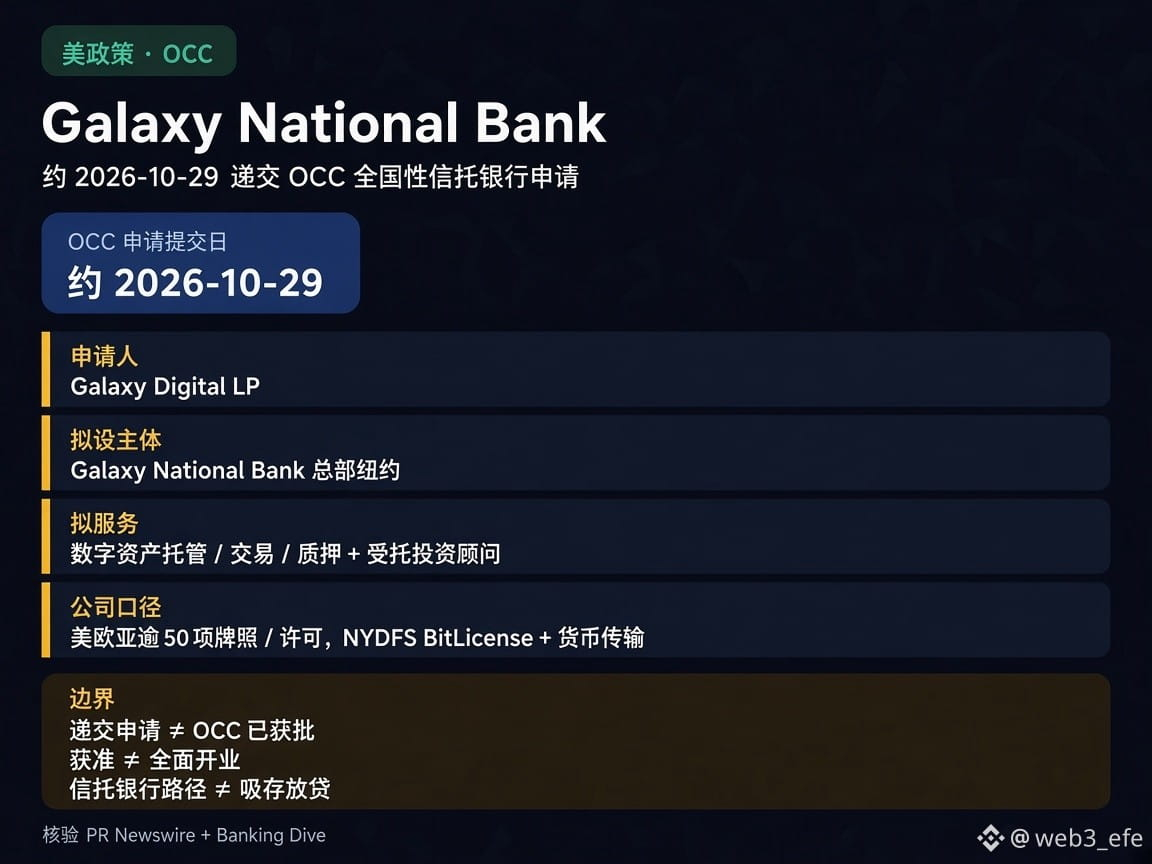
Sekitar 2026-10-29
Galaxy Digital LP mengajukan permohonan kepada OCC untuk mendirikan Galaxy National Bank sebagai bank perwalian nasional (berkantor pusat di New York)
Jika disetujui, bank ini berencana menyediakan layanan kustodian aset digital, perdagangan, staking, dan penasihat investasi fidusia dalam kerangka pengawasan federal
Menurut perusahaan: memiliki lebih dari 50 lisensi/izin di Amerika, Eropa, dan Asia; baru-baru ini, DFS Negara Bagian New York menerbitkan BitLicense dan lisensi pengiriman uang kepada anak perusahaannya
Jalur bank perwalian nasional ≠ menerima simpanan/memberikan pinjaman sebagai bank komersial
Pengajuan permohonan ≠ telah disetujui OCC
Persetujuan ≠ mulai beroperasi sepenuhnya
#OCC #监管合规 #Web3 $BTC
BTC+0,53%
GLXYUS-11,69%
41


Lihat terjemahan
🚨 URGENT $POL NODE UPGRADE ACTIVATED AS NON-COMPLIANT NODES DROP CONSENSUS! ⚡
Polygon PoS validator infrastructure just hit a critical junction following the dual Austin and Kyoto hard fork activations. Nodes running outdated client software have officially desynchronized from consensus, creating an aggressive push for operators to patch two structural resource vulnerabilities immediately. 🔍
The patch fortifies bridge gas limits and caps transaction dependency size to shield the network against peer crash risks. 🛡️ Smart capital tracks node health as the ultimate foundation for on-chain liquidity velocity, making network stability the prime catalyst to monitor right now. ⚡
💬 Are you tracking validator consensus metrics before taking your next position on $POL ? 👇
⚠️ Not financial advice. Always manage your risk. 🛡️
🏷️ #POL #Polygon #Crypto #Web3
⚡ 🛡️
5

·
--
Lihat terjemahan
$PHA or $XRP for the next leg? Only one.
I’m picking PHA. 🧪
But the chart is ugly right now.
$PHA sits at $0.0414, down 2.59% today and another 3.5% across the latest 4h window. Volume is only $1.88M, about 0.4x its 20-day average. That is not demand. That is people watching.
RSI(14) on 4h is 40, price is under both the 20d and 50d MAs, and shorts are paying funding at -0.018%. Bearish stack, thin participation. 📉
Still, PHA is 49% below its 30d high. If it gets back to $0.05, I’m watching whether volume finally expands. No volume, no chase. Simple.
PHA has the better asymmetry here. XRP has the bigger crowd. Pick your side. ⚔️
#PHA #Web3
3

⚡ PARA PENGEMBANG INTI ETH SECARA RESMI MENJADWALKAN EIP-8141 UNTUK UPGRADE HEGOTÀ! 🚀
Para investor besar mulai mengarahkan perhatian ke Ethereum seiring EIP-8141 resmi berstatus terjadwal. 🔍 Integrasi abstraksi akun native langsung ke lapisan eksekusi inti dapat menyederhanakan UX dompet secara drastis dan memicu permintaan baru untuk $ETH .
Namun, para pelaku institusional memantau ketegangan dengan saksama saat Base mendorong EIP-8130 sebagai pesaing, sehingga menimbulkan kekhawatiran yang beralasan tentang fragmentasi standar lintas rantai. 📊 Meski hambatan UX berkurang, efisiensi likuiditas bisa terdampak jika standar yang bersaing memecah lanskap Layer-2.
💡 Saat tenggat eksekusi semakin dekat, pergerakan harga akan mencermati apakah keselarasan standar dapat tercapai sebelum aktivasi. 💬 Apakah Anda melihat upgrade ini sebagai katalis struktural besar atau risiko fragmentasi ekosistem? 👇
⚠️ Ini bukan nasihat keuangan. Selalu kelola risiko Anda. 🛡️
🏷️ #ETH #Ethereum #Crypto #Web3
🔥 ⚡
10

·
--
Bullish
Lihat terjemahan
🔐 CRYPTO TRUST IS BUILT WHEN EXCHANGES TAKE RESPONSIBILITY — NOT JUST WHEN MARKETS GO UP!
The latest #Binance security incident raises an important question for the entire crypto industry:
Who protects users when an exchange experiences a major security failure?
Binance's latest update offers some important developments:
1️⃣ **Financial accountability:** Binance says it will absorb the financial impact of the stolen assets rather than pass it to users.
2️⃣ **Emergency protection:** SAFU and a portion of the Futures Insurance Fund are being used alongside corporate treasury resources.
3️⃣ **Proof of Reserves:** Binance has published a new reserve snapshot, with the full zero-knowledge proof expected by November 3.
4️⃣ **Asset recovery:** 90% of the impacted amount has reportedly been replenished, with the remaining 10% still being sourced.
But I believe the crypto industry needs to go further.
My three recommendations for building long-term trust:
🔹 Independent security audits and transparent incident reporting.
🔹 Clearly defined emergency reserve and user-compensation frameworks.
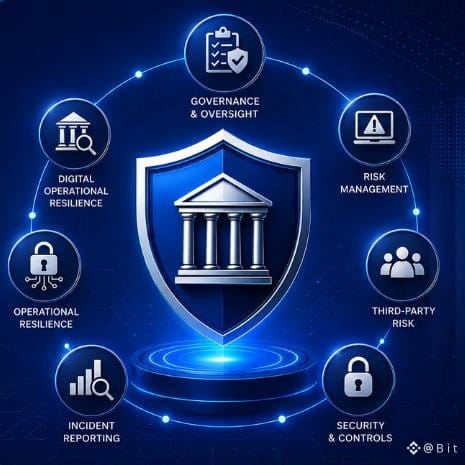
🔹 Strong governance, risk management and independently verifiable Proof of Reserves.
Proof of Reserves is important, but it should be part of a broader accountability framework. It does not, by itself, prove that an exchange has no hidden liabilities or operational risks.
We cannot build the future of digital finance on speculation alone.
We need security, responsibility, transparency and trust.
One question for the crypto community:
Should exchanges be required to publish standardized security, reserve and incident-recovery reports, just as traditional financial institutions face regulatory reporting requirements?
Let's discuss. 👇
#Crypto_Jobs🎯 to #Binance ance #blockchain #ProofOfReserves #Web3
60

Agen AI Otonom: Alasan Sebenarnya AI Membutuhkan Kripto
Dalam proyek pembelajaran mesin saya, khususnya saat membangun modul AI agentik, saya menyadari adanya keterbatasan besar dalam tumpukan teknologi kita saat ini. Kita bisa memprogram AI untuk menganalisis data dan membuat keputusan kompleks, tetapi sistem keuangan tradisional menghalangi mereka melakukan transfer nilai di dunia nyata. AI tidak bisa dengan mudah membuka rekening bank atau menggesek kartu kredit untuk membayar panggilan API-nya sendiri.
Inilah alasan Web3 menjadi bagian yang selama ini hilang dalam Kecerdasan Buatan. Blockchain menyediakan jalur pembayaran bawaan bagi AI. Melalui dompet yang dapat diprogram dan kontrak pintar, agen otonom dapat menyimpan nilai, bernegosiasi dengan AI lain, dan membayar daya komputasi sepenuhnya secara on-chain tanpa campur tangan manusia.
Protokol seperti FET dan NEAR sangat berfokus membangun infrastruktur ini. Kita sedang beralih dari AI yang hanya mengobrol menjadi AI yang aktif bertransaksi.
Menurut Anda, arsitektur blockchain mana yang paling cocok untuk menampung ribuan agen AI otonom? Mari diskusikan teknologinya di bawah! 👇
#AIAgents #Web3 #MachineLearning #cryptouniverseofficial $FET $NVDAB $GOOGLB
290

·
--
Bullish
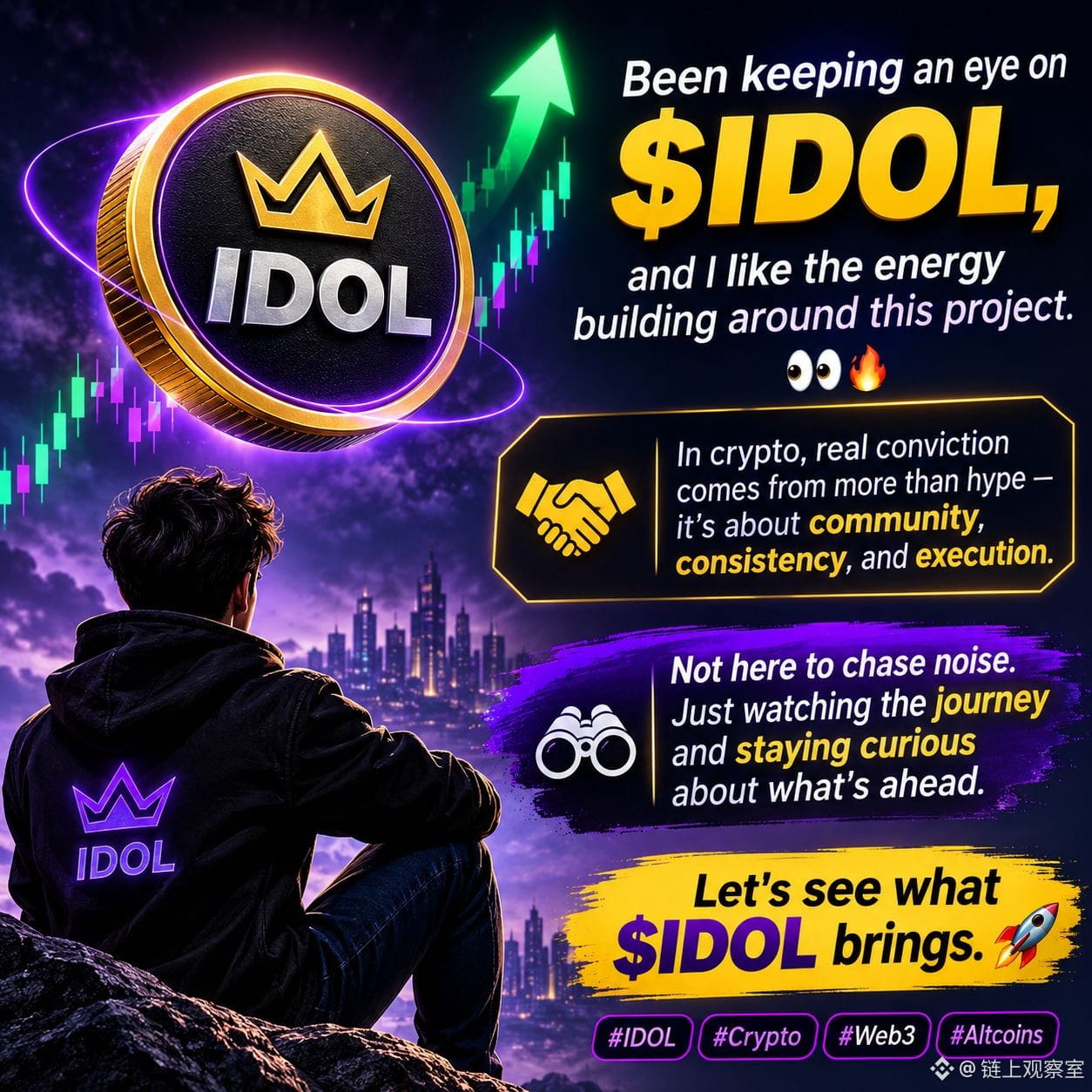
Terus mengamati $IDOL , dan aku suka energi yang berkembang di sekitar proyek ini. 👀🔥
Di dunia kripto, keyakinan sejati tumbuh dari lebih dari sekadar sensasi—ini soal komunitas, konsistensi, dan eksekusi.
Aku di sini bukan untuk mengejar kehebohan. Hanya mengikuti perjalanannya dan tetap penasaran dengan apa yang akan datang.
Mari kita lihat apa yang akan dibawa $IDOL . 🚀
#Web3 #altcoins
{alpha}(560x3b4de3c7855c03bb9f50ea252cd2c9fa1125ab07)
Terus mengamati $IDOL , dan aku suka energi yang berkembang di sekitar proyek ini. 👀🔥
Di dunia kripto, keyakinan sejati tumbuh dari lebih dari sekadar sensasi—ini soal komunitas, konsistensi, dan eksekusi.
Aku di sini bukan untuk mengejar kehebohan. Hanya mengikuti perjalanannya dan tetap penasaran dengan apa yang akan datang.
Mari kita lihat apa yang akan dibawa $IDOL . 🚀
#Web3 #altcoins
287
·
--
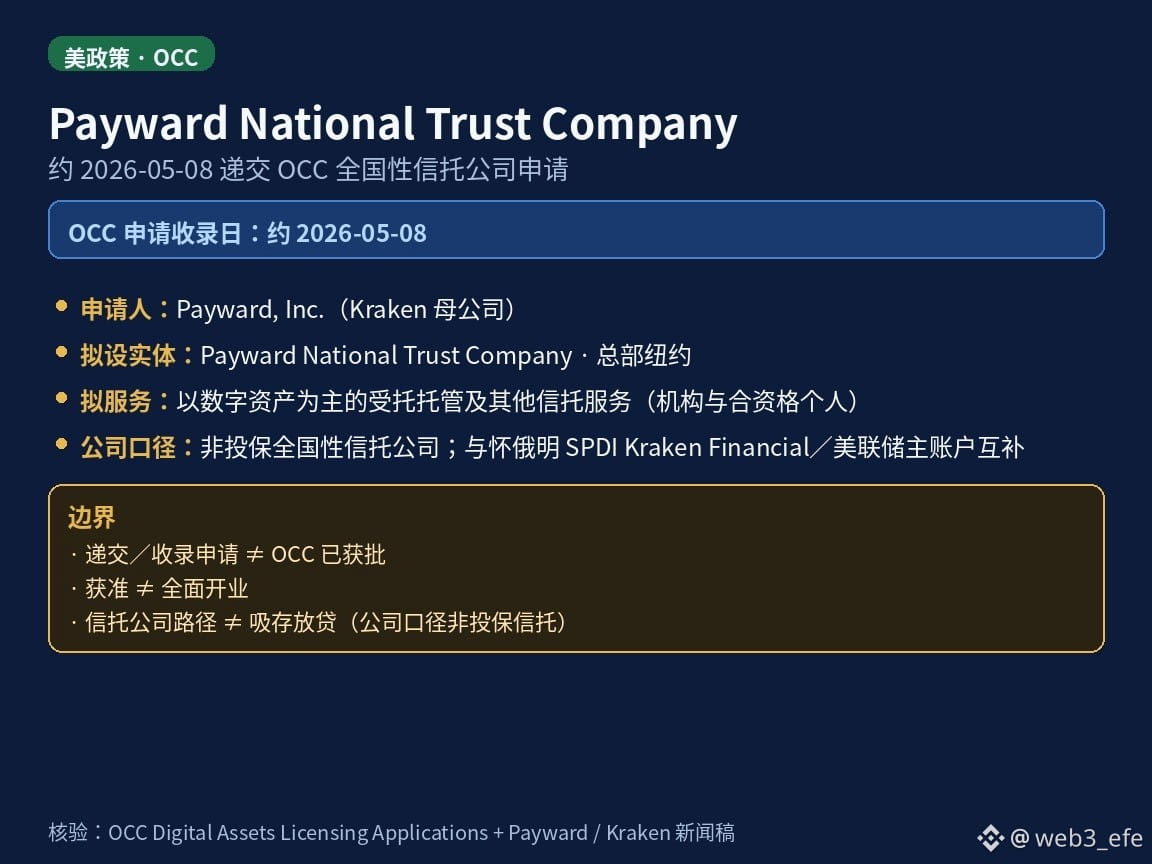
Sekitar 2026-05-08
Payward, Inc. (perusahaan induk Kraken) mengajukan / tercatat mengajukan permohonan kepada OCC untuk mendirikan Payward National Trust Company, sebuah perusahaan perwalian nasional (berkantor pusat di New York)
Setelah disetujui, perusahaan berencana menyediakan layanan kustodian fidusia yang terutama berfokus pada aset digital serta layanan perwalian lainnya (untuk institusi dan individu yang memenuhi syarat)
Pernyataan perusahaan: perusahaan perwalian nasional yang tidak diasuransikan; melengkapi Wyoming SPDI Kraken Financial / rekening utama Federal Reserve
Daftar publik OCC masih mencantumkan status Pending (Control sekitar 2026-Charter-345935)
Pengajuan / pencatatan permohonan ≠ persetujuan OCC
Persetujuan ≠ beroperasi sepenuhnya
#OCC #监管合规 #Web3 $BTC $ETH
188
·
--
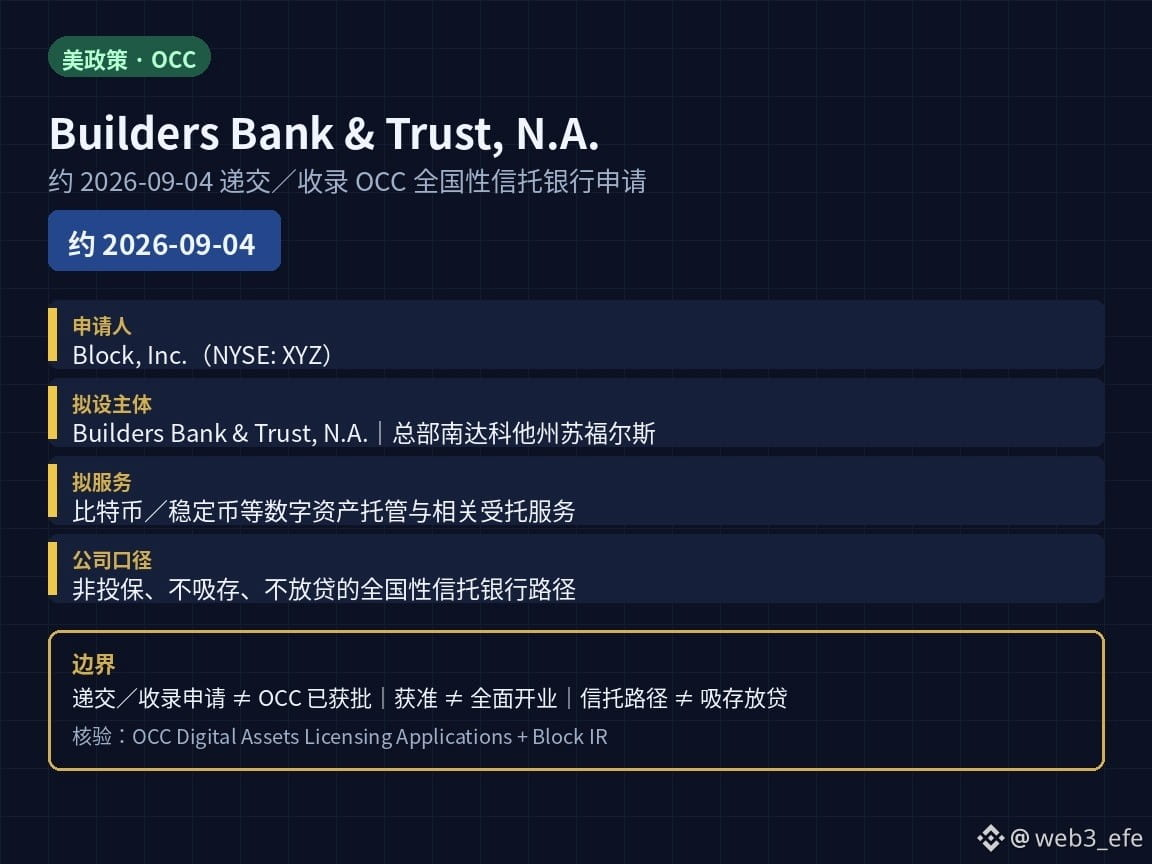
Sekitar 2026-09-04
Block, Inc. (NYSE: XYZ) mengajukan permohonan kepada OCC untuk mendirikan Builders Bank & Trust, N.A., bank perwalian nasional yang direncanakan (berkantor pusat di Sioux Falls, South Dakota)
Jika disetujui, bank ini berencana menyediakan layanan kustodian aset digital seperti Bitcoin/stablecoin serta layanan fidusia terkait di bawah kerangka regulasi federal
Pernyataan perusahaan: bank perwalian nasional yang tidak diasuransikan; tidak menerima simpanan dan tidak memberikan pinjaman
Sekitar 09-08, perusahaan mengonfirmasi pengajuan tersebut melalui siaran pers IR
Pengajuan/penerimaan permohonan ≠ persetujuan OCC
Persetujuan ≠ operasional penuh
#OCC #监管合规 #Web3 $BTC
BTC+0,53%
XYZUS-0,57%
121
Masuk untuk menjelajahi konten lainnya
Bergabunglah dengan pengguna kripto global di Binance Square
⚡️ Dapatkan informasi terbaru dan berguna tentang kripto.
💬 Dipercayai oleh bursa kripto terbesar di dunia.
👍 Temukan wawasan nyata dari kreator terverifikasi.
Email/Nomor Ponsel
Topik Sedang Tren
1
#BinanceSAFUFundTransferCompleted7499BTC
28,042 penayangan
679 Berdiskusi
2
#BinanceRecovery90% of stolen assets
116,052 penayangan
155 Berdiskusi
3
#YiHe:ProofOfReserves:10TokensAt100%Backing
119,782 penayangan
681 Berdiskusi
4
#BackedNotBroken:RichardTengSaysUsersBearNoLoss
29,758 penayangan
419 Berdiskusi
5
#CZSaysCompensationIsinPlaceUsersAreProtected
114,218 penayangan
1,330 Berdiskusi
6
#IntelHasItsWorstDaySince1974
41,510 penayangan
667 Berdiskusi
7
#TRMCambodianCasinosReceived$1.07BInCrypto
10,829 penayangan
66 Berdiskusi
8
#USDCCirculationFallsAbout800MInSevenDays
64,421 penayangan
702 Berdiskusi
9
#SuspectedNorthKoreaAttacksAccountForNearly89%OfCryptoHackLosses
13,941 penayangan
94 Berdiskusi
10
#OpenAICutsFundraisingTargetBy$10B
3,337 penayangan
73 Berdiskusi