

EmPtY⁰
51 Publications

EmPtY⁰
Signaler
Bloquer l’utilisateur
Ouvert au trading
Trade occasionnellement
4.2 an(s)
7 Suivis
49 Abonnés
152 J’aime
Publications
Portefeuille
Tous
Citations
·
--
Je viens de parcourir le réseau de test public pour l’emprunt adossé à du Bitcoin natif sur Aave v4. C’est le véritable déblocage.
Les Trustless Bitcoin Vaults (TBV) de @BabylonLabs_io vous permettent de déposer de l’authentique BTC comme garantie sans l’envelopper, le faire transiter via un pont, ni confier les clés à qui que ce soit. En autogarde tout du long. Vous conservez votre Bitcoin, vous obtenez des taux d’emprunt DeFi, et l’ensemble reste sans confiance.
L’efficacité du capital rencontre enfin le modèle de sécurité du Bitcoin. Plus besoin de laisser des poches inutilisées pendant que le reste de la DeFi avance. TBV transforme le BTC natif en garantie opérationnelle entre chaînes et applications — en commençant par Aave.
Le testnet est en ligne. Allez tester le flux vous-même si vous ne l’avez pas encore fait. C’est le genre de brique de base qui fait vraiment bouger l’aiguille pour les détenteurs de BTC qui veulent de l’utilité sans les compromis habituels.
#baby $BABY
Je viens de parcourir le réseau de test public pour l’emprunt adossé à du Bitcoin natif sur Aave v4. C’est le véritable déblocage.
Les Trustless Bitcoin Vaults (TBV) de @BabylonLabs_io vous permettent de déposer de l’authentique BTC comme garantie sans l’envelopper, le faire transiter via un pont, ni confier les clés à qui que ce soit. En autogarde tout du long. Vous conservez votre Bitcoin, vous obtenez des taux d’emprunt DeFi, et l’ensemble reste sans confiance.
L’efficacité du capital rencontre enfin le modèle de sécurité du Bitcoin. Plus besoin de laisser des poches inutilisées pendant que le reste de la DeFi avance. TBV transforme le BTC natif en garantie opérationnelle entre chaînes et applications — en commençant par Aave.
Le testnet est en ligne. Allez tester le flux vous-même si vous ne l’avez pas encore fait. C’est le genre de brique de base qui fait vraiment bouger l’aiguille pour les détenteurs de BTC qui veulent de l’utilité sans les compromis habituels.
#baby $BABY
Les Trustless Bitcoin Vaults (TBV) de @BabylonLabs_io vous permettent de déposer de l’authentique BTC comme garantie sans l’envelopper, le faire transiter via un pont, ni confier les clés à qui que ce soit. En autogarde tout du long. Vous conservez votre Bitcoin, vous obtenez des taux d’emprunt DeFi, et l’ensemble reste sans confiance.
L’efficacité du capital rencontre enfin le modèle de sécurité du Bitcoin. Plus besoin de laisser des poches inutilisées pendant que le reste de la DeFi avance. TBV transforme le BTC natif en garantie opérationnelle entre chaînes et applications — en commençant par Aave.
Le testnet est en ligne. Allez tester le flux vous-même si vous ne l’avez pas encore fait. C’est le genre de brique de base qui fait vraiment bouger l’aiguille pour les détenteurs de BTC qui veulent de l’utilité sans les compromis habituels.
#baby $BABY
74
·
--
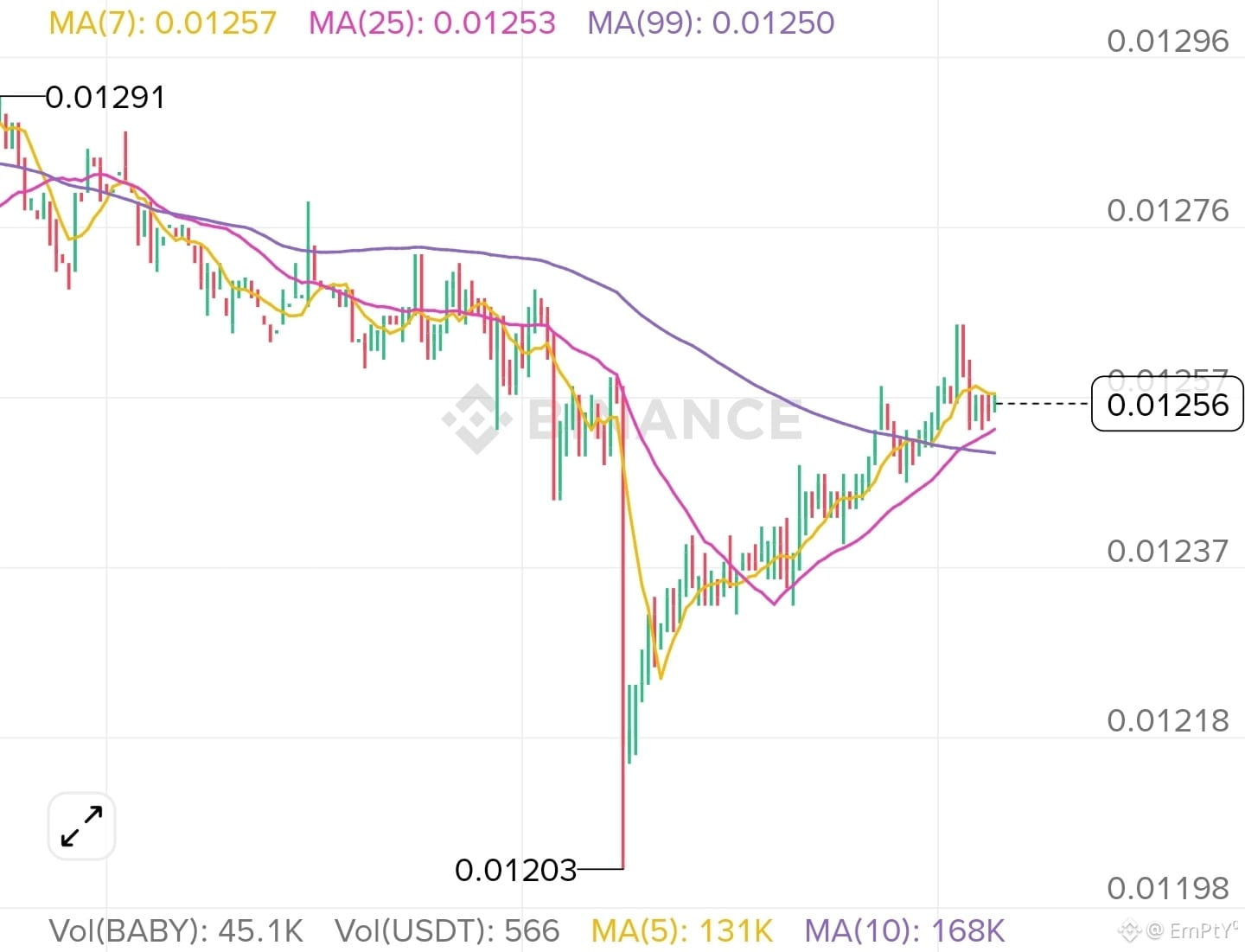
J’ai passé plus de temps à regarder la mise en place des coffres Bitcoin « trustless » de Babylon que mes positions ouvertes cette semaine, honnêtement. En tant que personne qui s’est déjà fait avoir par des exploits de BTC wrapped, c’est le premier modèle de BTC en collatéral qui supprime enfin la partie que je déteste le plus : faire confiance à un opérateur de multisig ou de pont pour mes fonds. Avec TBV, vous pouvez emprunter des stablecoins contre votre Bitcoin verrouillé sans l’envelopper, sans le bridger et sans abandonner vos clés. Remboursez le prêt, le collatéral se libère — aussi simple que ça.
Mais le chiffre qui a stoppé mon scroll : le token de Babylon s’échange à environ 1% de son TVL, alors que le BTC ne quitte jamais la blockchain de Bitcoin et qu’aucun dépositaire ne le touche. C’est un décalage complètement dingue pour quiconque échange des récits — soit le marché n’a pas encore rattrapé ce qui est réellement immobilisé ici, soit c’est encore très largement sous le radar.
Je surveille de très près @BabylonLabs_io cette saison. $BABY n’est pas seulement un token de gouvernance porté par la hype : il est aussi structurellement intégré à la manière dont ces coffres fonctionnent, à mesure que l’adoption se développe à travers les chaînes. Si BTCFi va quelque part cette saison, un collatéral trustless sans les compromis habituels de garde, c’est le setup qui survit vraiment à un test de résistance en période de stress de marché baissier. #baby $BABY
J’ai passé plus de temps à regarder la mise en place des coffres Bitcoin « trustless » de Babylon que mes positions ouvertes cette semaine, honnêtement. En tant que personne qui s’est déjà fait avoir par des exploits de BTC wrapped, c’est le premier modèle de BTC en collatéral qui supprime enfin la partie que je déteste le plus : faire confiance à un opérateur de multisig ou de pont pour mes fonds. Avec TBV, vous pouvez emprunter des stablecoins contre votre Bitcoin verrouillé sans l’envelopper, sans le bridger et sans abandonner vos clés. Remboursez le prêt, le collatéral se libère — aussi simple que ça.
Mais le chiffre qui a stoppé mon scroll : le token de Babylon s’échange à environ 1% de son TVL, alors que le BTC ne quitte jamais la blockchain de Bitcoin et qu’aucun dépositaire ne le touche. C’est un décalage complètement dingue pour quiconque échange des récits — soit le marché n’a pas encore rattrapé ce qui est réellement immobilisé ici, soit c’est encore très largement sous le radar.
Je surveille de très près @BabylonLabs_io cette saison. $BABY n’est pas seulement un token de gouvernance porté par la hype : il est aussi structurellement intégré à la manière dont ces coffres fonctionnent, à mesure que l’adoption se développe à travers les chaînes. Si BTCFi va quelque part cette saison, un collatéral trustless sans les compromis habituels de garde, c’est le setup qui survit vraiment à un test de résistance en période de stress de marché baissier. #baby $BABY
Mais le chiffre qui a stoppé mon scroll : le token de Babylon s’échange à environ 1% de son TVL, alors que le BTC ne quitte jamais la blockchain de Bitcoin et qu’aucun dépositaire ne le touche. C’est un décalage complètement dingue pour quiconque échange des récits — soit le marché n’a pas encore rattrapé ce qui est réellement immobilisé ici, soit c’est encore très largement sous le radar.
Je surveille de très près @BabylonLabs_io cette saison. $BABY n’est pas seulement un token de gouvernance porté par la hype : il est aussi structurellement intégré à la manière dont ces coffres fonctionnent, à mesure que l’adoption se développe à travers les chaînes. Si BTCFi va quelque part cette saison, un collatéral trustless sans les compromis habituels de garde, c’est le setup qui survit vraiment à un test de résistance en période de stress de marché baissier. #baby $BABY
1
2
75
·
--
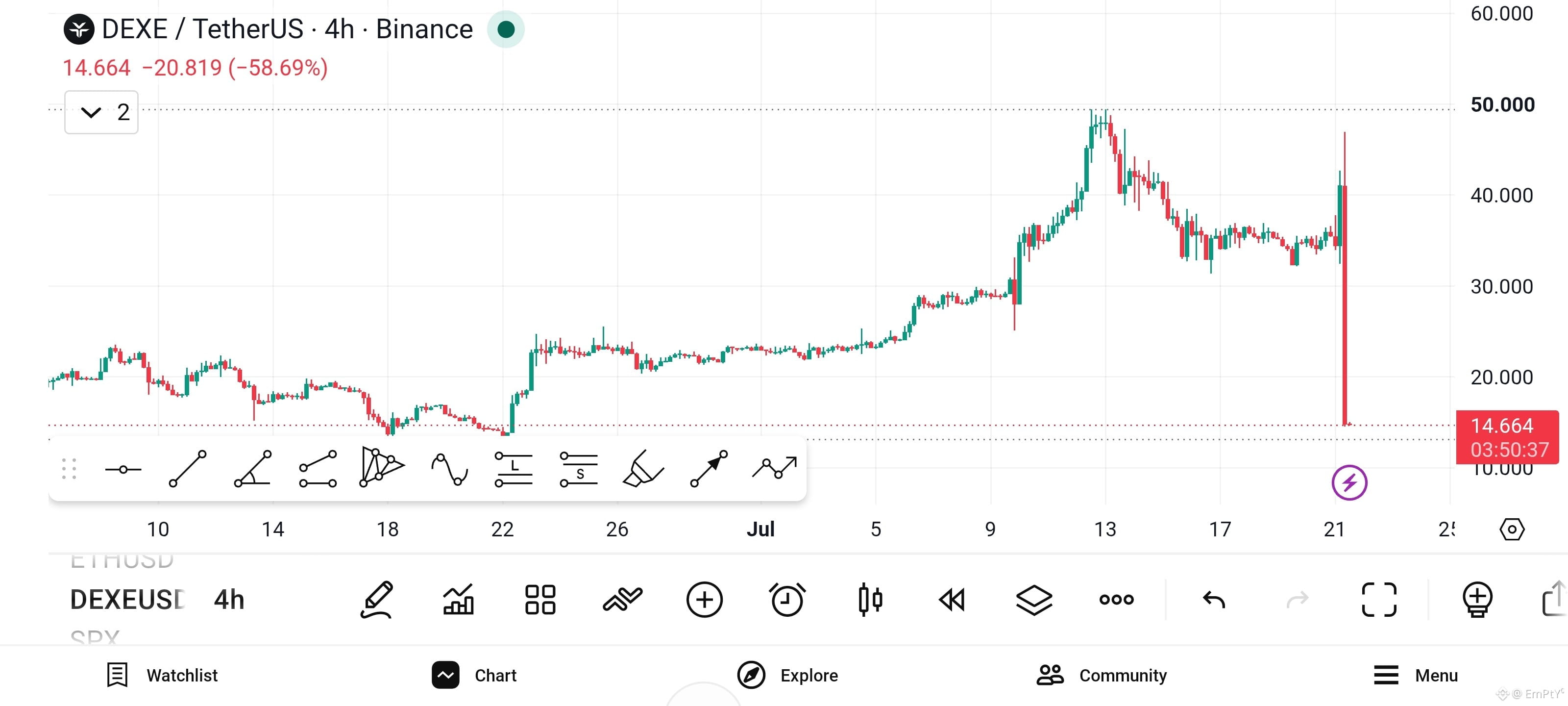
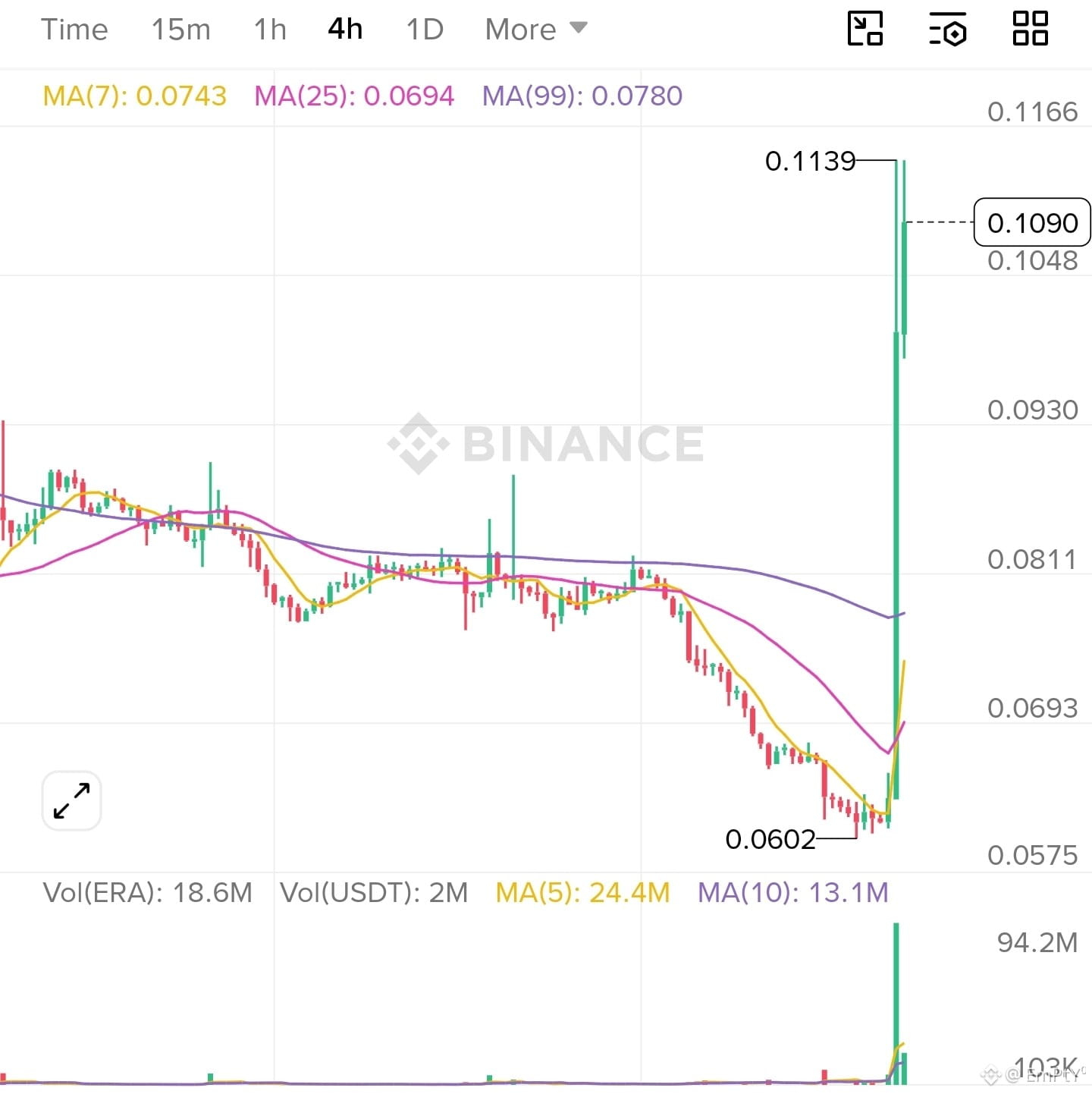
J’ai dit que $DEXE est comme $AIA $MYX voici la raison
J’ai dit que $DEXE est comme $AIA $MYX voici la raison
2
1.1k
·
--
Article
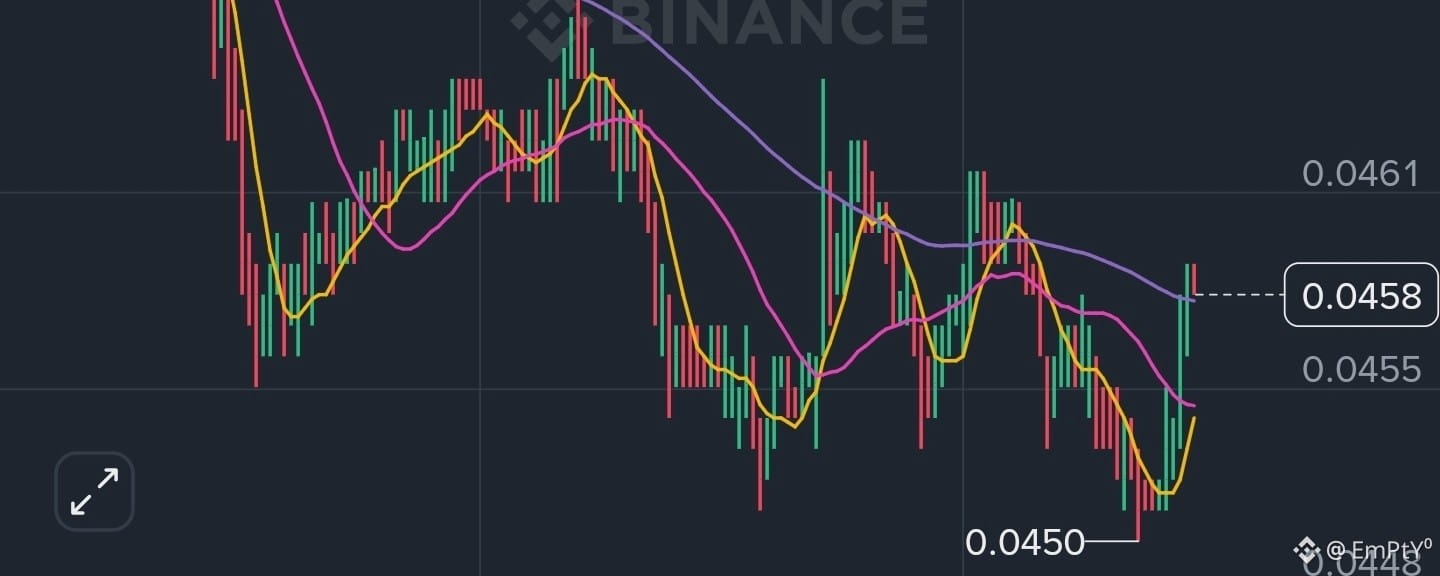
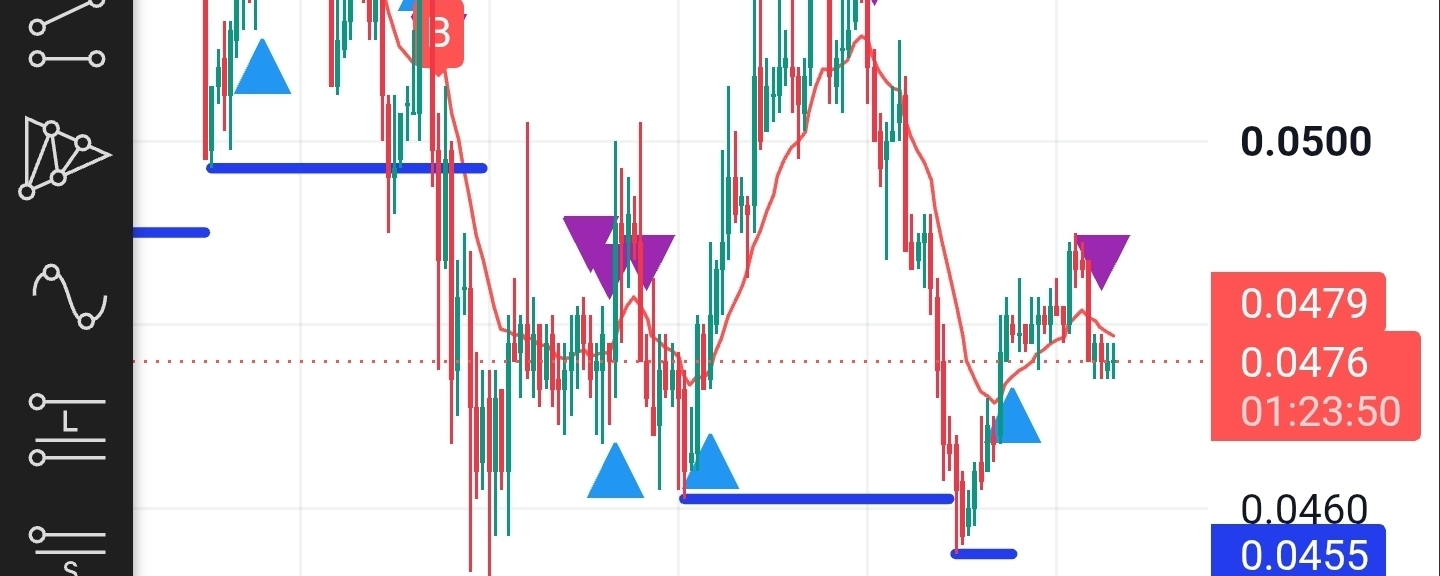
Le véritable plus bas absolu ou un couteau qui tombe ? Mon avis brutal et honnête sur $NEWTPassons le blabla habituel des gourous des graphiques et allons droit au fonctionnement du carnet d’ordres. Si vous surveillez la paire spot NEWT/USDT sur Binance, vous savez déjà qu’elle se trouve à un carrefour critique. Nous négocions tout juste autour de 0,0458 $.Pour remettre les choses en perspective, son plus bas absolu de tous les temps est à 0,0449 $. On est littéralement à 2 % de l’invalidation totale du prix.Voici exactement comment je joue ce graphique en tant que trader spot.📉 La réalité technique : compression au niveau du plancherRegardez le graphique daily macro : c’est une Falling Wedge (coin descendant) typique. Normalement, quand un actif se comprime dans un coin serré directement au-dessus de son plancher historique, cela nous dit une des deux choses suivantes :Épuisement des vendeurs : personne n’est plus prêt à se débarrasser de ses sacs à ces prix de misère. Le volume oscille lentement autour de 5,2 à 5,4 M$ par jour, ce qui signale que les “smart money” absorbent discrètement le flottant sans pousser le prix à la hausse pour l’instant.La chute en contrebas : si le marché mondial prend un coup et que 0,0440 se casse en clôture quotidienne, le plancher s’effondre.Comme la baisse est si proche, le ratio risque/rendement est mathématiquement magnifique—si vous savez gérer le risque.⚡ Le catalyseur : l’infrastructure Web3 & les agents IAJe n’achète pas des pièces mèmes inutiles au plus bas ; je cherche une utilité structurelle susceptible de capter une vague narrative. Newton Protocol n’est pas juste un autre “wrapper” IA superficiel. Ils construisent une exécution on-chain et une infrastructure sécurisée pour des stratégies de trading automatisées et des agents IA autonomes.Avec les récents développements du mainnet et des partenariats de données avec des builders comme Magic Labs et RedStone, la technologie est réelle. Quand le marché revient sur le récit de l’IA et de l’infrastructure Web3 automatisée, $NEWT est positionné parfaitement pour capter une injection massive de liquidités. @NewtonProtocol #Newt $NEWT
Le véritable plus bas absolu ou un couteau qui tombe ? Mon avis brutal et honnête sur $NEWT
Passons le blabla habituel des gourous des graphiques et allons droit au fonctionnement du carnet d’ordres. Si vous surveillez la paire spot NEWT/USDT sur Binance, vous savez déjà qu’elle se trouve à un carrefour critique. Nous négocions tout juste autour de 0,0458 $.Pour remettre les choses en perspective, son plus bas absolu de tous les temps est à 0,0449 $. On est littéralement à 2 % de l’invalidation totale du prix.Voici exactement comment je joue ce graphique en tant que trader spot.📉 La réalité technique : compression au niveau du plancherRegardez le graphique daily macro : c’est une Falling Wedge (coin descendant) typique. Normalement, quand un actif se comprime dans un coin serré directement au-dessus de son plancher historique, cela nous dit une des deux choses suivantes :Épuisement des vendeurs : personne n’est plus prêt à se débarrasser de ses sacs à ces prix de misère. Le volume oscille lentement autour de 5,2 à 5,4 M$ par jour, ce qui signale que les “smart money” absorbent discrètement le flottant sans pousser le prix à la hausse pour l’instant.La chute en contrebas : si le marché mondial prend un coup et que 0,0440 se casse en clôture quotidienne, le plancher s’effondre.Comme la baisse est si proche, le ratio risque/rendement est mathématiquement magnifique—si vous savez gérer le risque.⚡ Le catalyseur : l’infrastructure Web3 & les agents IAJe n’achète pas des pièces mèmes inutiles au plus bas ; je cherche une utilité structurelle susceptible de capter une vague narrative. Newton Protocol n’est pas juste un autre “wrapper” IA superficiel. Ils construisent une exécution on-chain et une infrastructure sécurisée pour des stratégies de trading automatisées et des agents IA autonomes.Avec les récents développements du mainnet et des partenariats de données avec des builders comme Magic Labs et RedStone, la technologie est réelle. Quand le marché revient sur le récit de l’IA et de l’infrastructure Web3 automatisée, $NEWT est positionné parfaitement pour capter une injection massive de liquidités. @NewtonProtocol #Newt $NEWT
1
63
·
--
Les échanges NEWT/USDT se négocient à 0,0458 $, soit seulement 2 % au-dessus de son plancher à 0,0449 $. Cette structure macro en “wedge” signale une exhaustion extrême des vendeurs. Accumulez du spot à 0,0450 $–0,0465 $, avec un stop strict clôturant sous 0,0440 $. Les objectifs de cassure immédiats sont à 0,0520 $ et 0,0650 $. Vérifiez les carnets d’ordres en direct avant l’entrée. #newt $NEWT
Les échanges NEWT/USDT se négocient à 0,0458 $, soit seulement 2 % au-dessus de son plancher à 0,0449 $. Cette structure macro en “wedge” signale une exhaustion extrême des vendeurs. Accumulez du spot à 0,0450 $–0,0465 $, avec un stop strict clôturant sous 0,0440 $. Les objectifs de cassure immédiats sont à 0,0520 $ et 0,0650 $. Vérifiez les carnets d’ordres en direct avant l’entrée. #newt $NEWT
3
3
93
·
--
Article
Pourquoi la Mainnet Beta du protocole Newton pourrait être la pièce manquante dont la finance onchain a besoinDepuis des années, la DeFi n’a optimisé qu’une seule chose : le règlement. Déplacer de l’argent de A à B, vite et sans confiance. Mais quiconque a vu des capitaux institutionnels essayer d’entrer sur des marchés onchain sait que le règlement n’a jamais été le point difficile : c’était l’exécution. Les contrôles de conformité, les limites de risque, le filtrage des sanctions : tout cela était consigné dans des documents offchain que les curateurs promettaient de suivre, sans véritable moyen de vérifier qu’ils l’étaient.
C’est là que @NewtonProtocol intervient avec la Newton Mainnet Beta, désormais en ligne sur Base et Ethereum. Au lieu de faire confiance à la parole d’un curateur, Newton transforme les règles d’un coffre (vault) en une politique qui est vérifiée avant chaque transaction au moment du règlement, et non après. Si une règle est enfreinte, la transaction ne se règle tout simplement pas.
Pourquoi la Mainnet Beta du protocole Newton pourrait être la pièce manquante dont la finance onchain a besoin
Depuis des années, la DeFi n’a optimisé qu’une seule chose : le règlement. Déplacer de l’argent de A à B, vite et sans confiance. Mais quiconque a vu des capitaux institutionnels essayer d’entrer sur des marchés onchain sait que le règlement n’a jamais été le point difficile : c’était l’exécution. Les contrôles de conformité, les limites de risque, le filtrage des sanctions : tout cela était consigné dans des documents offchain que les curateurs promettaient de suivre, sans véritable moyen de vérifier qu’ils l’étaient.
C’est là que @NewtonProtocol intervient avec la Newton Mainnet Beta, désormais en ligne sur Base et Ethereum. Au lieu de faire confiance à la parole d’un curateur, Newton transforme les règles d’un coffre (vault) en une politique qui est vérifiée avant chaque transaction au moment du règlement, et non après. Si une règle est enfreinte, la transaction ne se règle tout simplement pas.
C’est là que @NewtonProtocol intervient avec la Newton Mainnet Beta, désormais en ligne sur Base et Ethereum. Au lieu de faire confiance à la parole d’un curateur, Newton transforme les règles d’un coffre (vault) en une politique qui est vérifiée avant chaque transaction au moment du règlement, et non après. Si une règle est enfreinte, la transaction ne se règle tout simplement pas.
2
2
65
·
--
#newt $NEWT Les capitaux institutionnels se déversent sur la chaîne, mais la « couche des règles » qui les régit n’a pas suivi — c’est précisément le fossé que comble @NewtonProtocol avec sa Newton Mainnet Beta.
Au lieu de faire vivre la conformité dans un PDF hors chaîne que personne n’applique, Newton transforme la politique en code qui vérifie chaque transaction avant qu’elle ne soit finalisée — dès maintenant sur Base et Ethereum. Ce qui ressort pour moi, c’est la gamme d’oracles déjà intégrée : filtrage des risques, notations de santé des coffres, flux de prix en temps réel et scoring de la réputation des portefeuilles, le tout se combinant pour former une politique onchain applicable.
#newt $NEWT Les capitaux institutionnels se déversent sur la chaîne, mais la « couche des règles » qui les régit n’a pas suivi — c’est précisément le fossé que comble @NewtonProtocol avec sa Newton Mainnet Beta.
Au lieu de faire vivre la conformité dans un PDF hors chaîne que personne n’applique, Newton transforme la politique en code qui vérifie chaque transaction avant qu’elle ne soit finalisée — dès maintenant sur Base et Ethereum. Ce qui ressort pour moi, c’est la gamme d’oracles déjà intégrée : filtrage des risques, notations de santé des coffres, flux de prix en temps réel et scoring de la réputation des portefeuilles, le tout se combinant pour former une politique onchain applicable.
Au lieu de faire vivre la conformité dans un PDF hors chaîne que personne n’applique, Newton transforme la politique en code qui vérifie chaque transaction avant qu’elle ne soit finalisée — dès maintenant sur Base et Ethereum. Ce qui ressort pour moi, c’est la gamme d’oracles déjà intégrée : filtrage des risques, notations de santé des coffres, flux de prix en temps réel et scoring de la réputation des portefeuilles, le tout se combinant pour former une politique onchain applicable.
1
68
·
--
La couche manquante dans l’automatisation Web3 : pourquoi nous avons besoin de la sécurité avant la transactionTout le monde adore l’idée des agents IA et des coffres automatisés dans la DeFi, jusqu’au moment où un contrat intelligent se fait drainer. Nous avons passé quelques années à construire une infrastructure incroyable pour le règlement et l’exécution, mais si on est parfaitement honnête avec nous-mêmes, l’industrie a totalement sauté la couche d’autorisation. Aujourd’hui, confier les clés à un bot de trading automatisé ou à une stratégie de coffre complexe nécessite une quantité terrifiante de confiance aveugle.
C’est exactement pour cela que le déploiement récent de @NewtonProtocol c a attiré mon attention. Ils ont simplement lancé la Newton Mainnet Beta en direct sur Base et Ethereum, et elle aborde le problème de sécurité de l’automatisation sous un angle totalement différent. Au lieu de s’appuyer sur une surveillance après exécution—où vous découvrez en gros que vous avez été exploité une fois que la liquidité a déjà disparu—ils ont construit une couche d’autorisation vérifiable qui applique des politiques avant qu’une transaction ne puisse jamais être finalisée sur la chaîne [1.1.2].
La couche manquante dans l’automatisation Web3 : pourquoi nous avons besoin de la sécurité avant la transaction
Tout le monde adore l’idée des agents IA et des coffres automatisés dans la DeFi, jusqu’au moment où un contrat intelligent se fait drainer. Nous avons passé quelques années à construire une infrastructure incroyable pour le règlement et l’exécution, mais si on est parfaitement honnête avec nous-mêmes, l’industrie a totalement sauté la couche d’autorisation. Aujourd’hui, confier les clés à un bot de trading automatisé ou à une stratégie de coffre complexe nécessite une quantité terrifiante de confiance aveugle.
C’est exactement pour cela que le déploiement récent de @NewtonProtocol c a attiré mon attention. Ils ont simplement lancé la Newton Mainnet Beta en direct sur Base et Ethereum, et elle aborde le problème de sécurité de l’automatisation sous un angle totalement différent. Au lieu de s’appuyer sur une surveillance après exécution—où vous découvrez en gros que vous avez été exploité une fois que la liquidité a déjà disparu—ils ont construit une couche d’autorisation vérifiable qui applique des politiques avant qu’une transaction ne puisse jamais être finalisée sur la chaîne [1.1.2].
C’est exactement pour cela que le déploiement récent de @NewtonProtocol c a attiré mon attention. Ils ont simplement lancé la Newton Mainnet Beta en direct sur Base et Ethereum, et elle aborde le problème de sécurité de l’automatisation sous un angle totalement différent. Au lieu de s’appuyer sur une surveillance après exécution—où vous découvrez en gros que vous avez été exploité une fois que la liquidité a déjà disparu—ils ont construit une couche d’autorisation vérifiable qui applique des politiques avant qu’une transaction ne puisse jamais être finalisée sur la chaîne [1.1.2].
1
2
65
·
--
Haussier
Je viens de passer la matinée à me mettre à jour sur ce que @NewtonProtocol l fait pour corriger l’état chaotique de l’automatisation on-chain, et franchement, c’est super rafraîchissant.
Le Newton Mainnet Beta vient de faire son lancement sur Base et Ethereum, et leur approche de l’autorisation vérifiable est exactement ce dont on a besoin pour arrêter de faire aveuglément confiance aux agents de trading par IA. Au lieu d’espérer qu’un bot ne détruise pas votre portefeuille, Newton Protocol vous permet de programmer des limites strictes et des règles de conformité directement dans le flux de transaction grâce à $NEWT . Chaque action est vérifiée dans un environnement d’exécution de confiance avant même d’être exécutée—en gros, transformer la sécurité en code immuable.
On dirait que tout le monde est distrait par les flips rapides en ce moment et passe à côté de vraies améliorations d’infrastructure. Vous autres, vous avez déjà regardé le mainnet beta ou bricolé avec VaultKit ? J’aimerais bien avoir votre avis ! #newt
Je viens de passer la matinée à me mettre à jour sur ce que @NewtonProtocol l fait pour corriger l’état chaotique de l’automatisation on-chain, et franchement, c’est super rafraîchissant.
Le Newton Mainnet Beta vient de faire son lancement sur Base et Ethereum, et leur approche de l’autorisation vérifiable est exactement ce dont on a besoin pour arrêter de faire aveuglément confiance aux agents de trading par IA. Au lieu d’espérer qu’un bot ne détruise pas votre portefeuille, Newton Protocol vous permet de programmer des limites strictes et des règles de conformité directement dans le flux de transaction grâce à $NEWT . Chaque action est vérifiée dans un environnement d’exécution de confiance avant même d’être exécutée—en gros, transformer la sécurité en code immuable.
On dirait que tout le monde est distrait par les flips rapides en ce moment et passe à côté de vraies améliorations d’infrastructure. Vous autres, vous avez déjà regardé le mainnet beta ou bricolé avec VaultKit ? J’aimerais bien avoir votre avis ! #newt
Le Newton Mainnet Beta vient de faire son lancement sur Base et Ethereum, et leur approche de l’autorisation vérifiable est exactement ce dont on a besoin pour arrêter de faire aveuglément confiance aux agents de trading par IA. Au lieu d’espérer qu’un bot ne détruise pas votre portefeuille, Newton Protocol vous permet de programmer des limites strictes et des règles de conformité directement dans le flux de transaction grâce à $NEWT . Chaque action est vérifiée dans un environnement d’exécution de confiance avant même d’être exécutée—en gros, transformer la sécurité en code immuable.
On dirait que tout le monde est distrait par les flips rapides en ce moment et passe à côté de vraies améliorations d’infrastructure. Vous autres, vous avez déjà regardé le mainnet beta ou bricolé avec VaultKit ? J’aimerais bien avoir votre avis ! #newt
1
1
70
·
--
La DeFi vient d’obtenir son premier vrai videur. Et c’est bien le temps.D’accord. Asseyez-vous. Prenez votre café — ou ce que vous avez en main à 2h du matin pendant que vous défilez en mode dégen sur Twitter crypto. Celui-ci vaut vraiment le coup d’œil.
Je ne suis pas là pour faire de la pub. Je suis là pour parler de quelque chose qui a été discrètement livré et qui, d’une manière ou d’une autre, n’a pas fait exploser Internet — alors que ça aurait dû, en quelque sorte.
Allons-y.
D’abord, faisons rôtir un peu la crypto, juste une seconde. Avec amour.
On a construit tout un système financier sur l’idée que « trustless » signifie mieux.
Et à bien des égards ? Oui, carrément. Pas d’intermédiaires. Pas de banquiers qui bloquent l’accès à votre sac. La self-custody. Un accès sans permission. De très belles choses. Vraiment révolutionnaire.
La DeFi vient d’obtenir son premier vrai videur. Et c’est bien le temps.
D’accord. Asseyez-vous. Prenez votre café — ou ce que vous avez en main à 2h du matin pendant que vous défilez en mode dégen sur Twitter crypto. Celui-ci vaut vraiment le coup d’œil.
Je ne suis pas là pour faire de la pub. Je suis là pour parler de quelque chose qui a été discrètement livré et qui, d’une manière ou d’une autre, n’a pas fait exploser Internet — alors que ça aurait dû, en quelque sorte.
Allons-y.
D’abord, faisons rôtir un peu la crypto, juste une seconde. Avec amour.
On a construit tout un système financier sur l’idée que « trustless » signifie mieux.
Et à bien des égards ? Oui, carrément. Pas d’intermédiaires. Pas de banquiers qui bloquent l’accès à votre sac. La self-custody. Un accès sans permission. De très belles choses. Vraiment révolutionnaire.
Je ne suis pas là pour faire de la pub. Je suis là pour parler de quelque chose qui a été discrètement livré et qui, d’une manière ou d’une autre, n’a pas fait exploser Internet — alors que ça aurait dû, en quelque sorte.
Allons-y.
D’abord, faisons rôtir un peu la crypto, juste une seconde. Avec amour.
On a construit tout un système financier sur l’idée que « trustless » signifie mieux.
Et à bien des égards ? Oui, carrément. Pas d’intermédiaires. Pas de banquiers qui bloquent l’accès à votre sac. La self-custody. Un accès sans permission. De très belles choses. Vraiment révolutionnaire.
1
2
74
·
--
#newt $NEWT Le SDK VaultKit est arrivé au lancement. Les développeurs peuvent commencer à créer dès aujourd’hui des politiques de transaction programmables. Pas sur la feuille de route aujourd’hui. Pas pour la période Q3. Dès maintenant, aujourd’hui. La boîte à outils est là, elle fonctionne. Allez construire.
#newt $NEWT Le SDK VaultKit est arrivé au lancement. Les développeurs peuvent commencer à créer dès aujourd’hui des politiques de transaction programmables. Pas sur la feuille de route aujourd’hui. Pas pour la période Q3. Dès maintenant, aujourd’hui. La boîte à outils est là, elle fonctionne. Allez construire.
3
2
79
·
--
Personne n’en parle. Mais ils devraient.Je fais défiler plus d’une centaine de publications sur le prochain « grand truc » chaque jour. La plupart ne sont que du bruit. Une hype recyclée avec un nouveau ticker par-dessus. Alors quand je dis que le protocole Newton m’a arrêté en plein défilement — je veux dire qu’il m’a réellement stoppé.
Laissez-moi vous expliquer pourquoi.
La crypto a un problème gênant que personne n’aime admettre
Voici quelque chose dont on ne parle pas assez.
La blockchain est incroyable pour enregistrer ce qui s’est passé. Elle est, de façon vraiment terrible, incapable de décider ce qui devrait se passer avant que cela n’arrive.
Dans le monde réel — le monde ennuyeux, lent et traditionnel de la finance qu’on adore se moquer — il existe des couches de contrôles avant qu’un seul dollar ne bouge. Contrôle des sanctions. Évaluation des risques. Filtres de conformité. Vérification d’identité. C’est agaçant, oui. Mais cela veut aussi dire que le système ne s’effondre pas à chaque fois qu’un mauvais acteur débarque.
Personne n’en parle. Mais ils devraient.
Je fais défiler plus d’une centaine de publications sur le prochain « grand truc » chaque jour. La plupart ne sont que du bruit. Une hype recyclée avec un nouveau ticker par-dessus. Alors quand je dis que le protocole Newton m’a arrêté en plein défilement — je veux dire qu’il m’a réellement stoppé.
Laissez-moi vous expliquer pourquoi.
La crypto a un problème gênant que personne n’aime admettre
Voici quelque chose dont on ne parle pas assez.
La blockchain est incroyable pour enregistrer ce qui s’est passé. Elle est, de façon vraiment terrible, incapable de décider ce qui devrait se passer avant que cela n’arrive.
Dans le monde réel — le monde ennuyeux, lent et traditionnel de la finance qu’on adore se moquer — il existe des couches de contrôles avant qu’un seul dollar ne bouge. Contrôle des sanctions. Évaluation des risques. Filtres de conformité. Vérification d’identité. C’est agaçant, oui. Mais cela veut aussi dire que le système ne s’effondre pas à chaque fois qu’un mauvais acteur débarque.
Laissez-moi vous expliquer pourquoi.
La crypto a un problème gênant que personne n’aime admettre
Voici quelque chose dont on ne parle pas assez.
La blockchain est incroyable pour enregistrer ce qui s’est passé. Elle est, de façon vraiment terrible, incapable de décider ce qui devrait se passer avant que cela n’arrive.
Dans le monde réel — le monde ennuyeux, lent et traditionnel de la finance qu’on adore se moquer — il existe des couches de contrôles avant qu’un seul dollar ne bouge. Contrôle des sanctions. Évaluation des risques. Filtres de conformité. Vérification d’identité. C’est agaçant, oui. Mais cela veut aussi dire que le système ne s’effondre pas à chaque fois qu’un mauvais acteur débarque.
3
2
72
·
--
la crypto a un secret sale — elle se règle vite, mais ne vérifie jamais vraiment si elle devrait.
ça change maintenant.
@NewtonProtocol vient de lancer sa version Mainnet Beta sur Ethereum & Base et honnêtement ? c’est une couche dont on n’a presque pas parlé, mais que tout le monde avait besoin.
pensez-y comme à un videur pour vos transactions. vous définissez les règles, Newton les applique onchain — avant que quoi que ce soit ne bouge. pas après. pas « fais-moi confiance ». avant.
ils ont lancé avec VaultKit SDK, connectés à Chainalysis, RedStone, Credora & Webacy pour une infrastructure de risque réelle, et le tout tourne comme un EigenLayer AVS avec un slashing effectif. les opérateurs ne peuvent pas simplement tamponner de mauvaises transactions et s’en aller.
chaque approbation ? s’accompagne d’un reçu cryptographique. la preuve que les règles ont réellement été respectées. concept fou, non ?
RWA, agents IA, stablecoins — Newton construit discrètement l’ossature conformité pour tout ça.
$NEWT , c’est le carburant. offre fixe à 1B, aucune inflation, droits de gouvernance pour les stakers.
defi qui grandit en temps réel fr 👀
$NEWT #Newt #NewtonProtocol #Eigenlayer #Web3 #newt $NEWT
la crypto a un secret sale — elle se règle vite, mais ne vérifie jamais vraiment si elle devrait.
ça change maintenant.
@NewtonProtocol vient de lancer sa version Mainnet Beta sur Ethereum & Base et honnêtement ? c’est une couche dont on n’a presque pas parlé, mais que tout le monde avait besoin.
pensez-y comme à un videur pour vos transactions. vous définissez les règles, Newton les applique onchain — avant que quoi que ce soit ne bouge. pas après. pas « fais-moi confiance ». avant.
ils ont lancé avec VaultKit SDK, connectés à Chainalysis, RedStone, Credora & Webacy pour une infrastructure de risque réelle, et le tout tourne comme un EigenLayer AVS avec un slashing effectif. les opérateurs ne peuvent pas simplement tamponner de mauvaises transactions et s’en aller.
chaque approbation ? s’accompagne d’un reçu cryptographique. la preuve que les règles ont réellement été respectées. concept fou, non ?
RWA, agents IA, stablecoins — Newton construit discrètement l’ossature conformité pour tout ça.
$NEWT , c’est le carburant. offre fixe à 1B, aucune inflation, droits de gouvernance pour les stakers.
defi qui grandit en temps réel fr 👀
$NEWT #Newt #NewtonProtocol #Eigenlayer #Web3 #newt $NEWT
ça change maintenant.
@NewtonProtocol vient de lancer sa version Mainnet Beta sur Ethereum & Base et honnêtement ? c’est une couche dont on n’a presque pas parlé, mais que tout le monde avait besoin.
pensez-y comme à un videur pour vos transactions. vous définissez les règles, Newton les applique onchain — avant que quoi que ce soit ne bouge. pas après. pas « fais-moi confiance ». avant.
ils ont lancé avec VaultKit SDK, connectés à Chainalysis, RedStone, Credora & Webacy pour une infrastructure de risque réelle, et le tout tourne comme un EigenLayer AVS avec un slashing effectif. les opérateurs ne peuvent pas simplement tamponner de mauvaises transactions et s’en aller.
chaque approbation ? s’accompagne d’un reçu cryptographique. la preuve que les règles ont réellement été respectées. concept fou, non ?
RWA, agents IA, stablecoins — Newton construit discrètement l’ossature conformité pour tout ça.
$NEWT , c’est le carburant. offre fixe à 1B, aucune inflation, droits de gouvernance pour les stakers.
defi qui grandit en temps réel fr 👀
$NEWT #Newt #NewtonProtocol #Eigenlayer #Web3 #newt $NEWT
Newt will pump
0%
Newt will dump
0%
0 Votes • Vote fermé
2
52
·
--
Article
J’ai regardé Newton Protocol pour vous — voici ce que j’ai trouvéHonnêtement, Newton Protocol a simplement corrigé un truc que la DeFi ignore depuis des années 🧵
Soyons honnêtes, juste une seconde.
À chaque fois que j’ai utilisé un protocole DeFi, il y avait cette hypothèse implicite et discrète — que si le smart contract le permet, c’est bon. Aucun contrôle. Aucun contexte. Juste : le code permet ça ? Oui ? Alors c’est réglé.
Ça m’a toujours dérangé. Parce que dans le monde réel, une transaction ne se résume pas à « la valeur a-t-elle bougé ? ». C’est plutôt « est-ce que ça aurait dû bouger ? ». Ce sont deux questions très différentes — et pendant longtemps, la DeFi n’a répondu qu’à la première.
J’ai regardé Newton Protocol pour vous — voici ce que j’ai trouvé
Honnêtement, Newton Protocol a simplement corrigé un truc que la DeFi ignore depuis des années 🧵
Soyons honnêtes, juste une seconde.
À chaque fois que j’ai utilisé un protocole DeFi, il y avait cette hypothèse implicite et discrète — que si le smart contract le permet, c’est bon. Aucun contrôle. Aucun contexte. Juste : le code permet ça ? Oui ? Alors c’est réglé.
Ça m’a toujours dérangé. Parce que dans le monde réel, une transaction ne se résume pas à « la valeur a-t-elle bougé ? ». C’est plutôt « est-ce que ça aurait dû bouger ? ». Ce sont deux questions très différentes — et pendant longtemps, la DeFi n’a répondu qu’à la première.
Soyons honnêtes, juste une seconde.
À chaque fois que j’ai utilisé un protocole DeFi, il y avait cette hypothèse implicite et discrète — que si le smart contract le permet, c’est bon. Aucun contrôle. Aucun contexte. Juste : le code permet ça ? Oui ? Alors c’est réglé.
Ça m’a toujours dérangé. Parce que dans le monde réel, une transaction ne se résume pas à « la valeur a-t-elle bougé ? ». C’est plutôt « est-ce que ça aurait dû bouger ? ». Ce sont deux questions très différentes — et pendant longtemps, la DeFi n’a répondu qu’à la première.
3
3
71
·
--
#newt $NEWT J'ai passé un peu de temps à découvrir @NewtonProtocol, et honnêtement, je suis plutôt impressionné par ce qu’ils construisent ici.
En gros, $NEWT est en train de créer ce rollup spécialisé, conçu spécifiquement pour les bots de trading d’IA et les stratégies automatisées. Ce qui a retenu mon attention, c’est leur idée de marketplace : les développeurs peuvent réellement construire et partager des agents d’IA pour le trading, ce qui ressemble à la direction naturelle que prend la crypto.
La Newton Mainnet Beta est déjà en ligne, et d’après ce que je vois, ils s’attaquent à un vrai problème. La plupart des blockchains n’ont pas été conçues avec l’automatisation par IA en tête, mais l’architecture de Newton est pensée dès le départ pour exactement cela.
Le fait est que l’IA est partout maintenant, mais la plupart des projets se contentent d’ajouter « propulsé par l’IA » à leur marketing. Newton a, lui, l’infrastructure pour l’appuyer : une technologie de rollup sécurisée capable de gérer du trading automatisé sans compromettre la sécurité.
Je suis vraiment curieux de voir comment leur marketplace pour développeurs va évoluer. Ça pourrait être une révolution si c’est bien exécuté.
Quelqu’un d’autre suit #Newt ? J’aimerais beaucoup connaître vos avis sur l’intégration de l’IA dans la DeFi.
#newt $NEWT J'ai passé un peu de temps à découvrir @NewtonProtocol, et honnêtement, je suis plutôt impressionné par ce qu’ils construisent ici.
En gros, $NEWT est en train de créer ce rollup spécialisé, conçu spécifiquement pour les bots de trading d’IA et les stratégies automatisées. Ce qui a retenu mon attention, c’est leur idée de marketplace : les développeurs peuvent réellement construire et partager des agents d’IA pour le trading, ce qui ressemble à la direction naturelle que prend la crypto.
La Newton Mainnet Beta est déjà en ligne, et d’après ce que je vois, ils s’attaquent à un vrai problème. La plupart des blockchains n’ont pas été conçues avec l’automatisation par IA en tête, mais l’architecture de Newton est pensée dès le départ pour exactement cela.
Le fait est que l’IA est partout maintenant, mais la plupart des projets se contentent d’ajouter « propulsé par l’IA » à leur marketing. Newton a, lui, l’infrastructure pour l’appuyer : une technologie de rollup sécurisée capable de gérer du trading automatisé sans compromettre la sécurité.
Je suis vraiment curieux de voir comment leur marketplace pour développeurs va évoluer. Ça pourrait être une révolution si c’est bien exécuté.
Quelqu’un d’autre suit #Newt ? J’aimerais beaucoup connaître vos avis sur l’intégration de l’IA dans la DeFi.
En gros, $NEWT est en train de créer ce rollup spécialisé, conçu spécifiquement pour les bots de trading d’IA et les stratégies automatisées. Ce qui a retenu mon attention, c’est leur idée de marketplace : les développeurs peuvent réellement construire et partager des agents d’IA pour le trading, ce qui ressemble à la direction naturelle que prend la crypto.
La Newton Mainnet Beta est déjà en ligne, et d’après ce que je vois, ils s’attaquent à un vrai problème. La plupart des blockchains n’ont pas été conçues avec l’automatisation par IA en tête, mais l’architecture de Newton est pensée dès le départ pour exactement cela.
Le fait est que l’IA est partout maintenant, mais la plupart des projets se contentent d’ajouter « propulsé par l’IA » à leur marketing. Newton a, lui, l’infrastructure pour l’appuyer : une technologie de rollup sécurisée capable de gérer du trading automatisé sans compromettre la sécurité.
Je suis vraiment curieux de voir comment leur marketplace pour développeurs va évoluer. Ça pourrait être une révolution si c’est bien exécuté.
Quelqu’un d’autre suit #Newt ? J’aimerais beaucoup connaître vos avis sur l’intégration de l’IA dans la DeFi.
7
4
95
·
--
Étapes faciles pour rejoindre#BinancePickAndWin
Lien👉 [Join Now](https://www.binance.com/activity/pick-and-win/2026-football-challenge?ref=503003698)
Visitez la page de l’activité pendant la période promotionnelle.
Faites votre premier choix pour débloquer instantanément une boîte-cadeau gratuite de bienvenue.
Réalisez des tâches d’engagement quotidiennes pour débloquer davantage de participations aux tirages.
Les tirages réussis peuvent débloquer des récompenses supplémentaires sous forme de boîtes-cadeaux.
Remarque : les résultats des tirages déjà réglés seront mis à jour en continu chaque jour avant 08:00 (UTC).
Étapes faciles pour rejoindre#BinancePickAndWin
Lien👉 Join Now
Visitez la page de l’activité pendant la période promotionnelle.
Faites votre premier choix pour débloquer instantanément une boîte-cadeau gratuite de bienvenue.
Réalisez des tâches d’engagement quotidiennes pour débloquer davantage de participations aux tirages.
Les tirages réussis peuvent débloquer des récompenses supplémentaires sous forme de boîtes-cadeaux.
Remarque : les résultats des tirages déjà réglés seront mis à jour en continu chaque jour avant 08:00 (UTC).
Lien👉 Join Now
Visitez la page de l’activité pendant la période promotionnelle.
Faites votre premier choix pour débloquer instantanément une boîte-cadeau gratuite de bienvenue.
Réalisez des tâches d’engagement quotidiennes pour débloquer davantage de participations aux tirages.
Les tirages réussis peuvent débloquer des récompenses supplémentaires sous forme de boîtes-cadeaux.
Remarque : les résultats des tirages déjà réglés seront mis à jour en continu chaque jour avant 08:00 (UTC).
2
5
·
--
6
143
·
--
#binanceholderairdrop $BARD cuisinant quelque chose de grand.
#binanceholderairdrop $BARD cuisinant quelque chose de grand.
1
42
Connectez-vous pour découvrir plus de contenu
Rejoignez la communauté mondiale des adeptes de cryptomonnaies sur Binance Square
⚡️ Suviez les dernières informations importantes sur les cryptomonnaies.
💬 Jugé digne de confiance par la plus grande plateforme d’échange de cryptomonnaies au monde.
👍 Découvrez les connaissances que partagent les créateurs vérifiés.
Adresse e-mail/Nº de téléphone
Sujets d’actualité
BinancePick
3.1M vues
153,244 mentions
Rejoignez la #SaisonDesRésultats : prévoyez les résultats sur Binance Pick et partagez votre avis sur Binance Square !
Binance Square Official
·413 mentions J’aime
·343.4k vues
EarningsSeason
5.3M vues
26,056 mentions
AnthropicTTMRevenueGrewAbout1200%
35,426 vues
442 mentions