

#blockchainsecurity
blockchainsecurity
650,452 vues
1,647 mentions
Populaire
Récents

#BitgetHackerMoves$83MStolenXRP
🚨 $83M Stolen XRP on the Move
The Bitget hacker has reportedly moved around 54 million XRP worth approximately $83 million from wallets linked to the September 24 security breach. Around $75 million in XRP remains across the original wallets.
The transfers show the stolen XRP being distributed across multiple addresses, making recovery and tracking more challenging. Importantly, moving the tokens does not by itself prove they have been sold.
The incident has put renewed attention on exchange security, on-chain tracking and XRP liquidity. Bitget says the broader incident involved approximately $387.5 million in assets and that customer balances remain protected.
#Bitget #XRP’ #CryptoNews🚀🔥V #BlockchainSecurity
$XRP
#BitgetHackerMoves$83MStolenXRP
🚨 $83M Stolen XRP on the Move
The Bitget hacker has reportedly moved around 54 million XRP worth approximately $83 million from wallets linked to the September 24 security breach. Around $75 million in XRP remains across the original wallets.
The transfers show the stolen XRP being distributed across multiple addresses, making recovery and tracking more challenging. Importantly, moving the tokens does not by itself prove they have been sold.
The incident has put renewed attention on exchange security, on-chain tracking and XRP liquidity. Bitget says the broader incident involved approximately $387.5 million in assets and that customer balances remain protected.
#Bitget #XRP’ #CryptoNews🚀🔥V #BlockchainSecurity
$XRP
🚨 $83M Stolen XRP on the Move
The Bitget hacker has reportedly moved around 54 million XRP worth approximately $83 million from wallets linked to the September 24 security breach. Around $75 million in XRP remains across the original wallets.
The transfers show the stolen XRP being distributed across multiple addresses, making recovery and tracking more challenging. Importantly, moving the tokens does not by itself prove they have been sold.
The incident has put renewed attention on exchange security, on-chain tracking and XRP liquidity. Bitget says the broader incident involved approximately $387.5 million in assets and that customer balances remain protected.
#Bitget #XRP’ #CryptoNews🚀🔥V #BlockchainSecurity
$XRP
86

·
--
Near Intents这次立大功了!拦截了价值5000万美元的Bitget黑客交易,大部分黑钱被拒后转其他途径跑了。这证明无权限声明系统在关键时刻能派上大用场!$NEAR
Near Intents just blocked $50M in Bitget hacker swaps! Most rejected funds later moved through other channels, but this shows how permissionless systems can step up in critical moments. $NEAR
#加密安全 #区块链安全 #HackerAttack #BlockchainSecurity
Near Intents这次立大功了!拦截了价值5000万美元的Bitget黑客交易,大部分黑钱被拒后转其他途径跑了。这证明无权限声明系统在关键时刻能派上大用场!$NEAR
Near Intents just blocked $50M in Bitget hacker swaps! Most rejected funds later moved through other channels, but this shows how permissionless systems can step up in critical moments. $NEAR
#加密安全 #区块链安全 #HackerAttack #BlockchainSecurity
Near Intents just blocked $50M in Bitget hacker swaps! Most rejected funds later moved through other channels, but this shows how permissionless systems can step up in critical moments. $NEAR
#加密安全 #区块链安全 #HackerAttack #BlockchainSecurity
220

·
--
How to Stay Safe in 2026
Cryptocurrency has grown from a niche experiment into a trillion-dollar ecosystem, and with that growth has come an equally explosive rise in wallet hacks, phishing scams and exchange breaches. Every year, billions of dollars in digital assets vanish, often stolen not through some Hollywood-style code-breaking, but through simple human error: a fake app, a malicious browser extension, a convincing phishing email, or a moment of carelessness with a seed phrase.
Unlike a bank account, there is no fraud department to call once your crypto is gone. Transactions are irreversible. That is the trade-off of decentralization: full control, but full responsibility too.
How Wallets Get Hacked
Most attacks fall into a few familiar patterns: Phishing sites and fake apps that mimic real wallet interfaces to steal login credentials or seed phrases, malicious browser extensions that quietly intercept wallet connections, social engineering, where scammers pose as "support staff" to trick users into revealing private keys.
How to Protect Yourself
1. Use a hardware wallet, devices like Ledger or Trezor keep your private keys offline, out of reach from remote attackers.
2. Never share your seed phrase. No legitimate service will ever ask for it.
3. Enable 2FA with an authenticator app, not SMS, which is vulnerable to SIM-swapping.
4. Double-check URLs before connecting a wallet.
5. Bookmark official sites rather than trusting search results or links in messages.
6. Be wary of browser extensions and unsolicited DMs offering "help" or giveaways.
7. Keep software and firmware updated to patch known vulnerabilities.
8. Separate your funds — a small "hot" wallet for daily use, and a "cold" wallet for long-term holdings.
The Bottom Line
In crypto, you are your own bank. This means security isn't optional, it's foundational. A little skepticism and a few good habits go a long way toward keeping your assets safe in an ecosystem where mistakes are permanent.
#CryptoSecurity #WalletSafety #CryptoHacks #BlockchainSecurity #CryptoScams #web3security
How to Stay Safe in 2026
Cryptocurrency has grown from a niche experiment into a trillion-dollar ecosystem, and with that growth has come an equally explosive rise in wallet hacks, phishing scams and exchange breaches. Every year, billions of dollars in digital assets vanish, often stolen not through some Hollywood-style code-breaking, but through simple human error: a fake app, a malicious browser extension, a convincing phishing email, or a moment of carelessness with a seed phrase.
Unlike a bank account, there is no fraud department to call once your crypto is gone. Transactions are irreversible. That is the trade-off of decentralization: full control, but full responsibility too.
How Wallets Get Hacked
Most attacks fall into a few familiar patterns: Phishing sites and fake apps that mimic real wallet interfaces to steal login credentials or seed phrases, malicious browser extensions that quietly intercept wallet connections, social engineering, where scammers pose as "support staff" to trick users into revealing private keys.
How to Protect Yourself
1. Use a hardware wallet, devices like Ledger or Trezor keep your private keys offline, out of reach from remote attackers.
2. Never share your seed phrase. No legitimate service will ever ask for it.
3. Enable 2FA with an authenticator app, not SMS, which is vulnerable to SIM-swapping.
4. Double-check URLs before connecting a wallet.
5. Bookmark official sites rather than trusting search results or links in messages.
6. Be wary of browser extensions and unsolicited DMs offering "help" or giveaways.
7. Keep software and firmware updated to patch known vulnerabilities.
8. Separate your funds — a small "hot" wallet for daily use, and a "cold" wallet for long-term holdings.
The Bottom Line
In crypto, you are your own bank. This means security isn't optional, it's foundational. A little skepticism and a few good habits go a long way toward keeping your assets safe in an ecosystem where mistakes are permanent.
#CryptoSecurity #WalletSafety #CryptoHacks #BlockchainSecurity #CryptoScams #web3security
Cryptocurrency has grown from a niche experiment into a trillion-dollar ecosystem, and with that growth has come an equally explosive rise in wallet hacks, phishing scams and exchange breaches. Every year, billions of dollars in digital assets vanish, often stolen not through some Hollywood-style code-breaking, but through simple human error: a fake app, a malicious browser extension, a convincing phishing email, or a moment of carelessness with a seed phrase.
Unlike a bank account, there is no fraud department to call once your crypto is gone. Transactions are irreversible. That is the trade-off of decentralization: full control, but full responsibility too.
How Wallets Get Hacked
Most attacks fall into a few familiar patterns: Phishing sites and fake apps that mimic real wallet interfaces to steal login credentials or seed phrases, malicious browser extensions that quietly intercept wallet connections, social engineering, where scammers pose as "support staff" to trick users into revealing private keys.
How to Protect Yourself
1. Use a hardware wallet, devices like Ledger or Trezor keep your private keys offline, out of reach from remote attackers.
2. Never share your seed phrase. No legitimate service will ever ask for it.
3. Enable 2FA with an authenticator app, not SMS, which is vulnerable to SIM-swapping.
4. Double-check URLs before connecting a wallet.
5. Bookmark official sites rather than trusting search results or links in messages.
6. Be wary of browser extensions and unsolicited DMs offering "help" or giveaways.
7. Keep software and firmware updated to patch known vulnerabilities.
8. Separate your funds — a small "hot" wallet for daily use, and a "cold" wallet for long-term holdings.
The Bottom Line
In crypto, you are your own bank. This means security isn't optional, it's foundational. A little skepticism and a few good habits go a long way toward keeping your assets safe in an ecosystem where mistakes are permanent.
#CryptoSecurity #WalletSafety #CryptoHacks #BlockchainSecurity #CryptoScams #web3security
76
·
--
Chainlink刚刚推出了CCIP的新版本!这波操作太及时了,就在行业刚经历2.92亿美元黑客攻击后。新CCIP允许项目方添加自定义安全检查,防止重蹈其他桥接技术的覆辙。安全可控,这才是Web3该有的样子!#区块链安全 #跨链桥 $LINK $CCIP
Chainlink just dropped a new version of CCIP! Perfect timing after that $292M hack shook the industry. The update lets projects add custom security checks to avoid vulnerabilities that plagued other bridges. More control over security, this is how Web3 should be! #BlockchainSecurity #CrossChainBridges $LINK $CCIP
Chainlink刚刚推出了CCIP的新版本!这波操作太及时了,就在行业刚经历2.92亿美元黑客攻击后。新CCIP允许项目方添加自定义安全检查,防止重蹈其他桥接技术的覆辙。安全可控,这才是Web3该有的样子!#区块链安全 #跨链桥 $LINK $CCIP
Chainlink just dropped a new version of CCIP! Perfect timing after that $292M hack shook the industry. The update lets projects add custom security checks to avoid vulnerabilities that plagued other bridges. More control over security, this is how Web3 should be! #BlockchainSecurity #CrossChainBridges $LINK $CCIP
Chainlink just dropped a new version of CCIP! Perfect timing after that $292M hack shook the industry. The update lets projects add custom security checks to avoid vulnerabilities that plagued other bridges. More control over security, this is how Web3 should be! #BlockchainSecurity #CrossChainBridges $LINK $CCIP
210
·
--
Chainlink刚刚升级了跨链桥接技术!这是在同行遭受2.92亿美元黑客攻击后的及时回应。新功能允许项目添加自定义安全检查,防止出现单点故障漏洞。安全第一,Chainlink又一次证明了行业领先地位!#区块链安全 $LINK
Chainlink just upgraded its cross-chain bridge tech! This comes timely after a rival suffered a $292M hack. The new feature lets projects add custom security checks to prevent single-point failure vulnerabilities. Safety first, Chainlink once again proving industry leadership! #BlockchainSecurity $LINK
Chainlink刚刚升级了跨链桥接技术!这是在同行遭受2.92亿美元黑客攻击后的及时回应。新功能允许项目添加自定义安全检查,防止出现单点故障漏洞。安全第一,Chainlink又一次证明了行业领先地位!#区块链安全 $LINK
Chainlink just upgraded its cross-chain bridge tech! This comes timely after a rival suffered a $292M hack. The new feature lets projects add custom security checks to prevent single-point failure vulnerabilities. Safety first, Chainlink once again proving industry leadership! #BlockchainSecurity $LINK
Chainlink just upgraded its cross-chain bridge tech! This comes timely after a rival suffered a $292M hack. The new feature lets projects add custom security checks to prevent single-point failure vulnerabilities. Safety first, Chainlink once again proving industry leadership! #BlockchainSecurity $LINK
356
·
--
刚刚,$ZANO区块链被黑客攻击后被迫回滚了一个月的区块!团队回滚到了第6次硬分叉引入网关地址之前的高度,相当于整个区块链倒退了一个月。😱 这在区块链史上可不多见,说明安全问题有多严重啊!#区块链安全 #DeFi
Zano blockchain got hacked and they had to roll back a whole month! The team rolled back to before the 6th hard fork introduced Gateway Addresses, essentially making the blockchain go back in time. 🤯 This rarely happens in blockchain history, showing how serious the security issue was! #blockchainsecurity #DeFi
刚刚,$ZANO区块链被黑客攻击后被迫回滚了一个月的区块!团队回滚到了第6次硬分叉引入网关地址之前的高度,相当于整个区块链倒退了一个月。😱 这在区块链史上可不多见,说明安全问题有多严重啊!#区块链安全 #DeFi
Zano blockchain got hacked and they had to roll back a whole month! The team rolled back to before the 6th hard fork introduced Gateway Addresses, essentially making the blockchain go back in time. 🤯 This rarely happens in blockchain history, showing how serious the security issue was! #blockchainsecurity #DeFi
Zano blockchain got hacked and they had to roll back a whole month! The team rolled back to before the 6th hard fork introduced Gateway Addresses, essentially making the blockchain go back in time. 🤯 This rarely happens in blockchain history, showing how serious the security issue was! #blockchainsecurity #DeFi
12

#bitgetbreachforgedrequestsnotstolenkeys
🚨 تحديث أمني: اختراق Bitget يتضمن طلبات مُزوّرة، وليس مفاتيح مسروقة
التفصيل: كانت المجتمعات المهتمة بالعملات المشفرة تتابع عن كثب الأحداث الأمنية الأخيرة بعد حادثة تتعلق بـ Bitget، حيث تأثر حوالي 351.6 مليون دولار عبر تحويلات غير مصرح بها. ومع ذلك، أكدت القيادة أن المفاتيح الخاصة لم يتم سرقتها. بدلًا من ذلك، قام المهاجمون باختراق نظام محفظة خلفية (backend) وقاموا بتزوير بيانات المعاملات لدفع طلبات وهمية عبر مسارات التفويض العادية. تظل التخزينات الباردة آمنة بالكامل، وصندوق حماية البورصة مُهيّأ لتغطية الخسائر.
ما الذي يعنيه ذلك للسوق: مثل هذه الحوادث تُغيّر تركيز الصناعة بشكل كبير نحو تقوية أنظمة الخلفية (backend) وأمن البنية التحتية. بينما تظل عمليات السحب متوقفة مؤقتًا لإجراء مراجعات السلامة، فإن التداول والإيداعات ما زالت تعمل بشكل طبيعي، ما يدفع المتداولين إلى إبقاء عين حادة على إدارة المخاطر وتدفقات سيولة البورصة.
$BTC (Bitcoin): المعيار الرئيسي لقياس أداء السوق على مستوى الاقتصاد الكلي؛ راقب كيف تستجيب السيولة الإجمالية وكيف تحافظ على مستويات دعم محورية أثناء تحديثات أمن البورصة.
كيف تتعامل مع أمن محفظتك وظروف السوق الحالية؟ لنتناقش في التعليقات أدناه! 👇
متابعة من فضلكم
#Bitget #CryptoSecurity #BlockchainSecurity #CryptoNews
#bitgetbreachforgedrequestsnotstolenkeys
🚨 تحديث أمني: اختراق Bitget يتضمن طلبات مُزوّرة، وليس مفاتيح مسروقة
التفصيل: كانت المجتمعات المهتمة بالعملات المشفرة تتابع عن كثب الأحداث الأمنية الأخيرة بعد حادثة تتعلق بـ Bitget، حيث تأثر حوالي 351.6 مليون دولار عبر تحويلات غير مصرح بها. ومع ذلك، أكدت القيادة أن المفاتيح الخاصة لم يتم سرقتها. بدلًا من ذلك، قام المهاجمون باختراق نظام محفظة خلفية (backend) وقاموا بتزوير بيانات المعاملات لدفع طلبات وهمية عبر مسارات التفويض العادية. تظل التخزينات الباردة آمنة بالكامل، وصندوق حماية البورصة مُهيّأ لتغطية الخسائر.
ما الذي يعنيه ذلك للسوق: مثل هذه الحوادث تُغيّر تركيز الصناعة بشكل كبير نحو تقوية أنظمة الخلفية (backend) وأمن البنية التحتية. بينما تظل عمليات السحب متوقفة مؤقتًا لإجراء مراجعات السلامة، فإن التداول والإيداعات ما زالت تعمل بشكل طبيعي، ما يدفع المتداولين إلى إبقاء عين حادة على إدارة المخاطر وتدفقات سيولة البورصة.
$BTC (Bitcoin): المعيار الرئيسي لقياس أداء السوق على مستوى الاقتصاد الكلي؛ راقب كيف تستجيب السيولة الإجمالية وكيف تحافظ على مستويات دعم محورية أثناء تحديثات أمن البورصة.
كيف تتعامل مع أمن محفظتك وظروف السوق الحالية؟ لنتناقش في التعليقات أدناه! 👇
متابعة من فضلكم
#Bitget #CryptoSecurity #BlockchainSecurity #CryptoNews
🚨 تحديث أمني: اختراق Bitget يتضمن طلبات مُزوّرة، وليس مفاتيح مسروقة
التفصيل: كانت المجتمعات المهتمة بالعملات المشفرة تتابع عن كثب الأحداث الأمنية الأخيرة بعد حادثة تتعلق بـ Bitget، حيث تأثر حوالي 351.6 مليون دولار عبر تحويلات غير مصرح بها. ومع ذلك، أكدت القيادة أن المفاتيح الخاصة لم يتم سرقتها. بدلًا من ذلك، قام المهاجمون باختراق نظام محفظة خلفية (backend) وقاموا بتزوير بيانات المعاملات لدفع طلبات وهمية عبر مسارات التفويض العادية. تظل التخزينات الباردة آمنة بالكامل، وصندوق حماية البورصة مُهيّأ لتغطية الخسائر.
ما الذي يعنيه ذلك للسوق: مثل هذه الحوادث تُغيّر تركيز الصناعة بشكل كبير نحو تقوية أنظمة الخلفية (backend) وأمن البنية التحتية. بينما تظل عمليات السحب متوقفة مؤقتًا لإجراء مراجعات السلامة، فإن التداول والإيداعات ما زالت تعمل بشكل طبيعي، ما يدفع المتداولين إلى إبقاء عين حادة على إدارة المخاطر وتدفقات سيولة البورصة.
$BTC (Bitcoin): المعيار الرئيسي لقياس أداء السوق على مستوى الاقتصاد الكلي؛ راقب كيف تستجيب السيولة الإجمالية وكيف تحافظ على مستويات دعم محورية أثناء تحديثات أمن البورصة.
كيف تتعامل مع أمن محفظتك وظروف السوق الحالية؟ لنتناقش في التعليقات أدناه! 👇
متابعة من فضلكم
#Bitget #CryptoSecurity #BlockchainSecurity #CryptoNews

1
77
·
--
欧盟金融监管机构警告:量子计算已成区块链加密迫在眉睫的威胁!尤其是那些公钥已在线暴露的比特币地址,安全隐患令人担忧。是时候讨论升级加密技术了,否则量子计算机可能破解现有安全,你的$BTC可能面临风险!
EU financial watchdogs are sounding the alarm: quantum computing poses an imminent threat to blockchain encryption! Those Bitcoin addresses with exposed public keys are particularly vulnerable. Time to talk about upgrading our encryption tech before quantum computers break current security and put your $BTC at risk! #QuantumComputing #BlockchainSecurity
欧盟金融监管机构警告:量子计算已成区块链加密迫在眉睫的威胁!尤其是那些公钥已在线暴露的比特币地址,安全隐患令人担忧。是时候讨论升级加密技术了,否则量子计算机可能破解现有安全,你的$BTC 可能面临风险!
EU financial watchdogs are sounding the alarm: quantum computing poses an imminent threat to blockchain encryption! Those Bitcoin addresses with exposed public keys are particularly vulnerable. Time to talk about upgrading our encryption tech before quantum computers break current security and put your $BTC at risk! #QuantumComputing #BlockchainSecurity
EU financial watchdogs are sounding the alarm: quantum computing poses an imminent threat to blockchain encryption! Those Bitcoin addresses with exposed public keys are particularly vulnerable. Time to talk about upgrading our encryption tech before quantum computers break current security and put your $BTC at risk! #QuantumComputing #BlockchainSecurity
236

Here's what happened when a once-promising layer-1 network finally threw in the towel after getting exploited one too many times.
There is nothing worse for an investor than holding bags while watching a chain's underlying infrastructure completely collapse. You back a project believing in its technology, only to realize that persistent security flaws can wipe out years of adoption in a single afternoon.
The downfall of Harmony $ONE is a sobering case study in how cumulative security failures destroy user trust. It started with the 2022 Horizon bridge exploit that drained $100 million, followed by a minting bug in 2023. The final blow came when attackers illegally minted roughly 2.4 trillion unauthorized $ONE tokens, forcing the core team to admit that defending the network was no longer financially sustainable. Rather than fighting an uphill battle, they announced plans to shut down the chain entirely and migrate remaining users to $ETH via a snapshot airdrop.
When you compare this trajectory to resilient networks like $SOL that weathered massive outages and market crashes to rebuild their ecosystem, it highlights how crucial battle-tested code really is. We saw similar bridge-related collapses during the last cycle, but seeing an established layer-1 give up its sovereign chain to become an Ethereum token proves that not every network is built to survive the long game.
Do you think we will see more struggling layer-1 chains abandon their native networks to pivot into Ethereum tokens?
#CryptoAnalysis #Harmony #BlockchainSecurity
Here's what happened when a once-promising layer-1 network finally threw in the towel after getting exploited one too many times.
There is nothing worse for an investor than holding bags while watching a chain's underlying infrastructure completely collapse. You back a project believing in its technology, only to realize that persistent security flaws can wipe out years of adoption in a single afternoon.
The downfall of Harmony $ONE is a sobering case study in how cumulative security failures destroy user trust. It started with the 2022 Horizon bridge exploit that drained $100 million, followed by a minting bug in 2023. The final blow came when attackers illegally minted roughly 2.4 trillion unauthorized $ONE tokens, forcing the core team to admit that defending the network was no longer financially sustainable. Rather than fighting an uphill battle, they announced plans to shut down the chain entirely and migrate remaining users to $ETH via a snapshot airdrop.
When you compare this trajectory to resilient networks like $SOL that weathered massive outages and market crashes to rebuild their ecosystem, it highlights how crucial battle-tested code really is. We saw similar bridge-related collapses during the last cycle, but seeing an established layer-1 give up its sovereign chain to become an Ethereum token proves that not every network is built to survive the long game.
Do you think we will see more struggling layer-1 chains abandon their native networks to pivot into Ethereum tokens?
#CryptoAnalysis #Harmony #BlockchainSecurity
There is nothing worse for an investor than holding bags while watching a chain's underlying infrastructure completely collapse. You back a project believing in its technology, only to realize that persistent security flaws can wipe out years of adoption in a single afternoon.
The downfall of Harmony $ONE is a sobering case study in how cumulative security failures destroy user trust. It started with the 2022 Horizon bridge exploit that drained $100 million, followed by a minting bug in 2023. The final blow came when attackers illegally minted roughly 2.4 trillion unauthorized $ONE tokens, forcing the core team to admit that defending the network was no longer financially sustainable. Rather than fighting an uphill battle, they announced plans to shut down the chain entirely and migrate remaining users to $ETH via a snapshot airdrop.
When you compare this trajectory to resilient networks like $SOL that weathered massive outages and market crashes to rebuild their ecosystem, it highlights how crucial battle-tested code really is. We saw similar bridge-related collapses during the last cycle, but seeing an established layer-1 give up its sovereign chain to become an Ethereum token proves that not every network is built to survive the long game.
Do you think we will see more struggling layer-1 chains abandon their native networks to pivot into Ethereum tokens?
#CryptoAnalysis #Harmony #BlockchainSecurity
352

朝鲜推动链上恶意软件激增,CoinEx 关停:Asia Express
- 新闻标题称,朝鲜相关活动正推动链上恶意软件激增。
- CoinEx 被报道关停,但当前 RSS 未提供关停原因、时间、范围或后续安排。
- 该消息涉及链上安全、交易所运营与地缘政治风险,对加密市场存在潜在影响。
- RSS 未提供具体恶意软件类型、受影响资产、损失规模或市场反应。
#BinanceSquare #CryptoNews #BlockchainSecurity
$btc $eth
#vlikevn #Titanbot
Nguồn: CoinTelegraph
朝鲜推动链上恶意软件激增,CoinEx 关停:Asia Express
- 新闻标题称,朝鲜相关活动正推动链上恶意软件激增。
- CoinEx 被报道关停,但当前 RSS 未提供关停原因、时间、范围或后续安排。
- 该消息涉及链上安全、交易所运营与地缘政治风险,对加密市场存在潜在影响。
- RSS 未提供具体恶意软件类型、受影响资产、损失规模或市场反应。
#BinanceSquare #CryptoNews #BlockchainSecurity
$btc $eth
#vlikevn #Titanbot
Nguồn: CoinTelegraph
- 新闻标题称,朝鲜相关活动正推动链上恶意软件激增。
- CoinEx 被报道关停,但当前 RSS 未提供关停原因、时间、范围或后续安排。
- 该消息涉及链上安全、交易所运营与地缘政治风险,对加密市场存在潜在影响。
- RSS 未提供具体恶意软件类型、受影响资产、损失规模或市场反应。
#BinanceSquare #CryptoNews #BlockchainSecurity
$btc $eth
#vlikevn #Titanbot
Nguồn: CoinTelegraph
104

·
--
🚨 $ETC DODGES NETWORK SPLIT AFTER UNAUTHORIZED CLIENT SECURITY BREACH! ⚠️
🚨 Social engineering attacked the $ETC infrastructure through an unreviewed Core-Geth update. Mining pool nodes briefly adopted the unauthorized client before swiftly rolling back to the long-maintained version. 📊
🔍 While block production, fund safety, and chain continuity remained completely intact, the compromised code targeted critical node discovery and consensus mechanics. 💡 Structural risk was neutralized quickly, but client governance remains under the institutional microscope. 💬 Do you view this swift rollback as proof of network resilience or structural vulnerability? 👇
⚠️ Not financial advice. Always manage your risk. 🛡️
🏷️ #ETC #EthereumClassic #Crypto #BlockchainSecurity
🛡️ 🔍
🚨 $ETC DODGES NETWORK SPLIT AFTER UNAUTHORIZED CLIENT SECURITY BREACH! ⚠️
🚨 Social engineering attacked the $ETC infrastructure through an unreviewed Core-Geth update. Mining pool nodes briefly adopted the unauthorized client before swiftly rolling back to the long-maintained version. 📊
🔍 While block production, fund safety, and chain continuity remained completely intact, the compromised code targeted critical node discovery and consensus mechanics. 💡 Structural risk was neutralized quickly, but client governance remains under the institutional microscope. 💬 Do you view this swift rollback as proof of network resilience or structural vulnerability? 👇
⚠️ Not financial advice. Always manage your risk. 🛡️
🏷️ #ETC #EthereumClassic #Crypto #BlockchainSecurity
🛡️ 🔍
🚨 Social engineering attacked the $ETC infrastructure through an unreviewed Core-Geth update. Mining pool nodes briefly adopted the unauthorized client before swiftly rolling back to the long-maintained version. 📊
🔍 While block production, fund safety, and chain continuity remained completely intact, the compromised code targeted critical node discovery and consensus mechanics. 💡 Structural risk was neutralized quickly, but client governance remains under the institutional microscope. 💬 Do you view this swift rollback as proof of network resilience or structural vulnerability? 👇
⚠️ Not financial advice. Always manage your risk. 🛡️
🏷️ #ETC #EthereumClassic #Crypto #BlockchainSecurity
🛡️ 🔍
17

·
--
Article
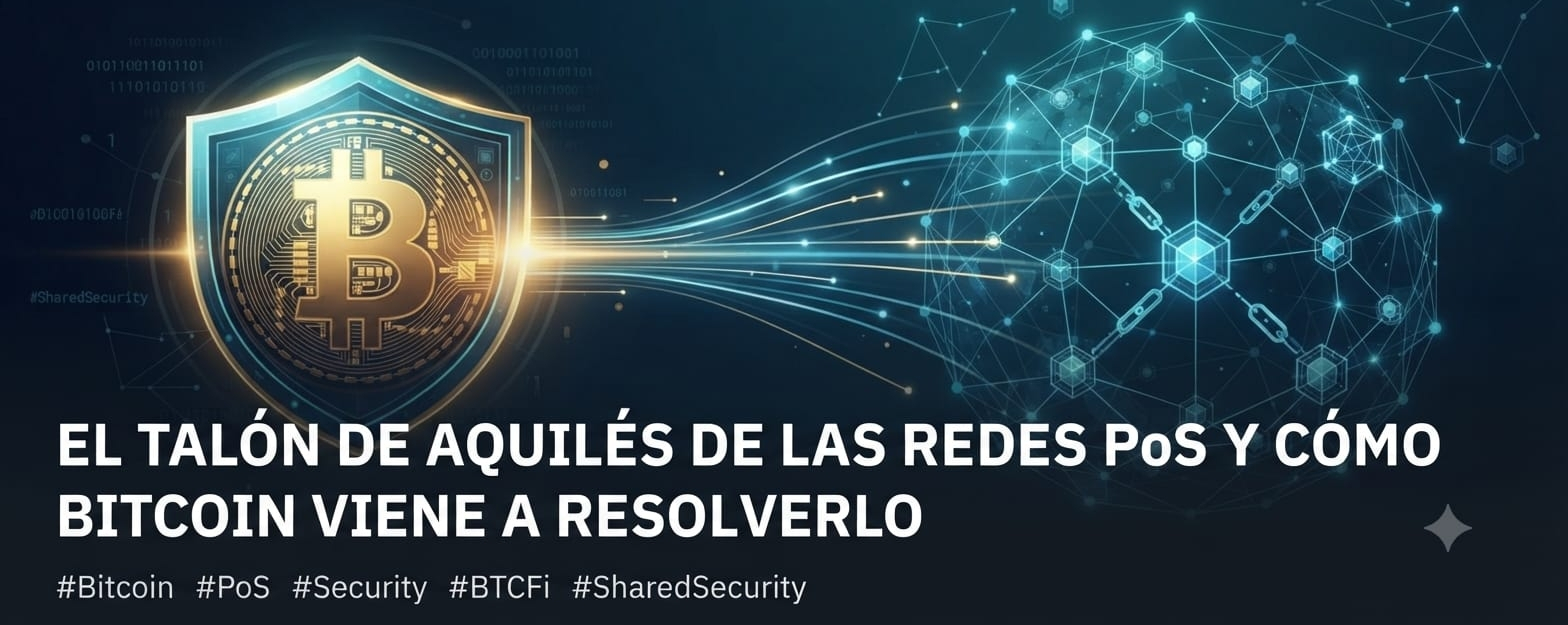
El Talón de Aquiles de las Redes PoS y Cómo Bitcoin Viene a Resolverlo 🛡️
¡Hola comunidad DeFi & RWA! 🚀
Si analizamos el crecimiento de las redes Proof-of-Stake (PoS) y las cadenas de aplicaciones modulares, nos encontraremos con un desafío técnico recurrente que rara vez se discute a fondo: el problema del arranque en frío de la seguridad económica.
Hoy vamos a desglosar por qué las nuevas blockchains sufren para protegerse en sus inicios y cómo la criptomoneda más grande del mundo está cambiando las reglas del juego.
🧩 1. ¿Qué es el "Arranque en Frío" en las Redes Proof-of-Stake?
A diferencia de Bitcoin, donde la seguridad está respaldada por miles de millones de dólares en potencia de minería física (PoW), las cadenas PoS dependen de que los usuarios bloqueen su token nativo (staking) para asegurar la red y evitar ataques del 51%.
El problema nace al lanzar una blockchain nueva:
Su token nativo aún tiene una capitalización de mercado pequeña.
Hay poco capital bloqueado en el ecosistema.
El riesgo: Un actor malicioso con relativamente pocos recursos financieros puede comprar suficientes tokens en el mercado secundario para corromper el consenso y hackear la red.
Para mitigar esto, los proyectos suelen ofrecer incentivos inflacionarios masivos (APR muy altos), lo que a largo plazo diluye el valor del token y atrae capital "golondrina" que solo busca farmear y huir.
⚡ 2. El Capital Inactivo de Bitcoin: Una Oportunidad Desaprovechada
Mientras las redes secundarias luchan por conseguir seguridad económica, Bitcoin (BTC) duerme pacíficamente con más de un billón de dólares en valor de mercado completamente inactivo.
Durante años, la única forma de utilizar Bitcoin en finanzas descentralizadas (DeFi) era mediante versiones envueltas (wrapped BTC) o puentes centralizados, lo que introducía un riesgo sistémico gigante: si el puente caía o era hackeado, los fondos se perdían.
La gran pregunta que la industria se hizo fue: ¿Cómo podemos usar la inmensa seguridad de Bitcoin para blindar otras redes sin necesidad de mover los BTC de su cadena nativa ni arriesgarlos en puentes vulnerables?
🌐 3. El Cambio de Paradigma: Seguridad Compartida
Aquí es donde entran en juego arquitecturas avanzadas como las que analizaremos en las siguientes entregas de esta serie. La idea central es permitir que los holders de Bitcoin participen en la validación de redes externas sin abandonar la red principal de Bitcoin.
Al conectar la liquidez y la solidez incorruptible de Bitcoin con el ecosistema de contratos inteligentes y cadenas de aplicaciones (como Cosmos, Ethereum L2s y otras infraestructuras), se logra un triple beneficio:
Para las nuevas redes: Obtienen una seguridad económica blindada desde el día uno, imposible de corromper con ataques de mercado.
Para Bitcoin: Se transforma en un activo productivo que genera rendimiento nativo sin perder su descentralización.
Para los usuarios: Se eliminan los riesgos de custodia de terceros y se abre una nueva era de la economía BTCFi (Bitcoin Finance).
⚖️ Conclusión
Resolver la seguridad económica de las redes PoS sin depender de inflaciones insostenibles es el paso evolutivo más importante que estamos presenciando en la infraestructura Web3. Bitcoin no es solo "oro digital" para guardar en una billetera fría; su rol como ancla de seguridad global está apenas comenzando.
En el siguiente artículo de esta serie profundizaremos en cómo funciona técnicamente este mecanismo sin puentes y de forma descentralizada.
¡Guarda esta información y prepárate para el siguiente nivel! 📈
⚠️ Aviso legal: Este artículo tiene fines estrictamente educativos y de análisis técnico. No constituye asesoramiento financiero. Recuerda realizar siempre tu propia investigación (DYOR).
#Bitcoin #DeFi #Web3 #CryptoEducation #BİNANCESQUARE #BlockchainSecurity $BTC
{spot}(BTCUSDT)
El Talón de Aquiles de las Redes PoS y Cómo Bitcoin Viene a Resolverlo 🛡️
¡Hola comunidad DeFi & RWA! 🚀
Si analizamos el crecimiento de las redes Proof-of-Stake (PoS) y las cadenas de aplicaciones modulares, nos encontraremos con un desafío técnico recurrente que rara vez se discute a fondo: el problema del arranque en frío de la seguridad económica.
Hoy vamos a desglosar por qué las nuevas blockchains sufren para protegerse en sus inicios y cómo la criptomoneda más grande del mundo está cambiando las reglas del juego.
🧩 1. ¿Qué es el "Arranque en Frío" en las Redes Proof-of-Stake?
A diferencia de Bitcoin, donde la seguridad está respaldada por miles de millones de dólares en potencia de minería física (PoW), las cadenas PoS dependen de que los usuarios bloqueen su token nativo (staking) para asegurar la red y evitar ataques del 51%.
El problema nace al lanzar una blockchain nueva:
Su token nativo aún tiene una capitalización de mercado pequeña.
Hay poco capital bloqueado en el ecosistema.
El riesgo: Un actor malicioso con relativamente pocos recursos financieros puede comprar suficientes tokens en el mercado secundario para corromper el consenso y hackear la red.
Para mitigar esto, los proyectos suelen ofrecer incentivos inflacionarios masivos (APR muy altos), lo que a largo plazo diluye el valor del token y atrae capital "golondrina" que solo busca farmear y huir.
⚡ 2. El Capital Inactivo de Bitcoin: Una Oportunidad Desaprovechada
Mientras las redes secundarias luchan por conseguir seguridad económica, Bitcoin (BTC) duerme pacíficamente con más de un billón de dólares en valor de mercado completamente inactivo.
Durante años, la única forma de utilizar Bitcoin en finanzas descentralizadas (DeFi) era mediante versiones envueltas (wrapped BTC) o puentes centralizados, lo que introducía un riesgo sistémico gigante: si el puente caía o era hackeado, los fondos se perdían.
La gran pregunta que la industria se hizo fue: ¿Cómo podemos usar la inmensa seguridad de Bitcoin para blindar otras redes sin necesidad de mover los BTC de su cadena nativa ni arriesgarlos en puentes vulnerables?
🌐 3. El Cambio de Paradigma: Seguridad Compartida
Aquí es donde entran en juego arquitecturas avanzadas como las que analizaremos en las siguientes entregas de esta serie. La idea central es permitir que los holders de Bitcoin participen en la validación de redes externas sin abandonar la red principal de Bitcoin.
Al conectar la liquidez y la solidez incorruptible de Bitcoin con el ecosistema de contratos inteligentes y cadenas de aplicaciones (como Cosmos, Ethereum L2s y otras infraestructuras), se logra un triple beneficio:
Para las nuevas redes: Obtienen una seguridad económica blindada desde el día uno, imposible de corromper con ataques de mercado.
Para Bitcoin: Se transforma en un activo productivo que genera rendimiento nativo sin perder su descentralización.
Para los usuarios: Se eliminan los riesgos de custodia de terceros y se abre una nueva era de la economía BTCFi (Bitcoin Finance).
⚖️ Conclusión
Resolver la seguridad económica de las redes PoS sin depender de inflaciones insostenibles es el paso evolutivo más importante que estamos presenciando en la infraestructura Web3. Bitcoin no es solo "oro digital" para guardar en una billetera fría; su rol como ancla de seguridad global está apenas comenzando.
En el siguiente artículo de esta serie profundizaremos en cómo funciona técnicamente este mecanismo sin puentes y de forma descentralizada.
¡Guarda esta información y prepárate para el siguiente nivel! 📈
⚠️ Aviso legal: Este artículo tiene fines estrictamente educativos y de análisis técnico. No constituye asesoramiento financiero. Recuerda realizar siempre tu propia investigación (DYOR).
#Bitcoin #DeFi #Web3 #CryptoEducation #BİNANCESQUARE #BlockchainSecurity $BTC
¡Hola comunidad DeFi & RWA! 🚀
Si analizamos el crecimiento de las redes Proof-of-Stake (PoS) y las cadenas de aplicaciones modulares, nos encontraremos con un desafío técnico recurrente que rara vez se discute a fondo: el problema del arranque en frío de la seguridad económica.
Hoy vamos a desglosar por qué las nuevas blockchains sufren para protegerse en sus inicios y cómo la criptomoneda más grande del mundo está cambiando las reglas del juego.
🧩 1. ¿Qué es el "Arranque en Frío" en las Redes Proof-of-Stake?
A diferencia de Bitcoin, donde la seguridad está respaldada por miles de millones de dólares en potencia de minería física (PoW), las cadenas PoS dependen de que los usuarios bloqueen su token nativo (staking) para asegurar la red y evitar ataques del 51%.
El problema nace al lanzar una blockchain nueva:
Su token nativo aún tiene una capitalización de mercado pequeña.
Hay poco capital bloqueado en el ecosistema.
El riesgo: Un actor malicioso con relativamente pocos recursos financieros puede comprar suficientes tokens en el mercado secundario para corromper el consenso y hackear la red.
Para mitigar esto, los proyectos suelen ofrecer incentivos inflacionarios masivos (APR muy altos), lo que a largo plazo diluye el valor del token y atrae capital "golondrina" que solo busca farmear y huir.
⚡ 2. El Capital Inactivo de Bitcoin: Una Oportunidad Desaprovechada
Mientras las redes secundarias luchan por conseguir seguridad económica, Bitcoin (BTC) duerme pacíficamente con más de un billón de dólares en valor de mercado completamente inactivo.
Durante años, la única forma de utilizar Bitcoin en finanzas descentralizadas (DeFi) era mediante versiones envueltas (wrapped BTC) o puentes centralizados, lo que introducía un riesgo sistémico gigante: si el puente caía o era hackeado, los fondos se perdían.
La gran pregunta que la industria se hizo fue: ¿Cómo podemos usar la inmensa seguridad de Bitcoin para blindar otras redes sin necesidad de mover los BTC de su cadena nativa ni arriesgarlos en puentes vulnerables?
🌐 3. El Cambio de Paradigma: Seguridad Compartida
Aquí es donde entran en juego arquitecturas avanzadas como las que analizaremos en las siguientes entregas de esta serie. La idea central es permitir que los holders de Bitcoin participen en la validación de redes externas sin abandonar la red principal de Bitcoin.
Al conectar la liquidez y la solidez incorruptible de Bitcoin con el ecosistema de contratos inteligentes y cadenas de aplicaciones (como Cosmos, Ethereum L2s y otras infraestructuras), se logra un triple beneficio:
Para las nuevas redes: Obtienen una seguridad económica blindada desde el día uno, imposible de corromper con ataques de mercado.
Para Bitcoin: Se transforma en un activo productivo que genera rendimiento nativo sin perder su descentralización.
Para los usuarios: Se eliminan los riesgos de custodia de terceros y se abre una nueva era de la economía BTCFi (Bitcoin Finance).
⚖️ Conclusión
Resolver la seguridad económica de las redes PoS sin depender de inflaciones insostenibles es el paso evolutivo más importante que estamos presenciando en la infraestructura Web3. Bitcoin no es solo "oro digital" para guardar en una billetera fría; su rol como ancla de seguridad global está apenas comenzando.
En el siguiente artículo de esta serie profundizaremos en cómo funciona técnicamente este mecanismo sin puentes y de forma descentralizada.
¡Guarda esta información y prepárate para el siguiente nivel! 📈
⚠️ Aviso legal: Este artículo tiene fines estrictamente educativos y de análisis técnico. No constituye asesoramiento financiero. Recuerda realizar siempre tu propia investigación (DYOR).
#Bitcoin #DeFi #Web3 #CryptoEducation #BİNANCESQUARE #BlockchainSecurity $BTC
1
3
112

#bitcointhirdsingleblockreorginfourweeks
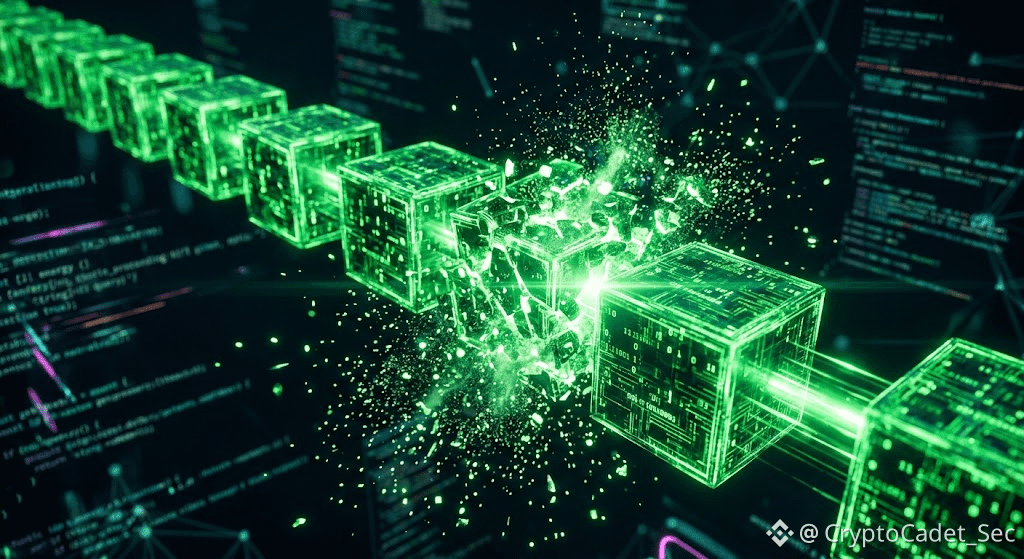
ON-CHAIN ALARM BELLS: Bitcoin Suffers A Third Block Reorganization! 🔍
While retail is blindly celebrating the recent breakout, on-chain analysts and node operators are quietly raising serious technical questions tonight.
Data confirms that $BTC has just experienced its third single-block reorganization (reorg) in the last four weeks alone.
Here is the breakdown you need to know:
What is a Reorg? It occurs when two separate miners solve blocks nearly simultaneously, forcing the network to drop one valid block to keep consensus uniform.
The Real Concern: While a single-block reorg is typically a harmless network latency anomaly, witnessing three of them in a tiny 30-day window points directly to mining pool structural shifts or significant block propagation lag.
Your spot portfolio is perfectly safe, but this is a critical structural anomaly that smart money is monitoring with extreme precision.
👇 Do you see this as a minor network latency issue, or an underlying mining pool problem? 👇
#BitcoinNetwork #BlockchainSecurity #OnChainData
#bitcointhirdsingleblockreorginfourweeks
ON-CHAIN ALARM BELLS: Bitcoin Suffers A Third Block Reorganization! 🔍
While retail is blindly celebrating the recent breakout, on-chain analysts and node operators are quietly raising serious technical questions tonight.
Data confirms that $BTC has just experienced its third single-block reorganization (reorg) in the last four weeks alone.
Here is the breakdown you need to know:
What is a Reorg? It occurs when two separate miners solve blocks nearly simultaneously, forcing the network to drop one valid block to keep consensus uniform.
The Real Concern: While a single-block reorg is typically a harmless network latency anomaly, witnessing three of them in a tiny 30-day window points directly to mining pool structural shifts or significant block propagation lag.
Your spot portfolio is perfectly safe, but this is a critical structural anomaly that smart money is monitoring with extreme precision.
👇 Do you see this as a minor network latency issue, or an underlying mining pool problem? 👇
#BitcoinNetwork #BlockchainSecurity #OnChainData
ON-CHAIN ALARM BELLS: Bitcoin Suffers A Third Block Reorganization! 🔍
While retail is blindly celebrating the recent breakout, on-chain analysts and node operators are quietly raising serious technical questions tonight.
Data confirms that $BTC has just experienced its third single-block reorganization (reorg) in the last four weeks alone.
Here is the breakdown you need to know:
What is a Reorg? It occurs when two separate miners solve blocks nearly simultaneously, forcing the network to drop one valid block to keep consensus uniform.
The Real Concern: While a single-block reorg is typically a harmless network latency anomaly, witnessing three of them in a tiny 30-day window points directly to mining pool structural shifts or significant block propagation lag.
Your spot portfolio is perfectly safe, but this is a critical structural anomaly that smart money is monitoring with extreme precision.
👇 Do you see this as a minor network latency issue, or an underlying mining pool problem? 👇
#BitcoinNetwork #BlockchainSecurity #OnChainData
119

·
--
Picture this: you wake up to a screenshot floating around Telegram claiming your personal financial records are being auctioned off until a major fintech app pays up.
For anyone holding crypto, that sinking feeling is all too familiar. A single leaked database can expose user identities, turning your assets into prime targets for targeted phishing and account takeovers.
We saw this dynamic during past hardware wallet breaches, where leaked customer records led to relentless phishing waves aimed at draining $BTC and $ETH holdings. Now, attackers are allegedly threatening to release daily tranches of customer information unless an extortion fee is settled. But before panic sets in, there is a fundamental difference between an unverified hacker claim and a confirmed security compromise.
In crypto risk management, treating attacker claims with healthy skepticism is just as critical as securing your private keys. When similar extortion attempts targeted fiat gateways and platforms trading $BNB in the past, threat actors routinely inflated breach claims to create panic and force quick payouts. Until independent forensic investigations or law enforcement confirm the scope, reacting to unverified ransom claims usually creates unnecessary panic.
How do you separate credible security reports from extortion bluffing when breaking headlines hit your feed?
#CryptoSecurity #DataPrivacy #BlockchainSecurity
Picture this: you wake up to a screenshot floating around Telegram claiming your personal financial records are being auctioned off until a major fintech app pays up.
For anyone holding crypto, that sinking feeling is all too familiar. A single leaked database can expose user identities, turning your assets into prime targets for targeted phishing and account takeovers.
We saw this dynamic during past hardware wallet breaches, where leaked customer records led to relentless phishing waves aimed at draining $BTC and $ETH holdings. Now, attackers are allegedly threatening to release daily tranches of customer information unless an extortion fee is settled. But before panic sets in, there is a fundamental difference between an unverified hacker claim and a confirmed security compromise.
In crypto risk management, treating attacker claims with healthy skepticism is just as critical as securing your private keys. When similar extortion attempts targeted fiat gateways and platforms trading $BNB in the past, threat actors routinely inflated breach claims to create panic and force quick payouts. Until independent forensic investigations or law enforcement confirm the scope, reacting to unverified ransom claims usually creates unnecessary panic.
How do you separate credible security reports from extortion bluffing when breaking headlines hit your feed?
#CryptoSecurity #DataPrivacy #BlockchainSecurity
For anyone holding crypto, that sinking feeling is all too familiar. A single leaked database can expose user identities, turning your assets into prime targets for targeted phishing and account takeovers.
We saw this dynamic during past hardware wallet breaches, where leaked customer records led to relentless phishing waves aimed at draining $BTC and $ETH holdings. Now, attackers are allegedly threatening to release daily tranches of customer information unless an extortion fee is settled. But before panic sets in, there is a fundamental difference between an unverified hacker claim and a confirmed security compromise.
In crypto risk management, treating attacker claims with healthy skepticism is just as critical as securing your private keys. When similar extortion attempts targeted fiat gateways and platforms trading $BNB in the past, threat actors routinely inflated breach claims to create panic and force quick payouts. Until independent forensic investigations or law enforcement confirm the scope, reacting to unverified ransom claims usually creates unnecessary panic.
How do you separate credible security reports from extortion bluffing when breaking headlines hit your feed?
#CryptoSecurity #DataPrivacy #BlockchainSecurity
22
·
--
惊!Cronos确认Tectonic漏洞事件中,920万美元在回滚前已被黑客成功转移!总影响金额1.204亿美元,超7%资金外流。$CRO和$TETIC持币者需警惕短期价格下行风险!#DeFi #BlockchainSecurity
惊!Cronos确认Tectonic漏洞事件中,920万美元在回滚前已被黑客成功转移!总影响金额1.204亿美元,超7%资金外流。$CRO和$TETIC持币者需警惕短期价格下行风险!#DeFi #BlockchainSecurity
5

Crypto researchers cut Bitcoin and Ethereum quantum attack estimate by 50%
A paper shared with CoinDesk shows humans and AI agents beating Google’s March result on a core calculation used by Shor’s algorithm, adding another variable to crypto’s quantum clock.
#BTC $NVDAB
#ETH #CPIWatch
#CryptoNews
#BlockchainSecurity
Crypto researchers cut Bitcoin and Ethereum quantum attack estimate by 50%
A paper shared with CoinDesk shows humans and AI agents beating Google’s March result on a core calculation used by Shor’s algorithm, adding another variable to crypto’s quantum clock.
#BTC $NVDAB
#ETH #CPIWatch
#CryptoNews
#BlockchainSecurity
A paper shared with CoinDesk shows humans and AI agents beating Google’s March result on a core calculation used by Shor’s algorithm, adding another variable to crypto’s quantum clock.
#BTC $NVDAB
#ETH #CPIWatch
#CryptoNews
#BlockchainSecurity

83
·
--
量子计算到底是个啥玩意儿?这篇量子专题文章简单明了地解释了量子计算和传统计算的区别,以及它可能对加密货币行业带来的冲击。理论上,量子计算可能破解当前区块链的加密算法,这对比特币等加密资产的安全构成潜在威胁。不过别慌,行业已经在研发量子抗性解决方案了!长期来看,能够率先实现量子抗性的项目可能会迎来价值重估。
$BTC #量子计算 #区块链安全
Quantum computing explained in simple terms! This article breaks down how quantum computing differs from traditional computing and the potential impact on crypto. In theory, quantum computers could crack current blockchain encryption, posing a threat to assets like Bitcoin's security. But don't panic—the industry is already developing quantum-resistant solutions! Projects that first achieve quantum resistance could see significant value revaluation in the long run.
$BTC #QuantumComputing #BlockchainSecurity
量子计算到底是个啥玩意儿?这篇量子专题文章简单明了地解释了量子计算和传统计算的区别,以及它可能对加密货币行业带来的冲击。理论上,量子计算可能破解当前区块链的加密算法,这对比特币等加密资产的安全构成潜在威胁。不过别慌,行业已经在研发量子抗性解决方案了!长期来看,能够率先实现量子抗性的项目可能会迎来价值重估。
$BTC #量子计算 #区块链安全
Quantum computing explained in simple terms! This article breaks down how quantum computing differs from traditional computing and the potential impact on crypto. In theory, quantum computers could crack current blockchain encryption, posing a threat to assets like Bitcoin's security. But don't panic—the industry is already developing quantum-resistant solutions! Projects that first achieve quantum resistance could see significant value revaluation in the long run.
$BTC #QuantumComputing #BlockchainSecurity
$BTC #量子计算 #区块链安全
Quantum computing explained in simple terms! This article breaks down how quantum computing differs from traditional computing and the potential impact on crypto. In theory, quantum computers could crack current blockchain encryption, posing a threat to assets like Bitcoin's security. But don't panic—the industry is already developing quantum-resistant solutions! Projects that first achieve quantum resistance could see significant value revaluation in the long run.
$BTC #QuantumComputing #BlockchainSecurity
114


🚨 Spanish Crypto Exchange Bit2Me Takes On Illegal Crypto Activity with Specialized Law Enforcement Unit!
Spanish crypto exchange Bit2Me has officially established a dedicated unit designed specifically to assist global law enforcement agencies in tracking and recovering illicit digital assets.
🔹 Building on Success: Formalizes previous operations that already processed over 1.5 million euros in seized assets in 2025.
🛡️ High-Profile Partners: Working directly alongside major international agencies including Interpol and Europol.
✅ Compliance Focus: Demonstrates growing institutional focus on compliance, transparency, and regulation in European crypto markets.
As regulatory oversight tightens globally, proactive compliance moves by exchanges are setting new security standards across the industry.
$BTC #CryptoNews #BlockchainSecurity #Compliance #Write2Earn
🚨 Spanish Crypto Exchange Bit2Me Takes On Illegal Crypto Activity with Specialized Law Enforcement Unit!
Spanish crypto exchange Bit2Me has officially established a dedicated unit designed specifically to assist global law enforcement agencies in tracking and recovering illicit digital assets.
🔹 Building on Success: Formalizes previous operations that already processed over 1.5 million euros in seized assets in 2025.
🛡️ High-Profile Partners: Working directly alongside major international agencies including Interpol and Europol.
✅ Compliance Focus: Demonstrates growing institutional focus on compliance, transparency, and regulation in European crypto markets.
As regulatory oversight tightens globally, proactive compliance moves by exchanges are setting new security standards across the industry.
$BTC #CryptoNews #BlockchainSecurity #Compliance #Write2Earn
Spanish crypto exchange Bit2Me has officially established a dedicated unit designed specifically to assist global law enforcement agencies in tracking and recovering illicit digital assets.
🔹 Building on Success: Formalizes previous operations that already processed over 1.5 million euros in seized assets in 2025.
🛡️ High-Profile Partners: Working directly alongside major international agencies including Interpol and Europol.
✅ Compliance Focus: Demonstrates growing institutional focus on compliance, transparency, and regulation in European crypto markets.
As regulatory oversight tightens globally, proactive compliance moves by exchanges are setting new security standards across the industry.
$BTC #CryptoNews #BlockchainSecurity #Compliance #Write2Earn
32
🛡️ Ethereum sets sight on quantum-safe future by 2029!
The Ethereum Foundation is accelerating its technical roadmap to prepare the leading smart contract network for the upcoming era of quantum computing.
Key takeaways from the announcement:
🔹 Post-Quantum Security: Core developers are targeting full post-quantum cryptographic protection on Layer-1 by 2029.
🔹 Hegotá Upgrade: The transition kicks off with the Hegotá upgrade, introducing foundational technical updates.
🔹 Core Focus: Initial implementations will prioritize robust account abstraction and enhanced censorship resistance.
🔹 Long-Term Vision: Preparing Ethereum infrastructure well before quantum threats become viable to safeguard user assets.
This proactive roadmap shows Ethereum's commitment to maintaining uncompromised blockchain security for decades to come.
$ETH #Ethereum #QuantumComputing #BlockchainSecurity #Write2Earn
🛡️ Ethereum sets sight on quantum-safe future by 2029!
The Ethereum Foundation is accelerating its technical roadmap to prepare the leading smart contract network for the upcoming era of quantum computing.
Key takeaways from the announcement:
🔹 Post-Quantum Security: Core developers are targeting full post-quantum cryptographic protection on Layer-1 by 2029.
🔹 Hegotá Upgrade: The transition kicks off with the Hegotá upgrade, introducing foundational technical updates.
🔹 Core Focus: Initial implementations will prioritize robust account abstraction and enhanced censorship resistance.
🔹 Long-Term Vision: Preparing Ethereum infrastructure well before quantum threats become viable to safeguard user assets.
This proactive roadmap shows Ethereum's commitment to maintaining uncompromised blockchain security for decades to come.
$ETH #Ethereum #QuantumComputing #BlockchainSecurity #Write2Earn
The Ethereum Foundation is accelerating its technical roadmap to prepare the leading smart contract network for the upcoming era of quantum computing.
Key takeaways from the announcement:
🔹 Post-Quantum Security: Core developers are targeting full post-quantum cryptographic protection on Layer-1 by 2029.
🔹 Hegotá Upgrade: The transition kicks off with the Hegotá upgrade, introducing foundational technical updates.
🔹 Core Focus: Initial implementations will prioritize robust account abstraction and enhanced censorship resistance.
🔹 Long-Term Vision: Preparing Ethereum infrastructure well before quantum threats become viable to safeguard user assets.
This proactive roadmap shows Ethereum's commitment to maintaining uncompromised blockchain security for decades to come.
$ETH #Ethereum #QuantumComputing #BlockchainSecurity #Write2Earn
89
·
--
被黑了怎么办?拔网线呗。但拔线≠钱回来,看这三个案例就懂了:
Cronos被黑后果断回滚,硬把链倒回被黑前的状态,资产直接“复活”,这波操作够狠;Ontology手速更快,黑客还没确认到账就先把链暂停了,防患于未然;最惨的是ICON,等它想起拔线的时候,币早就进了交易所,钱已经洗没了。
说白了,“停链”从来不是万能药,关键看黑客跑到哪一步了。这也暴露了一个扎心问题:你买的到底是区块链,还是一个管理员能随时暂停的数据库?中心化救得了一时,但信任分是要扣的。
短期看,这类安全事件对$CRO $ICX这些小市值链情绪面偏空,资金会更往BTC这类大饼靠拢避险。但换个角度,能秒级响应的团队,总比出事装死的强,事后的项目方执行力反而是加分项。
去中心化信仰和安全兜底,你站哪边?评论区聊聊👇
$CRO $ICX #BlockchainSecurity #Crypto
被黑了怎么办?拔网线呗。但拔线≠钱回来,看这三个案例就懂了:
Cronos被黑后果断回滚,硬把链倒回被黑前的状态,资产直接“复活”,这波操作够狠;Ontology手速更快,黑客还没确认到账就先把链暂停了,防患于未然;最惨的是ICON,等它想起拔线的时候,币早就进了交易所,钱已经洗没了。
说白了,“停链”从来不是万能药,关键看黑客跑到哪一步了。这也暴露了一个扎心问题:你买的到底是区块链,还是一个管理员能随时暂停的数据库?中心化救得了一时,但信任分是要扣的。
短期看,这类安全事件对$CRO $ICX这些小市值链情绪面偏空,资金会更往BTC这类大饼靠拢避险。但换个角度,能秒级响应的团队,总比出事装死的强,事后的项目方执行力反而是加分项。
去中心化信仰和安全兜底,你站哪边?评论区聊聊👇
$CRO $ICX #BlockchainSecurity #Crypto
Cronos被黑后果断回滚,硬把链倒回被黑前的状态,资产直接“复活”,这波操作够狠;Ontology手速更快,黑客还没确认到账就先把链暂停了,防患于未然;最惨的是ICON,等它想起拔线的时候,币早就进了交易所,钱已经洗没了。
说白了,“停链”从来不是万能药,关键看黑客跑到哪一步了。这也暴露了一个扎心问题:你买的到底是区块链,还是一个管理员能随时暂停的数据库?中心化救得了一时,但信任分是要扣的。
短期看,这类安全事件对$CRO $ICX这些小市值链情绪面偏空,资金会更往BTC这类大饼靠拢避险。但换个角度,能秒级响应的团队,总比出事装死的强,事后的项目方执行力反而是加分项。
去中心化信仰和安全兜底,你站哪边?评论区聊聊👇
$CRO $ICX #BlockchainSecurity #Crypto
66
Connectez-vous pour découvrir plus de contenu
Rejoignez la communauté mondiale des adeptes de cryptomonnaies sur Binance Square
⚡️ Suviez les dernières informations importantes sur les cryptomonnaies.
💬 Jugé digne de confiance par la plus grande plateforme d’échange de cryptomonnaies au monde.
👍 Découvrez les connaissances que partagent les créateurs vérifiés.
Adresse e-mail/Nº de téléphone
Sujets d’actualité
1
#QNTRises287%
404 vues
46 mentions
2
#TrumpRejectsAIRulesForVoluntaryAudits
3,736 vues
204 mentions
3
#BitgetHotWalletBreachTiedToThirdPartySecurityFlaw
1,894 vues
154 mentions
4
#OpenAIUnveilsAlwaysOnAgentDots
3,025 vues
195 mentions
5
#ChainlinkLaunchesBankSWIFTLedgerFramework
4,222 vues
166 mentions
6
#EarningsSeason
458,109 vues
3,425 mentions
7
#SECChairWantsStockMarketsOnChain
8,255 vues
197 mentions
8
#MulticoinInvestsInGrass
5,250 vues
141 mentions
9
#CEARenamesToBNBStandardUnderBNC
5,872 vues
138 mentions
10
#BitwiseLaunchesFirstSpotNEARETF
62,450 vues
775 mentions