

#liberdus
liberdus
97,725 vues
206 mentions
Populaire
Récents
·
--
Haussier
Crypto loves the hunt for the next 100x. But sometimes, the most interesting opportunities aren't the ones everyone is shouting about.
Look at the attention around $ZEC and the privacy narrative. It raises a bigger question: what about the privacy of our everyday conversations?
Web3 has made progress in decentralizing money and ownership, yet communication still relies heavily on centralized platforms.
#liberdus is addressing that overlooked side of decentralization through Liberdus, a project focused on decentralized communication.
Because taking control of your assets is one thing. Having more control over how you communicate is another.
Maybe the next important Web3 narrative isn't just about what we own, but how we connect.
What do you think? Is decentralized communication still an underrated sector?
Crypto loves the hunt for the next 100x. But sometimes, the most interesting opportunities aren't the ones everyone is shouting about.
Look at the attention around $ZEC and the privacy narrative. It raises a bigger question: what about the privacy of our everyday conversations?
Web3 has made progress in decentralizing money and ownership, yet communication still relies heavily on centralized platforms.
#liberdus is addressing that overlooked side of decentralization through Liberdus, a project focused on decentralized communication.
Because taking control of your assets is one thing. Having more control over how you communicate is another.
Maybe the next important Web3 narrative isn't just about what we own, but how we connect.
What do you think? Is decentralized communication still an underrated sector?
Look at the attention around $ZEC and the privacy narrative. It raises a bigger question: what about the privacy of our everyday conversations?
Web3 has made progress in decentralizing money and ownership, yet communication still relies heavily on centralized platforms.
#liberdus is addressing that overlooked side of decentralization through Liberdus, a project focused on decentralized communication.
Because taking control of your assets is one thing. Having more control over how you communicate is another.
Maybe the next important Web3 narrative isn't just about what we own, but how we connect.
What do you think? Is decentralized communication still an underrated sector?
1
474

·
--
Article
Liberdus Through My Eyes: More Than a Token, a Different Way to Think About Digital LifeI've spent a lot of time in crypto watching charts, following narratives, and trying to understand what makes a project worth paying attention to.
But the longer I stay in this space, the more I realize that price isn't the only thing worth studying.
Sometimes, the more important question is what a project could change about the way we live, communicate, and interact online.
That's the perspective from which I've been exploring Liberdus ($LIB).
I'm not looking at it only as a crypto trader. I'm looking at it as someone who uses digital platforms every day and understands how much we have come to depend on them.
1. We've become comfortable with digital dependence
Think about your everyday routine.
You probably use one application to communicate, another to manage money, and several others to access digital services.
We've become so accustomed to this arrangement that we rarely stop to question it.
We accept platform rules, account restrictions, data collection, unwanted messages, and the possibility of losing access to services we rely on.
Convenience has become normal, but so has dependence.
This is one reason decentralized technology interests me. It raises an important question: can we build digital services that give users more control rather than placing all the power in the hands of a single platform?
That question is more interesting to me than another trending token.
2. What caught my attention about Liberdus
What interests me about Liberdus is its focus on decentralized messaging and payments.
According to its documentation, users can communicate and send $LIB within the same application. The project also describes features such as account creation without requiring a phone number or email, open-source software, and a messaging toll system intended to discourage unwanted contact. <Cite refs={["turn275509search0","turn275509search2","turn275509search7"]}/>
I find that combination worth exploring because communication and money are already deeply connected in everyday life.
We send messages to arrange business deals, pay people for services, share information, and maintain relationships.
Yet these activities often happen across separate platforms.
Liberdus is exploring a different approach: bringing communication and payments together within a decentralized network.
The important question isn't whether this idea sounds impressive.
It's whether the experience can become practical, reliable, and useful enough for ordinary people.
That's what I want to see as the project develops.
3. Privacy is becoming more personal
My interest in decentralized communication also comes from the way our digital lives are changing.
We are seeing more discussions about digital identity, biometric verification, data breaches, AI training on online content, and the collection of personal information.
Every new convenience can create another question about what we share, who can access it, and how much control we retain.
For me, privacy isn't about having something to hide.
It's about having a choice.
I want to be able to communicate without automatically surrendering unnecessary personal information. I want to understand the systems I depend on instead of blindly trusting them.
Liberdus presents an approach built around decentralized infrastructure and encrypted messaging. Those are meaningful design goals, although the actual security and user experience still need to be assessed carefully.
No technology should earn our trust simply because it calls itself decentralized or private.
Trust should come from how it works, how it is tested, and how transparently its limitations are addressed.
4. The messaging experience matters more than the narrative
We already have familiar platforms like WhatsApp and Telegram. People use them because their contacts are there, the interfaces are familiar, and communication is convenient.
A decentralized alternative faces a much harder challenge than simply offering different technology.
It must give people a reason to try something new.
Can it make communication straightforward? Can users manage their accounts safely? Can payments feel natural rather than complicated? Can newcomers understand the product without first becoming blockchain experts?
These questions matter because technology doesn't achieve adoption just by being innovative.
People stay when a product solves a problem, works reliably, and fits into their lives.
That's the standard I would use to judge Liberdus.
Not just its vision, but the experience it delivers.
5. Where does $LIB fit into all of this?
This is where I think the token deserves a more thoughtful discussion.
It's easy to reduce $LIB to a chart, a market cap, or a prediction about its next move.
But the project describes $LIB as the network's native token, used for transaction fees, payments, staking, voting, and ecosystem incentives. <Cite refs={["turn275509search6"]}/>
Understanding those functions helps explain how the token fits into the network.
However, there is an important distinction between having utility and having proven demand.
A token can have several intended uses without automatically gaining value. Sustainable demand depends on whether people actually use the network, whether the economics make sense, and whether development continues to deliver meaningful improvements.
That's why I'm interested in following both sides of the story: the technology being built and the role $LIB plays within it.
I don't believe anyone should buy a token simply because a project's vision sounds good.
Understand the risks. Study the token's economics. Look at the products. Then make your own decision.
6. What would make me more confident in Liberdus?
For me, it comes down to a few things.
Real users: People choosing to use Liberdus because it serves a purpose in their lives.
A reliable product: Messaging and payments that work consistently and are easy to understand.
Credible privacy and security: Clear documentation, transparent code, meaningful testing, and honest communication about limitations.
Sustainable development: Continued improvements that respond to real user needs.
A healthy ecosystem: Developers, users, validators, and community members contributing to something that can grow beyond speculation.
These are not overnight achievements. They take time, effort, and accountability.
But they are the things I would watch more closely than short-term excitement.
My conclusion
I'm exploring Liberdus because I want to understand what decentralized communication could look like when it is designed for everyday use.
I find the combination of messaging, payments, privacy-focused design, and native token functionality interesting. I also recognize that the project still has to earn users' trust and demonstrate lasting adoption.
For me, that's the right balance: curiosity without blind loyalty, interest without unrealistic promises, and an open mind without abandoning critical thinking.
I don't just want to know whether $LIB goes up. I want to understand what people will be able to do with the ecosystem, why they would choose it, and whether it can deliver on its vision.
Because in the long run, the most interesting question in crypto may not be which token attracts the most attention.
It may be which products give people a genuine reason to stay.
Now I'd like to hear your perspective: if a decentralized messaging platform offered integrated payments and greater control over digital communication, would you consider using it instead of your current apps? What would it need to prove first?
$BTC #Liberdus
#web3_binance
{spot}(BTCUSDT)
Liberdus Through My Eyes: More Than a Token, a Different Way to Think About Digital Life
I've spent a lot of time in crypto watching charts, following narratives, and trying to understand what makes a project worth paying attention to.
But the longer I stay in this space, the more I realize that price isn't the only thing worth studying.
Sometimes, the more important question is what a project could change about the way we live, communicate, and interact online.
That's the perspective from which I've been exploring Liberdus ($LIB).
I'm not looking at it only as a crypto trader. I'm looking at it as someone who uses digital platforms every day and understands how much we have come to depend on them.
1. We've become comfortable with digital dependence
Think about your everyday routine.
You probably use one application to communicate, another to manage money, and several others to access digital services.
We've become so accustomed to this arrangement that we rarely stop to question it.
We accept platform rules, account restrictions, data collection, unwanted messages, and the possibility of losing access to services we rely on.
Convenience has become normal, but so has dependence.
This is one reason decentralized technology interests me. It raises an important question: can we build digital services that give users more control rather than placing all the power in the hands of a single platform?
That question is more interesting to me than another trending token.
2. What caught my attention about Liberdus
What interests me about Liberdus is its focus on decentralized messaging and payments.
According to its documentation, users can communicate and send $LIB within the same application. The project also describes features such as account creation without requiring a phone number or email, open-source software, and a messaging toll system intended to discourage unwanted contact. <Cite refs={["turn275509search0","turn275509search2","turn275509search7"]}/>
I find that combination worth exploring because communication and money are already deeply connected in everyday life.
We send messages to arrange business deals, pay people for services, share information, and maintain relationships.
Yet these activities often happen across separate platforms.
Liberdus is exploring a different approach: bringing communication and payments together within a decentralized network.
The important question isn't whether this idea sounds impressive.
It's whether the experience can become practical, reliable, and useful enough for ordinary people.
That's what I want to see as the project develops.
3. Privacy is becoming more personal
My interest in decentralized communication also comes from the way our digital lives are changing.
We are seeing more discussions about digital identity, biometric verification, data breaches, AI training on online content, and the collection of personal information.
Every new convenience can create another question about what we share, who can access it, and how much control we retain.
For me, privacy isn't about having something to hide.
It's about having a choice.
I want to be able to communicate without automatically surrendering unnecessary personal information. I want to understand the systems I depend on instead of blindly trusting them.
Liberdus presents an approach built around decentralized infrastructure and encrypted messaging. Those are meaningful design goals, although the actual security and user experience still need to be assessed carefully.
No technology should earn our trust simply because it calls itself decentralized or private.
Trust should come from how it works, how it is tested, and how transparently its limitations are addressed.
4. The messaging experience matters more than the narrative
We already have familiar platforms like WhatsApp and Telegram. People use them because their contacts are there, the interfaces are familiar, and communication is convenient.
A decentralized alternative faces a much harder challenge than simply offering different technology.
It must give people a reason to try something new.
Can it make communication straightforward? Can users manage their accounts safely? Can payments feel natural rather than complicated? Can newcomers understand the product without first becoming blockchain experts?
These questions matter because technology doesn't achieve adoption just by being innovative.
People stay when a product solves a problem, works reliably, and fits into their lives.
That's the standard I would use to judge Liberdus.
Not just its vision, but the experience it delivers.
5. Where does $LIB fit into all of this?
This is where I think the token deserves a more thoughtful discussion.
It's easy to reduce $LIB to a chart, a market cap, or a prediction about its next move.
But the project describes $LIB as the network's native token, used for transaction fees, payments, staking, voting, and ecosystem incentives. <Cite refs={["turn275509search6"]}/>
Understanding those functions helps explain how the token fits into the network.
However, there is an important distinction between having utility and having proven demand.
A token can have several intended uses without automatically gaining value. Sustainable demand depends on whether people actually use the network, whether the economics make sense, and whether development continues to deliver meaningful improvements.
That's why I'm interested in following both sides of the story: the technology being built and the role $LIB plays within it.
I don't believe anyone should buy a token simply because a project's vision sounds good.
Understand the risks. Study the token's economics. Look at the products. Then make your own decision.
6. What would make me more confident in Liberdus?
For me, it comes down to a few things.
Real users: People choosing to use Liberdus because it serves a purpose in their lives.
A reliable product: Messaging and payments that work consistently and are easy to understand.
Credible privacy and security: Clear documentation, transparent code, meaningful testing, and honest communication about limitations.
Sustainable development: Continued improvements that respond to real user needs.
A healthy ecosystem: Developers, users, validators, and community members contributing to something that can grow beyond speculation.
These are not overnight achievements. They take time, effort, and accountability.
But they are the things I would watch more closely than short-term excitement.
My conclusion
I'm exploring Liberdus because I want to understand what decentralized communication could look like when it is designed for everyday use.
I find the combination of messaging, payments, privacy-focused design, and native token functionality interesting. I also recognize that the project still has to earn users' trust and demonstrate lasting adoption.
For me, that's the right balance: curiosity without blind loyalty, interest without unrealistic promises, and an open mind without abandoning critical thinking.
I don't just want to know whether $LIB goes up. I want to understand what people will be able to do with the ecosystem, why they would choose it, and whether it can deliver on its vision.
Because in the long run, the most interesting question in crypto may not be which token attracts the most attention.
It may be which products give people a genuine reason to stay.
Now I'd like to hear your perspective: if a decentralized messaging platform offered integrated payments and greater control over digital communication, would you consider using it instead of your current apps? What would it need to prove first?
$BTC #Liberdus
#web3_binance
But the longer I stay in this space, the more I realize that price isn't the only thing worth studying.
Sometimes, the more important question is what a project could change about the way we live, communicate, and interact online.
That's the perspective from which I've been exploring Liberdus ($LIB).
I'm not looking at it only as a crypto trader. I'm looking at it as someone who uses digital platforms every day and understands how much we have come to depend on them.
1. We've become comfortable with digital dependence
Think about your everyday routine.
You probably use one application to communicate, another to manage money, and several others to access digital services.
We've become so accustomed to this arrangement that we rarely stop to question it.
We accept platform rules, account restrictions, data collection, unwanted messages, and the possibility of losing access to services we rely on.
Convenience has become normal, but so has dependence.
This is one reason decentralized technology interests me. It raises an important question: can we build digital services that give users more control rather than placing all the power in the hands of a single platform?
That question is more interesting to me than another trending token.
2. What caught my attention about Liberdus
What interests me about Liberdus is its focus on decentralized messaging and payments.
According to its documentation, users can communicate and send $LIB within the same application. The project also describes features such as account creation without requiring a phone number or email, open-source software, and a messaging toll system intended to discourage unwanted contact. <Cite refs={["turn275509search0","turn275509search2","turn275509search7"]}/>
I find that combination worth exploring because communication and money are already deeply connected in everyday life.
We send messages to arrange business deals, pay people for services, share information, and maintain relationships.
Yet these activities often happen across separate platforms.
Liberdus is exploring a different approach: bringing communication and payments together within a decentralized network.
The important question isn't whether this idea sounds impressive.
It's whether the experience can become practical, reliable, and useful enough for ordinary people.
That's what I want to see as the project develops.
3. Privacy is becoming more personal
My interest in decentralized communication also comes from the way our digital lives are changing.
We are seeing more discussions about digital identity, biometric verification, data breaches, AI training on online content, and the collection of personal information.
Every new convenience can create another question about what we share, who can access it, and how much control we retain.
For me, privacy isn't about having something to hide.
It's about having a choice.
I want to be able to communicate without automatically surrendering unnecessary personal information. I want to understand the systems I depend on instead of blindly trusting them.
Liberdus presents an approach built around decentralized infrastructure and encrypted messaging. Those are meaningful design goals, although the actual security and user experience still need to be assessed carefully.
No technology should earn our trust simply because it calls itself decentralized or private.
Trust should come from how it works, how it is tested, and how transparently its limitations are addressed.
4. The messaging experience matters more than the narrative
We already have familiar platforms like WhatsApp and Telegram. People use them because their contacts are there, the interfaces are familiar, and communication is convenient.
A decentralized alternative faces a much harder challenge than simply offering different technology.
It must give people a reason to try something new.
Can it make communication straightforward? Can users manage their accounts safely? Can payments feel natural rather than complicated? Can newcomers understand the product without first becoming blockchain experts?
These questions matter because technology doesn't achieve adoption just by being innovative.
People stay when a product solves a problem, works reliably, and fits into their lives.
That's the standard I would use to judge Liberdus.
Not just its vision, but the experience it delivers.
5. Where does $LIB fit into all of this?
This is where I think the token deserves a more thoughtful discussion.
It's easy to reduce $LIB to a chart, a market cap, or a prediction about its next move.
But the project describes $LIB as the network's native token, used for transaction fees, payments, staking, voting, and ecosystem incentives. <Cite refs={["turn275509search6"]}/>
Understanding those functions helps explain how the token fits into the network.
However, there is an important distinction between having utility and having proven demand.
A token can have several intended uses without automatically gaining value. Sustainable demand depends on whether people actually use the network, whether the economics make sense, and whether development continues to deliver meaningful improvements.
That's why I'm interested in following both sides of the story: the technology being built and the role $LIB plays within it.
I don't believe anyone should buy a token simply because a project's vision sounds good.
Understand the risks. Study the token's economics. Look at the products. Then make your own decision.
6. What would make me more confident in Liberdus?
For me, it comes down to a few things.
Real users: People choosing to use Liberdus because it serves a purpose in their lives.
A reliable product: Messaging and payments that work consistently and are easy to understand.
Credible privacy and security: Clear documentation, transparent code, meaningful testing, and honest communication about limitations.
Sustainable development: Continued improvements that respond to real user needs.
A healthy ecosystem: Developers, users, validators, and community members contributing to something that can grow beyond speculation.
These are not overnight achievements. They take time, effort, and accountability.
But they are the things I would watch more closely than short-term excitement.
My conclusion
I'm exploring Liberdus because I want to understand what decentralized communication could look like when it is designed for everyday use.
I find the combination of messaging, payments, privacy-focused design, and native token functionality interesting. I also recognize that the project still has to earn users' trust and demonstrate lasting adoption.
For me, that's the right balance: curiosity without blind loyalty, interest without unrealistic promises, and an open mind without abandoning critical thinking.
I don't just want to know whether $LIB goes up. I want to understand what people will be able to do with the ecosystem, why they would choose it, and whether it can deliver on its vision.
Because in the long run, the most interesting question in crypto may not be which token attracts the most attention.
It may be which products give people a genuine reason to stay.
Now I'd like to hear your perspective: if a decentralized messaging platform offered integrated payments and greater control over digital communication, would you consider using it instead of your current apps? What would it need to prove first?
$BTC #Liberdus
#web3_binance
58
·
--
Haussier
Something I keep thinking about in Web3 is how much attention we give to owning crypto compared to owning our digital experience.
We can control our wallets, but our everyday conversations are still largely tied to centralized platforms.
#Liberdus is taking a different approach by bringing messaging and crypto payments together, with end-to-end encryption and quantum-resistant security built into its design.
Another feature I find interesting is its anti-spam mechanism, which can require people outside your connections to pay a $LIB toll to message you.
It's a different way of thinking about online communication, where privacy, user control, and spam prevention all matter.
Web3 doesn't have to stop at finance. Communication could be another important part of it.
Something I keep thinking about in Web3 is how much attention we give to owning crypto compared to owning our digital experience.
We can control our wallets, but our everyday conversations are still largely tied to centralized platforms.
#Liberdus is taking a different approach by bringing messaging and crypto payments together, with end-to-end encryption and quantum-resistant security built into its design.
Another feature I find interesting is its anti-spam mechanism, which can require people outside your connections to pay a $LIB toll to message you.
It's a different way of thinking about online communication, where privacy, user control, and spam prevention all matter.
Web3 doesn't have to stop at finance. Communication could be another important part of it.
We can control our wallets, but our everyday conversations are still largely tied to centralized platforms.
#Liberdus is taking a different approach by bringing messaging and crypto payments together, with end-to-end encryption and quantum-resistant security built into its design.
Another feature I find interesting is its anti-spam mechanism, which can require people outside your connections to pay a $LIB toll to message you.
It's a different way of thinking about online communication, where privacy, user control, and spam prevention all matter.
Web3 doesn't have to stop at finance. Communication could be another important part of it.
81

·
--
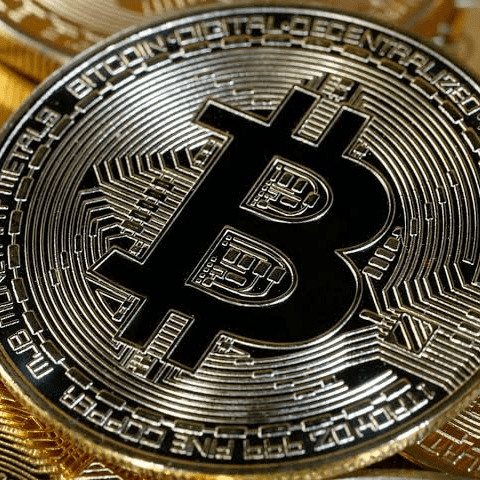
Crypto conversations often revolve around $BTC price, liquidity, and the next market move. With Bitcoin facing ongoing market uncertainty, it's easy to focus only on charts and forget what blockchain can change beyond finance.
Money can move without traditional intermediaries, and decentralized projects are exploring how digital communication can become more independent, too.
#liberdus sits at this intersection, combining messaging and payments in an ecosystem built around privacy and user freedom.
What stands out to me is the practical vision. People shouldn't always need phone numbers, emails, or unnecessary personal details just to connect.
BTC reminds us that money can work differently. Liberdus explores how communication can, too.
Long-term crypto value may mean more than price. It could mean greater control over our digital lives.
Crypto conversations often revolve around $BTC price, liquidity, and the next market move. With Bitcoin facing ongoing market uncertainty, it's easy to focus only on charts and forget what blockchain can change beyond finance.
Money can move without traditional intermediaries, and decentralized projects are exploring how digital communication can become more independent, too.
#liberdus sits at this intersection, combining messaging and payments in an ecosystem built around privacy and user freedom.
What stands out to me is the practical vision. People shouldn't always need phone numbers, emails, or unnecessary personal details just to connect.
BTC reminds us that money can work differently. Liberdus explores how communication can, too.
Long-term crypto value may mean more than price. It could mean greater control over our digital lives.
Money can move without traditional intermediaries, and decentralized projects are exploring how digital communication can become more independent, too.
#liberdus sits at this intersection, combining messaging and payments in an ecosystem built around privacy and user freedom.
What stands out to me is the practical vision. People shouldn't always need phone numbers, emails, or unnecessary personal details just to connect.
BTC reminds us that money can work differently. Liberdus explores how communication can, too.
Long-term crypto value may mean more than price. It could mean greater control over our digital lives.
121
·
--
Crypto doesn't need another thousand tokens promising to change the world.
It needs products that solve problems people actually experience.
$BTC introduced a different way to think about money. $ETH expanded what blockchain applications could do. Now, the next challenge is making decentralized technology useful in everyday life.
That's where projects like #liberdus deserve attention.
Its approach brings messaging and payments into one decentralized application, with privacy and user control at the center.
No phone number, email, or KYC required to get started.
What interests me most is the bigger idea: communication shouldn't always depend on centralized platforms that control access.
Of course, adoption and real-world usability will determine how far this vision goes.
But crypto's next chapter should be about useful products, not just louder narratives..
Crypto doesn't need another thousand tokens promising to change the world.
It needs products that solve problems people actually experience.
$BTC introduced a different way to think about money. $ETH expanded what blockchain applications could do. Now, the next challenge is making decentralized technology useful in everyday life.
That's where projects like #liberdus deserve attention.
Its approach brings messaging and payments into one decentralized application, with privacy and user control at the center.
No phone number, email, or KYC required to get started.
What interests me most is the bigger idea: communication shouldn't always depend on centralized platforms that control access.
Of course, adoption and real-world usability will determine how far this vision goes.
But crypto's next chapter should be about useful products, not just louder narratives..
It needs products that solve problems people actually experience.
$BTC introduced a different way to think about money. $ETH expanded what blockchain applications could do. Now, the next challenge is making decentralized technology useful in everyday life.
That's where projects like #liberdus deserve attention.
Its approach brings messaging and payments into one decentralized application, with privacy and user control at the center.
No phone number, email, or KYC required to get started.
What interests me most is the bigger idea: communication shouldn't always depend on centralized platforms that control access.
Of course, adoption and real-world usability will determine how far this vision goes.
But crypto's next chapter should be about useful products, not just louder narratives..
111

·
--
What if spam wasn't free to send anymore?
Think about it. Someone can send hundreds of unwanted messages in seconds, but you're the one spending time filtering them and protecting your attention.
Most messaging apps rely on blocking and spam filters. They help, but they don't always change the incentives behind unsolicited messages.
That's what makes Liberdus interesting to me.
Users can set a Toll for messages from people outside their trusted connections, introducing a cost for unsolicited contact.
It's a different way to approach a problem we've almost accepted as normal.
Of course, the goal shouldn't be to make communication difficult. It should be to give people more control over who can reach them while keeping genuine conversations accessible.
Privacy isn't just about who can read your messages. It's also about having control over your digital interactions.
What's your take? Should unsolicited messages have a cost, or should messaging always be free?
#Liberdus #Web3 #Privacy
$XLM $RLUSD
What if spam wasn't free to send anymore?
Think about it. Someone can send hundreds of unwanted messages in seconds, but you're the one spending time filtering them and protecting your attention.
Most messaging apps rely on blocking and spam filters. They help, but they don't always change the incentives behind unsolicited messages.
That's what makes Liberdus interesting to me.
Users can set a Toll for messages from people outside their trusted connections, introducing a cost for unsolicited contact.
It's a different way to approach a problem we've almost accepted as normal.
Of course, the goal shouldn't be to make communication difficult. It should be to give people more control over who can reach them while keeping genuine conversations accessible.
Privacy isn't just about who can read your messages. It's also about having control over your digital interactions.
What's your take? Should unsolicited messages have a cost, or should messaging always be free?
#Liberdus #Web3 #Privacy
$XLM $RLUSD
Think about it. Someone can send hundreds of unwanted messages in seconds, but you're the one spending time filtering them and protecting your attention.
Most messaging apps rely on blocking and spam filters. They help, but they don't always change the incentives behind unsolicited messages.
That's what makes Liberdus interesting to me.
Users can set a Toll for messages from people outside their trusted connections, introducing a cost for unsolicited contact.
It's a different way to approach a problem we've almost accepted as normal.
Of course, the goal shouldn't be to make communication difficult. It should be to give people more control over who can reach them while keeping genuine conversations accessible.
Privacy isn't just about who can read your messages. It's also about having control over your digital interactions.
What's your take? Should unsolicited messages have a cost, or should messaging always be free?
#Liberdus #Web3 #Privacy
$XLM $RLUSD
Binance BiBi:
Working on it. Your reply is on the way.
2
1
474
·
--
Sometimes I wonder if we’ve become too focused on charts.
BTC pumps, everyone celebrates.
$BTC dips, timelines turn red.
A new token trends, and suddenly everyone wants in.
But beyond the daily noise, some projects are working on problems that matter outside the market.
Take #Liberdus for example.
The idea is simple but meaningful: give people a way to communicate and make payments without relying on traditional centralized platforms.
It combines messaging, payments, and decentralized infrastructure while putting privacy and user control first.
That’s a different conversation from chasing the next 10x.
I’m not saying every decentralized project will succeed. They won't.
But I believe the projects worth watching are those solving real problems, not just creating temporary excitement.
Sometimes, the bigger opportunity is hiding behind the noise..
Sometimes I wonder if we’ve become too focused on charts.
BTC pumps, everyone celebrates.
$BTC dips, timelines turn red.
A new token trends, and suddenly everyone wants in.
But beyond the daily noise, some projects are working on problems that matter outside the market.
Take #Liberdus for example.
The idea is simple but meaningful: give people a way to communicate and make payments without relying on traditional centralized platforms.
It combines messaging, payments, and decentralized infrastructure while putting privacy and user control first.
That’s a different conversation from chasing the next 10x.
I’m not saying every decentralized project will succeed. They won't.
But I believe the projects worth watching are those solving real problems, not just creating temporary excitement.
Sometimes, the bigger opportunity is hiding behind the noise..
BTC pumps, everyone celebrates.
$BTC dips, timelines turn red.
A new token trends, and suddenly everyone wants in.
But beyond the daily noise, some projects are working on problems that matter outside the market.
Take #Liberdus for example.
The idea is simple but meaningful: give people a way to communicate and make payments without relying on traditional centralized platforms.
It combines messaging, payments, and decentralized infrastructure while putting privacy and user control first.
That’s a different conversation from chasing the next 10x.
I’m not saying every decentralized project will succeed. They won't.
But I believe the projects worth watching are those solving real problems, not just creating temporary excitement.
Sometimes, the bigger opportunity is hiding behind the noise..
141
·
--
Haussier
Everyone is watching $MET ,
{future}(METUSDT)
$JUP
{future}(JUPUSDT)
and the next token that can do a 20% candle.
Fair enough. That's crypto.
But here's the uncomfortable part:
We spent years building financial freedom on-chain…
while still communicating through systems where someone else controls the infrastructure, the data and often the rules.
We call that Web3?
I don't think we're finished yet.
#Liberdus is interesting because it takes the decentralization conversation outside of trading and wallets and puts it into something we use every single day:
communication.
What if sending a message didn't automatically mean creating another piece of data for a centralized platform?
That's the question behind $LIB that deserves more attention.
Not because #LIB needs to compete with $MET or JUP.
But because maybe the next important crypto narrative isn't another token.
Maybe it's who controls the way we communicate.
Everyone is watching $MET ,
$JUP
and the next token that can do a 20% candle.
Fair enough. That's crypto.
But here's the uncomfortable part:
We spent years building financial freedom on-chain…
while still communicating through systems where someone else controls the infrastructure, the data and often the rules.
We call that Web3?
I don't think we're finished yet.
#Liberdus is interesting because it takes the decentralization conversation outside of trading and wallets and puts it into something we use every single day:
communication.
What if sending a message didn't automatically mean creating another piece of data for a centralized platform?
That's the question behind $LIB that deserves more attention.
Not because #LIB needs to compete with $MET or JUP.
But because maybe the next important crypto narrative isn't another token.
Maybe it's who controls the way we communicate.
$JUP
and the next token that can do a 20% candle.
Fair enough. That's crypto.
But here's the uncomfortable part:
We spent years building financial freedom on-chain…
while still communicating through systems where someone else controls the infrastructure, the data and often the rules.
We call that Web3?
I don't think we're finished yet.
#Liberdus is interesting because it takes the decentralization conversation outside of trading and wallets and puts it into something we use every single day:
communication.
What if sending a message didn't automatically mean creating another piece of data for a centralized platform?
That's the question behind $LIB that deserves more attention.
Not because #LIB needs to compete with $MET or JUP.
But because maybe the next important crypto narrative isn't another token.
Maybe it's who controls the way we communicate.
1
278
·
--
This morning, watching Bitcoin slip back toward the $82K area, I started thinking about something bigger than price.
Markets can change quickly. $BTC can rally, pull back, and leave everyone debating the next level. But underneath all that, the question of who actually controls our digital lives remains.
We’ve become comfortable giving platforms our phone numbers, emails, data, and attention just to communicate or move money.
#liberdus It’s exploring a decentralized ecosystem where communication and payments can exist together without making personal information the price of entry.
You can communicate, transact, and even help secure the network by running a node.
For me, the bigger idea is freedom.
Bitcoin challenged how we think about money. Liberdus is exploring how we think about digital ownership and communication.
That conversation matters.
This morning, watching Bitcoin slip back toward the $82K area, I started thinking about something bigger than price.
Markets can change quickly. $BTC can rally, pull back, and leave everyone debating the next level. But underneath all that, the question of who actually controls our digital lives remains.
We’ve become comfortable giving platforms our phone numbers, emails, data, and attention just to communicate or move money.
#liberdus It’s exploring a decentralized ecosystem where communication and payments can exist together without making personal information the price of entry.
You can communicate, transact, and even help secure the network by running a node.
For me, the bigger idea is freedom.
Bitcoin challenged how we think about money. Liberdus is exploring how we think about digital ownership and communication.
That conversation matters.
Markets can change quickly. $BTC can rally, pull back, and leave everyone debating the next level. But underneath all that, the question of who actually controls our digital lives remains.
We’ve become comfortable giving platforms our phone numbers, emails, data, and attention just to communicate or move money.
#liberdus It’s exploring a decentralized ecosystem where communication and payments can exist together without making personal information the price of entry.
You can communicate, transact, and even help secure the network by running a node.
For me, the bigger idea is freedom.
Bitcoin challenged how we think about money. Liberdus is exploring how we think about digital ownership and communication.
That conversation matters.
104
·
--
Everyone wants the next 100x, especially when $BTC # volatility makes the market feel unpredictable.
But few people ask what infrastructure could actually support millions of users.
That’s why I’m watching #Liberdus
While BTC moves through uncertain market conditions, Liberdus is focused on building beyond short-term speculation: decentralized communication, payments, and governance, powered by Shardus dynamic sharding to target scalability and decentralization.
What stands out is participation.
Users can engage with the ecosystem, liquidity providers can support markets, and node operators can help secure the network.
Markets will rotate. Narratives will change.
Strong infrastructure can keep building regardless.
Everyone wants the next 100x, especially when $BTC # volatility makes the market feel unpredictable.
But few people ask what infrastructure could actually support millions of users.
That’s why I’m watching #Liberdus
While BTC moves through uncertain market conditions, Liberdus is focused on building beyond short-term speculation: decentralized communication, payments, and governance, powered by Shardus dynamic sharding to target scalability and decentralization.
What stands out is participation.
Users can engage with the ecosystem, liquidity providers can support markets, and node operators can help secure the network.
Markets will rotate. Narratives will change.
Strong infrastructure can keep building regardless.
But few people ask what infrastructure could actually support millions of users.
That’s why I’m watching #Liberdus
While BTC moves through uncertain market conditions, Liberdus is focused on building beyond short-term speculation: decentralized communication, payments, and governance, powered by Shardus dynamic sharding to target scalability and decentralization.
What stands out is participation.
Users can engage with the ecosystem, liquidity providers can support markets, and node operators can help secure the network.
Markets will rotate. Narratives will change.
Strong infrastructure can keep building regardless.
158
·
--
Haussier
When people talk about privacy coins, $XMR
{future}(XMRUSDT)
usually comes to mind.
And for good reason Monero was built specifically around private and censorship-resistant transactions.
But #LIB is interesting for a different reason.
#Liberdus isn't trying to make $LIB just another privacy-focused asset. LIB is the native token of a decentralized communication and payments network, with utility across transaction fees, payments, staking, governance, rewards and even messaging tolls.
So I see the comparison like this:
$XMR → privacy-focused money
$LIB → privacy-focused communication + payments
That's what makes $LIB worth watching for me.
The bigger question isn't simply how much $LIB is worth today.
It's whether people start using the Liberdus network and actually need LIB to interact with it.
Because when a token is connected to an ecosystem, real usage matters.
When people talk about privacy coins, $XMR
usually comes to mind.
And for good reason Monero was built specifically around private and censorship-resistant transactions.
But #LIB is interesting for a different reason.
#Liberdus isn't trying to make $LIB just another privacy-focused asset. LIB is the native token of a decentralized communication and payments network, with utility across transaction fees, payments, staking, governance, rewards and even messaging tolls.
So I see the comparison like this:
$XMR → privacy-focused money
$LIB → privacy-focused communication + payments
That's what makes $LIB worth watching for me.
The bigger question isn't simply how much $LIB is worth today.
It's whether people start using the Liberdus network and actually need LIB to interact with it.
Because when a token is connected to an ecosystem, real usage matters.
usually comes to mind.
And for good reason Monero was built specifically around private and censorship-resistant transactions.
But #LIB is interesting for a different reason.
#Liberdus isn't trying to make $LIB just another privacy-focused asset. LIB is the native token of a decentralized communication and payments network, with utility across transaction fees, payments, staking, governance, rewards and even messaging tolls.
So I see the comparison like this:
$XMR → privacy-focused money
$LIB → privacy-focused communication + payments
That's what makes $LIB worth watching for me.
The bigger question isn't simply how much $LIB is worth today.
It's whether people start using the Liberdus network and actually need LIB to interact with it.
Because when a token is connected to an ecosystem, real usage matters.
272

·
--
Vérifié
Spam isn’t only a moderation problem. It’s an incentive problem.
On most platforms, sending another person a message has almost no economic friction. That makes it cheap to send the same message to thousands of people.
Liberdus experiments with a different mechanism: message tolls. If someone isn’t your Friend or Connection, a toll can be required before they message you. The amount is set by the recipient and can also be disabled entirely.
The interesting part isn't the fee itself. It’s the change in incentives:
Before:
Send → reach → repeat.
With a toll:
Send → pay → recipient decides whether to engage.
And the system can return the unused toll if the recipient never interacts.
So maybe the bigger question for Web3 messaging isn't how do we filter more spam? But, how do we make spam less economically attractive in the first place? That’s a very different way of thinking about digital communication.
Would you rather have better spam filters or stronger economic disincentives for spammers?
#liberdus #CircleMints500MUSDCOnSolana $ZEC
{spot}(ZECUSDT)
Spam isn’t only a moderation problem. It’s an incentive problem.
On most platforms, sending another person a message has almost no economic friction. That makes it cheap to send the same message to thousands of people.
Liberdus experiments with a different mechanism: message tolls. If someone isn’t your Friend or Connection, a toll can be required before they message you. The amount is set by the recipient and can also be disabled entirely.
The interesting part isn't the fee itself. It’s the change in incentives:
Before:
Send → reach → repeat.
With a toll:
Send → pay → recipient decides whether to engage.
And the system can return the unused toll if the recipient never interacts.
So maybe the bigger question for Web3 messaging isn't how do we filter more spam? But, how do we make spam less economically attractive in the first place? That’s a very different way of thinking about digital communication.
Would you rather have better spam filters or stronger economic disincentives for spammers?
#liberdus #CircleMints500MUSDCOnSolana $ZEC
On most platforms, sending another person a message has almost no economic friction. That makes it cheap to send the same message to thousands of people.
Liberdus experiments with a different mechanism: message tolls. If someone isn’t your Friend or Connection, a toll can be required before they message you. The amount is set by the recipient and can also be disabled entirely.
The interesting part isn't the fee itself. It’s the change in incentives:
Before:
Send → reach → repeat.
With a toll:
Send → pay → recipient decides whether to engage.
And the system can return the unused toll if the recipient never interacts.
So maybe the bigger question for Web3 messaging isn't how do we filter more spam? But, how do we make spam less economically attractive in the first place? That’s a very different way of thinking about digital communication.
Would you rather have better spam filters or stronger economic disincentives for spammers?
#liberdus #CircleMints500MUSDCOnSolana $ZEC
1
573

·
--
Haussier
Liquid Supply & Vesting Curve Breakdown of Liberdus ecosystem
Sustainable token emission is what separates real infrastructure from short term hype.
A look at the $LIB liquid emission curve (excluding node rewards):
Linear, Steady Liquid Supply: Total liquid LIB expands progressively toward ~147M coins over a ~700 day schedule, preventing massive unlock dumps on early adopters.
Contribution Linked Issuance: Direct Contributors (25%) and Operating Expenses (10%) follow structured stair step unlocks before plateauing completely around day 350 490.
Community First Horizon: Shardus token holders and broader community claim events scale steadily through the 2-year vesting cycle.
Self Regulating Equilibrium: Because all in app message and payment fees burn $LIB, growing adoption naturally exerts deflationary pressure against the vesting curve.
From Testnet to Mainnet, Liberdus is engineered for stability and long-term network security.
#Liberdus #Crypto #Web3 #Tokenomics #BlockchainTechnology
Liquid Supply & Vesting Curve Breakdown of Liberdus ecosystem
Sustainable token emission is what separates real infrastructure from short term hype.
A look at the $LIB liquid emission curve (excluding node rewards):
Linear, Steady Liquid Supply: Total liquid LIB expands progressively toward ~147M coins over a ~700 day schedule, preventing massive unlock dumps on early adopters.
Contribution Linked Issuance: Direct Contributors (25%) and Operating Expenses (10%) follow structured stair step unlocks before plateauing completely around day 350 490.
Community First Horizon: Shardus token holders and broader community claim events scale steadily through the 2-year vesting cycle.
Self Regulating Equilibrium: Because all in app message and payment fees burn $LIB, growing adoption naturally exerts deflationary pressure against the vesting curve.
From Testnet to Mainnet, Liberdus is engineered for stability and long-term network security.
#Liberdus #Crypto #Web3 #Tokenomics #BlockchainTechnology
Sustainable token emission is what separates real infrastructure from short term hype.
A look at the $LIB liquid emission curve (excluding node rewards):
Linear, Steady Liquid Supply: Total liquid LIB expands progressively toward ~147M coins over a ~700 day schedule, preventing massive unlock dumps on early adopters.
Contribution Linked Issuance: Direct Contributors (25%) and Operating Expenses (10%) follow structured stair step unlocks before plateauing completely around day 350 490.
Community First Horizon: Shardus token holders and broader community claim events scale steadily through the 2-year vesting cycle.
Self Regulating Equilibrium: Because all in app message and payment fees burn $LIB, growing adoption naturally exerts deflationary pressure against the vesting curve.
From Testnet to Mainnet, Liberdus is engineered for stability and long-term network security.
#Liberdus #Crypto #Web3 #Tokenomics #BlockchainTechnology
417
·
--
Haussier
How Fees & Monetization Work
Most blockchains get congested and expensive under heavy loads liberdus solves this through dynamic sharding and a dual fee economic engine:
1. Predictable Network Gas
Base transaction fees are fixed to fractional dollar amounts to stay permanently low, but settled natively in $LIB
100% Fee Burn: All protocol gas fees in $LIB are permanently burned, offsetting network emissions and protecting token scarcity.
2. Custom Anti Spam Tolls
Users can set a custom USD toll paid in $LIB for incoming messages from unknown senders.
Mass spam becomes economically unfeasible.
When you open and respond to a cold message, the toll unlocks directly into your wallet.
You own your data, your funds, and the value of your attention.
#Liberdus #LIB #Tokenomics #DeFi #Crypto
How Fees & Monetization Work
Most blockchains get congested and expensive under heavy loads liberdus solves this through dynamic sharding and a dual fee economic engine:
1. Predictable Network Gas
Base transaction fees are fixed to fractional dollar amounts to stay permanently low, but settled natively in $LIB
100% Fee Burn: All protocol gas fees in $LIB are permanently burned, offsetting network emissions and protecting token scarcity.
2. Custom Anti Spam Tolls
Users can set a custom USD toll paid in $LIB for incoming messages from unknown senders.
Mass spam becomes economically unfeasible.
When you open and respond to a cold message, the toll unlocks directly into your wallet.
You own your data, your funds, and the value of your attention.
#Liberdus #LIB #Tokenomics #DeFi #Crypto
Most blockchains get congested and expensive under heavy loads liberdus solves this through dynamic sharding and a dual fee economic engine:
1. Predictable Network Gas
Base transaction fees are fixed to fractional dollar amounts to stay permanently low, but settled natively in $LIB
100% Fee Burn: All protocol gas fees in $LIB are permanently burned, offsetting network emissions and protecting token scarcity.
2. Custom Anti Spam Tolls
Users can set a custom USD toll paid in $LIB for incoming messages from unknown senders.
Mass spam becomes economically unfeasible.
When you open and respond to a cold message, the toll unlocks directly into your wallet.
You own your data, your funds, and the value of your attention.
#Liberdus #LIB #Tokenomics #DeFi #Crypto
65

Article
The biggest problem with the internet might not be the apps.It might be what happens when the company behind them disappears.
Think about it.
You use an app every day. You send messages, share memories, build communities and create years of digital history.
Then one day, the company changes its rules.
Or the service shuts down.
And suddenly, you realize how much of your online life depended on a single platform.
That’s where decentralized communication becomes interesting.
Instead of putting everything in the hands of one company, the network can be designed so that communication doesn’t depend entirely on a single entity.
That’s one of the ideas I find interesting about #Liberdus
It’s not simply about creating another messaging app.
It’s about exploring a different model for digital communication, where the network itself can become more resilient and less dependent on one central company.
And honestly, this is where I think Web3 becomes interesting.
Not when it makes technology more complicated.
But when it makes us question how the internet should work in the first place.
The interface can stay simple.
The technology can stay in the background.
But the foundation can be different.
That’s what I’m watching with Liberdus.
#Privacy #Web3 #crypto
The biggest problem with the internet might not be the apps.
It might be what happens when the company behind them disappears.
Think about it.
You use an app every day. You send messages, share memories, build communities and create years of digital history.
Then one day, the company changes its rules.
Or the service shuts down.
And suddenly, you realize how much of your online life depended on a single platform.
That’s where decentralized communication becomes interesting.
Instead of putting everything in the hands of one company, the network can be designed so that communication doesn’t depend entirely on a single entity.
That’s one of the ideas I find interesting about #Liberdus
It’s not simply about creating another messaging app.
It’s about exploring a different model for digital communication, where the network itself can become more resilient and less dependent on one central company.
And honestly, this is where I think Web3 becomes interesting.
Not when it makes technology more complicated.
But when it makes us question how the internet should work in the first place.
The interface can stay simple.
The technology can stay in the background.
But the foundation can be different.
That’s what I’m watching with Liberdus.
#Privacy #Web3 #crypto
Think about it.
You use an app every day. You send messages, share memories, build communities and create years of digital history.
Then one day, the company changes its rules.
Or the service shuts down.
And suddenly, you realize how much of your online life depended on a single platform.
That’s where decentralized communication becomes interesting.
Instead of putting everything in the hands of one company, the network can be designed so that communication doesn’t depend entirely on a single entity.
That’s one of the ideas I find interesting about #Liberdus
It’s not simply about creating another messaging app.
It’s about exploring a different model for digital communication, where the network itself can become more resilient and less dependent on one central company.
And honestly, this is where I think Web3 becomes interesting.
Not when it makes technology more complicated.
But when it makes us question how the internet should work in the first place.
The interface can stay simple.
The technology can stay in the background.
But the foundation can be different.
That’s what I’m watching with Liberdus.
#Privacy #Web3 #crypto
1
575
·
--
Haussier
Bitcoin changed how we think about ownership.
Not just owning an asset, but having control over it without needing permission from a central authority.
I think #Liberdus is bringing that same mindset into communication.
Today, our messages, identities and social interactions are mostly controlled by centralized platforms. They decide how the system works, how our data is handled, and what happens to our accounts.
Liberdus takes a different approach with decentralized messaging, privacy and user-controlled communication. Even spam is treated differently: unsolicited messages can require a toll, making it more expensive to flood someone's inbox.
Different problem, different technology, but the bigger idea is similar:
Put more control back in the hands of the user.
$BTC
{future}(BTCUSDT)
challenged the way we think about owning money.
#Liberdus is challenging the way we think about owning our communication.
Bitcoin changed how we think about ownership.
Not just owning an asset, but having control over it without needing permission from a central authority.
I think #Liberdus is bringing that same mindset into communication.
Today, our messages, identities and social interactions are mostly controlled by centralized platforms. They decide how the system works, how our data is handled, and what happens to our accounts.
Liberdus takes a different approach with decentralized messaging, privacy and user-controlled communication. Even spam is treated differently: unsolicited messages can require a toll, making it more expensive to flood someone's inbox.
Different problem, different technology, but the bigger idea is similar:
Put more control back in the hands of the user.
$BTC
challenged the way we think about owning money.
#Liberdus is challenging the way we think about owning our communication.
Not just owning an asset, but having control over it without needing permission from a central authority.
I think #Liberdus is bringing that same mindset into communication.
Today, our messages, identities and social interactions are mostly controlled by centralized platforms. They decide how the system works, how our data is handled, and what happens to our accounts.
Liberdus takes a different approach with decentralized messaging, privacy and user-controlled communication. Even spam is treated differently: unsolicited messages can require a toll, making it more expensive to flood someone's inbox.
Different problem, different technology, but the bigger idea is similar:
Put more control back in the hands of the user.
$BTC
challenged the way we think about owning money.
#Liberdus is challenging the way we think about owning our communication.
182
·
--
Some days, the market feels like it’s moving in circles.
$BTC pumps, dumps, narratives change, and everyone starts chasing the next big thing.
But I keep coming back to a simpler question: what are we actually building?
That’s why #liberdus catches my attention.
It’s focused on decentralized communication and digital freedom, with privacy, censorship resistance, and open-source development at the core.
No need to force the narrative. The interesting part is the idea of building infrastructure where users have more control and don’t have to hand over unnecessary personal data just to participate.
In a market obsessed with price, projects like Liberdus remind me that crypto was always supposed to be about more than charts.
Some days, the market feels like it’s moving in circles.
$BTC pumps, dumps, narratives change, and everyone starts chasing the next big thing.
But I keep coming back to a simpler question: what are we actually building?
That’s why #liberdus catches my attention.
It’s focused on decentralized communication and digital freedom, with privacy, censorship resistance, and open-source development at the core.
No need to force the narrative. The interesting part is the idea of building infrastructure where users have more control and don’t have to hand over unnecessary personal data just to participate.
In a market obsessed with price, projects like Liberdus remind me that crypto was always supposed to be about more than charts.
$BTC pumps, dumps, narratives change, and everyone starts chasing the next big thing.
But I keep coming back to a simpler question: what are we actually building?
That’s why #liberdus catches my attention.
It’s focused on decentralized communication and digital freedom, with privacy, censorship resistance, and open-source development at the core.
No need to force the narrative. The interesting part is the idea of building infrastructure where users have more control and don’t have to hand over unnecessary personal data just to participate.
In a market obsessed with price, projects like Liberdus remind me that crypto was always supposed to be about more than charts.
85
·
--
No real name ≠ anonymous payments.
That distinction matters.
With @liberdus, you can create an account without a phone number or email, and your username can be mapped to a wallet address.
But LIB transactions are not anonymous.
The project’s own documentation says transaction metadata can include the sending account, receiving account and amount.
So there are two different concepts,
identity privacy ≠ transaction privacy.
And honestly, this is the kind of distinction more Web3 conversations should make. Because privacy isn't about throwing the word anonymous everywhere. It's about understanding exactly what is protected and what isn't.
Where do you draw the line between identity privacy and transaction privacy?
#Liberdus #XRP #BTCBreaks80K $BTC
{spot}(BTCUSDT)
No real name ≠ anonymous payments.
That distinction matters.
With @liberdus, you can create an account without a phone number or email, and your username can be mapped to a wallet address.
But LIB transactions are not anonymous.
The project’s own documentation says transaction metadata can include the sending account, receiving account and amount.
So there are two different concepts,
identity privacy ≠ transaction privacy.
And honestly, this is the kind of distinction more Web3 conversations should make. Because privacy isn't about throwing the word anonymous everywhere. It's about understanding exactly what is protected and what isn't.
Where do you draw the line between identity privacy and transaction privacy?
#Liberdus #XRP #BTCBreaks80K $BTC
That distinction matters.
With @liberdus, you can create an account without a phone number or email, and your username can be mapped to a wallet address.
But LIB transactions are not anonymous.
The project’s own documentation says transaction metadata can include the sending account, receiving account and amount.
So there are two different concepts,
identity privacy ≠ transaction privacy.
And honestly, this is the kind of distinction more Web3 conversations should make. Because privacy isn't about throwing the word anonymous everywhere. It's about understanding exactly what is protected and what isn't.
Where do you draw the line between identity privacy and transaction privacy?
#Liberdus #XRP #BTCBreaks80K $BTC
1
170
·
--
BTC is around $76K, and the market still feels driven by macro news, volatility, and price action.
But I’ve started looking at Liberdus differently.
Instead of focusing only on the LIB token, I’m more interested in the network behind it.
The idea is simple: users can become part of what they use.
LIB supports network fees, governance, and participant incentives, while #Liberdus uses Shardus technology to pursue scalability and decentralization.
That makes the community important.
You can participate, provide liquidity, or help secure the network.
For me, that’s the interesting story not just using a network, but helping build one...
{spot}(BTCUSDT)
BTC is around $76K, and the market still feels driven by macro news, volatility, and price action.
But I’ve started looking at Liberdus differently.
Instead of focusing only on the LIB token, I’m more interested in the network behind it.
The idea is simple: users can become part of what they use.
LIB supports network fees, governance, and participant incentives, while #Liberdus uses Shardus technology to pursue scalability and decentralization.
That makes the community important.
You can participate, provide liquidity, or help secure the network.
For me, that’s the interesting story not just using a network, but helping build one...
But I’ve started looking at Liberdus differently.
Instead of focusing only on the LIB token, I’m more interested in the network behind it.
The idea is simple: users can become part of what they use.
LIB supports network fees, governance, and participant incentives, while #Liberdus uses Shardus technology to pursue scalability and decentralization.
That makes the community important.
You can participate, provide liquidity, or help secure the network.
For me, that’s the interesting story not just using a network, but helping build one...
130
·
--
Bitcoin is around $77K, and the market still feels uncertain.
That’s why I’ve been trying to look beyond the daily price action.
I’ve been taking my time with @liberdus and learning how the ecosystem is being built.
What interests me isn’t just $LIB as a token. It’s the idea of actually participating in the network.
You can contribute to the ecosystem, provide liquidity, and help secure the network through nodes.
I’m still watching and learning as things develop, but I like the idea of a community having something meaningful to do beyond simply holding.
$BTC moves every day. Building takes longer.
#Liberdus
{spot}(BTCUSDT)
Bitcoin is around $77K, and the market still feels uncertain.
That’s why I’ve been trying to look beyond the daily price action.
I’ve been taking my time with @liberdus and learning how the ecosystem is being built.
What interests me isn’t just $LIB as a token. It’s the idea of actually participating in the network.
You can contribute to the ecosystem, provide liquidity, and help secure the network through nodes.
I’m still watching and learning as things develop, but I like the idea of a community having something meaningful to do beyond simply holding.
$BTC moves every day. Building takes longer.
#Liberdus
That’s why I’ve been trying to look beyond the daily price action.
I’ve been taking my time with @liberdus and learning how the ecosystem is being built.
What interests me isn’t just $LIB as a token. It’s the idea of actually participating in the network.
You can contribute to the ecosystem, provide liquidity, and help secure the network through nodes.
I’m still watching and learning as things develop, but I like the idea of a community having something meaningful to do beyond simply holding.
$BTC moves every day. Building takes longer.
#Liberdus
1
201
Connectez-vous pour découvrir plus de contenu
Rejoignez la communauté mondiale des adeptes de cryptomonnaies sur Binance Square
⚡️ Suviez les dernières informations importantes sur les cryptomonnaies.
💬 Jugé digne de confiance par la plus grande plateforme d’échange de cryptomonnaies au monde.
👍 Découvrez les connaissances que partagent les créateurs vérifiés.
Adresse e-mail/Nº de téléphone
Sujets d’actualité
1
#GrayscaleAndRepublicLaunchThreeCryptoFunds
22,544 vues
363 mentions
2
#ElSalvadorBitcoinHoldingsSurpass7800BTC
22,158 vues
437 mentions
3
#BitcoinSurpasses$82K
33,219 vues
122 mentions
4
#FranceNationalAssemblyPassesCryptoToStablecoinTaxAmendment
137 vues
76 mentions
5
#DeepSeekReleasesUpdatedAIModel
50,806 vues
703 mentions
6
#CelestiaRises16%To2026High
324,338 vues
1,965 mentions
7
#NasdaqDowWeeklyGapWidestSinceJuly2002
170,175 vues
1,472 mentions
8
#Nasdaq100Falls5.5%InWorstWeekIn18Months
79,309 vues
1,024 mentions
9
#StrategySharesFall9%OnFriday
113,184 vues
962 mentions
10
#USPPIRises6.3%YearOverYear
159,647 vues
1,117 mentions