

#web3infrastructure
web3infrastructure
214,675 vistas
3,059 están debatiendo
Hot
Lo último

·
--
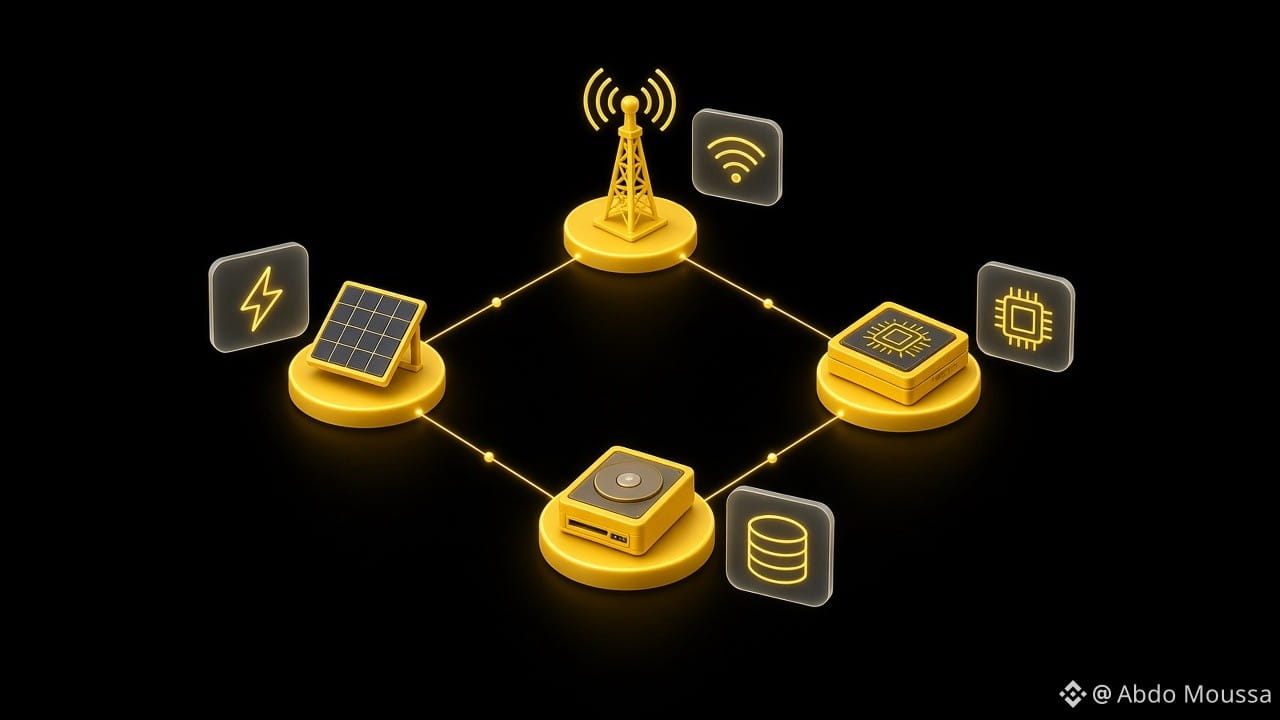
¿Alguna vez te has preguntado cómo los protocolos Web3 están recurriendo a la financiación colectiva para crear infraestructura física, como redes 5G, redes eléctricas y clústeres de computación para IA? Descubre DePIN 📡⚡
A partir de las lecciones fundamentales de #BinanceAcademy, aquí tienes un breve resumen sobre esta infraestructura:
1️⃣ ¿Qué es DePIN?
• Las redes de infraestructura física descentralizada usan incentivos en tokens para coordinar a proveedores individuales de hardware de todo el mundo y ayudar a construir redes físicas abiertas.
2️⃣ Sectores clave del mundo real:
• Cobertura inalámbrica (puntos de acceso 5G), almacenamiento descentralizado, redes de sensores ambientales y potencia de computación distribuida de GPU para modelos de IA.
3️⃣ Un desafío a los monopolios centralizados:
• Al sustituir gran parte del gasto de capital inicial (CapEx) por incentivos en tokens, DePIN puede reducir los costos de infraestructura y disminuir los puntos únicos de fallo.
⚠️ Nota sobre los riesgos:
Participar en DePIN implica costos de hardware, recompensas en tokens cambiantes y riesgos relacionados con la adopción de la red.
Amplía tus conocimientos técnicos y explora las redes físicas de Web3 🌐
📖 Descubre más en Binance Academy: https://www.binance.com/en/academy/articles/what-is-depin-in-crypto
Las criptomonedas implican riesgos. Esto no es asesoramiento financiero. Investiga siempre por tu cuenta (DYOR) 💡
#DePIN #Web3Infrastructure #CryptoEducation
Sígueme para más 💛
¿Alguna vez te has preguntado cómo los protocolos Web3 están recurriendo a la financiación colectiva para crear infraestructura física, como redes 5G, redes eléctricas y clústeres de computación para IA? Descubre DePIN 📡⚡
A partir de las lecciones fundamentales de #BinanceAcademy, aquí tienes un breve resumen sobre esta infraestructura:
1️⃣ ¿Qué es DePIN?
• Las redes de infraestructura física descentralizada usan incentivos en tokens para coordinar a proveedores individuales de hardware de todo el mundo y ayudar a construir redes físicas abiertas.
2️⃣ Sectores clave del mundo real:
• Cobertura inalámbrica (puntos de acceso 5G), almacenamiento descentralizado, redes de sensores ambientales y potencia de computación distribuida de GPU para modelos de IA.
3️⃣ Un desafío a los monopolios centralizados:
• Al sustituir gran parte del gasto de capital inicial (CapEx) por incentivos en tokens, DePIN puede reducir los costos de infraestructura y disminuir los puntos únicos de fallo.
⚠️ Nota sobre los riesgos:
Participar en DePIN implica costos de hardware, recompensas en tokens cambiantes y riesgos relacionados con la adopción de la red.
Amplía tus conocimientos técnicos y explora las redes físicas de Web3 🌐
📖 Descubre más en Binance Academy: https://www.binance.com/en/academy/articles/what-is-depin-in-crypto
Las criptomonedas implican riesgos. Esto no es asesoramiento financiero. Investiga siempre por tu cuenta (DYOR) 💡
#DePIN #Web3Infrastructure #CryptoEducation
Sígueme para más 💛
A partir de las lecciones fundamentales de #BinanceAcademy, aquí tienes un breve resumen sobre esta infraestructura:
1️⃣ ¿Qué es DePIN?
• Las redes de infraestructura física descentralizada usan incentivos en tokens para coordinar a proveedores individuales de hardware de todo el mundo y ayudar a construir redes físicas abiertas.
2️⃣ Sectores clave del mundo real:
• Cobertura inalámbrica (puntos de acceso 5G), almacenamiento descentralizado, redes de sensores ambientales y potencia de computación distribuida de GPU para modelos de IA.
3️⃣ Un desafío a los monopolios centralizados:
• Al sustituir gran parte del gasto de capital inicial (CapEx) por incentivos en tokens, DePIN puede reducir los costos de infraestructura y disminuir los puntos únicos de fallo.
⚠️ Nota sobre los riesgos:
Participar en DePIN implica costos de hardware, recompensas en tokens cambiantes y riesgos relacionados con la adopción de la red.
Amplía tus conocimientos técnicos y explora las redes físicas de Web3 🌐
📖 Descubre más en Binance Academy: https://www.binance.com/en/academy/articles/what-is-depin-in-crypto
Las criptomonedas implican riesgos. Esto no es asesoramiento financiero. Investiga siempre por tu cuenta (DYOR) 💡
#DePIN #Web3Infrastructure #CryptoEducation
Sígueme para más 💛
2
80
⚡ $NEAR DESBLOQUEA INFRAESTRUCTURA DE TESORERÍA CROSS-CHAIN EN 35 BLOCKCHAINS MIENTRAS COBRA IMPULSO EL ECOSISTEMA! 📈
El capital inteligente siempre gravita hacia la utilidad real, y $NEAR acaba de cambiar las reglas del juego de la infraestructura institucional. Al respaldar la ejecución de tesorerías con multisig nativa en decenas de redes, la profundidad de la liquidez on-chain se prepara para un cambio estructural. 🌊
📊 Mientras los puristas operativos debaten sobre la latencia de los firmantes, al interés institucional más amplio le importan la seguridad y la agilidad del capital. Los fundamentos de la infraestructura se están consolidando, allanando el camino para un volumen de liquidación masivo y sostenido. 💡 ¿Es la adopción empresarial cross-chain el catalizador exacto que $NEAR necesita para dominar este ciclo? 👇
⚠️ Esto no es asesoramiento financiero. Gestiona siempre tus riesgos. 🛡️
🏷️ #NEAR #Web3Infrastructure #CryptoEcosystem #Altcoins
⚡ 💎
⚡ $NEAR DESBLOQUEA INFRAESTRUCTURA DE TESORERÍA CROSS-CHAIN EN 35 BLOCKCHAINS MIENTRAS COBRA IMPULSO EL ECOSISTEMA! 📈
El capital inteligente siempre gravita hacia la utilidad real, y $NEAR acaba de cambiar las reglas del juego de la infraestructura institucional. Al respaldar la ejecución de tesorerías con multisig nativa en decenas de redes, la profundidad de la liquidez on-chain se prepara para un cambio estructural. 🌊
📊 Mientras los puristas operativos debaten sobre la latencia de los firmantes, al interés institucional más amplio le importan la seguridad y la agilidad del capital. Los fundamentos de la infraestructura se están consolidando, allanando el camino para un volumen de liquidación masivo y sostenido. 💡 ¿Es la adopción empresarial cross-chain el catalizador exacto que $NEAR necesita para dominar este ciclo? 👇
⚠️ Esto no es asesoramiento financiero. Gestiona siempre tus riesgos. 🛡️
🏷️ #NEAR #Web3Infrastructure #CryptoEcosystem #Altcoins
⚡ 💎
El capital inteligente siempre gravita hacia la utilidad real, y $NEAR acaba de cambiar las reglas del juego de la infraestructura institucional. Al respaldar la ejecución de tesorerías con multisig nativa en decenas de redes, la profundidad de la liquidez on-chain se prepara para un cambio estructural. 🌊
📊 Mientras los puristas operativos debaten sobre la latencia de los firmantes, al interés institucional más amplio le importan la seguridad y la agilidad del capital. Los fundamentos de la infraestructura se están consolidando, allanando el camino para un volumen de liquidación masivo y sostenido. 💡 ¿Es la adopción empresarial cross-chain el catalizador exacto que $NEAR necesita para dominar este ciclo? 👇
⚠️ Esto no es asesoramiento financiero. Gestiona siempre tus riesgos. 🛡️
🏷️ #NEAR #Web3Infrastructure #CryptoEcosystem #Altcoins
⚡ 💎

12
🦈 $NIL ESTÁ CONSTRUYENDO LA COLUMNA VERTEBRAL INVISIBLE PARA LOS AGENTES DE IA Y LA LIQUIDEZ PROFUNDA. ⚡
Mientras los inversores minoristas persiguen narrativas superficiales sobre privacidad, el capital inteligente sigue la pista de quién protege realmente la lógica de ejecución patentada. 💡 $NIL está dejando atrás el almacenamiento pasivo y apostando por instrucciones cifradas e inferencia privada, creando el entorno opaco que los agentes de trading automatizado necesitan antes de operar en el libro de órdenes.
🌊 Si los desarrolladores establecen aquí flujos de trabajo computacionales de alto valor, esto pasará de ser una tesis experimental a convertirse en infraestructura crítica del mercado. 💬 ¿Te estás adelantando a este cambio en la infraestructura de IA o esperarás a que las métricas de adopción lo confirmen? 👇
⚠️ Esto no es asesoramiento financiero. Gestiona siempre tu riesgo. 🛡️
🏷️ #NIL #CryptoAI #Web3Infrastructure #Altcoins
🎯 🦈
🦈 $NIL ESTÁ CONSTRUYENDO LA COLUMNA VERTEBRAL INVISIBLE PARA LOS AGENTES DE IA Y LA LIQUIDEZ PROFUNDA. ⚡
Mientras los inversores minoristas persiguen narrativas superficiales sobre privacidad, el capital inteligente sigue la pista de quién protege realmente la lógica de ejecución patentada. 💡 $NIL está dejando atrás el almacenamiento pasivo y apostando por instrucciones cifradas e inferencia privada, creando el entorno opaco que los agentes de trading automatizado necesitan antes de operar en el libro de órdenes.
🌊 Si los desarrolladores establecen aquí flujos de trabajo computacionales de alto valor, esto pasará de ser una tesis experimental a convertirse en infraestructura crítica del mercado. 💬 ¿Te estás adelantando a este cambio en la infraestructura de IA o esperarás a que las métricas de adopción lo confirmen? 👇
⚠️ Esto no es asesoramiento financiero. Gestiona siempre tu riesgo. 🛡️
🏷️ #NIL #CryptoAI #Web3Infrastructure #Altcoins
🎯 🦈
Mientras los inversores minoristas persiguen narrativas superficiales sobre privacidad, el capital inteligente sigue la pista de quién protege realmente la lógica de ejecución patentada. 💡 $NIL está dejando atrás el almacenamiento pasivo y apostando por instrucciones cifradas e inferencia privada, creando el entorno opaco que los agentes de trading automatizado necesitan antes de operar en el libro de órdenes.
🌊 Si los desarrolladores establecen aquí flujos de trabajo computacionales de alto valor, esto pasará de ser una tesis experimental a convertirse en infraestructura crítica del mercado. 💬 ¿Te estás adelantando a este cambio en la infraestructura de IA o esperarás a que las métricas de adopción lo confirmen? 👇
⚠️ Esto no es asesoramiento financiero. Gestiona siempre tu riesgo. 🛡️
🏷️ #NIL #CryptoAI #Web3Infrastructure #Altcoins
🎯 🦈

5

·
--
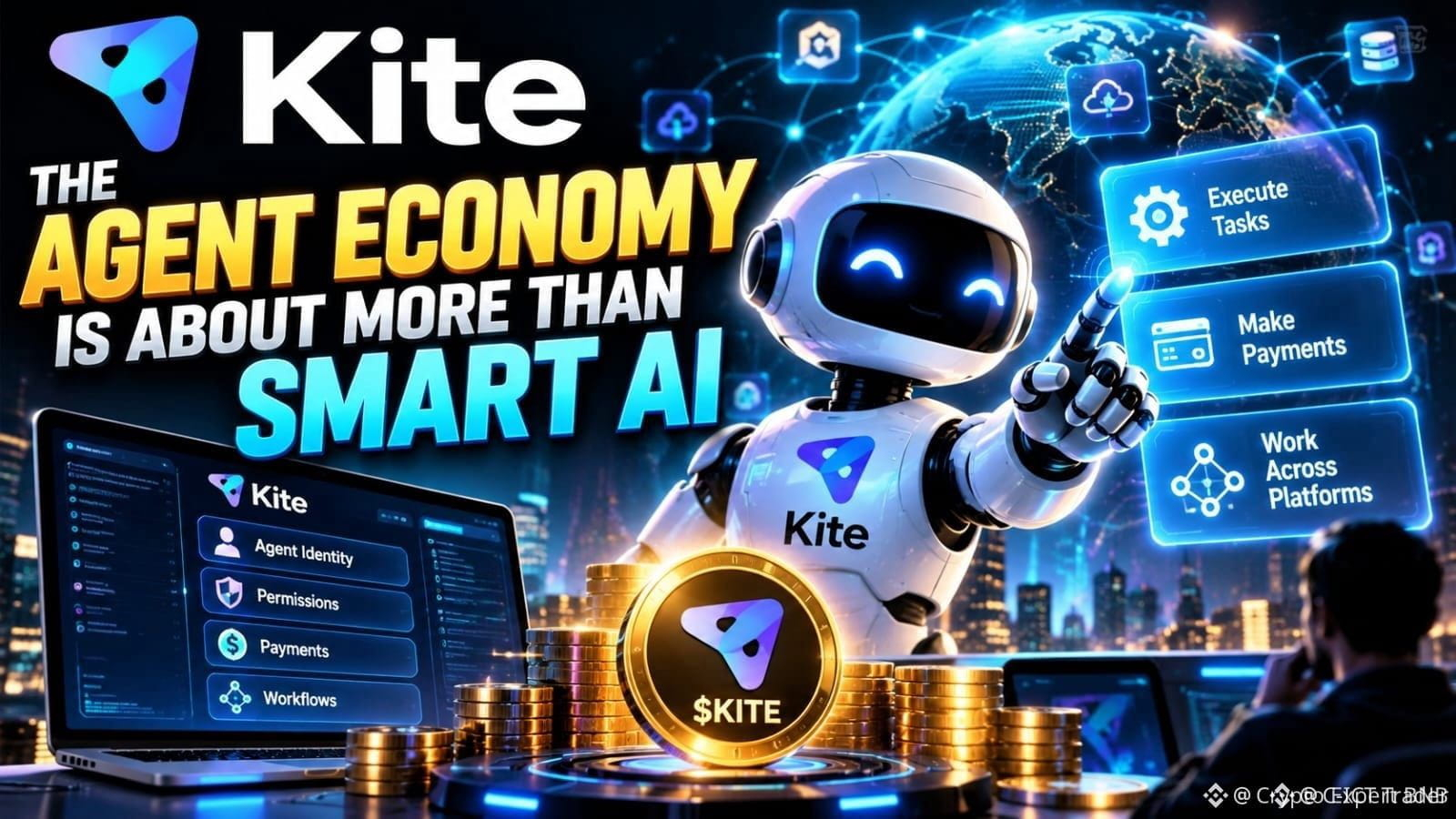
🦈 $KITE DESBLOQUEA LA CAPA DE INFRAESTRUCTURA INSTITUCIONAL PARA LA LIQUIDEZ DE AGENTES DE IA AUTÓNOMOS ⚡
El paradigma cambia en el momento en que la IA pasa de responder consultas a ejecutar flujos de capital autónomos. 🔍 La verdadera ventaja estructural de $KITE reside en construir vías programables, marcos de identidad y permisos delegados que regulen la ejecución de los agentes sin renunciar a la supervisión institucional.
Cuando los agentes autónomos coordinan liquidaciones y acceden a servicios en distintas plataformas, los límites de confianza deterministas se convierten en infraestructura crítica. 💡 Equilibrar la autonomía de las máquinas con parámetros de riesgo verificables es el principal cuello de botella al que el dinero inteligente presta mucha atención.
🤔 ¿Qué se convertirá en el principal catalizador para ampliar esta economía de agentes: la inteligencia de ejecución, la eficiencia de las liquidaciones o las garantías de permisos verificables?
⚠️ Esto no es asesoramiento financiero. Gestiona siempre tus riesgos. 🛡️
🏷️ #KITE #AIAgents #Web3Infrastructure #Crypto
🎯 🦈
🦈 $KITE DESBLOQUEA LA CAPA DE INFRAESTRUCTURA INSTITUCIONAL PARA LA LIQUIDEZ DE AGENTES DE IA AUTÓNOMOS ⚡
El paradigma cambia en el momento en que la IA pasa de responder consultas a ejecutar flujos de capital autónomos. 🔍 La verdadera ventaja estructural de $KITE reside en construir vías programables, marcos de identidad y permisos delegados que regulen la ejecución de los agentes sin renunciar a la supervisión institucional.
Cuando los agentes autónomos coordinan liquidaciones y acceden a servicios en distintas plataformas, los límites de confianza deterministas se convierten en infraestructura crítica. 💡 Equilibrar la autonomía de las máquinas con parámetros de riesgo verificables es el principal cuello de botella al que el dinero inteligente presta mucha atención.
🤔 ¿Qué se convertirá en el principal catalizador para ampliar esta economía de agentes: la inteligencia de ejecución, la eficiencia de las liquidaciones o las garantías de permisos verificables?
⚠️ Esto no es asesoramiento financiero. Gestiona siempre tus riesgos. 🛡️
🏷️ #KITE #AIAgents #Web3Infrastructure #Crypto
🎯 🦈
El paradigma cambia en el momento en que la IA pasa de responder consultas a ejecutar flujos de capital autónomos. 🔍 La verdadera ventaja estructural de $KITE reside en construir vías programables, marcos de identidad y permisos delegados que regulen la ejecución de los agentes sin renunciar a la supervisión institucional.
Cuando los agentes autónomos coordinan liquidaciones y acceden a servicios en distintas plataformas, los límites de confianza deterministas se convierten en infraestructura crítica. 💡 Equilibrar la autonomía de las máquinas con parámetros de riesgo verificables es el principal cuello de botella al que el dinero inteligente presta mucha atención.
🤔 ¿Qué se convertirá en el principal catalizador para ampliar esta economía de agentes: la inteligencia de ejecución, la eficiencia de las liquidaciones o las garantías de permisos verificables?
⚠️ Esto no es asesoramiento financiero. Gestiona siempre tus riesgos. 🛡️
🏷️ #KITE #AIAgents #Web3Infrastructure #Crypto
🎯 🦈
7
·
--
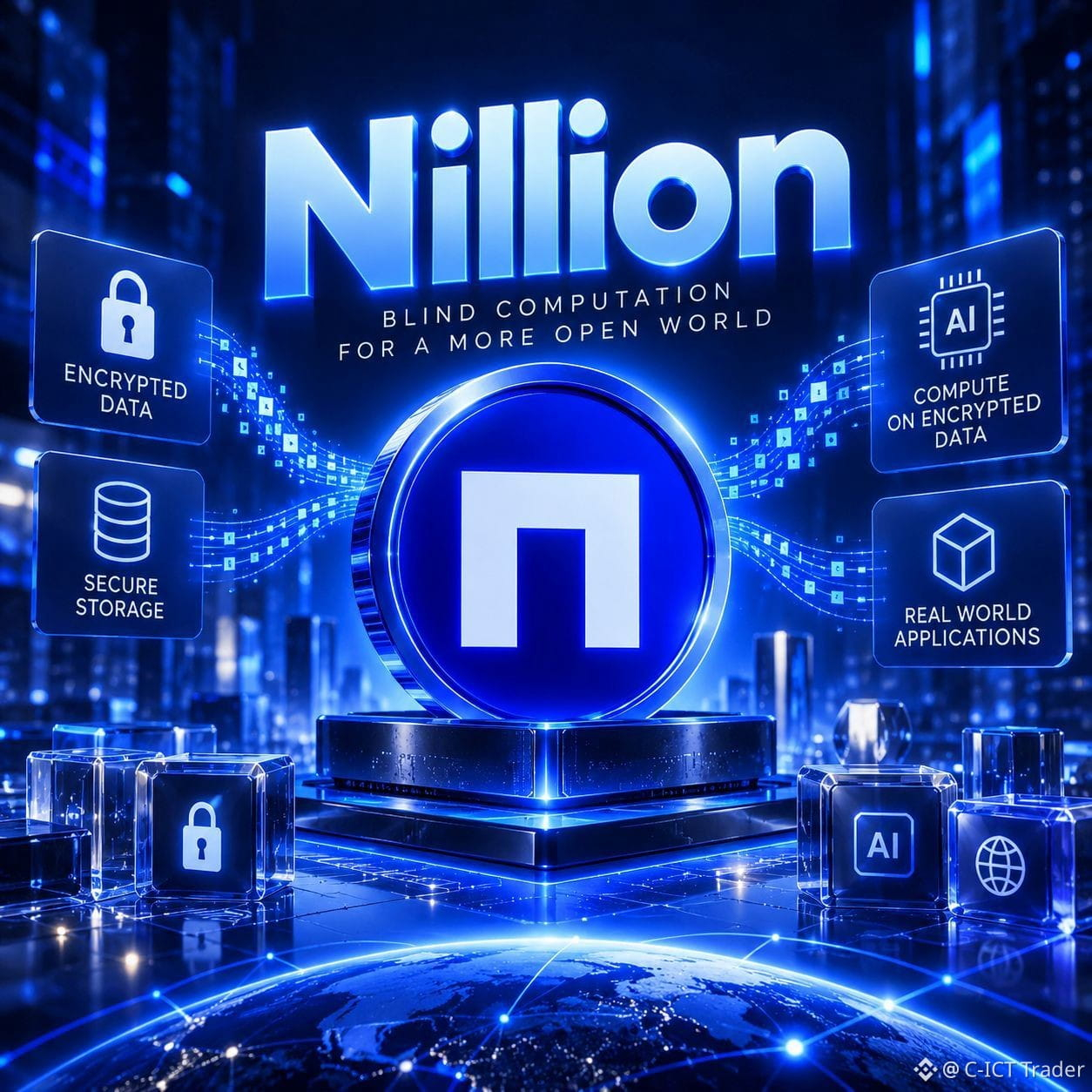
🔍 $NIL ESTÁ CONSTRUYENDO INFRAESTRUCTURA DE NIVEL INSTITUCIONAL MÁS ALLÁ DEL BOMBO SUPERFICIAL EN TORNO A LA PRIVACIDAD ⚡
Mientras el público minorista persigue picos pasajeros de narrativas, el capital inteligente sigue de cerca la utilidad fundamental y la adopción verificable. 💡 Ejecutar computación confidencial sobre datos cifrados mediante DUSK en Ethereum representa un cambio de paradigma fundamental para las aplicaciones Web3 que manejan datos sensibles y los agentes autónomos de IA.
Las estructuras de mercado sostenibles nunca se forjan sobre la espuma especulativa, sino sobre una demanda estructural en la que los desarrolladores trabajan activamente. 🔍 $NIL se está diferenciando de las afirmaciones vacías sobre privacidad al resolver la ejecución práctica de datos. 🤔 ¿Se convertirá la computación confidencial en la base arquitectónica indispensable para la IA descentralizada?
⚠️ Esto no es asesoramiento financiero. Gestiona siempre tus riesgos. 🛡️
🏷️ #NIL #Web3Infrastructure #CryptoResearch #SmartMoney
🎯 🦈
🔍 $NIL ESTÁ CONSTRUYENDO INFRAESTRUCTURA DE NIVEL INSTITUCIONAL MÁS ALLÁ DEL BOMBO SUPERFICIAL EN TORNO A LA PRIVACIDAD ⚡
Mientras el público minorista persigue picos pasajeros de narrativas, el capital inteligente sigue de cerca la utilidad fundamental y la adopción verificable. 💡 Ejecutar computación confidencial sobre datos cifrados mediante DUSK en Ethereum representa un cambio de paradigma fundamental para las aplicaciones Web3 que manejan datos sensibles y los agentes autónomos de IA.
Las estructuras de mercado sostenibles nunca se forjan sobre la espuma especulativa, sino sobre una demanda estructural en la que los desarrolladores trabajan activamente. 🔍 $NIL se está diferenciando de las afirmaciones vacías sobre privacidad al resolver la ejecución práctica de datos. 🤔 ¿Se convertirá la computación confidencial en la base arquitectónica indispensable para la IA descentralizada?
⚠️ Esto no es asesoramiento financiero. Gestiona siempre tus riesgos. 🛡️
🏷️ #NIL #Web3Infrastructure #CryptoResearch #SmartMoney
🎯 🦈
Mientras el público minorista persigue picos pasajeros de narrativas, el capital inteligente sigue de cerca la utilidad fundamental y la adopción verificable. 💡 Ejecutar computación confidencial sobre datos cifrados mediante DUSK en Ethereum representa un cambio de paradigma fundamental para las aplicaciones Web3 que manejan datos sensibles y los agentes autónomos de IA.
Las estructuras de mercado sostenibles nunca se forjan sobre la espuma especulativa, sino sobre una demanda estructural en la que los desarrolladores trabajan activamente. 🔍 $NIL se está diferenciando de las afirmaciones vacías sobre privacidad al resolver la ejecución práctica de datos. 🤔 ¿Se convertirá la computación confidencial en la base arquitectónica indispensable para la IA descentralizada?
⚠️ Esto no es asesoramiento financiero. Gestiona siempre tus riesgos. 🛡️
🏷️ #NIL #Web3Infrastructure #CryptoResearch #SmartMoney
🎯 🦈
19

·
--
🦈 LA LIQUIDEZ INSTITUCIONAL SE EXPANDE MIENTRAS EL VOLUMEN DE STRIPE WALLET ALCANZA LOS 25.000 MILLONES DE DÓLARES BAJO $USDC INFRAESTRUCTURAS ⚡
La infraestructura del dinero inteligente está alcanzando una masa crítica, lejos del flujo de órdenes especulativas. 🌊 Con los activos de las billeteras integradas multiplicándose por 25 y el volumen mensual llegando a los 25.000 millones de dólares, las redes institucionales están construyendo activamente una integración profunda para la liquidación con stablecoins y la ejecución autónoma de agentes. 📊
💡 A medida que las API unificadas conectan directamente los saldos de stablecoins que generan rendimientos con los canales de pago convencionales, la fricción entre las reservas globales de dinero fíat y los fondos de liquidez on-chain se está disipando rápidamente. 💬 ¿Superarán los agentes autónomos de IA el volumen de transacciones humanas y se convertirán en el principal motor de la velocidad de circulación de las stablecoins? 👇
⚠️ Esto no es asesoramiento financiero. Gestiona siempre tus riesgos. 🛡️
🏷️ #USDC #Stablecoins #Web3Infrastructure #Crypto
🎯 🦈
🦈 LA LIQUIDEZ INSTITUCIONAL SE EXPANDE MIENTRAS EL VOLUMEN DE STRIPE WALLET ALCANZA LOS 25.000 MILLONES DE DÓLARES BAJO $USDC INFRAESTRUCTURAS ⚡
La infraestructura del dinero inteligente está alcanzando una masa crítica, lejos del flujo de órdenes especulativas. 🌊 Con los activos de las billeteras integradas multiplicándose por 25 y el volumen mensual llegando a los 25.000 millones de dólares, las redes institucionales están construyendo activamente una integración profunda para la liquidación con stablecoins y la ejecución autónoma de agentes. 📊
💡 A medida que las API unificadas conectan directamente los saldos de stablecoins que generan rendimientos con los canales de pago convencionales, la fricción entre las reservas globales de dinero fíat y los fondos de liquidez on-chain se está disipando rápidamente. 💬 ¿Superarán los agentes autónomos de IA el volumen de transacciones humanas y se convertirán en el principal motor de la velocidad de circulación de las stablecoins? 👇
⚠️ Esto no es asesoramiento financiero. Gestiona siempre tus riesgos. 🛡️
🏷️ #USDC #Stablecoins #Web3Infrastructure #Crypto
🎯 🦈
La infraestructura del dinero inteligente está alcanzando una masa crítica, lejos del flujo de órdenes especulativas. 🌊 Con los activos de las billeteras integradas multiplicándose por 25 y el volumen mensual llegando a los 25.000 millones de dólares, las redes institucionales están construyendo activamente una integración profunda para la liquidación con stablecoins y la ejecución autónoma de agentes. 📊
💡 A medida que las API unificadas conectan directamente los saldos de stablecoins que generan rendimientos con los canales de pago convencionales, la fricción entre las reservas globales de dinero fíat y los fondos de liquidez on-chain se está disipando rápidamente. 💬 ¿Superarán los agentes autónomos de IA el volumen de transacciones humanas y se convertirán en el principal motor de la velocidad de circulación de las stablecoins? 👇
⚠️ Esto no es asesoramiento financiero. Gestiona siempre tus riesgos. 🛡️
🏷️ #USDC #Stablecoins #Web3Infrastructure #Crypto
🎯 🦈
6
·
--
🚨 $SOL EL ECOSISTEMA SE EXPANDE A MEDIDA QUE LA SEGURIDAD DE HARDWARE INSTITUCIONAL SE INTEGRA CON LA ARQUITECTURA MÓVIL ON-CHAIN 🛡️
Ledger ha presentado Atom, un dispositivo Android seguro con aislamiento mediante FPGA que conecta la ejecución on-chain con la utilidad móvil cotidiana e incluye integración directa con Solana Mobile. 🔍 Este cambio estructural permite que los contratos inteligentes y los agentes de IA autónomos envíen intenciones de ejecución, mientras las operaciones esenciales de firma se mantienen estrictamente compartimentadas.
Gracias a las defensas físicas especializadas contra manipulaciones y a la verificación aislada de firmas, la ejecución de nivel institucional está migrando gradualmente hacia puntos de acceso móviles a la liquidez. 💡 A medida que la infraestructura madura para dar cabida a agentes autónomos e interacciones on-chain, las capas de seguridad se están convirtiendo en la principal ventaja competitiva para la adopción del ecosistema. 🤔 ¿La seguridad móvil integrada acelerará un mayor flujo institucional de órdenes en todo $SOL ? 👇
⚠️ Esto no es asesoramiento financiero. Gestiona siempre tus riesgos. 🛡️
🏷️ #SOL #Solana #CryptoSecurity #Web3Infrastructure
🎯 🦈
🚨 $SOL EL ECOSISTEMA SE EXPANDE A MEDIDA QUE LA SEGURIDAD DE HARDWARE INSTITUCIONAL SE INTEGRA CON LA ARQUITECTURA MÓVIL ON-CHAIN 🛡️
Ledger ha presentado Atom, un dispositivo Android seguro con aislamiento mediante FPGA que conecta la ejecución on-chain con la utilidad móvil cotidiana e incluye integración directa con Solana Mobile. 🔍 Este cambio estructural permite que los contratos inteligentes y los agentes de IA autónomos envíen intenciones de ejecución, mientras las operaciones esenciales de firma se mantienen estrictamente compartimentadas.
Gracias a las defensas físicas especializadas contra manipulaciones y a la verificación aislada de firmas, la ejecución de nivel institucional está migrando gradualmente hacia puntos de acceso móviles a la liquidez. 💡 A medida que la infraestructura madura para dar cabida a agentes autónomos e interacciones on-chain, las capas de seguridad se están convirtiendo en la principal ventaja competitiva para la adopción del ecosistema. 🤔 ¿La seguridad móvil integrada acelerará un mayor flujo institucional de órdenes en todo $SOL ? 👇
⚠️ Esto no es asesoramiento financiero. Gestiona siempre tus riesgos. 🛡️
🏷️ #SOL #Solana #CryptoSecurity #Web3Infrastructure
🎯 🦈
Ledger ha presentado Atom, un dispositivo Android seguro con aislamiento mediante FPGA que conecta la ejecución on-chain con la utilidad móvil cotidiana e incluye integración directa con Solana Mobile. 🔍 Este cambio estructural permite que los contratos inteligentes y los agentes de IA autónomos envíen intenciones de ejecución, mientras las operaciones esenciales de firma se mantienen estrictamente compartimentadas.
Gracias a las defensas físicas especializadas contra manipulaciones y a la verificación aislada de firmas, la ejecución de nivel institucional está migrando gradualmente hacia puntos de acceso móviles a la liquidez. 💡 A medida que la infraestructura madura para dar cabida a agentes autónomos e interacciones on-chain, las capas de seguridad se están convirtiendo en la principal ventaja competitiva para la adopción del ecosistema. 🤔 ¿La seguridad móvil integrada acelerará un mayor flujo institucional de órdenes en todo $SOL ? 👇
⚠️ Esto no es asesoramiento financiero. Gestiona siempre tus riesgos. 🛡️
🏷️ #SOL #Solana #CryptoSecurity #Web3Infrastructure
🎯 🦈
22

⚡ ¡LOS RIELES INSTITUCIONALES SE EXPANDEN POR 12 CADENAS CON LIQUIDACIÓN GLOBAL $USDT INTEGRADA! 🌊
La infraestructura está conectando discretamente la liquidez on-chain con el comercio tradicional. Rain acaba de lanzar un marco de billetera integrada en 12 importantes cadenas de bloques, que brinda a sus socios acceso instantáneo a pasarelas de moneda fiduciaria y pagos con tarjeta en 175 millones de terminales de comercios de todo el mundo.
El dinero inteligente sigue, por encima de todo, la velocidad de distribución. 💡 Dirigir sin fricciones activos como $USDC directamente a redes de puntos de venta transforma saldos estáticos en energía económica activa, sin renunciar a la autocustodia.
💬 ¿Desencadenarán estos rieles de pago integrados y sin fricciones la próxima gran aceleración de la circulación de las stablecoins en la economía real? 👇
⚠️ Esto no es asesoramiento financiero. Gestiona siempre tu riesgo. 🛡️
🏷️ #USDT #Stablecoins #CryptoAdoption #Web3Infrastructure
🔥 💎
⚡ ¡LOS RIELES INSTITUCIONALES SE EXPANDEN POR 12 CADENAS CON LIQUIDACIÓN GLOBAL $USDT INTEGRADA! 🌊
La infraestructura está conectando discretamente la liquidez on-chain con el comercio tradicional. Rain acaba de lanzar un marco de billetera integrada en 12 importantes cadenas de bloques, que brinda a sus socios acceso instantáneo a pasarelas de moneda fiduciaria y pagos con tarjeta en 175 millones de terminales de comercios de todo el mundo.
El dinero inteligente sigue, por encima de todo, la velocidad de distribución. 💡 Dirigir sin fricciones activos como $USDC directamente a redes de puntos de venta transforma saldos estáticos en energía económica activa, sin renunciar a la autocustodia.
💬 ¿Desencadenarán estos rieles de pago integrados y sin fricciones la próxima gran aceleración de la circulación de las stablecoins en la economía real? 👇
⚠️ Esto no es asesoramiento financiero. Gestiona siempre tu riesgo. 🛡️
🏷️ #USDT #Stablecoins #CryptoAdoption #Web3Infrastructure
🔥 💎
La infraestructura está conectando discretamente la liquidez on-chain con el comercio tradicional. Rain acaba de lanzar un marco de billetera integrada en 12 importantes cadenas de bloques, que brinda a sus socios acceso instantáneo a pasarelas de moneda fiduciaria y pagos con tarjeta en 175 millones de terminales de comercios de todo el mundo.
El dinero inteligente sigue, por encima de todo, la velocidad de distribución. 💡 Dirigir sin fricciones activos como $USDC directamente a redes de puntos de venta transforma saldos estáticos en energía económica activa, sin renunciar a la autocustodia.
💬 ¿Desencadenarán estos rieles de pago integrados y sin fricciones la próxima gran aceleración de la circulación de las stablecoins en la economía real? 👇
⚠️ Esto no es asesoramiento financiero. Gestiona siempre tu riesgo. 🛡️
🏷️ #USDT #Stablecoins #CryptoAdoption #Web3Infrastructure
🔥 💎
10

🧩 Vigilancia de infraestructura — Enfoque en la demanda real
$FIL | $ENA | $ENSO
Los proyectos de infraestructura y DeFi ofrecen distintas propuestas de valor, desde almacenamiento descentralizado hasta aplicaciones financieras y conectividad blockchain.
📊 Evalúa el uso de la red, la oferta de tokens y la liquidez del mercado, en lugar de depender únicamente de la narrativa del sector.
⚡ Los fundamentos sólidos y una estructura de precios favorable pueden ofrecer un mejor punto de partida para la investigación.
🎯 Conclusión clave: la utilidad importa, pero la valoración y la ejecución también.
#FIL #ENA #ENSO #DeFi #Web3Infrastructure
{future}(FILUSDT)
{future}(ENAUSDT)
{future}(ENSOUSDT)
🧩 Vigilancia de infraestructura — Enfoque en la demanda real
$FIL | $ENA | $ENSO
Los proyectos de infraestructura y DeFi ofrecen distintas propuestas de valor, desde almacenamiento descentralizado hasta aplicaciones financieras y conectividad blockchain.
📊 Evalúa el uso de la red, la oferta de tokens y la liquidez del mercado, en lugar de depender únicamente de la narrativa del sector.
⚡ Los fundamentos sólidos y una estructura de precios favorable pueden ofrecer un mejor punto de partida para la investigación.
🎯 Conclusión clave: la utilidad importa, pero la valoración y la ejecución también.
#FIL #ENA #ENSO #DeFi #Web3Infrastructure
$FIL | $ENA | $ENSO
Los proyectos de infraestructura y DeFi ofrecen distintas propuestas de valor, desde almacenamiento descentralizado hasta aplicaciones financieras y conectividad blockchain.
📊 Evalúa el uso de la red, la oferta de tokens y la liquidez del mercado, en lugar de depender únicamente de la narrativa del sector.
⚡ Los fundamentos sólidos y una estructura de precios favorable pueden ofrecer un mejor punto de partida para la investigación.
🎯 Conclusión clave: la utilidad importa, pero la valoración y la ejecución también.
#FIL #ENA #ENSO #DeFi #Web3Infrastructure
1
40

·
--
Artículo
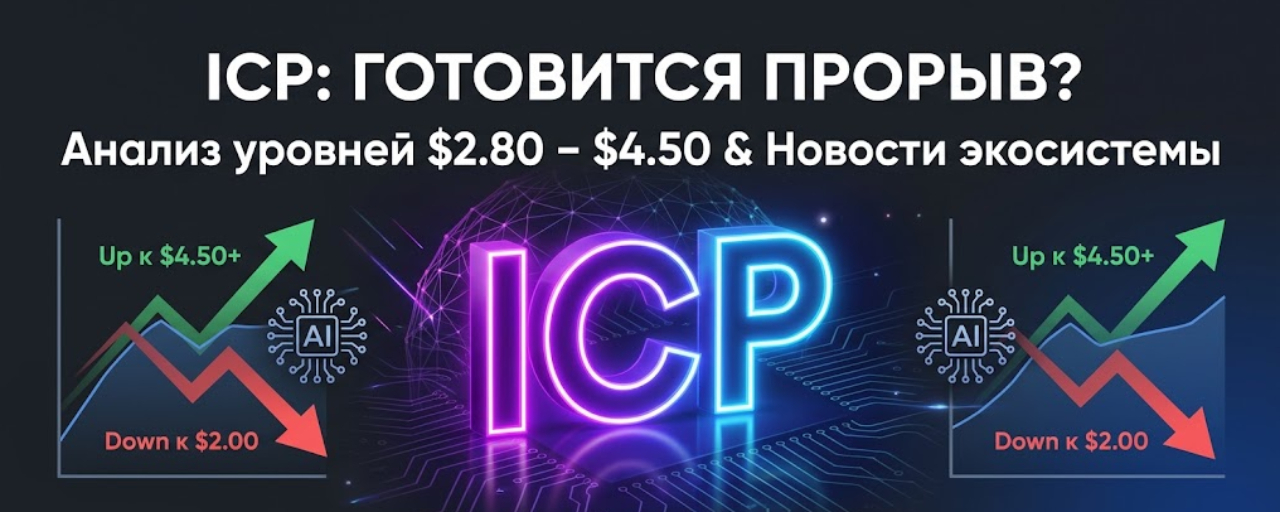
Internet Computer: ¿avance fundamental o consolidación prolongada? Análisis de las noticias y escenarios de preciosLa blockchain Internet Computer ($ICP ) de DFINITY sigue siendo uno de los proyectos más avanzados tecnológicamente y, a la vez, más controvertidos del mercado.
En medio de las actualizaciones del ecosistema y de la iniciativa Mission 70 (orientada a reducir la presión deflacionaria y optimizar la tokenómica), la moneda está formando niveles clave para su próximo movimiento.
Internet Computer: ¿avance fundamental o consolidación prolongada? Análisis de las noticias y escenarios de precios
La blockchain Internet Computer ($ICP ) de DFINITY sigue siendo uno de los proyectos más avanzados tecnológicamente y, a la vez, más controvertidos del mercado.
En medio de las actualizaciones del ecosistema y de la iniciativa Mission 70 (orientada a reducir la presión deflacionaria y optimizar la tokenómica), la moneda está formando niveles clave para su próximo movimiento.
En medio de las actualizaciones del ecosistema y de la iniciativa Mission 70 (orientada a reducir la presión deflacionaria y optimizar la tokenómica), la moneda está formando niveles clave para su próximo movimiento.
156

#depinwatch
🌐 ALERTA DePIN: ¡INFRAESTRUCTURA DEL MUNDO REAL SE UNE A LAS CRIPTOMONEDAS!
La infraestructura física descentralizada sigue siendo un sector atractivo mientras las redes blockchain intentan coordinar recursos de cómputo, almacenamiento y físicos.
💡 QUÉ SIGNIFICA PARA LOS TRADERS:
Los proyectos DePIN combinan incentivos cripto con la demanda de infraestructura del mundo real, creando una narrativa de crecimiento diferente a la de las DeFi tradicionales.
🔍 3 MONEDAS A VIGILAR:
📡 $HNT — Helium sigue siendo uno de los ecosistemas de infraestructura inalámbrica descentralizada más conocidos.
💾 $FIL — Filecoin sigue siendo una de las principales redes de almacenamiento descentralizado.
{spot}(FILUSDT)
🖥️ $RENDER — Render conecta los incentivos de blockchain con el cómputo de GPU descentralizado.
{spot}(RENDERUSDT)
¿Podría DePIN convertirse en un gran sector de rotación de capital?
#FIL #RENDER #DePIN #Web3Infrastructure
#depinwatch
🌐 ALERTA DePIN: ¡INFRAESTRUCTURA DEL MUNDO REAL SE UNE A LAS CRIPTOMONEDAS!
La infraestructura física descentralizada sigue siendo un sector atractivo mientras las redes blockchain intentan coordinar recursos de cómputo, almacenamiento y físicos.
💡 QUÉ SIGNIFICA PARA LOS TRADERS:
Los proyectos DePIN combinan incentivos cripto con la demanda de infraestructura del mundo real, creando una narrativa de crecimiento diferente a la de las DeFi tradicionales.
🔍 3 MONEDAS A VIGILAR:
📡 $HNT — Helium sigue siendo uno de los ecosistemas de infraestructura inalámbrica descentralizada más conocidos.
💾 $FIL — Filecoin sigue siendo una de las principales redes de almacenamiento descentralizado.
🖥️ $RENDER — Render conecta los incentivos de blockchain con el cómputo de GPU descentralizado.
¿Podría DePIN convertirse en un gran sector de rotación de capital?
#FIL #RENDER #DePIN #Web3Infrastructure
🌐 ALERTA DePIN: ¡INFRAESTRUCTURA DEL MUNDO REAL SE UNE A LAS CRIPTOMONEDAS!
La infraestructura física descentralizada sigue siendo un sector atractivo mientras las redes blockchain intentan coordinar recursos de cómputo, almacenamiento y físicos.
💡 QUÉ SIGNIFICA PARA LOS TRADERS:
Los proyectos DePIN combinan incentivos cripto con la demanda de infraestructura del mundo real, creando una narrativa de crecimiento diferente a la de las DeFi tradicionales.
🔍 3 MONEDAS A VIGILAR:
📡 $HNT — Helium sigue siendo uno de los ecosistemas de infraestructura inalámbrica descentralizada más conocidos.
💾 $FIL — Filecoin sigue siendo una de las principales redes de almacenamiento descentralizado.
🖥️ $RENDER — Render conecta los incentivos de blockchain con el cómputo de GPU descentralizado.
¿Podría DePIN convertirse en un gran sector de rotación de capital?
#FIL #RENDER #DePIN #Web3Infrastructure
1
397

·
--
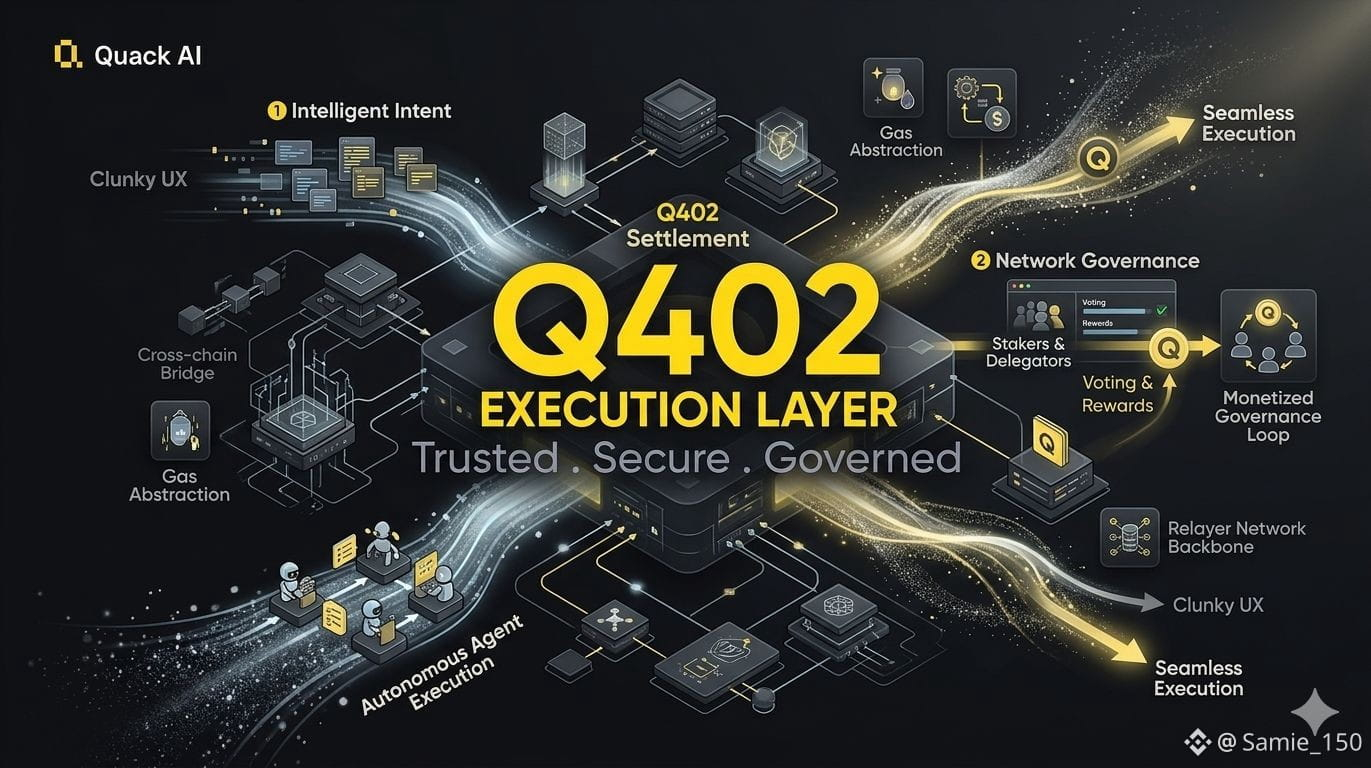
Capa de Ejecución Q402: Redefiniendo la Eficiencia On-Chain
Las operaciones on-chain están evolucionando de una experiencia de usuario torpe a una ejecución fluida. Al desacoplar la intención del asentamiento, la Capa de Ejecución Q402 de Quack AI elimina los cuellos de botella tradicionales—gestionando el gas, la ruta y la infraestructura completamente en segundo plano. El resultado: un entorno institucional de alta calidad donde “Firmar-para-Pagar” se convierte en realidad.
🔑 Eficiencia de Capital y Ejecución
- Abstracción de Gas: No hay necesidad de malabarear saldos nativos a través de cadenas.
- Rendimiento de Gobernanza: Staking, delegar y facilitar acciones crean un ciclo autosostenible.
- Espina Dorsal de la Red: Los relayers y agentes que utilizan Q402 cierran la brecha entre la intención y la finalización.
📊 Perspectiva del Analista
El desafío para la Economía de Agentes nunca ha sido la inteligencia—es la ejecución. Al institucionalizar el asentamiento y fomentar la verificación, Quack AI transforma la interacción pasiva en rendimiento económico activo.
$Q no es solo un activo; es el combustible central que anima una fuerza laboral altamente coordinada y automatizada.
@QTalkLive #AgentEconomy #Web3Infrastructure #QuackAI
Capa de Ejecución Q402: Redefiniendo la Eficiencia On-Chain
Las operaciones on-chain están evolucionando de una experiencia de usuario torpe a una ejecución fluida. Al desacoplar la intención del asentamiento, la Capa de Ejecución Q402 de Quack AI elimina los cuellos de botella tradicionales—gestionando el gas, la ruta y la infraestructura completamente en segundo plano. El resultado: un entorno institucional de alta calidad donde “Firmar-para-Pagar” se convierte en realidad.
🔑 Eficiencia de Capital y Ejecución
- Abstracción de Gas: No hay necesidad de malabarear saldos nativos a través de cadenas.
- Rendimiento de Gobernanza: Staking, delegar y facilitar acciones crean un ciclo autosostenible.
- Espina Dorsal de la Red: Los relayers y agentes que utilizan Q402 cierran la brecha entre la intención y la finalización.
📊 Perspectiva del Analista
El desafío para la Economía de Agentes nunca ha sido la inteligencia—es la ejecución. Al institucionalizar el asentamiento y fomentar la verificación, Quack AI transforma la interacción pasiva en rendimiento económico activo.
$Q no es solo un activo; es el combustible central que anima una fuerza laboral altamente coordinada y automatizada.
@Quack AI Official #AgentEconomy #Web3Infrastructure #QuackAI
Las operaciones on-chain están evolucionando de una experiencia de usuario torpe a una ejecución fluida. Al desacoplar la intención del asentamiento, la Capa de Ejecución Q402 de Quack AI elimina los cuellos de botella tradicionales—gestionando el gas, la ruta y la infraestructura completamente en segundo plano. El resultado: un entorno institucional de alta calidad donde “Firmar-para-Pagar” se convierte en realidad.
🔑 Eficiencia de Capital y Ejecución
- Abstracción de Gas: No hay necesidad de malabarear saldos nativos a través de cadenas.
- Rendimiento de Gobernanza: Staking, delegar y facilitar acciones crean un ciclo autosostenible.
- Espina Dorsal de la Red: Los relayers y agentes que utilizan Q402 cierran la brecha entre la intención y la finalización.
📊 Perspectiva del Analista
El desafío para la Economía de Agentes nunca ha sido la inteligencia—es la ejecución. Al institucionalizar el asentamiento y fomentar la verificación, Quack AI transforma la interacción pasiva en rendimiento económico activo.
$Q no es solo un activo; es el combustible central que anima una fuerza laboral altamente coordinada y automatizada.
@Quack AI Official #AgentEconomy #Web3Infrastructure #QuackAI
220

·
--
La Evolución de la Blockchain de IA: Por qué @OpenLedger está Reescribiendo las Reglas de la Economía de DatosLa intersección de la Inteligencia Artificial (IA) y las Redes de Infraestructura Física Descentralizada (DePIN) es, sin duda, la narrativa más explosiva en Web3 hoy en día. Mientras que el desarrollo tradicional de IA sigue estando fuertemente controlado por monopolios tecnológicos centralizados, está ocurriendo un cambio de paradigma en la cadena. Liderando esta carga está @OpenLedger, la primera blockchain nativa de IA del mundo diseñada específicamente para democratizar, asegurar y monetizar todo el ciclo de vida de la IA.
Resolviendo la Crisis de IA Centralizada
En este momento, los LLMs de propósito general enfrentan enormes obstáculos: riesgos de manipulación de datos, falta de transparencia en los modelos de entrenamiento y cero recompensas para las comunidades que realmente crean los datos. @Openledger cambia el juego al introducir un marco de Capa 2 compatible con EVM que hace que los datos, modelos y agentes de IA sean completamente líquidos, rastreables y composables.
La Evolución de la Blockchain de IA: Por qué @OpenLedger está Reescribiendo las Reglas de la Economía de Datos
La intersección de la Inteligencia Artificial (IA) y las Redes de Infraestructura Física Descentralizada (DePIN) es, sin duda, la narrativa más explosiva en Web3 hoy en día. Mientras que el desarrollo tradicional de IA sigue estando fuertemente controlado por monopolios tecnológicos centralizados, está ocurriendo un cambio de paradigma en la cadena. Liderando esta carga está @OpenLedger, la primera blockchain nativa de IA del mundo diseñada específicamente para democratizar, asegurar y monetizar todo el ciclo de vida de la IA.
Resolviendo la Crisis de IA Centralizada
En este momento, los LLMs de propósito general enfrentan enormes obstáculos: riesgos de manipulación de datos, falta de transparencia en los modelos de entrenamiento y cero recompensas para las comunidades que realmente crean los datos. @OpenLedger cambia el juego al introducir un marco de Capa 2 compatible con EVM que hace que los datos, modelos y agentes de IA sean completamente líquidos, rastreables y composables.
Resolviendo la Crisis de IA Centralizada
En este momento, los LLMs de propósito general enfrentan enormes obstáculos: riesgos de manipulación de datos, falta de transparencia en los modelos de entrenamiento y cero recompensas para las comunidades que realmente crean los datos. @OpenLedger cambia el juego al introducir un marco de Capa 2 compatible con EVM que hace que los datos, modelos y agentes de IA sean completamente líquidos, rastreables y composables.
88

·
--
Artículo
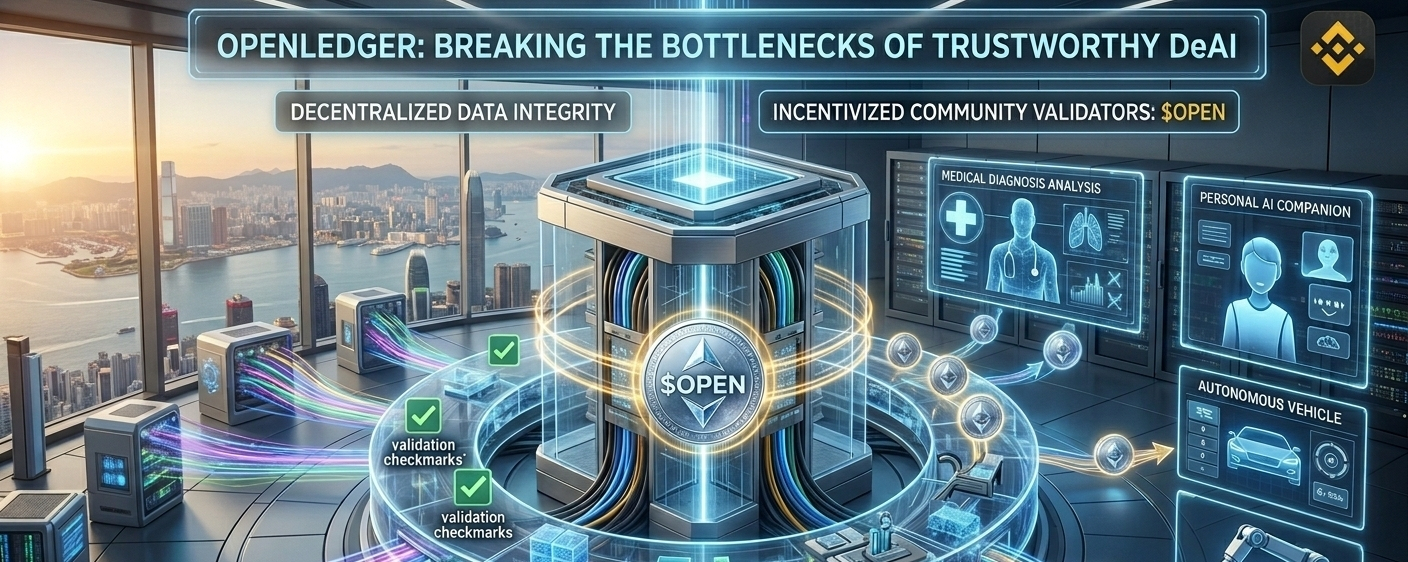
El Plan para la IA Autónoma: Desbloqueando Datos Verificados en OpenLedgerA medida que la Inteligencia Artificial continúa su rápida ascensión, la industria enfrenta una crisis fundamental: la confianza. Los repositorios de datos centralizados, donde actualmente reside el dato de entrenamiento de la IA, son opacos y vulnerables a sesgos y manipulaciones. Esto crea modelos de IA que pueden ser comprometidos o producir 'alucinaciones' dañinas. Un ecosistema de IA verdaderamente descentralizado (DeAI) no puede funcionar sin una base de datos confiable que sea segura y auditable. Necesitamos una manera de verificar la cadena de suministro de datos.
Aquí es precisamente donde @Openledger entra en juego, posicionándose como la infraestructura fundamental para la IA Descentralizada. Más que una simple dApp, OpenLedger está construyendo tuberías de datos especializadas diseñadas específicamente para el entrenamiento de modelos DeAI. Utiliza una red descentralizada de validadores para obtener, limpiar y verificar datos antes de que lleguen a los modelos de IA. Esto crea un historial de proveniencia de datos criptográficamente verificable, asegurando que cada pieza de información utilizada para el entrenamiento tenga alta integridad y autenticidad.
El Plan para la IA Autónoma: Desbloqueando Datos Verificados en OpenLedger
A medida que la Inteligencia Artificial continúa su rápida ascensión, la industria enfrenta una crisis fundamental: la confianza. Los repositorios de datos centralizados, donde actualmente reside el dato de entrenamiento de la IA, son opacos y vulnerables a sesgos y manipulaciones. Esto crea modelos de IA que pueden ser comprometidos o producir 'alucinaciones' dañinas. Un ecosistema de IA verdaderamente descentralizado (DeAI) no puede funcionar sin una base de datos confiable que sea segura y auditable. Necesitamos una manera de verificar la cadena de suministro de datos.
Aquí es precisamente donde @OpenLedger entra en juego, posicionándose como la infraestructura fundamental para la IA Descentralizada. Más que una simple dApp, OpenLedger está construyendo tuberías de datos especializadas diseñadas específicamente para el entrenamiento de modelos DeAI. Utiliza una red descentralizada de validadores para obtener, limpiar y verificar datos antes de que lleguen a los modelos de IA. Esto crea un historial de proveniencia de datos criptográficamente verificable, asegurando que cada pieza de información utilizada para el entrenamiento tenga alta integridad y autenticidad.
Aquí es precisamente donde @OpenLedger entra en juego, posicionándose como la infraestructura fundamental para la IA Descentralizada. Más que una simple dApp, OpenLedger está construyendo tuberías de datos especializadas diseñadas específicamente para el entrenamiento de modelos DeAI. Utiliza una red descentralizada de validadores para obtener, limpiar y verificar datos antes de que lleguen a los modelos de IA. Esto crea un historial de proveniencia de datos criptográficamente verificable, asegurando que cada pieza de información utilizada para el entrenamiento tenga alta integridad y autenticidad.
85

·
--
Necesitamos dejar de tratar la colocación descentralizada de nodos como si fuera un simple juego básico de Risk.
La mayoría observa un mapa global de nodos y piensa: "Genial, tenemos cobertura global". Pero una prueba reciente de latencia que ejecuté en @OpenGradient demostró lo engañoso que puede ser un mapa bonito.
El programador hizo exactamente lo que estaba programado para hacer: enrutar una solicitud al nodo de inferencia geográficamente más cercano. Sobre el papel, fue una decisión impecable. En la práctica, fue un desastre.
El nodo local no tenía el modelo específico listo y tuvo que empezar a descargarlo desde cero. Mientras tanto, un nodo "cálido" ligeramente más lejano estaba completamente inactivo, listo para funcionar. Debido a una laguna en el enrutamiento, la distancia física más corta se convirtió en el tiempo de ejecución más lento.
Este es el truco oculto. El enrutamiento de IA descentralizada no es un problema de geografía; es un problema fluido de coordinación.
Si solo mides la distancia física, estás ignorando la capacidad real de GPU en tiempo real, cuellos de botella de la cola, estados vivos de los modelos y correlaciones de fallos.
Peor aún, la distribución visual a menudo es una ilusión. Puedes colocar dos nodos en ciudades totalmente distintas, pero si dependen del mismo proveedor de nube, del mismo operador subyacente o del mismo backbone regional de fibra, no son independientes. Representan un punto de fallo compartido que está esperando a ocurrir.
La complejidad va aún más lejos cuando te das cuenta de que los nodos completos ni siquiera deberían compartir la misma huella que los nodos de inferencia. Su prioridad es optimizar la propagación de pruebas, no el ping del usuario. Luego metes nodos de datos en la mezcla, donde estar cerca de la fuente de datos importa mucho más que estar cerca del usuario final.
Los modelos tradicionales de ubicación de instalaciones pueden reflejar estos compromisos, pero la comodín real es cómo los incentivos económicos impulsarán el despliegue de nodos.
El siguiente hito para $OPG no debería tratarse de esparcir nodos al azar por un mapa. Se trata de si la infraestructura nueva realmente rellena estas brechas invisibles de latencia y reduce las dependencias compartidas que los usuarios realmente experimentan.
#OPG #OpenGradient #DeAI #Web3Infrastructure
Necesitamos dejar de tratar la colocación descentralizada de nodos como si fuera un simple juego básico de Risk.
La mayoría observa un mapa global de nodos y piensa: "Genial, tenemos cobertura global". Pero una prueba reciente de latencia que ejecuté en @OpenGradient demostró lo engañoso que puede ser un mapa bonito.
El programador hizo exactamente lo que estaba programado para hacer: enrutar una solicitud al nodo de inferencia geográficamente más cercano. Sobre el papel, fue una decisión impecable. En la práctica, fue un desastre.
El nodo local no tenía el modelo específico listo y tuvo que empezar a descargarlo desde cero. Mientras tanto, un nodo "cálido" ligeramente más lejano estaba completamente inactivo, listo para funcionar. Debido a una laguna en el enrutamiento, la distancia física más corta se convirtió en el tiempo de ejecución más lento.
Este es el truco oculto. El enrutamiento de IA descentralizada no es un problema de geografía; es un problema fluido de coordinación.
Si solo mides la distancia física, estás ignorando la capacidad real de GPU en tiempo real, cuellos de botella de la cola, estados vivos de los modelos y correlaciones de fallos.
Peor aún, la distribución visual a menudo es una ilusión. Puedes colocar dos nodos en ciudades totalmente distintas, pero si dependen del mismo proveedor de nube, del mismo operador subyacente o del mismo backbone regional de fibra, no son independientes. Representan un punto de fallo compartido que está esperando a ocurrir.
La complejidad va aún más lejos cuando te das cuenta de que los nodos completos ni siquiera deberían compartir la misma huella que los nodos de inferencia. Su prioridad es optimizar la propagación de pruebas, no el ping del usuario. Luego metes nodos de datos en la mezcla, donde estar cerca de la fuente de datos importa mucho más que estar cerca del usuario final.
Los modelos tradicionales de ubicación de instalaciones pueden reflejar estos compromisos, pero la comodín real es cómo los incentivos económicos impulsarán el despliegue de nodos.
El siguiente hito para $OPG no debería tratarse de esparcir nodos al azar por un mapa. Se trata de si la infraestructura nueva realmente rellena estas brechas invisibles de latencia y reduce las dependencias compartidas que los usuarios realmente experimentan.
#OPG #OpenGradient #DeAI #Web3Infrastructure
La mayoría observa un mapa global de nodos y piensa: "Genial, tenemos cobertura global". Pero una prueba reciente de latencia que ejecuté en @OpenGradient demostró lo engañoso que puede ser un mapa bonito.
El programador hizo exactamente lo que estaba programado para hacer: enrutar una solicitud al nodo de inferencia geográficamente más cercano. Sobre el papel, fue una decisión impecable. En la práctica, fue un desastre.
El nodo local no tenía el modelo específico listo y tuvo que empezar a descargarlo desde cero. Mientras tanto, un nodo "cálido" ligeramente más lejano estaba completamente inactivo, listo para funcionar. Debido a una laguna en el enrutamiento, la distancia física más corta se convirtió en el tiempo de ejecución más lento.
Este es el truco oculto. El enrutamiento de IA descentralizada no es un problema de geografía; es un problema fluido de coordinación.
Si solo mides la distancia física, estás ignorando la capacidad real de GPU en tiempo real, cuellos de botella de la cola, estados vivos de los modelos y correlaciones de fallos.
Peor aún, la distribución visual a menudo es una ilusión. Puedes colocar dos nodos en ciudades totalmente distintas, pero si dependen del mismo proveedor de nube, del mismo operador subyacente o del mismo backbone regional de fibra, no son independientes. Representan un punto de fallo compartido que está esperando a ocurrir.
La complejidad va aún más lejos cuando te das cuenta de que los nodos completos ni siquiera deberían compartir la misma huella que los nodos de inferencia. Su prioridad es optimizar la propagación de pruebas, no el ping del usuario. Luego metes nodos de datos en la mezcla, donde estar cerca de la fuente de datos importa mucho más que estar cerca del usuario final.
Los modelos tradicionales de ubicación de instalaciones pueden reflejar estos compromisos, pero la comodín real es cómo los incentivos económicos impulsarán el despliegue de nodos.
El siguiente hito para $OPG no debería tratarse de esparcir nodos al azar por un mapa. Se trata de si la infraestructura nueva realmente rellena estas brechas invisibles de latencia y reduce las dependencias compartidas que los usuarios realmente experimentan.
#OPG #OpenGradient #DeAI #Web3Infrastructure
120
·
--
El cambio hacia la automatización en cadena avanza rápido, pero la velocidad no sirve de nada si se deja atrás la seguridad y el cumplimiento. Por eso, el reciente lanzamiento de la Newton Mainnet Beta por parte de @NewtonProtocol es un hito enorme para el espacio Web3.
En lugar de la supervisión reactiva posterior a la transacción, están introduciendo una arquitectura real de "compliance-as-code". Al combinar políticas programables, pruebas de conocimiento cero (ZKPs) y rollups seguros, evalúa y autoriza las transacciones antes de que siquiera lleguen a la capa de liquidación. Para los desarrolladores que usan VaultKit para desplegar estrategias complejas impulsadas por IA o bóvedas institucionales, esto proporciona un entorno de ejecución a prueba de manipulaciones que aplica reglas estrictas de riesgo de forma fluida.
Es increíblemente emocionante ver que el token $NEWT encuentre utilidad en el mundo real dentro de un ecosistema en vivo que cierra la brecha entre agentes de IA inteligentes y la infraestructura de finanzas descentralizadas.
#Newt #MainnetBeta #Web3Infrastructure
El cambio hacia la automatización en cadena avanza rápido, pero la velocidad no sirve de nada si se deja atrás la seguridad y el cumplimiento. Por eso, el reciente lanzamiento de la Newton Mainnet Beta por parte de @NewtonProtocol es un hito enorme para el espacio Web3.
En lugar de la supervisión reactiva posterior a la transacción, están introduciendo una arquitectura real de "compliance-as-code". Al combinar políticas programables, pruebas de conocimiento cero (ZKPs) y rollups seguros, evalúa y autoriza las transacciones antes de que siquiera lleguen a la capa de liquidación. Para los desarrolladores que usan VaultKit para desplegar estrategias complejas impulsadas por IA o bóvedas institucionales, esto proporciona un entorno de ejecución a prueba de manipulaciones que aplica reglas estrictas de riesgo de forma fluida.
Es increíblemente emocionante ver que el token $NEWT encuentre utilidad en el mundo real dentro de un ecosistema en vivo que cierra la brecha entre agentes de IA inteligentes y la infraestructura de finanzas descentralizadas.
#Newt #MainnetBeta #Web3Infrastructure
En lugar de la supervisión reactiva posterior a la transacción, están introduciendo una arquitectura real de "compliance-as-code". Al combinar políticas programables, pruebas de conocimiento cero (ZKPs) y rollups seguros, evalúa y autoriza las transacciones antes de que siquiera lleguen a la capa de liquidación. Para los desarrolladores que usan VaultKit para desplegar estrategias complejas impulsadas por IA o bóvedas institucionales, esto proporciona un entorno de ejecución a prueba de manipulaciones que aplica reglas estrictas de riesgo de forma fluida.
Es increíblemente emocionante ver que el token $NEWT encuentre utilidad en el mundo real dentro de un ecosistema en vivo que cierra la brecha entre agentes de IA inteligentes y la infraestructura de finanzas descentralizadas.
#Newt #MainnetBeta #Web3Infrastructure
2
100

El mercado está completamente distraído por el ruido a corto plazo, pero la verdadera riqueza se construye al enfocarse en una infraestructura sólida. Esta es exactamente la razón por la que @NewtonProtocol está en mi radar ahora mismo.
Están resolviendo en silencio importantes problemas de escalabilidad de Web3 con su Mainnet Beta. Sin humo vacío de IA, solo ejecución tecnológica pura.
¿Estás acumulando $NEWT antes de que el resto del mercado despierte? ¡Dime tus objetivos abajo! 👇
$NEWT #Newt #Web3Infrastructure #MainnetBeta #Crypto
El mercado está completamente distraído por el ruido a corto plazo, pero la verdadera riqueza se construye al enfocarse en una infraestructura sólida. Esta es exactamente la razón por la que @NewtonProtocol está en mi radar ahora mismo.
Están resolviendo en silencio importantes problemas de escalabilidad de Web3 con su Mainnet Beta. Sin humo vacío de IA, solo ejecución tecnológica pura.
¿Estás acumulando $NEWT antes de que el resto del mercado despierte? ¡Dime tus objetivos abajo! 👇
$NEWT #Newt #Web3Infrastructure #MainnetBeta #Crypto
Están resolviendo en silencio importantes problemas de escalabilidad de Web3 con su Mainnet Beta. Sin humo vacío de IA, solo ejecución tecnológica pura.
¿Estás acumulando $NEWT antes de que el resto del mercado despierte? ¡Dime tus objetivos abajo! 👇
$NEWT #Newt #Web3Infrastructure #MainnetBeta #Crypto
1
117
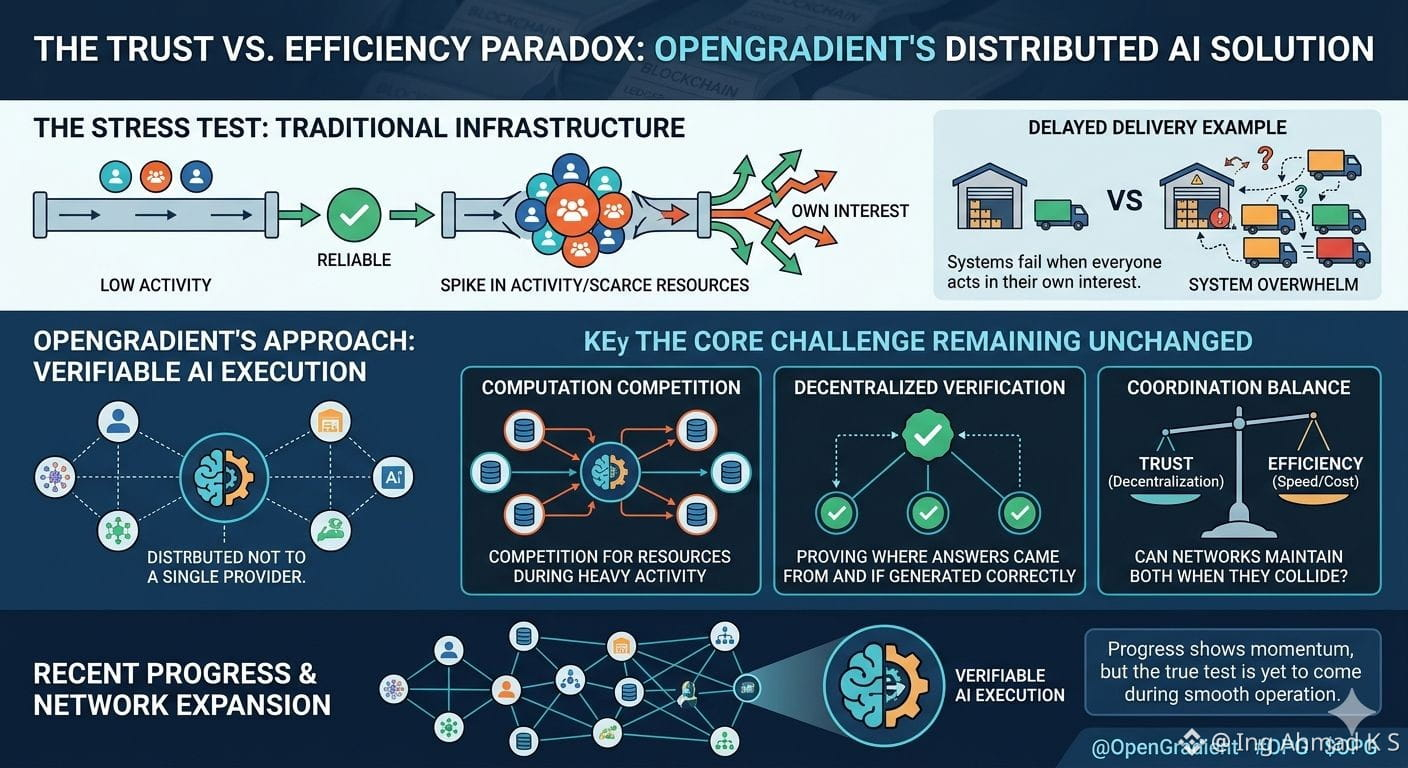
🌩️ La Prueba de Estrés: Por Qué la Infraestructura de IA Verificable es el Máximo Flex para Web3
La mayoría de la infraestructura de Web3 parece impecable cuando la red está tranquila. Pero todos sabemos lo que sucede cuando las tarifas de gas se disparan, la actividad explota y todos corren hacia la salida al mismo tiempo. La naturaleza humana toma el control, los sistemas se congestionan y las suposiciones teóricas se desmoronan.
Eso es exactamente el caos para el que @OpenGradient (#OPG) está diseñado para resistir.
🤖 Más Allá de Solo "IA Distribuida"
OpenGradient no se trata solo de lanzar modelos de IA en una red y esperar lo mejor. Se enfrenta al verdadero cuello de botella: la verificación descentralizada.
Piénsalo como una gigantesca red global de entrega. Cuando la demanda es baja, todo llega a tiempo. Pero cuando ocurre un gran aumento, los almacenes se congestionan, los conductores son redirigidos y pequeñas ineficiencias provocan un colapso total del sistema.
En el mundo de la IA, ese "colapso" se ve como cuellos de botella en la computación y confianza rota. A medida que las aplicaciones descentralizadas (dApps) escalan, simplemente obtener una respuesta de un modelo de IA no es suficiente. Tienes que demostrar:
De dónde provino esa respuesta.
Cómo se generó.
Que ningún proveedor único manipuló el resultado.
⚖️ La Paradoja Cripto Definitiva: Confianza vs. Eficiencia
Los recientes hitos técnicos de OpenGradient muestran un impulso serio en la ejecución de IA verificable y la expansión de la red. Pero el desafío definitivo para $OPG sigue siendo el desafío definitivo para Web3: ¿Puede una red mantener una confianza absoluta sin sacrificar la hiper-eficiencia?
Por lo general, estos dos objetivos se mueven en direcciones opuestas. Cuando el próximo gran auge del mercado choque con estos sistemas, veremos cuáles redes están realmente construidas para el futuro y cuáles solo estaban disfrutando de la calma.
Mantén tus ojos en la capa de infraestructura.
¿Cuáles son tus pensamientos sobre la intersección de la IA y la verificación descentralizada? ¡Deja tus comentarios abajo! 👇
#OPG $OPG #IA #DeFi #Web3Infrastructure
🌩️ La Prueba de Estrés: Por Qué la Infraestructura de IA Verificable es el Máximo Flex para Web3
La mayoría de la infraestructura de Web3 parece impecable cuando la red está tranquila. Pero todos sabemos lo que sucede cuando las tarifas de gas se disparan, la actividad explota y todos corren hacia la salida al mismo tiempo. La naturaleza humana toma el control, los sistemas se congestionan y las suposiciones teóricas se desmoronan.
Eso es exactamente el caos para el que @OpenGradient (#OPG) está diseñado para resistir.
🤖 Más Allá de Solo "IA Distribuida"
OpenGradient no se trata solo de lanzar modelos de IA en una red y esperar lo mejor. Se enfrenta al verdadero cuello de botella: la verificación descentralizada.
Piénsalo como una gigantesca red global de entrega. Cuando la demanda es baja, todo llega a tiempo. Pero cuando ocurre un gran aumento, los almacenes se congestionan, los conductores son redirigidos y pequeñas ineficiencias provocan un colapso total del sistema.
En el mundo de la IA, ese "colapso" se ve como cuellos de botella en la computación y confianza rota. A medida que las aplicaciones descentralizadas (dApps) escalan, simplemente obtener una respuesta de un modelo de IA no es suficiente. Tienes que demostrar:
De dónde provino esa respuesta.
Cómo se generó.
Que ningún proveedor único manipuló el resultado.
⚖️ La Paradoja Cripto Definitiva: Confianza vs. Eficiencia
Los recientes hitos técnicos de OpenGradient muestran un impulso serio en la ejecución de IA verificable y la expansión de la red. Pero el desafío definitivo para $OPG sigue siendo el desafío definitivo para Web3: ¿Puede una red mantener una confianza absoluta sin sacrificar la hiper-eficiencia?
Por lo general, estos dos objetivos se mueven en direcciones opuestas. Cuando el próximo gran auge del mercado choque con estos sistemas, veremos cuáles redes están realmente construidas para el futuro y cuáles solo estaban disfrutando de la calma.
Mantén tus ojos en la capa de infraestructura.
¿Cuáles son tus pensamientos sobre la intersección de la IA y la verificación descentralizada? ¡Deja tus comentarios abajo! 👇
#OPG $OPG #IA #DeFi #Web3Infrastructure
La mayoría de la infraestructura de Web3 parece impecable cuando la red está tranquila. Pero todos sabemos lo que sucede cuando las tarifas de gas se disparan, la actividad explota y todos corren hacia la salida al mismo tiempo. La naturaleza humana toma el control, los sistemas se congestionan y las suposiciones teóricas se desmoronan.
Eso es exactamente el caos para el que @OpenGradient (#OPG) está diseñado para resistir.
🤖 Más Allá de Solo "IA Distribuida"
OpenGradient no se trata solo de lanzar modelos de IA en una red y esperar lo mejor. Se enfrenta al verdadero cuello de botella: la verificación descentralizada.
Piénsalo como una gigantesca red global de entrega. Cuando la demanda es baja, todo llega a tiempo. Pero cuando ocurre un gran aumento, los almacenes se congestionan, los conductores son redirigidos y pequeñas ineficiencias provocan un colapso total del sistema.
En el mundo de la IA, ese "colapso" se ve como cuellos de botella en la computación y confianza rota. A medida que las aplicaciones descentralizadas (dApps) escalan, simplemente obtener una respuesta de un modelo de IA no es suficiente. Tienes que demostrar:
De dónde provino esa respuesta.
Cómo se generó.
Que ningún proveedor único manipuló el resultado.
⚖️ La Paradoja Cripto Definitiva: Confianza vs. Eficiencia
Los recientes hitos técnicos de OpenGradient muestran un impulso serio en la ejecución de IA verificable y la expansión de la red. Pero el desafío definitivo para $OPG sigue siendo el desafío definitivo para Web3: ¿Puede una red mantener una confianza absoluta sin sacrificar la hiper-eficiencia?
Por lo general, estos dos objetivos se mueven en direcciones opuestas. Cuando el próximo gran auge del mercado choque con estos sistemas, veremos cuáles redes están realmente construidas para el futuro y cuáles solo estaban disfrutando de la calma.
Mantén tus ojos en la capa de infraestructura.
¿Cuáles son tus pensamientos sobre la intersección de la IA y la verificación descentralizada? ¡Deja tus comentarios abajo! 👇
#OPG $OPG #IA #DeFi #Web3Infrastructure
5
1
118
·
--
Artículo
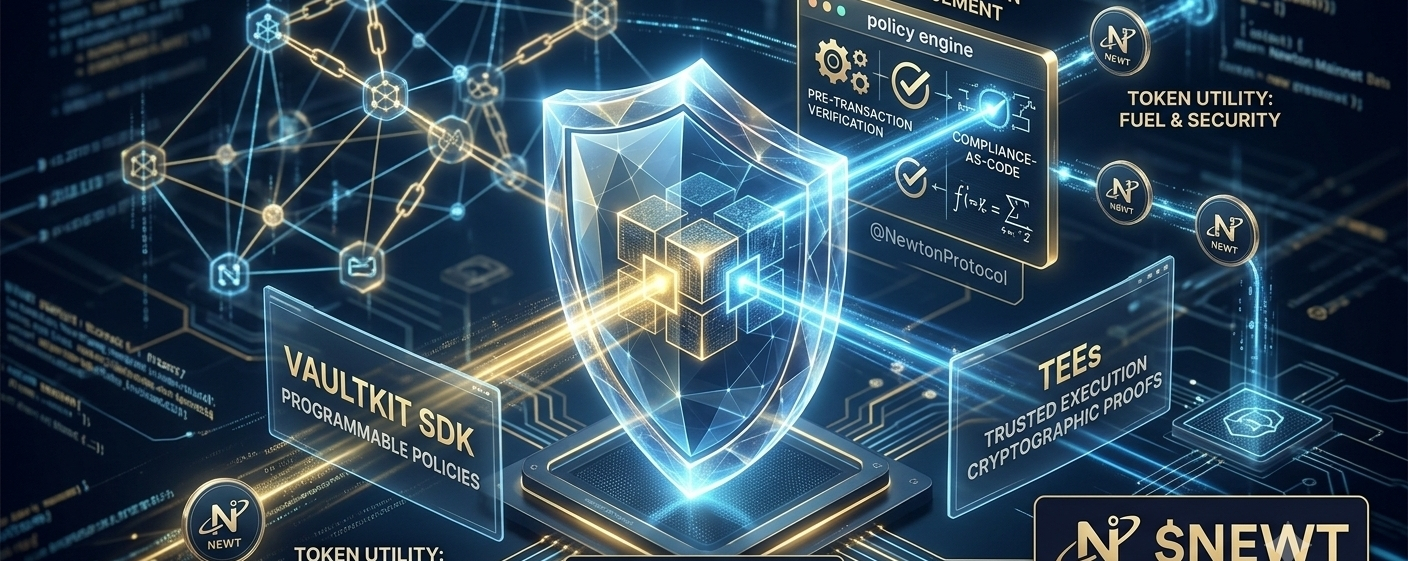
🔒 Seguridad Redefinida: Dentro del Motor de Cumplimiento Pre-Transacción de Newton Mainnet Beta##
La mayor vulnerabilidad del actual espacio Web3 y DeFi es que la gestión de riesgos y el cumplimiento siempre ocurren *después* de los hechos (Post-Transacción). Pero la única manera definitiva de detener los exploits de contratos inteligentes y las infracciones de políticas es bloquearlos antes de que escriban siquiera en la blockchain.
El equipo de @NewtonProtocol está solucionando esta falla fundamental con el lanzamiento de la **Newton Mainnet Beta**, presentando una arquitectura on-chain revolucionaria diseñada para una seguridad absoluta.
### 🛠️ Los Pilares de la Infraestructura de Pre-Ejecución
🔒 Seguridad Redefinida: Dentro del Motor de Cumplimiento Pre-Transacción de Newton Mainnet Beta
##
La mayor vulnerabilidad del actual espacio Web3 y DeFi es que la gestión de riesgos y el cumplimiento siempre ocurren *después* de los hechos (Post-Transacción). Pero la única manera definitiva de detener los exploits de contratos inteligentes y las infracciones de políticas es bloquearlos antes de que escriban siquiera en la blockchain.
El equipo de @NewtonProtocol está solucionando esta falla fundamental con el lanzamiento de la **Newton Mainnet Beta**, presentando una arquitectura on-chain revolucionaria diseñada para una seguridad absoluta.
### 🛠️ Los Pilares de la Infraestructura de Pre-Ejecución
La mayor vulnerabilidad del actual espacio Web3 y DeFi es que la gestión de riesgos y el cumplimiento siempre ocurren *después* de los hechos (Post-Transacción). Pero la única manera definitiva de detener los exploits de contratos inteligentes y las infracciones de políticas es bloquearlos antes de que escriban siquiera en la blockchain.
El equipo de @NewtonProtocol está solucionando esta falla fundamental con el lanzamiento de la **Newton Mainnet Beta**, presentando una arquitectura on-chain revolucionaria diseñada para una seguridad absoluta.
### 🛠️ Los Pilares de la Infraestructura de Pre-Ejecución
10
2
133


·
--
Artículo
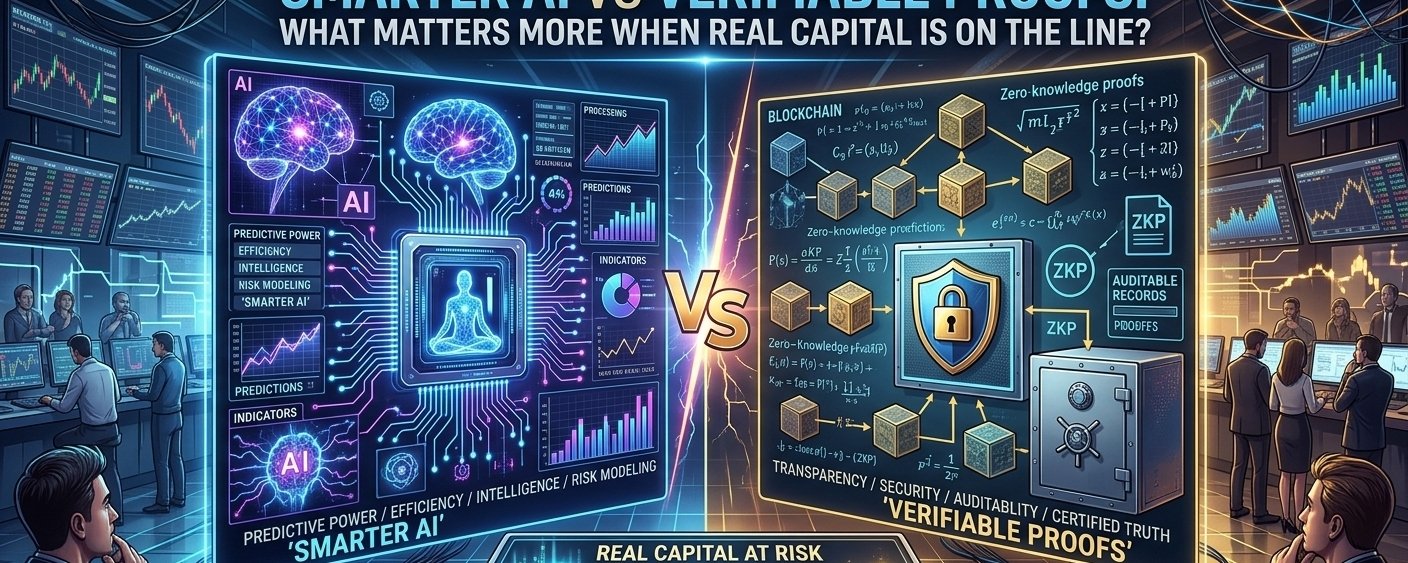
IA más inteligente vs pruebas verificables: ¿Qué importa más cuando está en juego el capital real? Cuando me uní a Binance por primera vez, caí en una trampa muy común. Al mirar proyectos como @NewtonProtocol , asumí que simplemente estaban intentando resolver un problema de IA enfocándose en construir una máquina más inteligente, un algoritmo más predictivo o un mejor agente de trading. Pero después de dedicar bastante tiempo a investigar más allá de los materiales de marketing, leer detenidamente su arquitectura subyacente y poner a prueba mis supuestos iniciales, mi tesis central se dio la vuelta por completo. En realidad, esto no es un problema de IA en absoluto. Fundamentalmente, es un problema de confianza.
IA más inteligente vs pruebas verificables: ¿Qué importa más cuando está en juego el capital real?
Cuando me uní a Binance por primera vez, caí en una trampa muy común. Al mirar proyectos como @NewtonProtocol , asumí que simplemente estaban intentando resolver un problema de IA enfocándose en construir una máquina más inteligente, un algoritmo más predictivo o un mejor agente de trading. Pero después de dedicar bastante tiempo a investigar más allá de los materiales de marketing, leer detenidamente su arquitectura subyacente y poner a prueba mis supuestos iniciales, mi tesis central se dio la vuelta por completo. En realidad, esto no es un problema de IA en absoluto. Fundamentalmente, es un problema de confianza.
35
12
250
Inicia sesión para explorar más contenidos
Únete a usuarios globales de criptomonedas en Binance Square
⚡️ Obtén información útil y actualizada sobre criptos.
💬 Avalado por el mayor exchange de criptomonedas en el mundo.
👍 Descubre perspectivas reales de creadores verificados.
Email/número de teléfono
Temas populares
1
#BinancePick
3.3M vistas
163,320 están debatiendo
2
#EarningsSeason
5.4M vistas
26,737 están debatiendo
3
#StrategySkipsBitcoinPurchasesSpends$205MOnSTRCBuybacks
410 vistas
17 están debatiendo
4
#BitmineAdds10452ETH
6,659 vistas
166 están debatiendo
5
#SouthKoreaConsidersEducationTaxOnCryptoExchanges
5,552 vistas
155 están debatiendo
6
#OCCUrgesCommunityBanksToEnterStablecoinPayments
5,044 vistas
98 están debatiendo
7
#RippleWinsFullApprovalAsNationalTrustBank
4,742 vistas
101 están debatiendo
8
#AkashSelectsSolanaAsMigrationTarget
2,794 vistas
40 están debatiendo
9
#OndoToOpenSubscriptionsForOpenAIPreIPOTokenizedNotes
171 vistas
11 están debatiendo
10
#AnthropicTTMRevenueGrewAbout1200%
55,624 vistas
568 están debatiendo