

顶级交易员立哥
453 Posts

顶级交易员立哥
Report
Block User
🔸公众号《链上区块策略》🔸推特:@ligeshuoqushi 全职交易员深耕币圈多年 擅长短线中线长线 只做趋势策略单带 欢迎跟单
3 Following
65 Followers
557 Liked
Posts
All
Quotes
Videos
PINNED
·
--
Binance Chatroom’s new add-friends feature is here!
Find me for copy trading: 1258100761
Connect face-to-face on Binance’s official platform—it’s safer and more convenient!
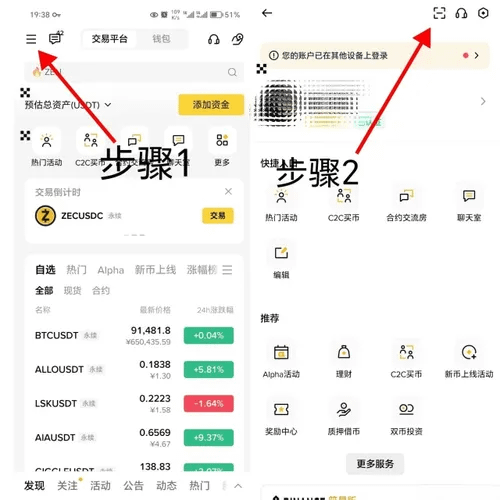
Joining a Binance chatroom is easy:
1. First, save the QR code below.
2. Open the Binance homepage and search for Chatroom.
3. Tap the + in the top-right corner.
4. Tap Scan and upload the QR code you just saved.
Then you can add me as a friend!:1258100761
$BTC
Binance Chatroom’s new add-friends feature is here!
Find me for copy trading: 1258100761
Connect face-to-face on Binance’s official platform—it’s safer and more convenient!
Joining a Binance chatroom is easy:
1. First, save the QR code below.
2. Open the Binance homepage and search for Chatroom.
3. Tap the + in the top-right corner.
4. Tap Scan and upload the QR code you just saved.
Then you can add me as a friend!:1258100761
$BTC
Find me for copy trading: 1258100761
Connect face-to-face on Binance’s official platform—it’s safer and more convenient!
Joining a Binance chatroom is easy:
1. First, save the QR code below.
2. Open the Binance homepage and search for Chatroom.
3. Tap the + in the top-right corner.
4. Tap Scan and upload the QR code you just saved.
Then you can add me as a friend!:1258100761
$BTC

11
4
75
·
--
See translation
小资金想翻倍,靠的从来不是运气[点击进入策略群](https://app.binance.com/uni-qr/2AePELXd)
去年带过一个粉丝,1500U起步,三个月做到5万U,全程一次仓都没爆。很多人都说他运气爆棚,哪有那么多好运,无非是把我踩过的所有坑,提炼成几条铁律,老老实实执行。
第一,把仓位管死,绝不赌单次。本金再少也不能梭哈。短线只用小部分资金,见好就收;大部分资金只等清晰的趋势行情,没机会就耐心空仓。剩余资金留作底牌,绝不轻易动用。
第二,只赚看得懂的钱。不熟的币种坚决不碰,看不懂的行情直接放弃。不要看见哪个币暴涨就追进去,适合自己的机会,一年抓住几次就足够。
第三,按规则下单,别被情绪牵着走。开单前就定好止损和止盈,做错果断离场,盈利分批落袋。最可怕的不是一单亏损,而是亏钱之后急于回本,越做仓位越重。
小资金真正的核心,不是幻想一夜暴富。先守住本金,再让利润慢慢复利。慢一点无所谓,能一直留在市场里,才有机会。
如果你现在正被套着,盯着账户睡不着,不知道该割还是该扛,点个关注来找我。我帮你把该走的走掉,把该留的留住#Winklevoss向美国SEC提交现货ZcashETF申请
小资金想翻倍,靠的从来不是运气点击进入策略群
去年带过一个粉丝,1500U起步,三个月做到5万U,全程一次仓都没爆。很多人都说他运气爆棚,哪有那么多好运,无非是把我踩过的所有坑,提炼成几条铁律,老老实实执行。
第一,把仓位管死,绝不赌单次。本金再少也不能梭哈。短线只用小部分资金,见好就收;大部分资金只等清晰的趋势行情,没机会就耐心空仓。剩余资金留作底牌,绝不轻易动用。
第二,只赚看得懂的钱。不熟的币种坚决不碰,看不懂的行情直接放弃。不要看见哪个币暴涨就追进去,适合自己的机会,一年抓住几次就足够。
第三,按规则下单,别被情绪牵着走。开单前就定好止损和止盈,做错果断离场,盈利分批落袋。最可怕的不是一单亏损,而是亏钱之后急于回本,越做仓位越重。
小资金真正的核心,不是幻想一夜暴富。先守住本金,再让利润慢慢复利。慢一点无所谓,能一直留在市场里,才有机会。
如果你现在正被套着,盯着账户睡不着,不知道该割还是该扛,点个关注来找我。我帮你把该走的走掉,把该留的留住#Winklevoss向美国SEC提交现货ZcashETF申请
去年带过一个粉丝,1500U起步,三个月做到5万U,全程一次仓都没爆。很多人都说他运气爆棚,哪有那么多好运,无非是把我踩过的所有坑,提炼成几条铁律,老老实实执行。
第一,把仓位管死,绝不赌单次。本金再少也不能梭哈。短线只用小部分资金,见好就收;大部分资金只等清晰的趋势行情,没机会就耐心空仓。剩余资金留作底牌,绝不轻易动用。
第二,只赚看得懂的钱。不熟的币种坚决不碰,看不懂的行情直接放弃。不要看见哪个币暴涨就追进去,适合自己的机会,一年抓住几次就足够。
第三,按规则下单,别被情绪牵着走。开单前就定好止损和止盈,做错果断离场,盈利分批落袋。最可怕的不是一单亏损,而是亏钱之后急于回本,越做仓位越重。
小资金真正的核心,不是幻想一夜暴富。先守住本金,再让利润慢慢复利。慢一点无所谓,能一直留在市场里,才有机会。
如果你现在正被套着,盯着账户睡不着,不知道该割还是该扛,点个关注来找我。我帮你把该走的走掉,把该留的留住#Winklevoss向美国SEC提交现货ZcashETF申请
·
--
From 3,000 to 50,000—just 3 position-compounding strategies. Most people use them every day without really understanding them.
I started with 3,000 and grew it to nearly 50,000 in 23 days. People say it was luck, but the real difference was timing and position sizing. Today I’ll talk about two; I’ll save the third for later. Last year, a buddy used the third one to make 17x in a month.
1. Low volume followed by a volume breakout. Keep an eye on hot coins. Wait for volume to contract enough, then act when money starts flowing back in. Split your 3,000 into three portions: start small to test the direction, add a second portion once the move takes shape, then put in the final portion after a pullback confirms a key moving average. If you’re wrong, you lose a little; if you’re right, the gains compound faster and faster.
2. Add to your position using an inverted pyramid. Don’t go all in from the start—you’ll panic as soon as there’s a pullback. I start with a small position, then gradually add once I have confirmation. The larger the position, the lower the risk. That’s also why my compounding has been steady.
I won’t share the third one just yet. It’s closely tied to timing and execution, and it’s hard to appreciate if you’ve never been liquidated. I’ll explain it in more detail another time.
Remember: compounding positions isn’t gambling. It comes down to position management, timing, and mindset. Get those right, and your capital will naturally keep growing.
From 3,000 to 50,000—just 3 position-compounding strategies. Most people use them every day without really understanding them.
I started with 3,000 and grew it to nearly 50,000 in 23 days. People say it was luck, but the real difference was timing and position sizing. Today I’ll talk about two; I’ll save the third for later. Last year, a buddy used the third one to make 17x in a month.
1. Low volume followed by a volume breakout. Keep an eye on hot coins. Wait for volume to contract enough, then act when money starts flowing back in. Split your 3,000 into three portions: start small to test the direction, add a second portion once the move takes shape, then put in the final portion after a pullback confirms a key moving average. If you’re wrong, you lose a little; if you’re right, the gains compound faster and faster.
2. Add to your position using an inverted pyramid. Don’t go all in from the start—you’ll panic as soon as there’s a pullback. I start with a small position, then gradually add once I have confirmation. The larger the position, the lower the risk. That’s also why my compounding has been steady.
I won’t share the third one just yet. It’s closely tied to timing and execution, and it’s hard to appreciate if you’ve never been liquidated. I’ll explain it in more detail another time.
Remember: compounding positions isn’t gambling. It comes down to position management, timing, and mindset. Get those right, and your capital will naturally keep growing.
I started with 3,000 and grew it to nearly 50,000 in 23 days. People say it was luck, but the real difference was timing and position sizing. Today I’ll talk about two; I’ll save the third for later. Last year, a buddy used the third one to make 17x in a month.
1. Low volume followed by a volume breakout. Keep an eye on hot coins. Wait for volume to contract enough, then act when money starts flowing back in. Split your 3,000 into three portions: start small to test the direction, add a second portion once the move takes shape, then put in the final portion after a pullback confirms a key moving average. If you’re wrong, you lose a little; if you’re right, the gains compound faster and faster.
2. Add to your position using an inverted pyramid. Don’t go all in from the start—you’ll panic as soon as there’s a pullback. I start with a small position, then gradually add once I have confirmation. The larger the position, the lower the risk. That’s also why my compounding has been steady.
I won’t share the third one just yet. It’s closely tied to timing and execution, and it’s hard to appreciate if you’ve never been liquidated. I’ll explain it in more detail another time.
Remember: compounding positions isn’t gambling. It comes down to position management, timing, and mindset. Get those right, and your capital will naturally keep growing.
32
·
--
Don't rush to ask which coin can go up 100x. First, take a moment to consider whether you can stomach a deep correction. It may sound harsh, but that's reality.
The crypto world has never been short of stories about explosive gains and overnight fortunes. The hard part is locking in those profits and keeping them safely in your pocket. Plenty of people pick the right asset, see it rise a little, panic, and sell too early. Others see their investment multiply several times over but stay greedy, convinced the price will keep climbing. In the end, their profits ride a roller coaster—and they give it all back to the market.
So the essence of trading has never been simply finding a good coin. You need to plan in advance: your entry point, when to reduce your position as the price rises, which support level would trigger an exit, how to allocate your position, and when to withdraw profits. Without a plan like this, even if an opportunity lands right in front of you, you won't be able to hold on to it.
Too many people spend every day hunting for 100x coins and asking around for shortcuts, while their accounts go nowhere. If you're an ordinary investor hoping to grow your capital gradually, don't fixate on 100x legends right out of the gate. First, learn to limit losses and hold on to opportunities; when market conditions aren't right, have the patience to stay out. If you haven't honed your basic trading discipline, then even if another bull market comes around, you'll most likely end up repeating the same old mistakes.#币安推出BinanceIntelligence
Don't rush to ask which coin can go up 100x. First, take a moment to consider whether you can stomach a deep correction. It may sound harsh, but that's reality.
The crypto world has never been short of stories about explosive gains and overnight fortunes. The hard part is locking in those profits and keeping them safely in your pocket. Plenty of people pick the right asset, see it rise a little, panic, and sell too early. Others see their investment multiply several times over but stay greedy, convinced the price will keep climbing. In the end, their profits ride a roller coaster—and they give it all back to the market.
So the essence of trading has never been simply finding a good coin. You need to plan in advance: your entry point, when to reduce your position as the price rises, which support level would trigger an exit, how to allocate your position, and when to withdraw profits. Without a plan like this, even if an opportunity lands right in front of you, you won't be able to hold on to it.
Too many people spend every day hunting for 100x coins and asking around for shortcuts, while their accounts go nowhere. If you're an ordinary investor hoping to grow your capital gradually, don't fixate on 100x legends right out of the gate. First, learn to limit losses and hold on to opportunities; when market conditions aren't right, have the patience to stay out. If you haven't honed your basic trading discipline, then even if another bull market comes around, you'll most likely end up repeating the same old mistakes.#币安推出BinanceIntelligence
The crypto world has never been short of stories about explosive gains and overnight fortunes. The hard part is locking in those profits and keeping them safely in your pocket. Plenty of people pick the right asset, see it rise a little, panic, and sell too early. Others see their investment multiply several times over but stay greedy, convinced the price will keep climbing. In the end, their profits ride a roller coaster—and they give it all back to the market.
So the essence of trading has never been simply finding a good coin. You need to plan in advance: your entry point, when to reduce your position as the price rises, which support level would trigger an exit, how to allocate your position, and when to withdraw profits. Without a plan like this, even if an opportunity lands right in front of you, you won't be able to hold on to it.
Too many people spend every day hunting for 100x coins and asking around for shortcuts, while their accounts go nowhere. If you're an ordinary investor hoping to grow your capital gradually, don't fixate on 100x legends right out of the gate. First, learn to limit losses and hold on to opportunities; when market conditions aren't right, have the patience to stay out. If you haven't honed your basic trading discipline, then even if another bull market comes around, you'll most likely end up repeating the same old mistakes.#币安推出BinanceIntelligence
76
·
--
Hasn’t this frustrating situation happened to a lot of people? You open a position and the market immediately reverses. You finally cut your losses, and then the market takes off. Even when your market direction call was right, your account still ends up deep in the red.
Put simply, most people don’t fail because they can’t read the market—they fail because they haven’t really understood how futures contracts work.
First, don’t ignore the funding rate. A steadily rising rate means one side of the market is getting crowded. Jumping in with the crowd at that point can magnify your risk.
Second, don’t fall for leverage misconceptions. Don’t assume that with 10x leverage, the price has to fall 10% before you get liquidated. Once you factor in maintenance margin and liquidation-related costs, the actual liquidation price is much closer than you think.
Third, high leverage steadily eats away at your position. 100x leverage may look exciting, but fees and funding payments keep chipping away at your position. The longer you hold, the more it wears down.
Fourth, set limits when compounding positions. After making a profit, you can use part of it to keep trading, but never put your entire principal and all your unrealized profits on the line at once. I personally only use a portion of my profits to compound, and always leave myself a way out.
The key to futures trading has never been getting rich overnight. It’s learning how to stay in the market for the long haul, take losses you can afford, and always preserve the chance to make your next move.
If you’re currently stuck in a losing position, staring at your account and losing sleep, unsure whether to cut your losses or hold on, follow me and get in touch. I’ll help you figure out what to close and what to keep. #Strive斥资1.69亿美元增持2000枚BTC
Hasn’t this frustrating situation happened to a lot of people? You open a position and the market immediately reverses. You finally cut your losses, and then the market takes off. Even when your market direction call was right, your account still ends up deep in the red.
Put simply, most people don’t fail because they can’t read the market—they fail because they haven’t really understood how futures contracts work.
First, don’t ignore the funding rate. A steadily rising rate means one side of the market is getting crowded. Jumping in with the crowd at that point can magnify your risk.
Second, don’t fall for leverage misconceptions. Don’t assume that with 10x leverage, the price has to fall 10% before you get liquidated. Once you factor in maintenance margin and liquidation-related costs, the actual liquidation price is much closer than you think.
Third, high leverage steadily eats away at your position. 100x leverage may look exciting, but fees and funding payments keep chipping away at your position. The longer you hold, the more it wears down.
Fourth, set limits when compounding positions. After making a profit, you can use part of it to keep trading, but never put your entire principal and all your unrealized profits on the line at once. I personally only use a portion of my profits to compound, and always leave myself a way out.
The key to futures trading has never been getting rich overnight. It’s learning how to stay in the market for the long haul, take losses you can afford, and always preserve the chance to make your next move.
If you’re currently stuck in a losing position, staring at your account and losing sleep, unsure whether to cut your losses or hold on, follow me and get in touch. I’ll help you figure out what to close and what to keep. #Strive斥资1.69亿美元增持2000枚BTC
Put simply, most people don’t fail because they can’t read the market—they fail because they haven’t really understood how futures contracts work.
First, don’t ignore the funding rate. A steadily rising rate means one side of the market is getting crowded. Jumping in with the crowd at that point can magnify your risk.
Second, don’t fall for leverage misconceptions. Don’t assume that with 10x leverage, the price has to fall 10% before you get liquidated. Once you factor in maintenance margin and liquidation-related costs, the actual liquidation price is much closer than you think.
Third, high leverage steadily eats away at your position. 100x leverage may look exciting, but fees and funding payments keep chipping away at your position. The longer you hold, the more it wears down.
Fourth, set limits when compounding positions. After making a profit, you can use part of it to keep trading, but never put your entire principal and all your unrealized profits on the line at once. I personally only use a portion of my profits to compound, and always leave myself a way out.
The key to futures trading has never been getting rich overnight. It’s learning how to stay in the market for the long haul, take losses you can afford, and always preserve the chance to make your next move.
If you’re currently stuck in a losing position, staring at your account and losing sleep, unsure whether to cut your losses or hold on, follow me and get in touch. I’ll help you figure out what to close and what to keep. #Strive斥资1.69亿美元增持2000枚BTC
1
189
·
--
Perfect timing! Two brilliant RLC trades—how I helped my followers double their money
So many followers have asked me: Why has the market been so volatile lately, yet we’ve still managed to earn steady profits?
The answer is simple: a strict trading system and unwavering discipline.
No vague talk today—let’s use this trade record to break down our real-time strategy from last night through this morning.
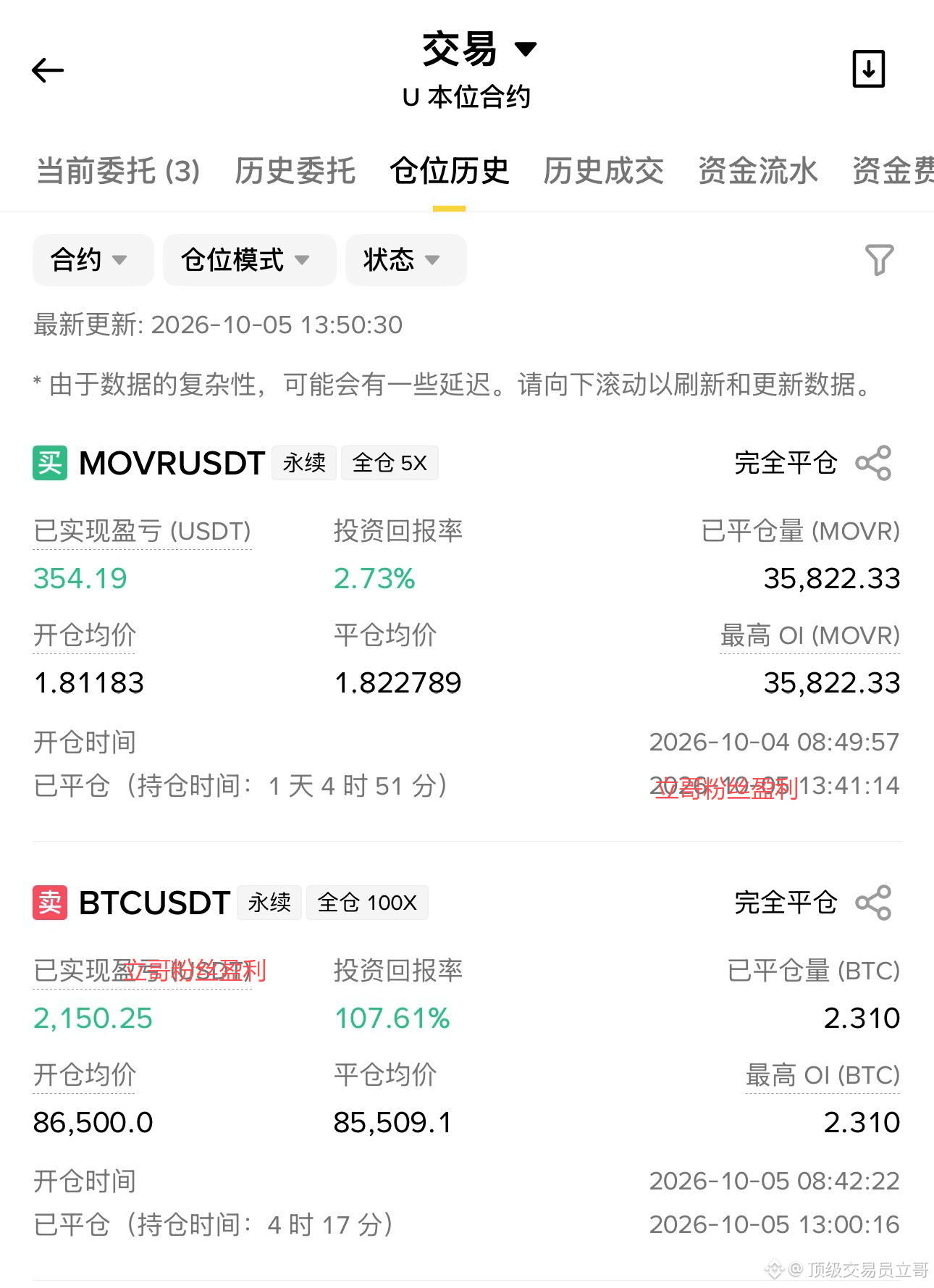
Trade 1: A perfect exit at the top with RLC
Trade 2: Maximum compounding with RLC—shown on the chart
A lot of people take their profits and run, but true pros know when a trend isn’t over.
After holding patiently for nearly five hours, we closed the position perfectly.
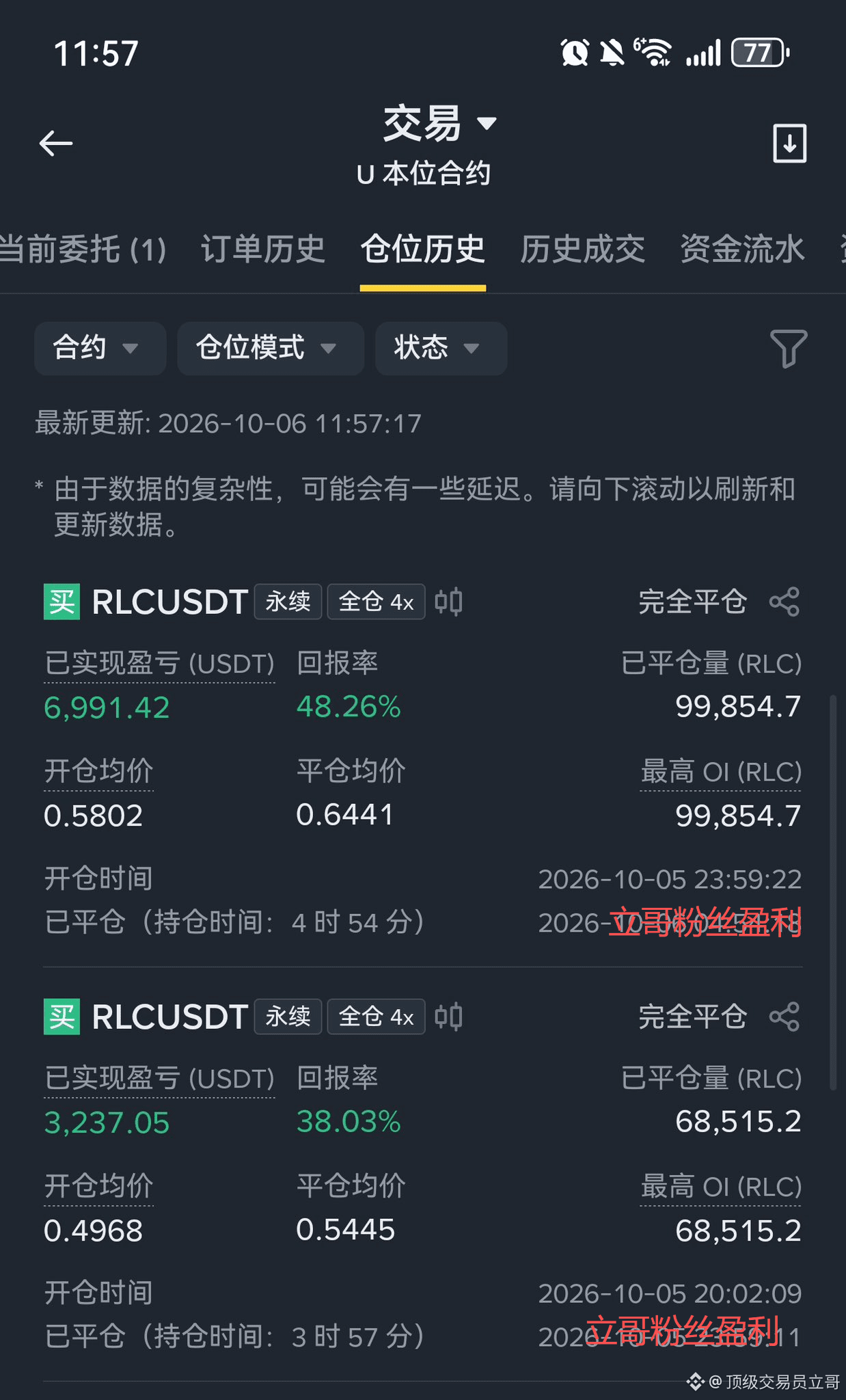
One trade brought in a whopping 6,991U, with an ROI of 48%!
What you’re missing isn’t capital—it’s a guide who can give you clear instructions at crucial moments.
If you want to stop placing trades blindly and build your own trading system, follow me.
Join us on the next wealth-building journey—I look forward to having you aboard. #币安推出BinanceIntelligence
Perfect timing! Two brilliant RLC trades—how I helped my followers double their money
So many followers have asked me: Why has the market been so volatile lately, yet we’ve still managed to earn steady profits?
The answer is simple: a strict trading system and unwavering discipline.
No vague talk today—let’s use this trade record to break down our real-time strategy from last night through this morning.
Trade 1: A perfect exit at the top with RLC
Trade 2: Maximum compounding with RLC—shown on the chart
A lot of people take their profits and run, but true pros know when a trend isn’t over.
After holding patiently for nearly five hours, we closed the position perfectly.
One trade brought in a whopping 6,991U, with an ROI of 48%!
What you’re missing isn’t capital—it’s a guide who can give you clear instructions at crucial moments.
If you want to stop placing trades blindly and build your own trading system, follow me.
Join us on the next wealth-building journey—I look forward to having you aboard. #币安推出BinanceIntelligence
So many followers have asked me: Why has the market been so volatile lately, yet we’ve still managed to earn steady profits?
The answer is simple: a strict trading system and unwavering discipline.
No vague talk today—let’s use this trade record to break down our real-time strategy from last night through this morning.
Trade 1: A perfect exit at the top with RLC
Trade 2: Maximum compounding with RLC—shown on the chart
A lot of people take their profits and run, but true pros know when a trend isn’t over.
After holding patiently for nearly five hours, we closed the position perfectly.
One trade brought in a whopping 6,991U, with an ROI of 48%!
What you’re missing isn’t capital—it’s a guide who can give you clear instructions at crucial moments.
If you want to stop placing trades blindly and build your own trading system, follow me.
Join us on the next wealth-building journey—I look forward to having you aboard. #币安推出BinanceIntelligence
1
11
·
--
You enter the futures market with a few thousand bucks, your head full of visions of doubling or even 10x-ing your money. And what happens? You turn on high leverage, get the direction slightly wrong, and your account is wiped out.
You think you’re trading, but really you’re betting on the direction of the market. The biggest problem with that is that once you get it right, you want to get it right again, and then a third time—until one day you get the direction wrong and give back all your previous gains, along with your principal.
Why do beginners lose money so quickly trading futures? It’s not because they can’t read the market. It’s because they start off with the wrong mindset. You don’t understand how destructive leverage can be, you don’t know how funding fees are charged, and you haven’t even worked out how close your liquidation price is.
You only focus on how much you could make, without thinking about how long you can hold on. Then one ordinary pullback is enough to liquidate you and knock you out. You start blaming the market, the wicks, the whales—anything except your own failure to understand the rules.
Many people lose so much that they completely lose confidence. It’s not really a technical problem; they’ve lost control of their trading rhythm. They don’t think through the risks before entering, then let their emotions take over when exiting. After a few rounds of that, their principal is gone.
If you want to trade futures, prepare yourself mentally first: any trade can be wrong. Think about how much you’re willing to lose if it is, and only then make your move. Stop telling yourself, “This trade is guaranteed to make money.” Start asking, “What will I do if this trade loses?”
If you keep getting liquidated trading futures, follow me and get in touch. I’ll help you get the rules straight before you start using leverage. #Strive斥资1.69亿美元增持2000枚BTC
You enter the futures market with a few thousand bucks, your head full of visions of doubling or even 10x-ing your money. And what happens? You turn on high leverage, get the direction slightly wrong, and your account is wiped out.
You think you’re trading, but really you’re betting on the direction of the market. The biggest problem with that is that once you get it right, you want to get it right again, and then a third time—until one day you get the direction wrong and give back all your previous gains, along with your principal.
Why do beginners lose money so quickly trading futures? It’s not because they can’t read the market. It’s because they start off with the wrong mindset. You don’t understand how destructive leverage can be, you don’t know how funding fees are charged, and you haven’t even worked out how close your liquidation price is.
You only focus on how much you could make, without thinking about how long you can hold on. Then one ordinary pullback is enough to liquidate you and knock you out. You start blaming the market, the wicks, the whales—anything except your own failure to understand the rules.
Many people lose so much that they completely lose confidence. It’s not really a technical problem; they’ve lost control of their trading rhythm. They don’t think through the risks before entering, then let their emotions take over when exiting. After a few rounds of that, their principal is gone.
If you want to trade futures, prepare yourself mentally first: any trade can be wrong. Think about how much you’re willing to lose if it is, and only then make your move. Stop telling yourself, “This trade is guaranteed to make money.” Start asking, “What will I do if this trade loses?”
If you keep getting liquidated trading futures, follow me and get in touch. I’ll help you get the rules straight before you start using leverage. #Strive斥资1.69亿美元增持2000枚BTC
You think you’re trading, but really you’re betting on the direction of the market. The biggest problem with that is that once you get it right, you want to get it right again, and then a third time—until one day you get the direction wrong and give back all your previous gains, along with your principal.
Why do beginners lose money so quickly trading futures? It’s not because they can’t read the market. It’s because they start off with the wrong mindset. You don’t understand how destructive leverage can be, you don’t know how funding fees are charged, and you haven’t even worked out how close your liquidation price is.
You only focus on how much you could make, without thinking about how long you can hold on. Then one ordinary pullback is enough to liquidate you and knock you out. You start blaming the market, the wicks, the whales—anything except your own failure to understand the rules.
Many people lose so much that they completely lose confidence. It’s not really a technical problem; they’ve lost control of their trading rhythm. They don’t think through the risks before entering, then let their emotions take over when exiting. After a few rounds of that, their principal is gone.
If you want to trade futures, prepare yourself mentally first: any trade can be wrong. Think about how much you’re willing to lose if it is, and only then make your move. Stop telling yourself, “This trade is guaranteed to make money.” Start asking, “What will I do if this trade loses?”
If you keep getting liquidated trading futures, follow me and get in touch. I’ll help you get the rules straight before you start using leverage. #Strive斥资1.69亿美元增持2000枚BTC
2
376
·
--
Turn 1,500U into 15,000. Don’t use your starting capital as an excuse—the real issue is your strategy.
People always ask whether you can turn things around with little starting capital. Stop asking. What matters isn’t how much money you have, but whether you have a reliable approach.
If you want to turn 1,500 into 15,000, don’t get carried away and use 10x leverage. One market reversal and you could lose everything. The truly steady approach is to compound your position.
Start by breaking down the goal. Turn 1,500 into 4,500 in three rounds. Aim to make 500 to 700 each round, then stop. At the end of each round, lock in 30% of your profits and let the rest keep compounding. It’s like ants carrying food home: not fast, but resilient when the market pulls back.
Split your positions, too. Use a larger position to steadily capture more predictable returns, a smaller one to flexibly compound and seize opportunities, and a separate position specifically to lock in profits and guard against pullbacks. The three positions work together, letting you advance or defend as needed.
The key to compounding isn’t making a fortune on every trade. It’s developing the ability to navigate the market. If you get the big picture right, small mistakes can be made up for, and profits will accumulate naturally—you don’t have to gamble everything every day.
Stop complaining that your starting capital is too small. Build your own system first and grow steadily.
Growing your capital comes down to careful, step-by-step progress—not luck. Follow me and get in touch: #以太坊Q3涨70%流动性下降
Turn 1,500U into 15,000. Don’t use your starting capital as an excuse—the real issue is your strategy.
People always ask whether you can turn things around with little starting capital. Stop asking. What matters isn’t how much money you have, but whether you have a reliable approach.
If you want to turn 1,500 into 15,000, don’t get carried away and use 10x leverage. One market reversal and you could lose everything. The truly steady approach is to compound your position.
Start by breaking down the goal. Turn 1,500 into 4,500 in three rounds. Aim to make 500 to 700 each round, then stop. At the end of each round, lock in 30% of your profits and let the rest keep compounding. It’s like ants carrying food home: not fast, but resilient when the market pulls back.
Split your positions, too. Use a larger position to steadily capture more predictable returns, a smaller one to flexibly compound and seize opportunities, and a separate position specifically to lock in profits and guard against pullbacks. The three positions work together, letting you advance or defend as needed.
The key to compounding isn’t making a fortune on every trade. It’s developing the ability to navigate the market. If you get the big picture right, small mistakes can be made up for, and profits will accumulate naturally—you don’t have to gamble everything every day.
Stop complaining that your starting capital is too small. Build your own system first and grow steadily.
Growing your capital comes down to careful, step-by-step progress—not luck. Follow me and get in touch: #以太坊Q3涨70%流动性下降
People always ask whether you can turn things around with little starting capital. Stop asking. What matters isn’t how much money you have, but whether you have a reliable approach.
If you want to turn 1,500 into 15,000, don’t get carried away and use 10x leverage. One market reversal and you could lose everything. The truly steady approach is to compound your position.
Start by breaking down the goal. Turn 1,500 into 4,500 in three rounds. Aim to make 500 to 700 each round, then stop. At the end of each round, lock in 30% of your profits and let the rest keep compounding. It’s like ants carrying food home: not fast, but resilient when the market pulls back.
Split your positions, too. Use a larger position to steadily capture more predictable returns, a smaller one to flexibly compound and seize opportunities, and a separate position specifically to lock in profits and guard against pullbacks. The three positions work together, letting you advance or defend as needed.
The key to compounding isn’t making a fortune on every trade. It’s developing the ability to navigate the market. If you get the big picture right, small mistakes can be made up for, and profits will accumulate naturally—you don’t have to gamble everything every day.
Stop complaining that your starting capital is too small. Build your own system first and grow steadily.
Growing your capital comes down to careful, step-by-step progress—not luck. Follow me and get in touch: #以太坊Q3涨70%流动性下降
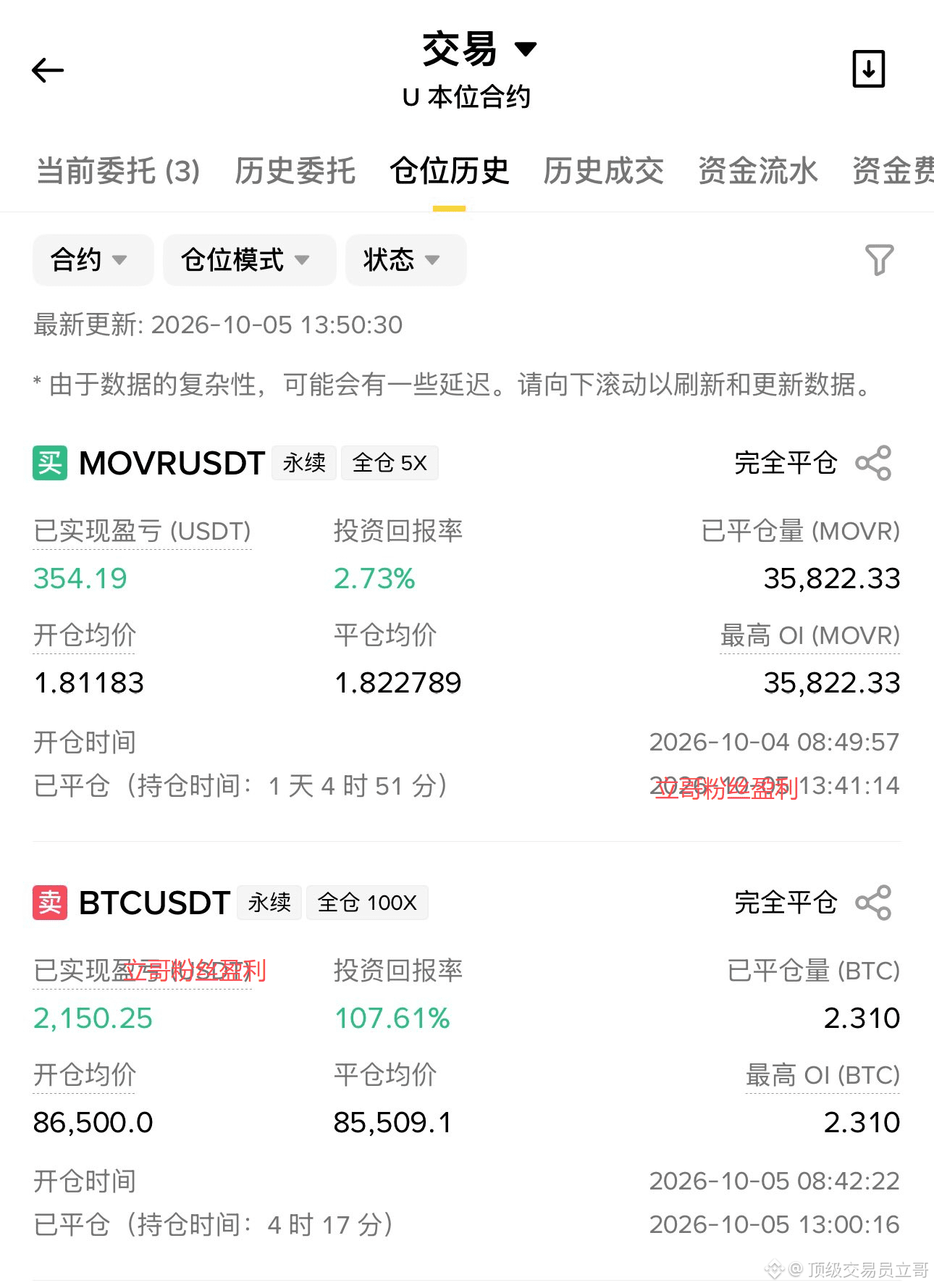
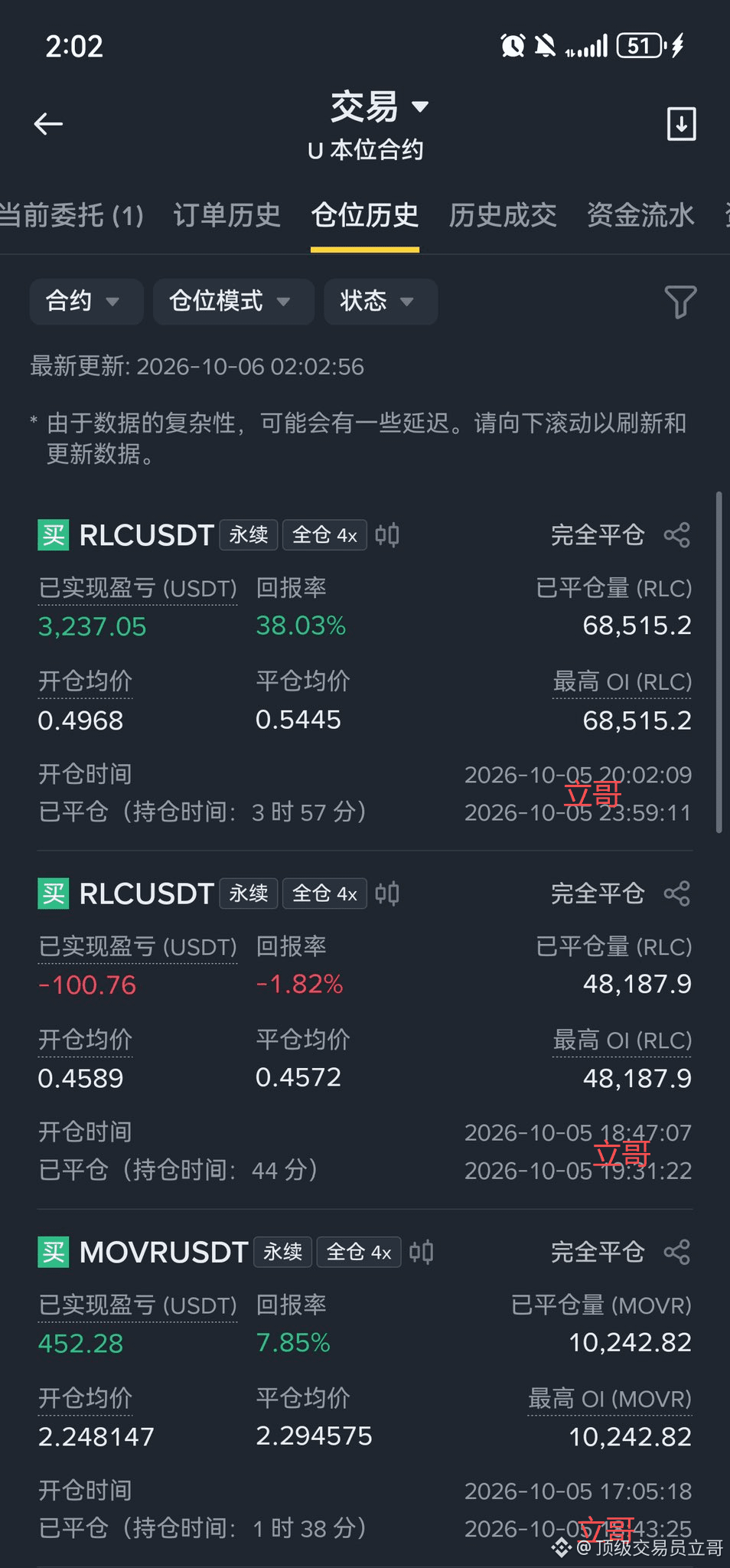
1
583
·
--
In-depth review: After two stop-losses, how I led my followers to make 16,888 USDT on a single RLC trade
A lot of followers have asked me: Why has the market been so choppy lately, yet we’re still able to stay consistently profitable?
The answer is simple: a strict trading system and absolute discipline in executing it.
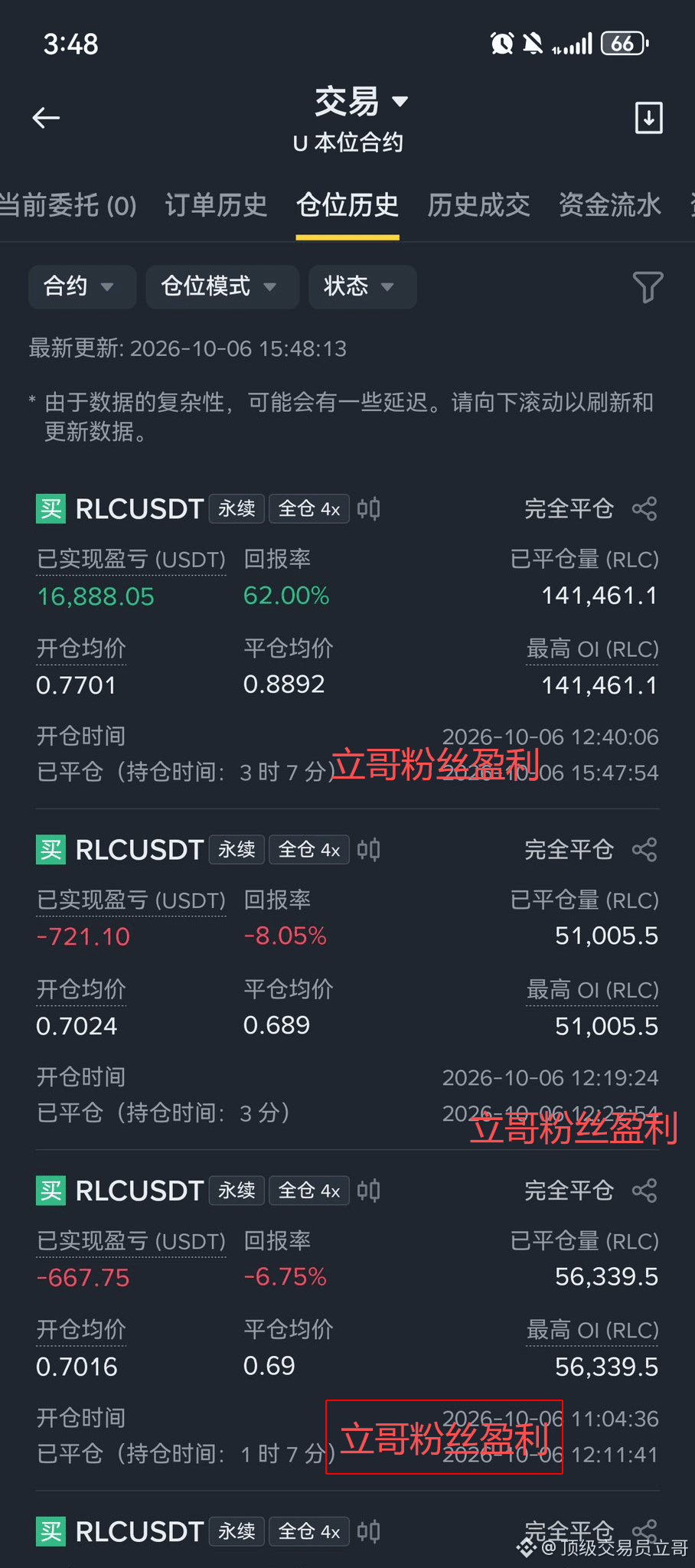
No vague talk in today’s review. I’ll use this trade record to break down our strategy from today’s live trades.
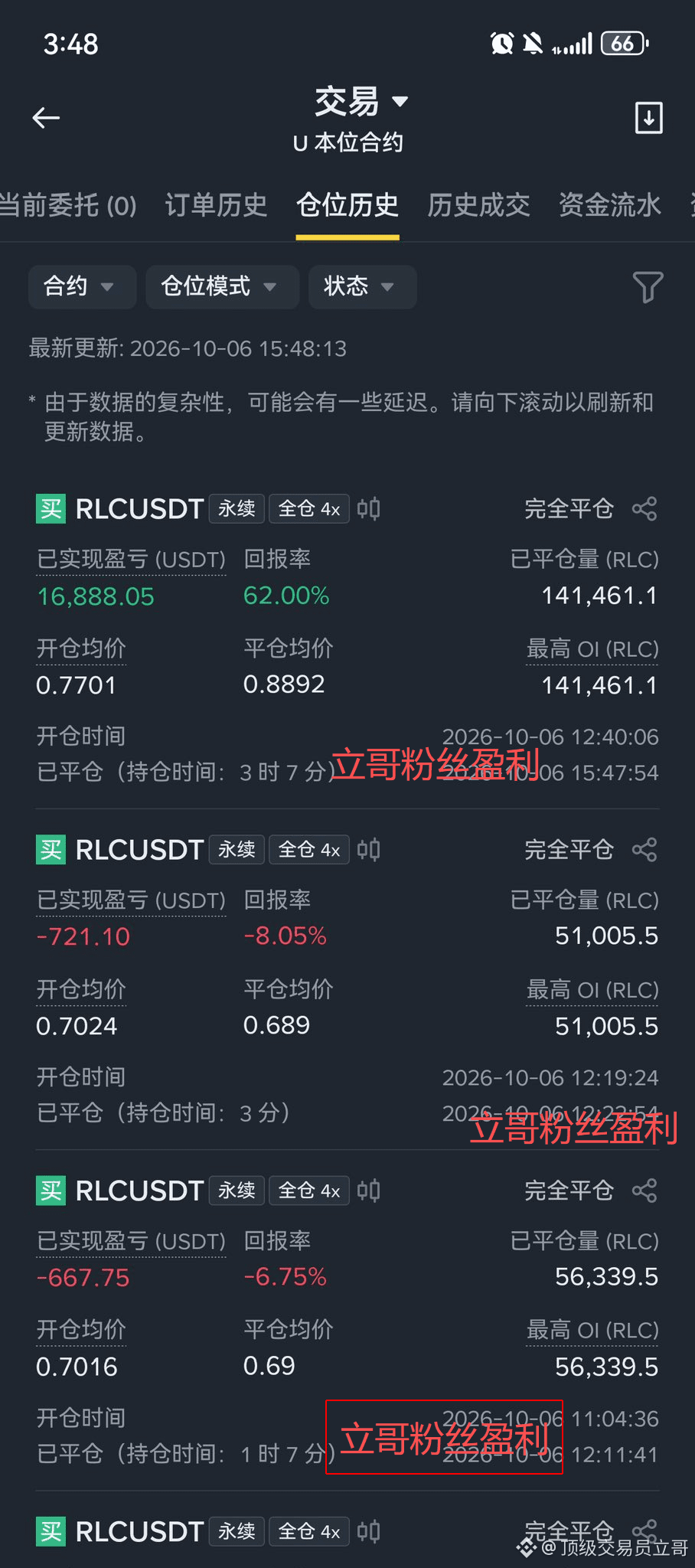
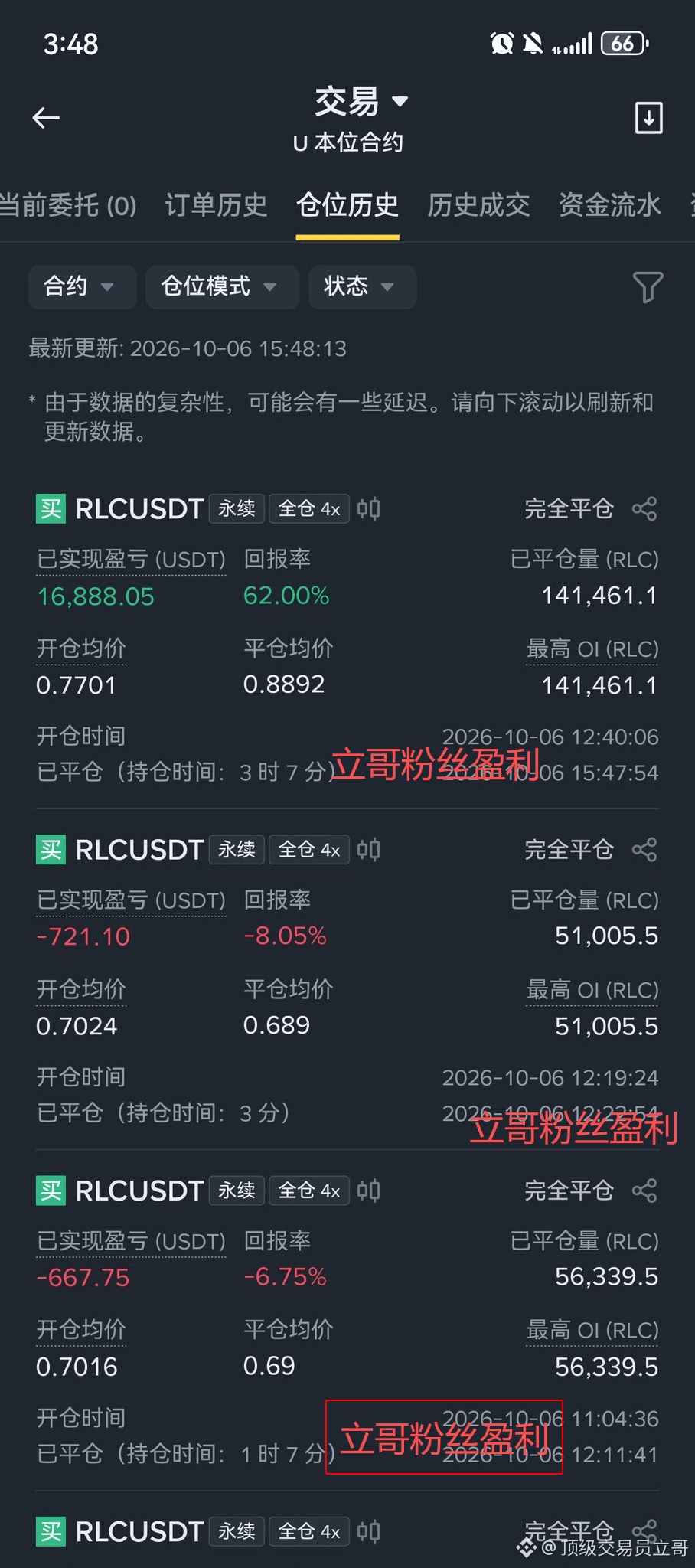
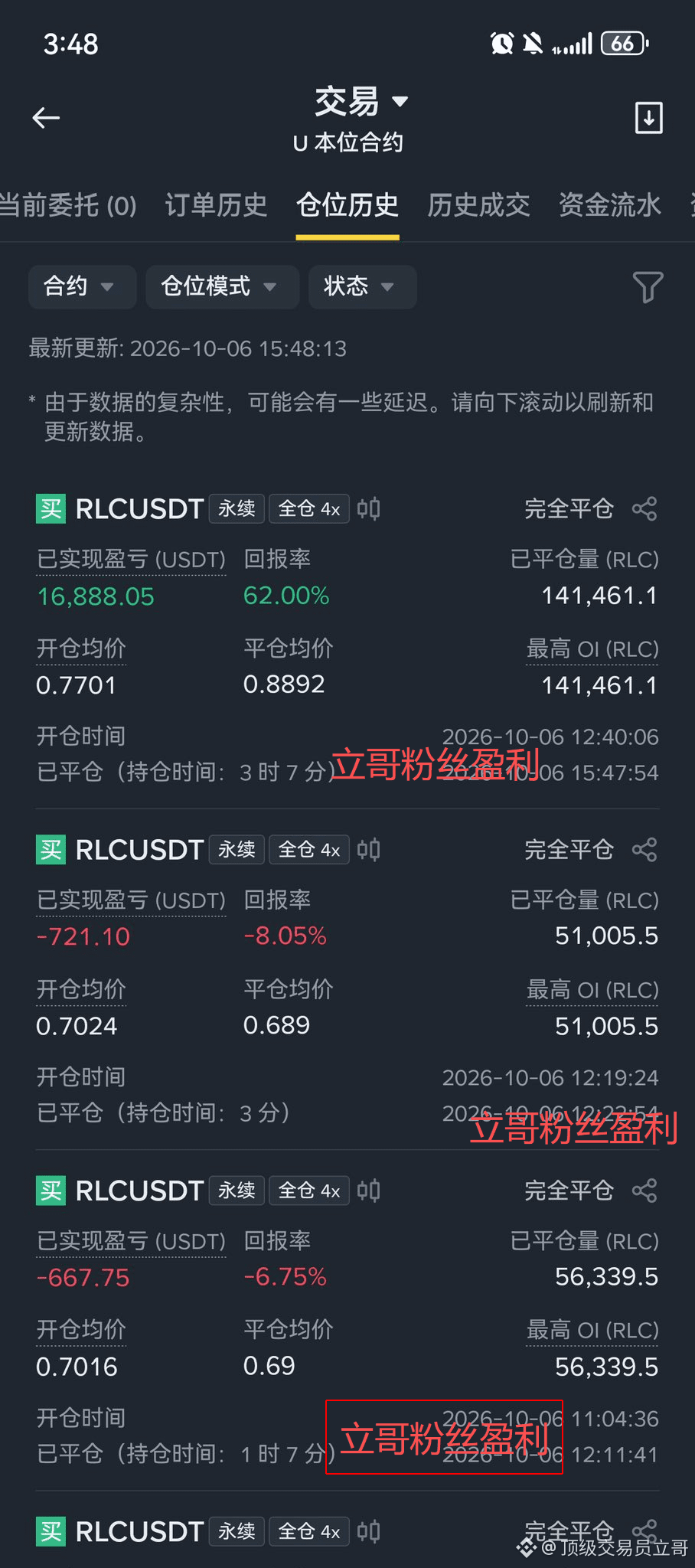
Battle One: Testing the waters and cutting losses on RLC — the two trades at the bottom of the image
At 11104 and 12119 this morning, we tried to bottom-fish around 07016 and 07024, opening 4x long positions.
But the broader market lacked momentum, and the technicals showed no clear signs of stabilization.
We decisively exited near 069 and 0689 with small losses, losing 667 USDT and 721 USDT, respectively.
Trading takeaway: Stop-losses aren’t scary; stubbornly holding on is. Small stop-losses protect your capital while you wait for a real opportunity.
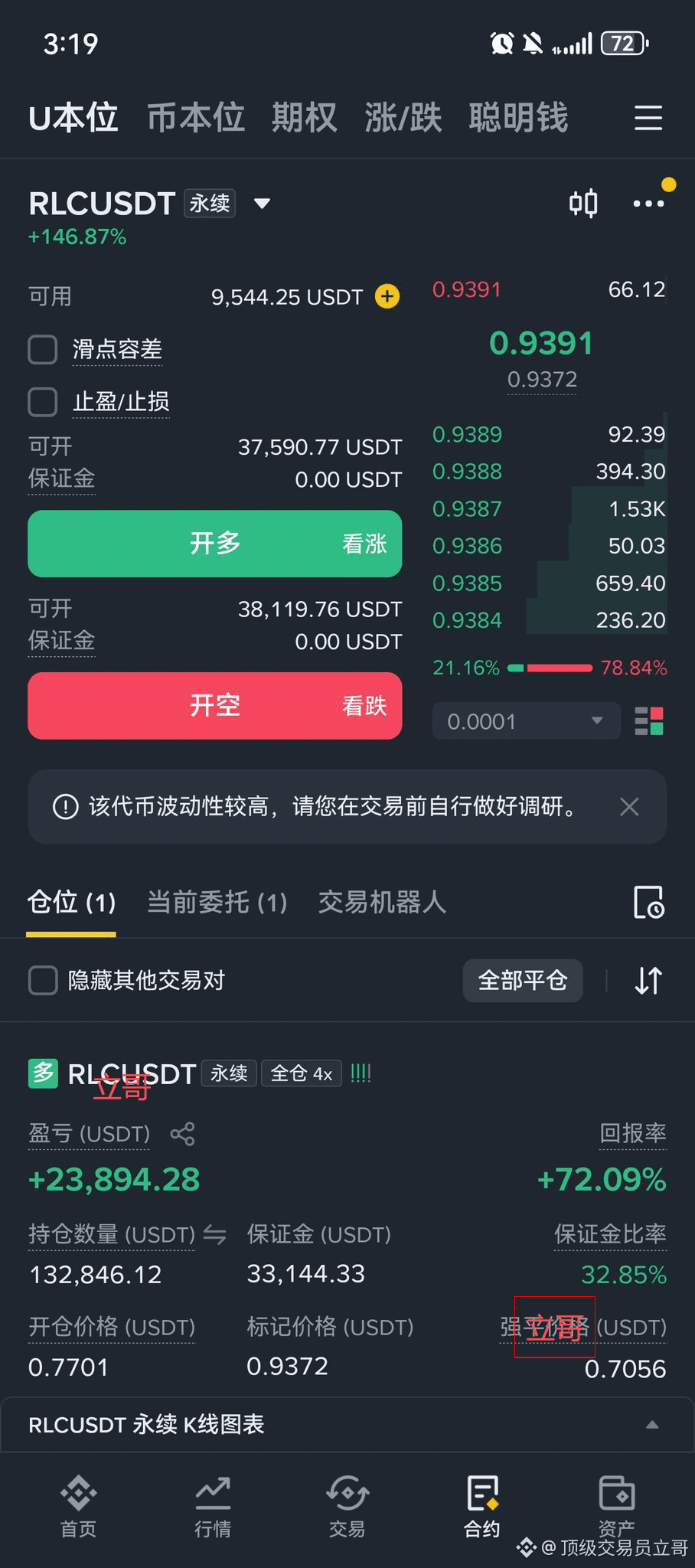
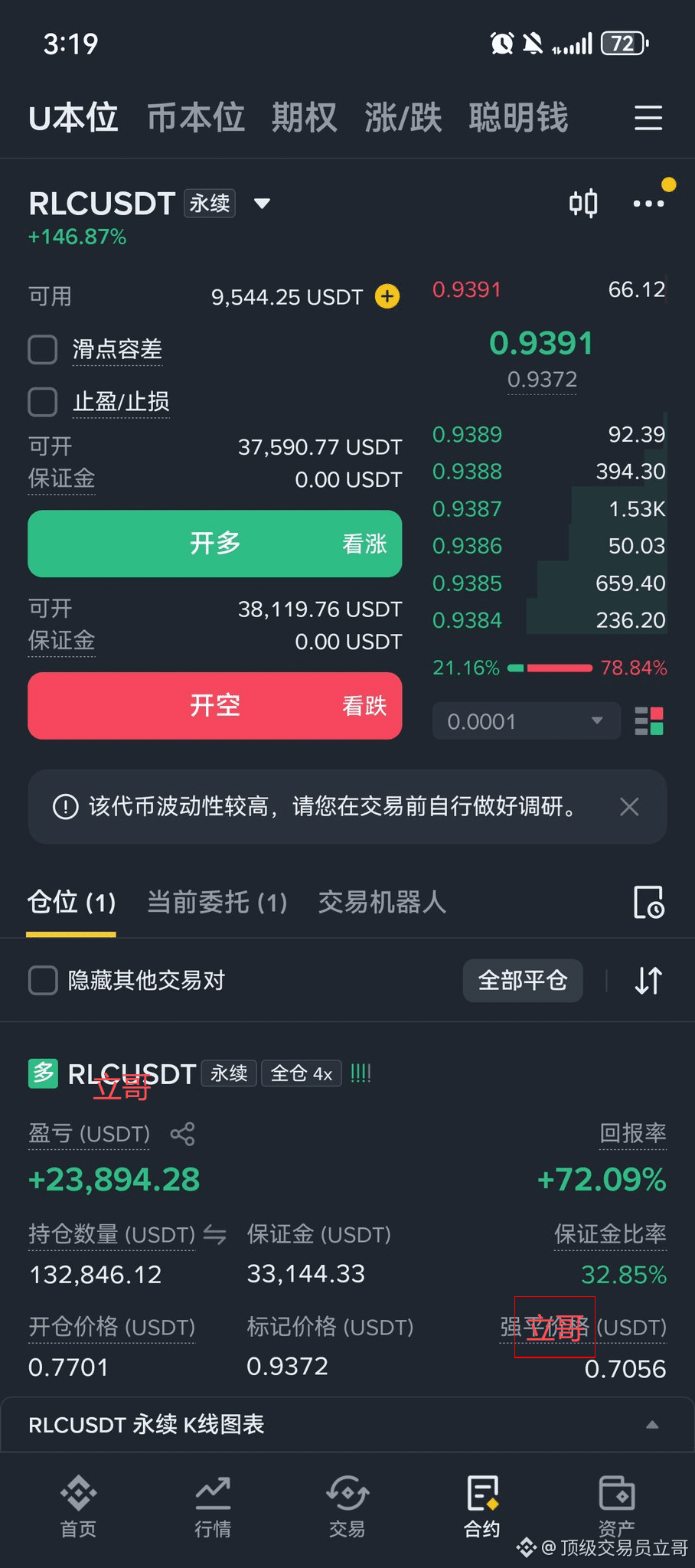
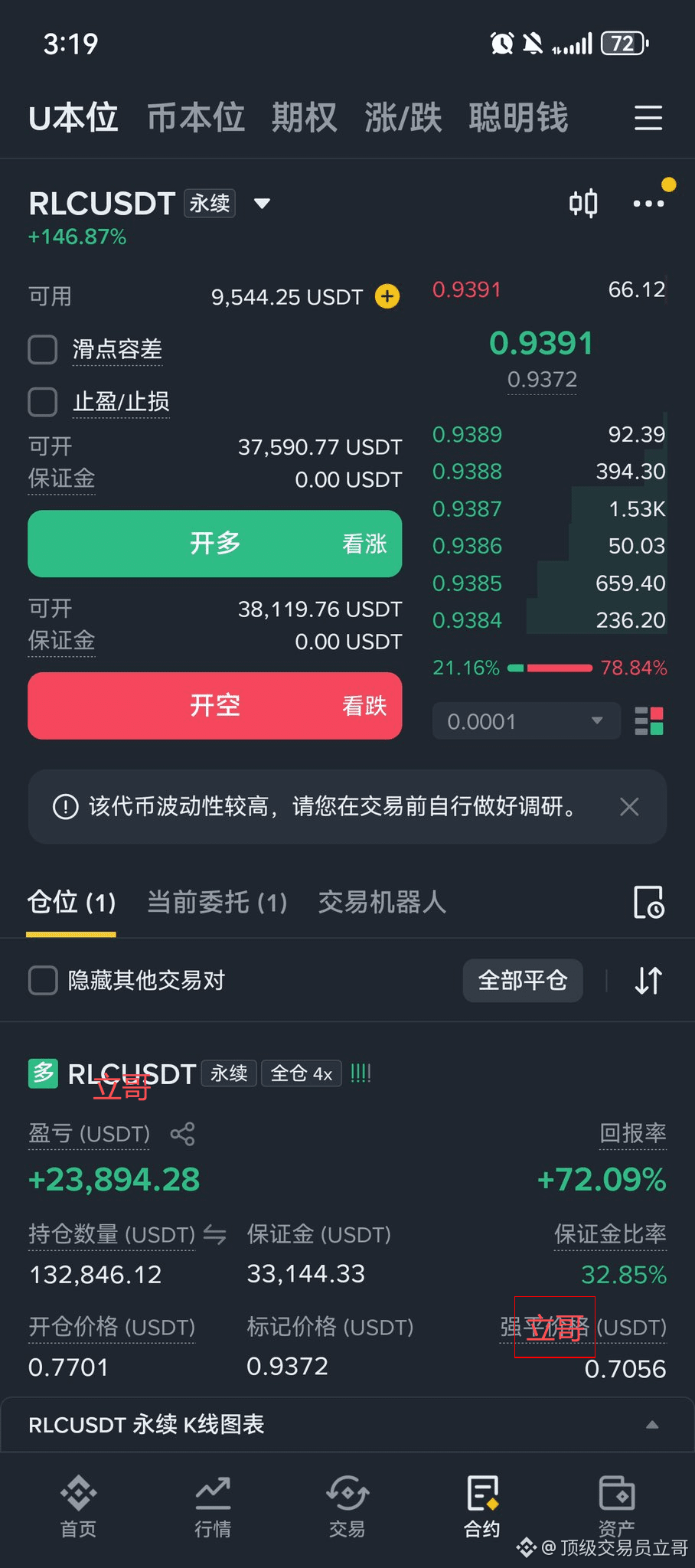
Battle Two: The ultimate RLC trade — the position shown at the top of the image
After the morning shakeout, we keenly spotted unusual activity in RLC around 1240.
With the bottom confirmed and momentum strong, we decisively opened a large 4x long position at 07701.
After holding for more than 3 hours, the broader market rallied as expected, and we took profits in batches around 08892.
Profit on a single trade: 16,888 USDT. ROI reached 62%.
Why can my followers make money?
The hardest part of trading is overcoming human weaknesses: greed and fear.
In the group, I clearly provide entry points, take-profit and stop-loss levels, and position management guidance.
The two small stop-losses added up to a loss of less than 1,400 USDT, while one big take-profit trade brought in 16,888 USDT.
That’s an exceptional risk-reward ratio.
What you’re missing isn’t capital, but a guide who can give you clear instructions at crucial moments.
If you want to stop placing trades blindly and build your own trading system, follow me.
Your next train to wealth is coming. I look forward to having you on board: #XRP财库公司Evernorth完成SPAC合并
In-depth review: After two stop-losses, how I led my followers to make 16,888 USDT on a single RLC trade
A lot of followers have asked me: Why has the market been so choppy lately, yet we’re still able to stay consistently profitable?
The answer is simple: a strict trading system and absolute discipline in executing it.
No vague talk in today’s review. I’ll use this trade record to break down our strategy from today’s live trades.
Battle One: Testing the waters and cutting losses on RLC — the two trades at the bottom of the image
At 11104 and 12119 this morning, we tried to bottom-fish around 07016 and 07024, opening 4x long positions.
But the broader market lacked momentum, and the technicals showed no clear signs of stabilization.
We decisively exited near 069 and 0689 with small losses, losing 667 USDT and 721 USDT, respectively.
Trading takeaway: Stop-losses aren’t scary; stubbornly holding on is. Small stop-losses protect your capital while you wait for a real opportunity.
Battle Two: The ultimate RLC trade — the position shown at the top of the image
After the morning shakeout, we keenly spotted unusual activity in RLC around 1240.
With the bottom confirmed and momentum strong, we decisively opened a large 4x long position at 07701.
After holding for more than 3 hours, the broader market rallied as expected, and we took profits in batches around 08892.
Profit on a single trade: 16,888 USDT. ROI reached 62%.
Why can my followers make money?
The hardest part of trading is overcoming human weaknesses: greed and fear.
In the group, I clearly provide entry points, take-profit and stop-loss levels, and position management guidance.
The two small stop-losses added up to a loss of less than 1,400 USDT, while one big take-profit trade brought in 16,888 USDT.
That’s an exceptional risk-reward ratio.
What you’re missing isn’t capital, but a guide who can give you clear instructions at crucial moments.
If you want to stop placing trades blindly and build your own trading system, follow me.
Your next train to wealth is coming. I look forward to having you on board: #XRP财库公司Evernorth完成SPAC合并
A lot of followers have asked me: Why has the market been so choppy lately, yet we’re still able to stay consistently profitable?
The answer is simple: a strict trading system and absolute discipline in executing it.
No vague talk in today’s review. I’ll use this trade record to break down our strategy from today’s live trades.
Battle One: Testing the waters and cutting losses on RLC — the two trades at the bottom of the image
At 11104 and 12119 this morning, we tried to bottom-fish around 07016 and 07024, opening 4x long positions.
But the broader market lacked momentum, and the technicals showed no clear signs of stabilization.
We decisively exited near 069 and 0689 with small losses, losing 667 USDT and 721 USDT, respectively.
Trading takeaway: Stop-losses aren’t scary; stubbornly holding on is. Small stop-losses protect your capital while you wait for a real opportunity.
Battle Two: The ultimate RLC trade — the position shown at the top of the image
After the morning shakeout, we keenly spotted unusual activity in RLC around 1240.
With the bottom confirmed and momentum strong, we decisively opened a large 4x long position at 07701.
After holding for more than 3 hours, the broader market rallied as expected, and we took profits in batches around 08892.
Profit on a single trade: 16,888 USDT. ROI reached 62%.
Why can my followers make money?
The hardest part of trading is overcoming human weaknesses: greed and fear.
In the group, I clearly provide entry points, take-profit and stop-loss levels, and position management guidance.
The two small stop-losses added up to a loss of less than 1,400 USDT, while one big take-profit trade brought in 16,888 USDT.
That’s an exceptional risk-reward ratio.
What you’re missing isn’t capital, but a guide who can give you clear instructions at crucial moments.
If you want to stop placing trades blindly and build your own trading system, follow me.
Your next train to wealth is coming. I look forward to having you on board: #XRP财库公司Evernorth完成SPAC合并
1
20
·
--
Zhou, who works at a factory, turned 1,500U into over 7,000. Slow is the fastest way.
Zhou is one of my followers. He works at a factory and earns a little over 5,000 a month. After saving for six months, he put together 1,500U to get started. He’d lost money twice before—copy trading, chasing hot trends, holding losing positions, you name it. His account had never gone over 3,000[点击进入策略群](https://app.binance.com/uni-qr/2AePELXd)
He came to me and said he didn’t want to gamble anymore; he just wanted to trade steadily.
I told him to split his 1,500U into five portions of 300 each, and only use one portion per trade. Use 5x leverage, trade only BTC and ETH, set a strict 2% stop-loss, and withdraw half the profits first whenever he made money.
He thought it was too slow. I said, “You went fast before—where did that get you?”
He lost two portions in the first month—600 gone—but didn’t panic, because he still had three portions left. In the second month, he caught a move in ETH and made over 500 from 300. His account started climbing. Six months later, he’d turned 1,500 into over 7,000.
Last month, he withdrew 2,000U and bought his family an air conditioner. He said he used to be reluctant to withdraw any of his profits, always thinking he could grow them even more. Now he understands: money you’ve withdrawn is truly yours.
Zhou isn’t a genius, and he doesn’t really understand candlestick charts, but he knows how to control himself. He doesn’t get greedy or gamble; he just takes it one trade at a time.
Don’t dream of getting rich overnight. Set some rules first, then build up slowly. If you’re still trading recklessly, follow me and get in touch.
Zhou, who works at a factory, turned 1,500U into over 7,000. Slow is the fastest way.
Zhou is one of my followers. He works at a factory and earns a little over 5,000 a month. After saving for six months, he put together 1,500U to get started. He’d lost money twice before—copy trading, chasing hot trends, holding losing positions, you name it. His account had never gone over 3,000点击进入策略群
He came to me and said he didn’t want to gamble anymore; he just wanted to trade steadily.
I told him to split his 1,500U into five portions of 300 each, and only use one portion per trade. Use 5x leverage, trade only BTC and ETH, set a strict 2% stop-loss, and withdraw half the profits first whenever he made money.
He thought it was too slow. I said, “You went fast before—where did that get you?”
He lost two portions in the first month—600 gone—but didn’t panic, because he still had three portions left. In the second month, he caught a move in ETH and made over 500 from 300. His account started climbing. Six months later, he’d turned 1,500 into over 7,000.
Last month, he withdrew 2,000U and bought his family an air conditioner. He said he used to be reluctant to withdraw any of his profits, always thinking he could grow them even more. Now he understands: money you’ve withdrawn is truly yours.
Zhou isn’t a genius, and he doesn’t really understand candlestick charts, but he knows how to control himself. He doesn’t get greedy or gamble; he just takes it one trade at a time.
Don’t dream of getting rich overnight. Set some rules first, then build up slowly. If you’re still trading recklessly, follow me and get in touch.
Zhou is one of my followers. He works at a factory and earns a little over 5,000 a month. After saving for six months, he put together 1,500U to get started. He’d lost money twice before—copy trading, chasing hot trends, holding losing positions, you name it. His account had never gone over 3,000点击进入策略群
He came to me and said he didn’t want to gamble anymore; he just wanted to trade steadily.
I told him to split his 1,500U into five portions of 300 each, and only use one portion per trade. Use 5x leverage, trade only BTC and ETH, set a strict 2% stop-loss, and withdraw half the profits first whenever he made money.
He thought it was too slow. I said, “You went fast before—where did that get you?”
He lost two portions in the first month—600 gone—but didn’t panic, because he still had three portions left. In the second month, he caught a move in ETH and made over 500 from 300. His account started climbing. Six months later, he’d turned 1,500 into over 7,000.
Last month, he withdrew 2,000U and bought his family an air conditioner. He said he used to be reluctant to withdraw any of his profits, always thinking he could grow them even more. Now he understands: money you’ve withdrawn is truly yours.
Zhou isn’t a genius, and he doesn’t really understand candlestick charts, but he knows how to control himself. He doesn’t get greedy or gamble; he just takes it one trade at a time.
Don’t dream of getting rich overnight. Set some rules first, then build up slowly. If you’re still trading recklessly, follow me and get in touch.
1
376
·
--
If you want to turn 800U into 28,000U, it’s not about luck—it’s about sticking to the rules.
I’ve spoken with this guy a few times. He said that when he first started trading, he was just like most people: seeing prices rise made him want to chase them, and seeing them fall made him want to buy the dip. He traded back and forth for months, but his account never grew. Then he did one thing: he wrote down all his trading rules and stuck them beside his computer. Before entering every trade, he’d take a look. If the conditions were met, he’d trade; if not, he’d wait.
He has just three rules. That’s it.
Split up your funds. Divide 800U into several portions: one for short-term trades, one for trend trades, and another locked away and left untouched as emergency money. Only use a small portion at a time. If you’re wrong, take a small loss and get out; if you’re right, gradually add to your position using the profits. People who go all in eventually get liquidated and leave the market. At least he’s still in the game.
Only take opportunities you’re confident in. In a choppy market, he’d rather stay out and wait than trade just for the sake of trading. He enters only after a trend is confirmed. Once a trade reaches its profit target, he takes profits in stages and banks some gains. He once told me, “I used to think staying out of the market was a waste. Later I realized that waiting for the right trades earns more than trading every day.”
Discipline comes before predictions. Set a stop-loss in advance for every trade, and stick to it when it’s hit. Take profits according to plan. Never add to a losing position and stubbornly hold on. He doesn’t expect to be right every time; he just expects himself to follow the rules every time. Small losses are a cost of doing business; big losses knock you out. Holding onto a losing trade is the dumbest move. You get away with it once and think you can do it again, then one time you’re wrong and it’s all over.
Turning 800U into 28,000U isn’t a miracle. It’s about etching these rules into your bones. If you’re still charging in without a plan, follow me and get in touch. I’ll help you write your rules down: #ADA涨10%突破0.27美元
If you want to turn 800U into 28,000U, it’s not about luck—it’s about sticking to the rules.
I’ve spoken with this guy a few times. He said that when he first started trading, he was just like most people: seeing prices rise made him want to chase them, and seeing them fall made him want to buy the dip. He traded back and forth for months, but his account never grew. Then he did one thing: he wrote down all his trading rules and stuck them beside his computer. Before entering every trade, he’d take a look. If the conditions were met, he’d trade; if not, he’d wait.
He has just three rules. That’s it.
Split up your funds. Divide 800U into several portions: one for short-term trades, one for trend trades, and another locked away and left untouched as emergency money. Only use a small portion at a time. If you’re wrong, take a small loss and get out; if you’re right, gradually add to your position using the profits. People who go all in eventually get liquidated and leave the market. At least he’s still in the game.
Only take opportunities you’re confident in. In a choppy market, he’d rather stay out and wait than trade just for the sake of trading. He enters only after a trend is confirmed. Once a trade reaches its profit target, he takes profits in stages and banks some gains. He once told me, “I used to think staying out of the market was a waste. Later I realized that waiting for the right trades earns more than trading every day.”
Discipline comes before predictions. Set a stop-loss in advance for every trade, and stick to it when it’s hit. Take profits according to plan. Never add to a losing position and stubbornly hold on. He doesn’t expect to be right every time; he just expects himself to follow the rules every time. Small losses are a cost of doing business; big losses knock you out. Holding onto a losing trade is the dumbest move. You get away with it once and think you can do it again, then one time you’re wrong and it’s all over.
Turning 800U into 28,000U isn’t a miracle. It’s about etching these rules into your bones. If you’re still charging in without a plan, follow me and get in touch. I’ll help you write your rules down: #ADA涨10%突破0.27美元
I’ve spoken with this guy a few times. He said that when he first started trading, he was just like most people: seeing prices rise made him want to chase them, and seeing them fall made him want to buy the dip. He traded back and forth for months, but his account never grew. Then he did one thing: he wrote down all his trading rules and stuck them beside his computer. Before entering every trade, he’d take a look. If the conditions were met, he’d trade; if not, he’d wait.
He has just three rules. That’s it.
Split up your funds. Divide 800U into several portions: one for short-term trades, one for trend trades, and another locked away and left untouched as emergency money. Only use a small portion at a time. If you’re wrong, take a small loss and get out; if you’re right, gradually add to your position using the profits. People who go all in eventually get liquidated and leave the market. At least he’s still in the game.
Only take opportunities you’re confident in. In a choppy market, he’d rather stay out and wait than trade just for the sake of trading. He enters only after a trend is confirmed. Once a trade reaches its profit target, he takes profits in stages and banks some gains. He once told me, “I used to think staying out of the market was a waste. Later I realized that waiting for the right trades earns more than trading every day.”
Discipline comes before predictions. Set a stop-loss in advance for every trade, and stick to it when it’s hit. Take profits according to plan. Never add to a losing position and stubbornly hold on. He doesn’t expect to be right every time; he just expects himself to follow the rules every time. Small losses are a cost of doing business; big losses knock you out. Holding onto a losing trade is the dumbest move. You get away with it once and think you can do it again, then one time you’re wrong and it’s all over.
Turning 800U into 28,000U isn’t a miracle. It’s about etching these rules into your bones. If you’re still charging in without a plan, follow me and get in touch. I’ll help you write your rules down: #ADA涨10%突破0.27美元
1
242
·
--
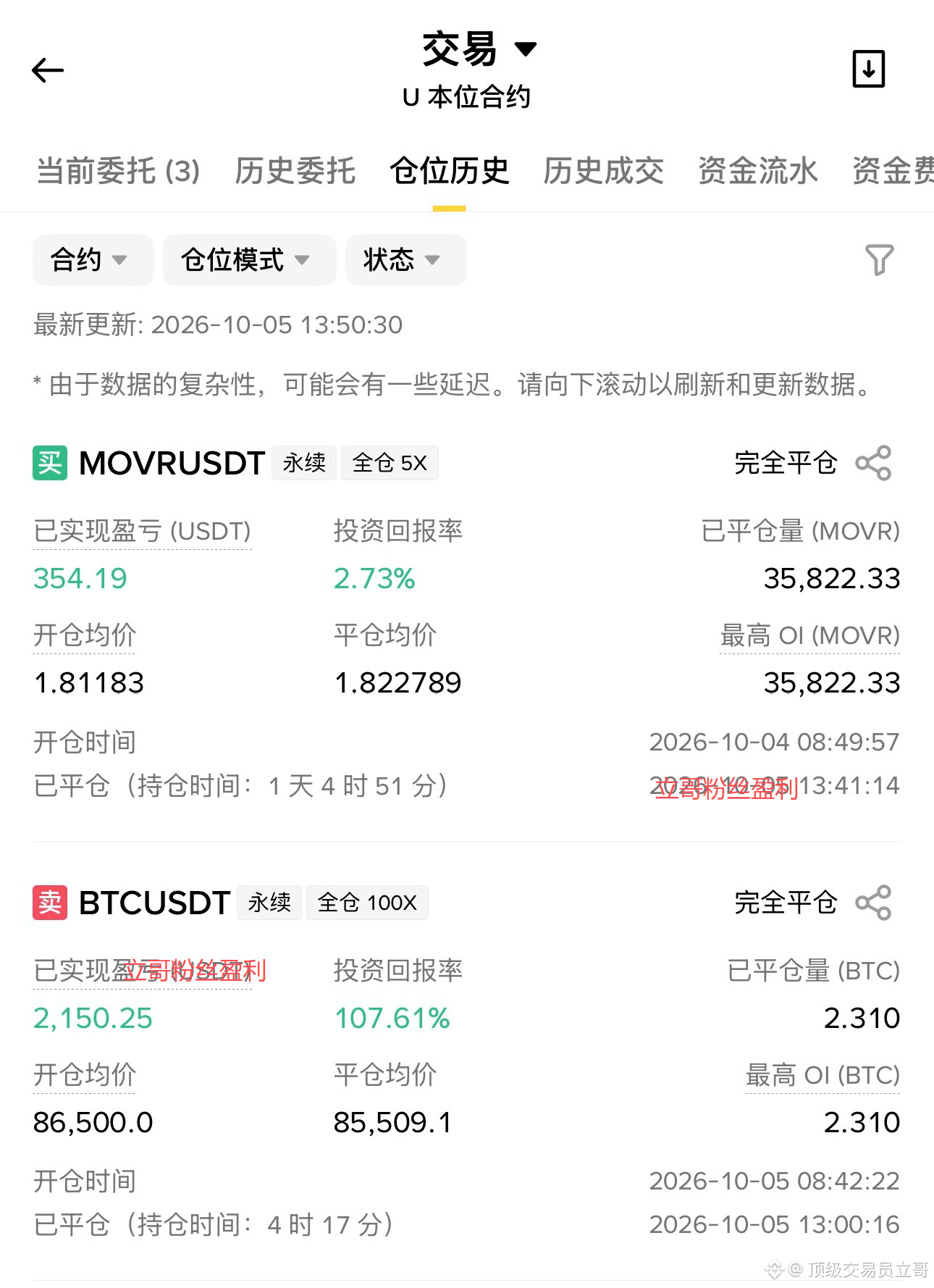
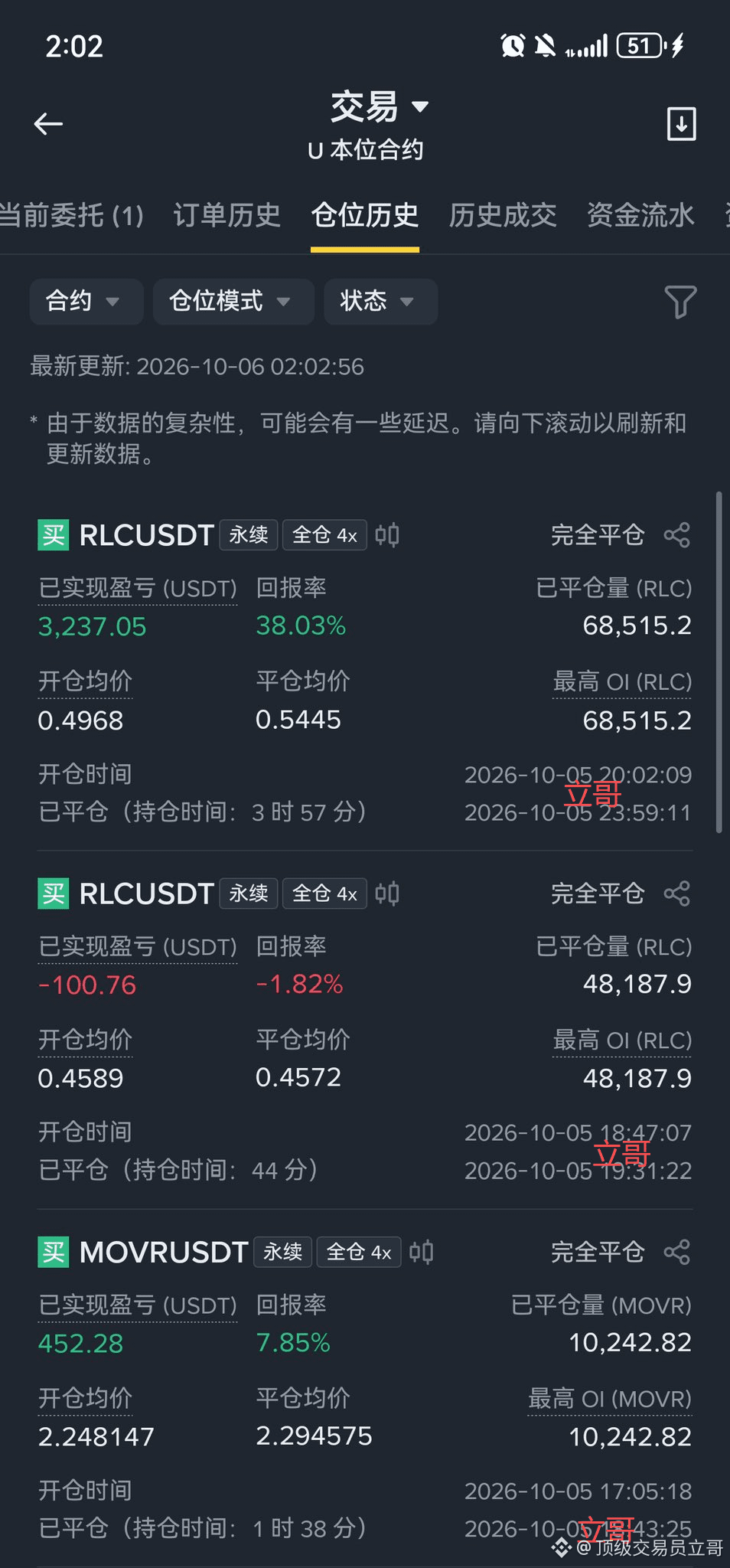
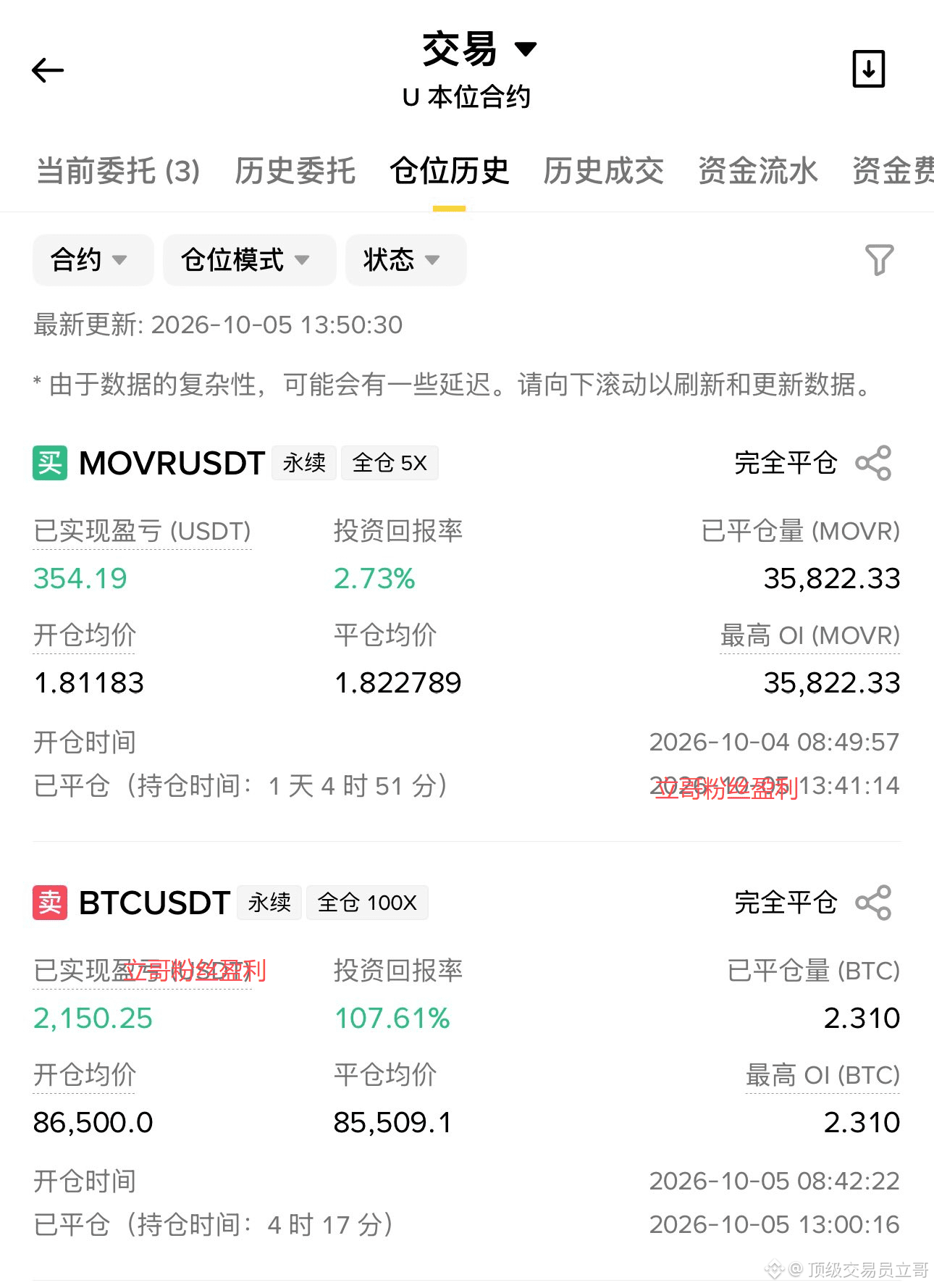
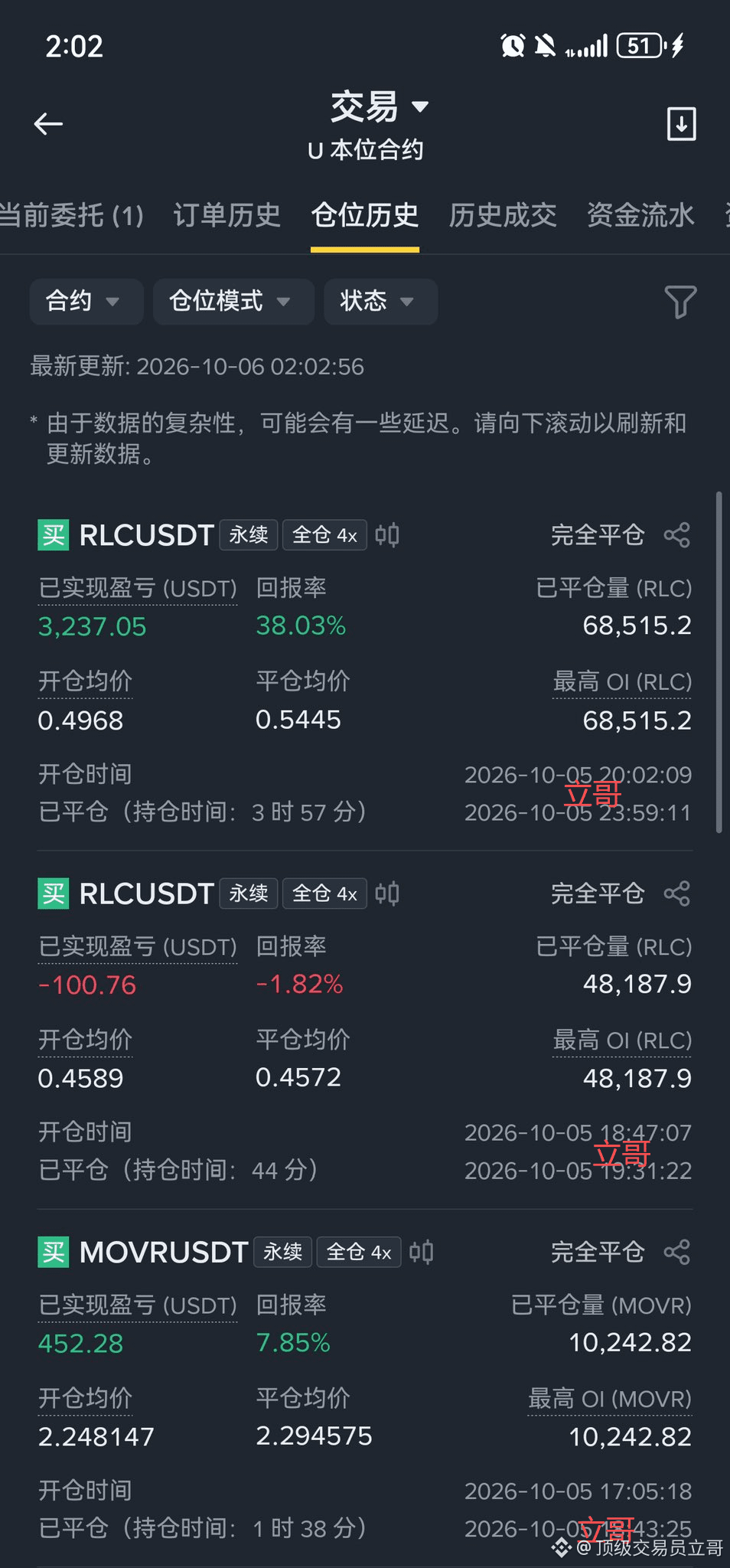
I reckon a lot of people will feel a little jealous when they see this RLC trade.
Same coin, two moves, caught both.
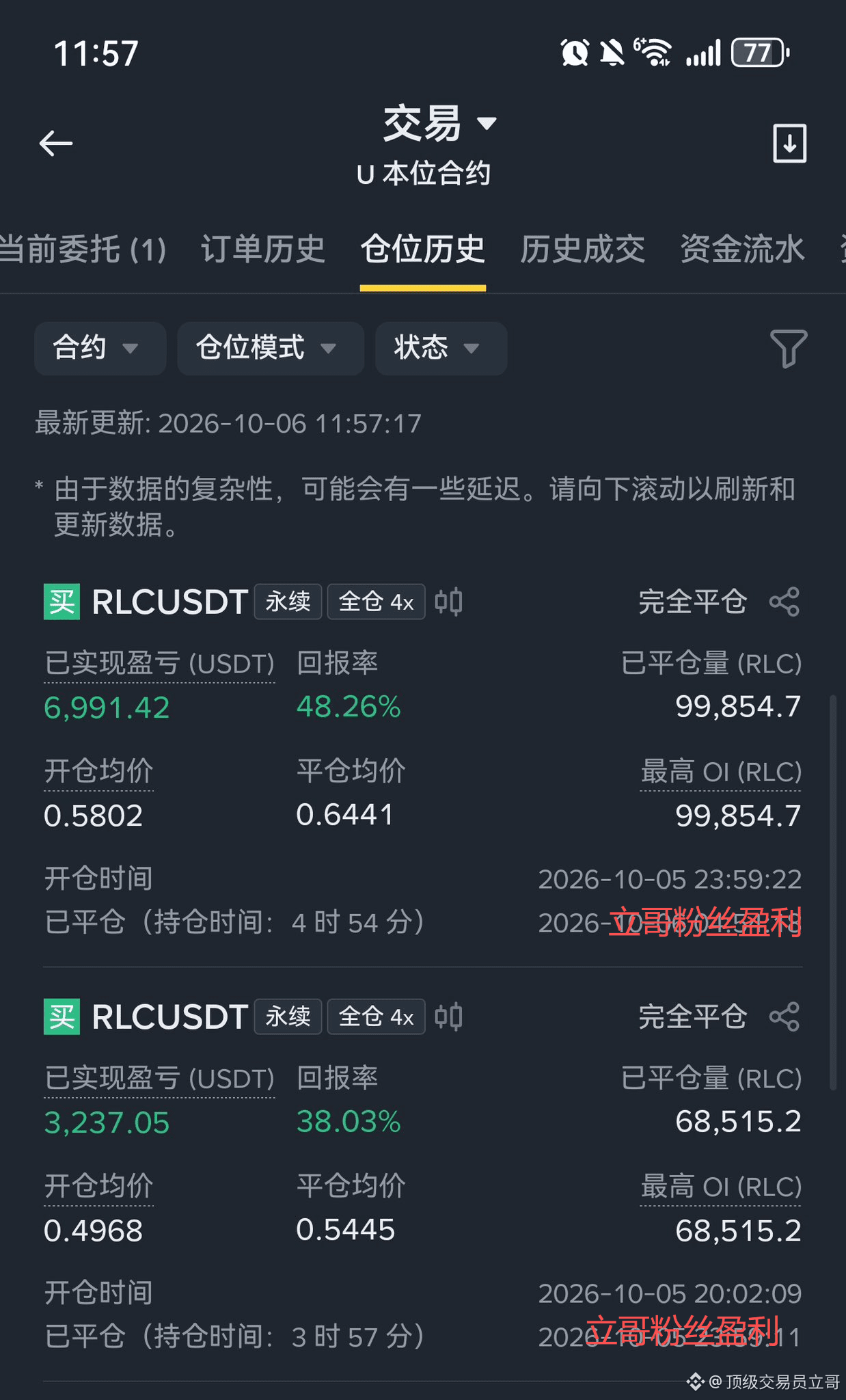
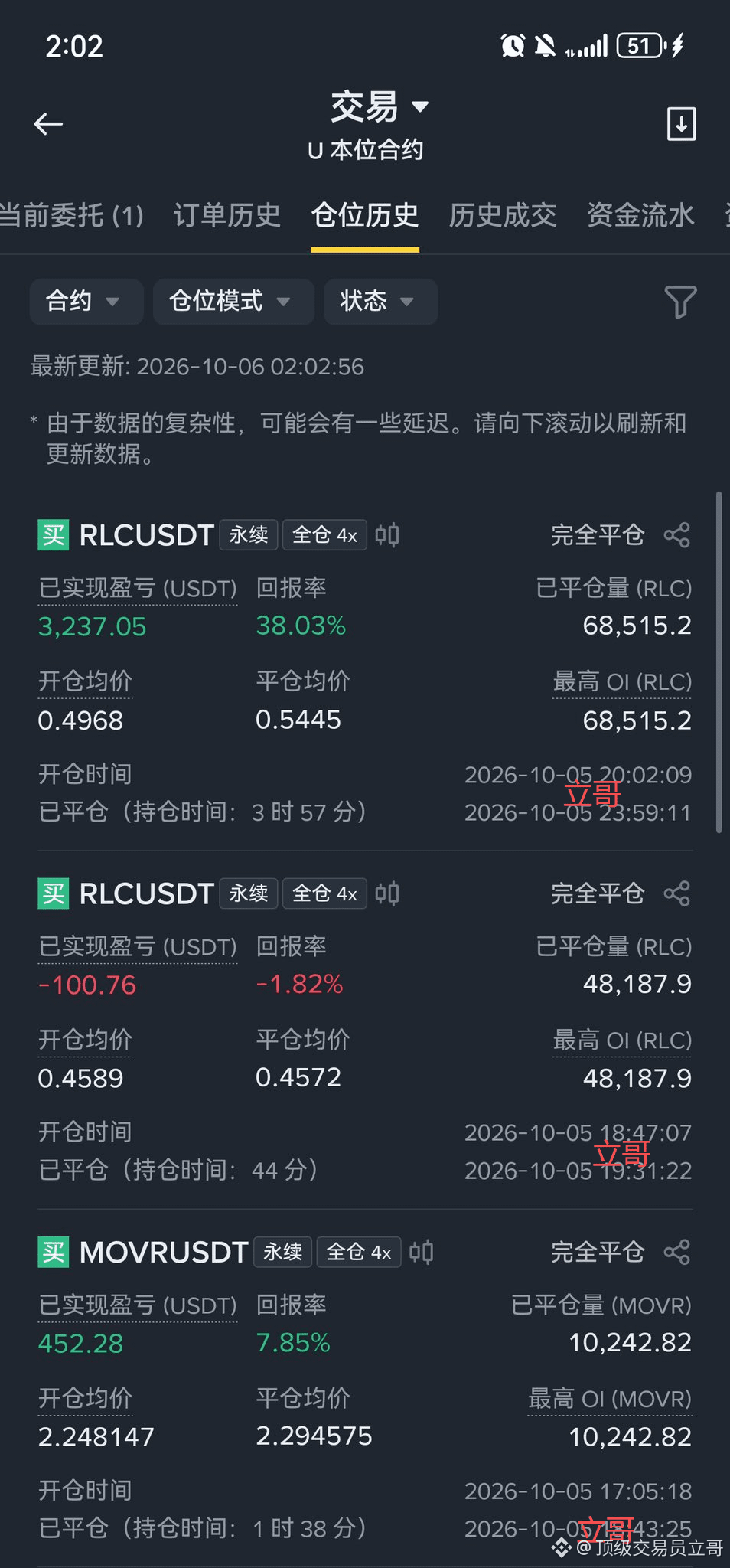
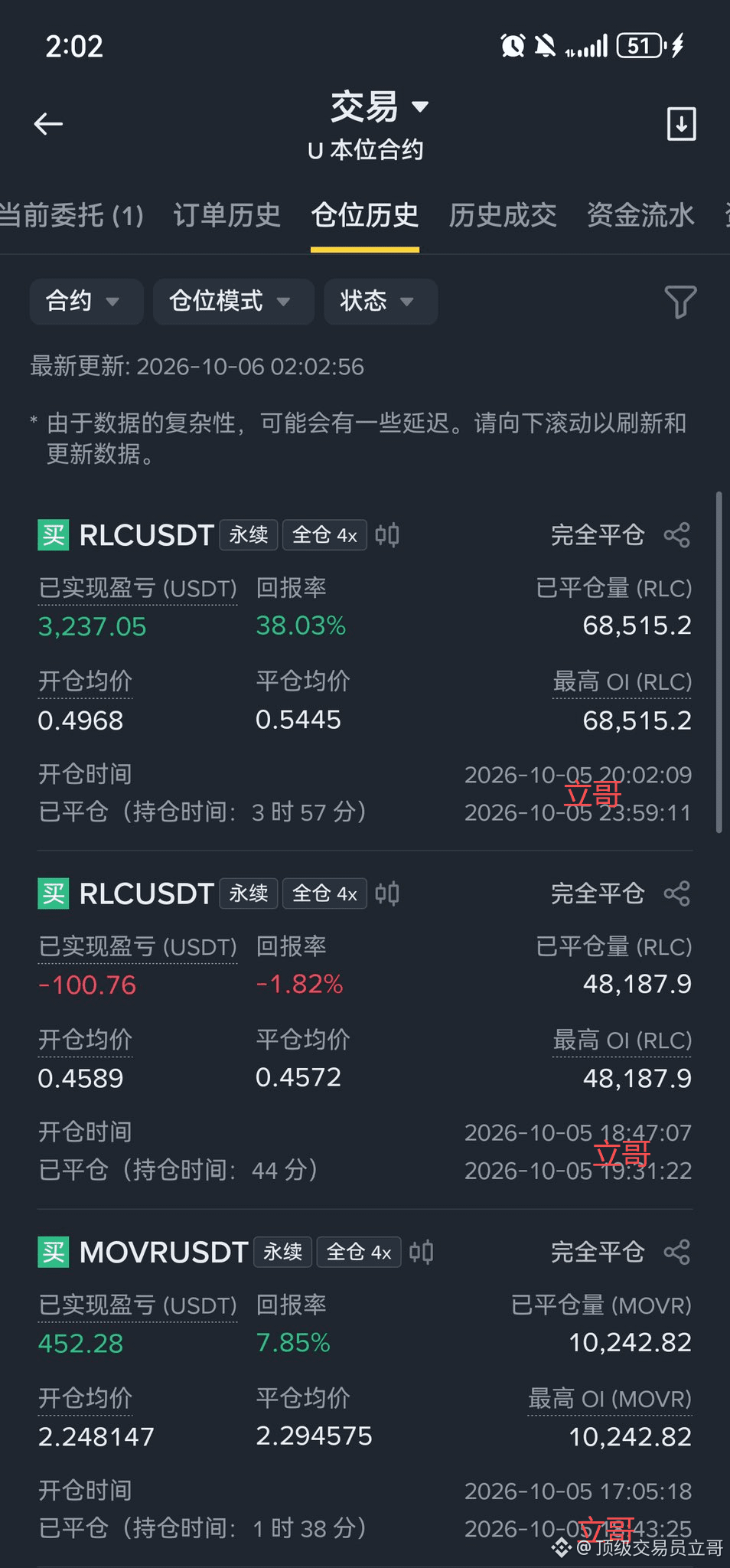
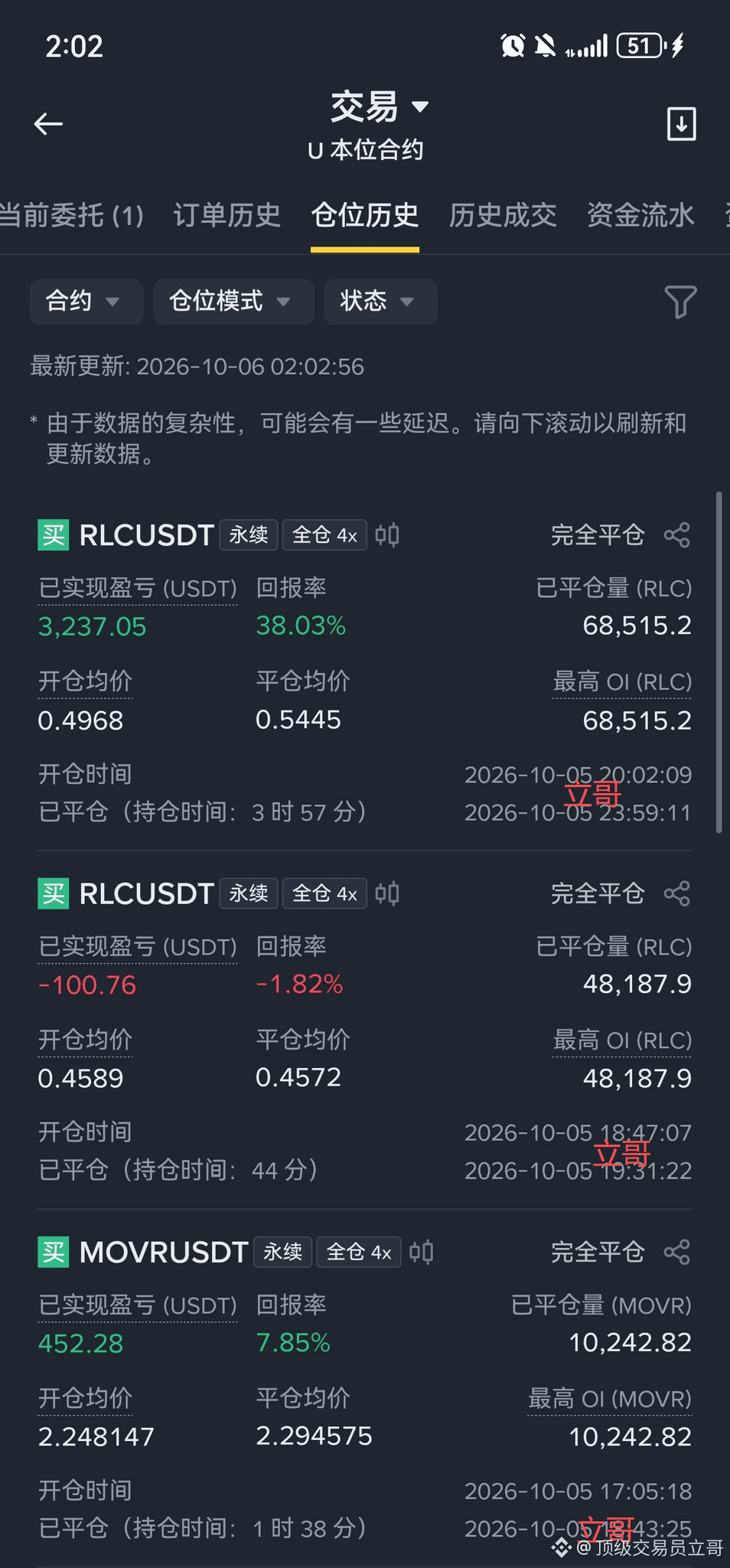
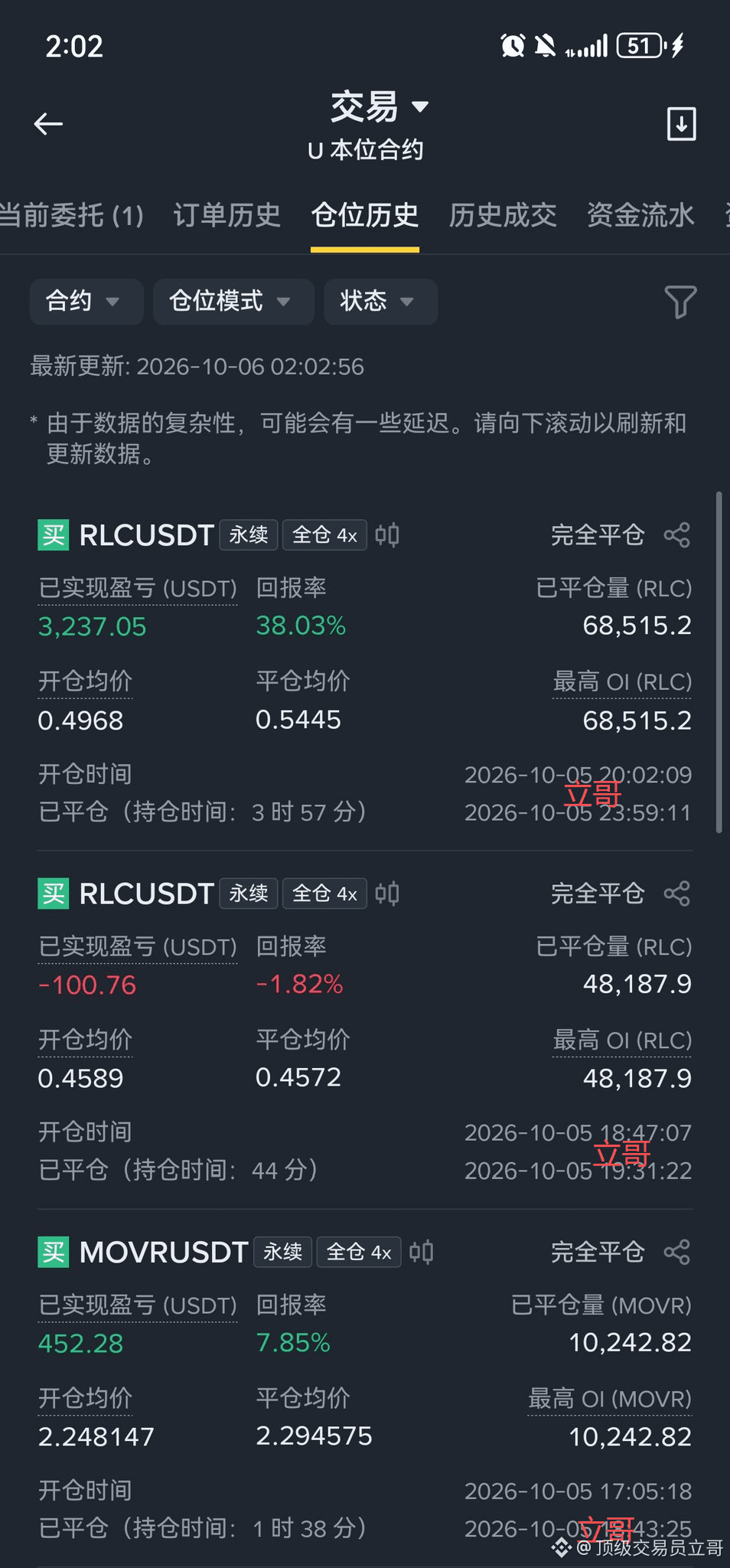
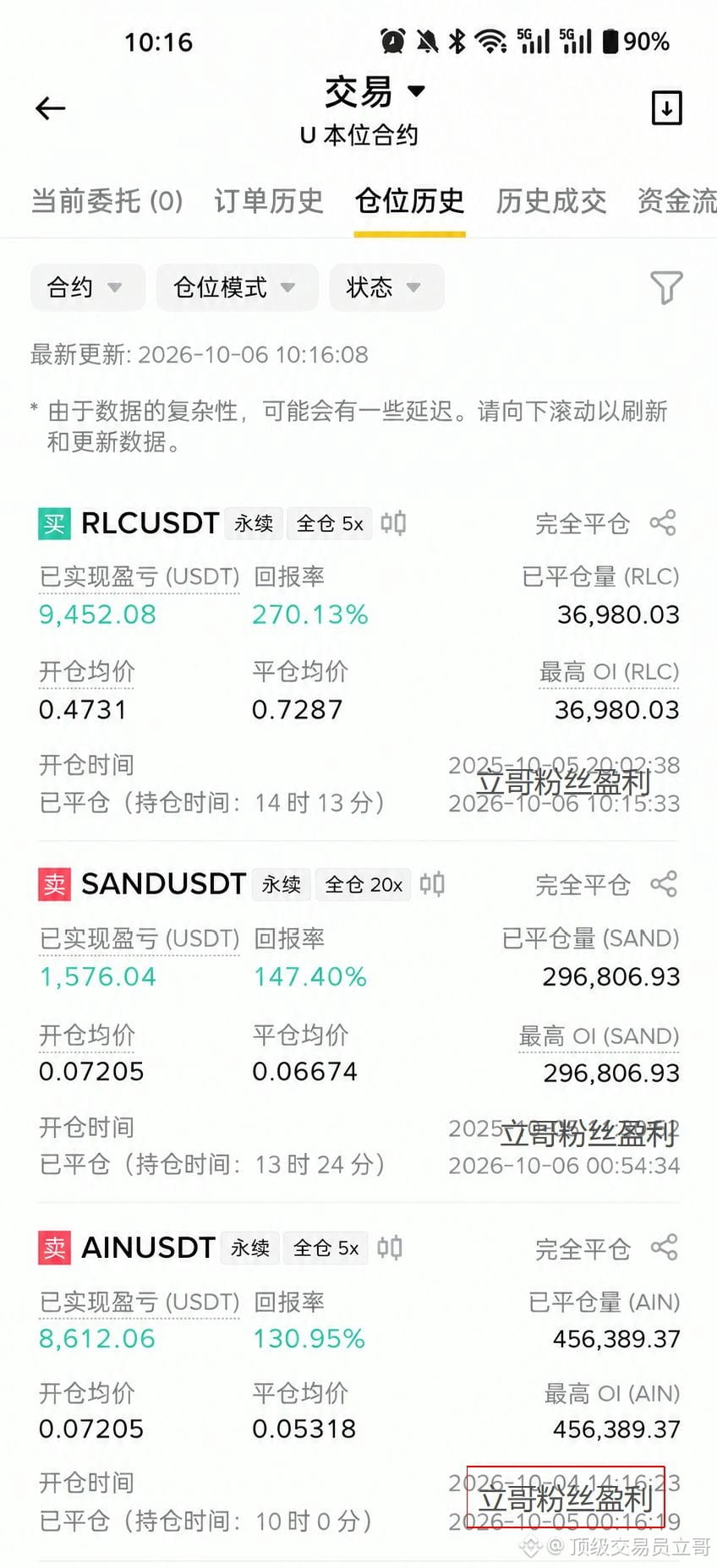
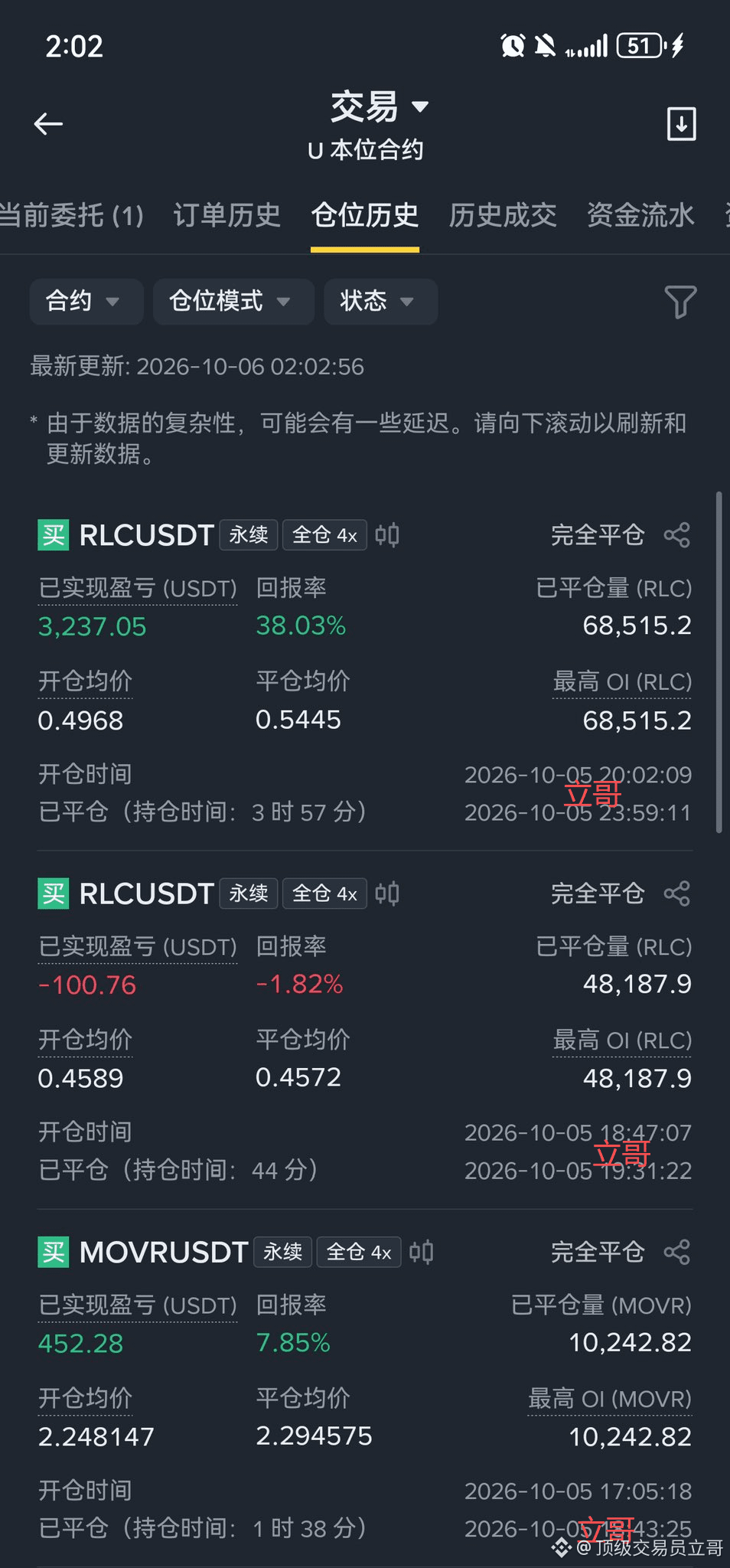
First move: entered on the evening of October 5, with 4x leverage at an average price of 0.4968. Held for just under 4 hours and closed at 0.5445, making 3,237 U—a 38% return. The entry logic was simple: a breakout on strong volume, the trend was emerging, so I just followed it.
Second move was also RLC. I entered again at 8 p.m., this time at an average price of 0.4731 with 5x leverage. Held until a little after 10 the next morning, then closed at 0.7287, banking 9,452 U for a 270% return.
There was one small losing trade in between. I opened RLC at 0.4589, realized after 44 minutes that it wasn't working, and cut the position for a 100 U loss. I didn't dwell on it after closing—I waited for the next signal, and the second move brought an even bigger payoff.
Honestly, you don't make money in this kind of market by guessing. You make it by waiting. The first move confirmed the trend; the second pulled back without breaking support, and the structure remained intact, so I stayed with it instead of switching coins.
A lot of people trade futures: they take profits too early and hold on stubbornly when they're losing. The reason I could hold this RLC trade for 14 hours and capture a 270% return was that I followed rules, not feelings. $RLC
{spot}(RLCUSDT)
If you want to learn how to hold on through moves like this, follow me and get in touch.
I reckon a lot of people will feel a little jealous when they see this RLC trade.
Same coin, two moves, caught both.
First move: entered on the evening of October 5, with 4x leverage at an average price of 0.4968. Held for just under 4 hours and closed at 0.5445, making 3,237 U—a 38% return. The entry logic was simple: a breakout on strong volume, the trend was emerging, so I just followed it.
Second move was also RLC. I entered again at 8 p.m., this time at an average price of 0.4731 with 5x leverage. Held until a little after 10 the next morning, then closed at 0.7287, banking 9,452 U for a 270% return.
There was one small losing trade in between. I opened RLC at 0.4589, realized after 44 minutes that it wasn't working, and cut the position for a 100 U loss. I didn't dwell on it after closing—I waited for the next signal, and the second move brought an even bigger payoff.
Honestly, you don't make money in this kind of market by guessing. You make it by waiting. The first move confirmed the trend; the second pulled back without breaking support, and the structure remained intact, so I stayed with it instead of switching coins.
A lot of people trade futures: they take profits too early and hold on stubbornly when they're losing. The reason I could hold this RLC trade for 14 hours and capture a 270% return was that I followed rules, not feelings. $RLC
If you want to learn how to hold on through moves like this, follow me and get in touch.
Same coin, two moves, caught both.
First move: entered on the evening of October 5, with 4x leverage at an average price of 0.4968. Held for just under 4 hours and closed at 0.5445, making 3,237 U—a 38% return. The entry logic was simple: a breakout on strong volume, the trend was emerging, so I just followed it.
Second move was also RLC. I entered again at 8 p.m., this time at an average price of 0.4731 with 5x leverage. Held until a little after 10 the next morning, then closed at 0.7287, banking 9,452 U for a 270% return.
There was one small losing trade in between. I opened RLC at 0.4589, realized after 44 minutes that it wasn't working, and cut the position for a 100 U loss. I didn't dwell on it after closing—I waited for the next signal, and the second move brought an even bigger payoff.
Honestly, you don't make money in this kind of market by guessing. You make it by waiting. The first move confirmed the trend; the second pulled back without breaking support, and the structure remained intact, so I stayed with it instead of switching coins.
A lot of people trade futures: they take profits too early and hold on stubbornly when they're losing. The reason I could hold this RLC trade for 14 hours and capture a 270% return was that I followed rules, not feelings. $RLC
If you want to learn how to hold on through moves like this, follow me and get in touch.
2
1.1k
·
--
That’s a pretty insightful way to put it. Can candlesticks predict market movements? Sure, they can reveal certain trends and structures. But then again, the same candlestick chart can make one person money and cost another person money. What’s the difference? It’s not the candlesticks themselves—it’s the person reading them.
Most people look at candlesticks and ask, “What’s going to happen next?” They try to find the future direction in past price movements, using what has already happened to bet on what hasn’t happened yet. And what happens? They buy in, and the price drops. They sell at a loss, and it rises. The candlesticks didn’t deceive them. They just saw the candlesticks without seeing what the people behind them were doing.[点击进入策略群](https://app.binance.com/uni-qr/2AePELXd)
Skilled traders don’t look at candlesticks and ask, “What’s going to happen next?” They ask, “Is there a trap here?” They know that behind every candlestick, someone is making a move. False breakouts, bull and bear traps, and repeated tug-of-war at key levels are all deliberately created by someone. Retail traders see patterns; skilled traders see intent. The difference is that retail traders are guessing the direction, while skilled traders are trying to read their opponents.
So how do you spot a trap? There are a few rules of thumb. A sharp rally followed by high volume but little price progress often doesn’t mean strong buying—it means someone is selling off. Repeated tests of support at a low without breaking through don’t mean the price can’t fall any further—someone may be accumulating. When everyone is shouting, “This time is different,” chances are, it isn’t.
Candlesticks alone won’t tell you these things, but the market structure will. You’re watching the candlesticks, while the other side of the trade is watching your stop-loss. That’s the real battle in the market.
Understanding candlesticks is just the first step. Understanding the traps is where real trading begins. If you’re still letting candlesticks lead you around, follow me and get in touch. I’ll help you spot the traps.
That’s a pretty insightful way to put it. Can candlesticks predict market movements? Sure, they can reveal certain trends and structures. But then again, the same candlestick chart can make one person money and cost another person money. What’s the difference? It’s not the candlesticks themselves—it’s the person reading them.
Most people look at candlesticks and ask, “What’s going to happen next?” They try to find the future direction in past price movements, using what has already happened to bet on what hasn’t happened yet. And what happens? They buy in, and the price drops. They sell at a loss, and it rises. The candlesticks didn’t deceive them. They just saw the candlesticks without seeing what the people behind them were doing.点击进入策略群
Skilled traders don’t look at candlesticks and ask, “What’s going to happen next?” They ask, “Is there a trap here?” They know that behind every candlestick, someone is making a move. False breakouts, bull and bear traps, and repeated tug-of-war at key levels are all deliberately created by someone. Retail traders see patterns; skilled traders see intent. The difference is that retail traders are guessing the direction, while skilled traders are trying to read their opponents.
So how do you spot a trap? There are a few rules of thumb. A sharp rally followed by high volume but little price progress often doesn’t mean strong buying—it means someone is selling off. Repeated tests of support at a low without breaking through don’t mean the price can’t fall any further—someone may be accumulating. When everyone is shouting, “This time is different,” chances are, it isn’t.
Candlesticks alone won’t tell you these things, but the market structure will. You’re watching the candlesticks, while the other side of the trade is watching your stop-loss. That’s the real battle in the market.
Understanding candlesticks is just the first step. Understanding the traps is where real trading begins. If you’re still letting candlesticks lead you around, follow me and get in touch. I’ll help you spot the traps.
Most people look at candlesticks and ask, “What’s going to happen next?” They try to find the future direction in past price movements, using what has already happened to bet on what hasn’t happened yet. And what happens? They buy in, and the price drops. They sell at a loss, and it rises. The candlesticks didn’t deceive them. They just saw the candlesticks without seeing what the people behind them were doing.点击进入策略群
Skilled traders don’t look at candlesticks and ask, “What’s going to happen next?” They ask, “Is there a trap here?” They know that behind every candlestick, someone is making a move. False breakouts, bull and bear traps, and repeated tug-of-war at key levels are all deliberately created by someone. Retail traders see patterns; skilled traders see intent. The difference is that retail traders are guessing the direction, while skilled traders are trying to read their opponents.
So how do you spot a trap? There are a few rules of thumb. A sharp rally followed by high volume but little price progress often doesn’t mean strong buying—it means someone is selling off. Repeated tests of support at a low without breaking through don’t mean the price can’t fall any further—someone may be accumulating. When everyone is shouting, “This time is different,” chances are, it isn’t.
Candlesticks alone won’t tell you these things, but the market structure will. You’re watching the candlesticks, while the other side of the trade is watching your stop-loss. That’s the real battle in the market.
Understanding candlesticks is just the first step. Understanding the traps is where real trading begins. If you’re still letting candlesticks lead you around, follow me and get in touch. I’ll help you spot the traps.
1
447
·
--
Starting with a small amount of capital, there really are no shortcuts. I started with just a few thousand USDT and worked my way up step by step. No inside information, no connections—just the right methods and sheer persistence. Once you’ve got the method right, all that’s left is to repeat it over and over until it becomes second nature, until you can do it right without even having to think.
When I was starting out, I had one major problem: impatience. I was in a hurry to enter trades, make back losses, and see my account balance change. I always felt that if I wasn’t doing something, I was missing out on the market. The result? The more impatient I got, the more chaotic things became; the more chaotic things became, the more I lost; and the more I lost, the more impatient I got. My account ended up growing even more slowly. Eventually, I realized something: when you’re working with a small amount of capital, your biggest enemy isn’t the market—it’s your obsession with having to be “fast.”
When you don’t have much money, you can’t afford to mess around. Every loss takes a bite out of your capital, and making it back takes several times the effort. By contrast, people who are willing to slow down and take things one trade at a time, accepting small wins and small losses, are the ones who see their accounts gradually grow over time.
So what does the right approach look like? It’s actually not complicated—maybe even a little boring. Split up your capital; don’t put it all on the line at once. Use only a small portion each time. If you’re wrong, take a small loss and walk away. If you’re right, add to your position gradually using your profits. People who go all in eventually get wiped out and leave the game. Those who spread out their positions can at least stay at the table. It’s easy to understand, but not many people can actually do it.
Only trade markets you understand. If there’s no signal, don’t act. Stay out of sideways markets, and don’t touch anything you don’t understand. The market spends 80% of its time moving aimlessly. If you insist on trading every day, you’ll only exhaust yourself—and lose your own money. People who truly make money do so by waiting for opportunities, not hunting for them.
Stick to your rules. When your stop-loss is hit, exit. When you reach your profit target, take it. Don’t try to guess whether each trade will win or lose; just make sure every trade follows your rules. Small losses are a cost of doing business. Big losses knock you out. Those who keep holding on eventually lose everything.
Get the method right, follow through, and leave the rest to time. If you’re still feeling lost, follow me and get in touch. I’ll help you get your rhythm in order. #ADA涨10%突破0.27美元
Starting with a small amount of capital, there really are no shortcuts. I started with just a few thousand USDT and worked my way up step by step. No inside information, no connections—just the right methods and sheer persistence. Once you’ve got the method right, all that’s left is to repeat it over and over until it becomes second nature, until you can do it right without even having to think.
When I was starting out, I had one major problem: impatience. I was in a hurry to enter trades, make back losses, and see my account balance change. I always felt that if I wasn’t doing something, I was missing out on the market. The result? The more impatient I got, the more chaotic things became; the more chaotic things became, the more I lost; and the more I lost, the more impatient I got. My account ended up growing even more slowly. Eventually, I realized something: when you’re working with a small amount of capital, your biggest enemy isn’t the market—it’s your obsession with having to be “fast.”
When you don’t have much money, you can’t afford to mess around. Every loss takes a bite out of your capital, and making it back takes several times the effort. By contrast, people who are willing to slow down and take things one trade at a time, accepting small wins and small losses, are the ones who see their accounts gradually grow over time.
So what does the right approach look like? It’s actually not complicated—maybe even a little boring. Split up your capital; don’t put it all on the line at once. Use only a small portion each time. If you’re wrong, take a small loss and walk away. If you’re right, add to your position gradually using your profits. People who go all in eventually get wiped out and leave the game. Those who spread out their positions can at least stay at the table. It’s easy to understand, but not many people can actually do it.
Only trade markets you understand. If there’s no signal, don’t act. Stay out of sideways markets, and don’t touch anything you don’t understand. The market spends 80% of its time moving aimlessly. If you insist on trading every day, you’ll only exhaust yourself—and lose your own money. People who truly make money do so by waiting for opportunities, not hunting for them.
Stick to your rules. When your stop-loss is hit, exit. When you reach your profit target, take it. Don’t try to guess whether each trade will win or lose; just make sure every trade follows your rules. Small losses are a cost of doing business. Big losses knock you out. Those who keep holding on eventually lose everything.
Get the method right, follow through, and leave the rest to time. If you’re still feeling lost, follow me and get in touch. I’ll help you get your rhythm in order. #ADA涨10%突破0.27美元
When I was starting out, I had one major problem: impatience. I was in a hurry to enter trades, make back losses, and see my account balance change. I always felt that if I wasn’t doing something, I was missing out on the market. The result? The more impatient I got, the more chaotic things became; the more chaotic things became, the more I lost; and the more I lost, the more impatient I got. My account ended up growing even more slowly. Eventually, I realized something: when you’re working with a small amount of capital, your biggest enemy isn’t the market—it’s your obsession with having to be “fast.”
When you don’t have much money, you can’t afford to mess around. Every loss takes a bite out of your capital, and making it back takes several times the effort. By contrast, people who are willing to slow down and take things one trade at a time, accepting small wins and small losses, are the ones who see their accounts gradually grow over time.
So what does the right approach look like? It’s actually not complicated—maybe even a little boring. Split up your capital; don’t put it all on the line at once. Use only a small portion each time. If you’re wrong, take a small loss and walk away. If you’re right, add to your position gradually using your profits. People who go all in eventually get wiped out and leave the game. Those who spread out their positions can at least stay at the table. It’s easy to understand, but not many people can actually do it.
Only trade markets you understand. If there’s no signal, don’t act. Stay out of sideways markets, and don’t touch anything you don’t understand. The market spends 80% of its time moving aimlessly. If you insist on trading every day, you’ll only exhaust yourself—and lose your own money. People who truly make money do so by waiting for opportunities, not hunting for them.
Stick to your rules. When your stop-loss is hit, exit. When you reach your profit target, take it. Don’t try to guess whether each trade will win or lose; just make sure every trade follows your rules. Small losses are a cost of doing business. Big losses knock you out. Those who keep holding on eventually lose everything.
Get the method right, follow through, and leave the rest to time. If you’re still feeling lost, follow me and get in touch. I’ll help you get your rhythm in order. #ADA涨10%突破0.27美元
1
504
·
--
Many people rush into crypto with just one thing on their minds: getting rich overnight. There’s nothing wrong with that goal itself, but most people interpret it as meaning they have to take a gamble.
The more desperate people are to get rich, the more likely they are to stake everything, thinking, “How can I win if I don’t go all in? How can I turn things around without a big position? If I don’t buy at the peak, I’ll miss out.” And what happens? Before their account balance has even had time to grow, they’ve already been wiped out.[点击进入策略群](https://app.binance.com/uni-qr/2AePELXd)
The more urgently you want to get rich, the easier it is to overlook one basic principle: gamblers never win in the long run. Not because they’re unlucky, but because they rely on luck—and money made through luck will eventually be lost through poor judgment. Not one person who has truly taken money out of this market did so by gambling recklessly.
They know how to wait, when to take profits, and when to admit they’re wrong. They follow the rules every step of the way; they don’t rely on getting one all-in bet right. Look at people who’ve truly gotten rich: what they do isn’t place bets, it’s build a position—gradually buying in before a trend takes off, patiently holding when others panic, and decisively exiting when others get greedy.
Many people think getting rich means betting on the right direction once. But wealth isn’t won by risking your life; it’s earned through patience. A fortune made by gambling won’t last. Money that lasts is earned through a system. Gamblers are always thinking, “Will this trade win?” Traders ask, “What if this trade goes wrong?” The order of these questions determines whether you’re trading or gambling with your life.
If you still want to gamble your way to riches, stop and think: are you trading, or gambling with your life? Once you understand that, the path becomes clearer. Follow me and get in touch.
Many people rush into crypto with just one thing on their minds: getting rich overnight. There’s nothing wrong with that goal itself, but most people interpret it as meaning they have to take a gamble.
The more desperate people are to get rich, the more likely they are to stake everything, thinking, “How can I win if I don’t go all in? How can I turn things around without a big position? If I don’t buy at the peak, I’ll miss out.” And what happens? Before their account balance has even had time to grow, they’ve already been wiped out.点击进入策略群
The more urgently you want to get rich, the easier it is to overlook one basic principle: gamblers never win in the long run. Not because they’re unlucky, but because they rely on luck—and money made through luck will eventually be lost through poor judgment. Not one person who has truly taken money out of this market did so by gambling recklessly.
They know how to wait, when to take profits, and when to admit they’re wrong. They follow the rules every step of the way; they don’t rely on getting one all-in bet right. Look at people who’ve truly gotten rich: what they do isn’t place bets, it’s build a position—gradually buying in before a trend takes off, patiently holding when others panic, and decisively exiting when others get greedy.
Many people think getting rich means betting on the right direction once. But wealth isn’t won by risking your life; it’s earned through patience. A fortune made by gambling won’t last. Money that lasts is earned through a system. Gamblers are always thinking, “Will this trade win?” Traders ask, “What if this trade goes wrong?” The order of these questions determines whether you’re trading or gambling with your life.
If you still want to gamble your way to riches, stop and think: are you trading, or gambling with your life? Once you understand that, the path becomes clearer. Follow me and get in touch.
The more desperate people are to get rich, the more likely they are to stake everything, thinking, “How can I win if I don’t go all in? How can I turn things around without a big position? If I don’t buy at the peak, I’ll miss out.” And what happens? Before their account balance has even had time to grow, they’ve already been wiped out.点击进入策略群
The more urgently you want to get rich, the easier it is to overlook one basic principle: gamblers never win in the long run. Not because they’re unlucky, but because they rely on luck—and money made through luck will eventually be lost through poor judgment. Not one person who has truly taken money out of this market did so by gambling recklessly.
They know how to wait, when to take profits, and when to admit they’re wrong. They follow the rules every step of the way; they don’t rely on getting one all-in bet right. Look at people who’ve truly gotten rich: what they do isn’t place bets, it’s build a position—gradually buying in before a trend takes off, patiently holding when others panic, and decisively exiting when others get greedy.
Many people think getting rich means betting on the right direction once. But wealth isn’t won by risking your life; it’s earned through patience. A fortune made by gambling won’t last. Money that lasts is earned through a system. Gamblers are always thinking, “Will this trade win?” Traders ask, “What if this trade goes wrong?” The order of these questions determines whether you’re trading or gambling with your life.
If you still want to gamble your way to riches, stop and think: are you trading, or gambling with your life? Once you understand that, the path becomes clearer. Follow me and get in touch.
1
420
·
--
Turning 500 USDT into over 6,000: A college sophomore proved in two weeks that you can still turn things around with little capital[点击进入策略群](https://app.binance.com/uni-qr/2AePELXd)
People keep asking me whether you can turn things around with little capital. If crypto were just about who had the most money, rich kids would have won long ago.
A little while ago, a college sophomore came to me with just 500 USDT. After following my approach for two weeks, he’d grown it to over 6,000. No get-rich-quick myth—just steady progress.
We split the 500 USDT into three parts and only put one part to work at a time. He thought it was too slow. I told him, “What’s the rush? First, stay in the game.”
The market was chaotic midweek, so I told him to sit tight. Some people couldn’t resist jumping in and lost nearly 30% in a day. We waited until Friday, followed the trend, and made a steady gain of over 10%.
On another trade, he wanted to hold on to a coin that was falling. I told him to cut his losses. He gritted his teeth and sold—and the coin later dropped nearly 20% more. He said his hands went cold after selling, but he felt at ease.
He’s much steadier now: gains don’t go to his head, and losses don’t scare him. Small amounts are actually great for building your feel for the market. With a few thousand USDT, you can follow the rhythm and make steady progress. Your mindset stays in the best shape, and the road ahead is longer.
Stop saying you can’t turn things around with little capital. Whether you make it isn’t about how much you have in your pocket, but whether you can keep those hands under control#ADA涨10%突破0.27美元
Turning 500 USDT into over 6,000: A college sophomore proved in two weeks that you can still turn things around with little capital点击进入策略群
People keep asking me whether you can turn things around with little capital. If crypto were just about who had the most money, rich kids would have won long ago.
A little while ago, a college sophomore came to me with just 500 USDT. After following my approach for two weeks, he’d grown it to over 6,000. No get-rich-quick myth—just steady progress.
We split the 500 USDT into three parts and only put one part to work at a time. He thought it was too slow. I told him, “What’s the rush? First, stay in the game.”
The market was chaotic midweek, so I told him to sit tight. Some people couldn’t resist jumping in and lost nearly 30% in a day. We waited until Friday, followed the trend, and made a steady gain of over 10%.
On another trade, he wanted to hold on to a coin that was falling. I told him to cut his losses. He gritted his teeth and sold—and the coin later dropped nearly 20% more. He said his hands went cold after selling, but he felt at ease.
He’s much steadier now: gains don’t go to his head, and losses don’t scare him. Small amounts are actually great for building your feel for the market. With a few thousand USDT, you can follow the rhythm and make steady progress. Your mindset stays in the best shape, and the road ahead is longer.
Stop saying you can’t turn things around with little capital. Whether you make it isn’t about how much you have in your pocket, but whether you can keep those hands under control#ADA涨10%突破0.27美元
People keep asking me whether you can turn things around with little capital. If crypto were just about who had the most money, rich kids would have won long ago.
A little while ago, a college sophomore came to me with just 500 USDT. After following my approach for two weeks, he’d grown it to over 6,000. No get-rich-quick myth—just steady progress.
We split the 500 USDT into three parts and only put one part to work at a time. He thought it was too slow. I told him, “What’s the rush? First, stay in the game.”
The market was chaotic midweek, so I told him to sit tight. Some people couldn’t resist jumping in and lost nearly 30% in a day. We waited until Friday, followed the trend, and made a steady gain of over 10%.
On another trade, he wanted to hold on to a coin that was falling. I told him to cut his losses. He gritted his teeth and sold—and the coin later dropped nearly 20% more. He said his hands went cold after selling, but he felt at ease.
He’s much steadier now: gains don’t go to his head, and losses don’t scare him. Small amounts are actually great for building your feel for the market. With a few thousand USDT, you can follow the rhythm and make steady progress. Your mindset stays in the best shape, and the road ahead is longer.
Stop saying you can’t turn things around with little capital. Whether you make it isn’t about how much you have in your pocket, but whether you can keep those hands under control#ADA涨10%突破0.27美元
1
634
·
--
Don’t Blame Every Liquidation on the Market
I’ve seen far too many liquidated accounts over the years. If you tell me it was all because the market was out to get them, I don’t buy it.
The market doesn’t liquidate you—you walk straight into the blade yourself.
How? [点击进入策略群](https://app.binance.com/uni-qr/2AePELXd)
You know perfectly well that the higher the leverage, the greater the risk, but you still max out your position to gamble on a big win. Before entering a trade, you never work out how much volatility it can withstand. You only focus on “how much can I make?” When losses hit your psychological limit, you know you should get out, but you keep holding on and waiting for a rebound.
How did you lose your money? The market didn’t take it from you—you handed it over yourself.
People who’ve been liquidated keep making the same few mistakes.
Positions that are too large. You can’t even withstand a normal pullback. Your account is gone before your prediction has time to play out. When you’re all-in, you think you’re a genius. After liquidation, you realize you were gambling with your life. So what if you got the direction right? With a position that big, you still can’t withstand the volatility.
No stop-loss. You can’t bring yourself to close a losing position, so you keep holding on until you’re liquidated. You get through it once and think you can do it again. Then one time you’re wrong, and it’s all over. Small losses are a cost; big losses knock you out of the game. A stop-loss isn’t admitting defeat—it’s keeping yourself in the game.
Trading against the trend. You aggressively short when prices rise and desperately buy the dip when they fall. You’re going against the trend. You think you’re smarter than the market, and the market shows you who’s really smarter.
If you’re guilty of even one of these three, liquidation is only a matter of time.
A lot of people think market makers are out to get them. Most of the time, though, they’re just repeatedly getting burned by their own bad habits.
To trade futures steadily, direction is only the starting point. Risk management is what keeps you alive.
Before entering a trade, work out exactly how much you could lose if you’re wrong, and whether you can accept that loss. If you can’t, stay out. Keep your position size at a level that lets you sleep at night. Leverage is for reducing the amount of capital tied up, not for gambling with your life. Once you set a stop-loss, don’t move it. When it’s hit, get out.
People get liquidated not because they’re unlucky, but because they haven’t established firm rules.
If you’re still getting liquidated, don’t rush into your next trade. In your current state, every trade you open will end in liquidation. Come talk to me. I’ll help you plug the causes of your liquidations one by one—how to size positions, set stop-losses, and follow the trend. I’ll show you in real time. You’re not unlucky; you just need someone to keep you in check. #ADA涨10%突破0.27美元
Don’t Blame Every Liquidation on the Market
I’ve seen far too many liquidated accounts over the years. If you tell me it was all because the market was out to get them, I don’t buy it.
The market doesn’t liquidate you—you walk straight into the blade yourself.
How? 点击进入策略群
You know perfectly well that the higher the leverage, the greater the risk, but you still max out your position to gamble on a big win. Before entering a trade, you never work out how much volatility it can withstand. You only focus on “how much can I make?” When losses hit your psychological limit, you know you should get out, but you keep holding on and waiting for a rebound.
How did you lose your money? The market didn’t take it from you—you handed it over yourself.
People who’ve been liquidated keep making the same few mistakes.
Positions that are too large. You can’t even withstand a normal pullback. Your account is gone before your prediction has time to play out. When you’re all-in, you think you’re a genius. After liquidation, you realize you were gambling with your life. So what if you got the direction right? With a position that big, you still can’t withstand the volatility.
No stop-loss. You can’t bring yourself to close a losing position, so you keep holding on until you’re liquidated. You get through it once and think you can do it again. Then one time you’re wrong, and it’s all over. Small losses are a cost; big losses knock you out of the game. A stop-loss isn’t admitting defeat—it’s keeping yourself in the game.
Trading against the trend. You aggressively short when prices rise and desperately buy the dip when they fall. You’re going against the trend. You think you’re smarter than the market, and the market shows you who’s really smarter.
If you’re guilty of even one of these three, liquidation is only a matter of time.
A lot of people think market makers are out to get them. Most of the time, though, they’re just repeatedly getting burned by their own bad habits.
To trade futures steadily, direction is only the starting point. Risk management is what keeps you alive.
Before entering a trade, work out exactly how much you could lose if you’re wrong, and whether you can accept that loss. If you can’t, stay out. Keep your position size at a level that lets you sleep at night. Leverage is for reducing the amount of capital tied up, not for gambling with your life. Once you set a stop-loss, don’t move it. When it’s hit, get out.
People get liquidated not because they’re unlucky, but because they haven’t established firm rules.
If you’re still getting liquidated, don’t rush into your next trade. In your current state, every trade you open will end in liquidation. Come talk to me. I’ll help you plug the causes of your liquidations one by one—how to size positions, set stop-losses, and follow the trend. I’ll show you in real time. You’re not unlucky; you just need someone to keep you in check. #ADA涨10%突破0.27美元
I’ve seen far too many liquidated accounts over the years. If you tell me it was all because the market was out to get them, I don’t buy it.
The market doesn’t liquidate you—you walk straight into the blade yourself.
How? 点击进入策略群
You know perfectly well that the higher the leverage, the greater the risk, but you still max out your position to gamble on a big win. Before entering a trade, you never work out how much volatility it can withstand. You only focus on “how much can I make?” When losses hit your psychological limit, you know you should get out, but you keep holding on and waiting for a rebound.
How did you lose your money? The market didn’t take it from you—you handed it over yourself.
People who’ve been liquidated keep making the same few mistakes.
Positions that are too large. You can’t even withstand a normal pullback. Your account is gone before your prediction has time to play out. When you’re all-in, you think you’re a genius. After liquidation, you realize you were gambling with your life. So what if you got the direction right? With a position that big, you still can’t withstand the volatility.
No stop-loss. You can’t bring yourself to close a losing position, so you keep holding on until you’re liquidated. You get through it once and think you can do it again. Then one time you’re wrong, and it’s all over. Small losses are a cost; big losses knock you out of the game. A stop-loss isn’t admitting defeat—it’s keeping yourself in the game.
Trading against the trend. You aggressively short when prices rise and desperately buy the dip when they fall. You’re going against the trend. You think you’re smarter than the market, and the market shows you who’s really smarter.
If you’re guilty of even one of these three, liquidation is only a matter of time.
A lot of people think market makers are out to get them. Most of the time, though, they’re just repeatedly getting burned by their own bad habits.
To trade futures steadily, direction is only the starting point. Risk management is what keeps you alive.
Before entering a trade, work out exactly how much you could lose if you’re wrong, and whether you can accept that loss. If you can’t, stay out. Keep your position size at a level that lets you sleep at night. Leverage is for reducing the amount of capital tied up, not for gambling with your life. Once you set a stop-loss, don’t move it. When it’s hit, get out.
People get liquidated not because they’re unlucky, but because they haven’t established firm rules.
If you’re still getting liquidated, don’t rush into your next trade. In your current state, every trade you open will end in liquidation. Come talk to me. I’ll help you plug the causes of your liquidations one by one—how to size positions, set stop-losses, and follow the trend. I’ll show you in real time. You’re not unlucky; you just need someone to keep you in check. #ADA涨10%突破0.27美元
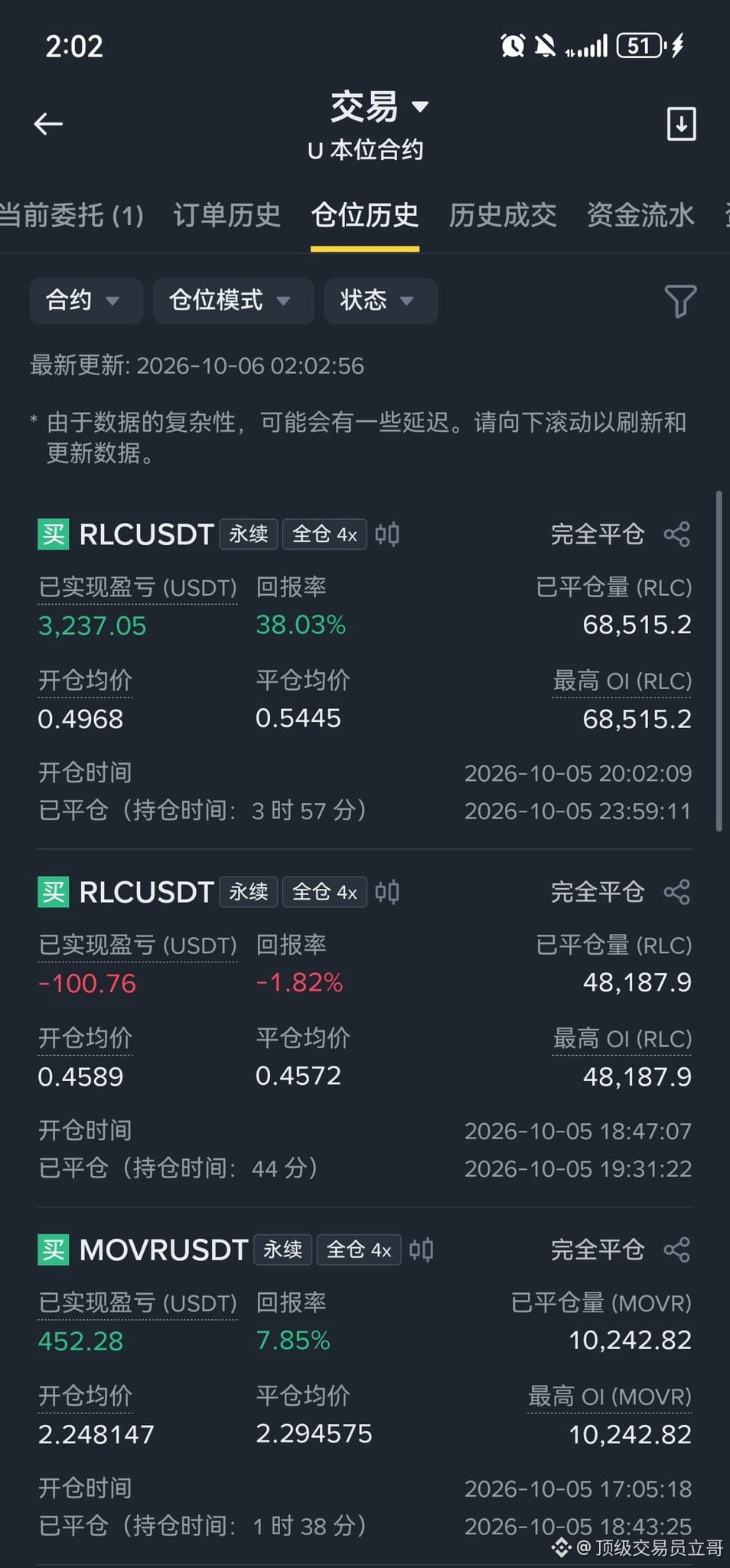
1
7
·
--
You come into crypto with a few hundred or a few thousand U, immediately crank up the leverage and go all-in, thinking that with little capital, you have to gamble on speed to chase returns—or you’ll never turn things around.
It sounds like it makes perfect sense, but this very mindset has sent countless small-time traders plunging into liquidation.
What’s wrong with betting on speed?
The faster you go, the less room you have for error. If you get the direction right, you really can make money fast. Doubling your money feels exhilarating and makes you think you’ve finally found the right path. But if you get the direction even slightly wrong, your account is gone.
You get it right once or twice, taste success, and think you’ve found the secret to wealth—so you keep betting. But no one can get the direction right every time. If you build your account on the assumption that you’ll always be right, it’s only a matter of time before it’s wiped out.
When you’re making money, you don’t stop because you think the method is working. When you’re losing money, you don’t stop either because you think the next trade will make it all back.
After a few rounds of that, your account is gone.
People who truly grow a small account don’t do it by betting on speed—they do it by keeping a steady pace.
Start with small positions and test the waters. If you’re wrong, take a small loss and walk away; if you’re right, gradually add to your position using your profits. Leave your principal untouched and keep your composure, so one mistake won’t knock you out. Once you settle into a steady rhythm, you’ll find that the money you once made by gambling can also be made with a system—and more consistently, and for longer.
Slow is fast. Only those who’ve learned the hard way truly understand this.
If you’re still thinking you can turn things around by betting on speed, don’t charge in alone. What you lack right now isn’t courage—it’s a steady rhythm. Come talk to me, and I’ll walk you through this slower-paced approach on the charts: when to use a small position, when to add, and when to exit. I’ll show you in real time.
One wrong bet and you’re out. I’ll help you stay in the game by taking a steadier approach.
You come into crypto with a few hundred or a few thousand U, immediately crank up the leverage and go all-in, thinking that with little capital, you have to gamble on speed to chase returns—or you’ll never turn things around.
It sounds like it makes perfect sense, but this very mindset has sent countless small-time traders plunging into liquidation.
What’s wrong with betting on speed?
The faster you go, the less room you have for error. If you get the direction right, you really can make money fast. Doubling your money feels exhilarating and makes you think you’ve finally found the right path. But if you get the direction even slightly wrong, your account is gone.
You get it right once or twice, taste success, and think you’ve found the secret to wealth—so you keep betting. But no one can get the direction right every time. If you build your account on the assumption that you’ll always be right, it’s only a matter of time before it’s wiped out.
When you’re making money, you don’t stop because you think the method is working. When you’re losing money, you don’t stop either because you think the next trade will make it all back.
After a few rounds of that, your account is gone.
People who truly grow a small account don’t do it by betting on speed—they do it by keeping a steady pace.
Start with small positions and test the waters. If you’re wrong, take a small loss and walk away; if you’re right, gradually add to your position using your profits. Leave your principal untouched and keep your composure, so one mistake won’t knock you out. Once you settle into a steady rhythm, you’ll find that the money you once made by gambling can also be made with a system—and more consistently, and for longer.
Slow is fast. Only those who’ve learned the hard way truly understand this.
If you’re still thinking you can turn things around by betting on speed, don’t charge in alone. What you lack right now isn’t courage—it’s a steady rhythm. Come talk to me, and I’ll walk you through this slower-paced approach on the charts: when to use a small position, when to add, and when to exit. I’ll show you in real time.
One wrong bet and you’re out. I’ll help you stay in the game by taking a steadier approach.
It sounds like it makes perfect sense, but this very mindset has sent countless small-time traders plunging into liquidation.
What’s wrong with betting on speed?
The faster you go, the less room you have for error. If you get the direction right, you really can make money fast. Doubling your money feels exhilarating and makes you think you’ve finally found the right path. But if you get the direction even slightly wrong, your account is gone.
You get it right once or twice, taste success, and think you’ve found the secret to wealth—so you keep betting. But no one can get the direction right every time. If you build your account on the assumption that you’ll always be right, it’s only a matter of time before it’s wiped out.
When you’re making money, you don’t stop because you think the method is working. When you’re losing money, you don’t stop either because you think the next trade will make it all back.
After a few rounds of that, your account is gone.
People who truly grow a small account don’t do it by betting on speed—they do it by keeping a steady pace.
Start with small positions and test the waters. If you’re wrong, take a small loss and walk away; if you’re right, gradually add to your position using your profits. Leave your principal untouched and keep your composure, so one mistake won’t knock you out. Once you settle into a steady rhythm, you’ll find that the money you once made by gambling can also be made with a system—and more consistently, and for longer.
Slow is fast. Only those who’ve learned the hard way truly understand this.
If you’re still thinking you can turn things around by betting on speed, don’t charge in alone. What you lack right now isn’t courage—it’s a steady rhythm. Come talk to me, and I’ll walk you through this slower-paced approach on the charts: when to use a small position, when to add, and when to exit. I’ll show you in real time.
One wrong bet and you’re out. I’ll help you stay in the game by taking a steadier approach.
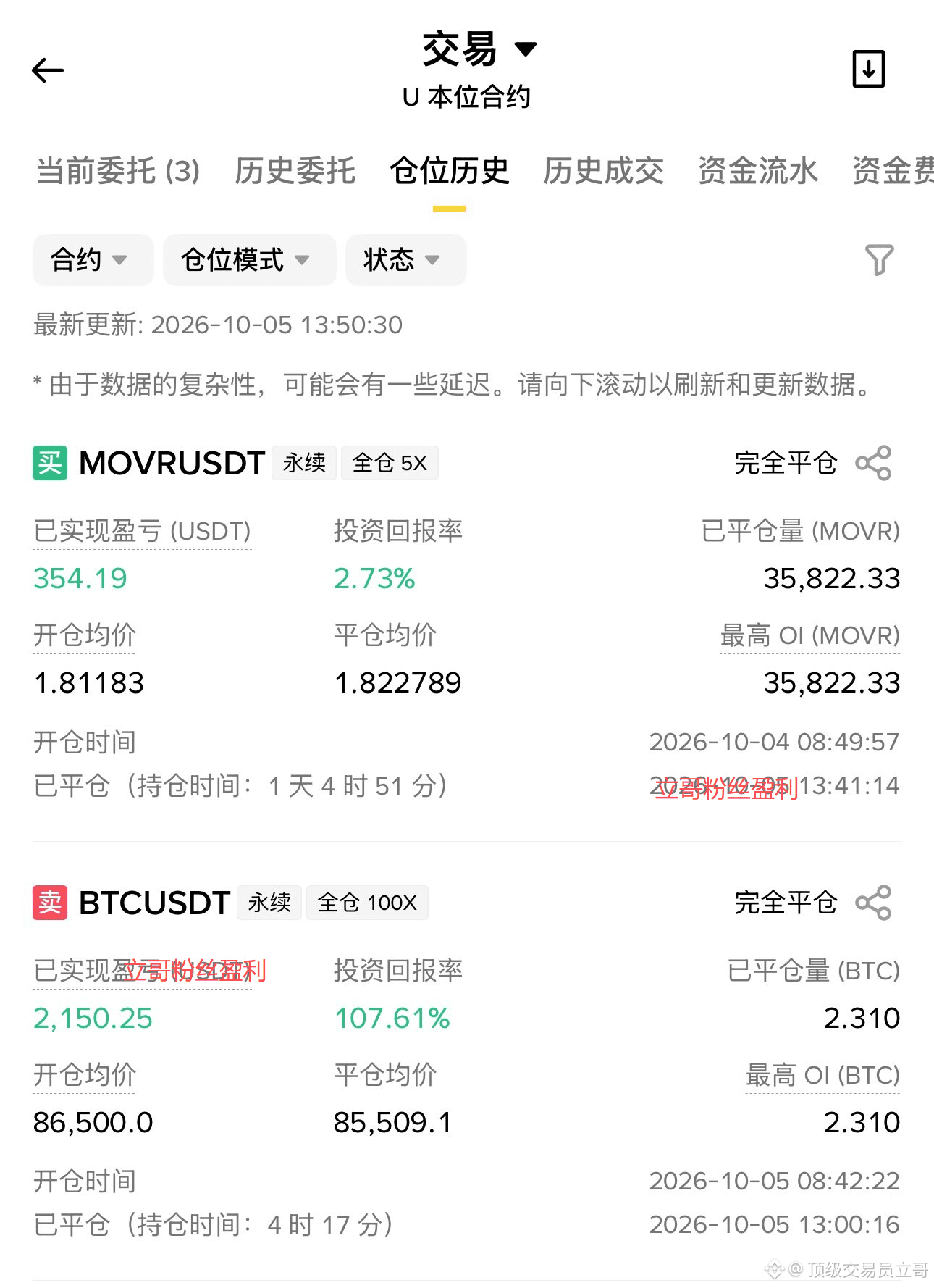
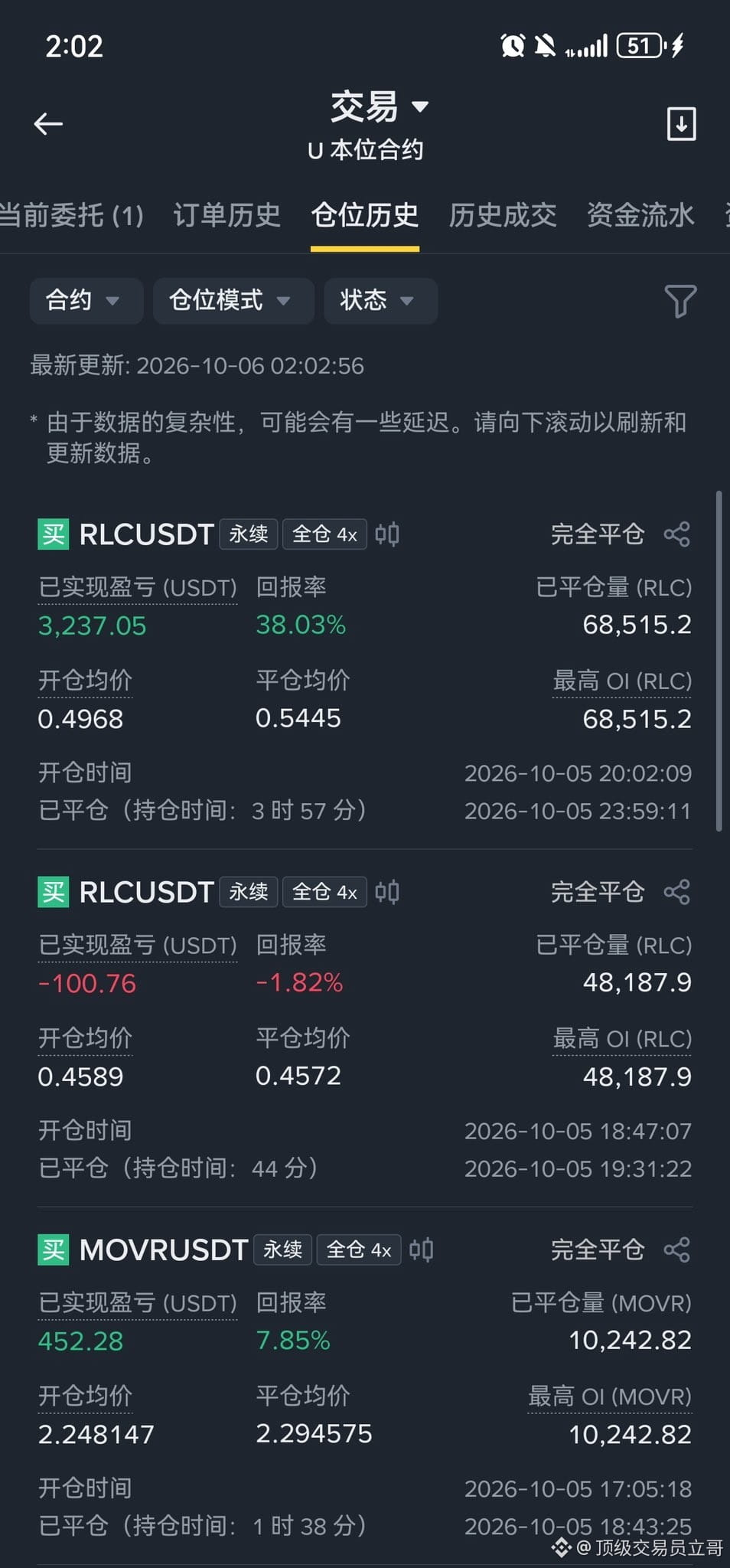
1
423
·
--
Markets going up and down, pulling back and forth—that’s completely normal. But a lot of people just can’t get past this: prices dip a little and they panic, selling recklessly; then the market rebounds and they get carried away. Their emotions are completely at the mercy of the candlesticks, and naturally their account balance swings right along with them.
Think about it carefully: how much of the money you’ve really lost came from normal market fluctuations that your emotions magnified?
When prices fall, you panic because you think the trend is about to reverse. But most of the time, it’s just a normal pullback, and the market structure hasn’t even broken. You sell at the very bottom, then watch the market continue in its original direction.
When prices rise, you get carried away because you think this is the big breakout. But most of the time, it’s just a normal rebound, and the trend hasn’t been confirmed. You buy at the very top, then watch the market pull back and leave you stuck with losses.
The ups and downs themselves aren’t the problem. Your reaction to them is.
That moment you panic, that moment you get carried away—that’s what really costs you money.
How do you stay steady? Set your rules in stone. Don’t let your emotions make the decisions for you.
Set your stop-loss and take-profit levels in advance, and follow through when they’re hit—no hesitation. The market won’t stop and wait just because you’re panicking, and it won’t move in the direction you want just because you’re feeling confident. The more you panic, the more likely you are to make rash decisions; the more carried away you get, the more likely you are to make mistakes. After enough back-and-forth, your capital gets worn away.
The people who survive in the market aren’t emotionless—they just don’t let their emotions take part in trading.
They know that a small dip doesn’t mean the trend is over, and a small rise doesn’t mean they’re invincible. They’ve already written out a plan for every scenario: what to do if prices rise, what to do if they fall, and what to do if the market moves sideways. When the market moves, they simply follow the plan instead of making decisions on the fly.
Rules are there to keep those moments of panic and overconfidence in check, so you can stay calm through the market’s ups and downs.
Ups and downs are normal. But those moments when you panic or get carried away are the real enemy of your account.
If you’re still making impulsive trades because of market volatility, come talk to me. I’ll help you keep your emotions under control.
Markets going up and down, pulling back and forth—that’s completely normal. But a lot of people just can’t get past this: prices dip a little and they panic, selling recklessly; then the market rebounds and they get carried away. Their emotions are completely at the mercy of the candlesticks, and naturally their account balance swings right along with them.
Think about it carefully: how much of the money you’ve really lost came from normal market fluctuations that your emotions magnified?
When prices fall, you panic because you think the trend is about to reverse. But most of the time, it’s just a normal pullback, and the market structure hasn’t even broken. You sell at the very bottom, then watch the market continue in its original direction.
When prices rise, you get carried away because you think this is the big breakout. But most of the time, it’s just a normal rebound, and the trend hasn’t been confirmed. You buy at the very top, then watch the market pull back and leave you stuck with losses.
The ups and downs themselves aren’t the problem. Your reaction to them is.
That moment you panic, that moment you get carried away—that’s what really costs you money.
How do you stay steady? Set your rules in stone. Don’t let your emotions make the decisions for you.
Set your stop-loss and take-profit levels in advance, and follow through when they’re hit—no hesitation. The market won’t stop and wait just because you’re panicking, and it won’t move in the direction you want just because you’re feeling confident. The more you panic, the more likely you are to make rash decisions; the more carried away you get, the more likely you are to make mistakes. After enough back-and-forth, your capital gets worn away.
The people who survive in the market aren’t emotionless—they just don’t let their emotions take part in trading.
They know that a small dip doesn’t mean the trend is over, and a small rise doesn’t mean they’re invincible. They’ve already written out a plan for every scenario: what to do if prices rise, what to do if they fall, and what to do if the market moves sideways. When the market moves, they simply follow the plan instead of making decisions on the fly.
Rules are there to keep those moments of panic and overconfidence in check, so you can stay calm through the market’s ups and downs.
Ups and downs are normal. But those moments when you panic or get carried away are the real enemy of your account.
If you’re still making impulsive trades because of market volatility, come talk to me. I’ll help you keep your emotions under control.
Think about it carefully: how much of the money you’ve really lost came from normal market fluctuations that your emotions magnified?
When prices fall, you panic because you think the trend is about to reverse. But most of the time, it’s just a normal pullback, and the market structure hasn’t even broken. You sell at the very bottom, then watch the market continue in its original direction.
When prices rise, you get carried away because you think this is the big breakout. But most of the time, it’s just a normal rebound, and the trend hasn’t been confirmed. You buy at the very top, then watch the market pull back and leave you stuck with losses.
The ups and downs themselves aren’t the problem. Your reaction to them is.
That moment you panic, that moment you get carried away—that’s what really costs you money.
How do you stay steady? Set your rules in stone. Don’t let your emotions make the decisions for you.
Set your stop-loss and take-profit levels in advance, and follow through when they’re hit—no hesitation. The market won’t stop and wait just because you’re panicking, and it won’t move in the direction you want just because you’re feeling confident. The more you panic, the more likely you are to make rash decisions; the more carried away you get, the more likely you are to make mistakes. After enough back-and-forth, your capital gets worn away.
The people who survive in the market aren’t emotionless—they just don’t let their emotions take part in trading.
They know that a small dip doesn’t mean the trend is over, and a small rise doesn’t mean they’re invincible. They’ve already written out a plan for every scenario: what to do if prices rise, what to do if they fall, and what to do if the market moves sideways. When the market moves, they simply follow the plan instead of making decisions on the fly.
Rules are there to keep those moments of panic and overconfidence in check, so you can stay calm through the market’s ups and downs.
Ups and downs are normal. But those moments when you panic or get carried away are the real enemy of your account.
If you’re still making impulsive trades because of market volatility, come talk to me. I’ll help you keep your emotions under control.
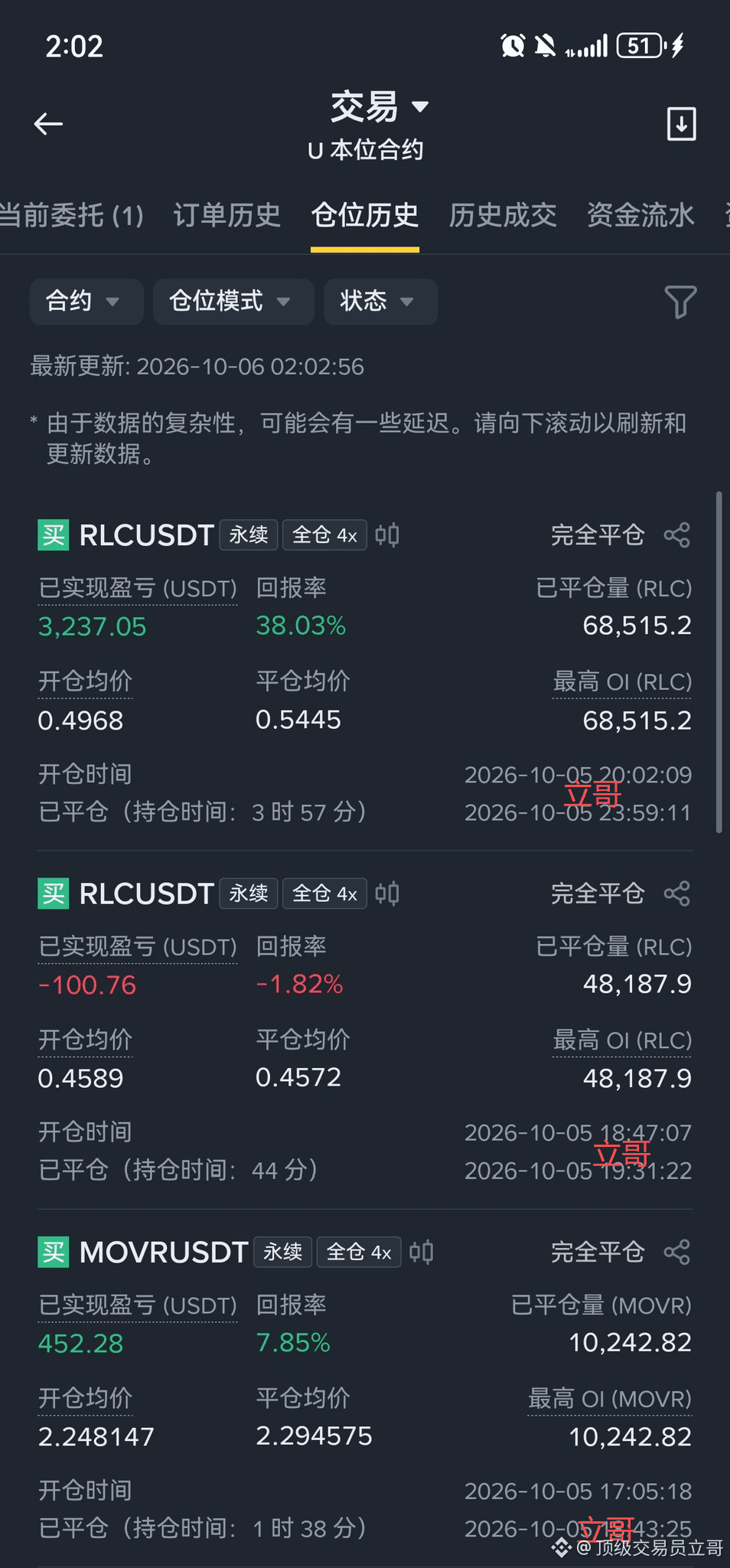
1
559
·
--
If you’re trying to turn things around with a small bankroll, you really don’t need flashy strategies. Stick to these three ironclad rules for protecting your capital, and time will give you the answer. Money made through luck will eventually be lost through poor judgment. The money that lasts is always earned through a system.
Rule 1: Split up your capital and always keep some in reserve.
A lot of people think there’s no point diversifying when you have little capital, so they go all in: double your money if you win, lose it all if you don’t. But think it through. Going all in can pay off quickly if you get the direction right—but what if you get it wrong? A few thousand U can be gone in one trade, and you won’t even have a chance to make it back. If you trade in smaller portions, you can cut a small loss and walk away when you’re wrong, then gradually add to your position with profits when you’re right. People who go all in eventually get wiped out and leave the game. Those who split up their capital can at least stay at the table. As long as you have capital, you have opportunities. Many people don’t lose because of the market; they lose because they convince themselves this time will be different and that they can ride it out—until they get liquidated.
Rule 2: Only trade markets you understand.
No signal, no trade. Stay out of sideways markets. If you don’t understand it, don’t touch it. The market spends most of its time moving aimlessly. If you insist on trading every day, you’re only exhausting yourself and losing your own money. People who truly make money wait for opportunities; they don’t go looking for them. A market you can’t understand isn’t yours to trade. Forcing a trade is just giving your money away. Take a look at the accounts of those people who post trade calls and analysis in group chats every day six months later—most of them will have been replaced by someone else. If you can’t keep your hands off the keyboard, the market will teach you to stop by making you lose money.
Rule 3: Make stop-loss and take-profit levels non-negotiable.
When your stop-loss is hit, get out—no hesitation. When you hit your profit target, take it—don’t get greedy for one last bite. Don’t add to losing positions, and don’t get greedy when you’re winning. Small losses are a cost; big losses knock you out. Holding onto a losing trade is the stupidest thing you can do. You get away with it once and think you can do it again, then one bad trade wipes you out. The essence of making money is letting rules govern your trading, not letting a hot head wreck your account. Unrealized gains are just numbers; they become money only when you put them in your pocket.
These three rules look simple, but few people can follow them.
I’ve seen far too many people constantly searching for new strategies and learning new indicators while their accounts get smaller and smaller. Meanwhile, the people who stick to these old rules slowly build their money. It’s not that their methods are brilliant—they execute them consistently. What you’re missing isn’t a strategy; it’s the patience to keep doing simple things over and over.
If you’re still charging in blindly, come talk to me. I’ll help you find a steadier pace. It’s not about telling you to stop working hard; it’s about making sure you’re not putting your effort in the wrong direction. Get the direction right, and you have a chance to turn things around. Follow me, and let’s make it through together.
If you’re trying to turn things around with a small bankroll, you really don’t need flashy strategies. Stick to these three ironclad rules for protecting your capital, and time will give you the answer. Money made through luck will eventually be lost through poor judgment. The money that lasts is always earned through a system.
Rule 1: Split up your capital and always keep some in reserve.
A lot of people think there’s no point diversifying when you have little capital, so they go all in: double your money if you win, lose it all if you don’t. But think it through. Going all in can pay off quickly if you get the direction right—but what if you get it wrong? A few thousand U can be gone in one trade, and you won’t even have a chance to make it back. If you trade in smaller portions, you can cut a small loss and walk away when you’re wrong, then gradually add to your position with profits when you’re right. People who go all in eventually get wiped out and leave the game. Those who split up their capital can at least stay at the table. As long as you have capital, you have opportunities. Many people don’t lose because of the market; they lose because they convince themselves this time will be different and that they can ride it out—until they get liquidated.
Rule 2: Only trade markets you understand.
No signal, no trade. Stay out of sideways markets. If you don’t understand it, don’t touch it. The market spends most of its time moving aimlessly. If you insist on trading every day, you’re only exhausting yourself and losing your own money. People who truly make money wait for opportunities; they don’t go looking for them. A market you can’t understand isn’t yours to trade. Forcing a trade is just giving your money away. Take a look at the accounts of those people who post trade calls and analysis in group chats every day six months later—most of them will have been replaced by someone else. If you can’t keep your hands off the keyboard, the market will teach you to stop by making you lose money.
Rule 3: Make stop-loss and take-profit levels non-negotiable.
When your stop-loss is hit, get out—no hesitation. When you hit your profit target, take it—don’t get greedy for one last bite. Don’t add to losing positions, and don’t get greedy when you’re winning. Small losses are a cost; big losses knock you out. Holding onto a losing trade is the stupidest thing you can do. You get away with it once and think you can do it again, then one bad trade wipes you out. The essence of making money is letting rules govern your trading, not letting a hot head wreck your account. Unrealized gains are just numbers; they become money only when you put them in your pocket.
These three rules look simple, but few people can follow them.
I’ve seen far too many people constantly searching for new strategies and learning new indicators while their accounts get smaller and smaller. Meanwhile, the people who stick to these old rules slowly build their money. It’s not that their methods are brilliant—they execute them consistently. What you’re missing isn’t a strategy; it’s the patience to keep doing simple things over and over.
If you’re still charging in blindly, come talk to me. I’ll help you find a steadier pace. It’s not about telling you to stop working hard; it’s about making sure you’re not putting your effort in the wrong direction. Get the direction right, and you have a chance to turn things around. Follow me, and let’s make it through together.
Rule 1: Split up your capital and always keep some in reserve.
A lot of people think there’s no point diversifying when you have little capital, so they go all in: double your money if you win, lose it all if you don’t. But think it through. Going all in can pay off quickly if you get the direction right—but what if you get it wrong? A few thousand U can be gone in one trade, and you won’t even have a chance to make it back. If you trade in smaller portions, you can cut a small loss and walk away when you’re wrong, then gradually add to your position with profits when you’re right. People who go all in eventually get wiped out and leave the game. Those who split up their capital can at least stay at the table. As long as you have capital, you have opportunities. Many people don’t lose because of the market; they lose because they convince themselves this time will be different and that they can ride it out—until they get liquidated.
Rule 2: Only trade markets you understand.
No signal, no trade. Stay out of sideways markets. If you don’t understand it, don’t touch it. The market spends most of its time moving aimlessly. If you insist on trading every day, you’re only exhausting yourself and losing your own money. People who truly make money wait for opportunities; they don’t go looking for them. A market you can’t understand isn’t yours to trade. Forcing a trade is just giving your money away. Take a look at the accounts of those people who post trade calls and analysis in group chats every day six months later—most of them will have been replaced by someone else. If you can’t keep your hands off the keyboard, the market will teach you to stop by making you lose money.
Rule 3: Make stop-loss and take-profit levels non-negotiable.
When your stop-loss is hit, get out—no hesitation. When you hit your profit target, take it—don’t get greedy for one last bite. Don’t add to losing positions, and don’t get greedy when you’re winning. Small losses are a cost; big losses knock you out. Holding onto a losing trade is the stupidest thing you can do. You get away with it once and think you can do it again, then one bad trade wipes you out. The essence of making money is letting rules govern your trading, not letting a hot head wreck your account. Unrealized gains are just numbers; they become money only when you put them in your pocket.
These three rules look simple, but few people can follow them.
I’ve seen far too many people constantly searching for new strategies and learning new indicators while their accounts get smaller and smaller. Meanwhile, the people who stick to these old rules slowly build their money. It’s not that their methods are brilliant—they execute them consistently. What you’re missing isn’t a strategy; it’s the patience to keep doing simple things over and over.
If you’re still charging in blindly, come talk to me. I’ll help you find a steadier pace. It’s not about telling you to stop working hard; it’s about making sure you’re not putting your effort in the wrong direction. Get the direction right, and you have a chance to turn things around. Follow me, and let’s make it through together.
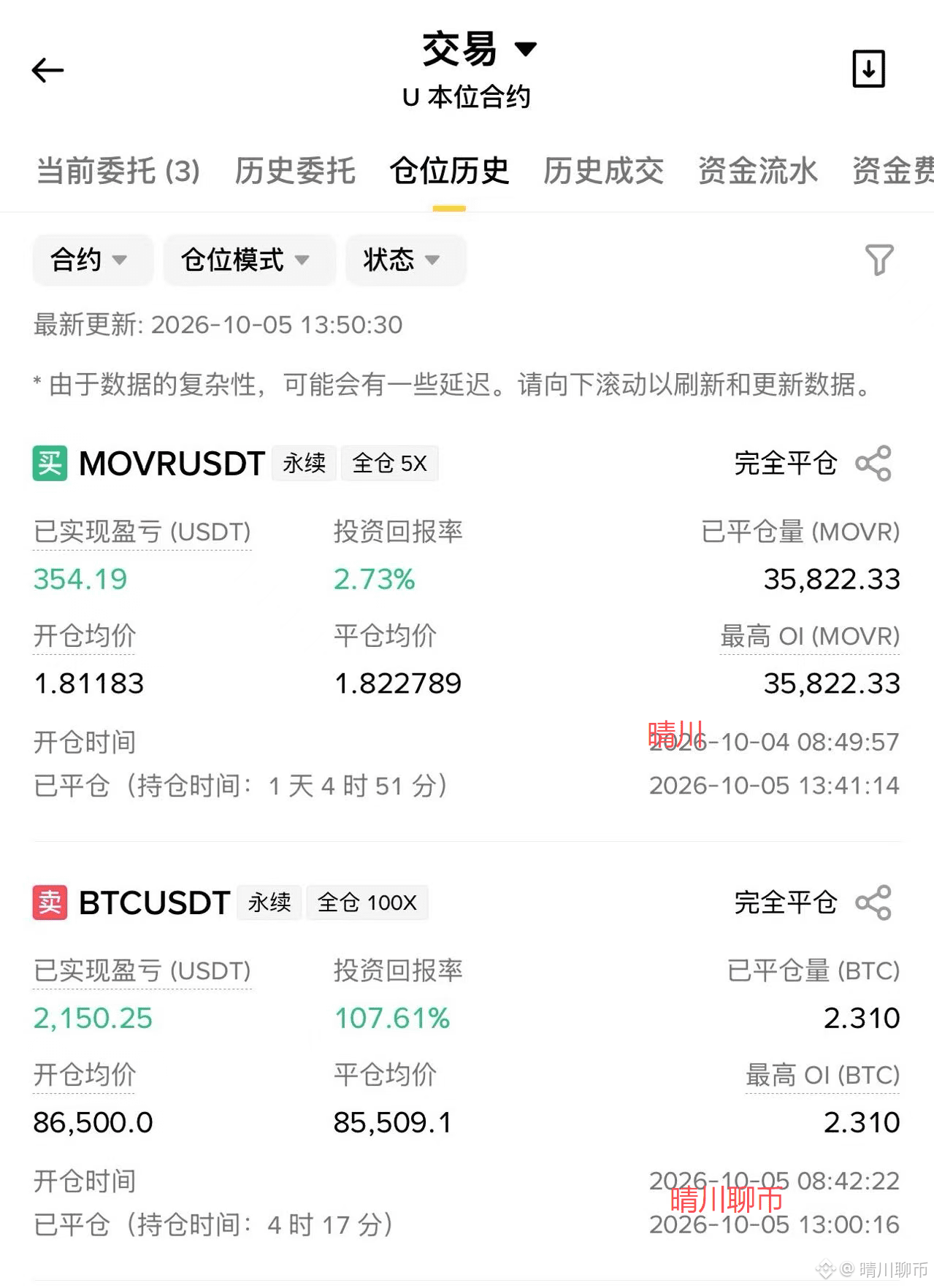
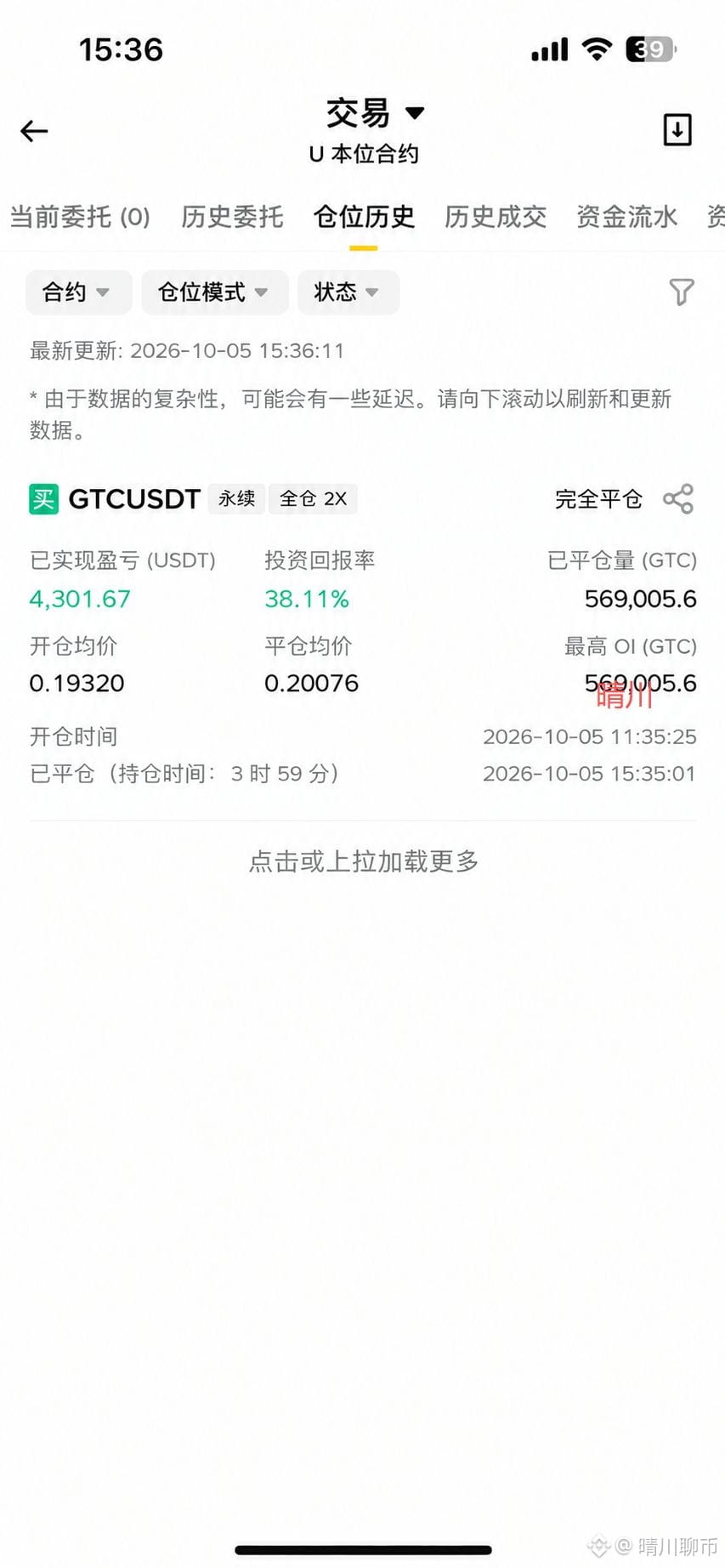
1
397
Log in to explore more content
Join global crypto users on Binance Square
⚡️ Get latest and useful information about crypto.
💬 Trusted by the world’s largest crypto exchange.
👍 Discover real insights from verified creators.
Email / Phone number
Trending Topics
BinanceLaunchesBinanceIntelligence
618,447 views
3,802 Discussing
#binancelaunchesbinanceintelligence
🚨 BINANCE JUST PUSHED AI DEEPER INTO CRYPTO.
Binance has launched Binance Intelligence — a new AI-powered layer built around market research, trading workflows, and crypto data.
The interesting part?
It’s not just one tool.
🧠 Binance AI → personalized market briefs, alerts and portfolio insights
⚡ Binance AI Pro → turns natural-language ideas into trading workflows
🤖 Agent OS → connects AI agents with market, wallet and on-chain capabilities
That’s a big shift.
Crypto platforms are no longer only giving traders charts and data.
They’re starting to give them AI systems that can interpret that data.
The real question is:
Will AI become as normal for traders as indicators and charts are today? 👀
$BTC $ETH
#Binance #Aİ #crypto #BTC
Doomsday-Trader
·0 Likes
·445 views
BTCFallsBelow$84K
2,221 views
26 Discussing
WinklevossFilesSpotZcashETFApplication
4,227 views
103 Discussing