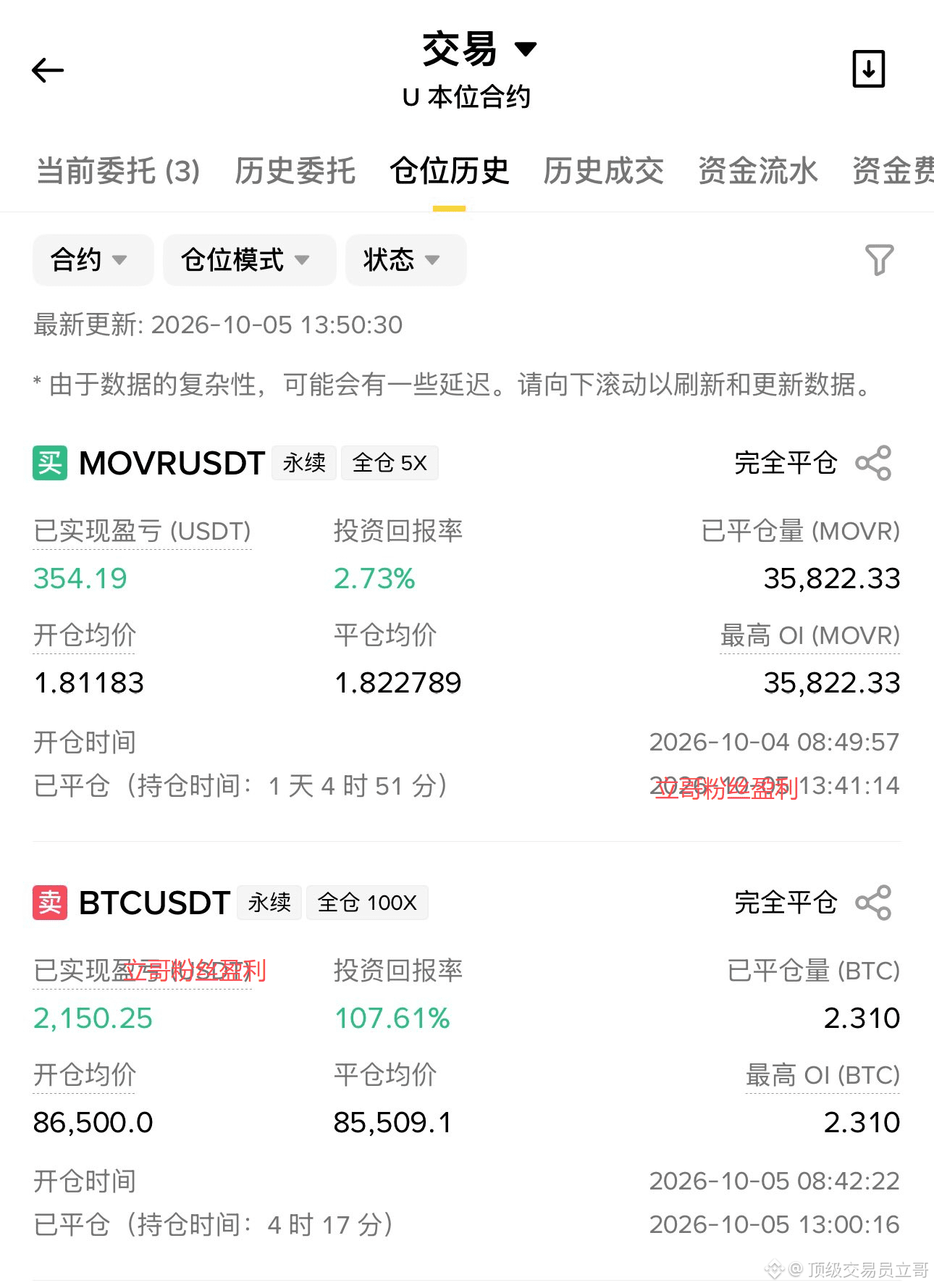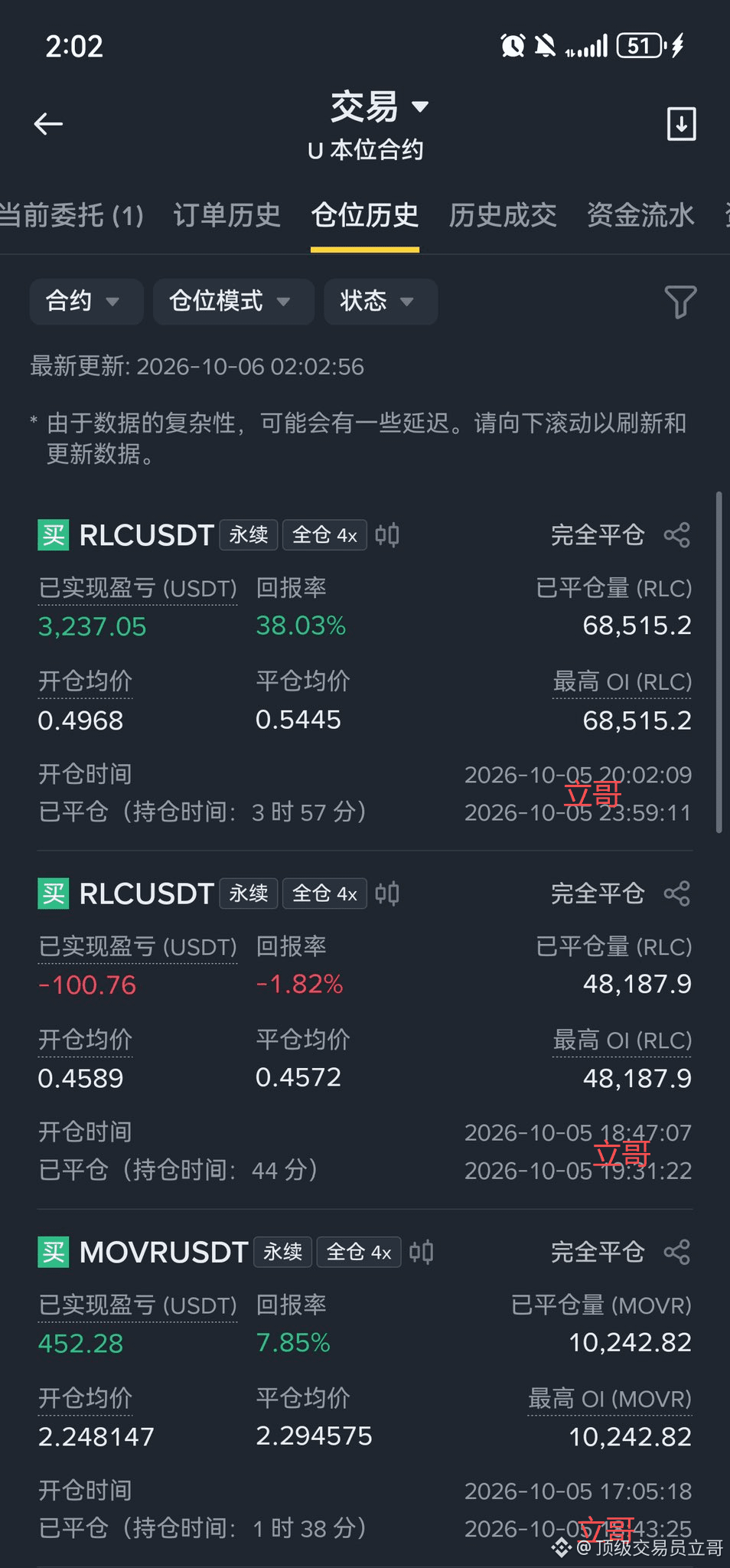
Turn 1,500U into 15,000. Don’t use your starting capital as an excuse—the real issue is your strategy.
People always ask whether you can turn things around with little starting capital. Stop asking. What matters isn’t how much money you have, but whether you have a reliable approach.
If you want to turn 1,500 into 15,000, don’t get carried away and use 10x leverage. One market reversal and you could lose everything. The truly steady approach is to compound your position.
Start by breaking down the goal. Turn 1,500 into 4,500 in three rounds. Aim to make 500 to 700 each round, then stop. At the end of each round, lock in 30% of your profits and let the rest keep compounding. It’s like ants carrying food home: not fast, but resilient when the market pulls back.
Split your positions, too. Use a larger position to steadily capture more predictable returns, a smaller one to flexibly compound and seize opportunities, and a separate position specifically to lock in profits and guard against pullbacks. The three positions work together, letting you advance or defend as needed.
The key to compounding isn’t making a fortune on every trade. It’s developing the ability to navigate the market. If you get the big picture right, small mistakes can be made up for, and profits will accumulate naturally—you don’t have to gamble everything every day.
Stop complaining that your starting capital is too small. Build your own system first and grow steadily.
Growing your capital comes down to careful, step-by-step progress—not luck. Follow me and get in touch: #以太坊Q3涨70%流动性下降
People always ask whether you can turn things around with little starting capital. Stop asking. What matters isn’t how much money you have, but whether you have a reliable approach.
If you want to turn 1,500 into 15,000, don’t get carried away and use 10x leverage. One market reversal and you could lose everything. The truly steady approach is to compound your position.
Start by breaking down the goal. Turn 1,500 into 4,500 in three rounds. Aim to make 500 to 700 each round, then stop. At the end of each round, lock in 30% of your profits and let the rest keep compounding. It’s like ants carrying food home: not fast, but resilient when the market pulls back.
Split your positions, too. Use a larger position to steadily capture more predictable returns, a smaller one to flexibly compound and seize opportunities, and a separate position specifically to lock in profits and guard against pullbacks. The three positions work together, letting you advance or defend as needed.
The key to compounding isn’t making a fortune on every trade. It’s developing the ability to navigate the market. If you get the big picture right, small mistakes can be made up for, and profits will accumulate naturally—you don’t have to gamble everything every day.
Stop complaining that your starting capital is too small. Build your own system first and grow steadily.
Growing your capital comes down to careful, step-by-step progress—not luck. Follow me and get in touch: #以太坊Q3涨70%流动性下降