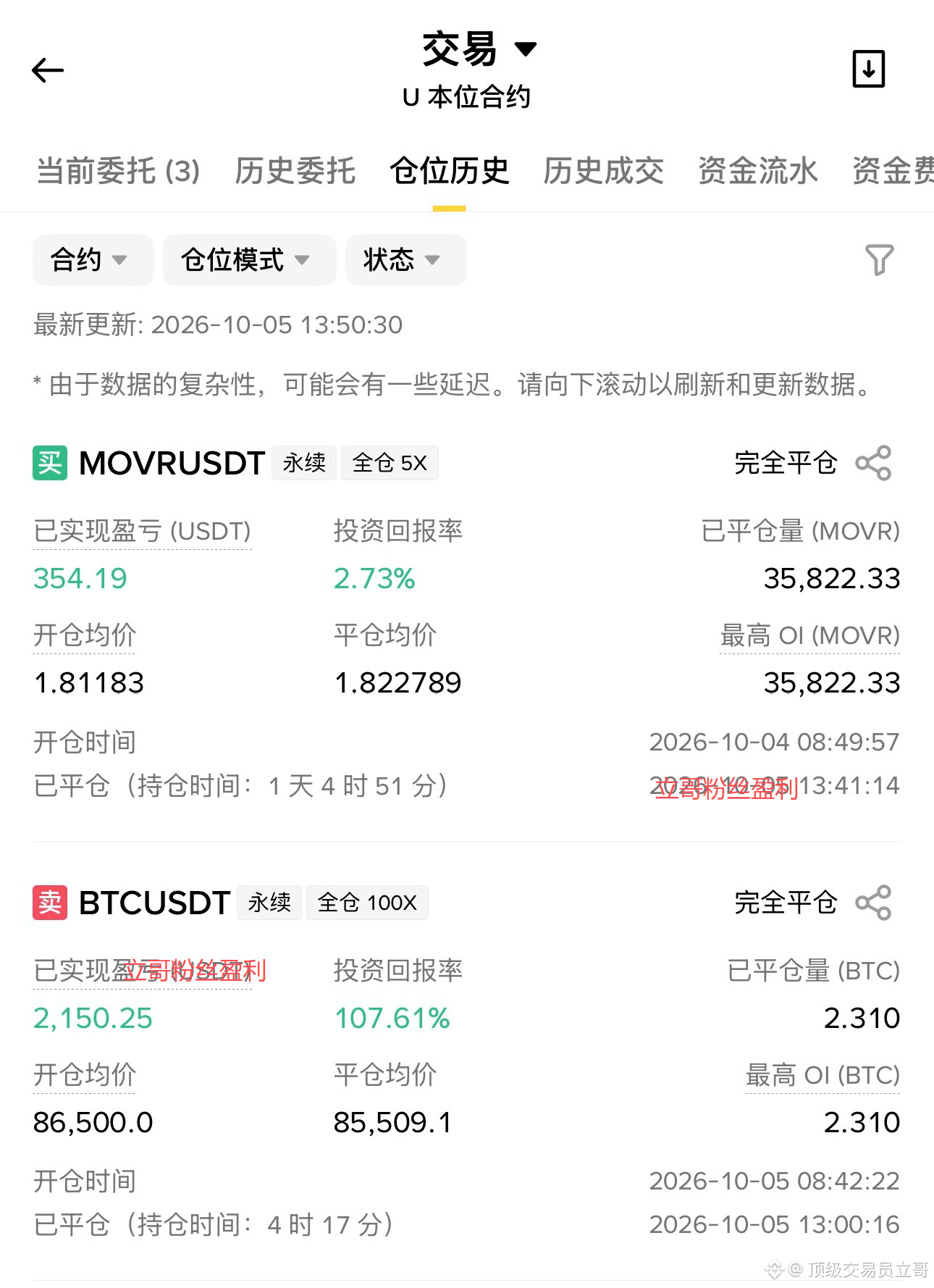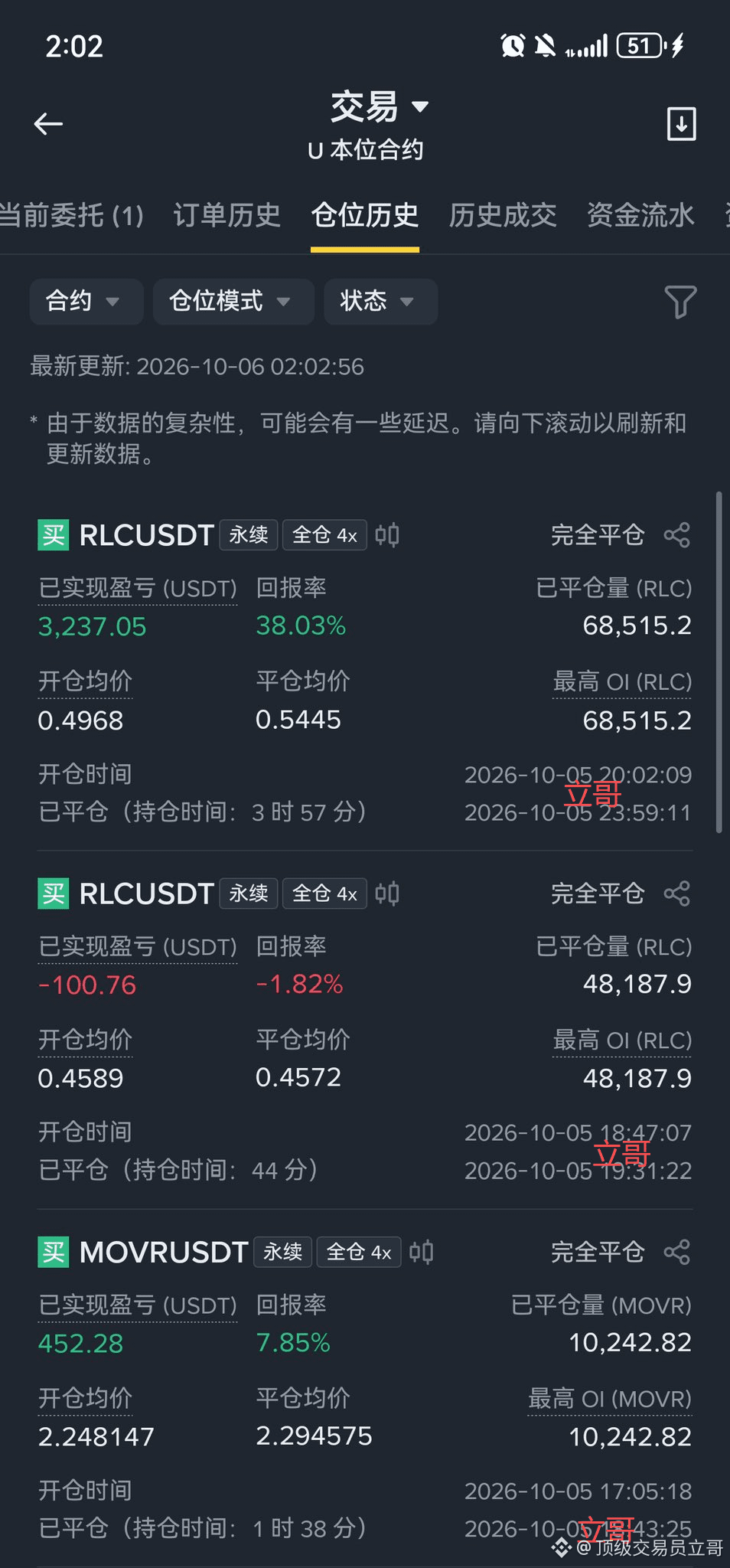
Starting with a small amount of capital, there really are no shortcuts. I started with just a few thousand USDT and worked my way up step by step. No inside information, no connections—just the right methods and sheer persistence. Once you’ve got the method right, all that’s left is to repeat it over and over until it becomes second nature, until you can do it right without even having to think.
When I was starting out, I had one major problem: impatience. I was in a hurry to enter trades, make back losses, and see my account balance change. I always felt that if I wasn’t doing something, I was missing out on the market. The result? The more impatient I got, the more chaotic things became; the more chaotic things became, the more I lost; and the more I lost, the more impatient I got. My account ended up growing even more slowly. Eventually, I realized something: when you’re working with a small amount of capital, your biggest enemy isn’t the market—it’s your obsession with having to be “fast.”
When you don’t have much money, you can’t afford to mess around. Every loss takes a bite out of your capital, and making it back takes several times the effort. By contrast, people who are willing to slow down and take things one trade at a time, accepting small wins and small losses, are the ones who see their accounts gradually grow over time.
So what does the right approach look like? It’s actually not complicated—maybe even a little boring. Split up your capital; don’t put it all on the line at once. Use only a small portion each time. If you’re wrong, take a small loss and walk away. If you’re right, add to your position gradually using your profits. People who go all in eventually get wiped out and leave the game. Those who spread out their positions can at least stay at the table. It’s easy to understand, but not many people can actually do it.
Only trade markets you understand. If there’s no signal, don’t act. Stay out of sideways markets, and don’t touch anything you don’t understand. The market spends 80% of its time moving aimlessly. If you insist on trading every day, you’ll only exhaust yourself—and lose your own money. People who truly make money do so by waiting for opportunities, not hunting for them.
Stick to your rules. When your stop-loss is hit, exit. When you reach your profit target, take it. Don’t try to guess whether each trade will win or lose; just make sure every trade follows your rules. Small losses are a cost of doing business. Big losses knock you out. Those who keep holding on eventually lose everything.
Get the method right, follow through, and leave the rest to time. If you’re still feeling lost, follow me and get in touch. I’ll help you get your rhythm in order. #ADA涨10%突破0.27美元
When I was starting out, I had one major problem: impatience. I was in a hurry to enter trades, make back losses, and see my account balance change. I always felt that if I wasn’t doing something, I was missing out on the market. The result? The more impatient I got, the more chaotic things became; the more chaotic things became, the more I lost; and the more I lost, the more impatient I got. My account ended up growing even more slowly. Eventually, I realized something: when you’re working with a small amount of capital, your biggest enemy isn’t the market—it’s your obsession with having to be “fast.”
When you don’t have much money, you can’t afford to mess around. Every loss takes a bite out of your capital, and making it back takes several times the effort. By contrast, people who are willing to slow down and take things one trade at a time, accepting small wins and small losses, are the ones who see their accounts gradually grow over time.
So what does the right approach look like? It’s actually not complicated—maybe even a little boring. Split up your capital; don’t put it all on the line at once. Use only a small portion each time. If you’re wrong, take a small loss and walk away. If you’re right, add to your position gradually using your profits. People who go all in eventually get wiped out and leave the game. Those who spread out their positions can at least stay at the table. It’s easy to understand, but not many people can actually do it.
Only trade markets you understand. If there’s no signal, don’t act. Stay out of sideways markets, and don’t touch anything you don’t understand. The market spends 80% of its time moving aimlessly. If you insist on trading every day, you’ll only exhaust yourself—and lose your own money. People who truly make money do so by waiting for opportunities, not hunting for them.
Stick to your rules. When your stop-loss is hit, exit. When you reach your profit target, take it. Don’t try to guess whether each trade will win or lose; just make sure every trade follows your rules. Small losses are a cost of doing business. Big losses knock you out. Those who keep holding on eventually lose everything.
Get the method right, follow through, and leave the rest to time. If you’re still feeling lost, follow me and get in touch. I’ll help you get your rhythm in order. #ADA涨10%突破0.27美元