

LUNA ID 412407328
16.6k Posts

LUNA ID 412407328
Report
Block User
Open Trade
High-Frequency Trader
4.7 Years
4.8K+ Following
12.8K+ Followers
24.5K+ Liked
Posts
Portfolio
All
Quotes
Live
PINNED
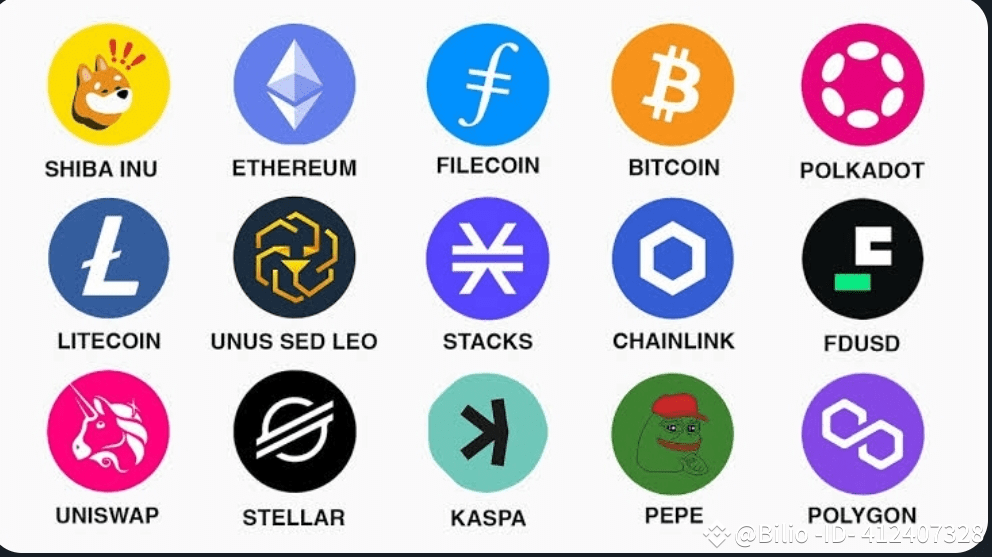
Article
10 Altcoins That Could Make You a Millionaire in 20251. Polka dot (POINT)
Price forecast (2025): $100 to $150
Why DOT? Polkadot’s focus on interoperability allows different blockchains to communicate seamlessly. With decentralized governance and growing adoption in real-world use cases, DOT is positioned as a cornerstone of the evolving blockchain ecosystem.
2. Solana (SUN)
Price forecast (2025): $200 to $300
Why $SOL ? Solana’s high-speed transactions and ultra-low fees make it a favorite for DeFi, NFT, and Web3 projects. Its growing ecosystem and partnerships have solidified Solana as a serious contender for long-term growth.
10 Altcoins That Could Make You a Millionaire in 2025
1. Polka dot (POINT)
Price forecast (2025): $100 to $150
Why DOT? Polkadot’s focus on interoperability allows different blockchains to communicate seamlessly. With decentralized governance and growing adoption in real-world use cases, DOT is positioned as a cornerstone of the evolving blockchain ecosystem.
2. Solana (SUN)
Price forecast (2025): $200 to $300
Why $SOL ? Solana’s high-speed transactions and ultra-low fees make it a favorite for DeFi, NFT, and Web3 projects. Its growing ecosystem and partnerships have solidified Solana as a serious contender for long-term growth.
Price forecast (2025): $100 to $150
Why DOT? Polkadot’s focus on interoperability allows different blockchains to communicate seamlessly. With decentralized governance and growing adoption in real-world use cases, DOT is positioned as a cornerstone of the evolving blockchain ecosystem.
2. Solana (SUN)
Price forecast (2025): $200 to $300
Why $SOL ? Solana’s high-speed transactions and ultra-low fees make it a favorite for DeFi, NFT, and Web3 projects. Its growing ecosystem and partnerships have solidified Solana as a serious contender for long-term growth.
81
59
317
236k
·
--
Bullish
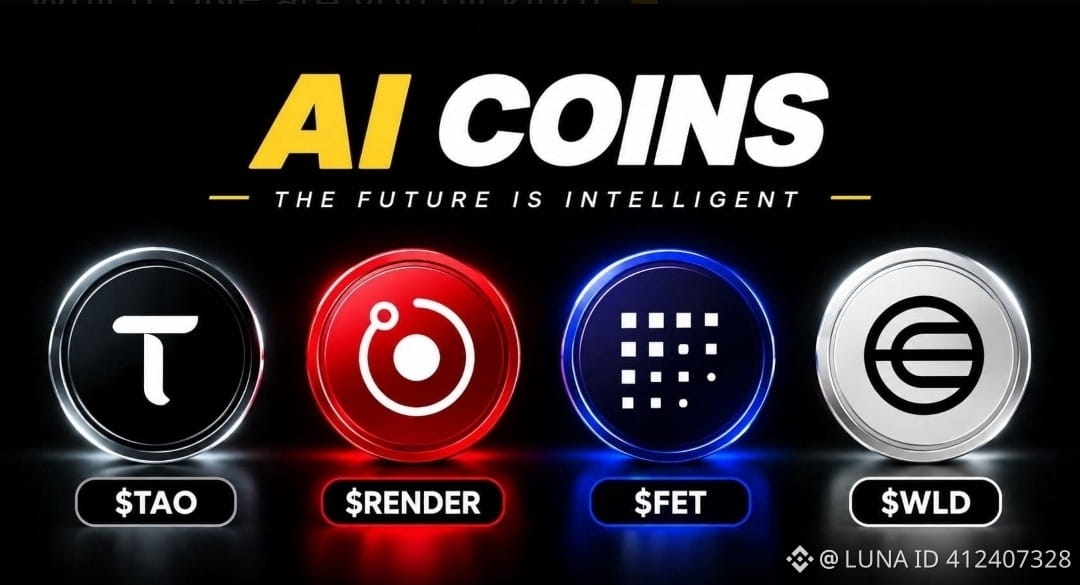
🤖 AI COINS ARE GETTING INTERESTING 👀
If you had $1,000 to invest in just ONE AI coin for the next 3 months…
🧠 $TAO
⚡ $RENDER
🔥 $FET
🌐 $WLD
{spot}(WLDUSDT)
{spot}(RENDERUSDT)
{spot}(FETUSDT)
Which ONE are you picking? 👇
And the real question…
Which AI coin will surprise everyone this cycle? 🚀
#Write2Earn
#FedMinutesFocusOnOctoberPause
🤖 AI COINS ARE GETTING INTERESTING 👀
If you had $1,000 to invest in just ONE AI coin for the next 3 months…
🧠 $TAO
⚡ $RENDER
🔥 $FET
🌐 $WLD
Which ONE are you picking? 👇
And the real question…
Which AI coin will surprise everyone this cycle? 🚀
#Write2Earn
#FedMinutesFocusOnOctoberPause
If you had $1,000 to invest in just ONE AI coin for the next 3 months…
🧠 $TAO
⚡ $RENDER
🔥 $FET
🌐 $WLD
Which ONE are you picking? 👇
And the real question…
Which AI coin will surprise everyone this cycle? 🚀
#Write2Earn
#FedMinutesFocusOnOctoberPause
132
·
--
Bullish
{future}(XMRUSDT)
#zechitsanewalltimehigh
🎯 WHAT HAPPENS AFTER ZEC’S ATH?
ZEC (Zcash) has entered price discovery after printing a historic high! 🚀 The big question now: can bulls hold the breakout, or will profit-taking trigger a pullback?
📊 Trending Altcoins to Watch:
$ZEC (Zcash): Testing crucial support levels after its massive rally. Holding above key zones keeps the bullish momentum intact. ⚡
$XMR (Monero): Gaining strong traction as capital rotates into top-tier privacy assets. 📈
💡 Pro Tip: Keep your eyes on the chart, wait for structural confirmation, and always manage risk! ⚠️
{future}(ZECUSDT)
#ZECHitsANewAllTimeHigh
#ZEC'sMarketCapSurpassedDOGE
#Write2Earn!
#CNPYAirdropOnBinanceAlpha
#zechitsanewalltimehigh
🎯 WHAT HAPPENS AFTER ZEC’S ATH?
ZEC (Zcash) has entered price discovery after printing a historic high! 🚀 The big question now: can bulls hold the breakout, or will profit-taking trigger a pullback?
📊 Trending Altcoins to Watch:
$ZEC (Zcash): Testing crucial support levels after its massive rally. Holding above key zones keeps the bullish momentum intact. ⚡
$XMR (Monero): Gaining strong traction as capital rotates into top-tier privacy assets. 📈
💡 Pro Tip: Keep your eyes on the chart, wait for structural confirmation, and always manage risk! ⚠️
#ZECHitsANewAllTimeHigh
#ZEC'sMarketCapSurpassedDOGE
#Write2Earn!
#CNPYAirdropOnBinanceAlpha
🎯 WHAT HAPPENS AFTER ZEC’S ATH?
ZEC (Zcash) has entered price discovery after printing a historic high! 🚀 The big question now: can bulls hold the breakout, or will profit-taking trigger a pullback?
📊 Trending Altcoins to Watch:
$ZEC (Zcash): Testing crucial support levels after its massive rally. Holding above key zones keeps the bullish momentum intact. ⚡
$XMR (Monero): Gaining strong traction as capital rotates into top-tier privacy assets. 📈
💡 Pro Tip: Keep your eyes on the chart, wait for structural confirmation, and always manage risk! ⚠️
#ZECHitsANewAllTimeHigh
#ZEC'sMarketCapSurpassedDOGE
#Write2Earn!
#CNPYAirdropOnBinanceAlpha

763
3
50
763
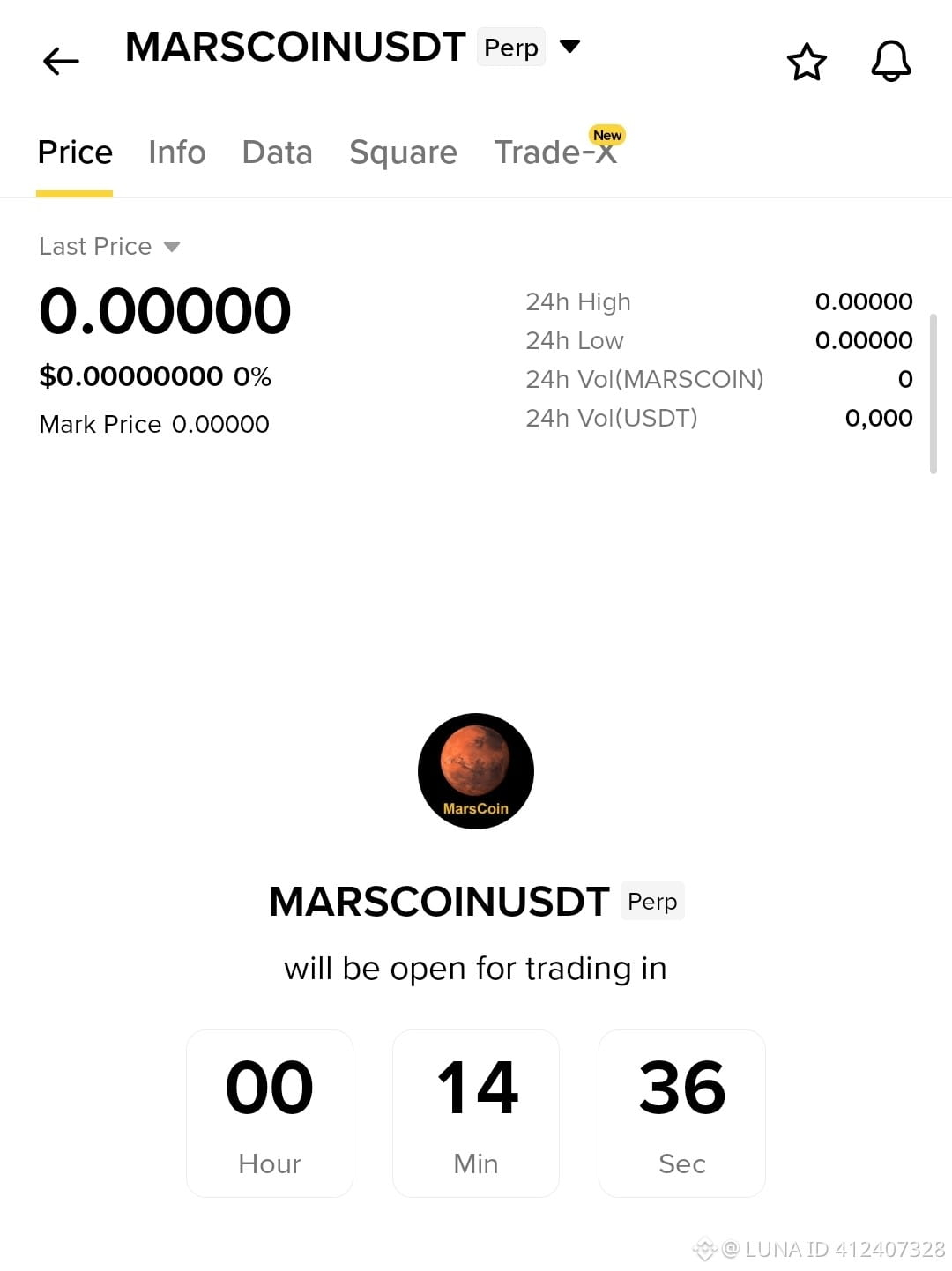
$MARSCOIN is open for trading in 14 mint.
Excited for this coin 😁🎉
New coin just launched in few minutes..
what do you think about it? what is the initial price of t#marscoin is?
{future}(MARSCOINUSDT)
#Write2Earn!
$MARSCOIN is open for trading in 14 mint.
Excited for this coin 😁🎉
New coin just launched in few minutes..
what do you think about it? what is the initial price of t#marscoin is?
#Write2Earn!
Excited for this coin 😁🎉
New coin just launched in few minutes..
what do you think about it? what is the initial price of t#marscoin is?
#Write2Earn!
1
106
·
--
Bullish
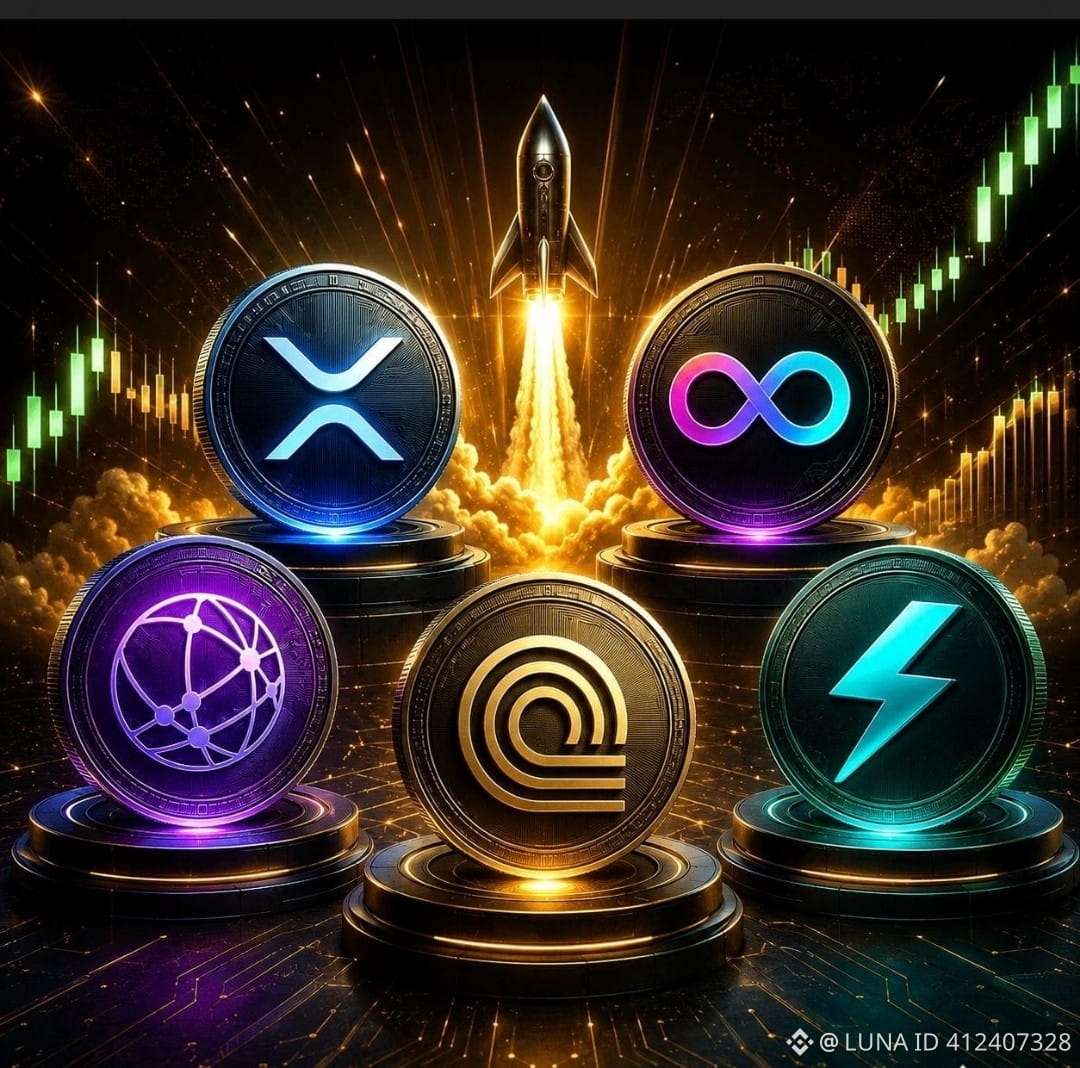
🚀🔥 5 ALTCOINS THAT COULD EXPLODE IN 2026! 🔥🚀
👀 2026 could be a HUGE year for altcoins! Here are 5 projects worth watching closely 📈👇
┌─────────────────────────┐ 🔥 XRP 💸 A massive community, strong brand, and potential catalysts could bring XRP back into the spotlight! 🚀 └─────────────────────────┘
┌─────────────────────────┐ 🧠 ICP ⚡ Building decentralized cloud infrastructure and Web3 technology! Growing interest in AI and decentralized infrastructure could boost attention. 🌐🔥 └─────────────────────────┘
┌─────────────────────────┐ 🌌 TIA 🚀 A major project in the modular blockchain narrative! If this sector heats up again, TIA could attract fresh interest. 👀📈 └─────────────────────────┘
┌─────────────────────────┐ 🏦 ONDO 💰 One of the notable names in the growing RWA sector! Tokenization could remain a major crypto narrative. 🔥 └─────────────────────────┘
┌─────────────────────────┐ ⚡ XPL 🌐 Focused on infrastructure for payments and stablecoins! As a newer project, XPL could see strong hype and volatility. 👀🚀 └─────────────────────────┘
🔥 $XRP • ICP • $TIA • ONDO • XPL 🔥
👀 Could one become a major winner of 2026? 🚀📈
👇 Which coin are YOU watching most? 💬 ❤️ Like & follow for more crypto updates!
⚠️ Not financial advice. Always DYOR!
#Crypto #altcoins #AltSeasonComing #Write2Earn #CryptoNews 🚀🔥 $ONDO
{spot}(TIAUSDT)
{spot}(XPLUSDT)
{spot}(ICPUSDT)
🚀🔥 5 ALTCOINS THAT COULD EXPLODE IN 2026! 🔥🚀
👀 2026 could be a HUGE year for altcoins! Here are 5 projects worth watching closely 📈👇
┌─────────────────────────┐ 🔥 XRP 💸 A massive community, strong brand, and potential catalysts could bring XRP back into the spotlight! 🚀 └─────────────────────────┘
┌─────────────────────────┐ 🧠 ICP ⚡ Building decentralized cloud infrastructure and Web3 technology! Growing interest in AI and decentralized infrastructure could boost attention. 🌐🔥 └─────────────────────────┘
┌─────────────────────────┐ 🌌 TIA 🚀 A major project in the modular blockchain narrative! If this sector heats up again, TIA could attract fresh interest. 👀📈 └─────────────────────────┘
┌─────────────────────────┐ 🏦 ONDO 💰 One of the notable names in the growing RWA sector! Tokenization could remain a major crypto narrative. 🔥 └─────────────────────────┘
┌─────────────────────────┐ ⚡ XPL 🌐 Focused on infrastructure for payments and stablecoins! As a newer project, XPL could see strong hype and volatility. 👀🚀 └─────────────────────────┘
🔥 $XRP • ICP • $TIA • ONDO • XPL 🔥
👀 Could one become a major winner of 2026? 🚀📈
👇 Which coin are YOU watching most? 💬 ❤️ Like & follow for more crypto updates!
⚠️ Not financial advice. Always DYOR!
#Crypto #altcoins #AltSeasonComing #Write2Earn #CryptoNews 🚀🔥 $ONDO
👀 2026 could be a HUGE year for altcoins! Here are 5 projects worth watching closely 📈👇
┌─────────────────────────┐ 🔥 XRP 💸 A massive community, strong brand, and potential catalysts could bring XRP back into the spotlight! 🚀 └─────────────────────────┘
┌─────────────────────────┐ 🧠 ICP ⚡ Building decentralized cloud infrastructure and Web3 technology! Growing interest in AI and decentralized infrastructure could boost attention. 🌐🔥 └─────────────────────────┘
┌─────────────────────────┐ 🌌 TIA 🚀 A major project in the modular blockchain narrative! If this sector heats up again, TIA could attract fresh interest. 👀📈 └─────────────────────────┘
┌─────────────────────────┐ 🏦 ONDO 💰 One of the notable names in the growing RWA sector! Tokenization could remain a major crypto narrative. 🔥 └─────────────────────────┘
┌─────────────────────────┐ ⚡ XPL 🌐 Focused on infrastructure for payments and stablecoins! As a newer project, XPL could see strong hype and volatility. 👀🚀 └─────────────────────────┘
🔥 $XRP • ICP • $TIA • ONDO • XPL 🔥
👀 Could one become a major winner of 2026? 🚀📈
👇 Which coin are YOU watching most? 💬 ❤️ Like & follow for more crypto updates!
⚠️ Not financial advice. Always DYOR!
#Crypto #altcoins #AltSeasonComing #Write2Earn #CryptoNews 🚀🔥 $ONDO
1.1k
2
48
1.1k
·
--
Bearish
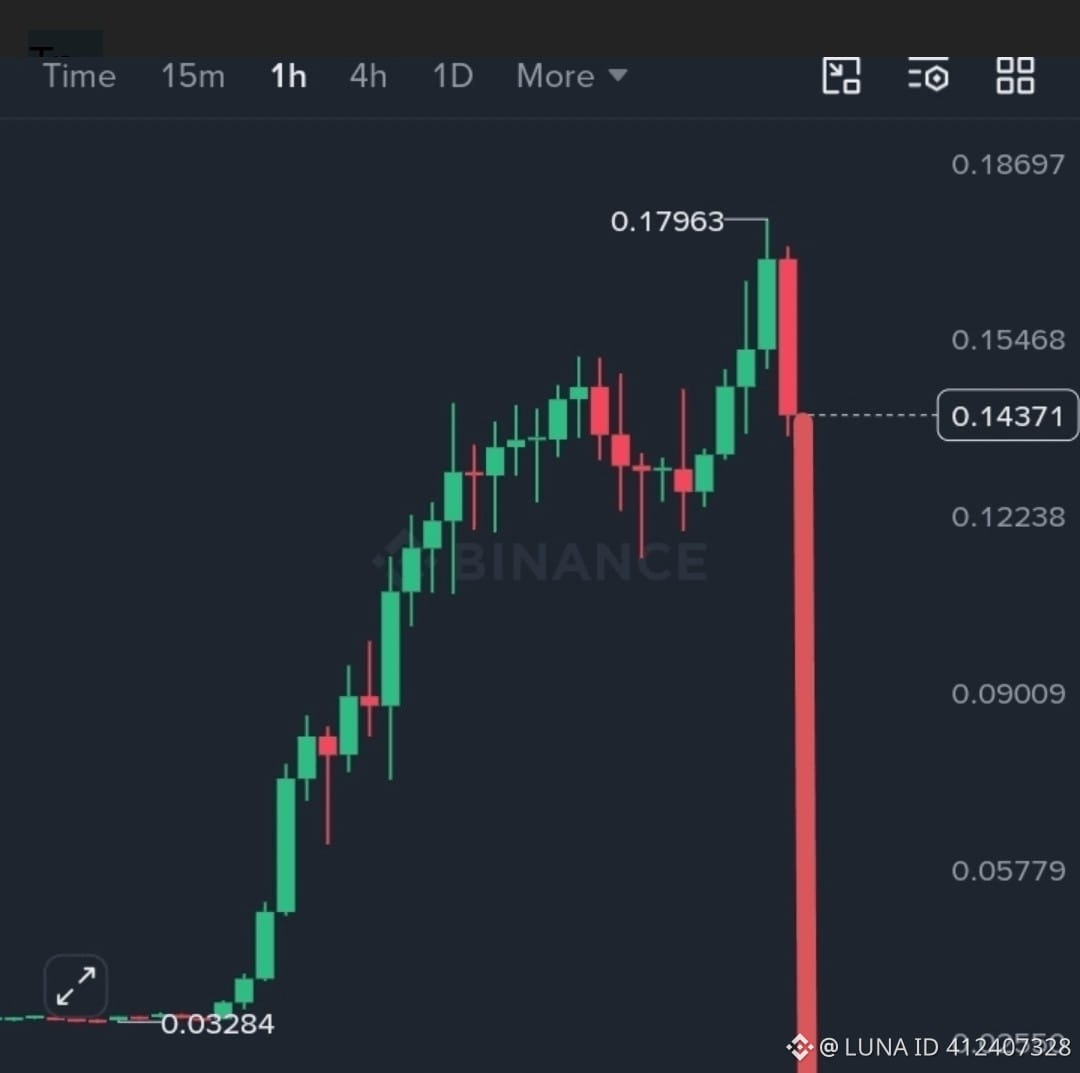
Short 🔻 $BTR now
Entry. CMP
Tp.
0.1400
0.1350
0.1300
0.1250
sL 0.1500
{future}(BTRUSDT)
DCa short
📌 Sharing personal opinions only — not financial advice or a recommendation to buy/sell. Crypto is highly risky; DYOR and you are solely responsible. No coin promotion.
#SHORT📉
#Write2Earn
#Signal🚥.
Short 🔻 $BTR now
Entry. CMP
Tp.
0.1400
0.1350
0.1300
0.1250
sL 0.1500
DCa short
📌 Sharing personal opinions only — not financial advice or a recommendation to buy/sell. Crypto is highly risky; DYOR and you are solely responsible. No coin promotion.
#SHORT📉
#Write2Earn
#Signal🚥.
Entry. CMP
Tp.
0.1400
0.1350
0.1300
0.1250
sL 0.1500
DCa short
📌 Sharing personal opinions only — not financial advice or a recommendation to buy/sell. Crypto is highly risky; DYOR and you are solely responsible. No coin promotion.
#SHORT📉
#Write2Earn
#Signal🚥.
8
2
759
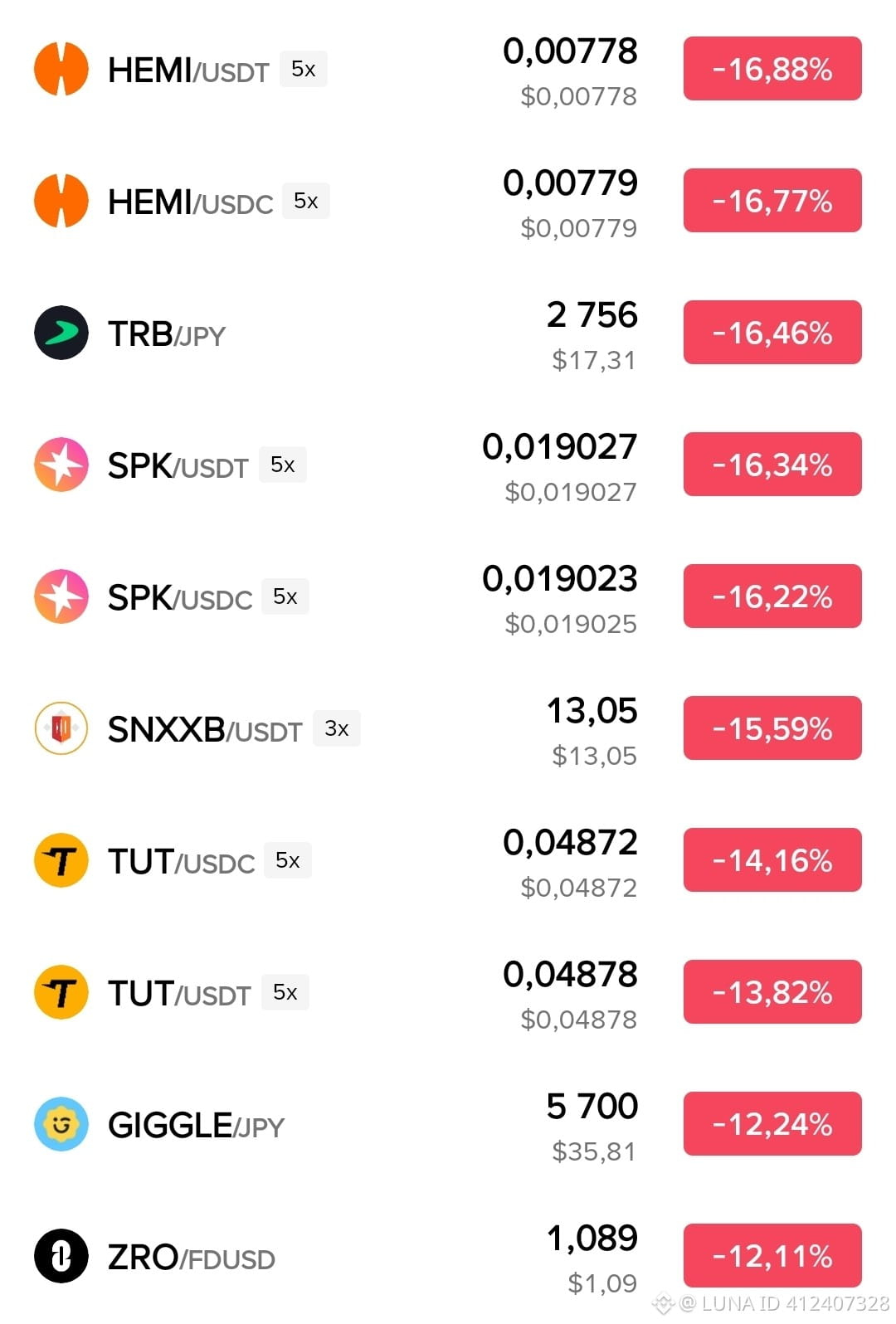
📈 $SNXX in the sights
Buyers are pushing, and the volume is being monitored.
The next move could be decisive. $ENA ⚡
$HEMI
Do your research (DYOR)
{future}(HEMIUSDT)
{future}(ENAUSDT)
#Signal.
#SHORT📉
#Write2Earn!
📈 $SNXX in the sights
Buyers are pushing, and the volume is being monitored.
The next move could be decisive. $ENA ⚡
$HEMI
Do your research (DYOR)
#Signal.
#SHORT📉
#Write2Earn!
Buyers are pushing, and the volume is being monitored.
The next move could be decisive. $ENA ⚡
$HEMI
Do your research (DYOR)
#Signal.
#SHORT📉
#Write2Earn!
528
1
36
528
#termmax @termmax
The interesting part of the TermMax lender orders: your USDC doesn’t necessarily sit idle while waiting for a borrower.
As long as it isn’t matched, the principal can generate Morpho’s base yield. Once a borrower matches your fixed offer, it moves into fixed-rate position.
So the lender experience boils down to:
Wait → earn the base yield → match → lock in the fixed rate
That’s why the matching phase is an important part of TermMax’s design—not just idle time.
#termmax @TermMax
The interesting part of the TermMax lender orders: your USDC doesn’t necessarily sit idle while waiting for a borrower.
As long as it isn’t matched, the principal can generate Morpho’s base yield. Once a borrower matches your fixed offer, it moves into fixed-rate position.
So the lender experience boils down to:
Wait → earn the base yield → match → lock in the fixed rate
That’s why the matching phase is an important part of TermMax’s design—not just idle time.
The interesting part of the TermMax lender orders: your USDC doesn’t necessarily sit idle while waiting for a borrower.
As long as it isn’t matched, the principal can generate Morpho’s base yield. Once a borrower matches your fixed offer, it moves into fixed-rate position.
So the lender experience boils down to:
Wait → earn the base yield → match → lock in the fixed rate
That’s why the matching phase is an important part of TermMax’s design—not just idle time.
1
155
·
--
Bullish
🚀 $ACE /USDT MOMENTUM BULLISH CONTINUATION ! SECOND WAVE PUMP LOADING
PAIR : $ACE /USDT
📈 DIRECTION : LONG (BUY) ⚡ LEVERAGE : 3x - 5x
📊 ENTRY ZONE : 👉 0.2150 - 0.2280
🎯 TARGETS :
1️⃣ 0.2480
2️⃣ 0.2800
3️⃣ 0.3200
4️⃣ 0.3650
5️⃣ 0.4000+
🛑 STOP LOSS : ❌ 0.1880
{future}(ACEUSDT)
#signal
#Write2Earn
#long
🚀 $ACE /USDT MOMENTUM BULLISH CONTINUATION ! SECOND WAVE PUMP LOADING
PAIR : $ACE /USDT
📈 DIRECTION : LONG (BUY) ⚡ LEVERAGE : 3x - 5x
📊 ENTRY ZONE : 👉 0.2150 - 0.2280
🎯 TARGETS :
1️⃣ 0.2480
2️⃣ 0.2800
3️⃣ 0.3200
4️⃣ 0.3650
5️⃣ 0.4000+
🛑 STOP LOSS : ❌ 0.1880
#signal
#Write2Earn
#long
PAIR : $ACE /USDT
📈 DIRECTION : LONG (BUY) ⚡ LEVERAGE : 3x - 5x
📊 ENTRY ZONE : 👉 0.2150 - 0.2280
🎯 TARGETS :
1️⃣ 0.2480
2️⃣ 0.2800
3️⃣ 0.3200
4️⃣ 0.3650
5️⃣ 0.4000+
🛑 STOP LOSS : ❌ 0.1880
#signal
#Write2Earn
#long
1
1
131
·
--
Bullish
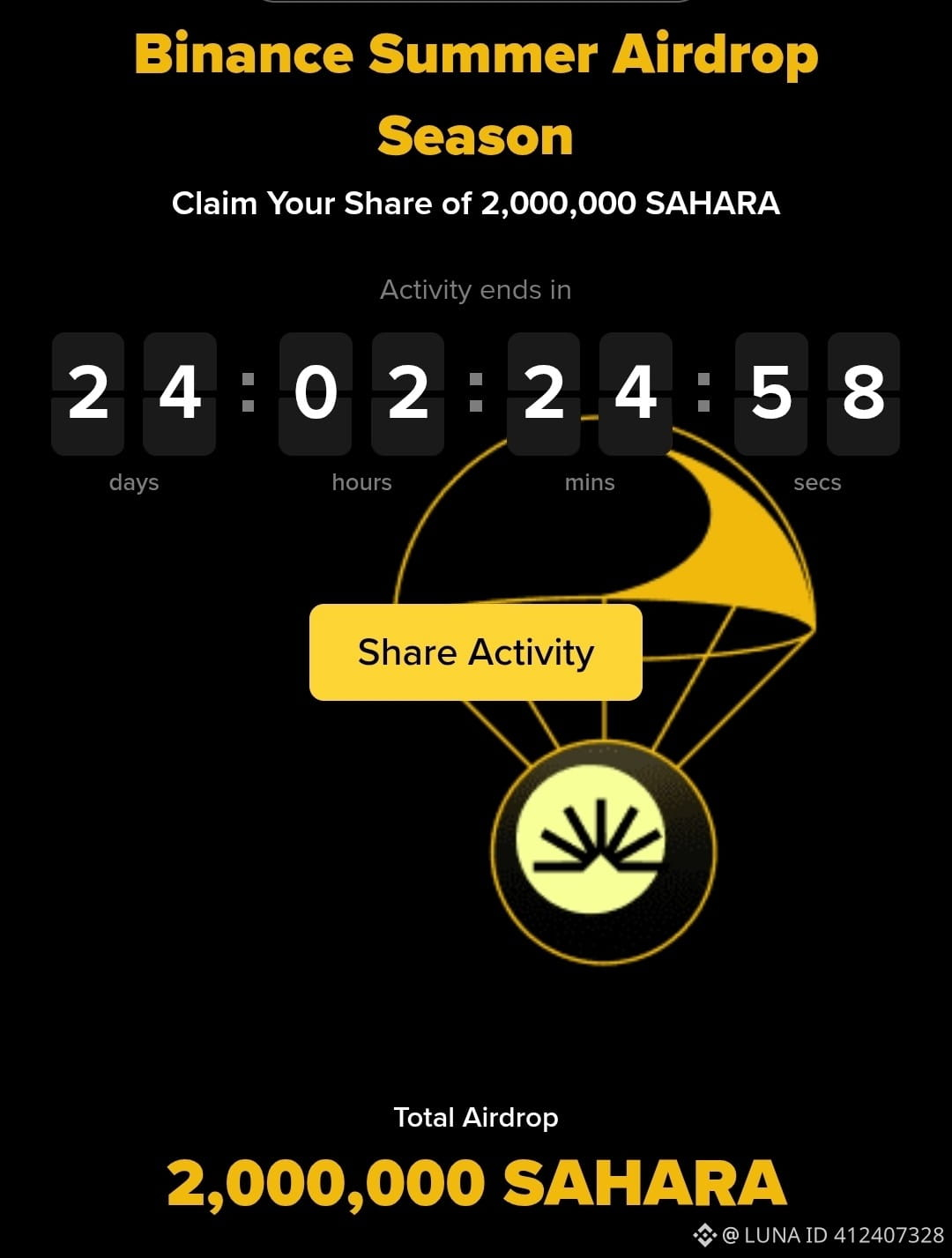
🎁💥 Binance Summer Airdrop Season 🏃♂️🏃♂️❤️
👉👉 [Claim Your Share of 2,000,000 SAHARA](https://www.binance.com/activity/trading-competition/airdrop2mSAHARA?ref=412407328)
{spot}(SAHARAUSDT)
#Airdrop
#Write2Earn
#Binance
@Sahara_AI
ID 412407328
🎁💥 Binance Summer Airdrop Season 🏃♂️🏃♂️❤️
👉👉 Claim Your Share of 2,000,000 SAHARA
#Airdrop
#Write2Earn
#Binance
@SaharaAI
ID 412407328
👉👉 Claim Your Share of 2,000,000 SAHARA
#Airdrop
#Write2Earn
#Binance
@SaharaAI
ID 412407328
542
3
41
542
·
--
Bullish
Verified
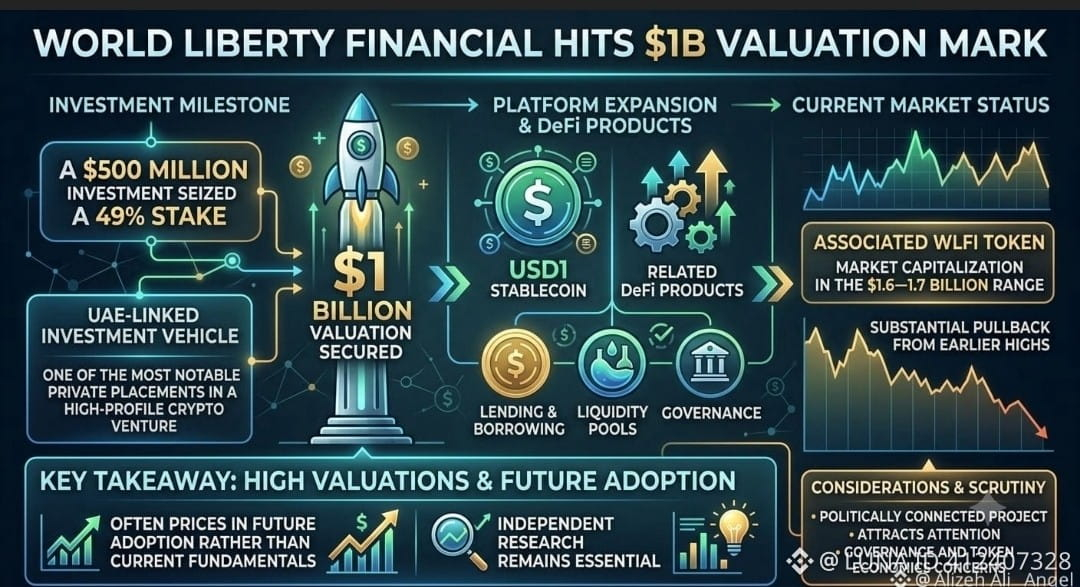
⛽ According to recent data, the token WLFI associated with it has a market capitalization ranging from $1.6 to $1.7 billion, even though the price has sharply fallen compared to its earlier highs. Like many political-related crypto projects, it continues to attract both attention and scrutiny, particularly regarding token governance and tokenomics.
In this space, high valuations often incorporate future adoption rather than current fundamentals. Independent research remains essential.
🚀🚀🚀🚀
#WLFI #defi #Stablecoins #markets #Write2Earn
$WLFI
$USD1
{future}(WLFIUSDT)
{spot}(USD1USDT)
⛽ According to recent data, the token WLFI associated with it has a market capitalization ranging from $1.6 to $1.7 billion, even though the price has sharply fallen compared to its earlier highs. Like many political-related crypto projects, it continues to attract both attention and scrutiny, particularly regarding token governance and tokenomics.
In this space, high valuations often incorporate future adoption rather than current fundamentals. Independent research remains essential.
🚀🚀🚀🚀
#WLFI #defi #Stablecoins #markets #Write2Earn
$WLFI
$USD1
In this space, high valuations often incorporate future adoption rather than current fundamentals. Independent research remains essential.
🚀🚀🚀🚀
#WLFI #defi #Stablecoins #markets #Write2Earn
$WLFI
$USD1
479
2
38
479
$BLESS Everyone sees $BLESS rising by 127% and thinks the short is obvious.
That’s exactly why I haven’t shorted yet.
The funding is extremely positive, but the price is still close to the highs and the open interest remains high.
The bearish trade only begins after the break of 0.02400 — and once the buyers fail to reclaim it.
Before that, short sellers are only volunteering to become liquidity.
Who will get trapped first?
LONGS or SHORTS?
#Bless
{future}(BLESSUSDT)
🔥🔥🔥🔥
#Write2Earn
#signaladvisor
$BLESS Everyone sees $BLESS rising by 127% and thinks the short is obvious.
That’s exactly why I haven’t shorted yet.
The funding is extremely positive, but the price is still close to the highs and the open interest remains high.
The bearish trade only begins after the break of 0.02400 — and once the buyers fail to reclaim it.
Before that, short sellers are only volunteering to become liquidity.
Who will get trapped first?
LONGS or SHORTS?
#Bless
🔥🔥🔥🔥
#Write2Earn
#signaladvisor
That’s exactly why I haven’t shorted yet.
The funding is extremely positive, but the price is still close to the highs and the open interest remains high.
The bearish trade only begins after the break of 0.02400 — and once the buyers fail to reclaim it.
Before that, short sellers are only volunteering to become liquidity.
Who will get trapped first?
LONGS or SHORTS?
#Bless
🔥🔥🔥🔥
#Write2Earn
#signaladvisor
37
1
8
512
·
--
Bullish
$WLFI — LONG 🚀🚀🔥🔥
Entry : 0.05355
TP1 : 0.05610
TP2 : 0.05760
TP3 : 0.05930
Stop Loss : 0.05310
Buyers remain in control. A sustained breakout above the entry zone could pave the way for the next bullish targets while keeping risk under control thanks to a defined stop loss.
{future}(WLFIUSDT)
🚀🚀🚀🚀🚀🚀🚀🚀🚀🚀🚀🚀🚀🚀
#WLFI
#Write2Earn! #LongOpportunity
$WLFI — LONG 🚀🚀🔥🔥
Entry : 0.05355
TP1 : 0.05610
TP2 : 0.05760
TP3 : 0.05930
Stop Loss : 0.05310
Buyers remain in control. A sustained breakout above the entry zone could pave the way for the next bullish targets while keeping risk under control thanks to a defined stop loss.
🚀🚀🚀🚀🚀🚀🚀🚀🚀🚀🚀🚀🚀🚀
#WLFI
#Write2Earn! #LongOpportunity
Entry : 0.05355
TP1 : 0.05610
TP2 : 0.05760
TP3 : 0.05930
Stop Loss : 0.05310
Buyers remain in control. A sustained breakout above the entry zone could pave the way for the next bullish targets while keeping risk under control thanks to a defined stop loss.
🚀🚀🚀🚀🚀🚀🚀🚀🚀🚀🚀🚀🚀🚀
#WLFI
#Write2Earn! #LongOpportunity
366
1
32
366
·
--
Bullish
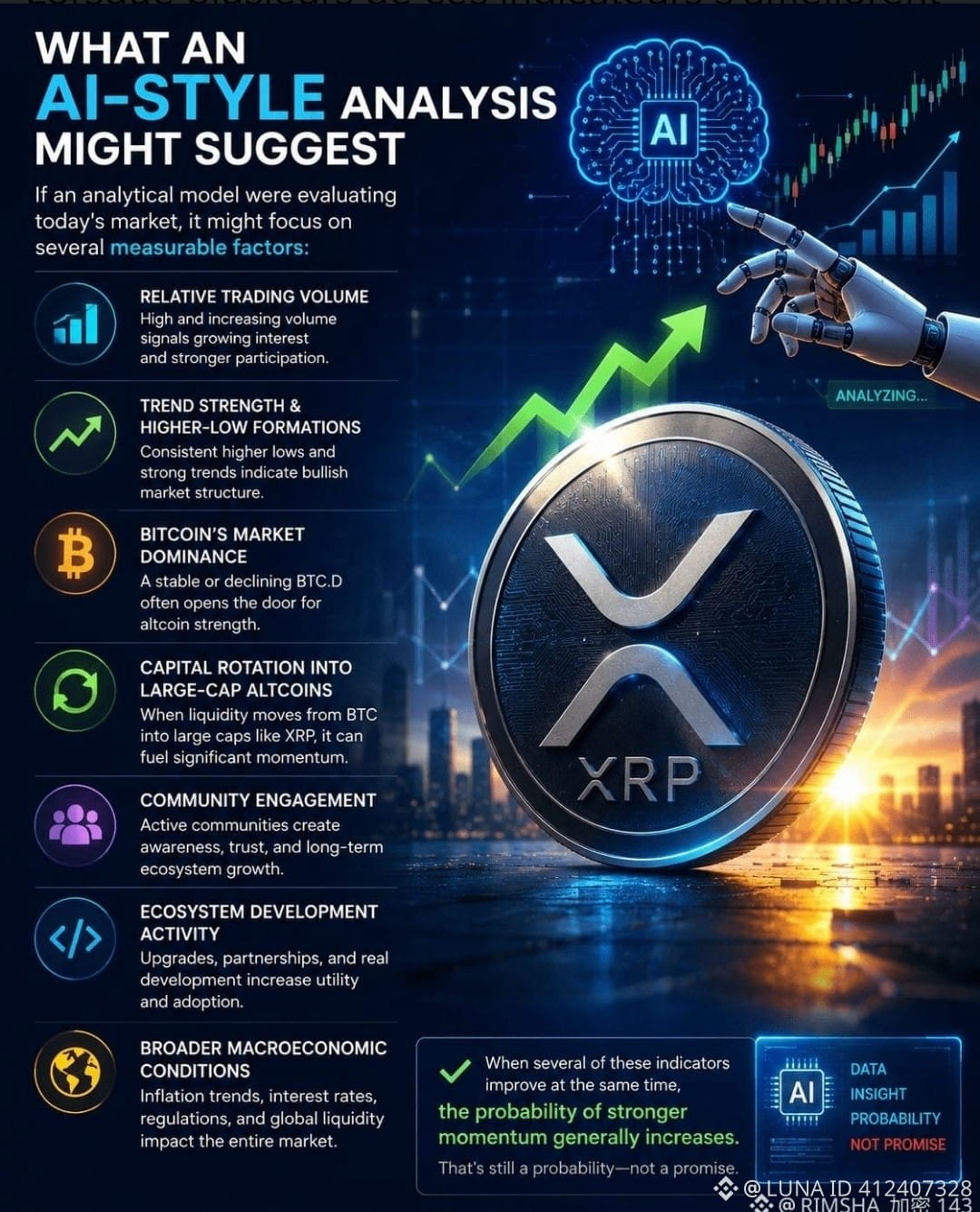
What an AI style analysis could suggest
If an analytical model were to evaluate today’s market, it might focus on several measurable factors:
The relative transaction volume
The strength of the trend and the lowest-lows formations
Bitcoin dominance
The rotation of capital into large-cap altcoins
Community engagement
Ecosystem development activity
Broader macroeconomic conditions
When several of these indicators improve at the same time, the likelihood of a stronger impulse generally increases. This is, however, a probability—not a promise.
$FET $NVDA.US $XRP
#CoinbaseBTCPremiumNegative77Days
#Write2Earn
#USToCancelIranAttackSubjectToDeal
What an AI style analysis could suggest
If an analytical model were to evaluate today’s market, it might focus on several measurable factors:
The relative transaction volume
The strength of the trend and the lowest-lows formations
Bitcoin dominance
The rotation of capital into large-cap altcoins
Community engagement
Ecosystem development activity
Broader macroeconomic conditions
When several of these indicators improve at the same time, the likelihood of a stronger impulse generally increases. This is, however, a probability—not a promise.
$FET $NVDA.US $XRP
#CoinbaseBTCPremiumNegative77Days
#Write2Earn
#USToCancelIranAttackSubjectToDeal
If an analytical model were to evaluate today’s market, it might focus on several measurable factors:
The relative transaction volume
The strength of the trend and the lowest-lows formations
Bitcoin dominance
The rotation of capital into large-cap altcoins
Community engagement
Ecosystem development activity
Broader macroeconomic conditions
When several of these indicators improve at the same time, the likelihood of a stronger impulse generally increases. This is, however, a probability—not a promise.
$FET $NVDA.US $XRP
#CoinbaseBTCPremiumNegative77Days
#Write2Earn
#USToCancelIranAttackSubjectToDeal
292
2
31
292
·
--
Bearish
$MMT
MMT/USDT — SHORT
Entry : 0.250 USDT
🎯 Goals : 0.242 → 0.232 → 0.220
🛡️ Stop Loss : 0.27
Scenario : The break below 0.242 supports the continuation of selling pressure, while the rebound to 0.262 weakens the short scenario.
⚠️ Capital management is important, especially with MMT volatility.
👇👇👇👇👇
{future}(MMTUSDT)
#short
#signal
#Write2Earn
$MMT
MMT/USDT — SHORT
Entry : 0.250 USDT
🎯 Goals : 0.242 → 0.232 → 0.220
🛡️ Stop Loss : 0.27
Scenario : The break below 0.242 supports the continuation of selling pressure, while the rebound to 0.262 weakens the short scenario.
⚠️ Capital management is important, especially with MMT volatility.
👇👇👇👇👇
#short
#signal
#Write2Earn
MMT/USDT — SHORT
Entry : 0.250 USDT
🎯 Goals : 0.242 → 0.232 → 0.220
🛡️ Stop Loss : 0.27
Scenario : The break below 0.242 supports the continuation of selling pressure, while the rebound to 0.262 weakens the short scenario.
⚠️ Capital management is important, especially with MMT volatility.
👇👇👇👇👇
#short
#signal
#Write2Earn
151
18
151
·
--
Bearish
Signal for $GENIUS /USDT
Trend: 📉
Use 5x leverage
Futures 🚦
Entry: 💰 0.3750 - 0.3800
Take profit:
TP1: 0.3600
TP2: 0.3400
TP3: 0.3200
TP4: 0.2900
Stop loss: 🛑 0.4050
{future}(GENIUSUSDT)
#short
#SİGNAL
#Write2Earn
Signal for $GENIUS /USDT
Trend: 📉
Use 5x leverage
Futures 🚦
Entry: 💰 0.3750 - 0.3800
Take profit:
TP1: 0.3600
TP2: 0.3400
TP3: 0.3200
TP4: 0.2900
Stop loss: 🛑 0.4050
#short
#SİGNAL
#Write2Earn
Trend: 📉
Use 5x leverage
Futures 🚦
Entry: 💰 0.3750 - 0.3800
Take profit:
TP1: 0.3600
TP2: 0.3400
TP3: 0.3200
TP4: 0.2900
Stop loss: 🛑 0.4050
#short
#SİGNAL
#Write2Earn
9
2
12
169
·
--
Bullish
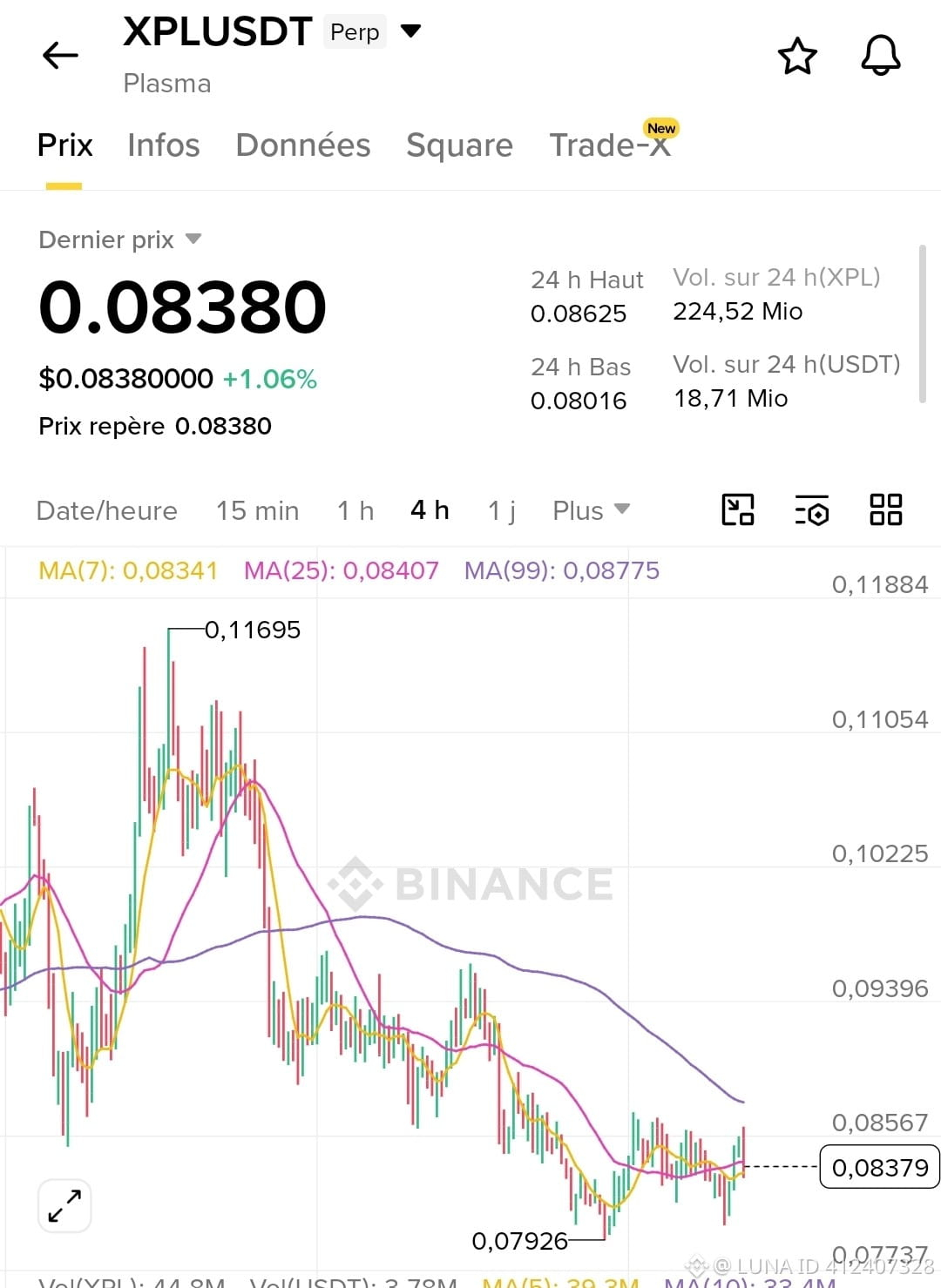
$XPL is currently approaching an active decision zone where momentum can expand quickly.
$XPL is near support, and the next reaction here can determine the next intraday move.
LONG XPL setup (max 10x)
🎯 Entry : 0.0832 - 0.08387
🛑 SL : 0.08001
✅ TP1 : 0.0847
✅ TP2 : 0.08579
✅ TP3 : 0.08705
🔥🔥🚀🚀
Trade $XPL here 👇
{future}(XPLUSDT)
#signal
#Write2Earn!
#LONG:
$XPL is currently approaching an active decision zone where momentum can expand quickly.
$XPL is near support, and the next reaction here can determine the next intraday move.
LONG XPL setup (max 10x)
🎯 Entry : 0.0832 - 0.08387
🛑 SL : 0.08001
✅ TP1 : 0.0847
✅ TP2 : 0.08579
✅ TP3 : 0.08705
🔥🔥🚀🚀
Trade $XPL here 👇
#signal
#Write2Earn!
#LONG:
$XPL is near support, and the next reaction here can determine the next intraday move.
LONG XPL setup (max 10x)
🎯 Entry : 0.0832 - 0.08387
🛑 SL : 0.08001
✅ TP1 : 0.0847
✅ TP2 : 0.08579
✅ TP3 : 0.08705
🔥🔥🚀🚀
Trade $XPL here 👇
#signal
#Write2Earn!
#LONG:
108
16
108
·
--
Bullish
$FIDA
FIDA outfits new traders.
$FET
POND builds momentum regularly.
$SYN
SYN negotiates with bullish strength.
{future}(FIDAUSDT)
{future}(SYNUSDT)
{future}(FETUSDT)
#Signal.
#Write2Earn!
#Fetch_ai
$FIDA
FIDA outfits new traders.
$FET
POND builds momentum regularly.
$SYN
SYN negotiates with bullish strength.
#Signal.
#Write2Earn!
#Fetch_ai
FIDA outfits new traders.
$FET
POND builds momentum regularly.
$SYN
SYN negotiates with bullish strength.
#Signal.
#Write2Earn!
#Fetch_ai
104
20
327
Log in to explore more content
Join global crypto users on Binance Square
⚡️ Get latest and useful information about crypto.
💬 Trusted by the world’s largest crypto exchange.
👍 Discover real insights from verified creators.
Email / Phone number