
Serein1
422 Posts

Serein1
Report
Block User
I create wealth and freedom through joy, vitality and loving myself | Follow me, and let's become great together!

HYPE Holder
Frequent Trader
3.6 Years
187 Following
351 Followers
176 Liked
Posts
All
Videos
·
--
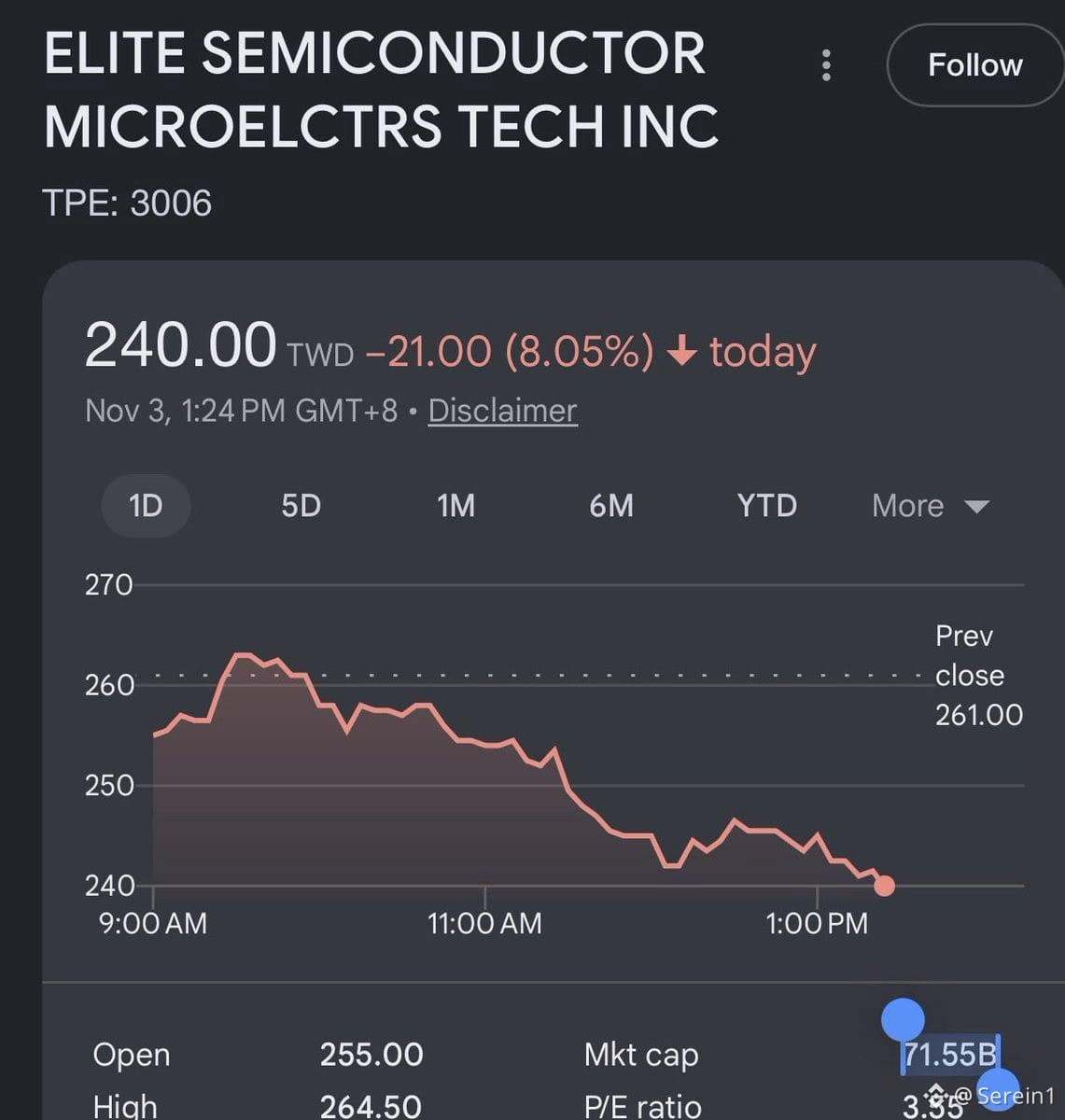
Alright, the market is just messing with people now… $ESMT (market cap: $2.3 billion) memory earnings + investor call:
- Revenue: $679.4M
- Gross profit: $526.2M (gross margin: 77.44%)
- Operating profit: $403.4M (operating margin: 59.37%)
Annualized from Q3, operating profit is about $1.61 billion.
They also have $757 million in net cash + $278 million in inventory on the books…
So in about 3.5 more quarters, their assets could exceed their market cap.
- The Economic Daily also reported that management expects no significant increase in DDR2/DDR3 supply in 2027 and believes prices can hold
So yeah, I think the market is messing with people, hammering a company with an annualized P/E of just 1.59x.
And prices are expected to keep rising in Q4.
$ESMT
26
·
--
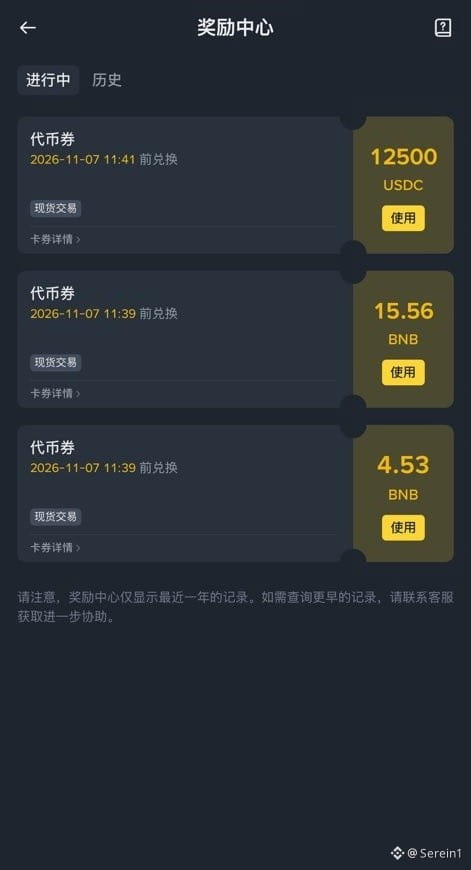
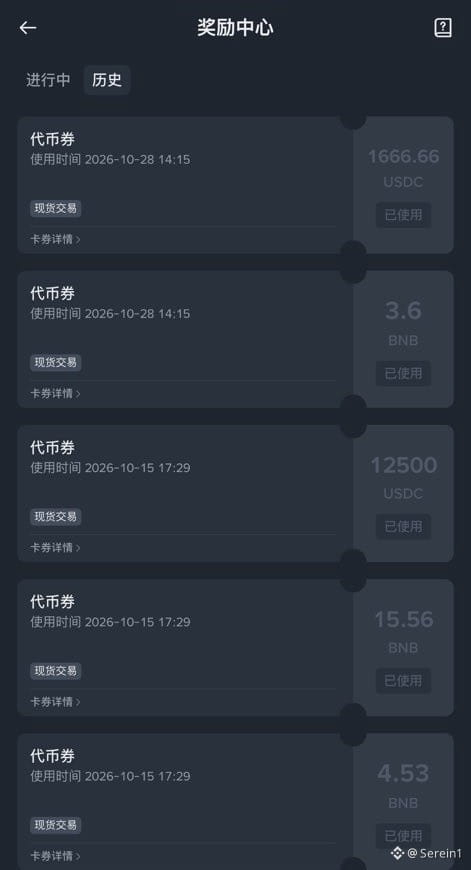
I don’t take part in earn campaigns. After all, no matter how high the interest is, for people making large trades over the long term, it only offsets some of the trading fees.
But Binance’s last few trading campaigns really were tempting. If you’ve signed up for any trading competitions before, take a look in your Rewards Hub when you get a chance—the rewards are pretty substantial, so you might as well claim them if you can.
$BNB
But Binance’s last few trading campaigns really were tempting. If you’ve signed up for any trading competitions before, take a look in your Rewards Hub when you get a chance—the rewards are pretty substantial, so you might as well claim them if you can.
$BNB
3
2.2k
·
--
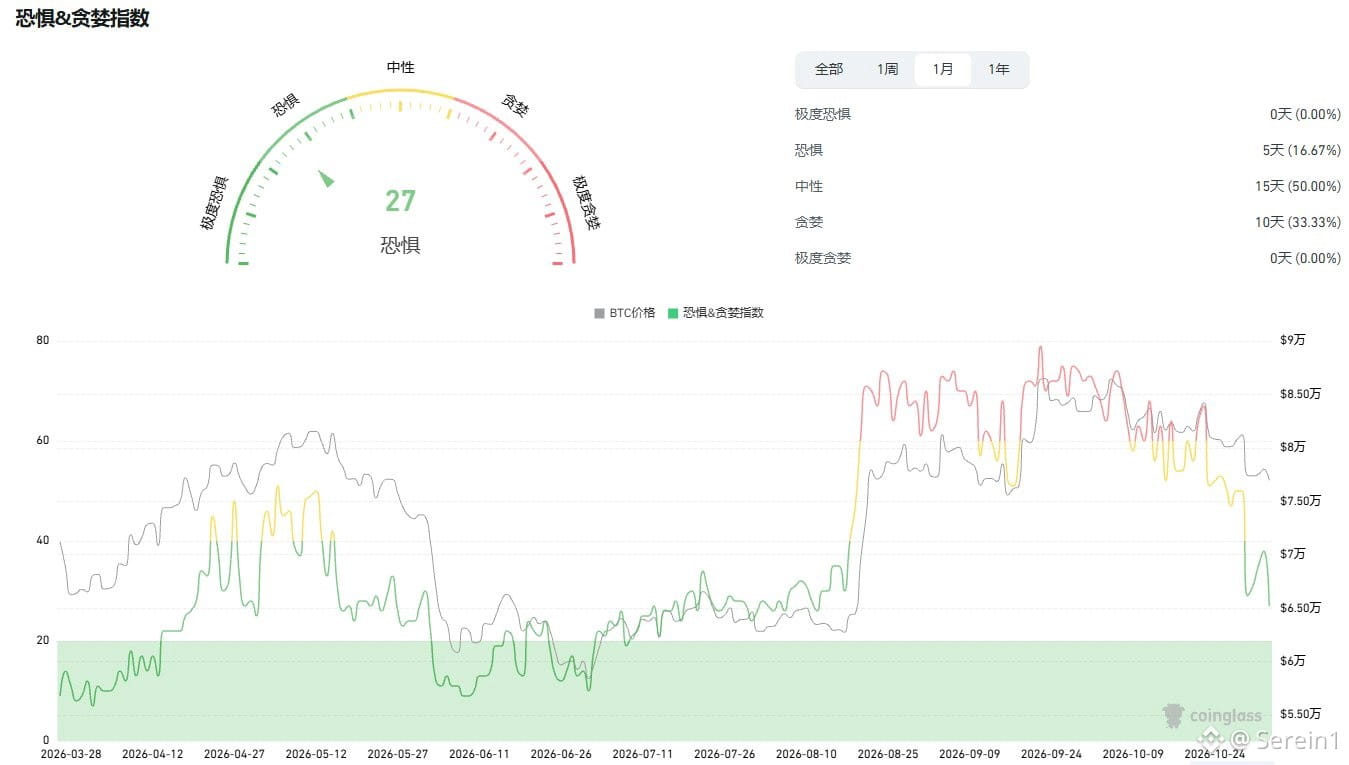
The Fear & Greed Index dropped from 38 to 27 in one day, down 11 points;
This is one of the biggest single-day drops this month, and it happened while the price fell by only about 2%.
This price looks like pretty good value to me. I'll keep buying!
$BTC
The Fear & Greed Index dropped from 38 to 27 in one day, down 11 points;
This is one of the biggest single-day drops this month, and it happened while the price fell by only about 2%.
This price looks like pretty good value to me. I'll keep buying!
$BTC
This is one of the biggest single-day drops this month, and it happened while the price fell by only about 2%.
This price looks like pretty good value to me. I'll keep buying!
$BTC
124
·
--
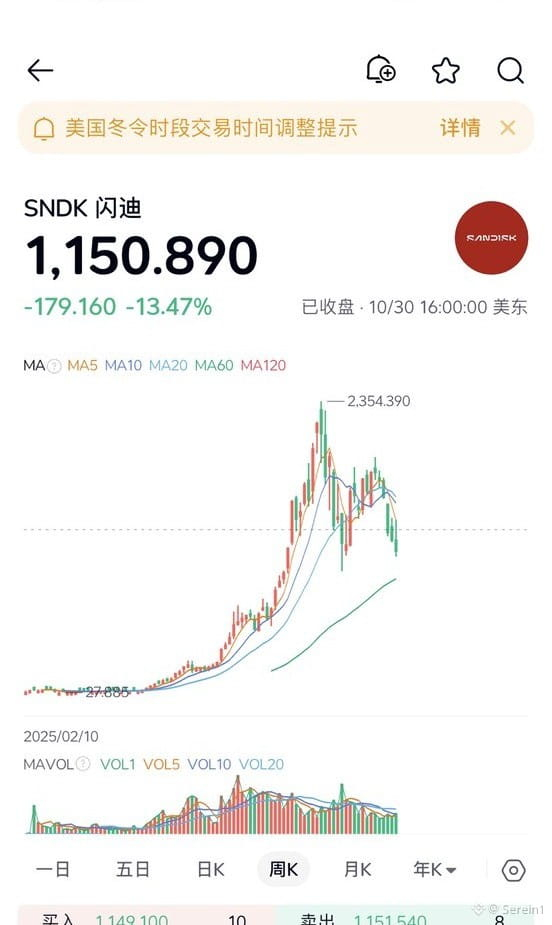
Looking at SanDisk's weekly chart pattern, there's no turning back now.
A massive double top.
$SNDK
Looking at SanDisk's weekly chart pattern, there's no turning back now.
A massive double top.
$SNDK
A massive double top.
$SNDK
1.4k
·
--
Verified
LITE on a standalone basis will probably rise after earnings, because they just announced $5 billion in CPO/NPO orders (unrelated to NVDA).
Margins on this could probably exceed 60%… showing just how profitable laser players can be once they scale up.
(Greensboro alone could generate $5 billion in annual revenue.)
As for the MRVL deal:
- It’s very positive for Marvell strategically. It also makes the remaining laser players much more valuable.
- But LITE shareholders may be crying, since the deal won’t close until 2028, leaving more than a year of overhang in the meantime.
Independent price discovery will also weaken, since many will anchor around 4.5 Marvell shares : 1.
- I think Lumentum shareholders would probably be a bit happier if Marvell’s stock hadn’t sold off before the announcement…
Because LITE was initially valued at about $115 billion, with a 23.9% premium.
- Marvell’s drop immediately revealed the downside of this deal; if it had risen, LITE shareholders might have been a little happier with the valuation.
A fixed-dollar market cap floor would probably be better than a 4.5:1 stock exchange ratio.
There were quite a few trades that were long LITE and short some other name, weighing on valuations across the photonics sector, so at least those pairs may now need to be unwound.
$LITE

611
·
--
Verified
MRVL actually pulled it off and bought LITE. Didn't see that coming.
$MRVL
MRVL actually pulled it off and bought LITE. Didn't see that coming.
$MRVL
$MRVL

1.1k
·
--
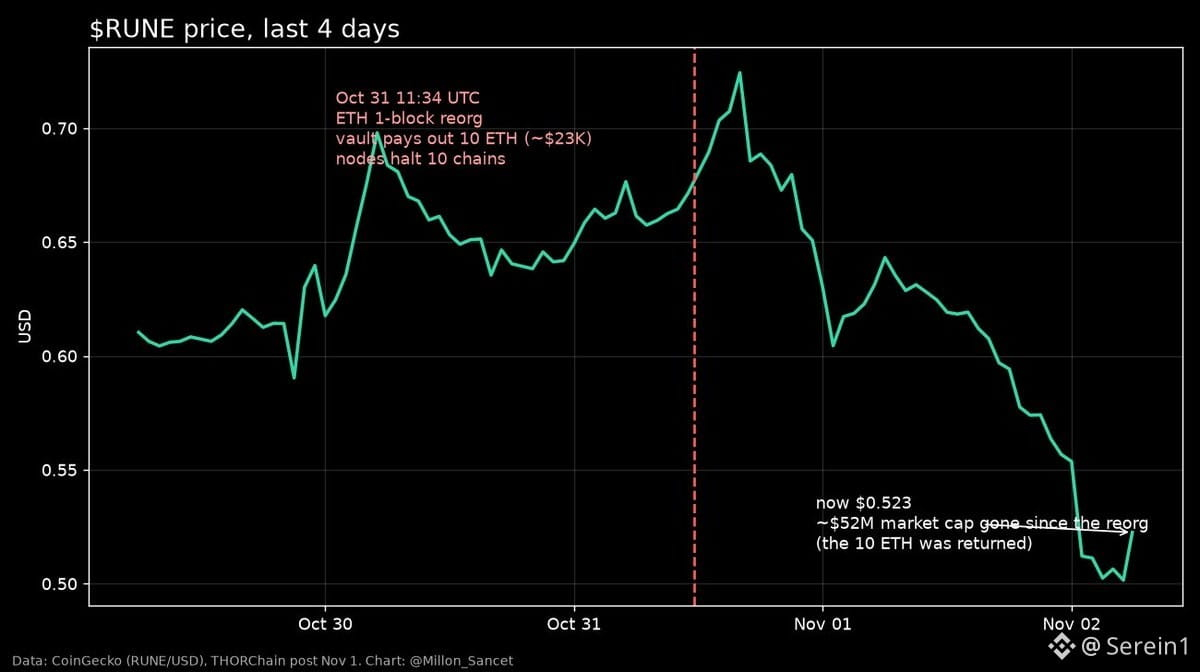
The same thing happened both times: hackers laundered money through THORChain. Why did RUNE surge last time but plunge this time?
The key difference: Last time, the market was trading on rising fees. This time, it’s trading on regulatory and security risks.
During the earlier Bitget hack, large amounts of funds were exchanged across chains through THORChain, driving a surge in trading volume and fees. The market saw this as a boost to protocol revenue, and RUNE rose accordingly.
But the Binance hack created a very different situation:
- Direct FBI involvement: The FBI, U.S. Secret Service, and IRS-CI jointly asked THORNode operators, RPC nodes, and DeFi service providers to block fund flows linked to North Korean hackers.
- The permissionless model faces a challenge: THORChain’s core selling point is that it’s permissionless. But refusing to help block the funds could bring greater regulatory pressure, while cooperating could undermine the protocol’s neutrality.
- Security incidents compound the problem: An Ethereum reorg led to a double refund of 10 ETH, triggering a pause in transactions across multiple chains. THORChain had also previously suffered a security attack involving approximately $10.7 million.
- Revenue quality comes under scrutiny: Trading volume and fees generated by hackers laundering money don’t amount to sustainable growth. Once the abnormal fund flows disappear, the key question is whether the protocol can sustain its revenue through regular users.
The irony is:
Last time, the more hackers there were, the more the market thought THORChain was earning. This time, the more hackers rely on THORChain, the more the market worries that it could become a focal point for regulatory and security risks.
The real issue facing RUNE isn’t just whether trading volume can recover. It’s whether THORChain can resolve the conflict between security and regulation while remaining permissionless.
Fees can bring short-term prosperity, but security and trust determine how far a protocol can go.
$RUNE
1
1
·
--
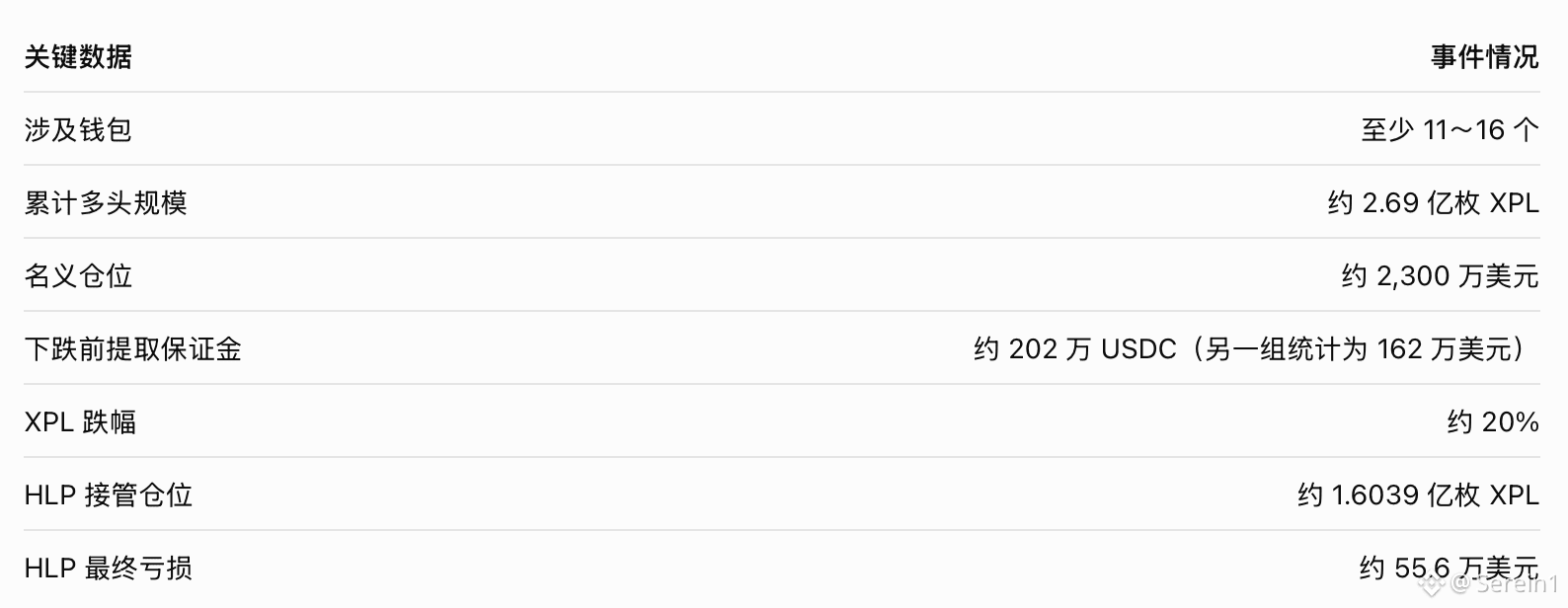
Behind XPL’s flash crash, Hyperliquid’s liquidation vault became the buyer.
On November 1, XPL plunged 18% in one minute on Hyperliquid. Before the flash crash, 16 linked wallets had already withdrawn about $2.0386 million in margin.
On-chain data shows that these wallets had previously held a combined long position of about 269 million XPL, worth approximately $23.09 million.
Hyperliquid’s liquidation mechanism then kicked in, forcing HLP to take over about 160 million XPL. It lost approximately $555,800 in subsequent sell-offs.
Notably, this loss amounted to 0.33% of HLP’s total funds, but 55.6% of its own capital.
There is currently no evidence that the 16 wallets directly caused the flash crash or profited from it. However, the timeline of concentrated position-building, early withdrawals, and the liquidation has raised questions in the market about possible coordinated activity.
The risk was left with the liquidation vault, while the margin was withdrawn in advance? Is there a vulnerability in Hyperliquid’s liquidation mechanism that can be exploited?
$XPL
527
·
--
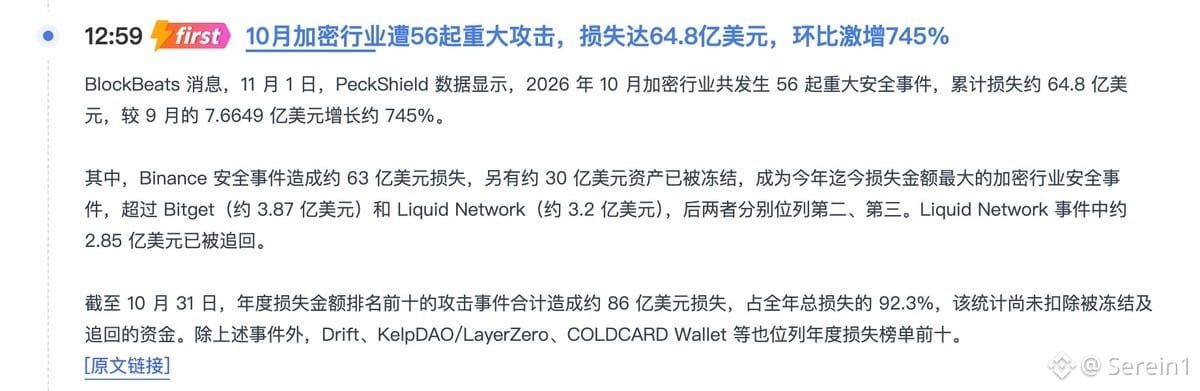
Events like this will only become more frequent, not less.
Set a few principles for yourself. They may be old advice, but it’s still important to stay extremely vigilant:
1️⃣ Hold core BTC and ETH for the long term.
2️⃣ Use a self-custody solution that you’ve tested with a small transfer and verified recovery. Minimize day-to-day operations, and don’t chase small gains.
3️⃣ Keep only the amount you actually need on exchanges, and set a maximum loss you can tolerate for each platform.
$BTC
63
·
--
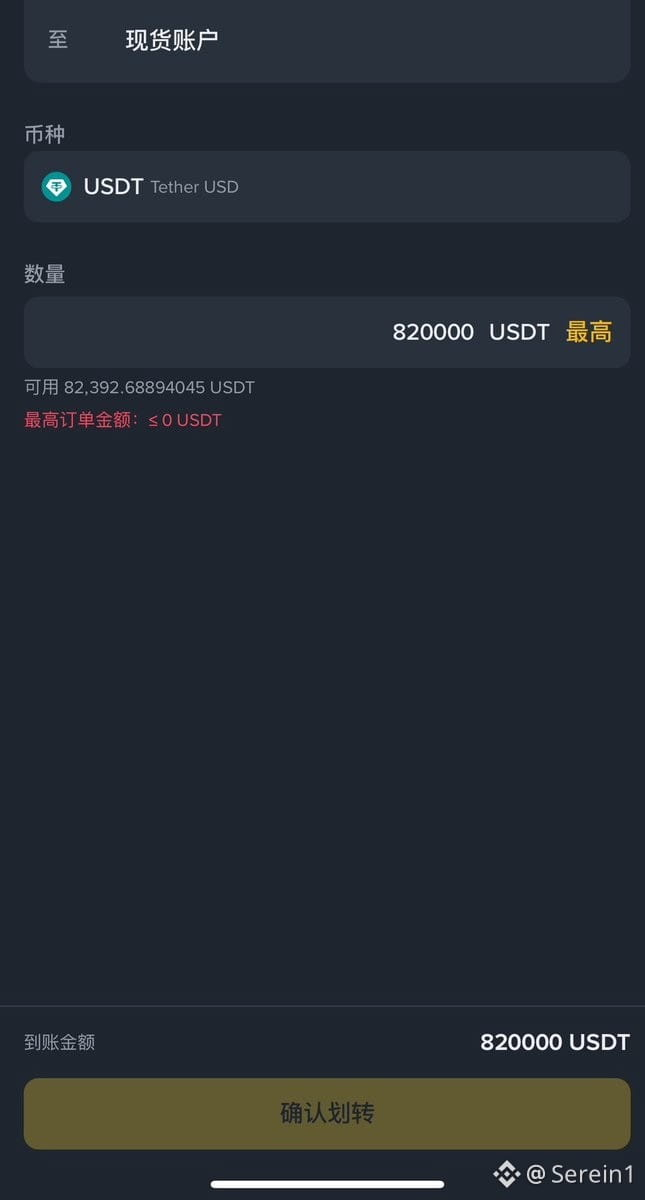
Withdrawals on the BNB Chain aren’t available in the first phase? I just want to transfer the money out of my prediction account, and that’s not allowed either? A transfer isn’t a withdrawal. Shouldn’t transferring from a prediction account to a spot account be treated as a deposit?
$BNB
Withdrawals on the BNB Chain aren’t available in the first phase? I just want to transfer the money out of my prediction account, and that’s not allowed either? A transfer isn’t a withdrawal. Shouldn’t transferring from a prediction account to a spot account be treated as a deposit?
$BNB
$BNB
100
·
--
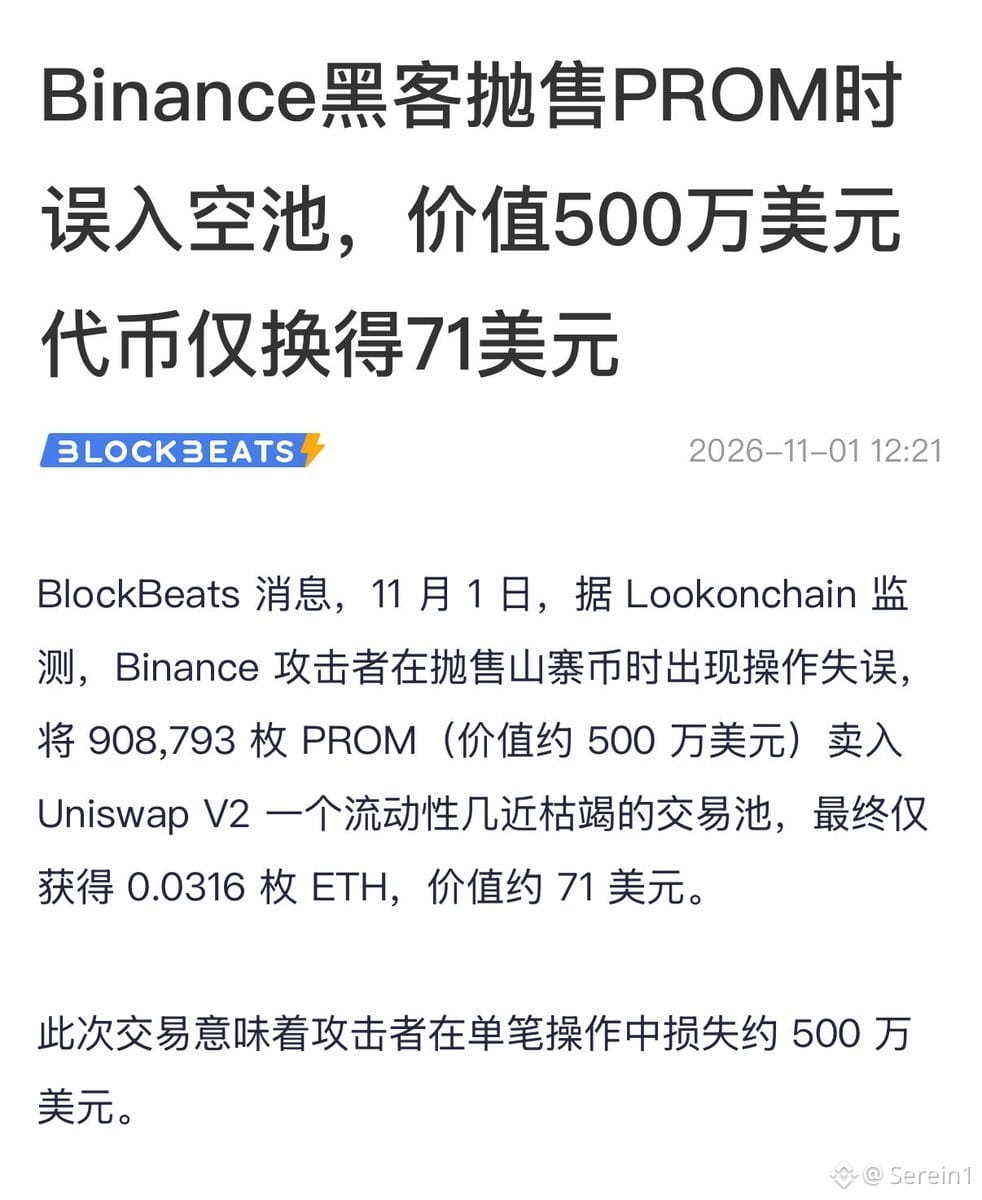
This shows that the ability to liquidate assets is just as important. 😂
I suspect the attackers had automated transfer and laundering scripts, but their priority in the batch laundering process was to get the funds out quickly;
They probably only checked the token values, without rechecking liquidity for each token, chain, and pool.
They made a huge mistake!
$PROM
I suspect the attackers had automated transfer and laundering scripts, but their priority in the batch laundering process was to get the funds out quickly;
They probably only checked the token values, without rechecking liquidity for each token, chain, and pool.
They made a huge mistake!
$PROM
1
186
·
--
Binance Latest Withdrawal Resumption Update:
The first phase of withdrawal services will resume from 14:00 to 17:00 Beijing time on November 1 (06:00 to 09:00 UTC).
The first batch will support networks and assets including BTC, ETH, BNB, TRX, SOL, XRP, ZEC, DOGE, TON, POL, AVAX, ARB, BASE, OP, and SUI.
$BNB
The first phase of withdrawal services will resume from 14:00 to 17:00 Beijing time on November 1 (06:00 to 09:00 UTC).
The first batch will support networks and assets including BTC, ETH, BNB, TRX, SOL, XRP, ZEC, DOGE, TON, POL, AVAX, ARB, BASE, OP, and SUI.
$BNB

37
·
--
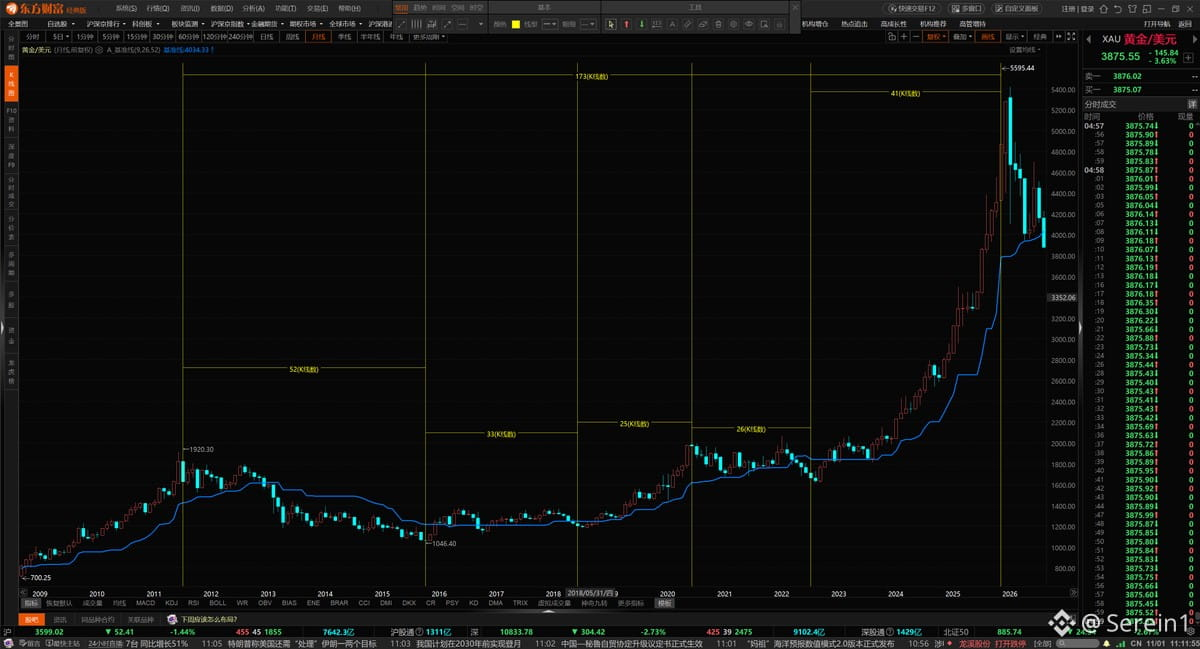
U.S. tech stocks and gold are accelerating their decline.
Even if all the bearish news in crypto has been priced in, we still need to remain cautious given the broader environment.
$PAXG
U.S. tech stocks and gold are accelerating their decline.
Even if all the bearish news in crypto has been priced in, we still need to remain cautious given the broader environment.
$PAXG
Even if all the bearish news in crypto has been priced in, we still need to remain cautious given the broader environment.
$PAXG
213
·
--
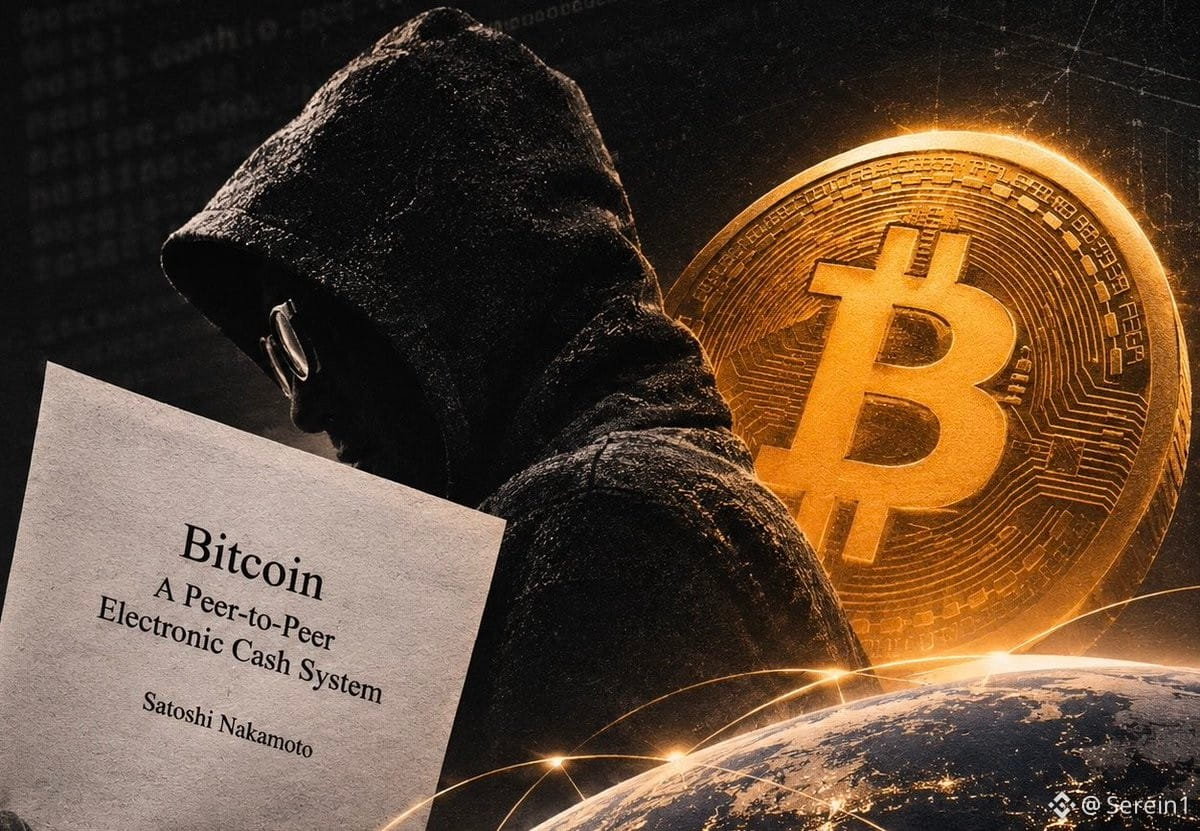
It has been 18 years since the Bitcoin white paper was published.
On October 31, 2008, someone named Satoshi Nakamoto published “Bitcoin: A Peer-to-Peer Electronic Cash System” on a cryptography mailing list.
The nine-page paper proposed a peer-to-peer electronic cash system that did not rely on banks or financial intermediaries.
With no backing from traditional financial institutions and no centralized administrator, it relied solely on cryptography, proof of work, and a distributed network to try to solve the double-spending problem that had plagued digital currencies for years.
Eighteen years later, Bitcoin has grown from a geeky experiment into an asset that global financial markets can no longer ignore.
From a nine-page white paper to a trillion-dollar market.
Thank you, Satoshi Nakamoto.
Happy 18th Birthday, Bitcoin. ₿
$BTC
162
·
--
U.S. stocks are repricing the AI frenzy.
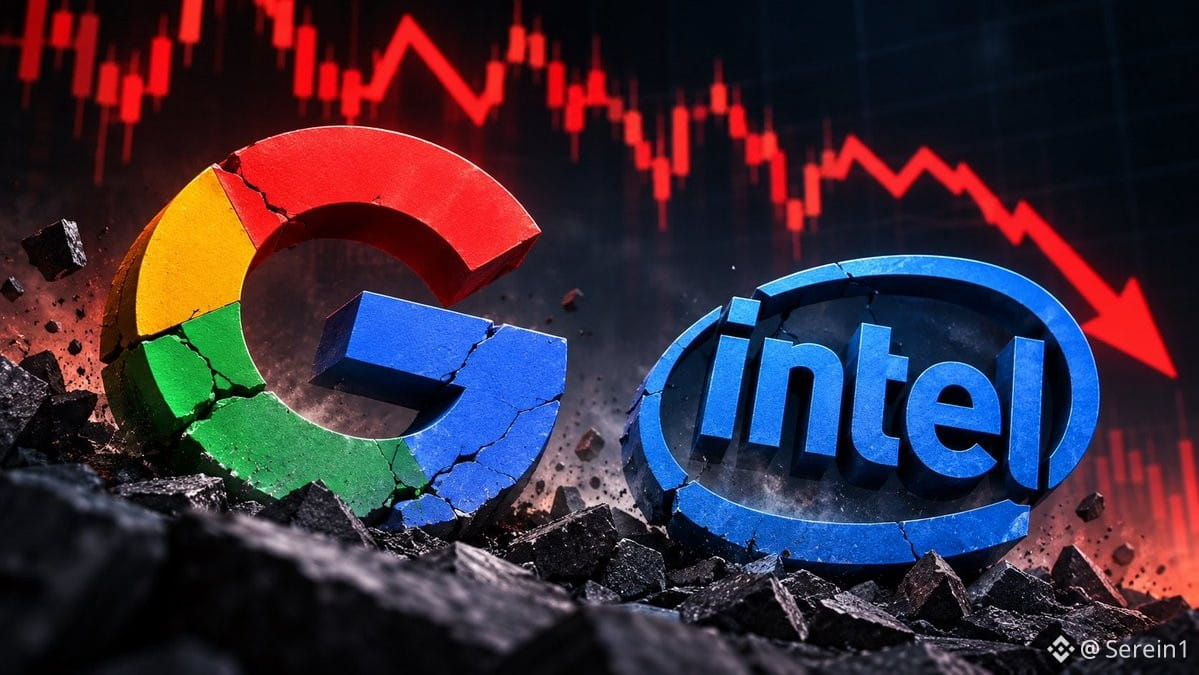
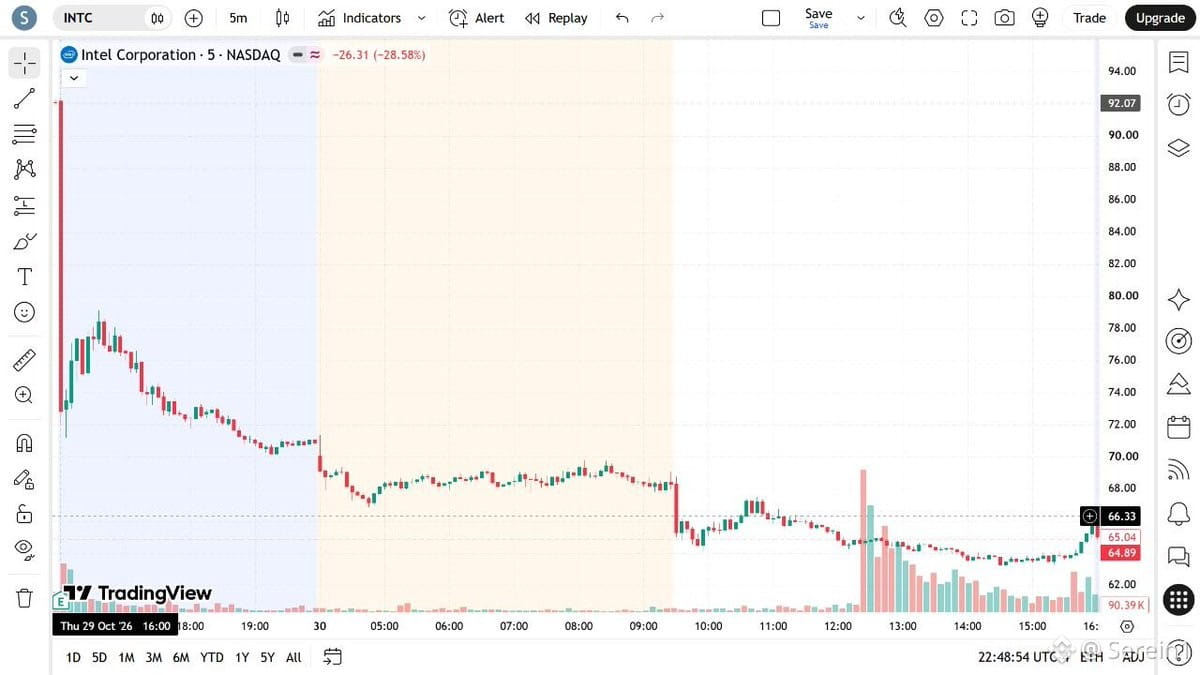
Alphabet’s shares plunged nearly 12% at one point after its earnings report, wiping out nearly $500 billion in market value. Intel plunged 28.58% in a single day, its worst one-day performance since the 1970s. The U.S. government’s stake in Intel lost about $12 billion on paper in a single day.
But the two companies face different problems.
Alphabet’s problem is this: revenue is still growing rapidly, but the market is beginning to worry that AI infrastructure spending is too high, and question whether profitability and free cash flow can keep pace. The growth story in its AI business is still intact, but investors are no longer willing to pay for growth alone.
Intel faces a different kind of predicament: the PC market’s recovery is weaker than expected, and its fourth-quarter revenue guidance of just $15 billion to $16 billion is below the market expectation of $17.1 billion. Adjusted earnings per share are also just $0.25, far below the expected $0.43. Add in supply chain disruption caused by an incident at its Israeli wafer fabrication plant, and the pressure on its fundamentals has intensified.
One is spending too much on AI, prompting the market to demand returns; the other is under pressure in its traditional business, with its transformation yet to deliver.
This reflects the most important shift in U.S. stocks today: the market is no longer buying the AI story unconditionally. Instead, it is starting to demand commensurate returns for every dollar of capital expenditure.
In the past, the larger the AI investment, the easier it was to command a valuation premium. Now, the bigger the investment, the more companies need to prove they can make money from it.
The long-term AI trend may not have changed, but the valuation logic in U.S. stocks is shifting. In the next phase, the market may no longer reward whoever is most willing to burn cash, but whoever can truly turn AI into profits.
$GOOGL
INTCB-6.24%
GOOGUS+0.02%
84
·
--
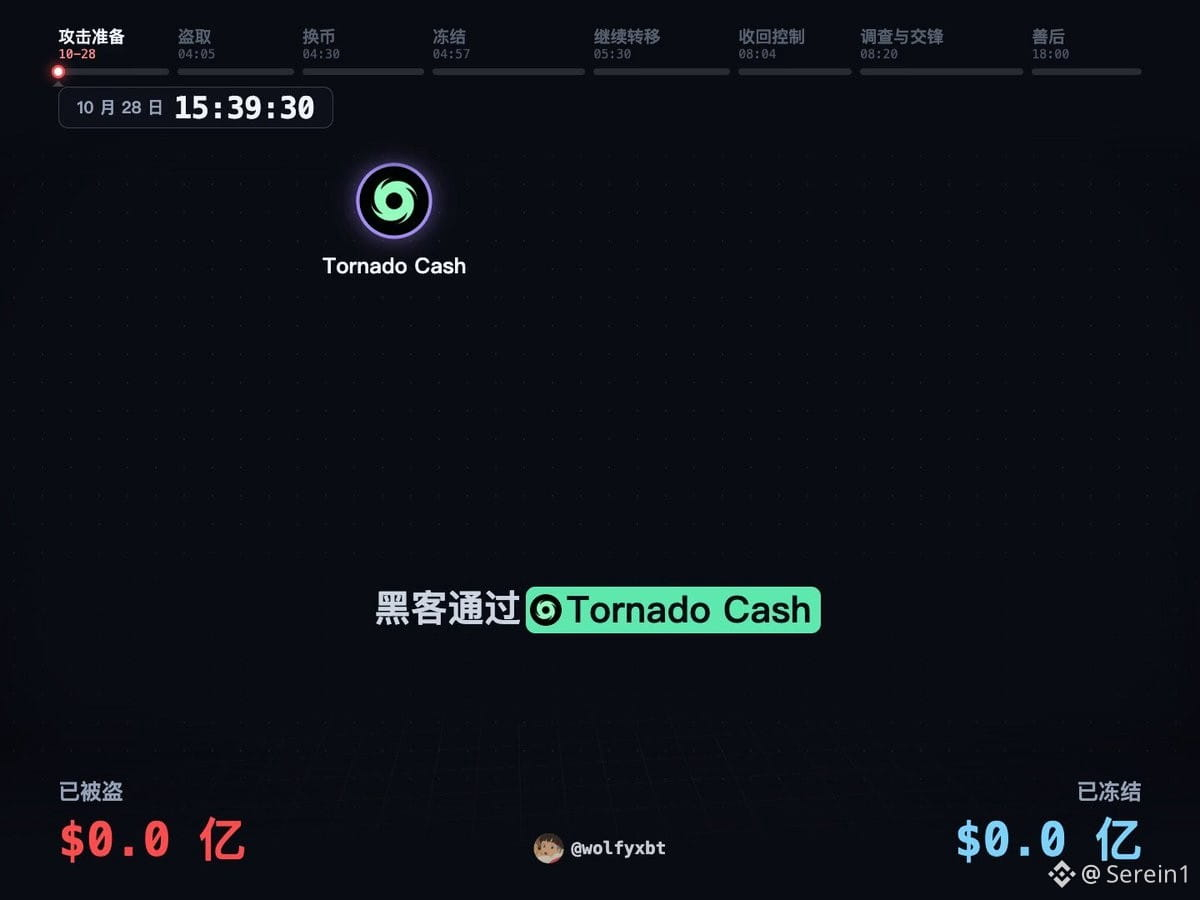
The entire process of Binance's $6 billion hack, visualized
$BNB
The entire process of Binance's $6 billion hack, visualized
$BNB
$BNB
465
·
--
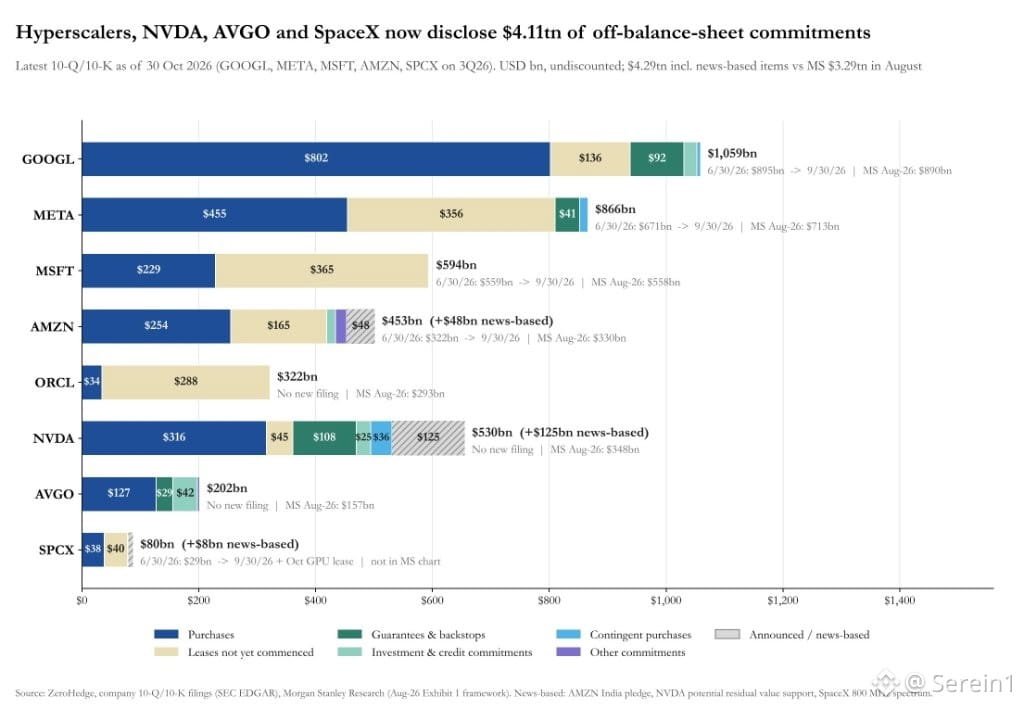
Guys, stop staring only at crypto—wake up, your tech stocks are getting crushed too!
Earnings reports from several giants have missed expectations in quick succession, and all of the Magnificent Seven closed lower;
Memory chip, semiconductor, and emerging cloud service stocks plunged. Reddit fell 26%, and Bitcoin dropped more than 5%.
The cracks may not be connected, but when there are enough of them, will the road eventually collapse?
$BTC
168
·
--
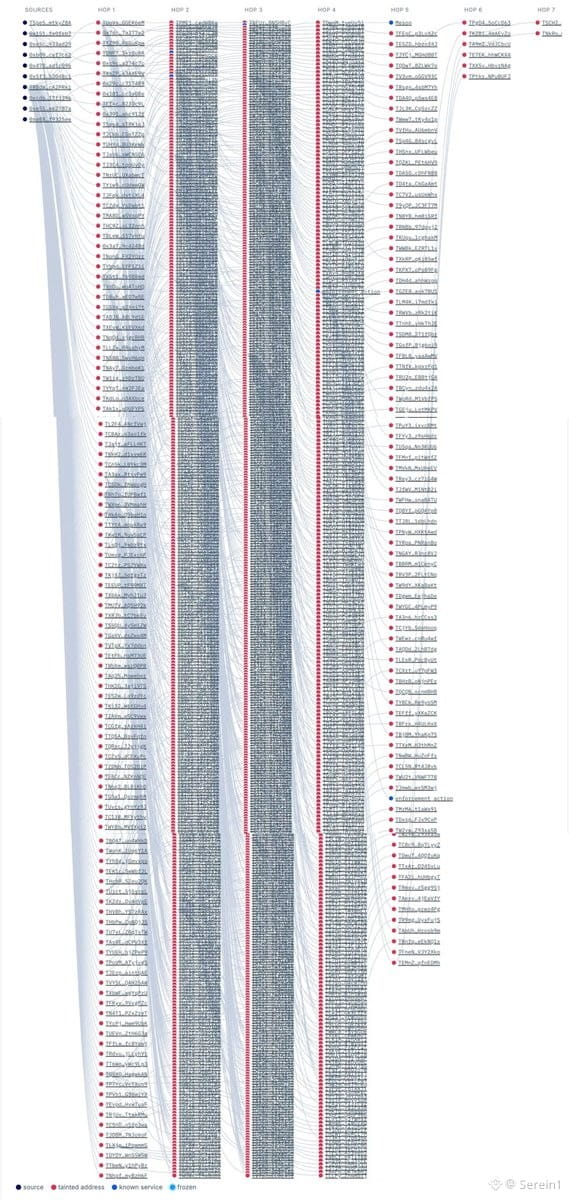
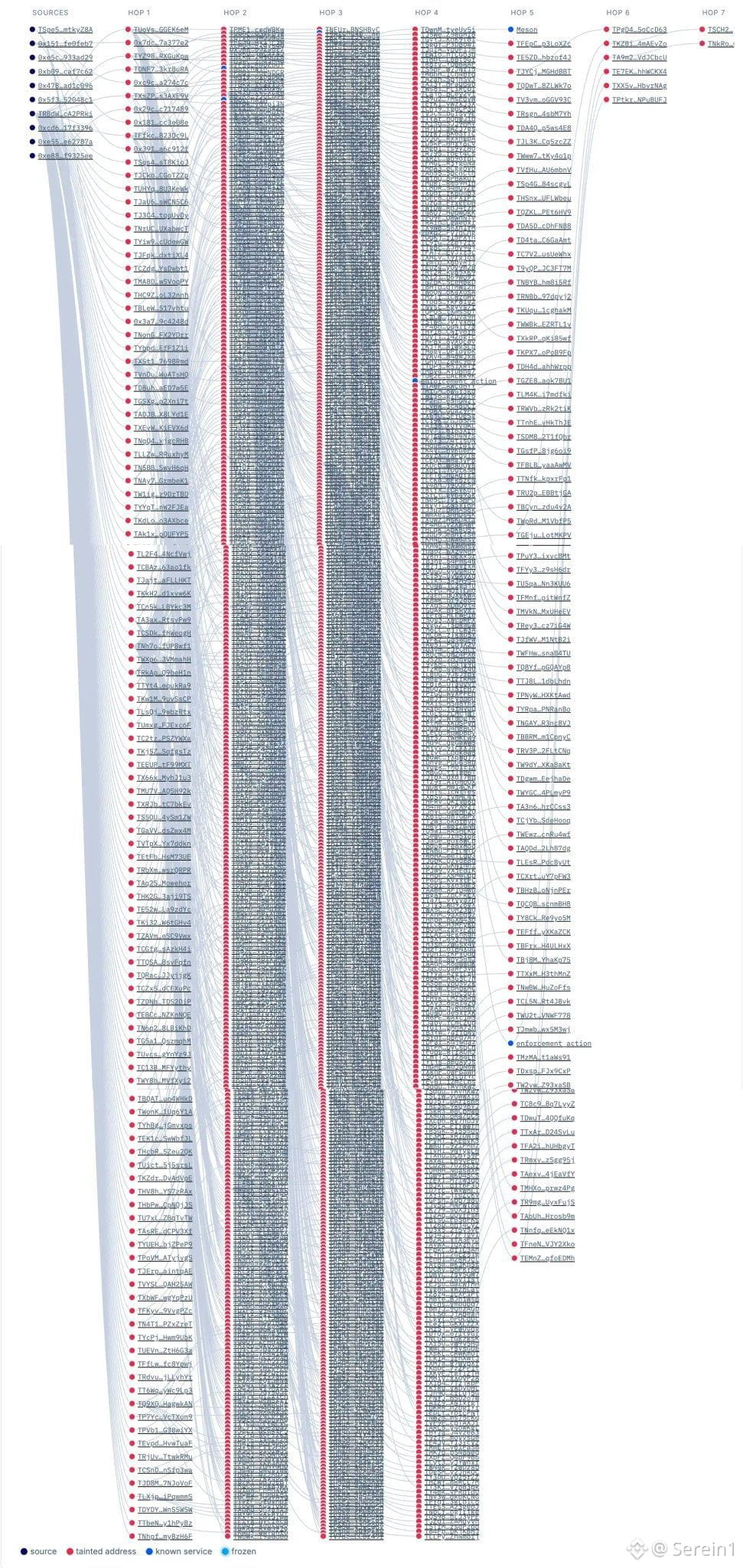
A chart that explains the scale of the Binance hacker’s money laundering.
12 million TRX, worth approximately $38.78 million, is being split up, moved, split up again, and moved again.
The on-chain map of the funds’ movements is densely packed with addresses, like an ever-expanding spiderweb: starting from the original source of funds, passing through multiple hops, and ultimately flowing to hundreds of different addresses.
This is no simple transfer—it’s an automated on-chain fund-splitting game. The attacker is trying to break the links between funds by routing them through layers of addresses, making them harder to track and freeze.
But every on-chain transfer leaves a trace. Addresses can be split endlessly, but the movement of funds may never truly disappear.
$TRX
312
·
--
Half the crypto world is now caught up in a race to freeze funds and stay one step ahead—
1⃣ Tether froze over 1.567 billion USDT, 37 minutes after the stolen funds reached the attacker’s primary Ethereum wallet.
2⃣ Circle froze approximately 823 million USDC, 3 minutes after Tether.
3⃣ Ripple and WLFI joined the freeze efforts one after another.
The hackers have also fought back:
1)They converted some stablecoins into ETH, which cannot be frozen, accepting a 12% to 26% discount to market price.
2)A linked wallet deposited 60 million USDT into Aave as collateral and borrowed 19,762 WETH (worth about 44.6 million), cashing out through DeFi lending.
3)They moved 120 million TRX and have continued splitting transfers to evade fund tracking.
The hackers still control around 3.23 billion in unfrozen assets, spread across dozens of addresses and including BTC, ETH, XRP, and TRX. They are accelerating their money laundering.
$ETH
1
1.4k
·
--
Is this the Intel CPU in my computer?
Holy shit.
It just dropped by a third.
If only my short position hadn't been liquidated.
It's too late now.
$INTC
Is this the Intel CPU in my computer?
Holy shit.
It just dropped by a third.
If only my short position hadn't been liquidated.
It's too late now.
$INTC
Holy shit.
It just dropped by a third.
If only my short position hadn't been liquidated.
It's too late now.
$INTC
459
Log in to explore more content
Join global crypto users on Binance Square
⚡️ Get latest and useful information about crypto.
💬 Trusted by the world’s largest crypto exchange.
👍 Discover real insights from verified creators.
Email / Phone number
Trending Topics
BinanceReopensWithdrawalsForMoreAssets
33,527 views
795 Discussing
Security Incident | Recovery Update #6: Withdrawals Reopen for More Assets (2026-11-03)
Binance Announcement
·174 Likes
·481.6k views
AppleReportsMixedResults
21,150 views
574 Discussing
BinanceHourlyDepositsExceedWithdrawals
8,007 views
238 Discussing