

K0tBehemot
88 Posts

K0tBehemot
Report
Block User
8 Following
17 Followers
40 Liked
Posts
All
Videos
·
--
Verified
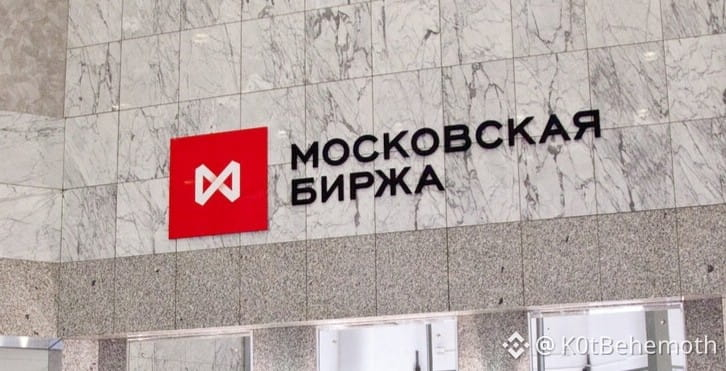
🚨 Moscow Exchange starts trading Bitcoin, Ethereum and three more cryptocurrencies
As of September 22, perpetual futures on BTC, ETH, SOL, XRP, and TRX are available on the Moscow Exchange.
But there’s an important catch: this is not buying the cryptocurrency itself. The contracts are tied to Moscow Exchange indices, are cash-settled, and settlements are made in rubles. In other words, you can trade the price movement of BTC or ETH through a Russian broker without buying or holding the asset itself.
Access is currently available only to qualified investors.
And interest in the instrument is already there: even before the launch of the new perpetual contracts, more than 72,000 qualified investors placed trades in crypto futures on the Moscow Exchange, and the total trading volume exceeded 600 billion rubles.
It looks like the crypto market is gradually becoming part of the familiar exchange infrastructure. The question now is how actively this market will grow from here.
#BTC #ETH #SOL #TRX
🚨 Moscow Exchange starts trading Bitcoin, Ethereum and three more cryptocurrencies
As of September 22, perpetual futures on BTC, ETH, SOL, XRP, and TRX are available on the Moscow Exchange.
But there’s an important catch: this is not buying the cryptocurrency itself. The contracts are tied to Moscow Exchange indices, are cash-settled, and settlements are made in rubles. In other words, you can trade the price movement of BTC or ETH through a Russian broker without buying or holding the asset itself.
Access is currently available only to qualified investors.
And interest in the instrument is already there: even before the launch of the new perpetual contracts, more than 72,000 qualified investors placed trades in crypto futures on the Moscow Exchange, and the total trading volume exceeded 600 billion rubles.
It looks like the crypto market is gradually becoming part of the familiar exchange infrastructure. The question now is how actively this market will grow from here.
#BTC #ETH #SOL #TRX
As of September 22, perpetual futures on BTC, ETH, SOL, XRP, and TRX are available on the Moscow Exchange.
But there’s an important catch: this is not buying the cryptocurrency itself. The contracts are tied to Moscow Exchange indices, are cash-settled, and settlements are made in rubles. In other words, you can trade the price movement of BTC or ETH through a Russian broker without buying or holding the asset itself.
Access is currently available only to qualified investors.
And interest in the instrument is already there: even before the launch of the new perpetual contracts, more than 72,000 qualified investors placed trades in crypto futures on the Moscow Exchange, and the total trading volume exceeded 600 billion rubles.
It looks like the crypto market is gradually becoming part of the familiar exchange infrastructure. The question now is how actively this market will grow from here.
#BTC #ETH #SOL #TRX
1
3
1.7k
·
--
130
·
--
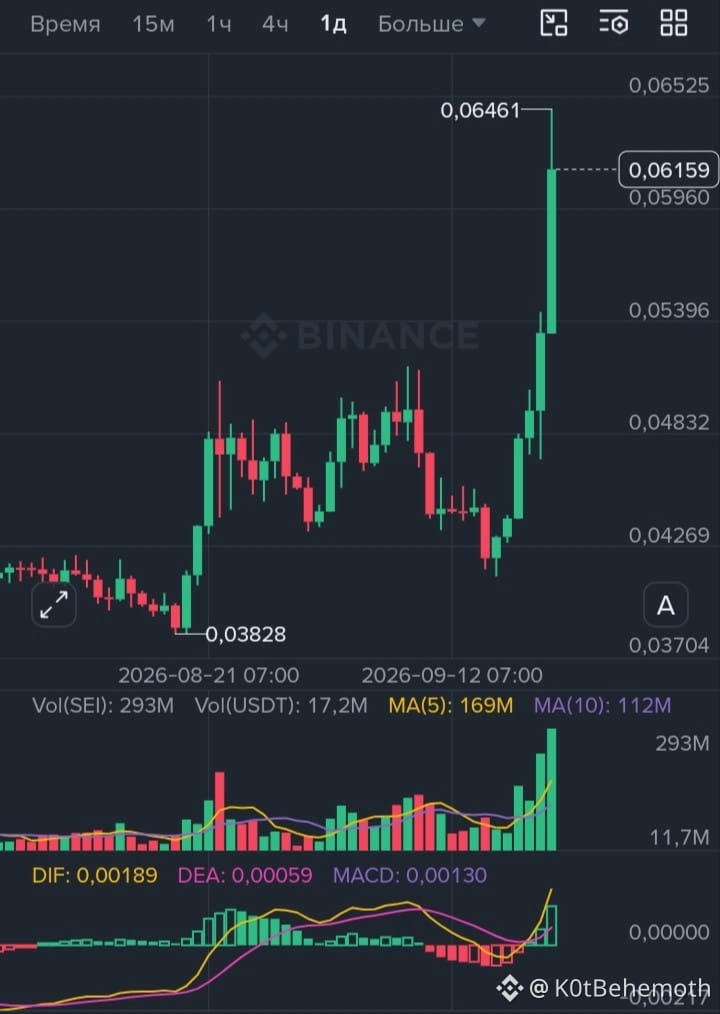
$CELR
Celer Network has once again come into the spotlight: over the past few days, CELR has gained more than 100%, and volumes have risen noticeably.
{future}(CELRUSDT)
At the same time, the project has several new factors.
🔹 cBridge: zero commission for transferring USDC to the BNB Chain as part of the 0 Fee Carnival; the promotion runs until September 30.
🔹 AgentPay: Celer is building payment infrastructure between AI agents via state channels.
#CELR
$CELR
Celer Network has once again come into the spotlight: over the past few days, CELR has gained more than 100%, and volumes have risen noticeably.
At the same time, the project has several new factors.
🔹 cBridge: zero commission for transferring USDC to the BNB Chain as part of the 0 Fee Carnival; the promotion runs until September 30.
🔹 AgentPay: Celer is building payment infrastructure between AI agents via state channels.
#CELR
Celer Network has once again come into the spotlight: over the past few days, CELR has gained more than 100%, and volumes have risen noticeably.
At the same time, the project has several new factors.
🔹 cBridge: zero commission for transferring USDC to the BNB Chain as part of the 0 Fee Carnival; the promotion runs until September 30.
🔹 AgentPay: Celer is building payment infrastructure between AI agents via state channels.
#CELR
186
·
--
Verified
$SYN снова появляется на радаре
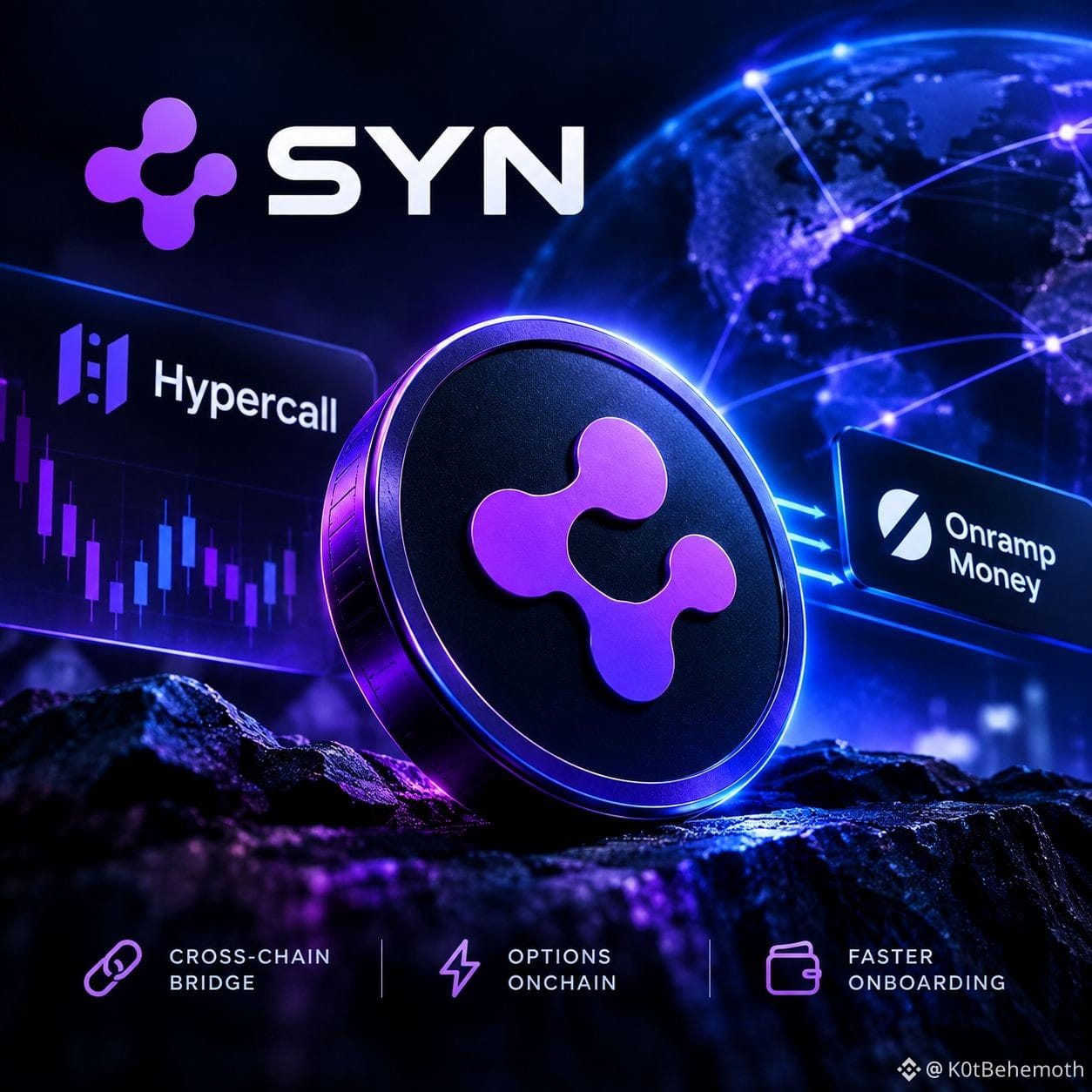
Synapse is gradually moving further beyond the usual cross-chain bridge. The main bet right now is Hypercall, an on-chain options platform built on Hyperliquid.
A fresh catalyst is the integration with Onramp Money. It makes it easier to get into Hypercall: what previously required multiple exchanges and transactions can now be completed significantly faster.
Against this backdrop, SYN is once again showing heightened volatility.
{future}(SYNUSDT)
But there’s a catch: the token has already experienced big moves, and large players like Arthur Hayes managed to both buy and reduce their position.
Now the market is looking not at promises, but at the actual usage of Hypercall and trading volumes.
#SYN #Synapse
$SYN снова появляется на радаре
Synapse is gradually moving further beyond the usual cross-chain bridge. The main bet right now is Hypercall, an on-chain options platform built on Hyperliquid.
A fresh catalyst is the integration with Onramp Money. It makes it easier to get into Hypercall: what previously required multiple exchanges and transactions can now be completed significantly faster.
Against this backdrop, SYN is once again showing heightened volatility.
But there’s a catch: the token has already experienced big moves, and large players like Arthur Hayes managed to both buy and reduce their position.
Now the market is looking not at promises, but at the actual usage of Hypercall and trading volumes.
#SYN #Synapse
Synapse is gradually moving further beyond the usual cross-chain bridge. The main bet right now is Hypercall, an on-chain options platform built on Hyperliquid.
A fresh catalyst is the integration with Onramp Money. It makes it easier to get into Hypercall: what previously required multiple exchanges and transactions can now be completed significantly faster.
Against this backdrop, SYN is once again showing heightened volatility.
But there’s a catch: the token has already experienced big moves, and large players like Arthur Hayes managed to both buy and reduce their position.
Now the market is looking not at promises, but at the actual usage of Hypercall and trading volumes.
#SYN #Synapse
463
·
--
Verified
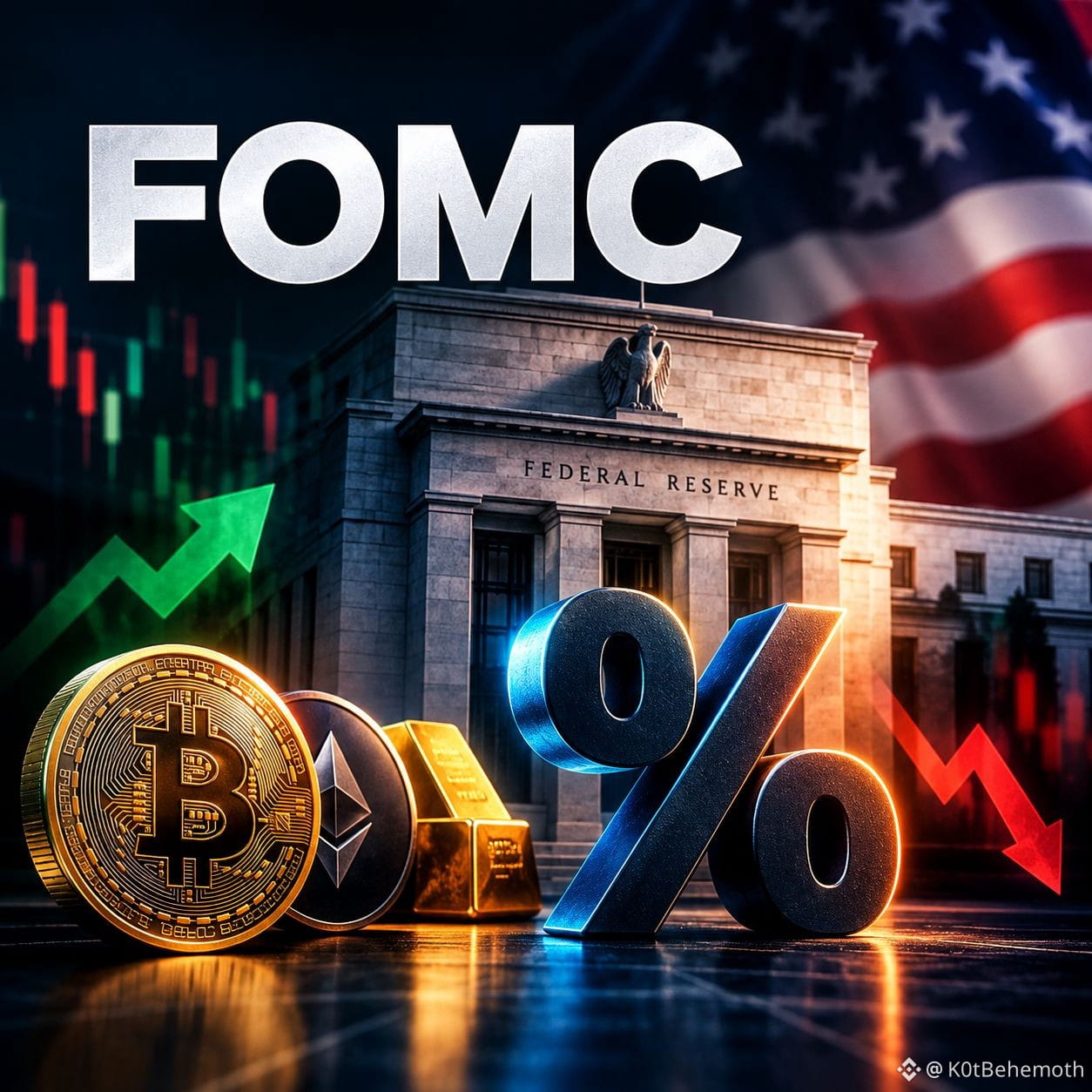
🚨 The Fed could shake up the markets again
August core CPI rose 0.3% m/m, and the probability of a 25 bps rate hike this week is already approaching 90%.
But the main question isn’t even the hike itself.
If the Fed raises rates, is it a one-off measure or the start of a new tightening cycle?
For the markets, the picture is simple:
🔴 BTC — pressure due to more expensive liquidity.
🔴 Tech stocks — a high rate hits rich valuations.
🟡 Gold — short-term pressure via yields, but strong demand may limit the drop.
My plan isn’t to guess the Fed’s decision, but to watch the market’s first reaction after the statement. That’s where the direction of the move may appear.
#FedRateWatch #BTC #XAU #FOMC
🚨 The Fed could shake up the markets again
August core CPI rose 0.3% m/m, and the probability of a 25 bps rate hike this week is already approaching 90%.
But the main question isn’t even the hike itself.
If the Fed raises rates, is it a one-off measure or the start of a new tightening cycle?
For the markets, the picture is simple:
🔴 BTC — pressure due to more expensive liquidity.
🔴 Tech stocks — a high rate hits rich valuations.
🟡 Gold — short-term pressure via yields, but strong demand may limit the drop.
My plan isn’t to guess the Fed’s decision, but to watch the market’s first reaction after the statement. That’s where the direction of the move may appear.
#FedRateWatch #BTC #XAU #FOMC
August core CPI rose 0.3% m/m, and the probability of a 25 bps rate hike this week is already approaching 90%.
But the main question isn’t even the hike itself.
If the Fed raises rates, is it a one-off measure or the start of a new tightening cycle?
For the markets, the picture is simple:
🔴 BTC — pressure due to more expensive liquidity.
🔴 Tech stocks — a high rate hits rich valuations.
🟡 Gold — short-term pressure via yields, but strong demand may limit the drop.
My plan isn’t to guess the Fed’s decision, but to watch the market’s first reaction after the statement. That’s where the direction of the move may appear.
#FedRateWatch #BTC #XAU #FOMC
2
1
346
·
--
Will they pass the CLARITY Act today.?
$BTC $ETH $LTC
Will they pass the CLARITY Act today.?
$BTC $ETH $LTC
$BTC $ETH $LTC
Да, примут
50%
Нет, отложат
50%
8 votes • Voting closed
2
353
·
--
Verified
$CVC Civic changes its strategy: instead of the previous focus on the KYC project, it is now concentrating on Web3 authentication and embedded wallets.
It is against the backdrop of this reshuffle that CVC has once again come under traders’ spotlight — the token is showing sharp moves and heightened interest.
{future}(CVCUSDT)
But there’s a nuance here: the project’s fundamental shift still needs to be confirmed by real growth in Civic Auth usage.
So right now the market faces two stories at the same time:
⚡ speculative interest in CVC
🧩 Civic’s attempt to carve out a niche in Web3 identity + wallet onboarding
If demand for the new product starts to grow, that will be a completely different case for CVC.
#CVC #Civic
$CVC Civic changes its strategy: instead of the previous focus on the KYC project, it is now concentrating on Web3 authentication and embedded wallets.
It is against the backdrop of this reshuffle that CVC has once again come under traders’ spotlight — the token is showing sharp moves and heightened interest.
But there’s a nuance here: the project’s fundamental shift still needs to be confirmed by real growth in Civic Auth usage.
So right now the market faces two stories at the same time:
⚡ speculative interest in CVC
🧩 Civic’s attempt to carve out a niche in Web3 identity + wallet onboarding
If demand for the new product starts to grow, that will be a completely different case for CVC.
#CVC #Civic
It is against the backdrop of this reshuffle that CVC has once again come under traders’ spotlight — the token is showing sharp moves and heightened interest.
But there’s a nuance here: the project’s fundamental shift still needs to be confirmed by real growth in Civic Auth usage.
So right now the market faces two stories at the same time:
⚡ speculative interest in CVC
🧩 Civic’s attempt to carve out a niche in Web3 identity + wallet onboarding
If demand for the new product starts to grow, that will be a completely different case for CVC.
#CVC #Civic

123
·
--
Verified
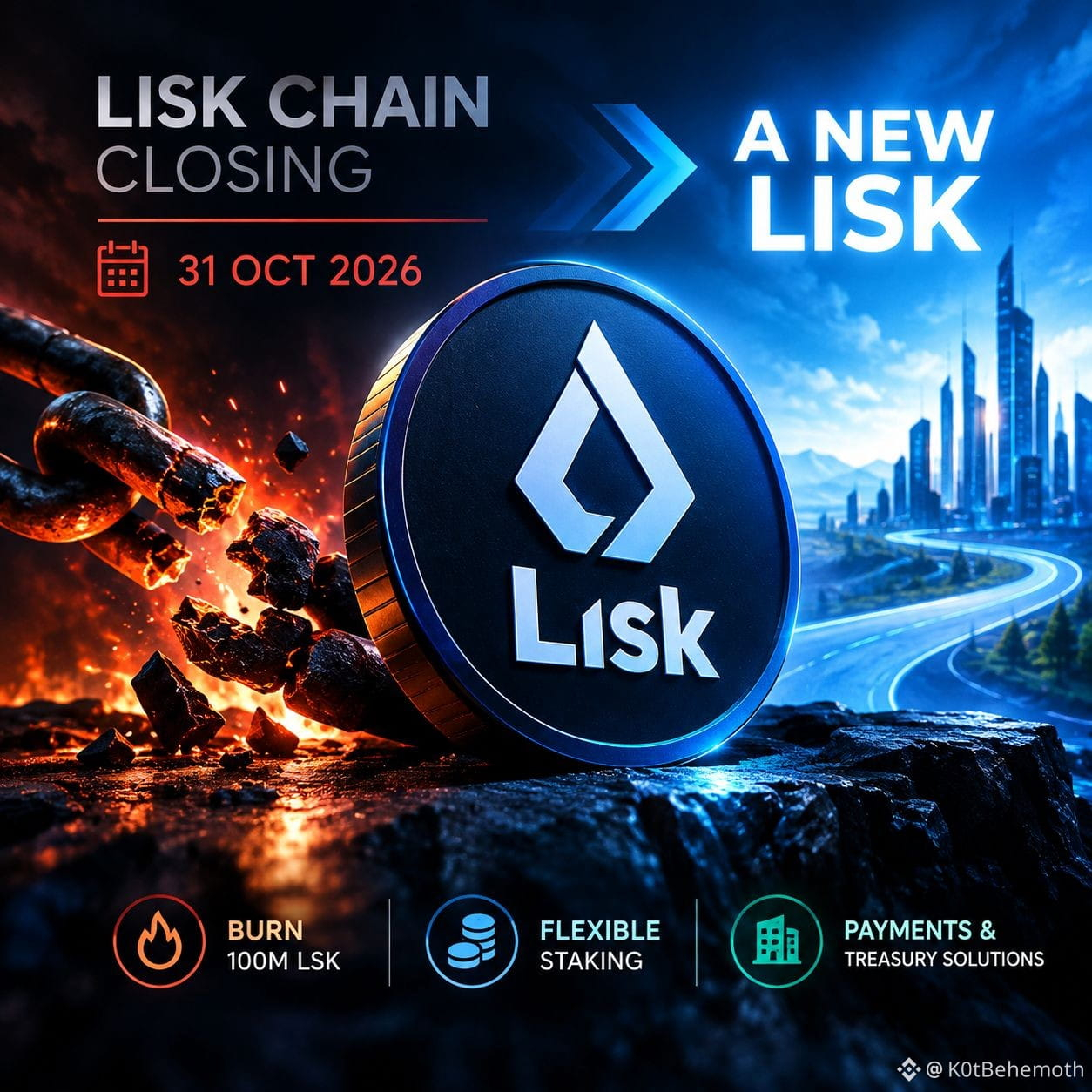
$LSK received one of the most unusual catalysts of recent days
Lisk decided to close its own blockchain. On October 31, the network will stop operating, and the project will move to a new model—payments and corporate treasury solutions.
But the most interesting part is the tokenomics.
The DAO proposed burning 100 million LSK, while simultaneously shutting down the DAO itself and changing the staking mechanism.
Against the backdrop of this news, LSK surged sharply and entered a zone of heightened volatility.
{future}(LSKUSDT)
At the same time, there’s an important catch: Binance already holds LSK under the Monitoring Tag, so token risks remain.
That creates an unusual situation: the project is closing down the old infrastructure while also trying to restart the LSK economic model.
#LSK #Lisk
$LSK received one of the most unusual catalysts of recent days
Lisk decided to close its own blockchain. On October 31, the network will stop operating, and the project will move to a new model—payments and corporate treasury solutions.
But the most interesting part is the tokenomics.
The DAO proposed burning 100 million LSK, while simultaneously shutting down the DAO itself and changing the staking mechanism.
Against the backdrop of this news, LSK surged sharply and entered a zone of heightened volatility.
At the same time, there’s an important catch: Binance already holds LSK under the Monitoring Tag, so token risks remain.
That creates an unusual situation: the project is closing down the old infrastructure while also trying to restart the LSK economic model.
#LSK #Lisk
Lisk decided to close its own blockchain. On October 31, the network will stop operating, and the project will move to a new model—payments and corporate treasury solutions.
But the most interesting part is the tokenomics.
The DAO proposed burning 100 million LSK, while simultaneously shutting down the DAO itself and changing the staking mechanism.
Against the backdrop of this news, LSK surged sharply and entered a zone of heightened volatility.
At the same time, there’s an important catch: Binance already holds LSK under the Monitoring Tag, so token risks remain.
That creates an unusual situation: the project is closing down the old infrastructure while also trying to restart the LSK economic model.
#LSK #Lisk
3
1
1.5k
·
--
Bullish
Verified
$XAU Gold or "ryzhyo" as my astronaut uncle used to say🤭
The main pressure right now is coming from the US: inflation remains high, the yield on 10-year Treasuries has neared 5%, and expectations for the Fed rate have changed significantly.
For XAU, this is a negative factor.
But there’s another side: gold ETFs continue to build up their holdings, and central banks are keeping strong demand for the metal.
{future}(XAUUSDT)
Technically, it’s currently interesting to watch two zones:
🔻 $4,300–$4,320 — key support
🔺 $4,380–$4,400 — resistance
A breakout of one of these zones could give the market a fresh impulse.
#XAU
$XAU Gold or "ryzhyo" as my astronaut uncle used to say🤭
The main pressure right now is coming from the US: inflation remains high, the yield on 10-year Treasuries has neared 5%, and expectations for the Fed rate have changed significantly.
For XAU, this is a negative factor.
But there’s another side: gold ETFs continue to build up their holdings, and central banks are keeping strong demand for the metal.
Technically, it’s currently interesting to watch two zones:
🔻 $4,300–$4,320 — key support
🔺 $4,380–$4,400 — resistance
A breakout of one of these zones could give the market a fresh impulse.
#XAU
The main pressure right now is coming from the US: inflation remains high, the yield on 10-year Treasuries has neared 5%, and expectations for the Fed rate have changed significantly.
For XAU, this is a negative factor.
But there’s another side: gold ETFs continue to build up their holdings, and central banks are keeping strong demand for the metal.
Technically, it’s currently interesting to watch two zones:
🔻 $4,300–$4,320 — key support
🔺 $4,380–$4,400 — resistance
A breakout of one of these zones could give the market a fresh impulse.
#XAU

275
·
--
💸 TradeFi voucher for $2.5 XAUUSDT
without SL
target - PNL + $20
big plus - maker without %
💸 TradeFi voucher for $2.5 XAUUSDT
without SL
target - PNL + $20
big plus - maker without %
without SL
target - PNL + $20
big plus - maker without %
254
·
--
Verified
Gold and CPI — briefly
CPI affects XAU not directly, but through expectations for the Fed rate and real yields.
Hot Core CPI → higher chances of a hike → pressure on gold.
Cold → pause/cut → support.
On Friday, a decisive release. Right now the market is pricing in ~60% for a rate increase.
Key: not headline (oil), but Core.
$XAU #XAU
{future}(XAUUSDT)
Gold and CPI — briefly
CPI affects XAU not directly, but through expectations for the Fed rate and real yields.
Hot Core CPI → higher chances of a hike → pressure on gold.
Cold → pause/cut → support.
On Friday, a decisive release. Right now the market is pricing in ~60% for a rate increase.
Key: not headline (oil), but Core.
$XAU #XAU
CPI affects XAU not directly, but through expectations for the Fed rate and real yields.
Hot Core CPI → higher chances of a hike → pressure on gold.
Cold → pause/cut → support.
On Friday, a decisive release. Right now the market is pricing in ~60% for a rate increase.
Key: not headline (oil), but Core.
$XAU #XAU
238
·
--
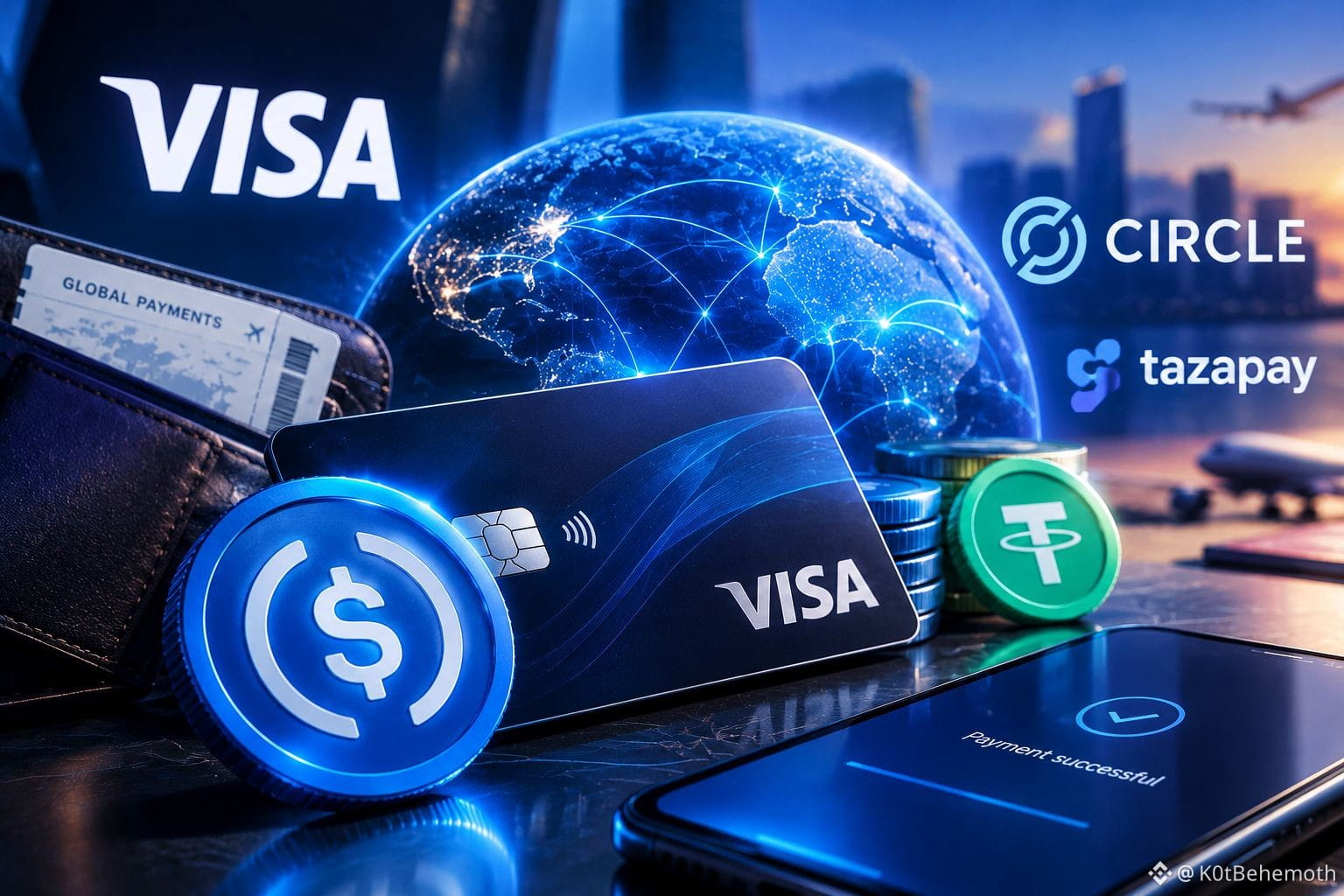
💵 Stablecoins are going far beyond crypto
Visa already supports 160+ programs with stablecoin cards, and the payment volume through them has grown by almost 200% year over year. The annual settlement volume exceeded $20 billion.
And this isn’t the only signal. Circle agreed to buy Tazapay for $400 million, strengthening international payments infrastructure through USDC.
It seems stablecoins are gradually turning not just into a trading tool, but into real payment infrastructure. 🌍
$USDC #USDC #Stablecoins
{future}(USDCUSDT)
💵 Stablecoins are going far beyond crypto
Visa already supports 160+ programs with stablecoin cards, and the payment volume through them has grown by almost 200% year over year. The annual settlement volume exceeded $20 billion.
And this isn’t the only signal. Circle agreed to buy Tazapay for $400 million, strengthening international payments infrastructure through USDC.
It seems stablecoins are gradually turning not just into a trading tool, but into real payment infrastructure. 🌍
$USDC #USDC #Stablecoins
Visa already supports 160+ programs with stablecoin cards, and the payment volume through them has grown by almost 200% year over year. The annual settlement volume exceeded $20 billion.
And this isn’t the only signal. Circle agreed to buy Tazapay for $400 million, strengthening international payments infrastructure through USDC.
It seems stablecoins are gradually turning not just into a trading tool, but into real payment infrastructure. 🌍
$USDC #USDC #Stablecoins
536
·
--
Verified
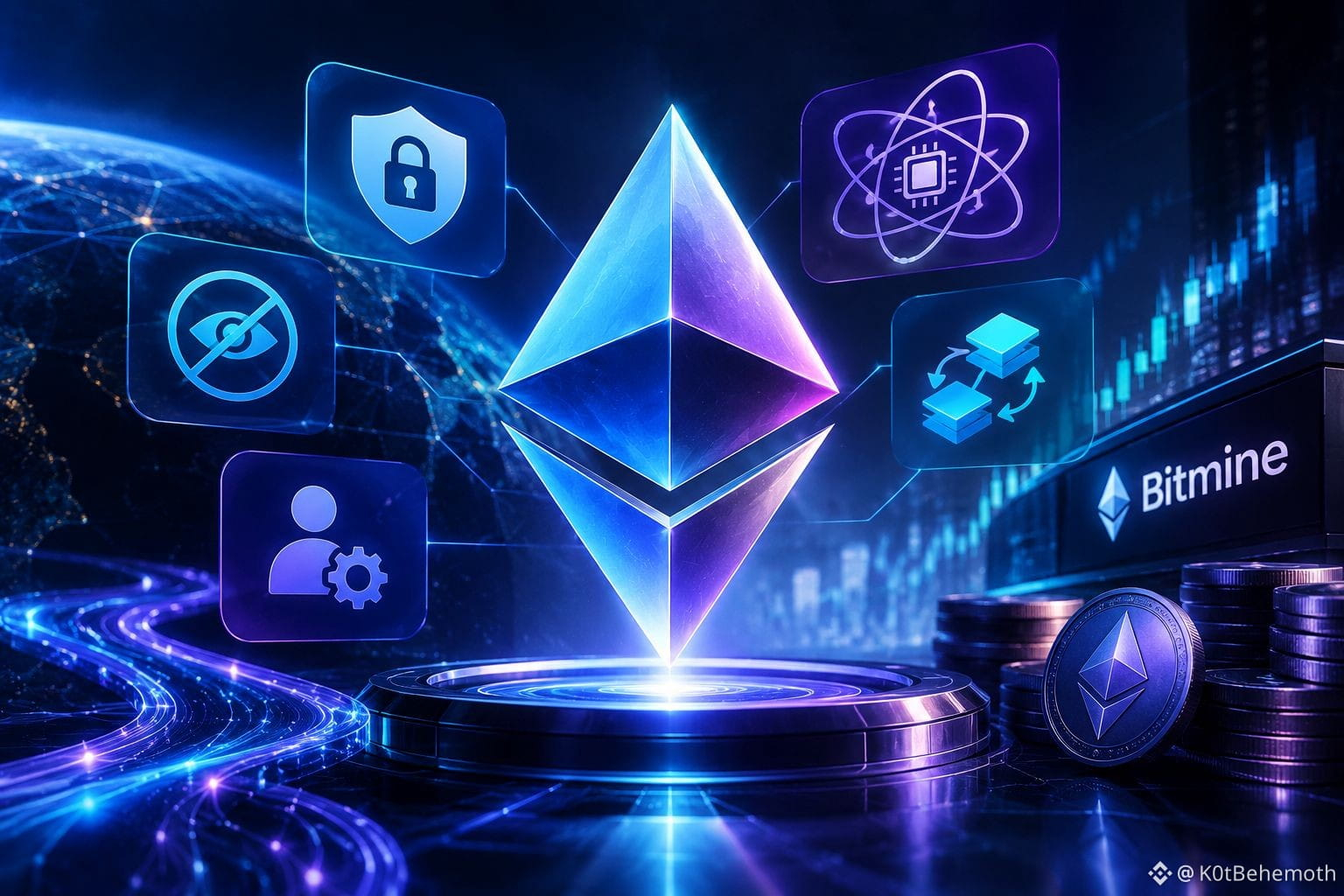
$ETH again builds a strong foundation
The Ethereum Foundation has identified the key directions for the next Hegotá upgrade.
Focus areas include protection against transaction censorship, improving account abstraction, and strengthening network security—including defense against future quantum threats.
But there’s another interesting factor: Bitmine continues to buy up ETH—another purchase totaled about 28,086 ETH for $69.4 million.
A technological upgrade + institutional accumulation is a combination worth watching.
#ETH #BTC
{future}(ETHUSDT)
$ETH again builds a strong foundation
The Ethereum Foundation has identified the key directions for the next Hegotá upgrade.
Focus areas include protection against transaction censorship, improving account abstraction, and strengthening network security—including defense against future quantum threats.
But there’s another interesting factor: Bitmine continues to buy up ETH—another purchase totaled about 28,086 ETH for $69.4 million.
A technological upgrade + institutional accumulation is a combination worth watching.
#ETH #BTC
The Ethereum Foundation has identified the key directions for the next Hegotá upgrade.
Focus areas include protection against transaction censorship, improving account abstraction, and strengthening network security—including defense against future quantum threats.
But there’s another interesting factor: Bitmine continues to buy up ETH—another purchase totaled about 28,086 ETH for $69.4 million.
A technological upgrade + institutional accumulation is a combination worth watching.
#ETH #BTC
167
·
--
Verified
$SOPH suddenly took the lead
In a single day, the token surged +100%, and volumes jumped sharply. It looks like fresh liquidity has entered Sophon.
The project has major changes ahead: moving from its own L2 to consumer products on Base, and a planned buyback & burn from revenues.
Meanwhile, on September 28, an unlock of ~169 million SOPH is expected.
So you’ve got an interesting setup: right now there’s hype and volume, and ahead there are important fundamental events.
Let’s see whether SOPH can maintain this momentum. 👀
#SOPH
{future}(SOPHUSDT)
$SOPH suddenly took the lead
In a single day, the token surged +100%, and volumes jumped sharply. It looks like fresh liquidity has entered Sophon.
The project has major changes ahead: moving from its own L2 to consumer products on Base, and a planned buyback & burn from revenues.
Meanwhile, on September 28, an unlock of ~169 million SOPH is expected.
So you’ve got an interesting setup: right now there’s hype and volume, and ahead there are important fundamental events.
Let’s see whether SOPH can maintain this momentum. 👀
#SOPH
In a single day, the token surged +100%, and volumes jumped sharply. It looks like fresh liquidity has entered Sophon.
The project has major changes ahead: moving from its own L2 to consumer products on Base, and a planned buyback & burn from revenues.
Meanwhile, on September 28, an unlock of ~169 million SOPH is expected.
So you’ve got an interesting setup: right now there’s hype and volume, and ahead there are important fundamental events.
Let’s see whether SOPH can maintain this momentum. 👀
#SOPH
212
·
--
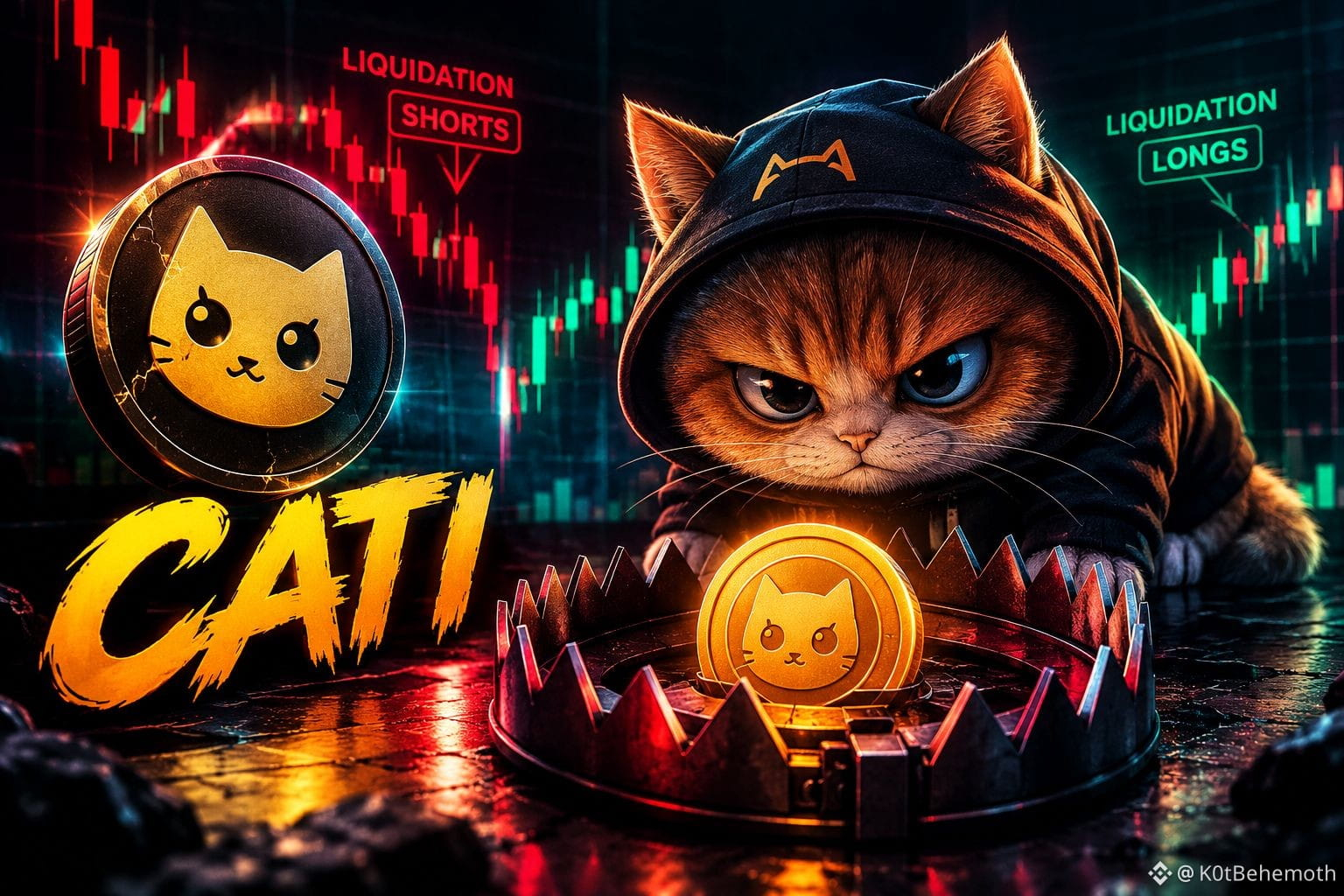
🚨 $CATI is currently trading on a very nervous market.
The price is again above $0.06, but the movement looks choppy: first they squeeze the shorts, then they reverse and take the longs.
This looks more like liquidity hunting than a confident trend.
For me, this is not yet a signal of a sustained trend, but a sign of an overheated market with a lot of leverage.
Right now, the most dangerous thing is to see a green candle and jump into it on FOMO. 👀
#CATI
{future}(CATIUSDT)
🚨 $CATI is currently trading on a very nervous market.
The price is again above $0.06, but the movement looks choppy: first they squeeze the shorts, then they reverse and take the longs.
This looks more like liquidity hunting than a confident trend.
For me, this is not yet a signal of a sustained trend, but a sign of an overheated market with a lot of leverage.
Right now, the most dangerous thing is to see a green candle and jump into it on FOMO. 👀
#CATI
The price is again above $0.06, but the movement looks choppy: first they squeeze the shorts, then they reverse and take the longs.
This looks more like liquidity hunting than a confident trend.
For me, this is not yet a signal of a sustained trend, but a sign of an overheated market with a lot of leverage.
Right now, the most dangerous thing is to see a green candle and jump into it on FOMO. 👀
#CATI
314
·
--
Verified
🚀 $SEI is preparing a major upgrade
Giga is already starting to show its teeth: Sei has launched parallel transaction processing, and tests of the new storage engine showed more than 205,000 TPS.
Plus, just recently Sei, together with Mastercard, released a study on the institutional adoption of blockchain.
Technology is advancing, attention is growing, but there’s a catch — on September 15, another SEI unlock is expected.
It will be interesting to see what turns out stronger: the technology narrative or the pressure from new issuance? 👀
#SEI
{future}(SEIUSDT)
🚀 $SEI is preparing a major upgrade
Giga is already starting to show its teeth: Sei has launched parallel transaction processing, and tests of the new storage engine showed more than 205,000 TPS.
Plus, just recently Sei, together with Mastercard, released a study on the institutional adoption of blockchain.
Technology is advancing, attention is growing, but there’s a catch — on September 15, another SEI unlock is expected.
It will be interesting to see what turns out stronger: the technology narrative or the pressure from new issuance? 👀
#SEI
Giga is already starting to show its teeth: Sei has launched parallel transaction processing, and tests of the new storage engine showed more than 205,000 TPS.
Plus, just recently Sei, together with Mastercard, released a study on the institutional adoption of blockchain.
Technology is advancing, attention is growing, but there’s a catch — on September 15, another SEI unlock is expected.
It will be interesting to see what turns out stronger: the technology narrative or the pressure from new issuance? 👀
#SEI
1
765
·
--
$RAY набирает ход
Raydium has already bought back 30%+ of the circulating RAY using protocol fees — with no additional emission.
The mechanism is simple: more volume → more fees → more buybacks → fewer tokens in circulation.
Against this backdrop, RAY accelerated and moved back above $1.
Now the key question is: continuation of the momentum or profit-taking? 👀
#RAY #Raydium
{future}(RAYSOLUSDT)
$RAY набирает ход
Raydium has already bought back 30%+ of the circulating RAY using protocol fees — with no additional emission.
The mechanism is simple: more volume → more fees → more buybacks → fewer tokens in circulation.
Against this backdrop, RAY accelerated and moved back above $1.
Now the key question is: continuation of the momentum or profit-taking? 👀
#RAY #Raydium
Raydium has already bought back 30%+ of the circulating RAY using protocol fees — with no additional emission.
The mechanism is simple: more volume → more fees → more buybacks → fewer tokens in circulation.
Against this backdrop, RAY accelerated and moved back above $1.
Now the key question is: continuation of the momentum or profit-taking? 👀
#RAY #Raydium
1
317
·
--
$ARB Waiting for a pullback.
Entry: $0.17–0.18 if buyer confirmation appears.
🎯 Target: $0.22
🛑 Stop: $0.158
If $0.18 holds after the correction, a long looks more attractive. Below $0.158, I cancel the scenario.
⚠️ High risk. Not financial advice.
For those trading #ARB —what level are you keeping in focus? 👇
{future}(ARBUSDT)
$ARB Waiting for a pullback.
Entry: $0.17–0.18 if buyer confirmation appears.
🎯 Target: $0.22
🛑 Stop: $0.158
If $0.18 holds after the correction, a long looks more attractive. Below $0.158, I cancel the scenario.
⚠️ High risk. Not financial advice.
For those trading #ARB —what level are you keeping in focus? 👇
Entry: $0.17–0.18 if buyer confirmation appears.
🎯 Target: $0.22
🛑 Stop: $0.158
If $0.18 holds after the correction, a long looks more attractive. Below $0.158, I cancel the scenario.
⚠️ High risk. Not financial advice.
For those trading #ARB —what level are you keeping in focus? 👇
1.1k
Log in to explore more content
Join global crypto users on Binance Square
⚡️ Get latest and useful information about crypto.
💬 Trusted by the world’s largest crypto exchange.
👍 Discover real insights from verified creators.
Email / Phone number