
橙子Joyce
715 Posts

橙子Joyce
 Square Verified+
Report
Block User
十年以上专注美股市场实战投资策略与资产管理|2015年入币圈.十年以上投资BTC.ETH.BNB.|直播北京时间晚上20:00—23:00|每日分享美股实盘与宏观盘面解盘|追踪美联储货币政策解读|前瞻·宏观数据点评·加密市场的联动分析|贵金属投资策略黄金.白银.铜|中长期价值投资者|✨星河社区联合创始人✨
NVDAB Holder
Frequent Trader
8.9 Years
2.7K+ Following
44.9K+ Followers
51.2K+ Liked
Posts
All
Quotes
Videos
Live
PINNED
·
--
🎙️ A whopping $17.8 billion donation! SpaceX secures the first “space data center license”
Preview
12:00 Nov 26
14
8
4
PINNED
·
--
Bullish
Verified
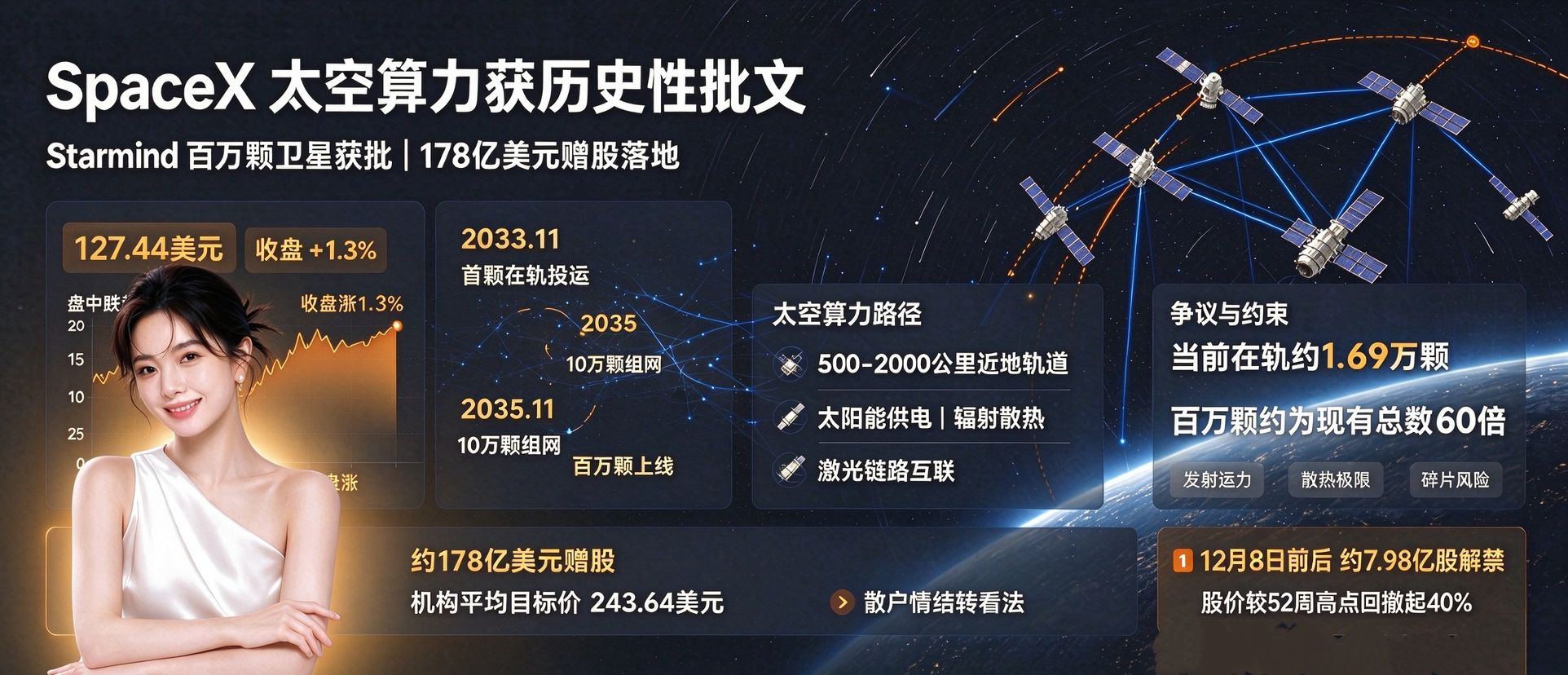
🚀 SpaceX’s space-based computing wins historic approval! “Starmind” plan sets the market alight as $17.8 billion in stock gifts roll out
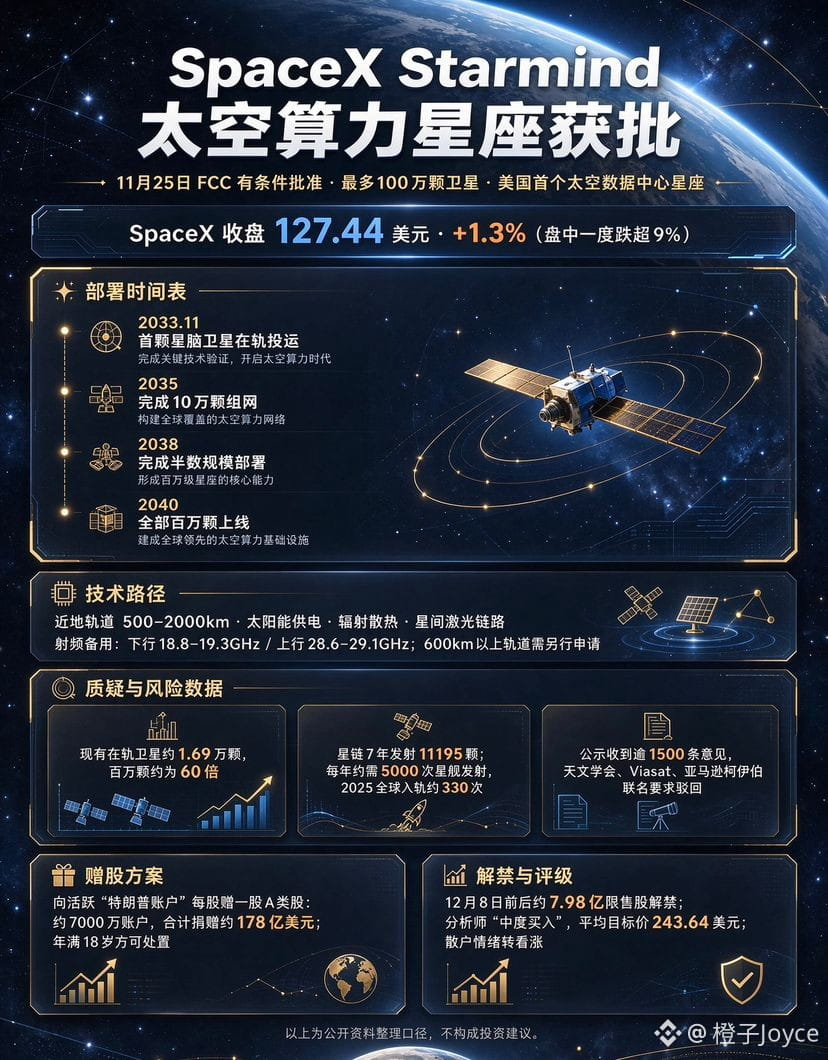
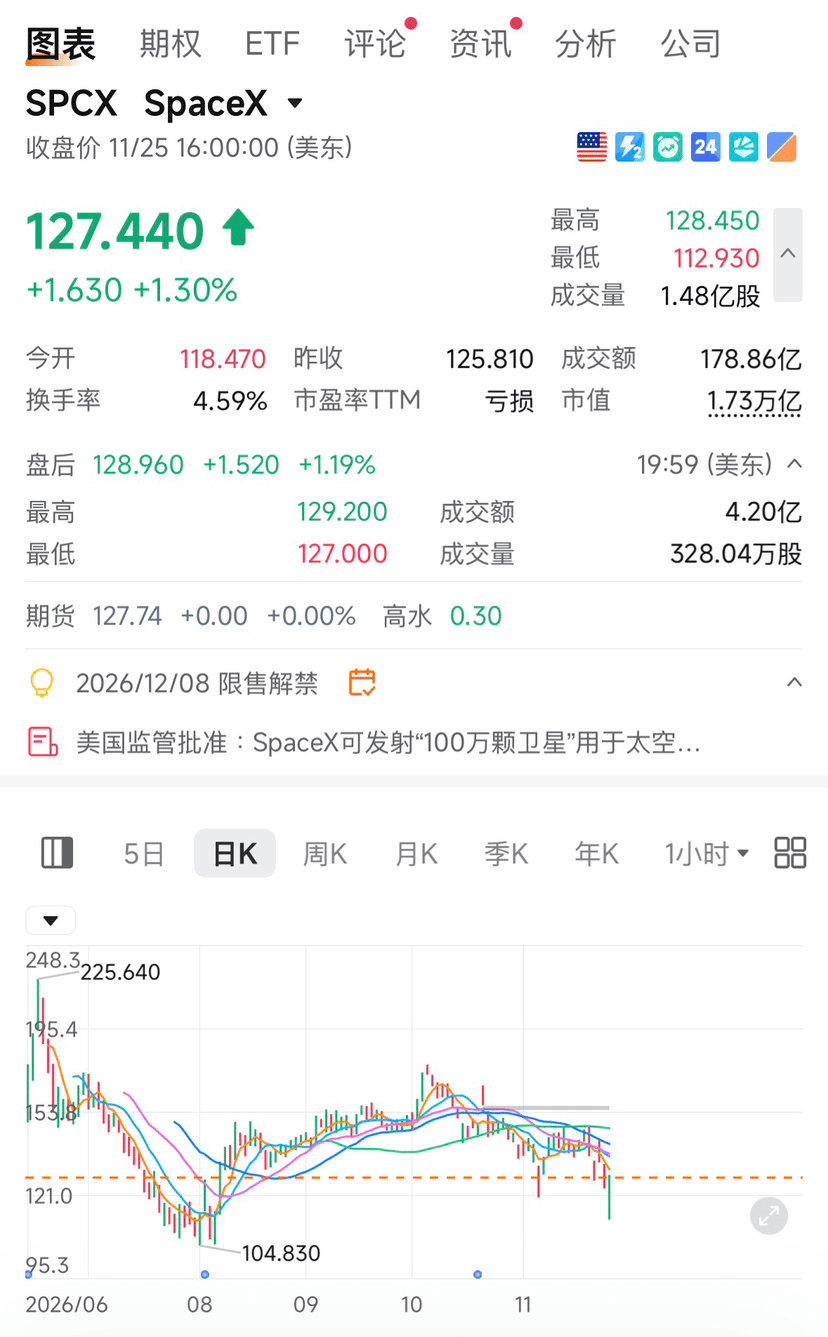
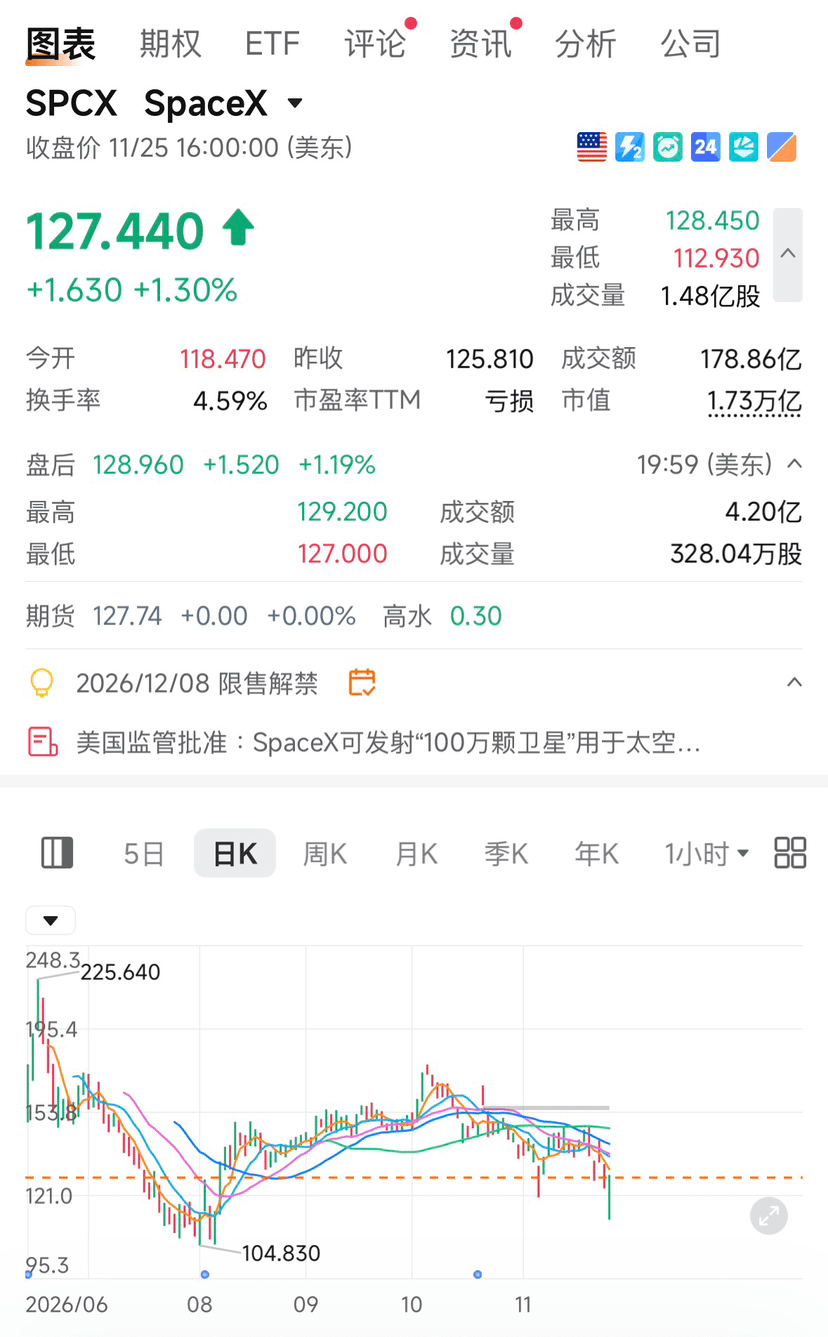
As terrestrial computing grapples with bottlenecks in power and water resources, space-based computing has achieved a landmark breakthrough! SpaceX (SPCX) fell more than 9% at one point intraday before staging a strong V-shaped recovery on the major positive news, closing up 1.3% at $127.44.
1. Approval for one million AI satellites; “Starmind” plan gets underway
* Regulatory breakthrough: The U.S. FCC has conditionally approved SpaceX’s plan to deploy up to one million satellites to build “Starmind,” a space-based data center. This is the first time in U.S. history that an orbital computing constellation has been approved.
* The core rationale: The satellites will operate in low Earth orbit at altitudes of 500–2,000 kilometers, using around-the-clock solar power and radiative heat dissipation in space, and connecting at high speeds via laser links. This would completely bypass the high water consumption and permitting constraints of terrestrial data centers.
* Rollout timeline and controversy: The first satellite must be operational by November 2033, the constellation must reach 100,000 satellites by 2035, and the full million-satellite network must be completed by 2040. However, there are currently only about 16,900 satellites in orbit worldwide, making a million-satellite constellation 60 times the current total. Academics and competitors such as Amazon (Kuiper) have raised serious concerns about launch capacity, the limits of heat dissipation in space, and debris risks.
2. Musk joins SpaceX in donating about $17.8 billion in stock to “Trump Accounts”
* Stock donation plan: SpaceX announced that it will donate one newly issued Class A share to each active investment account for a U.S. child (“Trump Account”), with Musk personally making an equal matching contribution. President Gwynne Shotwell will contribute an additional 2 million-plus shares. Based on an estimated 70 million accounts, the total donation would amount to as much as $17.8 billion.
* Market impact: The donated shares cannot be sold until the children turn 17–18, effectively locking them up for the long term. However, distributing ownership on such a large scale could also increase future corporate governance and coordination costs.
3. Trading outlook: Short-term investors should still be wary of selling pressure from lockup expirations
* Although retail investor sentiment has quickly turned “bullish,” and Wall Street has set an average price target of $243.64—implying considerable upside from the current price—SpaceX is due to see about 798 million restricted shares become eligible for trading around December 8. The stock is still down more than 40% from its 52-week high, so investors should beware of the offsetting pressure that a huge wave of newly tradable shares could place on positive sentiment in the near term.
#SpaceXSpaceDataCenterApproved,NewGrowthDriverForAIChipDemand?
Live: 12:00 Nov 26
Remind me
4
2
4
5k
·
--

奋斗Hustle1688
·
--
[Replay] 🎙️ Build Binance Square BNB, BNCB
02 h 52 m 56 s · 5.9k listens
317

·
--
Verified
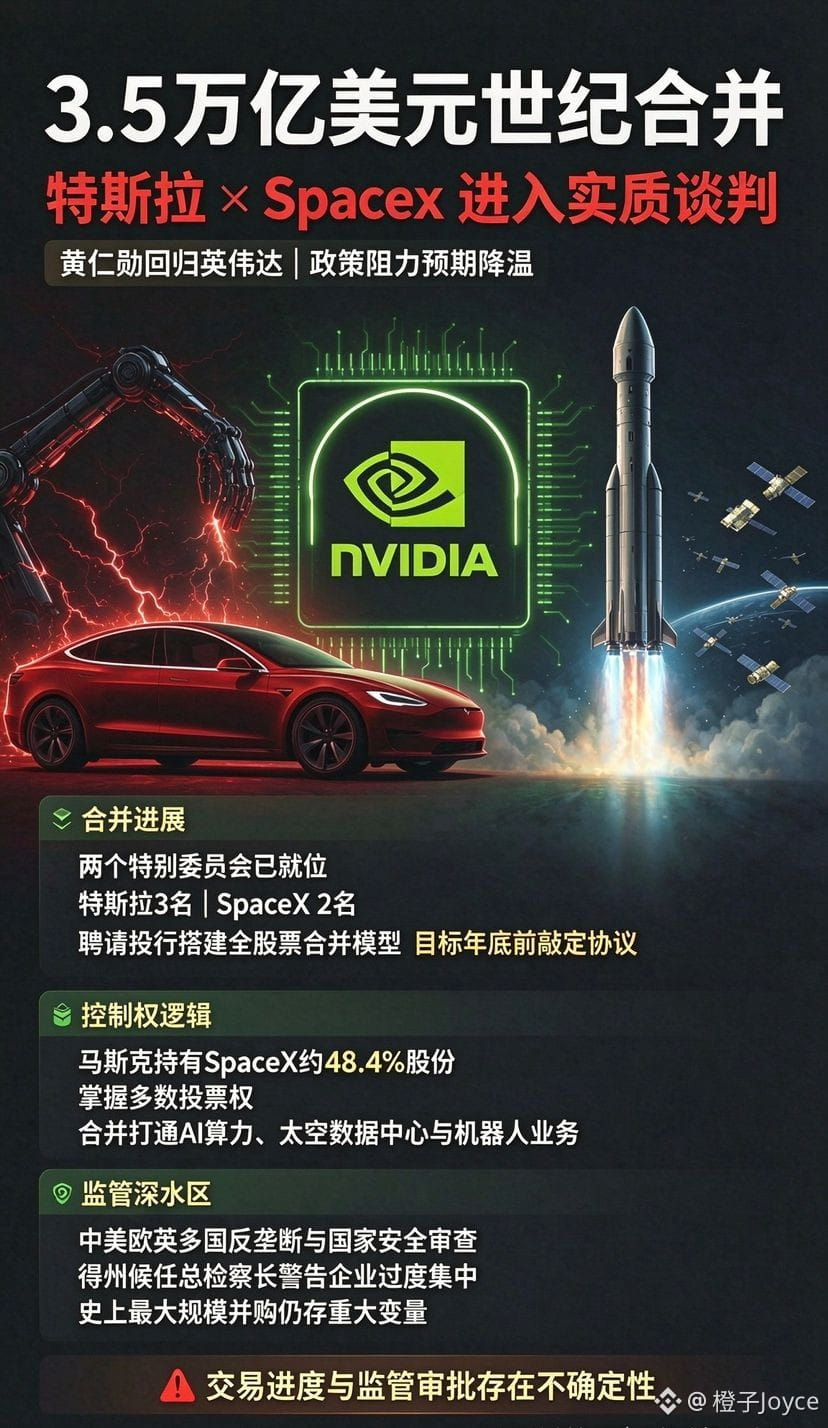
🚀 Tesla and SpaceX race toward a $3.5 trillion merger of the century! Jensen Huang’s dramatic return to Nvidia unexpectedly upends regulatory expectations
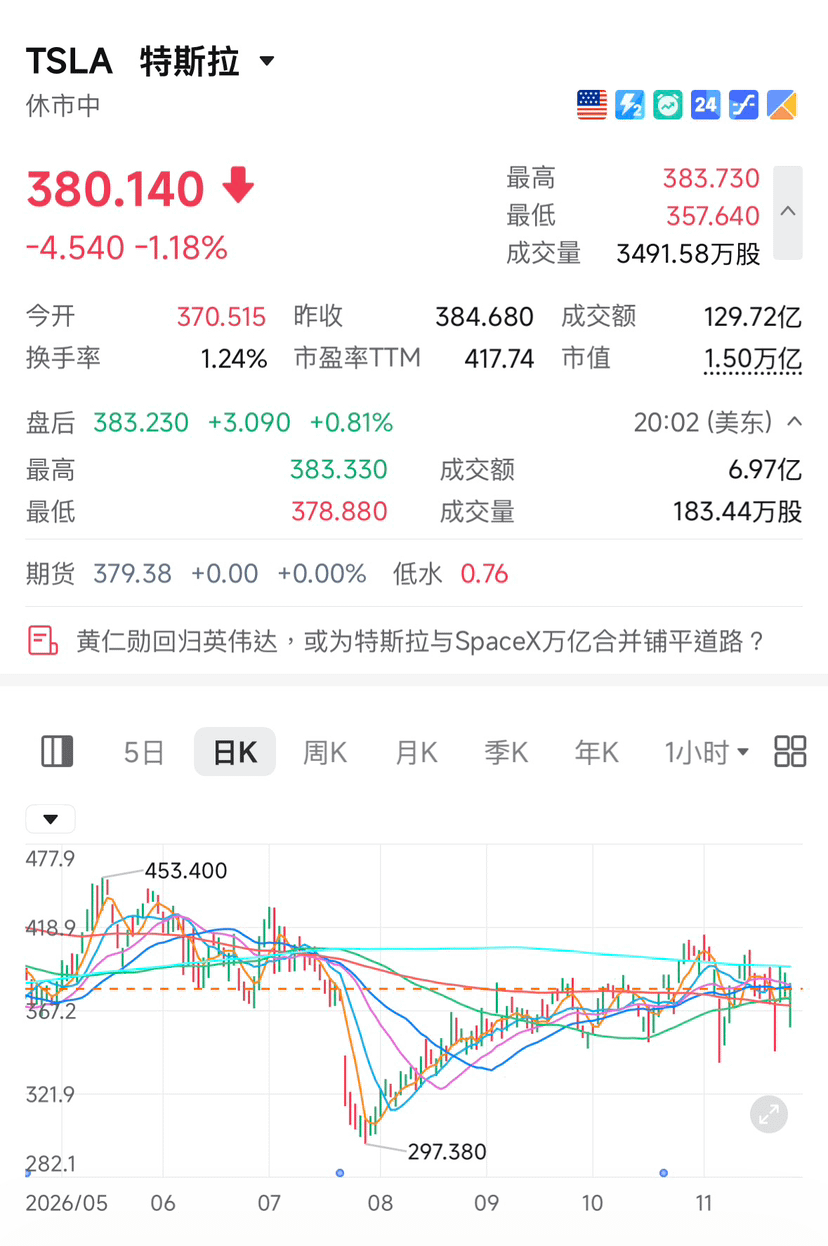
Epic twists keep unfolding in the world of U.S. tech stocks! After Jensen Huang took back the reins at Nvidia (NVDA) following Trump’s personal intervention, the market’s attention quickly shifted to the two trillion-dollar giants under Elon Musk—Tesla (TSLA) and SpaceX (SPCX)—whose merger is gaining momentum.
1. Merger enters a substantive phase: two independent committees are in place
* Negotiating framework takes shape: The two companies have formally appointed five directors (three from Tesla and two from SpaceX) to form two special committees, and have hired a Wall Street investment bank to build an all-stock merger financial model. Their goal is to finalize an agreement by the end of the year.
* Core interests and control: Musk currently owns about 48.4% of SpaceX (with majority voting control) and roughly 20% of Tesla’s voting power. A merger would not only connect their AI computing power, space data centers, and robotics businesses, but also help Musk secure majority control of his new empire. If the deal closes quickly enough, SpaceX could also gain early entry into the S&P 500 through the transaction.
2. Why is Huang’s return to Nvidia good news for Musk?
* Redefining the boundaries of “corporate governance”: Trump personally called to “persuade” Nvidia’s board to reinstate Huang, triggering a single-day surge of more than 30% in Nvidia shares and nearly $1 trillion in added market value.
* The White House’s signal is clear: The episode has radically reset market expectations around White House intervention in business decisions—if something aligns with what Trump considers the “national interest,” he is willing to break with convention for his tech allies. As a key Trump ally, Musk can now expect significantly less policy resistance as he pursues a mega-merger.
3. Deal watch: Global regulatory hurdles remain
* Although capital markets have high hopes for what would be the largest merger in history, the obstacles remain considerable: Tesla has substantial production capacity and a large market presence in China, while SpaceX is deeply tied to U.S. defense and aerospace operations. Antitrust and national security reviews in China, the U.S., Europe, and the U.K. will be the biggest wild cards. In addition, Texas’s attorney general-designate has warned about excessive corporate concentration.
Whether this $3.5 trillion business behemoth can successfully unite will be the ultimate test of the direction of future tech regulation.
#TeslaAndSpaceXMerger
1
3
1.3k
·
--
Bullish
Verified
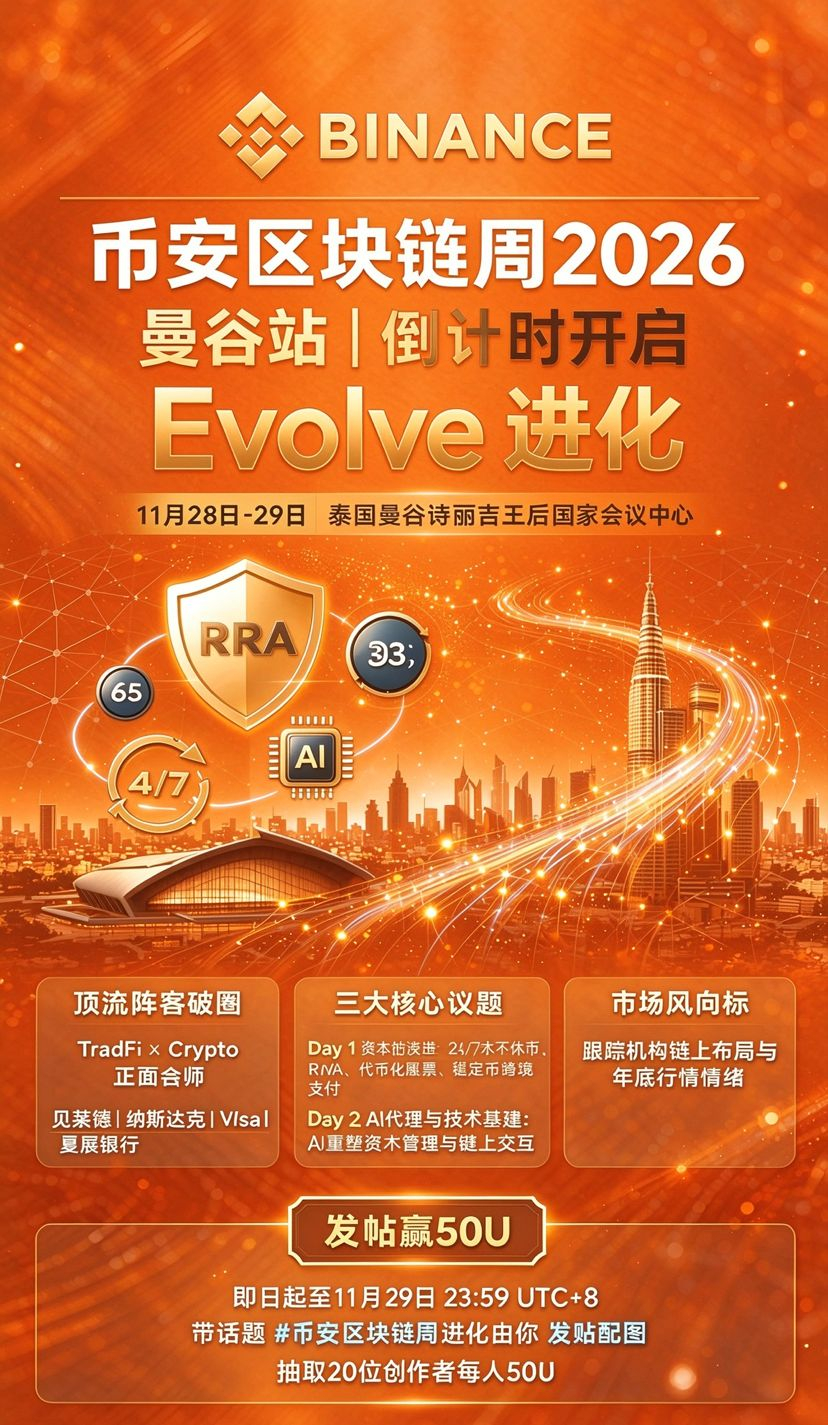
🌍 Binance Blockchain Week will take place on November 28–29. The 2026 Binance Blockchain Week is about to officially kick off at the Queen Sirikit National Convention Center in Bangkok, Thailand! This year’s theme is “Evolve”—moving beyond conversations confined to the crypto industry to focus on the deep integration of traditional finance and digital assets, AI-driven finance, and breakthroughs in global regulation.
Based on the latest agenda and speaker lineup released by the organizers, three key highlights are emerging:
1. A star-studded lineup breaks out of crypto: Wall Street giants and regulators from four countries share the stage
This Bangkok conference promises to be a face-to-face meeting between TradFi (traditional finance) and crypto. Alongside leading crypto figures including Binance Co-CEOs Richard Teng and He Yi, as well as CZ and Arthur Hayes, senior executives in Asia-Pacific and digital assets from traditional finance and payments giants such as BlackRock, Nasdaq, Franklin Templeton, Visa, and DBS will take the stage. Government and regulatory officials from Thailand, Kazakhstan, Bhutan, and Ghana will also attend in person to discuss how emerging jurisdictions can reshape the rules of digital finance.
2. Three key topics: From “24/7 markets that never close” to “AI financial agents”
* Day 1 focuses on “The Evolution of Capital”: Executives from BlackRock and Nasdaq will discuss “24/7 capital markets that never close.” RWA (real-world assets), tokenized stocks, next-generation ETF investment products, and cross-border stablecoin payments will take center stage.
* Day 2 focuses on “AI Agents and Technology Infrastructure”: Tech giants such as Alibaba Cloud and Google Cloud will explore how AI can reshape capital management and on-chain interactions, advancing Web3 toward large-scale real-world applications.
3. A market barometer: A catalyst for the year-end market?
Looking back at previous Binance Blockchain Weeks, major regulatory developments, institutional partnerships, and industry leaders’ assessments of macroeconomic cycles have often become important indicators of market sentiment toward the end of the fourth quarter. With U.S. stocks and crypto assets increasingly correlated, traders should pay close attention to the signals traditional asset management giants send from Bangkok about their on-chain plans.
#BinanceBlockchainWeekEvolveWithYou
3
1k
·
--
Bullish
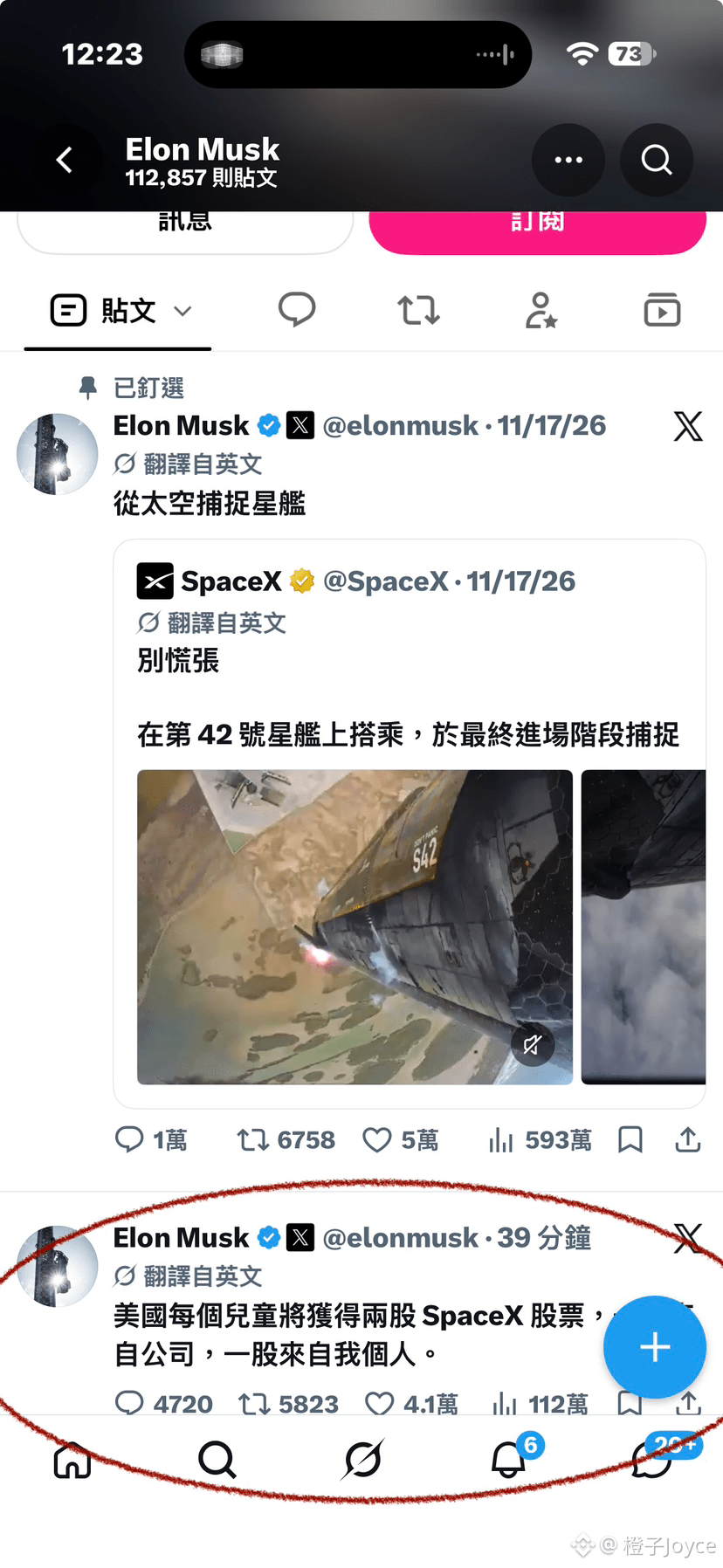
Musk: Every child in the U.S. will receive two shares of SpaceX stock—one from the company and one from me personally.
In addition, early this morning Beijing time, SpaceX posted on its official X account and published an announcement on its investor relations website, pledging to give one newly issued Class A common share to every currently active Trump Account. Trump Accounts are tax-advantaged investment accounts designed to help American children build long-term savings.
The announcement said that, as part of CEO Elon Musk’s existing commitment, Musk would personally match the number of shares donated by the company. In other words, for every share the company gives, Musk will personally donate one additional share.
President and Chief Operating Officer Gwynne Shotwell has separately announced a personal gift of more than 2 million SpaceX shares.
Based on SpaceX’s Wednesday closing price of $127.44 per share, donating shares to 70 million accounts would amount to $8.9 billion from each of SpaceX and Musk, or about $17.8 billion in total. According to U.S. Treasury officials, that amount is more than twice the total donations to Trump Accounts as of October.
Bloomberg estimates Musk’s current net worth at about $813 billion, making the donation’s impact on his wealth limited. Regulatory filings show that he holds 849.4 million Class A common shares in SpaceX, as well as billions of Class B shares with greater voting rights, and a substantial stake in Tesla.
#SpaceX donates a massive $17.8 billion to secure first space data center license
2
369
·
--
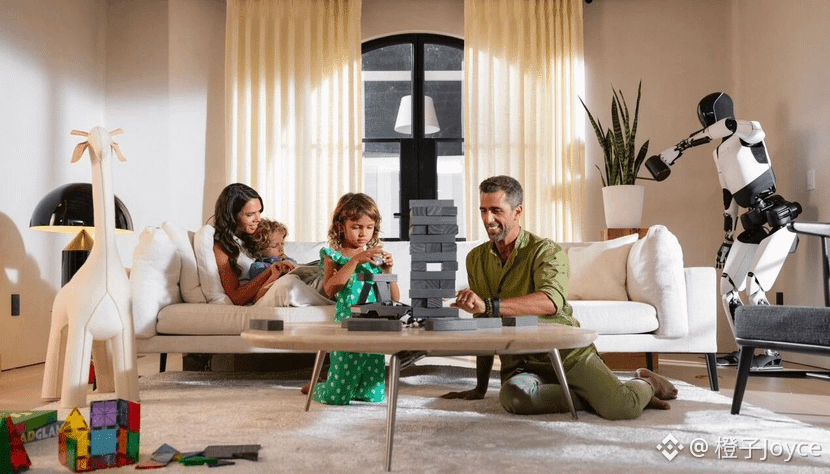
JPMorgan’s blockbuster report: The “ChatGPT moment” for Physical AI could arrive as early as 2027!
Humanoid robots and Physical AI are moving beyond “lab demonstrations” and accelerating toward real-world commercial deployment. JPMorgan’s latest in-depth report says the industry’s inflection point for scaling is arriving sooner than expected, with the sector on the eve of an S-curve takeoff.
Key takeaways:
The window for breakthroughs is moving up, and data is becoming an absolute moat. As multimodal large models such as Astra and Fable continue to evolve, robots’ ability to generalize from zero-shot learning could undergo a step change in 2027. But in complex real-world environments, “smart models” are only the starting point. The deciding factor is the data flywheel: whether real-world operations, human demonstrations, and simulation data can be efficiently combined, and whether hands-on training across hundreds of thousands of robots can deliver high reliability and genuine ROI (return on investment).
Technology architecture: Layered collaboration beats pure end-to-end
The industry consensus favors “large models for understanding intent and planning + specialized models for motion control and safety tasks.” This leaves significant room for differentiated gains among hardware and foundational-solution providers focused on specialized Physical AI capabilities.
Tesla takes the lead: Unified architecture and production ramp-up. Tesla’s latest FSD V15 has unified the visual encoders and world models of FSD, Robotaxi, and Optimus, enabling data sharing across business lines. Before sales to external customers begin, Tesla plans to deploy 10,000 to 20,000 Optimus robots internally for hands-on training. Morgan Stanley expects Tesla’s weekly production capacity to ramp up to 2,000 units over the next 12–15 months (around 200,000 units annualized).
Policy push: From planning to binding implementation targets
China’s leading cities are accelerating efforts to secure a commanding position in the industry. Beijing plans to reach annual production capacity of 200,000 units by 2028 and accumulate more than 1 million hours of high-quality data. Shanghai aims to deploy 8,000 humanoid robots in factories by 2028. Meanwhile, bringing eldercare and childcare into the mix will also unlock incremental opportunities for service robots and exoskeletons.
Physical AI is following the same pre-boom playbook as large models did: “computing power/model infrastructure comes first \rightarrow real-world data loops build a moat \rightarrow leading manufacturers scale production and cut costs.” From AI infrastructure and robotics leaders in U.S. equities to on-chain AI agents and decentralized data/computing-power sectors, a new wave of valuation resets and narrative convergence is on the way.
#HumanoidRobotsAndPhysicalAIAreMovingFromTechDemosToRealWorldDeployment

2.3k
15
147
2.3k
·
--
Bullish
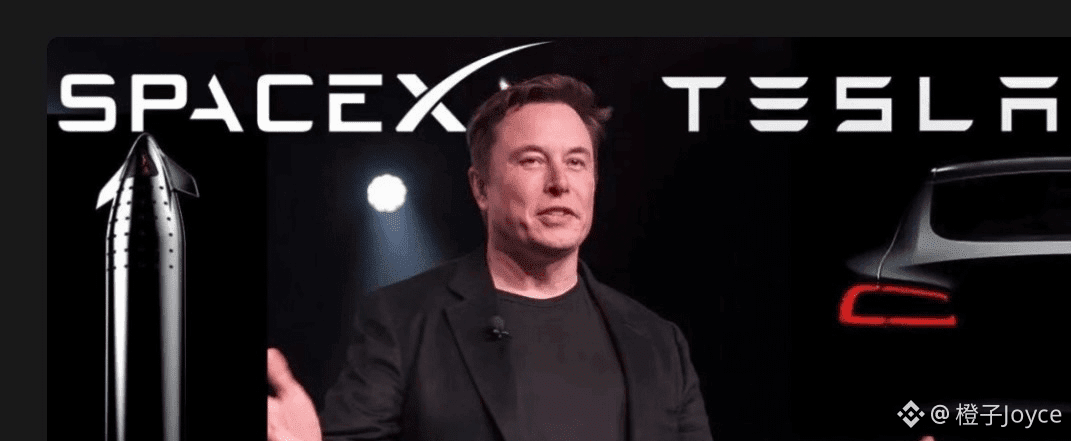
【Musk’s Business Empire Expands Again: 7 Mega-Campuses Reshape the Foundations of AI and Space Computing】
Elon Musk is recently accelerating the strategic integration of SpaceX and Tesla, while establishing seven mega-facilities across the southern United States. His aim is to connect the entire industrial chain, from foundational semiconductor manufacturing and ground-based supercomputing to AI data centers in low Earth orbit. For investors following AI infrastructure and U.S. hard-tech stocks, the scale and speed of this new wave of capital-intensive investment deserve close attention:
* The $119 billion “Terafab” chip factory takes shape in Texas: Backed by financing from SpaceX’s June IPO, Musk has launched construction of a semiconductor mega-factory in Grimes County, Texas, with an investment of up to $119 billion and a production area spanning 9 square kilometers. The project aims to begin mass production by 2028. Key equipment suppliers, including ASML, have already delivered equipment ahead of schedule. The goal is to fill a critical gap in securing an independent chip supply for AI robotics and autonomous driving.
* Nine launches a day! Louisiana to build a giant spaceport: To support the ambitious plan to deploy 1 million AI satellites in Earth orbit—creating space-based data centers to overcome ground-based energy constraints—SpaceX plans to invest at least $100 billion in a 505-square-kilometer “Starship” mega-launch site in Louisiana, with construction set to begin in 2027. The facility will meet future demand for thousands of launches and satellite replacements each year.
* Ground-based computing clusters continue to expand: In addition to space-based computing, two “Colossus” AI data centers near Memphis, Tennessee, are also being expanded in parallel, strengthening the foundational training capabilities for large AI models.
Since shifting its focus south in 2021, Texas and Louisiana have become the heartland of Musk’s hard-tech empire, thanks to low taxes, inexpensive land, and flexible labor policies. From chip manufacturing (Terafab) to energy and robotics (Tesla), and on to high-frequency space transportation and space-based computing (SpaceX), a super technology platform spanning Earth and space and integrating hardware and software is rapidly taking shape.
#马斯克帝国七大计划
$TSLA.US
{stock_us}(TSLA.US)
$NVDA.US
{stock_us}(NVDA.US)
$ASML.US
{stock_us}(ASML.US)
【Musk’s Business Empire Expands Again: 7 Mega-Campuses Reshape the Foundations of AI and Space Computing】
Elon Musk is recently accelerating the strategic integration of SpaceX and Tesla, while establishing seven mega-facilities across the southern United States. His aim is to connect the entire industrial chain, from foundational semiconductor manufacturing and ground-based supercomputing to AI data centers in low Earth orbit. For investors following AI infrastructure and U.S. hard-tech stocks, the scale and speed of this new wave of capital-intensive investment deserve close attention:
* The $119 billion “Terafab” chip factory takes shape in Texas: Backed by financing from SpaceX’s June IPO, Musk has launched construction of a semiconductor mega-factory in Grimes County, Texas, with an investment of up to $119 billion and a production area spanning 9 square kilometers. The project aims to begin mass production by 2028. Key equipment suppliers, including ASML, have already delivered equipment ahead of schedule. The goal is to fill a critical gap in securing an independent chip supply for AI robotics and autonomous driving.
* Nine launches a day! Louisiana to build a giant spaceport: To support the ambitious plan to deploy 1 million AI satellites in Earth orbit—creating space-based data centers to overcome ground-based energy constraints—SpaceX plans to invest at least $100 billion in a 505-square-kilometer “Starship” mega-launch site in Louisiana, with construction set to begin in 2027. The facility will meet future demand for thousands of launches and satellite replacements each year.
* Ground-based computing clusters continue to expand: In addition to space-based computing, two “Colossus” AI data centers near Memphis, Tennessee, are also being expanded in parallel, strengthening the foundational training capabilities for large AI models.
Since shifting its focus south in 2021, Texas and Louisiana have become the heartland of Musk’s hard-tech empire, thanks to low taxes, inexpensive land, and flexible labor policies. From chip manufacturing (Terafab) to energy and robotics (Tesla), and on to high-frequency space transportation and space-based computing (SpaceX), a super technology platform spanning Earth and space and integrating hardware and software is rapidly taking shape.
#马斯克帝国七大计划
$TSLA.US
$NVDA.US
$ASML.US
3
1.9k
·
--
Bullish
Verified
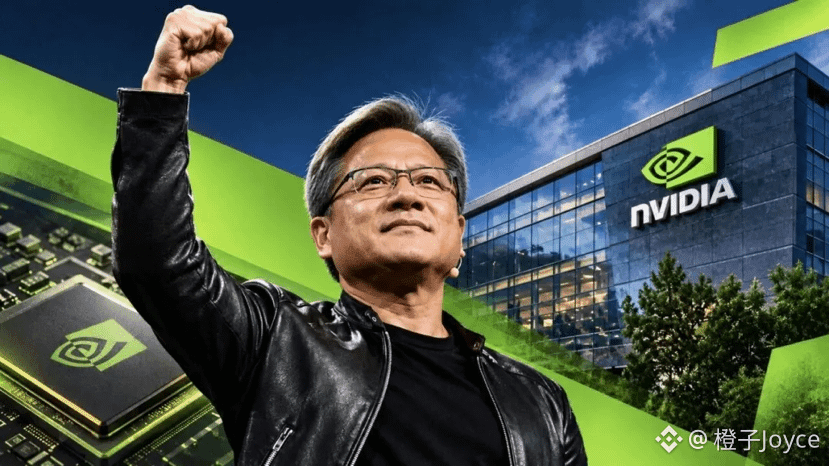
【Breaking】“Too big to fire”! Jensen Huang makes a lightning-fast return to Nvidia as shares surge 31.5%, setting off a rally in U.S. stocks 🚀
Less than two weeks after resigning over a personal scandal, Jensen Huang officially returned to Nvidia’s headquarters in Santa Clara on Monday! This dramatic “lightning comeback” not only set employees cheering, but also sent shockwaves through the financial markets:
📈 Market’s explosive reaction
* Nvidia takes off: Spurred by news of his return, NVDA shares surged 31.5% in a single day, directly lifting the broader U.S. stock market.
* AI ecosystem rebounds: AI computing-power stocks such as CoreWeave and Nebius, which had come under pressure after his departure, surged across the board, instantly restoring market confidence.
Business and political giants rally behind him, underscoring his influence
* Trump lends support: U.S. President Donald Trump played a key role in his comeback, publicly backing him and praising him as a “genius.”
* Musk gives his approval: Another tech titan, Elon Musk, also expressed strong support for his return. As one Wall Street analyst put it: “When he leaves, the whole industry falls apart; when he comes back, everything gets better.”
Concerns and power plays behind the celebration
* “Too big to fire”: Although Huang owns only about 3.6% of the company and has no super-voting rights, he personally oversees around 60 core engineers and is deeply entwined with the entire AI supply chain. This extreme dependence on a single leader has sparked widespread discussion about corporate governance and key-person risk.
* Controversy over circular financing: Wall Street remains wary of Nvidia investing in AI startups that then turn around and buy its chips—the “closed-loop” model. Some lawmakers from both parties have also opposed his return.
💡 Commentary
At the height of the race for AI computing power, the market has voted with its money, demonstrating that Jensen Huang is irreplaceable. But when a CEO truly becomes “too big to fire,” that is both a powerful source of certainty for investors and a concentration risk that cannot be ignored in the future.
#黄仁勋重返Nvidia大到不能解雇
$NVDA.US
{stock_us}(NVDA.US)
$TSM.US
{stock_us}(TSM.US)
$MU.US
{stock_us}(MU.US)
【Breaking】“Too big to fire”! Jensen Huang makes a lightning-fast return to Nvidia as shares surge 31.5%, setting off a rally in U.S. stocks 🚀
Less than two weeks after resigning over a personal scandal, Jensen Huang officially returned to Nvidia’s headquarters in Santa Clara on Monday! This dramatic “lightning comeback” not only set employees cheering, but also sent shockwaves through the financial markets:
📈 Market’s explosive reaction
* Nvidia takes off: Spurred by news of his return, NVDA shares surged 31.5% in a single day, directly lifting the broader U.S. stock market.
* AI ecosystem rebounds: AI computing-power stocks such as CoreWeave and Nebius, which had come under pressure after his departure, surged across the board, instantly restoring market confidence.
Business and political giants rally behind him, underscoring his influence
* Trump lends support: U.S. President Donald Trump played a key role in his comeback, publicly backing him and praising him as a “genius.”
* Musk gives his approval: Another tech titan, Elon Musk, also expressed strong support for his return. As one Wall Street analyst put it: “When he leaves, the whole industry falls apart; when he comes back, everything gets better.”
Concerns and power plays behind the celebration
* “Too big to fire”: Although Huang owns only about 3.6% of the company and has no super-voting rights, he personally oversees around 60 core engineers and is deeply entwined with the entire AI supply chain. This extreme dependence on a single leader has sparked widespread discussion about corporate governance and key-person risk.
* Controversy over circular financing: Wall Street remains wary of Nvidia investing in AI startups that then turn around and buy its chips—the “closed-loop” model. Some lawmakers from both parties have also opposed his return.
💡 Commentary
At the height of the race for AI computing power, the market has voted with its money, demonstrating that Jensen Huang is irreplaceable. But when a CEO truly becomes “too big to fire,” that is both a powerful source of certainty for investors and a concentration risk that cannot be ignored in the future.
#黄仁勋重返Nvidia大到不能解雇
$NVDA.US
$TSM.US
$MU.US
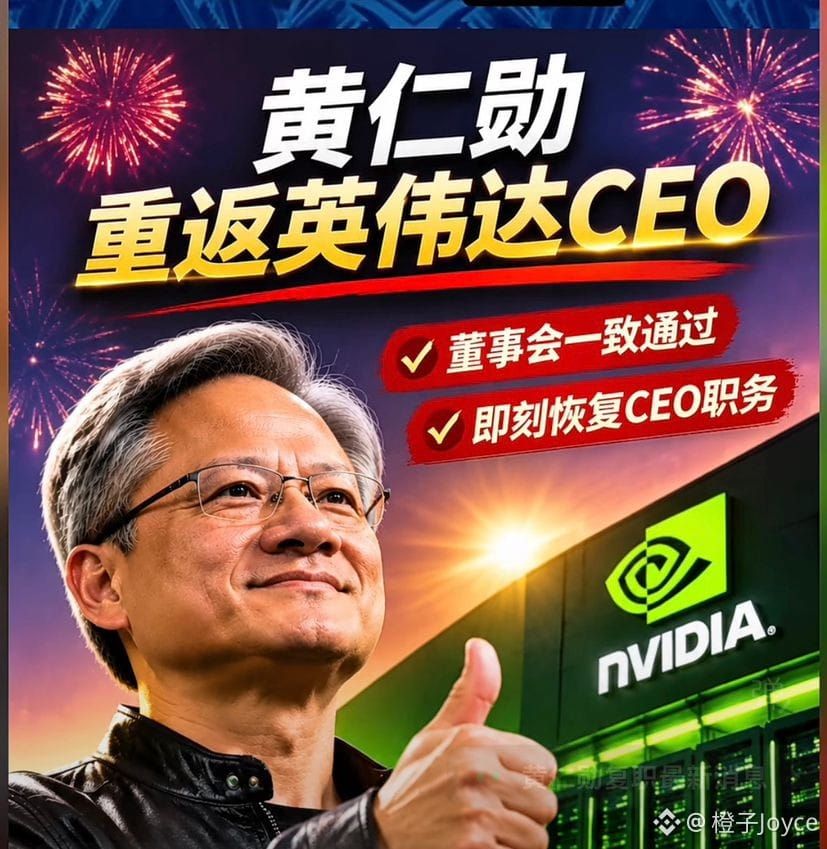
NVDAUS-2.72%
4
1.4k
·
--
Bullish
#SpaceX与特斯拉成立委员会探讨合并
SpaceX and Tesla appoint five directors to oversee merger talks
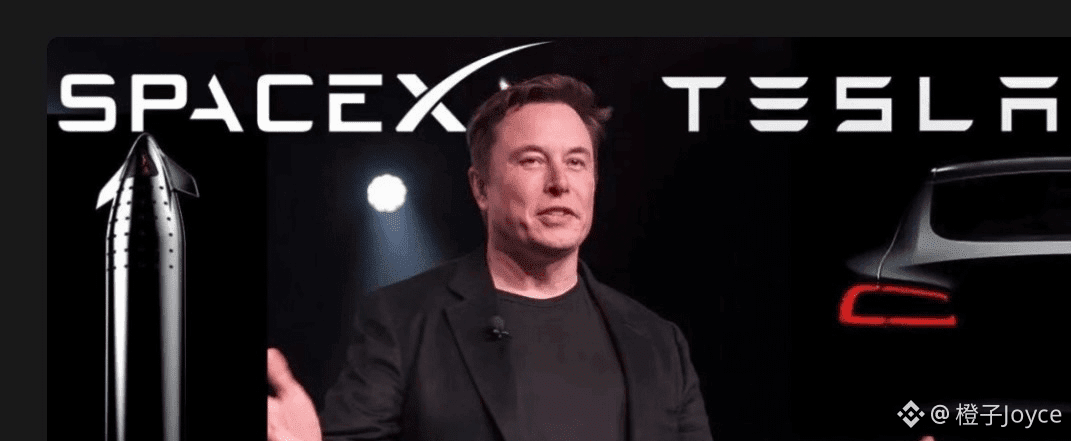
Elon Musk’s two publicly traded companies have appointed five directors—three from Tesla and two from SpaceX—to guide the two special committees responsible for merger negotiations. The directors include Roelof Botha and Randy Glein from SpaceX, and Robyn Denholm, Kathleen Wilson-Thompson, and Jack Hartung from Tesla.
According to a November 24 report by the Financial Times Chinese website, the five executives have been tasked with combining Musk’s vast business empire into a commercial giant that could be valued at $3.5 trillion.
The report said SpaceX and Tesla had entrusted five directors with the fate of what would be the largest merger in history. The five are finalizing the terms of a potential $3.5 trillion merger and are aiming to complete the deal by the end of the year.
All five have longstanding ties to Musk and face a daunting task: working out how to integrate the two vast businesses, securing shareholder support, and protecting themselves from investor lawsuits. Previous deals involving Musk’s companies have repeatedly faced such lawsuits.
Establishing special committees is standard practice for transactions involving conflicts of interest. But this case is unusual: the two companies share a CEO, who is also the world’s richest person.
People familiar with the matter said the special committees had hired advisers.
SpaceX’s advisers include Morgan Stanley and Goldman Sachs, while Tesla’s adviser is Evercore. The advisers are refining financial models to support each company’s position in negotiations over an all-stock merger.
#SpaceX与特斯拉成立委员会探讨合并
$SPCX.US
{stock_us}(SPCX.US)
$TSLA.US
{stock_us}(TSLA.US)
$GOOG.US
{stock_us}(GOOG.US)
#SpaceX与特斯拉成立委员会探讨合并
SpaceX and Tesla appoint five directors to oversee merger talks
Elon Musk’s two publicly traded companies have appointed five directors—three from Tesla and two from SpaceX—to guide the two special committees responsible for merger negotiations. The directors include Roelof Botha and Randy Glein from SpaceX, and Robyn Denholm, Kathleen Wilson-Thompson, and Jack Hartung from Tesla.
According to a November 24 report by the Financial Times Chinese website, the five executives have been tasked with combining Musk’s vast business empire into a commercial giant that could be valued at $3.5 trillion.
The report said SpaceX and Tesla had entrusted five directors with the fate of what would be the largest merger in history. The five are finalizing the terms of a potential $3.5 trillion merger and are aiming to complete the deal by the end of the year.
All five have longstanding ties to Musk and face a daunting task: working out how to integrate the two vast businesses, securing shareholder support, and protecting themselves from investor lawsuits. Previous deals involving Musk’s companies have repeatedly faced such lawsuits.
Establishing special committees is standard practice for transactions involving conflicts of interest. But this case is unusual: the two companies share a CEO, who is also the world’s richest person.
People familiar with the matter said the special committees had hired advisers.
SpaceX’s advisers include Morgan Stanley and Goldman Sachs, while Tesla’s adviser is Evercore. The advisers are refining financial models to support each company’s position in negotiations over an all-stock merger.
#SpaceX与特斯拉成立委员会探讨合并
$SPCX.US
$TSLA.US
$GOOG.US
TSLAUS-0.37%
SPCXUS+2.45%
3
414
·
--
Bullish
Verified
Wall Street stunned! Just 11 days after resigning, Jensen Huang makes a lightning-fast return as Nvidia surges 31% to set a global record! 🚀
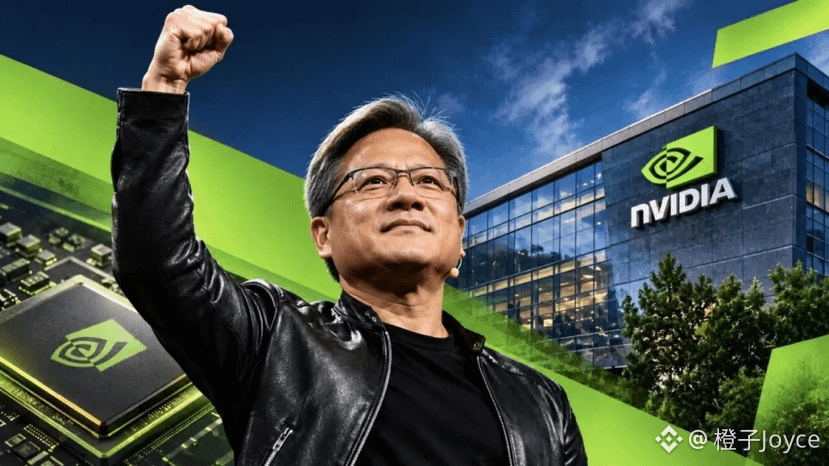
U.S. stocks have just witnessed an earth-shaking reversal destined for the history books! Just 11 days after announcing his resignation, on November 23 local time in the United States, Nvidia’s board unanimously approved a resolution for Jensen Huang to officially return to Nvidia, fully resuming his roles as president, CEO, and board member.
The blockbuster good news sent market sentiment into a frenzy:
📈 Nvidia surged 31% in a single day (its biggest gain since May 2003), adding $952 billion to its market capitalization and setting a new all-time record for the largest one-day increase in an individual company’s market value in global capital markets!
🔥 A broad-based U.S. stock rally: The Dow rose 3% (+1,434 points), the S&P 500 gained 4.6%, and the Nasdaq jumped 6.2%, marking its best single-day performance since April 2025. The AI supply chain celebrated across the board: CoreWeave rose 20%, Micron Technology gained 19%, and AMD, Google, and Meta all climbed 6%; only Anthropic bucked the trend, slipping 1.43%.
🔍 Behind the reversal: White House intervention and Silicon Valley support
The dramatic turnaround was the result of a clash among multiple forces. U.S. President Donald Trump confirmed to CNBC that he personally called Nvidia’s board to persuade them, praising Huang as a “national treasure”; Elon Musk posted immediately, saying “the mistake has been corrected”; and OpenAI chief Sam Altman, who has weathered a similar storm, also posted his regards. After returning, Huang said he would be an even better CEO. Nvidia also announced that it would expedite the appointment of a chief compliance officer and continue cooperating with government inquiries.
💰 A tale of two investors: One makes 9,000%, while Cathie Wood sells too soon
* Mysterious options trade sparks insider-trading suspicions: On the eve of the reinstatement announcement, a $3.4 million Nvidia call-option trade appeared on the market (strike price: $160; expiration: November 23). As the stock soared, the position’s estimated value topped $312 million, delivering a return of nearly 9,000% on a single trade. The uncanny timing fueled intense Wall Street suspicions of insider trading.
* Cathie Wood sells just before the rally: Concerned that Huang might jump ship to Musk’s team and affect SpaceX’s orbital data center partnership, Ark Invest steadily reduced its holdings ahead of the surge (selling about $17 million worth on November 20 alone) and shifted the funds into SpaceX, missing the entire epic rally.
💡 Market watch
Huang’s return instantly restored confidence in the AI hardware ecosystem, but analysts also cautioned that the AI sector still faces challenges related to financing conditions, geopolitics, and the sustainability of earnings growth.
Did you catch this stunning reversal? What do you make of the mysterious options trade that returned nearly 9,000%?
#Nvidia reinstates Jensen Huang as CEO, markets sound the rallying cry
2
677
·
--
Bullish
Verified
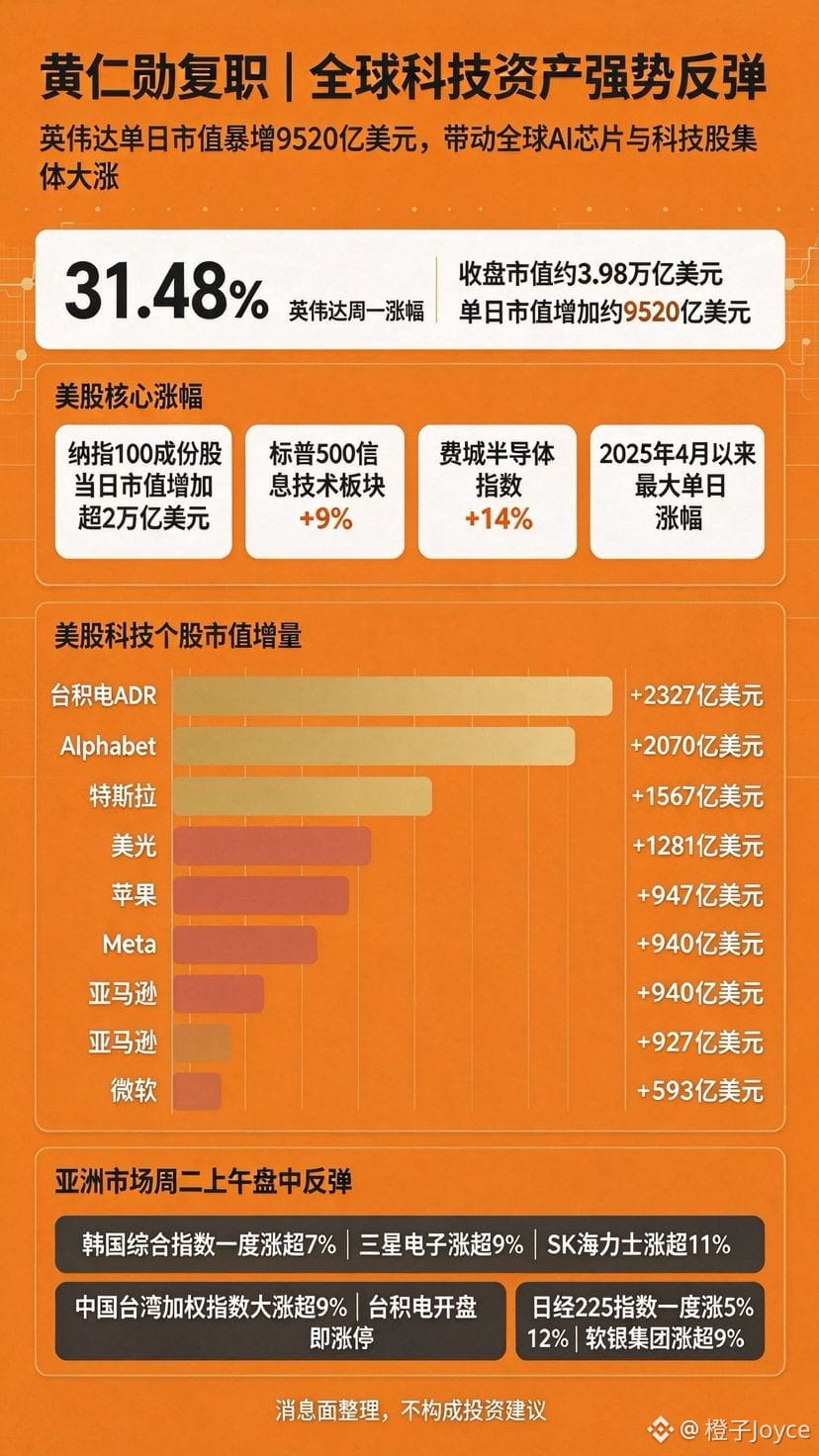
Global tech assets rebound sharply after Jensen Huang returns to his post; Nasdaq 100 market cap rises by more than $2 trillion overnight, while tech stocks in Japan and South Korea surge across the board
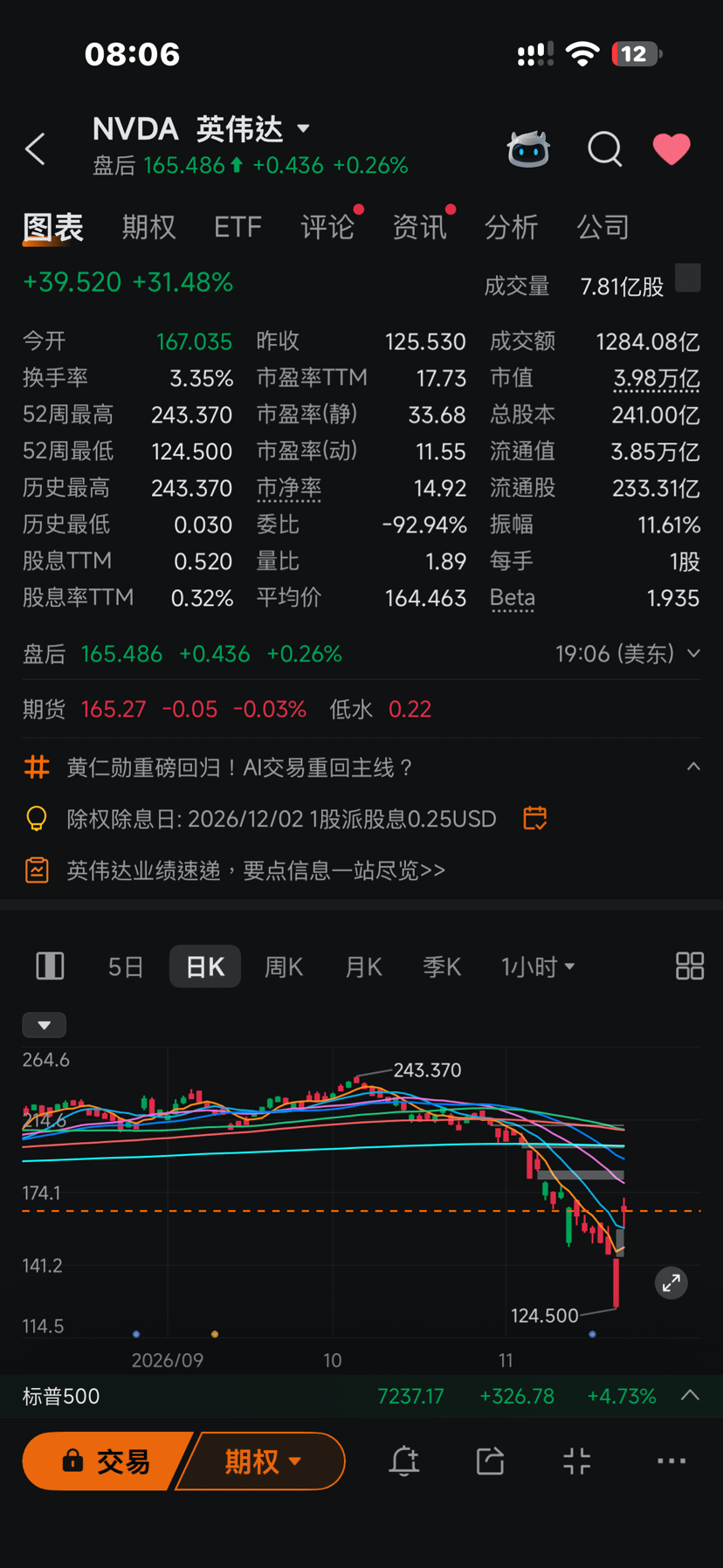
Nvidia CEO Jensen Huang’s return to his post sparked a rebound in global tech assets. Nvidia closed Monday with a market cap of about $3.98 trillion, up approximately $952 billion, or 31.48%.
The combined market cap of Nasdaq 100 constituents rose by more than $2 trillion that day.
The S&P 500 Information Technology sector gained 9% on Monday, while the Philadelphia Semiconductor Index rose 14%, its biggest single-day gain since April 2025.
Among tech stocks with the largest market-cap gains were:
The market cap of TSMC’s U.S.-listed ADRs rose by approximately $232.7 billion;
Alphabet, Google’s parent company, gained about $207 billion, estimated based on the rise in its Class A shares;
Tesla gained about $156.7 billion;
Micron gained about $128.1 billion;
Apple gained about $94.7 billion;
Meta gained about $94 billion;
Amazon gained about $92.7 billion;
Microsoft gained about $59.3 billion.
Asian markets rebounded strongly in Tuesday morning trading, with South Korea’s KOSPI briefly gaining more than 7%.
Samsung Electronics rose more than 9%,
SK Hynix rose more than 11%.
Taiwan’s Weighted Index surged more than 9%,
with TSMC hitting limit-up at the open.
The Nikkei 225 briefly rose 5%,
Kioxia surged more than 12%,
and SoftBank Group gained more than 9%.
On the A-share market, the STAR 50 and
ChiNext Index briefly rose more than 4%.
Nvidia-related stocks, CPO, PCB, semiconductors and other sectors led the gains.
#Nvidia reinstates Jensen Huang as CEO, sounding the market’s counteroffensive
2
878
·
--
Verified
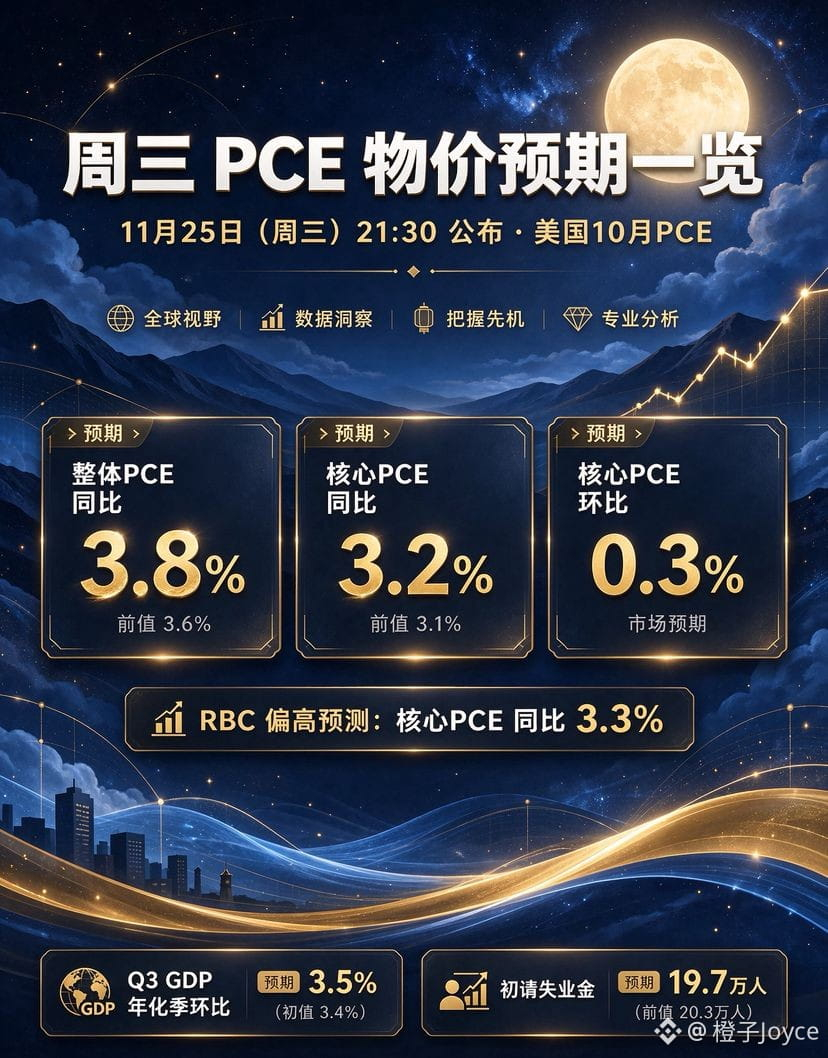
Fed’s hawkish signals intensify: Williams concedes he “doesn’t rule out consecutive rate hikes”; AI and energy become twin drivers of inflation! 🚨
New remarks from New York Fed President Williams signal a tougher tightening stance, rapidly raising market expectations for consecutive rate hikes in December and January next year. Key points at a glance:
* Shift in core stance: Williams said plainly that the U.S. economy is more resilient than expected and inflation remains significantly above the 2% target. He “doesn’t rule out the possibility of raising rates at several consecutive policy meetings.” Earlier, Governor Waller even warned that a 50-basis-point hike at a single meeting may need to be considered.
* Three major drivers of inflation:
* Energy risks: Geopolitical tensions, including the situation in Iran, could keep oil prices elevated for an extended period. If rising gasoline prices push up overall prices further, the Fed will act more quickly.
* AI supply-demand imbalance: The AI infrastructure boom is fueling demand for chips and semiconductors, while current supply is clearly failing to keep pace, pushing up prices for related goods.
* A highly resilient economy: U.S. GDP growth is expected to remain around 2.75% this year and next. Overall inflation is projected to reach 3.5% this year and not return to the 2% target until 2028.
* Keeping a close eye on stocks and AI sentiment: Williams is closely monitoring recent volatility in tech stocks. He sees enthusiasm for AI investment as an important engine of the U.S. economy. A substantive reversal would directly change the Fed’s assessment of the policy path.
📅 Key upcoming dates:
* This Wednesday: October PCE price index released (a key indicator of underlying inflation).
* December 8–9: The Fed’s final policy meeting of the year. Markets are now pricing in a December rate hike, with another likely to follow in January 2027.
Macro liquidity is once again facing a test from tighter conditions. Near-term volatility in U.S. stocks and crypto markets is expected to rise, so pay attention to positioning and risk management! 📉📈
~~~~~~~~~~~~~~~~~~~~
• Headline PCE year over year: 3.8% expected (previous: 3.6%)
• Core PCE year over year: 3.2% expected (previous: 3.1%)
• Core PCE month over month: 0.3% expected
• RBC’s higher estimate: Core PCE year over year at 3.3%
• Related data: Q3 GDP expected at 3.5%; initial jobless claims expected at 197,000
• Disclaimer at the bottom: Figures reflect institutional forecasts; actual results are subject to official releases. This is not investment advice.
#美国10月核心PCE即将揭晓,加息预期如何变化?
4
655
·
--
Bullish
Verified
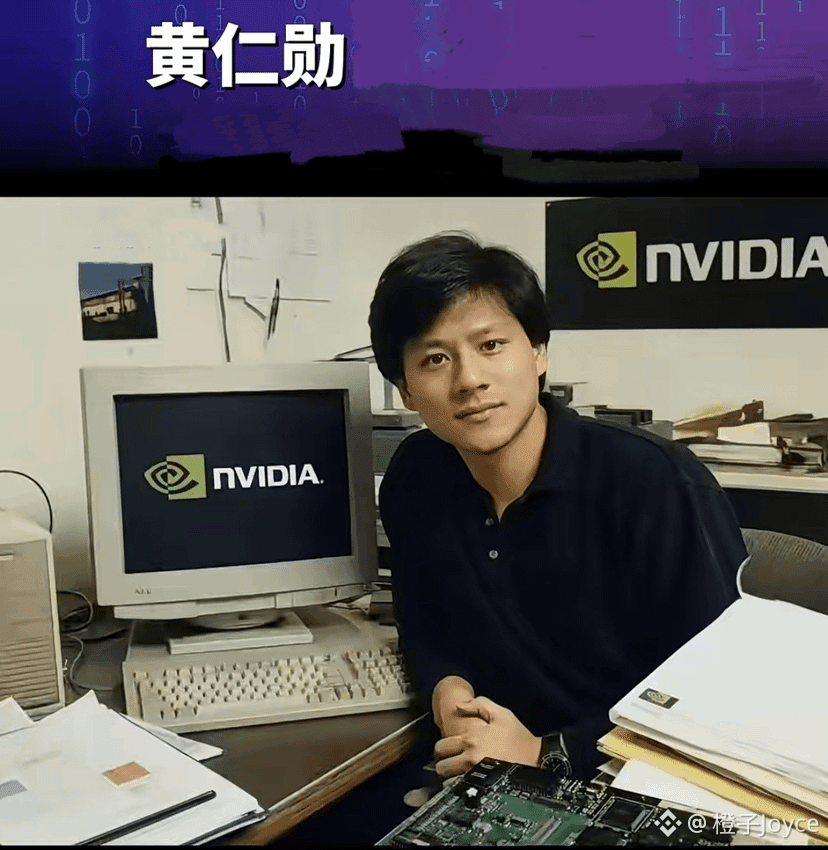
Huang Renxun says, “I’ll do better the second time as CEO”; returns to Nvidia headquarters, where hundreds of employees line up to welcome him
After Huang Renxun arrived at Nvidia’s headquarters in Santa Clara, California, he was warmly welcomed by hundreds of employees. He said publicly at the scene, “I’ll do better the second time as CEO.” This week, Huang will also appear at a congressional hearing, while an investigation involving Nvidia continues to move forward.
Huang Renxun returned to the company’s headquarters as $Nvidia (NVDA.US)$ CEO, bringing to an end a power struggle that had shaken the tech world and financial markets.
According to on-site video released by CNBC, Huang Renxun was warmly welcomed by hundreds of employees shortly after arriving at Nvidia’s headquarters in Santa Clara, California.
He said publicly at the scene, “I’ll do better the second time as CEO.” His remarks suggest that he has reflected on the events and is returning to the leadership role with a pragmatic approach.
Huang Renxun’s reinstatement boosted market sentiment. Nvidia rose as much as 35% on Monday and was up 32% at the time of writing. The share price performance was reportedly one of the key factors that prompted the board to bring him back.
Two board meetings over the weekend led to his reinstatement
Sources say Huang Renxun’s reinstatement followed a series of intense behind-the-scenes efforts. The events can be traced back to last Friday, when senior government officials made it clear to Nvidia’s board that Huang had not violated any national security laws.
This statement, together with pressure from the share price, prompted the board to reach out to Huang and hold two board meetings, on Saturday and Sunday.
Trump reportedly participated briefly in Sunday’s meeting. The board ultimately decided to reinstate Huang as CEO, and the announcement was officially released on Monday morning.
Congressional hearing and potential investigation remain unresolved
Huang Renxun’s return does not mean that external pressure has completely eased.
This week, he will also appear at a congressional hearing. Discussions about the ongoing investigation into matters related to Nvidia are continuing, and the details have yet to be clarified.
For investors, Huang Renxun’s return has temporarily stabilized uncertainty around the company’s governance, but the risk of a potential congressional investigation remains a factor to watch.
#英伟达恢复黄仁勋CEO职务,市场吹响反攻号角
NVDAUS-2.72%
4
17
6.1k
·
--
Bullish
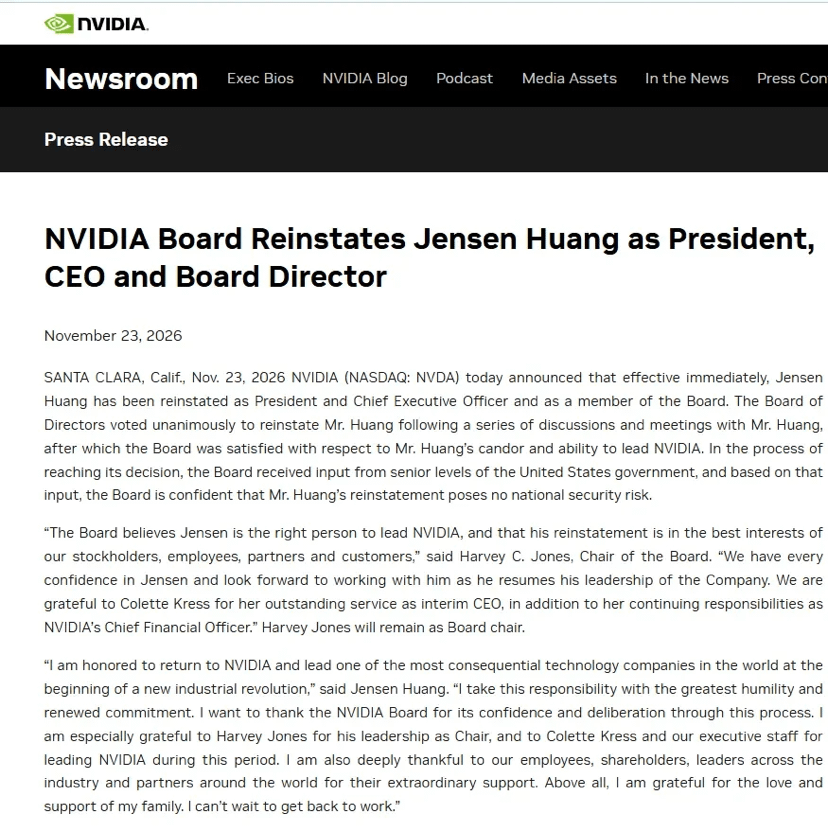
NVIDIA today announced that Jensen Huang has been reinstated as president and chief executive officer and as a member of the board of directors, effective immediately. Following a series of discussions and meetings with Mr. Huang, the board unanimously voted to reinstate him. The board is satisfied with Mr. Huang’s candor and his ability to lead NVIDIA. In reaching its decision, the board heard from senior U.S. government officials and, based on their input, is confident that Mr. Huang’s reinstatement poses no national security risk.
“The board believes Jensen is the right person to lead NVIDIA, and his reinstatement is in the best interests of our shareholders, employees, partners and customers,” said Harvey Jones, chairman of the board. “We have confidence in Jensen and look forward to working with him as he resumes leadership of the company. We thank Colette Kress for her outstanding service as interim CEO and for continuing in her role as NVIDIA’s chief financial officer.” Harvey Jones will continue to serve as chairman of the board.
“I am honored to return to NVIDIA and lead one of the world’s most influential technology companies at the dawn of a new industrial revolution,” said Jensen Huang. “I will take on this responsibility with great humility and even stronger determination. I want to thank the NVIDIA board for its confidence in me and its careful consideration throughout this process. I am especially grateful for Harvey Jones’s outstanding leadership as chairman, and for Colette Kress and our entire executive team for leading NVIDIA during this time. I am also deeply grateful to our employees, shareholders, industry leaders and partners around the world for their tremendous support. Most of all, I want to thank my family for their love and support. I can’t wait to get back to work.”
As previously announced, in light of recent reports that Mr. Huang had become a target of foreign intelligence services, the board formed a committee composed entirely of independent directors to conduct an investigation and engaged independent counsel to assist. The board reiterated that the committee’s investigation will continue until it is complete. Mr. Huang fully supports the investigation and has pledged to cooperate.
The board recently also formed a National Security and Export Controls Committee composed entirely of independent directors to oversee trade compliance and national security risks. The committee is engaging counsel with experience in national security matters, who will also retain advisers with expertise in national security matters. NVIDIA is beginning its search for a chief compliance officer, who will oversee NVIDIA’s compliance matters and report to the Nominating and Corporate Governance Committee. NVIDIA will continue to cooperate with ongoing government investigations and inquiries.
#英伟达恢复黄仁勋CEO职务,市场吹响反攻号角
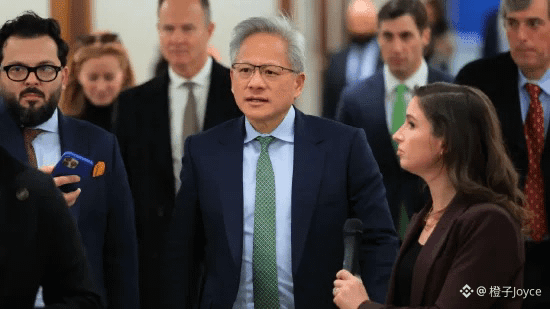
1
2
12
500
·
--
Has the situation changed? Bessent “changes his tune”: Huang may “not have known”
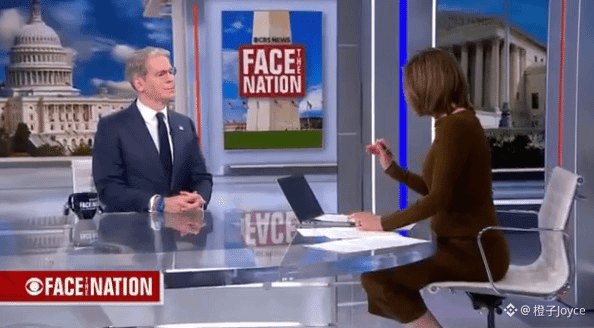
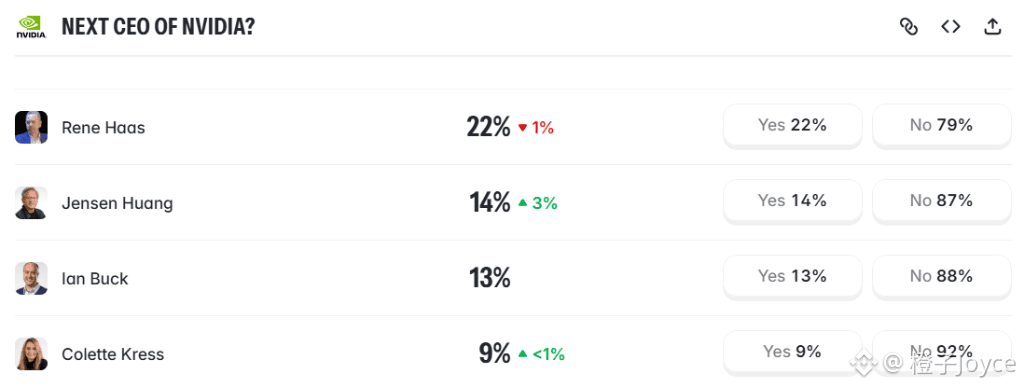
U.S. Treasury Secretary Scott Bessent hinted that a return to Nvidia for Jensen Huang had not been ruled out. His wording was a clear softening of his previous hardline stance, when he called for a “major shake-up” at Nvidia and said the company should look outside for new leadership, leaving room for speculation about the founder’s return. On November 22, Bessent suggested in an interview on CBS’s Face the Nation that a return for Huang had not been ruled out, while stressing that the government first needed to determine where responsibility lay. “I think we need to see where the responsibility ultimately lies, and who the bad actors were within the company who engaged in the underlying misconduct,” he said. He also revealed that, as of November 22, the U.S. Treasury had not received Nvidia’s response on whether it had set up shell companies to evade export controls. The response is due by November 25. These remarks marked a shift in Bessent’s tone. Just last week, he called for a “major shake-up” at Nvidia on Fox News and suggested that the next leader of the AI chip giant should come from “outside the company.” Prediction markets have already reacted. On Polymarket, the odds of Huang returning as Nvidia CEO rose to 14%, up from 11% on November 21.
A shift in tone: from “find an outside successor” to “he’s already on the outside”
Bessent’s change of stance marks a key turn in recent events. Last week, on Fox News, he sharply criticized Nvidia, called for a “major overhaul” of the company, and suggested that the next leader of the AI chip giant should come from “outside the company.” At the time, markets interpreted his remarks as a sign that the Treasury Department did not support Huang’s return. But in his November 22 interview with CBS, when pressed on whether Nvidia should look outside for someone to lead the company, Bessent replied: “I said they should look outside, but he’s already outside now.” Bessent also stressed that the chain of responsibility had yet to be established. “We need to see how high up the responsibility goes,” he said, asking whether it stopped at the lower or middle levels, or went all the way to the top. He said he was confident that Nvidia’s committees would move quickly with their investigation and produce “solid, reliable” answers.
Disagreement between the board and the White House
Trump has publicly backed Huang’s return and urged the board to reinstate the co-founder, who helped start the company more than three decades ago. Huang’s supporters have also urged the board to reconsider its decision to remove him. This contrasts with the position of Nvidia’s board, which has clearly stated that it has no intention of bringing Huang back. Analysts say that if the board stands firm against Huang’s return, its response to the government may be more likely to place the blame on the former CEO; if the government accepts Huang’s return, some regulatory pressure could ease. Bessent’s remarks leave both possibilities open, but allegations concerning Nvidia’s compliance in its China business remain unresolved. Last week, Bessent asked Nvidia to inform the Trump administration by November 25 whether it had set up shell companies to evade export controls. On November 22, he said the U.S. Treasury had not yet received a response.
#PossibilityOfJensenHuangReturningToNvidia
2
12
2.1k
·
--
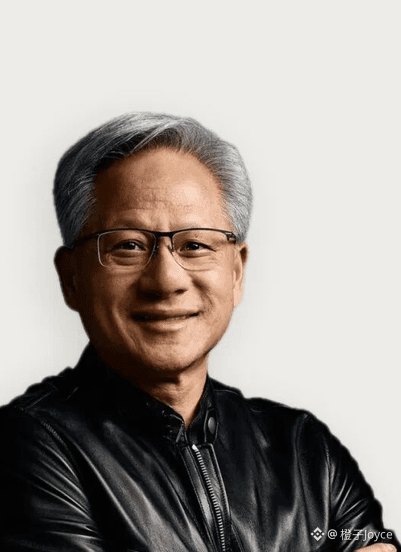
Intel, SpaceX, or striking out on his own? Speculation swirls around Jensen Huang’s “next chapter”
① Just 10 days after Jensen Huang stepped down as Nvidia CEO, all kinds of scenarios for his “second act” are already circulating in the market;
② Some speculate that Huang may join another tech company, such as Intel or SpaceX, while others think he may strike out on his own and start a new company;
③ On prediction markets, the most popular bet is that Huang is most likely to start a company of his own.
The question of what Nvidia’s former CEO Jensen Huang will do next has become one of the hottest topics on Wall Street and in Silicon Valley. The future of this AI industry titan matters not only to him personally, but also to the direction of the global AI computing landscape.
American literary giant F. Scott Fitzgerald once said, “There are no second acts in American lives.”
Yet Silicon Valley has no shortage of examples of tech titans “making a comeback after a setback.” In May 1985, Steve Jobs resigned from Apple, the company he had helped found, amid a power struggle. About four months later, he founded computer company NeXT. Eleven years later, Apple acquired NeXT, and Jobs returned, eventually taking the reins at Apple.
Elon Musk was ousted as PayPal’s CEO in 2000. About 18 months later, he founded SpaceX, which has since become a global leader in commercial spaceflight.
Now, just 10 days after Huang stepped down as Nvidia CEO, all kinds of scenarios for his “second act” are already circulating in the market. Some speculate that Huang may join another tech company, such as Intel or SpaceX, while others think he may strike out on his own and start a new company.
A bold theory has recently been circulating: Huang could join Intel to help the veteran chipmaker rebuild its AI strategy, perhaps even becoming CEO, while current Intel CEO Lip-Bu Tan might be willing to move into an advisory role. However, there is no evidence that any such discussions are currently taking place.
The speculation was first mentioned by Jordan Klein, an analyst in Mizuho Securities’ trading division, in a client note citing a portfolio manager. Klein met with a group of hedge fund managers last Thursday to discuss Nvidia’s CEO succession and Huang’s next move.
The portfolio manager suggested that Huang could join Intel and draw on his experience leading the development of Nvidia’s AI chips to build an entirely new GPU for Intel. According to Klein, investors at the meeting thought Tan had never intended to serve as Intel CEO for the long term. If Huang were willing to take over, Tan might step aside and offer support.
Huang joining SpaceX is another theory currently circulating on Wall Street. Musk recently said that it would be an honor to hire Huang, and that no one could truly replace him.
On prediction markets, the most popular bet is that Huang is most likely to start a company of his own. On Polymarket, that possibility is priced at 27%; the next most likely outcome is that he takes no new position before 2028, at 24%; the probability of his returning to Nvidia is 20%; joining SpaceX is at 8%; and joining Intel is just 3%.
Semafor journalist Rohan Goswami recently predicted that Huang might found a new semiconductor company, potentially raising $50 billion to launch it from friends and industry allies.
Speculation about Huang’s next move comes as U.S. tech stocks have endured their worst week in years. Since hitting a record high on October 6, Nvidia has shed more than $2.7 trillion in market value, including nearly $900 billion in just the past week.
U.S. President Donald Trump hopes Huang will return to Nvidia. According to a report by Reference News on the 21st, Trump said at a press conference at the White House on the 20th, local time, that he looked forward to Huang’s return. “I really hope he comes back. He is one of the world’s top talents,” he said. Emphasizing that Nvidia is vital to the United States, Trump added, “It’s because of him that the company has established a position 10 years ahead of its competitors.”
2
866
·
--
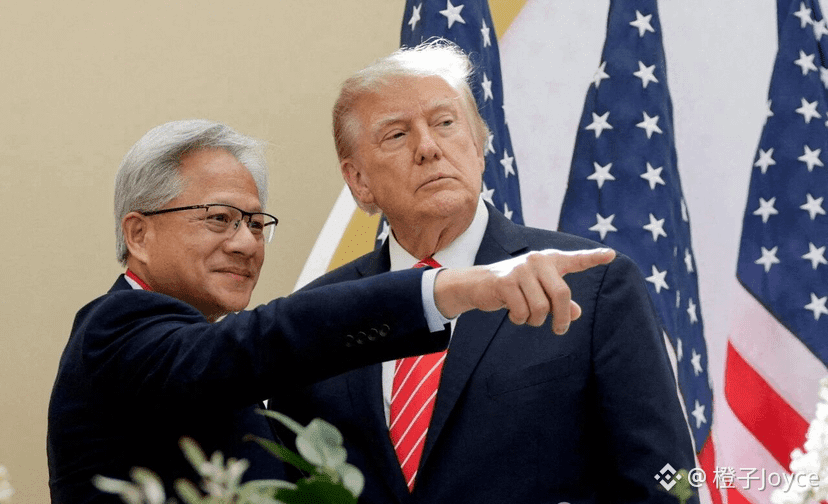
A 33-year reign at NVIDIA comes to an end! Jensen Huang steps down completely, faces multiple investigations, and has no chance of returning
In late November 2026, global AI chip giant NVIDIA underwent a historic upheaval. Its founder, Jensen Huang, who had led the company for exactly 33 years, officially withdrew completely from NVIDIA’s management team and board of directors amid the combined impact of personal turmoil and a political crisis involving regulators, bringing his more than three-decade leadership era to a definitive close.
The latest turmoil began on November 8, when Huang issued an open letter to employees, acknowledging personal misconduct and publicly apologizing. As the situation escalated, NVIDIA’s board formally accepted his resignation on November 11. The official announcement took effect on November 12, when Huang stepped down as CEO, president, and from all board positions. NVIDIA is now being run by interim CEO Colette Kress, the company’s chief financial officer, who has taken full charge of day-to-day operations.
Although U.S. President Donald Trump and Tesla CEO Elon Musk publicly spoke up for Huang after the controversy erupted, and more than 200,000 fans and employees signed a petition calling for his return, NVIDIA’s board has taken an uncompromising stance, leaving no room for reversal. NVIDIA Chairman Harvey Jones stated unequivocally during an earnings call and an all-hands meeting that the board had unanimously resolved never to rehire Huang as CEO.
According to industry sources, the board’s main reason for firmly cutting ties was not simply the personal controversy. Rather, it was his concealment of key information from the board for a year and his undermining of the company’s integrity framework—actions that crossed a fundamental line in corporate governance and ultimately led to his complete ouster.
Stepping down is not the end of the story. Huang is now facing pressure from multiple legal, regulatory, and congressional investigations.
On the regulatory front, amid disputes over AI chip exports and supply-chain compliance, Huang is scheduled to appear on December 1 for a joint interview with three U.S. House committees, where he will face detailed questioning. Meanwhile, on November 19, California’s attorney general issued NVIDIA a formal investigative subpoena to determine whether the company or Huang personally engaged in any misconduct. In addition, NVIDIA’s internal independent investigation and several shareholder lawsuits are still ongoing. They involve disputes over dealings with related parties and overseas companies, and the ensuing legal proceedings are expected to be lengthy.
As for his personal circumstances, Huang has completely disappeared from public view since his apology on November 8 and has not made another public appearance. People familiar with the matter say his outlook has changed significantly: he is no longer fixated on his position or career, and is now most concerned about his family and the impact on them.
Notably, although he has completely left the management team, Huang remains NVIDIA’s largest individual shareholder. According to the latest ownership filings, he directly and indirectly holds more than 810 million shares, worth as much as $102 billion, and retains all of his shareholder voting rights. He remains a major stakeholder in NVIDIA whose influence cannot be ignored.
As for what he might do next, rumors have circulated about a lucrative offer from Intel and Musk recruiting him for a collaboration. However, data from leading prediction markets put the probability of him joining a new company by the end of the year at just 4%.
According to assessments by Wall Street institutions, after completing the current series of intensive legal investigations, regulatory questioning, and lawsuits, Huang’s most likely path forward will be to launch another independent venture.
The end of NVIDIA’s three-decade dynasty could usher in a sweeping reshaping of the AI chip landscape, global technology governance, and the weighting of tech stocks in the U.S. market.
#JensenHuang is confirmed to appear on December 1 for a joint interview with three U.S. House committees
3
1.5k
·
--
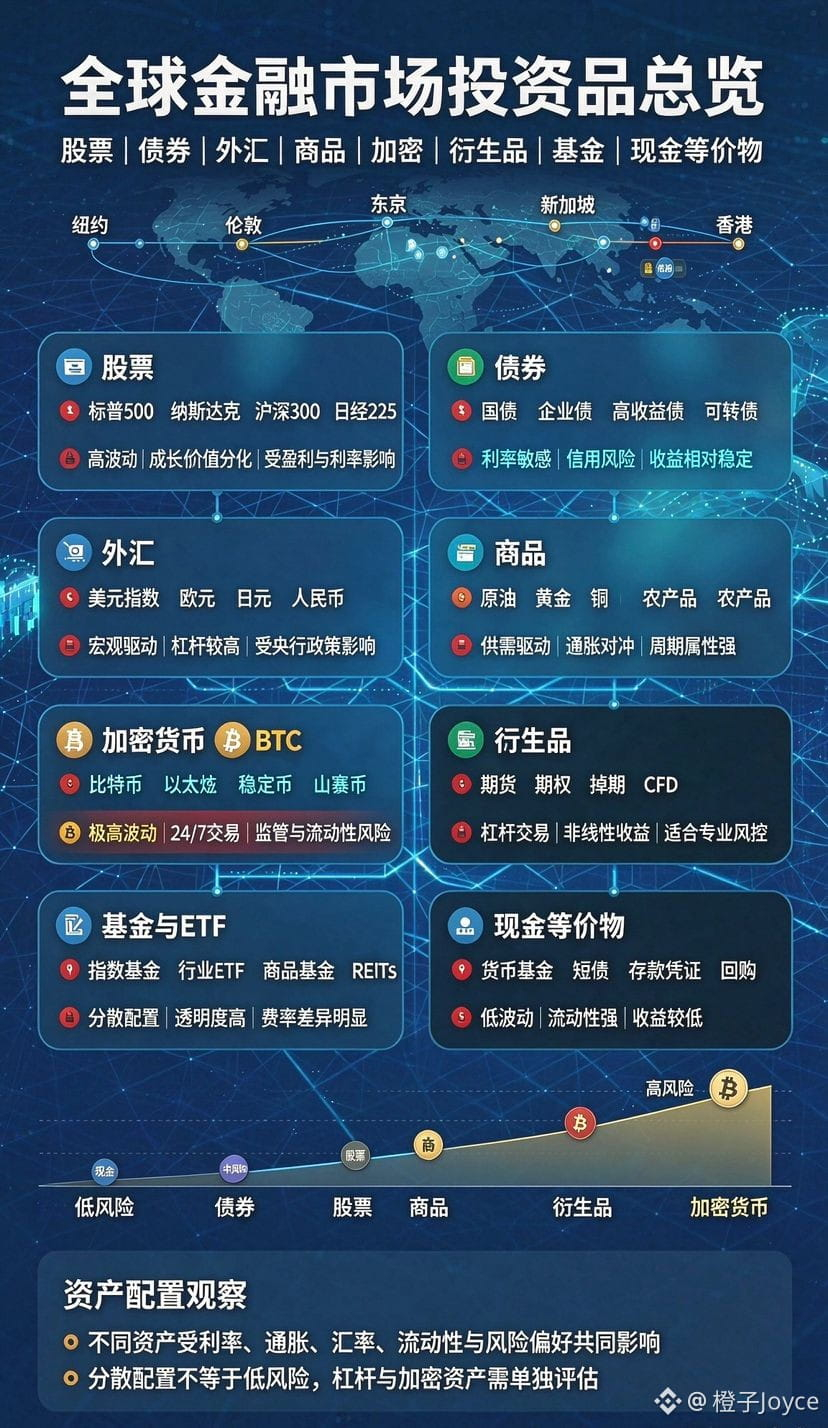
Market pessimism is mounting. Bitcoin is currently down 56.3% from its all-time high and has fallen about 17.4% so far in November. In U.S. equities, the Nasdaq has dropped more than 20% from its peak, while the S&P 500 is down nearly 12%. Commodities are also under pressure: gold has fallen 34.7% from its peak, and silver is down 66%. Meanwhile, inflation remains persistently high, and markets now put the probability of a 25-basis-point rate hike at the December FOMC meeting at 88.6%.
The cost-basis cluster for short-term BTC holders has failed to provide support. As BTC fell below the $62,000–$65,000 range, short-term holders began accelerating their loss-making sales. Once the price drops below a cost-basis range like this, it often turns into resistance.
The amount of capital invested in Bitcoin that is currently in an unrealized loss has risen to an all-time high. Bitcoin is currently hovering around $58,000, with a market capitalization of approximately $1.17 trillion. About $950 billion in invested capital is in unrealized losses, while only about $119 billion is in profit.
These figures measure the amount of invested capital, not the number of BTC held at a loss. This metric reflects the financial pressure borne by underwater positions in the current market, as well as the scale of losses facing investors.
The prolonged slump in the crypto market is prompting some once-steadfast crypto investors to turn to other speculative areas. With factors such as a stronger dollar, rising expectations of Fed rate hikes, and cooling enthusiasm for AI trades weighing on the market, Bitcoin is facing its longest streak of weekly losses since 2022. The crypto market’s total capitalization has fallen to around $2 trillion, roughly half its peak last year. Capital is flowing out of several segments, including stablecoins and altcoins, while trading volumes continue to shrink.
However, speculative demand has not disappeared; it is simply no longer concentrated in crypto tokens themselves. Once-loyal BTC investors are starting to turn to AI stocks, prediction markets, tokenized funds, and perpetual futures on stocks and commodities. As global markets also decline, digital asset traders who once liked to buy the dip are saving up for other investments.
#BitcoinFallsBelow$60,000:CanItStabilizeAndReboundInTheShortTerm?
3
944
Log in to explore more content
Join global crypto users on Binance Square
⚡️ Get latest and useful information about crypto.
💬 Trusted by the world’s largest crypto exchange.
👍 Discover real insights from verified creators.
Email / Phone number
Trending Topics
CanMarketsReboundAfterThanksgiving?
48,030 views
868 Discussing
Rate-Hike Bets Linger as US Markets Head Into Thanksgiving Closure
Binance News
·2 Likes
·2.4k views
CouldSpaceX’sOrbitalDataCentersBoostAIChipDemand?
29,004 views
543 Discussing
EvolveAtBinanceBlockchainWeek
701,304 views
8,066 Discussing