
Market pessimism is mounting. Bitcoin is currently down 56.3% from its all-time high and has fallen about 17.4% so far in November. In U.S. equities, the Nasdaq has dropped more than 20% from its peak, while the S&P 500 is down nearly 12%. Commodities are also under pressure: gold has fallen 34.7% from its peak, and silver is down 66%. Meanwhile, inflation remains persistently high, and markets now put the probability of a 25-basis-point rate hike at the December FOMC meeting at 88.6%.
The cost-basis cluster for short-term BTC holders has failed to provide support. As BTC fell below the $62,000–$65,000 range, short-term holders began accelerating their loss-making sales. Once the price drops below a cost-basis range like this, it often turns into resistance.
The amount of capital invested in Bitcoin that is currently in an unrealized loss has risen to an all-time high. Bitcoin is currently hovering around $58,000, with a market capitalization of approximately $1.17 trillion. About $950 billion in invested capital is in unrealized losses, while only about $119 billion is in profit.
These figures measure the amount of invested capital, not the number of BTC held at a loss. This metric reflects the financial pressure borne by underwater positions in the current market, as well as the scale of losses facing investors.
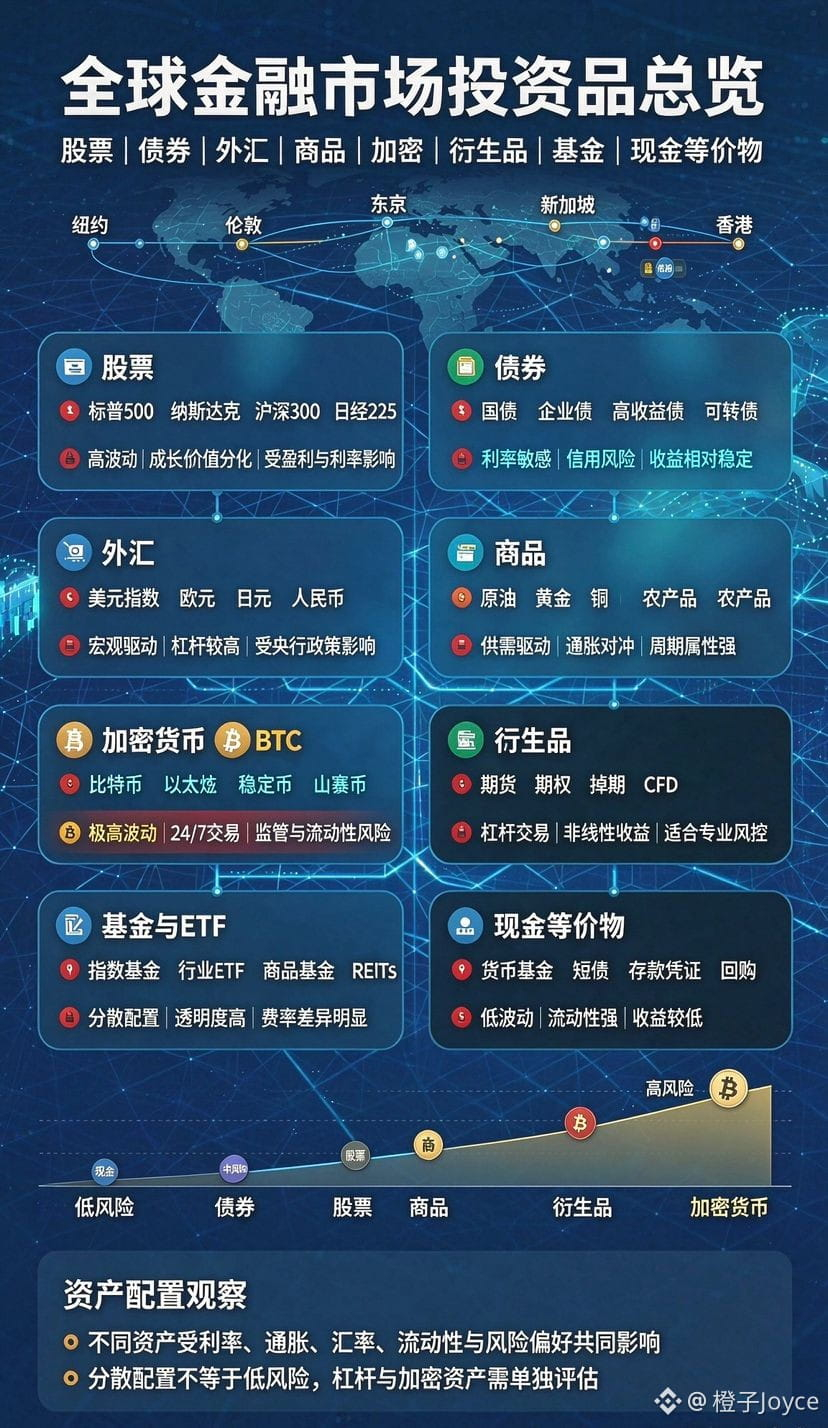
The prolonged slump in the crypto market is prompting some once-steadfast crypto investors to turn to other speculative areas. With factors such as a stronger dollar, rising expectations of Fed rate hikes, and cooling enthusiasm for AI trades weighing on the market, Bitcoin is facing its longest streak of weekly losses since 2022. The crypto market’s total capitalization has fallen to around $2 trillion, roughly half its peak last year. Capital is flowing out of several segments, including stablecoins and altcoins, while trading volumes continue to shrink.
However, speculative demand has not disappeared; it is simply no longer concentrated in crypto tokens themselves. Once-loyal BTC investors are starting to turn to AI stocks, prediction markets, tokenized funds, and perpetual futures on stocks and commodities. As global markets also decline, digital asset traders who once liked to buy the dip are saving up for other investments.
#BitcoinFallsBelow$60,000:CanItStabilizeAndReboundInTheShortTerm?