

#cryptobusiness
cryptobusiness
39,240 views
44 Discussing
Hot
Latest

·
--
Bullish
Banks Are Entering Crypto: What This Means for the Future of Finance
For years, traditional banks treated cryptocurrency as a competitor, a speculative asset class, or a regulatory headache.
That attitude is changing:
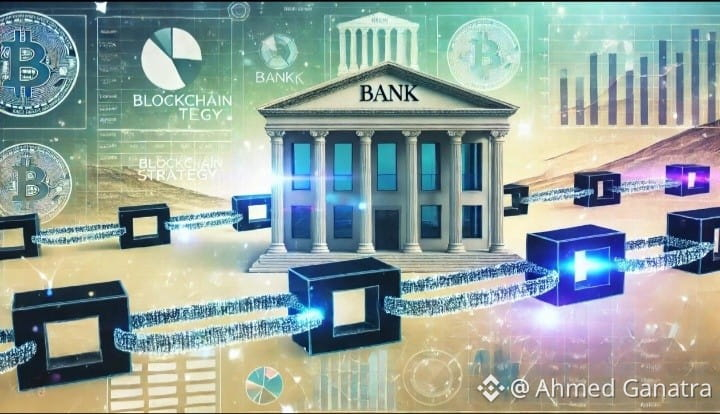
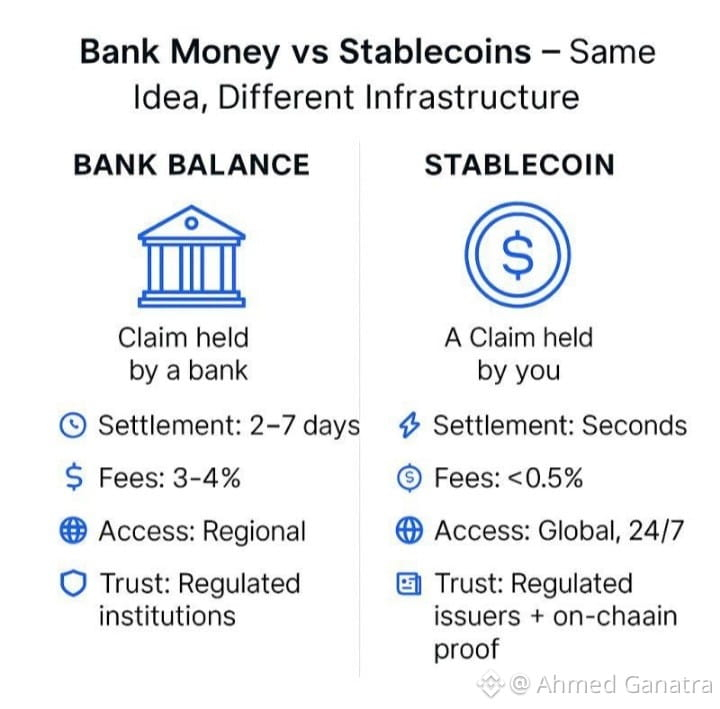
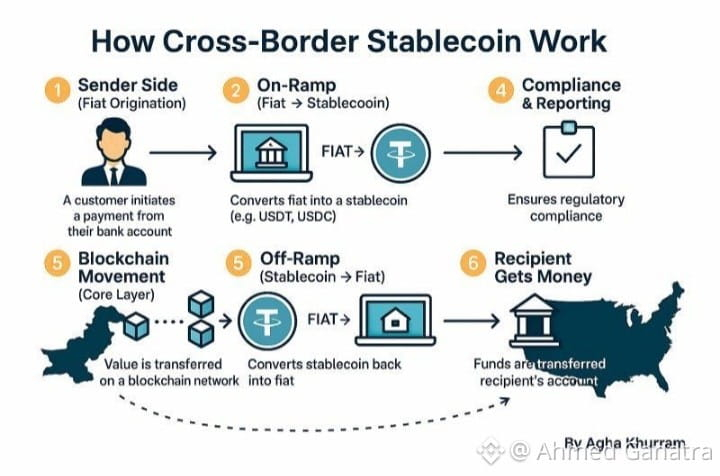
In 2026, the bigger story is no longer simply Bitcoin versus banks. It is about banks increasingly becoming part of the digital-asset ecosystem through crypto trading, custody, stablecoins, tokenisation and blockchain-based settlement.
The question is no longer whether traditional finance will interact with crypto.
Read More:
https://medium.com/@ahmedganatra83/banks-are-entering-crypto-what-this-means-for-the-future-of-finance-b60035094568
#Bitcoin #FutureOfFinance2026 #CryptoBusiness #BankingTechnology #DigitalFinance
$NVDAB $USDT $TRX
Banks Are Entering Crypto: What This Means for the Future of Finance
For years, traditional banks treated cryptocurrency as a competitor, a speculative asset class, or a regulatory headache.
That attitude is changing:
In 2026, the bigger story is no longer simply Bitcoin versus banks. It is about banks increasingly becoming part of the digital-asset ecosystem through crypto trading, custody, stablecoins, tokenisation and blockchain-based settlement.
The question is no longer whether traditional finance will interact with crypto.
Read More:
https://medium.com/@ahmedganatra83/banks-are-entering-crypto-what-this-means-for-the-future-of-finance-b60035094568
#Bitcoin #FutureOfFinance2026 #CryptoBusiness #BankingTechnology #DigitalFinance
$NVDAB $USDT $TRX
For years, traditional banks treated cryptocurrency as a competitor, a speculative asset class, or a regulatory headache.
That attitude is changing:
In 2026, the bigger story is no longer simply Bitcoin versus banks. It is about banks increasingly becoming part of the digital-asset ecosystem through crypto trading, custody, stablecoins, tokenisation and blockchain-based settlement.
The question is no longer whether traditional finance will interact with crypto.
Read More:
https://medium.com/@ahmedganatra83/banks-are-entering-crypto-what-this-means-for-the-future-of-finance-b60035094568
#Bitcoin #FutureOfFinance2026 #CryptoBusiness #BankingTechnology #DigitalFinance
$NVDAB $USDT $TRX
1
64

·
--
Everyone thinks a crypto product fails because there’s no demand, but actually the hidden killer is often the cost of building everything from scratch.
Many teams burn capital before users even arrive, and investors end up chasing hype without seeing whether the backend can survive real volume. It’s like opening a restaurant and spending the whole budget building the kitchen before testing if anyone wants the menu.
1) Demand is only one part of the risk. A project can have interest around $BTC, $ETH, or $BNB payments, but if it needs wallets, custody, liquidity, security, compliance, and trading infrastructure built from zero, costs can snowball fast.
2) “Build it ourselves” sounds strong, but it can be the expensive route. Existing crypto infrastructure can work like renting a fully equipped kitchen: not always perfect, but often faster and cheaper than constructing every pipe, oven, and safety system yourself.
3) Before getting bullish on any crypto service, ask what they are actually building. Is the team spending money on user growth and product fit, or quietly draining funds on backend systems that already exist elsewhere?
What do you think matters more for early crypto projects: owning the full stack or launching faster with existing infrastructure?
#CryptoBusiness #Web3 #BinanceSquare
Everyone thinks a crypto product fails because there’s no demand, but actually the hidden killer is often the cost of building everything from scratch.
Many teams burn capital before users even arrive, and investors end up chasing hype without seeing whether the backend can survive real volume. It’s like opening a restaurant and spending the whole budget building the kitchen before testing if anyone wants the menu.
1) Demand is only one part of the risk. A project can have interest around $BTC , $ETH , or $BNB payments, but if it needs wallets, custody, liquidity, security, compliance, and trading infrastructure built from zero, costs can snowball fast.
2) “Build it ourselves” sounds strong, but it can be the expensive route. Existing crypto infrastructure can work like renting a fully equipped kitchen: not always perfect, but often faster and cheaper than constructing every pipe, oven, and safety system yourself.
3) Before getting bullish on any crypto service, ask what they are actually building. Is the team spending money on user growth and product fit, or quietly draining funds on backend systems that already exist elsewhere?
What do you think matters more for early crypto projects: owning the full stack or launching faster with existing infrastructure?
#CryptoBusiness #Web3 #BinanceSquare
Many teams burn capital before users even arrive, and investors end up chasing hype without seeing whether the backend can survive real volume. It’s like opening a restaurant and spending the whole budget building the kitchen before testing if anyone wants the menu.
1) Demand is only one part of the risk. A project can have interest around $BTC , $ETH , or $BNB payments, but if it needs wallets, custody, liquidity, security, compliance, and trading infrastructure built from zero, costs can snowball fast.
2) “Build it ourselves” sounds strong, but it can be the expensive route. Existing crypto infrastructure can work like renting a fully equipped kitchen: not always perfect, but often faster and cheaper than constructing every pipe, oven, and safety system yourself.
3) Before getting bullish on any crypto service, ask what they are actually building. Is the team spending money on user growth and product fit, or quietly draining funds on backend systems that already exist elsewhere?
What do you think matters more for early crypto projects: owning the full stack or launching faster with existing infrastructure?
#CryptoBusiness #Web3 #BinanceSquare
21

·
--
Bullish
GM
📉 Adoption narratives and operating pressure can exist at the same time.
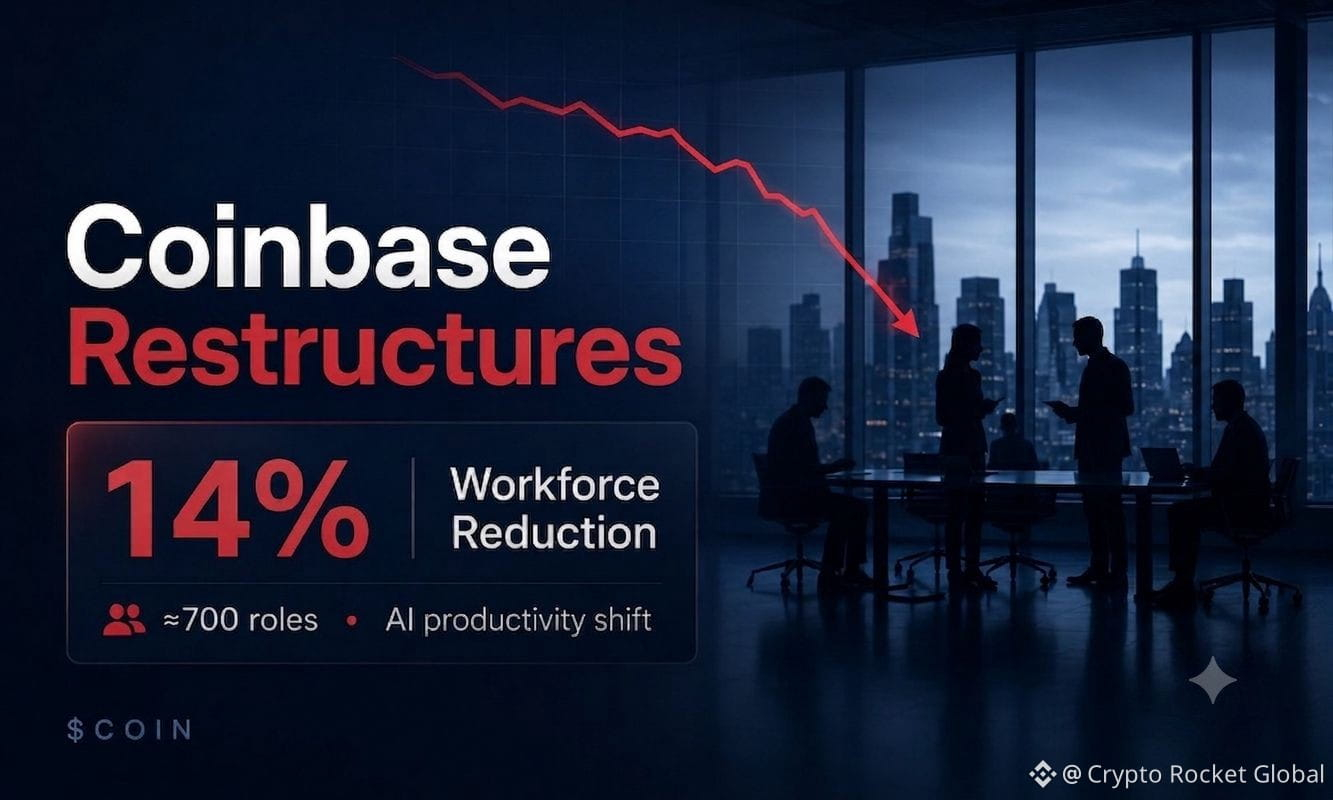
@coinbase announced a workforce reduction of approximately 14%, affecting around 700 employees, as part of a broader restructuring.
CEO Brian Armstrong cited two major factors:
• Continued crypto-market cyclicality
• Rapid productivity changes created by AI
The decision demonstrates that even major digital-asset companies must manage costs, revenue volatility, automation, and changing organizational requirements.
$COIN
$COIN represents Coinbase shares listed on Nasdaq. It is not a cryptocurrency token.
For the wider sector, sustainable businesses will need diversified revenue, efficient operations, regulatory resilience, and products that remain useful when speculative activity declines.
#Coinbase #CryptoBusiness #Fintech
Disclaimer: This is business-news analysis, not commentary on the future price of Coinbase shares or crypto assets.
GM
📉 Adoption narratives and operating pressure can exist at the same time.
@coinbase announced a workforce reduction of approximately 14%, affecting around 700 employees, as part of a broader restructuring.
CEO Brian Armstrong cited two major factors:
• Continued crypto-market cyclicality
• Rapid productivity changes created by AI
The decision demonstrates that even major digital-asset companies must manage costs, revenue volatility, automation, and changing organizational requirements.
$COIN
$COIN represents Coinbase shares listed on Nasdaq. It is not a cryptocurrency token.
For the wider sector, sustainable businesses will need diversified revenue, efficient operations, regulatory resilience, and products that remain useful when speculative activity declines.
#Coinbase #CryptoBusiness #Fintech
Disclaimer: This is business-news analysis, not commentary on the future price of Coinbase shares or crypto assets.
📉 Adoption narratives and operating pressure can exist at the same time.
@coinbase announced a workforce reduction of approximately 14%, affecting around 700 employees, as part of a broader restructuring.
CEO Brian Armstrong cited two major factors:
• Continued crypto-market cyclicality
• Rapid productivity changes created by AI
The decision demonstrates that even major digital-asset companies must manage costs, revenue volatility, automation, and changing organizational requirements.
$COIN
$COIN represents Coinbase shares listed on Nasdaq. It is not a cryptocurrency token.
For the wider sector, sustainable businesses will need diversified revenue, efficient operations, regulatory resilience, and products that remain useful when speculative activity declines.
#Coinbase #CryptoBusiness #Fintech
Disclaimer: This is business-news analysis, not commentary on the future price of Coinbase shares or crypto assets.
1
83

·
--
Article
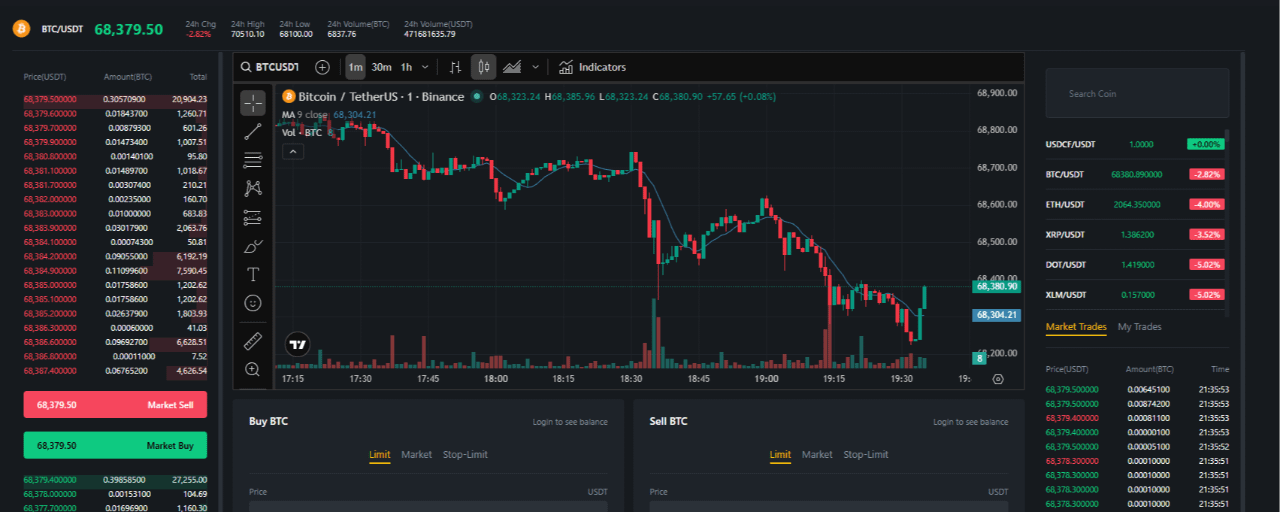
How to Launch a Crypto Exchange in 2026: Why the 'Binance Analog' Architecture is the Best Bet for Starting OutThe digital asset market in 2026 demands lightning-fast decisions. If you're looking to dive into this game, you face a dilemma: build from scratch or leverage a professional core. Today, we're breaking down why a ready-made crypto exchange script isn't just a cost-saver, but a strategic edge.
How to Launch a Crypto Exchange in 2026: Why the 'Binance Analog' Architecture is the Best Bet for Starting Out
The digital asset market in 2026 demands lightning-fast decisions. If you're looking to dive into this game, you face a dilemma: build from scratch or leverage a professional core. Today, we're breaking down why a ready-made crypto exchange script isn't just a cost-saver, but a strategic edge.
1
1
234

·
--
The Financial Titans of 2026 – Revenue Over Hype 🏗️💎
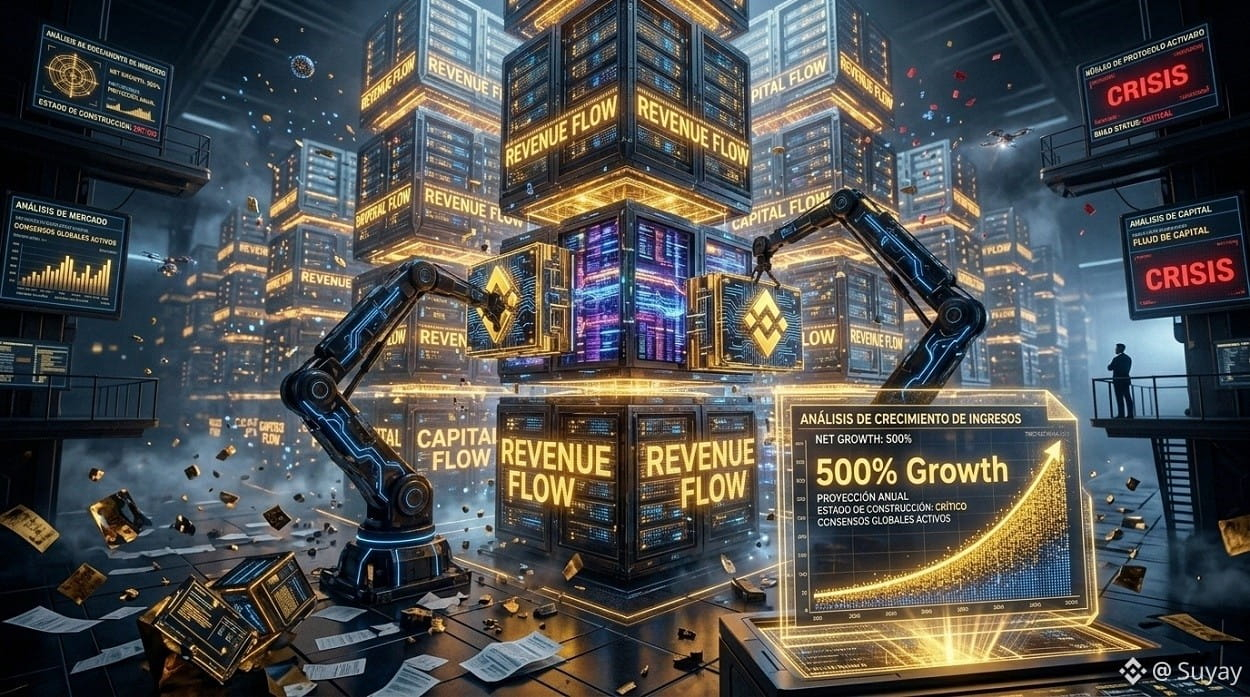
Real business isn't measured in tweets; it’s measured in revenue. While the "Fear & Greed Index" sits at a cautious 48, the giants who build our digital plumbing are reporting numbers that would make Silicon Valley blush. With #NakamotoQ1Revenue500PercentGrowth and #BitGoQ1RevenueUp112Percent , we are witnessing the birth of the new financial titans. These aren't speculative startups; they are the profitable backbones of the 2026 global economy. As an observer of technical discipline, I find it fascinating that the retail crowd is fearful while the infrastructure providers are feasting.
The treasury strength of Solana ( $SOL ), with its Q1 surplus up 108%, is a masterclass in protocol sustainability. We are moving into a market where "Tokenomics" must be backed by "Real-nomics." If a network doesn't generate revenue, it doesn't survive. The massive growth at Nakamoto and BitGo proves that the demand for secure, high-volume institutional services is at an all-time high. Bitcoin ( $BTC ) is the asset, but these companies are the vaults and the highways. Even Binance Coin ( $BNB ) is seeing its utility peak as the central hub for this institutional-grade exchange of value.
Stop looking for the next meme and start looking for the next "Financial Fortress." The revenue growth in the infrastructure sector is the clearest signal we’ve had in years: the institutional floodgates are not just open—they are roaring. The 2026 cycle rewards the builders and the providers. If you want to know where the market is going, follow the revenue, not the noise. The "Miedo" at 48 is just a temporary fog; underneath it, a multi-trillion dollar machine is being built brick by brick.
Just sharing my brain waves here. 🧠 Not financial advice, so remember to DYOR!
#InfrastructureGrowth #SolanaRevenue #CryptoBusiness
The Financial Titans of 2026 – Revenue Over Hype 🏗️💎
Real business isn't measured in tweets; it’s measured in revenue. While the "Fear & Greed Index" sits at a cautious 48, the giants who build our digital plumbing are reporting numbers that would make Silicon Valley blush. With #NakamotoQ1Revenue500PercentGrowth and #BitGoQ1RevenueUp112Percent , we are witnessing the birth of the new financial titans. These aren't speculative startups; they are the profitable backbones of the 2026 global economy. As an observer of technical discipline, I find it fascinating that the retail crowd is fearful while the infrastructure providers are feasting.
The treasury strength of Solana ( $SOL ), with its Q1 surplus up 108%, is a masterclass in protocol sustainability. We are moving into a market where "Tokenomics" must be backed by "Real-nomics." If a network doesn't generate revenue, it doesn't survive. The massive growth at Nakamoto and BitGo proves that the demand for secure, high-volume institutional services is at an all-time high. Bitcoin ( $BTC ) is the asset, but these companies are the vaults and the highways. Even Binance Coin ( $BNB ) is seeing its utility peak as the central hub for this institutional-grade exchange of value.
Stop looking for the next meme and start looking for the next "Financial Fortress." The revenue growth in the infrastructure sector is the clearest signal we’ve had in years: the institutional floodgates are not just open—they are roaring. The 2026 cycle rewards the builders and the providers. If you want to know where the market is going, follow the revenue, not the noise. The "Miedo" at 48 is just a temporary fog; underneath it, a multi-trillion dollar machine is being built brick by brick.
Just sharing my brain waves here. 🧠 Not financial advice, so remember to DYOR!
#InfrastructureGrowth #SolanaRevenue #CryptoBusiness
Real business isn't measured in tweets; it’s measured in revenue. While the "Fear & Greed Index" sits at a cautious 48, the giants who build our digital plumbing are reporting numbers that would make Silicon Valley blush. With #NakamotoQ1Revenue500PercentGrowth and #BitGoQ1RevenueUp112Percent , we are witnessing the birth of the new financial titans. These aren't speculative startups; they are the profitable backbones of the 2026 global economy. As an observer of technical discipline, I find it fascinating that the retail crowd is fearful while the infrastructure providers are feasting.
The treasury strength of Solana ( $SOL ), with its Q1 surplus up 108%, is a masterclass in protocol sustainability. We are moving into a market where "Tokenomics" must be backed by "Real-nomics." If a network doesn't generate revenue, it doesn't survive. The massive growth at Nakamoto and BitGo proves that the demand for secure, high-volume institutional services is at an all-time high. Bitcoin ( $BTC ) is the asset, but these companies are the vaults and the highways. Even Binance Coin ( $BNB ) is seeing its utility peak as the central hub for this institutional-grade exchange of value.
Stop looking for the next meme and start looking for the next "Financial Fortress." The revenue growth in the infrastructure sector is the clearest signal we’ve had in years: the institutional floodgates are not just open—they are roaring. The 2026 cycle rewards the builders and the providers. If you want to know where the market is going, follow the revenue, not the noise. The "Miedo" at 48 is just a temporary fog; underneath it, a multi-trillion dollar machine is being built brick by brick.
Just sharing my brain waves here. 🧠 Not financial advice, so remember to DYOR!
#InfrastructureGrowth #SolanaRevenue #CryptoBusiness
6
110

🚀 P2P Efficiency Guide: How to Structure Your Operations Without Burning Out
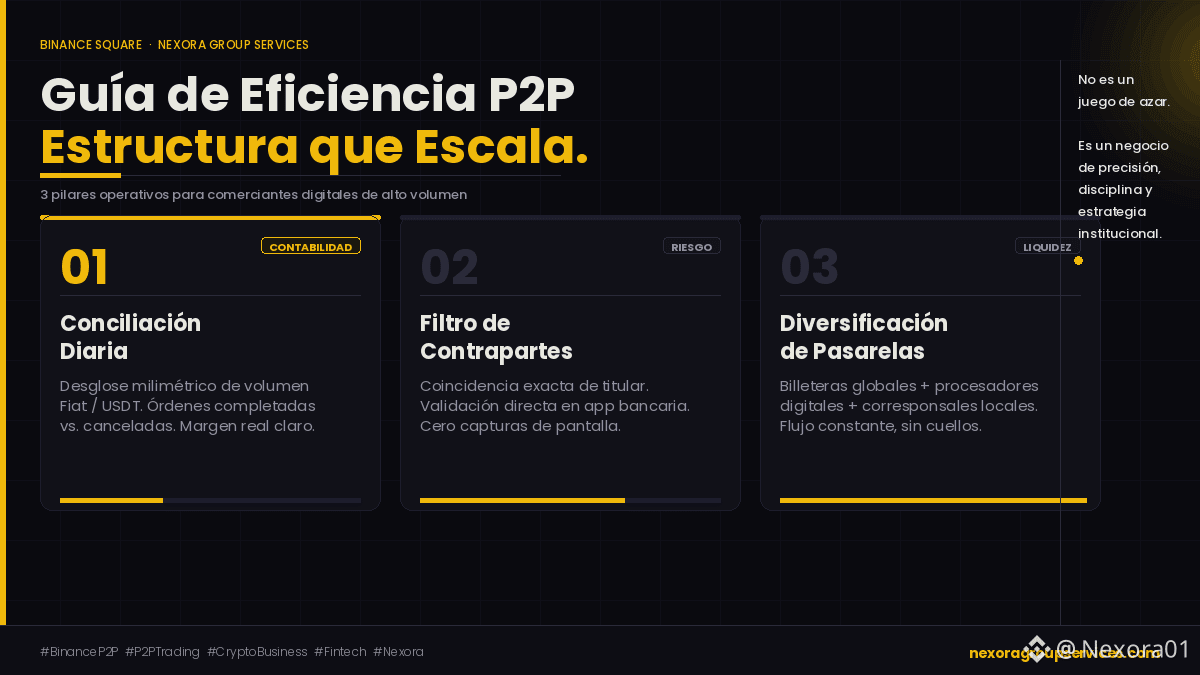
"Behind every order completed in the P2P market, there’s an infrastructure that separates occasional operators from professional merchants. If your goal is to scale your volume and keep healthy cash flow, speed isn’t everything; structure is.
Today we’re sharing the 3 operational pillars we apply every day at Nexora Group Services to optimize each liquidity cycle:
🔹 1. Rigorous Daily Reconciliation Management
You can’t improve what you don’t measure. Each day must close with a precise breakdown: total volume in Fiat (USD), total volume in Assets (USDT), and a strict separation between completed and cancelled orders. This not only protects your real profit margin against rate fluctuations, but also keeps your accounting spotless for tax filings under general regimes.
🔹 2. Risk Mitigation and Counterparty Filtering
The real benefit isn’t in chasing the highest 'spread' if it means operating with profiles of questionable origin. Setting strict filters (such as exact match of account holders and direct manual validation in your banking app, ignoring screenshots) is what ensures your capital survives in the long run.
🔹 3. Diversification of Gateways and Channels
Relying on a single payment method is a bottleneck. Efficient operators map liquidity cycles across global wallets, digital processors, and local correspondents to move value consistently—taking advantage of demand spikes at different times of the day.
Digital asset trading isn’t a game of chance; it’s a business of precision, discipline, and institutional strategy.
What’s the biggest challenge you’ve faced when organizing the accounting or security of your P2P operations? Let’s open the discussion in the comments! 👇
#BinanceP2P #P2PTrading #CryptoBusiness #Fintech #Nexora
🚀 P2P Efficiency Guide: How to Structure Your Operations Without Burning Out
"Behind every order completed in the P2P market, there’s an infrastructure that separates occasional operators from professional merchants. If your goal is to scale your volume and keep healthy cash flow, speed isn’t everything; structure is.
Today we’re sharing the 3 operational pillars we apply every day at Nexora Group Services to optimize each liquidity cycle:
🔹 1. Rigorous Daily Reconciliation Management
You can’t improve what you don’t measure. Each day must close with a precise breakdown: total volume in Fiat (USD), total volume in Assets (USDT), and a strict separation between completed and cancelled orders. This not only protects your real profit margin against rate fluctuations, but also keeps your accounting spotless for tax filings under general regimes.
🔹 2. Risk Mitigation and Counterparty Filtering
The real benefit isn’t in chasing the highest 'spread' if it means operating with profiles of questionable origin. Setting strict filters (such as exact match of account holders and direct manual validation in your banking app, ignoring screenshots) is what ensures your capital survives in the long run.
🔹 3. Diversification of Gateways and Channels
Relying on a single payment method is a bottleneck. Efficient operators map liquidity cycles across global wallets, digital processors, and local correspondents to move value consistently—taking advantage of demand spikes at different times of the day.
Digital asset trading isn’t a game of chance; it’s a business of precision, discipline, and institutional strategy.
What’s the biggest challenge you’ve faced when organizing the accounting or security of your P2P operations? Let’s open the discussion in the comments! 👇
#BinanceP2P #P2PTrading #CryptoBusiness #Fintech #Nexora
"Behind every order completed in the P2P market, there’s an infrastructure that separates occasional operators from professional merchants. If your goal is to scale your volume and keep healthy cash flow, speed isn’t everything; structure is.
Today we’re sharing the 3 operational pillars we apply every day at Nexora Group Services to optimize each liquidity cycle:
🔹 1. Rigorous Daily Reconciliation Management
You can’t improve what you don’t measure. Each day must close with a precise breakdown: total volume in Fiat (USD), total volume in Assets (USDT), and a strict separation between completed and cancelled orders. This not only protects your real profit margin against rate fluctuations, but also keeps your accounting spotless for tax filings under general regimes.
🔹 2. Risk Mitigation and Counterparty Filtering
The real benefit isn’t in chasing the highest 'spread' if it means operating with profiles of questionable origin. Setting strict filters (such as exact match of account holders and direct manual validation in your banking app, ignoring screenshots) is what ensures your capital survives in the long run.
🔹 3. Diversification of Gateways and Channels
Relying on a single payment method is a bottleneck. Efficient operators map liquidity cycles across global wallets, digital processors, and local correspondents to move value consistently—taking advantage of demand spikes at different times of the day.
Digital asset trading isn’t a game of chance; it’s a business of precision, discipline, and institutional strategy.
What’s the biggest challenge you’ve faced when organizing the accounting or security of your P2P operations? Let’s open the discussion in the comments! 👇
#BinanceP2P #P2PTrading #CryptoBusiness #Fintech #Nexora
1
117

·
--
Bullish
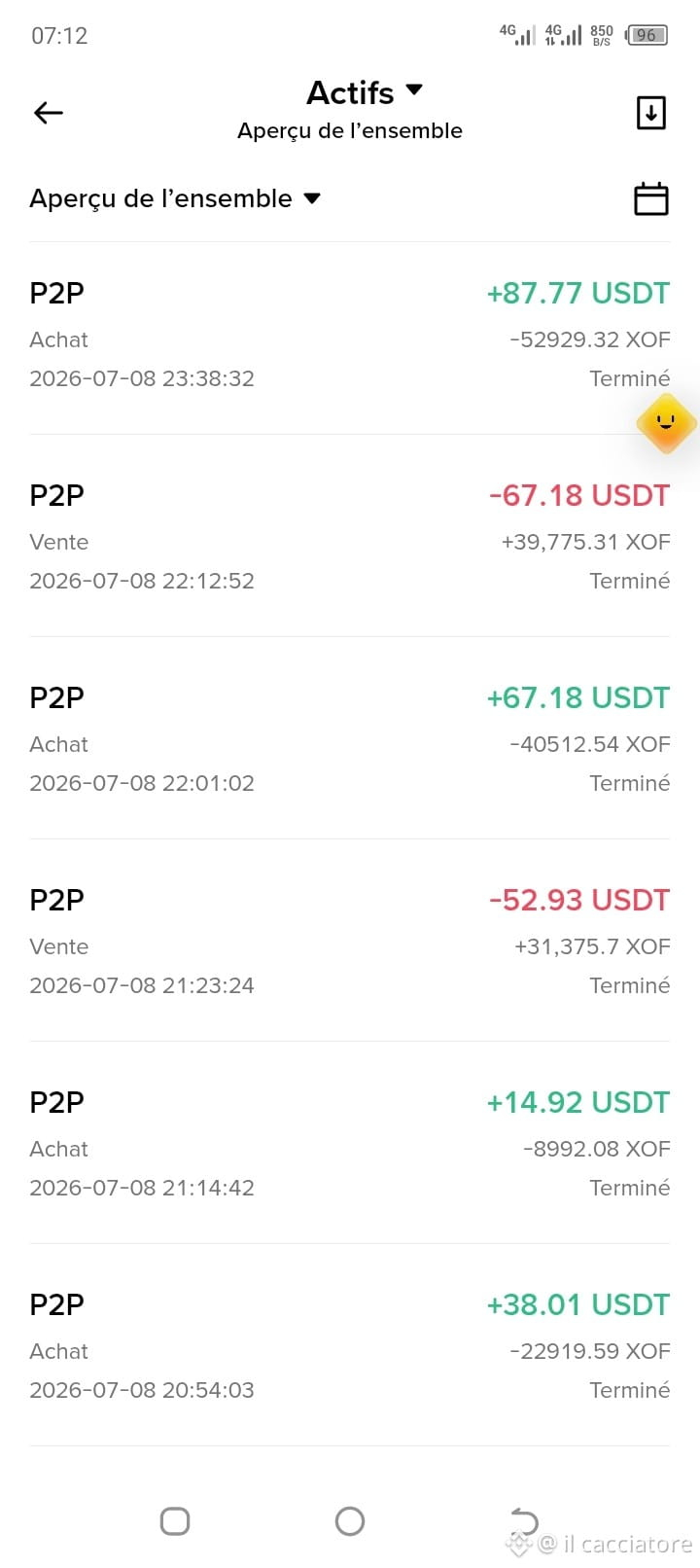
📊 Trading P2P in action
Once again today, several validated transactions ✅
🔹 Purchase : +87.77 USDT
🔹 Sale : -67.18 USDT
🔹 Fast rotation across multiple orders
💡 Strategy : buy low, resell quickly with a margin
📈 The secret isn’t capital… but the repetition of trades
Subscribe to my account to follow along
#BinanceP2P #CryptoBusiness #USDT
{future}(USDCUSDT)
#Trading
📊 Trading P2P in action
Once again today, several validated transactions ✅
🔹 Purchase : +87.77 USDT
🔹 Sale : -67.18 USDT
🔹 Fast rotation across multiple orders
💡 Strategy : buy low, resell quickly with a margin
📈 The secret isn’t capital… but the repetition of trades
Subscribe to my account to follow along
#BinanceP2P #CryptoBusiness #USDT
#Trading
Once again today, several validated transactions ✅
🔹 Purchase : +87.77 USDT
🔹 Sale : -67.18 USDT
🔹 Fast rotation across multiple orders
💡 Strategy : buy low, resell quickly with a margin
📈 The secret isn’t capital… but the repetition of trades
Subscribe to my account to follow along
#BinanceP2P #CryptoBusiness #USDT
#Trading
1
734

📈 Capital B executes a reverse stock split of 10-to-1
Capital B SA, which defines itself as Europe’s first Bitcoin treasury company, has announced a 10-for-1 reverse stock split of its shares, to take effect on September 8. The move aims to attract more investors and improve the share’s value.
━━━━━━━━━━━━━━
📊 Impact: 📊 Average
🏷️ OTHER
#CapitalB #StockSplit #BitcoinTreasury #CorporateAction #CryptoBusiness
🔗 Source: https://cryptobriefing.com/capital-b-reverse-stock-split-september/
📈 Capital B executes a reverse stock split of 10-to-1
Capital B SA, which defines itself as Europe’s first Bitcoin treasury company, has announced a 10-for-1 reverse stock split of its shares, to take effect on September 8. The move aims to attract more investors and improve the share’s value.
━━━━━━━━━━━━━━
📊 Impact: 📊 Average
🏷️ OTHER
#CapitalB #StockSplit #BitcoinTreasury #CorporateAction #CryptoBusiness
🔗 Source: https://cryptobriefing.com/capital-b-reverse-stock-split-september/
Capital B SA, which defines itself as Europe’s first Bitcoin treasury company, has announced a 10-for-1 reverse stock split of its shares, to take effect on September 8. The move aims to attract more investors and improve the share’s value.
━━━━━━━━━━━━━━
📊 Impact: 📊 Average
🏷️ OTHER
#CapitalB #StockSplit #BitcoinTreasury #CorporateAction #CryptoBusiness
🔗 Source: https://cryptobriefing.com/capital-b-reverse-stock-split-september/
20
Log in to explore more content
Join global crypto users on Binance Square
⚡️ Get latest and useful information about crypto.
💬 Trusted by the world’s largest crypto exchange.
👍 Discover real insights from verified creators.
Email / Phone number
Trending Topics
1
#BitwiseFilesFinalNEARSpotETFProspectus
80,496 views
1,355 Discussing
2
#BitgetHackerMoves$83MStolenXRP
31,469 views
159 Discussing
3
#SOLSpotETFWeeklyInflow$188M
20,633 views
130 Discussing
4
#DogecoinETFsPostBiggestWeekSinceLaunch
50,665 views
940 Discussing
5
#StrategyStriveAdd2305BitcoinThisWeek
137,605 views
2,128 Discussing
6
#TrumpRejectsIranHormuzReopening
119,967 views
1,606 Discussing
7
#CircleTetherFreezeBitgetHackerWallet
105,546 views
1,497 Discussing
8
#SECSaysTokenBuybacksNotAutoSecurities
70,445 views
869 Discussing
9
#ChinaUSAgreeOn$30BTariffCut
5,466 views
47 Discussing
10
#CoinMarketCapCompletesCoinglassAcquisition
73,134 views
968 Discussing