
#canada
canada
769,973 views
1,158 Discussing
Hot
Latest


·
--
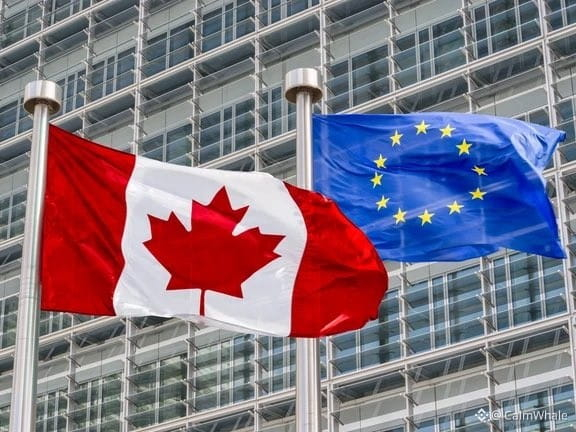
As the trade war with the U.S. escalates, Canadian PM Mark Carney is exploring whether Canada could become an “associate member” of the European Union, The WSJ reports
The EU is open to the idea, which would create a new membership status, according to EU & Canadian officials.
$LSK | $CVC | $FIL
#BREAKING #news #US #Canada #Eu
As the trade war with the U.S. escalates, Canadian PM Mark Carney is exploring whether Canada could become an “associate member” of the European Union, The WSJ reports
The EU is open to the idea, which would create a new membership status, according to EU & Canadian officials.
$LSK | $CVC | $FIL
#BREAKING #news #US #Canada #Eu
The EU is open to the idea, which would create a new membership status, according to EU & Canadian officials.
$LSK | $CVC | $FIL
#BREAKING #news #US #Canada #Eu
1
109

·
--
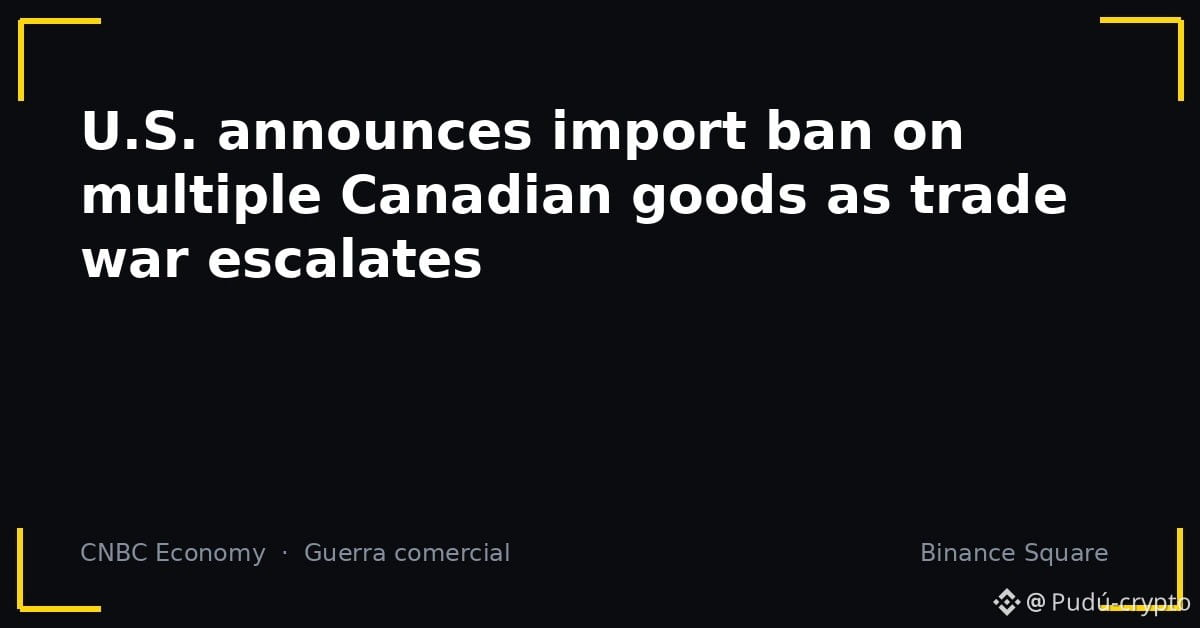
United States closes the door to Canadian products.
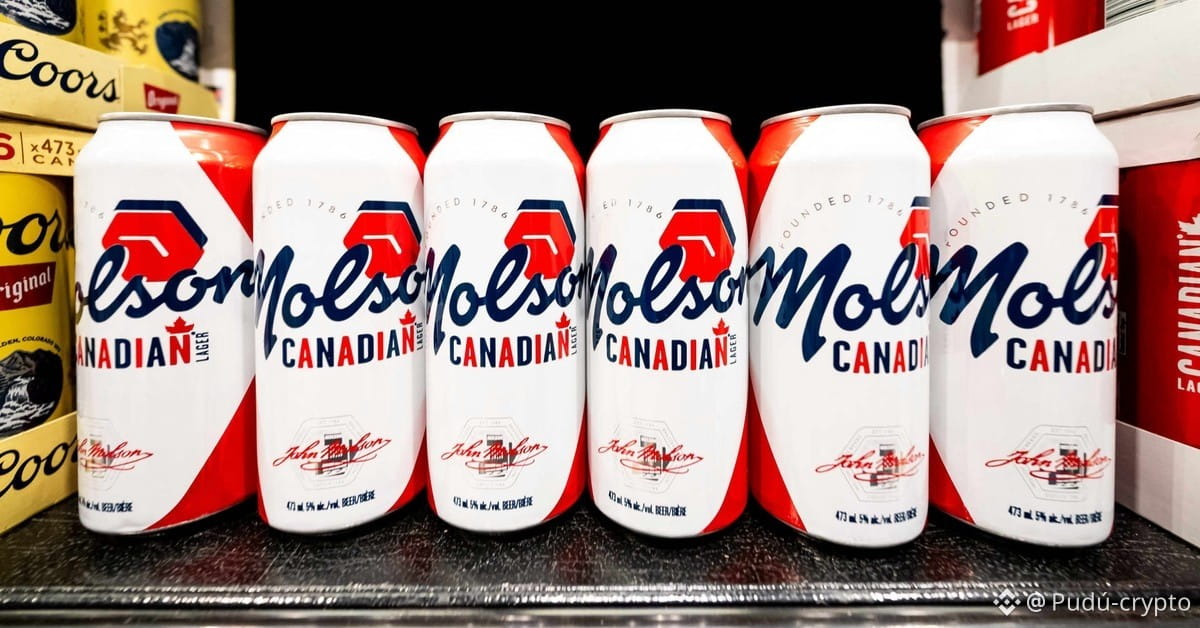
The measure includes motorcycles, alcohol and dairy products. It takes effect on September 29.
It is another step in a commercial dispute that continues to grow between the two countries.
What stands out is the type of products chosen. They are not heavy industrial sectors. They are everyday consumer goods.
That changes the tone of the conflict.
What do you think of this strategy?
$BTC
#TradeWar #Canada #EEUU
United States closes the door to Canadian products.
The measure includes motorcycles, alcohol and dairy products. It takes effect on September 29.
It is another step in a commercial dispute that continues to grow between the two countries.
What stands out is the type of products chosen. They are not heavy industrial sectors. They are everyday consumer goods.
That changes the tone of the conflict.
What do you think of this strategy?
$BTC
#TradeWar #Canada #EEUU
The measure includes motorcycles, alcohol and dairy products. It takes effect on September 29.
It is another step in a commercial dispute that continues to grow between the two countries.
What stands out is the type of products chosen. They are not heavy industrial sectors. They are everyday consumer goods.
That changes the tone of the conflict.
What do you think of this strategy?
$BTC
#TradeWar #Canada #EEUU
35

According to a recent report by The Wall Street Journal, Canadian Prime Minister Mark Carney has proposed that Canada become the European Union's first non-European candidate country. European and Canadian officials indicated that Brussels maintains an open attitude toward the initiative, while US officials have expressed skepticism regarding the proposal.
This marks an unprecedented geopolitical pivot. Canada has historically remained firmly anchored within the North American economic sphere through USMCA, making any formal institutional integration with the European single market a significant strategic realignment against shifting transatlantic trade dynamics.
From a macro perspective, closer integration between Ottawa and Brussels could reshape trade flows, energy partnerships, and regulatory frameworks across the Atlantic. However, friction with Washington could inject fresh volatility into currency markets, particularly for the Canadian Dollar and the Euro, while challenging US trade dominance.
For digital assets like $BTC, rising geopolitical realignment and fragmented trade alliances highlight the necessity of neutral, borderless capital. As cross-border financial systems face restructuring, decentralized liquidity networks often benefit from heightened institutional interest.
#Canada #EuropeanUnion #Geopolitics
According to a recent report by The Wall Street Journal, Canadian Prime Minister Mark Carney has proposed that Canada become the European Union's first non-European candidate country. European and Canadian officials indicated that Brussels maintains an open attitude toward the initiative, while US officials have expressed skepticism regarding the proposal.
This marks an unprecedented geopolitical pivot. Canada has historically remained firmly anchored within the North American economic sphere through USMCA, making any formal institutional integration with the European single market a significant strategic realignment against shifting transatlantic trade dynamics.
From a macro perspective, closer integration between Ottawa and Brussels could reshape trade flows, energy partnerships, and regulatory frameworks across the Atlantic. However, friction with Washington could inject fresh volatility into currency markets, particularly for the Canadian Dollar and the Euro, while challenging US trade dominance.
For digital assets like $BTC , rising geopolitical realignment and fragmented trade alliances highlight the necessity of neutral, borderless capital. As cross-border financial systems face restructuring, decentralized liquidity networks often benefit from heightened institutional interest.
#Canada #EuropeanUnion #Geopolitics
This marks an unprecedented geopolitical pivot. Canada has historically remained firmly anchored within the North American economic sphere through USMCA, making any formal institutional integration with the European single market a significant strategic realignment against shifting transatlantic trade dynamics.
From a macro perspective, closer integration between Ottawa and Brussels could reshape trade flows, energy partnerships, and regulatory frameworks across the Atlantic. However, friction with Washington could inject fresh volatility into currency markets, particularly for the Canadian Dollar and the Euro, while challenging US trade dominance.
For digital assets like $BTC , rising geopolitical realignment and fragmented trade alliances highlight the necessity of neutral, borderless capital. As cross-border financial systems face restructuring, decentralized liquidity networks often benefit from heightened institutional interest.
#Canada #EuropeanUnion #Geopolitics
28

·
--
Wow, Canada’s move is pretty tough! Prime Minister Carney announced a plan to take control of its future—attracting CAD 1 trillion in investment within five years. The focus is on energy, critical minerals, and high-tech. This is a signal of reduced reliance on the US, which could be a big plus for the crypto market! Especially in the area of critical minerals—this could open up more possibilities for the coin-mining industry. Looks like Canada is embracing a new economy; Bitcoin and Ethereum might be ready to take off again? #Crypto #Canada
Canada's making big moves! PM Carney just announced a plan to secure their future with $1 trillion investment in energy, critical minerals, and tech over 5 years. This shift away from US dependency could be massive for crypto! Critical minerals mean more resources for mining, and tech investments could include blockchain. Looks like Canada's opening up to digital assets—$BTC and $ETH might be set to pump! #Crypto #Canada
Wow, Canada’s move is pretty tough! Prime Minister Carney announced a plan to take control of its future—attracting CAD 1 trillion in investment within five years. The focus is on energy, critical minerals, and high-tech. This is a signal of reduced reliance on the US, which could be a big plus for the crypto market! Especially in the area of critical minerals—this could open up more possibilities for the coin-mining industry. Looks like Canada is embracing a new economy; Bitcoin and Ethereum might be ready to take off again? #Crypto #Canada
Canada's making big moves! PM Carney just announced a plan to secure their future with $1 trillion investment in energy, critical minerals, and tech over 5 years. This shift away from US dependency could be massive for crypto! Critical minerals mean more resources for mining, and tech investments could include blockchain. Looks like Canada's opening up to digital assets—$BTC and $ETH might be set to pump! #Crypto #Canada
Canada's making big moves! PM Carney just announced a plan to secure their future with $1 trillion investment in energy, critical minerals, and tech over 5 years. This shift away from US dependency could be massive for crypto! Critical minerals mean more resources for mining, and tech investments could include blockchain. Looks like Canada's opening up to digital assets—$BTC and $ETH might be set to pump! #Crypto #Canada
111

·
--
On the eve of the inaugural Canada Investment Summit, which opened in Toronto on September 13, Mark Carney (Mark Carney), former central bank governor and economic envoy, delivered a speech clearly outlining a new consensus in Canada: seize the future. The summit is scheduled to take place from September 14 to 15. Its core strategy is to release a prioritized list of key projects covering energy, critical minerals, high technology, and major infrastructure, aiming to attract as much as 1 trillion Canadian dollars (approximately US$0.72 trillion) in global investment over the next five years.
This statement signals a major shift in Canada’s economic transformation strategy. Against a backdrop in which Canada has long relied heavily on a single cross-border market, the government is seeking to improve domestic productivity through large-scale industrial restructuring and to accelerate efforts to reduce excessive dependence on U.S. supply chains. If this trillion-dollar capital initiative can be successfully implemented, it will have far-reaching implications for the division of labor in North American manufacturing in the medium and long term.
From a traditional macro-financial perspective, the trillion-CAD investment promotion plan will directly boost international capital’s demand to allocate to Canadian dollar assets, but it also places higher demands on government fiscal management and sovereign debt management. In the context of the global central bank policy “chess match,” such a large-scale reshuffling of capital flows may cause localized disturbances to the U.S. dollar index at the exchange-rate level, while also affecting the valuation pricing of commodities and energy supply chains.
For the crypto market, when sovereign economies accelerate their technological and infrastructure transitions, it is typically accompanied by potential demand for emerging digital settlement systems and computing power infrastructure. However, the large-scale absorption of capital by real-economy industries may also divert some of the macro liquidity chasing high returns in the short term. Whether digital assets such as $BTC can further establish their positioning as macro-neutral assets during the ongoing global supply-chain decentralization and restructuring still remains to be tested and validated through continued market capital “competition.”
#Canada #GlobalEconomy #CapitalMarkets
On the eve of the inaugural Canada Investment Summit, which opened in Toronto on September 13, Mark Carney (Mark Carney), former central bank governor and economic envoy, delivered a speech clearly outlining a new consensus in Canada: seize the future. The summit is scheduled to take place from September 14 to 15. Its core strategy is to release a prioritized list of key projects covering energy, critical minerals, high technology, and major infrastructure, aiming to attract as much as 1 trillion Canadian dollars (approximately US$0.72 trillion) in global investment over the next five years.
This statement signals a major shift in Canada’s economic transformation strategy. Against a backdrop in which Canada has long relied heavily on a single cross-border market, the government is seeking to improve domestic productivity through large-scale industrial restructuring and to accelerate efforts to reduce excessive dependence on U.S. supply chains. If this trillion-dollar capital initiative can be successfully implemented, it will have far-reaching implications for the division of labor in North American manufacturing in the medium and long term.
From a traditional macro-financial perspective, the trillion-CAD investment promotion plan will directly boost international capital’s demand to allocate to Canadian dollar assets, but it also places higher demands on government fiscal management and sovereign debt management. In the context of the global central bank policy “chess match,” such a large-scale reshuffling of capital flows may cause localized disturbances to the U.S. dollar index at the exchange-rate level, while also affecting the valuation pricing of commodities and energy supply chains.
For the crypto market, when sovereign economies accelerate their technological and infrastructure transitions, it is typically accompanied by potential demand for emerging digital settlement systems and computing power infrastructure. However, the large-scale absorption of capital by real-economy industries may also divert some of the macro liquidity chasing high returns in the short term. Whether digital assets such as $BTC can further establish their positioning as macro-neutral assets during the ongoing global supply-chain decentralization and restructuring still remains to be tested and validated through continued market capital “competition.”
#Canada #GlobalEconomy #CapitalMarkets
This statement signals a major shift in Canada’s economic transformation strategy. Against a backdrop in which Canada has long relied heavily on a single cross-border market, the government is seeking to improve domestic productivity through large-scale industrial restructuring and to accelerate efforts to reduce excessive dependence on U.S. supply chains. If this trillion-dollar capital initiative can be successfully implemented, it will have far-reaching implications for the division of labor in North American manufacturing in the medium and long term.
From a traditional macro-financial perspective, the trillion-CAD investment promotion plan will directly boost international capital’s demand to allocate to Canadian dollar assets, but it also places higher demands on government fiscal management and sovereign debt management. In the context of the global central bank policy “chess match,” such a large-scale reshuffling of capital flows may cause localized disturbances to the U.S. dollar index at the exchange-rate level, while also affecting the valuation pricing of commodities and energy supply chains.
For the crypto market, when sovereign economies accelerate their technological and infrastructure transitions, it is typically accompanied by potential demand for emerging digital settlement systems and computing power infrastructure. However, the large-scale absorption of capital by real-economy industries may also divert some of the macro liquidity chasing high returns in the short term. Whether digital assets such as $BTC can further establish their positioning as macro-neutral assets during the ongoing global supply-chain decentralization and restructuring still remains to be tested and validated through continued market capital “competition.”
#Canada #GlobalEconomy #CapitalMarkets

Ahead of the inaugural Canadian Investment Summit to be held in Toronto on September 14 to 15, former central bank governor and current key Canadian economic advisor Mark Carney publicly spoke on September 13, underscoring a new consensus that Canada is undergoing an economic transition. The country plans to attract as much as CAD 1 trillion (about US$720 billion) in global capital over the next five years, with a focus on critical minerals, clean energy, and advanced infrastructure, aiming to boost productivity and reduce deep reliance on a single U.S. market.
From a macro-strategic perspective, this ambitious vision faces significant challenges in implementation. With major global central banks maintaining a relatively tight monetary environment, the cost of securing long-term cross-border capital remains high, making the goal of raising CAD 1 trillion appear overly aggressive. In addition, while geopolitical bloc formation and supply-chain reshoring provide narrative support for critical minerals, high interest rates and macro uncertainty are suppressing large-scale capital spending by the private sector.
For traditional financial markets, Canada’s attempt to reshape supply chains and push large-scale infrastructure is unlikely to quickly change the fundamentals of sovereign-debt and fiscal pressures in the near term. The Canadian dollar exchange rate is still constrained by interest-rate differentials and volatility in energy prices; if subsequent capital inflows fall short of expectations, the gap between capital expenditures and investment commitments could further intensify market hesitancy, and investors’ required risk premia may continue to rise.
This macro liquidity competition is also sending cautious signals to the cryptocurrency asset market. Sovereign-level industrial funds divert large-scale liquidity toward physical assets and traditional infrastructure, meaning global residual risk liquidity is being further carved up rather than flowing directly into purely virtual risk assets represented by $BTC . Until liquidity is fully loosened, investors should remain alert to the secondary risks arising from a gap between high expectations and real-world execution. #MacroEconomics #Canada #GlobalLiquidity
Ahead of the inaugural Canadian Investment Summit to be held in Toronto on September 14 to 15, former central bank governor and current key Canadian economic advisor Mark Carney publicly spoke on September 13, underscoring a new consensus that Canada is undergoing an economic transition. The country plans to attract as much as CAD 1 trillion (about US$720 billion) in global capital over the next five years, with a focus on critical minerals, clean energy, and advanced infrastructure, aiming to boost productivity and reduce deep reliance on a single U.S. market.
From a macro-strategic perspective, this ambitious vision faces significant challenges in implementation. With major global central banks maintaining a relatively tight monetary environment, the cost of securing long-term cross-border capital remains high, making the goal of raising CAD 1 trillion appear overly aggressive. In addition, while geopolitical bloc formation and supply-chain reshoring provide narrative support for critical minerals, high interest rates and macro uncertainty are suppressing large-scale capital spending by the private sector.
For traditional financial markets, Canada’s attempt to reshape supply chains and push large-scale infrastructure is unlikely to quickly change the fundamentals of sovereign-debt and fiscal pressures in the near term. The Canadian dollar exchange rate is still constrained by interest-rate differentials and volatility in energy prices; if subsequent capital inflows fall short of expectations, the gap between capital expenditures and investment commitments could further intensify market hesitancy, and investors’ required risk premia may continue to rise.
This macro liquidity competition is also sending cautious signals to the cryptocurrency asset market. Sovereign-level industrial funds divert large-scale liquidity toward physical assets and traditional infrastructure, meaning global residual risk liquidity is being further carved up rather than flowing directly into purely virtual risk assets represented by $BTC . Until liquidity is fully loosened, investors should remain alert to the secondary risks arising from a gap between high expectations and real-world execution. #MacroEconomics #Canada #GlobalLiquidity
From a macro-strategic perspective, this ambitious vision faces significant challenges in implementation. With major global central banks maintaining a relatively tight monetary environment, the cost of securing long-term cross-border capital remains high, making the goal of raising CAD 1 trillion appear overly aggressive. In addition, while geopolitical bloc formation and supply-chain reshoring provide narrative support for critical minerals, high interest rates and macro uncertainty are suppressing large-scale capital spending by the private sector.
For traditional financial markets, Canada’s attempt to reshape supply chains and push large-scale infrastructure is unlikely to quickly change the fundamentals of sovereign-debt and fiscal pressures in the near term. The Canadian dollar exchange rate is still constrained by interest-rate differentials and volatility in energy prices; if subsequent capital inflows fall short of expectations, the gap between capital expenditures and investment commitments could further intensify market hesitancy, and investors’ required risk premia may continue to rise.
This macro liquidity competition is also sending cautious signals to the cryptocurrency asset market. Sovereign-level industrial funds divert large-scale liquidity toward physical assets and traditional infrastructure, meaning global residual risk liquidity is being further carved up rather than flowing directly into purely virtual risk assets represented by $BTC . Until liquidity is fully loosened, investors should remain alert to the secondary risks arising from a gap between high expectations and real-world execution. #MacroEconomics #Canada #GlobalLiquidity
44

·
--
A shift in investment flows
🚨 Canada is looking to capitalize on the economic uncertainty of the Trump era to attract one trillion dollars in global capital, aiming to present itself as an "alternative safe haven" for direct investments, according to the *Financial Times*. 🇨🇦📉💰
#forex #news #Spot #Canada
A shift in investment flows
🚨 Canada is looking to capitalize on the economic uncertainty of the Trump era to attract one trillion dollars in global capital, aiming to present itself as an "alternative safe haven" for direct investments, according to the *Financial Times*. 🇨🇦📉💰
#forex #news #Spot #Canada
🚨 Canada is looking to capitalize on the economic uncertainty of the Trump era to attract one trillion dollars in global capital, aiming to present itself as an "alternative safe haven" for direct investments, according to the *Financial Times*. 🇨🇦📉💰
#forex #news #Spot #Canada

1
70

According to the latest report from The Wall Street Journal, Canadian Prime Minister Carney has proposed making Canada the EU’s first “candidate country.” European and Canadian officials say Brussels is open to the idea, while U.S. officials have expressed skepticism.
This potential reshuffling of the geopolitical and economic structure is of great strategic significance. If Canada were to build deeper quasi-member or economic integration ties with the EU, it would mean that the transatlantic trade architecture could undergo a historic remaking. For Canada, which has long relied heavily on the North American free-trade framework, diversifying its trade networks would significantly enhance its ability to withstand risks and strengthen long-term economic resilience.
From a macro and traditional financial-market perspective, if this cross-regional economic integration is gradually advanced, it could boost bilateral trade and investment flows between the EU and Canada—injecting new growth momentum into the euro area. At the same time, it may produce incremental diversification effects for a trade settlement system that is predominantly dominated by the U.S. dollar. Overall, capital markets have a generally positive outlook on expectations of deeper cooperation, which could help lift risk appetite for cross-border assets.
For the crypto market, a more open transatlantic flow of capital and a more decentralized trade landscape typically benefit risk assets overall. As global macro liquidity conditions seek a new balance during structural adjustment, core assets such as $BTC are expected to benefit from rising demand for diversified capital allocation. From a technical-structure standpoint, a rebound in risk appetite provides a favorable macro backdrop for stabilizing key support levels.📈
#Canada #EuropeanUnion #Geopolitics
According to the latest report from The Wall Street Journal, Canadian Prime Minister Carney has proposed making Canada the EU’s first “candidate country.” European and Canadian officials say Brussels is open to the idea, while U.S. officials have expressed skepticism.
This potential reshuffling of the geopolitical and economic structure is of great strategic significance. If Canada were to build deeper quasi-member or economic integration ties with the EU, it would mean that the transatlantic trade architecture could undergo a historic remaking. For Canada, which has long relied heavily on the North American free-trade framework, diversifying its trade networks would significantly enhance its ability to withstand risks and strengthen long-term economic resilience.
From a macro and traditional financial-market perspective, if this cross-regional economic integration is gradually advanced, it could boost bilateral trade and investment flows between the EU and Canada—injecting new growth momentum into the euro area. At the same time, it may produce incremental diversification effects for a trade settlement system that is predominantly dominated by the U.S. dollar. Overall, capital markets have a generally positive outlook on expectations of deeper cooperation, which could help lift risk appetite for cross-border assets.
For the crypto market, a more open transatlantic flow of capital and a more decentralized trade landscape typically benefit risk assets overall. As global macro liquidity conditions seek a new balance during structural adjustment, core assets such as $BTC are expected to benefit from rising demand for diversified capital allocation. From a technical-structure standpoint, a rebound in risk appetite provides a favorable macro backdrop for stabilizing key support levels.📈
#Canada #EuropeanUnion #Geopolitics
This potential reshuffling of the geopolitical and economic structure is of great strategic significance. If Canada were to build deeper quasi-member or economic integration ties with the EU, it would mean that the transatlantic trade architecture could undergo a historic remaking. For Canada, which has long relied heavily on the North American free-trade framework, diversifying its trade networks would significantly enhance its ability to withstand risks and strengthen long-term economic resilience.
From a macro and traditional financial-market perspective, if this cross-regional economic integration is gradually advanced, it could boost bilateral trade and investment flows between the EU and Canada—injecting new growth momentum into the euro area. At the same time, it may produce incremental diversification effects for a trade settlement system that is predominantly dominated by the U.S. dollar. Overall, capital markets have a generally positive outlook on expectations of deeper cooperation, which could help lift risk appetite for cross-border assets.
For the crypto market, a more open transatlantic flow of capital and a more decentralized trade landscape typically benefit risk assets overall. As global macro liquidity conditions seek a new balance during structural adjustment, core assets such as $BTC are expected to benefit from rising demand for diversified capital allocation. From a technical-structure standpoint, a rebound in risk appetite provides a favorable macro backdrop for stabilizing key support levels.📈
#Canada #EuropeanUnion #Geopolitics
42

·
--
🚨 BIG MOVE FOR CRYPTO 🇨🇦
Canada is reportedly allowing banks to launch crypto deposit products in 2026. 🏦
This could be another major step toward bringing $BITCOIN and digital assets deeper into the traditional banking system. ₿
Crypto adoption is slowly moving beyond exchanges and into mainstream finance. 👀
#bitcoin #BTC #crypto #Canada #CryptoAdoption
🚨 BIG MOVE FOR CRYPTO 🇨🇦
Canada is reportedly allowing banks to launch crypto deposit products in 2026. 🏦
This could be another major step toward bringing $BITCOIN and digital assets deeper into the traditional banking system. ₿
Crypto adoption is slowly moving beyond exchanges and into mainstream finance. 👀
#bitcoin #BTC #crypto #Canada #CryptoAdoption
Canada is reportedly allowing banks to launch crypto deposit products in 2026. 🏦
This could be another major step toward bringing $BITCOIN and digital assets deeper into the traditional banking system. ₿
Crypto adoption is slowly moving beyond exchanges and into mainstream finance. 👀
#bitcoin #BTC #crypto #Canada #CryptoAdoption
43

🚨 JUST IN: 🇨🇦 CANADA OPENS THE DOOR TO BLOCKCHAIN BANKING 🚨
Canada’s banking regulator says banks can launch blockchain-based deposit products in 2026. 🔗🏦
This could be a major step toward bringing blockchain technology deeper into the traditional banking system — and potentially accelerating institutional adoption. 👀🔥
#Bitcoin #Crypto #Blockchain #Canada #CryptoNews
{future}(BTCUSDT)
🚨 JUST IN: 🇨🇦 CANADA OPENS THE DOOR TO BLOCKCHAIN BANKING 🚨
Canada’s banking regulator says banks can launch blockchain-based deposit products in 2026. 🔗🏦
This could be a major step toward bringing blockchain technology deeper into the traditional banking system — and potentially accelerating institutional adoption. 👀🔥
#Bitcoin #Crypto #Blockchain #Canada #CryptoNews
Canada’s banking regulator says banks can launch blockchain-based deposit products in 2026. 🔗🏦
This could be a major step toward bringing blockchain technology deeper into the traditional banking system — and potentially accelerating institutional adoption. 👀🔥
#Bitcoin #Crypto #Blockchain #Canada #CryptoNews

251
·
--
Canada’s Prime Minister is aggressively promoting mining, seeking $723B in investment over 5 years totaling C$1T! This is absolutely massive bullish news! With abundant energy resources and crypto-friendly policies, Canada could attract more miners and crypto companies. As both traditional and digital mining accelerate, $BTC and $ETH may see another growth wave. This big investment won’t just boost Canada’s economy but could also inject liquidity into the crypto space! #crypto #mining #Canada #investment
Canada’s Prime Minister is aggressively promoting mining, seeking $723B in investment over 5 years totaling C$1T! This is absolutely massive bullish news! With abundant energy resources and crypto-friendly policies, Canada could attract more miners and crypto companies. As both traditional and digital mining accelerate, $BTC and $ETH may see another growth wave. This big investment won’t just boost Canada’s economy but could also inject liquidity into the crypto space! #crypto #mining #Canada #investment
178

·
--
Bullish
Canada’s retaliatory tariffs on C$27.6 billion of U.S. goods take effect
🇨🇦 The tariffs took effect on September 8, with rates ranging from 15% to 50% depending on the product category. This is the implementation of measures Ottawa announced in late August, rather than a new surprise decision.
📦 Affected goods include steel, aluminum, household appliances, furniture, food products and selected consumer goods. Canada is broadly matching earlier U.S. tariff measures, while U.S.-made vehicles remain subject to the existing 25% tariff regime.
💰 Ottawa is also rolling out C$7.5 billion in support for businesses and workers to cushion the domestic impact.
📉 For markets, the trade dispute adds another layer of risk for the CAD and North American manufacturers. Attention now shifts to Washington’s response, particularly around Bombardier and the possibility of higher auto tariffs.
#Canada $CAKE $NVDAB
Canada’s retaliatory tariffs on C$27.6 billion of U.S. goods take effect
🇨🇦 The tariffs took effect on September 8, with rates ranging from 15% to 50% depending on the product category. This is the implementation of measures Ottawa announced in late August, rather than a new surprise decision.
📦 Affected goods include steel, aluminum, household appliances, furniture, food products and selected consumer goods. Canada is broadly matching earlier U.S. tariff measures, while U.S.-made vehicles remain subject to the existing 25% tariff regime.
💰 Ottawa is also rolling out C$7.5 billion in support for businesses and workers to cushion the domestic impact.
📉 For markets, the trade dispute adds another layer of risk for the CAD and North American manufacturers. Attention now shifts to Washington’s response, particularly around Bombardier and the possibility of higher auto tariffs.
#Canada $CAKE $NVDAB
🇨🇦 The tariffs took effect on September 8, with rates ranging from 15% to 50% depending on the product category. This is the implementation of measures Ottawa announced in late August, rather than a new surprise decision.
📦 Affected goods include steel, aluminum, household appliances, furniture, food products and selected consumer goods. Canada is broadly matching earlier U.S. tariff measures, while U.S.-made vehicles remain subject to the existing 25% tariff regime.
💰 Ottawa is also rolling out C$7.5 billion in support for businesses and workers to cushion the domestic impact.
📉 For markets, the trade dispute adds another layer of risk for the CAD and North American manufacturers. Attention now shifts to Washington’s response, particularly around Bombardier and the possibility of higher auto tariffs.
#Canada $CAKE $NVDAB

11

·
--
#canadatariffsonustakeeffect
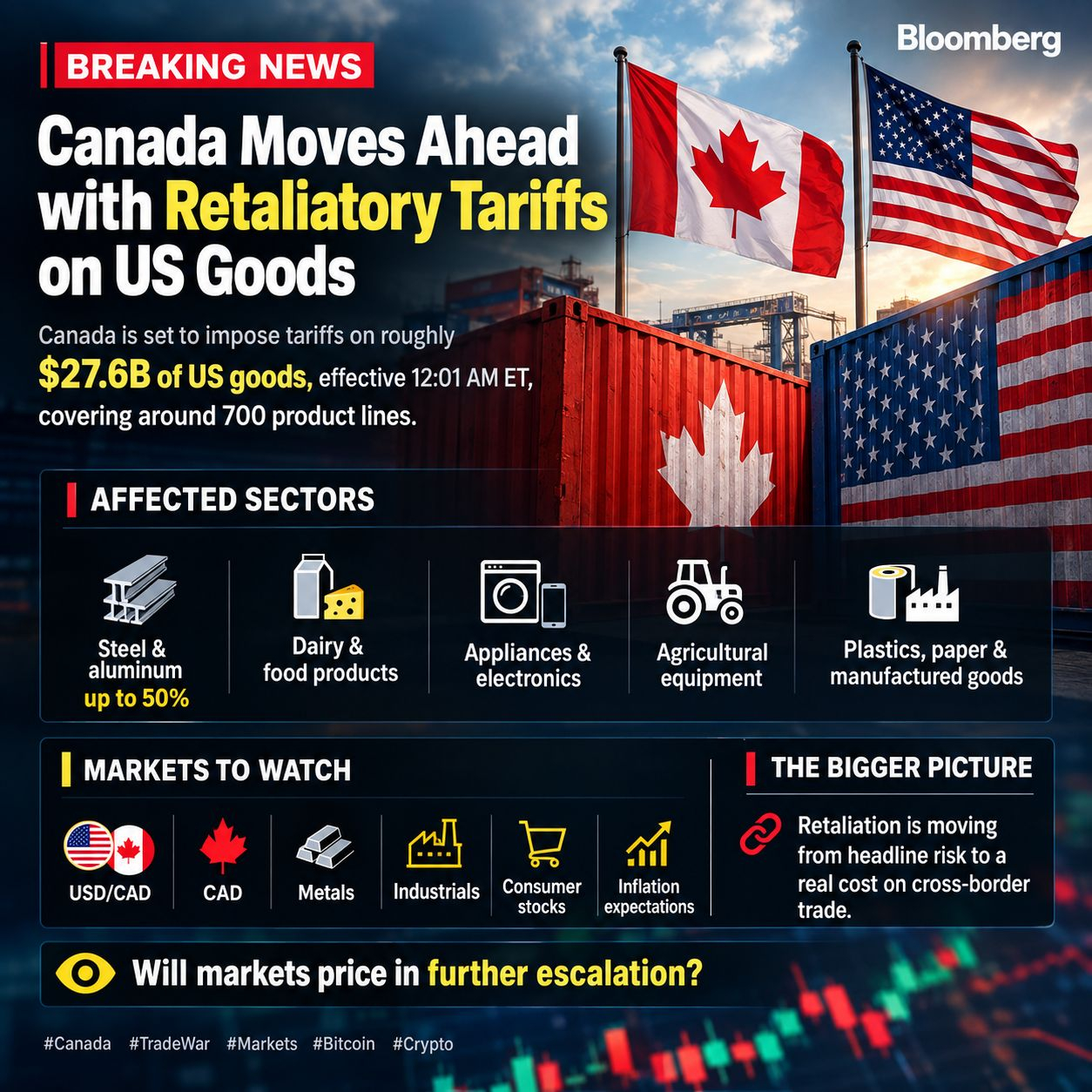
🚨 Canada is moving ahead with retaliatory tariffs on US goods.
Canada is set to impose tariffs on roughly $27.6B of US goods, effective 12:01 AM ET, covering around 700 product lines.
Affected sectors include:
🇺🇸 Steel & aluminum — up to 50%
🥛 Dairy & food products
📱 Appliances & electronics
🚜 Agricultural equipment
🏭 Plastics, paper & manufactured goods
For traders, the focus is on USD/CAD, CAD, metals, industrials, consumer stocks and inflation expectations.
The bigger issue: retaliation is moving from headline risk to a real cost on cross-border trade.
👀 Will markets price in further escalation?
$USDC $BTC
{spot}(BTCUSDT)
{spot}(USDCUSDT)
#Canada #TradeWar #Markets #Bitcoin #crypto
#canadatariffsonustakeeffect
🚨 Canada is moving ahead with retaliatory tariffs on US goods.
Canada is set to impose tariffs on roughly $27.6B of US goods, effective 12:01 AM ET, covering around 700 product lines.
Affected sectors include:
🇺🇸 Steel & aluminum — up to 50%
🥛 Dairy & food products
📱 Appliances & electronics
🚜 Agricultural equipment
🏭 Plastics, paper & manufactured goods
For traders, the focus is on USD/CAD, CAD, metals, industrials, consumer stocks and inflation expectations.
The bigger issue: retaliation is moving from headline risk to a real cost on cross-border trade.
👀 Will markets price in further escalation?
$USDC $BTC
#Canada #TradeWar #Markets #Bitcoin #crypto
🚨 Canada is moving ahead with retaliatory tariffs on US goods.
Canada is set to impose tariffs on roughly $27.6B of US goods, effective 12:01 AM ET, covering around 700 product lines.
Affected sectors include:
🇺🇸 Steel & aluminum — up to 50%
🥛 Dairy & food products
📱 Appliances & electronics
🚜 Agricultural equipment
🏭 Plastics, paper & manufactured goods
For traders, the focus is on USD/CAD, CAD, metals, industrials, consumer stocks and inflation expectations.
The bigger issue: retaliation is moving from headline risk to a real cost on cross-border trade.
👀 Will markets price in further escalation?
$USDC $BTC
#Canada #TradeWar #Markets #Bitcoin #crypto
2
454

Article
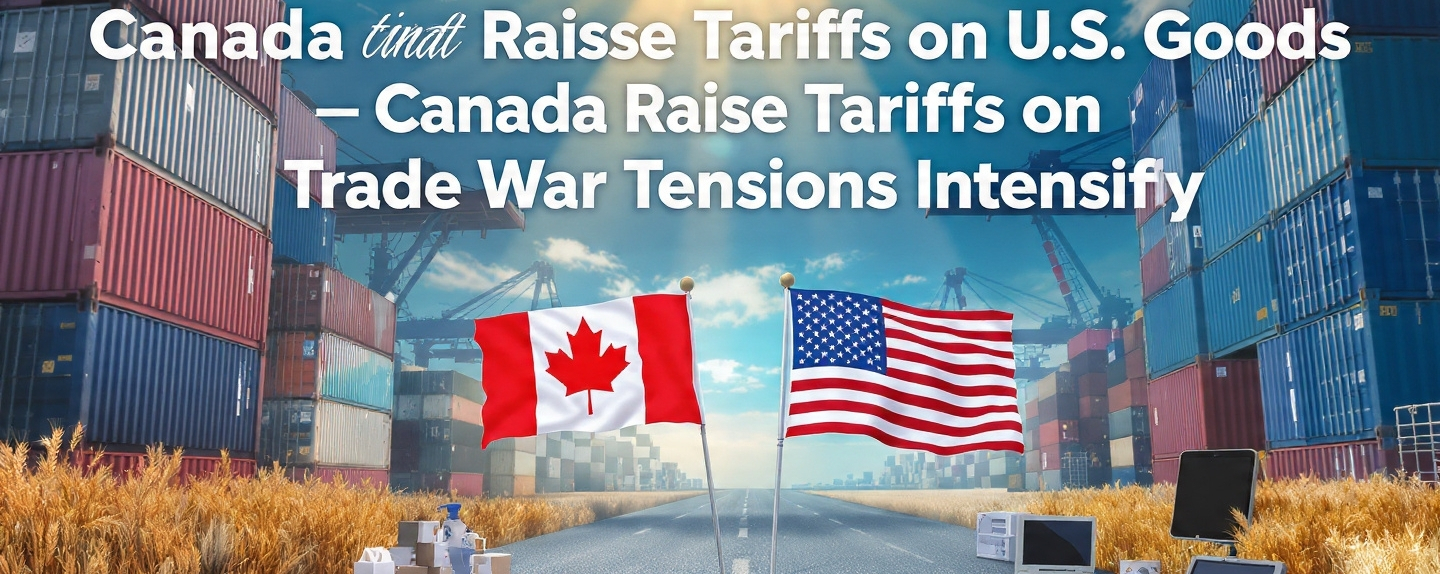
🇨🇦 Canada Raises Tariffs on U.S. Goods — Trade War Tensions IntensifyCanada has officially introduced retaliatory tariffs ranging from 15% to 50% on around $20 billion worth of U.S. goods, marking a major escalation in the ongoing U.S.–Canada trade dispute. The measures target hundreds of products, including steel, agricultural goods, electronics and other manufactured items.
The move comes after the United States imposed 50% tariffs on selected Canadian products following the collapse of trade negotiations. Canadian Prime Minister Mark Carney has described the response as a way to match U.S. measures while keeping the door open for future negotiations.
⚠️ Why it matters: If both countries continue increasing tariffs, businesses could face higher costs, supply-chain disruptions and potentially higher prices for consumers. The biggest concern is that the dispute could expand into important sectors such as automobiles and other North American supply chains.
The key question now: Will Washington and Ottawa return to the negotiating table—or will this tariff battle turn into a much wider trade war? 📈🌎
#Canada #usa #Tariffs #TradeWar #GlobalMarkets #breakingnews
🇨🇦 Canada Raises Tariffs on U.S. Goods — Trade War Tensions Intensify
Canada has officially introduced retaliatory tariffs ranging from 15% to 50% on around $20 billion worth of U.S. goods, marking a major escalation in the ongoing U.S.–Canada trade dispute. The measures target hundreds of products, including steel, agricultural goods, electronics and other manufactured items.
The move comes after the United States imposed 50% tariffs on selected Canadian products following the collapse of trade negotiations. Canadian Prime Minister Mark Carney has described the response as a way to match U.S. measures while keeping the door open for future negotiations.
⚠️ Why it matters: If both countries continue increasing tariffs, businesses could face higher costs, supply-chain disruptions and potentially higher prices for consumers. The biggest concern is that the dispute could expand into important sectors such as automobiles and other North American supply chains.
The key question now: Will Washington and Ottawa return to the negotiating table—or will this tariff battle turn into a much wider trade war? 📈🌎
#Canada #usa #Tariffs #TradeWar #GlobalMarkets #breakingnews
The move comes after the United States imposed 50% tariffs on selected Canadian products following the collapse of trade negotiations. Canadian Prime Minister Mark Carney has described the response as a way to match U.S. measures while keeping the door open for future negotiations.
⚠️ Why it matters: If both countries continue increasing tariffs, businesses could face higher costs, supply-chain disruptions and potentially higher prices for consumers. The biggest concern is that the dispute could expand into important sectors such as automobiles and other North American supply chains.
The key question now: Will Washington and Ottawa return to the negotiating table—or will this tariff battle turn into a much wider trade war? 📈🌎
#Canada #usa #Tariffs #TradeWar #GlobalMarkets #breakingnews
2
10

🇨🇦🇺🇸 **Canada Hits US Products With New Tariffs**
Canada has imposed **15% to 50% tariffs** on hundreds of US products, including steel, motorcycles, cosmetics and cheese.
🔴 US steel tariffs increased from **25% to 50%**.
⚠️ The move could put more pressure on US exporters, especially in **Michigan and Ohio**.
The decision comes after recent **Canada-US trade talks collapsed**. Trump has already imposed tariffs on Canadian goods, while Canada says it wants a **durable trade agreement**, not a prolonged trade war.
📊 Economists warn the escalating tariffs could weigh on Canada's economic growth.
Markets are now watching closely for **Trump's next response**. 👀
#Canada #USA #Tariffs #TradeWar #Trump
🇨🇦🇺🇸 **Canada Hits US Products With New Tariffs**
Canada has imposed **15% to 50% tariffs** on hundreds of US products, including steel, motorcycles, cosmetics and cheese.
🔴 US steel tariffs increased from **25% to 50%**.
⚠️ The move could put more pressure on US exporters, especially in **Michigan and Ohio**.
The decision comes after recent **Canada-US trade talks collapsed**. Trump has already imposed tariffs on Canadian goods, while Canada says it wants a **durable trade agreement**, not a prolonged trade war.
📊 Economists warn the escalating tariffs could weigh on Canada's economic growth.
Markets are now watching closely for **Trump's next response**. 👀
#Canada #USA #Tariffs #TradeWar #Trump
Canada has imposed **15% to 50% tariffs** on hundreds of US products, including steel, motorcycles, cosmetics and cheese.
🔴 US steel tariffs increased from **25% to 50%**.
⚠️ The move could put more pressure on US exporters, especially in **Michigan and Ohio**.
The decision comes after recent **Canada-US trade talks collapsed**. Trump has already imposed tariffs on Canadian goods, while Canada says it wants a **durable trade agreement**, not a prolonged trade war.
📊 Economists warn the escalating tariffs could weigh on Canada's economic growth.
Markets are now watching closely for **Trump's next response**. 👀
#Canada #USA #Tariffs #TradeWar #Trump

27

#canadatariffsonustakeeffect
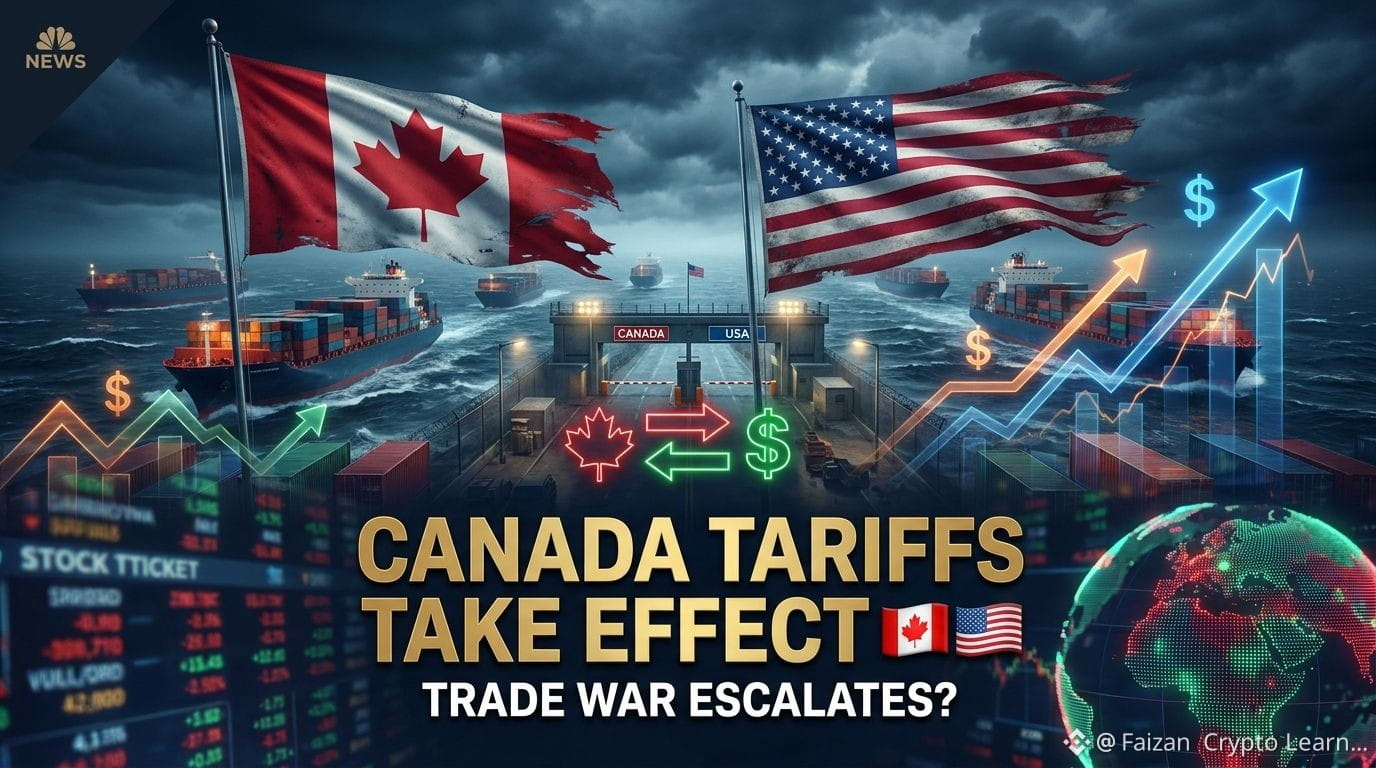
🚨 CANADA TARIFFS ON U.S. GOODS TAKE EFFECT 🇨🇦🇺🇸
A new trade pressure point is hitting the U.S.–Canada relationship, with tariffs on American goods now taking effect. ⚠️
This matters beyond just trade.
💰 Higher tariffs → Higher costs for businesses
📈 Higher costs → Potential inflation pressure
🌎 Trade tensions → More uncertainty for global markets
₿ Risk-off sentiment → Potential volatility across crypto
The biggest question now is whether these tariffs remain limited or trigger a broader escalation in the trade war. 👀
For Bitcoin and crypto traders, this is another macro headline worth watching closely.
Trade wars can move currencies, commodities, stocks and crypto — sometimes faster than expected. ⚡️
If tensions escalate further, market volatility could be just getting started. 🔥
#Canada #bitcoin #Crypto
#canadatariffsonustakeeffect
🚨 CANADA TARIFFS ON U.S. GOODS TAKE EFFECT 🇨🇦🇺🇸
A new trade pressure point is hitting the U.S.–Canada relationship, with tariffs on American goods now taking effect. ⚠️
This matters beyond just trade.
💰 Higher tariffs → Higher costs for businesses
📈 Higher costs → Potential inflation pressure
🌎 Trade tensions → More uncertainty for global markets
₿ Risk-off sentiment → Potential volatility across crypto
The biggest question now is whether these tariffs remain limited or trigger a broader escalation in the trade war. 👀
For Bitcoin and crypto traders, this is another macro headline worth watching closely.
Trade wars can move currencies, commodities, stocks and crypto — sometimes faster than expected. ⚡️
If tensions escalate further, market volatility could be just getting started. 🔥
#Canada #bitcoin #Crypto
🚨 CANADA TARIFFS ON U.S. GOODS TAKE EFFECT 🇨🇦🇺🇸
A new trade pressure point is hitting the U.S.–Canada relationship, with tariffs on American goods now taking effect. ⚠️
This matters beyond just trade.
💰 Higher tariffs → Higher costs for businesses
📈 Higher costs → Potential inflation pressure
🌎 Trade tensions → More uncertainty for global markets
₿ Risk-off sentiment → Potential volatility across crypto
The biggest question now is whether these tariffs remain limited or trigger a broader escalation in the trade war. 👀
For Bitcoin and crypto traders, this is another macro headline worth watching closely.
Trade wars can move currencies, commodities, stocks and crypto — sometimes faster than expected. ⚡️
If tensions escalate further, market volatility could be just getting started. 🔥
#Canada #bitcoin #Crypto
75

·
--
🇨🇦 CANADA HITS BACK: 15%–50% TARIFFS ON U.S. GOODS
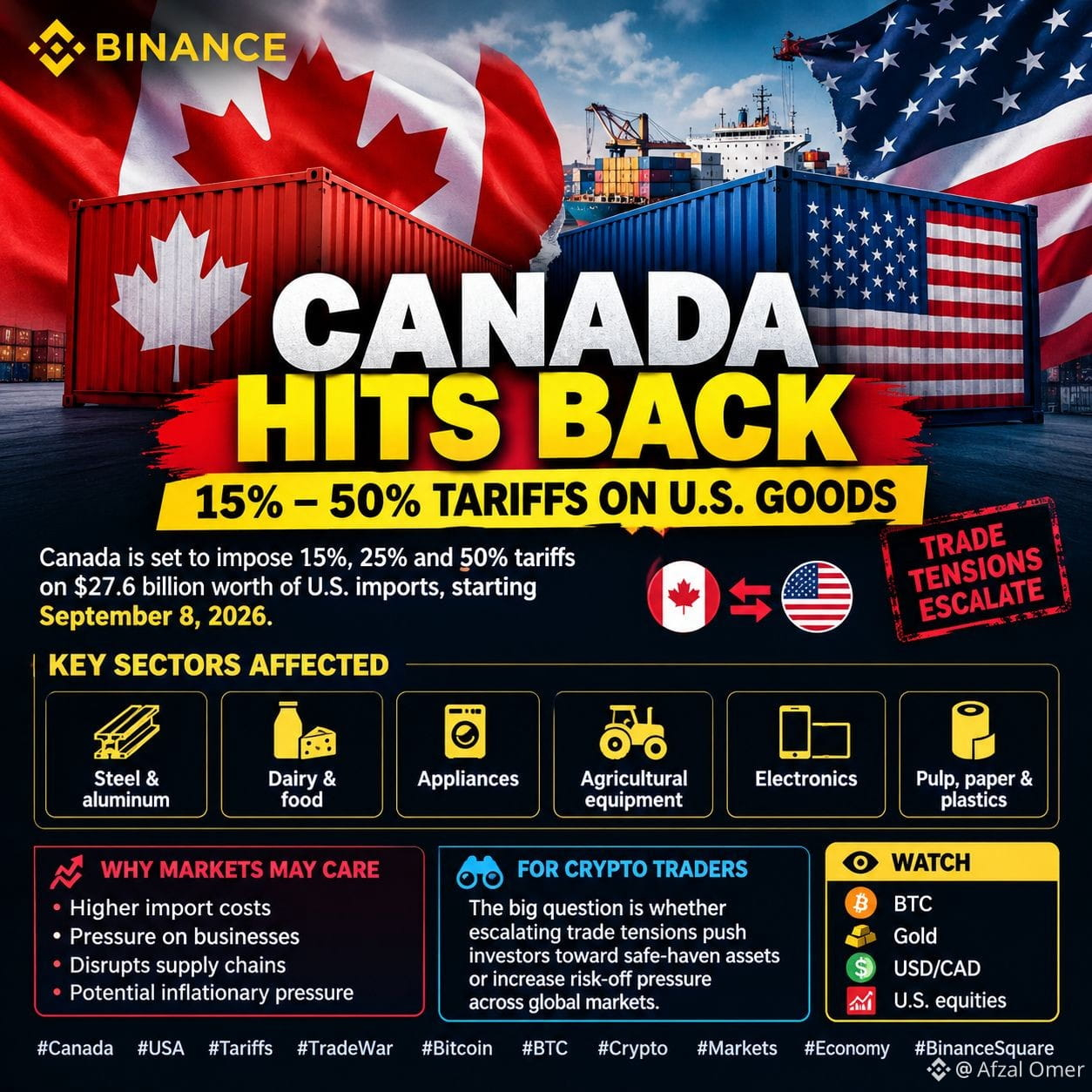
Canada is set to impose 15%, 25% and 50% tariffs on $27.6 billion worth of U.S. imports, starting September 8, 2026.
🔥 Key sectors affected:
• Steel & aluminum 🏗️
• Dairy & food 🥛
• Appliances 🏠
• Agricultural equipment 🚜
• Electronics 📱
• Pulp, paper & plastics 📦
The move comes as a dollar-for-dollar response to U.S. tariffs on Canadian goods, escalating the trade dispute between the two North American economies.
📉 Why markets may care:
Higher tariffs can increase import costs, pressure businesses, disrupt supply chains and potentially add inflationary pressure.
For crypto traders, the big question is whether escalating trade tensions push investors toward safe-haven assets or increase risk-off pressure across global markets.
👀 Watch: BTC, Gold, USD/CAD & U.S. equities.
#Canada #usa #Tariffs #TradeWar #MarketSituation
🇨🇦 CANADA HITS BACK: 15%–50% TARIFFS ON U.S. GOODS
Canada is set to impose 15%, 25% and 50% tariffs on $27.6 billion worth of U.S. imports, starting September 8, 2026.
🔥 Key sectors affected:
• Steel & aluminum 🏗️
• Dairy & food 🥛
• Appliances 🏠
• Agricultural equipment 🚜
• Electronics 📱
• Pulp, paper & plastics 📦
The move comes as a dollar-for-dollar response to U.S. tariffs on Canadian goods, escalating the trade dispute between the two North American economies.
📉 Why markets may care:
Higher tariffs can increase import costs, pressure businesses, disrupt supply chains and potentially add inflationary pressure.
For crypto traders, the big question is whether escalating trade tensions push investors toward safe-haven assets or increase risk-off pressure across global markets.
👀 Watch: BTC, Gold, USD/CAD & U.S. equities.
#Canada #usa #Tariffs #TradeWar #MarketSituation
Canada is set to impose 15%, 25% and 50% tariffs on $27.6 billion worth of U.S. imports, starting September 8, 2026.
🔥 Key sectors affected:
• Steel & aluminum 🏗️
• Dairy & food 🥛
• Appliances 🏠
• Agricultural equipment 🚜
• Electronics 📱
• Pulp, paper & plastics 📦
The move comes as a dollar-for-dollar response to U.S. tariffs on Canadian goods, escalating the trade dispute between the two North American economies.
📉 Why markets may care:
Higher tariffs can increase import costs, pressure businesses, disrupt supply chains and potentially add inflationary pressure.
For crypto traders, the big question is whether escalating trade tensions push investors toward safe-haven assets or increase risk-off pressure across global markets.
👀 Watch: BTC, Gold, USD/CAD & U.S. equities.
#Canada #usa #Tariffs #TradeWar #MarketSituation
54


🚨 BREAKING NEWS: TRUMP RENAMES LAKE ONTARIO! 🇺🇸🌊
U.S. President Donald Trump has signed an executive order to rename Lake Ontario as “Lake America” for U.S. federal use. 🇺🇸
🇨🇦 Canada has rejected the change and says it will continue calling it Lake Ontario. The lake is shared between the United States and Canada, so the new name isn't automatically recognized internationally. �
Reuters +1
Canada’s response: Ontario Premier Doug Ford unveiled a huge sign saying “Lake Ontario. Now and Always.” 😮🇨🇦 �
abcnews.com
$TRUMP $DOT $NOM
{future}(NOMUSDT)
#Trump #LakeAmerica #LakeOntario #BreakingNews #Canada
🚨 BREAKING NEWS: TRUMP RENAMES LAKE ONTARIO! 🇺🇸🌊
U.S. President Donald Trump has signed an executive order to rename Lake Ontario as “Lake America” for U.S. federal use. 🇺🇸
🇨🇦 Canada has rejected the change and says it will continue calling it Lake Ontario. The lake is shared between the United States and Canada, so the new name isn't automatically recognized internationally. �
Reuters +1
Canada’s response: Ontario Premier Doug Ford unveiled a huge sign saying “Lake Ontario. Now and Always.” 😮🇨🇦 �
abcnews.com
$TRUMP $DOT $NOM
#Trump #LakeAmerica #LakeOntario #BreakingNews #Canada
U.S. President Donald Trump has signed an executive order to rename Lake Ontario as “Lake America” for U.S. federal use. 🇺🇸
🇨🇦 Canada has rejected the change and says it will continue calling it Lake Ontario. The lake is shared between the United States and Canada, so the new name isn't automatically recognized internationally. �
Reuters +1
Canada’s response: Ontario Premier Doug Ford unveiled a huge sign saying “Lake Ontario. Now and Always.” 😮🇨🇦 �
abcnews.com
$TRUMP $DOT $NOM
#Trump #LakeAmerica #LakeOntario #BreakingNews #Canada

9

·
--
Bullish
Verified
🇺🇸🇨🇦 Tariffs reach vital minerals
The trade tension between the United States and Canada goes beyond cars and steel; vital minerals have become a strategic card in an escalating economic struggle.
Canada is an important supplier to the United States for minerals used in batteries, electric vehicles, energy, electronics, and defense.
Any new restrictions on these supplies could mean higher production costs, disrupted supply chains, and an accelerated search for alternative sources.
🌎 The battle is no longer just about tariffs… but about who controls the resources of the future economy.
{stock_us}(RIOT.US)
#USA #Canada #CriticalMinerals
🇺🇸🇨🇦 Tariffs reach vital minerals
The trade tension between the United States and Canada goes beyond cars and steel; vital minerals have become a strategic card in an escalating economic struggle.
Canada is an important supplier to the United States for minerals used in batteries, electric vehicles, energy, electronics, and defense.
Any new restrictions on these supplies could mean higher production costs, disrupted supply chains, and an accelerated search for alternative sources.
🌎 The battle is no longer just about tariffs… but about who controls the resources of the future economy.
#USA #Canada #CriticalMinerals
The trade tension between the United States and Canada goes beyond cars and steel; vital minerals have become a strategic card in an escalating economic struggle.
Canada is an important supplier to the United States for minerals used in batteries, electric vehicles, energy, electronics, and defense.
Any new restrictions on these supplies could mean higher production costs, disrupted supply chains, and an accelerated search for alternative sources.
🌎 The battle is no longer just about tariffs… but about who controls the resources of the future economy.
#USA #Canada #CriticalMinerals

RIOTUS+0.68%
2
289
Log in to explore more content
Join global crypto users on Binance Square
⚡️ Get latest and useful information about crypto.
💬 Trusted by the world’s largest crypto exchange.
👍 Discover real insights from verified creators.
Email / Phone number
Trending Topics
1
#FedRateWatch
991,652 views
4,718 Discussing
2
#ZcashHoldersBackNU7Upgrade
71 views
10 Discussing
3
#MSTRTradingVolumeSurpassesMorganStanley
6,971 views
243 Discussing
4
#BitcoinFalls4%
17,995 views
501 Discussing
5
#SKHynixInTalksToMakeMemoryChipsInUS
7,738 views
205 Discussing
6
#OpenAIDiscussesNewFundingAt$1.2TValuation
2,247 views
39 Discussing
7
#ArgentinaCommitsToOECDCryptoReportingBy2029
17,156 views
370 Discussing
8
#EthereumFallsBelow$2400
6,833 views
91 Discussing
9
#USDTLaunchesOnZamaPrivacyProtocol
7,119 views
213 Discussing
10
#USSenateBlocksClarityAct
57,485 views
500 Discussing