
#usgovernment
usgovernment
5.9M views
4,796 Discussing
Hot
Latest


·
--
🚨 JUST IN: 🇺🇸 Senator Cynthia Lummis on the Crypto Clarity Act:
“If it fails today, we’re done. It’s over.”
“It’s now or never.” 🔥
The crypto industry is watching. 🇺🇸
#clarityact #sec #USGovernment
🚨 JUST IN: 🇺🇸 Senator Cynthia Lummis on the Crypto Clarity Act:
“If it fails today, we’re done. It’s over.”
“It’s now or never.” 🔥
The crypto industry is watching. 🇺🇸
#clarityact #sec #USGovernment
“If it fails today, we’re done. It’s over.”
“It’s now or never.” 🔥
The crypto industry is watching. 🇺🇸
#clarityact #sec #USGovernment
Rafia Imran:
Solid update. Lummis’ “now or never” framing highlights the political urgency, but the tape will care more about the actual vote and what happens afterward. I’d watch BTC’s reaction alongside spot volume and futures OI—headline volatility can fade quickly if positioning doesn’t confirm it.
1
5
4.6k

·
--
Bullish
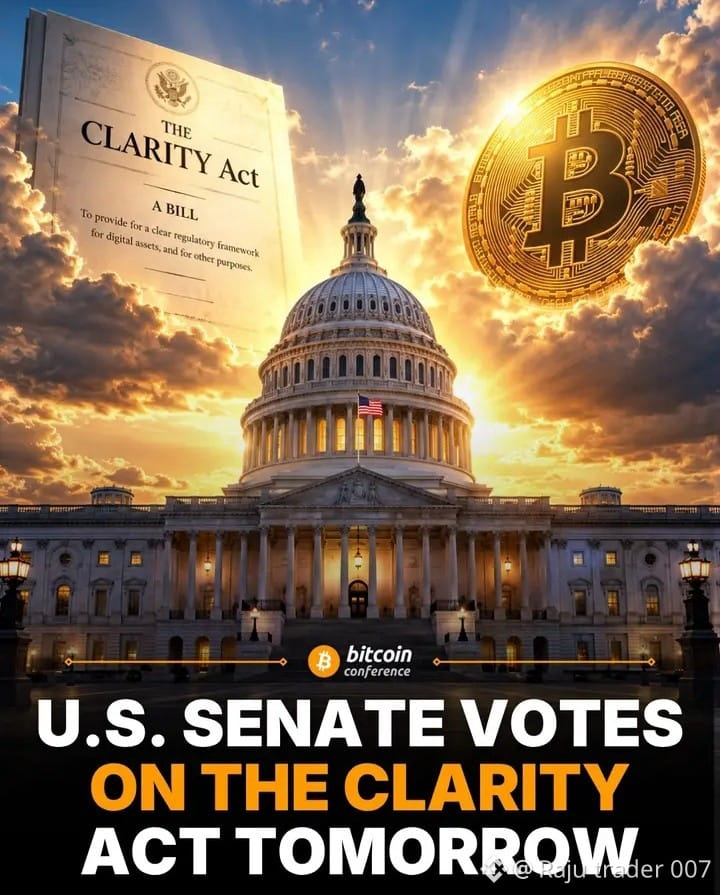
🇺🇸 SENATE REPUBLICANS RELEASED THEIR “FINAL” CLARITY ACT DRAFT AHEAD OF TOMORROW’S VOTE
Sens. Cynthia Lummis, John Boozman, and Tim Scott released the latest CLARITY Act text before Tuesday’s procedural vote.
The new draft reportedly includes 126 substantive changes requested by Democrats.
✅ New ethics language
✅ State AG enforcement role
✅ Stablecoin deposit-flight safeguards
✅ Developer protections
✅ Consumer guardrails
✅ Conflict-of-interest rules
Tomorrow’s vote is not final passage.
It is a procedural vote to begin debate, and it needs 60 votes to advance.
THE TIME FOR CLARITY IS NOW #USGovernment
🇺🇸 SENATE REPUBLICANS RELEASED THEIR “FINAL” CLARITY ACT DRAFT AHEAD OF TOMORROW’S VOTE
Sens. Cynthia Lummis, John Boozman, and Tim Scott released the latest CLARITY Act text before Tuesday’s procedural vote.
The new draft reportedly includes 126 substantive changes requested by Democrats.
✅ New ethics language
✅ State AG enforcement role
✅ Stablecoin deposit-flight safeguards
✅ Developer protections
✅ Consumer guardrails
✅ Conflict-of-interest rules
Tomorrow’s vote is not final passage.
It is a procedural vote to begin debate, and it needs 60 votes to advance.
THE TIME FOR CLARITY IS NOW #USGovernment
Sens. Cynthia Lummis, John Boozman, and Tim Scott released the latest CLARITY Act text before Tuesday’s procedural vote.
The new draft reportedly includes 126 substantive changes requested by Democrats.
✅ New ethics language
✅ State AG enforcement role
✅ Stablecoin deposit-flight safeguards
✅ Developer protections
✅ Consumer guardrails
✅ Conflict-of-interest rules
Tomorrow’s vote is not final passage.
It is a procedural vote to begin debate, and it needs 60 votes to advance.
THE TIME FOR CLARITY IS NOW #USGovernment
6

·
--
Article
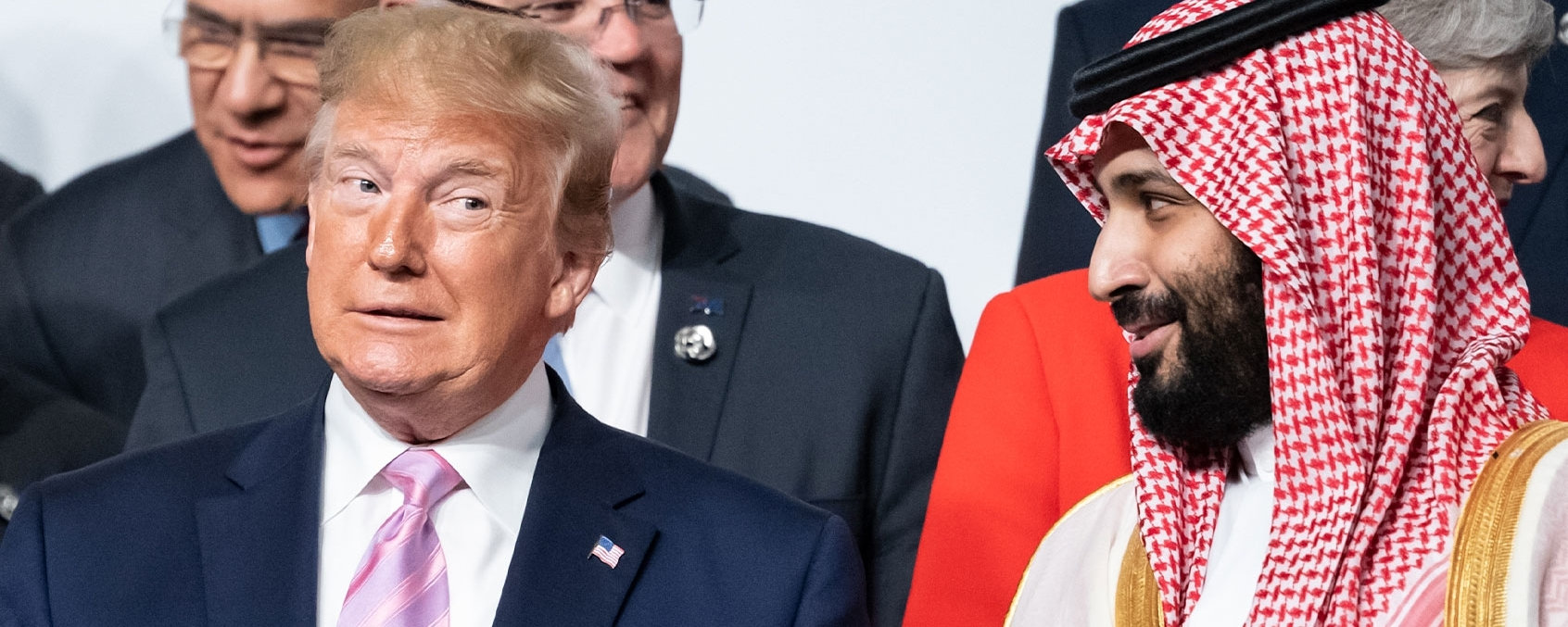
You Can't Buy Out of Geography: Saudi Arabia's Ultimate Strategic ReckoningSaudi Arabia is learning a lesson that money and American weapons could never erase: you cannot buy your way out of geography.
For years, Riyadh behaved as though its oil wealth and its alliance with Washington made it immune to the consequences of its regional policies.
It accumulated weapons, hosted foreign forces and poured billions into military adventures while treating Iran as an enemy to be contained.
Now the bill has arrived.
With the Strait of Hormuz effectively strangled and the kingdom’s vital East-West oil pipeline to the Red Sea disrupted, Saudi Arabia’s ability to move its most valuable commodity has been severely compromised.
The kingdom can possess some of the world’s largest oil reserves, but reserves sitting underground do not pay the bills.
Oil has to reach the market.
And suddenly, the country that imagined itself the dominant power of the Gulf may have to knock on Tehran’s door.
That is the bitter irony.
Iran, the state Saudi Arabia spent years trying to isolate and contain, now possesses enormous leverage over the regional environment in which Saudi Arabia must operate.
If Riyadh wants relief, it may have to negotiate with Tehran,and Tehran will not be doing favors out of charity.
Iran will demand a price.
It will demand political concessions. Security guarantees.
Changes in Saudi regional policy.
An end to support for hostile operations.
Whatever the final bargain looks like, one thing should be obvious: Saudi Arabia will be negotiating from weakness, not strength.
And what of the United States?
The American military presence has not prevented this strategic nightmare. Billions spent on weapons and decades of dependence on Washington have not abolished the vulnerability created by geography.
American bases cannot make the Strait of Hormuz disappear.
They cannot permanently protect every pipeline.
They cannot manufacture a stable regional order through military force.
So perhaps it is time for Riyadh to ask the question it has avoided for generations:
Why should Saudi Arabia continue hosting US military forces when those forces have failed to provide the strategic security they promised?
The answer should be a complete rethink.
Get rid of the permanent American military footprint.
Stop treating the Gulf as an arena for American-Iranian confrontation.
Stop imagining that endless weapons purchases constitute a foreign policy. And start negotiating directly with the countries that Saudi Arabia actually has to live beside.
Because Iran is not going away.
Iraq is not going away.
Yemen is not going away.
The Gulf is not going away.
Washington can send aircraft carriers.
It can deploy troops.
It can sell another hundred billion dollars of weapons.
But it cannot change the map.
Saudi Arabia's real security will ultimately have to come from diplomacy, regional arrangements and mutually understood limits,not from renting an American shield while antagonizing its neighbors.
The age of assuming that Washington will solve every Saudi security problem is over.
If Riyadh now has to negotiate with Tehran, it should negotiate seriously.
And if that means paying a steep price for years of strategic miscalculation, perhaps that is precisely the point.
Sometimes the price of avoiding diplomacy is eventually having to negotiate from your knees.
#FedRateWatch #USGovernment
You Can't Buy Out of Geography: Saudi Arabia's Ultimate Strategic Reckoning
Saudi Arabia is learning a lesson that money and American weapons could never erase: you cannot buy your way out of geography.
For years, Riyadh behaved as though its oil wealth and its alliance with Washington made it immune to the consequences of its regional policies.
It accumulated weapons, hosted foreign forces and poured billions into military adventures while treating Iran as an enemy to be contained.
Now the bill has arrived.
With the Strait of Hormuz effectively strangled and the kingdom’s vital East-West oil pipeline to the Red Sea disrupted, Saudi Arabia’s ability to move its most valuable commodity has been severely compromised.
The kingdom can possess some of the world’s largest oil reserves, but reserves sitting underground do not pay the bills.
Oil has to reach the market.
And suddenly, the country that imagined itself the dominant power of the Gulf may have to knock on Tehran’s door.
That is the bitter irony.
Iran, the state Saudi Arabia spent years trying to isolate and contain, now possesses enormous leverage over the regional environment in which Saudi Arabia must operate.
If Riyadh wants relief, it may have to negotiate with Tehran,and Tehran will not be doing favors out of charity.
Iran will demand a price.
It will demand political concessions. Security guarantees.
Changes in Saudi regional policy.
An end to support for hostile operations.
Whatever the final bargain looks like, one thing should be obvious: Saudi Arabia will be negotiating from weakness, not strength.
And what of the United States?
The American military presence has not prevented this strategic nightmare. Billions spent on weapons and decades of dependence on Washington have not abolished the vulnerability created by geography.
American bases cannot make the Strait of Hormuz disappear.
They cannot permanently protect every pipeline.
They cannot manufacture a stable regional order through military force.
So perhaps it is time for Riyadh to ask the question it has avoided for generations:
Why should Saudi Arabia continue hosting US military forces when those forces have failed to provide the strategic security they promised?
The answer should be a complete rethink.
Get rid of the permanent American military footprint.
Stop treating the Gulf as an arena for American-Iranian confrontation.
Stop imagining that endless weapons purchases constitute a foreign policy. And start negotiating directly with the countries that Saudi Arabia actually has to live beside.
Because Iran is not going away.
Iraq is not going away.
Yemen is not going away.
The Gulf is not going away.
Washington can send aircraft carriers.
It can deploy troops.
It can sell another hundred billion dollars of weapons.
But it cannot change the map.
Saudi Arabia's real security will ultimately have to come from diplomacy, regional arrangements and mutually understood limits,not from renting an American shield while antagonizing its neighbors.
The age of assuming that Washington will solve every Saudi security problem is over.
If Riyadh now has to negotiate with Tehran, it should negotiate seriously.
And if that means paying a steep price for years of strategic miscalculation, perhaps that is precisely the point.
Sometimes the price of avoiding diplomacy is eventually having to negotiate from your knees.
#FedRateWatch #USGovernment
For years, Riyadh behaved as though its oil wealth and its alliance with Washington made it immune to the consequences of its regional policies.
It accumulated weapons, hosted foreign forces and poured billions into military adventures while treating Iran as an enemy to be contained.
Now the bill has arrived.
With the Strait of Hormuz effectively strangled and the kingdom’s vital East-West oil pipeline to the Red Sea disrupted, Saudi Arabia’s ability to move its most valuable commodity has been severely compromised.
The kingdom can possess some of the world’s largest oil reserves, but reserves sitting underground do not pay the bills.
Oil has to reach the market.
And suddenly, the country that imagined itself the dominant power of the Gulf may have to knock on Tehran’s door.
That is the bitter irony.
Iran, the state Saudi Arabia spent years trying to isolate and contain, now possesses enormous leverage over the regional environment in which Saudi Arabia must operate.
If Riyadh wants relief, it may have to negotiate with Tehran,and Tehran will not be doing favors out of charity.
Iran will demand a price.
It will demand political concessions. Security guarantees.
Changes in Saudi regional policy.
An end to support for hostile operations.
Whatever the final bargain looks like, one thing should be obvious: Saudi Arabia will be negotiating from weakness, not strength.
And what of the United States?
The American military presence has not prevented this strategic nightmare. Billions spent on weapons and decades of dependence on Washington have not abolished the vulnerability created by geography.
American bases cannot make the Strait of Hormuz disappear.
They cannot permanently protect every pipeline.
They cannot manufacture a stable regional order through military force.
So perhaps it is time for Riyadh to ask the question it has avoided for generations:
Why should Saudi Arabia continue hosting US military forces when those forces have failed to provide the strategic security they promised?
The answer should be a complete rethink.
Get rid of the permanent American military footprint.
Stop treating the Gulf as an arena for American-Iranian confrontation.
Stop imagining that endless weapons purchases constitute a foreign policy. And start negotiating directly with the countries that Saudi Arabia actually has to live beside.
Because Iran is not going away.
Iraq is not going away.
Yemen is not going away.
The Gulf is not going away.
Washington can send aircraft carriers.
It can deploy troops.
It can sell another hundred billion dollars of weapons.
But it cannot change the map.
Saudi Arabia's real security will ultimately have to come from diplomacy, regional arrangements and mutually understood limits,not from renting an American shield while antagonizing its neighbors.
The age of assuming that Washington will solve every Saudi security problem is over.
If Riyadh now has to negotiate with Tehran, it should negotiate seriously.
And if that means paying a steep price for years of strategic miscalculation, perhaps that is precisely the point.
Sometimes the price of avoiding diplomacy is eventually having to negotiate from your knees.
#FedRateWatch #USGovernment
102

·
--
📢US DOJ seeks to seize $61 million in crypto allegedly linked to illegal Iranian oil sales and laundered through Binance.
#USGovernment #USDT #BTC #BinanceSquareTalks #Trump's
📢US DOJ seeks to seize $61 million in crypto allegedly linked to illegal Iranian oil sales and laundered through Binance.
#USGovernment #USDT #BTC #BinanceSquareTalks #Trump's
#USGovernment #USDT #BTC #BinanceSquareTalks #Trump's
68
·
--
$TRUMP
{future}(TRUMPUSDT)
🚨 High Court Keeps Mail-In Voting Restrictions Blocked
According to recent reports from CNBC, the U.S. Supreme Court decided on Monday night to turn down a push by the Trump administration.
They wanted to lift a current judicial block on a controversial rule that aims to restrict mail-in voting for the upcoming midterm elections.
What are your thoughts on how this will impact the elections?
#MailInVoting #SupremeCourtVictory #USGovernment #VotingRights #CurrentEvents
$TRUMP
🚨 High Court Keeps Mail-In Voting Restrictions Blocked
According to recent reports from CNBC, the U.S. Supreme Court decided on Monday night to turn down a push by the Trump administration.
They wanted to lift a current judicial block on a controversial rule that aims to restrict mail-in voting for the upcoming midterm elections.
What are your thoughts on how this will impact the elections?
#MailInVoting #SupremeCourtVictory #USGovernment #VotingRights #CurrentEvents
🚨 High Court Keeps Mail-In Voting Restrictions Blocked
According to recent reports from CNBC, the U.S. Supreme Court decided on Monday night to turn down a push by the Trump administration.
They wanted to lift a current judicial block on a controversial rule that aims to restrict mail-in voting for the upcoming midterm elections.
What are your thoughts on how this will impact the elections?
#MailInVoting #SupremeCourtVictory #USGovernment #VotingRights #CurrentEvents
238

·
--
$TRUMP
{future}(TRUMPUSDT)
🇺🇲🇦🇷 The State Dept. is selling Argentina four refurbished Black Hawks and related equipment for $140 MILLION.
The sale is intended to strengthen the country’s ability to address current and future threats.
The deal comes after Trump said he would not support Britain in a conflict with Argentina over the Falkland Islands.
Timing is everything!
Source: Bloomberg
#crypto #USGovernment #usarmy #worldnews
$TRUMP
🇺🇲🇦🇷 The State Dept. is selling Argentina four refurbished Black Hawks and related equipment for $140 MILLION.
The sale is intended to strengthen the country’s ability to address current and future threats.
The deal comes after Trump said he would not support Britain in a conflict with Argentina over the Falkland Islands.
Timing is everything!
Source: Bloomberg
#crypto #USGovernment #usarmy #worldnews
🇺🇲🇦🇷 The State Dept. is selling Argentina four refurbished Black Hawks and related equipment for $140 MILLION.
The sale is intended to strengthen the country’s ability to address current and future threats.
The deal comes after Trump said he would not support Britain in a conflict with Argentina over the Falkland Islands.
Timing is everything!
Source: Bloomberg
#crypto #USGovernment #usarmy #worldnews

1
424

·
--
Bullish
#US10YearTreasuryYieldNears5%
The 10-year is basically the "risk-free" benchmark. When it pushes toward 5%, money gets more expensive everywhere. Here’s how that ripples out:
*1. Crypto*
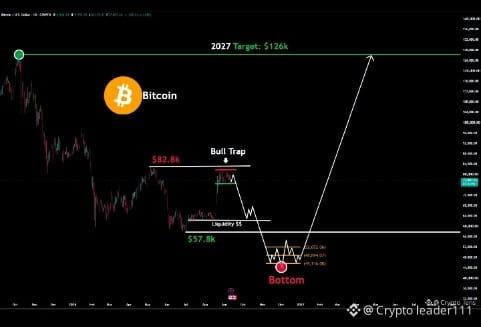
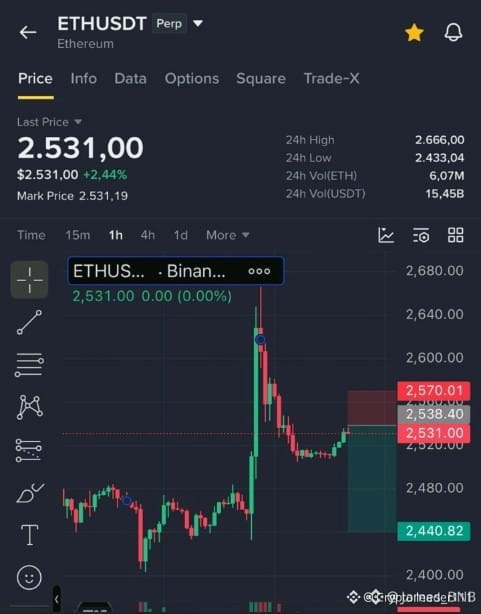
- *"Risk-off" pressure*: Crypto trades a lot like tech stocks. When Treasuries yield ∼5% with almost zero risk, investors ask "why gamble on $BTC /$ETH for 10-20% volatility when I can get 5% guaranteed?" That pulls dollars out of risk assets.
- *Higher cost of capital*: VCs and crypto funds borrow against Treasuries. A 5% benchmark makes funding startups, mining, and DeFi lending more expensive
- *Dollar strength*: Yields up → US dollar up. Most crypto is priced in USD, so a stronger dollar = headwind for BTC/ETH in non-USD terms.
- *The flip side*: Some in crypto argue that if yields spike because of inflation + fiscal deficits + $40T US debt fears, it validates the "Bitcoin as alternative money" narrative. But short term, markets usually sell risk first.
Bottom line from recent selloff: analysts specifically flagged that a break above 5% could make bonds competitive enough to pull money out of stocks, and crypto tends to move with stocks in that scenario.
*2. World / Global Markets*
- *Global bond selloff*: This isn’t just a US story. Yields in Tokyo, Sydney, London, and New York are all at multi-decade highs. The ECB just raised rates and warned inflation could be sticky.
- *Why it's happening ?
- *Oil >$100/barrel* - Brent hit $107, US crude $102. That fuels inflation fears.
- *Rate-hike expectations* - PPI and CPI both hot. Fed meeting next week has ∼90% odds of a hike priced in.
- *Fiscal deficits* - "Ballooning government borrowing across developed markets". Treasury buybacks came in short.
- *Real-world impact*:
- *Mortgages & debt*: Sovereign yields are the reference for everything. Higher 10-year = steeper mortgage rates for consumers and tougher spending choices for governments as debt costs climb.
#US10YearTreasuryYieldNears5%
#BTC
#Ethereum
#USGovernment
{spot}(BTCUSDT)
{spot}(ETHUSDT)
#US10YearTreasuryYieldNears5%
The 10-year is basically the "risk-free" benchmark. When it pushes toward 5%, money gets more expensive everywhere. Here’s how that ripples out:
*1. Crypto*
- *"Risk-off" pressure*: Crypto trades a lot like tech stocks. When Treasuries yield ∼5% with almost zero risk, investors ask "why gamble on $BTC /$ETH for 10-20% volatility when I can get 5% guaranteed?" That pulls dollars out of risk assets.
- *Higher cost of capital*: VCs and crypto funds borrow against Treasuries. A 5% benchmark makes funding startups, mining, and DeFi lending more expensive
- *Dollar strength*: Yields up → US dollar up. Most crypto is priced in USD, so a stronger dollar = headwind for BTC/ETH in non-USD terms.
- *The flip side*: Some in crypto argue that if yields spike because of inflation + fiscal deficits + $40T US debt fears, it validates the "Bitcoin as alternative money" narrative. But short term, markets usually sell risk first.
Bottom line from recent selloff: analysts specifically flagged that a break above 5% could make bonds competitive enough to pull money out of stocks, and crypto tends to move with stocks in that scenario.
*2. World / Global Markets*
- *Global bond selloff*: This isn’t just a US story. Yields in Tokyo, Sydney, London, and New York are all at multi-decade highs. The ECB just raised rates and warned inflation could be sticky.
- *Why it's happening ?
- *Oil >$100/barrel* - Brent hit $107, US crude $102. That fuels inflation fears.
- *Rate-hike expectations* - PPI and CPI both hot. Fed meeting next week has ∼90% odds of a hike priced in.
- *Fiscal deficits* - "Ballooning government borrowing across developed markets". Treasury buybacks came in short.
- *Real-world impact*:
- *Mortgages & debt*: Sovereign yields are the reference for everything. Higher 10-year = steeper mortgage rates for consumers and tougher spending choices for governments as debt costs climb.
#US10YearTreasuryYieldNears5%
#BTC
#Ethereum
#USGovernment
The 10-year is basically the "risk-free" benchmark. When it pushes toward 5%, money gets more expensive everywhere. Here’s how that ripples out:
*1. Crypto*
- *"Risk-off" pressure*: Crypto trades a lot like tech stocks. When Treasuries yield ∼5% with almost zero risk, investors ask "why gamble on $BTC /$ETH for 10-20% volatility when I can get 5% guaranteed?" That pulls dollars out of risk assets.
- *Higher cost of capital*: VCs and crypto funds borrow against Treasuries. A 5% benchmark makes funding startups, mining, and DeFi lending more expensive
- *Dollar strength*: Yields up → US dollar up. Most crypto is priced in USD, so a stronger dollar = headwind for BTC/ETH in non-USD terms.
- *The flip side*: Some in crypto argue that if yields spike because of inflation + fiscal deficits + $40T US debt fears, it validates the "Bitcoin as alternative money" narrative. But short term, markets usually sell risk first.
Bottom line from recent selloff: analysts specifically flagged that a break above 5% could make bonds competitive enough to pull money out of stocks, and crypto tends to move with stocks in that scenario.
*2. World / Global Markets*
- *Global bond selloff*: This isn’t just a US story. Yields in Tokyo, Sydney, London, and New York are all at multi-decade highs. The ECB just raised rates and warned inflation could be sticky.
- *Why it's happening ?
- *Oil >$100/barrel* - Brent hit $107, US crude $102. That fuels inflation fears.
- *Rate-hike expectations* - PPI and CPI both hot. Fed meeting next week has ∼90% odds of a hike priced in.
- *Fiscal deficits* - "Ballooning government borrowing across developed markets". Treasury buybacks came in short.
- *Real-world impact*:
- *Mortgages & debt*: Sovereign yields are the reference for everything. Higher 10-year = steeper mortgage rates for consumers and tougher spending choices for governments as debt costs climb.
#US10YearTreasuryYieldNears5%
#BTC
#Ethereum
#USGovernment
71

·
--
Bullish
US TREASURY BUYBACK: A BIG LIQUIDITY SIGNAL? 🇺🇸💰
The US Treasury is reportedly moving to buy back up to $6 BILLION of long-term debt — a major step up from previous operations. 📈
Just weeks ago, the Treasury indicated it would increase buybacks to at least $4B per operation. Now the scale has moved even higher, putting fresh focus on liquidity, bond-market stability and broader risk assets.
For crypto, this is where things get interesting. 👀
💵 More Treasury activity
📊 Bond-market liquidity in focus
₿ Potential implications for BTC & crypto sentiment
🔥 Altcoins like $SOL , $TRUMP and $WLD could remain sensitive to shifts in liquidity and risk appetite.
The key question: Is this simply debt-management strategy, or could it become another liquidity tailwind for risk assets?
Markets will be watching closely. 👀🔥
#USGovernment #Bitcoin #Crypto #SOL #TRUMP #WLD
US TREASURY BUYBACK: A BIG LIQUIDITY SIGNAL? 🇺🇸💰
The US Treasury is reportedly moving to buy back up to $6 BILLION of long-term debt — a major step up from previous operations. 📈
Just weeks ago, the Treasury indicated it would increase buybacks to at least $4B per operation. Now the scale has moved even higher, putting fresh focus on liquidity, bond-market stability and broader risk assets.
For crypto, this is where things get interesting. 👀
💵 More Treasury activity
📊 Bond-market liquidity in focus
₿ Potential implications for BTC & crypto sentiment
🔥 Altcoins like $SOL , $TRUMP and $WLD could remain sensitive to shifts in liquidity and risk appetite.
The key question: Is this simply debt-management strategy, or could it become another liquidity tailwind for risk assets?
Markets will be watching closely. 👀🔥
#USGovernment #Bitcoin #Crypto #SOL #TRUMP #WLD
The US Treasury is reportedly moving to buy back up to $6 BILLION of long-term debt — a major step up from previous operations. 📈
Just weeks ago, the Treasury indicated it would increase buybacks to at least $4B per operation. Now the scale has moved even higher, putting fresh focus on liquidity, bond-market stability and broader risk assets.
For crypto, this is where things get interesting. 👀
💵 More Treasury activity
📊 Bond-market liquidity in focus
₿ Potential implications for BTC & crypto sentiment
🔥 Altcoins like $SOL , $TRUMP and $WLD could remain sensitive to shifts in liquidity and risk appetite.
The key question: Is this simply debt-management strategy, or could it become another liquidity tailwind for risk assets?
Markets will be watching closely. 👀🔥
#USGovernment #Bitcoin #Crypto #SOL #TRUMP #WLD

1
13

·
--
Bullish
Verified
🚨 BIG MACRO MOVE! 🇺🇸🔥
The U.S. Treasury is reportedly planning $6B in long-term debt buybacks — up from the $4B per operation target announced on Aug. 19.
That’s a major jump in just 3 weeks. Liquidity expectations are heating up, and crypto could react fast. 👀
$WLD SOL
99.86
-1.29%
#USGovernment #CPIWatch
{spot}(WLDUSDT)
$TRUMP
{spot}(TRUMPUSDT)
$SOL
{spot}(SOLUSDT)
🚨 BIG MACRO MOVE! 🇺🇸🔥
The U.S. Treasury is reportedly planning $6B in long-term debt buybacks — up from the $4B per operation target announced on Aug. 19.
That’s a major jump in just 3 weeks. Liquidity expectations are heating up, and crypto could react fast. 👀
$WLD SOL
99.86
-1.29%
#USGovernment #CPIWatch
$TRUMP
$SOL
The U.S. Treasury is reportedly planning $6B in long-term debt buybacks — up from the $4B per operation target announced on Aug. 19.
That’s a major jump in just 3 weeks. Liquidity expectations are heating up, and crypto could react fast. 👀
$WLD SOL
99.86
-1.29%
#USGovernment #CPIWatch
$TRUMP
$SOL

5
990
·
--
$TRUMP
{future}(TRUMPUSDT)
🇮🇷 🇺🇸 Iran doesn't need to sink a carrier, it needs an admiral to think it might...
The missiles fired at the Delbert D. Black and John Paul Jones missed. Every attempt this war has missed.
That has not stopped the Journal from reporting that Washington now suspects China or Russia is feeding Iran the coordinates, because retired Vice Adm. John Miller says Iranian radar can no longer find a ship in the Arabian Sea on its own.
The Financial Times has documented Russian engineers helping build a ramjet designed for exactly this target.
Deterrence never required a hit. It required DOUBT.
A carrier that has to stay farther out, move more often and burn interceptors on every approach is a carrier doing less work, and 19 warships are out there with Patriot stocks at 36%.
Every miss still moves the fleet back, and Tehran gets that for the price of a missile.
Source: The Wall Street Journal, Financial Times
#OilMarket #IranIsraelConflict #USGovernment #CryptoNews #worldnews
$TRUMP
🇮🇷 🇺🇸 Iran doesn't need to sink a carrier, it needs an admiral to think it might...
The missiles fired at the Delbert D. Black and John Paul Jones missed. Every attempt this war has missed.
That has not stopped the Journal from reporting that Washington now suspects China or Russia is feeding Iran the coordinates, because retired Vice Adm. John Miller says Iranian radar can no longer find a ship in the Arabian Sea on its own.
The Financial Times has documented Russian engineers helping build a ramjet designed for exactly this target.
Deterrence never required a hit. It required DOUBT.
A carrier that has to stay farther out, move more often and burn interceptors on every approach is a carrier doing less work, and 19 warships are out there with Patriot stocks at 36%.
Every miss still moves the fleet back, and Tehran gets that for the price of a missile.
Source: The Wall Street Journal, Financial Times
#OilMarket #IranIsraelConflict #USGovernment #CryptoNews #worldnews
🇮🇷 🇺🇸 Iran doesn't need to sink a carrier, it needs an admiral to think it might...
The missiles fired at the Delbert D. Black and John Paul Jones missed. Every attempt this war has missed.
That has not stopped the Journal from reporting that Washington now suspects China or Russia is feeding Iran the coordinates, because retired Vice Adm. John Miller says Iranian radar can no longer find a ship in the Arabian Sea on its own.
The Financial Times has documented Russian engineers helping build a ramjet designed for exactly this target.
Deterrence never required a hit. It required DOUBT.
A carrier that has to stay farther out, move more often and burn interceptors on every approach is a carrier doing less work, and 19 warships are out there with Patriot stocks at 36%.
Every miss still moves the fleet back, and Tehran gets that for the price of a missile.
Source: The Wall Street Journal, Financial Times
#OilMarket #IranIsraelConflict #USGovernment #CryptoNews #worldnews

341

Verified
$WLD
{future}(WLDUSDT)
The US Department of the Treasury has just announced that it will repurchase six billion in long-term bonds—three times more than the levels seen before the recent intervention announcement, do you understand
On August 19, the US Treasury said it would double the repurchases to “at least four billion per operation
Three weeks have passed, and the repurchases have officially tripled, man
$TRUMP
{future}(TRUMPUSDT)
$SOL
{spot}(SOLUSDT)
#USGovernment
$WLD
The US Department of the Treasury has just announced that it will repurchase six billion in long-term bonds—three times more than the levels seen before the recent intervention announcement, do you understand
On August 19, the US Treasury said it would double the repurchases to “at least four billion per operation
Three weeks have passed, and the repurchases have officially tripled, man
$TRUMP
$SOL
#USGovernment
The US Department of the Treasury has just announced that it will repurchase six billion in long-term bonds—three times more than the levels seen before the recent intervention announcement, do you understand
On August 19, the US Treasury said it would double the repurchases to “at least four billion per operation
Three weeks have passed, and the repurchases have officially tripled, man
$TRUMP
$SOL
#USGovernment

3
2.2k

·
--
Verified
The US Treasury is now planning a $6B buyback of long-term debt — that’s roughly 3× the levels we were seeing before the recent intervention announcement.
Back on August 19, the Treasury said it would increase buybacks to at least $4B per operation.
Just three weeks later, the scale has jumped again.
That’s a pretty big move from the Treasury — and markets are definitely going to be watching what comes next. 👀
$TRUMP $WLD $SOL #USGovernment
The US Treasury is now planning a $6B buyback of long-term debt — that’s roughly 3× the levels we were seeing before the recent intervention announcement.
Back on August 19, the Treasury said it would increase buybacks to at least $4B per operation.
Just three weeks later, the scale has jumped again.
That’s a pretty big move from the Treasury — and markets are definitely going to be watching what comes next. 👀
$TRUMP $WLD $SOL #USGovernment
Back on August 19, the Treasury said it would increase buybacks to at least $4B per operation.
Just three weeks later, the scale has jumped again.
That’s a pretty big move from the Treasury — and markets are definitely going to be watching what comes next. 👀
$TRUMP $WLD $SOL #USGovernment

747

🚨 HISTORIC WEEK FOR BITCOIN & CRYPTO MARKET! 🚨
Reports confirm the U.S. Senate is holding a critical procedural vote on the CLARITY Act on September 15. This could be the most decisive regulatory moment for digital assets in U.S. history.
Why this changes everything:
CFTC vs. SEC: Clear regulatory boundaries dividing digital commodities from securities.
Institutional Floodgates: Eliminates legal ambiguity, giving massive traditional funds the green light to enter the market.
Global Domino Effect: Sets a global standard for crypto regulation, following frameworks like MiCA.
If the 60-vote cloture threshold passes, we could see an unprecedented shift in market structure and liquidity.
September 15 is the day to watch. 👀🔥
💬 COMMUNITY POLL:
Where is Bitcoin heading after the September 15 vote?
🚀 or 📉?
Drop your price predictions for $BTC and $XRP below!👇
#btc #xrp #USGovernment
{spot}(XRPUSDT)
{spot}(BTCUSDT)
🚨 HISTORIC WEEK FOR BITCOIN & CRYPTO MARKET! 🚨
Reports confirm the U.S. Senate is holding a critical procedural vote on the CLARITY Act on September 15. This could be the most decisive regulatory moment for digital assets in U.S. history.
Why this changes everything:
CFTC vs. SEC: Clear regulatory boundaries dividing digital commodities from securities.
Institutional Floodgates: Eliminates legal ambiguity, giving massive traditional funds the green light to enter the market.
Global Domino Effect: Sets a global standard for crypto regulation, following frameworks like MiCA.
If the 60-vote cloture threshold passes, we could see an unprecedented shift in market structure and liquidity.
September 15 is the day to watch. 👀🔥
💬 COMMUNITY POLL:
Where is Bitcoin heading after the September 15 vote?
🚀 or 📉?
Drop your price predictions for $BTC and $XRP below!👇
#btc #xrp #USGovernment
Reports confirm the U.S. Senate is holding a critical procedural vote on the CLARITY Act on September 15. This could be the most decisive regulatory moment for digital assets in U.S. history.
Why this changes everything:
CFTC vs. SEC: Clear regulatory boundaries dividing digital commodities from securities.
Institutional Floodgates: Eliminates legal ambiguity, giving massive traditional funds the green light to enter the market.
Global Domino Effect: Sets a global standard for crypto regulation, following frameworks like MiCA.
If the 60-vote cloture threshold passes, we could see an unprecedented shift in market structure and liquidity.
September 15 is the day to watch. 👀🔥
💬 COMMUNITY POLL:
Where is Bitcoin heading after the September 15 vote?
🚀 or 📉?
Drop your price predictions for $BTC and $XRP below!👇
#btc #xrp #USGovernment
1
1
78
·
--
$TRUMP
{future}(TRUMPUSDT)
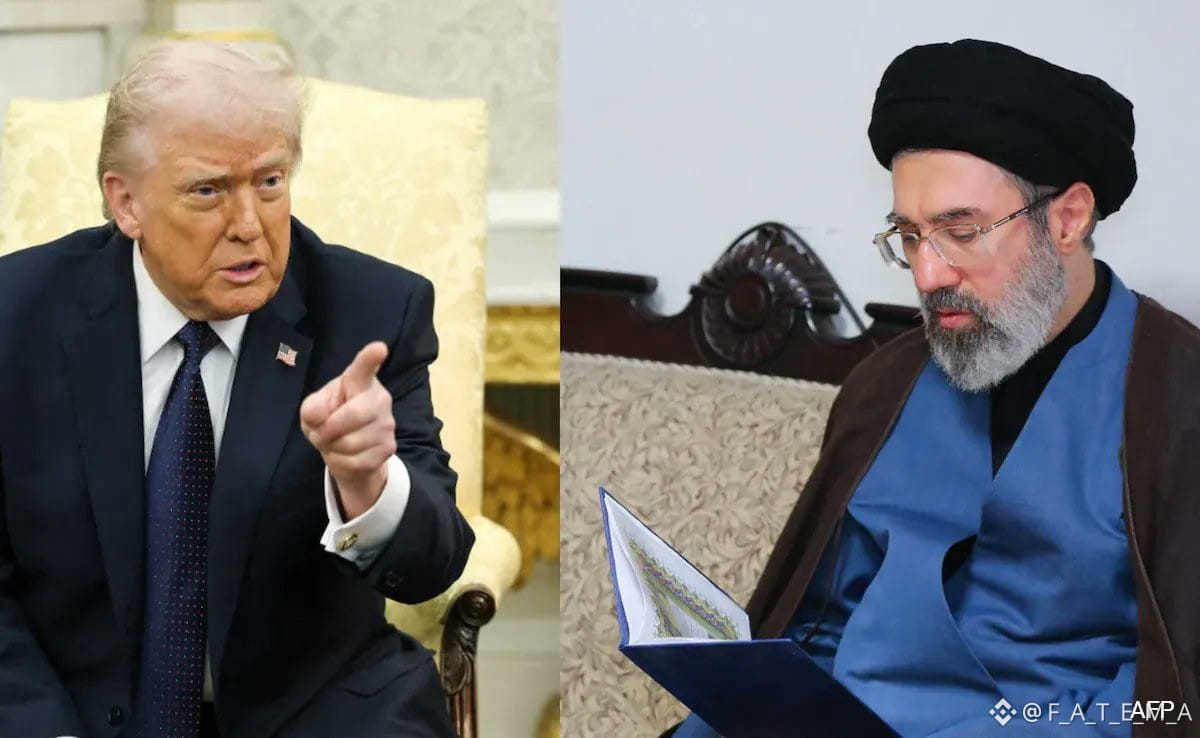
🚨🇺🇸🇮🇷 U.S. Energy Secretary Chris Wright says there may not be a nuclear agreement with Iran at all, arguing Washington’s alternative is to destroy Iran’s ability to develop and deliver a nuclear weapon.
His comments come as U.S-Iran fighting around the Strait of Hormuz has intensified again, with Washington striking Iranian-linked oil tankers and Tehran threatening stronger retaliation against further U.S. attacks.
Meanwhile, he claims oil flows through Hormuz have recovered to more than 9 million barrels per day on a seven-day average, though they remain well below prewar levels.
Source: Kurdistan24, ABC News
#USGovernment #USIranTradeTankerStrikesEscalate
$TRUMP
🚨🇺🇸🇮🇷 U.S. Energy Secretary Chris Wright says there may not be a nuclear agreement with Iran at all, arguing Washington’s alternative is to destroy Iran’s ability to develop and deliver a nuclear weapon.
His comments come as U.S-Iran fighting around the Strait of Hormuz has intensified again, with Washington striking Iranian-linked oil tankers and Tehran threatening stronger retaliation against further U.S. attacks.
Meanwhile, he claims oil flows through Hormuz have recovered to more than 9 million barrels per day on a seven-day average, though they remain well below prewar levels.
Source: Kurdistan24, ABC News
#USGovernment #USIranTradeTankerStrikesEscalate
🚨🇺🇸🇮🇷 U.S. Energy Secretary Chris Wright says there may not be a nuclear agreement with Iran at all, arguing Washington’s alternative is to destroy Iran’s ability to develop and deliver a nuclear weapon.
His comments come as U.S-Iran fighting around the Strait of Hormuz has intensified again, with Washington striking Iranian-linked oil tankers and Tehran threatening stronger retaliation against further U.S. attacks.
Meanwhile, he claims oil flows through Hormuz have recovered to more than 9 million barrels per day on a seven-day average, though they remain well below prewar levels.
Source: Kurdistan24, ABC News
#USGovernment #USIranTradeTankerStrikesEscalate
172
·
--
$TRUMP
{future}(TRUMPUSDT)
🇮🇷🇺🇸 Iran says it will announce a new restricted zone outside the Strait of Hormuz in the coming days, warning that any ship entering it will face sanctions.
The move comes after CENTCOM struck 3 Iranian tankers Saturday, following Iranian ballistic missile attacks on 2 U.S. Navy ships.
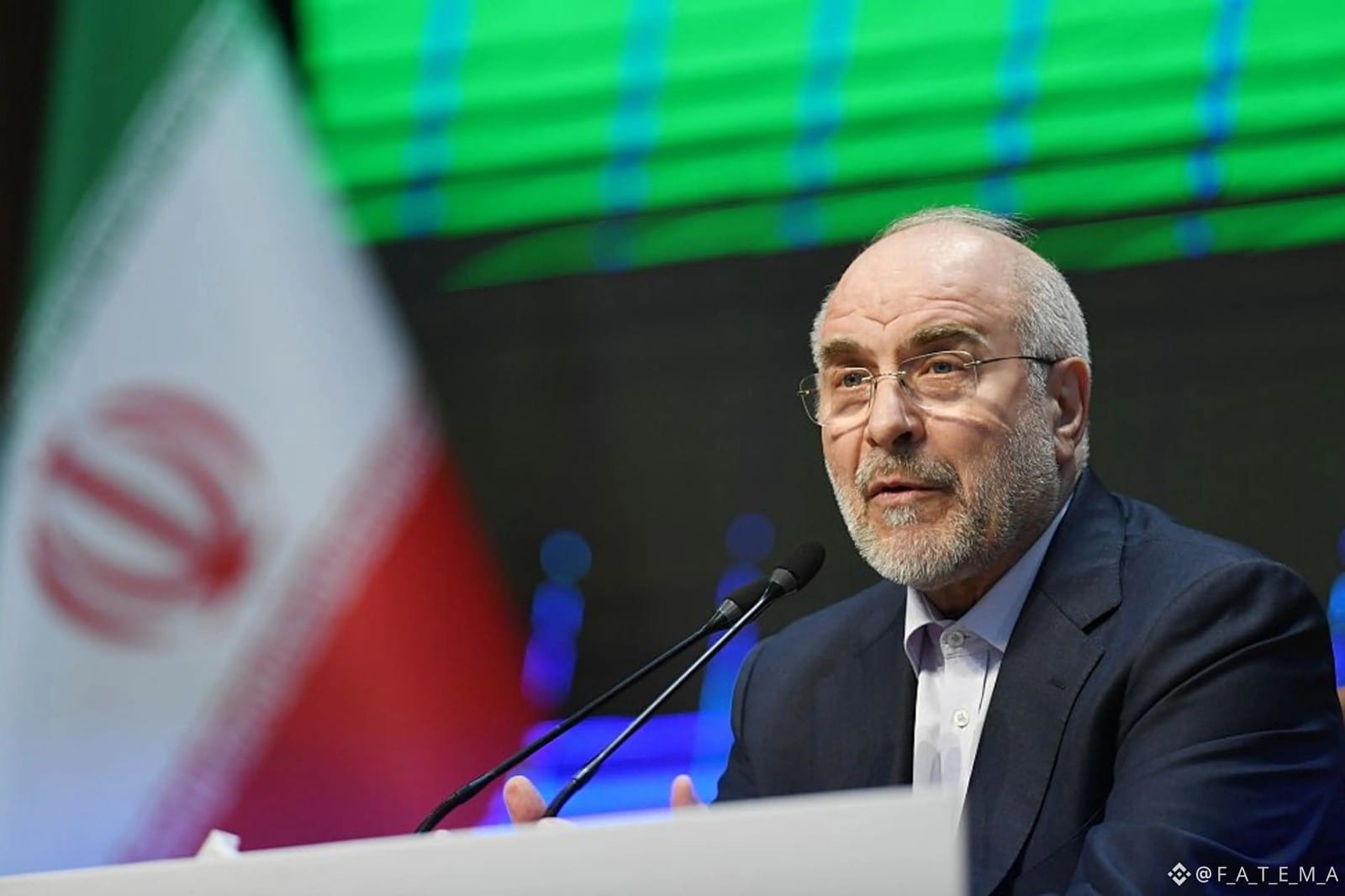
Parliament Speaker Mohammad Bagher Qalibaf says the “rules have changed,” promising a “faster, heavier and more painful response” to any future attack.
Meanwhile, Iran’s economy is buckling under sanctions, with currency turmoil, inflation and unemployment mounting.
Officials insist the pressure won’t change Tehran’s course.
Kharg Island, Iran’s main oil export hub, has reportedly been struck around 550 times and is still operating.
Source: Reuters
#IranSaysItHit3USShips3Tankers #USGovernment #worldnews
$TRUMP
🇮🇷🇺🇸 Iran says it will announce a new restricted zone outside the Strait of Hormuz in the coming days, warning that any ship entering it will face sanctions.
The move comes after CENTCOM struck 3 Iranian tankers Saturday, following Iranian ballistic missile attacks on 2 U.S. Navy ships.
Parliament Speaker Mohammad Bagher Qalibaf says the “rules have changed,” promising a “faster, heavier and more painful response” to any future attack.
Meanwhile, Iran’s economy is buckling under sanctions, with currency turmoil, inflation and unemployment mounting.
Officials insist the pressure won’t change Tehran’s course.
Kharg Island, Iran’s main oil export hub, has reportedly been struck around 550 times and is still operating.
Source: Reuters
#IranSaysItHit3USShips3Tankers #USGovernment #worldnews
🇮🇷🇺🇸 Iran says it will announce a new restricted zone outside the Strait of Hormuz in the coming days, warning that any ship entering it will face sanctions.
The move comes after CENTCOM struck 3 Iranian tankers Saturday, following Iranian ballistic missile attacks on 2 U.S. Navy ships.
Parliament Speaker Mohammad Bagher Qalibaf says the “rules have changed,” promising a “faster, heavier and more painful response” to any future attack.
Meanwhile, Iran’s economy is buckling under sanctions, with currency turmoil, inflation and unemployment mounting.
Officials insist the pressure won’t change Tehran’s course.
Kharg Island, Iran’s main oil export hub, has reportedly been struck around 550 times and is still operating.
Source: Reuters
#IranSaysItHit3USShips3Tankers #USGovernment #worldnews

141

·
--
Bearish
Verified
$BTC
{spot}(BTCUSDT)
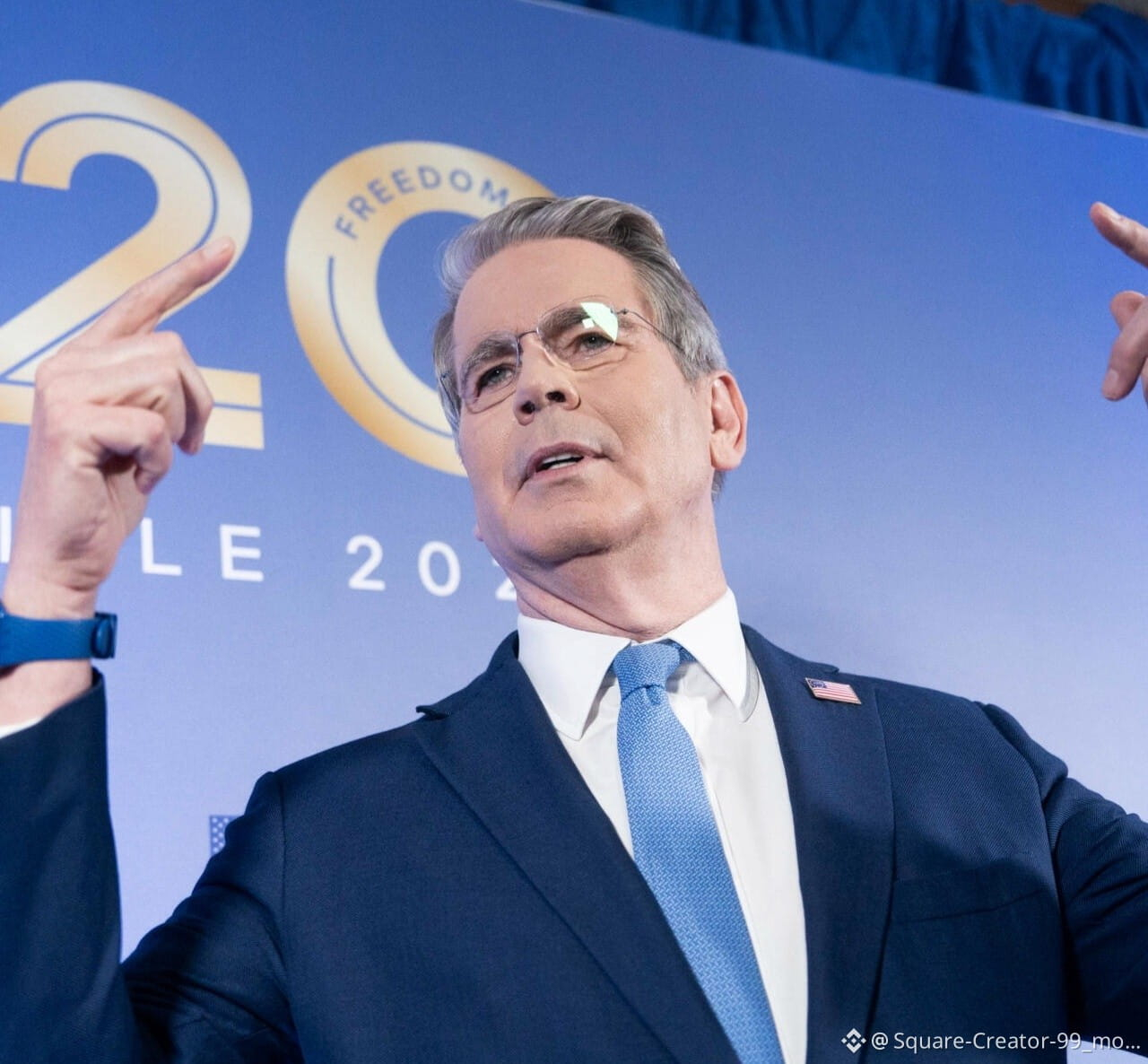
🚨🇺🇲 Treasury Sec , Scott Bessent’s just gone and sanctioned a TURKISH BANK, cutting them off completely for aiding the Iranian regime to the tune of tens of millions—FOLLOWING 📢
THROUGH on his threats from the G20, mate.
BESSENT IS AN ABSOLUTE ASSASSIN 🤔
Golden Global Yatirim Bankasi Anonim Sirketi is officially designated by OFAC. Proper sorted. Another bank, along with its subsidiaries, has just FOUND OUT 👀
BESSENT 🗣 'We know who you are, we know where you are, and we’ll carry on taking action alongside our allies and partners until we’ve properly buried the head of the Iranian snake.'
He dropped this a few days back ⬇️
'We know who you are, YOU know who you are, and we’re likely going to announce a bank sanction THIS WEEK, with another one coming the week AFTER 📢
#iran #USGovernment
$ETH
{spot}(ETHUSDT)
$BZ
{future}(BZUSDT)
$BTC
🚨🇺🇲 Treasury Sec , Scott Bessent’s just gone and sanctioned a TURKISH BANK, cutting them off completely for aiding the Iranian regime to the tune of tens of millions—FOLLOWING 📢
THROUGH on his threats from the G20, mate.
BESSENT IS AN ABSOLUTE ASSASSIN 🤔
Golden Global Yatirim Bankasi Anonim Sirketi is officially designated by OFAC. Proper sorted. Another bank, along with its subsidiaries, has just FOUND OUT 👀
BESSENT 🗣 'We know who you are, we know where you are, and we’ll carry on taking action alongside our allies and partners until we’ve properly buried the head of the Iranian snake.'
He dropped this a few days back ⬇️
'We know who you are, YOU know who you are, and we’re likely going to announce a bank sanction THIS WEEK, with another one coming the week AFTER 📢
#iran #USGovernment
$ETH
$BZ
🚨🇺🇲 Treasury Sec , Scott Bessent’s just gone and sanctioned a TURKISH BANK, cutting them off completely for aiding the Iranian regime to the tune of tens of millions—FOLLOWING 📢
THROUGH on his threats from the G20, mate.
BESSENT IS AN ABSOLUTE ASSASSIN 🤔
Golden Global Yatirim Bankasi Anonim Sirketi is officially designated by OFAC. Proper sorted. Another bank, along with its subsidiaries, has just FOUND OUT 👀
BESSENT 🗣 'We know who you are, we know where you are, and we’ll carry on taking action alongside our allies and partners until we’ve properly buried the head of the Iranian snake.'
He dropped this a few days back ⬇️
'We know who you are, YOU know who you are, and we’re likely going to announce a bank sanction THIS WEEK, with another one coming the week AFTER 📢
#iran #USGovernment
$ETH
$BZ

309
·
--
Bullish
Partly True
$TRUMP
{spot}(TRUMPUSDT)
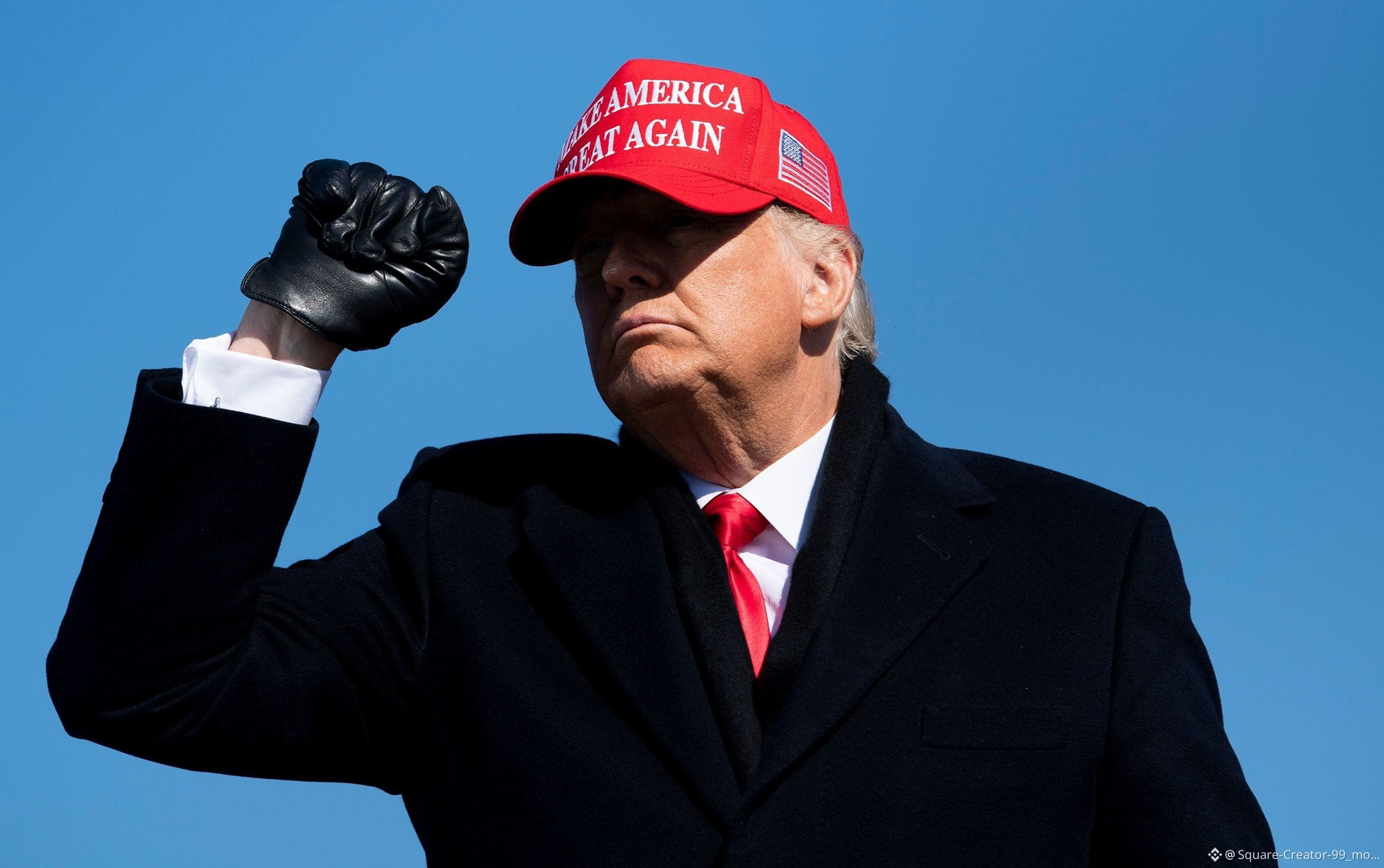
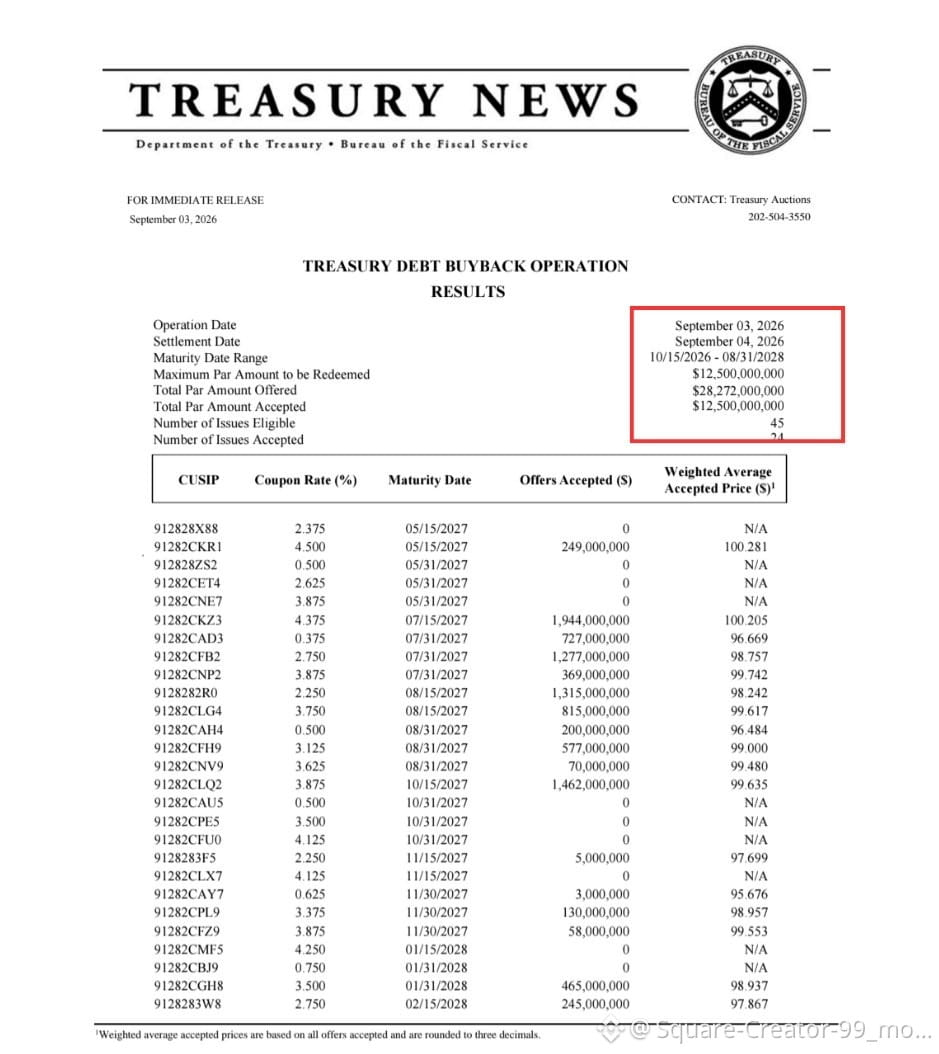
🚨🚨 The US Treasury’s gone and bought back 12.5 billion quid of its own debt, innit 📢
That’s the biggest buyback in over three months, mate, simple as 🔥
$WLD
{spot}(WLDUSDT)
$ADA
{spot}(ADAUSDT)
#USGovernment #Trump's
$TRUMP
🚨🚨 The US Treasury’s gone and bought back 12.5 billion quid of its own debt, innit 📢
That’s the biggest buyback in over three months, mate, simple as 🔥
$WLD
$ADA
#USGovernment #Trump's
🚨🚨 The US Treasury’s gone and bought back 12.5 billion quid of its own debt, innit 📢
That’s the biggest buyback in over three months, mate, simple as 🔥
$WLD
$ADA
#USGovernment #Trump's
698


Article
The US Government Just Put GDP Data on the Blockchain — And Nobody's Talking About ItThis one flew under the radar for most people, but it's honestly one of the wildest crypto stories of the year.
The U.S. Department of Commerce is now publishing official economic data — GDP, inflation numbers, domestic demand — directly onchain, and $PYTH is the oracle network handling the verification and distribution.
Think about what that actually means. Government economic statistics, the kind that move entire markets, are now living on $BTC , Ethereum, Solana, Avalanche, Tron, and Arbitrum — immutable, publicly verifiable, and impossible to quietly edit after the fact.
Commerce Secretary Howard Lutnick called it making "America's economic truth immutable." That's a strong statement from a government official, and it's not just talk — six indicators from the Bureau of Economic Analysis are already live across nine blockchain networks.
The market noticed too. $PYTH is getting renewed attention today, up again as traders reconnect the dots on how deep this government tie actually goes — this isn't a one-off announcement, it's described as the foundation for an ongoing relationship between Pyth and the Commerce Department.
What gets me is the framing. For years the pitch for crypto was "banks don't need to trust each other." Now it's "the government doesn't want you to have to trust its own numbers without proof." That's a genuinely different argument, and it's coming from inside Washington, not from a whitepaper.
Curious where people land on this — does official data belong on a public blockchain, or does putting government numbers onchain just move the trust problem instead of solving it?
#PYTH #blockchain #USGovernment
{future}(PYTHUSDT)
The US Government Just Put GDP Data on the Blockchain — And Nobody's Talking About It
This one flew under the radar for most people, but it's honestly one of the wildest crypto stories of the year.
The U.S. Department of Commerce is now publishing official economic data — GDP, inflation numbers, domestic demand — directly onchain, and $PYTH is the oracle network handling the verification and distribution.
Think about what that actually means. Government economic statistics, the kind that move entire markets, are now living on $BTC , Ethereum, Solana, Avalanche, Tron, and Arbitrum — immutable, publicly verifiable, and impossible to quietly edit after the fact.
Commerce Secretary Howard Lutnick called it making "America's economic truth immutable." That's a strong statement from a government official, and it's not just talk — six indicators from the Bureau of Economic Analysis are already live across nine blockchain networks.
The market noticed too. $PYTH is getting renewed attention today, up again as traders reconnect the dots on how deep this government tie actually goes — this isn't a one-off announcement, it's described as the foundation for an ongoing relationship between Pyth and the Commerce Department.
What gets me is the framing. For years the pitch for crypto was "banks don't need to trust each other." Now it's "the government doesn't want you to have to trust its own numbers without proof." That's a genuinely different argument, and it's coming from inside Washington, not from a whitepaper.
Curious where people land on this — does official data belong on a public blockchain, or does putting government numbers onchain just move the trust problem instead of solving it?
#PYTH #blockchain #USGovernment
The U.S. Department of Commerce is now publishing official economic data — GDP, inflation numbers, domestic demand — directly onchain, and $PYTH is the oracle network handling the verification and distribution.
Think about what that actually means. Government economic statistics, the kind that move entire markets, are now living on $BTC , Ethereum, Solana, Avalanche, Tron, and Arbitrum — immutable, publicly verifiable, and impossible to quietly edit after the fact.
Commerce Secretary Howard Lutnick called it making "America's economic truth immutable." That's a strong statement from a government official, and it's not just talk — six indicators from the Bureau of Economic Analysis are already live across nine blockchain networks.
The market noticed too. $PYTH is getting renewed attention today, up again as traders reconnect the dots on how deep this government tie actually goes — this isn't a one-off announcement, it's described as the foundation for an ongoing relationship between Pyth and the Commerce Department.
What gets me is the framing. For years the pitch for crypto was "banks don't need to trust each other." Now it's "the government doesn't want you to have to trust its own numbers without proof." That's a genuinely different argument, and it's coming from inside Washington, not from a whitepaper.
Curious where people land on this — does official data belong on a public blockchain, or does putting government numbers onchain just move the trust problem instead of solving it?
#PYTH #blockchain #USGovernment
40

·
--
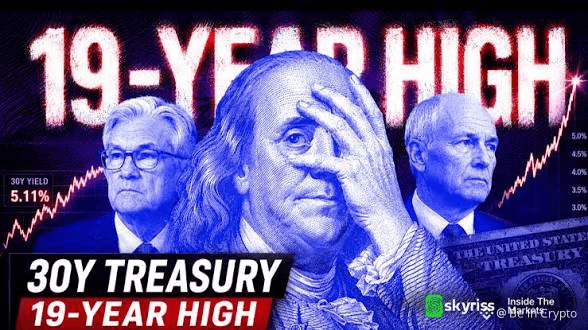
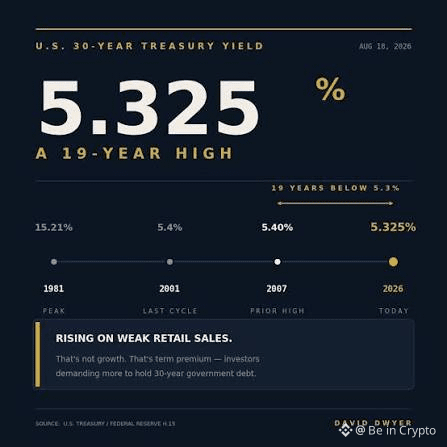
🚨 30-Year Bond Yields Hit Multi Decade Highs that impact on the Crypto?
The U.S. 30-year Treasury yield recently surged past 5.25% hovering near its highest levels in almost two decades (since 2007).
As long-term borrowing costs rise and Wall Street adjusts, investors are debating a major question: Will elevated bond yields stifle the crypto market, or act as a long-term catalyst?
Here is a look at both perspectives:
🔴 The Short-Term Risk (The Liquidity Squeeze):
When guaranteed government bonds yield over 5%, holding volatile, non-yielding assets becomes harder to justify for traditional investors. As institutional capital moves toward "risk-free" yields, overall liquidity across speculative growth assets and altcoins often tightens.
🟢 The Long-Term Thesis (The Sovereign Debt Hedge):
Yields are elevated largely due to persistent inflation concerns and expanding federal debt levels. If confidence in fiat debt structures weakens, Bitcoin’s core value proposition as a non-sovereign, hard-capped asset becomes increasingly relevant.
The main thing
While elevated yields create short term headwind friction for risk on assets
$BTC
{future}(BTCUSDT)
$ETH
{future}(ETHUSDT)
#USAugADPJobsSmallestGainSinceJan #USGovernment #UStreasury
🚨 30-Year Bond Yields Hit Multi Decade Highs that impact on the Crypto?
The U.S. 30-year Treasury yield recently surged past 5.25% hovering near its highest levels in almost two decades (since 2007).
As long-term borrowing costs rise and Wall Street adjusts, investors are debating a major question: Will elevated bond yields stifle the crypto market, or act as a long-term catalyst?
Here is a look at both perspectives:
🔴 The Short-Term Risk (The Liquidity Squeeze):
When guaranteed government bonds yield over 5%, holding volatile, non-yielding assets becomes harder to justify for traditional investors. As institutional capital moves toward "risk-free" yields, overall liquidity across speculative growth assets and altcoins often tightens.
🟢 The Long-Term Thesis (The Sovereign Debt Hedge):
Yields are elevated largely due to persistent inflation concerns and expanding federal debt levels. If confidence in fiat debt structures weakens, Bitcoin’s core value proposition as a non-sovereign, hard-capped asset becomes increasingly relevant.
The main thing
While elevated yields create short term headwind friction for risk on assets
$BTC
$ETH
#USAugADPJobsSmallestGainSinceJan #USGovernment #UStreasury
The U.S. 30-year Treasury yield recently surged past 5.25% hovering near its highest levels in almost two decades (since 2007).
As long-term borrowing costs rise and Wall Street adjusts, investors are debating a major question: Will elevated bond yields stifle the crypto market, or act as a long-term catalyst?
Here is a look at both perspectives:
🔴 The Short-Term Risk (The Liquidity Squeeze):
When guaranteed government bonds yield over 5%, holding volatile, non-yielding assets becomes harder to justify for traditional investors. As institutional capital moves toward "risk-free" yields, overall liquidity across speculative growth assets and altcoins often tightens.
🟢 The Long-Term Thesis (The Sovereign Debt Hedge):
Yields are elevated largely due to persistent inflation concerns and expanding federal debt levels. If confidence in fiat debt structures weakens, Bitcoin’s core value proposition as a non-sovereign, hard-capped asset becomes increasingly relevant.
The main thing
While elevated yields create short term headwind friction for risk on assets
$BTC
$ETH
#USAugADPJobsSmallestGainSinceJan #USGovernment #UStreasury
88
·
--
$TRUMP
{future}(TRUMPUSDT)
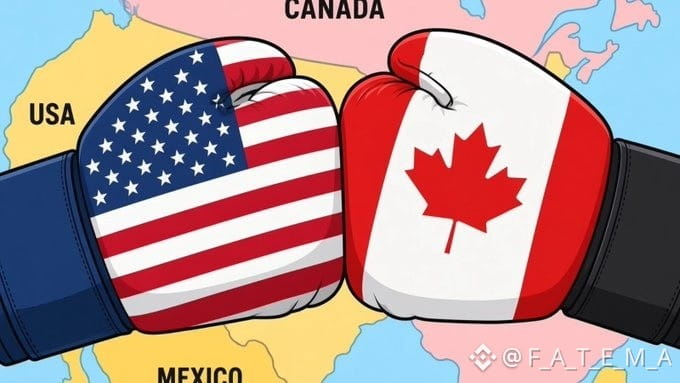
🇺🇸🇨🇦 The biggest cost of the escalating U.S.-Canada tariff war may be the investment that never happens.
Building a factory is a 10-, 20- or 30-year bet.
As Washington and Ottawa trade tariffs, companies cannot confidently predict what Canadian components, American suppliers or cross-border shipments will cost even a few years from now.
That matters because U.S. and Canadian manufacturing is deeply integrated.
A company considering a new American factory still needs to know whether the Canadian parts and materials feeding it will remain economical.
If it doesn’t know, delaying the investment becomes the safer choice.
And that’s the contradiction: America is using tariffs partly to encourage companies to invest and manufacture more at home, while an escalating trade war with Canada creates exactly the uncertainty that makes companies reluctant to commit billions of dollars.
If companies respond by postponing new factories, production lines and equipment purchases, the tariff fight will have directly slowed the industrial investment it was supposed to encourage.
source online news
#worldnews #USGovernment
$TRUMP
🇺🇸🇨🇦 The biggest cost of the escalating U.S.-Canada tariff war may be the investment that never happens.
Building a factory is a 10-, 20- or 30-year bet.
As Washington and Ottawa trade tariffs, companies cannot confidently predict what Canadian components, American suppliers or cross-border shipments will cost even a few years from now.
That matters because U.S. and Canadian manufacturing is deeply integrated.
A company considering a new American factory still needs to know whether the Canadian parts and materials feeding it will remain economical.
If it doesn’t know, delaying the investment becomes the safer choice.
And that’s the contradiction: America is using tariffs partly to encourage companies to invest and manufacture more at home, while an escalating trade war with Canada creates exactly the uncertainty that makes companies reluctant to commit billions of dollars.
If companies respond by postponing new factories, production lines and equipment purchases, the tariff fight will have directly slowed the industrial investment it was supposed to encourage.
source online news
#worldnews #USGovernment
🇺🇸🇨🇦 The biggest cost of the escalating U.S.-Canada tariff war may be the investment that never happens.
Building a factory is a 10-, 20- or 30-year bet.
As Washington and Ottawa trade tariffs, companies cannot confidently predict what Canadian components, American suppliers or cross-border shipments will cost even a few years from now.
That matters because U.S. and Canadian manufacturing is deeply integrated.
A company considering a new American factory still needs to know whether the Canadian parts and materials feeding it will remain economical.
If it doesn’t know, delaying the investment becomes the safer choice.
And that’s the contradiction: America is using tariffs partly to encourage companies to invest and manufacture more at home, while an escalating trade war with Canada creates exactly the uncertainty that makes companies reluctant to commit billions of dollars.
If companies respond by postponing new factories, production lines and equipment purchases, the tariff fight will have directly slowed the industrial investment it was supposed to encourage.
source online news
#worldnews #USGovernment
1
368
Log in to explore more content
Join global crypto users on Binance Square
⚡️ Get latest and useful information about crypto.
💬 Trusted by the world’s largest crypto exchange.
👍 Discover real insights from verified creators.
Email / Phone number
Trending Topics
1
#FedRateWatch
1.2M views
5,525 Discussing
2
#ZcashRises6%
5,852 views
152 Discussing
3
#XRPSinks10%
2,726 views
104 Discussing
4
#BitcoinETFsShed$450M
520 views
30 Discussing
5
#CircleOpensArcMainnet
2,036 views
65 Discussing
6
#ZcashHoldersBackNU7Upgrade
10,855 views
232 Discussing
7
#MSTRTradingVolumeSurpassesMorganStanley
13,628 views
421 Discussing
8
#BitcoinFalls4%
30,633 views
701 Discussing
9
#SKHynixInTalksToMakeMemoryChipsInUS
14,257 views
294 Discussing
10
#OpenAIDiscussesNewFundingAt$1.2TValuation
3,254 views
47 Discussing