cryptopayments

490,312 views
3,594 Discussing
Farzanahameed01
·
--
Bearish
Verified
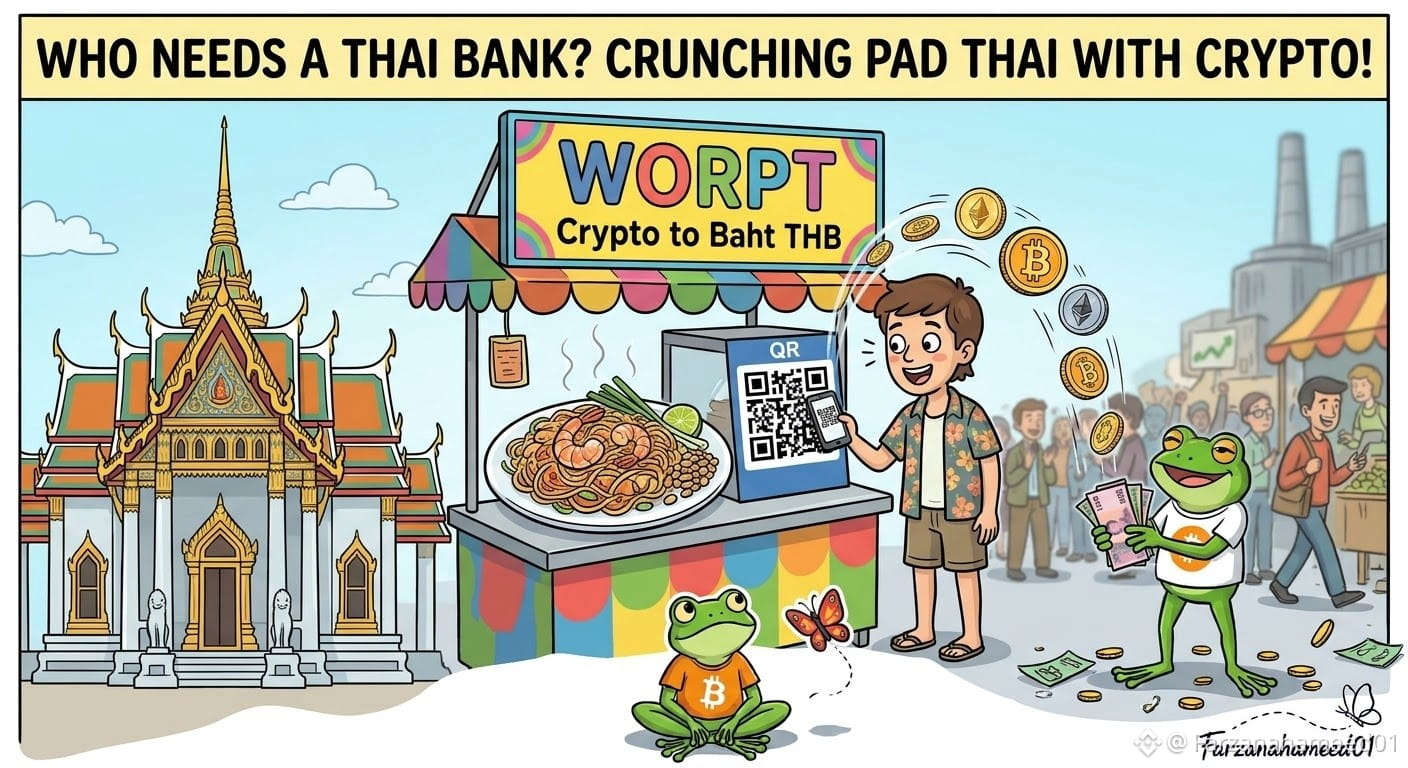
#worptletstouristsconvertcryptotothaibaht ✈️ Traveling To Thailand Just Got Easier, No More Worrying About Cash! Traveling to Thailand just got easier, no more worrying about exchanging small bills or dealing with the hassle of getting a card, everyone! 🇹🇭✨ With the newly launched WORPT app, operating under the supervision of Thailand's SEC, the TouristDigiPay program, crypto fans can convert coins directly into Thai baht and scan a QR code to grab some street-side Pad Thai as smoothly as Sunsilk! This is a big step toward making crypto more practical and liquid in the tourism industry! 💡 What should traders do? Don't FOMO too hard and burn through your wallet before you even book your flight! Keep a close eye on payment coins, have some USDT ready for a healing trip to Thailand, and manage your capital carefully! ⚠️ This is not financial advice. 👇 $BNB - Watch for Thailand travel pay pump, strong. $BARD - Watch for crypto payments adoption, strong. $BTC - Watch for tourist baht conversion, strong. ✨𝐅𝐀𝐑𝐙𝐀𝐍𝐀 𝐇𝐀𝐌𝐄𝐄𝐃 𝐎𝐅𝐅𝐈𝐂𝐈𝐀𝐋 • 🦋 ✨ #CryptoAdoption #ThailandCrypto #CryptoPayments #Web3
#worptletstouristsconvertcryptotothaibaht

✈️ Traveling To Thailand Just Got Easier, No More Worrying About Cash!

Traveling to Thailand just got easier, no more worrying about exchanging small bills or dealing with the hassle of getting a card, everyone! 🇹🇭✨

With the newly launched WORPT app, operating under the supervision of Thailand's SEC, the TouristDigiPay program, crypto fans can convert coins directly into Thai baht and scan a QR code to grab some street-side Pad Thai as smoothly as Sunsilk! This is a big step toward making crypto more practical and liquid in the tourism industry!

💡 What should traders do? Don't FOMO too hard and burn through your wallet before you even book your flight! Keep a close eye on payment coins, have some USDT ready for a healing trip to Thailand, and manage your capital carefully!

⚠️ This is not financial advice.
👇
$BNB - Watch for Thailand travel pay pump, strong.
$BARD - Watch for crypto payments adoption, strong.
$BTC - Watch for tourist baht conversion, strong.
✨𝐅𝐀𝐑𝐙𝐀𝐍𝐀 𝐇𝐀𝐌𝐄𝐄𝐃 𝐎𝐅𝐅𝐈𝐂𝐈𝐀𝐋 • 🦋 ✨

#CryptoAdoption #ThailandCrypto #CryptoPayments #Web3
Vinhtocdo:
Wow một câu hỏi thật lý thú, nếu anh trả lời được câu hỏi này thì anh cũng không cần phải ngôi đây rồi. hoặc làm CEO cho #NVIDIA hoặc #starlink ?
OpenAI 推出 ChatGPT Wallet,Agent 付款时看不到卡号,但每笔交易都要 Face ID 确认;加密钱包的答案正好相反——预充值、硬上限、可撤销密钥,一次设限、限额内自主花。 OpenAI just launched ChatGPT Wallet: its agents can now pay without ever seeing your card number. Built with Visa, Mastercard and Amex. Every purchase needs a Face ID check. The agent economy didn't just arrive. It just hit its real bottleneck. The card number was never the hard part. Visa and Mastercard shipped tokenized agent payments in April 2025. The hard part is approval. OpenAI's answer: you Face ID every single purchase. That's not autonomous commerce. It's a robot shopping list with a human cashier. Crypto's answer is the opposite: pre-funded wallets, hard caps, revocable keys. Set limits once; spend inside them. Cards can't cap an agent's authority — so they make you approve everything. The race isn't who lets agents pay. It's who lets them pay without asking you. #AgentEconomy #CryptoPayments #AI
OpenAI 推出 ChatGPT Wallet,Agent 付款时看不到卡号,但每笔交易都要 Face ID 确认;加密钱包的答案正好相反——预充值、硬上限、可撤销密钥,一次设限、限额内自主花。

OpenAI just launched ChatGPT Wallet: its agents can now pay without ever seeing your card number.

Built with Visa, Mastercard and Amex. Every purchase needs a Face ID check.

The agent economy didn't just arrive. It just hit its real bottleneck.

The card number was never the hard part. Visa and Mastercard shipped tokenized agent payments in April 2025.

The hard part is approval. OpenAI's answer: you Face ID every single purchase.

That's not autonomous commerce. It's a robot shopping list with a human cashier.

Crypto's answer is the opposite: pre-funded wallets, hard caps, revocable keys. Set limits once; spend inside them.

Cards can't cap an agent's authority — so they make you approve everything.

The race isn't who lets agents pay. It's who lets them pay without asking you.

#AgentEconomy #CryptoPayments #AI
Send Crypto with Zero Gas Fees & Unlock $USDT Cashback! ⚡💸 Moving funds between friends shouldn't eat into your portfolio. With Binance Pay, you can send crypto globally with zero gas fees—and qualify for seasonal USDT cashback vouchers! How to maximize Binance Pay perks: ✅ Open Binance Pay from the top-right corner of your app home screen. ✅ Check the Latest Offers banner for active Send-to-Earn or merchant cashback promos. ✅ Send USDT, $BNB , or $USDC to a friend or pay a supported merchant to claim your voucher reward! Always double-check the recipient's Binance ID or email before confirming any transfer. 💬 What is your favorite feature inside Binance Pay? Let's discuss! USDT USDC BNB TON #BinancePay #FreeUSDT #ZeroFees #CryptoPayments #Web3
Send Crypto with Zero Gas Fees & Unlock $USDT Cashback! ⚡💸
Moving funds between friends shouldn't eat into your portfolio. With Binance Pay, you can send crypto globally with zero gas fees—and qualify for seasonal USDT cashback vouchers!
How to maximize Binance Pay perks:
✅ Open Binance Pay from the top-right corner of your app home screen.
✅ Check the Latest Offers banner for active Send-to-Earn or merchant cashback promos.
✅ Send USDT, $BNB , or $USDC to a friend or pay a supported merchant to claim your voucher reward!
Always double-check the recipient's Binance ID or email before confirming any transfer.
💬 What is your favorite feature inside Binance Pay? Let's discuss!
USDT USDC BNB TON
#BinancePay #FreeUSDT #ZeroFees #CryptoPayments #Web3
🇹🇭 🚀 $USDT BECOMING THE GLOBAL TOURISM PAYMENT RAIL AS THAILAND LAUNCHES ONSHAIN ADOPTION! 💥 Institutional liquidity isn't just sitting in order books anymore; it is actively bleeding into sovereign payment rails. Thailand just approved a regulatory pilot allowing visitors to convert digital assets directly into local fiat via barcode scanning without banking friction. 📊 Following structural precedents set by Bhutan and Brazil, this multi-billion baht initiative turns sovereign borders into open onchain liquidity corridors. Real-world utility is transitioning from speculative theory to hard economic infrastructure. 💡 Are sovereign payment integrations like this the ultimate catalyst for broad stablecoin velocity, or just a temporary regional experiment? 💬 👇 ⚠️ Not financial advice. Always manage your risk. 🛡️ 🏷️ $USDT #CryptoPayments #Stablecoins #OnchainAdoption #Macro 🔥 💎
🇹🇭 🚀 $USDT BECOMING THE GLOBAL TOURISM PAYMENT RAIL AS THAILAND LAUNCHES ONSHAIN ADOPTION! 💥

Institutional liquidity isn't just sitting in order books anymore; it is actively bleeding into sovereign payment rails. Thailand just approved a regulatory pilot allowing visitors to convert digital assets directly into local fiat via barcode scanning without banking friction. 📊

Following structural precedents set by Bhutan and Brazil, this multi-billion baht initiative turns sovereign borders into open onchain liquidity corridors. Real-world utility is transitioning from speculative theory to hard economic infrastructure. 💡

Are sovereign payment integrations like this the ultimate catalyst for broad stablecoin velocity, or just a temporary regional experiment? 💬 👇

⚠️ Not financial advice. Always manage your risk. 🛡️

🏷️ $USDT #CryptoPayments #Stablecoins #OnchainAdoption #Macro

🔥 💎
🇹🇭 Thailand launches an app that lets tourists spend crypto as baht A new app called WORPT lets foreign visitors convert cryptocurrency into baht and pay at shops and restaurants by scanning Thailand's widely used payment barcodes, with no Thai bank account needed. Built by Wipay and Waan Exchange, it runs under TouristDigiPay, a regulatory pilot launched by Thailand's SEC. The app targets crypto holders from South Korea, Japan, the Middle East and Southeast Asia, and expects 200,000 users in its first year and 15 billion baht of spending over the 18-month trial. ⭐ After Bhutan and Brazil, Thailand is turning crypto into a tourism payment rail, a real-world use case that could pull more visitor spending onchain in Asia. #Thailand #CryptoPayments #Stablecoins #Asia
🇹🇭 Thailand launches an app that lets tourists spend crypto as baht

A new app called WORPT lets foreign visitors convert cryptocurrency into baht and pay at shops and restaurants by scanning Thailand's widely used payment barcodes, with no Thai bank account needed. Built by Wipay and Waan Exchange, it runs under TouristDigiPay, a regulatory pilot launched by Thailand's SEC.

The app targets crypto holders from South Korea, Japan, the Middle East and Southeast Asia, and expects 200,000 users in its first year and 15 billion baht of spending over the 18-month trial.

⭐ After Bhutan and Brazil, Thailand is turning crypto into a tourism payment rail, a real-world use case that could pull more visitor spending onchain in Asia.

#Thailand #CryptoPayments #Stablecoins #Asia
Wirex 推出 Navoka——给 AI 代理开独立银行账户:自带 IBAN、借记卡和 USDC/EURC 钱包,与你的账户完全隔离。仅 23% 的美国人信任 AI 处理支付,Navoka 的答案不是更好的说服,而是更小的爆炸半径。 Your AI agent shouldn't have your bank account. It should have its own. Wirex just launched Navoka — an AI agent with its own IBAN, debit card, and $USDC/EURC wallet, kept entirely separate from yours. Only 23% of Americans trust AI with payments (Visa). Navoka's answer isn't better persuasion — it's a smaller blast radius: you set merchants, limits, and daily caps. The agent can't change the rules. Kill switch included. This is the pattern winning agent payments: not a smarter agent, a dumber wallet. Give the robot an allowance, not your keys. #AIAgents #AgentEconomy #CryptoPayments
Wirex 推出 Navoka——给 AI 代理开独立银行账户:自带 IBAN、借记卡和 USDC/EURC 钱包,与你的账户完全隔离。仅 23% 的美国人信任 AI 处理支付,Navoka 的答案不是更好的说服,而是更小的爆炸半径。

Your AI agent shouldn't have your bank account.

It should have its own.

Wirex just launched Navoka — an AI agent with its own IBAN, debit card, and $USDC /EURC wallet, kept entirely separate from yours.

Only 23% of Americans trust AI with payments (Visa). Navoka's answer isn't better persuasion — it's a smaller blast radius: you set merchants, limits, and daily caps. The agent can't change the rules. Kill switch included.

This is the pattern winning agent payments: not a smarter agent, a dumber wallet.

Give the robot an allowance, not your keys.

#AIAgents #AgentEconomy #CryptoPayments
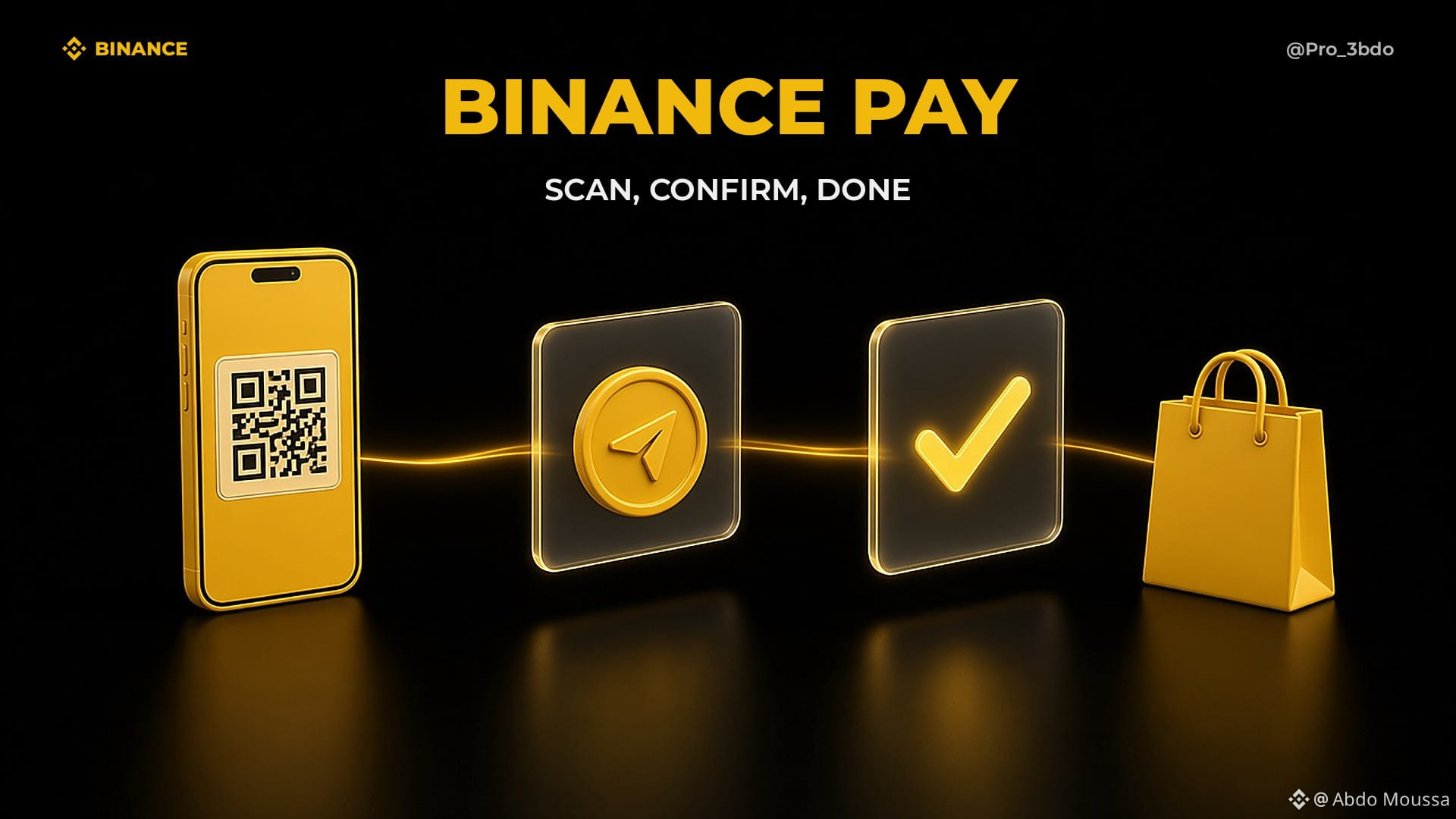
𝐖𝐡𝐚𝐭 𝐢𝐟 𝐩𝐚𝐲𝐢𝐧𝐠 𝐢𝐧 𝐜𝐫𝐲𝐩𝐭𝐨 𝐟𝐞𝐥𝐭 𝐚𝐬 𝐬𝐢𝐦𝐩𝐥𝐞 𝐚𝐬 𝐬𝐜𝐚𝐧𝐧𝐢𝐧𝐠 𝐚 𝐐𝐑 𝐜𝐨𝐝𝐞, 𝐰𝐢𝐭𝐡 𝐧𝐨 𝐥𝐨𝐧𝐠 𝐰𝐚𝐥𝐥𝐞𝐭 𝐚𝐝𝐝𝐫𝐞𝐬𝐬𝐞𝐬? 𝐄𝐧𝐭𝐞𝐫 𝐁𝐢𝐧𝐚𝐧𝐜𝐞 𝐏𝐚𝐲 📲⚡ 𝐷𝑟𝑎𝑤𝑖𝑛𝑔 𝑓𝑟𝑜𝑚 𝑓𝑜𝑢𝑛𝑑𝑎𝑡𝑖𝑜𝑛𝑎𝑙 𝑙𝑒𝑠𝑠𝑜𝑛𝑠 𝑜𝑛 #BinanceAcademy, ℎ𝑒𝑟𝑒 𝑖𝑠 𝑦𝑜𝑢𝑟 𝑞𝑢𝑖𝑐𝑘 𝐵𝑖𝑛𝑎𝑛𝑐𝑒 𝑃𝑎𝑦 𝑏𝑟𝑒𝑎𝑘𝑑𝑜𝑤𝑛: 1️⃣ 𝐂𝐫𝐲𝐩𝐭𝐨 𝐅𝐨𝐫 𝐄𝐯𝐞𝐫𝐲𝐝𝐚𝐲 𝐏𝐚𝐲𝐦𝐞𝐧𝐭𝐬: • Binance Pay is a contactless, borderless payment feature built into Binance, it lets you send, receive and spend BTC, BNB, stablecoins and many other coins. 2️⃣ 𝐒𝐜𝐚𝐧, 𝐂𝐨𝐧𝐟𝐢𝐫𝐦, 𝐃𝐨𝐧𝐞: • Pay via QR code, payment link, or the recipient's email, phone or Binance ID, confirm with your Pay PIN or 2FA, and transfers usually settle instantly. 3️⃣ 𝐁𝐮𝐢𝐥𝐭 𝐅𝐨𝐫 𝐅𝐫𝐢𝐞𝐧𝐝𝐬 𝐀𝐧𝐝 𝐌𝐞𝐫𝐜𝐡𝐚𝐧𝐭𝐬: • Most peer-to-peer sends carry zero fees and merchants can accept crypto too, it's open to verified (KYC) users in supported countries, and some fees may apply. ⚠️ 𝐑𝐢𝐬𝐤 𝐍𝐨𝐭𝐞: Transfers are usually final, so funds sent to a wrong recipient or a scammer may be lost, double-check details and never share your Pay PIN. I love how a QR code turns crypto into something you can use day to day, just check twice before you tap 💛 📖 Learn more on Binance Academy: https://www.binance.com/en/academy/articles/what-is-binance-pay-and-how-to-use-it Crypto involves risk, this is not financial advice, always DYOR 💡 #BinancePay #CryptoPayments #Web3 Follow me for more 💛
𝐖𝐡𝐚𝐭 𝐢𝐟 𝐩𝐚𝐲𝐢𝐧𝐠 𝐢𝐧 𝐜𝐫𝐲𝐩𝐭𝐨 𝐟𝐞𝐥𝐭 𝐚𝐬 𝐬𝐢𝐦𝐩𝐥𝐞 𝐚𝐬 𝐬𝐜𝐚𝐧𝐧𝐢𝐧𝐠 𝐚 𝐐𝐑 𝐜𝐨𝐝𝐞, 𝐰𝐢𝐭𝐡 𝐧𝐨 𝐥𝐨𝐧𝐠 𝐰𝐚𝐥𝐥𝐞𝐭 𝐚𝐝𝐝𝐫𝐞𝐬𝐬𝐞𝐬? 𝐄𝐧𝐭𝐞𝐫 𝐁𝐢𝐧𝐚𝐧𝐜𝐞 𝐏𝐚𝐲 📲⚡

𝐷𝑟𝑎𝑤𝑖𝑛𝑔 𝑓𝑟𝑜𝑚 𝑓𝑜𝑢𝑛𝑑𝑎𝑡𝑖𝑜𝑛𝑎𝑙 𝑙𝑒𝑠𝑠𝑜𝑛𝑠 𝑜𝑛 #BinanceAcademy, ℎ𝑒𝑟𝑒 𝑖𝑠 𝑦𝑜𝑢𝑟 𝑞𝑢𝑖𝑐𝑘 𝐵𝑖𝑛𝑎𝑛𝑐𝑒 𝑃𝑎𝑦 𝑏𝑟𝑒𝑎𝑘𝑑𝑜𝑤𝑛:

1️⃣ 𝐂𝐫𝐲𝐩𝐭𝐨 𝐅𝐨𝐫 𝐄𝐯𝐞𝐫𝐲𝐝𝐚𝐲 𝐏𝐚𝐲𝐦𝐞𝐧𝐭𝐬:
• Binance Pay is a contactless, borderless payment feature built into Binance, it lets you send, receive and spend BTC, BNB, stablecoins and many other coins.

2️⃣ 𝐒𝐜𝐚𝐧, 𝐂𝐨𝐧𝐟𝐢𝐫𝐦, 𝐃𝐨𝐧𝐞:
• Pay via QR code, payment link, or the recipient's email, phone or Binance ID, confirm with your Pay PIN or 2FA, and transfers usually settle instantly.

3️⃣ 𝐁𝐮𝐢𝐥𝐭 𝐅𝐨𝐫 𝐅𝐫𝐢𝐞𝐧𝐝𝐬 𝐀𝐧𝐝 𝐌𝐞𝐫𝐜𝐡𝐚𝐧𝐭𝐬:
• Most peer-to-peer sends carry zero fees and merchants can accept crypto too, it's open to verified (KYC) users in supported countries, and some fees may apply.

⚠️ 𝐑𝐢𝐬𝐤 𝐍𝐨𝐭𝐞:
Transfers are usually final, so funds sent to a wrong recipient or a scammer may be lost, double-check details and never share your Pay PIN.

I love how a QR code turns crypto into something you can use day to day, just check twice before you tap 💛

📖 Learn more on Binance Academy: https://www.binance.com/en/academy/articles/what-is-binance-pay-and-how-to-use-it

Crypto involves risk, this is not financial advice, always DYOR 💡

#BinancePay #CryptoPayments #Web3

Follow me for more 💛
Miami-Dade will take your Bitcoin ($BTC ) for property taxes. What ends up in the county’s bank account? Dollars. On November 9, the tax collector opened Bitcoin payments online and in person. A processor converts the payment before the county receives it. The homeowner can spend BTC, and the county can reconcile the exact dollar amount on the bill. If you ran a business with bills due in dollars, would you offer customers that same choice? I may earn Binance Square rewards from engagement or qualifying trades linked to this post. {future}(BTCUSDT) #Bitcoin #CryptoPayments #SmallBusiness
Miami-Dade will take your Bitcoin ($BTC ) for property taxes. What ends up in the county’s bank account? Dollars.

On November 9, the tax collector opened Bitcoin payments online and in person. A processor converts the payment before the county receives it. The homeowner can spend BTC, and the county can reconcile the exact dollar amount on the bill.

If you ran a business with bills due in dollars, would you offer customers that same choice?

I may earn Binance Square rewards from engagement or qualifying trades linked to this post.

#Bitcoin #CryptoPayments #SmallBusiness
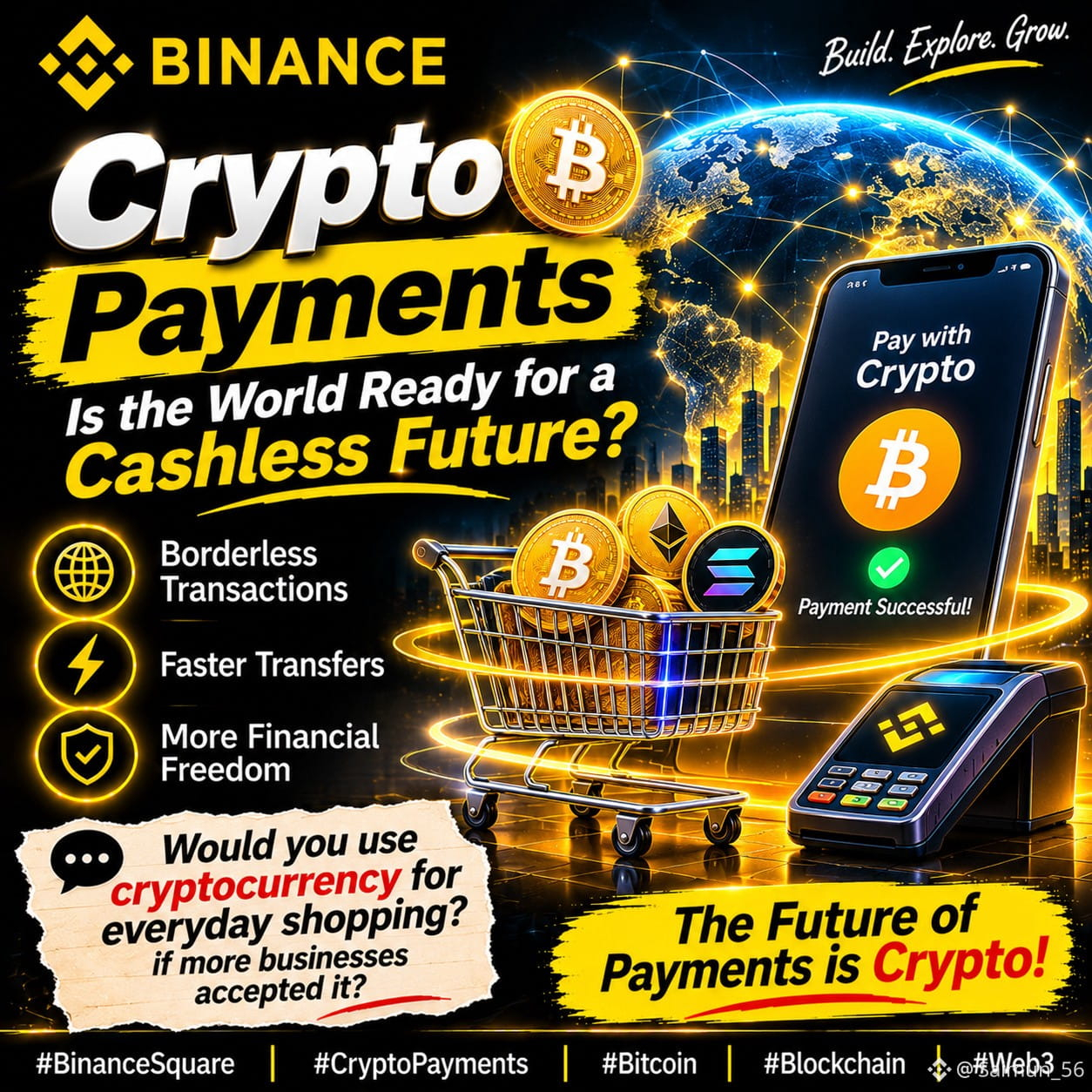
🚀 Crypto Payments: Is the World Ready for a Cashless Future? Digital currencies are changing how people think about payments. Blockchain technology can enable borderless transactions, faster transfers, and new financial possibilities. As adoption grows, security, regulation, and accessibility remain important challenges. 💬 Would you use cryptocurrency for everyday shopping if more businesses accepted it? #BinanceSquare #CryptoPayments #bitcoin #blockchain #Web3 #crypto $BTC {spot}(BTCUSDT)
🚀 Crypto Payments: Is the World Ready for a Cashless Future?

Digital currencies are changing how people think about payments. Blockchain technology can enable borderless transactions, faster transfers, and new financial possibilities.

As adoption grows, security, regulation, and accessibility remain important challenges.

💬 Would you use cryptocurrency for everyday shopping if more businesses accepted it?

#BinanceSquare #CryptoPayments #bitcoin #blockchain #Web3 #crypto $BTC
Bitcoin Up or Down - November 12, 5:15PM-5:30PM ET

Bitcoin Up or Down - November 12, 5:15PM-5:30PM ET

98%Up1%Down
Volume $797,651.68
Visa Connects to a Federally Licensed Stablecoin for Settlement for the First Time, Potentially Expanding Funding Channels Stablecoin payments have taken another step toward real-world adoption. According to Decrypt, Visa and eligible institutions can now use USDPT, a dollar-pegged stablecoin issued and custodied by federally licensed institution Anchorage Digital, for clearing and settlement. This is the first time a federally licensed stablecoin has been integrated into the Visa network as a settlement tool, marking a key step in stablecoins’ expansion from on-chain use cases into the traditional clearing infrastructure. Over the past few years, stablecoins have circulated mainly within on-chain ecosystems such as exchanges and DeFi, while their integration with mainstream payment networks has largely been limited to being accepted as a payment method. What is different this time is that USDPT is being used directly in the clearing and settlement process—the underlying route through which funds are actually transferred. In terms of capital flows, this means stablecoins are no longer just being transferred on-chain; they are beginning to become part of the settlement systems of networks like Visa, which serve merchants and financial institutions around the world. From a capital-flow perspective, bringing a licensed stablecoin into a mainstream clearing network could reduce friction in cross-border and cross-system settlement between institutions, and may attract more traditional capital into the crypto ecosystem using stablecoins as a medium of exchange. However, it is important to keep things in perspective: the rollout is currently limited to eligible institutions working with Visa and Western Union. It is not yet available to the general retail public, and its scale remains very small, with limited practical impact on overall stablecoin supply and market liquidity. Potential market reactions should be considered separately. This is a structurally positive signal for the stablecoin sector, but it is more about the gradual development of long-term infrastructure than a short-term surge in capital flows. Since no specific crypto asset is directly involved, any impact on capital flows is more likely to be reflected in the broader stablecoin ecosystem narrative than in the immediate pricing of any particular coin. There are also clear countervailing factors: eligibility requirements mean wider adoption will depend on continued regulatory and compliance expansion, making it difficult to achieve scale in the short term. In addition, USDPT’s circulation and actual settlement frequency have not been disclosed, so whether it can truly scale remains to be seen. What to watch next comes down to two things: first, whether more institutions or regions join this settlement channel; and second, whether the actual settlement volume of USDPT rises as more participants come on board. If both are confirmed, the case for stablecoins entering traditional clearing infrastructure will be more firmly established, and the impact on capital flows will move from narrative to tangible growth. #Stablecoin #Visa #CryptoPayments The above is a compilation of information and personal analysis, and does not constitute investment advice.
Visa Connects to a Federally Licensed Stablecoin for Settlement for the First Time, Potentially Expanding Funding Channels

Stablecoin payments have taken another step toward real-world adoption. According to Decrypt, Visa and eligible institutions can now use USDPT, a dollar-pegged stablecoin issued and custodied by federally licensed institution Anchorage Digital, for clearing and settlement. This is the first time a federally licensed stablecoin has been integrated into the Visa network as a settlement tool, marking a key step in stablecoins’ expansion from on-chain use cases into the traditional clearing infrastructure.

Over the past few years, stablecoins have circulated mainly within on-chain ecosystems such as exchanges and DeFi, while their integration with mainstream payment networks has largely been limited to being accepted as a payment method. What is different this time is that USDPT is being used directly in the clearing and settlement process—the underlying route through which funds are actually transferred. In terms of capital flows, this means stablecoins are no longer just being transferred on-chain; they are beginning to become part of the settlement systems of networks like Visa, which serve merchants and financial institutions around the world.

From a capital-flow perspective, bringing a licensed stablecoin into a mainstream clearing network could reduce friction in cross-border and cross-system settlement between institutions, and may attract more traditional capital into the crypto ecosystem using stablecoins as a medium of exchange. However, it is important to keep things in perspective: the rollout is currently limited to eligible institutions working with Visa and Western Union. It is not yet available to the general retail public, and its scale remains very small, with limited practical impact on overall stablecoin supply and market liquidity.

Potential market reactions should be considered separately. This is a structurally positive signal for the stablecoin sector, but it is more about the gradual development of long-term infrastructure than a short-term surge in capital flows. Since no specific crypto asset is directly involved, any impact on capital flows is more likely to be reflected in the broader stablecoin ecosystem narrative than in the immediate pricing of any particular coin.

There are also clear countervailing factors: eligibility requirements mean wider adoption will depend on continued regulatory and compliance expansion, making it difficult to achieve scale in the short term. In addition, USDPT’s circulation and actual settlement frequency have not been disclosed, so whether it can truly scale remains to be seen.

What to watch next comes down to two things: first, whether more institutions or regions join this settlement channel; and second, whether the actual settlement volume of USDPT rises as more participants come on board. If both are confirmed, the case for stablecoins entering traditional clearing infrastructure will be more firmly established, and the impact on capital flows will move from narrative to tangible growth.

#Stablecoin #Visa #CryptoPayments

The above is a compilation of information and personal analysis, and does not constitute investment advice.
PNC Bank announced a pilot on Nov. 9 that lets participating corporate and institutional clients receive $USDC payments on Ethereum through Coinbase's payment infrastructure. Here's what changes for the recipient: PNC says incoming USDC is automatically converted one-for-one into U.S. dollars and credited to a designated PNC deposit account. A payer can send a stablecoin while the business receives dollars in its existing banking workflow. Source: https://pnc.mediaroom.com/2026-11-09-PNC-Bank-Launches-Incoming-Stablecoin-Payments-for-Corporate-and-Institutional-Banking-Clients #Stablecoins #CryptoPayments #Banking
PNC Bank announced a pilot on Nov. 9 that lets participating corporate and institutional clients receive $USDC payments on Ethereum through Coinbase's payment infrastructure.

Here's what changes for the recipient: PNC says incoming USDC is automatically converted one-for-one into U.S. dollars and credited to a designated PNC deposit account. A payer can send a stablecoin while the business receives dollars in its existing banking workflow.

Source: https://pnc.mediaroom.com/2026-11-09-PNC-Bank-Launches-Incoming-Stablecoin-Payments-for-Corporate-and-Institutional-Banking-Clients

#Stablecoins #CryptoPayments #Banking
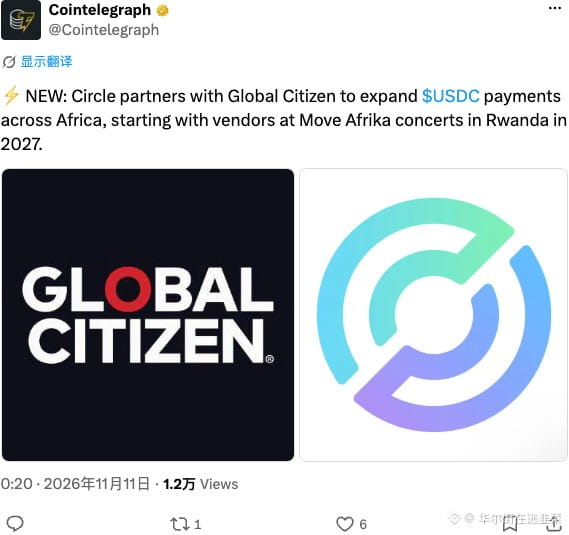
Circle is teaming up with Global Citizen to roll out USDC at the Move Afrika music festival in Rwanda, Africa, in 2027. Not until 2027? That’s way too slow. With infrastructure and regulation in Africa, who knows when things will actually get off the ground. But this move is sending real money into Africa. When it comes to growth in new wallets, USDC is taking action—it remains to be seen whether it can outrun those Solana maniacs. #USDC #Africa #MoveAfrika #CryptoPayments
Circle is teaming up with Global Citizen to roll out USDC at the Move Afrika music festival in Rwanda, Africa, in 2027. Not until 2027? That’s way too slow. With infrastructure and regulation in Africa, who knows when things will actually get off the ground. But this move is sending real money into Africa. When it comes to growth in new wallets, USDC is taking action—it remains to be seen whether it can outrun those Solana maniacs.

#USDC #Africa #MoveAfrika #CryptoPayments
·
--
Bullish
Gnosis Pay Data Breach: Trust Alert Sounds for Crypto Payment Gateway Trust in the crypto payment chain can be reassessed after a single data breach. According to Decrypt, crypto payment card provider Gnosis Pay confirmed that hackers accessed customer information on a legacy system behind its branded cards, but no funds were lost. From the perspective of capital flows and the broader macro picture, the significance of this kind of incident lies not in the amount involved in a single transaction, but in how it exposes the entry points through which crypto assets enter everyday spending. As a card provider connecting crypto with in-person payments, Gnosis Pay relies on underlying systems that handle large volumes of users’ payment information and transaction flows. Once customer data is accessed, it directly undermines users’ trust in the act of “paying with cryptocurrency.” Why should this incident raise concerns? The scale of crypto’s retail entry points is growing. The integration of stablecoin payments, payment cards, and on-chain settlement is making capital flows more frequent, but the maturity of underlying systems may not be keeping pace. Legacy systems are often a focal point for vulnerabilities of this kind: they may hold data accumulated over a long period, while their security has not kept up with architectural changes. In this incident, no assets were stolen, suggesting that the asset layer and data layer were separated. Still, the breach of the information layer could leave room for targeted scams and identity theft down the line. The available information indicates that this was a case of “customer data being accessed, with no funds lost,” and the scope of the impact appears relatively limited. However, it is important to distinguish between data breaches and stolen funds: they represent different levels of risk. The former affects trust and compliance; the latter directly puts holders’ assets at risk. Gnosis Pay’s incident currently falls into the former category. How might the market react? Since no specific asset identified by a cashtag was affected and this was an isolated company incident, its impact on capital flows across the broader market is expected to be limited. It may be seen as an isolated case rather than a systemic risk. If the crypto payments sector comes under pressure as a result, it is more likely to be sentiment-driven than fundamental. A countervailing factor is that funds were explicitly not stolen, the incident was limited to a single company, and there have been no recent similar payment security incidents to compound it. The market is therefore unlikely to escalate it into an industry-wide crisis. What should we watch next? Key factors include how quickly Gnosis Pay responds, how much it discloses about the scope of the affected data, and whether the incident prompts regulators to step up scrutiny of crypto payment gateways. Once trust in payments is damaged, restoring it often takes much longer than the incident itself. #CryptoPayments #GnosisPay #CryptoSecurity The above is a compilation of information and personal analysis, and does not constitute investment advice.
Gnosis Pay Data Breach: Trust Alert Sounds for Crypto Payment Gateway

Trust in the crypto payment chain can be reassessed after a single data breach. According to Decrypt, crypto payment card provider Gnosis Pay confirmed that hackers accessed customer information on a legacy system behind its branded cards, but no funds were lost.

From the perspective of capital flows and the broader macro picture, the significance of this kind of incident lies not in the amount involved in a single transaction, but in how it exposes the entry points through which crypto assets enter everyday spending. As a card provider connecting crypto with in-person payments, Gnosis Pay relies on underlying systems that handle large volumes of users’ payment information and transaction flows. Once customer data is accessed, it directly undermines users’ trust in the act of “paying with cryptocurrency.”

Why should this incident raise concerns? The scale of crypto’s retail entry points is growing. The integration of stablecoin payments, payment cards, and on-chain settlement is making capital flows more frequent, but the maturity of underlying systems may not be keeping pace. Legacy systems are often a focal point for vulnerabilities of this kind: they may hold data accumulated over a long period, while their security has not kept up with architectural changes. In this incident, no assets were stolen, suggesting that the asset layer and data layer were separated. Still, the breach of the information layer could leave room for targeted scams and identity theft down the line.

The available information indicates that this was a case of “customer data being accessed, with no funds lost,” and the scope of the impact appears relatively limited. However, it is important to distinguish between data breaches and stolen funds: they represent different levels of risk. The former affects trust and compliance; the latter directly puts holders’ assets at risk. Gnosis Pay’s incident currently falls into the former category.

How might the market react? Since no specific asset identified by a cashtag was affected and this was an isolated company incident, its impact on capital flows across the broader market is expected to be limited. It may be seen as an isolated case rather than a systemic risk. If the crypto payments sector comes under pressure as a result, it is more likely to be sentiment-driven than fundamental.

A countervailing factor is that funds were explicitly not stolen, the incident was limited to a single company, and there have been no recent similar payment security incidents to compound it. The market is therefore unlikely to escalate it into an industry-wide crisis.

What should we watch next? Key factors include how quickly Gnosis Pay responds, how much it discloses about the scope of the affected data, and whether the incident prompts regulators to step up scrutiny of crypto payment gateways. Once trust in payments is damaged, restoring it often takes much longer than the incident itself.

#CryptoPayments #GnosisPay #CryptoSecurity

The above is a compilation of information and personal analysis, and does not constitute investment advice.
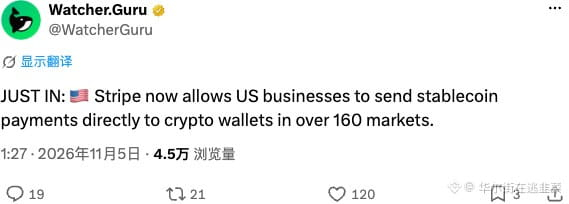
Stripe has finally brought stablecoins to the table. U.S. businesses can now receive payments directly into wallets across 160 markets worldwide. This is massive news—a game-changing boost for the payments sector. The dollar’s DeFi channel is now fully open, and the valuation calculus has changed dramatically. $USDC $STX #CryptoPayments #PaymentInfrastructure
Stripe has finally brought stablecoins to the table. U.S. businesses can now receive payments directly into wallets across 160 markets worldwide. This is massive news—a game-changing boost for the payments sector. The dollar’s DeFi channel is now fully open, and the valuation calculus has changed dramatically.

$USDC $STX #CryptoPayments #PaymentInfrastructure
Article
How Freelancers Can Get Paid in Stablecoins (and Skip the Bank Fees)If you work with clients abroad, you know the routine. You finish the job, send the invoice, and then wait days for a wire that loses money to fees and a bad exchange rate. Plenty of freelancers now ask for stablecoins instead. A stablecoin is a crypto coin that follows a currency, usually the US dollar. USDT and USDC are the big ones. You send your client a wallet address, they send the coins, and the money usually arrives in minutes. Why people do it The appeal is simple: it’s fast, the fees can be small, and the value doesn’t swing like Bitcoin. It also works when you and your client don’t share a bank or a country. One 2026 survey by BVNK and YouGov found that people who accept stablecoins get around a third of their income that way and report saving roughly 40% on fees. Keep in mind that surveys like this are often run by companies that sell stablecoin products, so read the numbers as a rough signal. The risks It isn’t risk-free. A stablecoin can lose its peg. USDC dipped below $1 for a short time in March 2023 before recovering.Issuers can freeze addresses. It’s rare, but it can happen.Sending to the wrong address or network usually means the money is gone.Cashing out takes an extra step, and sometimes a fee.Depending on where you live, this counts as taxable income. Getting set up You need somewhere to receive the coins. The easiest option is an exchange account, where you get a deposit address and can sell to local currency in the same app. The downside is that the exchange holds your funds. The other option is a self-custody wallet, where you control the keys but you’re also responsible for keeping your seed phrase safe. Many freelancers use both: a wallet for savings and an exchange for cashing out. Next, choose the coin and the network. Pick the coin your client and your exchange both support, then pick a network with low fees, such as Tron, Solana, or an Ethereum layer 2. Ethereum mainnet works but costs more. The key rule is that the network on your invoice must match the one the client pays on. Writing the invoice Be specific, because vague invoices cause lost payments. Include: The amount and the coin (for example, 1,500 USDC)The networkYour wallet address, copied fresh and never typed from memoryA memo or tag if your exchange requires oneThe due dateWho covers the network fee (usually the client)A note that payments sent on the wrong network are the sender’s responsibility For a first payment with a new client, ask for a small test transfer before the full amount. It costs almost nothing and avoids a lot of stress. Checking you’ve been paid Ask your client for the transaction hash and look it up on a block explorer. Check that the address and amount are right and that the status says confirmed. Don’t rely on screenshots, since they’re easy to fake. Cashing out You have a few options: Exchange to bank account: the usual route. Watch for withdrawal fees and daily limits.Crypto debit card: lets you spend without selling manually, though cards can come with their own fees and limits.Peer-to-peer: useful in places with limited banking, but scams are common, so use escrow and read the rules.Just hold it: fine for saving in dollars, but you stay exposed to depeg and issuer risk. Don’t forget taxes In many countries, getting paid in crypto counts as income, valued in your local currency at the time you receive it. Keep a record of the date, amount, coin, exchange rate, and client for every payment. Selling or swapping later can trigger a second tax event. The rules differ a lot between countries, so check with a local tax professional. Common mistakes Putting the wrong network on the invoiceCopying an address from an old transaction. Scammers use address poisoning, so check the full address every time.Posting your wallet address publicly, which ties your payments to your nameFalling for “overpayment” scams, where someone sends too much and asks for a refund Bottom line Choose a coin, choose a network, put both on the invoice, confirm the payment on the explorer, and keep your records. Start with one small client and see how it goes. Source: Cryptowisser #Stablecoins #Freelance #CryptoPayments #BinanceSquare $USDT

How Freelancers Can Get Paid in Stablecoins (and Skip the Bank Fees)

If you work with clients abroad, you know the routine. You finish the job, send the invoice, and then wait days for a wire that loses money to fees and a bad exchange rate. Plenty of freelancers now ask for stablecoins instead.
A stablecoin is a crypto coin that follows a currency, usually the US dollar. USDT and USDC are the big ones. You send your client a wallet address, they send the coins, and the money usually arrives in minutes.
Why people do it
The appeal is simple: it’s fast, the fees can be small, and the value doesn’t swing like Bitcoin. It also works when you and your client don’t share a bank or a country. One 2026 survey by BVNK and YouGov found that people who accept stablecoins get around a third of their income that way and report saving roughly 40% on fees. Keep in mind that surveys like this are often run by companies that sell stablecoin products, so read the numbers as a rough signal.
The risks
It isn’t risk-free.
A stablecoin can lose its peg. USDC dipped below $1 for a short time in March 2023 before recovering.Issuers can freeze addresses. It’s rare, but it can happen.Sending to the wrong address or network usually means the money is gone.Cashing out takes an extra step, and sometimes a fee.Depending on where you live, this counts as taxable income.
Getting set up
You need somewhere to receive the coins. The easiest option is an exchange account, where you get a deposit address and can sell to local currency in the same app. The downside is that the exchange holds your funds. The other option is a self-custody wallet, where you control the keys but you’re also responsible for keeping your seed phrase safe. Many freelancers use both: a wallet for savings and an exchange for cashing out.
Next, choose the coin and the network. Pick the coin your client and your exchange both support, then pick a network with low fees, such as Tron, Solana, or an Ethereum layer 2. Ethereum mainnet works but costs more. The key rule is that the network on your invoice must match the one the client pays on.
Writing the invoice
Be specific, because vague invoices cause lost payments. Include:
The amount and the coin (for example, 1,500 USDC)The networkYour wallet address, copied fresh and never typed from memoryA memo or tag if your exchange requires oneThe due dateWho covers the network fee (usually the client)A note that payments sent on the wrong network are the sender’s responsibility
For a first payment with a new client, ask for a small test transfer before the full amount. It costs almost nothing and avoids a lot of stress.
Checking you’ve been paid
Ask your client for the transaction hash and look it up on a block explorer. Check that the address and amount are right and that the status says confirmed. Don’t rely on screenshots, since they’re easy to fake.
Cashing out
You have a few options:
Exchange to bank account: the usual route. Watch for withdrawal fees and daily limits.Crypto debit card: lets you spend without selling manually, though cards can come with their own fees and limits.Peer-to-peer: useful in places with limited banking, but scams are common, so use escrow and read the rules.Just hold it: fine for saving in dollars, but you stay exposed to depeg and issuer risk.
Don’t forget taxes
In many countries, getting paid in crypto counts as income, valued in your local currency at the time you receive it. Keep a record of the date, amount, coin, exchange rate, and client for every payment. Selling or swapping later can trigger a second tax event. The rules differ a lot between countries, so check with a local tax professional.
Common mistakes
Putting the wrong network on the invoiceCopying an address from an old transaction. Scammers use address poisoning, so check the full address every time.Posting your wallet address publicly, which ties your payments to your nameFalling for “overpayment” scams, where someone sends too much and asks for a refund
Bottom line
Choose a coin, choose a network, put both on the invoice, confirm the payment on the explorer, and keep your records. Start with one small client and see how it goes.
Source: Cryptowisser
#Stablecoins #Freelance #CryptoPayments #BinanceSquare $USDT
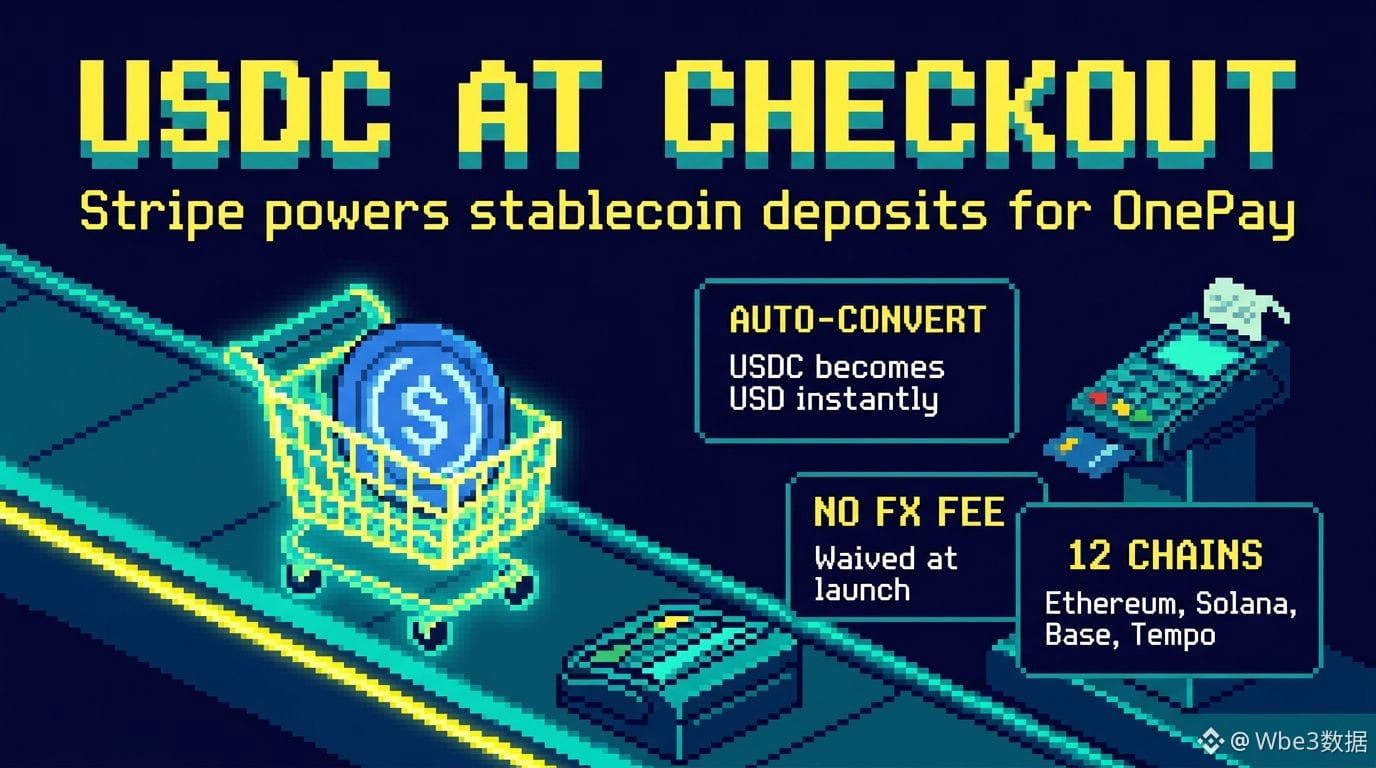
Walmart-backed OnePay just let you pay your bills with USDC. No exchange detour required. Stripe announced on Oct. 31 that it will power stablecoin deposits for OnePay, the financial services platform backed by Walmart. Some U.S. customers can now send USDC from an external wallet or exchange straight into their OnePay checking account. The details that matter: • Deposited USDC is converted to dollars automatically, so there's no separate stablecoin balance to manage. • Stripe says it won't charge a foreign exchange fee at launch. • Bridge, Stripe's stablecoin platform, handles deposit addresses, compliance checks and the dollar conversion. • Bridge supports USDC deposits on 12 chains, including Ethereum, Solana, Base and Tempo. • OnePay says more stablecoin-based services are coming. Why it matters: the hard part of stablecoins has never been moving them. It's been spending them. Freelancers and overseas workers who get paid in USDC usually need an exchange, a withdrawal and extra fees before the money can cover rent. A mainstream checking account that accepts the deposit directly removes several of those steps. The risks are real. This is a limited rollout for some U.S. customers, not everyone. Auto-conversion means you hold dollars, not crypto, so you give up any price exposure (for a stablecoin that's mostly the point). Always check the network and the deposit address before sending, because a wrong-chain transfer can be unrecoverable. And terms like "no FX fee at launch" can change. The bigger story is the pattern: stablecoins are quietly becoming plumbing inside regular financial apps. Would you use USDC to pay everyday bills if your bank account accepted it? Tell me below. #Stablecoins #USDC #CryptoPayments Not financial advice.
Walmart-backed OnePay just let you pay your bills with USDC. No exchange detour required.

Stripe announced on Oct. 31 that it will power stablecoin deposits for OnePay, the financial services platform backed by Walmart. Some U.S. customers can now send USDC from an external wallet or exchange straight into their OnePay checking account.

The details that matter:
• Deposited USDC is converted to dollars automatically, so there's no separate stablecoin balance to manage.
• Stripe says it won't charge a foreign exchange fee at launch.
• Bridge, Stripe's stablecoin platform, handles deposit addresses, compliance checks and the dollar conversion.
• Bridge supports USDC deposits on 12 chains, including Ethereum, Solana, Base and Tempo.
• OnePay says more stablecoin-based services are coming.

Why it matters: the hard part of stablecoins has never been moving them. It's been spending them. Freelancers and overseas workers who get paid in USDC usually need an exchange, a withdrawal and extra fees before the money can cover rent. A mainstream checking account that accepts the deposit directly removes several of those steps.

The risks are real. This is a limited rollout for some U.S. customers, not everyone. Auto-conversion means you hold dollars, not crypto, so you give up any price exposure (for a stablecoin that's mostly the point). Always check the network and the deposit address before sending, because a wrong-chain transfer can be unrecoverable. And terms like "no FX fee at launch" can change.

The bigger story is the pattern: stablecoins are quietly becoming plumbing inside regular financial apps.

Would you use USDC to pay everyday bills if your bank account accepted it? Tell me below.

#Stablecoins #USDC #CryptoPayments
Not financial advice.
🚨 GROK INTEGRATES STRIPE AUTOMATION AS AI PAYMENT RAILS LIKE $DEXE REPRICE! 💥 Autonomous AI commerce just unlocked a massive liquidity highway. Grok Bot integrating Stripe for automated virtual card purchases signals a structural shift where AI agents execute real-world transactions seamlessly. 💡 While bulls anticipate explosive e-commerce volume and accelerated payment rails, macro observers warn that rapid automated settlement could draw sharp regulatory scrutiny. 📊 Smart money is already positioning across AI execution protocols like $NIL and $DEXE as this catalyst unfolds. ⚡ The bridge between automated intelligence and digital settlement is closing faster than expected. 💬 Will this Stripe integration ignite the next wave of mainstream adoption, or will compliance bottlenecks slow down the momentum? 👇 ⚠️ Not financial advice. Always manage your risk. 🛡️ 🏷️ #DEXE #NIL #CryptoPayments #AITrends #Crypto 🔥 💎
🚨 GROK INTEGRATES STRIPE AUTOMATION AS AI PAYMENT RAILS LIKE $DEXE REPRICE! 💥

Autonomous AI commerce just unlocked a massive liquidity highway. Grok Bot integrating Stripe for automated virtual card purchases signals a structural shift where AI agents execute real-world transactions seamlessly. 💡 While bulls anticipate explosive e-commerce volume and accelerated payment rails, macro observers warn that rapid automated settlement could draw sharp regulatory scrutiny. 📊

Smart money is already positioning across AI execution protocols like $NIL and $DEXE as this catalyst unfolds. ⚡ The bridge between automated intelligence and digital settlement is closing faster than expected. 💬 Will this Stripe integration ignite the next wave of mainstream adoption, or will compliance bottlenecks slow down the momentum? 👇

⚠️ Not financial advice. Always manage your risk. 🛡️

🏷️ #DEXE #NIL #CryptoPayments #AITrends #Crypto

🔥 💎
Article
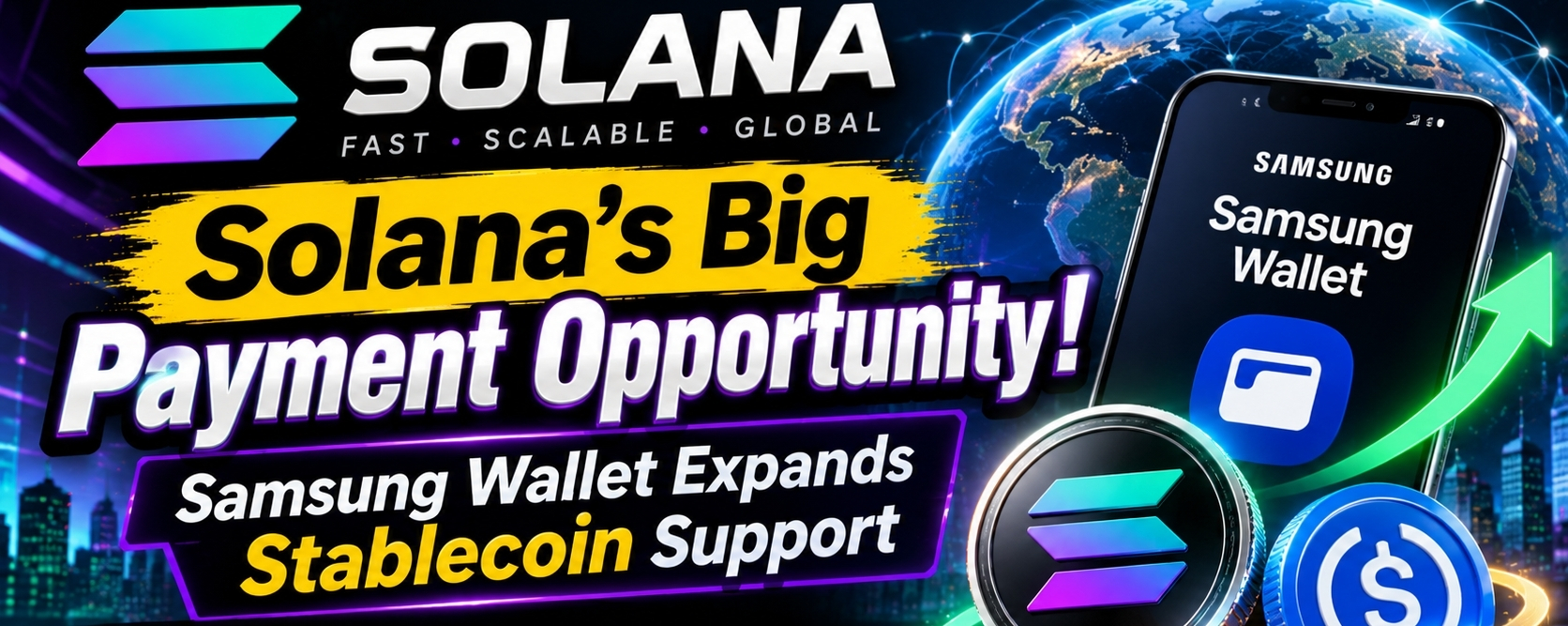
Solana's Big Payment Opportunity: Samsung Wallet Expands Stablecoin SupportSolana is continuing to expand beyond crypto trading and into everyday digital payments. One important development is Samsung Wallet's planned support for USDC cross-border transfers on the Solana network, targeting approximately 82 million Galaxy devices in the United States. Why is this important? Traditional international payments can involve multiple intermediaries, delays and fees. Blockchain-based payments aim to make transfers faster and more accessible. By bringing USDC transfers into Samsung Wallet, this integration could make stablecoin payments easier for everyday users. What role does Solana play? Solana provides the blockchain infrastructure for these transfers. Its network is designed for fast transactions and relatively low fees, making it suitable for payment-related applications. This could increase real-world activity across the Solana ecosystem. Does this guarantee a higher $SOL price? No. More network adoption does not automatically mean the token price will increase. The market will still consider overall demand, network activity, competition, liquidity and broader crypto conditions. What should investors watch? - Whether Samsung Wallet support expands as planned. - Actual USDC transfer activity on Solana. - Growth in payment-related applications. - Overall market sentiment. Final Thoughts Solana's payment expansion is an interesting development because it connects blockchain technology with products people already use. The real test will be whether users adopt these services at scale. 💬 Would you use stablecoins for international payments through your phone? #solana #USDC #CryptoPayments #blockchain {spot}(SOLUSDT)

Solana's Big Payment Opportunity: Samsung Wallet Expands Stablecoin Support

Solana is continuing to expand beyond crypto trading and into everyday digital payments.
One important development is Samsung Wallet's planned support for USDC cross-border transfers on the Solana network, targeting approximately 82 million Galaxy devices in the United States.
Why is this important?
Traditional international payments can involve multiple intermediaries, delays and fees.
Blockchain-based payments aim to make transfers faster and more accessible. By bringing USDC transfers into Samsung Wallet, this integration could make stablecoin payments easier for everyday users.
What role does Solana play?
Solana provides the blockchain infrastructure for these transfers.
Its network is designed for fast transactions and relatively low fees, making it suitable for payment-related applications.
This could increase real-world activity across the Solana ecosystem.
Does this guarantee a higher $SOL price?
No. More network adoption does not automatically mean the token price will increase.
The market will still consider overall demand, network activity, competition, liquidity and broader crypto conditions.
What should investors watch?
- Whether Samsung Wallet support expands as planned.
- Actual USDC transfer activity on Solana.
- Growth in payment-related applications.
- Overall market sentiment.
Final Thoughts
Solana's payment expansion is an interesting development because it connects blockchain technology with products people already use.
The real test will be whether users adopt these services at scale.
💬 Would you use stablecoins for international payments through your phone?
#solana #USDC #CryptoPayments #blockchain
Log in to explore more content
Join global crypto users on Binance Square
⚡️ Get latest and useful information about crypto.
💬 Trusted by the world’s largest crypto exchange.
👍 Discover real insights from verified creators.
Email / Phone number