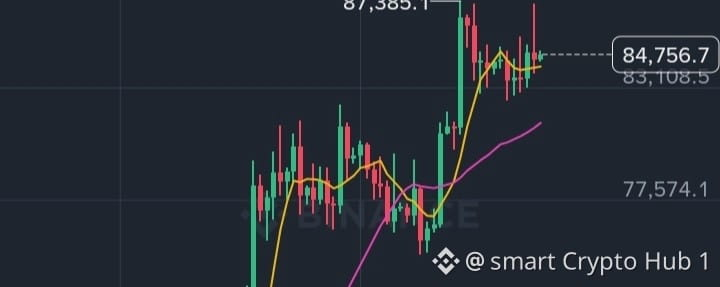
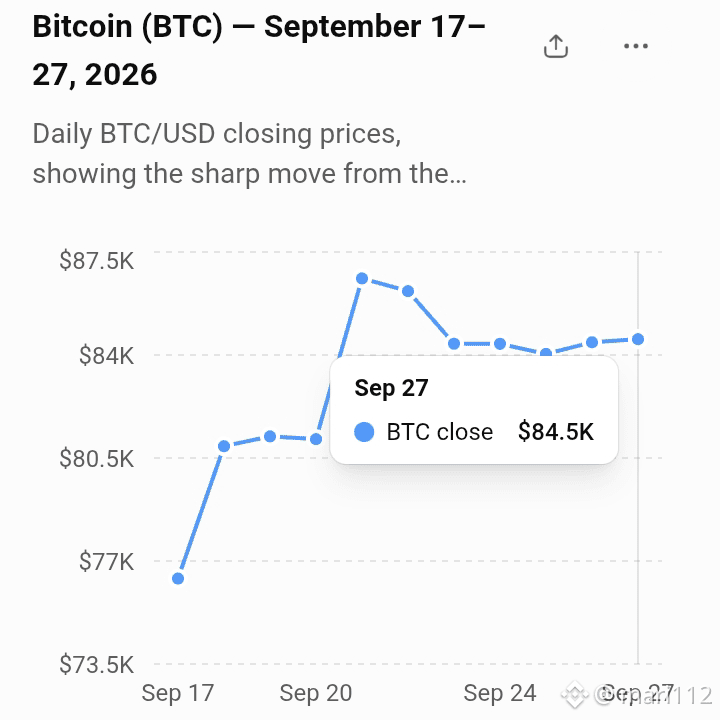
$BTC — Bitcoin is back around the $85K–$86K zone, but the interesting part is that this move is about much more than just price.
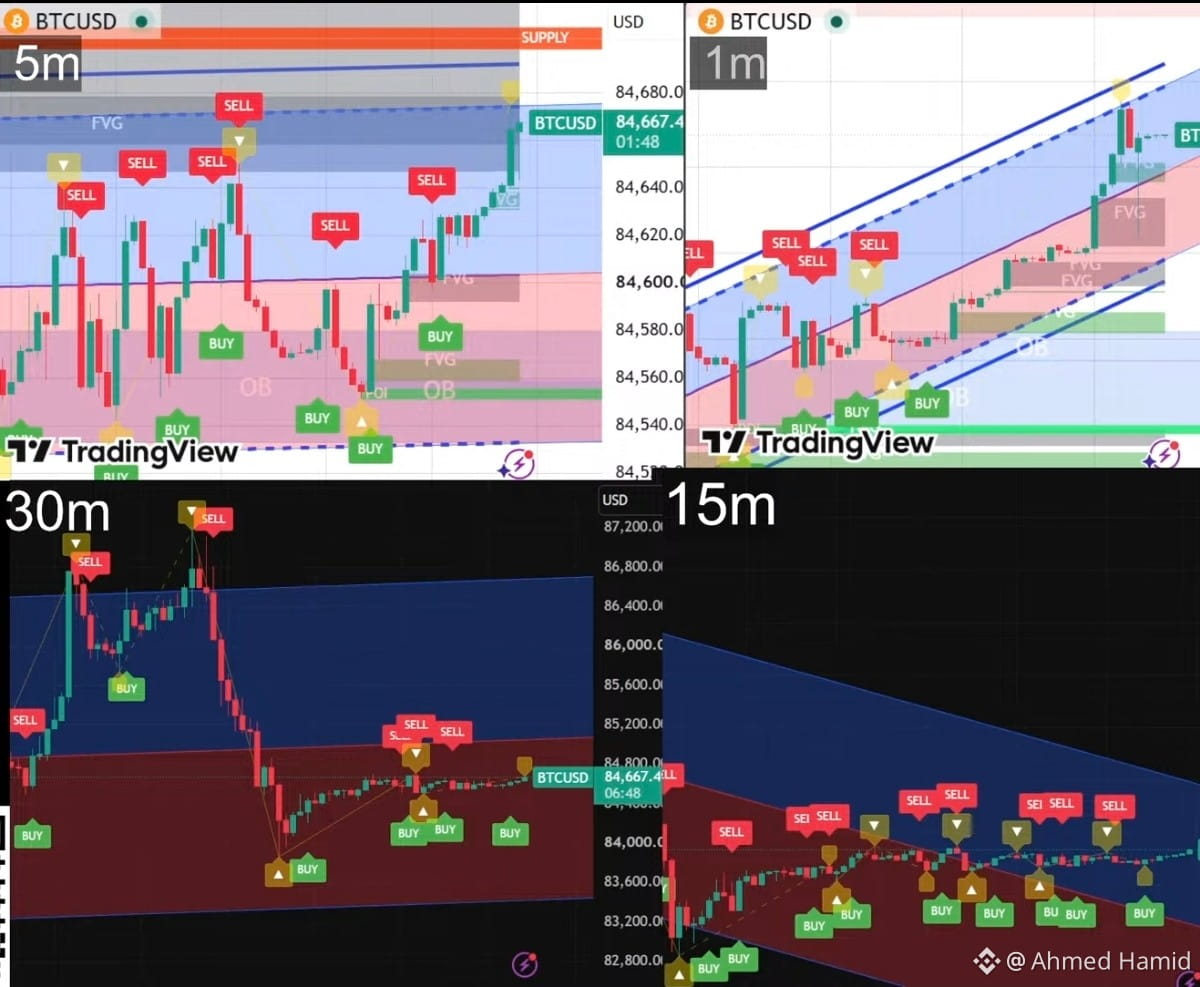
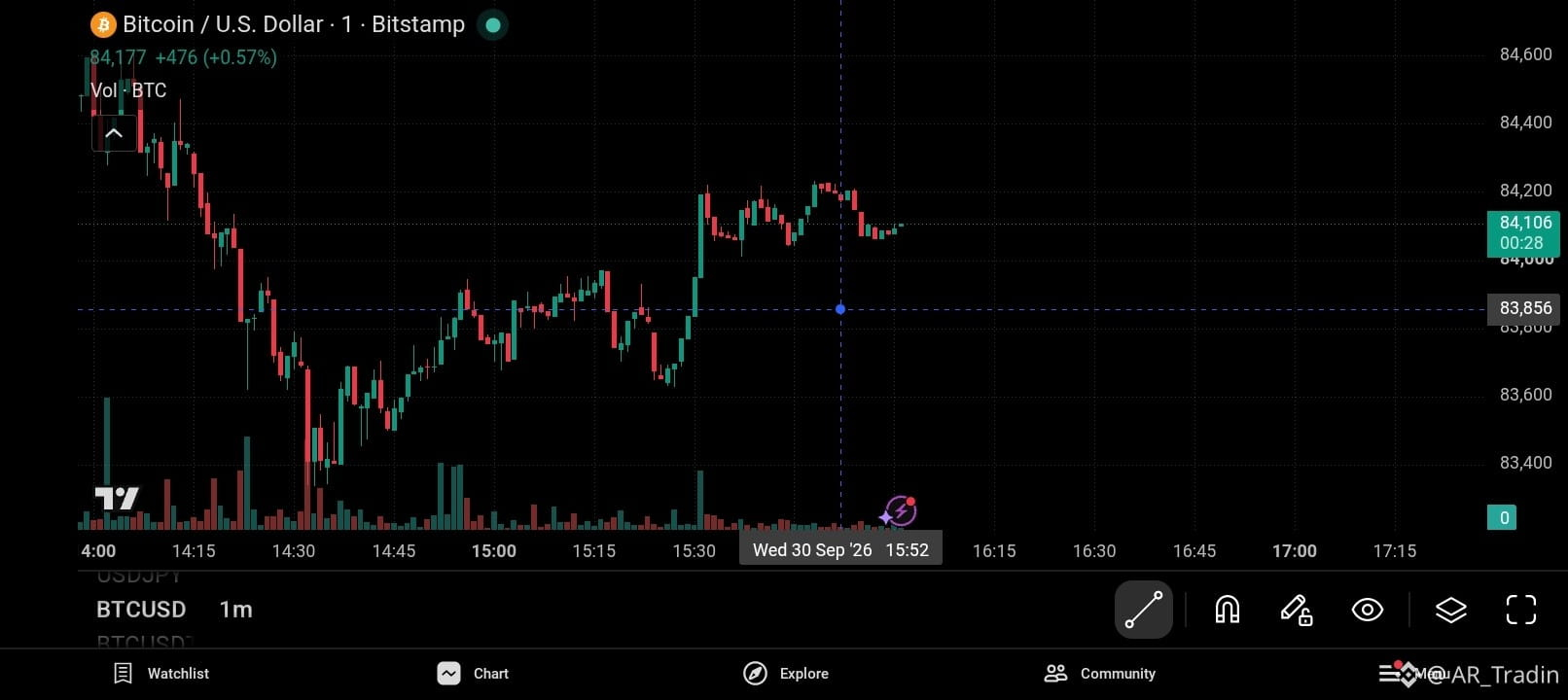
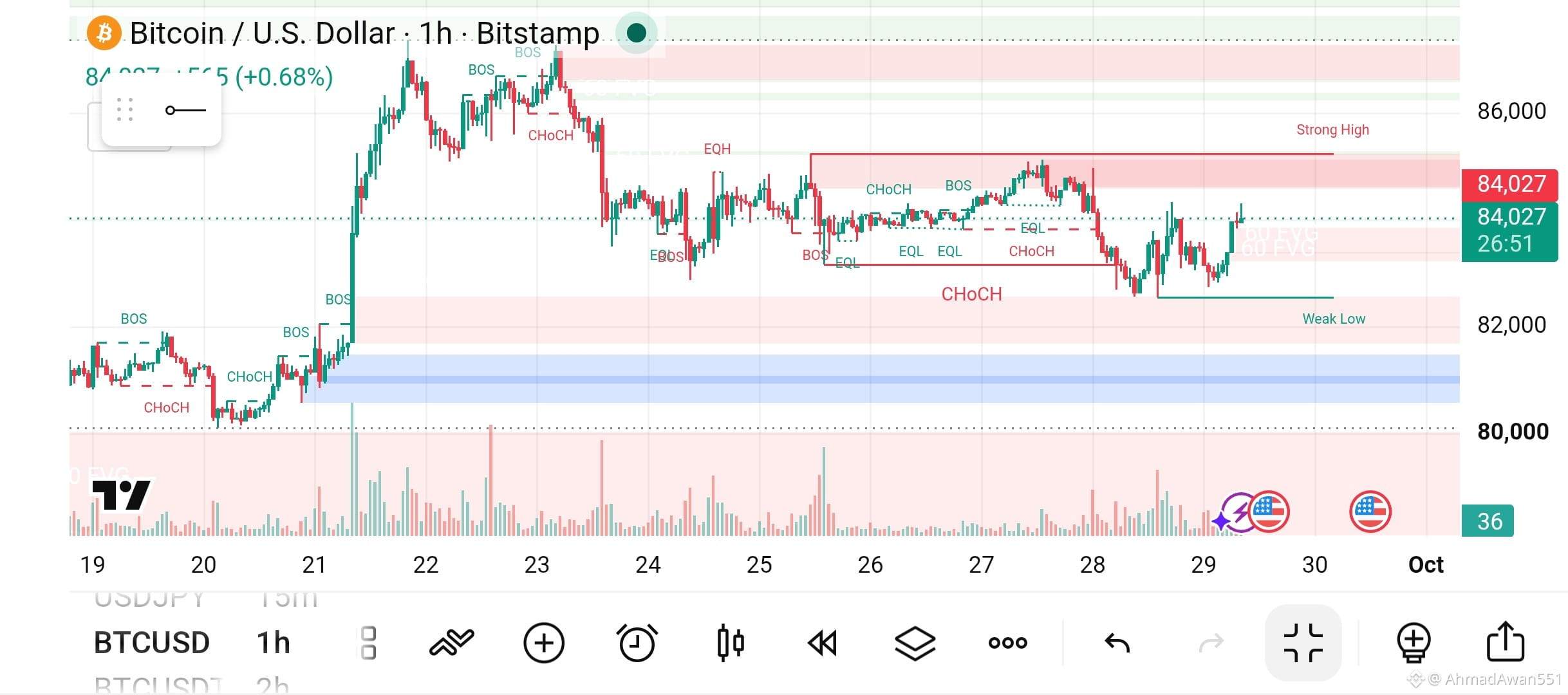
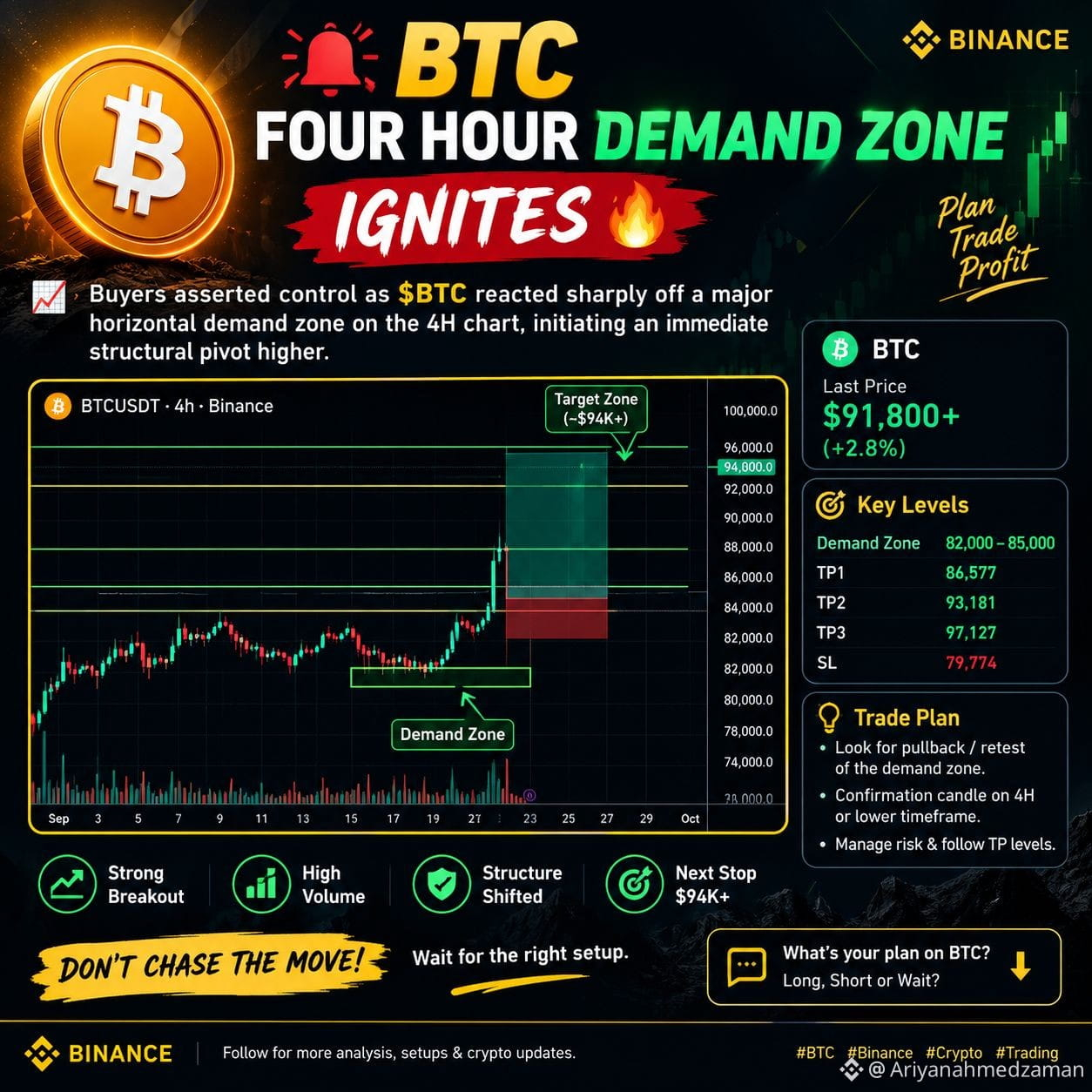
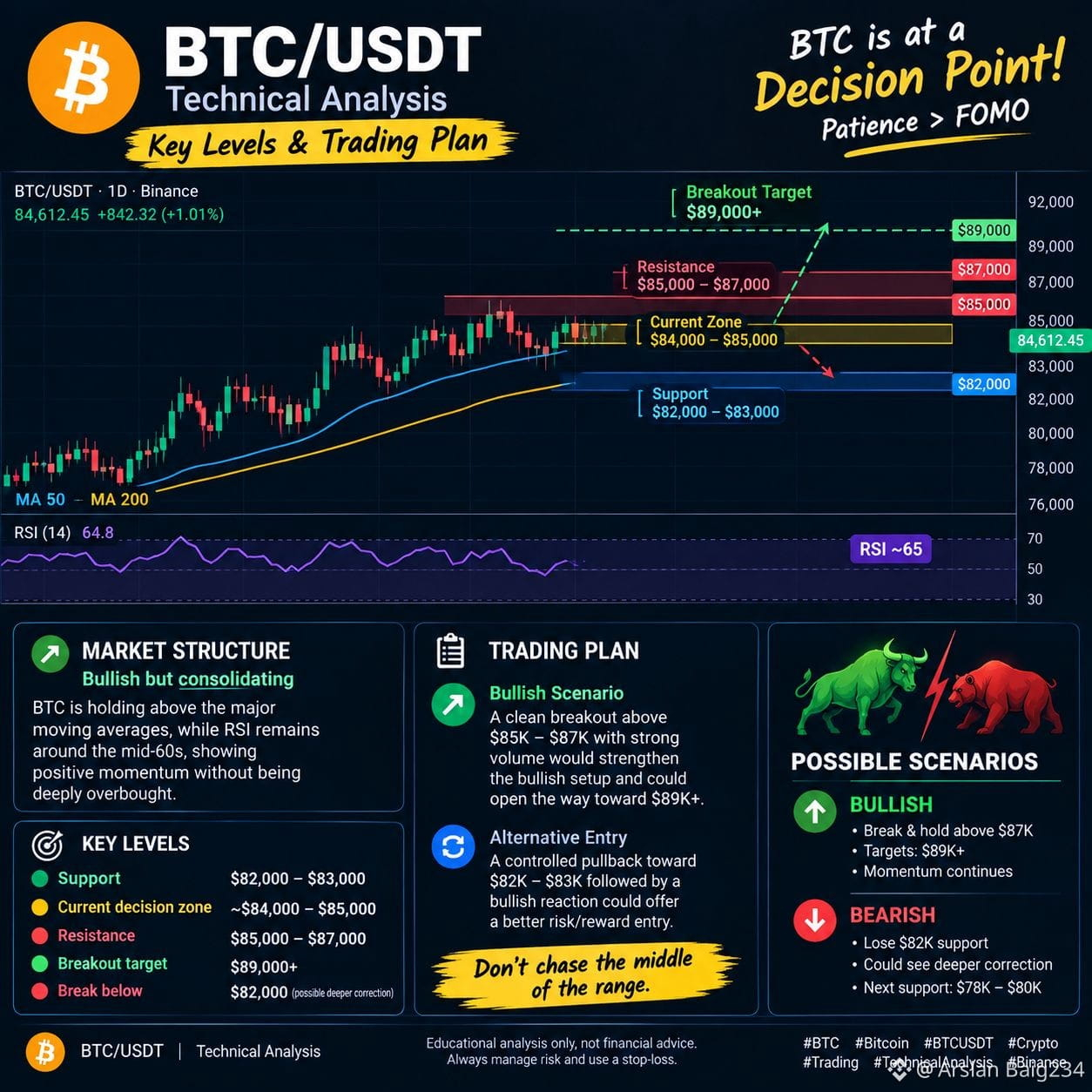
BTC has been trading inside a volatile range, with the $82K–$82.5K area continuing to act as an important support zone while $85K–$86K is becoming the immediate resistance area. The latest Bybit market data puts BTC around $85K+, with approximately $1.7T in market capitalization and around 20.09M BTC already circulating.
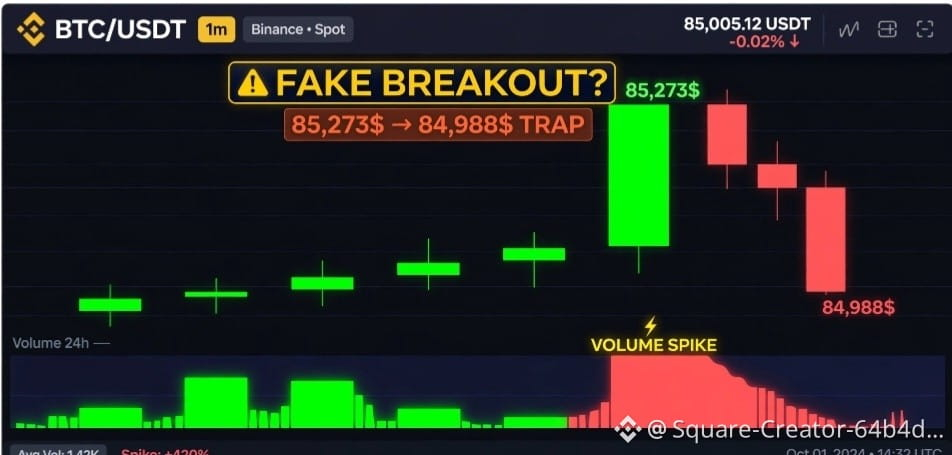
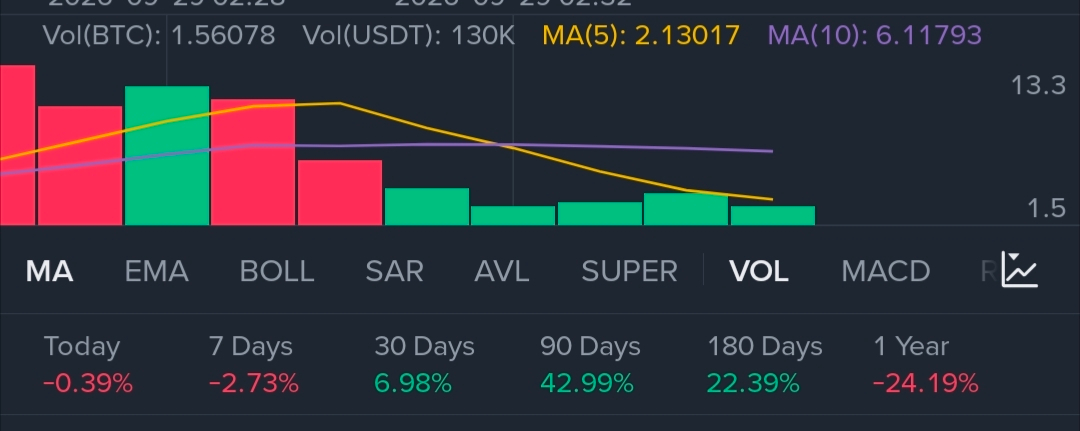
What matters now is whether Bitcoin can actually establish itself above resistance with real spot demand and volume, rather than producing another short-lived liquidity move.
The $86K–$88K region is becoming increasingly important. A clean breakout with strong volume could shift attention toward $90K, while rejection from this area would keep BTC trapped inside the current range. On the downside, $82K–$82.5K remains an important level to defend, followed by the psychological $80K zone.
One of the strongest structural developments behind Bitcoin remains institutional demand.
U.S. spot Bitcoin ETFs recorded approximately $2.65B of net inflows during September 2026, making it one of the strongest monthly inflow periods since the major ETF market expansion began. Cumulative net inflows into U.S. spot Bitcoin ETFs have now reached roughly $57.7B according to Farside data.
But ETF flows are not a straight-line bullish signal.
The market recently experienced a nine-day inflow streak worth roughly $3B before around $149M flowed out on September 30. The following session again showed mixed flows, with BlackRock's IBIT attracting significant capital while several other funds recorded outflows.
That tells us something important: institutional demand is still there, but it is not uniform and it can change quickly.
Bitcoin's supply side is another major part of the equation.
Approximately 20.09M BTC is already circulating out of the maximum 21M supply. The network currently produces 3.125 BTC per block following the 2024 halving, and the next halving is expected around 2028.
So while Bitcoin continues to receive new supply through mining, the rate of new issuance is structurally limited.
This becomes especially important when demand increases.
If more capital wants exposure to BTC while fewer existing holders are willing to sell, price can react disproportionately because the available liquid supply is much smaller than the total amount of BTC that exists.
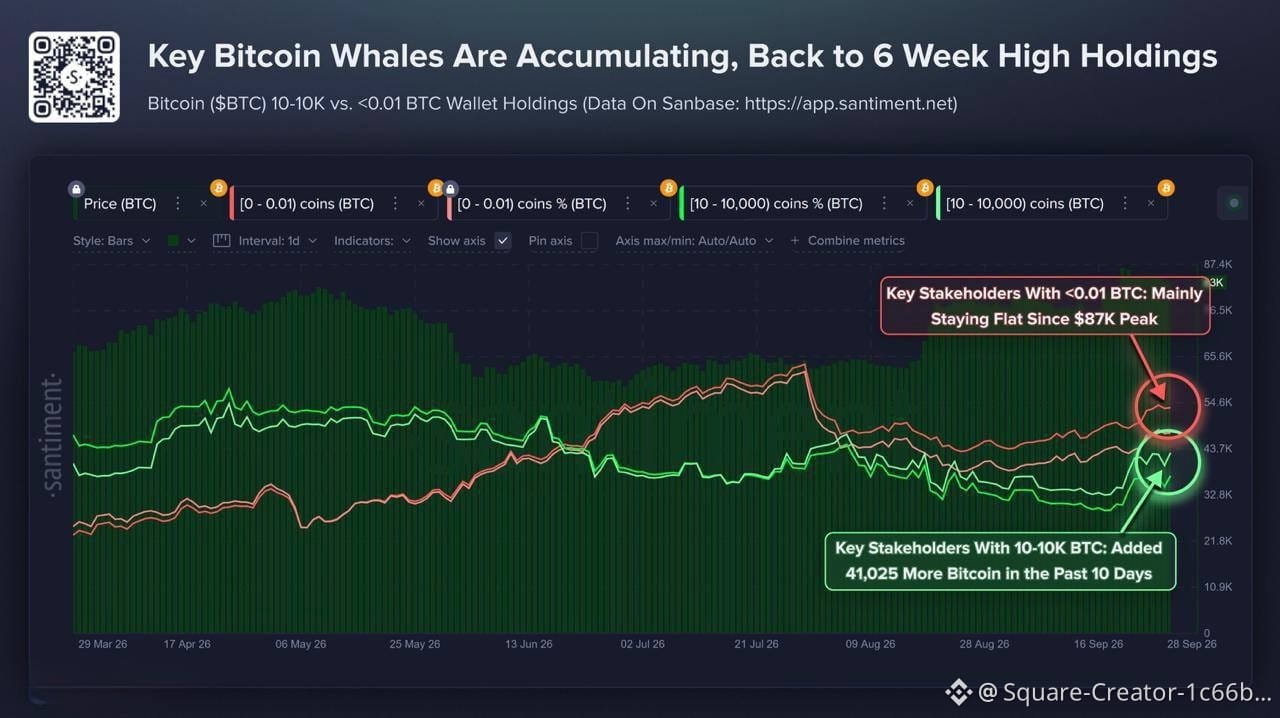
On-chain data also shows that a substantial amount of Bitcoin remains in holder-retention categories rather than constantly moving between participants. Glassnode's latest data shows approximately 15.66M BTC in its retained-equal category, around 2.73M BTC in retained-increase, and roughly 1.07M BTC in retained-decrease.
These figures should not be interpreted as individual investors because addresses do not perfectly represent people and custodial structures can distort wallet data.
Still, the broader picture is clear:
A large amount of Bitcoin is not constantly being traded.
That makes demand shocks more important.
Then we have the derivatives market.
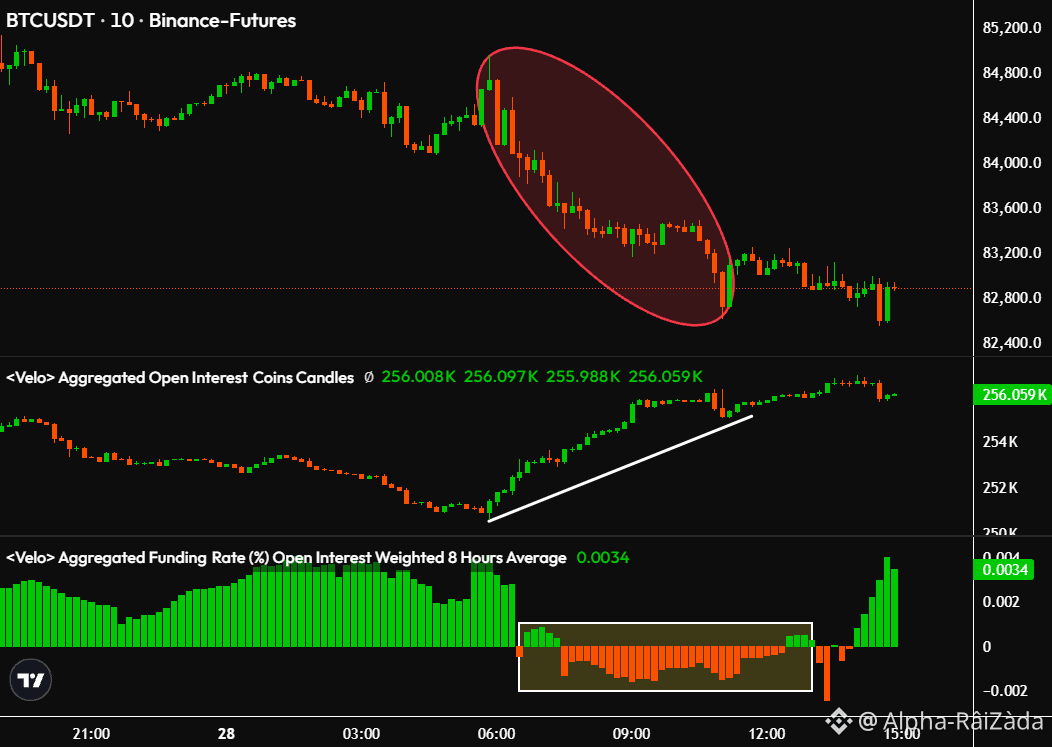
Bitcoin futures and options have become large enough that leverage can dramatically accelerate price movements. Recent market activity has already shown this effect, with tens of millions of dollars in BTC short positions being liquidated during the latest upward move.
When BTC rises into heavily shorted areas, short sellers may be forced to buy back their positions.
That creates additional buying pressure.
Additional buying pushes price higher.
Higher price triggers more liquidations.
And suddenly a normal breakout can turn into a very fast move.
But the exact same mechanism works in reverse.
If BTC loses major support while leverage is high, forced selling can accelerate the downside just as quickly.
This is why I would pay close attention to open interest and funding rather than looking only at the BTC chart.
Another major variable is macro.
Bitcoin is still highly sensitive to global liquidity, U.S. Treasury yields, the dollar and Federal Reserve expectations.
The U.S. labor market and economic data remain particularly important because stronger economic numbers can influence expectations for interest rates and bond yields, while weaker data can change expectations around monetary policy.
The relationship isn't always perfect, but liquidity conditions continue to influence how aggressively investors are willing to allocate capital toward risk assets.
And Bitcoin is now deeply connected to traditional financial markets through ETFs, derivatives and institutional products.
This is very different from the Bitcoin market of previous cycles.
Bitcoin has also just come through a very strong Q3, with reports putting its quarterly performance around +44%, one of its strongest quarterly performances in several years.
That strength improves market sentiment, but it also creates another risk: profit-taking.
The higher BTC moves, the more unrealized profit sits in the hands of holders who purchased at lower levels.
Eventually some of those holders may decide to sell.
That means a strong market can still experience sharp pullbacks without necessarily destroying the larger structure.
For me, the most important thing right now is not predicting one exact BTC price.
I would rather watch the interaction between price, spot volume, ETF flows, open interest, funding and macro liquidity.
If BTC breaks above $86K–$88K with strong spot volume, while ETF flows remain positive and leverage stays controlled, the breakout would carry much more weight.
If BTC moves above resistance mainly because of leverage while spot demand remains weak, the move could become vulnerable to a sharp reversal.
On the other side, if BTC loses $82K–$82.5K and ETF demand weakens at the same time, the market could quickly become more defensive. A break below $80K would make the short-term structure considerably weaker.
So the current Bitcoin setup is basically a battle between demand and liquidity.
The bullish argument is easy to understand:
Limited supply.
Institutional access.
ETF demand.
Long-term holders.
Lower issuance.
Growing financial integration.
But the risk side is equally important:
High volatility.
Leverage.
Macro uncertainty.
Profit-taking.
ETF-flow reversals.
Resistance overhead.
Potential liquidation cascades.
Bitcoin doesn't need a perfect narrative to move.
It needs capital.
And right now, the market is trying to determine whether the capital entering through ETFs, institutions and broader risk appetite is strong enough to absorb the supply being offered around the current resistance zone.
That is the part I would watch.
Not just the next green candle.
Not just the next red candle.
Watch how BTC behaves around $82K, $86K–$88K and eventually $90K.
Watch whether volume confirms the move.
Watch whether ETF inflows continue.
Watch whether leverage becomes excessive.
And watch what the dollar, Treasury yields and Federal Reserve expectations are doing in the background.
Because if those pieces begin moving in the same direction, Bitcoin can move much faster than most traders expect.
For now, $82K–$82.5K remains an important support area, while $86K–$88K is the immediate battle zone and $90K is the next major psychological area.
The market is not giving a guaranteed direction.
It is giving us levels.
And those levels will tell the story.
$BTC #Bitcoin #Crypto #BTCUSD #BitcoinETF #CryptoMarket