

#web3
web3
52M views
311,487 Discussing
Hot
Latest

·
--
Article
The story of BitTorrent Chain (BTTC)The story of BitTorrent Chain ($BTTC) is a fascinating evolution in the digital world. It is a journey of a service that started as a tool for downloading movies and music, and transformed into one of the world's largest blockchain networks.
Here is the exciting story broken down in simple terms:
1. The Beginning: Revolutionizing the Internet (2001)
In 2001, a developer named Bram Cohen (along with David Harrison) created the BitTorrent protocol. Back then, downloading large files like movies or software took hours because all the data had to come from a single central server.
• The Idea: Bram introduced the Peer-to-Peer (P2P) network. Instead of fetching a file from one server, users downloaded bits and pieces of it from other people’s computers who already had that file (known as Seeders).
• Overnight, it became the world's largest file-sharing platform, consuming a massive chunk of global internet traffic.
2. The Big Flaw: "Selfish" Users
The biggest challenge with Torrent was user behavior. People would happily download their favorite files, but the moment their download hit 100%, they would close the app. They stopped uploading (seeding) for others. Because everyone wanted to take and nobody wanted to give, download speeds often crashed.
3. The Twist: Crypto King 'Justin Sun' Enters (2018)
In 2018, Justin Sun, the founder of the TRON blockchain, bought BitTorrent. He realized he could use blockchain technology and cryptocurrency to fix this selfish user behavior.
• The Solution: In 2019, he launched the BTT (BitTorrent Token).
• The New Rule: If you continue to share (seed) your files or share your internet bandwidth after your download finishes, you get rewarded with free BTT crypto tokens. Conversely, if you want super-fast download speeds, you can spend BTT tokens to buy bandwidth from others.
4. The Grand Evolution: From BTT to BTTC (2021)
In December 2021, the project took its biggest leap forward. It evolved from just being a utility token into its very own layer-2 blockchain network, renamed $BTTC (BitTorrent Chain).
During this upgrade, a highly interesting financial event occurred called Redenomination (Token Split):
• Every 1 old $BTT token was split into 1,000 new BTTC tokens.
• This skyrocketed the total supply to a massive 990 Trillion tokens! This is exactly why the coin trades at a fraction of a cent (e.g., $0.0000009) on crypto exchanges today, allowing users to buy millions of tokens with just a few dollars.
What Does BTTC Do Today?
Today, $BTTC is no longer just about downloading torrents:
• The Blockchain Super-Highway (Cross-Chain Bridge): It connects massive networks like $Ethereum, $TRON, and $BNB Chain. This allows developers and users to move digital assets between different blockchains quickly and at a near-zero transaction fee.
That is the story of how a simple file-sharing tool from the early 2000s evolved into a core infrastructure powering the modern Web3 and crypto ecosystem!
#BTTC #CRYPTO #web3
The story of BitTorrent Chain (BTTC)
The story of BitTorrent Chain ($BTTC) is a fascinating evolution in the digital world. It is a journey of a service that started as a tool for downloading movies and music, and transformed into one of the world's largest blockchain networks.
Here is the exciting story broken down in simple terms:
1. The Beginning: Revolutionizing the Internet (2001)
In 2001, a developer named Bram Cohen (along with David Harrison) created the BitTorrent protocol. Back then, downloading large files like movies or software took hours because all the data had to come from a single central server.
• The Idea: Bram introduced the Peer-to-Peer (P2P) network. Instead of fetching a file from one server, users downloaded bits and pieces of it from other people’s computers who already had that file (known as Seeders).
• Overnight, it became the world's largest file-sharing platform, consuming a massive chunk of global internet traffic.
2. The Big Flaw: "Selfish" Users
The biggest challenge with Torrent was user behavior. People would happily download their favorite files, but the moment their download hit 100%, they would close the app. They stopped uploading (seeding) for others. Because everyone wanted to take and nobody wanted to give, download speeds often crashed.
3. The Twist: Crypto King 'Justin Sun' Enters (2018)
In 2018, Justin Sun, the founder of the TRON blockchain, bought BitTorrent. He realized he could use blockchain technology and cryptocurrency to fix this selfish user behavior.
• The Solution: In 2019, he launched the BTT (BitTorrent Token).
• The New Rule: If you continue to share (seed) your files or share your internet bandwidth after your download finishes, you get rewarded with free BTT crypto tokens. Conversely, if you want super-fast download speeds, you can spend BTT tokens to buy bandwidth from others.
4. The Grand Evolution: From BTT to BTTC (2021)
In December 2021, the project took its biggest leap forward. It evolved from just being a utility token into its very own layer-2 blockchain network, renamed $BTTC (BitTorrent Chain).
During this upgrade, a highly interesting financial event occurred called Redenomination (Token Split):
• Every 1 old $BTT token was split into 1,000 new BTTC tokens.
• This skyrocketed the total supply to a massive 990 Trillion tokens! This is exactly why the coin trades at a fraction of a cent (e.g., $0.0000009) on crypto exchanges today, allowing users to buy millions of tokens with just a few dollars.
What Does BTTC Do Today?
Today, $BTTC is no longer just about downloading torrents:
• The Blockchain Super-Highway (Cross-Chain Bridge): It connects massive networks like $Ethereum, $TRON, and $BNB Chain. This allows developers and users to move digital assets between different blockchains quickly and at a near-zero transaction fee.
That is the story of how a simple file-sharing tool from the early 2000s evolved into a core infrastructure powering the modern Web3 and crypto ecosystem!
#BTTC #CRYPTO #web3
Here is the exciting story broken down in simple terms:
1. The Beginning: Revolutionizing the Internet (2001)
In 2001, a developer named Bram Cohen (along with David Harrison) created the BitTorrent protocol. Back then, downloading large files like movies or software took hours because all the data had to come from a single central server.
• The Idea: Bram introduced the Peer-to-Peer (P2P) network. Instead of fetching a file from one server, users downloaded bits and pieces of it from other people’s computers who already had that file (known as Seeders).
• Overnight, it became the world's largest file-sharing platform, consuming a massive chunk of global internet traffic.
2. The Big Flaw: "Selfish" Users
The biggest challenge with Torrent was user behavior. People would happily download their favorite files, but the moment their download hit 100%, they would close the app. They stopped uploading (seeding) for others. Because everyone wanted to take and nobody wanted to give, download speeds often crashed.
3. The Twist: Crypto King 'Justin Sun' Enters (2018)
In 2018, Justin Sun, the founder of the TRON blockchain, bought BitTorrent. He realized he could use blockchain technology and cryptocurrency to fix this selfish user behavior.
• The Solution: In 2019, he launched the BTT (BitTorrent Token).
• The New Rule: If you continue to share (seed) your files or share your internet bandwidth after your download finishes, you get rewarded with free BTT crypto tokens. Conversely, if you want super-fast download speeds, you can spend BTT tokens to buy bandwidth from others.
4. The Grand Evolution: From BTT to BTTC (2021)
In December 2021, the project took its biggest leap forward. It evolved from just being a utility token into its very own layer-2 blockchain network, renamed $BTTC (BitTorrent Chain).
During this upgrade, a highly interesting financial event occurred called Redenomination (Token Split):
• Every 1 old $BTT token was split into 1,000 new BTTC tokens.
• This skyrocketed the total supply to a massive 990 Trillion tokens! This is exactly why the coin trades at a fraction of a cent (e.g., $0.0000009) on crypto exchanges today, allowing users to buy millions of tokens with just a few dollars.
What Does BTTC Do Today?
Today, $BTTC is no longer just about downloading torrents:
• The Blockchain Super-Highway (Cross-Chain Bridge): It connects massive networks like $Ethereum, $TRON, and $BNB Chain. This allows developers and users to move digital assets between different blockchains quickly and at a near-zero transaction fee.
That is the story of how a simple file-sharing tool from the early 2000s evolved into a core infrastructure powering the modern Web3 and crypto ecosystem!
#BTTC #CRYPTO #web3
4
443

Verified
🚨 $SUI & SAMSUNG WALLET: WHAT WE KNOW SO FAR! 👀
📅 October 21, 2026 | Crypto News Update
Could blockchain technology become easier to use in everyday life? 📱🌐
📰 WHAT'S THE NEWS?
Samsung announced plans to bring USDC stablecoin functionality to Samsung Wallet for eligible Galaxy users in the United States.
According to the announcements: 🔹 Samsung shared the news on October 7, 2026. 🔹 Sui Foundation followed with its announcement on October 8, 2026. 🔹 The rollout was planned for the final week of October 2026. 🔹 The integration involves blockchain infrastructure from both Sui and Solana.
💡 WHY DOES THIS MATTER?
✅ USDC is a stablecoin designed to track the U.S. dollar. ✅ The planned integration could make stablecoin transfers more accessible. ✅ Smartphone wallets could help bring blockchain payments closer to everyday users.
⚠️ IMPORTANT TO KNOW
This is a planned integration, not confirmation that the rollout is complete.
USDC is the supported asset at launch—not the $SUI token itself.
This development also does NOT guarantee an increase in the price of $SUI . Adoption and actual usage will matter.
💬 WHAT DO YOU THINK?
Will smartphone wallets help stablecoin payments become more popular?
👇 Share your thoughts in the comments!
📌 Educational content only. Not financial advice. Always verify official announcements before making investment decisions.
Sources: Samsung Newsroom and Sui Foundation official blog.
#SUI #USDC #CryptoNews #Blockchain #Web3 #SamsungWallet #BinanceSquare
🚨 $SUI & SAMSUNG WALLET: WHAT WE KNOW SO FAR! 👀
📅 October 21, 2026 | Crypto News Update
Could blockchain technology become easier to use in everyday life? 📱🌐
📰 WHAT'S THE NEWS?
Samsung announced plans to bring USDC stablecoin functionality to Samsung Wallet for eligible Galaxy users in the United States.
According to the announcements: 🔹 Samsung shared the news on October 7, 2026. 🔹 Sui Foundation followed with its announcement on October 8, 2026. 🔹 The rollout was planned for the final week of October 2026. 🔹 The integration involves blockchain infrastructure from both Sui and Solana.
💡 WHY DOES THIS MATTER?
✅ USDC is a stablecoin designed to track the U.S. dollar. ✅ The planned integration could make stablecoin transfers more accessible. ✅ Smartphone wallets could help bring blockchain payments closer to everyday users.
⚠️ IMPORTANT TO KNOW
This is a planned integration, not confirmation that the rollout is complete.
USDC is the supported asset at launch—not the $SUI token itself.
This development also does NOT guarantee an increase in the price of $SUI . Adoption and actual usage will matter.
💬 WHAT DO YOU THINK?
Will smartphone wallets help stablecoin payments become more popular?
👇 Share your thoughts in the comments!
📌 Educational content only. Not financial advice. Always verify official announcements before making investment decisions.
Sources: Samsung Newsroom and Sui Foundation official blog.
#SUI #USDC #CryptoNews #Blockchain #Web3 #SamsungWallet #BinanceSquare
📅 October 21, 2026 | Crypto News Update
Could blockchain technology become easier to use in everyday life? 📱🌐
📰 WHAT'S THE NEWS?
Samsung announced plans to bring USDC stablecoin functionality to Samsung Wallet for eligible Galaxy users in the United States.
According to the announcements: 🔹 Samsung shared the news on October 7, 2026. 🔹 Sui Foundation followed with its announcement on October 8, 2026. 🔹 The rollout was planned for the final week of October 2026. 🔹 The integration involves blockchain infrastructure from both Sui and Solana.
💡 WHY DOES THIS MATTER?
✅ USDC is a stablecoin designed to track the U.S. dollar. ✅ The planned integration could make stablecoin transfers more accessible. ✅ Smartphone wallets could help bring blockchain payments closer to everyday users.
⚠️ IMPORTANT TO KNOW
This is a planned integration, not confirmation that the rollout is complete.
USDC is the supported asset at launch—not the $SUI token itself.
This development also does NOT guarantee an increase in the price of $SUI . Adoption and actual usage will matter.
💬 WHAT DO YOU THINK?
Will smartphone wallets help stablecoin payments become more popular?
👇 Share your thoughts in the comments!
📌 Educational content only. Not financial advice. Always verify official announcements before making investment decisions.
Sources: Samsung Newsroom and Sui Foundation official blog.
#SUI #USDC #CryptoNews #Blockchain #Web3 #SamsungWallet #BinanceSquare
5
1.1k
·
--
Bullish
APT (Aptos) — Quick Crypto Snapshot 🚀
🔥 Bullish Points
- Layer-1 blockchain focused on high speed + scalability
- Uses Move programming language for smart contracts
- Strong developer ecosystem and Web3 adoption potential
- AI, DeFi, gaming, and RWA narratives can support long-term interest
⚠️ Risks
- High competition from other L1s (SOL, SUI, ETH L2s)
- Token unlocks/supply pressure can create volatility
- Needs continued ecosystem growth to justify valuation
#Crypto #Altcoins #Web3
(Not financial advice — always DYOR.)
APT (Aptos) — Quick Crypto Snapshot 🚀
🔥 Bullish Points
- Layer-1 blockchain focused on high speed + scalability
- Uses Move programming language for smart contracts
- Strong developer ecosystem and Web3 adoption potential
- AI, DeFi, gaming, and RWA narratives can support long-term interest
⚠️ Risks
- High competition from other L1s (SOL, SUI, ETH L2s)
- Token unlocks/supply pressure can create volatility
- Needs continued ecosystem growth to justify valuation
#Crypto #Altcoins #Web3
(Not financial advice — always DYOR.)
🔥 Bullish Points
- Layer-1 blockchain focused on high speed + scalability
- Uses Move programming language for smart contracts
- Strong developer ecosystem and Web3 adoption potential
- AI, DeFi, gaming, and RWA narratives can support long-term interest
⚠️ Risks
- High competition from other L1s (SOL, SUI, ETH L2s)
- Token unlocks/supply pressure can create volatility
- Needs continued ecosystem growth to justify valuation
#Crypto #Altcoins #Web3
(Not financial advice — always DYOR.)
3
510

·
--
Bullish
$MAGMA
Respect and support in the Web3 space are earned through consistency, dedication, and genuine value creation. For me, @CRYPTO MECHANIC embodies these exact qualities. ❤️
Over time, I have witnessed his unwavering commitment to this space—from his relentless work ethic to the value he consistently provides to his community.
His participation in the Blockchain 100 competition is a well-deserved milestone. Supporting him isn't just about friendship; it's about recognizing the sheer effort and passion behind the name.
If you have benefited from his insights, followed his journey, or respect what he has built, I encourage you to take a moment to cast your vote for him. 🤝
Every single vote matters. When a strong community unites behind dedication, real impact happens. I’ve already cast my vote, and I invite our community to join in supporting him.
Let’s rally together and help
@CRYPTOMECHANIC reach the top—he truly deserves it! 🚀❤️
#Blockchain100 #CryptoCommunity #Web3 #BinanceSquare $MAGMA
$MAGMA
Respect and support in the Web3 space are earned through consistency, dedication, and genuine value creation. For me, @CRYPTO MECHANIC embodies these exact qualities. ❤️
Over time, I have witnessed his unwavering commitment to this space—from his relentless work ethic to the value he consistently provides to his community.
His participation in the Blockchain 100 competition is a well-deserved milestone. Supporting him isn't just about friendship; it's about recognizing the sheer effort and passion behind the name.
If you have benefited from his insights, followed his journey, or respect what he has built, I encourage you to take a moment to cast your vote for him. 🤝
Every single vote matters. When a strong community unites behind dedication, real impact happens. I’ve already cast my vote, and I invite our community to join in supporting him.
Let’s rally together and help
@CRYPTOMECHANIC reach the top—he truly deserves it! 🚀❤️
#Blockchain100 #CryptoCommunity #Web3 #BinanceSquare $MAGMA
Respect and support in the Web3 space are earned through consistency, dedication, and genuine value creation. For me, @CRYPTO MECHANIC embodies these exact qualities. ❤️
Over time, I have witnessed his unwavering commitment to this space—from his relentless work ethic to the value he consistently provides to his community.
His participation in the Blockchain 100 competition is a well-deserved milestone. Supporting him isn't just about friendship; it's about recognizing the sheer effort and passion behind the name.
If you have benefited from his insights, followed his journey, or respect what he has built, I encourage you to take a moment to cast your vote for him. 🤝
Every single vote matters. When a strong community unites behind dedication, real impact happens. I’ve already cast my vote, and I invite our community to join in supporting him.
Let’s rally together and help
@CRYPTOMECHANIC reach the top—he truly deserves it! 🚀❤️
#Blockchain100 #CryptoCommunity #Web3 #BinanceSquare $MAGMA
240
Mask Network ($MASK): A Recent Price SurgeMask Network ($MASK ) is a Web3 project that connects traditional social media with the decentralized internet. It allows users to access Web3 features directly through familiar platforms such as X, Facebook, Instagram, Mirror, and Minds. The ecosystem focuses on privacy, encrypted communication, crypto payments, and access to decentralized applications (dApps).
The MASK token is the project's governance token, allowing holders to participate in decisions through MaskDAO. It plays an important role in the project's decentralized ecosystem.
Recently, MASK has attracted attention with a noticeable price recovery. Looking at daily closing prices, MASK rose from approximately $0.4228 on October 20 to $0.4420 on October 21: an increase of about 4.55% in one day. The token also climbed from around $0.40 on October 20, showing positive short-term momentum.
#MASK #Web3
{spot}(MASKUSDT)
Mask Network ($MASK): A Recent Price Surge
Mask Network ($MASK ) is a Web3 project that connects traditional social media with the decentralized internet. It allows users to access Web3 features directly through familiar platforms such as X, Facebook, Instagram, Mirror, and Minds. The ecosystem focuses on privacy, encrypted communication, crypto payments, and access to decentralized applications (dApps).
The MASK token is the project's governance token, allowing holders to participate in decisions through MaskDAO. It plays an important role in the project's decentralized ecosystem.
Recently, MASK has attracted attention with a noticeable price recovery. Looking at daily closing prices, MASK rose from approximately $0.4228 on October 20 to $0.4420 on October 21: an increase of about 4.55% in one day. The token also climbed from around $0.40 on October 20, showing positive short-term momentum.
#MASK #Web3
The MASK token is the project's governance token, allowing holders to participate in decisions through MaskDAO. It plays an important role in the project's decentralized ecosystem.
Recently, MASK has attracted attention with a noticeable price recovery. Looking at daily closing prices, MASK rose from approximately $0.4228 on October 20 to $0.4420 on October 21: an increase of about 4.55% in one day. The token also climbed from around $0.40 on October 20, showing positive short-term momentum.
#MASK #Web3
227
·
--
📰 News Pulse
⚖️ Irish Central Bank fines Coinbase's local arm $3.6 million for compliance failures. The enforcement action highlights issues with oversight and safeguards at Coinbase Ireland, which has accepted the findings and awaits high court approval for the penalties.
Why it matters: This fine underscores the regulatory scrutiny facing crypto exchanges, which could impact their operations and compliance strategies in the EU.
#CryptoTrading #CryptoNews #Web3 #Altcoins
Read the risk before you act. CryptoYaan.com
Educational, not financial advice.
📰 News Pulse
⚖️ Irish Central Bank fines Coinbase's local arm $3.6 million for compliance failures. The enforcement action highlights issues with oversight and safeguards at Coinbase Ireland, which has accepted the findings and awaits high court approval for the penalties.
Why it matters: This fine underscores the regulatory scrutiny facing crypto exchanges, which could impact their operations and compliance strategies in the EU.
#CryptoTrading #CryptoNews #Web3 #Altcoins
Read the risk before you act. CryptoYaan.com
Educational, not financial advice.
⚖️ Irish Central Bank fines Coinbase's local arm $3.6 million for compliance failures. The enforcement action highlights issues with oversight and safeguards at Coinbase Ireland, which has accepted the findings and awaits high court approval for the penalties.
Why it matters: This fine underscores the regulatory scrutiny facing crypto exchanges, which could impact their operations and compliance strategies in the EU.
#CryptoTrading #CryptoNews #Web3 #Altcoins
Read the risk before you act. CryptoYaan.com
Educational, not financial advice.
·
--
Just claimed my unique Binance Agent ID: greencrypto.ai 💛
One name, one identity! Now my Agentic Wallet is ready to explore the AI-powered Web3 world.
Claim yours before someone else takes it. First come, first served!
#Binance #AgenticWallet #Web3 #AI
Just claimed my unique Binance Agent ID: greencrypto.ai 💛
One name, one identity! Now my Agentic Wallet is ready to explore the AI-powered Web3 world.
Claim yours before someone else takes it. First come, first served!
#Binance #AgenticWallet #Web3 #AI
One name, one identity! Now my Agentic Wallet is ready to explore the AI-powered Web3 world.
Claim yours before someone else takes it. First come, first served!
#Binance #AgenticWallet #Web3 #AI
User-cb545218:
Follow me
2
11
1.2k

·
--
#BinancePick 🎯 Explore the exciting world of prediction markets with Binance Pick! 📊
Prediction markets offer a unique way to explore market trends, analyze different possibilities, and test your understanding of current events. 🔍 Every prediction is an opportunity to learn, think critically, and improve your market analysis skills.
I'm excited to explore Binance Pick, make informed predictions, and learn more about how prediction markets work. Let's keep learning and growing together in the Web3 world! 🚀
What market are you watching today? 👀
#PredictionMarkets #Web3
#BinancePick 🎯 Explore the exciting world of prediction markets with Binance Pick! 📊
Prediction markets offer a unique way to explore market trends, analyze different possibilities, and test your understanding of current events. 🔍 Every prediction is an opportunity to learn, think critically, and improve your market analysis skills.
I'm excited to explore Binance Pick, make informed predictions, and learn more about how prediction markets work. Let's keep learning and growing together in the Web3 world! 🚀
What market are you watching today? 👀
#PredictionMarkets #Web3
Prediction markets offer a unique way to explore market trends, analyze different possibilities, and test your understanding of current events. 🔍 Every prediction is an opportunity to learn, think critically, and improve your market analysis skills.
I'm excited to explore Binance Pick, make informed predictions, and learn more about how prediction markets work. Let's keep learning and growing together in the Web3 world! 🚀
What market are you watching today? 👀
#PredictionMarkets #Web3
85
·
--
📰 News Pulse
⚖️ Irish central bank imposes $3.6 million fine on Coinbase Ireland for fund safeguarding failures. The fine relates to Coinbase instructing customers to deposit funds into an alternate account during the Silvergate crisis in 2023.
Why it matters: This penalty highlights ongoing regulatory scrutiny in the crypto sector and could impact Coinbase's operations and reputation in the region.
#CryptoTrading #CryptoNews #Web3 #Altcoins
Read the risk before you act. CryptoYaan.com
Educational, not financial advice.
📰 News Pulse
⚖️ Irish central bank imposes $3.6 million fine on Coinbase Ireland for fund safeguarding failures. The fine relates to Coinbase instructing customers to deposit funds into an alternate account during the Silvergate crisis in 2023.
Why it matters: This penalty highlights ongoing regulatory scrutiny in the crypto sector and could impact Coinbase's operations and reputation in the region.
#CryptoTrading #CryptoNews #Web3 #Altcoins
Read the risk before you act. CryptoYaan.com
Educational, not financial advice.
⚖️ Irish central bank imposes $3.6 million fine on Coinbase Ireland for fund safeguarding failures. The fine relates to Coinbase instructing customers to deposit funds into an alternate account during the Silvergate crisis in 2023.
Why it matters: This penalty highlights ongoing regulatory scrutiny in the crypto sector and could impact Coinbase's operations and reputation in the region.
#CryptoTrading #CryptoNews #Web3 #Altcoins
Read the risk before you act. CryptoYaan.com
Educational, not financial advice.
·
--
🚀 Binance Pick Season 1 Is Here! 🎯
🔥 Pick the winners, make your predictions, and climb the leaderboard!
🏆 Predict Smart → Earn Scores → Rise to the Top!
💰 200,000 USDC Prize Pool 🎁 300 FREE Scores for Early Birds!
Every prediction is a new chance to score big! Are you ready to join the competition and prove your skills? 👀
Let’s pick, predict, and win! 🚀
#BinancePick #Binance #crypto #Web3
🚀 Binance Pick Season 1 Is Here! 🎯
🔥 Pick the winners, make your predictions, and climb the leaderboard!
🏆 Predict Smart → Earn Scores → Rise to the Top!
💰 200,000 USDC Prize Pool 🎁 300 FREE Scores for Early Birds!
Every prediction is a new chance to score big! Are you ready to join the competition and prove your skills? 👀
Let’s pick, predict, and win! 🚀
#BinancePick #Binance #crypto #Web3
🔥 Pick the winners, make your predictions, and climb the leaderboard!
🏆 Predict Smart → Earn Scores → Rise to the Top!
💰 200,000 USDC Prize Pool 🎁 300 FREE Scores for Early Birds!
Every prediction is a new chance to score big! Are you ready to join the competition and prove your skills? 👀
Let’s pick, predict, and win! 🚀
#BinancePick #Binance #crypto #Web3
76
·
--
🌍❤️ Web3 has taught me something powerful: we may come from different countries, speak different languages, and follow different paths, but we can still build something meaningful together.
Being shortlisted for Blockchain 100 – 2026 | Rising Star is an honor. But the people I've met, the knowledge we've shared, and the communities we've built mean even more.
To everyone who has encouraged me, supported my work, or been part of this journey — THANK YOU. 🙏
If you believe in community, education, and making Web3 more accessible to everyone, I'd be grateful for your support.
🗳️ Vote for John_BNB ❤️
[https://app.binance.com/uni-qr/cact26user/528](https://app.binance.com/uni-qr/cact26user/528)
Different roots. One global community. 🌱🌍
#Blockchain100 #RisingStar #Web3
Love you all🫶
🌍❤️ Web3 has taught me something powerful: we may come from different countries, speak different languages, and follow different paths, but we can still build something meaningful together.
Being shortlisted for Blockchain 100 – 2026 | Rising Star is an honor. But the people I've met, the knowledge we've shared, and the communities we've built mean even more.
To everyone who has encouraged me, supported my work, or been part of this journey — THANK YOU. 🙏
If you believe in community, education, and making Web3 more accessible to everyone, I'd be grateful for your support.
🗳️ Vote for John_BNB ❤️
https://app.binance.com/uni-qr/cact26user/528
Different roots. One global community. 🌱🌍
#Blockchain100 #RisingStar #Web3
Love you all🫶
Being shortlisted for Blockchain 100 – 2026 | Rising Star is an honor. But the people I've met, the knowledge we've shared, and the communities we've built mean even more.
To everyone who has encouraged me, supported my work, or been part of this journey — THANK YOU. 🙏
If you believe in community, education, and making Web3 more accessible to everyone, I'd be grateful for your support.
🗳️ Vote for John_BNB ❤️
https://app.binance.com/uni-qr/cact26user/528
Different roots. One global community. 🌱🌍
#Blockchain100 #RisingStar #Web3
Love you all🫶
1
76

Article
When attention rotates between $BTC, $BNB, AI-related crypto projectsI've been thinking about #BinancePick, and something doesn't quite add up in the way we talk about crypto opportunities.
We keep searching for the next big thing, but what if discovering an opportunity is actually the easiest part? 🤔 What matters more is whether that initial attention turns into something that lasts.
I'm still thinking this through, but I believe there's a bigger mechanism hiding underneath the usual crypto hype.
🧵 The loop I'm watching: attention → discovery → participation → demand → retention.
At first, a project attracts attention. People start discussing it, researching it, and sharing their opinions. That creates visibility, which can bring in more curious users.
But here's where the process gets interesting.
Some people stay because they find genuine value. Others leave when the excitement disappears. And that difference can determine whether attention becomes sustainable growth or just another temporary spike.
That's the distinction I want to understand when exploring opportunities across the Binance ecosystem, including #BinancePick.
💡 My first realization: visibility and value are not the same thing.
I've watched crypto narratives change quickly. One week, everyone is discussing an emerging sector; the next, attention shifts somewhere else.
A project can trend without developing a loyal user base. It can attract traders without creating lasting demand. It can even look successful while the underlying activity remains weak.
So I'm starting to care less about how loudly people discuss an opportunity and more about what users actually do after discovering it.
📊 Then there's the economic constraint.
This is the part I think deserves more attention.
For an attention-driven ecosystem to remain sustainable, the value generated by genuine participation must eventually justify the cost of attracting and retaining users.
If rewards or incentives are involved, the question becomes even more important: are they encouraging lasting engagement, or simply paying people to participate temporarily?
If incentives rise while real usage stays flat, the system can become increasingly difficult to sustain. But if useful products keep users engaged without constantly increasing incentives, the economics may look very different.
I'm not claiming this is how #BinancePick specifically operates. I'd want to verify its actual mechanics before drawing that conclusion. I'm using it as a framework for evaluating crypto discovery more broadly.
⚖️ And this connects directly to the wider market.
When attention rotates between $BTC, $BNB, AI-related crypto projects, and Web3 infrastructure, capital and user attention don't automatically follow the same path.
A narrative can attract money quickly, but lasting adoption usually requires more than a convincing story.
That's why I think the next important question for crypto isn't simply which sector will trend next. It's which projects can remain useful when the market stops rewarding excitement alone.
⚠️ But here's the contradiction I can't ignore.
Attention is necessary for discovery, yet too much dependence on attention can make growth fragile.
The more a project relies on constant visibility, incentives, or a trending narrative, the more vulnerable it may become when those conditions change.
Maybe the strongest opportunities aren't the ones that attract the most people today. Maybe they're the ones that give people a reason to return tomorrow.
Or maybe I'm underestimating how important early attention really is.
What do you think: when crypto attention disappears, does genuine utility become the deciding factor—or can a strong community keep a project growing even without sustained market hype?
I want to hear different perspectives on this one. 👇
#BinancePick #Web3 #CryptoResearch #Write2Earn
Not financial advice. Always DYOR.
When attention rotates between $BTC, $BNB, AI-related crypto projects
I've been thinking about #BinancePick, and something doesn't quite add up in the way we talk about crypto opportunities.
We keep searching for the next big thing, but what if discovering an opportunity is actually the easiest part? 🤔 What matters more is whether that initial attention turns into something that lasts.
I'm still thinking this through, but I believe there's a bigger mechanism hiding underneath the usual crypto hype.
🧵 The loop I'm watching: attention → discovery → participation → demand → retention.
At first, a project attracts attention. People start discussing it, researching it, and sharing their opinions. That creates visibility, which can bring in more curious users.
But here's where the process gets interesting.
Some people stay because they find genuine value. Others leave when the excitement disappears. And that difference can determine whether attention becomes sustainable growth or just another temporary spike.
That's the distinction I want to understand when exploring opportunities across the Binance ecosystem, including #BinancePick.
💡 My first realization: visibility and value are not the same thing.
I've watched crypto narratives change quickly. One week, everyone is discussing an emerging sector; the next, attention shifts somewhere else.
A project can trend without developing a loyal user base. It can attract traders without creating lasting demand. It can even look successful while the underlying activity remains weak.
So I'm starting to care less about how loudly people discuss an opportunity and more about what users actually do after discovering it.
📊 Then there's the economic constraint.
This is the part I think deserves more attention.
For an attention-driven ecosystem to remain sustainable, the value generated by genuine participation must eventually justify the cost of attracting and retaining users.
If rewards or incentives are involved, the question becomes even more important: are they encouraging lasting engagement, or simply paying people to participate temporarily?
If incentives rise while real usage stays flat, the system can become increasingly difficult to sustain. But if useful products keep users engaged without constantly increasing incentives, the economics may look very different.
I'm not claiming this is how #BinancePick specifically operates. I'd want to verify its actual mechanics before drawing that conclusion. I'm using it as a framework for evaluating crypto discovery more broadly.
⚖️ And this connects directly to the wider market.
When attention rotates between $BTC, $BNB, AI-related crypto projects, and Web3 infrastructure, capital and user attention don't automatically follow the same path.
A narrative can attract money quickly, but lasting adoption usually requires more than a convincing story.
That's why I think the next important question for crypto isn't simply which sector will trend next. It's which projects can remain useful when the market stops rewarding excitement alone.
⚠️ But here's the contradiction I can't ignore.
Attention is necessary for discovery, yet too much dependence on attention can make growth fragile.
The more a project relies on constant visibility, incentives, or a trending narrative, the more vulnerable it may become when those conditions change.
Maybe the strongest opportunities aren't the ones that attract the most people today. Maybe they're the ones that give people a reason to return tomorrow.
Or maybe I'm underestimating how important early attention really is.
What do you think: when crypto attention disappears, does genuine utility become the deciding factor—or can a strong community keep a project growing even without sustained market hype?
I want to hear different perspectives on this one. 👇
#BinancePick #Web3 #CryptoResearch #Write2Earn
Not financial advice. Always DYOR.
We keep searching for the next big thing, but what if discovering an opportunity is actually the easiest part? 🤔 What matters more is whether that initial attention turns into something that lasts.
I'm still thinking this through, but I believe there's a bigger mechanism hiding underneath the usual crypto hype.
🧵 The loop I'm watching: attention → discovery → participation → demand → retention.
At first, a project attracts attention. People start discussing it, researching it, and sharing their opinions. That creates visibility, which can bring in more curious users.
But here's where the process gets interesting.
Some people stay because they find genuine value. Others leave when the excitement disappears. And that difference can determine whether attention becomes sustainable growth or just another temporary spike.
That's the distinction I want to understand when exploring opportunities across the Binance ecosystem, including #BinancePick.
💡 My first realization: visibility and value are not the same thing.
I've watched crypto narratives change quickly. One week, everyone is discussing an emerging sector; the next, attention shifts somewhere else.
A project can trend without developing a loyal user base. It can attract traders without creating lasting demand. It can even look successful while the underlying activity remains weak.
So I'm starting to care less about how loudly people discuss an opportunity and more about what users actually do after discovering it.
📊 Then there's the economic constraint.
This is the part I think deserves more attention.
For an attention-driven ecosystem to remain sustainable, the value generated by genuine participation must eventually justify the cost of attracting and retaining users.
If rewards or incentives are involved, the question becomes even more important: are they encouraging lasting engagement, or simply paying people to participate temporarily?
If incentives rise while real usage stays flat, the system can become increasingly difficult to sustain. But if useful products keep users engaged without constantly increasing incentives, the economics may look very different.
I'm not claiming this is how #BinancePick specifically operates. I'd want to verify its actual mechanics before drawing that conclusion. I'm using it as a framework for evaluating crypto discovery more broadly.
⚖️ And this connects directly to the wider market.
When attention rotates between $BTC, $BNB, AI-related crypto projects, and Web3 infrastructure, capital and user attention don't automatically follow the same path.
A narrative can attract money quickly, but lasting adoption usually requires more than a convincing story.
That's why I think the next important question for crypto isn't simply which sector will trend next. It's which projects can remain useful when the market stops rewarding excitement alone.
⚠️ But here's the contradiction I can't ignore.
Attention is necessary for discovery, yet too much dependence on attention can make growth fragile.
The more a project relies on constant visibility, incentives, or a trending narrative, the more vulnerable it may become when those conditions change.
Maybe the strongest opportunities aren't the ones that attract the most people today. Maybe they're the ones that give people a reason to return tomorrow.
Or maybe I'm underestimating how important early attention really is.
What do you think: when crypto attention disappears, does genuine utility become the deciding factor—or can a strong community keep a project growing even without sustained market hype?
I want to hear different perspectives on this one. 👇
#BinancePick #Web3 #CryptoResearch #Write2Earn
Not financial advice. Always DYOR.
1
115
·
--
$ALT is not breaking down, it’s flushing weak hands.
15.1% down in 24h, 13.7% gone in the last 4h, yet $38.99M traded. That’s panic volume, not a quiet bleed. RSI is 42, funding is -0.016%, and shorts are paying to stay brave. Funny.
Mixed MAs mean chop, but ALT is 47% off its 30d high and only 16% up from the range floor. I’d watch $0.008 and only consider an entry after it holds. $XRP had cleaner strength. ALT is the ugly contrarian bet here. 🔥📉
Would you enter near $0.008 or wait for a retest? 👀
#ALT #Web3
$ALT is not breaking down, it’s flushing weak hands.
15.1% down in 24h, 13.7% gone in the last 4h, yet $38.99M traded. That’s panic volume, not a quiet bleed. RSI is 42, funding is -0.016%, and shorts are paying to stay brave. Funny.
Mixed MAs mean chop, but ALT is 47% off its 30d high and only 16% up from the range floor. I’d watch $0.008 and only consider an entry after it holds. $XRP had cleaner strength. ALT is the ugly contrarian bet here. 🔥📉
Would you enter near $0.008 or wait for a retest? 👀
#ALT #Web3
15.1% down in 24h, 13.7% gone in the last 4h, yet $38.99M traded. That’s panic volume, not a quiet bleed. RSI is 42, funding is -0.016%, and shorts are paying to stay brave. Funny.
Mixed MAs mean chop, but ALT is 47% off its 30d high and only 16% up from the range floor. I’d watch $0.008 and only consider an entry after it holds. $XRP had cleaner strength. ALT is the ugly contrarian bet here. 🔥📉
Would you enter near $0.008 or wait for a retest? 👀
#ALT #Web3
9

Dataline raises $10.6M in a Seed funding round
#Dataline secures $10.6M in a Seed funding round co-led by Lattice and Dispersion Capital, with participation from Coinbase Ventures, Symbolic Capital, and Anagram. The startup also plans to hold a public token sale through Uniswap’s auction platform, with details expected next week.
Dataline is an #AI -powered data and automation platform for #Web3 applications that integrates cryptocurrency market data, on-chain metrics, prediction-market data, and other sources into a single interface.
👉 theblock.co/news/deals/2026-10-21-dataline-decentralized-data-network-ai-agents-funding-ico-421596
Dataline raises $10.6M in a Seed funding round
#Dataline secures $10.6M in a Seed funding round co-led by Lattice and Dispersion Capital, with participation from Coinbase Ventures, Symbolic Capital, and Anagram. The startup also plans to hold a public token sale through Uniswap’s auction platform, with details expected next week.
Dataline is an #AI -powered data and automation platform for #Web3 applications that integrates cryptocurrency market data, on-chain metrics, prediction-market data, and other sources into a single interface.
👉 theblock.co/news/deals/2026-10-21-dataline-decentralized-data-network-ai-agents-funding-ico-421596
#Dataline secures $10.6M in a Seed funding round co-led by Lattice and Dispersion Capital, with participation from Coinbase Ventures, Symbolic Capital, and Anagram. The startup also plans to hold a public token sale through Uniswap’s auction platform, with details expected next week.
Dataline is an #AI -powered data and automation platform for #Web3 applications that integrates cryptocurrency market data, on-chain metrics, prediction-market data, and other sources into a single interface.
👉 theblock.co/news/deals/2026-10-21-dataline-decentralized-data-network-ai-agents-funding-ico-421596
40
·
--
We must ensure no markdown (no bold, italics). Just plain text.
End with poll-style question like "Are you playing any on-chain games yet? Reply YES or NO!" Then final line with hashtags.
Let's count words roughly. We'll write ~170 words.
Let's draft:
"Hey crew, ever wonder what an on‑chain game actually is? Think of it like a video game where every item, character, and move lives on a blockchain instead of a centralized server. That means you truly own your loot, can trade it freely, and the rules can’t be changed by a single company overnight. The magic happens because smart contracts enforce the game logic transparently, so players and developers share the same trust layer.
A great example is Dark Forest, a fully on‑chain strategy game built on Ethereum (and now also on Polygon). Players explore a hidden universe, claim planets, and battle using zero‑knowledge proofs — all without a central server. Because the state is on‑chain, anyone can verify the world, fork it, or build new tools on top.
Why does it matter? It flips the power dynamic, turning gamers into stakeholders and opening new economies where creativity is rewarded directly.
Are you diving into any on‑chain games yet? Drop YES or NO below!
#Polygon #MATIC #NFT #Web3"
Now count words. Let's count roughly.
Hey(1) crew,(2) ever3 wonder4 what5 an6 on‑chain7 game8 actually
We must ensure no markdown (no bold, italics). Just plain text.
End with poll-style question like "Are you playing any on-chain games yet? Reply YES or NO!" Then final line with hashtags.
Let's count words roughly. We'll write ~170 words.
Let's draft:
"Hey crew, ever wonder what an on‑chain game actually is? Think of it like a video game where every item, character, and move lives on a blockchain instead of a centralized server. That means you truly own your loot, can trade it freely, and the rules can’t be changed by a single company overnight. The magic happens because smart contracts enforce the game logic transparently, so players and developers share the same trust layer.
A great example is Dark Forest, a fully on‑chain strategy game built on Ethereum (and now also on Polygon). Players explore a hidden universe, claim planets, and battle using zero‑knowledge proofs — all without a central server. Because the state is on‑chain, anyone can verify the world, fork it, or build new tools on top.
Why does it matter? It flips the power dynamic, turning gamers into stakeholders and opening new economies where creativity is rewarded directly.
Are you diving into any on‑chain games yet? Drop YES or NO below!
#Polygon #MATIC #NFT #Web3"
Now count words. Let's count roughly.
Hey(1) crew,(2) ever3 wonder4 what5 an6 on‑chain7 game8 actually
End with poll-style question like "Are you playing any on-chain games yet? Reply YES or NO!" Then final line with hashtags.
Let's count words roughly. We'll write ~170 words.
Let's draft:
"Hey crew, ever wonder what an on‑chain game actually is? Think of it like a video game where every item, character, and move lives on a blockchain instead of a centralized server. That means you truly own your loot, can trade it freely, and the rules can’t be changed by a single company overnight. The magic happens because smart contracts enforce the game logic transparently, so players and developers share the same trust layer.
A great example is Dark Forest, a fully on‑chain strategy game built on Ethereum (and now also on Polygon). Players explore a hidden universe, claim planets, and battle using zero‑knowledge proofs — all without a central server. Because the state is on‑chain, anyone can verify the world, fork it, or build new tools on top.
Why does it matter? It flips the power dynamic, turning gamers into stakeholders and opening new economies where creativity is rewarded directly.
Are you diving into any on‑chain games yet? Drop YES or NO below!
#Polygon #MATIC #NFT #Web3"
Now count words. Let's count roughly.
Hey(1) crew,(2) ever3 wonder4 what5 an6 on‑chain7 game8 actually
🚀 DOGECOIN SHOWS WHAT A MEME CAN BECOME
The launch of Dogecoin Labs is another interesting development for the memecoin industry.
With MyDoge, DogeOS, and Such App coming together, the $DOGE ecosystem continues moving toward broader real-world applications.
🐕 At CHABARAKA, we genuinely admire Dogecoin.
Not simply because of its popularity or market capitalization.
But because it demonstrated something important:
A meme can grow beyond its original purpose.
Dogecoin built a global community, established its place in the cryptocurrency industry, and continues exploring new possibilities.
That's the kind of long-term achievement we aspire to.
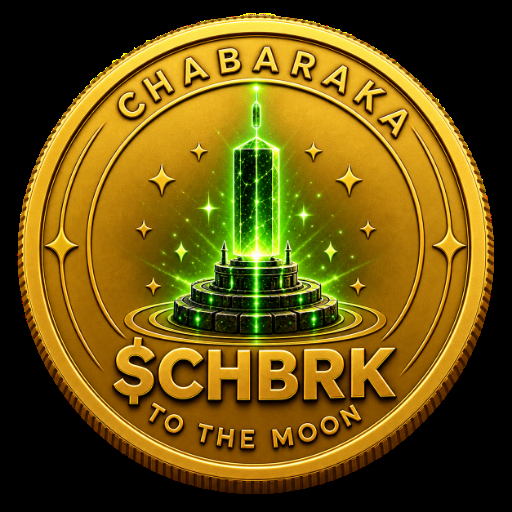
🌍 CHABARAKA is an independent project built around its own fictional universe, $CHBRK Energy Device, Genesis NFTs, and a developing gaming experience.
We're nowhere near Dogecoin's scale, and we don't pretend otherwise.
We're at the beginning.
But we're building with the hope that one day CHABARAKA can also become something much bigger than a meme token.
We admire their journey.
We're building our own.
Different beginnings. Different worlds. The same belief that a meme can grow into something meaningful. 💜
💬 Do you believe more memecoins will evolve into full ecosystems?
#Dogecoin #CHBRK #Web3
🚀 DOGECOIN SHOWS WHAT A MEME CAN BECOME
The launch of Dogecoin Labs is another interesting development for the memecoin industry.
With MyDoge, DogeOS, and Such App coming together, the $DOGE ecosystem continues moving toward broader real-world applications.
🐕 At CHABARAKA, we genuinely admire Dogecoin.
Not simply because of its popularity or market capitalization.
But because it demonstrated something important:
A meme can grow beyond its original purpose.
Dogecoin built a global community, established its place in the cryptocurrency industry, and continues exploring new possibilities.
That's the kind of long-term achievement we aspire to.
🌍 CHABARAKA is an independent project built around its own fictional universe, $CHBRK Energy Device, Genesis NFTs, and a developing gaming experience.
We're nowhere near Dogecoin's scale, and we don't pretend otherwise.
We're at the beginning.
But we're building with the hope that one day CHABARAKA can also become something much bigger than a meme token.
We admire their journey.
We're building our own.
Different beginnings. Different worlds. The same belief that a meme can grow into something meaningful. 💜
💬 Do you believe more memecoins will evolve into full ecosystems?
#Dogecoin #CHBRK #Web3
The launch of Dogecoin Labs is another interesting development for the memecoin industry.
With MyDoge, DogeOS, and Such App coming together, the $DOGE ecosystem continues moving toward broader real-world applications.
🐕 At CHABARAKA, we genuinely admire Dogecoin.
Not simply because of its popularity or market capitalization.
But because it demonstrated something important:
A meme can grow beyond its original purpose.
Dogecoin built a global community, established its place in the cryptocurrency industry, and continues exploring new possibilities.
That's the kind of long-term achievement we aspire to.
🌍 CHABARAKA is an independent project built around its own fictional universe, $CHBRK Energy Device, Genesis NFTs, and a developing gaming experience.
We're nowhere near Dogecoin's scale, and we don't pretend otherwise.
We're at the beginning.
But we're building with the hope that one day CHABARAKA can also become something much bigger than a meme token.
We admire their journey.
We're building our own.
Different beginnings. Different worlds. The same belief that a meme can grow into something meaningful. 💜
💬 Do you believe more memecoins will evolve into full ecosystems?
#Dogecoin #CHBRK #Web3
107

·
--
$XRP : Bridging the Gap in Global Finance
Fast. Scalable. Eco-friendly.
$xrp is not just another token—it's the fuel powering seamless real-time global transfers. 💸✨
Stay focused on the long-term utility! 🚀
The $XRP community ($XRP Ledger family) knows the power of patience! With growing utility, expanding partnerships, and strong market sentiment, XRP continues to demonstrate its strength. 📈
💎 Key Highlights:
Unmatched speed and scalability
Real-world global settlement utility
Unstoppable community support
#RippleXRP #CryptoLife #Web3 #XRP 🚀
$XRP : Bridging the Gap in Global Finance
Fast. Scalable. Eco-friendly.
$xrp is not just another token—it's the fuel powering seamless real-time global transfers. 💸✨
Stay focused on the long-term utility! 🚀
The $XRP community ($XRP Ledger family) knows the power of patience! With growing utility, expanding partnerships, and strong market sentiment, XRP continues to demonstrate its strength. 📈
💎 Key Highlights:
Unmatched speed and scalability
Real-world global settlement utility
Unstoppable community support
#RippleXRP #CryptoLife #Web3 #XRP 🚀
Fast. Scalable. Eco-friendly.
$xrp is not just another token—it's the fuel powering seamless real-time global transfers. 💸✨
Stay focused on the long-term utility! 🚀
The $XRP community ($XRP Ledger family) knows the power of patience! With growing utility, expanding partnerships, and strong market sentiment, XRP continues to demonstrate its strength. 📈
💎 Key Highlights:
Unmatched speed and scalability
Real-world global settlement utility
Unstoppable community support
#RippleXRP #CryptoLife #Web3 #XRP 🚀
1
66
Log in to explore more content
Join global crypto users on Binance Square
⚡️ Get latest and useful information about crypto.
💬 Trusted by the world’s largest crypto exchange.
👍 Discover real insights from verified creators.
Email / Phone number
Trending Topics
1
#BinancePick
305,296 views
47,962 Discussing
2
#TeslaSlides5%PreMarket
96,690 views
1,034 Discussing
3
#KOSPISinks3.52%ToLowestCloseSinceApril
25,374 views
651 Discussing
4
#TeslaAndNvidiaToInvest$2.8BInSamsungElectroMechanics
2,757 views
70 Discussing
5
#ChinaSeeksToSeize61800BTC
56,919 views
762 Discussing
6
#BitcoinETFsPullIn$1.08BInThreeDays
5,071 views
66 Discussing
7
#EarningsSeason
2.6M views
12,869 Discussing
8
#EthereumSurpasses$2500
46,654 views
266 Discussing
9
#BitcoinDropsBelow$84K
24,224 views
106 Discussing
10
#FirstUNIBlockTradeViaRegulatedTradFiChannelCompleted
3,074 views
80 Discussing