

#tokenomics
tokenomics
2.2M views
4,792 Discussing
Hot
Latest

·
--
Bullish
Verified
See translation
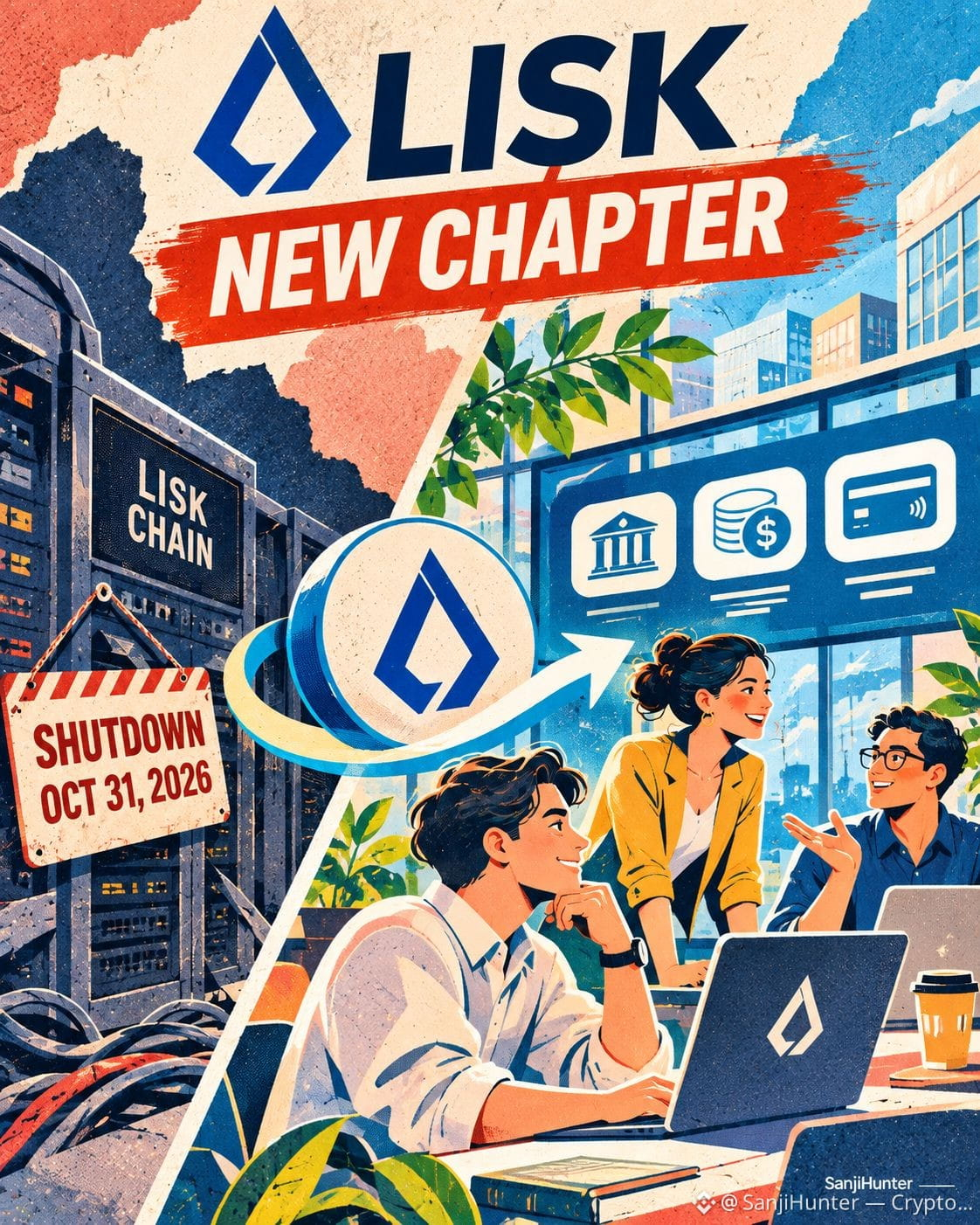
🚨 $LSK is up nearly 10% — but Lisk is no longer betting on its own blockchain
Lisk set October 31 as the shutdown deadline for Lisk Chain, shifting its business toward corporate money operations across fiat and stablecoins
The token isn't disappearing 👇
{future}(LSKUSDT)
🔥 100M LSK already burned, cutting total supply from 400M to 300M
💰 $4.388M buyback budget running through December 31
🔄 $LSK is being repositioned as a loyalty token, with new utility planned for 2027
But here's the distinction
The burn is completed
The buyback budget isn't the same as completed purchases
And future token utility still needs real business adoption
{spot}(LSKUSDT)
⚠️ Holders also face different risks depending on where their tokens are held — Ethereum and exchange balances aren't the same as assets left on the retiring Lisk Chain
📌 Watch verified buybacks, customer adoption and actual LSK usage
Reducing supply can change the tokenomics
Only execution can validate the new business
$ETH
{future}(ETHUSDT)
#LSK #lisk #Tokenomics
🚨 $LSK is up nearly 10% — but Lisk is no longer betting on its own blockchain
Lisk set October 31 as the shutdown deadline for Lisk Chain, shifting its business toward corporate money operations across fiat and stablecoins
The token isn't disappearing 👇
🔥 100M LSK already burned, cutting total supply from 400M to 300M
💰 $4.388M buyback budget running through December 31
🔄 $LSK is being repositioned as a loyalty token, with new utility planned for 2027
But here's the distinction
The burn is completed
The buyback budget isn't the same as completed purchases
And future token utility still needs real business adoption
⚠️ Holders also face different risks depending on where their tokens are held — Ethereum and exchange balances aren't the same as assets left on the retiring Lisk Chain
📌 Watch verified buybacks, customer adoption and actual LSK usage
Reducing supply can change the tokenomics
Only execution can validate the new business
$ETH
#LSK #lisk #Tokenomics
708

·
--
See translation
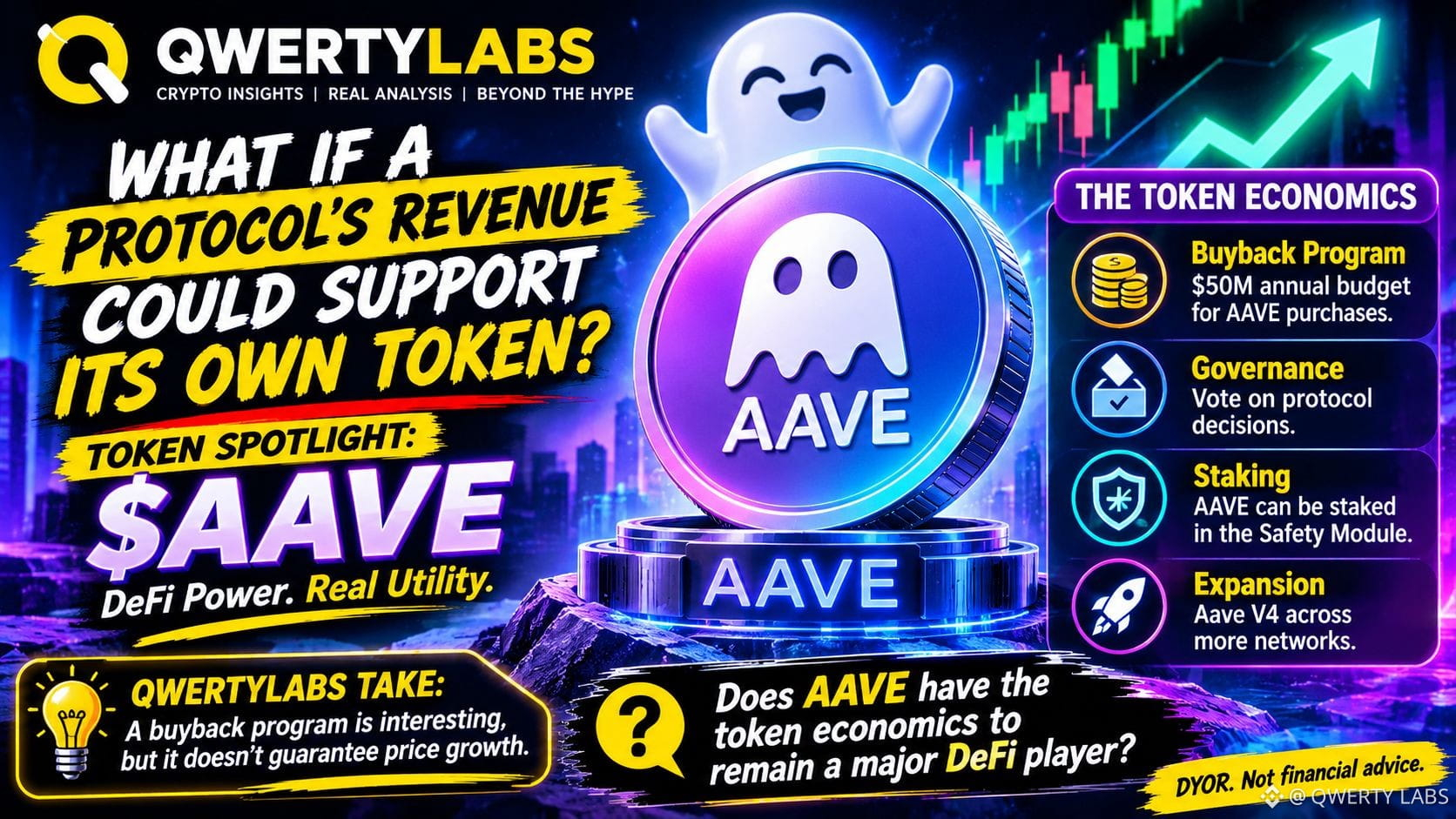
💰 WHAT IF A PROTOCOL’S REVENUE COULD SUPPORT ITS OWN TOKEN?
🔍 TOKEN SPOTLIGHT: $AAVE
Aave is one of the major names in decentralized lending. Users can supply crypto assets to earn interest or borrow against their collateral.
But there’s another part worth watching…
📊 THE TOKEN ECONOMICS • Buyback program: Aave DAO has a $50 million annual budget for AAVE purchases. • Governance: AAVE holders can vote on protocol decisions. • Staking: AAVE can be staked in the Safety Module. • Expansion: Aave V4 is extending the protocol to additional networks.
🎯 #QWERTYLABS TAKE: A buyback program is interesting, but it doesn't guarantee price appreciation. Protocol revenue, actual demand, token supply, and market conditions still matter.
⚠️ The risk: DeFi competition, smart-contract vulnerabilities, and changing market conditions can affect the entire ecosystem.
💬 Your opinion: Does AAVE have the token economics to remain a major DeFi player?
#AAVE #defi #Tokenomics #CryptoResearch
110
See translation
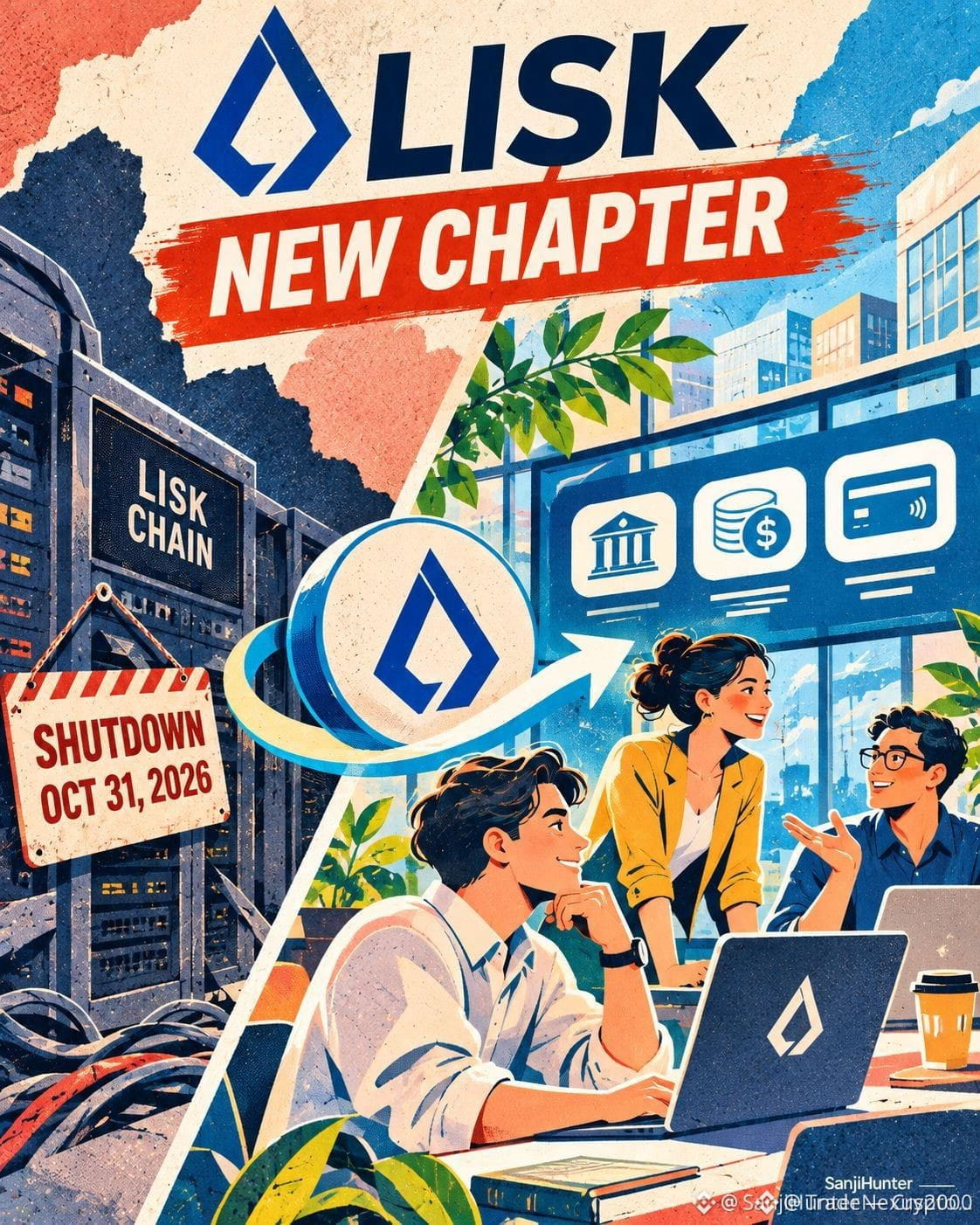
🦈 $LSK SURGES 10% AS INSTITUTIONAL RESTRUCTURING TRIGGERS A 100M TOKEN SUPPLY CONTRACTION! ⚡
📌 The fundamental architecture behind $LSK is undergoing an aggressive structural reset. A completed 100M token burn contracted total supply to 300M, paired with a designated $4.388M buyback capital pool active through December 31.
🔍 With the legacy chain terminating on October 31, liquidity dynamics hinge entirely on migrating balances toward $ETH environments and corporate execution rather than unallocated reserves.
💡 Real market absorption requires verifiable order flow rather than distant loyalty model projections. 🤔 Are you positioning for this tokenomic supply squeeze, or waiting for confirmed migration stability?
⚠️ Not financial advice. Always manage your risk. 🛡️
🏷️ #LSK #Tokenomics #Altcoins #CryptoAnalysis
🎯 🦈
15

·
--
See translation
🚨 $ENA ERASES INVESTOR UNLOCKS PERMANENTLY AS 95% PROFIT BUYBACK ENGINE GOES LIVE! 💥
The structural supply overhang on $ENA just got completely incinerated. By acquiring locked investor allocations through targeted OTC deals and terminating remaining unlock schedules by October 5th, early dilution risk is taken entirely off the board. 🦈
To supercharge the bid, 95% of net protocol profits from USDe yield and stablecoin operations will feed directly into market repurchases as liquidity scales. 📊 This transitions the supply dynamics from predatory unlocks into a relentless capital feedback loop. ⚡
💡 Is this radical pivot toward real revenue buybacks the new benchmark for DeFi tokenomics? 👇
⚠️ Not financial advice. Always manage your risk. 🛡️
🏷️ #ENA #DeFi #Tokenomics #Crypto
🔥 💎
5

·
--
See translation
Here's what happened when a new token launched on a bonding curve with aggressive buyback mechanics last week.
Traders still FOMO into anything that promises automatic burns, thinking the supply will just keep shrinking and price will follow. They rarely check what those burns actually do to liquidity after the first few days.
The mechanics were straightforward. 10% of every fee bought tokens back from the pool and burned them. Another 1% of every curve buy got burned on the spot. Initial $SOL volume made the dashboard look strong.
Once trading shifted fully to the pool, the buybacks started reducing available liquidity instead of supporting it. Volume dropped, the burns slowed, and price became easier to push down. That's the part most people scrolling past the launch tweets never notice.
We've watched the same pattern play out with $BONK and $WIF. Fancy tokenomics do not stop an exit when early holders decide the party is over.
Anyone else seeing this pattern repeat on the latest launches?
#Tokenomics #Solana #Memecoins
Here's what happened when a new token launched on a bonding curve with aggressive buyback mechanics last week.
Traders still FOMO into anything that promises automatic burns, thinking the supply will just keep shrinking and price will follow. They rarely check what those burns actually do to liquidity after the first few days.
The mechanics were straightforward. 10% of every fee bought tokens back from the pool and burned them. Another 1% of every curve buy got burned on the spot. Initial $SOL volume made the dashboard look strong.
Once trading shifted fully to the pool, the buybacks started reducing available liquidity instead of supporting it. Volume dropped, the burns slowed, and price became easier to push down. That's the part most people scrolling past the launch tweets never notice.
We've watched the same pattern play out with $BONK and $WIF . Fancy tokenomics do not stop an exit when early holders decide the party is over.
Anyone else seeing this pattern repeat on the latest launches?
#Tokenomics #Solana #Memecoins
122
·
--
See translation
If you're still ignoring how token creators get paid after launch, stop now.
Traders keep getting wrecked because most creators vanish the second the initial hype dies. You FOMO in at the top, they dump, and you're left holding bags with no idea why the project had zero staying power.
This model pays creators on every single trade. 40% of every 1% fee goes straight to their wallet automatically, both while the token sits on the curve and after it moves into the pool.
Some will call it another tax on traders who already bleed enough on fees. It could make quick flips even harder. I think the alignment is worth the cost though. Creators finally have a reason to keep showing up instead of disappearing on day one.
This kind of structure could actually cut rugs across $SOL memes, $BNB launches, and even $ETH tokens if it spreads.
Where do you think this goes from here?
#Tokenomics #CryptoTrading #MemeCoins
21

See translation
🚨 $HYPE BURNS CANNOT HIDE THE MASSIVE UNLOCK WALL ABSORBING THE ORDER BOOK! 📉
The headline burn numbers for $HYPE look impressive on paper with nearly 50M tokens torched, but the underlying tokenomics paint a stark reality. 📊 Monthly unlocks are releasing 9.9M tokens onto the market, meaning current burn rates offset a mere 6% of the incoming flood.
Even with an astounding $1.38B in protocol revenue, circulating supply keeps expanding as early allocations continuously dilute the bid. 🌊 Savvy market participants track net supply delta over nominal burn stats every single time.
💬 Can organic buyer volume absorb this massive unlock schedule long term, or are secondary buyers just providing exit liquidity? 👇
⚠️ Not financial advice. Always manage your risk. 🛡️
🏷️ #HYPE #Tokenomics #CryptoAnalysis #Altcoins
🦈 💡

17
See translation
$UNI IS QUIETLY BURNING MILLIONS IN SUPPLY WHILE DEFI INFLATION BLEEDS OTHERS 💥 🦈
Smart money takes notice when tokenomics flip from inflationary drag to a systemic supply sink. Messari metrics reveal $UNI devoured over $300K in tokens across a 10-day sprint, pacing an aggressive $160M annual burn rate. 🌊
Protocol fees are actively wiping UNI out of existence, creating a structural supply squeeze while rival DeFi tokens continue diluting their holders. 📊 If volume sustains this velocity, we are looking at one of the cleanest fundamental supply sinks in decentralized finance. 💡
💬 Will this relentless fee-driven burn propel $UNI to lead the next DeFi expansion, or do fees drop off from here? 👇
⚠️ Not financial advice. Always manage your risk. 🛡️
🏷️ #UNI #DeFi #Tokenomics #Crypto
🔥 💎
16

·
--
See translation
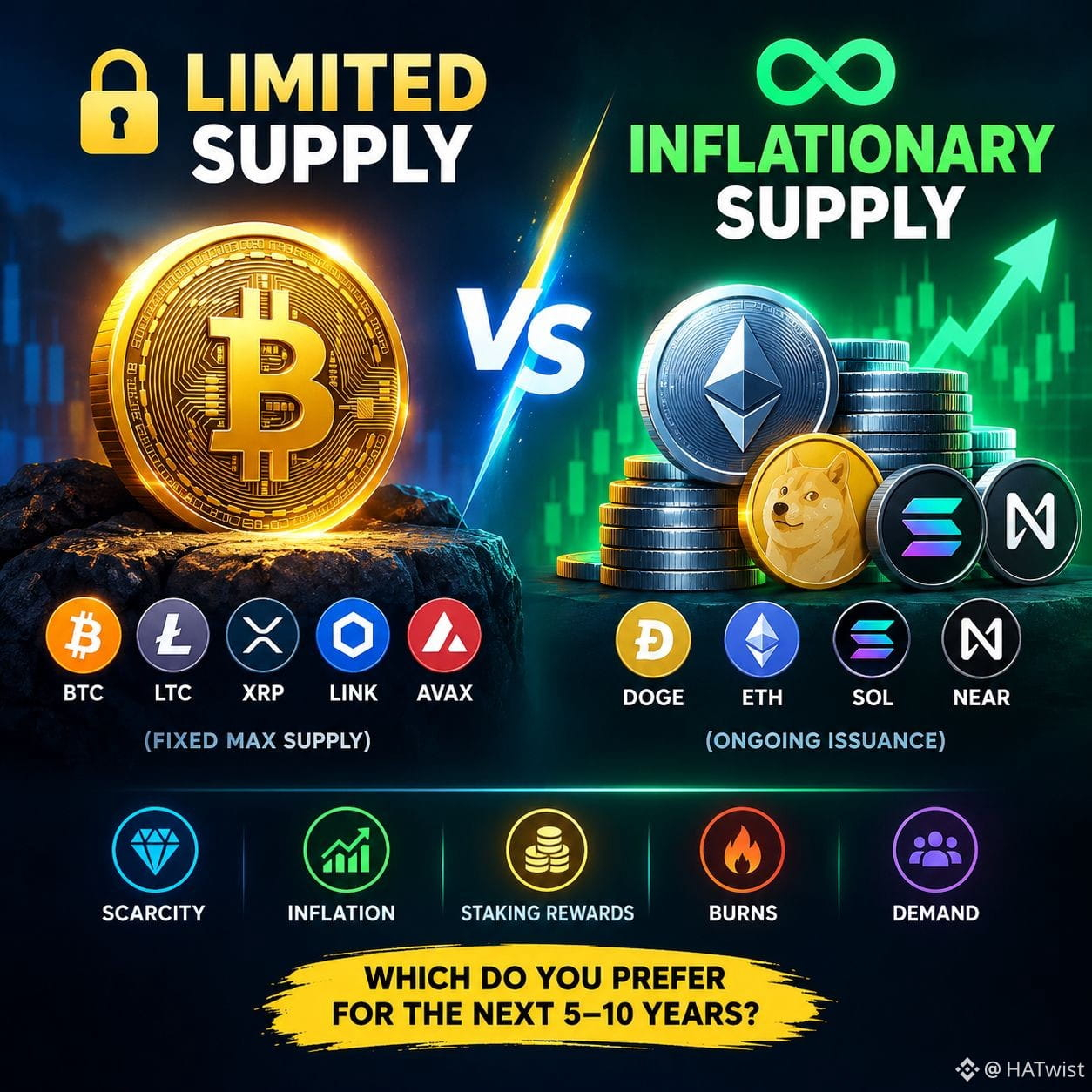
🪙 LIMITED SUPPLY vs UNLIMITED SUPPLY – WHAT'S BETTER FOR CRYPTO? 🚀
Not all cryptocurrencies are created equal. One of the biggest differences between crypto projects is their token supply model.
Some cryptocurrencies have a fixed maximum supply, while others continuously introduce new tokens into circulation.
Let's look at some examples 👇
🔒 LIMITED / CAPPED SUPPLY
🔹️ $BTC – 21 Million
🔹️ $LTC – 84 Million
🔹️ $XRP – 100 Billion
🔹️ $LINK – 1 Billion
🔹️ $AVAX – 720 Million
♾️ INFLATIONARY / NO FIXED MAXIMUM
🔹️ $DOGE – Ongoing issuance
🔹️ $ETH – Issuance + Burning
🔹️ $SOL – Inflationary supply
🔹️ $NEAR – Inflation + Token Burning
🔥 WHY DOES IT MATTER?
Supply affects scarcity, inflation, tokenomics, staking rewards and long-term demand.
💡 Limited supply doesn't guarantee higher prices, and unlimited supply doesn't mean a weak project. Real utility, adoption and demand matter most!
👀 Which model do you prefer for the next 5–10 years?
🅰️ Limited Supply
🅱️ Inflationary Supply
Drop your choice below! 👇🚀
#Bitcoin #Ethereum #Crypto #Tokenomics #Altcoins
1
42

Tokenomics Warning & Early-Month Unlock Schedule: Is the 67% Long Crowd at Risk of Getting Dumped On?$SUI around 0.901 USDT: The early-month token unlock and liquidity pressure are weighing heavily on the bulls.
Breaking down Tokenomics & Derivatives data:
• Supply structure: The maximum supply is fixed at 10 billion $SUI, with FDV anchored around $9.01 billion. The regular vesting schedule releases a large amount of tokens into the market at the start of each month, creating persistent dilution pressure.
• Derivatives data: Long positions are extremely crowded, with 67.41% of retail traders leaning Long (ratio 2.07); Top Traders are also anchored at 66.51% Long positions.
Tokenomics Warning & Early-Month Unlock Schedule: Is the 67% Long Crowd at Risk of Getting Dumped On?
$SUI around 0.901 USDT: The early-month token unlock and liquidity pressure are weighing heavily on the bulls.
Breaking down Tokenomics & Derivatives data:
• Supply structure: The maximum supply is fixed at 10 billion $SUI , with FDV anchored around $9.01 billion. The regular vesting schedule releases a large amount of tokens into the market at the start of each month, creating persistent dilution pressure.
• Derivatives data: Long positions are extremely crowded, with 67.41% of retail traders leaning Long (ratio 2.07); Top Traders are also anchored at 66.51% Long positions.
62

·
--
See translation
📚 Web3 Basics: Tokenomics
Before farming a project, study its tokenomics!
🔹 Total & circulating supply
🔹 Token allocation
🔹 Vesting schedules
🔹 Upcoming unlocks
🔹 FDV vs. market cap
A popular project doesn't automatically mean a valuable token.
Research the supply before the hype. 🔍
#crypto #Web3 #Tokenomics
Before farming a project, study its tokenomics!
🔹 Total & circulating supply
🔹 Token allocation
🔹 Vesting schedules
🔹 Upcoming unlocks
🔹 FDV vs. market cap
A popular project doesn't automatically mean a valuable token.
Research the supply before the hype. 🔍
#crypto #Web3 #Tokenomics
63
See translation
LA Token Unlock and Market Metrics Update 👇
{future}(LAUSDT)
Token unlock events and circulating supply adjustments remain critical factors for traders monitoring altcoin tokenomics and short-term volatility. The LA token is currently trading at 0.0531, reflecting a 2.4% decrease or 9.39% decline on the session.
Key metrics for the asset include a total market capitalization of $65.97 million. In terms of token distribution, the total unlocked supply stands at 445.21 million LA, representing 19.30% of the total supply.
Additionally, an upcoming token unlock is scheduled for November 2, 2026, at 05:30, releasing 25.43 million LA, which accounts for 2.54% of the supply. For crypto investors and active market participants, tracking upcoming cliffs and unlock schedules is essential for managing dilution risk and positioning around key dates.
$LA #CoinVahini #TokenUnlock #CryptoMarket #Tokenomics #Altcoins
LA Token Unlock and Market Metrics Update 👇
Token unlock events and circulating supply adjustments remain critical factors for traders monitoring altcoin tokenomics and short-term volatility. The LA token is currently trading at 0.0531, reflecting a 2.4% decrease or 9.39% decline on the session.
Key metrics for the asset include a total market capitalization of $65.97 million. In terms of token distribution, the total unlocked supply stands at 445.21 million LA, representing 19.30% of the total supply.
Additionally, an upcoming token unlock is scheduled for November 2, 2026, at 05:30, releasing 25.43 million LA, which accounts for 2.54% of the supply. For crypto investors and active market participants, tracking upcoming cliffs and unlock schedules is essential for managing dilution risk and positioning around key dates.
$LA #CoinVahini #TokenUnlock #CryptoMarket #Tokenomics #Altcoins
5

·
--
Recall Foundation: closure announced, burn still unverified
The official notice dated October 30, 2026, announces the closure of Recall Foundation and its subsidiary Atlas Networks. It does not announce the closure of Recall Labs, a separate entity.
It proposes burning approximately 358.6 million RECALL, equivalent to 35.86% of the total supply. This is a conditional estimate; the notice contains a contradiction: the timeline mentions a burn on October 30, but the detailed section says it is planned before the wind-down in the first quarter of 2027. A full burn has not been confirmed.
For holders:
• There will be no buyback, redemption, or treasury distribution.
• Users’ staked RECALL is excluded from the burn; the original lockups remain in effect.
• The timeline provides for read-only mode starting November 30; the notice refers to the contract for subsequent lockups.
• Approximately $3.7 million in USDC, USDT, and fiat currency is allocated to creditors and closure costs. These figures are unaudited.
Market perspective: Binance’s RECALLUSDT perpetual was trading at 0.03421 USDT (+1.18% over 24 hours) as of October 31, 04:13 UTC. This is a futures price. Lower supply does not guarantee demand or a recovery; the end of liquidity support and possible delistings add risk.
$RECALL $USDC $USDT
Educational Content. Not financial advice.
#Recall #Tokenomics #Riesgos #FinancialEducation

1
172
·
--
Article
See translation
Token Unlocks Explained: Why They Matter More Than Many Crypto Traders RealizeA project can have strong technology, a growing community, and rising demand — yet its token price may still face pressure. One reason is often overlooked: token unlocks.
If you research altcoins, understanding token unlocks can help you make more informed decisions before entering a position.
1. What Is a Token Unlock?
Many crypto projects do not release all their tokens into circulation at launch.
Instead, tokens may be allocated to founders, early investors, employees, ecosystem funds, or community incentives. Some of these allocations are subject to vesting schedules that restrict when tokens can be transferred or sold.
A token unlock is when previously restricted tokens become available under the project's token distribution rules.
Importantly, an unlock does not automatically mean that tokens will be sold. It means the holders may gain the ability to transfer or sell them, subject to the applicable terms.
2. Why Can Unlocks Affect Price?
The key relationship is between supply and demand.
When more tokens become available, the market must absorb any additional selling pressure if holders decide to sell.
Consider a simplified example:
A project has 100 million tokens in circulation. Another 10 million tokens become unlocked.
If all those tokens enter the circulating supply, the number of circulating tokens could increase by 10%.
That does not mean the price must fall by 10%. The market impact depends on demand, liquidity, holder behavior, expectations, and the size of the unlock relative to trading activity.
If demand grows strongly, the market may absorb the new supply. If demand is weak and many holders sell, the price may face downward pressure.
3. Four Things to Check Before an Unlock
A. Unlock size
Look at the number of tokens being unlocked and compare it with the existing circulating supply.
A large unlock relative to circulation may deserve more attention than a small one.
B. Who receives the tokens?
An unlock allocated to early investors or insiders can have a different risk profile from one intended for ecosystem incentives or community rewards.
However, the allocation alone cannot tell you what recipients will do.
C. Trading liquidity
Compare the value of the unlocked tokens with the token's typical trading volume and available market liquidity.
A large release into a thin market may be harder to absorb than the same release into a deep market.
D. The vesting schedule
Check whether the project has a one-time cliff unlock or regular, gradual releases.
A schedule helps you understand when additional tokens may become available, rather than relying on rumors or social media speculation.
4. Market Cap vs. Fully Diluted Valuation
Two metrics can help provide context:
- Market capitalization: Token price multiplied by circulating supply.
- Fully diluted valuation (FDV): Token price multiplied by the total supply assumed under the project's stated tokenomics.
FDV is a valuation metric, not a prediction of future market value. The relationship between circulating supply and total supply can help you understand how much supply may still enter circulation.
A high FDV relative to market cap may signal that future token releases deserve closer examination, but it is not a standalone buy or sell signal.
5. Does a Token Unlock Always Mean a Price Drop?
No.
Markets often anticipate publicly scheduled events. Sometimes the expected impact is already reflected in the price before the unlock occurs.
Other factors can outweigh the new supply, including increased adoption, improved liquidity, major product developments, broader market momentum, or changes in investor expectations.
That is why it is risky to assume that every unlock creates a short opportunity — just as it is risky to ignore unlocks entirely.
6. A Practical Research Checklist
Before investing in a token, ask yourself:
1. When is the next unlock?
2. What percentage of circulating supply will it represent?
3. Who receives the unlocked tokens?
4. How does the release compare with typical trading volume?
5. What does the project's token distribution schedule show?
6. Is there evidence of real demand that could absorb additional supply?
Use reliable project documentation and established token-unlock trackers, then verify important dates against official sources whenever possible. Schedules can change.
Final Thoughts
Token unlocks are not automatic bearish signals. They are one part of a broader analysis of supply, demand, liquidity, and investor behavior.
A good crypto research process looks beyond price charts and headlines. It asks how a token works, how its supply is distributed, and what future events could change market conditions.
Before you buy an altcoin, don't just ask how high its price could go. Ask how much new supply could enter the market — and who may receive it.
Let's Discuss
Do you check token unlock schedules before buying altcoins?
A) Always
B) Sometimes
C) Only for new projects
D) I haven't started checking them yet
Share your answer in the comments.
Educational content only. This article is not financial advice. Token unlocks do not reliably predict price direction, and crypto assets are volatile.
$BTC $METAB $ETH
#Tokenomics #CryptoEducation💡🚀 #altcoins #cryptotrading #BinanceSquare
Token Unlocks Explained: Why They Matter More Than Many Crypto Traders Realize
A project can have strong technology, a growing community, and rising demand — yet its token price may still face pressure. One reason is often overlooked: token unlocks.
If you research altcoins, understanding token unlocks can help you make more informed decisions before entering a position.
1. What Is a Token Unlock?
Many crypto projects do not release all their tokens into circulation at launch.
Instead, tokens may be allocated to founders, early investors, employees, ecosystem funds, or community incentives. Some of these allocations are subject to vesting schedules that restrict when tokens can be transferred or sold.
A token unlock is when previously restricted tokens become available under the project's token distribution rules.
Importantly, an unlock does not automatically mean that tokens will be sold. It means the holders may gain the ability to transfer or sell them, subject to the applicable terms.
2. Why Can Unlocks Affect Price?
The key relationship is between supply and demand.
When more tokens become available, the market must absorb any additional selling pressure if holders decide to sell.
Consider a simplified example:
A project has 100 million tokens in circulation. Another 10 million tokens become unlocked.
If all those tokens enter the circulating supply, the number of circulating tokens could increase by 10%.
That does not mean the price must fall by 10%. The market impact depends on demand, liquidity, holder behavior, expectations, and the size of the unlock relative to trading activity.
If demand grows strongly, the market may absorb the new supply. If demand is weak and many holders sell, the price may face downward pressure.
3. Four Things to Check Before an Unlock
A. Unlock size
Look at the number of tokens being unlocked and compare it with the existing circulating supply.
A large unlock relative to circulation may deserve more attention than a small one.
B. Who receives the tokens?
An unlock allocated to early investors or insiders can have a different risk profile from one intended for ecosystem incentives or community rewards.
However, the allocation alone cannot tell you what recipients will do.
C. Trading liquidity
Compare the value of the unlocked tokens with the token's typical trading volume and available market liquidity.
A large release into a thin market may be harder to absorb than the same release into a deep market.
D. The vesting schedule
Check whether the project has a one-time cliff unlock or regular, gradual releases.
A schedule helps you understand when additional tokens may become available, rather than relying on rumors or social media speculation.
4. Market Cap vs. Fully Diluted Valuation
Two metrics can help provide context:
- Market capitalization: Token price multiplied by circulating supply.
- Fully diluted valuation (FDV): Token price multiplied by the total supply assumed under the project's stated tokenomics.
FDV is a valuation metric, not a prediction of future market value. The relationship between circulating supply and total supply can help you understand how much supply may still enter circulation.
A high FDV relative to market cap may signal that future token releases deserve closer examination, but it is not a standalone buy or sell signal.
5. Does a Token Unlock Always Mean a Price Drop?
No.
Markets often anticipate publicly scheduled events. Sometimes the expected impact is already reflected in the price before the unlock occurs.
Other factors can outweigh the new supply, including increased adoption, improved liquidity, major product developments, broader market momentum, or changes in investor expectations.
That is why it is risky to assume that every unlock creates a short opportunity — just as it is risky to ignore unlocks entirely.
6. A Practical Research Checklist
Before investing in a token, ask yourself:
1. When is the next unlock?
2. What percentage of circulating supply will it represent?
3. Who receives the unlocked tokens?
4. How does the release compare with typical trading volume?
5. What does the project's token distribution schedule show?
6. Is there evidence of real demand that could absorb additional supply?
Use reliable project documentation and established token-unlock trackers, then verify important dates against official sources whenever possible. Schedules can change.
Final Thoughts
Token unlocks are not automatic bearish signals. They are one part of a broader analysis of supply, demand, liquidity, and investor behavior.
A good crypto research process looks beyond price charts and headlines. It asks how a token works, how its supply is distributed, and what future events could change market conditions.
Before you buy an altcoin, don't just ask how high its price could go. Ask how much new supply could enter the market — and who may receive it.
Let's Discuss
Do you check token unlock schedules before buying altcoins?
A) Always
B) Sometimes
C) Only for new projects
D) I haven't started checking them yet
Share your answer in the comments.
Educational content only. This article is not financial advice. Token unlocks do not reliably predict price direction, and crypto assets are volatile.
$BTC $METAB $ETH
#Tokenomics #CryptoEducation💡🚀 #altcoins #cryptotrading #BinanceSquare
147
Article
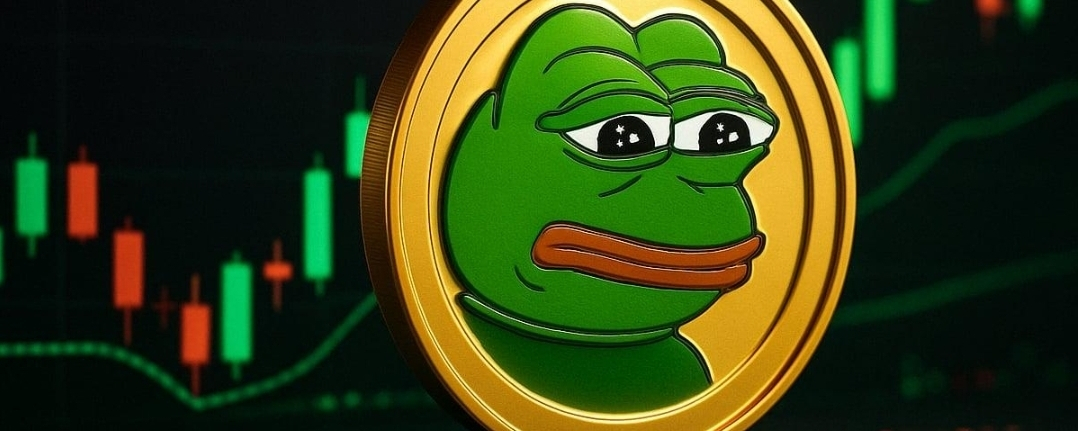
🐸 Can $PEPE Reach US$1? The Math Behind an Almost Impossible GoalMany memecoin investors dream of $PEPE reaching US$1 per token. But before thinking about how much we would earn, we need to analyze whether that valuation makes mathematical and economic sense.
🔴THE SUPPLY PROBLEM
PEPE has an approximate circulating supply of 413.77 trillion tokens (413,772,350,000,000 PEPE, according to CoinMarketCap). Other platforms show a figure close to 420.69 trillion because they use different criteria for counting burned tokens.
⚫️WHAT WOULD ITS MARKET CAP BE AT US$1?
🐸 Can $PEPE Reach US$1? The Math Behind an Almost Impossible Goal
Many memecoin investors dream of $PEPE reaching US$1 per token. But before thinking about how much we would earn, we need to analyze whether that valuation makes mathematical and economic sense.
🔴THE SUPPLY PROBLEM
PEPE has an approximate circulating supply of 413.77 trillion tokens (413,772,350,000,000 PEPE, according to CoinMarketCap). Other platforms show a figure close to 420.69 trillion because they use different criteria for counting burned tokens.
⚫️WHAT WOULD ITS MARKET CAP BE AT US$1?
Feed-Creator-0baa4afd8:
Nunca es nunca.
3
12
12.4k

·
--
See translation
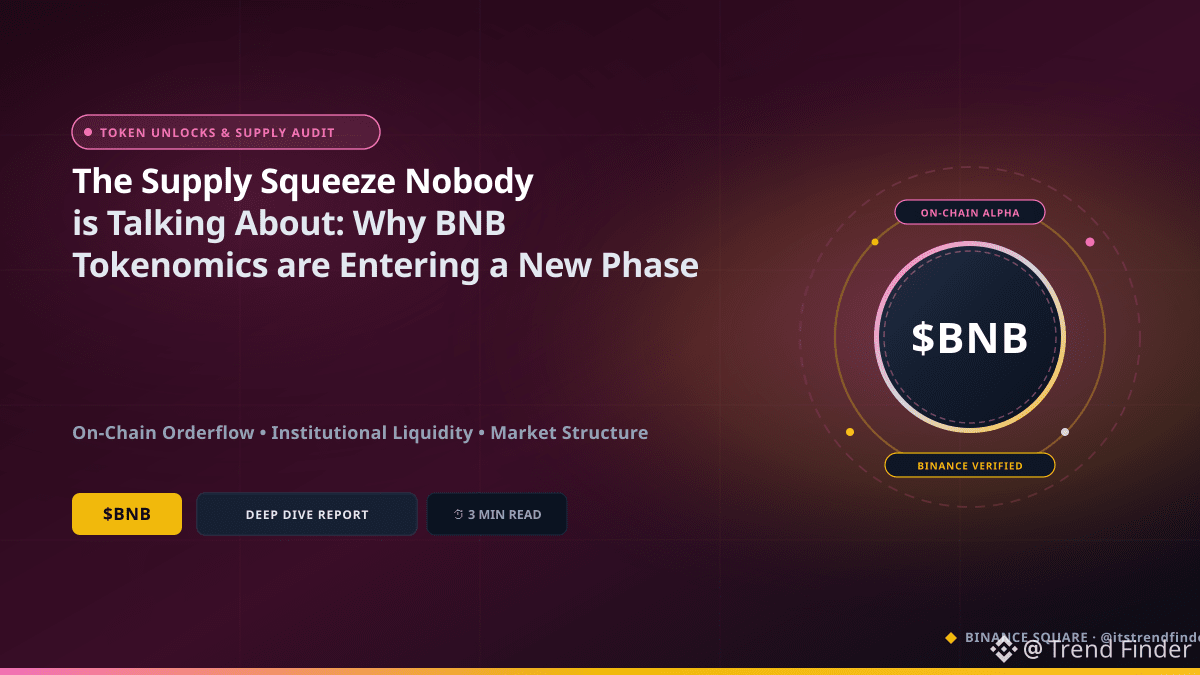
The Supply Squeeze Nobody is Talking About: Why BNB Tokenomics are Entering a New Phase
While the rest of the market is currently obsessing over which venture capital-backed chain is about to dump millions of tokens on retail via vesting cliffs, the situation with $BNB has reached a level of programmatic maturity that is rare in this space. At a current price of 745.86, the conversation is no longer about when the team or early investors will sell, because there is effectively nothing left to unlock. We are looking at a system where the vast majority of supply is already in circulation, shifting the entire narrative from supply inflation to organic scarcity.
The real magic happens under the hood with the dual-burn mechanism. Between the quarterly Auto-Burn and the real-time BEP-95 gas burning, the protocol is effectively eating its own supply with every transaction. Unlike inflationary layer-one projects that need constant new capital just to offset their own issuance, this ecosystem is functioning on a net-deflationary model. When you factor in the massive amount of supply locked in Launchpools and ecosystem staking, the liquid float available on exchanges is far tighter than the market cap suggests. Many long-term holders are choosing to keep their assets locked for ecosystem rewards rather than keeping them liquid on an order book.
Whale flows have remained remarkably consistent, largely because the incentive to hold outweighs the desire to exit into a shrinking pool. We are seeing a structural shift where value accrual is tied directly to network utility. Every swap on a decentralized exchange or mint on a dApp contributes to that downward pressure on the total count. As we move into higher volatility periods, the velocity of these burns only increases.
With the target supply set at 100,000,000 tokens, do you think the current burn pace is aggressive enough to keep supply tight if we see a massive spike in activity heading into the next cycle?
_
#TokenUnlocks #Tokenomics
1
1

See translation
🚨 $SUI TOKENOMICS SHOWDOWN: WILL DEMAND OUTPACE SUPPLY BY 2027? 🦈
Smart money parses the 10 B max supply and upcoming token unlock schedule, measuring dilution risk like a liquidity sweep 🦈. 📊 Staking incentives and on‑chain utility are the real demand drivers, not the hype‑filled price chatter.
If demand accelerates faster than the circulating supply, the order block could flip into a bullish imbalance, giving institutional players a clean entry zone. 🔍 Keep an eye on real‑world adoption metrics and the staking‑reward curve for the next signal. 💬 What realistic $SUI target are you penciling in for 2027? 👇
⚠️ Not financial advice. Always manage your risk. 🛡️
🏷️ #SUI #Tokenomics #LongSetup #Crypto
🚀 🦈

3
See translation
🚀 $SUI FUNDAMENTAL PLAY: DEMAND VS SUPPLY SHOWDOWN 🟢
📊 The 10 B max supply caps upside, but token unlock schedules could flood the market, diluting value. 🦈 Staking rewards are the real utility engine, pulling holders into the ecosystem while real‑world demand fights the circulating supply. 📈 If demand accelerates faster than each unlock, the price curve could steepen dramatically.
💡 Smart investors cut through the hype, zeroing in on tokenomics and liquidity depth. The question isn’t “will $SUI hit $10?” but “can the demand tide outpace the supply tide?” 💬 What realistic target do you see for $SUI by 2027? 👇
⚠️ Not financial advice. Always manage your risk. 🛡️
🏷️ #SUI #Tokenomics #LongSetup #Crypto
🔥 💎

1
6
0.87u: A closer look at tokenomics & could the early November unlock schedule be a hurdle?$SUI 0.87u: Dilution pressure warning & early November token unlock schedule — What should holders do?
A sharp market correction brought $SUI down to around 0.87u (-7.8% in 24 hours). Alongside the pullback in $BTC, Sui’s tokenomics are now in the spotlight:
Breaking down supply and demand:
• Circulating supply: Around 3.5 billion SUI (~35% of the maximum supply of 10 billion tokens).
• FDV (Fully Diluted Valuation): Nearly $8.7 billion, almost 3 times the actual circulating market cap (~$3.05 billion).
0.87u: A closer look at tokenomics & could the early November unlock schedule be a hurdle?
$SUI 0.87u: Dilution pressure warning & early November token unlock schedule — What should holders do?
A sharp market correction brought $SUI down to around 0.87u (-7.8% in 24 hours). Alongside the pullback in $BTC , Sui’s tokenomics are now in the spotlight:
Breaking down supply and demand:
• Circulating supply: Around 3.5 billion SUI (~35% of the maximum supply of 10 billion tokens).
• FDV (Fully Diluted Valuation): Nearly $8.7 billion, almost 3 times the actual circulating market cap (~$3.05 billion).
Megaptera:
khi nào múc 1 lần 1 btc hoặc hơn hãy nói. chứ múc vài u hay trăm u thì trật tự đi.
1
560

·
--
Article
From $24 to rock bottom! A terrifying crash for $LAB... Did investors fall into the trap?From $24 to rock bottom! A terrifying crash for $LAB... Did investors fall into the trap?
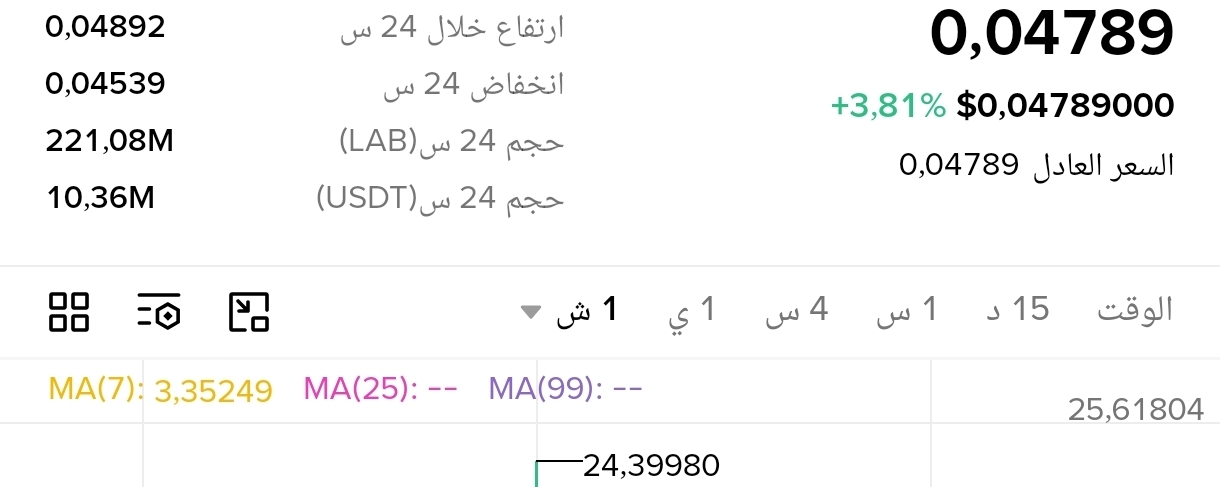
Have you seen the LAB coin chart lately? What happened isn't just a normal dip—it's a real financial earthquake that shook the crypto community to its core! A coin that soared like a rocket, nearing the $24 mark, only for markets to wake up to a terrifying sight: a total collapse of over 99%, settling at penny levels ($0.047)!
From $24 to rock bottom! A terrifying crash for $LAB... Did investors fall into the trap?
From $24 to rock bottom! A terrifying crash for $LAB ... Did investors fall into the trap?
Have you seen the LAB coin chart lately? What happened isn't just a normal dip—it's a real financial earthquake that shook the crypto community to its core! A coin that soared like a rocket, nearing the $24 mark, only for markets to wake up to a terrifying sight: a total collapse of over 99%, settling at penny levels ($0.047)!
Have you seen the LAB coin chart lately? What happened isn't just a normal dip—it's a real financial earthquake that shook the crypto community to its core! A coin that soared like a rocket, nearing the $24 mark, only for markets to wake up to a terrifying sight: a total collapse of over 99%, settling at penny levels ($0.047)!
1
561
Log in to explore more content
Join global crypto users on Binance Square
⚡️ Get latest and useful information about crypto.
💬 Trusted by the world’s largest crypto exchange.
👍 Discover real insights from verified creators.
Email / Phone number
Trending Topics
1
#BinanceUpdatesProofofReservesAddresses
0 views
12 Discussing
2
#BinanceToResumePhaseOneOfWithdrawals
9,056 views
365 Discussing
3
#BinanceHadAlreadyCovered$6BofHackLoss
1,640 views
51 Discussing
4
#FBIConfirmsNorthKoreaIsResponsibleForBinanceCryptoHack
10,552 views
59 Discussing
5
#BinanceSAFUFundTransferCompleted7499BTC
78,217 views
1,332 Discussing
6
#CZDismissesClaimsBinanceHackWasPredicted
2,418 views
98 Discussing
7
#BinanceRecovery90% of stolen assets
211,666 views
224 Discussing
8
#YiHe:ProofOfReserves:10TokensAt100%Backing
186,573 views
1,117 Discussing
9
#BackedNotBroken:RichardTengSaysUsersBearNoLoss
65,514 views
689 Discussing
10
#B14gReportsUnauthorizedTransferOfAbout97MCORE
5,013 views
131 Discussing