

#digital
digital
534,422 views
609 Discussing
Hot
Latest

See translation
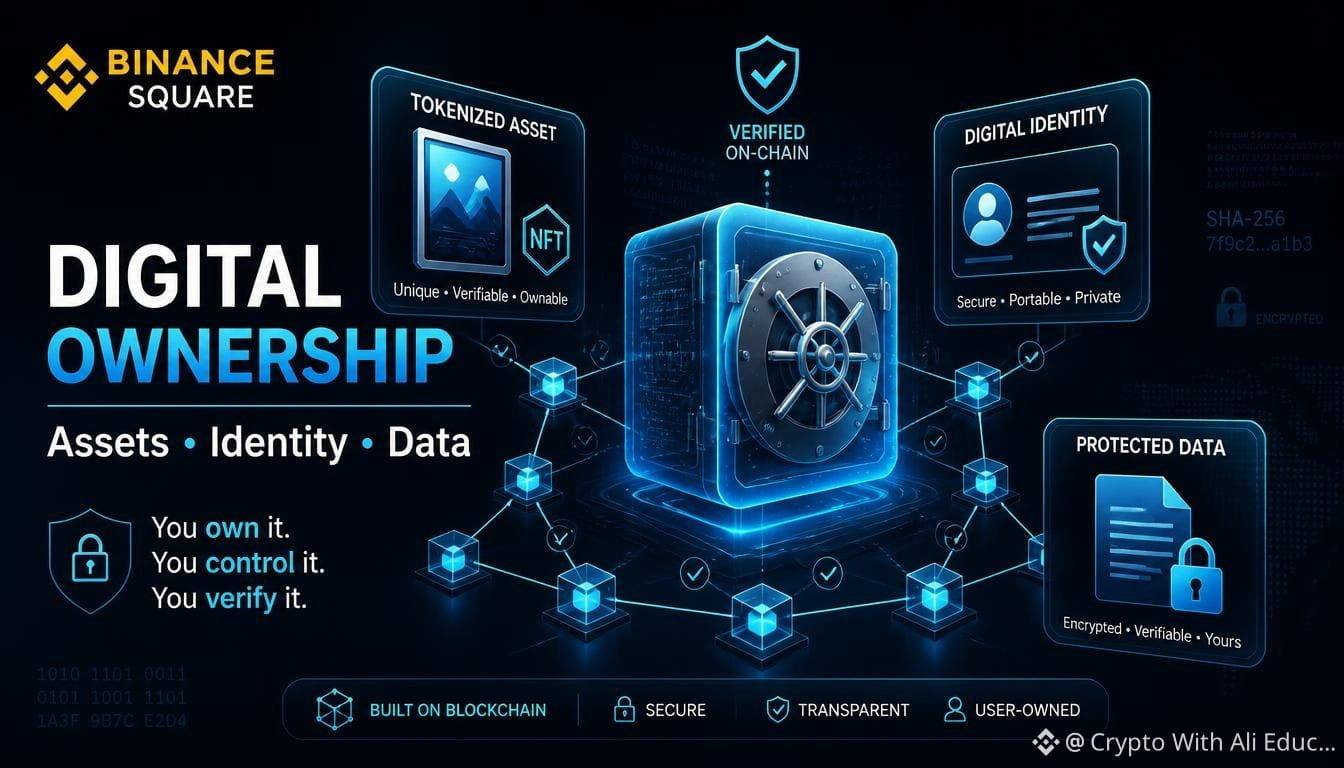
Digital Ownership: Why Blockchain Changes the Meaning of Ownership
In the digital world, owning something is not always as simple as having access to it. An account, a file, or an in-game item may depend on a platform's rules and permissions.
Blockchain technology introduces another way to manage and verify digital ownership. 🔗
🔹 1. Ownership of Digital Assets
Blockchain networks can record transactions involving digital assets, including cryptocurrencies and certain tokenized items. These records help participants verify transfers and balances.
🔹 2. NFTs and Digital Collectibles
Non-fungible tokens (NFTs) can represent unique digital items or links to other assets. However, owning an NFT does not automatically mean owning the copyright or every commercial right to the content.
🔹 3. More Control Through Private Keys
With compatible self-custody wallets, users can control the keys used to authorize transactions. This can reduce dependence on a custodial provider, but losing the keys may mean losing access.
🔹 4. Identity and Data
Blockchain-based systems can support digital identity and verifiable credentials. Still, putting personal information directly on a public blockchain can create privacy risks. Sensitive data needs careful protection.
🔹 5. Ownership Has Limits
A blockchain record alone cannot guarantee legal ownership, physical possession, copyright, or enforceable rights. These depend on the asset, applicable laws, and the terms governing it.
💡 Key Takeaway:
Blockchain can make digital ownership easier to record and verify, but real ownership also depends on rights, security, and how the system is designed.
💬 Question: Where do you think blockchain ownership could have the greatest impact: assets, identity, data, or all three?
Follow Crypto With Ali for practical Web3 and blockchain education.
Educational content only. Not financial advice.
#Digital #blockchain #Web3 #nft #CryptoWithAli
63

·
--
See translation
Russia Is Ready for 'Widespread Use' of Digital
Bank of Russia Governor Elvira Nabiullina said major banks and retailers are on track to begin accepting the digital ruble by September 1.
This development represents a significant milestone in the Central Bank digital currency roadmap. The accelerated timeline suggests regulators have overcome technical and regulatory hurdles that previously slowed implementation. Industry participants note this aligns with broader Eastern European trends toward state-backed monetary digitization.
The announcement comes amid growing global competition in CBDC development, with China digital yuan and the ECB digital euro projects setting benchmarks. Eastern European markets are positioning themselves as early adopters in the regional landscape. Financial institutions are reassessing their technology infrastructure to accommodate potential CBDC integration scenarios.
Market analysts view this as evidence that regulatory frameworks are maturing faster than anticipated in 2026. The shift from pilot programs to widespread deployment signals confidence in the underlying infrastructure and public acceptance. Cross-border payment corridors and remittance corridors remain key use cases for the digital ruble implementation.
Will this shift accelerate or slow private crypto adoption? Drop your analysis below. 👇
#Russia #Widespread #Digital
11

See translation
🤖 LATEST: HSBC and Ant Digital Test AI-Powered Payments on Blockchain
HSBC and Ant Digital Technologies have tested an AI agent that independently selected a digital service and paid for it using tokenized bank deposits, with real-time settlement on the Jovay layer-2 testnet.$SUI
What is happening?
- An AI agent selected a digital service and initiated payment. $SOL
- Payment was made using tokenized bank deposits. $ERA
- The transaction settled in real time on the Jovay L2 testnet.
- The test explored how AI agents could interact with blockchain-based financial infrastructure.
What this suggests
The experiment points toward a future where AI agents can autonomously purchase services and execute transactions using programmable digital money, subject to appropriate controls and permissions.
Market takeaway: The convergence of AI agents, tokenized deposits, and blockchain settlement could open new opportunities for automated payments and on-chain financial services.
#HSBCCrypto #AI #Digital
112

·
--
#Resiliencia #Digital ahead of Infrastructure Failures. Without power but with Wallet: The resilience of the Venezuelan crypto user in the face of infrastructure failures.
If there’s something that characterizes Venezuelans, it’s their ability to move forward in adversity. After the earthquake of June 24, power outages and the collapse of telecommunications made the situation more difficult, but the crypto community showed impressive digital resilience.
Unlike traditional banking systems that require heavy platforms and active point-of-sale devices, lightweight crypto wallets and Binance solutions make basic transactions possible even with very limited mobile data connections (Edge or 3G).
Once the minimum signal is restored, the decentralized ecosystem is right there—intact and ready to operate. The blockchain doesn’t sleep, doesn’t go down because a transformer is burned out, and doesn’t depend on a central office. Strength to everyone who keeps working to restore normalcy in their homes. We’re an unbreakable community!
#Venezuela #CryptoCommunity #Resiliencia #Blockchain #BinanceLatam #CryptoAdoption
2
86

See translation
How OpenGradient Enables Verifiable AI on Blockchain
As Artificial Intelligence continues to reshape industries, one challenge remains critical: trust.
OpenGradient addresses this by combining AI with blockchain technology, enabling AI processes to become transparent, verifiable, and decentralized.
Through on-chain verification, AI models can provide evidence of how decisions are made, reducing uncertainty and increasing confidence in automated systems.
This creates a strong foundation for trustworthy AI applications across finance, gaming, digital identity, and Web3 ecosystems.
By bridging blockchain security with AI innovation, OpenGradient is helping build a future where intelligent systems are not only powerful but also accountable, transparent, and trusted by users, developers, and organizations worldwide.
@OpenGradient #OPG #blockchaineconomy #Digital
$OPG
{spot}(OPGUSDT)
How OpenGradient Enables Verifiable AI on Blockchain
As Artificial Intelligence continues to reshape industries, one challenge remains critical: trust.
OpenGradient addresses this by combining AI with blockchain technology, enabling AI processes to become transparent, verifiable, and decentralized.
Through on-chain verification, AI models can provide evidence of how decisions are made, reducing uncertainty and increasing confidence in automated systems.
This creates a strong foundation for trustworthy AI applications across finance, gaming, digital identity, and Web3 ecosystems.
By bridging blockchain security with AI innovation, OpenGradient is helping build a future where intelligent systems are not only powerful but also accountable, transparent, and trusted by users, developers, and organizations worldwide.
@OpenGradient #OPG #blockchaineconomy #Digital
$OPG

1
2
112

See translation
it is livee!!! everyone must get serious with ethereum and trump coin tokenization will change things for good #digital currency #tokenization
it is livee!!! everyone must get serious with ethereum and trump coin tokenization will change things for good #digital currency #tokenization
211

·
--
See translation
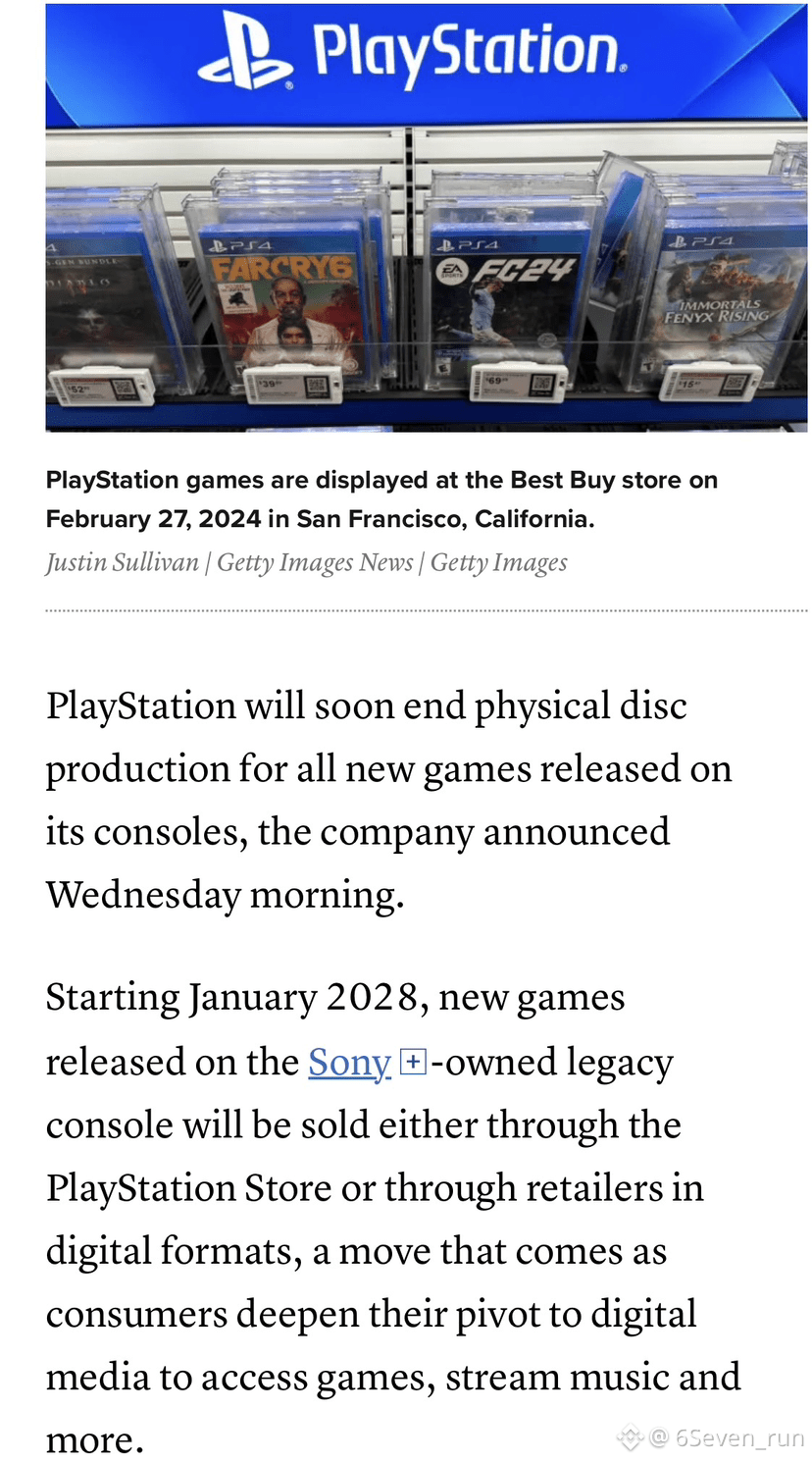
PlayStation will end physical disc production for new games in 2028
#sony #Playstation #digital #btc
$SONY
{future}(SONYUSDT)
PlayStation will end physical disc production for new games in 2028
#sony #Playstation #digital #btc
$SONY
#sony #Playstation #digital #btc
$SONY
174

Article
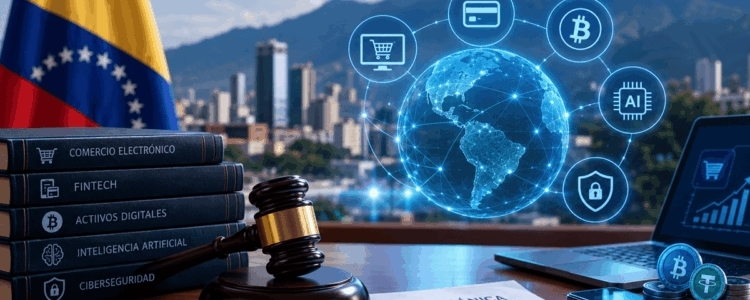
Venezuela seeks to regulate its digital economy with a new lawVenezuela’s digital economy generates USD 80 billion a year, with no clear rules governing many of its operations.
The proposal includes regulating e-commerce, fintech, digital assets, and AI.
Tax traceability and cybersecurity are among the measure’s priorities.
A digital economy that moves billions of dollars a year and operates largely outside official records poses a regulatory challenge for authorities in Venezuela. In response, lawmaker Ramón Lobo proposed creating an Organic Law on the Digital Economy, while Richard Ujueta, president of the Venezuelan Chamber of Electronic Commerce (CAVECOM-E), called for governance and oversight mechanisms for the sector.
Venezuela seeks to regulate its digital economy with a new law
Venezuela’s digital economy generates USD 80 billion a year, with no clear rules governing many of its operations.
The proposal includes regulating e-commerce, fintech, digital assets, and AI.
Tax traceability and cybersecurity are among the measure’s priorities.
A digital economy that moves billions of dollars a year and operates largely outside official records poses a regulatory challenge for authorities in Venezuela. In response, lawmaker Ramón Lobo proposed creating an Organic Law on the Digital Economy, while Richard Ujueta, president of the Venezuelan Chamber of Electronic Commerce (CAVECOM-E), called for governance and oversight mechanisms for the sector.
33
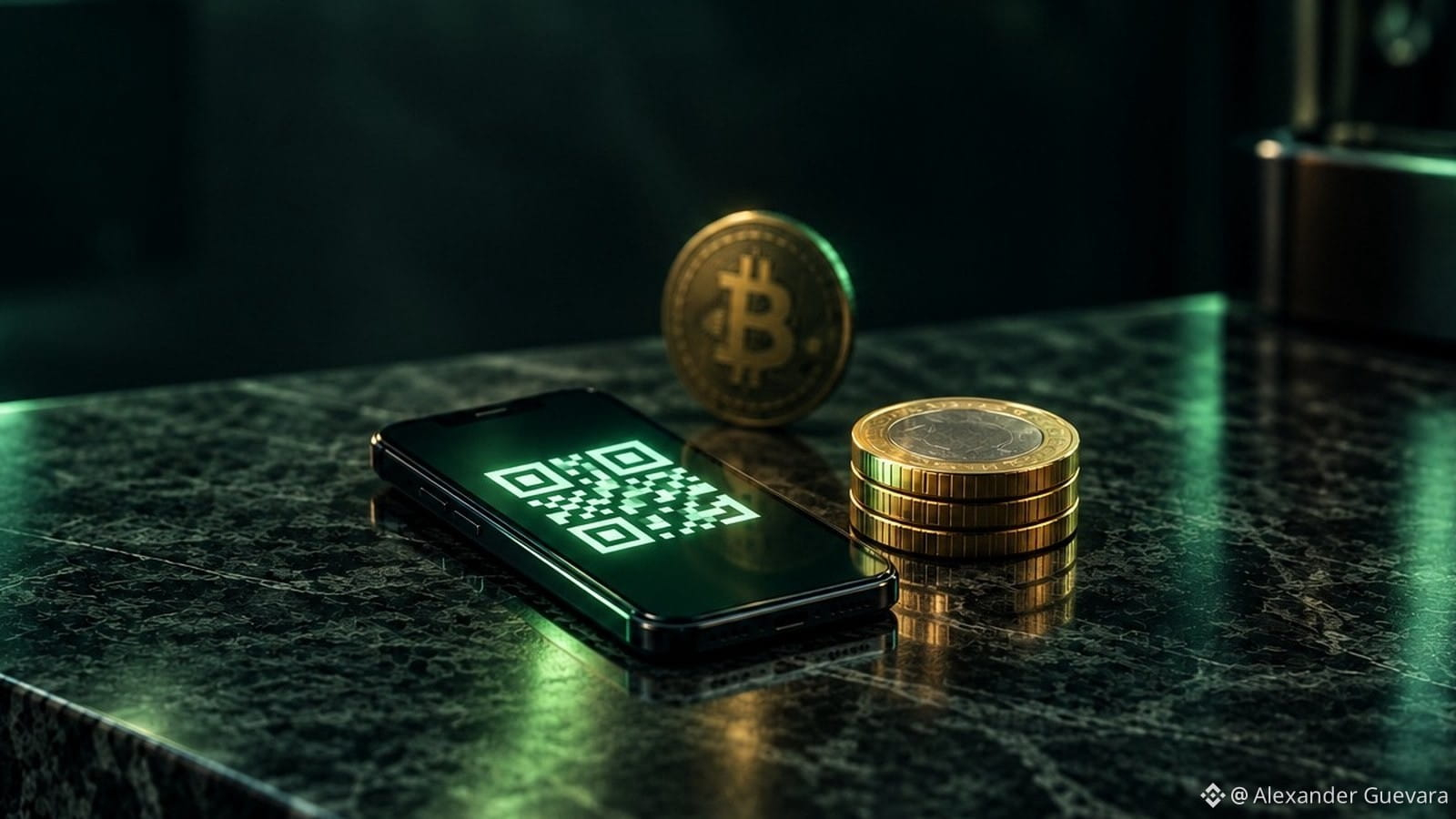
📢 Digital Economy Law in Mexico: what changes in your payments and what happens to cryptocurrencies
The Digital Economy Law does not ban cash in Mexico or include cryptocurrencies: it gives the Finance Ministry the power to choose sectors where digital payment may be the only payment method, starting with gas stations and toll booths. The Chamber of Deputies approved it on October 6 by 327…
#regulacion #economy #Digital #mexico #crypto $BTC
158

·
--
Bullish
See translation
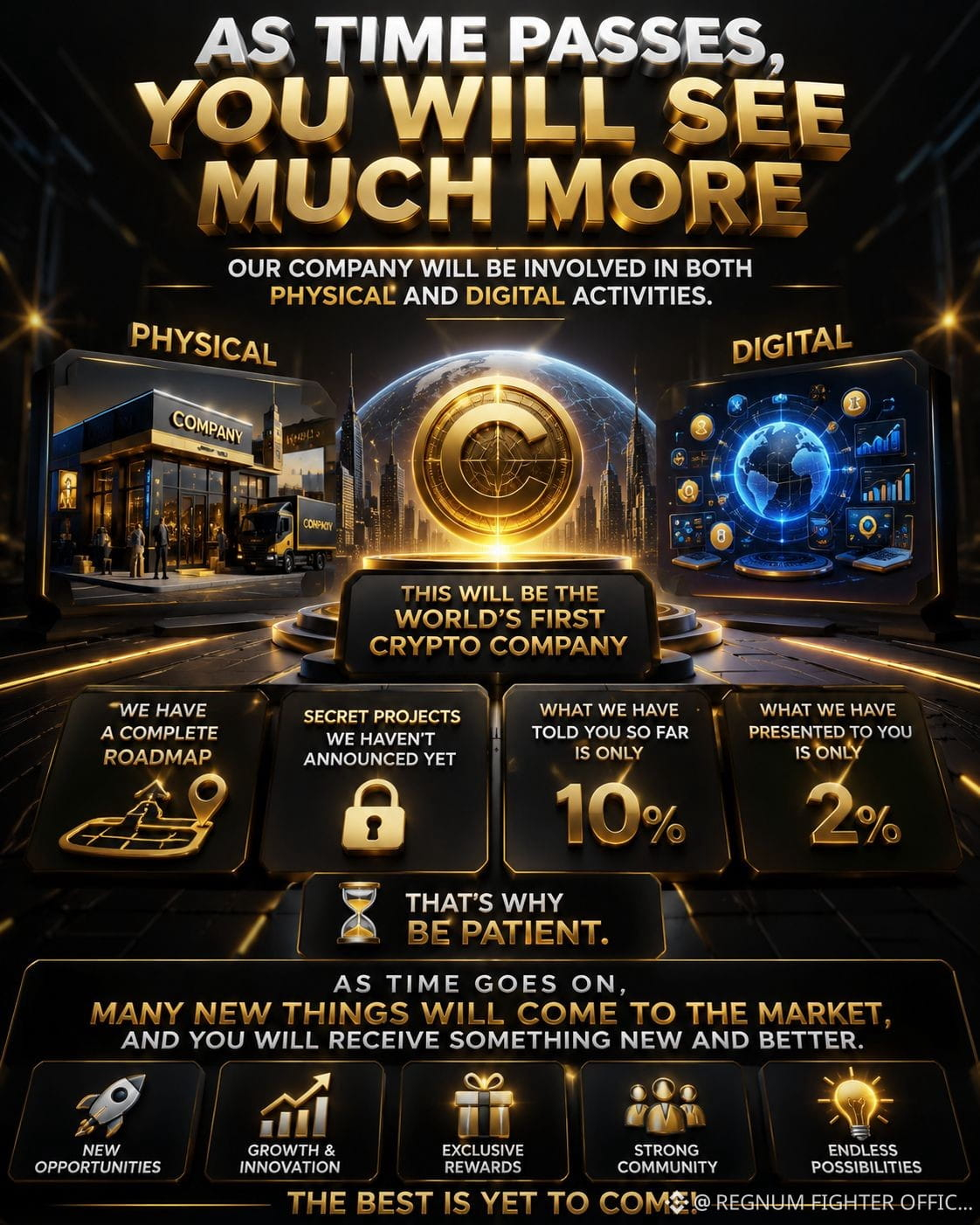
We will not register it at the initial stage; once our company offices open in leading countries—where operations will be conducted both physically and digitally—we will then proceed with registration and the official announcement. Our vision is ambitious, and while it will certainly take time, it is set to bring about a revolution in the digital world.
#newcompany #cryptoproject #physical #digital #RGF
#newcompany #cryptoproject #physical #digital #RGF
116

·
--
Bullish
See translation
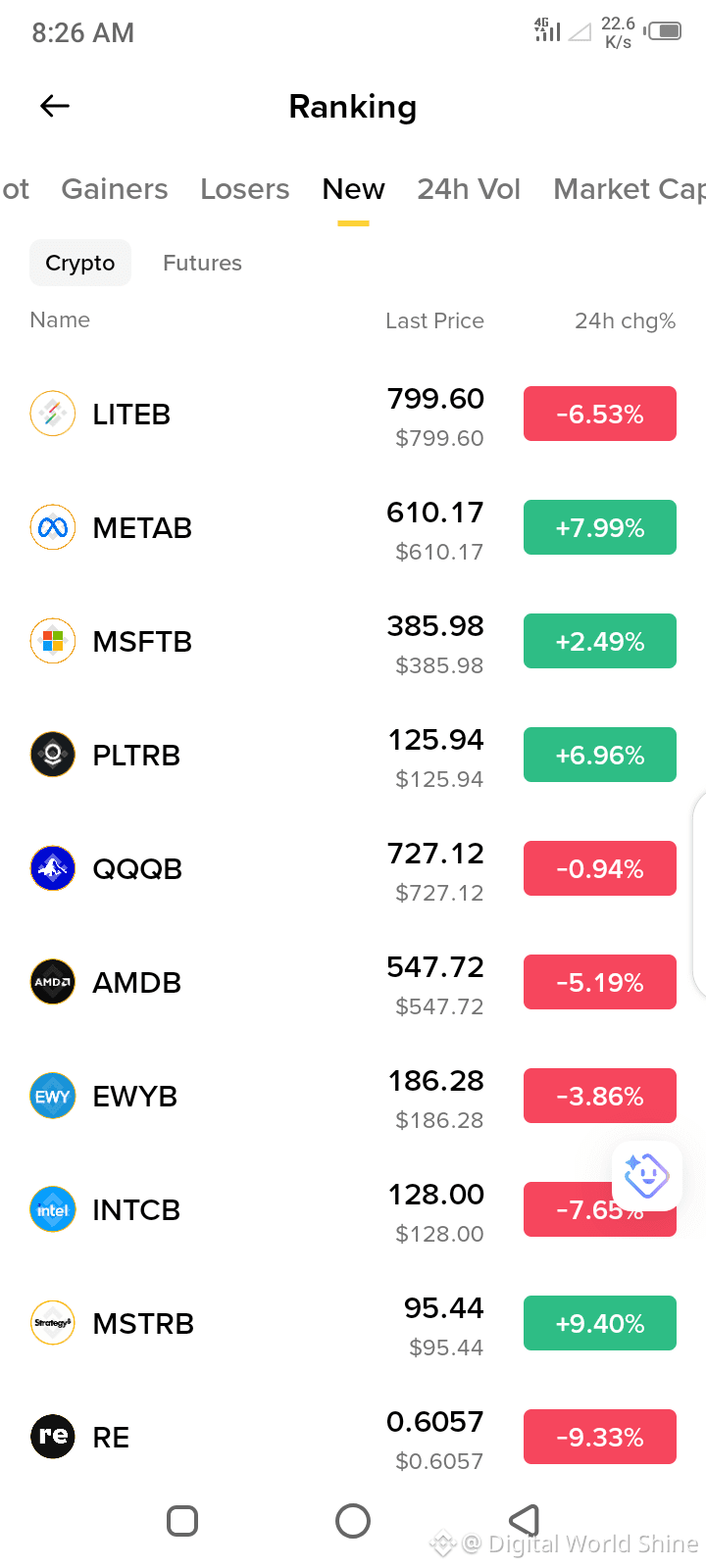
Top 10 new Ranking coins ...
💎 New Crypto Watchlist 🔥
1. $LITEB — Litecoin ecosystem related token
2. $METAB — Meta / Metaverse theme project
3. $MSFTB — Microsoft-inspired market token
4. $PLTRB — AI & data analytics theme
5. $QQQB — Tech index inspired token .
6. $AMDB — Semiconductor & AI sector theme
7. $EWYB — Market/tech sector exposure
8. $INTCB — Intel-related tech theme
9. $MSTRB — Bitcoin treasury theme
10. $RE — Emerging market token
{spot}(RENDERUSDT)
New listings = high volatility + high risk
With smart strategy, Invest is good option dear
#cryptouniverseofficial #Digital #altcoins #RWA #Web3
Top 10 new Ranking coins ...
💎 New Crypto Watchlist 🔥
1. $LITEB — Litecoin ecosystem related token
2. $METAB — Meta / Metaverse theme project
3. $MSFTB — Microsoft-inspired market token
4. $PLTRB — AI & data analytics theme
5. $QQQB — Tech index inspired token .
6. $AMDB — Semiconductor & AI sector theme
7. $EWYB — Market/tech sector exposure
8. $INTCB — Intel-related tech theme
9. $MSTRB — Bitcoin treasury theme
10. $RE — Emerging market token
New listings = high volatility + high risk
With smart strategy, Invest is good option dear
#cryptouniverseofficial #Digital #altcoins #RWA #Web3
1
2
149



See translation
Funny how nobody asked when it was boring. 👀
Now BTC is moving, timelines are active, and the same people who doubted are watching candles every hour. 📈🔥
Lesson: Opportunities are usually silent before they become trends.
Bitcoin running season has started. 🚀
#Bitcoin #BTC #Crypto #BullRun #Investing #Trending #FOMO #Digital $BTC
{spot}(BTCUSDT)
Gold
Funny how nobody asked when it was boring. 👀
Now BTC is moving, timelines are active, and the same people who doubted are watching candles every hour. 📈🔥
Lesson: Opportunities are usually silent before they become trends.
Bitcoin running season has started. 🚀
#Bitcoin #BTC #Crypto #BullRun #Investing #Trending #FOMO #Digital $BTC
Gold
Now BTC is moving, timelines are active, and the same people who doubted are watching candles every hour. 📈🔥
Lesson: Opportunities are usually silent before they become trends.
Bitcoin running season has started. 🚀
#Bitcoin #BTC #Crypto #BullRun #Investing #Trending #FOMO #Digital $BTC
Gold


OroCryptoTrends
·
--
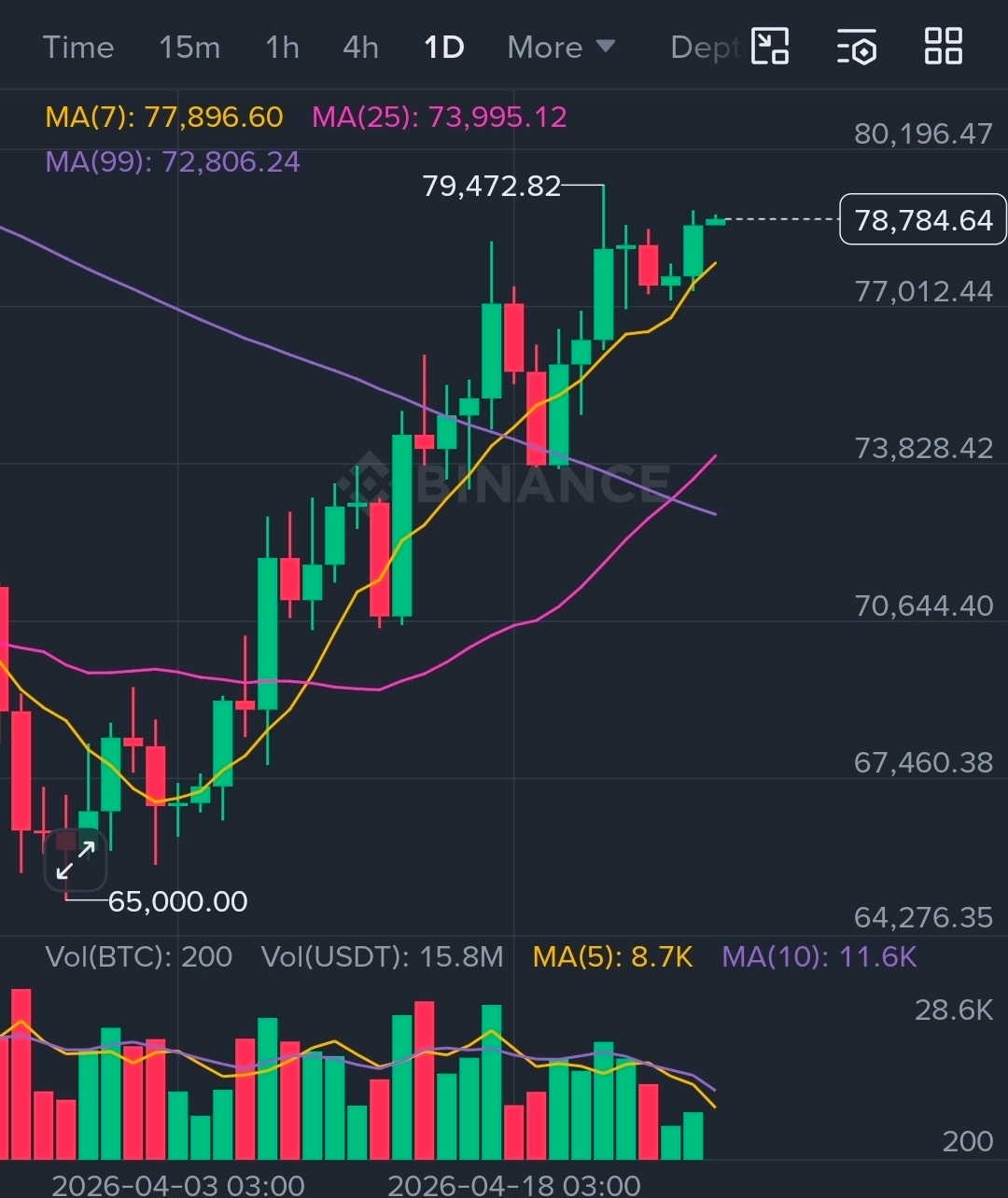
$BTC BTC is getting close to $80K again, and this time, it's not all about spot trading. The real story seems to be the ETF flows—about $2B recently—which feels like the clearest signal in the mess of noise.
What grabs me isn’t just how big that number is, but how steady it’s been. No one-off spikes. It’s this slow, relentless accumulation, almost robotic. It doesn’t come off as emotional or panicky, not like the retail-driven frenzies we’ve seen before. This is more about careful, deliberate allocation.
I keep thinking back to the chaos of 2021. Back then, the flows were loud, jumpy, so reactive. What’s happening now feels low-key. Organized. Honestly, it’s a little dull…but that’s probably on purpose.
Still, there’s one thing that puzzles me:
If ETFs keep soaking up supply like this, why isn’t the price skyrocketing already?
Maybe we’re looking at strength through the wrong lens. Or maybe this really is what strength looks like now—still powerful, just bottled up.
#Write2Earn
65

·
--
Bullish
See translation
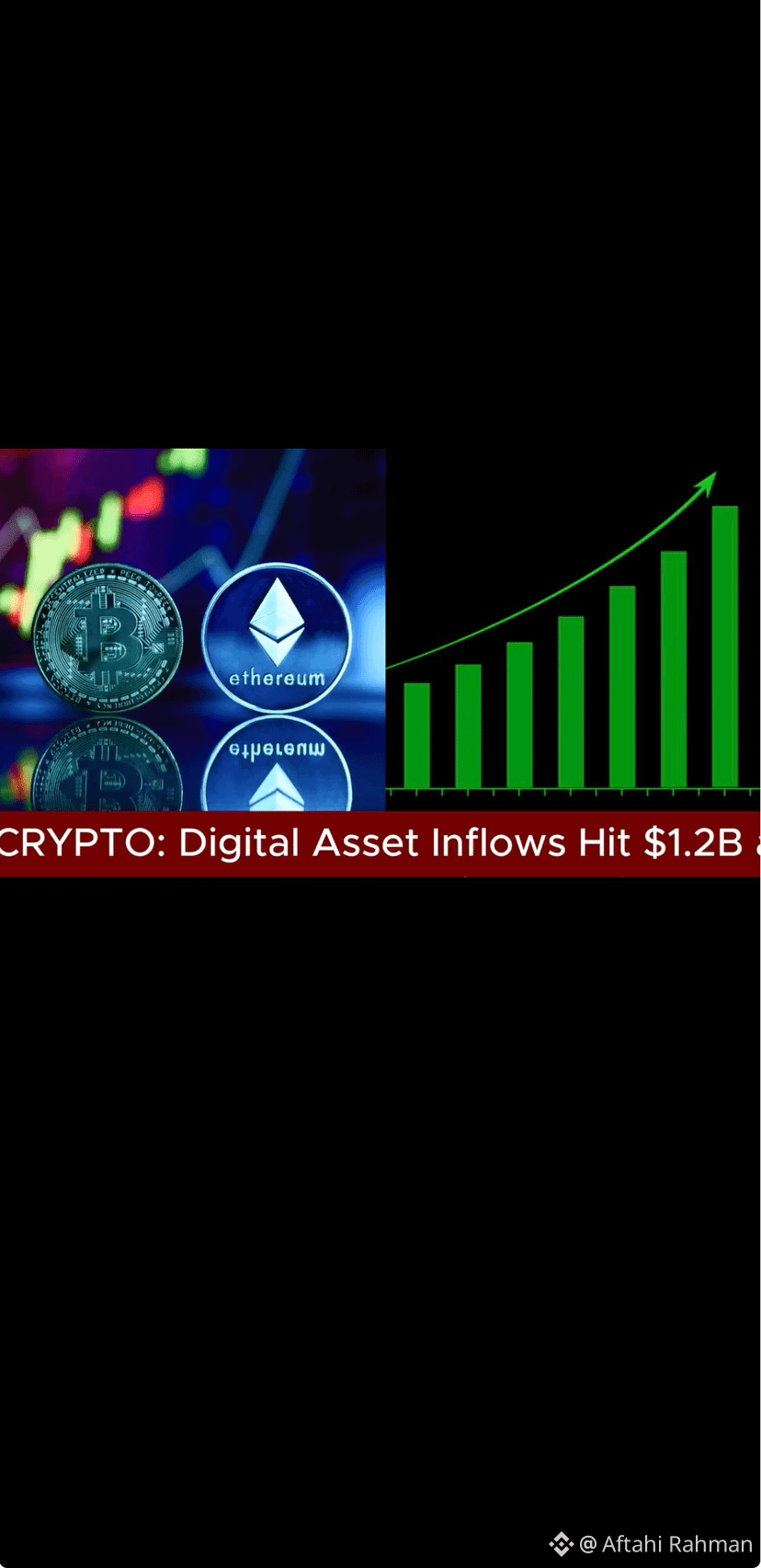
#DIGITAL ASSET INFLOWS HIT $1.2B AS MOMENTUM BUILDS
Digital asset investment products recorded $1.2 billion in inflows last week, according to CoinShares.
This marks the fourth consecutive week of positive inflows.
Total assets under management have now climbed to $155 billion. Bitcoin $BTC led the surge with $933 million in inflows.
{future}(BTCUSDT)
#BinanceLaunchesGoldvs.BTCTradingCompetition #BTCSurpasses$79K #eth
$ETH
{future}(ETHUSDT)
#DIGITAL ASSET INFLOWS HIT $1.2B AS MOMENTUM BUILDS
Digital asset investment products recorded $1.2 billion in inflows last week, according to CoinShares.
This marks the fourth consecutive week of positive inflows.
Total assets under management have now climbed to $155 billion. Bitcoin $BTC led the surge with $933 million in inflows.
#BinanceLaunchesGoldvs.BTCTradingCompetition #BTCSurpasses$79K #eth
$ETH
48

·
--
Bullish
See translation
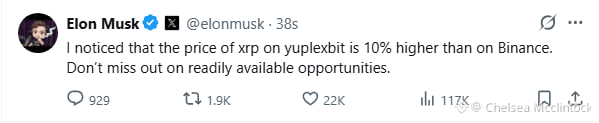
🚨💥 Did you hear the latest chaos? ELON MUSK just dropped a tantalizing XRPEARL then yanked it back like a nefarious magician! 🌊💰 In fiery forums, whispers ignite excitement, flying speculation spirals engulfing sleep-deprived traders scrambling for answers! Could the enigmatic tweet—a celestial hint towards uncharted XRP gains—be a mere apparition or a glittering shatterable truth?
Every FOMO-fueled heart races, pondering whether the bionic billionaire is masterminding a shift in power among crypto titans. 🚀 Quotes emerge like digital bonfires – “Is XRP about to explode?” “Jump ship or miss the rocket ride!” Endless theories cycle through the screens of believers-driven by intangible rush and tantalizing uncertainty.
The crowd rumbles with electrifying disbelief, while meme factories crank up timely comebacks: “Musk is an XRP wizard!” Conspiracies are blossoming around every corner—online detectives are devouring this breadcrumb trail. Hold on to your wallets tight folks; the crypto jungle's vortex beckons all to venture forth.
🌀🧠🔥👾📊 #XRPUnseenDynamics #ElonsSilverBullet #cryptocurrency Mystique #Digital StormSurge #Musk's Mayhem
189

·
--
See translation
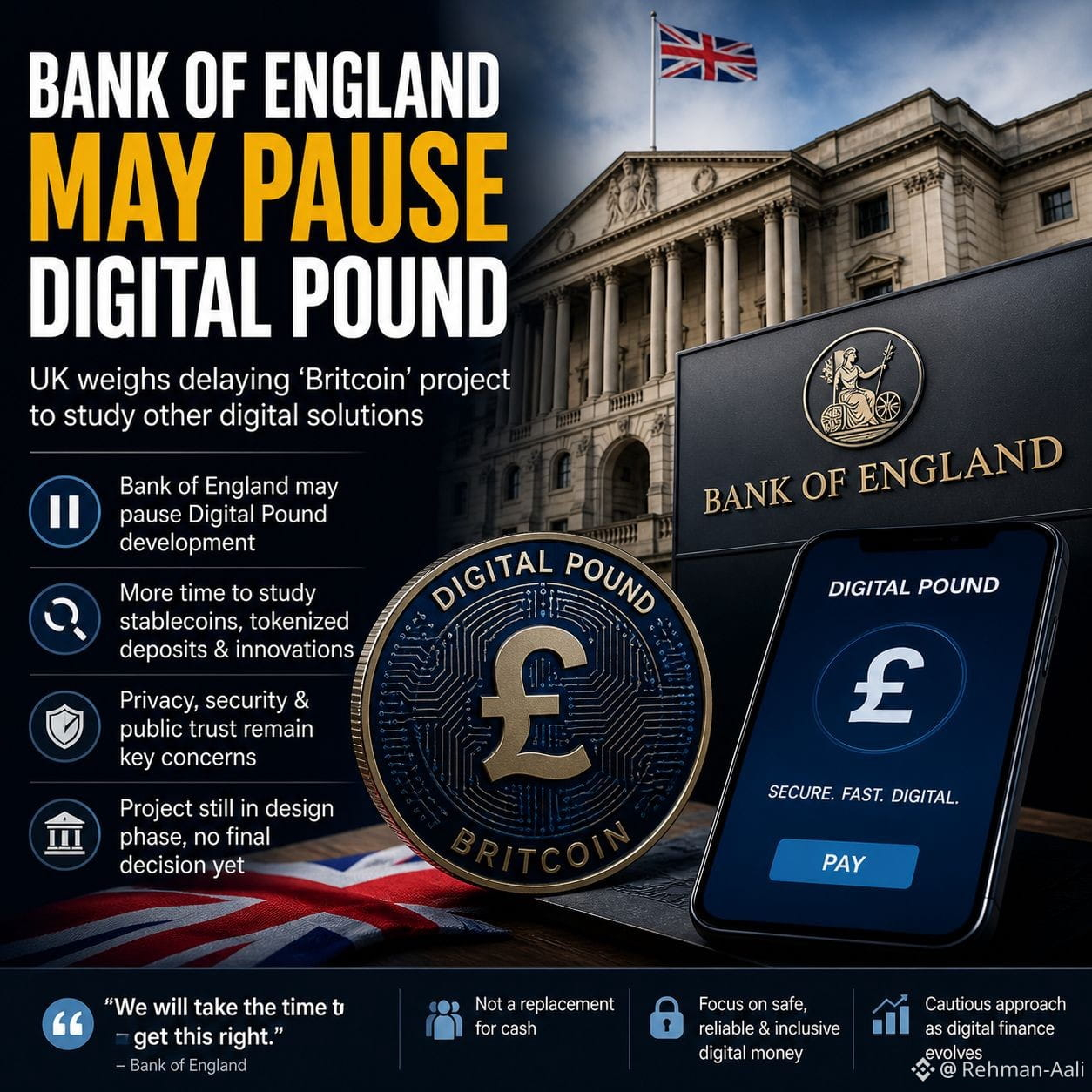
#BankofEnglandMayPauseDigitalPound
🇬🇧 The Bank of England may slow down or pause the development of the “Digital Pound” project, also known as “Britcoin.”
The Digital Pound is a proposed central bank digital currency (CBDC) designed to work as a digital version of cash. It would be issued directly by the Bank of England and used for fast and secure payments.
However, UK officials are now considering delaying the project instead of fully approving or canceling it. Reports suggest regulators want more time to study private-sector innovations like tokenized bank deposits and stablecoins.
Some experts believe modern banking technology may already provide many of the same benefits that a CBDC would offer, such as cheaper and faster transactions. Because of this, the need for a retail digital pound is being questioned.
Privacy concerns and fears about government control over digital money have also sparked public debate. The Bank of England has repeatedly stated that any future digital pound would not replace physical cash.
The project is still in its design phase, and no final decision has been made yet. Officials are expected to continue testing and reviewing the technology before moving forward.
This move shows that even major economies are being cautious about launching central bank digital currencies as crypto and digital payment systems continue evolving worldwide.
#Digital pound #Bank of England #Finance #Digital #Web3
$BTC $ETH $BNB
67
·
--
Bullish
See translation
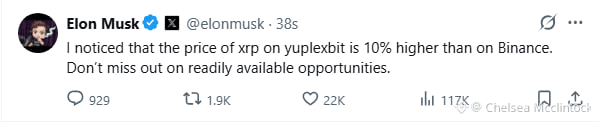
🚀 Just caught wind of a whirlwind! 🌪️ Elon Musk stirred the crypto waters with a fleeting mention of XRP before vanishing it into the ether! 🪙 Could this be a whisper of revolution or just another momentary flicker? Keep your eyes peeled, the blockchain tides are turning! 🌊 #MuskMagic #Xrp🔥🔥 #CryptoChronicles #InvisibleInfrastructure #Digital
🚀 Just caught wind of a whirlwind! 🌪️ Elon Musk stirred the crypto waters with a fleeting mention of XRP before vanishing it into the ether! 🪙 Could this be a whisper of revolution or just another momentary flicker? Keep your eyes peeled, the blockchain tides are turning! 🌊 #MuskMagic #Xrp🔥🔥 #CryptoChronicles #InvisibleInfrastructure #Digital
1
175

See translation
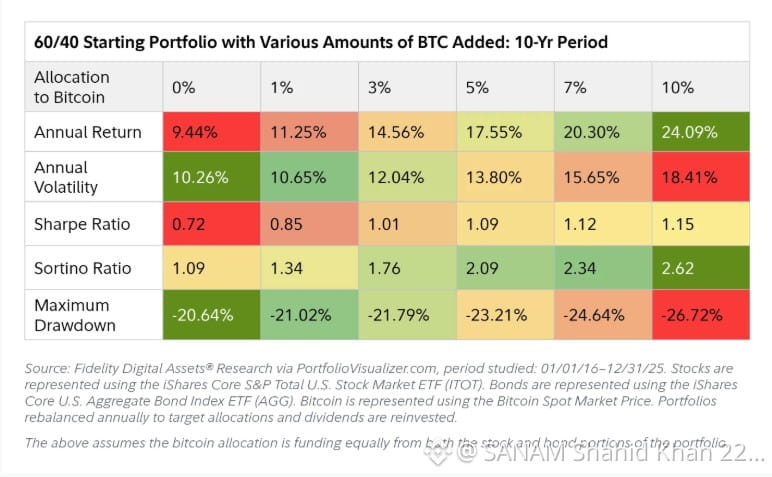
🔥 BULLISH: A traditional 60/40 portfolio's annual returns rose from 9.4% to 14.6% over the past 10 years with just a 3% Bitcoin allocation, according to Fidelity Digital Assets. #bullish #bitcoin #Digital #news #NewsAboutCrypto
🔥 BULLISH: A traditional 60/40 portfolio's annual returns rose from 9.4% to 14.6% over the past 10 years with just a 3% Bitcoin allocation, according to Fidelity Digital Assets. #bullish #bitcoin #Digital #news #NewsAboutCrypto
1
1
141
See translation
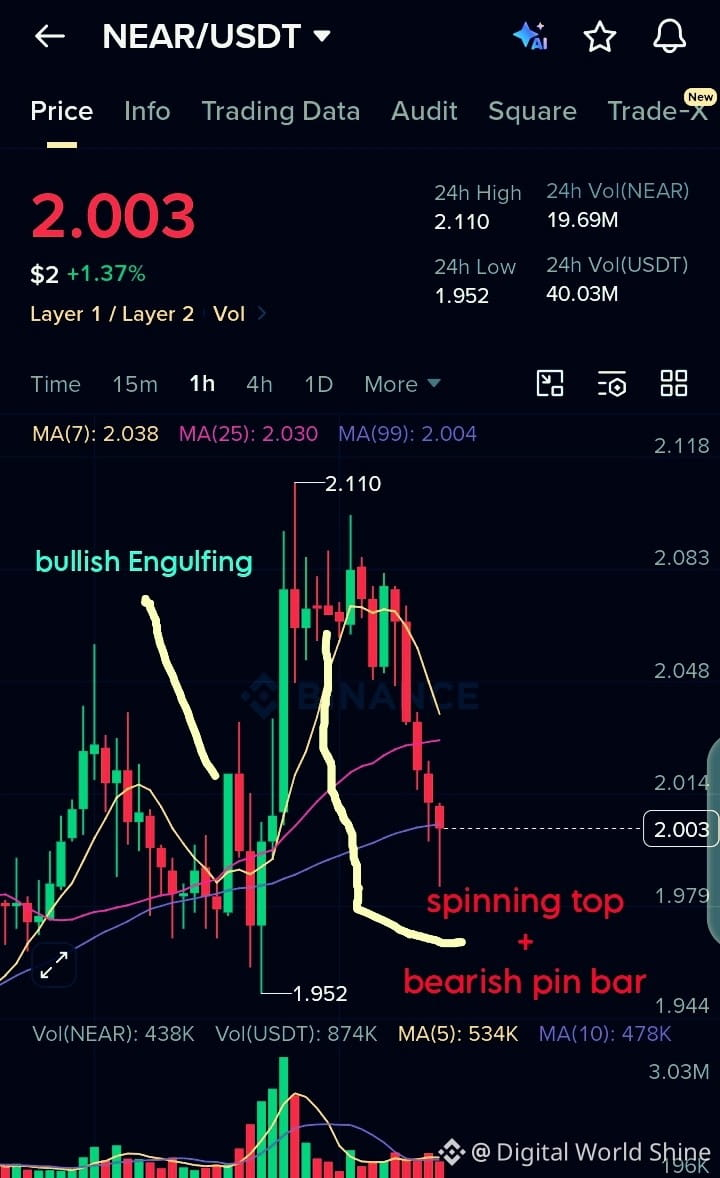
Come guys, Let's understand Candle stick patterns on live chart with real example
See $NEAR live market , It currently trading at 2.003 $.
You can see a bullish Engulfing candle , It's a sample of bullish momentum .
In second stage we can see a bearish pin bar and spinning top candles , Both are showing that market now enter in bearish stage.
{spot}(NEARUSDT)
In live chart I mentioned a total three candles ,
Bullish Engulfing , Bearish pin bar and spinning top candle.
Hope u understand it and these candles mean also.😊
Stay here for more candle stick pattern updates...
👍
#Near #bearishmomentum #Digital #capital #BinanceSquareFamily
Come guys, Let's understand Candle stick patterns on live chart with real example
See $NEAR live market , It currently trading at 2.003 $.
You can see a bullish Engulfing candle , It's a sample of bullish momentum .
In second stage we can see a bearish pin bar and spinning top candles , Both are showing that market now enter in bearish stage.
In live chart I mentioned a total three candles ,
Bullish Engulfing , Bearish pin bar and spinning top candle.
Hope u understand it and these candles mean also.😊
Stay here for more candle stick pattern updates...
👍
#Near #bearishmomentum #Digital #capital #BinanceSquareFamily
2
1
528

·
--
See translation
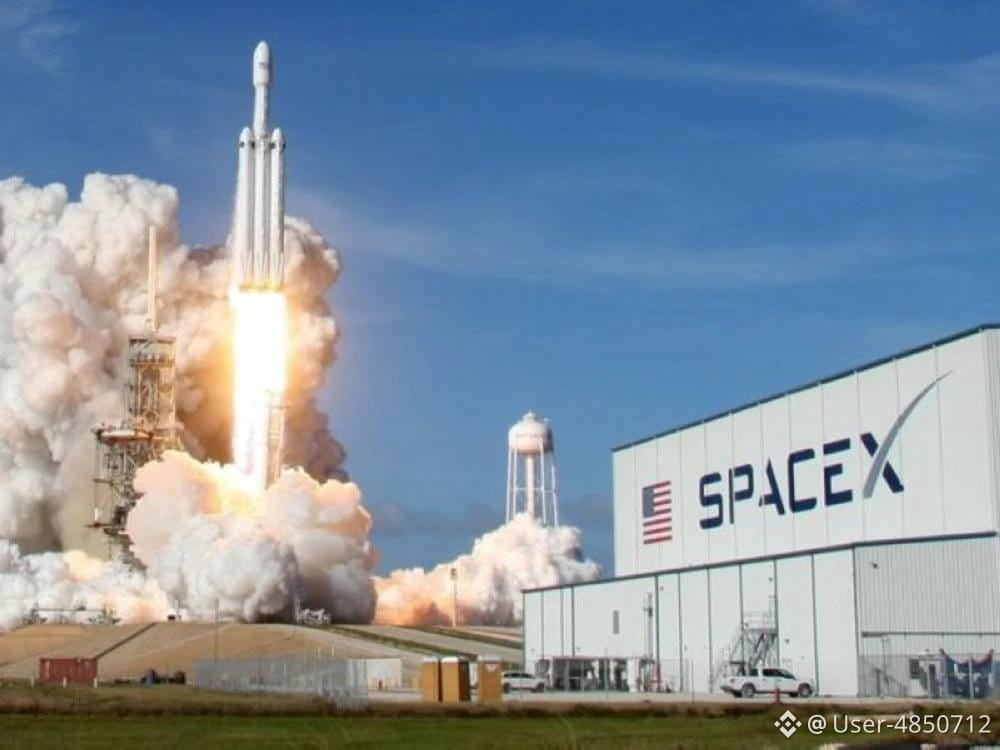
At the #same #Time , $BTC continues to benefit from growing institutional adoption and renewed confidence in #digital assets. Reports highlighting SpaceX's significant $BTC #HoldingStrategy have reinforced the narrative that major technology companies view Bitcoin as a strategic treasury asset, supporting long-#term bullish sentiment.
{future}(BTCUSDT)
{future}(SPCXUSDT)
At the #same #Time , $BTC continues to benefit from growing institutional adoption and renewed confidence in #digital assets. Reports highlighting SpaceX's significant $BTC #HoldingStrategy have reinforced the narrative that major technology companies view Bitcoin as a strategic treasury asset, supporting long-#term bullish sentiment.
BTC+1.45%
SPCXUS+0.87%
76
Log in to explore more content
Join global crypto users on Binance Square
⚡️ Get latest and useful information about crypto.
💬 Trusted by the world’s largest crypto exchange.
👍 Discover real insights from verified creators.
Email / Phone number
Trending Topics
1
#CanMicrosoftDeliverOnAI
185,098 views
1,487 Discussing
2
#CanGoogleDefindItsCore
93,090 views
1,070 Discussing
3
#FOMCWatch
9.2M views
28,764 Discussing
4
#HKPlacesTokenizedFundSecondaryTradingUnderETFLikeFramework
36 views
6 Discussing
5
#USGovSellsFTXLinkedAnthropicSharesFor$627M
289 views
18 Discussing
6
#MoodysAssignsRLUSDA2LongTermDepositRating
122 views
40 Discussing
7
#SKHynixUnveils$45BShareholderReturns
730 views
22 Discussing
8
#OSMOPlansToBurn100MTokensFromCommunityPool
8,241 views
255 Discussing
9
#EthereumDropsBelow$2300
13,002 views
174 Discussing
10
#BitcoinSlipsBelow$80KAgain
37,286 views
141 Discussing