

#educationalcontent
educationalcontent
3.2M views
1,488 Discussing
Hot
Latest

$APEXGVR representa un viaje educativo desde las finanzas tradicionales hasta la infraestructura digital.
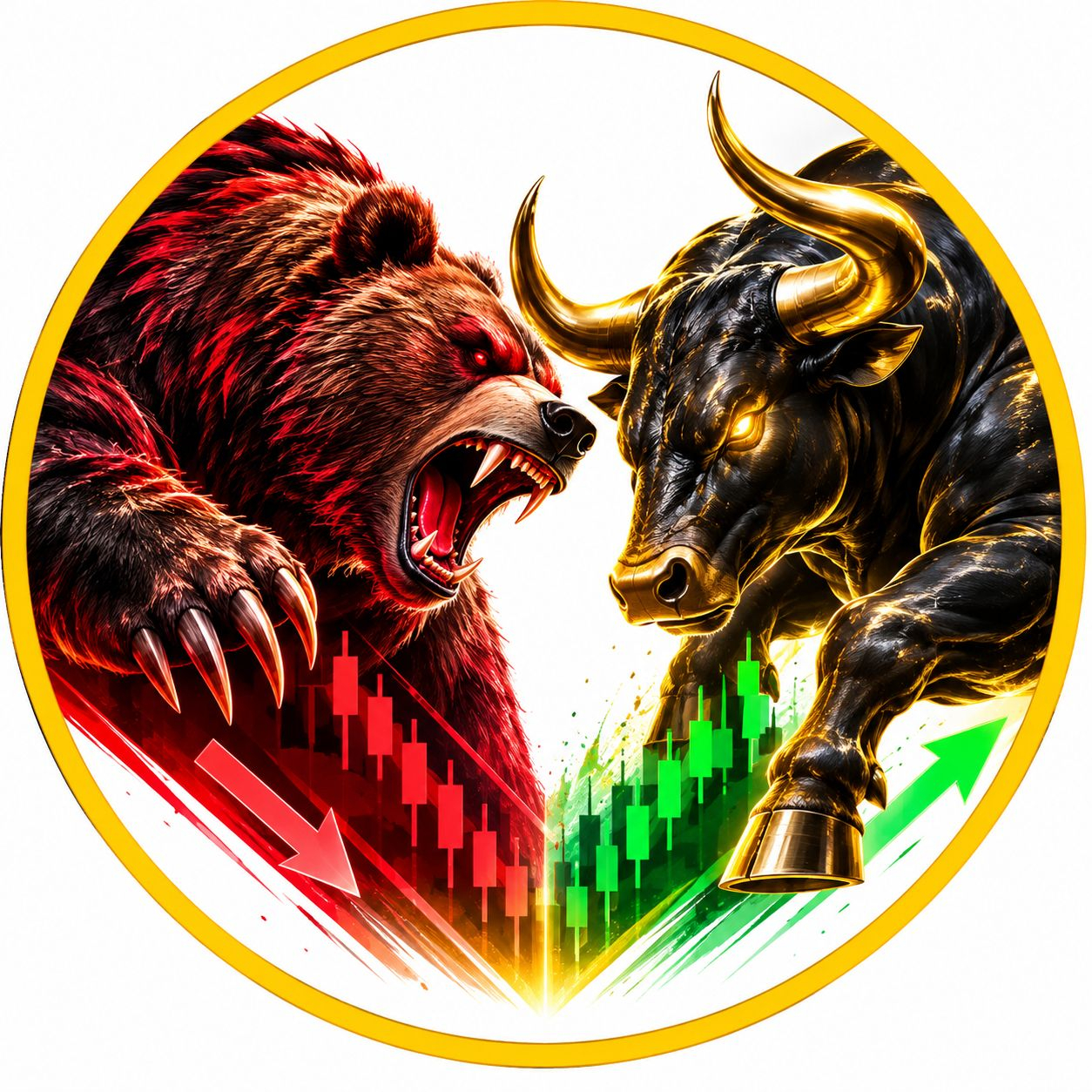
El logotipo del token muestra a una persona experta en tecnología navegando por datos financieros complejos, lo que refleja su enfoque.
De una persona común a un explorador del ecosistema financiero.
$APEXGVR nace de un recorrido de aprendizaje: comenzar entendiendo cómo funciona el dinero tradicional y terminar explorando las nuevas infraestructuras digitales que están transformando la forma en que intercambiamos valor.
El ecosistema estudia y conecta conceptos que antes parecían separados: mercados financieros, trading, Forex, acciones, criptomonedas, blockchain, stablecoins, DeFi, liquidez, memecoins, DePIN, NFC, redes de pago y tokenización de activos.
APEXGVR representa aprendizaje, experimentación, educación y evolución financiera.
No se trata solamente de crear otro token. Se trata de documentar el camino de una persona común mientras aprende a comprender el dinero, los mercados y las nuevas tecnologías financieras.
#bnb #socialmedia #trading #meme板块关注热点 #EducationalContent $BNB $ETH
{web3_wallet_create}(560x0feb0336b4f16a65c48b20d4feb006ebc28cffff)
$APEXGVR representa un viaje educativo desde las finanzas tradicionales hasta la infraestructura digital.
El logotipo del token muestra a una persona experta en tecnología navegando por datos financieros complejos, lo que refleja su enfoque.
De una persona común a un explorador del ecosistema financiero.
$APEXGVR nace de un recorrido de aprendizaje: comenzar entendiendo cómo funciona el dinero tradicional y terminar explorando las nuevas infraestructuras digitales que están transformando la forma en que intercambiamos valor.
El ecosistema estudia y conecta conceptos que antes parecían separados: mercados financieros, trading, Forex, acciones, criptomonedas, blockchain, stablecoins, DeFi, liquidez, memecoins, DePIN, NFC, redes de pago y tokenización de activos.
APEXGVR representa aprendizaje, experimentación, educación y evolución financiera.
No se trata solamente de crear otro token. Se trata de documentar el camino de una persona común mientras aprende a comprender el dinero, los mercados y las nuevas tecnologías financieras.
#bnb #socialmedia #trading #meme板块关注热点 #EducationalContent $BNB $ETH
El logotipo del token muestra a una persona experta en tecnología navegando por datos financieros complejos, lo que refleja su enfoque.
De una persona común a un explorador del ecosistema financiero.
$APEXGVR nace de un recorrido de aprendizaje: comenzar entendiendo cómo funciona el dinero tradicional y terminar explorando las nuevas infraestructuras digitales que están transformando la forma en que intercambiamos valor.
El ecosistema estudia y conecta conceptos que antes parecían separados: mercados financieros, trading, Forex, acciones, criptomonedas, blockchain, stablecoins, DeFi, liquidez, memecoins, DePIN, NFC, redes de pago y tokenización de activos.
APEXGVR representa aprendizaje, experimentación, educación y evolución financiera.
No se trata solamente de crear otro token. Se trata de documentar el camino de una persona común mientras aprende a comprender el dinero, los mercados y las nuevas tecnologías financieras.
#bnb #socialmedia #trading #meme板块关注热点 #EducationalContent $BNB $ETH
1
28

·
--
The Bitcoin Education Gap is Huge Plan ₿ Network is the Solution
90% of people who want to learn Bitcoin still struggle to find trusted, structured education. The internet is full of noise, scams, and random videos. Beginners don't know where to start.
The solution I found is Plan ₿ Network (planb.network) one of the best open-source Bitcoin education platforms ever created.
Why it stands out:
1. 100% Free & Open-Source: No paywalls, ever. Quality Bitcoin education as a human right.
2. Structured Path: From Beginner to Expert, from "What is money?" to Lightning and coding. You always know your next step.
3. Built for Local Communities: It empowers grassroots education in Africa, Latin America, and Asia.
4. Global: Content is translated so language is never a barrier.
5. Learn from Legends: Professors like Adam Back, Saifedean Ammous, Jimmy Song, Giacomo Zucco, Peter Todd, Jack Mallers and many more.
As founder of BitcoinSafariTz in Tanzania, I’ve completed 14 courses on PlanB and used that knowledge to teach universities and meetups across Tanzania.
My call: Let’s bring Plan ₿ to Africa. Imagine official Plan ₿ Clubs in universities across Tanzania, Kenya, Nigeria, Zambia students learning and teaching others. Africa has 1.4B young people who need financial freedom. Plan ₿ is the tool to reach them.
#bitcoin.” #EducationalContent #BTC #Wallet #BTC
The Bitcoin Education Gap is Huge Plan ₿ Network is the Solution
90% of people who want to learn Bitcoin still struggle to find trusted, structured education. The internet is full of noise, scams, and random videos. Beginners don't know where to start.
The solution I found is Plan ₿ Network (planb.network) one of the best open-source Bitcoin education platforms ever created.
Why it stands out:
1. 100% Free & Open-Source: No paywalls, ever. Quality Bitcoin education as a human right.
2. Structured Path: From Beginner to Expert, from "What is money?" to Lightning and coding. You always know your next step.
3. Built for Local Communities: It empowers grassroots education in Africa, Latin America, and Asia.
4. Global: Content is translated so language is never a barrier.
5. Learn from Legends: Professors like Adam Back, Saifedean Ammous, Jimmy Song, Giacomo Zucco, Peter Todd, Jack Mallers and many more.
As founder of BitcoinSafariTz in Tanzania, I’ve completed 14 courses on PlanB and used that knowledge to teach universities and meetups across Tanzania.
My call: Let’s bring Plan ₿ to Africa. Imagine official Plan ₿ Clubs in universities across Tanzania, Kenya, Nigeria, Zambia students learning and teaching others. Africa has 1.4B young people who need financial freedom. Plan ₿ is the tool to reach them.
#bitcoin.” #EducationalContent #BTC #Wallet #BTC
90% of people who want to learn Bitcoin still struggle to find trusted, structured education. The internet is full of noise, scams, and random videos. Beginners don't know where to start.
The solution I found is Plan ₿ Network (planb.network) one of the best open-source Bitcoin education platforms ever created.
Why it stands out:
1. 100% Free & Open-Source: No paywalls, ever. Quality Bitcoin education as a human right.
2. Structured Path: From Beginner to Expert, from "What is money?" to Lightning and coding. You always know your next step.
3. Built for Local Communities: It empowers grassroots education in Africa, Latin America, and Asia.
4. Global: Content is translated so language is never a barrier.
5. Learn from Legends: Professors like Adam Back, Saifedean Ammous, Jimmy Song, Giacomo Zucco, Peter Todd, Jack Mallers and many more.
As founder of BitcoinSafariTz in Tanzania, I’ve completed 14 courses on PlanB and used that knowledge to teach universities and meetups across Tanzania.
My call: Let’s bring Plan ₿ to Africa. Imagine official Plan ₿ Clubs in universities across Tanzania, Kenya, Nigeria, Zambia students learning and teaching others. Africa has 1.4B young people who need financial freedom. Plan ₿ is the tool to reach them.
#bitcoin.” #EducationalContent #BTC #Wallet #BTC
34

·
--
Bullish
#EducationalContent #InvestSmart
Éducation (très partagé)
🚨 5 erreurs qui font perdre de l'argent aux débutants en crypto :
Acheter parce que « ça monte déjà »
Mettre tout son capital sur une seule crypto
Trader sans stop-loss
Suivre les rumeurs au lieu de vérifier les sources
Ne pas gérer son risque (max 1 à 2 % du capital par trade)
Sauvegarde ce post pour t'en souvenir 📌
Laquelle de ces erreurs t'est déjà arrivée ? 👇
$BTC $ETH
$BNB
#EducationalContent #InvestSmart
Éducation (très partagé)
🚨 5 erreurs qui font perdre de l'argent aux débutants en crypto :
Acheter parce que « ça monte déjà »
Mettre tout son capital sur une seule crypto
Trader sans stop-loss
Suivre les rumeurs au lieu de vérifier les sources
Ne pas gérer son risque (max 1 à 2 % du capital par trade)
Sauvegarde ce post pour t'en souvenir 📌
Laquelle de ces erreurs t'est déjà arrivée ? 👇
$BTC $ETH
$BNB
Éducation (très partagé)
🚨 5 erreurs qui font perdre de l'argent aux débutants en crypto :
Acheter parce que « ça monte déjà »
Mettre tout son capital sur une seule crypto
Trader sans stop-loss
Suivre les rumeurs au lieu de vérifier les sources
Ne pas gérer son risque (max 1 à 2 % du capital par trade)
Sauvegarde ce post pour t'en souvenir 📌
Laquelle de ces erreurs t'est déjà arrivée ? 👇
$BTC $ETH
$BNB

Meilleurs vœux !
From arslane_silver
45


·
--
Verified
The classroom of the future may have 30 students but 30 different learning paths.
AI tutors could identify where each student struggles and adapt lessons in real time. One student may understand a concept in ten minutes while another may need an hour. Both could learn at their own pace.
Teachers will not disappear. Their role may become even more important as mentors, learning designers and human guides focused on creativity, judgment and teamwork.
Classrooms may also change. Less memorization. More projects. More virtual labs. More global collaboration.
The biggest challenge will be using #AI without allowing students to outsource their thinking.
#crypto may also play a role in this future.
$EDU : Open Campus is building a Web3 education ecosystem designed to give teachers, learners and institutions more ownership over education. Its EDU Chain is a Layer 3 blockchain focused specifically on educational applications.
{spot}(EDUUSDT)
The ecosystem is exploring verifiable digital credentials so diplomas, certificates and badges can be stored onchain and checked anywhere. It also includes EduFi, which can support scholarships, student financing and rewards through smart contracts.
Another important part is educational content ownership. Teachers and creators can tokenize learning materials through Publisher NFTs and potentially earn a share of the revenue generated by their content. EDU is used for payments, rewards and governance across the ecosystem.
That is why I find EDU interesting in this discussion.
The future of education may not only be about smarter classrooms.
It may also be about giving students portable credentials and giving teachers real ownership of the knowledge they create.
The real revolution may not be replacing teachers with machines. It may be giving every teacher the ability to teach every student differently.
{web3_wallet_create}(10x42778037d69350508cdd34d9fa17053970591101)
#EducationalContent
The classroom of the future may have 30 students but 30 different learning paths.
AI tutors could identify where each student struggles and adapt lessons in real time. One student may understand a concept in ten minutes while another may need an hour. Both could learn at their own pace.
Teachers will not disappear. Their role may become even more important as mentors, learning designers and human guides focused on creativity, judgment and teamwork.
Classrooms may also change. Less memorization. More projects. More virtual labs. More global collaboration.
The biggest challenge will be using #AI without allowing students to outsource their thinking.
#crypto may also play a role in this future.
$EDU : Open Campus is building a Web3 education ecosystem designed to give teachers, learners and institutions more ownership over education. Its EDU Chain is a Layer 3 blockchain focused specifically on educational applications.
The ecosystem is exploring verifiable digital credentials so diplomas, certificates and badges can be stored onchain and checked anywhere. It also includes EduFi, which can support scholarships, student financing and rewards through smart contracts.
Another important part is educational content ownership. Teachers and creators can tokenize learning materials through Publisher NFTs and potentially earn a share of the revenue generated by their content. EDU is used for payments, rewards and governance across the ecosystem.
That is why I find EDU interesting in this discussion.
The future of education may not only be about smarter classrooms.
It may also be about giving students portable credentials and giving teachers real ownership of the knowledge they create.
The real revolution may not be replacing teachers with machines. It may be giving every teacher the ability to teach every student differently.
#EducationalContent
AI tutors could identify where each student struggles and adapt lessons in real time. One student may understand a concept in ten minutes while another may need an hour. Both could learn at their own pace.
Teachers will not disappear. Their role may become even more important as mentors, learning designers and human guides focused on creativity, judgment and teamwork.
Classrooms may also change. Less memorization. More projects. More virtual labs. More global collaboration.
The biggest challenge will be using #AI without allowing students to outsource their thinking.
#crypto may also play a role in this future.
$EDU : Open Campus is building a Web3 education ecosystem designed to give teachers, learners and institutions more ownership over education. Its EDU Chain is a Layer 3 blockchain focused specifically on educational applications.
The ecosystem is exploring verifiable digital credentials so diplomas, certificates and badges can be stored onchain and checked anywhere. It also includes EduFi, which can support scholarships, student financing and rewards through smart contracts.
Another important part is educational content ownership. Teachers and creators can tokenize learning materials through Publisher NFTs and potentially earn a share of the revenue generated by their content. EDU is used for payments, rewards and governance across the ecosystem.
That is why I find EDU interesting in this discussion.
The future of education may not only be about smarter classrooms.
It may also be about giving students portable credentials and giving teachers real ownership of the knowledge they create.
The real revolution may not be replacing teachers with machines. It may be giving every teacher the ability to teach every student differently.
#EducationalContent
31
11
39
3.3k

Lire un Whitepaper de 40 pages vous fait peur ? Voici les 3 seules sections à analyser en priorité.
Le Whitepaper (Livre blanc) est la carte d'identité d'un projet blockchain. Malheureusement, la plupart sont truffés de termes techniques complexes conçus pour impressionner... ou meme masquer un manque de fondement.
Pour ne pas perdre votre temps, voici la grille d'analyse simplifiée que je détaille dans 3W, UN BITCOIN :
Le Problème et la Solution : Le projet apporte-t-il une vraie innovation ou réinvente-t-il la roue ?
La Utilité du Jeton (Utility) : À quoi sert concrètement le jeton dans l'écosystème ? S'il ne sert qu'à être spéculé, prudence.
La Distribution (Tokenomics) : Quelle proportion de jetons est réservée à l'équipe et aux investisseurs de la première heure ? S'ils possèdent 50 % des jetons sans période de blocage (vesting), le risque de revente massive est immense.
Prendre 15 minutes pour vérifier ces points vous évitera d'investir dans des projets coquilles vides.
Lisez-vous les livres blancs avant de vous intéresser à un projet ?
#Web3 #defi #Whitepaper #EducationalContent
Lire un Whitepaper de 40 pages vous fait peur ? Voici les 3 seules sections à analyser en priorité.
Le Whitepaper (Livre blanc) est la carte d'identité d'un projet blockchain. Malheureusement, la plupart sont truffés de termes techniques complexes conçus pour impressionner... ou meme masquer un manque de fondement.
Pour ne pas perdre votre temps, voici la grille d'analyse simplifiée que je détaille dans 3W, UN BITCOIN :
Le Problème et la Solution : Le projet apporte-t-il une vraie innovation ou réinvente-t-il la roue ?
La Utilité du Jeton (Utility) : À quoi sert concrètement le jeton dans l'écosystème ? S'il ne sert qu'à être spéculé, prudence.
La Distribution (Tokenomics) : Quelle proportion de jetons est réservée à l'équipe et aux investisseurs de la première heure ? S'ils possèdent 50 % des jetons sans période de blocage (vesting), le risque de revente massive est immense.
Prendre 15 minutes pour vérifier ces points vous évitera d'investir dans des projets coquilles vides.
Lisez-vous les livres blancs avant de vous intéresser à un projet ?
#Web3 #defi #Whitepaper #EducationalContent
Le Whitepaper (Livre blanc) est la carte d'identité d'un projet blockchain. Malheureusement, la plupart sont truffés de termes techniques complexes conçus pour impressionner... ou meme masquer un manque de fondement.
Pour ne pas perdre votre temps, voici la grille d'analyse simplifiée que je détaille dans 3W, UN BITCOIN :
Le Problème et la Solution : Le projet apporte-t-il une vraie innovation ou réinvente-t-il la roue ?
La Utilité du Jeton (Utility) : À quoi sert concrètement le jeton dans l'écosystème ? S'il ne sert qu'à être spéculé, prudence.
La Distribution (Tokenomics) : Quelle proportion de jetons est réservée à l'équipe et aux investisseurs de la première heure ? S'ils possèdent 50 % des jetons sans période de blocage (vesting), le risque de revente massive est immense.
Prendre 15 minutes pour vérifier ces points vous évitera d'investir dans des projets coquilles vides.
Lisez-vous les livres blancs avant de vous intéresser à un projet ?
#Web3 #defi #Whitepaper #EducationalContent
1
1.3k
Pendant trop longtemps, la crypto a été perçue uniquement à travers le filtre de la spéculation ou de la préférence. Il est temps de changer de paradigme et de reprendre le contrôle de notre avenir numérique.
J'ai le plaisir de vous annoncer la sortie prochaine de mon livre : « 3W, UN BITCOIN » 📖.
🎯 De quoi s'agit-il ?
Ce livre est une boussole pédagogique conçue pour vous guider pas à pas à travers la révolution Blockchain et la Finance Décentralisée (DeFi). De la gestion ultra-sécurisée de vos portefeuilles ( « Not your keys, not your coins » ) à l'analyse fondamentale de projets, en passant par les usages concrets comme le Mobile Money et la SocialFi, ce guide simplifie la complexité pour vous transmettre une vraie méthode.
👤 À qui s'adresse cet ouvrage ?
Aux débutants & curieux qui veulent faire leurs premiers pas sans risque et éviter les pièges d'initiés.
Aux passionnés & créateurs souhaitant passer du statut de simple consommateur à celui d'acteur et bâtisseur du Web3.
Prêts à passer de la curiosité à la maîtrise ? 💡
#defi
#Web3
#EducationalContent
#blockchain
Pendant trop longtemps, la crypto a été perçue uniquement à travers le filtre de la spéculation ou de la préférence. Il est temps de changer de paradigme et de reprendre le contrôle de notre avenir numérique.
J'ai le plaisir de vous annoncer la sortie prochaine de mon livre : « 3W, UN BITCOIN » 📖.
🎯 De quoi s'agit-il ?
Ce livre est une boussole pédagogique conçue pour vous guider pas à pas à travers la révolution Blockchain et la Finance Décentralisée (DeFi). De la gestion ultra-sécurisée de vos portefeuilles ( « Not your keys, not your coins » ) à l'analyse fondamentale de projets, en passant par les usages concrets comme le Mobile Money et la SocialFi, ce guide simplifie la complexité pour vous transmettre une vraie méthode.
👤 À qui s'adresse cet ouvrage ?
Aux débutants & curieux qui veulent faire leurs premiers pas sans risque et éviter les pièges d'initiés.
Aux passionnés & créateurs souhaitant passer du statut de simple consommateur à celui d'acteur et bâtisseur du Web3.
Prêts à passer de la curiosité à la maîtrise ? 💡
#defi
#Web3
#EducationalContent
#blockchain
J'ai le plaisir de vous annoncer la sortie prochaine de mon livre : « 3W, UN BITCOIN » 📖.
🎯 De quoi s'agit-il ?
Ce livre est une boussole pédagogique conçue pour vous guider pas à pas à travers la révolution Blockchain et la Finance Décentralisée (DeFi). De la gestion ultra-sécurisée de vos portefeuilles ( « Not your keys, not your coins » ) à l'analyse fondamentale de projets, en passant par les usages concrets comme le Mobile Money et la SocialFi, ce guide simplifie la complexité pour vous transmettre une vraie méthode.
👤 À qui s'adresse cet ouvrage ?
Aux débutants & curieux qui veulent faire leurs premiers pas sans risque et éviter les pièges d'initiés.
Aux passionnés & créateurs souhaitant passer du statut de simple consommateur à celui d'acteur et bâtisseur du Web3.
Prêts à passer de la curiosité à la maîtrise ? 💡
#defi
#Web3
#EducationalContent
#blockchain
2
1
1
1.2k
·
--
🎓 Mentoría del Trader
Sesión #001
¿Por qué una buena entrada puede terminar en una mala operación?
Muchos traders creen que el éxito depende de encontrar el punto de entrada perfecto. Sin embargo, con el tiempo descubren que una excelente entrada no garantiza un buen resultado. La diferencia suele estar en lo que haces después de abrir la posición.
Antes de entrar al mercado deberías tener respuestas para preguntas sencillas: ¿qué haré si el precio va en contra?, ¿qué haré si se mueve a favor?, ¿en qué momento aceptaré que mi idea ya no tiene sentido? Cuando esas respuestas no existen, las emociones terminan tomando el control.
Una entrada es solo el comienzo de un plan. La verdadera habilidad de un trader está en gestionar la operación con disciplina, sin dejar que el miedo o la codicia decidan por él.
En tu próxima operación, intenta evaluar no solo dónde entrarás, sino también cómo actuarás en cada escenario posible. Ese pequeño cambio puede transformar la forma en que enfrentas el mercado.
Este es uno de los temas que más dudas genera entre los traders y que puede analizarse con mayor profundidad en una asesoría personalizada, adaptándolo a tu metodología y forma de operar.
¿Qué haces tú cuando el precio empieza a moverse en contra de tu posición?
#Nomadacripto #BinanceSquareFamily #trading #TrendingTopic #EducationalContent
🎓 Mentoría del Trader
Sesión #001
¿Por qué una buena entrada puede terminar en una mala operación?
Muchos traders creen que el éxito depende de encontrar el punto de entrada perfecto. Sin embargo, con el tiempo descubren que una excelente entrada no garantiza un buen resultado. La diferencia suele estar en lo que haces después de abrir la posición.
Antes de entrar al mercado deberías tener respuestas para preguntas sencillas: ¿qué haré si el precio va en contra?, ¿qué haré si se mueve a favor?, ¿en qué momento aceptaré que mi idea ya no tiene sentido? Cuando esas respuestas no existen, las emociones terminan tomando el control.
Una entrada es solo el comienzo de un plan. La verdadera habilidad de un trader está en gestionar la operación con disciplina, sin dejar que el miedo o la codicia decidan por él.
En tu próxima operación, intenta evaluar no solo dónde entrarás, sino también cómo actuarás en cada escenario posible. Ese pequeño cambio puede transformar la forma en que enfrentas el mercado.
Este es uno de los temas que más dudas genera entre los traders y que puede analizarse con mayor profundidad en una asesoría personalizada, adaptándolo a tu metodología y forma de operar.
¿Qué haces tú cuando el precio empieza a moverse en contra de tu posición?
#Nomadacripto #BinanceSquareFamily #trading #TrendingTopic #EducationalContent
Sesión #001
¿Por qué una buena entrada puede terminar en una mala operación?
Muchos traders creen que el éxito depende de encontrar el punto de entrada perfecto. Sin embargo, con el tiempo descubren que una excelente entrada no garantiza un buen resultado. La diferencia suele estar en lo que haces después de abrir la posición.
Antes de entrar al mercado deberías tener respuestas para preguntas sencillas: ¿qué haré si el precio va en contra?, ¿qué haré si se mueve a favor?, ¿en qué momento aceptaré que mi idea ya no tiene sentido? Cuando esas respuestas no existen, las emociones terminan tomando el control.
Una entrada es solo el comienzo de un plan. La verdadera habilidad de un trader está en gestionar la operación con disciplina, sin dejar que el miedo o la codicia decidan por él.
En tu próxima operación, intenta evaluar no solo dónde entrarás, sino también cómo actuarás en cada escenario posible. Ese pequeño cambio puede transformar la forma en que enfrentas el mercado.
Este es uno de los temas que más dudas genera entre los traders y que puede analizarse con mayor profundidad en una asesoría personalizada, adaptándolo a tu metodología y forma de operar.
¿Qué haces tú cuando el precio empieza a moverse en contra de tu posición?
#Nomadacripto #BinanceSquareFamily #trading #TrendingTopic #EducationalContent
2
1.2k
·
--
Most beginners lose money in crypto for one simple reason: they buy before they understand what they're buying.
Before buying any coin, ask:
What problem does it solve?
Who actually uses it?
What gives the token value?
How large is its market cap?
What is the token supply?
Who are its competitors?
You don't need to understand everything before starting.
But you should understand enough to know what you're buying.
Education first. Trading second.
#EducationalContent
Most beginners lose money in crypto for one simple reason: they buy before they understand what they're buying.
Before buying any coin, ask:
What problem does it solve?
Who actually uses it?
What gives the token value?
How large is its market cap?
What is the token supply?
Who are its competitors?
You don't need to understand everything before starting.
But you should understand enough to know what you're buying.
Education first. Trading second.
#EducationalContent
Before buying any coin, ask:
What problem does it solve?
Who actually uses it?
What gives the token value?
How large is its market cap?
What is the token supply?
Who are its competitors?
You don't need to understand everything before starting.
But you should understand enough to know what you're buying.
Education first. Trading second.
#EducationalContent
76
·
--
Bullish
@ANFELIA_INVESTMENT
Trader HFT · 5.8 años · 31.8K seguidores
¿Tienes $1,000 USD y quieres entrar a crypto?
Lee esto antes de mover un solo dólar.
La mayoría comete el mismo error: entra sin protocolo, pierde capital en las primeras semanas y culpa al mercado. El mercado no es el problema. La ausencia de sistema sí lo es.
"Tu Stop Loss no es miedo. Es disciplina profesional."
Asignación recomendada — $1,000 USD
Trading activo (capital de operativa)
$400 40%
Lending USDC (ingreso pasivo)
$300 30%
Staking SOL (rendimiento pasivo)
$200 20%
Reserva líquida (emergencias)
$100 10%
Protocolo de riesgo — sin excepciones
1
Máximo 1-2% por operación. Con $1,000 eso es $10–$20. No más.
2
Stop Loss diario: 3%. Si pierdes $30 en el día, cierras la plataforma.
3
Ratio R:R mínimo 1:2. Por cada $10 arriesgado, buscas $20 de ganancia.
4
Apalancamiento máximo: 5x. Herramienta de eficiencia, no de especulación.
5
Stop Loss basado en estructura. Nunca en conveniencia o emoción.
~6.8%
APY blend pasivo estimado
$30
Límite de pérdida diaria
1:2
R:R mínimo por trade
$100
Drawdown máximo total
Antes de operar capital real:
Practica en modo demo hasta que el protocolo de riesgo sea un hábito automático, no una decisión consciente. El mercado no perdona la improvisación.
¿Quieres el protocolo completo paso a paso?
Comenta PROTOCOLO y te lo enviamos.
#trading #Binance #Bitcoin #AnfeliaInvestment #EducationalContent
Contenido con fines educativos. No constituye asesoría de inversión. Todo capital invertido conlleva riesgo de pérdida. Tus decisiones son tu responsabilidad. — ANFELIA_INVESTMENT
Seguir en Binance Square 🤝
Compartir post 👍
$BTC
{future}(BTCUSDT)
@ANFELIA_INVESTMENT
Trader HFT · 5.8 años · 31.8K seguidores
¿Tienes $1,000 USD y quieres entrar a crypto?
Lee esto antes de mover un solo dólar.
La mayoría comete el mismo error: entra sin protocolo, pierde capital en las primeras semanas y culpa al mercado. El mercado no es el problema. La ausencia de sistema sí lo es.
"Tu Stop Loss no es miedo. Es disciplina profesional."
Asignación recomendada — $1,000 USD
Trading activo (capital de operativa)
$400 40%
Lending USDC (ingreso pasivo)
$300 30%
Staking SOL (rendimiento pasivo)
$200 20%
Reserva líquida (emergencias)
$100 10%
Protocolo de riesgo — sin excepciones
1
Máximo 1-2% por operación. Con $1,000 eso es $10–$20. No más.
2
Stop Loss diario: 3%. Si pierdes $30 en el día, cierras la plataforma.
3
Ratio R:R mínimo 1:2. Por cada $10 arriesgado, buscas $20 de ganancia.
4
Apalancamiento máximo: 5x. Herramienta de eficiencia, no de especulación.
5
Stop Loss basado en estructura. Nunca en conveniencia o emoción.
~6.8%
APY blend pasivo estimado
$30
Límite de pérdida diaria
1:2
R:R mínimo por trade
$100
Drawdown máximo total
Antes de operar capital real:
Practica en modo demo hasta que el protocolo de riesgo sea un hábito automático, no una decisión consciente. El mercado no perdona la improvisación.
¿Quieres el protocolo completo paso a paso?
Comenta PROTOCOLO y te lo enviamos.
#trading #Binance #Bitcoin #AnfeliaInvestment #EducationalContent
Contenido con fines educativos. No constituye asesoría de inversión. Todo capital invertido conlleva riesgo de pérdida. Tus decisiones son tu responsabilidad. — ANFELIA_INVESTMENT
Seguir en Binance Square 🤝
Compartir post 👍
$BTC
Trader HFT · 5.8 años · 31.8K seguidores
¿Tienes $1,000 USD y quieres entrar a crypto?
Lee esto antes de mover un solo dólar.
La mayoría comete el mismo error: entra sin protocolo, pierde capital en las primeras semanas y culpa al mercado. El mercado no es el problema. La ausencia de sistema sí lo es.
"Tu Stop Loss no es miedo. Es disciplina profesional."
Asignación recomendada — $1,000 USD
Trading activo (capital de operativa)
$400 40%
Lending USDC (ingreso pasivo)
$300 30%
Staking SOL (rendimiento pasivo)
$200 20%
Reserva líquida (emergencias)
$100 10%
Protocolo de riesgo — sin excepciones
1
Máximo 1-2% por operación. Con $1,000 eso es $10–$20. No más.
2
Stop Loss diario: 3%. Si pierdes $30 en el día, cierras la plataforma.
3
Ratio R:R mínimo 1:2. Por cada $10 arriesgado, buscas $20 de ganancia.
4
Apalancamiento máximo: 5x. Herramienta de eficiencia, no de especulación.
5
Stop Loss basado en estructura. Nunca en conveniencia o emoción.
~6.8%
APY blend pasivo estimado
$30
Límite de pérdida diaria
1:2
R:R mínimo por trade
$100
Drawdown máximo total
Antes de operar capital real:
Practica en modo demo hasta que el protocolo de riesgo sea un hábito automático, no una decisión consciente. El mercado no perdona la improvisación.
¿Quieres el protocolo completo paso a paso?
Comenta PROTOCOLO y te lo enviamos.
#trading #Binance #Bitcoin #AnfeliaInvestment #EducationalContent
Contenido con fines educativos. No constituye asesoría de inversión. Todo capital invertido conlleva riesgo de pérdida. Tus decisiones son tu responsabilidad. — ANFELIA_INVESTMENT
Seguir en Binance Square 🤝
Compartir post 👍
$BTC
226

·
--
Article
An ojol's web3 journal - Part 11: How an Ojol Basecamp Explains Web3 Domain Royalties?Prologue: The Coffee, The Pangkalan (Basecamp), and The Franchise of Identity
Every day before the morning rush hour begins in Kendal Regency, my fellow drivers and I gather at our usual roadside shelter—that we usually called pangkalan (basecamp) in local language (as you can see in my roadside photo below). We sit on wooden benches, drink cheap black coffee, check our phone screens, and wait for the app's algorithm to drop orders.
In the physical world, a Pangkalan (basecamp) is our territory, our identity, and our starting point · But did you know that in the digital wilderness of Web3, you can actually build, own, and monetize your own virtual pangkalan (basecamp)?
· While sipping my hot coffee this morning, I dived into my BitDegree modules to study Freename Top-Level Domains (TLDs). It blew my mind how this Web3 protocol allows everyday people to act like digital land barons, earning passive income without paying recurring annual fees.
As always, I'm just an ojol driver writing down the key takeaways on my handlebars, then refining them into these journals at home. Let’s look at Web3 domains through the simple logic of our roadside pangkalan (basecamp).
What are TLDs and SLDs?
In the traditional internet, a TLD (Top-Level Domain) is the extension at the very end of a website address, like .com, .org, or .net. You don't own them; you just rent them from big centralized corporations.
Freename changes the game by letting you buy and mint your own custom TLDs (like .crypto, .sol, or even .ojol) as an NFT directly into your blockchain wallet. Once you own a TLD, you can issue SLDs (Second-Level Domains) under it, which are the individual names that come before the dot (e.g., learner.bitdegree or driver.ojol).
The Pangkalan Logic: Explaining Web3 Domains on the Asphalt
1. TLD vs. SLD (Basecamp name vs Individual driver name)
· The TLD Analogy: Imagine I legally buy a permanent plot of land in Kendal and set up a registered hub called Pangkalan (basecamp) .ojolkendal. I am the sole owner and governor of this brand extension.
· The SLD Analogy: Now, individual drivers want to join my hub. I give them customized uniform tags like era.ojolkendal, budi.ojolkendal, or agus.ojolkendal. These personalized tags are the Second-Level Domains (SLDs) tied to their specific identities (wallets).
2. Earning Royalties
One of the most powerful features of Freename is the ability to turn your domain namespace into a passive income stream.
· The Street Hustle Analogy: Because my Pangkalan (basecamp) .ojolkendal is located in a highly strategic area, it becomes very popular. Other drivers want to ride under my namespace.
· Freename allows me to turn on royalty rights. Every time a new driver registers an SLD under my TLD (e.g., buying the name delivery.ojolkendal), they pay a registration fee. 50% of that money goes straight into my crypto wallet instantly. It is like receiving a daily pangkalan (basecamp) rental deposit without me having to lift a finger or drive a single mile.
3. No Renewal Fees(Lifetime Ownership Without Security Deposit)
In the traditional web, if you forget to pay your annual domain renewal fee, corporations like GoDaddy will revoke your website and sell it to someone else.
· The Street Hustle Analogy: Usually, maintaining a physical pangkalan (basecamp) requires paying ongoing daily cash or annual space rentals to local land owners. If you stop paying, you get kicked out.
· Freename operates on a no-renewal fee policy. Once I buy my TLD NFT, the smart contract registers it as my permanent property. It is mine forever. No annual recurring charges, no extortion, and no fear of losing my digital storefront.
4. Web3 WHOIS & Trademarks (Member Registration Book & Official Permit Letter)
Freename provides a "WHOIS" explorer to track wallet addresses behind domains and legal worldwide trademark protections backed by Swiss authorities.
· The Street Hustle Analogy: At our pangkalan (basecamp), we keep a Master Registration Book (WHOIS) to verify exactly who owns which motorcycle plate number, preventing fake drivers or scammers from infiltrating our group.
· Furthermore, to stop wealthy commercial fleets from stealing my community brand, I submit my pangkalan (basecamp) name to the official transportation office for a Global Trademark. This grants me 6 months of absolute legal protection while my brand is verified, ensuring no big corporation can hijack my grassroots hustle.
Structural Breakdown: Roadside Basecamp vs. Freename Protocol
Feature
The Roadside Basecamp (Ojol)
Freename Web3 Domains
Top-Level Domain (TLD)
Establishing the core hub name (e.g., .ojolkendal).
Minting a unique baseline extension NFT (e.g., .metaverse).
Second-Level Domain (SLD)
Giving individual drivers custom name tags under the hub.
Creating specialized user names attached to a specific wallet.
Passive Income
Collecting a percentage of signup fees from new members.
Activating royalties to earn 50% from every SLD registration.
Maintenance
Paying annual rent or safety fees to keep the location.
Zero renewal fees. You pay once, and own the asset forever.
How to Mint a Domain on Freename
Minting your digital identity onto the blockchain is as simple as tuning a scooter engine:
· STEP 1: Search for your dream namespace on Freename.
· STEP 2: Add your chosen TLD or SLD to the cart.
· STEP 3: Complete the checkout using crypto or a credit card to log it into the database.
· STEP 4: Click the [mint] button in your portfolio to secure it as an NFT inside your personal Web3 wallet.
Conclusion: Define Your Space Before Someone Else Does
Sitting at the pangkalan (basecamp) this morning taught me that in both the physical world and the digital future, your name and your territory are everything. If you don't stake your claim on your digital identity today, someone with more capital will buy it tomorrow and rent it back to you. Freename gives everyday workers the tools to reverse that dynamic.
Day by day our material is getting heavier, right? It's okay buddy, let's keep going, because when the burden feels heavy and the road is steep and winding, believe me, it's a sign that we are heading towards the top.
📌 Author’s Note:
Thank you for reading my journey from the asphalt! Just a quick milestone: my Web3 Journal Part 2 was officially cited on MEXC News, and from Part 6 onwards, this grassroots series has been curated and published by Block Magnates and Coinmonks on Medium. If these roadside analogies helped your crypto literacy, please consider leaving a thumbs up or a nice tip below to keep this driver's engine running! 🏍️⛽ Every bit of appreciation counts!
special thanks to @CZ @richardteng @Binance_Academy for the great place to express my journal.
#web3education $USDC #freename #EducationalContent #blockchain
{future}(USDCUSDT)
An ojol's web3 journal - Part 11: How an Ojol Basecamp Explains Web3 Domain Royalties?
Prologue: The Coffee, The Pangkalan (Basecamp), and The Franchise of Identity
Every day before the morning rush hour begins in Kendal Regency, my fellow drivers and I gather at our usual roadside shelter—that we usually called pangkalan (basecamp) in local language (as you can see in my roadside photo below). We sit on wooden benches, drink cheap black coffee, check our phone screens, and wait for the app's algorithm to drop orders.
In the physical world, a Pangkalan (basecamp) is our territory, our identity, and our starting point · But did you know that in the digital wilderness of Web3, you can actually build, own, and monetize your own virtual pangkalan (basecamp)?
· While sipping my hot coffee this morning, I dived into my BitDegree modules to study Freename Top-Level Domains (TLDs). It blew my mind how this Web3 protocol allows everyday people to act like digital land barons, earning passive income without paying recurring annual fees.
As always, I'm just an ojol driver writing down the key takeaways on my handlebars, then refining them into these journals at home. Let’s look at Web3 domains through the simple logic of our roadside pangkalan (basecamp).
What are TLDs and SLDs?
In the traditional internet, a TLD (Top-Level Domain) is the extension at the very end of a website address, like .com, .org, or .net. You don't own them; you just rent them from big centralized corporations.
Freename changes the game by letting you buy and mint your own custom TLDs (like .crypto, .sol, or even .ojol) as an NFT directly into your blockchain wallet. Once you own a TLD, you can issue SLDs (Second-Level Domains) under it, which are the individual names that come before the dot (e.g., learner.bitdegree or driver.ojol).
The Pangkalan Logic: Explaining Web3 Domains on the Asphalt
1. TLD vs. SLD (Basecamp name vs Individual driver name)
· The TLD Analogy: Imagine I legally buy a permanent plot of land in Kendal and set up a registered hub called Pangkalan (basecamp) .ojolkendal. I am the sole owner and governor of this brand extension.
· The SLD Analogy: Now, individual drivers want to join my hub. I give them customized uniform tags like era.ojolkendal, budi.ojolkendal, or agus.ojolkendal. These personalized tags are the Second-Level Domains (SLDs) tied to their specific identities (wallets).
2. Earning Royalties
One of the most powerful features of Freename is the ability to turn your domain namespace into a passive income stream.
· The Street Hustle Analogy: Because my Pangkalan (basecamp) .ojolkendal is located in a highly strategic area, it becomes very popular. Other drivers want to ride under my namespace.
· Freename allows me to turn on royalty rights. Every time a new driver registers an SLD under my TLD (e.g., buying the name delivery.ojolkendal), they pay a registration fee. 50% of that money goes straight into my crypto wallet instantly. It is like receiving a daily pangkalan (basecamp) rental deposit without me having to lift a finger or drive a single mile.
3. No Renewal Fees(Lifetime Ownership Without Security Deposit)
In the traditional web, if you forget to pay your annual domain renewal fee, corporations like GoDaddy will revoke your website and sell it to someone else.
· The Street Hustle Analogy: Usually, maintaining a physical pangkalan (basecamp) requires paying ongoing daily cash or annual space rentals to local land owners. If you stop paying, you get kicked out.
· Freename operates on a no-renewal fee policy. Once I buy my TLD NFT, the smart contract registers it as my permanent property. It is mine forever. No annual recurring charges, no extortion, and no fear of losing my digital storefront.
4. Web3 WHOIS & Trademarks (Member Registration Book & Official Permit Letter)
Freename provides a "WHOIS" explorer to track wallet addresses behind domains and legal worldwide trademark protections backed by Swiss authorities.
· The Street Hustle Analogy: At our pangkalan (basecamp), we keep a Master Registration Book (WHOIS) to verify exactly who owns which motorcycle plate number, preventing fake drivers or scammers from infiltrating our group.
· Furthermore, to stop wealthy commercial fleets from stealing my community brand, I submit my pangkalan (basecamp) name to the official transportation office for a Global Trademark. This grants me 6 months of absolute legal protection while my brand is verified, ensuring no big corporation can hijack my grassroots hustle.
Structural Breakdown: Roadside Basecamp vs. Freename Protocol
Feature
The Roadside Basecamp (Ojol)
Freename Web3 Domains
Top-Level Domain (TLD)
Establishing the core hub name (e.g., .ojolkendal).
Minting a unique baseline extension NFT (e.g., .metaverse).
Second-Level Domain (SLD)
Giving individual drivers custom name tags under the hub.
Creating specialized user names attached to a specific wallet.
Passive Income
Collecting a percentage of signup fees from new members.
Activating royalties to earn 50% from every SLD registration.
Maintenance
Paying annual rent or safety fees to keep the location.
Zero renewal fees. You pay once, and own the asset forever.
How to Mint a Domain on Freename
Minting your digital identity onto the blockchain is as simple as tuning a scooter engine:
· STEP 1: Search for your dream namespace on Freename.
· STEP 2: Add your chosen TLD or SLD to the cart.
· STEP 3: Complete the checkout using crypto or a credit card to log it into the database.
· STEP 4: Click the [mint] button in your portfolio to secure it as an NFT inside your personal Web3 wallet.
Conclusion: Define Your Space Before Someone Else Does
Sitting at the pangkalan (basecamp) this morning taught me that in both the physical world and the digital future, your name and your territory are everything. If you don't stake your claim on your digital identity today, someone with more capital will buy it tomorrow and rent it back to you. Freename gives everyday workers the tools to reverse that dynamic.
Day by day our material is getting heavier, right? It's okay buddy, let's keep going, because when the burden feels heavy and the road is steep and winding, believe me, it's a sign that we are heading towards the top.
📌 Author’s Note:
Thank you for reading my journey from the asphalt! Just a quick milestone: my Web3 Journal Part 2 was officially cited on MEXC News, and from Part 6 onwards, this grassroots series has been curated and published by Block Magnates and Coinmonks on Medium. If these roadside analogies helped your crypto literacy, please consider leaving a thumbs up or a nice tip below to keep this driver's engine running! 🏍️⛽ Every bit of appreciation counts!
special thanks to @CZ @Richard Teng @Binance Academy for the great place to express my journal.
#web3education $USDC #freename #EducationalContent #blockchain
Every day before the morning rush hour begins in Kendal Regency, my fellow drivers and I gather at our usual roadside shelter—that we usually called pangkalan (basecamp) in local language (as you can see in my roadside photo below). We sit on wooden benches, drink cheap black coffee, check our phone screens, and wait for the app's algorithm to drop orders.
In the physical world, a Pangkalan (basecamp) is our territory, our identity, and our starting point · But did you know that in the digital wilderness of Web3, you can actually build, own, and monetize your own virtual pangkalan (basecamp)?
· While sipping my hot coffee this morning, I dived into my BitDegree modules to study Freename Top-Level Domains (TLDs). It blew my mind how this Web3 protocol allows everyday people to act like digital land barons, earning passive income without paying recurring annual fees.
As always, I'm just an ojol driver writing down the key takeaways on my handlebars, then refining them into these journals at home. Let’s look at Web3 domains through the simple logic of our roadside pangkalan (basecamp).
What are TLDs and SLDs?
In the traditional internet, a TLD (Top-Level Domain) is the extension at the very end of a website address, like .com, .org, or .net. You don't own them; you just rent them from big centralized corporations.
Freename changes the game by letting you buy and mint your own custom TLDs (like .crypto, .sol, or even .ojol) as an NFT directly into your blockchain wallet. Once you own a TLD, you can issue SLDs (Second-Level Domains) under it, which are the individual names that come before the dot (e.g., learner.bitdegree or driver.ojol).
The Pangkalan Logic: Explaining Web3 Domains on the Asphalt
1. TLD vs. SLD (Basecamp name vs Individual driver name)
· The TLD Analogy: Imagine I legally buy a permanent plot of land in Kendal and set up a registered hub called Pangkalan (basecamp) .ojolkendal. I am the sole owner and governor of this brand extension.
· The SLD Analogy: Now, individual drivers want to join my hub. I give them customized uniform tags like era.ojolkendal, budi.ojolkendal, or agus.ojolkendal. These personalized tags are the Second-Level Domains (SLDs) tied to their specific identities (wallets).
2. Earning Royalties
One of the most powerful features of Freename is the ability to turn your domain namespace into a passive income stream.
· The Street Hustle Analogy: Because my Pangkalan (basecamp) .ojolkendal is located in a highly strategic area, it becomes very popular. Other drivers want to ride under my namespace.
· Freename allows me to turn on royalty rights. Every time a new driver registers an SLD under my TLD (e.g., buying the name delivery.ojolkendal), they pay a registration fee. 50% of that money goes straight into my crypto wallet instantly. It is like receiving a daily pangkalan (basecamp) rental deposit without me having to lift a finger or drive a single mile.
3. No Renewal Fees(Lifetime Ownership Without Security Deposit)
In the traditional web, if you forget to pay your annual domain renewal fee, corporations like GoDaddy will revoke your website and sell it to someone else.
· The Street Hustle Analogy: Usually, maintaining a physical pangkalan (basecamp) requires paying ongoing daily cash or annual space rentals to local land owners. If you stop paying, you get kicked out.
· Freename operates on a no-renewal fee policy. Once I buy my TLD NFT, the smart contract registers it as my permanent property. It is mine forever. No annual recurring charges, no extortion, and no fear of losing my digital storefront.
4. Web3 WHOIS & Trademarks (Member Registration Book & Official Permit Letter)
Freename provides a "WHOIS" explorer to track wallet addresses behind domains and legal worldwide trademark protections backed by Swiss authorities.
· The Street Hustle Analogy: At our pangkalan (basecamp), we keep a Master Registration Book (WHOIS) to verify exactly who owns which motorcycle plate number, preventing fake drivers or scammers from infiltrating our group.
· Furthermore, to stop wealthy commercial fleets from stealing my community brand, I submit my pangkalan (basecamp) name to the official transportation office for a Global Trademark. This grants me 6 months of absolute legal protection while my brand is verified, ensuring no big corporation can hijack my grassroots hustle.
Structural Breakdown: Roadside Basecamp vs. Freename Protocol
Feature
The Roadside Basecamp (Ojol)
Freename Web3 Domains
Top-Level Domain (TLD)
Establishing the core hub name (e.g., .ojolkendal).
Minting a unique baseline extension NFT (e.g., .metaverse).
Second-Level Domain (SLD)
Giving individual drivers custom name tags under the hub.
Creating specialized user names attached to a specific wallet.
Passive Income
Collecting a percentage of signup fees from new members.
Activating royalties to earn 50% from every SLD registration.
Maintenance
Paying annual rent or safety fees to keep the location.
Zero renewal fees. You pay once, and own the asset forever.
How to Mint a Domain on Freename
Minting your digital identity onto the blockchain is as simple as tuning a scooter engine:
· STEP 1: Search for your dream namespace on Freename.
· STEP 2: Add your chosen TLD or SLD to the cart.
· STEP 3: Complete the checkout using crypto or a credit card to log it into the database.
· STEP 4: Click the [mint] button in your portfolio to secure it as an NFT inside your personal Web3 wallet.
Conclusion: Define Your Space Before Someone Else Does
Sitting at the pangkalan (basecamp) this morning taught me that in both the physical world and the digital future, your name and your territory are everything. If you don't stake your claim on your digital identity today, someone with more capital will buy it tomorrow and rent it back to you. Freename gives everyday workers the tools to reverse that dynamic.
Day by day our material is getting heavier, right? It's okay buddy, let's keep going, because when the burden feels heavy and the road is steep and winding, believe me, it's a sign that we are heading towards the top.
📌 Author’s Note:
Thank you for reading my journey from the asphalt! Just a quick milestone: my Web3 Journal Part 2 was officially cited on MEXC News, and from Part 6 onwards, this grassroots series has been curated and published by Block Magnates and Coinmonks on Medium. If these roadside analogies helped your crypto literacy, please consider leaving a thumbs up or a nice tip below to keep this driver's engine running! 🏍️⛽ Every bit of appreciation counts!
special thanks to @CZ @Richard Teng @Binance Academy for the great place to express my journal.
#web3education $USDC #freename #EducationalContent #blockchain
142
·
--
3 ERREURS QUI RUINENT 90% DES DÉBUTANTS EN CRYPTO❌📉
La majorité des pertes en trading ne viennent pas du marché, mais de la gestion des émotions. Voici ce qu'il faut éviter absolument :
1️⃣ Le FOMO (Fear Of Missing Out) : Acheter une crypto quand elle est déjà à +50 % dans la journée est le meilleur moyen de devenir la "liquidité" des autres.
2️⃣ Mettre tout son capital sur un seul projet : La diversification et la stratégie du DCA (Dollar-Cost Averaging) restent vos meilleurs alliés à long terme.
3️⃣ Négliger la sécurité : Activez toujours l'authentification à deux facteurs (2FA) et ne partagez jamais vos clés privées ou mots de passe.
💡 Le conseil du jour : Le marché récompense la patience et la discipline, pas la précipitation.
👇 Et vous, quelle est la plus grande leçon que vous avez apprise depuis vos débuts en crypto ?
#CryptoTips #BinanceSquare #TradingTales #EducationalContent #Web3
3 ERREURS QUI RUINENT 90% DES DÉBUTANTS EN CRYPTO❌📉
La majorité des pertes en trading ne viennent pas du marché, mais de la gestion des émotions. Voici ce qu'il faut éviter absolument :
1️⃣ Le FOMO (Fear Of Missing Out) : Acheter une crypto quand elle est déjà à +50 % dans la journée est le meilleur moyen de devenir la "liquidité" des autres.
2️⃣ Mettre tout son capital sur un seul projet : La diversification et la stratégie du DCA (Dollar-Cost Averaging) restent vos meilleurs alliés à long terme.
3️⃣ Négliger la sécurité : Activez toujours l'authentification à deux facteurs (2FA) et ne partagez jamais vos clés privées ou mots de passe.
💡 Le conseil du jour : Le marché récompense la patience et la discipline, pas la précipitation.
👇 Et vous, quelle est la plus grande leçon que vous avez apprise depuis vos débuts en crypto ?
#CryptoTips #BinanceSquare #TradingTales #EducationalContent #Web3
La majorité des pertes en trading ne viennent pas du marché, mais de la gestion des émotions. Voici ce qu'il faut éviter absolument :
1️⃣ Le FOMO (Fear Of Missing Out) : Acheter une crypto quand elle est déjà à +50 % dans la journée est le meilleur moyen de devenir la "liquidité" des autres.
2️⃣ Mettre tout son capital sur un seul projet : La diversification et la stratégie du DCA (Dollar-Cost Averaging) restent vos meilleurs alliés à long terme.
3️⃣ Négliger la sécurité : Activez toujours l'authentification à deux facteurs (2FA) et ne partagez jamais vos clés privées ou mots de passe.
💡 Le conseil du jour : Le marché récompense la patience et la discipline, pas la précipitation.
👇 Et vous, quelle est la plus grande leçon que vous avez apprise depuis vos débuts en crypto ?
#CryptoTips #BinanceSquare #TradingTales #EducationalContent #Web3
meilleurs voeux
From Denji Rf
1
1
16

·
--
Bullish
3 قواعد ذهبية لا تتجاهلها في تداول الكريبتو 💡
الكثير من المبتدئين يرتكبون نفس الأخطاء التي تؤدي لخسارة رأس المال. إليكم أهم النصائح:
1. إدارة المخاطر: لا تضع كل أموالك في صفقة واحدة.
2. استخدم أمر وقف الخسارة (Stop-Loss): هو درعك الأول ضد انهيارات السوق المفاجئة.
3. لا تنجرف وراء الـ FOMO:
اشترِ عند الخوف، وبع عند الطمع.
هل لديك قاعدة إضافية تتبعها؟ أخبرنا بها!
#CryptoTips #Trading #Binance #EducationalContent
$BTC
{future}(BTCUSDT)
3 قواعد ذهبية لا تتجاهلها في تداول الكريبتو 💡
الكثير من المبتدئين يرتكبون نفس الأخطاء التي تؤدي لخسارة رأس المال. إليكم أهم النصائح:
1. إدارة المخاطر: لا تضع كل أموالك في صفقة واحدة.
2. استخدم أمر وقف الخسارة (Stop-Loss): هو درعك الأول ضد انهيارات السوق المفاجئة.
3. لا تنجرف وراء الـ FOMO:
اشترِ عند الخوف، وبع عند الطمع.
هل لديك قاعدة إضافية تتبعها؟ أخبرنا بها!
#CryptoTips #Trading #Binance #EducationalContent
$BTC
الكثير من المبتدئين يرتكبون نفس الأخطاء التي تؤدي لخسارة رأس المال. إليكم أهم النصائح:
1. إدارة المخاطر: لا تضع كل أموالك في صفقة واحدة.
2. استخدم أمر وقف الخسارة (Stop-Loss): هو درعك الأول ضد انهيارات السوق المفاجئة.
3. لا تنجرف وراء الـ FOMO:
اشترِ عند الخوف، وبع عند الطمع.
هل لديك قاعدة إضافية تتبعها؟ أخبرنا بها!
#CryptoTips #Trading #Binance #EducationalContent
$BTC
2
96

Article
My Research on Dune Analytics: What It Is and How It Actually WorksI have been using Dune Analytics for a while now, and I want to share what I learned in simple words.
In short, Dune is a website where you can see what is really happening on the blockchain. All the data is hidden in blocks and transactions. Dune takes that messy data and makes it simple. You can search it with SQL and make charts from it.
The best part is, you don't need to be a coder to start. If you know SQL, you can make your own queries. If you don't, you can just open dashboards made by other people and learn from them.
But one thing I learned: Dune shows you the past, not the future. It will not tell you if price will go up or down.
What is Dune Analytics in Simple Words?
Think of Dune as Google for blockchain data.
Normally blockchain data is very hard to read. Dune collects data from more than 100 blockchains like Ethereum, Solana, Bitcoin, Base, Arbitrum, Polygon, BSC and many more.
Then it puts that data into 3 types of tables:
1. Raw Tables: This is the original data. Blocks, transactions, logs. Full data but hard to understand.
2. Decoded Tables: Dune reads the smart contract code (ABI) and translates it into simple tables. So you can see "Swap" or "Transfer" easily.
3. Curated Tables: These are clean tables made by Dune team. For example, all DEX trades or all stablecoin transfers are already cleaned for you.
What can you check on Dune? I use it for:
How many people used a chain daily
How much volume a DEX like Uniswap did Where tokens are going
DeFi deposits and fees
NFT sales and who is buying Stablecoin supply
You can see most dashboards without even making an account. But if you want to save your work, you need to sign up.
How Dune Works - From My Experience
When I first opened Dune, I got confused. But the flow is very simple:
Step 1: They collect data from 100+ chains. Not just Ethereum.
Step 2: They store it in tables. Raw, decoded, and clean.
Step 3: You write a query. They use DuneSQL. It is like normal SQL but made for crypto. Example: SELECT COUNT(*) FROM ethereum.transactions WHERE block_time > now() - interval '7' day
Step 4: You make a chart. Table becomes line chart, bar chart, counter.
Step 5: You make a dashboard. You combine 5-6 charts and add some notes, and share it with everyone.
I love the parameter feature. You can make a box where people can change token address or date without touching SQL.
And one more thing: Data is not 100% real-time. Sometimes there is 1-2 minute delay. Always check "last updated" time on top of dashboard.
How I Started - You Can Do Same
1. Create Account:
Just go to dune.com and sign up. No need to connect wallet. If any site asks for seed phrase in name of Dune, it is fake.
2. Start with Discover:
Don't start by writing query. I started by searching. Type "Solana" or "Uniswap" in search bar. You will see 100s of dashboards made by top analysts (they call them Wizards).
Before I trust any dashboard, I check 4 things:
Who made it?
When was it last refreshed?
Which contracts did they use?
Can I see the SQL behind it?
3. Learn from Queries:
Find a good query, open it, and click Fork. Then just change the date or token address. This is how I learned DuneSQL without watching long tutorials.
4. Pricing:
Dune has Free and Paid plans. Free is enough to learn. Paid gives you more credits, private dashboards, and API. Pricing keeps changing, so check their official pricing page. Don't trust old screenshots.
Why I Like Dune?
It is open. Most dashboards are public. You can see the exact SQL logic. No black box.
It covers everything. One place to compare Ethereum vs Base vs Solana. No need to run your own node.
It is community driven. Thousands of people share their work. I learned a lot just by reading other people's queries.
But be careful. Just because a dashboard looks nice does not mean it is correct. Sometimes people use old contracts or wrong filters.
Some Good Dashboards You Should Check
I found these very useful in my research:
For DeFi: DEX volumes, TVL comparison For NFT: Whale Watcher, marketplace sales tax For Bitcoin: Miner rewards, fees, inscriptions
One tip: "Active users" means different things in different dashboards. One counts wallets, other counts people who signed. So always read the description.
My 10 Tips After Using Dune
1. First decide your question. Don't just say "analyze Ethereum". Say "how many daily users on Base last month?"
2. Start by copying others. Fork is your best friend.
3. Double check contract addresses. Protocols change them.
4. Read table documentation. It saves hours.
5. Always put date filter, otherwise query will be slow and eat credits.
6. When you JOIN tables, you can get duplicate data. Be careful.
7. Write what your metric means. Don't confuse others.
8. Check refresh time before you share.
9. Compare with Etherscan or official site to confirm.
10. Read Dune Docs. They are actually good.
Impotent NOTE: Dune Analytics does NOT have any official token.
#blockchain #FOMCWatching #Insights #EducationalContent
My Research on Dune Analytics: What It Is and How It Actually Works
I have been using Dune Analytics for a while now, and I want to share what I learned in simple words.
In short, Dune is a website where you can see what is really happening on the blockchain. All the data is hidden in blocks and transactions. Dune takes that messy data and makes it simple. You can search it with SQL and make charts from it.
The best part is, you don't need to be a coder to start. If you know SQL, you can make your own queries. If you don't, you can just open dashboards made by other people and learn from them.
But one thing I learned: Dune shows you the past, not the future. It will not tell you if price will go up or down.
What is Dune Analytics in Simple Words?
Think of Dune as Google for blockchain data.
Normally blockchain data is very hard to read. Dune collects data from more than 100 blockchains like Ethereum, Solana, Bitcoin, Base, Arbitrum, Polygon, BSC and many more.
Then it puts that data into 3 types of tables:
1. Raw Tables: This is the original data. Blocks, transactions, logs. Full data but hard to understand.
2. Decoded Tables: Dune reads the smart contract code (ABI) and translates it into simple tables. So you can see "Swap" or "Transfer" easily.
3. Curated Tables: These are clean tables made by Dune team. For example, all DEX trades or all stablecoin transfers are already cleaned for you.
What can you check on Dune? I use it for:
How many people used a chain daily
How much volume a DEX like Uniswap did Where tokens are going
DeFi deposits and fees
NFT sales and who is buying Stablecoin supply
You can see most dashboards without even making an account. But if you want to save your work, you need to sign up.
How Dune Works - From My Experience
When I first opened Dune, I got confused. But the flow is very simple:
Step 1: They collect data from 100+ chains. Not just Ethereum.
Step 2: They store it in tables. Raw, decoded, and clean.
Step 3: You write a query. They use DuneSQL. It is like normal SQL but made for crypto. Example: SELECT COUNT(*) FROM ethereum.transactions WHERE block_time > now() - interval '7' day
Step 4: You make a chart. Table becomes line chart, bar chart, counter.
Step 5: You make a dashboard. You combine 5-6 charts and add some notes, and share it with everyone.
I love the parameter feature. You can make a box where people can change token address or date without touching SQL.
And one more thing: Data is not 100% real-time. Sometimes there is 1-2 minute delay. Always check "last updated" time on top of dashboard.
How I Started - You Can Do Same
1. Create Account:
Just go to dune.com and sign up. No need to connect wallet. If any site asks for seed phrase in name of Dune, it is fake.
2. Start with Discover:
Don't start by writing query. I started by searching. Type "Solana" or "Uniswap" in search bar. You will see 100s of dashboards made by top analysts (they call them Wizards).
Before I trust any dashboard, I check 4 things:
Who made it?
When was it last refreshed?
Which contracts did they use?
Can I see the SQL behind it?
3. Learn from Queries:
Find a good query, open it, and click Fork. Then just change the date or token address. This is how I learned DuneSQL without watching long tutorials.
4. Pricing:
Dune has Free and Paid plans. Free is enough to learn. Paid gives you more credits, private dashboards, and API. Pricing keeps changing, so check their official pricing page. Don't trust old screenshots.
Why I Like Dune?
It is open. Most dashboards are public. You can see the exact SQL logic. No black box.
It covers everything. One place to compare Ethereum vs Base vs Solana. No need to run your own node.
It is community driven. Thousands of people share their work. I learned a lot just by reading other people's queries.
But be careful. Just because a dashboard looks nice does not mean it is correct. Sometimes people use old contracts or wrong filters.
Some Good Dashboards You Should Check
I found these very useful in my research:
For DeFi: DEX volumes, TVL comparison For NFT: Whale Watcher, marketplace sales tax For Bitcoin: Miner rewards, fees, inscriptions
One tip: "Active users" means different things in different dashboards. One counts wallets, other counts people who signed. So always read the description.
My 10 Tips After Using Dune
1. First decide your question. Don't just say "analyze Ethereum". Say "how many daily users on Base last month?"
2. Start by copying others. Fork is your best friend.
3. Double check contract addresses. Protocols change them.
4. Read table documentation. It saves hours.
5. Always put date filter, otherwise query will be slow and eat credits.
6. When you JOIN tables, you can get duplicate data. Be careful.
7. Write what your metric means. Don't confuse others.
8. Check refresh time before you share.
9. Compare with Etherscan or official site to confirm.
10. Read Dune Docs. They are actually good.
Impotent NOTE: Dune Analytics does NOT have any official token.
#blockchain #FOMCWatching #Insights #EducationalContent
In short, Dune is a website where you can see what is really happening on the blockchain. All the data is hidden in blocks and transactions. Dune takes that messy data and makes it simple. You can search it with SQL and make charts from it.
The best part is, you don't need to be a coder to start. If you know SQL, you can make your own queries. If you don't, you can just open dashboards made by other people and learn from them.
But one thing I learned: Dune shows you the past, not the future. It will not tell you if price will go up or down.
What is Dune Analytics in Simple Words?
Think of Dune as Google for blockchain data.
Normally blockchain data is very hard to read. Dune collects data from more than 100 blockchains like Ethereum, Solana, Bitcoin, Base, Arbitrum, Polygon, BSC and many more.
Then it puts that data into 3 types of tables:
1. Raw Tables: This is the original data. Blocks, transactions, logs. Full data but hard to understand.
2. Decoded Tables: Dune reads the smart contract code (ABI) and translates it into simple tables. So you can see "Swap" or "Transfer" easily.
3. Curated Tables: These are clean tables made by Dune team. For example, all DEX trades or all stablecoin transfers are already cleaned for you.
What can you check on Dune? I use it for:
How many people used a chain daily
How much volume a DEX like Uniswap did Where tokens are going
DeFi deposits and fees
NFT sales and who is buying Stablecoin supply
You can see most dashboards without even making an account. But if you want to save your work, you need to sign up.
How Dune Works - From My Experience
When I first opened Dune, I got confused. But the flow is very simple:
Step 1: They collect data from 100+ chains. Not just Ethereum.
Step 2: They store it in tables. Raw, decoded, and clean.
Step 3: You write a query. They use DuneSQL. It is like normal SQL but made for crypto. Example: SELECT COUNT(*) FROM ethereum.transactions WHERE block_time > now() - interval '7' day
Step 4: You make a chart. Table becomes line chart, bar chart, counter.
Step 5: You make a dashboard. You combine 5-6 charts and add some notes, and share it with everyone.
I love the parameter feature. You can make a box where people can change token address or date without touching SQL.
And one more thing: Data is not 100% real-time. Sometimes there is 1-2 minute delay. Always check "last updated" time on top of dashboard.
How I Started - You Can Do Same
1. Create Account:
Just go to dune.com and sign up. No need to connect wallet. If any site asks for seed phrase in name of Dune, it is fake.
2. Start with Discover:
Don't start by writing query. I started by searching. Type "Solana" or "Uniswap" in search bar. You will see 100s of dashboards made by top analysts (they call them Wizards).
Before I trust any dashboard, I check 4 things:
Who made it?
When was it last refreshed?
Which contracts did they use?
Can I see the SQL behind it?
3. Learn from Queries:
Find a good query, open it, and click Fork. Then just change the date or token address. This is how I learned DuneSQL without watching long tutorials.
4. Pricing:
Dune has Free and Paid plans. Free is enough to learn. Paid gives you more credits, private dashboards, and API. Pricing keeps changing, so check their official pricing page. Don't trust old screenshots.
Why I Like Dune?
It is open. Most dashboards are public. You can see the exact SQL logic. No black box.
It covers everything. One place to compare Ethereum vs Base vs Solana. No need to run your own node.
It is community driven. Thousands of people share their work. I learned a lot just by reading other people's queries.
But be careful. Just because a dashboard looks nice does not mean it is correct. Sometimes people use old contracts or wrong filters.
Some Good Dashboards You Should Check
I found these very useful in my research:
For DeFi: DEX volumes, TVL comparison For NFT: Whale Watcher, marketplace sales tax For Bitcoin: Miner rewards, fees, inscriptions
One tip: "Active users" means different things in different dashboards. One counts wallets, other counts people who signed. So always read the description.
My 10 Tips After Using Dune
1. First decide your question. Don't just say "analyze Ethereum". Say "how many daily users on Base last month?"
2. Start by copying others. Fork is your best friend.
3. Double check contract addresses. Protocols change them.
4. Read table documentation. It saves hours.
5. Always put date filter, otherwise query will be slow and eat credits.
6. When you JOIN tables, you can get duplicate data. Be careful.
7. Write what your metric means. Don't confuse others.
8. Check refresh time before you share.
9. Compare with Etherscan or official site to confirm.
10. Read Dune Docs. They are actually good.
Impotent NOTE: Dune Analytics does NOT have any official token.
#blockchain #FOMCWatching #Insights #EducationalContent
4
78
·
--
Bullish
✍️Share Knowledge, Build Your Reputation
The crypto market rewards those who keep learning, and Binance Square gives everyone a chance to share ideas with a global community. Whether you're interested in Bitcoin, BNB, altcoins, DeFi, or blockchain technology, your insights can help other users make better-informed decisions.
Creating quality content is more important than chasing trends. Focus on original analysis, educational tips, market observations, and risk management instead of making price guarantees. Consistency and credibility can help you build an engaged audience over time.
Every article is an opportunity to improve your writing, contribute valuable information, and participate in the Write to Earn campaign. Research carefully, verify your facts, and always remind readers that cryptocurrency investing involves risk.
What crypto topic are you researching today? Share your thoughts and keep learning together with the community.
#BinanceTurns9 #Write2Earn #Crypto #bitcoin #EducationalContent $BNB $USDT
✍️Share Knowledge, Build Your Reputation
The crypto market rewards those who keep learning, and Binance Square gives everyone a chance to share ideas with a global community. Whether you're interested in Bitcoin, BNB, altcoins, DeFi, or blockchain technology, your insights can help other users make better-informed decisions.
Creating quality content is more important than chasing trends. Focus on original analysis, educational tips, market observations, and risk management instead of making price guarantees. Consistency and credibility can help you build an engaged audience over time.
Every article is an opportunity to improve your writing, contribute valuable information, and participate in the Write to Earn campaign. Research carefully, verify your facts, and always remind readers that cryptocurrency investing involves risk.
What crypto topic are you researching today? Share your thoughts and keep learning together with the community.
#BinanceTurns9 #Write2Earn #Crypto #bitcoin #EducationalContent $BNB $USDT
The crypto market rewards those who keep learning, and Binance Square gives everyone a chance to share ideas with a global community. Whether you're interested in Bitcoin, BNB, altcoins, DeFi, or blockchain technology, your insights can help other users make better-informed decisions.
Creating quality content is more important than chasing trends. Focus on original analysis, educational tips, market observations, and risk management instead of making price guarantees. Consistency and credibility can help you build an engaged audience over time.
Every article is an opportunity to improve your writing, contribute valuable information, and participate in the Write to Earn campaign. Research carefully, verify your facts, and always remind readers that cryptocurrency investing involves risk.
What crypto topic are you researching today? Share your thoughts and keep learning together with the community.
#BinanceTurns9 #Write2Earn #Crypto #bitcoin #EducationalContent $BNB $USDT
101

Article
Lesson 7 BINANCE🔹 What is Binance?
Binance is one of the largest cryptocurrency exchanges in the world.
It allows users to buy, sell, trade, and store cryptocurrencies such as Bitcoin, Ethereum, BNB, and thousands of other digital assets.
🔹 Why Is Binance Popular?
Millions of people use Binance because it offers a wide range of crypto services in one platform.
Users can trade cryptocurrencies, earn rewards, learn about blockchain, and manage their digital assets.
🔹 Main Binance Features
✅ Spot Trading
✅ Futures Trading
✅ Crypto Wallet
✅ Earn & Staking
✅ Launchpad
✅ P2P Trading
✅ Binance Pay
🔹 What Is Spot Trading?
Spot trading means buying and selling cryptocurrencies at the current market price.
It is the simplest and most common type of trading for beginners.
🔹 What Is Futures Trading?
Futures trading allows traders to speculate on whether prices will go up or down.
It offers higher potential rewards but also carries higher risks.
🔹 Why Do Beginners Choose Binance?
• Easy to use
• Large selection of cryptocurrencies
• High liquidity
• Strong security features
• Educational resources
🔹 Important Tip
Always enable:
🔒 Two-Factor Authentication (2FA)
🔒 Anti-Phishing Code
🔒 Withdrawal Whitelist
These features help protect your account from unauthorized access.
🔹 Final Thought
Binance has become one of the most important platforms in the cryptocurrency industry.
Learning how to use Binance safely is an essential skill for every crypto beginner.
📚 Learn Binance. Trade Smarter.
#CPIWatch #Binance #Write2Earn #EducationalContent
$BTC $ETH $HOME
{spot}(HOMEUSDT)
Lesson 7 BINANCE
🔹 What is Binance?
Binance is one of the largest cryptocurrency exchanges in the world.
It allows users to buy, sell, trade, and store cryptocurrencies such as Bitcoin, Ethereum, BNB, and thousands of other digital assets.
🔹 Why Is Binance Popular?
Millions of people use Binance because it offers a wide range of crypto services in one platform.
Users can trade cryptocurrencies, earn rewards, learn about blockchain, and manage their digital assets.
🔹 Main Binance Features
✅ Spot Trading
✅ Futures Trading
✅ Crypto Wallet
✅ Earn & Staking
✅ Launchpad
✅ P2P Trading
✅ Binance Pay
🔹 What Is Spot Trading?
Spot trading means buying and selling cryptocurrencies at the current market price.
It is the simplest and most common type of trading for beginners.
🔹 What Is Futures Trading?
Futures trading allows traders to speculate on whether prices will go up or down.
It offers higher potential rewards but also carries higher risks.
🔹 Why Do Beginners Choose Binance?
• Easy to use
• Large selection of cryptocurrencies
• High liquidity
• Strong security features
• Educational resources
🔹 Important Tip
Always enable:
🔒 Two-Factor Authentication (2FA)
🔒 Anti-Phishing Code
🔒 Withdrawal Whitelist
These features help protect your account from unauthorized access.
🔹 Final Thought
Binance has become one of the most important platforms in the cryptocurrency industry.
Learning how to use Binance safely is an essential skill for every crypto beginner.
📚 Learn Binance. Trade Smarter.
#CPIWatch #Binance #Write2Earn #EducationalContent
$BTC $ETH $HOME
Binance is one of the largest cryptocurrency exchanges in the world.
It allows users to buy, sell, trade, and store cryptocurrencies such as Bitcoin, Ethereum, BNB, and thousands of other digital assets.
🔹 Why Is Binance Popular?
Millions of people use Binance because it offers a wide range of crypto services in one platform.
Users can trade cryptocurrencies, earn rewards, learn about blockchain, and manage their digital assets.
🔹 Main Binance Features
✅ Spot Trading
✅ Futures Trading
✅ Crypto Wallet
✅ Earn & Staking
✅ Launchpad
✅ P2P Trading
✅ Binance Pay
🔹 What Is Spot Trading?
Spot trading means buying and selling cryptocurrencies at the current market price.
It is the simplest and most common type of trading for beginners.
🔹 What Is Futures Trading?
Futures trading allows traders to speculate on whether prices will go up or down.
It offers higher potential rewards but also carries higher risks.
🔹 Why Do Beginners Choose Binance?
• Easy to use
• Large selection of cryptocurrencies
• High liquidity
• Strong security features
• Educational resources
🔹 Important Tip
Always enable:
🔒 Two-Factor Authentication (2FA)
🔒 Anti-Phishing Code
🔒 Withdrawal Whitelist
These features help protect your account from unauthorized access.
🔹 Final Thought
Binance has become one of the most important platforms in the cryptocurrency industry.
Learning how to use Binance safely is an essential skill for every crypto beginner.
📚 Learn Binance. Trade Smarter.
#CPIWatch #Binance #Write2Earn #EducationalContent
$BTC $ETH $HOME
1
1
1
116

·
--
Article
Binance Feature #2: Add Funds
(Quiz Material)Before you can trade, invest, or earn rewards on Binance, you need to fund your account.
The Add Funds feature is the starting point of every crypto journey. It gives you multiple ways to deposit money or cryptocurrency into your Binance account safely and conveniently.
Let's explore how it works.
[ Learn & Earn : Quiz 🧠
Get trading related education and win crypto rewards 🎉
Join upcoming quiz. Topic : "Add Funds"
Fun way to learn ✨ ]
What Is Add Funds?
The Add Funds section allows you to add assets to your Binance account using different methods, depending on your country and preferred payment option.
Common methods include:
• Deposit Crypto
• Buy with Card (Debit/Credit Card)
• Bank Transfer (where available)
• Binance P2P
• Third-Party Payment Providers (available in selected regions)
Choose the method that best suits your needs.
Method 1: Deposit Crypto
If you already own cryptocurrency in another wallet or exchange, you can transfer it to Binance.
Steps
Open Add FundsSelect Deposit CryptoChoose the cryptocurrency you want to deposit.Select the correct blockchain network.Copy your deposit address or scan the QR code.Send the crypto from your external wallet.
⚠️ Important: Always select the correct network. Sending assets to the wrong blockchain may result in permanent loss of funds.
Method 2: Buy with Card
If you're new to crypto, this is one of the easiest options.
Simply:
• Choose your local currency.
• Enter the amount.
• Select the cryptocurrency you want to buy.
• Complete the payment with your debit or credit card.
Your purchased crypto will be credited to your Binance account after the payment is processed.
Method 3: Binance P2P
Binance P2P allows users to buy and sell crypto directly with other users through Binance's escrow system.
While it's convenient, you should always follow safe trading practices.
P2P Safety Tips
✅ Never communicate or make deals outside the Binance P2P chat.
✅ Never send or receive payments outside the official Binance order.
✅ Keep all conversations inside Binance.
✅ Save payment receipts and transaction records until the trade is completed.
✅ If you're buying crypto, upload proof of payment after sending the funds.
✅ If you're selling crypto, never release your crypto until you have personally confirmed the money has arrived in your bank or payment account. Do not rely only on screenshots or messages from the buyer.
✅ If there's any issue, use Binance's Appeal feature instead of resolving the dispute privately.
Remember: Binance's escrow protection works best when the entire transaction stays within the platform.
Why Is Add Funds Important?
Without funding your account, you cannot:
• Buy cryptocurrencies
• Trade in Spot or Futures
• Invest in Binance Earn
• Participate in Launchpool or other Binance products
It is the first step before exploring the rest of the Binance ecosystem.
Common Mistakes to Avoid
❌ Sending crypto to the wrong blockchain network.
❌ Releasing crypto before confirming payment in your account.
❌ Trusting edited payment screenshots.
❌ Completing P2P deals outside Binance.
❌ Ignoring transaction details before confirming.
Taking a few extra minutes to verify each transaction can help prevent costly mistakes.
Final Thoughts
Adding funds is simple, but security should always come first.
Whether you're depositing crypto, buying with a card, or using Binance P2P, take your time, double-check every detail, and use Binance's built-in protections.
A secure investor isn't just someone who grows their portfolio—it's someone who protects it.
VRTrader Insight
The first investment you should make isn't into a coin—it's into good habits. Learn the platform, follow safe practices, and always verify before you confirm.
Learn today. Invest smarter tomorrow.
#Binance #EducationalContent #educational_post $BTC $NVDAB $SIREN
Binance Feature #2: Add Funds (Quiz Material)
Before you can trade, invest, or earn rewards on Binance, you need to fund your account.
The Add Funds feature is the starting point of every crypto journey. It gives you multiple ways to deposit money or cryptocurrency into your Binance account safely and conveniently.
Let's explore how it works.
[ Learn & Earn : Quiz 🧠
Get trading related education and win crypto rewards 🎉
Join upcoming quiz. Topic : "Add Funds"
Fun way to learn ✨ ]
What Is Add Funds?
The Add Funds section allows you to add assets to your Binance account using different methods, depending on your country and preferred payment option.
Common methods include:
• Deposit Crypto
• Buy with Card (Debit/Credit Card)
• Bank Transfer (where available)
• Binance P2P
• Third-Party Payment Providers (available in selected regions)
Choose the method that best suits your needs.
Method 1: Deposit Crypto
If you already own cryptocurrency in another wallet or exchange, you can transfer it to Binance.
Steps
Open Add FundsSelect Deposit CryptoChoose the cryptocurrency you want to deposit.Select the correct blockchain network.Copy your deposit address or scan the QR code.Send the crypto from your external wallet.
⚠️ Important: Always select the correct network. Sending assets to the wrong blockchain may result in permanent loss of funds.
Method 2: Buy with Card
If you're new to crypto, this is one of the easiest options.
Simply:
• Choose your local currency.
• Enter the amount.
• Select the cryptocurrency you want to buy.
• Complete the payment with your debit or credit card.
Your purchased crypto will be credited to your Binance account after the payment is processed.
Method 3: Binance P2P
Binance P2P allows users to buy and sell crypto directly with other users through Binance's escrow system.
While it's convenient, you should always follow safe trading practices.
P2P Safety Tips
✅ Never communicate or make deals outside the Binance P2P chat.
✅ Never send or receive payments outside the official Binance order.
✅ Keep all conversations inside Binance.
✅ Save payment receipts and transaction records until the trade is completed.
✅ If you're buying crypto, upload proof of payment after sending the funds.
✅ If you're selling crypto, never release your crypto until you have personally confirmed the money has arrived in your bank or payment account. Do not rely only on screenshots or messages from the buyer.
✅ If there's any issue, use Binance's Appeal feature instead of resolving the dispute privately.
Remember: Binance's escrow protection works best when the entire transaction stays within the platform.
Why Is Add Funds Important?
Without funding your account, you cannot:
• Buy cryptocurrencies
• Trade in Spot or Futures
• Invest in Binance Earn
• Participate in Launchpool or other Binance products
It is the first step before exploring the rest of the Binance ecosystem.
Common Mistakes to Avoid
❌ Sending crypto to the wrong blockchain network.
❌ Releasing crypto before confirming payment in your account.
❌ Trusting edited payment screenshots.
❌ Completing P2P deals outside Binance.
❌ Ignoring transaction details before confirming.
Taking a few extra minutes to verify each transaction can help prevent costly mistakes.
Final Thoughts
Adding funds is simple, but security should always come first.
Whether you're depositing crypto, buying with a card, or using Binance P2P, take your time, double-check every detail, and use Binance's built-in protections.
A secure investor isn't just someone who grows their portfolio—it's someone who protects it.
VRTrader Insight
The first investment you should make isn't into a coin—it's into good habits. Learn the platform, follow safe practices, and always verify before you confirm.
Learn today. Invest smarter tomorrow.
#Binance #EducationalContent #educational_post $BTC $NVDAB $SIREN
The Add Funds feature is the starting point of every crypto journey. It gives you multiple ways to deposit money or cryptocurrency into your Binance account safely and conveniently.
Let's explore how it works.
[ Learn & Earn : Quiz 🧠
Get trading related education and win crypto rewards 🎉
Join upcoming quiz. Topic : "Add Funds"
Fun way to learn ✨ ]
What Is Add Funds?
The Add Funds section allows you to add assets to your Binance account using different methods, depending on your country and preferred payment option.
Common methods include:
• Deposit Crypto
• Buy with Card (Debit/Credit Card)
• Bank Transfer (where available)
• Binance P2P
• Third-Party Payment Providers (available in selected regions)
Choose the method that best suits your needs.
Method 1: Deposit Crypto
If you already own cryptocurrency in another wallet or exchange, you can transfer it to Binance.
Steps
Open Add FundsSelect Deposit CryptoChoose the cryptocurrency you want to deposit.Select the correct blockchain network.Copy your deposit address or scan the QR code.Send the crypto from your external wallet.
⚠️ Important: Always select the correct network. Sending assets to the wrong blockchain may result in permanent loss of funds.
Method 2: Buy with Card
If you're new to crypto, this is one of the easiest options.
Simply:
• Choose your local currency.
• Enter the amount.
• Select the cryptocurrency you want to buy.
• Complete the payment with your debit or credit card.
Your purchased crypto will be credited to your Binance account after the payment is processed.
Method 3: Binance P2P
Binance P2P allows users to buy and sell crypto directly with other users through Binance's escrow system.
While it's convenient, you should always follow safe trading practices.
P2P Safety Tips
✅ Never communicate or make deals outside the Binance P2P chat.
✅ Never send or receive payments outside the official Binance order.
✅ Keep all conversations inside Binance.
✅ Save payment receipts and transaction records until the trade is completed.
✅ If you're buying crypto, upload proof of payment after sending the funds.
✅ If you're selling crypto, never release your crypto until you have personally confirmed the money has arrived in your bank or payment account. Do not rely only on screenshots or messages from the buyer.
✅ If there's any issue, use Binance's Appeal feature instead of resolving the dispute privately.
Remember: Binance's escrow protection works best when the entire transaction stays within the platform.
Why Is Add Funds Important?
Without funding your account, you cannot:
• Buy cryptocurrencies
• Trade in Spot or Futures
• Invest in Binance Earn
• Participate in Launchpool or other Binance products
It is the first step before exploring the rest of the Binance ecosystem.
Common Mistakes to Avoid
❌ Sending crypto to the wrong blockchain network.
❌ Releasing crypto before confirming payment in your account.
❌ Trusting edited payment screenshots.
❌ Completing P2P deals outside Binance.
❌ Ignoring transaction details before confirming.
Taking a few extra minutes to verify each transaction can help prevent costly mistakes.
Final Thoughts
Adding funds is simple, but security should always come first.
Whether you're depositing crypto, buying with a card, or using Binance P2P, take your time, double-check every detail, and use Binance's built-in protections.
A secure investor isn't just someone who grows their portfolio—it's someone who protects it.
VRTrader Insight
The first investment you should make isn't into a coin—it's into good habits. Learn the platform, follow safe practices, and always verify before you confirm.
Learn today. Invest smarter tomorrow.
#Binance #EducationalContent #educational_post $BTC $NVDAB $SIREN
708
5
32
708

How I Find The Best Coins To Trade From The Losers ListMost beginners see a coin down 10% and immediately think it is a buying opportunity. I used to think the same way. I learned the hard way that not every red coin bounces.
After losing money on the wrong coins, I developed a simple method. Now I only pick coins that show specific signs before entering. Let me share exactly what I look for.
Step One — Find The Right Drop Size
Open Binance futures and sort by 24 hour change, lowest first. Ignore coins down more than 20 percent. Those are danger zones. Ignore coins down less than 5 percent. Not enough opportunity. The sweet spot is coins down 8 to 15 percent. Big enough drop to create a bounce, not big enough to keep falling forever.
Step Two — Check The Volume
Open the chart and look at the volume bars at the bottom. If volume was massive during the drop but is now getting smaller and smaller, that means sellers are exhausting. Less selling pressure equals bounce coming. If volume is still high and active on red candles, sellers are not done yet. Skip that coin and move to the next one.
Step Three — Check RSI
RSI is a simple indicator that tells you if a coin is oversold. Below 30 means oversold. Below 20 means extremely oversold. I personally look for RSI below 20 to 25 on the losers list. This means the coin has been sold too hard too fast and a recovery becomes very likely in the next few hours.
Step Four — Check Supertrend
Supertrend is the red or green line on your chart. Red means sellers in control. Green means buyers in control. On a bouncing coin from the losers list, Supertrend will be red but starting to flatten. When it stops going down and starts moving sideways, buyers are getting ready to take over. A flip to green confirms the bounce.
Step Five — Find A Support Level
Every coin has price levels where buyers historically stepped in before. Look for a previous low on the chart that held before. If current price is sitting exactly on that level with RSI oversold and volume drying up, that is your entry zone.
The Checklist I Use Every Time
Drop between 8 to 15 percent — yes or no
Volume drying up on recent candles — yes or no
RSI below 25 — yes or no
Supertrend flattening or about to flip — yes or no
Price sitting on a clear support level — yes or no
If a coin scores 4 or 5 out of 5, I take the trade seriously. If it scores 2 or less, I move to the next coin on the list.
One More Important Rule
Never enter the moment you see these signs. Wait for one strong green candle with volume to confirm buyers are actually stepping in. That confirmation candle is your signal. Without it you are just guessing.
Real Example From Today
I checked EIGEN on the losers list today. Down 10 percent, RSI at 15, volume completely dried up, price sitting on 0.2666 support. It scored 5 out of 5 on the checklist. That is the kind of setup worth watching closely.
SAHARA was also on the losers list. Down 8 percent, RSI at 15 but volume still active on red candles and no clear support nearby. It scored only 1 out of 5. I skipped it completely.
Same losers list. Completely different quality of setups
The Bottom Line
Any coin can bounce. But not every bounce is worth trading. Learn to be selective, use the checklist, wait for confirmation and you will avoid the biggest mistake most beginners make which is buying just because something looks cheap.
Red does not mean ready. The checklist decides.
Trade safe. Manage risk always.
$BTC #educational_post #EducationalContent
How I Find The Best Coins To Trade From The Losers List
Most beginners see a coin down 10% and immediately think it is a buying opportunity. I used to think the same way. I learned the hard way that not every red coin bounces.
After losing money on the wrong coins, I developed a simple method. Now I only pick coins that show specific signs before entering. Let me share exactly what I look for.
Step One — Find The Right Drop Size
Open Binance futures and sort by 24 hour change, lowest first. Ignore coins down more than 20 percent. Those are danger zones. Ignore coins down less than 5 percent. Not enough opportunity. The sweet spot is coins down 8 to 15 percent. Big enough drop to create a bounce, not big enough to keep falling forever.
Step Two — Check The Volume
Open the chart and look at the volume bars at the bottom. If volume was massive during the drop but is now getting smaller and smaller, that means sellers are exhausting. Less selling pressure equals bounce coming. If volume is still high and active on red candles, sellers are not done yet. Skip that coin and move to the next one.
Step Three — Check RSI
RSI is a simple indicator that tells you if a coin is oversold. Below 30 means oversold. Below 20 means extremely oversold. I personally look for RSI below 20 to 25 on the losers list. This means the coin has been sold too hard too fast and a recovery becomes very likely in the next few hours.
Step Four — Check Supertrend
Supertrend is the red or green line on your chart. Red means sellers in control. Green means buyers in control. On a bouncing coin from the losers list, Supertrend will be red but starting to flatten. When it stops going down and starts moving sideways, buyers are getting ready to take over. A flip to green confirms the bounce.
Step Five — Find A Support Level
Every coin has price levels where buyers historically stepped in before. Look for a previous low on the chart that held before. If current price is sitting exactly on that level with RSI oversold and volume drying up, that is your entry zone.
The Checklist I Use Every Time
Drop between 8 to 15 percent — yes or no
Volume drying up on recent candles — yes or no
RSI below 25 — yes or no
Supertrend flattening or about to flip — yes or no
Price sitting on a clear support level — yes or no
If a coin scores 4 or 5 out of 5, I take the trade seriously. If it scores 2 or less, I move to the next coin on the list.
One More Important Rule
Never enter the moment you see these signs. Wait for one strong green candle with volume to confirm buyers are actually stepping in. That confirmation candle is your signal. Without it you are just guessing.
Real Example From Today
I checked EIGEN on the losers list today. Down 10 percent, RSI at 15, volume completely dried up, price sitting on 0.2666 support. It scored 5 out of 5 on the checklist. That is the kind of setup worth watching closely.
SAHARA was also on the losers list. Down 8 percent, RSI at 15 but volume still active on red candles and no clear support nearby. It scored only 1 out of 5. I skipped it completely.
Same losers list. Completely different quality of setups
The Bottom Line
Any coin can bounce. But not every bounce is worth trading. Learn to be selective, use the checklist, wait for confirmation and you will avoid the biggest mistake most beginners make which is buying just because something looks cheap.
Red does not mean ready. The checklist decides.
Trade safe. Manage risk always.
$BTC #educational_post #EducationalContent
After losing money on the wrong coins, I developed a simple method. Now I only pick coins that show specific signs before entering. Let me share exactly what I look for.
Step One — Find The Right Drop Size
Open Binance futures and sort by 24 hour change, lowest first. Ignore coins down more than 20 percent. Those are danger zones. Ignore coins down less than 5 percent. Not enough opportunity. The sweet spot is coins down 8 to 15 percent. Big enough drop to create a bounce, not big enough to keep falling forever.
Step Two — Check The Volume
Open the chart and look at the volume bars at the bottom. If volume was massive during the drop but is now getting smaller and smaller, that means sellers are exhausting. Less selling pressure equals bounce coming. If volume is still high and active on red candles, sellers are not done yet. Skip that coin and move to the next one.
Step Three — Check RSI
RSI is a simple indicator that tells you if a coin is oversold. Below 30 means oversold. Below 20 means extremely oversold. I personally look for RSI below 20 to 25 on the losers list. This means the coin has been sold too hard too fast and a recovery becomes very likely in the next few hours.
Step Four — Check Supertrend
Supertrend is the red or green line on your chart. Red means sellers in control. Green means buyers in control. On a bouncing coin from the losers list, Supertrend will be red but starting to flatten. When it stops going down and starts moving sideways, buyers are getting ready to take over. A flip to green confirms the bounce.
Step Five — Find A Support Level
Every coin has price levels where buyers historically stepped in before. Look for a previous low on the chart that held before. If current price is sitting exactly on that level with RSI oversold and volume drying up, that is your entry zone.
The Checklist I Use Every Time
Drop between 8 to 15 percent — yes or no
Volume drying up on recent candles — yes or no
RSI below 25 — yes or no
Supertrend flattening or about to flip — yes or no
Price sitting on a clear support level — yes or no
If a coin scores 4 or 5 out of 5, I take the trade seriously. If it scores 2 or less, I move to the next coin on the list.
One More Important Rule
Never enter the moment you see these signs. Wait for one strong green candle with volume to confirm buyers are actually stepping in. That confirmation candle is your signal. Without it you are just guessing.
Real Example From Today
I checked EIGEN on the losers list today. Down 10 percent, RSI at 15, volume completely dried up, price sitting on 0.2666 support. It scored 5 out of 5 on the checklist. That is the kind of setup worth watching closely.
SAHARA was also on the losers list. Down 8 percent, RSI at 15 but volume still active on red candles and no clear support nearby. It scored only 1 out of 5. I skipped it completely.
Same losers list. Completely different quality of setups
The Bottom Line
Any coin can bounce. But not every bounce is worth trading. Learn to be selective, use the checklist, wait for confirmation and you will avoid the biggest mistake most beginners make which is buying just because something looks cheap.
Red does not mean ready. The checklist decides.
Trade safe. Manage risk always.
$BTC #educational_post #EducationalContent
368
·
--
🚨 THE 80/20 CRYPTO RULE: Save Your Portfolio in 30 Seconds! 🚨
Most retail investors don't lose their crypto to market crashes—they lose it to hackers and wallet exploits. If all your funds are on a phone app or browser extension, you are at risk.
Here is the simple rule to keep your funds safe:
🔥 Hot Wallets (Keep 20% Max)
•What they are: Online apps or browser extensions.
•Purpose: Daily trading, quick swaps, and active spending.
•Risk: Connected to the internet, making them vulnerable to malware.
❄️ Cold Wallets (Keep 80% Min)
•What they are: Offline physical hardware devices.
•Purpose: Storing long-term assets like $BTC , $ETH , or $BNB .
•Risk: Extremely safe because hackers cannot touch what is disconnected from the internet.
🚫 The Ultimate Safety Rule
Never type your seed phrase online.
No real project, exchange, or support team will ever ask for it.
👇 COMMUNITY POLL: 👇
What wallet setup are you using right now? Drop your tips below to help out new traders!
#CryptoSecurity #WalletSafety #EducationalContent #defi
🚨 THE 80/20 CRYPTO RULE: Save Your Portfolio in 30 Seconds! 🚨
Most retail investors don't lose their crypto to market crashes—they lose it to hackers and wallet exploits. If all your funds are on a phone app or browser extension, you are at risk.
Here is the simple rule to keep your funds safe:
🔥 Hot Wallets (Keep 20% Max)
•What they are: Online apps or browser extensions.
•Purpose: Daily trading, quick swaps, and active spending.
•Risk: Connected to the internet, making them vulnerable to malware.
❄️ Cold Wallets (Keep 80% Min)
•What they are: Offline physical hardware devices.
•Purpose: Storing long-term assets like $BTC , $ETH , or $BNB .
•Risk: Extremely safe because hackers cannot touch what is disconnected from the internet.
🚫 The Ultimate Safety Rule
Never type your seed phrase online.
No real project, exchange, or support team will ever ask for it.
👇 COMMUNITY POLL: 👇
What wallet setup are you using right now? Drop your tips below to help out new traders!
#CryptoSecurity #WalletSafety #EducationalContent #defi
Most retail investors don't lose their crypto to market crashes—they lose it to hackers and wallet exploits. If all your funds are on a phone app or browser extension, you are at risk.
Here is the simple rule to keep your funds safe:
🔥 Hot Wallets (Keep 20% Max)
•What they are: Online apps or browser extensions.
•Purpose: Daily trading, quick swaps, and active spending.
•Risk: Connected to the internet, making them vulnerable to malware.
❄️ Cold Wallets (Keep 80% Min)
•What they are: Offline physical hardware devices.
•Purpose: Storing long-term assets like $BTC , $ETH , or $BNB .
•Risk: Extremely safe because hackers cannot touch what is disconnected from the internet.
🚫 The Ultimate Safety Rule
Never type your seed phrase online.
No real project, exchange, or support team will ever ask for it.
👇 COMMUNITY POLL: 👇
What wallet setup are you using right now? Drop your tips below to help out new traders!
#CryptoSecurity #WalletSafety #EducationalContent #defi
99

·
--
🚨 Le plus grand risque en crypto, ce n'est pas la volatilité... c'est le manque de connaissances.
Avant d'investir, investissez d'abord dans votre éducation.
✅ Comprenez le marché.
✅ Gérez vos risques.
✅N'investissez jamais plus que ce que vous êtes prêt à perdre.
En crypto, ceux qui apprennent aujourd'hui prennent souvent de meilleures décisions demain.
💬 Selon vous, quelle est la plus grande erreur des débutants en crypto ?
#EducationalContent ,
🚨 Le plus grand risque en crypto, ce n'est pas la volatilité... c'est le manque de connaissances.
Avant d'investir, investissez d'abord dans votre éducation.
✅ Comprenez le marché.
✅ Gérez vos risques.
✅N'investissez jamais plus que ce que vous êtes prêt à perdre.
En crypto, ceux qui apprennent aujourd'hui prennent souvent de meilleures décisions demain.
💬 Selon vous, quelle est la plus grande erreur des débutants en crypto ?
#EducationalContent ,
Avant d'investir, investissez d'abord dans votre éducation.
✅ Comprenez le marché.
✅ Gérez vos risques.
✅N'investissez jamais plus que ce que vous êtes prêt à perdre.
En crypto, ceux qui apprennent aujourd'hui prennent souvent de meilleures décisions demain.
💬 Selon vous, quelle est la plus grande erreur des débutants en crypto ?
#EducationalContent ,
1
1.7k
·
--
Article
Automatiza tus ganancias: Cómo usar los Bots de Trading y obtener beneficios 🤖💸🤖¿Cuántas veces te ha pasado que cierras una operación en pérdidas solo porque el miedo te invadió, o te vas a dormir y el mercado se da la vuelta destruyendo tu posición? El trading manual es agotador, y no siempre disponemos del tiempo necesario para estar 24 horas en la pantalla.
La solución oficial que nos Binance para apaciguar nuestro desgaste emocional y poner a trabajar el dinero con modelos de IA son los Bots de Trading de Binance. Pero ojo: un bot no es una máquina mágica de hacer dinero; si no sabes cuál elegir según el mercado, puedes salir perdiendo.
Hoy vamos a desglosar los bots más útiles y cómo ponerlos a trabajar a tu favor.
1️⃣ SPOT GRID BOT
El mayor error del trader novato es usar estrategias agresivas cuando el mercado está "aburrido" o moviéndose en un rango lateral (sube un poco, baja un poco). Ahí es donde entra el Grid Bot de Spot.
*️⃣ ¿Cómo funciona?: El bot divide tu capital en una "malla" o cuadrícula de precios predeterminada. Coloca órdenes automáticas de compra abajo y de venta arriba. Cada vez que el precio oscila y cruza una línea, el bot vende con micro-ganancias de forma automática, 24/7.
*️⃣ Cuándo usarlo: En criptomonedas con alta liquidez (como $BTC o $ETH ) cuando el mercado no define una tendencia clara alcista o bajista, sino que rebota dentro de un canal. Ganas con la volatilidad natural sin importar si el precio sube o baja al final, siempre que se mantenga dentro de tu rango.
2️⃣ DCA BOT
Si lo tuyo no es el trading diario sino construir un patrimonio sólido a largo plazo,para ello debemos tener claro que el [el techo de tus ganancia es : e](https://app.binance.com/uni-qr/cart/35124529287561?r=vd6w5l20&l=es-la&uco=5ib4w23wlr-x6xe7bra8ma&uc=app_square_share_link&us=copylink), el DCA (Dollar-Cost Averaging) es tu mejor aliado.
*️⃣ ¿Cómo funciona?: Configuras el bot para que compre automáticamente una cantidad fija de una criptomoneda cada cierto tiempo (diario, semanal, mensual), sin importar si el precio está arriba o abajo.
*️⃣ Por qué funciona: Elimina por completo el peor enemigo del inversor: el intento fallido de adivinar el "fondo del mercado". Promedias tu precio de entrada y dejas que la acumulación haga su trabajo durante los ciclos bajistas y alcistas. Puede parecer poco, pero esa es la diferencia, porque [Pierdes o ganas por un grano: Paradoja del Sorites](https://app.binance.com/uni-qr/cart/35218381632058?r=vd6w5l20&l=es-la&uco=5ib4w23wlr-x6xe7bra8ma&uc=app_square_share_link&us=copylink)
3️⃣ BOTS EN FUTUROS ☠️
Binance también ofrece bots de Futuros en Red (Futures Grid) o con apalancamiento. Suenan tentadores porque multiplican las ganancias, pero la realidad es cruda:
*️⃣ Una cuadrícula apalancada a 20x o 50x en un mercado tan errático como el cripto amplifica el riesgo de liquidación total.
*️⃣ Si vas a experimentar con bots de futuros, la regla de oro es usar un capital muy pequeño que estés dispuesto a perder y configurar estrictamente tus parámetros de Stop Loss.
No dejes un bot apalancado corriendo a su suerte sin supervisión estricta limitando tus pérdidas, si intentas recuperar lo perdido podrías estar experimentando [El enemigo invisible: La aversión a la pérdida.](https://app.binance.com/uni-qr/cart/336534897032290?r=vd6w5l20&l=es-la&uco=5ib4w23wlr-x6xe7bra8ma&uc=app_square_share_link&us=copylink)
📜 Reglas de oro antes de encender tu primer Bot:
1️⃣ Establece un drawndown: Ajusta según tus necesidades y la cantidad de dinero disponible cuánto puedes arriesgarte, desde un enfoque de bajo riesgo (10%) a un enfoque agresivo del (30)%
2️⃣ Usa los parámetros de IA de Binance: Binance te permite usar "Parámetros de IA" (basados en el historial de rendimiento de los últimos 7 o 30 días del par) para configurar los rangos del Grid Bot de forma optimizada.
3️⃣ Prueba con montos bajos: Antes de fondear un bot con todos tus USDT, prueba la herramienta con el capital mínimo permitido. Entiende cómo reacciona ante una caída fuerte del mercado.
4️⃣ No olvides la gestión de riesgo: Los bots automatizan la ejecución, pero no la estrategia global de tu capital. Mantén siempre una porción segura fuera de las zonas de riesgo, porque aunque algunas gráficas y estadísticas pueden parecer en orden, puede que se esté cocinando, [El salto invisible](https://app.binance.com/uni-qr/cart/35224292683945?r=vd6w5l20&l=es-la&uco=5ib4w23wlr-x6xe7bra8ma&uc=app_square_share_link&us=copylink)
💡 Consejos de Eneas BB:
La automatización es una herramienta increíble para quitarle el factor humano y ansioso al trading, pero recuerda: el piloto automático no significa negligencia total. Un buen trader revisa sus bots periódicamente y ajusta su estrategia según el ciclo macroeconómico del mercado.
¿Has utilizado alguna vez los bots de Binance o prefieres hacer tus operaciones de forma 100% manual? Déjamelo en los comentarios. 👇
Aprovecho para dejarles información de algunos de los productos del sistema Binance:
[La eficiencia de BFUSD](https://app.binance.com/uni-qr/cart/35343130725258?r=vd6w5l20&l=es-la&uco=5ib4w23wlr-x6xe7bra8ma&uc=app_square_share_link&us=copylink
)
[Comprar bonos del Tesoro de EE.UU : RWUSD](https://app.binance.com/uni-qr/cpos/34990173140817?r=vd6w5l20&l=es-la&uco=5ib4w23wlr-x6xe7bra8ma&uc=app_square_share_link&us=copylink)
[Porque deberias acumular BNB](https://app.binance.com/uni-qr/cpos/35080510235706?r=vd6w5l20&l=es-la&uco=5ib4w23wlr-x6xe7bra8ma&uc=app_square_share_link&us=copylink)
#BinanceSquareTalks #RiskControl #EducationalContent #BotsDeTrading
Automatiza tus ganancias: Cómo usar los Bots de Trading y obtener beneficios 🤖💸🤖
¿Cuántas veces te ha pasado que cierras una operación en pérdidas solo porque el miedo te invadió, o te vas a dormir y el mercado se da la vuelta destruyendo tu posición? El trading manual es agotador, y no siempre disponemos del tiempo necesario para estar 24 horas en la pantalla.
La solución oficial que nos Binance para apaciguar nuestro desgaste emocional y poner a trabajar el dinero con modelos de IA son los Bots de Trading de Binance. Pero ojo: un bot no es una máquina mágica de hacer dinero; si no sabes cuál elegir según el mercado, puedes salir perdiendo.
Hoy vamos a desglosar los bots más útiles y cómo ponerlos a trabajar a tu favor.
1️⃣ SPOT GRID BOT
El mayor error del trader novato es usar estrategias agresivas cuando el mercado está "aburrido" o moviéndose en un rango lateral (sube un poco, baja un poco). Ahí es donde entra el Grid Bot de Spot.
*️⃣ ¿Cómo funciona?: El bot divide tu capital en una "malla" o cuadrícula de precios predeterminada. Coloca órdenes automáticas de compra abajo y de venta arriba. Cada vez que el precio oscila y cruza una línea, el bot vende con micro-ganancias de forma automática, 24/7.
*️⃣ Cuándo usarlo: En criptomonedas con alta liquidez (como $BTC o $ETH ) cuando el mercado no define una tendencia clara alcista o bajista, sino que rebota dentro de un canal. Ganas con la volatilidad natural sin importar si el precio sube o baja al final, siempre que se mantenga dentro de tu rango.
2️⃣ DCA BOT
Si lo tuyo no es el trading diario sino construir un patrimonio sólido a largo plazo,para ello debemos tener claro que el el techo de tus ganancia es : e, el DCA (Dollar-Cost Averaging) es tu mejor aliado.
*️⃣ ¿Cómo funciona?: Configuras el bot para que compre automáticamente una cantidad fija de una criptomoneda cada cierto tiempo (diario, semanal, mensual), sin importar si el precio está arriba o abajo.
*️⃣ Por qué funciona: Elimina por completo el peor enemigo del inversor: el intento fallido de adivinar el "fondo del mercado". Promedias tu precio de entrada y dejas que la acumulación haga su trabajo durante los ciclos bajistas y alcistas. Puede parecer poco, pero esa es la diferencia, porque Pierdes o ganas por un grano: Paradoja del Sorites
3️⃣ BOTS EN FUTUROS ☠️
Binance también ofrece bots de Futuros en Red (Futures Grid) o con apalancamiento. Suenan tentadores porque multiplican las ganancias, pero la realidad es cruda:
*️⃣ Una cuadrícula apalancada a 20x o 50x en un mercado tan errático como el cripto amplifica el riesgo de liquidación total.
*️⃣ Si vas a experimentar con bots de futuros, la regla de oro es usar un capital muy pequeño que estés dispuesto a perder y configurar estrictamente tus parámetros de Stop Loss.
No dejes un bot apalancado corriendo a su suerte sin supervisión estricta limitando tus pérdidas, si intentas recuperar lo perdido podrías estar experimentando El enemigo invisible: La aversión a la pérdida.
📜 Reglas de oro antes de encender tu primer Bot:
1️⃣ Establece un drawndown: Ajusta según tus necesidades y la cantidad de dinero disponible cuánto puedes arriesgarte, desde un enfoque de bajo riesgo (10%) a un enfoque agresivo del (30)%
2️⃣ Usa los parámetros de IA de Binance: Binance te permite usar "Parámetros de IA" (basados en el historial de rendimiento de los últimos 7 o 30 días del par) para configurar los rangos del Grid Bot de forma optimizada.
3️⃣ Prueba con montos bajos: Antes de fondear un bot con todos tus USDT, prueba la herramienta con el capital mínimo permitido. Entiende cómo reacciona ante una caída fuerte del mercado.
4️⃣ No olvides la gestión de riesgo: Los bots automatizan la ejecución, pero no la estrategia global de tu capital. Mantén siempre una porción segura fuera de las zonas de riesgo, porque aunque algunas gráficas y estadísticas pueden parecer en orden, puede que se esté cocinando, El salto invisible
💡 Consejos de Eneas BB:
La automatización es una herramienta increíble para quitarle el factor humano y ansioso al trading, pero recuerda: el piloto automático no significa negligencia total. Un buen trader revisa sus bots periódicamente y ajusta su estrategia según el ciclo macroeconómico del mercado.
¿Has utilizado alguna vez los bots de Binance o prefieres hacer tus operaciones de forma 100% manual? Déjamelo en los comentarios. 👇
Aprovecho para dejarles información de algunos de los productos del sistema Binance:
[La eficiencia de BFUSD](https://app.binance.com/uni-qr/cart/35343130725258?r=vd6w5l20&l=es-la&uco=5ib4w23wlr-x6xe7bra8ma&uc=app_square_share_link&us=copylink
)
Comprar bonos del Tesoro de EE.UU : RWUSD
Porque deberias acumular BNB
#BinanceSquareTalks #RiskControl #EducationalContent #BotsDeTrading
La solución oficial que nos Binance para apaciguar nuestro desgaste emocional y poner a trabajar el dinero con modelos de IA son los Bots de Trading de Binance. Pero ojo: un bot no es una máquina mágica de hacer dinero; si no sabes cuál elegir según el mercado, puedes salir perdiendo.
Hoy vamos a desglosar los bots más útiles y cómo ponerlos a trabajar a tu favor.
1️⃣ SPOT GRID BOT
El mayor error del trader novato es usar estrategias agresivas cuando el mercado está "aburrido" o moviéndose en un rango lateral (sube un poco, baja un poco). Ahí es donde entra el Grid Bot de Spot.
*️⃣ ¿Cómo funciona?: El bot divide tu capital en una "malla" o cuadrícula de precios predeterminada. Coloca órdenes automáticas de compra abajo y de venta arriba. Cada vez que el precio oscila y cruza una línea, el bot vende con micro-ganancias de forma automática, 24/7.
*️⃣ Cuándo usarlo: En criptomonedas con alta liquidez (como $BTC o $ETH ) cuando el mercado no define una tendencia clara alcista o bajista, sino que rebota dentro de un canal. Ganas con la volatilidad natural sin importar si el precio sube o baja al final, siempre que se mantenga dentro de tu rango.
2️⃣ DCA BOT
Si lo tuyo no es el trading diario sino construir un patrimonio sólido a largo plazo,para ello debemos tener claro que el el techo de tus ganancia es : e, el DCA (Dollar-Cost Averaging) es tu mejor aliado.
*️⃣ ¿Cómo funciona?: Configuras el bot para que compre automáticamente una cantidad fija de una criptomoneda cada cierto tiempo (diario, semanal, mensual), sin importar si el precio está arriba o abajo.
*️⃣ Por qué funciona: Elimina por completo el peor enemigo del inversor: el intento fallido de adivinar el "fondo del mercado". Promedias tu precio de entrada y dejas que la acumulación haga su trabajo durante los ciclos bajistas y alcistas. Puede parecer poco, pero esa es la diferencia, porque Pierdes o ganas por un grano: Paradoja del Sorites
3️⃣ BOTS EN FUTUROS ☠️
Binance también ofrece bots de Futuros en Red (Futures Grid) o con apalancamiento. Suenan tentadores porque multiplican las ganancias, pero la realidad es cruda:
*️⃣ Una cuadrícula apalancada a 20x o 50x en un mercado tan errático como el cripto amplifica el riesgo de liquidación total.
*️⃣ Si vas a experimentar con bots de futuros, la regla de oro es usar un capital muy pequeño que estés dispuesto a perder y configurar estrictamente tus parámetros de Stop Loss.
No dejes un bot apalancado corriendo a su suerte sin supervisión estricta limitando tus pérdidas, si intentas recuperar lo perdido podrías estar experimentando El enemigo invisible: La aversión a la pérdida.
📜 Reglas de oro antes de encender tu primer Bot:
1️⃣ Establece un drawndown: Ajusta según tus necesidades y la cantidad de dinero disponible cuánto puedes arriesgarte, desde un enfoque de bajo riesgo (10%) a un enfoque agresivo del (30)%
2️⃣ Usa los parámetros de IA de Binance: Binance te permite usar "Parámetros de IA" (basados en el historial de rendimiento de los últimos 7 o 30 días del par) para configurar los rangos del Grid Bot de forma optimizada.
3️⃣ Prueba con montos bajos: Antes de fondear un bot con todos tus USDT, prueba la herramienta con el capital mínimo permitido. Entiende cómo reacciona ante una caída fuerte del mercado.
4️⃣ No olvides la gestión de riesgo: Los bots automatizan la ejecución, pero no la estrategia global de tu capital. Mantén siempre una porción segura fuera de las zonas de riesgo, porque aunque algunas gráficas y estadísticas pueden parecer en orden, puede que se esté cocinando, El salto invisible
💡 Consejos de Eneas BB:
La automatización es una herramienta increíble para quitarle el factor humano y ansioso al trading, pero recuerda: el piloto automático no significa negligencia total. Un buen trader revisa sus bots periódicamente y ajusta su estrategia según el ciclo macroeconómico del mercado.
¿Has utilizado alguna vez los bots de Binance o prefieres hacer tus operaciones de forma 100% manual? Déjamelo en los comentarios. 👇
Aprovecho para dejarles información de algunos de los productos del sistema Binance:
[La eficiencia de BFUSD](https://app.binance.com/uni-qr/cart/35343130725258?r=vd6w5l20&l=es-la&uco=5ib4w23wlr-x6xe7bra8ma&uc=app_square_share_link&us=copylink
)
Comprar bonos del Tesoro de EE.UU : RWUSD
Porque deberias acumular BNB
#BinanceSquareTalks #RiskControl #EducationalContent #BotsDeTrading
2
616
Log in to explore more content
Join global crypto users on Binance Square
⚡️ Get latest and useful information about crypto.
💬 Trusted by the world’s largest crypto exchange.
👍 Discover real insights from verified creators.
Email / Phone number
Trending Topics
1
#BitcoinOptionsVolatilityHitsFiveYearLow
232,838 views
1,922 Discussing
2
#BitcoinReclaims$84K
126,580 views
241 Discussing
3
#FSBWarnsCrossBorderStablecoinRulesRemainUnderdeveloped
14,141 views
184 Discussing
4
#TokenizedStockMarketCapHitsRecord$3.9B
16,974 views
93 Discussing
5
#EthereumSpotETFsSee$542MNetOutflowLastWeek
10,326 views
98 Discussing
6
#SouthKoreaPushesTokenizedSecuritiesIntoBondsAndFunds
5,802 views
83 Discussing
7
#SolanaETFsEnd14WeekInflowStreak
61,904 views
1,219 Discussing
8
#SuiFoundationInvests$30MInDATANetwork
5,533 views
59 Discussing
9
#ArgentinaCentralBankWillNotPushCryptoIntoBankingForTwoYears
51,975 views
303 Discussing
10
#LedgerConfirmsUnauthorizedHardwareImplantInUserDevice
139,525 views
396 Discussing