
#walletsafety
walletsafety
138,669 views
218 Discussing
Hot
Latest

🚨 YOUR CRYPTO CAN BE STOLEN WITHOUT THE MARKET CRASHING!
You could make a great investment decision and still lose your assets because of one security mistake.
In crypto, protecting your wallet matters just as much as choosing the right coin. 🔐
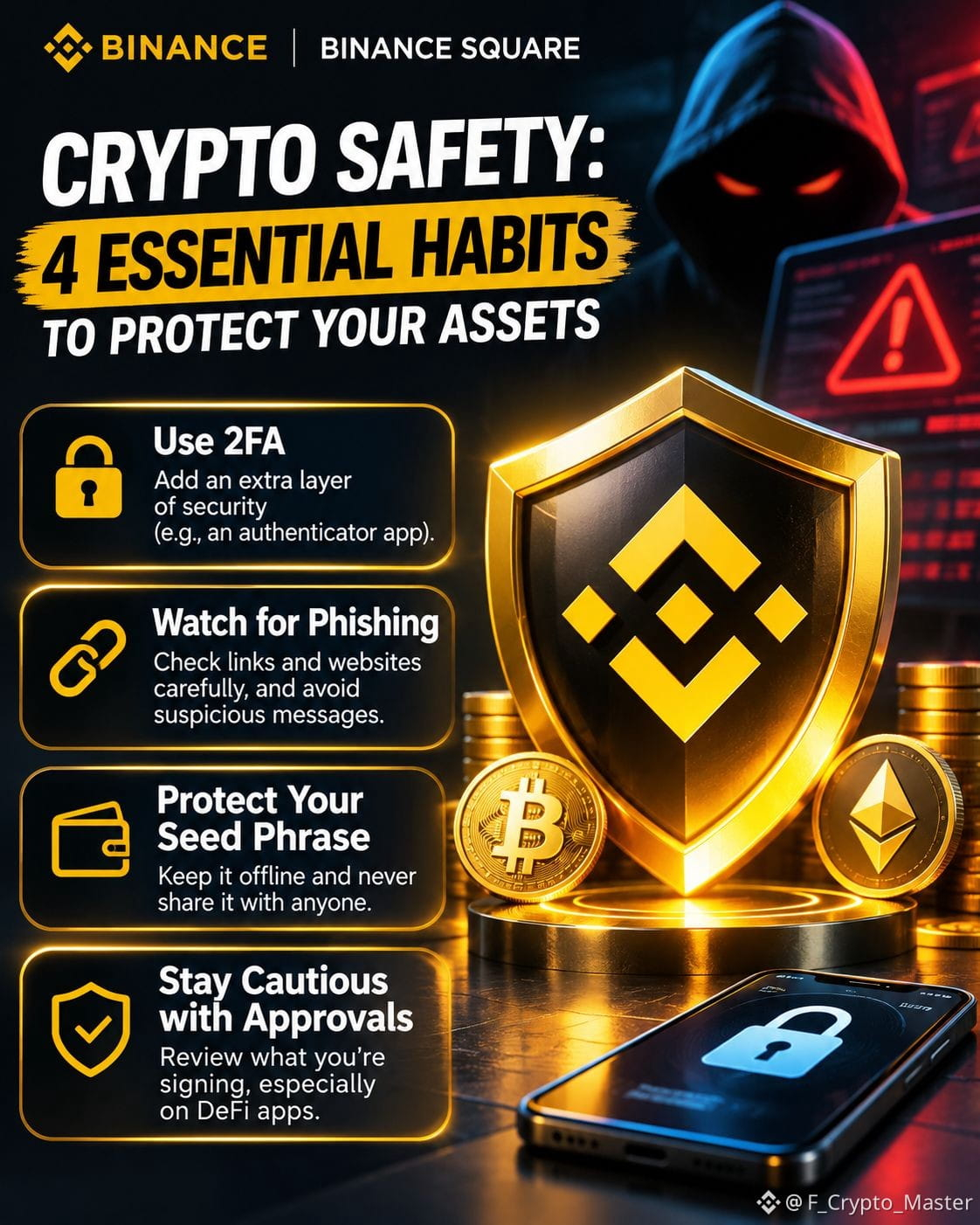
Here are 4 security habits every crypto holder should know:
🔒 1. Enable two-factor authentication (2FA)
Use an authenticator app or security key when available. Avoid relying only on SMS verification.
🎣 2. Watch out for phishing
Fake airdrops, support accounts and websites can trick you into connecting your wallet or revealing sensitive information.
Always verify URLs independently.
🔑 3. Never share your seed phrase
Anyone with your recovery phrase may be able to access your funds. Store it securely offline, and never enter it into an unsolicited website.
⚠️ 4. Review smart contract approvals
Some DeFi approvals allow contracts to transfer tokens from your wallet. Understand permissions before signing and revoke unnecessary approvals when appropriate.
🧠 MY TAKE:
The most underrated crypto skill isn't predicting the next 100x token.
It's learning how to protect the assets you already own.
A strong password, careful verification and good wallet habits won't eliminate every risk, but they can prevent many avoidable losses.
💬 What's the biggest security mistake you've seen people make in crypto?
#CryptoSecurity #WalletSafety #blockchain #BinanceSquare
1
99

·
--
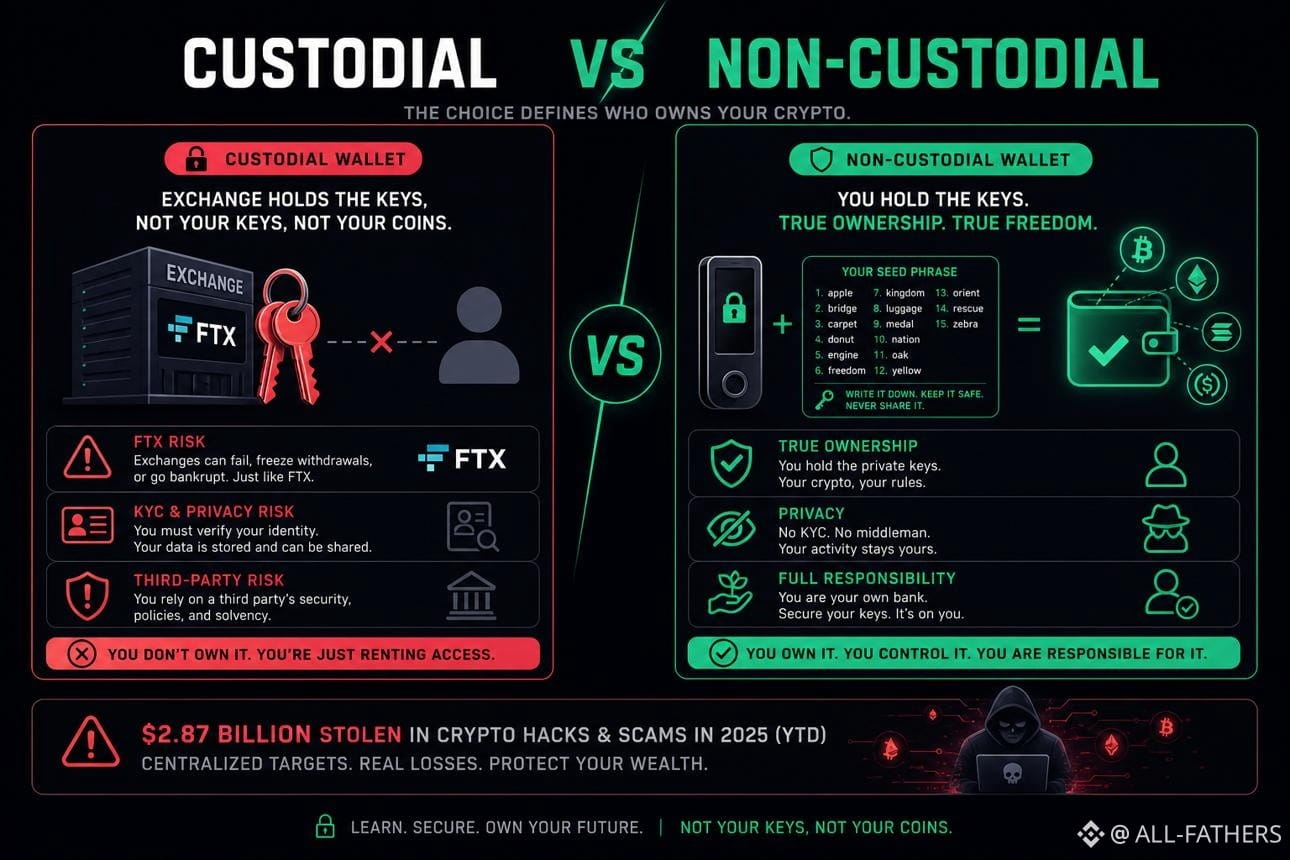
YOUR CRYPTO ACCOUNT AND YOUR PERSONAL WALLET ARE NOT THE SAME THING! 🔐
Understanding the difference between exchange custody and self-custody is one of the most important lessons in crypto.
Exchange custody
- The platform controls the private keys.
- You access your assets through your exchange account.
- Your access depends partly on the platform's security and operating procedures.
Self-custody
- You control the wallet's private keys.
- You are responsible for protecting your recovery phrase.
- Losing your keys or exposing your recovery phrase can put your assets at risk.
A few security habits worth practising:
- Never share your recovery phrase.
- Keep backups secure and offline.
- Double-check wallet addresses and networks before sending.
- Consider a small test transfer before a large one.
- Stay alert to phishing links and fake support accounts.
These principles apply to assets such as Bitcoin and Ethereum.
QUESTION: Which wallet-security lesson do you think every beginner should learn first?
$BTC $ETH
#SelfCustodyCrypto #WalletSafety #bitcoin #Ethereum #BİNANCESQUARE
82

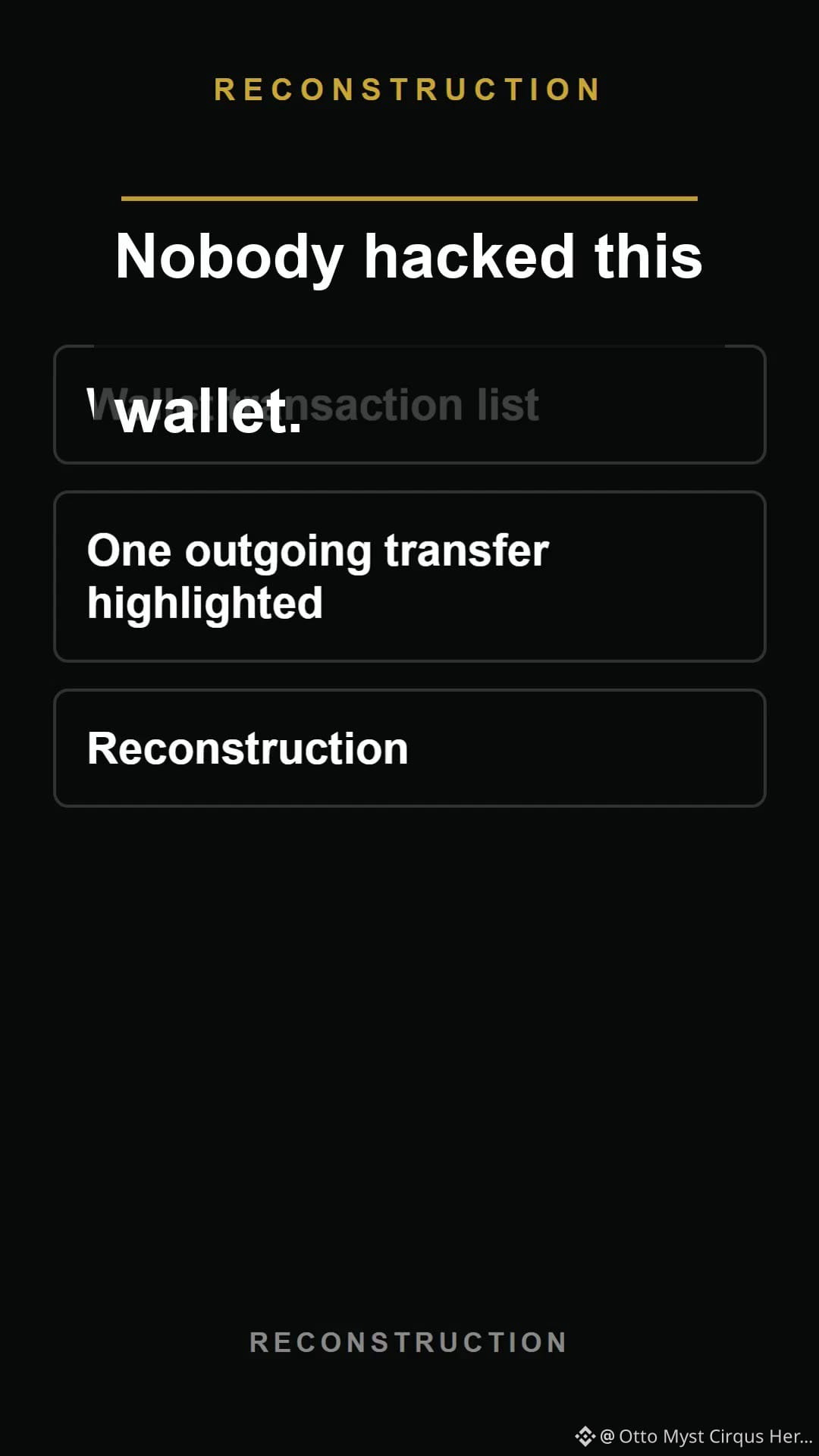
Nobody hacked this wallet. The owner sent the funds themselves, to an address that only looked right.
This is address poisoning. It needs no hack and no malware.
An attacker sends you a dust transfer from a lookalike address. Its first and last characters match one you really use. It lands in your history like a normal entry. Next time you copy from history, you copy theirs.
Many wallets shorten addresses to the start and the end. That is exactly what the fake imitates. So check the middle too.
Before you send $BNB, $ETH or anything else:
— Never copy an address from transaction history.
— Use an address book or whitelist if your wallet has one.
— Verify the full address, character by character.
— On big transfers, send a small test amount after that. A test amount does not fix a wrong address.
Unexpected dust is a warning, not a gift.
The addresses in the video are synthetic examples.
Do you check the full address before every transfer, or just the first and last characters?
#AddressPoisoning #CryptoSecurity #WalletSafety
Nobody hacked this wallet. The owner sent the funds themselves, to an address that only looked right.
This is address poisoning. It needs no hack and no malware.
An attacker sends you a dust transfer from a lookalike address. Its first and last characters match one you really use. It lands in your history like a normal entry. Next time you copy from history, you copy theirs.
Many wallets shorten addresses to the start and the end. That is exactly what the fake imitates. So check the middle too.
Before you send $BNB , $ETH or anything else:
— Never copy an address from transaction history.
— Use an address book or whitelist if your wallet has one.
— Verify the full address, character by character.
— On big transfers, send a small test amount after that. A test amount does not fix a wrong address.
Unexpected dust is a warning, not a gift.
The addresses in the video are synthetic examples.
Do you check the full address before every transfer, or just the first and last characters?
#AddressPoisoning #CryptoSecurity #WalletSafety
1
898

·
--
Bearish
#CanadaUSOperationNiagara
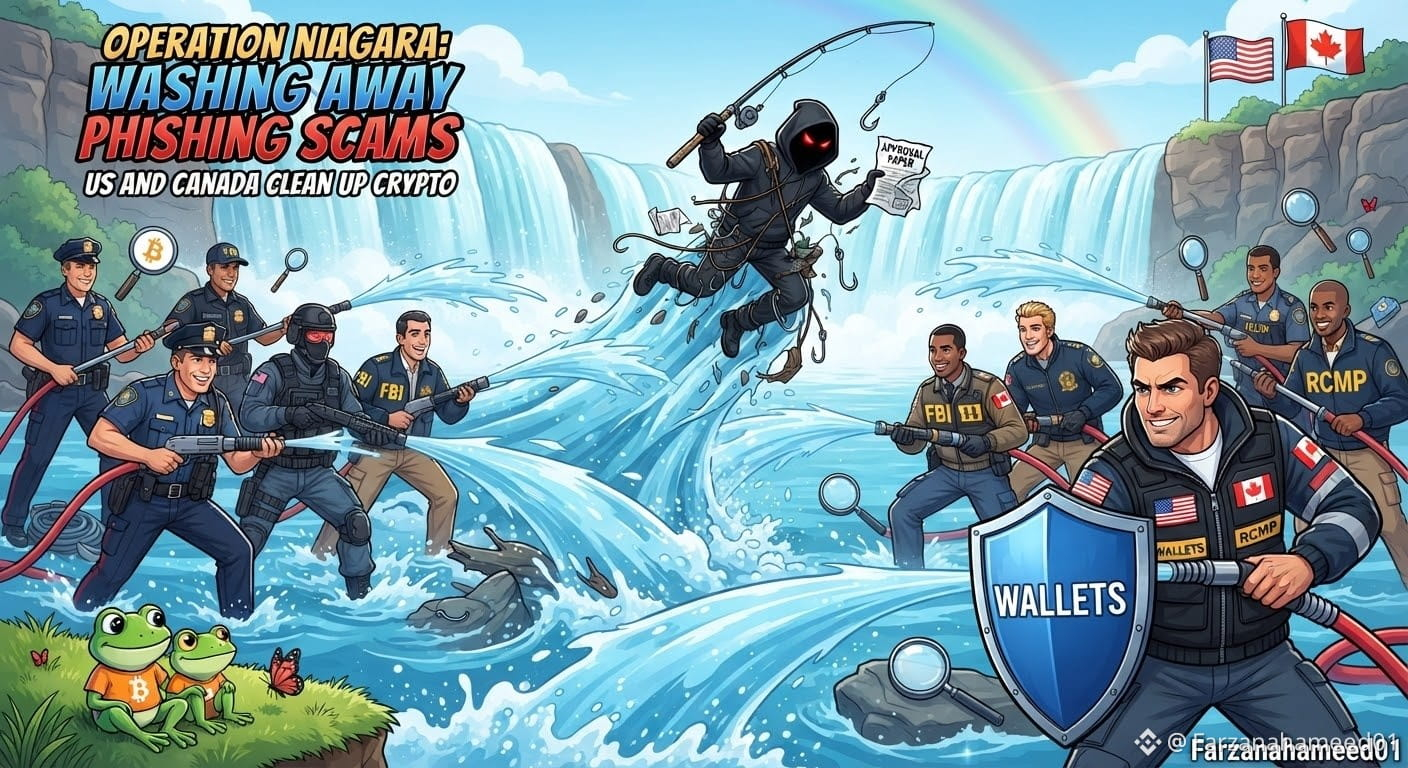
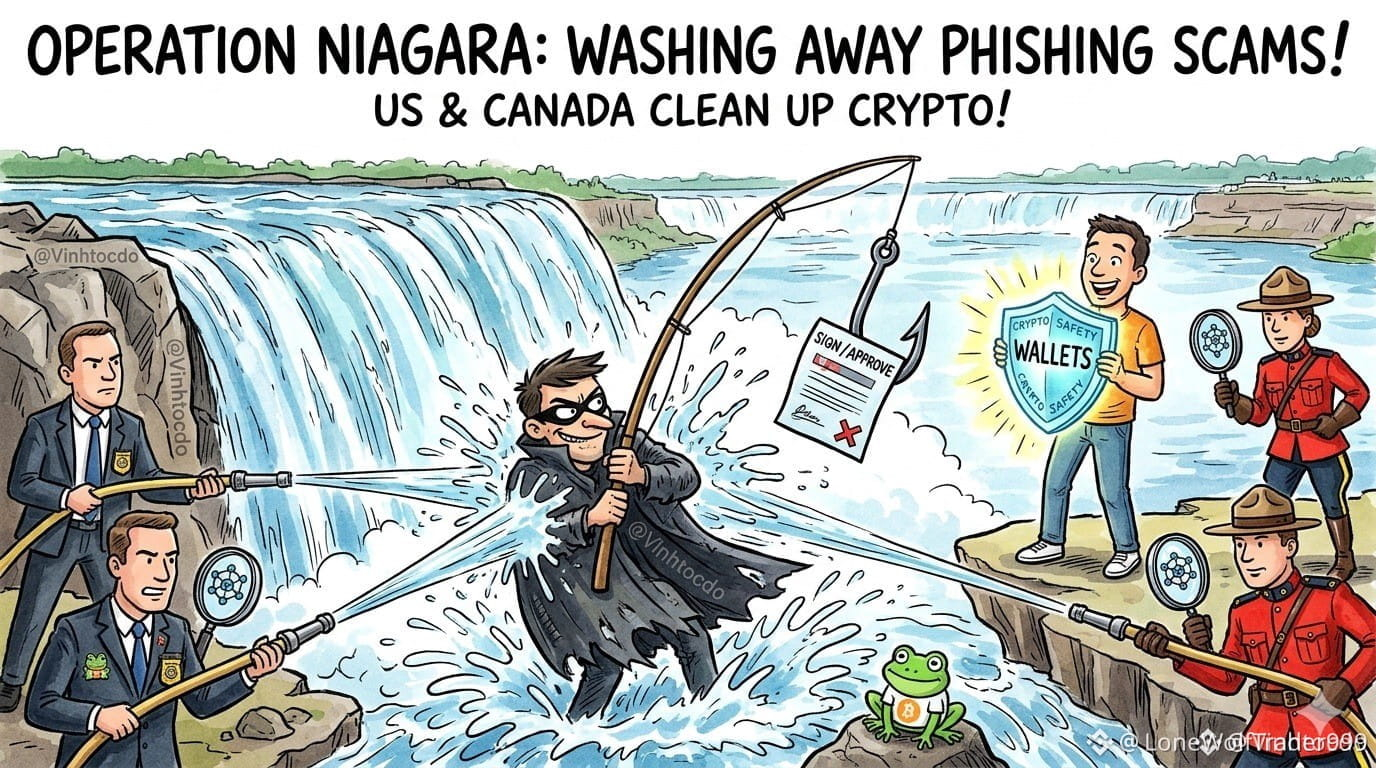
NIAGARA CAMPAIGN BETWEEN THE US AND CANADA! 🇺🇸🇨🇦
The US and Canada have just launched Operation Niagara to wipe out wallet approval scams and save everyone from one wrong signature and your entire fortune is gone!
In detail, the police, the US Secret Service, and Chainalysis are using on-chain data to issue early warnings and help victims revoke access before hackers can drain funds from malicious contracts.
What should we learn from this?
Use Revoke.cash to check for and immediately revoke any suspicious approvals.
Read prompts carefully before clicking Sign or Permit.
Keep your asset storage wallet separate from your airdrop-hunting wallet.
This is for learning and sharing only. This is not financial advice. I do not trade.
$BTC - Watch for security confidence returning, strong.
$ETH - Watch for wallet safety demand, strong.
$BREV - Watch for volume pickup on safety news, strong.
✨𝐅𝐀𝐑𝐙𝐀𝐍𝐀 𝐇𝐀𝐌𝐄𝐄𝐃 𝐎𝐅𝐅𝐈𝐂𝐈𝐀𝐋 • 🦋
#CryptoSecurity #Web3Safety #AntiPhishing #WalletSafety
2
5
261

🚨 $BTC HOLDERS: CROSS-BORDER ON-CHAIN TRACKING IS NOW HUNTING MALICIOUS CONTRACT APPROVALS! ⚡
Law enforcement and analytics powerhouses are leveraging real-time ledger data to flag predatory wallet permissions before bad actors drain user capital. 📊 A single careless signature can compromise an entire portfolio built over years of disciplined trading. 🛡️
Keep your defences airtight by auditing active allowances through trusted tools like Revoke.cash and maintaining strict separation between your main vault and tactical interaction wallets. 💡
💬 When was the last time you audited your active token allowances across $ETH and $BREV ? 👇
⚠️ Not financial advice. Always manage your risk. 🛡️
🏷️ #BTC #CryptoSecurity #Web3Safety #WalletSafety
🔥 💎
1

·
--
Optimizely code injection hijacks wallet addresses on 176 sites, with the attack chain spreading from mining rigs to ordinary websites
A third-party code hosting platform has, for the first time, been confirmed to enable large-scale hijacking of users’ wallet addresses. The attack surface of security incidents is expanding from mining rigs and the logistics industry to scripts on ordinary websites—a paradigm shift that warrants the entire industry’s attention.
According to Decrypt, the website testing platform Optimizely was injected with malicious code. Attackers used the platform to redirect visitors’ wallet addresses, replacing cryptocurrency payment addresses with ones controlled by the attackers. The incident involved around 176 hijacked sites, including Ledger and the BBC.
The key point of this incident is not that a single site was compromised, but how the attack chain propagated. In the past, wallet hijacking was often carried out through mining malware or logistics data leaks, requiring attackers to directly control a device or data channel. This time, however, the attack leveraged a third-party testing platform’s code distribution capabilities to spread indirectly to numerous ordinary websites, significantly expanding the attack surface.
Technically, when a website loads scripts hosted by a third party, malicious logic inserted into those scripts can alter the wallet addresses displayed on the page. Users often have difficulty telling whether the address shown on the page has been swapped, which is what makes this type of attack so difficult to detect.
It is important to emphasize that these losses did not result from a direct breach of an exchange, but from indirect propagation through a third-party platform. Ordinary users have relatively few practical ways to protect themselves; the key is to identify whether script sources are trustworthy and whether external content has been verified.
From a market and security perspective, incidents of this kind may increase the cost of trust in code hosting platforms and third-party scripts, and may also accelerate the adoption of address verification and whitelisting mechanisms in wallets.
On the other hand, the scope of the incident and the actual losses still need further verification, and the attack depended on a specific platform being compromised, rather than exploiting a widespread vulnerability. Going forward, it will be important to monitor Optimizely’s remediation progress, the actual number of affected sites, and whether the industry upgrades its standards for script integrity as a result.
#CryptoSecurity #WalletSafety
The above is a summary of information and personal analysis, and does not constitute investment advice.
I will continue to follow developments and provide updates if there are any significant developments.
76
🧪 Dust attack / address poisoning — a scam that plays with your wallet’s mailbox.
1️⃣ The scammer sends a tiny “dust” token to your wallet — sneaking into your address history
2️⃣ Then they show a fake transaction from a look-alike address — when you copy and paste, you accidentally use THEIR address
3️⃣ Protection: checking just the first/last characters isn’t enough — verify the FULL address, and even better: use an address book
Wallet hygiene is like banking hygiene — don’t worry, but being a little paranoid is a good thing. 🛡️
Security is in your hands. 🔐
$BTC
#CryptoSecurity #WalletSafety #ScamAwareness
3

·
--
A Tiny Transfer Could Be a Trap: Check the Full Wallet Address
Address-poisoning scams exploit your transaction history—not your private key.
An attacker sends a tiny transfer from a lookalike wallet address, hoping it appears beside a real contact so you later copy the wrong one. Binance Academy recommends checking the full address, using a saved address book or allowlist, and sending a small test transfer before a larger payment. A familiar first-and-last few characters are not enough; on-chain transfers are generally irreversible, and recovery is rare. Will you check every character before your next transfer?
Source: Binance Academy, “How Do Crypto Address Poisoning Attacks Work?” https://www.binance.com/en/academy/articles/how-do-crypto-address-poisoning-attacks-work
Market watch:
#CryptoSecurity #WalletSafety #Web3
11

The blockchain says “delivered.” Your exchange balance still says zero. Both screens can be telling the truth.
With XRP ($XRP ), an exchange can use one receiving address and assign customers different destination tags. On Stellar ($XLM ), an exchange can use a shared address and a memo for the same reason. An accepted payment can reach the exchange while its staff still need to work out whose account to credit.
When a deposit screen displays a required tag or memo, treat it as part of the address.
I may earn Binance Square rewards from engagement or qualifying trades linked to this post.
#XRP #Stellar #WalletSafety
{spot}(XRPUSDT)
{spot}(XLMUSDT)
{future}(XRPUSDT)
The blockchain says “delivered.” Your exchange balance still says zero. Both screens can be telling the truth.
With XRP ($XRP ), an exchange can use one receiving address and assign customers different destination tags. On Stellar ($XLM ), an exchange can use a shared address and a memo for the same reason. An accepted payment can reach the exchange while its staff still need to work out whose account to credit.
When a deposit screen displays a required tag or memo, treat it as part of the address.
I may earn Binance Square rewards from engagement or qualifying trades linked to this post.
#XRP #Stellar #WalletSafety
197
Hot wallet vs Cold wallet — security 101.
Recent weeks mein hacks ki khabrein aa rahi hain — ek prediction market platform ko trading halt tak karni padi. Self-custody samajhne ka waqt hai.
🔥 Hot wallet: internet-connected, daily trading ke liye — chhota amount
❄️ Cold wallet: offline hardware, long-term holdings — majority funds
Golden rule: 'Not your keys, not your coins.'
Portfolio grow ho raha hai to $50-100 ka hardware wallet sab se sasti insurance hai.
#CryptoSecurity #SelfCustody #WalletSafety #CryptoEducation
8

#keplradvisessocialloginuserstotransferassets
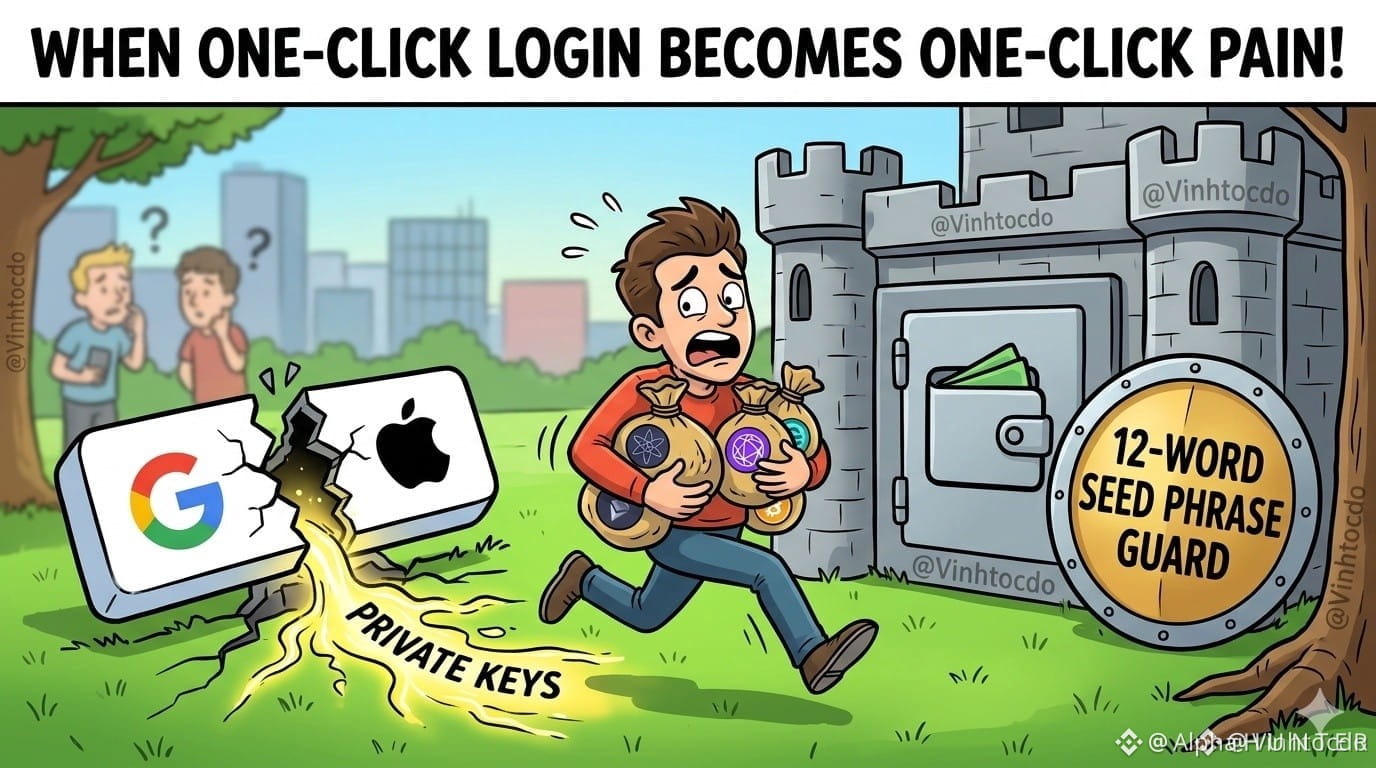
🚨 Keplr warns users who log in via social networks: transfer your assets before it’s too late!
Keplr has issued an important warning to users who access their wallets by logging in with a social media account.
Users who rely on this method should act and transfer their assets to a wallet with a secure backup before they risk losing access.
🔍 What you need to know:
Users who log in via social networks should immediately check their access to their wallet.
Make sure your recovery credentials and wallet backup are secure.
Transfer your assets to a wallet whose recovery phrase you control and can keep in a safe place.
Never share your recovery phrase or private keys with anyone.
⚠️ Why is this important?
The security of your cryptocurrencies depends on your control over access to your wallet. Losing access to a social media account could cause serious problems if you haven’t secured your wallet’s recovery options.
The message is simple: don’t wait until you’ve lost access to protect your funds.
#keplr #CryptoSecurity #WalletSafety
$AIOT
{future}(AIOTUSDT)
$JCT
{future}(JCTUSDT)
$IDOL
{future}(IDOLUSDT)
#keplradvisessocialloginuserstotransferassets
🚨 Keplr warns users who log in via social networks: transfer your assets before it’s too late!
Keplr has issued an important warning to users who access their wallets by logging in with a social media account.
Users who rely on this method should act and transfer their assets to a wallet with a secure backup before they risk losing access.
🔍 What you need to know:
Users who log in via social networks should immediately check their access to their wallet.
Make sure your recovery credentials and wallet backup are secure.
Transfer your assets to a wallet whose recovery phrase you control and can keep in a safe place.
Never share your recovery phrase or private keys with anyone.
⚠️ Why is this important?
The security of your cryptocurrencies depends on your control over access to your wallet. Losing access to a social media account could cause serious problems if you haven’t secured your wallet’s recovery options.
The message is simple: don’t wait until you’ve lost access to protect your funds.
#keplr #CryptoSecurity #WalletSafety
$AIOT
$JCT
$IDOL
4
2.5k

#keplradvisessocialloginuserstotransferassets
🚨 Keplr Warns Social Login Users: Transfer Your Assets Before It's Too Late!
Keplr has issued an important warning to users who access their wallets through social login.
Users relying on social login should take action and transfer their assets to a securely backed-up wallet before they risk losing access.
🔍 What You Need to Know:
Social login users should review their wallet access immediately.
Make sure your recovery credentials and wallet backup are secure.
Transfer assets to a wallet where you control and safely store the recovery phrase.
Never share your seed phrase or private keys with anyone.
⚠️ Why It Matters:
Your crypto security depends on controlling access to your wallet. Losing access to a social login account could create serious problems if you haven't secured your wallet recovery options.
The message is simple: don't wait until you lose access to protect your funds.
#keplr #CryptoSecurity #WalletSafety
1
972

Your Bitcoin Could Vanish While You "Speed Up" a Payment Update Your Wallet NOW
Electrum, one of Bitcoin's oldest wallets, just disclosed a frightening flaw — and attackers are already exploiting it. A rogue server can quietly swap your real payment for a fake one that sends your coins to the attacker. The wallet still shows it as pending, so when you tap "increase fee" to speed it up, you unknowingly sign the theft yourself. Developers confirmed two October reports: one user spotted the swap in time, but another lost funds after approving what looked like a routine fee bump. In one case the fake transaction carried zero fee, so it looked stuck, and the attacker's address even matched the last four characters of the real destination. Electrum fixed the flaw in version 4.8.3, released October 24 — every older version is still at risk on a malicious server. Update now, connect only to servers you trust, and always check the full address and amount before signing. Not financial advice — just protect your coins.
$BTC
#Bitcoin #Electrum #CryptoSecurity #WalletSafety
78
A BITCOIN WALLET SECURITY WARNING YOU SHOULDN’T IGNORE.
Electrum has released version 4.8.3 after discovering a high-severity vulnerability affecting older versions.
And this isn’t just theoretical. Developers confirmed that at least one user lost funds.
Here’s how the attack works:
1. You send a Bitcoin transaction.
2. A malicious server replaces its unconfirmed wallet-history entry with a fraudulent transaction.
3. You attempt to speed up the payment by increasing its fee.
4. Without noticing the changed destination, you could authorize a payment to the attacker.
The attackers even used addresses sharing the same last four characters as legitimate destinations.
What should users do?
• Update Electrum to version 4.8.3.
• Download updates only from the official website.
• Verify the full recipient address and amount before signing transactions.
• Never approve an unfamiliar transaction simply to increase its fee.
Important lesson: Self-custody gives you control over your assets, but it also requires understanding transaction security.
Protecting wealth matters just as much as growing it.
Do you verify the entire wallet address before approving a transaction?
#Bitcoin #CryptoSecurity #WalletSafety #CryptoEducation
90

·
--
Apple says it rejected over 371,000 malicious app submissions, and that’s exactly why “safe because it’s in the app store” is a dangerous assumption.
Crypto users get drained all the time by fake wallet apps, clone interfaces, and lookalike tools that feel legit until the seed phrase is gone. One bad download can cost more than a bad trade on $BTC or $ETH.
The key detail here: Apple didn’t give a direct comment, but pointed to its ecosystem stats and said no active Sparrow clones remain in the store. That sounds reassuring, but it also confirms the bigger issue , malicious apps do make it far enough to need rejection, removal, and constant policing.
For traders holding $SOL, $BTC, or any self-custody assets, the risk isn’t just market volatility. It’s operational security. Always verify the developer, app history, website source, reviews, and never type a seed phrase into anything you found through search alone.
What’s your process for checking whether a crypto app is actually legit?
#CryptoSecurity #WalletSafety #OnChainLessons
Apple says it rejected over 371,000 malicious app submissions, and that’s exactly why “safe because it’s in the app store” is a dangerous assumption.
Crypto users get drained all the time by fake wallet apps, clone interfaces, and lookalike tools that feel legit until the seed phrase is gone. One bad download can cost more than a bad trade on $BTC or $ETH .
The key detail here: Apple didn’t give a direct comment, but pointed to its ecosystem stats and said no active Sparrow clones remain in the store. That sounds reassuring, but it also confirms the bigger issue , malicious apps do make it far enough to need rejection, removal, and constant policing.
For traders holding $SOL , $BTC , or any self-custody assets, the risk isn’t just market volatility. It’s operational security. Always verify the developer, app history, website source, reviews, and never type a seed phrase into anything you found through search alone.
What’s your process for checking whether a crypto app is actually legit?
#CryptoSecurity #WalletSafety #OnChainLessons
71

·
--
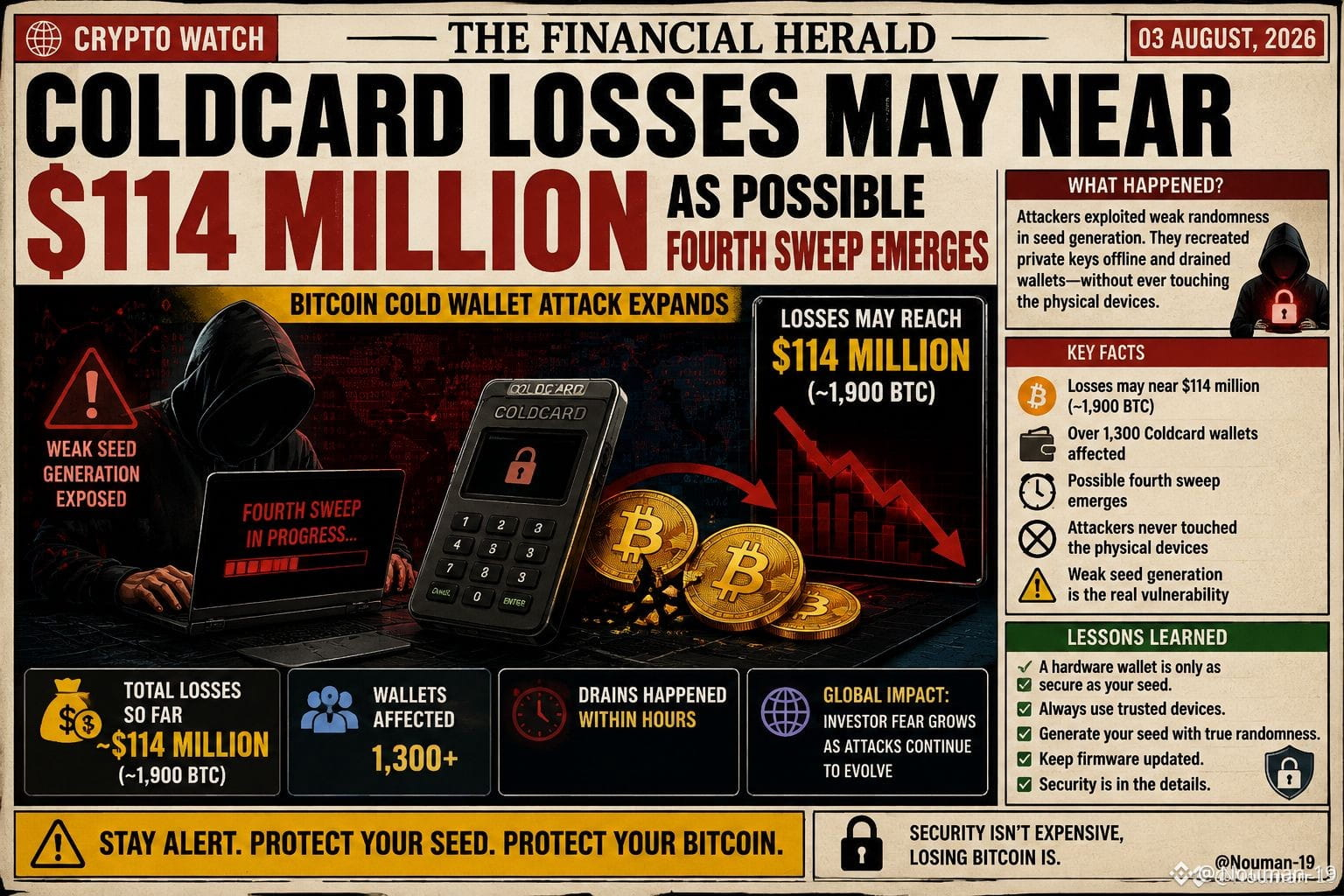
Coldcard Wallet Attack Update
A possible fourth sweep has been detected, pushing estimated losses from the Coldcard wallet-related attack to nearly $114 million.
🔍 Key Highlights: • Estimated losses may reach $114M • Investigators are tracking a possible fourth wallet sweep • The incident highlights that even cold storage requires careful operational security • Always verify wallet setup, firmware, and recovery procedures
🛡️ Security Reminder: Cold wallets are designed to keep private keys offline, but mistakes, compromised recovery phrases, or supply-chain risks can still lead to major losses.
Stay informed. Stay secure. 🔐
#Bitcoin #Crypto #ColdWallet #Coldcard #CryptoSecurity #Blockchain #BTC #CyberSecurity #CryptoNews🚀🔥V #WalletSafety #Web3 #CryptoUpdates
1
89

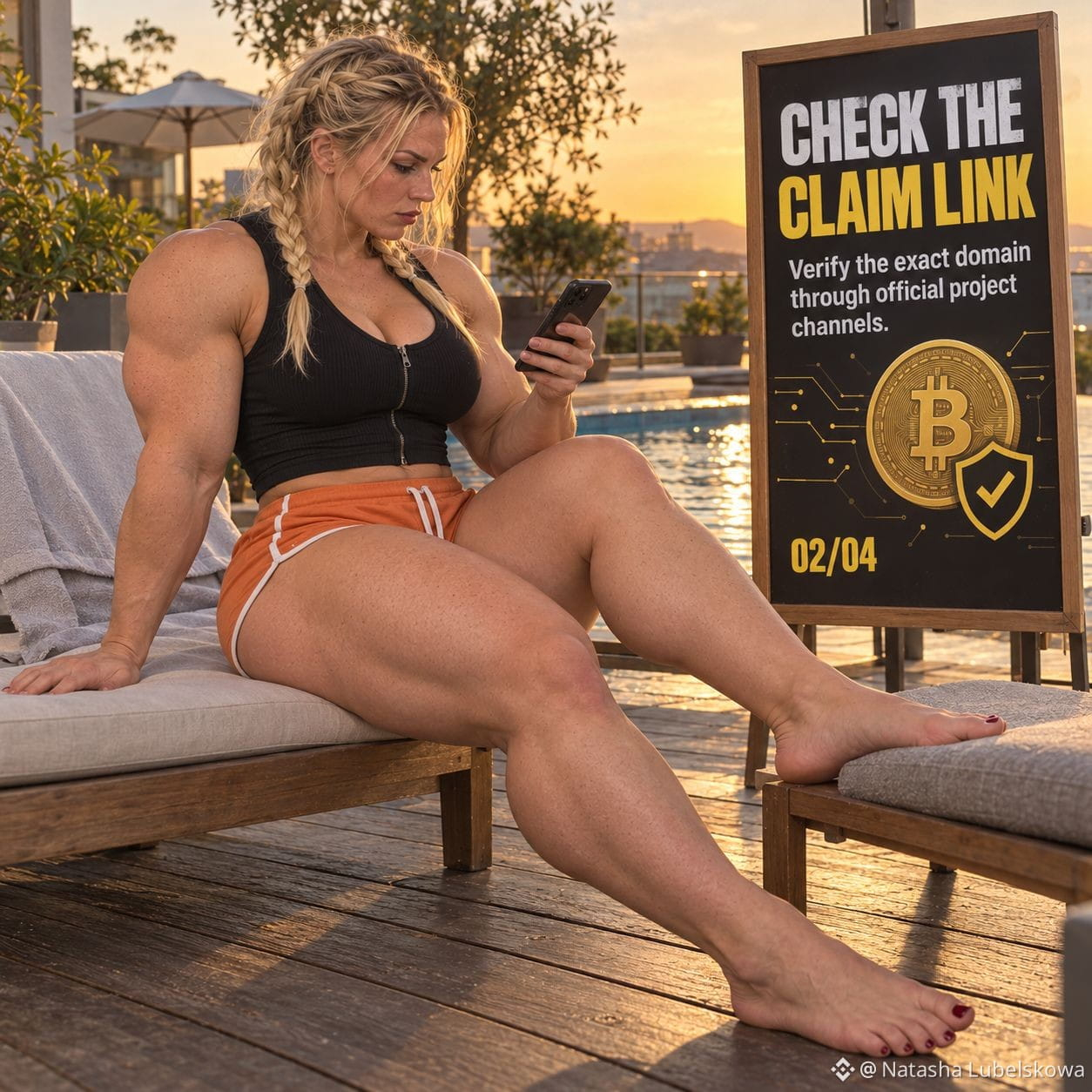
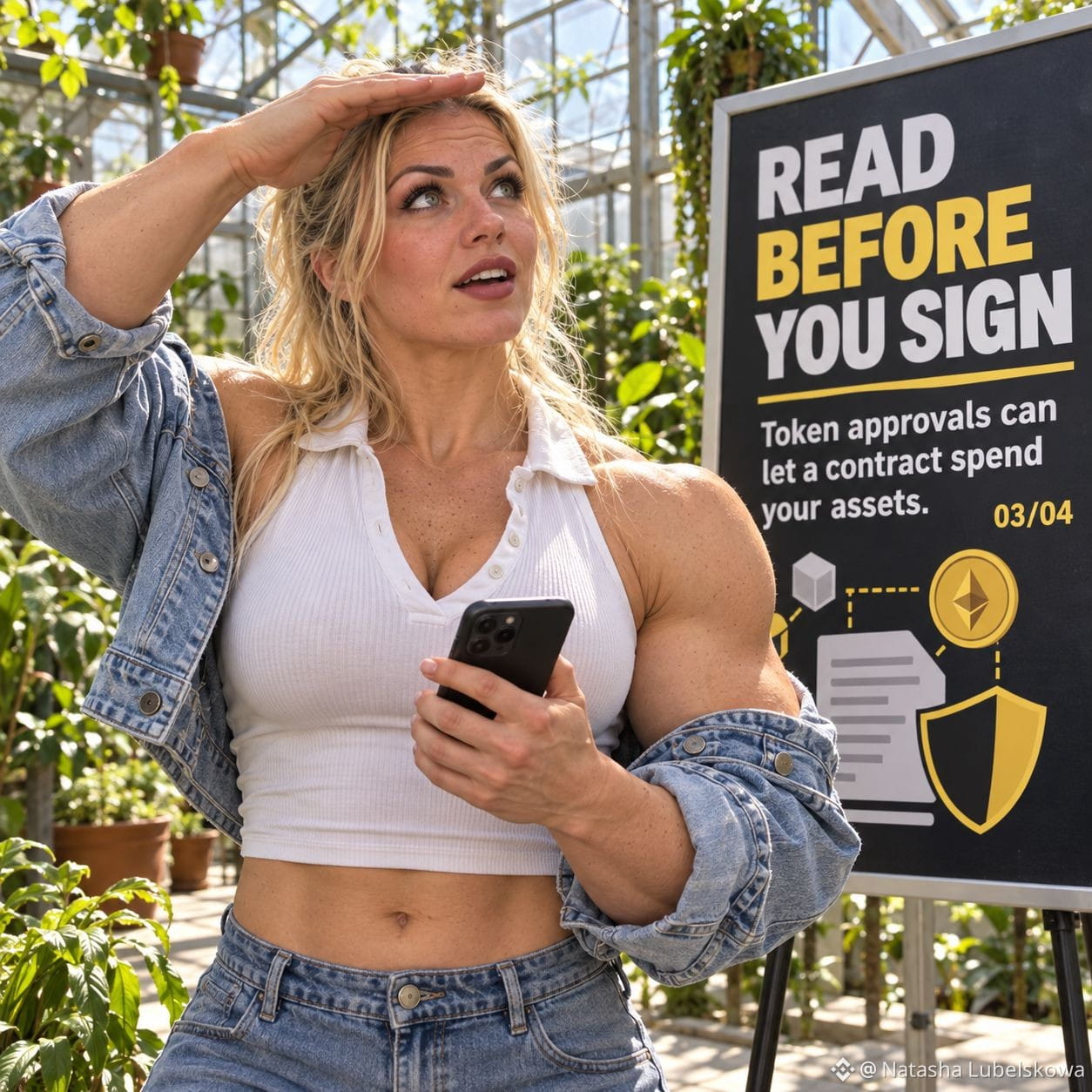
AIRDROP OR WALLET TRAP? 🪂
Free tokens can bait you into giving away wallet access. Swipe through four checks before your next claim.
1. Treat unexpected tokens as untrusted. A displayed price does not prove they are safe or sellable.
2. Verify the exact claim domain through official project channels. Avoid links from unsolicited messages.
3. Read before signing. Check the network, contract, spending permission and amount. An approval can let a contract spend your tokens.
4. Keep your recovery phrase private. A legitimate airdrop never needs it or your private key.
Pressure to act fast is a reason to pause. If you do not understand a wallet request, do not sign it.
Which red flag have you seen most often?
#Airdrop #CryptoSecurity #Web3 #WalletSafety


89

$USDC wallet security is back in focus 🛡️
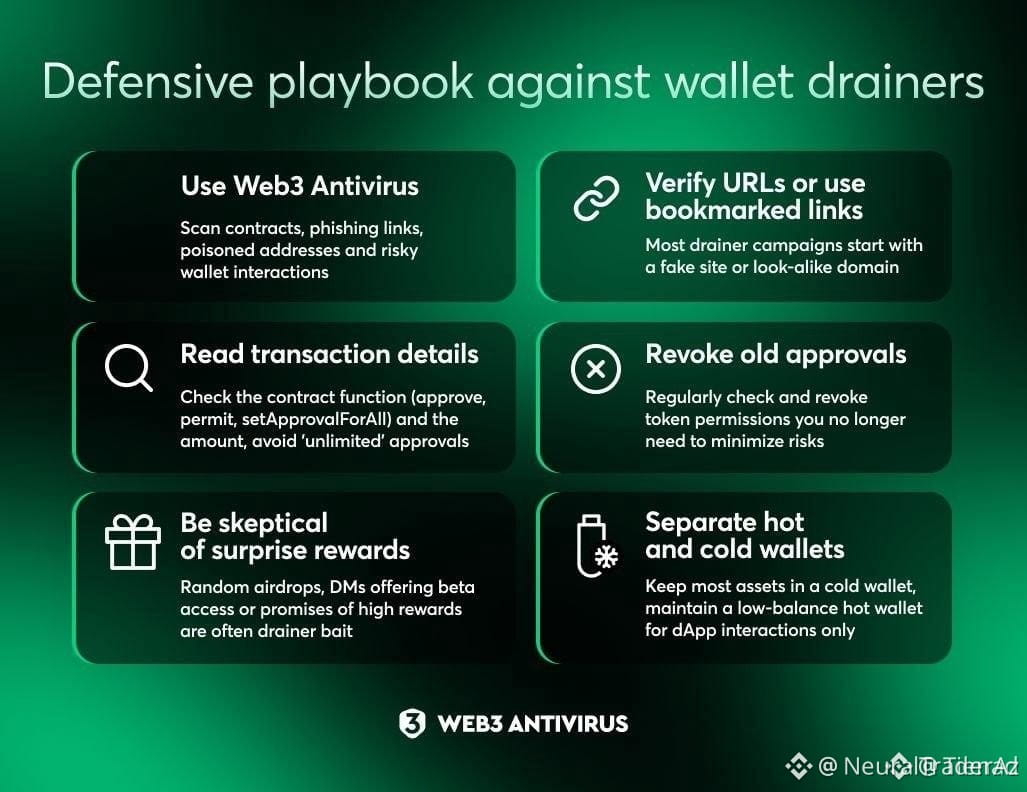
A 316K $USDC wallet drainer case just reminded the market that one careless signature can be enough to get completely rekt. That usually makes weak hands more cautious short term, but it also puts a spotlight on projects and tools built around on-chain security.
Alright everyone, this is one of those moments where smart money watches behavior, not noise. Whale games love distraction, and retail often learns the hard way. Keep wallet activity tight, avoid blind contract approvals, and stay sharp while the crowd is sleeping.
Not financial advice. Manage your risk.
#USDC #CryptoSecurity #WalletSafety #OnChain
🧠
90

·
--
Thousands of crypto wallets might be at risk – here’s why. A new report from Coinspect reveals a vulnerability called 'Ill Bloom' affecting many crypto wallets. This problem stems from how some wallets generate their "recovery phrases" – those 12 or 24 words you use to restore your funds if you lose access. If these phrases aren't truly random, it makes it easier for attackers to guess them and steal your crypto. This matters because your recovery phrase is the master key to your digital assets. If it's weak or predictable, your funds aren't secure, no matter how strong your password is. It highlights the critical importance of using reputable wallets and strong security practices. This news reminds us that fundamental security is paramount in crypto. While we celebrate gains like $VANRY's +42.09% today, ensuring your holdings are safe from vulnerabilities like "Ill Bloom" is far more important. Always double-check your wallet’s security provenance. What are your thoughts on wallet security? #CryptoSecurity #WalletSafety #Blockchain 🔒 $BTC $ETH
Thousands of crypto wallets might be at risk – here’s why. A new report from Coinspect reveals a vulnerability called 'Ill Bloom' affecting many crypto wallets. This problem stems from how some wallets generate their "recovery phrases" – those 12 or 24 words you use to restore your funds if you lose access. If these phrases aren't truly random, it makes it easier for attackers to guess them and steal your crypto. This matters because your recovery phrase is the master key to your digital assets. If it's weak or predictable, your funds aren't secure, no matter how strong your password is. It highlights the critical importance of using reputable wallets and strong security practices. This news reminds us that fundamental security is paramount in crypto. While we celebrate gains like $VANRY's +42.09% today, ensuring your holdings are safe from vulnerabilities like "Ill Bloom" is far more important. Always double-check your wallet’s security provenance. What are your thoughts on wallet security? #CryptoSecurity #WalletSafety #Blockchain 🔒 $BTC $ETH
198

⚖️ Security Alert for Crypto Holders: Growing malware threats demand increased vigilance from investors
On July 19, 2026, The Kaspersky malware framework report, combined with the Consensys North Korean developer infiltration, paints a concerning picture for crypto security. As the ecosystem grows to $2.30T in total value, malicious actors are investing more resources in targeted attacks.
Best practices include: using hardware wallets for long-term storage of Bitcoin $BTC and Ethereum $ETH, never sharing seed phrases, verifying software downloads via checksums, and using unique strong passwords for exchange accounts.
📌 Key Takeaway:
Crypto security is a shared responsibility. As the industry matures, security infrastructure must mature too — both at the company level and the individual investor level.
#CryptoSecurity #BestPractices #WalletSafety
#BinanceAlphaAlert
⚖️ Security Alert for Crypto Holders: Growing malware threats demand increased vigilance from investors
On July 19, 2026, The Kaspersky malware framework report, combined with the Consensys North Korean developer infiltration, paints a concerning picture for crypto security. As the ecosystem grows to $2.30T in total value, malicious actors are investing more resources in targeted attacks.
Best practices include: using hardware wallets for long-term storage of Bitcoin $BTC and Ethereum $ETH , never sharing seed phrases, verifying software downloads via checksums, and using unique strong passwords for exchange accounts.
📌 Key Takeaway:
Crypto security is a shared responsibility. As the industry matures, security infrastructure must mature too — both at the company level and the individual investor level.
#CryptoSecurity #BestPractices #WalletSafety
#BinanceAlphaAlert
39
Log in to explore more content
Join global crypto users on Binance Square
⚡️ Get latest and useful information about crypto.
💬 Trusted by the world’s largest crypto exchange.
👍 Discover real insights from verified creators.
Email / Phone number
Trending Topics
1
#CanMarketsReboundAfterThanksgiving?
216,220 views
2,067 Discussing
2
#EvolveAtBinanceBlockchainWeek
864,850 views
10,741 Discussing
3
#CouldSpaceX’sOrbitalDataCentersBoostAIChipDemand?
106,863 views
1,241 Discussing
4
#SouthKoreaProposesMandatoryDigitalAssetTransactionDisclosure
5,805 views
117 Discussing
5
#StellarAdds$80.4MTokenizedFundsInOneDay
371 views
5 Discussing
6
#ZcashDevelopersUrgeZECMoveToIronwood
38,141 views
187 Discussing
7
#TradFiForBeginners
1.2M views
6,285 Discussing
8
#KoreaFSCSeeksPowerToSuspendCryptoListings
24,080 views
361 Discussing
9
#SouthKoreaPlansToRequireTetherCircleLocalReserves
22,673 views
253 Discussing
10
#UKFCAReportedlyPlansDeFiAuthorizationRules
16,663 views
151 Discussing