

#cryptowarning
cryptowarning
2.2M views
2,212 Discussing
Hot
Latest

·
--
Bearish
Partly True
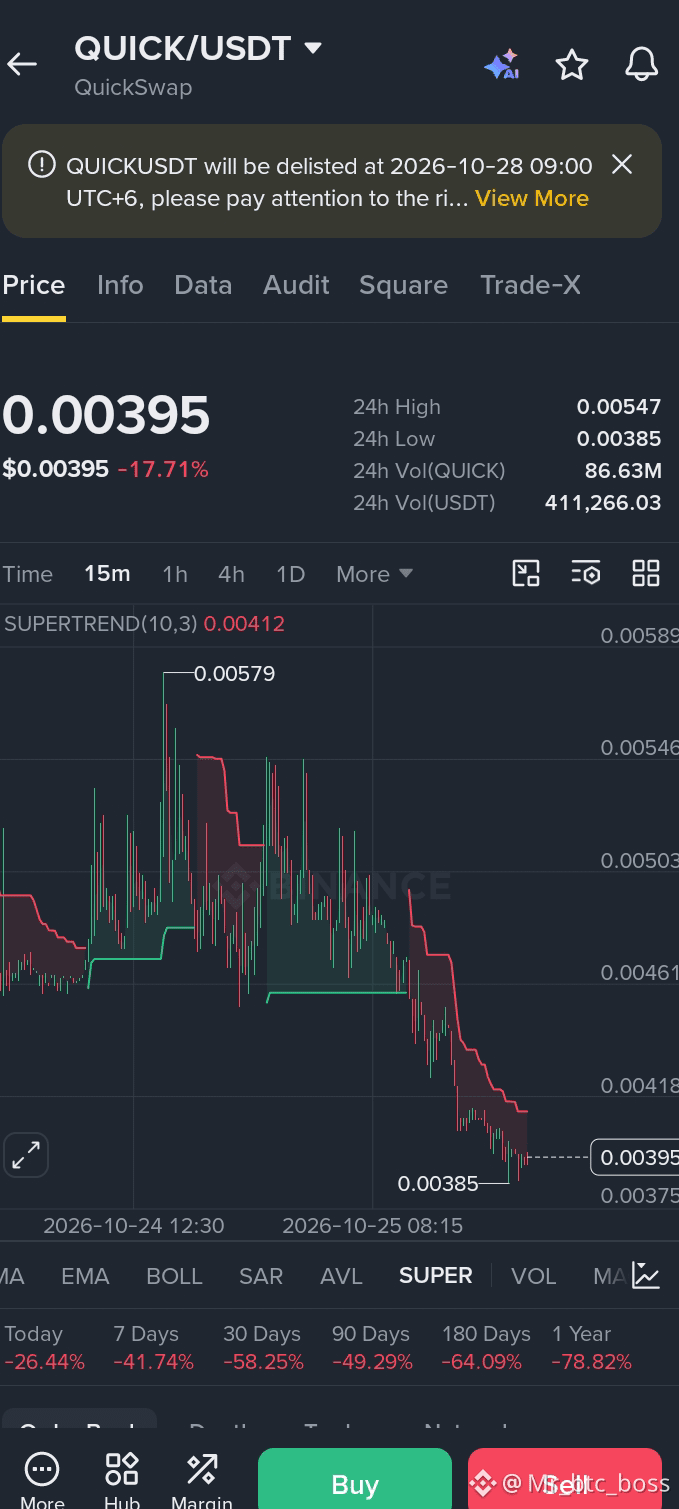
*⚠️ URGENT WARNING: QUICK/USDT ⚠️*
Attention everyone,
Please *DO NOT BUY $QUICK* at this moment.
As per the official announcement, *QUICK/USDT will be delisted on 2026-10-28 at 09:00 AM (UTC+6).*
If you are already holding $QUICK, I strongly suggest you *sell or withdraw your coins as soon as possible* before the delisting time.
After delisting, trading will be stopped and your funds may get stuck.
This is not financial advice, just a warning to save you from a big loss. Stay safe.
#QUICK #QUICKUSDT #CryptoWarning #DelistingAlert
*⚠️ URGENT WARNING: QUICK/USDT ⚠️*
Attention everyone,
Please *DO NOT BUY $QUICK* at this moment.
As per the official announcement, *QUICK/USDT will be delisted on 2026-10-28 at 09:00 AM (UTC+6).*
If you are already holding $QUICK, I strongly suggest you *sell or withdraw your coins as soon as possible* before the delisting time.
After delisting, trading will be stopped and your funds may get stuck.
This is not financial advice, just a warning to save you from a big loss. Stay safe.
#QUICK #QUICKUSDT #CryptoWarning #DelistingAlert
Attention everyone,
Please *DO NOT BUY $QUICK* at this moment.
As per the official announcement, *QUICK/USDT will be delisted on 2026-10-28 at 09:00 AM (UTC+6).*
If you are already holding $QUICK, I strongly suggest you *sell or withdraw your coins as soon as possible* before the delisting time.
After delisting, trading will be stopped and your funds may get stuck.
This is not financial advice, just a warning to save you from a big loss. Stay safe.
#QUICK #QUICKUSDT #CryptoWarning #DelistingAlert
1
2
608

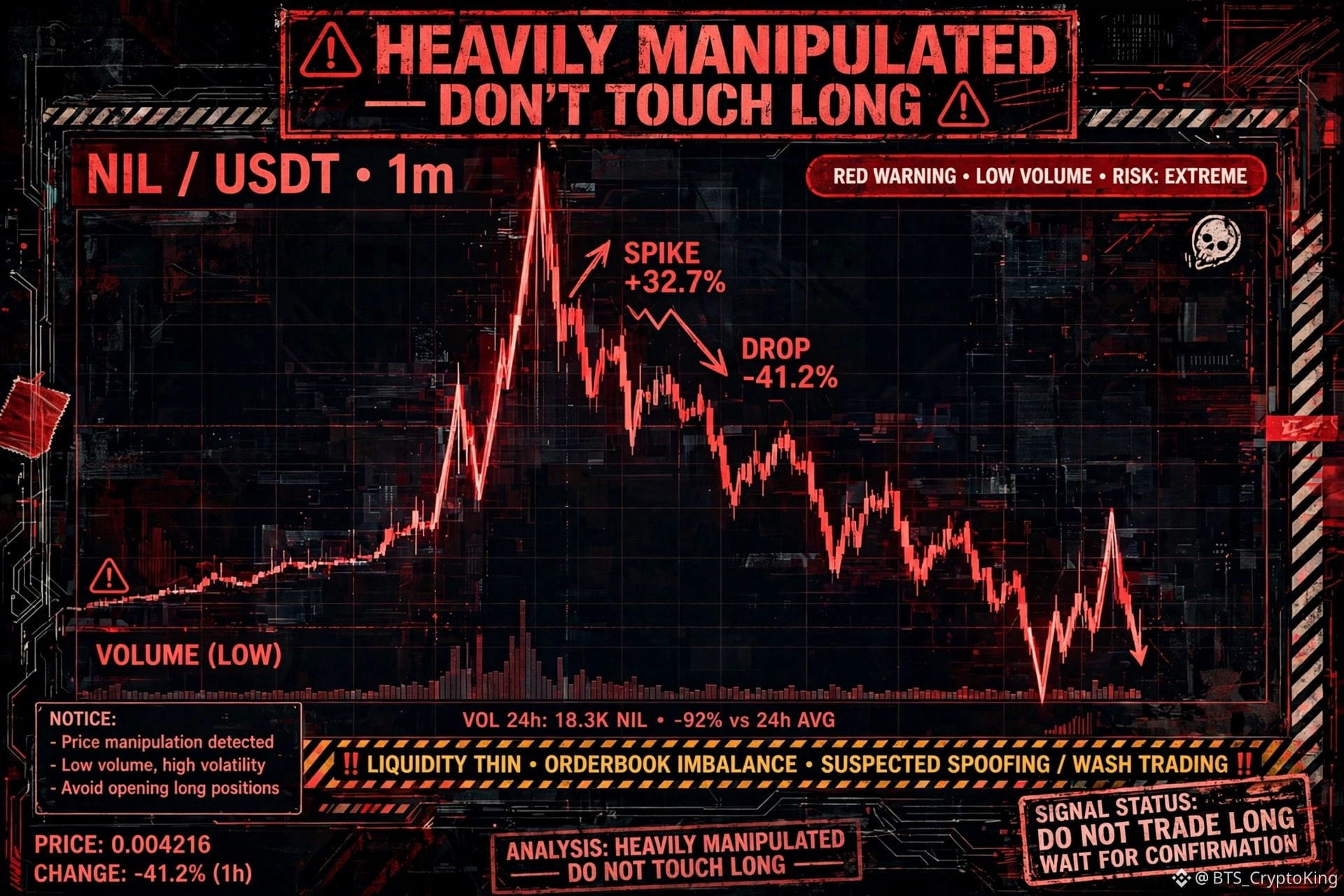
$NIL - Heavily Manipulated
Fake Spike +32% Then Drop -41%
Low Volume, Thin Liquidity
Don't Touch Long, Safety First
#NIL #NILUSDT #CryptoWarning
{future}(NILUSDT)
$NIL - Heavily Manipulated
Fake Spike +32% Then Drop -41%
Low Volume, Thin Liquidity
Don't Touch Long, Safety First
#NIL #NILUSDT #CryptoWarning
Fake Spike +32% Then Drop -41%
Low Volume, Thin Liquidity
Don't Touch Long, Safety First
#NIL #NILUSDT #CryptoWarning
125

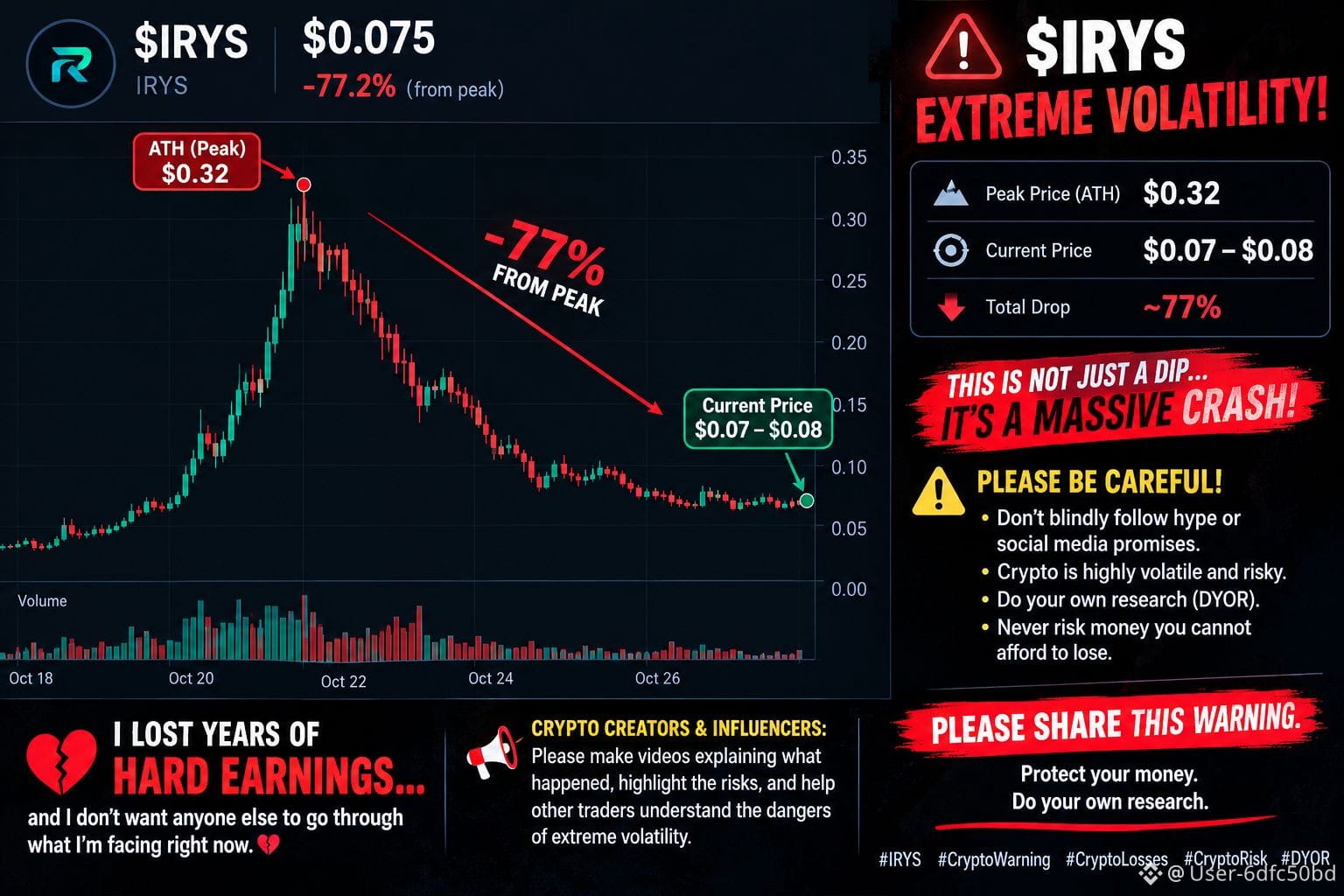
🚨💔 $IRYS — PLEASE, SOMEONE LISTEN! 😭📉
If you see my comment, please take a moment to read this. I’ve suffered a devastating financial loss trading $IRYS, and it feels like years of hard work have gone down the drain. 💔
⚠️ IRYS has experienced extreme volatility! The price surged toward $0.32 before crashing sharply, with recent market data showing it trading around $0.07–$0.08. That’s roughly a 77% drop from its peak! 📉🔥 <Cite refs={["turn427341search1","turn427341search0"]}/>
🙏 Please be careful before putting your hard-earned money into highly volatile crypto assets. Don't blindly follow hype or social media promises.
📢 Crypto creators and influencers: Please make videos explaining what happened, highlighting the risks, and helping other traders understand the dangers of extreme volatility.
💔 I don't want anyone else to experience the kind of financial loss I'm facing.
PLEASE SHARE THIS WARNING. Protect your money. Do your own research. Never risk money you cannot afford to lose. ⚠️
#IRYS #CryptoWarning #CryptoLosses
{future}(IRYSUSDT)
🚨💔 $IRYS — PLEASE, SOMEONE LISTEN! 😭📉
If you see my comment, please take a moment to read this. I’ve suffered a devastating financial loss trading $IRYS , and it feels like years of hard work have gone down the drain. 💔
⚠️ IRYS has experienced extreme volatility! The price surged toward $0.32 before crashing sharply, with recent market data showing it trading around $0.07–$0.08. That’s roughly a 77% drop from its peak! 📉🔥 <Cite refs={["turn427341search1","turn427341search0"]}/>
🙏 Please be careful before putting your hard-earned money into highly volatile crypto assets. Don't blindly follow hype or social media promises.
📢 Crypto creators and influencers: Please make videos explaining what happened, highlighting the risks, and helping other traders understand the dangers of extreme volatility.
💔 I don't want anyone else to experience the kind of financial loss I'm facing.
PLEASE SHARE THIS WARNING. Protect your money. Do your own research. Never risk money you cannot afford to lose. ⚠️
#IRYS #CryptoWarning #CryptoLosses
If you see my comment, please take a moment to read this. I’ve suffered a devastating financial loss trading $IRYS , and it feels like years of hard work have gone down the drain. 💔
⚠️ IRYS has experienced extreme volatility! The price surged toward $0.32 before crashing sharply, with recent market data showing it trading around $0.07–$0.08. That’s roughly a 77% drop from its peak! 📉🔥 <Cite refs={["turn427341search1","turn427341search0"]}/>
🙏 Please be careful before putting your hard-earned money into highly volatile crypto assets. Don't blindly follow hype or social media promises.
📢 Crypto creators and influencers: Please make videos explaining what happened, highlighting the risks, and helping other traders understand the dangers of extreme volatility.
💔 I don't want anyone else to experience the kind of financial loss I'm facing.
PLEASE SHARE THIS WARNING. Protect your money. Do your own research. Never risk money you cannot afford to lose. ⚠️
#IRYS #CryptoWarning #CryptoLosses
2

·
--
Bearish
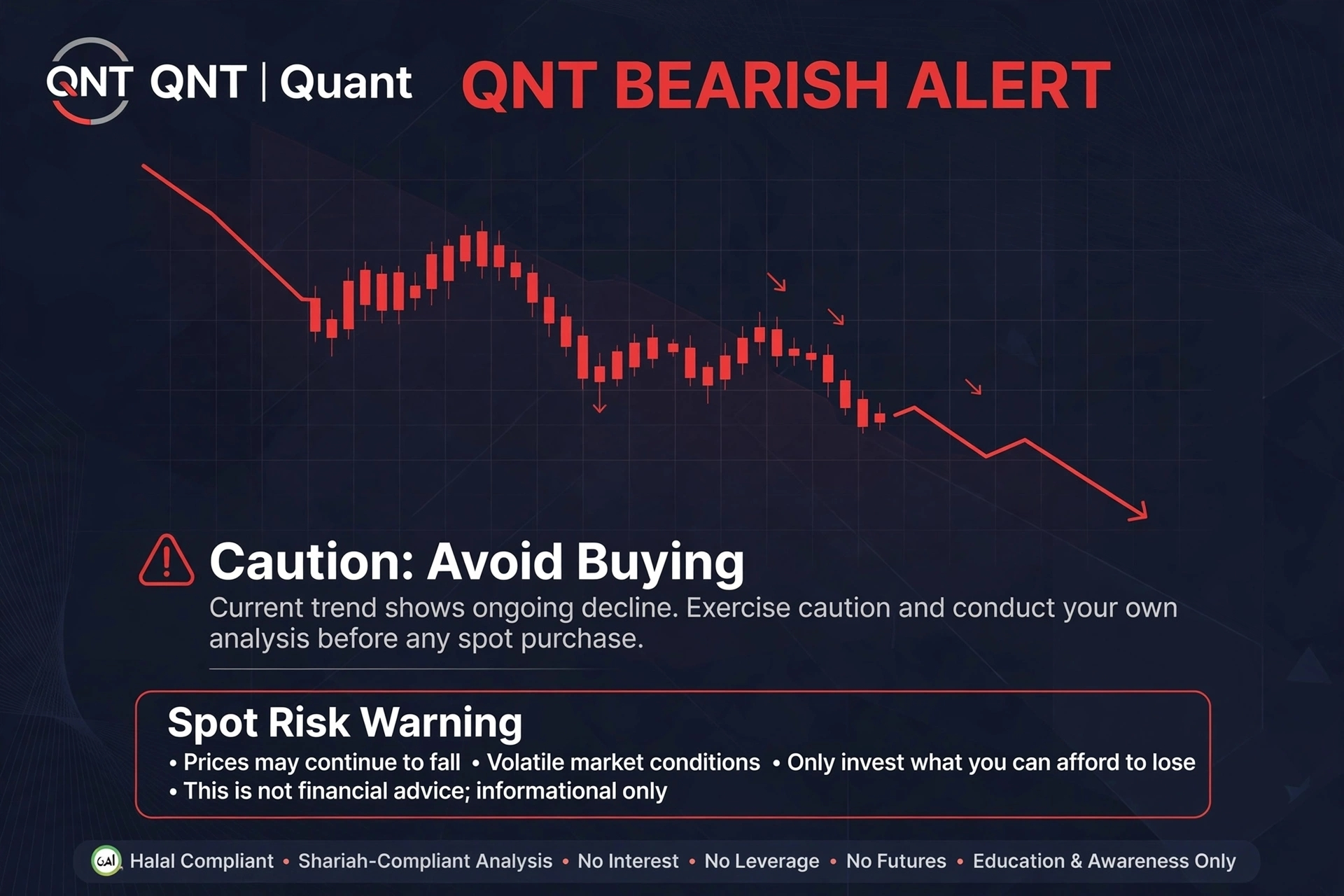
> ⚠️ $QNT BEARISH ALERT
>
> Caution: Avoid Buying for now.
> Trend is down, market is volatile. Do your own research before any spot purchase.
>
> No futures, no leverage — spot awareness only.
>
> #QNT #Quant #BearishAlert #CryptoWarning
#earningsseason
> ⚠️ $QNT BEARISH ALERT
>
> Caution: Avoid Buying for now.
> Trend is down, market is volatile. Do your own research before any spot purchase.
>
> No futures, no leverage — spot awareness only.
>
> #QNT #Quant #BearishAlert #CryptoWarning
#earningsseason
>
> Caution: Avoid Buying for now.
> Trend is down, market is volatile. Do your own research before any spot purchase.
>
> No futures, no leverage — spot awareness only.
>
> #QNT #Quant #BearishAlert #CryptoWarning
#earningsseason
2
471

·
--
🚨 Urgent warning: Binance Alpha is removing 14 cryptocurrencies from its trading list — Is your wallet at risk?🚨 **Red alert for all traders on Binance Alpha** 🚨
Binance has issued a shocking, unexpected announcement that is shaking the crypto community 🌊: it has decided to remove **14 cryptocurrencies** at once from the exclusive Binance Alpha list. This will happen on **October 9, 2026, at 08:00 UTC** ⏰
🔴 **Blacklist - Tokens at Risk of Delisting:**
🚨 Urgent warning: Binance Alpha is removing 14 cryptocurrencies from its trading list — Is your wallet at risk?
🚨 **Red alert for all traders on Binance Alpha** 🚨
Binance has issued a shocking, unexpected announcement that is shaking the crypto community 🌊: it has decided to remove **14 cryptocurrencies** at once from the exclusive Binance Alpha list. This will happen on **October 9, 2026, at 08:00 UTC** ⏰
🔴 **Blacklist - Tokens at Risk of Delisting:**
Binance has issued a shocking, unexpected announcement that is shaking the crypto community 🌊: it has decided to remove **14 cryptocurrencies** at once from the exclusive Binance Alpha list. This will happen on **October 9, 2026, at 08:00 UTC** ⏰
🔴 **Blacklist - Tokens at Risk of Delisting:**
34

·
--
Here's what happened when the first product tracking a leading pre-IPO AI company opened secondary trading this week.
Crypto investors keep getting burned chasing AI narratives they cannot properly value, then watching positions evaporate with no clean exit.
This is the debut tracker for a major private AI firm, now live in secondary markets. It offers exposure most people cannot get through traditional channels. Pre-IPO assets sit in a gray zone of unverified valuations and uncertain timelines, and crypto simply magnifies that through thin books and rumor-driven swings.
Early participants in similar $FET and $RNDR setups watched launch liquidity vanish after the first rush. Add $BNB pair dynamics and the default outcome becomes selling at a loss. Most missed how little real price discovery exists at this stage.
Where do you think this goes from here?
#CryptoWarning #AItokens #PreIPORisks
Here's what happened when the first product tracking a leading pre-IPO AI company opened secondary trading this week.
Crypto investors keep getting burned chasing AI narratives they cannot properly value, then watching positions evaporate with no clean exit.
This is the debut tracker for a major private AI firm, now live in secondary markets. It offers exposure most people cannot get through traditional channels. Pre-IPO assets sit in a gray zone of unverified valuations and uncertain timelines, and crypto simply magnifies that through thin books and rumor-driven swings.
Early participants in similar $FET and $RNDR setups watched launch liquidity vanish after the first rush. Add $BNB pair dynamics and the default outcome becomes selling at a loss. Most missed how little real price discovery exists at this stage.
Where do you think this goes from here?
#CryptoWarning #AItokens #PreIPORisks
Crypto investors keep getting burned chasing AI narratives they cannot properly value, then watching positions evaporate with no clean exit.
This is the debut tracker for a major private AI firm, now live in secondary markets. It offers exposure most people cannot get through traditional channels. Pre-IPO assets sit in a gray zone of unverified valuations and uncertain timelines, and crypto simply magnifies that through thin books and rumor-driven swings.
Early participants in similar $FET and $RNDR setups watched launch liquidity vanish after the first rush. Add $BNB pair dynamics and the default outcome becomes selling at a loss. Most missed how little real price discovery exists at this stage.
Where do you think this goes from here?
#CryptoWarning #AItokens #PreIPORisks

92

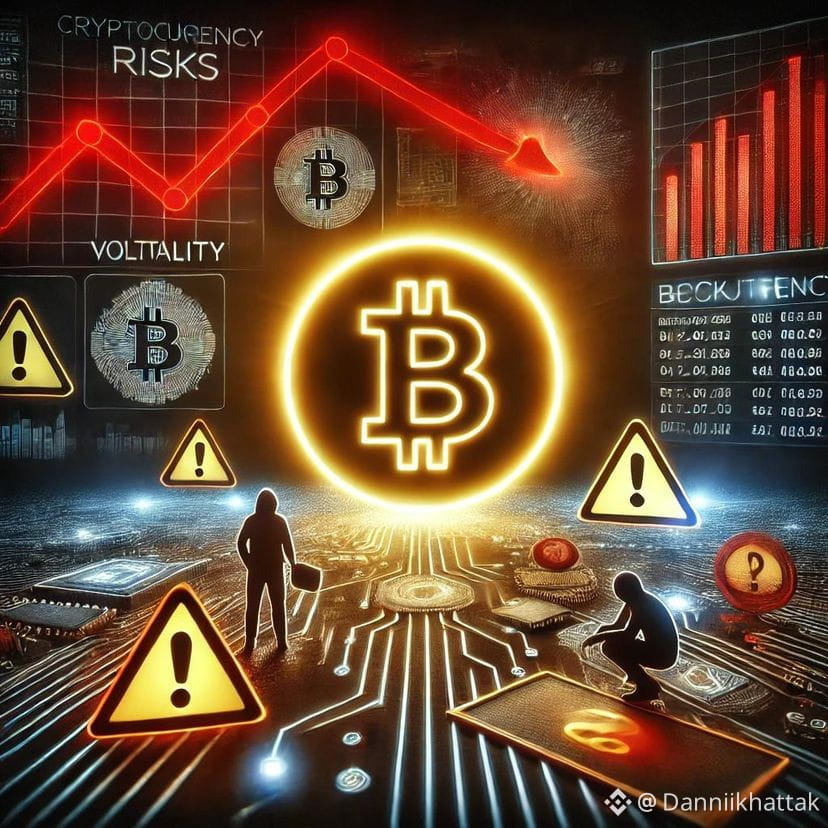
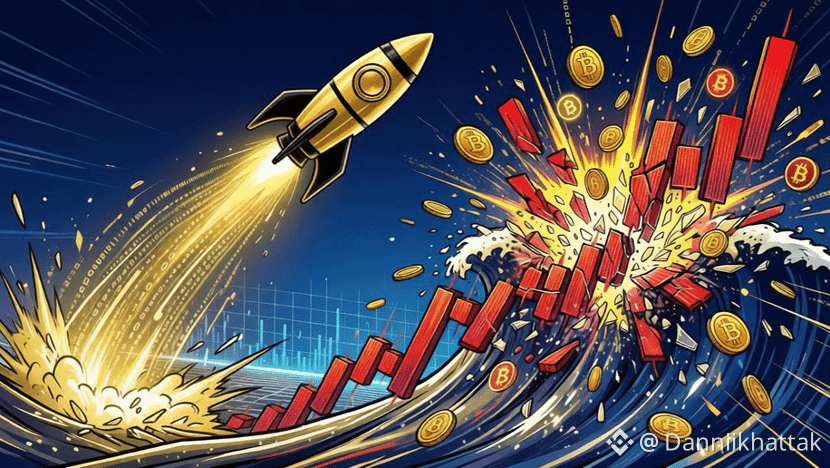
🚨 Crypto isn’t easy money, it’s risky money
Everyone talks about profits in Bitcoin, but few talk about losses
Don’t chase pumps, don’t follow hype, most people lose because they enter late
Keep your funds safe, no platform like Binance will ever ask for your private keys
Invest smart, stay patient, only risk what you can afford to lose
Crypto can change your life, or empty your wallet, your choices decide
#crypto #bitcoin #Binance #trading #CryptoWarning
🚨 Crypto isn’t easy money, it’s risky money
Everyone talks about profits in Bitcoin, but few talk about losses
Don’t chase pumps, don’t follow hype, most people lose because they enter late
Keep your funds safe, no platform like Binance will ever ask for your private keys
Invest smart, stay patient, only risk what you can afford to lose
Crypto can change your life, or empty your wallet, your choices decide
#crypto #bitcoin #Binance #trading #CryptoWarning
Everyone talks about profits in Bitcoin, but few talk about losses
Don’t chase pumps, don’t follow hype, most people lose because they enter late
Keep your funds safe, no platform like Binance will ever ask for your private keys
Invest smart, stay patient, only risk what you can afford to lose
Crypto can change your life, or empty your wallet, your choices decide
#crypto #bitcoin #Binance #trading #CryptoWarning

120

$TSLA CRASH 20% IN A WEEK – MUSK LOSES $130B. CRYPTO NEXT? 🐻
The scale of this equity meltdown is staggering – a trillion-dollar fortune wiped in five sessions. $TSLA ’s breakdown is a textbook liquidity cascade, and when whales get margin-called on stocks, they often sell the most liquid assets first: $BTC and $ETH . 📉
History shows that concentrated wealth destruction like this forces big players to rebalance into cash, creating violent cross-market selling pressure. The bid is thinning fast, and crypto barely held its key support this week. ⚠️
If you’re carrying leverage, this is not the time to be a hero. Tighten stops, reduce risk, and watch for a potential spillover in the coming 48 hours. 💬 Are you sitting in stablecoins or waiting for the next liquidity sweep in $BTC ? 👇
⚠️ Not financial advice. Always manage your risk. 🛡️
🏷️ #TSLA #Musk #MarketCrash #BTC #CryptoWarning
🔴 🐻
$TSLA CRASH 20% IN A WEEK – MUSK LOSES $130B. CRYPTO NEXT? 🐻
The scale of this equity meltdown is staggering – a trillion-dollar fortune wiped in five sessions. $TSLA ’s breakdown is a textbook liquidity cascade, and when whales get margin-called on stocks, they often sell the most liquid assets first: $BTC and $ETH . 📉
History shows that concentrated wealth destruction like this forces big players to rebalance into cash, creating violent cross-market selling pressure. The bid is thinning fast, and crypto barely held its key support this week. ⚠️
If you’re carrying leverage, this is not the time to be a hero. Tighten stops, reduce risk, and watch for a potential spillover in the coming 48 hours. 💬 Are you sitting in stablecoins or waiting for the next liquidity sweep in $BTC ? 👇
⚠️ Not financial advice. Always manage your risk. 🛡️
🏷️ #TSLA #Musk #MarketCrash #BTC #CryptoWarning
🔴 🐻
The scale of this equity meltdown is staggering – a trillion-dollar fortune wiped in five sessions. $TSLA ’s breakdown is a textbook liquidity cascade, and when whales get margin-called on stocks, they often sell the most liquid assets first: $BTC and $ETH . 📉
History shows that concentrated wealth destruction like this forces big players to rebalance into cash, creating violent cross-market selling pressure. The bid is thinning fast, and crypto barely held its key support this week. ⚠️
If you’re carrying leverage, this is not the time to be a hero. Tighten stops, reduce risk, and watch for a potential spillover in the coming 48 hours. 💬 Are you sitting in stablecoins or waiting for the next liquidity sweep in $BTC ? 👇
⚠️ Not financial advice. Always manage your risk. 🛡️
🏷️ #TSLA #Musk #MarketCrash #BTC #CryptoWarning
🔴 🐻
36

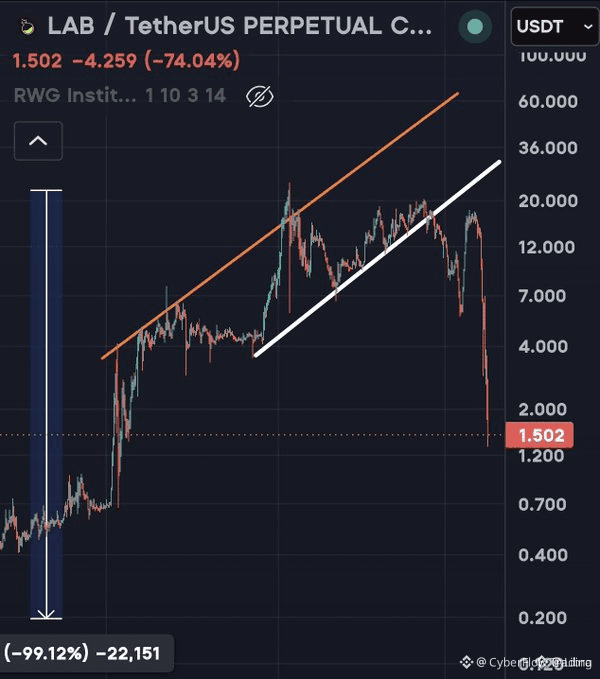
$LAB FELL FROM $20 TO $1.5 — EVERYONE SAW IT COMING 🔥
Body:
Everyone was talking about the concentrated supply and suspicious price action. Yet the pumps kept going and retail kept buying. The crash from over $20 to nearly $1.5 wasn't a surprise — it was a slow motion train wreck that most chose to ignore.
The real lesson here isn't about being early or late. It's about knowing who you're trading against. When influencers and exchanges stay silent while a token rips, that's a signal too.
What's your due diligence process before entering a position?
Not financial advice. Always manage your risk.
#LAB #CryptoWarning #DueDiligence #MarketLessons
💎
$LAB FELL FROM $20 TO $1.5 — EVERYONE SAW IT COMING 🔥
Body:
Everyone was talking about the concentrated supply and suspicious price action. Yet the pumps kept going and retail kept buying. The crash from over $20 to nearly $1.5 wasn't a surprise — it was a slow motion train wreck that most chose to ignore.
The real lesson here isn't about being early or late. It's about knowing who you're trading against. When influencers and exchanges stay silent while a token rips, that's a signal too.
What's your due diligence process before entering a position?
Not financial advice. Always manage your risk.
#LAB #CryptoWarning #DueDiligence #MarketLessons
💎
Body:
Everyone was talking about the concentrated supply and suspicious price action. Yet the pumps kept going and retail kept buying. The crash from over $20 to nearly $1.5 wasn't a surprise — it was a slow motion train wreck that most chose to ignore.
The real lesson here isn't about being early or late. It's about knowing who you're trading against. When influencers and exchanges stay silent while a token rips, that's a signal too.
What's your due diligence process before entering a position?
Not financial advice. Always manage your risk.
#LAB #CryptoWarning #DueDiligence #MarketLessons
💎
423

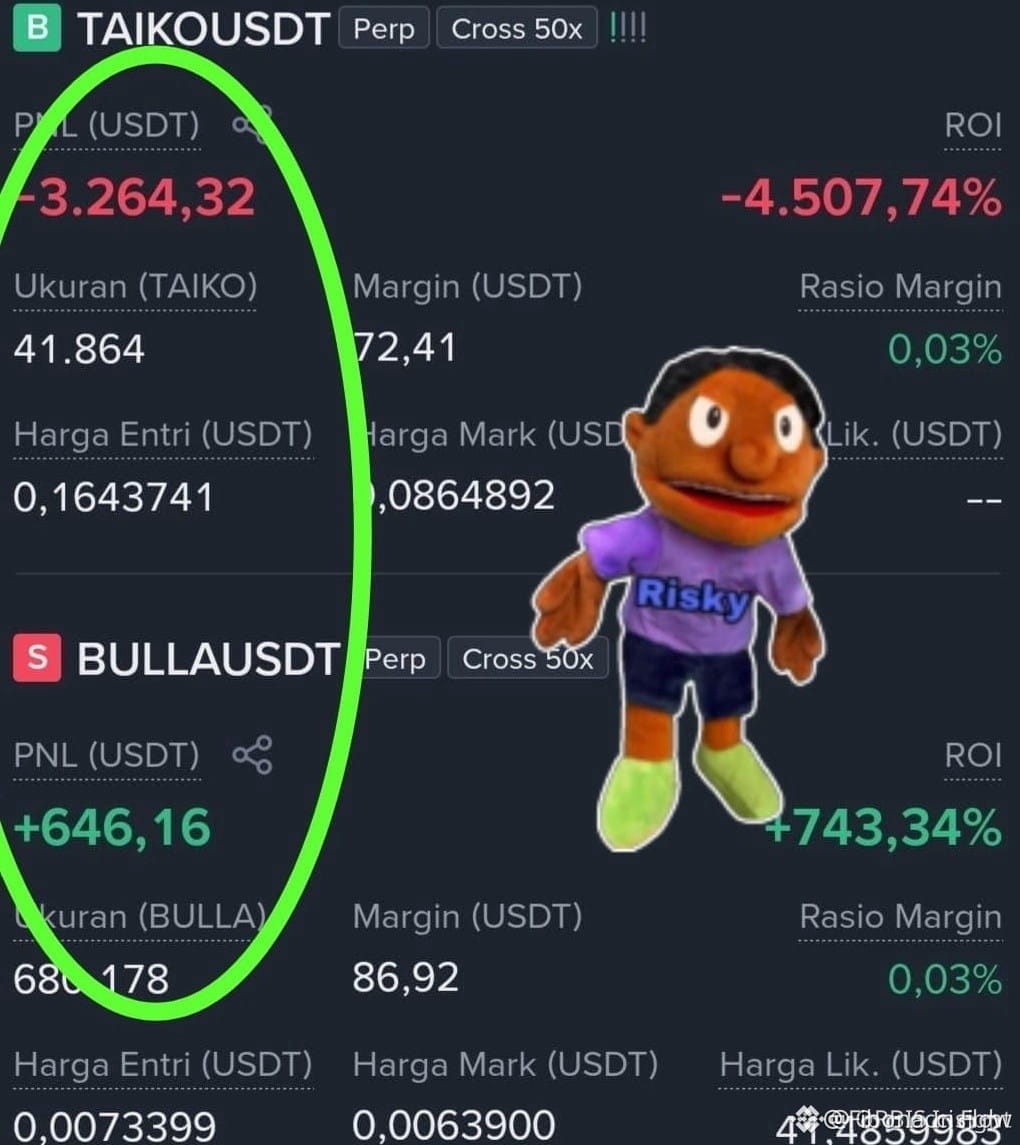
$TAIKO $BULLA – THE LATEST SHITCOIN TRAPS YOU NEED TO AVOID 💀
I watched a friend blow his entire life savings on these two coins last week. No volume, no real bids – just a classic liquidity grab. The pattern is always the same: a quick pump to lure in late buyers, then a 90% drop in hours.
The data is clear – both tokens have zero organic interest. Volume evaporated right after the initial breakout. Smart money already pulled. Are you still holding these bags or did you get out in time?
Not financial advice. Always manage your risk.
#TAIKO #BULLA #ShitcoinAlert #CryptoWarning
⚡
$TAIKO $BULLA – THE LATEST SHITCOIN TRAPS YOU NEED TO AVOID 💀
I watched a friend blow his entire life savings on these two coins last week. No volume, no real bids – just a classic liquidity grab. The pattern is always the same: a quick pump to lure in late buyers, then a 90% drop in hours.
The data is clear – both tokens have zero organic interest. Volume evaporated right after the initial breakout. Smart money already pulled. Are you still holding these bags or did you get out in time?
Not financial advice. Always manage your risk.
#TAIKO #BULLA #ShitcoinAlert #CryptoWarning
⚡
I watched a friend blow his entire life savings on these two coins last week. No volume, no real bids – just a classic liquidity grab. The pattern is always the same: a quick pump to lure in late buyers, then a 90% drop in hours.
The data is clear – both tokens have zero organic interest. Volume evaporated right after the initial breakout. Smart money already pulled. Are you still holding these bags or did you get out in time?
Not financial advice. Always manage your risk.
#TAIKO #BULLA #ShitcoinAlert #CryptoWarning
⚡
328

·
--
Bullish
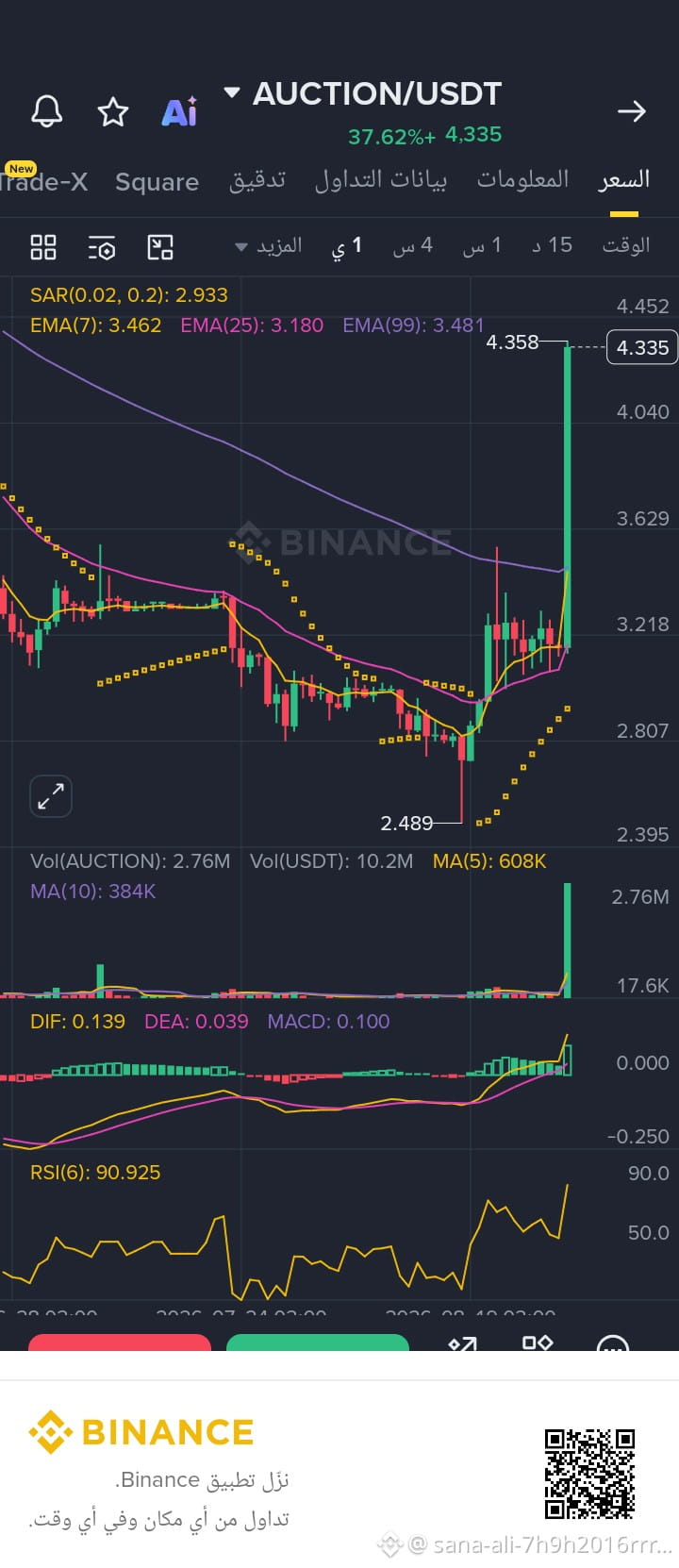
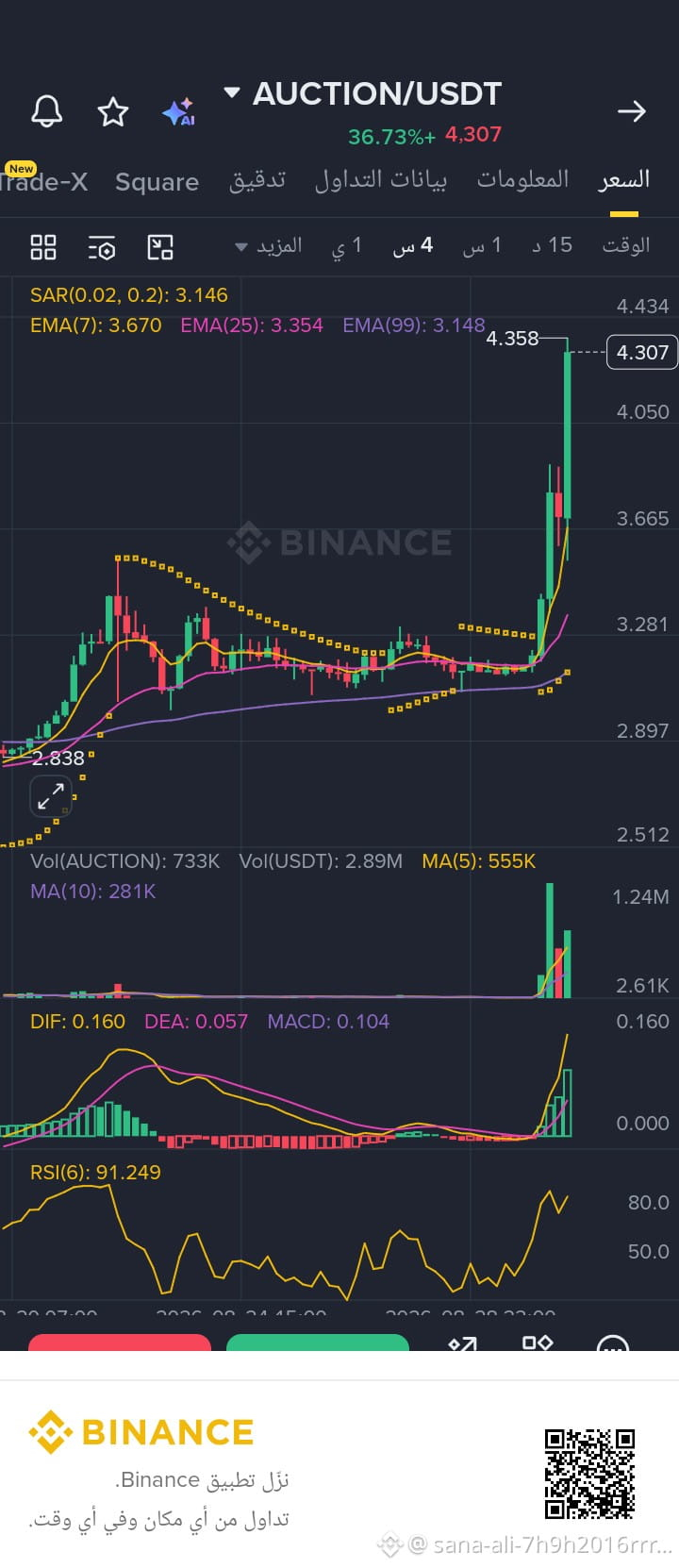
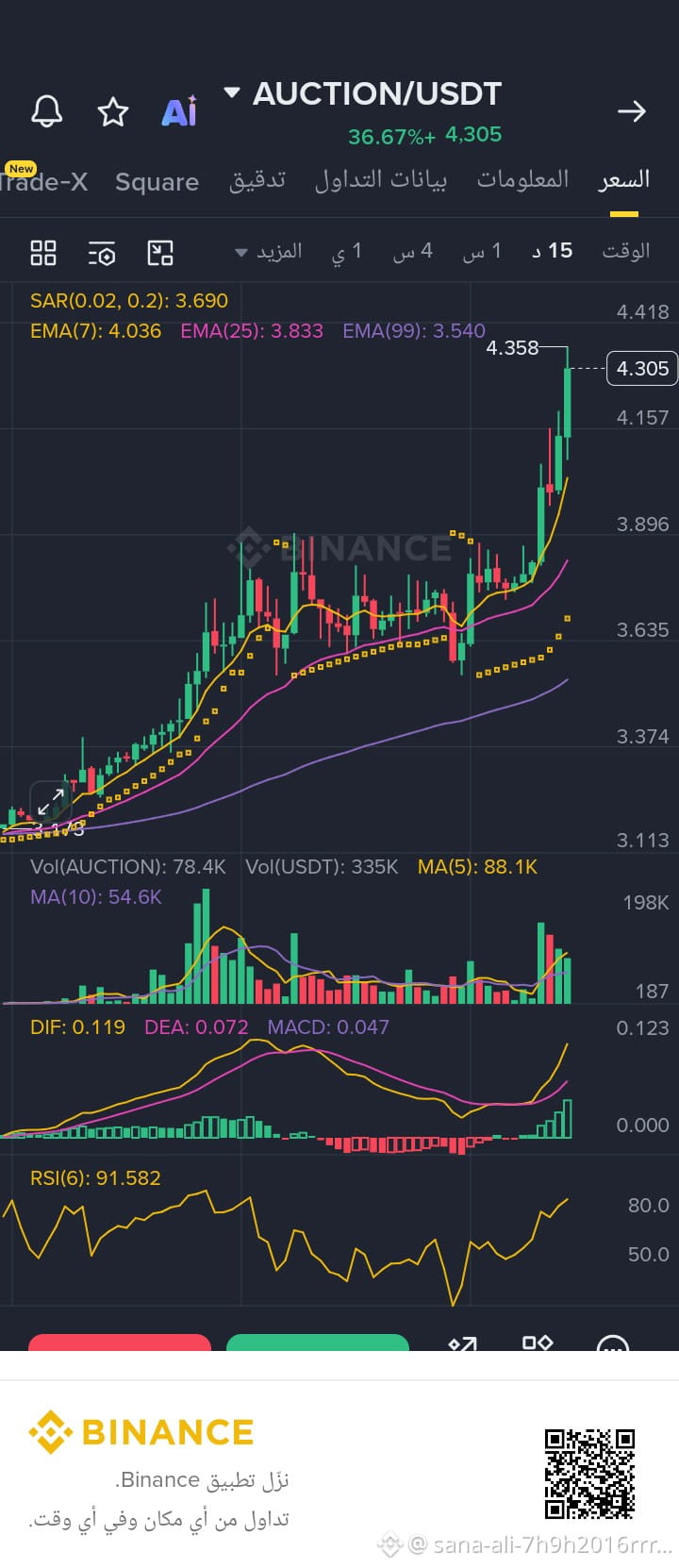
Technical warning about the $AUCTION coin — don’t fall for the FOMO trap and buy at the peaks 🛑⚠️
Yes, we notice an intense, explosive move today on the AUCTION coin, with it rising over 36% until it touched the 4.35$ level. At first glance, it might excite you, but a professional look gives us dangerous red flags.
🚨 Technical reasons for the warning:
Terrifying RSI surge: The indicator jumped to 91 levels on the 4-hour and daily timeframe… this is a historic buying saturation. That means the coin has likely exhausted all its upward momentum, and a violent correction is close.
Vertical candlestick: Buying after a vertical rise like this is suicide and FOMO-risk, because you’re literally buying from the whales who are dumping and distributing profits at the top.
Price gap: The price shot up and moved far away from the moving average. The price needs to return to align with the averages to perform a retest of support.
🎯 The safe strategy for dealing with the coin:
Buying in the current market is absolutely forbidden ❌ If you want to catch the coin, patience is your key:
🟢 The rebound entry zone: Wait for the price to cool off and drop in a corrective move to the 3.65$–3.50$ range. That’s where buying is safe and close to support.
🔴 Stop-loss: A 4-hour candle close below 3.25$
The market is full of opportunities every day… Is it an unrealized profit loss, or is it a real capital loss…?
# AUCTION #FOMO #CryptoWarning #BinanceSquare #TechnicalAnalysis#
Technical warning about the $AUCTION coin — don’t fall for the FOMO trap and buy at the peaks 🛑⚠️
Yes, we notice an intense, explosive move today on the AUCTION coin, with it rising over 36% until it touched the 4.35$ level. At first glance, it might excite you, but a professional look gives us dangerous red flags.
🚨 Technical reasons for the warning:
Terrifying RSI surge: The indicator jumped to 91 levels on the 4-hour and daily timeframe… this is a historic buying saturation. That means the coin has likely exhausted all its upward momentum, and a violent correction is close.
Vertical candlestick: Buying after a vertical rise like this is suicide and FOMO-risk, because you’re literally buying from the whales who are dumping and distributing profits at the top.
Price gap: The price shot up and moved far away from the moving average. The price needs to return to align with the averages to perform a retest of support.
🎯 The safe strategy for dealing with the coin:
Buying in the current market is absolutely forbidden ❌ If you want to catch the coin, patience is your key:
🟢 The rebound entry zone: Wait for the price to cool off and drop in a corrective move to the 3.65$–3.50$ range. That’s where buying is safe and close to support.
🔴 Stop-loss: A 4-hour candle close below 3.25$
The market is full of opportunities every day… Is it an unrealized profit loss, or is it a real capital loss…?
# AUCTION #FOMO #CryptoWarning #BinanceSquare #TechnicalAnalysis#
Yes, we notice an intense, explosive move today on the AUCTION coin, with it rising over 36% until it touched the 4.35$ level. At first glance, it might excite you, but a professional look gives us dangerous red flags.
🚨 Technical reasons for the warning:
Terrifying RSI surge: The indicator jumped to 91 levels on the 4-hour and daily timeframe… this is a historic buying saturation. That means the coin has likely exhausted all its upward momentum, and a violent correction is close.
Vertical candlestick: Buying after a vertical rise like this is suicide and FOMO-risk, because you’re literally buying from the whales who are dumping and distributing profits at the top.
Price gap: The price shot up and moved far away from the moving average. The price needs to return to align with the averages to perform a retest of support.
🎯 The safe strategy for dealing with the coin:
Buying in the current market is absolutely forbidden ❌ If you want to catch the coin, patience is your key:
🟢 The rebound entry zone: Wait for the price to cool off and drop in a corrective move to the 3.65$–3.50$ range. That’s where buying is safe and close to support.
🔴 Stop-loss: A 4-hour candle close below 3.25$
The market is full of opportunities every day… Is it an unrealized profit loss, or is it a real capital loss…?
# AUCTION #FOMO #CryptoWarning #BinanceSquare #TechnicalAnalysis#
2
222

·
--
Bearish
⚠️ $IRENB
{spot}(IRENBUSDT)
(IREN Limited) — EXTREME LIQUIDITY WARNING ⚠️
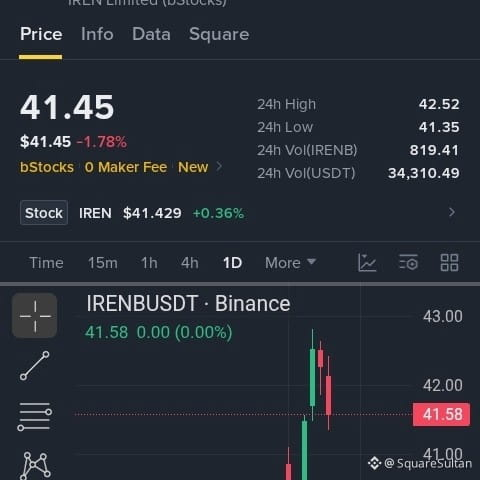
IRENB just printed a massive vertical green pump. However, the volume behind this move is extremely suspicious. This looks like a classic low-liquidity trap.
📉 Current Price: $41.45 (-1.78%)
📊 24h Volume: Only 819 (Extremely Low!)
🟢 My Strategy:
🚫 DO NOT chase this pump.
✅ Wait for stabilization above $42.00 with real volume.
✅ If volume confirms, a break above $43.00 could be real.
⚠️ CRITICAL WARNING:
This is a classic "low-volume pump." A single large sell order could crash this back to $38.00 instantly. Stay away until real liquidity appears.
#BinanceSquare #IRENB #BStocks #LiquidityTrap #HighRisk #CryptoWarning
⚠️ $IRENB
(IREN Limited) — EXTREME LIQUIDITY WARNING ⚠️
IRENB just printed a massive vertical green pump. However, the volume behind this move is extremely suspicious. This looks like a classic low-liquidity trap.
📉 Current Price: $41.45 (-1.78%)
📊 24h Volume: Only 819 (Extremely Low!)
🟢 My Strategy:
🚫 DO NOT chase this pump.
✅ Wait for stabilization above $42.00 with real volume.
✅ If volume confirms, a break above $43.00 could be real.
⚠️ CRITICAL WARNING:
This is a classic "low-volume pump." A single large sell order could crash this back to $38.00 instantly. Stay away until real liquidity appears.
#BinanceSquare #IRENB #BStocks #LiquidityTrap #HighRisk #CryptoWarning
(IREN Limited) — EXTREME LIQUIDITY WARNING ⚠️
IRENB just printed a massive vertical green pump. However, the volume behind this move is extremely suspicious. This looks like a classic low-liquidity trap.
📉 Current Price: $41.45 (-1.78%)
📊 24h Volume: Only 819 (Extremely Low!)
🟢 My Strategy:
🚫 DO NOT chase this pump.
✅ Wait for stabilization above $42.00 with real volume.
✅ If volume confirms, a break above $43.00 could be real.
⚠️ CRITICAL WARNING:
This is a classic "low-volume pump." A single large sell order could crash this back to $38.00 instantly. Stay away until real liquidity appears.
#BinanceSquare #IRENB #BStocks #LiquidityTrap #HighRisk #CryptoWarning
38

·
--
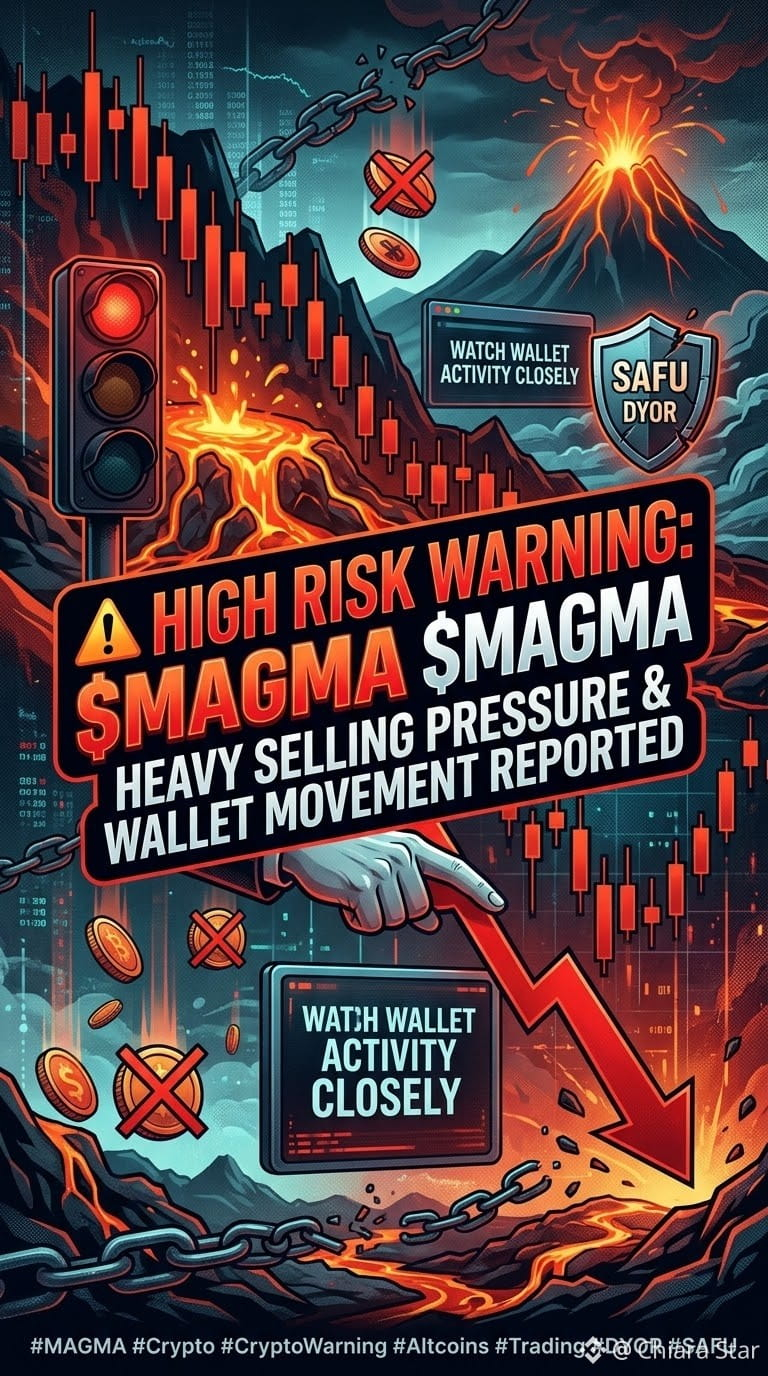
⚠️🚨 $MAGMA WARNING — HIGH RISK!
$MAGMA could be facing heavy selling pressure. 🔴📉 If the reported movement from wallets linked to the project/founder is confirmed, traders should be extremely cautious.
A sharp drop could happen quickly, so don’t blindly chase the pump or enter without proper risk management. 🛑
Watch the wallet activity, liquidity, and price action closely before making any decision.
Stay SAFU. DYOR. 🛡️
#MAGMA #CryptoWarning #Trading #DYOR #SAFU
$MAGMA
{future}(MAGMAUSDT)
⚠️🚨 $MAGMA WARNING — HIGH RISK!
$MAGMA could be facing heavy selling pressure. 🔴📉 If the reported movement from wallets linked to the project/founder is confirmed, traders should be extremely cautious.
A sharp drop could happen quickly, so don’t blindly chase the pump or enter without proper risk management. 🛑
Watch the wallet activity, liquidity, and price action closely before making any decision.
Stay SAFU. DYOR. 🛡️
#MAGMA #CryptoWarning #Trading #DYOR #SAFU
$MAGMA
$MAGMA could be facing heavy selling pressure. 🔴📉 If the reported movement from wallets linked to the project/founder is confirmed, traders should be extremely cautious.
A sharp drop could happen quickly, so don’t blindly chase the pump or enter without proper risk management. 🛑
Watch the wallet activity, liquidity, and price action closely before making any decision.
Stay SAFU. DYOR. 🛡️
#MAGMA #CryptoWarning #Trading #DYOR #SAFU
$MAGMA
1
527

·
--

Article
The Bottom Signal Warning⚠️ Stop falling for fake "bottom signals" on social media.
Every week someone posts:
"This is the bottom. I'm buying everything."
"RSI says we bounce HERE."
"On-chain data confirms the floor is in."
Then the market drops another 20%. 📉
Bitcoin sentiment hit COVID-level lows in June 2026 — and multiple analysts called "the bottom" at $85K, $78K, $72K, and $65K. Each call was wrong. The market kept going lower.
The truth nobody wants to say:
Nobody knows exactly where the bottom is.
Not the influencer. Not the analyst. Not me.
What smart traders do instead:
✅ Accumulate in STAGES — not all at once
✅ Set a stop loss on every position
✅ Never use money you can't afford to lose
✅ Accept that you might be early — and plan for it
Catching the exact bottom is gambling.
Accumulating through the bottom is strategy. 📊 $SOL
Which one are you doing? Drop below 👇
#CryptoWarning #bearmarket #tradingtips
$BTC $ETH
The Bottom Signal Warning
⚠️ Stop falling for fake "bottom signals" on social media.
Every week someone posts:
"This is the bottom. I'm buying everything."
"RSI says we bounce HERE."
"On-chain data confirms the floor is in."
Then the market drops another 20%. 📉
Bitcoin sentiment hit COVID-level lows in June 2026 — and multiple analysts called "the bottom" at $85K, $78K, $72K, and $65K. Each call was wrong. The market kept going lower.
The truth nobody wants to say:
Nobody knows exactly where the bottom is.
Not the influencer. Not the analyst. Not me.
What smart traders do instead:
✅ Accumulate in STAGES — not all at once
✅ Set a stop loss on every position
✅ Never use money you can't afford to lose
✅ Accept that you might be early — and plan for it
Catching the exact bottom is gambling.
Accumulating through the bottom is strategy. 📊 $SOL
Which one are you doing? Drop below 👇
#CryptoWarning #bearmarket #tradingtips
$BTC $ETH
Every week someone posts:
"This is the bottom. I'm buying everything."
"RSI says we bounce HERE."
"On-chain data confirms the floor is in."
Then the market drops another 20%. 📉
Bitcoin sentiment hit COVID-level lows in June 2026 — and multiple analysts called "the bottom" at $85K, $78K, $72K, and $65K. Each call was wrong. The market kept going lower.
The truth nobody wants to say:
Nobody knows exactly where the bottom is.
Not the influencer. Not the analyst. Not me.
What smart traders do instead:
✅ Accumulate in STAGES — not all at once
✅ Set a stop loss on every position
✅ Never use money you can't afford to lose
✅ Accept that you might be early — and plan for it
Catching the exact bottom is gambling.
Accumulating through the bottom is strategy. 📊 $SOL
Which one are you doing? Drop below 👇
#CryptoWarning #bearmarket #tradingtips
$BTC $ETH
52

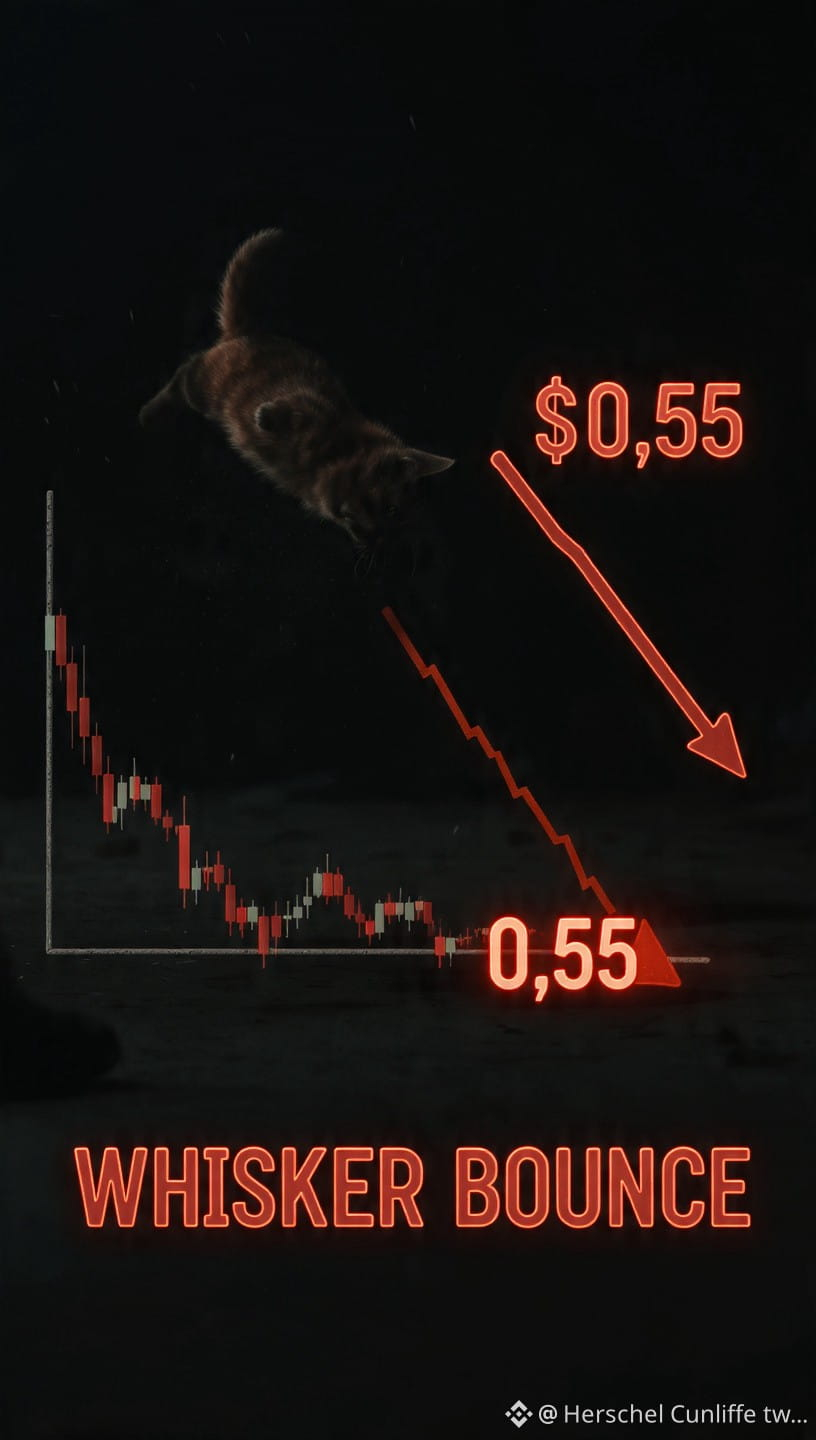
☠️ $VELVET — Do Not Believe This Rally. It Is A Trap.
Price bounced to $0.55 after an 80% single day crash.
That is not recovery. That is a dead cat bounce. And history is very clear on what comes next.
📊 The Dead Cat Bounce Pattern
Every major crypto dump follows the same script:
1️⃣ Massive crash — 80% in one day
2️⃣ Brief relief bounce — weak hands feel hope
3️⃣ Second leg down — hope gets destroyed
4️⃣ Final target — price discovery continues lower
$VELVET is currently at step 2.
⚠️ Why This Is Not A Real Recovery
🔴 80% crashes do not recover in 24 hours — ever
🔴 Bounce on low volume = no real buyers stepping in
🔴 Whales already exited — no reason to come back at these levels
🔴 Retail holding bags hoping for recovery = more selling pressure ahead
🔴 Target: $0 — this is not a typo
💡 The Hard Truth
The people who held through the 80% crash and are now feeling relieved at $0.55 are about to experience the second punch.
Relief rallies after catastrophic dumps exist for one reason — to give remaining holders a final exit opportunity before the next leg down.
This bounce is the exit. Not the recovery. 👇
DYOR. Protect what is left. 🤝
#VELVET #CryptoTrading #BinanceSquare #CryptoAnalysis #Binance #DeadCatBounce #CryptoAlert #Altcoins #CryptoInvestor #Web3 #Blockchain #DYOR #CryptoMarket #TradingStrategy #CryptoSignals #PumpAndDump #RiskManagement #ProtectCapital #AltcoinSeason #CryptoWarning #ZcashResumesOrchardTransactionsAfterAIAudit
☠️ $VELVET — Do Not Believe This Rally. It Is A Trap.
Price bounced to $0.55 after an 80% single day crash.
That is not recovery. That is a dead cat bounce. And history is very clear on what comes next.
📊 The Dead Cat Bounce Pattern
Every major crypto dump follows the same script:
1️⃣ Massive crash — 80% in one day
2️⃣ Brief relief bounce — weak hands feel hope
3️⃣ Second leg down — hope gets destroyed
4️⃣ Final target — price discovery continues lower
$VELVET is currently at step 2.
⚠️ Why This Is Not A Real Recovery
🔴 80% crashes do not recover in 24 hours — ever
🔴 Bounce on low volume = no real buyers stepping in
🔴 Whales already exited — no reason to come back at these levels
🔴 Retail holding bags hoping for recovery = more selling pressure ahead
🔴 Target: $0 — this is not a typo
💡 The Hard Truth
The people who held through the 80% crash and are now feeling relieved at $0.55 are about to experience the second punch.
Relief rallies after catastrophic dumps exist for one reason — to give remaining holders a final exit opportunity before the next leg down.
This bounce is the exit. Not the recovery. 👇
DYOR. Protect what is left. 🤝
#VELVET #CryptoTrading #BinanceSquare #CryptoAnalysis #Binance #DeadCatBounce #CryptoAlert #Altcoins #CryptoInvestor #Web3 #Blockchain #DYOR #CryptoMarket #TradingStrategy #CryptoSignals #PumpAndDump #RiskManagement #ProtectCapital #AltcoinSeason #CryptoWarning #ZcashResumesOrchardTransactionsAfterAIAudit
Price bounced to $0.55 after an 80% single day crash.
That is not recovery. That is a dead cat bounce. And history is very clear on what comes next.
📊 The Dead Cat Bounce Pattern
Every major crypto dump follows the same script:
1️⃣ Massive crash — 80% in one day
2️⃣ Brief relief bounce — weak hands feel hope
3️⃣ Second leg down — hope gets destroyed
4️⃣ Final target — price discovery continues lower
$VELVET is currently at step 2.
⚠️ Why This Is Not A Real Recovery
🔴 80% crashes do not recover in 24 hours — ever
🔴 Bounce on low volume = no real buyers stepping in
🔴 Whales already exited — no reason to come back at these levels
🔴 Retail holding bags hoping for recovery = more selling pressure ahead
🔴 Target: $0 — this is not a typo
💡 The Hard Truth
The people who held through the 80% crash and are now feeling relieved at $0.55 are about to experience the second punch.
Relief rallies after catastrophic dumps exist for one reason — to give remaining holders a final exit opportunity before the next leg down.
This bounce is the exit. Not the recovery. 👇
DYOR. Protect what is left. 🤝
#VELVET #CryptoTrading #BinanceSquare #CryptoAnalysis #Binance #DeadCatBounce #CryptoAlert #Altcoins #CryptoInvestor #Web3 #Blockchain #DYOR #CryptoMarket #TradingStrategy #CryptoSignals #PumpAndDump #RiskManagement #ProtectCapital #AltcoinSeason #CryptoWarning #ZcashResumesOrchardTransactionsAfterAIAudit
186

🚨 $HOME: 7.5 Billion Token Unlock Coming! ⚠️👇📊 The Crucial Data:
🔴 58.0% Bearish Sentiment – Sellers are dominating the market structure.
📉 22.08% Drop: Already facing significant selling pressure and lower-high formations.
🔓 Massive Unlock: On June 10th, 7.5 Billion $HOME tokens (19.79% of supply) will unlock, risking a heavy price drop.
🛡️ Downside Target: Failing to break $0.0415 resistance could push the price down to $0.037 as liquidity exits.
Huge supply expansion is just days away. Manage your risks carefully! 🛑
{future}(HOMEUSDT)
$$USDC #Home #CryptoWarning #RiskManagement #BinanceSquare
🚨 $HOME: 7.5 Billion Token Unlock Coming! ⚠️👇
📊 The Crucial Data:
🔴 58.0% Bearish Sentiment – Sellers are dominating the market structure.
📉 22.08% Drop: Already facing significant selling pressure and lower-high formations.
🔓 Massive Unlock: On June 10th, 7.5 Billion $HOME tokens (19.79% of supply) will unlock, risking a heavy price drop.
🛡️ Downside Target: Failing to break $0.0415 resistance could push the price down to $0.037 as liquidity exits.
Huge supply expansion is just days away. Manage your risks carefully! 🛑
$$USDC #Home #CryptoWarning #RiskManagement #BinanceSquare
🔴 58.0% Bearish Sentiment – Sellers are dominating the market structure.
📉 22.08% Drop: Already facing significant selling pressure and lower-high formations.
🔓 Massive Unlock: On June 10th, 7.5 Billion $HOME tokens (19.79% of supply) will unlock, risking a heavy price drop.
🛡️ Downside Target: Failing to break $0.0415 resistance could push the price down to $0.037 as liquidity exits.
Huge supply expansion is just days away. Manage your risks carefully! 🛑
$$USDC #Home #CryptoWarning #RiskManagement #BinanceSquare
2
121
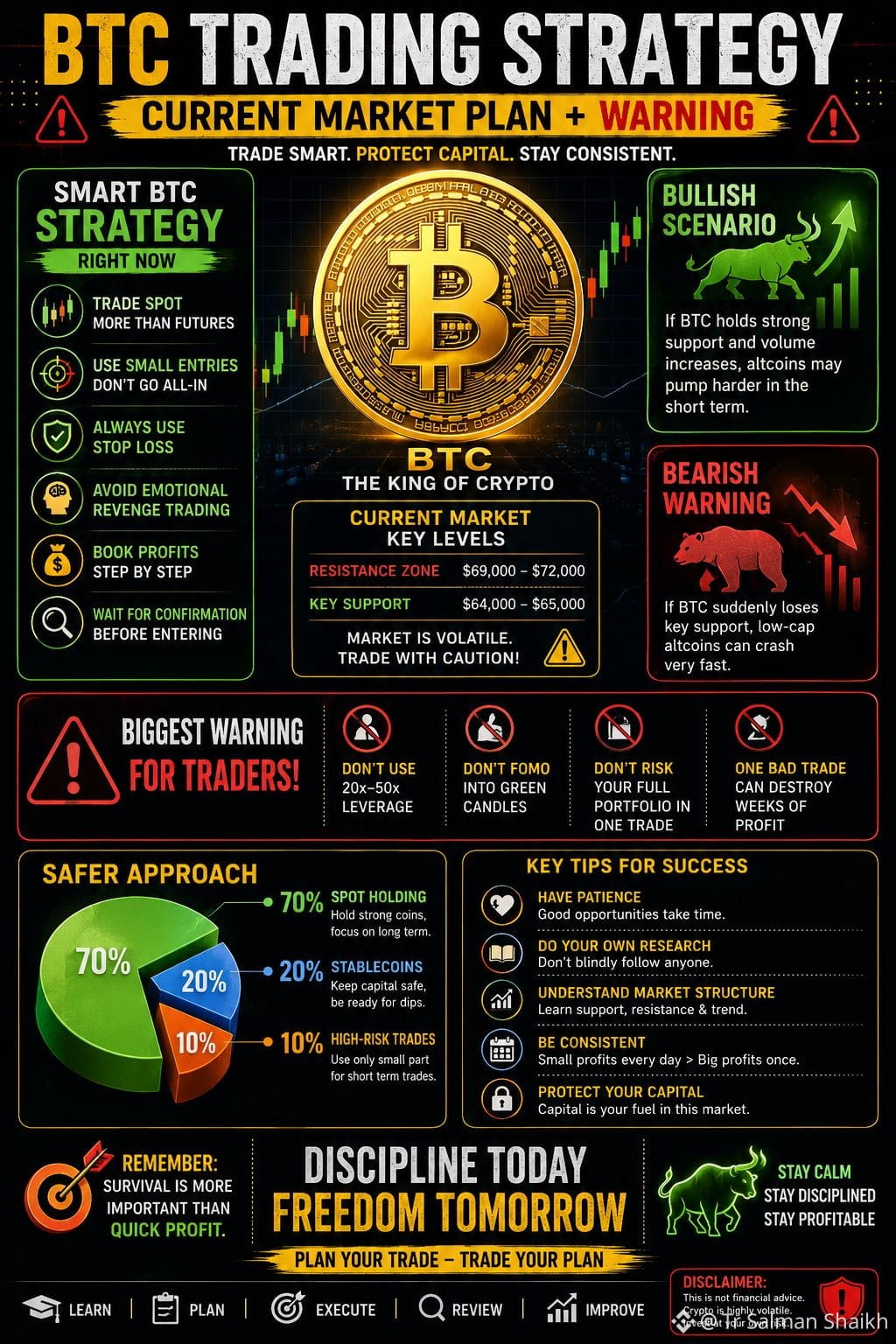
🚨 BTC TRADING STRATEGY + WARNING 🚨
#Bitcoin is still moving in a highly volatile zone.
This is NOT the market to blindly use high leverage.
✅ SMART $BTC STRATEGY RIGHT NOW:
• Trade Spot more than Futures
• Use small entries only
• Always keep stop loss
• Avoid emotional revenge trading
• Book profits step by step
• Wait for confirmation before entering
📈 Bullish Scenario:
If $BTC holds strong support and volume increases, altcoins may pump harder in the short term.
📉 Bearish Warning:
If suddenly loses key support, low-cap altcoins can crash very fast.
Most liquidations happen when traders become overconfident.
⚠️ BIGGEST WARNING FOR TRADERS:
* Don’t use 20x–50x leverage
* Don’t FOMO into green candles
* Don’t risk your full portfolio in one trade
* One bad trade can destroy weeks of profit
💡 Safer Approach:
70% Spot Holding
20% Stablecoins
10% High-risk trades only
Remember:
Survival is more important than quick profit.
The traders who stay disciplined during volatility usually win long-term.
#IndiaCreatesOnSquare #Bitcoin❗ #IndianCryptoTrends #BinanceSquare #CryptoWarning
🚨 BTC TRADING STRATEGY + WARNING 🚨
#Bitcoin is still moving in a highly volatile zone.
This is NOT the market to blindly use high leverage.
✅ SMART $BTC STRATEGY RIGHT NOW:
• Trade Spot more than Futures
• Use small entries only
• Always keep stop loss
• Avoid emotional revenge trading
• Book profits step by step
• Wait for confirmation before entering
📈 Bullish Scenario:
If $BTC holds strong support and volume increases, altcoins may pump harder in the short term.
📉 Bearish Warning:
If suddenly loses key support, low-cap altcoins can crash very fast.
Most liquidations happen when traders become overconfident.
⚠️ BIGGEST WARNING FOR TRADERS:
* Don’t use 20x–50x leverage
* Don’t FOMO into green candles
* Don’t risk your full portfolio in one trade
* One bad trade can destroy weeks of profit
💡 Safer Approach:
70% Spot Holding
20% Stablecoins
10% High-risk trades only
Remember:
Survival is more important than quick profit.
The traders who stay disciplined during volatility usually win long-term.
#IndiaCreatesOnSquare #Bitcoin❗ #IndianCryptoTrends #BinanceSquare #CryptoWarning
#Bitcoin is still moving in a highly volatile zone.
This is NOT the market to blindly use high leverage.
✅ SMART $BTC STRATEGY RIGHT NOW:
• Trade Spot more than Futures
• Use small entries only
• Always keep stop loss
• Avoid emotional revenge trading
• Book profits step by step
• Wait for confirmation before entering
📈 Bullish Scenario:
If $BTC holds strong support and volume increases, altcoins may pump harder in the short term.
📉 Bearish Warning:
If suddenly loses key support, low-cap altcoins can crash very fast.
Most liquidations happen when traders become overconfident.
⚠️ BIGGEST WARNING FOR TRADERS:
* Don’t use 20x–50x leverage
* Don’t FOMO into green candles
* Don’t risk your full portfolio in one trade
* One bad trade can destroy weeks of profit
💡 Safer Approach:
70% Spot Holding
20% Stablecoins
10% High-risk trades only
Remember:
Survival is more important than quick profit.
The traders who stay disciplined during volatility usually win long-term.
#IndiaCreatesOnSquare #Bitcoin❗ #IndianCryptoTrends #BinanceSquare #CryptoWarning
1
194

·
--
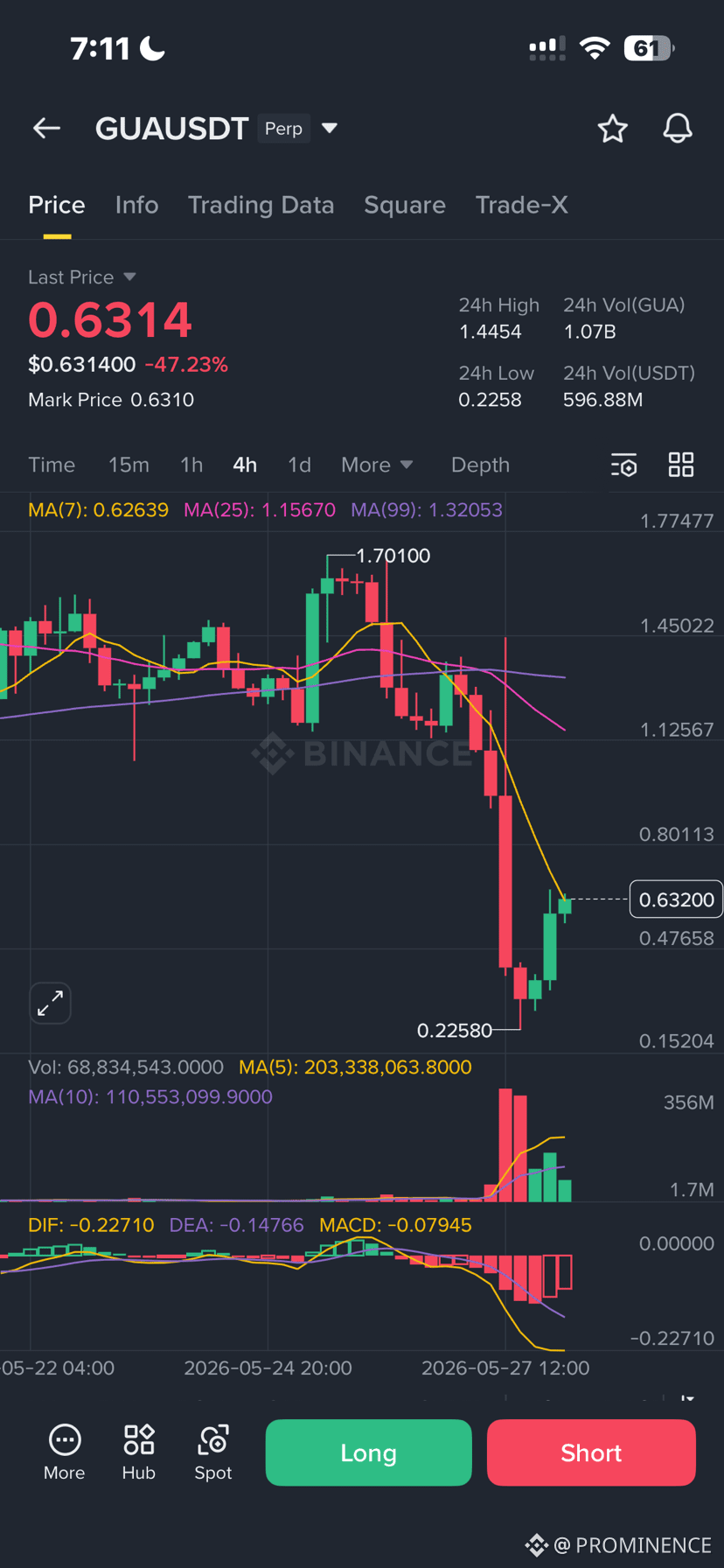
⚠️ Warning on $GUA
Be extremely careful trading $GUA right now. The latest price action is a perfect reminder of how brutal low-liquidity altcoins can become once volatility spikes.
Thin order books + sudden volume surges can trigger violent pumps and equally aggressive dumps within minutes. Moves that look bullish can reverse instantly, especially when liquidity is weak and large wallets dominate short-term direction.
This type of environment punishes oversized positions, emotional entries, and late chasing. High volatility may create opportunities, but risk exposure increases just as fast.
Key things to watch:
• Sudden liquidity sweeps
• Large spread fluctuations
• Sharp wick rejections
• Whale-driven volatility
• Fake breakouts and fast reversals
If you're trading $GUA, position sizing and strict risk management matter more than ever ⚠️
#GUA #Crypto #Altcoins #Trading #CryptoWarning #BinanceSquare
⚠️ Warning on $GUA
Be extremely careful trading $GUA right now. The latest price action is a perfect reminder of how brutal low-liquidity altcoins can become once volatility spikes.
Thin order books + sudden volume surges can trigger violent pumps and equally aggressive dumps within minutes. Moves that look bullish can reverse instantly, especially when liquidity is weak and large wallets dominate short-term direction.
This type of environment punishes oversized positions, emotional entries, and late chasing. High volatility may create opportunities, but risk exposure increases just as fast.
Key things to watch:
• Sudden liquidity sweeps
• Large spread fluctuations
• Sharp wick rejections
• Whale-driven volatility
• Fake breakouts and fast reversals
If you're trading $GUA , position sizing and strict risk management matter more than ever ⚠️
#GUA #Crypto #Altcoins #Trading #CryptoWarning #BinanceSquare
Be extremely careful trading $GUA right now. The latest price action is a perfect reminder of how brutal low-liquidity altcoins can become once volatility spikes.
Thin order books + sudden volume surges can trigger violent pumps and equally aggressive dumps within minutes. Moves that look bullish can reverse instantly, especially when liquidity is weak and large wallets dominate short-term direction.
This type of environment punishes oversized positions, emotional entries, and late chasing. High volatility may create opportunities, but risk exposure increases just as fast.
Key things to watch:
• Sudden liquidity sweeps
• Large spread fluctuations
• Sharp wick rejections
• Whale-driven volatility
• Fake breakouts and fast reversals
If you're trading $GUA , position sizing and strict risk management matter more than ever ⚠️
#GUA #Crypto #Altcoins #Trading #CryptoWarning #BinanceSquare
417

·
--
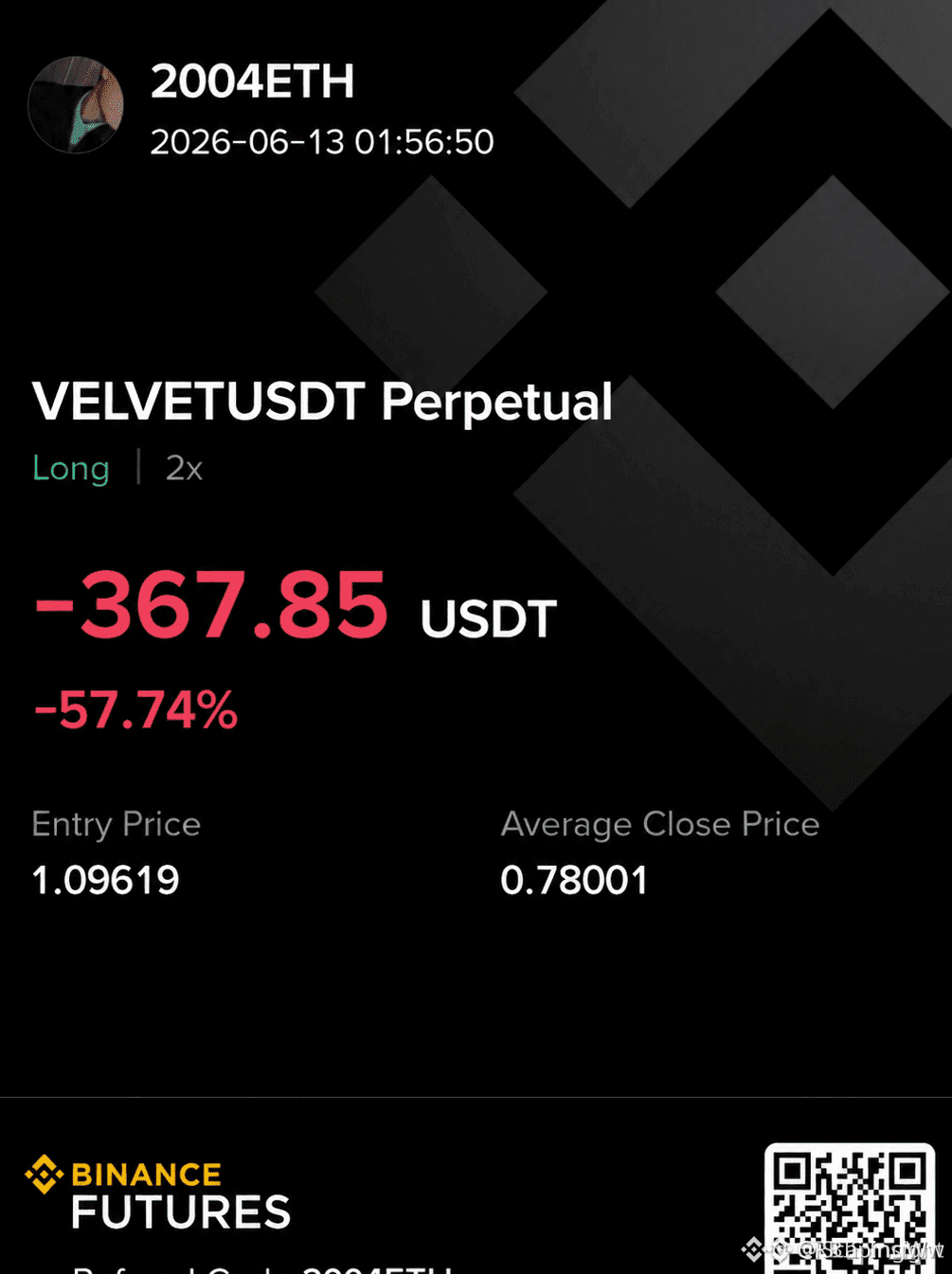
$VELVET looks like a trap ⚠️
Guys, this one is throwing off pure red-flag energy.
The chart looks weak, sentiment is shaky, and this is exactly how weak hands get farmed when jeets start exiting. Honestly, bros, this is not the kind of bag you want to be aping into just because of random hype. Let the fudders scream later while you protect your capital now.
Not financial advice. Manage your risk.
#VELVET #CryptoWarning #RiskManagement #Altcoins
⚡
$VELVET looks like a trap ⚠️
Guys, this one is throwing off pure red-flag energy.
The chart looks weak, sentiment is shaky, and this is exactly how weak hands get farmed when jeets start exiting. Honestly, bros, this is not the kind of bag you want to be aping into just because of random hype. Let the fudders scream later while you protect your capital now.
Not financial advice. Manage your risk.
#VELVET #CryptoWarning #RiskManagement #Altcoins
⚡
Guys, this one is throwing off pure red-flag energy.
The chart looks weak, sentiment is shaky, and this is exactly how weak hands get farmed when jeets start exiting. Honestly, bros, this is not the kind of bag you want to be aping into just because of random hype. Let the fudders scream later while you protect your capital now.
Not financial advice. Manage your risk.
#VELVET #CryptoWarning #RiskManagement #Altcoins
⚡
1
374
SOUTH KOREA'S LEVERAGE EXTREME COULD MEAN TROUBLE FOR $BTC ⚠️
Korean leveraged ETF assets hit $45 billion — up 800% since early 2026. Leverage exposure as a % of free float market cap just hit 2.9%, more than triple January's level. That's a historical extreme in one of the world's most active markets.
When Korean leverage gets this stretched, sharp unwinds tend to follow across global risk assets. Crypto isn't immune to the spillover. Volatility is coming. How are you positioning for a potential macro shakeout?
Not financial advice. Always manage your risk.
#BTC #MacroRisk #Leverage #CryptoWarning
⚡
SOUTH KOREA'S LEVERAGE EXTREME COULD MEAN TROUBLE FOR $BTC ⚠️
Korean leveraged ETF assets hit $45 billion — up 800% since early 2026. Leverage exposure as a % of free float market cap just hit 2.9%, more than triple January's level. That's a historical extreme in one of the world's most active markets.
When Korean leverage gets this stretched, sharp unwinds tend to follow across global risk assets. Crypto isn't immune to the spillover. Volatility is coming. How are you positioning for a potential macro shakeout?
Not financial advice. Always manage your risk.
#BTC #MacroRisk #Leverage #CryptoWarning
⚡
Korean leveraged ETF assets hit $45 billion — up 800% since early 2026. Leverage exposure as a % of free float market cap just hit 2.9%, more than triple January's level. That's a historical extreme in one of the world's most active markets.
When Korean leverage gets this stretched, sharp unwinds tend to follow across global risk assets. Crypto isn't immune to the spillover. Volatility is coming. How are you positioning for a potential macro shakeout?
Not financial advice. Always manage your risk.
#BTC #MacroRisk #Leverage #CryptoWarning
⚡
48
Log in to explore more content
Join global crypto users on Binance Square
⚡️ Get latest and useful information about crypto.
💬 Trusted by the world’s largest crypto exchange.
👍 Discover real insights from verified creators.
Email / Phone number
Trending Topics
1
#BinancePick
2.9M views
150,602 Discussing
2
#EarningsSeason
5.2M views
25,672 Discussing
3
#AnthropicTTMRevenueGrewAbout1200%
12,328 views
288 Discussing
4
#AnthropicS1ExpectedToday
15,393 views
266 Discussing
5
#SouthKoreaReportedlyWeighsFourthCryptoTaxDelay
22,213 views
394 Discussing
6
#FranklinTempletonFilesForTwoDividendToBitcoinETFs
29,506 views
488 Discussing
7
#StrategyMSTRSurpassesNasdaqInMarketCap
22,916 views
354 Discussing
8
#CanadaProposesStablecoinRedemptionWithin3BusinessDays
1,060 views
34 Discussing
9
#ElectrumWalletBugLetRogueServersStealFunds
25,201 views
438 Discussing
10
#ArgentineCourtDismissesLIBRACaseAgainstMilei
38,395 views
540 Discussing