
Crypto Cred
921 Posts

Crypto Cred
Report
Block User
Crypto Market Analysis | BTC Altcoin Setups | Volume & Price Action X| @Erickcrypto21M
Open Trade
Frequent Trader
5.2 Years
404 Following
9.9K+ Followers
763 Liked
Posts
Portfolio
All
Quotes
Live
·
--
Bitcoin & Tokenized Gold Are Gaining Ground in Euro Markets! 🇪🇺₿
A shift in European bond yields is creating an interesting trend in crypto markets.
According to Chainalysis, when Eurozone yields outpaced US yields, euro-denominated Bitcoin and tokenized gold trading ran 12% ahead of dollar-denominated trading.
Why does this matter?
🔹 Rising European bond yields may be influencing investor behavior.
🔹 Bitcoin and tokenized gold could attract attention as alternative stores of value.
🔹 Investors may be looking beyond traditional markets amid sovereign debt concerns.
However, correlation doesn't prove causation. Chainalysis also cautions that its data cannot establish that higher yields directly caused the increase.
The bigger picture: Crypto adoption isn't just about price movements. It's also about how global macroeconomic shifts influence capital flows.
Could Europe become a stronger driver of Bitcoin demand? 👀
#Bitcoin #BTC #Write2Earn

140
·
--
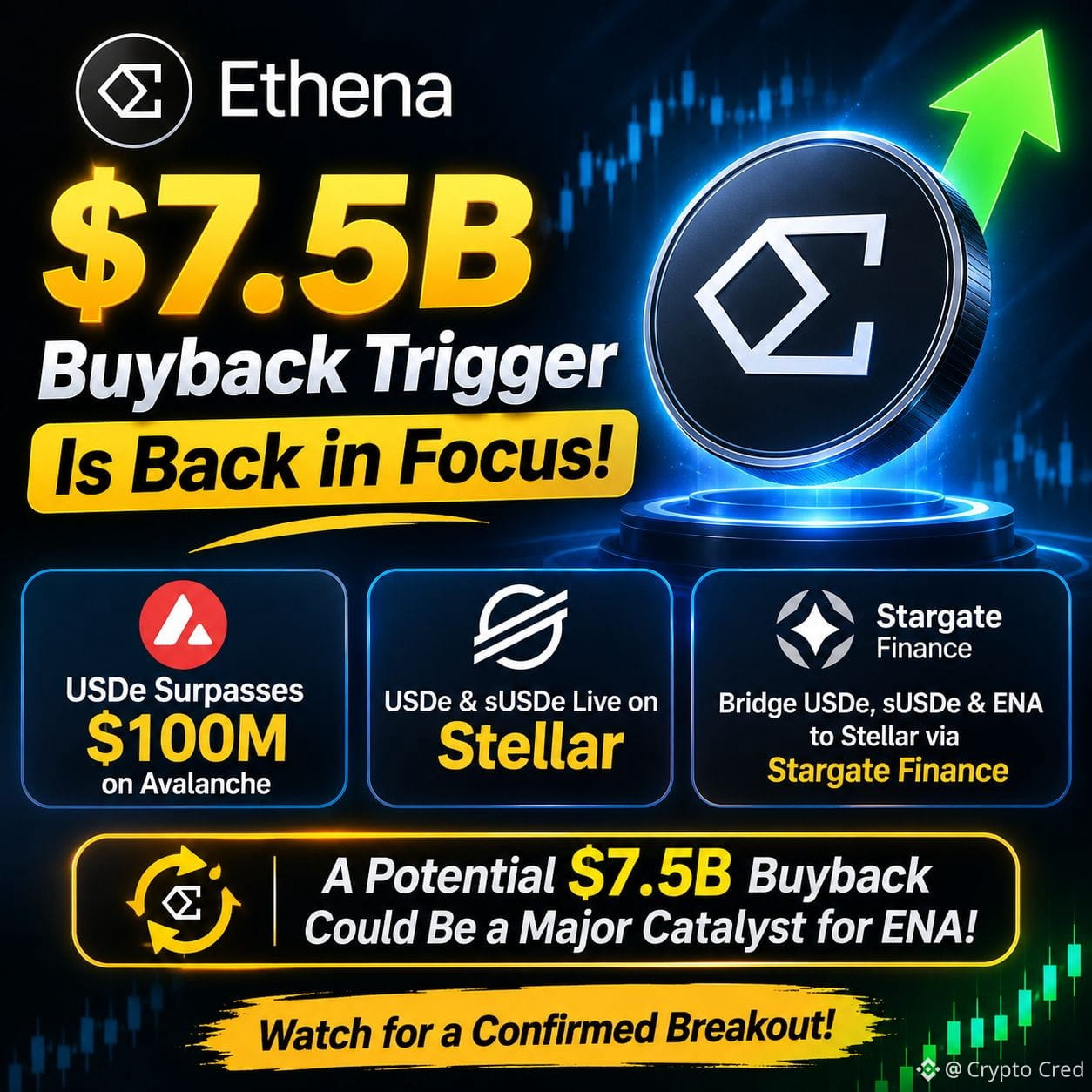
Ethena’s $7.5B Buyback Trigger Is Back in Focus!
Ethena’s ecosystem keeps expanding, and ENA could be approaching a major catalyst.
🔥 USDe has surpassed $100M on Avalanche. 🌐 USDe and sUSDe are now live across Stellar. 🔗 ENA, USDe, and sUSDe can also move to Stellar through Stargate Finance.
The bigger picture? A potential $7.5B buyback threshold could become a major narrative for ENA.
But one thing matters now: a confirmed technical breakout.
If momentum aligns with ecosystem growth, ENA could be setting up for an interesting move.
Watching this one closely. 👀
#ENA #ethena_labs #DeFi #Crypto
280
·
--
My price predictions for the next bull run:
$BTC — $250,000
$ETH — $7,500
$SOL — $600
$HYPE — $199
What are your targets?
My price predictions for the next bull run:
$BTC — $250,000
$ETH — $7,500
$SOL — $600
$HYPE — $199
What are your targets?
$BTC — $250,000
$ETH — $7,500
$SOL — $600
$HYPE — $199
What are your targets?
16
·
--

Article
Recent Studies on Bitcoin (BTC): Maturity, Cycles, Valuation, and Risk in Late 2026Recent Studies on Bitcoin (BTC): Maturity, Cycles, Valuation, and Risk in Late 2026
As of November 2026, Bitcoin trades well below its October 2025 peak near $125,000, with prices fluctuating in the $55,000–$75,000 range amid ongoing market digestion of prior gains. A wave of academic papers, research reports, and industry analyses published in recent months paints a picture of an asset that has matured significantly through institutional adoption while showing evolving dynamics in cycles, valuation drivers, and risk profile.
Network Strength and Institutional Adoption
Bitcoin’s network security has reached new highs. One Q4 2026 asset report noted hashrate exceeding 1,069 EH/s — a roughly 72% year-over-year increase — making the network substantially more costly to attack. Spot Bitcoin ETFs, launched in early 2024, now hold meaningful supply (reports cite figures around 1.18 million BTC, or roughly 6% of circulating supply in some snapshots), with periods of resumed inflows after earlier outflows. The Lightning Network has also scaled, supporting higher transaction volumes and broader merchant acceptance.
These developments support the view that Bitcoin is transitioning from a purely speculative asset toward a more institutionalized one, though price volatility and capital-flow sensitivity remain prominent.
Weakening of the Traditional Four-Year Cycle
A key academic finding challenges the long-standing “halving cycle” narrative. A November 2026 paper in Finance Research Letters (“On Bitcoin cycles”) used harmonic Fourier regressions on monthly returns and identified a structural break around May 2023. Post-break, the amplitude of the roughly 48-month cycle declined sharply. When the model controlled for broader market conditions (e.g., S&P 500 returns), the residual four-year component lost statistical significance. The authors conclude that Bitcoin’s return dynamics are increasingly linked to global macro-financial conditions rather than a deterministic halving rhythm.
This aligns with market observations that the post-2024-halving peak occurred on a timeline similar to prior cycles, but subsequent behavior has been more tightly coupled to liquidity, interest-rate expectations, and risk-asset performance.
Power-Law Trends and Long-Run Growth
Power-law models that relate Bitcoin’s price to its age continue to attract attention. A November 2026 arXiv preprint by Baquero and Menezes tested a power-law trend under persistent noise using weekly data through mid-September 2026. They rejected constant drift in expected log-price and found results compatible with a power-law exponent near previously published figures (around 5.7). However, the evidence for mean-reversion to the trend was inconclusive once stronger forms of persistence were allowed, and a Gompertz curve with a ceiling fit about as well. Forecasts from related power-law frameworks have produced 2030 medians near $383,000 (with wide intervals), though the authors caution that intervals are likely too narrow and the models assume recovery behavior not fully proven by history.
Other modeling exercises compare power-law, decelerating-growth, and “maturity” specifications that incorporate a shrinking halving-cycle amplitude. These generally point to continued long-term appreciation at a slowing rate, with volatility also expected to compress structurally as markets deepen.
Valuation Drivers: Scarcity Over Energy Costs
A separate Finance Research Letters study (November 2026) compared energy-cost versus monetary-scarcity explanations using regime-specific models conditioned on the Market-Value-to-Realized-Value (MVRV) ratio. In loss-making regimes, price co-moved with marginal energy costs but showed no stable long-run cointegrating relationship, challenging the idea of a firm production-cost floor. In profitable regimes, scarcity (stock-to-flow) and network activity formed a cointegrated system with positive long-run elasticities. Overall, protocol-imposed scarcity and adoption appear to be stronger long-run supports than energy costs, consistent with Bitcoin’s interpretation as synthetic commodity money.
Risk Characteristics and Tail Behavior
Distributional studies confirm Bitcoin’s returns remain strongly non-Gaussian. Analysis of daily returns through mid-2026 found excess kurtosis and preferred Student-t or skewed generalized-t distributions over the normal. Gaussian models understated 99% daily Value-at-Risk by roughly one-fifth relative to empirical and extreme-value estimates; Expected Shortfall was even larger. These findings reinforce the need for heavy-tailed risk models in portfolio construction and product design.
At the same time, realized volatility has compressed compared with earlier eras (recent readings often cited in the 28–45% annualized range depending on the window), and some research notes Bitcoin’s volatility now falls below that of a non-trivial share of S&P 500 constituents. Correlation studies also document post-ETF decoupling: Bitcoin’s rolling correlations with major altcoins declined after the introduction of spot ETFs, consistent with independent institutional inflows into Bitcoin that did not proportionally lift the broader crypto market.
Near-Term Outlooks from Industry Research
Industry reports from late November 2026 emphasize capital-flow dynamics. One six-month outlook (through May 2027) argues that after significant leverage liquidations, the key question is whether sustained inflows return to absorb remaining selling pressure. The base case anticipates easing selling pressure and an attempt at stabilization, with durability tied to ETF and treasury-company flows, stablecoin liquidity, and macro conditions.
On-chain cost-basis analyses highlight that prices remain above long-term holder realized prices in many snapshots, with historical precedents showing strong subsequent recoveries after rare tests of those levels — though probabilities of further downside remain material in probabilistic models.
Conclusion
Recent studies collectively portray Bitcoin as a maturing asset whose price discovery is less dominated by the pure four-year halving cycle and more influenced by institutional capital, macro liquidity, and scarcity. Network security and adoption metrics continue to strengthen, while valuation appears driven more by protocol scarcity and network effects than by mining costs. Risk remains characterized by fat tails, yet structural volatility has moderated.
For investors and researchers, the emerging consensus is nuanced: long-term structural bullishness coexists with heightened near-term sensitivity to capital flows and broader risk markets. As always, these findings reflect models and data available through late 2026 and are subject to revision as new information arrives.
Recent Studies on Bitcoin (BTC): Maturity, Cycles, Valuation, and Risk in Late 2026
Recent Studies on Bitcoin (BTC): Maturity, Cycles, Valuation, and Risk in Late 2026
As of November 2026, Bitcoin trades well below its October 2025 peak near $125,000, with prices fluctuating in the $55,000–$75,000 range amid ongoing market digestion of prior gains. A wave of academic papers, research reports, and industry analyses published in recent months paints a picture of an asset that has matured significantly through institutional adoption while showing evolving dynamics in cycles, valuation drivers, and risk profile.
Network Strength and Institutional Adoption
Bitcoin’s network security has reached new highs. One Q4 2026 asset report noted hashrate exceeding 1,069 EH/s — a roughly 72% year-over-year increase — making the network substantially more costly to attack. Spot Bitcoin ETFs, launched in early 2024, now hold meaningful supply (reports cite figures around 1.18 million BTC, or roughly 6% of circulating supply in some snapshots), with periods of resumed inflows after earlier outflows. The Lightning Network has also scaled, supporting higher transaction volumes and broader merchant acceptance.
These developments support the view that Bitcoin is transitioning from a purely speculative asset toward a more institutionalized one, though price volatility and capital-flow sensitivity remain prominent.
Weakening of the Traditional Four-Year Cycle
A key academic finding challenges the long-standing “halving cycle” narrative. A November 2026 paper in Finance Research Letters (“On Bitcoin cycles”) used harmonic Fourier regressions on monthly returns and identified a structural break around May 2023. Post-break, the amplitude of the roughly 48-month cycle declined sharply. When the model controlled for broader market conditions (e.g., S&P 500 returns), the residual four-year component lost statistical significance. The authors conclude that Bitcoin’s return dynamics are increasingly linked to global macro-financial conditions rather than a deterministic halving rhythm.
This aligns with market observations that the post-2024-halving peak occurred on a timeline similar to prior cycles, but subsequent behavior has been more tightly coupled to liquidity, interest-rate expectations, and risk-asset performance.
Power-Law Trends and Long-Run Growth
Power-law models that relate Bitcoin’s price to its age continue to attract attention. A November 2026 arXiv preprint by Baquero and Menezes tested a power-law trend under persistent noise using weekly data through mid-September 2026. They rejected constant drift in expected log-price and found results compatible with a power-law exponent near previously published figures (around 5.7). However, the evidence for mean-reversion to the trend was inconclusive once stronger forms of persistence were allowed, and a Gompertz curve with a ceiling fit about as well. Forecasts from related power-law frameworks have produced 2030 medians near $383,000 (with wide intervals), though the authors caution that intervals are likely too narrow and the models assume recovery behavior not fully proven by history.
Other modeling exercises compare power-law, decelerating-growth, and “maturity” specifications that incorporate a shrinking halving-cycle amplitude. These generally point to continued long-term appreciation at a slowing rate, with volatility also expected to compress structurally as markets deepen.
Valuation Drivers: Scarcity Over Energy Costs
A separate Finance Research Letters study (November 2026) compared energy-cost versus monetary-scarcity explanations using regime-specific models conditioned on the Market-Value-to-Realized-Value (MVRV) ratio. In loss-making regimes, price co-moved with marginal energy costs but showed no stable long-run cointegrating relationship, challenging the idea of a firm production-cost floor. In profitable regimes, scarcity (stock-to-flow) and network activity formed a cointegrated system with positive long-run elasticities. Overall, protocol-imposed scarcity and adoption appear to be stronger long-run supports than energy costs, consistent with Bitcoin’s interpretation as synthetic commodity money.
Risk Characteristics and Tail Behavior
Distributional studies confirm Bitcoin’s returns remain strongly non-Gaussian. Analysis of daily returns through mid-2026 found excess kurtosis and preferred Student-t or skewed generalized-t distributions over the normal. Gaussian models understated 99% daily Value-at-Risk by roughly one-fifth relative to empirical and extreme-value estimates; Expected Shortfall was even larger. These findings reinforce the need for heavy-tailed risk models in portfolio construction and product design.
At the same time, realized volatility has compressed compared with earlier eras (recent readings often cited in the 28–45% annualized range depending on the window), and some research notes Bitcoin’s volatility now falls below that of a non-trivial share of S&P 500 constituents. Correlation studies also document post-ETF decoupling: Bitcoin’s rolling correlations with major altcoins declined after the introduction of spot ETFs, consistent with independent institutional inflows into Bitcoin that did not proportionally lift the broader crypto market.
Near-Term Outlooks from Industry Research
Industry reports from late November 2026 emphasize capital-flow dynamics. One six-month outlook (through May 2027) argues that after significant leverage liquidations, the key question is whether sustained inflows return to absorb remaining selling pressure. The base case anticipates easing selling pressure and an attempt at stabilization, with durability tied to ETF and treasury-company flows, stablecoin liquidity, and macro conditions.
On-chain cost-basis analyses highlight that prices remain above long-term holder realized prices in many snapshots, with historical precedents showing strong subsequent recoveries after rare tests of those levels — though probabilities of further downside remain material in probabilistic models.
Conclusion
Recent studies collectively portray Bitcoin as a maturing asset whose price discovery is less dominated by the pure four-year halving cycle and more influenced by institutional capital, macro liquidity, and scarcity. Network security and adoption metrics continue to strengthen, while valuation appears driven more by protocol scarcity and network effects than by mining costs. Risk remains characterized by fat tails, yet structural volatility has moderated.
For investors and researchers, the emerging consensus is nuanced: long-term structural bullishness coexists with heightened near-term sensitivity to capital flows and broader risk markets. As always, these findings reflect models and data available through late 2026 and are subject to revision as new information arrives.
93
·
--
🚨 BREAKING: BITCOIN EXPLODES TO $120,000! 🚀
Bitcoin is making a powerful move, and market sentiment is shifting rapidly toward the bulls.
🔥 $BTC surges to $120K
📈 Bullish momentum is gaining strength
🐂 Buyers are taking control
💰 Market confidence is rising
The big question now: How high can Bitcoin go from here?
If this momentum continues, we could be entering another major chapter in crypto history.
Stay focused. Manage risk. Don't let FOMO control your trades.
THE BULLS ARE BACK! 🐂🔥
#bitcoin #BTC #crypto #Bullrun #BinanceSquare
123
·
--
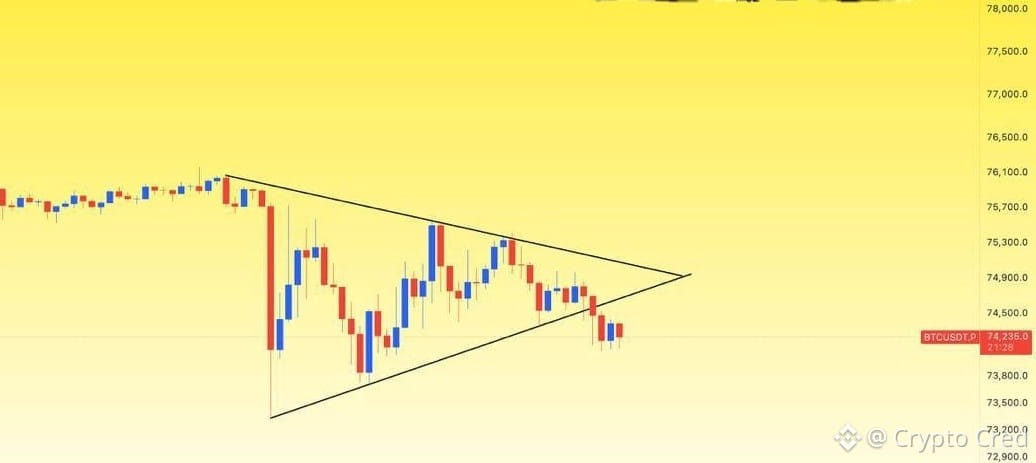
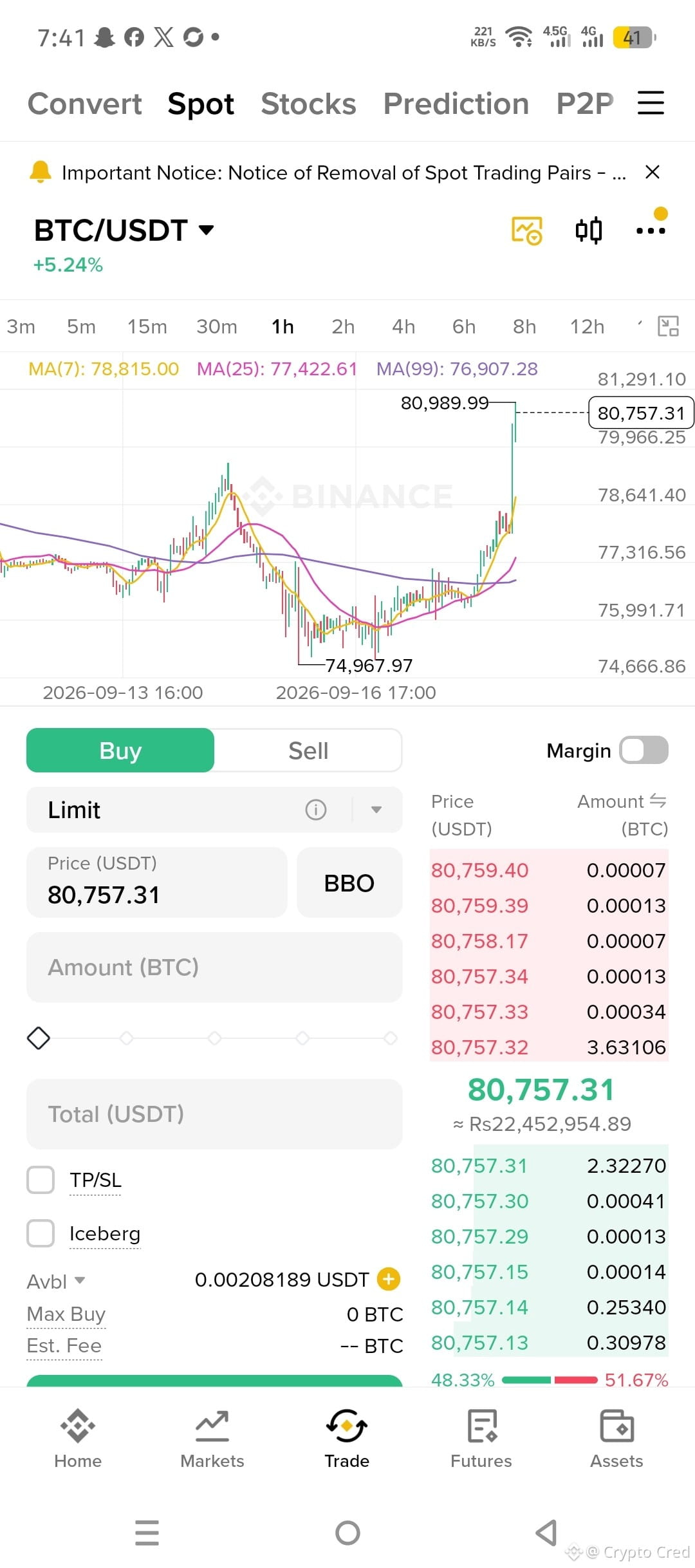
$BTC Broken Down Symmetrical Triangle Pattern In 1H Timeframe And Currently Retesting It.*
*If The Retest Is Successful We Will See Huge Dump In The BTC!*
$BTC Broken Down Symmetrical Triangle Pattern In 1H Timeframe And Currently Retesting It.*
*If The Retest Is Successful We Will See Huge Dump In The BTC!*
*If The Retest Is Successful We Will See Huge Dump In The BTC!*
94
·
--
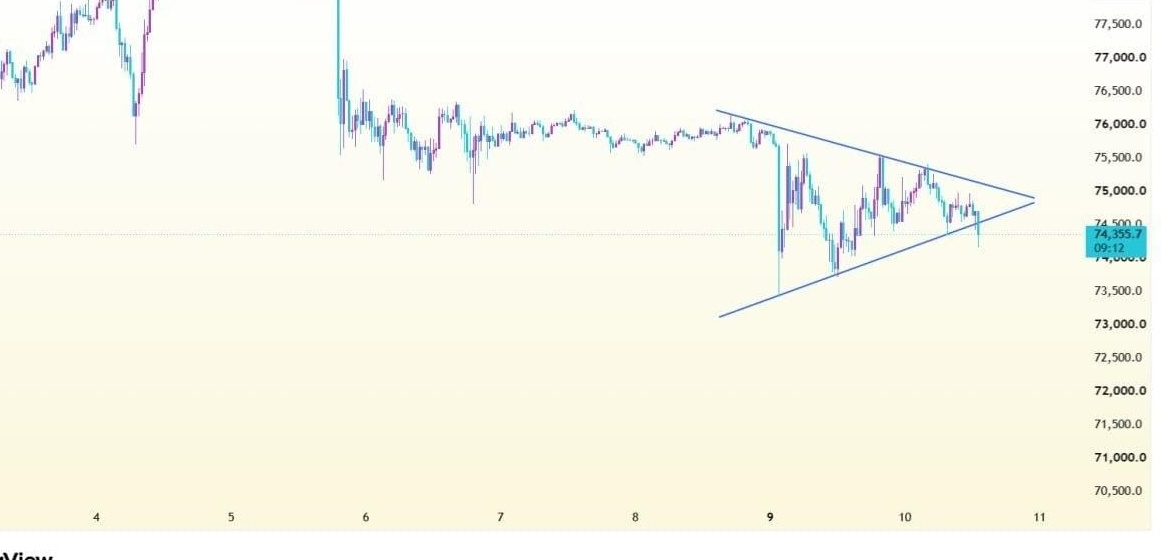
$BTC /USDT | 30M Update
BTC is trying to break down below the triangle support!👀
📌Be careful with your longs.
$BTC /USDT | 30M Update
BTC is trying to break down below the triangle support!👀
📌Be careful with your longs.
BTC is trying to break down below the triangle support!👀
📌Be careful with your longs.
107
·
--
Ripple & C2FO Could Bring a New Use Case to the $XRP Ledger! 🔥
Ripple is teaming up with C2FO on its Instant Pay initiative, using the XRP Ledger (XRPL) and RLUSD stablecoin to settle financing tied to approved supplier invoices.
💡 Why does this matter?
🔹 Real-world utility: Blockchain technology could support supplier payment settlements.
🔹 RLUSD adoption: The initiative creates another potential use case for Ripple’s USD-backed stablecoin.
🔹 Business finance: Faster settlement could help suppliers access funds and improve cash flow.
🔹 $XRP ecosystem: More activity around XRPL could strengthen its role in real-world financial applications.
⚠️ However, the announcement alone doesn't guarantee increased XRP demand or a price rally. The actual impact will depend on implementation, transaction volumes, and whether XRP itself is used in the settlement process.
The big question: Can Ripple turn real-world payment partnerships into meaningful, measurable blockchain adoption? 👀
#XRP #Ripple #XRPL

245
·
--
AI Is Bringing Fresh Momentum to Crypto!
The global AI rebound is lifting market sentiment, and crypto could benefit from renewed investor confidence.
But here’s what matters most 👇
📊 Watch BTC price action
📈 Track market-wide volume
🤖 Follow AI-related crypto projects
⚠️ Don’t confuse rising sentiment with a confirmed bull run.
Is AI the catalyst for the next crypto rally, or just a temporary boost? 👀
#Crypto #Bitcoin #AI #Web3

104
·
--
BREAKING FOR THE XRP ARMY
Anthropic’s Claude AI just SOLVED a 25-year-old cryptography mystery that had people whispering about NSA backdoors for decades…
And Ripple’s Head of Engineering J. Ayo Akinyele just reacted:
“AI shedding light on the origins of the NIST EC seeds is a pretty remarkable result.”
Turns out the “secret” seeds behind the most used elliptic curves were just generated with a basic random number generator + a Unix timestamp.
No backdoors. Just clean, reproducible math.
This is the same curves that secure a huge part of the entire crypto ecosystem… including XRP Ledger.
AI is leveling up. Ripple engineering is watching closely. And confidence in the foundations is going UP.
The future is looking stronger than ever.
Who’s still sleeping on this team? 👀
#XRP #XRPArmy #Ripple #Crypto

192
·
--
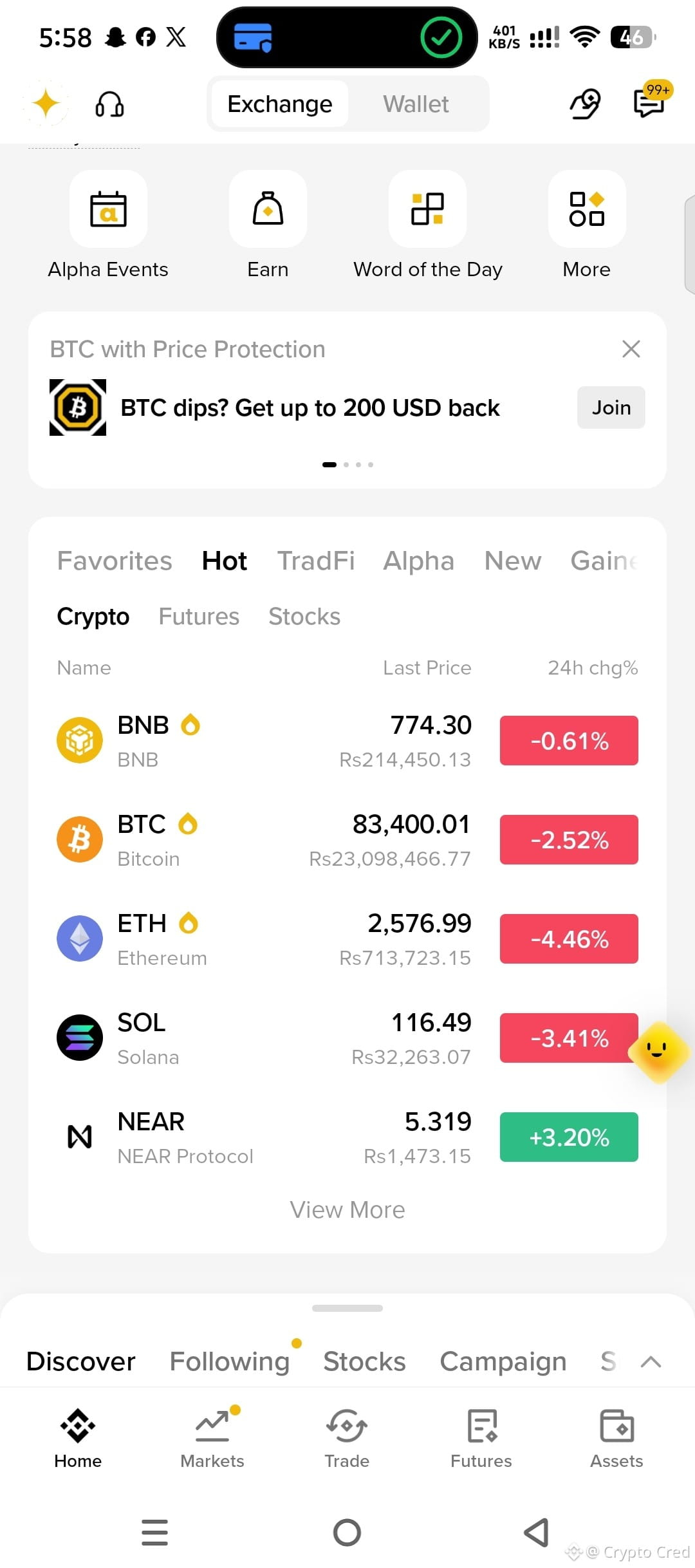
Big Move for $NEAR !
NEAR Protocol has integrated Robinhood Crypto Chain into near.com, opening a smoother way to interact with assets across multiple networks.
Users can now swap $ETH and USDG with 180+ assets across 30 chains and move funds to and from Robinhood Chain without needing a separate bridge interface.
This is a major step toward making cross-chain crypto simpler, faster, and more accessible.
Could this integration become a strong catalyst for $NEAR adoption? 👀
#Write2Earn
135
·
--
Bitcoin Whales May Be Preparing for Another Move
Michael Saylor’s latest “More orange than ever” post, paired with Strategy’s Bitcoin purchase chart, has the market watching closely. 👀
With Strategy already making two consecutive weekly BTC purchases, speculation is building around whether another buy could be coming.
Meanwhile, BTC has tested the $87K area twice in less than a week — but both attempts were rejected. 📉
The key question now:
Will Bitcoin finally break above $87K, or face another rejection?
$BTC #bitcoin #BTC #crypto

1
107
·
--
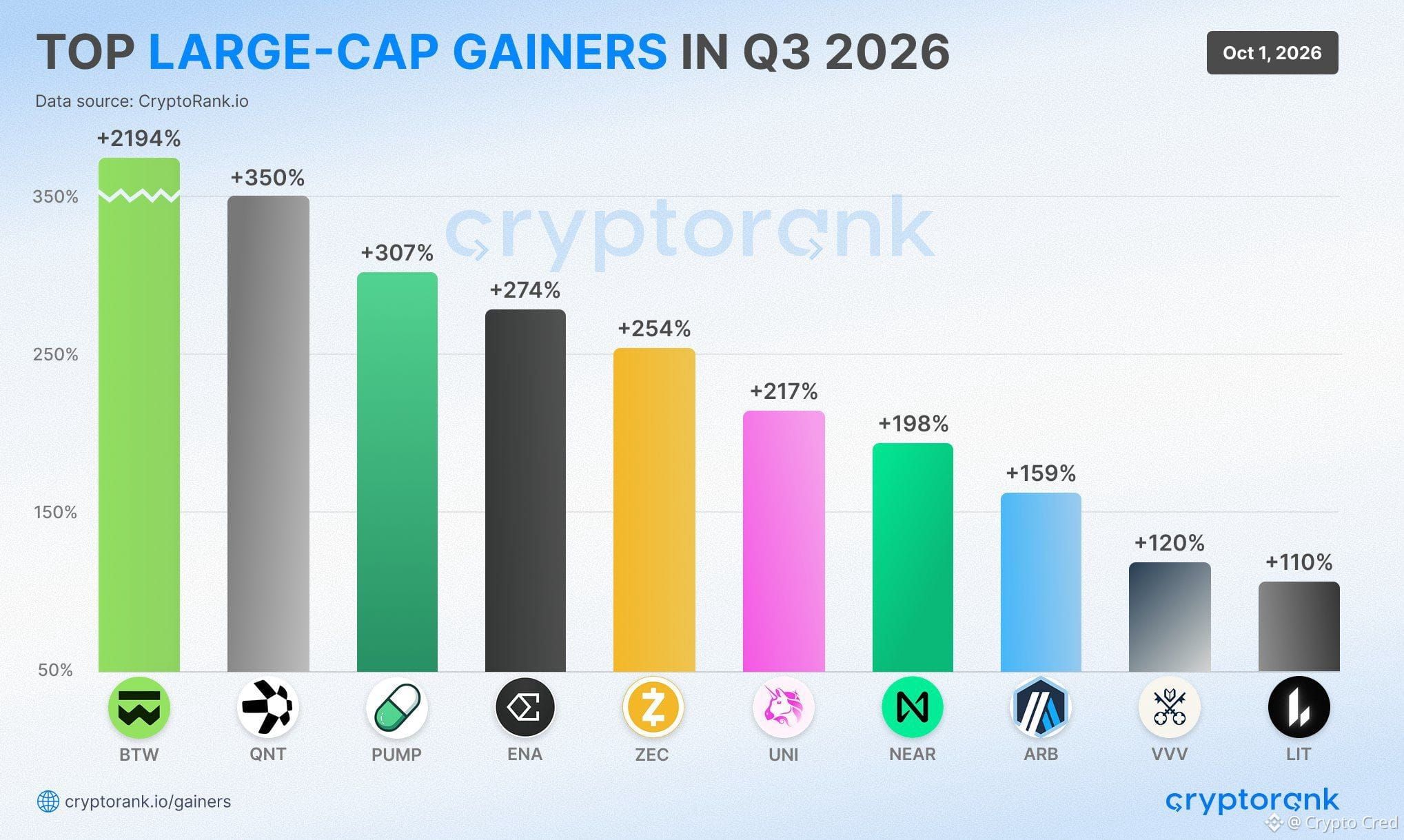
🚨 $COAI /USDT LONG SETUP 🚨
$COAI is showing strong momentum, and the current setup offers a clear risk-to-reward structure.
📍 Entry: 0.355 – 0.364
🎯 TP1: 0.380
🎯 TP2: 0.410
🎯 TP3: 0.460
🛑 Stop Loss: 0.315
The key is to manage risk properly and avoid overleveraging. If momentum continues, $COAI could have room to push toward the higher targets. 📈
Trade smart. Protect your capital. DYOR.
#COAI #BinanceSquare #Write2Earn!
378
·
--
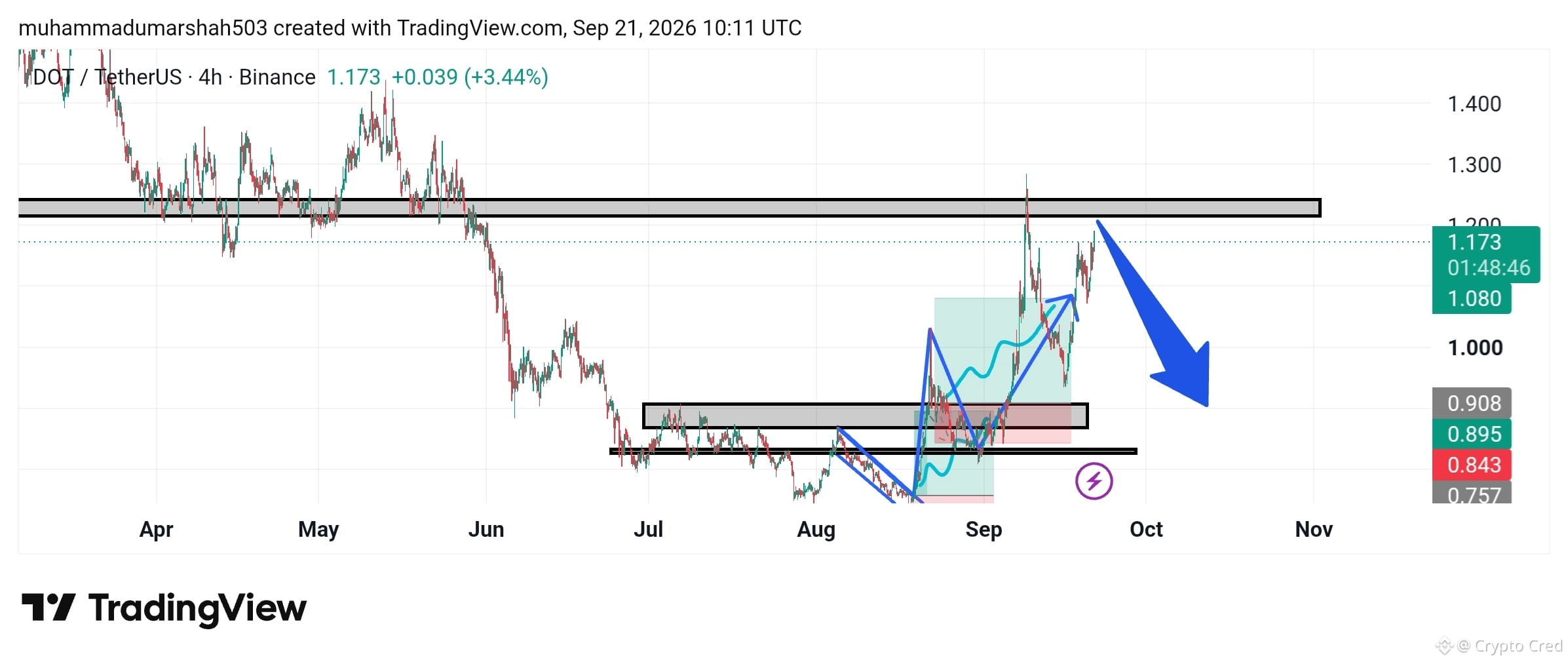
$DOT is currently trading at 1.17$ with huge volume .
It's showing a strong resistance at 1.18$.
It's second time to reject it's resistance
According to my observation it will comeback towards 0.5$ again
It's not a financial advice
#Write2Earn
$DOT is currently trading at 1.17$ with huge volume .
It's showing a strong resistance at 1.18$.
It's second time to reject it's resistance
According to my observation it will comeback towards 0.5$ again
It's not a financial advice
#Write2Earn
It's showing a strong resistance at 1.18$.
It's second time to reject it's resistance
According to my observation it will comeback towards 0.5$ again
It's not a financial advice
#Write2Earn
214
·
--
1
331
·
--
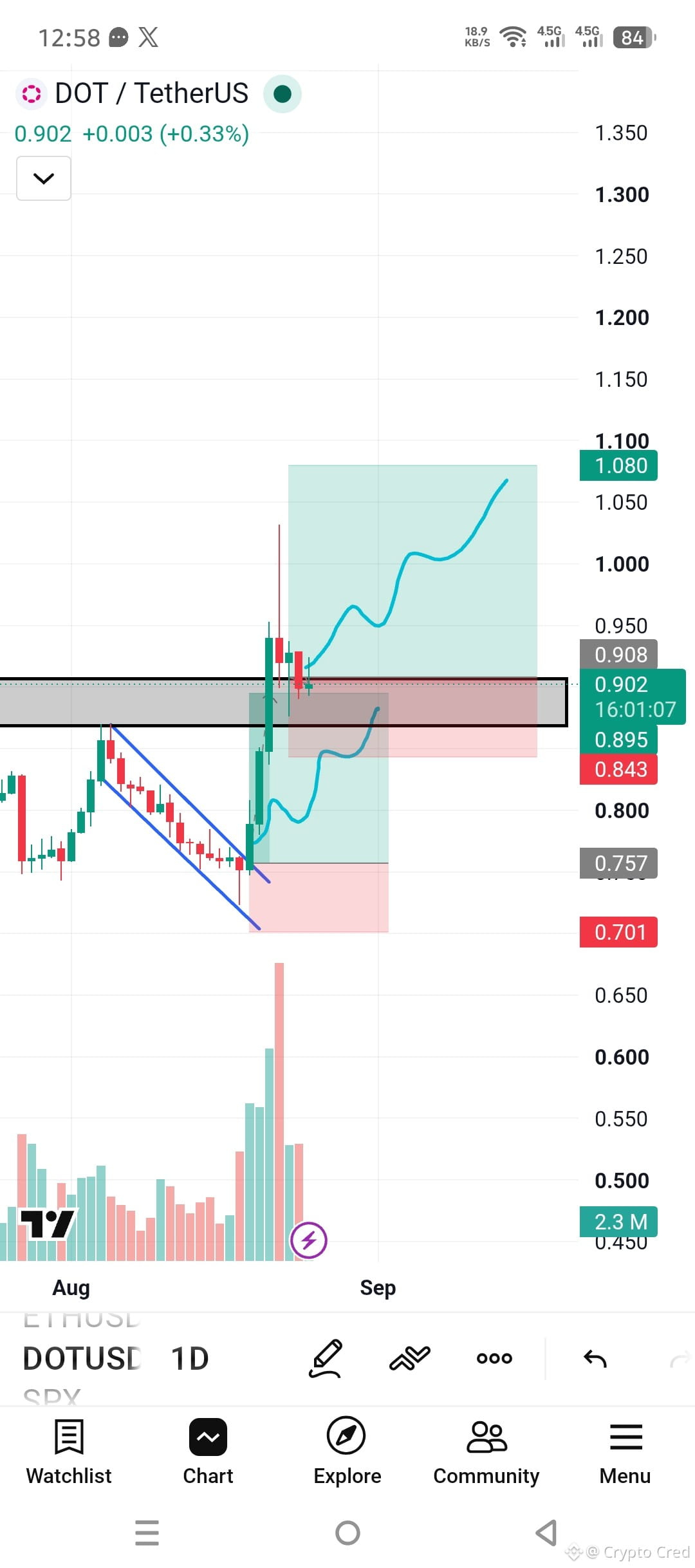
Why is $DOT lagging? 👀
BTC and most alts are moving higher, but $DOT keeps struggling.
Is this a hidden accumulation zone or a sign of more downside?
What’s your take? 🤔
Why is $DOT lagging? 👀
BTC and most alts are moving higher, but $DOT keeps struggling.
Is this a hidden accumulation zone or a sign of more downside?
What’s your take? 🤔
BTC and most alts are moving higher, but $DOT keeps struggling.
Is this a hidden accumulation zone or a sign of more downside?
What’s your take? 🤔
211
·
--
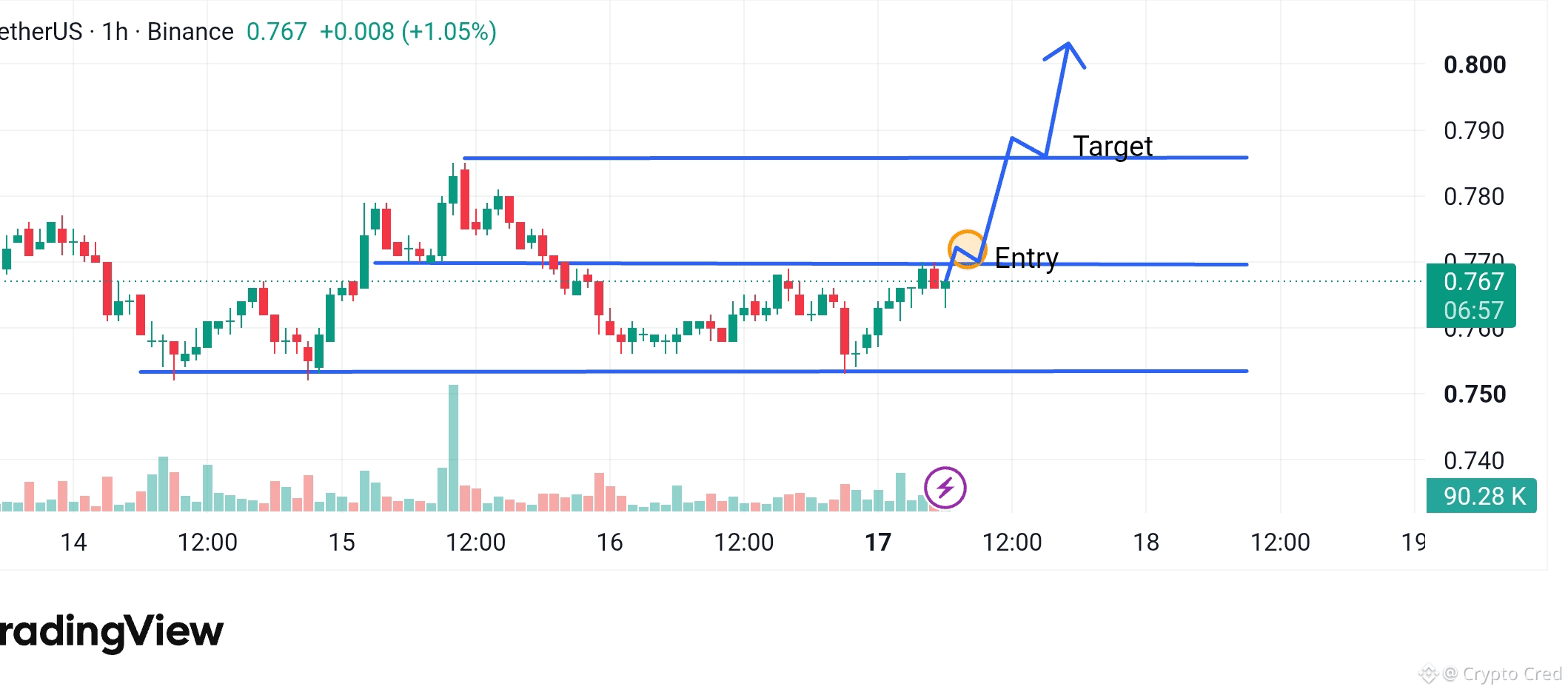
$DOT LONG SETUP
Entry: $0.767–$0.770
🎯 Target: $0.787
🚀 Next: $0.800+
🛑 SL: $0.758
Breakout + retest could send DOT higher. 📈
$DOT LONG SETUP
Entry: $0.767–$0.770
🎯 Target: $0.787
🚀 Next: $0.800+
🛑 SL: $0.758
Breakout + retest could send DOT higher. 📈
Entry: $0.767–$0.770
🎯 Target: $0.787
🚀 Next: $0.800+
🛑 SL: $0.758
Breakout + retest could send DOT higher. 📈
138
·
--
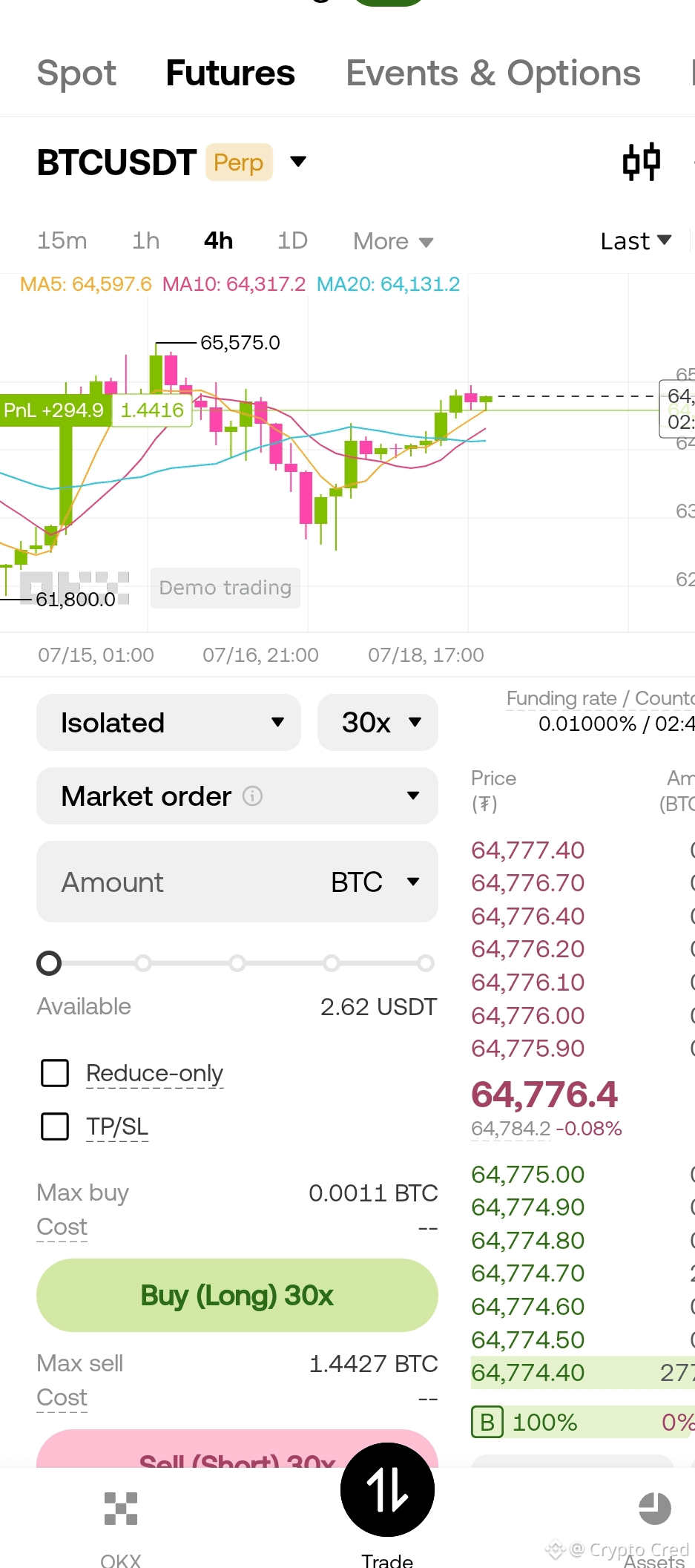
Bullish
$BTC is testing a key resistance zone.
BTC is holding above the major moving averages on the 4H chart, showing that buyers are still defending the trend. The recent push toward the resistance area suggests momentum is building, but confirmation is still needed before calling it a breakout.
📈 Bullish scenario: A strong close above resistance could trigger the next leg higher and attract fresh buying pressure.
📉 Bearish scenario: If BTC gets rejected here, a healthy pullback toward support may offer a better entry before the next move.
Key takeaway: Don't chase green candles. Wait for confirmation, manage your risk, and let the market come to you.
What's your next move? 🟢 Long 🔴 Short 🟡 Waiting for confirmation
#Bitcoin #BTC #Crypto #Trading
97
Log in to explore more content
Join global crypto users on Binance Square
⚡️ Get latest and useful information about crypto.
💬 Trusted by the world’s largest crypto exchange.
👍 Discover real insights from verified creators.
Email / Phone number
Trending Topics
CanMarketsReboundAfterThanksgiving?
12,123 views
304 Discussing
Rate-Hike Bets Linger as US Markets Head Into Thanksgiving Closure
Binance News
·1 Likes
·1.2k views
CouldSpaceX’sOrbitalDataCentersBoostAIChipDemand?
8,039 views
199 Discussing
EvolveAtBinanceBlockchainWeek
650,811 views
6,864 Discussing