
#walletsafety
walletsafety
138,669 views
218 Discussing
Hot
Latest

🚨 YOUR CRYPTO CAN BE STOLEN WITHOUT THE MARKET CRASHING!
You could make a great investment decision and still lose your assets because of one security mistake.
In crypto, protecting your wallet matters just as much as choosing the right coin. 🔐
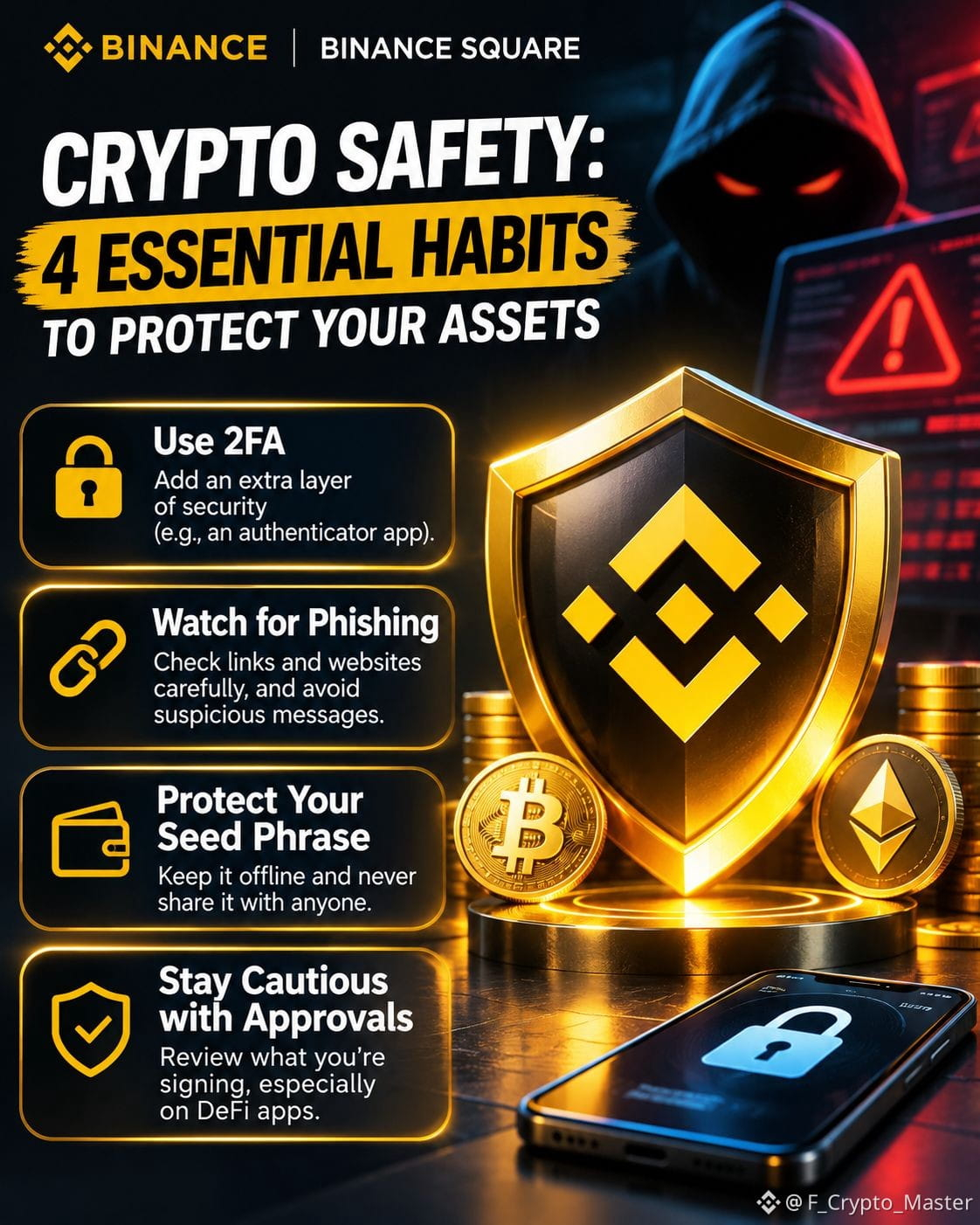
Here are 4 security habits every crypto holder should know:
🔒 1. Enable two-factor authentication (2FA)
Use an authenticator app or security key when available. Avoid relying only on SMS verification.
🎣 2. Watch out for phishing
Fake airdrops, support accounts and websites can trick you into connecting your wallet or revealing sensitive information.
Always verify URLs independently.
🔑 3. Never share your seed phrase
Anyone with your recovery phrase may be able to access your funds. Store it securely offline, and never enter it into an unsolicited website.
⚠️ 4. Review smart contract approvals
Some DeFi approvals allow contracts to transfer tokens from your wallet. Understand permissions before signing and revoke unnecessary approvals when appropriate.
🧠 MY TAKE:
The most underrated crypto skill isn't predicting the next 100x token.
It's learning how to protect the assets you already own.
A strong password, careful verification and good wallet habits won't eliminate every risk, but they can prevent many avoidable losses.
💬 What's the biggest security mistake you've seen people make in crypto?
#CryptoSecurity #WalletSafety #blockchain #BinanceSquare
1
99
·
--
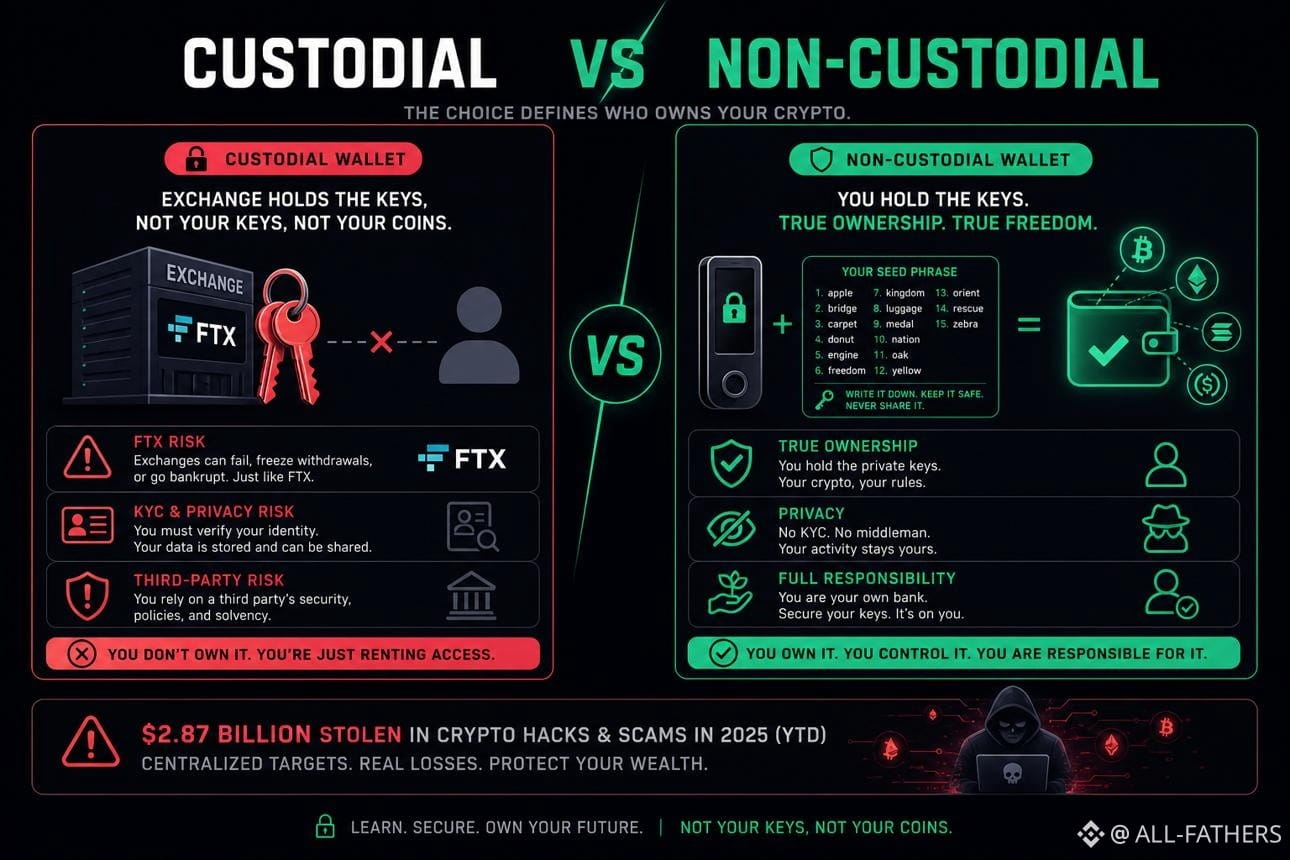
YOUR CRYPTO ACCOUNT AND YOUR PERSONAL WALLET ARE NOT THE SAME THING! 🔐
Understanding the difference between exchange custody and self-custody is one of the most important lessons in crypto.
Exchange custody
- The platform controls the private keys.
- You access your assets through your exchange account.
- Your access depends partly on the platform's security and operating procedures.
Self-custody
- You control the wallet's private keys.
- You are responsible for protecting your recovery phrase.
- Losing your keys or exposing your recovery phrase can put your assets at risk.
A few security habits worth practising:
- Never share your recovery phrase.
- Keep backups secure and offline.
- Double-check wallet addresses and networks before sending.
- Consider a small test transfer before a large one.
- Stay alert to phishing links and fake support accounts.
These principles apply to assets such as Bitcoin and Ethereum.
QUESTION: Which wallet-security lesson do you think every beginner should learn first?
$BTC $ETH
#SelfCustodyCrypto #WalletSafety #bitcoin #Ethereum #BİNANCESQUARE
82

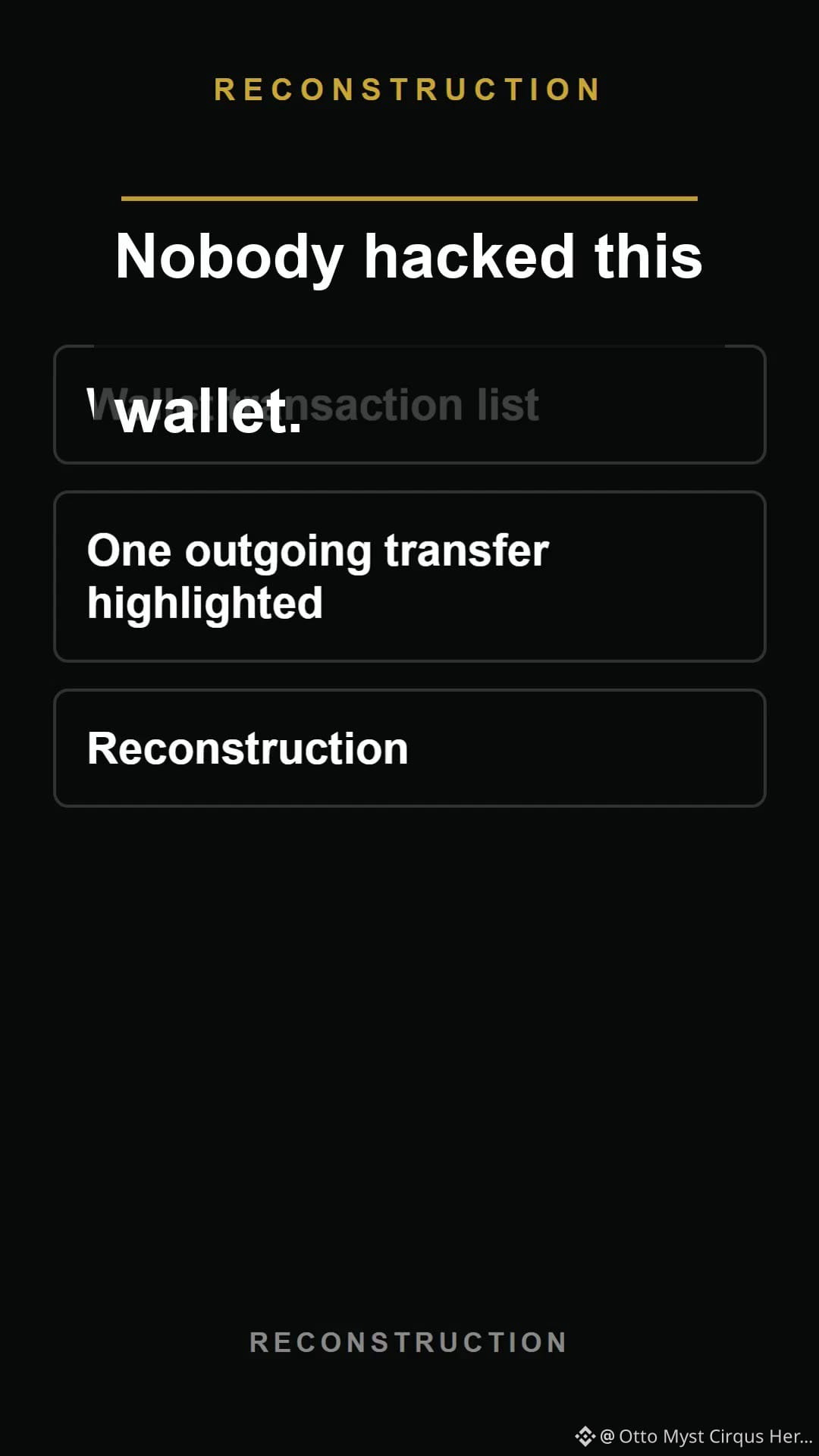
Nobody hacked this wallet. The owner sent the funds themselves, to an address that only looked right.
This is address poisoning. It needs no hack and no malware.
An attacker sends you a dust transfer from a lookalike address. Its first and last characters match one you really use. It lands in your history like a normal entry. Next time you copy from history, you copy theirs.
Many wallets shorten addresses to the start and the end. That is exactly what the fake imitates. So check the middle too.
Before you send $BNB, $ETH or anything else:
— Never copy an address from transaction history.
— Use an address book or whitelist if your wallet has one.
— Verify the full address, character by character.
— On big transfers, send a small test amount after that. A test amount does not fix a wrong address.
Unexpected dust is a warning, not a gift.
The addresses in the video are synthetic examples.
Do you check the full address before every transfer, or just the first and last characters?
#AddressPoisoning #CryptoSecurity #WalletSafety
Nobody hacked this wallet. The owner sent the funds themselves, to an address that only looked right.
This is address poisoning. It needs no hack and no malware.
An attacker sends you a dust transfer from a lookalike address. Its first and last characters match one you really use. It lands in your history like a normal entry. Next time you copy from history, you copy theirs.
Many wallets shorten addresses to the start and the end. That is exactly what the fake imitates. So check the middle too.
Before you send $BNB , $ETH or anything else:
— Never copy an address from transaction history.
— Use an address book or whitelist if your wallet has one.
— Verify the full address, character by character.
— On big transfers, send a small test amount after that. A test amount does not fix a wrong address.
Unexpected dust is a warning, not a gift.
The addresses in the video are synthetic examples.
Do you check the full address before every transfer, or just the first and last characters?
#AddressPoisoning #CryptoSecurity #WalletSafety
1
898

·
--
Bearish
#CanadaUSOperationNiagara
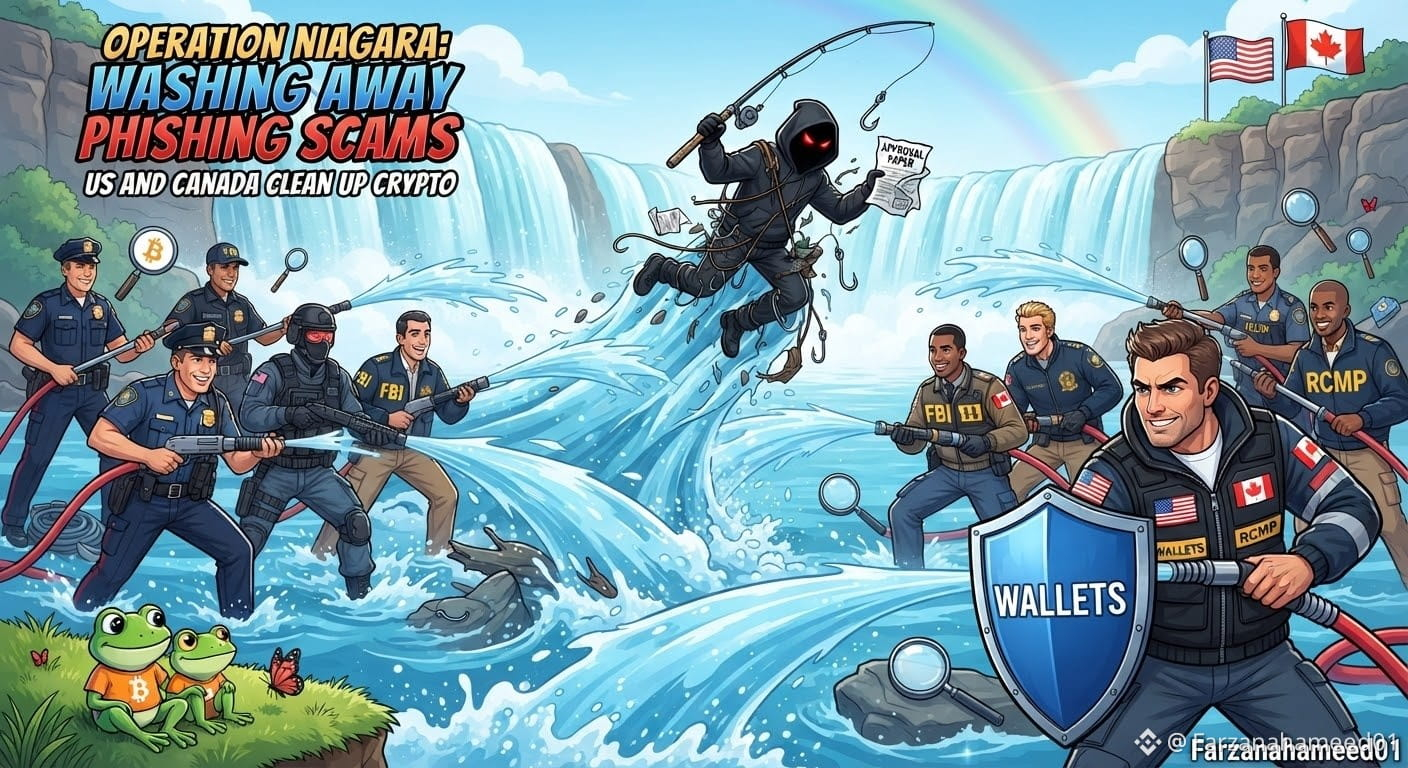
NIAGARA CAMPAIGN BETWEEN THE US AND CANADA! 🇺🇸🇨🇦
The US and Canada have just launched Operation Niagara to wipe out wallet approval scams and save everyone from one wrong signature and your entire fortune is gone!
In detail, the police, the US Secret Service, and Chainalysis are using on-chain data to issue early warnings and help victims revoke access before hackers can drain funds from malicious contracts.
What should we learn from this?
Use Revoke.cash to check for and immediately revoke any suspicious approvals.
Read prompts carefully before clicking Sign or Permit.
Keep your asset storage wallet separate from your airdrop-hunting wallet.
This is for learning and sharing only. This is not financial advice. I do not trade.
$BTC - Watch for security confidence returning, strong.
$ETH - Watch for wallet safety demand, strong.
$BREV - Watch for volume pickup on safety news, strong.
✨𝐅𝐀𝐑𝐙𝐀𝐍𝐀 𝐇𝐀𝐌𝐄𝐄𝐃 𝐎𝐅𝐅𝐈𝐂𝐈𝐀𝐋 • 🦋
#CryptoSecurity #Web3Safety #AntiPhishing #WalletSafety
2
5
261

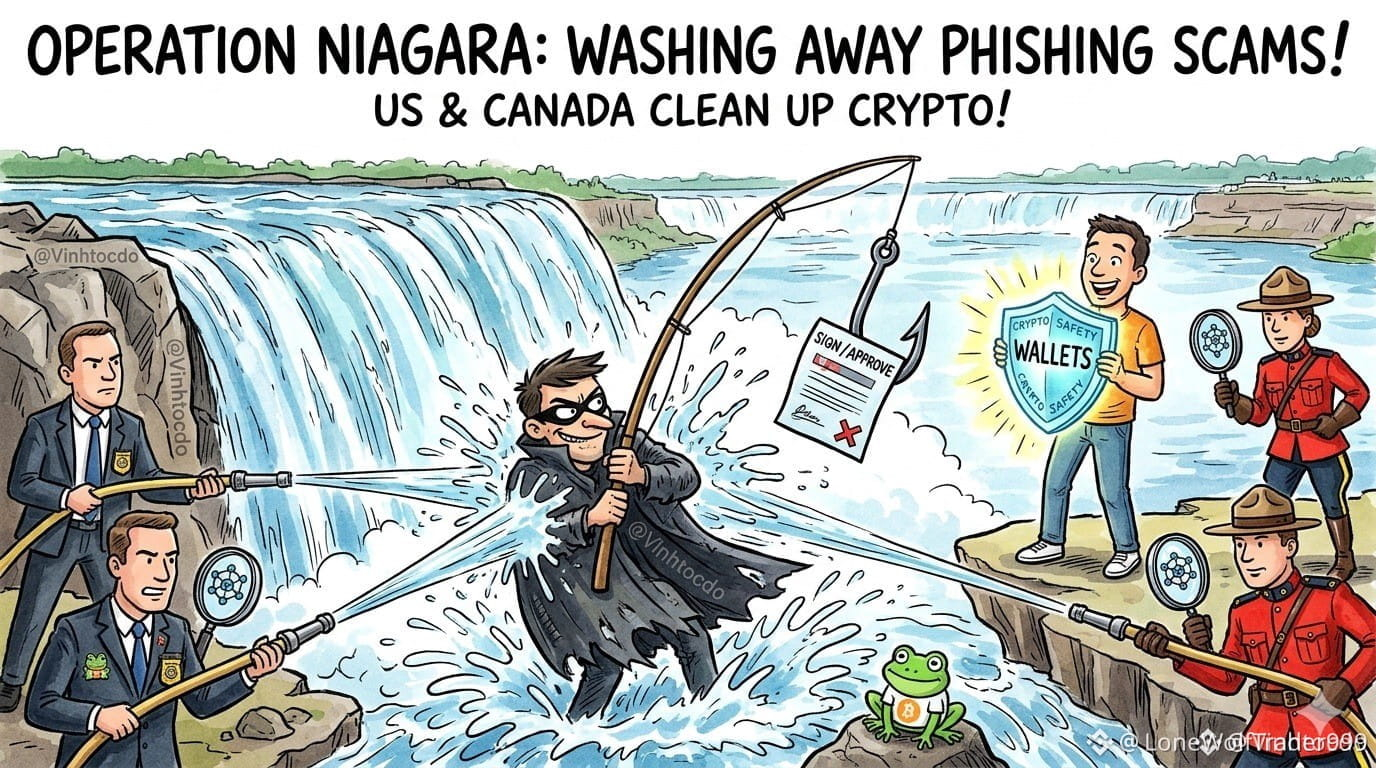
🚨 $BTC HOLDERS: CROSS-BORDER ON-CHAIN TRACKING IS NOW HUNTING MALICIOUS CONTRACT APPROVALS! ⚡
Law enforcement and analytics powerhouses are leveraging real-time ledger data to flag predatory wallet permissions before bad actors drain user capital. 📊 A single careless signature can compromise an entire portfolio built over years of disciplined trading. 🛡️
Keep your defences airtight by auditing active allowances through trusted tools like Revoke.cash and maintaining strict separation between your main vault and tactical interaction wallets. 💡
💬 When was the last time you audited your active token allowances across $ETH and $BREV ? 👇
⚠️ Not financial advice. Always manage your risk. 🛡️
🏷️ #BTC #CryptoSecurity #Web3Safety #WalletSafety
🔥 💎
1

·
--
Optimizely 代码注入劫持 176 站点钱包地址,攻击链从矿机蔓延到普通网站
第三方代码托管平台首次被证实可大规模劫持用户钱包地址,安全事件的攻击面正从矿机、物流行业扩展到普通网站脚本,这一范式升级值得整个行业警惕。
据 Decrypt 报道,网站测试平台 Optimizely 被恶意代码注入,攻击者通过该平台向访客的钱包地址发起重定向,将加密货币收款地址替换为攻击者控制的地址。事件涉及约 176 个被劫持站点,受影响范围包括 Ledger、BBC 等。
这次事件的关键不在于单个站点被盗,而在于攻击链条的传导方式。过去钱包劫持多通过矿机恶意软件或物流信息泄露实现,攻击者需要直接控制某台设备或某条数据通道。而这一次,攻击借助第三方测试平台的代码分发能力,间接传导到大量普通网站,攻击面被显著放大。
从技术逻辑看,当网站在运行中加载来自第三方托管的脚本时,若脚本被植入恶意逻辑,就可能在前端篡改页面中展示的钱包地址。用户往往难以分辨页面上显示的地址是否被调包,这正是此类攻击的隐蔽之处。
需要强调的是,这次损失并非来自交易所直接失窃,而是通过第三方平台的间接传导。对普通用户而言,可操作的防护相对有限,核心在于识别脚本来源是否可信、加载的外部内容是否经过验证。
从市场与安全格局看,这类事件或将推动用户对代码托管平台、第三方脚本的信任成本上升,也或将加速钱包端地址校验、白名单机制的普及。
反方因素在于,事件影响范围与实际盗损仍需进一步核实,且攻击依赖特定平台被植入,并非普遍性漏洞。接下来需要观察 Optimizely 的修复进度、受影响站点的实际数量,以及行业是否据此升级脚本可信度标准。
#CryptoSecurity #WalletSafety
以上为信息整理与个人分析,不构成投资建议。
后续如有重要进展,我会继续跟踪更新。
76
🧪 Dust attack / address poisoning — aap ke wallet ke letterbox se khelne wala scam.
1️⃣ Scammer aap ke wallet par chhota sa "dust" token bhejta hai — address history mein ghus jata hai
2️⃣ Phir look-alike address se fake transaction dikhata hai — copy-paste par aap dhoke se UNKA address use kar lete hain
3️⃣ Hifazat: first/last chars check karna kaafi nahi — FULL address verify karo, aur behtar: address book istemal karo
Wallet ki hygiene bank jaisi hai — pareshan na hon, par thora paranoid theek hai. 🛡️
Security aap ke haath mein hai. 🔐
$BTC
#CryptoSecurity #WalletSafety #ScamAwareness
3

·
--
A Tiny Transfer Could Be a Trap: Check the Full Wallet Address
Address-poisoning scams exploit your transaction history—not your private key.
An attacker sends a tiny transfer from a lookalike wallet address, hoping it appears beside a real contact so you later copy the wrong one. Binance Academy recommends checking the full address, using a saved address book or allowlist, and sending a small test transfer before a larger payment. A familiar first-and-last few characters are not enough; on-chain transfers are generally irreversible, and recovery is rare. Will you check every character before your next transfer?
Source: Binance Academy, “How Do Crypto Address Poisoning Attacks Work?” https://www.binance.com/en/academy/articles/how-do-crypto-address-poisoning-attacks-work
Market watch:
#CryptoSecurity #WalletSafety #Web3
11

The blockchain says “delivered.” Your exchange balance still says zero. Both screens can be telling the truth.
With XRP ($XRP ), an exchange can use one receiving address and assign customers different destination tags. On Stellar ($XLM ), an exchange can use a shared address and a memo for the same reason. An accepted payment can reach the exchange while its staff still need to work out whose account to credit.
When a deposit screen displays a required tag or memo, treat it as part of the address.
I may earn Binance Square rewards from engagement or qualifying trades linked to this post.
#XRP #Stellar #WalletSafety
{spot}(XRPUSDT)
{spot}(XLMUSDT)
{future}(XRPUSDT)
The blockchain says “delivered.” Your exchange balance still says zero. Both screens can be telling the truth.
With XRP ($XRP ), an exchange can use one receiving address and assign customers different destination tags. On Stellar ($XLM ), an exchange can use a shared address and a memo for the same reason. An accepted payment can reach the exchange while its staff still need to work out whose account to credit.
When a deposit screen displays a required tag or memo, treat it as part of the address.
I may earn Binance Square rewards from engagement or qualifying trades linked to this post.
#XRP #Stellar #WalletSafety
197
Hot wallet vs Cold wallet — security 101.
Recent weeks mein hacks ki khabrein aa rahi hain — ek prediction market platform ko trading halt tak karni padi. Self-custody samajhne ka waqt hai.
🔥 Hot wallet: internet-connected, daily trading ke liye — chhota amount
❄️ Cold wallet: offline hardware, long-term holdings — majority funds
Golden rule: 'Not your keys, not your coins.'
Portfolio grow ho raha hai to $50-100 ka hardware wallet sab se sasti insurance hai.
#CryptoSecurity #SelfCustody #WalletSafety #CryptoEducation
8

#keplradvisessocialloginuserstotransferassets
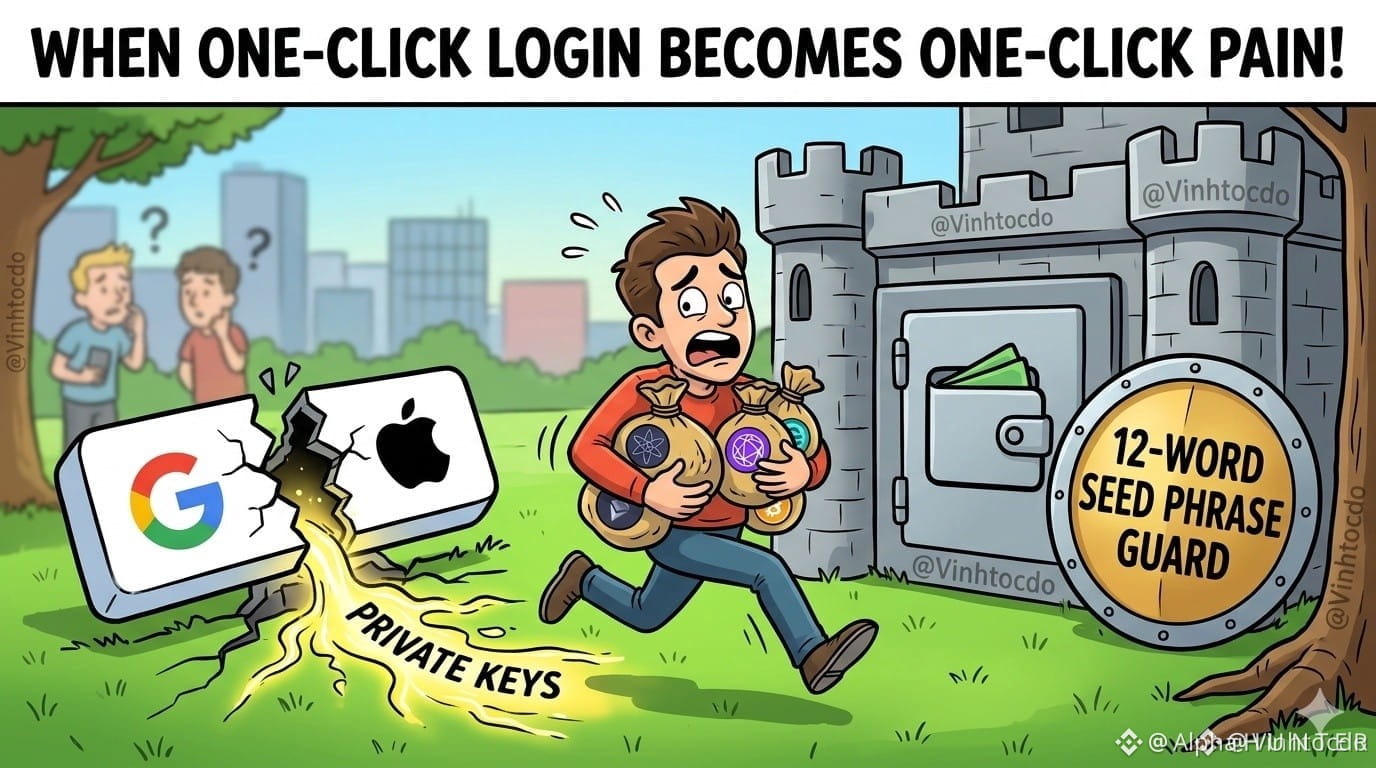
🚨 Keplr Warns Social Login Users: Transfer Your Assets Before It's Too Late!
Keplr has issued an important warning to users who access their wallets through social login.
Users relying on social login should take action and transfer their assets to a securely backed-up wallet before they risk losing access.
🔍 What You Need to Know:
Social login users should review their wallet access immediately.
Make sure your recovery credentials and wallet backup are secure.
Transfer assets to a wallet where you control and safely store the recovery phrase.
Never share your seed phrase or private keys with anyone.
⚠️ Why It Matters:
Your crypto security depends on controlling access to your wallet. Losing access to a social login account could create serious problems if you haven't secured your wallet recovery options.
The message is simple: don't wait until you lose access to protect your funds.
#keplr #CryptoSecurity #WalletSafety
1
972

#keplradvisessocialloginuserstotransferassets
🚨 Keplr met en garde les utilisateurs de la connexion via les réseaux sociaux : transférez vos actifs avant qu’il ne soit trop tard !
Keplr a lancé un avertissement important aux utilisateurs qui accèdent à leurs portefeuilles via une connexion avec un compte de réseau social.
Les utilisateurs qui se fient à cette méthode devraient agir et transférer leurs actifs vers un portefeuille dont la sauvegarde est sécurisée, avant de risquer d’en perdre l’accès.
🔍 Ce qu’il faut savoir :
Les utilisateurs de la connexion via les réseaux sociaux devraient vérifier immédiatement leur accès à leur portefeuille.
Assurez-vous que vos identifiants de récupération et la sauvegarde de votre portefeuille sont sécurisés.
Transférez vos actifs vers un portefeuille dont vous contrôlez la phrase de récupération et que vous pouvez conserver en lieu sûr.
Ne communiquez jamais votre phrase de récupération ni vos clés privées à qui que ce soit.
⚠️ Pourquoi est-ce important ?
La sécurité de vos cryptomonnaies dépend de votre contrôle de l’accès à votre portefeuille. Perdre l’accès à un compte de réseau social pourrait entraîner de sérieux problèmes si vous n’avez pas sécurisé les options de récupération de votre portefeuille.
Le message est simple : n’attendez pas d’avoir perdu l’accès pour protéger vos fonds.
#keplr #CryptoSecurity #WalletSafety
$AIOT
{future}(AIOTUSDT)
$JCT
{future}(JCTUSDT)
$IDOL
{future}(IDOLUSDT)
#keplradvisessocialloginuserstotransferassets
🚨 Keplr met en garde les utilisateurs de la connexion via les réseaux sociaux : transférez vos actifs avant qu’il ne soit trop tard !
Keplr a lancé un avertissement important aux utilisateurs qui accèdent à leurs portefeuilles via une connexion avec un compte de réseau social.
Les utilisateurs qui se fient à cette méthode devraient agir et transférer leurs actifs vers un portefeuille dont la sauvegarde est sécurisée, avant de risquer d’en perdre l’accès.
🔍 Ce qu’il faut savoir :
Les utilisateurs de la connexion via les réseaux sociaux devraient vérifier immédiatement leur accès à leur portefeuille.
Assurez-vous que vos identifiants de récupération et la sauvegarde de votre portefeuille sont sécurisés.
Transférez vos actifs vers un portefeuille dont vous contrôlez la phrase de récupération et que vous pouvez conserver en lieu sûr.
Ne communiquez jamais votre phrase de récupération ni vos clés privées à qui que ce soit.
⚠️ Pourquoi est-ce important ?
La sécurité de vos cryptomonnaies dépend de votre contrôle de l’accès à votre portefeuille. Perdre l’accès à un compte de réseau social pourrait entraîner de sérieux problèmes si vous n’avez pas sécurisé les options de récupération de votre portefeuille.
Le message est simple : n’attendez pas d’avoir perdu l’accès pour protéger vos fonds.
#keplr #CryptoSecurity #WalletSafety
$AIOT
$JCT
$IDOL
4
2.5k

Your Bitcoin Could Vanish While You "Speed Up" a Payment Update Your Wallet NOW
Electrum, one of Bitcoin's oldest wallets, just disclosed a frightening flaw — and attackers are already exploiting it. A rogue server can quietly swap your real payment for a fake one that sends your coins to the attacker. The wallet still shows it as pending, so when you tap "increase fee" to speed it up, you unknowingly sign the theft yourself. Developers confirmed two October reports: one user spotted the swap in time, but another lost funds after approving what looked like a routine fee bump. In one case the fake transaction carried zero fee, so it looked stuck, and the attacker's address even matched the last four characters of the real destination. Electrum fixed the flaw in version 4.8.3, released October 24 — every older version is still at risk on a malicious server. Update now, connect only to servers you trust, and always check the full address and amount before signing. Not financial advice — just protect your coins.
$BTC
#Bitcoin #Electrum #CryptoSecurity #WalletSafety
78
A BITCOIN WALLET SECURITY WARNING YOU SHOULDN’T IGNORE.
Electrum has released version 4.8.3 after discovering a high-severity vulnerability affecting older versions.
And this isn’t just theoretical. Developers confirmed that at least one user lost funds.
Here’s how the attack works:
1. You send a Bitcoin transaction.
2. A malicious server replaces its unconfirmed wallet-history entry with a fraudulent transaction.
3. You attempt to speed up the payment by increasing its fee.
4. Without noticing the changed destination, you could authorize a payment to the attacker.
The attackers even used addresses sharing the same last four characters as legitimate destinations.
What should users do?
• Update Electrum to version 4.8.3.
• Download updates only from the official website.
• Verify the full recipient address and amount before signing transactions.
• Never approve an unfamiliar transaction simply to increase its fee.
Important lesson: Self-custody gives you control over your assets, but it also requires understanding transaction security.
Protecting wealth matters just as much as growing it.
Do you verify the entire wallet address before approving a transaction?
#Bitcoin #CryptoSecurity #WalletSafety #CryptoEducation
90

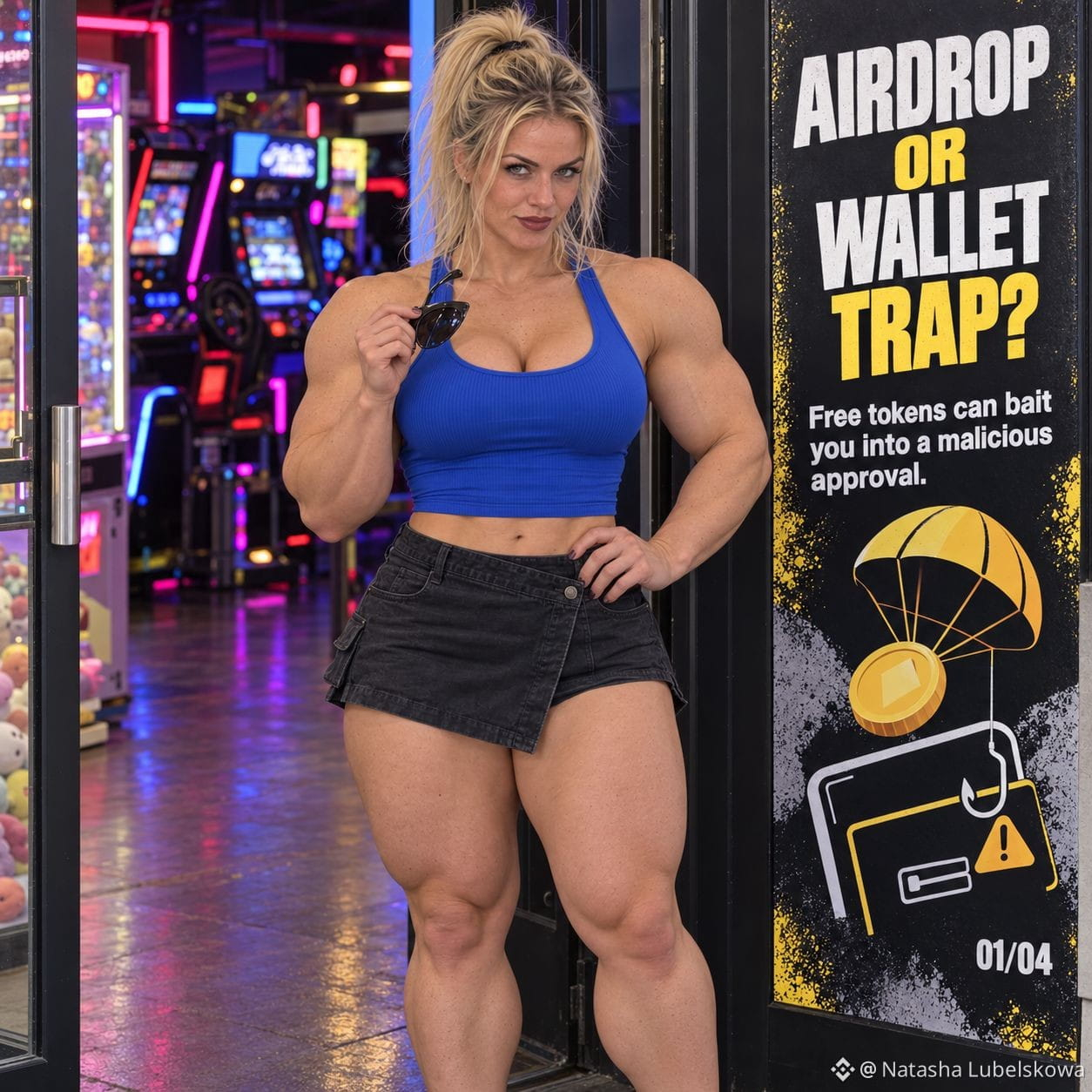
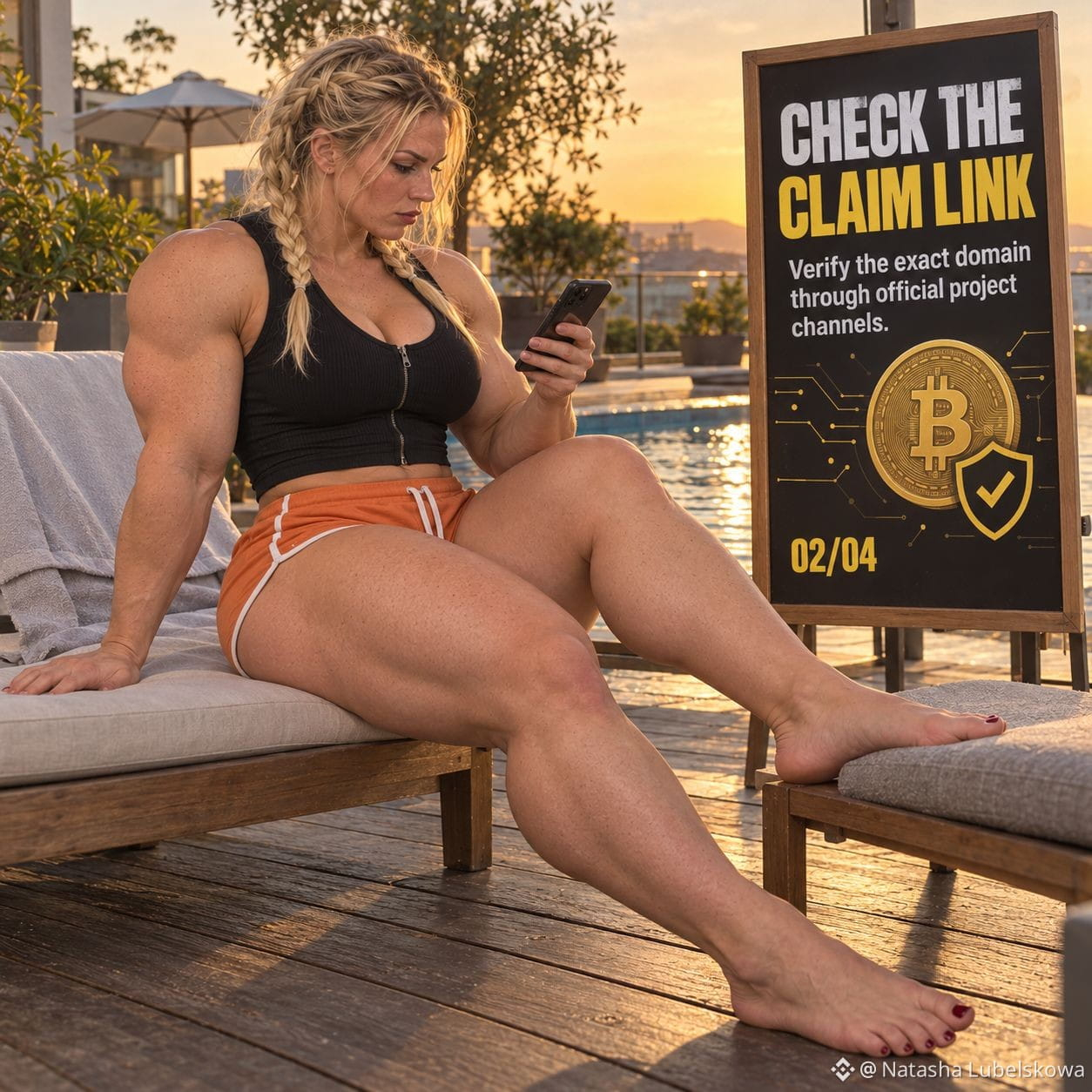
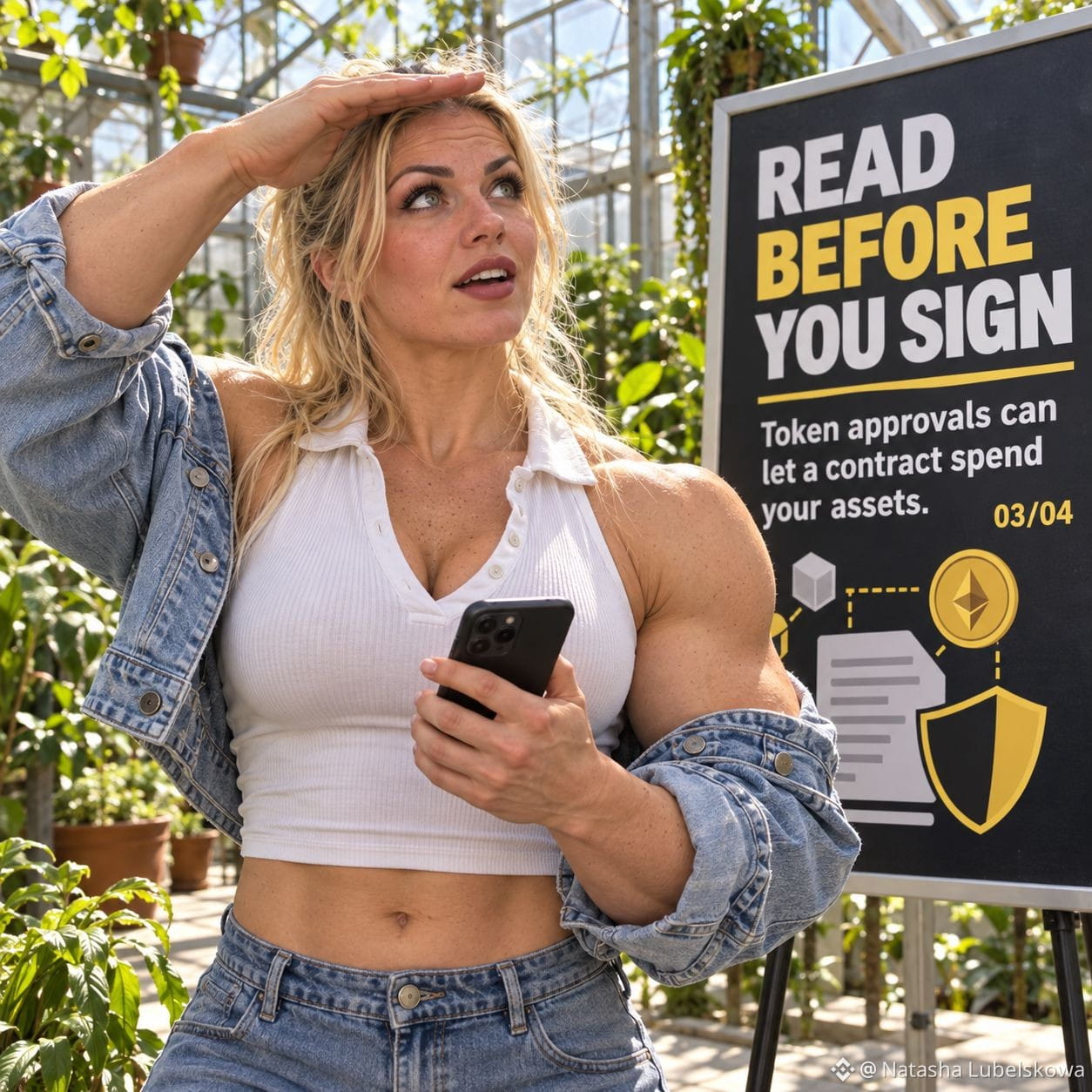
AIRDROP OR WALLET TRAP? 🪂
Free tokens can bait you into giving away wallet access. Swipe through four checks before your next claim.
1. Treat unexpected tokens as untrusted. A displayed price does not prove they are safe or sellable.
2. Verify the exact claim domain through official project channels. Avoid links from unsolicited messages.
3. Read before signing. Check the network, contract, spending permission and amount. An approval can let a contract spend your tokens.
4. Keep your recovery phrase private. A legitimate airdrop never needs it or your private key.
Pressure to act fast is a reason to pause. If you do not understand a wallet request, do not sign it.
Which red flag have you seen most often?
#Airdrop #CryptoSecurity #Web3 #WalletSafety

89

·
--
Apple says it rejected over 371,000 malicious app submissions, and that’s exactly why “safe because it’s in the app store” is a dangerous assumption.
Crypto users get drained all the time by fake wallet apps, clone interfaces, and lookalike tools that feel legit until the seed phrase is gone. One bad download can cost more than a bad trade on $BTC or $ETH.
The key detail here: Apple didn’t give a direct comment, but pointed to its ecosystem stats and said no active Sparrow clones remain in the store. That sounds reassuring, but it also confirms the bigger issue , malicious apps do make it far enough to need rejection, removal, and constant policing.
For traders holding $SOL, $BTC, or any self-custody assets, the risk isn’t just market volatility. It’s operational security. Always verify the developer, app history, website source, reviews, and never type a seed phrase into anything you found through search alone.
What’s your process for checking whether a crypto app is actually legit?
#CryptoSecurity #WalletSafety #OnChainLessons
Apple says it rejected over 371,000 malicious app submissions, and that’s exactly why “safe because it’s in the app store” is a dangerous assumption.
Crypto users get drained all the time by fake wallet apps, clone interfaces, and lookalike tools that feel legit until the seed phrase is gone. One bad download can cost more than a bad trade on $BTC or $ETH .
The key detail here: Apple didn’t give a direct comment, but pointed to its ecosystem stats and said no active Sparrow clones remain in the store. That sounds reassuring, but it also confirms the bigger issue , malicious apps do make it far enough to need rejection, removal, and constant policing.
For traders holding $SOL , $BTC , or any self-custody assets, the risk isn’t just market volatility. It’s operational security. Always verify the developer, app history, website source, reviews, and never type a seed phrase into anything you found through search alone.
What’s your process for checking whether a crypto app is actually legit?
#CryptoSecurity #WalletSafety #OnChainLessons
71

·
--
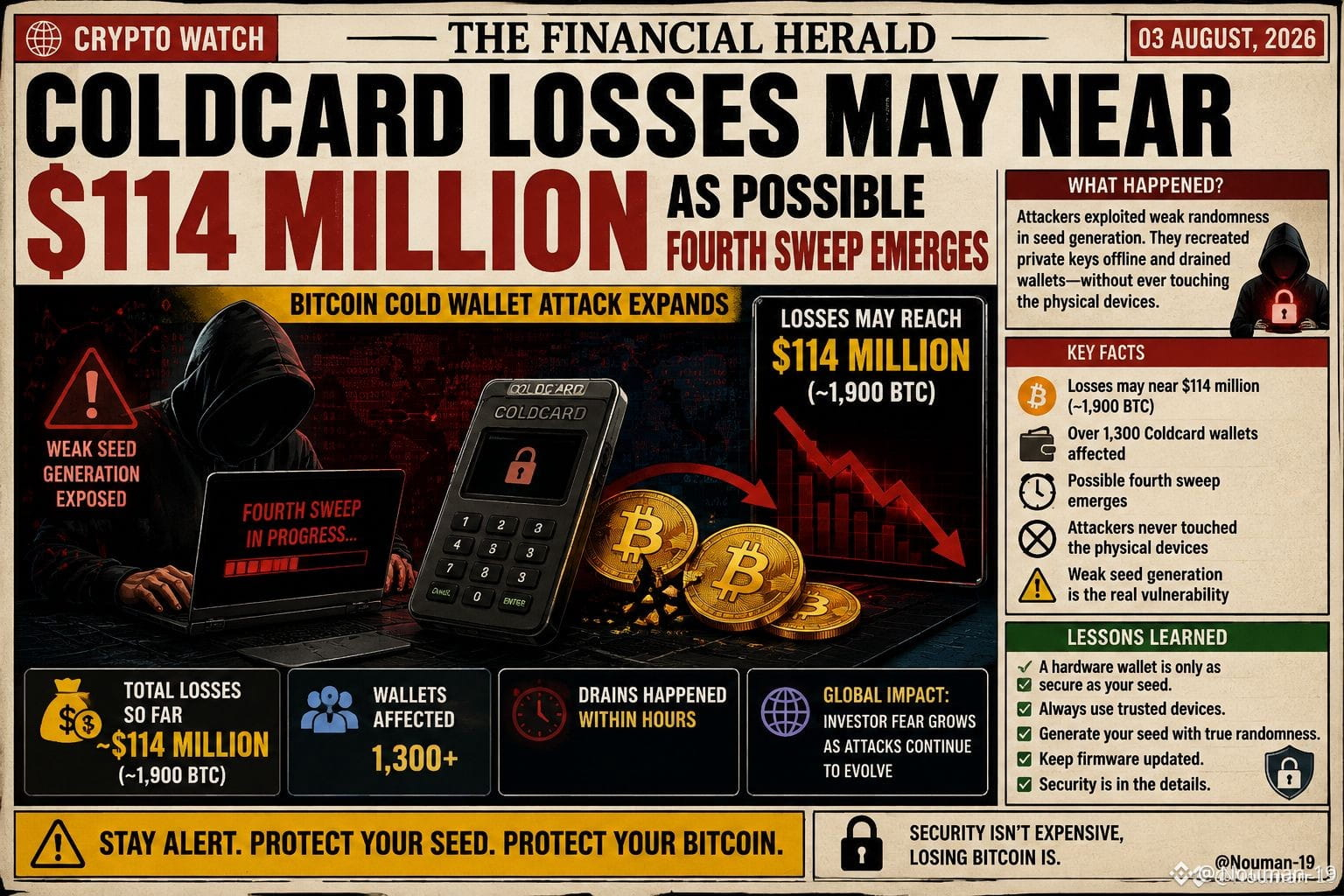
Coldcard Wallet Attack Update
A possible fourth sweep has been detected, pushing estimated losses from the Coldcard wallet-related attack to nearly $114 million.
🔍 Key Highlights: • Estimated losses may reach $114M • Investigators are tracking a possible fourth wallet sweep • The incident highlights that even cold storage requires careful operational security • Always verify wallet setup, firmware, and recovery procedures
🛡️ Security Reminder: Cold wallets are designed to keep private keys offline, but mistakes, compromised recovery phrases, or supply-chain risks can still lead to major losses.
Stay informed. Stay secure. 🔐
#Bitcoin #Crypto #ColdWallet #Coldcard #CryptoSecurity #Blockchain #BTC #CyberSecurity #CryptoNews🚀🔥V #WalletSafety #Web3 #CryptoUpdates
1
89

$USDC wallet security is back in focus 🛡️
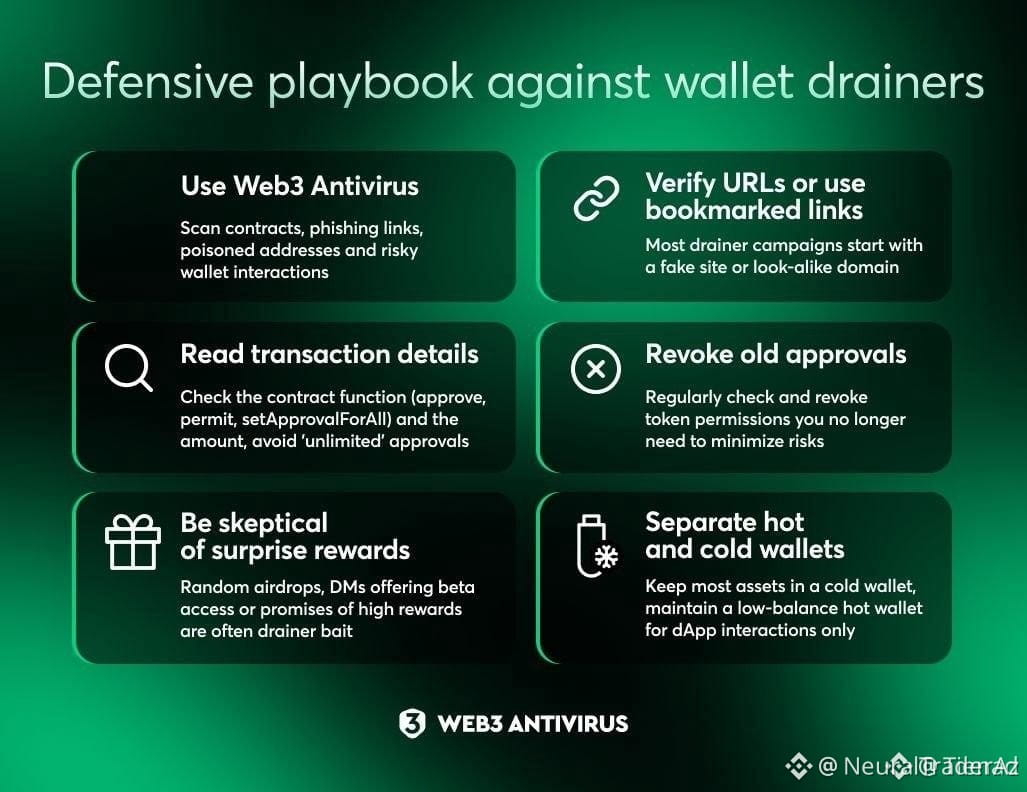
A 316K $USDC wallet drainer case just reminded the market that one careless signature can be enough to get completely rekt. That usually makes weak hands more cautious short term, but it also puts a spotlight on projects and tools built around on-chain security.
Alright everyone, this is one of those moments where smart money watches behavior, not noise. Whale games love distraction, and retail often learns the hard way. Keep wallet activity tight, avoid blind contract approvals, and stay sharp while the crowd is sleeping.
Not financial advice. Manage your risk.
#USDC #CryptoSecurity #WalletSafety #OnChain
🧠
90

·
--
Thousands of crypto wallets might be at risk – here’s why. A new report from Coinspect reveals a vulnerability called 'Ill Bloom' affecting many crypto wallets. This problem stems from how some wallets generate their "recovery phrases" – those 12 or 24 words you use to restore your funds if you lose access. If these phrases aren't truly random, it makes it easier for attackers to guess them and steal your crypto. This matters because your recovery phrase is the master key to your digital assets. If it's weak or predictable, your funds aren't secure, no matter how strong your password is. It highlights the critical importance of using reputable wallets and strong security practices. This news reminds us that fundamental security is paramount in crypto. While we celebrate gains like $VANRY's +42.09% today, ensuring your holdings are safe from vulnerabilities like "Ill Bloom" is far more important. Always double-check your wallet’s security provenance. What are your thoughts on wallet security? #CryptoSecurity #WalletSafety #Blockchain 🔒 $BTC $ETH
Thousands of crypto wallets might be at risk – here’s why. A new report from Coinspect reveals a vulnerability called 'Ill Bloom' affecting many crypto wallets. This problem stems from how some wallets generate their "recovery phrases" – those 12 or 24 words you use to restore your funds if you lose access. If these phrases aren't truly random, it makes it easier for attackers to guess them and steal your crypto. This matters because your recovery phrase is the master key to your digital assets. If it's weak or predictable, your funds aren't secure, no matter how strong your password is. It highlights the critical importance of using reputable wallets and strong security practices. This news reminds us that fundamental security is paramount in crypto. While we celebrate gains like $VANRY's +42.09% today, ensuring your holdings are safe from vulnerabilities like "Ill Bloom" is far more important. Always double-check your wallet’s security provenance. What are your thoughts on wallet security? #CryptoSecurity #WalletSafety #Blockchain 🔒 $BTC $ETH
198

⚖️ Security Alert for Crypto Holders: Growing malware threats demand increased vigilance from investors
On July 19, 2026, The Kaspersky malware framework report, combined with the Consensys North Korean developer infiltration, paints a concerning picture for crypto security. As the ecosystem grows to $2.30T in total value, malicious actors are investing more resources in targeted attacks.
Best practices include: using hardware wallets for long-term storage of Bitcoin $BTC and Ethereum $ETH, never sharing seed phrases, verifying software downloads via checksums, and using unique strong passwords for exchange accounts.
📌 Key Takeaway:
Crypto security is a shared responsibility. As the industry matures, security infrastructure must mature too — both at the company level and the individual investor level.
#CryptoSecurity #BestPractices #WalletSafety
#BinanceAlphaAlert
⚖️ Security Alert for Crypto Holders: Growing malware threats demand increased vigilance from investors
On July 19, 2026, The Kaspersky malware framework report, combined with the Consensys North Korean developer infiltration, paints a concerning picture for crypto security. As the ecosystem grows to $2.30T in total value, malicious actors are investing more resources in targeted attacks.
Best practices include: using hardware wallets for long-term storage of Bitcoin $BTC and Ethereum $ETH , never sharing seed phrases, verifying software downloads via checksums, and using unique strong passwords for exchange accounts.
📌 Key Takeaway:
Crypto security is a shared responsibility. As the industry matures, security infrastructure must mature too — both at the company level and the individual investor level.
#CryptoSecurity #BestPractices #WalletSafety
#BinanceAlphaAlert
39
Log in to explore more content
Join global crypto users on Binance Square
⚡️ Get latest and useful information about crypto.
💬 Trusted by the world’s largest crypto exchange.
👍 Discover real insights from verified creators.
Email / Phone number
Trending Topics
1
#CanMarketsReboundAfterThanksgiving?
216,220 views
2,067 Discussing
2
#EvolveAtBinanceBlockchainWeek
863,167 views
10,726 Discussing
3
#CouldSpaceX’sOrbitalDataCentersBoostAIChipDemand?
106,069 views
1,238 Discussing
4
#SouthKoreaProposesMandatoryDigitalAssetTransactionDisclosure
5,767 views
117 Discussing
5
#StellarAdds$80.4MTokenizedFundsInOneDay
371 views
5 Discussing
6
#ZcashDevelopersUrgeZECMoveToIronwood
37,779 views
184 Discussing
7
#TradFiForBeginners
1.2M views
6,280 Discussing
8
#KoreaFSCSeeksPowerToSuspendCryptoListings
24,080 views
361 Discussing
9
#SouthKoreaPlansToRequireTetherCircleLocalReserves
22,489 views
252 Discussing
10
#UKFCAReportedlyPlansDeFiAuthorizationRules
16,663 views
151 Discussing